


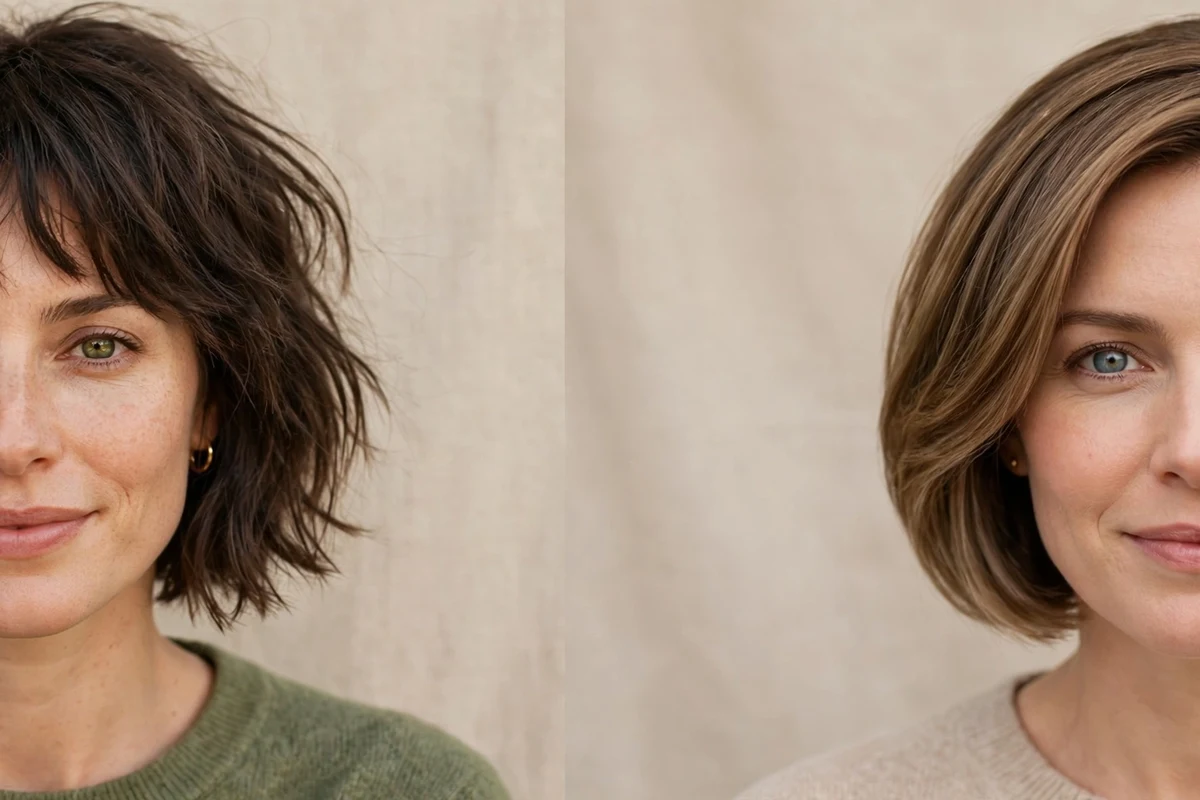
The textured bob vs layered bob difference is about finish, not length. A textured bob is cut with choppy, piecey ends and point-cut or razored texture through the mid-lengths, so it looks lived-in and undone. A layered bob uses smooth, stacked, or graduated layers to build a polished shape with a clean outline. Both are bobs, but one reads casual and the other reads refined.
Stylists hear these terms mixed up constantly, so knowing which one you actually want saves you from a disappointing appointment. Below you will find the real technical differences, 12 example styles (six per side), and a direct verdict on which cut fits your hair and routine.
Quick takeaways:
- A textured bob prioritizes piecey, separated ends; a layered bob prioritizes a smooth, shaped outline.
- Textured bobs are cut with razors or point cutting; layered bobs rely on stacked or graduated scissor work.
- Textured bobs suit fine hair that needs the illusion of fullness and thick hair that needs weight removed.
- Layered bobs flatter round and square faces by adding structured shape around the jaw.
- Both cost $70–$130 for the cut; textured bobs grow out more forgivingly than precise layered shapes.
Shape and silhouette: what each cut looks like
A textured bob has an irregular outline. The ends break apart into points and pieces, so the perimeter looks soft and slightly shattered. The overall shape is straight-ish through the lengths with movement at the tips, which gives it that effortless, just-left-the-beach feel.
A layered bob has a deliberate outline. The perimeter is clean, and the layers stack inside to create shape: rounded at the back, angled toward the front, or graduated from short to long. It looks intentional from every angle, which is why it photographs so crisply.
Length ranges overlap. Both cuts typically sit between the jaw and the collarbone. The difference is never how long the hair is; it is always how the ends behave.
Layering technique: how stylists build each one
Texture is added, layers are constructed. For a textured bob, the stylist cuts the base shape first, then goes back in with a razor or point-cutting shears to carve texture into the ends and mid-lengths. The technique removes weight in vertical pieces, which is what creates separation.
For a layered bob, the layers ARE the shape. The stylist builds them with scissor-over-comb or slide cutting, stacking shorter layers at the back (in a stacked bob) or graduating length from back to front (in a graduated bob). Precision matters more here; sloppy sectioning shows in a layered bob, while a textured bob hides small imperfections.
If you want to study the constructed side in depth, our layered bob hairstyles roundup shows how many shapes the layered approach can produce.
Who suits each: face shapes and hair textures
Textured bobs are the more democratic cut. The piecey ends soften strong jawlines on square faces, add width-neutral texture for long faces, and keep round faces from looking weighed down. Fine hair benefits enormously: the shattered ends create the illusion of density. Thick hair benefits too, since the texturizing removes bulk that would otherwise make a bob puff out.
Layered bobs reward specific pairings. The stacked back adds height that flatters round faces; the angled front pieces slim a wider jaw. They work best on straight to wavy hair, because the smooth outline needs hair that lies neatly. Very curly hair can wear a layered bob, but it needs to be cut dry and shaped to the curl pattern.
For fine hair specifically, choppy texture is often the better friend. Our guide to choppy bob haircuts for fine hair explains why shattered ends outperform blunt ones on thin strands.
Maintenance, salon cost, and grow-out
Daily styling favors the textured bob. Air-dry with a texturizing spray or a dab of styling cream, scrunch, and you are done in under five minutes. A layered bob asks for a bit more polish: a quick blow-dry with a round brush (heat protectant first) keeps the stacked shape smooth and the outline crisp.
Trim timing is similar: every 6 to 8 weeks for both, since bobs lose their geometry fast. The textured bob is more forgiving between appointments; grown-out texture just looks like more texture. A grown-out layered bob loses its stacked shape and can look like a generic grown-out bob.
Pricing is nearly identical. Expect $70–$130 for either cut at most salons, with textured bobs occasionally priced slightly higher if the stylist does extensive razor work. Neither cut is a big color investment unless you add highlights to show off the texture.
Textured bob styles to try
Six ways to wear the textured bob, from subtle to statement.
Choppy textured bob

The choppy textured bob is the baseline of the category: a chin-length cut with point-cut ends that break into visible pieces. It suits straight and wavy hair best, and it flatters most face shapes because the irregular ends keep the outline soft. Styling is minimal: a texturizing spray on damp hair, scrunched in, then air-dried. Fine hair looks noticeably fuller, while thick hair loses the shelf-like bulk a blunt bob can create. Ask your stylist for texture through the last two inches rather than all-over thinning, which can make the ends look wispy.
Try this: Flip your head upside down and blast the roots with a dryer for 60 seconds to build volume, then leave the ends alone.
Difficulty: Easy | Salon cost: $70–$120
Razored textured bob
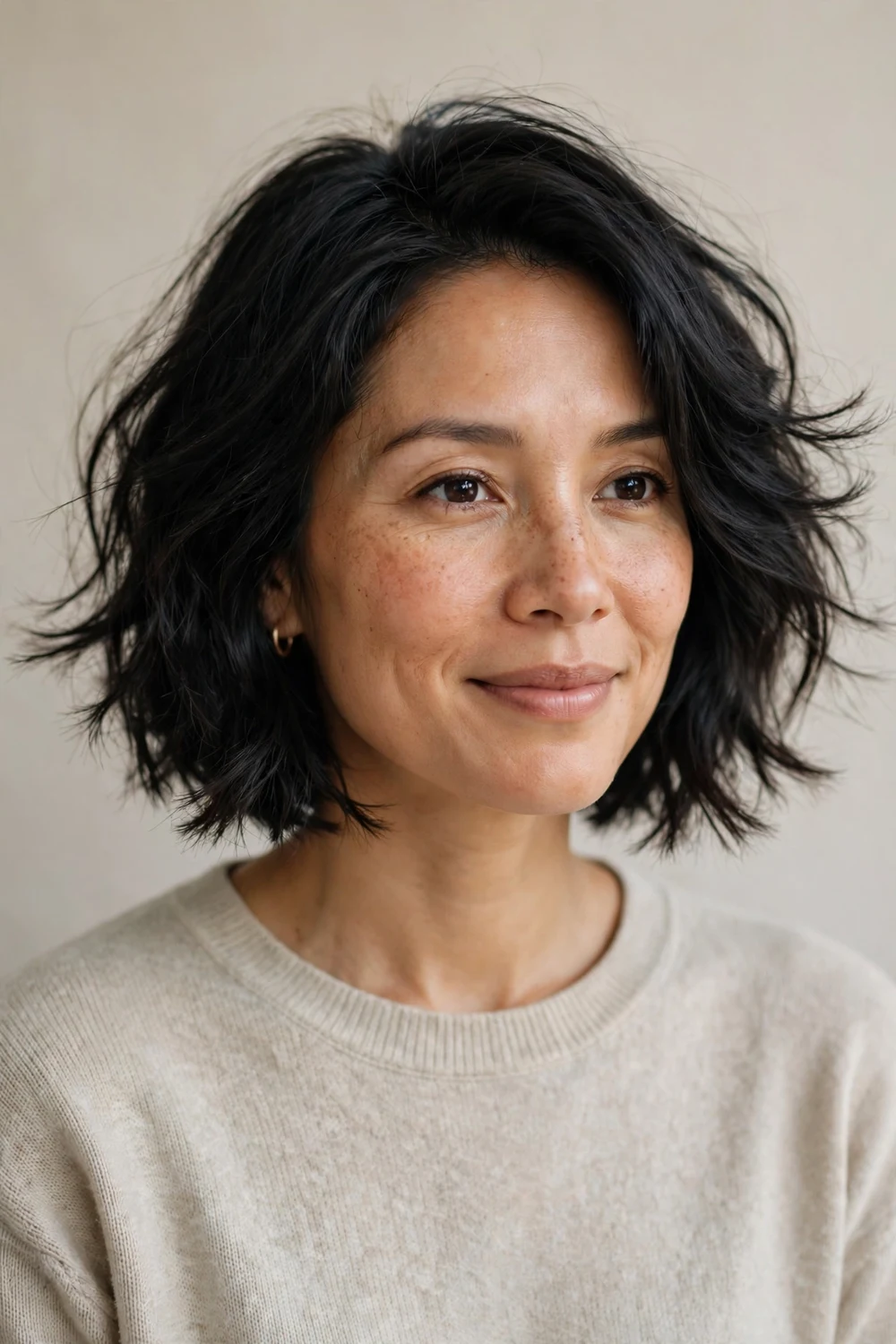
A razor-cut bob takes texture further: the ends are feathered and wispy rather than just piecey, which creates a soft, almost blurred outline. It works well on medium-density hair and gives straight hair movement it would not otherwise have. The trade-off is that razored ends can frizz on coarse or very curly hair, so it is not the pick for every texture. Maintenance is wash-and-go; the cut does the work. Trims every seven weeks keep the feathering from turning stringy.
Try this: Smooth a pea-sized amount of anti-frizz serum over dry ends to keep the feathering defined instead of puffy.
Difficulty: Easy | Salon cost: $80–$130
Textured bob with piecey ends
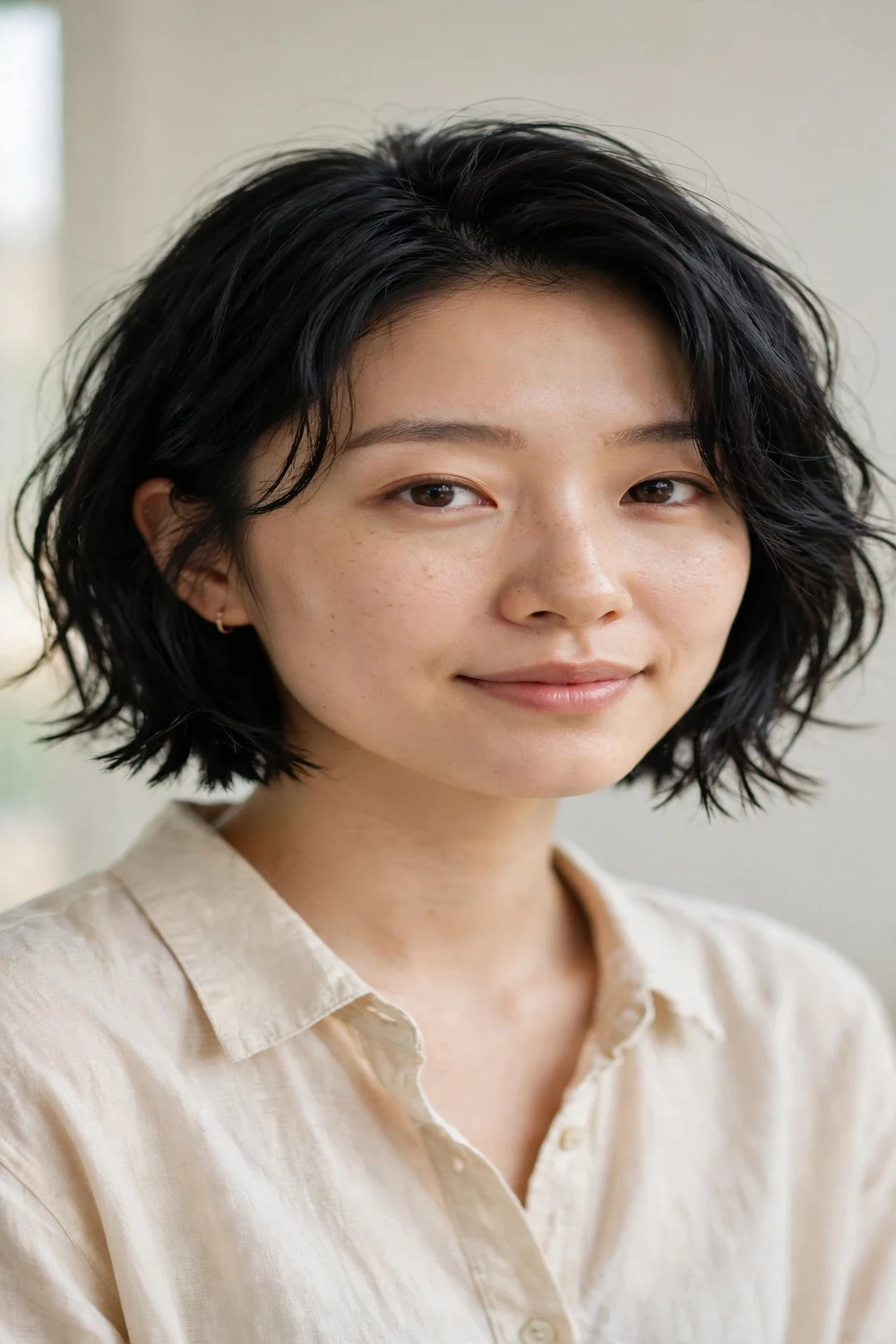
This version keeps the interior fairly solid and concentrates the texture at the very ends, so the pieces separate into defined tips. It is a good middle ground if you like polish at the roots but want edge at the perimeter. It suits jaw-length to shoulder-length bobs and works on all densities. A flat iron can flick the pieces outward (heat protectant first), or you can leave them natural for a softer read. The separated ends also show off balayage and highlights well, since light catches each piece individually.
Try this: Rub a tiny amount of matte wax between your fingertips and pinch individual end pieces for definition.
Difficulty: Easy | Salon cost: $70–$120
Tousled wavy textured bob
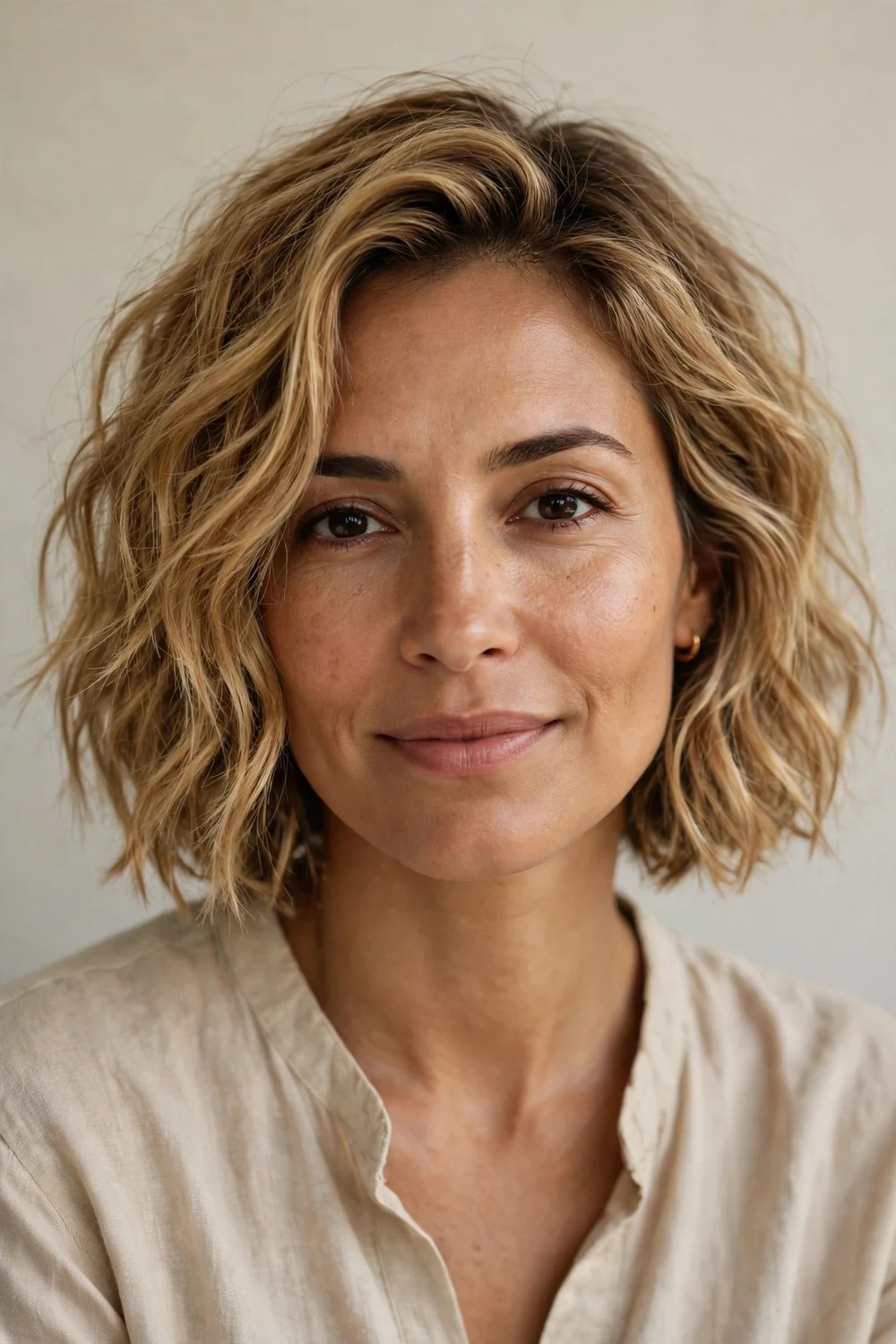
Pairing texture with natural wave produces the most low-effort bob on this list. The cut sits at or just below the chin, the ends are heavily point-cut, and the waves do the rest. It flatters round and heart faces because the tousled volume adds width at the right places. Air-drying is genuinely enough; a sea-salt spray adds grit on second-day hair. This is the bob to choose if your mornings allow under five minutes. For more short textured inspiration, browse our choppy bob hairstyles collection.
Try this: Braid damp hair loosely in two braids overnight for heat-free waves that fall apart naturally by morning.
Difficulty: Easy | Salon cost: $70–$120
Textured bob with curtain bangs
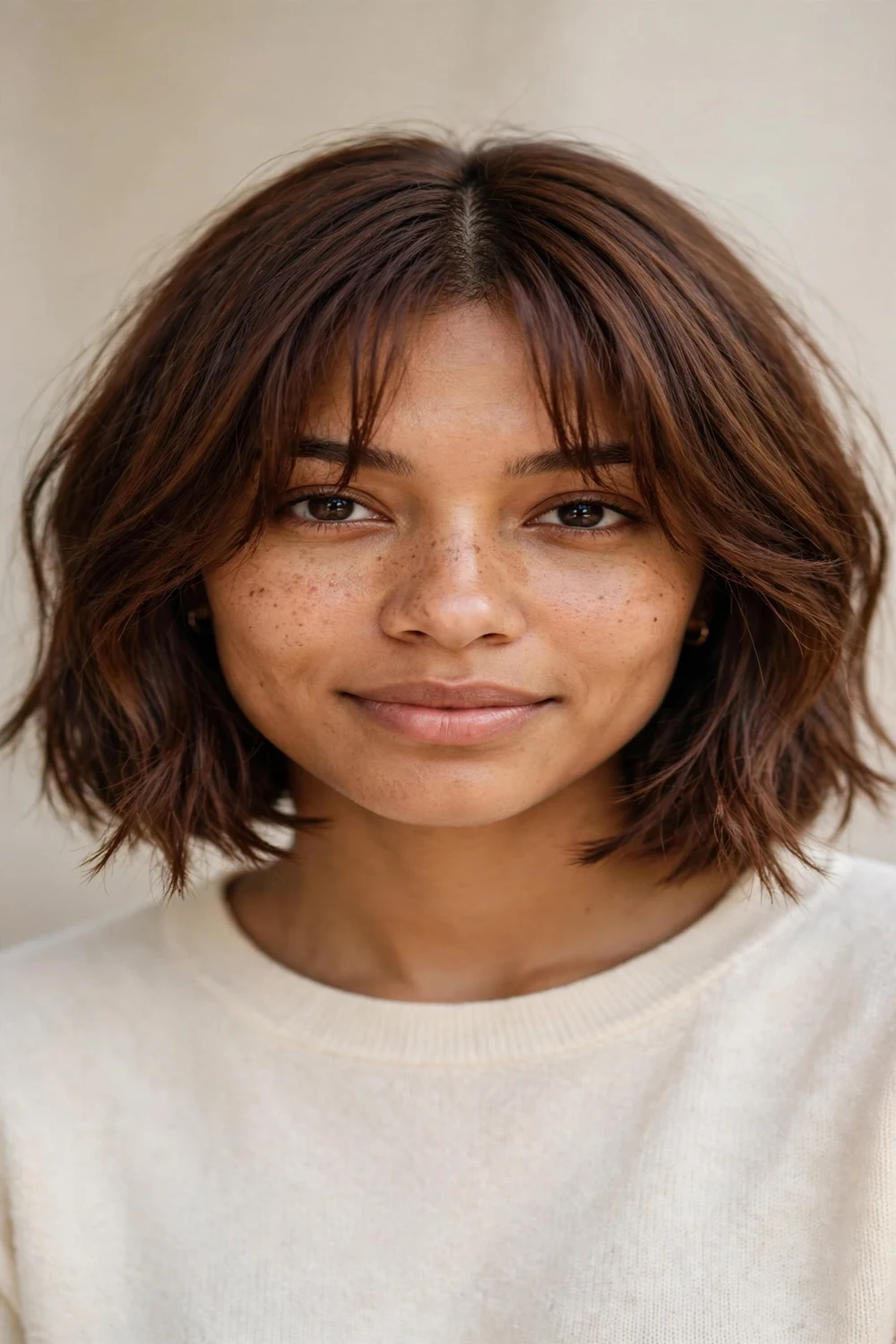
Curtain bangs blend into a textured bob almost seamlessly, since both rely on soft, broken lines. The bangs part in the center and melt into the face-framing pieces, which makes the whole cut read as one flowing shape. It suits long and oval faces especially well, because the bangs visually shorten the forehead. The fringe needs a trim every four to five weeks to keep its shape. Style the bangs with a round brush or let them air-dry tucked behind the ears on lazy days.
Try this: Blow-dry curtain bangs forward over the forehead first, then sweep them to the sides for the right bend.
Difficulty: Medium | Salon cost: $80–$130
Messy textured lob
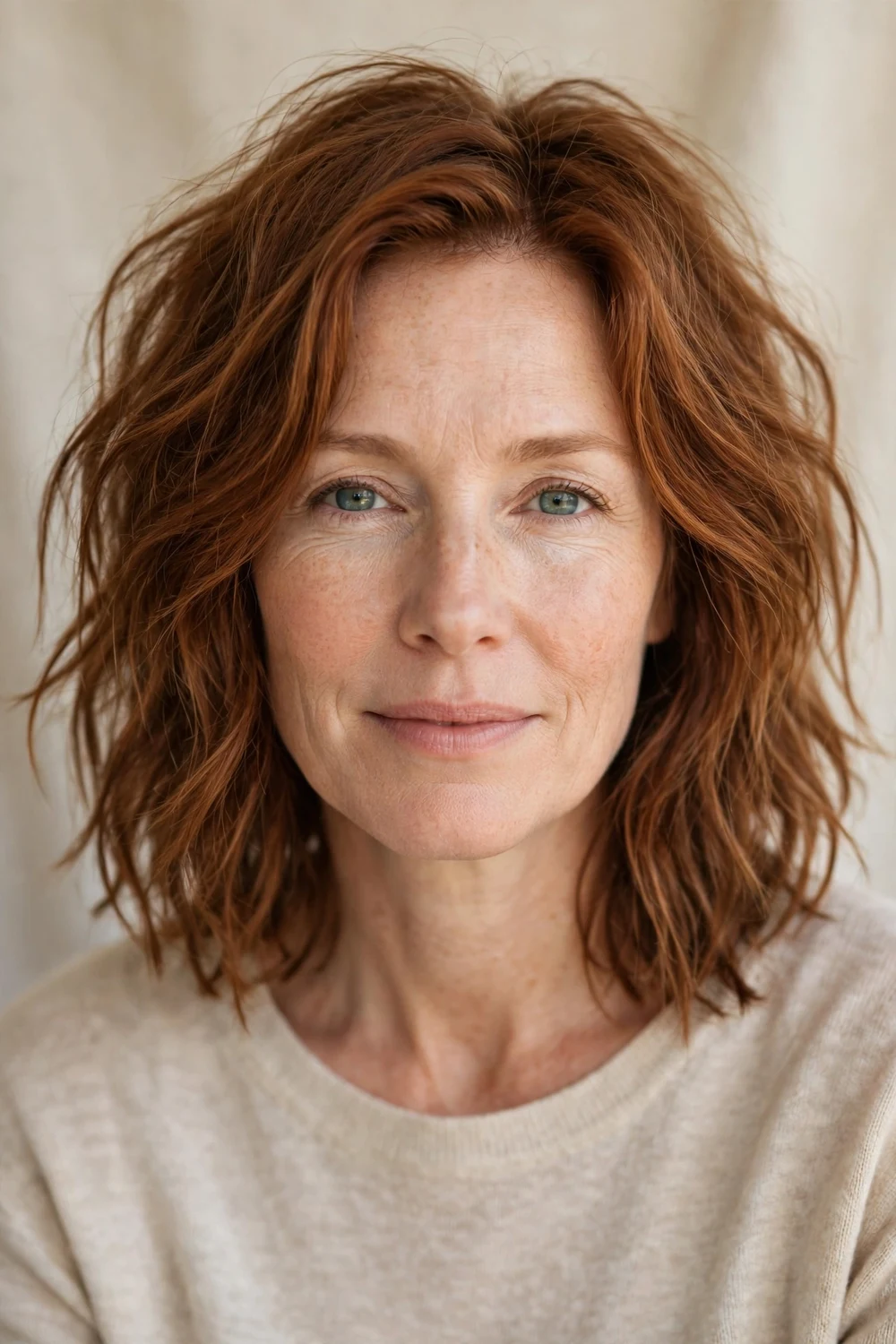
The textured lob stretches the concept to collarbone length, which makes it the safest entry point if you are nervous about going short. The longer length keeps styling options (ponytails still work) while the shattered ends keep it from reading as a plain long cut. It suits all face shapes and most densities, and it grows out into a shaggy long cut without drama. This is also the textured bob that handles thick hair best, since the length gives the texture room to move. Expect the same $70–$130 cut price as shorter versions.
Try this: Use a large curling wand on random sections (heat protectant first), then shake the hair out for undone waves.
Difficulty: Easy | Salon cost: $70–$130
Layered bob styles to try
Six ways to wear the layered bob, from classic to modern.
Stacked layered bob
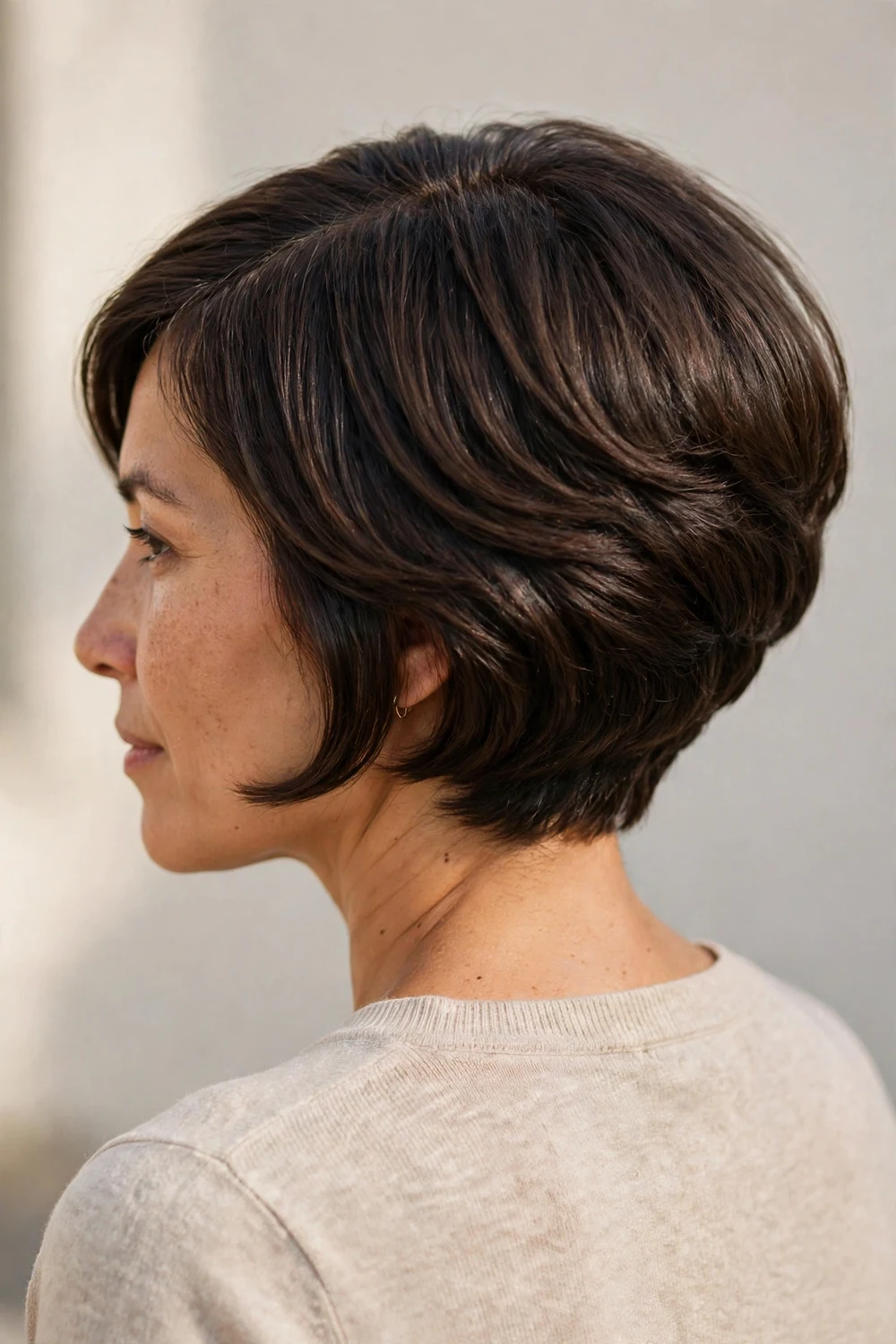
The stacked bob is the most architectural layered bob: short layers graduate up the back to build volume at the crown, while the front stays longer. It creates a rounded, full silhouette that flatters round faces and fine hair, since the stacking manufactures fullness. The precision cutting means it needs a skilled stylist; uneven stacking is obvious. Daily styling takes ten minutes with a round brush to keep the back smooth. Trims every six weeks are non-negotiable, because the stacked shape collapses as it grows.
Try this: Blow-dry the back sections upward with a round brush to reinforce the stacked volume at the crown.
Difficulty: Medium | Salon cost: $80–$140
Long layered bob with face framing
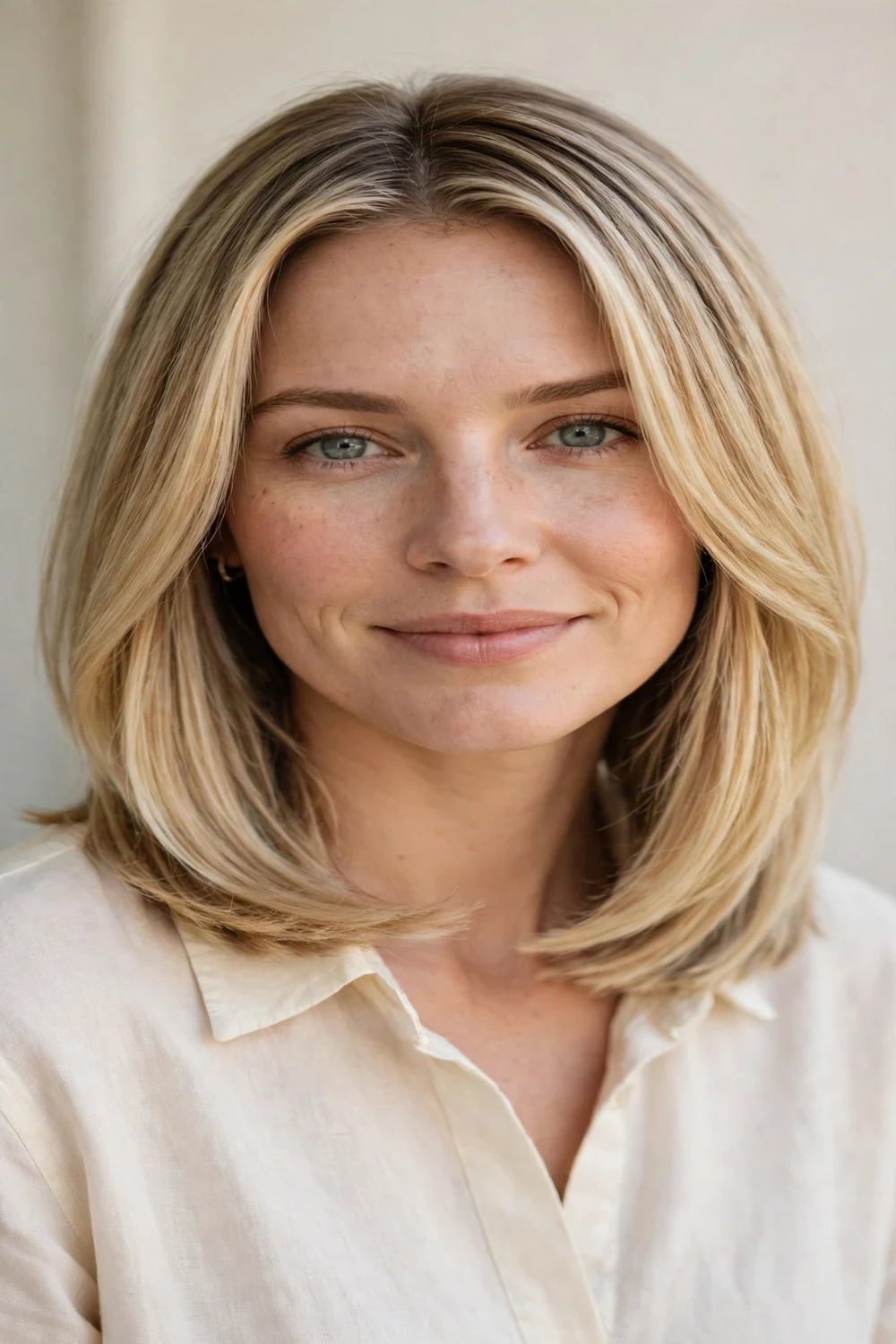
The long layered bob (lob) keeps length near the collarbone while smooth layers start at the chin and frame the face. It is the most versatile layered bob: professional enough for the office, soft enough for weekends. It suits oval, square, and heart faces, and the face-framing pieces can be customized to your features. Styling options are wide, from sleek blowouts to loose waves. This is the layered bob to choose if you want shape without committing to short hair. Our medium bob hairstyles roundup has more cuts in this length range.
Try this: Tuck one side behind the ear to show off the face-framing layers on days you want a sharper look.
Difficulty: Easy | Salon cost: $70–$130
Soft rounded layered bob
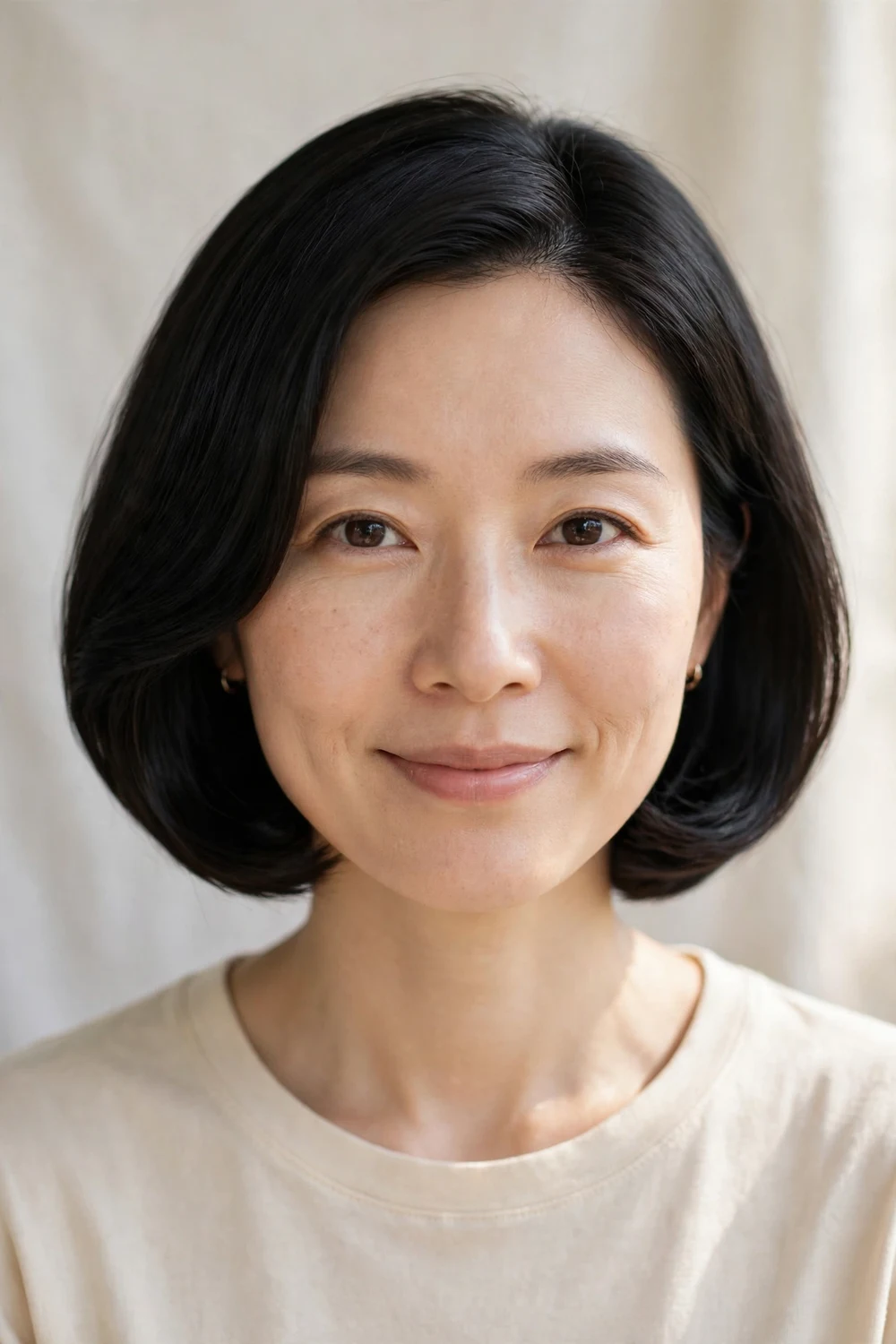
The rounded layered bob curves under at the ends to form a smooth, ball-like shape around the jaw. It is the most polished bob on this list and the closest to a classic salon bob. It flatters long faces by adding width, and it looks best on straight hair that holds the curve. The ends need regular trims to keep tucking under instead of flipping out. A round brush blow-dry (heat protectant first) is the standard styling routine; air-drying usually loses the rounded finish.
Try this: Finish the blow-dry with the cool shot aimed downward to set the tucked-under ends.
Difficulty: Medium | Salon cost: $70–$130
Layered bob with side part
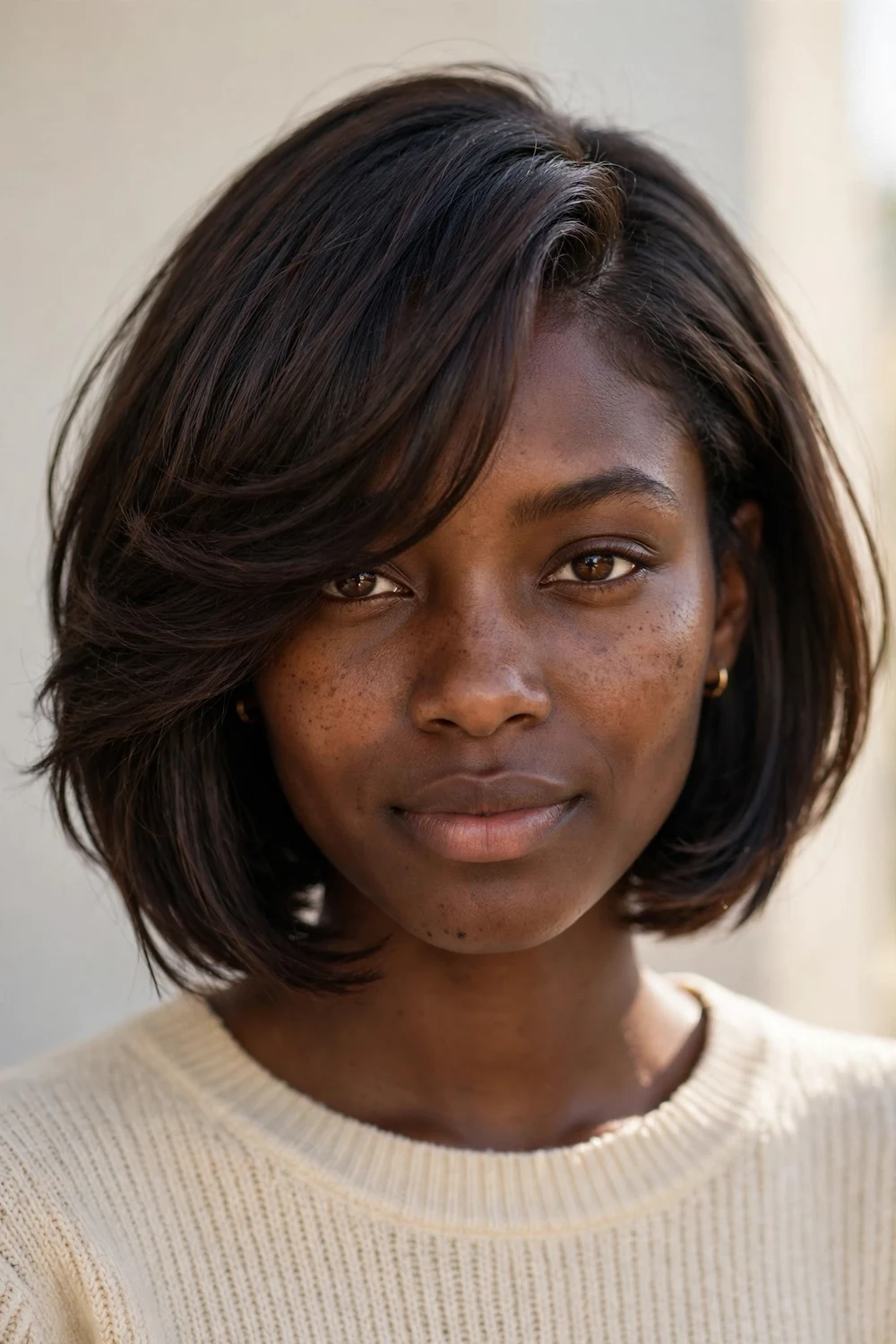
A deep side part changes a layered bob’s whole geometry, sweeping the longer front pieces across the forehead and adding asymmetry. The layers graduate from the part downward, which creates natural volume on the heavy side. It suits square and round faces, since the diagonal line breaks up symmetry. This version needs the least restyling of any layered bob: the part does the work. It also grows out well, because the asymmetry disguises uneven growth better than a center-parted bob.
Try this: Set the part while hair is damp and clip it in place for ten minutes to train the hairline.
Difficulty: Easy | Salon cost: $70–$120
Graduated layered bob
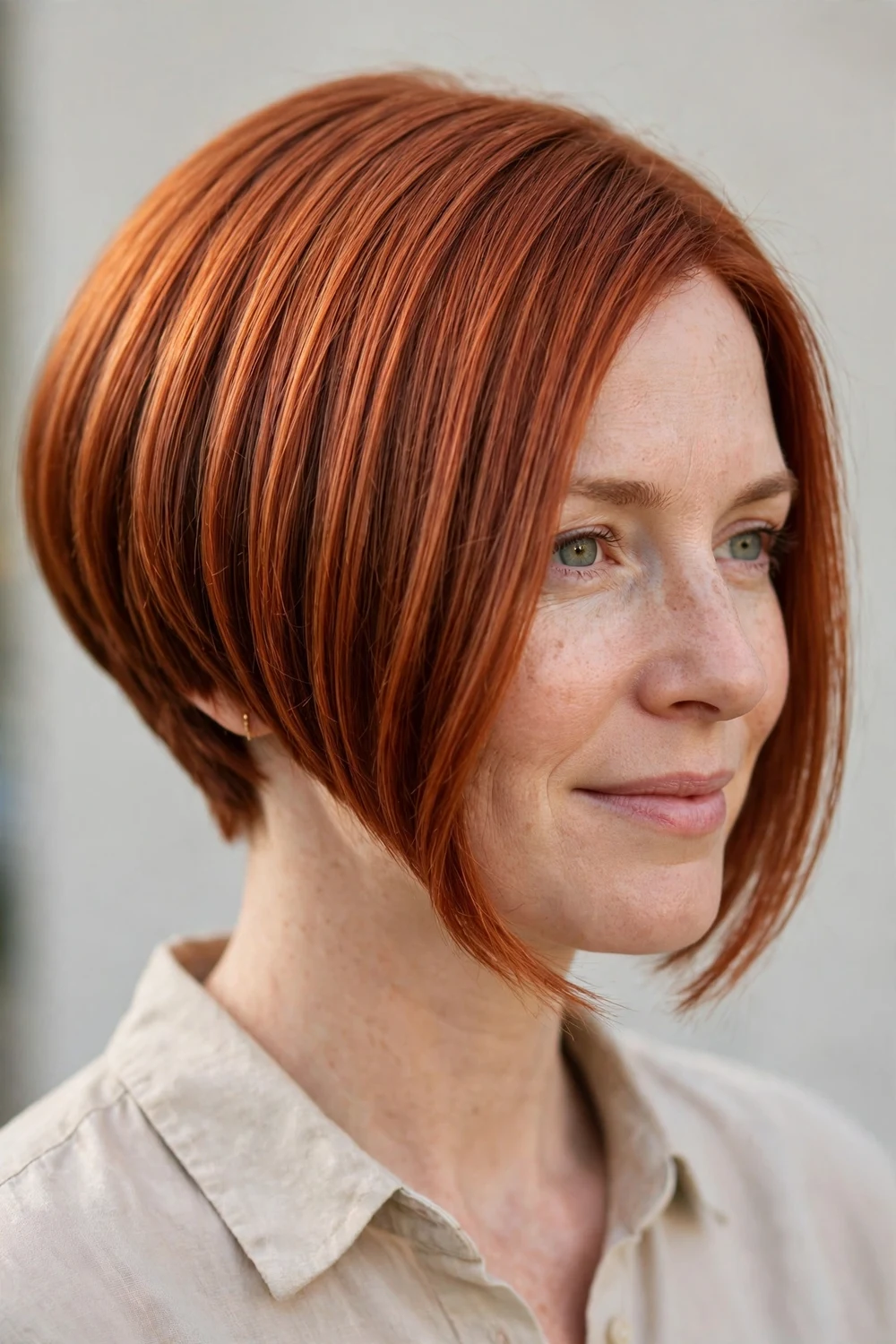
The graduated bob angles from shorter at the back to longer at the front, with the layers stacked tightly to build the slope. It is sharper than the rounded bob and more dramatic than the stacked version. It flatters most face shapes but looks best on straight hair, where the angle reads cleanly. The precision angle means it shows growth quickly; book trims every six weeks. If you like the graduated shape at a shorter length, our short shaggy bob hairstyles show a more textured take on cropped bobs.
Try this: Flat-iron the front pieces (heat protectant first) to emphasize the angle from back to front.
Difficulty: Medium | Salon cost: $80–$140
A-line layered bob

The A-line bob is the graduated bob’s close relative, defined by its clean diagonal from the nape to the chin. Interior layers keep it from looking heavy, while the perimeter stays sharp. It suits fine to medium hair and flatters round faces by drawing the eye downward. It is one of the most requested salon bobs because the shape is flattering and the styling is simple: blow-dry smooth and go. Like all precise bobs, it needs trims every six to eight weeks to hold its line.
Try this: Ask your stylist to keep the back just off the neck so the A-line angle stays crisp between trims.
Difficulty: Medium | Salon cost: $80–$130
The verdict: which one should you get
Get the textured bob if you want low-effort styling, have fine hair that needs the illusion of fullness, or thick hair that needs weight removed. It air-dries well, grows out forgivingly, and suits the widest range of face shapes. It is the better choice for busy routines and wash-and-go lifestyles.
Get the layered bob if you want a polished, intentional shape, have straight to wavy hair that holds a smooth outline, and can commit to blow-drying and trims every six weeks. It rewards precision and looks sharper in professional settings.
If you cannot decide, ask for a layered bob with textured ends. Most skilled stylists can build the smooth stacked shape and then point-cut the last inch, which gives you structure with a softer edge. It is the most requested compromise in salons for a reason.
Textured bob vs layered bob: side-by-side comparison
| Feature | Textured bob | Layered bob |
|---|---|---|
| Outline | Irregular, piecey, shattered ends | Clean, deliberate, smooth perimeter |
| Cutting technique | Razor or point cutting on the ends | Scissor-built stacked or graduated layers |
| Finish | Lived-in, undone, casual | Polished, intentional, refined |
| Best hair texture | Fine, thick, wavy | Straight to wavy, fine to medium |
| Best face shapes | Oval, round, square, long, heart | Oval, round, square |
| Daily styling time | Under 5 minutes | 10–15 minutes |
| Trim schedule | Every 6–8 weeks | Every 6–8 weeks |
| Salon cost | $70–$130 | $70–$140 |
| Grow-out | Forgiving, texture hides growth | Shape collapses, needs timely trims |
| Styling products | Texturizing spray, styling cream, wax | Heat protectant, smoothing serum, round brush |
FAQs
Can a bob be both textured and layered?
Yes, and many salon bobs are. The stylist builds the layered shape first (stacked back, graduated angle), then point-cuts the ends for texture. Ask for “textured ends on a layered bob” if you want structure with a softer edge.
Which bob is better for thin hair?
The textured bob, in most cases. The shattered ends create the illusion of density, while a precise layered bob can make thin ends look sparse by comparison. Ask for texture concentrated in the last two inches rather than all-over thinning.
Which bob is better for thick hair?
Both can work, but for different reasons. A textured bob removes bulk through the ends so thick hair does not puff out. A layered bob removes bulk through the interior while keeping a smooth outline. Bring your stylist’s advice into the decision based on your density.
Do textured bobs need more product?
Slightly more styling product, slightly less heat styling. Textured bobs rely on texturizing sprays, creams, and waxes to define the pieces, but they air-dry well. Layered bobs need less product but more blow-drying to hold their smooth shape.
How do I ask my stylist for the right one?
Use the finish as your language. Say “I want piecey, separated ends that look undone” for a textured bob, or “I want a smooth, stacked shape with a clean outline” for a layered bob. Bring two or three reference photos of the exact finish you want, since the names get mixed up constantly.
Final thoughts
Textured bob vs layered bob is really a question about your mornings. If you want to air-dry and go, the textured bob is the honest answer. If you enjoy a ten-minute blowout and a crisp outline, the layered bob will make you happier. Either way, bring photos of the finish, not just the length, and your stylist will know exactly which chair you belong in.

