



A braid is any hairstyle made by interlacing strands of hair, but the technique behind each type changes everything: how it looks, how long it lasts, and which hair it suits. The 24 different types of braids in this guide fall into two families. Woven braids, like the French, Dutch, and fishtail, are styles you create and remove the same day. Protective braids, like box braids, cornrows, and twists, are installed to last weeks while shielding your natural hair. This taxonomy explains how each type is made and who it suits.
Quick takeaways
- Woven braids (French, Dutch, fishtail) are same-day styles; protective braids (box, knotless, cornrows) last 4 to 8 weeks.
- The French braid weaves strands over the middle; the Dutch braid weaves them under for a raised 3D effect.
- Protective styles need a professional install ($100–$300+) and gentle edges to avoid tension damage.
- Most woven types work on straight, wavy, and curly hair; protective types are designed around natural and coily textures.
- Never install protective braids on damaged or breaking hair without a trim and deep-condition first.
1. Three-Strand Braid

The foundation of all braiding: three equal sections crossed over one another, right over middle, left over middle, to the ends. Every other woven braid here varies this motion. It works on nearly all hair types and takes under 5 minutes once learned. Secure with a snag-free elastic, and pancake the edges gently for a fuller look.
Try this: braid slightly off to one side instead of dead center; a side placement looks more deliberate.
Difficulty: Beginner · Time: 5 minutes
2. French Braid
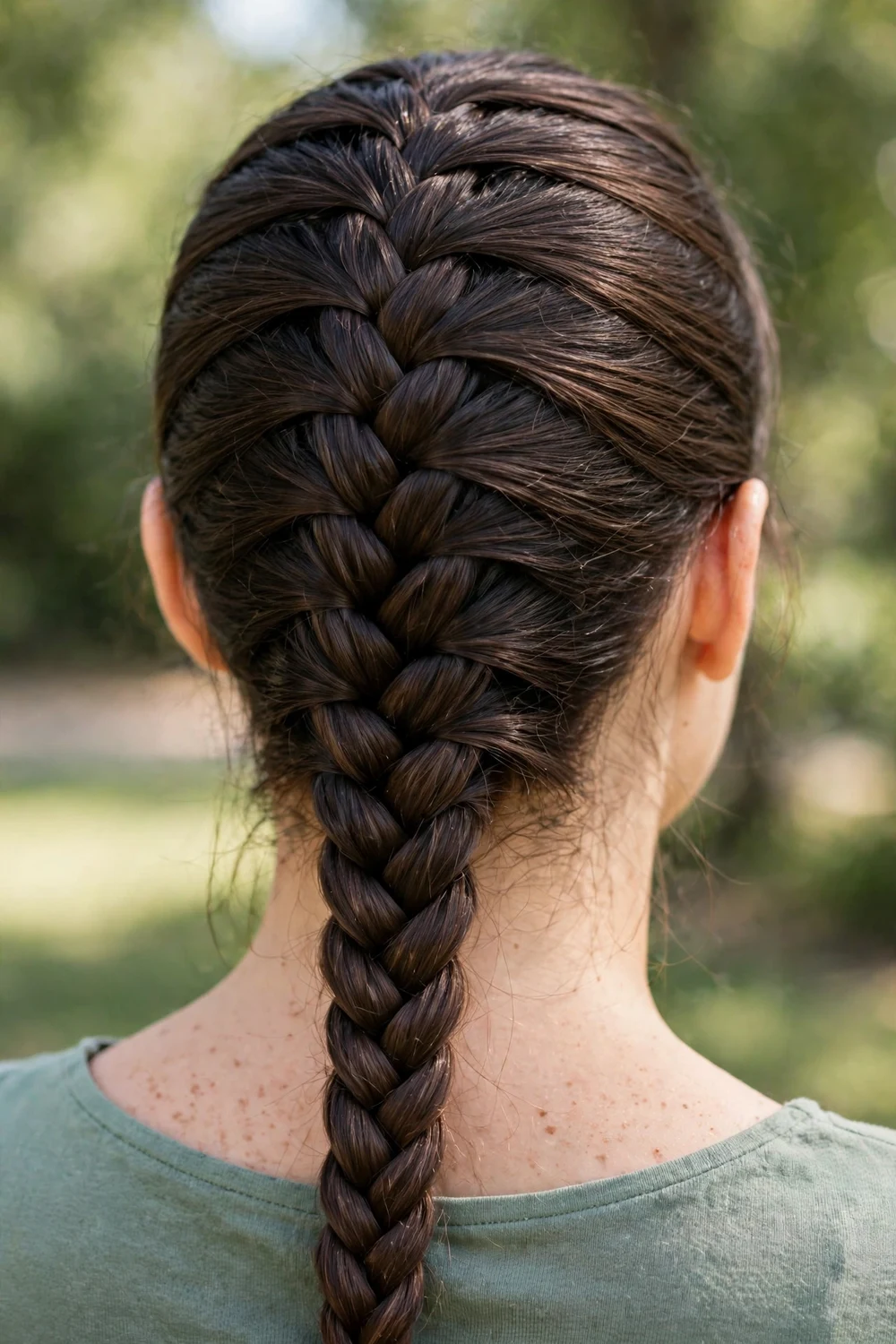
Strands cross over the middle while new hair feeds in from each side, keeping the braid flat from crown to nape. It suits workouts, workdays, and formal events because it holds everything in place. Keep even tension as you add hair or it goes lumpy. Smoothing cream tames flyaways without stiffening the style.
Try this: start with a deep side part for a French braid that drapes over one shoulder.
Difficulty: Intermediate · Time: 10 minutes
3. Dutch Braid
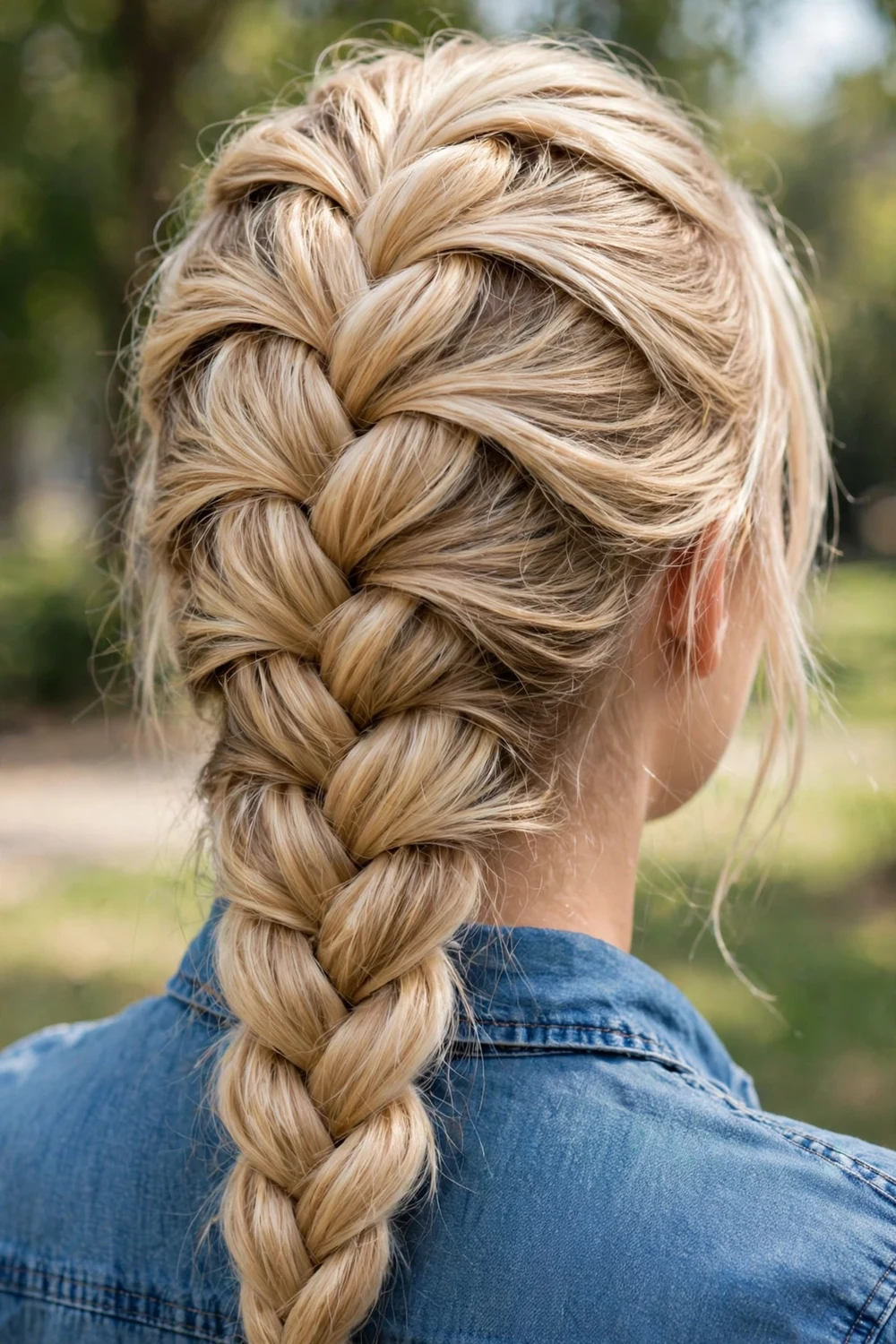
The Dutch braid reverses the French technique: strands cross under the middle, popping the braid outward in a raised 3D ridge. Same scalp-hugging structure, different finish. It photographs with more dimension and holds in wind, which is why it dominates festival and gym styling. The underhand motion feels awkward; practice on someone else’s hair first.
Try this: pancake the finished braid aggressively; the Dutch technique is built for that pulled-apart fullness.
Difficulty: Intermediate · Time: 10–15 minutes
4. Fishtail Braid

Two sections instead of three: thin pieces cross from the outside of each section to the inside of the other, creating a herringbone pattern. The fishtail looks intricate but uses a simpler rhythm than the French braid; the trade-off is time, about 15 to 20 minutes. It suits medium to long hair; pull the finished braid apart gently for fullness.
Try this: use smaller sections than you think; chunky fishtails lose the delicate pattern that defines the type.
Difficulty: Intermediate · Time: 15–20 minutes
5. Rope Braid

Two strands twisted one way, then wrapped around each other the opposite way: that counter-twist locks the rope braid. It is the fastest braid here after the three-strand and holds layered hair that slips out of other braids. Keep the twist tight while wrapping or it unravels within the hour. Finish with a clear elastic and serum on the ends.
Try this: twist each strand clockwise and wrap counter-clockwise; reversing the directions is the most common mistake.
Difficulty: Beginner · Time: 5 minutes
6. Waterfall Braid

A French-style braid runs horizontally, but each bottom strand drops after one cross, cascading through the loose hair below. It suits half-up styling on medium to long hair and looks best with some wave; straight dropped strands can look stringy. Pin the braid’s end discreetly behind the ear.
Try this: curl the dropped strands lightly first; the waves make the cascade read clearly.
Difficulty: Advanced · Time: 15 minutes
7. Lace Braid

Like a French braid, but new hair feeds in from one side only, creating a delicate lace edge along the hairline. It works as a headband braid on loose hair or an accent along a part. Single-sided feeding makes it easier than a full French braid. Keep added sections small and even.
Try this: run it along the front hairline with the rest of the hair down; it replaces a headband for events.
Difficulty: Intermediate · Time: 10 minutes
8. Crown / Milkmaid Braid

Two braids wrapped up and over the head, pinned into a halo: the crown (milkmaid) braid. The technique is simple (two three-strand or Dutch braids), but pinning takes practice to sit flat. It suits long hair; short hair leaves gaps in the halo. Use U-pins over bobby pins; they grip without slipping.
Try this: pancake both braids before wrapping; flat braids leave visible scalp gaps in the crown.
Difficulty: Intermediate · Time: 15–20 minutes
9. Ladder Braid
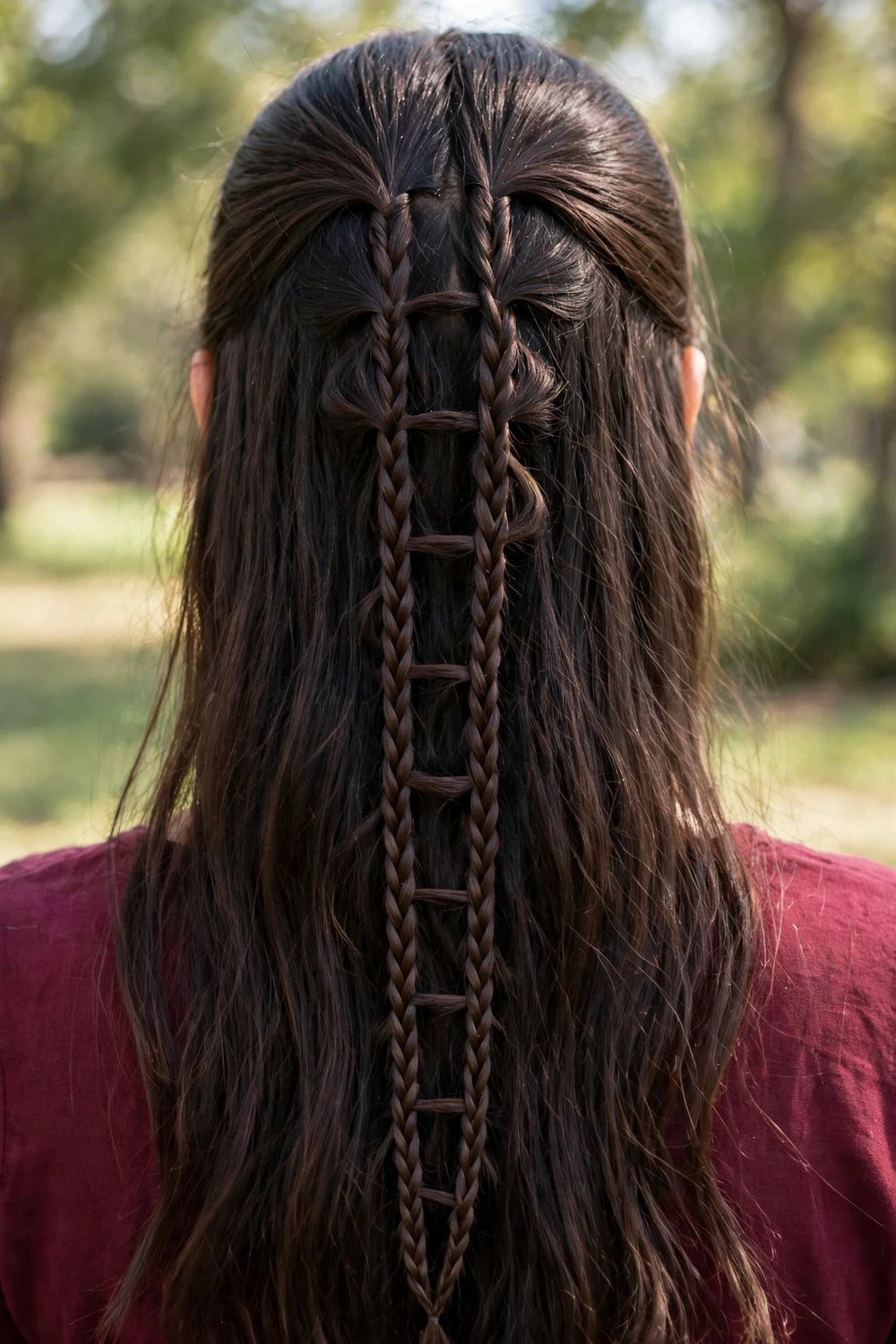
Two parallel braids joined by small pulled-through sections form a ladder-rung pattern down the back. Braid two thin sections first, then loop strands between them at even intervals. The result suits weddings and formal events. Even rung spacing matters more than speed, so work slowly.
Try this: mark even intervals with small clear elastics before connecting; eyeballing the spacing goes uneven fast.
Difficulty: Advanced · Time: 20–25 minutes
10. Pull-Through Braid
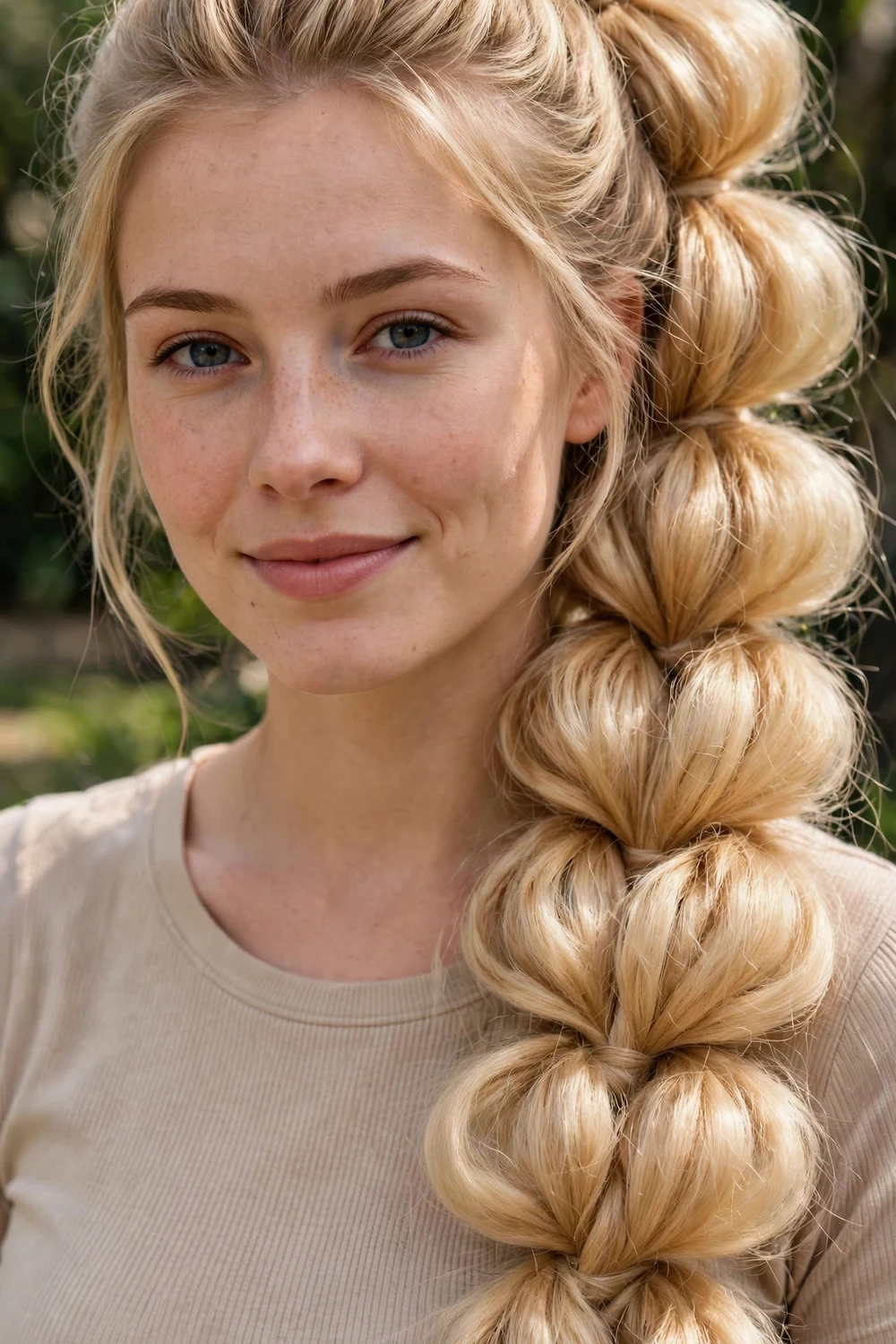
No actual braiding: stacked ponytails are sectioned and pulled through each other to fake a thick braid. It creates enormous volume, the go-to for fine hair that looks thin in real braids. You need small clear elastics and 15 minutes. Pancake the finished style hard for the full bubble effect.
Try this: tease each ponytail section lightly before pulling through; the backcombing doubles the volume.
Difficulty: Beginner · Time: 15 minutes
11. Mermaid Braid

A loose, deliberately messy braid pulled wide for a soft, romantic finish. The base can be French, Dutch, or fishtail; the mermaid part is aggressive pancaking plus face-framing pieces left out. It suits weddings and photos. The looseness will not survive wind, so reserve it for calm settings or pin well.
Try this: pull the braid apart before adding any hairspray; spray locks the shape and stops further widening.
Difficulty: Intermediate · Time: 15 minutes
12. Reverse Braid
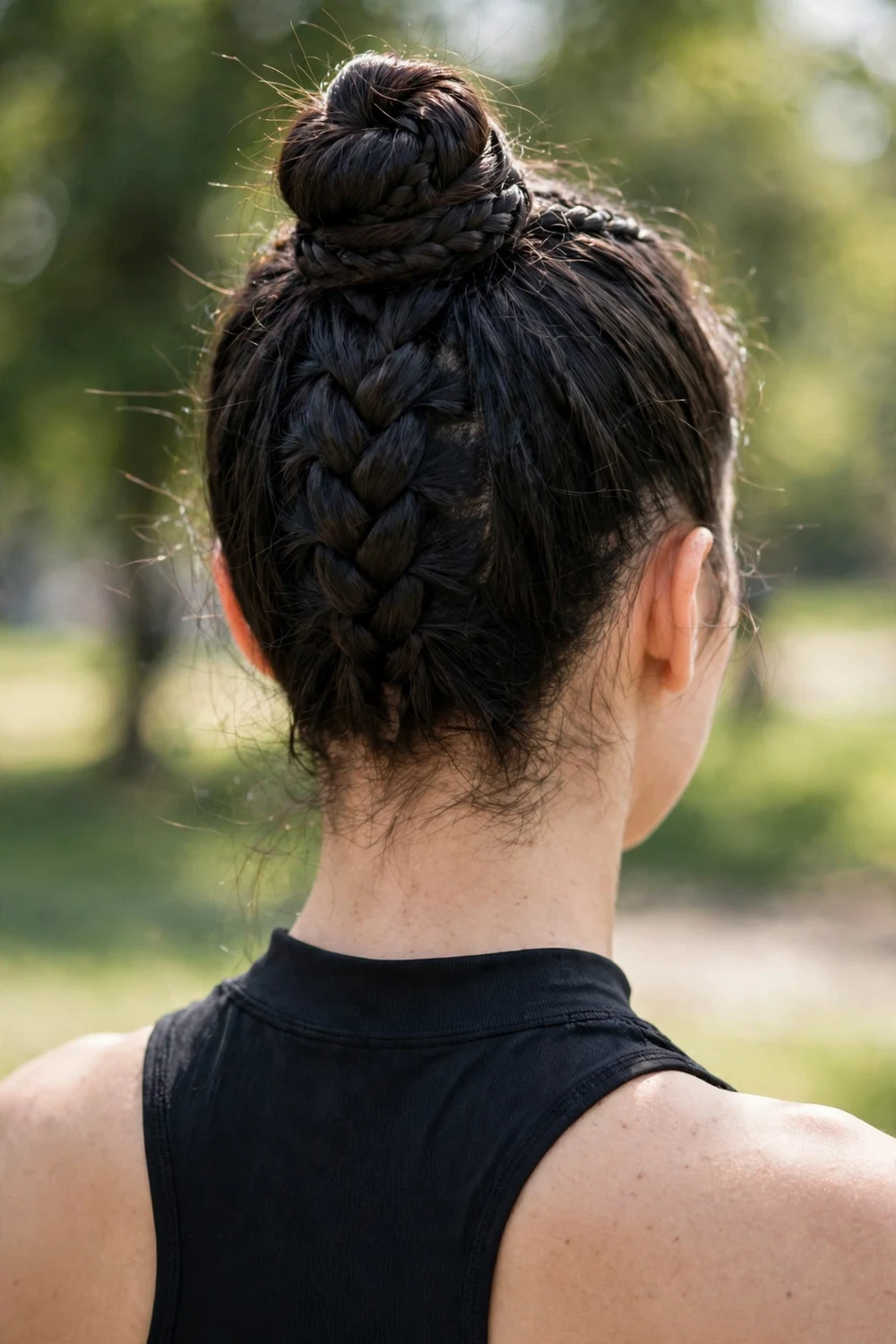
A French or Dutch braid worked upward from nape to crown, usually finishing in a top bun or ponytail. Braiding upside down is the awkward part; the payoff is a striking underside detail. It suits gym sessions and updos where the nape would look plain. Keep nape tension firm or it sags by midday.
Try this: braid with your head flipped forward over a bed; the angle is far easier than standing bent over.
Difficulty: Advanced · Time: 15 minutes
13. Box Braids
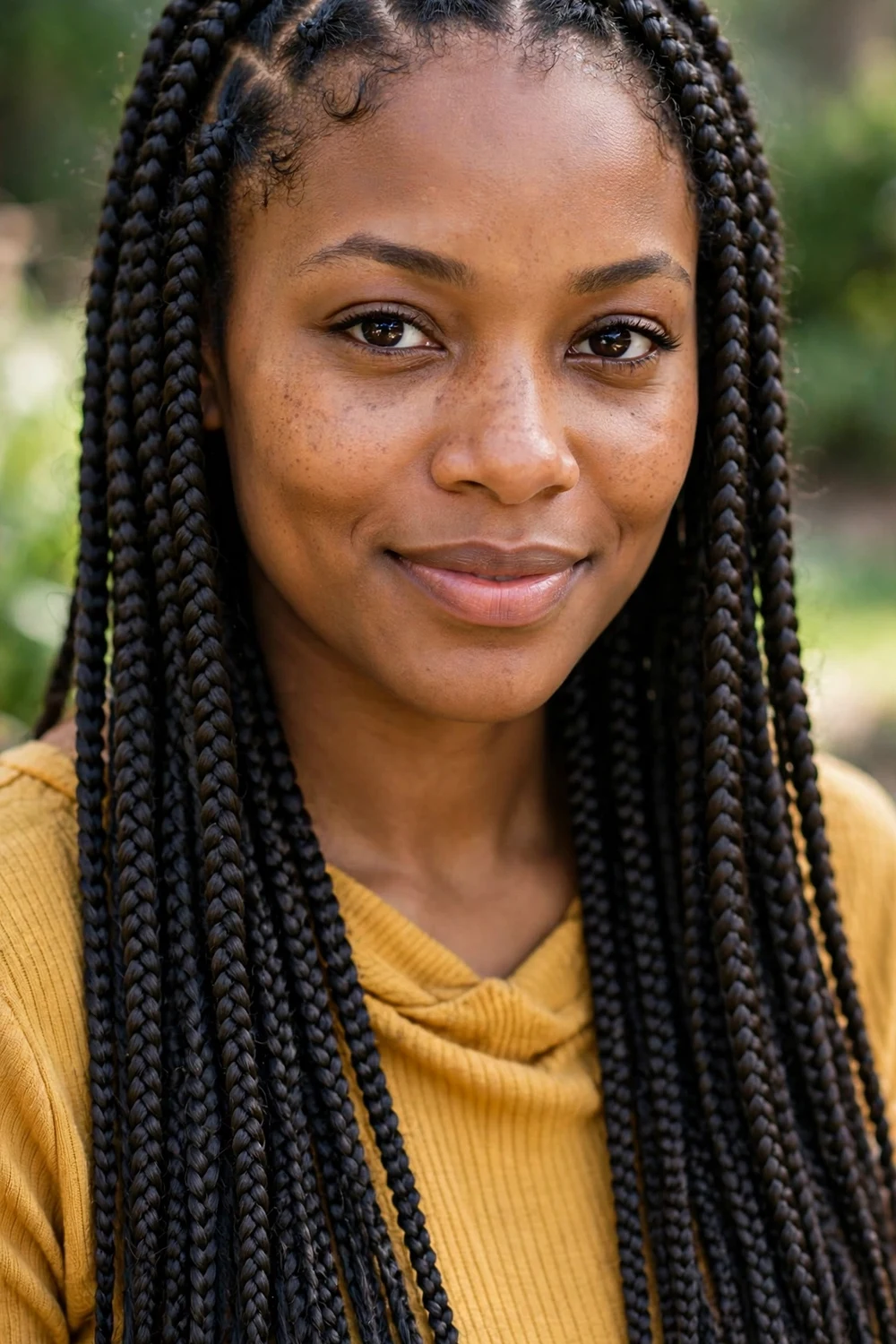
Individual plaits on square-shaped partings, usually with extensions for length and fullness. The most recognized protective style: 6 to 8 weeks of wear, shielding natural hair from daily manipulation, styling into buns and ponytails. A full head takes 4 to 8 hours and costs $150 to $300+. It should never pull painfully; tension headaches mean the install is too tight.
Try this: ask for medium-sized parts if it is your first install; jumbo braids are heavy and micro braids take twice as long.
Install: Professional · Lasts: 6–8 weeks
14. Knotless Braids
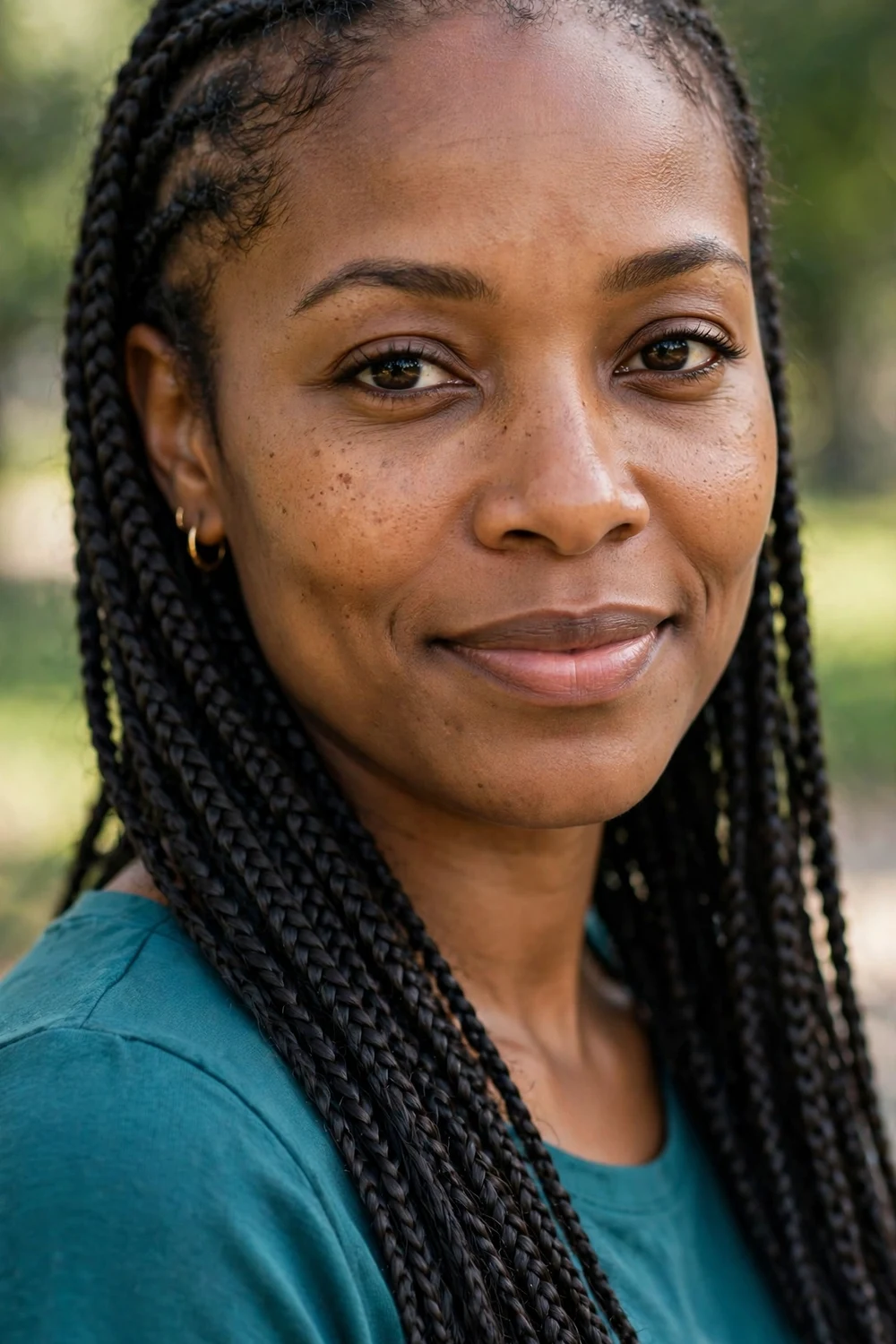
Knotless braids start with your natural hair, feeding extension hair in gradually, so no knot sits at the base. The result lies flatter, looks natural at the roots, and pulls less than traditional box braids. They cost more ($180–$350+) and take longer, but the comfort difference is significant. Last 6 to 8 weeks with proper care.
Try this: choose knotless over traditional box braids if your edges are fragile or you have had tension breakage before.
Install: Professional · Lasts: 6–8 weeks
15. Cornrows
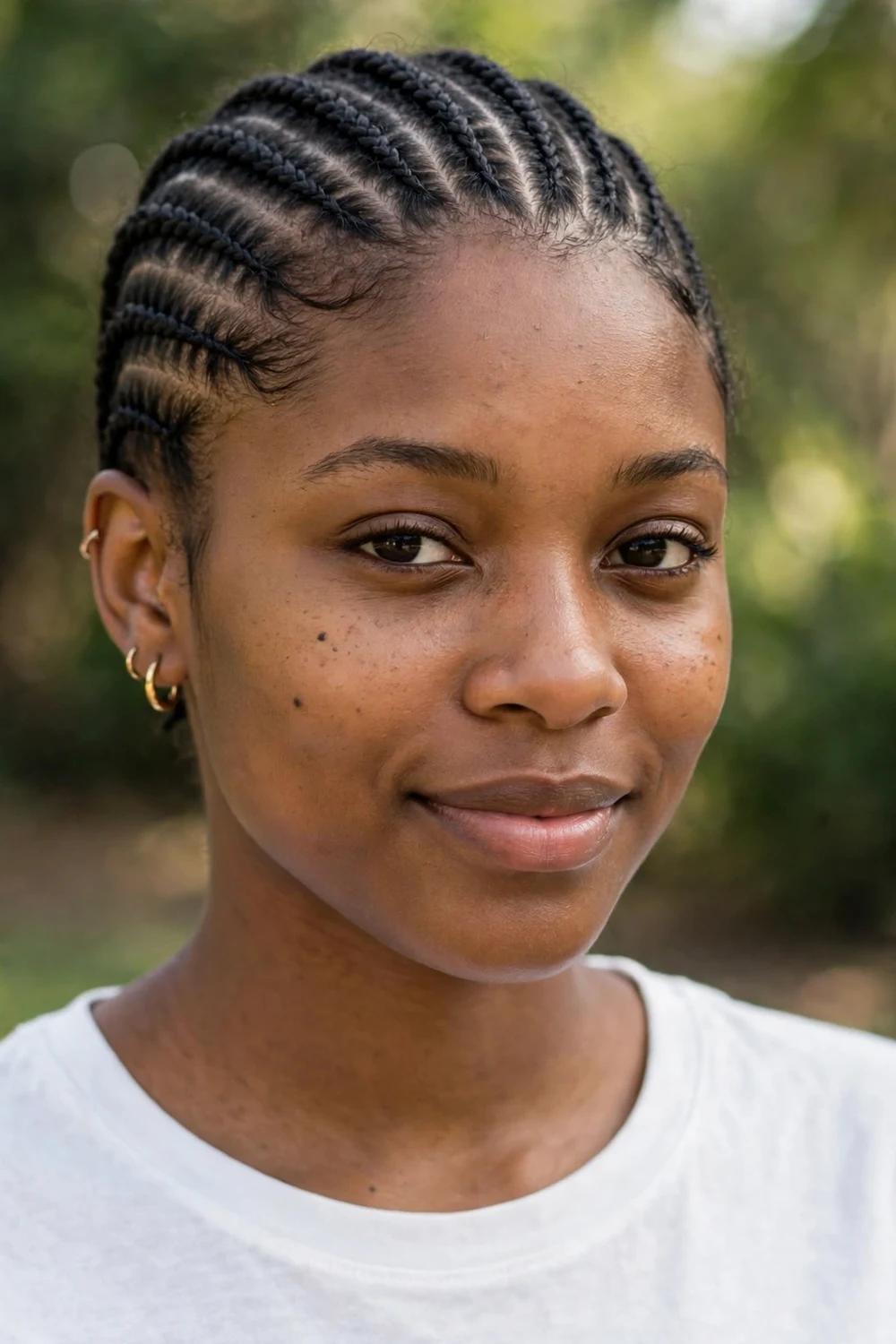
Thin braids woven flat against the scalp in straight or curved rows. Among the oldest braid types, they remain a foundation style: worn alone 2 to 4 weeks, or as the base under wigs and sew-ins. Straight-back rows are classic; curved and zigzag patterns add design. Keep parts clean and tension even; too-tight rows damage the hairline.
Try this: moisturize the scalp with a light oil every few days; cornrows expose the scalp and it dries out fast.
Install: Professional or skilled DIY · Lasts: 2–4 weeks
16. Ghana Braids
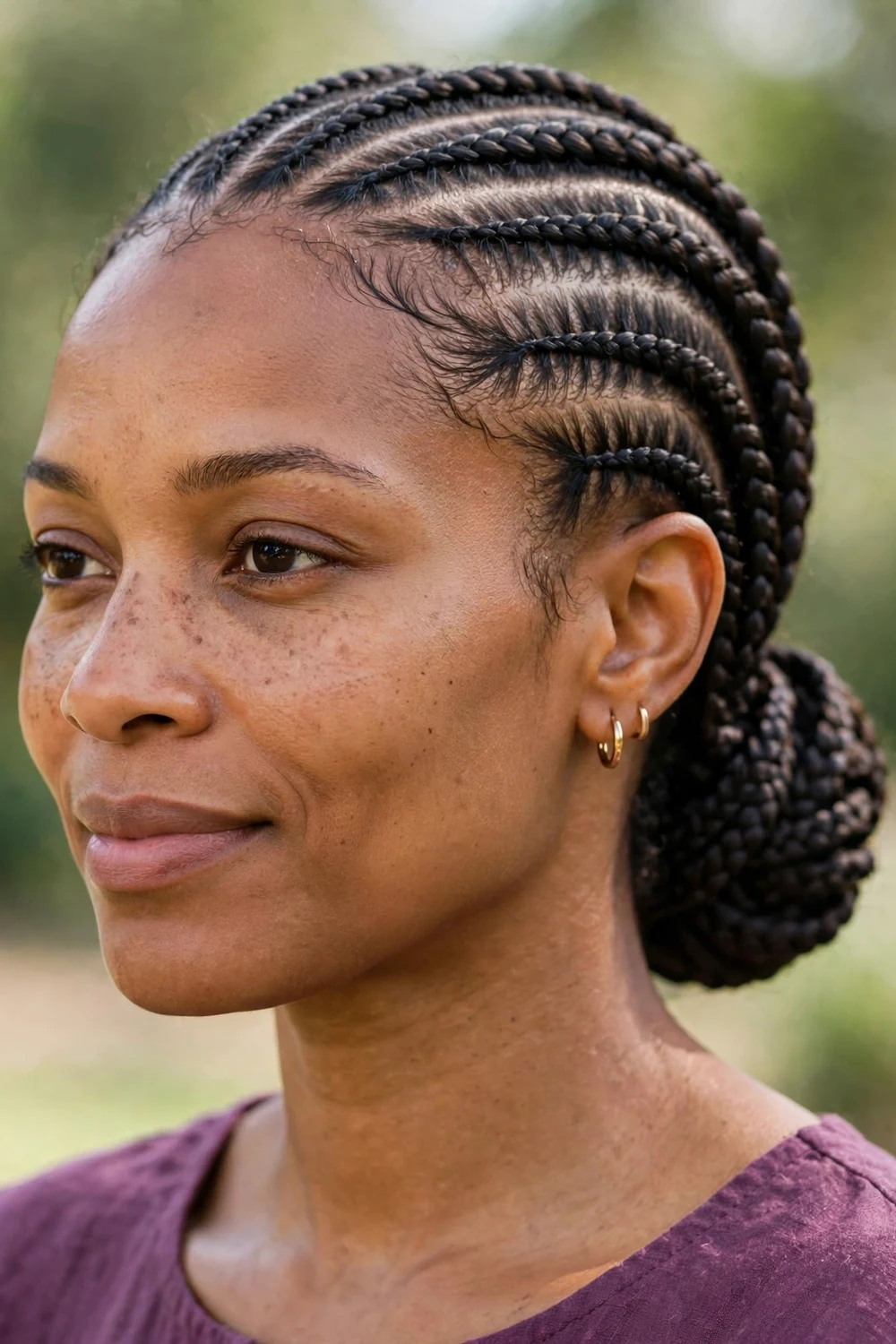
Also called banana braids or feed-in cornrows, Ghana braids start thin at the hairline and thicken as extension hair feeds in. The tapered start creates a sleek, sculpted look regular cornrows lack. They suit updos and ponytail finishes especially well. This style requires a skilled braider; the feed-in technique separates it from ordinary cornrows.
Try this: gather the finished braids into a high ponytail or bun; the tapered bases make updos look seamless.
Install: Professional · Lasts: 2–4 weeks
17. Fulani Braids
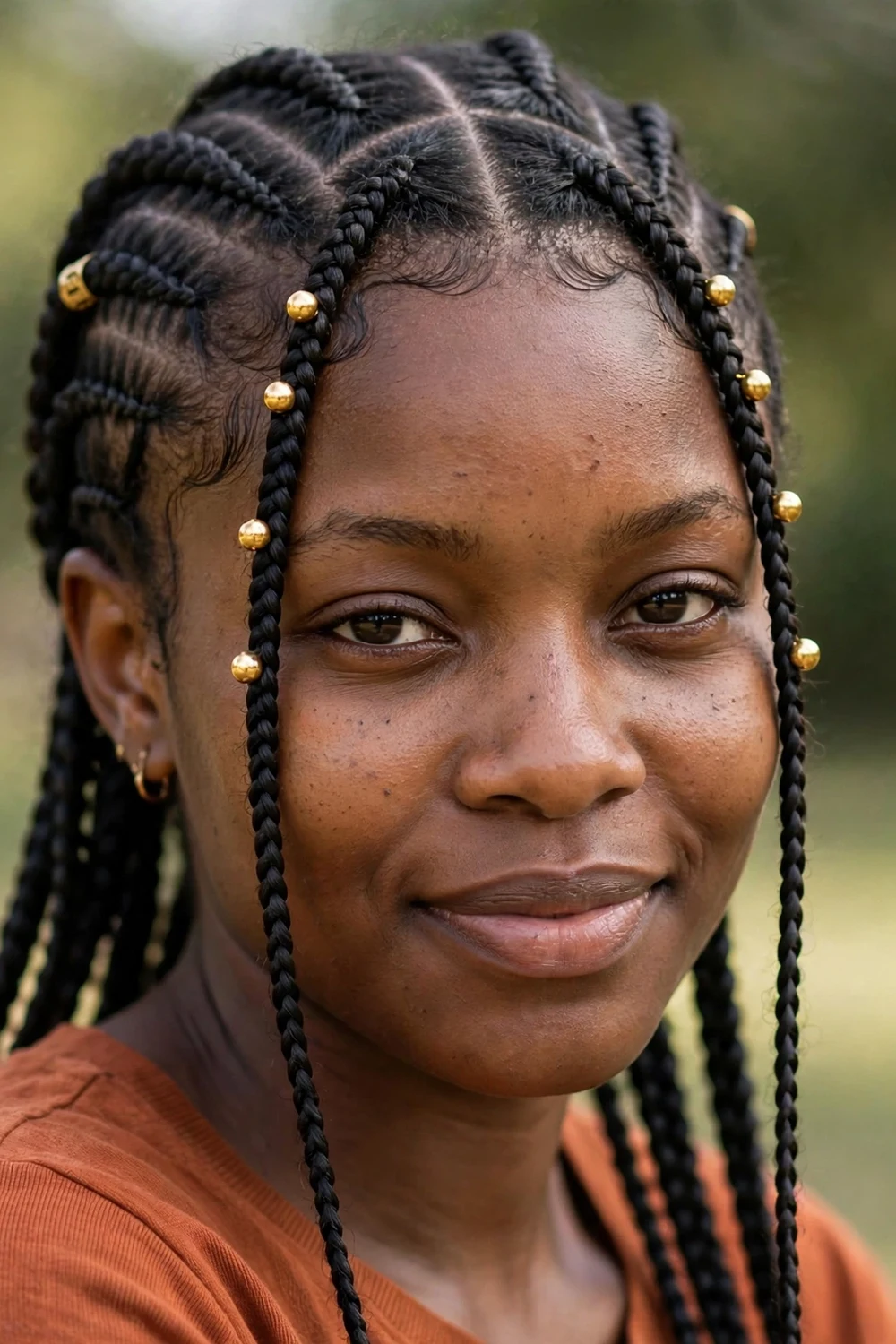
Named for the Fulani people of West Africa, this style centers on a middle part with cornrows braided forward each side, often a single center braid plus beads or cuffs. The look is distinctive and symmetrical. Beads add weight, so keep them small and few on fine hair. Lasts 2 to 4 weeks.
See Fulani braids hairstyles for styling variations on this traditional look.
Try this: add beads only to the front braids; beading every braid makes takedown take twice as long.
Install: Professional · Lasts: 2–4 weeks
18. Lemonade Braids
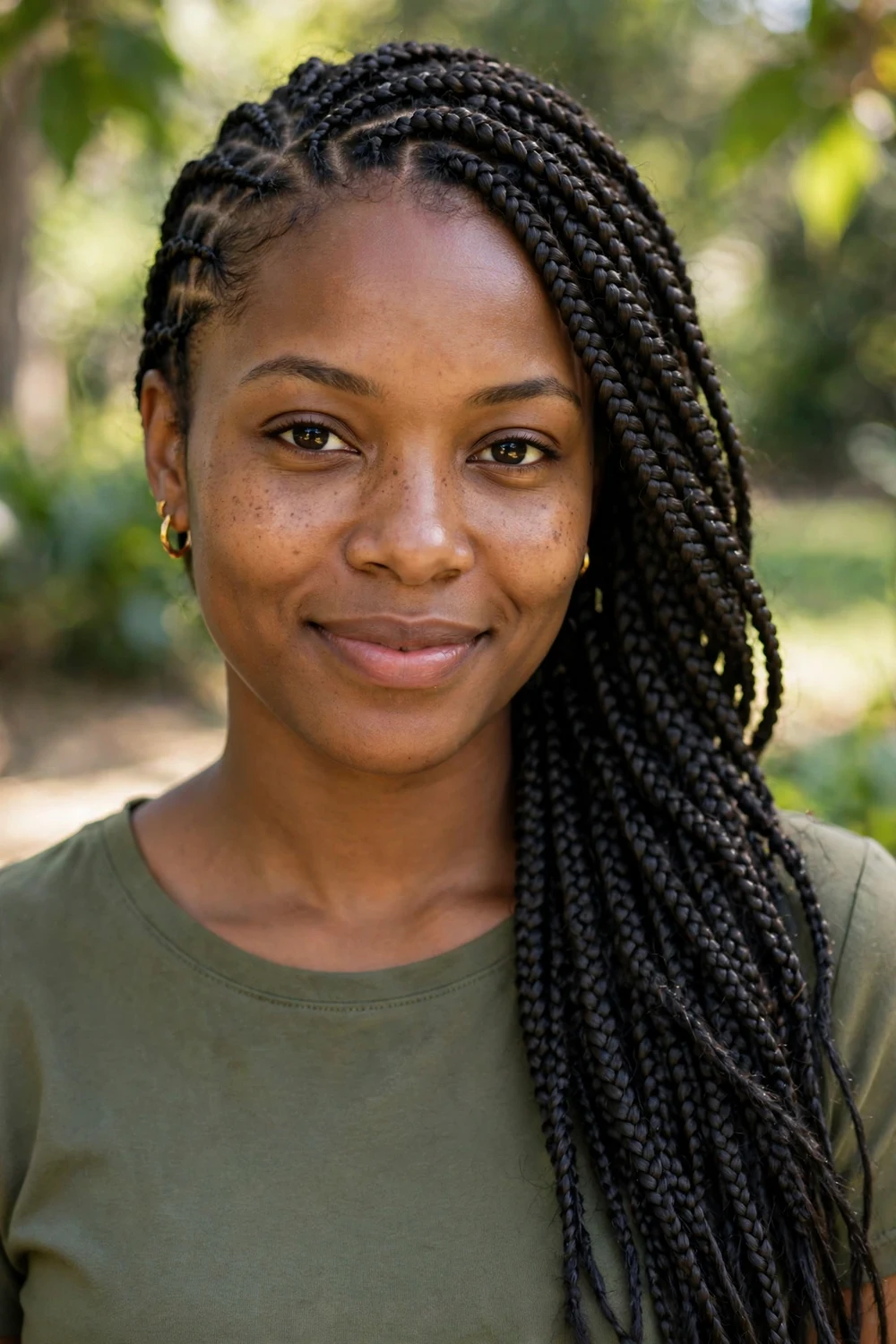
Small to medium cornrows braided to one side, falling over one shoulder. The side-swept direction defines it; everything else follows standard cornrow technique. The asymmetric drape flatters round and square faces. Lasts 2 to 4 weeks.
Try this: sweep to the side opposite your natural part; the contrast adds volume at the roots.
Install: Professional · Lasts: 2–4 weeks
19. Micro Braids
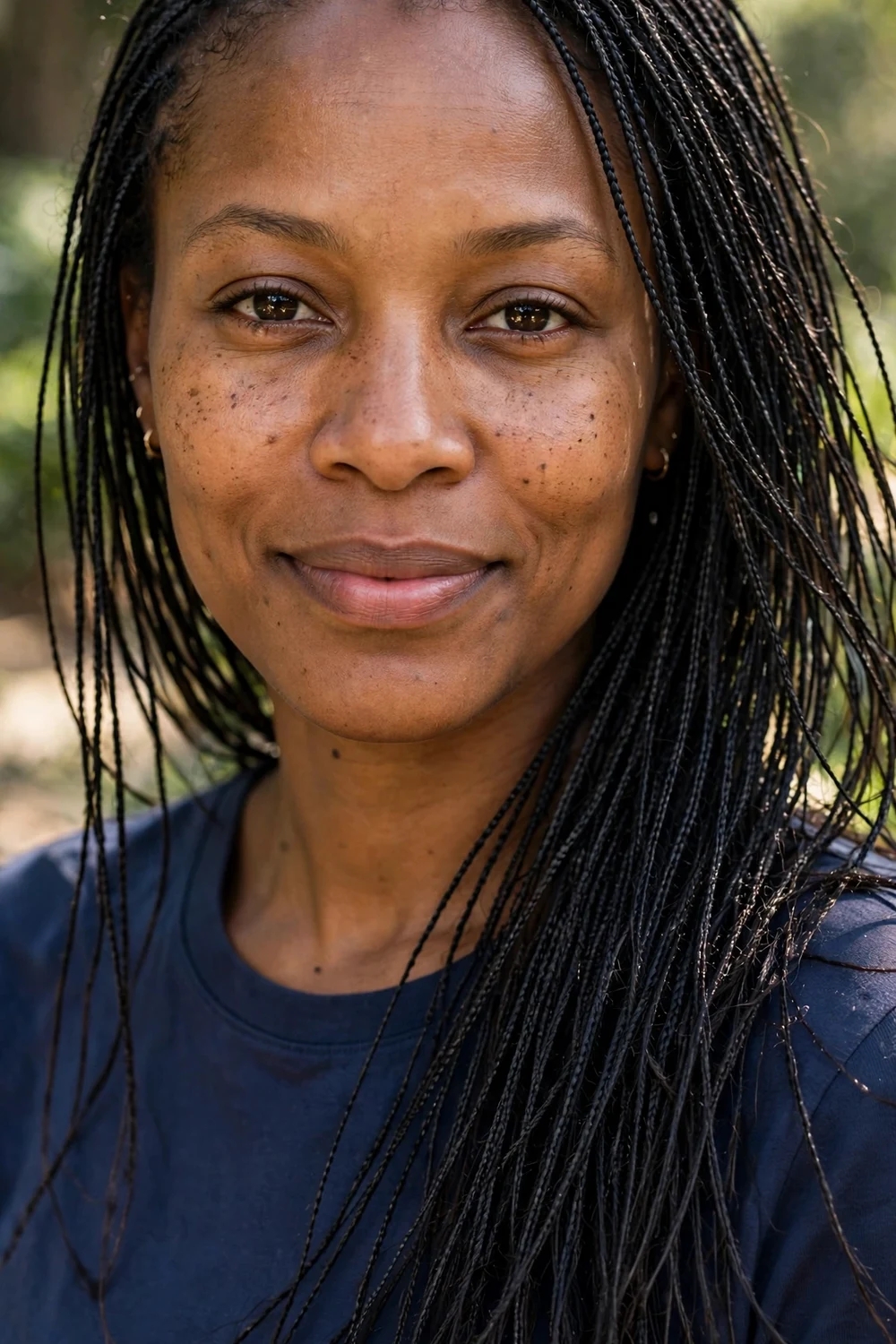
Extremely thin individual braids, smaller than standard box braids, across the whole head. The small size gives unmatched versatility: they move and drape almost like loose hair. The trade-off is time (8 to 12 hours) and fragility; thin sections break if handled roughly. Last 6 to 8 weeks with gentle care.
Try this: sleep in a satin bonnet every night; micro braids frizz faster than any other protective type.
Install: Professional · Lasts: 6–8 weeks
20. Protective Twists
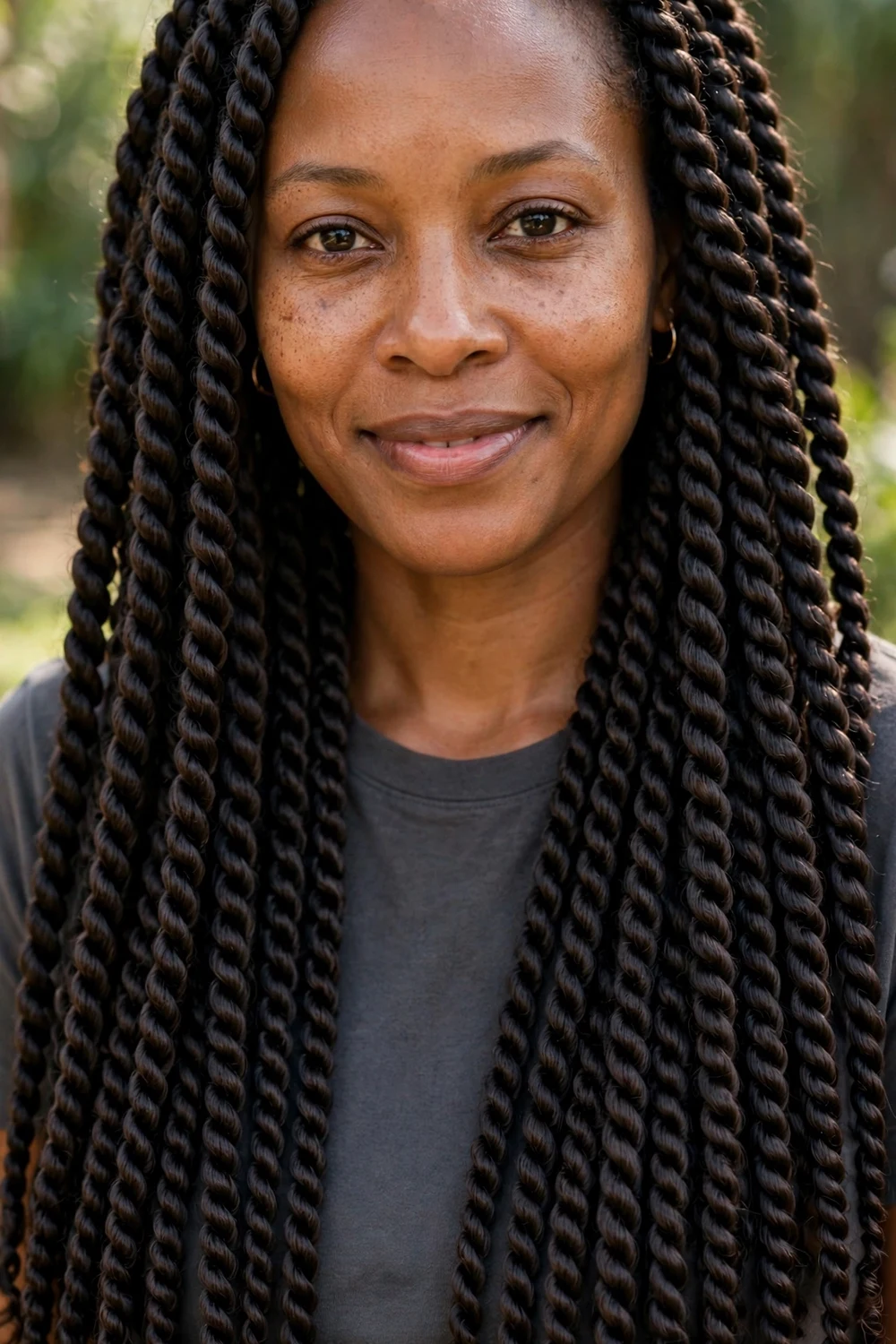
Two strands twisted around each other, worn as Senegalese, Marley, or Havana twists depending on hair type and thickness. Twists install faster than braids, feel lighter, and unravel into a defined twist-out when removed. Last 4 to 6 weeks. Keep them moisturized; twists dry faster since more hair surface is exposed.
Try this: choose Marley or Havana twists for a fuller look, Senegalese for a sleeker one.
Install: Professional or skilled DIY · Lasts: 4–6 weeks
21. Multi-Strand Braids
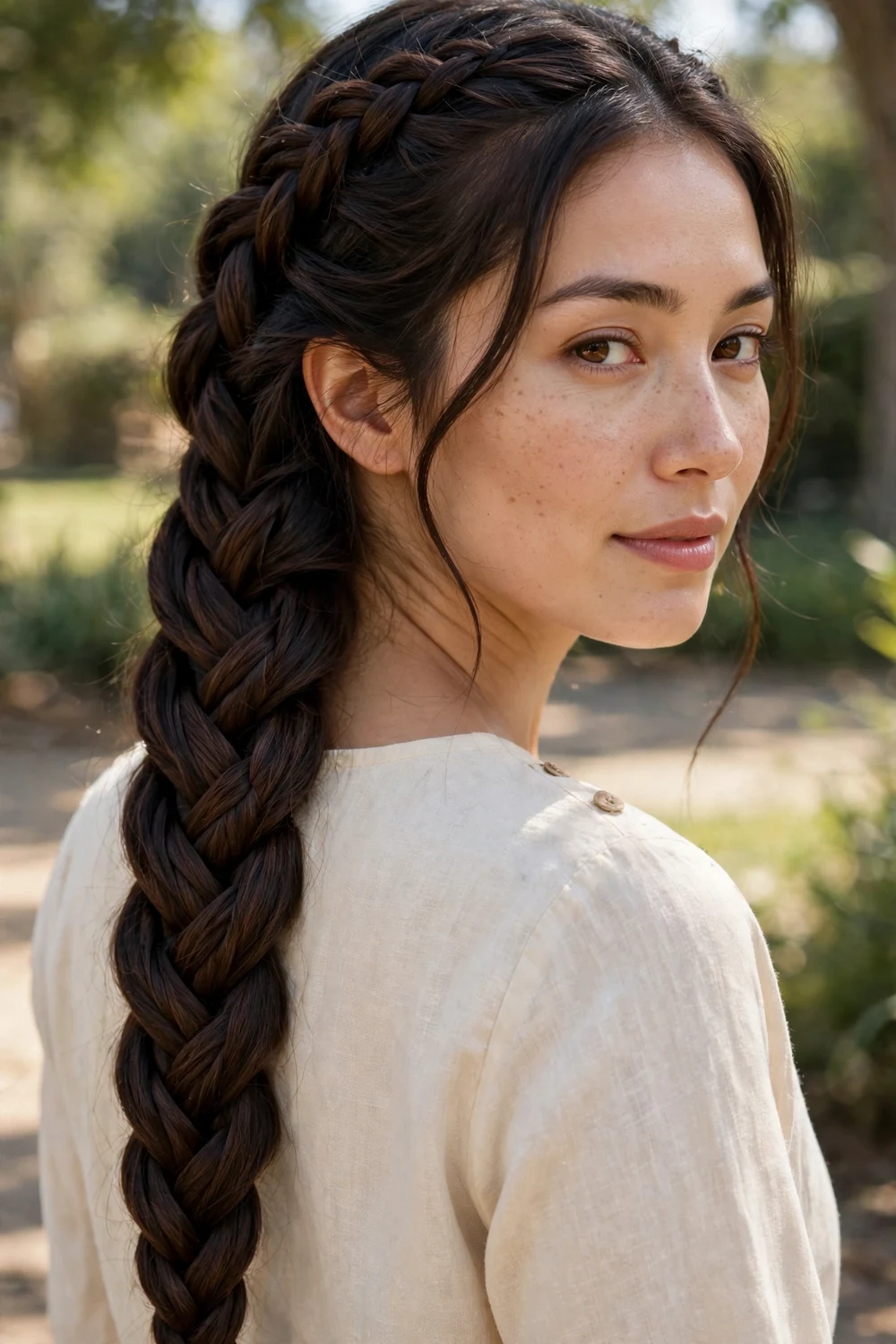
Four, five, or more strands woven in repeating patterns create visibly complex weaves. The five-strand is most common: outer strands weave to the center in alternating over-under rhythm. These are showpiece braids for events, taking 20 to 30 minutes and loosening faster than three-strand braids. Long, smooth hair shows the pattern best.
Try this: number the strands 1 to 5 in your head and repeat the same sequence; the rhythm clicks after three passes.
Difficulty: Advanced · Time: 20–30 minutes
22. Crochet Braids
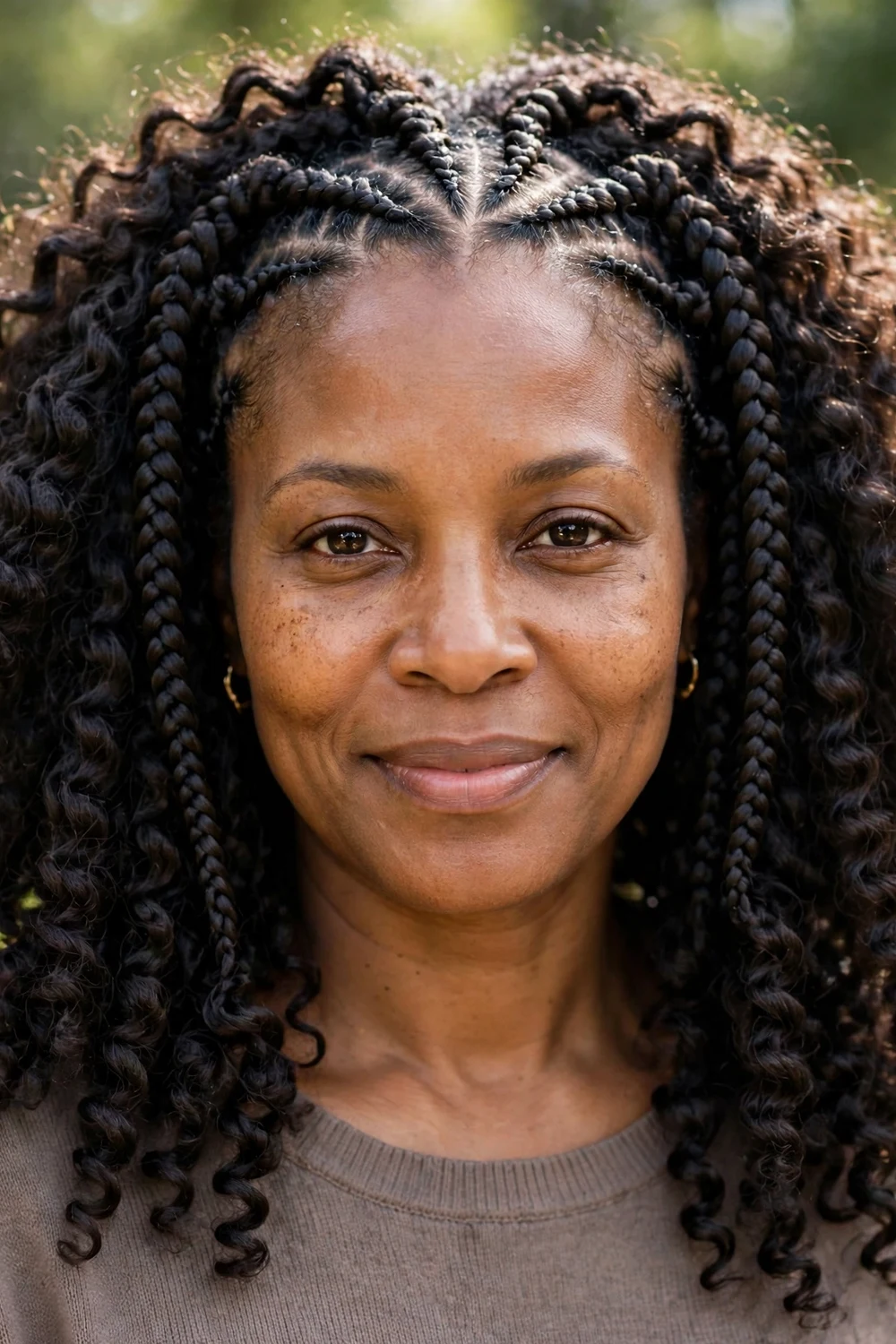
A cornrowed base with extension hair looped through using a crochet hook. Curly, wavy, or straight textures add quickly: a full head takes 2 to 3 hours versus 6+ for box braids. The result looks like a weave but installs like braids. Lasts 4 to 6 weeks. Do not pull loops too tight; base tension causes the same edge damage as tight braids.
Try this: choose pre-looped crochet hair; it cuts the install time nearly in half.
Install: Professional or skilled DIY · Lasts: 4–6 weeks
23. Faux Locs
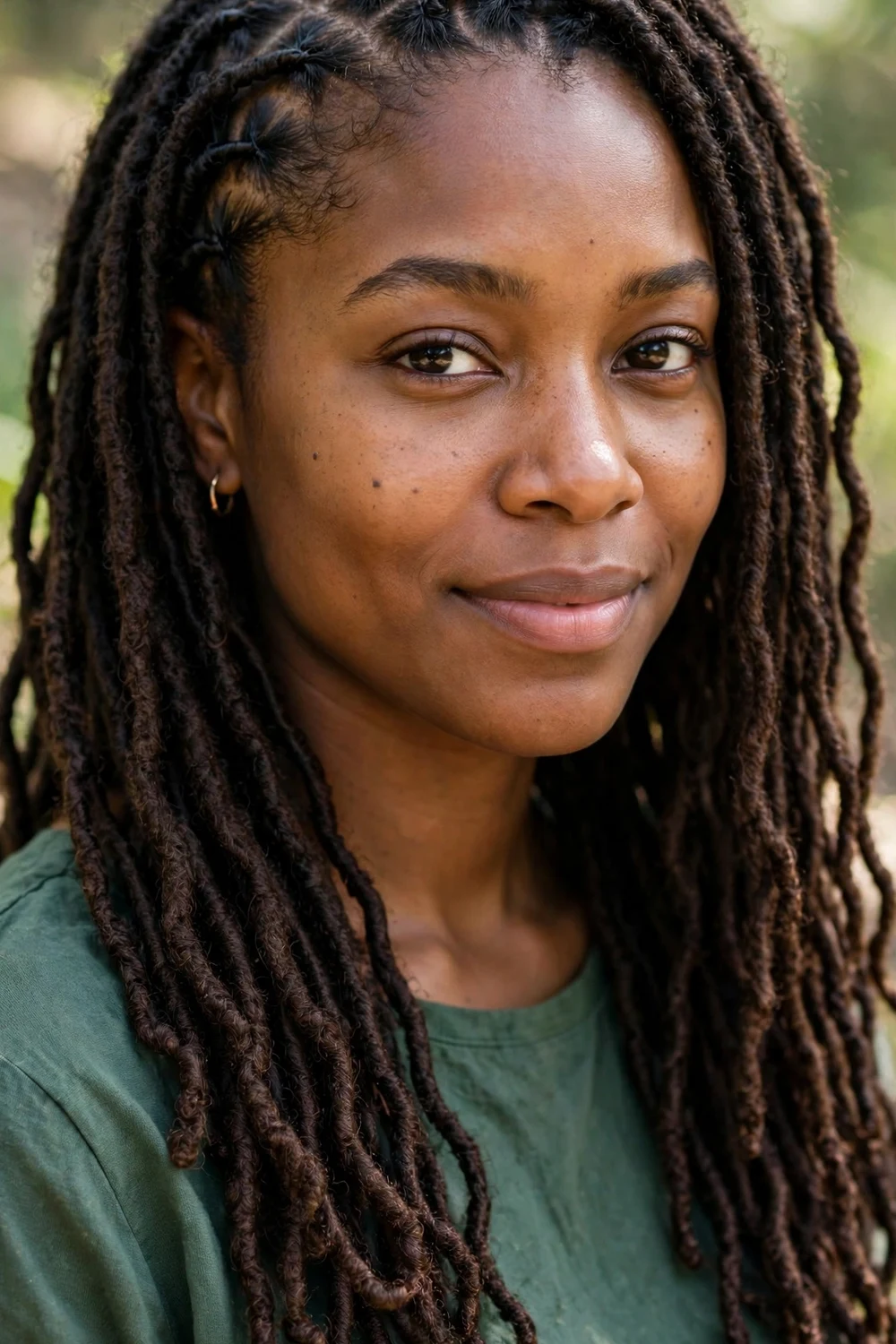
Yarn or extension hair wrapped around braided bases to mimic dreadlocks without permanent commitment. Faux locs give the loc look for 6 to 8 weeks, then come out with the base braids. They run heavier than most protective styles, so medium thickness is the sweet spot; very long locs strain neck and edges. Cleanse the scalp with diluted shampoo from an applicator bottle.
Try this: keep the length at mid-back or shorter for your first set; the weight surprises most first-timers.
Install: Professional · Lasts: 6–8 weeks
24. Bubble Braid

A ponytail sectioned with elastics at even intervals, each puffed into a bubble. Technically a ponytail style, it earns its braid-roundup place by giving a segmented braid look with zero braiding skill. Works on all hair types; takes 10 minutes. Space elastics evenly and tug each bubble outward for the roundest shape.
Try this: use elastics that match your hair color; contrasting elastics break the bubble illusion.
Difficulty: Beginner · Time: 10 minutes
Different types of braids compared
| Braid type | Technique | How long it lasts | Best for |
|---|---|---|---|
| Three-strand | Overhand weave | 1 day | Everyone, everyday |
| French | Overhand + feed-in | 1–2 days | Workouts, work |
| Dutch | Underhand + feed-in | 1–2 days | Dimension, hold |
| Fishtail | Two-section cross | 1 day | Events, photos |
| Rope | Counter-twist | 1 day | Layered hair |
| Box braids | Individual plaits + extensions | 6–8 weeks | Protective, natural hair |
| Knotless | Feed-in, no base knot | 6–8 weeks | Fragile edges |
| Cornrows | Flat scalp braids | 2–4 weeks | Base style, sport |
| Twists | Two-strand twist | 4–6 weeks | Lightweight protective |
| Crochet | Hook-looped extensions | 4–6 weeks | Fast install, texture |
How to choose the right braid type
First decide which family you need. If you want a style for today, stay in the woven family: three-strand for speed, French or Dutch for hold, fishtail or waterfall for events. If you want weeks of low-manipulation wear, move to protective types: box or knotless braids for versatility, cornrows or Ghana braids for a flatter profile, twists for lighter weight. The families do not mix well; a same-day braid cannot protect hair for a month, and a protective install is overkill for a single evening.
What to avoid matters more with braids than with most styles. Never accept a protective install that causes pain, headaches, or bumps along the hairline; tension damage at the edges is often permanent. Do not install any protective style on hair that is already breaking without a trim and a deep-conditioning treatment first. And do not leave protective styles in past their window: 8 weeks is the maximum for most types, since buildup and matting at the roots get harder to remove the longer you wait. When in doubt, knotless over knotted, medium over micro, and a professional over a rushed job.
For styling inspiration within the protective family, browse braided hairstyles for black women for looks built around these techniques. Mature readers may prefer braided hairstyles for gray hair over 50 for age-appropriate styling ideas. And for the full picture of what braids can do, start at the PrimeHairPicks homepage and explore from there.
Frequently asked questions
How many different types of braids are there?
There is no official count, but the main types number around two dozen, split between woven styles (French, Dutch, fishtail, waterfall, and others) and protective styles (box braids, cornrows, twists, locs, and others). New variations appear constantly, but most trace back to these core techniques.
What is the difference between a French braid and a Dutch braid?
A French braid crosses strands over the middle, which keeps it flat against the scalp. A Dutch braid crosses strands under the middle, which pops the braid outward in a raised, 3D ridge. Same structure, opposite finish.
Which braid type lasts the longest?
Box braids, knotless braids, micro braids, and faux locs last the longest at 6 to 8 weeks. Cornrows, Ghana braids, and twists last 2 to 6 weeks. Woven styles like the French and fishtail last a day or two.
Do braids damage your hair?
Pain, headaches, or bumps at the hairline signal too much tension, which can cause permanent edge loss. Installed with comfortable tension, braids protect hair by reducing daily manipulation.
Can you braid short hair?
Yes, with limits. Most woven braids need at least chin-length hair to hold; shorter hair works for accent braids along the hairline. Protective styles use extensions, so they work on very short natural hair as long as there is enough to grip, usually 2 to 3 inches.
Final thoughts
Every braid type here comes down to the same choice: a style for today or protection for weeks. Learn the three-strand motion and the woven family opens up; respect tension and timing and the protective family takes care of your hair while you live your life. Start with the type that matches your hair, your skill, and your calendar.

