


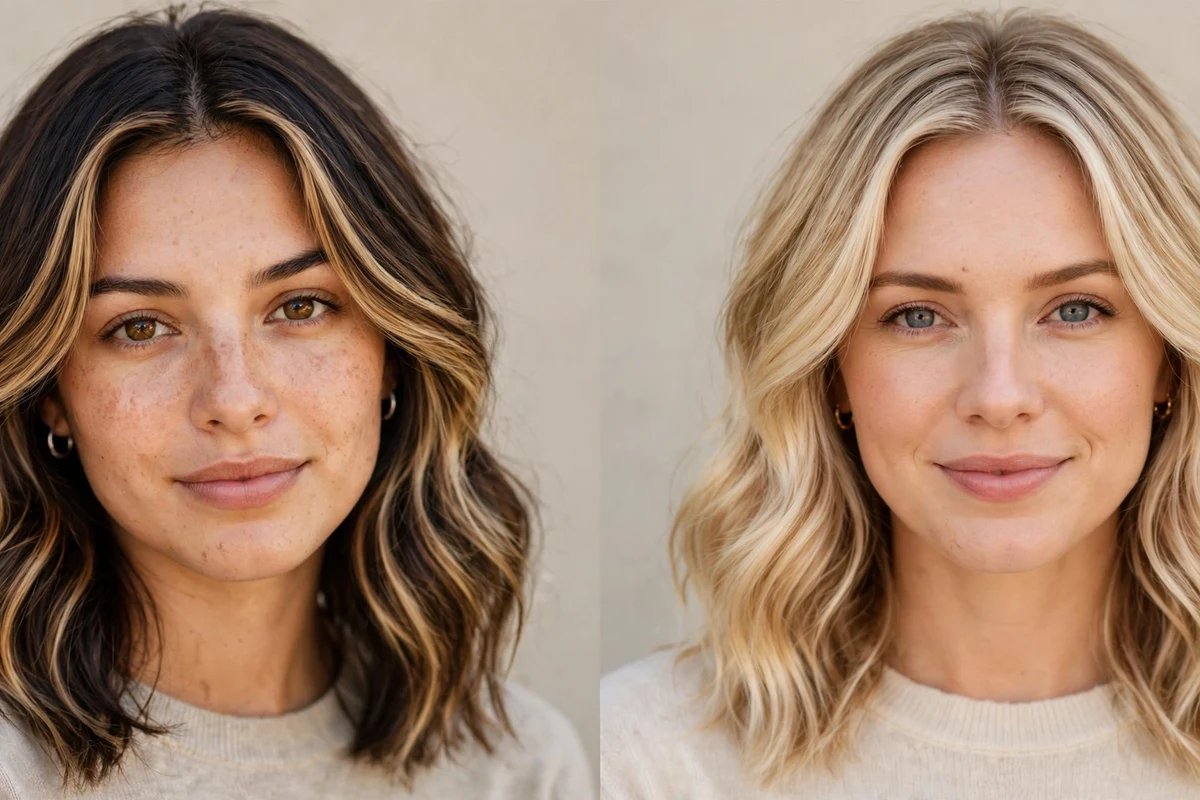
The partial balayage vs full balayage difference is about coverage. A partial balayage lightens selected sections: the face-framing pieces, the crown, and a few through the lengths, while the underneath stays your natural color. A full balayage lightens the entire head, top to bottom and underneath, for all-over brightness. Both use the same hand-painted technique; the difference is how much hair gets painted.
The choice affects your appointment time, your bill, your upkeep, and the final look more than most people expect. This guide compares the two across coverage, technique, suitability, cost, and grow-out, with 12 example looks and a verdict that picks a side based on your budget and goals.
Quick takeaways:
- A partial balayage covers the top, crown, and face frame; a full balayage covers the entire head including underneath.
- Partial appointments take 2–3 hours and cost $150–$250; full appointments take 3–5 hours and cost $250–$450.
- Partial balayage gives a natural, sun-kissed effect; full balayage gives all-over brightness and dimension.
- Both grow out softly with no harsh line, but full balayage needs toner refreshes more often.
- Partial is the better first balayage; full is the better choice for a dramatic transformation.
Coverage and placement: what gets painted
A partial balayage focuses on the visible zones. The colorist paints the face-framing sections, the part line, the crown, and scattered pieces through the mid-lengths and ends. The underneath layers and the nape stay natural, which keeps the result looking like the sun did the work.
A full balayage paints everything. Every section from roots to ends gets hand-painted lightness, including the underneath and the nape, so the brightness is consistent from every angle. When you pull your hair up, the underneath is light too, which is the telltale sign of a full application.
The visual difference is brightness level. Partial reads as dimension and glow on your natural base. Full reads as an overall lighter hair color with depth, closer to a complete color change.
Technique: how the colorist works
The painting technique is the same for both: the colorist hand-paints lightener onto the surface of selected sections in a sweeping motion, feathering at the root so there is no harsh line. Foils or film may be used to process, but the application stays freehand.
What changes is sectioning and time. A partial uses fewer, wider sections concentrated where light naturally hits. A full uses many more sections in a complete head pattern, which is why the appointment runs longer. The formulation may also differ: full balayage often needs stronger lightener or longer processing on the underneath sections, which see less natural lightening.
Toner matters for both. After lightening, the colorist applies a toner to refine the shade (ashy, neutral, or warm). Full balayage usually needs more toner work because more hair is lifted. If you are exploring blonde balayage specifically, our winter blonde balayage guide shows how the technique looks in lighter seasonal shades.
Who suits each: hair color, skin tone, and goals
Partial balayage suits anyone who wants a natural-looking lift. It works well on dark brown to medium blonde bases, where the contrast between the painted pieces and the natural underneath creates dimension. It flatters all skin tones because the brightness stays near the face without overwhelming it. It is also the right pick for a first color service: lower commitment, lower cost, easy to build on later.
Full balayage suits anyone who wants to look meaningfully lighter. It works best on medium brown to dark blonde bases going two to four levels lighter; very dark bases can go full balayage but may need two sessions to reach brightness without damage. Fair to medium skin tones handle all-over brightness well; deeper skin tones look best with warm, golden full balayage rather than icy shades. For brunette-specific inspiration, see our winter balayage for brunettes collection.
Hair health matters for both, but more for full. Lifting the entire head stresses the hair more than lifting selected sections, so previously damaged or very fine hair is safer with a partial. A bond-building treatment during the service helps either way.
Maintenance, salon cost, and grow-out
Appointment reality: a partial balayage takes 2 to 3 hours and costs $150–$250 at most salons. A full balayage takes 3 to 5 hours and costs $250–$450, with very long or thick hair pushing higher. Both prices usually include the toner and a blow-dry.
Upkeep schedules are similar in rhythm but different in cost. Both need a refresh every 3 to 4 months, since balayage grows out softly without a harsh line. But full balayage usually needs a toner refresh every 6 to 8 weeks ($60–$100) to keep the all-over brightness from turning brassy, while partial balayage can often skip toner between full appointments.
Grow-out is balayage’s famous advantage over foils, and it applies to both. The feathered root means regrowth blends rather than creating a line. A grown-out partial just looks like natural hair with sun-kissed ends; a grown-out full looks like an ombre effect. Neither has an ugly phase, which is why balayage dominates low-maintenance color.
At-home care is the same: sulfate-free shampoo, a purple shampoo once a week for blonde tones, and a deep-conditioning mask weekly. Heat styling is fine with a heat protectant applied first.
Partial balayage looks to try
Six ways to wear partial balayage, from subtle to noticeable.
Face-framing partial balayage
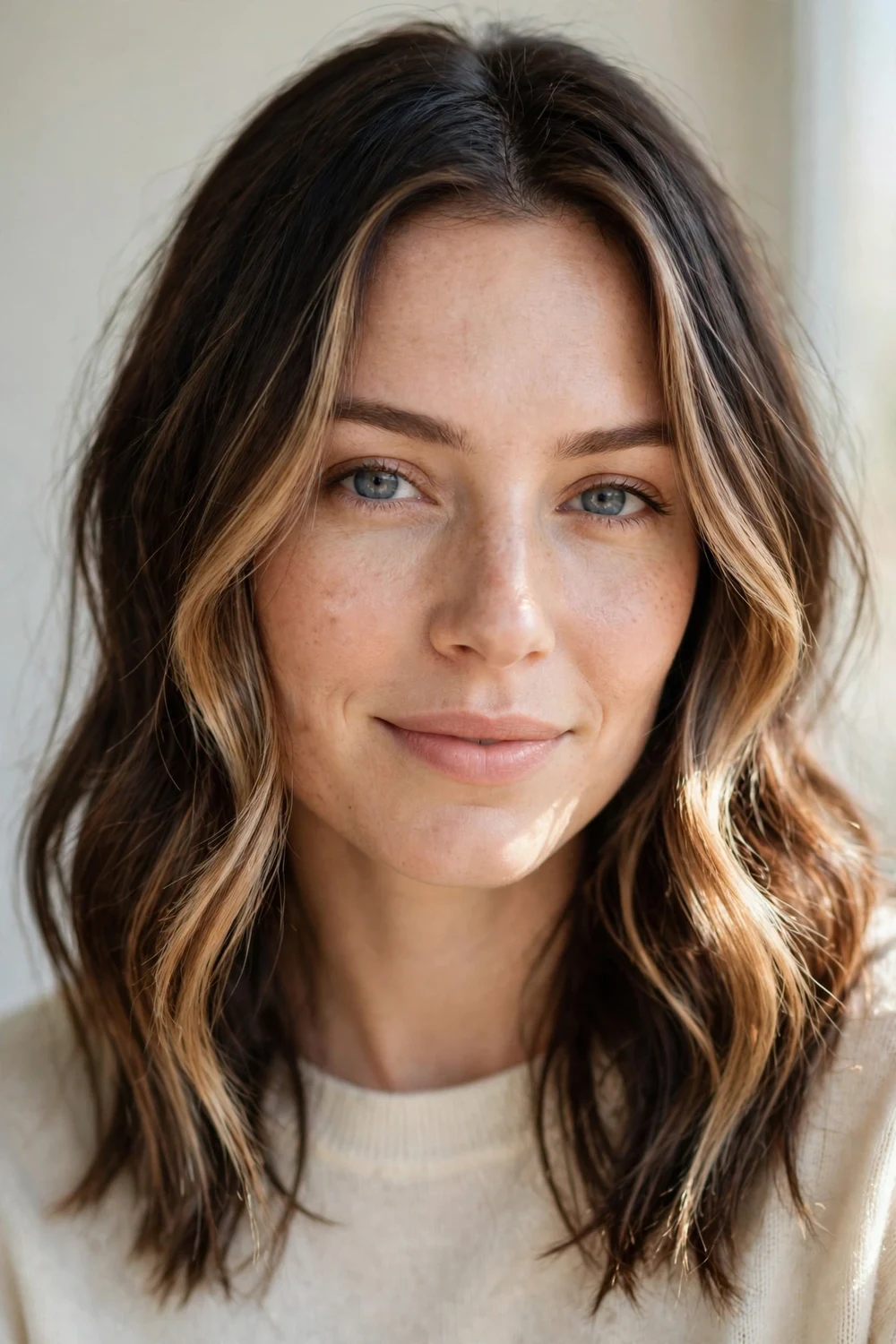
The most popular partial balayage concentrates the lightness around the face: brighter pieces framing the cheeks and jaw, with softer dimension through the lengths. It brightens the complexion without changing your overall color, which makes it the safest first balayage. It suits all base colors from dark brown to dark blonde and flatters every skin tone. The appointment runs about two hours. Upkeep is minimal: a refresh every four months keeps the face frame bright. This is the “expensive-looking but natural” option.
Try this: Ask for the brightest pieces right at the hairline and softer dimension behind them for the most flattering grow-out.
Difficulty: Easy | Salon cost: $150–$220
Partial balayage on dark brown hair
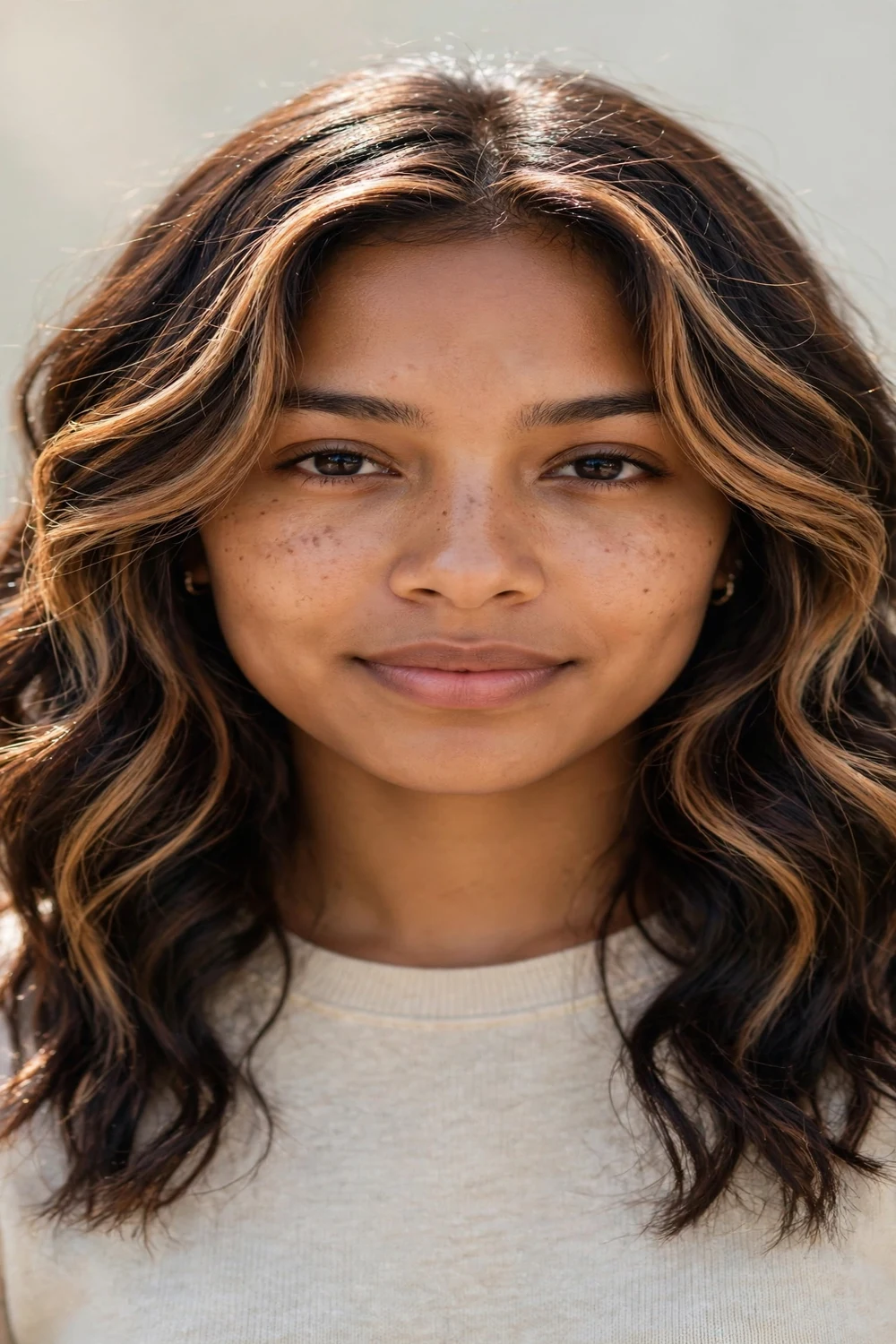
On a dark brown base, partial balayage creates caramel and toffee ribbons through the top and face frame while the depth underneath stays rich. The contrast is what makes it work: the dark base makes the painted pieces glow. It suits warm and neutral skin tones best. One session usually reaches the target shade; going very light on dark hair in one sitting risks damage, so trust your colorist’s judgment on how far to lift. For more dark-hair color ideas, our black hair with brown highlights guide shows similar dimension on deeper bases.
Try this: Keep the underneath untouched and ask for ribbons no lighter than caramel for the healthiest result on dark hair.
Difficulty: Medium | Salon cost: $160–$250
Subtle caramel partial balayage
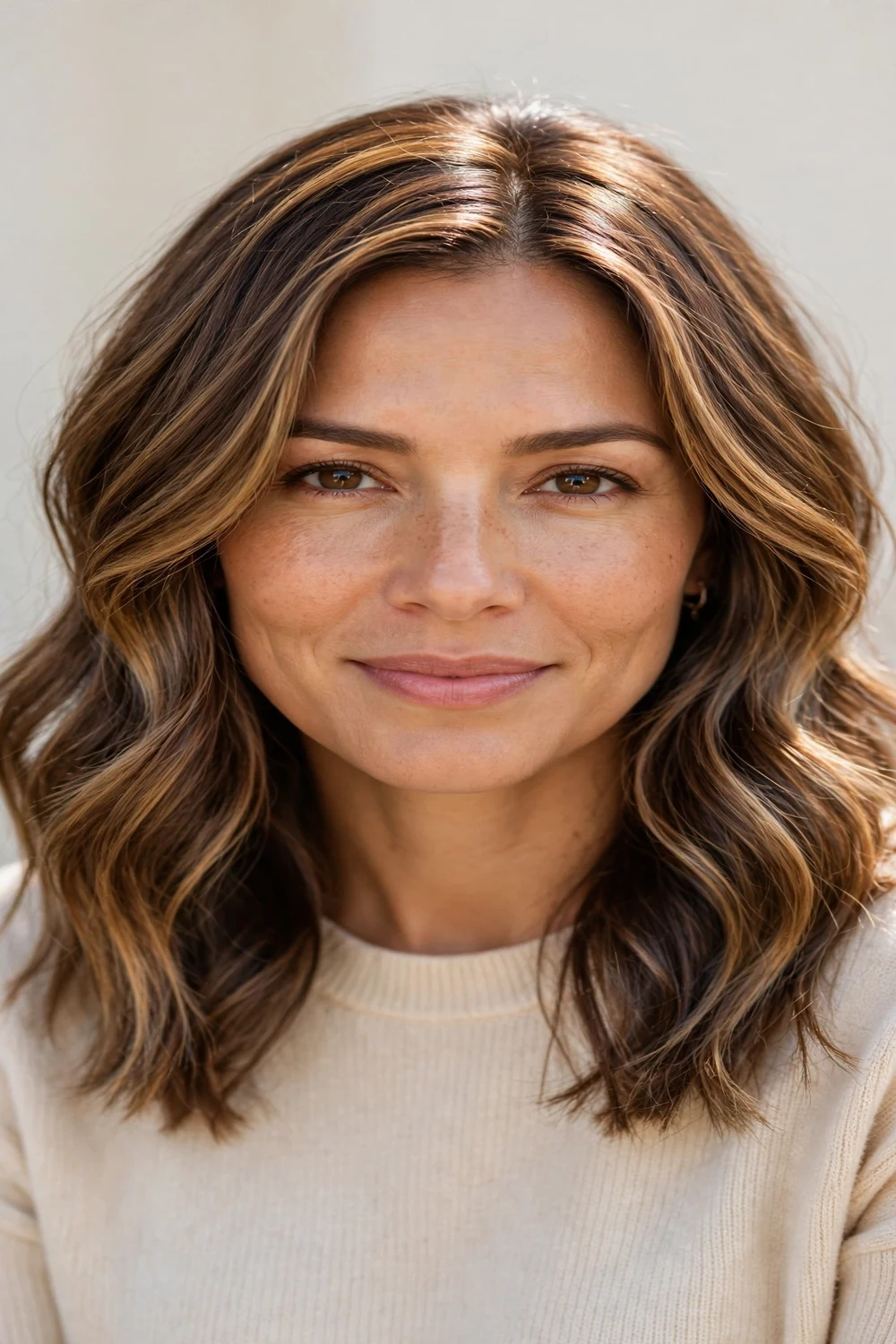
The subtle caramel partial lifts the hair just one to two levels in warm caramel tones, concentrated at the crown and ends. It reads as healthy, glossy hair rather than obvious color, which makes it ideal for conservative workplaces. It suits medium brown bases and warm skin tones. The gentle lift means minimal damage and the easiest grow-out of any balayage: it simply fades into your natural color. Refresh every four to five months, or let it grow out entirely without a touch-up.
Try this: Ask for a gloss toner in a warm caramel shade to keep the subtle pieces shiny between appointments.
Difficulty: Easy | Salon cost: $150–$220
Partial balayage with lowlights
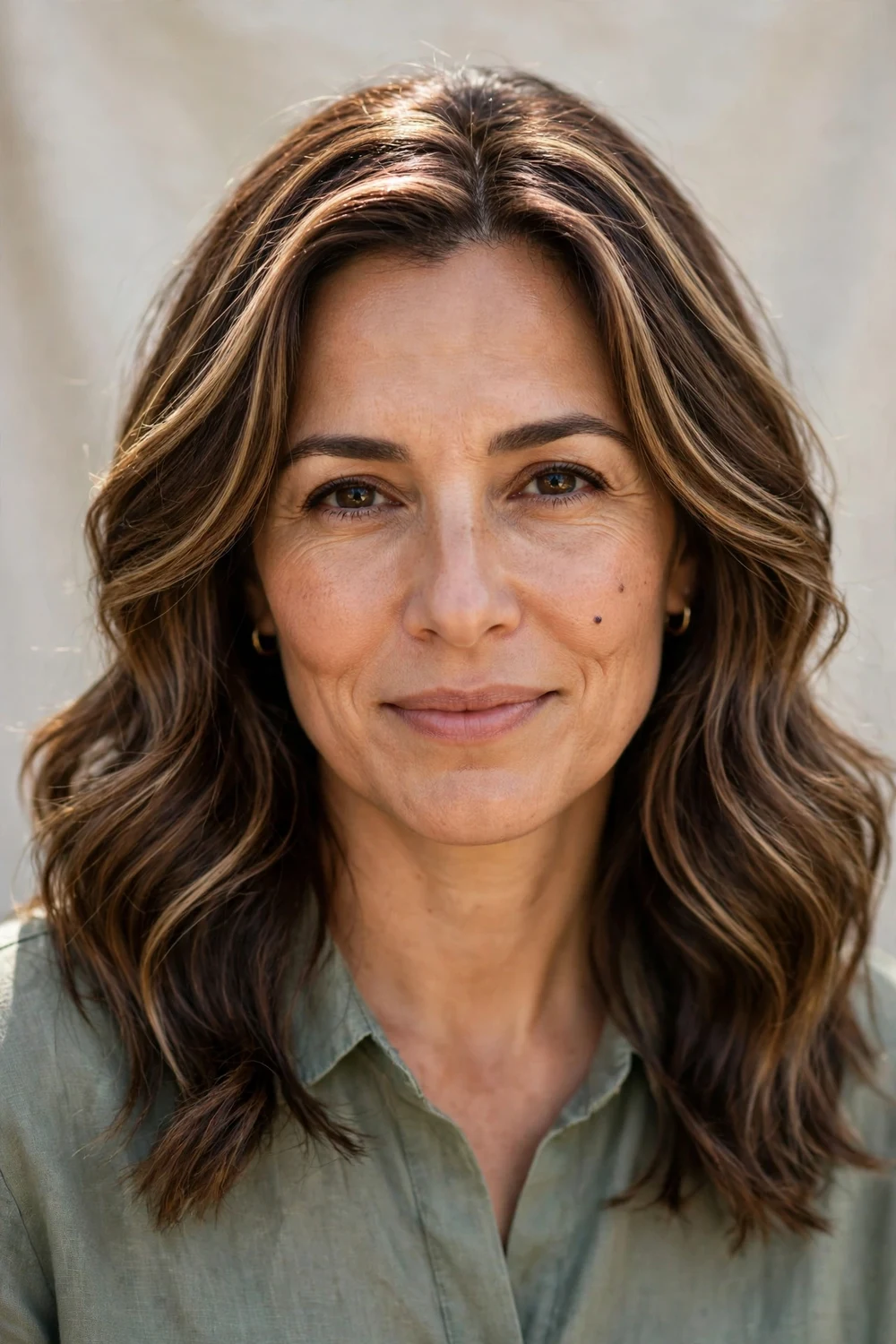
Pairing partial balayage with lowlights (darker painted pieces) creates the most dimensional result: light ribbons and dark ribbons woven through the top sections. It suits hair that has gone flat from previous all-over color and needs depth restored. The combination looks natural because real sun-lightened hair has both light and dark variations. It works on all base colors and suits anyone whose hair photographs one-dimensional. The appointment takes closer to three hours with the dual application.
Try this: Ask for lowlights two shades darker than your base woven between the balayage pieces for maximum dimension.
Difficulty: Medium | Salon cost: $180–$280
Rooted partial balayage
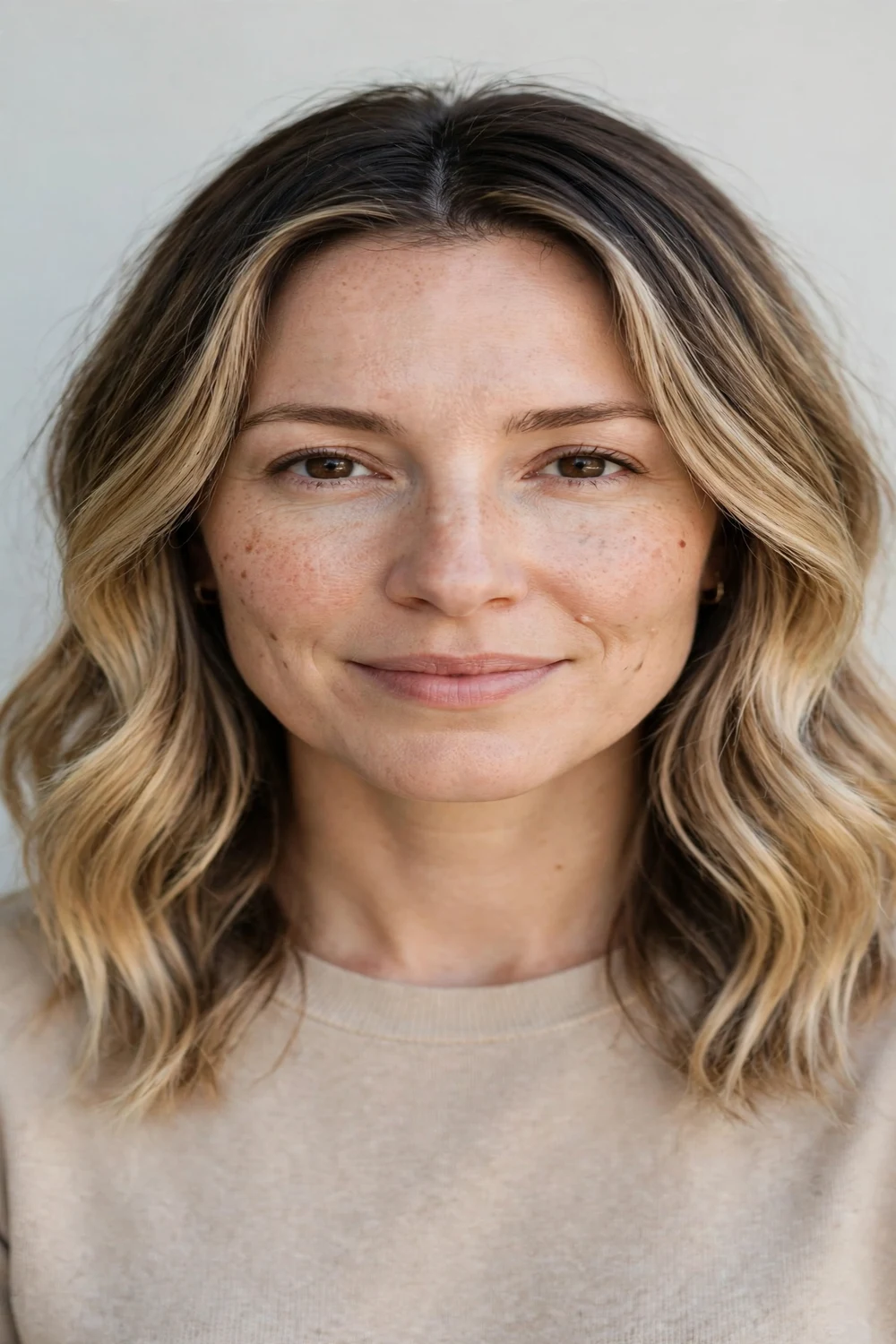
The rooted partial keeps your natural root color (or a shadow root) for the first few inches, then transitions to painted lightness through the mid-lengths and ends. It is the lowest-maintenance partial because the root is already your color: regrowth is invisible. It suits anyone growing out previous color or anyone who wants balayage with truly zero root upkeep. The look is modern and lived-in, and it works on all base colors. Refresh the ends every four months; the root never needs touching.
Try this: Ask for a shadow root melted two inches down so the transition looks seamless, not striped.
Difficulty: Easy | Salon cost: $160–$240
Ash partial balayage
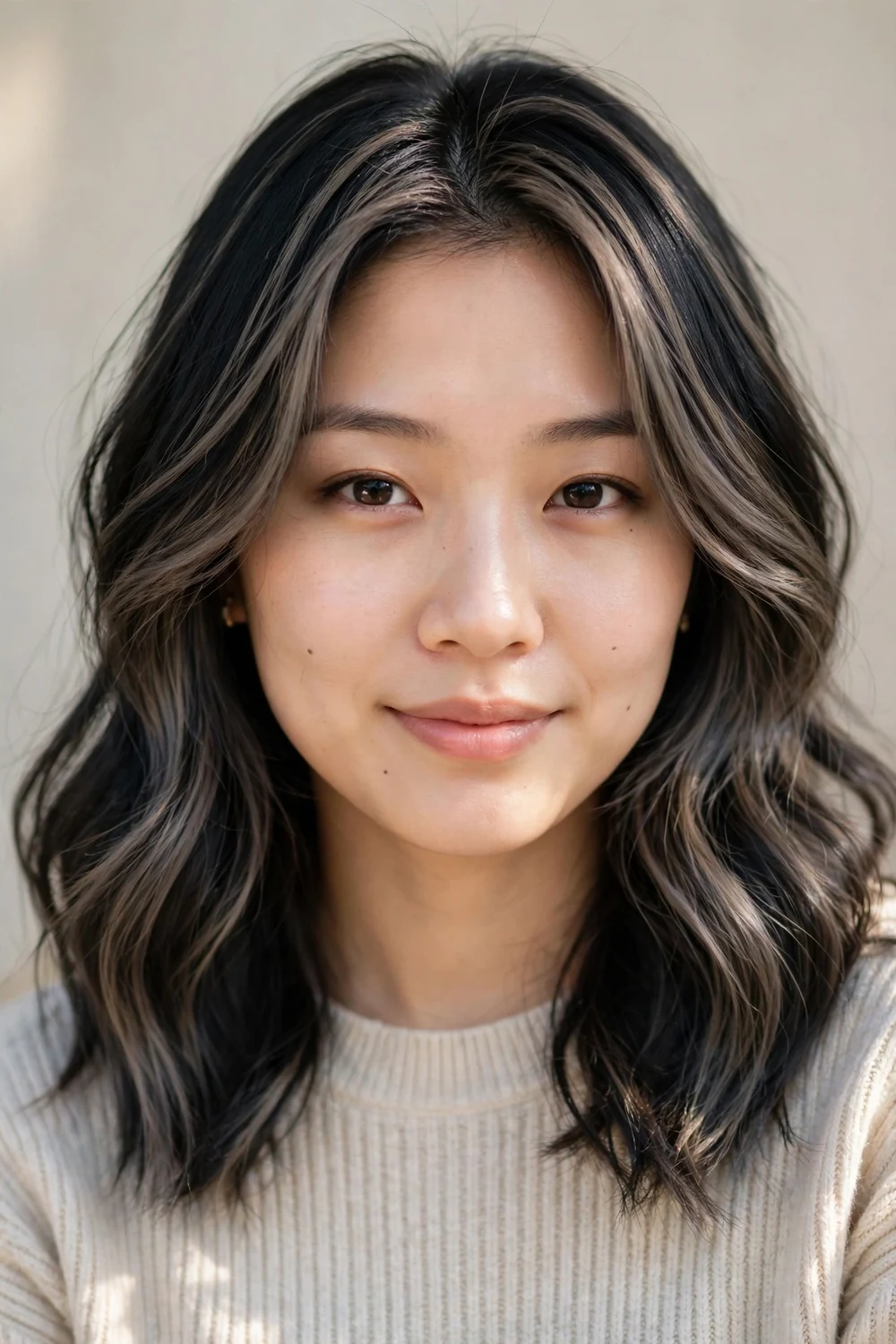
The ash partial paints cool, smoky pieces through the top and face frame on a neutral to cool base. It suits cool skin tones and anyone who wants to neutralize natural warmth or brassiness. The ash toner needs refreshing every six to eight weeks ($60–$90), since cool tones fade fastest; a purple shampoo at home extends it. This is the highest-upkeep partial because the tone is the whole point. For warm-toned alternatives, our dark caramel balayage guide shows the golden end of the spectrum.
Try this: Use purple shampoo once a week and a cool-toned gloss between salon visits to keep the ash from warming up.
Difficulty: Medium | Salon cost: $160–$250
Full balayage looks to try
Six ways to wear full balayage, from natural-bright to dramatic.
Full blonde balayage
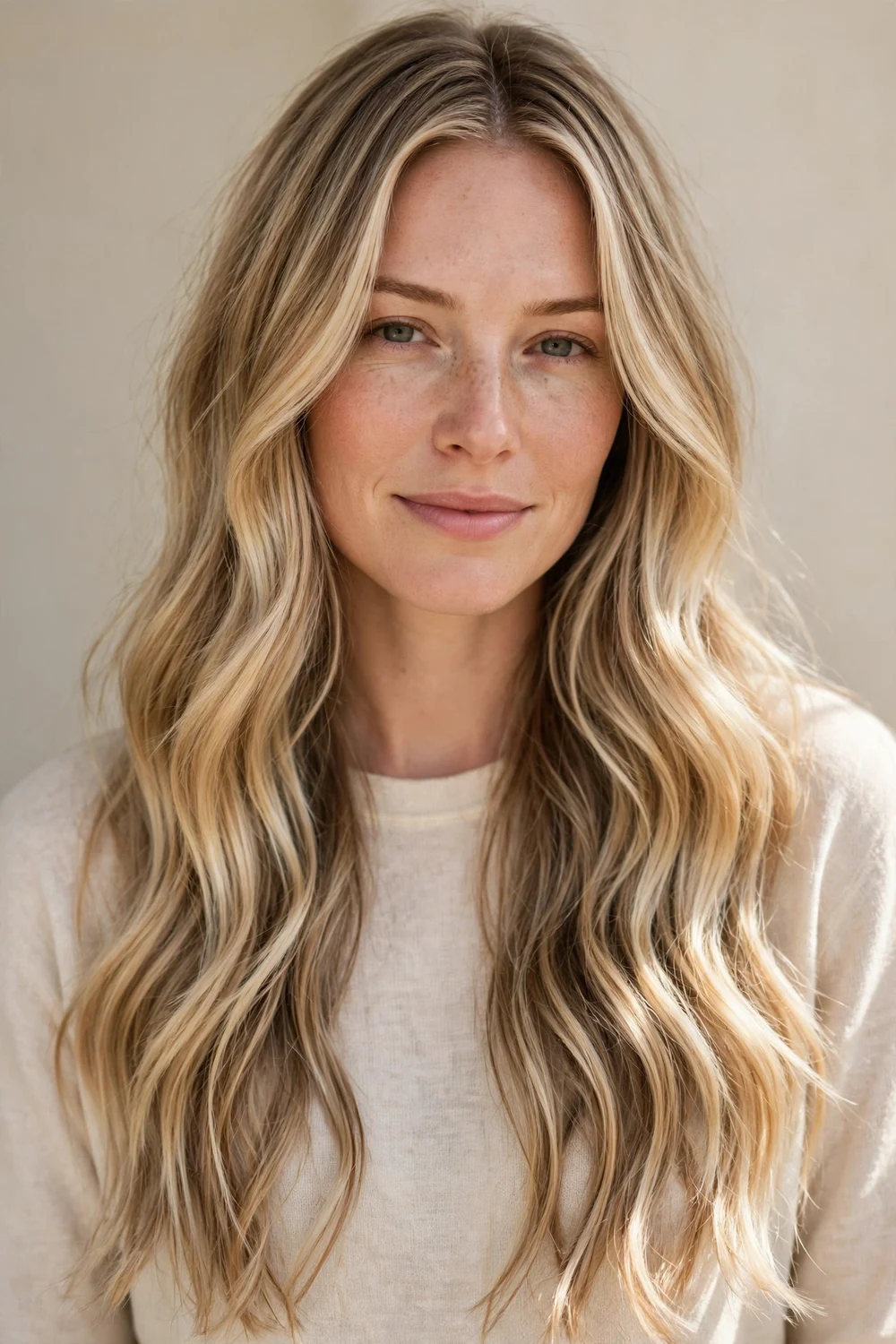
Full blonde balayage takes the hair to an overall blonde with hand-painted dimension: brighter pieces woven through darker blonde ribbons, light from roots to ends and underneath. It suits medium to dark blonde bases going lighter and flatters fair to medium skin tones. Expect a four to five hour appointment and possibly two sessions if your base is dark. Toner refreshes every six to eight weeks keep it from turning brassy. This is the full balayage most people picture: unmistakably blonde, but softer than foils.
Try this: Book the toner refresh as a standalone appointment so the brightness stays consistent between full services.
Difficulty: Hard | Salon cost: $280–$450
Full caramel balayage
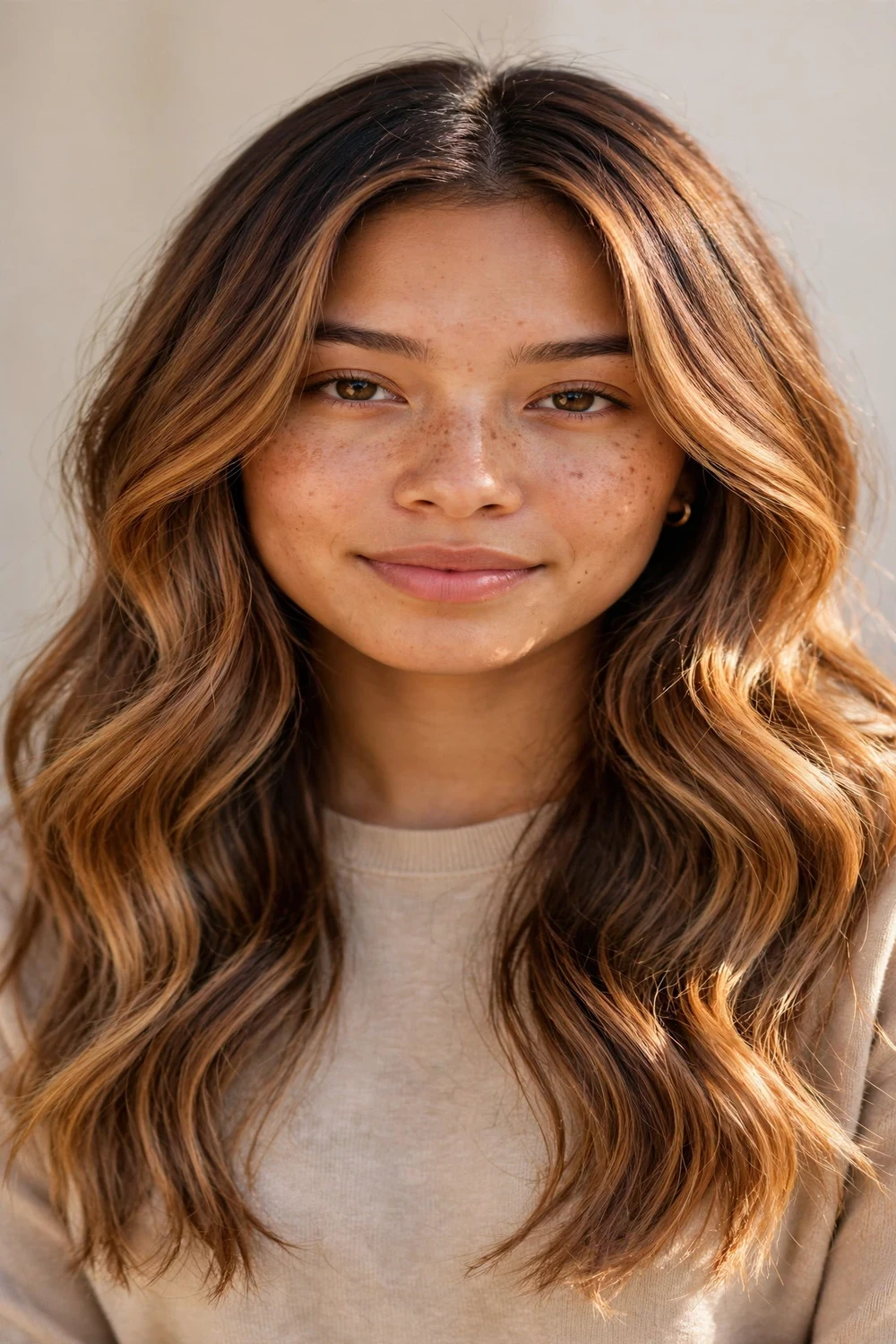
Full caramel balayage bathes the whole head in warm caramel tones, from a melted root to glowing ends. It suits medium to dark brown bases and warm skin tones, and it is more forgiving than blonde balayage because the warmth hides regrowth and fading. The appointment runs three to four hours. It needs less toner maintenance than ash or blonde shades: a gloss every couple of months keeps the warmth rich. This is the best full balayage for brunettes who want brightness without going blonde.
Try this: Ask for the root melted in your natural shade so the grow-out stays soft for months.
Difficulty: Medium | Salon cost: $250–$400
Dimensional full balayage
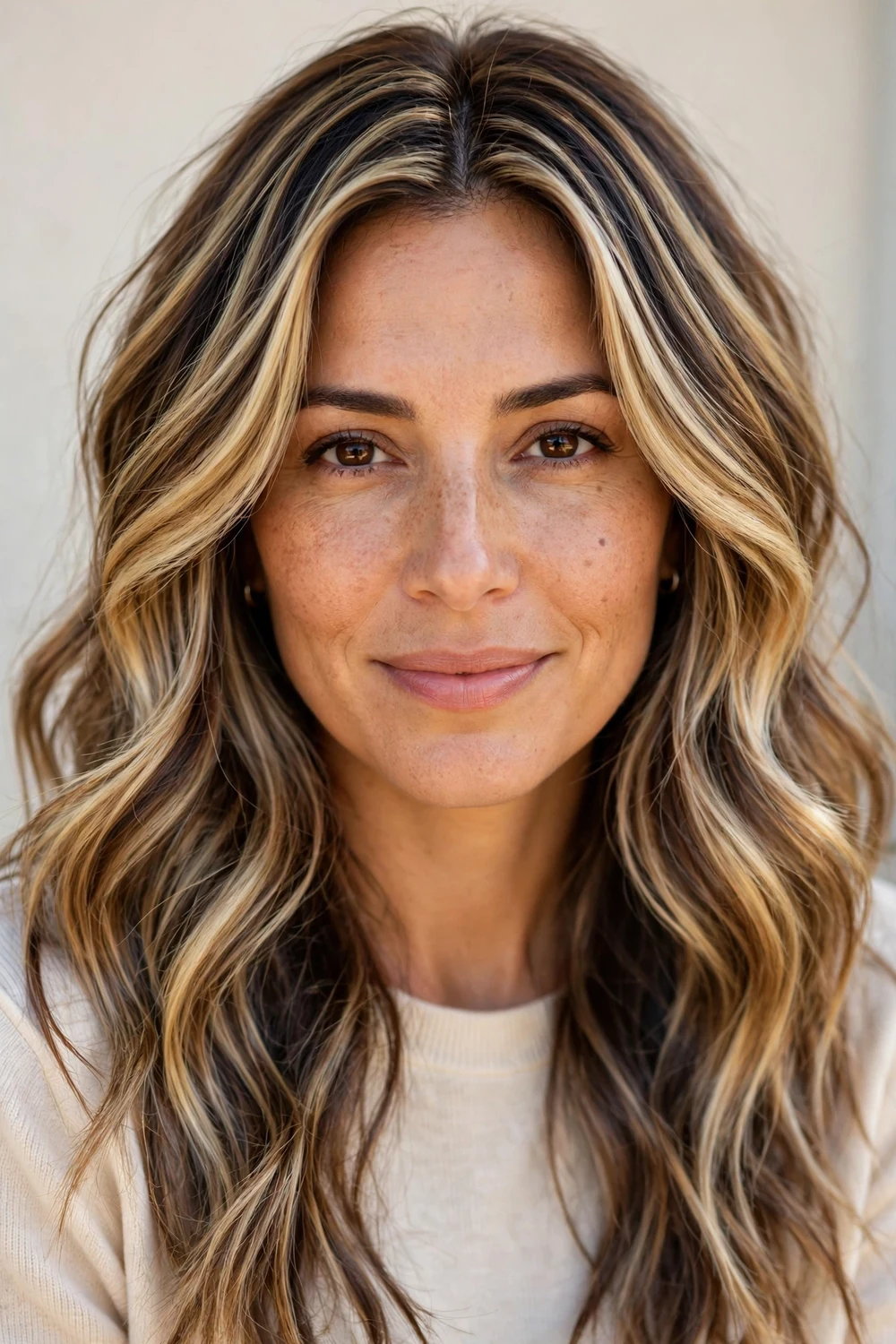
Dimensional full balayage deliberately varies the lightness: some sections go bright blonde, others stay close to the base, creating a multi-tonal effect across the whole head. It suits anyone whose hair looks flat in photos and works on all base colors. The variation means regrowth blends exceptionally well, since there is no single target shade to match. It takes a skilled colorist to place the variation naturally; ask to see their portfolio of dimensional work specifically. For highlight-focused dimension on lighter bases, see our highlights on dirty blonde hair guide.
Try this: Bring photos showing the exact ratio of light to dark you want, since “dimensional” means different things to different colorists.
Difficulty: Hard | Salon cost: $280–$450
Bronde full balayage
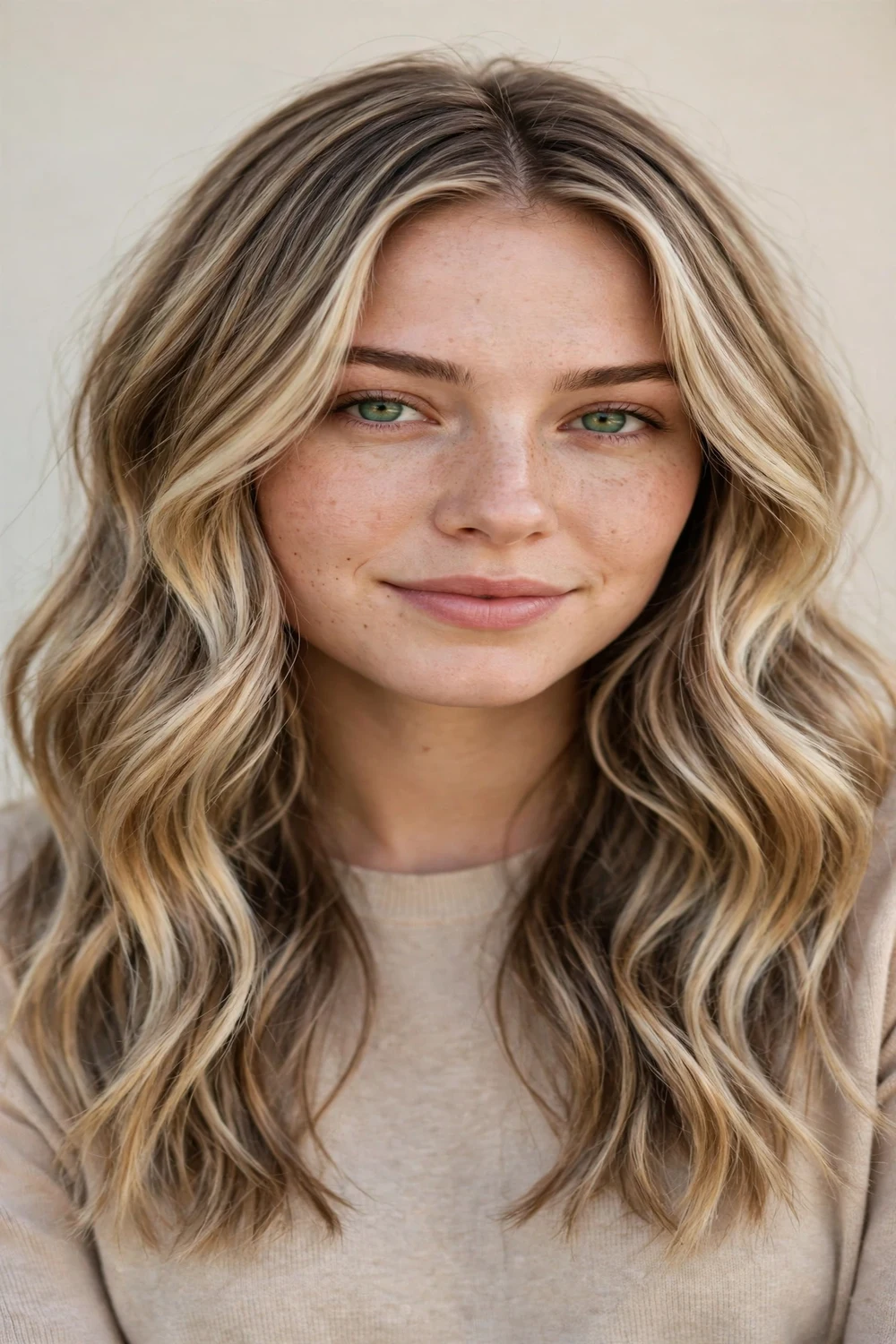
Bronde (brown plus blonde) full balayage sits exactly between the two: an all-over blend where neither brown nor blonde dominates. It suits medium brown bases and neutral skin tones, and it is the most natural-looking full balayage because the blend mimics how hair lightens over a summer outdoors. The appointment takes three to four hours. Maintenance is moderate: toner every eight weeks keeps the blend balanced. It is the right pick if you cannot decide between staying brunette and going blonde.
Try this: Ask for the blend to stay neutral rather than warm or cool so it flatters the widest range of outfits and makeup.
Difficulty: Medium | Salon cost: $250–$400
Full balayage on long hair
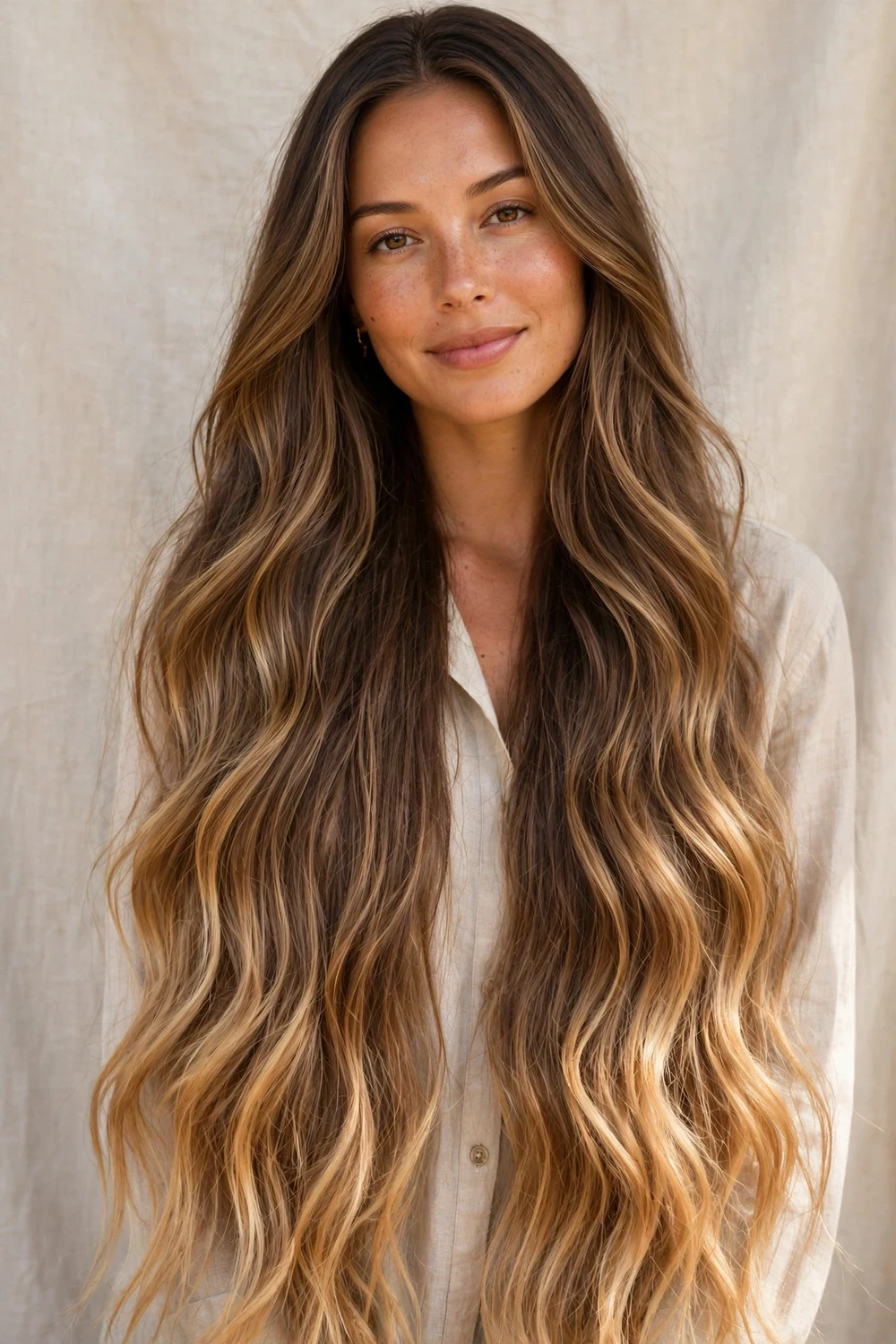
Full balayage on long hair is the most dramatic version: the hand-painted brightness cascades from roots to ends over twenty-plus inches. It suits thick, healthy long hair that can handle the processing; fine or damaged long hair is better served by a partial. Expect the longest appointment (four to six hours) and the highest price ($350–$500+), plus a bond-building treatment. The result is striking, but the upkeep commitment is real: long lightened hair needs weekly masks and careful heat protection.
Try this: Schedule a bond-building treatment with the service and a trim, since long lightened ends need both.
Difficulty: Hard | Salon cost: $350–$500
Cool-toned full balayage
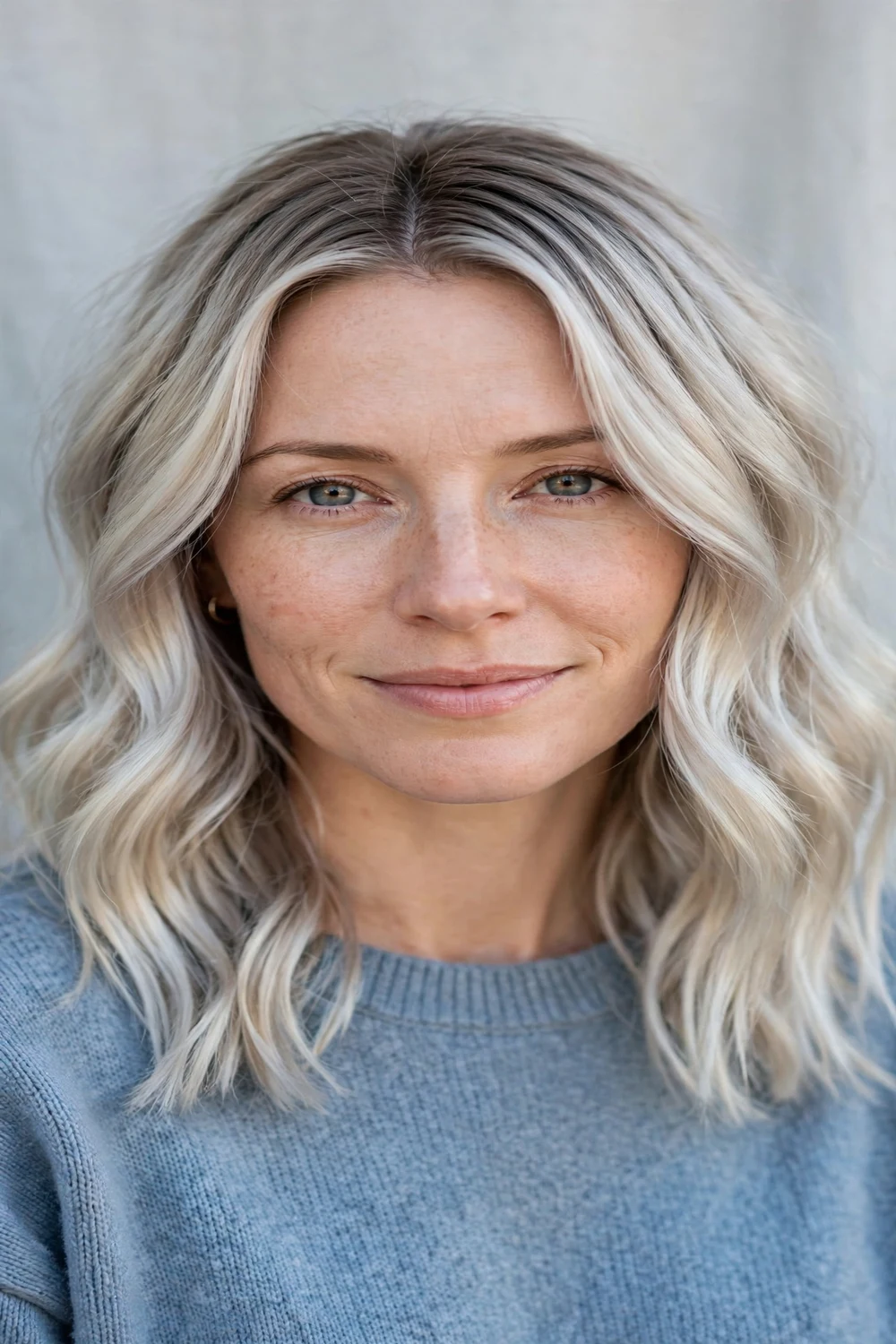
Cool-toned full balayage takes the whole head to icy, ash, or platinum-adjacent shades with hand-painted softness at the root. It suits cool skin tones and naturally dark blonde to light brown bases; very dark bases need multiple sessions. This is the highest-maintenance balayage: purple shampoo weekly, toner every six weeks, and minimal heat styling to protect the lightened hair. The result is striking, but go in with eyes open about the upkeep and the cost of getting there.
Try this: Alternate purple shampoo with a hydrating shampoo so the hair does not dry out from over-toning.
Difficulty: Hard | Salon cost: $300–$500
The verdict: which one should you get
Get partial balayage if this is your first balayage, your budget is under $250, you want a natural sun-kissed effect, or your hair is fine or previously damaged. It delivers the most visible improvement per dollar and per hour, with the easiest grow-out in color.
Get full balayage if you want to look meaningfully lighter all over, have healthy hair that can handle full-head lightening, and can commit to toner refreshes every six to eight weeks. It is a transformation, not a touch-up, and it should be booked as one.
The practical tiebreaker is budget over time, not just the first appointment. A partial costs less upfront and less in upkeep. A full costs more upfront and keeps costing more in toner visits. If the ongoing cost gives you pause, the partial will make you happier.
Partial balayage vs full balayage: side-by-side comparison
| Feature | Partial balayage | Full balayage |
|---|---|---|
| Coverage | Face frame, crown, top sections | Entire head, including underneath |
| Final look | Natural, sun-kissed dimension | All-over brightness, lighter overall color |
| Appointment time | 2–3 hours | 3–5 hours |
| First-appointment cost | $150–$250 | $250–$450 |
| Refresh schedule | Every 3–4 months | Every 3–4 months |
| Toner upkeep | Often skippable between visits | Every 6–8 weeks ($60–$100) |
| Damage risk | Lower: less hair lightened | Higher: full-head lightening |
| Grow-out | Blends into natural hair seamlessly | Softens into an ombre effect |
| Best for | First-timers, budgets, natural looks | Transformations, all-over lightness |
| Hair health requirement | Suitable for most hair conditions | Needs healthy hair; bond treatment advised |
FAQs
Can I upgrade from partial to full balayage later?
Yes, and it is a common path. The colorist paints the remaining unlightened sections (usually the underneath and lower layers) in a second appointment, building on the existing partial. It is often cheaper than booking a full balayage from scratch since some work is already done.
Does partial balayage look unfinished compared to full?
No. Partial balayage is designed to look like natural sun lightening, which never covers the whole head evenly. The untouched underneath actually makes it look more natural. It only looks unfinished if the placement is patchy, which is a colorist skill issue, not a partial-versus-full issue.
Which balayage is better for dark hair?
Partial, for most dark-haired clients. The contrast between the dark base and the painted pieces creates striking dimension with less damage and lower cost. Full balayage on very dark hair often needs two sessions to reach brightness, which doubles the damage risk and the bill.
How long does balayage last before needing a refresh?
Both partial and full balayage need a color refresh every 3 to 4 months. The difference is in toner upkeep: full balayage usually needs a toner gloss every 6 to 8 weeks to prevent brassiness, while partial can often go the full interval. Neither develops a harsh regrowth line.
Is balayage damaging to hair?
Any lightening causes some damage, but balayage is gentler than foils because the colorist controls placement and the root stays natural. Partial balayage damages less than full simply because less hair is processed. A bond-building treatment during the service and weekly deep conditioning keep either version healthy.
Final thoughts
Partial balayage vs full balayage is a budget and ambition question disguised as a color question. The partial gives you the balayage glow for less money, less time, and less upkeep. The full gives you the transformation. Most people are happiest starting partial and going full later if the brightness bug bites, because you can always add more paint, but you cannot un-paint a full head without growing it out.

