


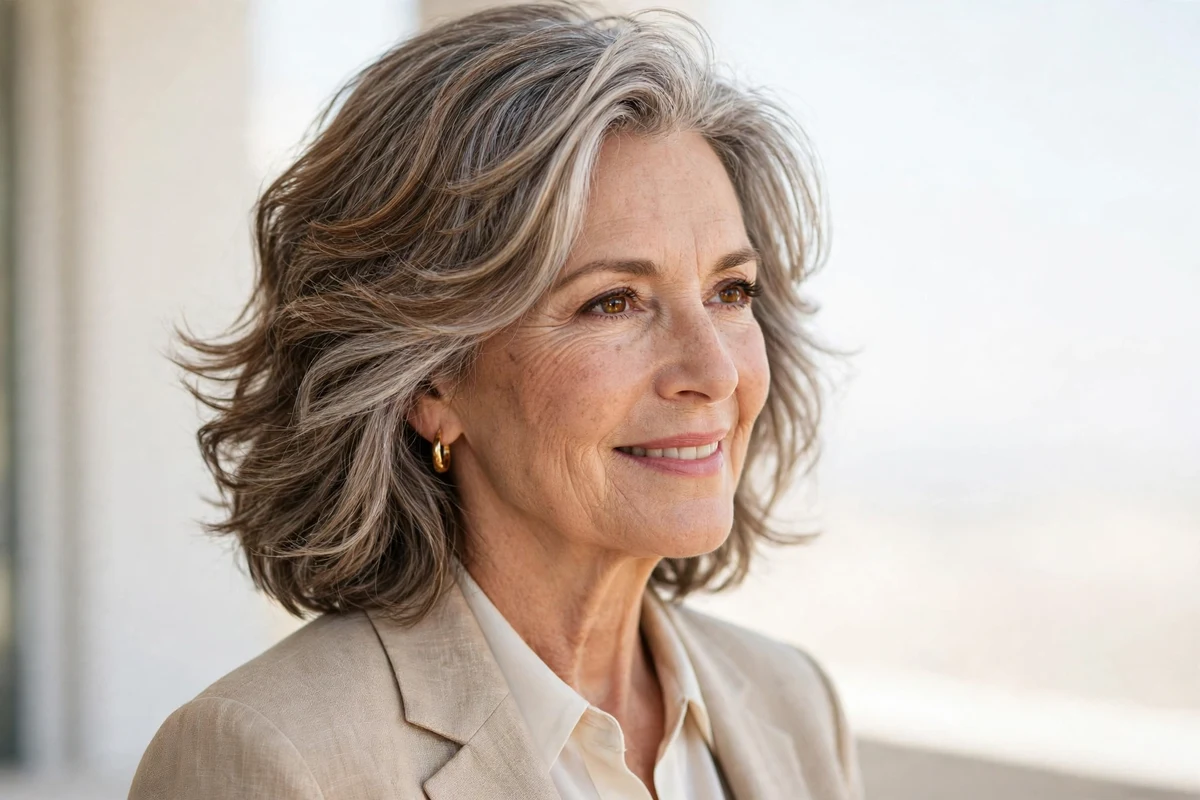
Hair changes after 50. It often gets finer, drier, and a little less willing to hold the styles it used to. Layers are the most reliable fix in a stylist’s toolkit: they remove weight where hair drags, add movement where it falls flat, and frame the face in ways that soften without trying too hard.
This guide collects 30 layered hairstyles for women over 50, from short pixies and bobs to long flowing cuts. After years of writing about haircuts for mature hair, I keep coming back to layers as the hardest-working option, so every idea below notes who it suits and what the upkeep looks like.
Quick answer: Layers add volume to fine hair, remove bulk from thick hair, and frame the face to soften features after 50. The most flattering options are textured lobs, feathered layers, stacked bobs, and face-framing cuts. Schedule a trim every 6 to 8 weeks to keep the shape sharp.
Quick Takeaways
- Layers make fine hair look thicker by creating movement and the illusion of density.
- On thick hair, layers remove bulk so styles sit lighter and dry faster.
- Face-framing and feathered layers soften the jawline and draw attention to cheekbones.
- Most layered cuts need a trim every 6 to 8 weeks to hold their shape.
- Bring photos of the exact length and layering you want; “layers” alone means different things to different stylists.
Why Layers Work So Well After 50
As hair density changes with age, one-length cuts tend to fall flat or flip out at the ends. Layers break up that solid sheet of hair, so each section can move on its own. The result reads as volume even when the actual density hasn’t changed.
Layers also solve the styling problem. A layered cut air-dries into something presentable and takes direction from a round brush in minutes. For anyone who doesn’t want a 30-minute routine, that ease matters as much as the look.
And they flatter. Shorter pieces around the face soften the jawline and highlight cheekbones, which is why face-framing layers show up in nearly every stylist’s recommendation for mature clients.
What to Tell Your Stylist
Be specific about three things: length, layer intensity, and your real routine. Say where you want the shortest layer to hit (chin, collarbone, ends only), whether you want soft blended layers or choppy visible ones, and how much styling you’ll actually do each morning.
Mention your hair’s behavior, not just its type. Hair that goes flat by noon needs shorter crown layers for lift. Hair that poufs needs longer layers and weight removal at the ends. A good stylist cuts for behavior, and the more you share, the better the result.
Ask how the cut grows out. The best layered cuts for busy women still look decent at week seven, not just week one. If a style needs weekly heat styling to look right, you should know before you commit.
1. Textured Layered Lob
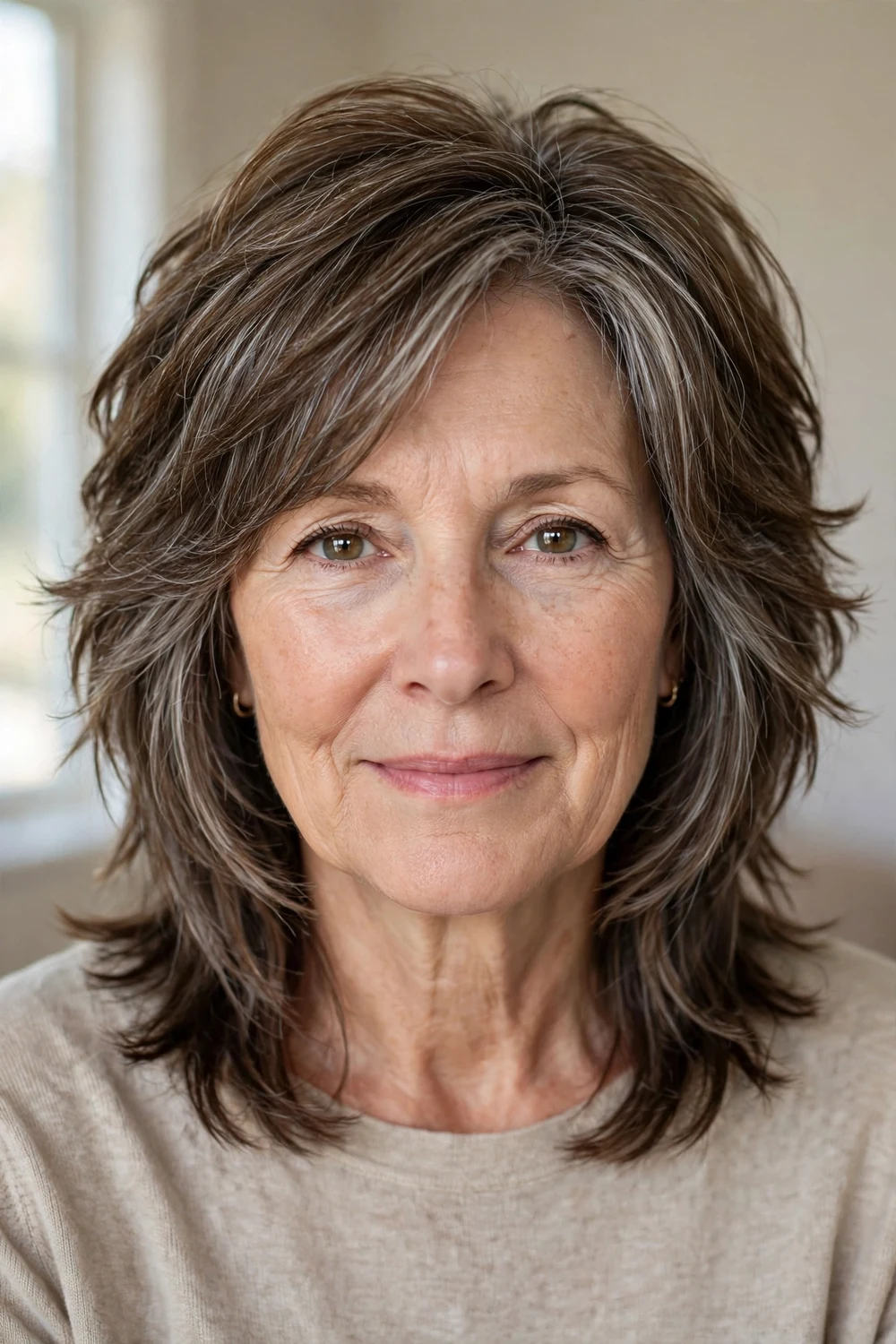
No cut on this list is a safer bet than the lob. Cut to graze the collarbone with soft layers through the ends, it gives you movement without sacrificing the density that makes hair look healthy. The texture comes from point-cut ends rather than heavy layering, so it grows out gracefully. It works on straight, wavy, and loosely curly hair, and it’s one of the few cuts that looks equally good air-dried or blow-dried. Ask for the layers to start no higher than chin level to keep the top smooth.
Try this: Work a pea-sized amount of texturizing cream through dry ends. It defines the layers without making them piecey.
2. Flipped-Out Layered Lob
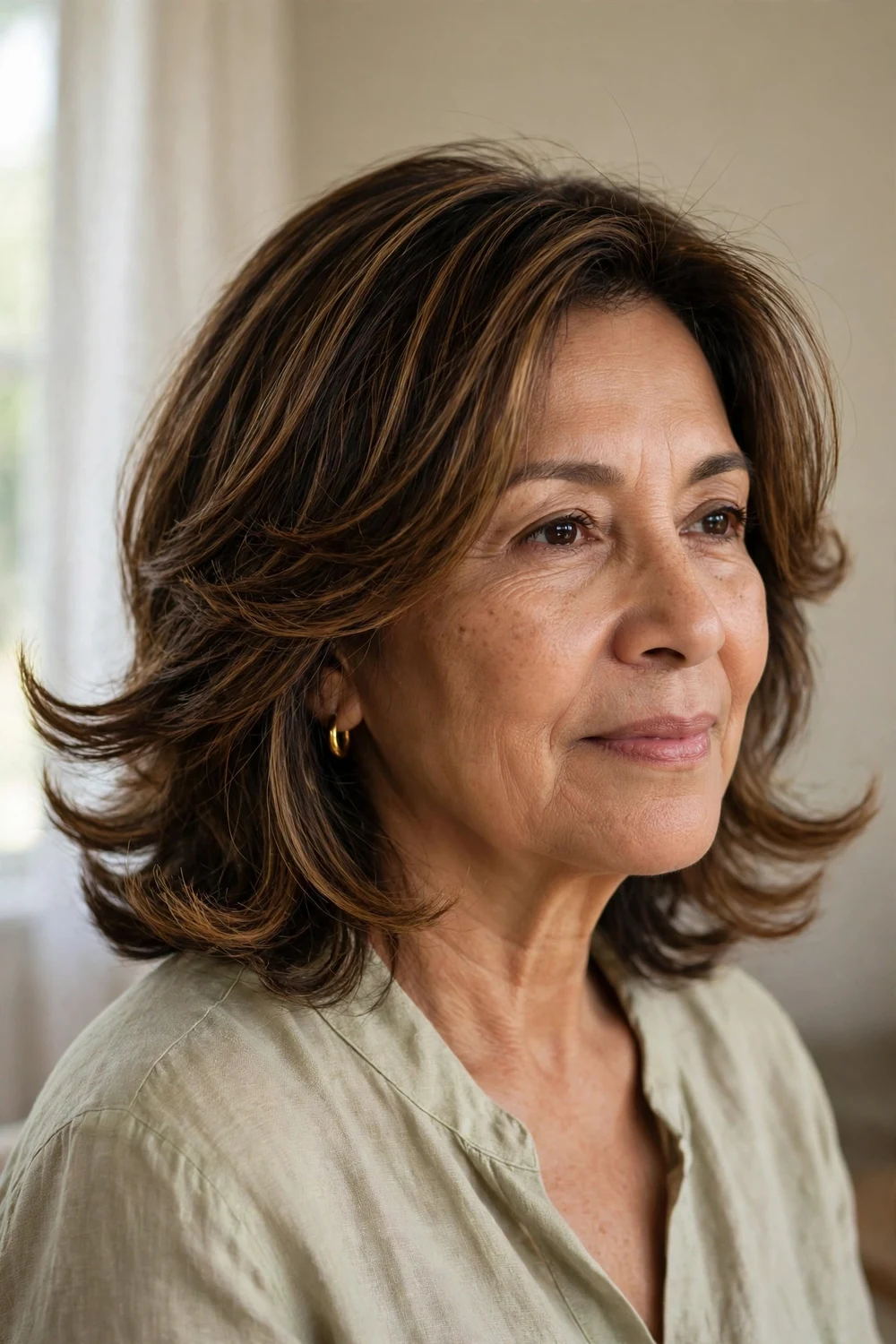
Here’s the retro version of the lob, and it’s having a real moment. The cut is a classic layered lob, but the ends are flipped outward with a flat iron or round brush for a playful, bouncy finish. The outward flip adds width at the jawline, which balances longer face shapes nicely. It takes about ten minutes with a round brush, and second-day hair actually flips better than freshly washed hair because it has more grip. This suits straight to wavy hair best; tight curls won’t hold the flip.
Try this: Flip the ends outward in small sections, then set with a light-hold spray. The sectioning is what keeps it bouncy instead of winged.
3. Feathered Lob With Full Bangs
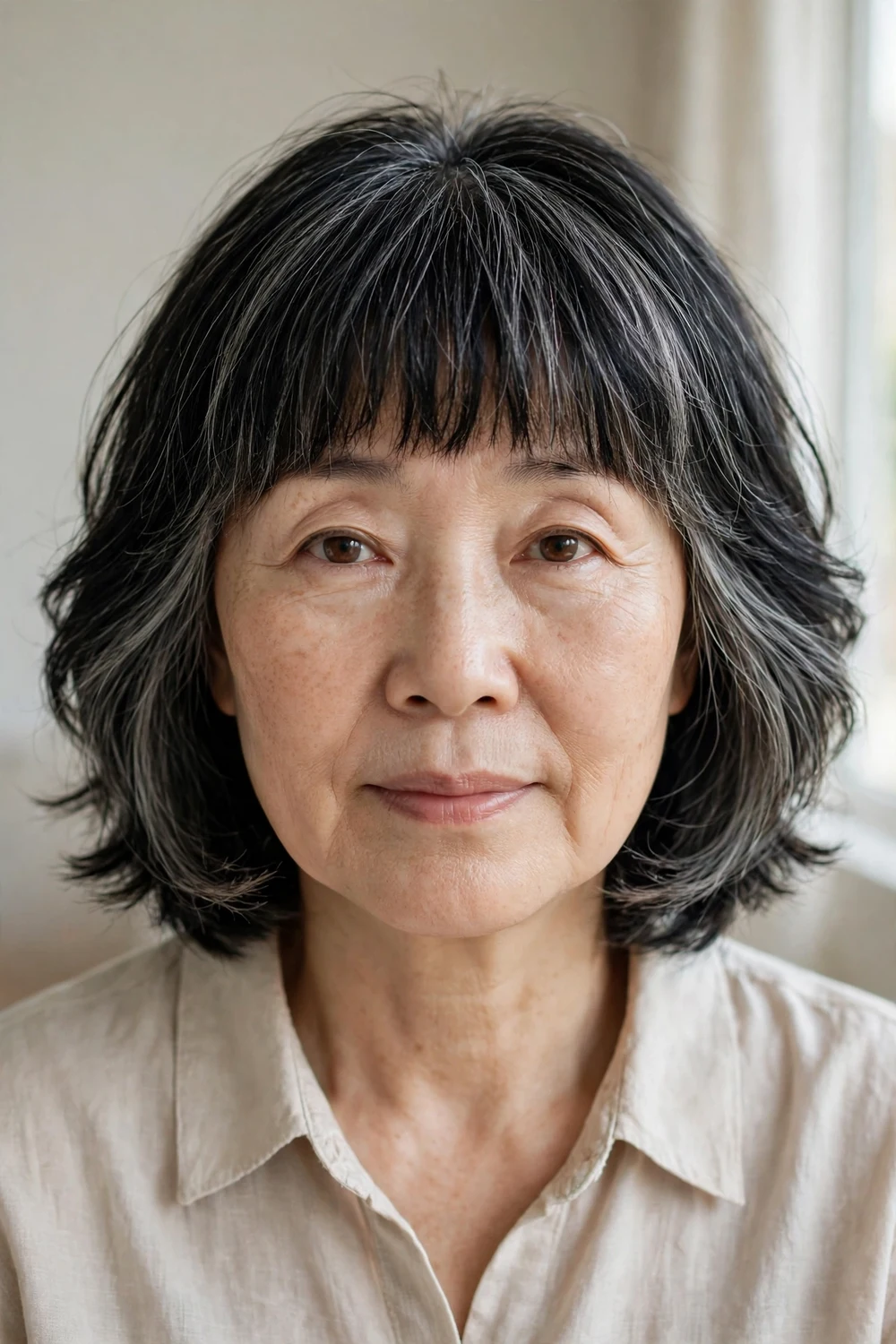
Feathered ends keep this lob light and airy, while full bangs cut softly across the forehead add a youthful frame. The bangs should be textured, not blunt; wispy ends blend into the feathered layers instead of sitting as a separate block. This is a strong choice if your hair is fine, because the feathering removes just enough weight for the remaining hair to move. Plan bang trims every 3 to 4 weeks, since bangs grow out faster than the rest of the cut visually.
Try this: Blow-dry bangs side to side with a flat brush, not straight down. They’ll fall softer and blend into the layers.
4. Classic Layered Bob
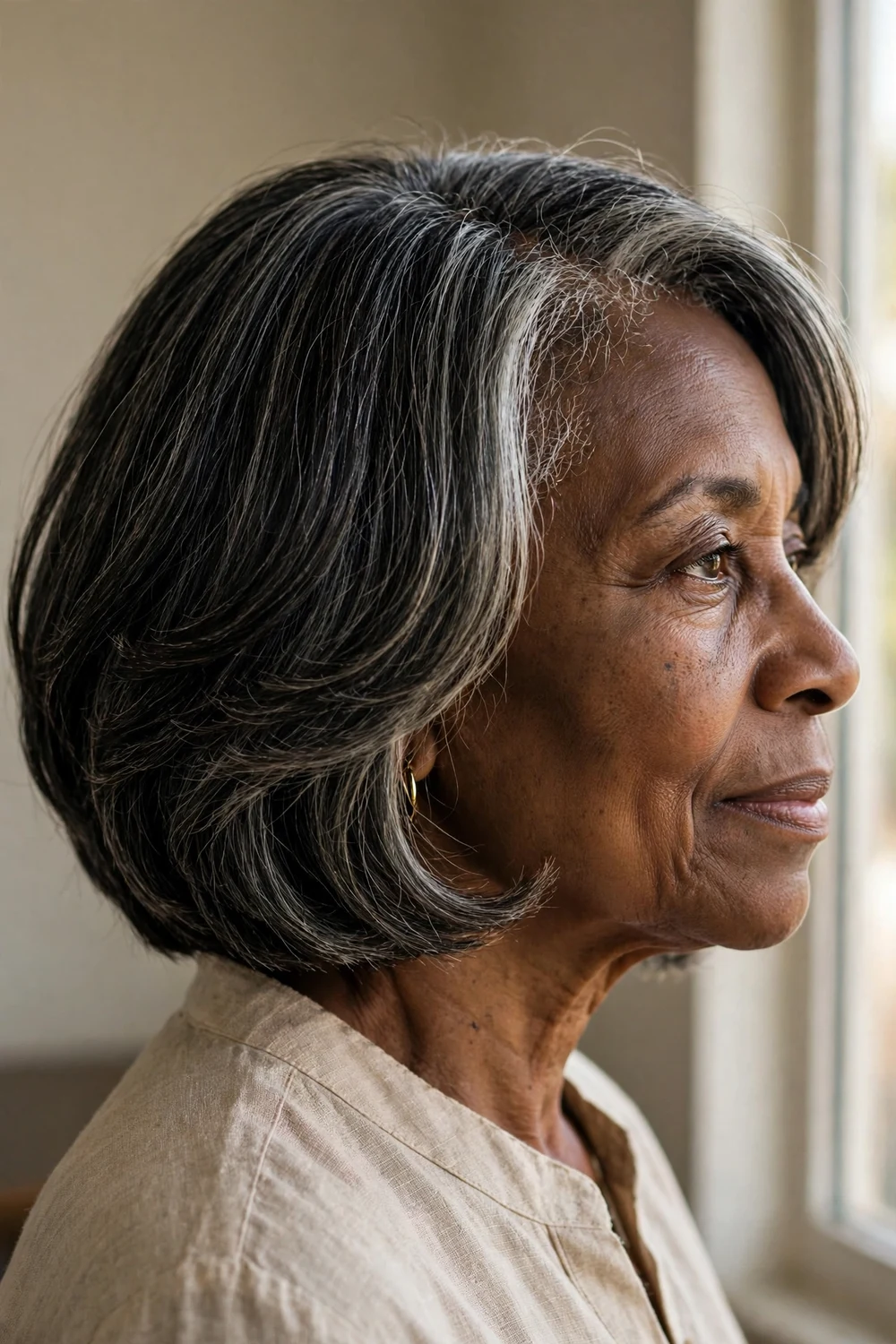
Some cuts don’t need reinventing. The classic layered bob hits at or just below the jaw with subtle interior layers that create swing and volume. It’s the lowest-maintenance short option here: wash, rough-dry, and go, with an optional quick pass of the flat iron for polish. The layers prevent the dreaded triangle shape that one-length bobs develop on thick hair. It suits most face shapes, though very round faces do better with a slightly longer version that clears the chin.
Try this: Tuck one side behind your ear and leave the other loose. The asymmetry keeps a classic cut from looking severe.
5. Stacked Bob
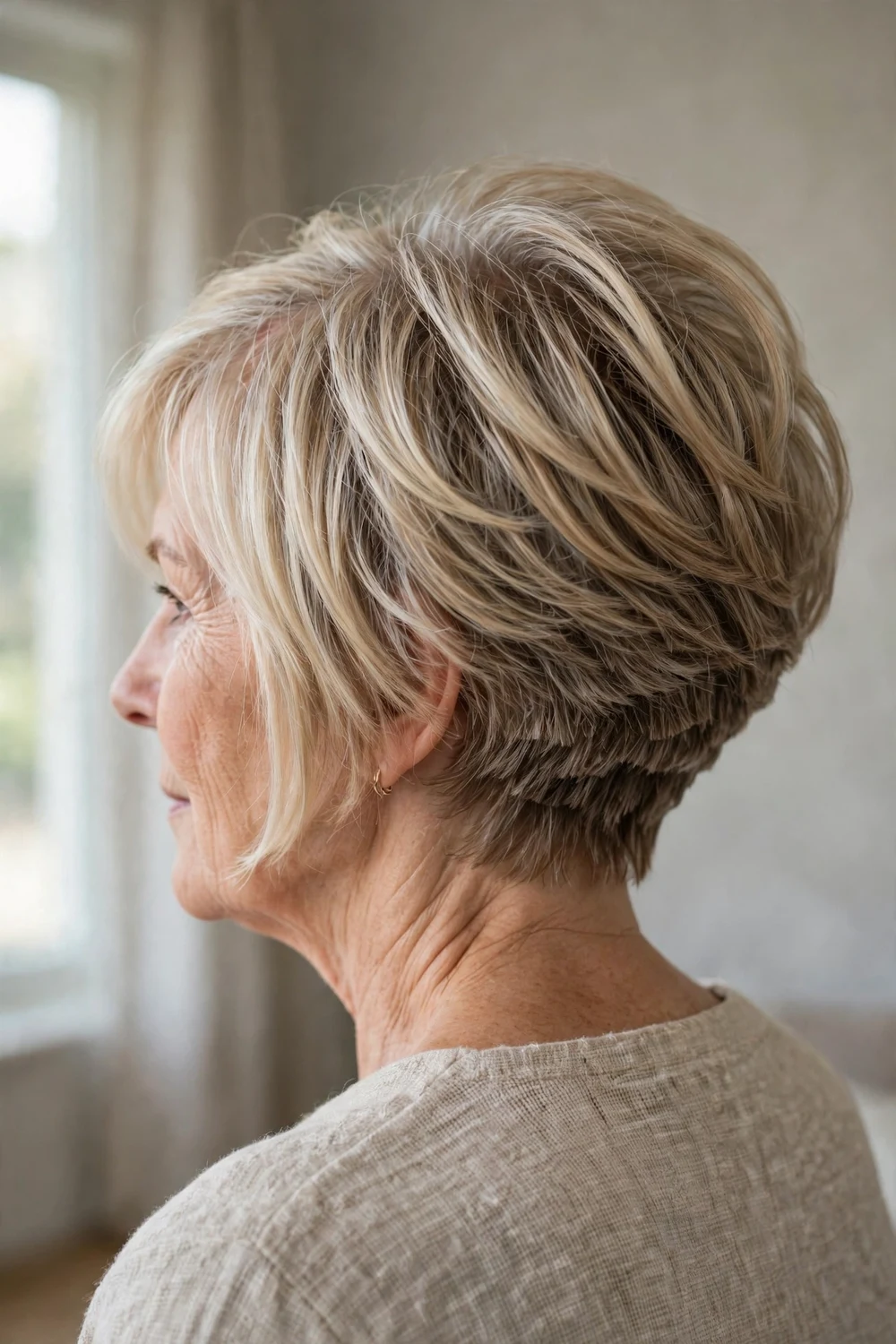
If your hair is fine, the stacked bob is worth serious consideration. Short graduated layers at the back build real, structural volume at the crown, while the front stays longer to frame the face. The stacking does the lifting, so you don’t need to tease or over-style to get height. It needs trims every 5 to 6 weeks to keep the graduation sharp; once the back grows out, the shape collapses. This is a salon-dependent cut, so find a stylist who does precision bobs regularly.
Try this: Blow-dry the crown with a round brush, lifting straight up from the roots. The stacked layers will do the rest.
6. Graduated Layered Bob
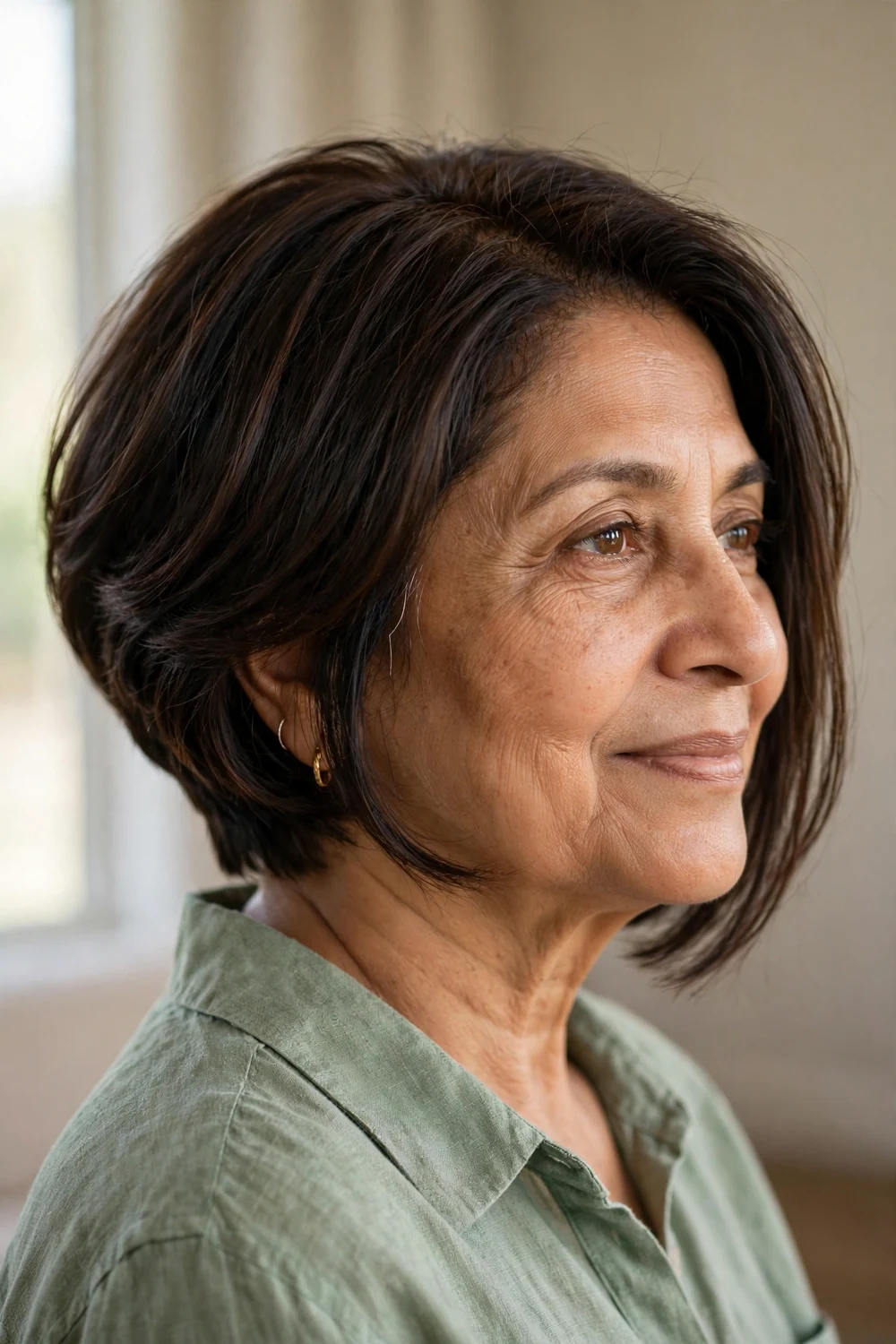
Shorter in back, longer in front, with layers that graduate smoothly between the two: this bob gives you the volume of a stacked cut with a softer, more wearable outline. Styled with a side part, the longer front pieces sweep across the cheek and draw the eye diagonally, which flatters most face shapes. The graduation also means it grows out more gracefully than a true stacked bob, buying you an extra week or two between appointments.
Try this: Direct the front pieces away from your face with a round brush. The outward sweep opens up your features.
7. Curly Layered Bob
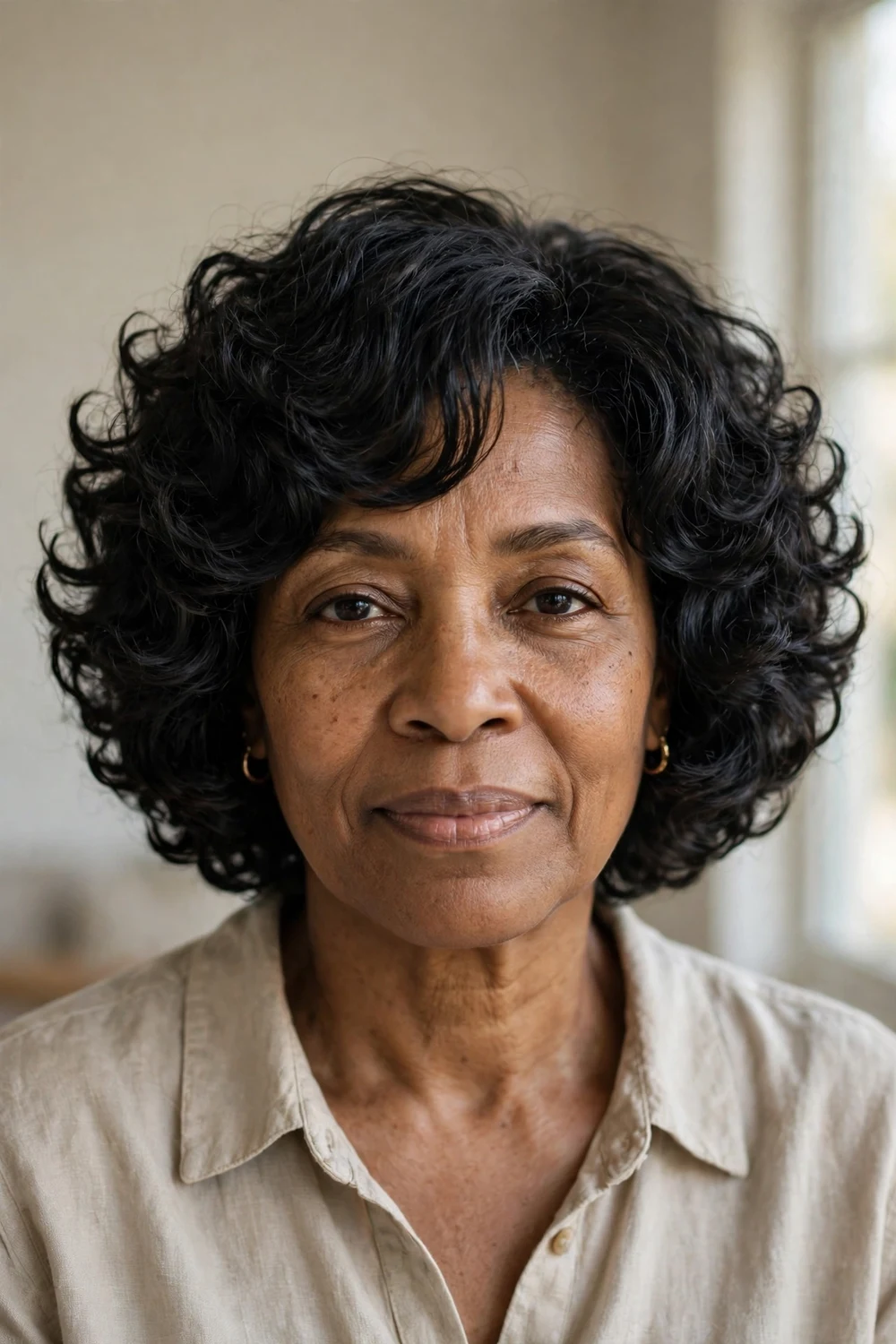
Curly hair and bobs are a natural match once the layers are right. Round layers cut into the curl pattern create a balanced, halo-like shape instead of a bottom-heavy triangle. The key is cutting curls dry or mostly dry, so the stylist sees where each curl actually lands. This cut embraces your natural texture instead of fighting it, which means wash-and-go is genuinely realistic. Use a curl cream on soaking-wet hair and diffuse or air-dry; the layers handle the shape.
Try this: Sleep in a loose pineapple ponytail on top of your head. It preserves the curl shape and the bob’s volume overnight.
When curls are the main texture, these curly layered hairstyles for women over 50 go deeper into bobs, shags, pixies, and lobs built around curl patterns.
8. Wavy Layered Bob
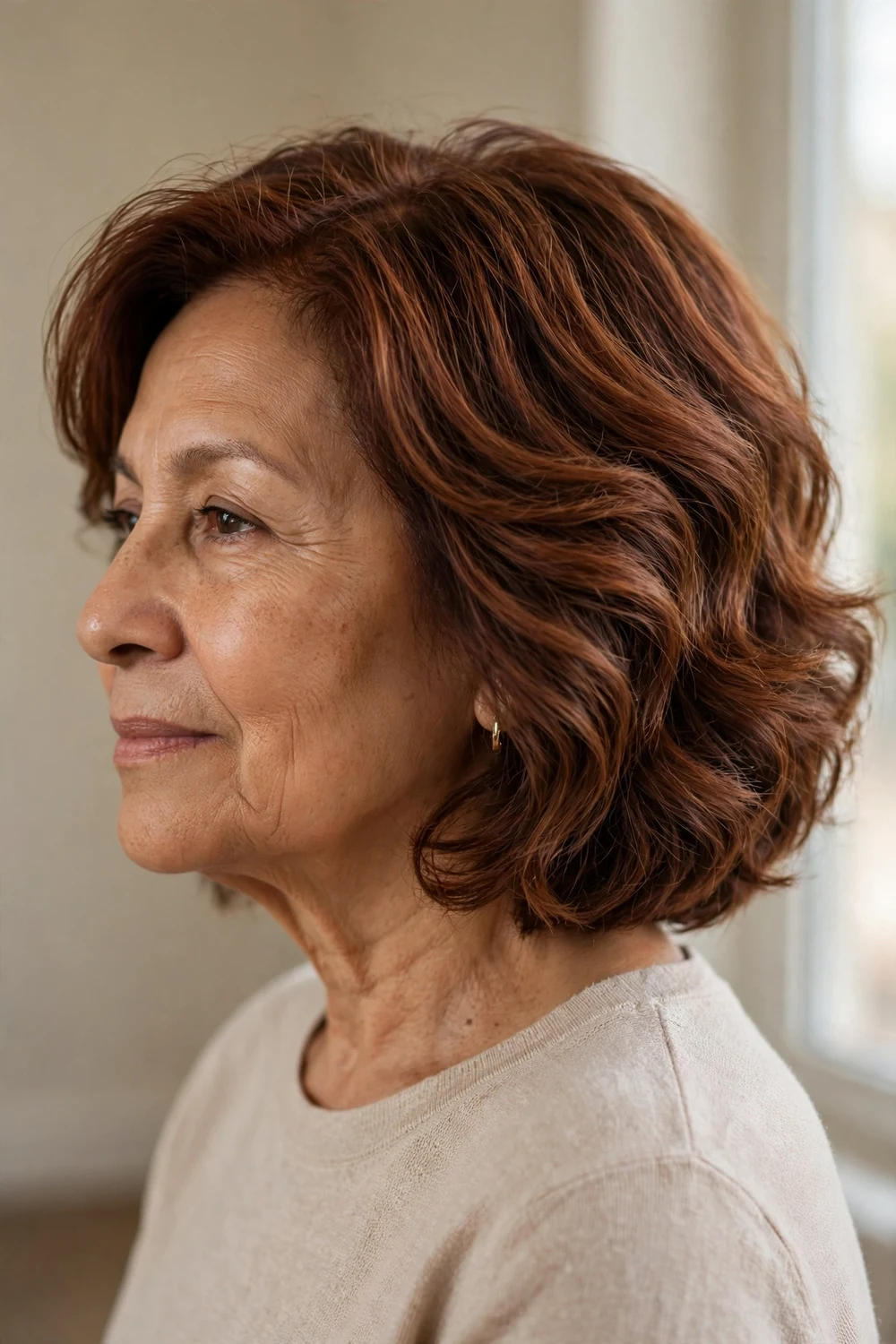
Wavy hair that won’t commit to curls or straight will find this bob meets you halfway. Layers cut to follow your natural wave pattern add bounce and keep the ends from flipping randomly. It’s refreshingly low-effort: scrunch in a wave-enhancing mousse on damp hair and let it air-dry. The waves give the cut its personality, so even growing-out phases look intentional. If your waves fall flat by afternoon, the layers are probably cut too long; ask for them shortened at your next trim.
Try this: Twist two front sections away from your face while damp, then release when dry. You’ll get polished face-framing waves with zero heat.
9. Tousled Layered Pixie
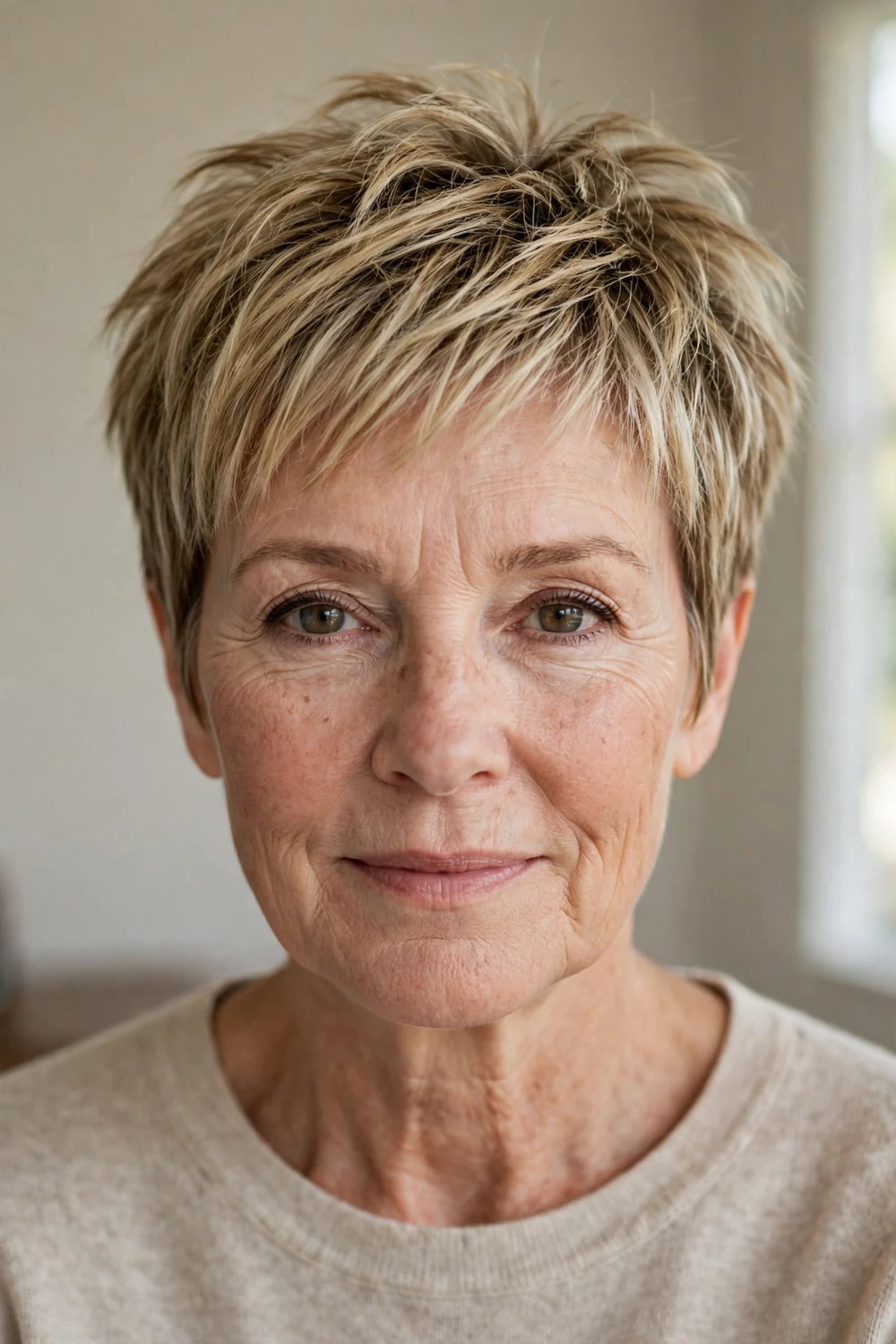
This pixie earns its reputation for a reason: nothing is easier in the morning. Choppy layers through the crown create texture and lift, while tapered sides keep it neat. The tousled styling is the whole point, so this cut forgives bedhead better than any other on the list. It suits fine to medium hair best; very thick hair needs serious thinning to keep a pixie from poufing. Highlights or lowlights woven through the top layer add dimension that makes the texture pop.
Try this: Finger-comb a small amount of matte paste through dry hair, pushing everything to one side. Done in under a minute.
10. Soft Layered Crop
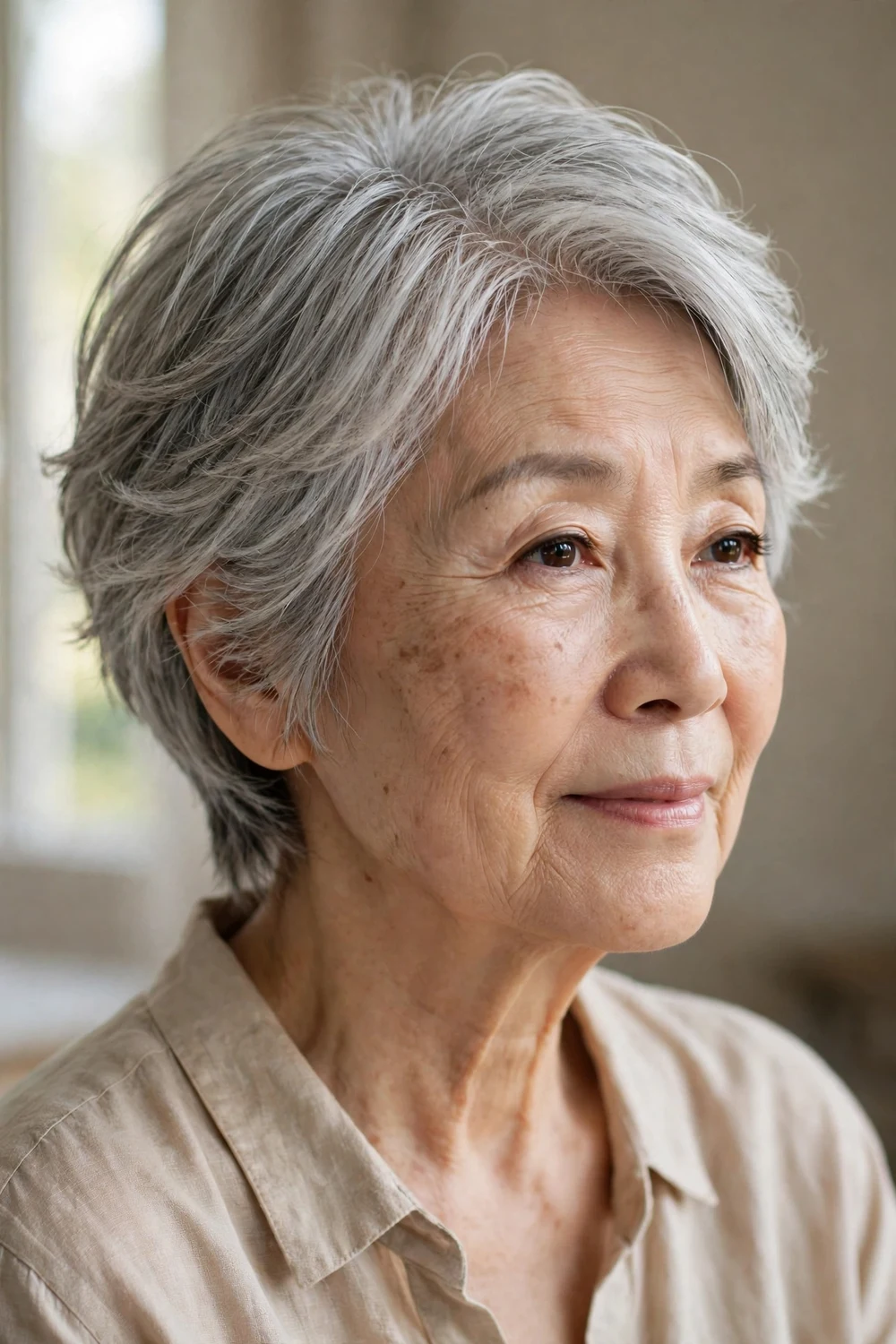
Think of this as the pixie’s gentler sibling. Slightly longer than a traditional pixie, with feathery layers that create a soft silhouette around the ears and nape, it reads feminine rather than edgy. The extra length gives you styling options the pixie doesn’t: you can smooth it, piece it out, or sweep it to the side. It’s a good middle ground if you want short hair without the commitment of a true pixie grow-out, which can be awkward. Trims every 4 to 5 weeks keep the feathering fresh.
Try this: Sweep the top to one side with a light styling cream. The side sweep adds softness around the forehead.
11. Asymmetrical Layered Pixie
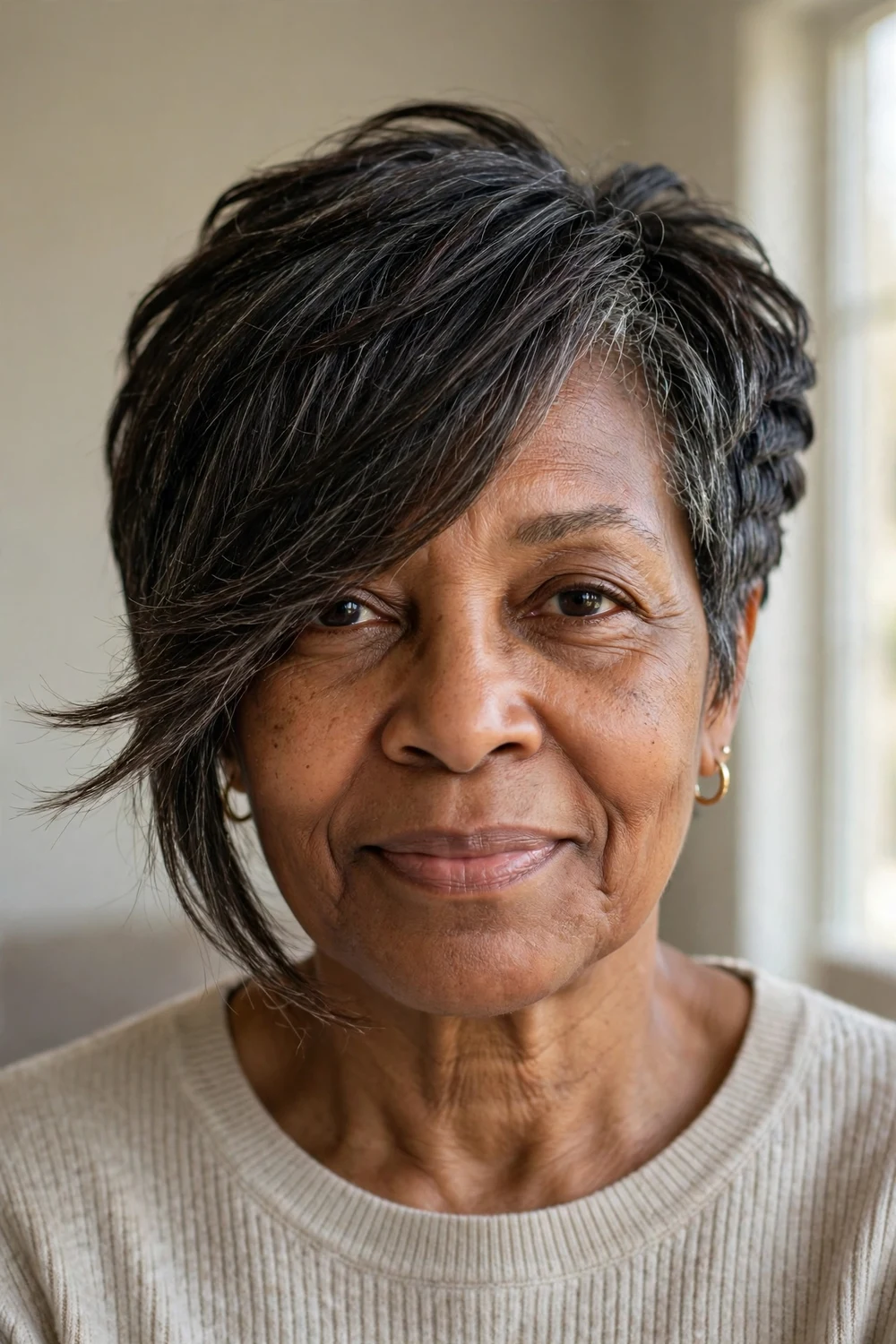
One side longer, one side cropped close: the asymmetry gives this pixie a modern edge that still reads elegant. A sweeping side fringe softens the forehead while stacked layers in the back keep the volume where it counts. The longer side draws the eye diagonally across the face, which is flattering on round and square face shapes. This cut demands confidence and a stylist with real precision skills, since asymmetry shows mistakes more than balanced cuts do. It’s also the pixie that grows out best, because the longer side gives you somewhere to go.
Try this: Keep the longer side smooth and piece out the shorter side with texture paste. The contrast sells the asymmetry.
12. Modern Shaggy Layers
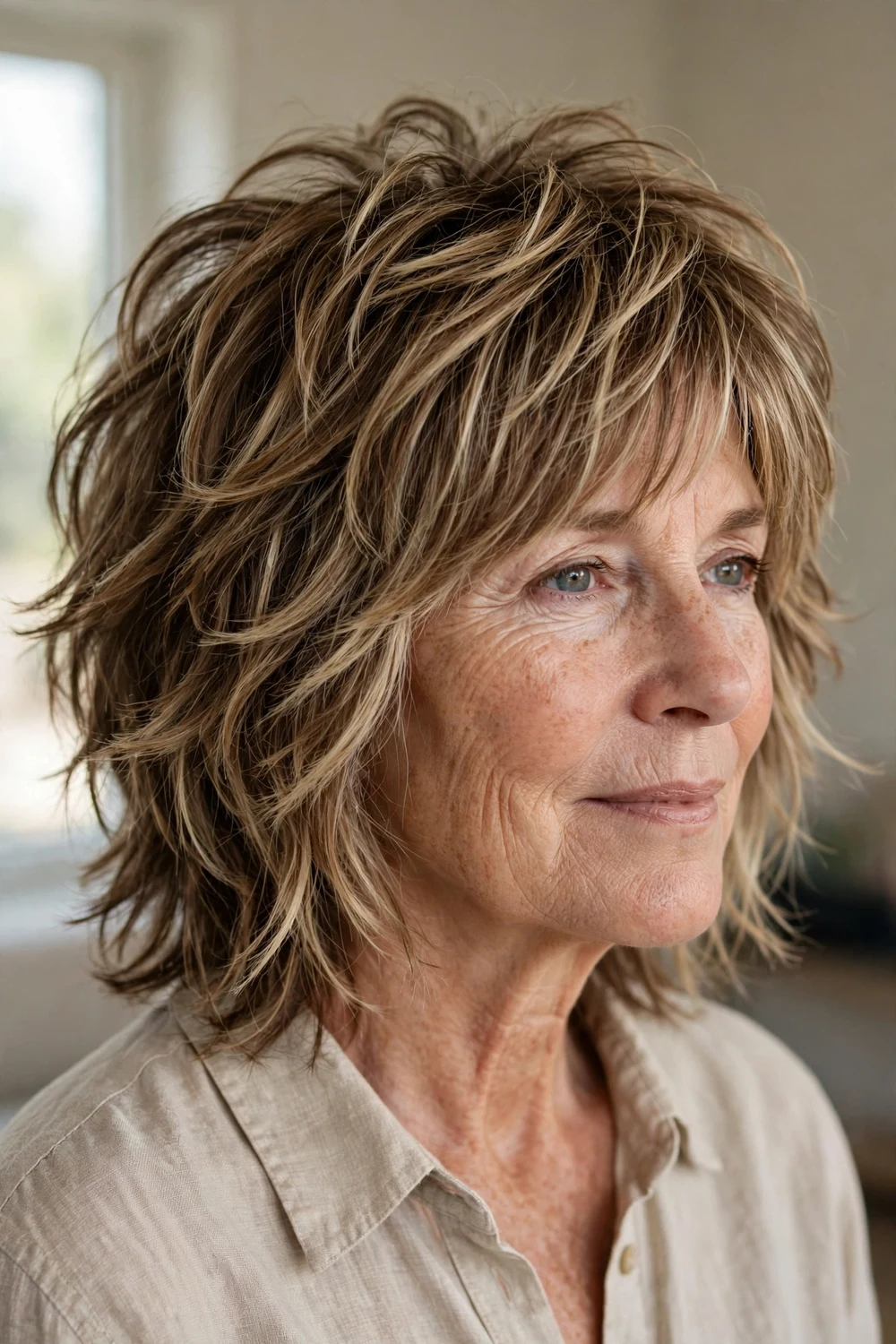
Heavily layered around the crown and face, the modern shag with razored ends, and it brings a relaxed, current energy that works at any age. The crown layers create lift where mature hair often falls flat, while the razored ends keep thick hair from looking bulky. It styles best with texture: rough-dry, add salt spray or texture cream, and let it be imperfect. If your hair is very fine, ask for a softer version with fewer razored ends, since aggressive razoring can make fine hair look thinner.
Try this: Twist a few random pieces around a curling wand, leaving the ends out. The undone waves are the whole look.
13. Shaggy Layers With Bangs
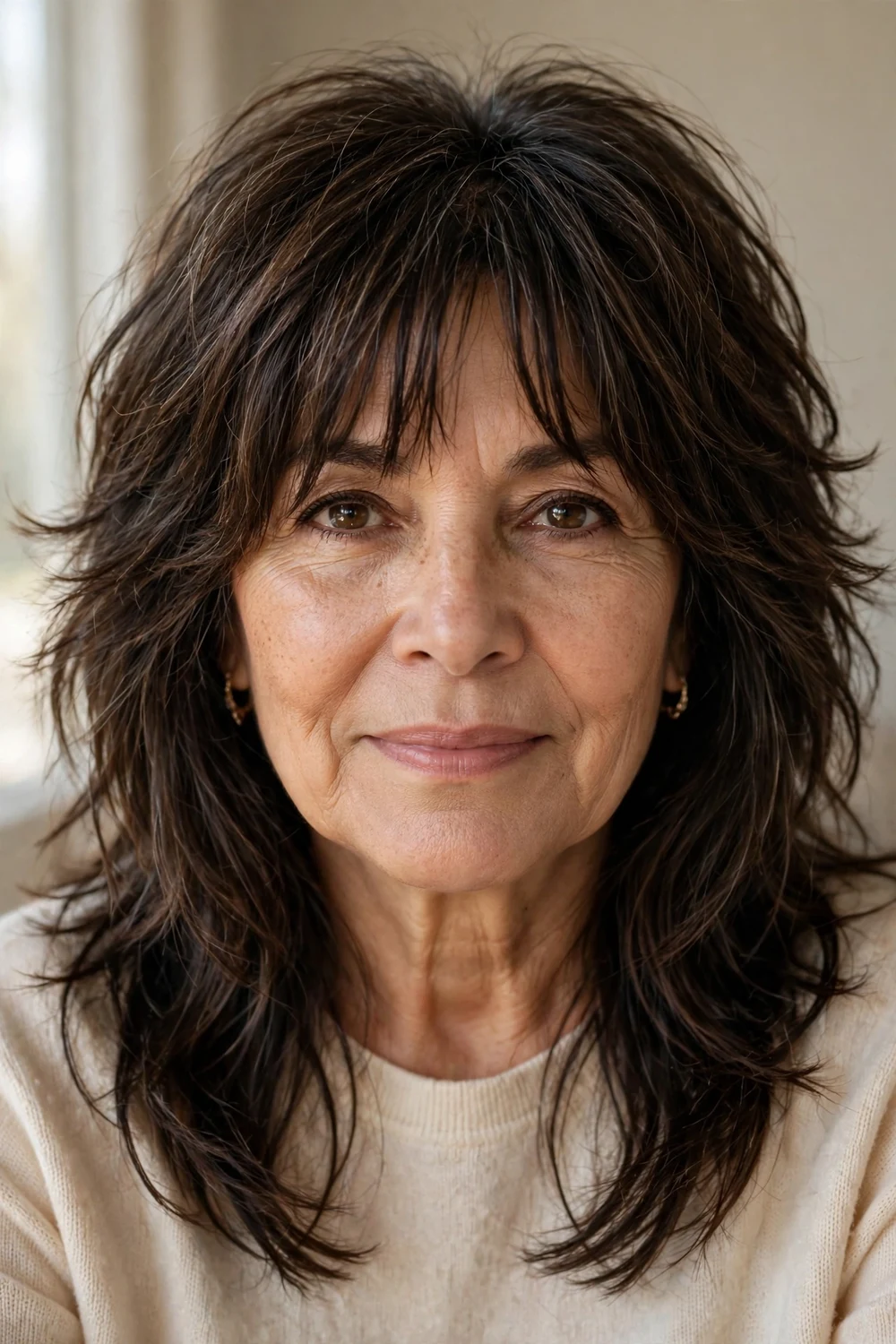
Add bangs to the shag and you get the hardest-working cut on this list for fine, aging hair. The bangs bring fullness to the front, the shag layers bring texture through the mid-lengths, and together they make hair look significantly thicker than it is. Curtain bangs or wispy straight-across both work; the key is keeping them textured so they blend into the shag instead of sitting apart. Use dry shampoo at the roots between washes to keep the texture alive.
Try this: Blow-dry bangs with a round brush, rolling them under slightly. They’ll merge with the shag layers instead of separating.
14. Feathered Layers
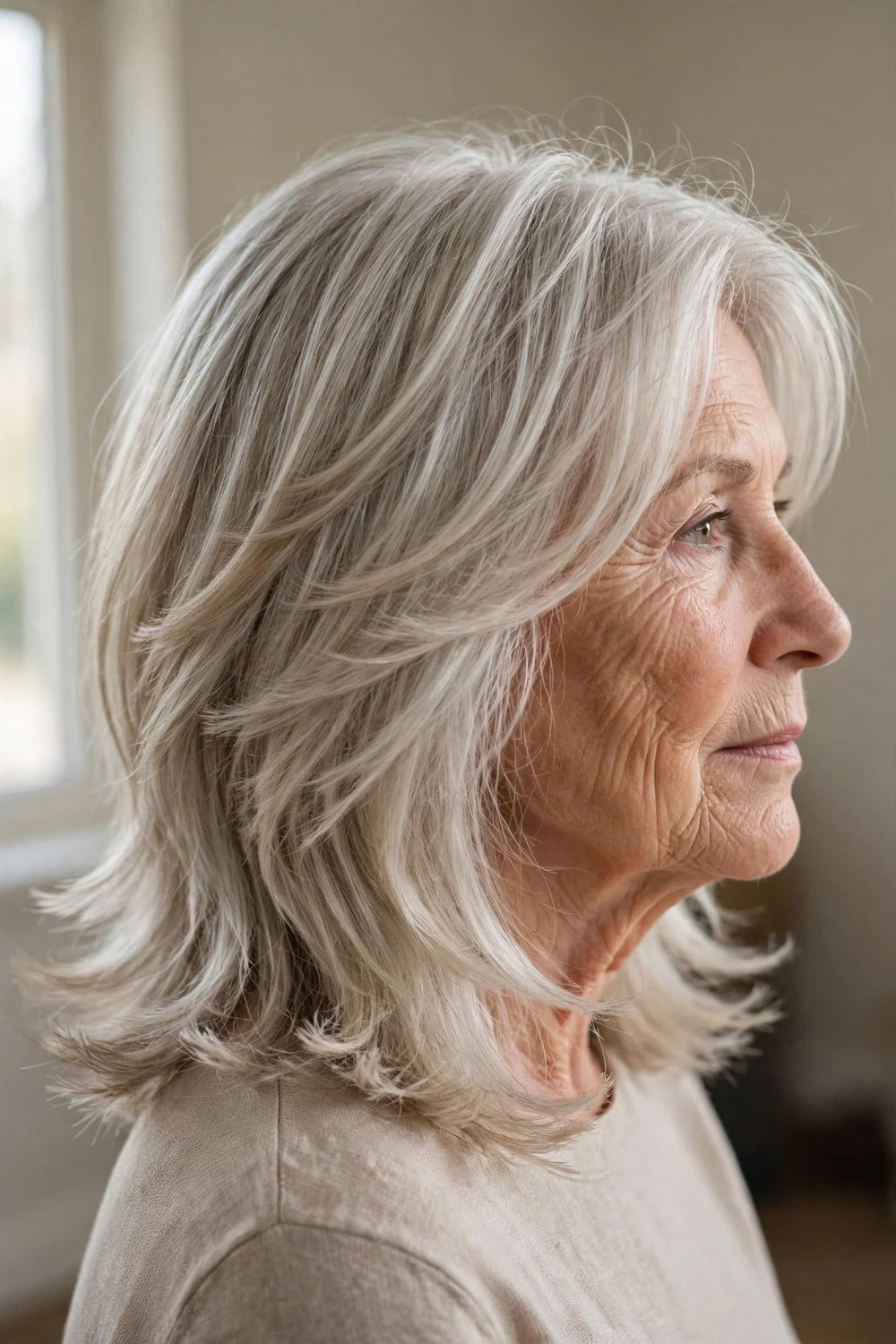
Feathering is a cutting technique, not just a look: the ends are thinned and angled so layers blend into each other like feathers. The result is soft, airy movement that removes weight without visible layer lines. For thinning hair, this is often the answer, because it takes out just enough bulk for the remaining hair to bounce. A volumizing spray at the roots plus a round-brush blowout gives you that full, swingy finish. It works at almost any length from bob to long.
Try this: Direct the blow dryer upward at the roots while brushing. Root lift is what makes feathered layers look full instead of wispy.
15. Feathered-Back Face-Framing Layers
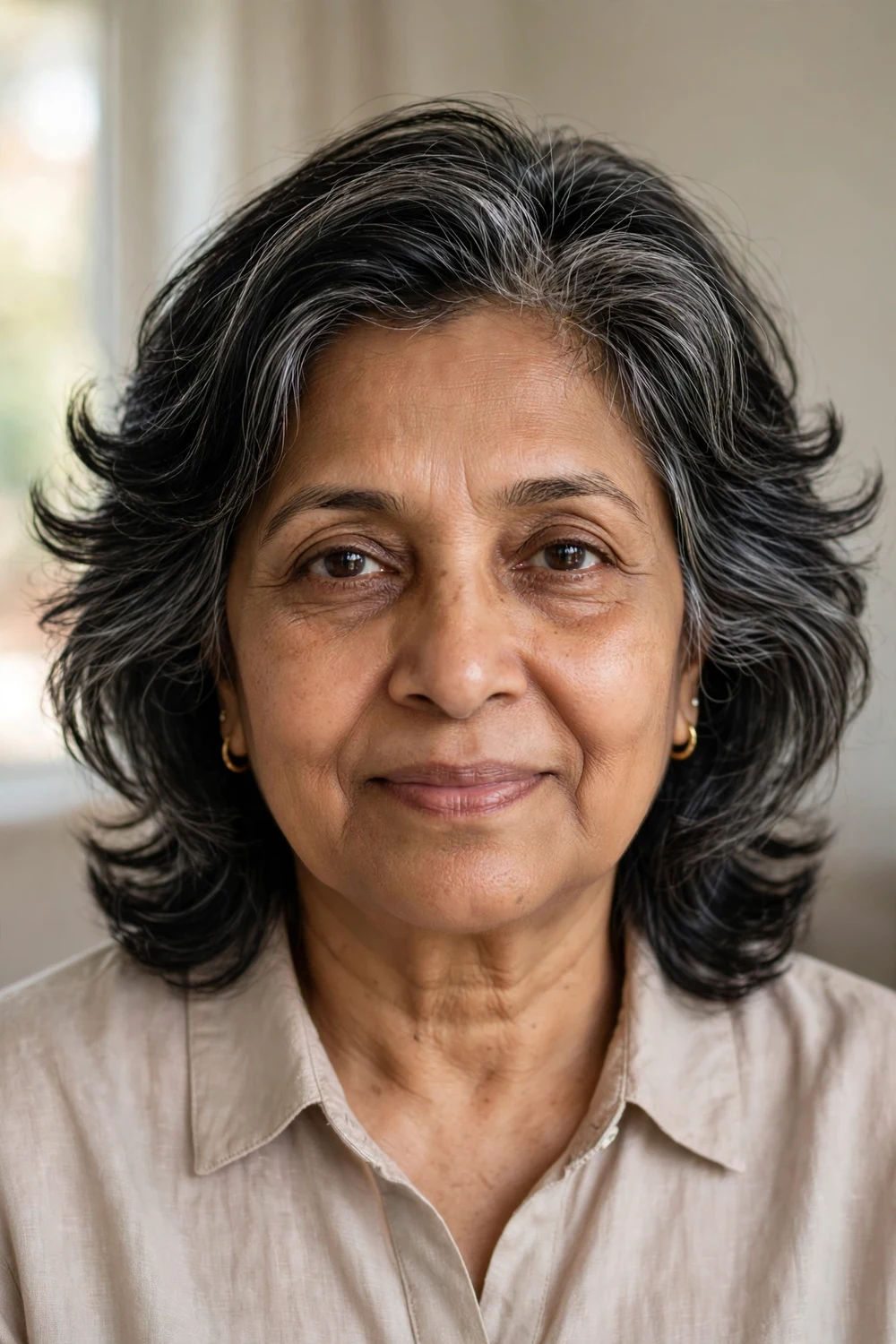
Here’s a styling idea built on a smart cut: shorter layers around the face, feathered back away from your features. The backward direction sculpts the cheekbones and gives the whole face a lifted look, which is why this is a favorite for photos and events. The cut itself is simple medium layers; the magic is in the styling. A round brush and blow dryer, directing the front sections back and away, creates the feathered effect in about five minutes.
Try this: Set the front sections with a light mist of hairspray while they’re still warm from the brush. They’ll hold the backward sweep all day.
16. Face-Framing Layers
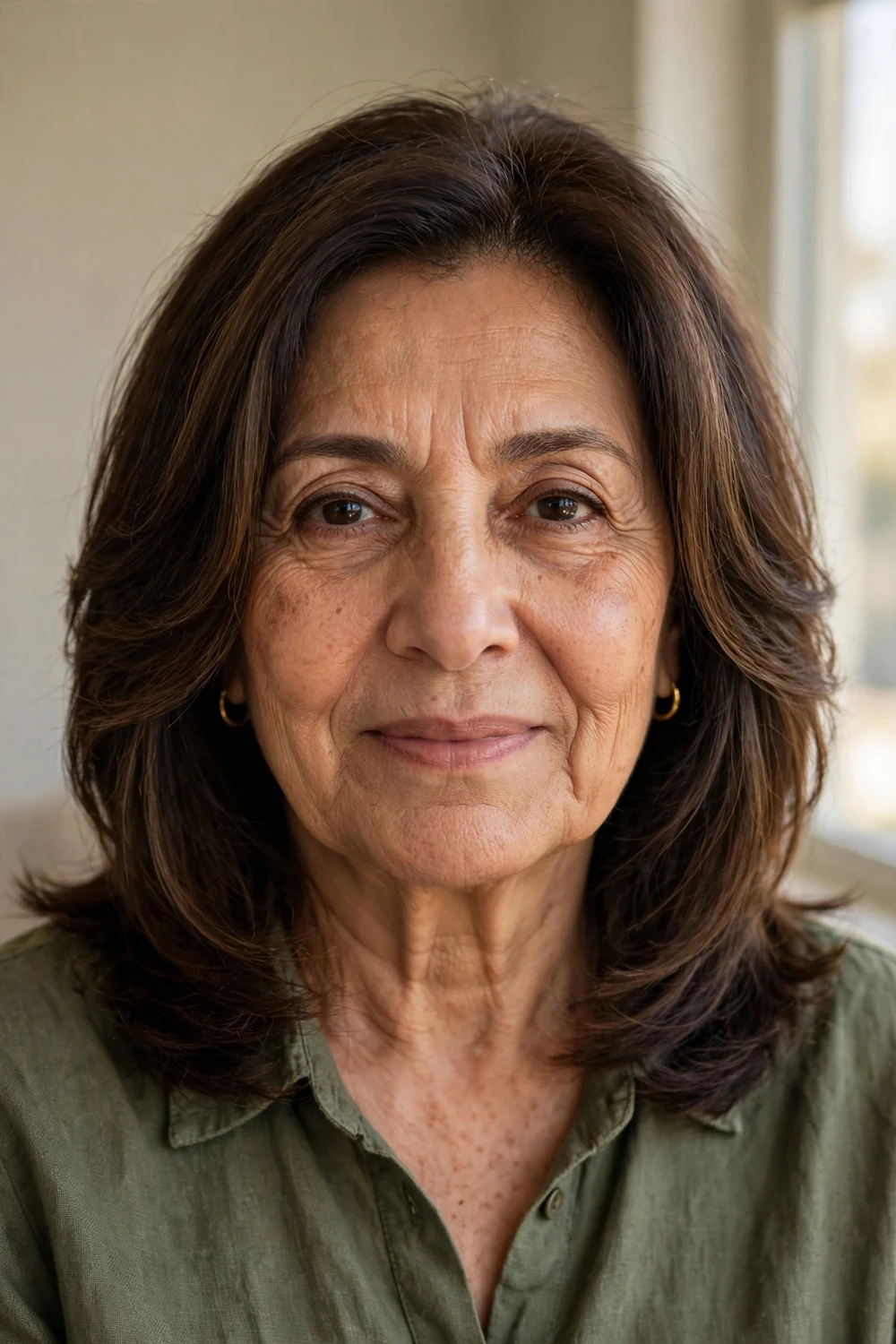
If you only add one thing to your current cut, make it face-framing layers. Cut to start at the cheekbones or jawline, they contour the face the way good lighting does: softening the jaw, highlighting the cheekbones, drawing attention to the eyes. They work on every length and every texture, which is why stylists recommend them more than any other single change. The maintenance is minimal, since these layers blend into the rest of the cut as they grow. Ask for them cut dry if your hair is wavy or curly, so the length lands right.
Try this: Curve them under with a flat iron for polish, or flip them out for a retro feel. One cut, two personalities.
17. Choppy Layers
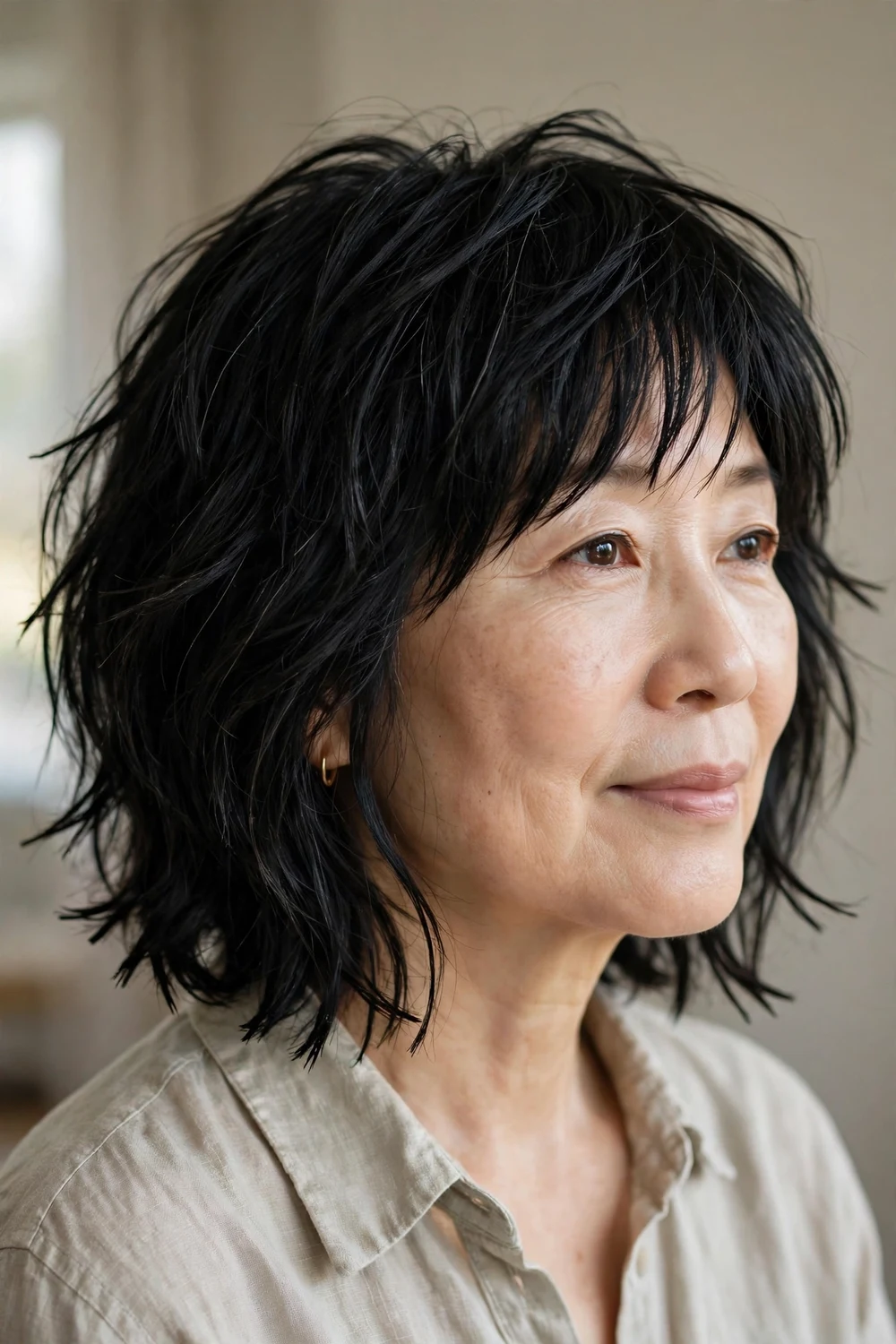
Choppy layers are cut with visible, piecey ends instead of blended ones, and they bring an edgy energy that keeps a haircut from looking safe. The uneven texture creates tons of volume, which is why this works so well on fine hair that needs help. It suits straight to wavy hair best; the choppiness needs some natural texture to look intentional rather than unfinished. A little styling wax on the ends defines the pieces. This isn’t the cut for anyone who wants sleek, but if you want personality, it’s here.
Try this: Warm a tiny amount of wax between your palms and pinch random ends. Less product than you think; you can always add more.
18. Long Flowing Wavy Layers
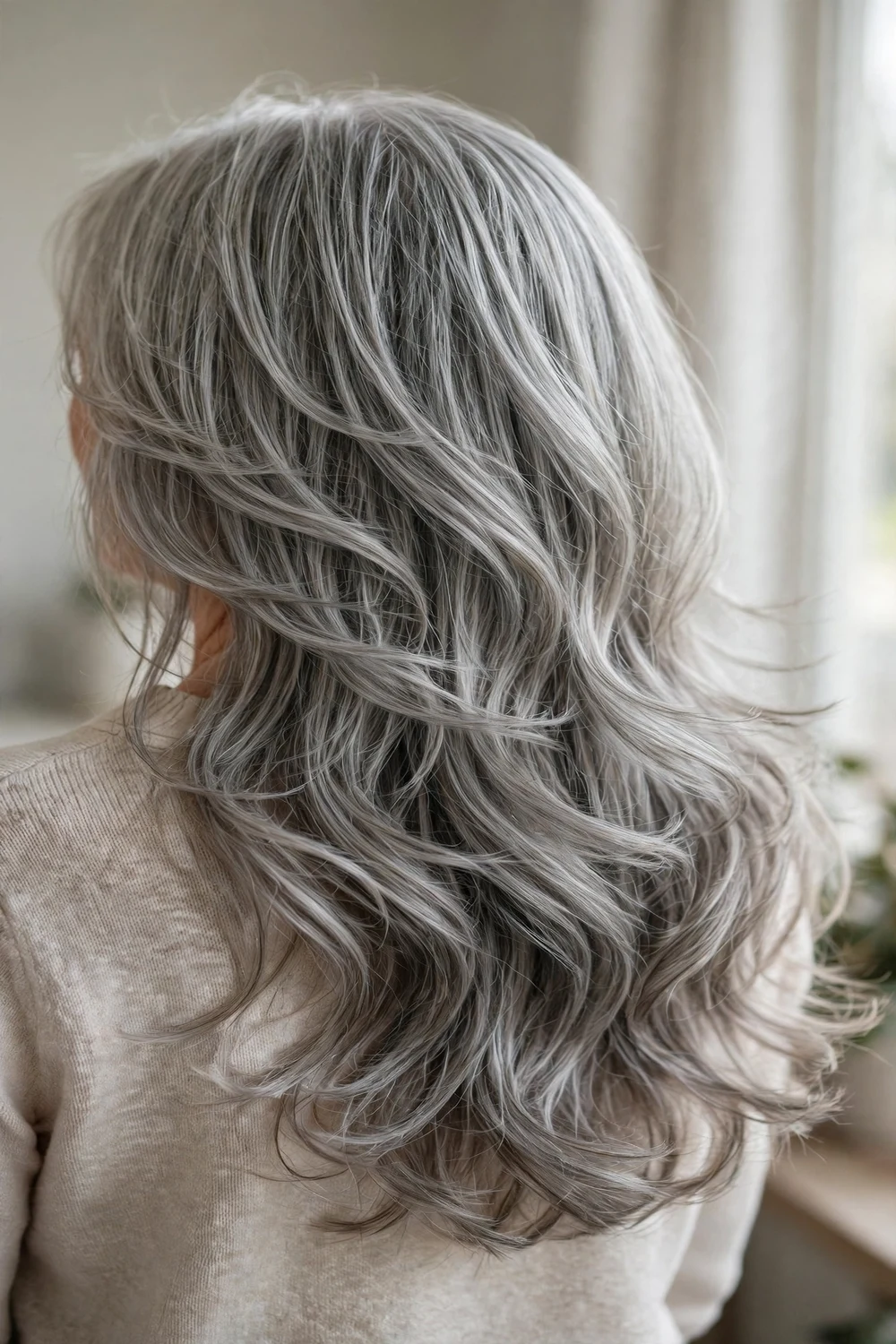
Long hair after 50 can look lovely with the right layers; without them, it drags the face down. Long flowing layers remove weight through the mid-lengths while keeping the length you love, and soft waves add the movement that keeps it youthful. The waves also camouflage the thinner ends that come with age, since the eye reads texture instead of density. Use a wide-tooth comb on wet hair to avoid breakage, and get the ends trimmed every 8 weeks even if you’re growing it out.
Try this: Braid damp hair loosely before bed. You’ll wake up with soft waves that show off the layers with no heat.
19. Classic Long Layers
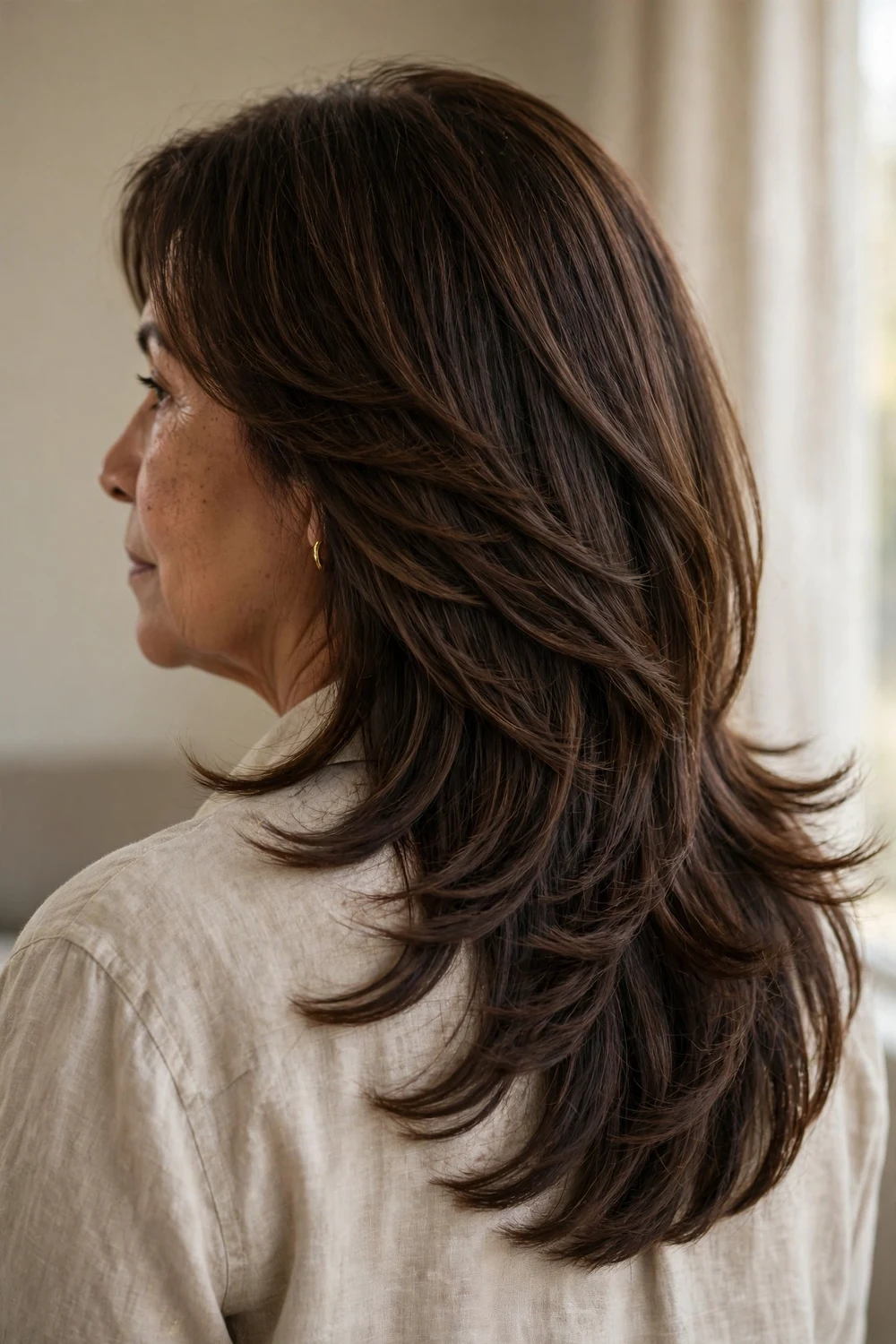
This is the long-layered cut in its simplest form: length past the shoulders with graduated layers starting around the chin and flowing down. No razoring, no choppiness, just clean layers that add shape and softness. It’s sophisticated rather than trendy, which means it never looks dated in photos. Blow-drying with a round brush at the roots gives you polished volume; air-drying gives you an easy everyday look. It suits medium to thick hair best, since very fine hair can look stringy at long lengths.
Try this: Add loose bends through the mid-lengths with a large-barrel iron. The waves keep long layers from hanging flat.
20. Long Straight Layers
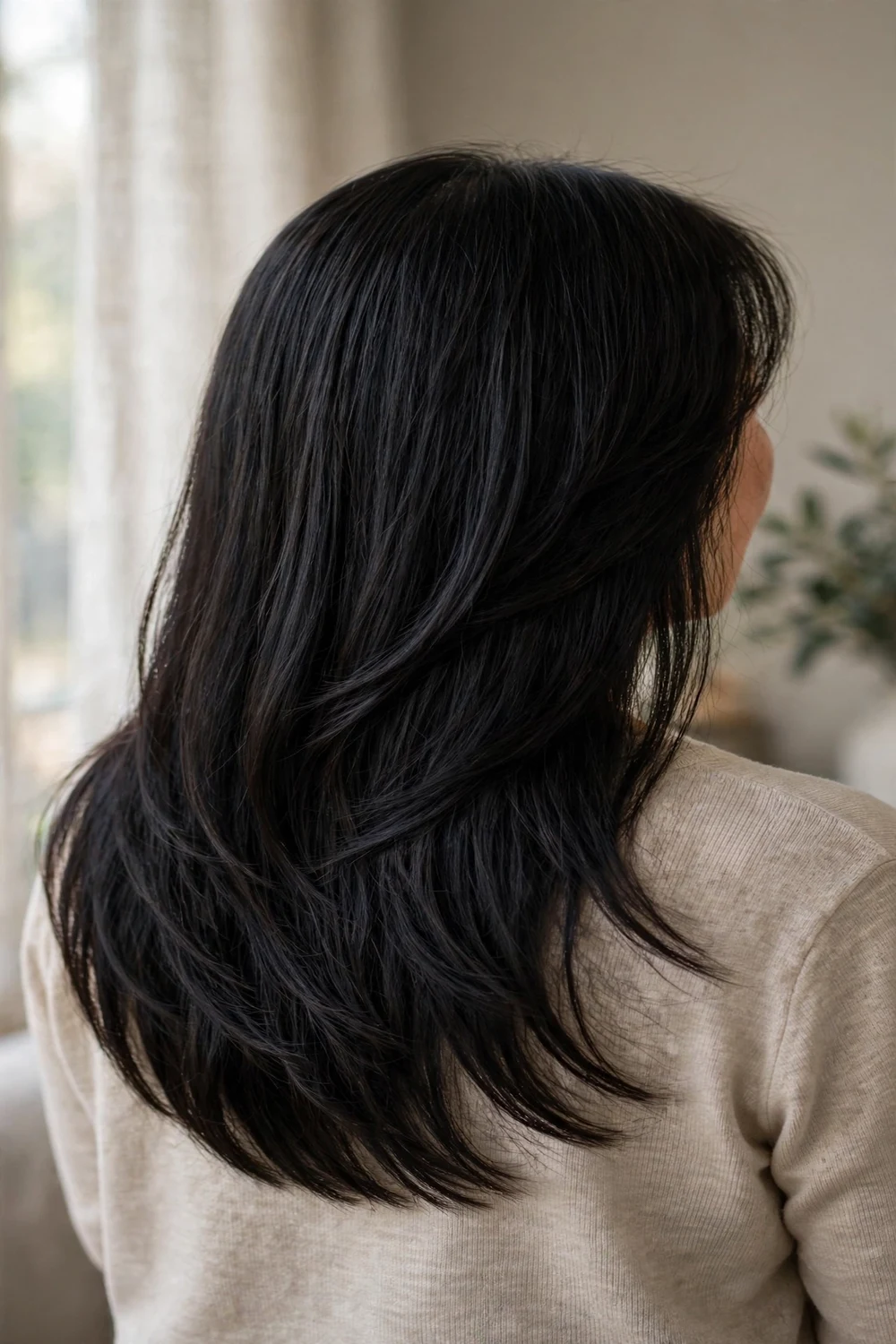
Long straight layers are the polished option. The layers are cut to lie flat and blend invisibly, so the hair looks sleek but not one-dimensional. Shine is the whole point here, so the routine centers on smoothness: heat protectant, flat iron in sections, shine serum on the ends. This cut shows damage more than textured cuts do, so regular trims and deep conditioning aren’t optional. It flatters oval, long, and heart-shaped faces especially well.
Try this: Run the flat iron over the layers in the direction they fall. Fighting the cut’s natural direction creates frizz.
21. Long Layers With Side Bangs
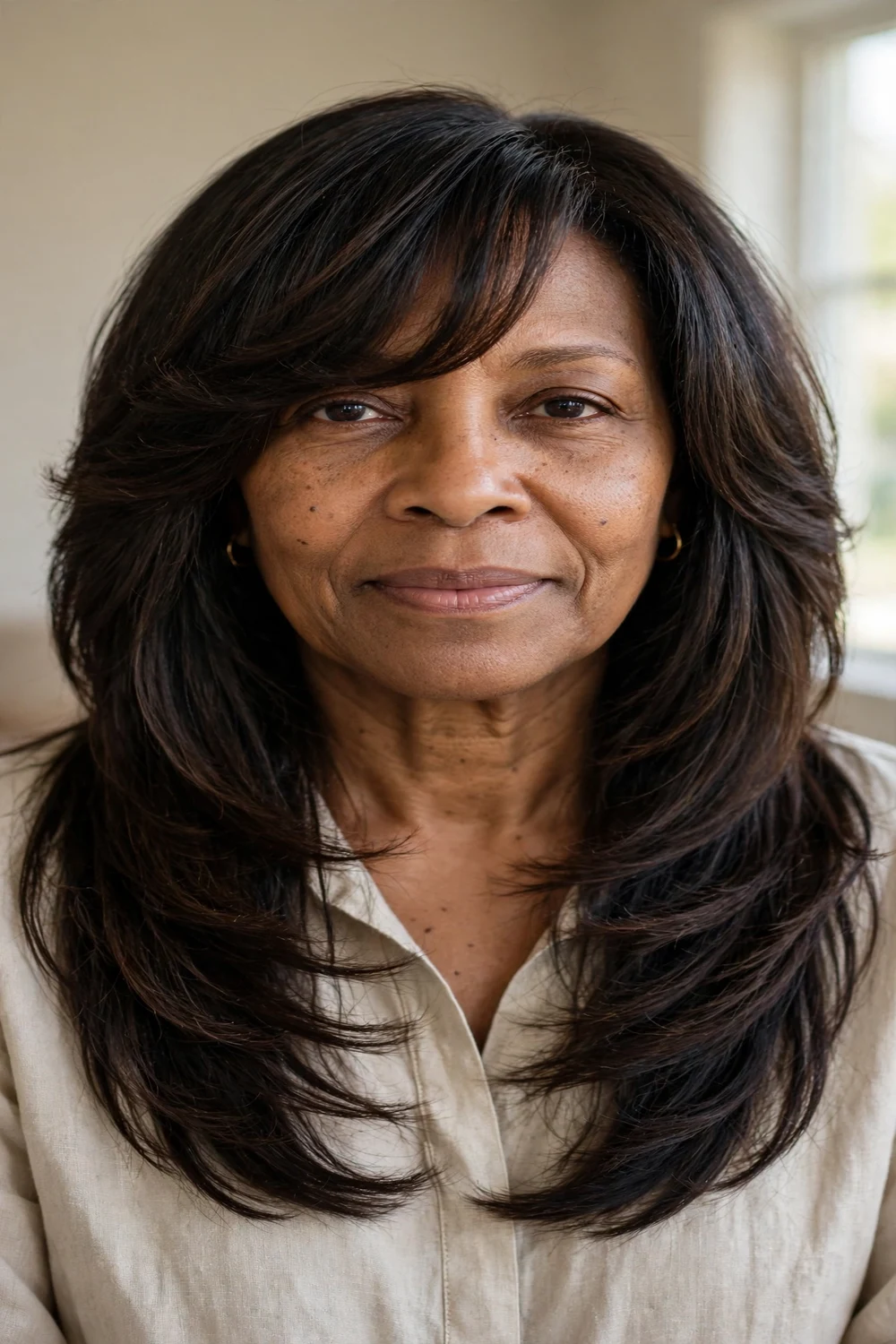
Side bangs are the most forgiving fringe for mature faces: they soften the forehead without the maintenance of full bangs, and they blend into long layers as they grow. Paired with long, bulk-removing layers, this cut takes the weight out of thick hair while keeping the length. The side sweep draws the eye diagonally, which slims and lifts the face visually. It’s a particularly good choice if you’re growing out shorter bangs or trying fringe for the first time after 50.
Try this: Dry the bangs first, sweeping them to the side with a round brush, before the rest of your hair cools into place.
22. V-Cut Long Layers

Angled into a distinct V shape down the back, this cutack: dramatic length at the center, shorter pieces framing the sides. It removes serious bulk from thick hair while keeping the long-hair look from the front. The V shape shows best from behind, so it’s a great choice if you wear your hair down often. It needs the ends kept healthy; a V-cut with straggly ends looks unkempt fast. This suits thick, straight to wavy hair that can hold the shape.
Try this: Ask your stylist to point-cut the V rather than blunt-cut it. The softened edge grows out better and looks more modern.
23. Soft Wispy Layers
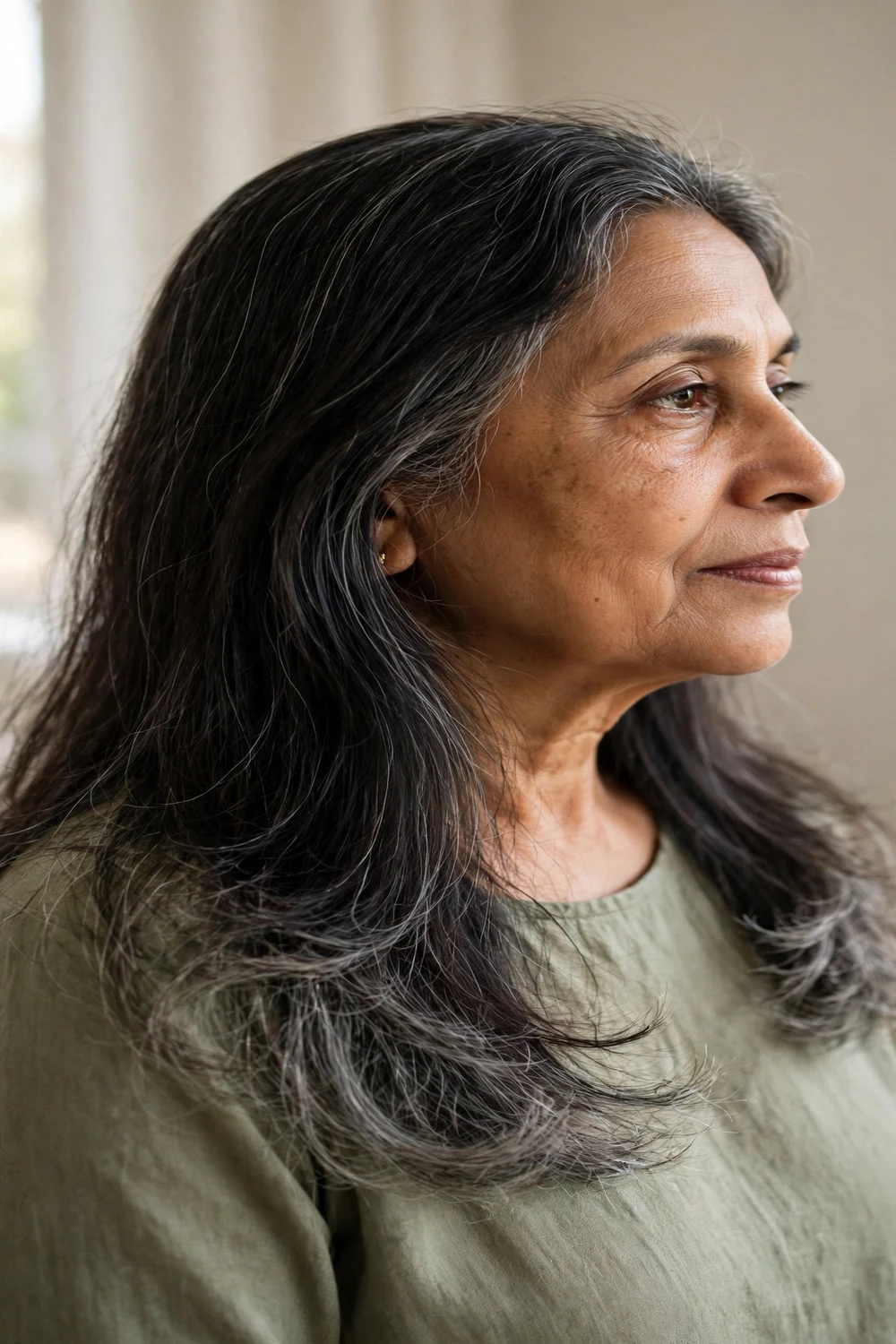
Not everyone wants visible layers. Soft wispy layers concentrate at the bottom few inches of long hair, giving you a light, sweeping finish without sacrificing overall density. This is the right call for fine hair that can’t afford to lose bulk to layering, but still needs the ends to move instead of hanging. The effect is subtle; most people will notice your hair looks better without knowing why. It grows out gracefully, since there’s no strong layer line to maintain.
Try this: Flip just the wispy ends outward with a flat iron for a day-two refresh. It takes three minutes and looks freshly styled.
24. Silver Gray Layered Waves
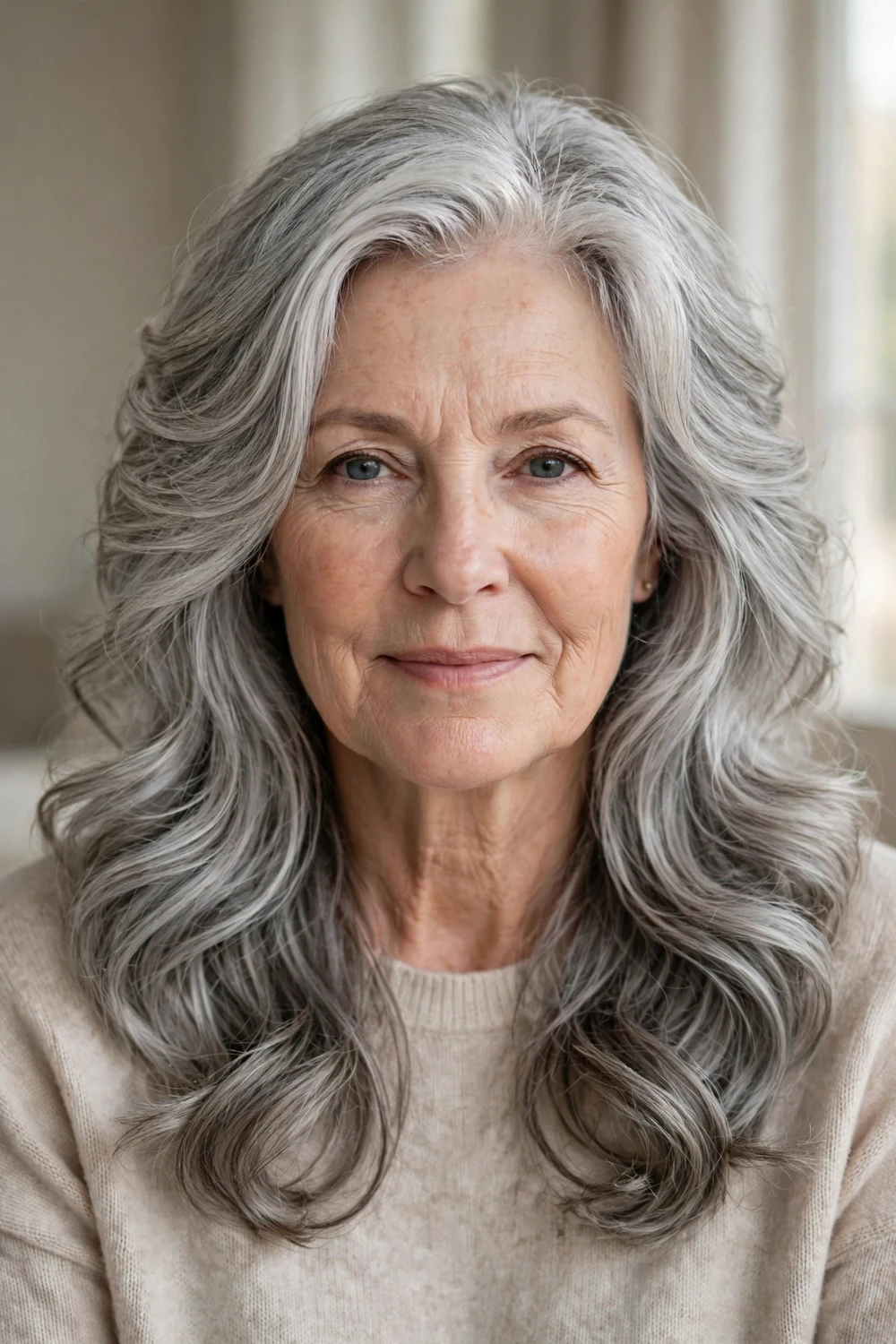
Going gray is a color choice now, not a concession, and layers are how you wear it well. Waves loaded from the mid-shaft down give silver hair voluminous movement, while the layers keep it from looking like a solid gray sheet. The combination reads elegant and intentional. Silver hair needs its own care routine: purple shampoo keeps it bright instead of yellow, and regular trims keep the ends from looking wispy. This is one of the most complimented looks on the list.
Try this: Use a lightweight mousse before styling. It gives silver waves hold without the crunch that makes gray hair look dry.
25. Curly Mid-Length Layers
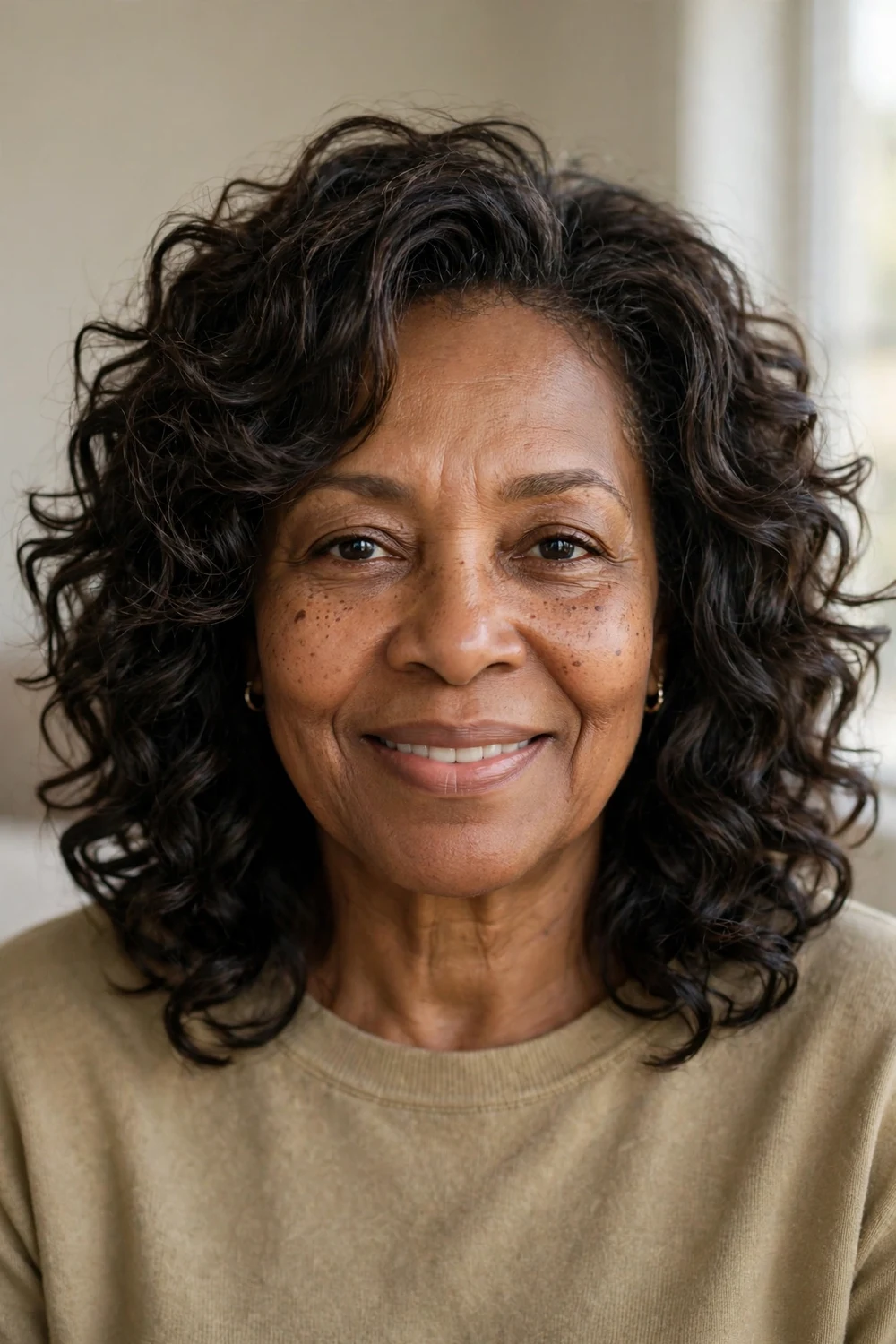
Mid-length curls plus strategic layers equals lift without bulk. The layers are cut to let each curl spring up instead of pulling its neighbors down, which eliminates the heavy bottom and flat top that unlayered curly cuts develop. Underneath layers do the quiet work of removing weight where curls stack up. Keep curls defined and soft with curl-enhancing mousse on wet hair, and resist the urge to over-layer; too many short pieces create frizz instead of shape.
Try this: Diffuse with your head flipped upside down. The gravity assist gives the layers maximum lift at the roots.
26. Mid-Length Deva Cut Layers
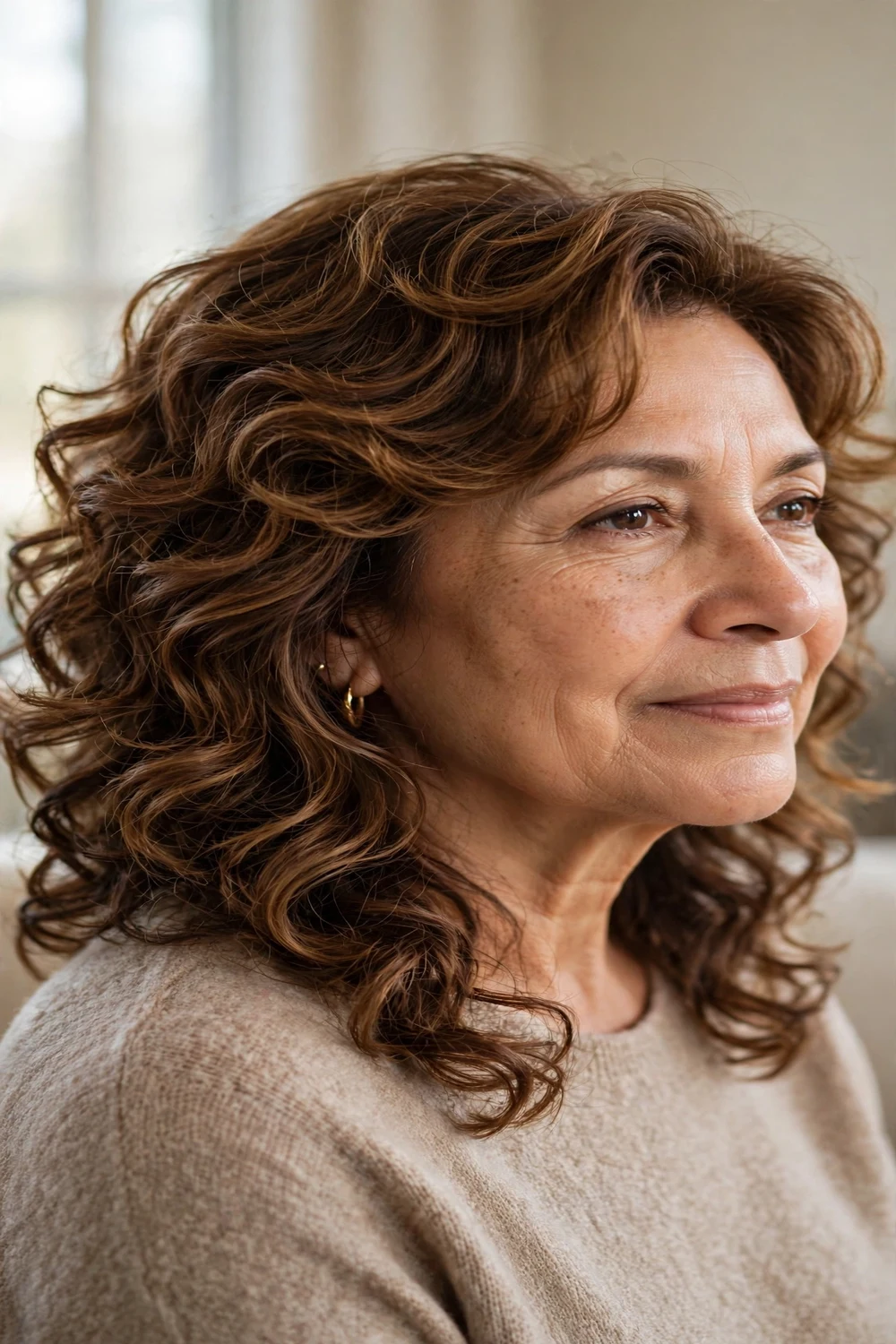
Done on completely dry curls, the Deva cut snips each curl where it naturally falls. For curly hair over 50, this precision matters: it places layers exactly where your curl pattern needs them instead of where a wet-cut guess puts them. The result enhances your natural curl instead of fighting it, with layers that spring correctly from day one. It’s a specialty service, so find a certified Deva stylist rather than asking a generalist to approximate it. The cut costs more but the grow-out is excellent.
Try this: Book the cut when your curls are in their normal day-to-day state, not freshly clarified. The stylist needs to see the real thing.
27. Tapered Natural Coils
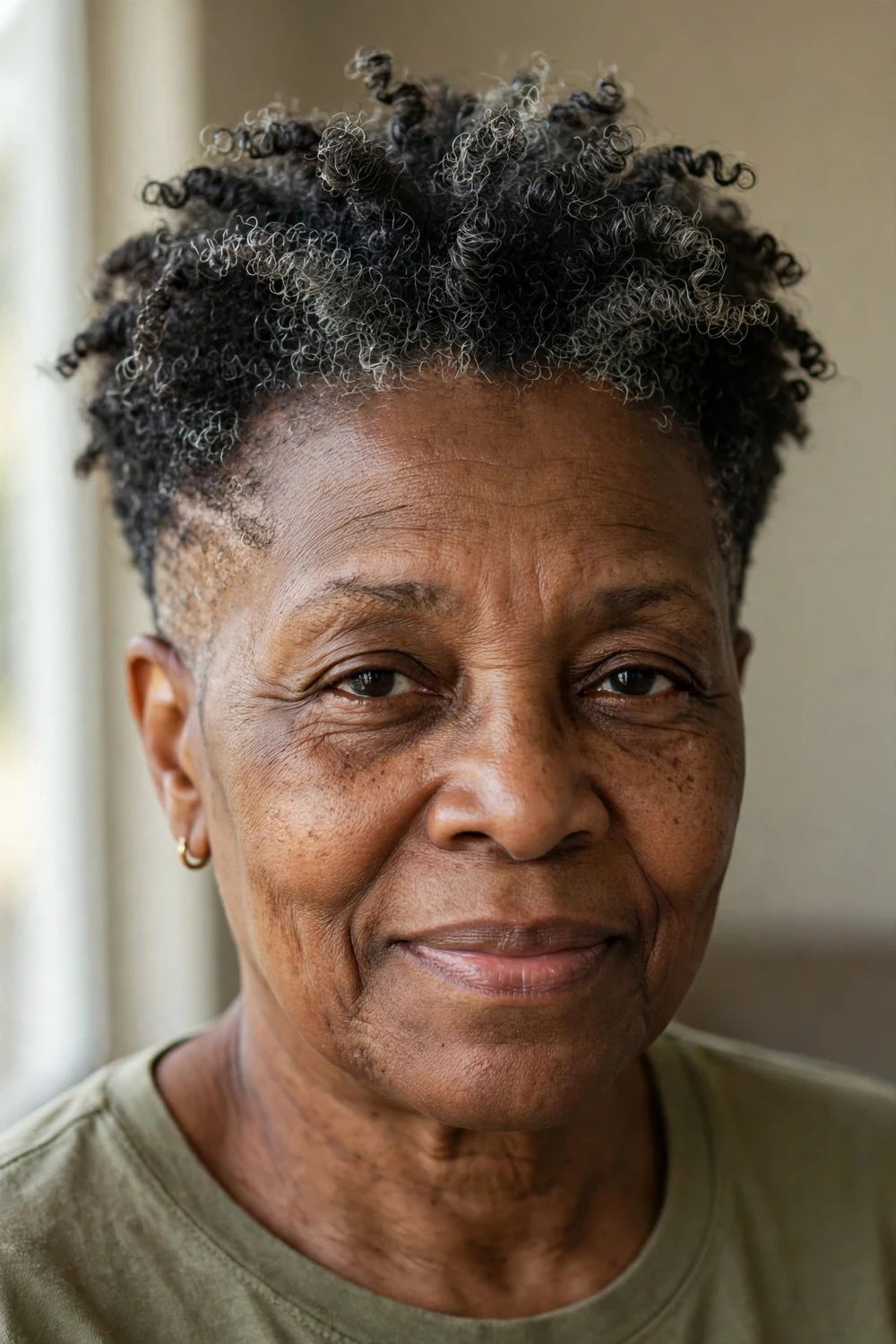
Coily hair thrives with tapered layering: length taken in down the sides and back so the coils spring up instead of forming a heavy bell shape. Removing bulk from the ends is the key move; it lets each coil define itself and keeps the silhouette balanced. A side part with curl-enhancing gel twisted into sections gives you a polished finish that lasts for days. This cut celebrates natural texture fully, and the layering makes wash days and styling genuinely easier.
Try this: Twist gel into small sections while damp, then don’t touch them until fully dry. Patience is what creates definition.
28. Claw Clip Updo
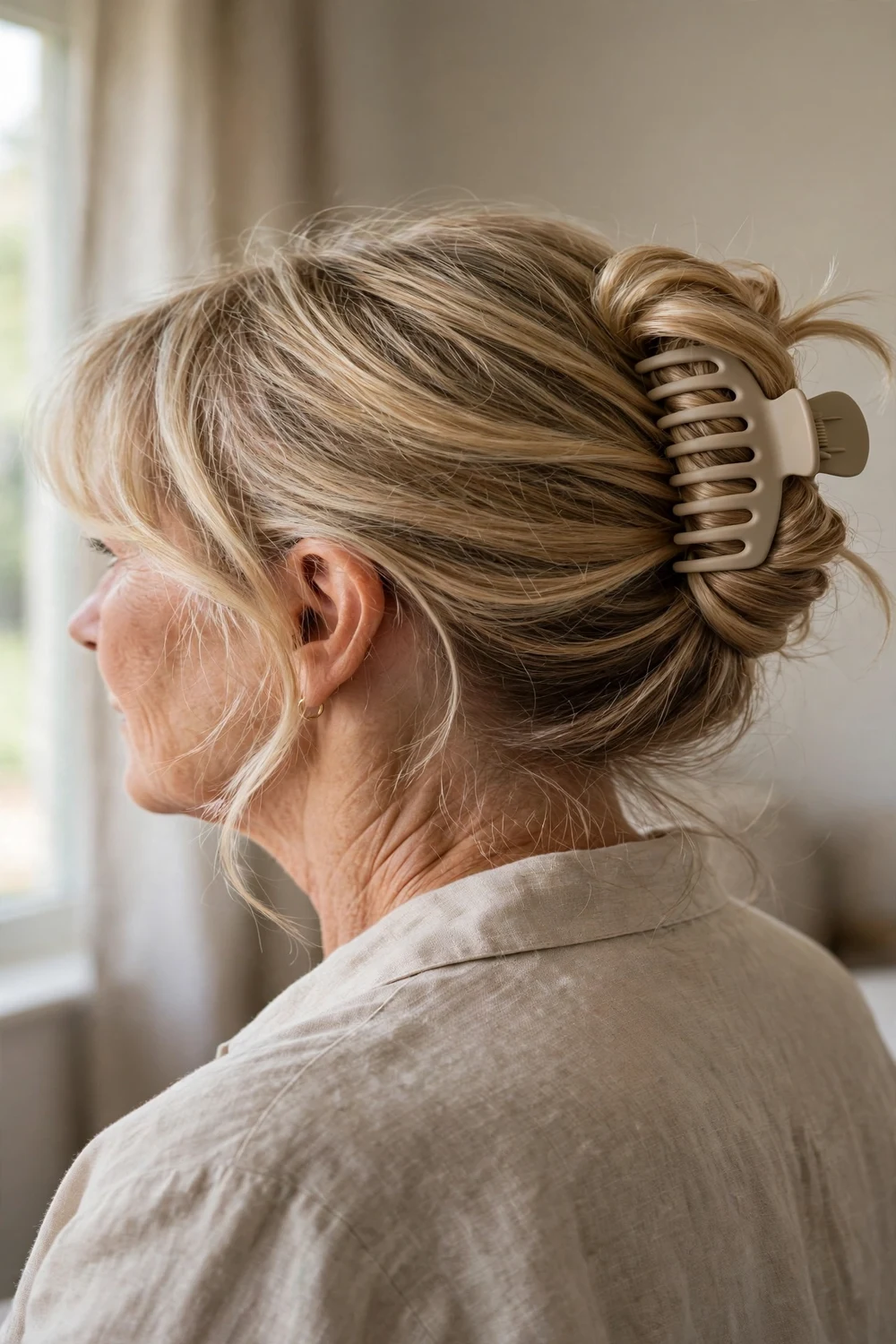
Layered hair fights traditional updos, but the claw clip doesn’t care. Twist your hair into a coil at the nape, flip it upward, and clip: the shorter layers that escape just look like intentional texture. A statement clip turns this two-minute style into something polished enough for dinner. It’s the everyday answer for medium layered hair on days you don’t want it on your neck. Keep a good clip in your bag and you’re set for the gym, errands, or a surprise video call.
Try this: Twist the coil loosely rather than tightly. A looser twist grips better in the clip and looks more relaxed.
29. Low Textured Chignon
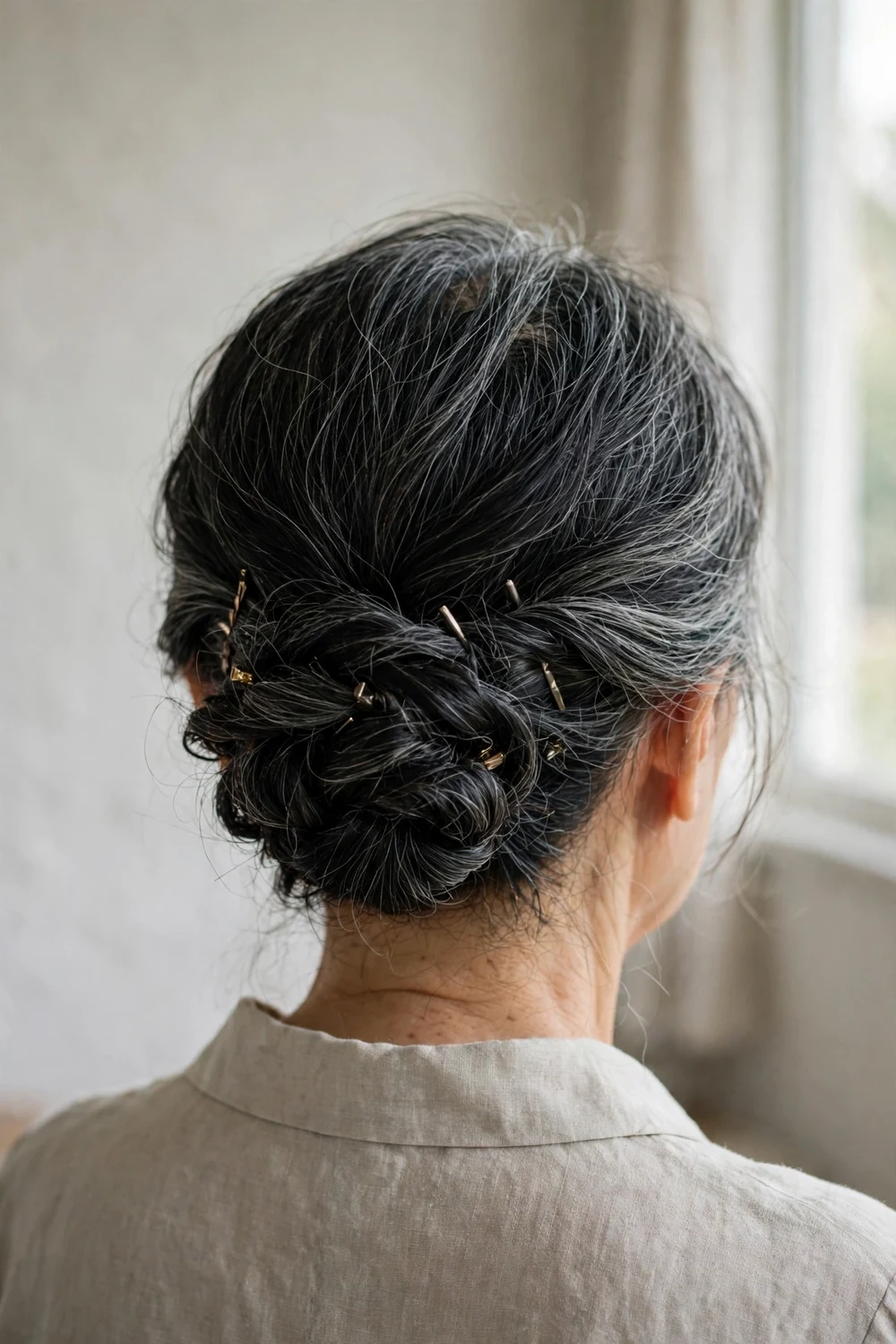
Heading somewhere formal? The low chignon is the elegant answer to layered hair. Gather everything low like a ponytail, then tuck and pin individual sections up over the base instead of trying to force layers into one smooth bun. The tucked pieces create texture that looks deliberate and expensive. A few face-framing layers left loose soften the whole style. It takes practice the first time, but once you learn the tuck-and-pin method, it’s a ten-minute formal style.
Try this: Pin each section with two bobby pins in a crossed pattern. Single pins slide out of layered hair; crossed pins hold.
30. Blonde Layers With Lowlights
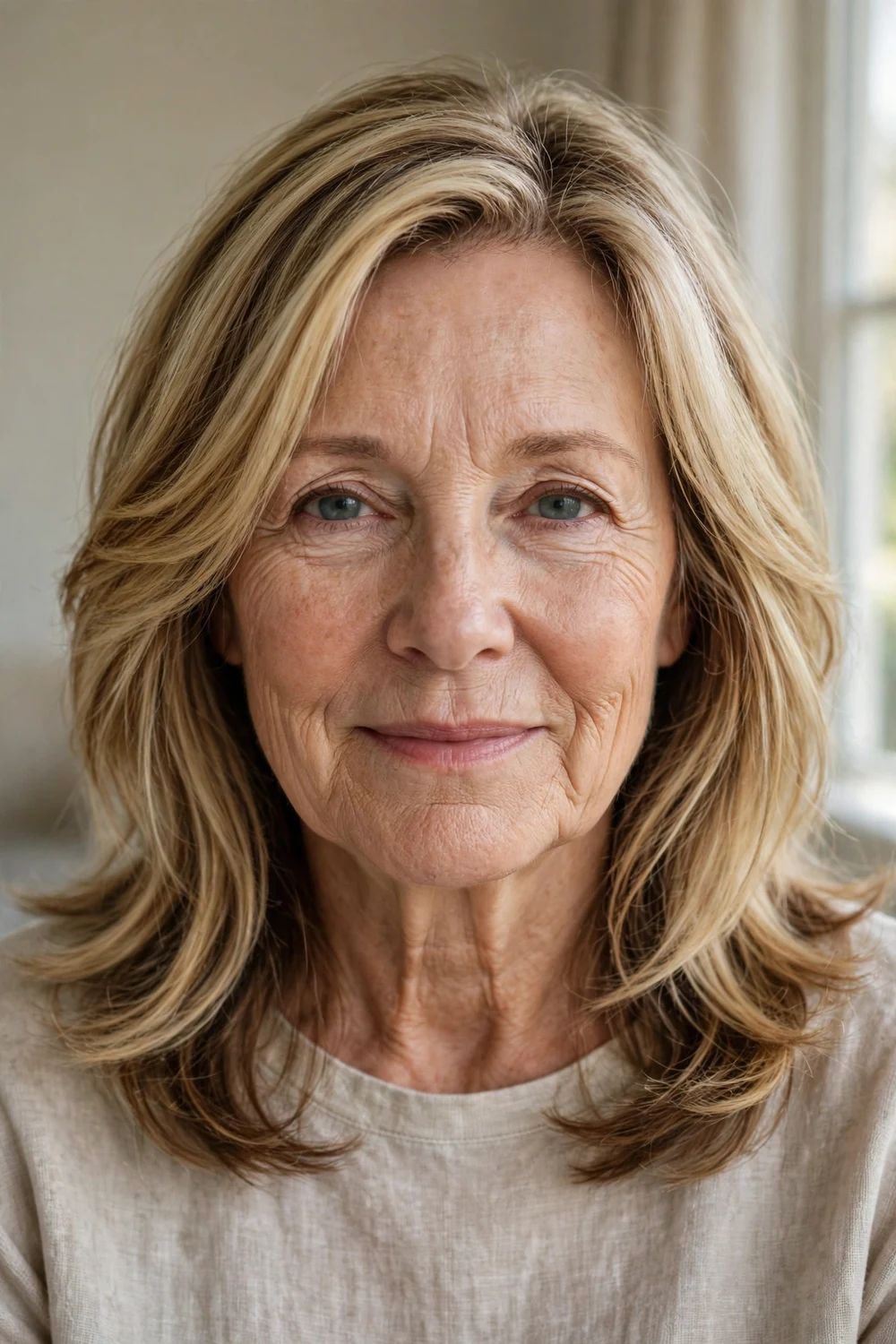
Color and cut working together: blonde layers gain depth and dimension from soft brown lowlights woven through, which makes the blonde look brighter and the hair look thicker. The lowlights also camouflage regrowth, stretching your color appointments further. This combination suits fine blonde hair especially well, since the contrast between light and dark pieces fakes density. Keep the blonde fresh with purple shampoo and the lowlights rich with a gloss every other appointment.
Try this: Ask for the lowlights concentrated underneath the top layer. They’ll peek through as you move, adding depth without darkening the overall look.
Layered Hairstyles Comparison at a Glance
| Style | Best Hair Type | Upkeep | Styling Time |
|---|---|---|---|
| Textured Layered Lob | Straight, wavy, loose curls | Trim every 6-8 weeks | 10-15 min |
| Flipped-Out Layered Lob | Straight to wavy | Trim every 6-8 weeks | 10 min |
| Feathered Lob With Full Bangs | Fine to medium | Bang trim every 3-4 weeks | 10-15 min |
| Classic Layered Bob | Most types | Trim every 6 weeks | 5-10 min |
| Stacked Bob | Fine hair | Trim every 5-6 weeks | 10 min |
| Graduated Layered Bob | Most types | Trim every 6-8 weeks | 10 min |
| Curly Layered Bob | Curly | Trim every 8-10 weeks | 10 min |
| Wavy Layered Bob | Wavy | Trim every 6-8 weeks | 5 min |
| Tousled Layered Pixie | Fine to medium | Trim every 4-5 weeks | 2 min |
| Soft Layered Crop | Fine to medium | Trim every 4-5 weeks | 5 min |
| Asymmetrical Layered Pixie | Straight to wavy | Trim every 4 weeks | 5 min |
| Modern Shaggy Layers | Medium to thick | Trim every 8 weeks | 10 min |
| Shaggy Layers With Bangs | Fine to medium | Bang trim every 4 weeks | 10 min |
| Feathered Layers | Thinning or fine | Trim every 6-8 weeks | 10-15 min |
| Feathered-Back Face-Framing Layers | Medium to long | Trim every 6-8 weeks | 5 min |
| Face-Framing Layers | All types | Trim every 8 weeks | 5 min |
| Choppy Layers | Straight to wavy, fine | Trim every 6 weeks | 5-10 min |
| Long Flowing Wavy Layers | Wavy to curly | Trim every 8 weeks | 15 min |
| Classic Long Layers | Medium to thick | Trim every 8 weeks | 10-15 min |
| Long Straight Layers | Straight | Trim every 6-8 weeks | 15 min |
| Long Layers With Side Bangs | Thick | Bang trim every 4-6 weeks | 10 min |
| V-Cut Long Layers | Thick, straight to wavy | Trim every 8 weeks | 10 min |
| Soft Wispy Layers | Fine | Trim every 8-10 weeks | 5 min |
| Silver Gray Layered Waves | Wavy, graying | Purple shampoo weekly | 10-15 min |
| Curly Mid-Length Layers | Curly | Trim every 8-10 weeks | 10 min |
| Mid-Length Deva Cut Layers | Curly | Trim every 10-12 weeks | 10 min |
| Tapered Natural Coils | Coily | Trim every 8-10 weeks | 15 min |
| Claw Clip Updo | Medium layered hair | None (styling only) | 2 min |
| Low Textured Chignon | Medium to long layered | None (styling only) | 10 min |
| Blonde Layers With Lowlights | Fine blonde | Color every 8-10 weeks | 10 min |
How to Choose the Right Layered Cut for You
If you like the idea of layers with extra texture, our choppy hairstyles for older women round up 30 piecey cuts that build volume on fine hair and remove weight from thick hair.
Match the cut to your hair’s density first. Fine or thinning hair needs crown layers, stacking, or feathering that builds volume on top: think stacked bob, shaggy layers with bangs, or feathered layers. Thick hair needs the opposite: long layers and weight removal that take bulk out, like classic long layers or the V-cut.
Then consider your face shape. Round faces benefit from length and diagonal lines: lobs, side parts, asymmetrical cuts. Longer faces do better with width: flipped-out ends, bangs, and curls at the sides. Face-framing layers flatter nearly everyone, which is why they’re the safest addition to any cut.
Finally, be honest about maintenance. Pixies and stacked bobs need the salon every 4 to 6 weeks. Lobs, long layers, and wispy ends stretch to 8 or more. Pick the cut you’ll actually maintain; a high-maintenance cut grown out looks worse than a simple cut kept fresh.
Mistakes to Avoid
The most common mistake is layering too aggressively on fine hair. Too many short layers remove the very density you’re trying to fake, leaving ends wispy and thin. On fine hair, fewer, longer layers almost always look fuller than choppy ones.
Second: getting layers cut without discussing grow-out. A cut that looks great for two weeks and ragged for six isn’t a good cut for your life. Ask your stylist how each option looks at week seven before you decide.
Third: skipping trims. Layers lose their shape as they grow, and the difference between fresh layers and grown-out ones is the difference between volume and mess. Book the next trim before you leave the salon so it actually happens.
For fine or thinning hair specifically, see layered hairstyles for women over 50 with thin hair for cuts chosen to maximize density.
If you’re keeping your length, layered hairstyles for medium hair has more collarbone-length options with the same face-framing benefits.
Long hair lovers should browse layered hairstyles for long hair for waist-length ideas that keep their shape.
And if bangs are on your mind, side swept bangs ideas covers the most flattering fringe options to pair with layers.
Frequently Asked Questions
Do layers make thin hair look thicker or thinner?
Done right, layers make thin hair look thicker. Shorter crown layers create lift and movement, which reads as volume. The mistake is over-layering: too many short pieces remove density and leave ends wispy. Ask for longer, blended layers and keep the ends full, and thin hair will look denser than in a one-length cut.
How often should women over 50 trim layered hair?
Every 6 to 8 weeks for most layered cuts. Precision cuts like stacked bobs and pixies need it every 4 to 6 weeks, while long soft layers can stretch to 8 to 10. Bangs need their own schedule: a quick trim every 3 to 4 weeks keeps them out of your eyes and in shape.
Are bangs a good idea with layers after 50?
Yes, when they’re textured. Wispy, curtain, or side-swept bangs blend into layers and soften the forehead. Avoid heavy blunt bangs, which can look severe and need constant trimming. Your stylist can cut bangs to work with your specific layer pattern so they grow out gracefully.
Can women over 50 wear long layered hair?
Absolutely. Long hair works after 50 when layers keep it from dragging the face down. Face-framing layers starting at the chin or collarbone add shape, and long layers through the mid-lengths remove the weight that makes long hair look tired. Keep the ends healthy with regular trims, since damaged ends age any long cut.
What is the lowest-maintenance layered haircut?
The long layered lob and soft wispy layers need the least upkeep: trims every 8 weeks and wash-and-go styling. The claw clip updo isn’t a cut at all, just a two-minute style for layered hair on busy days. Avoid pixies and stacked bobs if low maintenance is the priority, since they need the salon every month.
Final Thoughts
The right layered cut does three jobs at once: it gives your hair shape, your face a softer frame, and your mornings a shorter routine. Start with your hair’s density, pick the length you’ll maintain, and bring photos to your stylist. Layers reward the women who wear them with some of the easiest good-hair days around.

