



Hair steaming can be genuinely good for dry, thirsty hair: the warm mist lifts the cuticle so moisture and deep conditioner sink in deeper than they would on their own. But it is not a free win. Too much steam, too often, leaves hair mushy, limp, and more breakage-prone than before. The short version: steam in moderation and it helps; overdo it and it hurts.
This guide lays out both sides honestly, then shows you how to steam safely at home, how often to do it, and who should skip steaming entirely.
Quick Takeaways
- Steaming helps dry and coarse hair absorb moisture and deep conditioner more effectively.
- Over-steaming causes hygral fatigue: hair turns soft, stretchy, and breakage-prone from too much moisture.
- Keep sessions to 10 to 20 minutes, once or twice a month for most hair types.
- Always seal with a cool rinse and a leave-in after steaming, or the lifted cuticle invites frizz.
- Skip steaming if your scalp is irritated, infected, or freshly chemically treated.
What Is Hair Steaming?
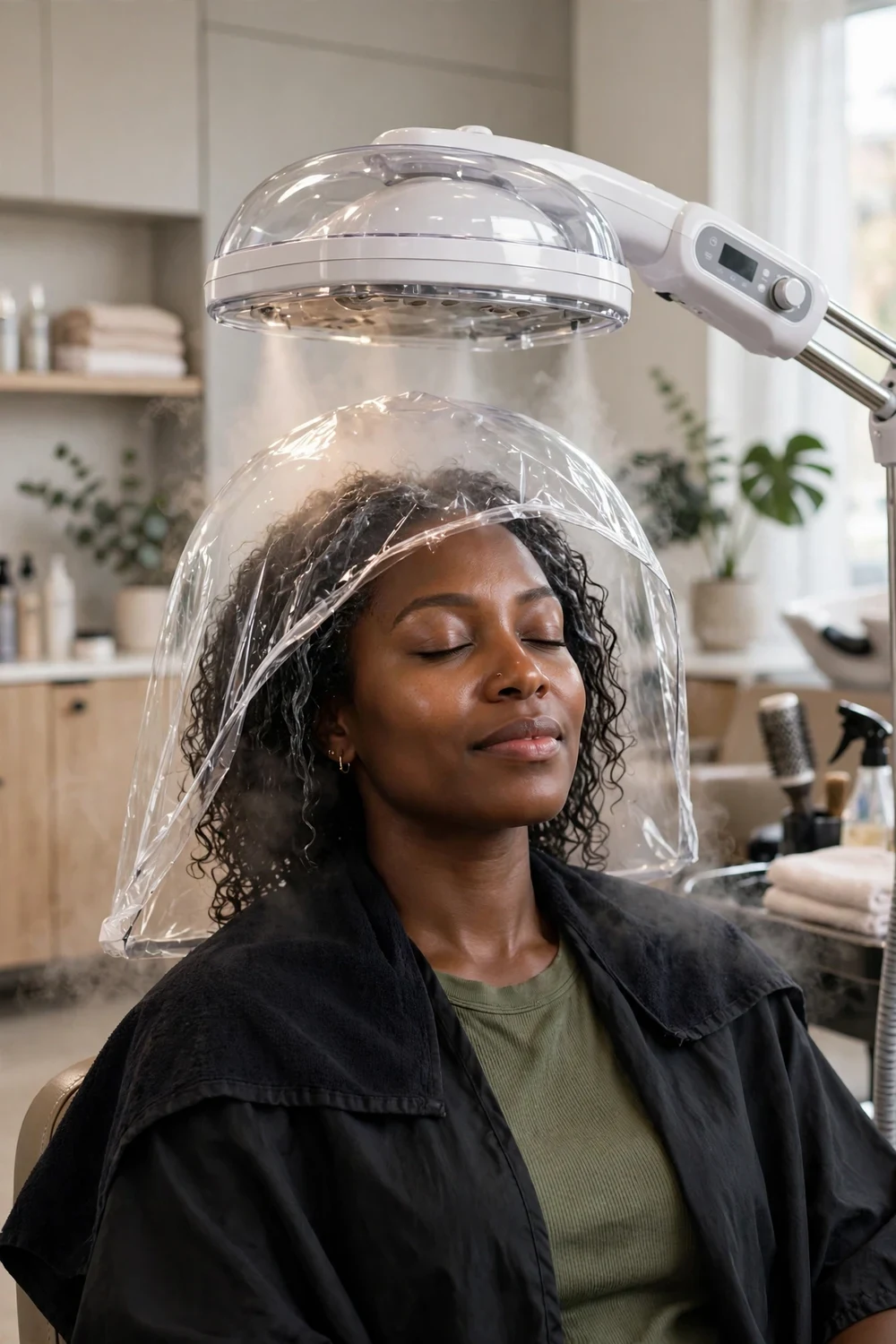
Hair steaming means exposing your hair to warm, moist heat so the cuticle layer lifts slightly and lets water and conditioning products penetrate the strand. Salons do it with hooded steamers. At home, people use tabletop steamers, microwaveable steam caps, handheld steamers, or the low-tech version: a hot damp towel wrapped over a shower cap.
A typical session runs 10 to 20 minutes with conditioner already on the hair. Afterward, a cool rinse helps the cuticle lie back down. The whole point is better hydration, not styling, though many people notice softer, easier-to-manage hair for days after.
The Pros of Hair Steaming
1. Deeper moisture absorption
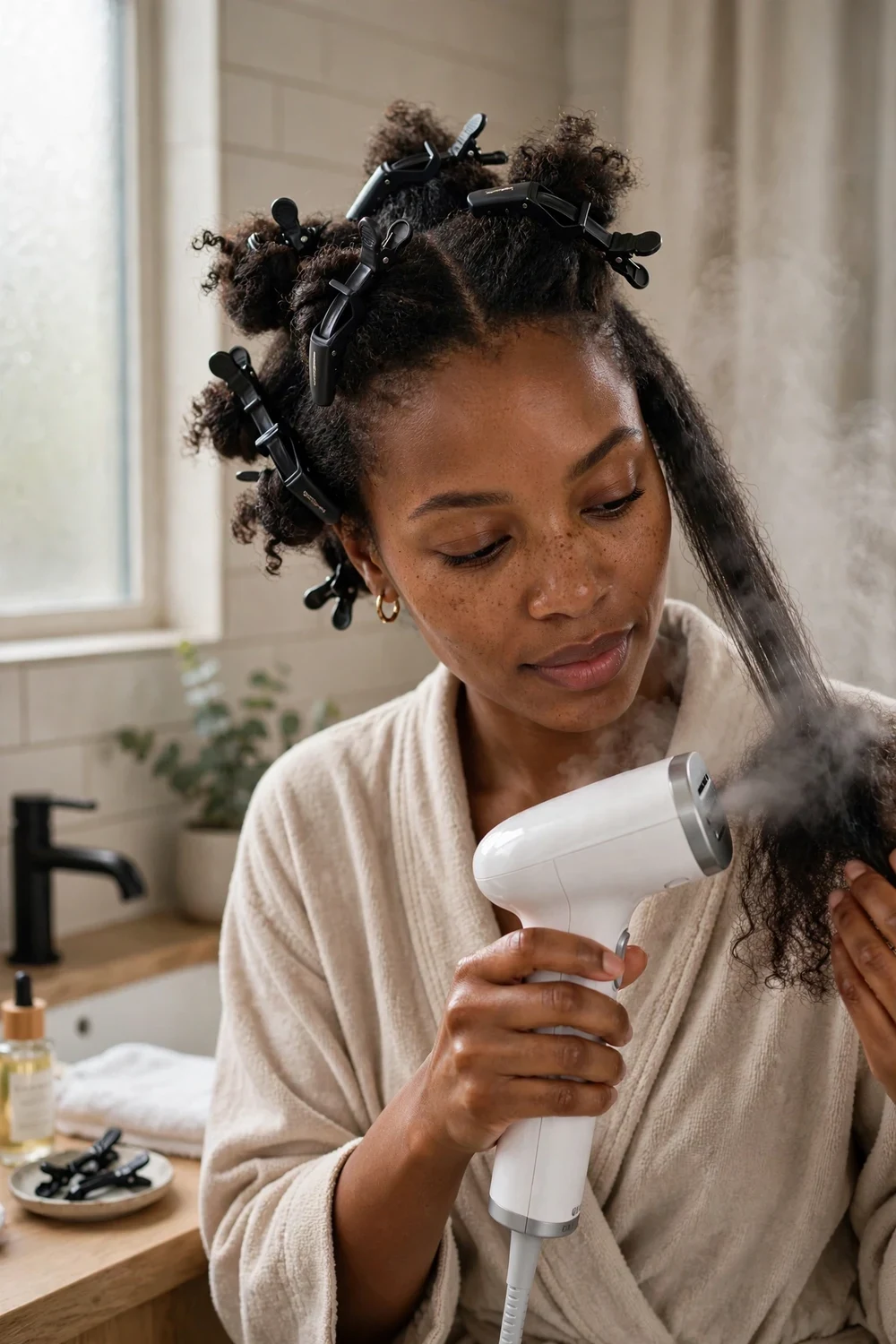
Dry hair, especially coarse and curly textures, resists taking in water because the cuticle sits tightly closed. Steam gently lifts that layer so moisture actually gets inside the strand instead of sitting on top. People with high-porosity or chronically dry hair usually notice the biggest difference.
2. Deep conditioner works harder
Steaming over a deep conditioning mask pushes the product’s moisturizing ingredients further into the hair shaft. A 15-minute steam session can deliver results similar to leaving the same mask on for 45 minutes without heat. If you deep-condition regularly, adding steam makes each treatment count for more.
3. Softer, more elastic hair

Well-hydrated hair stretches a little without snapping. That elasticity is what makes hair feel soft and reduces breakage during detangling and styling. Steaming is one of the fastest ways to restore elasticity to hair that feels stiff or straw-like.
4. Easier detangling
Steam softens the hair and loosens shed strands, so knots release with less pulling. For curly and coily hair that tangles easily, steaming before or during detangling cuts down on breakage and shortens the whole wash-day routine.
5. Better scalp circulation
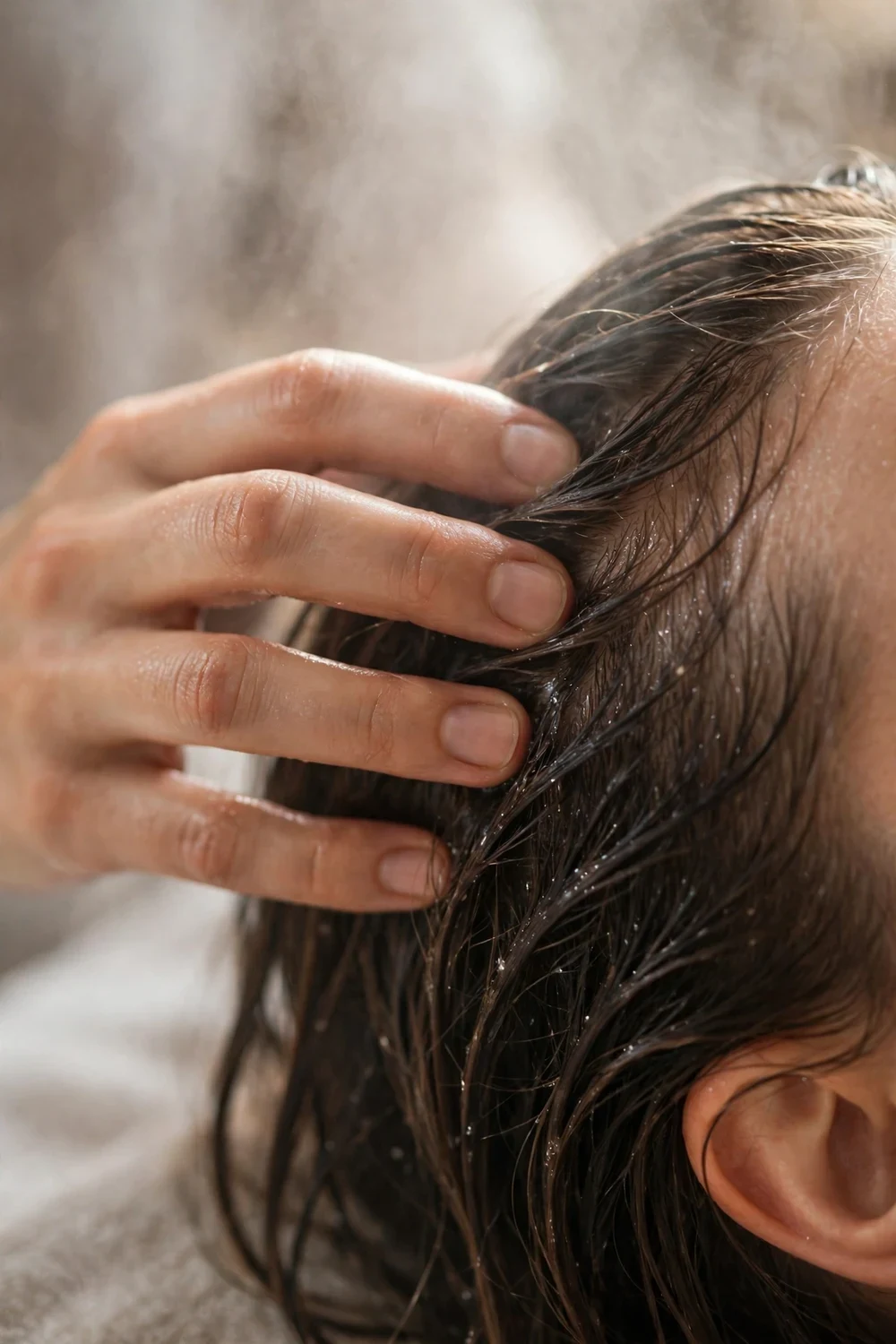
Warmth increases blood flow to the scalp, which supports overall scalp comfort and a healthy growth environment. A gentle scalp massage during the steam session adds to the effect. This is a comfort benefit rather than a growth guarantee.
6. More shine

Hair that holds the right amount of moisture reflects light better than dry, rough hair. After a proper steam and a cool rinse to reseal the cuticle, most people see a visible shine boost that lasts until the next wash.
7. Helps lift light buildup
Steam loosens surface grime and light product residue sitting on the hair, which makes the shampoo step more effective. It does not replace clarifying, but it gives your regular wash a head start.
The Cons of Hair Steaming
1. Over-moisturizing (hygral fatigue)
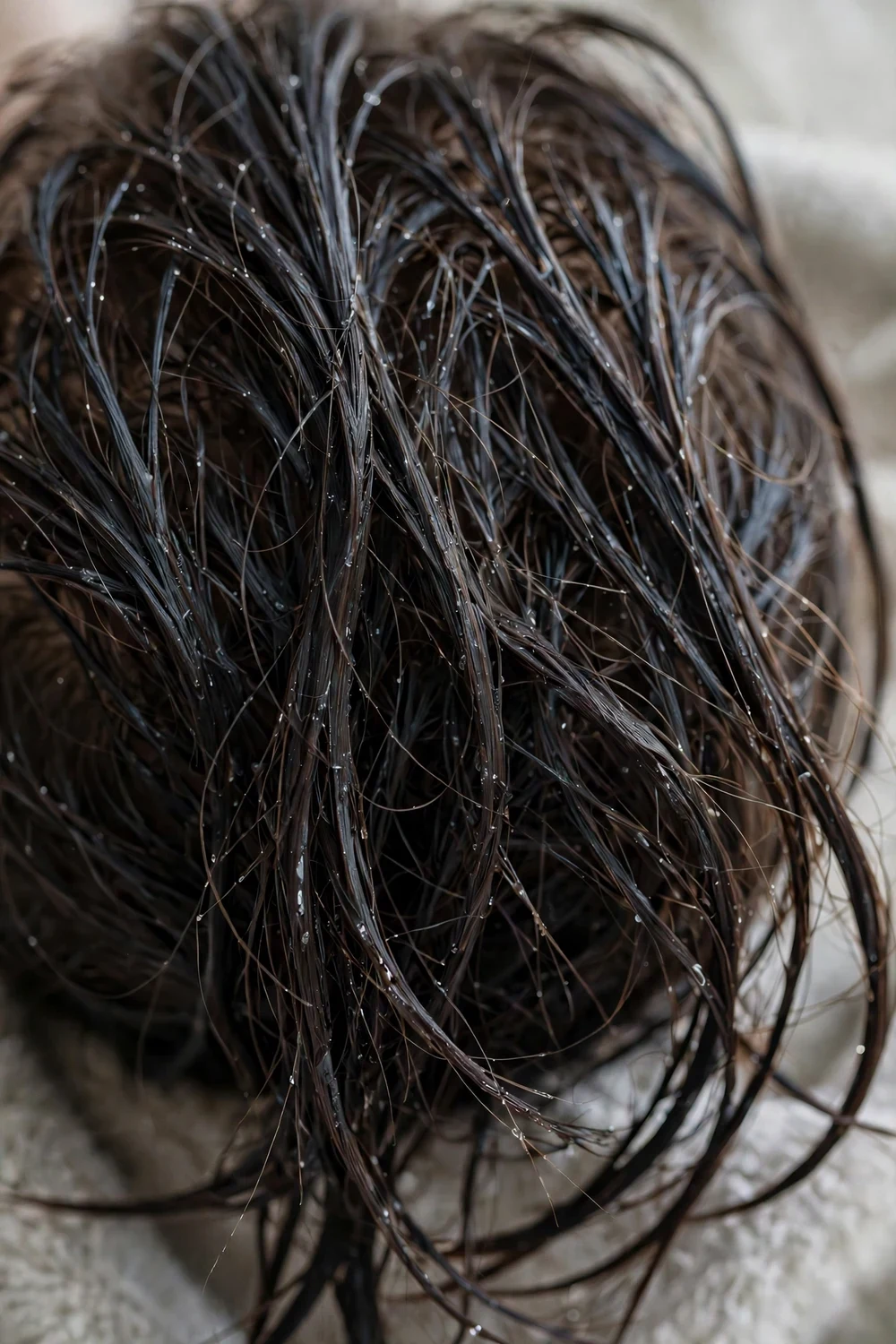
This is the biggest real risk. Hair needs a balance of moisture and protein. Flood it with moisture too often and the strand swells and contracts repeatedly, weakening its structure. Over-moisturized hair feels mushy when wet, stretches too far, looks limp, and breaks more easily. Fine hair and low-porosity hair hit this point fastest.
2. Heat damage from overdoing it
Steam is gentler than a flat iron, but it is still heat. Sessions longer than 20 minutes, very high heat settings, or steaming every week can dry hair out over time and rough up the cuticle. The irony is real: too much of a moisture treatment can leave hair drier.
3. Frizz from lifted cuticles
Steaming lifts the cuticle on purpose. If you skip the cool rinse and leave-in afterward, that lifted cuticle stays raised and each strand catches on its neighbors. The result is frizz and dullness instead of smoothness. The aftercare matters as much as the steam itself.
4. Scalp irritation
People with sensitive, flaky, or broken scalps often find steaming makes things worse. Prolonged warmth and moisture can irritate sores, aggravate seborrheic dermatitis, and create conditions where fungal issues thrive. If your scalp is angry, steaming is not the treatment it needs.
5. Greasy, overstimulated scalp
Steam stimulates the sebaceous glands. Oversteaming can leave the scalp oilier than usual, with hair looking greasy and flat at the roots a day later. Oily scalps and fine hair show this fastest.
6. It takes time
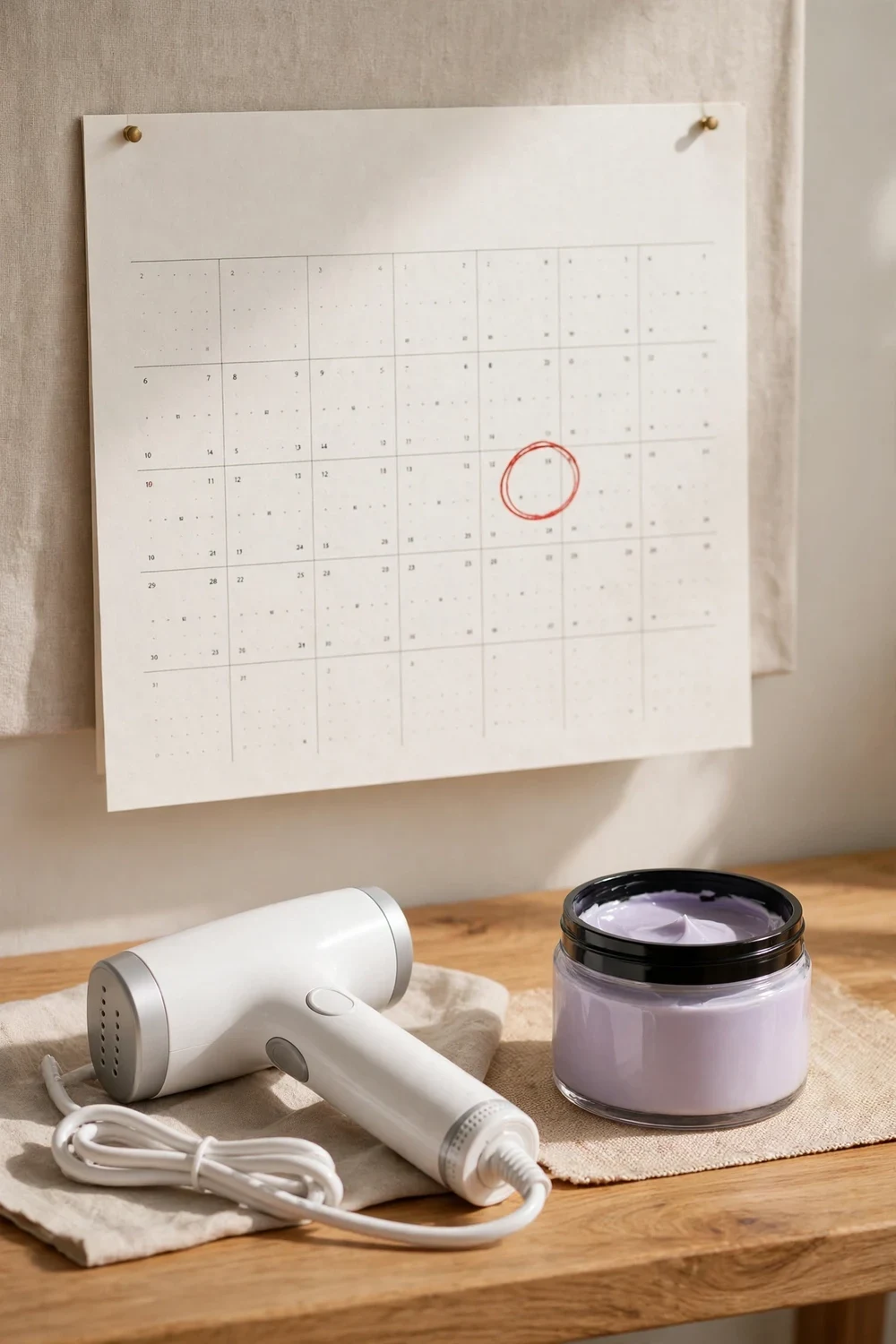
A proper session, including prep and cool-down, eats 30 to 45 minutes. For long or thick hair, the steaming step alone runs longer. It is a real addition to wash day, not a quick add-on.
7. Cost of equipment or salon visits
Hooded and handheld steamers cost anywhere from $30 for a basic cap to $150 or more for a quality steamer, and salon steam treatments add to the price of a conditioning service. The towel method is free, but dedicated tools are an investment.
Pros vs Cons at a Glance
| Pros | Cons |
|---|---|
| Deeper moisture absorption for dry hair | Over-moisturizing weakens hair structure |
| Deep conditioner penetrates better | Too much heat can dry hair over time |
| Softer, more elastic strands | Lifted cuticles cause frizz without proper sealing |
| Easier, less damaging detangling | Can irritate sensitive or broken scalps |
| Improved scalp circulation | May overstimulate oil glands on oily scalps |
| Visible shine boost | Takes 30 to 45 minutes per session |
| Loosens light buildup before washing | Equipment or salon treatments cost money |
How to Steam Hair Safely at Home
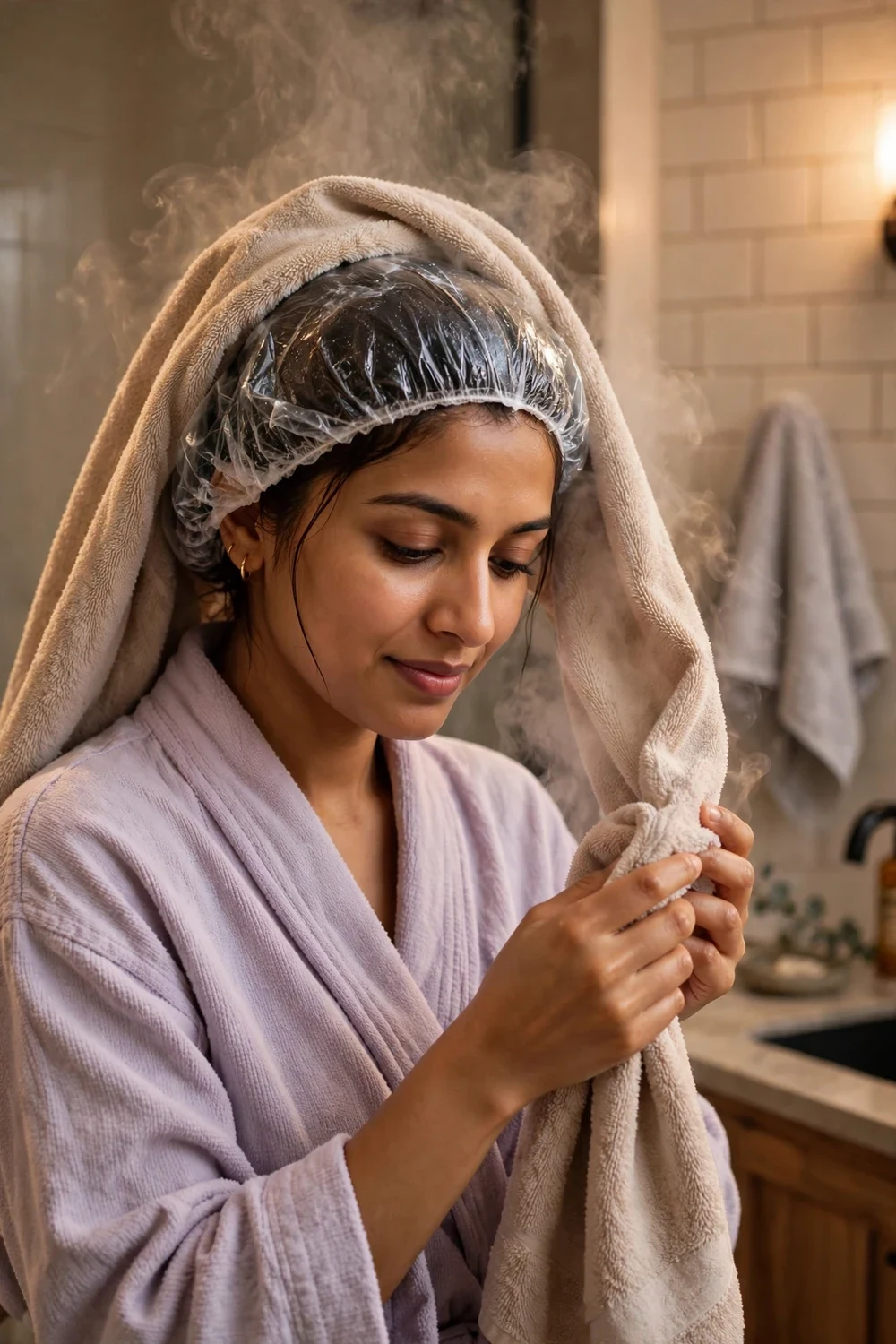
Start with clean, damp hair and apply your deep conditioner. Then choose your steam method: a handheld or hooded steamer on a medium setting, a microwaved steam cap, or a hot damp towel wrapped over a shower cap. Steam for 10 to 15 minutes. Long or very thick hair can go up to 20 minutes, but no longer.
Rinse with cool or lukewarm water to help the cuticle settle, then apply a leave-in conditioner to seal in the moisture. Style as usual.
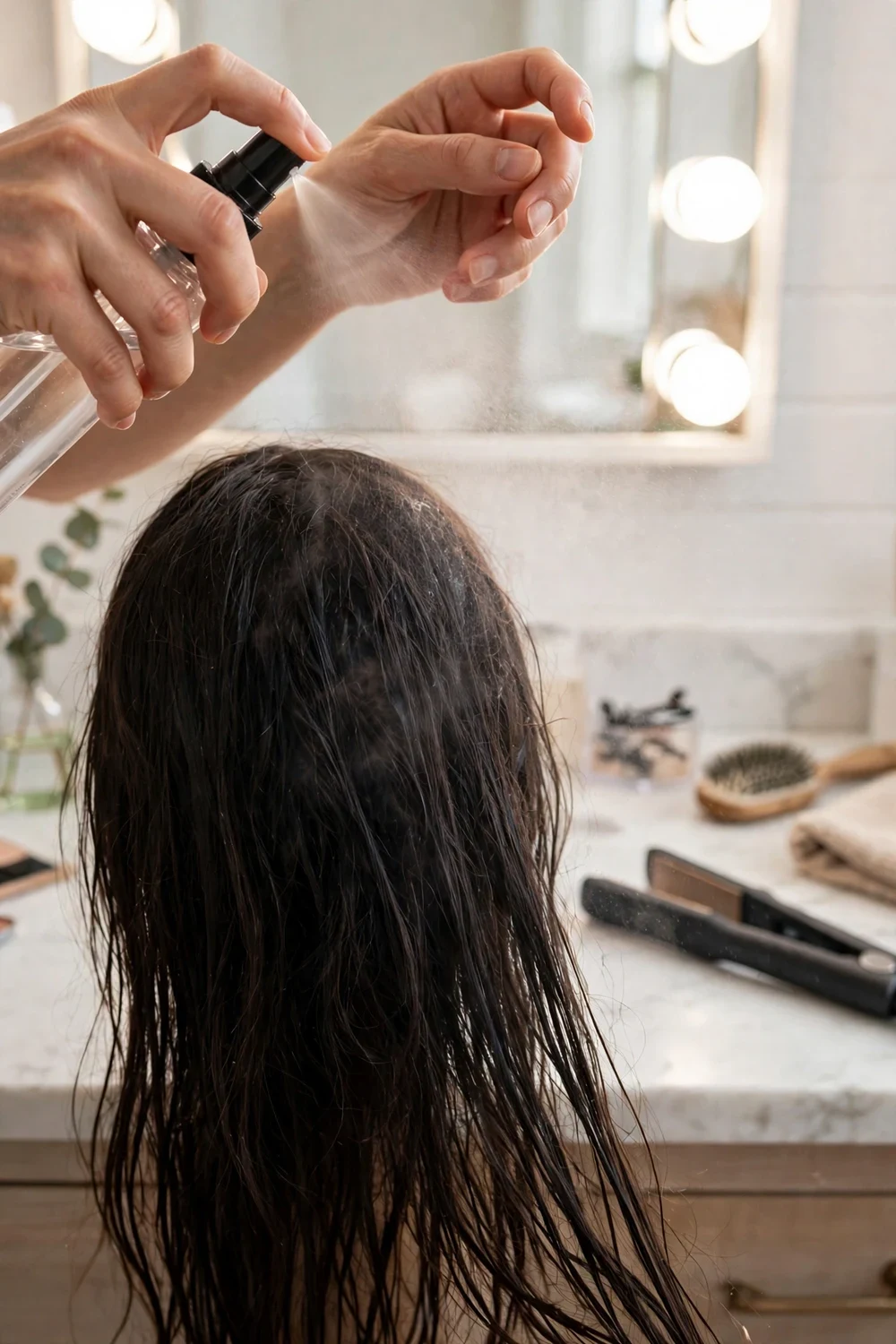
If you use hot tools afterward, apply heat protectant first, since steamed hair is more vulnerable to heat until it fully dries and seals.
Try this: set a timer. It is easy to lose track under a steamer, and the timer is what keeps a helpful session from becoming a damaging one.
How Often Should You Steam?
For most hair types, once or twice a month is the sweet spot. Very dry, coarse, or high-porosity hair can handle weekly steaming for a short period, then drop back to monthly once moisture levels recover. Fine hair, low-porosity hair, and oily scalps should stay at once a month or less.
Watch your hair’s feedback. If it starts feeling limp, overly soft, or greasy at the roots, you are steaming too often. If it drinks up conditioner and still feels dry, you can steam a little more often. Balance a monthly steam routine with an occasional protein treatment so the moisture-protein ratio stays healthy.
Moisture routines matter most for textured hair that dries out fast. Our TWA hairstyles guide pairs well with a steam routine, since short natural hair shows moisture changes quickly.
Who Should Skip Hair Steaming?
Hold off on steaming if any of these apply: an irritated, broken, or infected scalp; active dandruff flare-ups or seborrheic dermatitis; freshly bleached or chemically relaxed hair that already feels fragile; or hair that feels mushy and over-soft, which signals existing moisture overload. Wait until the scalp calms down or the hair’s strength recovers, then reintroduce steaming slowly.
Salon vs At-Home Steaming
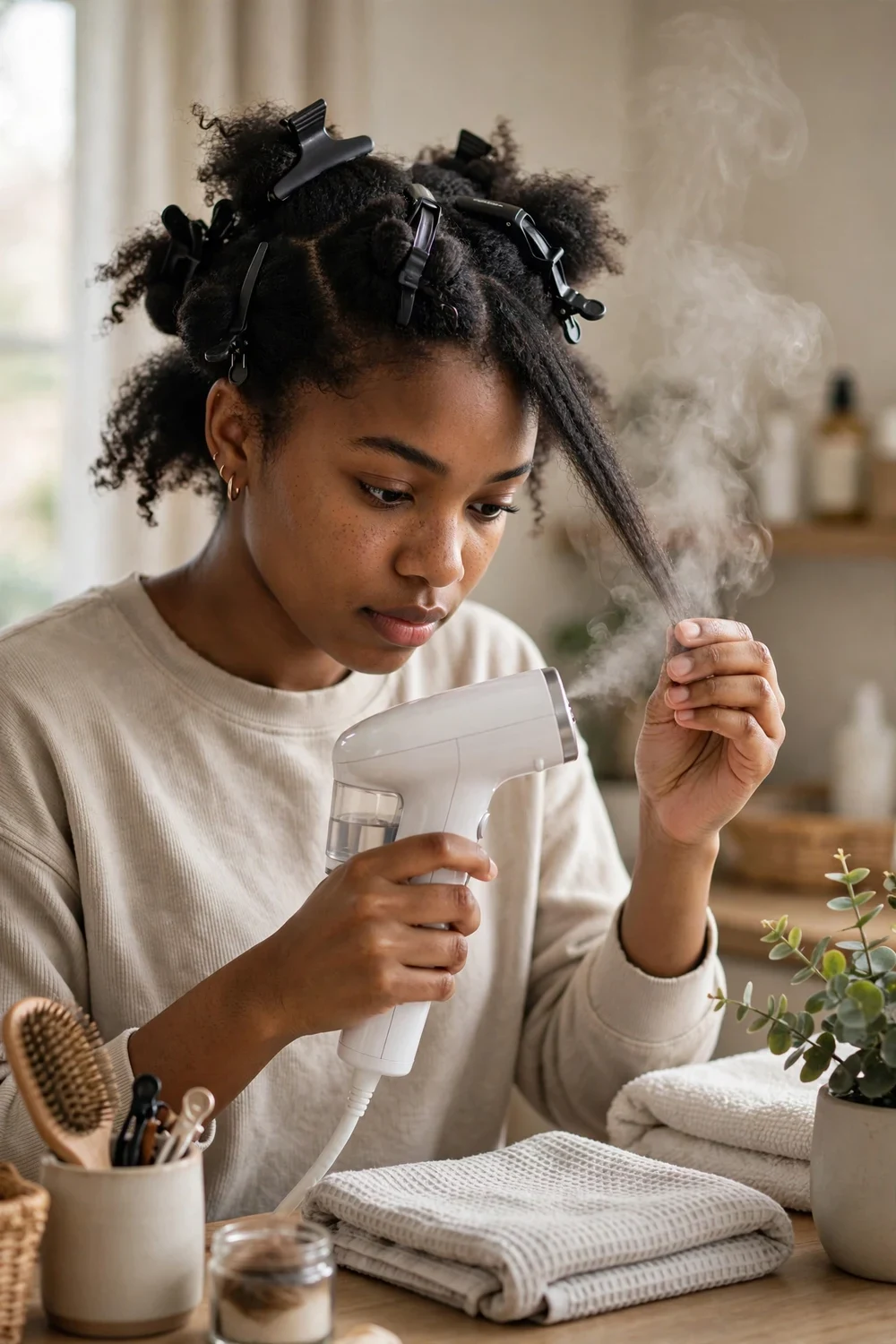
Salon steaming uses professional hooded steamers with controlled heat and usually pairs the session with a premium conditioning treatment. It costs more but takes the guesswork out. At-home steaming with a handheld steamer or steam cap costs less per session and fits your schedule, but you manage the heat and timing yourself.
Either way, the safety rules are identical: moderate heat, 10 to 20 minutes, cool rinse after, and no steaming on a compromised scalp.
The Verdict

Hair steaming earns its place for dry, coarse, and hard-to-moisturize hair. Done once or twice a month for 10 to 20 minutes with proper aftercare, it delivers deeper hydration than conditioner alone. But it is a treatment with a dose limit. Steam too hot, too long, or too often, and you trade dryness for weakness.
If your hair is fine, low-porosity, oily at the roots, or your scalp is sensitive, you can skip steaming entirely and lose nothing. A good deep conditioner without heat does most of the same job. Steaming is a tool, not a requirement.
For more on this topic, see how fast does hair grow.
FAQs
Is hair steaming good for natural hair?
It can be very helpful for dry natural hair, since coily textures struggle to retain moisture. Steam helps water and conditioner penetrate the strand. Keep sessions to 10 to 20 minutes once or twice a month, and always follow with a cool rinse and leave-in.
Can hair steaming cause damage?
Yes, when overdone. Too much steam or too-frequent sessions cause hygral fatigue, where hair becomes mushy, overly stretchy, and breakage-prone. Excessive heat can also dry hair out over time. Moderation and proper aftercare prevent most damage.
How long should I steam my hair?
Ten to 20 minutes per session is the safe range. Fine or low-porosity hair should stay closer to 10 minutes. Going longer does not add benefits and increases the risk of over-moisturizing.
Should I steam dirty or clean hair?
Steam on clean, damp hair with conditioner applied. Steaming dirty hair pushes grime and product residue against the scalp instead of letting moisture in. Shampoo first, then condition and steam.
Do I need a special steamer, or does the towel method work?
The towel method works fine: wrap a hot damp towel over a shower cap for 10 to 15 minutes. Dedicated steamers give more even, controlled heat, which matters if you steam regularly, but they are not required to get the benefits.
Final Thoughts
Steaming sits in the useful middle of hair treatments: genuinely effective for the right hair, genuinely risky when overused. If your hair drinks moisture and still feels dry, try a monthly session and judge by how your hair feels the week after. If your hair is already soft, fine, or oily, spend that time on something else. The best routine is the one your hair actually asks for.
Browse more hair care guides from our homepage to build a routine around your hair type.

