


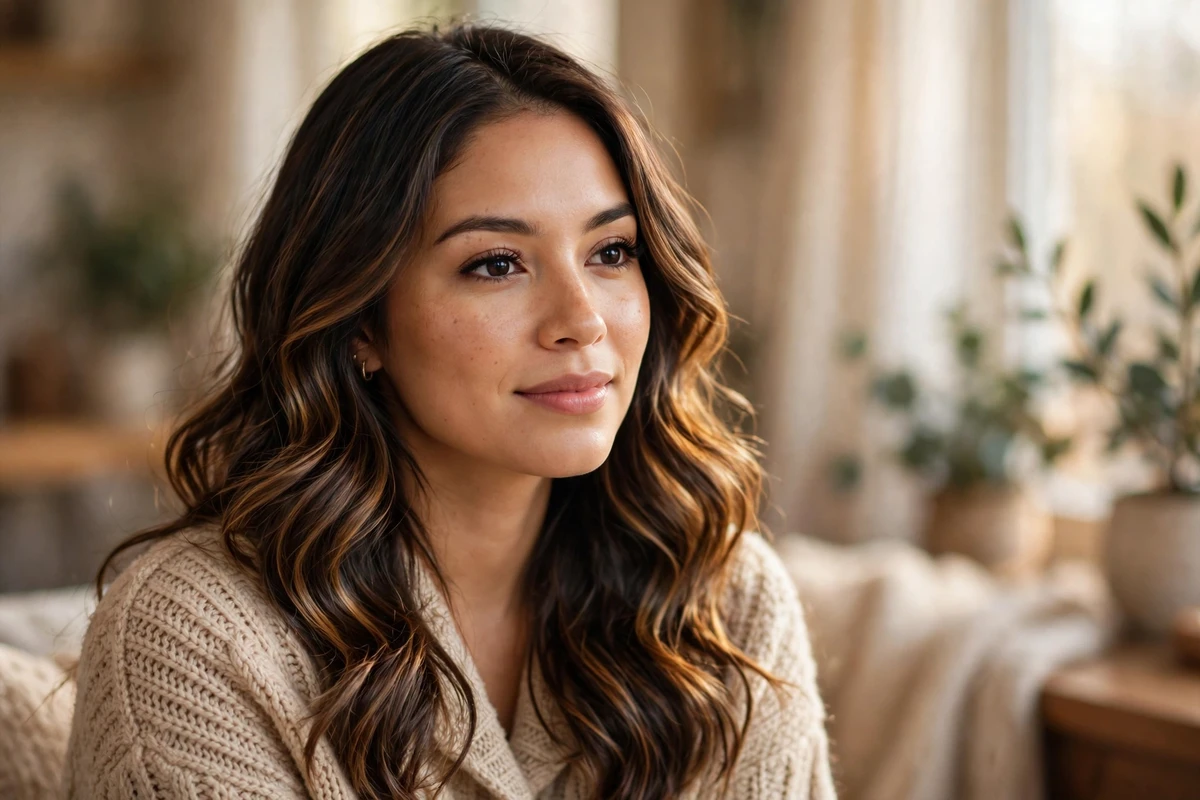
Balayage is the smartest way for a brunette to get winter color, because the technique keeps your natural dark base and adds light exactly where it reads best in low winter light. Instead of all-over color, your colorist hand-paints dimension through the mid-lengths and ends, so roots grow out softly with no harsh line. This guide covers 26 winter balayage ideas for brunettes, grouped from high-contrast cool tones to warm, cozy ribbons, with upkeep, cost, and anti-brassiness care for each one.
Winter is the season balayage was made for. Hat hair, scarves, and indoor lighting flatten all-over color fast, while hand-painted dimension keeps hair looking dimensional from root to tip. Most of these looks need a salon visit every 8 to 12 weeks, with a gloss or toner refresh halfway through to keep tones clean. Pair any hot-tool styling below with a heat protectant, since heat strips toner and pushes brunette color toward brassy.
For the full winter palette beyond balayage, including all-over shades like espresso brown and black cherry, browse these winter hair color ideas alongside this list.
Quick Takeaways
- Keep the natural base dark and lift only the mid-lengths and ends; that is what makes balayage grow out softly for 8 to 12 weeks between appointments.
- Cool tones (ash, platinum) on dark hair need a purple or blue shampoo once a week to stop brassiness; warm tones need a color-depositing gloss every 4 to 6 weeks to stay rich.
- Book a gloss or toner refresh ($45–$85) halfway between full appointments to keep the color clean without re-lightening.
- Ask for a root shadow or root smudge if your natural roots are more than two levels darker than the painted pieces; it erases any line of demarcation.
- Use a heat protectant before every hot tool, since heat fades toner fastest and pushes lifted brunette hair toward orange.
1. Brunette to Ash Blonde Balayage
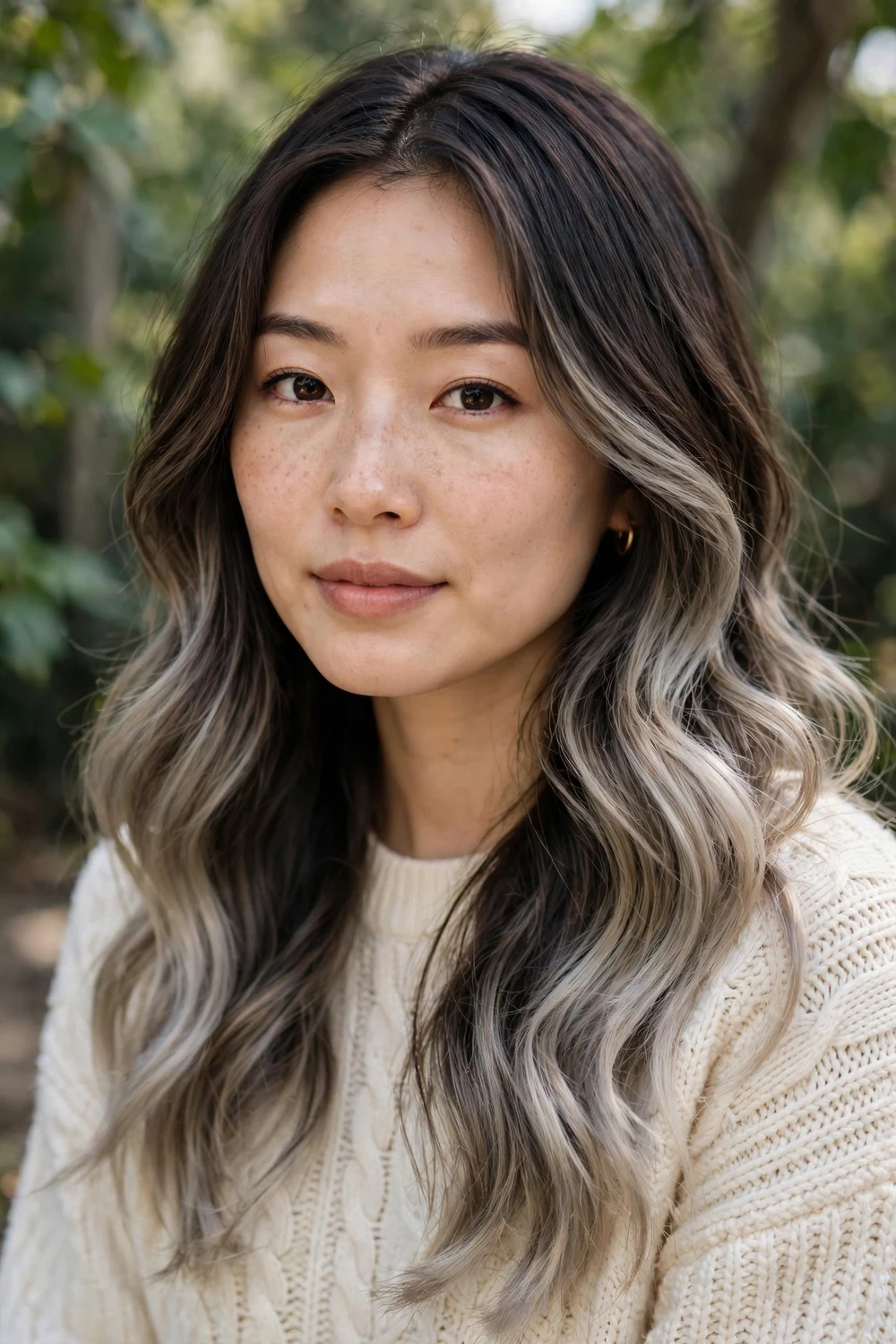
Dark roots melt into smoky ash blonde through the mids and ends, giving brunettes the highest contrast possible without going full blonde. Soft waves show the fade best, catching the ash and root tones differently. It suits natural level 3 to 5 hair, though very dark bases need two lifting sessions for clean ash. The toner fades first, so wash with purple shampoo weekly from day one and book a toner refresh every 5 to 6 weeks. Apply heat protectant before curling, since hot tools push freshly toned ash ends yellow fast.
Try this: ask for the ash pieces to start lower (chin level) so the dark roots dominate and regrowth stays invisible.
Difficulty: Hard · Cost: $220–$350 (full balayage + toner)
2. Dimensional Brunette Balayage with Warm Highlights
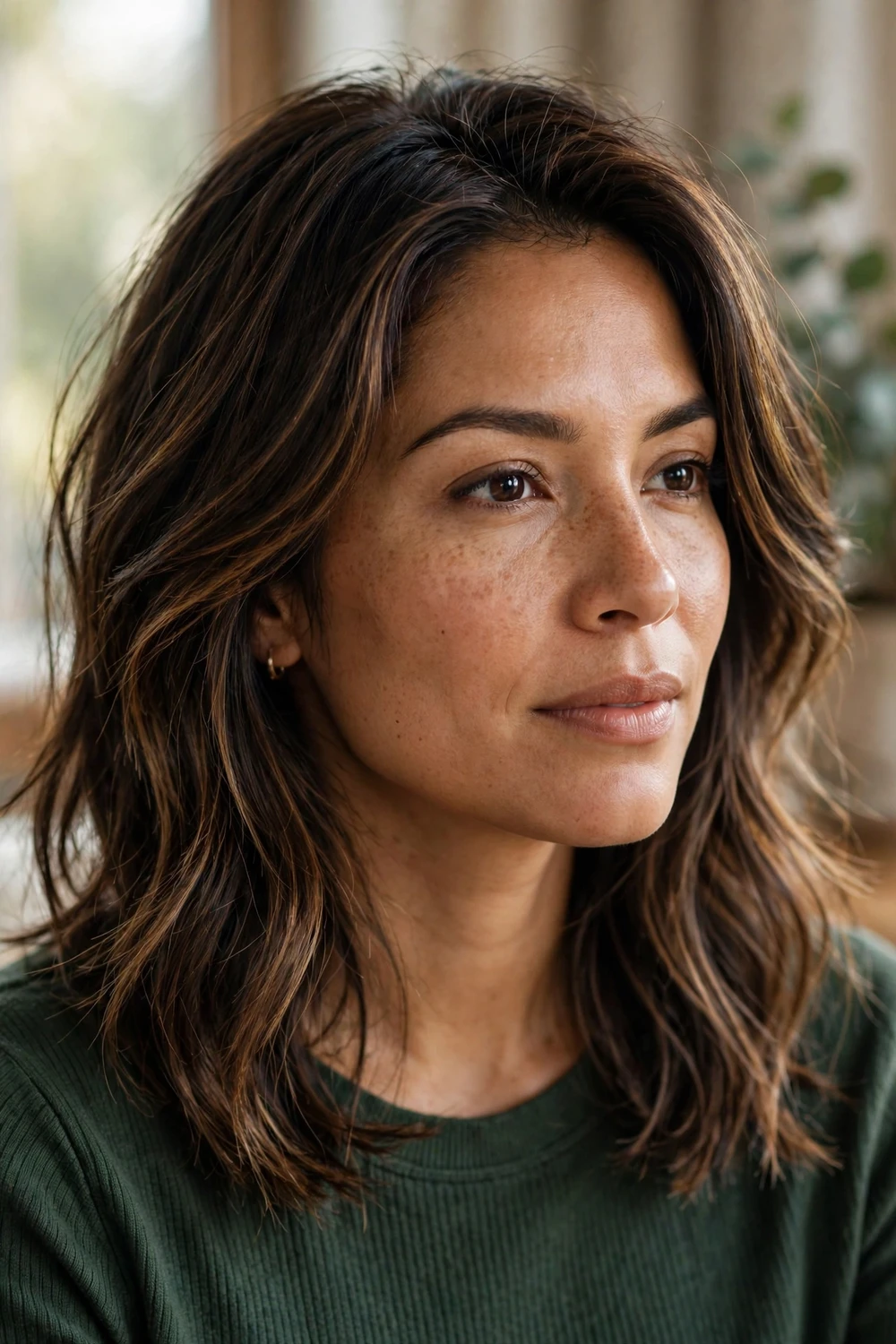
Warm toffee and caramel pieces weave through a dark brown base, lifting just one to two levels, so the color reads richer rather than lighter. Layered cuts help, since each layer edge exposes the painted pieces beneath. It suits nearly every skin tone because the warmth stays gentle, and it is a safe first balayage for anyone nervous about a big change. Deep-condition weekly, as even light lifting dries winter hair. Seal the tone with a clear gloss every 6 to 8 weeks, and use heat protectant before hot tools, since overheated warmth turns brassy fast.
Try this: request the warm pieces concentrated around the face, leaving the back darker for depth.
Difficulty: Easy · Cost: $140–$220 (partial balayage)
3. Warm Honey Balayage with Loose Waves
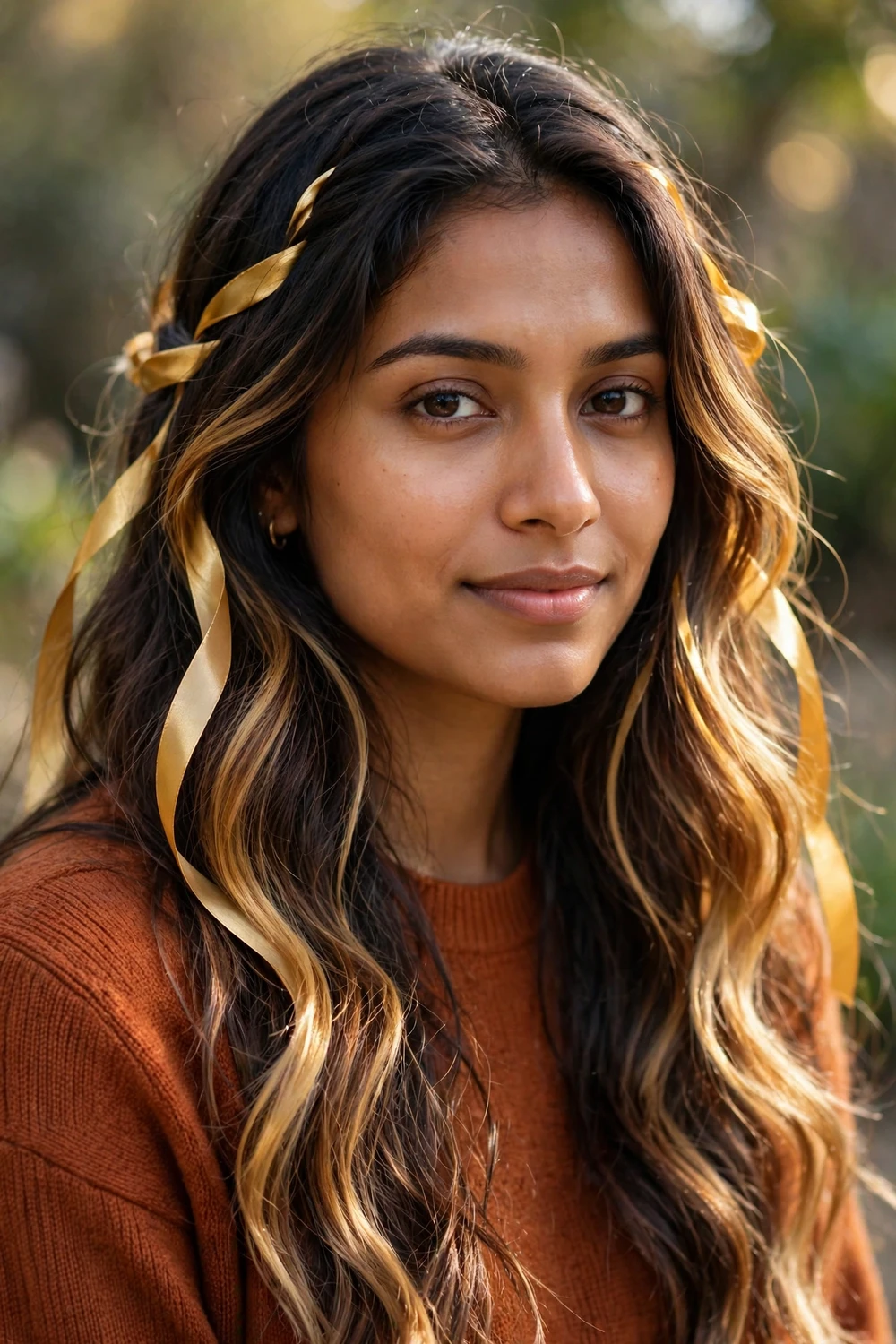
Golden honey ribbons sweep through a deep brunette base, brightest around the face and through the ends. Loose waves are the styling move: each bend turns a ribbon toward the light, so the color glows even under weak winter sun. The base stays close to natural, keeping maintenance honest. Medium brown hair reaches honey in one session; darker bases may need a second pass. Use leave-in conditioner after every wash, refresh the tone with a golden gloss at week 6, and apply heat protectant before the wand, since honey dulls quickly under repeated heat.
Try this: ask the colorist to paint the money piece two shades lighter than the rest for a face-brightening frame.
Difficulty: Moderate · Cost: $160–$260 (balayage + gloss)
4. Icy Platinum Balayage on Brunette
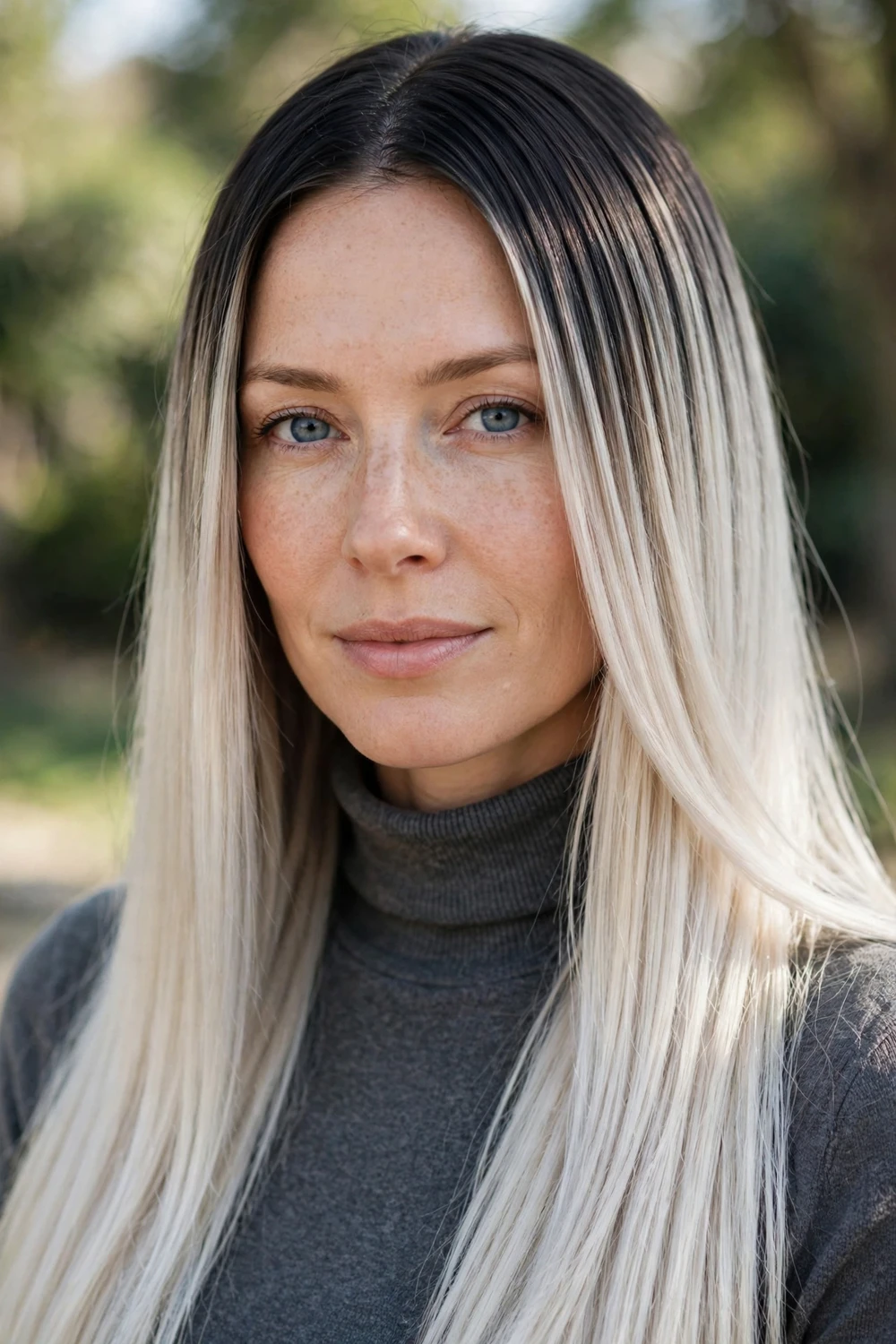
Near-black roots give way to icy, almost-white platinum ends in the boldest contrast on this list. The platinum stays in the lower third with a shadowed transition zone, so the tones never clash at a hard line. Straight styling reads graphic and intentional; waves soften it. Dark hair needs two sessions, and the platinum needs regular toning to stay icy. Purple shampoo weekly is non-negotiable, plus a blue-based toner refresh every 4 to 5 weeks and bond-building treatments after lifting. Keep hot tools under 375°F with heat protectant always on, since bleached ends fry fast.
Try this: ask for a deep root shadow (3 to 4 inches) so the platinum starts below the jawline and grows out gracefully.
Difficulty: Hard · Cost: $260–$380 (double process + toners)
If icy cool tones are your thing, these brown hair with silver highlights show how silver shades sit on brown bases.
5. Honey Brown Sombre
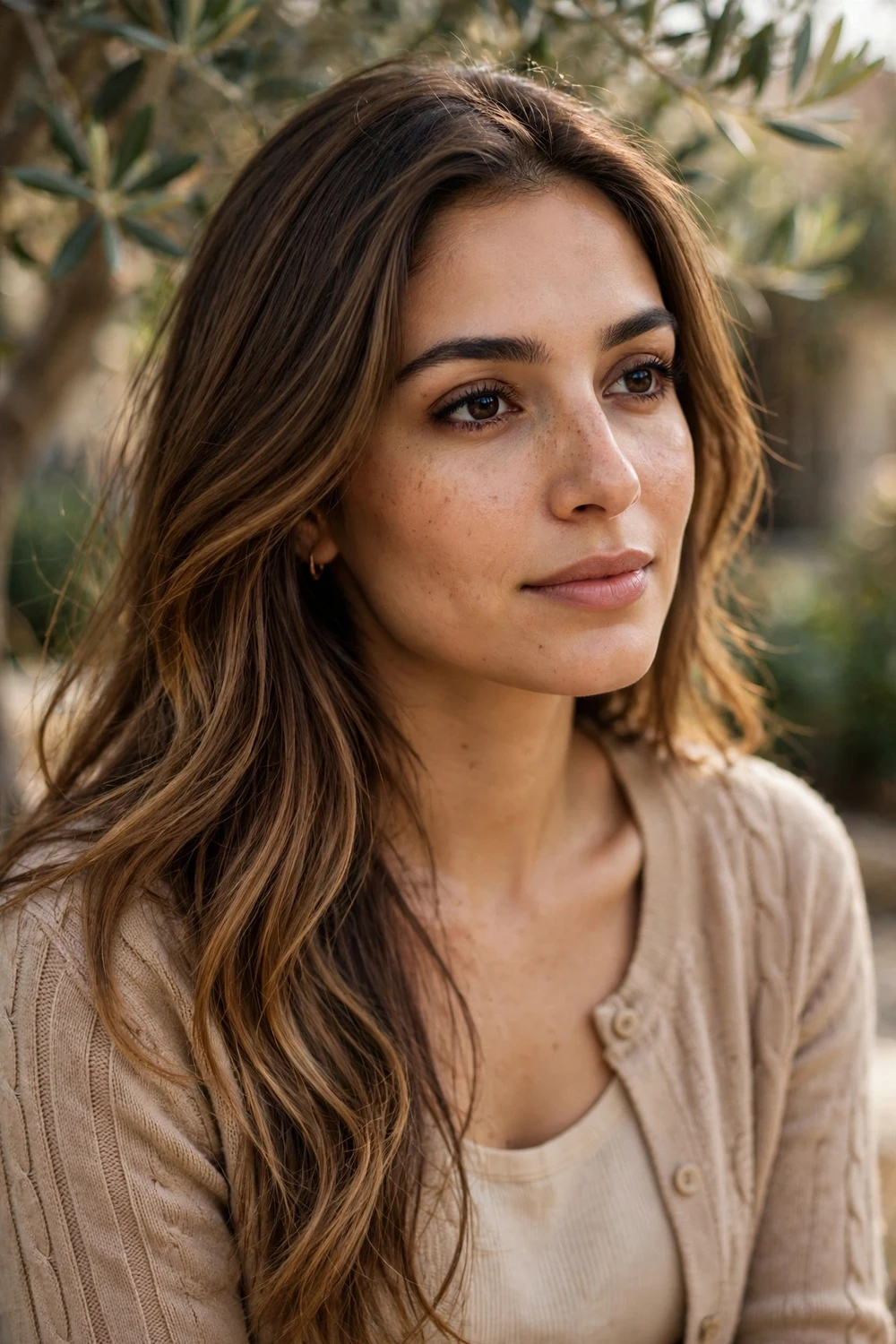
Sombre is balayage’s quieter sibling: the same hand-painted technique with a softer gradient and lower contrast. Honey brown melts from a medium brown root to warm honey ends with no visible start point, reading as one rich color with movement. It suits conservative workplaces and never-lightened hair, since the change surprises no one. Maintain it with a honey-depositing gloss every 6 weeks and sulfate-free shampoo, as harsh cleansers strip warm color fastest. Use heat protectant before any hot styling.
Try this: ask for the lightest point at the very ends only, so the top two-thirds stay nearly untouched.
Difficulty: Easy · Cost: $130–$200 (soft balayage)
6. Copper Waves with Auburn Undertones
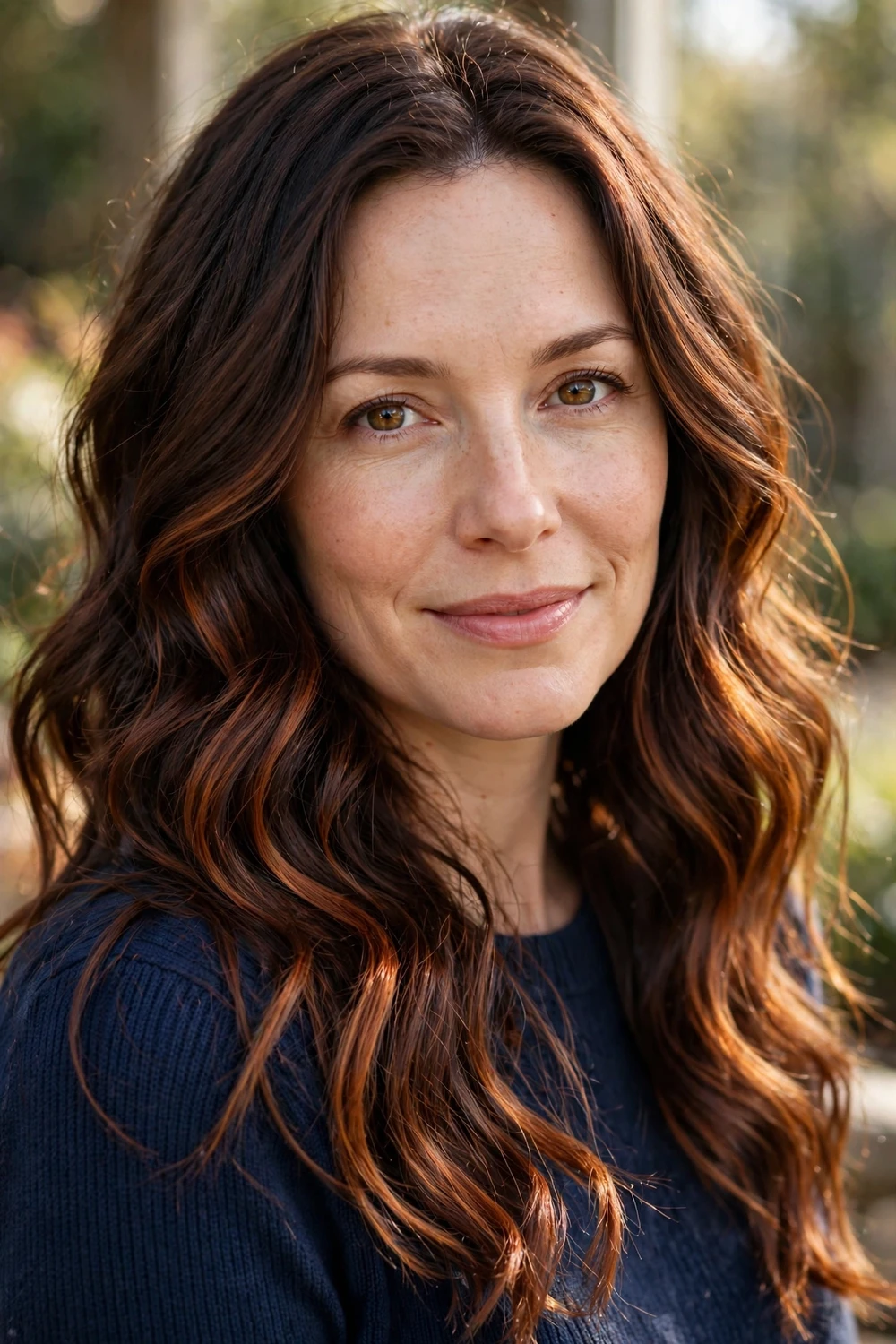
Copper ribbons painted through a dark brunette base catch winter light, with auburn lowlights underneath keeping the color from reading flat. Defined waves separate the copper pieces so each one shows, and the warmth genuinely flatters cool winter daylight. Medium to dark brunettes get there in one session, and the auburn undertones make the grow-out look intentional. Copper fades faster than any brown tone, so use a copper-depositing mask every two weeks, wash in cool water, and apply heat protectant before the curling iron, since heat is copper’s fastest enemy.
Try this: ask for the auburn painted slightly deeper than the copper so the copper sits on top like light.
Difficulty: Moderate · Cost: $170–$260 (balayage + copper gloss)
7. Crimson Red Balayage on Dark Brown
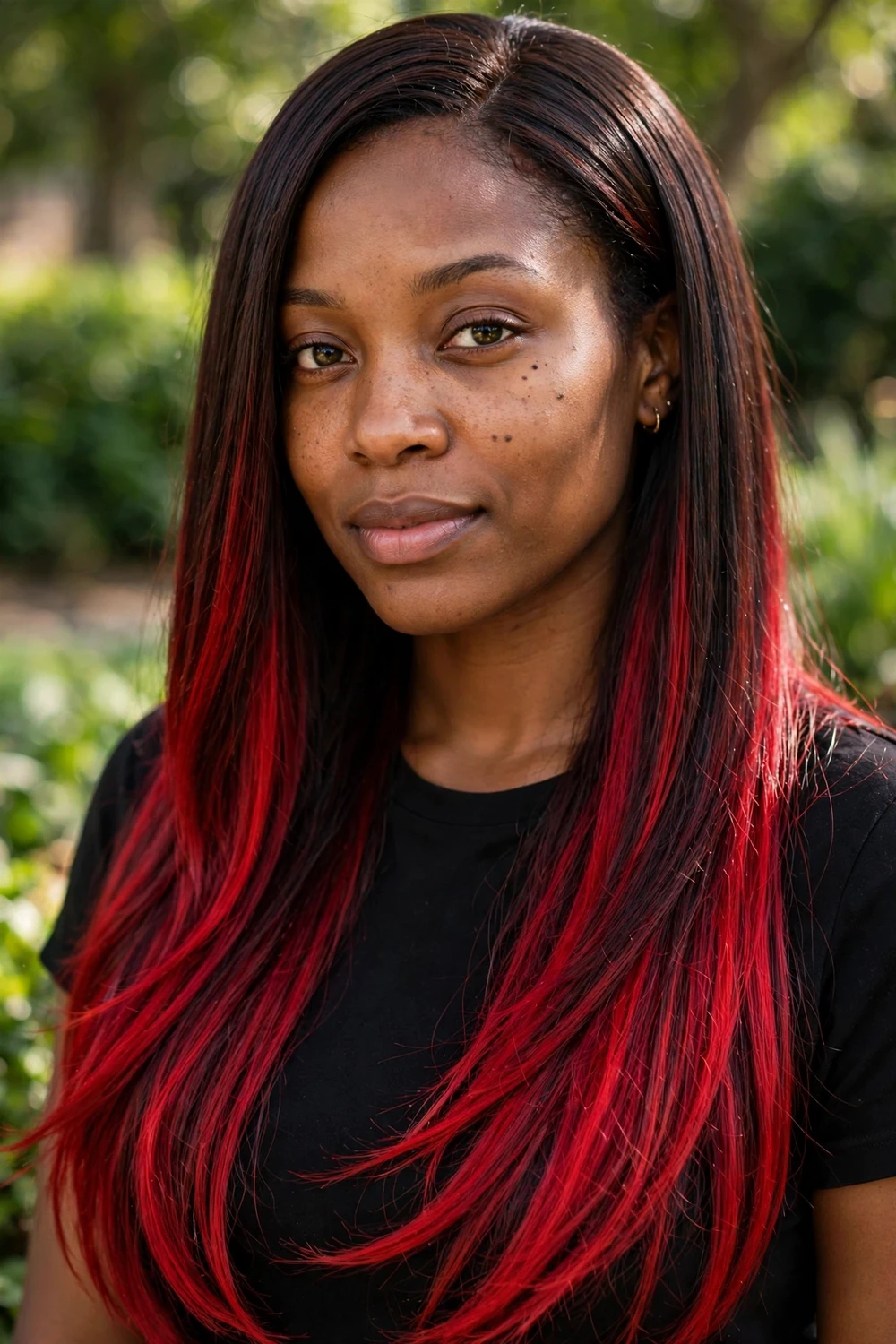
Bold crimson pieces streak through an espresso-dark base, concentrated from the ears down so the roots stay untouched and the color grows out with zero root maintenance. Straight styling shows the streaks most sharply; waves blend them into the brown. Dark hair needs pre-lightening first, since red dye alone won’t show on a level 3 base. Red washes out fast, so use sulfate-free shampoo, wash as infrequently as you can, and book a red gloss at week 5. Always apply heat protectant, since flat irons strip red pigment quicker than any other tone.
Try this: ask for chunkier crimson sections underneath and finer ones on top for depth instead of stripes.
Difficulty: Hard · Cost: $200–$300 (pre-lighten + red balayage)
8. Ash-Kissed Dark Brunette
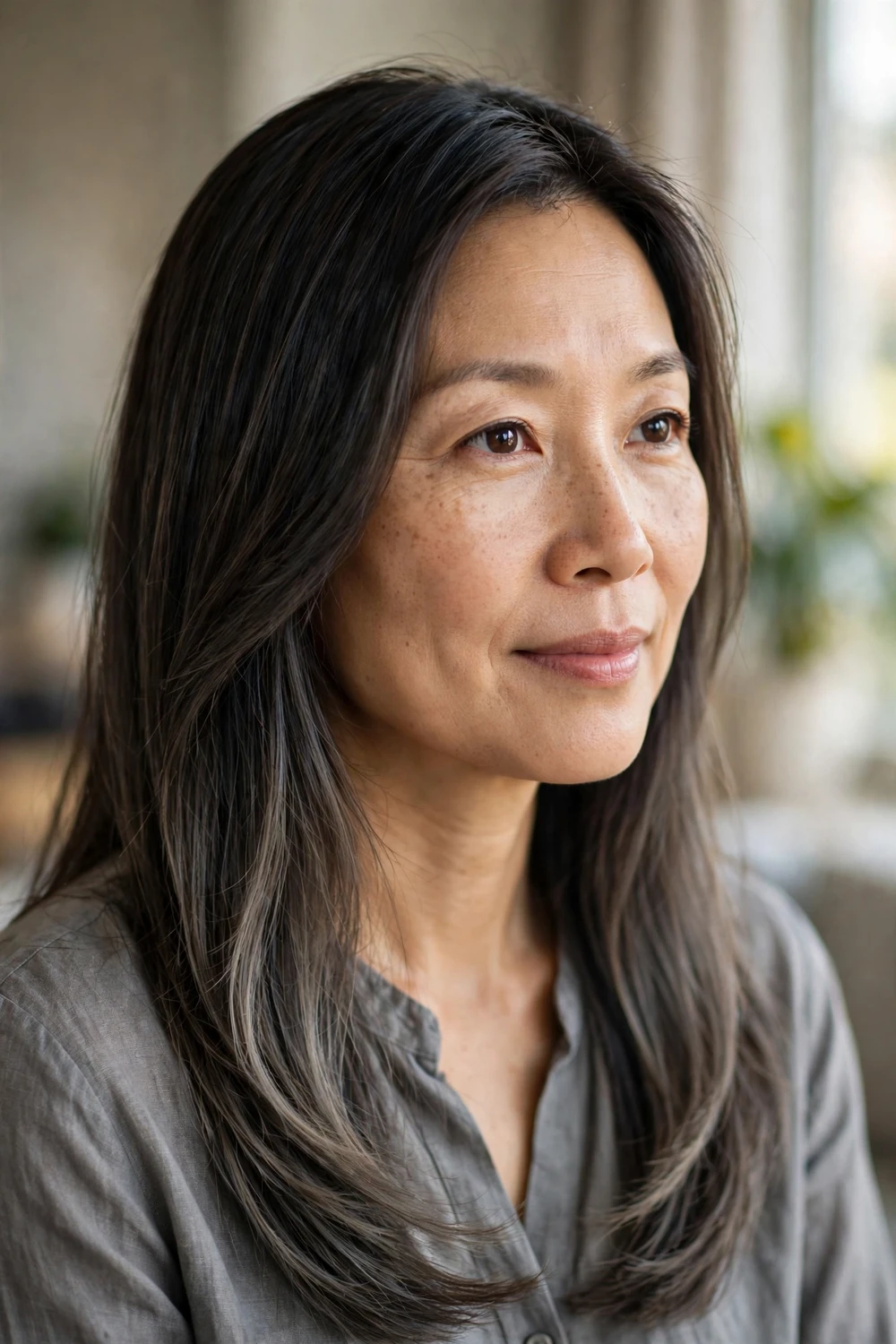
Instead of lifting to blonde, this look dusts the mid-shaft and ends of dark brunette hair with cool ash tones, lifting barely one level for smoky movement rather than obvious highlights. It suits very dark hair that shouldn’t be lifted far, and flatters cool skin tones that warm balayage tends to fight. The ash sits mostly on the surface sections while the interior stays deep, keeping winter richness intact. Use blue shampoo every other week, refresh with a cool-toned gloss every 6 weeks, and apply heat protectant before styling, since heat dulls ash into flat gray-brown.
Try this: ask for the ash concentrated on the top layer only, keeping the underneath nearly solid for contrast.
Difficulty: Easy · Cost: $120–$190 (partial balayage + cool toner)
9. Warm Brunette Balayage with Face-Framing Glow
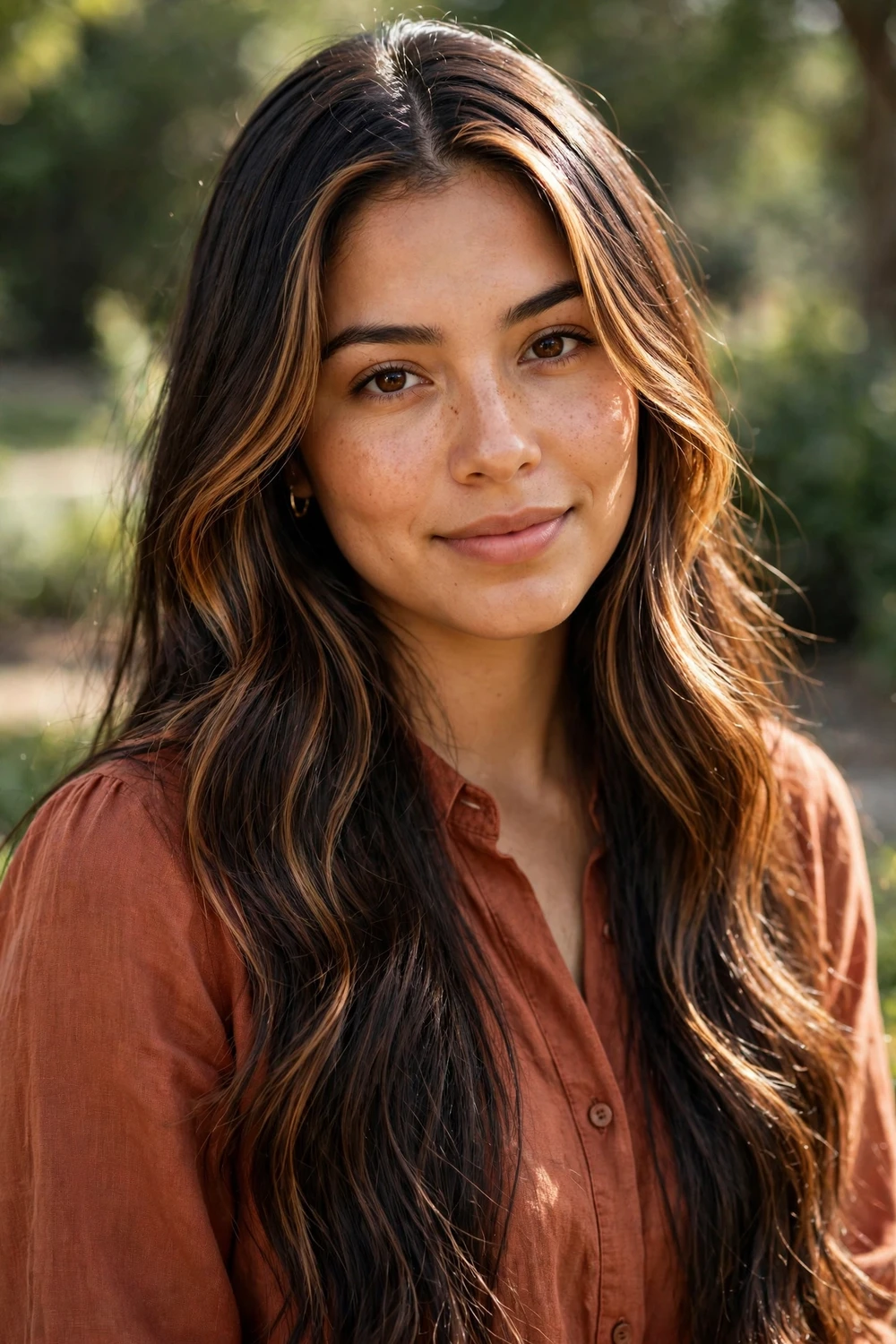
The balayage does one job here: it lights up the face. Caramel pieces paint brightest around the hairline and cheekbones, then fade into a quieter brunette through the lengths. The face frame is what people see, so this gives the biggest visual payoff for the least lightening, and it flatters every face shape by drawing eyes to the cheekbones. The back stays nearly natural, keeping cost and damage down. Maintain it with a caramel gloss every 6 weeks, style the front pieces with a round brush (heat protectant first), and tuck hair behind the ears to show off the frame.
Try this: ask for the money piece to start at the temple, not the part, so it frames the whole face.
Difficulty: Easy · Cost: $110–$180 (face-frame balayage)
10. Medium Chocolate Brown with Root Shadow
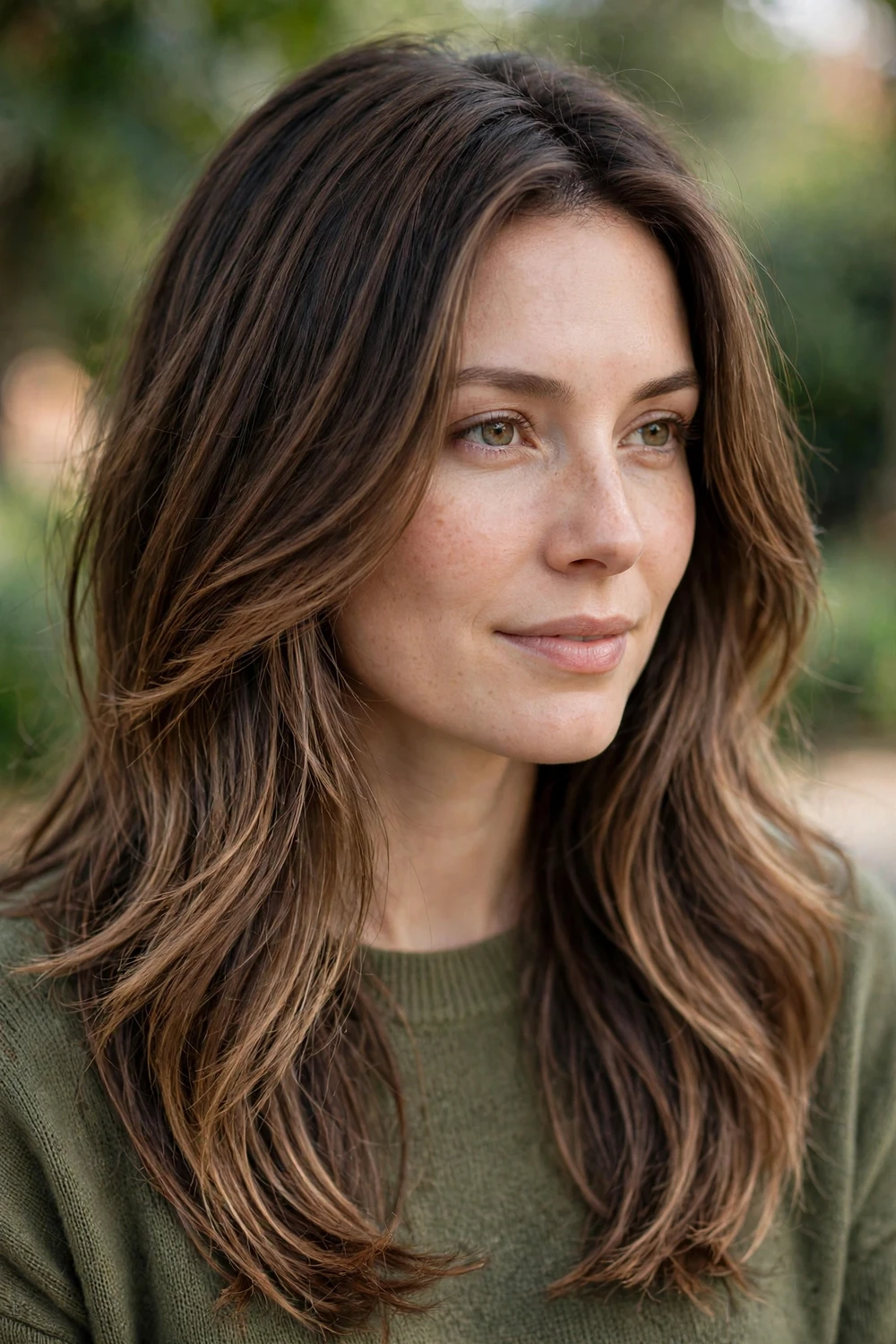
A deep root shadow in your natural color grounds medium chocolate balayage through the ends, blurring where color starts so regrowth stays invisible for months. Dark at the crown, milk-chocolate through the lengths, no foil lines anywhere: the classic lived-in look. It works on any brunette base and any length past the shoulders, and the neutral-warm chocolate dodges both brassiness and ashiness. Re-smudge the shadow every 10 to 12 weeks, gloss the chocolate lengths in between, and use a chocolate-depositing conditioner plus heat protectant before hot tools.
Try this: ask for the shadow dragged down 2 to 3 inches so the depth feels deliberate, not grown-out.
Difficulty: Moderate · Cost: $170–$250 (balayage + root shadow)
11. Deep Mocha Brunette with Barely Lifted Mids
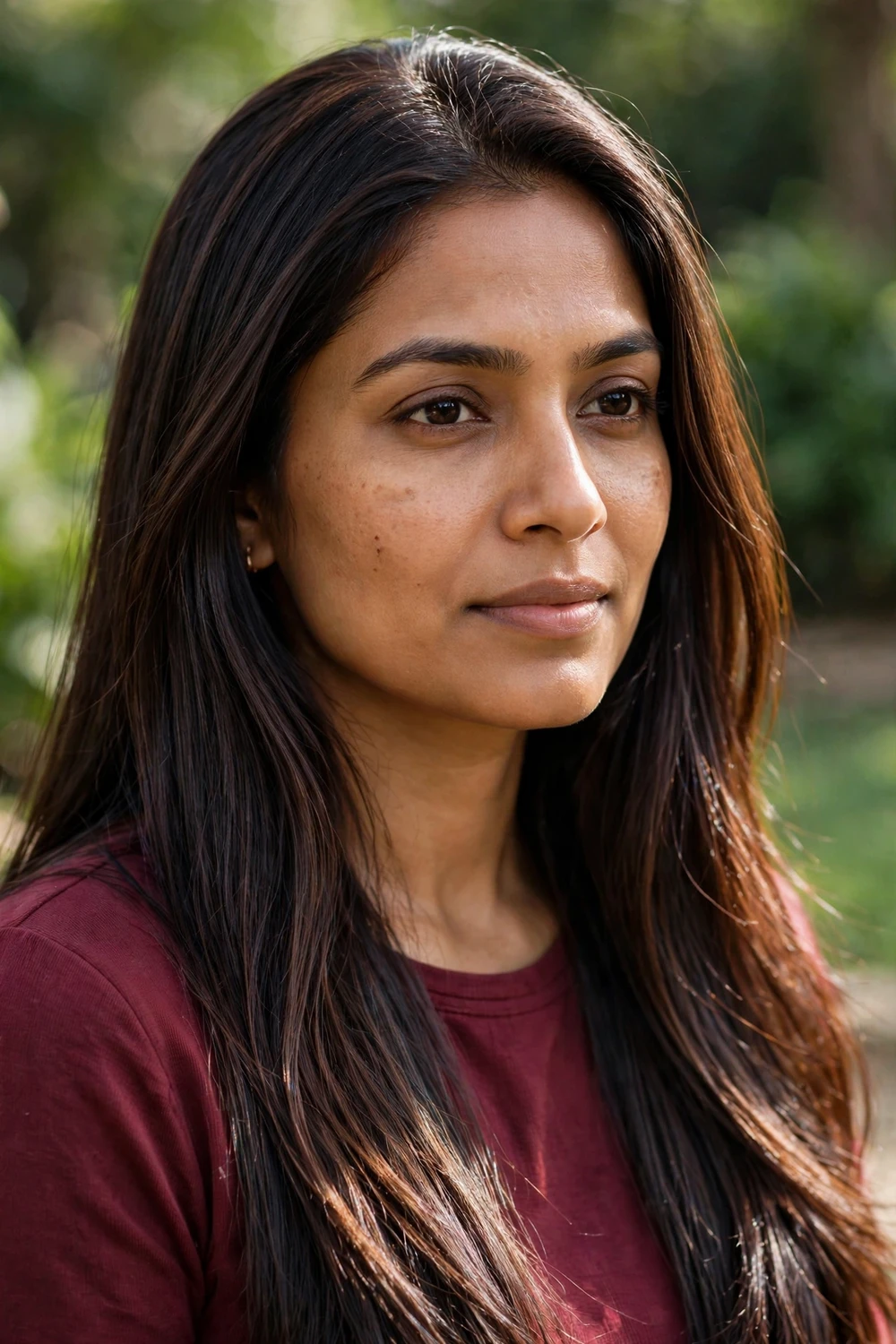
This look stays nearly solid: a deep mocha base with the mids lifted just half a shade, enough to catch light when hair moves. Nobody will call it highlighted, which is the point. It is the lowest-commitment balayage here, ideal for first-timers and chemically stressed hair, and it grows out with no line at all. Maintain the reflective finish with a clear or mocha gloss every 8 weeks and weekly deep conditioning, and apply heat protectant before straightening to keep the surface glassy.
Try this: ask for the lift on the canopy layer only, so the shine shows where light hits first.
Difficulty: Easy · Cost: $100–$160 (subtle lift + gloss)
12. Balayage Brilliance with Dark Base
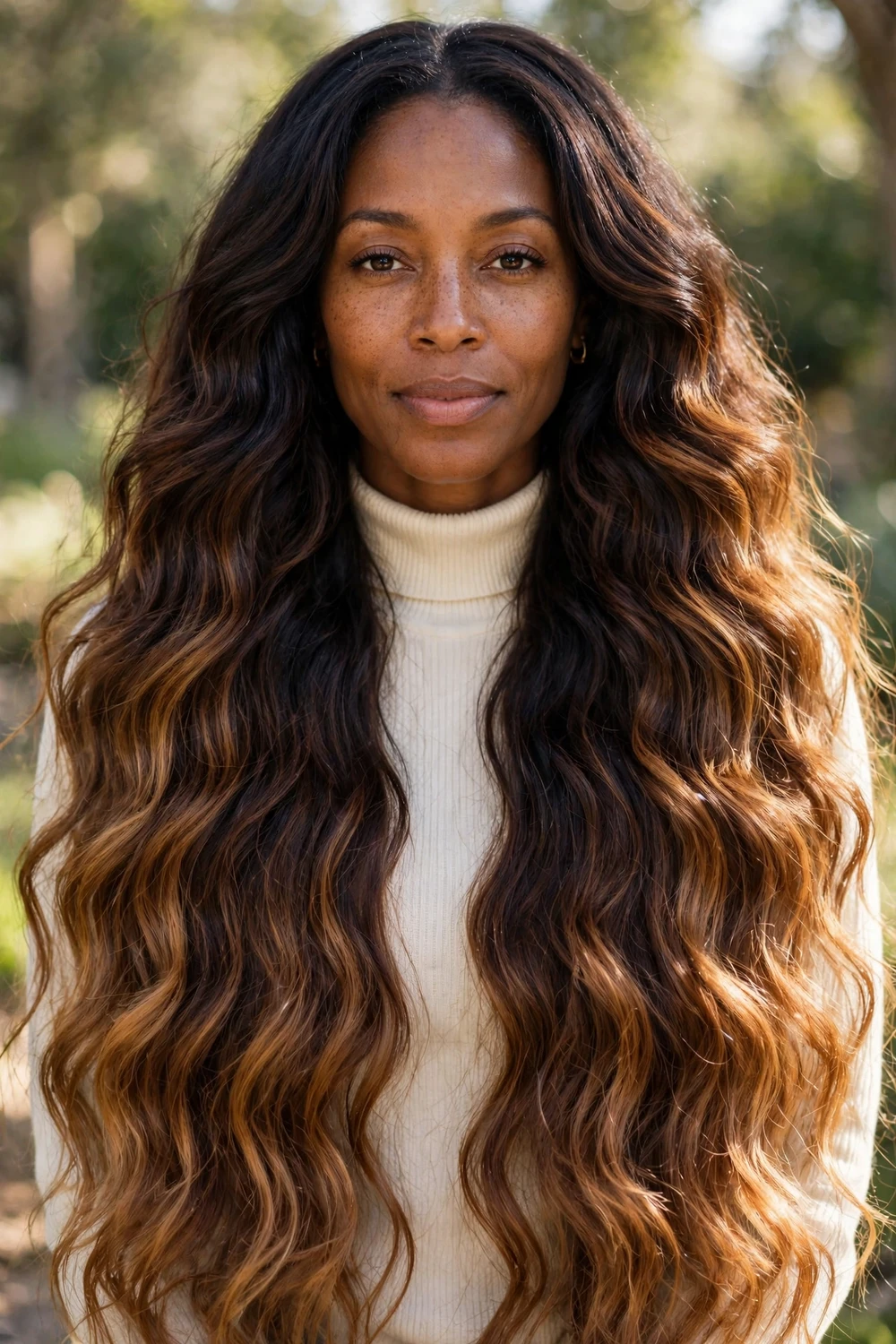
Almost-black roots drop into glowing caramel ends with a long, seamless transition: maximum depth at the crown, maximum light at the tips. The extended fade means no banding, and the dark base keeps winter richness intact. Long hair shows this best, since the gradient needs length to unfold. The neutral-warm caramel suits warm and neutral skin tones without pulling orange. Refresh the ends with a caramel gloss at week 6, trim every 8 weeks since the lightest section is most fragile, and use heat protectant before curling, because caramel ends singe easily.
Try this: ask for the transition to start at the cheekbones so the brightness opens up the face.
Difficulty: Moderate · Cost: $180–$270 (full balayage)
For a deeper dive into this exact pairing, these dark caramel balayage looks explore more ways to wear caramel on a dark base.
13. Multi-Dimensional Brunette Soft Balayage
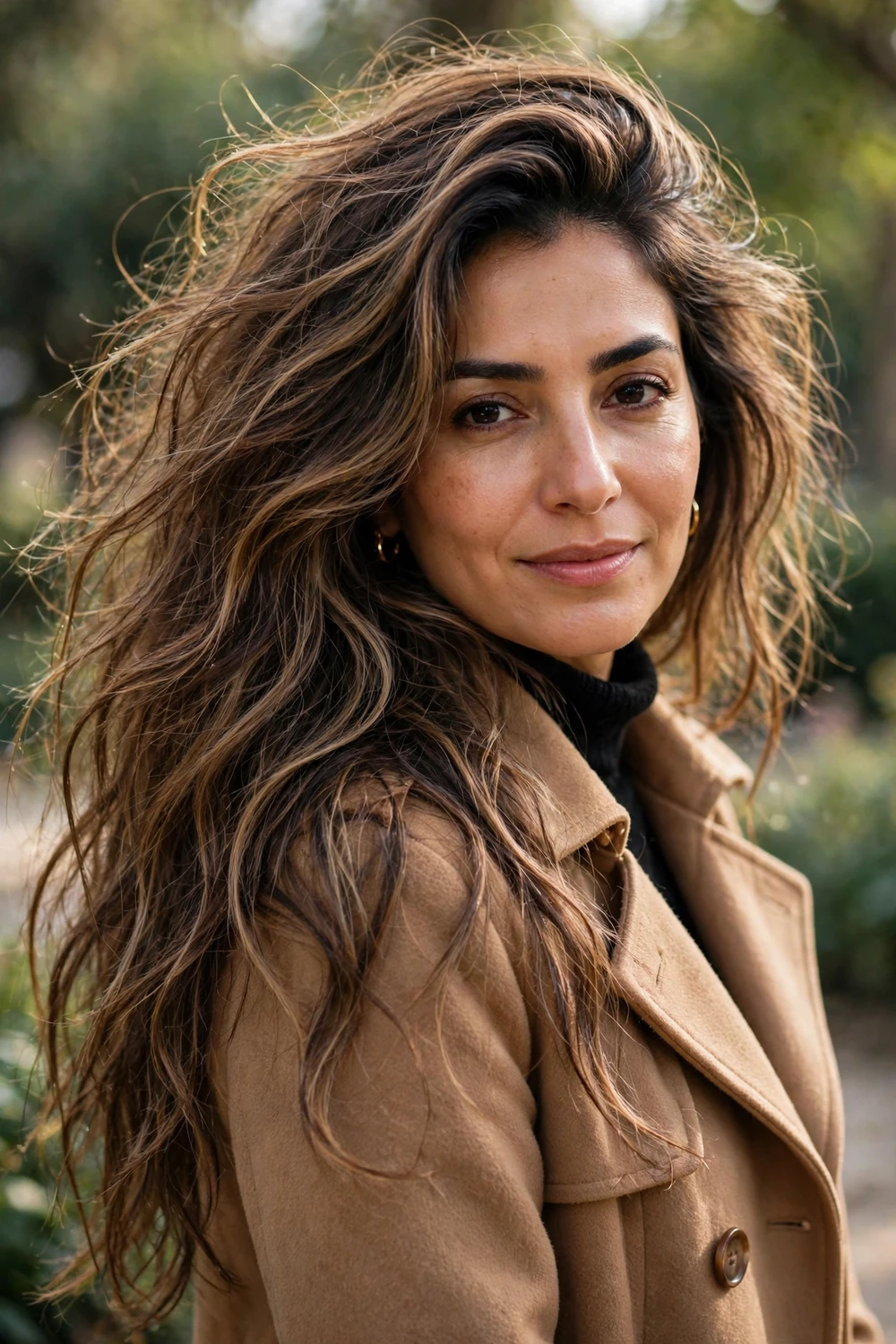
Light brown, medium brown, and dark brown ribbons are painted together so the hair reads as many tones at once, with no single highlight color dominating. Thick hair suits this especially well, since density gives the colorist more sections to vary, and mixed textures take the varied tones differently, adding to the effect. Bring reference photos, since this is a colorist’s showcase piece. Maintain it with a neutral gloss every 6 to 8 weeks, alternate moisturizing and protein masks, and use heat protectant before hot styling to preserve the tonal mix.
Try this: ask for three distinct ribbon tones (light, mid, dark) rather than a smooth gradient, for visible dimension.
Difficulty: Hard · Cost: $200–$300 (multi-tone balayage)
14. Rich Chestnut Waves
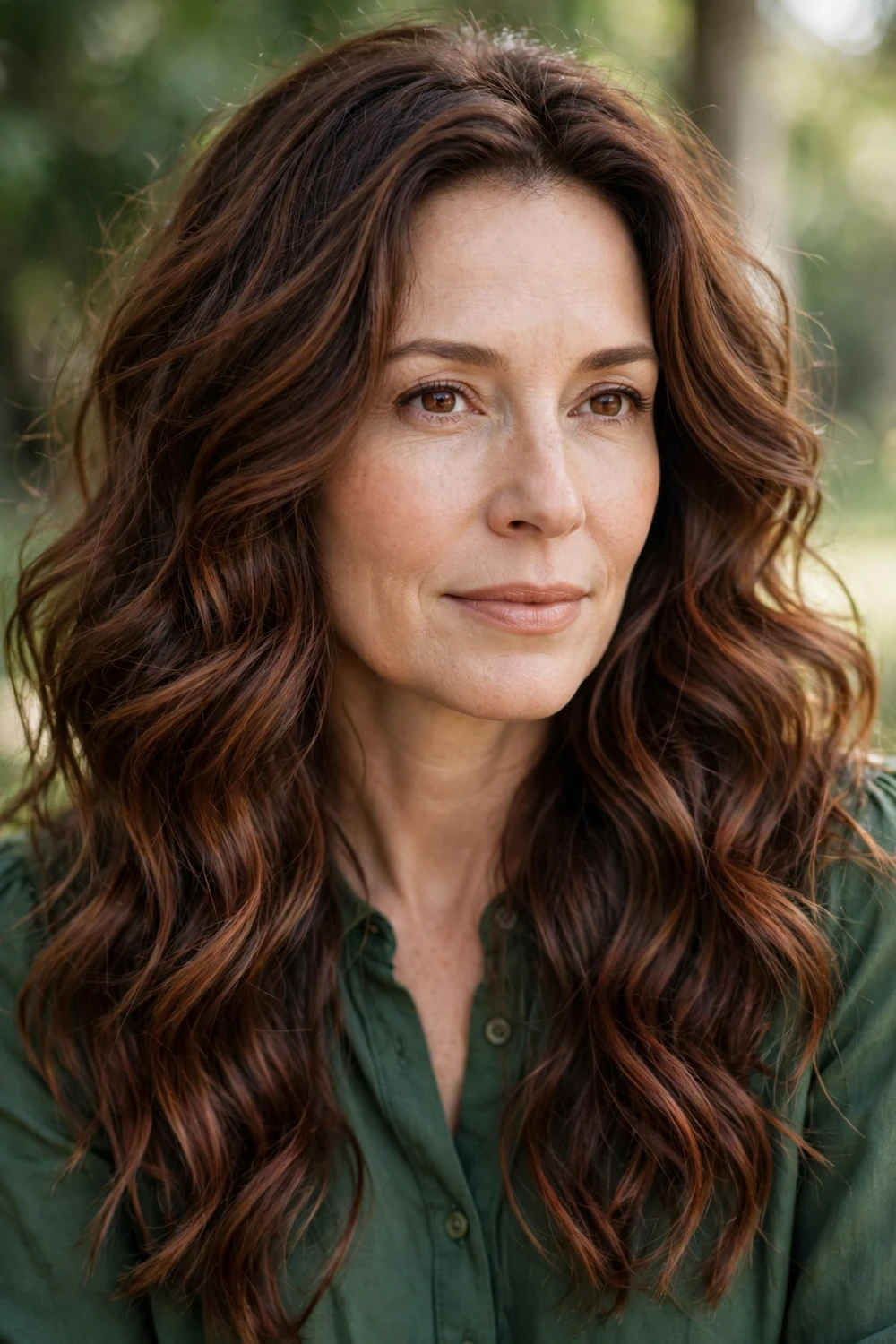
Chestnut sits between brown and red: warm reddish-brown ribbons painted through a chocolate base, styled in full waves. The red undertone glows under warm indoor lighting, where winter hair gets seen most, and it flatters medium skin tones and green or hazel eyes. The base stays dark enough that the chestnut reads as richness, not red hair, and most brunette bases reach it in one session. Keep the undertone alive with a chestnut or auburn gloss every 5 to 6 weeks, rinse in cool water, and apply heat protectant before the wand at a moderate temperature.
Try this: ask for extra chestnut pieces through the crown so the color shows even when hair is up.
Difficulty: Moderate · Cost: $160–$240 (balayage + warm gloss)
15. Subtle Winter Balayage
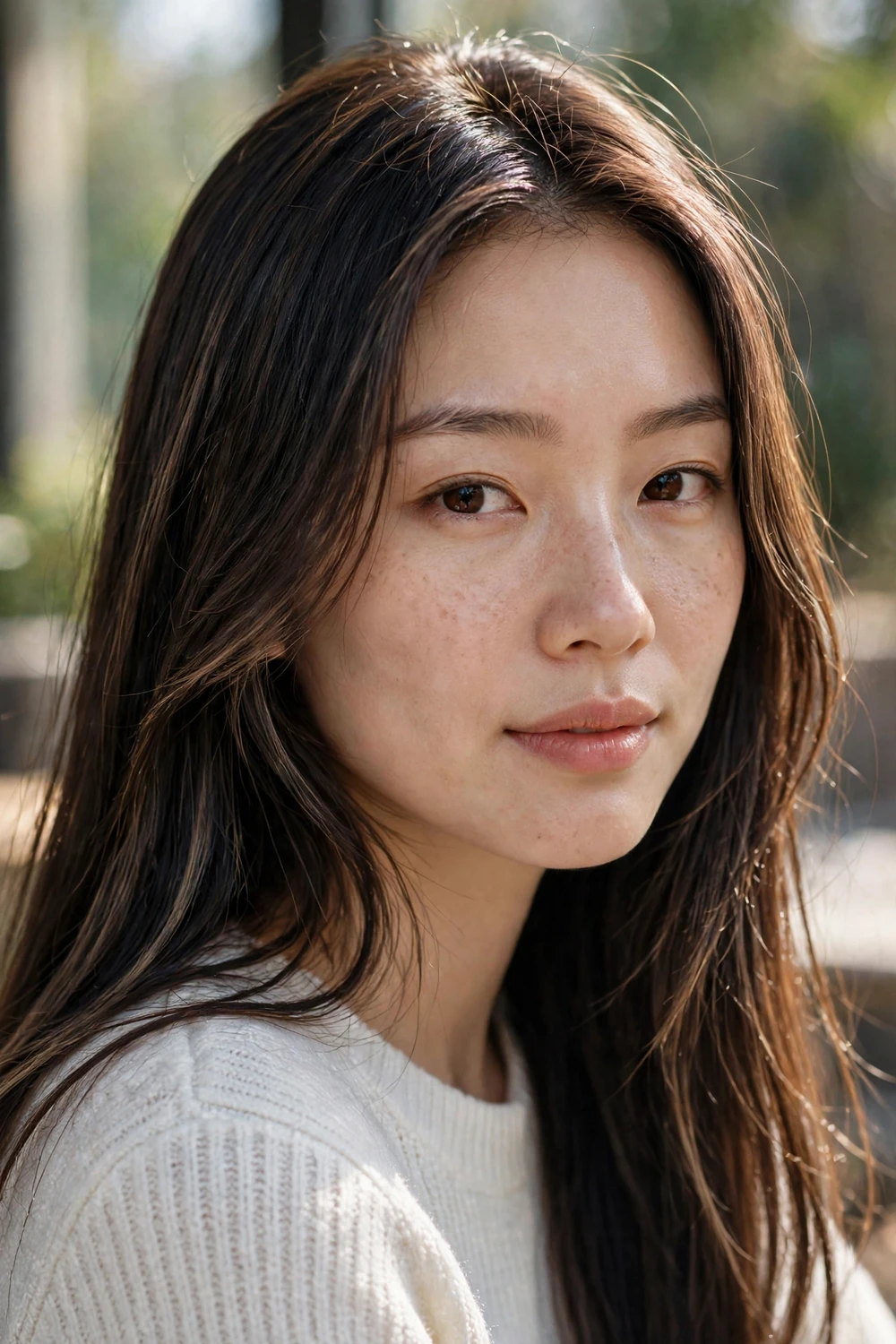
Barely-there brightness is the whole concept: fine pieces, one shade lighter than the base, scattered where light naturally hits. The result looks like good genes rather than a salon visit, suiting strict workplaces, recovering hair, and anyone testing balayage before committing. Maintenance is nearly zero: the pieces are so fine that regrowth never shows and toning is optional. Add a clear gloss twice a year for shine, revive faded pieces with a single toner appointment, and still use heat protectant, since even fine lifted pieces are more fragile than the base.
Try this: ask for babylight-fine pieces only, no chunky sections, for the most natural result.
Difficulty: Easy · Cost: $90–$150 (mini balayage)
16. Bronzed Balayage
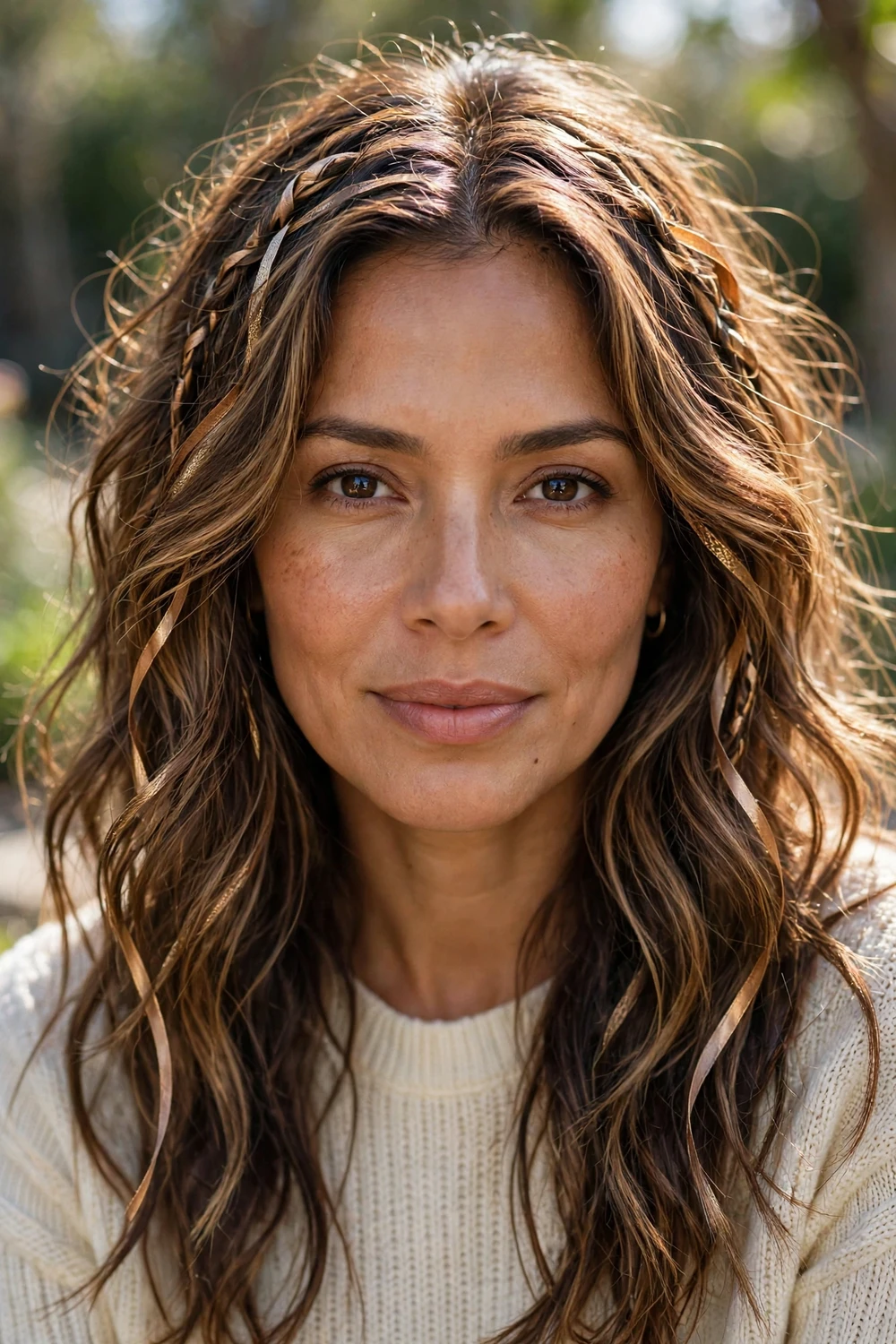
Bronze and gold ribbons weave through a mid-brown base, heaviest around the parting and face, thinning toward the back where the interior stays deeper. The bronze is metallic-warm without going orange, and it flatters warm and olive skin tones in particular. Tousled, undone waves suit it best: irregular texture forgives irregular placement, while a sleek blowout would expose every painted line. Keep the metallic warmth with a bronze-depositing gloss every 6 weeks, sleep on a satin pillowcase to preserve the texture, and use heat protectant before hot tools, since bronze dulls under high heat.
Try this: ask for the brightest bronze right at the temples, where it mimics how light hits the face.
Difficulty: Moderate · Cost: $170–$260 (balayage + bronze gloss)
17. Molten Bronze
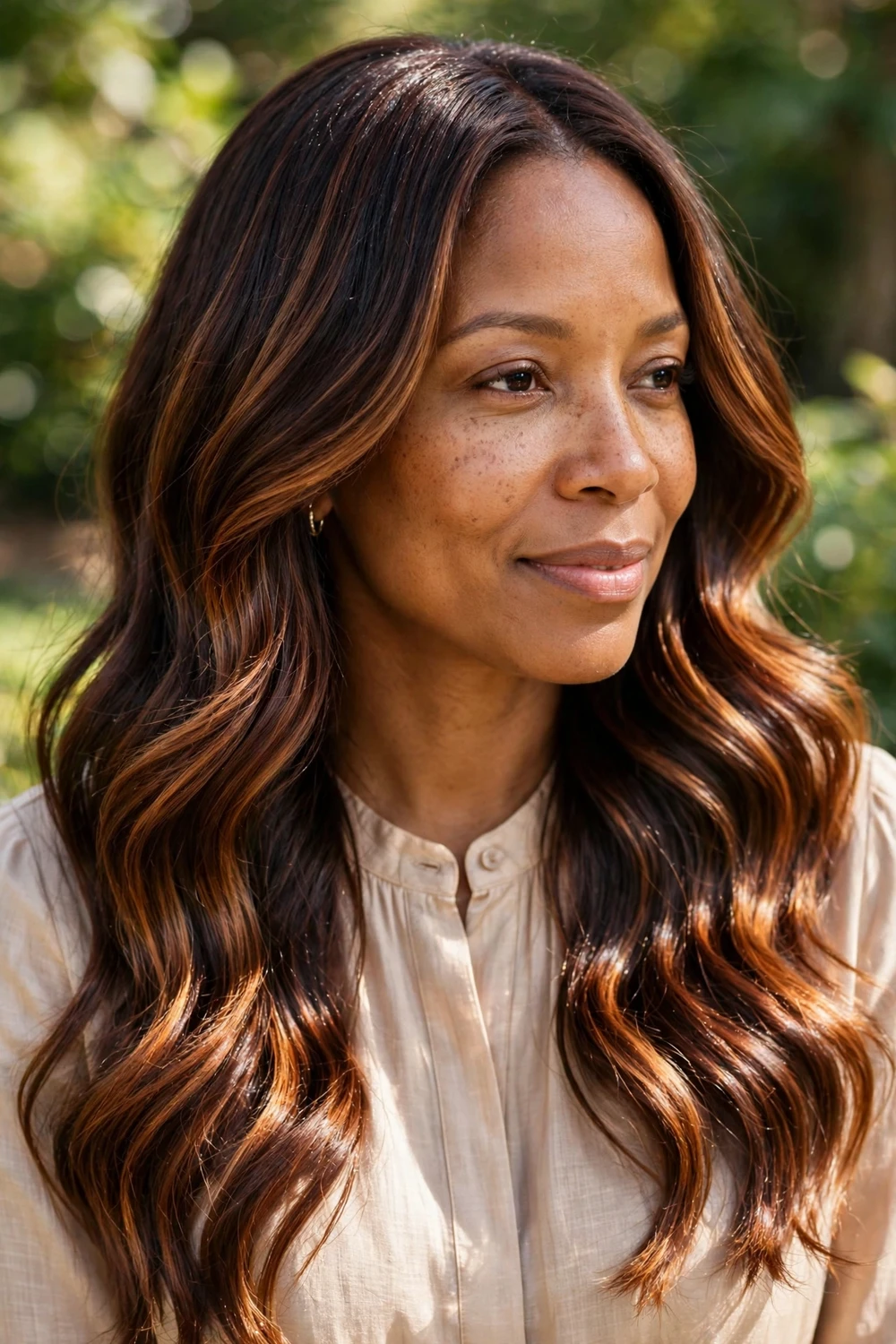
A deep, sultry brown base carries molten bronze shimmer through the lengths, painted in fluid vertical sections so it melts rather than stripes. The shimmer shifts as hair moves, which reads luxurious in a way flat color can’t, but it needs healthy, shiny hair: damaged ends scatter light and kill the metallic effect. Maintain it with a clear high-shine gloss every 5 weeks and weekly hair masks to keep the surface smooth. Always apply heat protectant, and finish styling with a light oil on the ends for extra reflectivity.
Try this: ask for the bronze painted in a V pattern (deeper at the roots, lighter at the tips) for a melting effect.
Difficulty: Moderate · Cost: $180–$270 (balayage + shine gloss)
18. Caramel Truffle
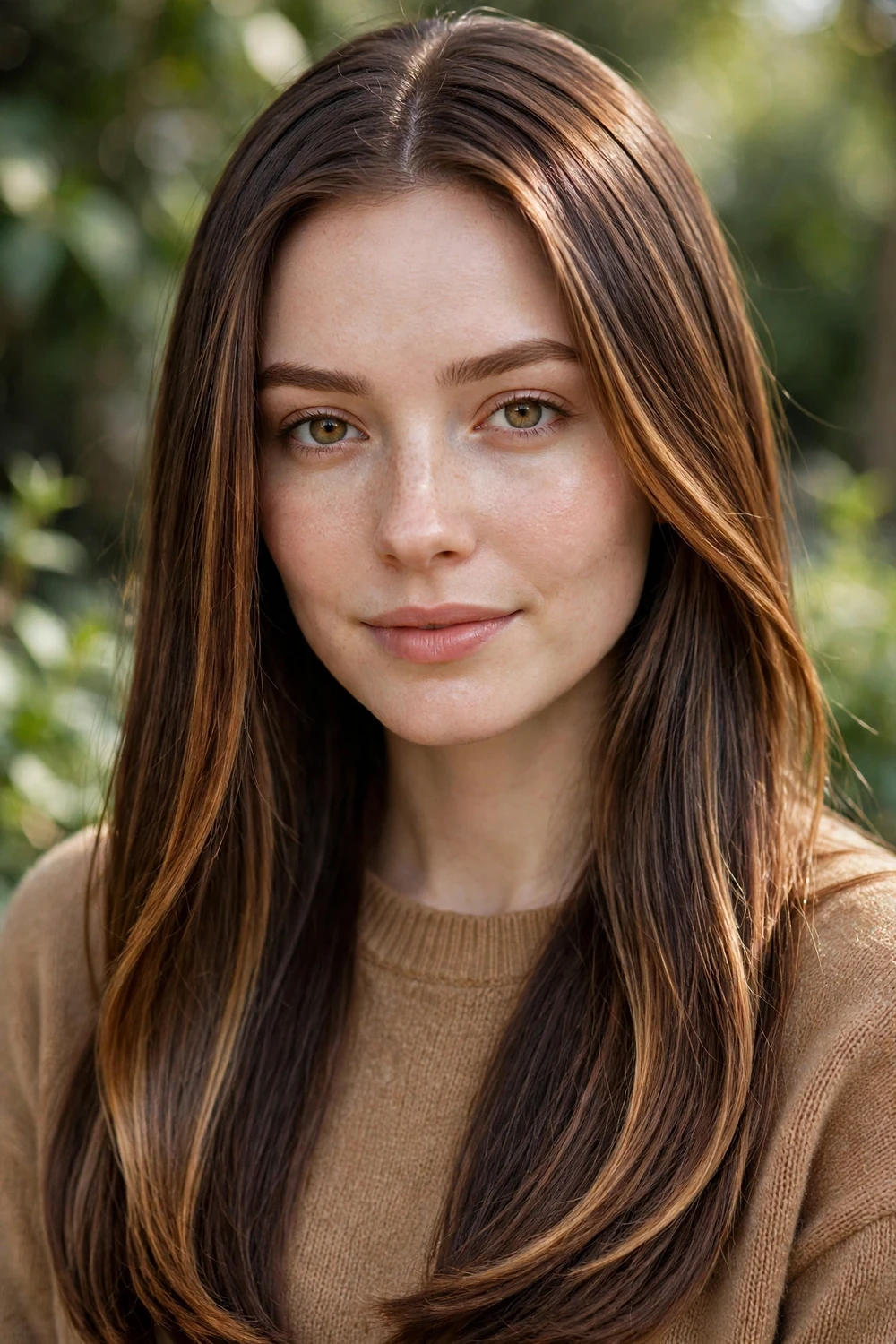
Rich chocolate brown swirled with warm caramel ribbons, sealed with a high-gloss finish. The caramel is painted in wide, soft ribbons rather than fine pieces, so the contrast shows without striping, and straight styling lets the ribbons lie flat and reflect light in clean bands. It is a warm, cozy color that sits well with winter wardrobes like camel coats and cream knits. Refresh the gloss every 5 to 6 weeks or the ribbons go dull, extend the warmth with a caramel-depositing conditioner, and use heat protectant before flat-ironing, since straight styles need heat and heat strips gloss.
Try this: ask for the widest caramel ribbons underneath and finer ones on the surface for layered depth.
Difficulty: Moderate · Cost: $180–$260 (balayage + gloss)
19. Honey Chestnut
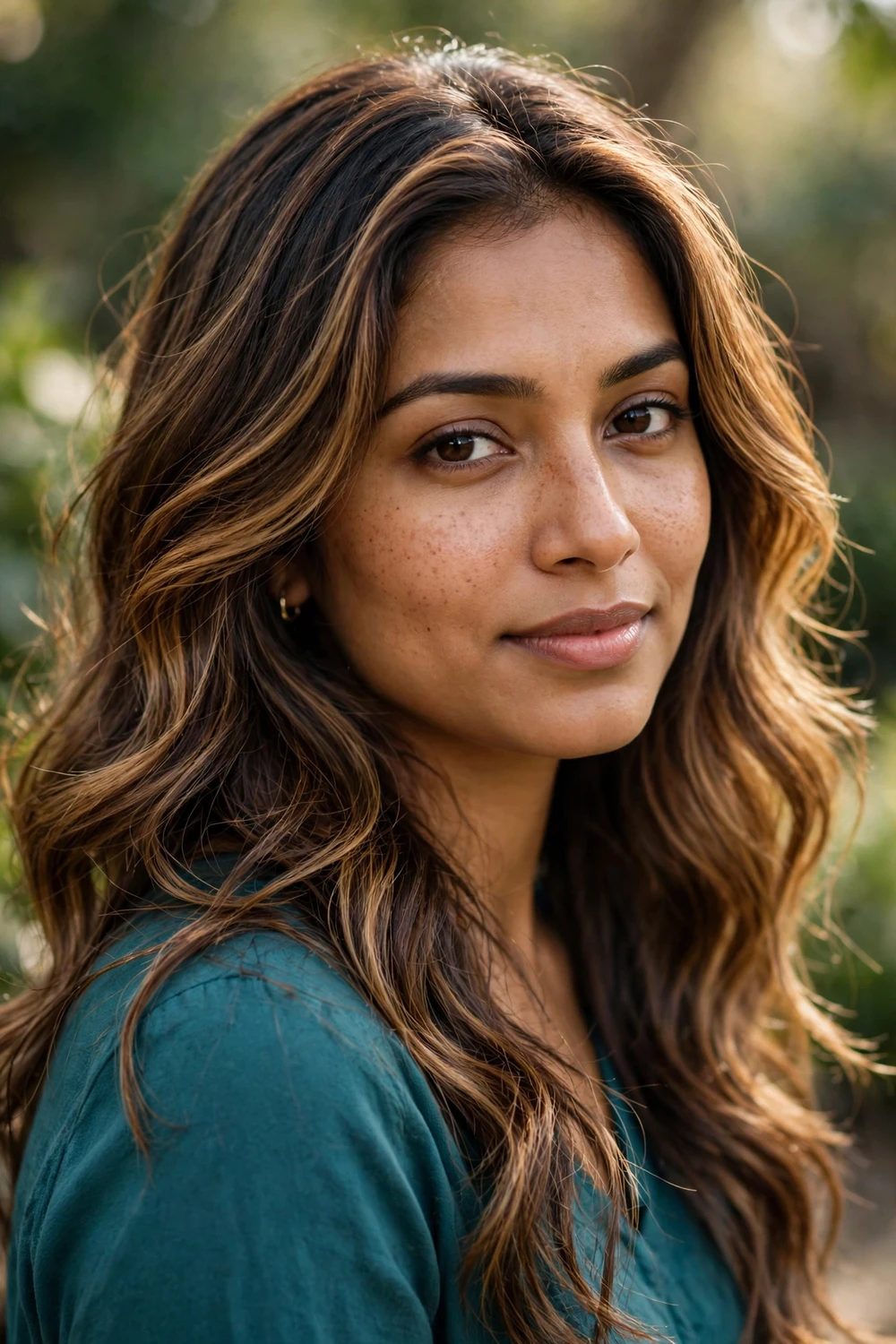
Golden honey highlights and chestnut brown lowlights are painted together, giving light and shadow in one appointment. The lowlights are the clever part: they add depth back in, keeping the honey from washing out and making the color look thicker, which suits fine hair well. Soft waves separate the two tones so each shows. Keep both tones balanced with a golden gloss every 6 weeks, alternating with a clear shine treatment to avoid over-depositing warmth, and apply heat protectant before curling, since the honey pieces dry faster than the lowlights.
Try this: ask for the chestnut lowlights woven closer to the roots and the honey higher toward the ends.
Difficulty: Moderate · Cost: $170–$250 (balayage + lowlights)
20. Teddy Bear Brown
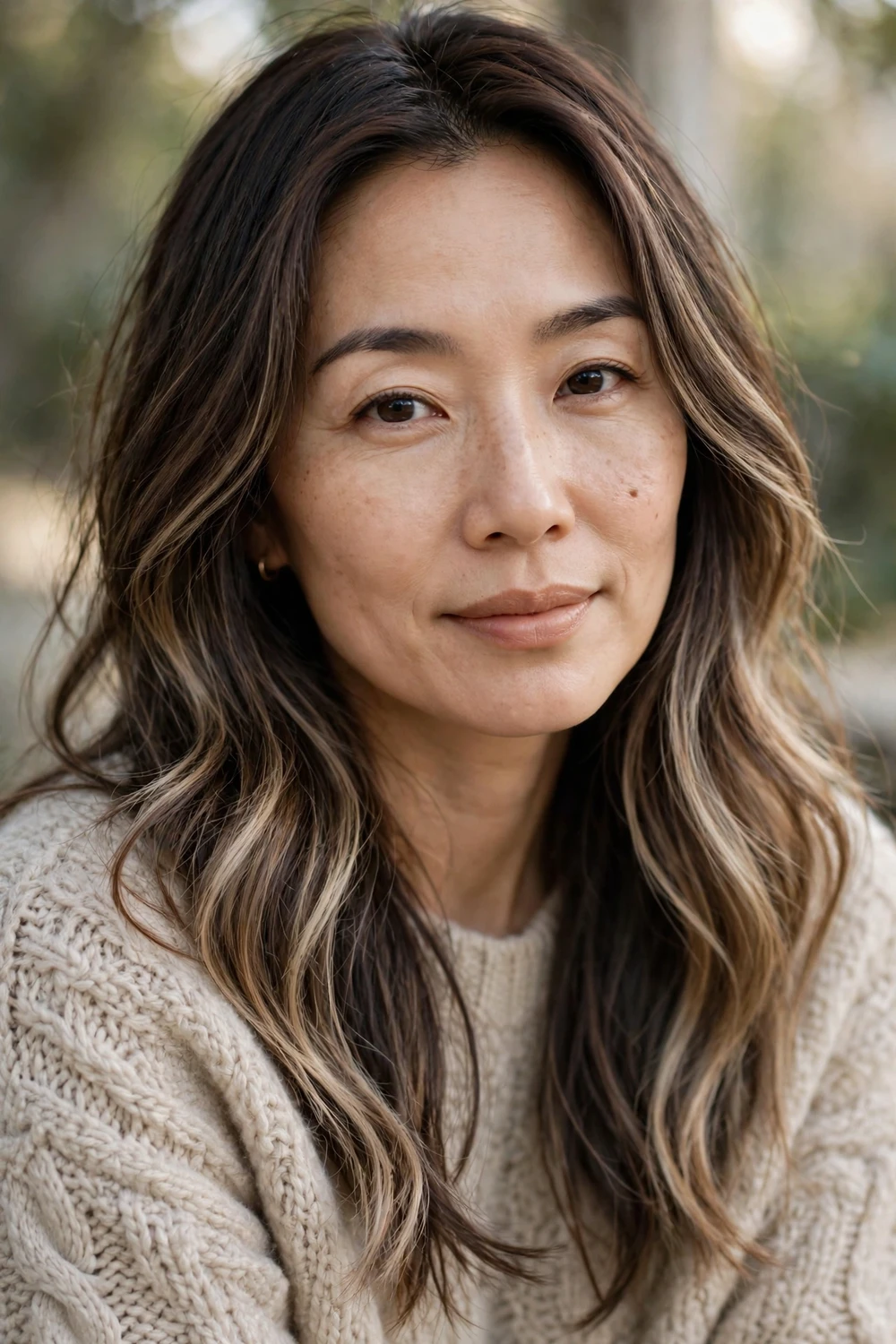
Mocha roots wrapped with creamy beige accents give this look its cozy name. The beige pieces stay soft and muted, never bright, so the overall effect is warm rather than highlighted. It flatters fair to medium skin tones and suits straight or loosely waved hair, where the creamy accents read as a soft halo. The muted tones make the grow-out nearly invisible, since nothing is high-contrast. Keep the creaminess with a beige-toned gloss every 6 to 8 weeks, use purple shampoo just once a month, and apply heat protectant before styling, as the beige pieces are the most fragile part.
Try this: ask for the beige accents painted with a soft, diffused edge so they blur into the mocha.
Difficulty: Easy · Cost: $150–$230 (soft balayage)
21. Cookie Butter Balayage
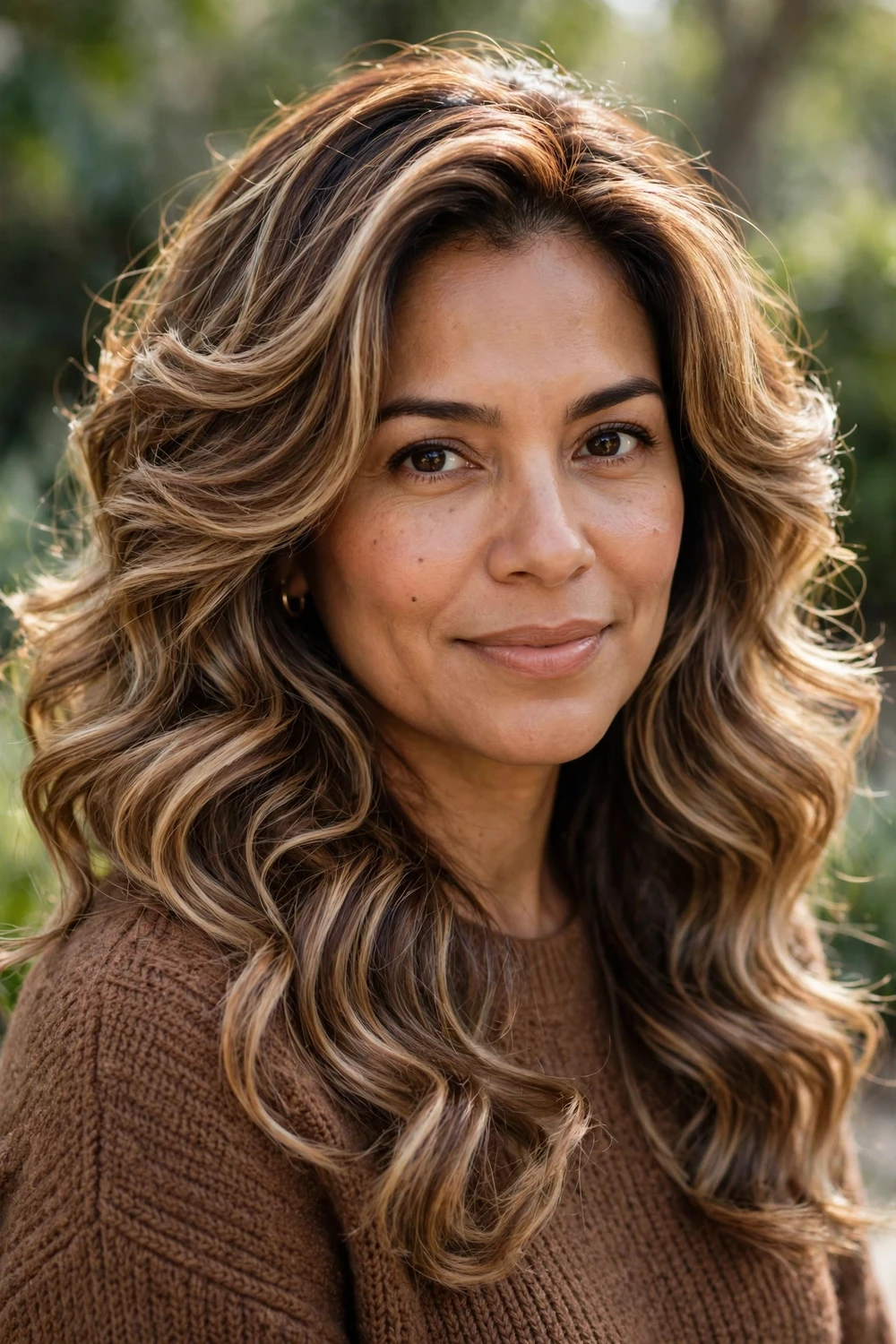
Creamy caramel, buttery beige, and soft warm browns swirl together through a brunette base, melting into each other with no hard edges. The three warm tones keep the color interesting from every angle, and the overall warmth flatters winter-pale skin. It suits medium brunettes best, since very dark bases need significant lifting to reach the buttery tones. Loose waves or a bouncy blowout show the swirl best. Maintain it with a warm golden gloss every 5 to 6 weeks, deep-condition weekly since beige requires real lift, and apply heat protectant before the round brush or iron, because the lightest swirls are the most heat-sensitive.
Try this: ask for the beige concentrated at the ends and the caramel higher up, so the color deepens toward the roots.
Difficulty: Moderate · Cost: $180–$270 (multi-tone balayage)
22. Lived-In Espresso Ribbons
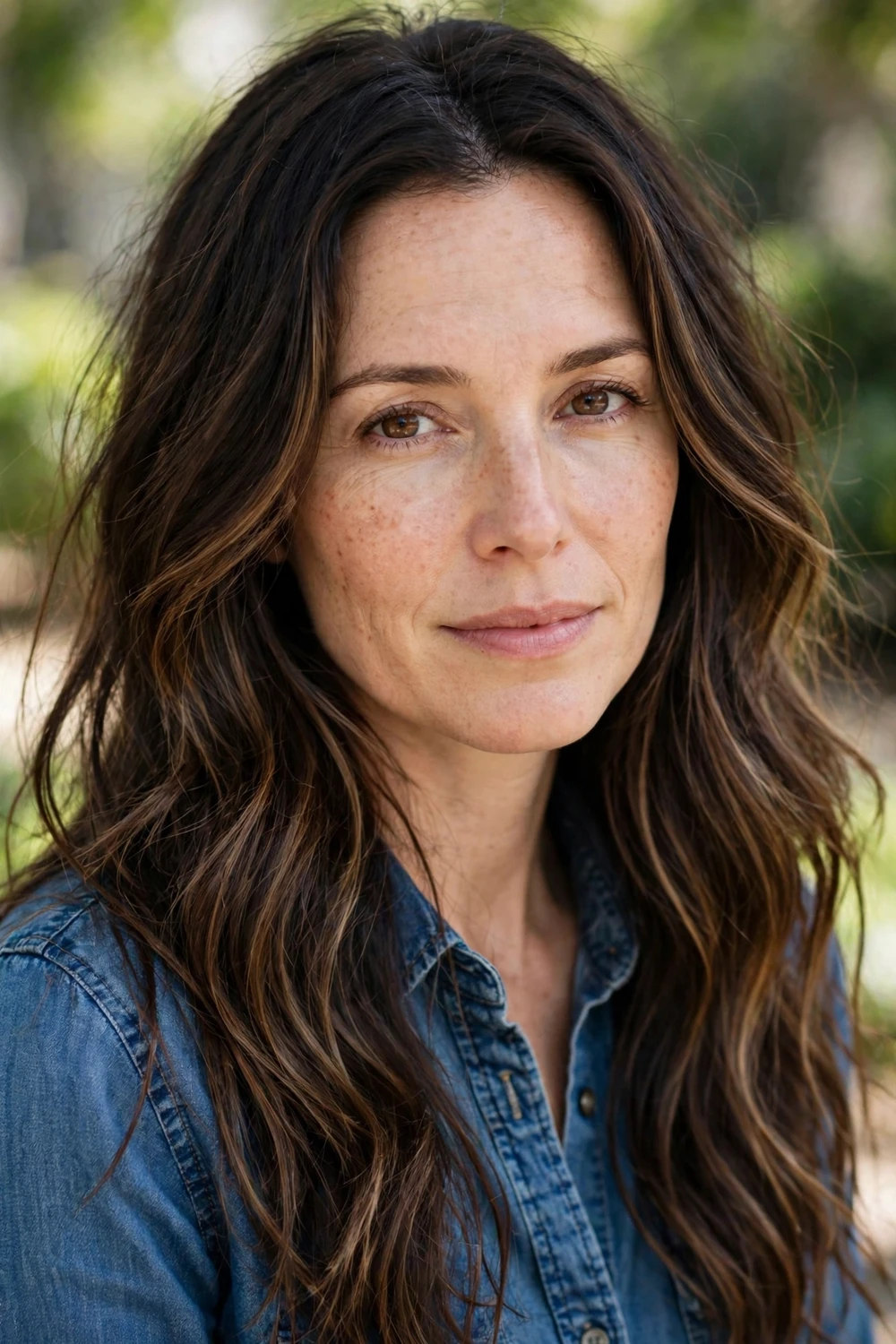
Espresso ribbons are painted onto the natural root with no lightening at the crown, so the color looks grown-in from day one. The ribbons lift just enough to read as dimension against the dark base, and untouched roots stretch touch-ups to 12 weeks or more. This is the lowest-maintenance real balayage on the list and the kindest to hair health, since the crown never sees lightener. A clear gloss every 8 to 10 weeks is the only real upkeep, toning is optional, and heat protectant covers the styling the ribbon sections still get.
Try this: ask for the ribbons spaced wider apart than usual, so each one reads as a deliberate accent.
Difficulty: Easy · Cost: $130–$200 (ribbon balayage)
23. Caramel-Tipped Brunette Balayage
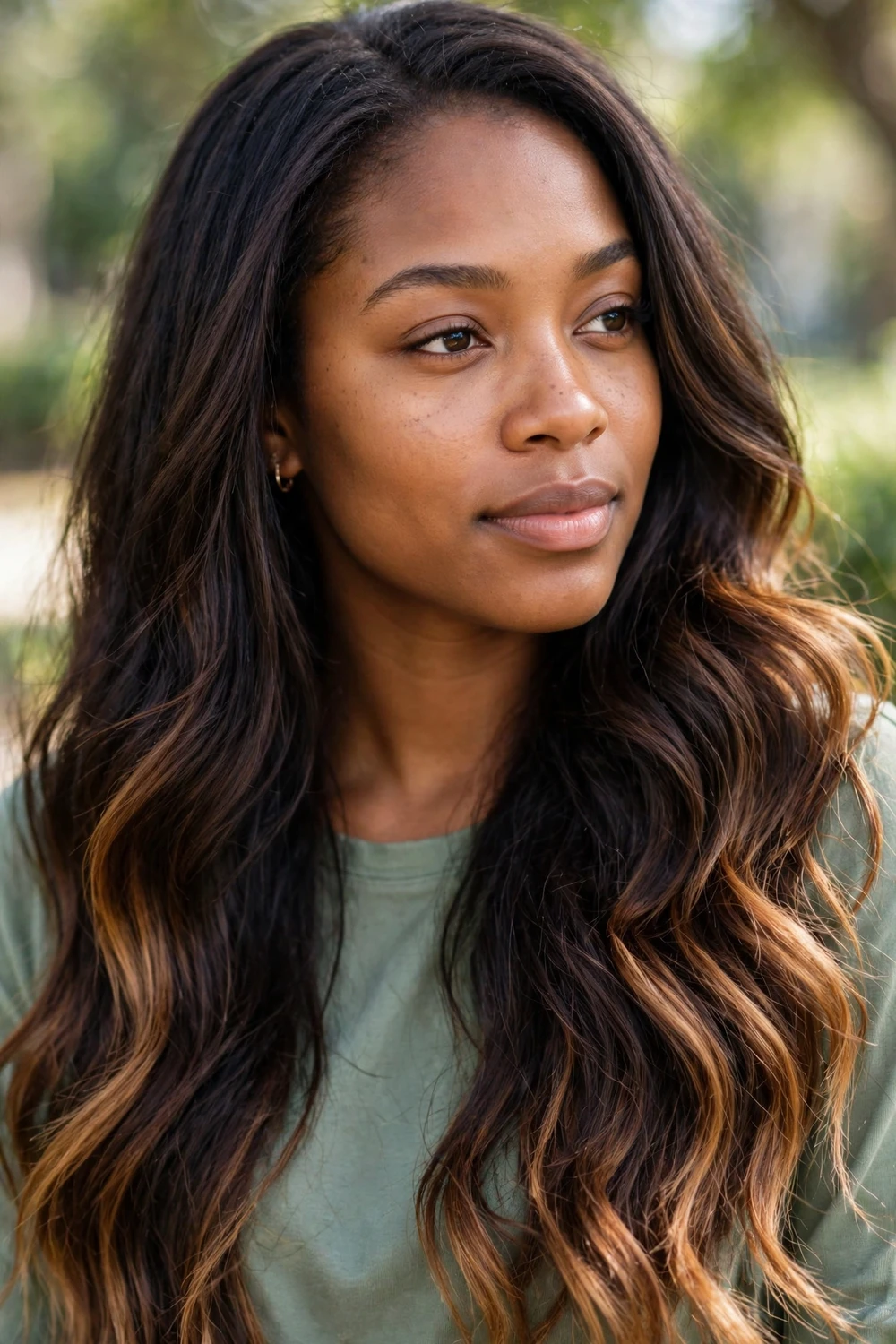
All the caramel lives at the ends: the top two-thirds stay a deep, untouched brunette while the last few inches glow caramel. The concentrated placement reads modern and deliberate, keeps the hair around the face dark (which suits strong features), and survives months of growth without looking neglected. Long hair carries this best, since the tips need length to make an impact. Maintain it with a caramel gloss every 6 weeks, trim the fragile ends every 8 weeks, and apply heat protectant before styling the tips, since they take the most heat.
Try this: ask for the caramel feathered upward in a few face-framing pieces so the tips don’t look disconnected.
Difficulty: Easy · Cost: $120–$190 (tip balayage)
Dark bases that love contrast can also pull off these black hair with brown highlights, which use a similar dark-to-light placement.
24. Toasted Marshmallow Brunette Balayage
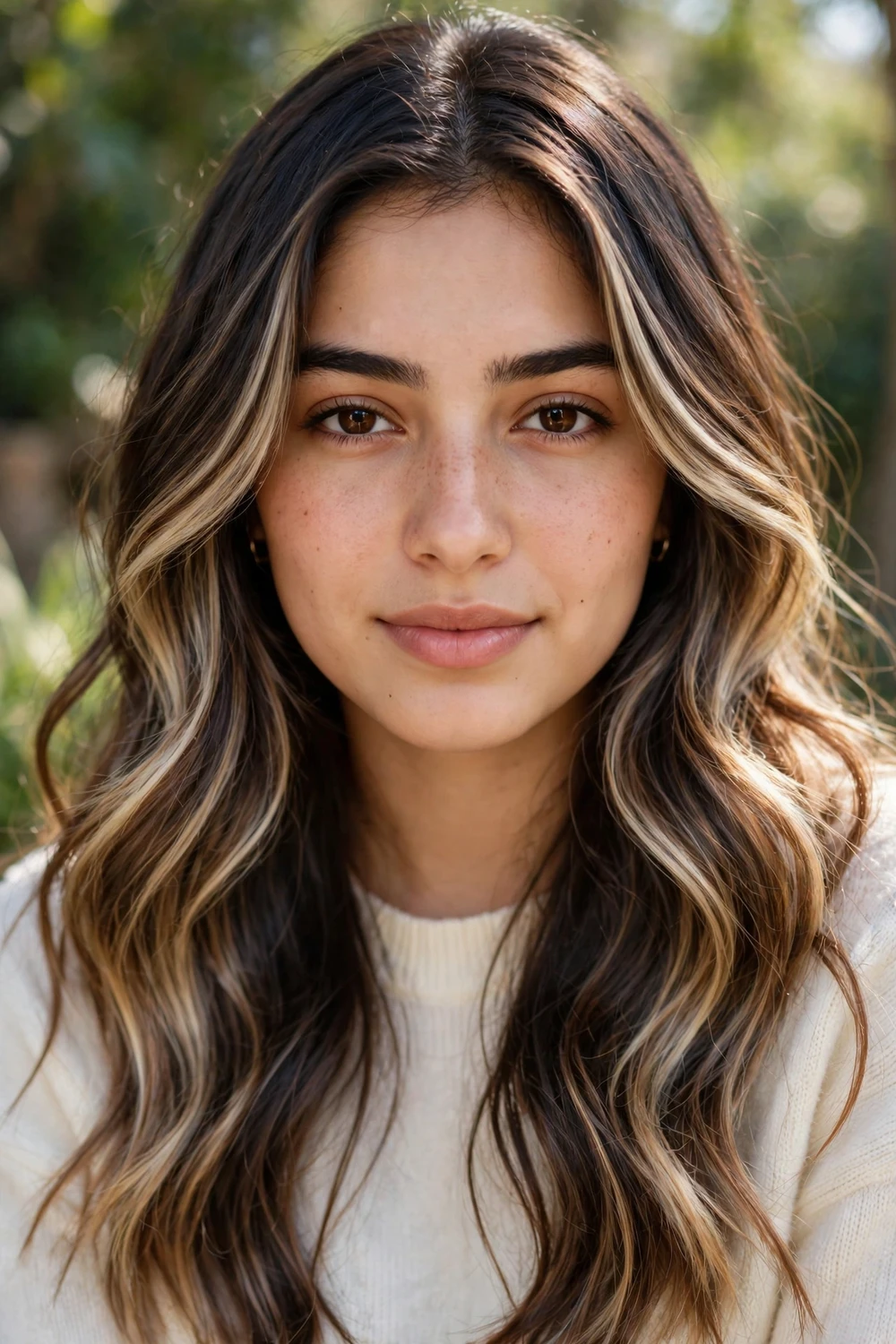
Creamy marshmallow highlights with golden, toasted edges are painted through a deep brown base. The centers of the pieces stay creamy-pale while the edges carry a kiss of gold, giving the color a glow that flat blonde can’t match. This is a high-lift look on dark hair, so it needs healthy ends and a colorist comfortable with controlled lightening. Keep the centers bright with purple shampoo weekly and a pearl gloss every 5 weeks, add bond-building treatments after the appointment, and keep hot tools moderate with heat protectant always on, since pale lifted ends are fragile.
Try this: ask for the toasted gold painted slightly warmer than the centers, so the two tones read as one gradient.
Difficulty: Hard · Cost: $220–$320 (high-lift balayage + pearl gloss)
25. Dark Roast Balayage
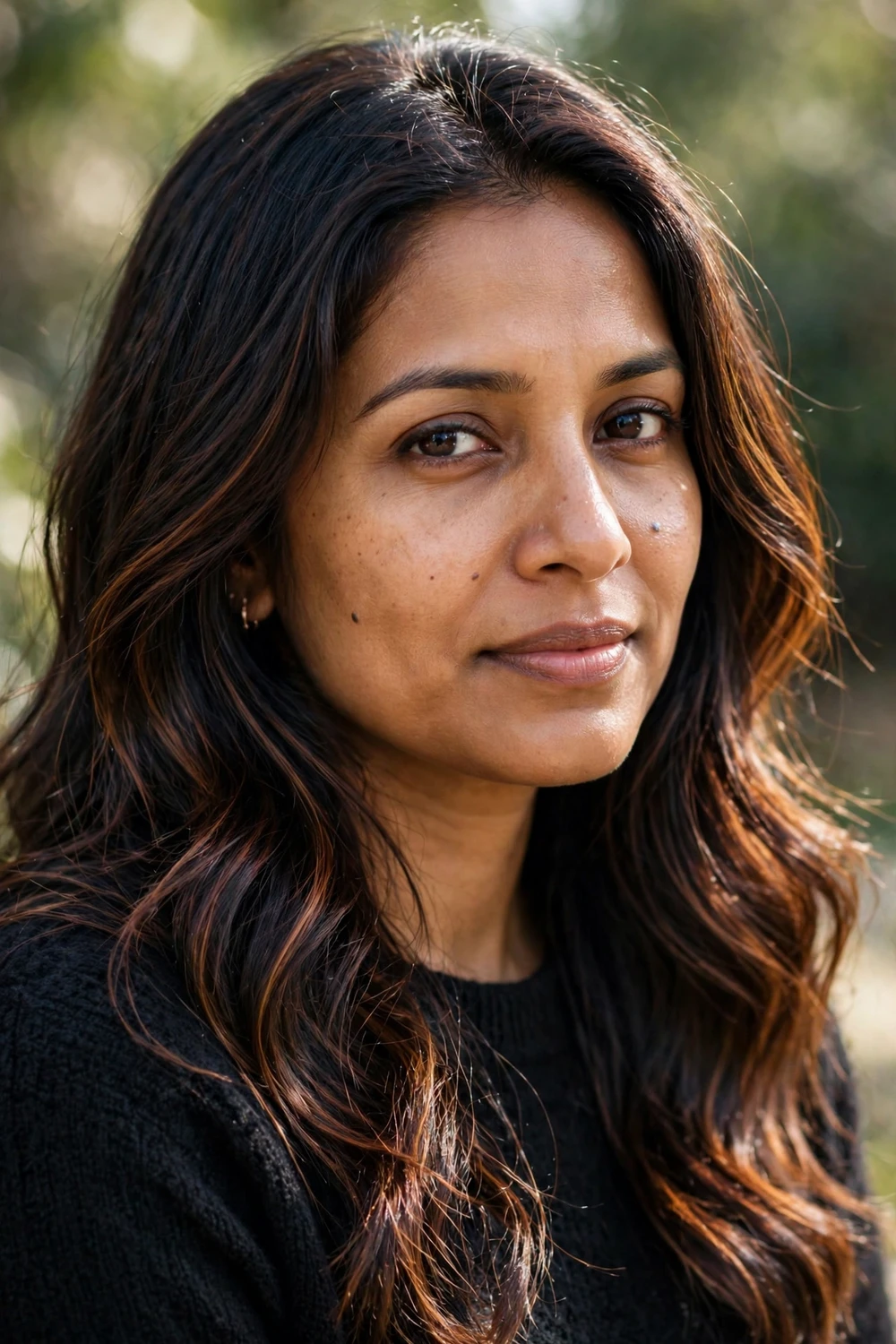
A near-black base carries dark roasted tones: deep coffee browns with hints of roasted copper that only show when light hits. This is the darkest balayage on the list, built for brunettes who want dimension without visible lightness. The roasted copper keeps it from reading flat black and shows well in winter’s low light. It needs almost no lifting, making it the healthiest high-impact option here. Maintain it with a copper-brown gloss every 6 to 8 weeks, wash with color-safe shampoo in lukewarm water, and use heat protectant before styling, since even minimal lift is still processed hair.
Try this: ask for the copper painted on the surface sections only, so the depth stays dark underneath.
Difficulty: Easy · Cost: $140–$210 (dark balayage + gloss)
26. Chai Latte Balayage
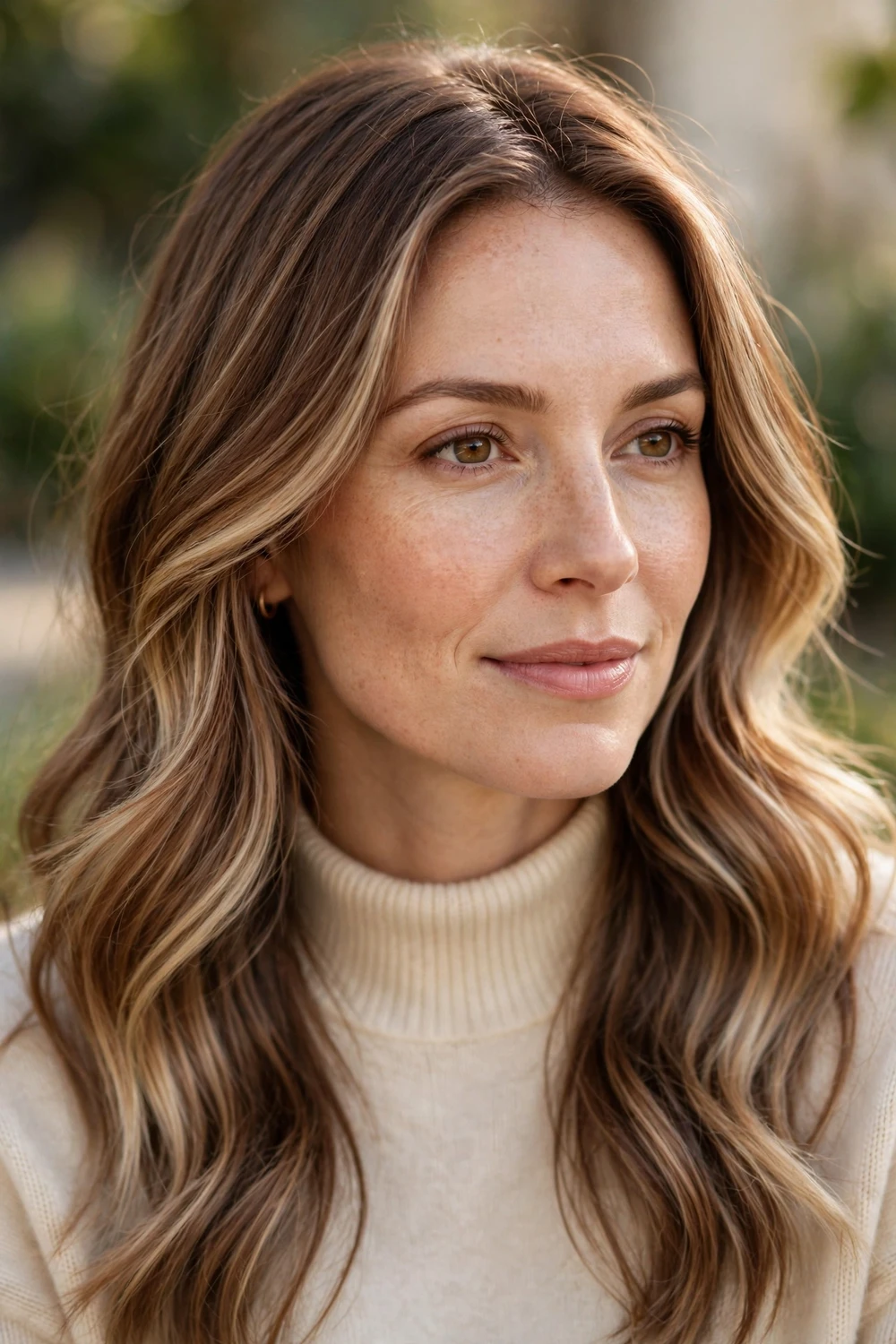
Warm spiced browns, cinnamon ribbons, and milky beige tones blend through a medium brunette base. The cinnamon adds gentle red warmth without committing to copper or red, and the milky beige keeps it soft. This suits medium brown hair and warm skin tones, feels seasonal without being a costume, and hides regrowth well because nothing is high-contrast. Maintain it with a cinnamon-warm gloss every 6 weeks, alternating with a clear gloss if warmth starts building up too much, and apply heat protectant before styling, since the cinnamon ribbons are lifted and vulnerable to heat fade.
Try this: ask for the milky beige pieces near the face and the cinnamon deeper in the lengths for a balanced blend.
Difficulty: Moderate · Cost: $160–$240 (balayage + warm gloss)
How to Choose the Right Winter Balayage for Your Brunette Base
Start with your natural level, not the photo. Level 3 to 4 (dark brown to near-black) hair reaches warm tones like caramel, copper, and chestnut in one session, but needs two sessions for ash or platinum. Level 5 (medium brown) lifts to honey, beige, and bronze easily. Bring photos of your hair in natural light, not filtered selfies, so the colorist sees your real base.
Match the tone to your skin’s undertone: cool skin takes ash, platinum, and mushroom tones cleanly, while warm skin takes honey, copper, and caramel without clashing. Neutral skin can wear either. Ask your colorist three questions before booking: how many levels will this lift the hair, what toner will keep it from going brassy, and what will it look like at week ten? Avoid any plan that needs re-lightening sooner than 8 weeks, avoid skipping the gloss appointment, and avoid washing with hot water daily, since heat and harsh shampoo fade toner fastest.
| Balayage idea | Contrast level | Tone family | Gloss refresh | Salon cycle |
|---|---|---|---|---|
| Brunette to Ash Blonde | High | Cool | Every 5–6 weeks | 10–12 weeks |
| Dimensional Warm Highlights | Low | Warm | Every 6–8 weeks | 12 weeks |
| Icy Platinum on Brunette | Very high | Cool | Every 4–5 weeks | 8–10 weeks |
| Honey Brown Sombre | Low | Warm | Every 6 weeks | 12 weeks |
| Crimson Red on Dark Brown | High | Warm red | Every 5 weeks | 10 weeks |
| Molten Bronze | Medium | Warm metallic | Every 5 weeks | 10–12 weeks |
| Lived-In Espresso Ribbons | Low | Neutral | Every 8–10 weeks | 12+ weeks |
| Toasted Marshmallow | High | Warm neutral | Every 5 weeks | 10 weeks |
FAQs
Does balayage work on dark brown hair in winter?
Yes, and winter is a good season for it. Balayage keeps your natural dark base and adds light through the mid-lengths and ends, so the color keeps its depth in low winter light. Dark hair lifts to warm tones (caramel, honey, copper) in one session; ash and platinum tones usually need two sessions on very dark bases.
How do you stop brunette balayage from going brassy in winter?
Use purple shampoo once a week for cool tones or blue shampoo every other week for ash browns, and book a toner or gloss refresh every 5 to 6 weeks. Wash in lukewarm water instead of hot, use color-safe shampoo, and apply heat protectant before every hot tool, since heat fades toner and pushes lifted hair toward orange.
How often should you get a gloss on brunette balayage?
Every 5 to 8 weeks, depending on the tone. Cool and red tones fade fastest and need gloss at 4 to 5 weeks; warm caramel and honey tones hold to 6 weeks; subtle or lived-in looks can stretch to 8 to 10 weeks. A gloss costs $45 to $85 and keeps the color clean without re-lightening.
How long does brunette balayage take and what does it cost?
A full balayage takes 2.5 to 4 hours and costs $160 to $320 depending on hair length and contrast. Partial or face-frame balayage takes 1.5 to 2 hours and costs $110 to $220. High-lift looks like platinum or toasted marshmallow on dark hair may need two sessions. Most looks need a full re-do every 8 to 12 weeks.
Will balayage damage dark hair?
Any lightening causes some stress, but balayage is gentler than all-over bleach because the roots and crown stay untouched. Keep damage low by choosing a look that lifts only 1 to 2 levels, asking for bond-building treatments during the appointment, deep-conditioning weekly at home, and always using heat protectant before hot tools.
Final Thoughts
Winter balayage on brunette hair works because it respects the base. Keep the roots dark, paint light where winter light hits, and maintain the tone with gloss instead of re-lightening. Pick the contrast level that matches your maintenance tolerance: low-contrast ribbons for a quiet season, high-contrast ash or platinum if you want the drama and don’t mind the toner appointments.
Heading to a holiday party? These christmas hairstyles for women show 57 ways to style your fresh balayage, from glam waves to festive updos.
For more hair color inspiration across every season, start at the PrimeHairPicks homepage and explore the color galleries.
