


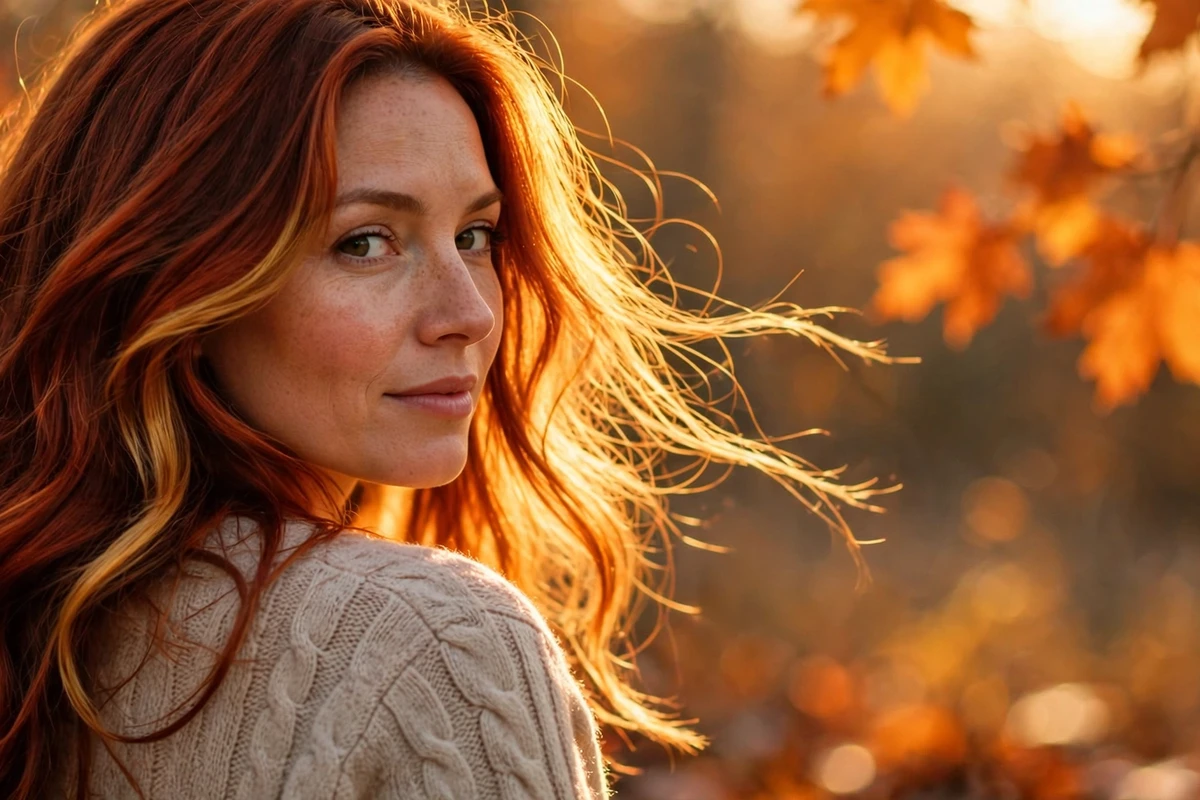
Fall hair colors are all about going deeper, warmer, and richer as the season changes. This guide rounds up 21 fall hair color ideas, from warm coppers to deep burgundies, with guidance on picking the right shade for your skin tone and maintenance level.
I pay extra attention to fall shades because they are the most wearable of the year. Use this list to find the one that fits your base, your budget, and how often you want to visit the salon.
Copper leads the fall lineup most years. Our copper hair guide walks through the shade spectrum, who it suits, and how to get it at the salon or at home.
Quick answer: This guide covers the best styles, who they suit, and how to get them right.
Quick Takeaways
- Fall favors warm, deep shades like copper, auburn, chestnut, and burgundy.
- Match your shade to your skin undertone: warm shades flatter warm skin, cool shades flatter cool skin.
- Low-maintenance picks include balayage, root melts, and demi-permanent brunettes.
- Copper and red tones fade fastest, so plan a gloss refresh every 4 to 6 weeks.
- Do a patch test before any new color, and see a professional colorist for major changes.
Why Fall Is the Season for Rich Color
Summer sun lifts and lightens hair whether you want it or not. Fall is when you take control back, replacing faded ends with intentional, rich tone.
Deeper shades also flatter fall wardrobes and lower light. Warm tones add glow to the skin when daylight gets shorter. A gloss finish seals the cuticle and makes even older ends look healthy again.
Choosing Your Fall Shade
Start with your skin undertone. If your veins look green and gold jewelry suits you, warm shades like copper, caramel, and chestnut will flatter you most. If your veins look blue and silver suits you, cool shades like ash blonde and mushroom brown are the safer pick.
Next, think about maintenance. Single-process brunettes and balayage with a root melt grow out softly and need salon visits every 10 to 16 weeks. Bright coppers and reds need a gloss or toner every 4 to 6 weeks to stay true.
Finally, be honest about your starting base. Going more than two or three levels lighter usually needs professional lightening, and going much darker can look harsh if the undertone is wrong. For any major change, book a consultation with a professional colorist first.
For more warm red inspiration, take a look at copper hair color ideas, which covers copper shades in every depth.
1. Cinnamon Auburn
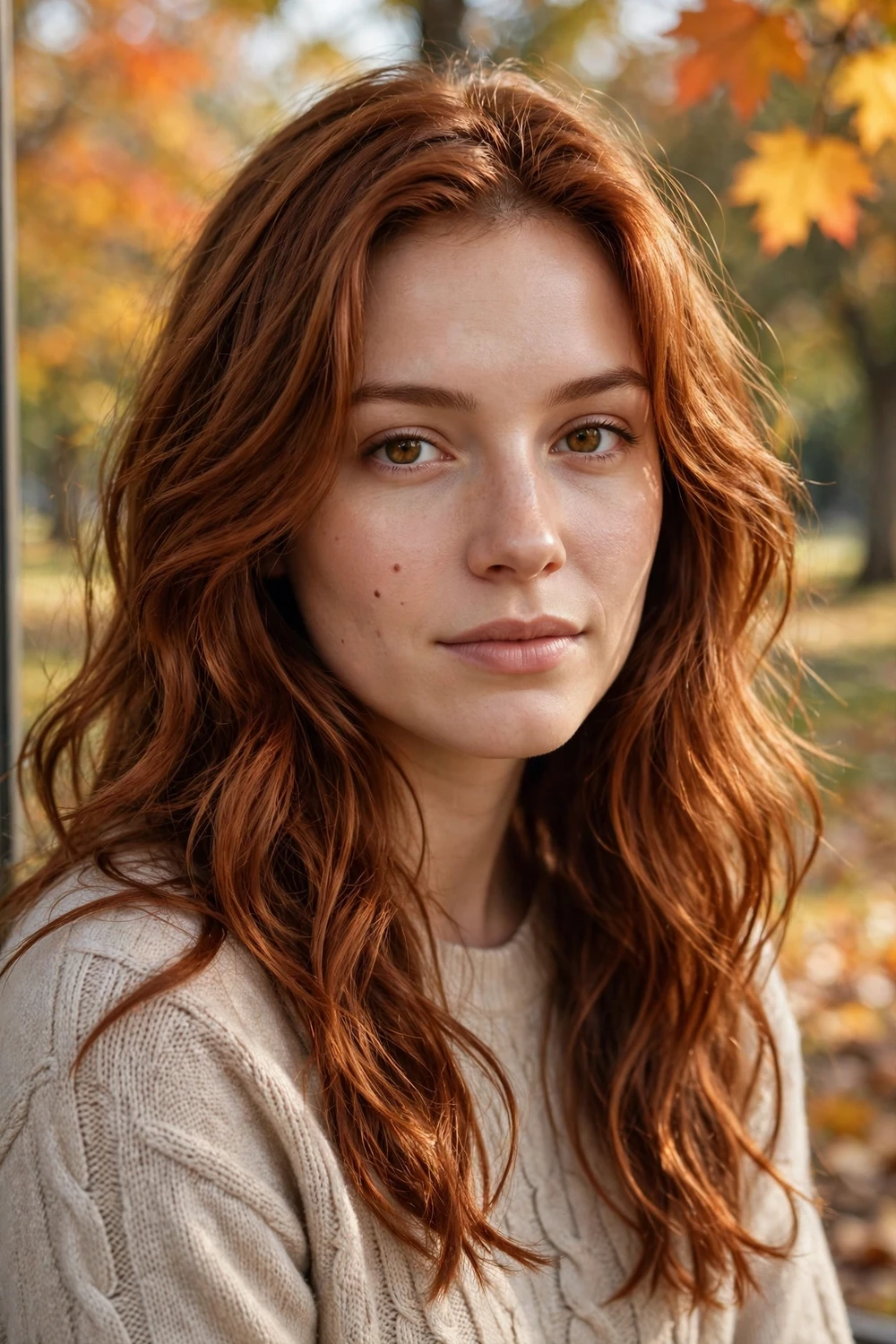
Cinnamon auburn blends warm copper and soft brown into a shade that flatters most skin tones. The copper brings warmth and shine, while the brown base keeps it grounded and easy to wear every day. It looks especially good in natural daylight, where the red undertones glow. This shade suits medium and dark brown bases best, since the color can be deposited without lifting. The formula is flexible too: your colorist can lean it more copper for warmth or more brown for depth, depending on what your skin tone handles best.
Try this: ask your colorist for a level 5 to 6 base with copper and mahogany reflects for a balanced, salon-quality result.
2. Maple Auburn

Maple auburn takes the same red-brown family and goes deeper, with a dark golden undertone that looks warm and glossy in the light. It is a good choice when you want the warmth of copper without the brightness. The shade works best on naturally dark brown hair and adds dimension with a single color process. Because it sits close to natural brunette levels, regrowth blends easily and the maintenance stays low.
If you love these auburn-leaning shades, auburn fall hair colors rounds up 30 seasonal ideas, from cinnamon and maple to deep garnet and smoked auburn.
Try this: keep the formula cool-neutral in the mid-lengths and concentrate the maple warmth around the face for brightness.
3. Espresso Brunette
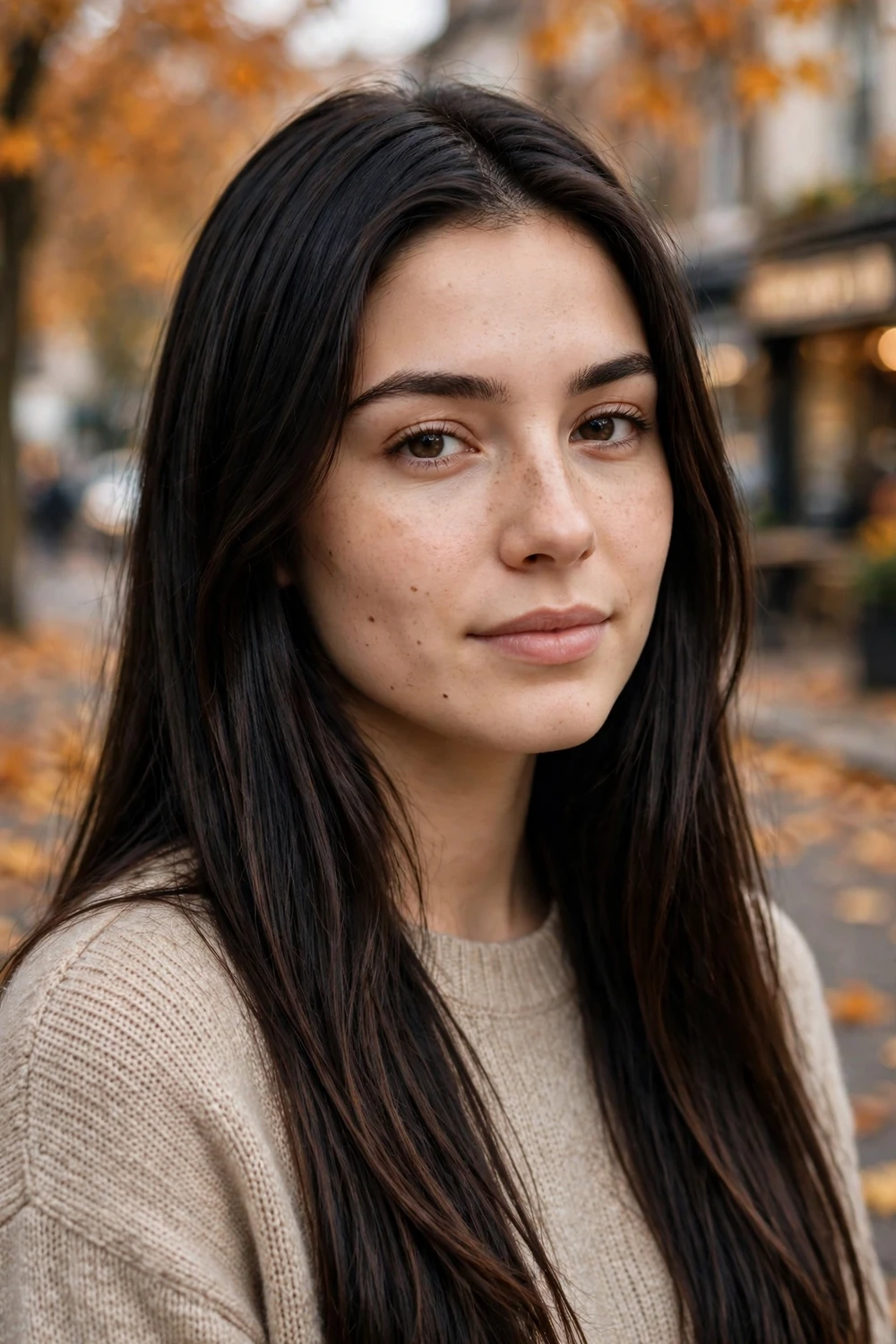
Espresso brunette is a near-black brown with cool depth and a high-gloss finish. If you want one shade that makes hair look thicker and healthier instantly, this is a strong pick. It suits fair, medium, and deep skin tones equally well because the cool base does not pull orange. A demi-permanent formula works for most people and avoids harsh regrowth lines. It also grows out cleanly when done as a demi-permanent color, since the tone fades instead of leaving a harsh line at the roots.
Try this: add a clear gloss every 4 to 6 weeks to keep the cool tone from warming up between appointments.
4. Honey Blonde
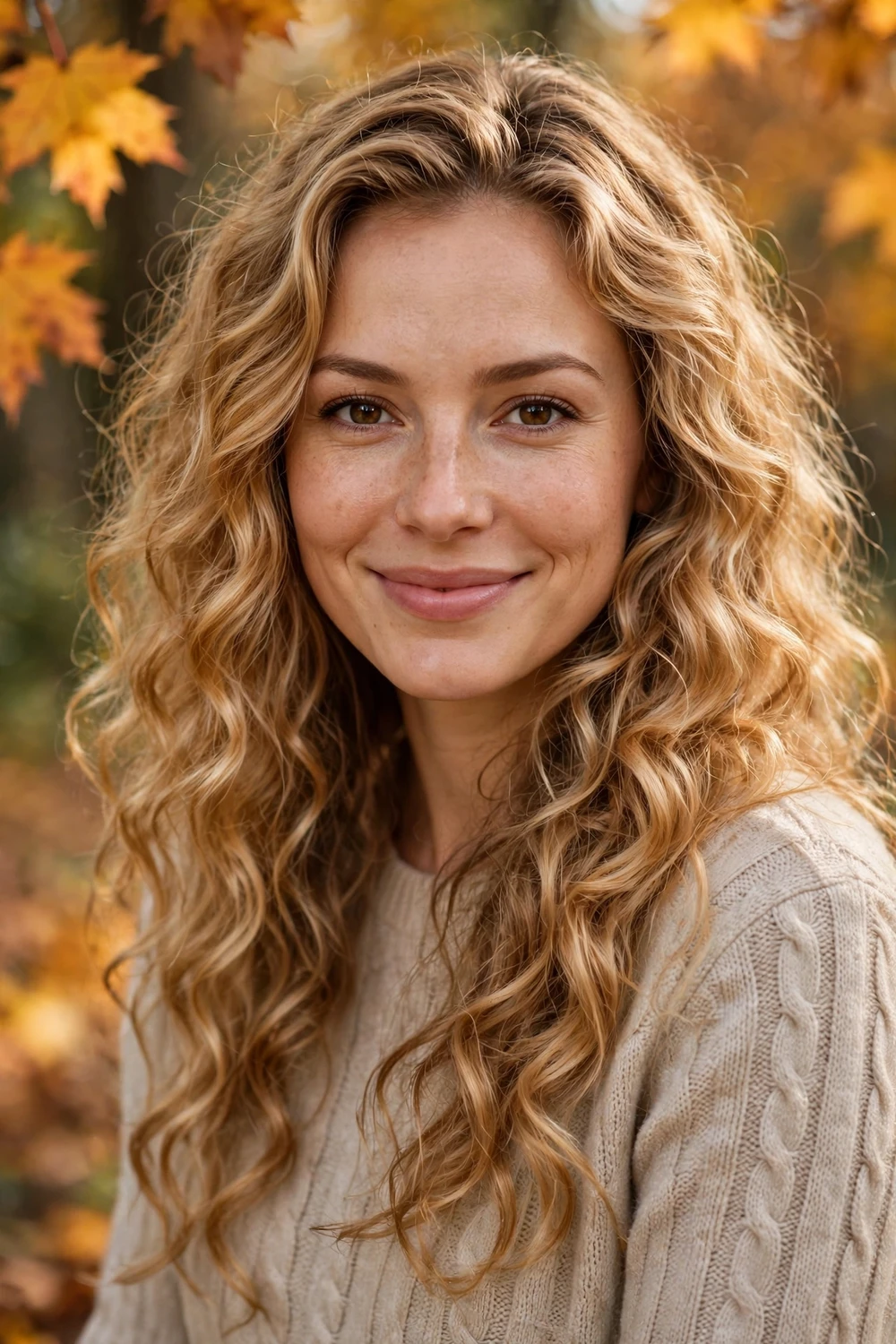
Honey blonde warms up blonde hair with golden, amber tones that sit between yellow and caramel. It is flattering on light to medium skin tones and softens features more than icy blondes do. The shade works with balayage, highlights, or an all-over color, which makes it easy to adapt to your starting base. Warm tones also tend to fade more gracefully than cool ones. On naturally dark bases it usually needs partial lightening, so book a consultation to map the sessions and protect the hair.
Try this: use a purple shampoo sparingly, once every two weeks, since overuse can dull the golden warmth you are paying for.
5. Caramel Blonde
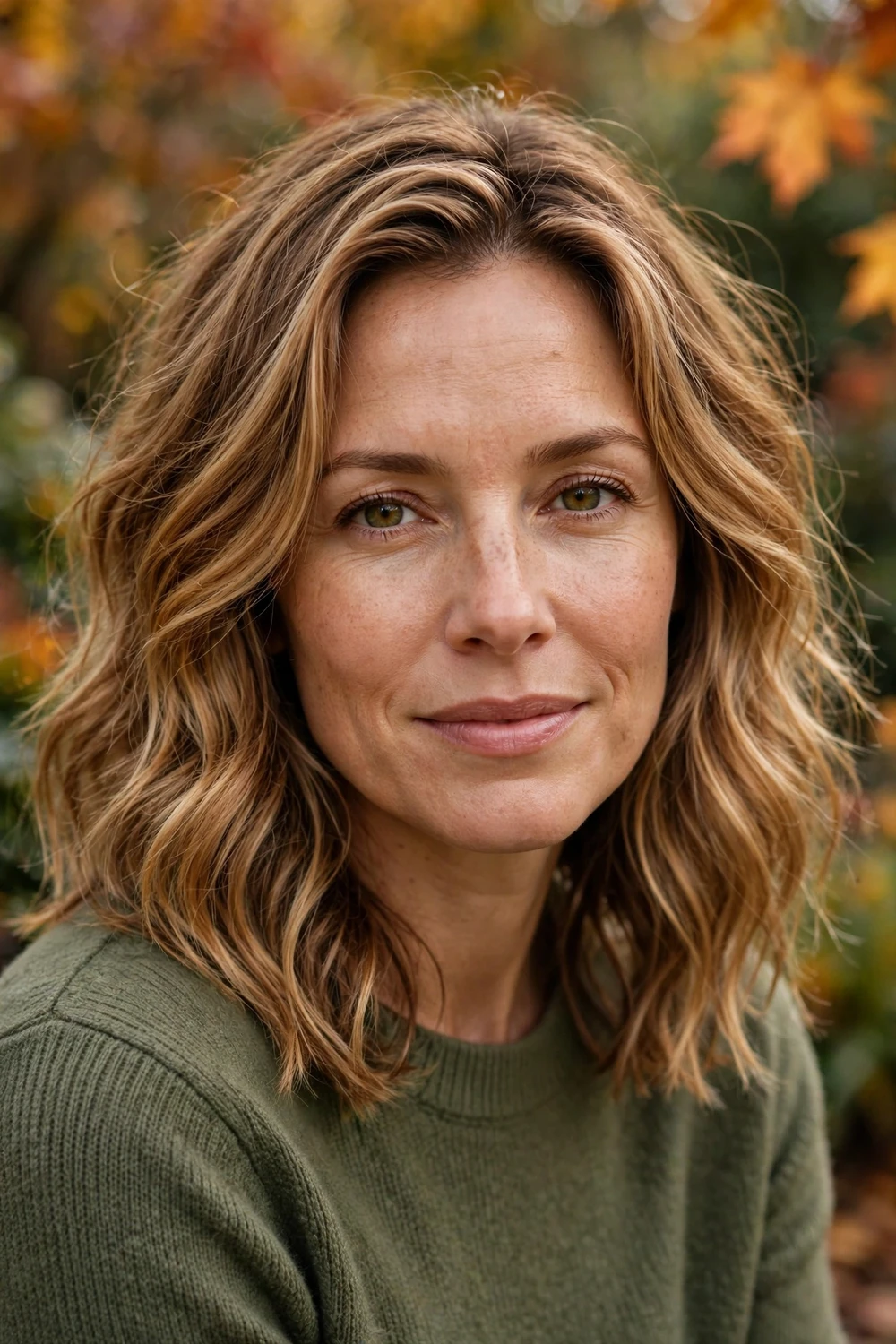
Caramel blonde is a warm mid-blonde with rich golden-brown depth. It suits medium skin tones well and adds warmth without going brassy when formulated right. This shade is a natural fit for balayage and lived-in highlights, since the caramel pieces blend into a darker root. It is also forgiving on dry hair, because the warm tone reads as shine rather than damage. A clear gloss between appointments keeps the caramel from dulling, and most people only need a full refresh every 8 to 10 weeks.
Try this: pair it with a root melt one level darker than your ends for a seamless grow-out.
6. Golden Copper
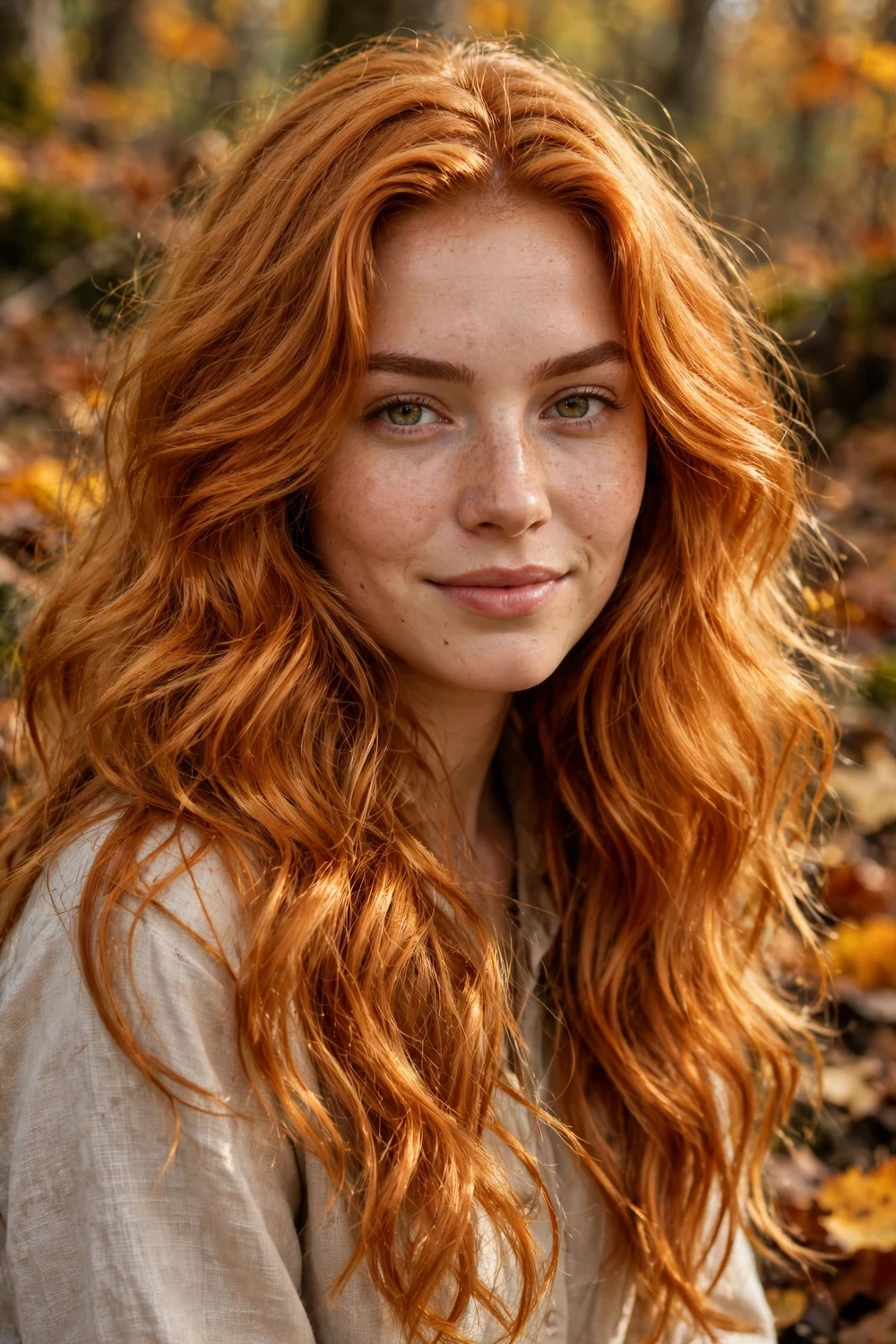
Golden copper is the brightest copper on this list, with yellow-gold undertones that make the red glow in sunlight. It suits fair to light-medium skin tones and green or hazel eyes especially well. Because copper pigment molecules are small, the shade fades faster than browns do, so plan for a refresh every 4 to 5 weeks. A copper-tinted gloss at home extends the color between appointments. Pair it with warm-toned makeup shades to keep the whole look cohesive.
Try this: ask for a formula built on gold and copper reflects with no red-violet added, so it stays bright instead of muddy.
7. Caramel Brown
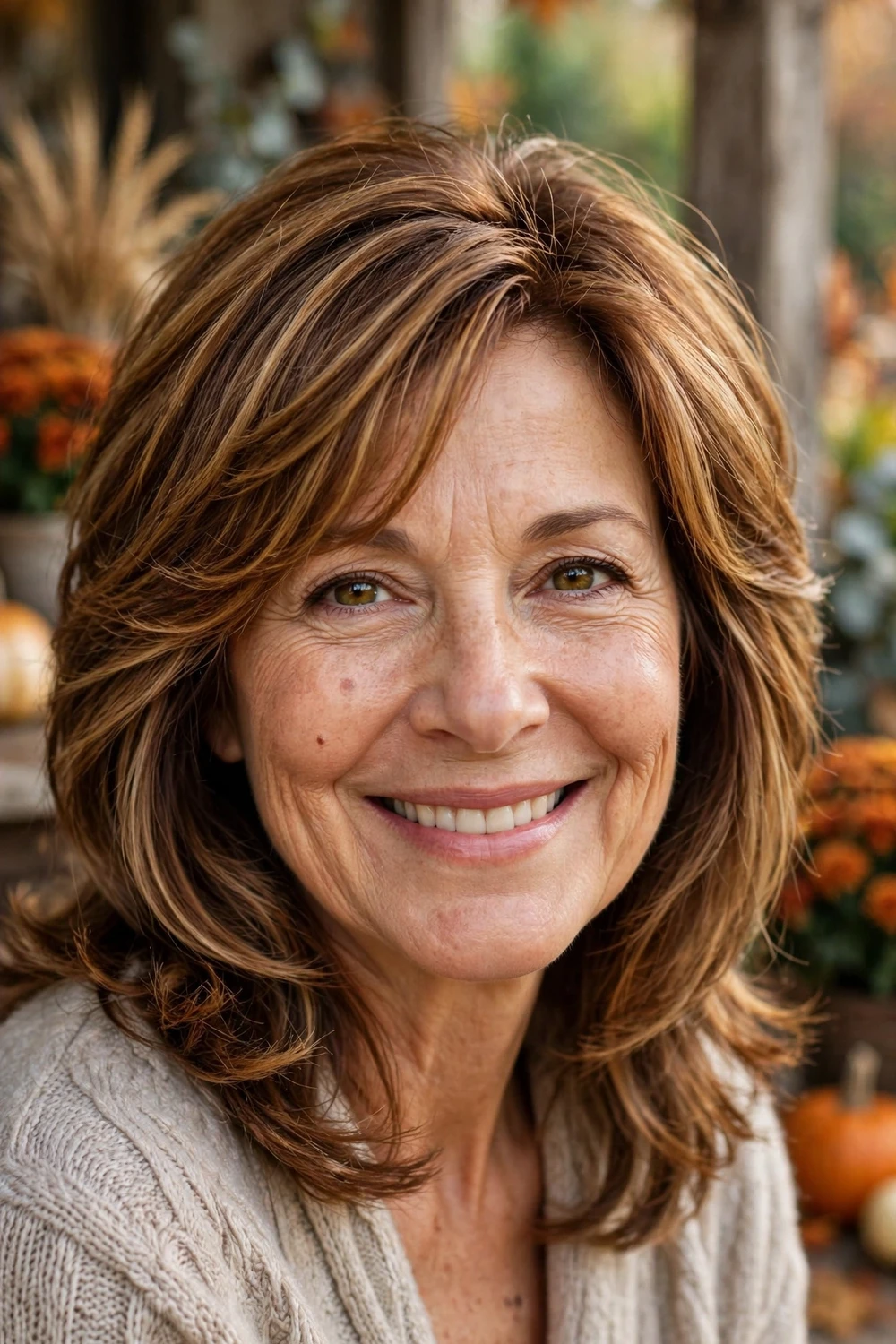
Caramel brown sits right between blonde and brunette, a warm medium brown with warm golden reflects. It is one of the most forgiving shades for brunettes who want warmth without going red. The color adds visible dimension even in an all-over application, so it works for low-maintenance routines too. On naturally medium brown hair, a demi-permanent glaze can achieve this shade with zero lifting. It covers gray well too, since the warm reflects blend with salt-and-pepper regrowth instead of fighting it.
Try this: request lowlights one shade deeper than your base to build dimension that lasts through the fade.
8. Honey Bronze

Honey bronze combines brunette depth with honey-blonde pieces for a blended, sun-warmed result. It suits medium to deep skin tones and adds light around the face without a full blonde commitment. Balayage is the most popular way to get this look, but fine highlights work too. The blend grows out softly, which keeps salon visits to every 10 to 12 weeks. It is a good stepping stone for brunettes thinking about going lighter, since it adds visible brightness without a full highlight commitment.
Try this: concentrate the honey pieces around the hairline and crown so the color catches light where it matters most.
9. Velvet Espresso
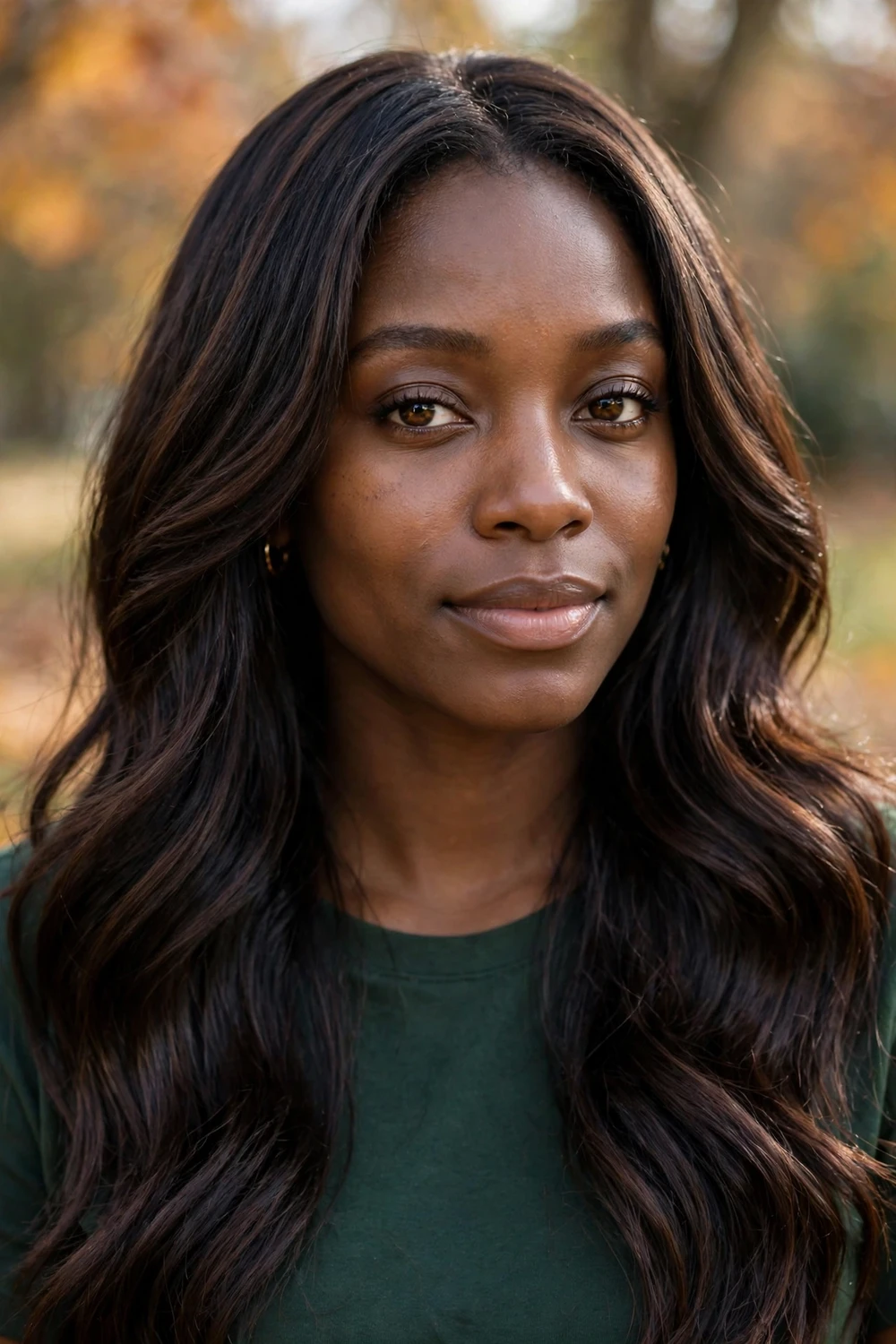
Velvet espresso is a deep, soft-looking brunette that sits between espresso and black. The finish matters here: it should look smooth and plush rather than flat. A semi or demi-permanent formula gives this shade its signature softness, since it does not create harsh regrowth. It suits all skin tones and makes fine hair look fuller because of the added depth. For extra softness, ask for the color to be applied as a demi-permanent glaze over your natural base rather than a permanent dye.
Try this: ask your colorist for a level 3 to 4 neutral brown with a touch of violet to keep it from looking inky.
10. Mulled Wine
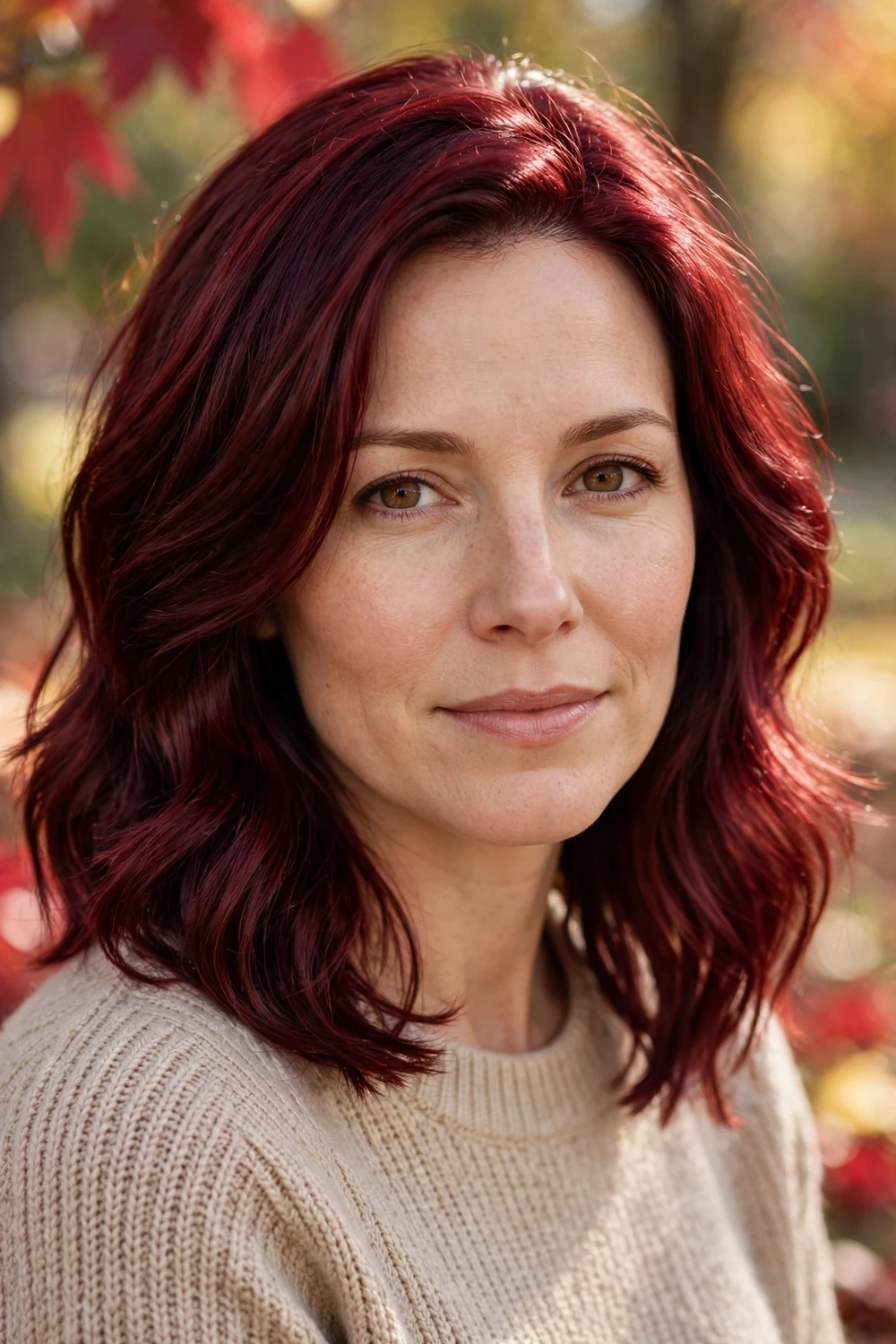
Mulled wine is a deep berry-red blend with dark plum and cherry undertones. It is the fall shade for anyone who wants red without going bright copper. This color looks best on medium to deep skin tones and flatters dark brown eyes. On light hair, it can be applied directly; on dark hair, it may need a light pre-lift for the berry tones to show. A demi-permanent version fades more gracefully if you are not sure about committing to red long term.
Try this: maintain it with a red-depositing conditioner once a week, since red and violet pigments wash out fastest.
11. Copper Bronde
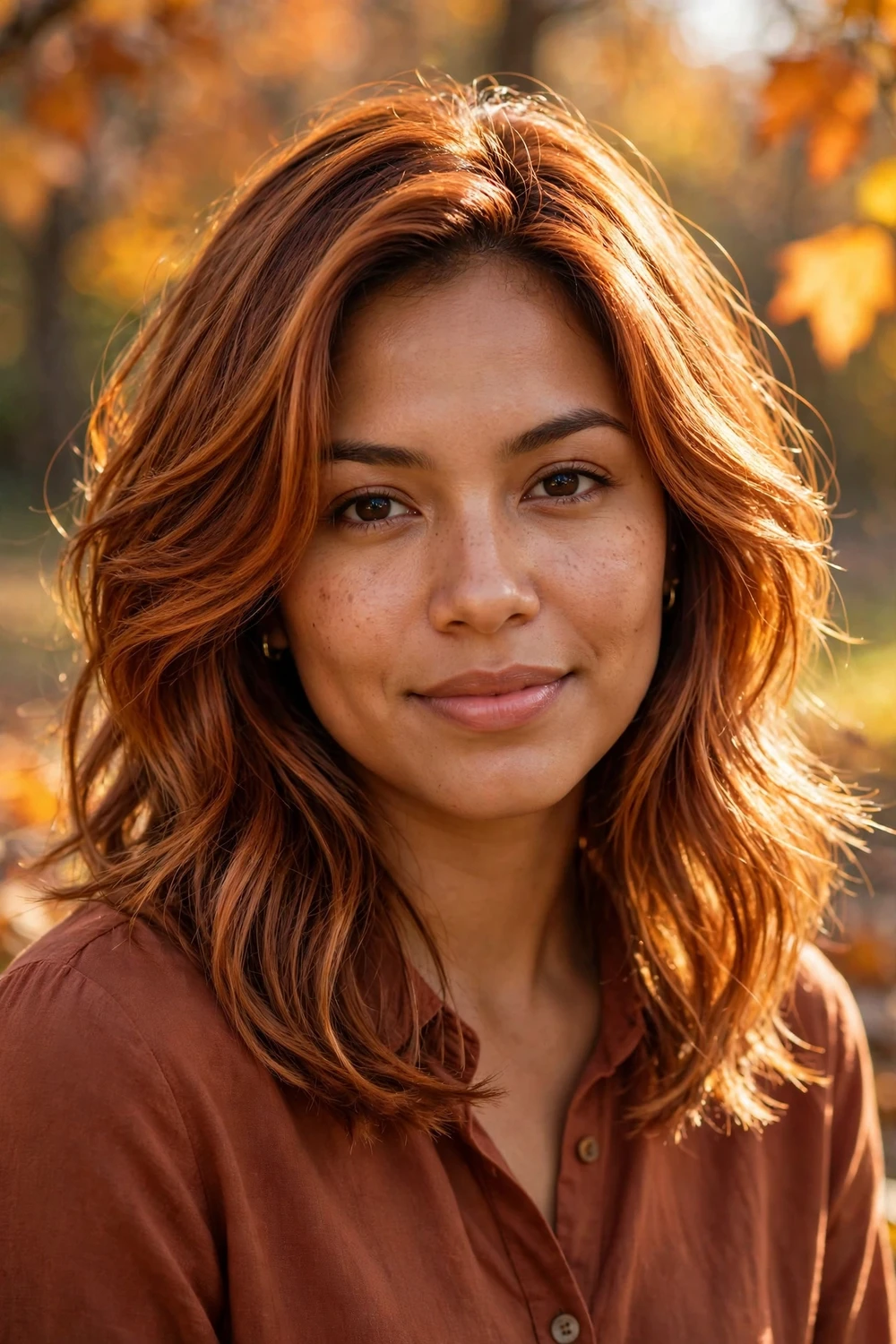
Copper bronde mixes copper warmth into a blonde base for a shade that is warm but not orange. It suits light to medium skin tones and anyone hesitant about going full red. The blonde base keeps it bright while the copper adds depth and warmth, which makes it a good transition color for summer blondes. Ask for babylights or fine balayage to build the blend gradually. The copper pieces catch the light and add movement, which keeps the blonde from looking flat.
Try this: keep the ends slightly lighter than the roots so the copper glows where light hits the hair.
12. Warm Chestnut
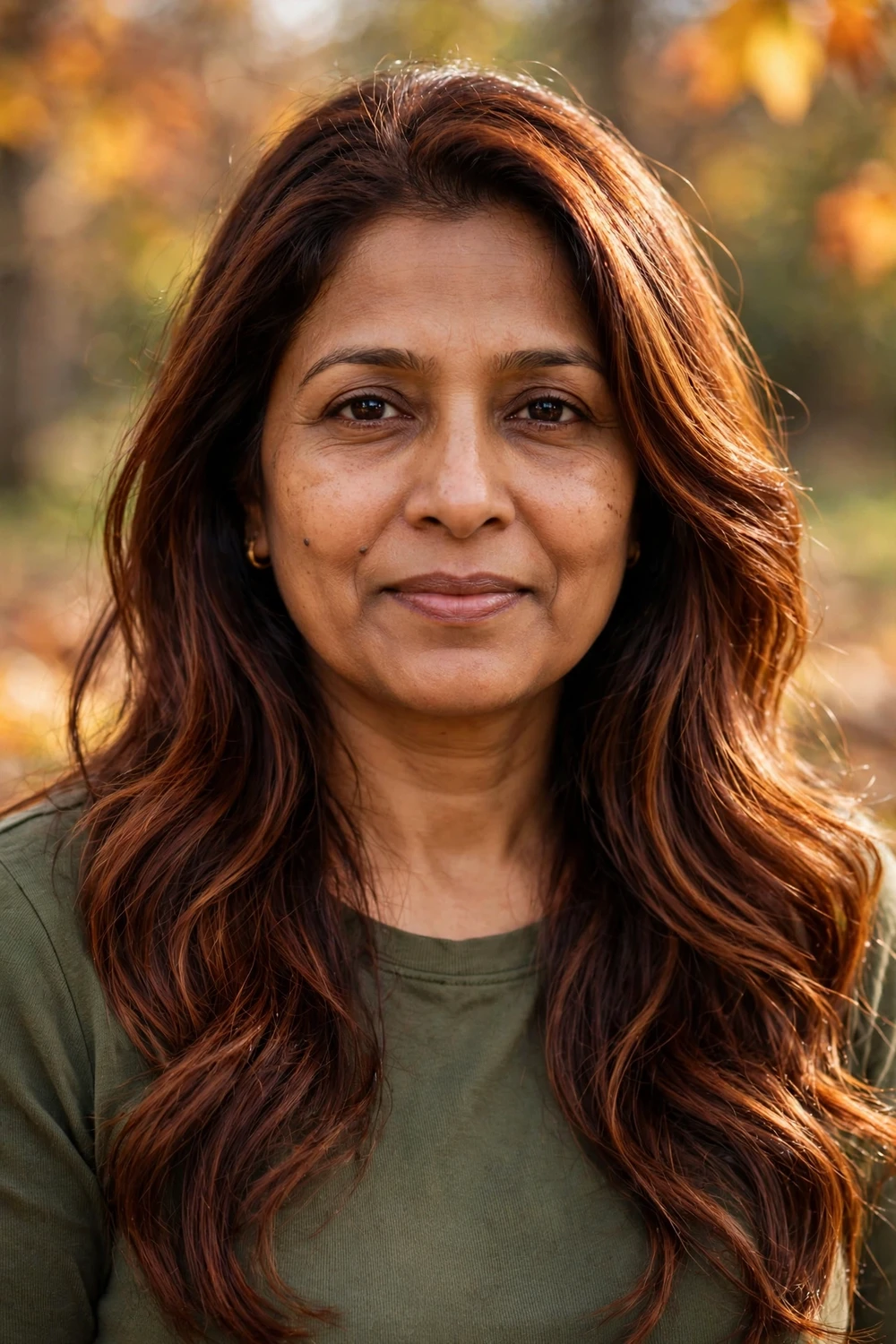
Warm chestnut is a medium brown with golden-red warmth that suits almost everyone. It reads natural but with more richness than an average brunette, which is why it works year after year. The shade covers gray well in a single process and grows out softly when applied as a demi-permanent color. It suits warm and neutral skin tones best, though a slightly cooler formula adapts it for pink undertones. It is also one of the easiest shades to touch up at home between salon visits.
Try this: add lowlights two shades darker through the mid-lengths for dimension that looks natural, not striped.
13. Caramel Balayage
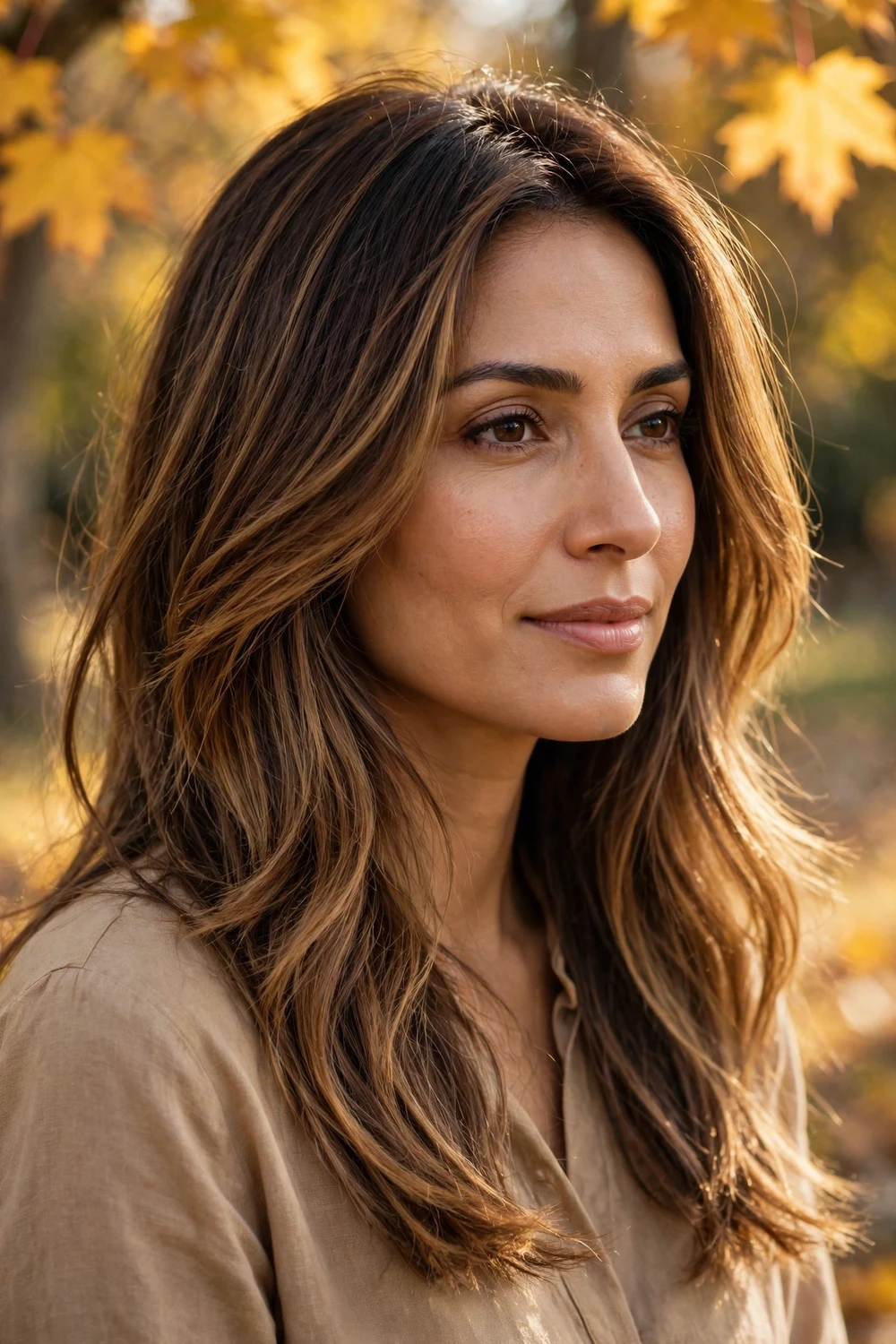
Caramel balayage paints caramel pieces through the mid-lengths and ends, leaving a darker root for contrast. It is the go-to technique for brunettes who want warmth and dimension with a soft grow-out. The freehand application means each head of hair looks different, which suits anyone who wants a custom result. Touch-ups are typically needed only every 12 to 16 weeks. The painted technique lets your colorist place brightness exactly where it flatters your face shape and haircut.
Try this: ask for the caramel to be placed mostly from the ears down so the root area stays low maintenance and the result looks natural.
14. Copper Glow
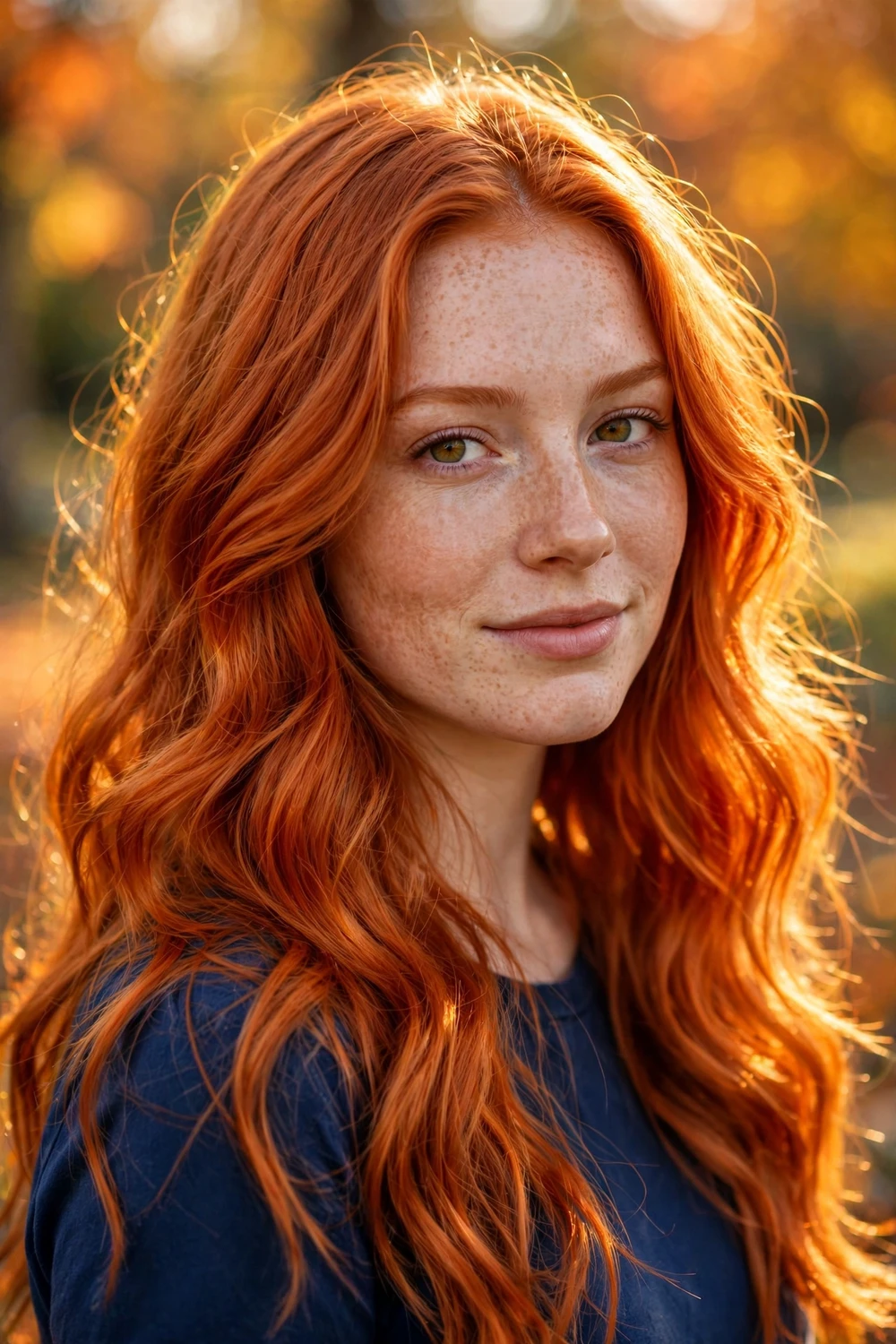
Copper glow is a lighter, more luminous version of copper with a reflective, high-shine finish. It suits fair and light-medium skin tones and works especially well on fine hair, since the bright tone adds visual fullness. This shade needs commitment: expect a refresh every 4 weeks to keep the shine. Heat protectant is non-negotiable, since hot tools fade copper fastest. It works on straight, wavy, and curly hair, since the shine shows through every texture, and fine hair benefits most from the visual fullness.
Try this: book a clear gloss over your copper every other visit to lock in the reflective finish.
15. Mushroom Brown
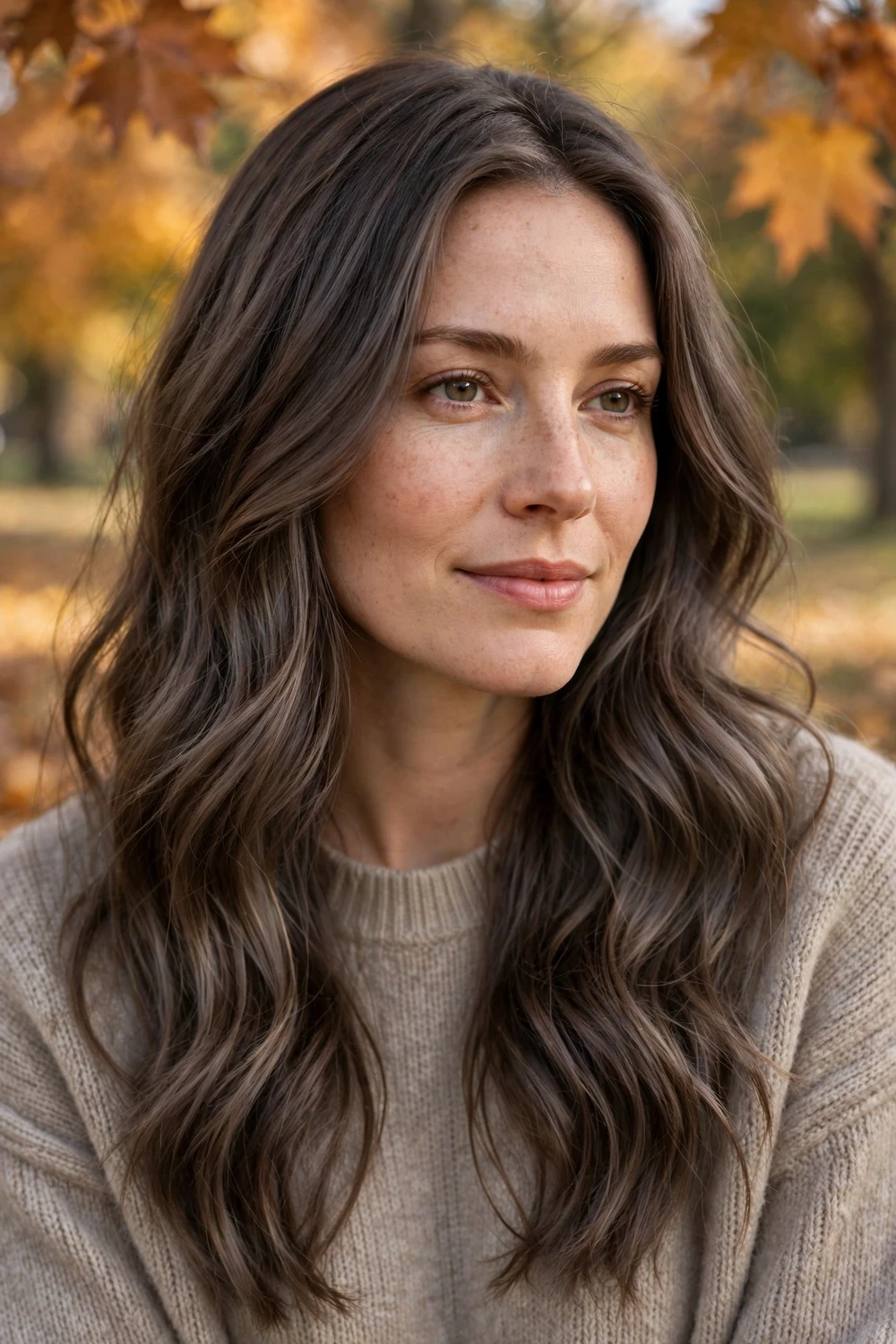
Mushroom brown is the one cool-toned shade on this list, an ashy taupe-brown that suits cool skin tones and anyone tired of warm fall color. It neutralizes brassiness and looks modern paired with a blunt cut or soft layers. Because cool tones wash out faster on porous hair, a bond-building treatment before coloring helps it hold. It is also a smart fix for hair that has gone too warm, since the ash tones pull brassiness back to neutral. Ask for a toner-only appointment if your base is already close.
Try this: ask for a beige-ash formula on a level 6 to 7 base, and avoid warm glosses that would pull it brassy.
16. Ash Blonde
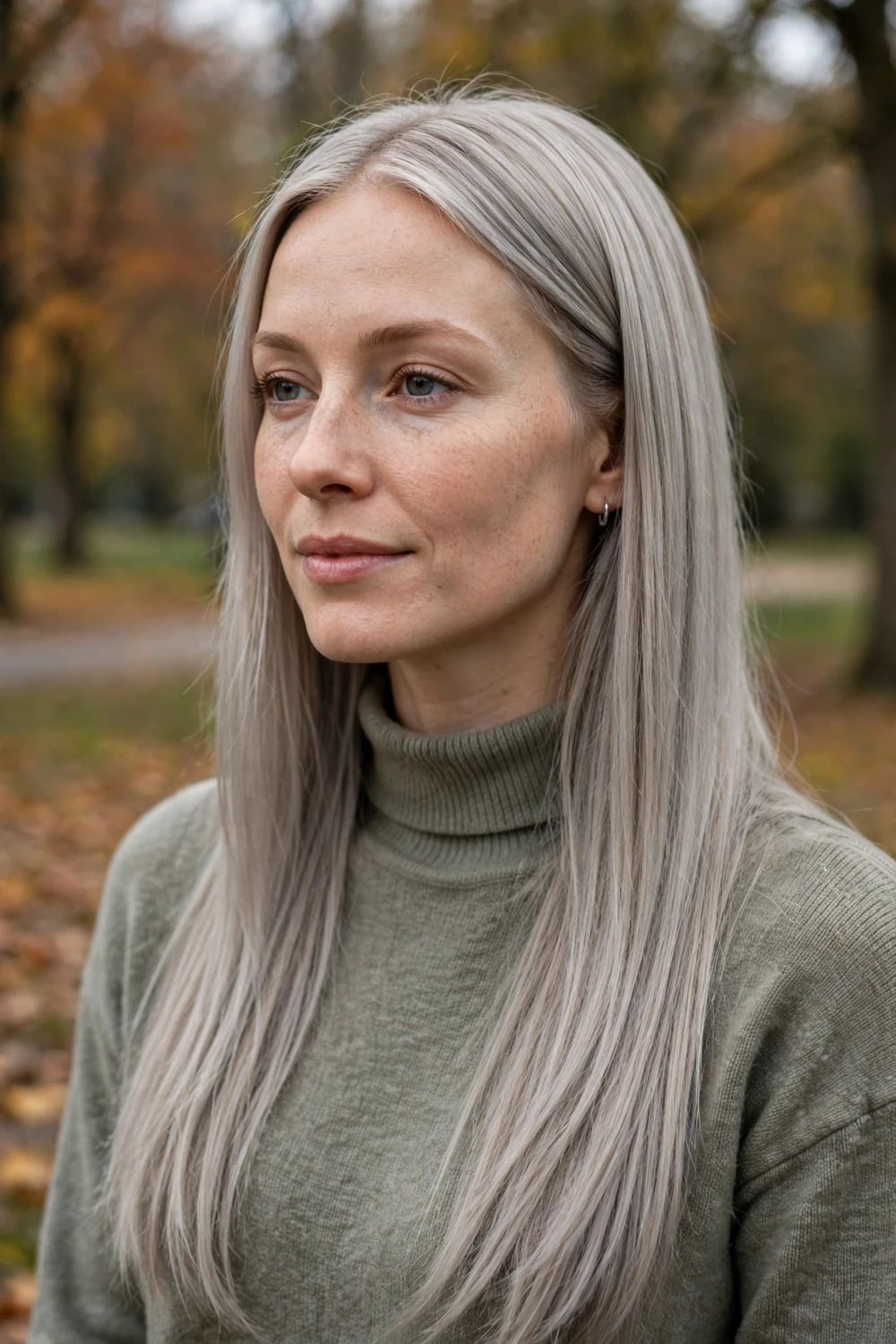
Ash blonde brings cool, smoky tones to fall blonde instead of the usual gold. It suits fair skin with cool undertones and looks sharp against dark clothing, which makes it a natural pick for the season. The shade can wash some people out, so talk with your colorist about adding warmth around the face. Toner appointments every 6 to 8 weeks keep it from turning brassy. A beige-based toner softens the edge if the ash feels too cool after the first week.
Try this: pair ash blonde with a shadow root for a softer grow-out that also lowers maintenance.
17. Deep Burgundy

Deep burgundy is a dark wine-red with more red than mulled wine, giving it a bolder finish. It suits deep and medium skin tones and makes brown eyes stand out. On dark hair, it often needs a pre-lightening step so the red actually shows; on light hair, it deposits directly. The shade fades like all reds, so color-safe shampoo is a must. It looks especially good with a glossy finish, so ask for a clear gloss on top of the color to seal it in.
Try this: ask for a burgundy with a brown base rather than purple, which keeps the color wearable as it fades.
If you want a whole list built around this shade, burgundy fall hair colors covers 30 options, from mulled wine to plum.
18. Blackberry
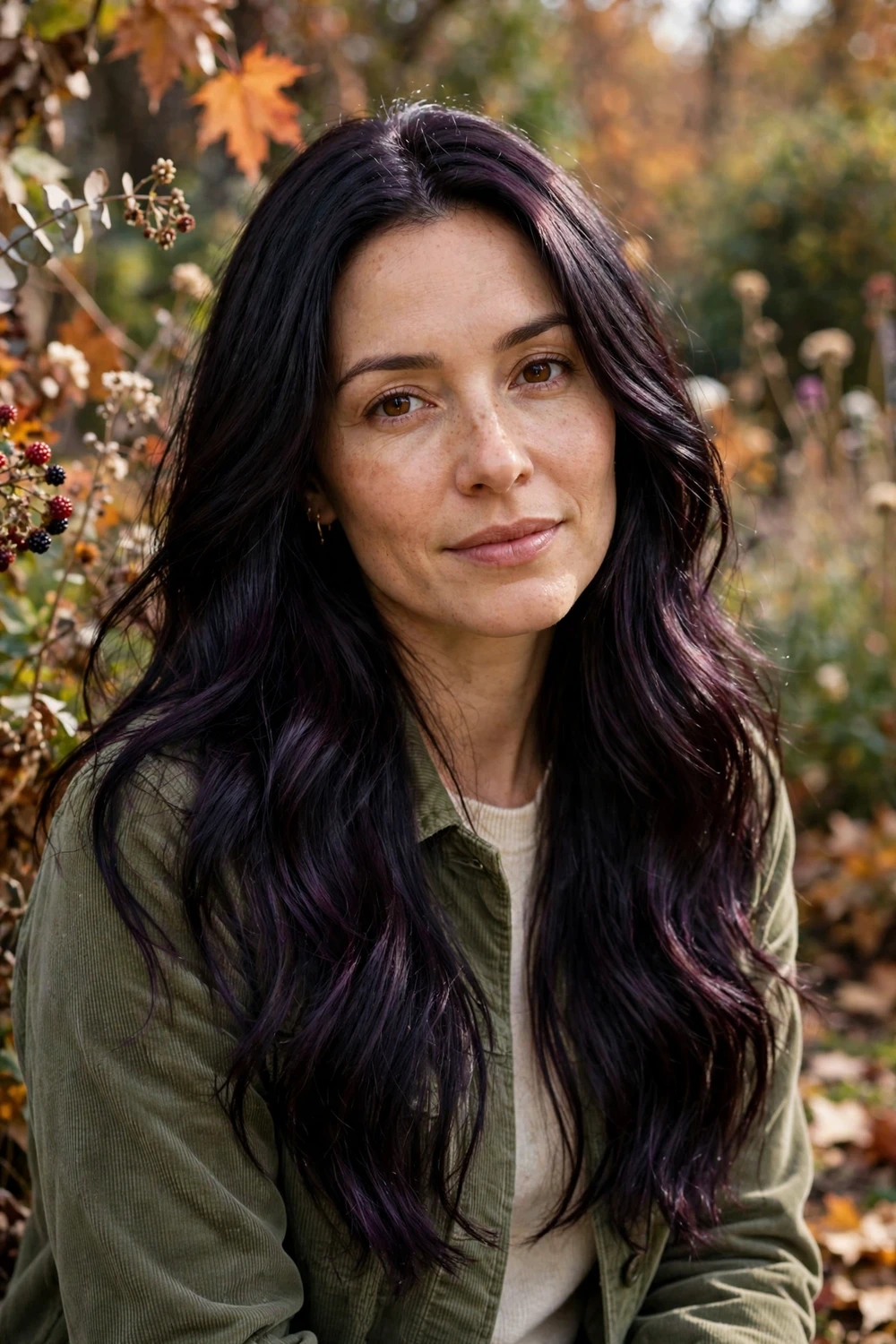
Blackberry is a dark berry shade that reads almost black indoors and shows its purple-red tones in sunlight. It is a good option for anyone who wants something dark but more interesting than plain black. The shade suits deep and medium skin tones and pairs well with fall wardrobes. Because the purple pigment washes out quickly, expect the color to shift warmer over time. It is a good bridge shade for anyone curious about fashion color but not ready for bright purple or pink.
Try this: refresh with a purple-depositing mask every two weeks to keep the berry tone from fading to plain brown.
19. Golden Cashmere
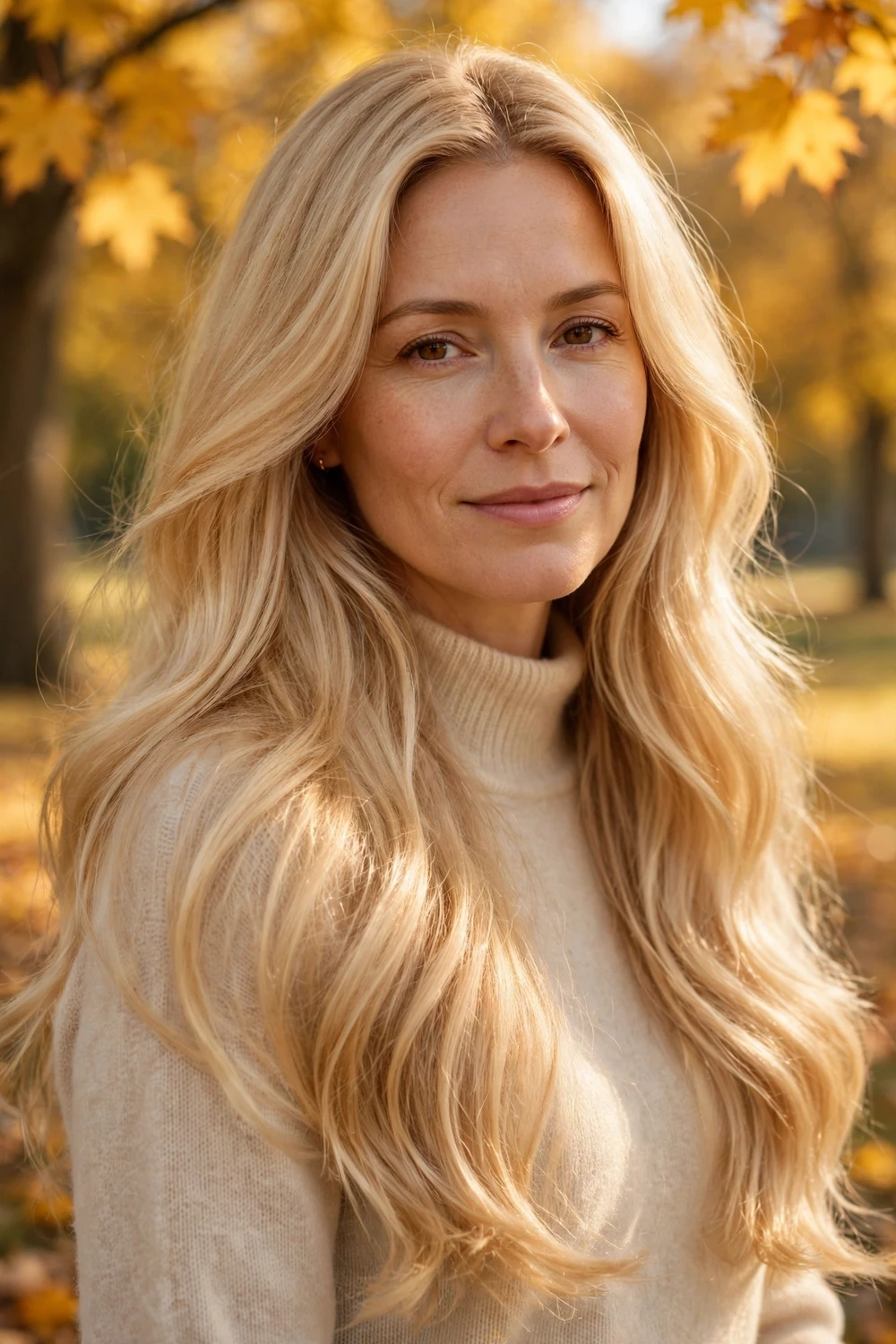
Golden cashmere is a soft, buttery blonde with a creamy finish that avoids both brass and ice. It suits light to medium skin tones and flatters all ages because the tone is gentle rather than harsh. This shade works best on light brown to dark blonde bases, where it can be achieved with fine highlights rather than full bleaching. The soft tone also hides regrowth better than brighter blondes, which stretches the time between appointments.
Try this: ask for a neutral-to-warm blonde formula with a beige reflect, which gives the cashmere softness without going yellow.
20. Glazed Brown
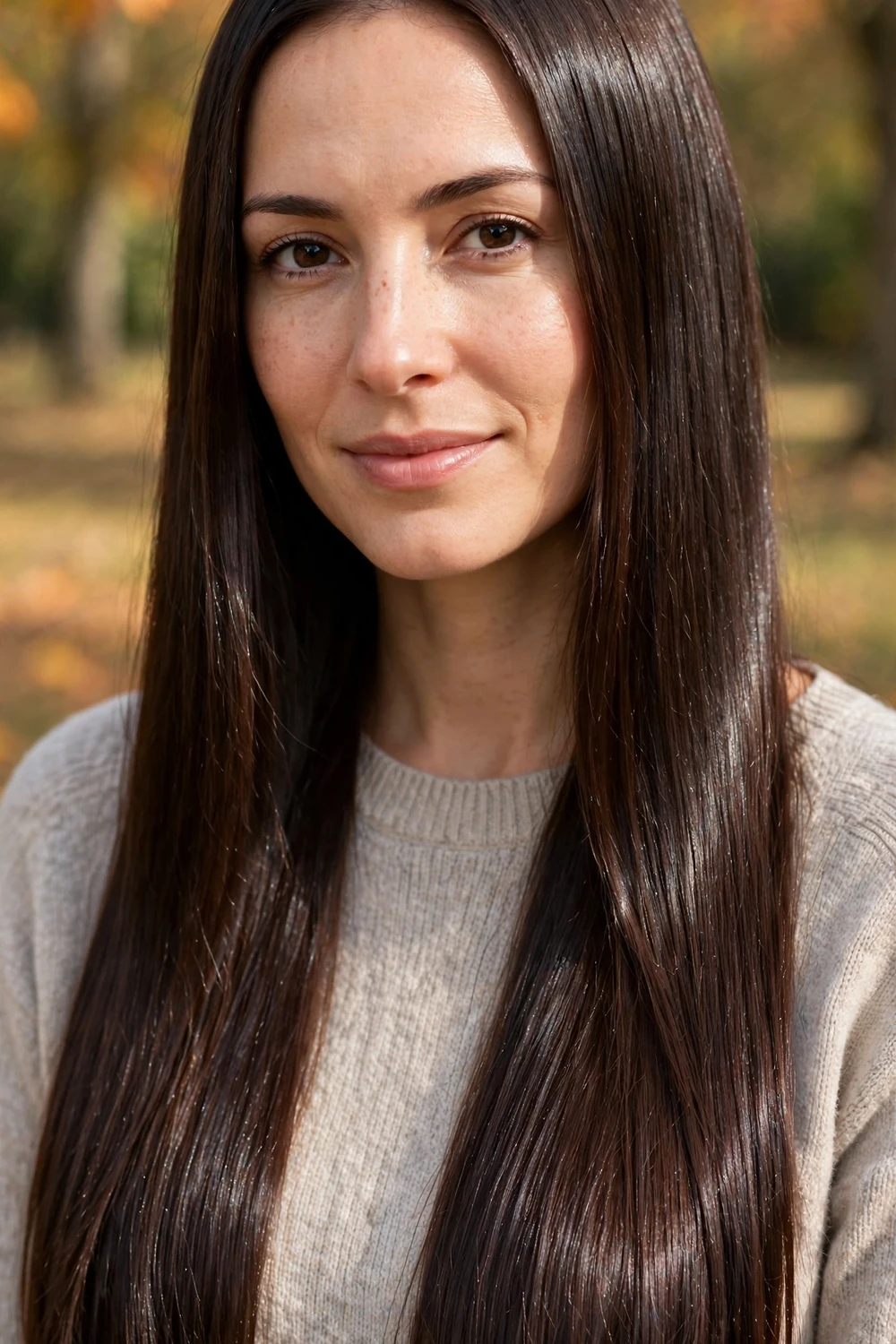
Glazed brown is less about the exact shade and more about the finish: a medium-to-dark brown sealed with a high-shine gloss. It suits every skin tone because the colorist can adjust the base warm or cool. The glaze fills in porous spots, which makes damaged ends look smoother and healthier. Plan to re-glaze every 6 to 8 weeks to keep the high shine. It works on any brown base, from light caramel to near-black, because the gloss adapts to the color underneath.
Try this: ask for a clear gloss over your existing brown instead of a full color, if you already like your shade.
21. Soft Copper
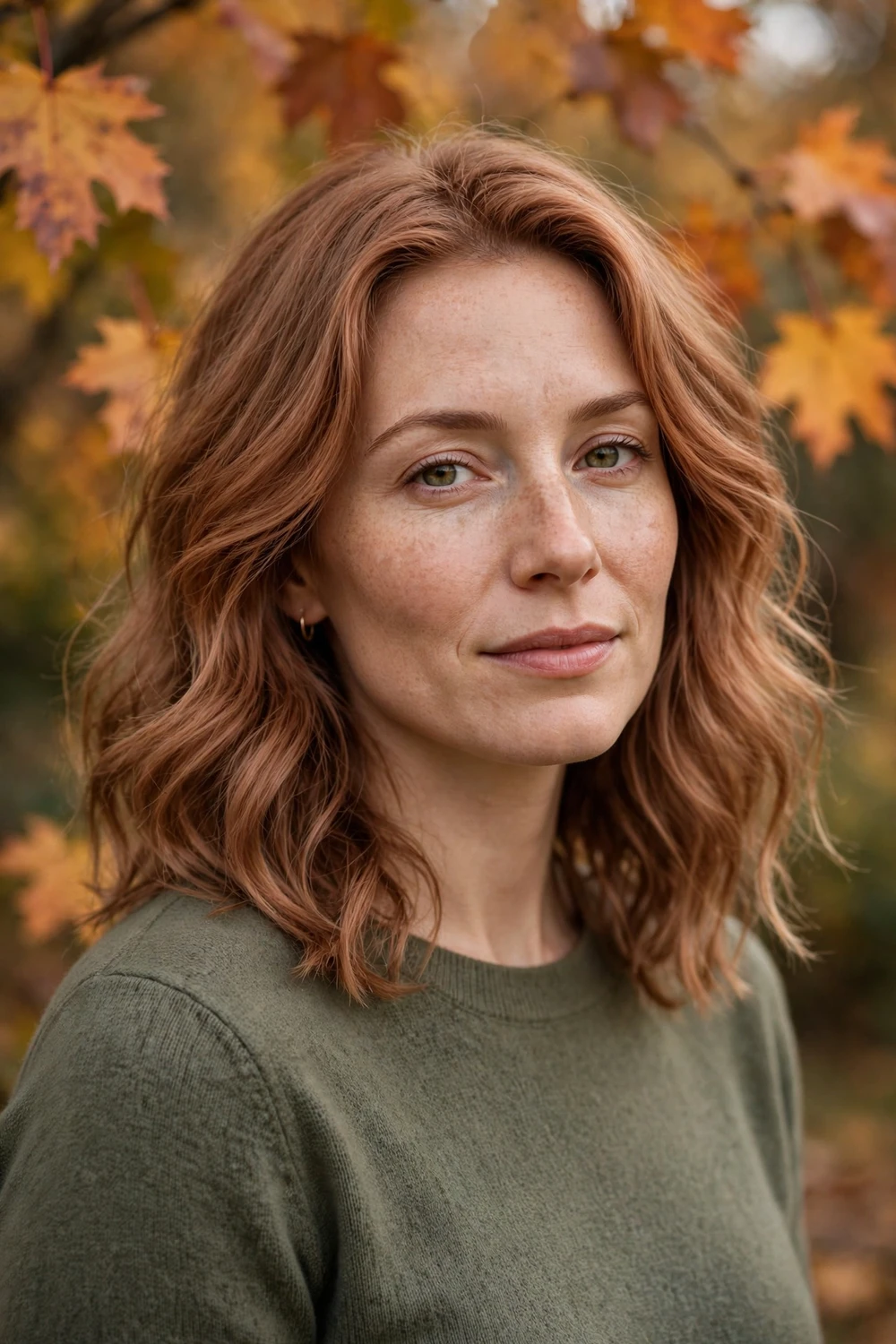
Soft copper is a muted, toned-down copper for anyone who wants the warmth without the intensity. It suits medium to warm skin tones and works well on naturally medium brown hair with minimal lifting. The muted finish means the grow-out is gentler than with brighter coppers. It is also a low-commitment way to test copper before going brighter. Ask your colorist to build it over your natural base so the color blends rather than covers.
Try this: ask your colorist for copper with a brown drop added to mute it, and book gloss refreshes every 6 weeks.
Fall Hair Colors Comparison at a Glance
| Shade | Best Base | Maintenance |
|---|---|---|
| Cinnamon Auburn | Medium to dark brown | Medium |
| Maple Auburn | Dark brown | Low |
| Espresso Brunette | Dark brown to black | Low |
| Honey Blonde | Light to medium blonde | Medium |
| Caramel Blonde | Medium blonde to light brown | Medium |
| Golden Copper | Light brown to dark blonde | High |
| Caramel Brown | Medium brown | Low |
| Honey Bronze | Medium brown | Low |
| Velvet Espresso | Dark brown to black | Low |
| Mulled Wine | Medium to light brown | High |
| Copper Bronde | Light brown to blonde | Medium |
| Warm Chestnut | Light to medium brown | Low |
| Caramel Balayage | Medium to dark brown | Low |
| Copper Glow | Light brown to dark blonde | High |
| Mushroom Brown | Medium brown | Medium |
| Ash Blonde | Light blonde | Medium |
| Deep Burgundy | Dark brown | High |
| Blackberry | Dark brown | Medium |
| Golden Cashmere | Light brown to dark blonde | Medium |
| Glazed Brown | Any brown | Low |
| Soft Copper | Medium brown | Medium |
If your base is brunette, browse dark brown hair color ideas for more deep, rich options.
How to Maintain Fall Color
Wash less often and with cooler water. Warm fall shades fade fast with hot, frequent washing, so two to three washes a week with lukewarm water keeps the tone longer. Use a sulfate-free shampoo made for color-treated hair.
Book gloss refreshes on schedule. Copper, red, and berry tones need a gloss or toner every 4 to 6 weeks. Brunettes can stretch to 8 weeks, and balayage clients often only need a toner at the 12-week mark.
Protect against heat and sun. Heat protectant before every styling session matters more in fall, because hot tools strip warm pigment quickly. A hat or UV spray on bright days helps blondes and coppers hold their tone.
Blondes looking for warmth should also check honey blonde hair color ideas for golden shades that suit many skin tones.
Mistakes to Avoid
Do not go more than three levels from your natural base in one session. Big jumps need multiple visits to look right and keep the hair healthy. A colorist can map a safe plan across two or three appointments.
Do not skip the toner. Blondes and coppers that leave the salon without a toner fade unevenly within two weeks. The toner seals the cuticle and locks in the exact shade you wanted.
Do not wash daily with hot water and harsh shampoo. That combination strips red and copper pigment faster than anything else. Cooler water and a color-safe formula add weeks to your color.
Do not attempt a major change at home. Pre-lightening, corrective color, and going from dark to copper belong with a professional colorist. Home kits work for close-to-your-base glosses, not transformations.
For a warmer blonde finish, caramel blonde hair color ideas rounds out the options with rich golden blends.
Frequently Asked Questions
What is the most popular fall hair color?
Copper and auburn shades lead every fall, followed by warm chestnut and caramel balayage. These shades flatter the most skin tones and photograph well in autumn light. Deep burgundy and espresso brunette are the most requested darker options.
Which fall hair colors suit warm skin tones?
Warm skin tones suit copper, caramel, honey blonde, warm chestnut, and golden cashmere best. These shades share golden and red undertones that match warm skin instead of fighting it. If you are unsure of your undertone, warm chestnut is the safest starting point.
How do I keep my fall hair color from fading?
Wash two to three times a week with cool water and a sulfate-free, color-safe shampoo. Book a gloss or toner refresh every 4 to 6 weeks for reds and coppers, or every 6 to 8 weeks for brunettes. Heat protectant before styling and UV protection outdoors add extra weeks of life.
Can I get a copper hair color on dark hair?
Yes, but dark hair usually needs a light pre-lift first so the copper actually shows. Without lifting, copper deposits on dark hair often read as a warm brown with little visible red. A professional colorist can lift safely and build the copper in the same appointment in most cases.
What is the lowest maintenance fall hair color?
Warm chestnut, espresso brunette, and caramel balayage with a root melt are the lowest maintenance options. They grow out softly and need salon visits only every 10 to 16 weeks. Demi-permanent brunette formulas are especially forgiving because they fade without a hard regrowth line.
For short-hair inspiration, browse these short balayage hairstyle ideas to find your perfect dimensional look.
Final Thoughts
Fall is the most forgiving season for hair color, since deeper, warmer shades suit the most people and hide grow-out well. Pick the shade that matches your undertone and your schedule, then protect it with gloss refreshes and gentle washing. I always enjoy this season most because the colors feel like a fresh start.
Thinking of lightening brown hair? This blonde balayage on brown hair guide shows the most flattering dimensional shades.

