


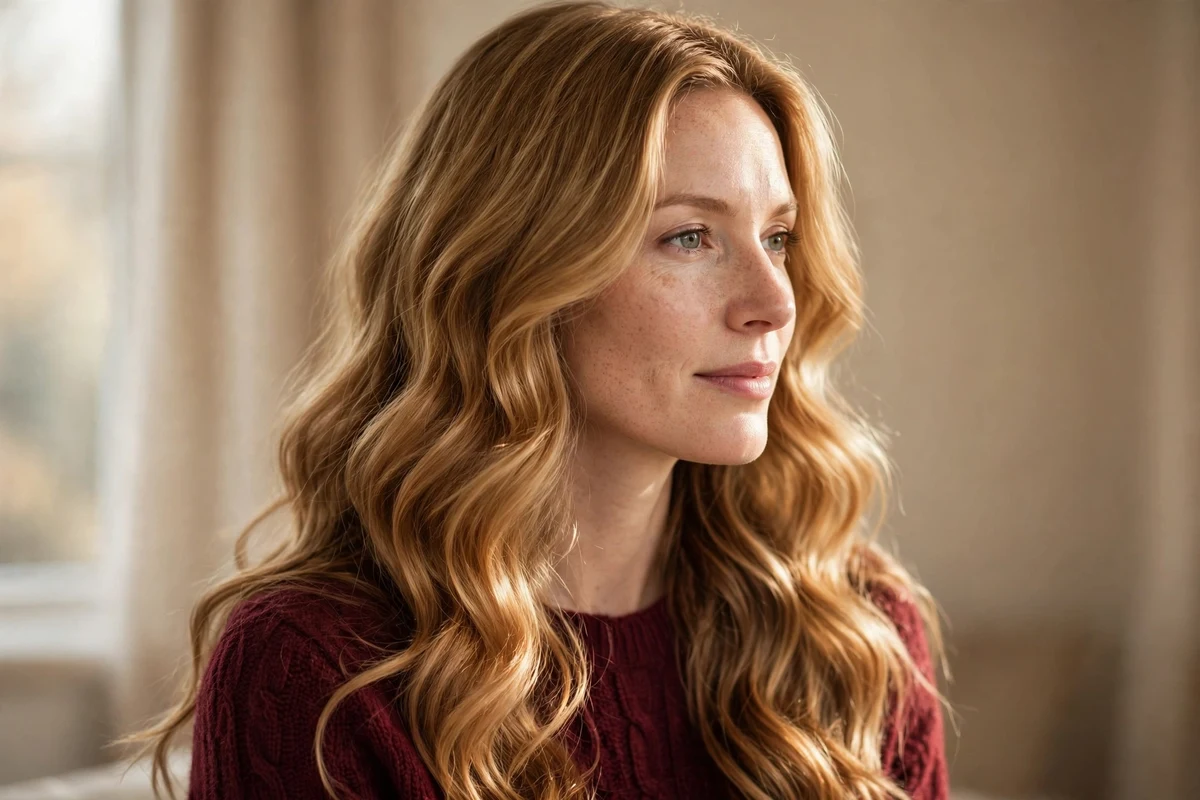
When the leaves start turning, plenty of blondes want a shade that feels like the season. Fall blonde hair colors trade summer’s bright, sunlit tones for deeper golds, richer warmth, and softer dimension. The good news is that you don’t have to go dark to get that autumn feel. These twenty shades keep the blonde you love while adding the depth and glow fall is known for.
You’ll find everything from honey and caramel to mushroom taupe and copper gold, plus guidance on matching your skin tone and natural base color. Every shade includes a practical tip so you can walk into your appointment (or open your color kit) knowing exactly what to ask for.
For a full undertone-by-undertone comparison, see the best hair colors for pale skin and how each shade suits fair complexions.
Quick answer: This guide covers the best styles, who they suit, and how to get them right.
Quick Takeaways
- Warm shades like honey, caramel, and copper flatter most skin tones this fall and grow out with soft, natural-looking dimension.
- Cooler picks like mushroom, ash, and icy platinum fight brass and suit pink or neutral undertones best.
- Rooted blondes, lowlights, and bronde hybrids are the lowest-maintenance options because they grow out without a visible line.
- Your natural base decides the route: dark hair suits balayage transitions, while lighter hair can often get there with a gloss or toner.
- Always match the tone to your undertone, and protect lightened hair with deep conditioning and the right shampoo.
1. Honey Blonde
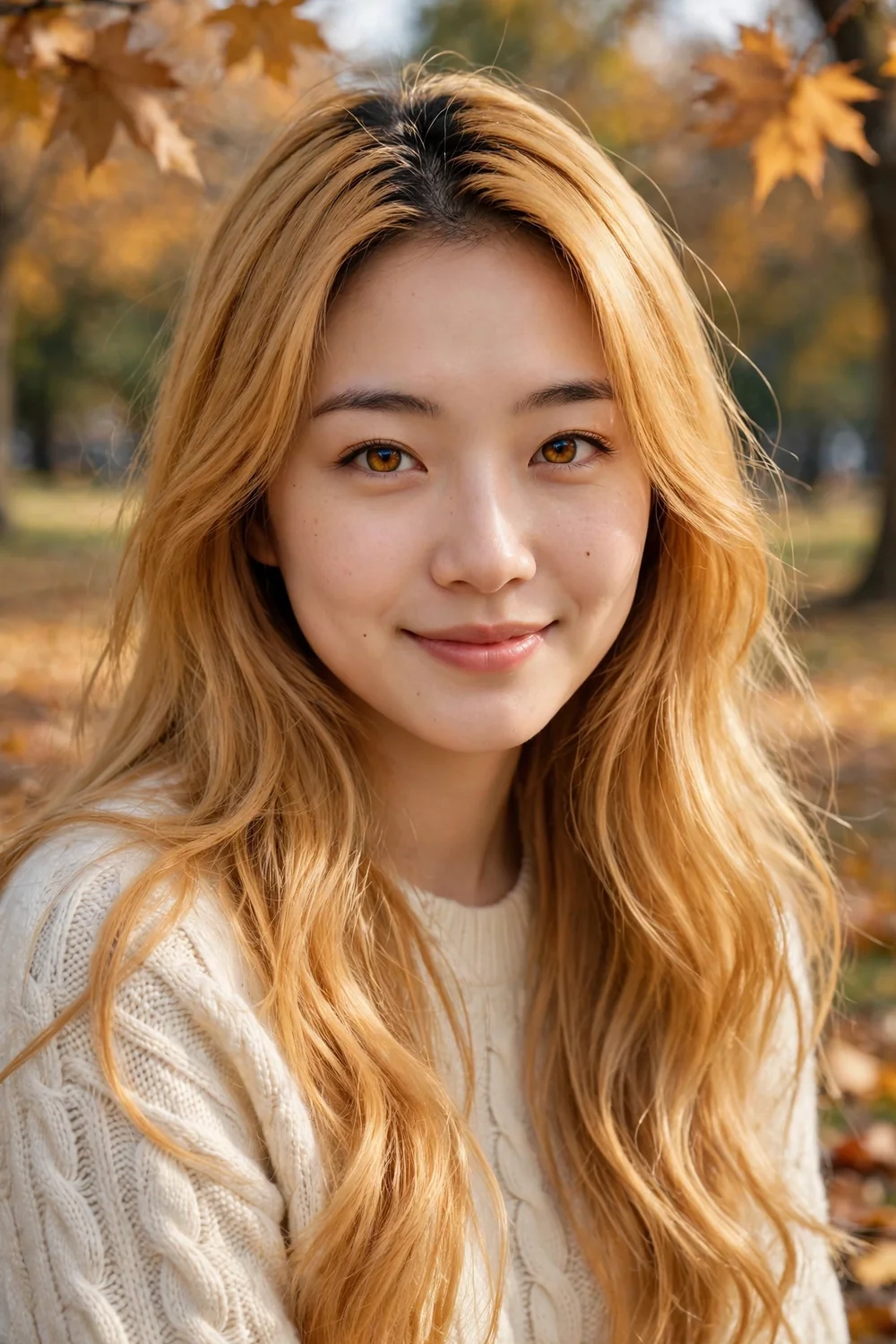
Honey blonde is the signature fall blonde for a reason: it glows like late-afternoon sun and suits almost everyone. The shade sits in the warm gold zone, deeper than summer blonde but still bright around the face. It works on medium to long hair and shows off waves and curls especially well. Your colorist can build it with a full foil, a balayage, or a toner over pre-lightened hair. Ask for golden, not orange, undertones so the color stays rich instead of brassy.
Try this: Ask your colorist for golden honey pieces through the mid-lengths with a slightly deeper root so the color grows out without a hard line.
2. Caramel Blonde
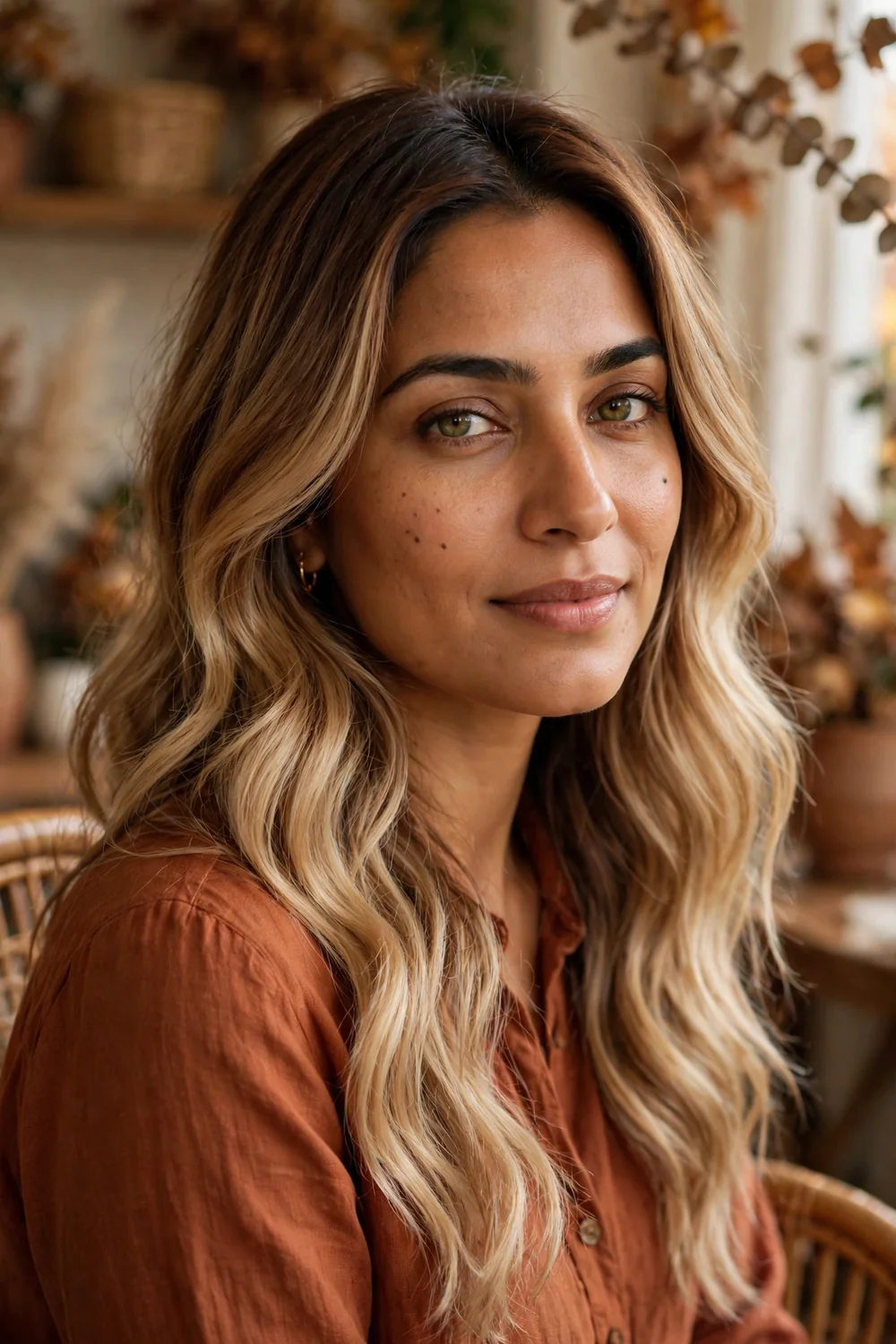
Caramel blonde blends creamy beige with warm amber for a shade that reads rich and cozy. It lands between honey and brown, which makes it forgiving on a wide range of skin tones. The color looks best with dimension, so ask for a mix of lighter caramel ribbons and slightly deeper pieces underneath. It can be done as an all-over color or as a caramel balayage that keeps your roots natural. If you want more versions of this look, browse our collection of caramel blonde hair color ideas for balayage, highlights, and all-over options.
Try this: Request face-framing caramel highlights two levels lighter than your base for brightness that still feels autumnal.
3. Mushroom Blonde

Prefer your blonde on the cool side? Mushroom blonde mixes beige and taupe for a muted, smoky finish that stays miles away from brass. The color sits in the cool-neutral family, so it flatters pink and neutral undertones especially well. Because it relies on careful toning, it looks most expensive when the base is evenly lightened first. A purple shampoo once or twice a week keeps the taupe tones from warming up between appointments.
Try this: Bring a photo showing the exact beige-gray balance you want, since “mushroom” can read warmer or cooler depending on the formula.
4. Strawberry Blonde
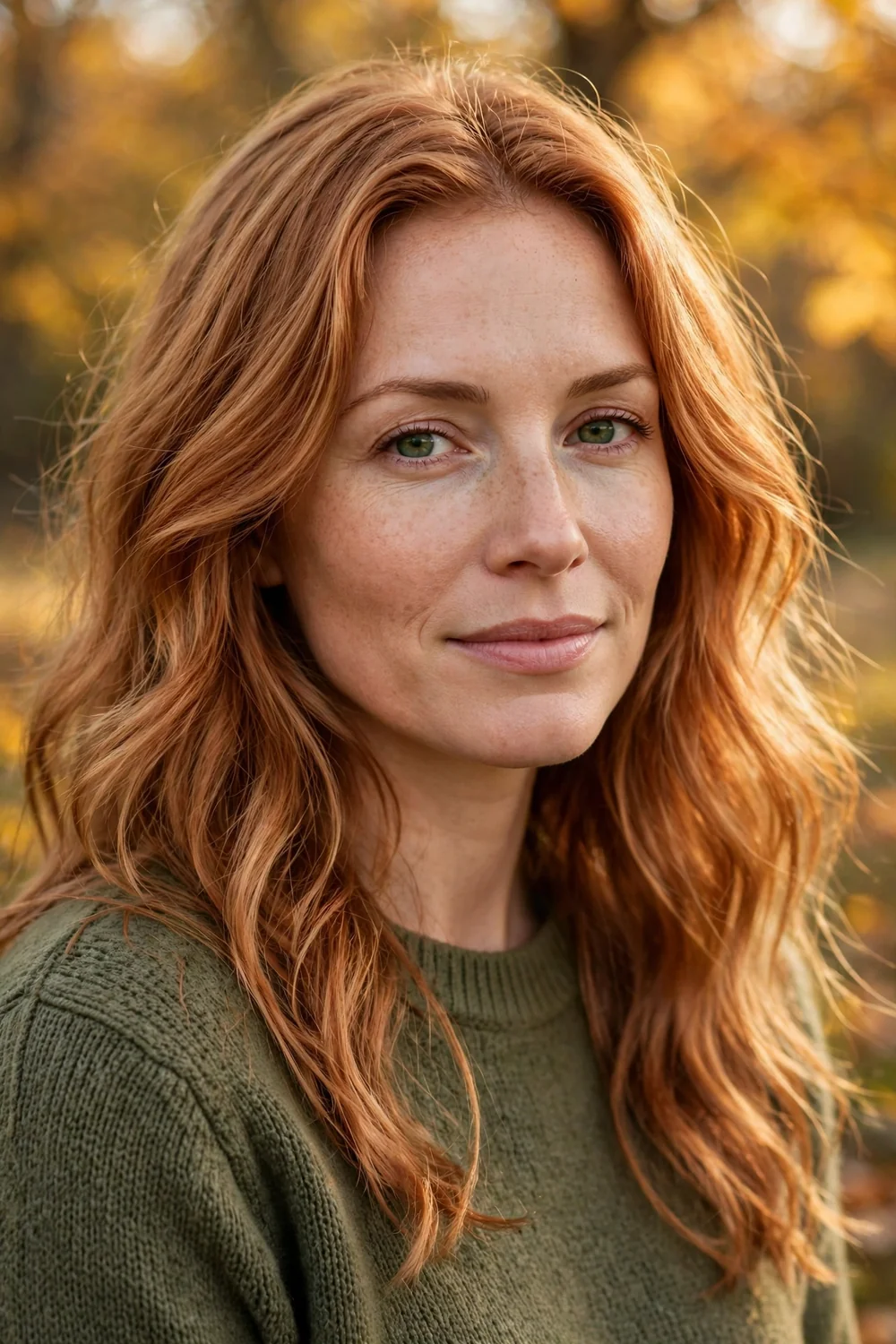
Strawberry blonde brings red-gold warmth that feels made for autumn. The shade blends coppery red with golden blonde, landing somewhere between the two without going full redhead. It lights up fair and warm skin tones and looks striking against the season’s deeper wardrobe colors. Natural blondes can often reach it with a copper-gold gloss alone, while darker bases need lightening first. Keep the gold dominant if you want blonde with a red kiss rather than red with blonde hints.
Try this: Ask for a copper-gold gloss over your current blonde as a low-commitment way to test the shade before a full color.
5. Honey Bronde
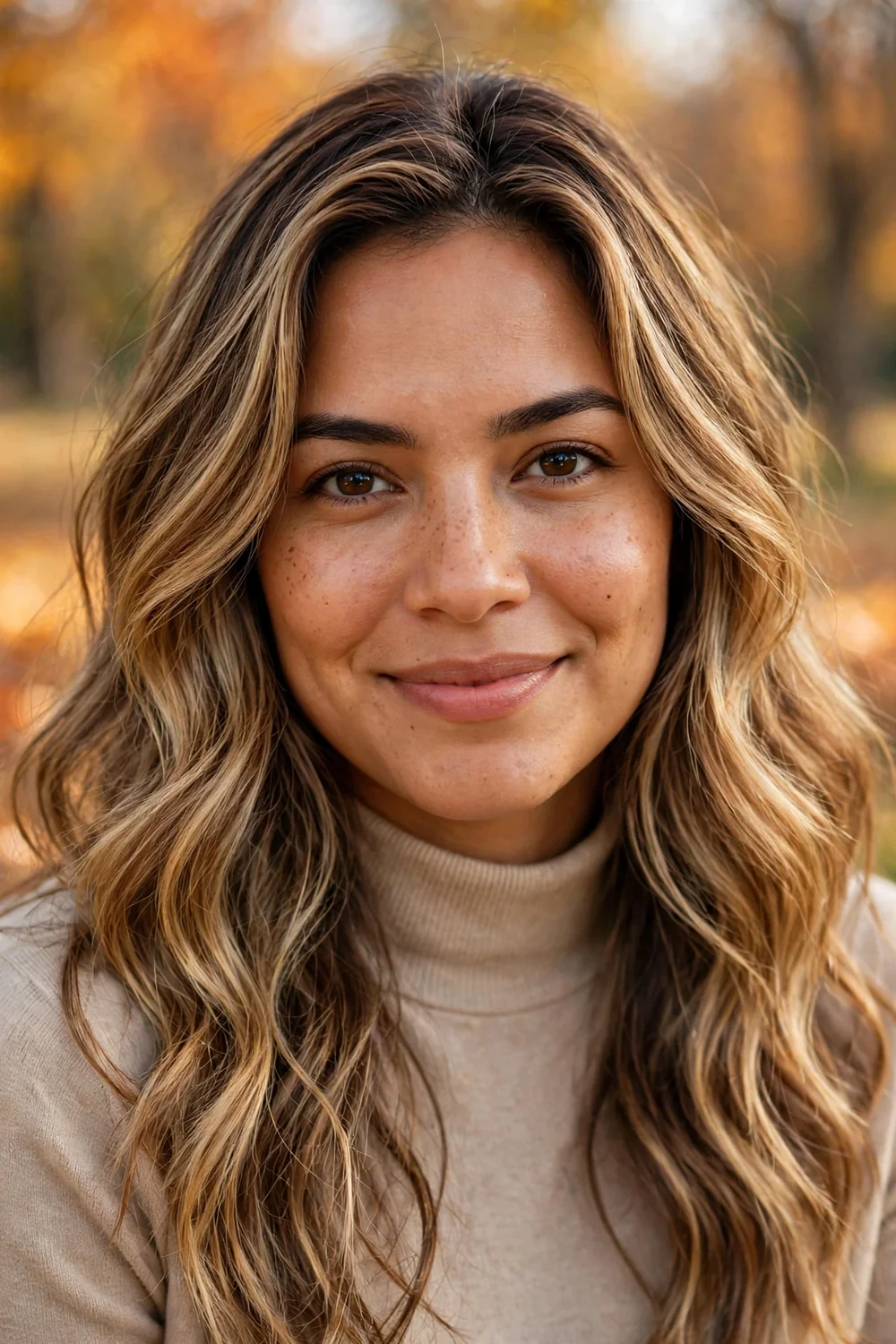
Can’t decide between blonde and brunette? Bronde refuses to choose, and honey bronde is its warmest fall version. The base stays close to light brown while golden blonde ribbons weave through the mid-lengths and ends. The result has the brightness of blonde with the depth of brunette, and it grows out softly because the root stays near your natural color. It suits medium skin tones especially well, and the golden ribbons catch light in a way that flatters wavy and curly textures.
Try this: Ask for the blonde ribbons to start a few inches below the root so the grow-out stays soft for months.
6. Buttery Beige Blonde
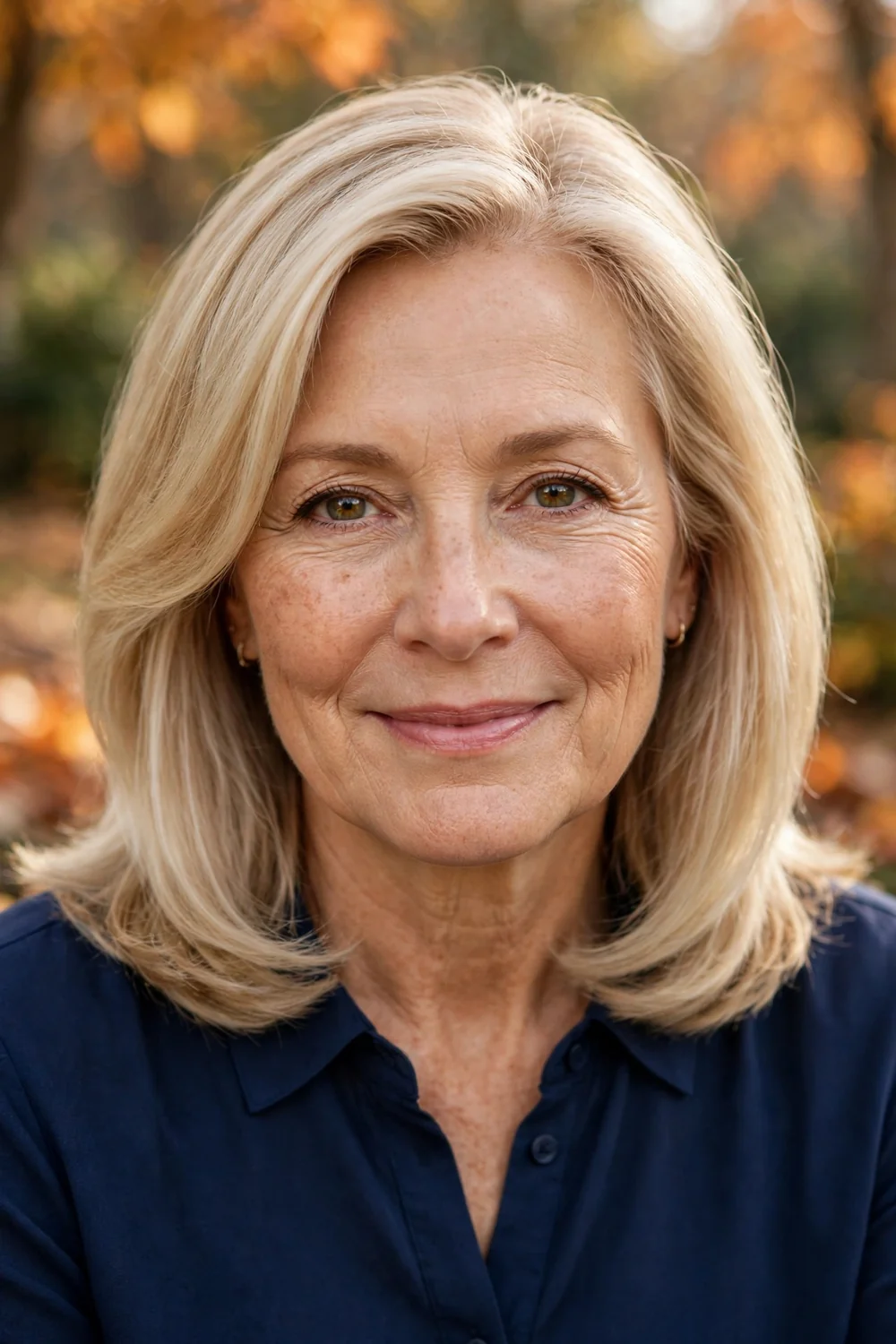
Soft buttery highlights give this neutral blonde its creamy, melt-in finish. Buttery beige blonde sits right in the middle of the warm-cool spectrum, which makes it one of the most wearable shades on the list. It lacks the gold punch of honey and the ash of mushroom, landing instead on a smooth, creamy neutral. The shade works on straight, wavy, and curly hair alike. Because it is neither strongly warm nor cool, it rarely clashes with skin tone, so it is a safe pick if you are unsure about your undertone.
Try this: Request fine babylights in a beige toner rather than chunky highlights to keep the finish soft and blended.
7. Rooted Blonde
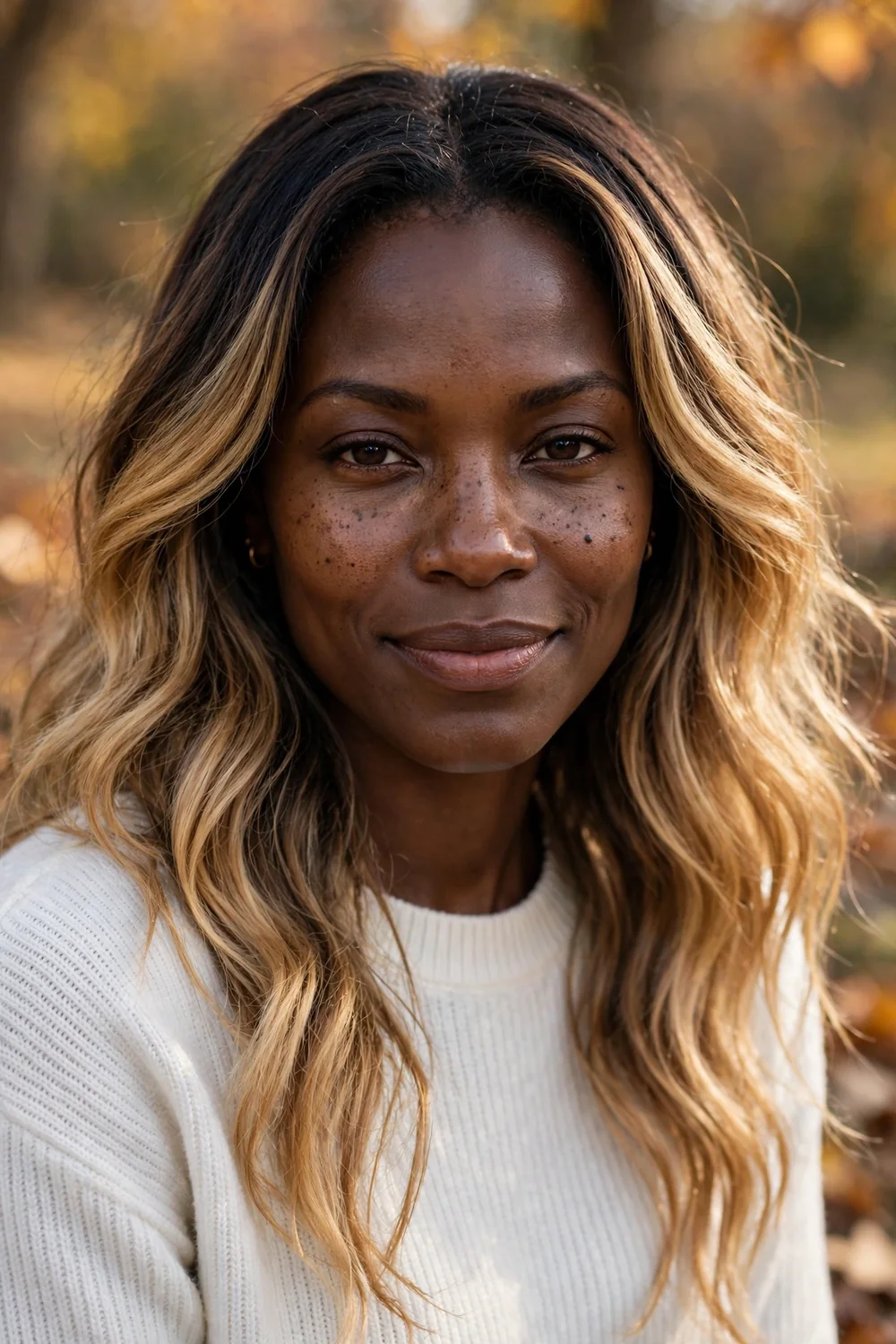
Rooted blonde keeps your natural root color and melts it into lighter lengths for the ultimate lived-in look. The darker root adds depth at the crown while the ends stay bright, which means no harsh regrowth line as weeks pass. It suits anyone who wants blonde without the every-six-weeks salon schedule. The contrast can be subtle (one level) or bold (three levels) depending on your base. Shadow roots and root smudges are the techniques colorists use to create this seamless melt.
Try this: Ask for a root smudge in a shade close to your natural color so touch-ups stretch to ten or twelve weeks.
8. Blonde with Lowlights
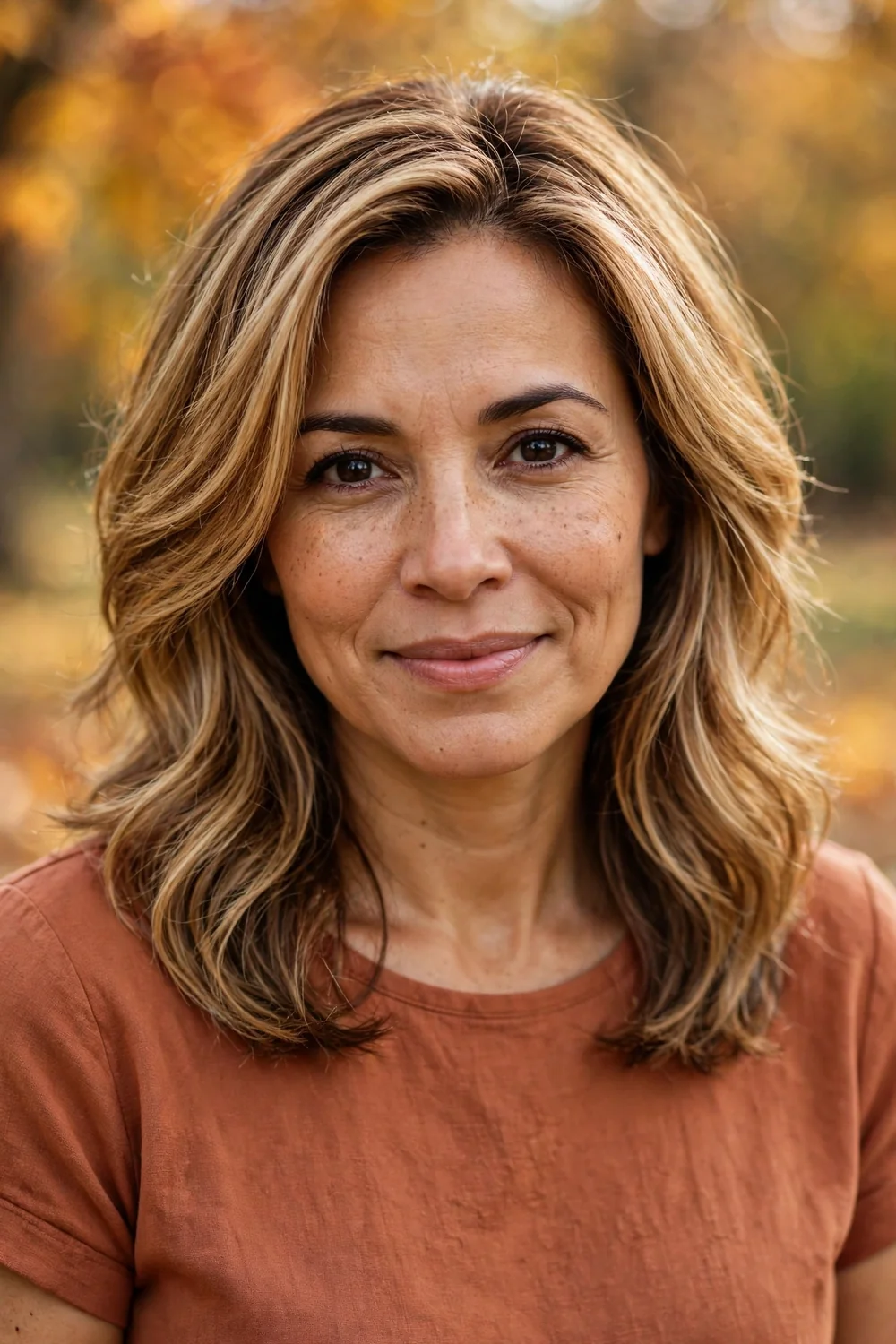
Sometimes the fastest route to fall blonde is adding depth instead of lightness. Toffee and chocolate lowlights woven through blonde hair create the shadow and contrast that summer color often lacks. The darker pieces make the remaining blonde look brighter by comparison, and the overall effect reads richer and more dimensional. This is a smart move if your blonde has gone flat or one-dimensional. Lowlights also grow out gracefully since they sit close to most people’s natural depth.
Try this: Ask for lowlights two shades deeper than your blonde, placed mostly underneath and through the mid-lengths.
9. Icy Platinum Blonde
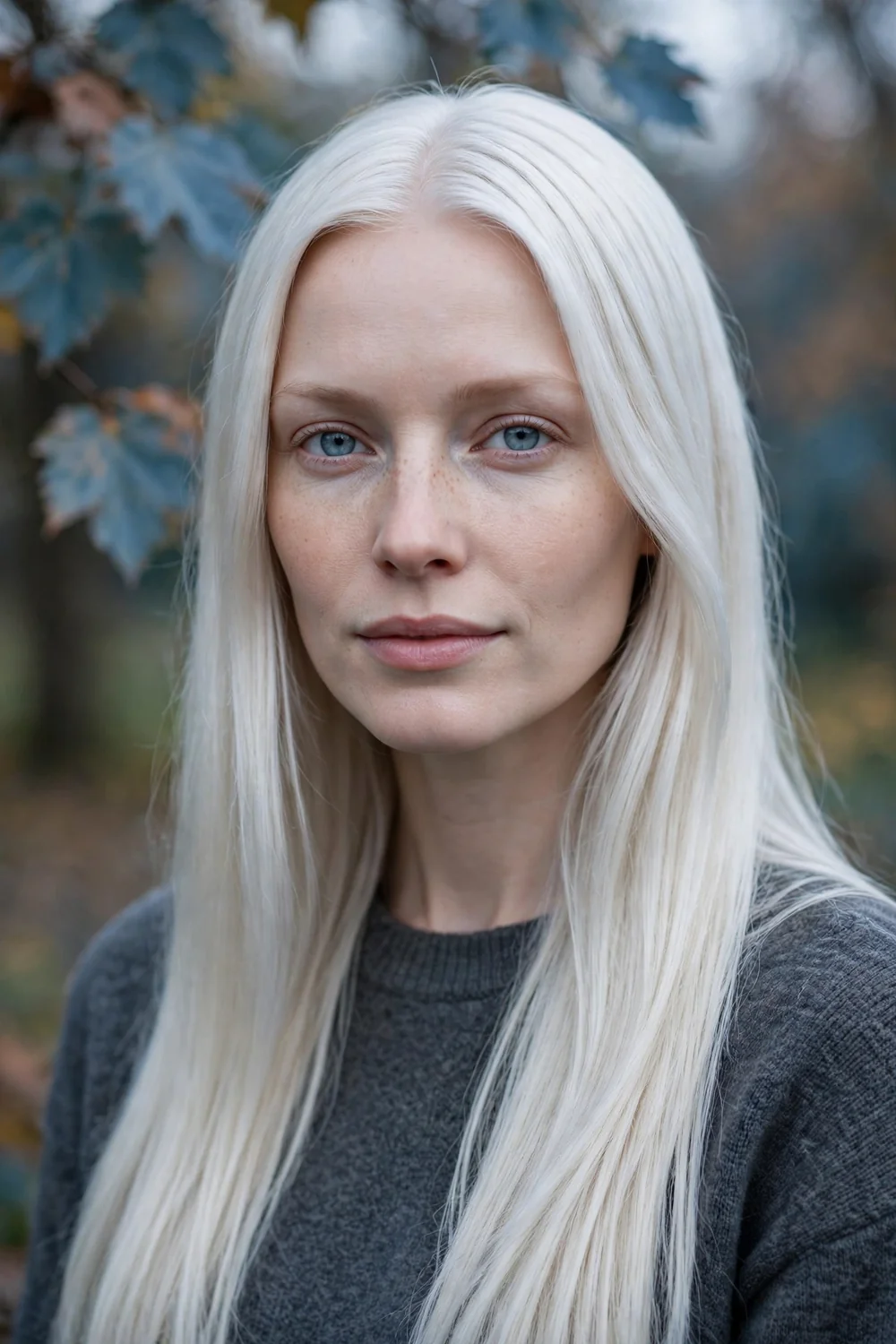
Here is the plot twist of fall blondes: go cooler, not warmer. Icy platinum brings a frosty, first-frost contrast that stands out sharply against autumn’s warm palette. The shade needs a pale, even lift and careful toning to remove every trace of yellow. It suits cool undertones and bold personalities, and it demands commitment: purple shampoo, bond-building treatments, and regular toners are non-negotiable. Deep condition after every lightening session to keep the hair strong.
Try this: Use a purple shampoo once a week and a deep conditioning mask after every wash to protect the fragile lightened hair.
10. Caramel and Amber Highlights on Dark Hair
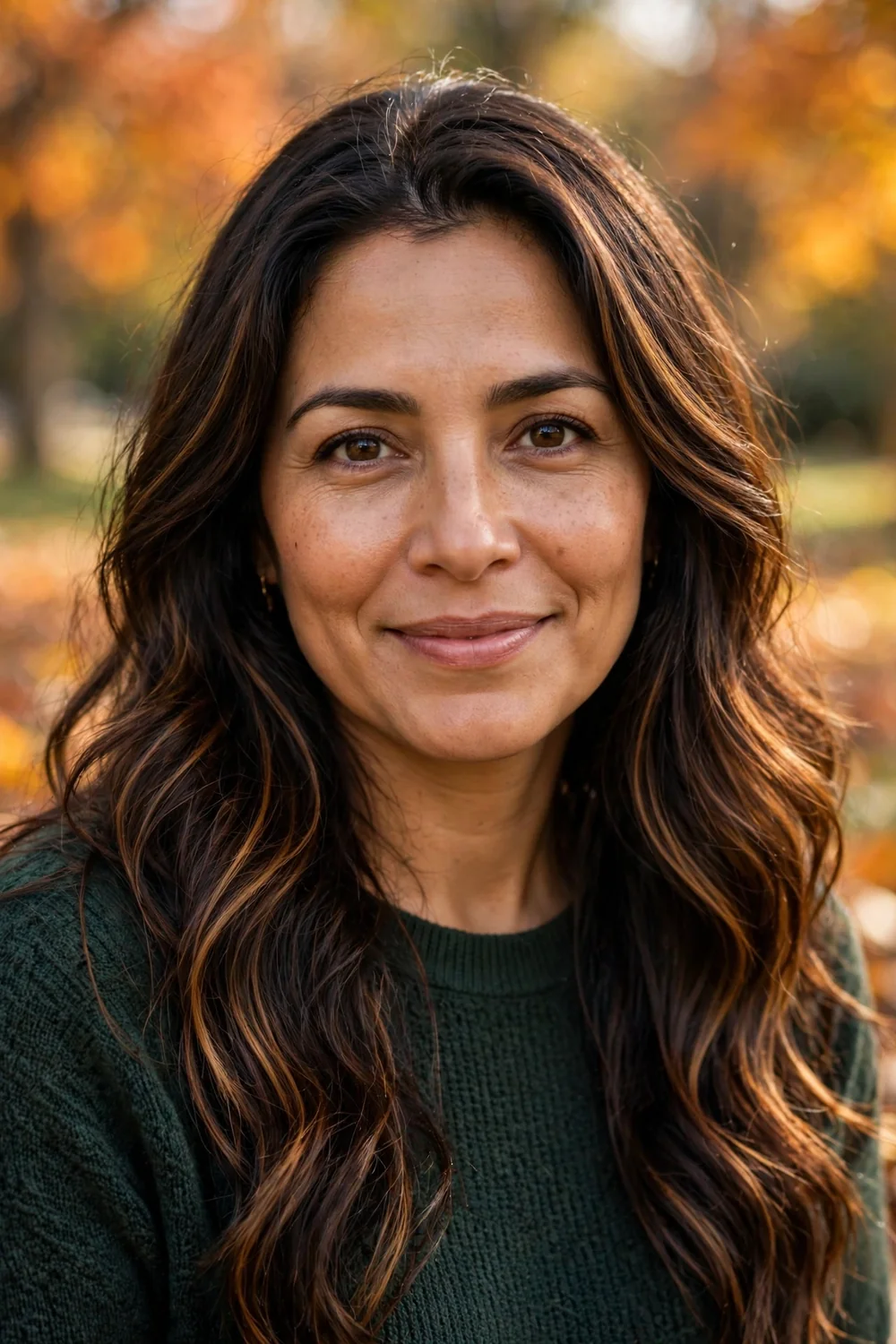
Dark-haired readers, this one is your transition path. Caramel and amber highlights add warm blonde pieces to a dark base without requiring a full lift. The contrast stays soft because the highlight shades sit in the warm family, echoing the base rather than fighting it. Your colorist will likely use balayage for a sun-touched, low-maintenance result. For more on this technique, read our guide to blonde balayage on brown hair and see how the placement works on dark bases.
Try this: Start with highlights around the face and ends only, then add more at your next appointment if you want to go lighter.
11. Calico Blonde
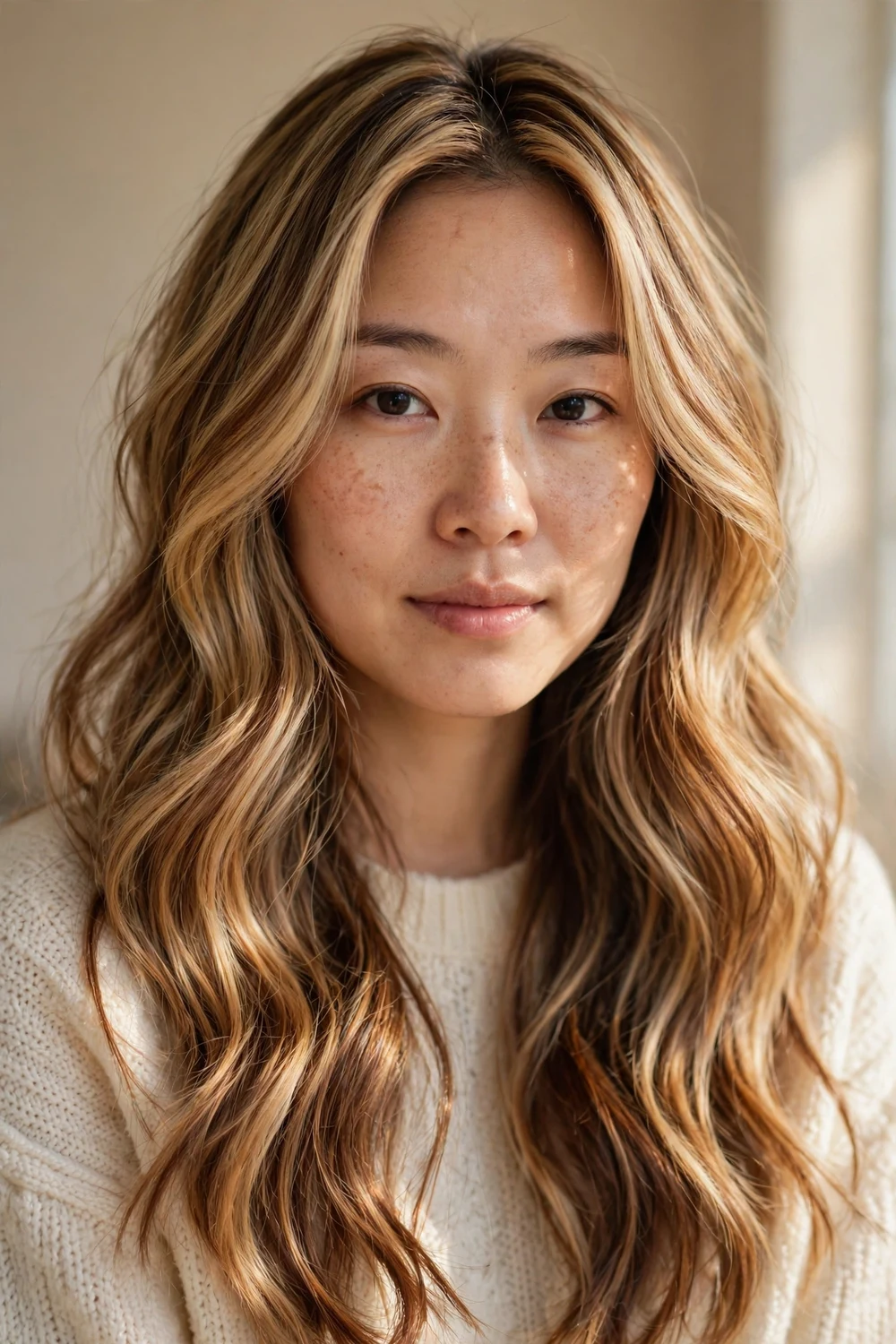
Why settle for one tone when you can wear three? Calico blonde mixes warm blonde shades, like honey, caramel, and golden wheat, into a playful multi-tonal blend. The patches of color create movement and make even fine hair look thicker. The key is keeping all the tones in the same warm family so the mix looks intentional rather than random. This works best with a colorist who understands color placement, since the pattern matters as much as the shades themselves.
Try this: Ask your colorist to map the placement on dry hair first so the pattern of tones is balanced before any color goes on.
12. Copper Blonde
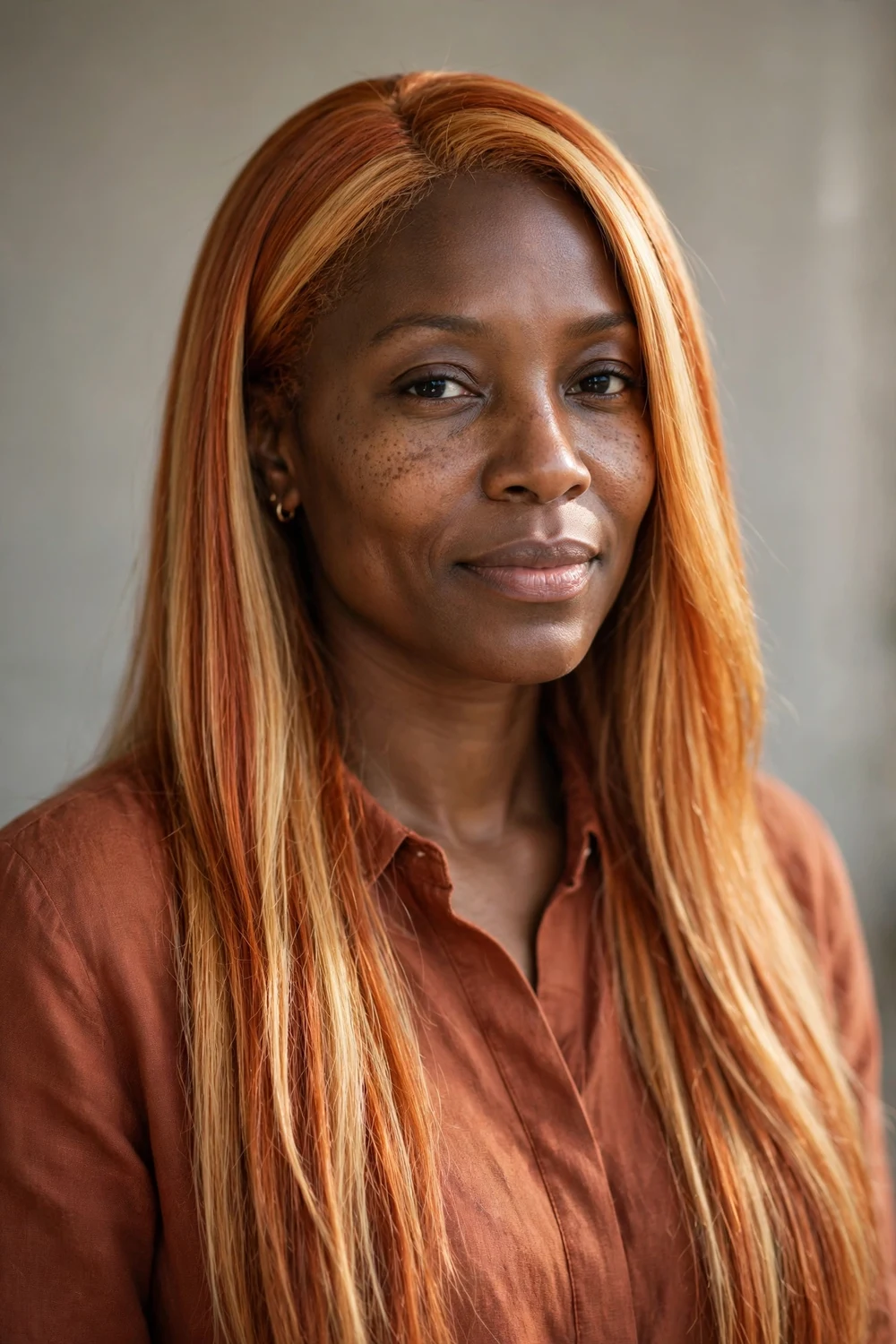
Copper blonde is the spiciest warm blonde on the list, fusing copper’s red-orange fire with blonde’s brightness. It sits between strawberry blonde and full copper, giving you warmth with lift. The shade flatters warm and neutral undertones and makes green and hazel eyes stand out. Because copper tones fade faster than most colors, plan on a color-depositing conditioner or gloss refresh every few weeks. For deeper takes on this family, explore our copper brown hair color ideas if you ever want to go richer.
Try this: Wash in cool water and use a copper-depositing mask every other week to slow the fade.
13. Peach Blonde
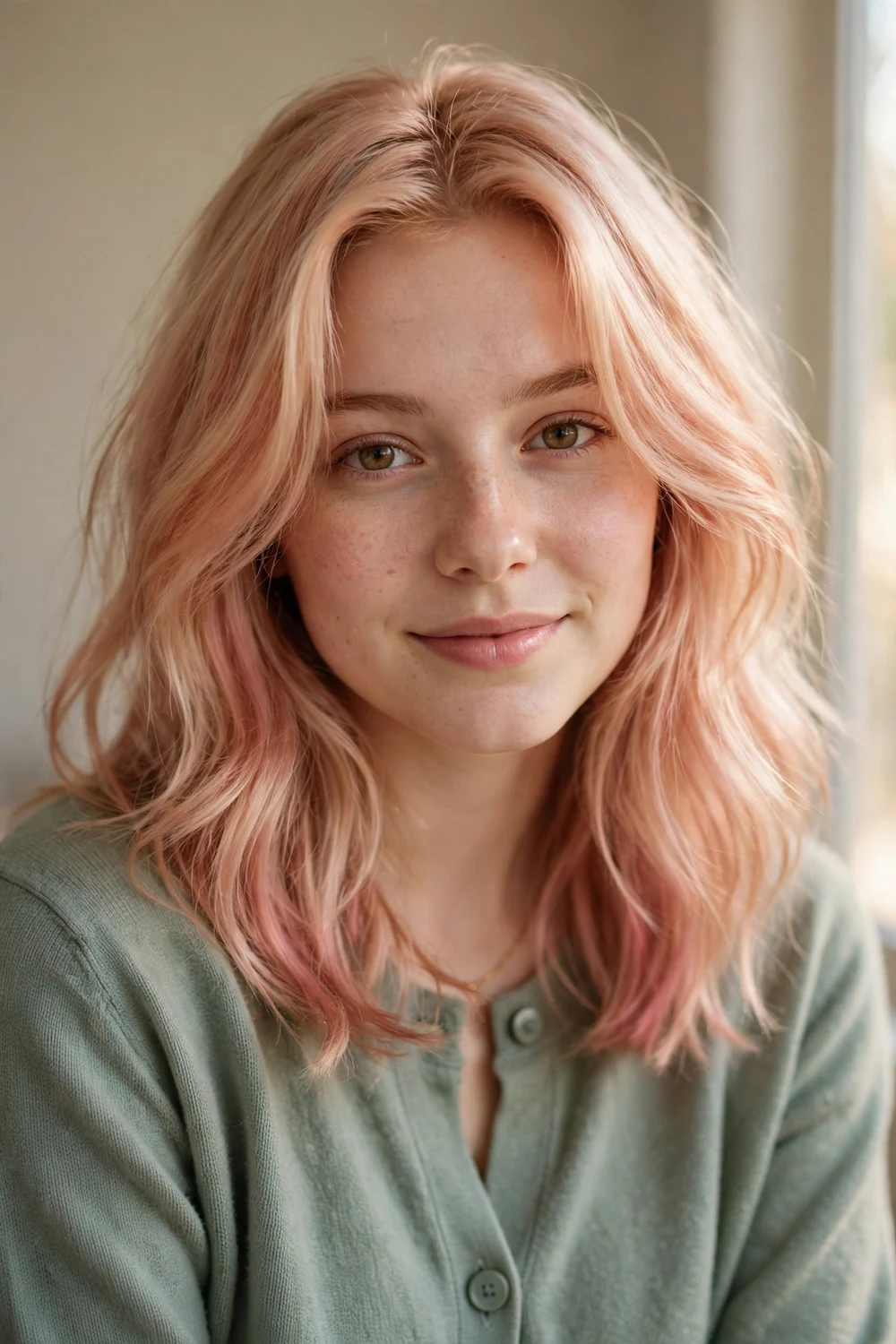
Peach blonde softens the warm blonde family with a whisper of pink. The shade reads as warm blonde first, with the peachy tone showing up most in sunlight or under warm indoor lighting. It suits fair to light-medium skin and adds a fresh, youthful cast to the complexion. Because the pink tones fade quickly, this works best as a toner or gloss over pre-lightened hair rather than a permanent commitment. A color-depositing conditioner in peach keeps it alive between salon visits.
Try this: Try it as a gloss first: if you love it for a month, commit to the fuller color at your next appointment.
14. Champagne Blonde
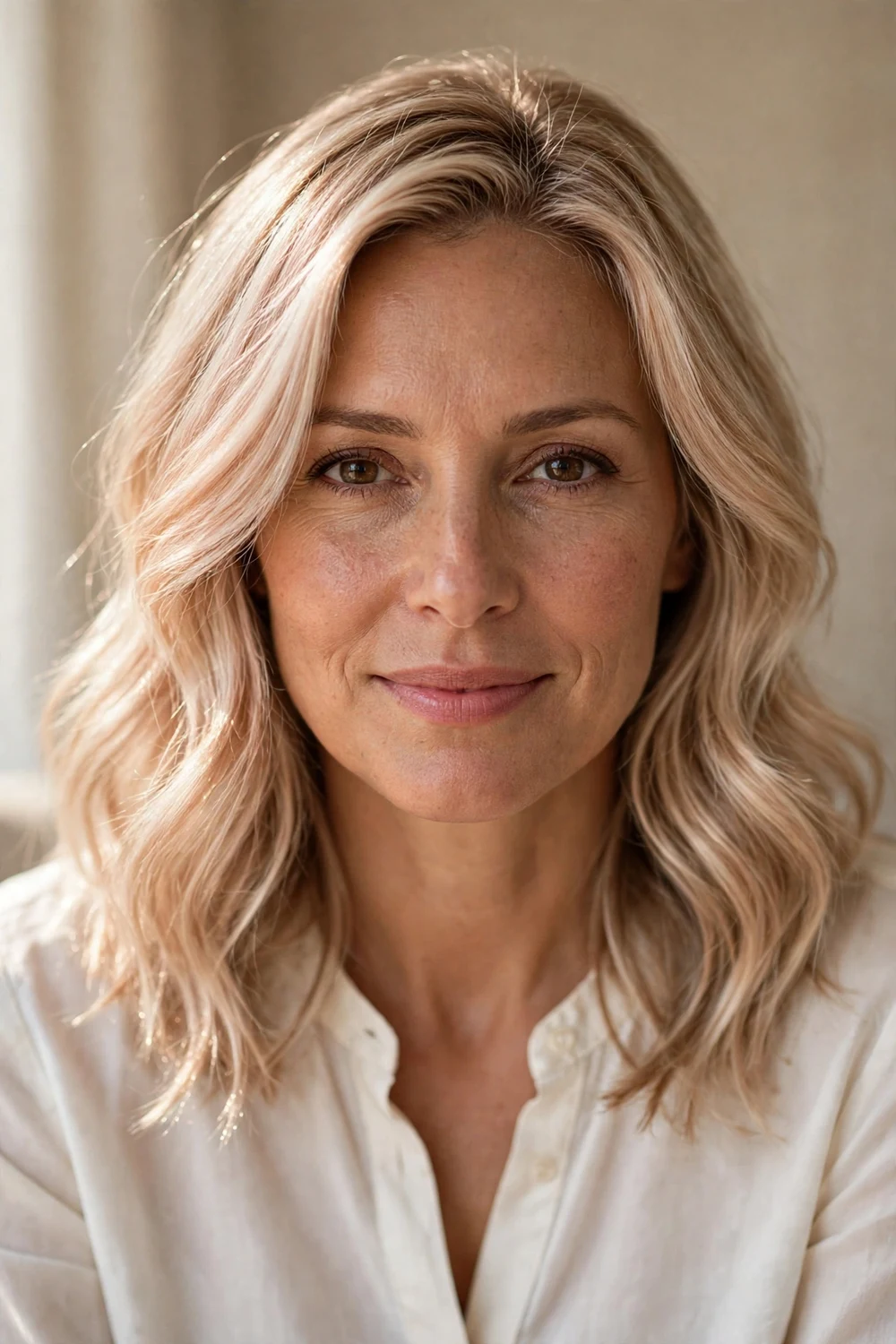
Champagne blonde pours light golden-pink tones into a neutral blonde base for a polished, glamorous finish. It sits lighter than honey but warmer than platinum, landing in a sophisticated middle ground. The pink-gold balance flatters neutral undertones especially well and looks refined on sleek, straight styles where the tone can shine evenly. Like all light blondes, it needs toning maintenance to keep the balance from tipping too gold or too pink over time.
Try this: Ask for a champagne toner with slightly more gold than pink if your skin leans warm, and the reverse if it leans cool.
15. Creamy Crème Brûlée Blonde
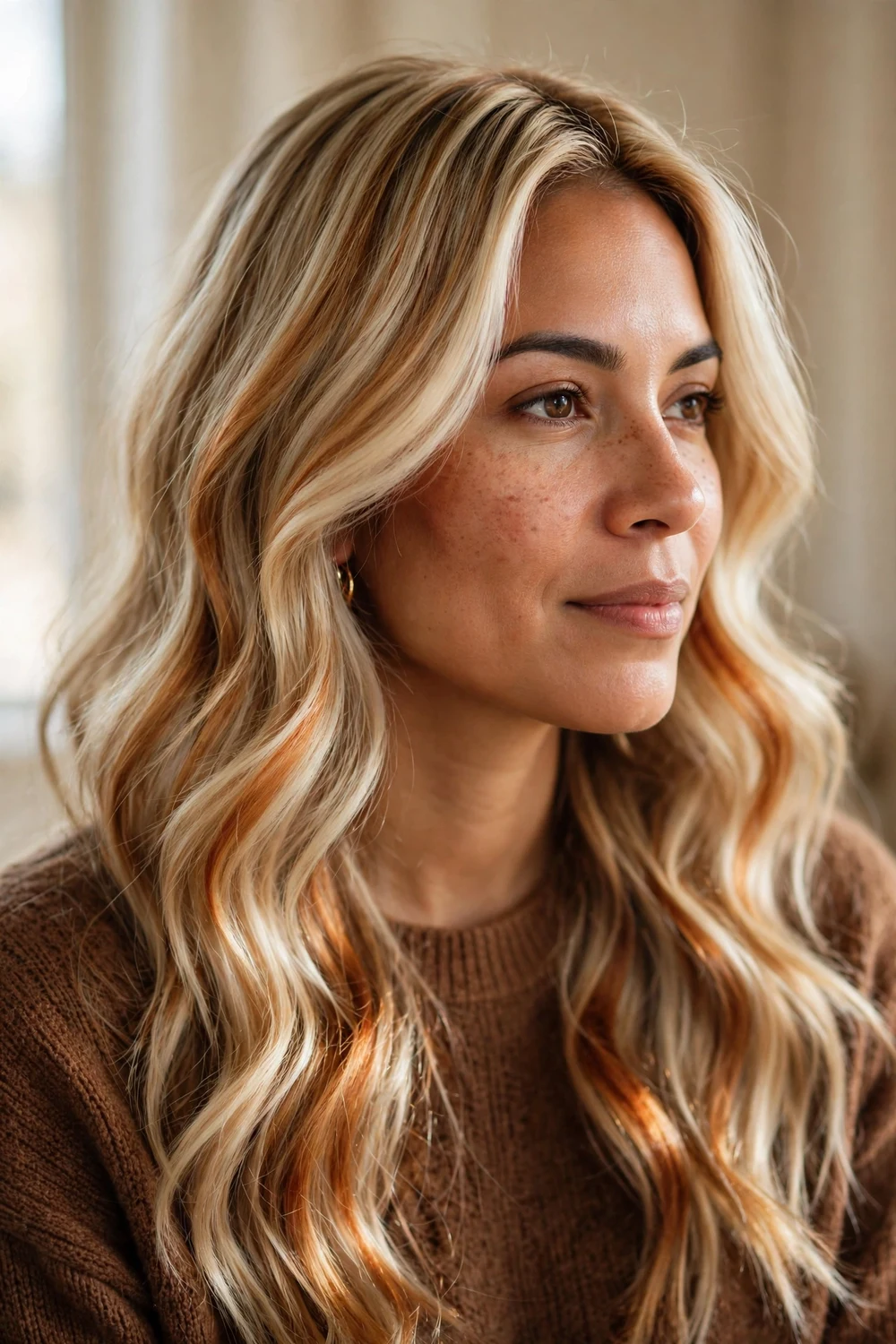
Crème brûlée blonde blends vanilla cream with ribbons of golden copper, like the dessert’s torched sugar top. The vanilla keeps it light while the copper ribbons add the warmth that makes it unmistakably fall. This is a dimensional color that needs both tones to work: too much vanilla and it reads as summer blonde, too much copper and it becomes copper blonde. It suits medium to long hair where the ribbon placement has room to show, and it flatters warm and neutral skin tones.
Try this: Ask for the copper ribbons concentrated through the mid-lengths and ends, keeping the vanilla brightest around the face.
For a year-round version of the creamy idea, creamy blonde balayage drops the copper and keeps the vanilla-beige blend.
16. Dirty Blonde
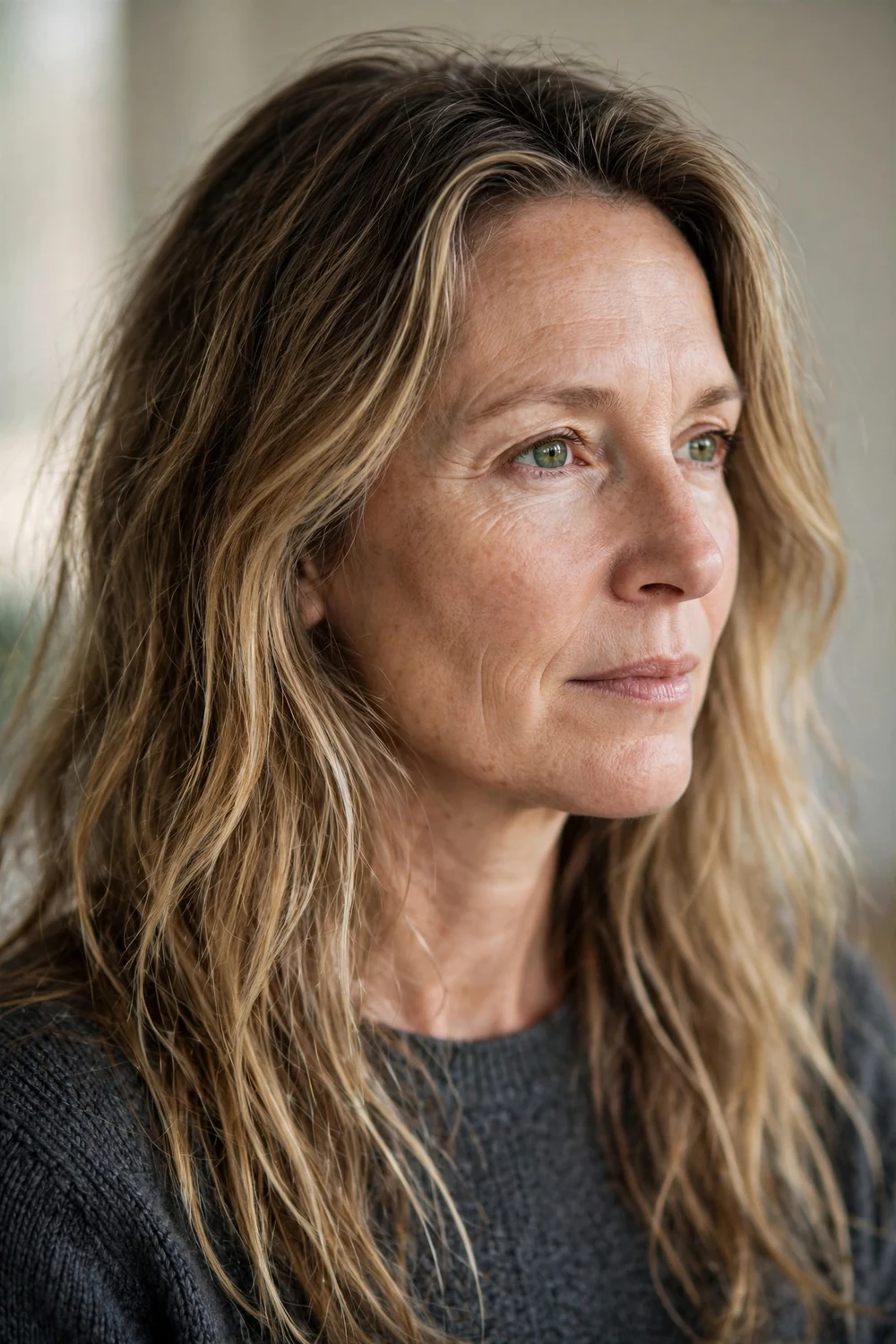
Dirty blonde is simply a deeper, lived-in dark blonde, and fall is its natural season. The shade hovers between dark blonde and light brown with plenty of natural-looking variation. Because it sits close to many people’s natural color, the grow-out is nearly invisible and maintenance stays minimal. It suits anyone who wants blonde without the upkeep of lighter shades. Ask your colorist to keep the variation soft and blended rather than stripy for the most natural result.
Try this: Skip the full highlight and ask for a demi-permanent gloss in a dark blonde shade to deepen your summer blonde for fall.
17. Ash Blonde
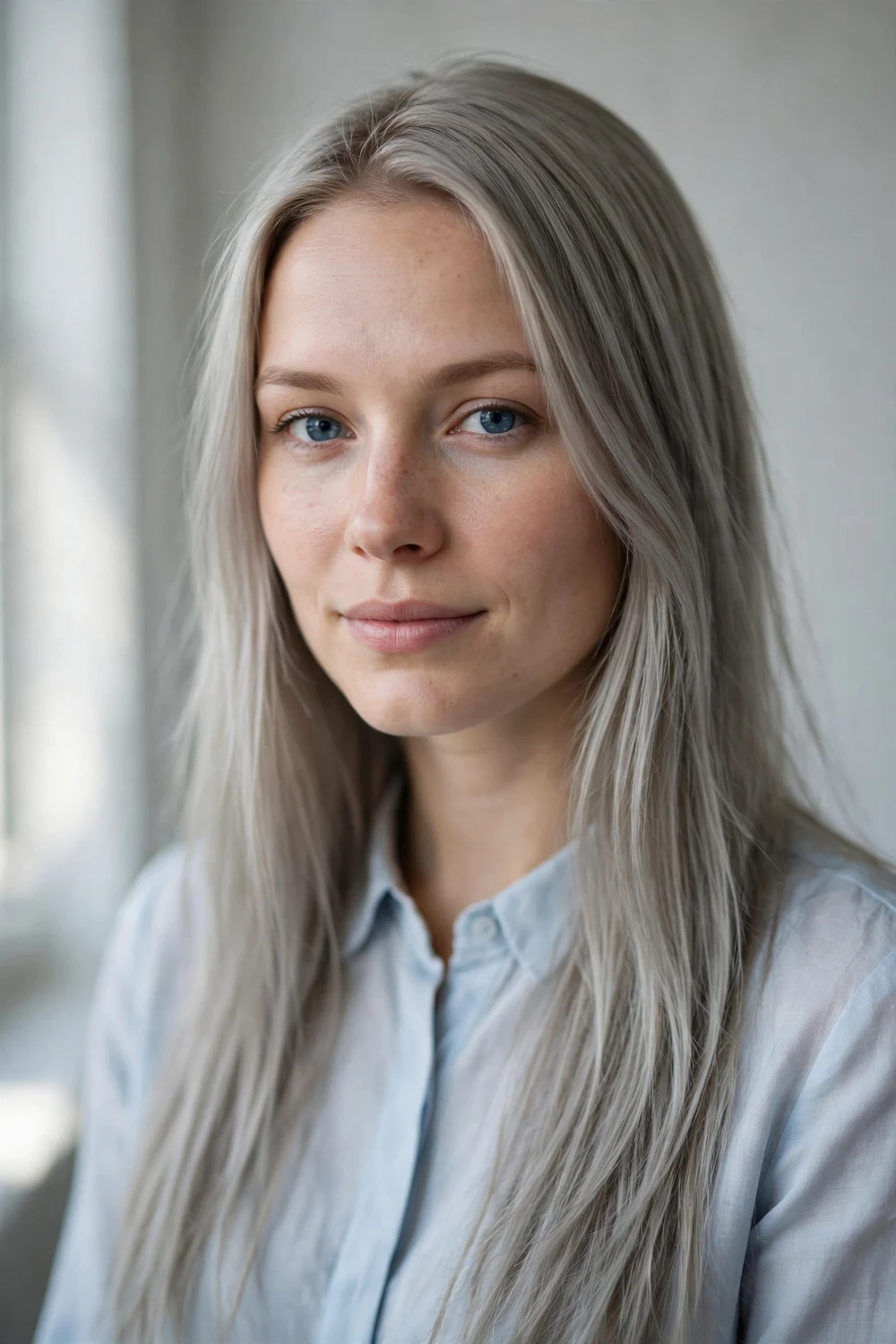
If you want fall depth without a drop of gold, ash blonde is the anti-warm option. The smoky, cool tones absorb light rather than reflecting it, which gives the color a modern, muted finish. It suits cool undertones best and can look striking against the warm colors of the season. The challenge is brass: underlying warmth will try to push through, so purple shampoo and regular toning are part of the deal. Make sure your base is light enough first, since ash over dark hair turns muddy.
Try this: Use purple shampoo twice a week and book a toner refresh every six to eight weeks to keep the ash from warming up.
18. Money Piece Blonde
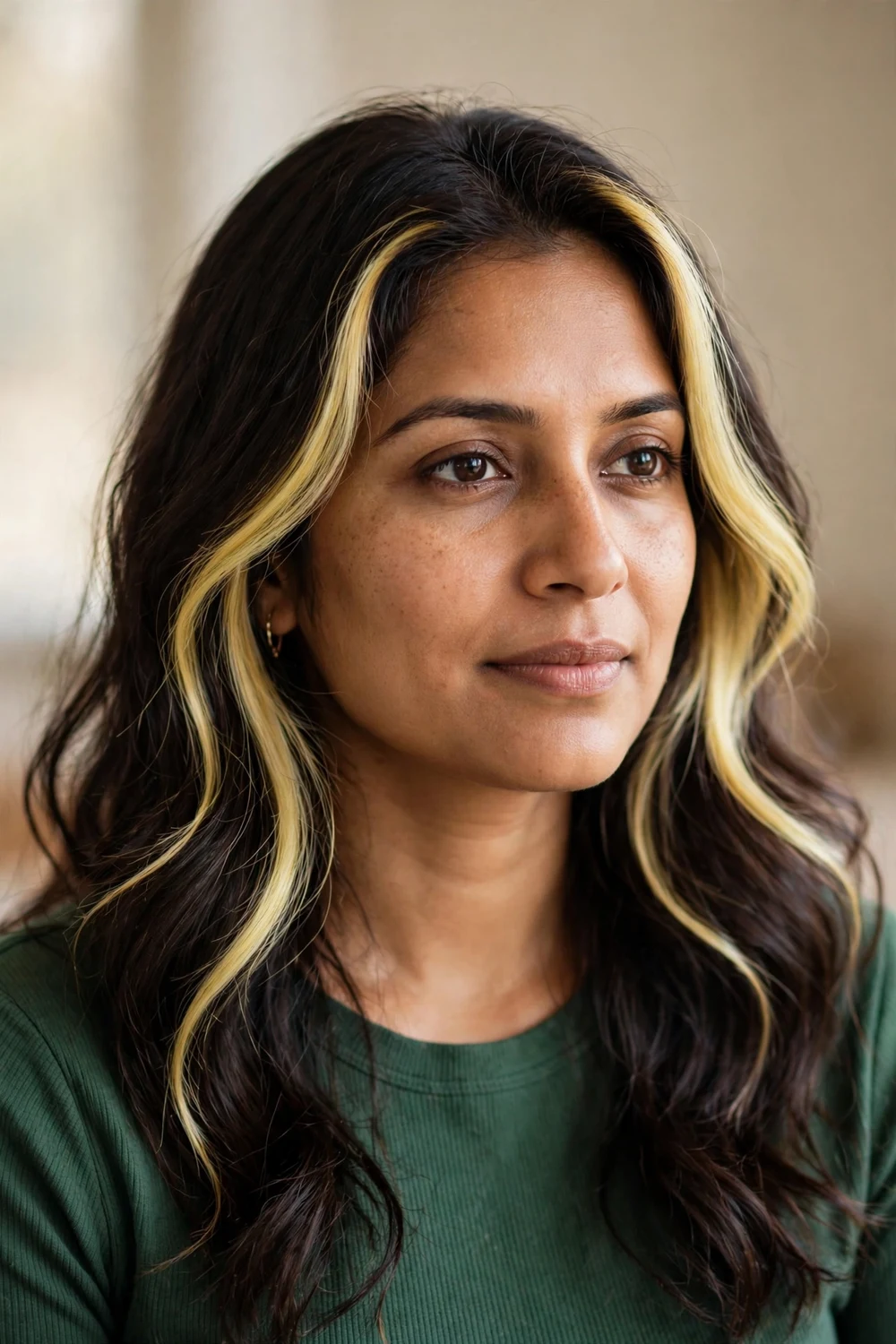
The money piece puts bold, bright blonde right where it counts: framing your face. Against the deeper tones of a fall color, those front pieces pop even harder, brightening your complexion without lightening your whole head. It works over almost any base, from brunette to blonde, and the grow-out stays manageable since it is only a small section. Keep the pieces bright but blended at the root so they look intentional rather than stripey.
Try this: Ask for the face-framing pieces two to three levels lighter than the rest of your hair for contrast that still blends.
19. Warm Ombré Blonde
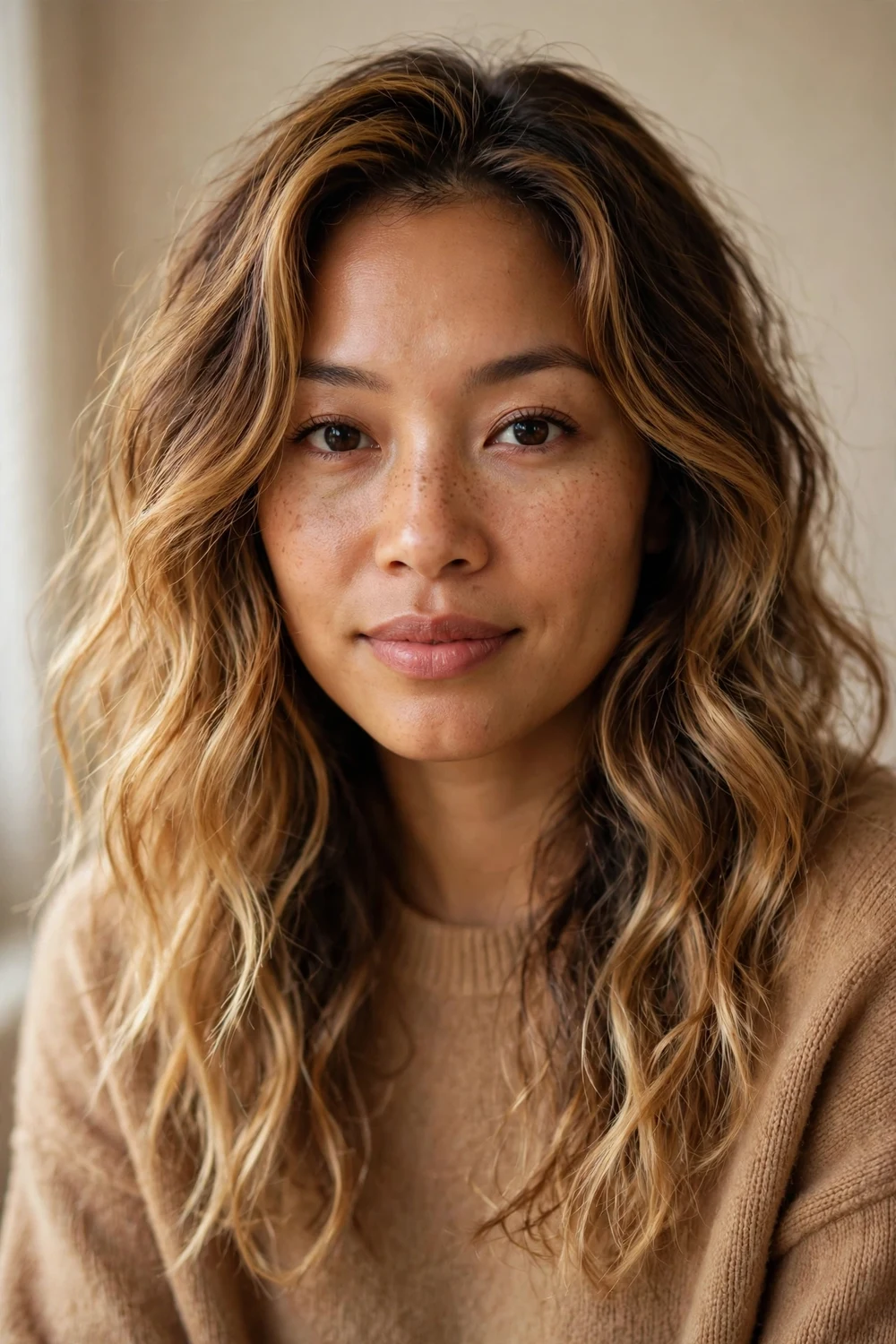
Warm ombré runs a smooth gradient from deeper warm roots to golden blonde ends. Unlike the stark ombrés of years past, the modern version blends so gradually that you can’t spot where one shade ends and the next begins. The warm root keeps it seasonal while the golden ends keep it blonde. It suits long hair best, where the gradient has length to unfold, and the grow-out is effortless since the root area already matches a darker tone.
Try this: Ask your colorist to melt at least three connecting shades between root and ends for a gradient with no visible lines.
20. Gray-Blending Dimensional Blonde
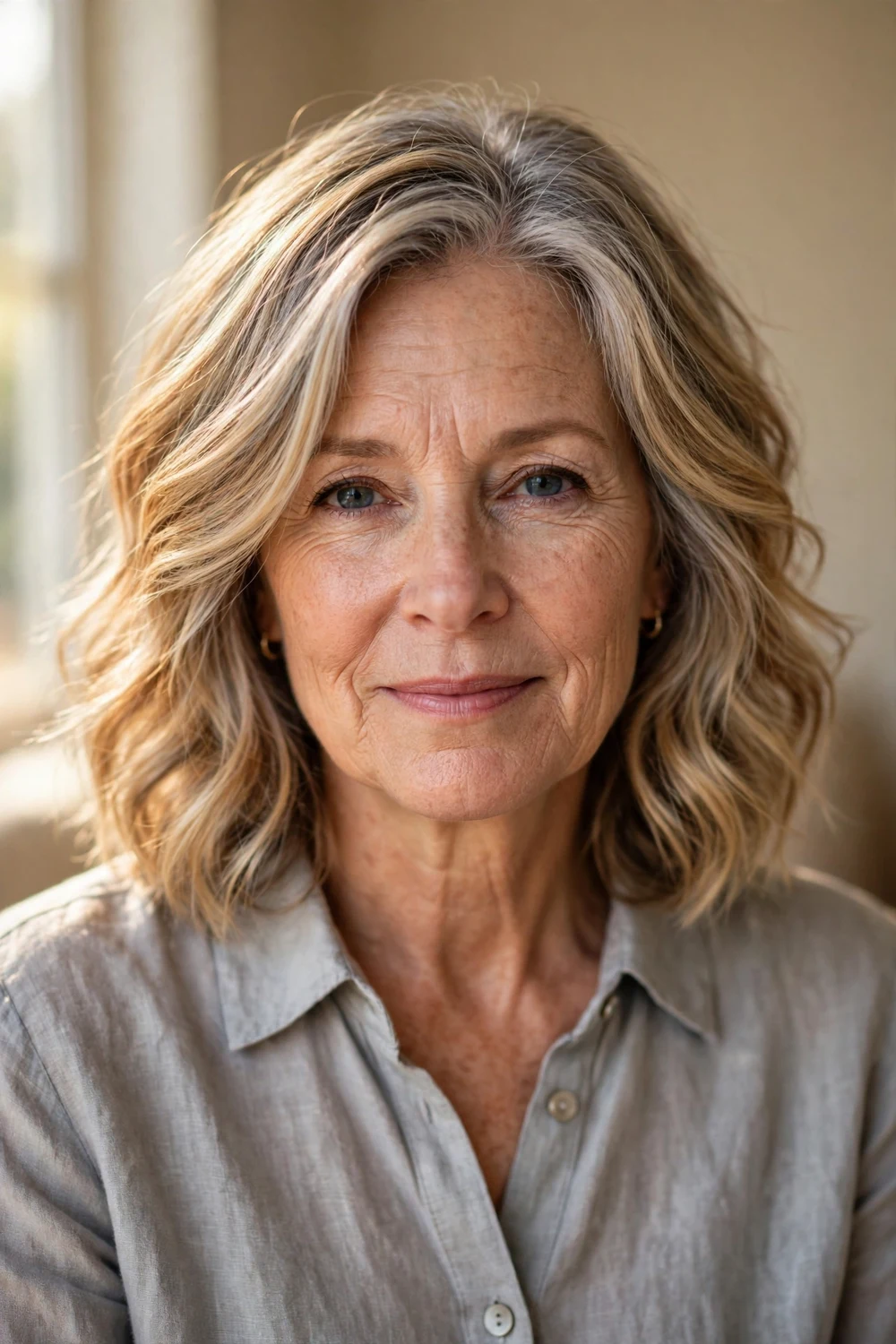
Gray-blending dimensional blonde uses strategic highlights and lowlights to camouflage grays instead of covering them with solid color. Fine blonde pieces mimic the light tones of gray hair while slightly deeper pieces add the contrast that makes the blend look natural. The result grows out without a harsh line, which means fewer appointments and no obvious regrowth. It works best when the gray is scattered rather than concentrated, and it suits anyone who wants a softer alternative to full coverage.
Try this: Ask for fine babylights in two blonde tones around the hairline and part, where grays show most.
Fall Blonde Shades Comparison at a Glance
| Shade | Tone | Maintenance | Best For |
|---|---|---|---|
| Honey Blonde | Warm gold | Medium | Most skin tones; signature fall glow |
| Caramel Blonde | Warm creamy amber | Medium | Warm and neutral undertones |
| Mushroom Blonde | Cool-neutral taupe | High | Cool undertones; brass fighters |
| Strawberry Blonde | Warm red-gold | Medium | Fair warm skin; autumn warmth |
| Honey Bronde | Warm blonde-brown | Low | Undecided blondes; easy grow-out |
| Buttery Beige Blonde | Neutral creamy | Medium | Unsure undertones; all textures |
| Rooted Blonde | Varies | Low | Low-maintenance blonde lovers |
| Blonde with Lowlights | Warm dimensional | Low | Flat blonde needing depth |
| Icy Platinum Blonde | Cool frosty | High | Cool undertones; bold contrast |
| Caramel & Amber Highlights | Warm | Low | Dark bases transitioning lighter |
| Calico Blonde | Warm multi-tonal | Medium | Fine hair needing fullness |
| Copper Blonde | Warm copper-gold | High | Warm undertones; green eyes |
| Peach Blonde | Warm peachy-pink | High | Fair skin; low-commitment testers |
| Champagne Blonde | Neutral golden-pink | Medium | Neutral undertones; sleek styles |
| Crème Brûlée Blonde | Warm vanilla-copper | Medium | Long hair; dimensional color fans |
| Dirty Blonde | Neutral deep blonde | Low | Minimal upkeep; natural look |
| Ash Blonde | Cool smoky | High | Cool undertones; anti-warm picks |
| Money Piece Blonde | Bright warm-neutral | Low | Face brightness on any base |
| Warm Ombré Blonde | Warm gradient | Low | Long hair; effortless grow-out |
| Gray-Blending Blonde | Dimensional neutral | Low | Scattered grays; soft coverage |
How to Choose Your Fall Blonde
Start with your undertone. If gold jewelry flatters you more than silver and your veins look greenish, you have warm undertones: reach for honey, caramel, copper, or strawberry. If silver wins and your veins look blue or purple, you have cool undertones: mushroom, ash, or icy platinum will sit best. If both metals work, you are neutral and can wear bronde, buttery beige, or champagne with ease.
Your natural base color decides the route. Dark brunettes should lift gradually: caramel and amber balayage highlights (idea 10) add warmth without a drastic single-session lift, which also protects hair health. Light brown bases have the easiest path to bronde, dirty blonde, and rooted looks, often in one appointment. Natural blondes can usually reach most shades on this list with a gloss or toner alone, no bleach required.
Safety comes before shade. Do a patch test and a strand test at least 48 hours before any permanent color or lightener, even if you have colored your hair before. Deep condition after every lightening session, since bleach removes moisture along with pigment. Cool blondes should keep a purple shampoo in rotation to stop brass from creeping in. For more seasonal shades beyond blonde, take a look at our roundup of fall hair colors to compare warm brunettes, coppers, and reds side by side.
For short-hair inspiration, browse these short balayage hairstyle ideas to find your perfect dimensional look.
For straight textures in particular, this roundup of brunette balayage for straight hair shows how balayage shades behave on smooth, straight hair.
Frequently Asked Questions
Which fall blonde shade suits warm skin tones?
Honey blonde, caramel blonde, copper blonde, and strawberry blonde all flatter warm skin tones because their golden and red-gold pigments echo the skin’s natural warmth. Honey bronde and crème brûlée blonde are strong options too. If you are unsure, buttery beige blonde sits in the neutral middle and rarely clashes.
Can I go from dark brunette to blonde for fall in one appointment?
It depends on how light you want to go and your hair’s condition. One session can usually lift dark hair to caramel or bronde territory safely, but platinum or icy shades need multiple appointments spaced weeks apart. Rushing the lift risks breakage, so ask your colorist for an honest assessment and a strand test first.
How do I keep fall blonde hair from turning brassy?
Use a purple shampoo once or twice a week to neutralize yellow and orange tones, and book a toner refresh every six to eight weeks. Cool water rinses and limiting heat styling also slow the warmth from creeping back. Warm shades like honey and caramel show brass less, so they need less correction than ash or platinum.
Are fall blonde colors low maintenance?
Some are and some are not. Rooted blonde, bronde, dirty blonde, lowlights, and gray-blending techniques grow out softly and need touch-ups every ten to twelve weeks. Icy platinum, copper blonde, peach blonde, and ash blonde fade or warm up faster and need salon visits or at-home toning every four to six weeks.
Should I get fall blonde hair at a salon or do it at home?
A salon is the safer choice for any lightening, major color correction, or dimensional work like balayage and root melts. At-home kits work best for glosses, toners, and refreshing an existing shade. Whichever route you take, do a patch test and strand test 48 hours before coloring, and deep condition after any lightening.
Final Thoughts
Fall blonde is really about depth: deeper golds, softer roots, and richer dimension than summer asks for. Pick the shade that matches your undertone and your maintenance appetite, and you will have a color that carries you comfortably through the season.
Cool ash is one of the season’s strongest directions, and ash blonde hairstyles for women over 50 pairs these shades with flattering cuts for mature hair.
If you want a blonde that grows out gracefully past fall, blonde hair with dark roots shows how dark roots keep the color low-maintenance.
If you are ready to take your color all the way darker, see our guide to brunette from blonde for twenty seamless transition ideas from caramel swirls to reverse balayage.

