


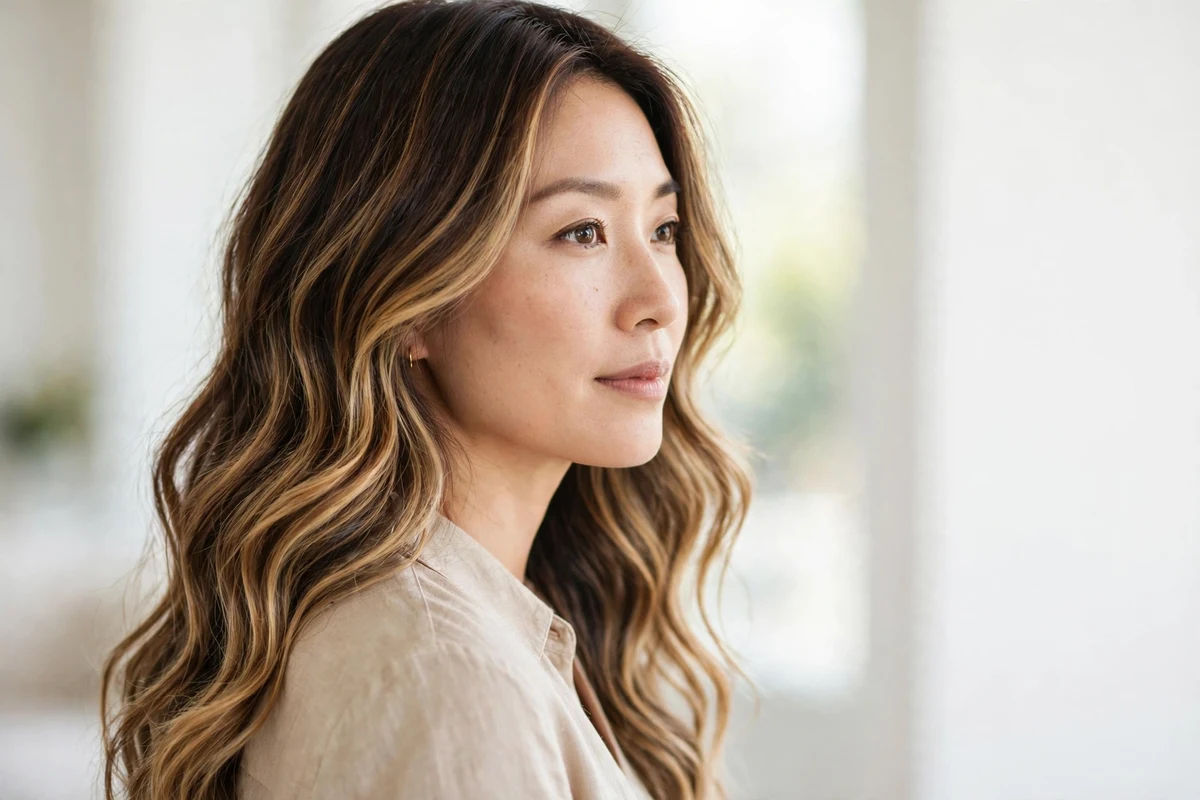
Thinking about going brunette from blonde? You are not alone. Every fall, thousands of blondes trade their beachy highlights for richer, deeper color, and the transition is one of the most satisfying hair changes you can make. Brunette hair brings warmth, dimension, and a polished look that photographs beautifully in every light.
But going darker is not as simple as picking a brown box dye. Blonde hair is porous and light, so color can grab unevenly, fade fast, or turn muddy if the transition is not planned well. This guide rounds up 20 brunette from blonde ideas that keep the change healthy, seamless, and stunning. As someone who has covered hair color trends for years, I can tell you the shades below are the ones stylists actually recommend.
Quick answer: The best brunette from blonde ideas include caramel swirl transitions, reverse balayage, chestnut ombré, and dimensional lowlights. These techniques deepen your color gradually, prevent brassiness, and keep hair healthy while you move from blonde to brunette.
Quick Takeaways
- Reverse balayage is the healthiest way to go brunette from blonde because it adds dark without lightener.
- Always fill porous blonde hair before going darker to prevent muddy, uneven color.
- Warm shades like caramel and chestnut flatter warm skin tones; ash and beige suit cool ones.
- Glosses and lowlights let you test brunette with zero long-term commitment.
- Color-safe, sulfate-free products keep your new brunette rich for weeks longer.
Why Going Brunette From Blonde Needs a Plan
Blonde hair is like a sponge. Years of lightening leave the hair cuticle lifted and porous, which means it absorbs dark color quickly and unevenly. Without a proper fill, which is a warm base color applied first, a brown dye can grab too hard on the most damaged ends and turn them an ashy green-gray while the roots stay warm. That is why colorists rarely go straight from blonde to brunette in one step.
The good news is that planning makes the transition easy. A consultation lets your stylist assess your hair history, porosity, and the exact shade of brunette that suits your skin tone. Techniques like reverse balayage and dimensional lowlights let you deepen the color in stages, so you arrive at your final brunette gradually instead of in one shocking appointment. Your hair stays healthier, your color stays truer, and you get to enjoy every stage of the change.
1. Caramel Swirl Transition
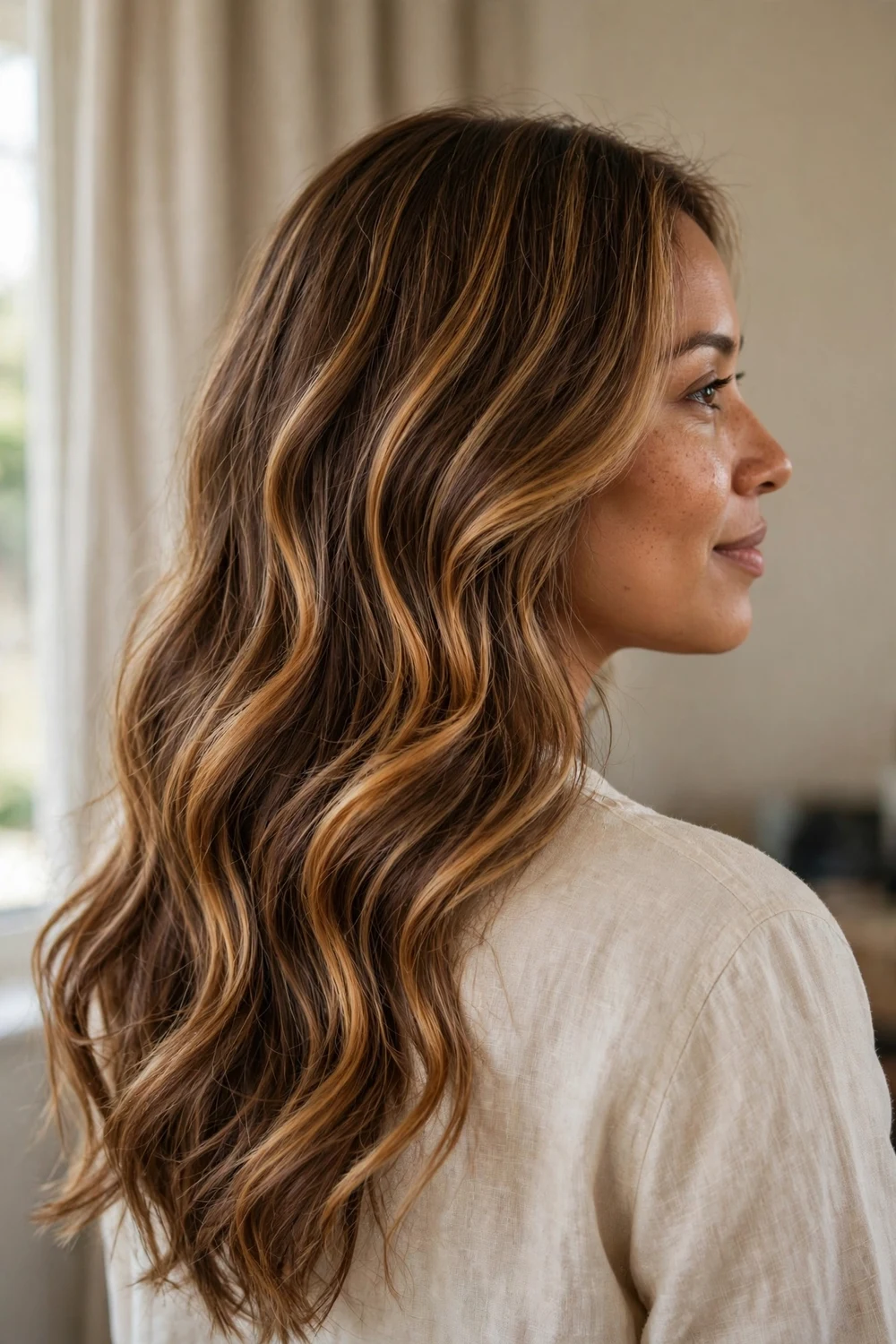
A caramel swirl is the friendliest first step when you go brunette from blonde. Instead of dropping your color two levels in one appointment, your stylist paints golden caramel ribbons through a medium-brown base, so the light peeks through in waves and curls. The result keeps the brightness you are used to while reading as a true brunette in every light. It flatters warm and neutral skin tones and grows out softly because the contrast is gradual, not harsh. Ask for caramel pieces around the face so the shade never feels flat or one-dimensional.
Try this: Ask for a level-6 brown base with level-8 caramel highlights painted in a swirl pattern, and bring a photo of hair you love so your stylist matches the exact warmth level.
2. Espresso Dip Dye
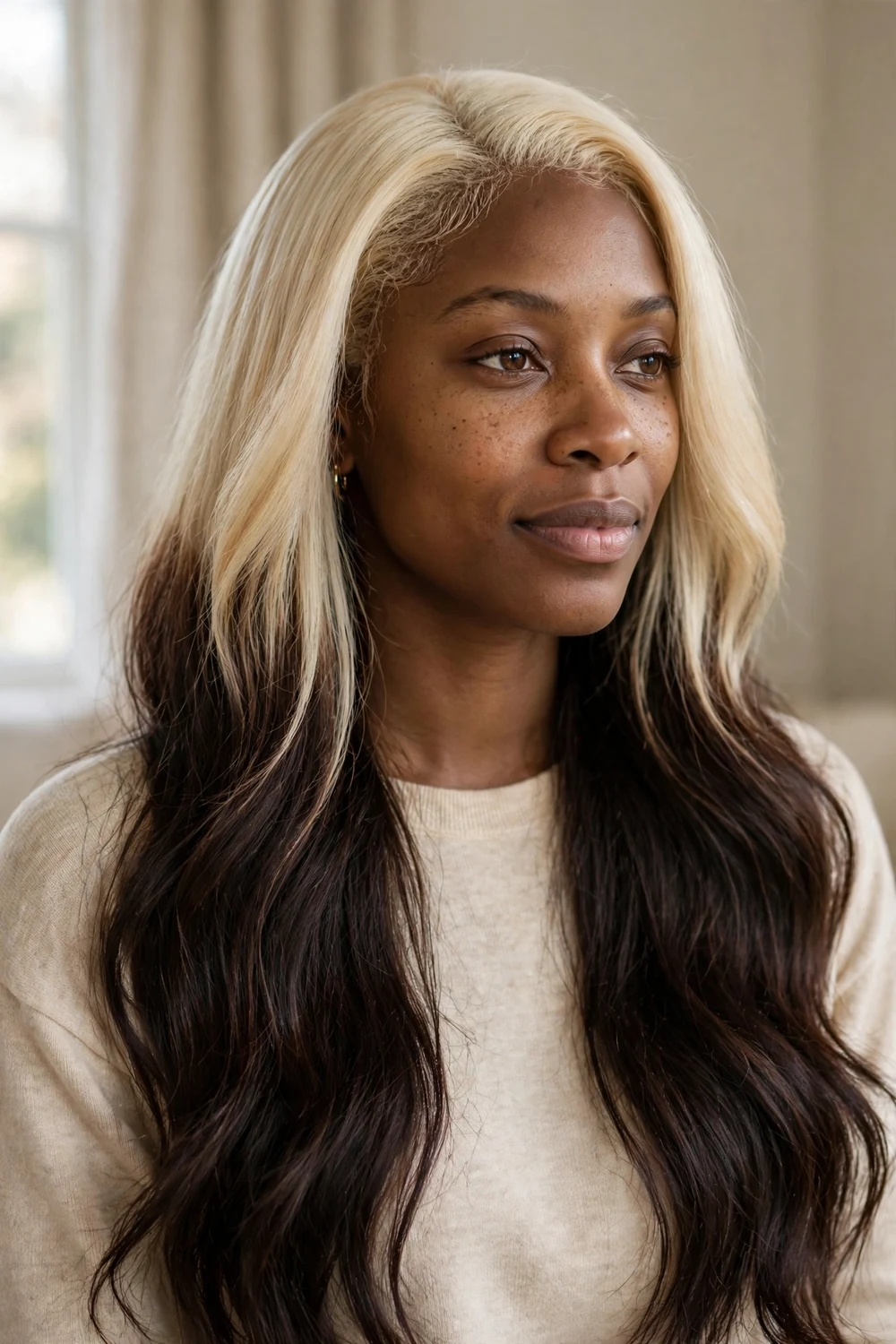
The espresso dip dye is for the bold at heart. Your blonde stays untouched through the crown and mid-lengths, while the last few inches are dipped into deep, glossy espresso. The blunt contrast is deliberate and graphic, giving you a brunette look with zero commitment to an all-over color. This works best on straight or lightly waved hair where the line between light and dark reads cleanly. It is also a clever transition trick: when you are ready to go fully dark, your colorist simply brings the espresso higher at each appointment.
Try this: Wear this on freshly straightened hair with a shine serum to make the espresso ends look liquid and intentional rather than grown-out.
3. Ash Brown Fade
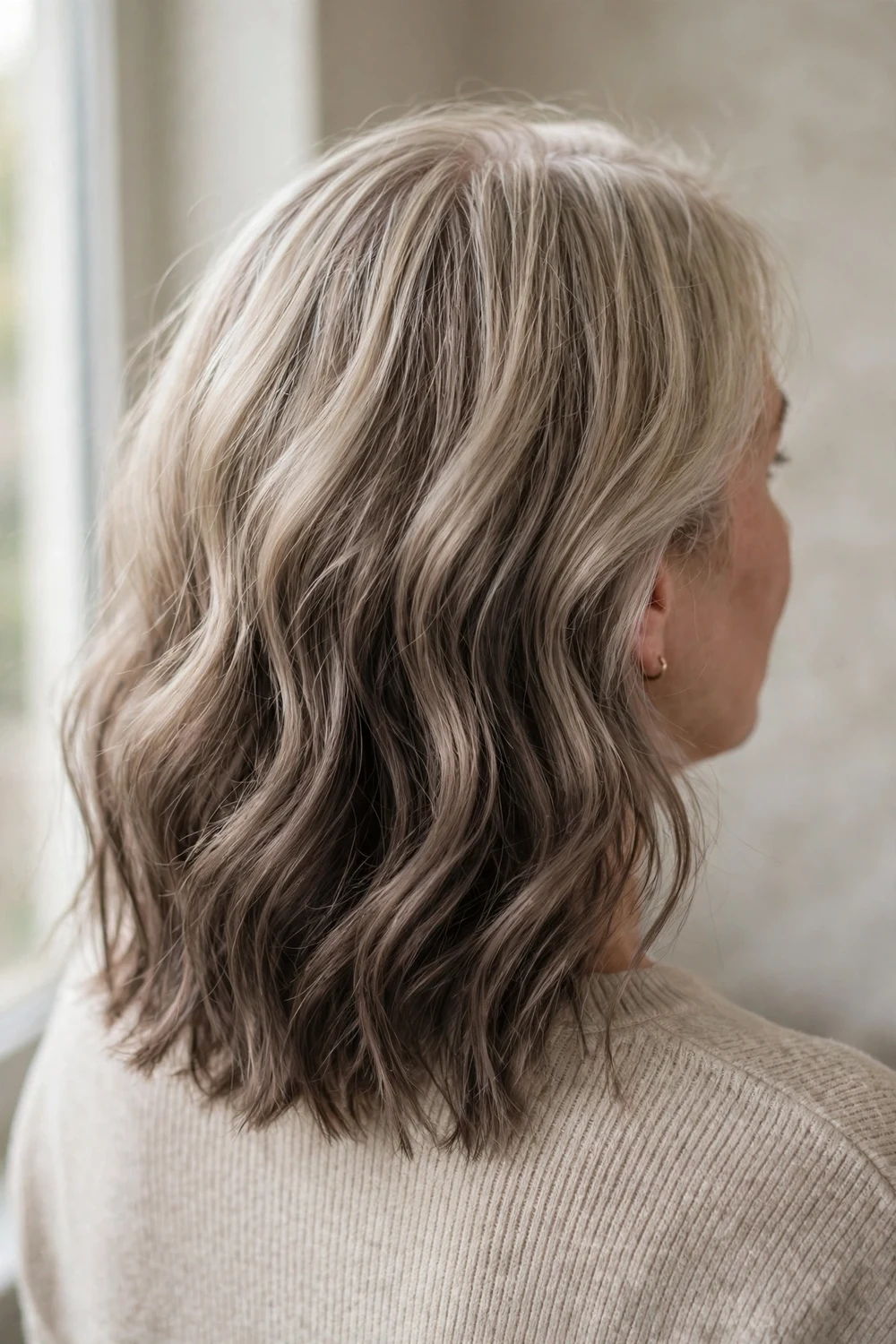
If warm browns make your skin look sallow, the ash brown fade is your lane. Your stylist works a cool, smoky ash brown from the roots downward, letting it dissolve gently into your remaining blonde without ever turning brassy. The cool tone counteracts the red and orange undertones that blonde hair throws when darkened, which is exactly why ash shades are the safest brunette from blonde route for cool skin tones. Keep it matte rather than glossy and the finish looks expensive, modern, and completely natural.
Try this: Book a gloss appointment two weeks after coloring; ash tones fade fast and a refresh keeps the cool tone from washing out.
4. Chestnut Ombré
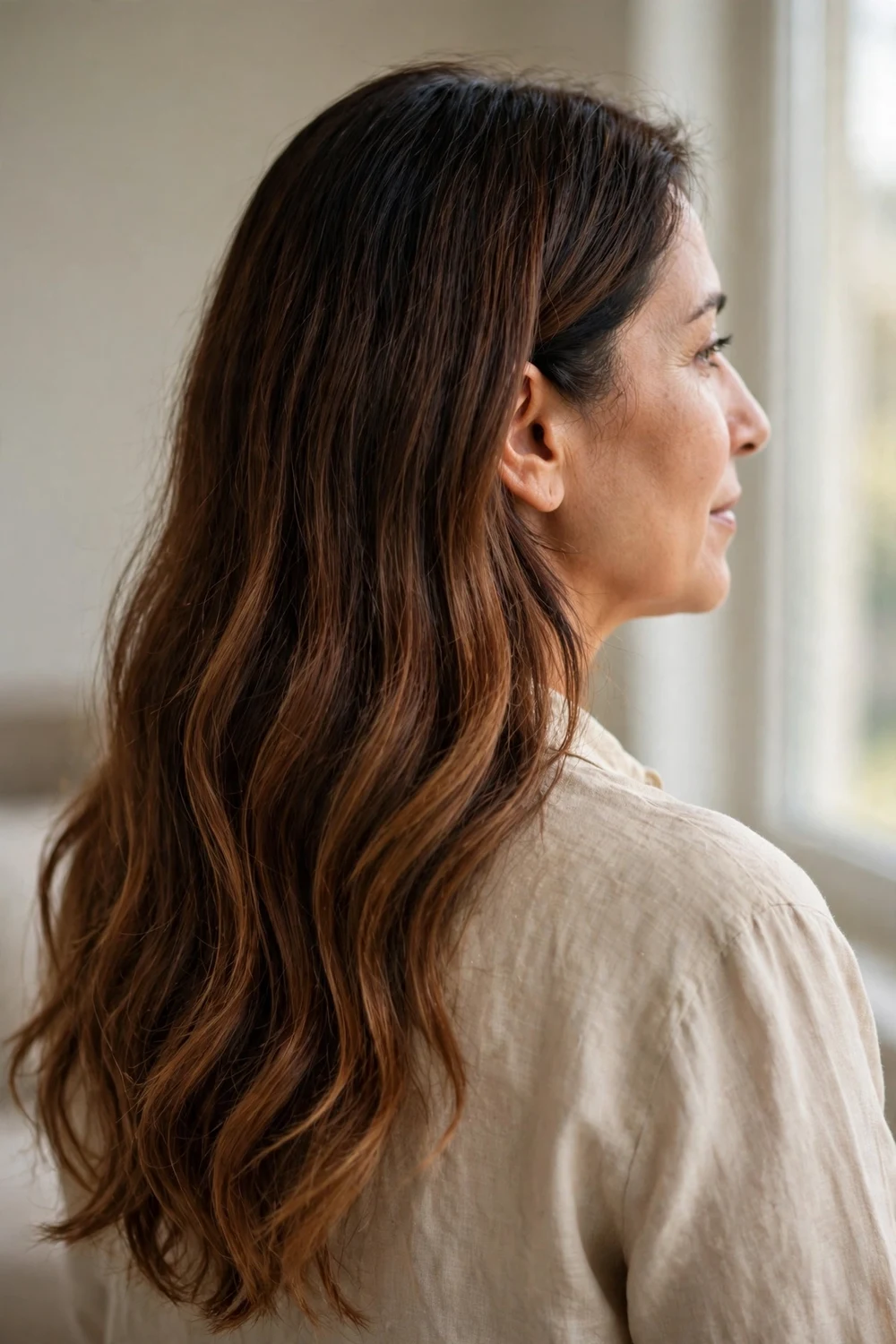
Chestnut ombré is the classic for a reason: rich dark roots melt into warm chestnut ends in a gradient that looks good from week one to month four. Because the darkest color sits at the root, you avoid the regrowth shock of an all-over brunette, and the warm chestnut keeps some of the golden glow you loved about being blonde. This suits medium to long hair best, where the fade has room to unfold. It photographs beautifully and suits nearly every skin tone thanks to its balanced warm-neutral base.
Try this: Ask your stylist to place the transition point at cheekbone level so the brightest warmth frames your face.
5. Golden Mocha Blend
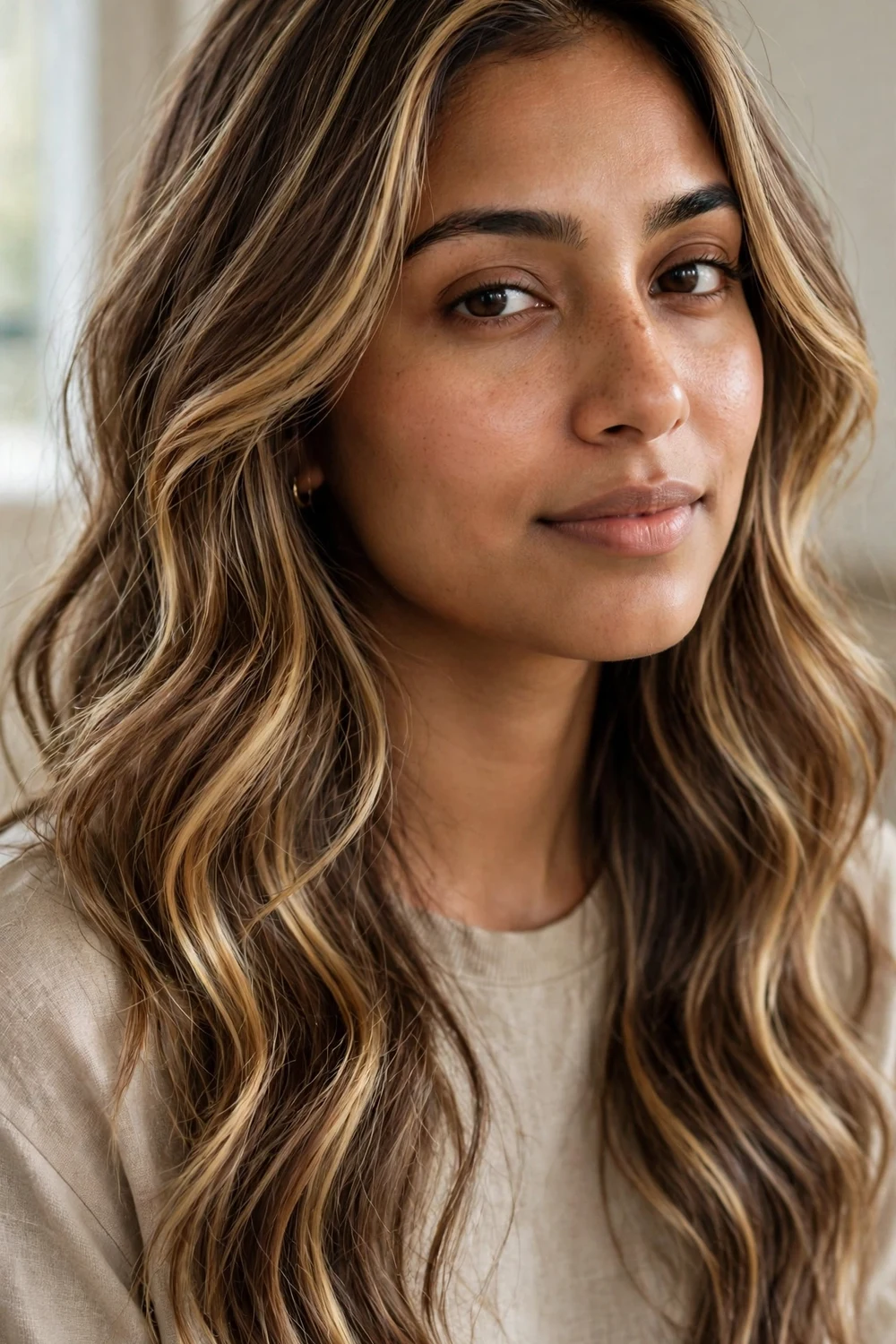
Golden mocha blends chocolate depth with golden light in a way that feels like the best of both worlds. The base is a rich mocha brown, but fine golden pieces are woven throughout so the color never reads flat. This is the move for blondes who worry a dark color will wash them out: the gold keeps your complexion glowing. It works on all textures, though it sings loudest on loose waves and curls that catch the light in motion. Maintenance is simple because the blend hides fading between appointments.
Try this: Refresh the gold with a demi-permanent glaze every six weeks instead of a full recolor to keep dimension alive.
6. Honey Ash Balayage
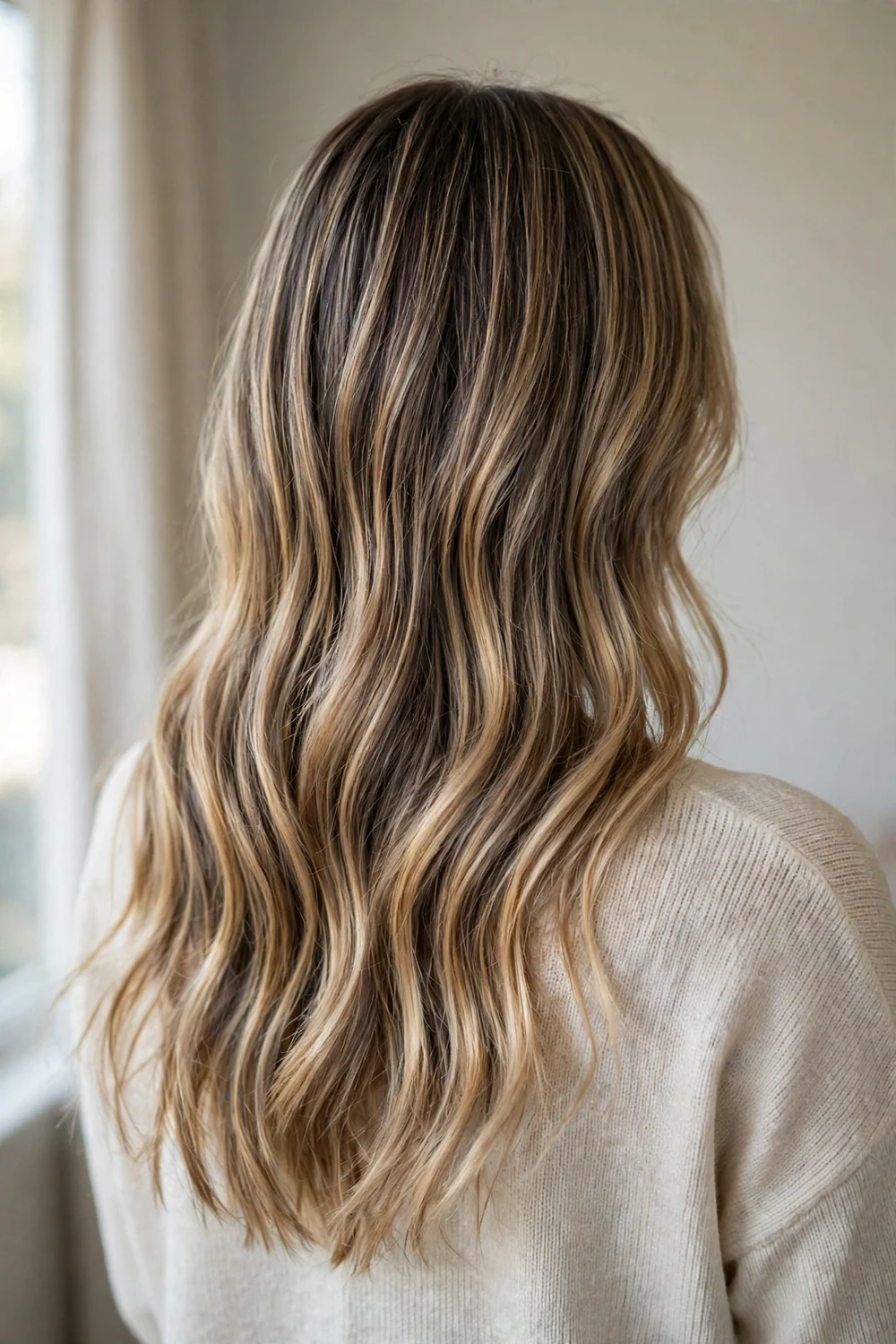
Honey ash balayage pairs two tones that should not work but absolutely do: cool ash brown at the base with sun-kissed honey pieces painted through the ends. The cool base does the work of muting brassiness while the honey keeps the look warm enough to flatter your face. For a brunette from blonde transformation, this is the low-maintenance sweet spot because balayage placement means no hard regrowth line. It suits olive and neutral skin tones especially well and looks best worn with texture.
Try this: Style with a large-barrel curling iron and leave the ends out for a modern undone wave that shows off the balayage.
7. Dark Chocolate Roots
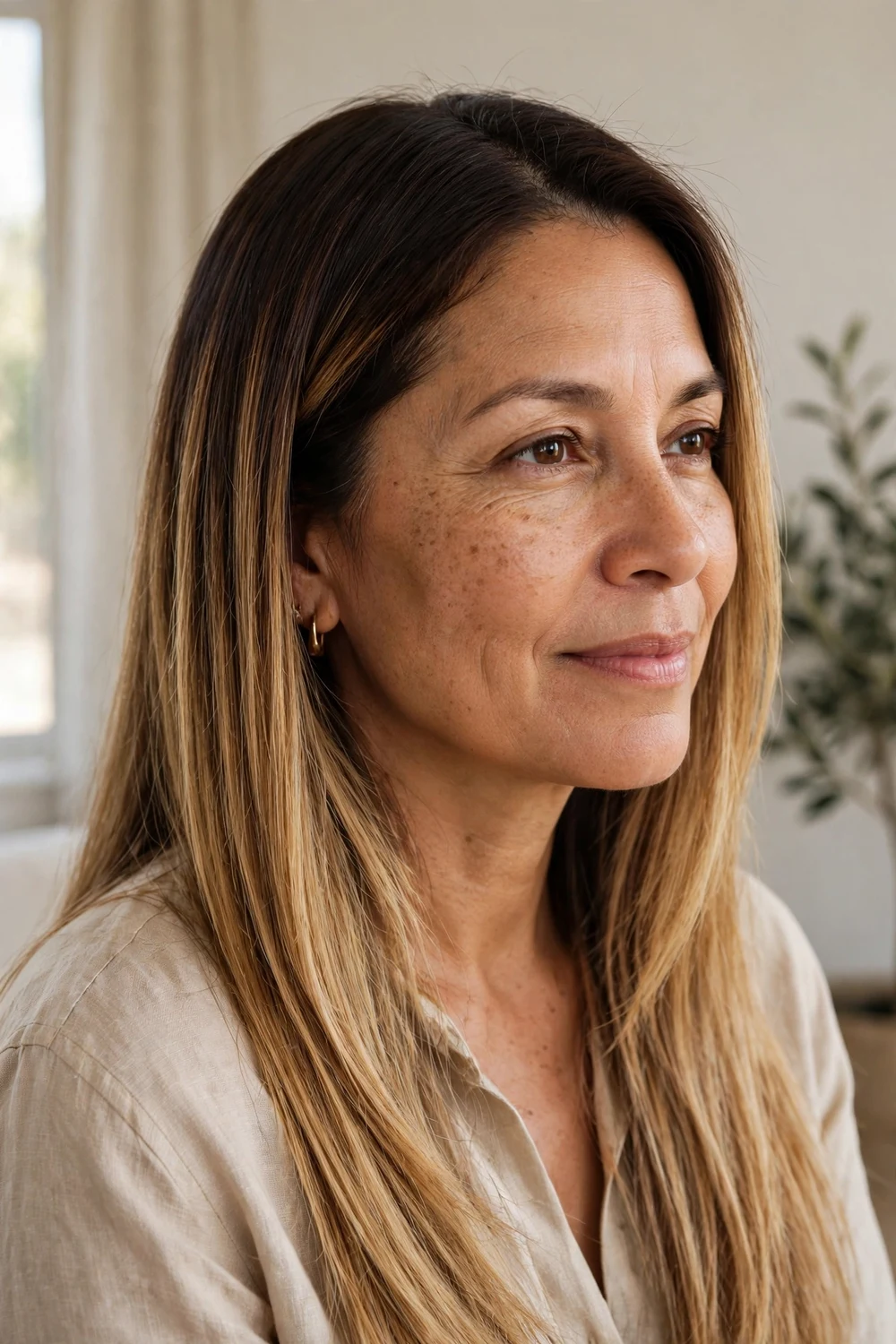
Dark chocolate roots are the shortcut to looking brunette tomorrow while keeping your blonde identity today. Your colorist deepens just the first two to three inches to a rich chocolate brown, leaving your lengths lighter. The deep root adds instant dimension and makes your face look warmer, and when it grows out, it simply extends the look rather than creating a stripe. This is also the least damaging route since only new growth gets processed. It is the perfect trial run before committing to an all-over brunette.
Try this: Get a root smudge rather than a hard line so the chocolate melts seamlessly into the lighter lengths.
8. Warm Walnut Highlights
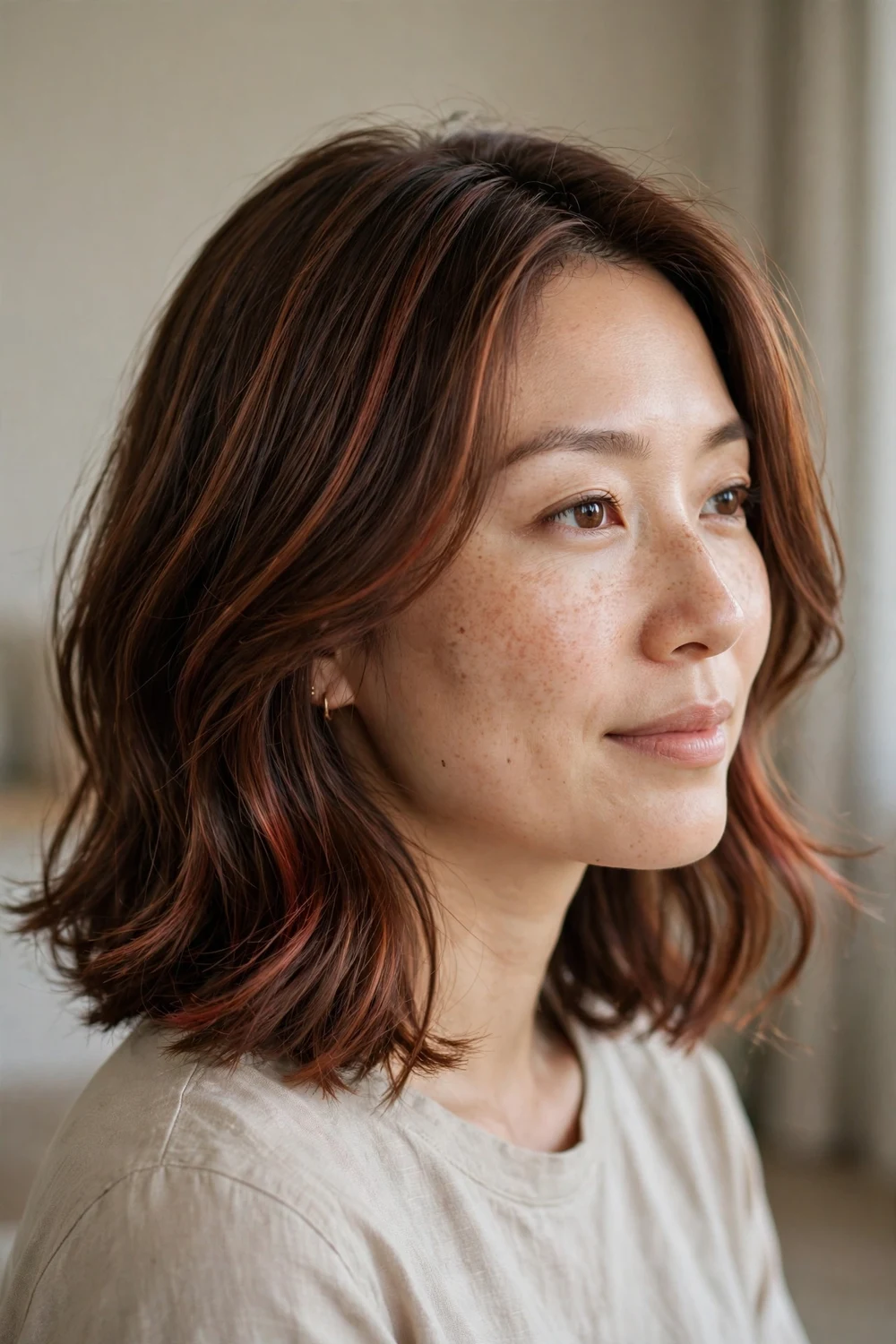
Warm walnut is the understated brunette that whispers instead of shouts. Fine highlights in a reddish-brown walnut tone are scattered through a soft brown base, giving depth without drama. For someone going brunette from blonde, this is the natural-looking option that makes people ask if you changed your hair or just got great sleep. It complements hazel and brown eyes beautifully and suits shoulder-length cuts where the warmth concentrates around the face. Expect soft, believable color that needs little upkeep.
Try this: Ask for the walnut pieces to be finer than your old blonde highlights; subtlety is the whole point of this shade.
9. Cocoa Dust Fusion
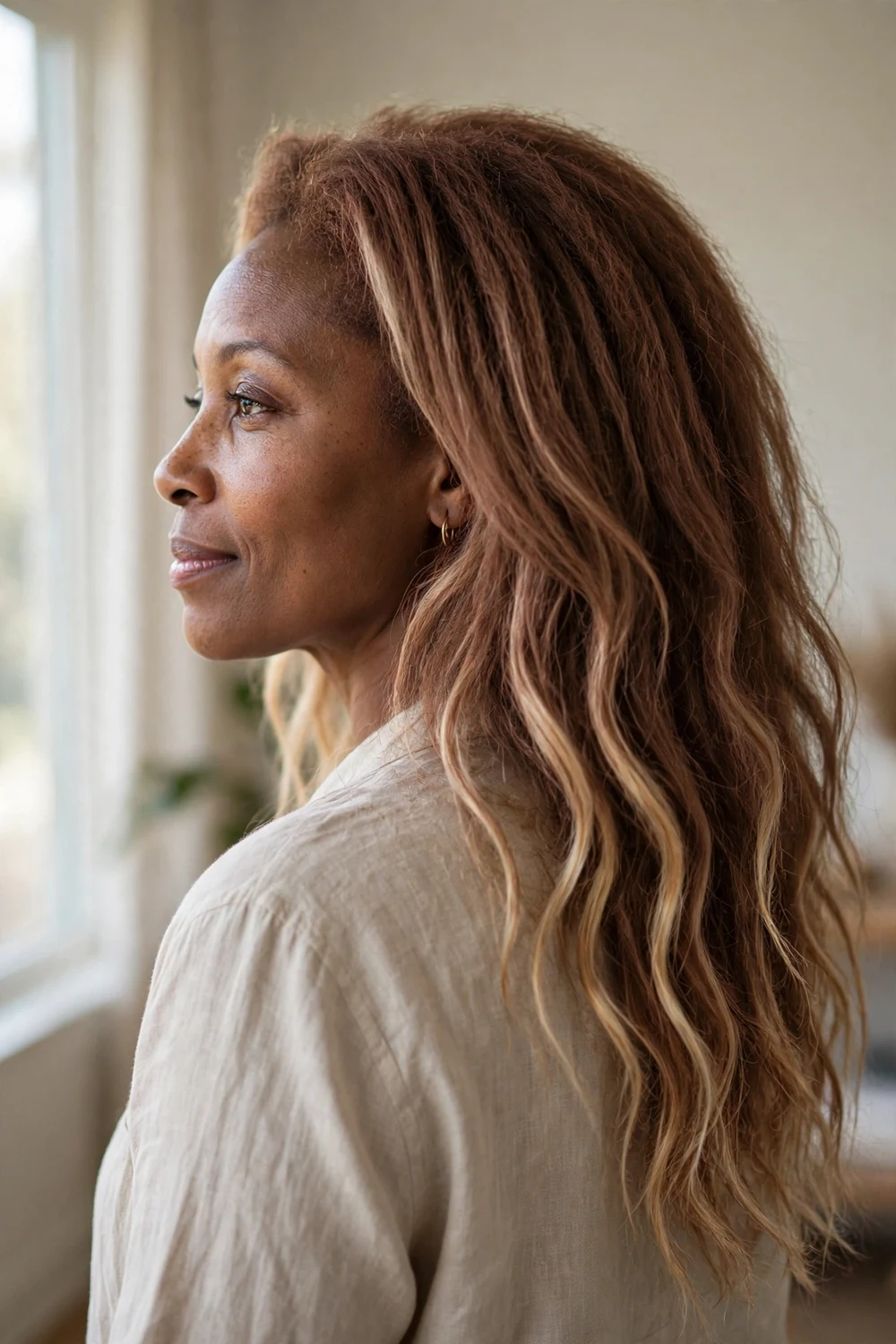
Think of cocoa dust fusion as brunette with the edges blurred. A powdery, lightweight cocoa brown is dusted over the whole head, softening your blonde by one or two levels instead of erasing it. The finish looks almost airbrushed, which makes it ideal if you are nervous about how dark a full brunette will feel. Porous blonde ends drink up the cocoa tone evenly, and the result has a soft-focus quality that is very forgiving on fine or thinning hair. It is subtle, wearable, and hard to get wrong.
Try this: Use a color-depositing brown conditioner once a week to keep the cocoa tone even as it slowly washes out.
10. Bronze Glaze
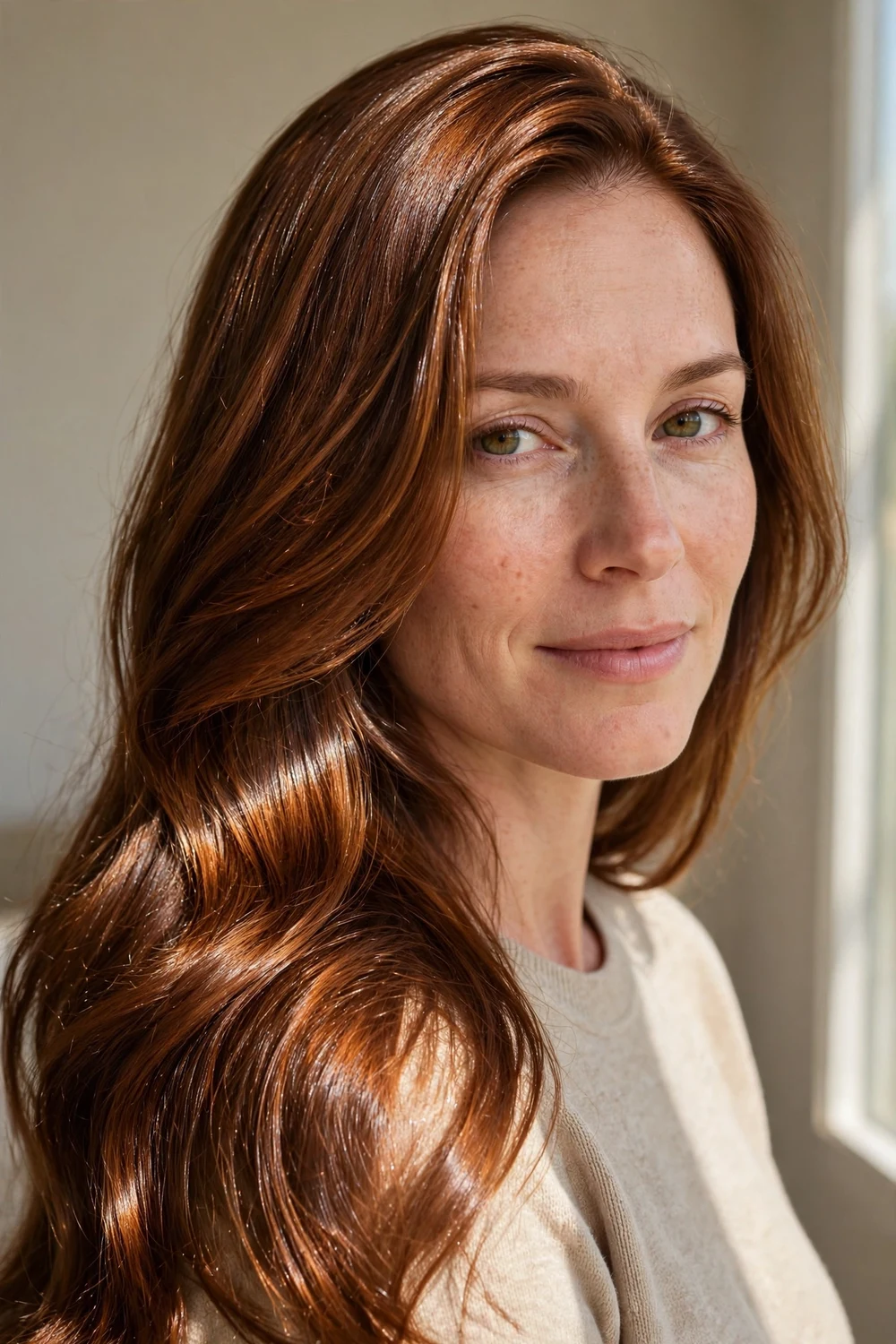
The bronze glaze is all about shine. A translucent bronze tone is glazed over your hair, deepening it to a rich brunette while adding a glassy, reflective finish. Because a glaze is semi-permanent, this is one of the least risky ways to test brunette from blonde: it fades gracefully over four to six weeks with no regrowth line. The warmth of bronze flatters golden and peachy skin tones, and on long hair the light-catching finish looks downright luxurious. It is the hair equivalent of a tinted moisturizer.
Try this: Book the glaze before an event rather than a major color commitment if you want to preview brunette life.
11. Smoky Topaz Melt
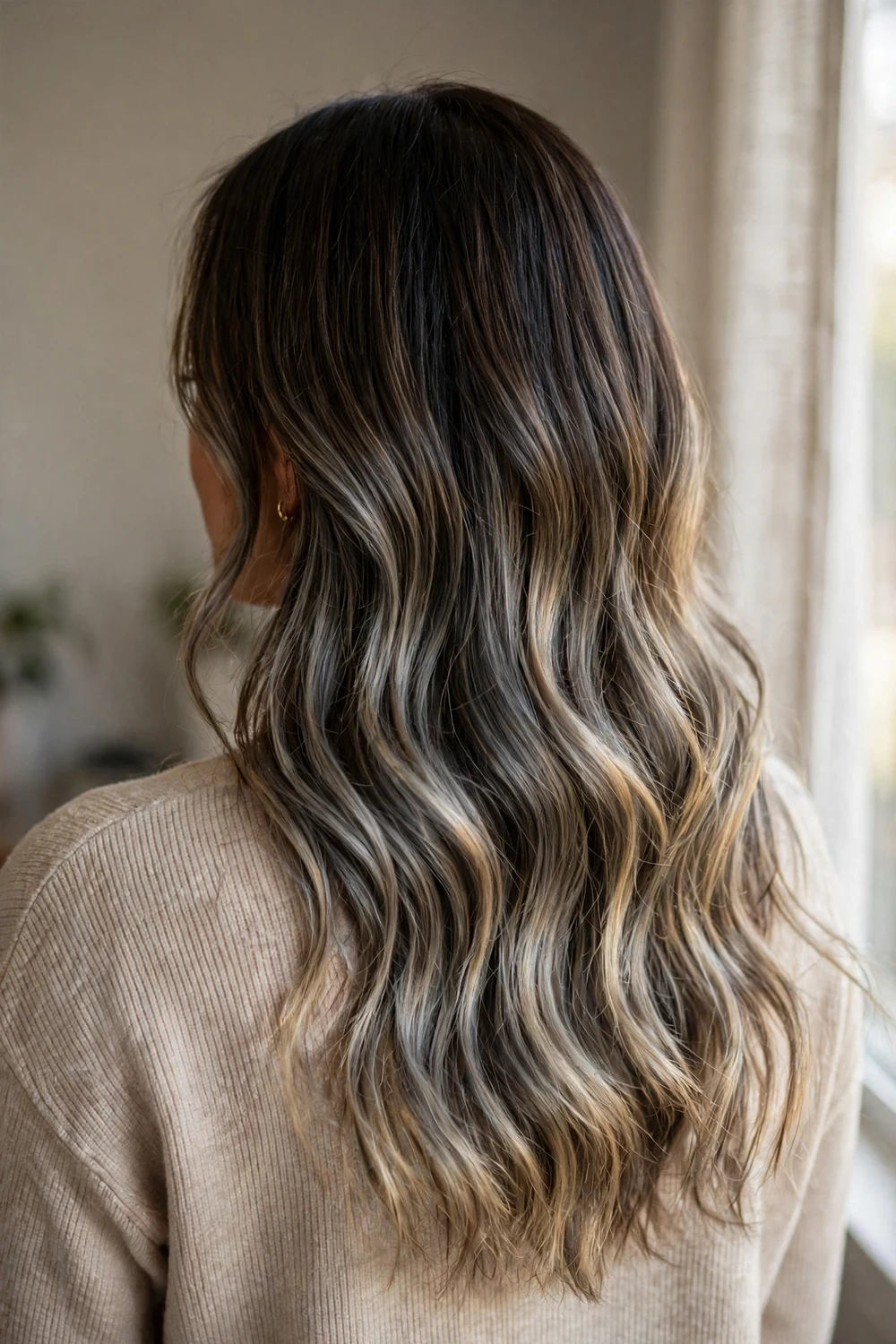
Smoky topaz melt is the fashion-forward pick on this list. Deep brunette roots dissolve into mid-lengths kissed with smoky gray-topaz tones, creating a gradient that feels moody and editorial. It is darker and cooler than most transition shades, which makes it perfect for blondes who want a dramatic identity shift. The gray influence keeps the color from pulling warm, and the melt technique means zero harsh lines. This looks striking on long, straight hair where the gradient reads like a slow fade.
Try this: Keep this tone cool by mixing a drop of purple shampoo into your regular shampoo once a week.
12. Rich Amber Tint
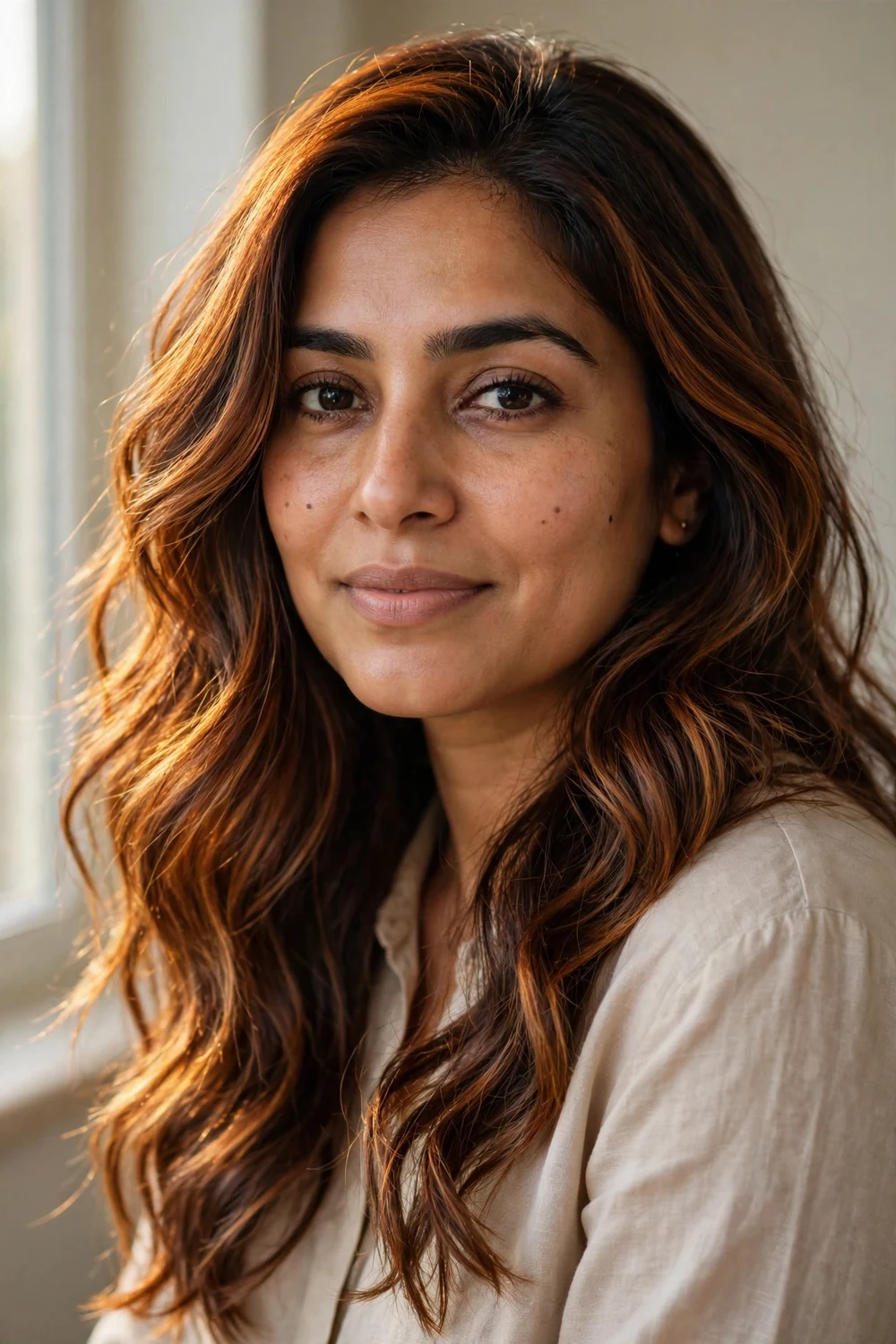
Rich amber brings the sunset with it. This tint layers warm amber and golden tones over a brunette base, giving you a brunette from blonde transition that stays unapologetically warm. If you loved the golden hour glow of blonde hair, amber preserves that feeling while moving you firmly into brunette territory. It is especially flattering on warm skin tones and brings out green and hazel eyes. The multidimensional warmth also makes hair look thicker, which is a bonus for fine-haired blondes.
Try this: Pair this with a copper-toned gloss at home every three weeks to keep the amber from dulling to flat brown.
13. Frosted Bitter Coffee
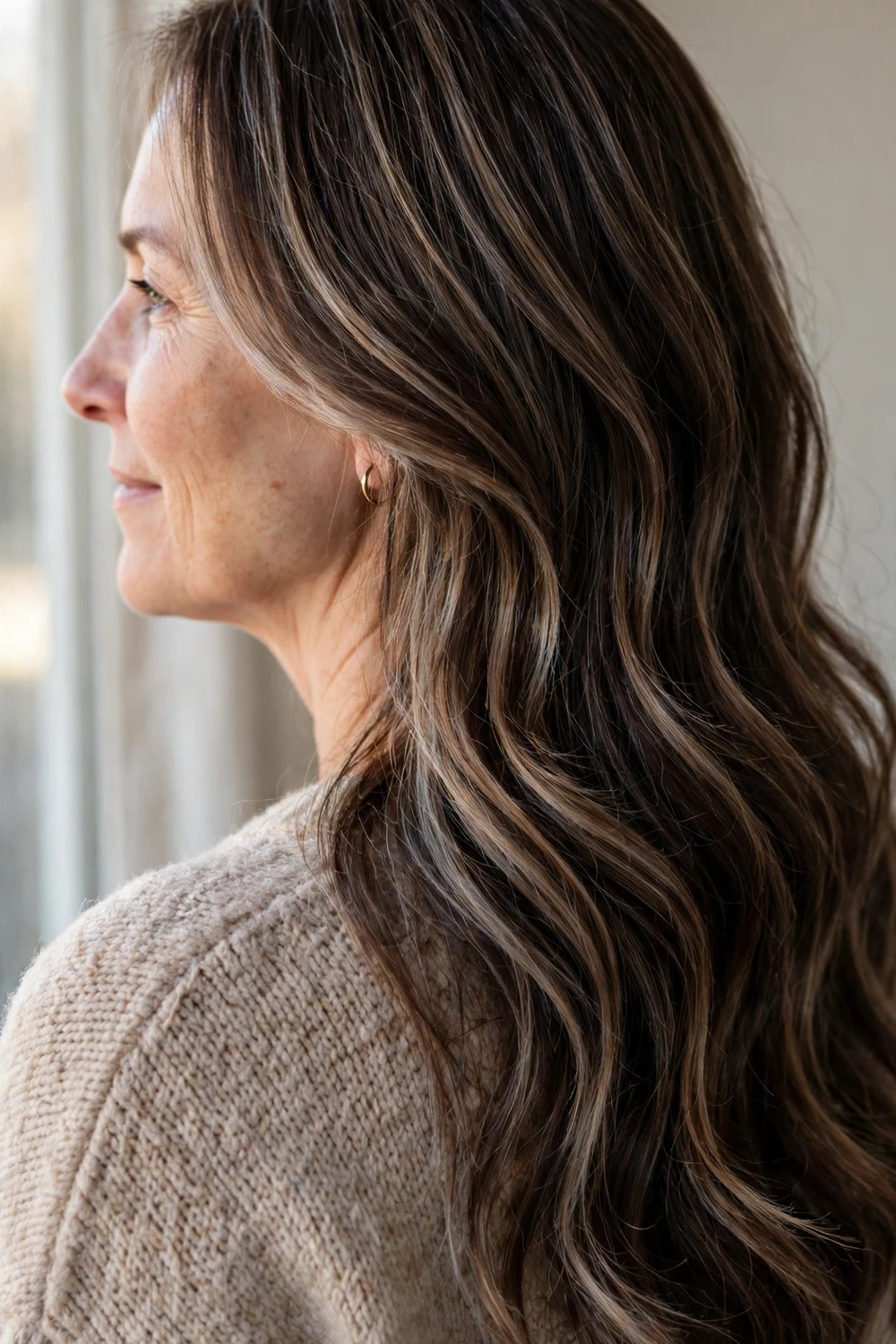
Frosted bitter coffee is the winter answer to going brunette from blonde. A deep coffee-brown base gets icy, frosted pieces swept through it, giving the color an edge that feels sharp and modern. The cool contrast is stunning against fair skin and blue eyes, and it reads as high-fashion without being costume-y. Because the frosted pieces are sparse, the maintenance stays reasonable: the deep base does the heavy lifting while the frost simply adds sparkle. This one turns heads.
Try this: Schedule this in autumn so the icy dimension peaks right as the winter light hits it.
14. Spiced Cinnamon Accents
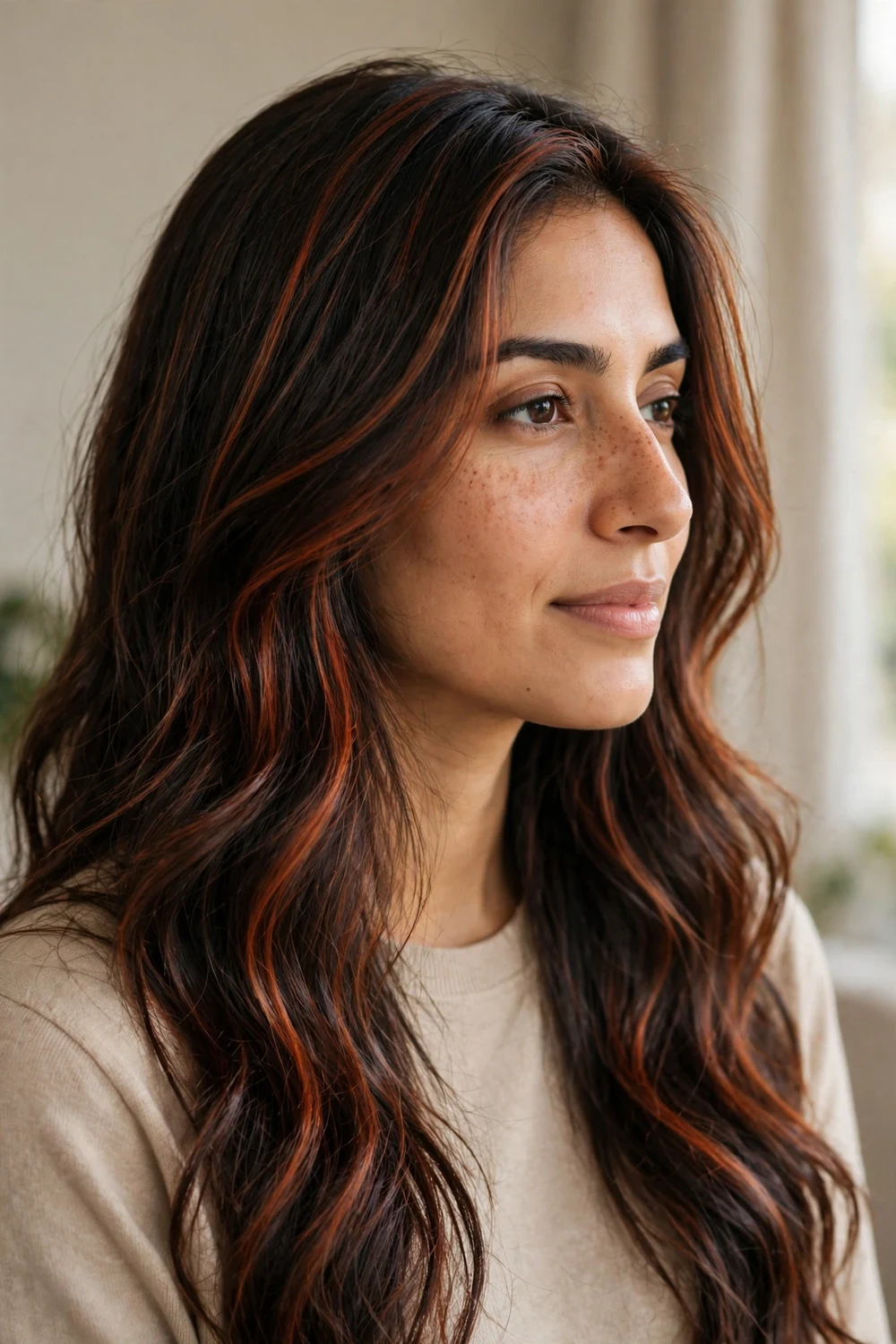
Spiced cinnamon accents weave reddish-brown warmth through your new brunette like embers in a fire. Thin cinnamon highlights are placed strategically around the face and through the mid-lengths, giving dimension that plain brown cannot touch. For blondes, this is the warmest possible transition: the red undertone fills the hair beautifully and prevents the muddy, flat color that can happen when blonde goes straight to brown. It is cozy, autumnal, and universally flattering when the placement is right.
Try this: Ask your stylist to concentrate the cinnamon around your face where the warmth lights up your skin.
15. Black Coffee Lowlight
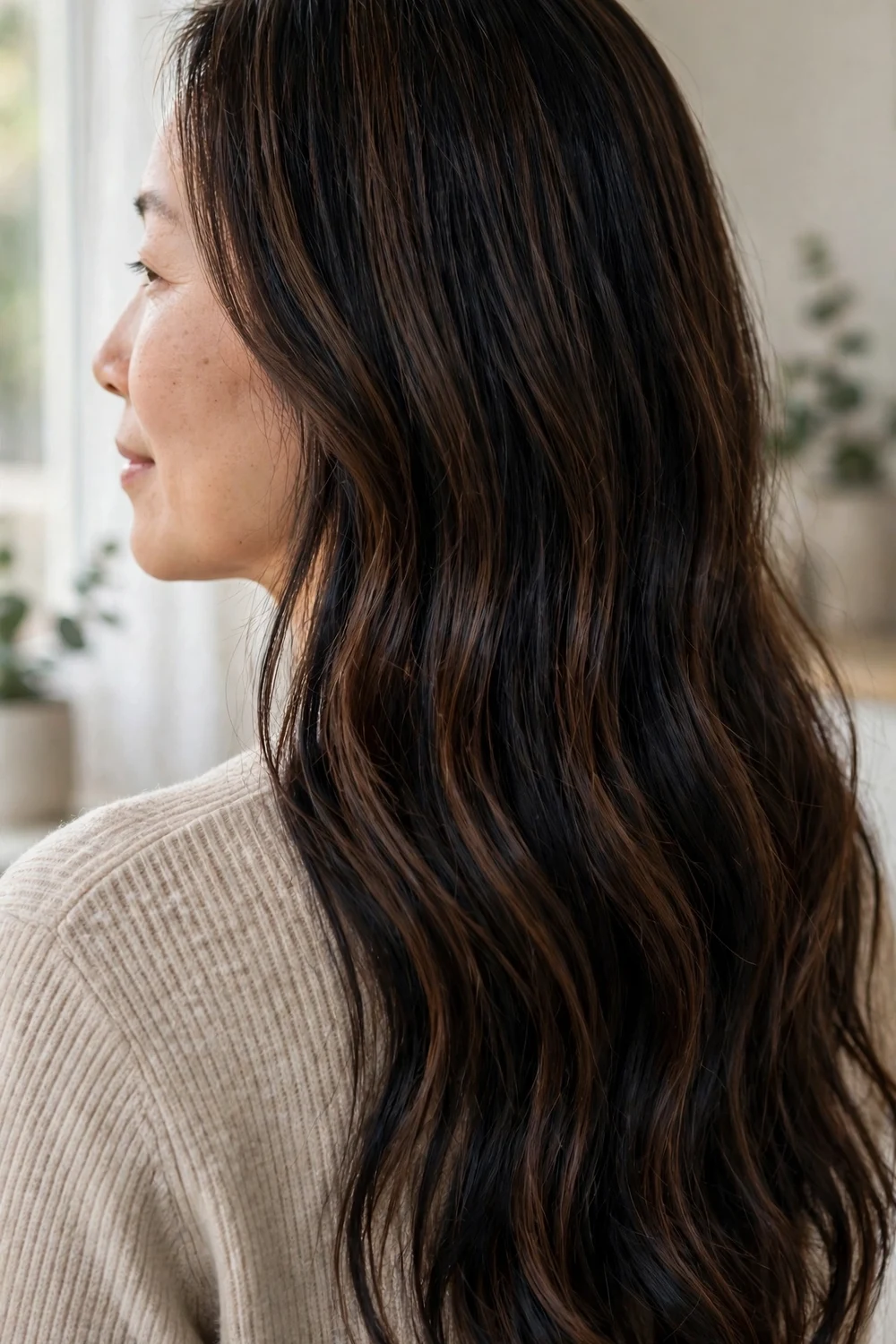
Black coffee lowlights are the secret weapon for dimension. While most transition colors add light, this one adds darkness: deep near-black brown strands are woven through a medium brunette base, creating shadow and depth that make hair look impossibly thick. If your blonde always felt thin and flat, this technique changes everything. The lowlights also help the color last longer, since depth fades slower than lightness. It is subtle from a distance and fascinating up close.
Try this: Show your stylist exactly how much contrast you want; lowlights can be whisper-soft or dramatically deep.
16. Reverse Balayage
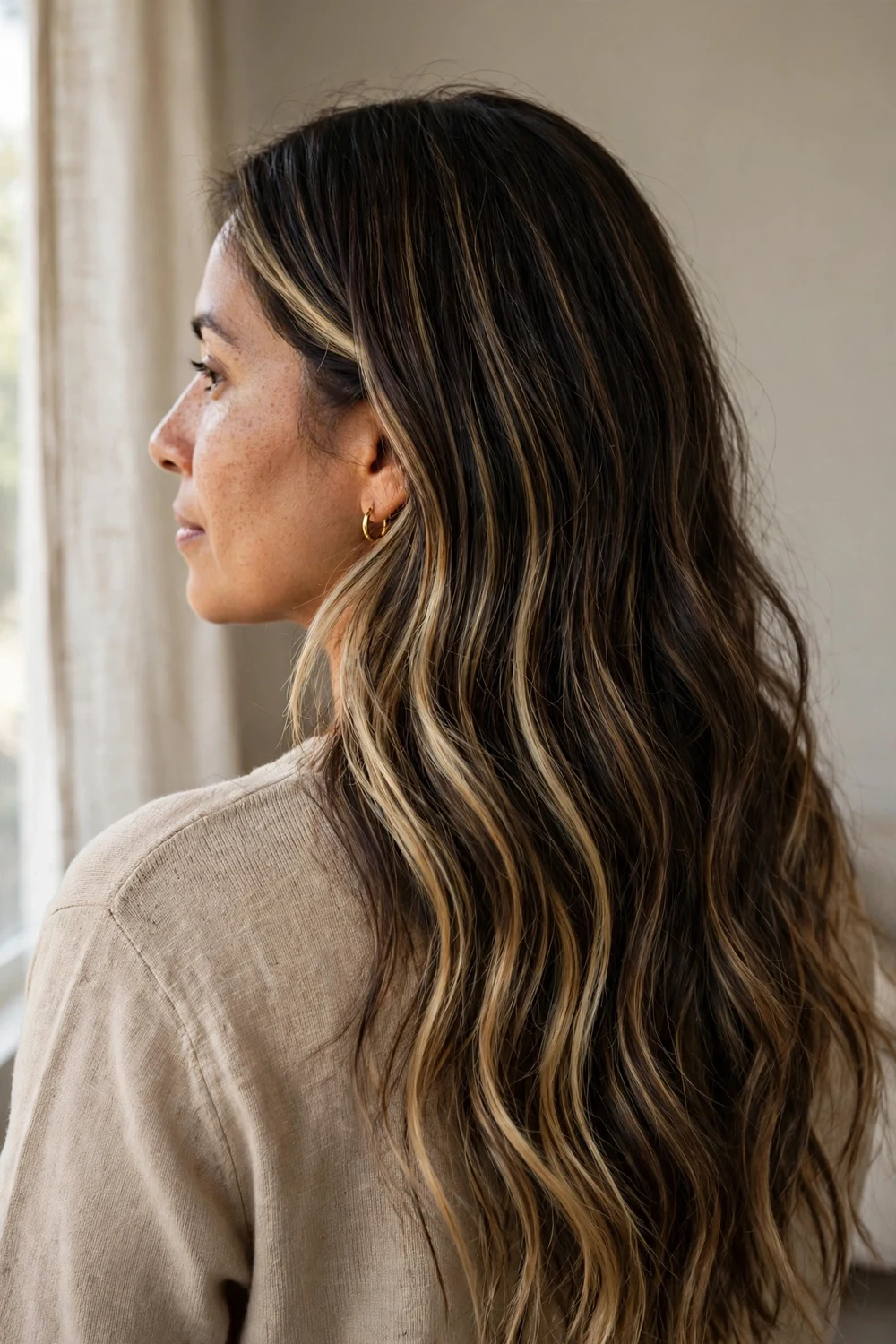
Reverse balayage is the technique most stylists reach for when a blonde wants to go brunette without losing her dimension. Instead of painting light onto dark hair, your colorist hand-paints dark lowlights onto your blonde, gradually shifting the overall impression darker while leaving airy blonde pieces behind. The result is a seamless, expensive-looking blend that can be deepened a little more at every appointment. It is the healthiest transition method because no lightener touches your hair at all.
Try this: Bring your stylist two reference photos: one of the brunette you want and one of the dimension you want to keep.
17. Dimensional Brunette Lowlights
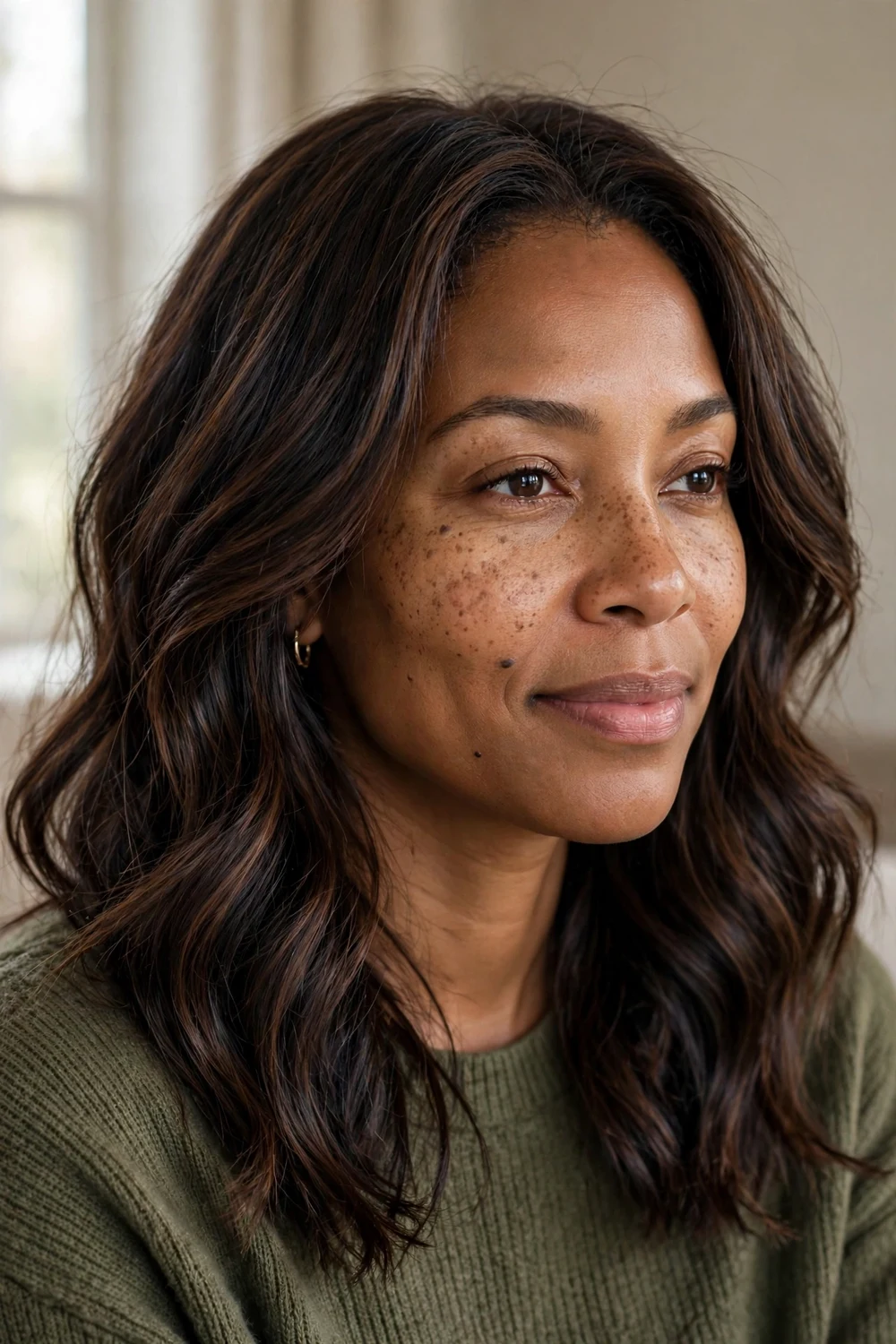
All-over dimensional lowlights give you a full brunette with zero flatness. Your colorist uses two or three brunette tones, weaving them through your blonde so no two strands look identical. This is what makes salon brunettes look rich while box-dye brunettes look flat. The multi-tonal approach is especially good for porous, over-bleached blonde hair because the variety of tones masks uneven fading. Expect a color that looks different in every light and never needs apologizing for.
Try this: Ask for at least two lowlight tones; a single flat brown is what makes DIY brunettes look dull.
18. Bronde Halfway House
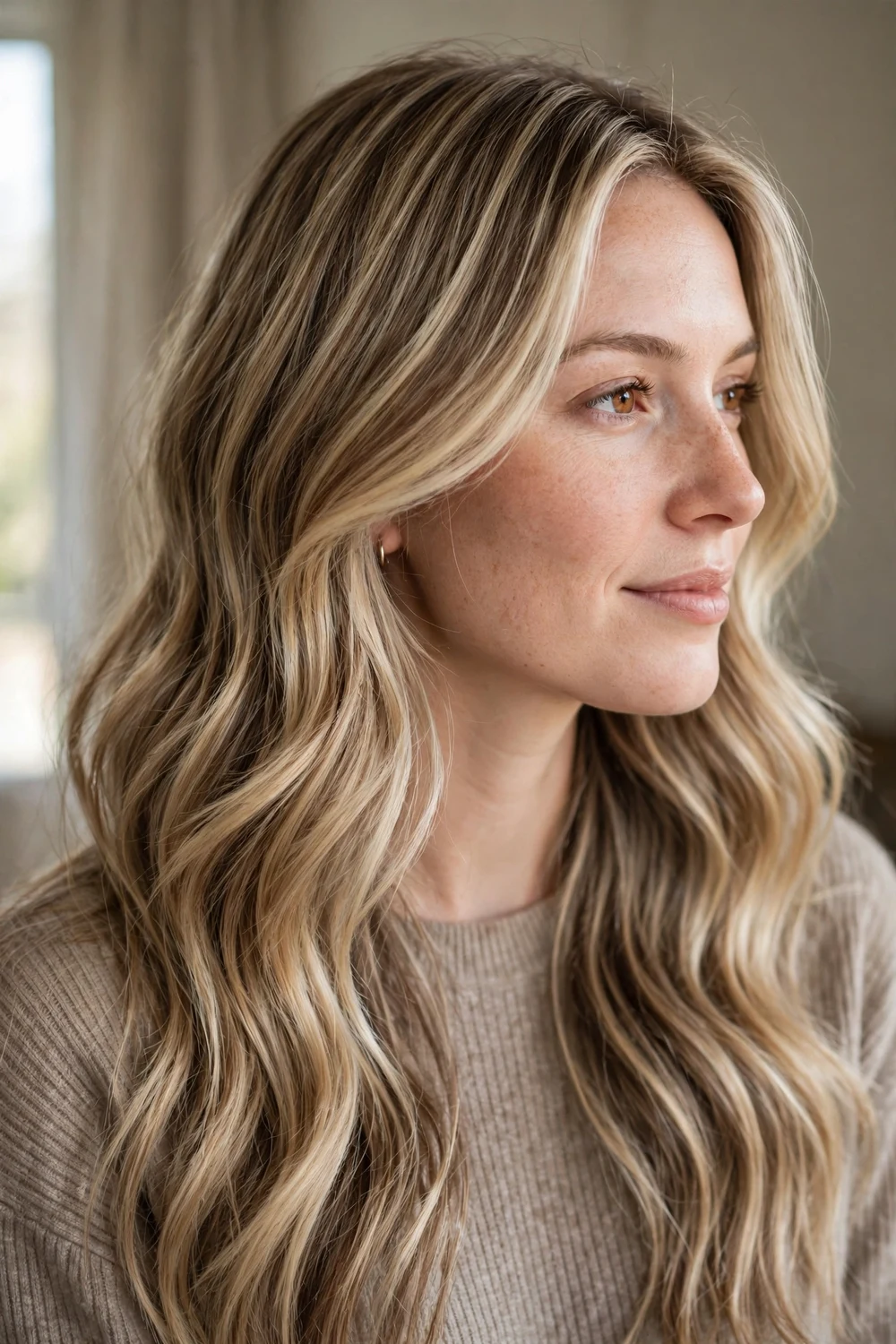
Bronde is the official halfway house between blonde and brunette, and it is perfect if you cannot quite commit. A neutral medium-brown base blended with soft blonde ribbons gives you the low-maintenance ease of brown with the brightness of blonde. This neutral tone suits almost everyone, which is why it dominates salon request lists year after year. It is also the most forgiving transition color: if you change your mind, you can nudge it lighter or darker in a single appointment.
Try this: Tell your stylist whether you want a warm or cool bronde before the appointment; neutral can drift either way.
19. Raspberry Chocolate
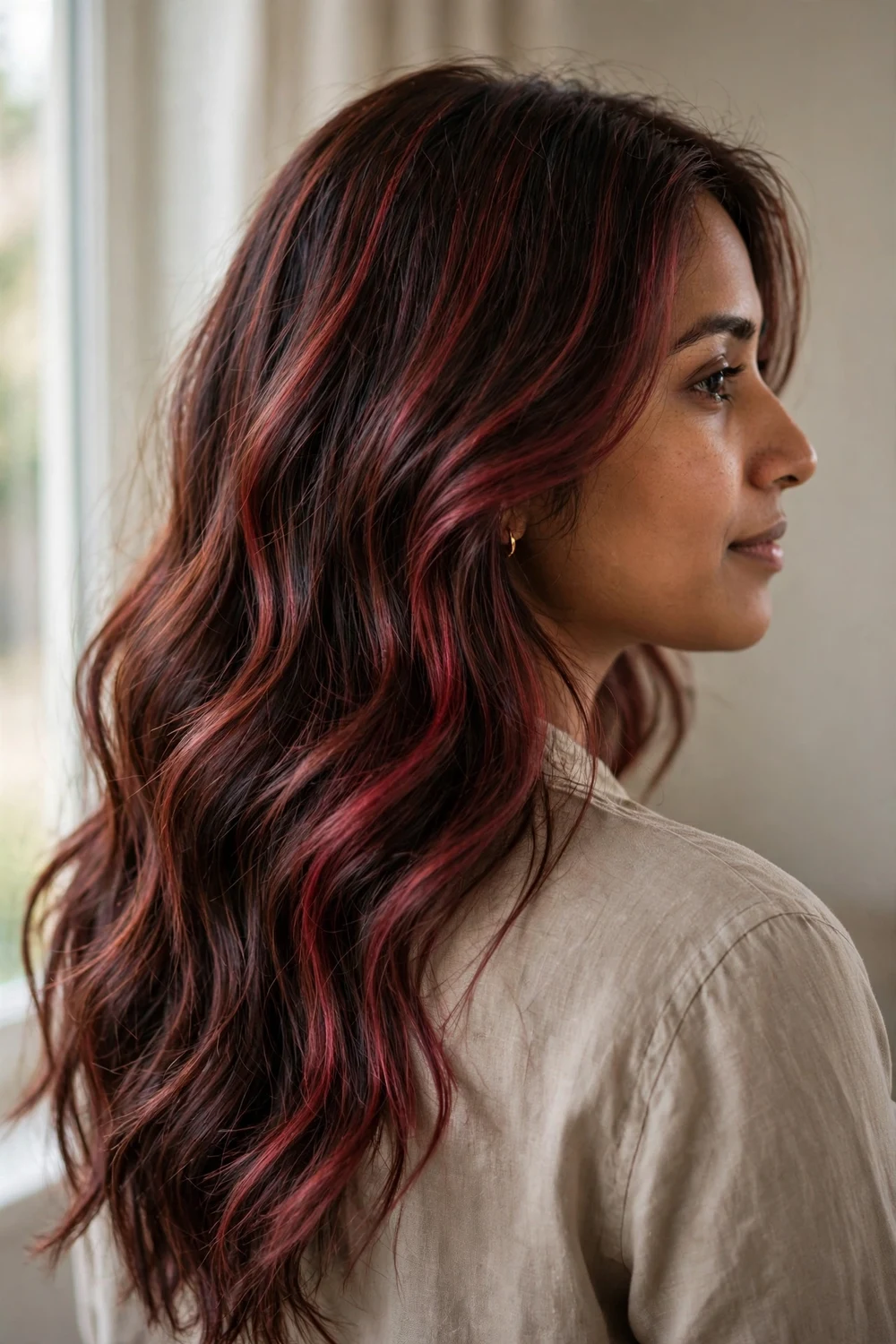
Raspberry chocolate is for the brunette from blonde who wants drama. A rich chocolate base is infused with a raspberry-red tint, creating a jewel-toned brunette that glows in the light. The red adds so much richness that it completely distracts from any regrowth or fading, and it flatters medium to deep skin tones gorgeously. This is a statement color, so be ready for compliments from strangers. The maintenance is higher than average, but the payoff is a color nobody forgets.
Try this: Use sulfate-free shampoo religiously; red tones wash out faster than any other color family.
20. Mocha Beige Blend
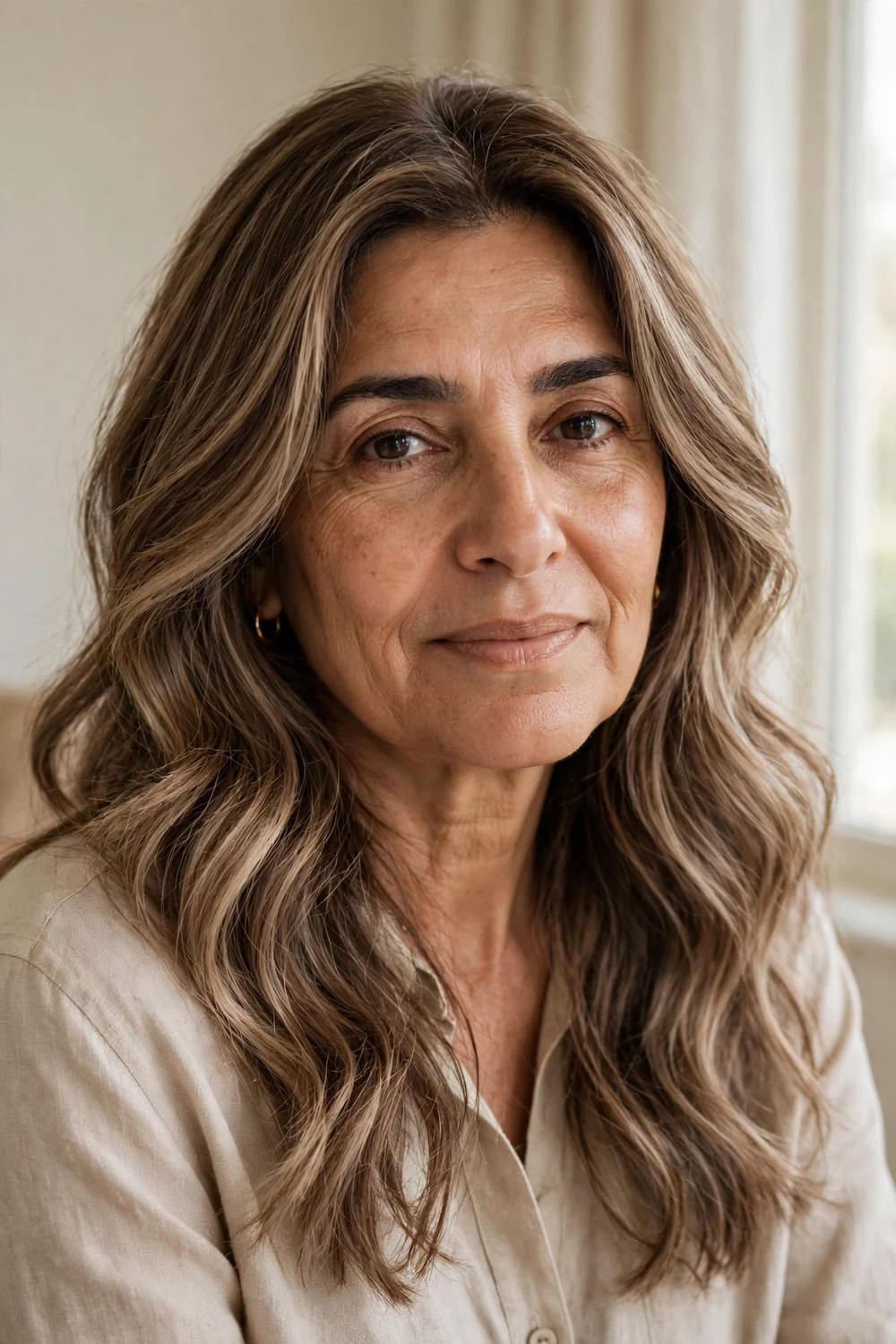
Mocha beige blend is the quiet luxury option. Cool-neutral beige undertones keep a mocha brown base sophisticated and modern, without the brassiness that warm browns can develop. For blondes with cool or neutral skin tones, this is the brunette that looks like it was always yours. The neutral palette also plays well with minimal makeup and a simple wardrobe, which is why it photographs as effortlessly chic. It grows out gracefully and refreshes easily with a single gloss appointment.
Try this: Avoid hard water on this shade; mineral buildup is what turns cool beige tones brassy.
Brunette From Blonde Comparison at a Glance
| Style | Best Occasion | Difficulty | Hold Time |
|---|---|---|---|
| Caramel Swirl Transition | Everyday wear | Medium | 6-8 weeks |
| Espresso Dip Dye | Nights out | Easy | 4-6 weeks |
| Ash Brown Fade | Office chic | Medium | 6-8 weeks |
| Chestnut Ombré | Weddings | Medium | 8-12 weeks |
| Golden Mocha Blend | Daily glam | Medium | 6-8 weeks |
| Honey Ash Balayage | Weekend brunch | Medium | 10-12 weeks |
| Dark Chocolate Roots | Low-commitment trial | Easy | 8-10 weeks |
| Warm Walnut Highlights | Natural everyday | Easy | 6-8 weeks |
| Cocoa Dust Fusion | First-timer trial | Easy | 4-6 weeks |
| Bronze Glaze | Special events | Easy | 4-6 weeks |
| Smoky Topaz Melt | Fashion events | Hard | 8-10 weeks |
| Rich Amber Tint | Fall season | Medium | 6-8 weeks |
| Frosted Bitter Coffee | Winter season | Hard | 8-10 weeks |
| Spiced Cinnamon Accents | Autumn outings | Medium | 6-8 weeks |
| Black Coffee Lowlight | Adding thickness | Medium | 8-12 weeks |
| Reverse Balayage | Gradual change | Medium | 10-12 weeks |
| Dimensional Lowlights | Full transformation | Hard | 8-10 weeks |
| Bronde Halfway House | Undecided stages | Medium | 8-10 weeks |
| Raspberry Chocolate | Statement looks | Hard | 4-6 weeks |
| Mocha Beige Blend | Polished daily | Medium | 6-8 weeks |
How to Choose the Right Brunette From Blonde Look for You
Start with your skin tone. Hold a swatch of the shade you like next to your face in daylight: warm caramel and amber tones glow against golden skin, while ash and beige brunettes sharpen cool undertones. Your eye color matters too. Warm browns make green and hazel eyes pop, while cool chocolates deepen blue eyes.
Next, be honest about your commitment level. If you want to test the waters, start with a bronze glaze or cocoa dust fusion, which fade out in weeks. If you are all in, reverse balayage or dimensional lowlights build a lasting brunette with healthy hair intact. Either way, book a consultation first so your stylist can plan the stages and keep your hair strong through the change.
Mistakes to Avoid
The biggest mistake is going too dark in one appointment. Skipping the fill stage leaves porous blonde ends grabbing color unevenly, which causes the dreaded muddy or greenish cast. Another common error is choosing a shade purely from a photo without considering your skin tone; the perfect chestnut on someone else can wash you out completely.
Do not forget aftercare either. Brunette tones fade just like blonde, and red-based browns wash out fastest of all. Using harsh clarifying shampoos or skipping heat protectant will dull your new color within weeks. Invest in color-safe products from day one and your brunette will stay rich between salon visits.
If you want to keep some lightness while you transition, blonde balayage with lowlights pairs brightness with dark dimension for a rich, expensive-looking finish.
For a cooler take on going darker, explore ash brown hair color ideas that counteract the brassiness blonde hair often throws when darkened.
Caramel lovers should not miss caramel balayage hair color for warm, sunlit dimension woven through a brunette base.
And if mocha is more your mood, mocha brown hair colors deliver warm chocolate and coffee shades that suit nearly every skin tone.
Frequently Asked Questions
Can I go from blonde to brunette in one appointment?
Yes, but only if your stylist fills your hair first. Porous blonde ends absorb dark color unevenly, so a warm base fill prevents muddy or greenish results. For very light or damaged blonde, two staged appointments give a richer, longer-lasting brunette.
Will my hair get damaged going from blonde to brunette?
Going darker is far gentler than going lighter because no bleach is involved. Techniques like reverse balayage only deposit color, which can actually make hair feel smoother. The main risk is uneven uptake on porous ends, not breakage.
What is the best low-maintenance way to go brunette from blonde?
Reverse balayage is the best low-maintenance option. It paints dark lowlights through your blonde without touching the roots, so regrowth is invisible and you can go ten to twelve weeks between appointments.
Why did my blonde turn brassy or muddy when I went brunette?
Brassiness happens when warm undertones in blonde hair are not neutralized first, and muddiness comes from skipping the fill on porous hair. Both are fixed with a corrective gloss in the right tone by a professional colorist.
How do I keep my new brunette color from fading?
Use sulfate-free, color-safe shampoo, wash less often, and rinse with cool water. Gloss appointments every six to eight weeks refresh the tone, and heat protectant prevents the fading that hot tools cause.
Final Thoughts
Going brunette from blonde is one of the most rewarding hair transformations you can make, and with the right technique it is healthier than you think. Start with a consultation, pick the shade that flatters your skin tone, and embrace the richer, deeper version of yourself. Your brunette era starts with a single appointment.

