


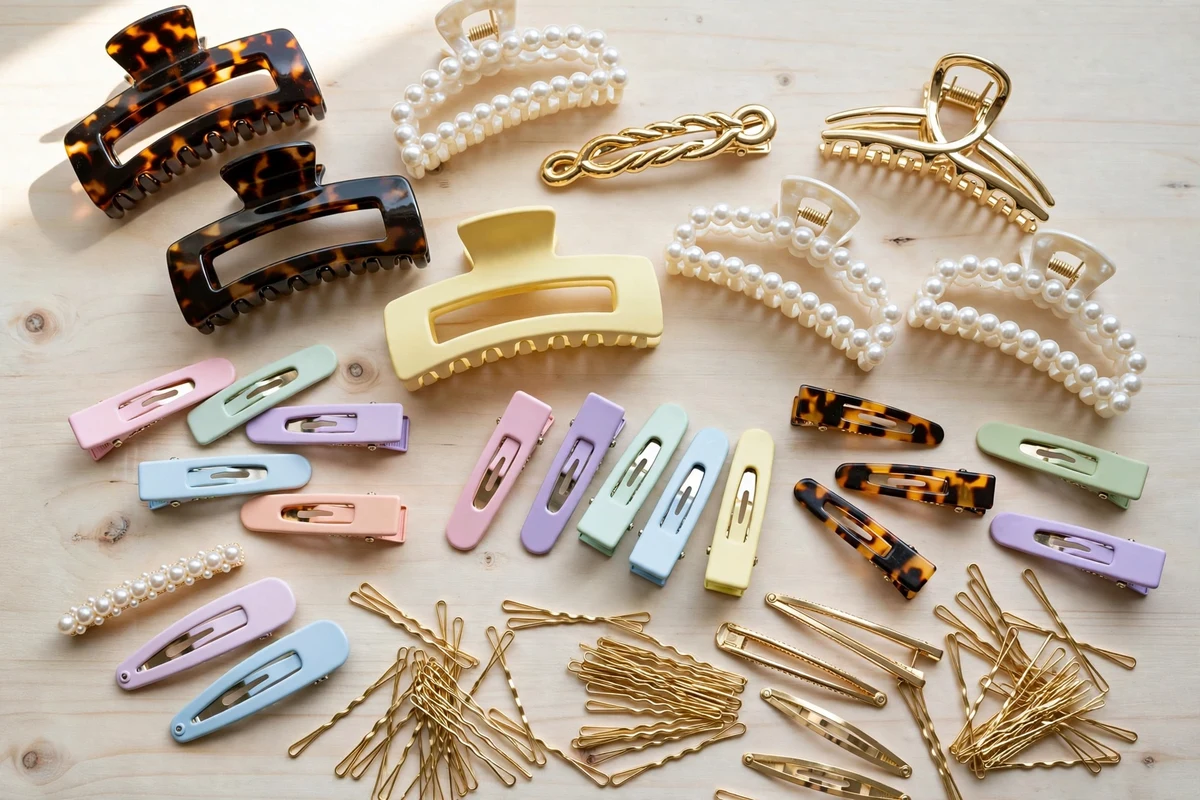
There are more types of hair clips than most people realize, and each one does a different job. Claw clips hold a full updo in seconds, alligator clips section hair for coloring, snap clips pin back bangs, and bobby pins quietly hold everything together. Using the wrong clip for the task is why clips slip, snag, or break hair.
This guide explains 12 types of hair clips: what each one looks like, how its mechanism works, which hair types and lengths it suits, and the mistakes that make each one fail. Pick the right clip and it disappears into your routine; pick the wrong one and you will fight it all day.
Quick Takeaways
- Claw clips are the fastest way to secure a full head of hair; match the clip size to your hair’s thickness and length.
- Alligator and duckbill clips are stylist tools for sectioning during coloring, cutting, and styling, not everyday accessories.
- Snap clips, bobby pins, and French barrettes handle small jobs: bangs, flyaways, and half-up styles.
- Never overfill a clip. A clip holding more hair than it was designed for will slip, pull, and break strands.
- Metal clips should not touch chemically treated hair mid-process, and tight clips worn daily can cause breakage at the tension points.
1. Claw Clips
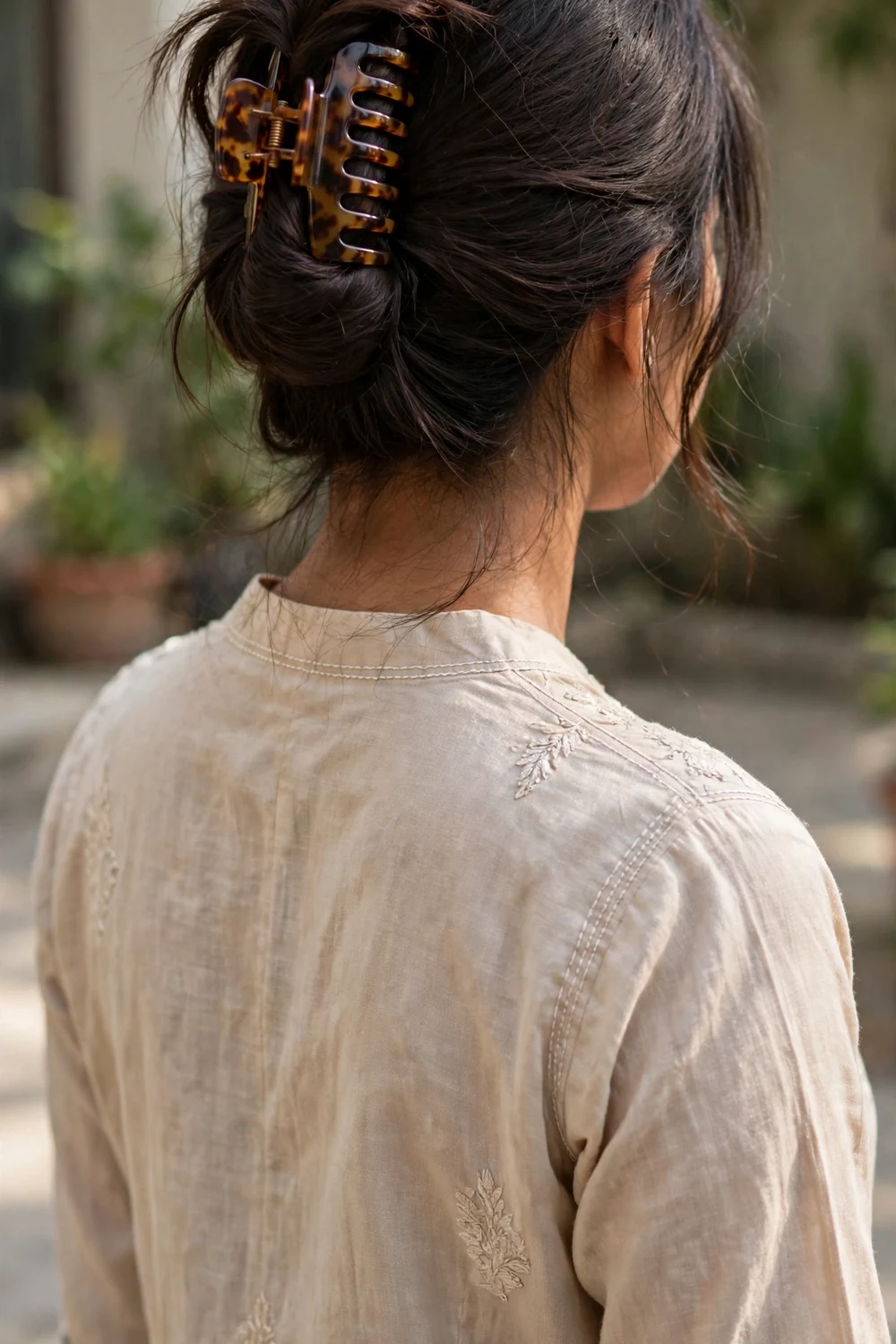
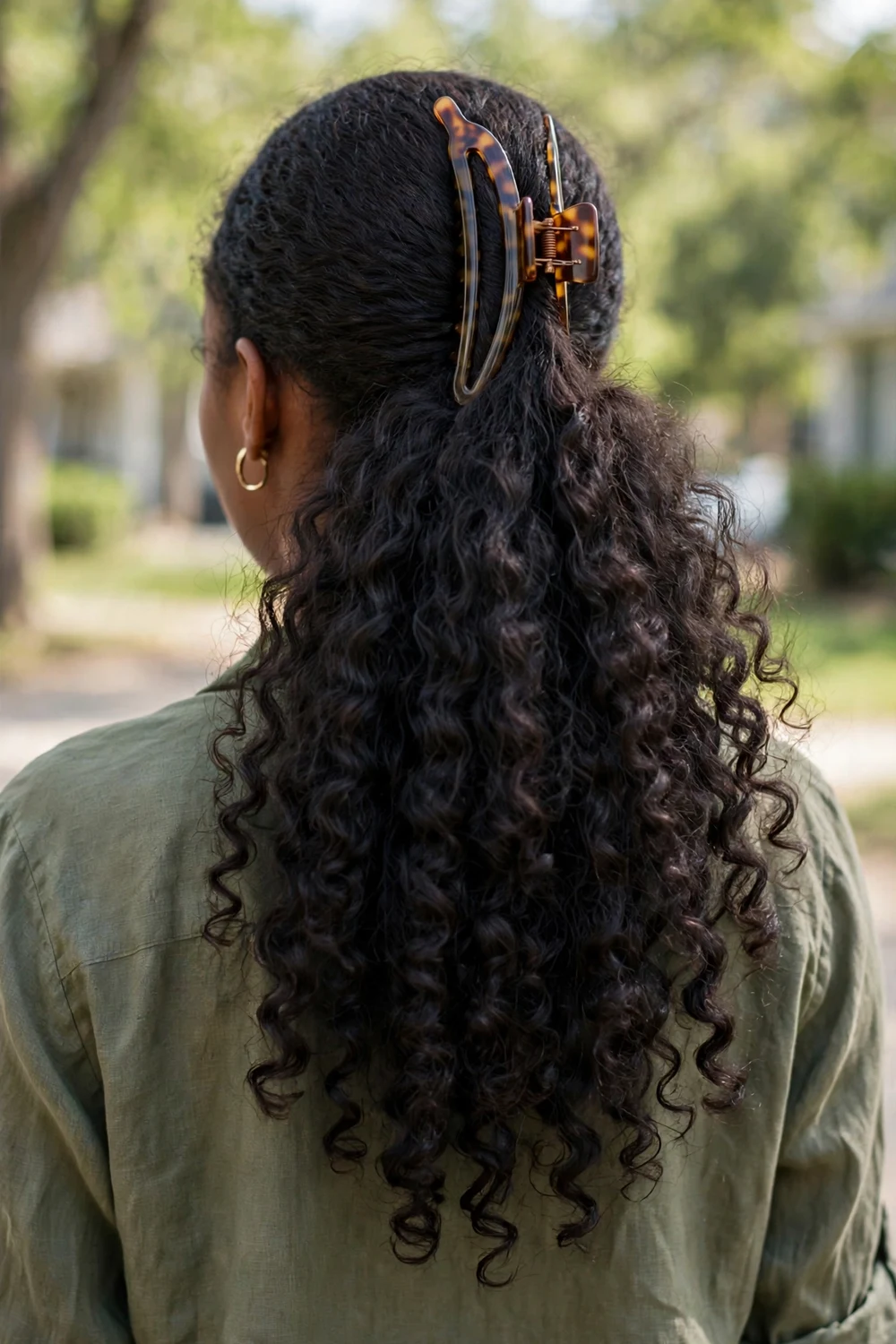
The claw clip, also called a jaw clip, has two rows of teeth that interlock when a spring hinge closes. It is the fastest way to get a full head of hair up: gather, twist, clamp, done. Sizes range from mini (about an inch) for half-up styles to oversized (five inches) for very thick or long hair. Match the clip to your hair volume; an undersized claw on thick hair will pop open by noon. Plastic and acetate versions grip better and snag less than cheap metal ones.
Try this: For a secure twist, gather your hair as if making a low ponytail, twist it upward against your head, fold the ends down, and clamp the claw over the whole roll vertically.
2. Mini Claw Clips
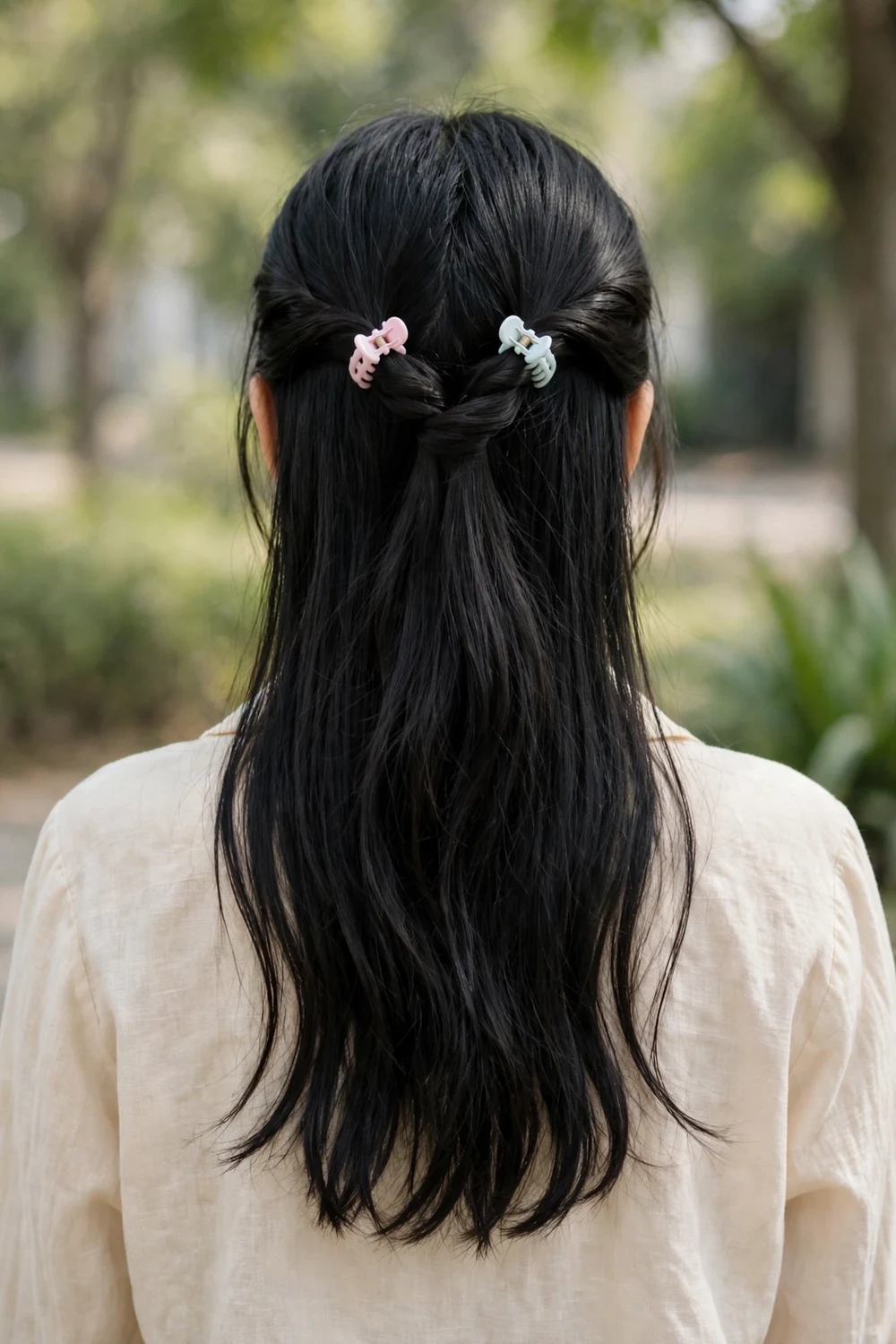
Mini claw clips work exactly like full-size claws but hold small sections: face-framing pieces, half-up twists, side-swept bangs, or the ends of braids. They come in sets of a dozen or more and have become a styling staple for adding detail to loose hair and updos. Because each clip holds so little hair, they cause almost no tension damage. The main mistake is using them on too much hair, which bends the spring and ruins the grip within weeks.
Try this: Twist two small front sections away from your face and secure each with a mini claw behind the ear for a quick polished look that takes under a minute.
3. Alligator Clips
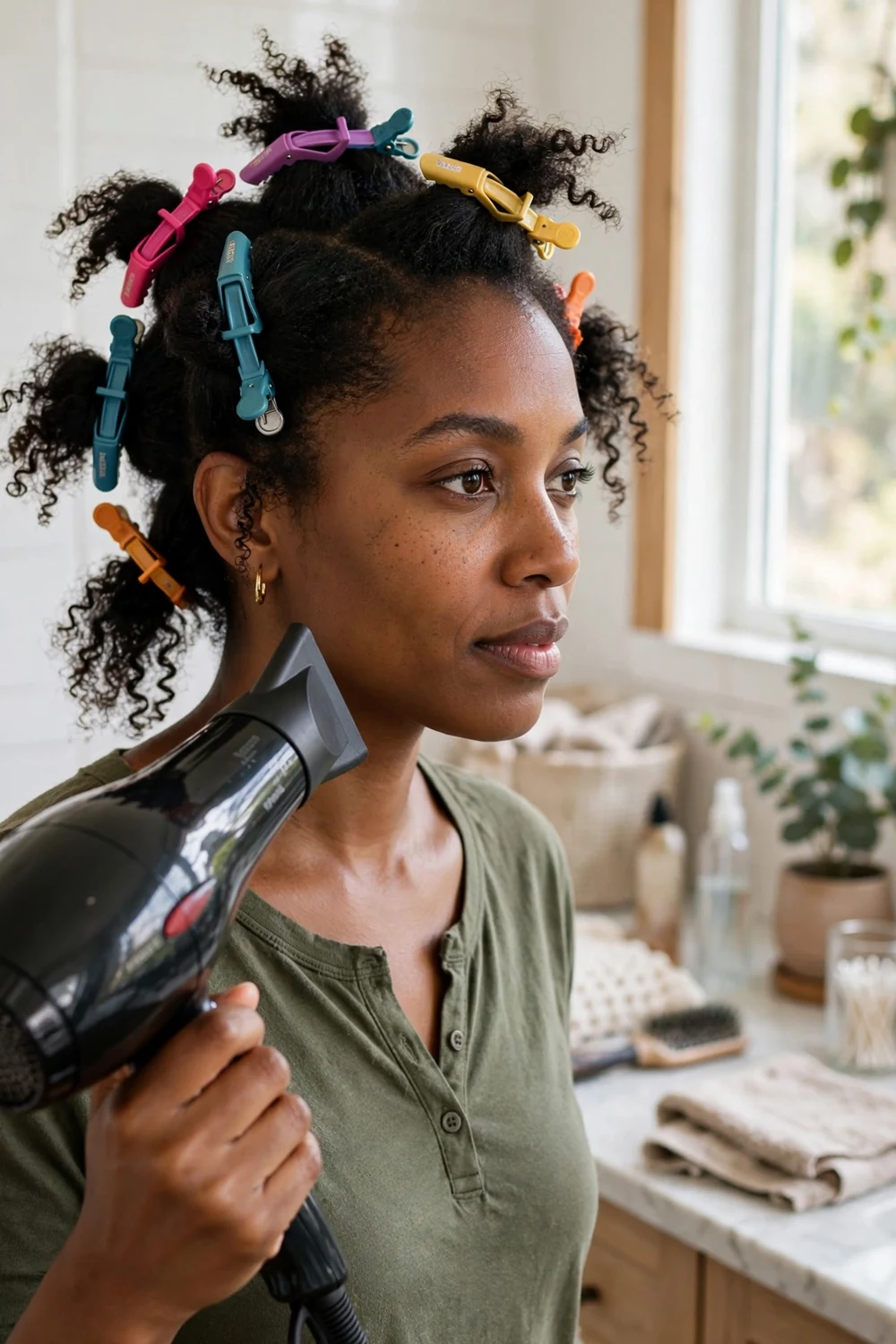
Alligator clips have long arms with teeth-like ridges and a double hinge that opens wide. They are the workhorse of salons: stylists use them to section hair for coloring, foiling, cutting, and blowouts because they grip large sections firmly and release with one hand. The wide teeth hold thick hair well but let fine flyaways slide through, so they are less useful on very fine or short hair. Most are not meant to be worn out; they are a tool, not an accessory.
Try this: When blow-drying at home, section your hair into four parts with alligator clips and dry one section at a time for a noticeably smoother result.
4. Snap Clips (Snap Barrettes)
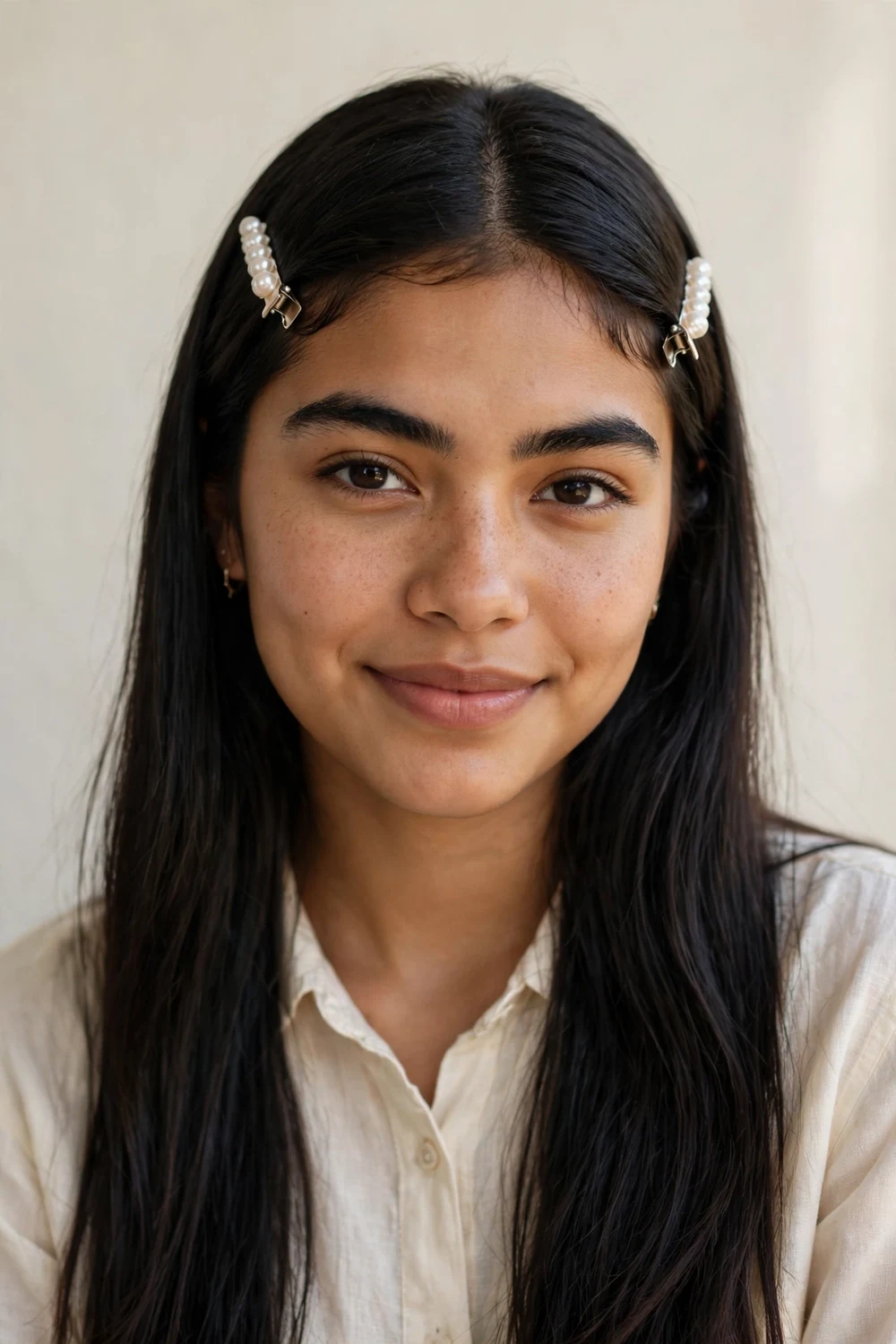
Snap clips are the flat, slightly curved barrettes that click open when you bend them and snap shut with pressure. They hold small amounts of hair with firm, even tension, which makes them ideal for pinning back bangs, securing side sections, or decorating a simple style. Kids’ versions come in bright colors; adult versions in tortoise, pearl, and metallic finishes work as jewelry-like accents. They grip tightly, so avoid loading them with thick sections, which strains both the clip and your hair.
Try this: Press the center to open the clip, slide it over the section with the curve following your head, then press the ends to snap it shut. Two crossed snap clips hold better than one.
5. Bobby Pins
Bobby pins are thin, flat metal pins with one wavy arm and one straight arm. The wavy side grips the hair and should face down against the scalp; the flat side shows on top. That single detail, wavy side down, is the difference between a pin that holds all day and one that slides out in an hour. They come color-matched to hair shades so they disappear, or in decorative versions with pearls and crystals for visible styling. For real hold, use two pins crossed in an X rather than one.
Try this: Spray a bobby pin lightly with dry shampoo or texturizing spray before inserting it. The added texture keeps it from slipping on clean, silky hair.
6. French Barrettes
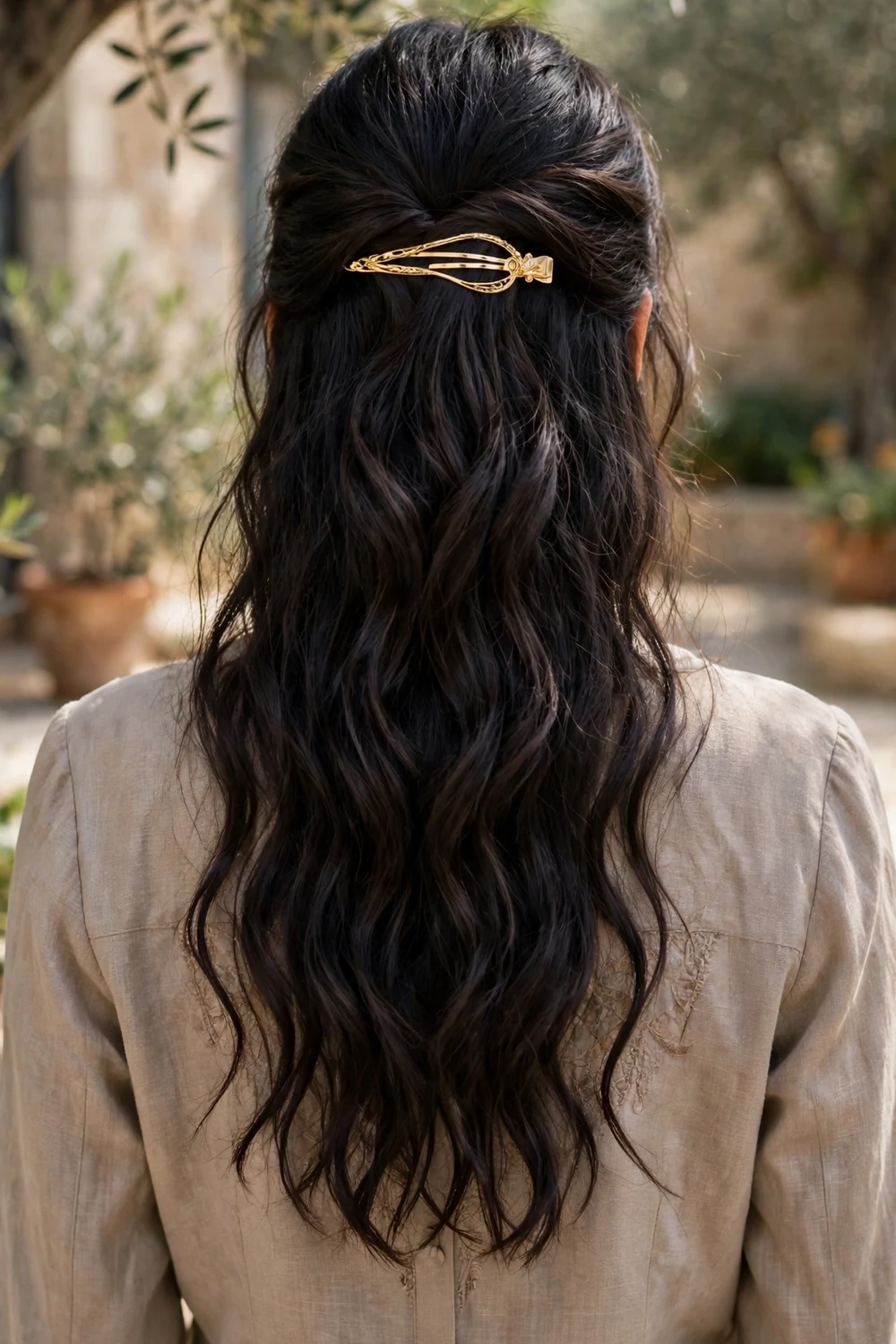
A French barrette has a decorative top plate and a curved metal arm underneath that locks into a clasp when squeezed. Unlike snap clips, the arm wraps fully around the gathered hair, so nothing slides out the sides. This makes French barrettes the best choice for thick ponytails and half-up styles on heavy hair. They sit slightly raised off the head because of the clasp mechanism, so very sleek styles may prefer a flatter clip. Sizes run from small (two inches) to large (four inches and up).
Try this: For a half-up style that lasts, gather the top section, twist it once for texture, then close the French barrette over the twist rather than over loose hair.
Half-up styles are where this clip shines. See our half-up half-down hairstyles for looks built around exactly this kind of hold.
7. Banana Clips
Banana clips are long, vertical clips with two rows of interlocking teeth that snap shut around the hair like a clasp. Worn vertically down the back of the head, they gather all the hair into a high-volume ponytail effect without an elastic band. The teeth distribute the hair along the clip’s length, which creates more fullness and length illusion than a standard ponytail. They work best on medium to long hair; short layers poke out between the teeth. Do not clamp them over wet hair, which stretches and snaps more easily under tension.
Try this: Flip your head forward, gather all hair at the crown, open the banana clip underneath, and snap it shut upward for maximum volume at the roots.
8. Duckbill Clips
Duckbill clips are long, flat metal clips shaped like a duck’s bill that grip with tight, even pressure along their full length. Stylists use them for precision sectioning: foiling highlights, extension applications, and keeping baby hairs out of the way during makeup. The slim profile lets them sit close to the scalp without bulk. Because they are metal, keep them away from chemical services like perms, relaxers, and some color processes, where metal can react with the chemicals. They are a backstage tool, not a fashion piece.
Try this: Use two duckbill clips to hold back the front sections while you apply a face mask or do your makeup; they lie flat enough to work around.
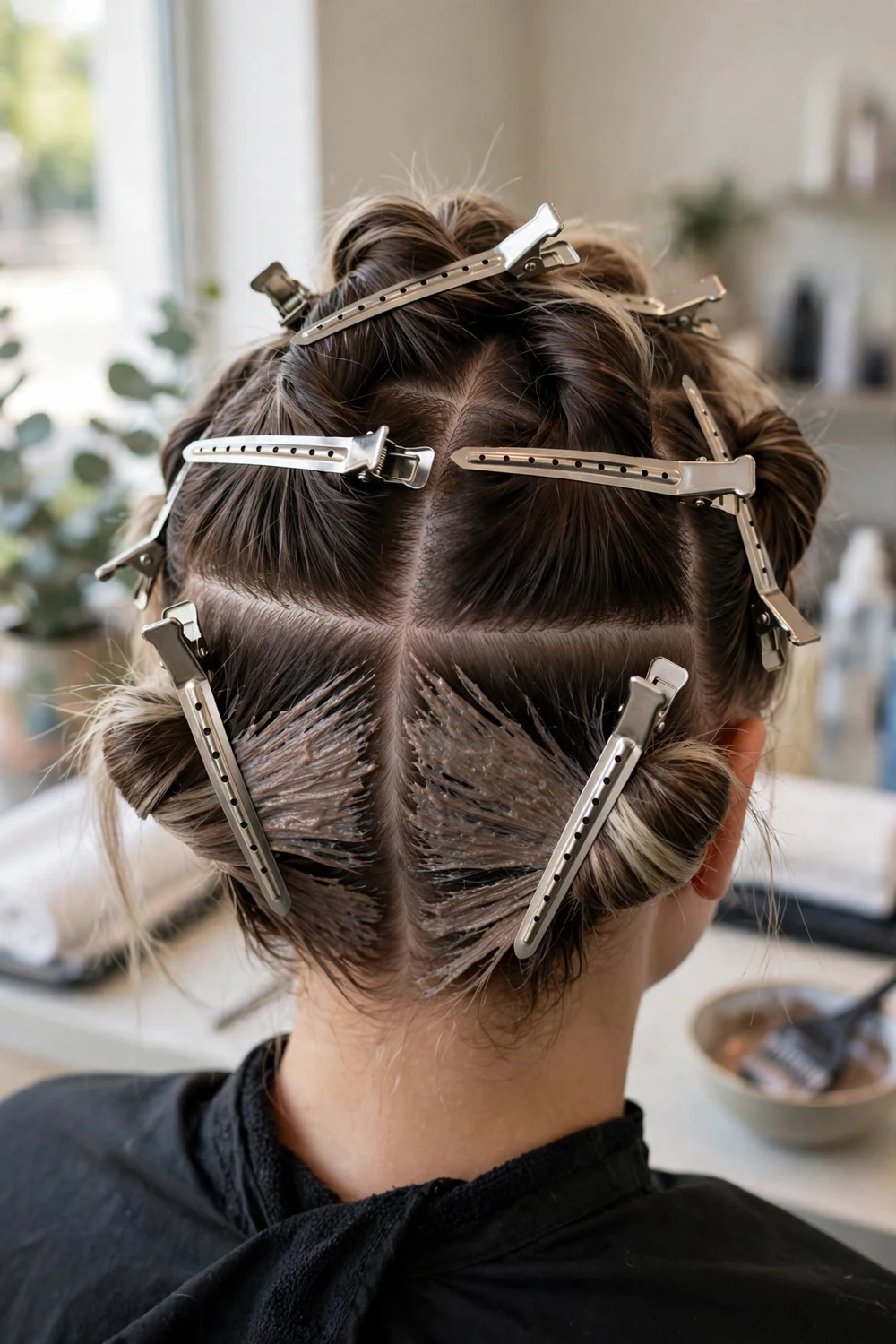
9. Curl-Setting Clips
Curl-setting clips are small metal clips, similar to short duckbills, sometimes with double prongs, designed to hold curls in place while they cool. The technique: curl a section, slide the iron out so the hair stays coiled, and clip the coil to your head for ten to fifteen minutes. Cooling in the coiled shape sets the curl far longer than letting it fall hot. They are also used to pin finger waves while they dry. Too small for any other job, but unmatched for this one.
Try this: After curling, clip each coil up and finish your makeup before releasing them. The extra cooling time noticeably extends the curl’s life.
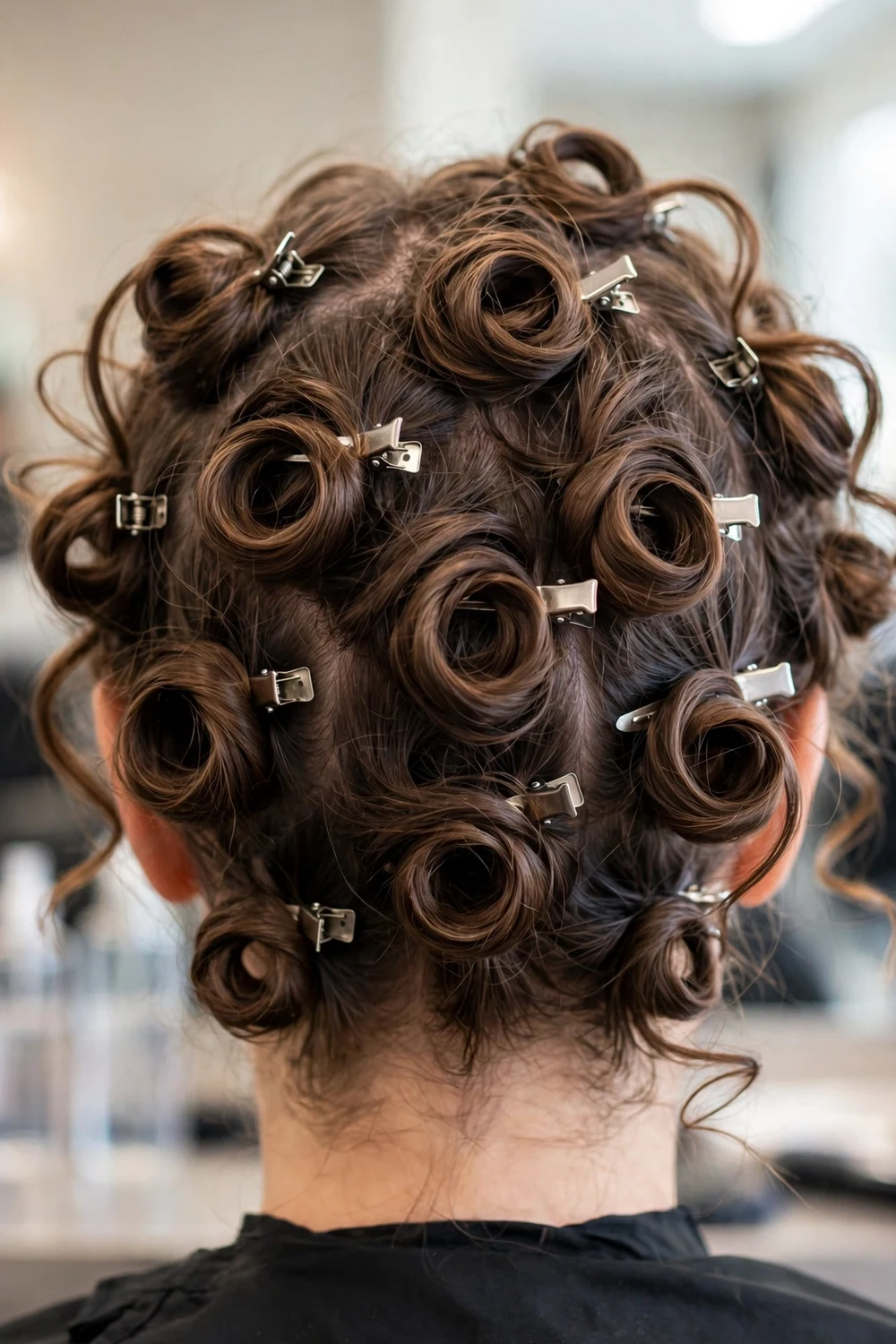
10. Hair Pins (U-Pins)
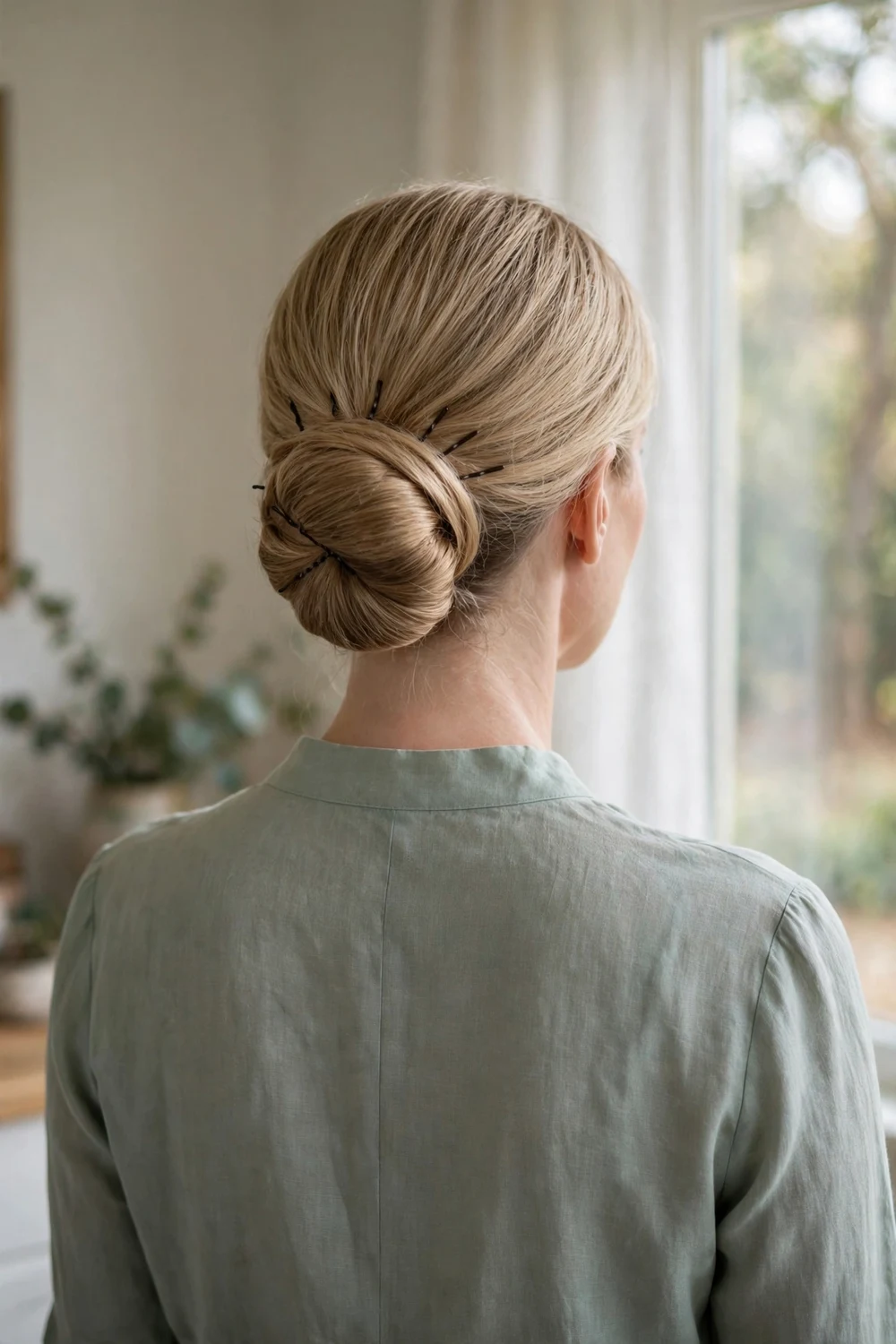
Hair pins, or U-pins, are open U-shaped wires that slide into updos to anchor large sections without visible hardware. Unlike bobby pins, they do not clamp; they weave through the hair and hold by tension and placement. They are the secret behind smooth French twists, chignons, and wrapped updos that show no pins at all. On their own they are not very secure, so stylists pair them with bobby pins: hair pins for invisible structure, bobby pins crossed over them for lock-down. Longer pins (three inches) suit thick hair; shorter ones suit fine hair.
Try this: Insert the U-pin with the curve catching a section of the updo, then weave it in a slight zigzag against the scalp instead of pushing it straight in.
For occasions when a polished updo matters, our prom hairstyle ideas show how invisible pinning keeps formal styles intact all evening.
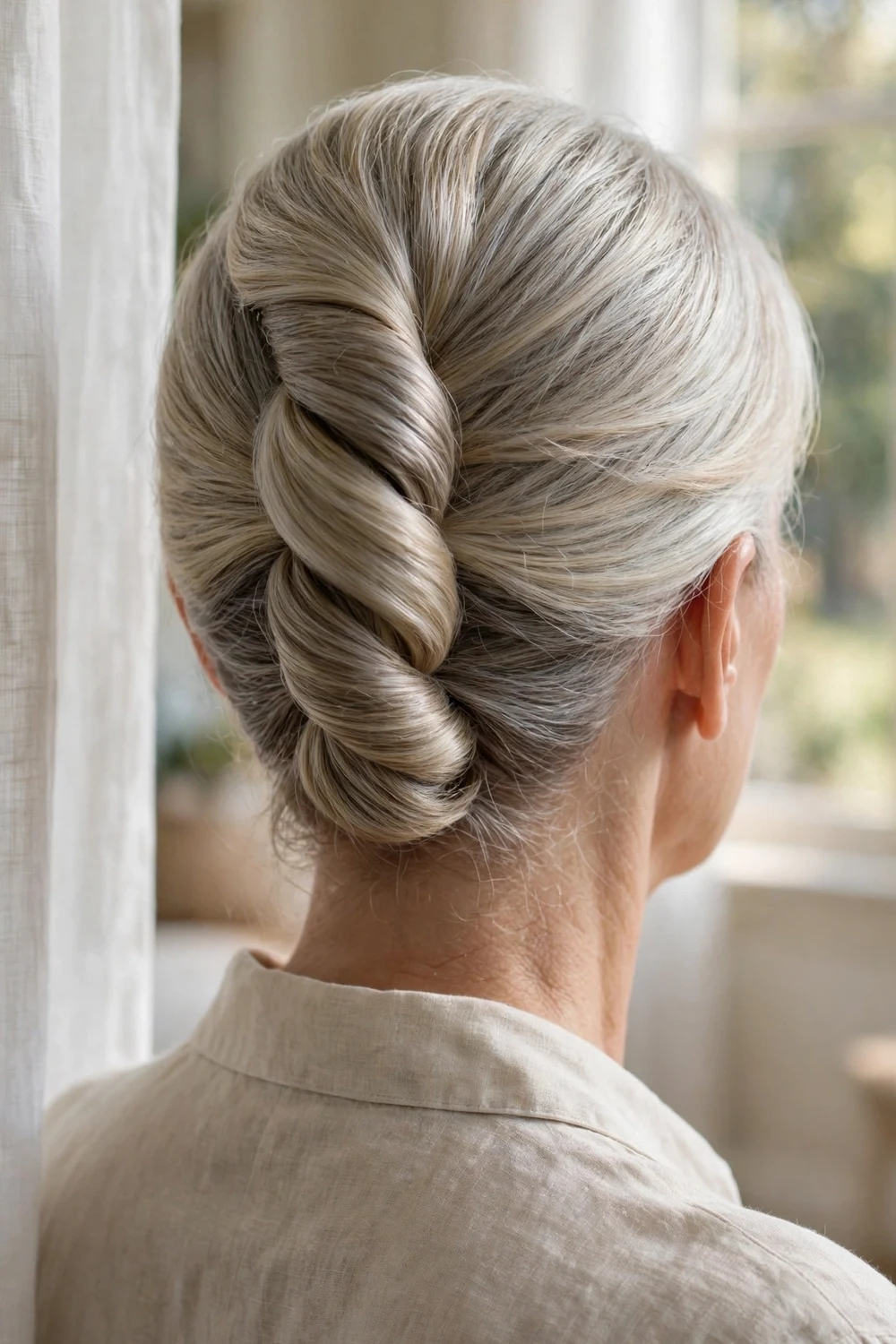
11. Decorative Hair Combs
Decorative hair combs look like short combs with long teeth and an embellished top: pearls, crystals, or metalwork. They do not clasp anything; you slide them into the hair against the direction of growth and the teeth grip by friction. They excel as finishing pieces on updos, French twists, and tucked styles, adding a jewelry element in seconds. They hold best in textured or slightly teased hair; on very silky hair, anchor each side with a bobby pin crossed over the comb’s base.
Try this: Insert the comb upside down first, then flip it into position. The flip catches more hair and seats the teeth more securely than sliding it straight in.
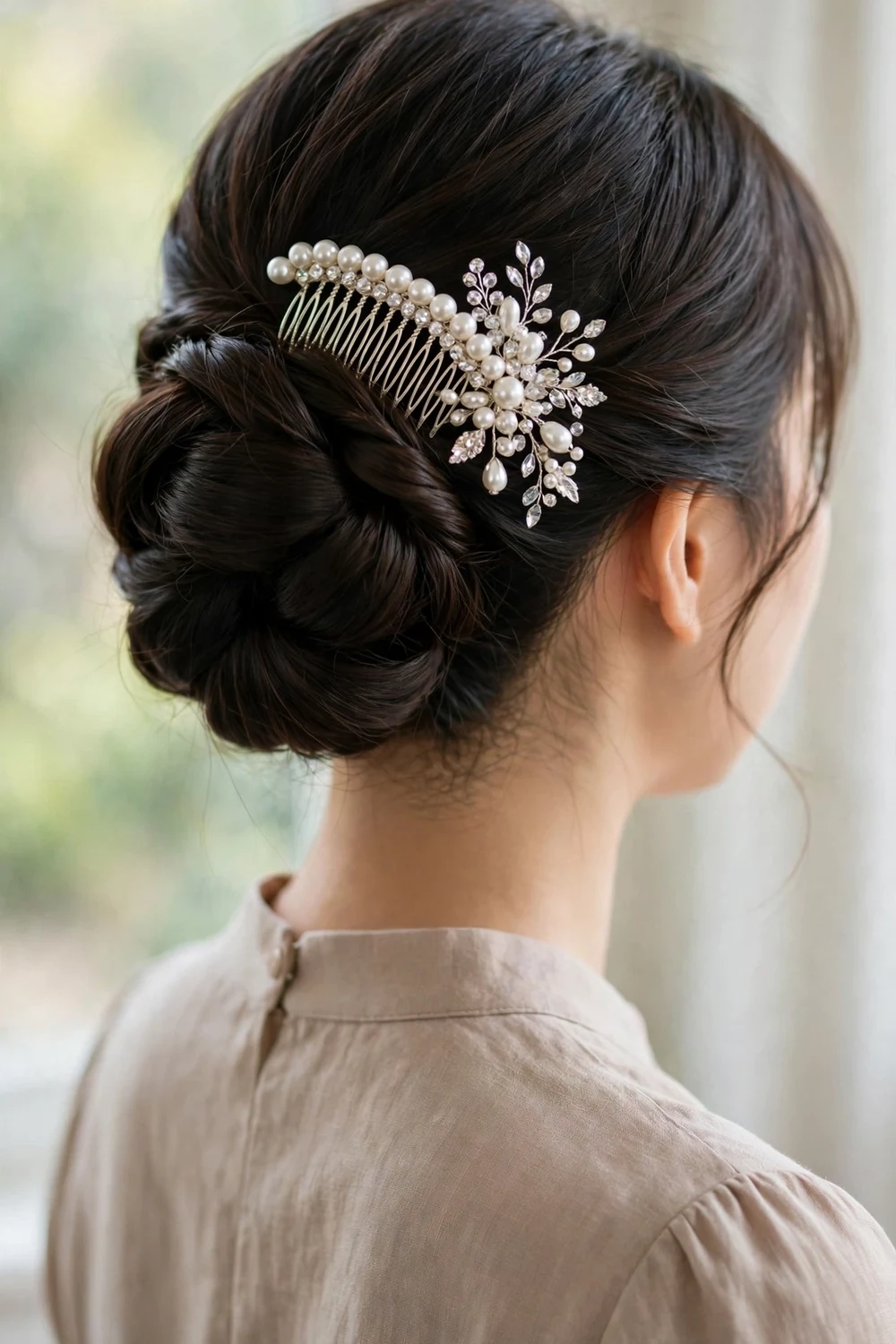
12. Butterfly Clips
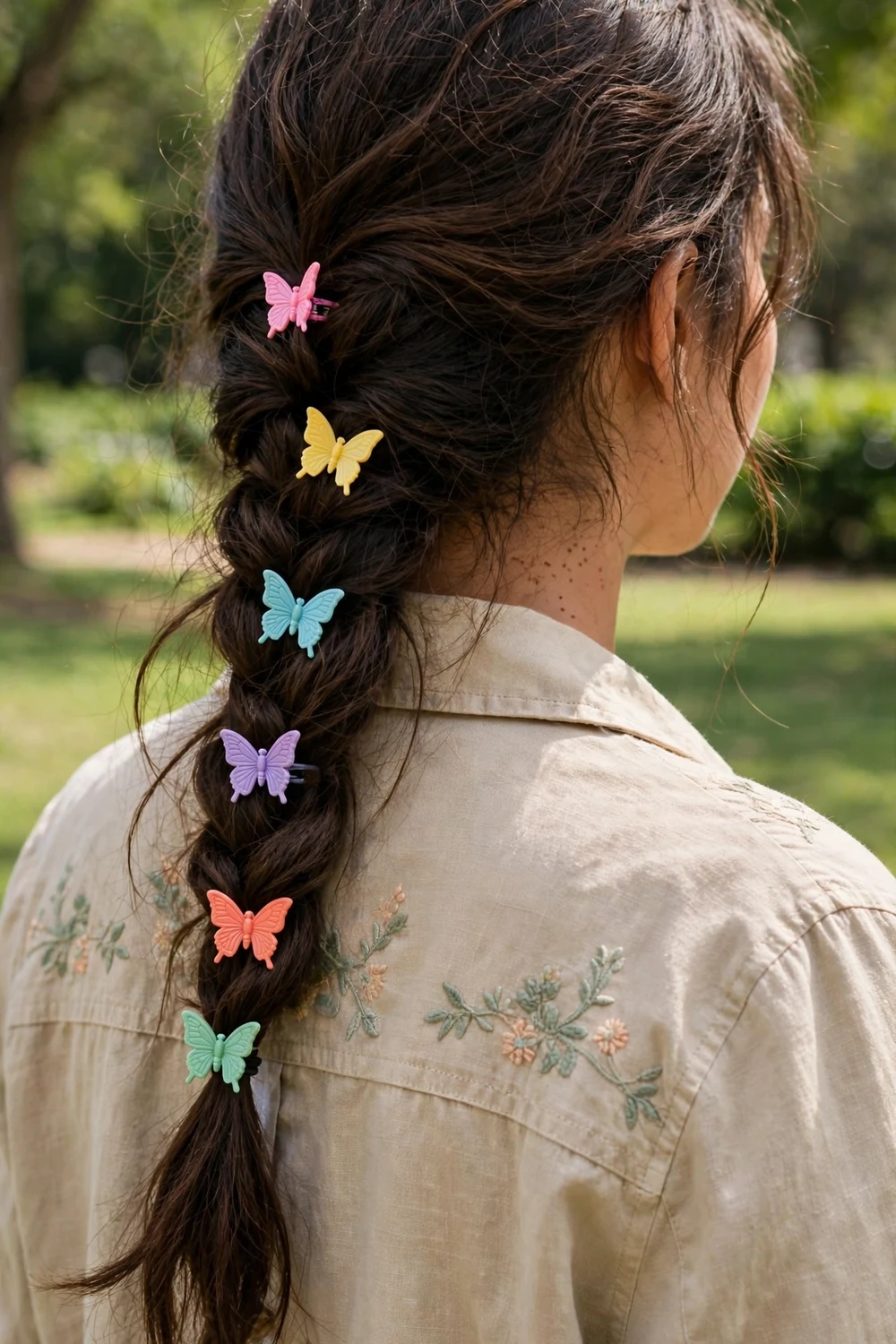
Butterfly clips are small decorative clips shaped like butterflies (or flowers, stars, and other motifs) with a simple snap or alligator-style grip underneath. They hold small sections purely as decoration: scattered through braids, clipped along a side part, or pinning tiny twists in children’s and festival styles. Their hold is light, so they suit accent work rather than structural jobs. Look for smooth edges on the underside; cheap molded versions can have rough seams that catch and break fine hair.
Try this: Scatter five or six butterfly clips along a single loose braid, spacing them unevenly for a relaxed, undone effect rather than a uniform row.
Hair Clips at a Glance
| Clip Type | Main Job | Best For | Watch Out For |
|---|---|---|---|
| Claw clip | Full updos in seconds | Medium to thick hair, all lengths past the chin | Undersized clip pops open on thick hair |
| Mini claw clip | Small sections and accents | Half-up styles, bangs, braid details | Overfilling bends the spring |
| Alligator clip | Sectioning for color, cut, styling | Thick hair, salon work, home blowouts | Fine flyaways slip through the teeth |
| Snap clip | Bangs, flyaways, small sections | Fine to medium hair, decorative accents | Tight grip can stress hair if overfilled |
| Bobby pin | Invisible hold for updos and strays | All hair types; updos of any size | Wavy side must face down or it slips |
| French barrette | Secure ponytails and half-up styles | Thick, heavy hair | Sits raised; less sleek than flat clips |
| Banana clip | High-volume ponytail effect | Medium to long hair | Short layers poke through the teeth |
| Duckbill clip | Precision sectioning, foiling | Styling work, makeup application | Metal reacts with some chemical services |
| Curl-setting clip | Setting curls and waves while cooling | Heat-styled curls, finger waves | Too small for any other use |
| Hair pin (U-pin) | Invisible structure in updos | French twists, chignons, wrapped styles | Needs bobby pins alongside for real hold |
| Decorative hair comb | Jewelry-like finishing accent | Updos and formal styles | Slips on very silky hair without anchors |
| Butterfly clip | Decorative accents in braids and parts | Small sections, children’s and festival styles | Light hold only; rough seams can snag |
How to Choose the Right Hair Clip
Start with the job, not the look. If you need to hold all your hair up, you need a claw, banana clip, or large French barrette; a snap clip will fail no matter how pretty it is. If you are sectioning for styling, reach for alligator or duckbill clips. If you want decoration, pick from snap clips, decorative combs, and butterfly clips.
Next, match the size to your hair. Thick, long hair needs large clips with strong springs; fine or short hair does better with smaller clips that do not overwhelm the section. When in doubt, buy the next size up for full-hair styles and the next size down for accents.
Check the material before you buy. Smooth-molded plastic and acetate snag less than rough metal edges. For daily wear, rotate between clip types and positions; wearing the same tight clip in the same spot every day creates breakage exactly where the tension sits.
For everyday styling ideas that use these clips in real hairstyles, our cute hairstyles for medium hair collection shows clips working in finished looks.
Frequently Asked Questions
Which hair clip is best for thick hair?
Large claw clips, French barrettes, and banana clips handle thick hair best because they enclose large sections with strong mechanisms. Alligator clips work for sectioning thick hair during styling. Avoid snap clips and mini claws for full-hair styles on thick hair; they are sized for small sections and will pop open or strain.
Are claw clips bad for your hair?
Not when used correctly. Claw clips distribute pressure more evenly than tight elastics, which is why stylists often recommend them over daily ponytails. Problems come from overfilling the clip, clamping the same spot every day, or using metal claws with rough edges. A properly sized smooth claw worn in varying positions is one of the gentlest ways to put hair up.
What is the difference between a bobby pin and a hair pin?
A bobby pin clamps shut with a wavy arm that grips the hair; a hair pin (U-pin) is an open wire that weaves through hair without clamping. Bobby pins give stronger hold and work alone. Hair pins give invisible hold for updos but usually need bobby pins alongside them for security.
How do you keep hair clips from slipping out?
Match the clip size to the amount of hair, and never overfill. Add texture first: second-day hair, dry shampoo, or texturizing spray all give clips more grip than freshly washed silky hair. For smooth clips on sleek hair, cross two bobby pins over the clip’s base as anchors.
Which clips should not be used on wet hair?
Avoid tight clips like banana clips and snap clips on soaking wet hair, since wet hair stretches and breaks more easily under tension. Metal duckbill and alligator clips can rust with repeated wet use unless they are coated or nickel-plated. If you must clip damp hair, use a loose claw clip and remove it once the hair is dry.
Final Thoughts
Twelve clip types sounds like a lot until you sort them by job: full-hair holders, sectioning tools, small-section fixers, and decorative accents. Most women need only four or five: a claw clip, a few bobby pins, a French barrette or snap clips, an alligator clip for styling days, and one decorative piece. Buy for the job first and the look second, and every clip you own will earn its place.
To see these clips in finished hairstyles, start with the PrimeHairPicks homepage and browse the styling collections.

