


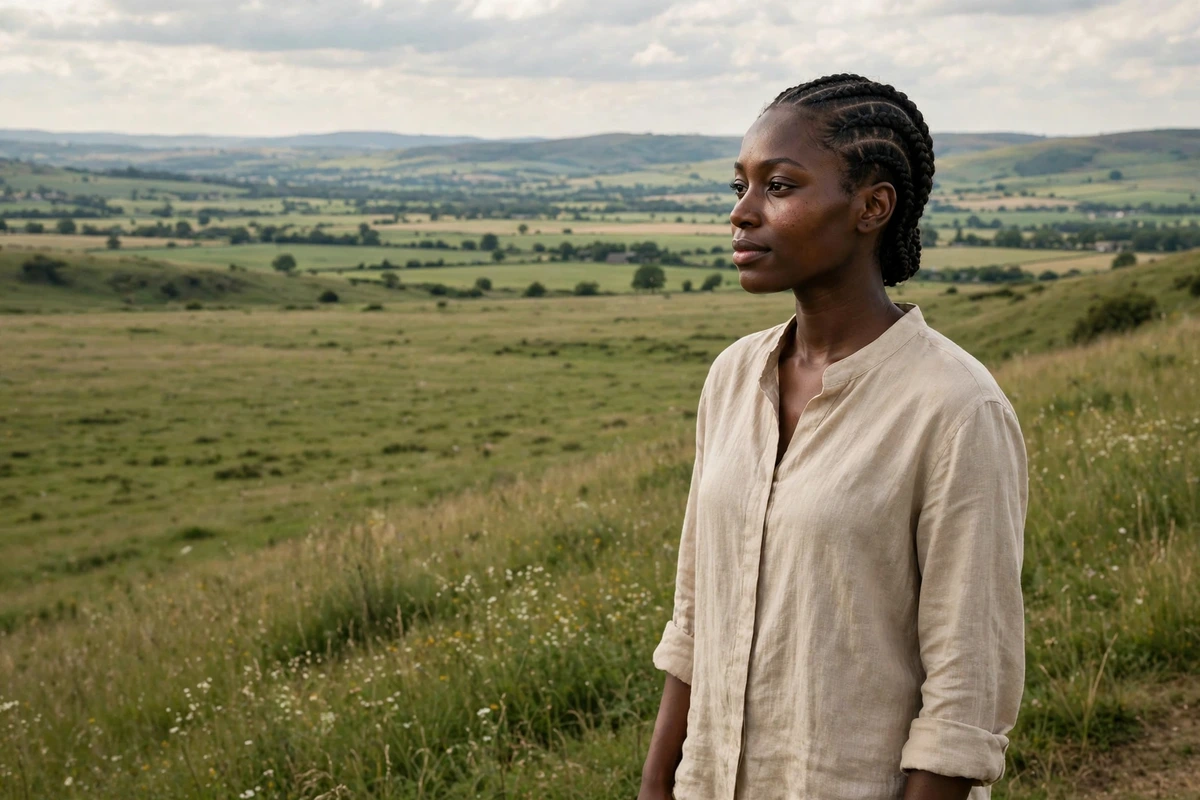
Natural cornrow hairstyles for Black women are some of the most practical styles you can wear. Every row is braided with your own hair, no extensions added, so takedown is simpler and your scalp gets less weight. These styles work on relaxed, texlaxed, and fully natural hair, and they hold on lengths from a short TWA to waist length.
I keep coming back to cornrows in warmer months because wash day gets so much easier with everything sectioned. Below you will find 25 ideas that use only your natural hair, grouped from classic rows to statement patterns. Each one includes a “Try this” tip, a difficulty rating, and a cost rating.
For holiday-ready versions of these cornrow bases, see christmas hairstyles braids, which includes cornrows styled into curled ponytails with festive finishing touches.
Quick Takeaways
- No extensions needed: every style below uses your own hair only. Rows loosen faster than extension styles, so plan for 2 to 4 weeks of wear.
- Start small, go smaller: feed-in rows and micro cornrows sit flatter and pull less on the hairline than thick add-in braids.
- Tension is the make-or-break: rows should feel firm, never painful. Pain or bumps mean the style is too tight and needs redoing.
- Sleep protection doubles wear time: a satin bonnet or scarf every night keeps rows neat and frizz down for the full 3 to 4 weeks.
- Cost stays low: natural cornrows need little beyond your products and, if you go to a salon, the braider’s fee.
1. Classic Straight-Back Cornrows
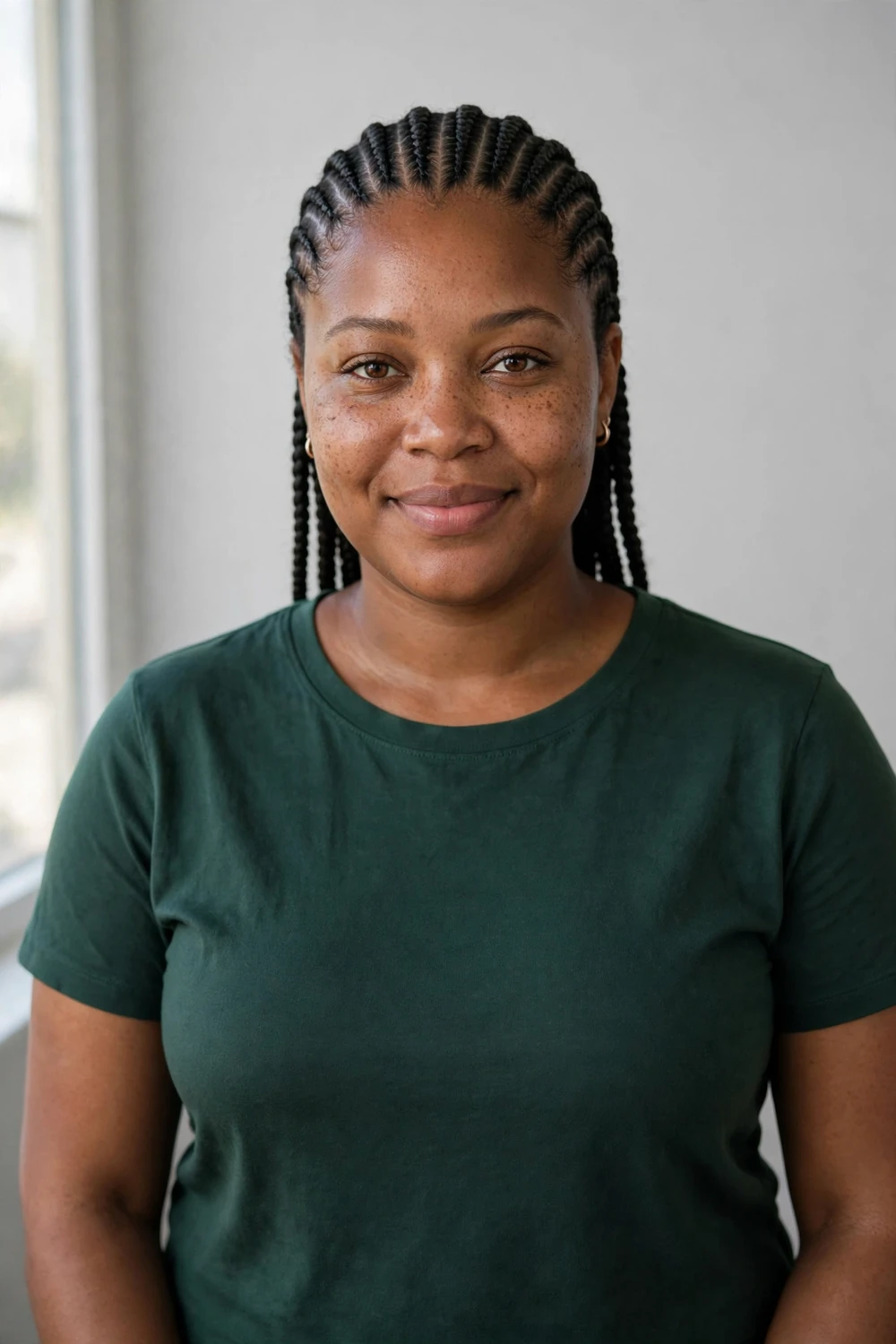
Straight-back rows run from the hairline to the nape in parallel lines. This is the foundation every other cornrow style builds on, and it suits every face shape because the parting can shift anywhere. Rows can be few and chunky or many and fine depending on the look you want. It is the fastest style to install and the easiest to take down.
Try this: keep the first row about a finger-width off the hairline so the edges stay soft instead of pulled.
Difficulty: Easy | Cost: Low
2. Side-Swept Lemonade Braids
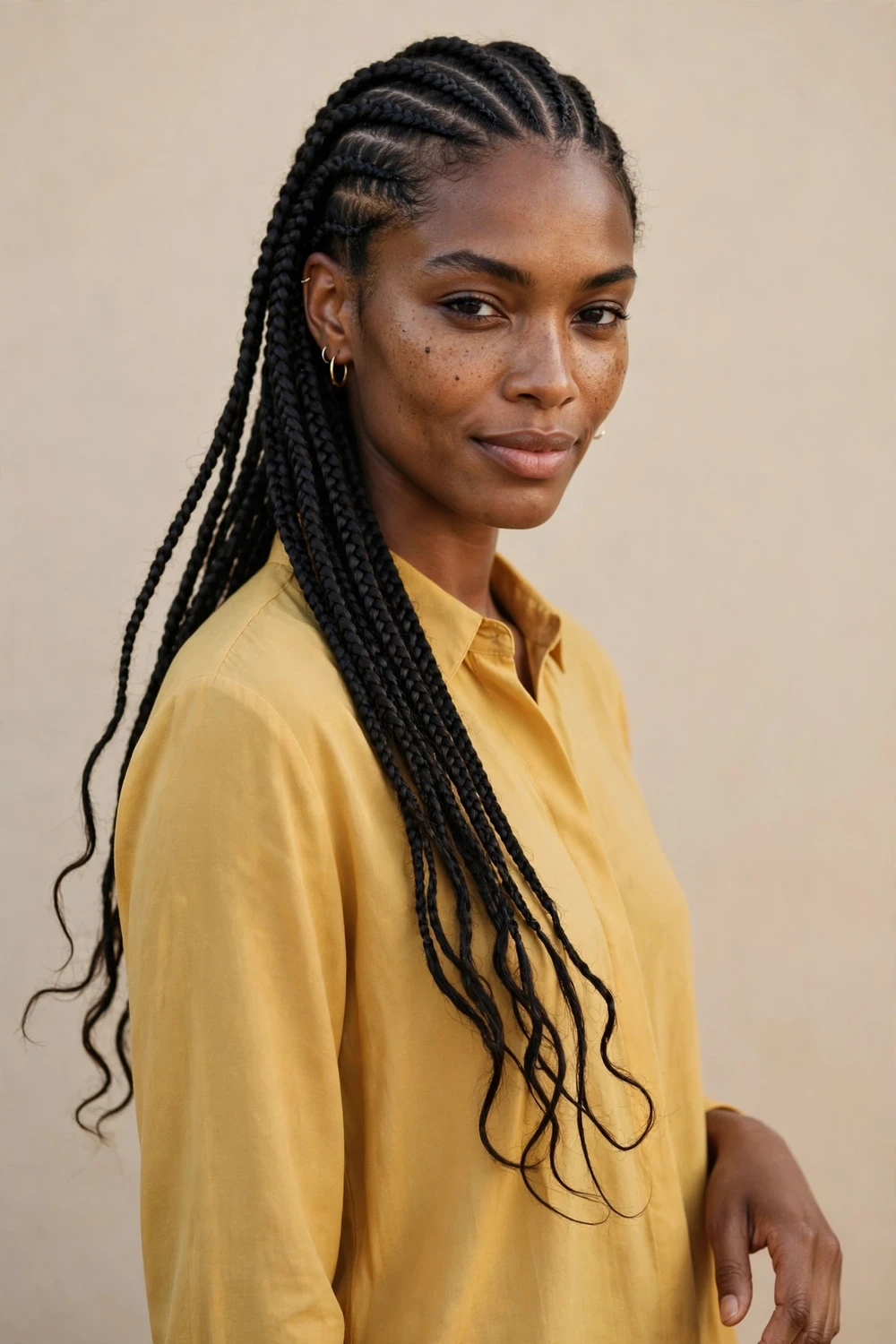
All the rows sweep to one side instead of going straight back. The side-part direction made famous by Beyonce’s Lemonade era gives the style its name and works well without extensions. Small rows hug the scalp and fall over one shoulder, while bigger rows make more of a statement. This version flatters rounder faces because the diagonal line breaks up width.
If side-swept cornrows appeal to you, our guide to lemonade braids hairstyles covers even more variations on this exact direction.
Try this: part on the opposite side from your usual part for extra lift at the roots.
Difficulty: Easy | Cost: Low
3. Stitch Braids
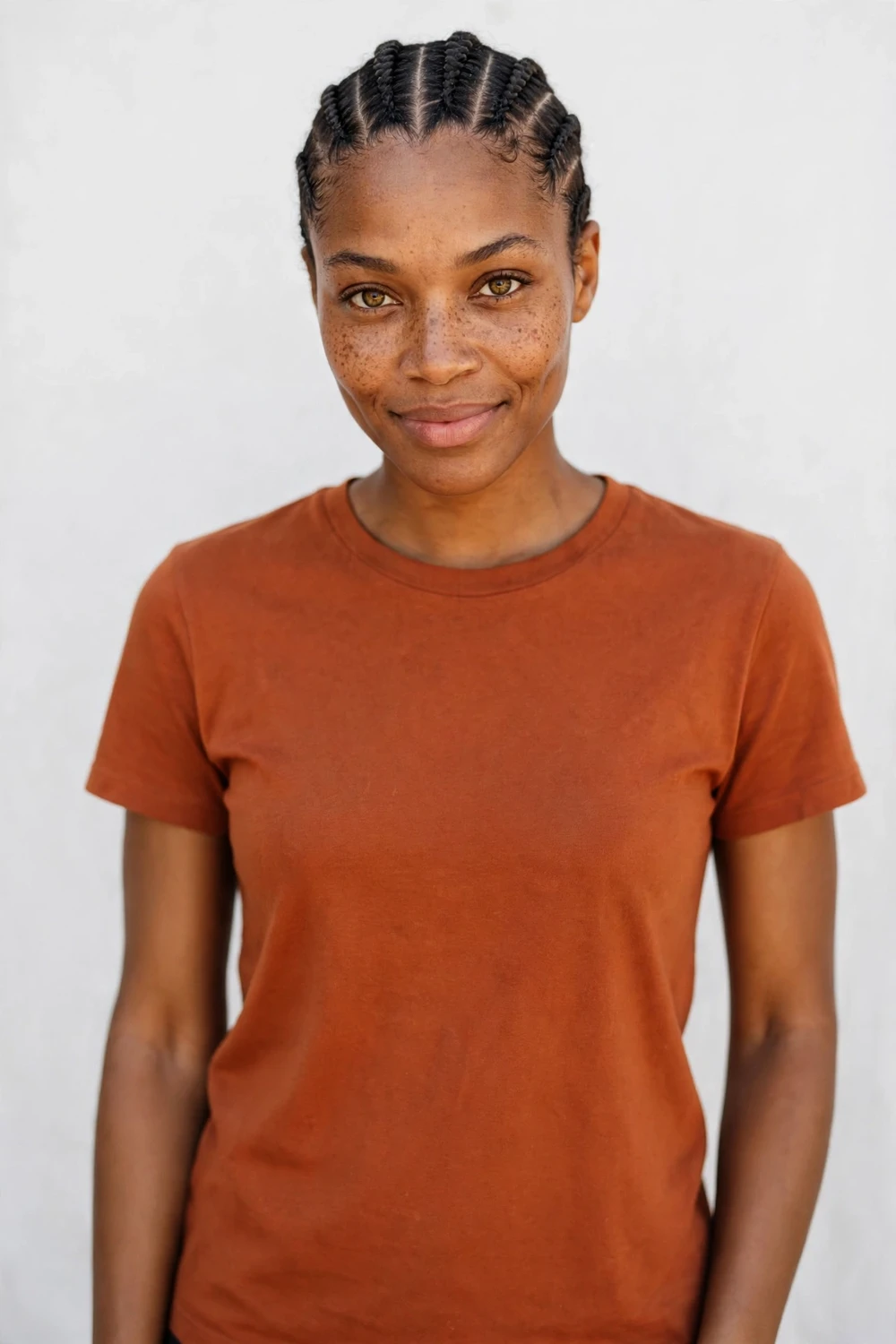
Stitch braids use a feed-in technique that leaves crisp, visible stitch separations between rows. The result looks more defined than classic rows and photographs sharply. They work in straight-back layouts or curved patterns, and the clean parting is what people notice first. On natural hair the stitching shows best when rows start small at the hairline.
Try this: ask for the stitching to be spaced evenly; uneven spacing is the main thing that makes the style look homemade.
Difficulty: Medium | Cost: Low to medium
4. Cornrow High Bun Updo
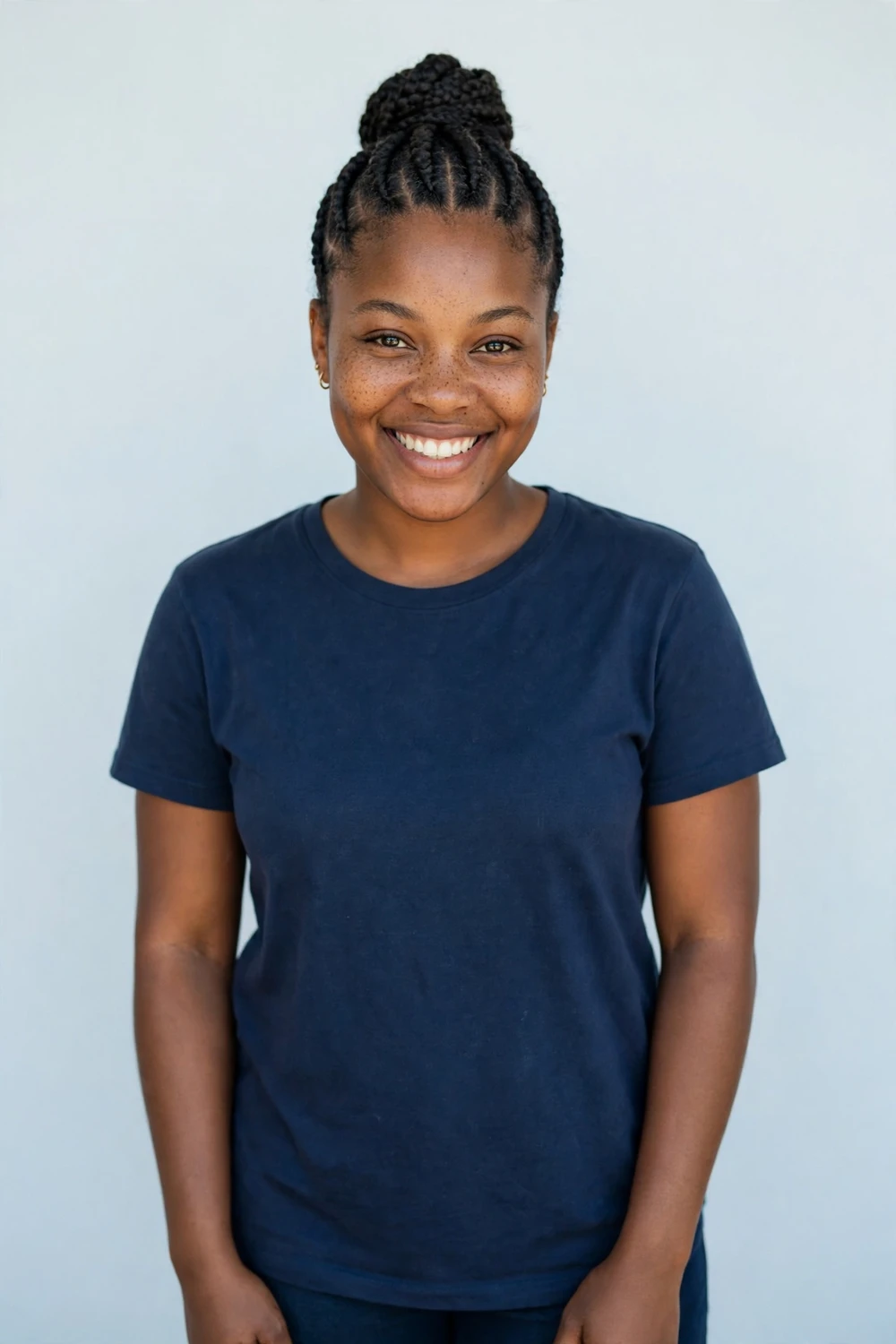
Rows are directed upward and gathered into a bun at the crown. This is the go-to cornrow updo for weddings, interviews, and formal events because it keeps hair completely off the neck and face. Longer natural hair makes a fuller bun; medium lengths can pin into a twisted knot. The style stays neat for the full wear period since nothing hangs loose to frizz.
Try this: wrap the bun’s base with one unbraided strand section for a clean, finished coil.
Difficulty: Medium | Cost: Low to medium
5. Half-Up, Half-Down Cornrows
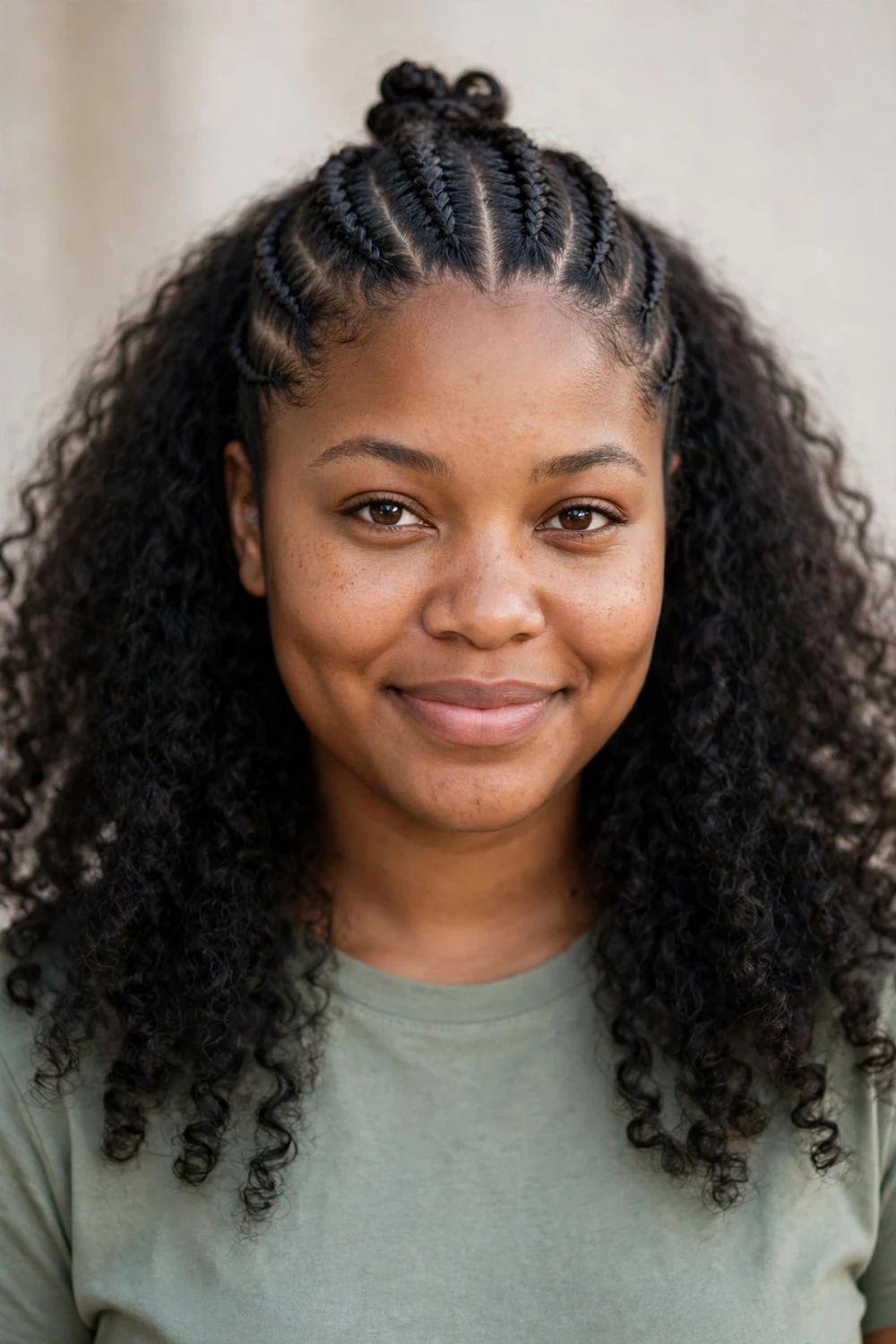
The front section is cornrowed while the back stays loose. This is a strong pick for medium-length natural hair that is too short for a full updo but long enough to show texture in back. The braided front keeps hair out of your face, and the loose back can be worn in its natural curl pattern. It reads casual and takes less install time than a full head of rows.
Try this: braid only the top half and tie the rows into a small topknot for a sportier version.
Difficulty: Easy | Cost: Low
6. Feed-In Natural Cornrows
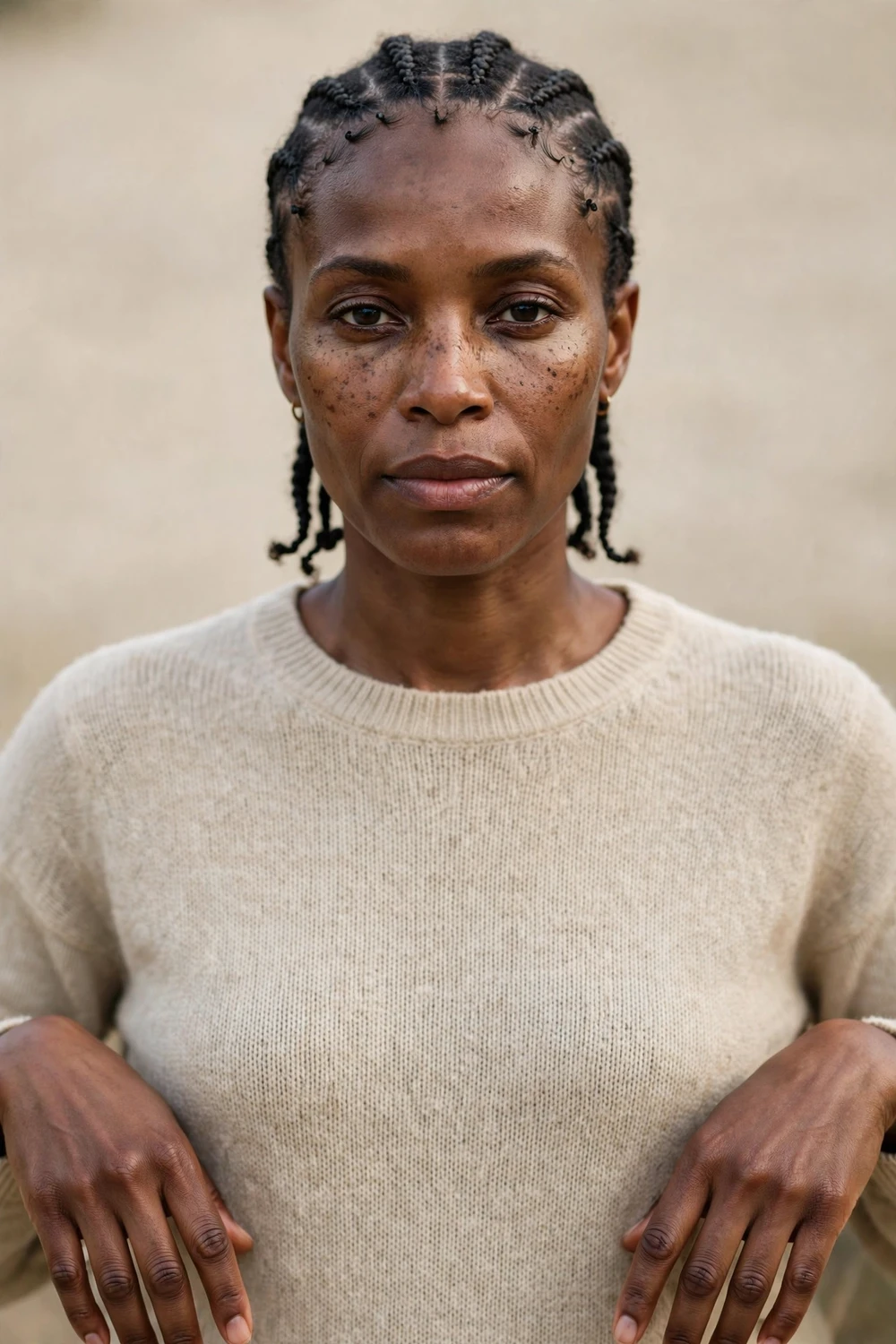
Feed-in rows start with a tiny section at the hairline and gradually pick up more of your own hair as the braid moves back. There are no extensions here, just a gentler build that gives rows a tapered, fuller look with less tension at the front. This technique is the best option if tight braids usually give you headaches or sore edges.
Try this: keep the first two inches of each row very small so the hairline stays soft and the braid gains width behind it.
Difficulty: Medium | Cost: Low
7. Jumbo Chunky Cornrows
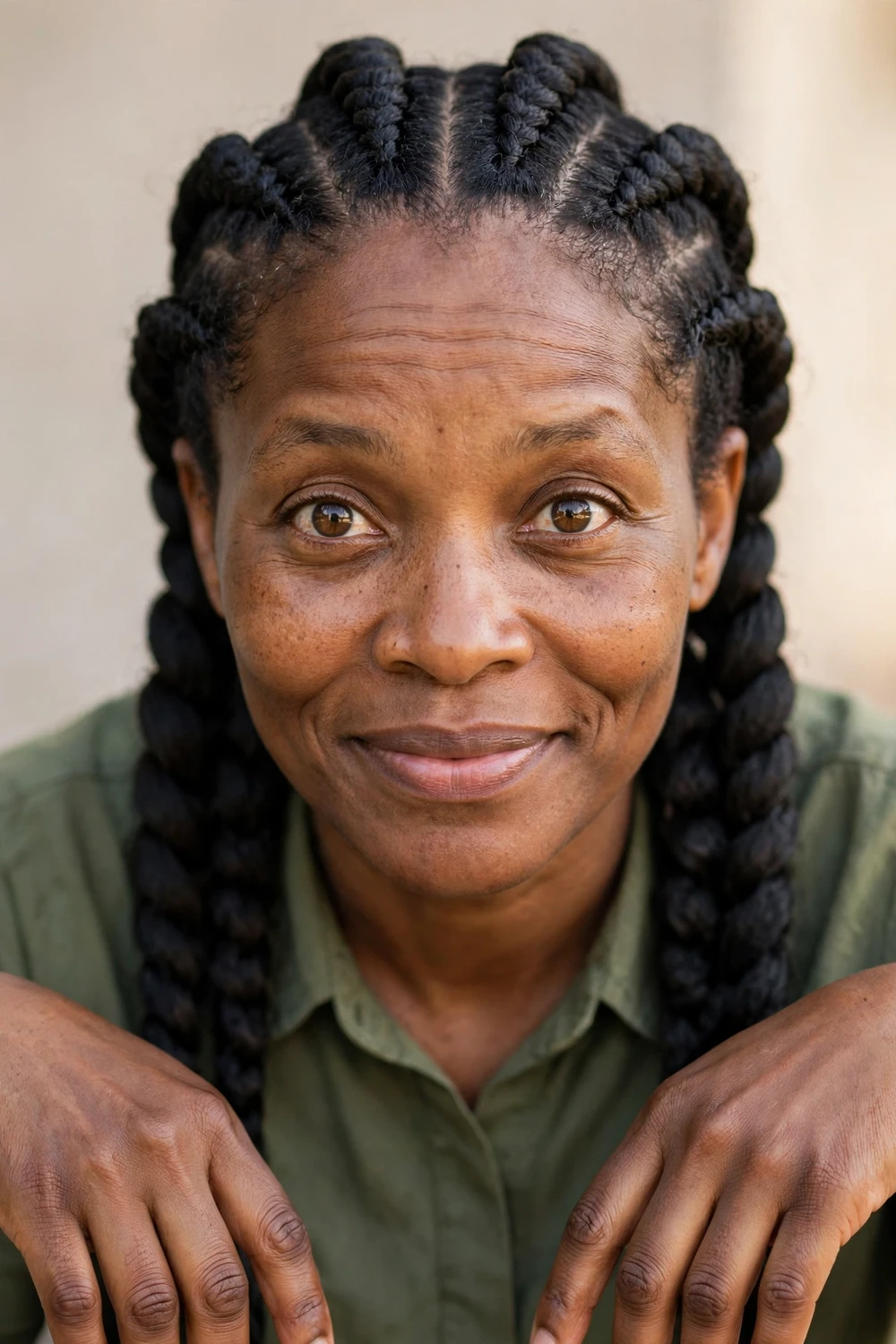
Four to six thick rows do all the work here. Jumbo cornrows install fast, sometimes in under an hour, and make a bold statement that small rows cannot. The look suits thick natural hair especially well because each row holds plenty of volume. They loosen a little faster than small rows, so plan a slightly shorter wear window.
Try this: moisturize the scalp between the wide rows often; thick braids can hide dryness until flakes appear.
Difficulty: Easy | Cost: Low
8. Small Micro Cornrows
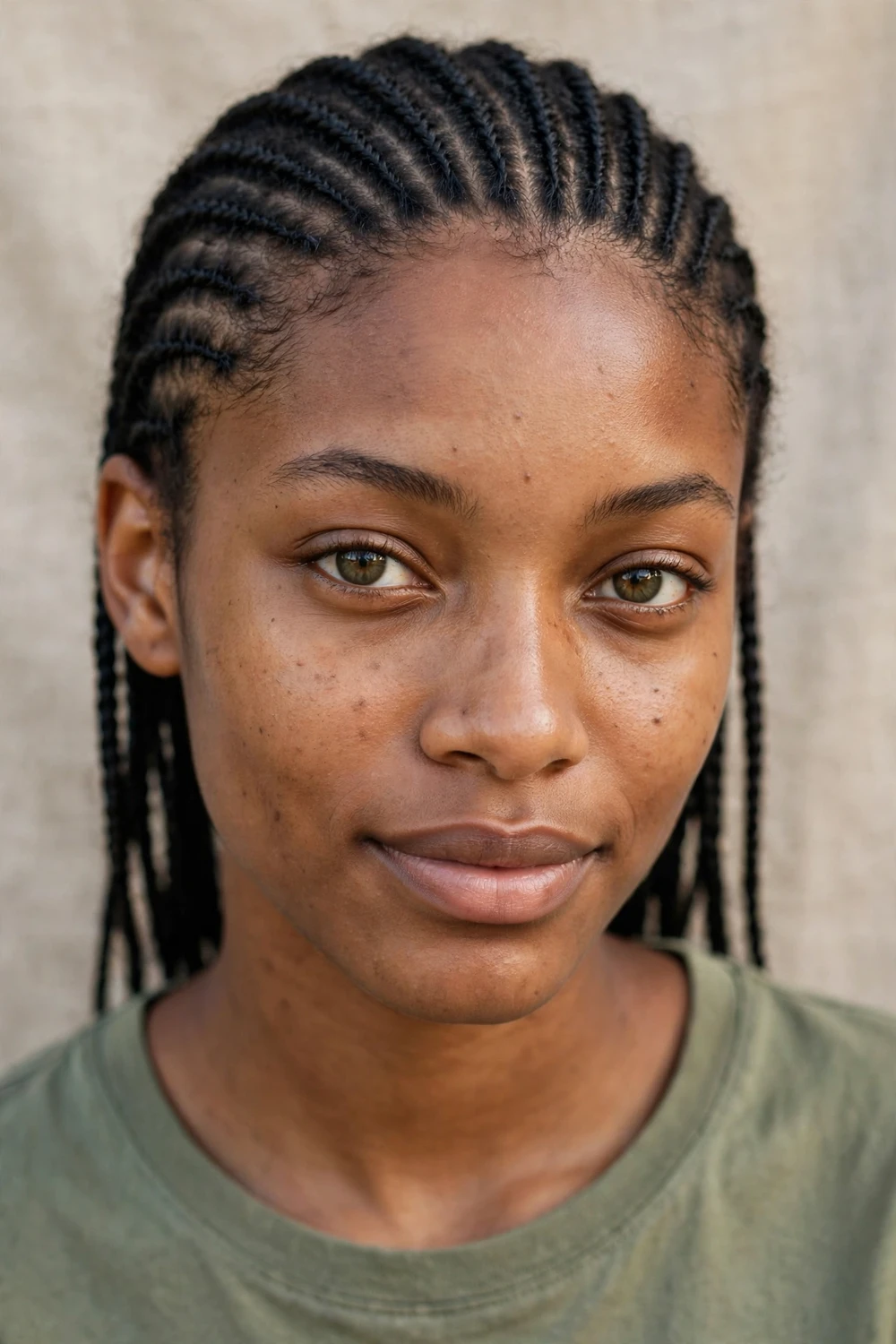
Dozens of fine rows cover the whole head in this detailed style. Micro cornrows take the longest to install but last the longest too, often the full 4 weeks on coily textures. The small scale flatters finer natural hair because each row stays sleek instead of puffy. It is a good choice when you want one style to carry you through a whole month.
Try this: do not wear micro rows longer than about 6 weeks; fine rows matt at the roots if left in too long.
Difficulty: Hard | Cost: Medium
9. Cornrows with Natural Curls Left Out
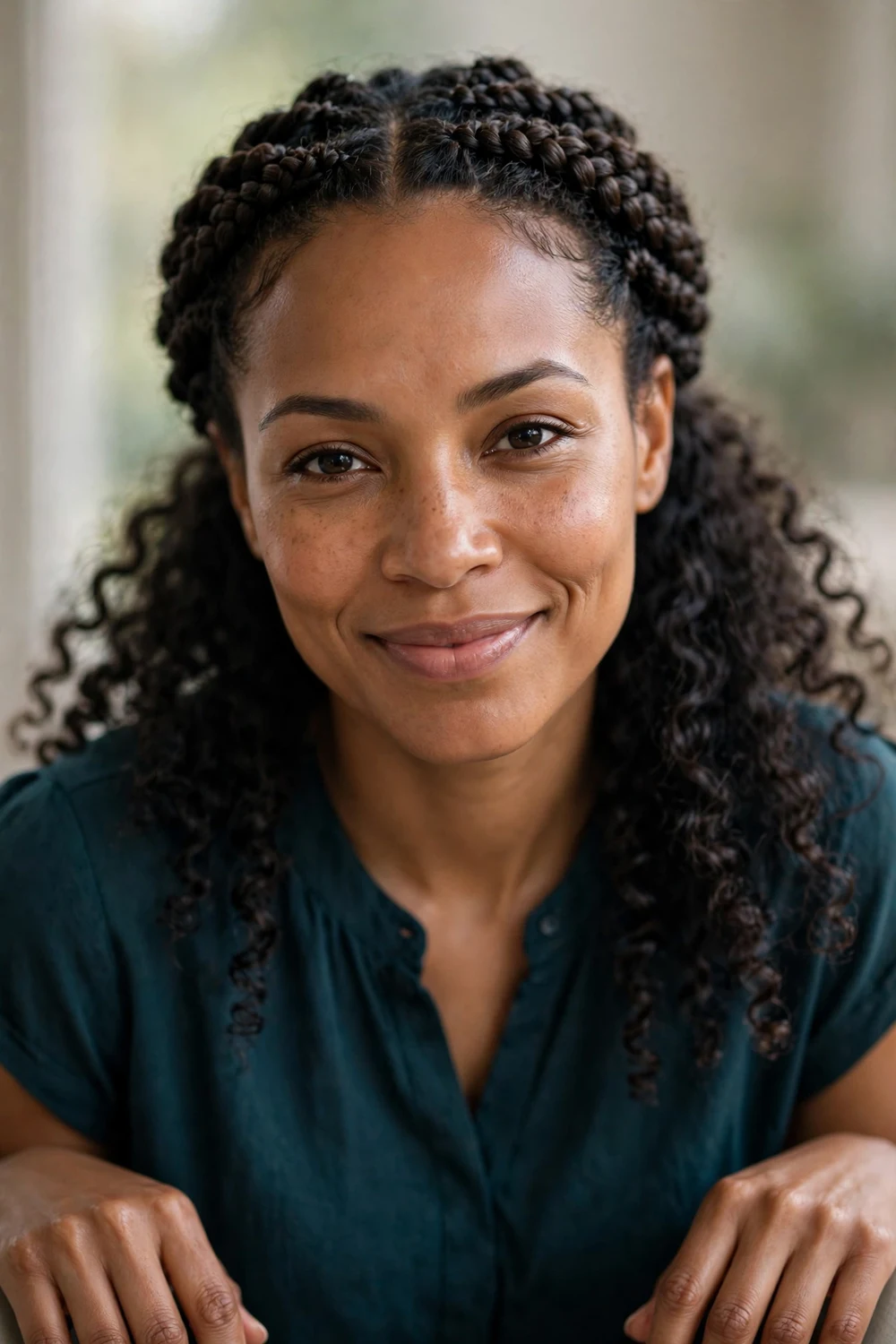
The crown is cornrowed while the ends or back are left in their natural curl. This gives you the neatness of braids at the front with free texture in the back, a boho finish with no extensions involved. It works well on type 3 and type 4 hair where the curls have enough body to contrast with the rows. Twist-out or braid-out the loose section for definition.
Try this: refresh the loose curls with a light leave-in every few days so they match the fresh rows.
Difficulty: Easy | Cost: Low
10. Cornrow Braided Bob
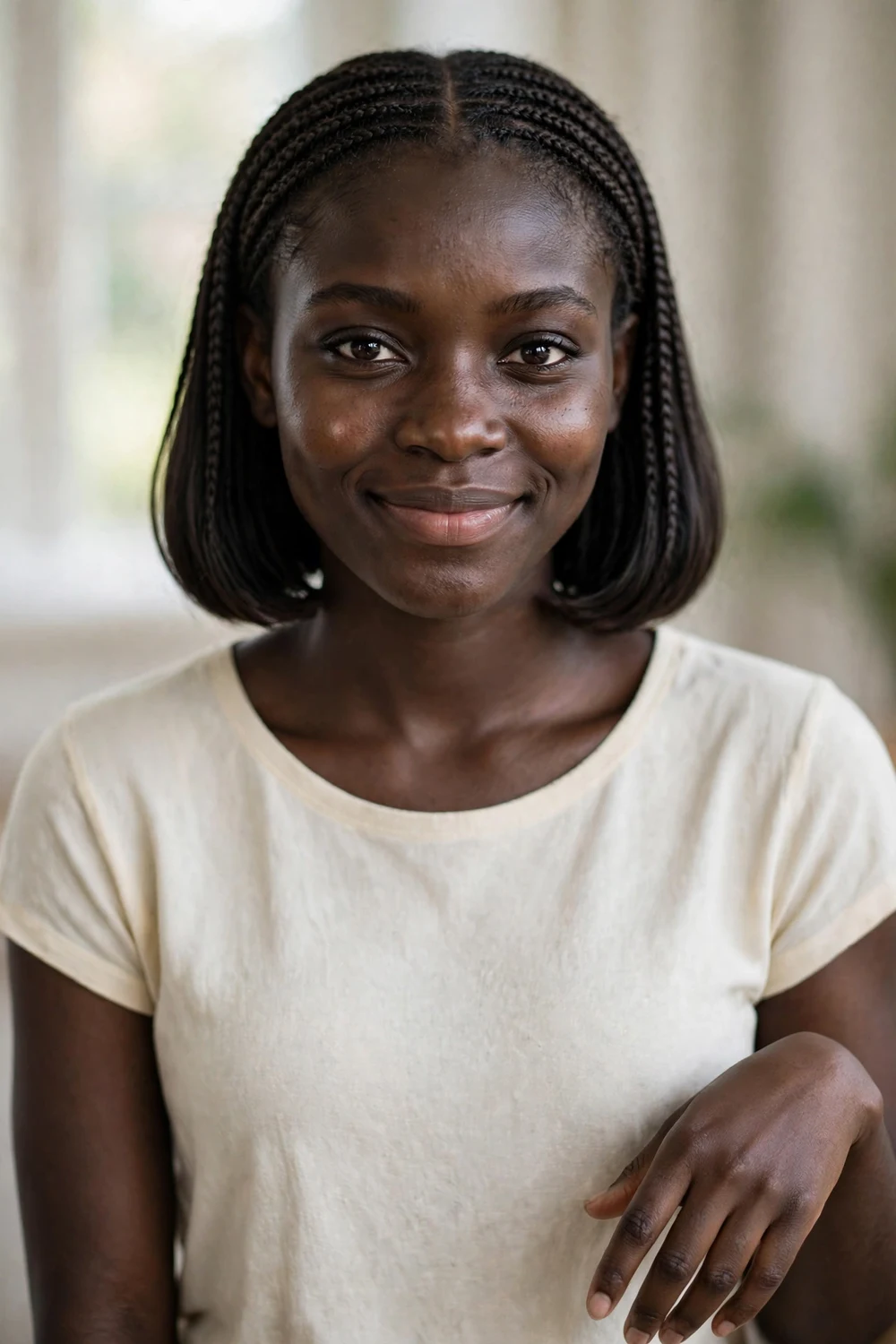
Rows are braided to chin or shoulder length and finished into a bob silhouette. Ends can be left loose, tucked under, or secured with small bands for a rounded edge. This style gives bob lovers the protective benefits of cornrows without committing to a haircut. Medium natural hair hits the sweet spot for this length.
Try this: tuck the row ends under and pin them flat for a blunt bob line; leave them loose for a softer finish.
Difficulty: Medium | Cost: Low
11. Two Cornrows (Twin Braids)
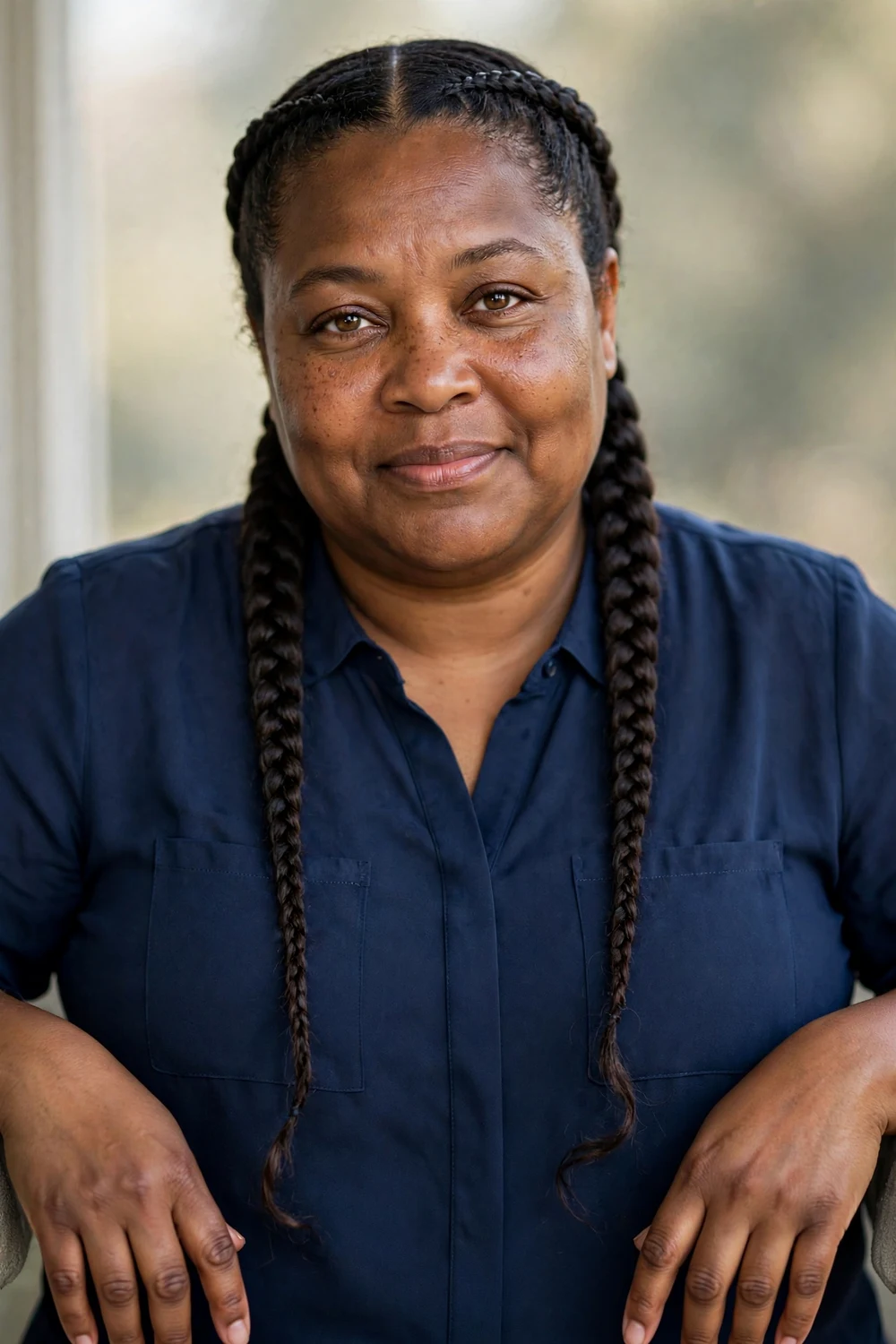
A center part with one cornrow on each side. The twin-braid style is sporty, quick, and one of the easiest cornrow looks to do yourself. It keeps hair secure during workouts and fits neatly under hats and helmets. Add beads or cuffs to the ends if the plain version feels too simple.
Try this: braid slightly off-center for a less symmetrical, more modern take.
Difficulty: Easy | Cost: Low
12. Low Ponytail Cornrows
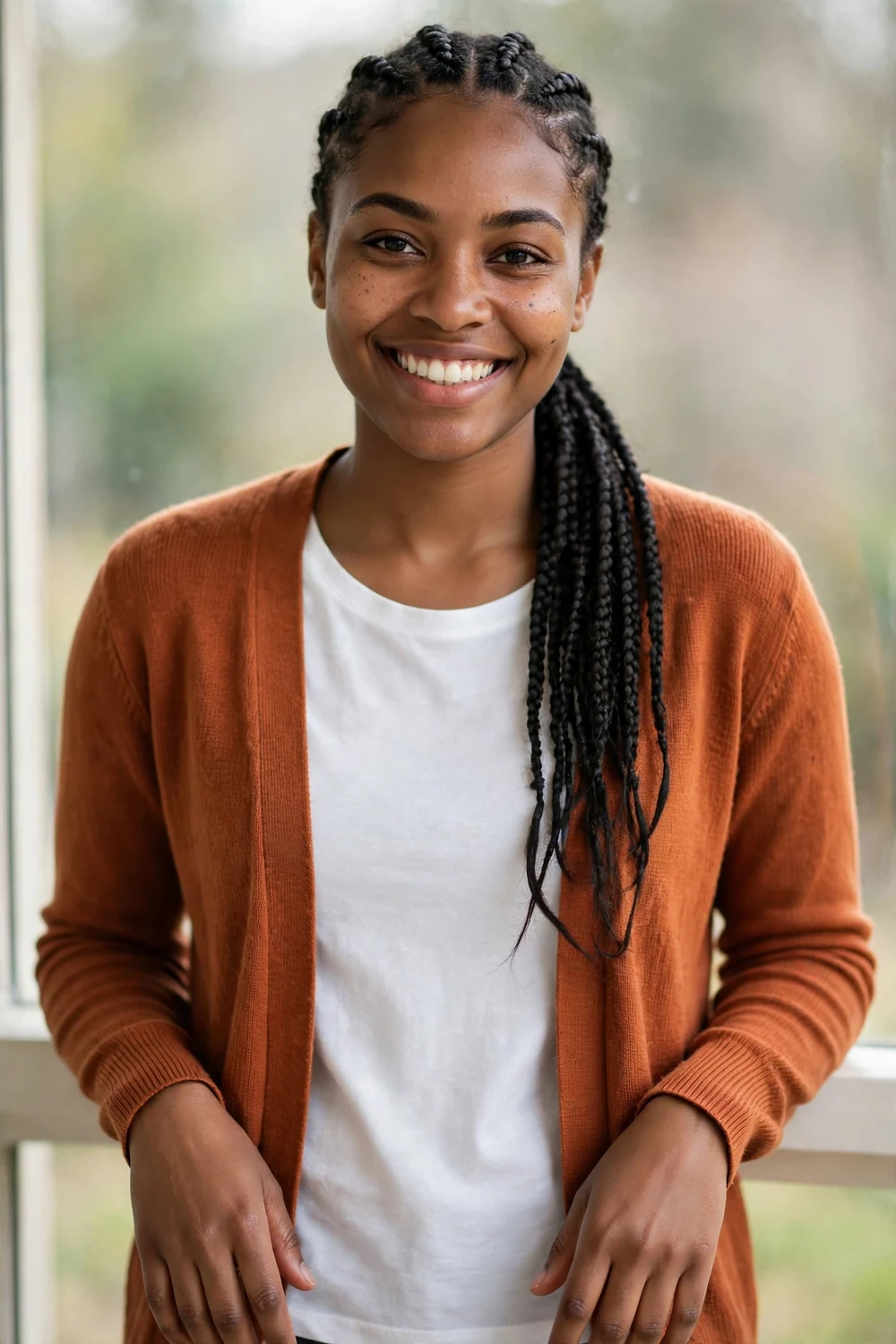
Rows are directed back and down into a ponytail at the nape. The low placement makes this the most office-friendly of the ponytail cornrow styles, and it sits comfortably under collars and headphones. Drape the tail over one shoulder for a softer evening version. The style lasts well because the nape rows take little daily friction.
Try this: wrap a small section of hair around the ponytail base to hide the band.
Difficulty: Easy | Cost: Low
13. Zigzag-Part Cornrows
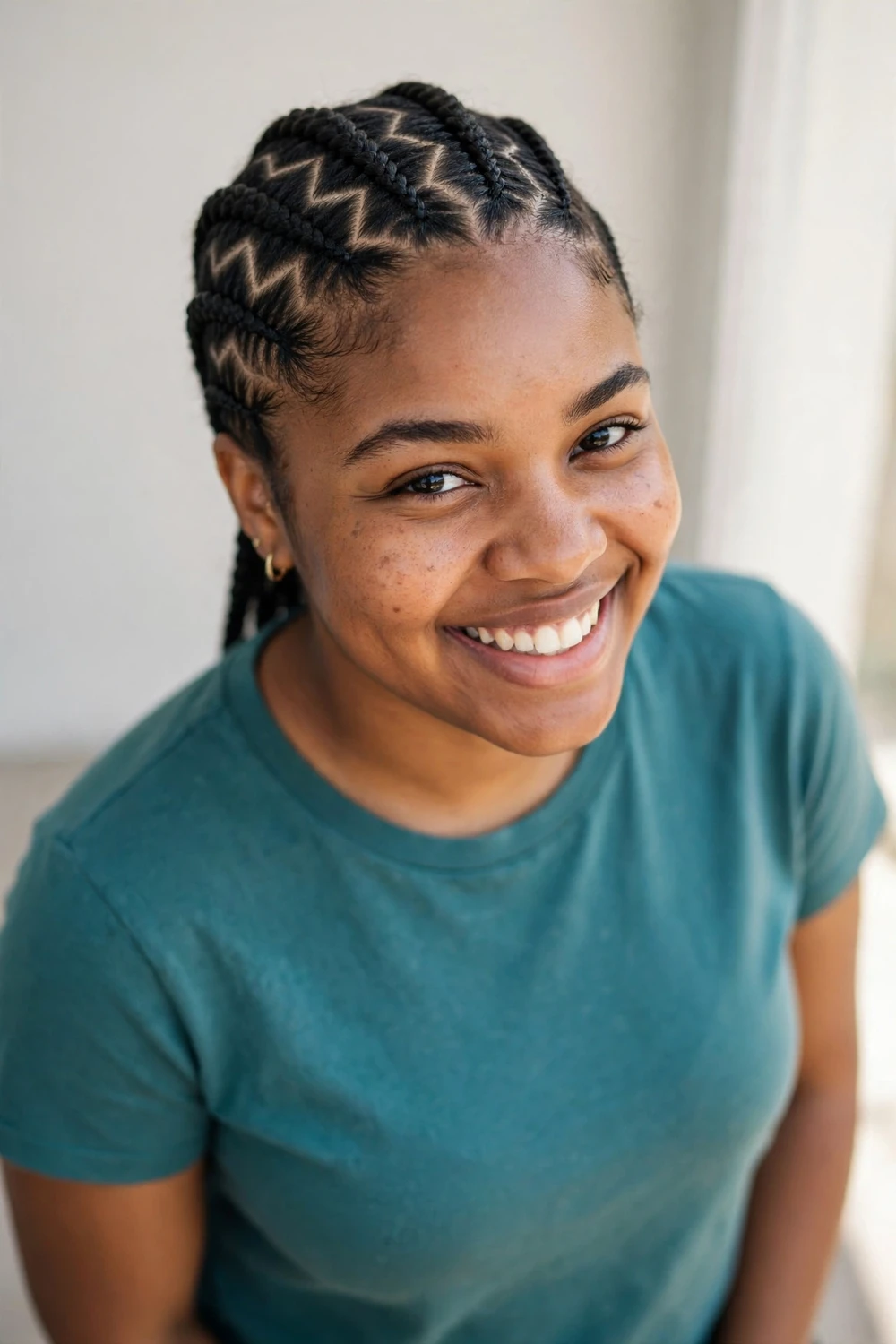
The rows themselves are straight, but the parting lines zigzag between them. This one change turns plain straight-backs into something playful and edgy. Zigzag parts show best on freshly done rows with clean sectioning, so this style rewards a careful braider. It suits younger wearers and anyone who wants subtle detail without changing the overall shape.
Try this: keep the zigzags wide rather than tight; tiny zigzags get lost once new growth appears.
Difficulty: Medium | Cost: Low
14. Cornrows with Beads
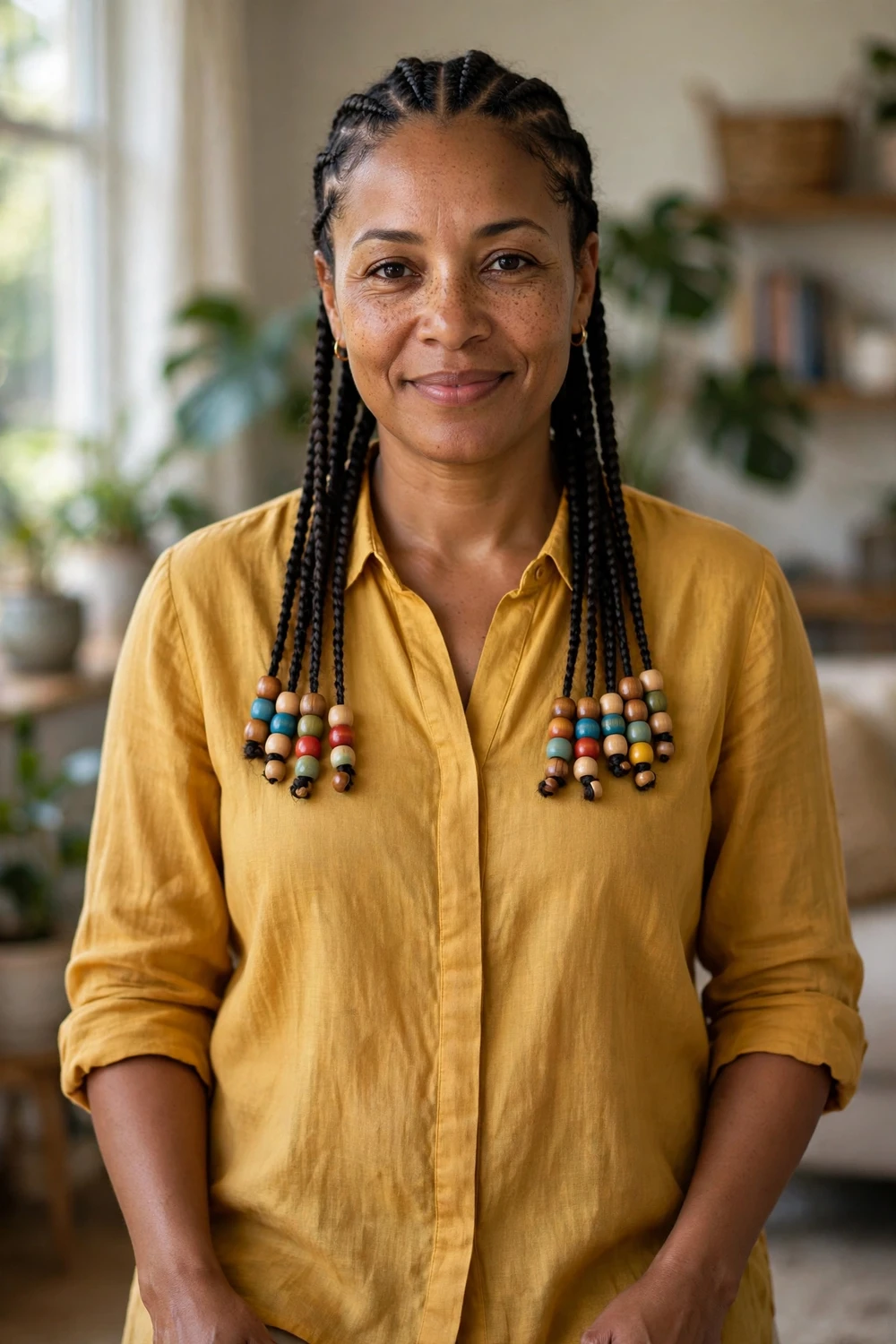
Beads threaded onto the ends of the rows add color and movement. Wooden, glass, or gold-toned beads all work on natural cornrows, and the style crosses age groups easily, from kids to adults. Beads also protect the row ends from unraveling, which helps the style last. Choose lightweight beads so the ends do not pull.
Beaded braids have a long tradition; see more beaded looks in our roundup of fulani braids hairstyles with beads.
Try this: add the beads only to the two front rows for a subtle accent, or bead every row for full impact.
Difficulty: Easy | Cost: Low
15. Goddess Cornrows
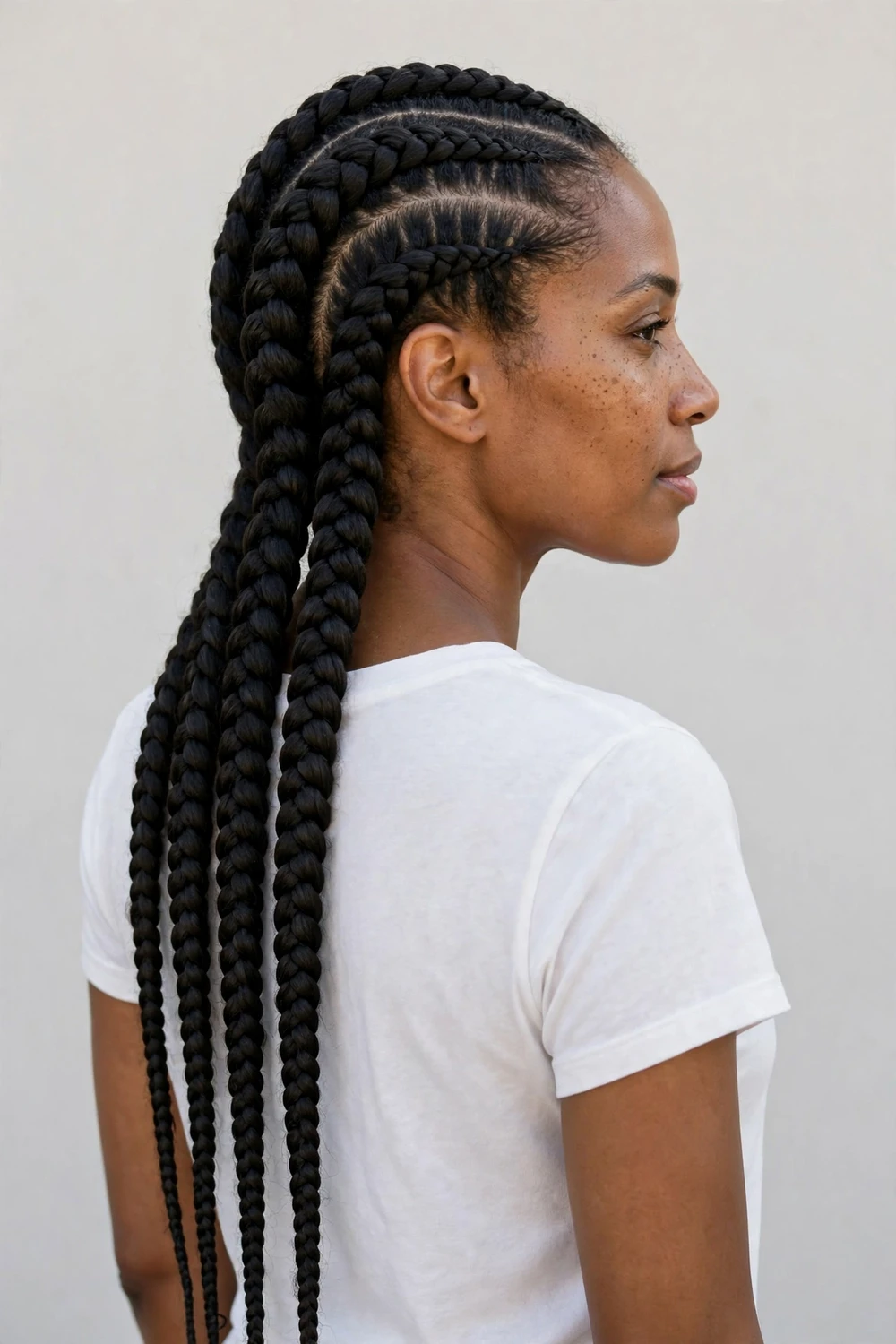
Thicker, slightly raised feed-in rows in the Ghana-braid family, done entirely with natural hair. The rows sit higher on the scalp than flat cornrows, which gives them presence and a longer-looking silhouette. Goddess rows frame the face well and photograph from every angle. They suit medium to thick natural hair best, since the raised look needs volume.
Try this: curve the front rows slightly toward the face for a softer, face-framing effect.
Difficulty: Medium | Cost: Low to medium
16. Double Bun Cornrows
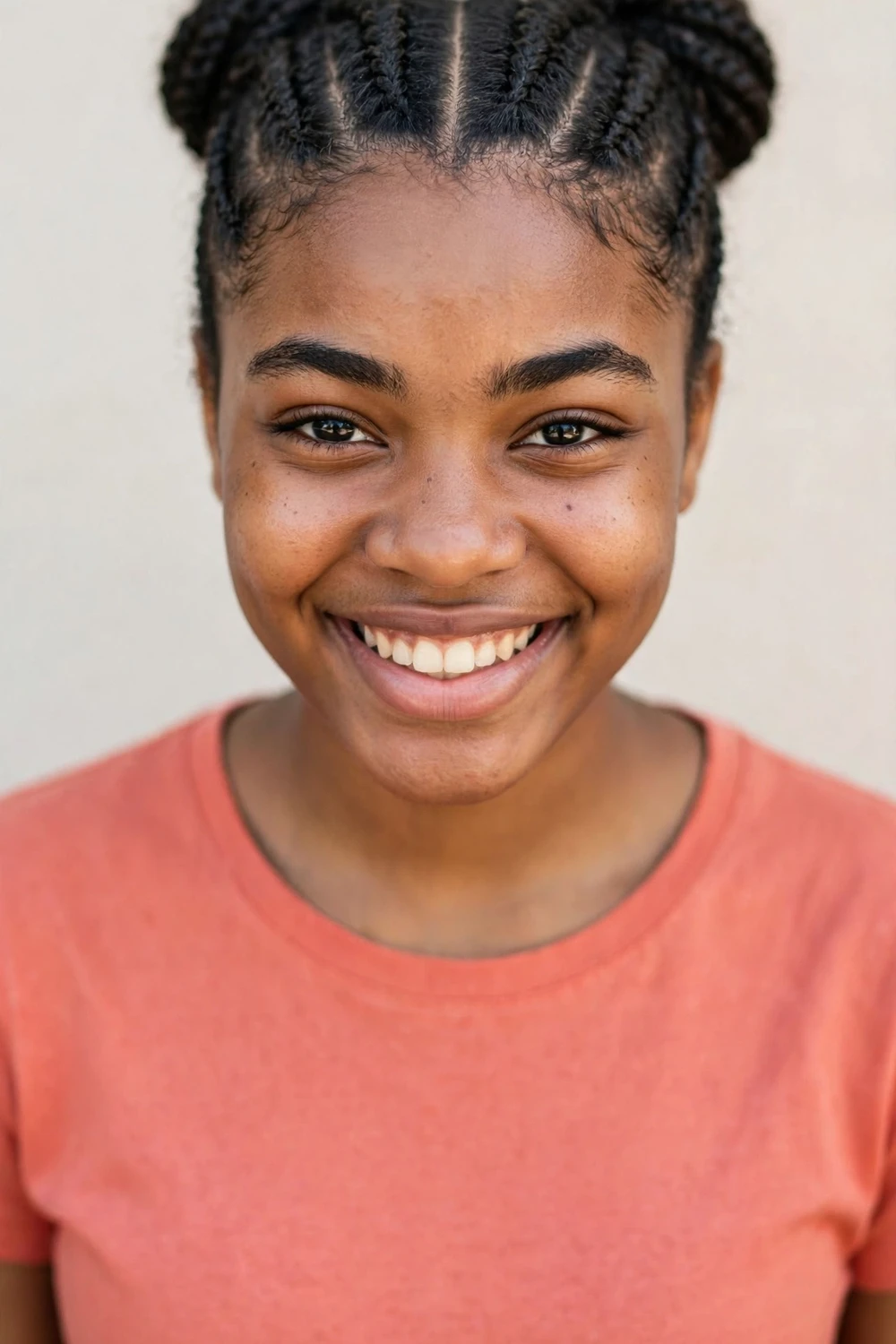
Rows split down the middle and gather into two buns. The space-bun finish is youthful and casual, a good pick for festivals, weekends, and workouts. Buns can sit high for a playful look or low near the nape for something quieter. Medium-length natural hair makes tidy buns; shorter hair can pin into mini knots.
Try this: leave two small face-framing rows loose in front of each bun to soften the look.
Difficulty: Easy | Cost: Low
17. Swirl and Spiral Pattern Cornrows
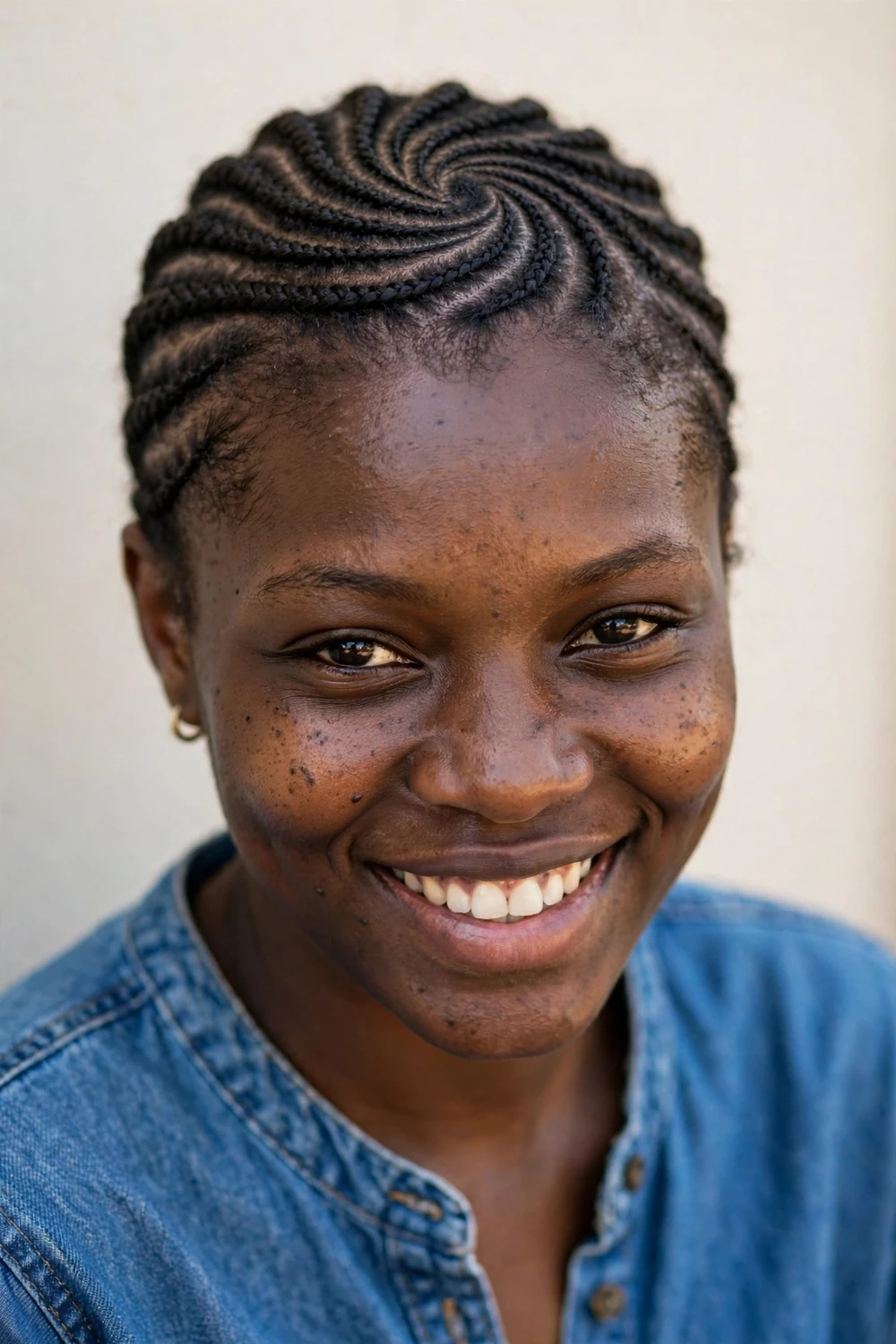
Rows arranged in pinwheels, S-curves, or spirals turn the scalp into the design. Freestyle pattern work like this is where a skilled braider shows their craft, and no two heads look the same. The style reads as wearable art and gets the most compliments of anything on this list. It needs a braider with real pattern experience, so check their portfolio first.
Try this: start with a simple S-curve layout before committing to a full spiral; curves are easier to redo if you change your mind.
Difficulty: Hard | Cost: Medium
18. Heart and Star Detail Cornrows
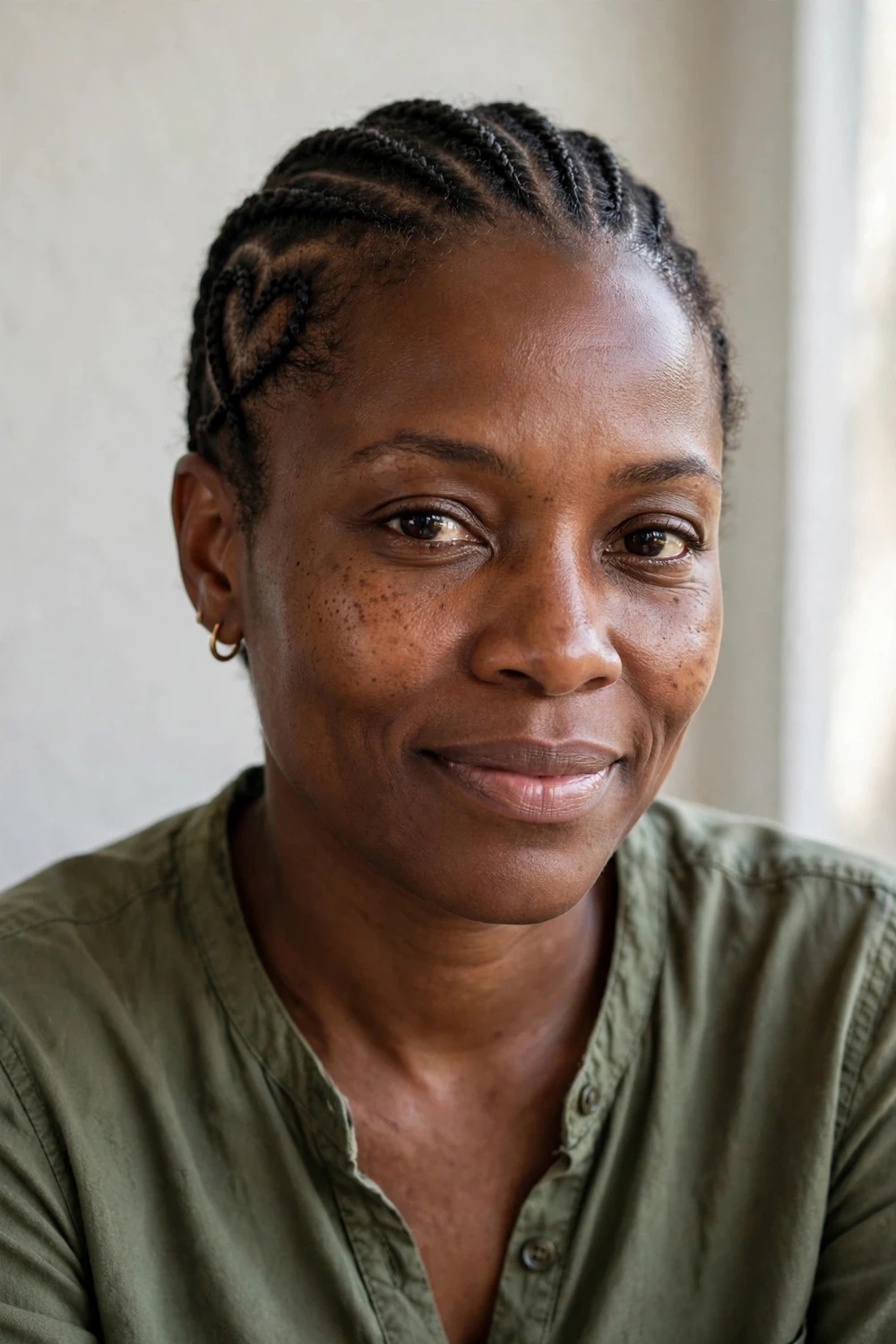
A straight-back base gets one braided accent: a heart, star, or similar motif worked into the side or back. The detail is small but it is always the first thing people notice. It works best on fine to medium natural hair where the design lines stay crisp. Keep the rest of the rows simple so the motif stands out.
Try this: place the design at the back so it shows when hair is worn up, or on the side for everyday visibility.
Difficulty: Hard | Cost: Medium
19. Short Cornrows on a TWA
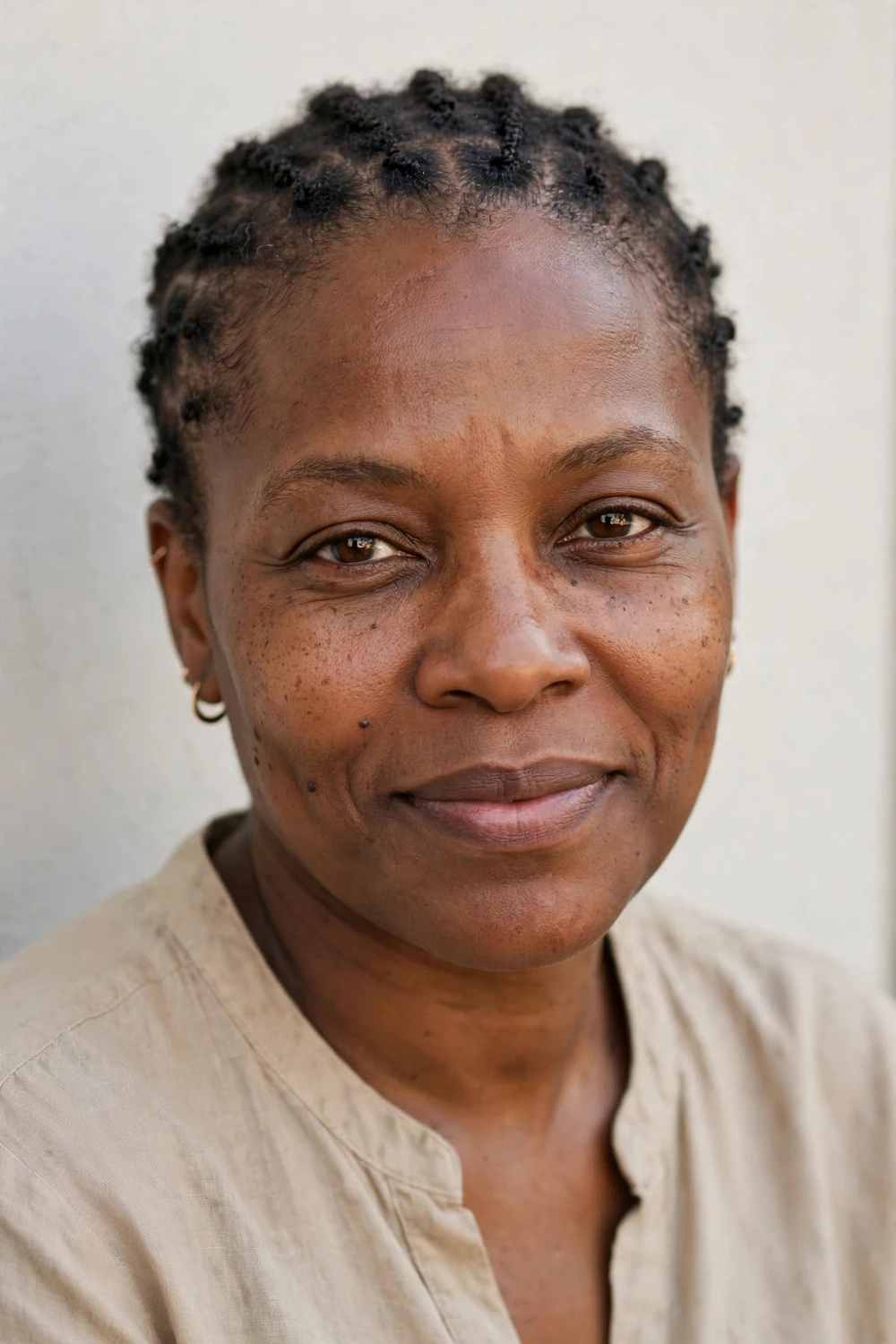
Small rows worked on 1 to 3 inches of hair prove cornrows are not just for long lengths. Short natural hair holds rows well because there is less weight pulling at the roots. This is a common first protective style after a big chop. Keep the rows small and the tension light, since short hair has less slack to absorb pulling.
Try this: use a light gel on each section as you braid; short hair grips better with a little hold.
Difficulty: Medium | Cost: Low
20. Cornrows with Curly Ends
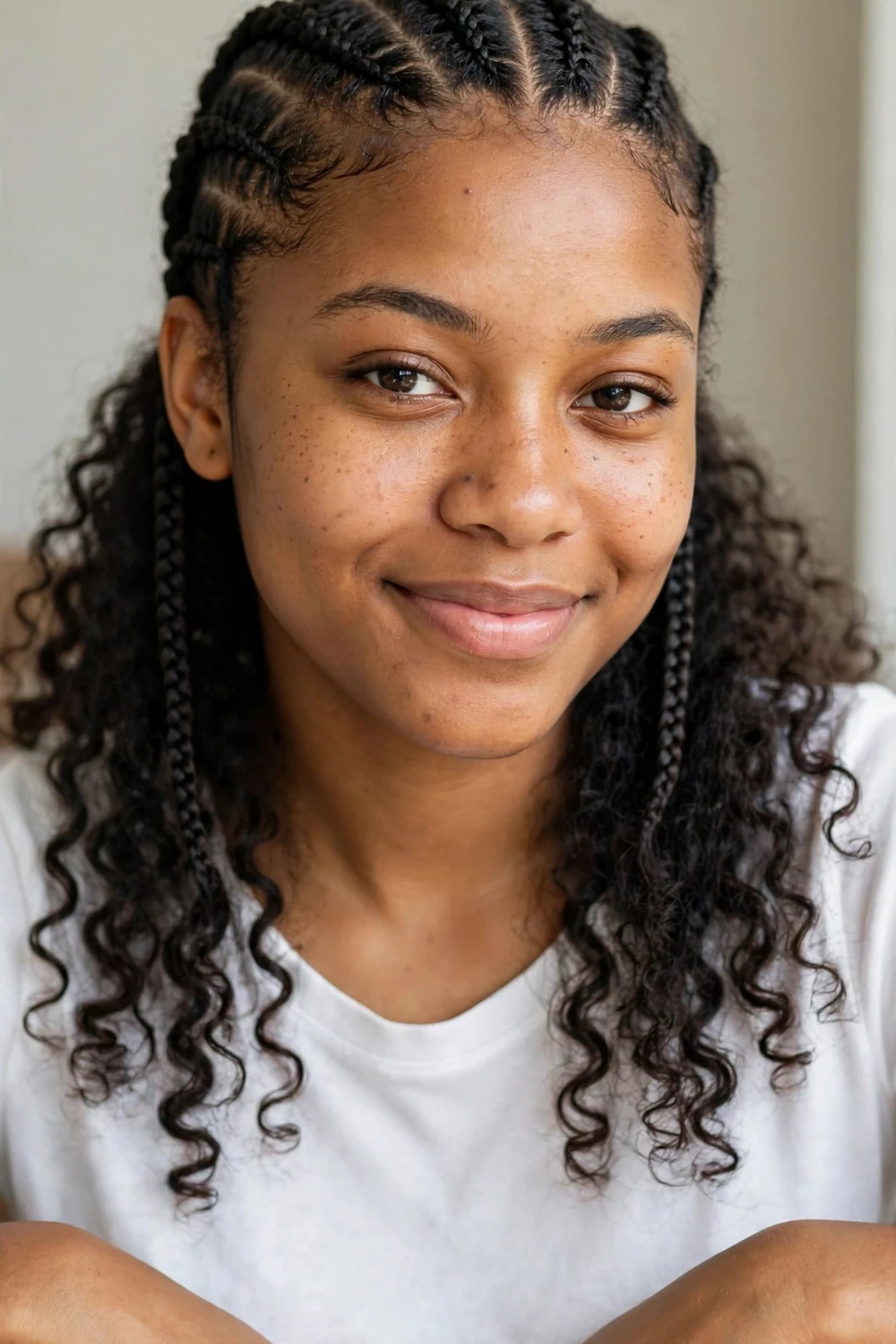
Rows stop partway and the last few inches are left in their natural curl. The hybrid finish softens the look and adds movement that fully braided ends do not have. It suits type 3 and type 4 textures where the unbraided ends spring up on their own. Finger-coil the ends after braiding for extra definition.
If you like curl left out of braids, french curls braids hairstyles shows a related curly-finish braid look.
Try this: braid three-quarters of the length and leave the rest loose for the most balanced proportion.
Difficulty: Easy | Cost: Low
21. Halo Crown Cornrow
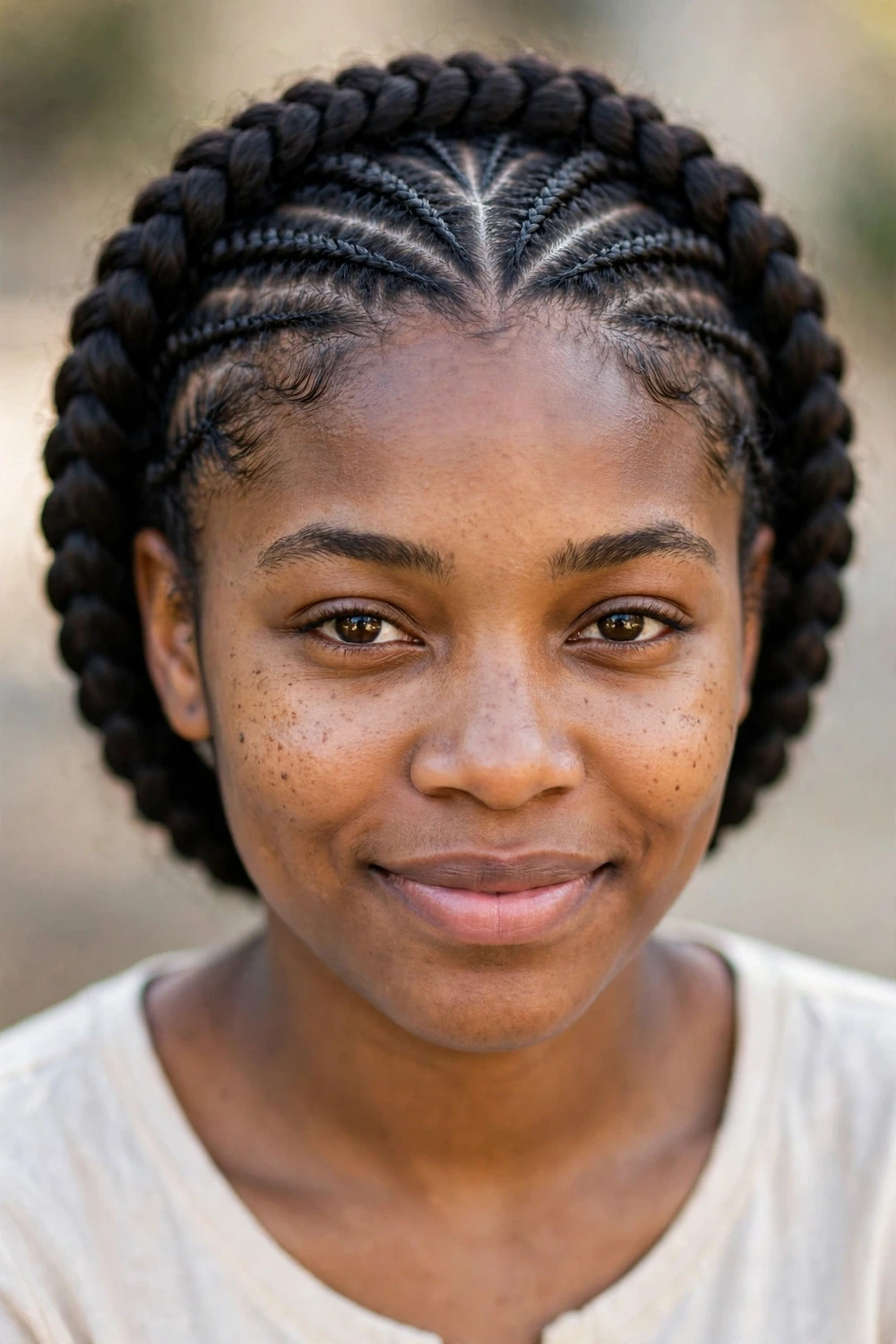
One continuous cornrow circles the hairline like a crown while the center is braided flat or set in pin curls. The halo reads regal and keeps every strand off the face, which makes it a strong pick for events. Because the braid runs in a circle, it distributes tension evenly around the head instead of pulling one direction.
Try this: braid the halo slightly loose and pin the center flat for the most comfortable all-day wear.
Difficulty: Medium | Cost: Low
22. Cornrow Fauxhawk
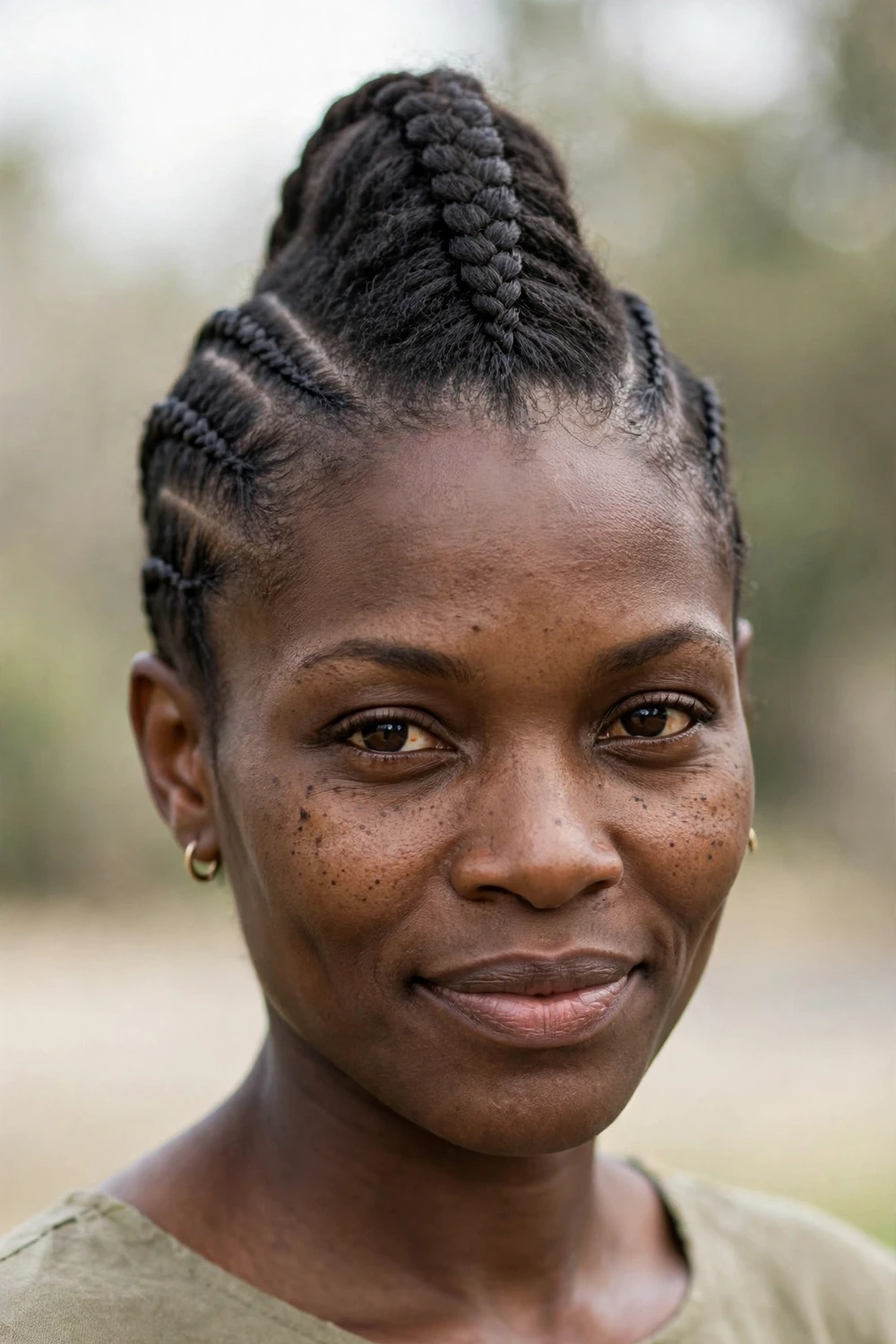
A center strip of taller, slightly lifted cornrows runs front to back, with small flat rows on the sides. You get the mohawk attitude with no shaving and no commitment. The lifted center adds height, which flatters rounder and wider face shapes. This is one of the boldest looks on the list while still using only natural hair.
Try this: pancake the center rows gently by tugging the braid edges outward for extra fullness.
Difficulty: Medium | Cost: Low
23. Diagonal Cornrows
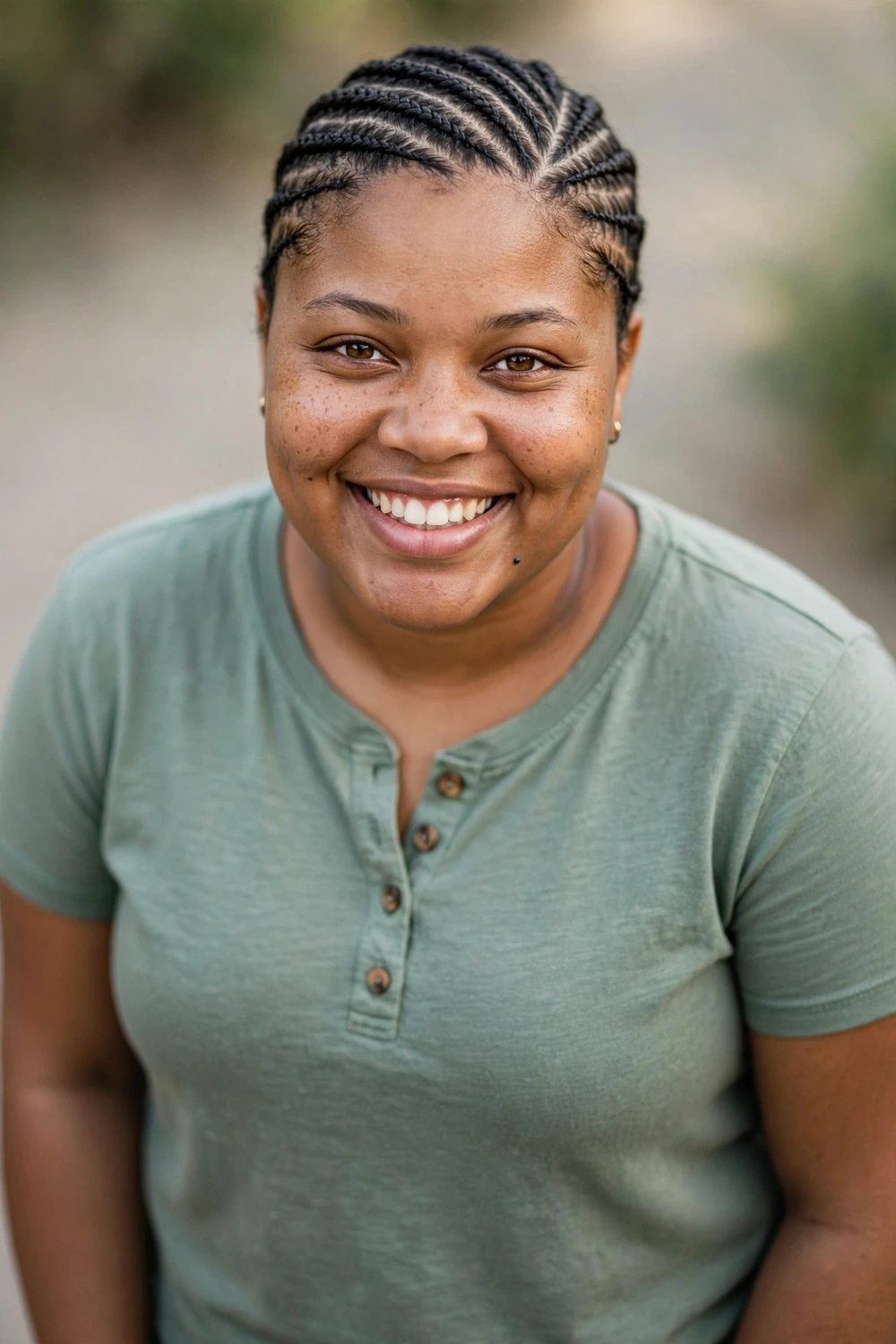
Rows braided at a diagonal across the scalp instead of straight back. The angled direction looks modern and asymmetric, and it breaks up the familiarity of classic rows without adding complexity. Diagonal rows also redirect tension off the usual straight-back lines, which some wearers find more comfortable. They suit oval and oblong faces especially well.
Try this: angle the rows from the front hairline toward the opposite nape for the most dramatic line.
Difficulty: Medium | Cost: Low
24. Cornrows with Hair-Thread Wraps
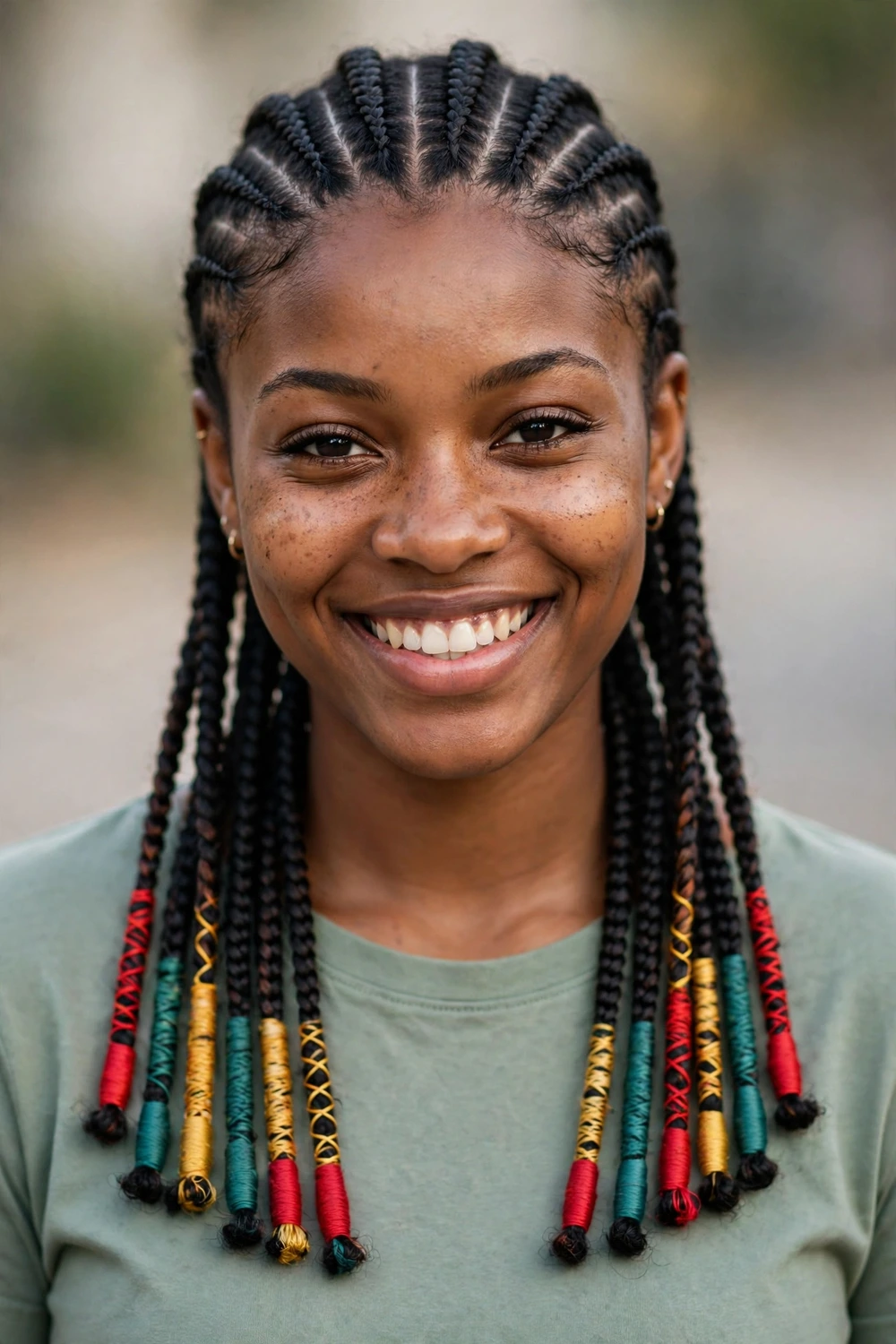
Rows finished with colorful thread wraps borrow from the African hair-threading tradition. The thread adds color without chemicals, protects the row ends, and gives a handcrafted finish you will not see on many heads. Choose thread colors that match your wardrobe for a coordinated look, or mix brights for contrast. Keep the wraps snug but not tight.
Try this: wrap only the last third of each row so the braids still show above the thread.
Difficulty: Medium | Cost: Low
25. Sculpted Edge-Artistry Cornrows
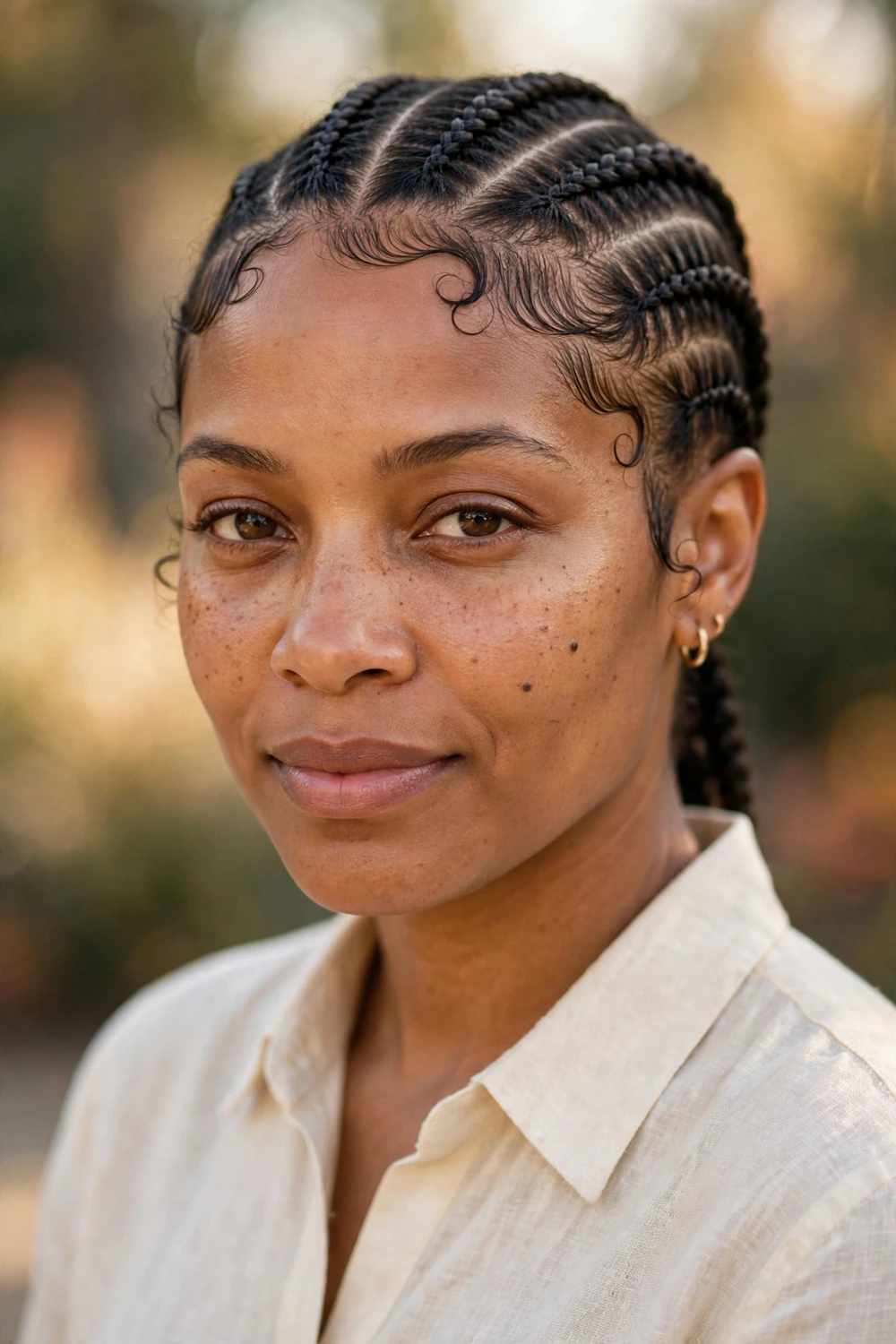
Straight-back or curved rows paired with deliberately styled baby-hair designs along the hairline. The edges become the focal point: swoops, swirls, and sculpted shapes drawn with gel and a fine brush. This merges the cornrow base with the edge-styling trend for a finished look that reads intentional from the front. It needs a light hand with gel to avoid buildup.
Try this: style the edges after the rows are done, using a toothbrush and a pea-sized amount of gel per section.
Difficulty: Medium | Cost: Low
Cornrow Styles at a Glance
| Style | Best hair length | Difficulty | Typical wear |
|---|---|---|---|
| Classic straight-back | Any | Easy | 2 to 4 weeks |
| Side-swept lemonade | Medium to long | Easy | 2 to 4 weeks |
| Stitch braids | Medium to long | Medium | 2 to 3 weeks |
| High bun updo | Medium to long | Medium | 2 to 4 weeks |
| Half-up, half-down | Medium | Easy | 2 to 3 weeks |
| Feed-in rows | Any | Medium | 3 to 4 weeks |
| Jumbo chunky rows | Medium to long | Easy | 2 to 3 weeks |
| Micro rows | Short to long | Hard | 3 to 4 weeks |
| Curls left out | Medium to long | Easy | 2 to 3 weeks |
| Braided bob | Medium | Medium | 2 to 4 weeks |
How to Make Natural Cornrows Last
Wash with diluted shampoo worked into the scalp in vertical motions, moving down the rows. Do not scrub across the pattern or the rows will loosen. Condition mainly on the ends, rinse, then moisturize the scalp while it is still damp and tie everything down until dry.
Nightly care matters more than anything else. A satin bonnet or scarf keeps rows neat and cuts down on frizz and moisture loss. Between washes, a braid spray or a light oil on the scalp handles itch, which is usually dryness rather than a problem with the style.
Keep an eye on tension. Soreness that lasts past install day, bumps along the hairline, or constant pulling are signs the style is too tight. Redo those rows instead of pushing through it. Take the style down at or before 6 weeks, detangle gently, deep condition, and rest your hair before re-braiding.
For more styling options in the same family, browse our box braids hairstyles styling ideas for looks that build on braided foundations.
FAQs: Natural Cornrow Hairstyles for Black Women
How long do cornrows last on natural hair without extensions?
Two to four weeks with good care. Tighter, coily textures often hold for 3 to 4 weeks, while looser textures loosen faster. Do not leave them in past about 6 weeks: root matting and breakage risk rise sharply after that point.
Can I wash my hair with cornrows in?
Yes. Apply diluted shampoo to the scalp and wash in vertical motions down the rows instead of scrubbing against the pattern. Condition mainly on the ends, moisturize right after, and tie your hair down until it is dry. Dry shampoo on the scalp between washes works as a backup.
Can I get cornrows with short natural hair?
Yes. Hair as short as 1 to 3 inches can be cornrowed with small sections, good grip, and a light gel. The feed-in technique and smaller rows help short hair hold. Very short ends may need pinning or tucking to stay put.
Do cornrows make your hair grow?
No. Cornrows do not change how fast your hair grows. They reduce breakage and daily manipulation, which helps you retain length, but any claim that braids speed up growth is incorrect.
Will cornrows damage my hair or edges?
Only if they are done too tightly or left in too long. Keep tension off the hairline and edges, remove the style at or before 6 weeks, and rest your hair between installs. Itching is usually dryness, so moisturize the scalp. Pain or bumps mean the style is too tight and should be redone.
Final Thoughts
Natural cornrows give you weeks of low-effort style with nothing added to your hair. Pick a classic like straight-back rows if it is your first time, or try a pattern style like the swirl or halo once you know how your hair holds. Keep the tension comfortable, protect your edges, and take the rows down on time. Your hair will thank you at the next install.
If you ever want to move beyond natural hair, added length, color, and extensions open up a much bigger menu. Our full guide to cornrow hairstyles for black women covers 22 styles from stitch and tribal to jumbo and goddess.

