


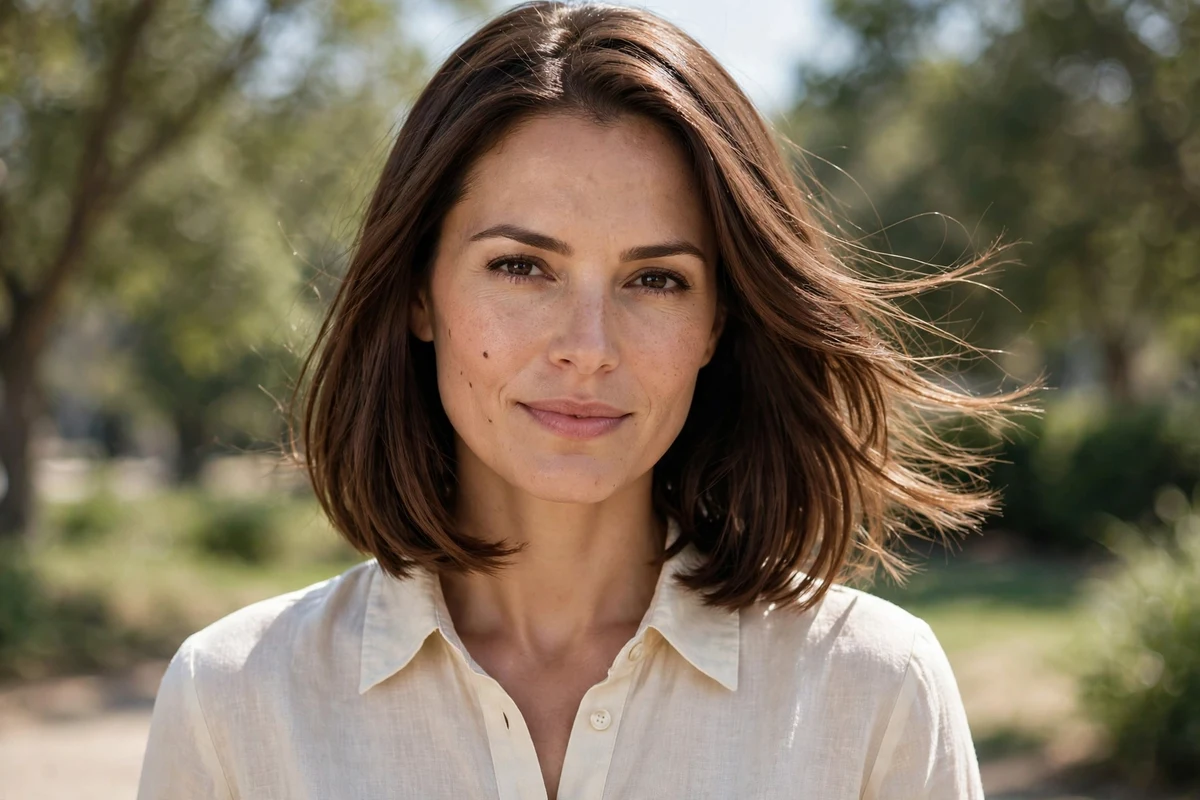
A long bob sits between the chin and the collarbone, long enough to pull back and short enough to feel like a real cut. It suits nearly every face shape and most hair textures, which is why it stays popular year after year.
This guide covers 25 long bob hairstyles with honest notes on styling effort, upkeep, and cost. Each idea includes a styling tip so you can picture the daily routine before you book the appointment.
Quick Takeaways
- A long bob sits between chin and collarbone. Long enough for ponytails, short enough to feel like a real cut.
- Blunt perimeters suit fine hair best. Thick or curly hair usually needs interior weight removal to avoid a bulky shape.
- Round faces look slimmer with angled or side-parted lobs. Long faces balance better with chin-length lobs or bangs.
- Trim every 8 to 12 weeks to keep the shape clean. Blunt versions need touch-ups closer to 6 to 8 weeks.
- Always use a heat protectant before hot tools to prevent dry, frayed ends.
1. Classic Blunt Long Bob

The one-length blunt lob is the cleanest version of this cut. Ends are sliced straight across at collarbone level with no visible layering. The solid perimeter makes fine or thinning hair look noticeably thicker, which is why stylists recommend it first for density. Wear it straight for a sharp line, or tuck the ends under with a round brush for a softer finish.
A blunt cut shows every split end, so trims matter more here than on layered versions. Book every 6 to 8 weeks to keep the line crisp. At home, a pea-sized drop of hair oil on the ends keeps them smooth between washes.
Try this: flat iron in small sections and run the plates only once to keep the ends thick instead of wispy.
Difficulty: Easy · Cost: $50–$80 (cut only)
2. Soft-Layered Long Bob

Long, barely-there layers run through the mid-lengths and ends, adding gentle movement without breaking the outline of the cut. It suits first-time lob clients because the shape still reads as one length from a distance. Wavy hair air-dries well in this cut, since the layers release natural texture instead of fighting it.
Ask for the layers to start below the chin so the perimeter stays full. Layers cut too high make the ends look thin on fine hair. A light mousse at the roots gives lift without stiffening the mid-lengths.
Try this: scrunch a golf-ball-sized amount of mousse into damp hair and air-dry for the easiest version of this style.
Difficulty: Easy · Cost: $50–$90
3. Angled Long Bob
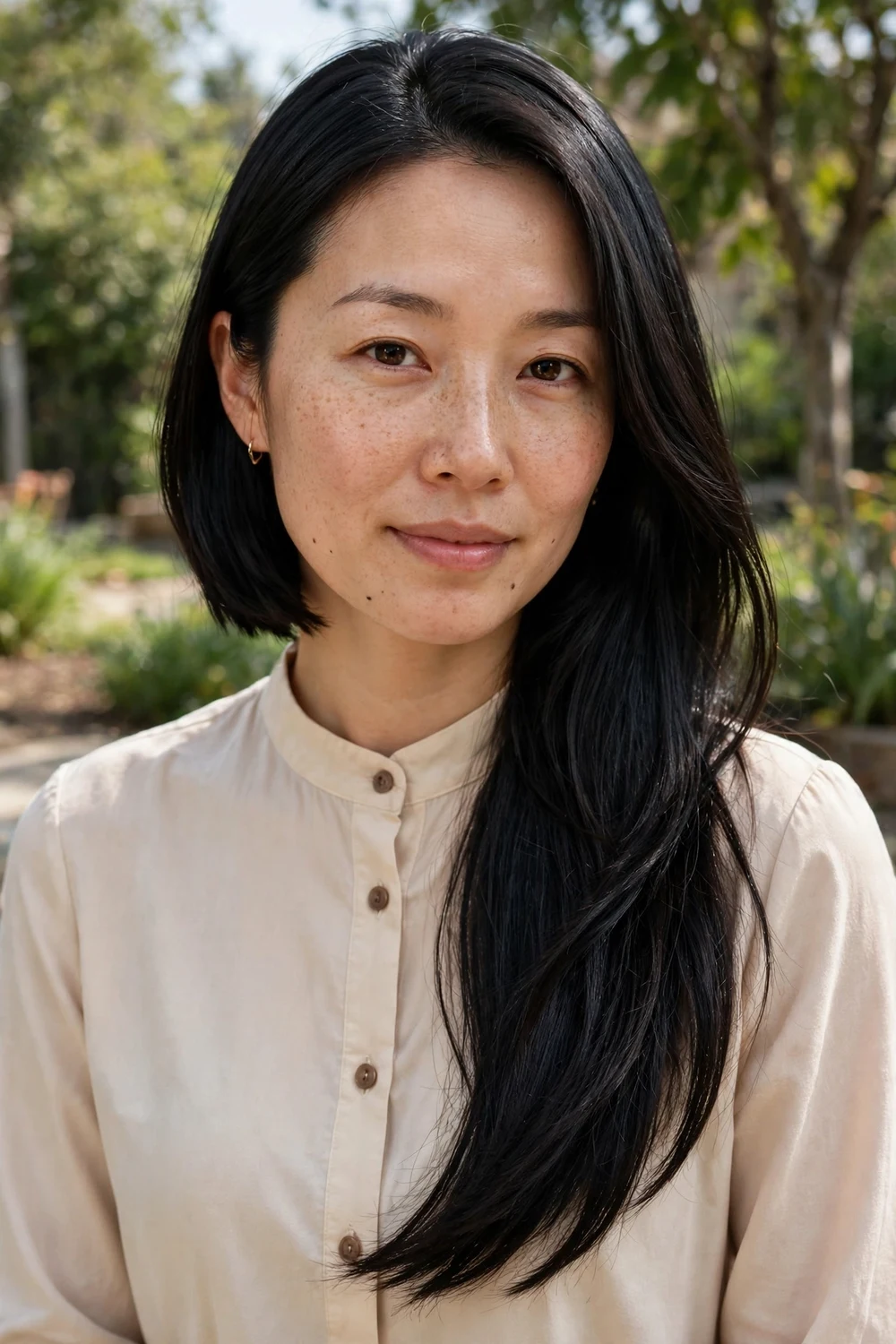
An angled lob is cut shorter at the back and longer at the front, so the line sweeps forward over the shoulders. The diagonal shape draws the eye downward, which flatters round faces and softer jawlines. Ask for a gentle angle. It grows out gracefully, while an extreme one can look dated fast.
The back needs regular shaping to keep the angle deliberate. Plan trims every 8 weeks. Style with a flat iron, curving the front pieces slightly inward to show off the line.
Try this: part your hair slightly off-center to make the angled front pieces fall exactly where you want them.
Difficulty: Easy to style, medium to cut well · Cost: $60–$100
If the angled shape appeals to you but you want more texture through the mid-lengths, layered bob hairstyles show how extra layering changes a shorter cut.
4. Inverted Long Bob
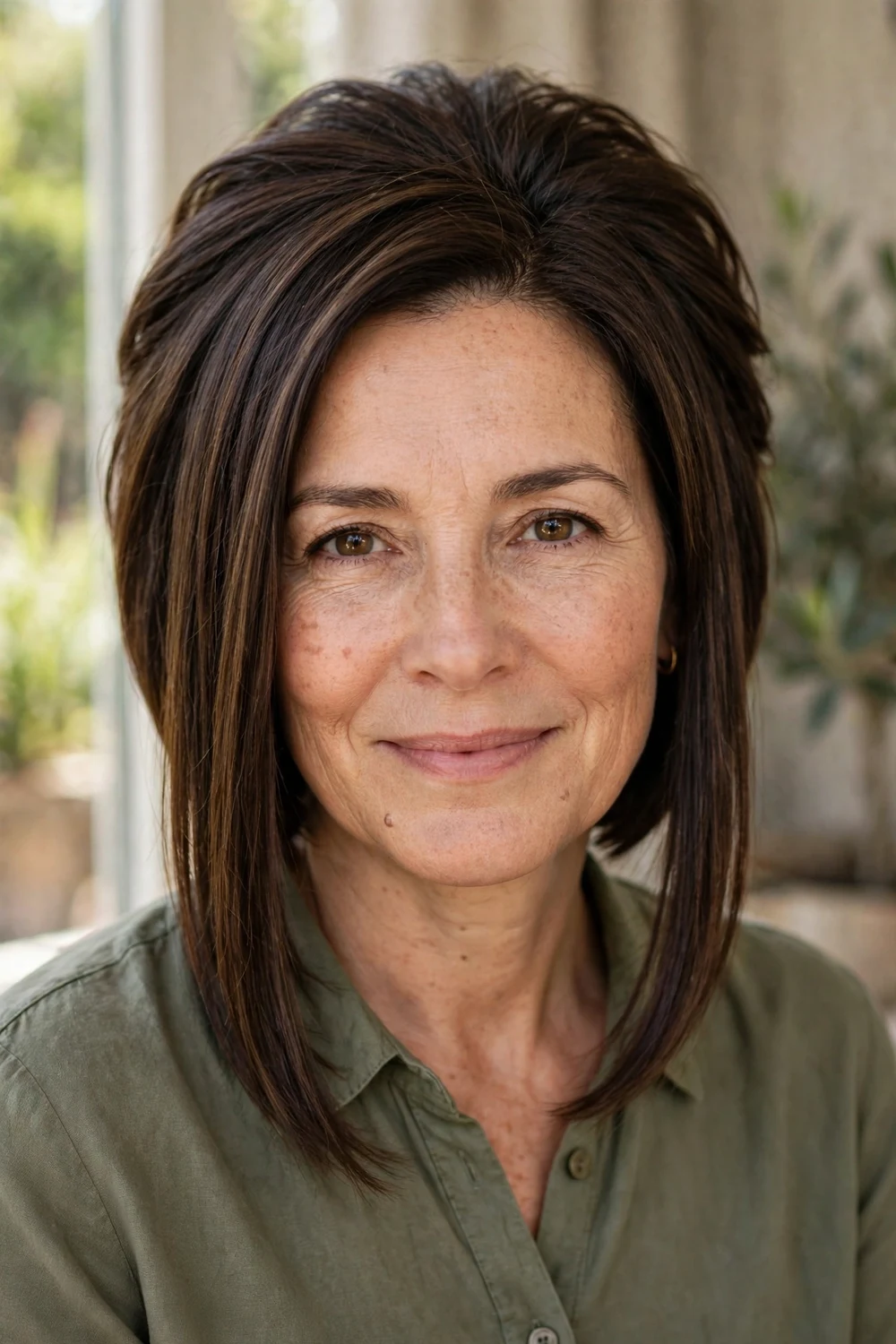
The inverted lob builds subtle graduation into the back. Stacked layers make the crown look fuller while the front pieces stay long and sleek. From the front you see a clean lob. From the side, real structure. It suits hair that falls flat, since the built-in graduation holds lift that styling alone cannot.
Blow-dry the back with a round brush, lifting at the roots, to activate the stacked shape. Skip heavy conditioners at the crown or the graduation will collapse by midday.
Try this: dry the back sections first while they are still very wet, since they set the shape for the whole cut.
Difficulty: Medium · Cost: $60–$110
5. Curtain Bangs Long Bob

Curtain bangs part softly down the middle and melt into the front layers, framing the cheekbones and eyes. They are the most forgiving fringe option because they grow out into face-framing layers instead of an awkward in-between stage. Blow-dry them with a round brush, curving away from the face.
Bang trims every 3 to 4 weeks keep them out of your eyes. Many salons offer free bang trims between appointments, so ask when you book. At home, a mini flat iron smooths them in under a minute.
Try this: twist each curtain section away from your face while blow-drying to set the outward curve.
Difficulty: Easy · Cost: $60–$100 (cut; bang trims often free)
6. Wispy Fringe Long Bob

A feather-light wispy fringe sits softly across the forehead and pairs with a collarbone lob for a fresh, youthful feel. Airy rather than dense, it suits high foreheads without heaviness and flatters heart-shaped faces. Keep it trimmed just above the brows so it never falls into your eyes.
The fringe needs the most attention in this cut. Oily foreheads can make wispy bangs clump by afternoon, so a quick dusting of dry shampoo at the roots keeps them separated. Trim every 3 to 4 weeks.
Try this: cut the fringe on dry hair so you can see exactly where each wisp lands before you commit.
Difficulty: Easy · Cost: $60–$100
7. Deep Side-Part Sleek Long Bob
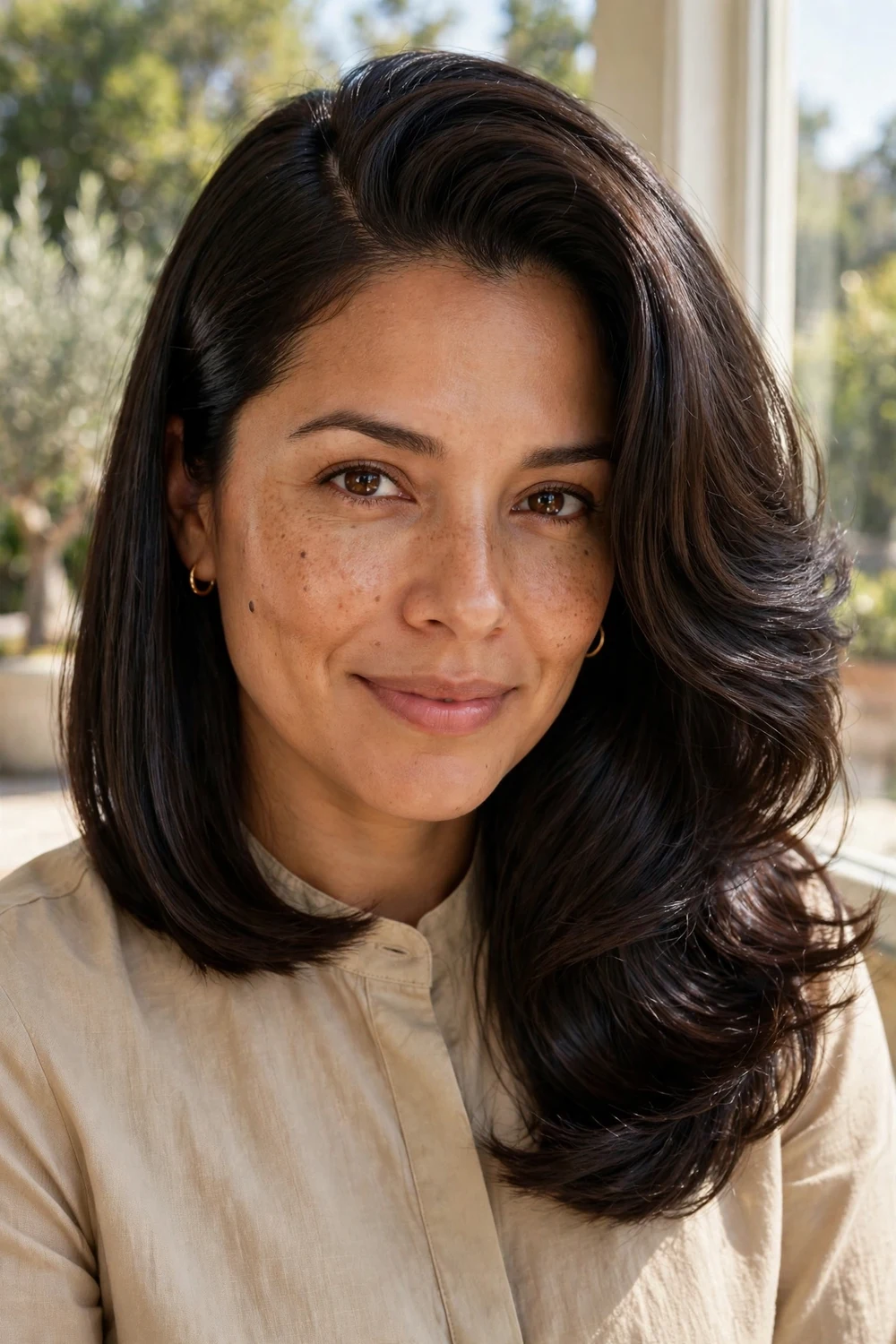
Switching your part to a deep side creates instant volume on the heavier side and breaks up the symmetry that can make a straight lob look flat. The deeper the part, the more dramatic the lift. Smooth the longer side with a flat iron, always with a heat protectant first.
This version needs no new cut, which makes it the cheapest idea on this list. Train a new part by blow-drying the roots in the new direction for a week. After that it falls into place on its own.
Try this: flip your part to the opposite side once a month to keep the roots from going flat at the crown.
Difficulty: Easy · Cost: $0 (styling only)
8. Center-Part Polished Long Bob

The center-part polished lob is the office-ready version. Symmetrical, ends tucked neatly under, surface smooth and glossy. It photographs well and suits professional settings because it always looks deliberate. Frayed ends show immediately on this cut, so keep it trimmed.
A blowout with a large round brush creates the tucked-under ends. Finish with a shine spray, not oil, to avoid weighing the hair down. Expect 15 to 20 minutes of styling each morning.
Try this: sleep with your hair in a loose low bun to keep the smoothed shape for a second day.
Difficulty: Medium · Cost: $60–$110
This polished finish shares its DNA with Old Money Bob, which pushes the sleek, expensive-looking shape even further.
9. Textured Wavy Long Bob

Built for naturally wavy hair, this lob uses light internal layering to release the wave pattern without thinning the perimeter. The result keeps its structured shape while air-drying into soft, lived-in texture. Scrunch curl cream into damp hair and let it dry naturally.
The common mistake is over-layering, which makes wavy ends frizz out. Ask for internal layers only, with the perimeter left solid. A sulfate-free shampoo keeps the waves defined instead of puffy.
Try this: twist two-inch sections away from your face while damp, then leave them alone until fully dry for the most even wave.
If waves are your everyday texture, our bob haircuts for wavy hair guide rounds up 21 cuts built around them, from chin-length classics to collar-bone lobs.
Difficulty: Easy · Cost: $50–$90
10. Loose-Curl Long Bob

Soft curls wrapped through the mid-lengths give the lob bounce and a special-occasion feel while keeping the length intact. Wrap 1-inch sections around a curling wand, alternating direction, and let each curl cool fully before touching it. A heat protectant is non-negotiable. Curling without one leaves brittle ends.
Set aside 20 minutes for the full head. Pin each curl up while it cools to make the style last into the evening. Brush through gently with a wide-tooth comb for soft waves instead of ringlets.
Try this: curl the front pieces away from your face for a more open, flattering frame.
Difficulty: Medium · Cost: $50–$90 (cut) + styling tools at home
11. Balayage Long Bob

Hand-painted balayage through the mid-lengths and ends adds dimension that makes every layer of the lob visible. Softer than foils, it grows out without a harsh line, which means fewer salon visits. Ask your colorist to concentrate the lightest pieces around the face and ends.
Refresh the color every 3 to 4 months with a gloss, not a full re-application. At home, a color-safe shampoo protects the investment. Balayage costs more upfront than foils but less over the year.
Try this: ask for the lightest pieces to start two inches below your part so the roots stay natural and low-maintenance.
Difficulty: Easy daily styling · Cost: $150–$300 (color) + cut
12. Warm Copper Long Bob
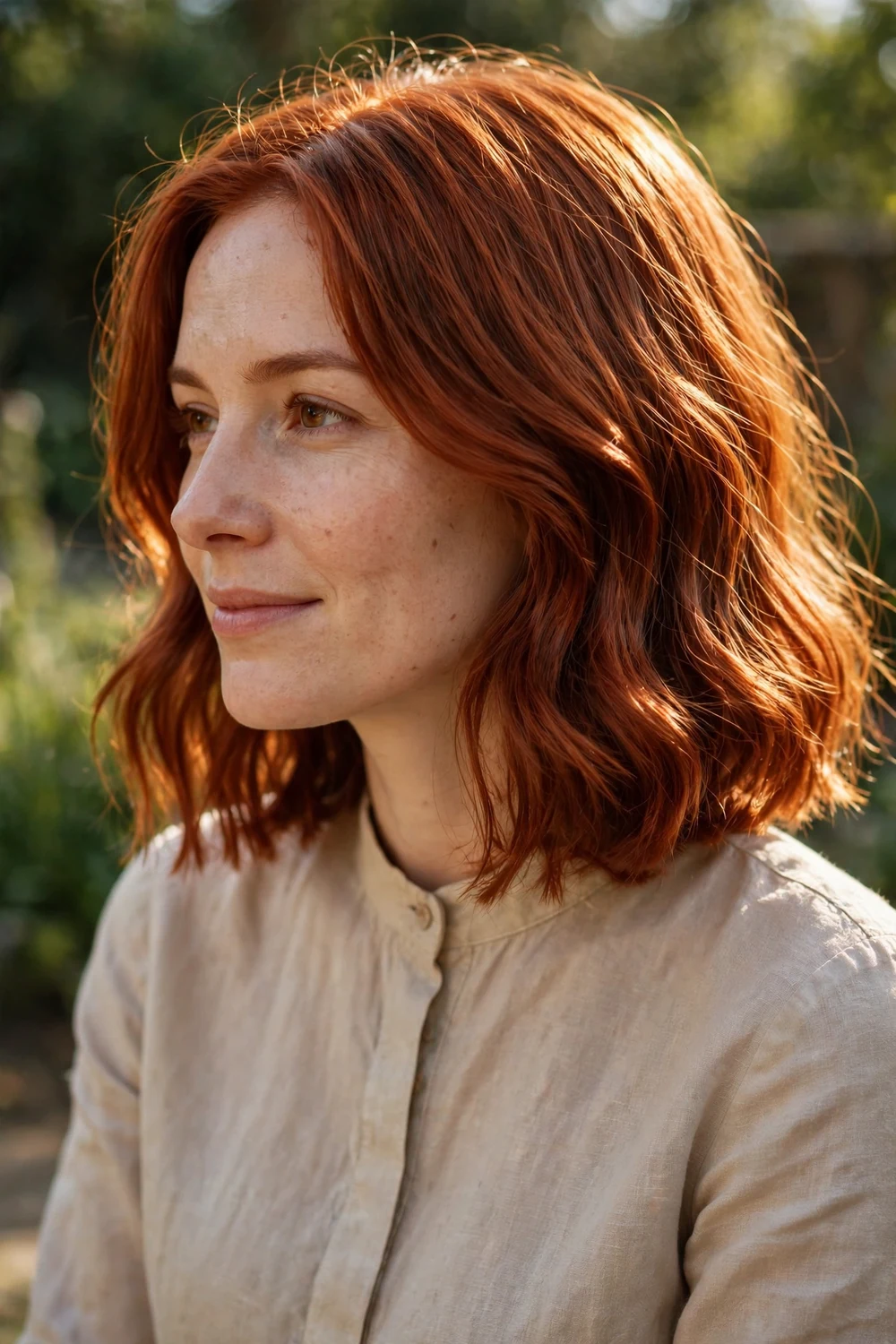
Copper, from soft penny to rich auburn, brings warmth and shine to a lob and makes textured ends look intentional. It flatters warm and neutral skin tones especially well. Copper fades fast, so plan a gloss refresh every few weeks.
Wash in cooler water and stretch washes to twice a week to slow fading. A color-depositing conditioner in a copper shade between salon visits keeps the tone rich. Expect the first refresh 4 to 6 weeks after coloring.
Try this: test the shade with a temporary copper gloss first if you have never worn red tones before.
Difficulty: Easy styling · Cost: $120–$250 (color) + gloss refreshes
13. Glossy Jet Black Long Bob
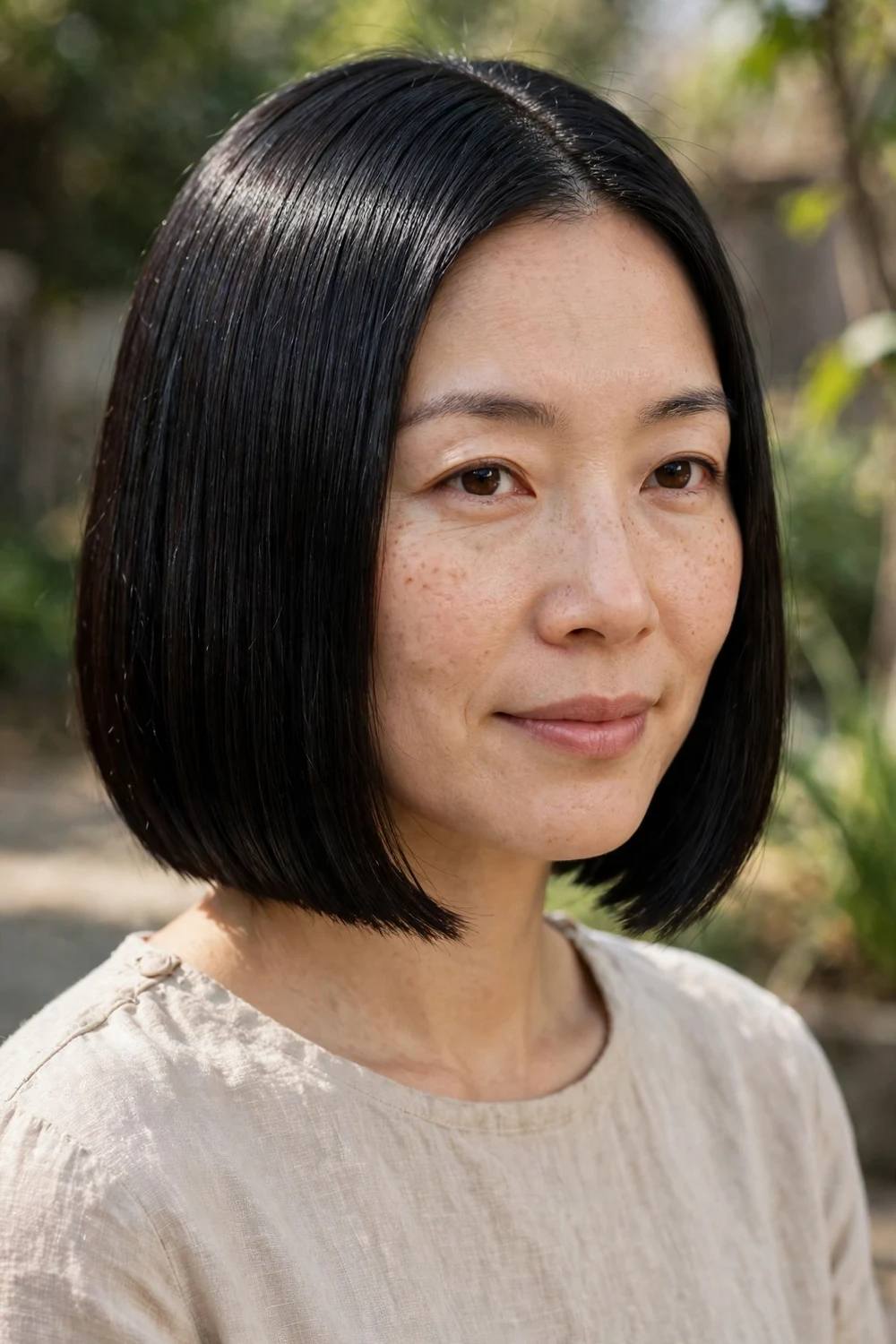
Jet black on a blunt lob is striking. The single dark tone makes the sharp perimeter look cleaner and the shine more dramatic. Black shows damage and frizz easily, so deep-condition weekly and smooth a little hair oil over the mid-lengths and ends, never the roots.
Box dye black is hard to remove later, so commit only if you plan to stay dark for a while. A salon gloss in black adds shine without the permanence of permanent color. Trim every 6 to 8 weeks to keep the line sharp.
Try this: rinse with cool water after conditioning to seal the cuticle and boost the mirror shine black is known for.
Difficulty: Easy to style · Cost: $60–$120 (gloss) + cut
14. Platinum Blonde Long Bob

Platinum on a blunt lob removes all visual softness. A bold, high-fashion statement that shows off every angle of the cut. Be honest about the upkeep: roots need toning every 4 to 6 weeks, and bleached hair needs bond-building treatments to stay intact. If you accept the upkeep, the payoff is unforgettable.
Healthy hair is the prerequisite. If your hair is already damaged, strengthen it for a month before bleaching. Purple shampoo once a week keeps the tone icy instead of yellow.
Try this: book a strand test before the full appointment so you know how your hair lifts.
Difficulty: High maintenance · Cost: $200–$400 (bleach + toner) every 4–6 weeks
15. Money-Piece Long Bob

Money pieces are brighter, face-framing highlights at the front that brighten the face without coloring the whole head. They grow out softly and cost far less than full highlights, making them the lowest-commitment way to add dimension. They look best on dark bases, where the contrast draws attention to the eyes.
Refresh every 8 to 12 weeks. Because only the front sections are colored, appointments are short, often under 90 minutes. A weekly hair mask keeps the lightened pieces from going dry.
Try this: ask for the money piece to be one to two levels lighter than your base for a soft effect, or three-plus for drama.
Difficulty: Easy · Cost: $80–$160 (partial color)
16. Full Fringe Long Bob

A dense, straight-across fringe paired with a collarbone lob creates a strong, editorial look. It suits oval and long faces best, since the fringe shortens the appearance of the forehead. The trade-off: the fringe needs trimming every 3 to 4 weeks and daily smoothing.
Style the fringe first each morning while it is still damp. A small round brush gives it a slight curve so it does not sit flat against the forehead. Keep dry shampoo on hand for second-day freshness.
Try this: blow-dry the fringe side to side, not straight down, to stop it from separating into sections.
Difficulty: Medium · Cost: $60–$100
If you want a fringe with more texture at a shorter length, choppy bob hairstyles trade this polished edge for piecey movement.
17. Curly Long Bob
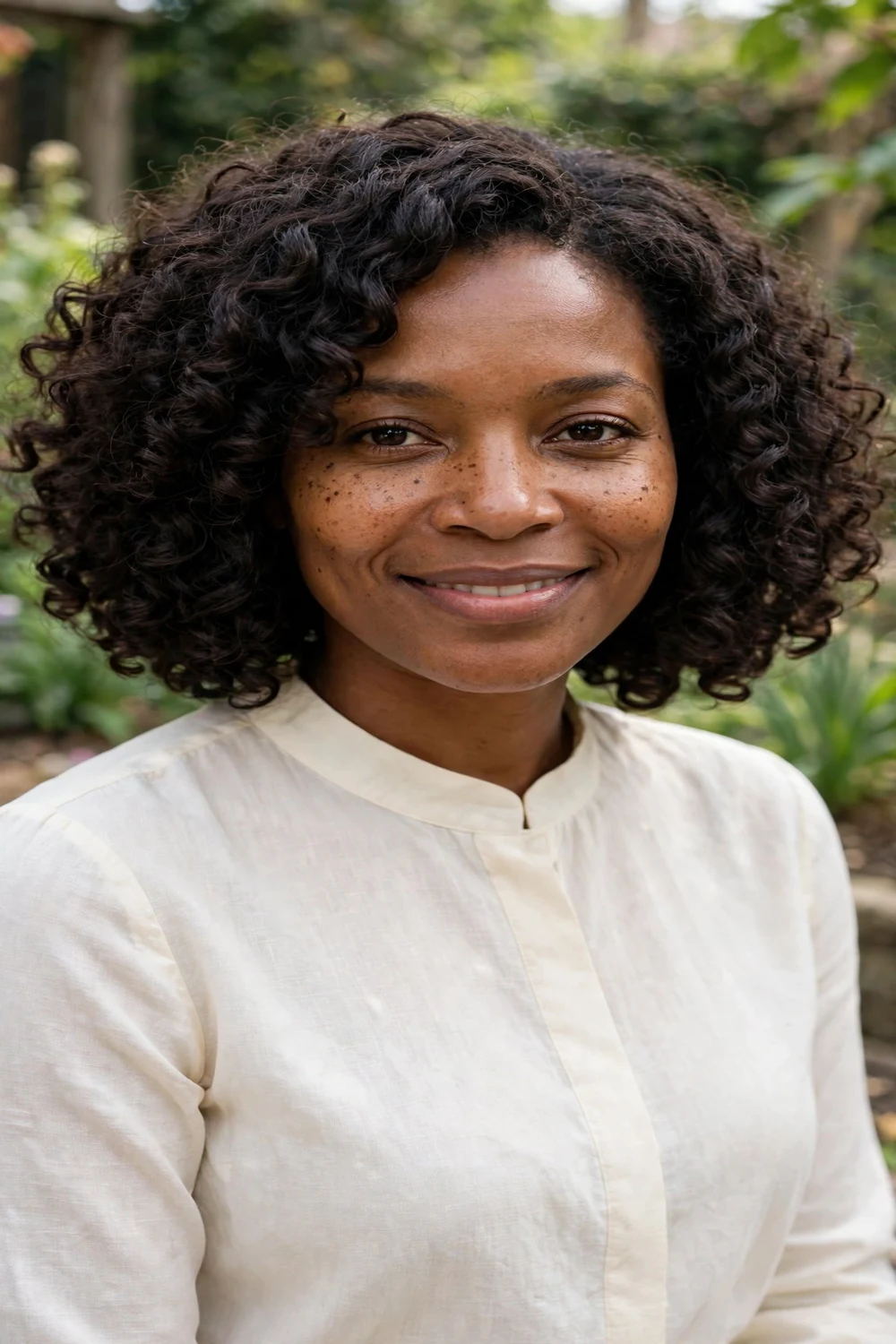
A lob cut to work with natural curls, not against them, gives curls room to spring while keeping the overall shape balanced. Layers are necessary to prevent a triangle shape, so ask your stylist to cut it dry or on stretched curls. Define with curl cream on damp hair, then diffuse or air-dry.
Never brush dry curls. Detangle only when wet with conditioner in the hair. A satin pillowcase or bonnet at night keeps the curl pattern intact for second-day hair.
Try this: apply curl cream in sections, raking it through from roots to ends before scrunching.
Difficulty: Easy once the cut is right · Cost: $60–$110 (curl-specialist cut)
18. Natural Coily Long Bob
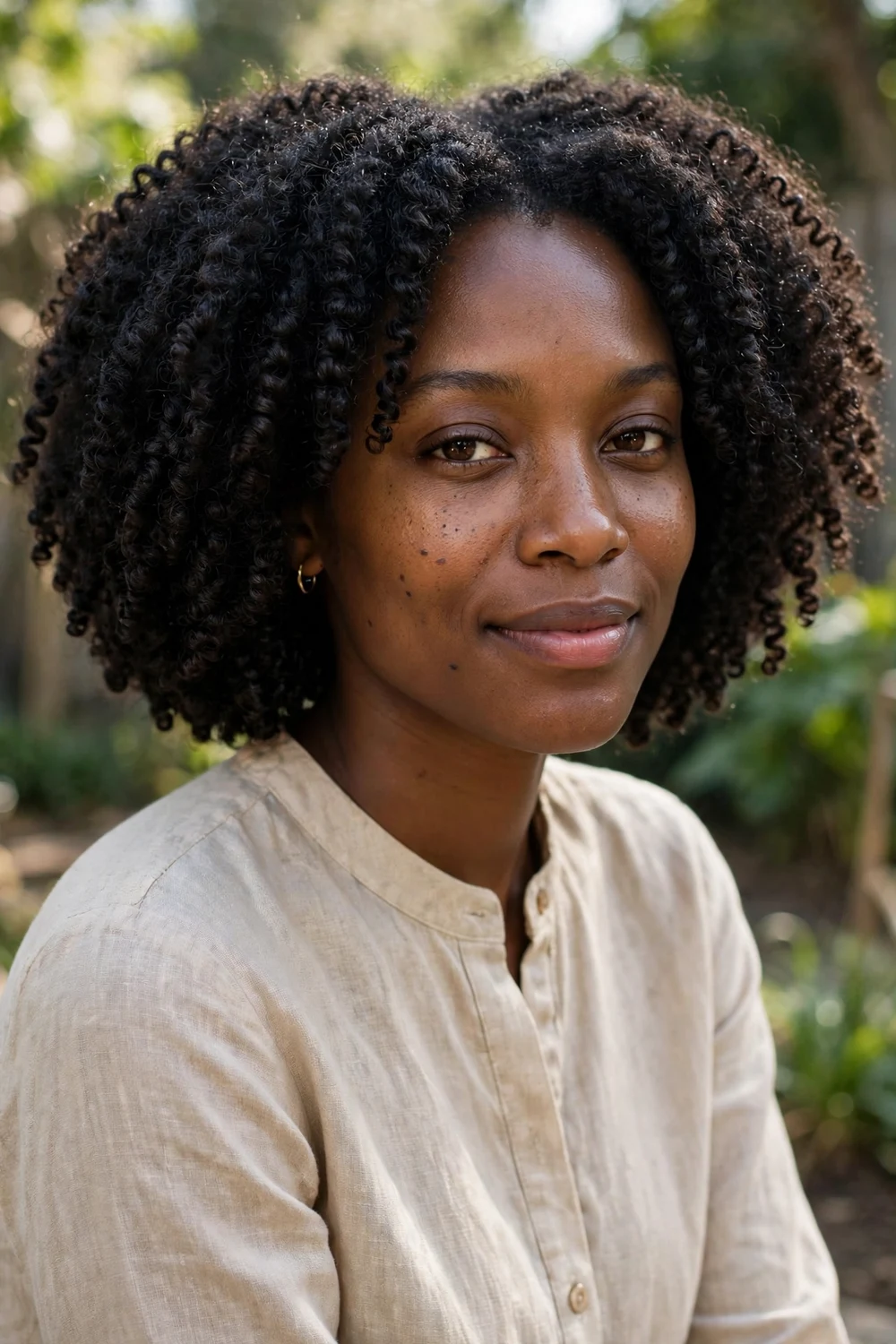
For tight coils and type 4 textures, a lob offers shape without sacrificing the volume that makes coily hair stand out. The cut should sit rounded rather than wide, with enough perimeter length to show the curl pattern. Twist-outs or braid-outs define the shape, and a light oil seals in moisture.
Moisture is the whole routine here. Leave-in conditioner, then cream, then oil, in that order, keeps coils hydrated for days. Trim every 10 to 12 weeks to remove single-strand knots before they travel up the hair.
Try this: stretch the hair with banding or threading before cutting so the true length is visible.
Difficulty: Medium · Cost: $60–$120 (texture-specialist cut)
19. Fine-Hair Long Bob with Invisible Layers
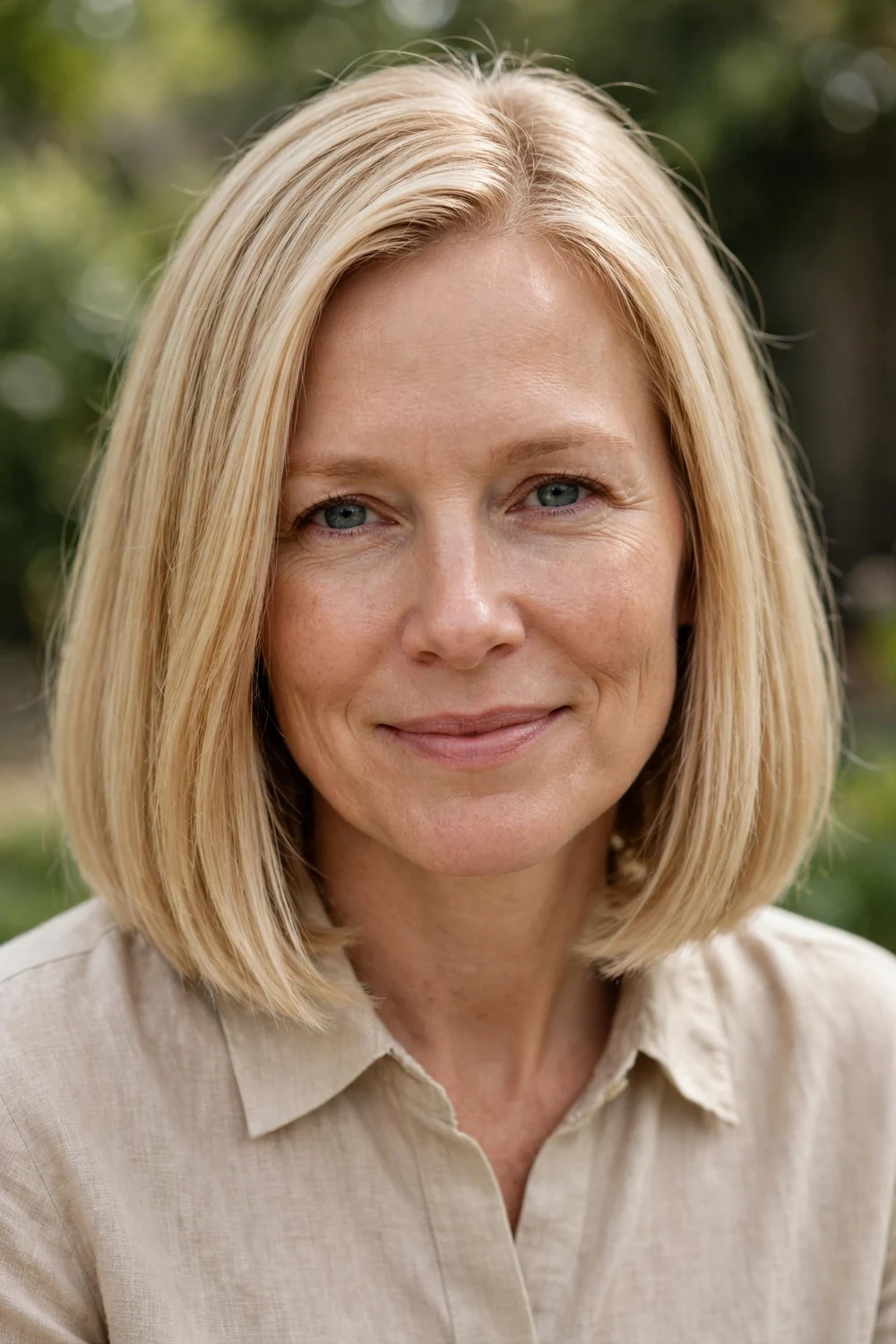
Fine hair and long bobs are a strong match when the perimeter stays solid. Invisible interior layers add lift without creating wispy ends, so the silhouette still reads as one length. Root-lifting mousse before blow-drying keeps the crown lifted all day.
Avoid heavy thinning shears on fine hair. They create the wispy ends this cut is designed to prevent. A volumizing shampoo and a light conditioner on the ends only keep the hair from going limp.
Try this: flip your head upside down for the last minute of blow-drying to lock in root lift.
Difficulty: Easy · Cost: $50–$90
The same density tricks work at shorter lengths. bob hairstyles for fine hair adapt the solid-perimeter idea to chin-length cuts.
20. Thick-Hair Long Bob with Weight Removal

Thick hair can turn a lob into a bulky triangle if interior weight is not addressed. The fix is point-cutting or careful thinning through the mid-lengths, which removes bulk while keeping the perimeter clean. Ask specifically for interior weight removal, not short layers, so the ends stay full.
This cut actually air-dries faster than an unlayered thick lob because there is less hair to dry. A smoothing cream on damp hair controls puffiness without flattening the shape. Trim every 8 to 10 weeks.
Try this: ask your stylist to show you how much hair was removed, so you know what to request next time.
Difficulty: Easy to wear · Cost: $60–$110
21. Rounded Inward-Curve Long Bob

This lob is cut one length with the ends beveled gently inward so the hair hugs the jawline and neck instead of flipping outward. It creates a soft, rounded silhouette that feels polished. A center part pairs best. A side part can flatten the curve.
A round brush is the key tool. Curve the ends under as you dry each section. The cut holds its shape for days, so morning styling takes under 10 minutes. Trim every 8 weeks to keep the bevel crisp.
Try this: finish with a cool shot from the dryer on each section to lock the inward curve in place.
Difficulty: Easy · Cost: $50–$90
22. Vintage Deep-Wave Long Bob
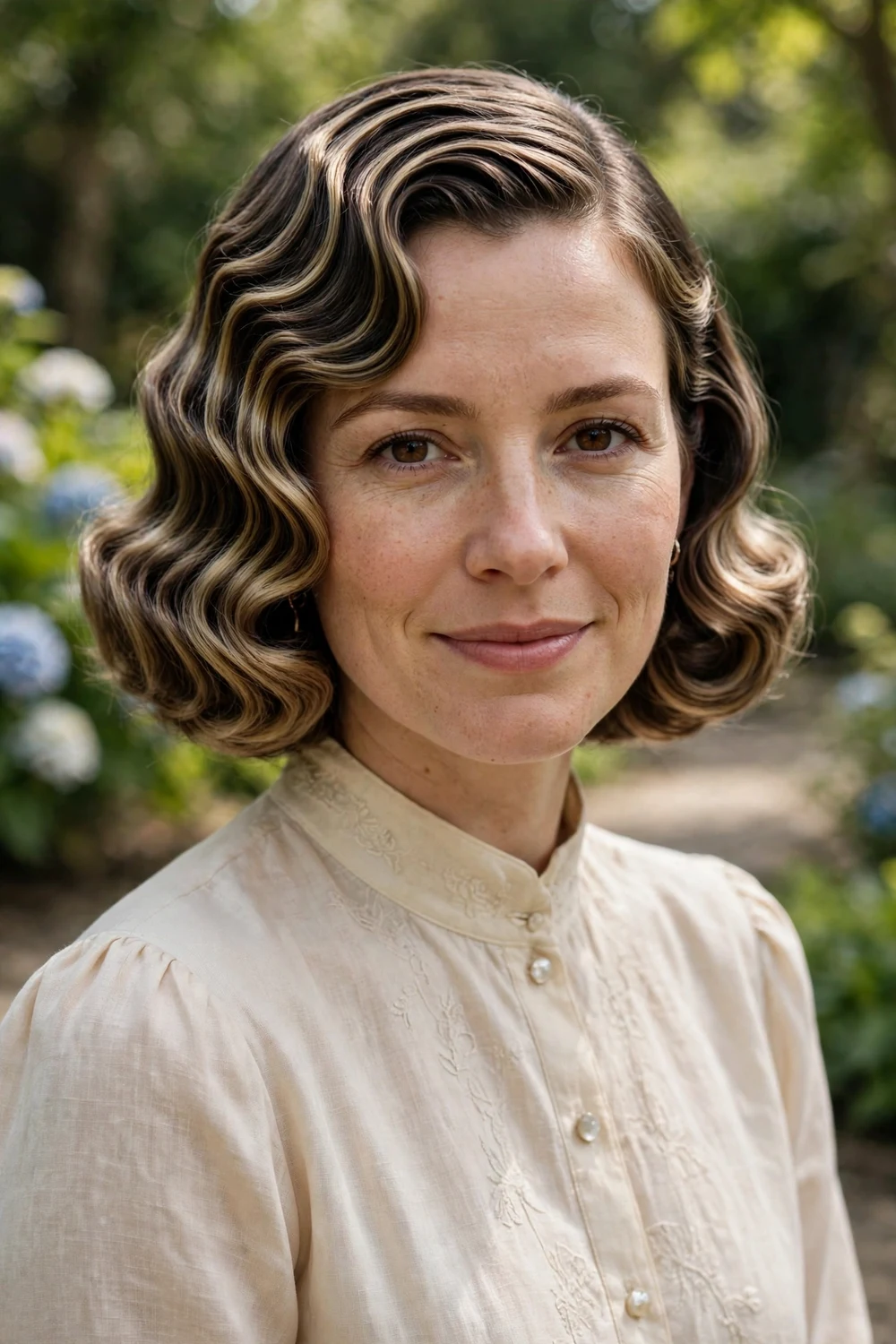
Deep, uniform waves set with a 1-inch curling iron held vertically give the lob a vintage, special-occasion feel. Unlike beachy waves, the bend here is more defined and polished. Hold each section 8 to 10 seconds, let it cool fully, and always use a heat protectant. Unprotected set waves lead to breakage.
Pin each wave while it cools to make the set last all evening. A light-hold hairspray, not a strong one, keeps the waves touchable instead of stiff. Plan 25 to 30 minutes for the full head.
Try this: set the waves in the same direction on both sides for the most authentic vintage finish.
Difficulty: Medium · Cost: $50–$90 (cut) + styling tools
23. Choppy Razored Long Bob

Razored ends give the lob a piecey, lived-in edge for anyone who finds polished cuts too prim. The texture adds fullness on medium-density hair and hides grow-out between trims, so you can stretch appointments to 10 or 12 weeks. A texturizing spray is the only product you need.
Razor cutting is not for every hair type. Very fine hair can look frayed, and very curly hair can frizz. Ask your stylist honestly whether your texture suits the technique before committing.
Try this: scrunch texturizing spray into dry hair and shake the roots with your fingers for instant piecey separation.
Difficulty: Easy · Cost: $60–$110
24. Asymmetrical Long Bob
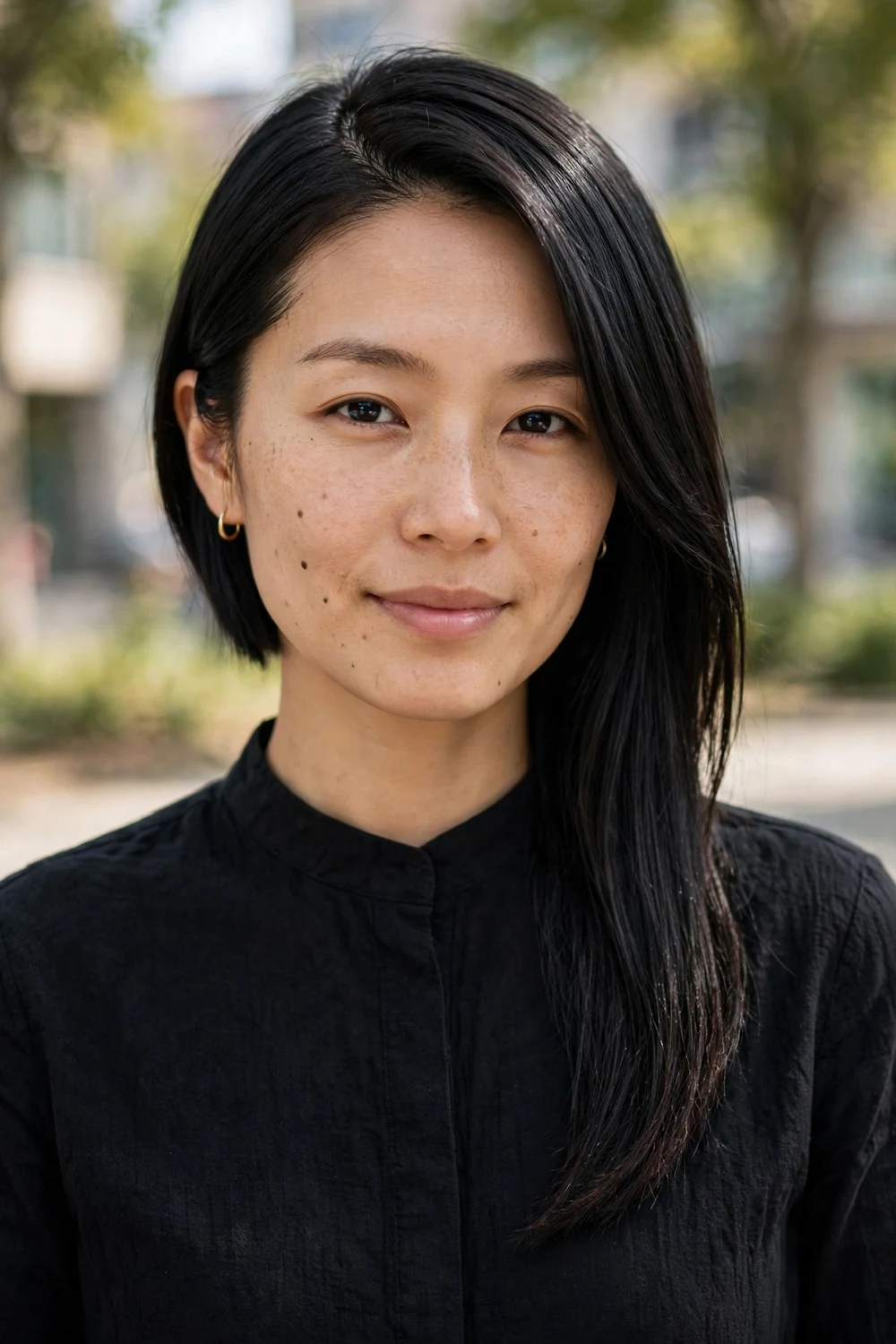
One side falls slightly longer than the other, giving the lob a modern, fashion-forward edge without going extreme. A deep side part shows off the uneven line best. It looks striking on straight hair and grows out into a soft angle with no awkward phase.
Keep the asymmetry deliberate with trims every 6 to 8 weeks. Left too long, it starts to look like a grown-out mistake instead of a choice. Flat-iron the longer side smooth to emphasize the difference.
Try this: tuck the shorter side behind your ear to make the length difference even more noticeable.
Difficulty: Easy · Cost: $60–$100
25. Half-Up Half-Down Long Bob

The lob’s length is the whole point here. Just long enough to pull the top half back while the rest falls free. Gather the crown section, twist once, and pin low at the back. Effortless for day, sleek for evening.
Tease the crown lightly before pinning for extra lift. Cross two bobby pins in an X shape for a hold that lasts. This style takes 5 minutes and needs no new cut.
Try this: leave two face-framing pieces out of the pinned section to soften the look.
Difficulty: Easy · Cost: $0 (styling only)
Quick Comparison
| Lob style | Best for | Daily styling time | Trim cycle |
|---|---|---|---|
| Classic Blunt | Fine or thinning hair | 10 minutes | 6–8 weeks |
| Soft-Layered | Wavy hair, first-time lob clients | 10 minutes | 8–10 weeks |
| Angled | Round faces, softer jawlines | 10 minutes | 8 weeks |
| Inverted | Flat hair needing crown lift | 15 minutes | 6–8 weeks |
| Textured Wavy | Natural wave, low-effort routine | Under 10 minutes (air-dry) | 10–12 weeks |
| Fringe versions | Forehead coverage, face framing | 5 extra minutes for the fringe | Fringe trim every 3–4 weeks |
| Color-focused | Dimension on any lob shape | Varies | Gloss refresh every 6–12 weeks |
How to Choose the Right Long Bob
The most flattering lob is cut for your face, texture, and routine. Quick guidelines:
- Round face: angled or deep side-parted. Longer front pieces add vertical length.
- Long face: length closer to the chin, plus bangs to add width.
- Square face: soft waves or face-framing layers to soften the jaw.
- Fine hair: blunt perimeter, invisible layers only. No heavy thinning.
- Thick hair: interior weight removal so the shape moves instead of sitting wide.
- Curly or coily hair: dry cut or cut on stretched hair for predictable length.
What to avoid: a dramatic A-line without understanding the grow-out; daily flat-ironing without heat protectant, which thins ends within weeks; and platinum if you cannot commit to toning every 4 to 6 weeks.
Frequently Asked Questions
What is the difference between a bob and a long bob?
A classic bob usually ends at or above the jawline, while a long bob (lob) falls between the chin and the collarbone. The extra length means a lob can still be pulled into a ponytail or half-up style, and it grows out more gracefully.
Which long bob is best for a round face?
Angled lobs and deep side-parted lobs flatter round faces most. The longer front pieces and diagonal lines create the appearance of length, while a center-parted blunt lob can emphasize width.
Does a long bob work on thin or fine hair?
Yes. A blunt-perimeter lob with invisible interior layers is one of the best cuts for fine hair because the solid ends create the illusion of density. Avoid heavy thinning on very fine hair, since it makes ends look wispy.
How often should a long bob be trimmed?
Every 8 to 12 weeks keeps most lobs clean. Blunt versions and asymmetric cuts lose their sharp line faster, so plan on a trim every 6 to 8 weeks for those.
Can you curl a long bob?
Absolutely. A 1 to 1.5-inch curling iron creates everything from loose waves to defined curls on lob-length hair. Always apply a heat protectant first and let each curl cool before touching it.
Final Thoughts
The long bob earns its staying power because it asks little and gives much: one cut for nearly every face shape and most hair textures, styled in minutes, with enough length left for ponytails and half-up days. Pick your favorite above, save the photo, and walk into the salon knowing exactly what to ask for.
For more haircut guides across every length and texture, browse the PrimeHairPicks homepage.

