



A short French bob sits at the jaw or chin, usually with bangs, and looks polished with very little effort. It is the haircut equivalent of a good blazer: structured, flattering, and hard to get wrong.
These 14 short French bobs cover the full range, from the classic Parisian version to curly, edgy, and retro takes. If you are deciding between the two famous European cuts, our comparison of italian bob vs french bob breaks down exactly how they differ.
Quick Takeaways
- A French bob is cut at jaw to chin length, most often with bangs and a blunt or softly textured perimeter.
- It suits straight, wavy, and curly hair. The cut adapts to texture instead of fighting it.
- Plan a trim every 6 to 8 weeks. The shape only looks sharp when the ends are fresh.
- Styling is minimal: air-dry with a little mousse or blow-dry smooth. Most versions take under 10 minutes.
- Fine hair gets instant fullness from the blunt ends; thick hair may need internal layering to remove bulk.
1. Classic French Bob with Full Bangs
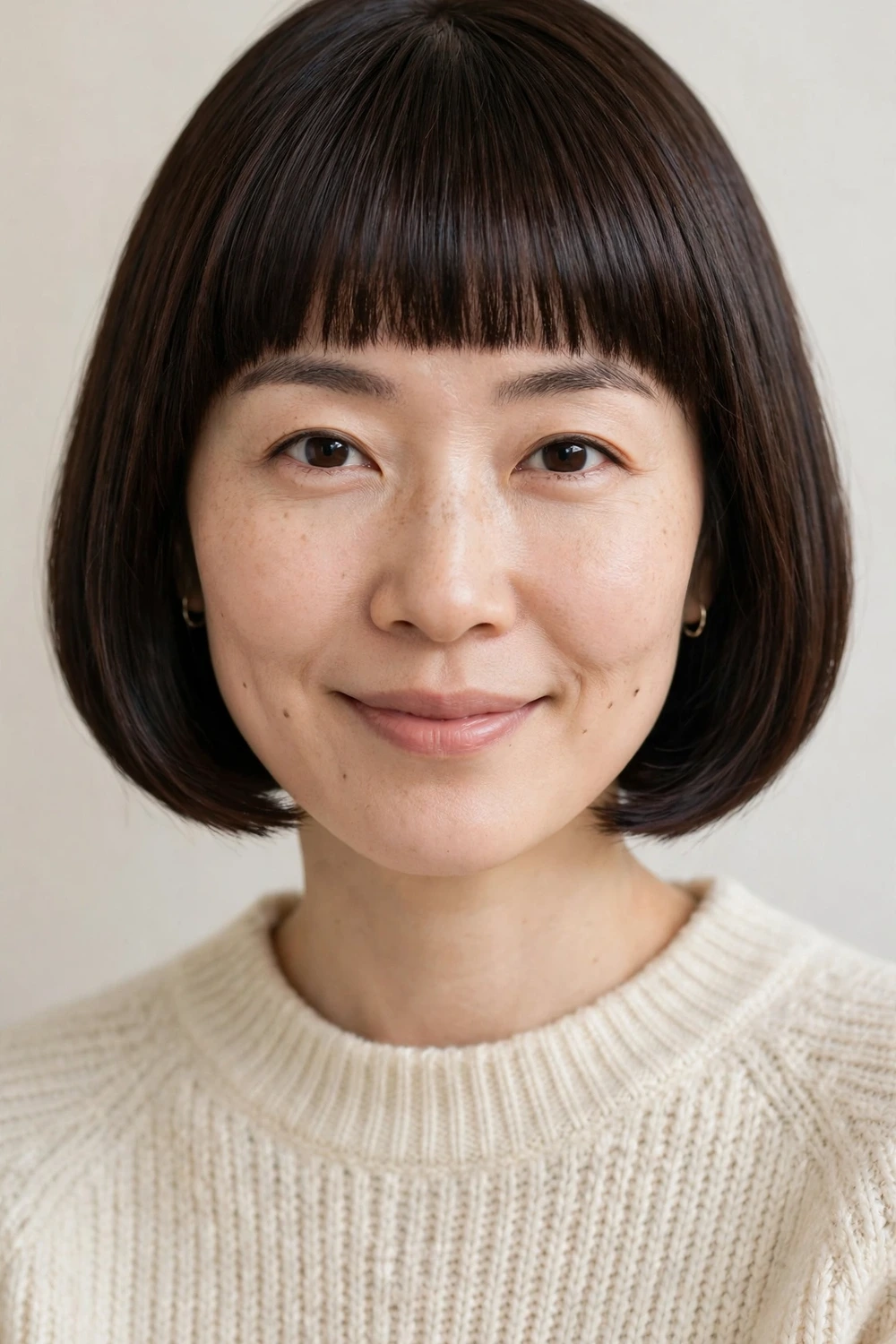
This is the reference point for every other idea on the list: jaw-grazing length, a clean perimeter, and straight bangs that end right at the eyebrows. The weight of the fringe draws attention to the eyes and cheekbones, which is why the cut photographs so well.
Ask your stylist to keep the ends blunt but soft, with no harsh layering through the lengths. Try this: blow-dry the bangs forward with a flat brush first, then style the rest. Upkeep: Medium. Bang trims every 3 to 4 weeks keep the line sharp.
2. Blunt French Bob with Micro Bangs
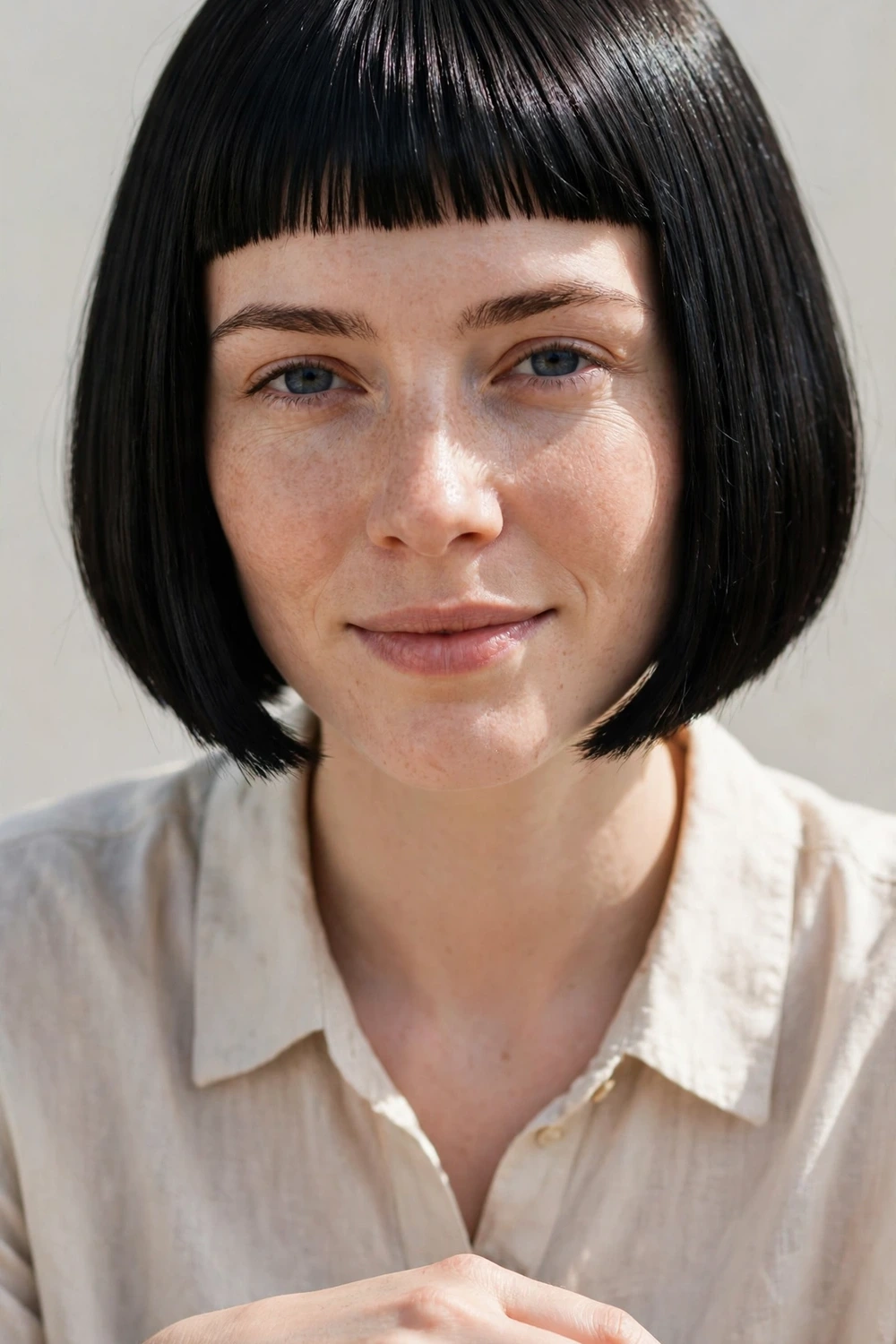
Swap the classic fringe for micro bangs cut well above the eyebrows and the whole haircut turns architectural. The short fringe opens up the face and makes the blunt chin-length ends look even more deliberate. It pairs especially well with strong brows, since there is nothing hiding them.
This version works best on straight or slightly wavy hair that holds a crisp line. Try this: flat-iron the bangs in small sections so they lie perfectly flat. Upkeep: High. Micro bangs grow out of shape in about two weeks.
3. Wavy French Bob
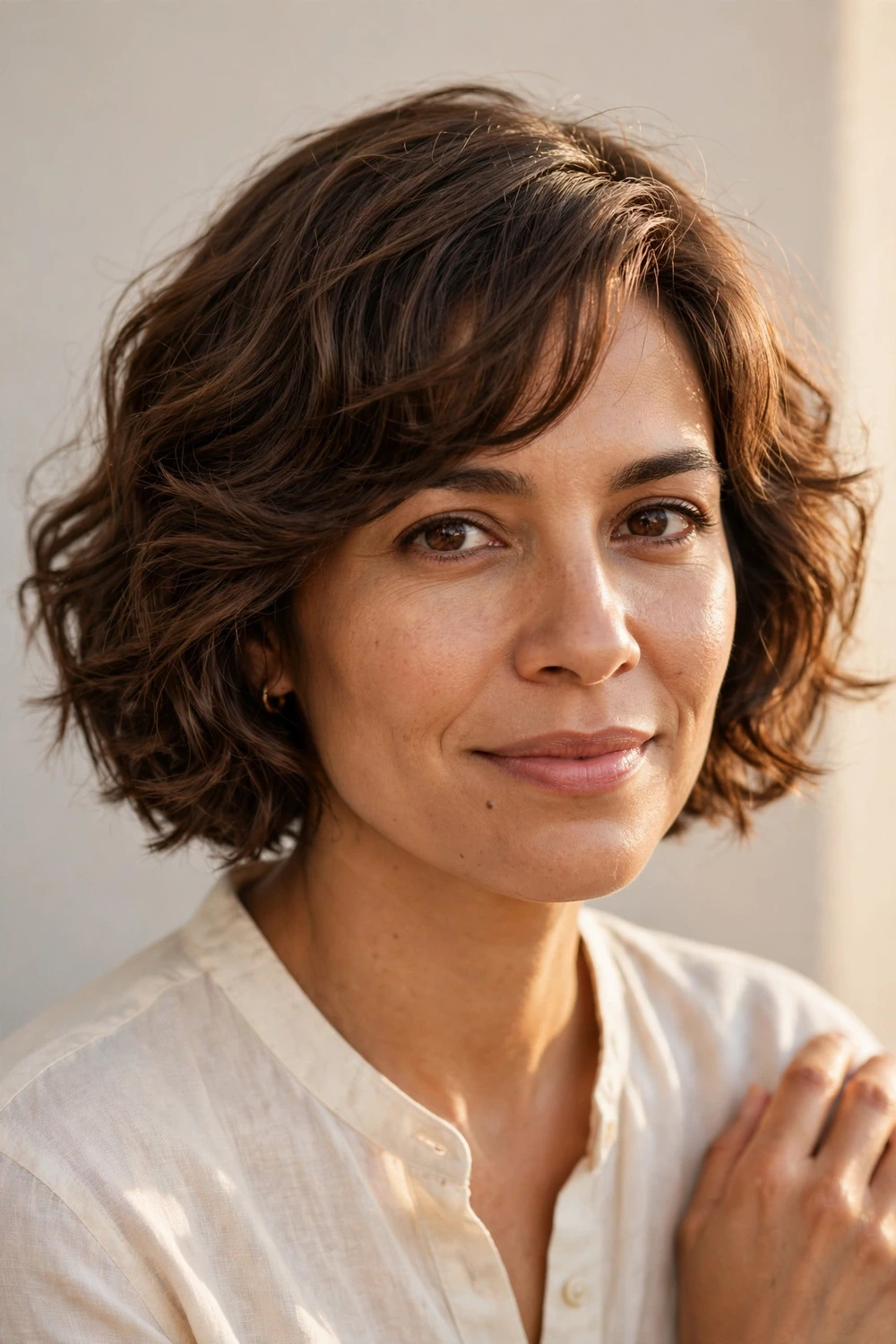
Loose waves take the French bob from polished to relaxed. The movement softens the blunt perimeter and adds width, which flatters narrower face shapes. It is also the most forgiving version if your natural texture has a slight bend already.
Create the waves with a 1-inch curling iron, alternating directions, then brush through once for a lived-in finish. Try this: a pea-sized amount of texturizing paste on the ends keeps the waves separated. Upkeep: Low. The waves hide regrowth well.
4. Curly French Bob
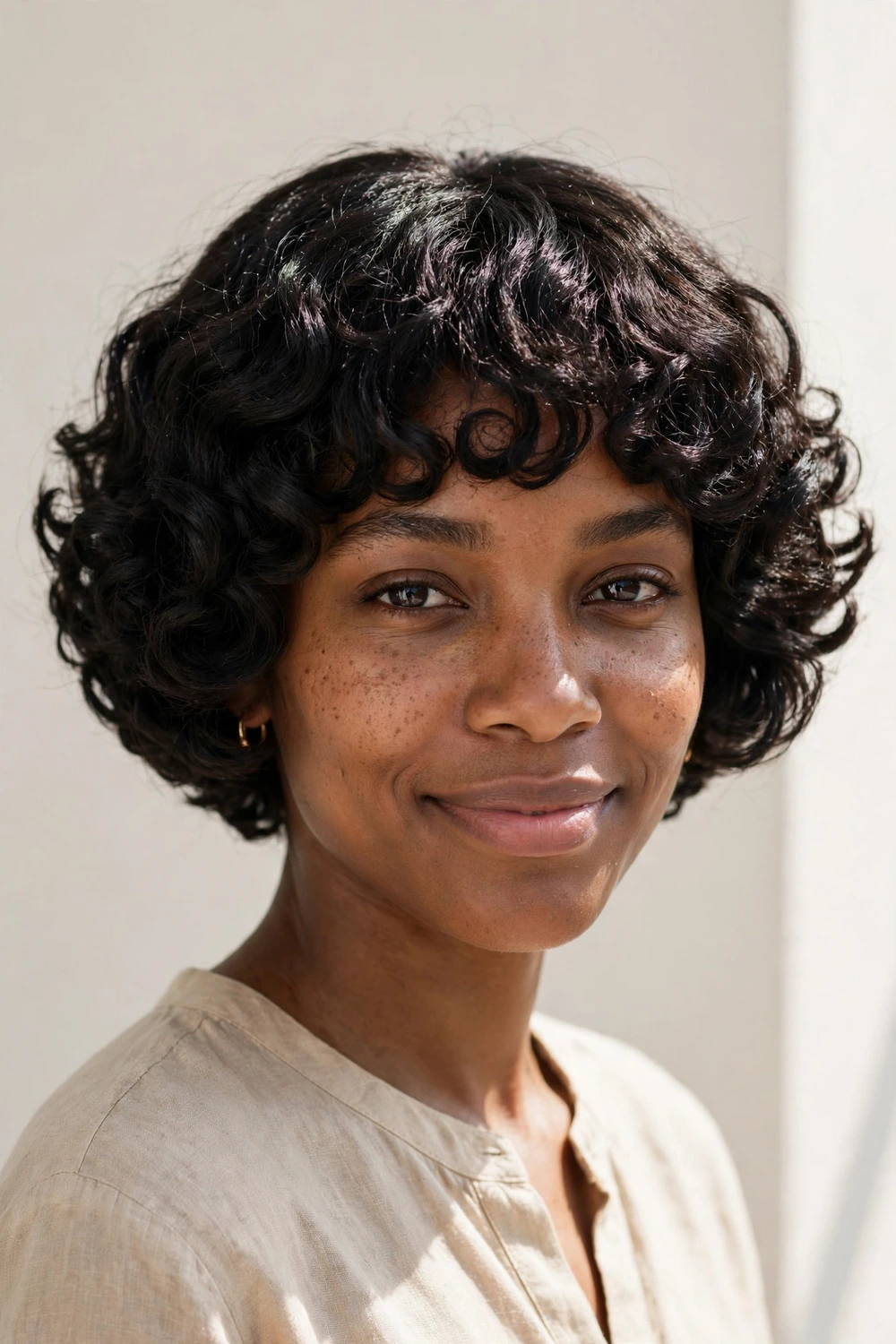
Curls and the French bob were made for each other. Cut dry so the stylist can see exactly where each curl lands, and keep the shape rounded rather than triangular. Dry cuts matter here because curls spring up several inches shorter than they look wet.
A layered perimeter stops the bottom from puffing out while the top stays flat. Try this: scrunch in curl cream on soaking-wet hair and diffuse on low heat. Upkeep: Medium. Curly cuts need reshaping every 8 to 10 weeks.
5. French Bob with Curtain Bangs

Curtain bangs split down the middle and sweep past the cheekbones, giving you fringe without the commitment of a full straight-across cut. They grow out gracefully, which makes this the lowest-maintenance bang option here. If you have ever grown out blunt bangs and hated the awkward stage, this avoids it entirely.
Blow-dry the bangs with a round brush, rolling them away from the face on each side. Try this: pin one side back with a small clip for an asymmetric evening look. Upkeep: Low. Trims every 6 to 8 weeks.
6. French Bob with Wispy Fringe

A wispy fringe is cut with point-cutting so the ends feather out instead of forming a solid line. It softens strong jawlines and suits anyone who finds full bangs too heavy. Because the fringe is piecey, it also blends better with the rest of the bob as it grows.
Keep the rest of the bob sleek so the fringe stays the focal point. Try this: run a flat iron lightly over just the fringe on second-day hair to refresh it. Upkeep: Medium. Wispy ends need reshaping monthly.
7. Sleek Middle-Part French Bob
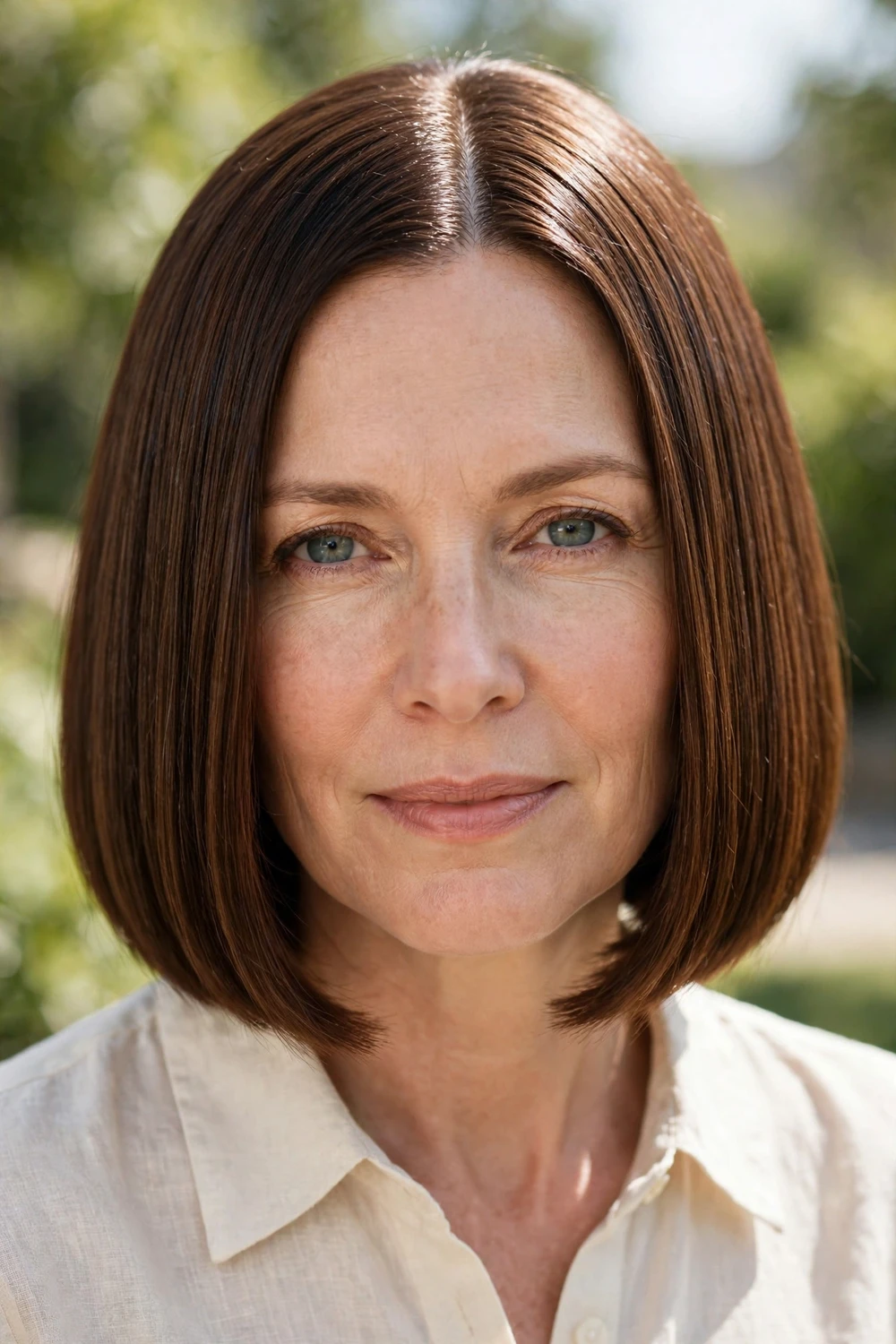
No bangs at all: a clean middle part and glass-smooth blunt ends. This is the most minimal version of the cut and it leans modern rather than retro. It also shows off bone structure, so it suits oval and heart-shaped faces particularly well.
Shine is everything here, so finish with a smoothing serum on the lengths. Try this: tuck both sides behind the ears for a sharp, graphic profile. Upkeep: Medium. The blunt line shows uneven growth quickly.
8. Tucked-Behind-the-Ear French Bob
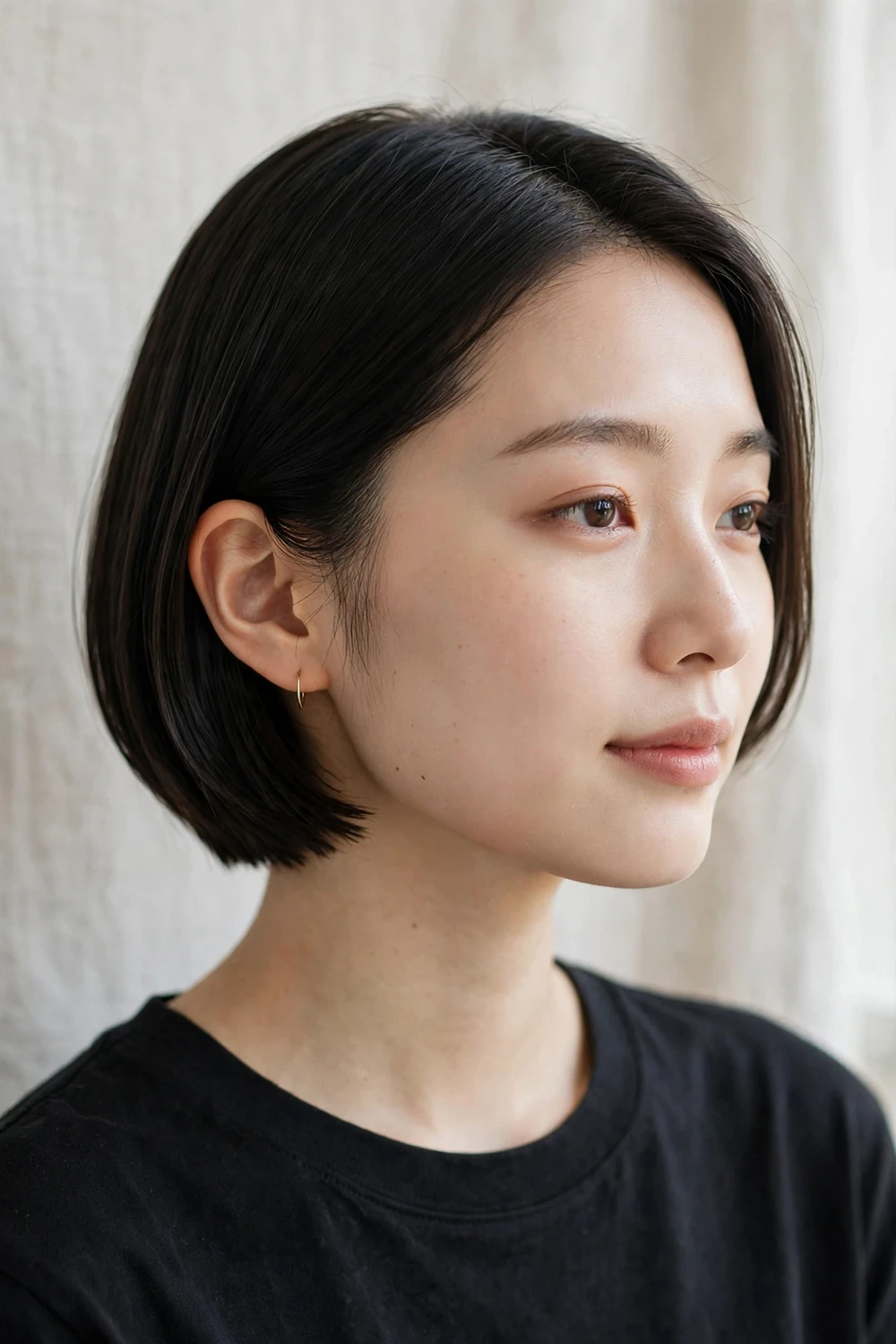
Less a separate cut than a styling move: tuck one or both sides behind the ears to show off your jawline and earrings. It takes a standard French bob from day to evening in seconds. The tuck also keeps hair off your face in wind without needing pins.
A tiny bit of pomade behind the ear keeps the tuck in place without stiffness. Try this: add a slim headband for a polished retro finish. Upkeep: Low. It is a styling choice, not a cut.
9. Choppy Textured French Bob
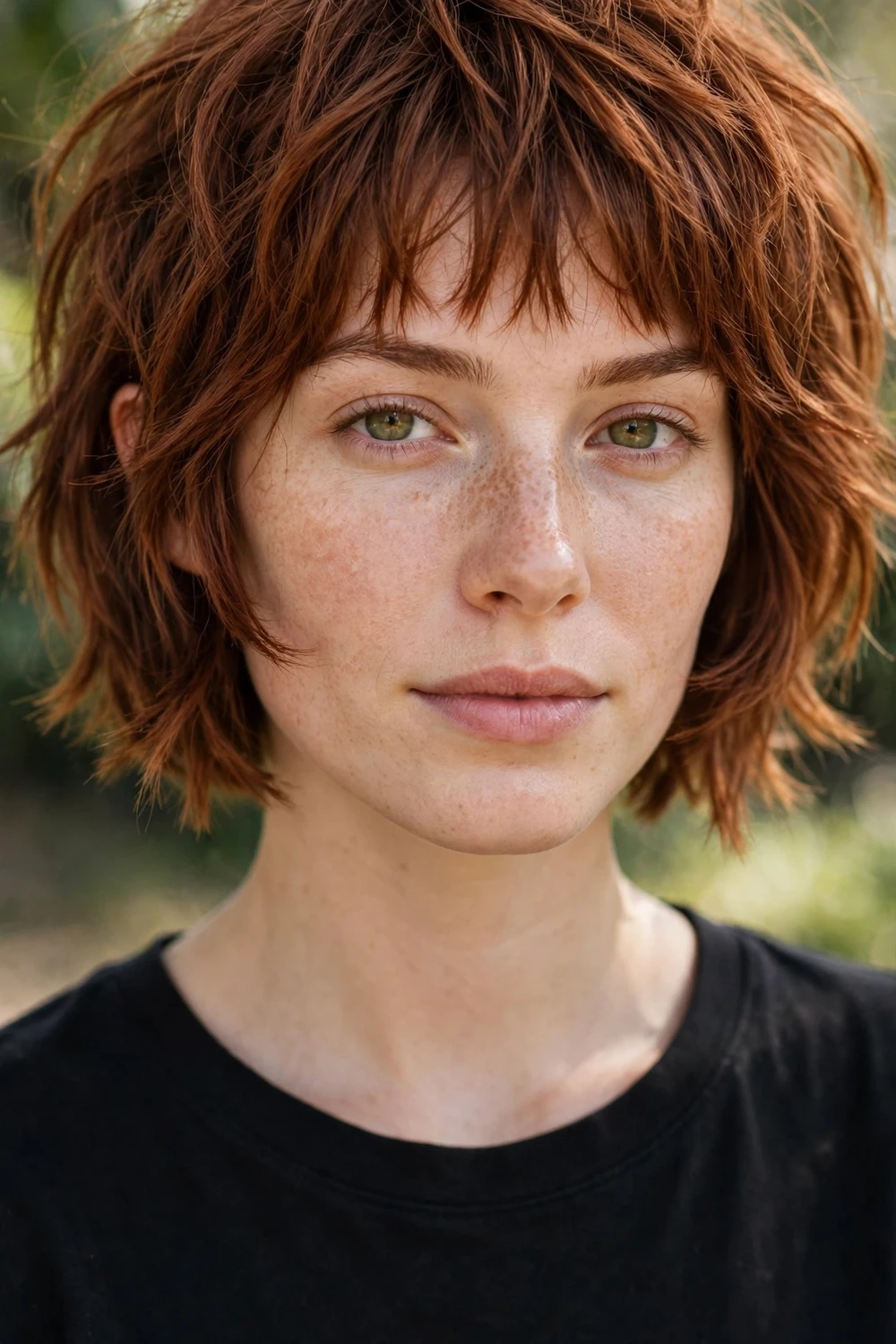
Cut shorter, around ear length, with choppy layers carved through the ends. The texture removes weight, so this is a strong pick for thick hair that would otherwise balloon out at this length.
Style it messy on purpose: the cut is designed to look better slightly undone. For more short textured options, browse choppy bob hairstyles for fine hair. Try this: work texturizing spray into dry hair and shake the roots. Upkeep: Medium. Texture grows out in 6 weeks.
10. French Bob with Nape Undercut
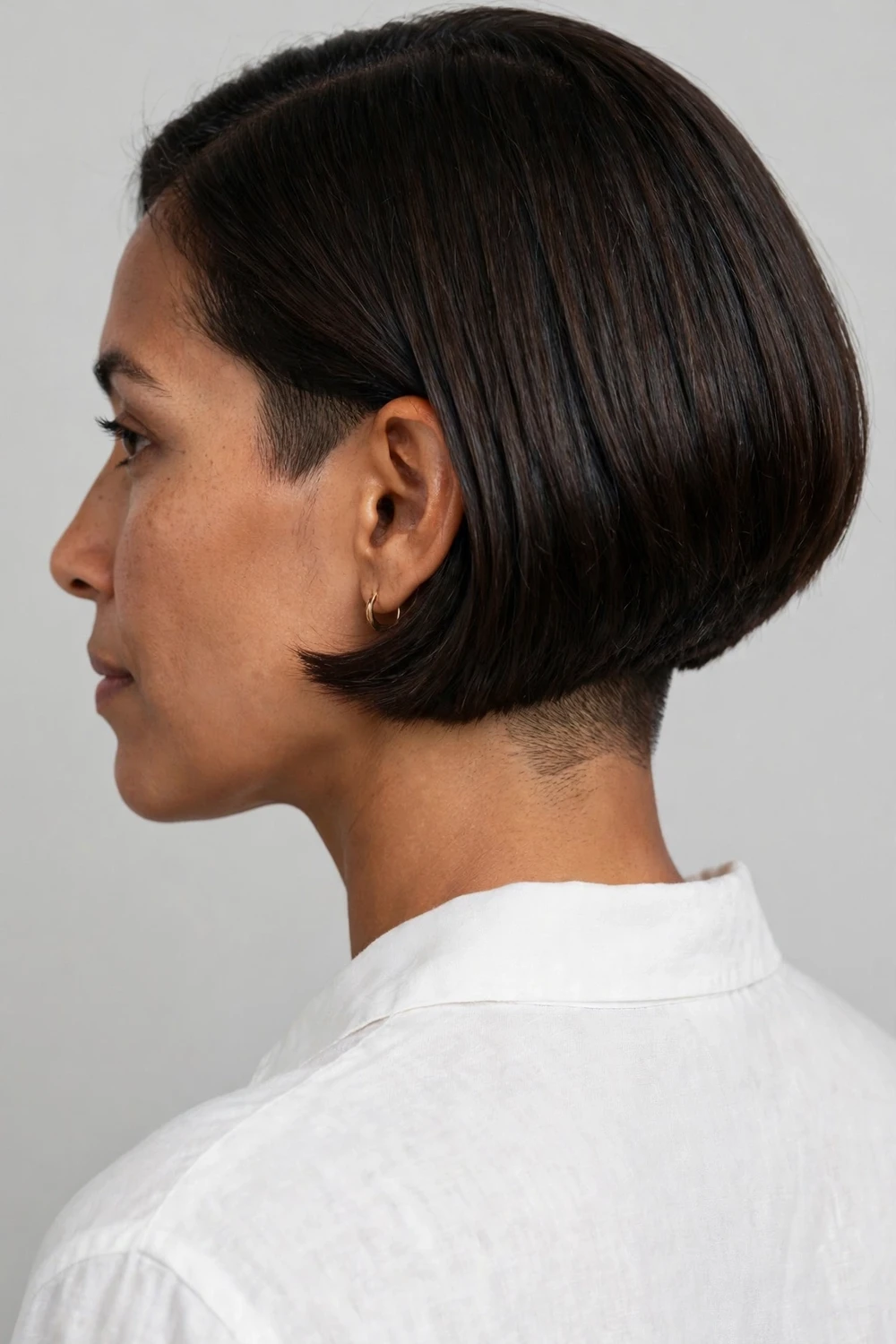
The front keeps the classic chin-grazing French line while the nape is clipped short underneath. From the front it looks traditional; from the back it has an edge. It is a good middle ground if you want something daring that still looks office-appropriate from most angles.
The undercut also removes bulk at the neckline, which helps in hot weather and with very thick hair. Try this: wear it sleek to show the contrast, or wavy to soften it. Upkeep: High. The undercut needs re-clipping every 3 to 4 weeks.
11. Platinum Blonde French Bob
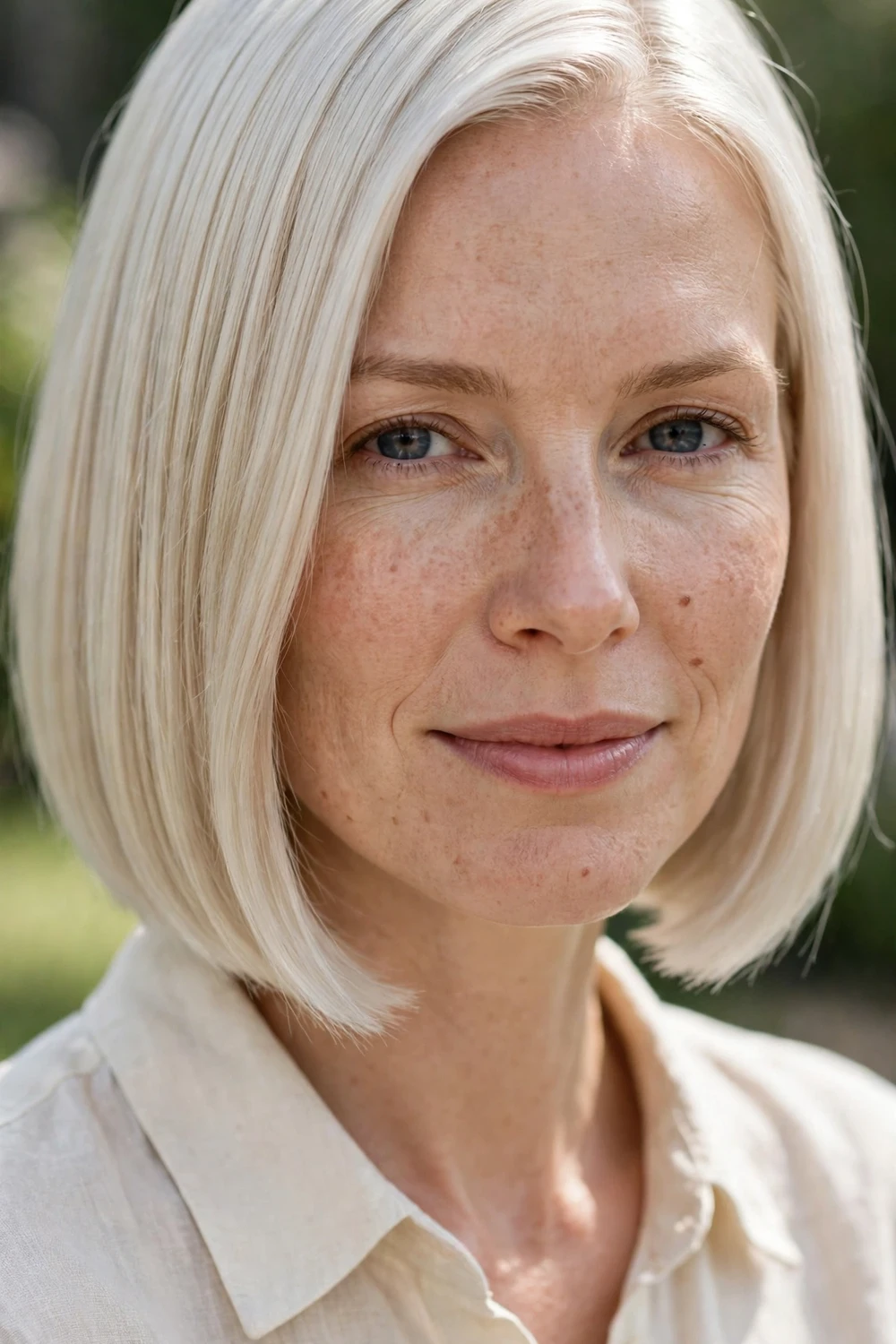
The same jaw-length blunt cut, lifted to icy platinum. Light color makes the precision of the cut impossible to miss, so the lines need to be exact. Book a stylist who specializes in blonding, because an even lift matters more than the cut itself here.
Platinum at this level needs bond-building treatments and purple shampoo to stay bright. Try this: a softly off-center part keeps the look modern instead of severe. Upkeep: High. Roots show in 4 weeks and toning is ongoing.
12. Dark French Bob with Wispy Fringe

Deep black or espresso color gives the French bob a glossy, graphic quality. Pair it with a wispy fringe to keep the dark perimeter from looking too severe. The contrast between the dark lengths and skin also makes the jawline look sharper.
Shine sprays and glossing treatments keep dark color reflective rather than flat. Try this: a clear gloss at the salon every 6 weeks boosts the mirror finish. Upkeep: Medium. Dark color fades slower than blonde.
13. Razored Shaggy French Bob
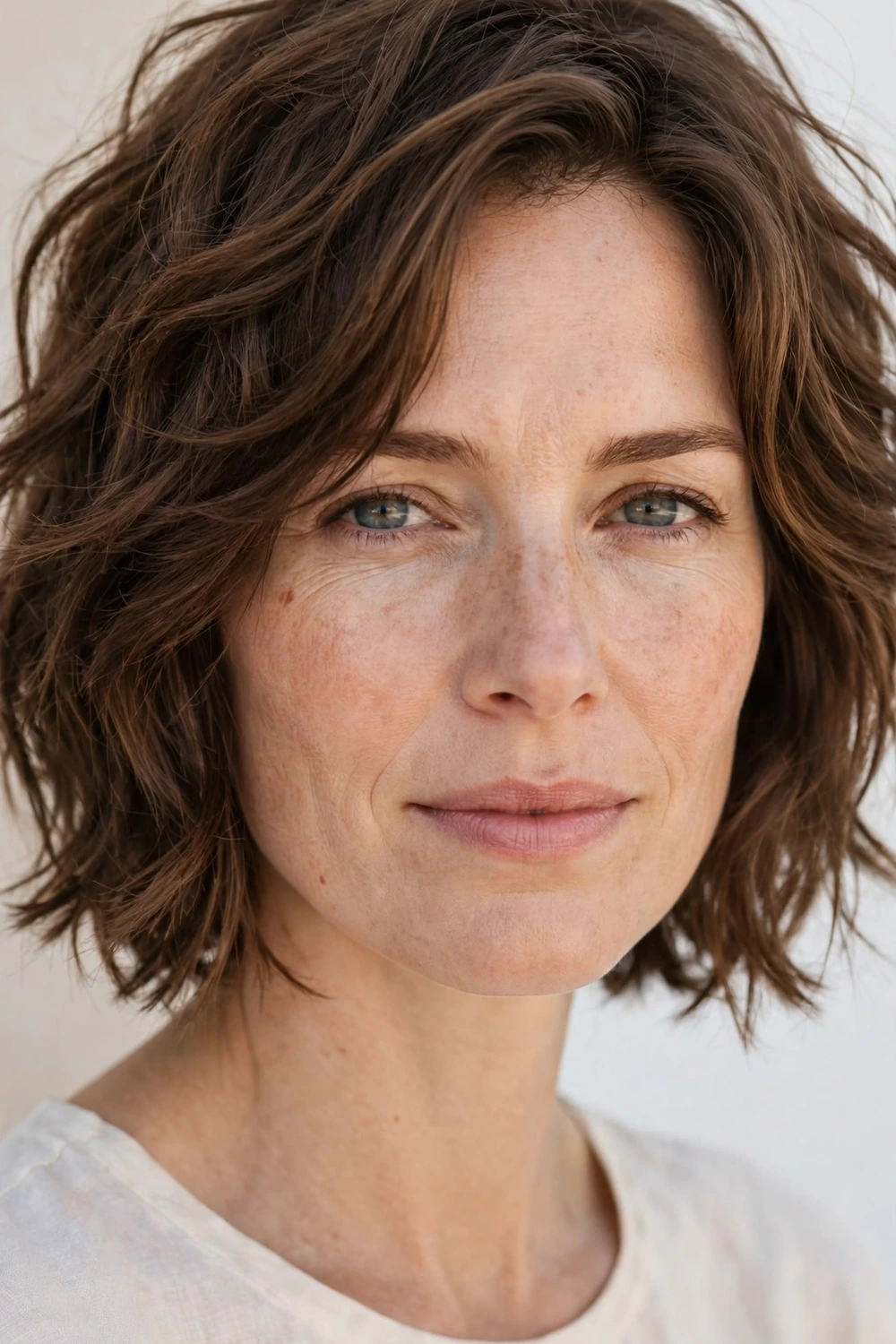
Cut with a razor instead of scissors for feathered, lived-in ends. The result sits somewhere between a French bob and a shag: structured at the jaw, piecey everywhere else. Ask for the razor work through the mid-lengths and ends, not at the roots, so the top stays smooth.
This is the wash-and-go champion of the list. A little mousse, a quick scrunch, done. Try this: let it air-dry completely before touching it to keep the texture piecey. Upkeep: Low. The shaggy texture disguises growth.
14. Retro 1920s French Bob
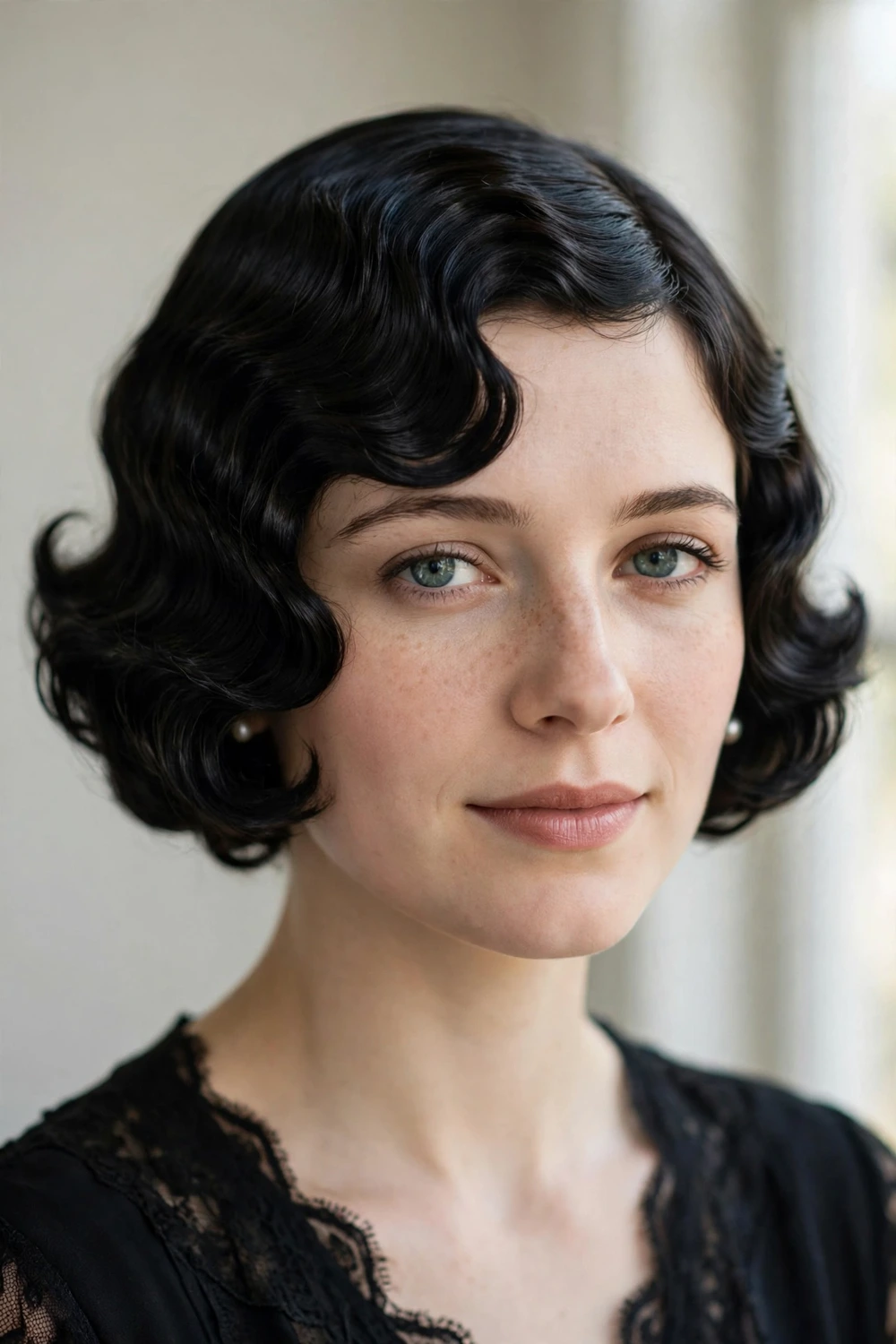
A nod to the cut’s flapper origins: chin length with soft sculpted waves hugging the head. It reads vintage without looking like a costume when the waves are kept soft. This is the one to book for weddings and themed events, where the extra styling effort pays off in photos.
Set damp hair in waves with clips or a waver, then brush out gently for a smooth finish. Try this: a deep side part makes the retro shape feel current. Upkeep: Medium. The style takes 15 minutes; the cut needs trims every 6 weeks.
Short French Bobs at a Glance
| Idea | Best For | Upkeep |
|---|---|---|
| Classic with full bangs | First-timers, oval faces | Medium |
| Blunt with micro bangs | Straight hair, bold style | High |
| Wavy | Narrow faces, easy styling | Low |
| Curly | Natural curls and coils | Medium |
| Curtain bangs | Bang commitment-phobes | Low |
| Wispy fringe | Strong jawlines | Medium |
| Sleek middle part | Minimalists, straight hair | Medium |
| Tucked behind the ear | Evening styling | Low |
| Choppy textured | Thick hair | Medium |
| Nape undercut | Edgy style, thick hair | High |
| Platinum blonde | Statement color lovers | High |
| Dark with wispy fringe | Glossy dark hair | Medium |
| Razored shaggy | Wash-and-go routines | Low |
| Retro 1920s | Vintage lovers, events | Medium |
How to Choose Your French Bob
Start with your texture. Straight hair shows off blunt lines best, wavy hair suits the tousled versions, and curly hair needs a dry cut with a stylist experienced in curls.
Then consider your maintenance appetite. Micro bangs, undercuts, and platinum all demand salon visits every few weeks. If you want to stretch appointments, pick curtain bangs, waves, or the razored shaggy version.
Bring photos to your consultation, including at least one of what you do not want. For shorter crops in the same family, see short stacked bob haircuts. And if you want the full picture of the cut family, our bob hairstyles hub covers every length.
For a textured take on short volume, see these shaggy bob for fine hair for women over 50 that add movement to thin strands.
Frequently Asked Questions
What is a short French bob?
A short French bob is a chin-to-jaw-length bob, usually worn with bangs and a blunt or softly textured perimeter. It is shorter and more graphic than a classic bob, with a distinctly Parisian feel.
Do French bobs suit round faces?
Yes, with the right details. Longer curtain bangs or a side part breaks up the roundness, and keeping some length at the jaw rather than the cheek helps. Avoid a very short crop with full heavy bangs, which can emphasize width.
How often does a French bob need trimming?
Every 6 to 8 weeks for the cut itself. Bangs need attention sooner: full and micro bangs every 3 to 4 weeks, curtain and wispy bangs every 6 weeks.
Can you get a French bob with curly hair?
Absolutely. Curly French bobs are one of the most flattering versions. Have it cut dry by a curl specialist, keep the shape rounded, and use curl cream with diffusing for definition.
What is the difference between a French bob and a regular bob?
A French bob is shorter (jaw to chin), almost always has bangs, and has a more graphic, deliberate shape. A regular bob covers more lengths and variations, from chin to shoulder, with or without bangs.
Final Thoughts
Short French bobs work because the cut does the talking. Pick the version that matches your texture and your calendar, keep the ends fresh, and let the shape carry the style.
