



Most of us learned our wash schedule from habit, not from our scalp. Mine was daily for years, until I looked at what dermatologists actually recommend. The short answer: there is no single rule for how often to wash hair. Most people do well washing 2 to 3 times per week, but the right schedule depends on your hair type, how oily your scalp gets, and how you live day to day.
The simplest test is this: wash when your scalp looks oily, feels itchy, or smells off, or when product buildup makes your roots heavy. Everything below helps you turn that into a repeatable routine.
Quick answer
Fine or oily hair: every 1 to 2 days. Wavy or medium hair: every 2 to 3 days. Thick or curly hair: once a week. Coily or 4c hair: every 1 to 2 weeks. Adjust sooner if you sweat heavily or use a lot of styling product.
How Often to Wash Hair by Hair Type
Hair type is the biggest factor. Oil from your scalp travels down straight strands fast, so fine straight hair looks greasy sooner. On curls and coils, oil moves slowly, so the lengths stay dry longer while the scalp still needs attention.




| Hair type | Typical schedule | Notes |
|---|---|---|
| Fine or straight | Every 1 to 2 days | Oil shows fastest; use a light shampoo |
| Wavy or medium | Every 2 to 3 days | The most flexible range; adjust by scalp feel |
| Thick or curly | Once a week | Lengths dry out fast; always condition after |
| Coily or 4c | Every 1 to 2 weeks | Focus on scalp; keep lengths moisturized |
| Protective styles (braids, weaves) | Every 7 to 10 days | Cleanse the scalp; do not rough up the style |
Think of these as starting points. Your scalp may want more or less, which is why the signs below matter more than any fixed calendar.
Signs Your Hair Needs Washing
You do not need to guess. Your scalp gives clear signals when it is time.
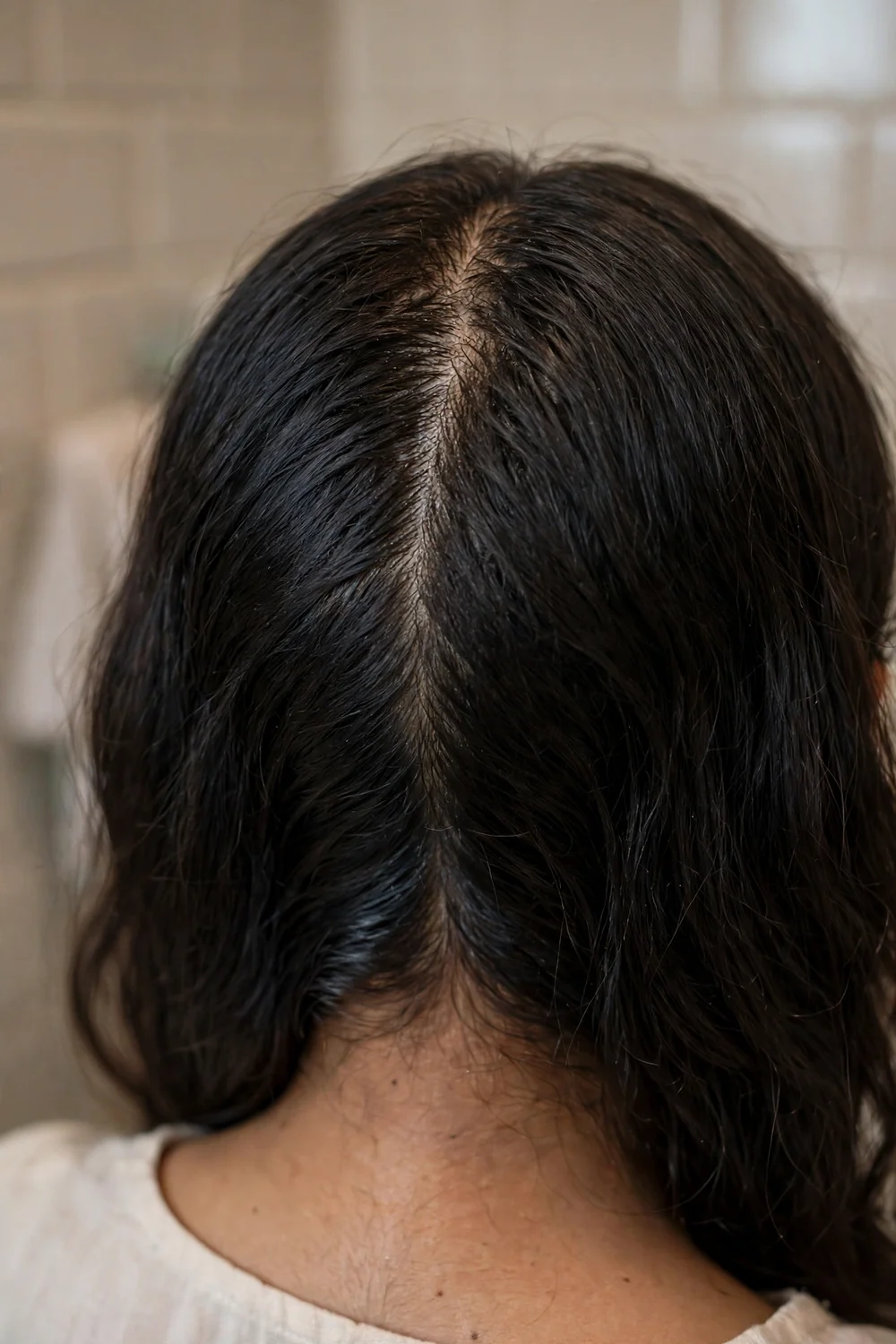
- Greasy or separated roots. Strands clump together at the scalp instead of moving freely.
- Dull, heavy lengths. Hair looks flat even after brushing, which points to product buildup.
- Itch or tenderness. An itchy scalp is one of the earliest signs you waited too long.
- Flakes on the scalp or shoulders. Regular flakes often clear up once washing is consistent.
- Odor. Sweat, smoke, and styling products build up a stale smell by day three or four for most people.
If itching or flaking does not improve after two weeks of a steady routine, see a dermatologist. Persistent symptoms can point to a scalp condition that needs treatment, not just a different shampoo.
What Dermatologists Recommend
The American Academy of Dermatology advises washing based on oil production rather than a fixed weekly count. Oily scalps may need daily or every-other-day washing. Dry scalps often need only one or two washes per week.
Their baseline for most adults lands at 2 to 3 times per week, adjusted up or down from there. They also stress that shampoo should target the scalp, where oil and dead skin collect, while conditioner belongs on the lengths, where dryness shows up first.
Does Washing More Make Your Hair Grow Faster?
No. Washing does not change how fast follicles grow hair. Growth happens under the skin, and no shampoo schedule speeds that up.
What washing does affect is retention. A clean, calm scalp sheds less from breakage, so lengths keep more of what grows. You may also notice more hair coming out on wash days. That is normal: hairs that shed daily collect in unwashed hair and release all at once in the shower, which looks alarming but is part of the regular cycle.
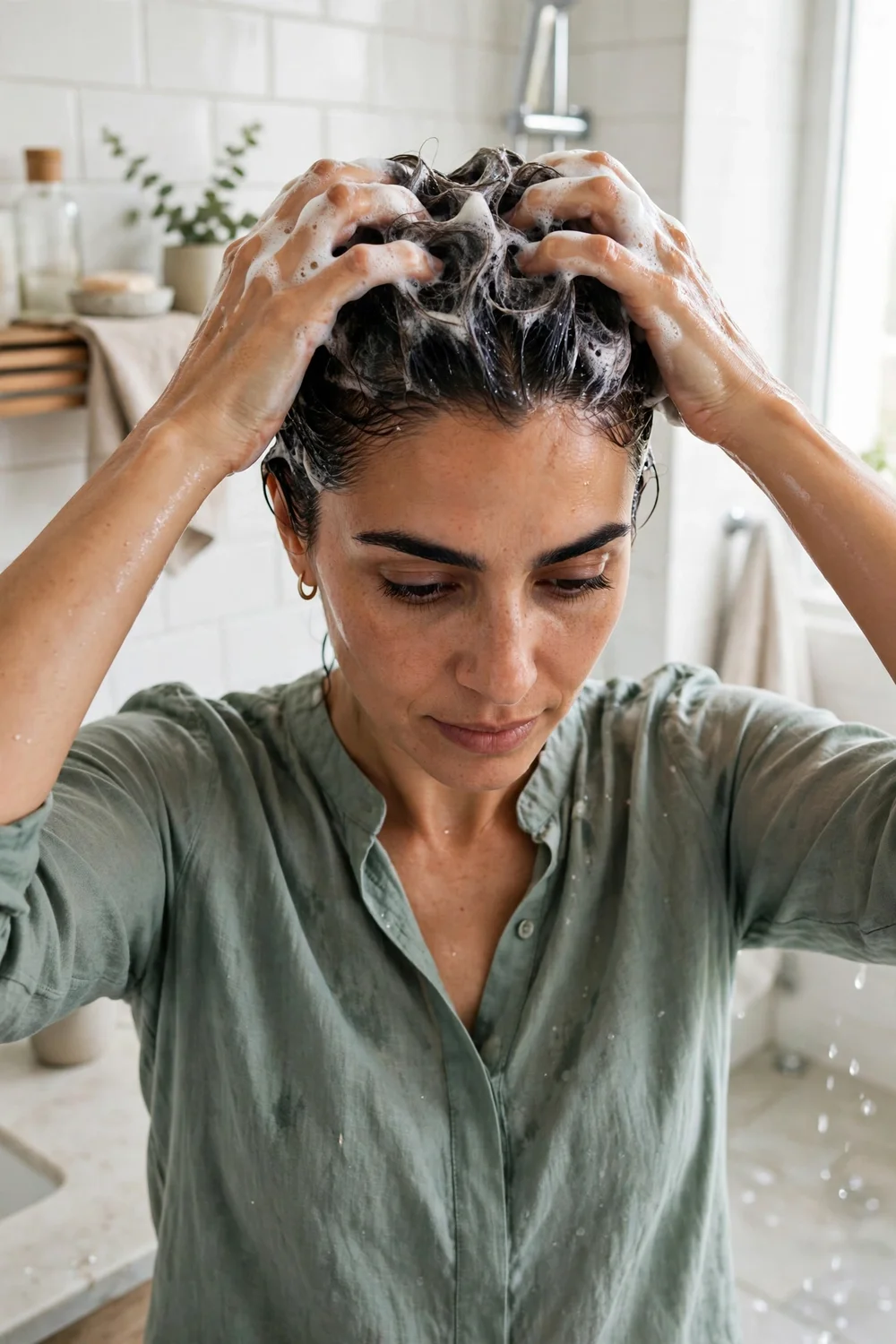
Underwashing has its own costs. Oil, sweat, and product can clog follicles and feed irritation, which leads to itch, odor, and sometimes increased shedding. The goal is balance: clean enough to keep the scalp comfortable, gentle enough to avoid stripping the lengths.
Is It Bad to Wash Your Hair Every Day?
Daily washing is fine for some people and rough on others. It usually works if your scalp is oily, you sweat every day, or you use heavy styling products. It tends to cause dryness, frizz, and breakage on curly, coily, color-treated, or chemically processed hair.

If you wash daily, use a gentle or sulfate-free shampoo, keep the water warm rather than hot, and condition the mid-lengths and ends every time. If your scalp gets oily again within a day no matter what, the issue may be your formula rather than your frequency.
If your scalp gets oily fast, our guide to the best shampoo for oily hair can help you pick a formula that cleans without stripping.
What Changes Your Wash Schedule
Your baseline is only half the story. These factors move wash day earlier or later.
- Sweat and workouts. Daily heavy exercise usually means rinsing or washing daily. A water-only rinse plus conditioner on the ends can be enough between full washes.
- Climate. Humid weather makes scalps oilier faster. Cold, dry air dries out lengths, so winter often means fewer washes with more conditioning.
- Styling products. Gel, mousse, hairspray, and leave-ins build up. The more you use, the sooner you need a real wash.
- Color-treated or bleached hair. Processed hair is drier and more fragile, so most colorists suggest stretching washes and using sulfate-free formulas to protect the color.
- Age. Oil production slows with age, so many people find they need fewer washes in their 50s and 60s than they did in their 20s. Teens, with surging oil production, often need the opposite.
- Water quality. Hard or chlorinated water leaves mineral film that makes hair feel coated and dull. If your hair never feels fully clean, a clarifying shampoo once a month or a shower filter can help.
How to Wash Your Hair Without Damage
Technique matters as much as frequency. Most damage comes from how people wash, not how often.
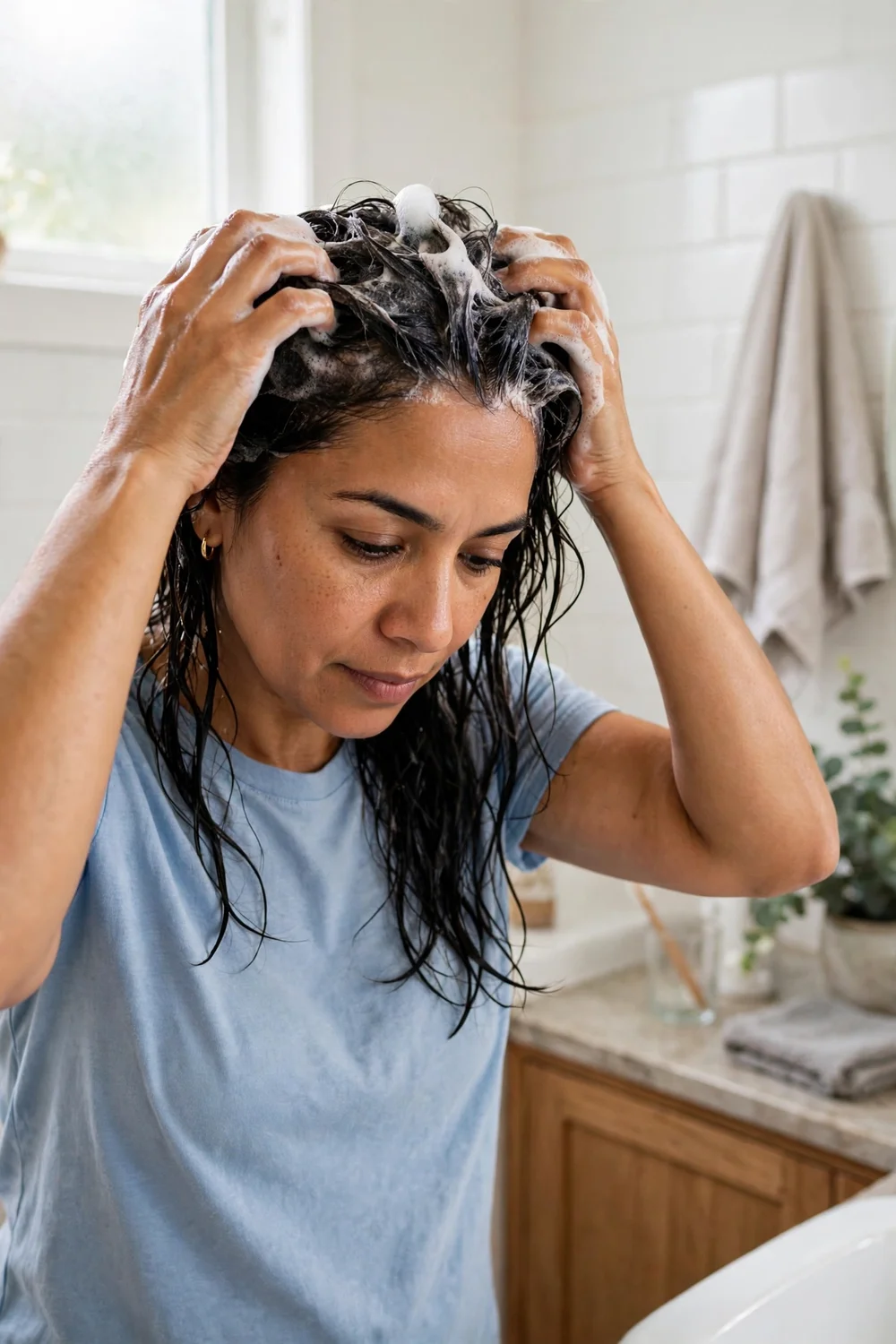
- Wet hair fully with warm water before any product touches it.
- Use a small amount of shampoo and massage it into the scalp with your fingertips, not nails, for about a minute.
- Let the suds run down the lengths as you rinse. Do not scrub the shafts directly; that roughs up the cuticle.
- Apply conditioner from the mid-lengths to the ends only. Keep it off the scalp unless your scalp is very dry.
- Rinse with cool water for a final pass to smooth the cuticle.

It helps to know what each product actually does, so read shampoo vs conditioner for a clear breakdown before your next wash.
Between Washes: Alternatives That Work
Stretching wash days is easier with a few helpers, but each has limits.
- Dry shampoo. Good for absorbing oil at the roots for a day or two. Spray at the roots, wait a few minutes, then massage and brush through. Do not layer it for many days in a row, since the powder itself can irritate the scalp.
- Co-washing. Washing with conditioner only suits dry, curly, or coily hair. It does not clean well enough for oily scalps.
- Scalp-only rinses. A quick water rinse of the scalp between washes removes sweat without a full shampoo.
- Clarifying shampoo. Use once or twice a month to reset buildup, not as a daily driver. It cleans deeply and can dry out lengths with frequent use.

Whatever you use between washes, check the label first. Here are ingredients to avoid in hair products so you do not trade oil for irritation.
Washing Coily Hair and Protective Styles
Coily and 4c hair loses moisture fast, so the AAD recommends washing at most every 1 to 2 weeks and conditioning every time. Detangle gently while the conditioner is in, working from the ends upward, and seal with an oil or cream if your routine includes one.

For braids, cornrows, and weaves, wash every 7 to 10 days. Dilute the shampoo, apply it to the scalp with an applicator bottle, massage gently, and rinse well without roughing up the style. For wigs and sew-ins, wash the unit itself every 1 to 2 weeks, or sooner if you sweat heavily in it. Locs do well with a wash every 1 to 2 weeks; retwist on damp, clean hair so the roots set neatly.
If frizz shows up no matter how carefully you wash, start with how to get rid of frizzy hair to fix the routine behind it.
The 24-Hour Scalp Test: Find Your Scalp Type at Home
Most guides say “know your scalp type” without telling you how. Here is a simple test you can do tonight.
- Wash your hair as usual in the evening and let it air dry with no styling products.
- The next evening, about 24 hours later, press a clean tissue or blotting paper against your scalp at the crown and behind your ears.
- Oily scalp: the tissue picks up a clear grease spot. Normal scalp: a faint mark or none at all. Dry scalp: no oil, and the scalp may look flaky or feel tight.
Match the result to the table above. Oily scalps usually land on the frequent end of their hair-type range, dry scalps on the stretched end. Repeat the test if you change shampoos, since formulas change oil behavior.
How to Stretch Your Wash Days: A 3-Week Plan
Going from daily washing to 2 or 3 times per week works best as a gradual shift. A sudden jump usually means a week of greasy roots, which is why most people quit.
- Week 1: Move one wash day. If you wash daily, pick one day to skip and use dry shampoo at the roots that morning instead.
- Week 2: Wash every other day. On skip days, try a hairstyle that hides oil at the roots, like a low bun or a braid, and do a scalp-only water rinse after workouts.
- Week 3: Settle into your target schedule from the hair-type table. Keep dry shampoo for emergencies only, not as a daily layer.

Some oil rebound in week one is normal. Scalps that were washed daily often overproduce oil at first, then settle as washing eases off. If greasiness does not ease by week three, your scalp may simply want the more frequent end of its range, and that is a fine answer too.
FAQs
Is it bad to wash your hair every day?
Not always. Daily washing suits oily scalps, daily workouts, and heavy product use. It can dry out curly, coily, color-treated, or chemically processed hair, so those hair types should wash less often and condition well each time.
How often should you wash thin or fine hair?
Every 1 to 2 days for most people. Fine hair shows oil faster because sebum coats each thin strand quickly. A light, sulfate-free shampoo keeps it clean without weighing it down.
How often should you wash curly or 4c hair?
Curly hair does well with a weekly wash, and coily or 4c hair with washing every 1 to 2 weeks. Condition after every wash, detangle gently, and cleanse the scalp rather than scrubbing the lengths.
Does washing your hair more make it grow faster?
No. Hair growth speed is set by your follicles, and washing cannot change it. Regular washing does reduce breakage and keeps the scalp healthy, so you keep more of the length you grow.
Can dry shampoo replace washing your hair?
For a day or two, yes. Longer than that, no. Dry shampoo absorbs oil but does not clean the scalp, and layered powder can cause itching and buildup. Treat it as a bridge between washes, not a substitute.
Final Thoughts
Start with the schedule for your hair type, check it against the scalp test, and adjust over three weeks. Your scalp will tell you when the routine is right: comfortable, flake-free, and clean without that stripped feeling. That is the whole goal.
