


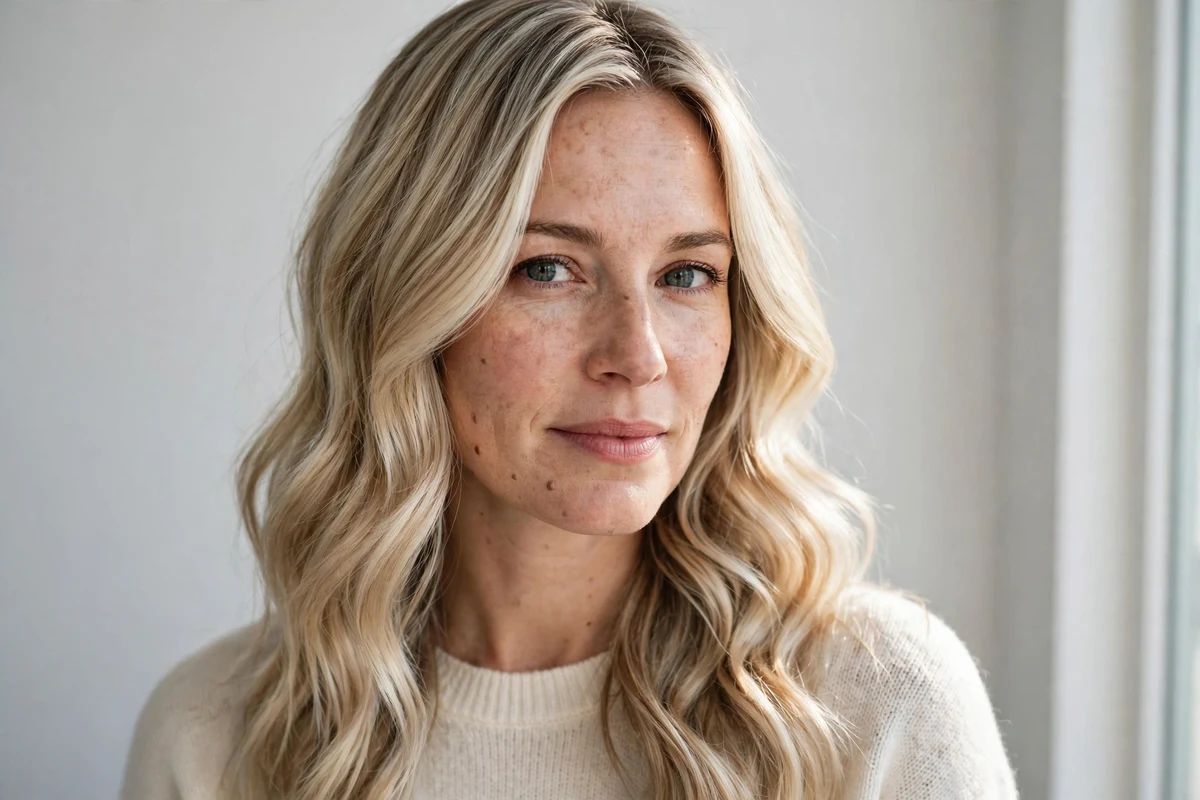
Winter highlights for blondes are all about technique, not just shade. Cold air and indoor heating dry out lightened hair, so the smart move is a highlight method that pairs color with a winter plan: gentler toning, purple shampoo on a schedule, and placements that grow out cleanly between salon visits. This guide covers 23 highlight looks built for blonde hair in winter, from icy babylights to warm buttery ribbons, each with a “Try this” tip, difficulty level and typical salon cost.
See what else is trending this season in our fall hairstyle trends, from cuts to colors.
Quick Takeaways
- Winter toning matters more than in summer: cool blondes usually need a gloss or toner refresh every 4 to 6 weeks to fight brassiness.
- Low-commitment placements (balayage, sombre, root melts) win in winter because regrowth is soft and appointments can stretch to 10 to 12 weeks.
- Purple shampoo once a week is the baseline; dry winter hair needs a hydrating mask on the same rotation to stop lightened ends from snapping.
- Foil highlights give the brightest lift, balayage gives the softest grow-out, and babylights give the most natural shimmer on fine hair.
- Heat protectant is non-negotiable: lightened blonde plus hot tools plus dry air is the fastest path to breakage.
1. Champagne Blonde Highlights
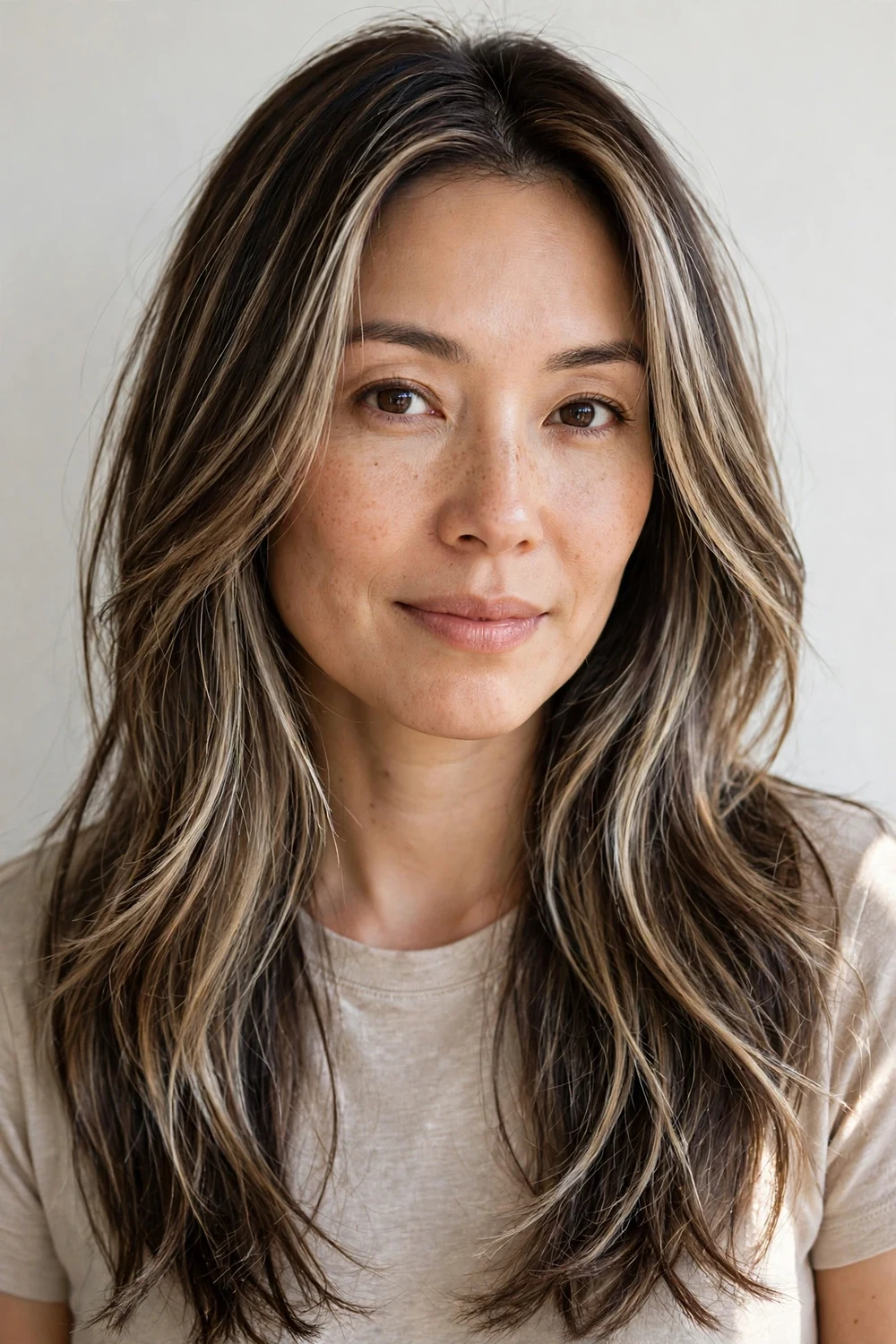
Champagne blonde highlights sit right between cool and warm, which makes them the most forgiving winter option for natural blondes. The stylist weaves fine sections through the mid-lengths, toning them with a pearlescent champagne gloss that catches light without looking frosty. This look flatters medium to light skin tones and works on straight or softly waved hair. In winter, ask your colorist for a slightly warmer champagne formula than usual; overly ashy toners can read grey under indoor lighting.
Try this: Use a violet toning shampoo once a week to hold the champagne tone, and pair it with a hydrating mask the next wash so the lightened pieces stay elastic.
Difficulty: Moderate | Salon cost: $120–$200 (partial highlights + gloss)
2. Icy Blonde Babylights
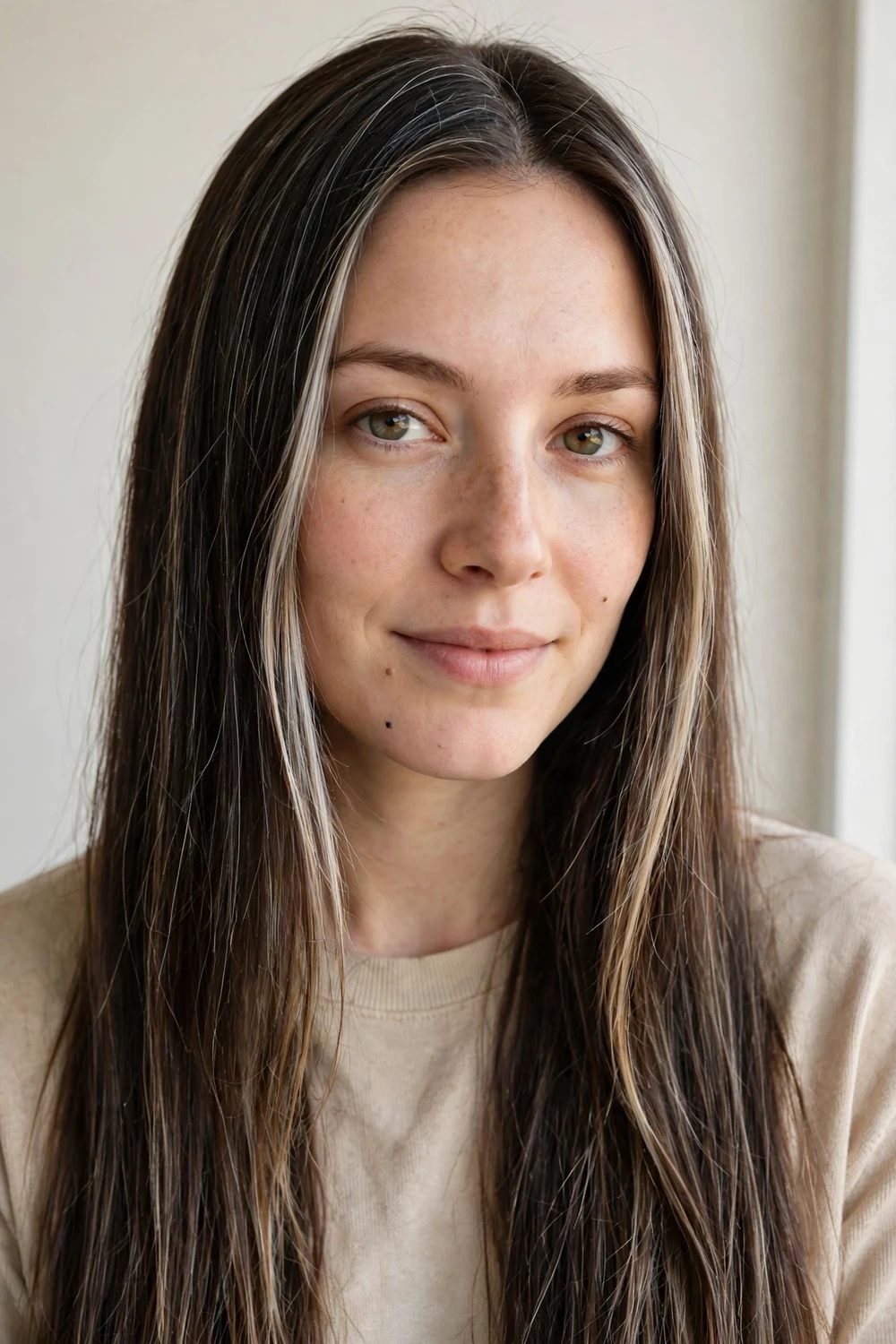
Icy blonde babylights use ultra-fine weaves to lift tiny strands to a crisp, cool blonde. Because the sections are so small, the result reads as an overall frost rather than visible stripes, which suits women who want brightness without obvious regrowth. This is a high-commitment look: icy tones fade fast, so a toner refresh every 4 to 5 weeks is standard. It pairs best with fair to medium skin tones. Fine hair shows babylights especially well since there is less surface for harsh lines to show.
Try this: Book your toner appointments when you book the highlights; spacing them 4 to 5 weeks apart keeps the ice from warming out unevenly.
Difficulty: Advanced | Salon cost: $150–$240 (babylights + toner)
3. Buttery Blonde Balayage Highlights
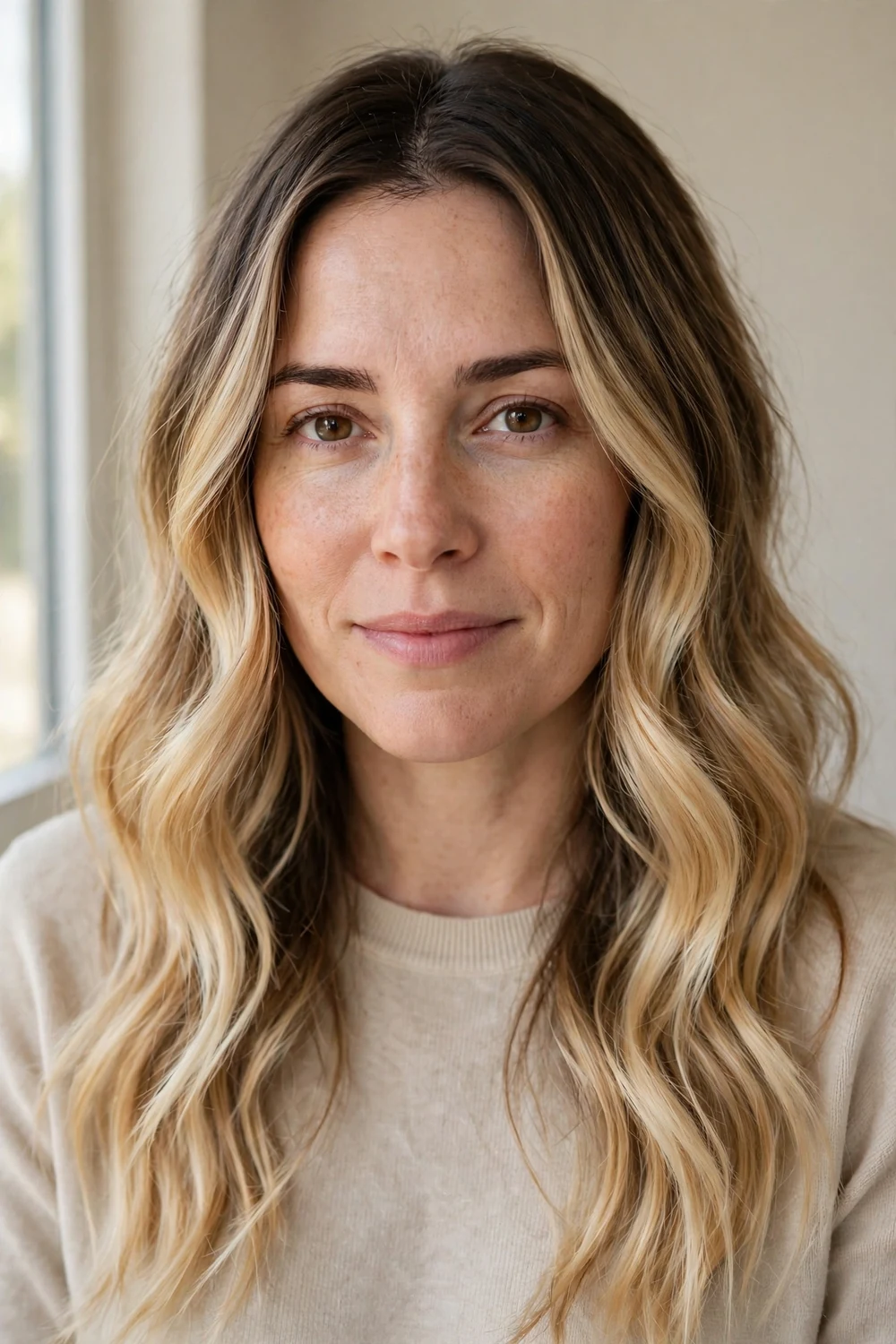
Buttery blonde balayage is hand-painted in soft ribbons that start mid-shaft and brighten toward the ends, leaving your natural root depth untouched. The warm, creamy tone is one of the most comfortable winter choices for blondes whose skin tends to look washed out in January. Balayage grows out gracefully, so most women go 10 to 12 weeks between touch-ups. A clear gloss at the 6-week mark keeps the butter from dulling. This method suits medium to thick hair best, where the painted ribbons have room to show.
Try this: Sleep on a silk pillowcase to cut down on friction; balayage ribbons fray fastest on dry winter bedding textures.
Difficulty: Moderate | Salon cost: $150–$280 (full balayage + gloss)
4. Pearl Blonde Highlights
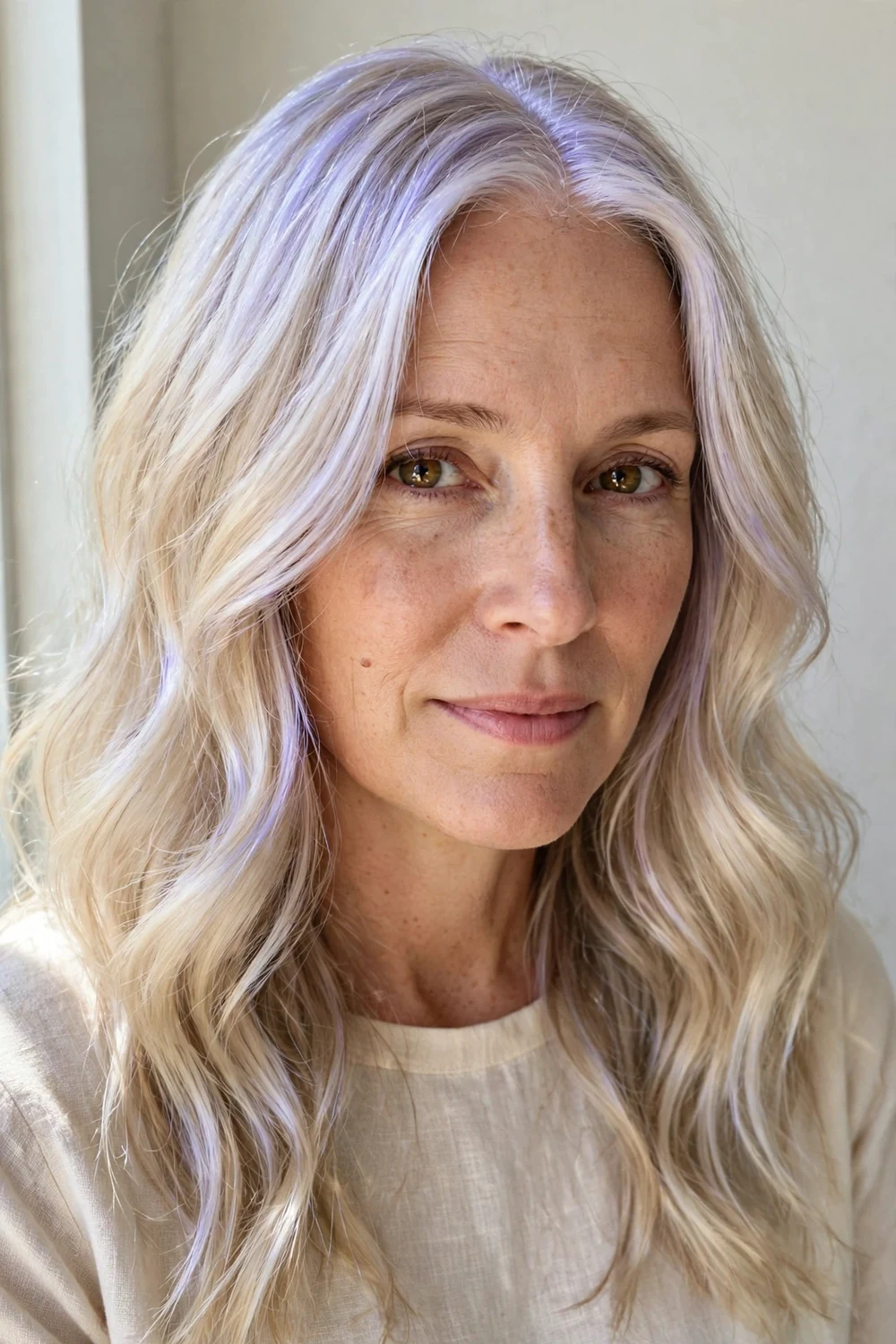
Pearl blonde highlights take lightened hair and tone it with an iridescent violet-white gloss that shifts in different light. The technique is usually fine foils through the crown and face frame, with the pearl toner applied globally so every piece shares the same sheen. This is a cool-toned look that photographs like moonlight, so it is a favorite for holiday events. Keep expectations realistic: the pearl tone needs refreshing every 4 to 6 weeks, and it fades quickest on porous ends.
Try this: Rinse with cool water after conditioning; hot water opens the cuticle and washes pearl toners out in days instead of weeks.
Difficulty: Moderate | Salon cost: $130–$220 (foil highlights + pearl gloss)
5. Honey Blonde Sombre
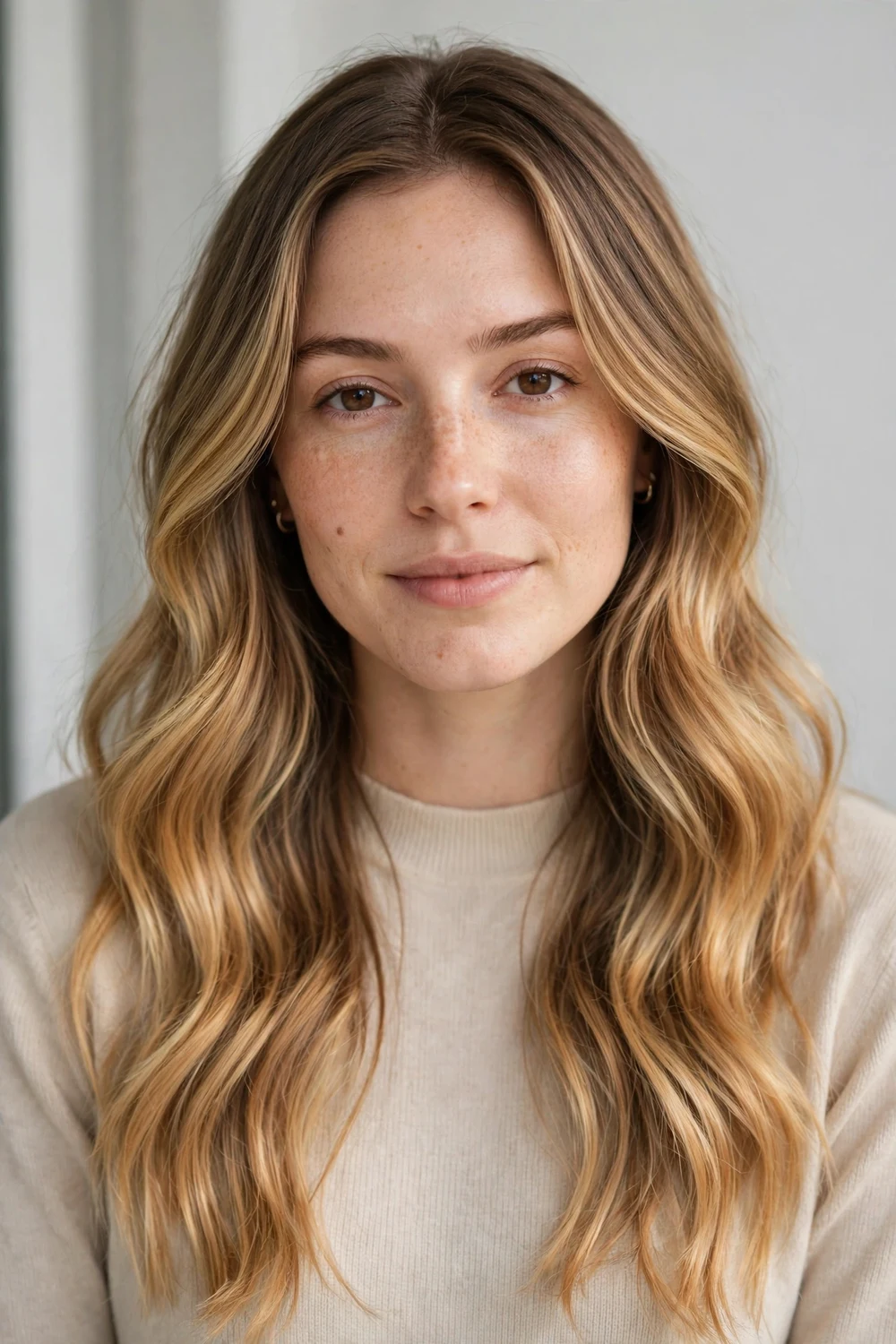
A honey blonde sombre (soft ombre) melts golden honey tones from the mid-lengths down into lighter ends, with almost no demarcation line. It is the lowest-contrast way to warm up winter blonde, and the placement means grow-out is nearly invisible. This is a strong pick for busy schedules since touch-ups can wait 12 to 16 weeks. The honey tone flatters warm and neutral skin undertones. Because the ends carry the lightest color, trim a half inch every 8 weeks so the melt always ends on healthy hair.
Try this: Apply a leave-in conditioner to the ends before blow-drying; the lightest part of a sombre is the most fragile in winter.
Difficulty: Easy | Salon cost: $120–$200 (sombre application)
6. Golden Beige Balayage Highlights
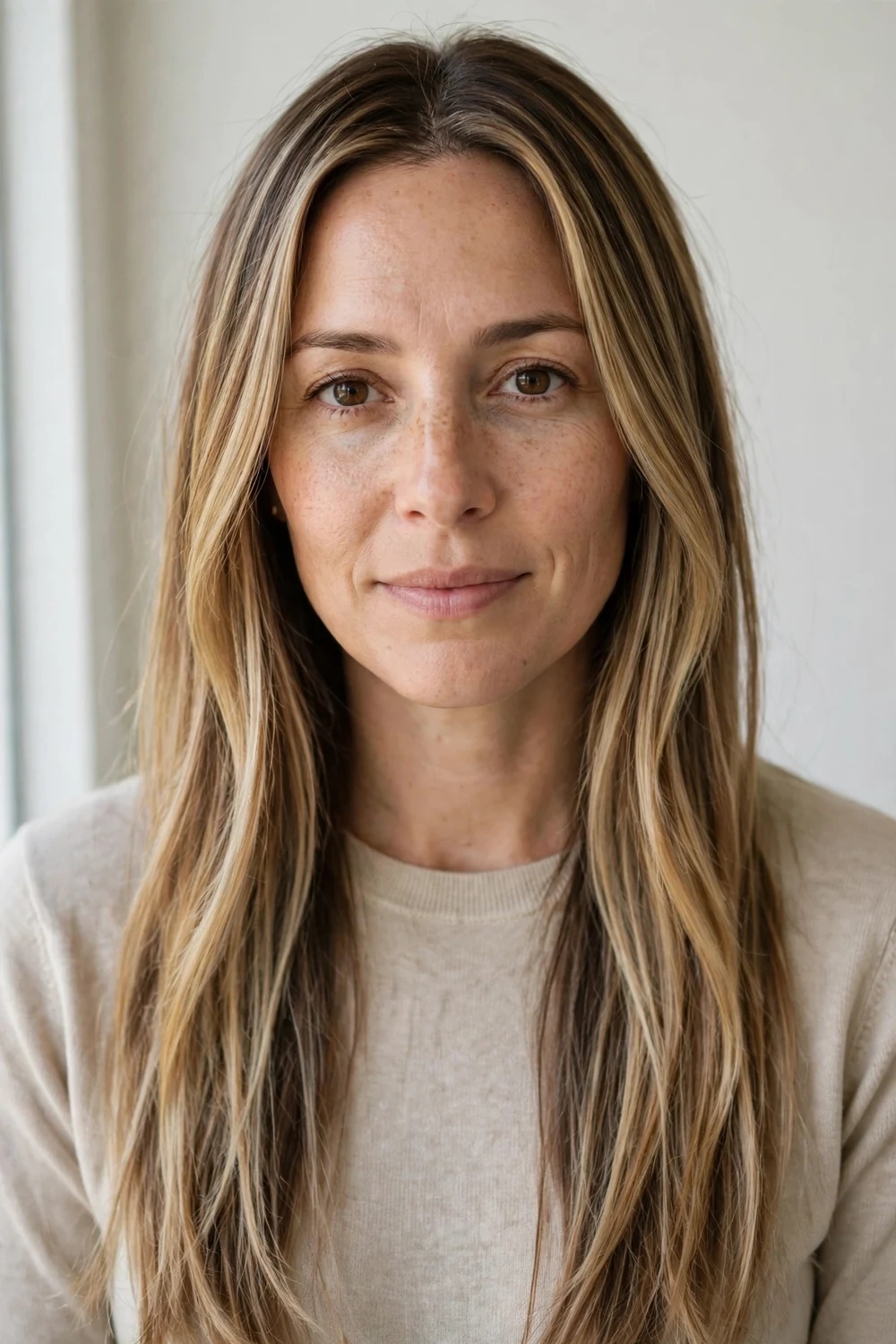
Golden beige balayage blends warm gold into neutral beige ribbons, landing between buttery and sandy. The mixed tone is why it suits so many women: warm enough to glow against pale winter skin, neutral enough not to go brassy. Your stylist paints the ribbons with varied thickness so the result has dimension rather than uniform stripes. Expect to refresh the gloss at 8 weeks and the full balayage at 12. This look shows best on hair that is naturally dark blonde to medium blonde underneath.
Try this: When booking, ask for a beige-dominant toner if your water runs mineral-heavy; it resists orange cast better than gold-dominant formulas.
Difficulty: Moderate | Salon cost: $150–$260 (full balayage + gloss)
7. Creamy Blonde Highlights
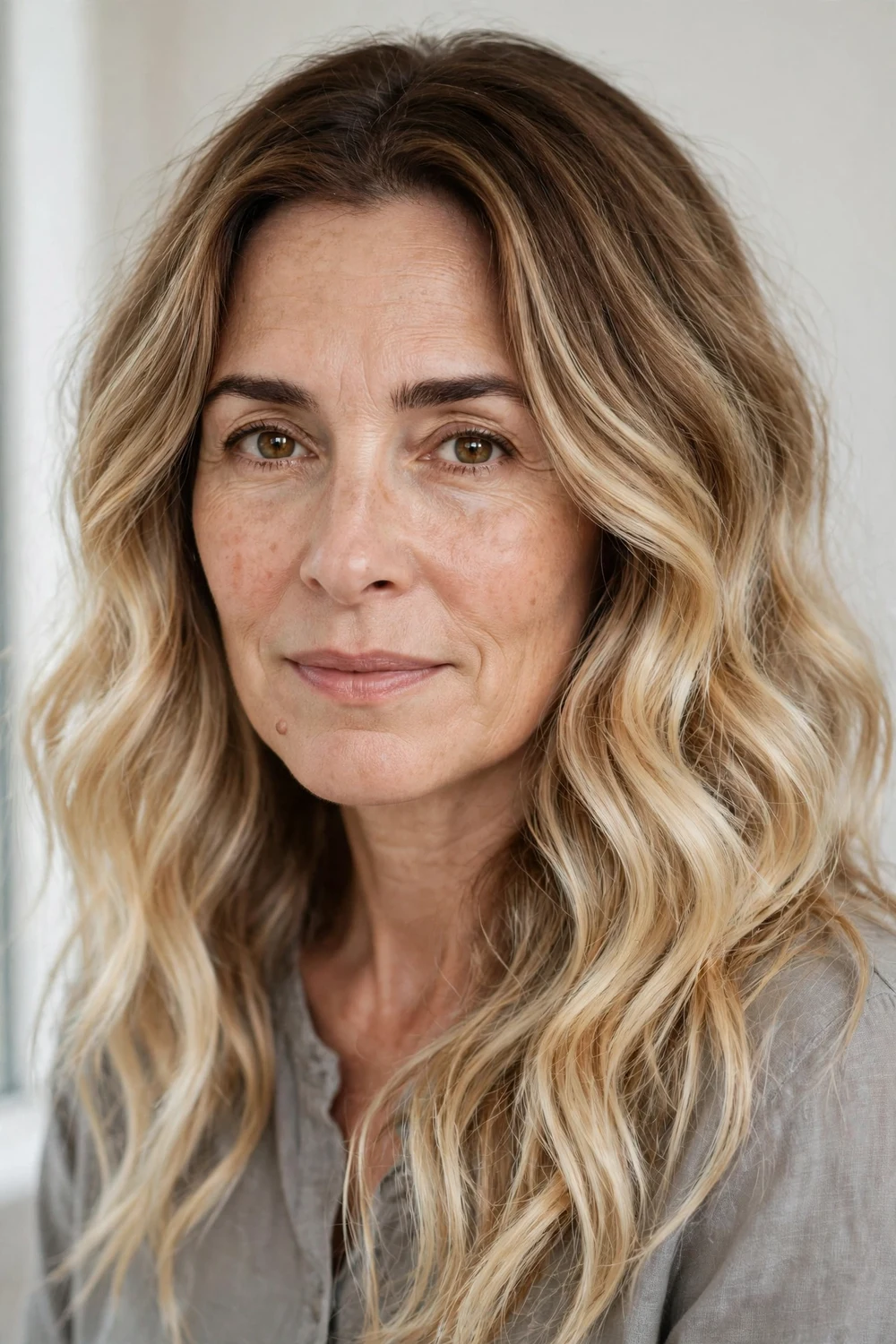
Creamy blonde highlights build from a slightly deeper natural root into soft buttery lengths, using a mix of fine foils and a creamy neutral toner. The overall effect is plush and dimensional without stark contrast, which is why it works through every month of winter. The deeper root means regrowth blends for 8 to 10 weeks before a touch-up is needed. If you like exploring more all-over winter blonde shades alongside your highlights, winter hair color ideas shows how highlight placements pair with full-color looks.
Try this: Ask for a demi-permanent creamy toner rather than permanent color; it fades on tone instead of growing out with a line.
Difficulty: Easy | Salon cost: $110–$190 (partial highlights + toner)
8. Frosty Blonde Melt
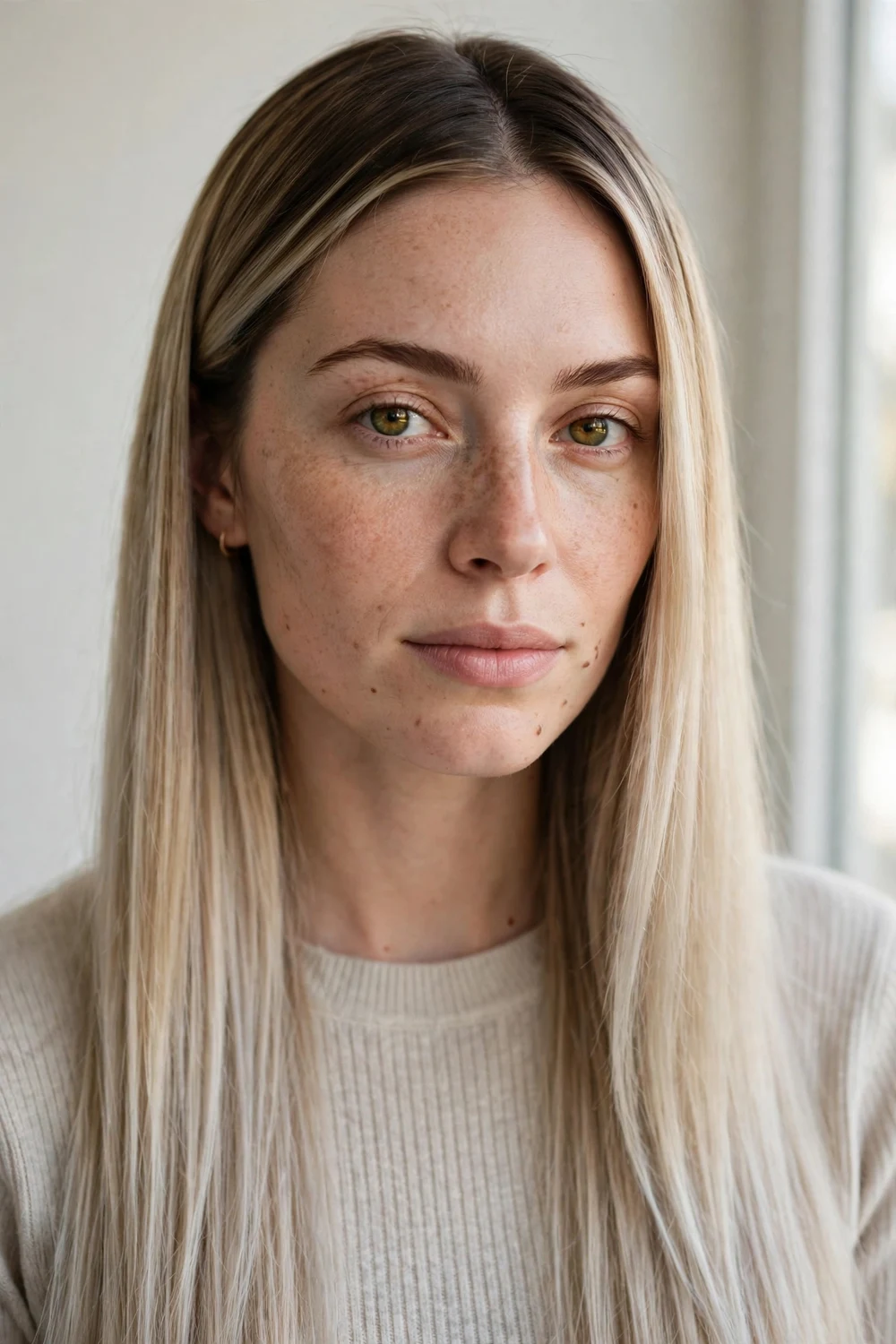
A frosty blonde melt takes icy highlighted ends and melts them into a darker natural root with no visible line. The technique uses back-to-back teasylights near the root so the icy color seems to grow out of the scalp naturally. This is one of the smartest winter options for blondes who want cool tones but not constant salon visits: the melt disguises regrowth for 10 to 12 weeks. Fair skin tones get the most from this look. The main trade-off is brightness; a melt is softer at the root by design, so the frame around the face does the lifting.
Try this: Keep a purple toning mask on hand for the week before events; it revives the frost on the mids and ends without a salon trip.
Difficulty: Advanced | Salon cost: $160–$260 (melt + teasylights + toner)
9. Frozen Caramel Highlights
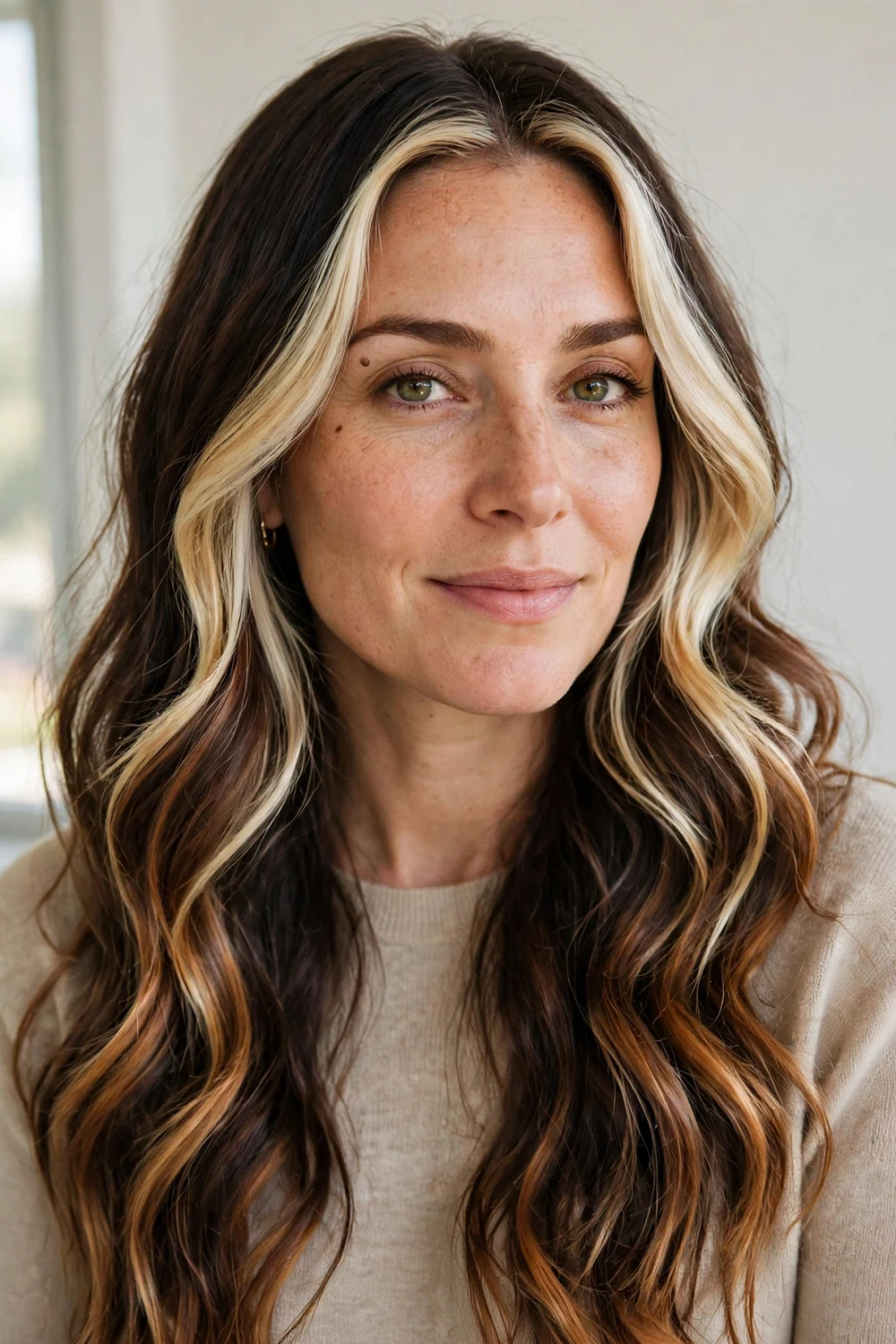
Frozen caramel highlights mix warm caramel ribbons with cool blonde pieces for deliberate contrast. The caramel goes through the lower layers and ends while the cooler blonde frames the face, so the overall look reads dimensional instead of flat. This combination is practical in winter: the warmth keeps the skin from looking sallow, while the cool pieces give that seasonal crispness. Maintenance sits in the middle ground; refresh the toner every 6 to 8 weeks. Medium skin tones handle this contrast especially well.
Try this: If one side fades faster, ask your stylist to place the caramel pieces slightly deeper in the hair where they get less sun and less washing wear.
Difficulty: Moderate | Salon cost: $130–$230 (foil highlights + dual toner)
10. Winter Wheat Highlights
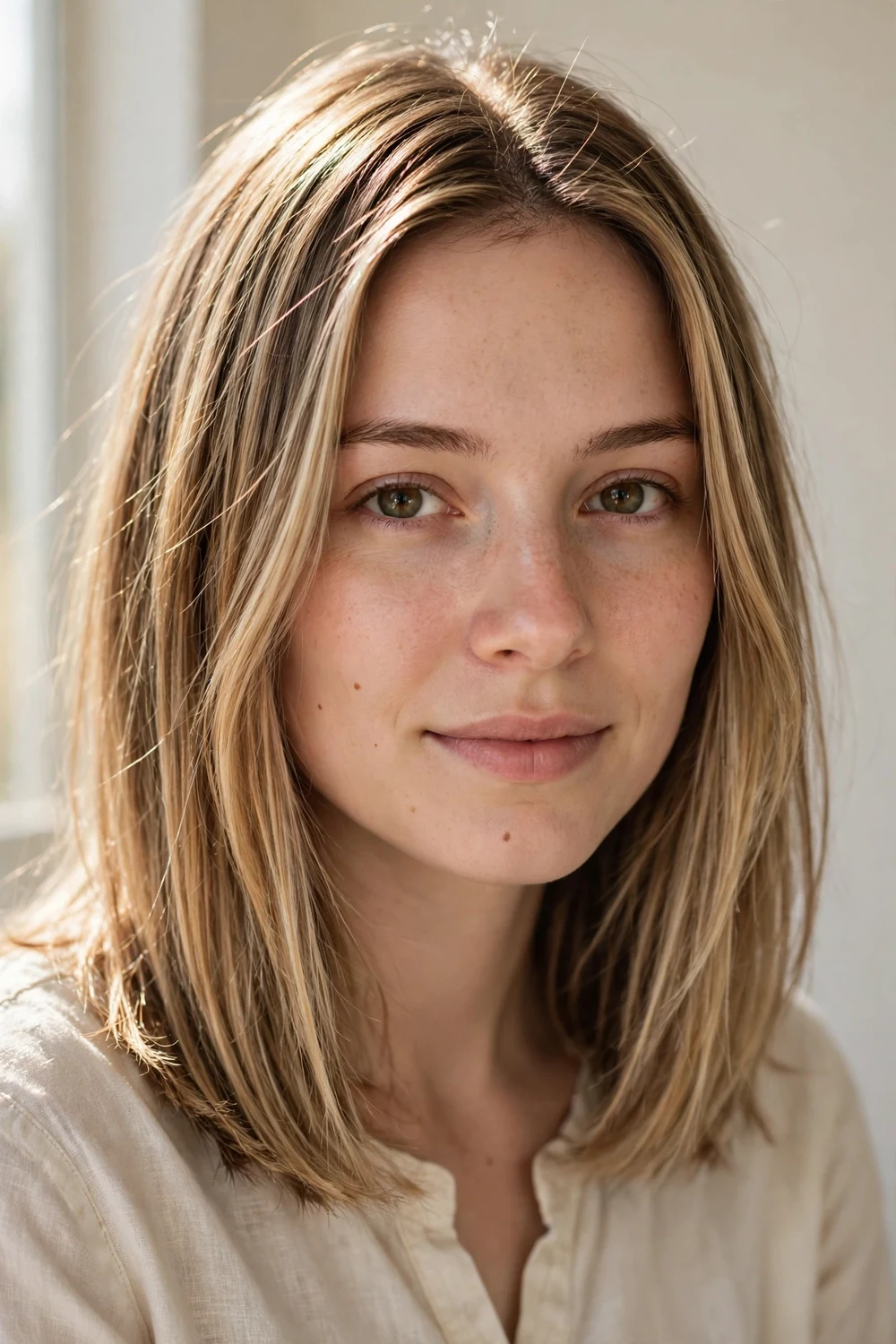
Winter wheat highlights are fine, scattered golden strands that mimic the way summer blonde would look faded into winter. The placement is deliberately sparse; the goal is a sun-kissed whisper rather than obvious color. Because so little hair is lifted, this is one of the least damaging highlight options and the cheapest to maintain, with touch-ups every 10 to 14 weeks. It suits fine hair since the fine strands blend seamlessly. Pair with a moisturizing routine rather than a toning one, as the golden tone rarely needs correction.
Try this: Use this as a trial run for going lighter; if you love the golden pieces after two months, ask for a second pass at the same appointment rhythm.
Difficulty: Easy | Salon cost: $90–$160 (scattered partial highlights)
11. Frosty Balayage Highlights
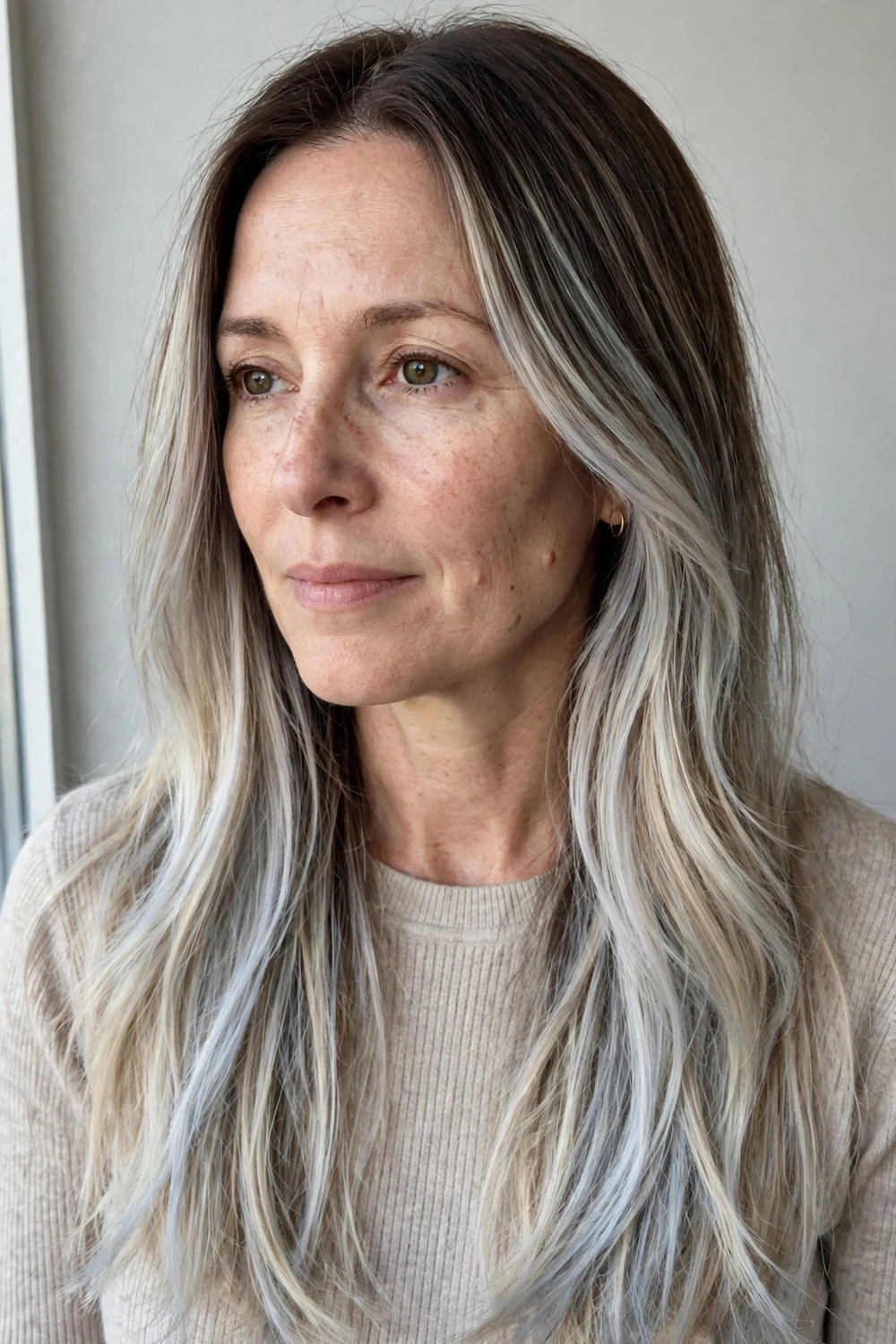
Frosty balayage takes the freehand painted technique and tones the ribbons to a cool, icy finish. It gives the lived-in softness of balayage with the crisp tone winter favors, so it suits women who want cool blonde without foil lines. The painted application means regrowth is gradual and appointments stretch to 12 weeks. Fair to medium skin tones work best here. One caution: open-air processing can be unpredictable in cold salons, so confirm with your stylist that the lightener processes at full strength for your lift.
Try this: Before your appointment, clarify your hair to remove mineral buildup; uneven buildup is the usual reason balayage lifts patchy.
Difficulty: Advanced | Salon cost: $150–$270 (full balayage + cool gloss)
12. Sugar Dust Blonde Highlights
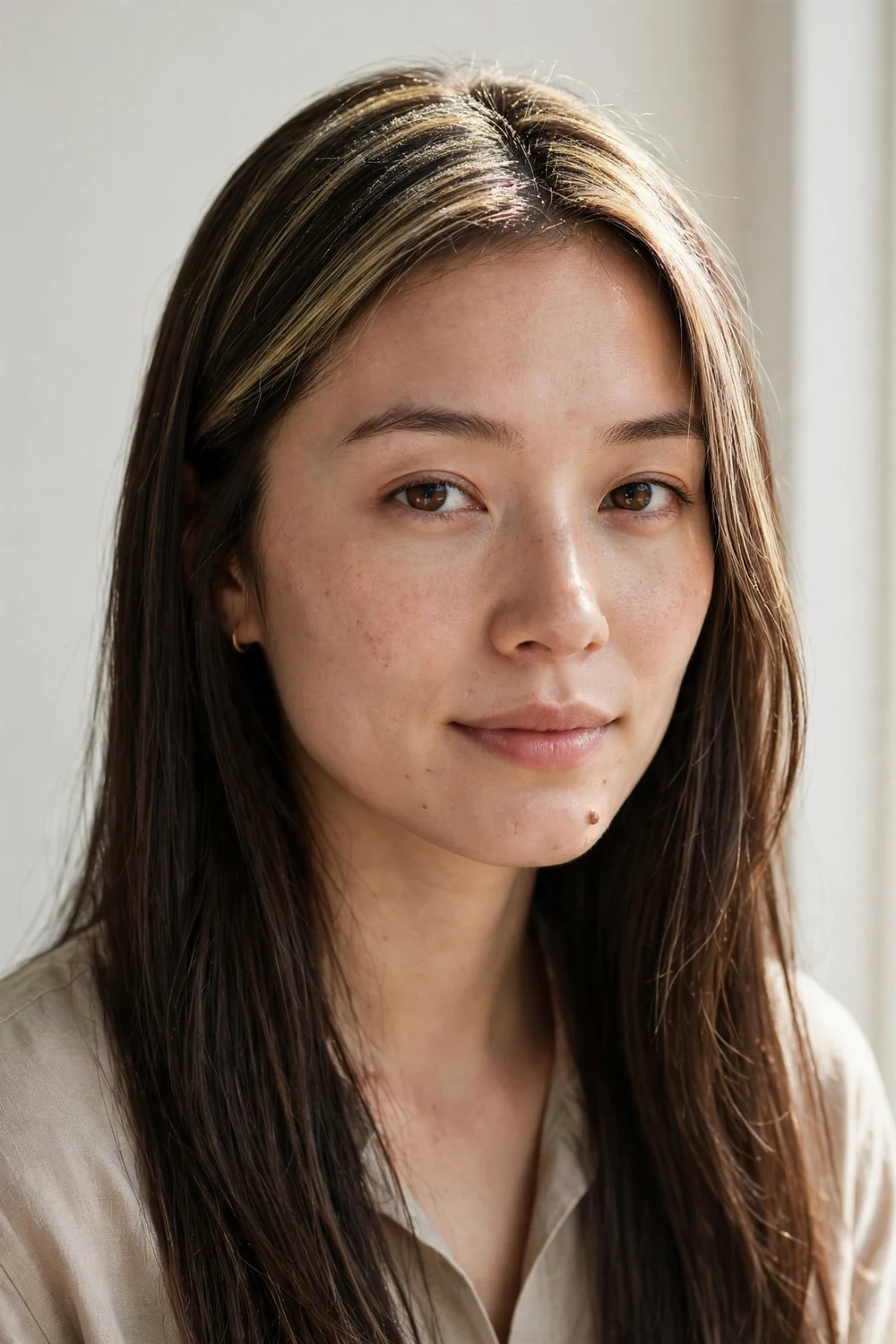
Sugar dust blonde is an ultrafine, sparse highlight that dusts the hair with frosty shimmer the way sugar coats a surface. The technique uses micro-weaves placed only through the top layers, so the effect is delicate and the lift time is short. This is ideal for women trying highlights for the first time or for hair that cannot take heavy bleaching. Upkeep is minimal: a toner refresh at 8 weeks and a second dusting at 16. Because the pieces are so fine, they blend even as they grow out.
Try this: Wear it straight for the first week after coloring; straight styling shows the dusted shimmer most clearly and helps you judge if you want more next time.
Difficulty: Easy | Salon cost: $80–$150 (micro-weave partial highlights)
13. Winterberry Blonde Highlights
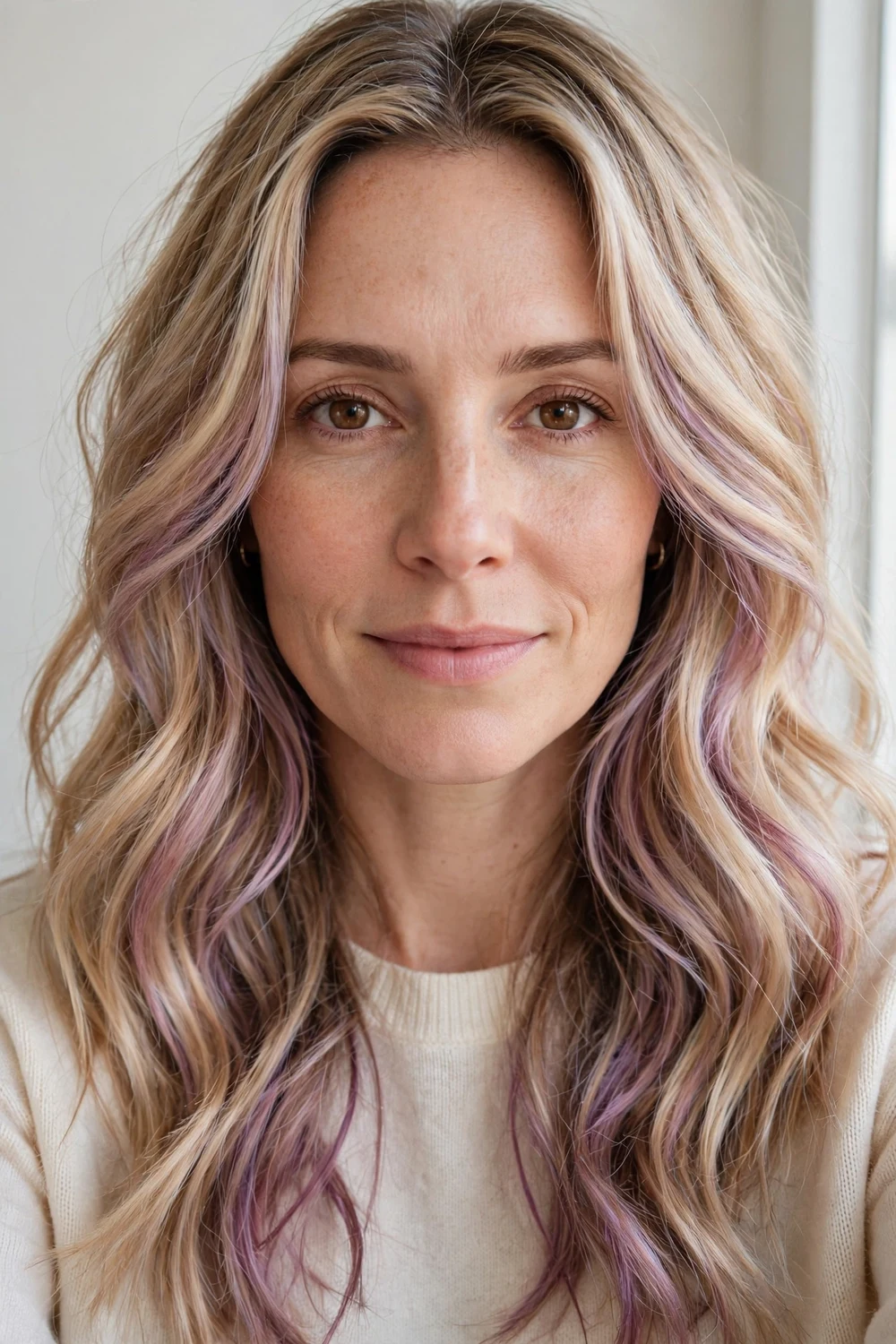
Winterberry blonde weaves a frosted berry-lavender tone into blonde highlights for a seasonal twist. The colorist places the berry pieces strategically, usually underneath and around the face, so the effect is a tint rather than a full fashion color. It fades gracefully over 4 to 6 weeks, which makes it a low-regret experiment. Cool undertones in the skin pick this up nicely. The berry pigment washes out with clarifying shampoos, so switch to a color-safe formula the day you get it done.
Try this: Start with just the face-framing pieces in winterberry; you can expand to more sections at your next visit if the tone suits you.
Difficulty: Moderate | Salon cost: $110–$200 (highlights + fashion toner)
14. Chunky Face-Framing Highlights
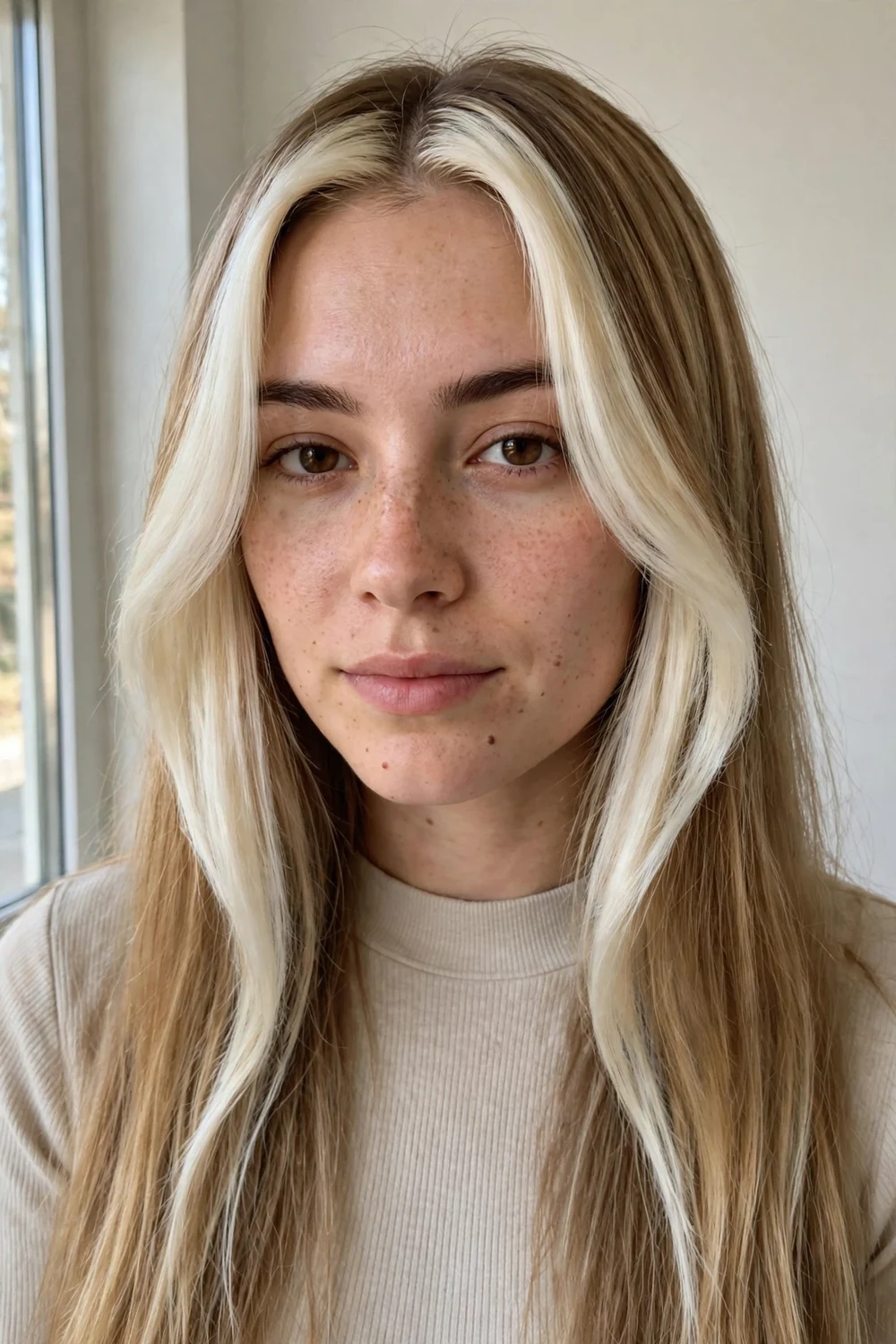
Chunky face-framing highlights place bold platinum sections around the hairline for maximum brightness where it counts. The rest of the hair stays your natural blonde, so the contrast is intentional and graphic. This technique delivers the most visible change per minute in the chair, and it regrows with a clear line, so plan root touch-ups every 6 to 8 weeks. If your natural base sits closer to dark blonde, these highlight ideas for dirty blonde hair show placements that blend high-contrast frames more softly.
Try this: Protect the face-frame pieces with a UV and heat protectant spray; they take the most styling heat and fade first.
Difficulty: Moderate | Salon cost: $70–$140 (face-frame foils + toner)
15. Golden Sandy Blonde Luxe Highlights
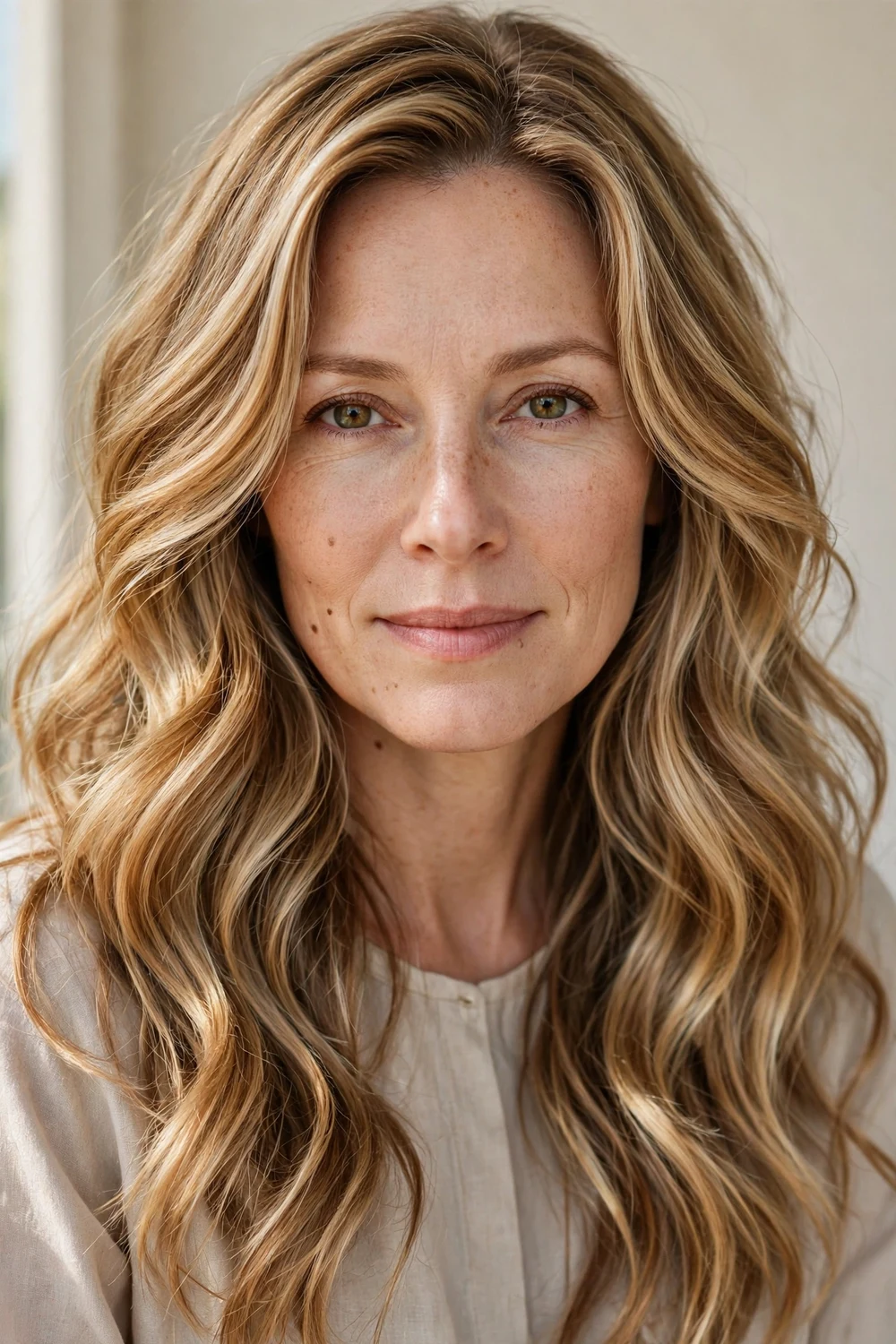
Golden sandy blonde luxe highlights layer warm golden and sandy ribbons through the lengths for a rich, polished finish. The technique blends foils of two neighboring tones so the result has depth without visible striping. This is one of the warmest options in this guide and a reliable choice when winter dullness sets in. Maintenance follows a standard partial-highlight rhythm of 8 to 10 weeks. Thick hair shows the layered tones best. Finish with a smoothing oil to keep the sandy pieces from looking dry under harsh indoor air.
Try this: Ask your stylist to keep the ribbons slightly thicker through the ends; sandy tones lose impact when the pieces are too fine to see.
Difficulty: Moderate | Salon cost: $130–$220 (multi-tone foils)
16. Silver-White Highlights on a Bob
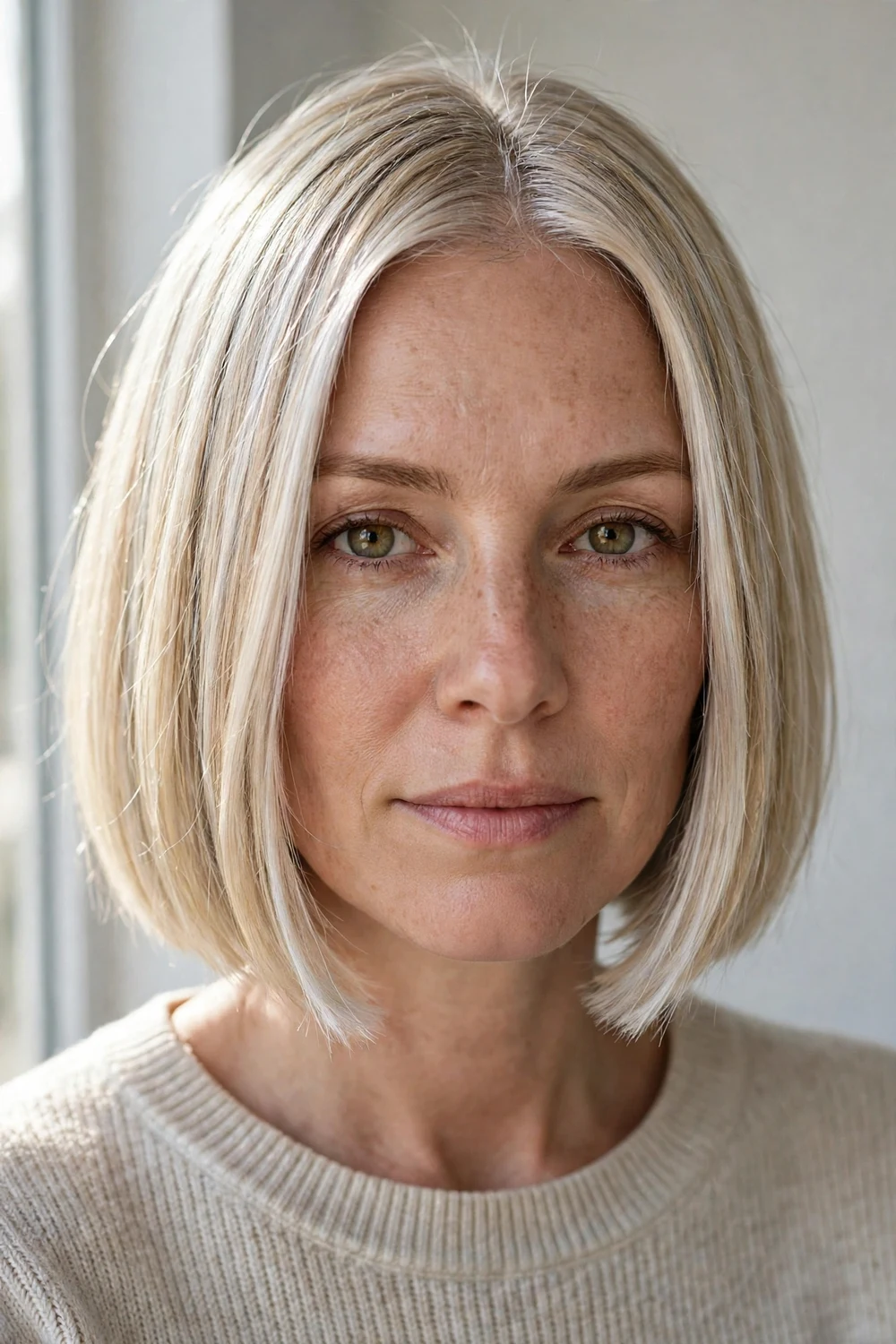
Silver-white highlights on a bob place platinum-silver pieces through a chin-to-shoulder cut for a crisp winter finish. The short length makes the silver read sharper and more deliberate, and the reduced hair length means the service takes less time and costs less than the same tone on long hair. Cool silver toners are the fastest fading of all, so plan refreshes every 3 to 4 weeks. For more inspiration on cool-toned shine in a similar family, these silver highlight ideas show how silver pieces behave on different base depths.
Try this: If you flat iron your bob, apply heat protectant first and keep the iron at or below 380°F; silver toners burn off faster under high heat.
Difficulty: Advanced | Salon cost: $120–$200 (bob foils + silver toner)
17. Soft Root Shadow with Blonde Highlights
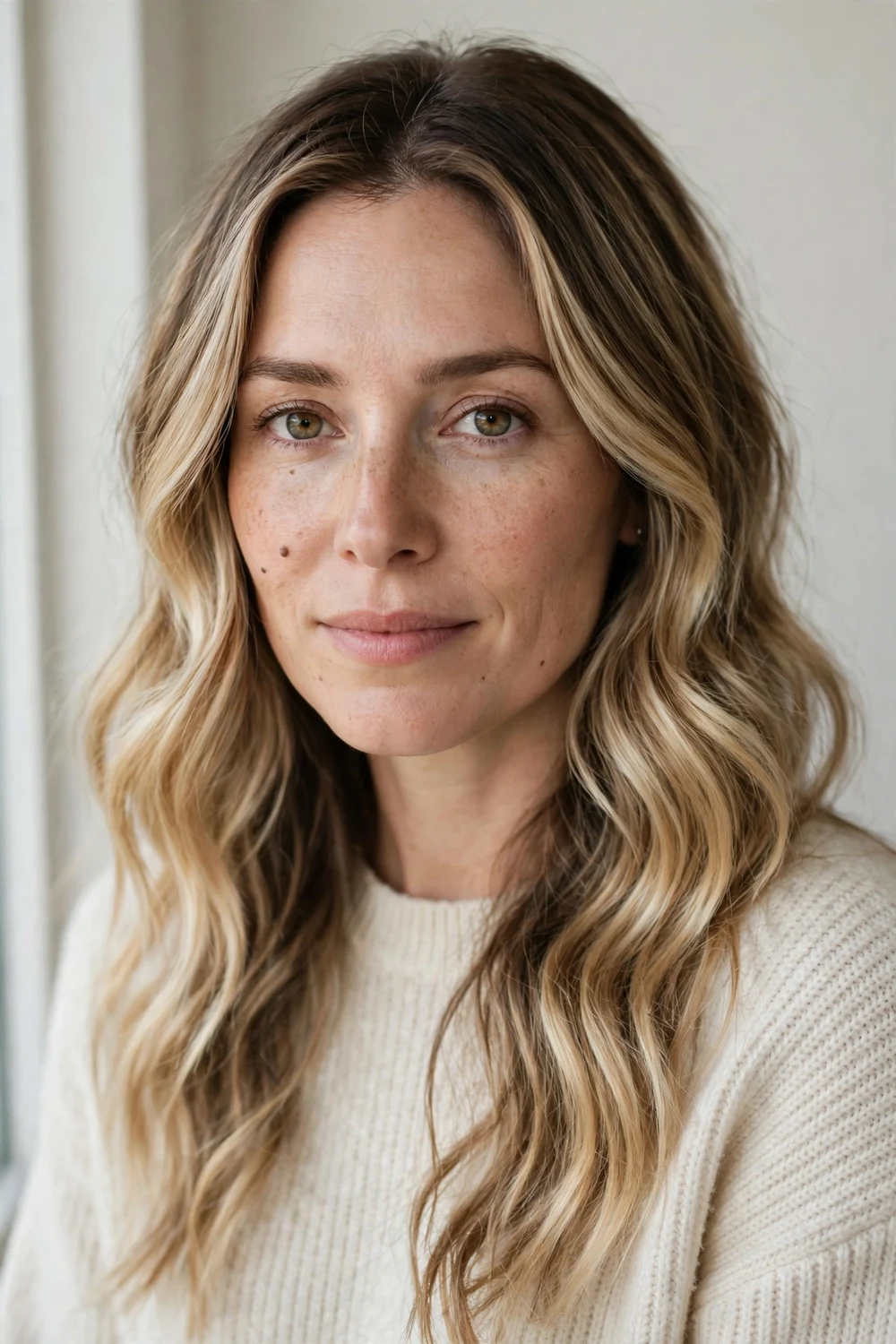
A soft root shadow melts a deeper tone at the root into creamy blonde highlights through the mids and ends. The shadow is applied after the highlights are lifted, smudging the top inch or two so there is no foil line. This is the classic low-maintenance winter blonde: grow-out is invisible for 10 to 14 weeks, and the depth at the root makes fine hair look fuller. It suits every skin tone since the shadow can be matched to your natural depth. The one commitment is the shadow itself fading slightly brassy; a toner touch-up at 8 weeks solves it.
Try this: Bring a photo showing exactly how deep you want the shadow; “soft” means different depths to different stylists.
Difficulty: Moderate | Salon cost: $140–$240 (highlights + root shadow + gloss)
18. Oat-Milk Balayage Highlights
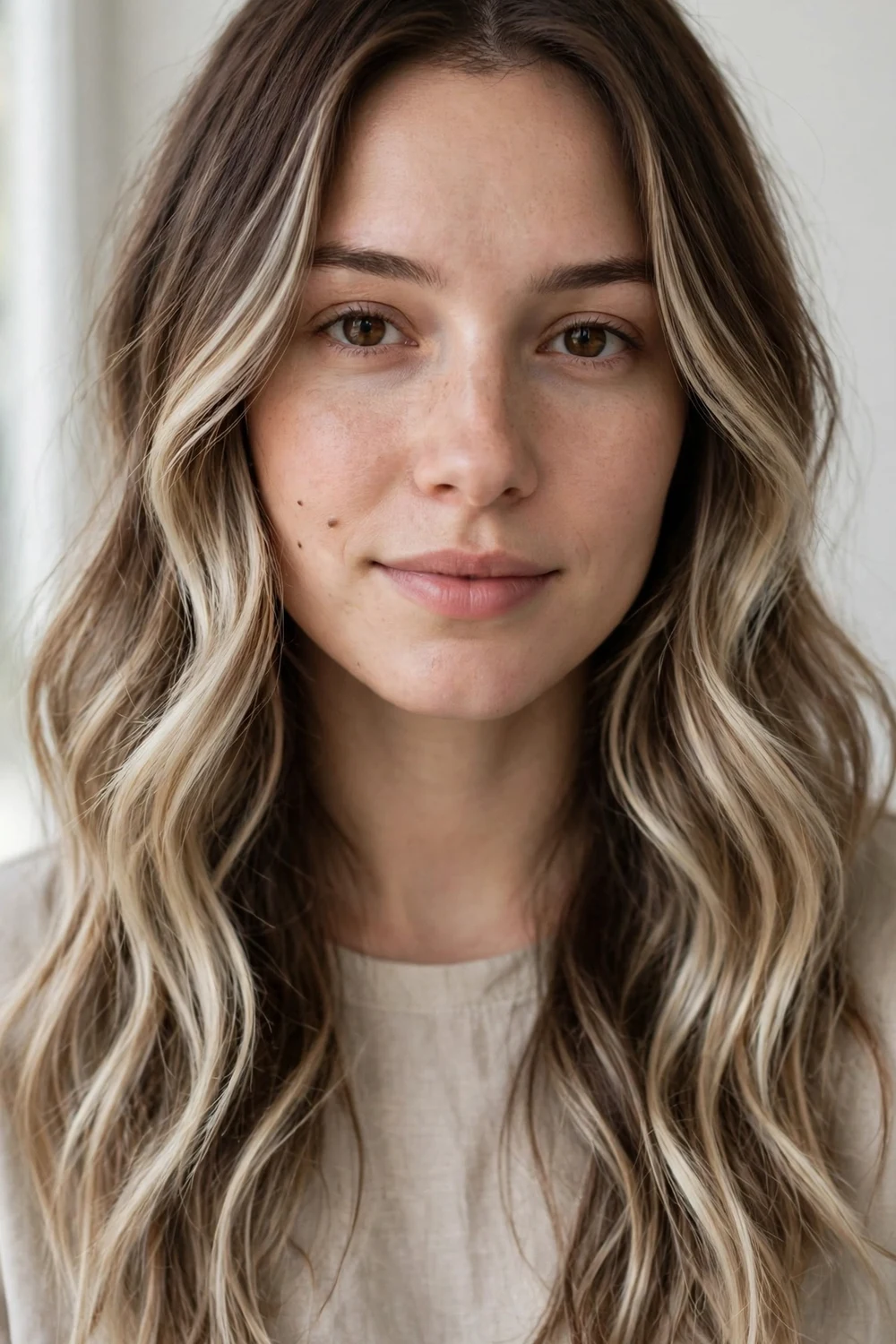
Oat-milk balayage paints creamy, neutral-oat ribbons through the lengths, often with a drop-root option that keeps the top few inches at natural depth. The oat tone is neither warm nor cool, which makes it one of the most versatile winter neutrals for blondes. The drop-root version stretches appointments to 12 to 16 weeks, the longest interval in this guide. This works on straight, wavy or curly textures since the painted ribbons follow the hair’s natural fall. Dry ends drink up gloss quickly, so book the refresh before the tone goes flat.
Try this: Choose the drop-root option if you wash your hair less often in winter; it hides oily roots better than a lifted scalp.
Difficulty: Moderate | Salon cost: $150–$270 (balayage + drop root + gloss)
19. Iced-Champagne Curtain Highlights
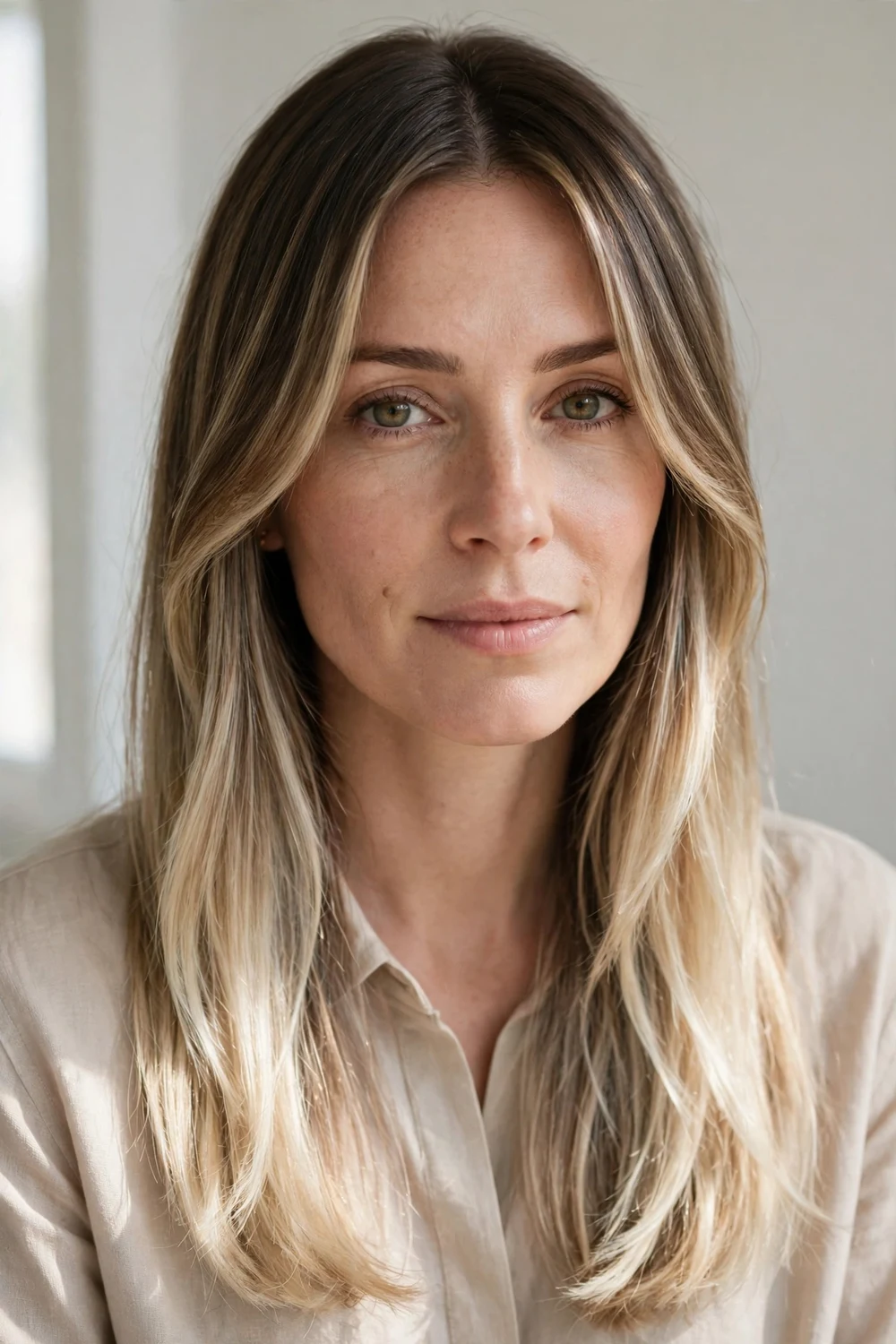
Iced-champagne curtain highlights concentrate pearly champagne pieces through the mids with brighter, almost luminescent ends, parted down the middle so the color frames the face like curtains. The technique combines babylights at the front with hand-painted ends for lift. It is flattering on oval and round face shapes because the curtain placement draws the eye downward. Toner refreshes land every 5 to 6 weeks since the ends carry the lightest, fastest-fading tone. This is a polished pick for holiday photos and winter weddings.
Try this: Style with a middle part and a smooth blowout for the first two weeks; the curtain effect shows best when the front pieces fall cleanly.
Difficulty: Advanced | Salon cost: $150–$250 (babylights + painted ends + toner)
20. Vanilla Bean Babylights
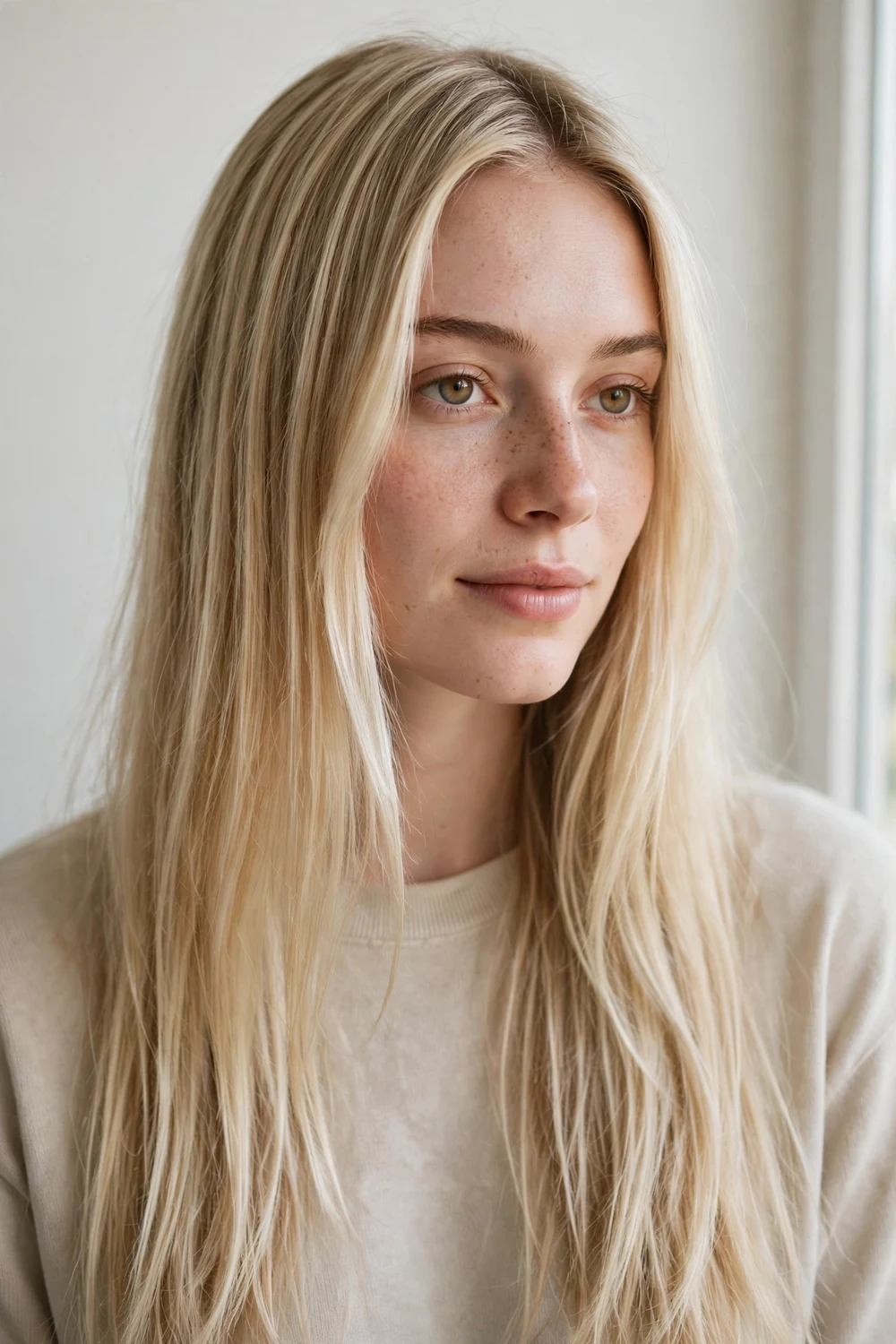
Vanilla bean babylights take the ultra-fine babylight technique and tone it to a creamy, neutral vanilla instead of ice. Where icy babylights can look stark in flat winter light, vanilla reads soft and natural while still adding visible brightness. The lift is gentle because the goal is only two levels, so this suits previously colored or slightly fragile hair. Maintenance mirrors standard babylights: toner at 6 weeks, full redo at 12 to 16. It is also the friendliest option for women nervous about their first lightening service.
Try this: Use this as a grow-out bridge if you are moving away from platinum; vanilla babylights blend old brightness into new depth.
Difficulty: Easy | Salon cost: $130–$210 (babylights + vanilla gloss)
21. Reverse Frosted Lowlights
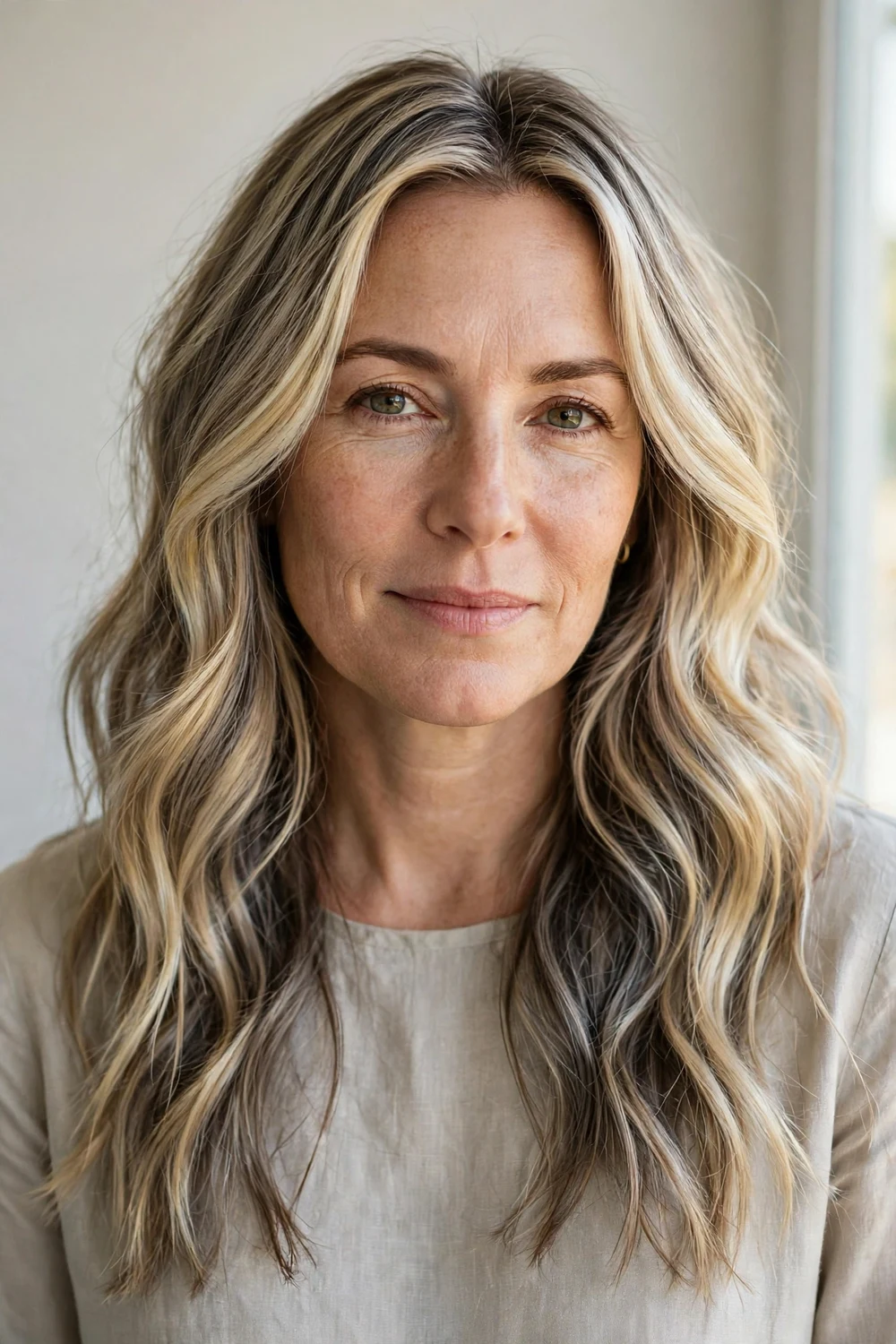
Reverse frosted lowlights do the opposite of highlights: the stylist adds cool ash-beige lowlights through existing blonde to create winter depth. This is a gap most blonde routines miss; instead of lifting more, you deepen select pieces so the remaining blonde looks brighter by contrast. It is gentler than bleaching since lowlights use deposit-only color, and it stretches the time between highlight sessions by 4 to 6 weeks. Women with over-highlighted, one-dimensional blonde get the most dramatic improvement here.
Try this: Ask for the lowlights two shades deeper than your current blonde, not more; deeper than that reads as stripey instead of dimensional.
Difficulty: Easy | Salon cost: $90–$170 (lowlights application)
22. Snowfall Foilayage
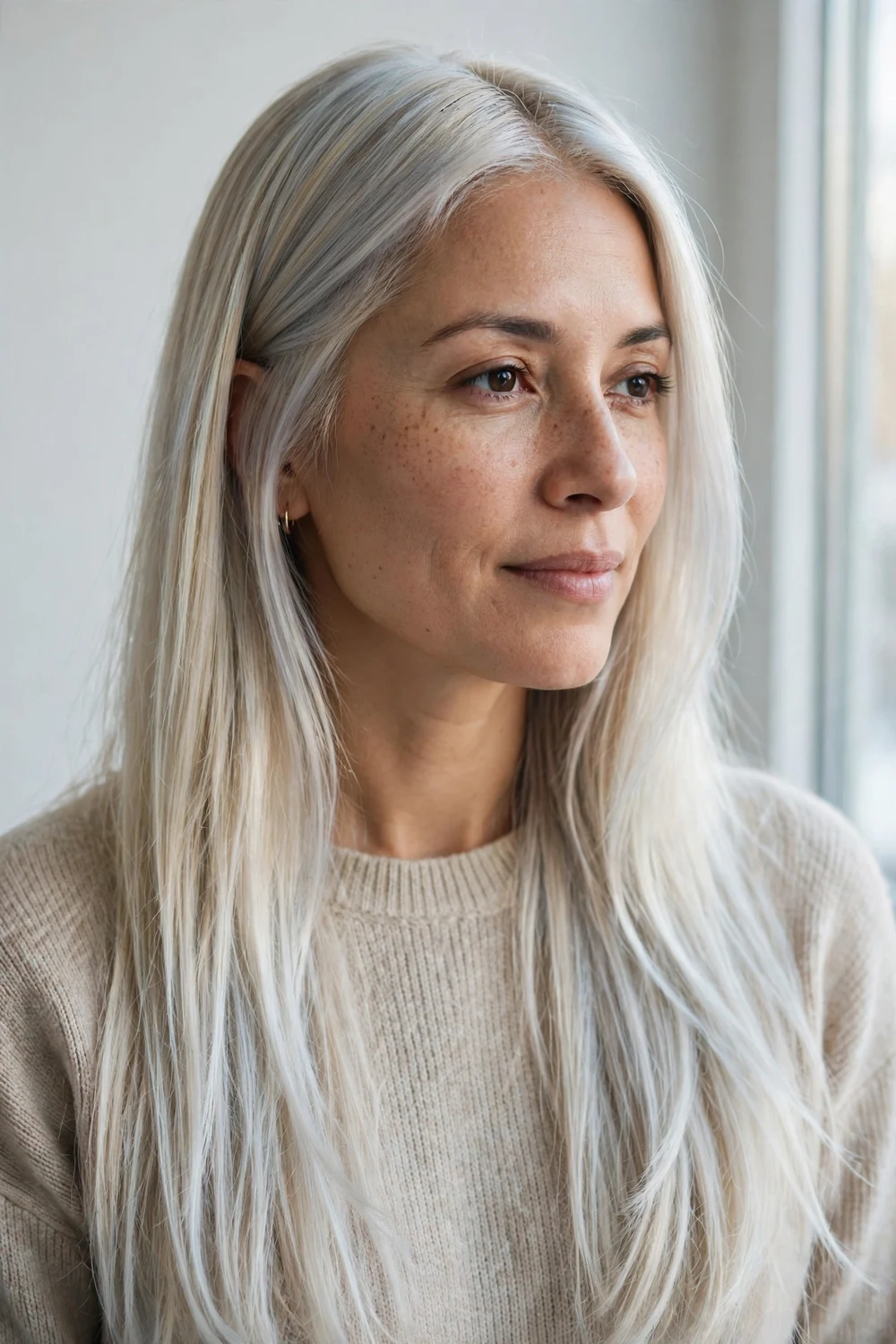
Snowfall foilayage is a hybrid: foils deliver strong lift at the root and mid-lengths while the ends are hand-painted for a soft, snow-touched finish. You get the brightness of traditional foils with the gentle grow-out of balayage, which is exactly the combination winter demands. Cool-toned snow shades suit this method best. Because the ends are painted, not foiled, the regrowth line stays soft for 10 to 12 weeks. This is a strong middle path for women deciding between foils and balayage.
Try this: If you curl your hair with a wand, apply heat protectant first; the painted ends are the most processed part of this technique.
Difficulty: Advanced | Salon cost: $160–$280 (foilayage + cool gloss)
23. Toasted Coconut Root-Tap Highlights
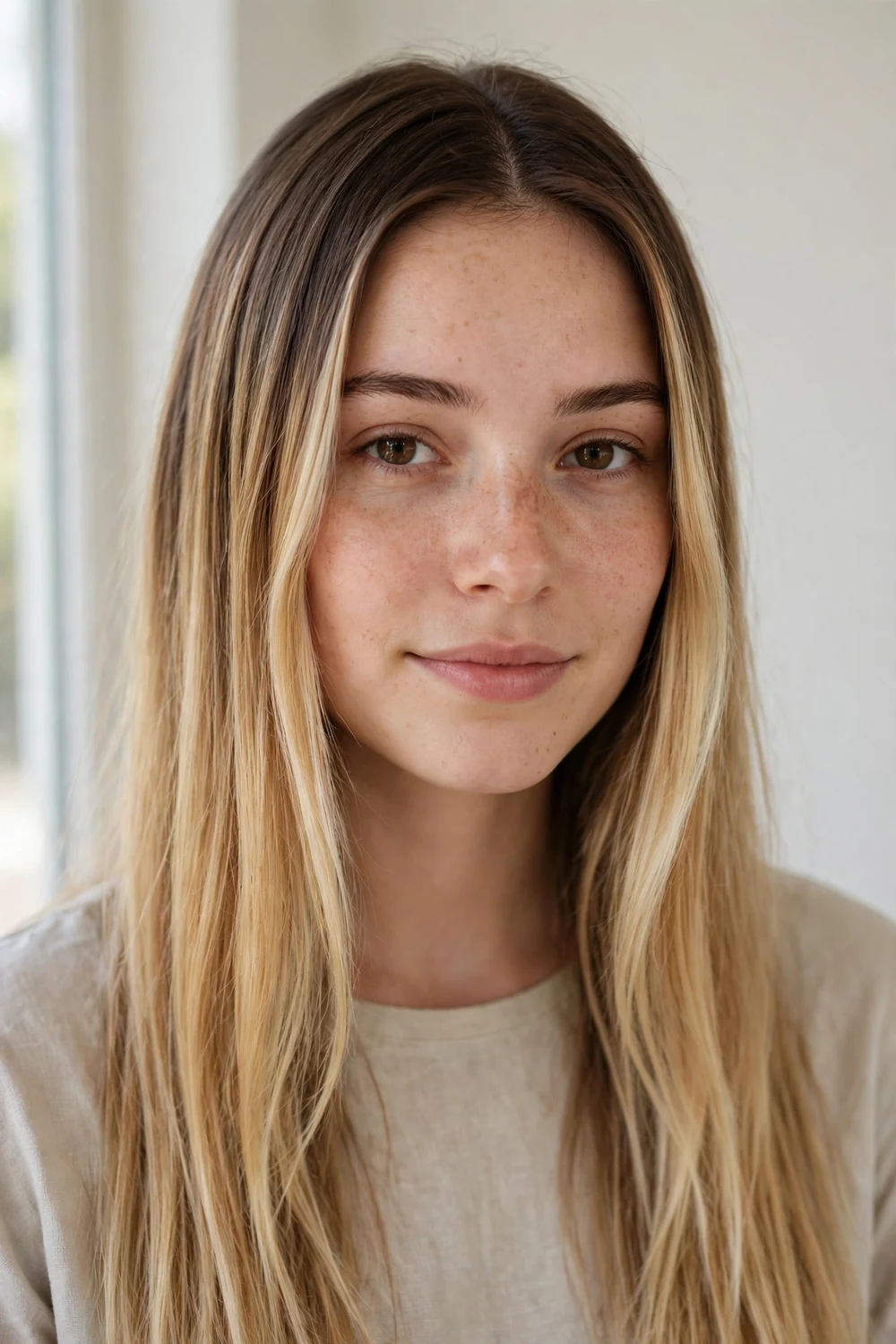
A toasted coconut root-tap darkens just the root area with a warm-neutral tone while the lengths stay bright blonde. Unlike a full root shadow, the tap is a light, quick glaze that softens the foil line without adding real depth, so the look stays bright overall. It takes about 15 extra minutes in the chair and buys 3 to 4 extra weeks before regrowth shows. This is the easiest upgrade to ask for at an existing highlight appointment and works on any blonde who wants lower maintenance without going darker.
Try this: Ask for the root-tap at your regular highlight visit rather than booking separately; most salons add it as a small upcharge.
Difficulty: Easy | Salon cost: $100–$180 (highlights + root-tap glaze)
How to Choose the Right Winter Highlights
Start with your maintenance tolerance. If you want the longest stretch between salon visits, pick a soft-grow-out method: sombre, balayage, melts or root shadows, which all allow 10 to 16 weeks. If you want maximum brightness and don’t mind frequent toners, icy babylights, pearl highlights and silver pieces deliver it with 3 to 6 week refresh cycles.
Next, match the tone to your skin. Cool tones (icy, pearl, silver, frosty) flatter fair skin but can drain warmer complexions in winter’s flat light; in that case lean warm or neutral (champagne, buttery, oat-milk, golden beige). Winter dryness should shape the method too: fine or fragile hair does better with sparse placements like winter wheat or sugar dust, while healthy thick hair handles full foils and foilayage comfortably.
Finally, think in seasons, not appointments. Book your toner refresh when you book your highlights so the calendar holds your slot, and switch to a hydrating mask rotation the same week you get lightened. Lightened blonde loses moisture faster than virgin hair, so winter care is part of the color choice.
Winter Blonde Highlights Comparison
| Highlight type | Technique | Tone | Upkeep | Salon cost |
|---|---|---|---|---|
| Icy babylights | Ultra-fine foils | Cool | Toner every 4–5 weeks | $150–$240 |
| Champagne highlights | Fine foils + gloss | Cool-warm | Toner every 4–6 weeks | $120–$200 |
| Buttery balayage | Hand-painted | Warm | Gloss at 6 weeks, redo at 12 | $150–$280 |
| Honey sombre | Melted ombre | Warm | Touch-up every 12–16 weeks | $120–$200 |
| Frosty melt | Teasylights + melt | Cool | Regrowth hidden 10–12 weeks | $160–$260 |
| Snowfall foilayage | Foil + hand-painted hybrid | Cool | Regrowth hidden 10–12 weeks | $160–$280 |
| Root shadow + highlights | Foils + smudged root | Neutral | Toner at 8 weeks, redo at 12–14 | $140–$240 |
| Reverse lowlights | Deposit-only color | Cool-neutral | Refresh every 8–10 weeks | $90–$170 |
Frequently Asked Questions
How often should blondes tone their highlights in winter?
Cool-toned highlights (icy, pearl, silver, frosty) usually need a toner or gloss refresh every 4 to 6 weeks in winter, since indoor heating and frequent washing fade cool tones fast. Warm and neutral highlights (buttery, honey, oat-milk) can go 6 to 8 weeks. Your stylist can set the schedule when you book the highlights.
Do winter highlights damage hair more than summer highlights?
The lightening process is the same, but winter conditions make damage more visible: cold air and indoor heating strip moisture from already-porous lightened hair. A hydrating mask once a week and a leave-in conditioner on the ends go a long way. Sparse techniques like babylights and winter wheat also lift less hair, which reduces overall stress.
How do I stop icy blonde highlights from turning brassy in winter?
Use a purple shampoo once a week, rinse with cool water, and avoid washing with very hot water, which opens the cuticle and dumps toner faster. Mineral buildup from hard water also pushes blonde toward orange, so a clarifying treatment before your color appointment helps the toner take evenly.
Are balayage or babylights lower maintenance for winter?
Balayage is the lowest maintenance because the hand-painted placement grows out without a line, stretching appointments to 10 to 12 weeks. Babylights are more natural-looking on fine hair but need toner refreshes every 4 to 6 weeks to stay icy. Choose balayage for fewer visits and babylights for subtler brightness.
Can I get highlights if my hair is already dry from winter weather?
Yes, but tell your stylist about the dryness first. They may recommend a conditioning treatment before lightening, a gentler developer, or a less aggressive technique like reverse lowlights or vanilla babylights. Deep conditioning for one to two weeks before the appointment gives the best lift with the least breakage.
Final Thoughts
The right winter highlights for blondes come down to matching the technique to the season, not just the shade to your skin. Cool placements need a toning schedule, warm placements need moisture, and every lightened blonde needs heat protectant before styling tools. Pick the upkeep rhythm you will actually follow, and the color will hold all winter.

