


The ingredients to avoid in hair products depend on your hair and scalp, but a handful of names show up on nearly every avoid list: sulfates, parabens, formaldehyde-releasing preservatives, heavy silicones, synthetic fragrance, and drying alcohols. Learning to spot them on a label takes about ten minutes and changes how you shop for hair care.
This guide explains what each of these ingredients does in the bottle, why some people want to avoid them, how to find them on an ingredient list, and where the science is genuinely settled versus still open. No scare tactics, just the facts you need to make your own call.
Quick Takeaways
- Sulfates (SLS, SLES, ALS) clean strongly but can strip natural oils, fade color, and irritate sensitive scalps. Curly, coily, color-treated, and dry hair types usually do better without them.
- Parabens are preservatives whose hormone-disruption concerns are still debated; regulators currently allow them within limits, but anyone who prefers caution can find paraben-free products easily.
- Formaldehyde and formaldehyde-releasing preservatives are the clearest avoid on this list: formaldehyde is a known carcinogen and a common cause of scalp contact dermatitis.
- Silicones are not a health hazard, but they build up on some hair types and block moisture. They are a styling choice, not a safety issue.
- The first five ingredients on a label make up most of the formula. Scan those first, and treat the words “natural” and “organic” as marketing, not safety claims.
How to Read a Hair Product Label
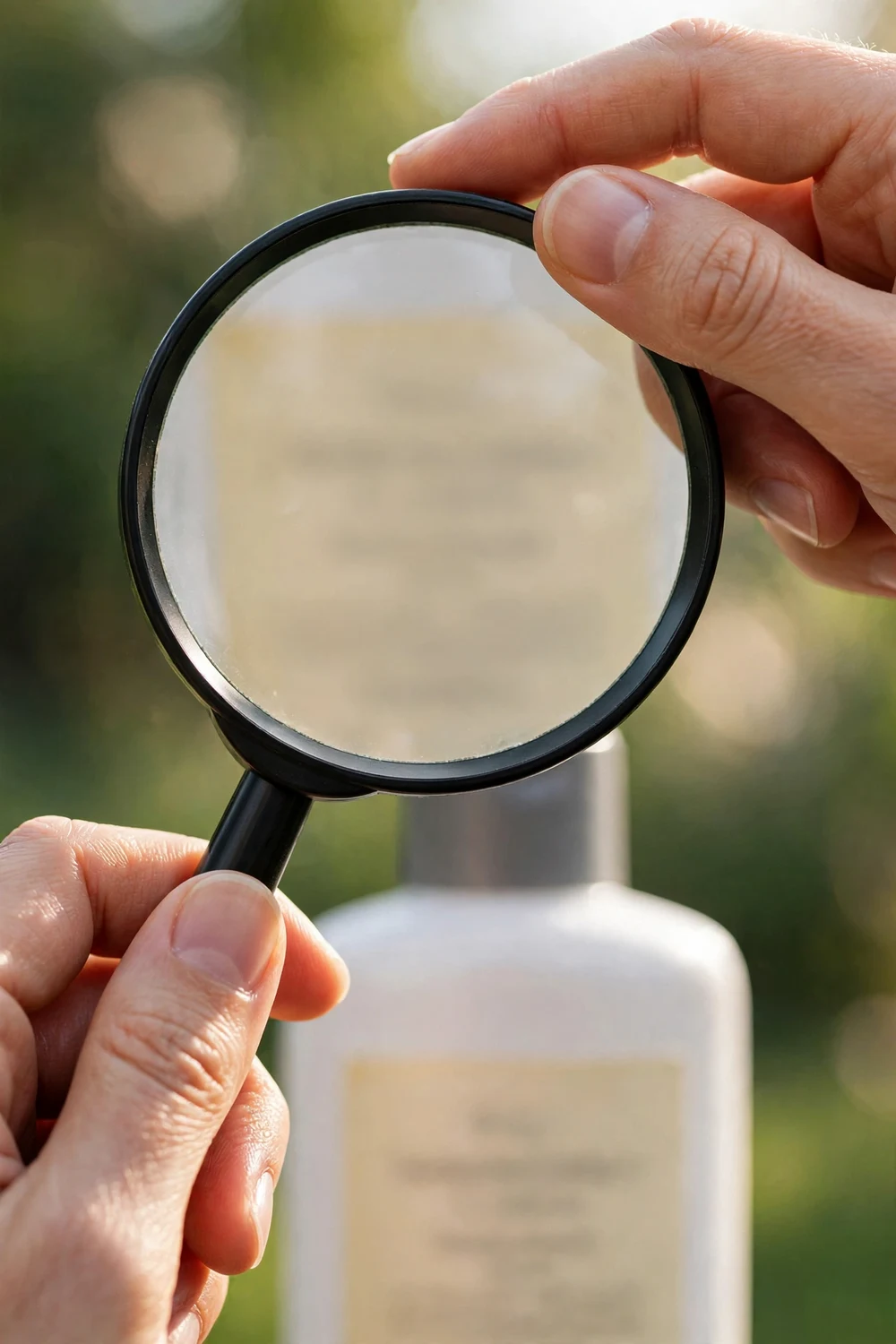
Ingredients are listed in descending order of concentration until they drop below 1%, after which they can appear in any order. That means the first five or so names tell you most of what the product actually is. A shampoo that lists sodium laureth sulfate first and water second is mostly sulfate cleanser; one that lists cocamidopropyl betaine or sodium cocoyl isethionate uses gentler surfactants.
Watch for name games. You will rarely see the word “paraben” or “sulfate” as a standalone word. Instead, look for endings and prefixes: anything ending in “paraben” (methylparaben, propylparaben) and sulfate family names (sodium lauryl sulfate, ammonium laureth sulfate). “Fragrance” or “parfum” is a single label word that can represent dozens of undisclosed chemicals, which is why it frustrates label readers.
One more note before the list: “natural” and “organic” are not regulated terms on hair products in most countries. A product can say “natural” on the front and still contain sulfates and synthetic fragrance. The ingredient list on the back is the only reliable source.
1. Sulfates: SLS, SLES, and ALS
Why they are used: Sulfates are surfactants, the detergents that make shampoo foam and lift oil and dirt off the scalp. They clean thoroughly and are cheap to manufacture, which is why they dominate mainstream shampoos.
Why some people avoid them: The same strong cleansing strips away the natural oils (sebum) that keep hair supple and the scalp comfortable. For people with dry, curly, coily, bleached, or color-treated hair, that means more dryness, frizz, tangling, and faster color fading. Sodium lauryl sulfate (SLS) is also a documented skin irritant in patch testing, so sensitive or eczema-prone scalps often react to it with itching, flaking, or redness.
Label names to look for: Sodium Lauryl Sulfate (SLS), Sodium Laureth Sulfate (SLES), Ammonium Lauryl Sulfate (ALS), Ammonium Laureth Sulfate, Sodium Myreth Sulfate, TEA Lauryl Sulfate.
Who should be most careful: Curly and coily hair types (natural oils travel slowly down the strand), color-treated hair, and anyone with a sensitive, dry, or flaky scalp.
Gentler alternatives: Sodium cocoyl isethionate, cocamidopropyl betaine, decyl glucoside, and sodium lauroyl methyl isethionate. These clean without the same stripping effect.
What the science says: Sulfates are not classified as carcinogens and are not “toxic” in the doses found in shampoo. The concern is irritation and over-cleansing, which is well documented, not hidden disease risk. They are genuinely too harsh for many hair types, and that is reason enough to switch.
2. Parabens
Why they are used: Parabens are preservatives that stop bacteria, yeast, and mold from growing in water-based products. They are effective at very low concentrations, which is why the industry relied on them for decades.
Why some people avoid them: Parabens can weakly mimic estrogen in laboratory studies, which raised questions about hormone disruption with long-term exposure from many products at once. Some people also report scalp irritation from them.
Label names to look for: Methylparaben, ethylparaben, propylparaben, butylparaben, isobutylparaben. Remember: any ingredient ending in “paraben.”
What the science says: This is the ingredient on the list where the science is most unsettled. Regulators in the EU and US currently consider parabens safe at permitted concentrations, and the estrogenic activity measured in studies is far weaker than the body’s own estrogen. Researchers continue to study cumulative exposure from multiple products. If you prefer to be cautious while the research continues, paraben-free products are widely available and easy to find.
3. Formaldehyde and Formaldehyde-Releasing Preservatives
Why they are used: Formaldehyde and chemicals that release it slowly over time are powerful preservatives. They also appear in some keratin smoothing treatments, where formaldehyde helps the treatment bond to the hair.
Why you should avoid them: This is the clearest avoid on the list. Formaldehyde is classified as a known human carcinogen by the International Agency for Research on Cancer, and it is one of the most common causes of allergic contact dermatitis from hair products, showing up as an itchy, red, sometimes blistered scalp or hairline. The releasers do the same thing gradually, which is why they are not a loophole.
Label names to look for: Formaldehyde, DMDM hydantoin, imidazolidinyl urea, diazolidinyl urea, quaternium-15, bronopol (2-bromo-2-nitropropane-1,3-diol), sodium hydroxymethylglycinate.
Who should be most careful: Anyone with a history of scalp rashes, eczema, or allergies, and anyone getting keratin treatments, where formaldehyde exposure can be highest.
Safer alternatives: Phenoxyethanol, sodium benzoate, and potassium sorbate are common preservatives without the formaldehyde concern.
4. Silicones
Why they are used: Silicones coat the hair shaft, making it feel smooth and look shiny right away. They reduce friction, which means less tangling and easier combing.
Why some people avoid them: The coating builds up with repeated use, especially on fine or low-porosity hair. That buildup can block moisture from getting in, leaving hair feeling coated but dry underneath, and it weighs down curls and fine hair. Some silicones (like dimethicone) need sulfates to wash out, which creates a cycle: silicones for smoothness, sulfates to remove them, dryness from the sulfates, more silicones to fix the dryness.
Label names to look for: Dimethicone, cyclomethicone, amodimethicone, cyclopentasiloxane, trimethylsilylamodimethicone. The giveaway is usually an ingredient ending in “-cone” or “-siloxane.”
What the science says: Silicones are not a health hazard. Regulatory bodies consider them safe for cosmetic use. Avoiding them is a styling and hair-health choice, not a safety one. If your hair is coarse, thick, or very damaged, silicones may genuinely help you manage it, and that is a reasonable trade-off.

5. Synthetic Fragrance and Phthalates
Why they are used: Fragrance makes products smell good and masks the chemical smell of the base formula. It is cheaper and more consistent than natural plant oils. Phthalates are sometimes used to make fragrances last longer on the hair.
Why some people avoid them: “Fragrance” or “parfum” on a label is a trade-secret umbrella that can cover dozens of individual chemicals without listing them. Fragrance is one of the most common triggers of contact dermatitis from cosmetics, causing itchy scalps and rashes along the hairline and neck. Some people also get headaches from strongly scented products. Phthalates have been studied as potential endocrine disruptors, though evidence in cosmetics is still developing.
Label names to look for: Fragrance, parfum, diethyl phthalate (DEP). There is no way to know from the label which chemicals hide under “fragrance,” which is the core problem.
Who should be most careful: Anyone with fragrance allergies, migraines triggered by scent, eczema, or reactive skin.
Safer alternatives: Products labeled “fragrance-free” (not “unscented,” which can mean a masking fragrance was added). If you love scent, products scented only with named plant oils at least tell you what is in them.
6. Drying Alcohols
Why they are used: Short-chain alcohols help products dry fast and give a light, non-greasy feel. They show up in hairsprays, gels, mousses, and some shampoos.
Why some people avoid them: They evaporate quickly and take moisture with them, leaving hair dry, rough, and more prone to breakage. On curly and coily hair, which is already moisture-hungry, drying alcohols can noticeably worsen frizz and brittleness.
Label names to look for: Isopropyl alcohol, ethanol or ethyl alcohol, SD alcohol, denatured alcohol (alcohol denat.), propanol.
Important exception: Not all alcohols are drying. Fatty alcohols like cetyl alcohol, cetearyl alcohol, and stearyl alcohol are moisturizing ingredients that condition the hair. Do not avoid a conditioner just because it lists cetearyl alcohol; that one is helping you.
7. Polyethylene Glycols (PEGs)
Why they are used: PEGs are thickeners, solvents, and moisture carriers that help a formula spread and feel right.
Why some people avoid them: PEGs themselves are not the main worry. The concern is contamination: the manufacturing process can leave traces of ethylene oxide and 1,4-dioxane, the latter classified as a possible human carcinogen. Vacuum-stripping during manufacturing removes most of it, but the amount left varies by manufacturer and is not listed on the label.
Label names to look for: Any ingredient with “PEG” followed by a number (PEG-40, PEG-100), plus polysorbates and ingredients ending in “-eth” (like laureth-4), which are ethoxylated the same way.
8. DEA, MEA, and TEA
Why they are used: Diethanolamine (DEA), monoethanolamine (MEA), and triethanolamine (TEA) adjust pH and help formulas foam and emulsify.
Why some people avoid them: These compounds can react with other ingredients to form nitrosamines, a class of chemicals with established carcinogenicity in animal studies. The risk depends on the specific formulation and is considered low in finished cosmetics, but the mechanism is real enough that many formulators have moved away from DEA in particular.
Label names to look for: Diethanolamine, monoethanolamine, triethanolamine, cocamide DEA, lauramide DEA.
9. Artificial Colors and Dyes
Why they are used: Purely cosmetic. Colors make a shampoo look appealing in the bottle: pink, blue, or pearly white. They do nothing for your hair.
Why some people avoid them: Certain synthetic dyes (often listed as FD&C or D&C followed by a color and number, like Red 33 or Yellow 5) can irritate sensitive scalps. Since they serve no functional purpose, avoiding them costs you nothing in performance.
Label names to look for: FD&C Blue 1, D&C Red 33, Yellow 5, or any “CI” followed by numbers (the European naming).
10. Triclosan
Why it was used: Triclosan is an antibacterial agent that was added to some shampoos and scalp treatments marketed for dandruff or odor.
Why to avoid it: It has been linked to hormone disruption in animal studies and contributes to antibacterial resistance. It was banned from antibacterial soaps in the US in 2016, and most reputable hair brands have removed it since. If you still see it on a label, that is a red flag about the brand’s overall formulation standards.
Label names to look for: Triclosan, triclocarban.
Ingredients to Avoid at a Glance
| Ingredient | Common Label Names | Main Concern | Who Should Be Most Careful |
|---|---|---|---|
| Sulfates | SLS, SLES, ALS | Strips oils, fades color, irritates scalps | Curly, coily, color-treated, dry hair; sensitive scalps |
| Parabens | Anything ending in “paraben” | Possible hormone disruption (still debated) | Anyone preferring caution; sensitive scalps |
| Formaldehyde releasers | DMDM hydantoin, quaternium-15, bronopol | Known carcinogen; common allergy trigger | Everyone; especially allergy-prone scalps |
| Silicones | Dimethicone, ingredients ending in “-cone” | Buildup that blocks moisture | Fine hair, curls, low-porosity hair |
| Synthetic fragrance | Fragrance, parfum | Undisclosed chemicals; dermatitis trigger | Sensitive skin, eczema, migraine sufferers |
| Drying alcohols | Isopropyl alcohol, alcohol denat. | Strips moisture, causes brittleness | Curly, coily, and dry hair types |
| PEGs | PEG-40, ingredients ending in “-eth” | Possible 1,4-dioxane contamination | Anyone minimizing chemical exposure |
| DEA/MEA/TEA | Cocamide DEA, triethanolamine | Can form nitrosamines | Anyone minimizing chemical exposure |
| Artificial dyes | FD&C colors, CI numbers | Scalp irritation; no benefit to hair | Sensitive scalps |
| Triclosan | Triclosan, triclocarban | Hormone disruption; resistance concerns | Everyone |
What to Use Instead
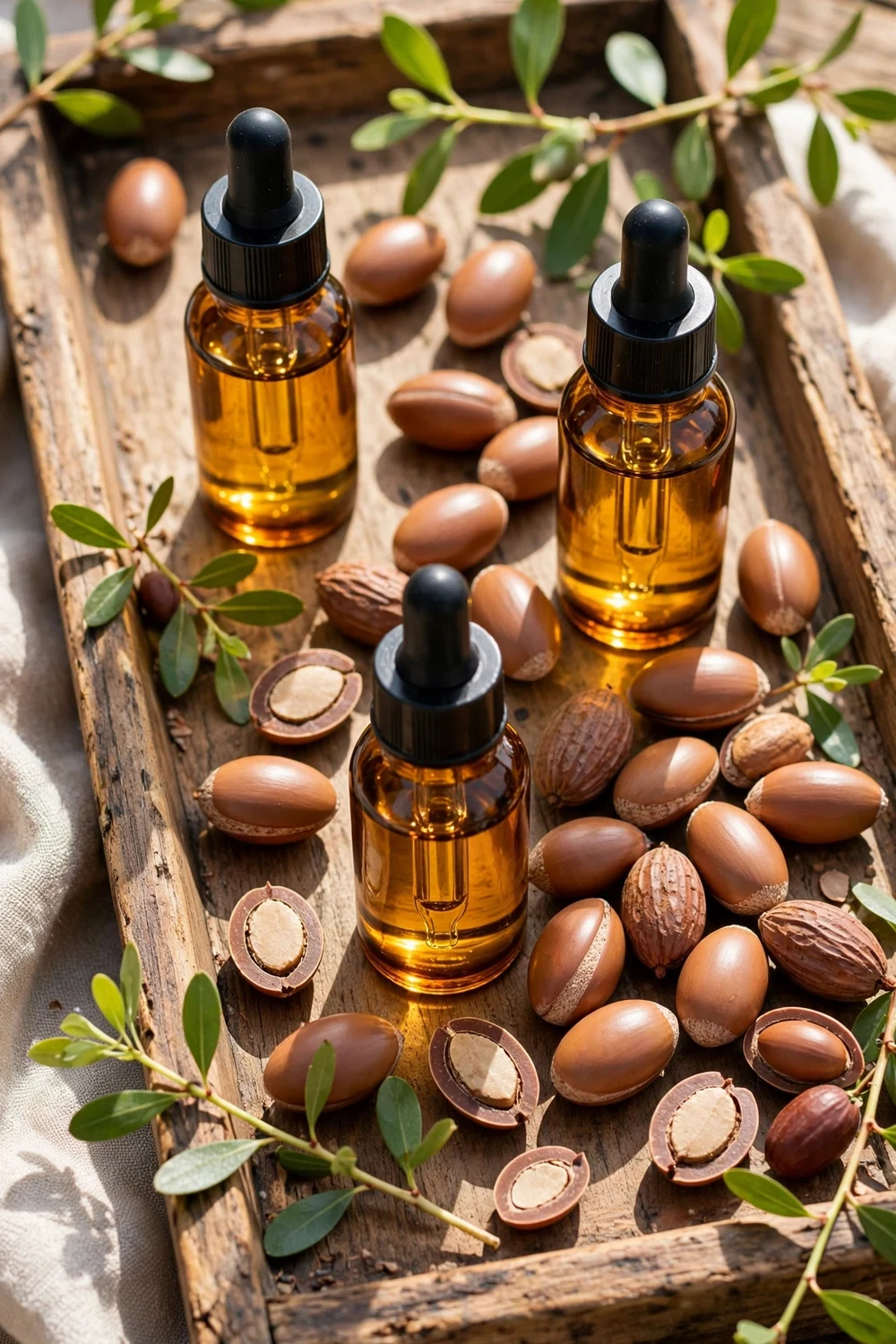
Avoiding ingredients is only half the job. Look for products built around gentler surfactants (cocamidopropyl betaine, sodium cocoyl isethionate), moisturizing ingredients (glycerin, aloe vera, shea butter, argan and jojoba oils), and simple preservative systems (phenoxyethanol, sodium benzoate). Shorter ingredient lists are not automatically better, but they are easier to check.
If your hair is color-treated, switching to gentler products protects your investment in the salon chair. Our guide to winter hair colors for brunettes explains how the right shade and the right aftercare work together to keep color rich for weeks longer.
Curly and coily hair benefits the most from dropping sulfates, silicones, and drying alcohols together, since all three push moisture out of the strand. For curl-friendly styling ideas, see our short curly hairstyles for women, which pair well with a gentler product routine.
Frequently Asked Questions
What is the most harmful ingredient in hair products?
Formaldehyde and formaldehyde-releasing preservatives (like DMDM hydantoin and quaternium-15) are the strongest avoid: formaldehyde is a known carcinogen and a leading cause of allergic scalp reactions. After that, the answer depends on your hair: sulfates cause the most day-to-day damage for curly, dry, and color-treated hair.
Are sulfates really bad for your hair?
Sulfates are not poisonous, but they are harsh cleansers that strip natural oils along with dirt. That leads to dryness, frizz, irritation, and faster color fading, especially for curly, coily, bleached, or color-treated hair. People with resilient, oily, straight hair often tolerate them fine.
Are parabens actually dangerous?
The science is not settled. Parabens show weak estrogen-like activity in lab studies, but regulators currently consider them safe at the concentrations used in cosmetics. Researchers are still studying cumulative exposure from many products. Avoiding them is a reasonable personal choice, not a medical necessity based on current evidence.
Should I avoid silicones in hair products?
Only if they cause problems for your hair type. Silicones are considered safe; they simply build up on fine, low-porosity, or curly hair and can block moisture. If your hair is coarse or very damaged and silicones help you manage it, there is no safety reason to stop using them.
How do I check if a product has bad ingredients?
Read the ingredient list on the back, starting with the first five ingredients, which make up most of the formula. Look for the label names in this guide: sulfate family names, anything ending in “paraben,” formaldehyde releasers, “-cone” silicones, “fragrance/parfum,” and drying alcohols. Apps that scan barcodes can speed this up, but the label itself is the reliable source.
Final Thoughts
You do not need to throw out every product you own. Start with your shampoo, since it touches your scalp the most and sulfates are the most common issue. Then check your leave-in products for silicones and drying alcohols if your hair feels coated or brittle. Small, informed swaps beat a dramatic purge every time.
For more ideas on building a routine around gentler products, browse the PrimeHairPicks homepage for hairstyle and hair care guides matched to your hair type.
For more on this topic, see how fast does hair grow.
