



The best shampoo for oily hair is one that cleanses the scalp thoroughly without stripping it raw: look for clarifying or volumizing formulas with ingredients like salicylic acid, tea tree oil, or witch hazel, and skip heavy silicones and butters that weigh hair down. How you wash matters as much as what you wash with.
Oily hair is not a hygiene failure. Your scalp produces sebum to protect your skin and hair, and some scalps simply produce more. The goal is balance: remove the excess oil without triggering the scalp to overproduce. This guide covers the shampoo types worth considering, the ingredients that help, the ones to avoid, and the washing technique that stretches freshness an extra day.
Quick Takeaways
- Choose clarifying, volumizing, or oil-control formulas. Avoid heavy moisturizing shampoos with silicones and butters.
- Helpful ingredients include salicylic acid, tea tree oil, witch hazel, charcoal, green tea, and niacinamide.
- Wash the scalp, not the lengths. Shampoo twice: the first wash lifts oil, the second cleanses.
- Conditioner goes on the mid-lengths and ends only, never on the scalp.
- Very oily scalps may need daily washing. That is fine if the shampoo is gentle and pH-balanced.
Why Your Hair Gets Oily
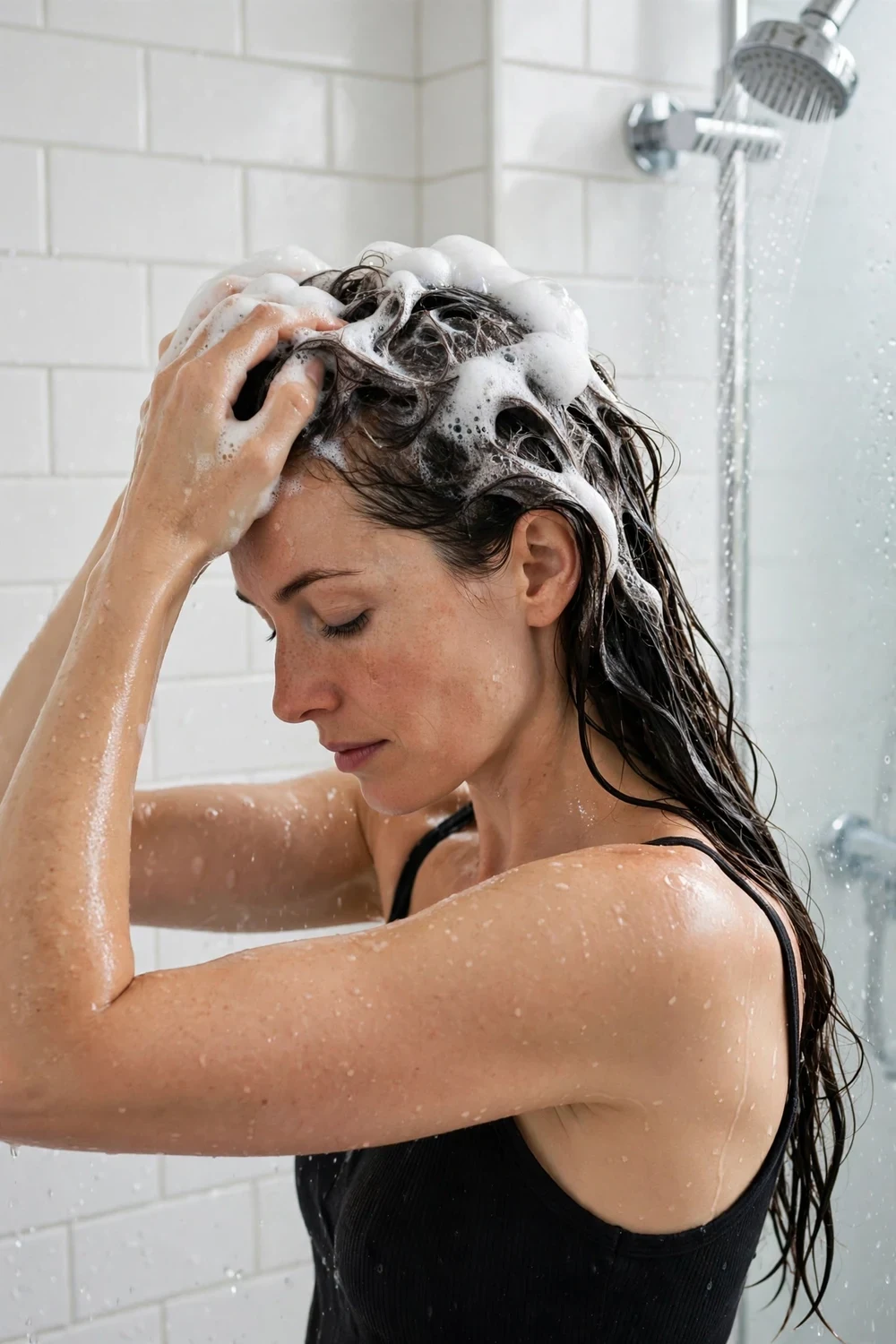
Sebum is the natural oil your scalp’s sebaceous glands produce. It travels down the hair shaft, keeping it flexible and protected. Fine and straight hair shows oil fastest because sebum slides down a straight shaft with nothing to slow it. Curly and coarse hair hides oil longer since the oil has to navigate every bend.
Hormones, heat, humidity, stress, and touching your hair through the day all increase visible oiliness. So does overwashing with harsh shampoo: strip the scalp completely and it often responds by producing even more oil. That rebound effect is why gentle, consistent cleansing beats aggressive scrubbing.
Shampoo Types That Work for Oily Hair
Clarifying shampoo
Clarifying formulas use stronger surfactants to cut through oil and product buildup. They give the deepest clean of any shampoo type. Use one once a week or every other week, not daily, since frequent use can dry the scalp and trigger rebound oiliness. If your hair feels squeaky and straw-like after, you are clarifying too often.
Volumizing or lightweight daily shampoo
These are the workhorses for oily hair: gentle enough for frequent washing but formulated without the heavy conditioning agents that weigh hair down. Look for words like “volumizing,” “purifying,” “oil-control,” or “light” on the label. Many people with oily scalps do best alternating a gentle daily shampoo with a weekly clarifier.
Sulfate-free shampoo
Sulfate-free formulas skip harsh detergents like sodium lauryl sulfate in favor of milder cleansers such as sodium lauroyl methyl isethionate or cocamidopropyl betaine. They clean without the stripped feeling, which helps calm a scalp that overproduces oil in response to harsh washing. They lather less, which is normal and not a sign of weak cleaning.
Anti-dandruff shampoo with oil control
If oily hair comes with flakes, an anti-dandruff formula with zinc pyrithione or salicylic acid handles both problems at once. Zinc pyrithione calms the microbes linked to dandruff, while salicylic acid exfoliates the scalp and clears excess oil from follicles. Use as directed, since medicated formulas can dry the lengths.
Ingredients to Look For

The ingredient list tells you more than the marketing on the front. These are the names worth finding:
- Salicylic acid: a beta-hydroxy acid that exfoliates the scalp, dissolving excess oil and dead skin inside follicles. Especially useful for oily, flaky scalps.
- Tea tree oil: naturally antimicrobial and cooling. Helps keep the scalp clean and can calm the microbes behind dandruff-related oiliness.
- Witch hazel: a natural astringent that tightens pores and cuts surface oil without harsh detergents.
- Charcoal: absorbs excess oil and impurities from the scalp during the wash.
- Green tea extract: antioxidant-rich and shown in some research to help moderate sebum production.
- Niacinamide (vitamin B3): supports the scalp barrier and may help regulate oil output over time.
- Rosemary and peppermint: refreshing botanicals that leave the scalp feeling clean and cool.
- Citrus extracts: natural acids that help balance oil and add shine.
- Sea salt: adds texture and absorbs oil at the roots in volumizing formulas.

Also check for a pH between 4.5 and 5.5, which matches the scalp’s natural acidity and keeps its protective barrier intact.
Ingredients to Avoid
What you leave out matters as much as what you include. Skip or minimize these in your shampoo if oiliness is your main concern:
- Heavy silicones (names ending in -cone, -conol, or -siloxane): coat the hair and build up, making oily hair look greasier faster.
- Heavy butters and oils like shea butter, coconut oil, and argan oil in the shampoo itself: fine for dry hair, too rich for oily scalps.
- Harsh sulfates such as sodium lauryl sulfate, if your scalp is sensitive: they clean aggressively and can trigger rebound oil production.
- Excess fragrance: unnecessary for cleaning and a common scalp irritant.
None of these are villains in every formula. But when the goal is less grease, lighter is better.
How to Choose for Your Hair Type
Match the formula to the rest of your hair, not just the oil. Fine, straight, oily hair does best with volumizing shampoos that add body at the roots. Thick oily hair can handle a stronger clarifying rotation. Curly oily hair needs sulfate-free options so the lengths do not dry out while the scalp gets clean.
Color-treated hair should stick to color-safe, sulfate-free oil-control formulas, since clarifiers fade color faster. If you have dandruff plus oil, prioritize the anti-dandruff formula over pure oil control. And if your scalp itches, burns, or flakes heavily no matter what you try, a dermatologist can check for seborrheic dermatitis, which needs treatment beyond shampoo.
How to Wash Oily Hair the Right Way
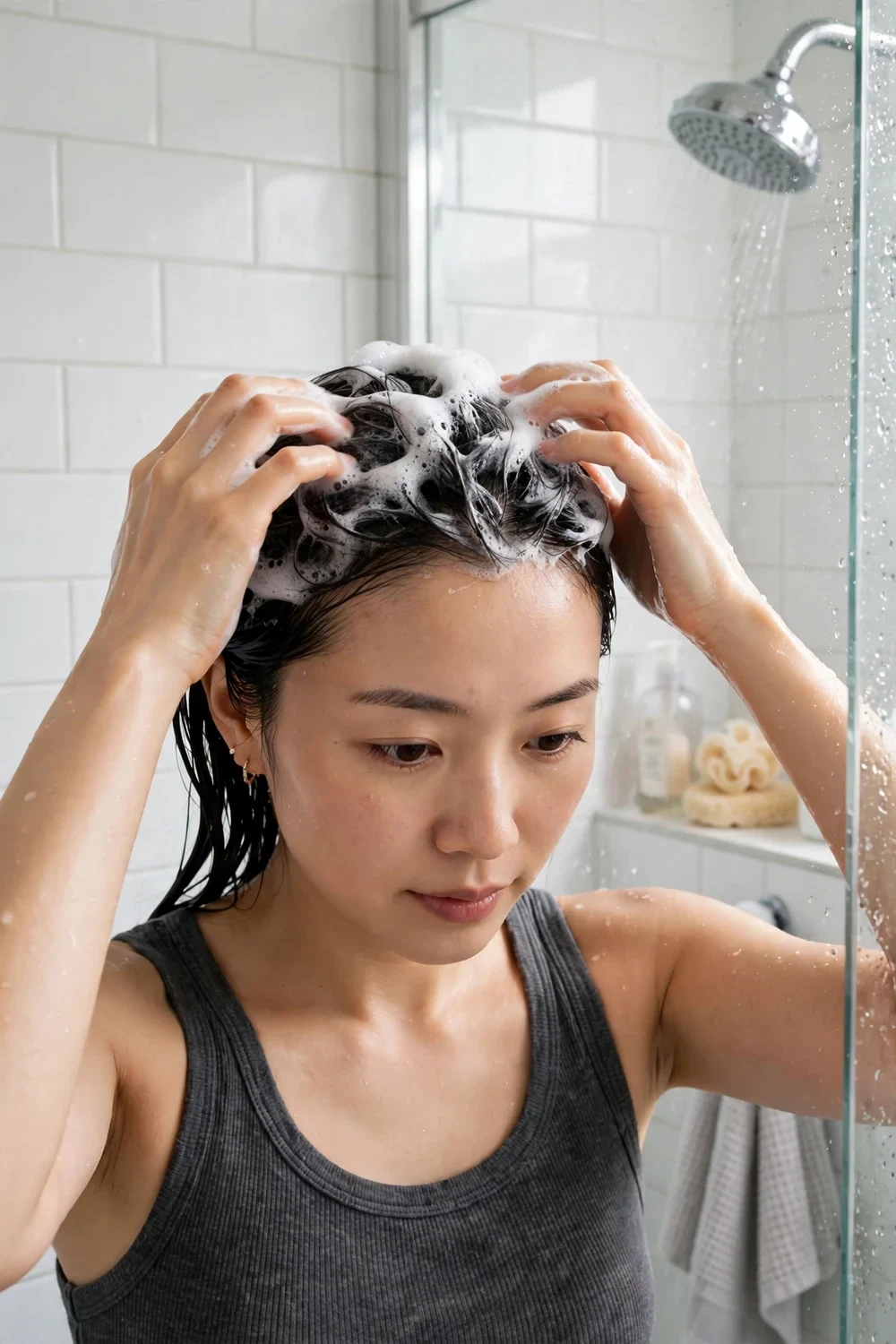
Technique stretches the time between washes by a full day for many people. Start with lukewarm water. Hot water feels good but stimulates oil glands and roughs up the cuticle.
Shampoo twice. The first wash loosens surface oil and rarely lathers much. The second wash actually cleanses the scalp.
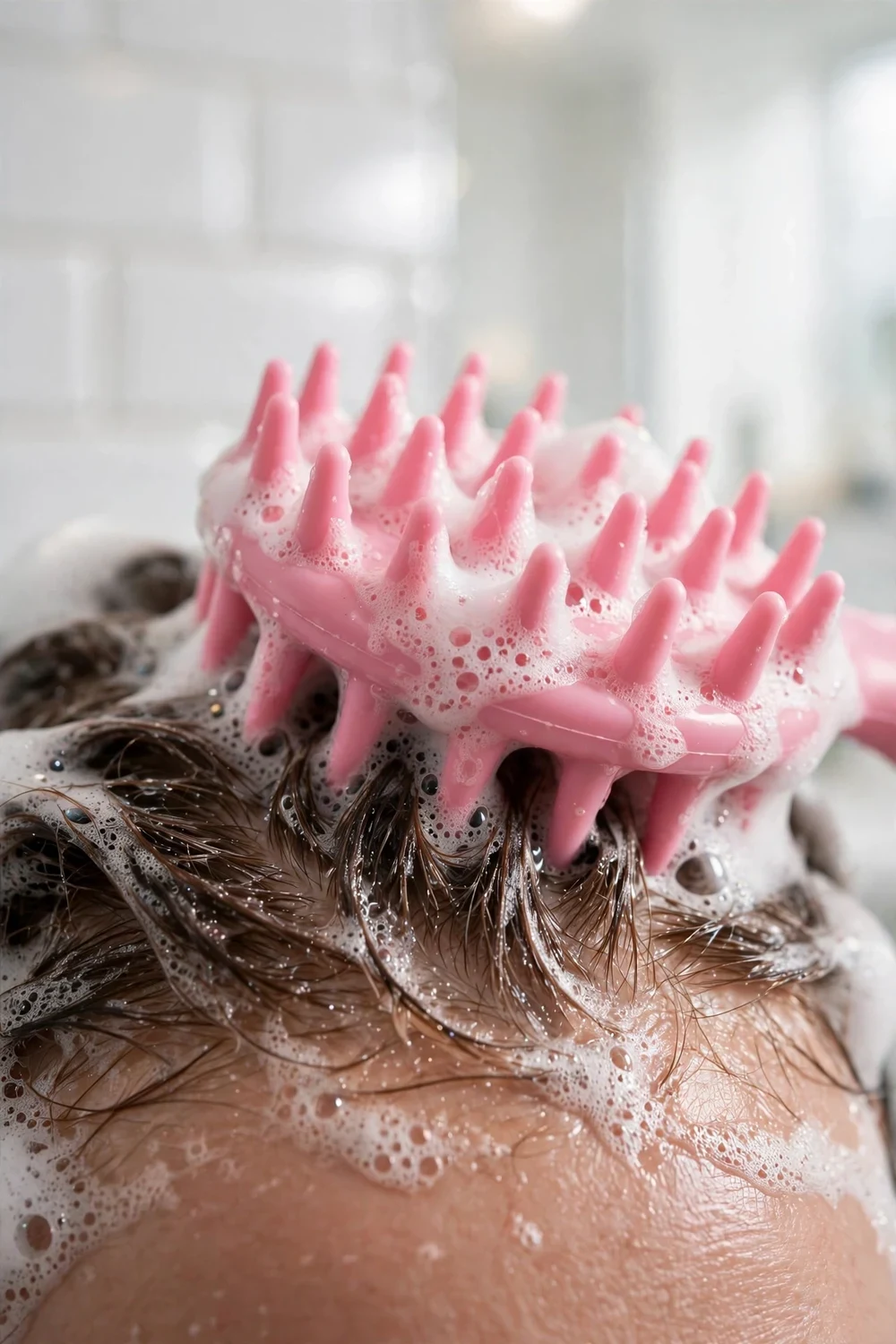
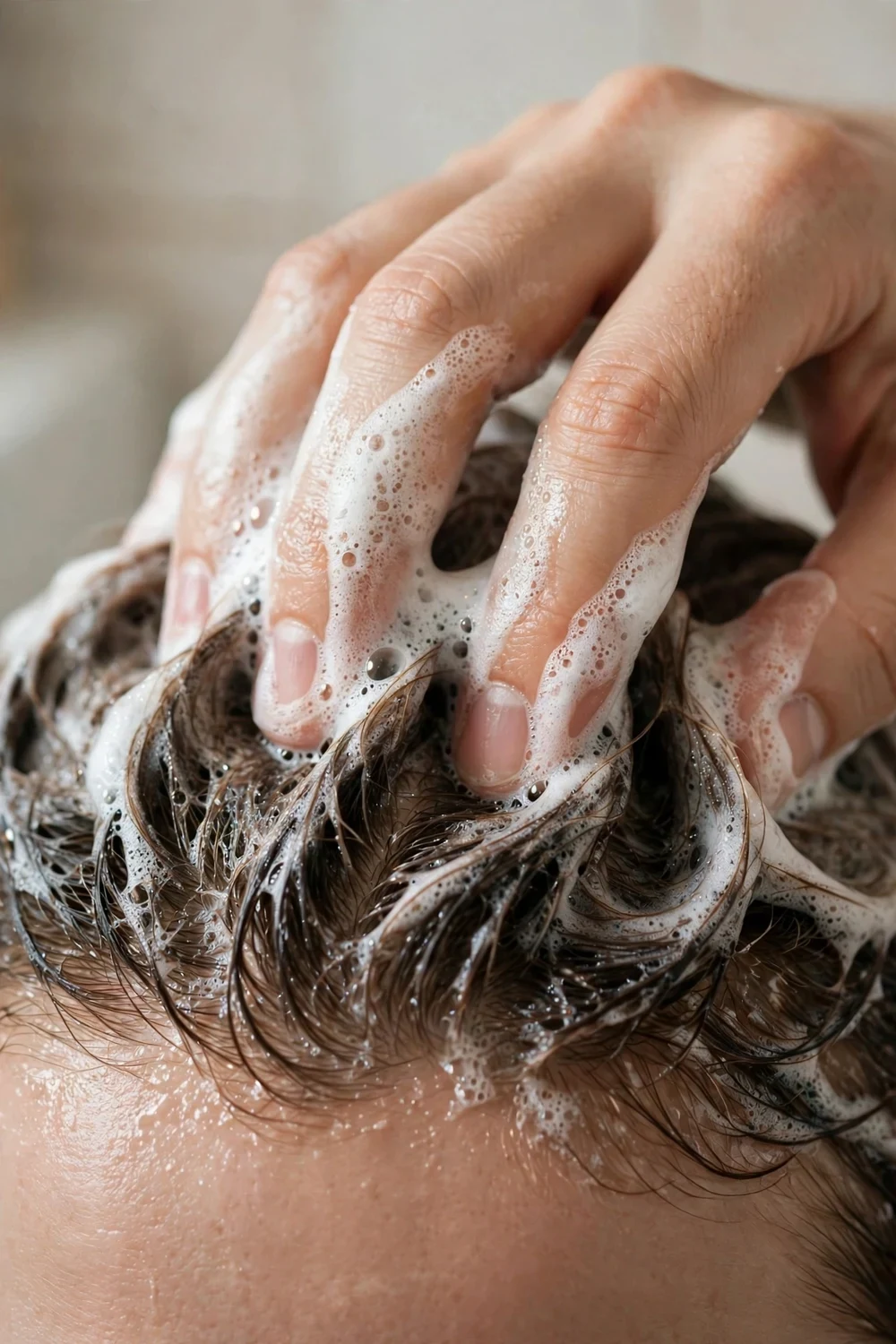
Both times, focus the shampoo on the scalp with your fingertips, using small circular motions. Let the rinse water carry the lather down the lengths. That is enough cleaning for the ends.
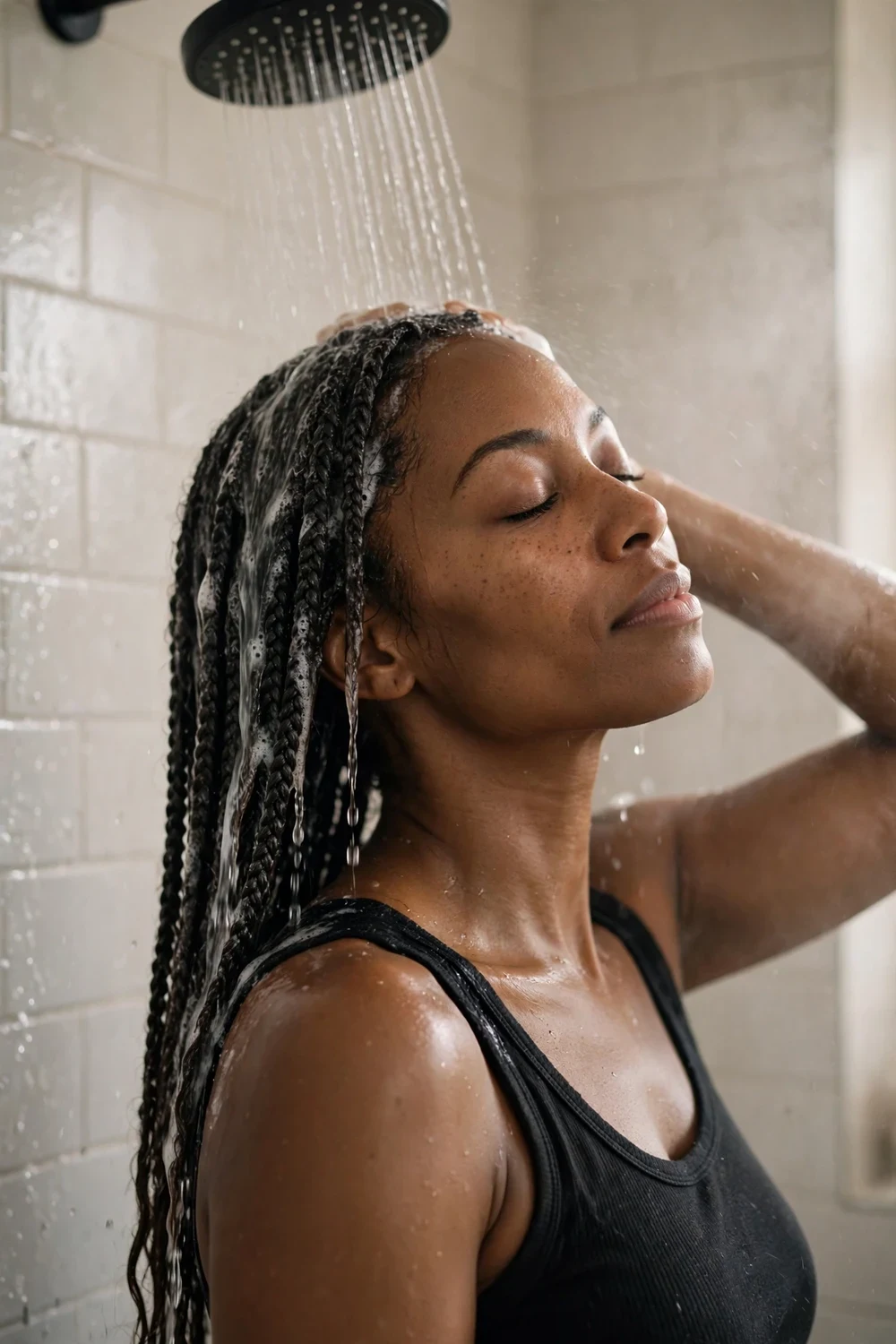
Rinse thoroughly. Leftover shampoo residue is a hidden cause of next-day greasiness. Finish with a cool rinse if you can stand it, which helps the cuticle lie flat and reflect light.
Try this: time your second shampoo to a full 60 seconds of scalp massage. Most people rinse far too fast.
Conditioner Rules for Oily Hair

Do not skip conditioner. The lengths still need moisture, and dry ends frizz and break. The rule is placement: conditioner goes from the mid-lengths to the ends only, never on the scalp or roots. Use a lightweight formula, leave it for two to three minutes, and rinse well.
Deep conditioning masks follow the same rule, used once a week on the ends. Leave-in products should also stay off the roots. Every product that touches the scalp adds to the oil load.
How Often Should You Wash Oily Hair?
Wash as often as your scalp needs it. For very oily scalps, daily washing with a gentle shampoo is completely fine and healthier than stretching washes while oil and sweat sit on the skin. Most people with moderate oiliness do well washing every other day.
The old advice to “train” your hair by washing less rarely works for truly oily scalps. What does work is washing effectively when you wash: double shampoo, thorough rinse, and conditioner kept off the roots. Dry shampoo can extend a style by a day in a pinch, but it is a cover-up, not a cleanse. Use it on the roots, let it sit a few minutes, then brush or massage it out.
For a complete schedule broken down by hair type, read our guide on how often to wash hair.
Mistakes That Make Oily Hair Worse
Touching your hair all day transfers oil from your hands to your strands. Brushing too aggressively spreads scalp oil down the lengths faster. Over-conditioning the roots, using heavy styling creams near the scalp, and sleeping on an unwashed pillowcase all add grease.
Another common one: washing with very hot water and scrubbing hard to “really get it clean.” That strips the scalp, triggers rebound oil, and leaves you greasier by evening. Gentle and thorough beats harsh every time.

Shampoo Types Compared
| Shampoo Type | Best For | How Often |
|---|---|---|
| Clarifying | Heavy buildup, very oily weeks | Once a week or every other week |
| Volumizing / lightweight daily | Regular oily-scalp maintenance | Daily to every other day |
| Sulfate-free | Sensitive scalps, curly or color-treated hair | As needed, gentle enough for frequent use |
| Anti-dandruff with oil control | Oily scalp plus flakes | 2 to 3 times a week, or as directed |
For more on this topic, see caring for thin hair.
FAQs
Should I wash oily hair every day?
Yes, if your scalp needs it. Daily washing with a gentle, pH-balanced shampoo is healthier than letting oil and sweat sit on the scalp for days. What matters is using a mild formula and not scrubbing aggressively.
Does sulfate-free shampoo work for oily hair?
It can. Modern sulfate-free cleansers remove oil effectively without the harsh stripping that triggers rebound oiliness. They are a good pick for sensitive, curly, or color-treated oily hair. Very heavy oil buildup may still need an occasional clarifying wash.
Why does my hair get oily the day after washing?
Common reasons include shampoo residue left behind, conditioner applied to the roots, heavy styling products, hot water stimulating oil glands, or simply a scalp that produces a lot of sebum. Try double shampooing, rinsing longer, and keeping all conditioning products off the scalp.
Is clarifying shampoo safe to use weekly?
For most oily hair, once a week is fine. If your hair feels dry, rough, or straw-like afterward, cut back to every other week. Always follow a clarifier with conditioner on the lengths, and avoid weekly clarifying on color-treated hair since it fades color faster.
Can dry shampoo replace washing oily hair?
No. Dry shampoo absorbs surface oil and adds volume, which buys you a day, but it does not clean the scalp. Relying on it for multiple days lets buildup, sweat, and bacteria accumulate, which can cause itching and odor. Think of it as a bridge between washes, not a replacement.
Final Thoughts
There is no single miracle bottle for oily hair, but the formula is simple: a lightweight cleanser matched to your hair type, the right ingredients on the label, nothing heavy near the roots, and a washing technique that actually cleans the scalp. Get those four right and most oily hair stays fresh noticeably longer.
For more product and routine guidance, start at our homepage and explore the hair care section.

