


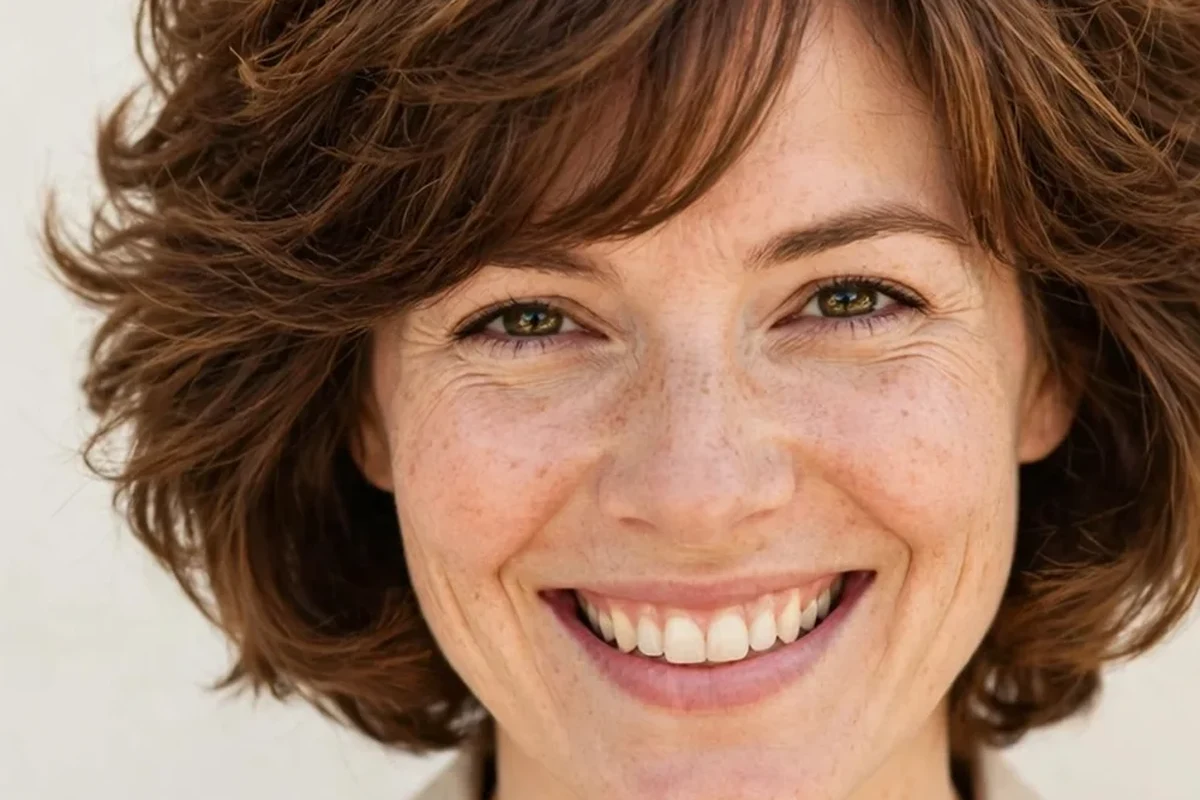
A receding hairline does not limit you to one or two safe cuts. The right hairstyle for a receding hairline does three things: it moves volume toward the front of the head, it uses parting and texture to break up the hairline, and it keeps the overall shape clean so the hairline is not the first thing people notice. Both women and men have more options than they think, and this guide covers the best ones.
Below you will find the strongest styles for women and for men, the techniques that create the illusion of fullness, what to avoid, a styling routine, and when it is worth talking to a dermatologist. Nothing here promises regrowth. The goal is a haircut that works with the hair you have.
Quick Takeaways
- The best hairstyles for receding hairline keep volume on top and use bangs, fringe, or a side part to soften the temples.
- For women, side-swept bangs, textured bobs, lobs, and layered pixies give the most coverage with the least daily effort.
- For men, buzz cuts, caesar cuts, french crops, and textured quiffs turn a receding hairline into a deliberate style.
- A deep side part and root volume do more for coverage than any single product, and matte texture products beat shiny gels.
- Avoid slicking thinning hair straight back, and avoid growing the front long to comb over a wide recession.
Best Hairstyles for a Receding Hairline: Women

Side-Swept Bangs
Side-swept bangs are the single most effective women’s option for a receding hairline. The diagonal sweep covers one temple fully and softens the other, and the asymmetry keeps the eye moving instead of settling on the hairline. They pair with almost any length, from bobs to long layers.
Ask for the bangs cut long enough to tuck behind one ear. That gives you two looks: full coverage when worn down, and a softer frame when tucked. The sweep needs restyling most mornings, since bangs flatten overnight.
Textured Bob

A chin-length bob with internal layers creates volume around the face, which pulls attention away from the temples. The key is texture through the ends rather than a blunt one-length cut, since blunt cuts can make thinning areas more obvious by contrast. Curtain bangs or a deep side part finish the look.
This cut works with a simple routine: mousse at the roots, rough-dry with your head tilted forward, and finger-tousle the layers. The whole style takes under ten minutes once the cut is right.
Textured Lob
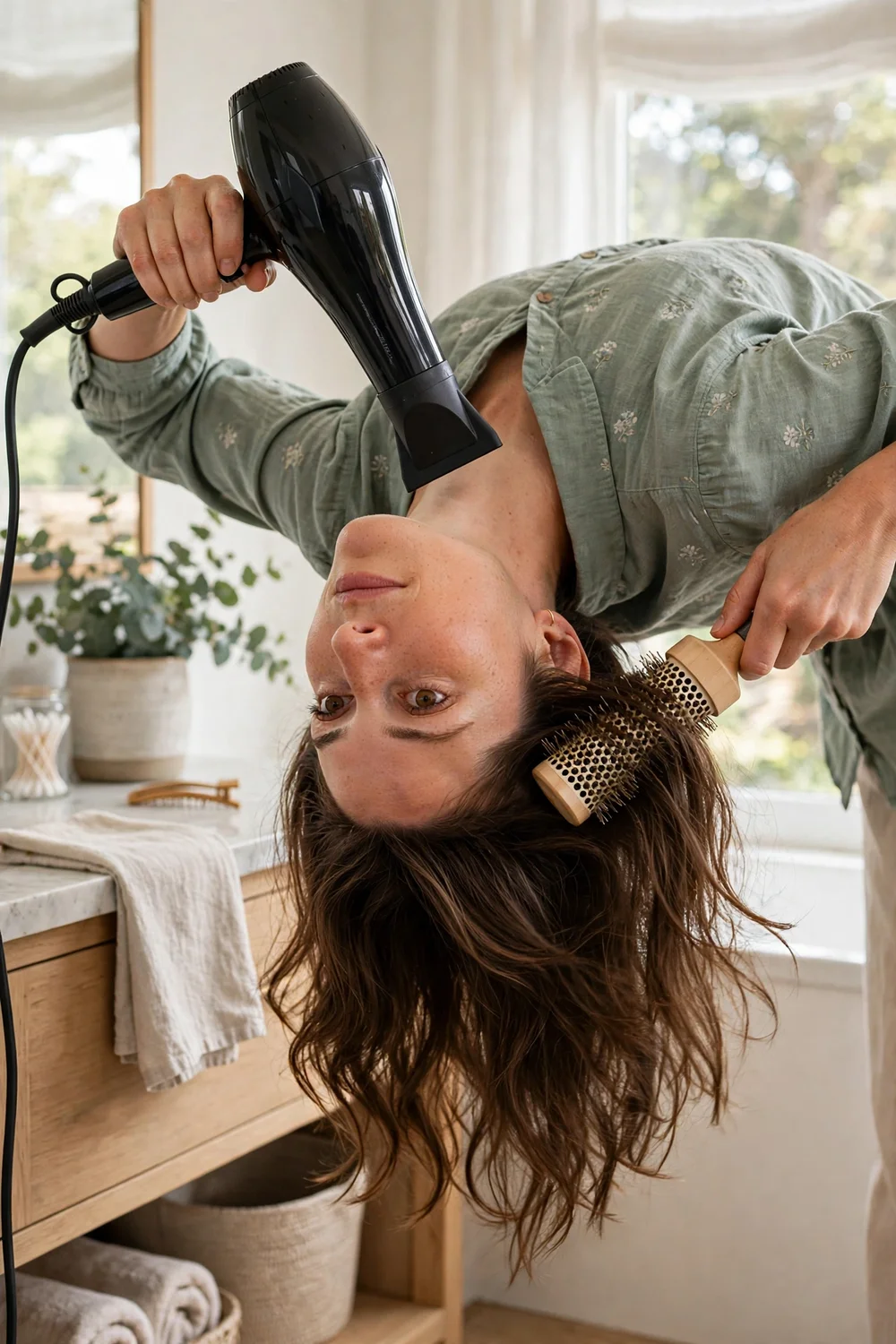
The lob gives you the coverage of a bob with more styling range. Shoulder length lets you add waves with a curling iron, and waves are one of the best tools for disguising a receding hairline because they break up every hard line on the head. Apply heat protectant before using hot tools, since fine or thinning hair damages faster.
Wear it with a deep side part and tuck the fuller side behind your ear to show off an earring. The tuck also trains the hair to fall in that direction over time.
Layered Pixie With Forward Fringe

A pixie with the fringe swept forward covers the hairline completely while keeping the style light and easy. The short back and sides create contrast that makes the top look fuller, and the forward fringe hides the temples outright. This is one of the lowest-maintenance options on this list: wash, add a small amount of texture cream, and go.
If you are considering going this short, these short hairstyles for thin fine hair show how pixie variations handle different densities and face shapes.
Short Hairstyles for Thin Fine Hair
Deep Side Part

Changing where your hair parts is the fastest free fix available. A deep side part, set about two inches off center, sweeps a heavy section of hair across the thinner temple and creates lift at the crown. It works on any length and takes thirty seconds.
The trick is committing to it for a few weeks. Hair trained to part in the middle resists a new part at first, so blow-dry the new part into place for the first week until it holds on its own.
Loose Updos and Messy Buns

A loose bun or low twist pulls hair back softly, and a few face-framing strands left out at the front cover the temples. The key word is loose: tight ponytails and slicked buns pull on the hairline and make recession more visible, while soft updos do the opposite. Leave the front pieces out before you twist, not after.
For everyday options that stay gentle on the hairline, these easy hairstyles for thin hair include several loose styles that work with a receding hairline.
Easy Hairstyles for Thin Hair
Best Hairstyles for a Receding Hairline: Men

Buzz Cut
The buzz cut removes the problem instead of hiding it. With hair at one even length, there is no contrast between thick and thin areas, and the hairline reads as a deliberate shape. It suits men whose recession is advanced or who want zero styling time. A number 2 or 3 guard on top keeps enough coverage to look intentional rather than shaved.
Caesar Cut

The caesar cut brushes a short textured fringe straight forward over the hairline, covering the temples directly. It is one of the best men’s options for early to moderate recession because it adds coverage without looking like a cover-up. Ask your barber for texture through the top so the fringe does not lie flat.
French Crop

The french crop is the caesar’s more modern cousin: longer textured top, fringe forward, with a fade on the sides. The fade draws the eye down and away from the hairline while the forward fringe covers it. This cut suits most hair types, including curly and coily hair, where the natural texture adds even more coverage.
Classic Side Part

A side part with enough length on top to sweep across works well for mild recession. The part should sit on the fuller side so the sweep covers the thinner temple. Keep the sides neat and the top matte: shiny product on thinning hair highlights the scalp instead of hiding it.
Textured Quiff

The quiff piles volume up and back, which shifts focus to the top of the head and away from the hairline. It needs enough density on top to work, so it suits early recession best. A matte clay worked into dry hair gives the lift without the wet look that exposes thinning.
Techniques That Create the Illusion of Fullness

The cut is only half the equation. These techniques work with any of the styles above and cost nothing.
Strategic parting. Part on the fuller side so the sweep crosses the thinner temple. A slightly curved or zigzag part breaks up the hairline even more than a straight one, since the eye has no clean line to follow.
Root volume. Lift at the roots makes hair look denser from every angle. Blow-dry the front section upward and back with a round brush, or flip your head forward and rough-dry the roots. Apply heat protectant first if you use a dryer regularly.
Texture over smoothness. Tousled, choppy ends scatter light and look thicker than smooth, flat hair. Ask for point cutting or texturizing through the top layers rather than blunt cutting.
Face-framing color. Slightly lighter pieces around the face draw attention to your features instead of your hairline. This is a subtle effect, not a full highlight service, and it works for men too with a matte, natural result.
Curls and waves. Curly texture is one of the most effective disguises for a receding hairline because each curl adds visual width. If your hair has any natural wave, work with it instead of straightening it. These curly hairstyles for thin fine hair show how curl patterns add fullness where it counts.
Curly Hairstyles for Thin Fine Hair
For a broader look at cuts designed around thin hair, this guide to haircuts that make thin hair look thicker pairs well with the techniques above.
Haircuts to Make Thin Hair Look Thicker
What to Avoid
Slicking thinning hair straight back. Pulling the hair back exposes the full hairline and presses the hair flat, which is the worst combination for recession. If you like hair off your face, a textured quiff or a loose style with height is safer than a slicked-back look.
The long comb-over. Growing the front long to sweep across a wide recession almost always draws more attention to the area. Short, textured coverage looks deliberate; long, thin coverage looks like it is hiding something.
Heavy, shiny products. Wet-look gels and heavy oils separate hair into strands and expose the scalp. Matte products keep hair looking like one full mass instead of separated pieces.
A hard center part on wide recession. Center parts split the hair evenly and frame both temples, which emphasizes exactly what you want to soften. Move the part off center.
Tight styles that pull the hairline. Tight ponytails, buns, and braids put tension on the front hairline. Over time that tension can worsen thinning around the temples. Keep updos loose with soft front pieces.
Styling Routine and Products
A simple routine beats a complicated one. For daily styling, start with volumizing mousse worked into damp roots, which gives lift that lasts all day. Blow-dry the front upward and away from the face for volume, then finish with a matte texture spray or clay.
For men, a pea-sized amount of matte clay in dry hair is usually enough. Work it through the top with your fingers, pushing the front up and forward for a quiff or caesar, or across for a textured crop. For women, a light thickening spray at the crown plus a round-brush blow-dry on the front section covers most needs.
Wash with a volumizing shampoo and avoid heavy conditioners near the roots, since they flatten the lift you are trying to build. Dry shampoo on the second day adds grip and volume at the roots, which helps coverage last between washes.
If your main issue is overall thinness rather than the hairline alone, these volumizing haircuts for thin hair are built around the same root-lift principles.
Volumizing Haircuts for Thin Hair
When to Talk to a Dermatologist
Hairstyles manage the appearance of a receding hairline, but they do not address the cause. It is worth seeing a dermatologist if your hairline is changing quickly, if you notice shedding in clumps, if the scalp looks red or irritated, or if the recession started suddenly rather than gradually.
Bring photos of your hairline from a year or two ago if you have them. The dermatologist can tell you whether the pattern looks like typical gradual thinning or something that needs treatment, and can discuss options honestly. A haircut appointment and a dermatologist appointment solve different parts of the problem.
Styles at a Glance
| Style | Who It Suits | Coverage Level | Upkeep |
|---|---|---|---|
| Side-swept bangs | Women, any length | High | Daily restyle |
| Textured bob | Women, short to medium | Medium to high | Trim every 6 to 8 weeks |
| Layered pixie with fringe | Women, short | High | Trim every 4 to 6 weeks |
| Buzz cut | Men, any stage | Even (no contrast) | Clip every 2 to 3 weeks |
| Caesar cut | Men, early to moderate | High | Trim every 3 to 4 weeks |
| French crop | Men, early to moderate | High | Trim every 3 to 4 weeks |
| Textured quiff | Men, early recession | Medium | Daily styling |
FAQs
What is the best hairstyle for a receding hairline?
For women, side-swept bangs with a textured bob or lob give the most coverage with the least effort. For men, a caesar cut or french crop covers the temples directly, while a buzz cut removes the contrast between thick and thin areas entirely. The best choice depends on how far the recession has gone and how much daily styling you want to do.
Should I get bangs if my hairline is receding?
Yes, bangs are one of the most effective options for women. Side-swept bangs cover one temple fully and soften the other, and a forward fringe on a pixie covers the hairline completely. Keep the bangs long enough to look intentional, and avoid short blunt bangs that draw a hard line across the forehead.
Does a side part really help hide a receding hairline?
It does. A deep side part set about two inches off center sweeps a heavy section of hair across the thinner temple and creates lift at the crown, which makes the hair look denser overall. It works on any length, for women and men, and takes seconds once the hair is trained to the new part.
Will cutting my hair shorter make a receding hairline less visible?
Usually, yes. Shorter hair has more volume and less weight pulling it flat, so thinning areas look fuller. Short cuts also remove the contrast that makes recession obvious: long thin strands next to a receding hairline draw attention, while an even short cut looks deliberate.
When should I see a doctor about a receding hairline?
See a dermatologist if the hairline is changing quickly, if you are shedding in clumps, if the scalp looks red or irritated, or if the recession started suddenly. Bring older photos of your hairline so the dermatologist can compare. Hairstyles manage appearance, but a doctor can assess the cause.
Final Thoughts
A receding hairline is a haircut problem before it is anything else, and the right cut solves most of it. Pick a style that puts volume where the hair is thinnest, use a side part and matte texture to your advantage, and skip the styles that expose the hairline. The styles above have worked for years because they work with real hair, not against it.

