


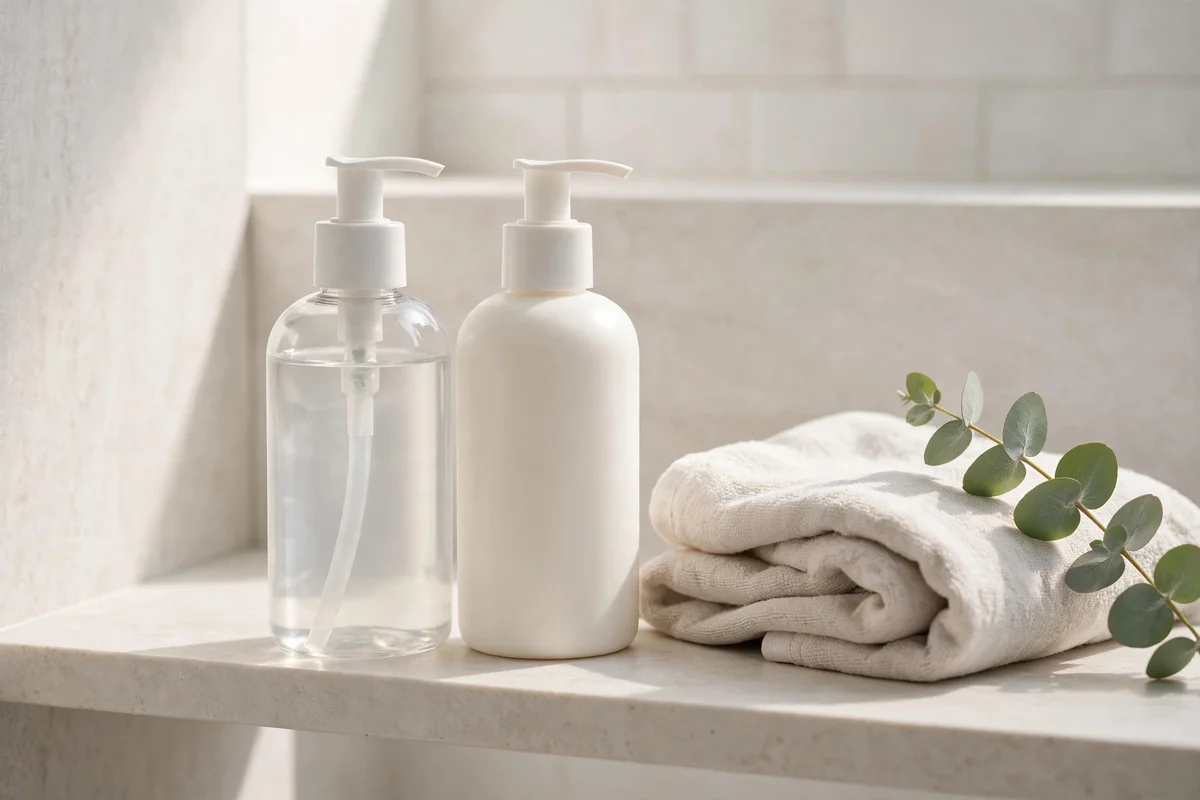
Shampoo vs conditioner is not a contest with one winner. You need both, because they do completely different jobs: shampoo cleans your hair and scalp, and conditioner restores moisture and smoothness after cleansing. Skipping either one leaves the routine half done.
This comparison breaks down exactly how shampoo and conditioner differ: their purpose, their ingredients, how each one works on the hair, where to apply them, and how often to use them. You will also learn who needs more shampoo, who needs more conditioner, and the mistakes that make both products work worse.
For a full schedule covering every hair type, see our guide on how often to wash hair.
Quick Takeaways
- Shampoo cleanses with surfactants; conditioner moisturizes with oils, emollients, and humectants.
- Apply shampoo to the scalp and roots; apply conditioner to the mid-lengths and ends, not the scalp.
- Always shampoo first, then condition: cleansing first lets the conditioner absorb properly.
- Skipping conditioner leaves hair dry and tangle-prone, even on oily hair types.
- Oily scalps need more frequent shampooing; dry, curly, or damaged hair needs richer conditioning.
The Verdict: You Need Both

Think of shampoo and conditioner as a two-step system rather than two competing products. Shampoo removes oil, sweat, dirt, and product buildup from the scalp and hair. Conditioner then replaces lost moisture, smooths the outer layer of the hair, and makes it manageable. One cleans, the other cares for what was just cleaned.
Using shampoo alone leaves hair clean but rough, dry, and prone to tangling. Using conditioner alone leaves the scalp unwashed and leads to buildup. Together, they cover the full job: a clean scalp plus smooth, hydrated lengths.
There is also a simple chemistry reason the order matters. Shampoo is slightly alkaline, which lifts the hair’s outer cuticle so cleansing can happen. Conditioner is slightly acidic, which lays the cuticle back down and seals in moisture. Skipping the second step leaves the cuticle raised, which is why shampoo-only hair feels rough and catches on itself.
What Shampoo Does
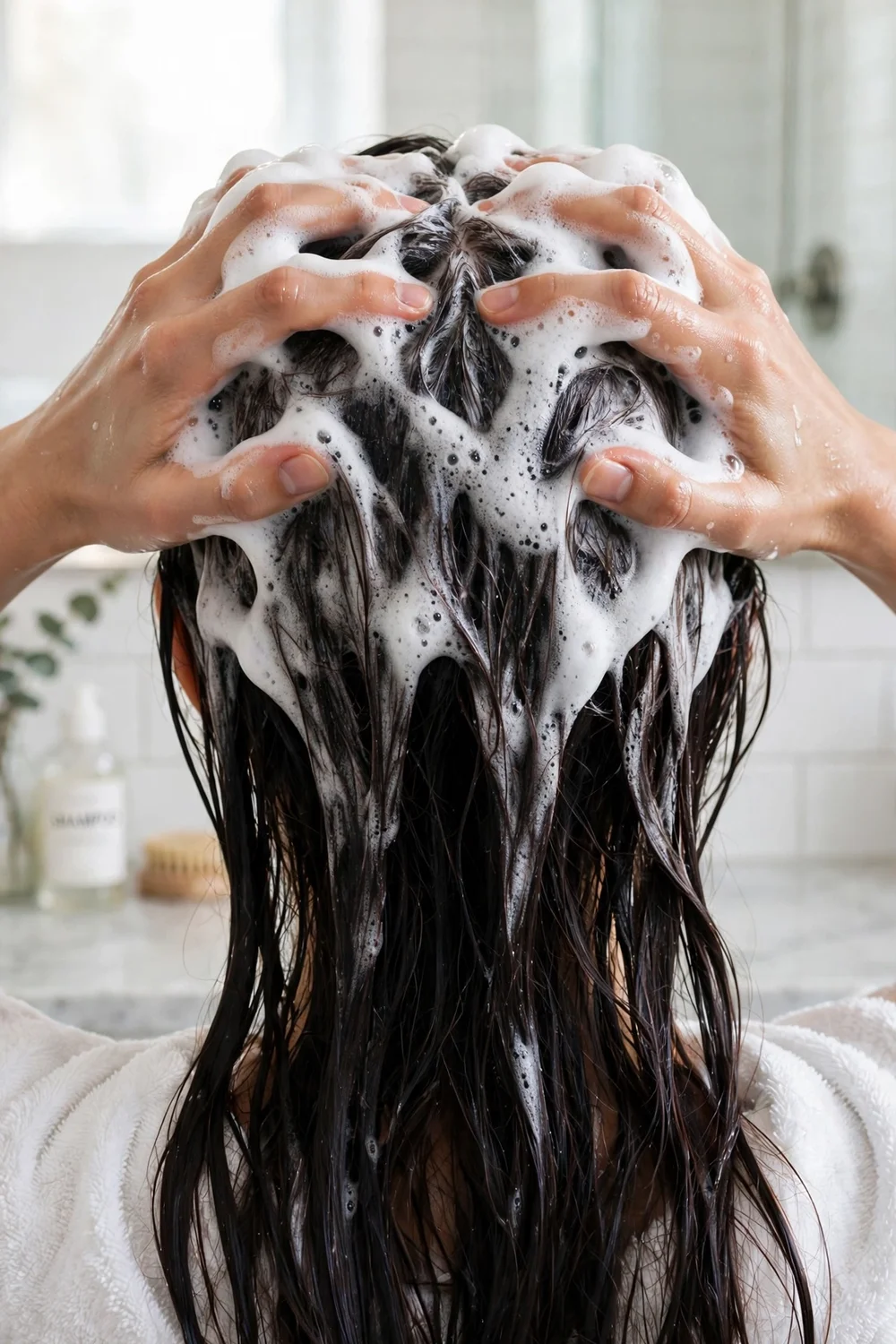
Shampoo is a cleanser. Its key ingredients are surfactants (cleansing agents such as sodium laureth sulfate or milder alternatives), which surround oil and dirt so water can rinse them away. That is what creates the lather you feel when you massage shampoo in.
Shampoo works mainly on the scalp and roots, where oil glands are most active. Massage it into the scalp with your fingertips for 30 to 60 seconds, then let the rinse carry it through the lengths. The lengths rarely need direct scrubbing; the runoff cleans them enough.
Because surfactants strip natural oils along with the dirt, shampoo can leave hair feeling rough or dry. That dryness is exactly what conditioner is designed to fix in the next step.
Shampoos also come in distinct formulas for different needs. Clarifying shampoos use stronger surfactants to strip heavy buildup and are best used about once a week. Moisturizing shampoos add conditioning agents to the formula for dry hair. Volumizing shampoos cleanse without heavy residues so fine hair stays lifted. Sulfate-free shampoos swap harsh sulfates for milder cleansers, which suits color-treated hair and sensitive scalps, though they lather less.
Different shampoos target different needs: clarifying formulas for heavy buildup, moisturizing formulas for dry hair, volumizing formulas for fine hair, and color-safe formulas that cleanse gently without fading dye. If your scalp gets oily within a day of washing, the best shampoo for oily hair guide walks through formulas built for that exact problem.
What Conditioner Does
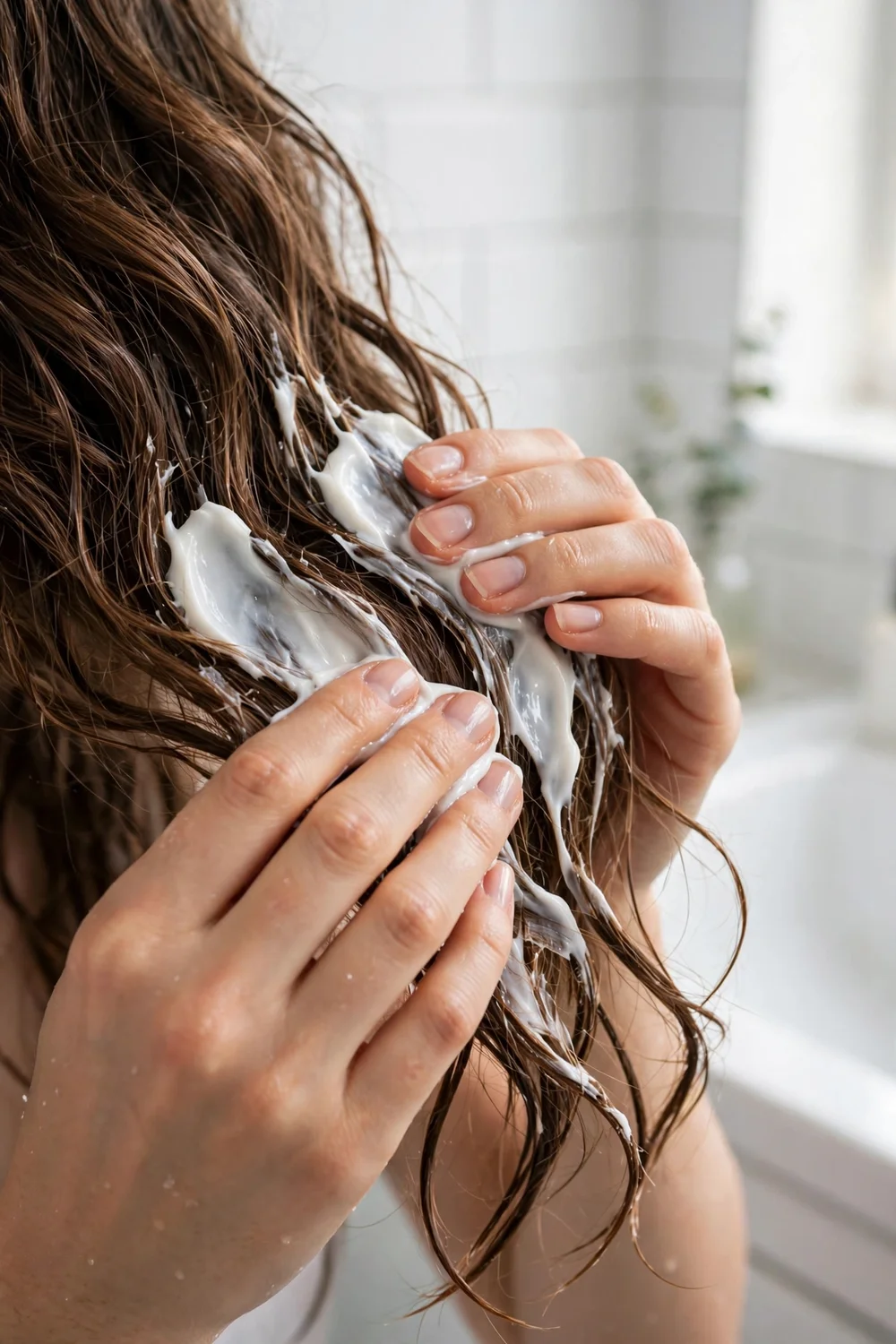
Conditioner is a moisturizer and smoother. It contains oils, emollients, humectants (like glycerin and panthenol), proteins (like keratin), and silicones that coat the hair shaft. Many conditioners also use positively charged conditioning agents that cling to damaged, negatively charged areas of the hair.
Conditioner works on the mid-lengths and ends, the oldest and driest parts of the hair. It smooths the lifted cuticle, reduces friction between strands, detangles, cuts frizz, and adds softness and shine. Unlike shampoo, conditioner does not lather; it has a slippery, creamy feel that lets you work through tangles.
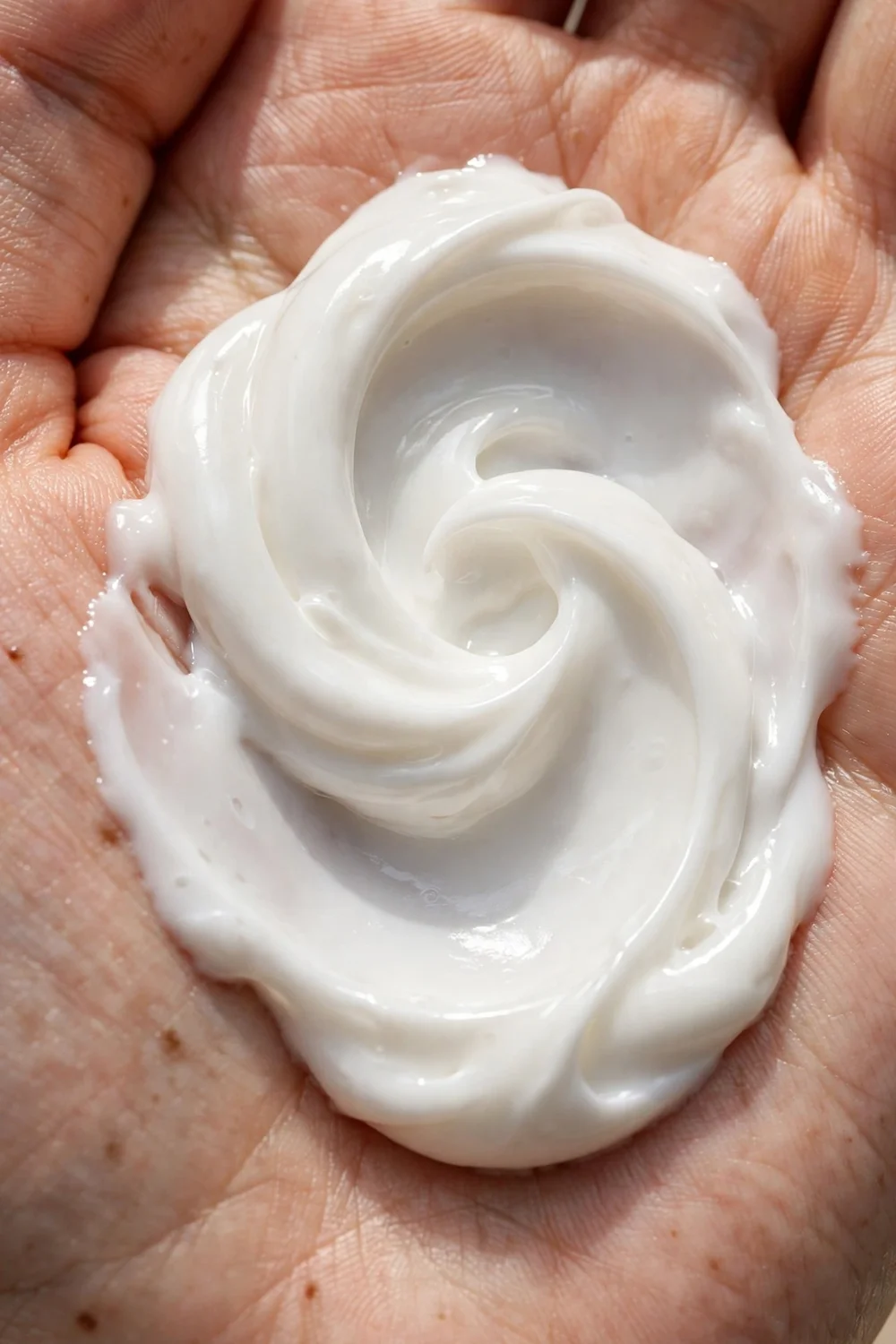
Leave it on for 1 to 3 minutes so the ingredients have time to coat the hair, then rinse. For hair that needs deeper moisture than a daily conditioner provides, occasional intensive treatments help too; the hair steaming pros and cons guide explains how steam treatments drive moisture deeper into the strand.
Conditioners come in several types as well. Rinse-out conditioner is the everyday standard used after every wash. Leave-in conditioner stays on the hair for lasting moisture and detangling between washes. Deep conditioners and masks are richer formulas left on for 10 to 20 minutes weekly for dry or damaged hair. Cleansing conditioners (co-wash products) sit between the two categories: gentler than shampoo, weaker as a moisturizer than a true conditioner.
Which One Runs Out First
In most households, the conditioner bottle empties first, and that is normal. Shampoo is used in small amounts on the scalp only, while conditioner goes on the lengths and ends, which make up most of the hair. Long or thick hair can easily use twice as much conditioner as shampoo per wash.
If your shampoo runs out first instead, check your technique: you may be scrubbing the lengths with shampoo, which wastes product and dries the ends. Shampoo belongs on the scalp; the rinse handles the rest. Matching bottle sizes to actual use (a larger conditioner, a standard shampoo) saves money and keeps the routine balanced.
Shampoo vs Conditioner: Head-to-Head Comparison
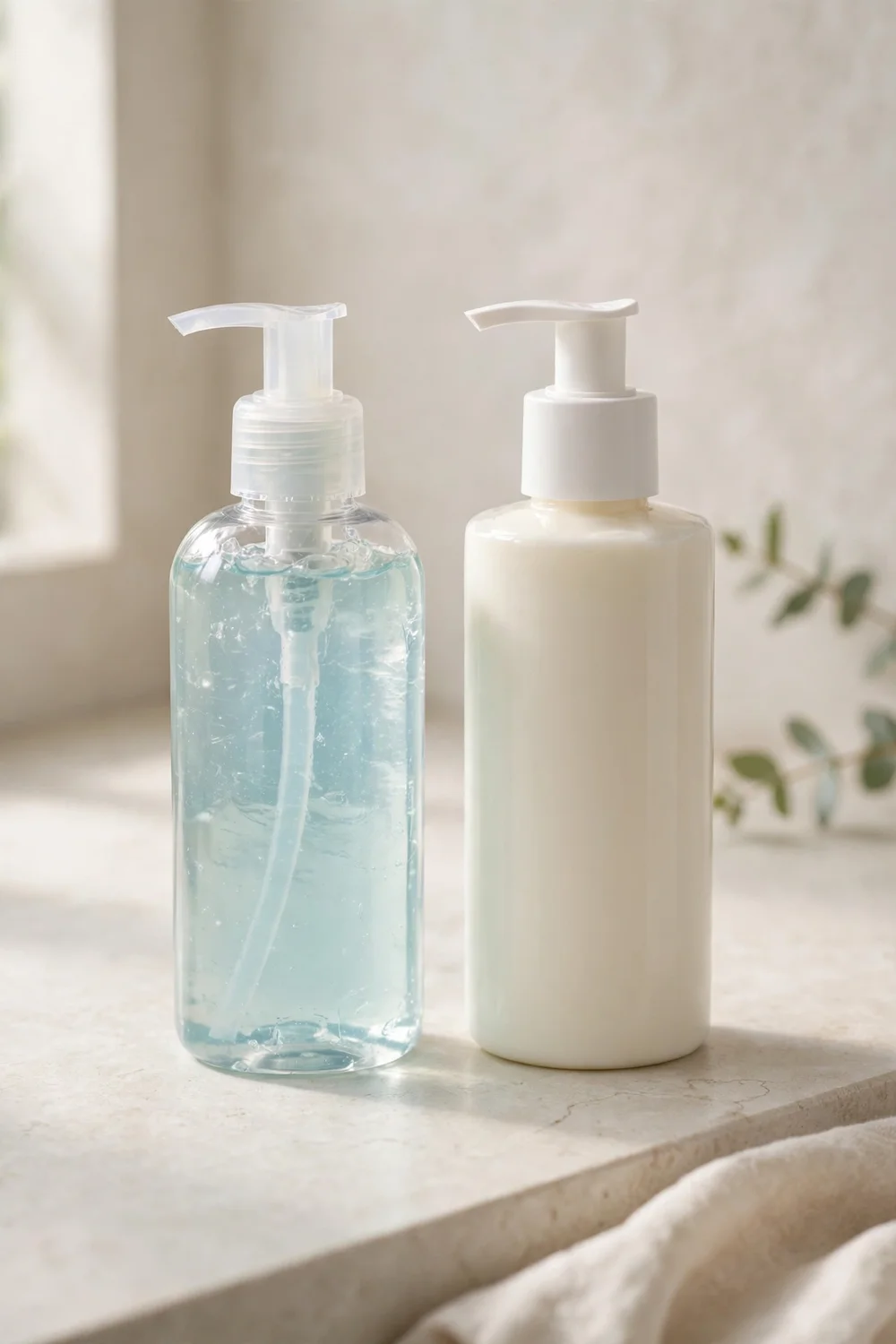
| Feature | Shampoo | Conditioner |
|---|---|---|
| Purpose | Cleanses scalp and hair, removes oil, dirt, and buildup | Moisturizes, detangles, smooths, and protects strands |
| Key ingredients | Surfactants and cleansing agents | Oils, emollients, humectants, proteins, silicones |
| How it works | Surfactants surround oil and lift it off so water rinses it away | Conditioning agents cling to damaged areas and coat the shaft, smoothing the cuticle |
| Where to apply | Scalp and roots | Mid-lengths and ends, not the scalp |
| Texture and lather | Liquid or gel; produces foamy lather | Creamy and thick; does not lather |
| How often | 2–3 times a week for most hair types; more for oily scalps | After every shampoo wash |
| Effect on hair | Clean and refreshed, but can feel dry or rough | Soft, smooth, detangled, and easier to style |
| Order of use | First | Second, after rinsing shampoo |
When to Use Which: Practical Guide
| Situation | What to Do | Why |
|---|---|---|
| Scalp feels greasy or itchy | Shampoo, then condition the ends | Only shampoo removes scalp oil and buildup |
| Ends feel dry or tangly after washing | Condition every wash; leave it on 2–3 minutes | Ends get the least natural oil and need the most help |
| Heavy product buildup | Clarifying shampoo once, then deep condition | Strong cleansing strips more, so moisture must be replaced |
| Hair feels weighed down or flat | Keep conditioner off the scalp; use a lighter formula | Conditioner on roots adds weight where oil already sits |
| Swimming or hard workout | Shampoo out sweat and chlorine, then condition | Sweat and chlorine dry hair out if left sitting |
Who Needs More Shampoo
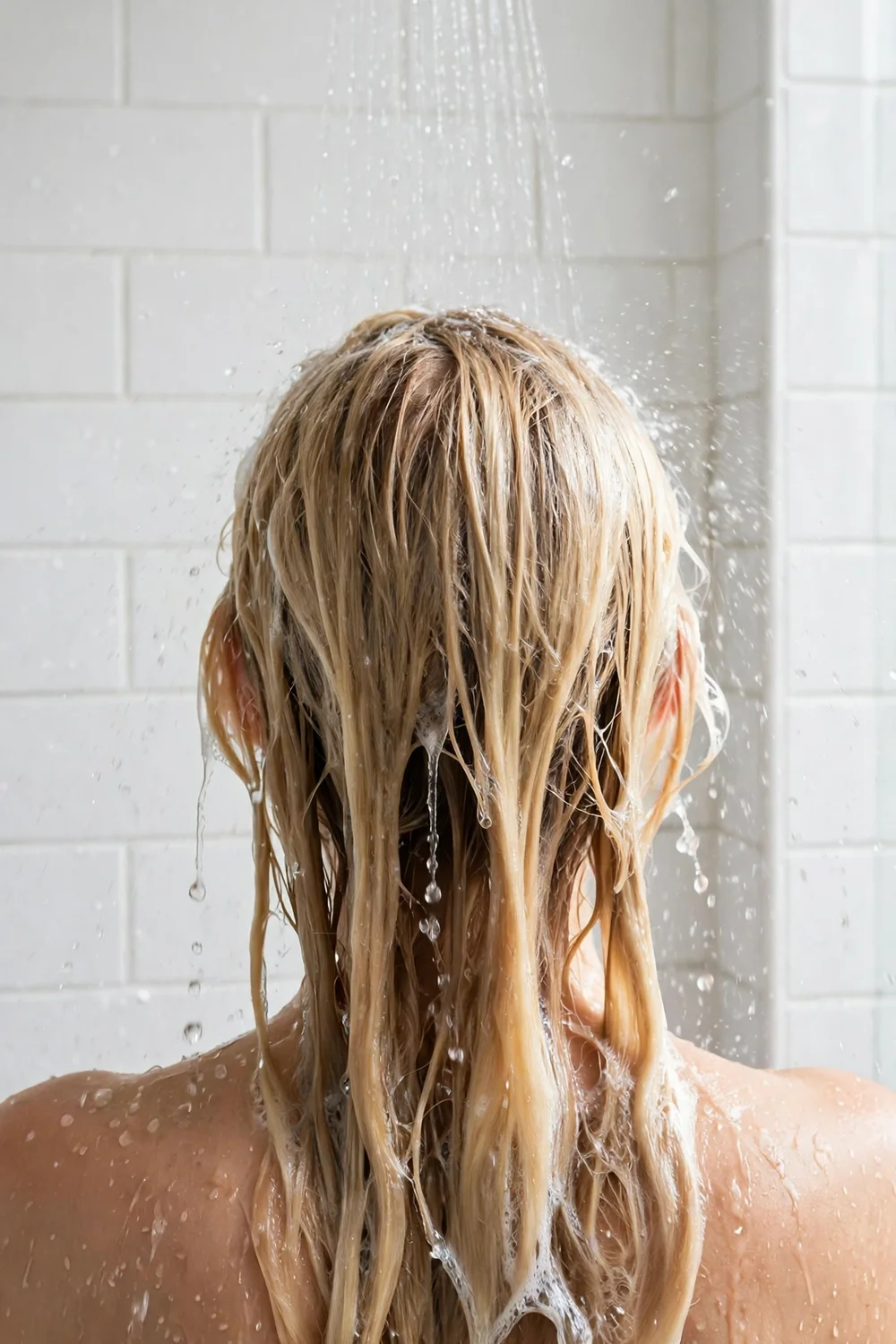
Oily scalps. If your roots look greasy within 24 hours, you need more frequent shampooing, not less. A gentle daily or every-other-day wash keeps the scalp clean; just keep conditioner on the ends.
Fine, straight hair. Oil travels down straight strands fast, so fine hair often needs shampooing every 1 to 2 days. Use a lightweight conditioner only on the ends to avoid flatness.
Active lifestyles and heavy stylers. Sweat, dry shampoo, gels, and sprays build up. Shampoo each time the scalp feels coated, and use a clarifying shampoo about once a week if you layer a lot of product.
Who Needs More Conditioner
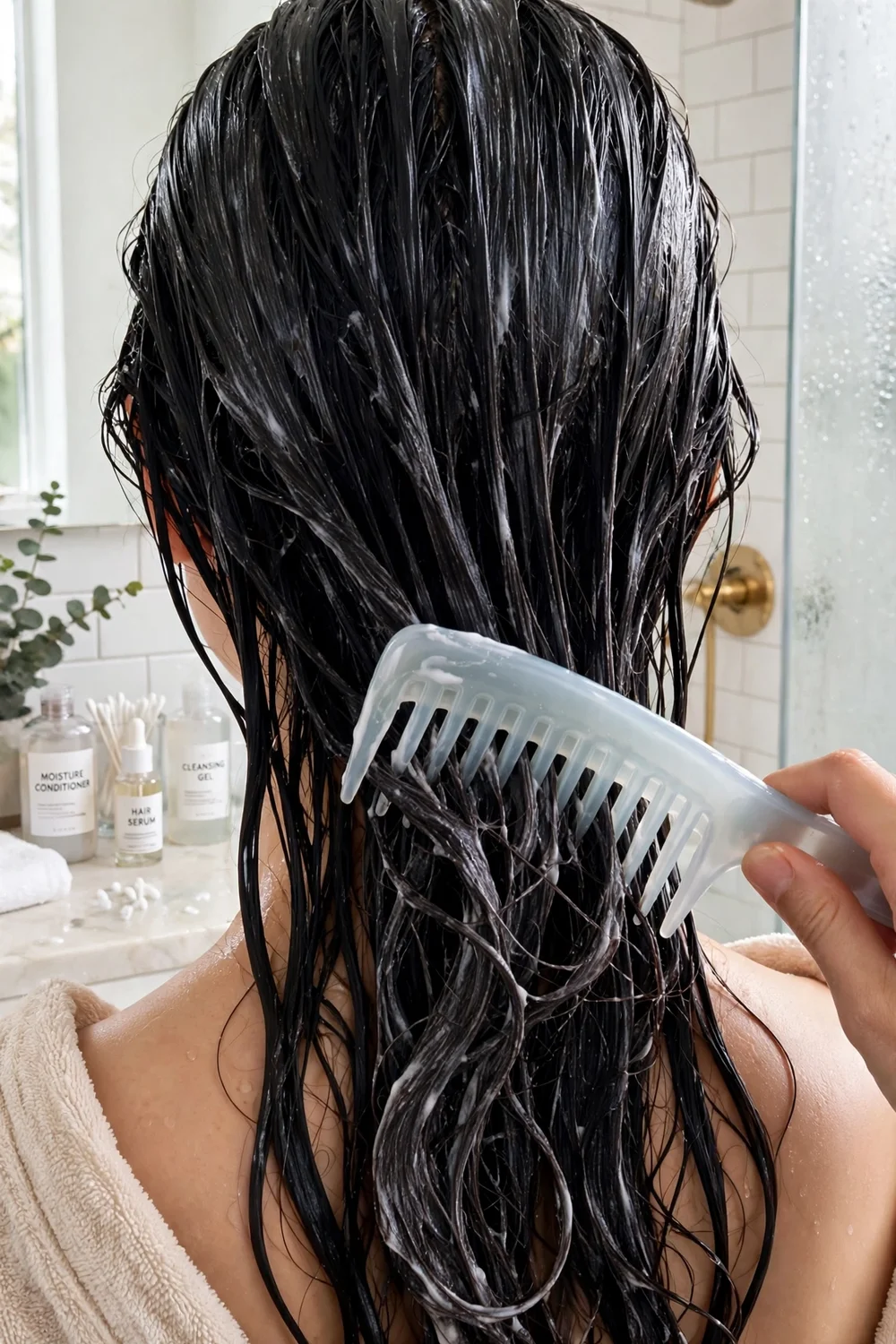
Dry or damaged hair. Bleached, heat-styled, or chemically treated hair loses moisture fast. Condition every wash, consider a leave-in conditioner on top, and add a deep conditioning mask weekly.
Curly and coily hair. Natural oils struggle to travel down curls, so the lengths stay drier. Rich conditioners, applied generously from mid-lengths to ends, keep curls defined instead of frizzy.
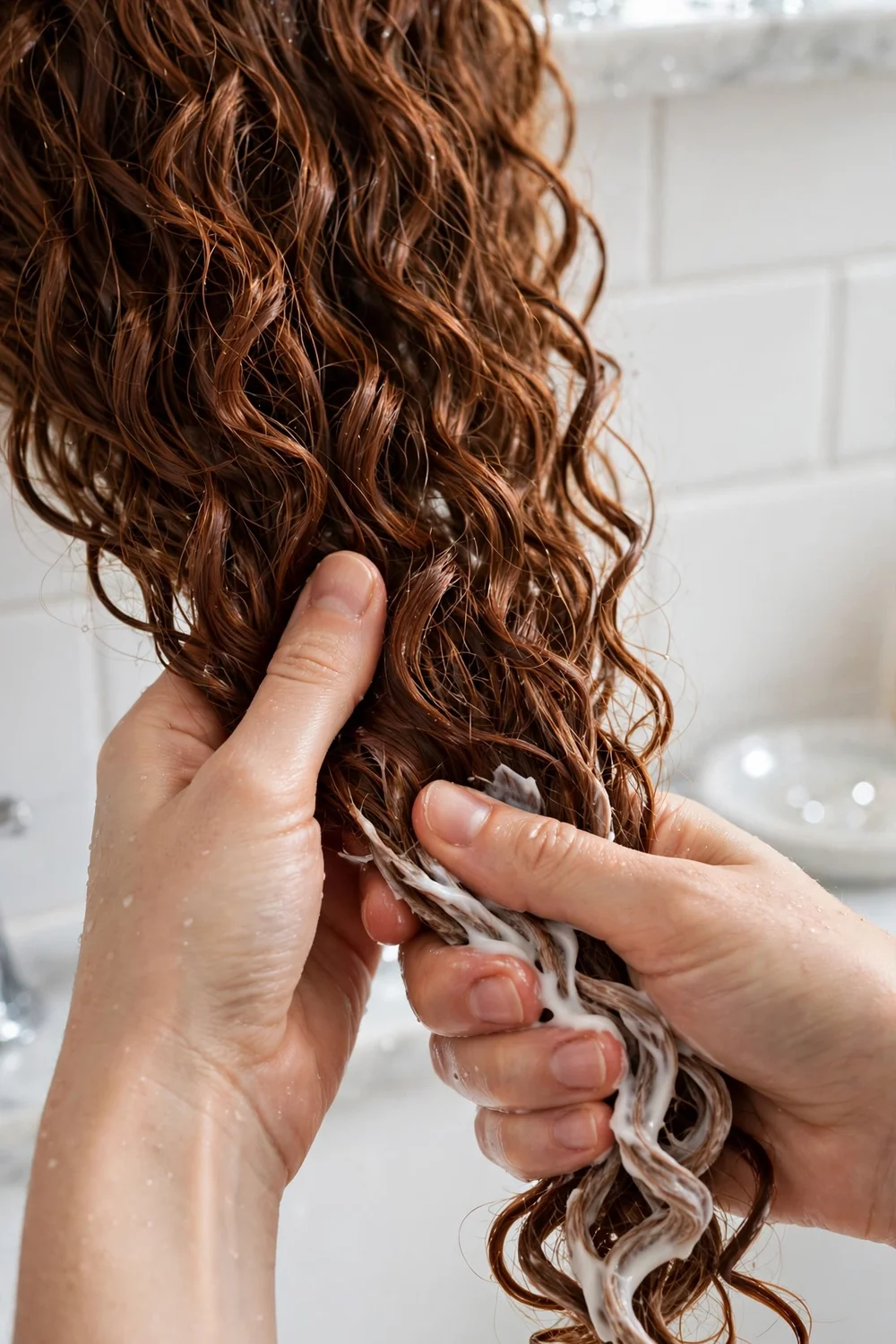
Long hair. The ends of long hair are years old and have survived countless washes. They need consistent conditioning to avoid split ends, even if the scalp is oily.
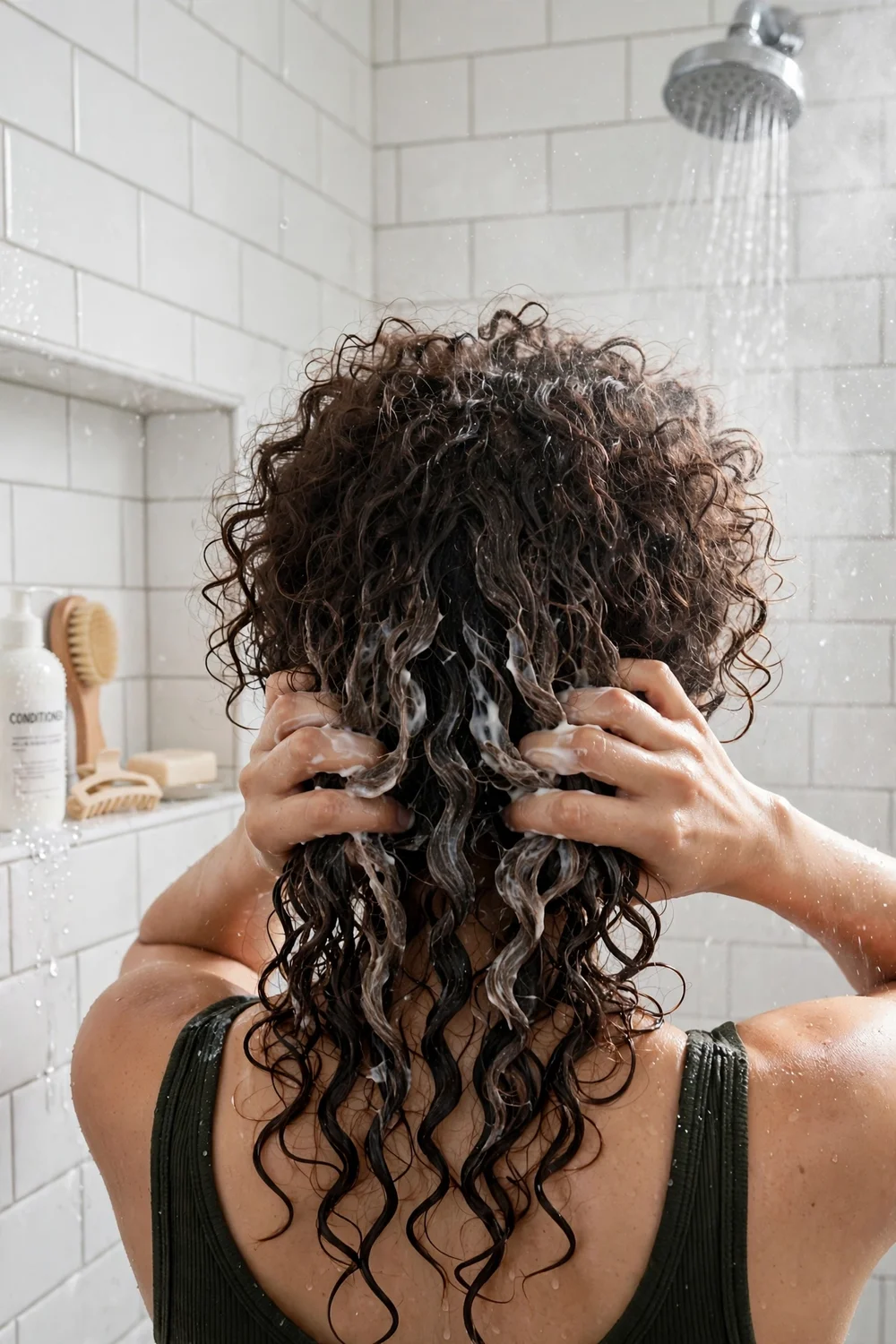
Very dry hair between washes. Some people with very dry or fragile hair use conditioner-only washing (co-washing) on some wash days. It can work short term, but conditioner does not cleanse, so shampoo still needs to appear regularly or buildup wins.
Mistakes That Make Both Work Worse
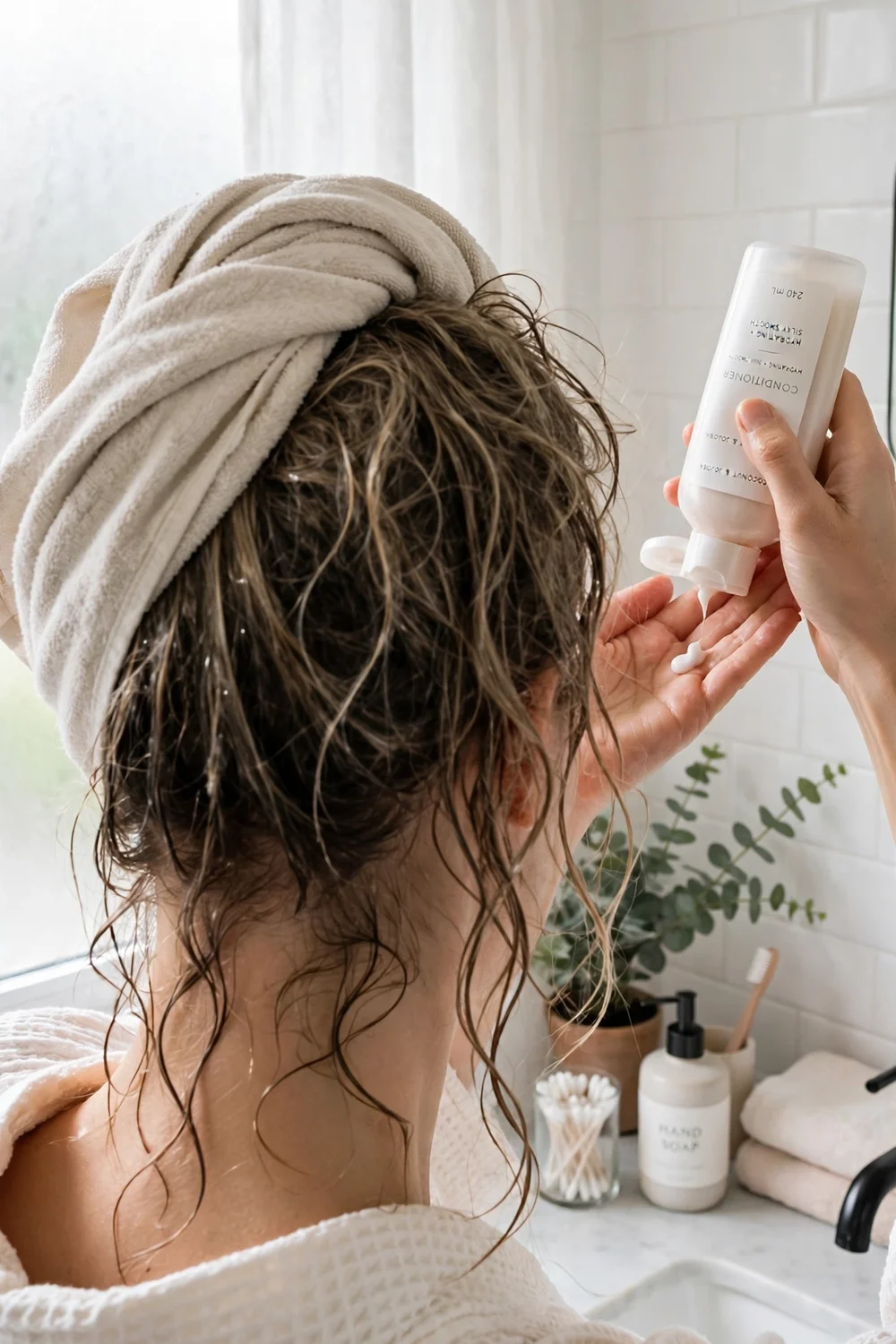
Skipping conditioner. The most common error, especially among people with oily or fine hair. Every hair type needs moisture after shampoo; the fix is a lighter formula and careful application, not skipping the step.
Putting conditioner on the scalp. Conditioner is made for the lengths. On the scalp it causes greasiness, weighs hair down, and can irritate sensitive skin.
Conditioning before shampooing every time. Reverse washing has its fans, but as a daily habit it leaves the scalp less clean and can leave residue. Shampoo first remains the standard order for a reason.
Rinsing conditioner out too fast. A 10-second rinse wastes the product. Give it 1 to 3 minutes on the hair so the smoothing ingredients can coat the strands.
Using 2-in-1 as a full replacement. Two-in-one products cleanse decently but condition weakly. They are fine for travel or short hair, but long, dry, or damaged hair needs the separate steps.
For more on this topic, see caring for thin hair.
FAQs
Can I use conditioner without shampoo?
You can occasionally, but not as a routine. Conditioner has no cleansing agents, so it cannot remove oil, sweat, or buildup from the scalp. Washing with conditioner only (co-washing) for too long leads to an oily scalp and product buildup. Shampoo still needs to appear regularly.
Should shampoo or conditioner go first?
Shampoo goes first, then conditioner. Shampooing first clears oil and buildup so the conditioner can coat clean hair and absorb properly. Conditioning first leaves a layer on the hair that stops the shampoo from cleansing fully.
Can I skip conditioner if I have oily hair?
No. Oily hair still needs moisture on the lengths, because shampoo strips oils from the ends too. Use a lightweight conditioner and apply it only from the mid-lengths to the ends, keeping it completely off the scalp.
What happens if you put conditioner on your scalp?
It makes the scalp greasy faster, weighs the roots down, and can clog follicles or irritate sensitive skin. Conditioner is formulated for the hair shaft, not the skin of the scalp, so keep it on the lengths where the hair actually needs it.
Is 2-in-1 shampoo and conditioner as good as using both separately?
Not quite. Two-in-one products cleanse reasonably well but condition weakly, since the cleansing and conditioning ingredients partly cancel each other out. They work for travel, gym bags, or very short hair, but medium to long, dry, or damaged hair gets better results from separate shampoo and conditioner.
Final Thoughts
Shampoo vs conditioner ends in a draw that is really a partnership: shampoo keeps the scalp clean and healthy, conditioner keeps the lengths soft, smooth, and manageable. Use them in that order, put each one where it belongs, and adjust the balance to your hair type rather than dropping either step.
For more wash-day and hair care guides in the same vein, browse the PrimeHairPicks homepage for the latest articles.

