



Choosing a new hairstyle becomes much easier when you start with three facts: your face shape, your natural hair texture, and how much daily effort you are willing to give your hair. Once those are clear, almost any trend can be adjusted to work for you.
Many women pick a cut from a photo of a celebrity and feel disappointed with the result. That usually happens because the photo never showed the fine print: the face shape it suits, the texture it needs, and the styling time it demands. This guide walks you through each factor in order, so you can book your appointment with confidence.
Quick Takeaways
- Identify your face shape first. It is the single most useful guide for deciding where a cut should sit, how much volume you want, and where layers should start.
- Choose cuts that work with your natural texture instead of fighting it. Fine hair needs weight control, thick hair needs weight removal, and curls need room to spring.
- Be honest about maintenance. A cut you cannot style on a normal weekday will spend most of its life looking nothing like the salon photo.
- Bring three to five reference photos to your appointment and ask how each style behaves on dry, unstyled hair.
- Start smaller than your instinct says if you are nervous. You can always take more off; growing it back takes months.
Figure Out Your Face Shape First
Face shape is not about labeling yourself. It is a quick way to predict which cuts will balance your features and which will emphasize something you would rather downplay.
The easiest method: pull your hair back, look straight into a mirror, and trace your face’s outline on the mirror with a dry-erase marker. Step back and look at the shape you drew. You can also take a straight-on photo and trace the outline on your phone.
Oval: Forehead and jawline are close in width, the face is slightly longer than it is wide, and the chin is softly rounded. Almost any cut works here, so the decision comes down to texture and lifestyle. Long layers, bobs, and pixies all sit well on oval faces.

Round: Width and length are nearly equal, with full cheeks and a rounded chin. Cuts that add length on top and keep the sides closer to the head help the face look longer. Long layers, side-swept bangs, and lobs that fall below the chin tend to work well. Very short round bobs can widen the face visually, so discuss length placement with your stylist first.
If you want to see how short cuts are adapted for this shape, our roundup of short haircuts for round faces shows which lengths and partings keep balance without adding width.
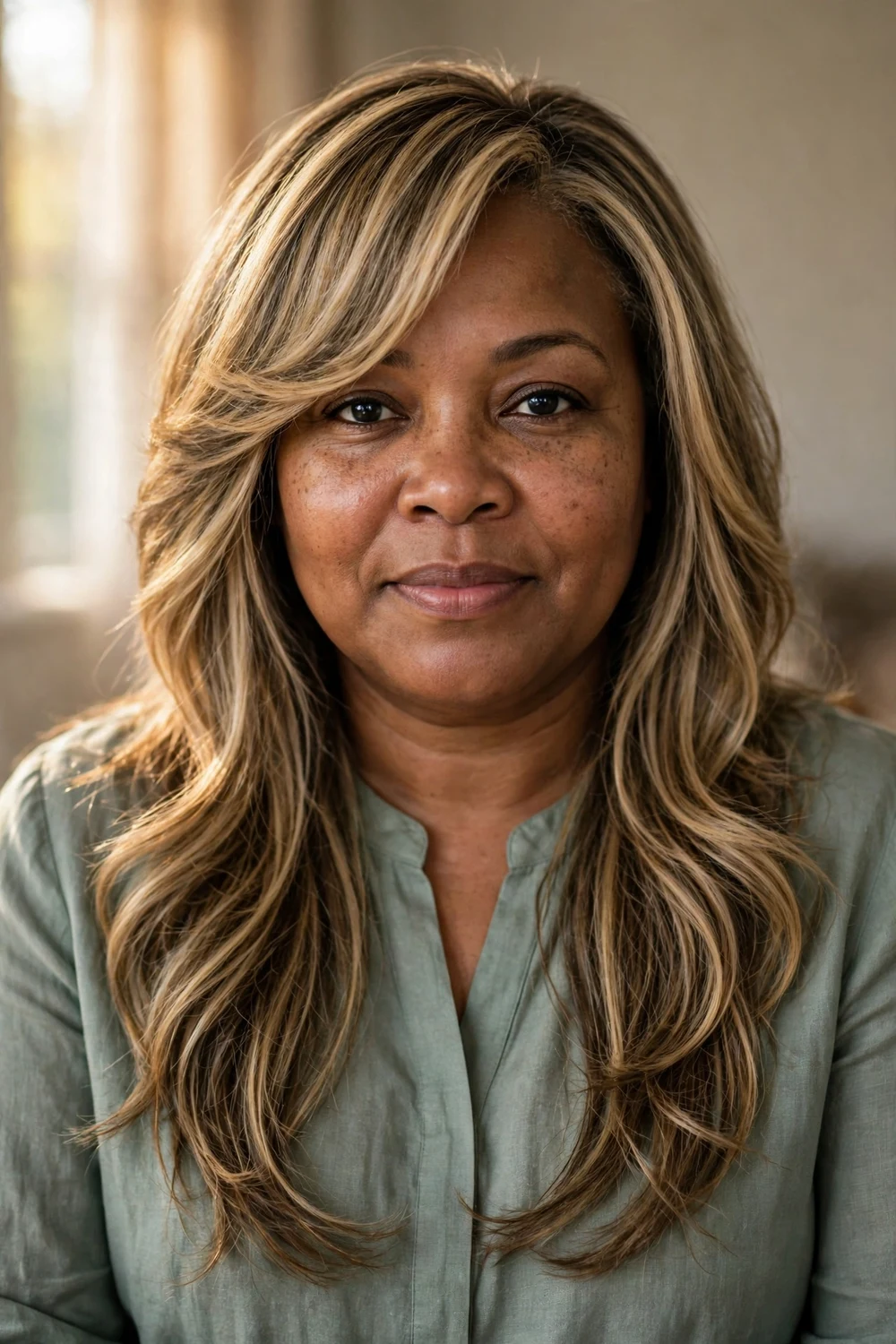
Square: Strong jawline and a broad forehead, with a wide chin. Softer edges balance the angles: layered cuts, side parts, and waves that fall past the chin help soften the jawline. Blunt, chin-length cuts with sharp edges can make the jawline look more pronounced, so they are a cautious choice here.
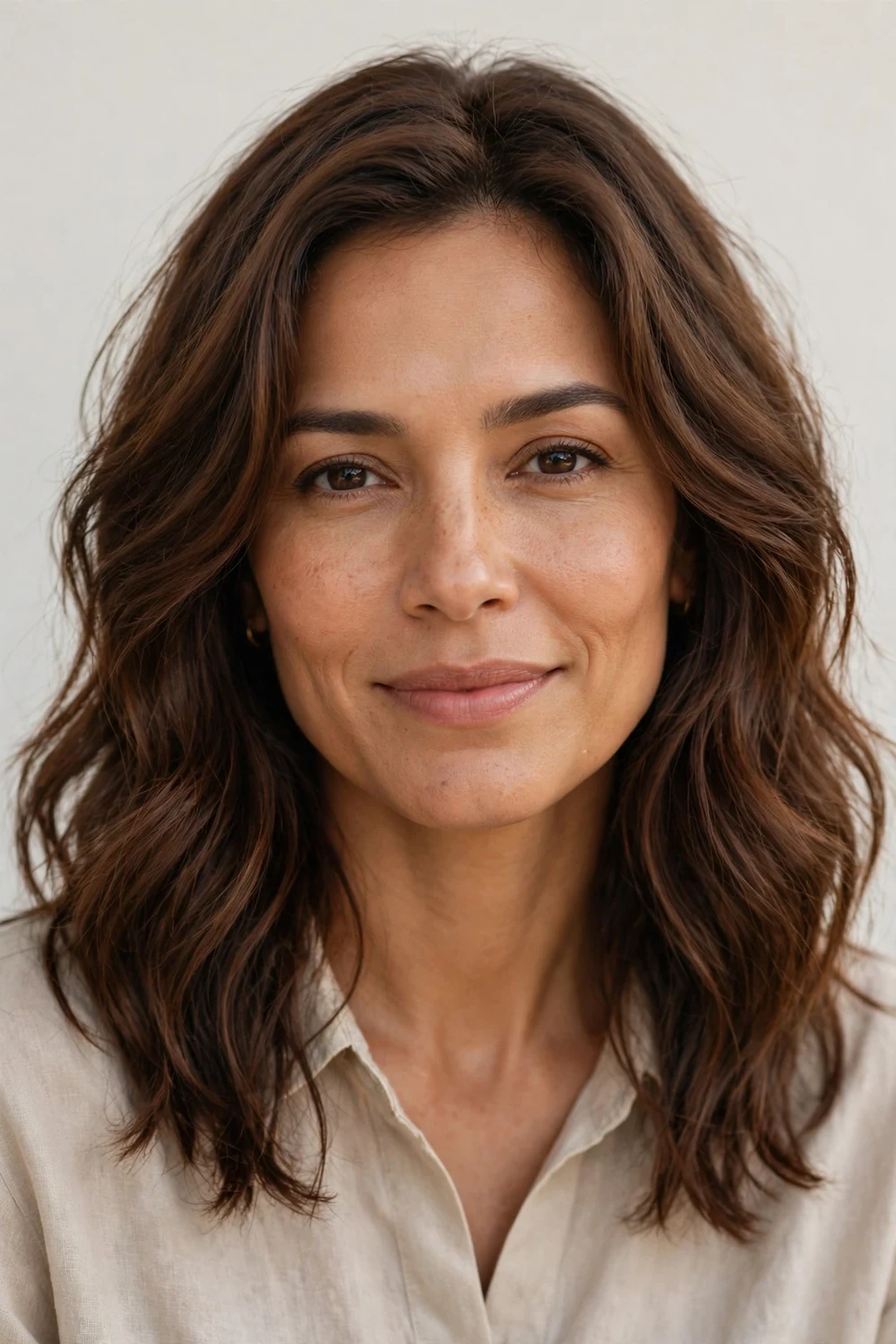
Heart: Wider forehead, narrower chin, often with a defined point at the chin. The goal is to add width around the jawline and draw attention downward. Chin-length bobs, lob layers that start at the jaw, and curtain bangs all do this job. Avoid heavy volume at the crown, which emphasizes the wider upper half.

Diamond: Narrow forehead and chin with wide, high cheekbones. Softness and texture help here: chin-length bobs, side-swept bangs, and medium cuts with movement. Flat, straight styles pulled tight can over-emphasize the cheekbones.
Oblong or rectangular: Longer face with fairly even width from forehead to jaw. Width and softness reduce apparent length: shoulder-length cuts with layers, side-swept or straight-across bangs, and waves with body at the sides. Very long, flat hair can make the face look even longer.
Keep in mind that most faces are a blend of two shapes. If you sit between round and square, borrow advice from both: softness for the jawline, length for the cheeks.
Match the Cut to Your Natural Hair Texture
Your stylist can cut any style into any hair type, but the result you get at home depends on what your hair does on its own. Choosing a cut that cooperates with your texture cuts your styling time and frustration dramatically.

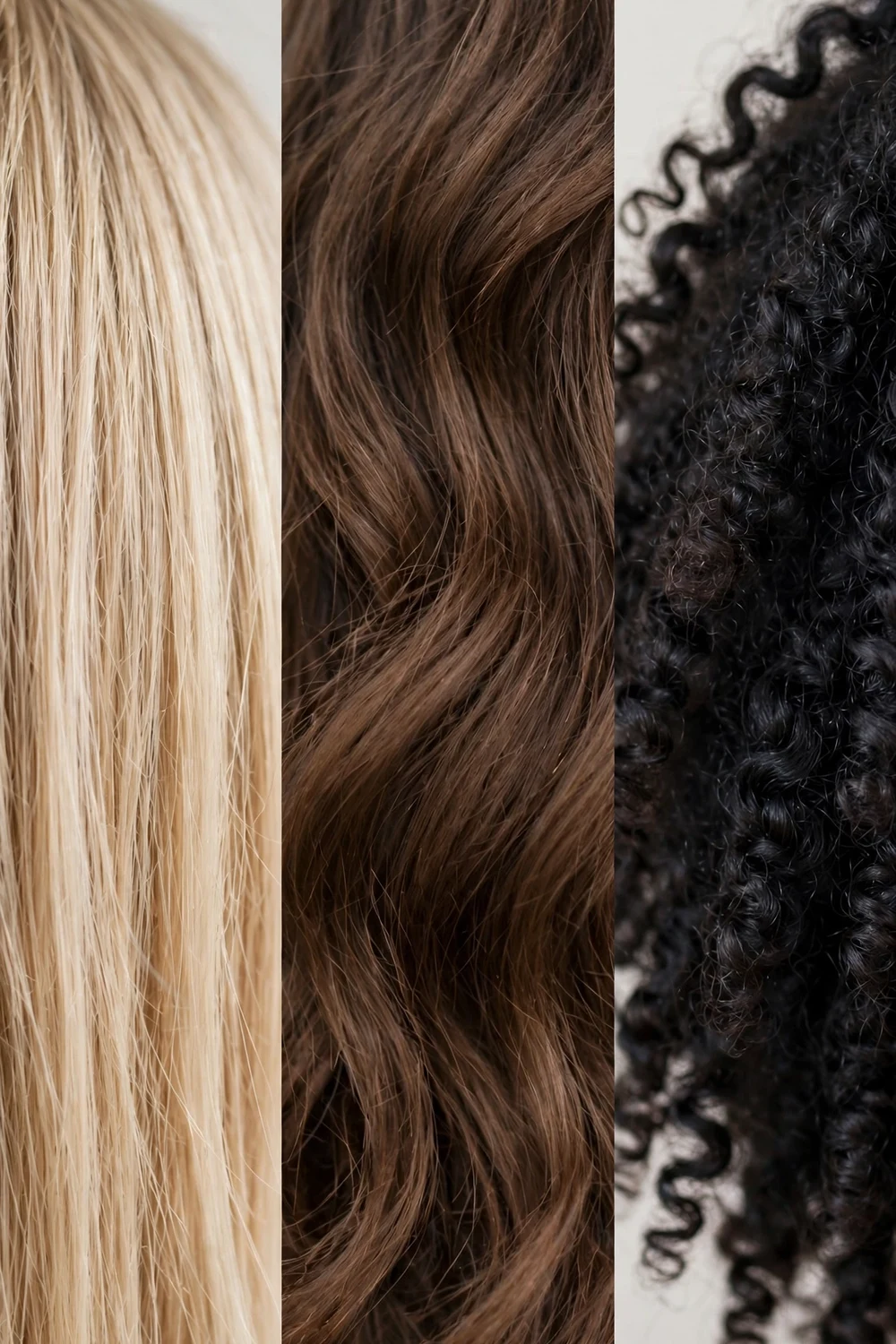
Fine hair shows every cut detail and goes flat fast. Blunt edges at the bottom create the illusion of density, while too many layers can make fine hair look thinner. Shoulder length or shorter usually gives fine hair more body than long lengths that hang heavy.
Thick hair needs internal layering and weight removal to sit right. Without it, thick hair cuts into a triangle or mushroom shape. Longer layers, thinning shears used carefully, and texturizing at the ends keep thick hair manageable.
Straight hair looks clean and sharp in structured cuts like bobs and blunt lobs. It also shows every cutting mistake, so precision matters. Layers add movement but grow out unevenly, so budget for trims every six to eight weeks if you layer straight hair.
Wavy hair has the most freedom: it holds volume and texture with little effort. Shags, lobs, and long layers all suit waves. The main risk is frizz, so ask your stylist about layering techniques that keep the ends sealed rather than shredded.

Curly hair shrinks when it dries, sometimes by several inches, so length decisions should be made on dry hair. Layers prevent the triangle effect and let curls stack. Deva-style dry cutting or a curl-by-curl approach gives more predictable results than wet cutting alone.
Coily hair needs shape more than anything. Rounded silhouettes, tapered cuts, and layered fro shapes keep coils looking intentional. Ask about a dry cut if your stylist usually cuts coily hair wet, since shrinkage changes everything.
Gray or silver hair tends to be coarser and drier, with more wire-like strands. Cuts that remove bulk and add soft layering keep gray hair from looking stiff. Regular conditioning treatments matter more with this texture than with pigmented hair.
Be Honest About Your Lifestyle and Maintenance Level
This is where most haircut regrets are born. A sleek bob that needs 20 minutes of straightening every morning is a fine choice if you enjoy that routine and a bad one if you wash, dry, and run out the door.
Answer these questions before you book:
- How often do you actually wash your hair? If it is twice a week, avoid cuts that only look good on day-one hair.
- How many minutes will you spend styling on a normal weekday? Set a real number, not an aspirational one.
- Do you use heat tools regularly? Some cuts depend on them; others are designed to air-dry.
- Does your work have a dress code or safety rules? Food service, medical, and lab jobs often require hair to be secured.
- Do you exercise, swim, or wear helmets often? These activities flatten and frizz many polished styles.
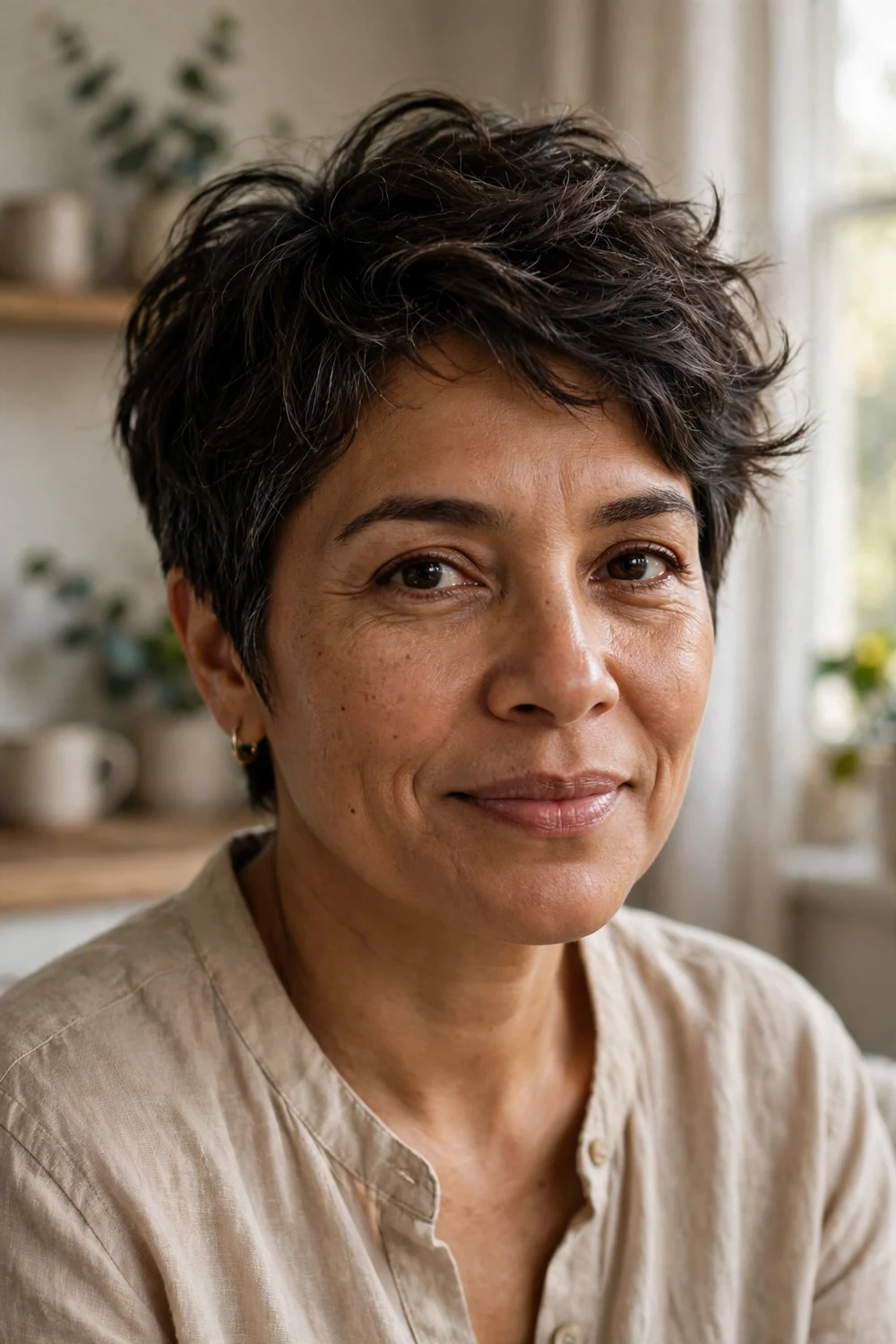
The table below groups common cuts by what they genuinely demand day to day.
| Maintenance Level | Daily Time | Examples |
|---|---|---|
| Wash-and-wear | Under 5 minutes | Textured pixie, short shag, wash-and-go curls, blunt chin bob on straight hair |
| Medium | 5 to 15 minutes | Long layers with air-dried waves, lob with a quick flat-iron pass, curtain bangs with a round-brush touch |
| High | 15 to 30+ minutes | Sleek glass bob, full bouncy blowout, polished waves on long hair, micro bangs that need daily trimming |
If your mornings are short, browse wash-and-wear haircuts for inspiration on cuts that look finished with almost no styling. Many of the principles there apply at any age.
Also consider trim frequency. Pixies and sharp bobs need a salon visit every four to six weeks to keep their shape. Long layered cuts can go eight to twelve weeks. Factor both the cost and the calendar into your choice.

Decide How Big a Change You Want
Big changes feel exciting in the chair and stressful at home. There is no rule that says a new hairstyle must be a transformation. Sometimes the best move is a refinement of what you already have.
Small changes work well when you like your hair overall but want a refresh. Options include: adding or changing bangs, shifting your part, adding face-framing layers, taking off two to three inches, or adjusting the shape at the back. These grow out gracefully and are easy to reverse.

Medium changes are noticeable without being shocking: long hair to a lob, growing out a bob into a shag, or adding significant layers to one-length hair. These usually adapt well within a week or two of at-home styling.
Major changes like going from waist-length to a pixie, or from a pixie to growing everything out, need planning. For a big chop, save reference photos of your hair at the new length on someone with your texture, because short cuts behave very differently by hair type. For growing out, accept that awkward stages last several months and ask your stylist for a grow-out plan with interim shapes.
A practical trick for nervous changers: ask the stylist to cut a little less than the reference photo shows, then look at it dry and styled before deciding whether to take more off. Length is the one thing you cannot undo.

Bring Reference Photos and Ask the Right Questions
Photos solve the biggest communication problem in the salon: you and your stylist might mean different things by “layered” or “short.” Bring three to five photos of cuts you like, preferably on people with a similar texture and face shape to yours.
Also bring one or two photos of cuts you dislike. This helps your stylist rule out misinterpretations fast.
During the consultation, ask questions like these:
- How will this cut look when my hair air-dries, with no styling?
- Where will the layers sit on me, and how will they grow out in six weeks?
- How often will I need trims to keep this shape?
- What products and tools will I need at home for this style?
- Is there anything about my hairline, crown, or cowlicks that changes how this will sit?
- If I am unsure between two lengths, which one would you start with?
A good stylist will answer honestly, including telling you when a photo will not translate to your hair. That honesty is more valuable than a yes to everything.
Think About Color at the Same Time
A new cut and a new color done together multiply the upkeep. If you are going shorter and blonder at the same time, know that root touch-ups and toning now come with trim appointments too. Many women do the cut first, live with it for two to three weeks, and then decide on color once the shape feels familiar.
Also note the direction of the change. Going darker is cheaper and easier to maintain than going lighter, which may need multiple sessions to reach safely. If your new hairstyle exposes more of your natural hair (for example, a pixie cut close to the roots), color blending may need to be planned differently than it was on long hair.
Mistakes to Avoid When Choosing a New Hairstyle
1. Copying a photo without checking the texture. A razor-sharp bob on pin-straight hair needs very different home care on wavy or curly hair. Always ask what the cut requires on your texture.
2. Ignoring your hairline and cowlicks. A cowlick at the front hairline changes how bangs fall. Strong hairlines make some partings sit better than others. Your stylist should check these before cutting.
3. Choosing for one event. Cutting for a wedding or a photoshoot is fine, but make sure you also like the cut for the other 364 days, including the grow-out.
4. Going too short in one session when nervous. If your gut says “maybe this is too much,” it probably is. Take it in stages.
5. Skipping the grow-out conversation. Even a planned cut eventually grows. Ask what yours will look like at the two-month and four-month marks so there are no surprises.
6. Changing stylist and cut at the same time. A new stylist does not know your hair’s history. If you are trying both a new salon and a new style, keep one variable familiar or book a consultation-only visit first.

7. Forgetting glasses and hats. If you wear glasses daily, the cut should be chosen with them on. Heavy bangs plus bold frames can crowd the face; longer face-framing pieces usually balance better.
Frequently Asked Questions
How do I know which hairstyle suits me?
Start with your face shape to narrow the options, then filter by your natural texture and how much styling time you have. Bring reference photos to a stylist and ask how each option behaves on your hair when it is dry and unstyled. The intersection of those three factors is where your best cut lives.
Should I cut my hair short or keep it long?
Short cuts show more of your face and need more frequent trims but less daily styling time. Long hair offers more styling variety but takes longer to wash, dry, and style. If you are deciding, try a medium step first, like a lob, which lets you test shorter hair without a full commitment.
How often should I change my hairstyle?
There is no schedule. Change when your current cut no longer suits your life: your hair texture changed with age or hormones, your routine changed, or you are simply bored. Many stylists suggest a reassessment once a year, since hair density and gray percentage shift over time.
Can I choose a new hairstyle without going to a salon?
You can narrow your options at home with face-shape guides, virtual try-on apps, and reference photos. But the actual cut benefits from a professional who can account for your hairline, growth patterns, and texture. Virtual tools are useful for shortlisting, not for the final decision.
What if I hate my new haircut?
Talk to your stylist within a week; most will adjust a fresh cut at no charge. Short-term fixes include styling changes, temporary color, and accessories while it grows. For a truly wrong cut, ask for a correction plan with interim shapes rather than trying to fix it with one more dramatic chop.
Final Thoughts
Choosing a new hairstyle is really a matching exercise: the cut should match your face, your texture, and your actual life. Do those three things in order, bring photos, ask your questions, and you will walk out of the salon with hair that works on day one and day forty.
For a broader look at what is possible once you have picked your direction, start on the PrimeHairPicks homepage and browse the hairstyle collections by length, texture, and occasion.

