


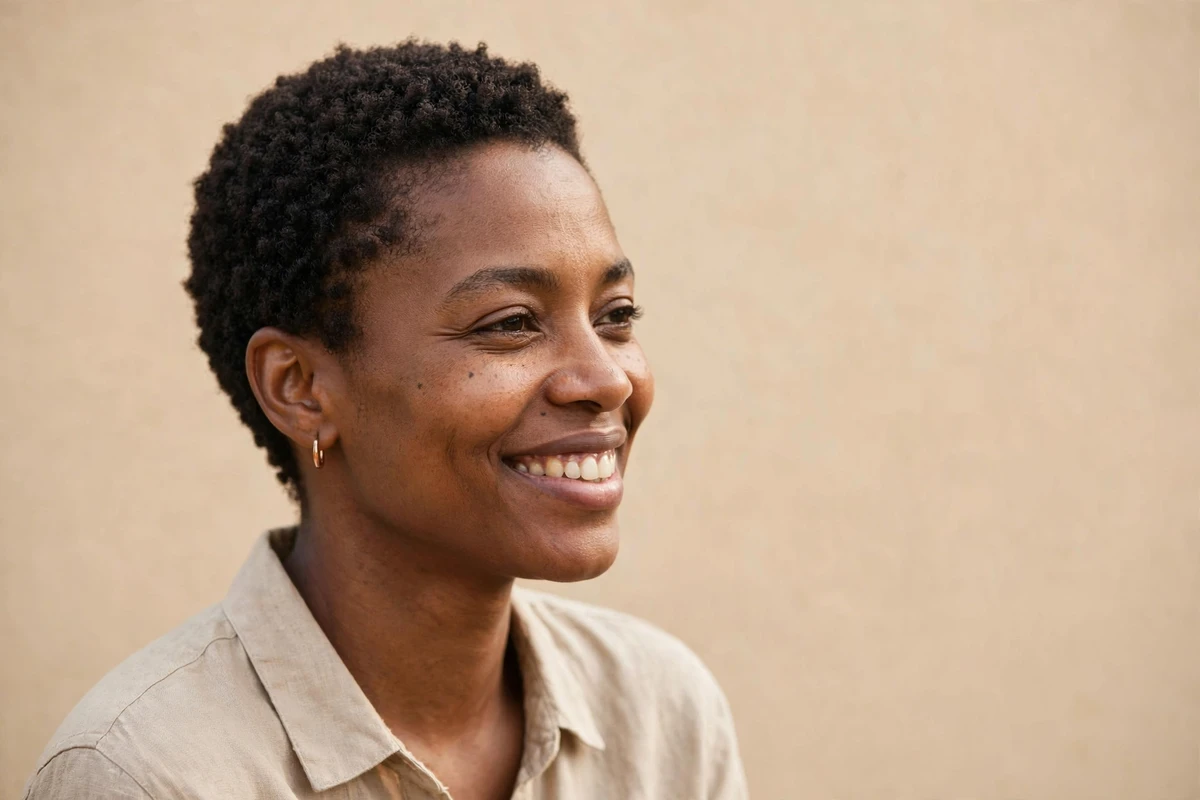
A TWA hairstyle (short for “teeny weeny afro”) is one of the boldest and most freeing hair decisions a Black woman can make. A short, natural crop puts your curl pattern, bone structure, and confidence front and center, and the result is almost always striking. Whether you are doing the big chop after years of relaxers or simply craving a low-maintenance fresh start, these 18 TWA hairstyles prove that short natural hair has serious range.
Women who go through the big chop often say the first week of learning their real texture changes everything. These 18 TWA hairstyles cover every mood: classic rounded cuts, fades, coils, twists, bold color, and wash-and-go styles, so you can pick the version that fits your routine and your nerve.
Quick Takeaways: 18 TWA Hairstyles
- A TWA (teeny weeny afro) is a short natural cut, usually under 2 inches, that shows off your true curl pattern.
- These 18 TWA hairstyles cover every mood: classic rounded cuts, fades, coils, twists, bold color, and wash-and-go styles.
- Most TWAs need daily moisture, weekly washing, and a trim every 6 to 8 weeks to keep the shape sharp.
- TWAs flatter every face shape. The secret is choosing length and volume placement that balances your features.
- Color (blonde, copper, burgundy, honey) is an easy way to make a TWA feel brand new without changing the cut.
What Is a TWA Hairstyle?
A TWA hairstyle is a very short natural haircut, typically under two inches long, worn in its natural curly, coily, or kinky texture. The term “teeny weeny afro” describes the small, cropped afro shape most TWAs take. It became a movement when women started doing the “big chop”, cutting off relaxed or damaged ends to grow out healthy natural hair from a fresh start. There is nothing to hide behind, which is exactly why it feels so powerful to wear.
18 Best TWA Hairstyles for Black Women
1. Classic Rounded TWA
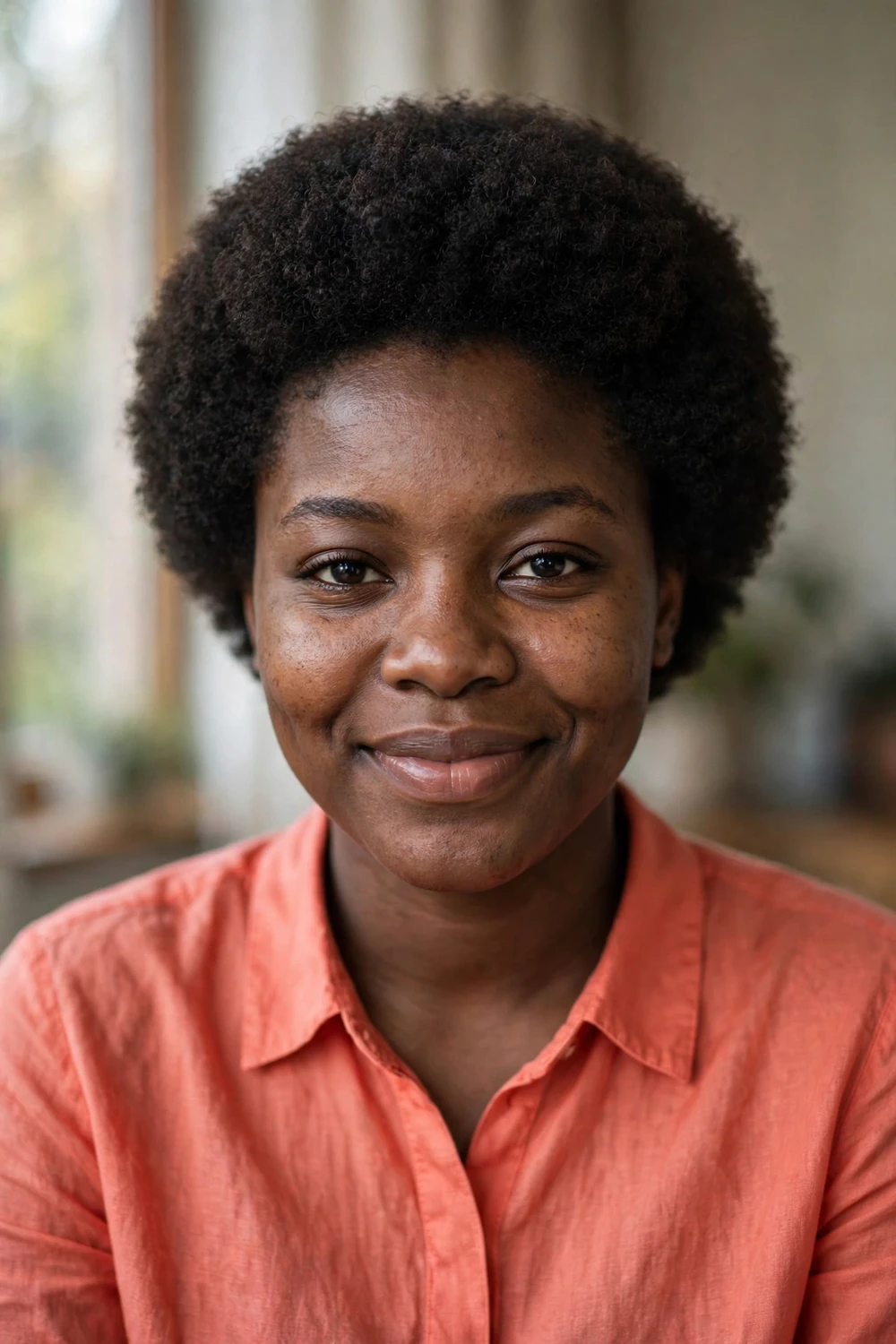
The classic rounded TWA is where it all begins: an even, spherical afro shape that frames the face. It is the purest form of the teeny weeny afro: uniform length all around, picked out into a soft halo. This cut suits every face shape and is the easiest TWA to grow out gracefully.
Ask your barber for an even cut all around, shaped with a pick rather than clippers alone for the softest finish. Keep the shape by picking the roots upward after moisturizing, which lifts the hair into that round silhouette. A light oil on the ends adds sheen without weighing the shape down.
Try this: pick the roots with an afro pick, then smooth the ends with a light oil for sheen.
Difficulty: Easy · Cost: basic barber cut ($25–$60)
2. Finger Coil TWA
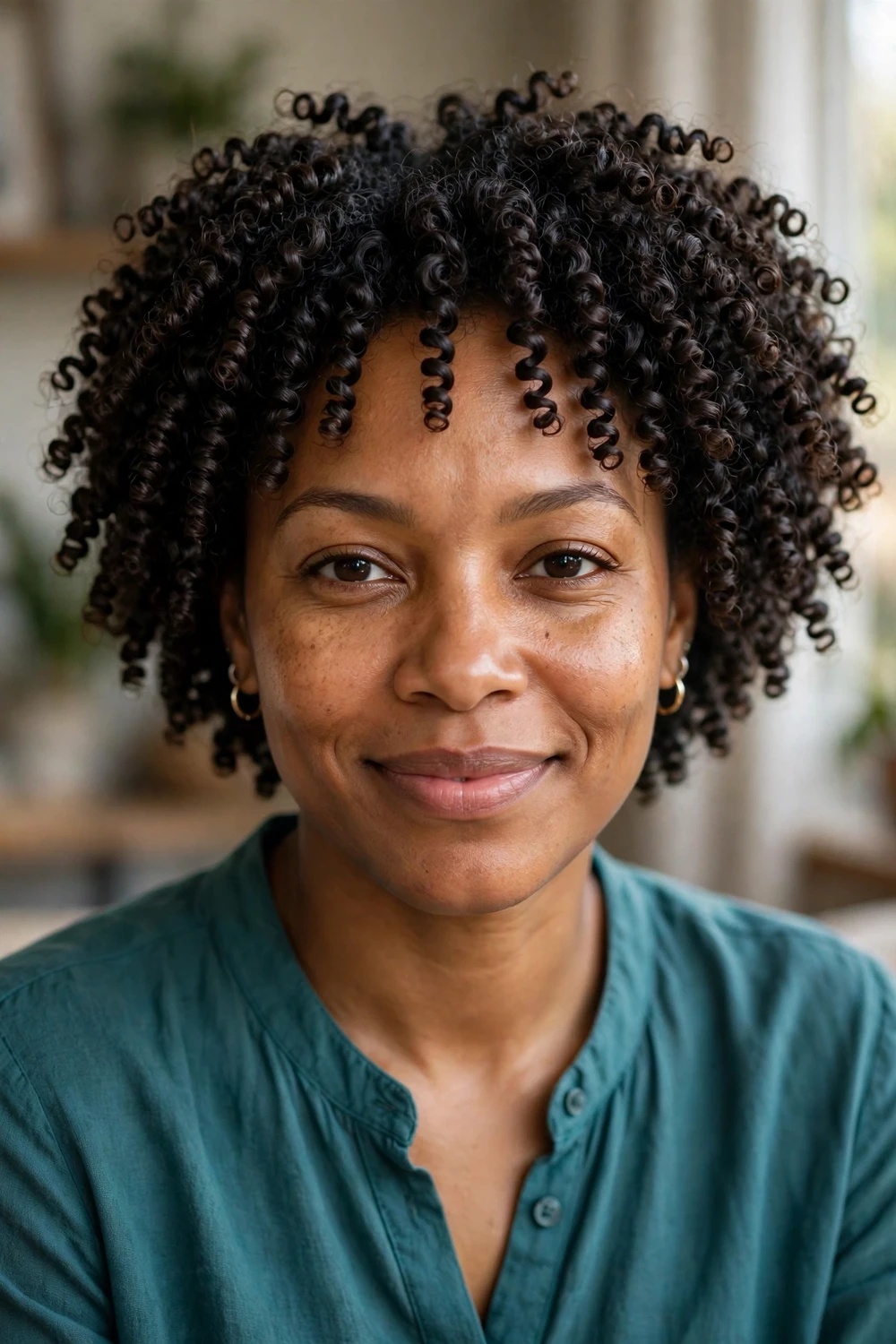
Finger coils turn a TWA into a head full of sculpted spirals. Each section is twisted around your finger with gel or curl cream, creating uniform, glossy coils that catch the light. The result is polished enough for the office and fun enough for a night out.
Work in small sections on damp hair with a strong-hold gel, twisting each coil in the same direction. Let the coils air-dry fully before separating them, or you will lose the definition. A satin bonnet at night keeps the coils intact for several days.
Try this: twist smaller sections at the front hairline for a neater frame around the face.
Difficulty: Medium · Cost: styling products ($15–$40)
3. Tapered TWA
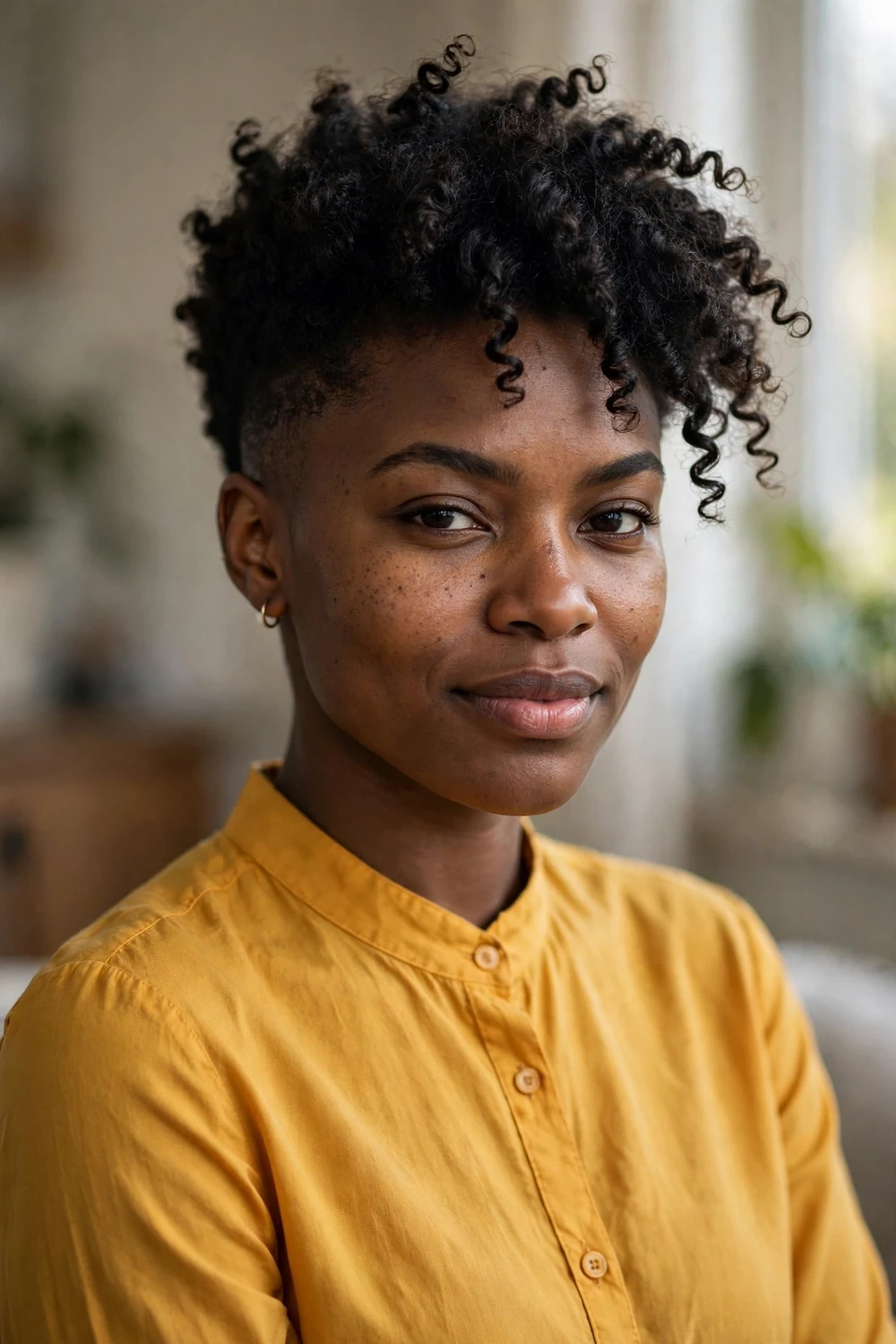
The tapered TWA keeps length on top and graduates to a neat, short finish at the nape and sides. It is one of the most requested short natural cuts in salons because it flatters nearly everyone and looks sharp from every angle.
Ask for the taper faded gradually rather than in a hard line, so the grow-out looks intentional. The top needs more length than you think, since coils shrink. Define the top curls with a sponge or brush, and keep the taper crisp with regular edge-ups every few weeks.
Try this: use a curl sponge on the top in small circles for even, defined texture.
Difficulty: Easy · Cost: barber cut with fade ($30–$70)
4. Blonde TWA
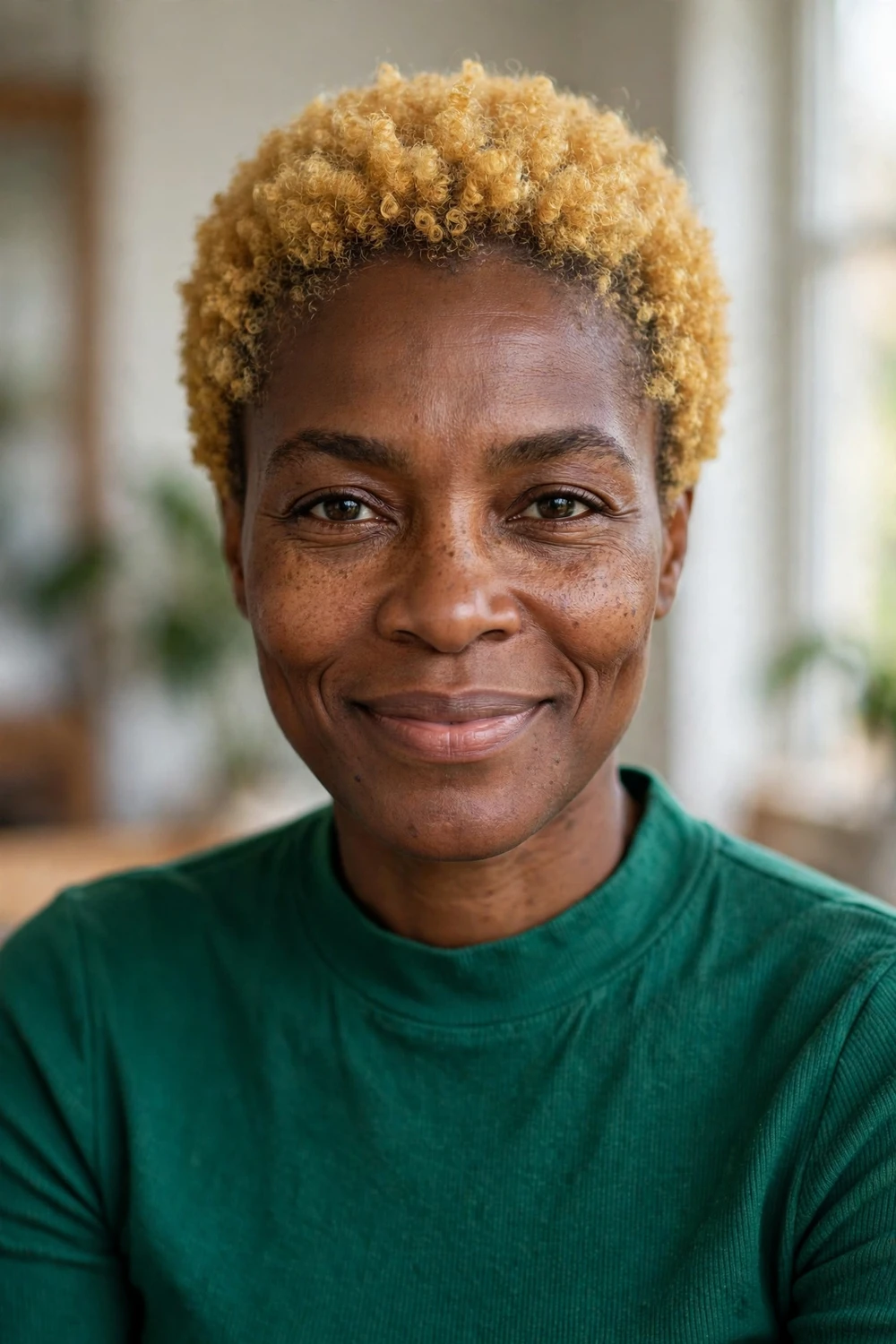
Nothing turns heads like a platinum or golden blonde TWA. Going blonde on short natural hair makes the cut the star. The color catches every strand of texture and gives the whole look an electric, confident energy. It is bold, it is fun, and it grows out into a striking two-tone effect.
Going blonde requires lifting dark natural hair several levels, so see a colorist who knows natural hair to avoid breakage. Bleached short hair needs extra moisture, so deep condition weekly and use a purple shampoo occasionally to fight brassiness. Roots show fast on a TWA, so plan touch-ups every 4 to 6 weeks.
Try this: test a honey or golden blonde before platinum; it is kinder to tight coils.
Difficulty: Hard · Cost: cut + bleach and tone ($150–$300)
5. Defined Curl TWA
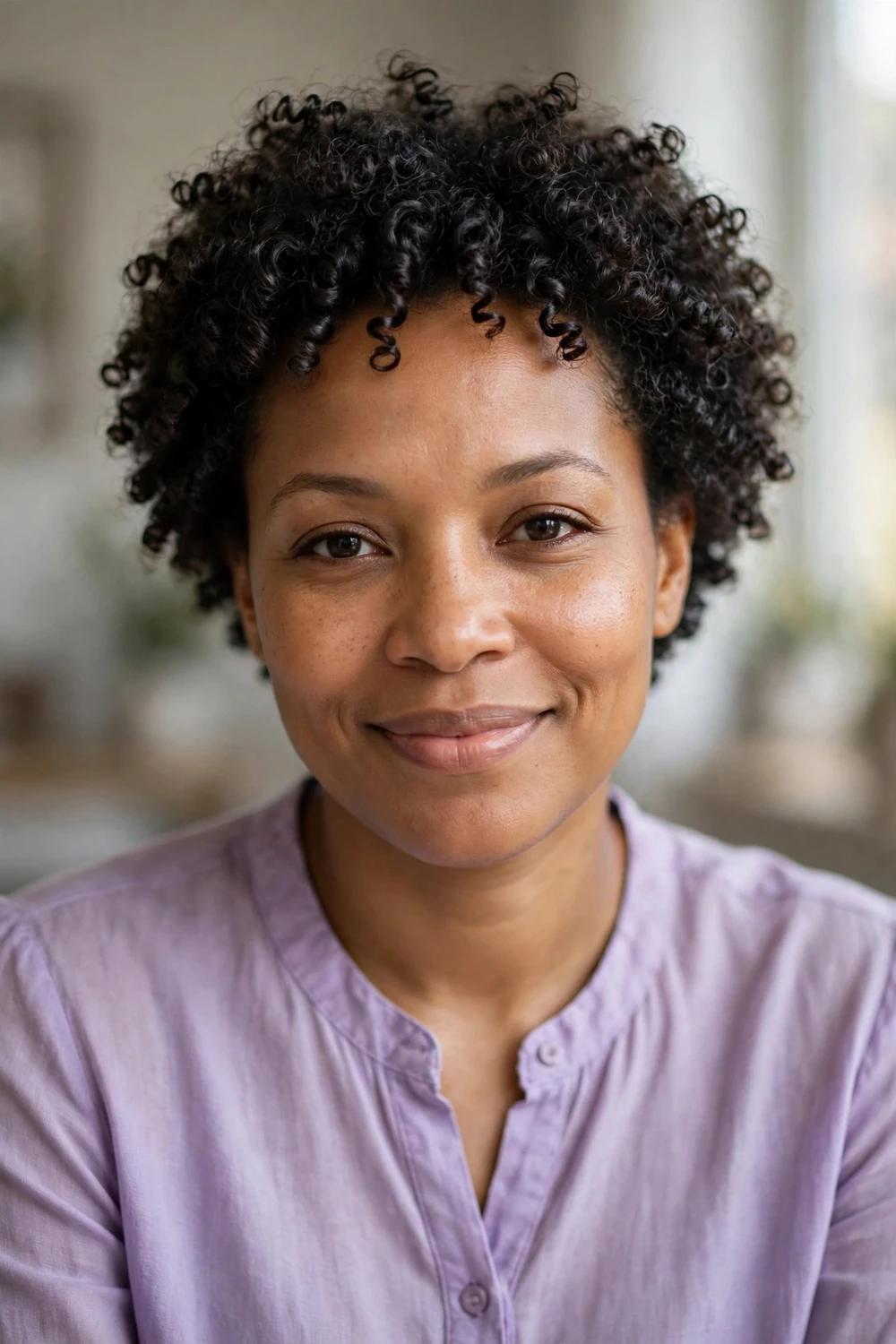
The defined curl TWA is all about making every coil pop. With the right curl cream and technique, shingling, raking, or a brush method, short curls clump into glossy ringlets with serious shine. This is the TWA that makes people ask what your routine is.
Apply product to soaking-wet hair in sections and do not touch it while it dries. That hands-off drying is the secret to frizz-free definition. A diffuser on low heat sets the curls faster and adds volume at the roots. Pineapple the hair under a satin bonnet at night.
Try this: the shingling method, smoothing product down each section, works best on looser curl patterns.
Difficulty: Medium · Cost: styling products ($15–$40)
If you love defined curls with a little more length, our short curly hairstyles for Black women roundup carries the same energy with longer shapes.
6. Side Part TWA

A deep side part is the simplest upgrade a TWA can get. Sweeping short curls to one side adds asymmetry, softness, and a little old-Hollywood polish to an everyday cut. It takes ten seconds with a rattail comb and changes the whole mood of the style.
Part the hair while it is damp and set the part with a little edge control so it holds through the day. Sweep the longer side across the forehead and pin the shorter side down with a decorative clip for extra polish. Refresh the part each morning with a damp comb.
Try this: a deep part on the opposite side of your usual look changes everything instantly.
Difficulty: Easy · Cost: styling products ($10–$25)
7. Mini Twist TWA
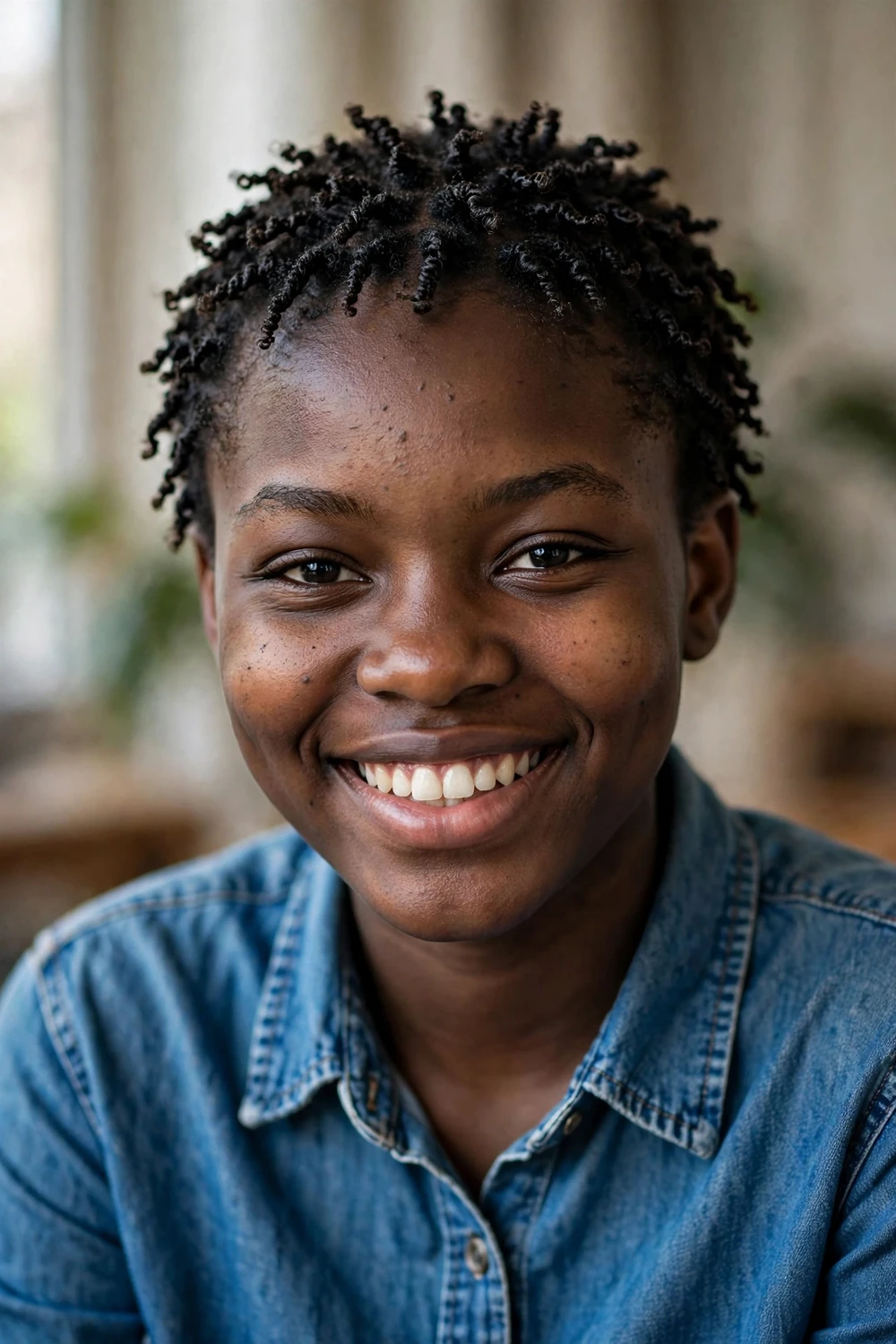
Mini two-strand twists give a TWA texture and double as a protective style. On short hair, tiny twists create a dense, defined look that lasts for days, and when you unravel them, you are rewarded with a twist-out. It is two styles in one.
Twist on stretched, moisturized hair and seal the ends with a butter to prevent unraveling. Keep the parts small and even for the neatest result. This style takes time to install but then needs almost nothing for a week, which makes it ideal for vacations and low-manipulation weeks.
Try this: unravel half the twists and leave the rest for a mixed texture look.
Difficulty: Medium · Cost: salon install ($80–$180) or DIY
8. Curly TWA with Fade
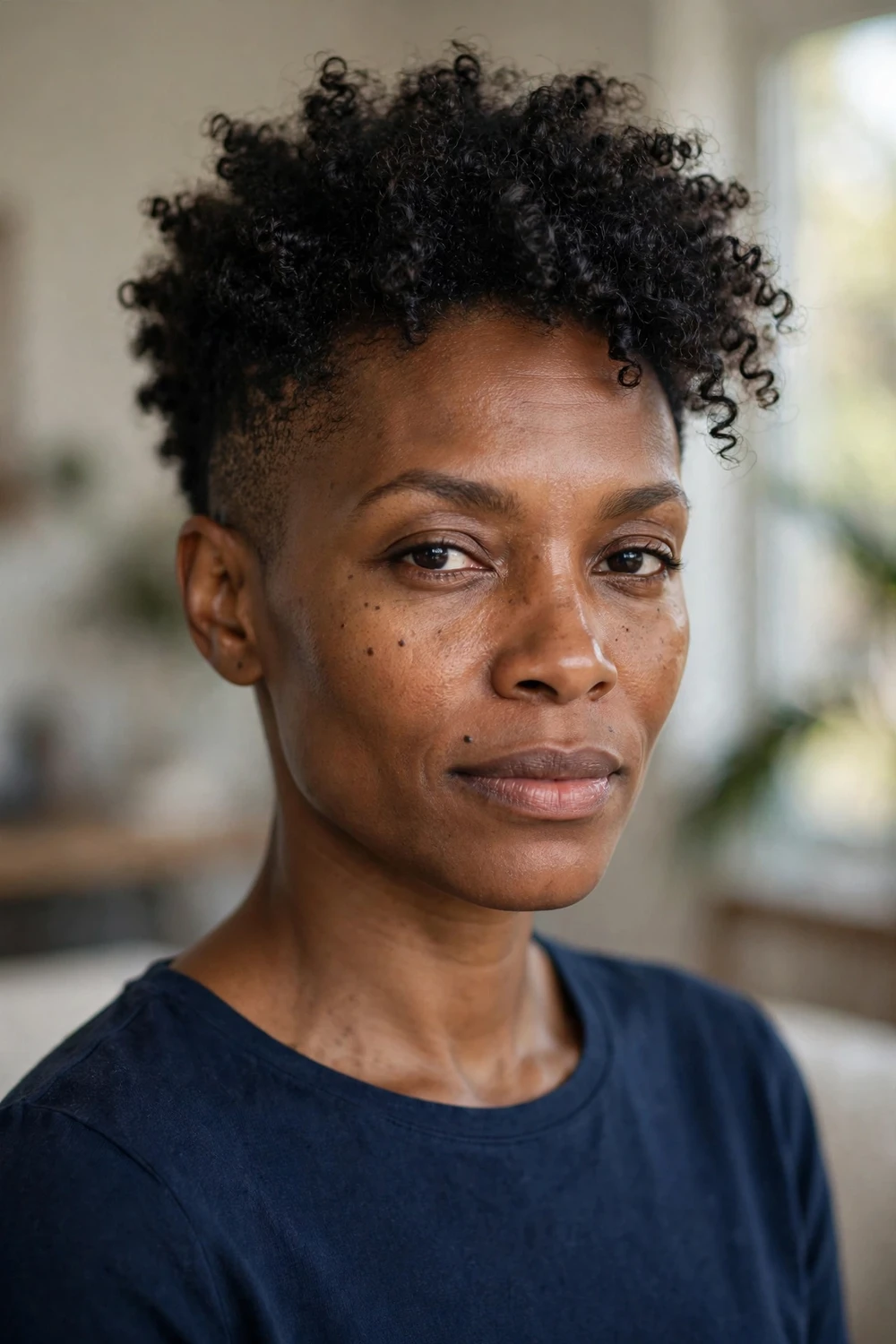
This cut pairs lush curls on top with a clean fade on the sides and back. The perfect contrast of soft and sharp. The fade keeps the silhouette crisp and modern while the curly crown brings all the personality. It is effortlessly cool and incredibly flattering.
Ask your barber for a low or mid fade that blends into the curly top without a harsh line. Keep the fade lined up every 2 to 3 weeks, since regrowth shows fast. Define the top curls with a sponge for even texture, and moisturize the faded areas to keep the scalp healthy.
Try this: a low fade grows out more gracefully than a high one if you like longer gaps between barber visits.
Want more faded inspiration beyond the TWA? See shaved hairstyles older black women low maintenance for 30 shaved and faded cuts, each with a barber schedule and daily-effort estimate.
Difficulty: Easy · Cost: barber cut with fade ($30–$70)
9. Copper TWA
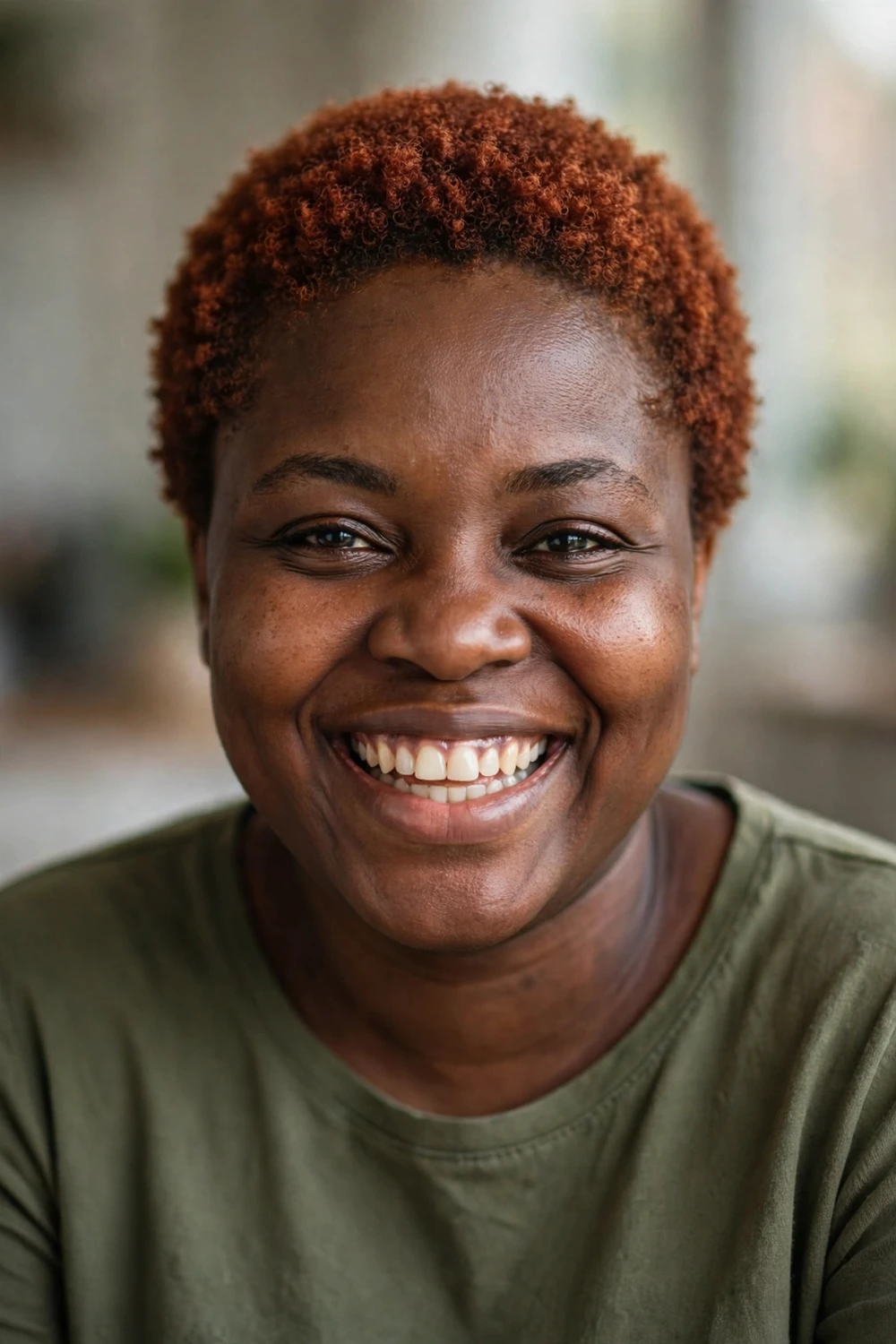
Copper is the “it” color for short natural hair: warm, rich, and glowing against melanin-rich skin. A copper TWA looks like autumn light caught in your curls. It flatters warm undertones beautifully and feels fresh without being as high-maintenance as platinum blonde.
Red tones fade fastest, so use color-safe shampoo and refresh with a tinted conditioner between salon visits. Copper lifts less than blonde, which means less damage and easier upkeep. A gloss every 6 weeks keeps the warmth from washing out to dull brown.
Try this: warm-toned gold jewelry makes copper hair look even richer.
Difficulty: Medium · Cost: cut + color ($120–$250)
10. Coily TWA
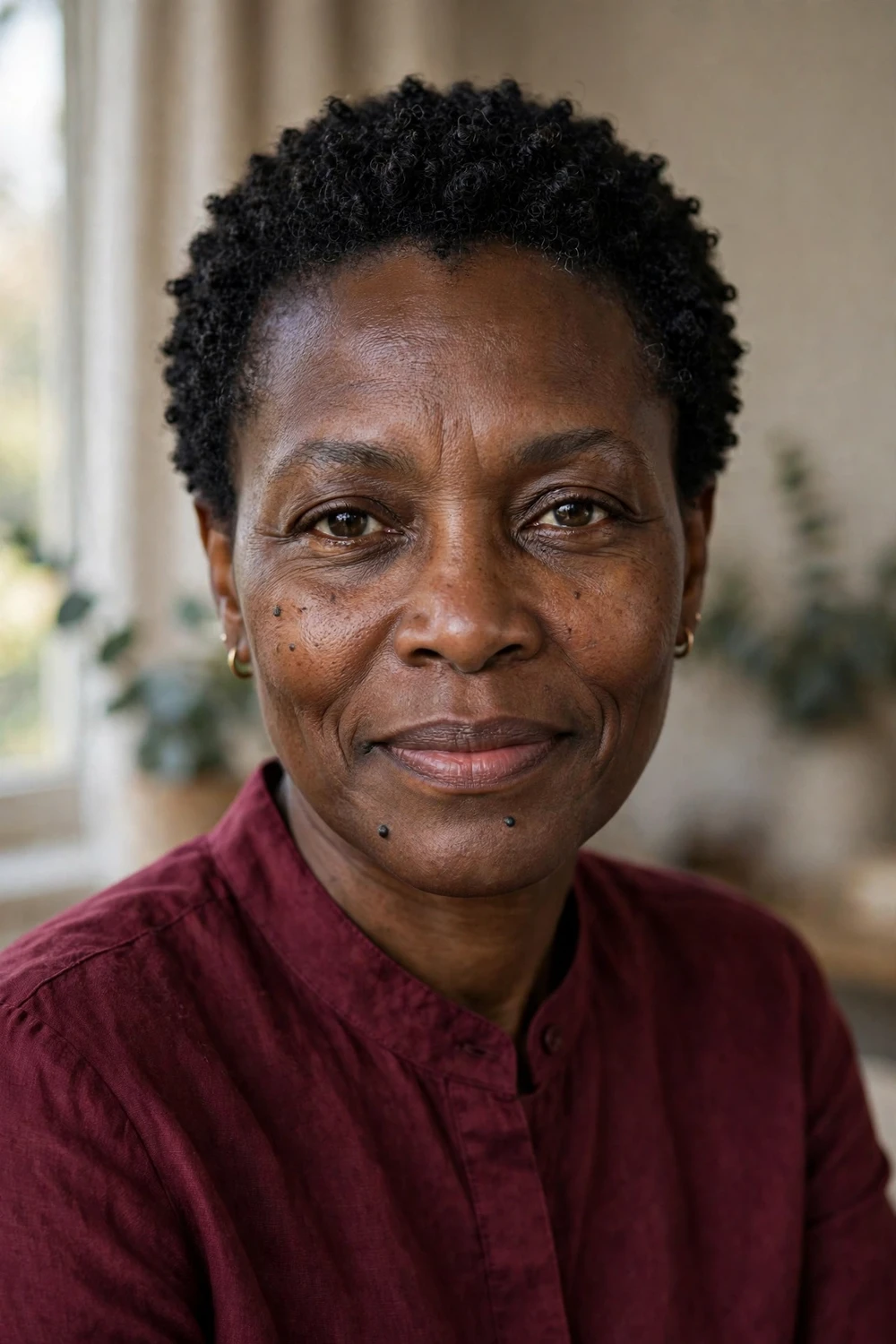
The coily TWA celebrates tight 4B/4C texture in its purest form: a compact, springy crop with incredible density. This is the style that shows off shrinkage as a feature, not a flaw. The tight coils create a sculptural, cloud-like silhouette that is unmistakably natural.
Moisture is everything. Layer leave-in, cream, and oil, and stretch the roots gently while drying for a fuller shape. Avoid heavy waxes that weigh coils down. A pick at the roots gives height; stretching the hair while damp gives length. Trim every 6 to 8 weeks to keep the shape round.
Try this: the LOC method (liquid, oil, cream) layered daily keeps coils soft.
Difficulty: Easy · Cost: moisturizing products ($20–$50)
For more styles that celebrate tight coils, see our short 4C natural hairstyles guide.
11. Buzz Cut TWA
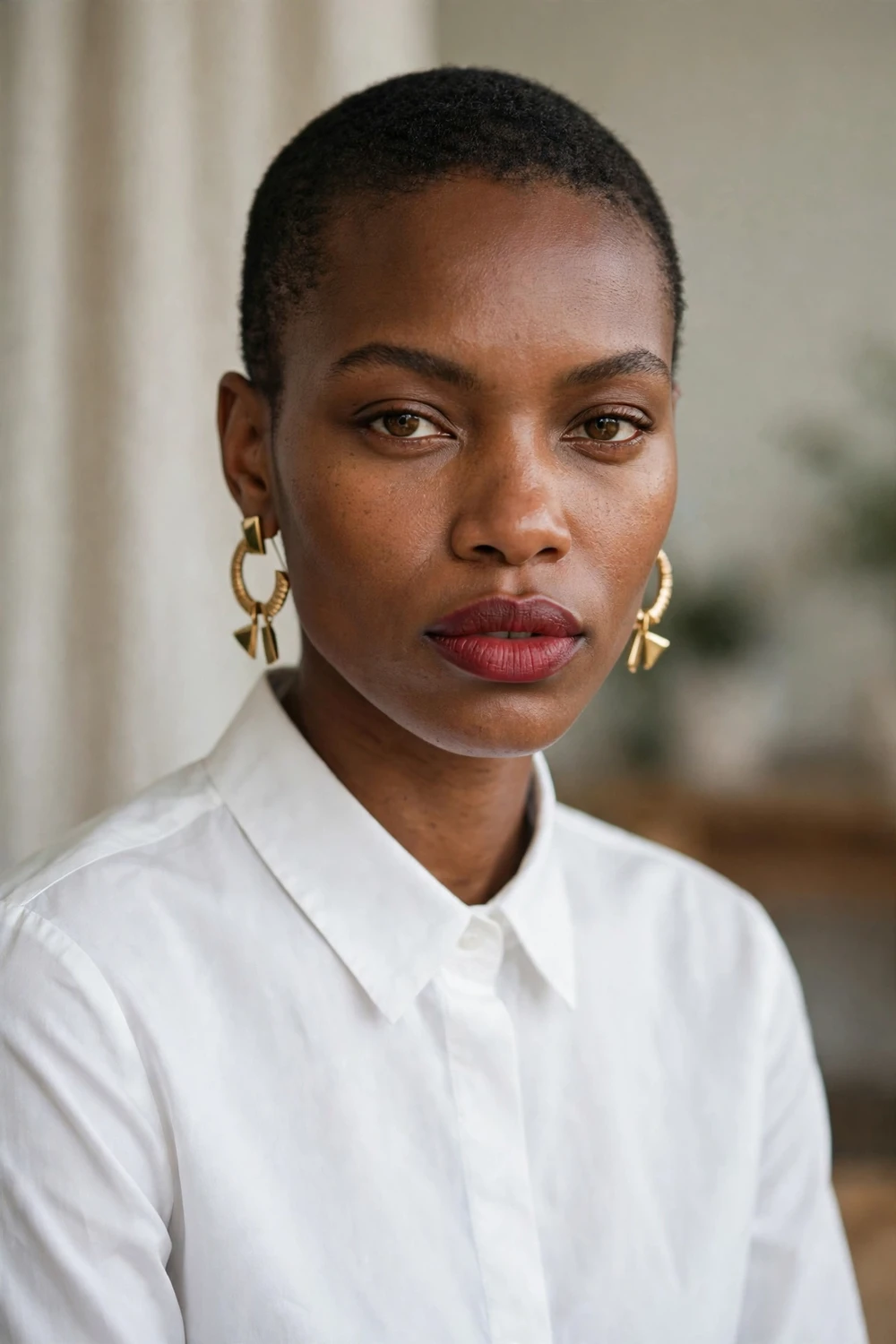
The buzz cut TWA is the boldest move on this list. Hair clipped close to the scalp for a look that is pure confidence. It puts your face, bone structure, and presence completely center stage.
Ask for a guard length that suits your head shape; most people start around a number 2 or 3. Keep the scalp moisturized and exfoliated, and play up makeup or earrings, since your face is the whole look now. Buzz it again every 2 to 3 weeks, or grow it into a classic rounded TWA.
Try this: a deep side part with clippers adds shape even at buzz length.
Difficulty: Easy · Cost: clipper cut ($20–$50)
12. Burgundy TWA
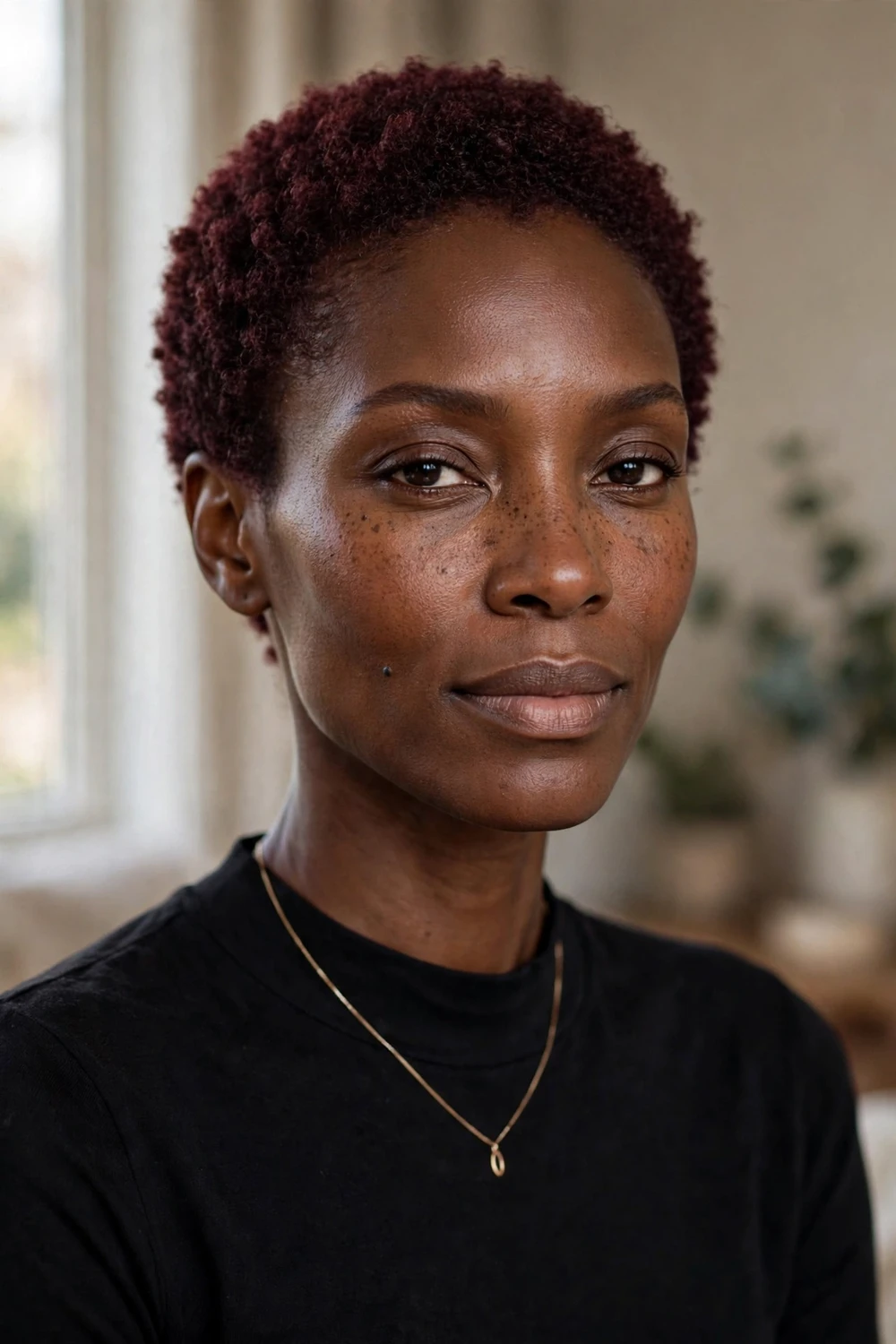
Burgundy brings drama without going full bright red. This deep wine shade looks almost black indoors and glows ruby in sunlight: the ideal chameleon color for a TWA. It is rich, feminine, and pairs beautifully with gold jewelry and warm makeup tones.
Burgundy holds up well on short hair because the color sits close to the scalp and roots blend naturally. A color-depositing conditioner keeps it vivid between dye sessions. Wash with cool water to slow fading, and refresh the color every 6 to 8 weeks.
Try this: burgundy over dark hair needs less lifting, so it is gentler than going blonde.
Difficulty: Medium · Cost: cut + color ($100–$220)
13. High Top TWA
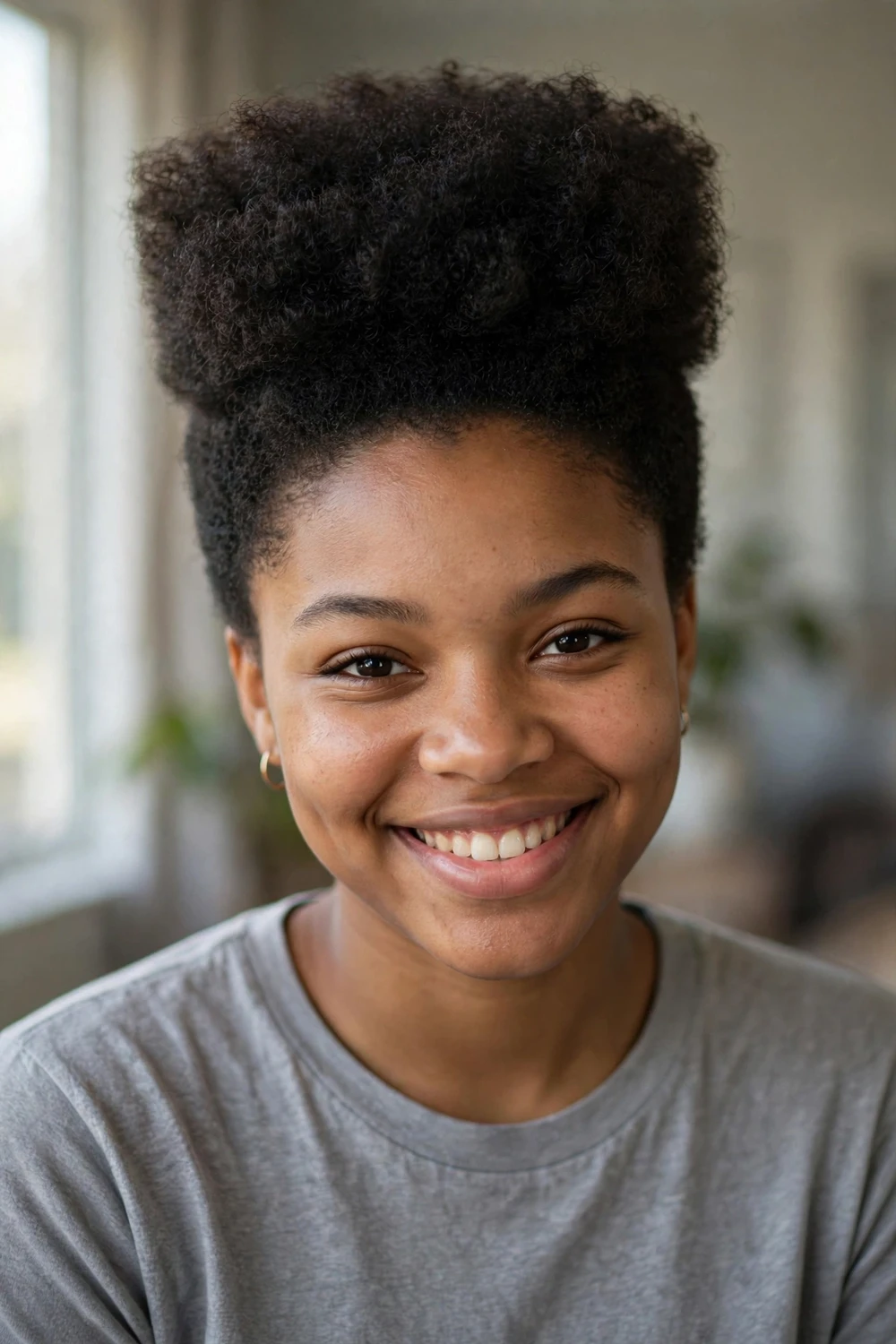
The high top TWA is a love letter to the 90s: height and volume stacked on top with neat, close sides. It is playful, powerful, and endlessly photographable. This style adds instant length to rounder faces and gives every outfit a little extra attitude.
Ask your barber to keep the sides tight and shape the top into a flat, boxy silhouette with clippers and shears. Shape the top with an afro pick, lifting upward, and keep the sides trimmed tight to maximize the contrast. Edge-ups every 2 to 3 weeks keep the lines sharp.
Try this: a sponge twist on the top adds texture to the flat shape.
Difficulty: Medium · Cost: barber cut ($35–$75)
14. TWA with Temple Fade
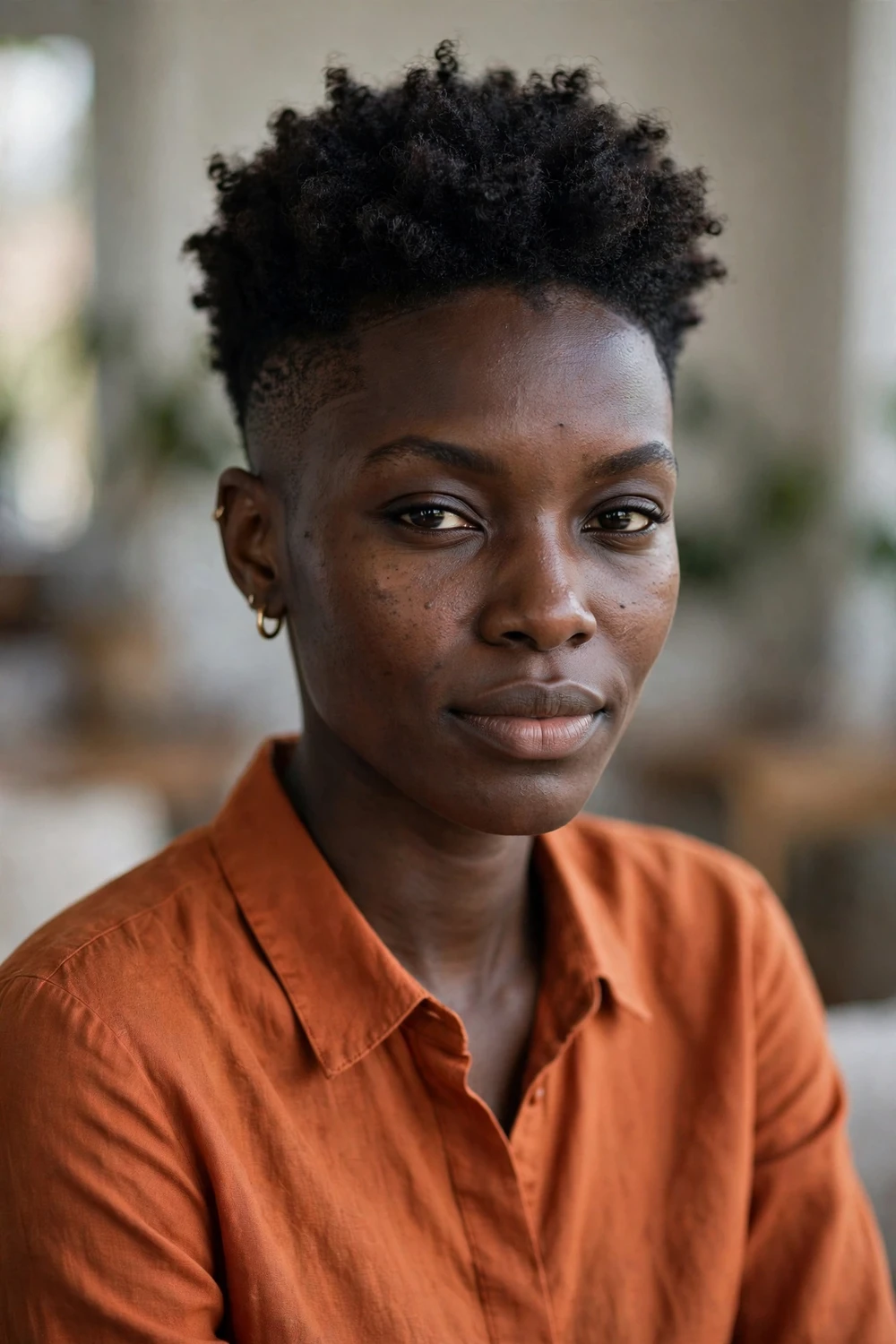
A temple fade carves a clean, sharp arc around the temples and sideburns, giving a curly TWA a barbershop-fresh edge. It is subtler than a full fade but adds that same crisp, intentional finish. The contrast between the precise fade and soft curls on top is striking.
Temple fades grow out quickly, so book touch-ups every 2 to 3 weeks to keep the line sharp. The fade frames your face, so it works best when the top has enough length for contrast. Moisturize the faded areas, since short hair and clippers can dry the skin.
Try this: ask for the fade blended slightly higher at the temples for a more dramatic arc.
Difficulty: Easy · Cost: barber cut ($30–$70)
15. Honey Blonde TWA
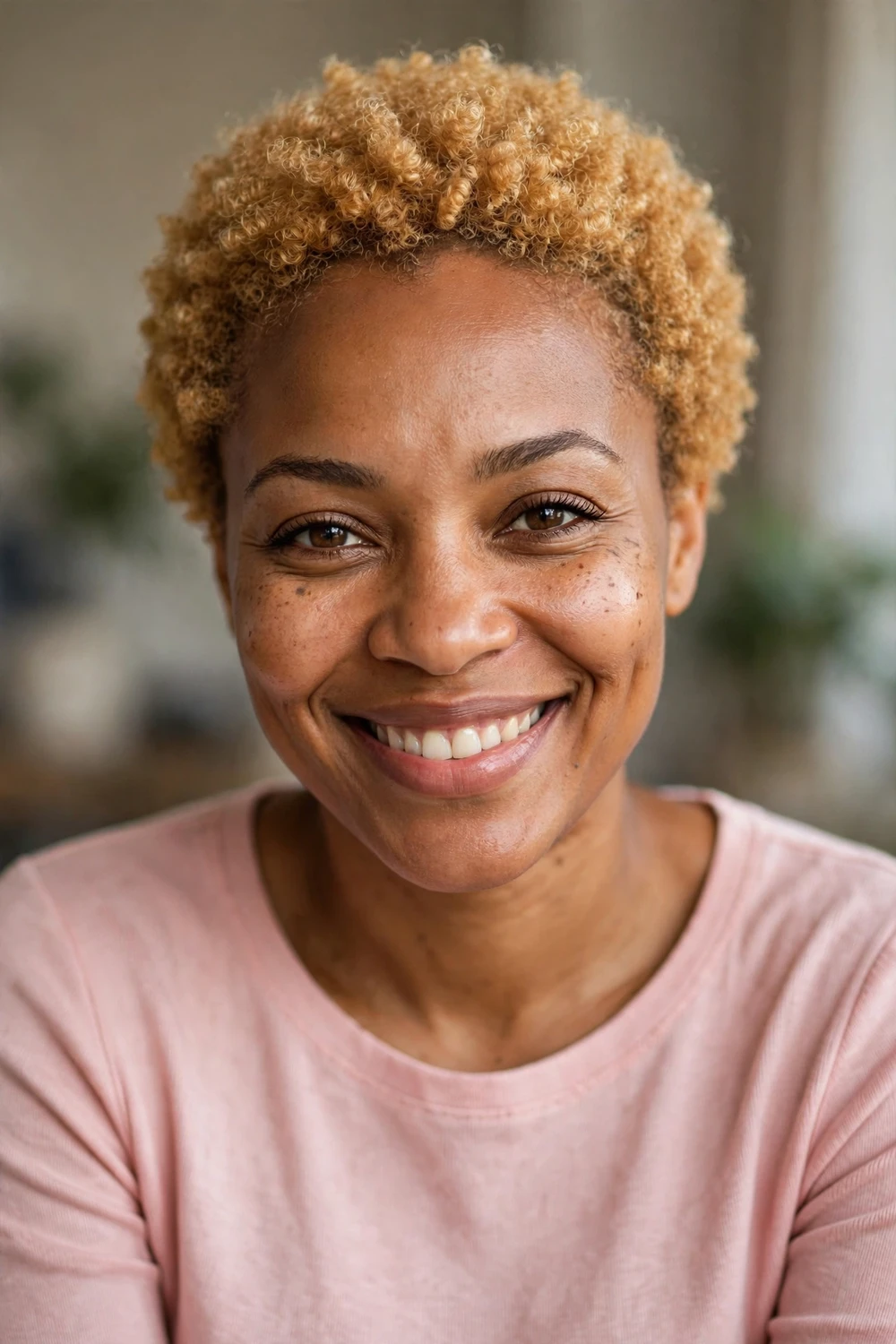
Honey blonde is the softer sister of the blonde TWA: warm, golden, and sun-kissed. It is less stark than platinum, which makes it flattering on a wider range of skin tones, and it grows out more gracefully. A honey blonde TWA glows in natural light and feels effortlessly chic.
Warm blondes can turn brassy, so a blue or purple toning conditioner once a week keeps the honey tone true. Deep condition weekly, since any lightening dries out tight coils. Honey needs less lifting than platinum, so it is the safer first color for natural hair.
Try this: face-framing honey pieces alone give the glow without full-head commitment.
Difficulty: Medium · Cost: cut + color ($120–$260)
16. Frohawk TWA
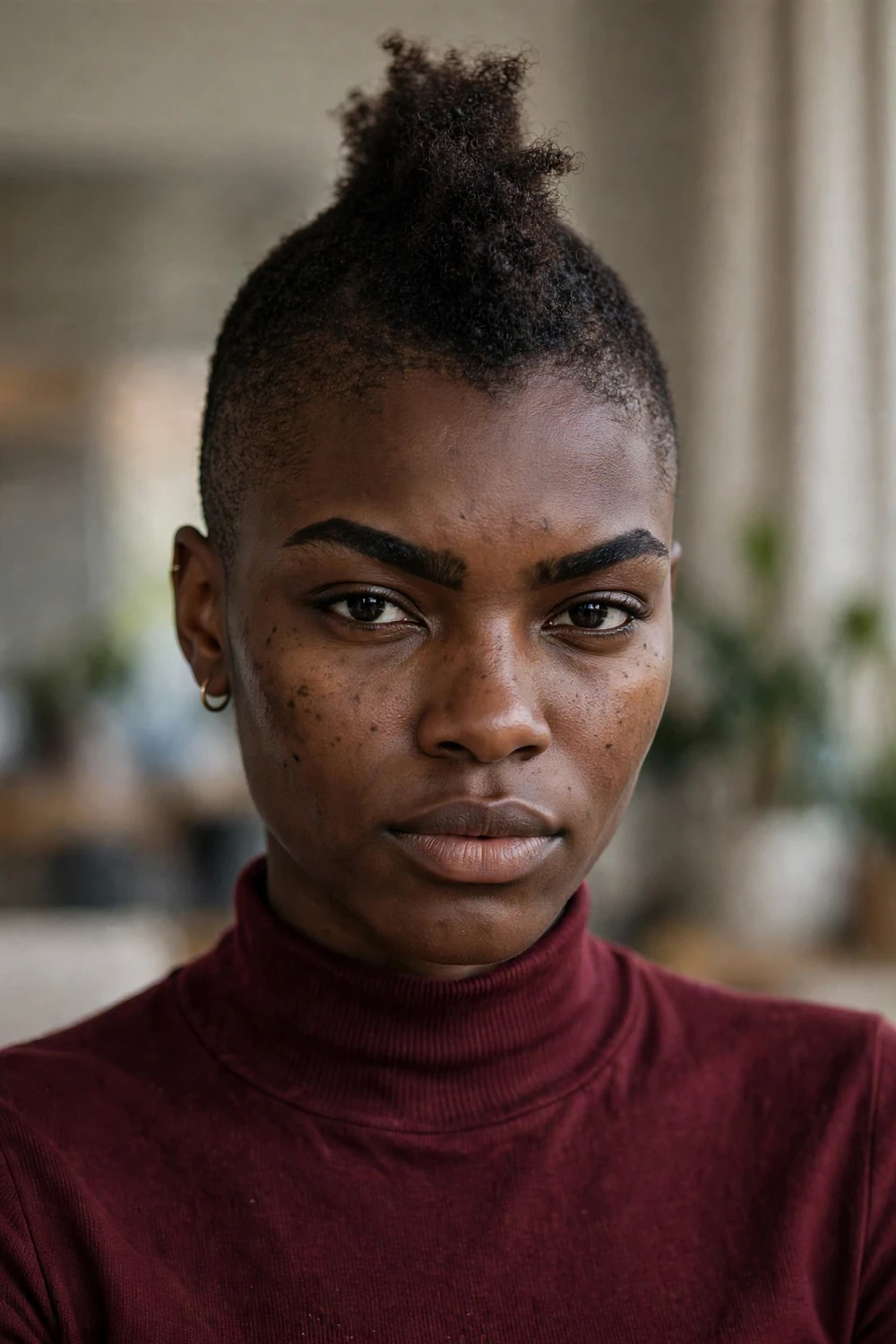
The frohawk takes a strip of coily volume down the center of the head with shorter, tapered sides: all the drama of a mohawk, all the softness of natural texture. It is the edgiest TWA on this list and one of the most fun to wear. Pin or gel the center up for maximum height.
Use a strong-hold gel on the center strip and smooth the sides down flat to emphasize the hawk shape. The sides need clipper touch-ups every 2 to 3 weeks. For a softer version, keep the sides short with shears instead of shaved so the contrast is gentler.
Try this: twist the center strip into chunky two-strand twists for a textured frohawk.
Difficulty: Medium · Cost: barber cut ($35–$75)
For more natural styles with edge, browse our natural hairstyles for Black women collection.
17. TWA with Headband Styling
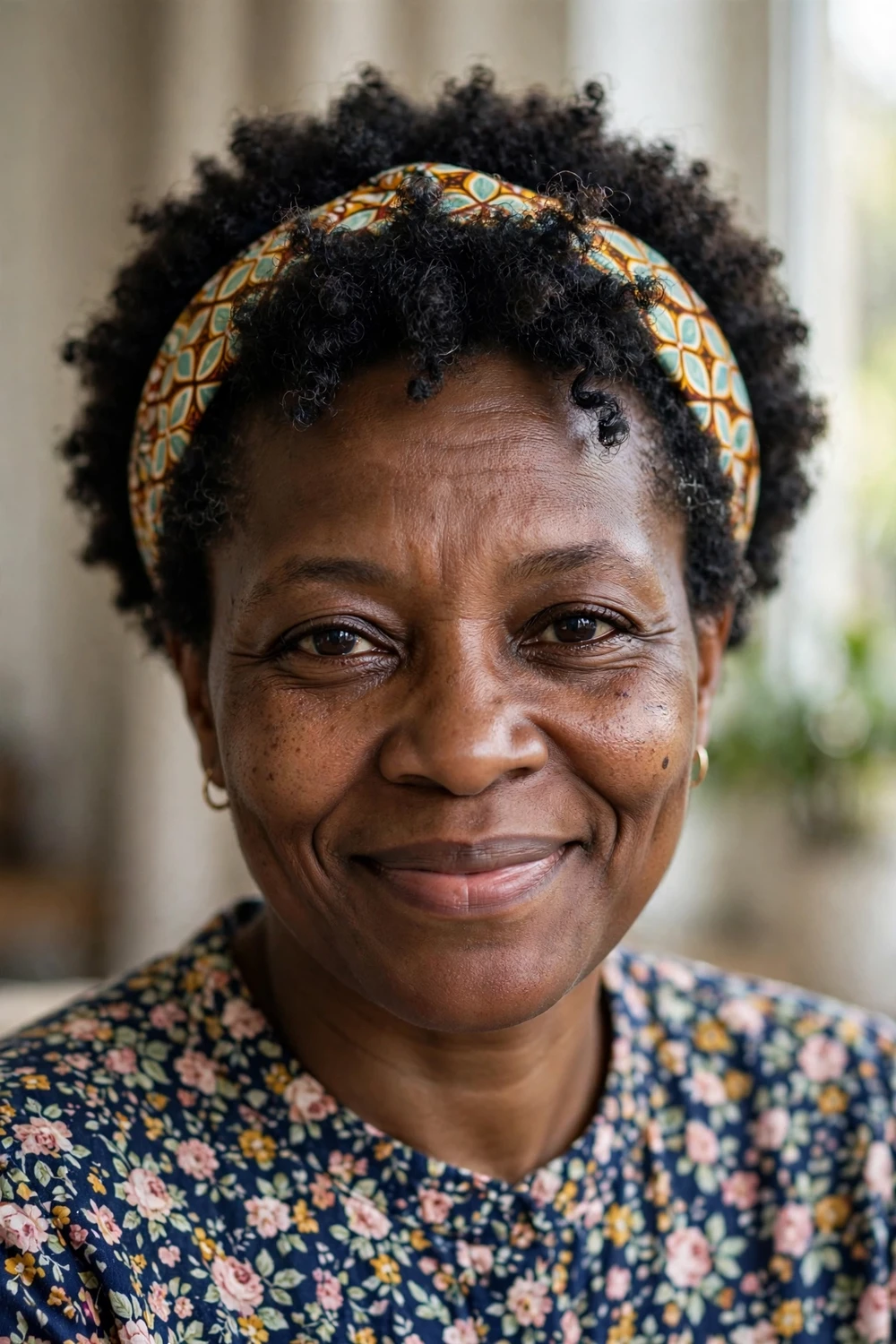
Even the shortest TWA can play with accessories. A fabric headband, scarf, or turban band pushed back over a TWA adds instant style, color, and personality, and it is practical, keeping edges laid and curls in place. It is the easiest way to make a simple cut feel dressed up.
Place the headband about an inch behind your hairline and fluff the curls in front for a full, framed look. Choose satin-lined bands to avoid drying out your edges. Swap prints and colors to match your outfit; this style costs nothing and changes the whole look.
Try this: double up two thin headbands in different prints for a layered look.
Difficulty: Easy · Cost: accessories ($5–$20)
18. Wash and Go TWA
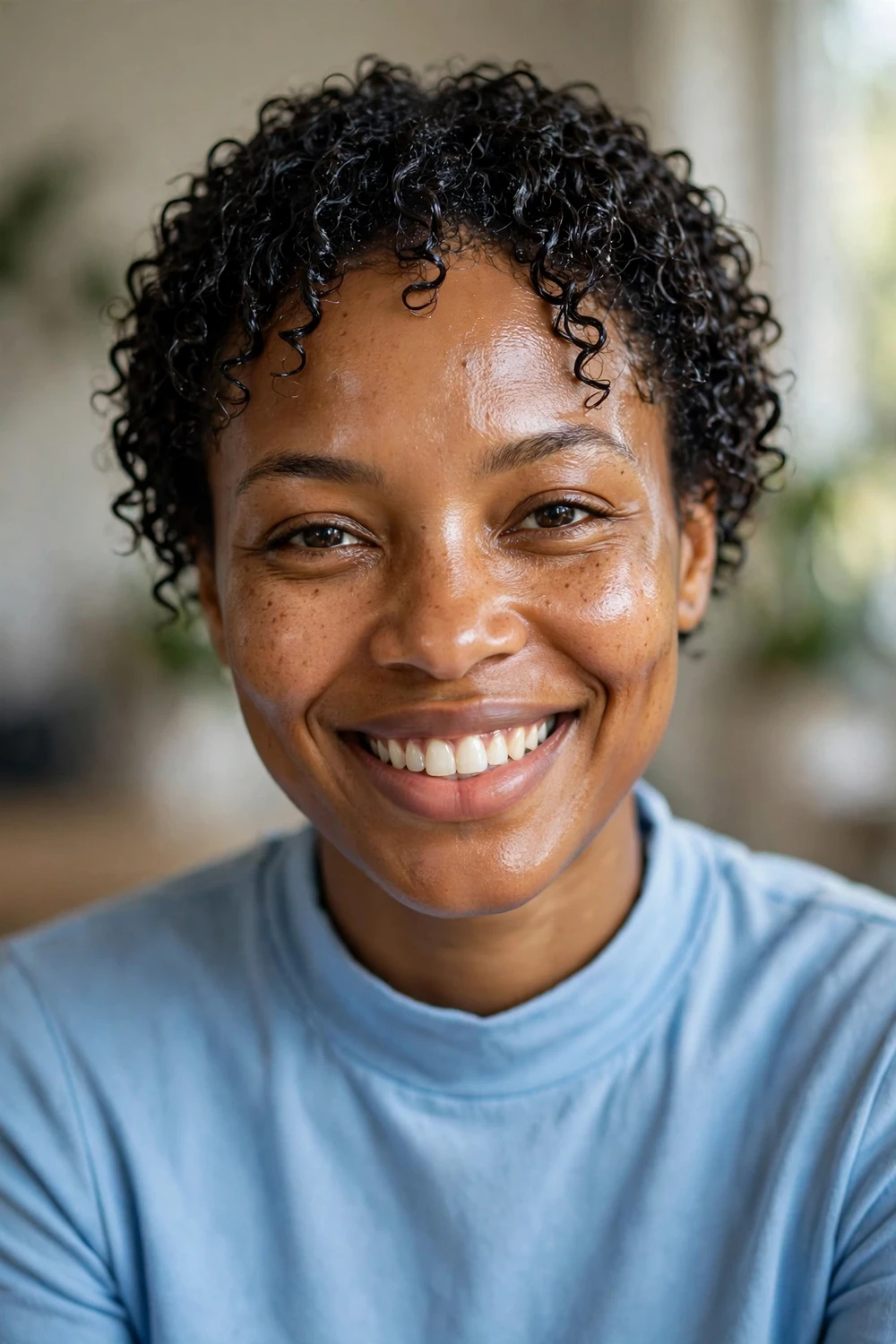
The wash and go is the TWA’s natural state: cleanse, condition, define, and go. On short hair, a wash and go takes minutes: the right leave-in and gel on soaking-wet hair, a little scrunching, and your natural curl pattern does the rest. It is the lowest-effort, highest-reward TWA routine.
The “go” works best with a hooded dryer or diffuser for 10 minutes; it sets the curls and cuts drying time dramatically. Do not touch the hair while it dries, or frizz wins. Refresh on non-wash days by misting with water and smoothing a little leave-in over the top.
Try this: section the hair into four parts while styling for more even definition.
Difficulty: Easy · Cost: styling products ($15–$40)
For curly cuts with the same short-and-curly energy and a bit more length, see our curly pixie haircuts guide.
Quick Comparison Table
| Style | Best For | Difficulty | Upkeep |
|---|---|---|---|
| Classic Rounded | First-time big chops | Easy | Trim 6–8 weeks |
| Finger Coils | Special occasions | Medium | Restyle 3–5 days |
| Tapered | Round faces, work settings | Easy | Edge-ups 2–3 weeks |
| Blonde | Statement looks | Hard | Roots 4–6 weeks |
| Defined Curls | Looser curl patterns | Medium | Restyle 2–3 days |
| Side Part | Weddings, events | Easy | Daily part reset |
| Mini Twists | Protective styling | Medium | Lasts 1–2 weeks |
| Curly with Fade | Edgy personal style | Easy | Fade 2–3 weeks |
| Copper | Warm skin undertones | Medium | Gloss 6 weeks |
| Coily | Tight 4B/4C texture | Easy | Trim 6–8 weeks |
| Buzz Cut | Zero-maintenance mornings | Easy | Buzz 2–3 weeks |
| Burgundy | Bold but wearable color | Medium | Refresh 6–8 weeks |
| High Top | Round faces, retro looks | Medium | Edge-ups 2–3 weeks |
| Temple Fade | Sharp, clean lines | Easy | Touch-ups 2–3 weeks |
| Honey Blonde | First-time color | Medium | Tone weekly |
| Frohawk | Bold nights out | Medium | Sides 2–3 weeks |
| Headband Styling | Bad hair days | Easy | None |
| Wash and Go | Busy mornings | Easy | Wash weekly |
How to Choose the Right TWA Hairstyle
Before you book the cut, think through these four things.
- Your face shape. Rounder faces look best with height on top (high top, frohawk) to add length. Longer faces suit fuller sides (classic rounded, wash and go). The good news: almost any TWA works on almost any face. It is about fine-tuning, not rules.
- Your curl pattern. Tighter coils hold shapes like finger coils and mini twists beautifully. Looser curls shine in defined-curl and wash-and-go styles. Your texture does not limit you; it points you toward the styles that will look effortless.
- Your routine. Wash-and-go and buzz cut TWAs need minutes a day. Finger coils, mini twists, and defined curl styles need more time and product. Be honest about your mornings.
- Color or no color. Blonde, copper, burgundy, and honey blonde TWAs completely transform the look. Just remember short hair shows roots fast, so colored TWAs need touch-ups every 4 to 6 weeks.
Common TWA Styling Mistakes to Avoid
- Skipping moisture. Short natural hair dries out fast. Use a water-based leave-in daily. The LOC (liquid, oil, cream) method keeps TWAs soft.
- Overloading product. A little goes a long way on short hair. Too much gel or butter causes buildup and dulls your curl pattern.
- Skipping trims. A TWA grows out of shape quickly. A trim every 6 to 8 weeks keeps tapered cuts, fades, and rounded shapes crisp.
- Sleeping unprotected. Cotton pillowcases rough up short curls overnight. A satin bonnet or pillowcase preserves your style.
- Too much heat. Frequent flat-ironing on short natural hair leads to heat damage fast. If you do straighten, apply a heat protectant first. Let your texture do the talking most days.
Simple TWA Hair Care Tips
- Wash weekly. Short natural hair still needs regular cleansing. Use a sulfate-free shampoo and always follow with conditioner.
- Moisturize daily. A water-based leave-in plus a light oil keeps a TWA soft and prevents breakage as it grows.
- Protect at night. A satin bonnet or pillowcase preserves curl definition and prevents dryness.
- Trim regularly. Every 6 to 8 weeks keeps tapered cuts, fades, and rounded shapes looking intentional.
- Deep condition monthly. Especially important for colored TWAs (blonde, copper, burgundy, honey), which need extra repair.
Frequently Asked Questions
How often should I wash a TWA?
Once a week is the sweet spot for most TWAs. Short natural hair accumulates product quickly, so a weekly sulfate-free wash keeps the scalp clean and curls bouncy. If you work out often or use heavy products, co-wash midweek.
Is a TWA easy to maintain?
Yes, that is one of its biggest selling points. A TWA needs daily moisture, weekly washing, and a trim every 6 to 8 weeks. Most wash-and-go and buzz cut TWAs take under 10 minutes to style each morning.
Can I color my TWA?
Absolutely. Blonde, copper, burgundy, and honey blonde all look striking on short natural hair. Just know that color on a TWA needs touch-ups every 4 to 6 weeks since roots show fast, and bleached hair needs extra deep conditioning.
Does a TWA work for every face shape?
Yes. The trick is placement: add height on top (high top, frohawk) for rounder faces, keep fuller sides (classic rounded) for longer faces. A good stylist can tailor any of these 18 TWA hairstyles to your bone structure.
How can I make my TWA curls look more defined?
Apply curl cream or gel to soaking-wet hair in small sections, then do not touch it until fully dry. Techniques like finger coiling, shingling, or using a curl sponge boost definition even more.
Final Thoughts
These 18 TWA hairstyles prove that the shortest cut can carry the biggest personality. From the timeless classic rounded TWA to bold color, sharp fades, and playful frohawks, there is a teeny weeny afro for every mood, face shape, and lifestyle. Pick the style that makes you feel like yourself, keep it moisturized, and wear it with the confidence it deserves.
Growing your TWA out? These 4a natural hair ideas pick up where this list leaves off, with twist-outs, puffs, and protective styles made for 4A coils as they gain length.
For more short natural hair inspiration, browse the full collection at PrimeHairPicks.
