


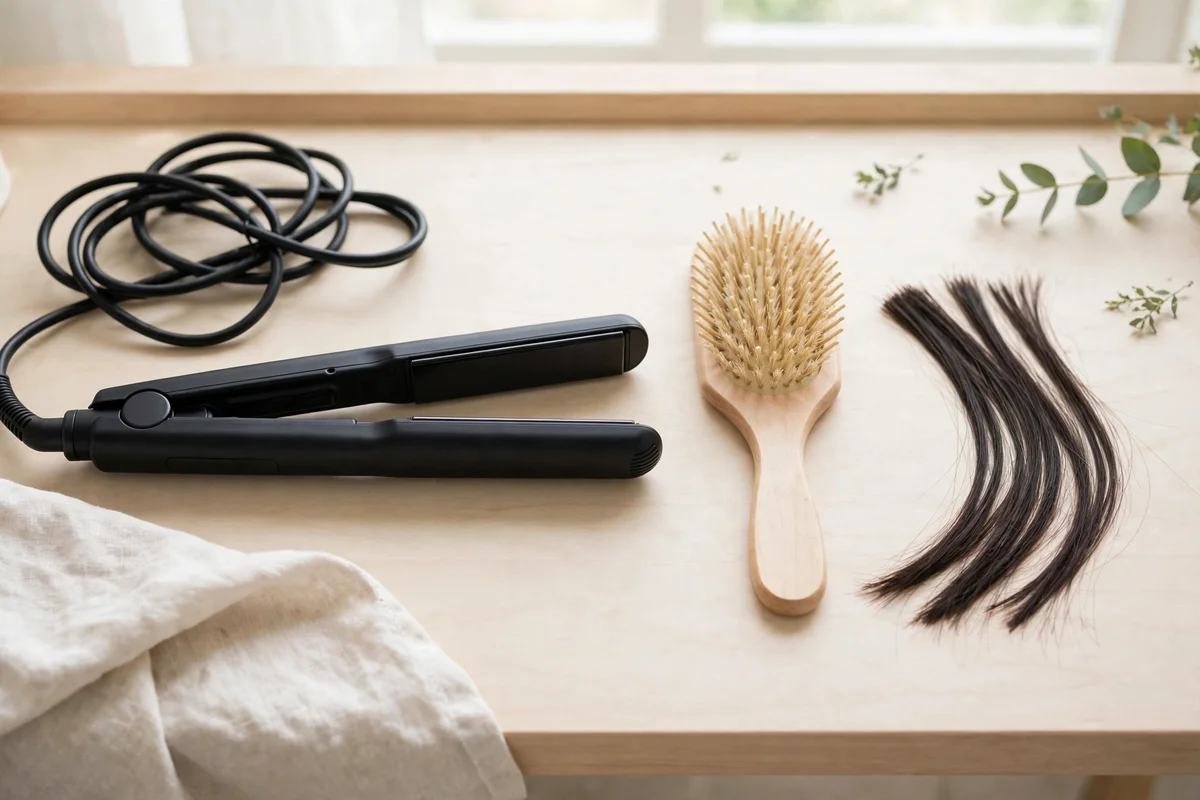
The best hair straighteners are not the most expensive ones or the most hyped ones. They are the tools whose plate material, plate width, and temperature range match your hair type, so you get smooth results in fewer passes with less damage.
This guide walks through every feature that actually matters: ceramic, titanium, and tourmaline plates, plate sizes, temperature controls, steam and ionic add-ons, and how to pick for fine, thick, curly, short, or damaged hair. You will also find safety rules, common mistakes, and answers to the questions buyers ask most.

Quick Takeaways
- Match the plate material and width to your hair type first; price comes second.
- Ceramic suits fine to medium hair, titanium handles thick and coarse hair, and tourmaline adds shine and frizz control.
- Adjustable temperature matters more than a high maximum: fine hair needs 300–350°F, thick hair needs 375–410°F.
- Heat protectant is non-negotiable every single time you straighten.
- Wide plates speed up long hair; narrow plates give control on short hair and bangs.
What to Look For in a Hair Straightener
Straighteners look similar on the shelf, but a few specs decide whether a tool glides through your hair or snags and sizzles it. Here is what each feature does and why it matters.
Plate Material

Ceramic plates heat evenly and release steady, gentle heat. They suit fine, thin, and easily damaged hair because hot spots are rare. Most entry-level and mid-range straighteners use ceramic or ceramic-coated plates.
Titanium plates heat fast, run hotter, and transfer heat quickly. That speed helps thick, coarse, and tightly curled hair straighten in fewer passes. The trade-off is that titanium can scorch fine hair if the temperature is set too high.
Tourmaline plates (usually tourmaline-infused ceramic) emit negative ions when heated, which calm frizz and add shine. They are a strong pick for frizzy or dull hair that needs smoothing more than raw straightening power.
Skip bare metal plates with no coating. They heat unevenly and catch on the hair, which causes breakage over time.
Plate Type and Size

Standard 1-inch plates handle most hair lengths and are the most versatile width. If you only own one straightener, this is the width to get.
Wide plates (1.5 to 2 inches) cover more hair per pass, which cuts styling time on long, thick hair. They feel clumsy on short hair and near the roots, so they are a specialist tool rather than an all-rounder.
Narrow or mini plates (under 1 inch) give precision on pixies, bobs, bangs, and around the hairline. They also travel well.
Look for floating plates, which shift slightly to keep even contact as you glide. Fixed plates can pinch. Rounded outer edges are a bonus: they let you flip ends under or create loose curls with the same tool.
Temperature Control

Adjustable heat is one of the most important features on any straightener. A single fixed temperature forces fine hair to take the same heat as coarse hair, which is how damage happens.
A useful range runs from about 250°F to 450°F (130–230°C). A digital display beats a vague dial because you know the exact temperature you are using. Fast heat-up (under a minute) and an automatic shut-off after 30 to 60 minutes are practical safety features worth having.
Consistent heat matters too. Cheaper tools can swing 20 degrees or more during a pass, which means some sections get scorched while others stay wavy. Even, stable heat straightens in fewer passes.
Extra Features Worth Paying For

Ionic technology releases negative ions that reduce static and frizz. It helps most on hair that frizzes in humidity. Steam straighteners release a fine mist as you style, which can hydrate while it smooths and may let you use slightly lower heat.
If you are curious how steam compares to dry heat for hair health, the hair steaming pros and cons breaks down the benefits and the risks in detail.
Cordless straighteners suit travel and quick touch-ups but run for a limited time per charge and usually cost more. A swivel cord on a corded tool prevents tangling while you work, and dual voltage matters if you travel internationally.
How to Choose by Hair Type
Your hair type decides the plate material, width, and temperature you need. Match the tool to the hair, not the other way around.
Fine or Thin Hair
Choose ceramic or tourmaline plates and stay in the 300–350°F range. Fine hair straightens easily, so high heat only adds damage without improving the result. Narrow to standard plates give you control without dragging excess hair through the heat.
Thick or Coarse Hair

Thick hair needs heat that holds: titanium or high-quality ceramic plates and temperatures of 375–410°F. Wide plates cut the session time on long, dense hair. Work in small sections; one slow pass beats three fast ones.
Curly or Frizzy Hair

Curly hair benefits from tourmaline or steam straighteners, which fight frizz while they smooth. Ionic technology helps here too. If a flat iron feels like too much daily heat, a straightening brush gives a softer, more natural straight look with less tension on the hair, though it will not get hair pin-straight.
Short Hair, Bobs, and Bangs

Short styles need narrow plates that can get close to the roots and around the ears without burning skin. A mini straightener with rounded edges also lets you add flips and soft bends, which keeps short cuts from looking flat.
Damaged or Color-Treated Hair
Keep the temperature at or below 350°F and favor ceramic or steam tools, which are gentler. Bleached or fragile hair straightens best when it is fully dry and protected; never press a hot tool onto damp, damaged hair. Space out straightening days to give the hair recovery time.
One Tool for Curls Too

A straightener with rounded outer edges doubles as a curling tool: clamp, twist a half turn, and glide down. This versatility matters if you want beach waves one day and sleek strands the next without buying two tools.
Safety Rules Every Time You Straighten
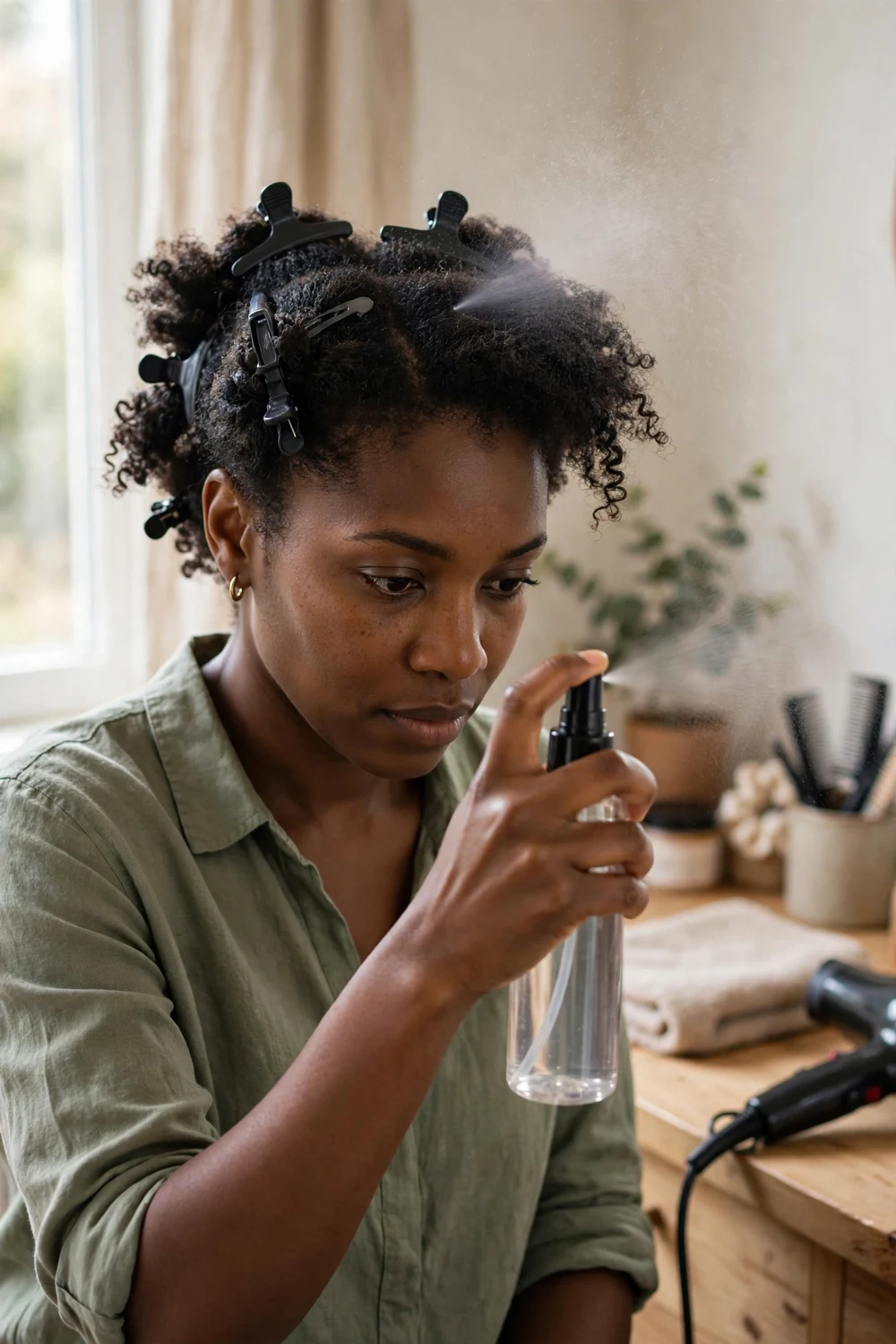
Heat styling is safe when you respect the temperature. These rules prevent most heat damage.
Always apply heat protectant first. A heat protectant spray or cream forms a barrier between the plates and your hair and slows moisture loss. Apply it to damp or dry hair before the tool touches a single section, every time, with no exceptions.
Straighten dry hair only. Pressing a hot iron onto wet hair boils the water inside the strand, which causes bubbles in the hair shaft and breakage. Blow-dry or air-dry fully first. The only exception is a steam straightener designed for damp hair, used exactly as its instructions say.
Use the lowest heat that works. Start low and raise the temperature only if a section will not smooth. Most hair straightens well below the tool’s maximum.
Keep the iron moving. Never clamp the plates shut on one spot and hold them there. One slow, steady glide per section is the goal.
Clean hair also straightens better and needs fewer passes, so wash-day timing matters. If your roots turn oily fast between washes, the best shampoo for oily hair can help you start each straightening session with a clean slate.
Mistakes to Avoid
Skipping heat protectant. This is the single most damaging habit. Unprotected hair takes the full force of the plates, and the damage shows up as split ends and dullness weeks later.
Straightening dirty hair. Oil, dry shampoo, and product buildup cook onto the hair under heat and leave it dull. They also force extra passes, which means extra heat.
Using the same temperature for every section. The hair near your face and at the nape is finer and more fragile than the hair at the crown. Turn the heat down for delicate areas instead of blasting everything at the maximum.
Going over the same section repeatedly. If a section will not smooth after two slow passes, the problem is usually the section size or the temperature, not the tool. Take a smaller section or raise the heat slightly rather than ironing the same piece five times.
Straightening every day without breaks. Daily high heat adds up. Alternate with heat-free styles, braids, or buns to give your hair rest days.
Storing the tool hot. Let the straightener cool fully before putting it away, and keep it off heat-sensitive surfaces while it cools. Many tools include a heat-resistant pouch for this reason.
Straightener Types at a Glance
| Type | Best For | Heat Range | Watch Out For |
|---|---|---|---|
| Ceramic flat iron | Fine to medium hair | 300–400°F | Coated plates wear thin with heavy use |
| Titanium flat iron | Thick, coarse hair | 300–450°F | Too hot for fine hair at high settings |
| Tourmaline flat iron | Frizzy, dull hair | 300–410°F | Infusion can fade on cheap models |
| Steam straightener | Dry or damaged hair | 300–410°F | Needs water refills; heavier to hold |
| Mini straightener | Short hair, bangs, travel | 300–400°F | Slow on long, thick hair |
| Straightening brush | Wavy hair, beginners | 300–400°F | Will not get hair pin-straight |

FAQs
What temperature should I straighten my hair at?
Fine or damaged hair: 300–350°F. Medium hair: 350–375°F. Thick or coarse hair: 375–410°F. Always start at the low end of your range and raise the heat only if a section will not smooth.
Are ceramic or titanium plates better?
Neither is better in absolute terms. Ceramic heats evenly and gently, which suits fine to medium hair. Titanium heats faster and hotter, which suits thick, coarse hair that needs fewer passes. Tourmaline-infused plates add frizz control and shine for hair that frizzes easily.
Can I straighten my hair every day?
Daily straightening is hard on hair even with protectant, because heat damage accumulates. If you straighten often, keep the temperature as low as possible, never skip heat protectant, and give your hair heat-free rest days with braids, buns, or air-dried styles.
Do I really need heat protectant every time?
Yes. Heat protectant reduces moisture loss and forms a barrier between the plates and your hair. Skipping it, even once in a while, lets the full heat hit unprotected strands and speeds up split ends and breakage.
Why does my hair frizz right after straightening?
Humidity, leftover moisture in the hair, or heat set too low are the usual causes. Make sure hair is fully dry before you start, use a high enough temperature for your hair type, finish with a cool pass or cool air, and check that your protectant suits your hair’s moisture needs.

Final Thoughts
The best hair straightener for you is the one that matches your hair type: ceramic and moderate heat for fine hair, titanium and wide plates for thick hair, tourmaline or steam for frizz, and a mini tool for short cuts. Pair it with heat protectant every time and the lowest heat that gets the job done, and straightening stays a styling choice instead of a damage source.
For more tool and routine guides in the same vein, browse the PrimeHairPicks homepage for the latest hair care and styling articles.

