



The italian bob vs french bob question is really about polish versus insouciance. An italian bob sits at chin length with blunt, chunky ends and a full, glossy finish; it looks deliberate and expensive. A french bob sits higher, around the jaw or cheekbones, with wispy, undone ends and often a short fringe; it looks like you woke up chic. Both are short bobs, but they send different signals.
Mixing them up at the salon is easy because both get called “the european bob” in conversation. This guide separates them clearly: the shape, the cutting technique, who suits each, the cost and upkeep, 12 example looks, and a verdict that picks a side based on your hair and lifestyle.
Quick takeaways:
- An italian bob is chin-length, blunt, and full; a french bob is jaw-length or shorter, wispy, and undone.
- Italian bobs need blow-drying and shine products; french bobs are built for air-drying.
- Italian bobs suit thick, straight hair best; french bobs flatter fine to medium hair with natural texture.
- Both cost $70–$140 for the cut; the italian bob needs trims every 5–6 weeks to hold its blunt line.
- The french bob grows out more gracefully; the italian bob loses its impact as the blunt edge softens.
Shape and silhouette: the visible difference
The italian bob is a statement of fullness. It ends right at the chin in a strong horizontal line, with the ends cut blunt and the interior kept solid so the hair looks thick and heavy. Worn sleek or with a slight bend, it frames the jaw like a picture frame.
The french bob is a statement of ease. It ends higher, between the cheekbone and the jaw, with ends that are textured and slightly imperfect. The silhouette is smaller and closer to the head, often paired with a short fringe that sits above or on the brows. It looks like the opposite of trying hard.
The length difference is only an inch or two, but it changes everything. Chin length gives the italian bob weight and presence; jaw length gives the french bob lightness and a gamine edge.
Cutting technique: blunt versus broken
The italian bob is cut blunt. The stylist establishes a clean perimeter at chin length, keeps the interior layers minimal, and finishes the ends with little to no texturizing. Density is the goal: the cut should look thick from roots to tips. Some versions add a slight undercut at the nape so the hair hugs the neck.
The french bob is cut broken. The stylist sets the length higher, then point-cuts and slices into the ends so they separate and move. The fringe, when included, is cut short and textured rather than heavy. The whole point is to avoid a perfect line; the charm is in the imperfection.
If you are drawn to the fuller, more polished end of the bob spectrum, our old money bob guide covers a similarly refined take on short hair.
Who suits each: face shapes and hair textures
The italian bob flatters oval, heart, and long faces, because the chin-length line adds width where longer faces need it. It needs hair with density: thick, straight to wavy hair holds the blunt edge best. Fine hair can wear it, but the blunt line exposes thin ends, so it works better with a slightly stacked interior for support.
The french bob flatters oval, heart, and petite faces, and it is kinder to smaller features because the shorter length opens up the face. Fine to medium hair is its sweet spot; the textured ends create movement that fine hair lacks, and the cut does not demand density. Thick hair can work but needs serious texturizing to avoid a helmet effect.
Both cuts suit straight and wavy hair. Very curly hair can wear either, but the shapes need adjusting: an italian bob on curls becomes a rounded curly bob, while a french bob on curls needs the fringe adapted to the curl pattern. For more short-bob context, see our short bob hairstyles collection.
Maintenance, salon cost, and grow-out
The italian bob asks for daily attention. A round-brush blow-dry (heat protectant first) keeps the blunt line smooth, and a shine serum or gloss spray maintains the expensive finish. Air-drying usually leaves the blunt edge looking fuzzy rather than sharp.
The french bob asks for almost nothing. Air-dry with a touch of styling cream, push the fringe into place, and go. It is one of the lowest-maintenance short cuts in existence, which is a large part of its appeal.
Trim schedules reflect this. Italian bobs need a tidy every 5 to 6 weeks; a blunt line shows growth immediately. French bobs stretch to 8 weeks because the textured ends disguise growth. First-cut pricing runs $70–$140 for either, with the italian bob sometimes priced higher for the precision work. Grow-out favors the french bob: it softens into a textured bob, while a grown-out italian bob just looks like a long bob that needs a trim.
Italian bob looks to try
Six ways to wear the italian bob, from classic to current.
Classic chin-length italian bob

The reference italian bob: one length, chin-grazing, blunt ends with a mirror shine. The interior stays solid so the hair reads thick and heavy, and the perimeter is cut to sit exactly at the jawline. It suits thick, straight hair best and flatters oval and heart faces. Styling means a smooth blow-dry with a paddle brush and a shine serum to finish. This is the highest-polish bob on this list, and it needs the upkeep to match: trims every five to six weeks keep the line crisp.
Try this: Blow-dry with a paddle brush using downward tension, then press a shine serum through the mid-lengths for the glossy finish.
Difficulty: Medium | Salon cost: $80–$140
Italian bob with center part

A center part makes the italian bob perfectly symmetrical, which emphasizes the blunt line and gives the cut a modern, editorial feel. It suits oval faces and straight hair that falls neatly on both sides. The symmetry is unforgiving of uneven growth, so keep the trim schedule tight. A flat iron on the lengths (heat protectant first) keeps both sides matching. If your hair has a strong natural part on one side, training a center part takes a week or two of consistent styling.
Try this: Set the center part on damp hair and blow-dry each side away from the face for a clean, balanced fall.
Difficulty: Medium | Salon cost: $80–$140
Voluminous italian bob
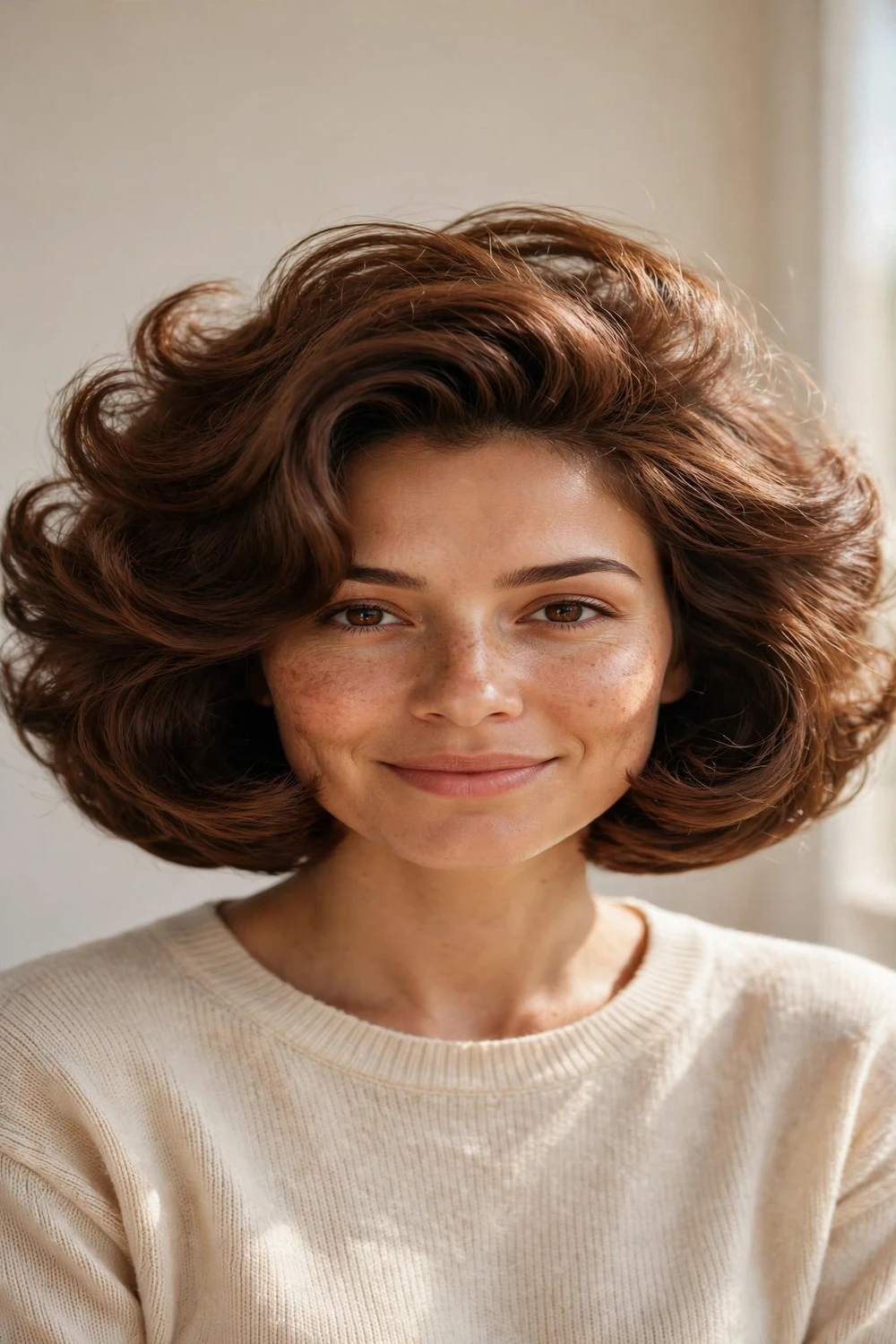
The voluminous italian bob keeps the blunt chin-length perimeter but builds body through the roots and mid-lengths with a bouncy blowout. It suits medium to thick hair and flatters long faces by adding width. A round brush and a volumizing mousse at the roots are the standard toolkit. This version photographs well but needs restyling most mornings; second-day hair usually needs a refresh with a dryer. It is the italian bob at its most glamorous and its most demanding.
Try this: Use velcro rollers on the crown for 15 minutes after blow-drying to lock in the volume.
Difficulty: Hard | Salon cost: $90–$150
Italian bob with side sweep
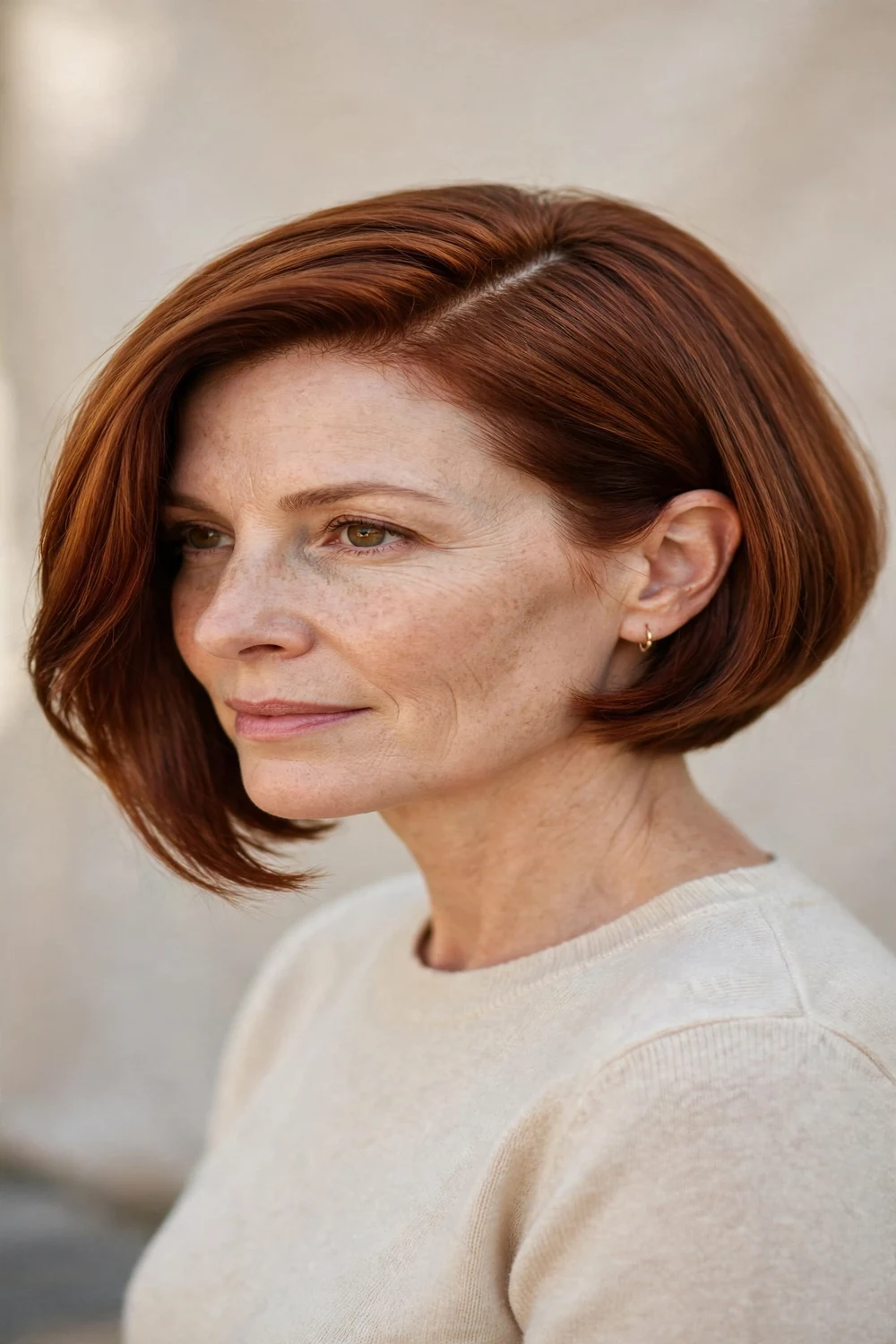
Sweeping the italian bob to one side softens its severity and adds asymmetry that flatters square and round faces. The blunt perimeter stays, but the deep side part shifts the weight and creates a longer line across the forehead. It works on straight and wavy hair and needs less precision than the center-parted version, since the asymmetry hides minor unevenness. Style with a side part set on damp hair and a smooth blow-dry. For bobs with fringe pairings, our short bob hairstyles with bangs roundup shows more options.
Try this: Tuck the lighter side behind the ear and leave the heavier side forward for contrast.
Difficulty: Medium | Salon cost: $80–$140
Sleek glass italian bob

The glass italian bob takes the blunt cut to its smoothest extreme: flat-ironed lengths with a liquid shine and not a strand out of place. It suits straight, healthy hair; damaged or frizzy hair will not hold the finish. A heat protectant is mandatory before the flat iron, and a gloss treatment at the salon every couple of months keeps the shine. This is a special-occasion version of the italian bob for most people, since the daily flat-ironing is a lot of heat on the hair.
Try this: Flat-iron in small sections with a heat protectant, then finish with a single drop of shine oil on the ends only.
Difficulty: Hard | Salon cost: $90–$150
Italian bob with curtain fringe

Adding a curtain fringe softens the italian bob’s blunt geometry without sacrificing its fullness. The fringe parts in the center and blends into the chin-length perimeter, which flatters long faces and adds movement to the front. It suits straight to wavy hair and needs the fringe trimmed every four to five weeks. This is the most forgiving italian bob, since the fringe disguises the regrowth that shows so clearly on the blunt line. Style the fringe with a round brush for the right bend.
Try this: Blow-dry the fringe forward first, then sweep each side outward for a soft curtain effect.
Difficulty: Medium | Salon cost: $80–$140
French bob looks to try
Six ways to wear the french bob, from classic to undone.
Classic parisian french bob

The classic french bob ends at the jaw with textured, slightly imperfect ends and a natural, air-dried finish. There is no blunt line and no heavy styling; the cut is designed to look good with minimal effort. It suits fine to medium hair and flatters oval and heart faces. A dab of styling cream on damp hair is the entire routine. This is the reference point every other french bob variation builds on, and it remains the most wearable version for everyday life.
Try this: Let it air-dry completely, then pinch the ends with a tiny amount of styling cream for separation.
Difficulty: Easy | Salon cost: $70–$120
French bob with baby bangs

Baby bangs cut above the brows are the signature french bob pairing, giving the cut its gamine, editorial edge. The fringe is textured rather than heavy, so it sits in soft pieces instead of a solid curtain. It suits petite features and oval faces; strong brows become a feature with this cut. The fringe needs trimming every three to four weeks. This is the boldest french bob and the one that reads most distinctly parisian, but it demands confidence in the fringe.
Try this: Style baby bangs with your fingers and a touch of styling cream instead of a brush for a softer, less severe line.
Difficulty: Medium | Salon cost: $70–$120
Wavy french bob

Natural wave gives the french bob its most romantic form. The textured ends break the waves into soft, uneven pieces, and the jaw-length cut keeps the shape light. It suits wavy and loosely curly hair and flatters most face shapes. Air-drying with a curl-enhancing cream is the full routine; diffusing adds volume on flat days. This version needs the least salon maintenance of any bob on this list, since the waves disguise growth and the texture hides imperfections.
Try this: Scrunch a curl cream into damp hair and let it air-dry untouched for the most natural wave pattern.
Difficulty: Easy | Salon cost: $70–$120
French bob with natural texture
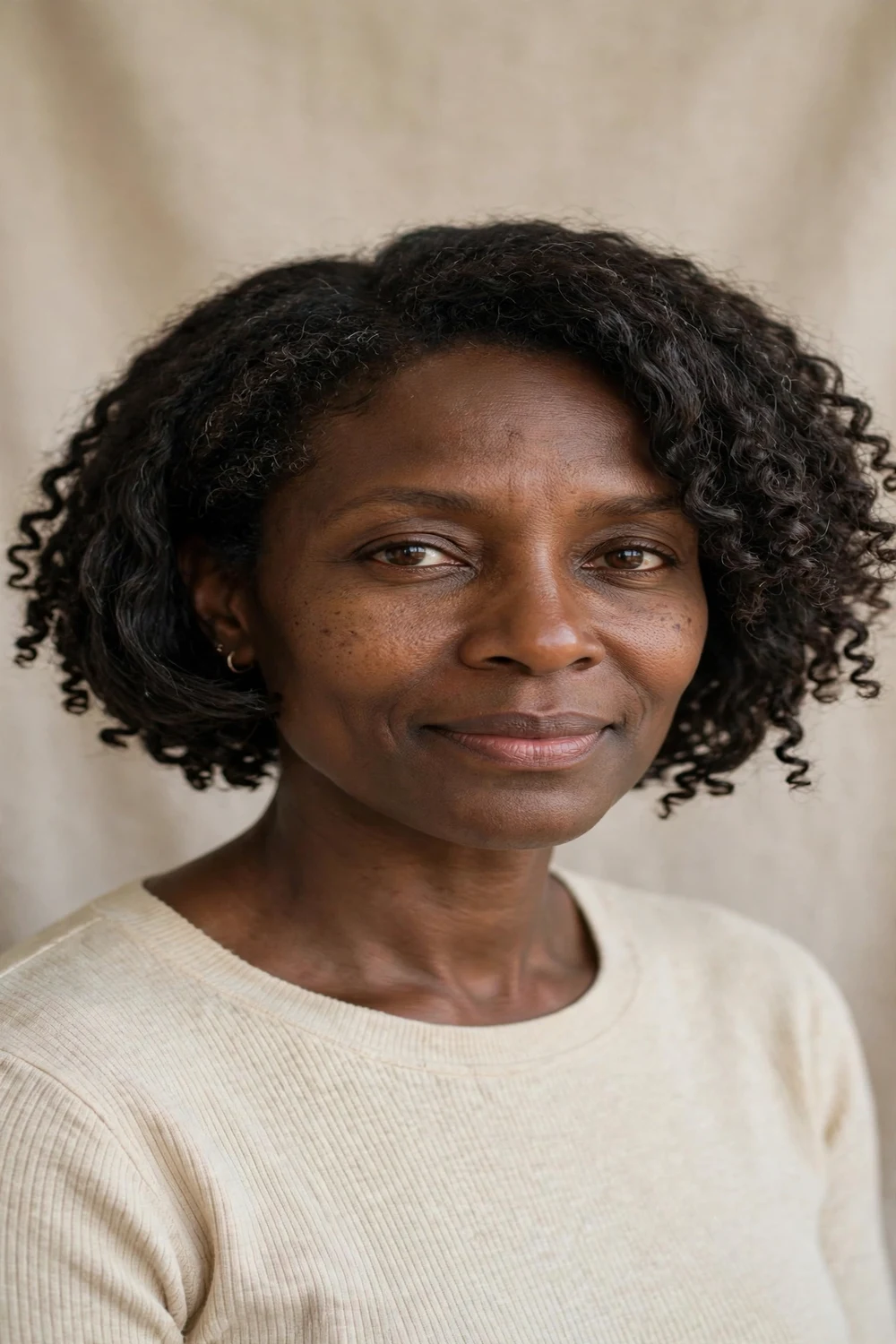
This version leans fully into the air-dried, untouched finish: the cut is shaped to work with your hair’s natural texture, whatever it is. The stylist point-cuts the ends to encourage separation and lets the hair do the rest. It suits anyone who wants a wash-and-go short cut and works on straight, wavy, and curly hair alike. The trade-off is less control over the final look; what you get depends on your texture. For blonde takes on short textured cuts, browse our blonde bob hairstyles collection.
Try this: Wash at night and sleep on it damp in a loose bun for natural morning texture.
Difficulty: Easy | Salon cost: $70–$120
French bob with side part
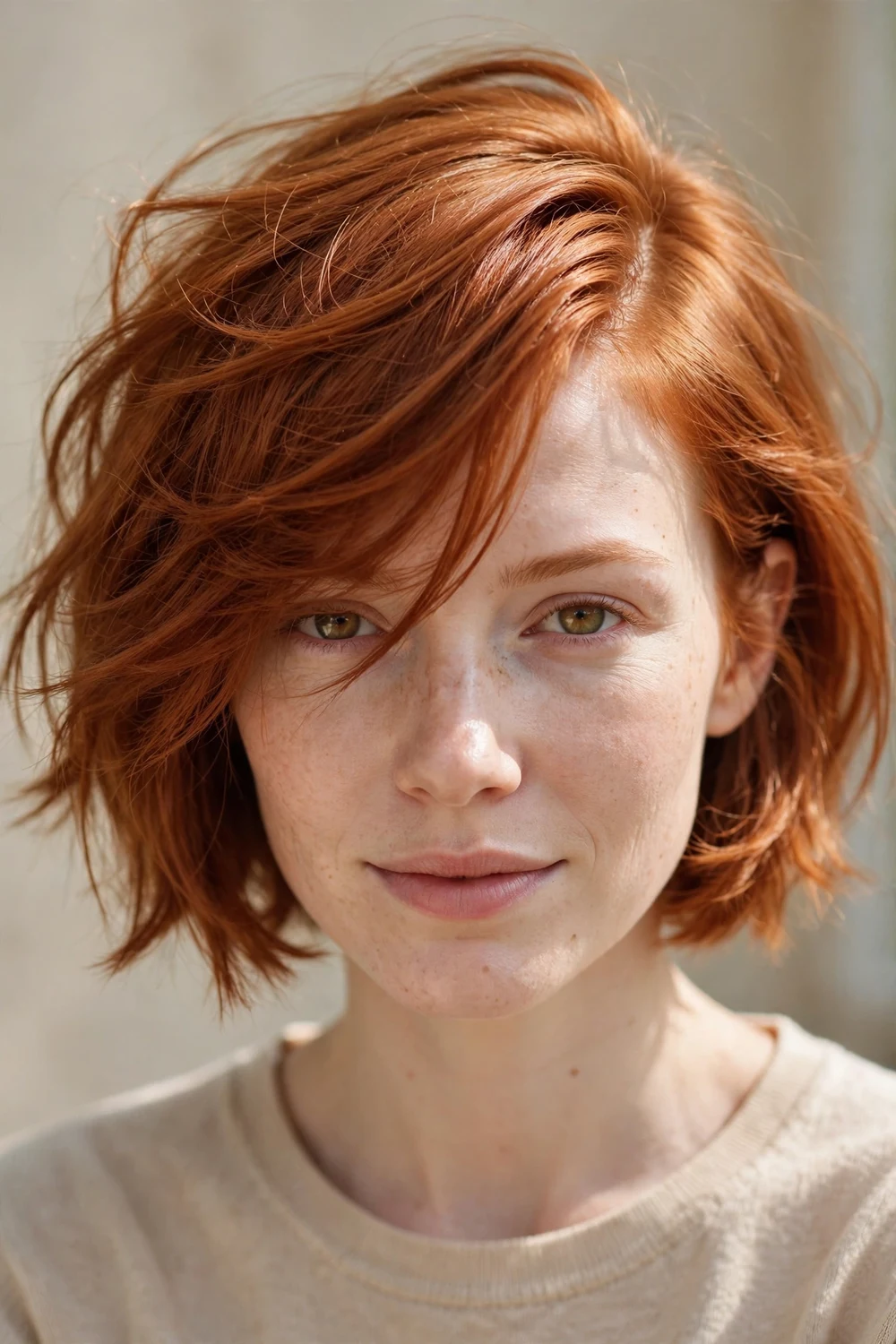
A deep side part gives the french bob asymmetry that flatters square and round faces and adds a little polish to the undone cut. The textured ends keep it from reading too severe, and the longer sweep across the forehead works like a grown-out fringe. It suits fine to medium hair and needs no special styling beyond setting the part on damp hair. This is a good middle ground if you like the french bob’s ease but want a slightly more finished look.
Try this: Set the side part on damp hair with a clip for ten minutes to train the hairline into place.
Difficulty: Easy | Salon cost: $70–$120
Tousled french bob
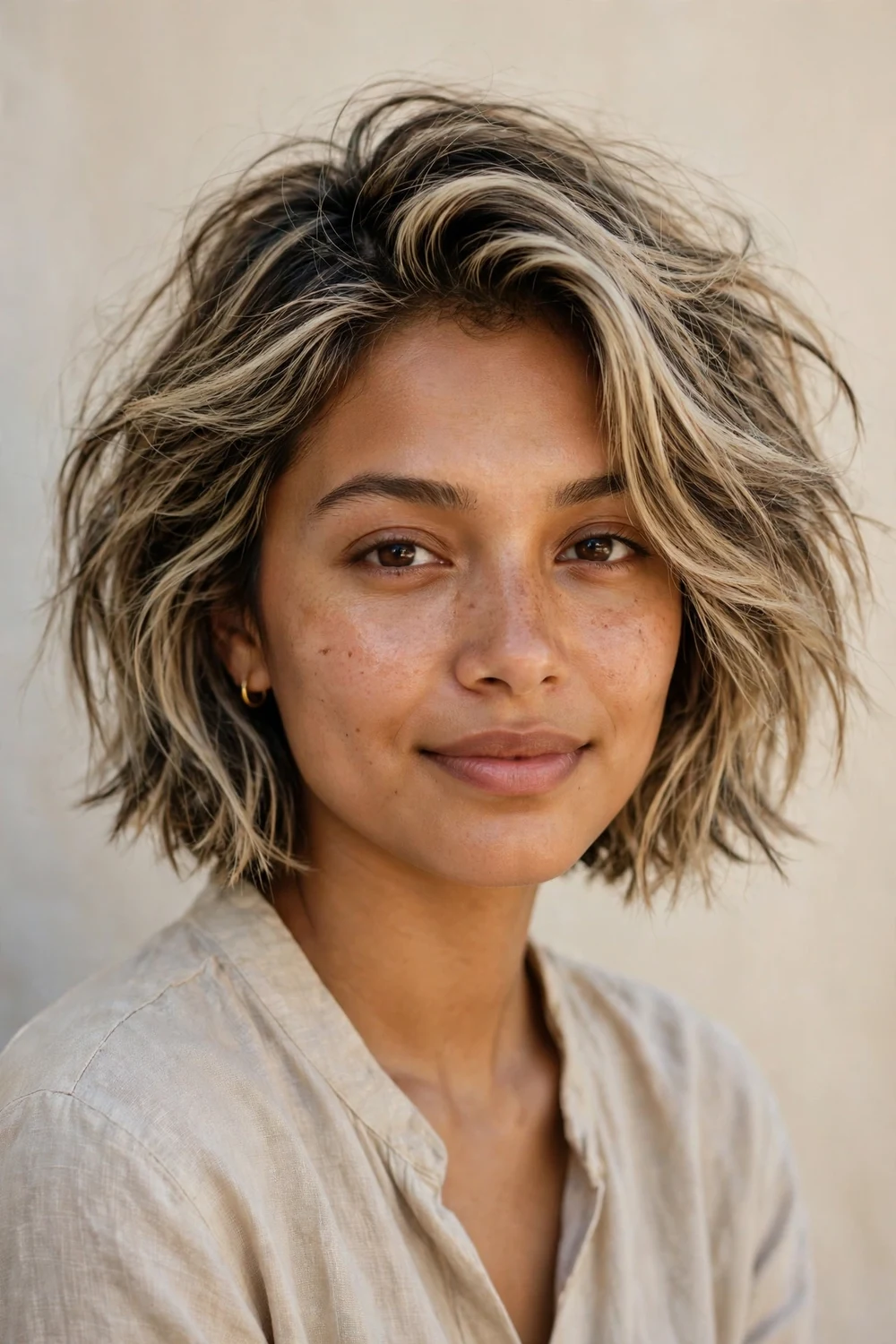
The tousled french bob pushes the undone finish further with extra texture through the ends and a deliberately messy part. It is the most casual french bob and the best at hiding second-day hair. It suits all face shapes and works on straight to wavy hair. A texturizing spray on dry hair refreshes it between washes. This is the french bob to choose if your priority is a cut that looks good with zero morning effort.
Try this: Mist dry hair with texturizing spray and scrunch upward to revive the tousled finish on day two.
Difficulty: Easy | Salon cost: $70–$120
The verdict: which one should you get
Get the italian bob if you have thick, straight hair, love a polished finish, and can commit to blow-drying and trims every five to six weeks. It delivers the most impact of any short bob and looks striking in professional and formal settings.
Get the french bob if you want the lowest-maintenance short cut that still looks intentional, have fine to medium hair with some natural texture, or prefer an undone aesthetic. It air-dries well, grows out gracefully, and asks almost nothing of your mornings.
The deciding question is honest: how much styling will you actually do? If the answer is “a full blow-dry most days,” the italian bob will reward you. If the answer is “as little as possible,” the french bob is the only sensible pick, and it will look better on you for it.
Italian bob vs french bob: side-by-side comparison
| Feature | Italian bob | French bob |
|---|---|---|
| Length | Chin length | Jaw length or shorter |
| Ends | Blunt, chunky, solid | Textured, wispy, separated |
| Finish | Glossy, polished, deliberate | Matte, undone, natural |
| Fringe pairing | Curtain fringe or none | Baby bangs, wispy fringe, or none |
| Best hair texture | Thick, straight to wavy | Fine to medium, straight to wavy |
| Best face shapes | Oval, heart, long | Oval, heart, petite |
| Daily styling time | 15–20 minutes | Under 5 minutes |
| Trim schedule | Every 5–6 weeks | Every 8 weeks |
| Salon cost | $80–$150 | $70–$120 |
| Grow-out | Blunt line softens, needs timely trims | Softens into a textured bob gracefully |
FAQs
What is the main difference between an italian bob and a french bob?
Length and finish. The italian bob sits at the chin with blunt, full ends and a polished look. The french bob sits higher at the jaw with textured, wispy ends and an undone look. The italian bob is about density; the french bob is about ease.
Can I get an italian bob with fine hair?
You can, but the blunt ends will show thinness, so ask for a slightly stacked interior to support the perimeter and keep the length right at the chin rather than longer. A french bob is usually the better pick for fine hair since its textured ends create movement.
Which bob is more low maintenance?
The french bob, clearly. It is designed to air-dry and looks good with minimal product. The italian bob needs regular blow-drying to keep its blunt line smooth and its glossy finish intact.
Do I need bangs with a french bob?
No. The classic french bob often includes baby bangs or a wispy fringe, but plenty of versions skip the fringe entirely and let the jaw-length shape do the work. A fringe adds the signature parisian feel, but the cut stands alone without one.
Can a stylist convert one into the other?
An italian bob can become a french bob in one appointment: the stylist takes the length up and textures the ends. Going from a french bob to an italian bob requires growing the hair to chin length first, which takes a few months.
Final thoughts
Italian bob vs french bob comes down to the finish you want to maintain. The italian bob is a commitment to polish: blow-dries, shine products, and regular trims in exchange for one of the most striking short cuts around. The french bob is a commitment to ease: air-dry, go, and let the texture do the talking. Pick the one that matches your actual routine, not the one you wish you had, and you will love the result.

