

Honey blonde sits in the sweet spot of the blonde family. It’s warmer than ash, softer than platinum, and richer than plain golden blonde, which is why it keeps showing up in salon chairs year after year.
This guide rounds up 30 honey blonde hair color ideas, grouped by technique and shade depth so you can find your match fast. I’ve spent years writing about blonde color, and honey is the shade readers ask about most, so every idea below includes who it suits and how much upkeep it needs.
Quick answer: Honey blonde is a warm, mid-tone blonde built from golden, amber, and light caramel tones. For low upkeep, pick balayage, a dark-root blend, or honey bronde. For full change, go all-over. Warm skin tones suit golden and caramel honey; cool skin tones do better with beige or neutral honey.
Quick Takeaways
- Honey blonde is a warm mid-tone blonde with golden, amber, and caramel undertones, and it flatters warm, neutral, and many cool skin tones.
- The lowest-upkeep routes are balayage, dark-root blends, and honey bronde, all of which grow out softly.
- Balayage, babylights, and money pieces belong with a professional colorist; all-over color and gloss refreshes can work at home.
- Keep brassiness away with purple shampoo once a week and a gloss refresh every 6 to 8 weeks.
- Bring 2 to 3 reference photos to your appointment, since honey blonde shifts a lot under different lighting.
Why Honey Blonde Works on Almost Everyone
Honey blonde reflects light the way warm metals do. That reflection makes hair look thicker and shinier, which is why fine hair often looks fuller in honey tones than in flat, cool blondes.
Honey is just one of this year’s directions, so explore all the current blonde highlight trends to compare tones side by side.
The shade also adapts to texture. On straight hair it reads glossy and clean. On waves it shows off dimension between the high and low tones. On curls, each coil catches a slightly different shade, so the color looks deep without extra styling.
And it works year-round. In summer it reads sunlit and fresh; in winter the same warmth keeps your complexion from looking washed out.
What to Know Before You Color
Your starting color decides the process. Natural blondes and light browns can often reach honey blonde in one session. Medium to dark brown hair usually needs pre-lightening first, and previously colored hair may need color correction before any honey tones go on.
Be honest about maintenance. All-over light honey needs root touch-ups every 4 to 6 weeks. A dark-root blend or bronde can stretch to 10 to 12 weeks between salon visits. Pick the version that fits your calendar, not just your inspiration photos.
If you’re coloring at home, do a strand test first and buy one extra box for hair past your shoulders. Running out of color halfway through is the most common DIY mistake.
1. Soft Honey Blonde Balayage
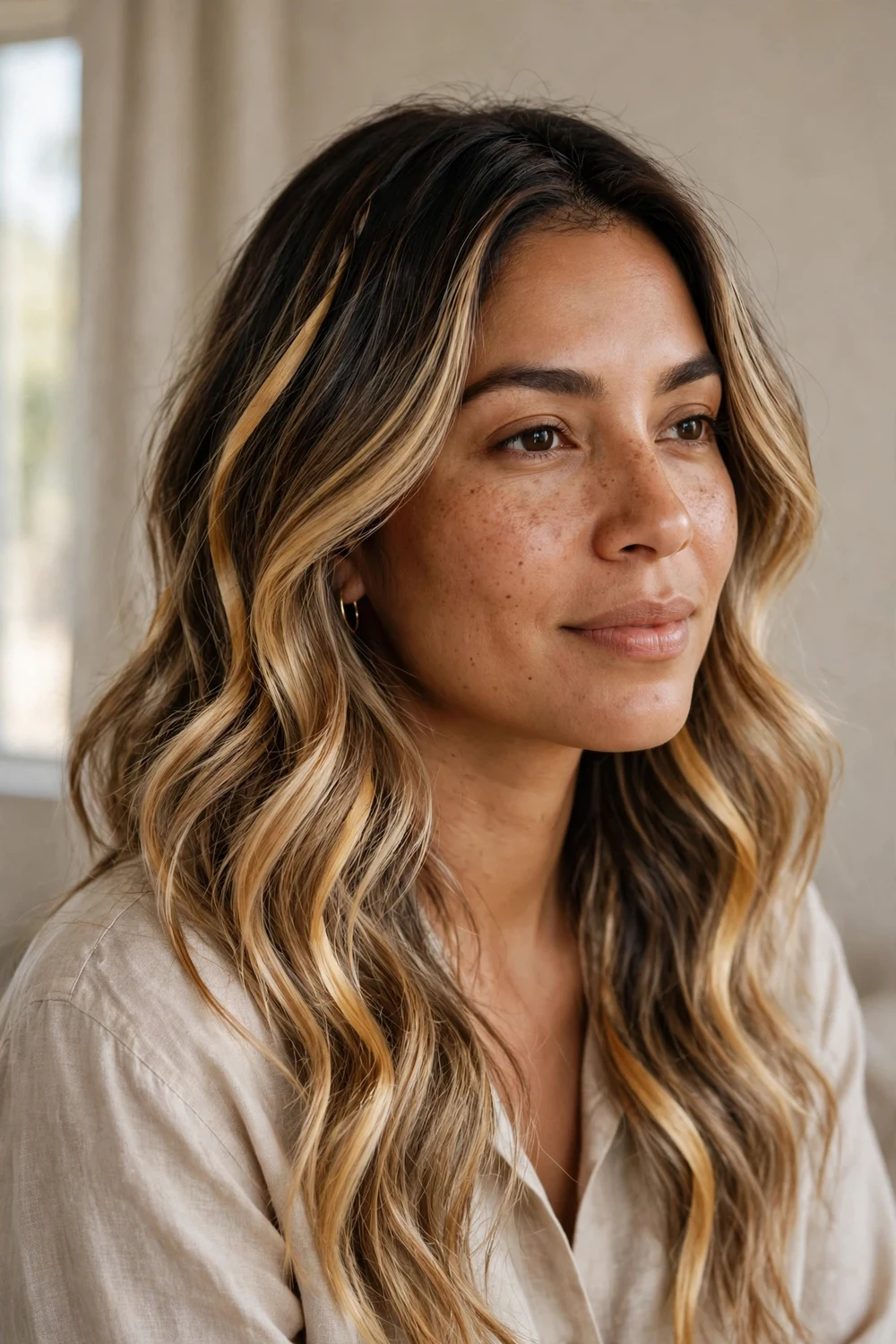
Ask for hand-painted ribbons of honey blonde through the mid-lengths and ends, keeping the root area close to your natural color. Because there’s no hard line where the color starts, the grow-out looks intentional for months instead of stripey. This is the version to show your colorist if you’re trying honey blonde for the first time and don’t want a high-commitment change. It suits medium to long hair best, since the painterly placement needs length to blend. Fine hair looks thicker with this technique because the varied tones create the illusion of depth.
Try this: Request a root melt at the same appointment. It softens the transition another level and buys you an extra 3 to 4 weeks between visits.
2. Warm Honey Blonde Lob
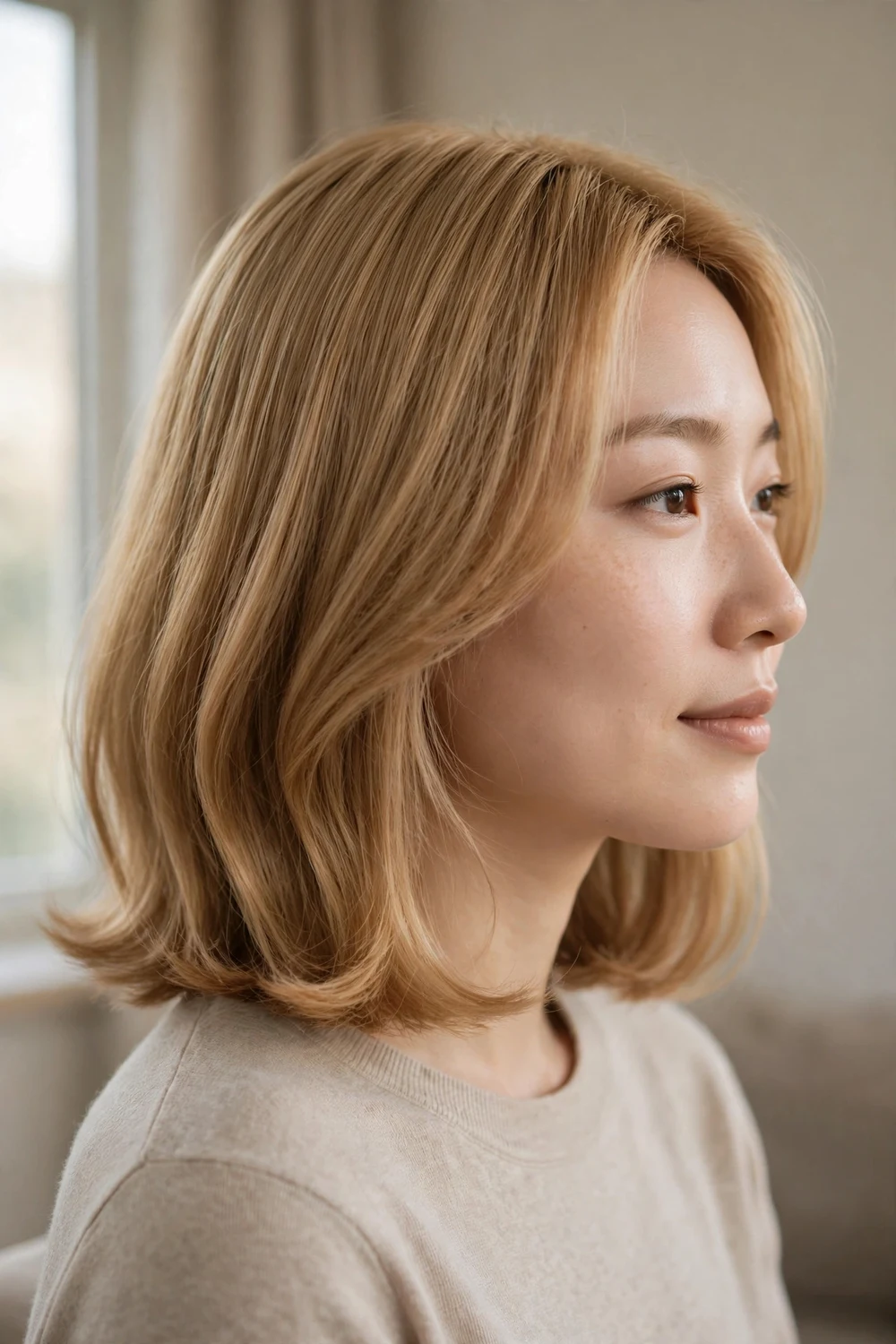
Shoulder-grazing and saturated in warm honey tones, this lob is one of the easiest ways to wear the shade. The blunt-ish ends keep the color looking dense instead of wispy, which matters because honey blonde can fade faster on thin, damaged ends. It styles in under 15 minutes: smooth it straight for a polished day look, or bend the ends with a flat iron for soft movement. The length works on straight, wavy, and lightly curly hair, and the warm tone adds glow to medium and olive complexions.
Try this: Tuck one side behind your ear. The asymmetry shows off the warm depth at the front pieces and takes five seconds.
3. Golden Honey Blonde Waves
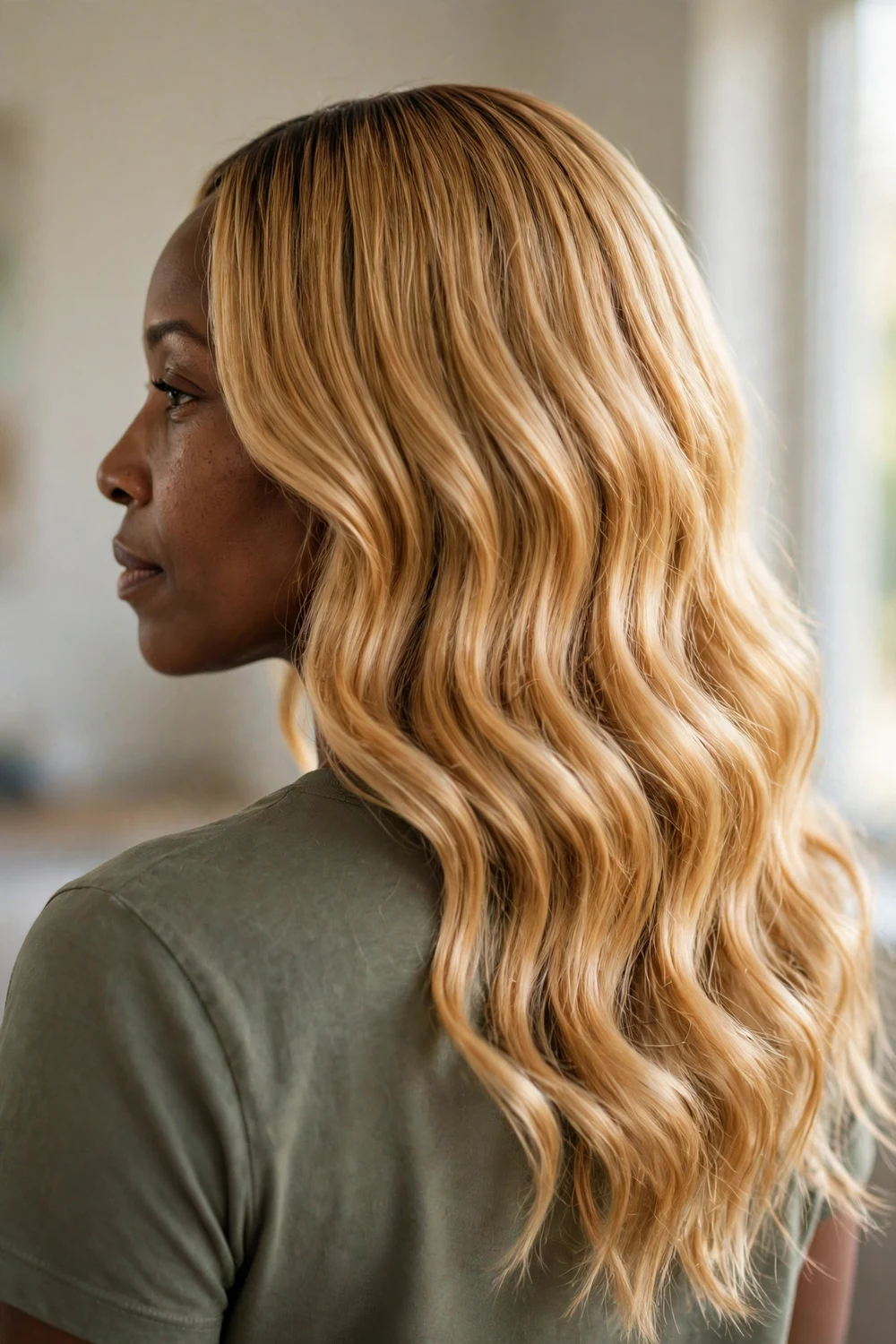
Want the sunniest version of honey blonde? Golden honey leans into rich yellow-gold tones instead of beige, and loose waves are the styling that shows them best. Each wave catches light differently, so the color reads dimensional rather than flat, even in indoor lighting. This works best on hair that’s naturally light brown or darker blonde, since the lift is moderate and the warmth covers any underlying brass. It’s a medium-upkeep shade: the gold fades faster than neutral tones, so plan a gloss refresh around week six.
Try this: Curl the front pieces away from your face. It opens up your features and stops the golden tones from reflecting yellow onto your skin.
4. Creamy Honey Blonde Layers
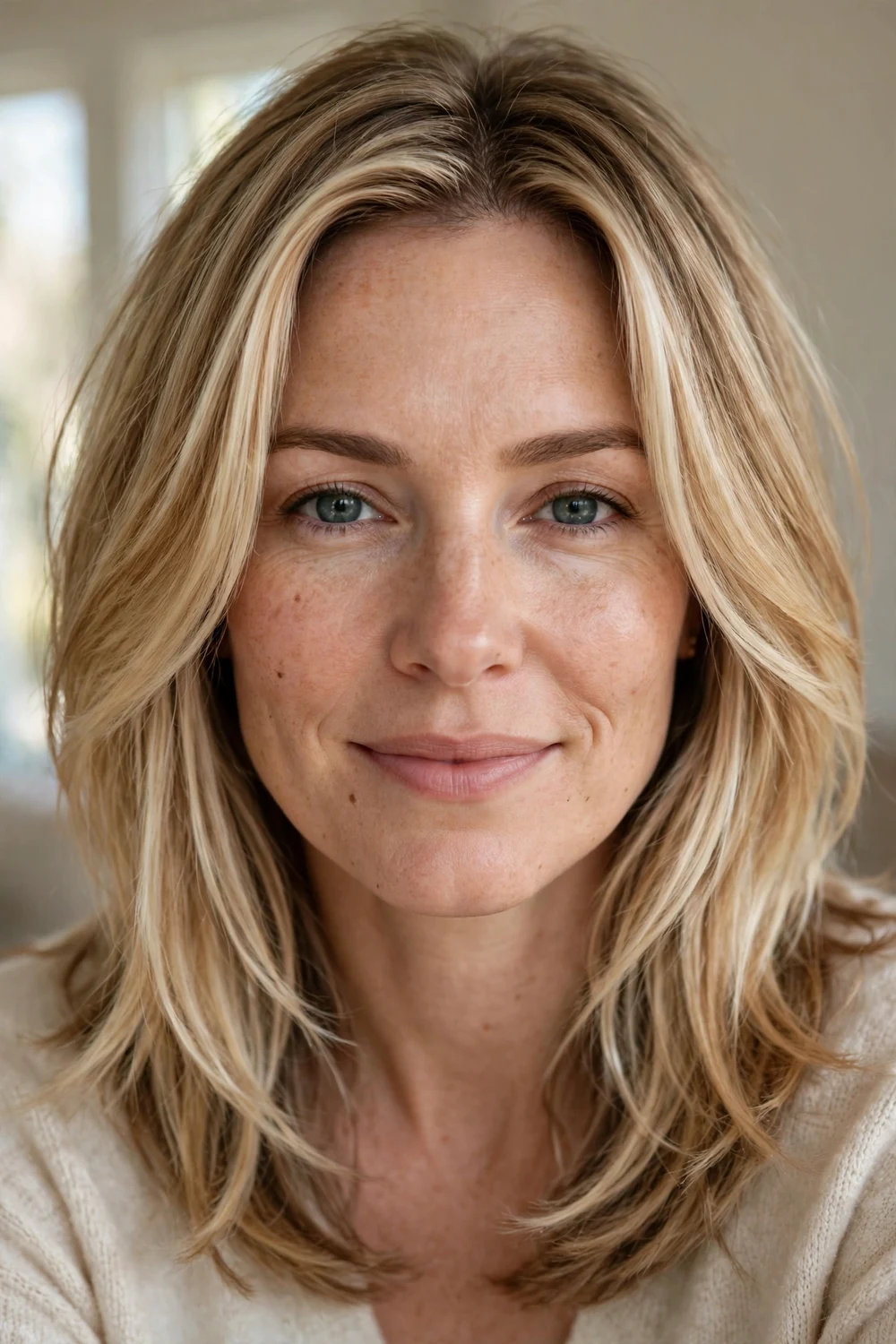
Creamy honey sits between warm and neutral, so it skips the brassiness that pure golden shades can develop. The color looks airy and light, and long layers let it move through the hair instead of sitting in one block. Ask your colorist to keep the shortest face-framing layers a touch lighter than the rest; that small detail brightens your whole face without touching the roots. This is a strong pick for neutral skin tones and for anyone whose hair turns orange easily when lightened.
Try this: Blow-dry with a round brush, directing the front layers away from your face. The shape holds all day with a light mist of flexible-hold spray.
5. Dark Root Honey Blonde Blend
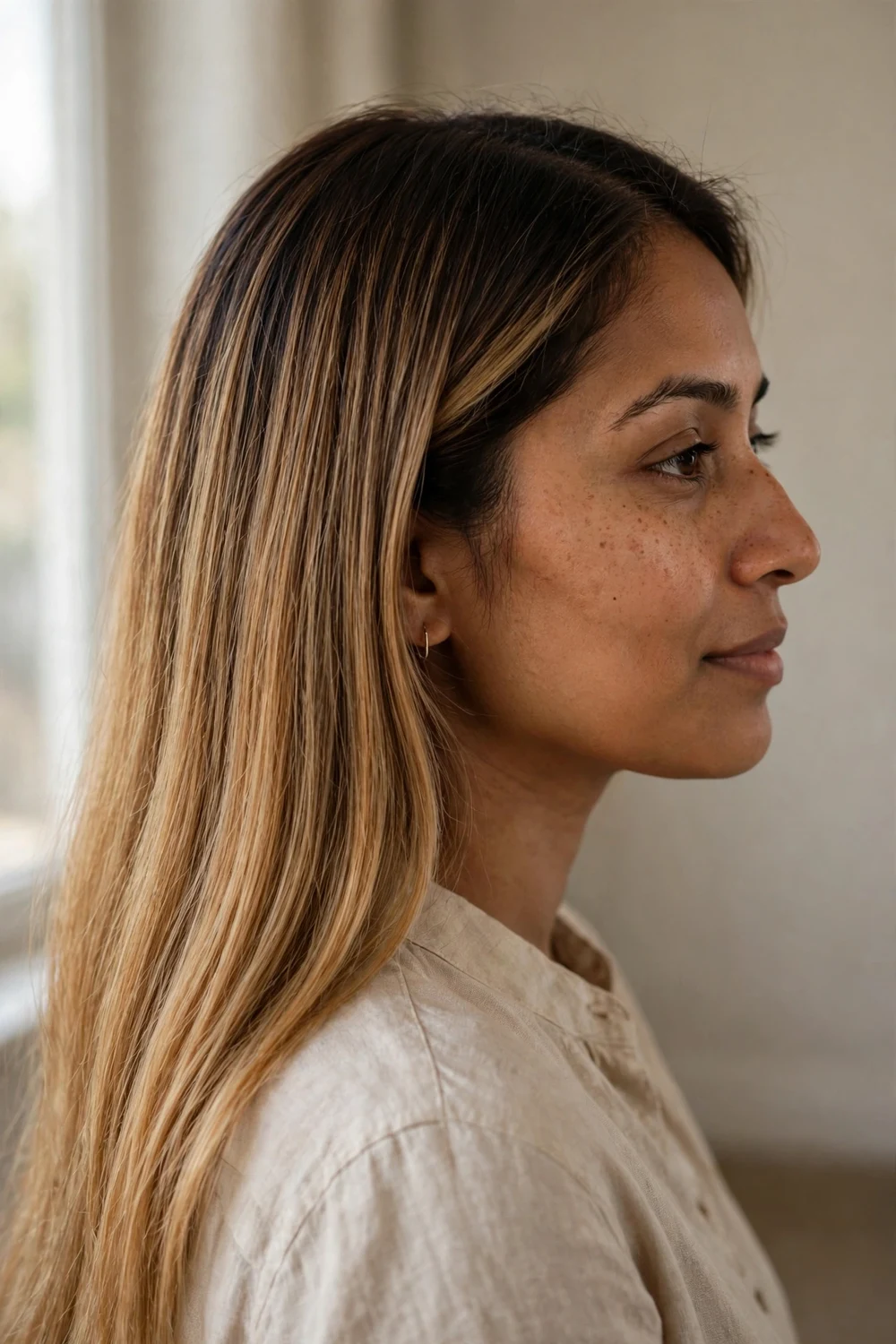
Keep your natural depth at the roots and let it melt into honey blonde through the lengths. The contrast makes the blonde look brighter by comparison, and because your real root color is doing the work at the top, touch-ups stretch to 10 weeks or more. The key detail is softness: the root shadow should be diffused, not a harsh line, or the look reads grown-out instead of intentional. This suits anyone who wants noticeable brightness without the salon schedule of all-over blonde.
Try this: Part your hair slightly off-center. It breaks up the root area visually and makes the blend look even softer.
6. Honey Blonde Money Piece
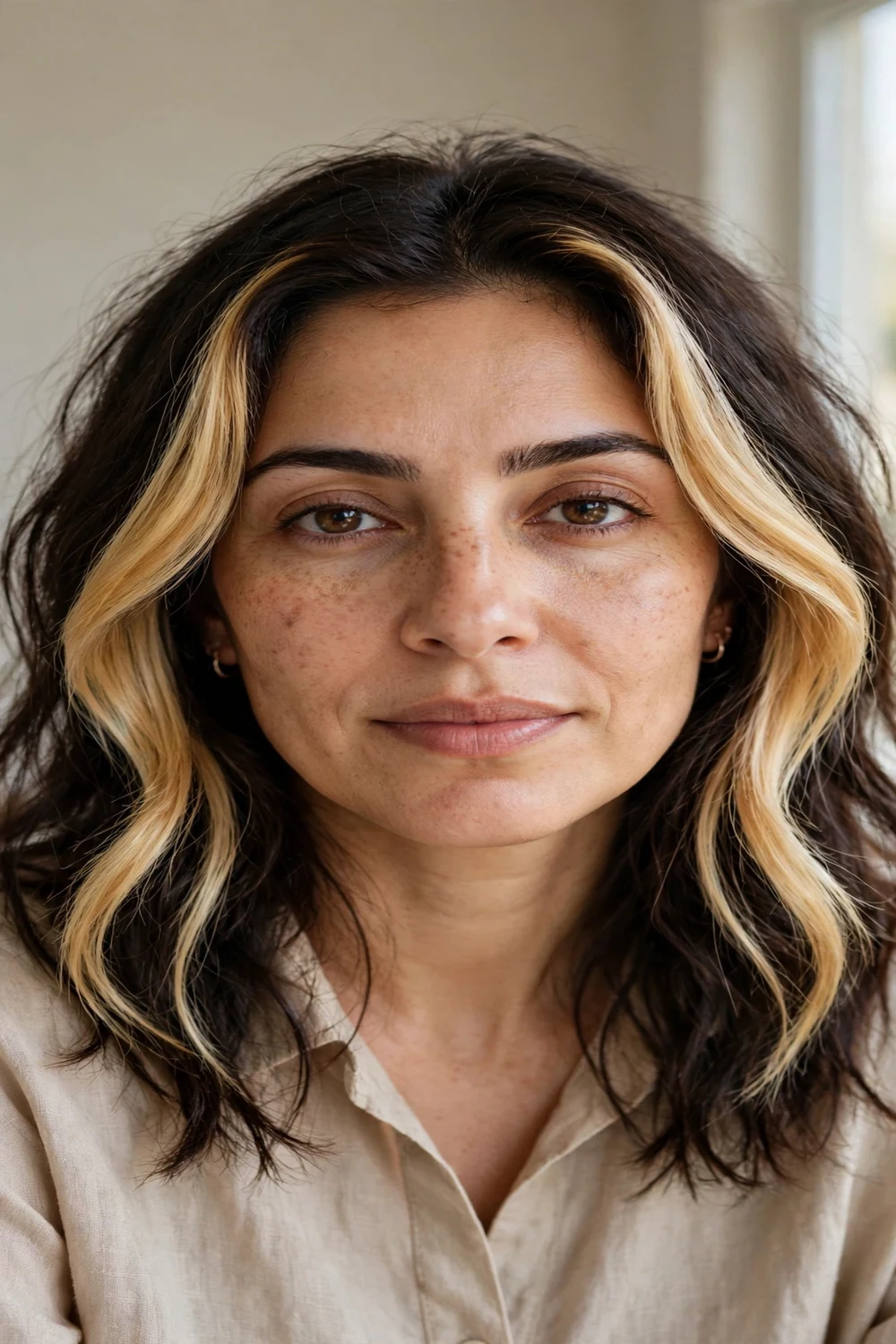
Not ready to lighten everything? The money piece puts the brightest honey blonde right around your face, in two front panels, while the rest of your hair stays close to its natural depth. The effect is instant: eyes look brighter and cheekbones more defined, because the light color draws attention upward. You can keep it subtle with a soft honey ribbon, or go bold with high-contrast brightness. Either way, it costs less and takes less chair time than a full head of highlights.
Try this: Ask for a softer root on the money piece itself. It keeps the brightness but lets it grow out without a visible line.
7. Beige Honey Blonde Bob
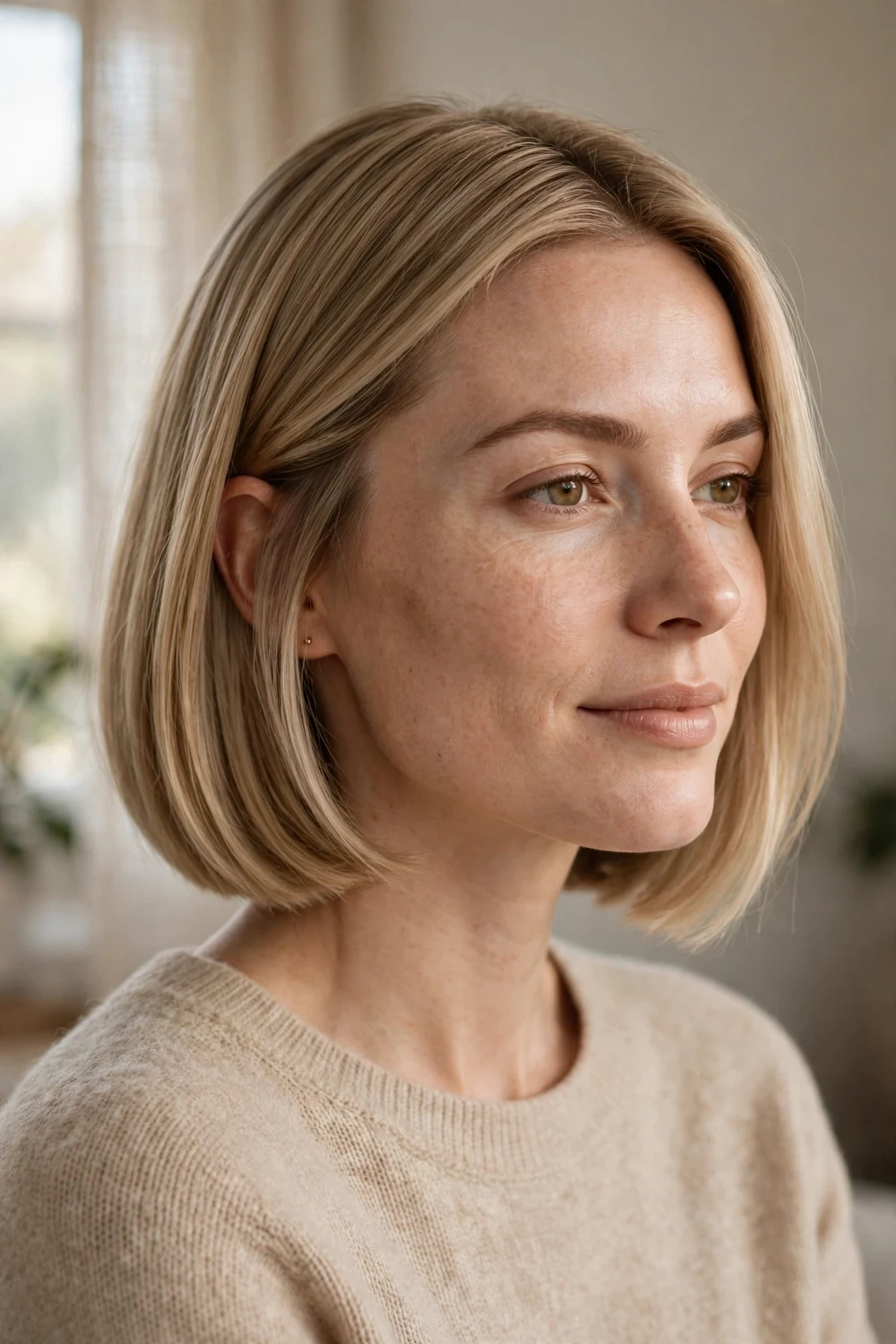
Beige honey mutes the gold with neutral, sandy tones, which makes it the best honey blonde for cool skin undertones. On a chin-length bob, the color looks expensive: the short, even ends reflect light in one clean sheet, so the beige tones read smooth instead of dull. This is also one of the most office-friendly versions of honey blonde, since it stays polished without reading flashy. Keep the ends trimmed every 6 to 8 weeks, because split ends scatter light and make beige tones look flat.
Try this: Style it with a deep side part and tuck the shorter side behind your ear for an instant polished finish.
8. Honey Caramel Blonde

When honey blonde goes deeper, it becomes honey caramel: a rich blend of warm bronze, golden honey, and soft brown that brunettes can reach without heavy bleaching. The depth makes it one of the lowest-maintenance honey options, since regrowth blends into the darker base naturally. On curls, the caramel low tones and honey high tones separate each coil visually, which makes curl patterns look more defined. It’s especially flattering on warm and olive complexions, where the golden depth echoes the skin’s own warmth.
Try this: Scrunch a curl cream into damp hair and diffuse on low heat. The heat sets the curl while the color does the visual work.
9. Sunlit Honey Blonde Straight Hair

Straight hair is honey blonde’s glossiest canvas. With no waves to break up the reflection, every golden tone reads clean and polished, almost like glass. This version works best on healthy, medium to long hair, because damage shows more on straight styles and dulls the shine that makes the color work. The maintenance is straightforward: heat protectant every time you flat iron, and a shine serum on the ends only. Too much product at the roots weighs the whole style down and kills the reflection.
Try this: Finish with a cool shot from your dryer before the serum. It seals the cuticle and doubles the shine.
10. Dimensional Honey Blonde Shag
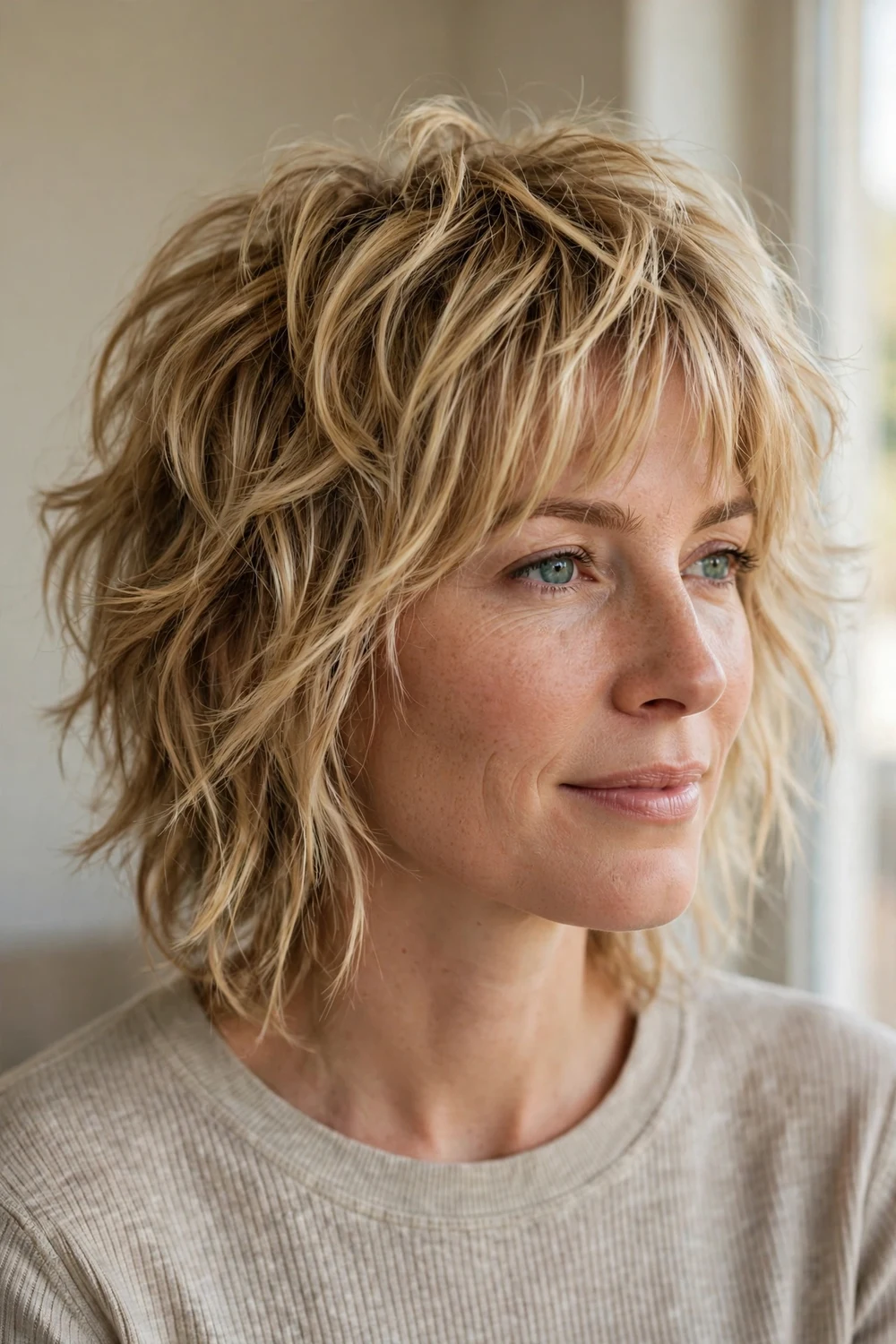
The shag’s choppy layers were made for dimensional color. Short pieces around the crown catch light while longer pieces fall into shadow, so a single honey blonde formula looks like three different shades as you move. This is a great choice if your hair is fine, because the layers remove weight while the color variation fakes thickness. Style it rough-dried with texture spray for the lived-in finish, or smooth it out when you want the layers to look more deliberate.
Try this: Work texture spray into the roots first, then the mid-lengths. Root lift is what stops a shag from falling flat by noon.
11. Honey Blonde Balayage With Caramel Highlights
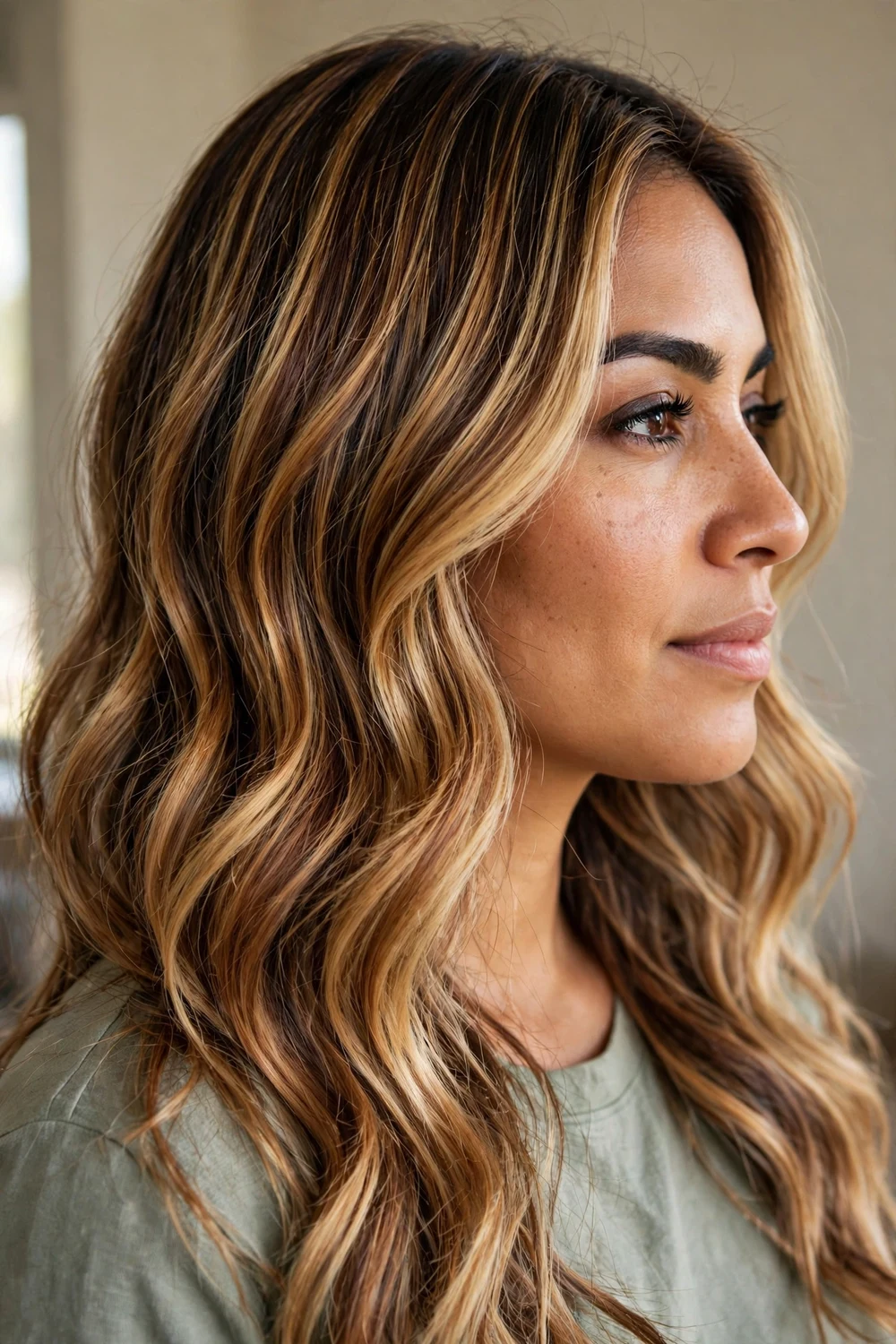
This is balayage for people who find the soft version too subtle. Your colorist hand-paints honey blonde as the base brightness, then weaves deeper caramel pieces through the mid-lengths for a rich, almost molten effect. The caramel adds the depth that makes the honey look brighter by contrast, so the overall result is more dramatic than classic balayage without crossing into high-contrast streaks. It suits medium to thick hair, which has enough density to carry two distinct tones without looking busy.
Try this: Ask for the caramel pieces to sit mostly underneath the top layer. They’ll peek through when you move, which looks more expensive than surface-level stripes.
12. Sun-Kissed Honey Blonde Ombre
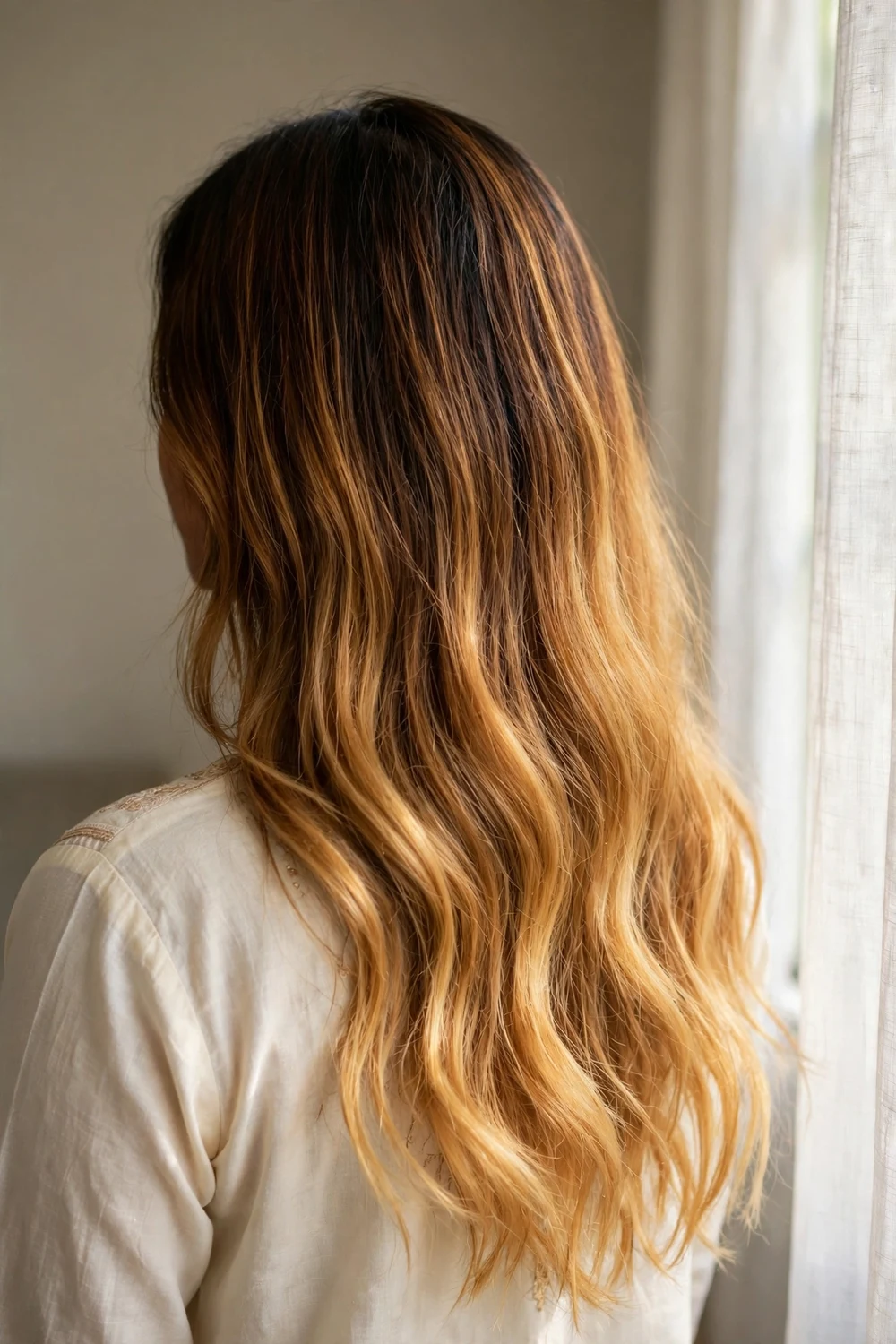
Ombre takes the dark-to-light gradient further than a root blend: deep honey or light brown at the roots melting into bright golden tips. The gradient means zero root maintenance, since the top of your hair is essentially your natural color. What keeps it from looking dated is the softness of the transition; modern ombre should melt, not stripe. This is a smart pick if you want maximum brightness at the ends with minimum salon commitment.
Try this: Sleep with the ends in a loose braid. You’ll wake up with soft waves that show off the gradient without any heat.
13. Ashy Honey Blonde With Silver Undertones

Here’s proof honey blonde doesn’t have to be all warmth. This version keeps the honey depth but cools it with smoky silver and ash undertones, landing somewhere between classic honey and mushroom blonde. The result is sophisticated rather than sunny, and it’s one of the few honey options that works well on cool skin tones without beige. Fair warning: the ash tones fade fastest, so you’ll need a toning gloss around week five to stop it warming up.
Try this: Wash with lukewarm water, not hot. Heat opens the cuticle and lets those fragile ash tones rinse out faster.
14. Warm Peach and Honey Blonde Mix
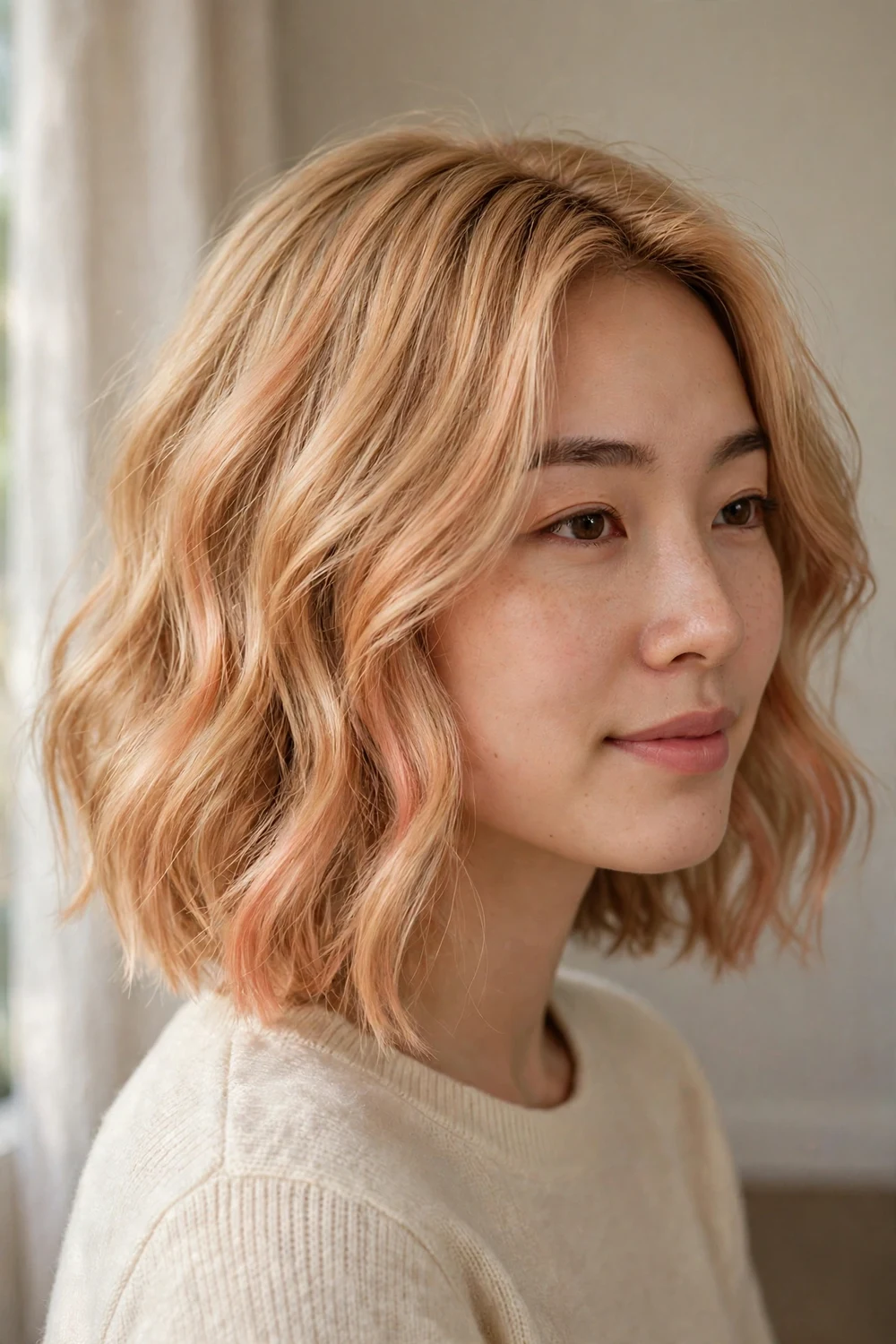
A wash of peach over honey blonde gives you warmth with a twist. The peach tones sit close enough to honey on the color wheel that the blend looks seamless, but they add a soft, sunset glow that plain honey doesn’t have. This is a fashion shade that stays wearable: it reads as warm blonde in most lighting and only shows its peachy side up close or in sunlight. Because peach fades quickly, treat it as a gloss-level commitment and refresh it every 4 to 5 weeks.
Try this: Use a color-depositing conditioner in peach once a week between salon visits. It tops up the tone in the shower in about five minutes.
15. Honey Blonde With Strawberry Lowlights

Lowlights are the underused half of dimensional color. Instead of adding more blonde, your colorist weaves deeper strawberry-blonde pieces through a honey base, which makes the honey sections look lighter by comparison. The strawberry adds a soft pink-gold warmth that flatters fair to medium skin tones. This technique also grows out gracefully, since the darker pieces blur the line between your color and your regrowth. It’s ideal if your honey blonde has started looking flat or one-dimensional.
Try this: Ask for the lowlights concentrated underneath and at the nape. They’ll add depth where hair naturally falls into shadow.
16. Honey Blonde With Ginger Accents
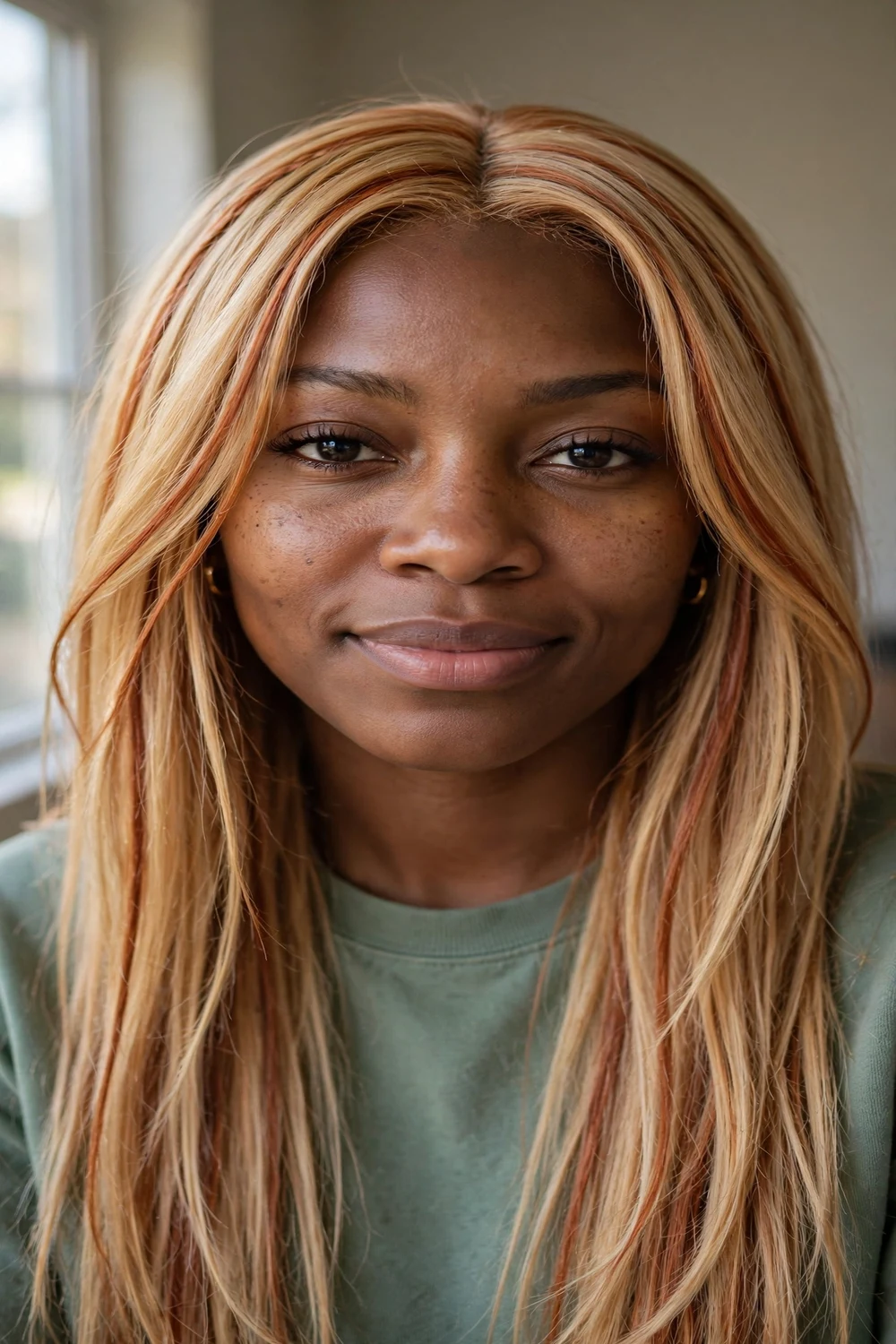
For the bold end of the honey spectrum, fiery ginger accents cut through soft honey blonde with real energy. The contrast is deliberate: thin ribbons of copper-ginger against a honey base, usually placed around the face and through the top layers where they catch the most light. This suits confident dressers and anyone whose wardrobe already leans warm. Keep in mind that red and copper tones fade faster than any other color family, so this is a gloss-refresh-every-month commitment.
Try this: Rinse with cool water and skip daily washing. Every wash pulls copper molecules out faster than it pulls blonde ones.
17. Deep Honey Blonde Roots With Platinum Tips
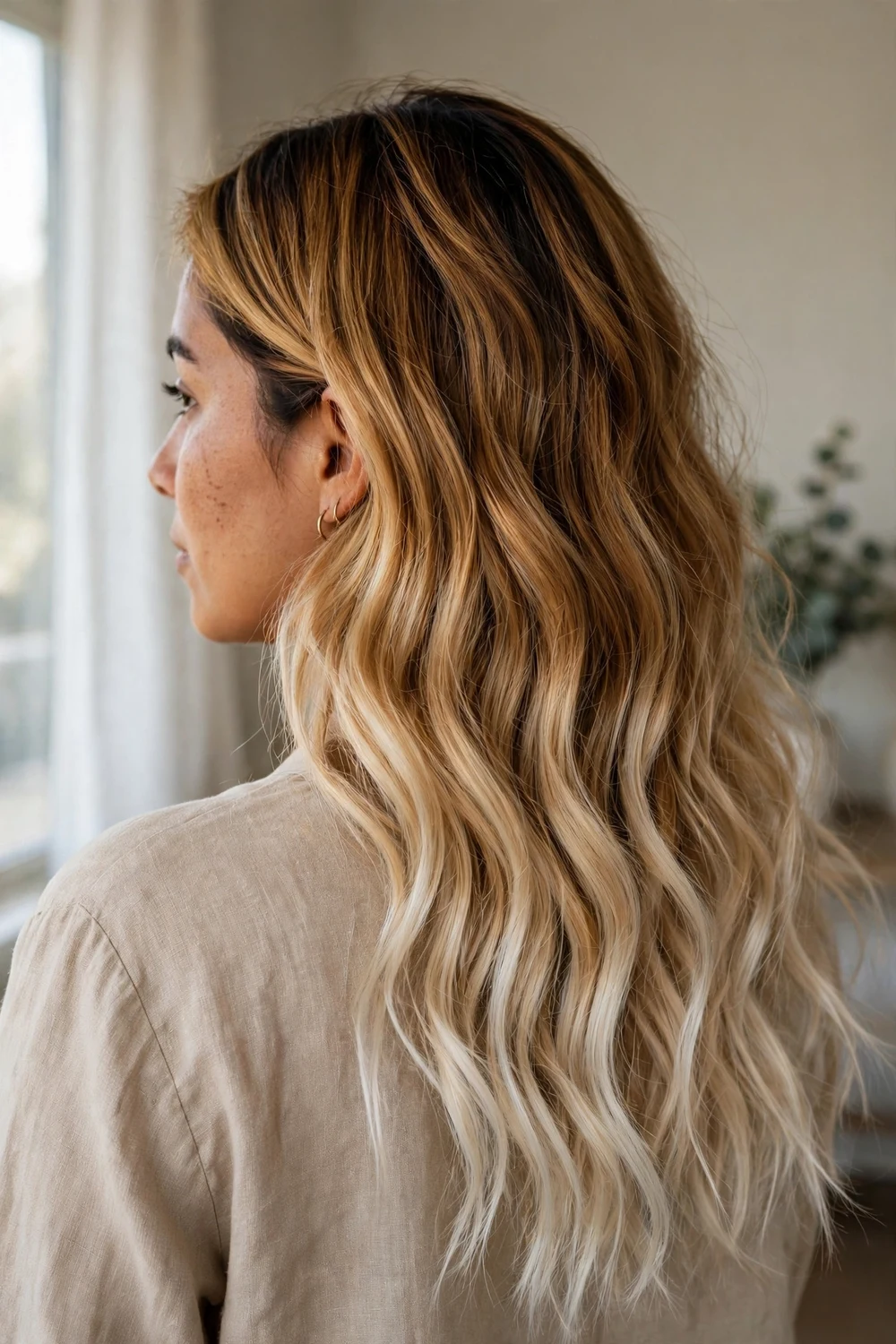
Maximum contrast, done right. Deep honey at the roots gives you the low-maintenance grow-out, while platinum tips deliver the drama of going bright. The trick is the middle: the transition zone needs enough blended honey tones that the platinum doesn’t look dipped. This works best on long hair, where there’s room for a gradual melt, and on thick hair, which can handle the double processing the ends require. Budget for bond-building treatments, because platinum ends need structural support.
Try this: Apply a bond-building mask to the platinum sections only, once a week. The honey roots don’t need the extra protein.
18. Honey Blonde Frosted Tips on Brunette Base
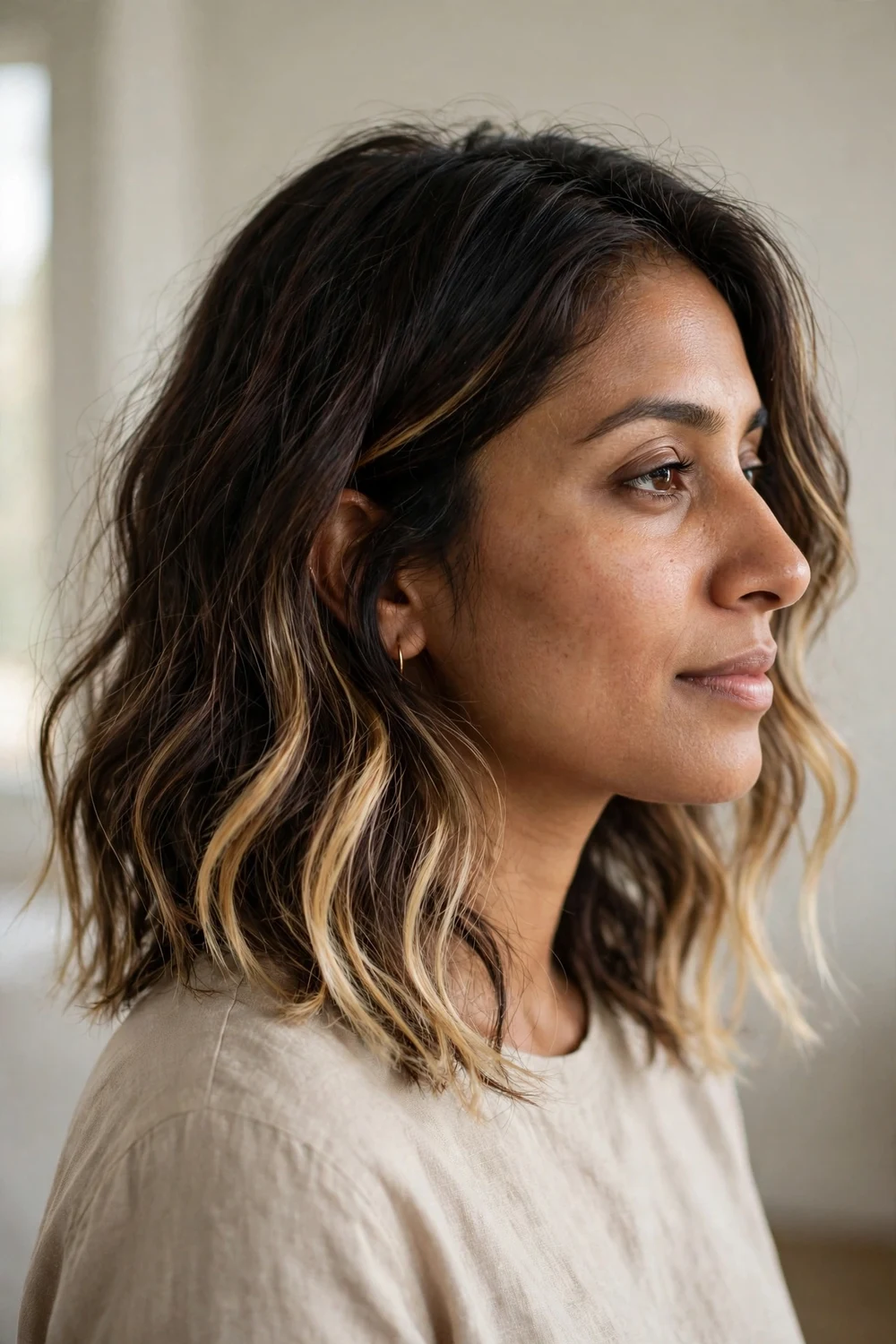
Keep your brunette base exactly as it is and lighten just the ends into honey blonde tips. The result reads sun-bleached and effortless, like a whole summer outdoors condensed into your ends. Because the color sits only on the oldest, most porous part of your hair, it lifts easily and holds tone well. It’s also the cheapest honey blonde entry point: a partial service, no root work, and trims simply remove the color over time if you change your mind.
Try this: Ask for the tips to be painted freehand rather than foiled. The softer edge is what sells the natural, sun-bleached effect.
19. Honey Blonde With Chunky Mocha Highlights

This one reverses the usual formula: instead of blonde highlights on brown hair, it’s deep mocha pieces woven through a honey blonde base. The dark chunks create bold contrast that makes the honey sections glow, and the added visual texture makes fine hair look significantly thicker. It’s a statement look, so placement matters more than usual; the mocha pieces should frame the face and run through the interior, not sit in obvious stripes on top. This suits thick, straight to wavy hair that can carry strong contrast.
Try this: Style it straight the first week. Sleek styling shows off the contrast pattern better than waves while you’re deciding if you love it.
20. Smoky Honey Blonde With Ash Brown Lowlights

Smoky honey takes the warmth down another notch with ash brown lowlights woven through a honey base. The cool depth keeps the overall color from ever reading brassy, which makes it a strong choice for anyone whose hair pulls orange when lightened. The effect is muted and modern, closer to a lived-in bronde than a classic blonde. Because the lowlights do most of the work, regrowth is forgiving and appointments can stretch to 8 to 10 weeks.
Try this: Use a sulfate-free shampoo. Sulfates strip the ash tones first, and once they’re gone the warmth underneath takes over.
21. Honey Blonde With Rose Gold Hints
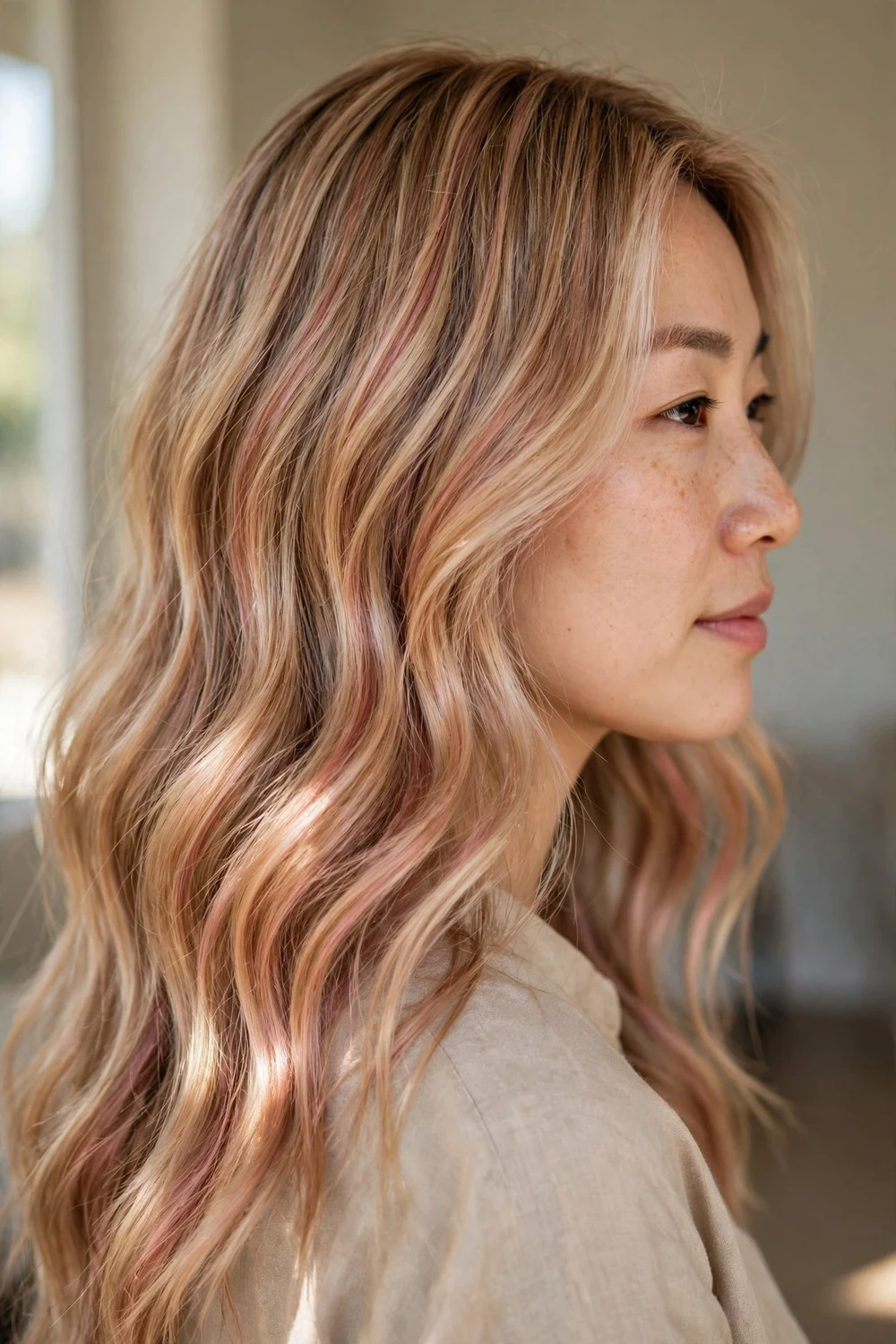
Rose gold melts into honey blonde more naturally than most people expect. The pink-gold tones share honey’s warm base, so the blend looks like one complex color rather than two competing ones. In daylight the rose shows as a soft blush; indoors it reads as extra warmth. This is a good middle ground if you want something beyond classic honey but aren’t ready for full fashion color. Like all pink tones, it fades steadily, so plan a gloss refresh every 5 to 6 weeks to keep the blush visible.
Try this: Style it in loose waves for events. The movement catches light on the rose tones and makes the color look different from every angle.
22. All-Over Honey Blonde
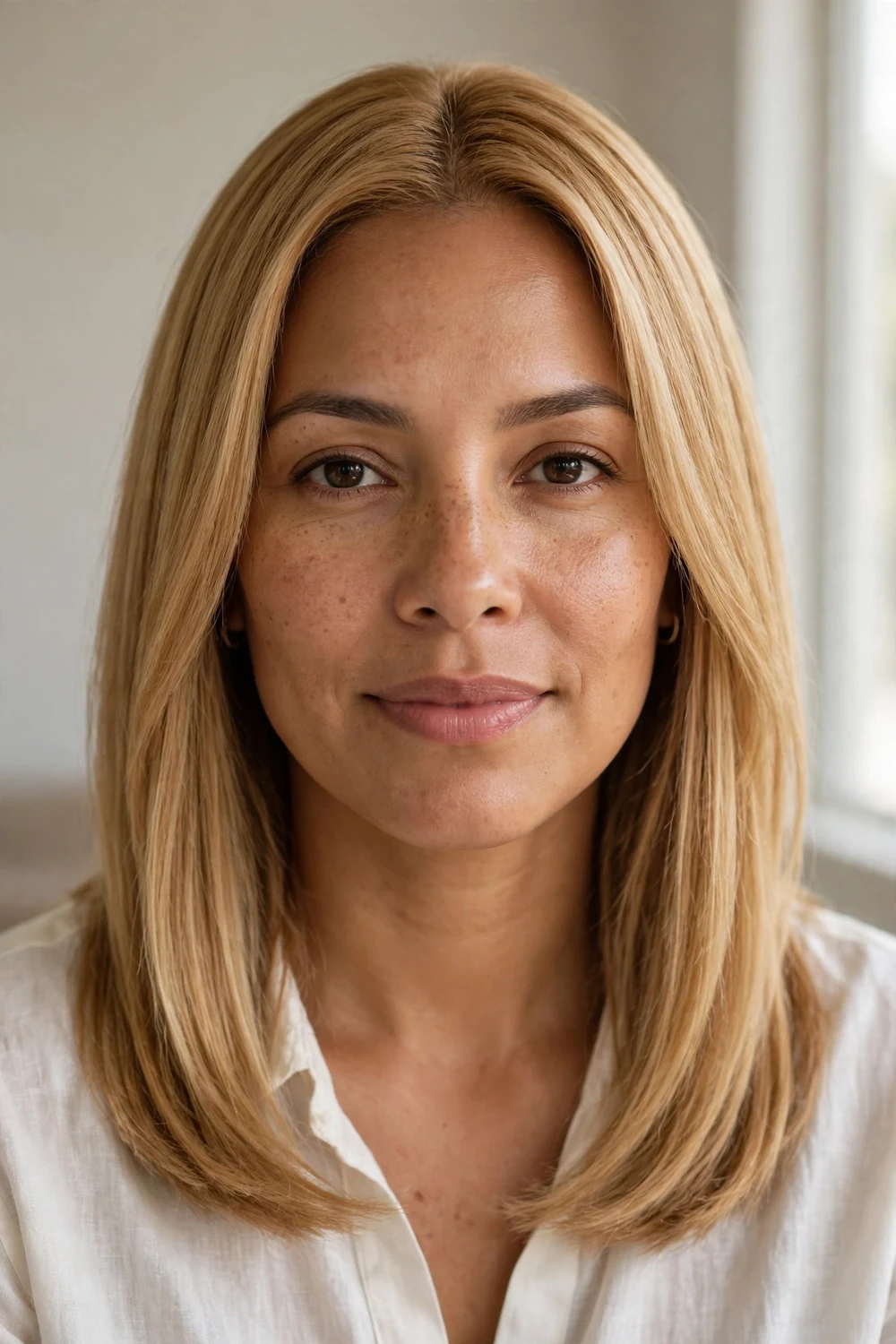
Sometimes the simplest version is the right one. All-over honey blonde takes your whole head to one rich, warm shade, which gives you the most even, saturated color of any technique on this list. It’s also the most DIY-friendly: a single-process color, one formula, no sectioning for highlights or painting for balayage. The trade-off is maintenance. Roots show in 4 to 6 weeks, and the color needs regular gloss to stay rich instead of fading flat. Choose this if you want full commitment and even color.
Try this: Buy your exact formula and keep the box. When roots need touching up, you’ll match the lengths instead of guessing.
23. Light Honey Blonde
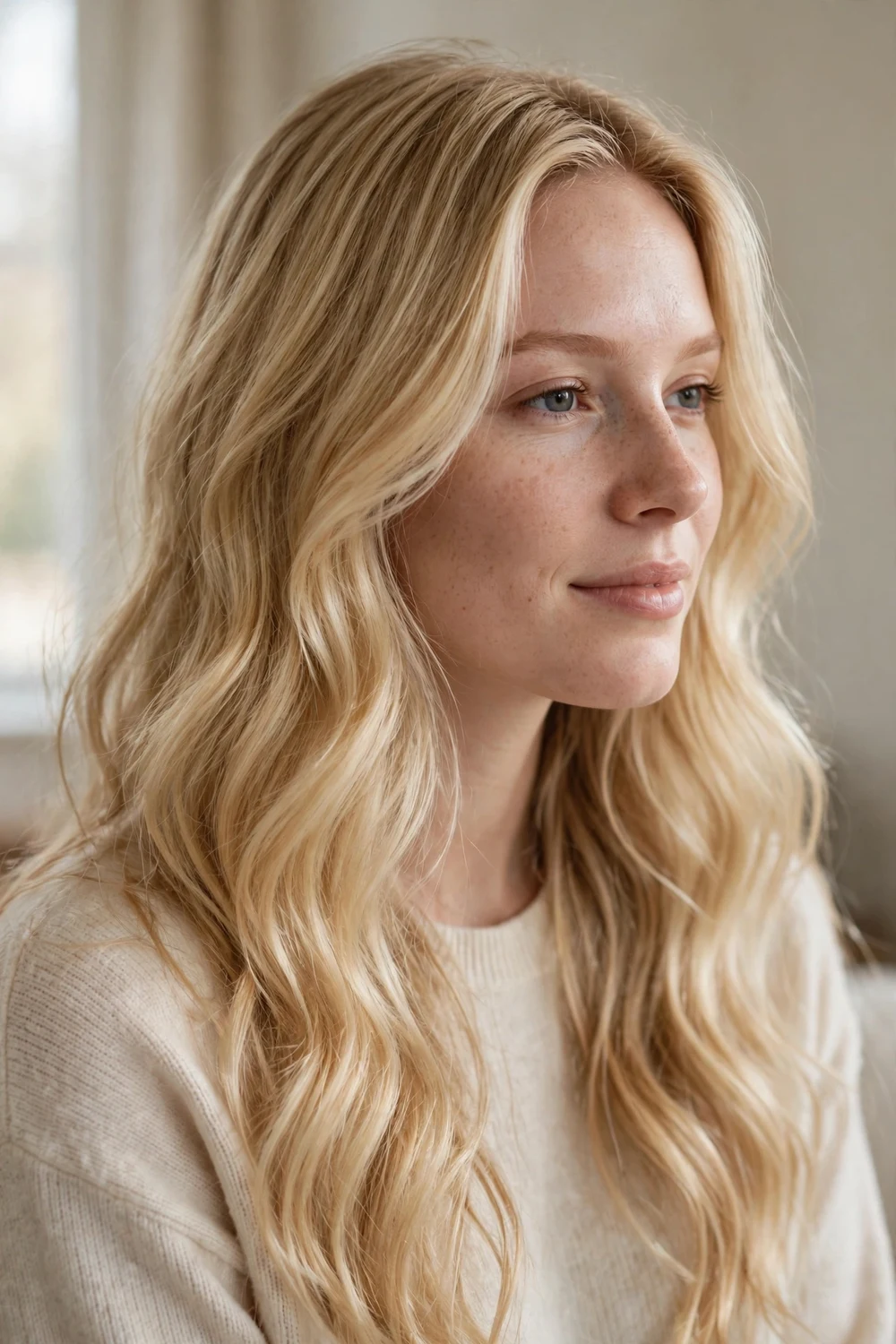
Light honey pushes the shade toward champagne: brighter, airier, and closer to classic blonde while keeping honey’s golden warmth. It flatters fair and light complexions best, adding brightness without the harsh contrast of platinum. The catch is the lift required. Hair darker than light brown needs pre-lightening to get here, and the lighter you go, the faster brassiness creeps in. This is a salon-first shade for most people, with purple shampoo as a non-negotiable part of the routine.
Try this: Use purple shampoo once a week, no more. Overusing it pushes light honey toward dull gray instead of bright blonde.
24. Dark Honey Blonde
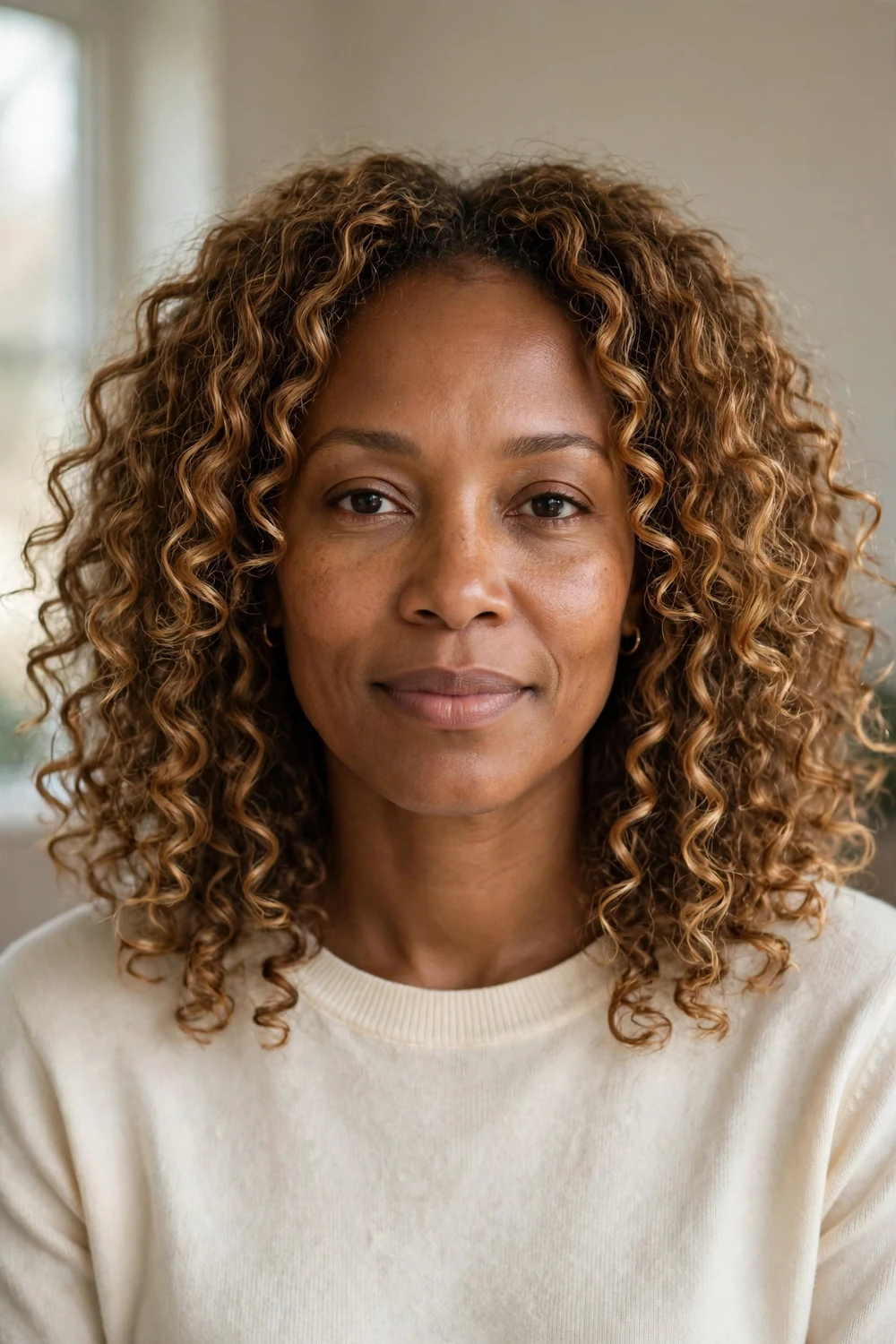
Dark honey lives near the top of the brown range: rich, warm, and glowing, but unmistakably blonde-kissed rather than brunette. It’s the easiest honey blonde to maintain, because it needs the least lift and regrowth blends invisibly into most natural browns. Olive and deep skin tones look especially good in dark honey, since the richness echoes their complexion without washing it out. If you’ve never colored before and want a low-risk first step into blonde, start here.
Try this: Refresh it with a demi-permanent gloss in a warm golden shade every 8 weeks. It adds shine and tone without any lift or damage.
25. Honey Bronde
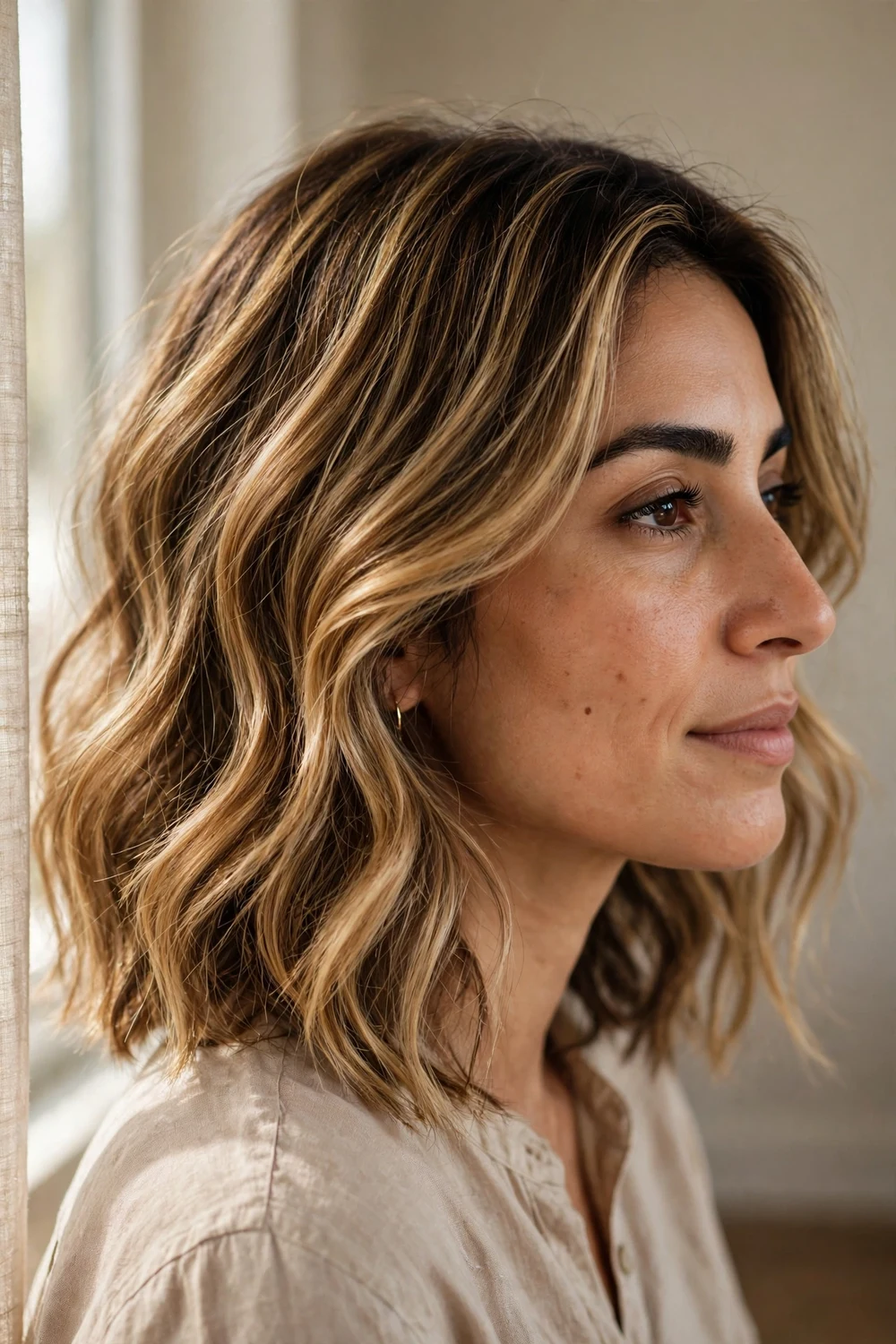
Bronde is exactly what it sounds like: the midpoint between brown and blonde, and honey bronde is its warmest, most golden version. Natural brunettes get brightness without the damage of going fully blonde, because the color only lifts a few levels. The grow-out is the easiest on this list; many people go 12 weeks between appointments. It works at almost any length and texture, which is why colorists recommend it so often as a first lightening service.
Try this: Ask your colorist to keep the pieces around your face one level lighter than the rest. It gives you the brightening effect of a money piece inside a bronde service.
26. Copper Honey Blonde
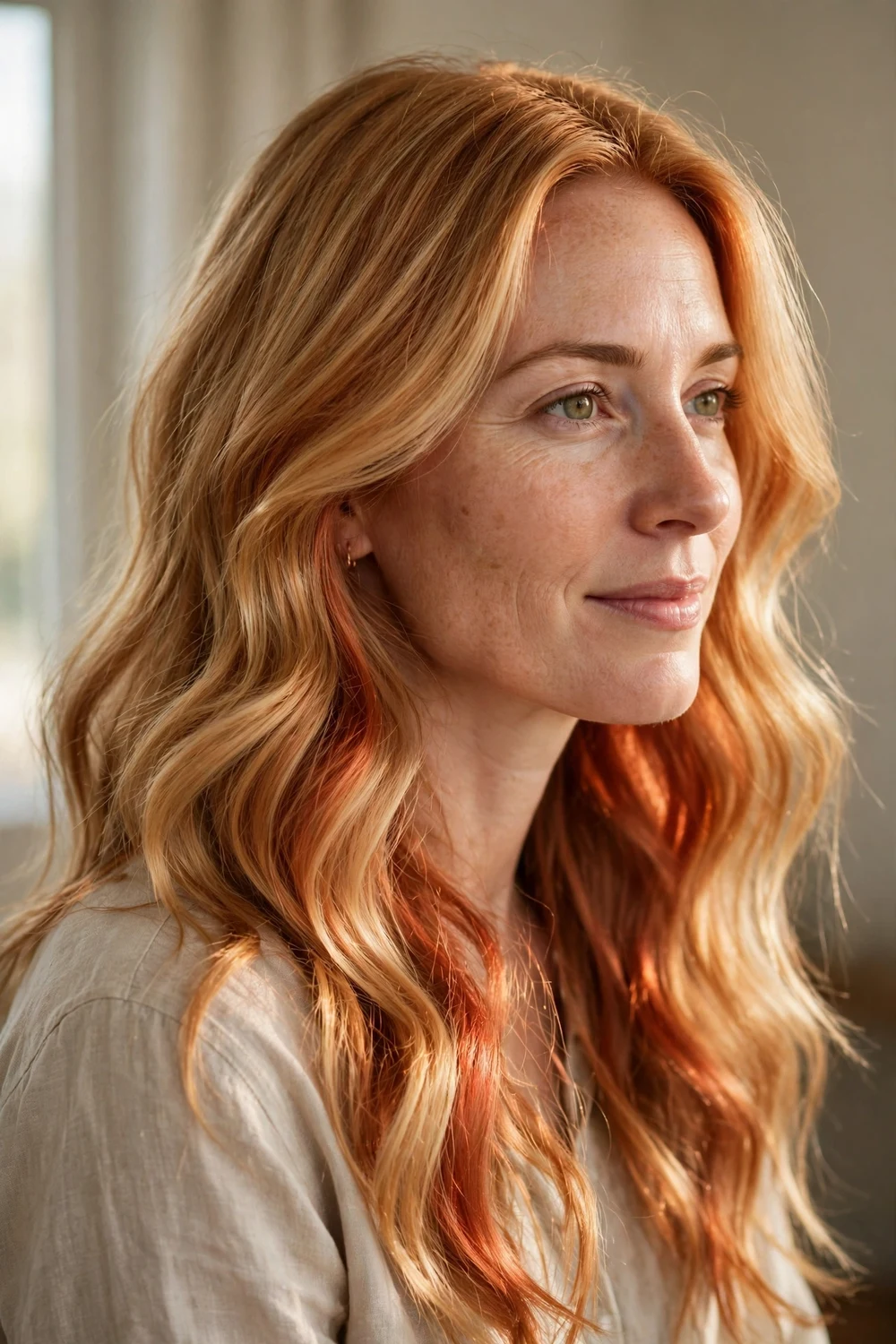
Copper honey leans into the red side of the honey family: golden blonde with a visible copper glow running through it. It sits between classic honey and strawberry blonde, warmer than both, and it flatters warm skin tones and green or hazel eyes especially well. The copper needs to stay subtle; too much red and the shade stops reading as honey blonde entirely. This is a medium-maintenance color, since copper molecules wash out faster than gold ones, so cool rinses and color-safe shampoo matter.
Try this: Test the shade with a copper-toned gloss before committing to permanent color. If you love it for three weeks, commit.
27. Honey Blonde Highlights
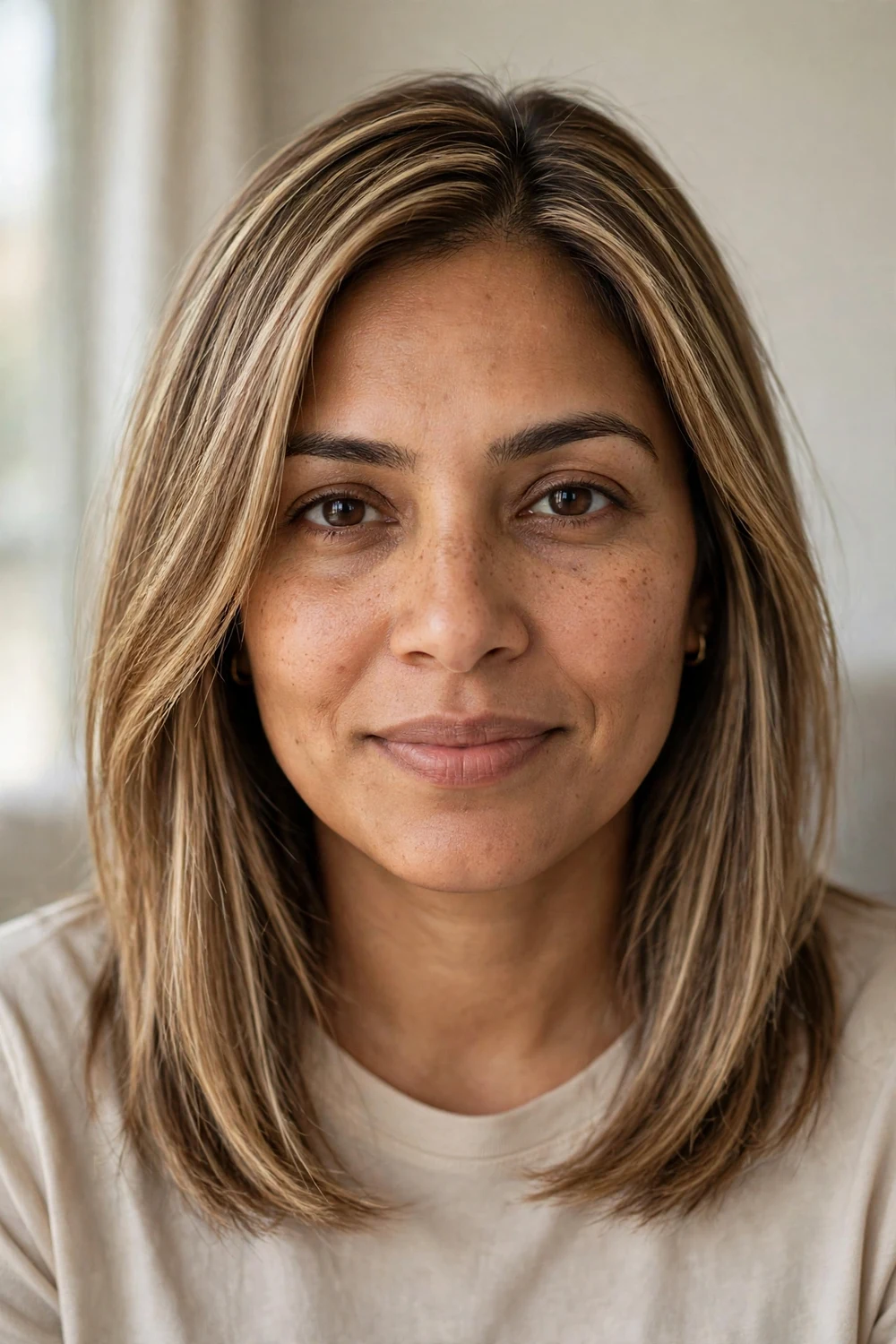
Classic foil highlights remain the most customizable way to wear honey blonde. Your colorist can place them anywhere, in any density, on any base color, from a light scattering to a near-full head. They’re lower maintenance than all-over color because regrowth shows as soft dimension rather than a hard line. The technique suits every hair type and length, which is why it’s still the most-booked blonding service in salons. Bring reference photos showing the exact density you want; “highlights” alone means very different things to different colorists.
Try this: Ask for a mix of fine and slightly thicker weaves. The variation looks more natural than uniform foils.
28. Honey Blonde Babylights

Babylights are highlights at their most delicate: superfine sections that mimic the natural brightness children’s hair gets in the sun. In honey blonde, they add a soft golden glow that’s most visible around the face and at the part line. The effect is subtle enough for conservative workplaces but still clearly brighter than your natural color. Because the sections are so fine, the grow-out is nearly invisible, making this one of the lowest-maintenance lightening options. It suits fine hair especially well, since the tiny sections don’t overwhelm delicate strands.
Try this: Concentrate the babylights at your part and hairline. That’s where light hits first, so a little placement goes a long way.
29. Sunny Honey Blonde Ribbons

Ribbon highlights are the modern answer to chunky highlights: soft, blended bands of brightness that are wider than babylights but far more diffused than early-2000s stripes. In honey blonde, they create sunny ribbons of warmth that weave through your natural base. The key is keeping the ribbon shade within a few levels of your base color; too much contrast breaks the soft, sunlit effect. This technique gives you visible dimension with a grow-out almost as forgiving as balayage.
Try this: Style with a large-barrel curling iron and brush the curls out. The soft waves blur the ribbon edges even further.
30. Amber Honey Highlights
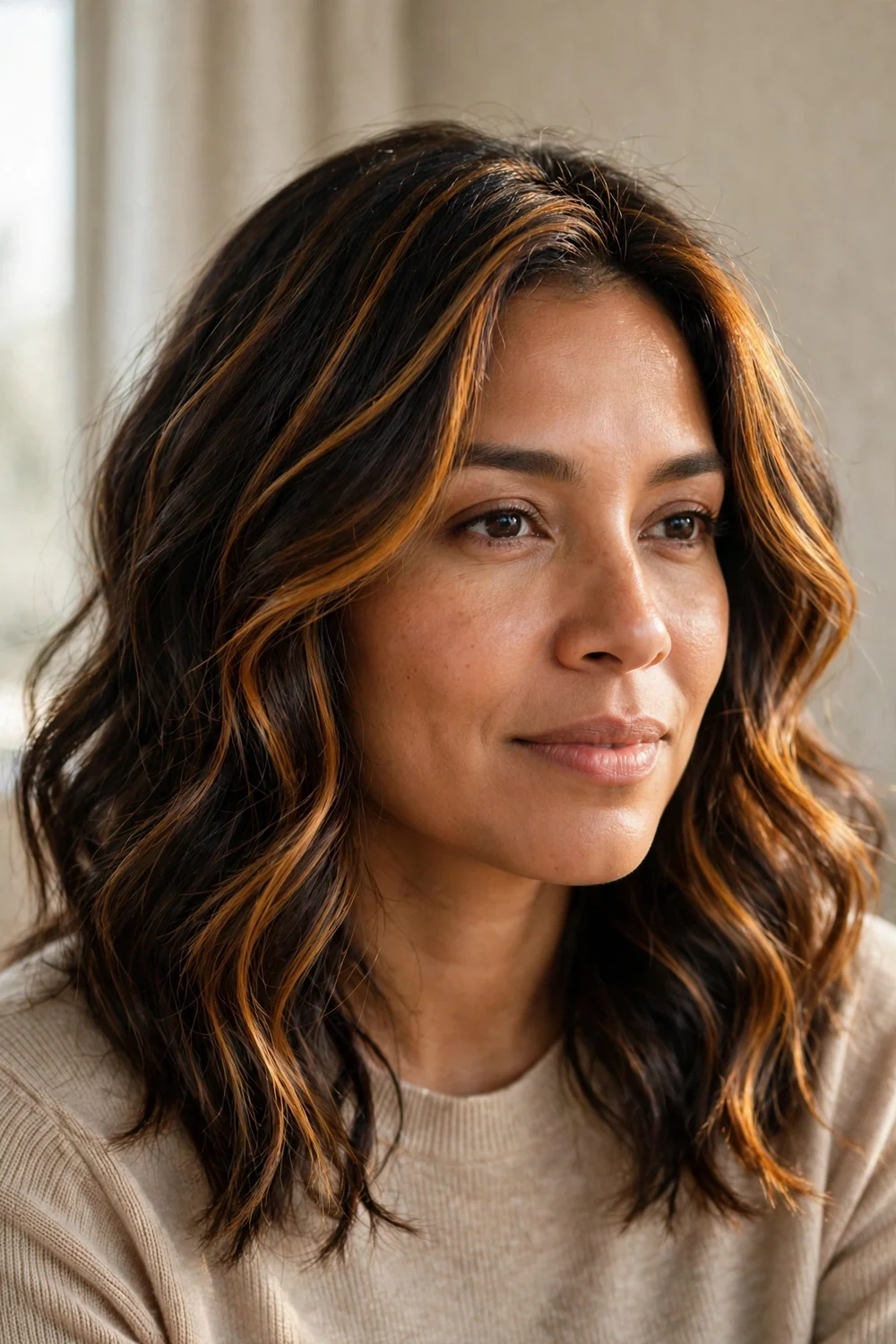
Amber is honey blonde’s deepest golden tone, and as a highlight shade it adds richness rather than brightness. The golden-amber pieces complement warm complexions and add visible depth to curly and coily hair, where each tone variation defines the curl pattern further. On dark bases, amber highlights lift less than blonde ones, which means less damage and an easier grow-out. Choose this if you want warmth and dimension without going lighter overall.
Try this: Place the brightest amber pieces on the top layers and around your face. That’s where light hits, so the color reads intentional instead of random.
Honey Blonde Ideas Comparison at a Glance
| Style | Best For | Upkeep | Salon or At-Home |
|---|---|---|---|
| Soft Honey Blonde Balayage | First-time honey blonde, medium to long hair | Low: 8-12 weeks | Salon |
| Warm Honey Blonde Lob | Straight to wavy hair, quick styling | Medium: 6-8 weeks | Salon or at-home |
| Golden Honey Blonde Waves | Light brown to dark blonde bases | Medium: gloss at 6 weeks | Salon |
| Creamy Honey Blonde Layers | Neutral skin tones, medium to long hair | Medium: 6-8 weeks | Salon |
| Dark Root Honey Blonde Blend | Low-maintenance brightness seekers | Low: 10+ weeks | Salon |
| Honey Blonde Money Piece | Maximum face brightness, minimum commitment | Low: 8-10 weeks | Salon |
| Beige Honey Blonde Bob | Cool skin tones, fine straight hair | Medium: 6-8 weeks | Salon |
| Honey Caramel Blonde | Brunettes, curly hair, warm complexions | Low: 8-10 weeks | Salon or at-home |
| Sunlit Honey Blonde Straight Hair | Healthy medium to long straight hair | Medium: 6-8 weeks | Salon or at-home |
| Dimensional Honey Blonde Shag | Fine hair needing volume and texture | Medium: 6-8 weeks | Salon |
| Honey Blonde Balayage With Caramel Highlights | Medium to thick hair, rich dimension | Low: 8-12 weeks | Salon |
| Sun-Kissed Honey Blonde Ombre | Long hair, minimal salon visits | Very low: 12+ weeks | Salon |
| Ashy Honey Blonde With Silver Undertones | Cool skin tones, modern muted looks | High: tone at 5 weeks | Salon |
| Warm Peach and Honey Blonde Mix | Warm blondes wanting a twist | High: refresh at 4-5 weeks | Salon |
| Honey Blonde With Strawberry Lowlights | Flat color needing depth, fair to medium skin | Low: 8-10 weeks | Salon |
| Honey Blonde With Ginger Accents | Bold warm looks, confident style | High: gloss monthly | Salon |
| Deep Honey Blonde Roots With Platinum Tips | Long thick hair, high contrast | High: tone ends regularly | Salon |
| Honey Blonde Frosted Tips on Brunette Base | Brunettes testing blonde cheaply | Very low: grows out | Salon or at-home |
| Honey Blonde With Chunky Mocha Highlights | Thick straight to wavy hair, bold contrast | Medium: 6-8 weeks | Salon |
| Smoky Honey Blonde With Ash Brown Lowlights | Hair that pulls orange, muted looks | Low: 8-10 weeks | Salon |
| Honey Blonde With Rose Gold Hints | Warm blondes wanting soft fashion color | High: gloss at 5-6 weeks | Salon |
| All-Over Honey Blonde | Full commitment, even saturated color | High: roots at 4-6 weeks | Salon or at-home |
| Light Honey Blonde | Fair complexions, brightest honey | High: tone weekly | Salon |
| Dark Honey Blonde | First-time color, olive and deep skin | Very low: 10-12 weeks | Salon or at-home |
| Honey Bronde | Brunettes going lighter gently | Very low: 12 weeks | Salon or at-home |
| Copper Honey Blonde | Warm skin, green or hazel eyes | Medium: color-safe routine | Salon or at-home |
| Honey Blonde Highlights | Any base, fully customizable | Medium: 6-8 weeks | Salon |
| Honey Blonde Babylights | Fine hair, subtle brightness | Low: 10-12 weeks | Salon |
| Sunny Honey Blonde Ribbons | Visible dimension, soft grow-out | Low: 8-10 weeks | Salon |
| Amber Honey Highlights | Dark bases, curly hair, warm skin | Low: 8-10 weeks | Salon |
How to Choose the Right Honey Blonde for You
Start with your skin’s undertone. Warm undertones (gold jewelry looks better, veins look green) suit golden, caramel, and copper honey. Cool undertones (silver jewelry wins, veins look blue) do better with beige, neutral, or ashy honey. Neutral undertones can wear almost anything on this list.
Next, be realistic about your calendar. If you can commit to the salon every 5 to 6 weeks, light honey, all-over color, and fashion shades like peach or rose gold are on the table. If you’d rather visit twice a year, stick with balayage, bronde, dark-root blends, or ombre.
Finally, consider your starting color. Dark hair reaches dark honey, bronde, and caramel blends with minimal damage. Light honey, platinum tips, and bright golden shades need real lift, which means more processing and more aftercare. A good colorist will tell you honestly how many sessions your goal needs.
Mistakes to Avoid
The biggest mistake is trying to go from dark brown to light honey in one session. Forced lift in a single appointment causes breakage and unpredictable warm tones. Two moderate sessions beat one aggressive one every time.
Skipping toner is the second most common error. Lightener alone leaves hair yellow or orange; the toner is what turns it honey. If your color looks brassy a week after your appointment, you likely need a toning gloss, not a whole new color.
Don’t judge your shade under salon lighting alone. Check it in daylight before you leave, since honey blonde shifts dramatically between warm indoor bulbs and natural light. And never pick a shade from a heavily filtered photo; ask your colorist what that look needs in real life.
If caramel tones are what draw you to honey blonde, you’ll want to see caramel blonde hair color ideas for deeper, richer versions of the same warmth.
Love the low-maintenance grow-out of the dark root blend? Our guide to blonde hair with dark roots covers more ways to keep depth at the crown.
For extra dimension through the mid-lengths, blonde balayage with lowlights shows how darker woven pieces make blonde sections glow.
Frequently Asked Questions
Is honey blonde a warm or cool color?
Honey blonde is fundamentally warm, built from golden, amber, and caramel tones. That said, it can be cooled down with beige, ash, or silver toners, which is how shades like ashy honey blonde and beige honey blonde work for cooler skin tones. When you book, tell your colorist whether you want the warmth played up or toned down.
Does honey blonde suit cool skin tones?
Yes, with the right version. Cool skin tones should skip the golden and copper honeys and ask for beige honey blonde, neutral honey, or ashy honey with silver undertones instead. These keep the richness of honey without the yellow-gold warmth that can clash with pink or blue undertones. A strand test against your jawline in daylight confirms the match.
How do I stop honey blonde from going brassy?
Use purple shampoo once a week to neutralize yellow tones, and book a toning gloss every 6 to 8 weeks to refresh the honey shade. Wash with lukewarm water instead of hot, since heat opens the cuticle and lets toner escape faster. If brassiness keeps returning quickly, your color may need a stronger toner or a slightly deeper base shade.
Can I get honey blonde hair at home?
All-over honey blonde, dark honey, and gloss refreshes are realistic at home if your hair is already light brown or blonde. Balayage, babylights, money pieces, and anything needing significant lightening belong with a professional colorist, since the placement and processing are hard to control yourself. Dark or previously colored hair should always start with a salon consultation.
How often does honey blonde need touch-ups?
It depends on the technique. All-over light honey needs root touch-ups every 4 to 6 weeks. Highlights and balayage stretch to 6 to 12 weeks. Dark-root blends, bronde, and ombre can go 10 to 12 weeks or longer. Fashion shades like peach, rose gold, and ginger accents need gloss refreshes every 4 to 6 weeks to stay visible.
More Ideas to Explore
For more warm blonde inspiration beyond honey tones, see our dark blonde hair color ideas guide with caramel, golden, and butterscotch shades.
Final Thoughts
Honey blonde earns its popularity because it adapts. Pick your depth, pick your technique, match it to your skin tone and your calendar, and you’ll land on a version that looks like it was mixed just for you. Save your favorite ideas from this list and bring them to your colorist as a starting point.

