


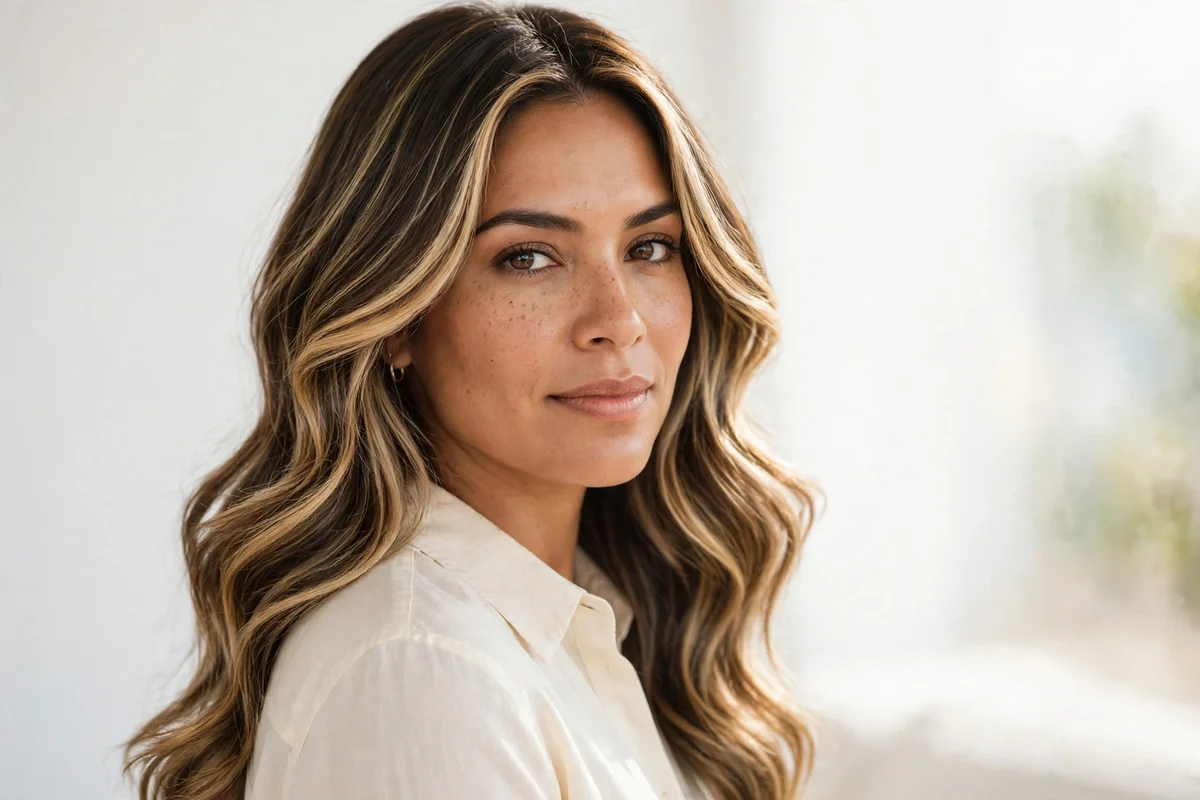
If your color appointment is coming up and you want something current, not something from three summers ago, it helps to know what blonding looks like right now. Blonde highlight trends for 2026 lean warm and expensive, with soft dimension replacing harsh contrast and grow-outs that don’t punish you.
Below you’ll find 30 blonde highlight trends worth booking, drawn from what’s actually being requested in salons this year. Each one includes what to ask for, who it suits, and how much upkeep it needs.
Quick answer: The biggest blonde highlight trends of 2026 are buttery warm tones, lived-in balayage, babylights with a money piece, foilayage for dark bases, and low-maintenance shadow roots. Most trending techniques sit at medium upkeep, with glosses every 6 to 8 weeks keeping tone fresh.
Quick Takeaways
- Warm blondes dominate 2026: buttery, honey, golden beige, and crème brûlée replace icy tones as the most requested tones.
- Lived-in techniques like balayage, teasylights, and shadow roots keep growing out gracefully, stretching salon visits to 10-16 weeks.
- Babylights plus a money piece is the most wearable way to brighten without going full blonde.
- Bringing reference photos and naming the tone (warm, neutral, cool) matters more than naming the trend.
- Gloss refresh appointments every 6 to 8 weeks keep highlights from looking dull or brassy between full services.
Why Blonde Highlights Changed This Year
Blonde used to mean one thing: as light as possible, as cool as possible, as fast as possible. The 2026 direction is different. Colorists are asking clients how they want their grow-out to look in month three, not just how the color photographs on day one.
That shift explains why almost every trend below includes a soft root, a warm tone, or a diffusion trick like teasing or root smudging. The goal is hair that looks deliberate in the salon and still looks good at week twelve. If you pick a trend based on maintenance tolerance first and shade second, you’ll like the result longer.
1. Buttery Blonde Highlights
Buttery blonde is the defining tone of 2026. It sits between golden and neutral: warm enough to glow in daylight, soft enough to read as expensive rather than brassy. Colorists apply it as woven highlights through a slightly darker base so the warmth looks like it belongs there. It suits medium skin tones especially well, though a neutralized version flatters fair skin too. Ask for fine weaves at the front so the brightness is strongest around the face and gradually softer inside. Most clients need a gloss refresh every 6 to 8 weeks to keep the tone from cooling off.
Upkeep: Medium | Salon time: 2-3 hours
Try this: Ask your stylist for a neutral-gold gloss at the bowl so the buttery tone stays consistent from root to tip.
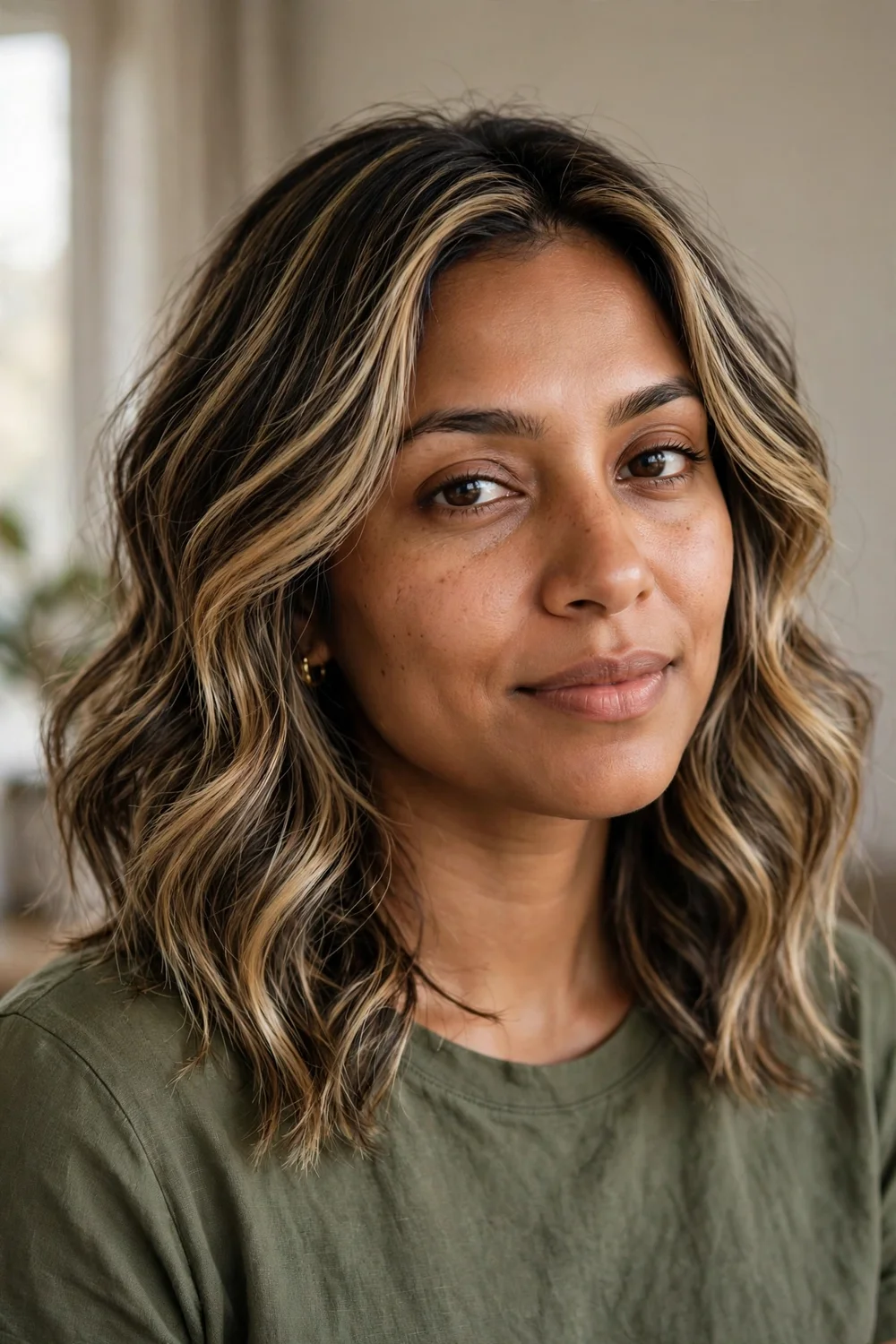
2. Blonde Money Pieces
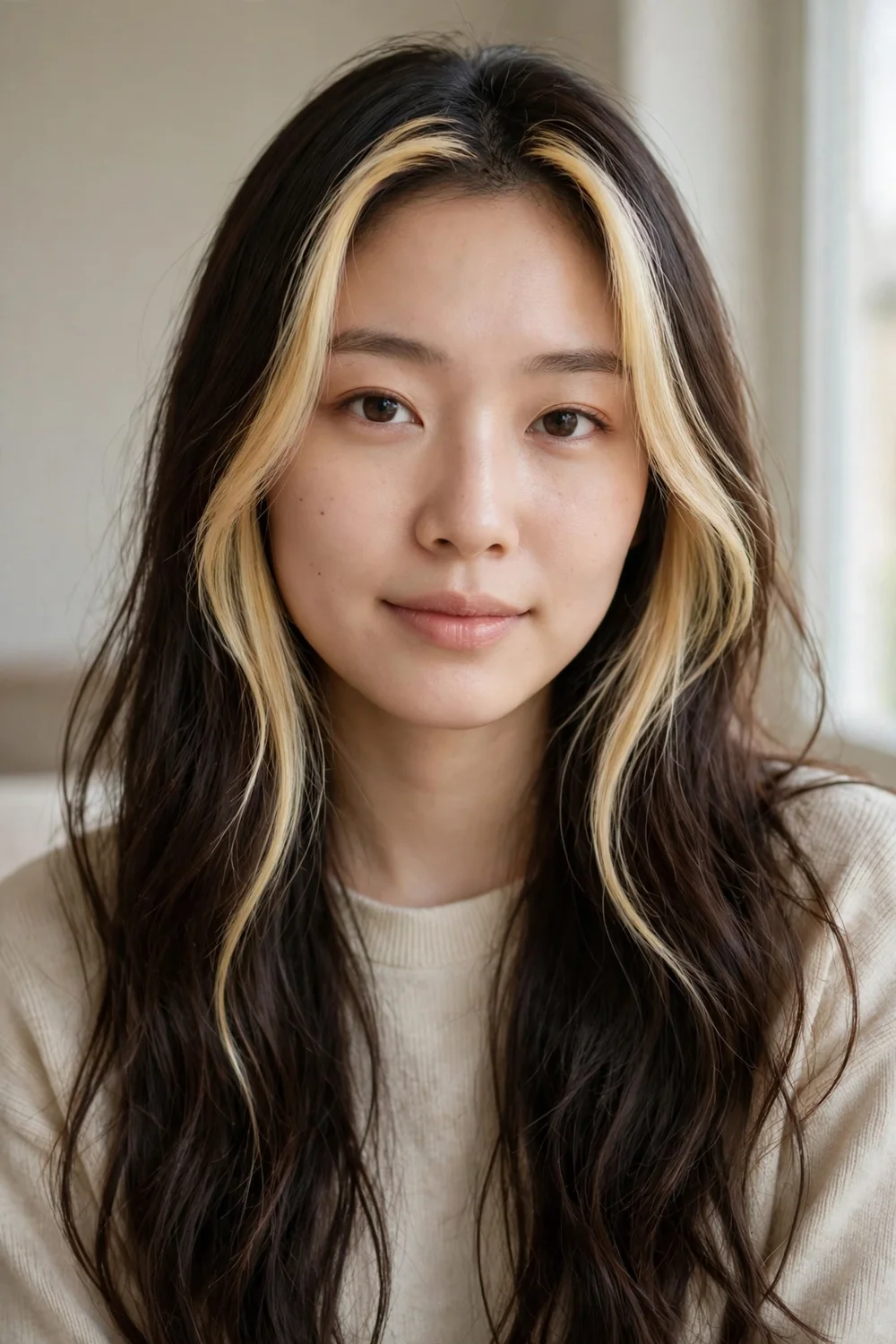
The money piece is still everywhere, and for good reason. These are the two brighter front sections that frame the face, lightened a level or two beyond the rest of the hair. In 2026 they’re worn slightly wider and more blended than the sharp Y2K version, often combined with babylights through the interior for cohesion. They flatter every face shape because they pull light to the eyes and cheekbones. The cheapest entry point into blonde, too: a partial service runs 45 to 60 minutes and costs a fraction of a full highlight. Growth blends softly if the roots are smudged during the appointment.
Upkeep: Low | Salon time: 45-60 minutes
Try this: Request a root smudge on the money piece so you get brightness at the hairline without a harsh line later.
3. Babylights
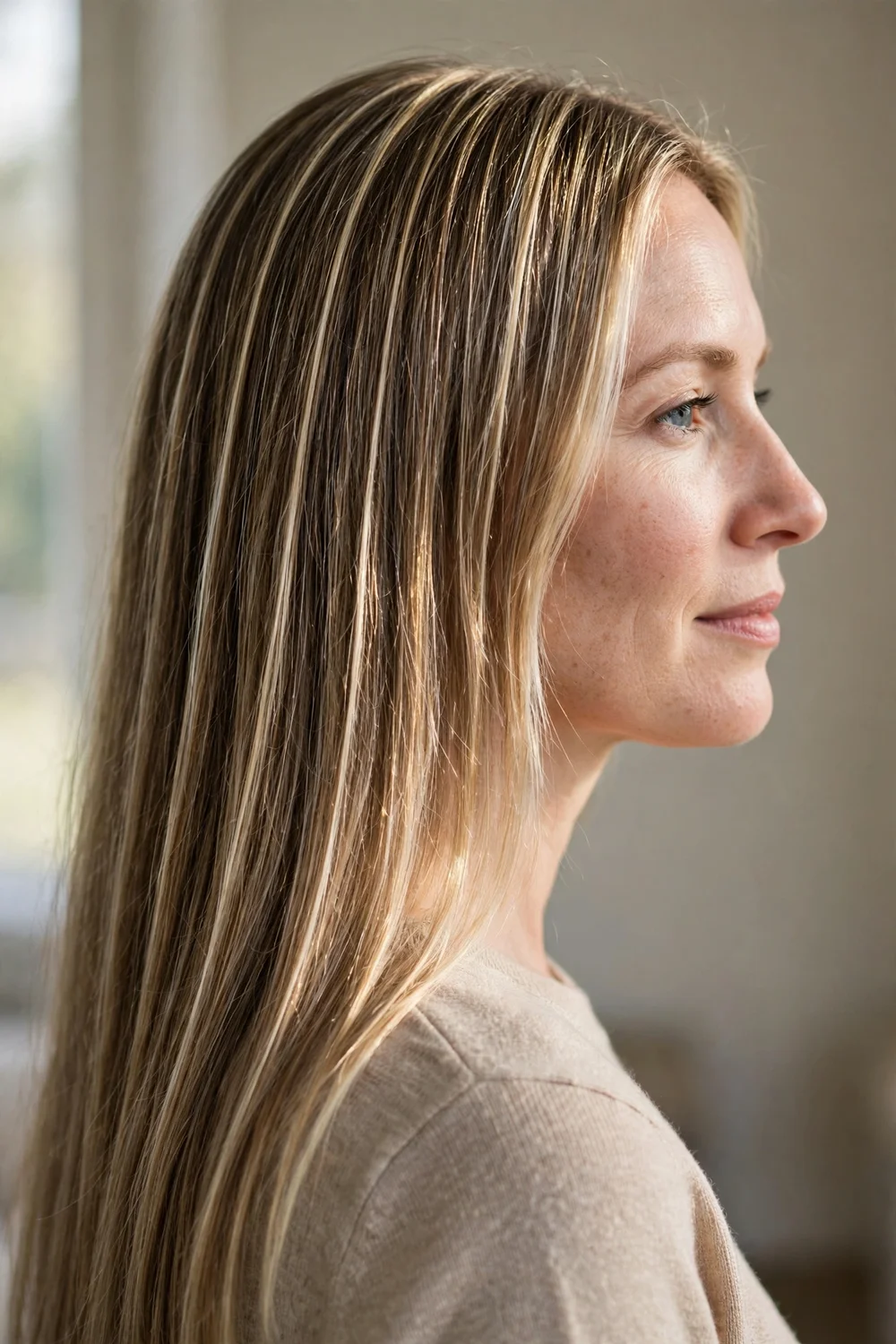
Babylights are ultra-fine highlights woven so small they read as texture rather than stripes. The effect copies how the sun lightens a child’s hair: subtle, natural, all-over brightness with no visible starting point. They’re the best choice if you want to go lighter but don’t want anyone to notice you had your hair colored. A full head takes longer than standard highlights because of the fine sectioning, usually 3 to 4 hours, but the grow-out is nearly invisible. They work on every hair length and every base from dark blonde to brunette.
Upkeep: Low | Salon time: 3-4 hours
Try this: If time is tight, ask for a partial babylight concentrated on the part and hairline, where brightness matters most.
4. Lived-In Balayage
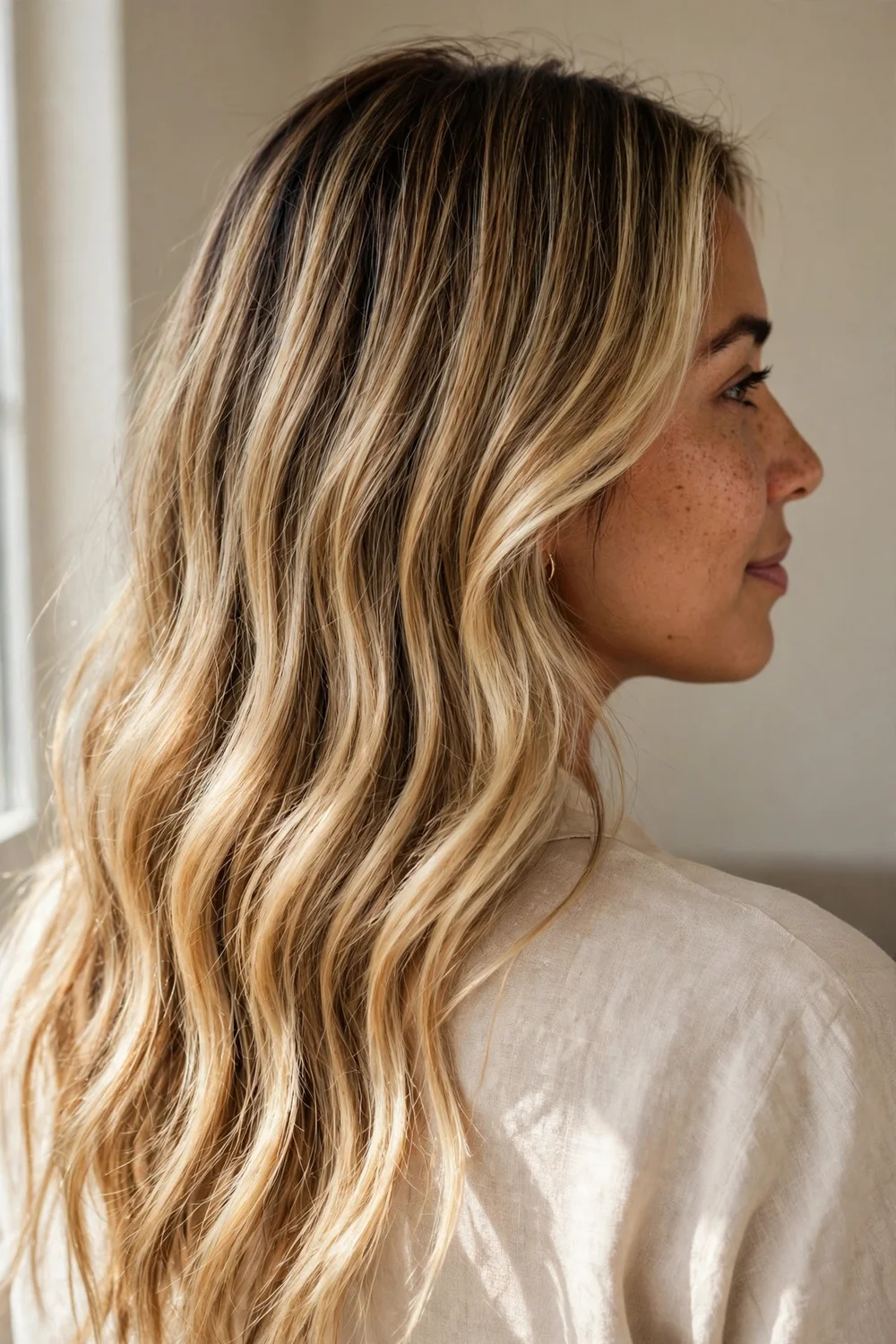
Lived-in balayage keeps its place as the most requested blonde technique for a simple reason: the hand-painted application leaves a soft, diffused root, so regrowth never shows a line. Colorists paint brightness through the mid-lengths and ends while keeping depth at the crown, which makes fine hair look thicker and thick hair look lighter. It needs no toner trickery to grow out, and most people stretch it to 12 to 16 weeks between appointments. It pairs well with long layers and beach waves, since movement shows off the painted dimension.
Upkeep: Low | Salon time: 2.5-3.5 hours
Try this: Have your colorist add a few tip-outs at the ends so the color reads brighter months after the appointment.
5. Scandinavian Bright Blonde
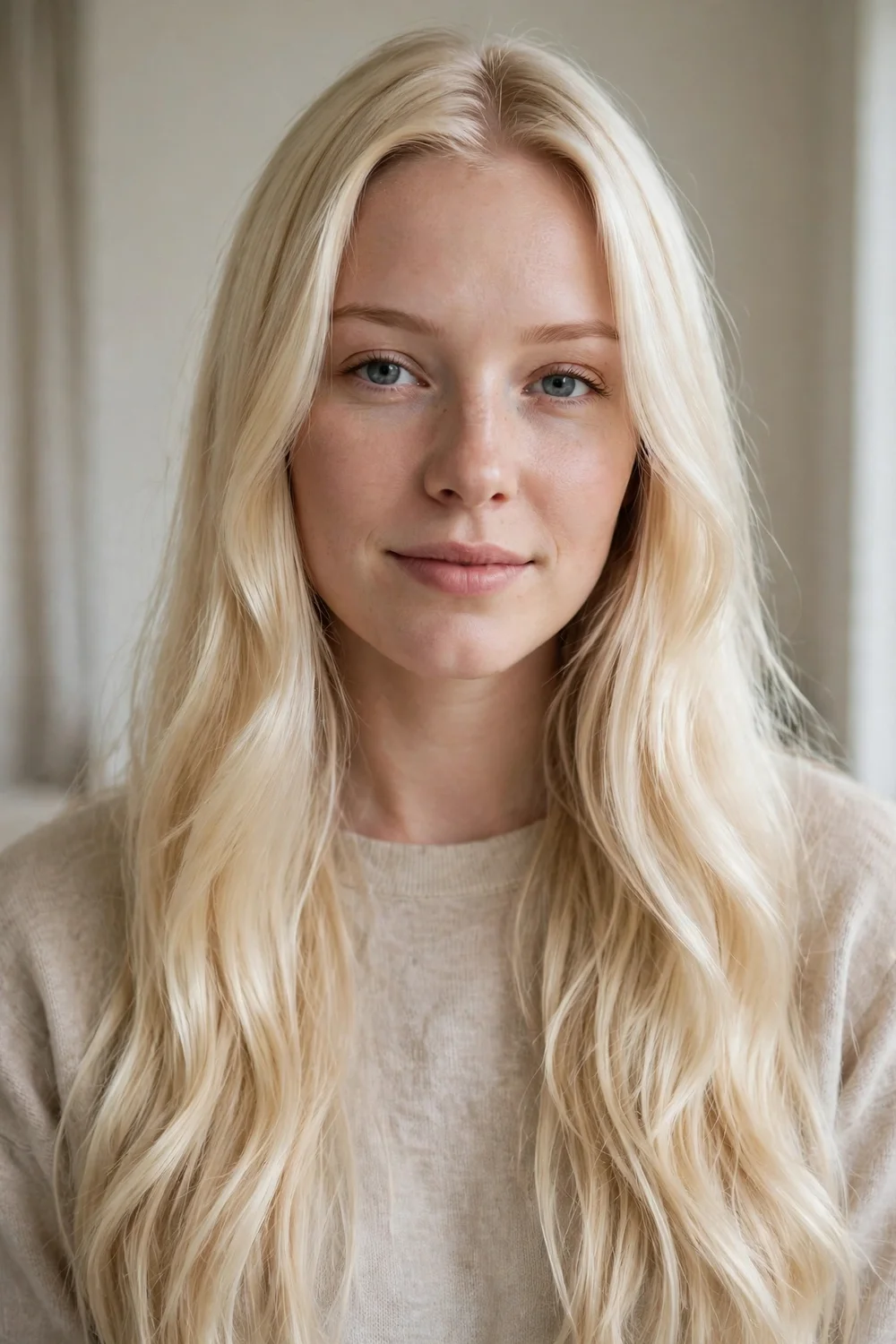
Scandinavian blonde is the clean, high-brightness counterpoint to all the lived-in trends. It lifts hair to a pale, creamy level from roots to ends with minimal depth, giving that Nordic, polished finish. Unlike icy platinum versions of the past, the 2026 take stays slightly warm or neutral so it doesn’t wash out the skin. The trade-off is maintenance: this is not a grow-out-friendly color, and most wearers book root touch-ups every 4 to 6 weeks. It suits fair to medium skin and fine hair, which takes lightener evenly and shows off the seamless brightness.
Upkeep: High | Salon time: 3-4 hours
Try this: Use a purple shampoo once a week only, overusing it turns the tone chalky instead of bright.
6. Crème Brûlée Blonde Highlights
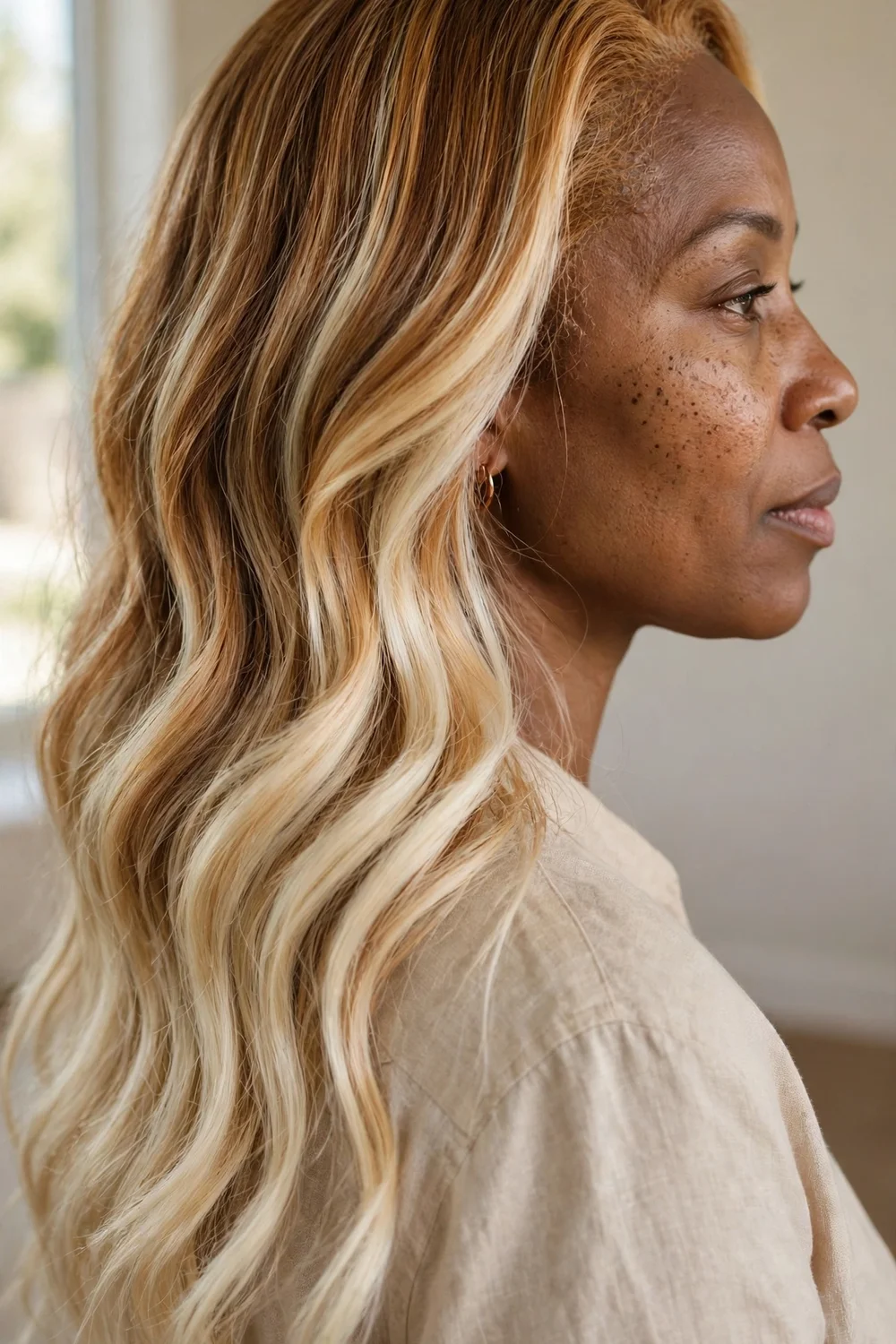
Named for the dessert, crème brûlée blonde blends a golden, caramelized root into creamy vanilla lengths. The contrast between the warmer base and the lighter ends gives the color its signature richness, and it flatters medium and deep skin tones because the warmth at the crown echoes the complexion. It’s a warm-toned shadow root with brighter tips, so the grow-out stays graceful. Ask for the root area to sit one to two levels deeper than the ends, and have the transition melted so there’s no visible band. A gold-toned gloss keeps the caramelized note alive between visits.
Upkeep: Medium | Salon time: 2.5-3 hours
Try this: Bring a photo showing exactly how dark you want the root, warm melts drift darker than people expect.
7. Foilayage
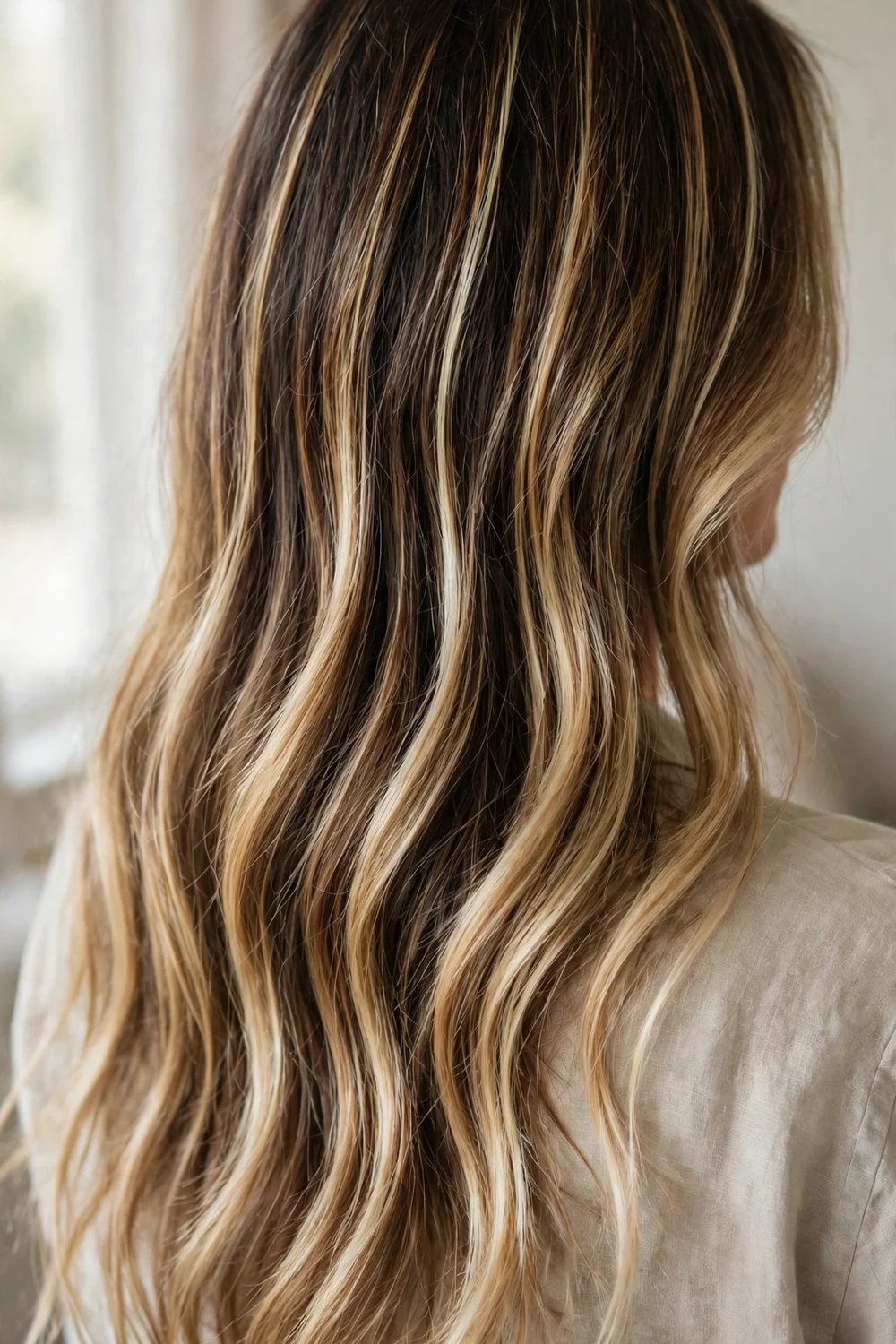
Foilayage is the hybrid that solved balayage’s one weakness: lift. By wrapping hand-painted sections in foils, colorists get the brightness of foiling with the soft placement of balayage. It’s the go-to for dark brown and black bases that can’t lift high enough with open-air painting alone. The result looks like balayage but brighter at the ends, with a more luminous overall finish. Expect a longer appointment than standard balayage, around 3 to 4 hours, and a slightly higher price, but the brightness payoff makes it worth it for darker starting levels.
Upkeep: Medium | Salon time: 3-4 hours
Try this: Ask for a root tap after the foils are removed to soften the brightness right at the scalp.
8. Teasylights
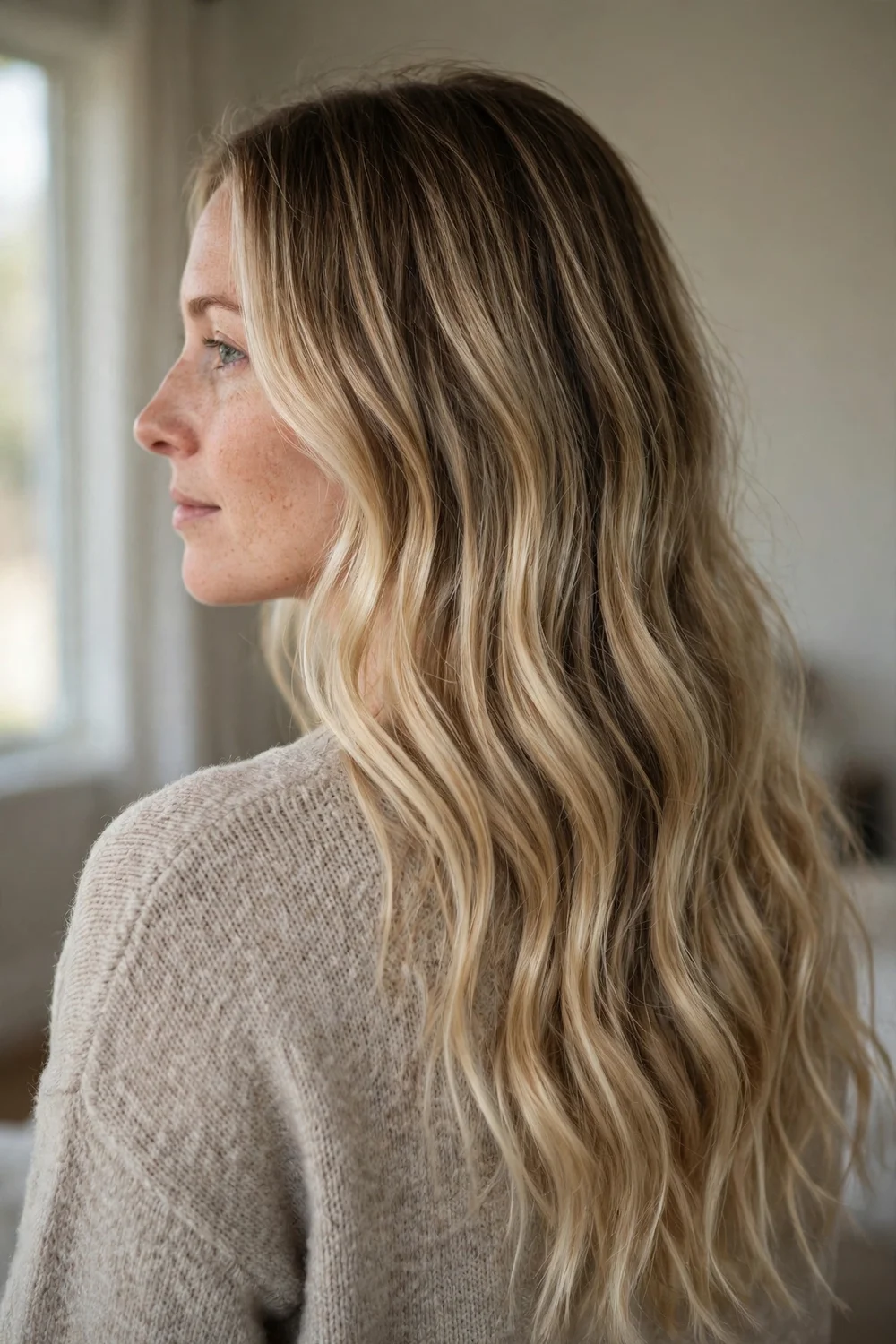
Teasylights combine teasing with lightening: the colorist backcombs each section before applying lightener, so the brightness starts lower on the strand and diffuses naturally at the root. The finish is one of the most seamless in blonding, with no foil lines and no harsh regrowth. It’s ideal if you’ve had a bad experience with obvious stripey highlights, since the teasing creates a gradient inside every single section. The grow-out runs 10 to 14 weeks without a touch-up. One note: teasing needs careful handling on fine or fragile hair, so mention your hair’s condition at the consultation.
Upkeep: Low | Salon time: 3-3.5 hours
Try this: Pair teasylights with a beige or vanilla toner for the most modern, lived-in finish.
9. Traditional Foil Highlights
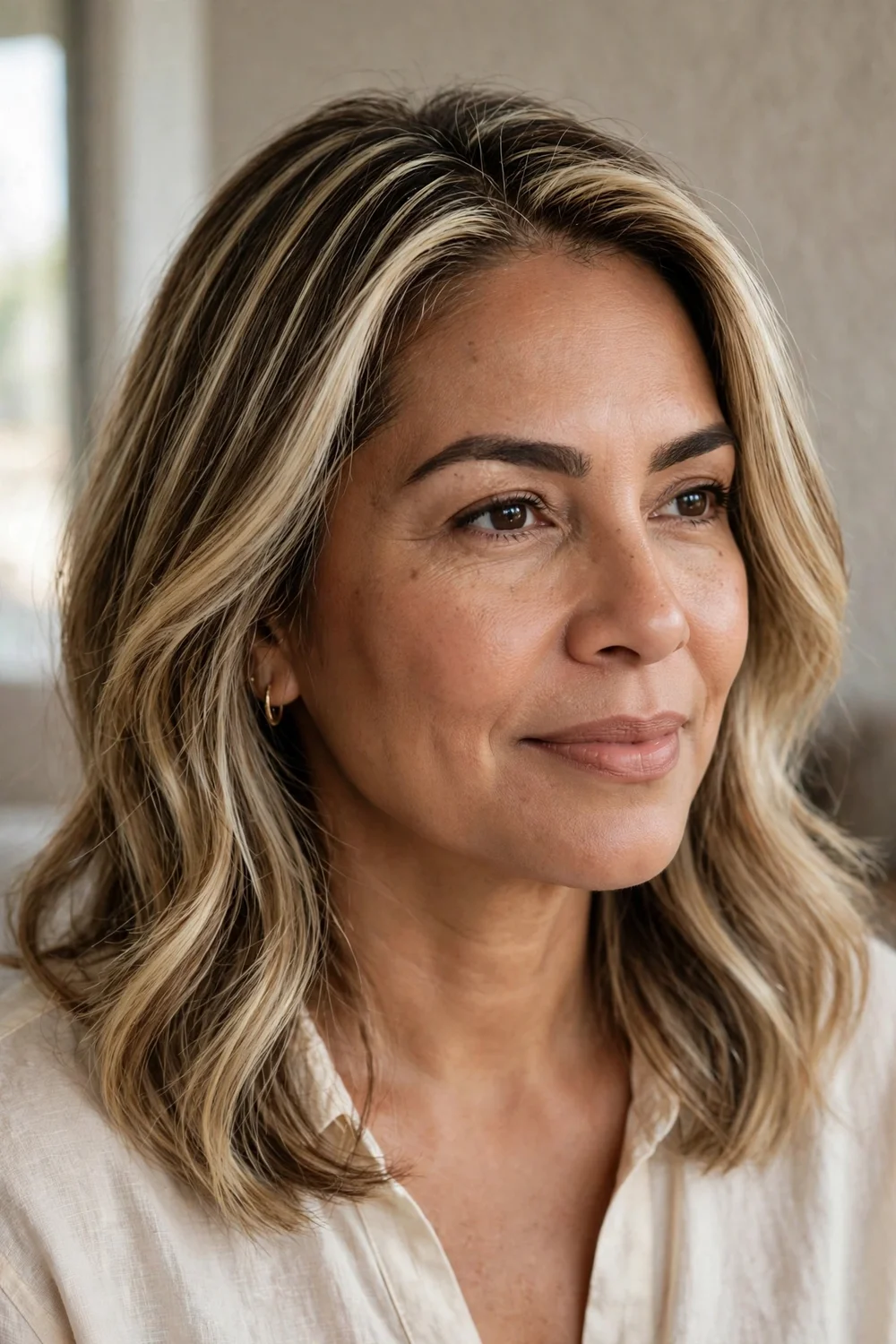
The classic hasn’t disappeared; it’s just gotten smarter. Traditional foil highlights remain the fastest route to maximum brightness from roots to ends, and in 2026 they’re placed with finer weaves and more strategic spacing than the chunky versions of the past. They suit anyone who wants a polished, high-impact blonde and doesn’t mind maintenance every 6 to 8 weeks. Foils also lift more reliably than open-air techniques, which makes them the safer choice on resistant hair types. If brightness is your priority and softness is secondary, foils still win.
Upkeep: High | Salon time: 2-3 hours
Try this: Request sliced rather than woven sections at the front for extra brightness around the face.
10. Shadow Root Blonde
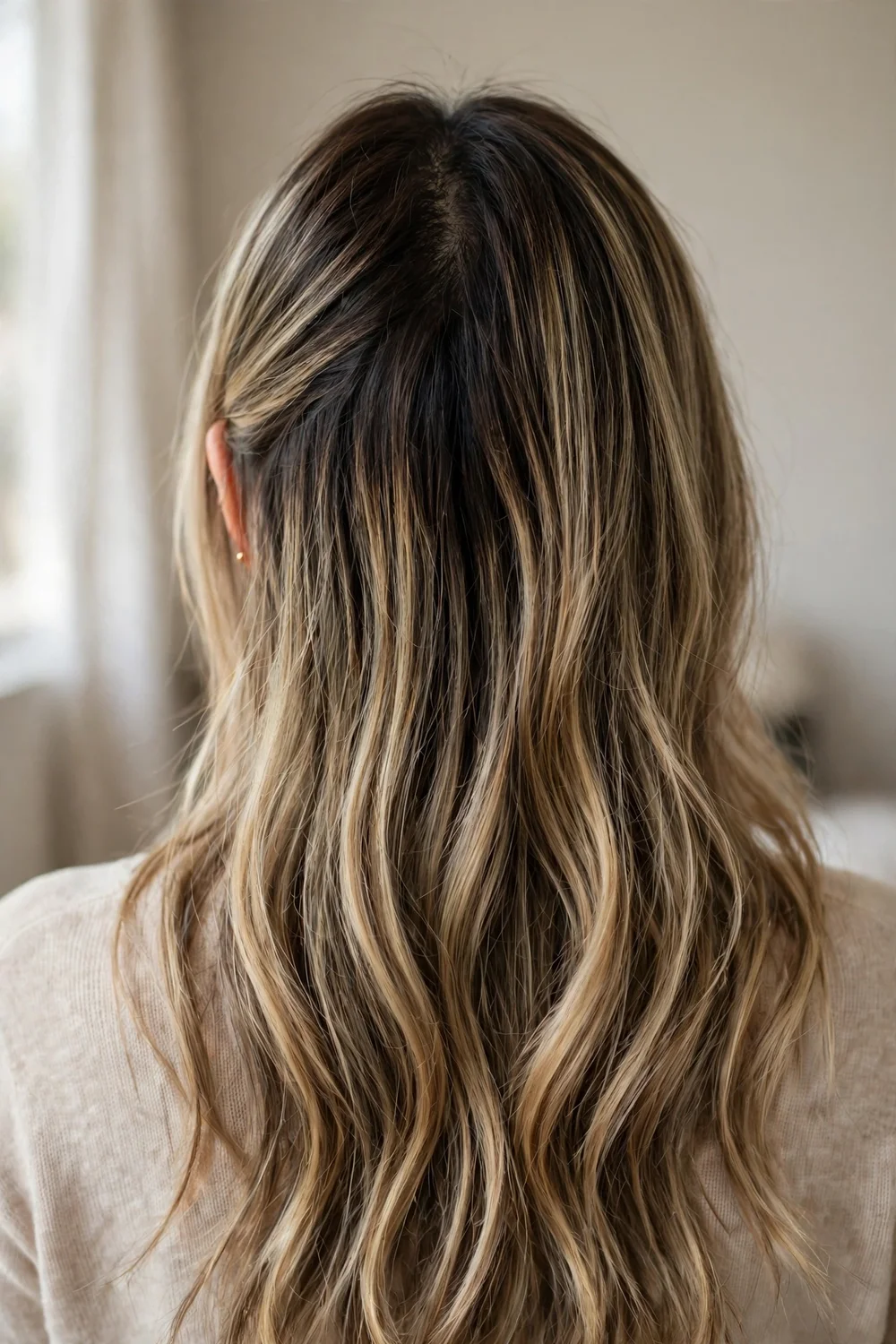
A shadow root paints the first inch or two of the root one to two shades deeper than the highlighted lengths. The effect blurs the line between natural regrowth and color, which is exactly why it’s trending alongside every lived-in technique. It’s especially useful for first-time blondes who fear the maintenance, since the color is designed to grow out from day one. The shadow can match your natural root color or go slightly deeper for contrast. Toning the shadow area with a demi-permanent shade keeps it from looking muddy against the blonde below.
Upkeep: Low | Salon time: 30 extra minutes on any highlight service
Try this: Match the shadow depth to your natural root color so the first month of regrowth is nearly invisible.
11. Bronde Highlights
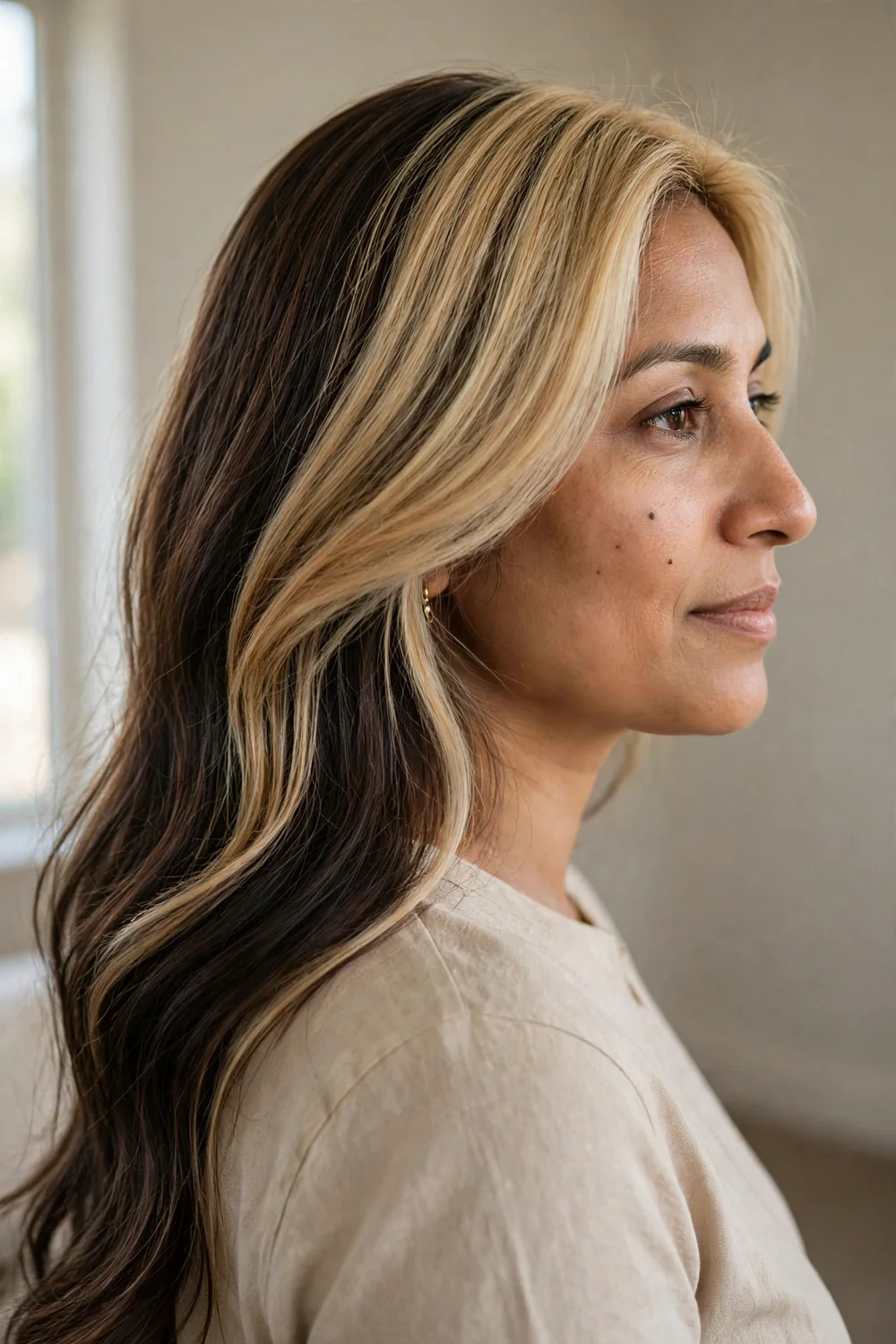
Bronde is the half-blonde that keeps converting skeptics. It sits exactly between brown and blonde, with blonde highlights woven through a brunette base so neither color dominates. It suits people who want brightness without the identity shift of going blonde, and it flatters olive and medium skin tones because the neutral warmth is easy to wear. The technique usually combines balayage with fine foils around the face. Because the base stays close to the natural color, regrowth is a non-issue and most wearers go 12 weeks or more between services.
Upkeep: Low | Salon time: 2.5-3.5 hours
Try this: Ask for a neutral-toned gloss so the bronde reads expensive instead of tipping too gold.
12. Honey Blonde Highlights
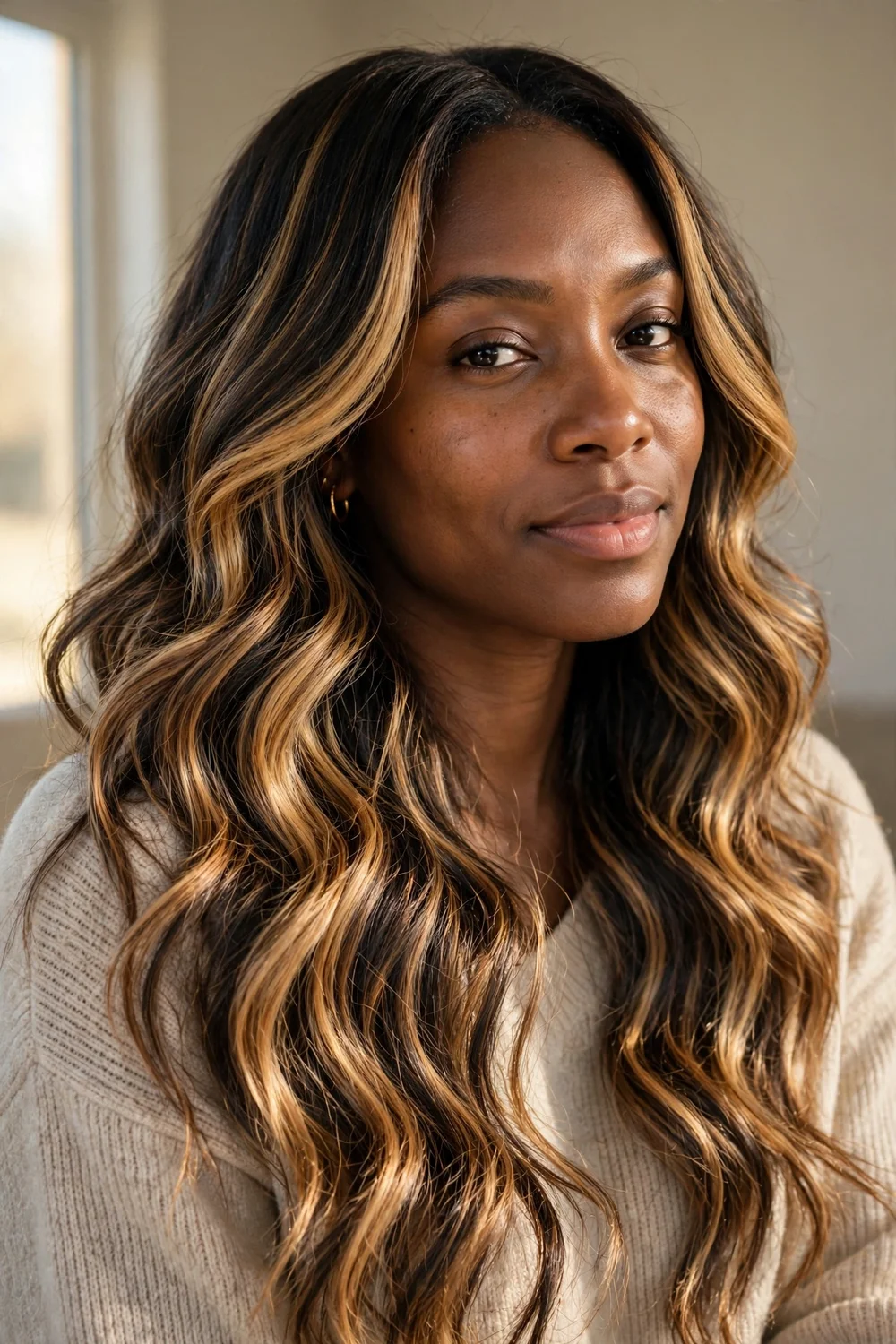
Honey blonde is the warmest mainstream trend of the year, and it keeps showing up because it suits such a wide range of skin. The shade runs from golden-amber to deep warm blonde, always with that glowing quality that makes hair look sunlit even indoors. Colorists weave honey tones through a slightly deeper base so the color has dimension instead of reading flat. It flatters medium, olive, and deep skin tones most, but a softer honey works on fair skin with warm undertones. Purple shampoo is rarely needed here; instead, use a gold-safe color shampoo so the warmth doesn’t fade to dullness.
Upkeep: Medium | Salon time: 2-3 hours
Try this: Keep a few deeper ribbons at the roots so the honey brightness looks intentional rather than brassy.
13. Champagne Beige Highlights
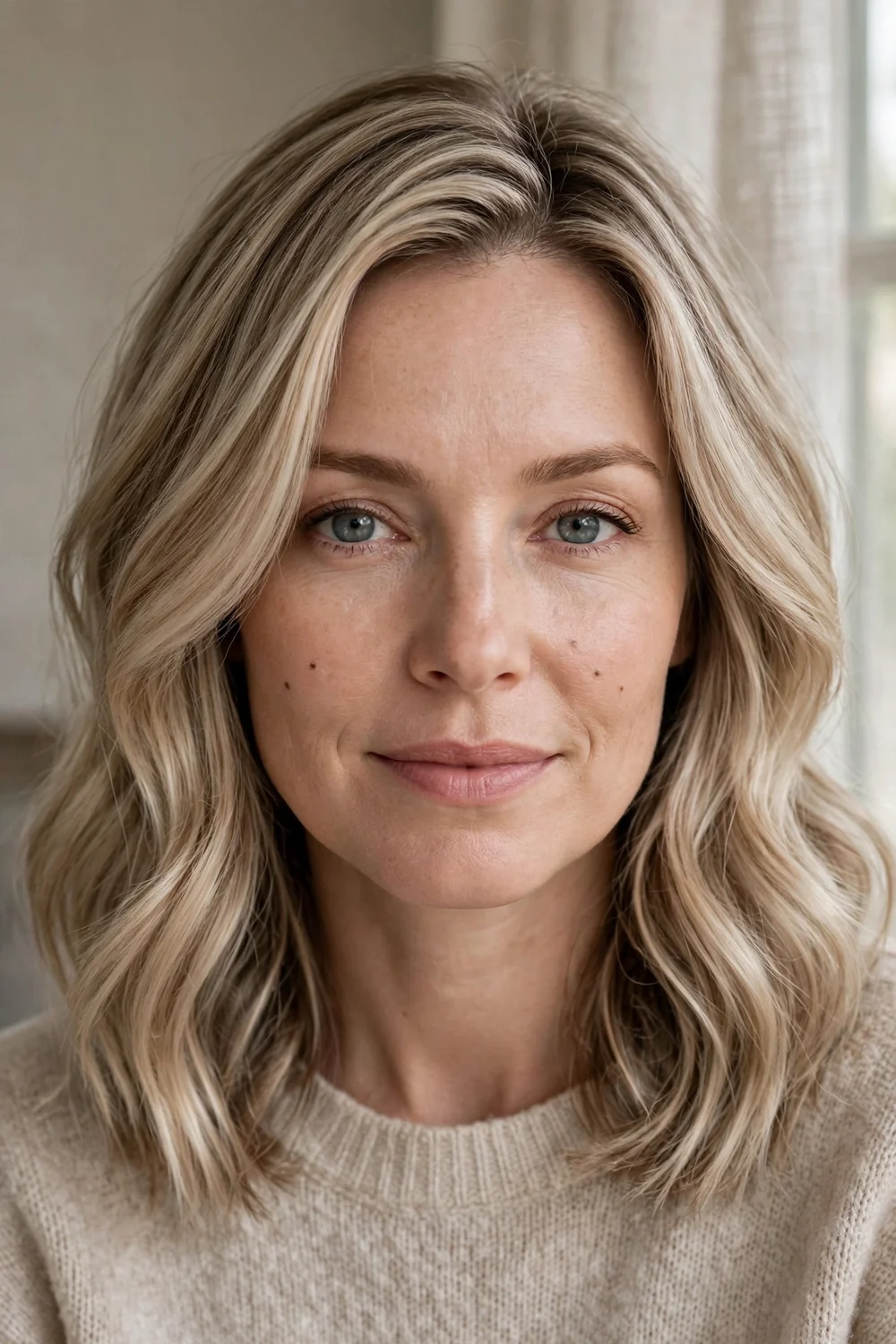
Champagne beige is the neutral sweet spot between cool ash and warm gold. It reads slightly cool in daylight and slightly warm indoors, which makes it one of the most flattering highlight tones across undertones. Colorists build it with a mix of beige and pearl-toned glosses over a lightened base. It suits fine hair well because the neutral tone adds visual density without harsh contrast. The tone fades gradually rather than turning brassy, which is a quiet advantage. Ask for it at level 9 or 10 if you want real brightness, or a level lower for a softer everyday version.
Upkeep: Medium | Salon time: 2.5-3 hours
Try this: Refresh with a beige-toned gloss every 8 weeks; champagne tones lose their neutrality first.
14. Sun-Kissed Balayage
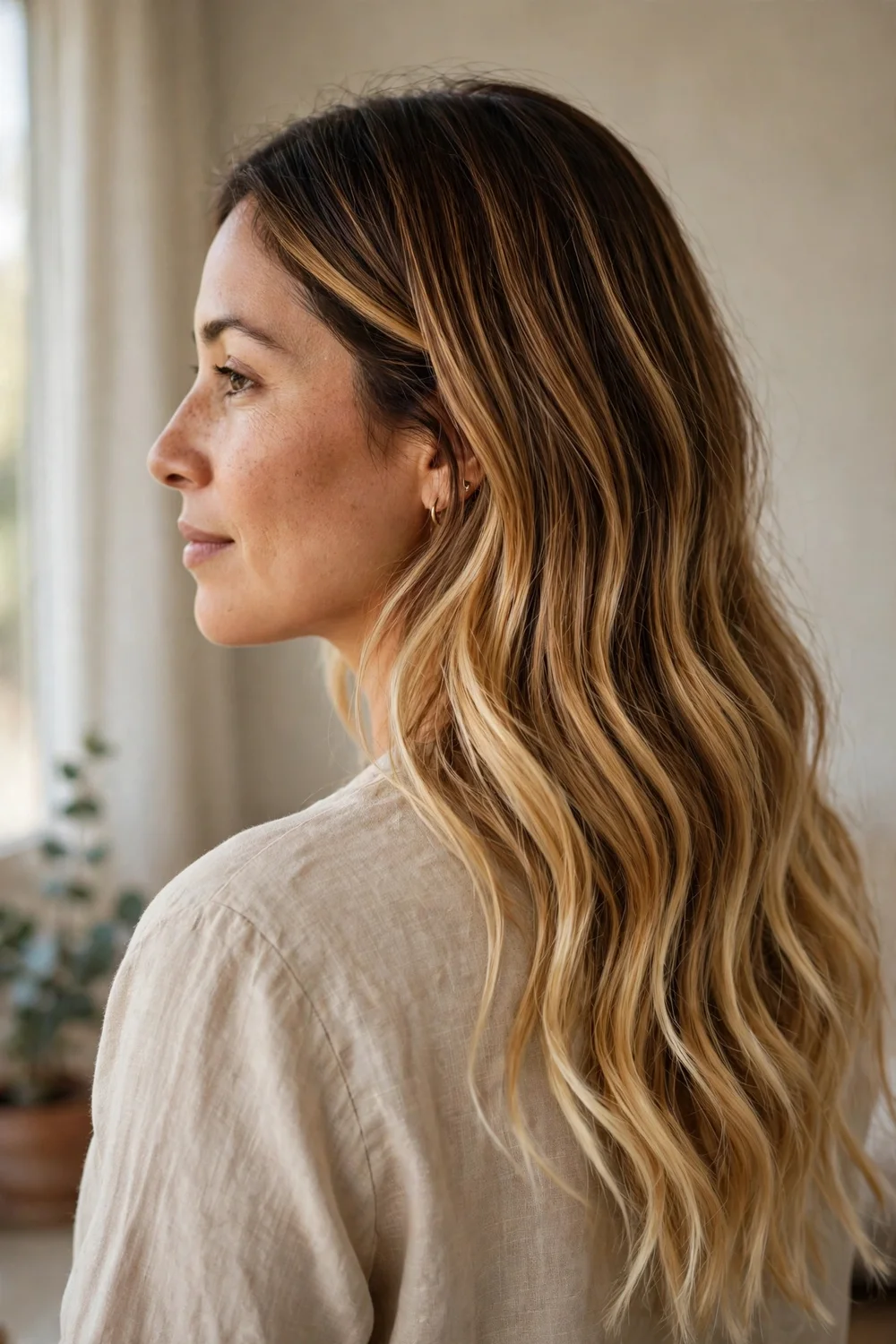
Sun-kissed balayage is the summer standard that refuses to retire. Hand-painted highlights concentrate on the mid-lengths and ends in warm, golden tones, copying how hair lightens after weeks outdoors. The placement stays close to the natural base color, so the result never looks like a full color job. It works on hair of any length, though long layers show off the painted ribbons best. Maintenance is minimal: a gloss refresh at 8 weeks keeps the gold from fading, and the grow-out needs no blending because there is no foil line.
Upkeep: Low | Salon time: 2-3 hours
Try this: Style with loose waves after coloring; the texture makes sun-kissed dimension much more visible.
15. Ash Blonde Blend
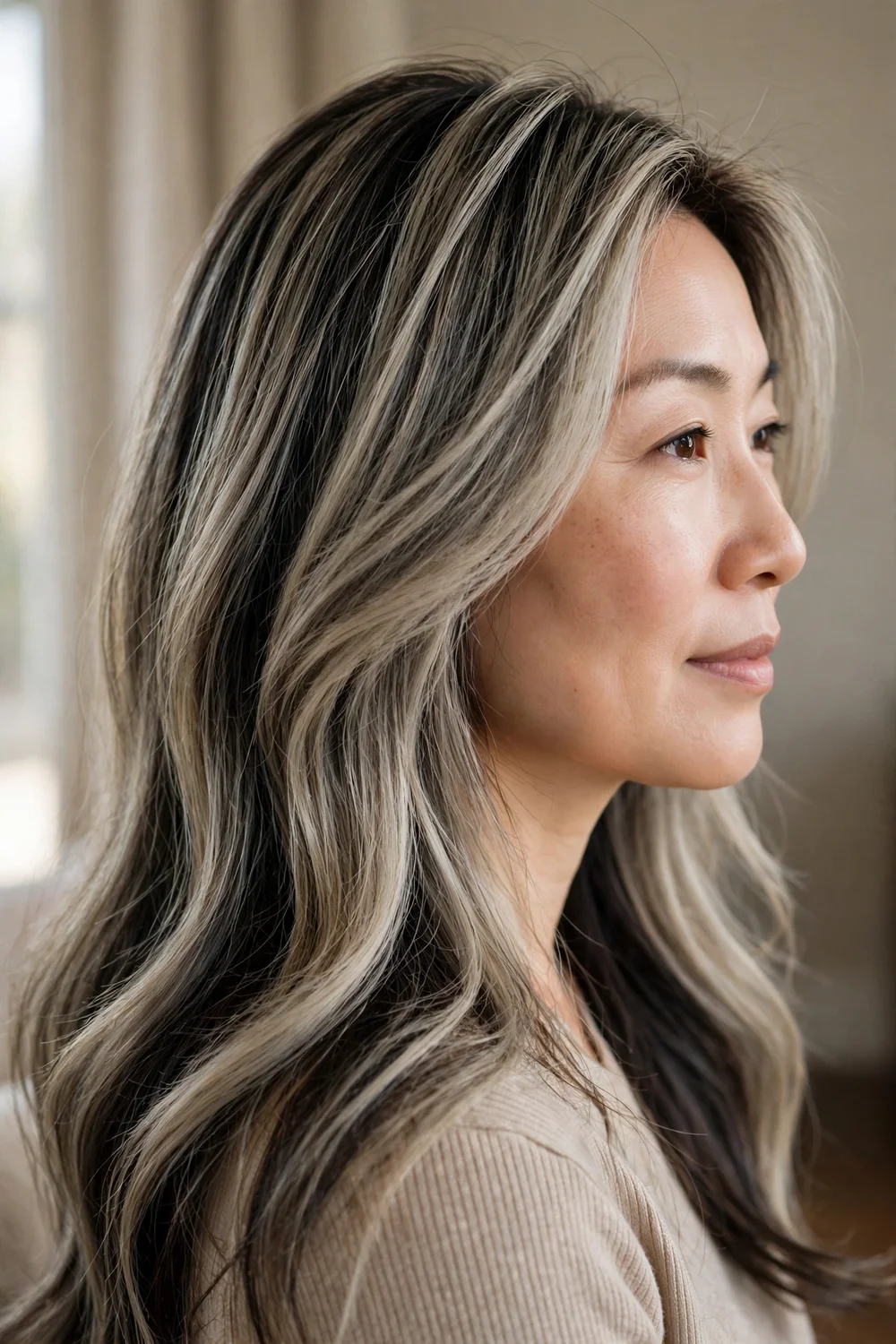
Ash blonde had its icy era, but the 2026 version is softer: cool-leaning highlights melted into a slightly deeper neutral base so the result reads dimensional instead of flat. It suits fair and cool skin tones best, and it’s the right pick if warm tones turn orange on your hair. The blend technique, usually a mix of foils and balayage with a root smudge, keeps the ash from looking stripey. Toner is the whole game here; without regular toning every 6 to 8 weeks, ash drifts toward gold. Purple shampoo helps, but professional toning keeps the blend cohesive.
Upkeep: High | Salon time: 2.5-3.5 hours
Try this: Ask for a cool-neutral toner rather than a strong ash one; over-ashed hair looks grey in flat light.
16. Platinum Face-Framing Streaks
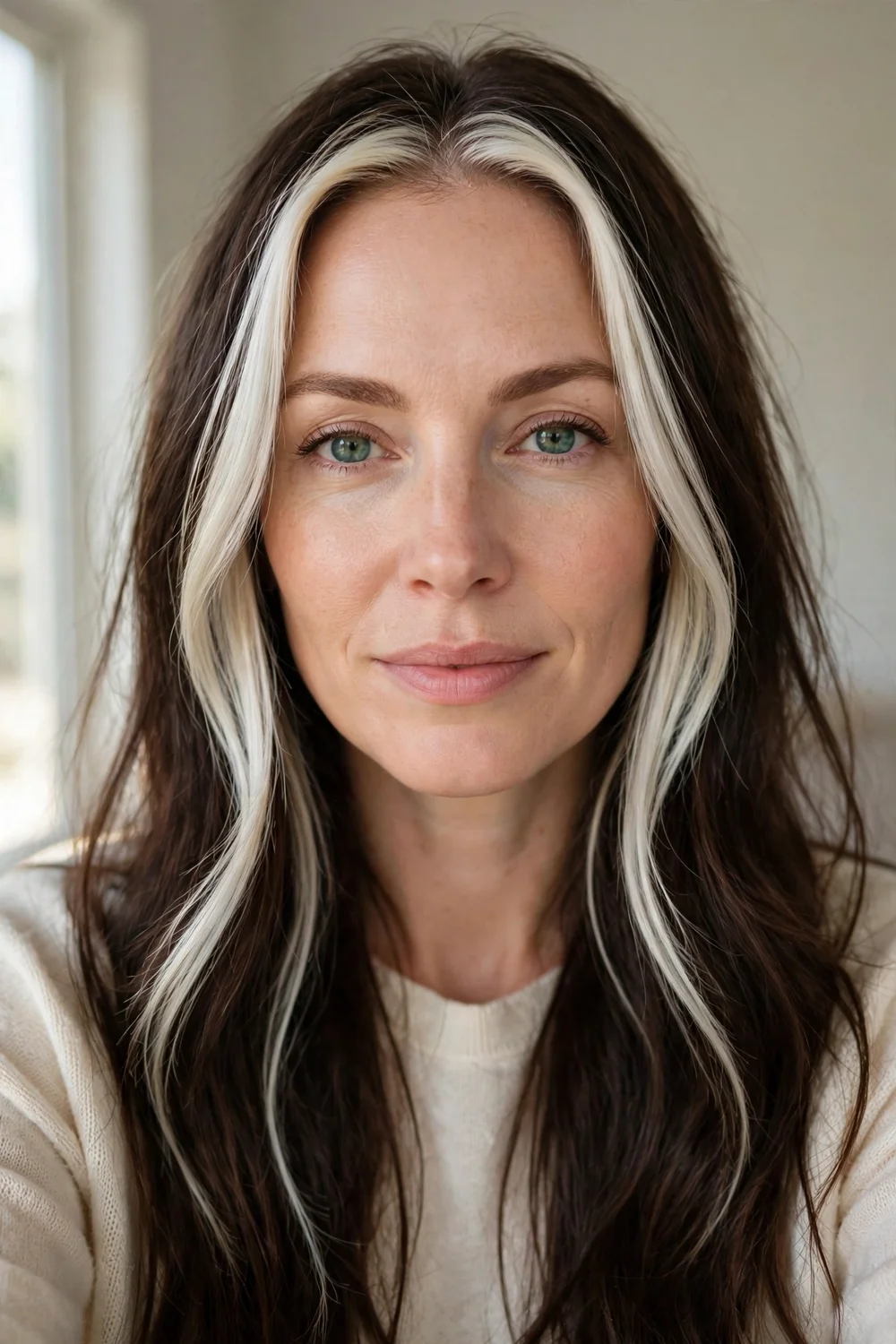
Instead of going full platinum, the current move is keeping your base and lightening only the face-framing sections to a near-white platinum. The contrast gives the drama of platinum with a fraction of the damage and maintenance. It works on every base color, including dark brunette, because the lightened sections are small and controlled. The streaks can be as fine as two ribbons at the hairline or as wide as a full money piece, depending on how bold you want it. Toning is non-negotiable: untoned platinum reads yellow within two washes.
Upkeep: Medium | Salon time: 1.5-2 hours
Try this: Schedule the streaks as an add-on to your regular color instead of a standalone appointment.
17. Strawberry Blonde Accents
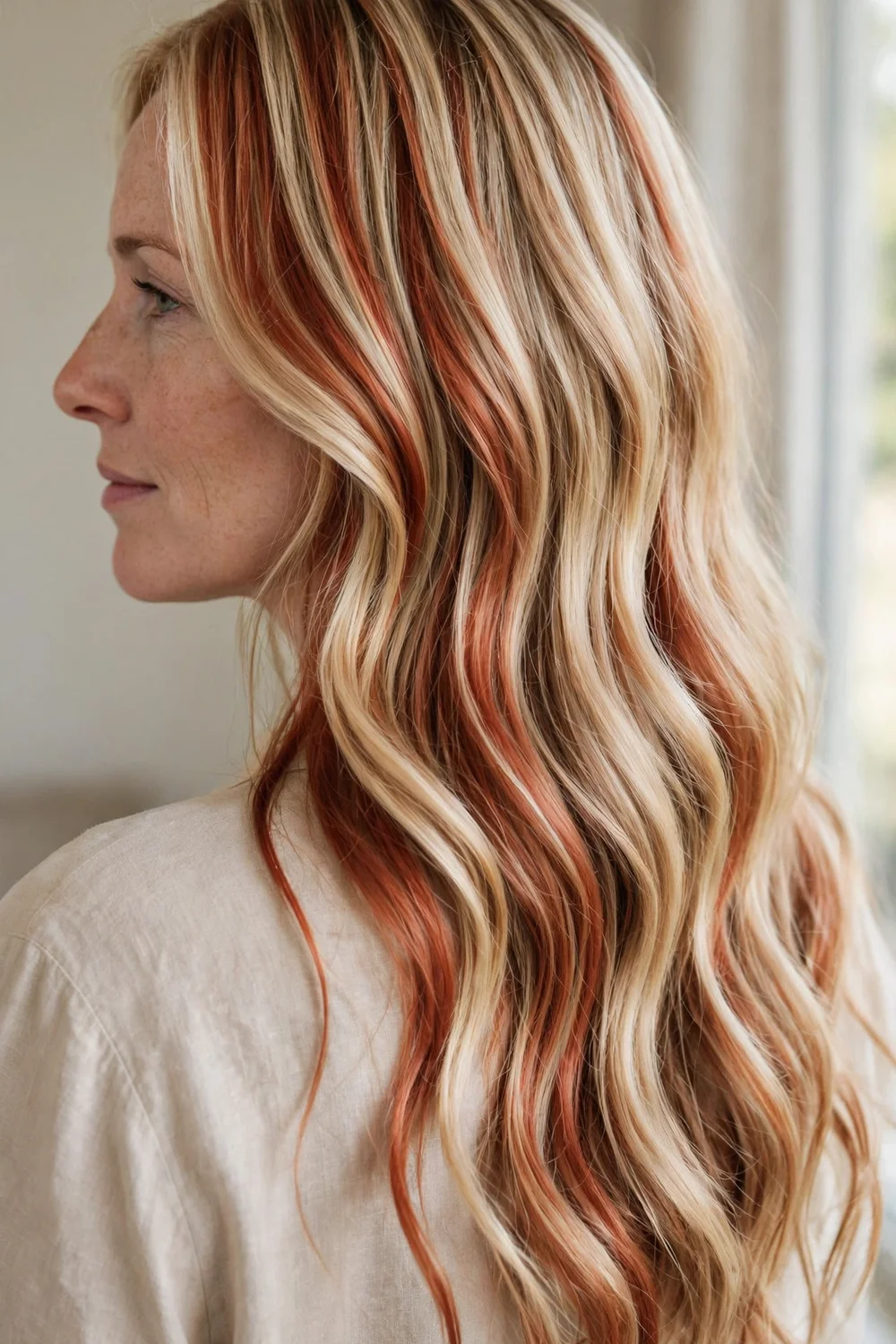
Strawberry blonde accents mix warm copper-red tones into a blonde base, giving the warmth of red without the commitment. The accents work as balayage ribbons, babylight weaves, or a few face-framing pieces, so the intensity is fully adjustable. Fair skin with warm or neutral undertones wears it best, since the red tones echo the complexion. Red pigment fades fastest of any color, so expect a gloss refresh every 4 to 6 weeks and sulfate-free shampoo always. The fade itself is flattering though; strawberry softens into a warm blonde rather than going dull.
Upkeep: High | Salon time: 2-3 hours
Try this: Use a color-depositing conditioner once a week to keep the copper note alive between glosses.
18. Chunky Y2K Money Pieces
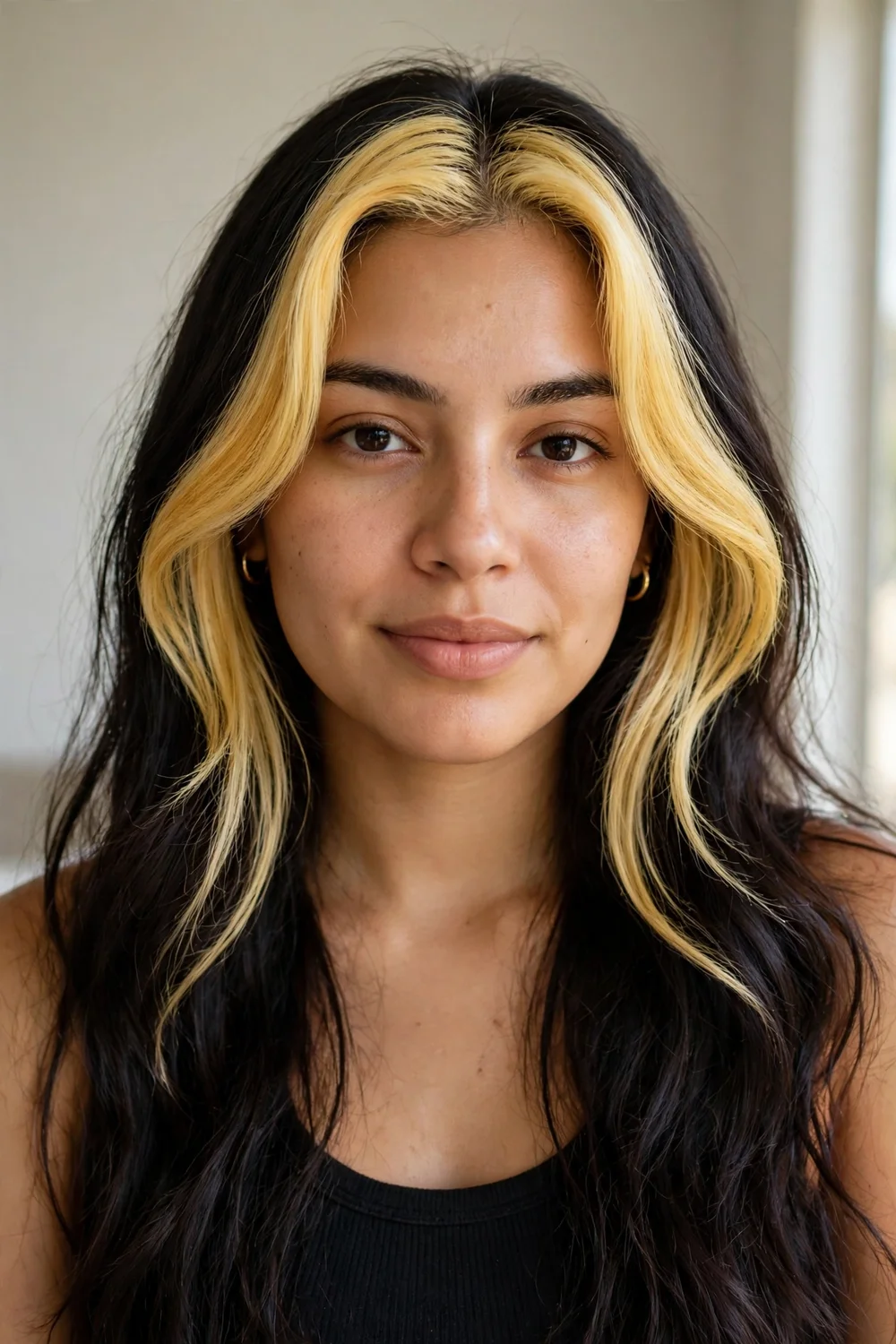
The early-2000s chunky streak is back, but the 2026 version has better toning. These are wider, more defined front sections than the blended money piece, lightened to a clear blonde that stands apart from the base. The look suits oval and heart face shapes and anyone who wants an obvious statement rather than subtle brightness. Dark bases carry it best because the contrast is the point. Maintenance runs 6 to 8 weeks since the regrowth line is visible by design. The modern upgrade: ask for a soft melt at the very top of the section so it doesn’t look like a wig cap.
Upkeep: Medium | Salon time: 1-1.5 hours
Try this: Keep the interior of the hair mostly untouched so the chunky front stays the focal point.
19. Ribbon Highlights
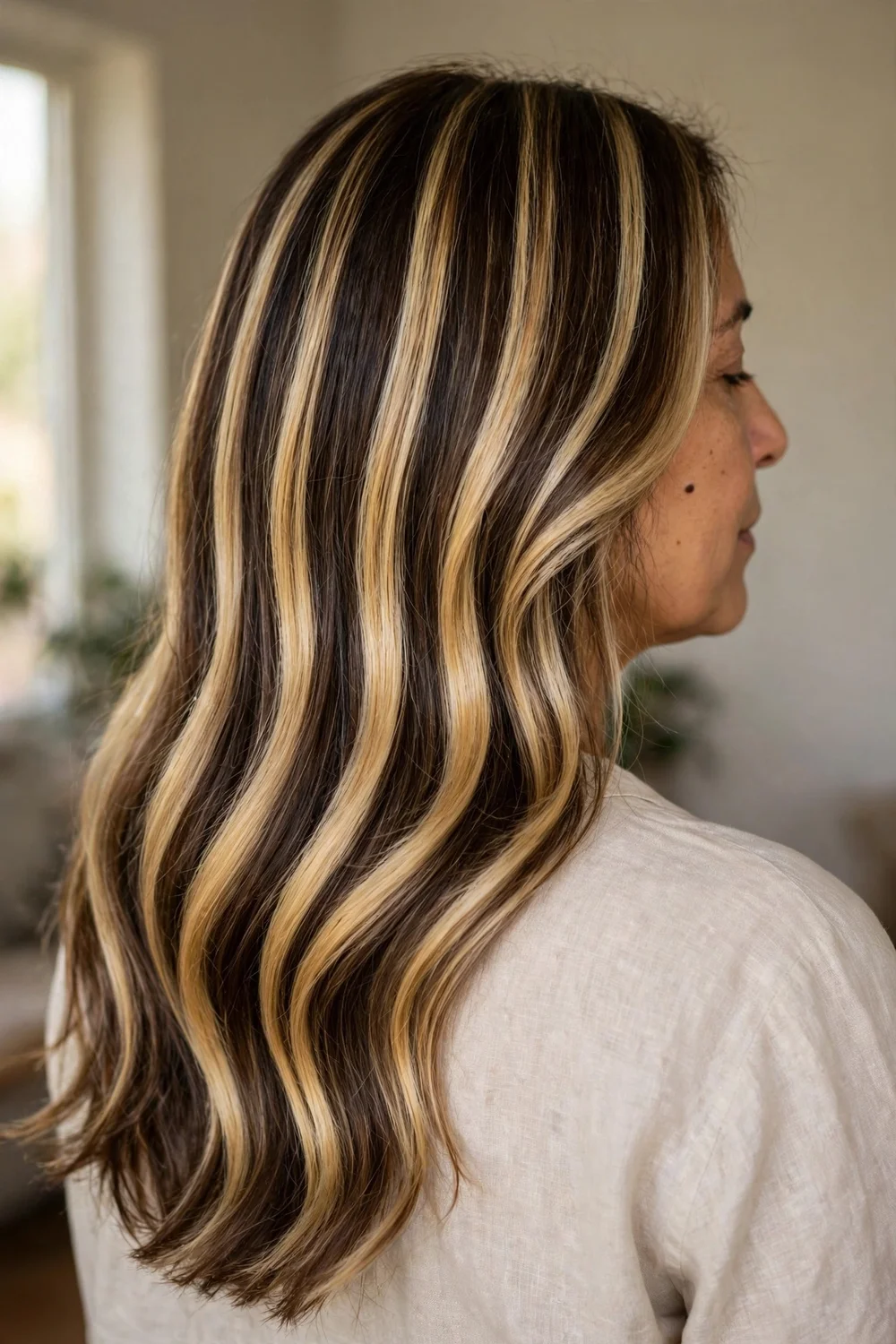
Ribbon highlights are wider, painted bands of blonde that run the length of the hair like satin strips. They give more visual impact than fine babylights but stay softer than chunky foils, sitting in the sweet spot for people who want obvious dimension. The painted application means they grow out with a soft edge rather than a line. They show best on long, layered hair where the ribbons can move and catch light. Colorists often pair them with a few lowlights between the ribbons so the blonde reads even brighter by contrast.
Upkeep: Low | Salon time: 2.5-3.5 hours
Try this: Ask for three to four ribbons per quadrant; more than that turns into a full highlight look.
20. Golden Beige Highlights
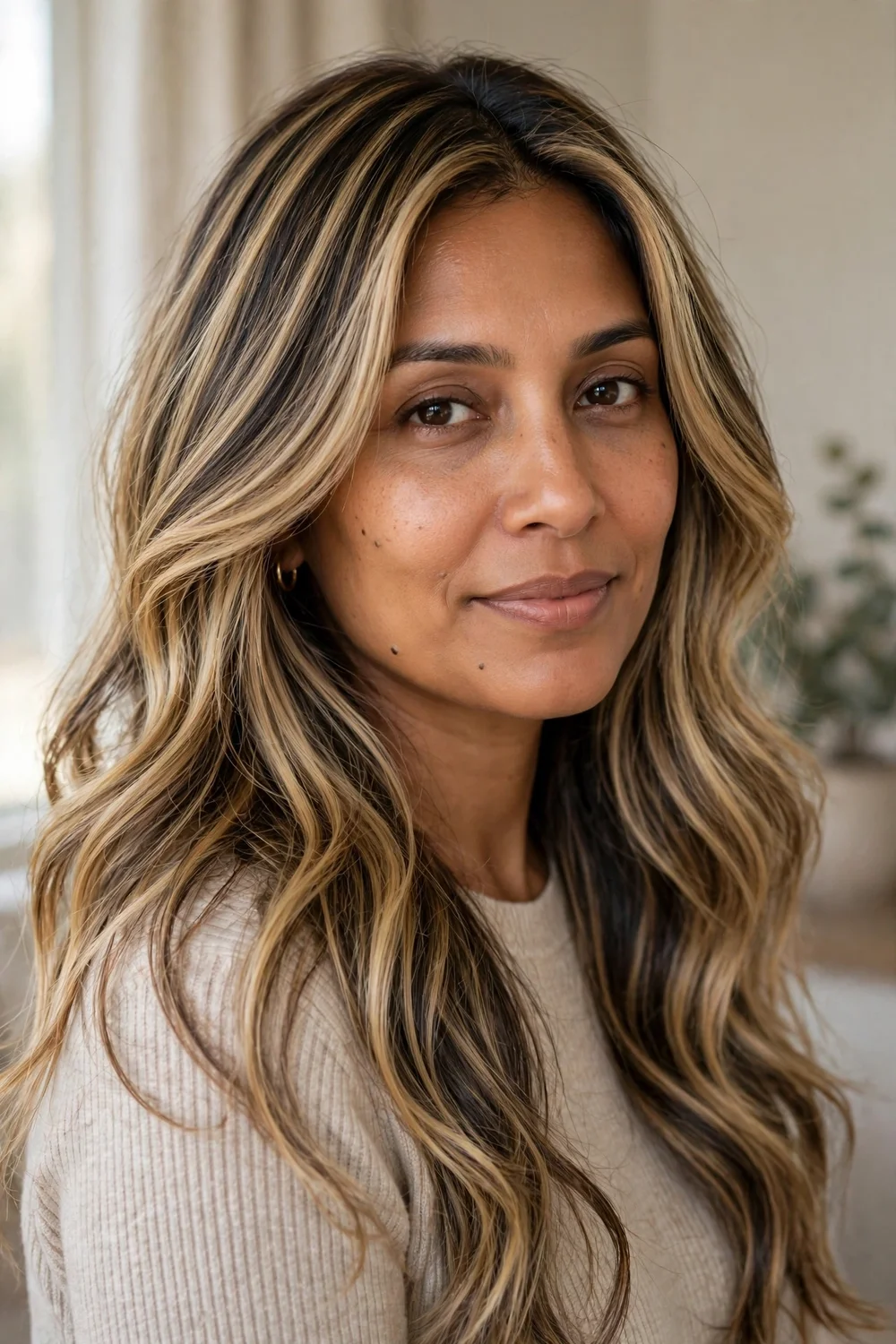
Golden beige combines the warmth of gold with the neutrality of beige, and it solves a common problem: gold alone can turn brassy, beige alone can turn flat. Together they make a balanced highlight tone that holds its color between appointments. It’s one of the most natural-looking highlight options for brunettes going lighter, since the warm-neutral mix copies real sun lightening. The tone suits warm and neutral undertones and works at every level from dark blonde to light brunette. A gold-safe shampoo keeps the beige from fading warm before the next gloss.
Upkeep: Medium | Salon time: 2-3 hours
Try this: Mention the exact words “golden beige” to your colorist; it translates into a specific toner family they know.
21. Sandy Blonde Highlights
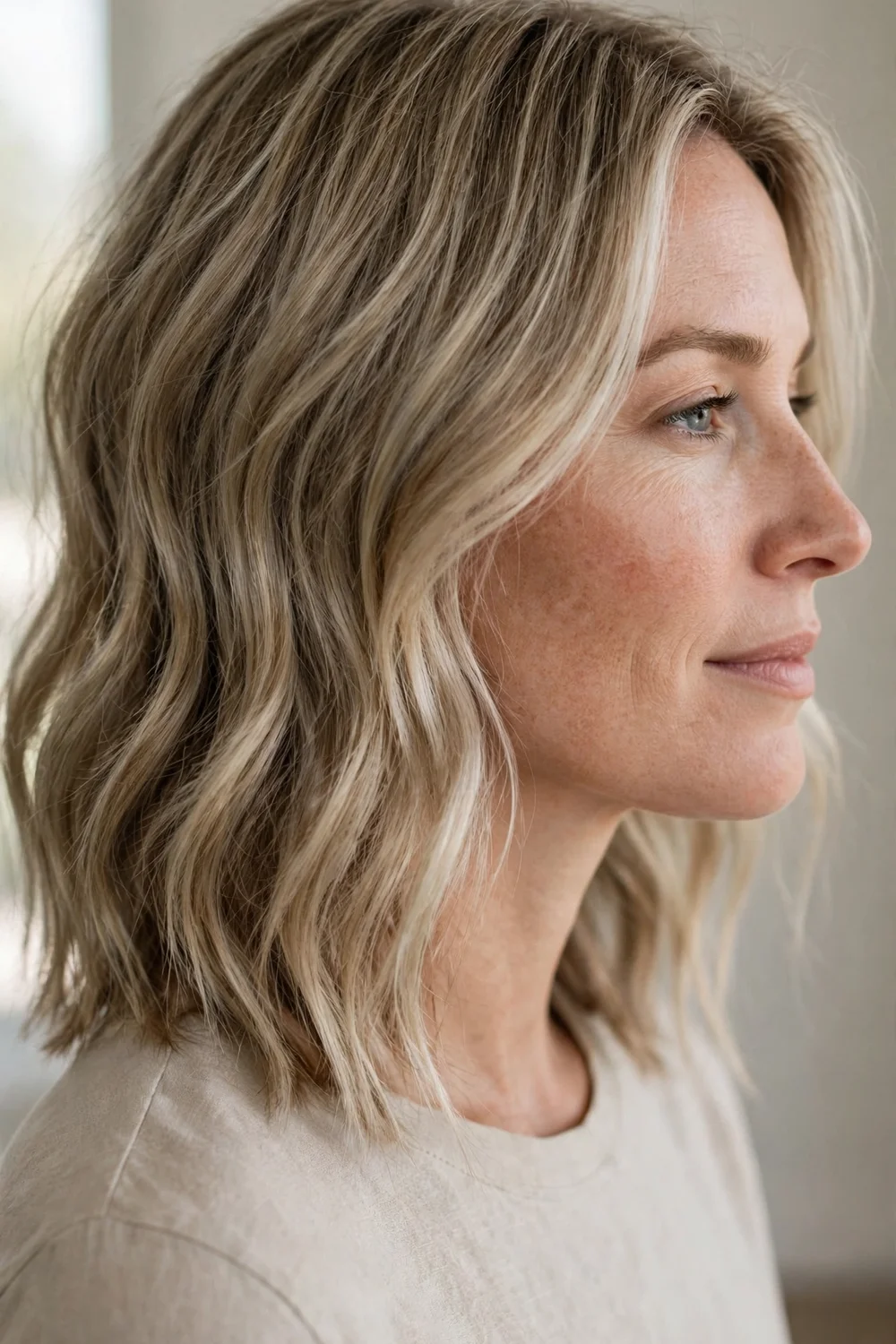
Sandy blonde is the muted, beachy neutral that sits between golden and ash. It’s less warm than honey and less cool than platinum, which makes it wearable for people whose skin doesn’t commit to one undertone. The tone works best as fine weaves through a medium blonde base, giving an overall brightened look without obvious stripes. It suits medium skin tones and natural dirty blondes who want to look a level lighter without looking colored. The neutral tone fades gracefully, and most wearers refresh with a gloss at 8 to 10 weeks.
Upkeep: Low | Salon time: 2-3 hours
Try this: Pair sandy highlights with a slightly deeper root tap for instant dimension that costs nothing extra.
22. Two-Tone Highlights
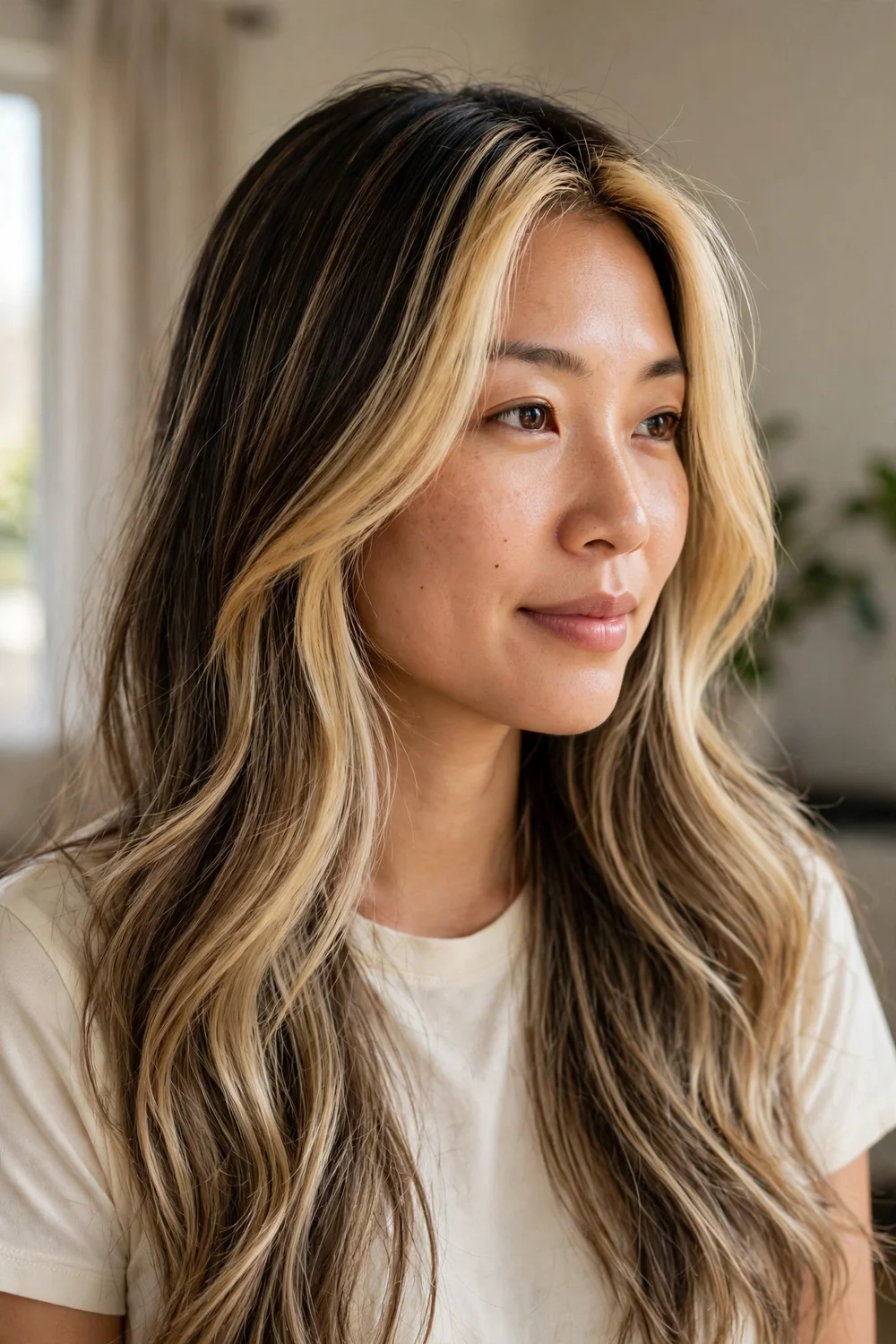
Two-tone highlighting places two distinct blonde levels in the same head: brighter pieces around the face and hairline, softer pieces through the interior and ends. The contrast creates depth that single-tone highlights can’t, and the brighter front gives the impression of an all-over lightening. It suits fine hair especially well because the tonal difference makes the hair look thicker. The technique usually combines foils at the front with balayage inside. Ask for at least two levels of difference between the tones, or the effect disappears in indoor light.
Upkeep: Medium | Salon time: 2.5-3.5 hours
Try this: Photograph your hair in daylight before the appointment so your colorist can see the true contrast level.
23. Peekaboo Blonde Panels
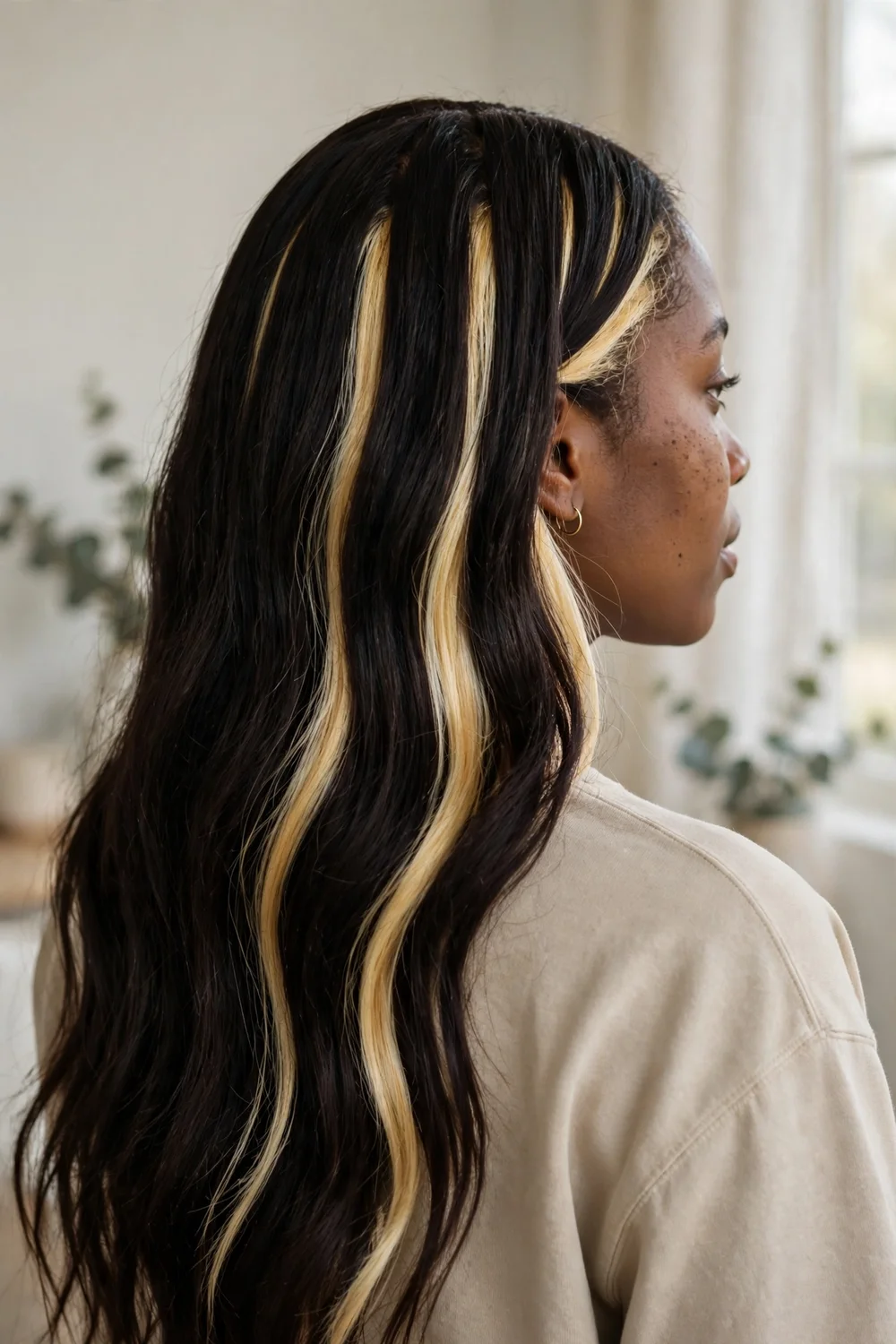
Peekaboo panels hide the blonde underneath the top layer of hair, revealing it only when the hair moves. The trend appeals to people who want a bold color choice that stays office-appropriate: tie it back and the blonde disappears, wear it loose and it shows. It works on any base color and any length below the chin. Placement usually sits at the nape and behind the ears, and the contrast can run from subtle to extreme. Regrowth is invisible from the outside, which makes this one of the lowest-maintenance bold options available.
Upkeep: Low | Salon time: 1-2 hours
Try this: Go brighter underneath than feels safe; the top layer softens everything by half a level.
24. Tip-Outs
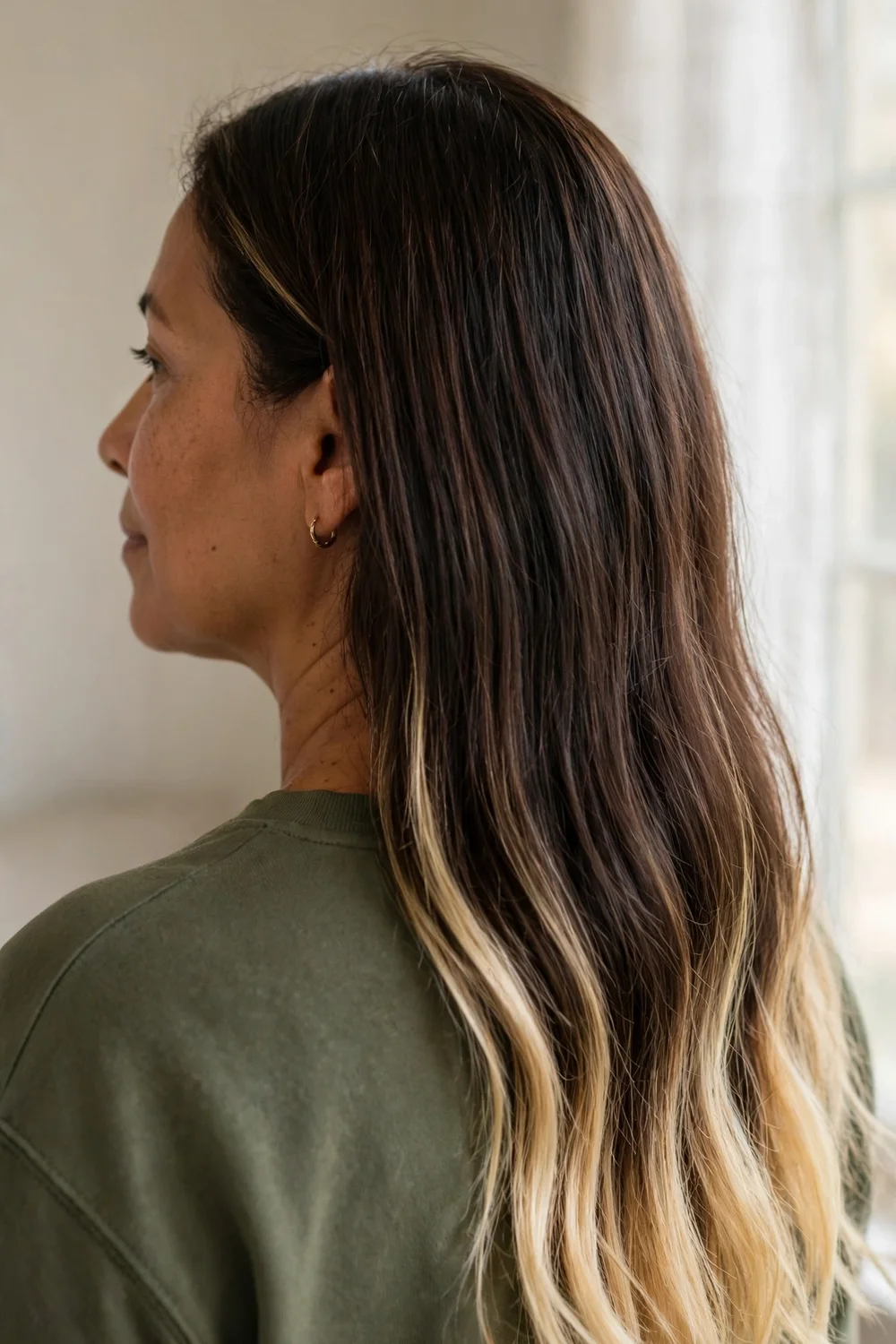
Tip-outs concentrate lightener on the last few inches of hair, popping the ends brighter than the rest of the head. They started as a stylist trick for refreshing faded balayage without redoing the whole color, and now they’re requested on their own. The bright ends make the whole hairstyle look fresher and more expensive, especially on dark bases where the contrast reads clearly. They pair naturally with lived-in techniques like balayage and teasylights. Since only the ends are processed, it’s one of the least damaging blonde services and usually takes under an hour as an add-on.
Upkeep: Low | Salon time: 45-75 minutes
Try this: Add tip-outs at your gloss appointment instead of waiting for a full color service.
25. Liquid Blonde
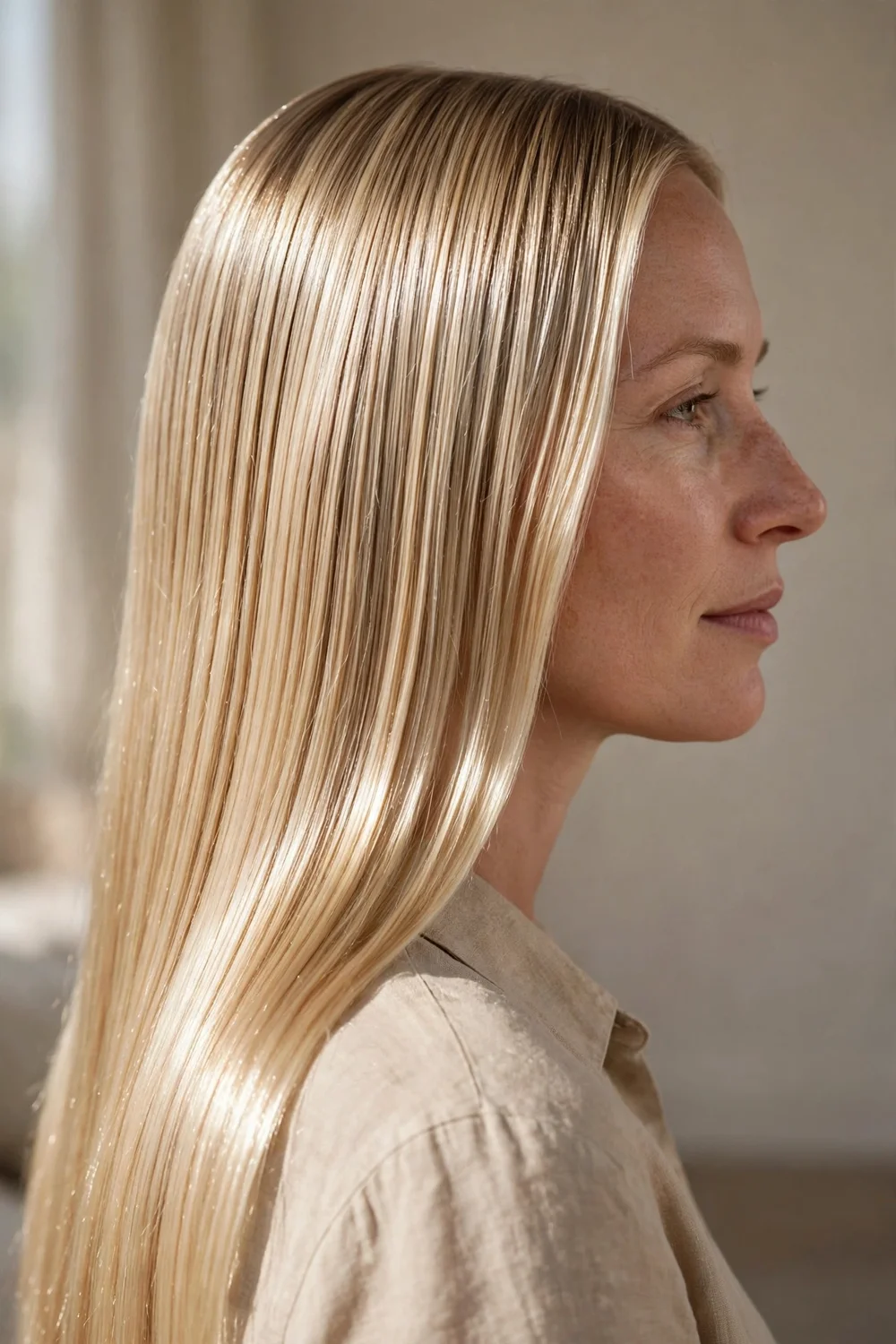
Liquid blonde isn’t a shade, it’s a finish: highly glossed, reflective blonde that looks poured on. The effect comes from fine, evenly distributed highlights sealed with a clear or tinted gloss so every strand catches light. It suits straight and sleek hairstyles best, since smooth texture maximizes the mirror effect. The base tone can be anything from vanilla to honey; the signature is the shine, not the color. A gloss service every 6 weeks maintains the liquid finish, and at-home shine serums extend it between appointments. It’s the trend for people who want their blonde to look healthy above all else.
Upkeep: Medium | Salon time: 2.5-3 hours
Try this: Finish every styling session with a lightweight shine oil; the trend only works with real reflectiveness.
26. Toffee Blonde Highlights
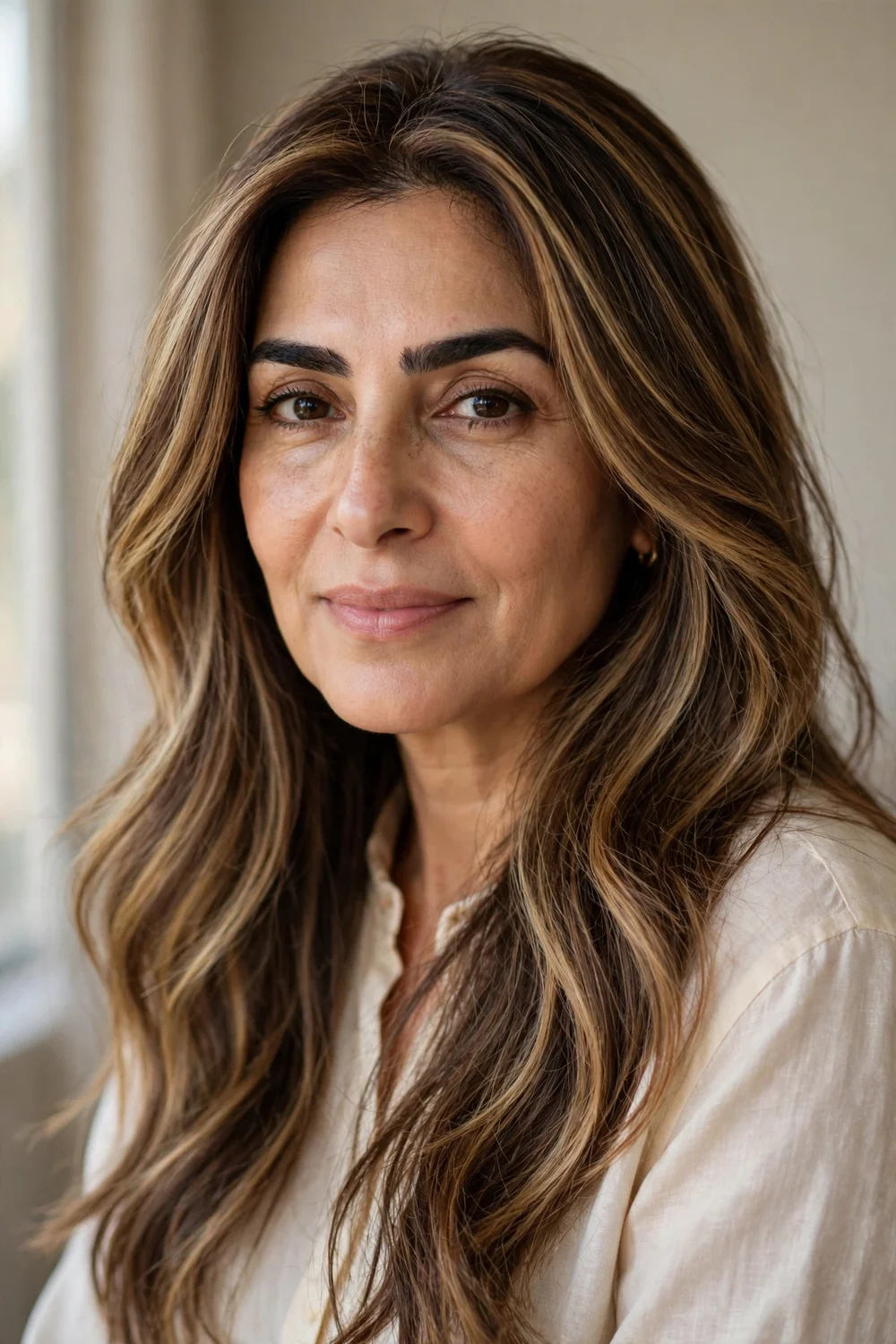
Toffee blonde sits on the deeper end of the blonde spectrum, blending warm brown with golden blonde highlights. It’s one of the most requested shades for fall, but it works year-round because the warmth flatters so many skin tones. The technique usually combines a warm brown base with caramel-blonde weaves, so the result has richness without heaviness. It suits medium and deep skin tones particularly well, and it covers grey blending gracefully for anyone transitioning. The warm tones fade gently and refresh easily with a copper-gold gloss.
Upkeep: Medium | Salon time: 2.5-3 hours
Try this: Ask for the base to stay at level 6 or 7; darker bases lose the toffee lightness.
27. Gradient Blonde Ombre
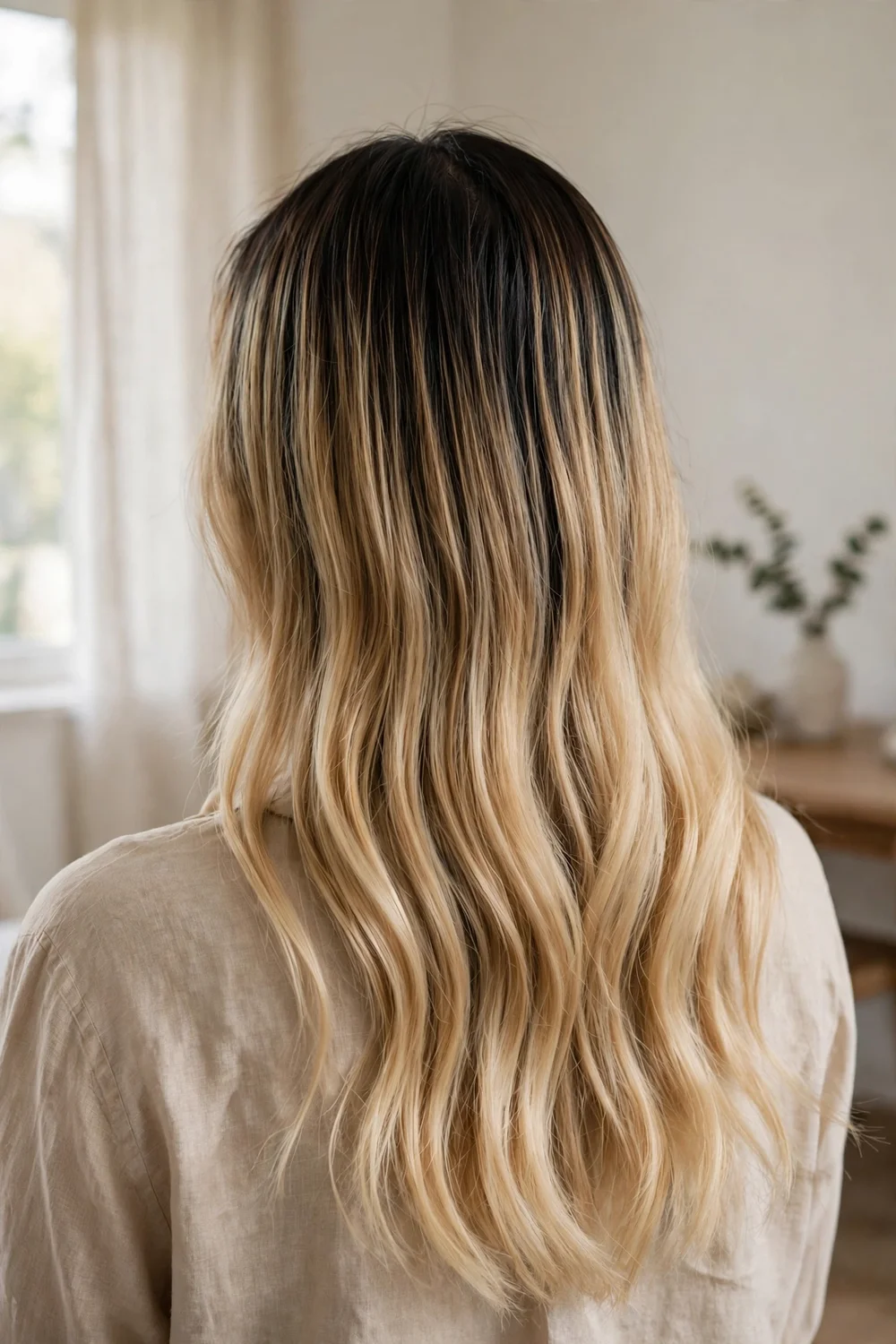
Ombre never fully leaves, and the 2026 gradient is softer than the original two-tone dip-dye. The color melts from a natural root through a mid-tone into brightened ends, with the transitions blended over several inches so there’s no visible start point. It suits long hair best, since the gradient needs length to unfold. The technique works on every base from black to dark blonde, and it’s one of the easiest blondes to grow out because the root was never colored. A gloss refresh every 10 weeks keeps the ends from fading dull.
Upkeep: Low | Salon time: 2-3 hours
Try this: Ask for the brightest point to sit below the cheekbones; higher placement shortens the face visually.
28. Mushroom-Blonde Money Pieces
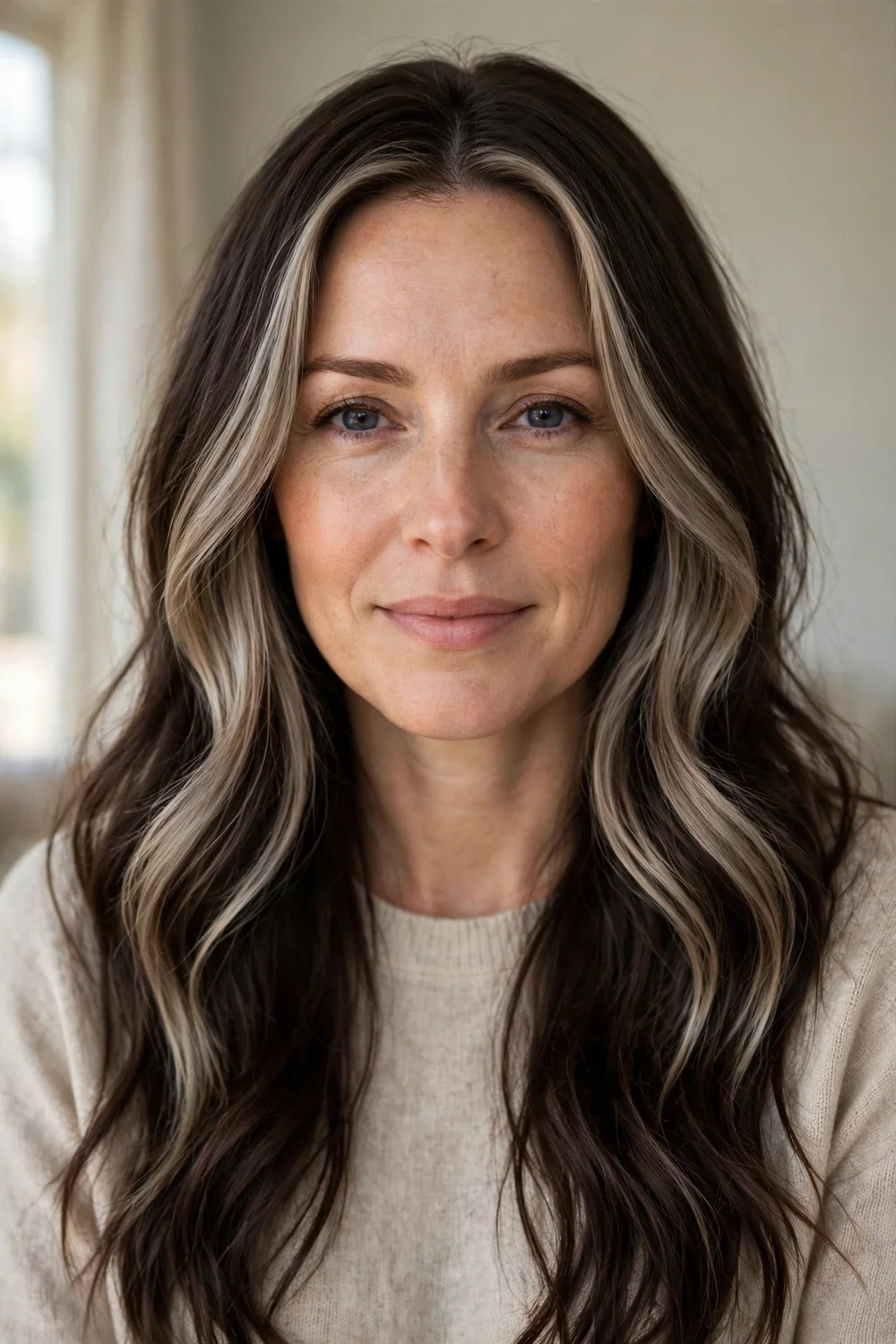
For cool-toned fans, mushroom blonde offers an ashy, taupe-tinged take on the money piece. The shade mixes beige, grey, and soft ash into a muted blonde that frames the face without the starkness of platinum. It suits cool and neutral skin tones and pairs well with darker ash bases, though it can also work as a contrast piece on deep brunette. The tone needs the most careful maintenance of any money piece; without a cool gloss every 6 weeks it drifts warm. But on the right complexion, the cool softness is unmatched.
Upkeep: High | Salon time: 1.5-2 hours
Try this: Use a purple shampoo every other wash from week one; mushroom tones lose their cool fast.
29. Halo Highlights
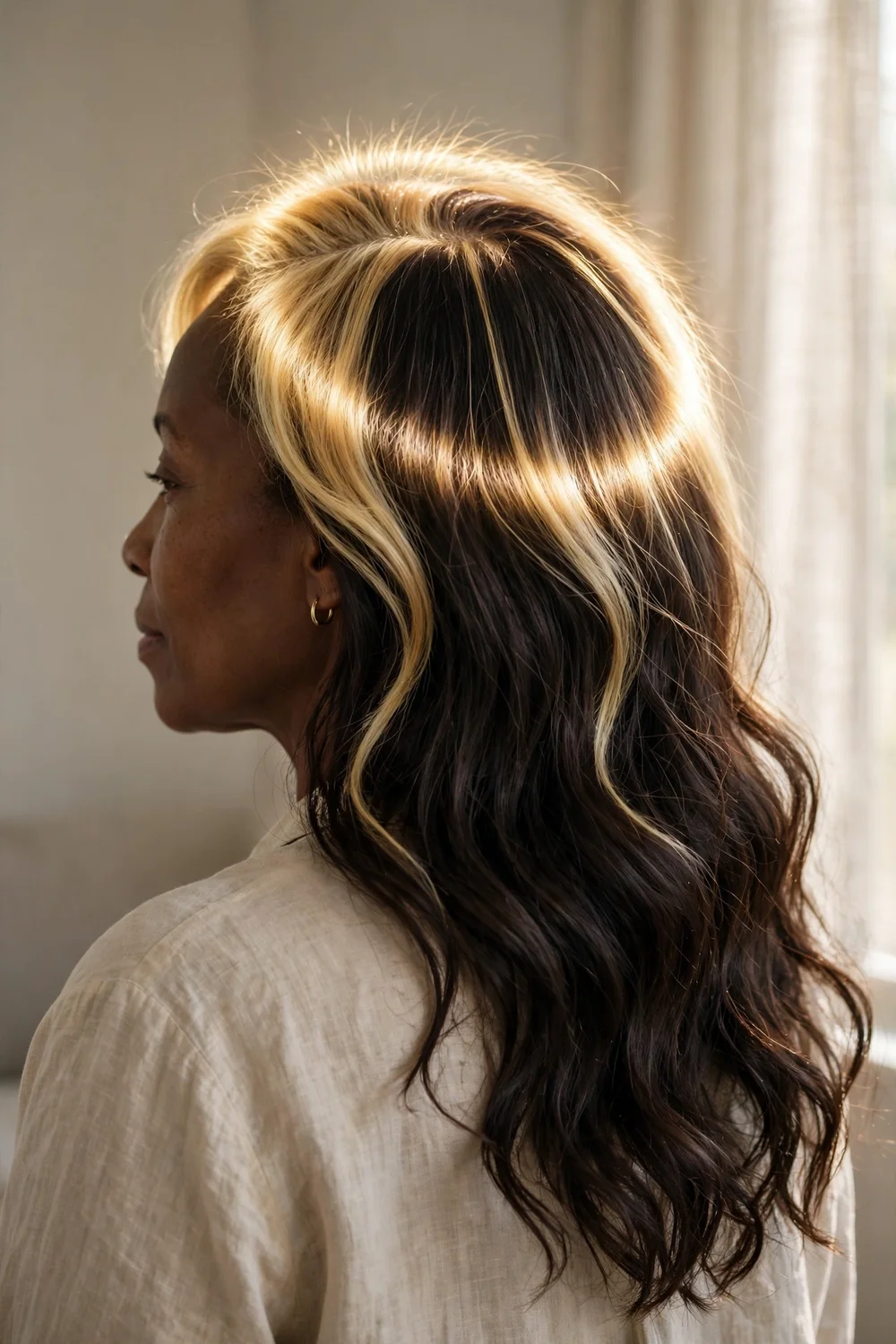
Halo highlights place brightness in a ring around the crown, the way light naturally hits the top of the head. The technique concentrates finer weaves through the part and hairline crown while leaving the interior slightly deeper, which creates a glowing effect that’s visible from every angle. It’s a flattering choice for thin hair because the crown brightness makes the hair look fuller. The placement grows out softly since the root area was never fully lifted. Ask for the halo to extend slightly past the part line so the brightness reads when hair is styled off-center.
Upkeep: Low | Salon time: 2-2.5 hours
Try this: Combine the halo with a few tip-outs so the brightness continues through the ends.
30. Wet Balayage
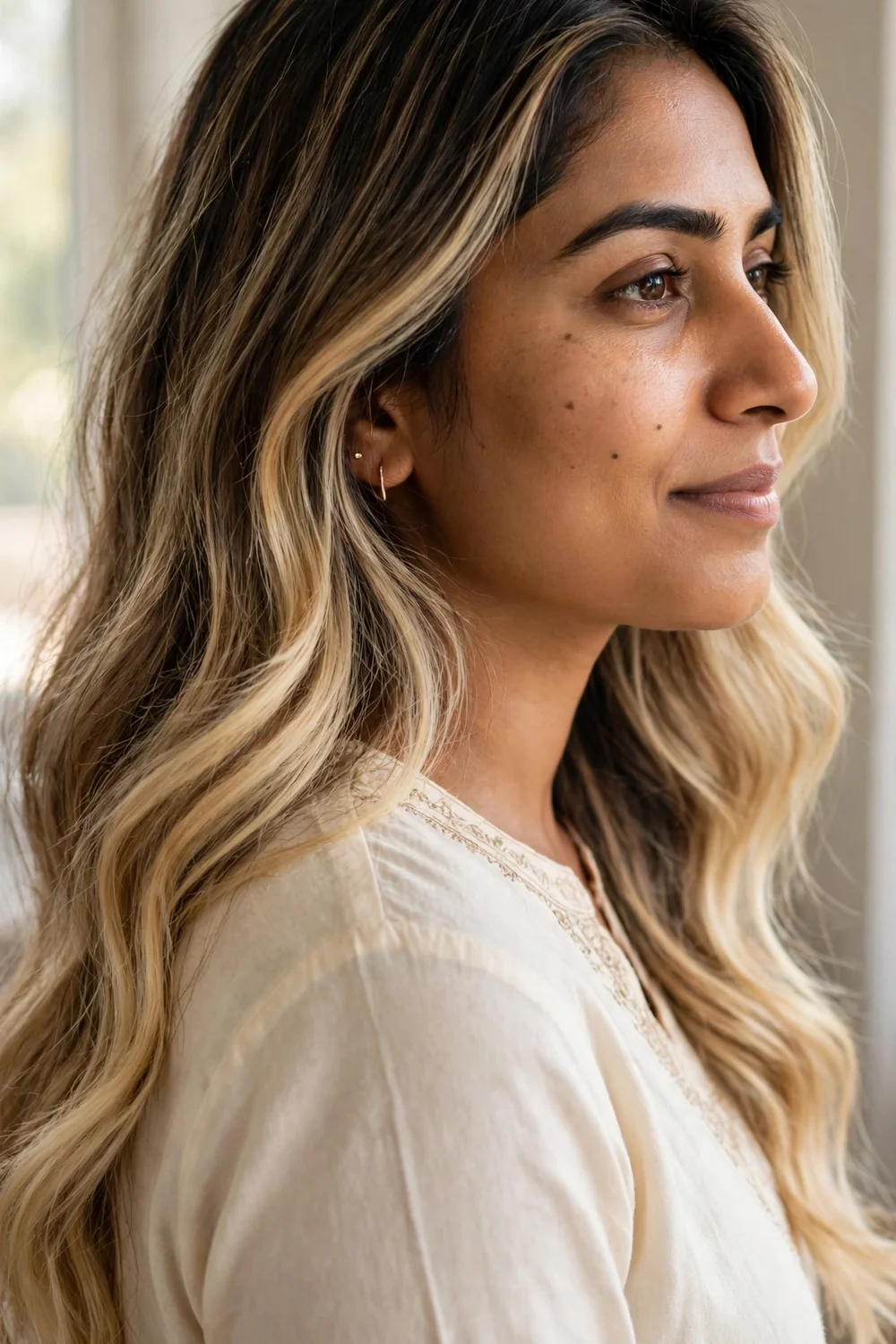
Wet balayage is a salon technique that’s becoming a requested trend: the colorist applies lightener to damp hair at the shampoo bowl after a full highlight service. Damp hair processes faster and lifts more gently, so it adds brightness at the ends and around the face without the damage of a second full application. The result is a softer, more luminous finish that looks like the color was always that bright. It’s usually booked as an add-on rather than a standalone service, taking about 30 to 45 extra minutes. The finish pairs well with any highlight technique from foils to teasylights.
Upkeep: Low | Salon time: 30-45 minutes as an add-on
Try this: Book wet balayage at your gloss refresh to brighten the mids and ends without a full re-lighten.
Blonde Highlight Trends Comparison at a Glance
| Trend | Best For | Upkeep | Salon Time |
|---|---|---|---|
| Buttery Blonde Highlights | Medium skin tones | Medium | 2-3 hours |
| Blonde Money Pieces | Every face shape | Low | 45-60 minutes |
| Babylights | First-time blondes | Low | 3-4 hours |
| Lived-In Balayage | Low-maintenance seekers | Low | 2.5-3.5 hours |
| Scandinavian Bright Blonde | Fair skin, fine hair | High | 3-4 hours |
| Crème Brûlée Blonde | Medium and deep skin | Medium | 2.5-3 hours |
| Foilayage | Dark bases wanting lift | Medium | 3-4 hours |
| Teasylights | Stripe-phobics | Low | 3-3.5 hours |
| Traditional Foil Highlights | Maximum brightness | High | 2-3 hours |
| Shadow Root Blonde | Graceful grow-out | Low | 30 minutes add-on |
| Bronde Highlights | Olive and medium skin | Low | 2.5-3.5 hours |
| Honey Blonde Highlights | Warm undertones | Medium | 2-3 hours |
| Champagne Beige Highlights | All undertones | Medium | 2.5-3 hours |
| Sun-Kissed Balayage | Any hair length | Low | 2-3 hours |
| Ash Blonde Blend | Cool, fair skin | High | 2.5-3.5 hours |
| Platinum Face-Framing Streaks | Bold contrast lovers | Medium | 1.5-2 hours |
| Strawberry Blonde Accents | Fair, warm skin | High | 2-3 hours |
| Chunky Y2K Money Pieces | Statement seekers | Medium | 1-1.5 hours |
| Ribbon Highlights | Long, layered hair | Low | 2.5-3.5 hours |
| Golden Beige Highlights | Brunettes going lighter | Medium | 2-3 hours |
| Sandy Blonde Highlights | Neutral undertones | Low | 2-3 hours |
| Two-Tone Highlights | Fine hair needing depth | Medium | 2.5-3.5 hours |
| Peekaboo Blonde Panels | Conservative bold moves | Low | 1-2 hours |
| Tip-Outs | Refreshing old color | Low | 45-75 minutes |
| Liquid Blonde | Shine seekers | Medium | 2.5-3 hours |
| Toffee Blonde Highlights | Medium and deep skin | Medium | 2.5-3 hours |
| Gradient Blonde Ombre | Long hair | Low | 2-3 hours |
| Mushroom-Blonde Money Pieces | Cool, neutral skin | High | 1.5-2 hours |
| Halo Highlights | Thin hair | Low | 2-2.5 hours |
| Wet Balayage | Brightening add-on | Low | 30-45 minutes add-on |
How to Choose the Right Blonde Highlight Trend for You
Start with your maintenance tolerance, not the photo. If you book touch-ups every 4 to 6 weeks without complaint, the high-upkeep trends like Scandinavian blonde, ash blends, and mushroom pieces are open to you. If you prefer two salon visits a year, stick with lived-in balayage, teasylights, shadow roots, and bronde.
Next, match the tone to your skin. Warm undertones carry honey, buttery, and toffee shades; cool undertones carry ash, mushroom, and champagne. Neutral undertones get the widest choice. Your colorist can confirm your undertone in seconds, and it’s worth asking before you commit.
Finally, name the tone, not just the technique. “Balayage” describes how the color is applied, not what it looks like. Bring two or three reference photos and point at the exact shade you want. Photos of hair in similar lighting to your daily life, daylight rather than salon ring lights, set the most realistic expectations.
Mistakes to Avoid
Going too light too fast is the classic error. Dark hair lifted to pale blonde in one session often means over-processed ends and a tone that fades within weeks. Two sessions spaced 6 to 8 weeks apart give brighter, healthier results than one marathon appointment.
Skipping the toner is the second mistake. Lightener alone produces raw, yellow lift; the toner is what makes it buttery, ashy, or champagne. If your stylist suggests skipping toner to save time, that’s the wrong appointment. And at home, the biggest fade culprit is hot water and non-color-safe shampoo, which strip toner in half the usual time.
For more shade-specific guidance, see our guide to honey blonde hair color ideas, which covers warm tones in detail.
If your base is brunette and you’re nervous about the lift, blonde balayage on brown hair walks through what to expect from the first session.
Cool-toned readers should compare with ash blonde hair color ideas before deciding between warm and cool.
For the beige-gold middle ground, caramel blonde hair color ideas shows how caramel tones photograph across skin tones.
Frequently Asked Questions
What are the most popular blonde highlight trends right now?
The most requested blonde highlight trends in 2026 are buttery blonde highlights, lived-in balayage, babylights with a money piece, foilayage, and teasylights. Warm tones like honey, golden beige, and crème brûlée dominate salon requests, while low-maintenance techniques with soft grow-outs have largely replaced high-contrast foils.
Are highlights still in style for 2026?
Yes, highlights are very much in style, but the look has shifted. Chunky striped highlights are out; soft, blended placement like balayage, babylights, and teasylights is in. The 2026 preference is for dimension that looks natural and grows out without a visible line, which is why shadow roots and lived-in techniques keep trending.
Which blonde highlight trend is lowest maintenance?
Lived-in balayage, teasylights, shadow root blonde, bronde highlights, and peekaboo panels are the lowest-maintenance options, typically needing a salon visit only every 10 to 16 weeks. They work because the color is designed to grow out without a harsh regrowth line. A gloss refresh every 6 to 8 weeks keeps the tone fresh between full services.
What should I ask for at the salon to get trendy blonde highlights?
Bring two or three reference photos and name both the technique and the tone. Saying “lived-in balayage in a buttery blonde, with a soft money piece” gives your colorist everything needed. Also discuss your maintenance tolerance and hair history, since previously colored or damaged hair may need a gentler approach or a second session.
How do I keep blonde highlights from turning brassy?
Book a gloss or toner refresh every 6 to 8 weeks, since toner fading is what exposes brassiness. Wash with sulfate-free, color-safe shampoo in lukewarm water, and use purple shampoo only if your tone is cool or neutral, since it can dull warm shades like honey and buttery blonde. Heat protectant before styling also preserves tone.
Final Thoughts
Blonde highlight trends in 2026 reward the reader who plans ahead: pick the maintenance level first, match the tone to your skin, and bring photos that show the exact shade. Whether you book buttery highlights, a soft money piece, or a full lived-in balayage, the best trend is the one you’ll still like at week ten.
