



Which modern short hairstyles for women actually work right now? The strongest options for 2026 are textured bobs, bixies, and layered pixies, with bolder picks like the wolf cut, mixie, and jellyfish cut for anyone ready to stand out. Short hair keeps winning because it dries faster, shows off your bone structure, and reads current with very little styling.
Below you will find 63 modern short hairstyles for women, organized from classic bobs through pixies, shags, and statement cuts. Every idea includes what to ask for at the salon, how often to trim it, and what it usually costs, so you can walk in with a plan instead of a guess.
Quick Takeaways
- Textured bobs, bixies, and layered pixies are the most flexible modern short cuts of 2026.
- Match the cut to your texture: blunt lines flatter fine straight hair, while layers release the weight in thick or wavy hair.
- Pixies and crops need a trim every 3 to 5 weeks; most bobs hold their shape for 6 to 8 weeks.
- Curly and coily hair should be cut dry so the final shape follows the natural pattern.
- Use a heat protectant any time a flat iron, curling wand, or round brush with a hot dryer touches your hair.
1. Blunt Bob

The blunt bob cuts everything to one clean length, usually right at the jaw. That single line makes the ends look dense, which is why fine hair appears thicker with this cut than with a layered one. It reads polished with a middle part and a little more relaxed pushed to the side.
Ask for zero layers and a sharp perimeter; the most common mistake is letting a stylist sneak in texture that softens the line. Keep it straight with a flat iron and a heat protectant, then finish with a pea-sized drop of shine serum. Expect trims every 6 to 8 weeks.
Try this: Dry it smooth, then tuck one side behind your ear to show off the line.
Difficulty: Easy · Cost: $55–$110
2. Textured Bob
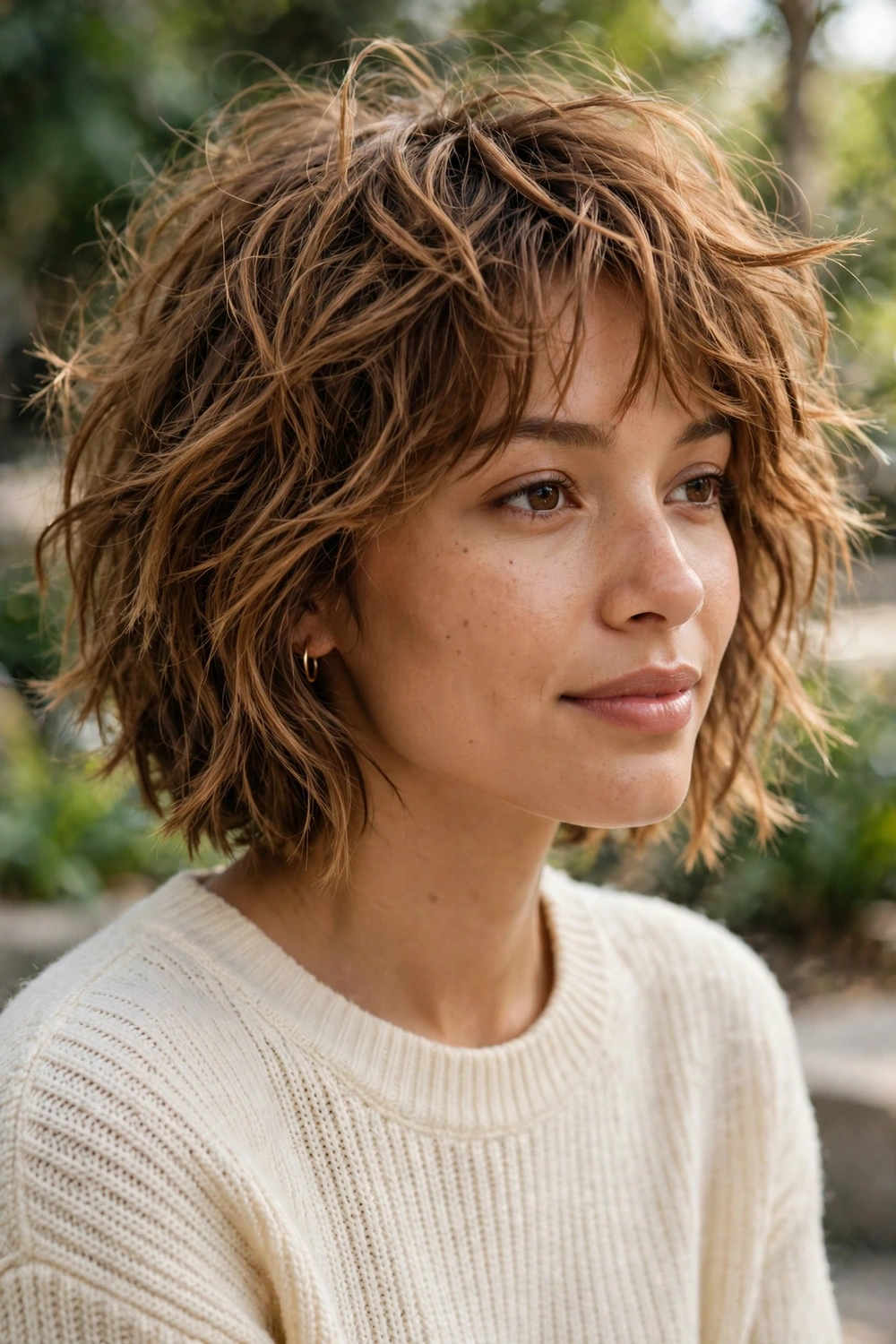
A textured bob keeps the bob length but breaks up the ends with choppy layers. The result is a lived-in shape with movement instead of a hard line. Fine to medium hair gets the most from it, since the layers create the look of volume without any backcombing or teasing.
Mist sea salt spray on damp hair and scrunch while it air-dries for the easiest finish. Avoid heavy oils near the ends; they flatten the texture you paid for. Trims every 7 to 9 weeks keep the shape from going ragged.
Try this: Flip your part to the opposite side on day two for instant lift at the roots.
Difficulty: Easy · Cost: $50–$100
3. Asymmetrical Bob
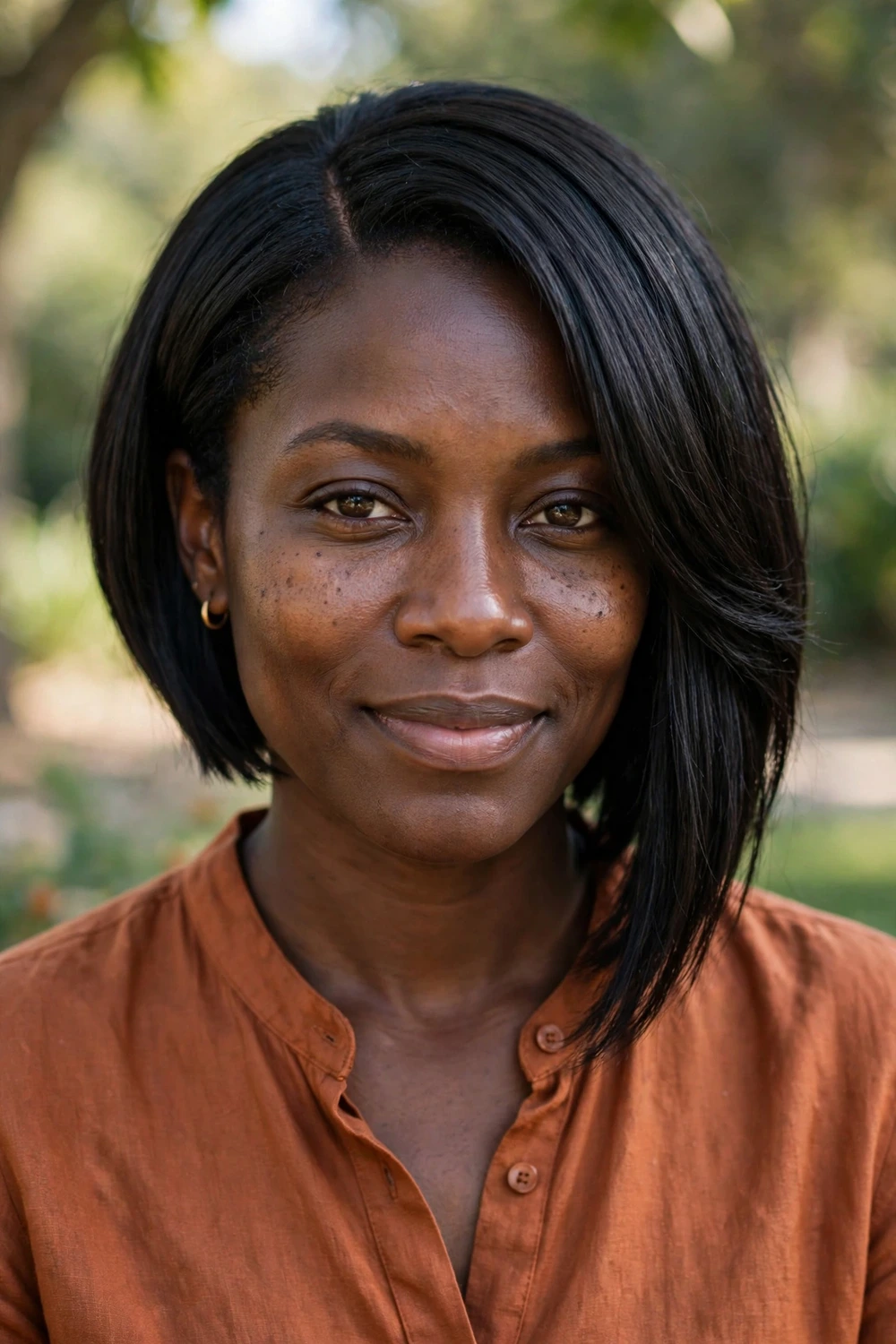
One side of an asymmetrical bob sits longer than the other, usually by one to two inches. The uneven line draws the eye on a diagonal, which flatters round and square faces. Straight hair shows the angle best, but a light wave softens it nicely.
Bring a photo that shows the exact length difference you want; guessing at the chair leads to disappointment. Smooth the longer side forward with a flat iron (heat protectant first) and tuck the shorter side behind the ear to show the contrast. Trim every 5 to 7 weeks.
Try this: Wear it sleek for work and scrunched with texture spray on weekends.
Difficulty: Moderate · Cost: $60–$120
4. Inverted Bob
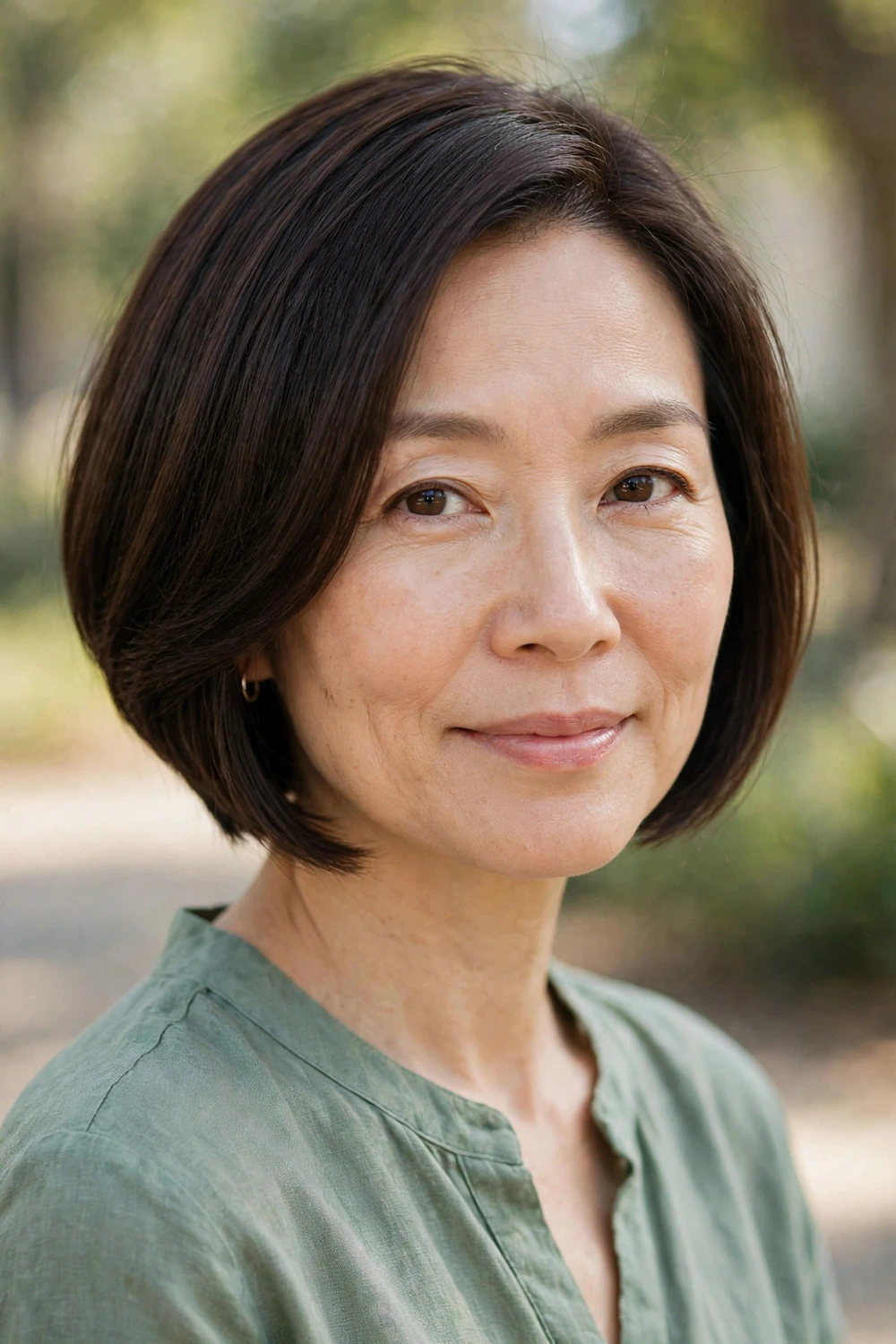
The inverted bob stacks shorter at the nape and angles longer toward the front, building real height at the crown. Anyone with flat hair at the back of the head benefits most. It looks neat from every side, which makes it a solid office-friendly pick.
Blow-dry with a round brush, lifting the roots at the back upward to keep the volume high; spray a heat protectant before the dryer touches your hair. The stack needs reshaping every 5 to 6 weeks or it starts to collapse at the neckline.
Try this: Ask the stylist to show you the back with a hand mirror before you leave the chair.
Difficulty: Moderate · Cost: $60–$120
5. Wavy Bob

This is the relaxed cousin of the textured bob: soft, loose bends through a chin-length cut that looks put together with almost no work. It suits natural waves best, and straight hair holds it if you add a light bend with a curling wand. Keep the waves loose rather than stiff for the current feel.
Braid damp hair before bed and undo it in the morning for heat-free waves. If you use a wand instead, clamp for 5 seconds per section and always apply heat protectant first. Refresh with dry shampoo at the roots on day two or three.
Try this: Twist the two front sections away from your face for 10 seconds each with the wand.
Difficulty: Easy · Cost: $50–$105
6. Curly Bob
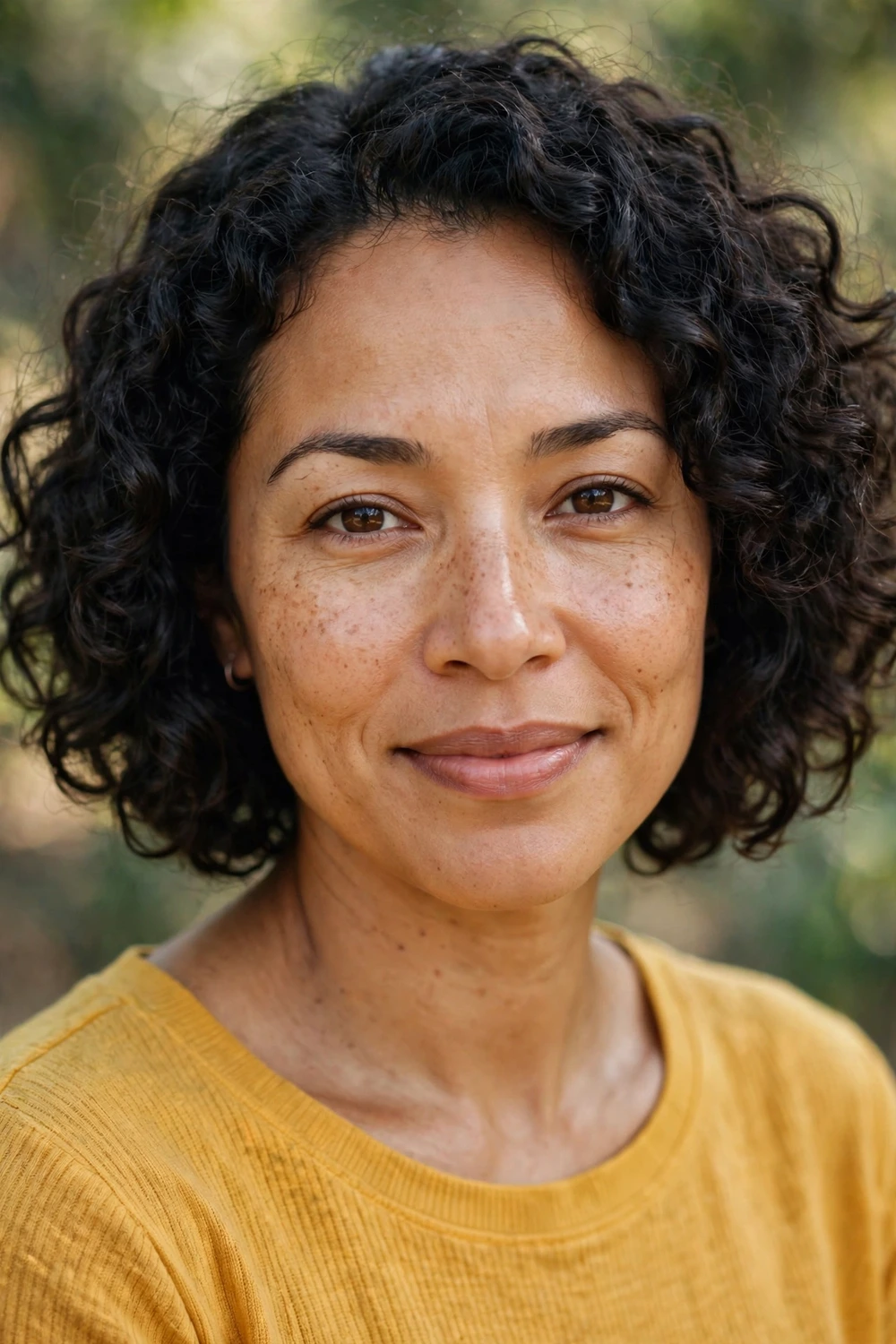
A curly bob is shaped to your specific curl pattern, sitting close to the jaw or just above it. The rounded outline keeps curls bouncy instead of bulky at the bottom. Ask for a dry cut so the stylist sees exactly how each curl sits before a single snip.
Apply curl cream to soaking-wet hair, scrunch, and let it air-dry or diffuse on low heat over a heat protectant. Never brush dry curls; separate them gently with your fingers once fully dry. A light gel cast, scrunched out after drying, controls frizz without crunch.
Try this: Sleep on a satin pillowcase to keep the shape intact for a second day.
Difficulty: Moderate · Cost: $60–$130
7. Shaggy Bob

Messy layers and a rough finish give the shaggy bob its character. It trades precision for texture, which works across straight, wavy, and curly hair. The layers lift flat roots and take weight out of thick hair at the same time.
Style it with your fingers instead of a brush to protect the undone feel. A dime-sized amount of matte paste worked through the ends adds definition. Trims every 7 to 8 weeks stop the layers from blurring into one length.
Try this: Rough-dry upside down for 60 seconds, then flip and go.
Difficulty: Easy · Cost: $50–$100
8. French Bob

The French bob sits at the jaw with soft, wispy bangs and ends that curve slightly inward. It carries a relaxed polish that suits straight and wavy hair best. The bangs usually land between the brows and the cheekbones, so they frame the eyes without hiding them.
Blow-dry with a large round brush, curving the ends under, and apply heat protectant before styling. Let the bangs fall where they want; overworking them kills the charm. Book bang trims every 3 to 4 weeks, since they grow into your eyes fast.
Try this: Add one small barrette above the ear for an easy evening change.
Difficulty: Easy · Cost: $55–$110
9. Lob (Long Bob)

The lob lands between the chin and the collarbone, which makes it the safest way to test shorter hair. You can still pull it into a low ponytail, yet it reads clearly short. Wear it smooth for a sharp line or scrunched for the weekend.
Long layers through the last two inches keep the ends from looking blunt and heavy. A flat iron pass on the lengths with heat protectant gives the glassy finish; a 1-inch wand gives the wavy one. Trims every 8 to 10 weeks are enough.
For more length variations, browse the long bob hairstyles guide to compare collar-length and shoulder-skimming options.
Try this: Center-part it sleek on day one, side-part it wavy on day two.
Difficulty: Easy · Cost: $55–$115
10. Boyfriend Bob

Squarer and a touch longer than a standard bob, the boyfriend bob is meant to look slightly lived-in, with a bit of volume and a whisper of frizz. It is one of the most forgiving cuts on this list because it looks better the less you fuss over it.
Texture spray does the heavy lifting; skip smoothing creams, which work against the point of the cut. Air-dry or rough-dry, then pinch the ends with your fingers. A tiny flat-iron bend on two or three pieces (heat protectant first) adds polish without overdoing it.
Try this: Work a small amount of texturizing powder into the crown for grit.
Difficulty: Easy · Cost: $50–$100
11. Classic Pixie
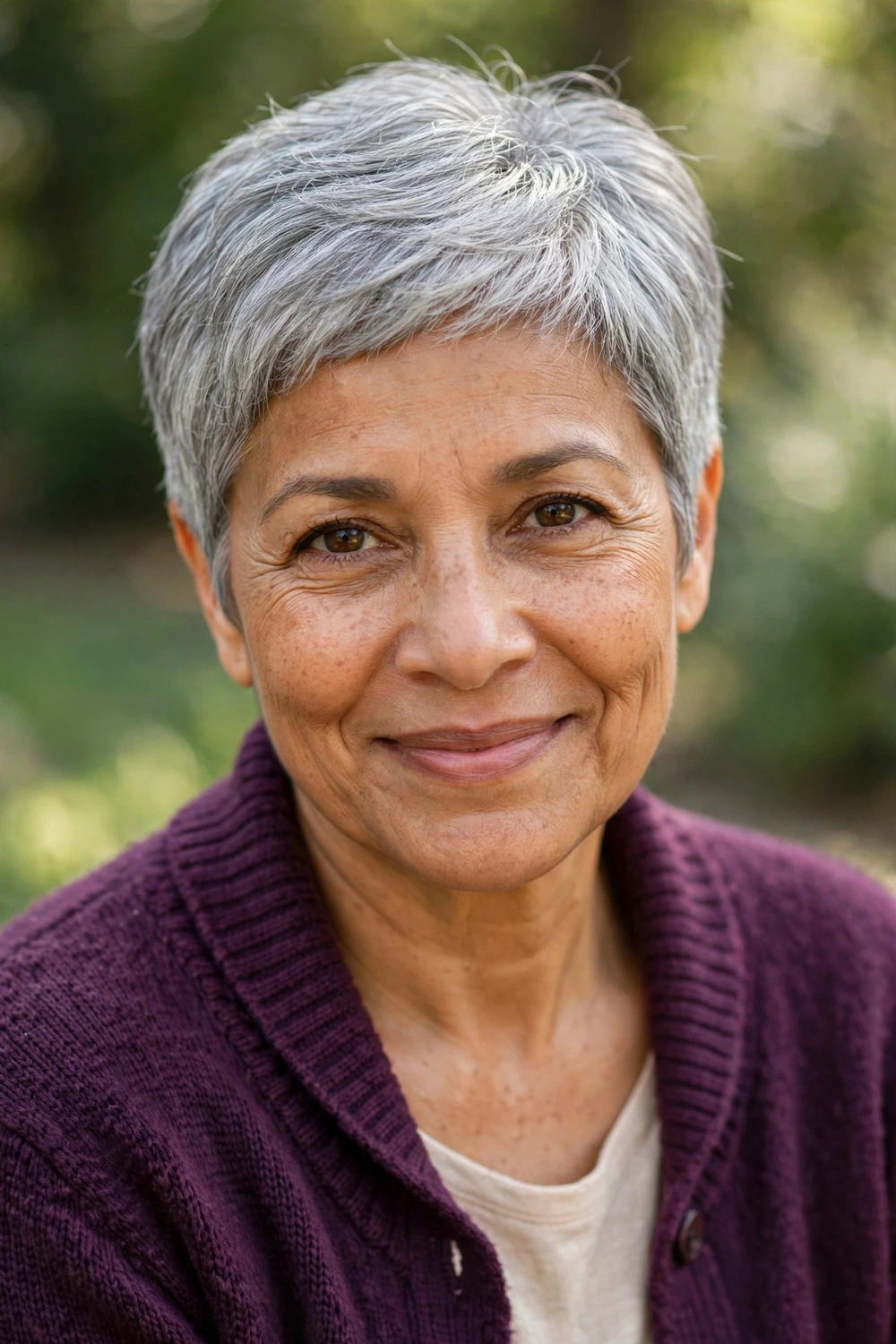
Short at the back and sides with a little length on top, the classic pixie never really leaves. It frames the eyes and cheekbones, which is why it flatters oval and heart-shaped faces so well. Morning styling takes about three minutes.
Keep a small tin of wax or pomade nearby to adjust the shape during the day. Dry the top forward with your fingers for a soft finish, or lift it with a little texture spray for more edge. Plan a trim every 4 weeks to keep the neckline clean.
Try this: Sweep the top to one side with a tiny bit of paste for a dressed-up version.
Difficulty: Easy · Cost: $45–$95
12. Textured Pixie

Point-cutting through the top gives the textured pixie its piecey, dimensional finish. It delivers a lot of style for very little daily effort, which explains why it keeps showing up on salon request boards. The choppiness also helps fine hair look fuller.
Dust texturizing powder at the roots, then pinch sections with your fingers to separate them. Avoid combing it flat; the separation is the whole point. A matte styling paste keeps the pieces holding through a full day.
Try this: Push the front pieces slightly forward for a softer, fuller forehead line.
Difficulty: Easy · Cost: $45–$95
13. Undercut Pixie
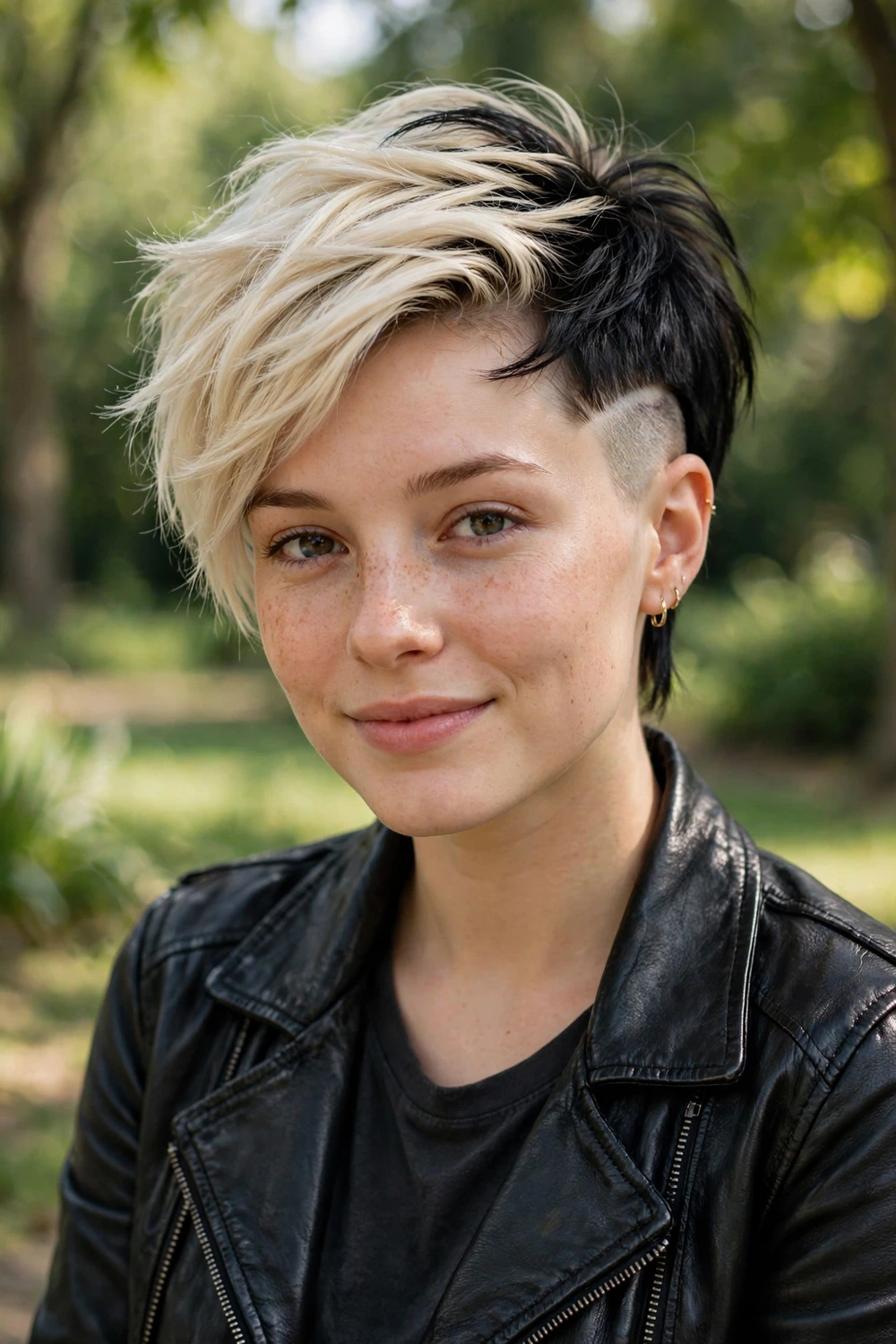
An undercut pixie pairs shaved or closely cropped sides with real length on top. The contrast is bold, and the longer top leaves room for plenty of styling options, from slicked to spiky. It also removes bulk, which thick hair appreciates.
Schedule a trim every 3 to 4 weeks; the shaved sections lose their edge fast as they grow. Style the top with pomade for control or sea salt spray for texture. Some women add a shaved line or pattern for extra personality.
Try this: Sweep the top across for a low-key day, then spike it up for the evening.
Difficulty: Moderate · Cost: $50–$100
14. Long Pixie with Bangs

This version keeps pixie-short sides and back but leaves the top and fringe long enough to sweep. The longer bangs soften the cut, so it works for anyone who finds a standard pixie too severe. It is also a forgiving grow-out stage.
Dry the bangs with a small round brush over a heat protectant, directing them away from the forehead for natural flow. A light-hold spray keeps them in place without stiffness. The most common mistake is cutting the fringe too short at the first appointment.
Try this: Clip the bangs to one side with a flat barrette for a clean office look.
Difficulty: Easy · Cost: $45–$95
15. Pixie with Micro Fringe
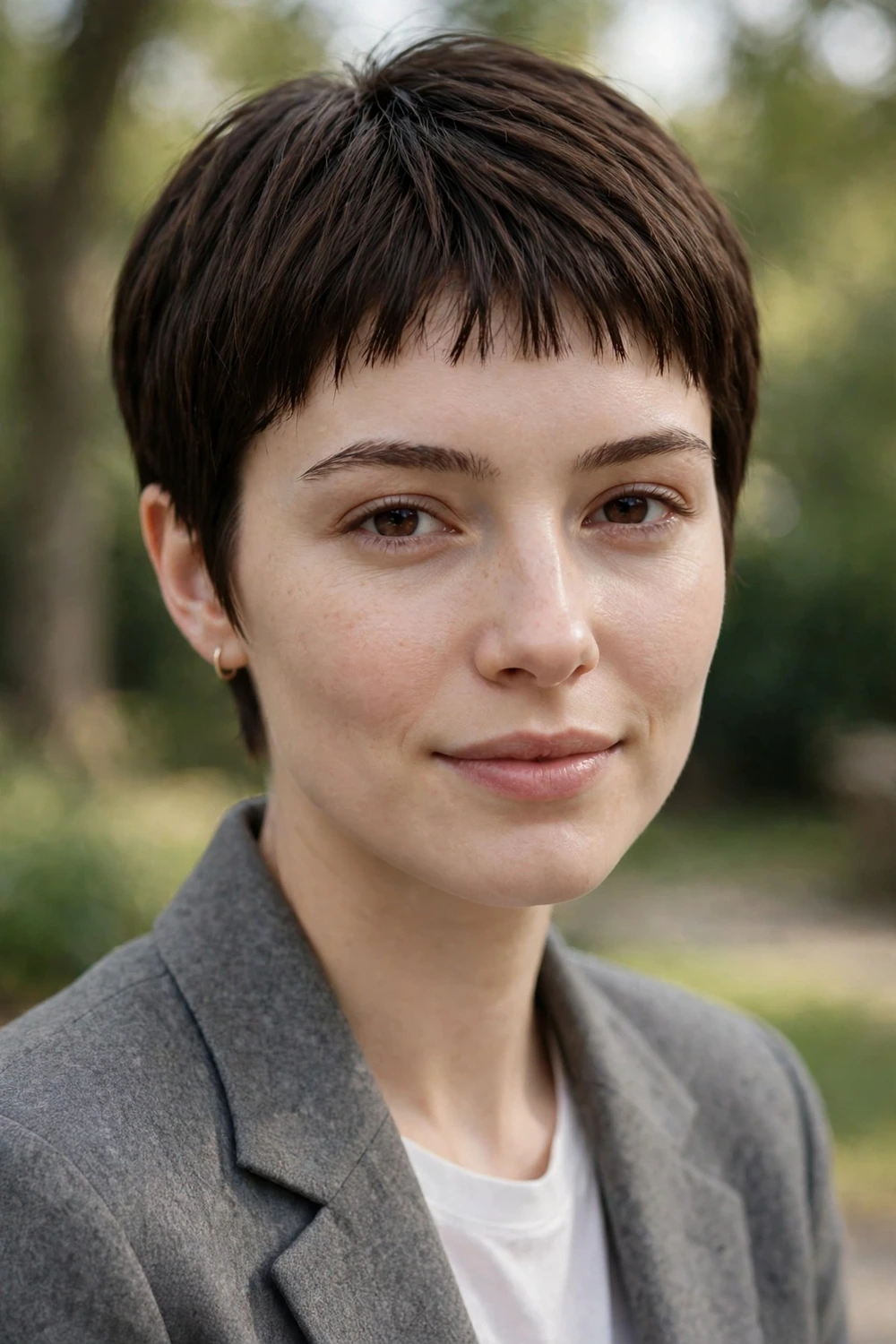
Tiny bangs sitting well above the eyebrows add instant personality to a pixie. The micro fringe opens up the whole face and pairs well with soft layers around the temples. It suits smaller foreheads best, since there is very little fringe to balance a long one.
Keep small scissors at home for quick trims between salon visits; the fringe needs attention every 2 to 3 weeks. Style it with a tiny flat iron pass (heat protectant first) or just let it fall naturally after a rough dry.
Try this: Pair it with a bold lip, since the open face draws all attention upward.
Difficulty: Moderate · Cost: $45–$95
16. Curly Pixie
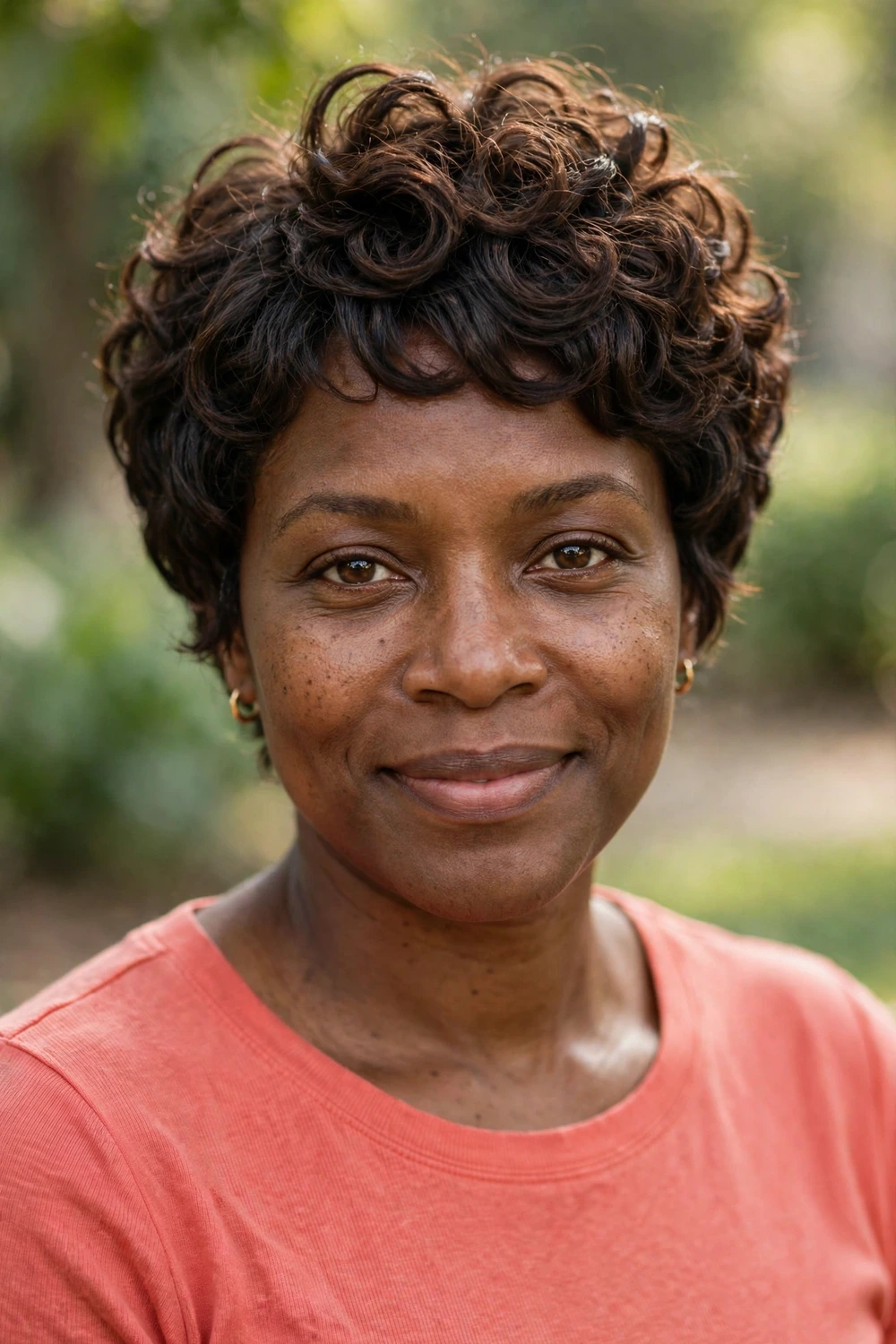
The curly pixie lets natural volume do the styling, with a rounded silhouette that shows off the curl pattern. It is one of the lowest-effort short cuts for curly hair because the shape works with shrinkage instead of fighting it.
Scrunch curl cream into wet curls and diffuse over a heat protectant or air-dry; a satin pillowcase keeps them from frizzing overnight. Refresh the second day with a water-and-conditioner mist rather than rewetting fully. Never use a brush on dry curls.
See more curl-specific options in the curly pixie haircuts collection for different lengths and curl types.
Try this: Pin one side back with a decorative clip for an instant style change.
Difficulty: Easy · Cost: $55–$110
17. Coily Pixie
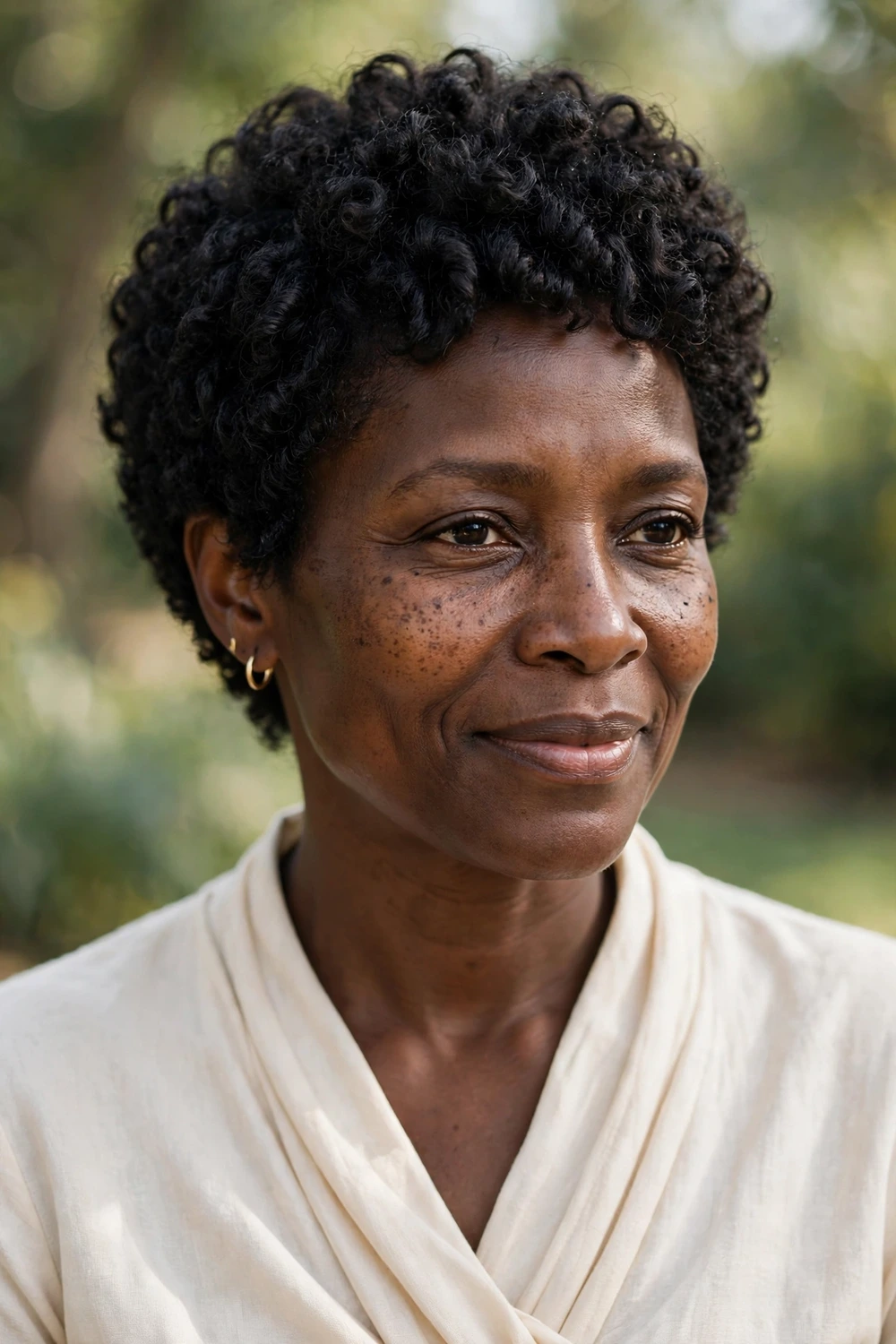
A rounded shape highlights coily texture at its best, keeping definition while showing off natural volume. The cut should follow the head shape closely so the coils form an even halo. It is striking, washable, and genuinely easy to live with.
Deep condition weekly to keep coils hydrated and bouncy. Pick the hair out gently at the roots for shape, never dragging through the ends. A light oil on the ends seals in moisture between wash days.
Try this: Twist two front sections into flat twists for a quick protective accent.
Difficulty: Easy · Cost: $55–$115
18. Wispy Pixie

Feathered, wispy layers make this pixie feel light and airy instead of blunt. It is a kind cut for fine hair, adding the suggestion of body where density is low. Older women wear it particularly well because the softness flatters.
Aim the dryer downward while drying, over a heat protectant, to keep the cuticle smooth, and use only a pea-sized amount of light cream. Too much product is the enemy here; it collapses the airiness. Trims every 4 to 5 weeks keep the feathering crisp.
Try this: Let it air-dry once a week to give fine hair a break from heat.
Difficulty: Easy · Cost: $45–$95
19. Boyish Crop

Minimalist and confident, the boyish crop is cut close and worn with a slight mess. It asks for almost nothing in the morning, which makes it a favorite for low-maintenance routines. Strong features carry it best.
A tiny amount of matte clay worked through the ends is the entire styling routine. Wash frequency can drop to every two or three days since short hair like this refreshes fast. The neckline needs a cleanup every 3 to 4 weeks.
Try this: Add a pair of statement earrings; short hair frames them perfectly.
Difficulty: Easy · Cost: $35–$80
20. Layered Pixie
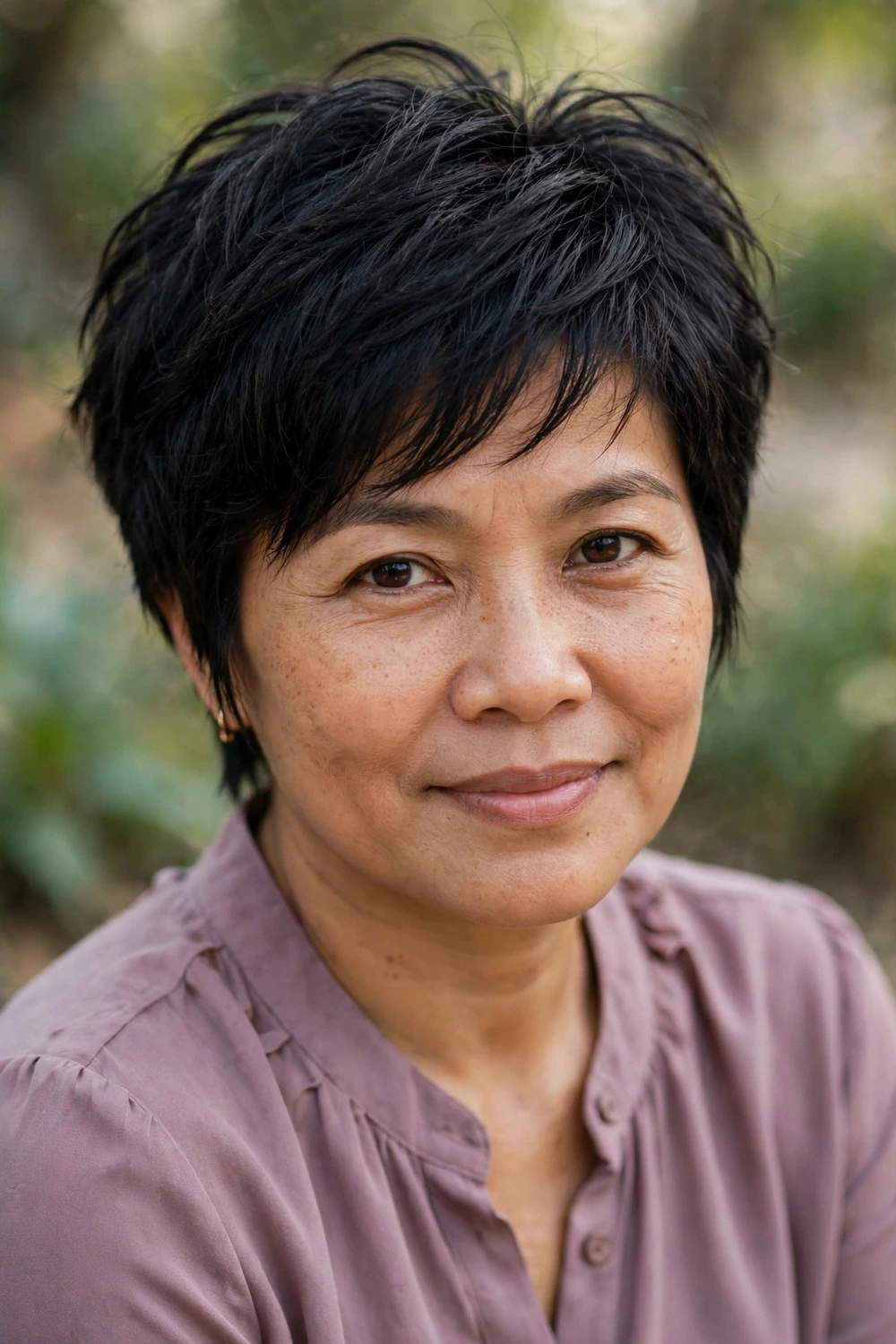
Layers cut at different angles through a pixie build thickness and movement, especially through the crown. Thin hair looks noticeably fuller with this structure. The cut also grows out more gracefully than a one-length pixie.
Ask the stylist to point-cut the layers rather than blunt-cut them for softer edges. Finger-dry with a little volumizing mousse at the roots for lift. Avoid heavy waxes that glue the layers together into one piece.
Try this: Change your part every few days to stop the layers lying flat.
Difficulty: Easy · Cost: $45–$95
21. Spiked Pixie

Directing the hair upward turns a standard pixie into something with real attitude. The spikes add height, which flatters round faces, and the punk edge keeps the look current. Shorter spikes read playful; longer ones read bold.
Work a strong gel through damp hair, then dry while pointing the strands upward with your fingers. Finish with a firm-hold spray on humid days. This one needs a trim every 3 to 4 weeks or the spikes lose their structure.
Try this: Spike only the front section and keep the rest smooth for a milder take.
Difficulty: Moderate · Cost: $45–$95
22. Bixie
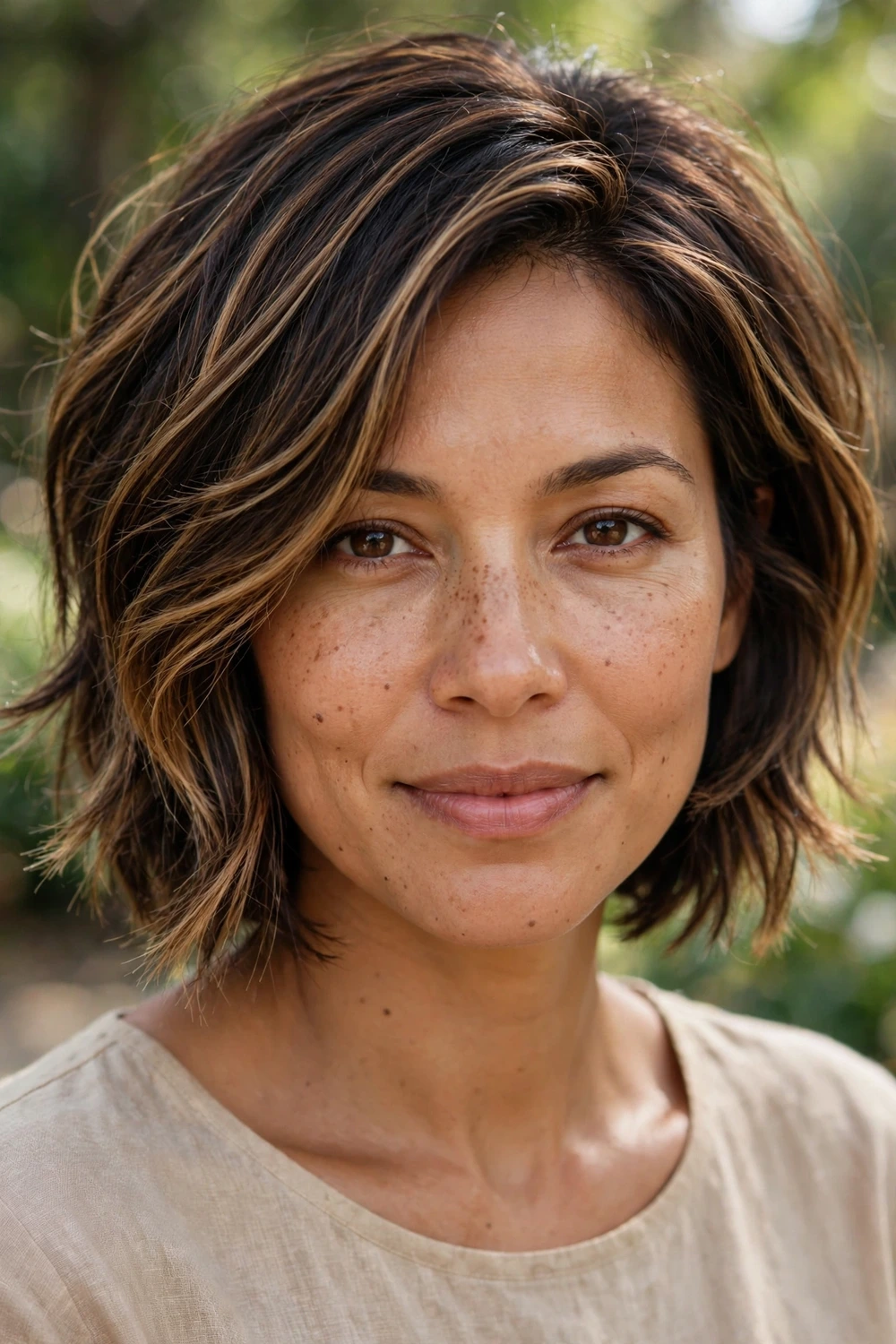
The bixie borrows the length of a bob and the layering of a pixie, landing somewhere between the ears and the chin. Internal layers give it body without bulk, so it tucks behind the ear neatly and also styles with real volume. Few cuts are this adaptable.
It reads more pixie when slicked back and more bob when air-dried with texture spray. Ask for the back slightly shorter than the front to keep the hybrid shape clear. Trims every 6 weeks hold the balance.
Try this: Blow it smooth one day and scrunched the next to see both personalities.
Difficulty: Easy · Cost: $55–$110
23. Mixie

Blending a mullet with a pixie, the mixie keeps length through the back while the top stays short and textured. The contrast gives it an edge that reads intentional rather than grown-out. It suits straight and wavy hair with some natural grit.
Use wax on the top sections for separation and let the back stay soft for contrast. A little dry shampoo at the crown keeps the top from going flat. The back needs dusting every 6 weeks so it stays a choice, not an accident.
Try this: Wear the back tucked into a collar for a subtle version on workdays.
Difficulty: Moderate · Cost: $55–$105
24. Tassel Cut

A sharp, blunt cut that stops right above the jawline, the tassel cut is one of the most fashion-forward short looks of the moment. The clean line suits straight hair best, where the precision actually shows. It frames the jaw like a picture frame.
A weekly hair mask keeps the blunt ends looking healthy and crisp. Flat-iron the lengths smooth with heat protectant for the full effect. Because the line is the whole cut, trims every 5 to 6 weeks are non-negotiable.
Try this: Wear it with a deep side part to soften the geometry.
Difficulty: Moderate · Cost: $55–$115
25. Shag with Micro Fringe

Messy shag layers meet a short fringe in this cool, current pairing. The micro fringe adds a graphic edge while the layers stay soft and lived-in. It shows off dimensional color well, since every layer catches the light differently.
Air-dry with a little texture cream scrunched in, then let the fringe fall straight. Trim the fringe every 2 to 3 weeks; it is the detail that makes or breaks the look. Highlights through the layers are optional but flattering.
Try this: Add two face-framing pieces slightly longer than the fringe to soften the brow line.
Difficulty: Moderate · Cost: $60–$120
26. Modern Shag

The updated shag leans on lived-in layers that move naturally instead of the heavy 70s version. It celebrates a bit of imperfection, which makes it easy to wear across straight, wavy, and curly hair. Air-drying is practically the official styling method.
Work mousse through damp hair and scrunch to encourage the layers, then leave it alone. The biggest mistake is over-brushing, which turns the layers frizzy instead of piecey. Dust the ends every 7 to 8 weeks.
Try this: Sleep with hair loosely twisted on top of your head for extra morning texture.
Difficulty: Easy · Cost: $55–$110
27. Wolf Cut

Heavy layers with shag and mullet DNA give the wolf cut its wild, voluminous shape. A tapered fringe finishes the front. Thick hair holds this style best, though fine hair can work with more styling effort and the right products.
Apply mousse to wet hair and scrunch, then diffuse over a heat protectant to build the volume. A texture spray through the mid-lengths keeps the layers separated. Expect a learning curve of two or three washes before you find your routine.
Try this: Ask for the fringe a touch longer than the reference photo; it is easier to shorten later.
Difficulty: Moderate · Cost: $60–$125
28. Buzz Cut
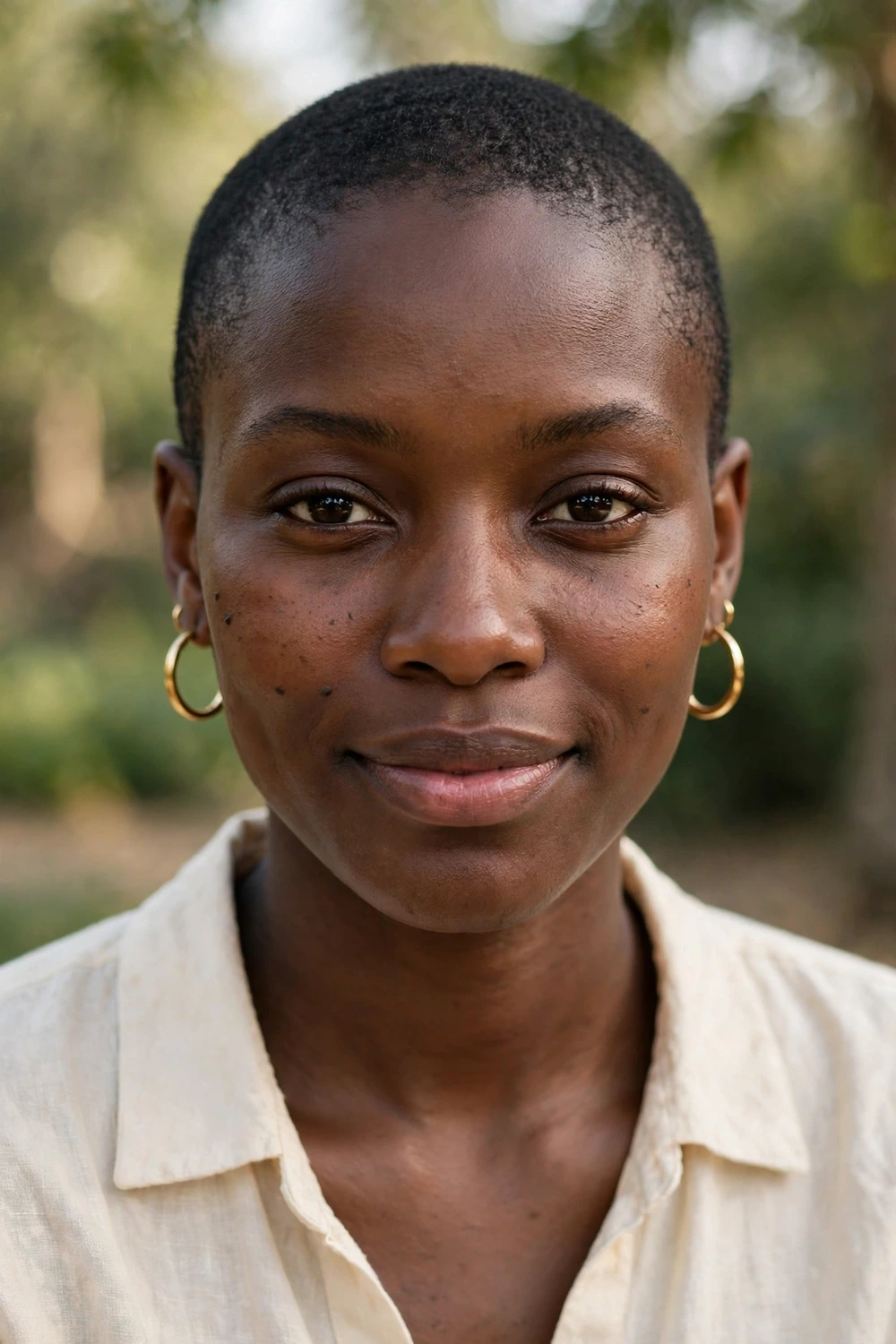
The buzz cut is the lowest-maintenance option on this entire list. Clipped close all over, it puts your facial features front and center. Confidence carries it, and a balanced head shape helps since nothing is hidden.
Quality clippers at home keep the length consistent between barber visits every 2 to 3 weeks. Moisturize the scalp like you would your face, and use sunscreen there too. A #2 or #3 guard keeps a soft finish; a #1 reads sharper.
Try this: Try a slightly longer guard on top than the sides for a subtle fade effect.
Difficulty: Easy · Cost: $20–$50
29. Modern Mullet
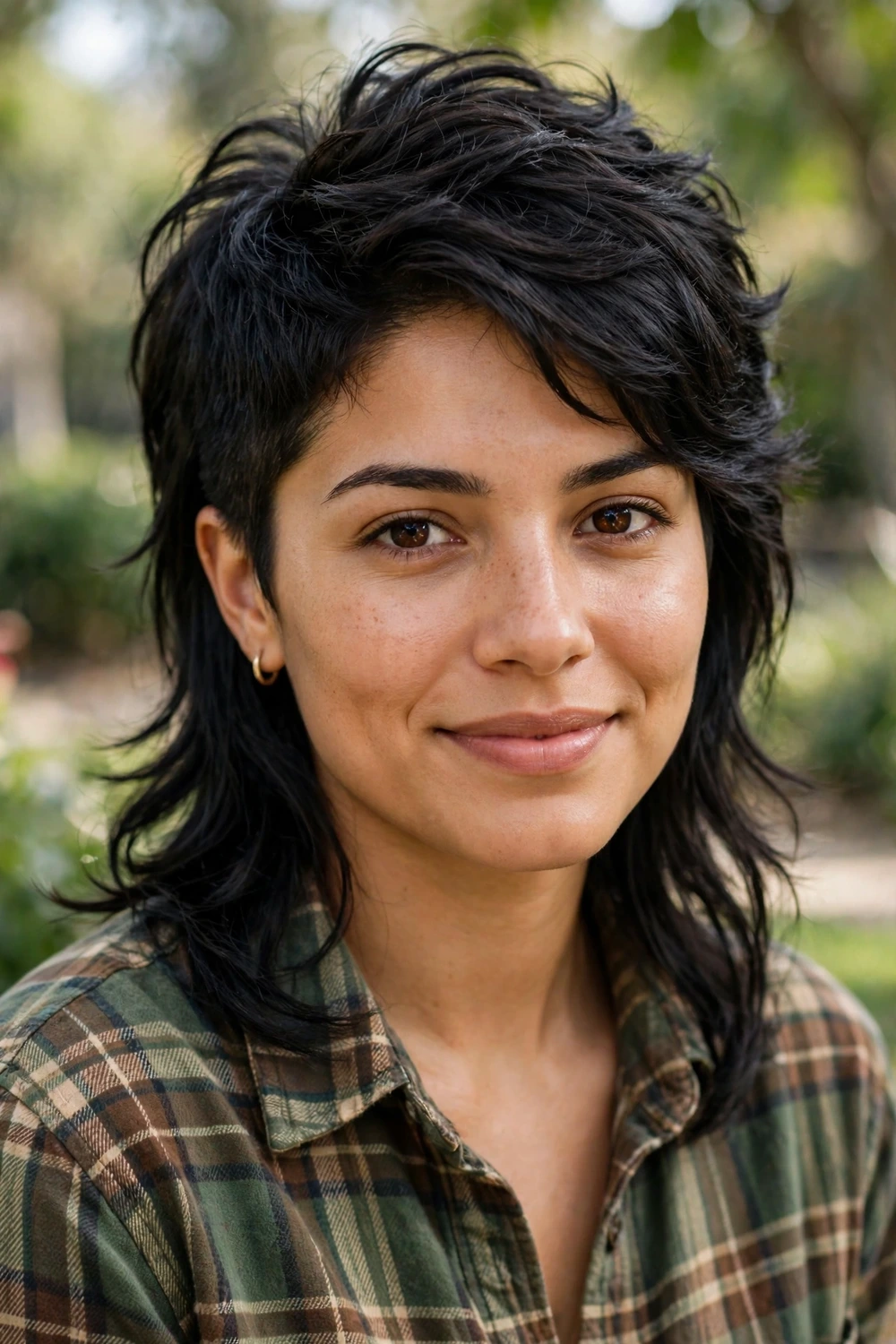
The modern mullet keeps the classic shape, short on top and sides with length at the back, but refines it into something wearable. Small length differences read everyday; bigger ones read statement. Layers through the back keep it from looking like two different haircuts.
Texture spray through the back sections defines the layers without stiffness. Trim the top every 5 weeks and let the back grow a little longer for the classic ratio. The most common mistake is skipping the blending between the zones.
Try this: Wear the back in a tiny low ponytail to test the short-top look first.
Difficulty: Moderate · Cost: $55–$110
30. Choppy Crop
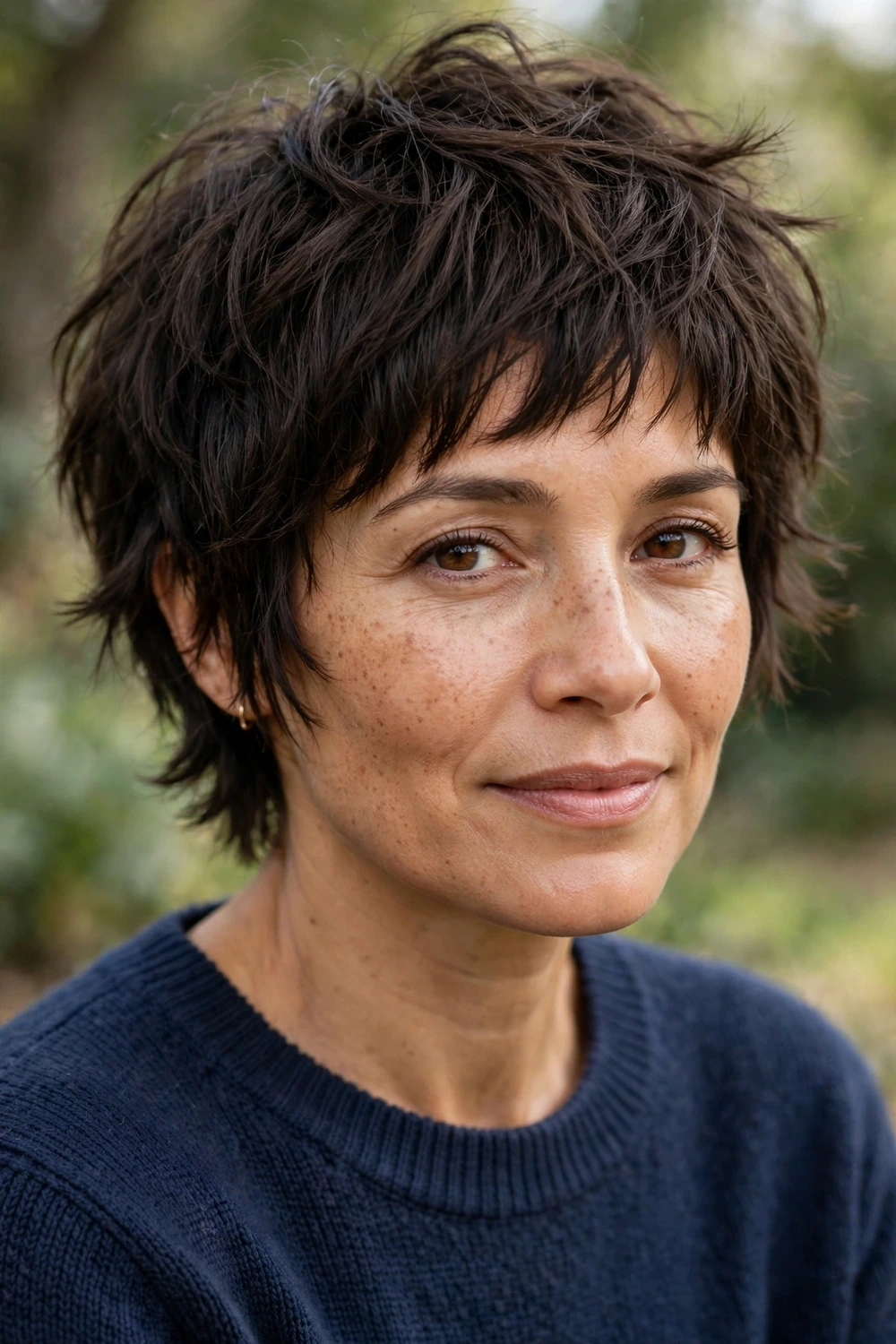
Irregular layers through a short crop create constant movement, which makes this a smart pick for very thick hair. The choppiness removes weight while keeping the cut full of character. It sits nicely between a pixie and a shag.
Ask the stylist about thinning shears to take out bulk without losing the choppy edge. Style with a small amount of matte paste, pinching random sections. Trims every 5 to 6 weeks keep the irregularity intentional instead of messy.
Try this: Twist one-inch sections while drying for extra piecey definition.
Difficulty: Moderate · Cost: $50–$100
31. Tapered Pixie
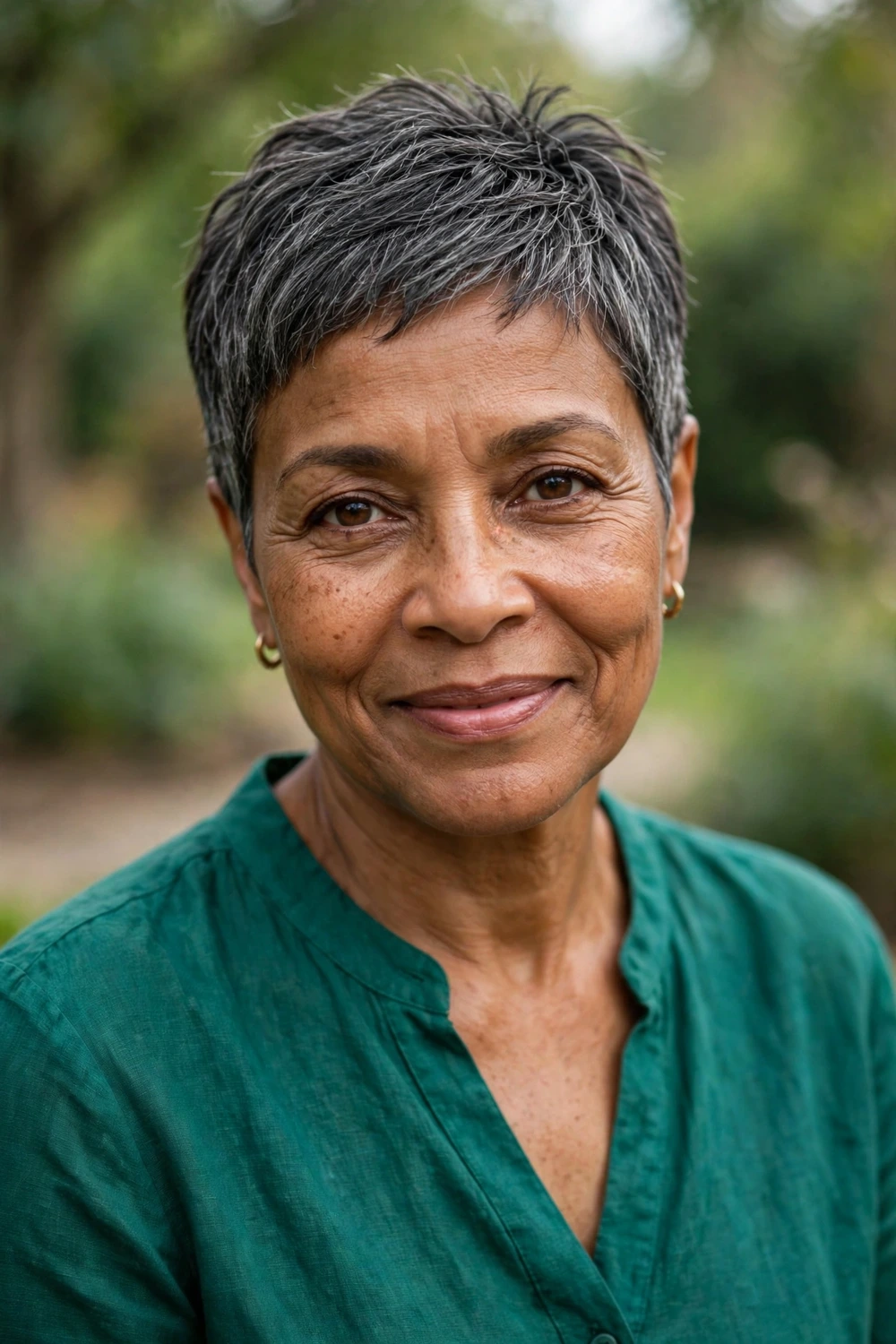
Short and tapered at the sides and back with a little more length on top, this pixie gives a clean neckline and a neat silhouette. It suits anyone who wants a confident, low-effort cut that still looks deliberate. The shape flatters strong bone structure.
Dry the top with your fingers, lifting at the roots for shape. A quick neckline cleanup between appointments keeps it sharp; many salons do this free. Full trims every 4 weeks maintain the taper.
Try this: Comb the top neatly to one side for a polished version of the same cut.
Difficulty: Easy · Cost: $45–$95
32. Bob with Full Bangs

A classic bob plus straight, full bangs brings a youthful, retro feel and puts the focus on the eyes. The bangs should be cut thick enough to sit as one piece but light enough to move. Chin length keeps the proportions balanced.
Blow-dry the bangs with a round brush, over a heat protectant, so they sit soft instead of flat and heavy. Trim them every 3 to 4 weeks; full bangs show growth faster than any other fringe. A little dry shampoo keeps them fresh between washes.
Try this: Sweep the bangs slightly to one side on day two for a side-swept effect.
Difficulty: Moderate · Cost: $55–$110
33. Pixie with Curtain Bangs

Soft curtain bangs that part in the middle and sweep toward the cheekbones add a romantic touch to a pixie. The fringe brings softness to the front while the sides and back stay short and easy. It flatters most face shapes because the opening follows the cheekbones.
Part the bangs in the middle and dry each side away from the face for the signature swoop. They need a trim every 4 to 5 weeks to hold the shape. If you like this fringe style, the curtain bangs short hair guide shows how it pairs with bobs and lobs too.
Try this: Let the bangs grow one extra week for a longer, softer curtain.
Difficulty: Easy · Cost: $45–$95
34. Short Bob with Curtain Bangs

A short bob with curtain bangs frames the face softly while the overall length stays easy to manage. The bangs open around the eyes and cheekbones, keeping the style light and wearable. It works on straight, wavy, and lightly textured hair alike.
Blow-dry the bangs forward first over a heat protectant, then sweep each side outward with a round brush. Trim the fringe often so it does not fall too heavy over the eyes. A light texturizing spray through the bob keeps it from looking too done.
Try this: Wear the bangs straighter and the bob wavier for a nice contrast.
Difficulty: Easy · Cost: $55–$110
35. Bob with Side-Swept Bangs
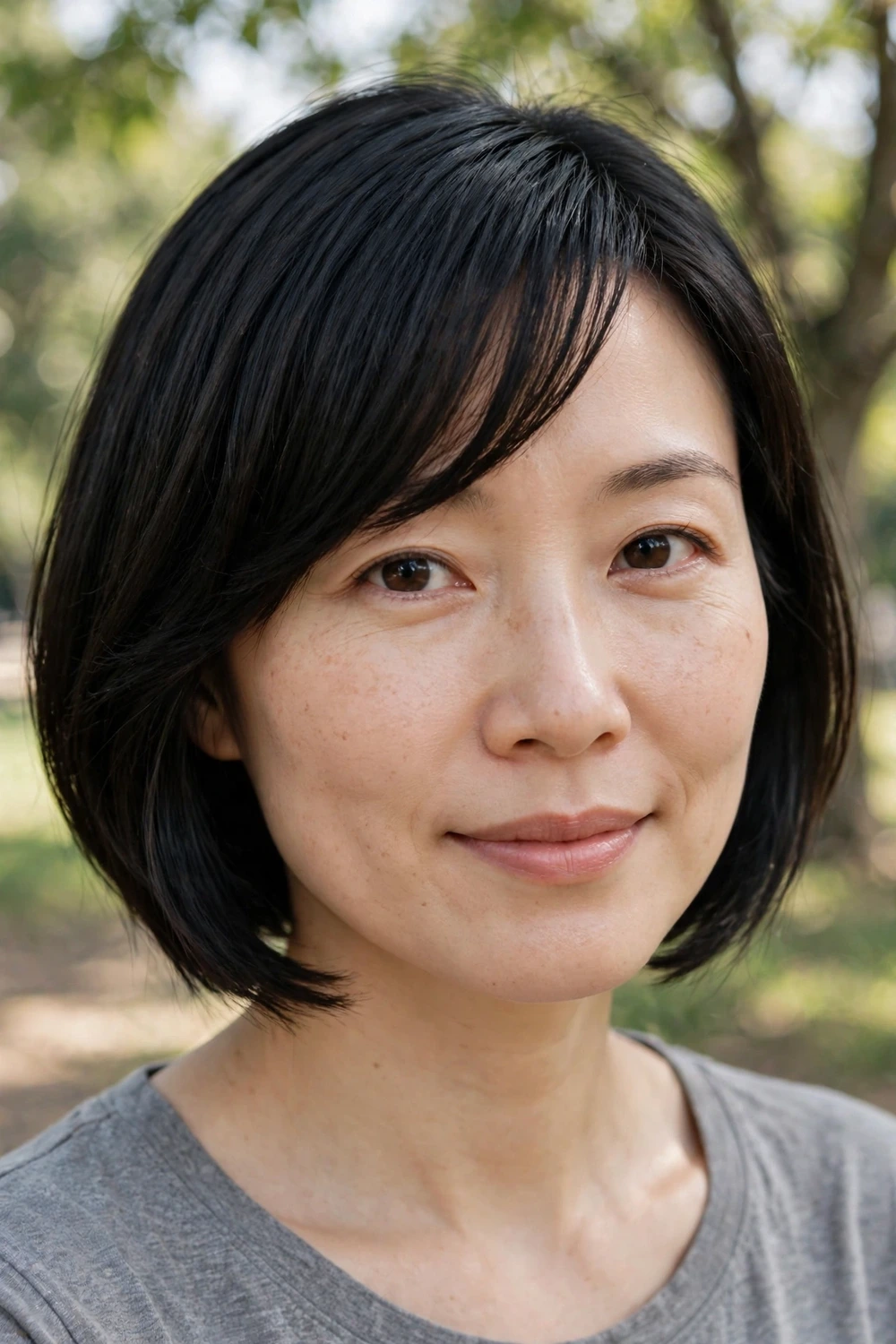
Angled bangs sweeping across the forehead soften a structured bob and flatter nearly every face shape. The diagonal line adds movement to an otherwise straight cut. It is a reliable choice when you want bangs without the commitment of a full fringe.
Use a flat iron to gently direct the bangs to the side, always over a heat protectant, then set with a light spray. Ask for the bangs cut on the longer side at first; they can always go shorter. Trims every 4 weeks keep the angle clean.
Try this: Flip the sweep to the other side when you want a quick change.
Difficulty: Easy · Cost: $55–$110
36. Pixie with Side-Swept Bangs

A deep side part sends the fringe sweeping across the forehead toward the opposite cheekbone. This asymmetric fringe creates the look of more hair at the front, which helps where hair thins first. High foreheads wear it especially well.
Dry the bangs to the side with a paddle brush, then lock them with a flexible-hold spray. Tuck the shorter side behind the ear to show off the sweep. The fringe needs shaping every 4 weeks as it grows.
Try this: Add a deep side part to any pixie you already have before committing to the cut.
Difficulty: Easy · Cost: $45–$95
37. Short Shag with Bangs

A short shag plus a fringe gives you density and movement at the front of the cut. The bangs can be curtain, wispy, or blunt depending on your face shape, which makes this one of the more customizable short styles. Straight to lightly wavy hair carries it best.
Let the layers air-dry with a little curl cream for control, then finger-style the bangs into place. Point-cut bangs blend into the shag better than blunt-cut ones. Dust the ends every 7 weeks.
Try this: Ask for wispy bangs first; you can always go blunter at the next visit.
Difficulty: Easy · Cost: $55–$110
38. Precision-Cut Fringe

Bold, straight, laser-sharp bangs make a statement on any short cut. The precision fringe highlights the eyes and gives even a simple bob a graphic edge. It demands commitment, since the line needs constant upkeep to stay sharp.
Many salons offer quick fringe trims between full appointments; use them every 2 to 3 weeks. Style with one flat-iron pass over heat protectant, then leave it alone. Touching it all day transfers oil and ruins the line.
Try this: Pair it with a sleek bob for maximum graphic impact.
Difficulty: Moderate · Cost: $55–$115
39. Face-Framing Layered Bob

Shorter pieces cut specifically around the cheekbones and jaw add dimension to a short bob. They sculpt the face and create the look of fuller hair around the front, where hair often looks thinnest. The effect is subtle but noticeable.
Ask the stylist to place the layers to match your bone structure, not a template. A round brush through the front pieces, with heat protectant, makes them curve nicely. Trims every 6 to 7 weeks keep the framing pieces at the right length.
Try this: Highlight just the face-framing pieces for extra dimension.
Difficulty: Easy · Cost: $60–$120
40. Feathered Pixie

Light, feathered edges through the top and sides give this pixie a soft finish that adds visible body to fine hair. The feathering creates a density illusion at the crown, where hair often sits flattest. It air-dries into its own soft shape.
Use only a tiny amount of light cream; heavy products crush the featherwork. A vent brush and a quick rough-dry is all it needs most mornings. The layers need refreshing every 5 weeks to stay feathered instead of fuzzy.
Try this: Flip the crown layers in different directions for extra fullness.
Difficulty: Easy · Cost: $45–$95
41. Feathered Cut

Soft, feathered ends give this short cut light movement around the face without thinning the hair out. It sits between a pixie and a bob in length and softens the cheekbones and jawline naturally. Blow-drying with a round brush brings out the feathering.
Roll the ends outward with the brush while drying for extra lift, always over a heat protectant. A light volumizing spray at the roots keeps the shape from falling flat by afternoon. Trim every 6 weeks to keep the feathers defined.
Try this: Flip the ends outward one day and under the next for two different looks.
Difficulty: Easy · Cost: $50–$105
42. Razor Cut Bob

Cut with a razor instead of scissors, this bob gets softer, more textured edges and a lived-in quality. The wispy finish suits medium-density hair best; on very fine hair, razoring can over-thin the ends. It air-dries nicely with texture spray.
Keep the hair healthy with regular conditioning, since a razor is tougher on dry ends than scissors. Ask for the technique only if your ends are in good shape. Trims every 6 to 8 weeks refresh the texture.
Try this: Scrunch in a little sea salt spray while damp for extra piecey texture.
Difficulty: Easy · Cost: $55–$115
43. Graduated Bob

Progressive layers stack shorter at the nape and longer at the front, building volume right into the back of the head. Fine hair gains visible body from the structure alone. Straight to lightly wavy hair holds the shape best.
Show the stylist photos of the back of the head so the stack lands exactly right. Blow-dry the back upward with a round brush and heat protectant to keep the lift. Touch-ups every 6 weeks keep the graduation clean.
Try this: Wear the front pieces tucked behind the ears to show off the stacked back.
Difficulty: Moderate · Cost: $60–$120
44. Piecey Layers
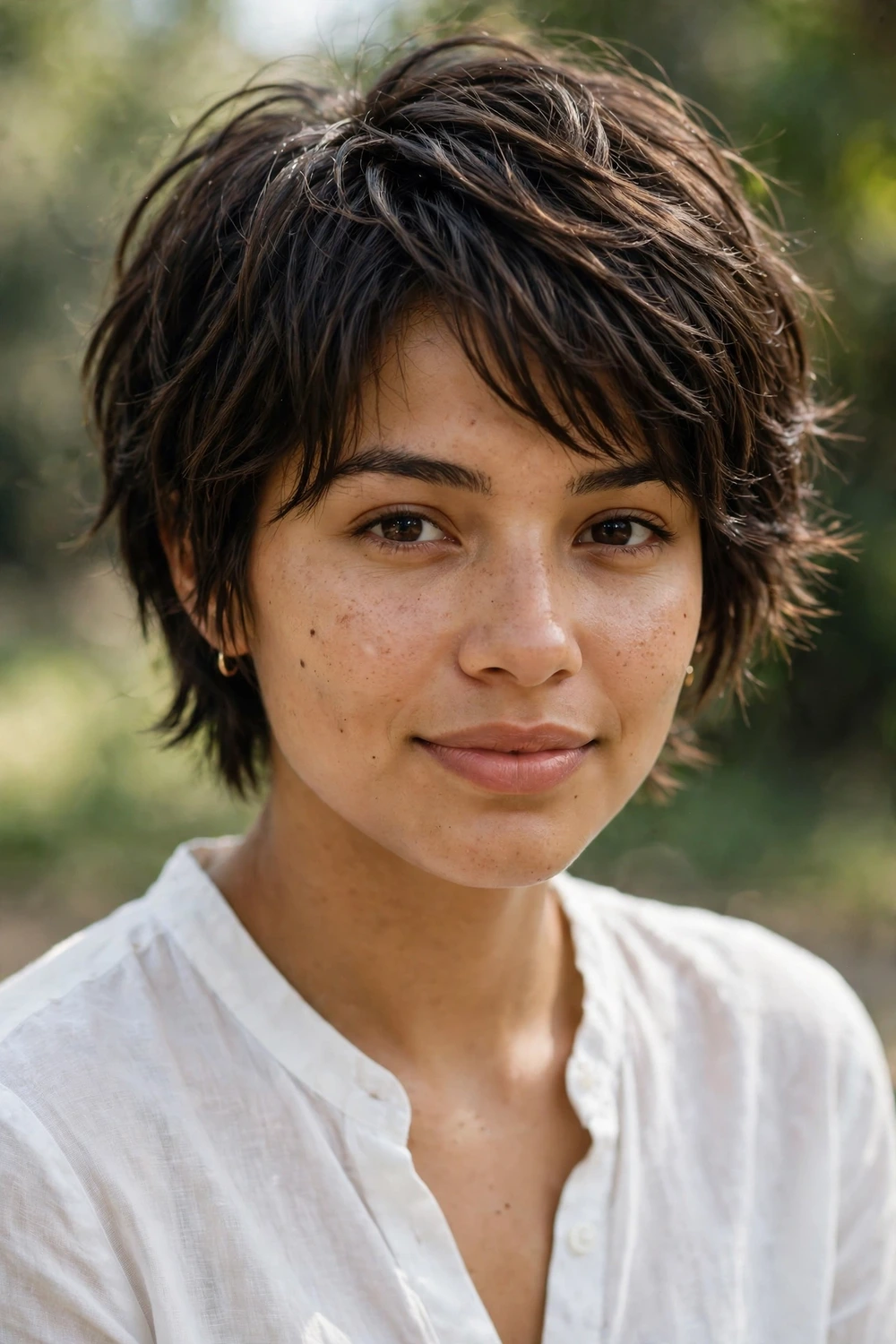
Different lengths cut close together create clear separation and definition in this short style. Texturizing products make the layers stand out as individual pieces instead of blending into one mass. It works on most textures with the right product.
Apply a bit of paste to specific sections while damp, then pinch to define. The common mistake is using too much product, which glues the pieces together. A light hand and a trim every 6 weeks keep it sharp.
Try this: Define just the top layer and leave the rest soft for a subtle version.
Difficulty: Easy · Cost: $50–$100
45. Finger Wave Style
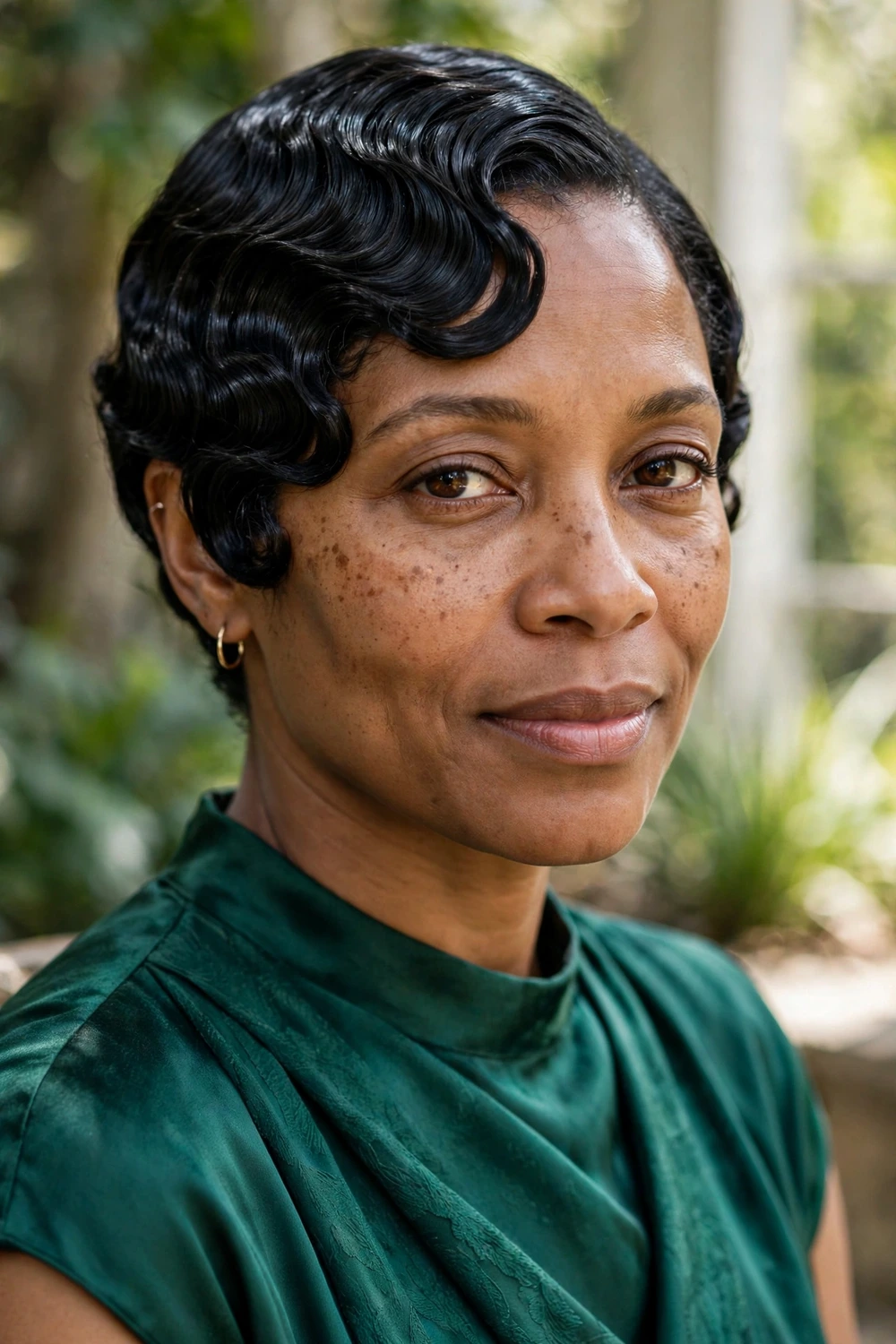
Sculpted S-shaped waves give short hair a vintage, glamorous finish that still turns heads. It is a go-to for formal events, weddings, and evenings when you want drama. The style works on relaxed, pressed, or naturally straight short hair.
Set the waves with strong gel and clips, then let the hair dry fully before removing them. This is an occasional style rather than a daily one, since the set takes time. A silk scarf overnight protects the waves for a second day.
Try this: Book it as a salon blowout-style service before a big event instead of DIYing the first time.
Difficulty: Hard · Cost: $70–$150 (salon set)
46. Pin Curl Bob
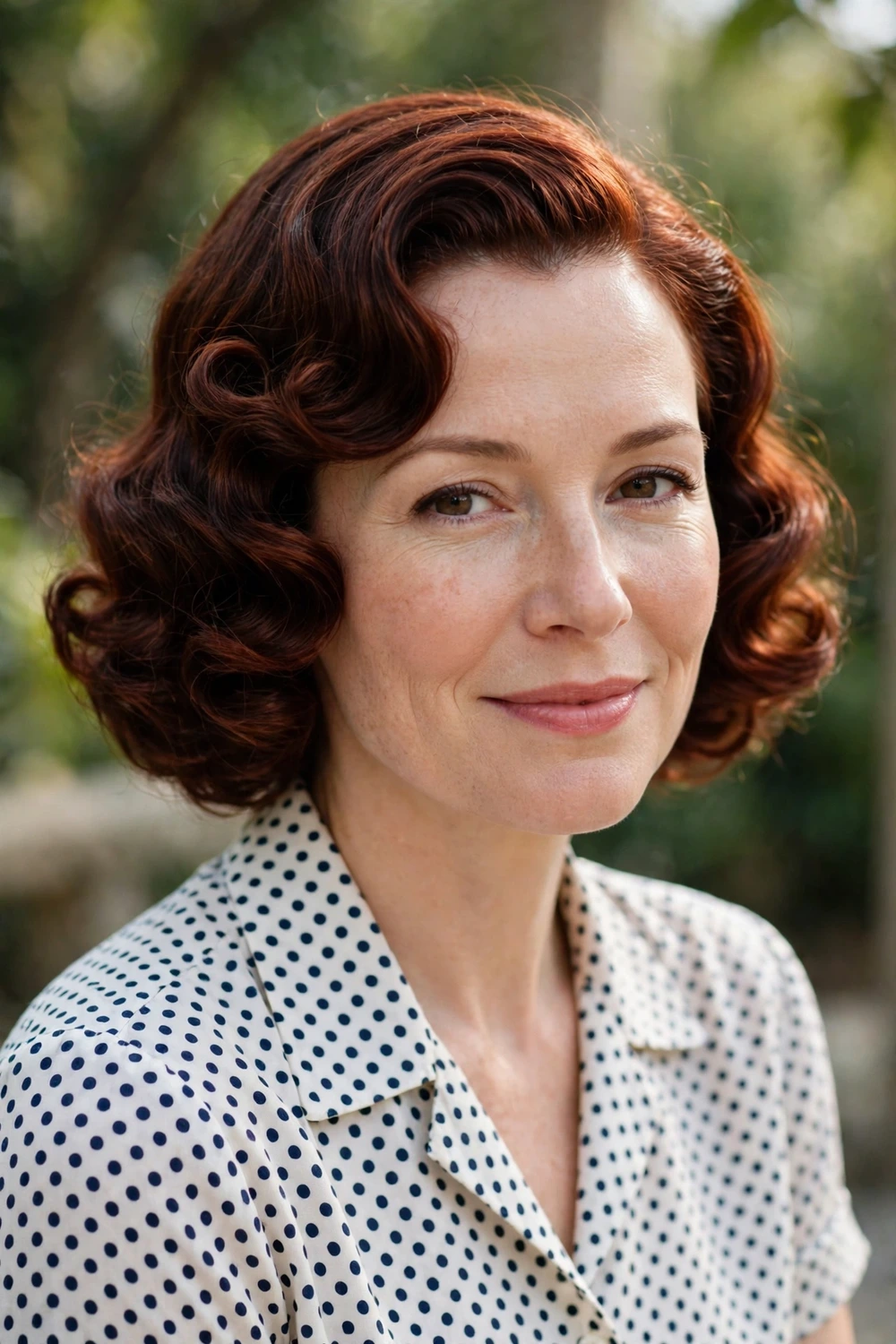
Soft curls set in pin curls give a bob vintage charm that works for special events and daily wear alike. The curls brush out into smooth waves with real bounce. Any bob length from ear to chin takes the set well.
Set damp hair in pin curls overnight and brush them out gently in the morning with a soft brush. A little setting lotion before rolling helps the curls hold. This heat-free method is kind to hair you are trying to grow healthier.
Try this: Set only the top and front sections for a faster half-head version.
Difficulty: Moderate · Cost: $50–$100
47. Victory Rolls Pixie
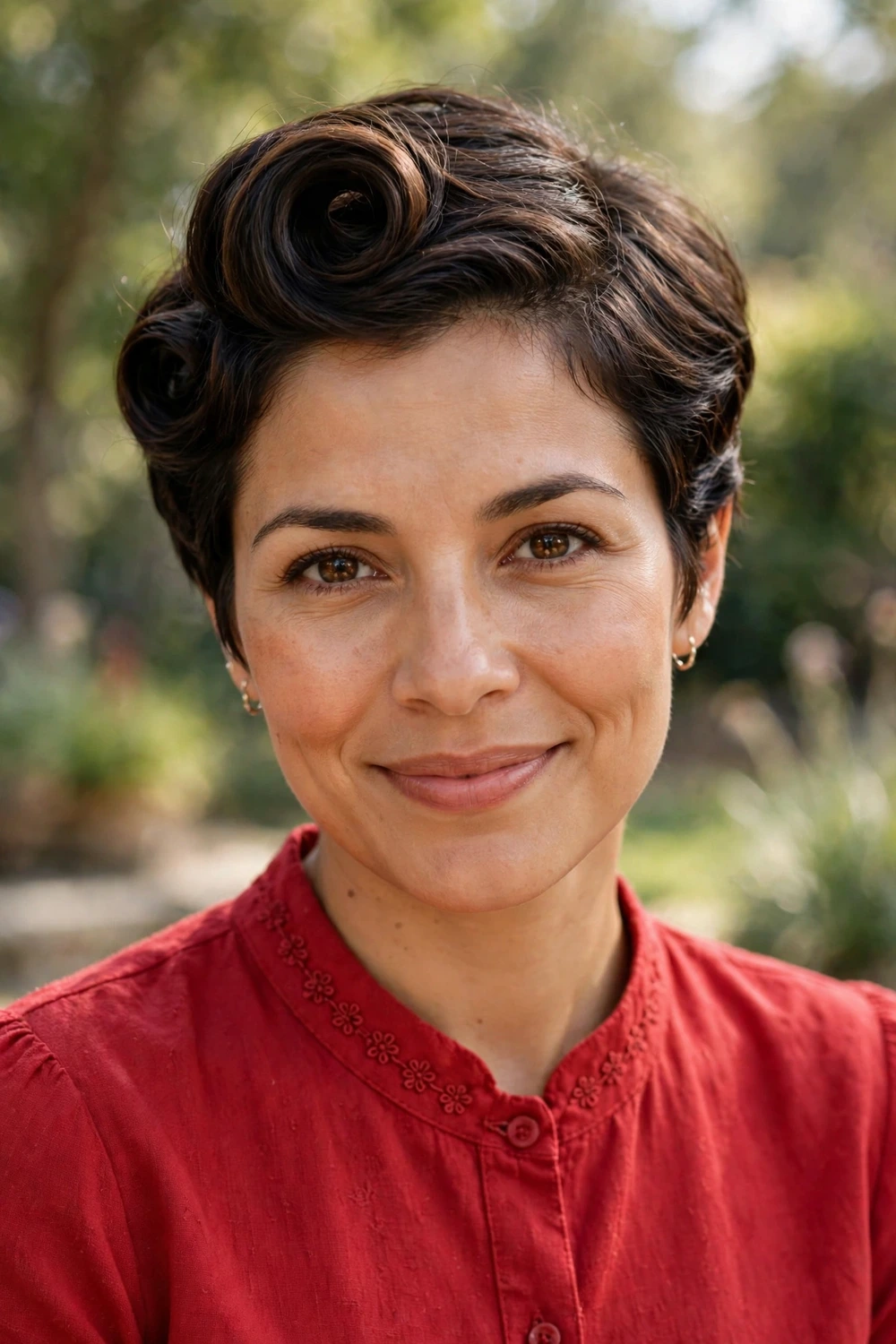
Retro rolls added to a pixie bring Hollywood drama in a short format. One roll at the front makes the statement; more rolls turn it into full costume. It is a styling choice rather than a cut, so any pixie with some top length works.
Master one roll at the front before attempting several. Backcomb lightly at the base, roll the section around your finger, and pin underneath. A strong-hold spray locks it in for the evening.
Try this: Pair a single victory roll with a sleek pixie back for a modern-retro mix.
Difficulty: Hard · Cost: $45–$95 (cut) + styling time
48. Retro Flip
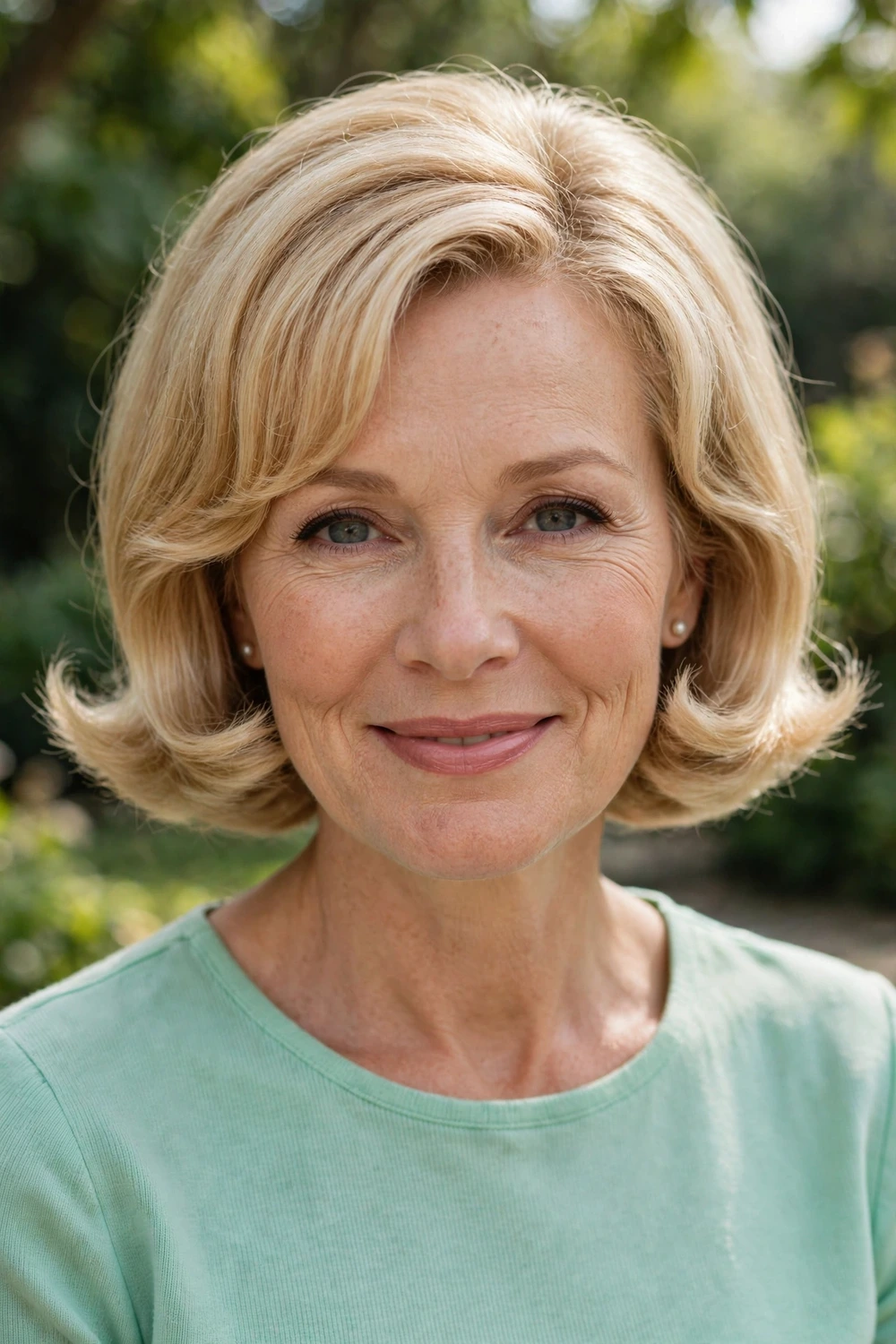
Flipping the ends outward gives any bob a playful 60s bounce. It adds personality to an otherwise simple cut and works on chin-length to shoulder-length hair. The flip suits straight hair best, where the curve shows clearly.
Wrap the ends around a round brush while blow-drying outward, then set the flip with cool air from the dryer. Use a heat protectant before any hot tools touch the hair. A light spray keeps the flip from falling by midday.
For daily styling inspiration, the short hair styling guide covers blow-drying basics that make techniques like this much easier.
Try this: Flip only the front sections outward and keep the back smooth.
Difficulty: Moderate · Cost: $50–$100
49. Natural Curl Support Cut
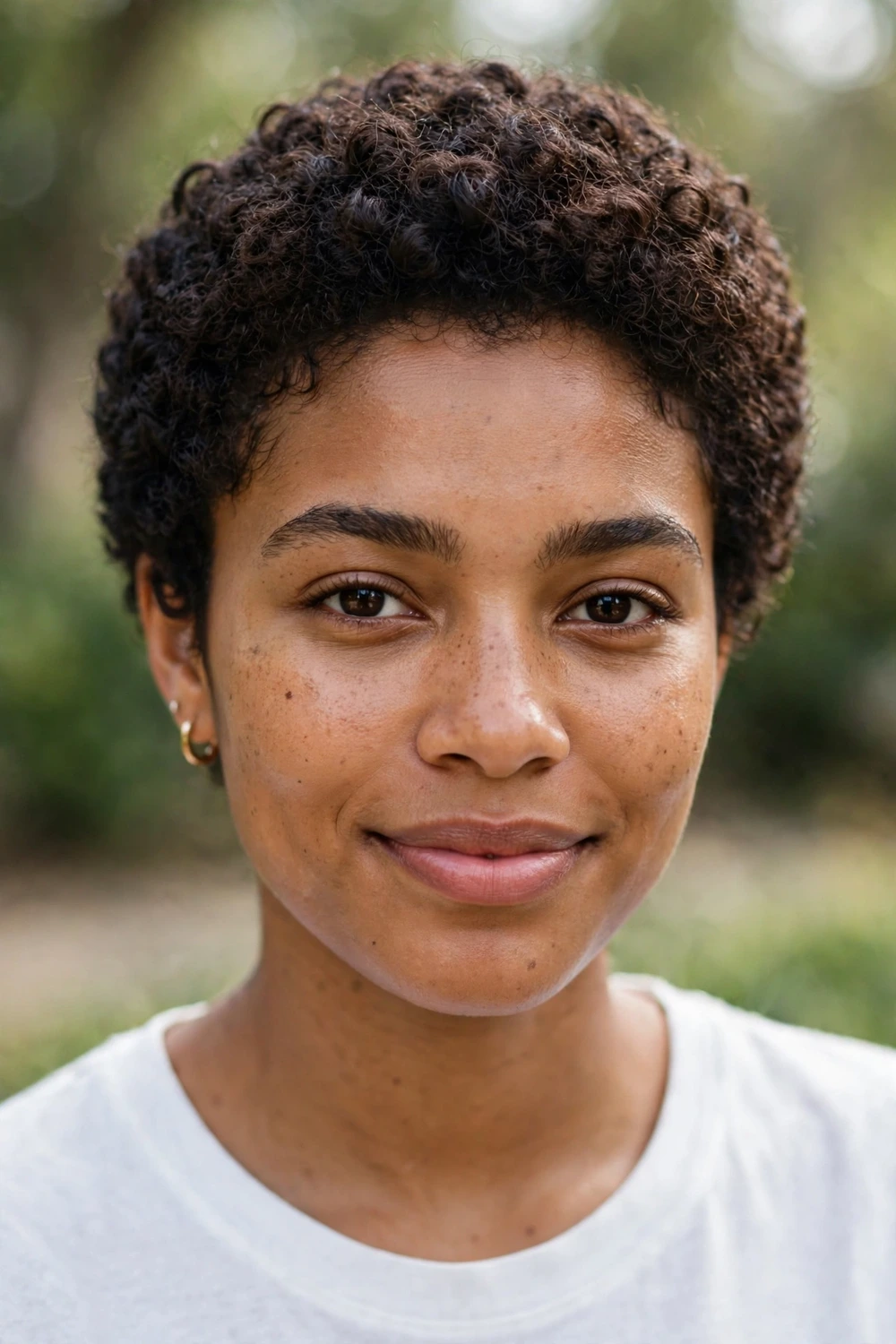
This cut is designed around your natural texture instead of against it. The stylist cuts curl by curl, dry, so the finished shape matches how your hair actually falls. Daily routines get much faster because the cut does the work.
Find a stylist trained in dry curl cutting; the technique matters more than the salon name. Bring photos of your hair on a good curl day so they see your pattern at its best. Trims every 10 to 12 weeks are usually enough.
Try this: Ask for the shape first and length second; shape is what makes curls sit right.
Difficulty: Easy · Cost: $70–$140
50. Wavy Shag

Layers cut to enhance natural waves give this shag its beachy, low-effort feel. It is one of the easiest cuts for wavy hair because the shape follows what the hair wants to do anyway. The result reads current without trying hard.
Use a diffuser on the dryer, over a heat protectant, to encourage the waves without adding frizz, and scrunch in a little curl cream while damp. Air-drying works just as well on most wave patterns. A trim every 8 weeks keeps the layers fresh.
Try this: Pineapple your hair loosely overnight to protect the waves.
Difficulty: Easy · Cost: $55–$110
51. Sleek Ear-Length Bob
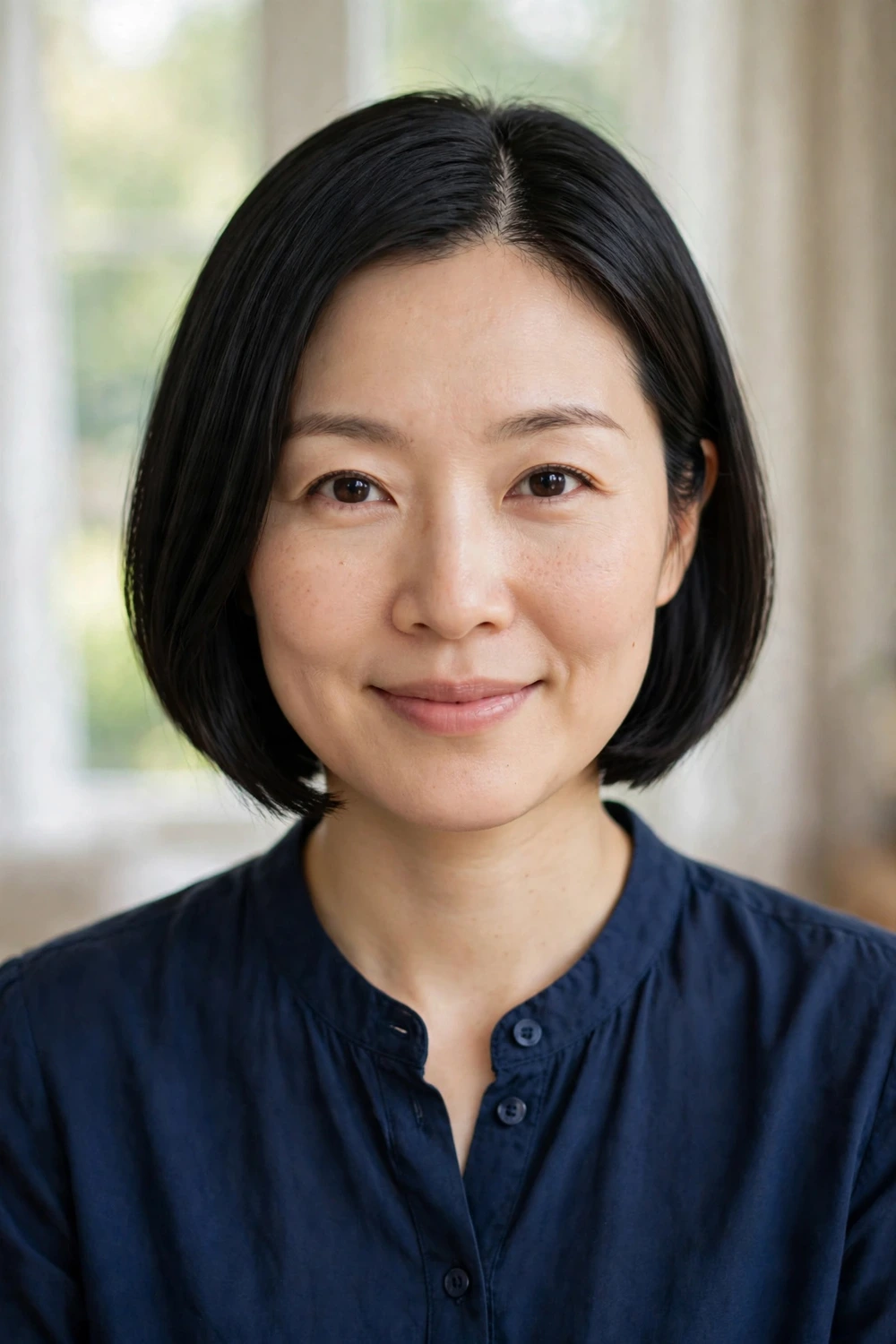
A sleek ear-length bob keeps the hair tucked close to the face for a clean, minimal look. It suits anyone who likes short hair that reads polished and tidy with almost no styling. The neat part and smooth ends do all the talking.
Flat-iron small sections with heat protectant, then add a small amount of shine serum to control flyaways. Tuck both sides behind the ears for the sharpest version. This short length needs a trim every 5 weeks to stay crisp.
Try this: Wear it with a deep side part for a slightly softer take.
Difficulty: Easy · Cost: $50–$100
52. Choppy Shag Bob

Sliced, piecey ends through a shag-bob shape create maximum textural movement. The choppy technique makes hair look deliberately styled rather than thin, which is why it works so well on medium-density hair. Dimensional color catches the light across the layers.
Work styling paste through the ends to enhance the piecey finish, pinching as you go. Air-dry or rough-dry; a polished blowout fights the point of the cut. Trims every 7 weeks keep the slicing visible.
Try this: Ask for the shortest layers around the crown for extra lift.
Difficulty: Moderate · Cost: $60–$120
53. Angled Bob

The angled bob cuts the front pieces longer than the back, creating a visible slope that elongates the neck. It adds sharp, modern structure to the whole cut. Straight to lightly wavy hair shows the angle best.
Flat-iron the front sections smooth with heat protectant so the slope reads clearly. The back needs reshaping every 5 to 6 weeks or the angle softens into a regular bob. Keep the difference between front and back at two inches or less for everyday wear.
Try this: Tuck one front piece behind the ear to show off the angle.
Difficulty: Moderate · Cost: $60–$120
54. Wedge Cut

Stacked, graduated layers at the back with longer front pieces give the wedge its strong angular shape. The graduated technique builds volume through the crown without any styling effort. It is a distinctive cut that always looks intentional.
Blow-dry the back with a round brush, lifting upward, over a heat protectant. The wedge grows out into a bob-ish shape, so trims every 5 to 6 weeks keep it a wedge. It suits straight to lightly wavy hair best.
Try this: Ask for soft graduation if the classic sharp wedge feels too severe.
Difficulty: Moderate · Cost: $55–$115
55. Tousled Pixie
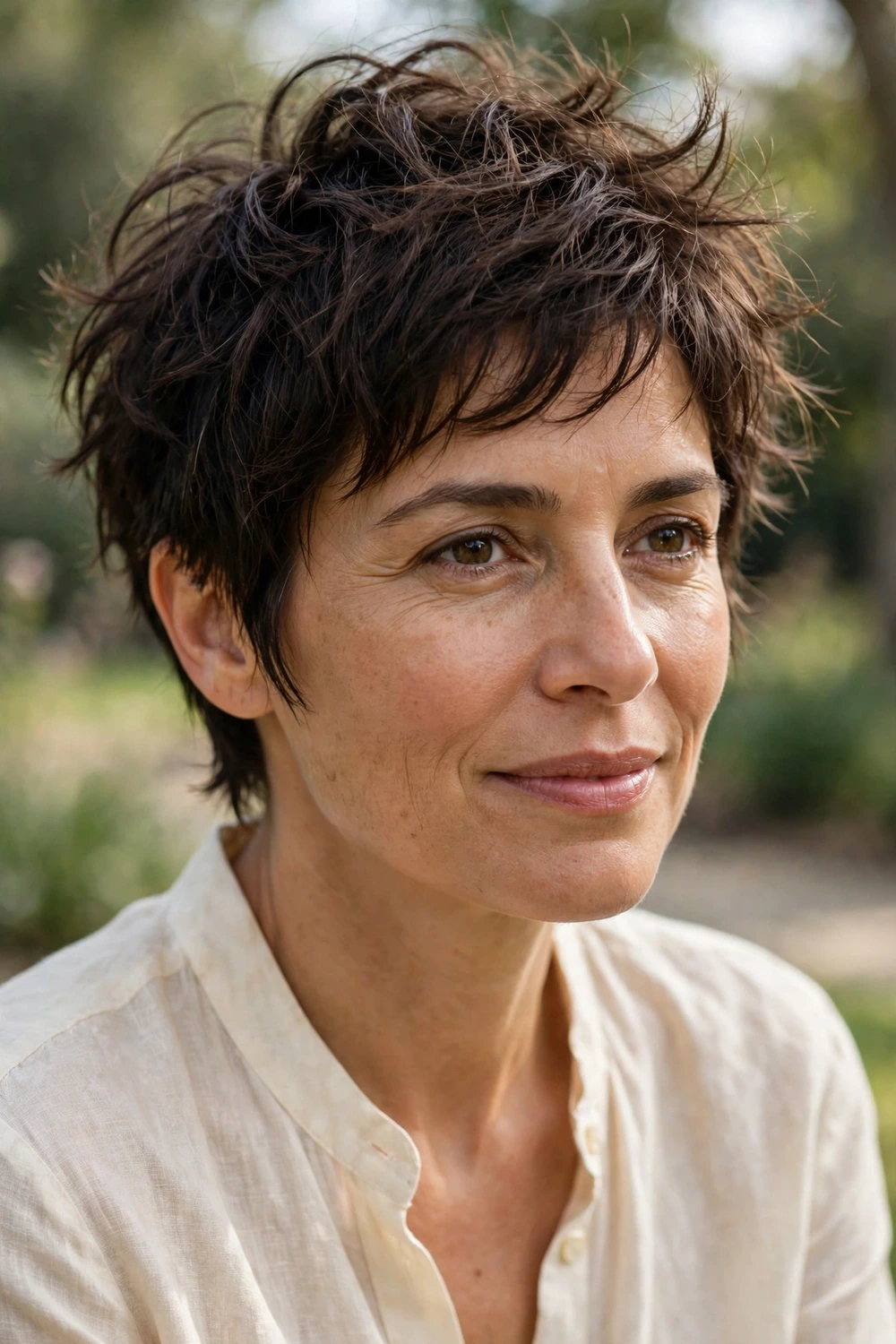
Instead of a smooth, polished finish, the tousled pixie wears its texture messy on purpose. The lived-in effect makes hair look full and current rather than flat. It suits hair with some natural body best, and a little dry shampoo at the roots on day two keeps the texture going strong.
Work texture spray through dry hair and finger-style the pieces in different directions. Skip the comb entirely on tousled days. A trim every 4 to 5 weeks keeps the mess looking deliberate.
Try this: Tousle it at night and sleep on it for an even better second-day texture.
Difficulty: Easy · Cost: $45–$95
56. Rounded Bob

A rounded bob curves into a soft, rounded silhouette at the ends instead of sharp geometric lines. The shape creates the look of volume and softness, which flatters fine to medium hair. It reads gentle and classic without looking dated.
Blow-dry with a large round brush, curving the ends under, always with heat protectant on the hair first. The round shape needs a trim every 6 weeks or the ends start flipping outward on their own. A light serum adds shine without weight.
Try this: Part it in the middle for a balanced, symmetrical finish.
Difficulty: Easy · Cost: $55–$110
57. Short Layered Bob

Soft internal layering through a shorter bob adds dimension and movement that a blunt cut cannot. The layers catch the light differently across the head, giving the whole style depth. Fine to medium hair gets the most visible benefit.
Rough-dry with a little volumizing mousse, then smooth the top layer with a brush. The layers do most of the styling work, so keep products light. Trims every 6 to 8 weeks maintain the internal shape.
Try this: Flip your head upside down while drying for extra root lift.
Difficulty: Easy · Cost: $55–$110
58. Jellyfish Cut

Two separate layers define the jellyfish cut: a classic bob on top and longer, flowy hair underneath. The contrast is the whole point, and you can customize it from subtle to dramatic. It is the boldest bob-adjacent cut on this list.
Keep the top layer rounded and the bottom layer straight so the two read as distinct. Flat-iron the bottom lengths with heat protectant for the sharpest contrast. The top needs trimming every 6 weeks; the bottom can grow.
Try this: Wear the bottom layer in a low ponytail to reveal just the bob on top.
Difficulty: Moderate · Cost: $60–$120
59. Side-Parted Bob

A deep side part gives a short bob a soft angle and makes the hair look fuller on top. It flatters round and heart-shaped faces by breaking up the symmetry. Straight, wavy, and lightly curled hair all take the part well.
Smooth the front section with a brush while blow-drying, using a heat protectant, for a clean finish. Train a new part by blow-drying it into place for the first week. Trims every 6 to 8 weeks keep the bob shape behind the part.
If you have a rounder face, the low maintenance short haircuts for round faces guide rounds up more flattering options in the same spirit.
Try this: Move the part an inch deeper for evening volume.
Difficulty: Easy · Cost: $50–$100
60. Textured Crop

Sitting shorter than a classic pixie, the textured crop uses visible piecey texture through the top for maximum fullness in minimal length. The technique makes fine hair look denser than it is. Strong bone structure shows the shape at its best.
Work a tiny amount of matte paste through the top and pinch the pieces apart. Wash-and-go genuinely applies here; the texture is built into the cut. A trim every 3 to 4 weeks keeps the crop from growing into a shaggy pixie.
Try this: Let the top grow half an inch longer than the sides for a softer grow-out.
Difficulty: Easy · Cost: $40–$90
61. Trixie Cut
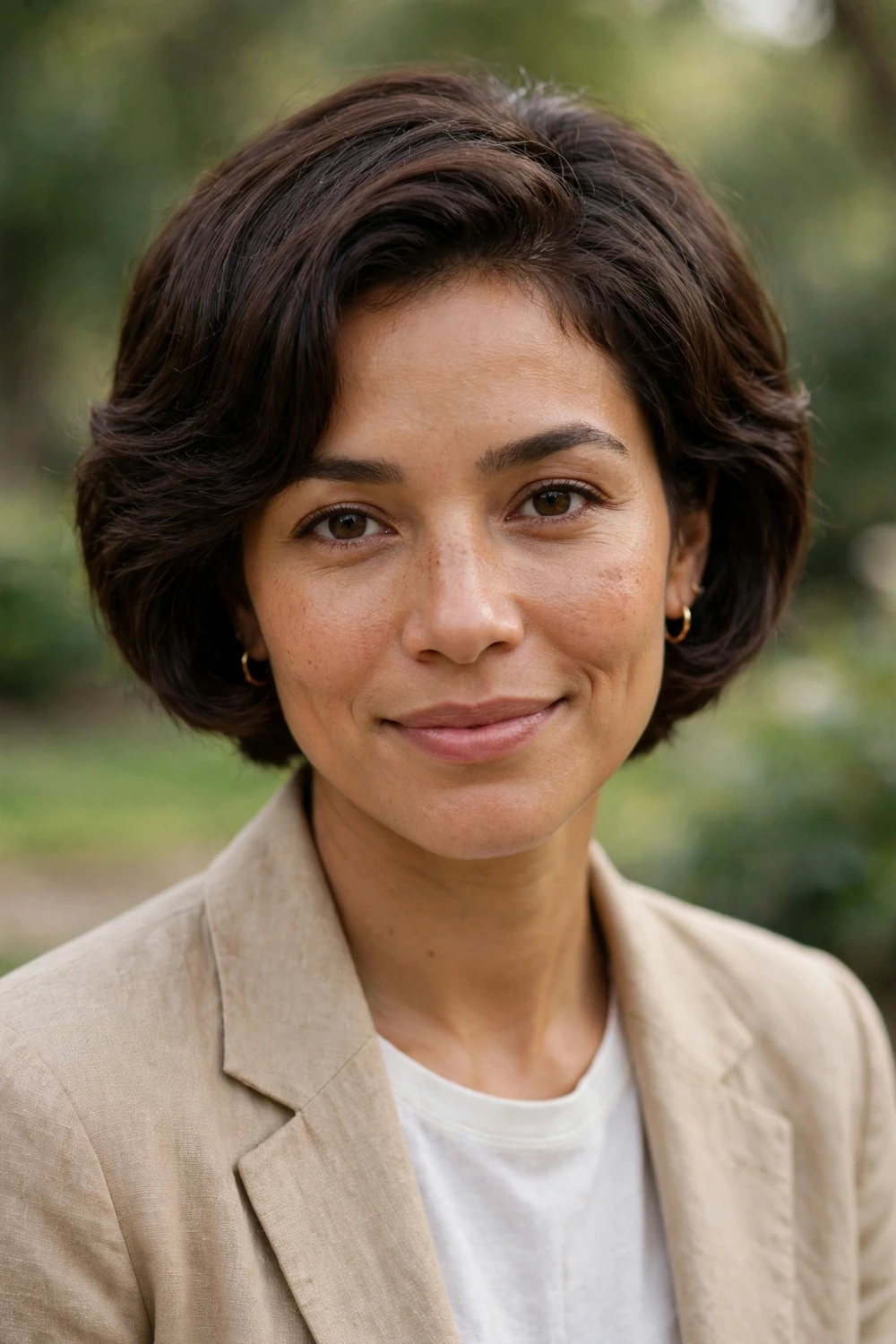
The trixie cut sits between a pixie and a bob with a soft, sculptural shape that keeps the cropped feeling of a pixie but enough length to stay versatile. It is one of the freshest hybrid cuts of 2026. The rounded volume suits oval and heart-shaped faces.
Blow-dry with a round brush over a heat protectant for the sculptural finish, or air-dry with cream for a softer take. Because it is new, bring two or three reference photos so the stylist sees the exact shape. Trims every 5 to 6 weeks hold the sculpture.
Try this: Ask for the nape tapered and the crown left full for the signature silhouette.
Difficulty: Moderate · Cost: $55–$115
62. Wavy Pixie

Soft, loose waves through a longer pixie top give this cut an easy elegance that straight pixies do not have. It suits natural 2A to 2C waves perfectly and lets gray-streaked hair show off its dimension. The waves keep the short length feeling feminine.
Scrunch a little curl cream into damp waves and let them air-dry. A diffuser on low heat, over a heat protectant, speeds things up without frizz. The common mistake is cutting the top too short to hold a wave; keep at least two inches up top.
Try this: Twist damp sections around your finger to encourage the wave pattern.
Difficulty: Easy · Cost: $45–$95
63. Buzzed Pixie with Hair Design
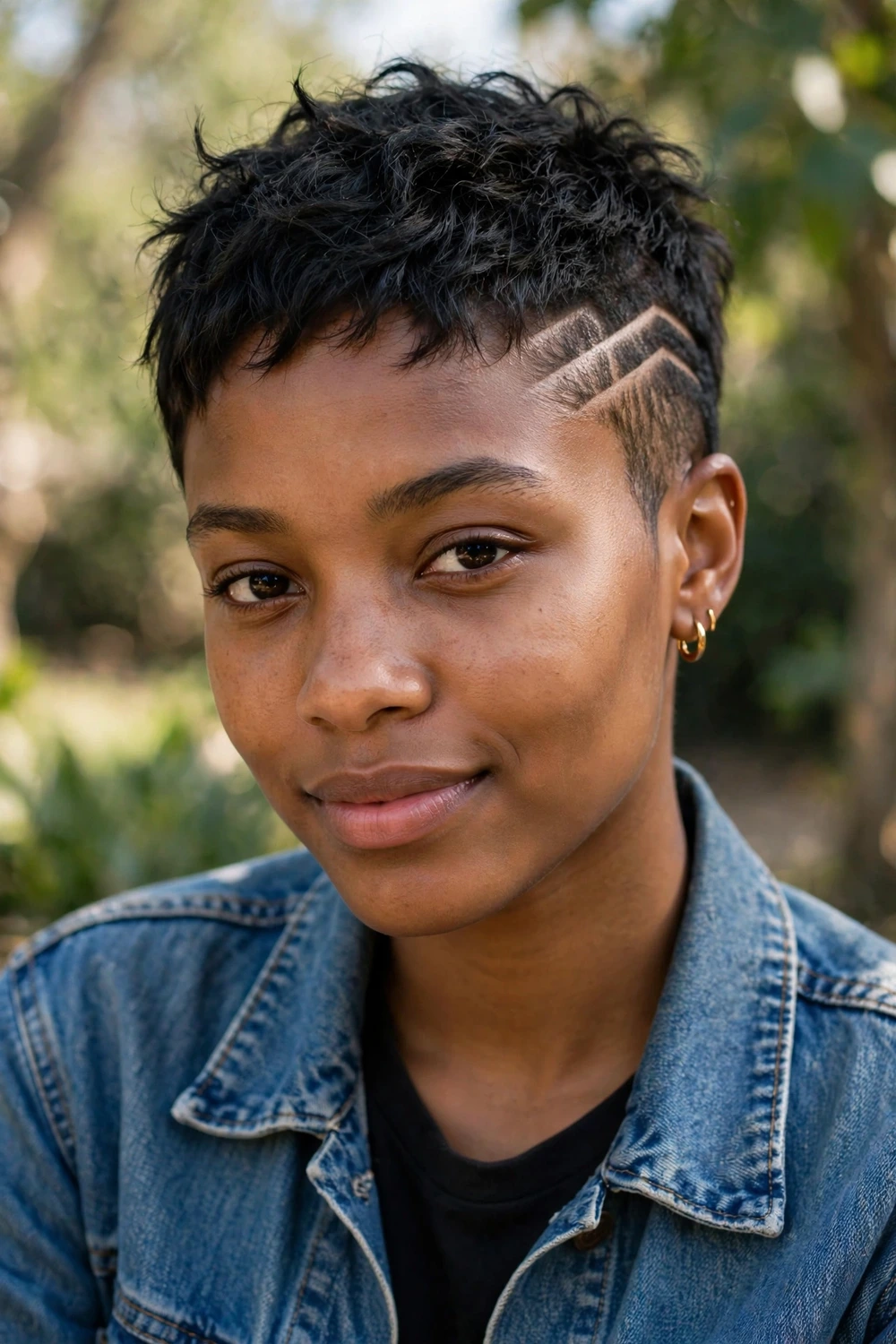
A buzzed pixie gets a custom edge with a shaved line or geometric design etched into one side. The design turns a simple short cut into personal art, and it grows out in a few weeks if you change your mind. Keep the top textured for contrast with the clean sides.
Find a barber experienced with hair designs; the linework needs a steady hand. The design needs refreshing every 2 to 3 weeks as it blurs with growth. Moisturize the shaved areas to keep the lines crisp and the skin comfortable.
Try this: Start with one simple curved line before trying complex patterns.
Difficulty: Moderate · Cost: $40–$90
Quick Comparison
| Style | Best for | Upkeep | Typical salon cost |
|---|---|---|---|
| Blunt Bob | Fine, straight hair | Trim every 6 to 8 weeks | $55 to $110 |
| Bixie | Most textures; growing out a pixie | Trim every 6 weeks | $55 to $110 |
| Textured Pixie | Fine hair that needs volume | Trim every 4 weeks | $45 to $95 |
| Modern Shag | Wavy or thick hair | Trim every 7 to 8 weeks | $55 to $110 |
| Curly Bob | Natural curls; ask for a dry cut | Trim every 8 to 10 weeks | $60 to $130 |
| Undercut Pixie | Thick hair; bold styling | Trim every 3 to 4 weeks | $50 to $100 |
| Wolf Cut | Thick hair; statement texture | Style daily; trim every 6 to 8 weeks | $60 to $125 |
| Buzz Cut | Lowest possible maintenance | Clip every 2 to 3 weeks | $20 to $50 |
What is the most popular modern short hairstyle for women?
The bixie and the textured bob are the two most requested modern short hairstyles right now. The bixie works as a bridge between a pixie and a bob, while the textured bob gives movement without a hard line. Both suit a wide range of face shapes and grow out gracefully, which keeps them at the top of salon request lists.
Are short hairstyles good for women over 50?
Yes. Pixies with soft layering, feathered cuts, and chin-length bobs are especially flattering after 50 because they add lift at the crown and frame the face. Layered and textured cuts also create the look of fuller hair, which helps as density naturally decreases. The key is choosing softness over severe lines.
How often should I trim a short haircut?
Most bobs hold their shape for 6 to 8 weeks between trims. Pixies, crops, and buzz cuts need attention every 3 to 5 weeks because short lengths show growth fast. Fringe of any kind needs a trim every 2 to 4 weeks. Curly cuts can usually stretch to 10 to 12 weeks since shrinkage hides growth.
Which short hairstyle suits a round face?
Asymmetrical bobs, deep side parts, and pixies with volume on top flatter round faces by adding angles and height. Side-swept bangs also help break up the width. Blunt chin-length lines with no layers tend to emphasize roundness, so ask for some texture or asymmetry instead.
Can short hair work with curly or coily hair?
Absolutely. Curly bobs, curly pixies, and coily pixies all work well when the cut follows the natural pattern. Ask for a dry cut so the stylist shapes the hair the way it actually falls. Curl cream on wet hair, no brushing when dry, and a satin pillowcase keep the shape defined.
Final Thoughts
Modern short hairstyles for women cover a wide range, from the polish of a blunt bob to the edge of a buzzed pixie with a shaved design. Pick the cut that matches your texture and the maintenance you will honestly do, bring reference photos to the salon, and give a new cut two or three washes before you judge it. The right short cut should make your mornings easier, not harder.
\n
For busy weekday mornings, the cute and easy short hairstyles for school roundup collects the quickest of these modern cuts as styles that take ten minutes or less.

