


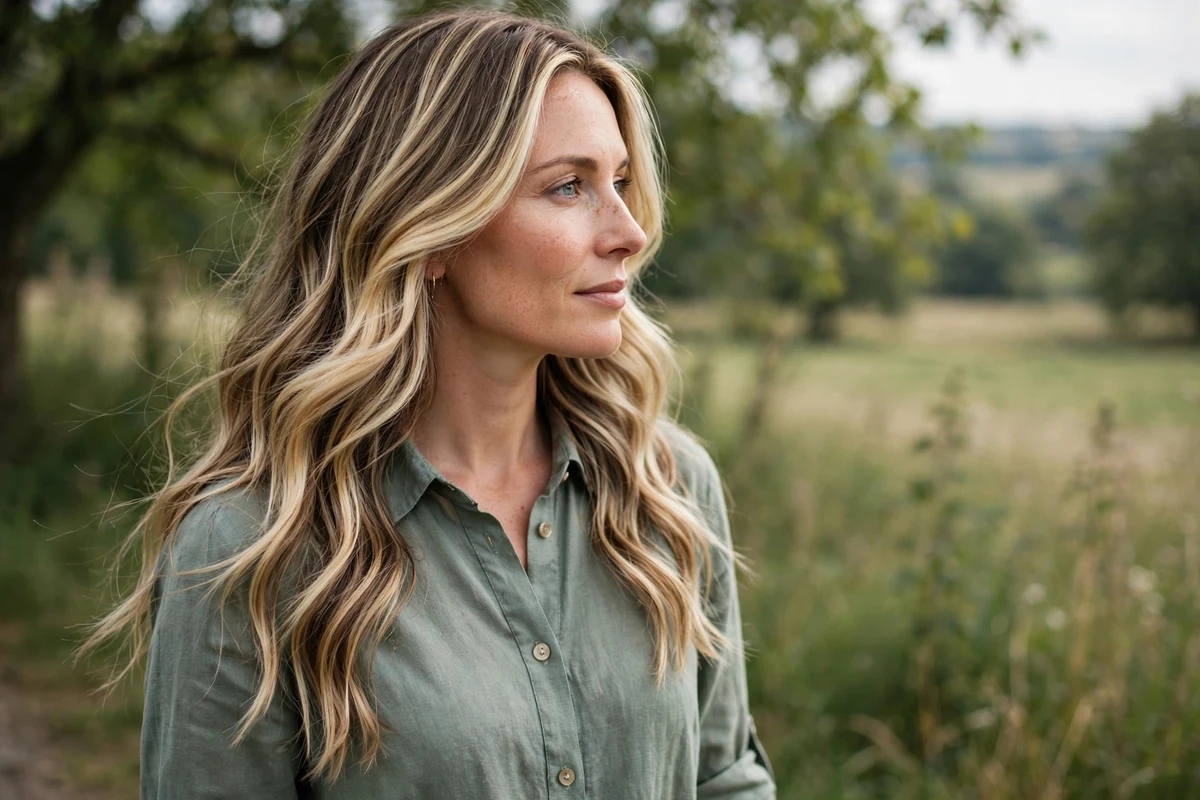
Partial highlights lighten select sections of your hair, usually around the face and crown, for a subtle brightening effect. Full highlights are woven throughout the entire head for maximum lightness and a more dramatic change. The real differences come down to coverage, cost, time in the chair, maintenance, and how much chemical processing your hair goes through. This guide compares partial vs full highlights side by side so you can walk into the salon knowing exactly what to ask for.
Quick takeaways
- Partial highlights cover roughly half the hair volume or less; full highlights cover half to nearly all of it.
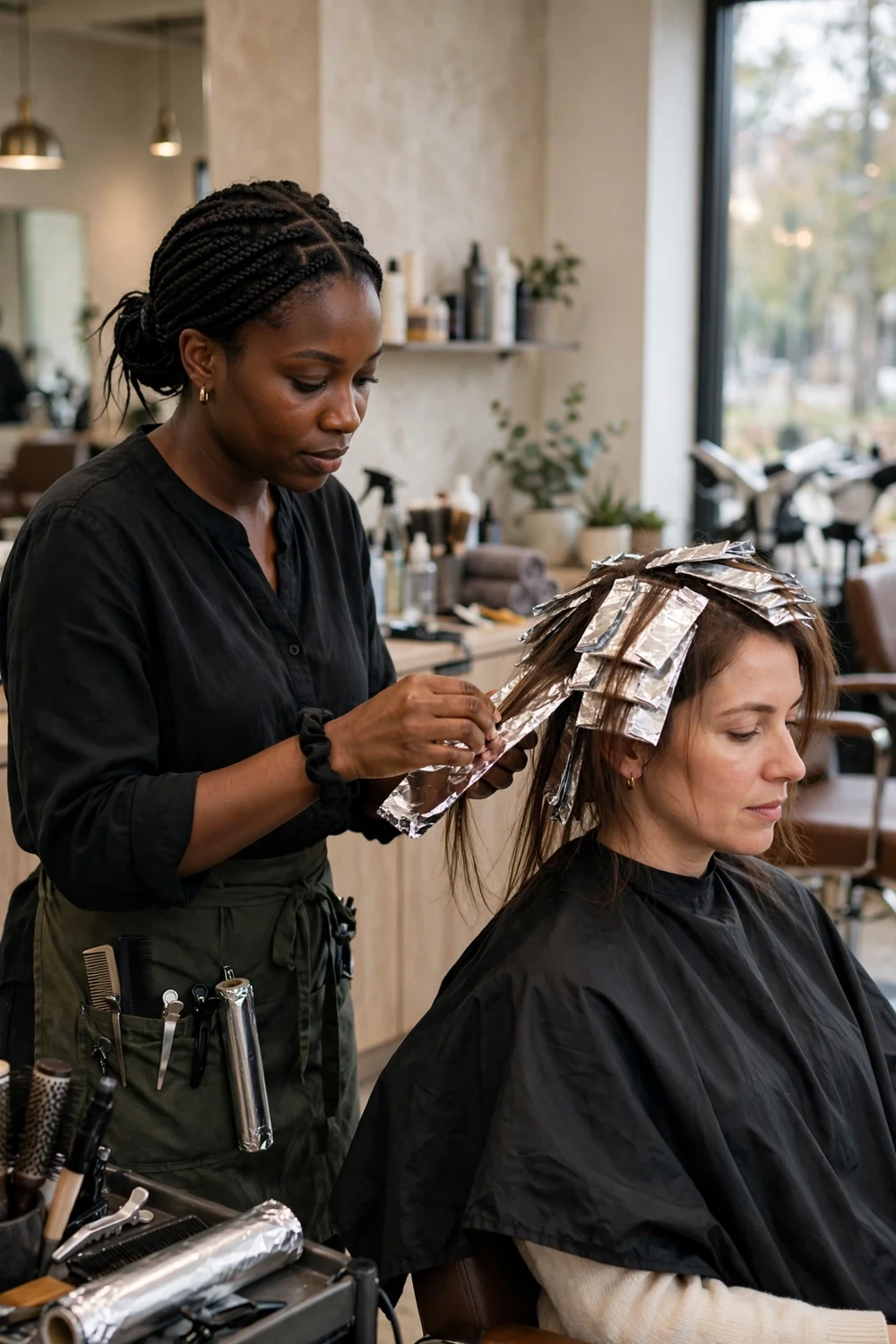
- Partial uses around 20 foils and takes about an hour; full can use 100 or more foils and take 2 to 4 hours.
- Partial typically costs $100 to $300 upfront, while full starts around $175 and can pass $500 depending on hair length, density, and the stylist.
- Full highlights need touch-ups about every 8 to 12 weeks; partial grows out softer and can stretch further between visits.
- Choose partial for subtle brightness and easier upkeep; choose full for a bold, all-over lighter look.
What are partial highlights?

Partial highlights are placed on part of the head, generally from ear to ear and from the fringe back to the crown. The stylist weaves lightener into select sections and wraps them in foils, leaving the underneath layers and much of the back in your natural color. The effect is a brightening rather than a transformation: think sun-kissed dimension around the face with your natural base showing through everywhere else.
A typical partial uses around twenty foils, though the count varies by salon and hair density. For real examples of subtle placement on dark hair, see black hair with brown highlights for ideas that keep the change understated.
What are full highlights?
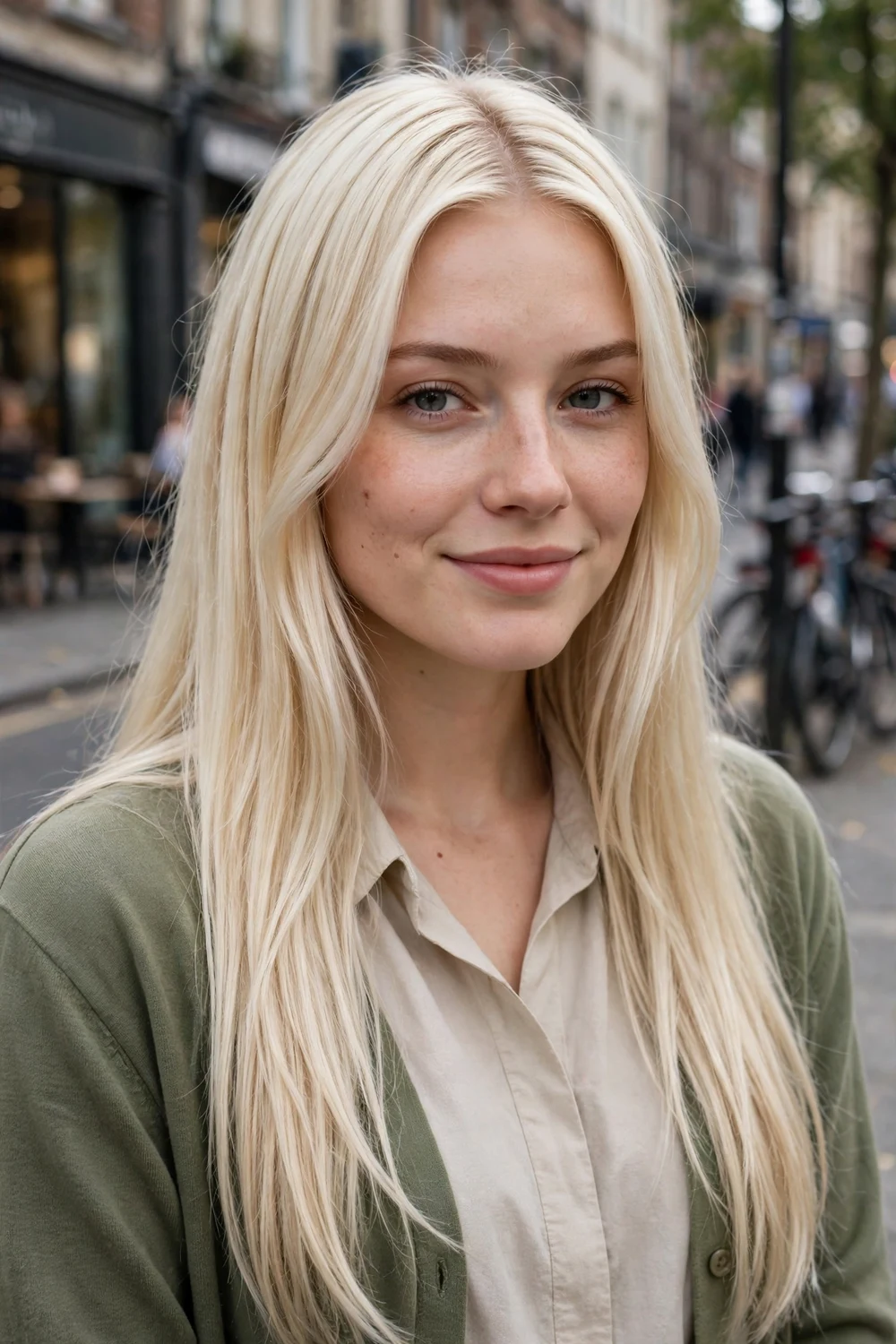
Full highlights are woven through the entire head, including the underneath layers. The stylist sections and foils hair from the nape to the crown so the lightness is consistent no matter how you part or move your hair. Depending on density, a full head can take over a hundred foils, and the lightener often processes longer before being rinsed and toned.
The result is a noticeably lighter overall look, even when the highlight shade itself is natural. For full-head blonde inspiration, browse winter highlights for blondes to see what all-over brightness looks like on different base colors.
Partial vs full highlights: the side-by-side comparison
| Factor | Partial highlights | Full highlights |
|---|---|---|
| Coverage | Half the hair volume or less; face, crown, top layers | Half to nearly all of the hair, including underneath |
| Foil count | Around 20, varies by salon | Can pass 100, depending on density |
| Time in the chair | About 1 hour before toning | 2 to 4 hours |
| Typical cost | $100 to $300 | $175 to $500+, by length, density, and stylist |
| Result | Subtle brightness, natural base visible | Pronounced lightness, uniform throughout |
| Grow-out | Softer; regrowth blends in | More visible line of demarcation |
| Touch-up frequency | Can stretch further between visits | About every 8 to 12 weeks |
| Hair health impact | Lower; fewer strands lightened | Higher; most strands processed |
| Gray coverage | Blends early gray around the face | Better for 40%+ gray |
| Best for | First-timers, subtle change, lower upkeep | Going much lighter, all-over blonde goals |
Cost: cheaper upfront isn’t always cheaper overall
Partial highlights cost less per appointment because they use fewer foils, less product, and less of the stylist’s time. But stylists point out a nuance: a partial may need refreshing more often to keep the brightness where you want it, while a well-done full highlight can sometimes be maintained with just one or two visits a year if you don’t mind a lived-in grow-out. Add up the yearly total, not just the single-visit price, before deciding which fits your budget.
Prices move with hair length, thickness, your city, and the stylist’s experience level. Always ask for a quote during the consultation and confirm whether toning and a gloss are included, since those change the final number.
Time, maintenance, and grow-out
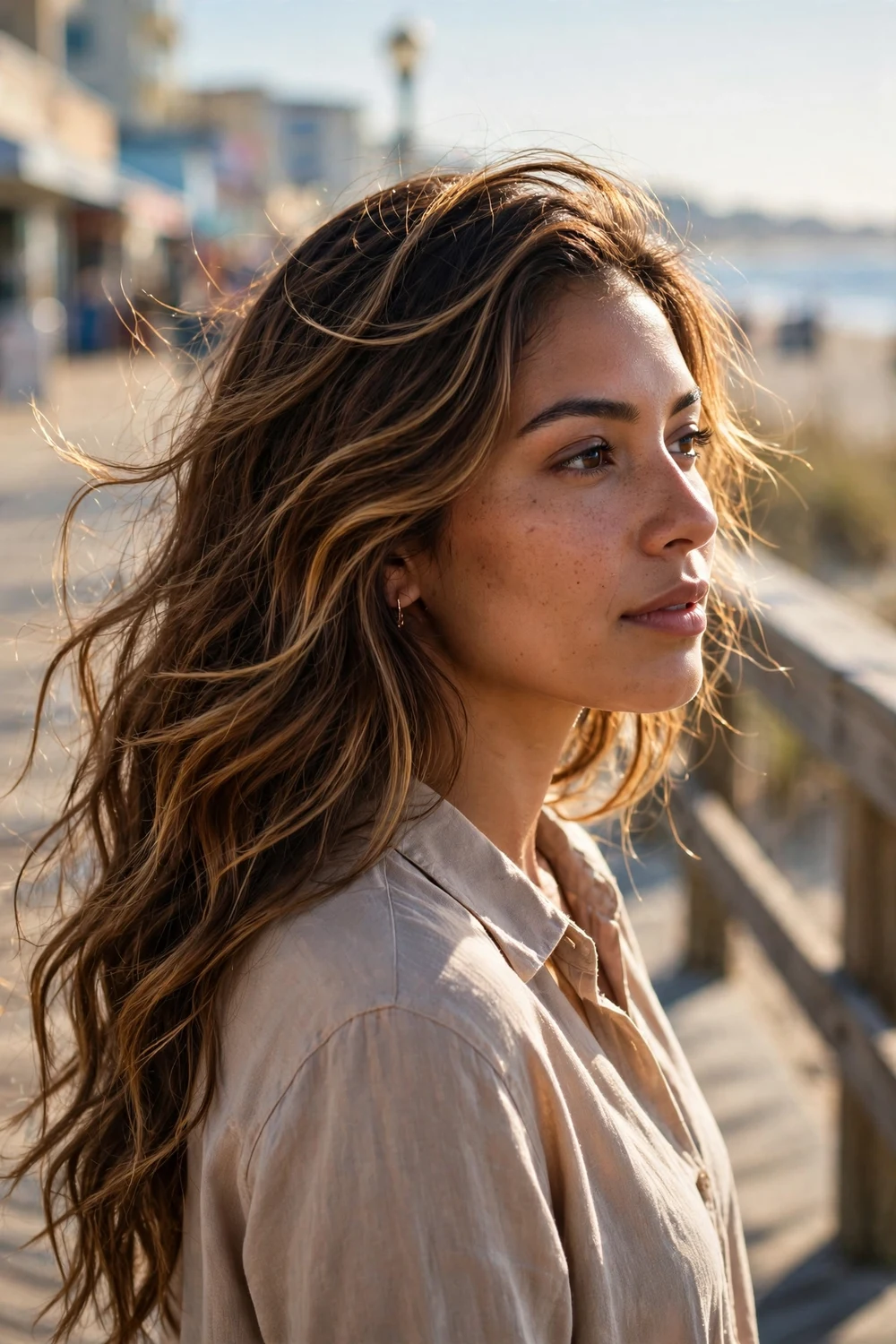
A partial appointment is meaningfully shorter, which matters if you dread long salon days. The grow-out is gentler too: because so much natural color remains, new growth blends into the overall look instead of drawing a hard line. Many people refresh a partial with a toner or gloss between full appointments to keep the tone clean without re-lightening.
Full highlights demand more commitment. The visible root line means most people return about every 8 to 12 weeks to keep the look intentional. Skipping touch-ups is fine if you like the grown-out look, but the contrast between roots and lengths reads as deliberate only up to a point.
Hair health: less bleach, less damage
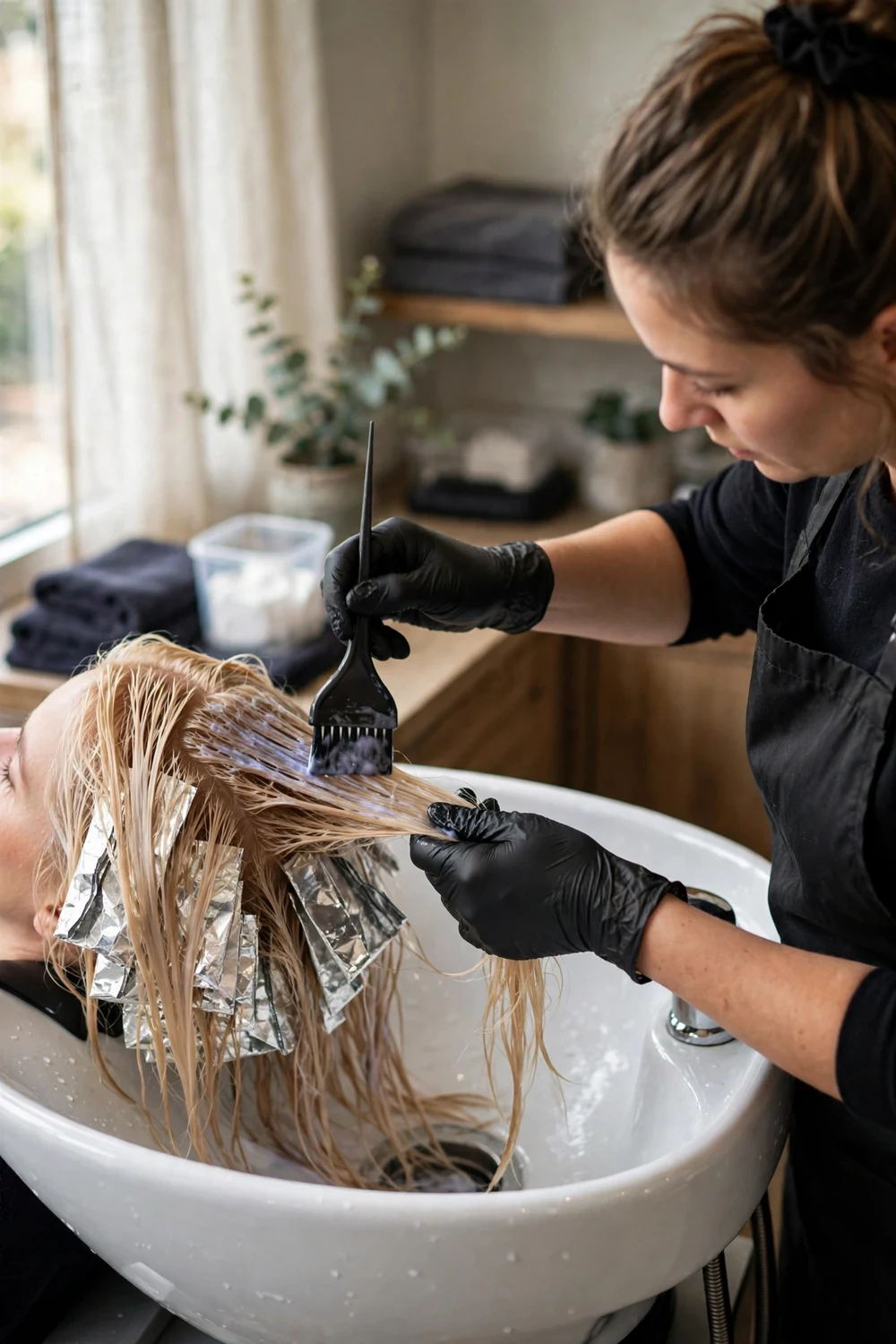
Lightener weakens the hair it touches, so the less hair you lighten, the less total damage the service causes. With partial highlights, follow-up visits only touch the regrowth, which means previously lightened strands aren’t re-processed. With full highlights, more strands go through bleaching in every session, and strands foiled first sit in lightener the longest while the stylist works through the rest of the head.
Neither option is damage-free, and fine or already-compromised hair needs a cautious approach either way. Ask your stylist about bond-building treatments during the service if your hair is fragile or previously colored.
Covering gray hair

If gray is just starting to show around the face and temples, partial highlights in an ashy tone can camouflage it without committing to full coverage. The lighter pieces break up the solid line of regrowth so gray looks like dimension instead of a root line.
Once gray passes roughly 40 percent, a full highlight usually works better, because there is enough lightness distributed through the hair to blend the silver strands in everywhere. For ashy blending inspiration on brown hair, look at brown hair with silver highlights to see how cool tones merge with darker bases.
How your hair type factors in
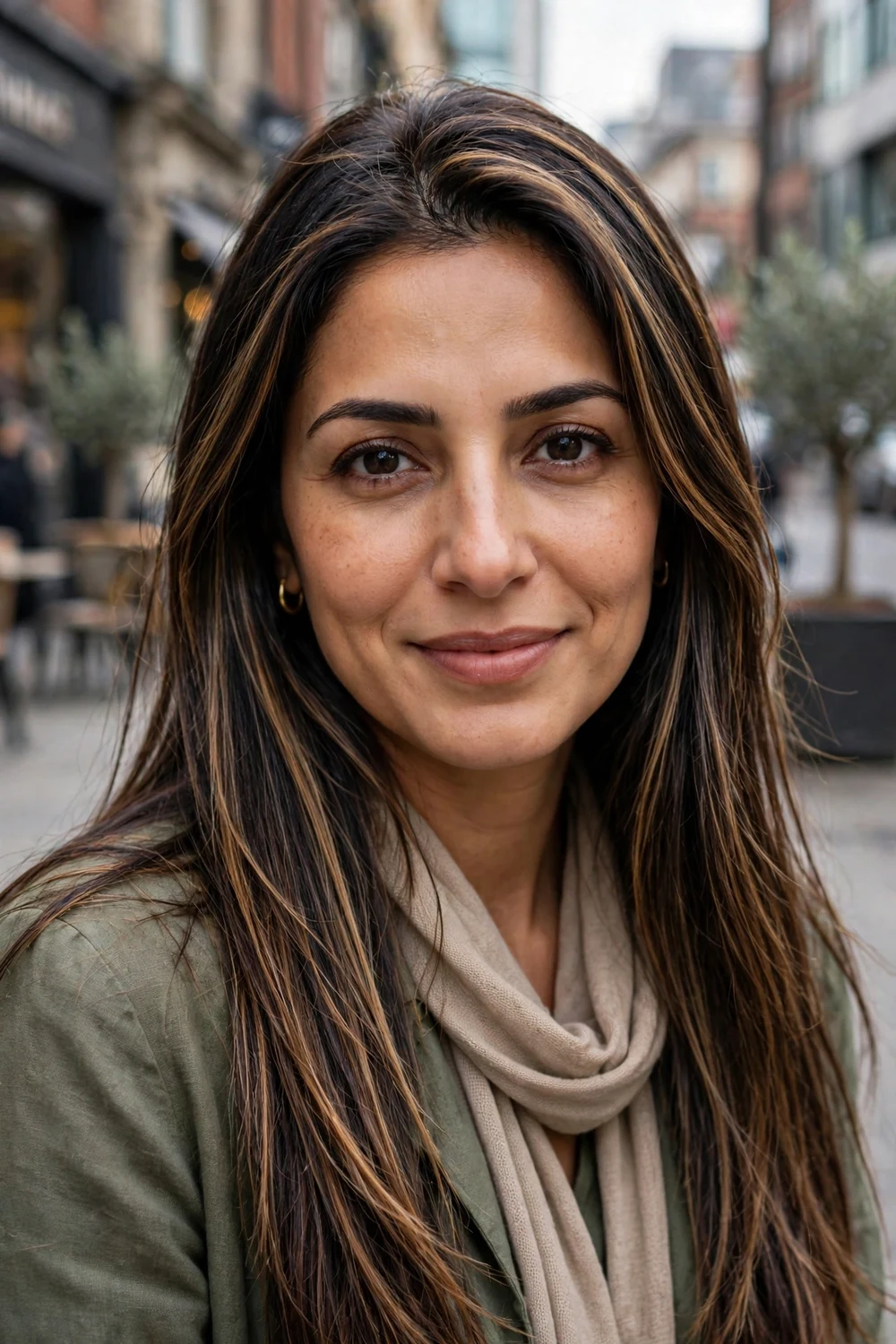
Both options work on straight, wavy, curly, and coily hair, but density changes the math. On thin or fine hair, full highlights add dimension that can make hair look fuller. On very thick hair, a partial brightens things up without keeping you in the chair for hours, since each foil takes time to place and process.
Curly hair shows highlights differently: the color appears in ribbons where the curl bends toward the light. A partial can give curls plenty of pop with fewer foils, while a full gives an all-over brightness that reads clearly even in tight curl patterns. If your main goal is seasonal brightness, winter highlights for brown hair shows how both approaches look on darker bases.
Example looks on each side
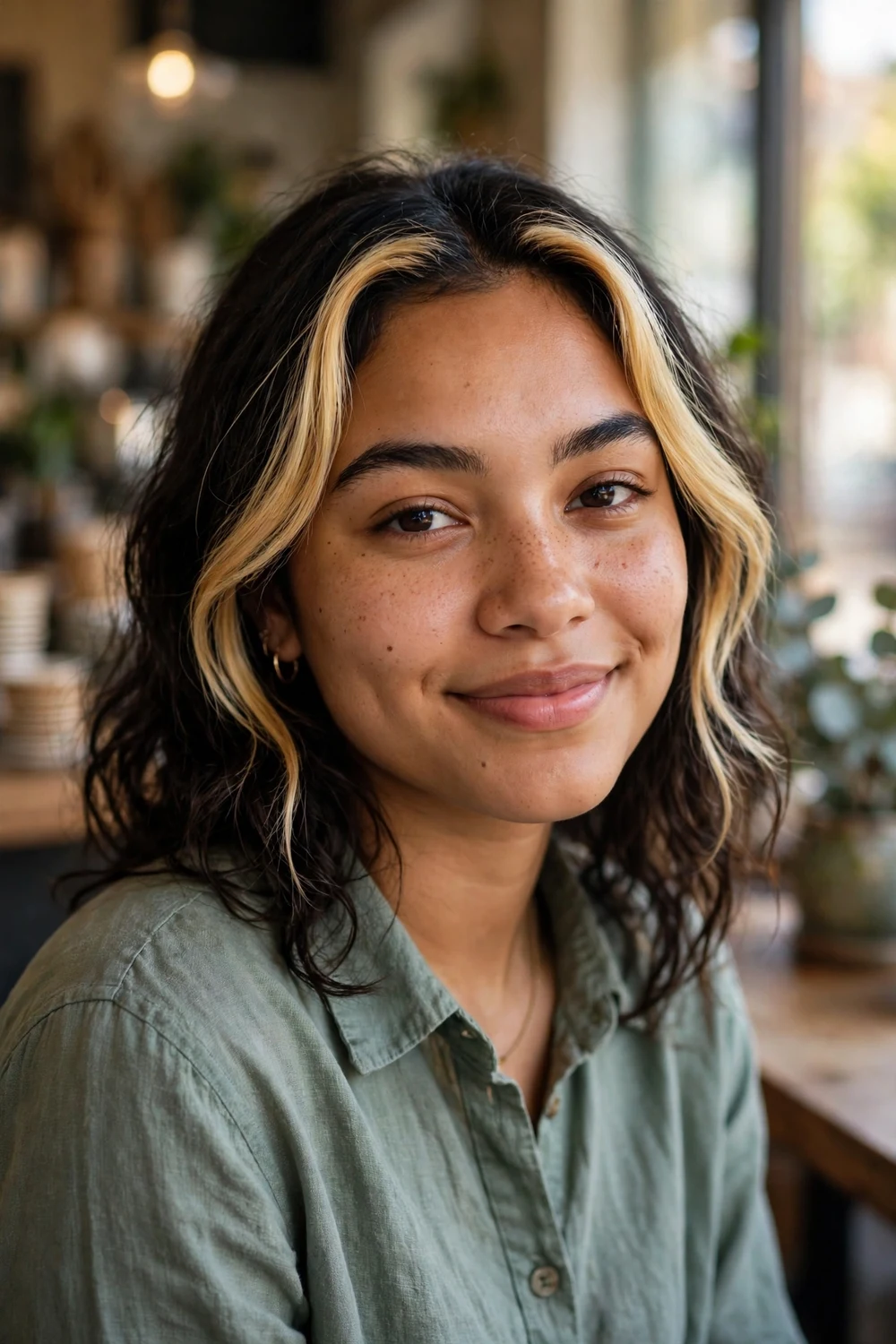
A classic partial result is the money piece: two bright face-framing sections with soft dimension through the crown, and your natural color doing the heavy lifting everywhere else. It photographs as brightness around the face while the back stays rich and dark.
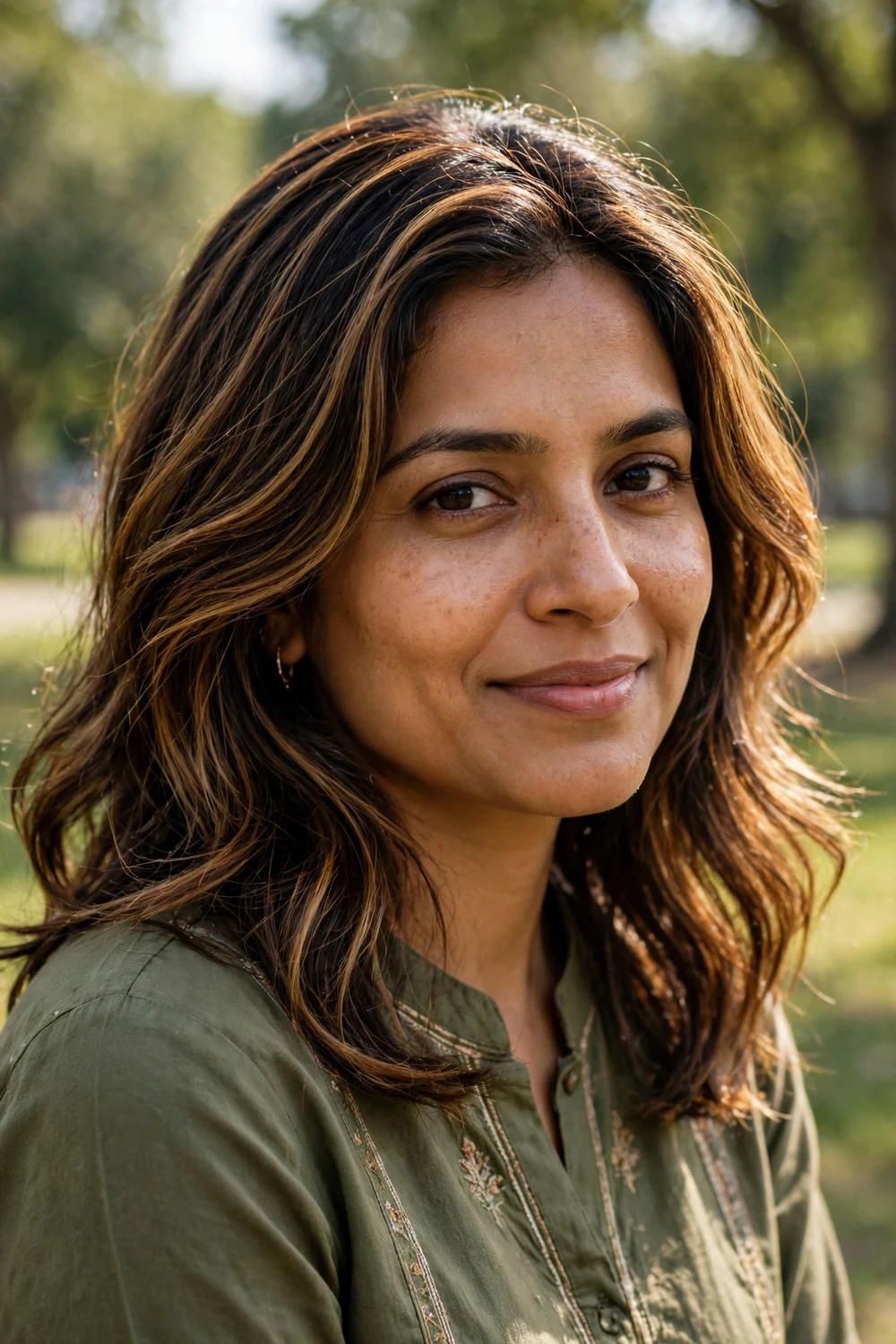
A classic full result is an all-over golden brunette or blonde where light pieces run from the nape to the crown. Pull the hair up and the lightness is still there underneath, which is the telltale difference from a partial.
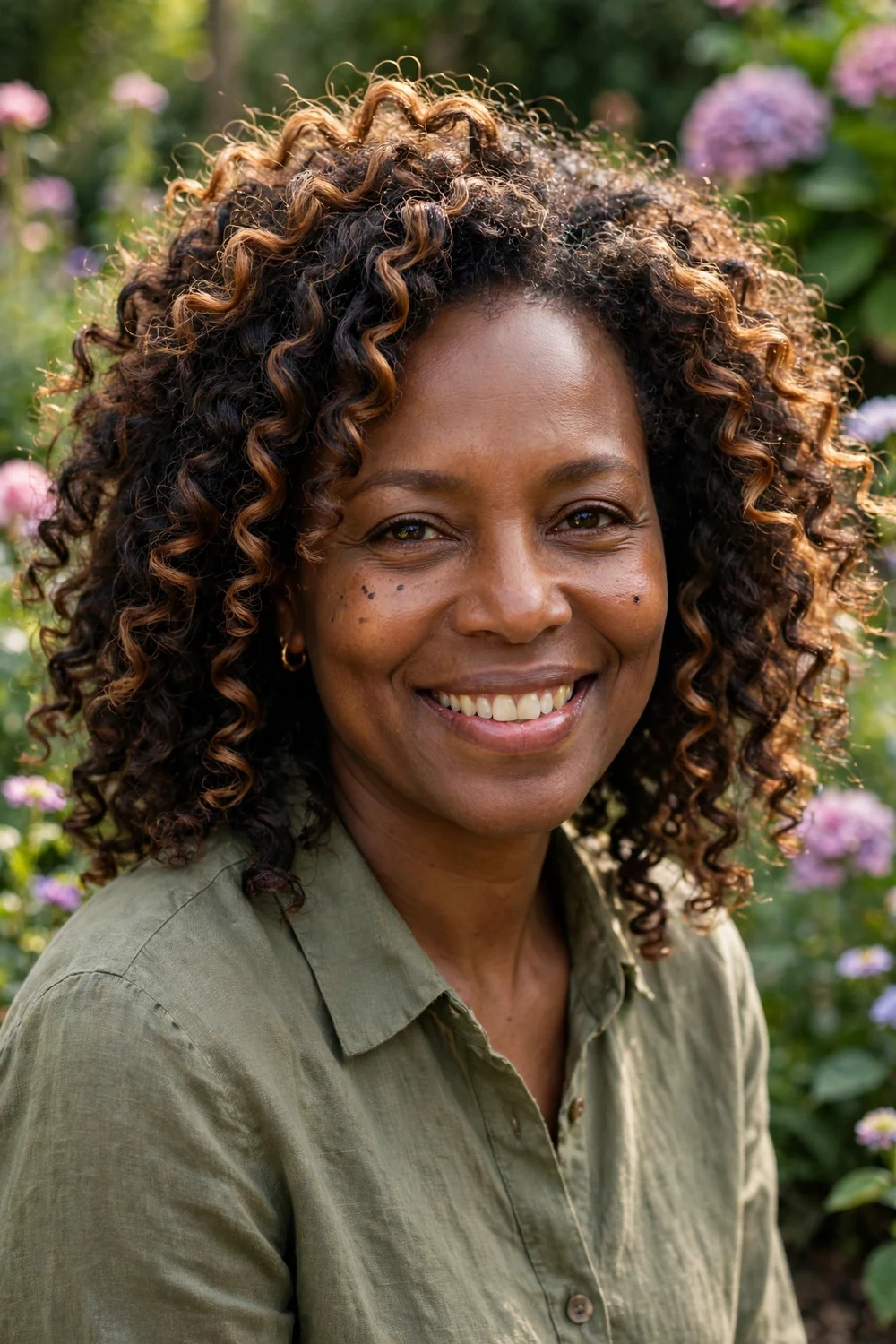
On curls, full highlights create ribbons of light that follow each curl’s shape, giving dimension from every angle. Partial highlights on curls concentrate that ribbon effect around the face and top layers.

Cool-toned full highlights, like this ash blonde, need consistent toning to stay icy. This is the side of full highlights that demands the most upkeep: purple shampoo at home and regular gloss appointments at the salon.
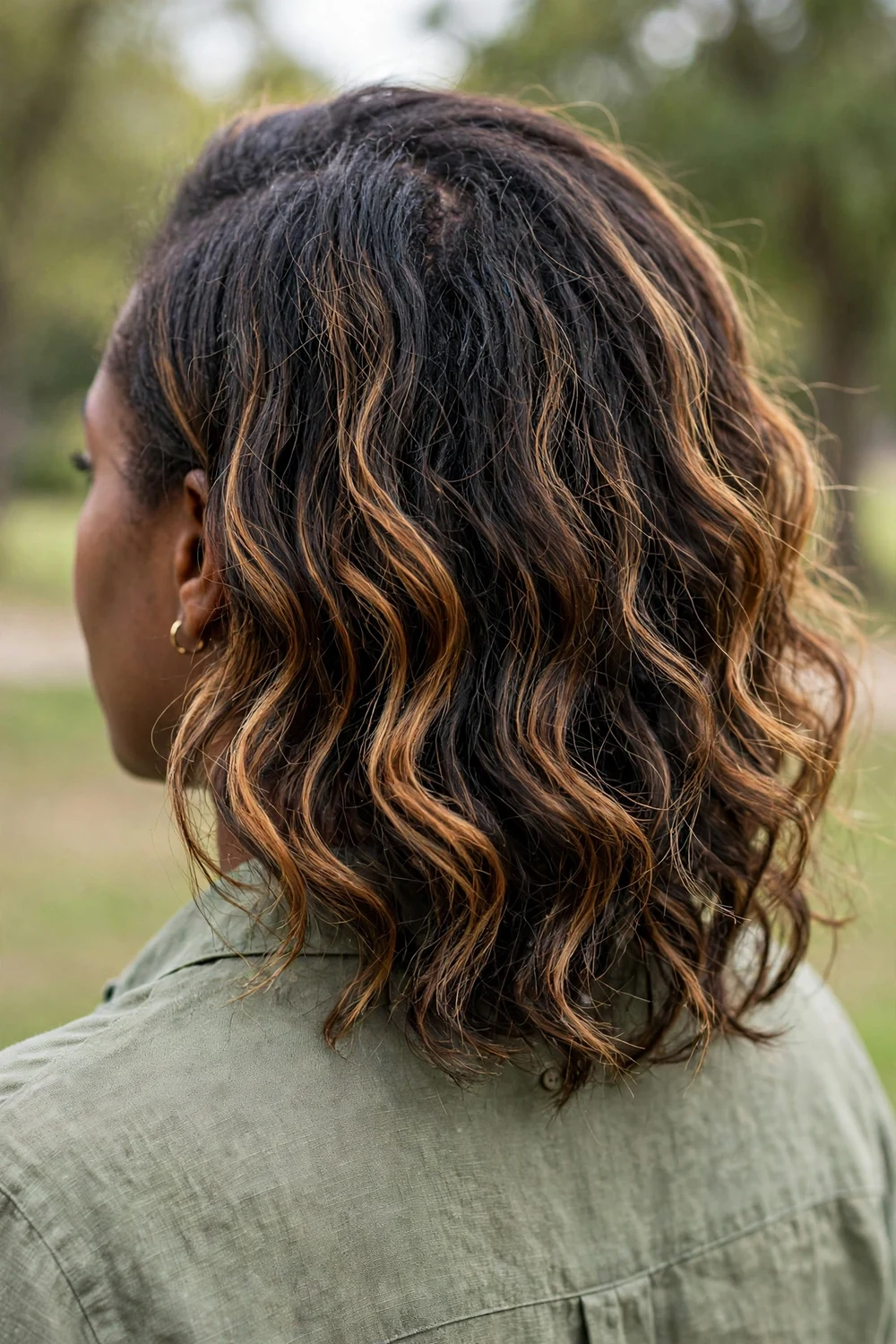
This is what partial grow-out looks like after a few months: the roots come in softly and the brightness sits lower on the lengths, which many people wear comfortably for months before refreshing.
The verdict: which should you choose?
Choose partial highlights if you want subtle brightness, this is your first time lightening, you want shorter appointments and softer grow-out, or you are blending early gray. It is also the smarter pick for fragile hair that shouldn’t take a full head of bleach.
Choose full highlights if your goal is a noticeably lighter overall color, you want platinum or bright blonde results, you wear your hair up often and want lightness underneath too, or you are blending significant gray. Budget for longer appointments and more frequent touch-ups.
Still torn between lightening methods? If the hand-painted, low-maintenance look appeals to you, compare this decision with winter blonde balayage to see how a softer technique stacks up against foils.
Frequently asked questions
Do partial highlights damage hair less than full highlights?
Yes. Fewer strands are lightened, so less of your hair goes through chemical processing. At follow-up visits, the stylist only touches the regrowth, which means previously lightened pieces aren’t re-bleached the way more of the head is with full highlights.
How many foils are used for partial vs full highlights?
A partial typically uses around 20 foils, though it varies by salon and hair density. A full head can use over 100 foils on thick hair. The foil count is the main reason full appointments take so much longer.
Can partial highlights cover gray hair?
Partial highlights can blend early gray that shows around the face and temples, especially in ashy tones that match the silver. Once gray reaches about 40 percent or more, full highlights distribute enough lightness to blend it throughout.
How often do you need touch-ups?
Full highlights usually need refreshing about every 8 to 12 weeks because the root line is visible. Partial highlights grow out more softly, so many people stretch them further and refresh with just a toner or gloss in between.
Are partial highlights cheaper in the long run?
Partial is cheaper per visit, typically $100 to $300 versus $175 to $500 or more for full. But if you refresh a partial often, the yearly cost can catch up to a full highlight maintained once or twice a year, so compare annual totals rather than single appointments.
Final thoughts
Partial vs full highlights is really a question about how much change you want. Partial gives you brightness where it shows most, with less time, less money per visit, and less stress on your hair. Full gives you the all-over lighter color that a partial can’t reach, in exchange for longer appointments and steadier upkeep. Bring reference photos of both to your consultation and ask your stylist which one your hair can handle; a good colorist will tell you honestly when your goal needs a full and when a partial will get you there.

