


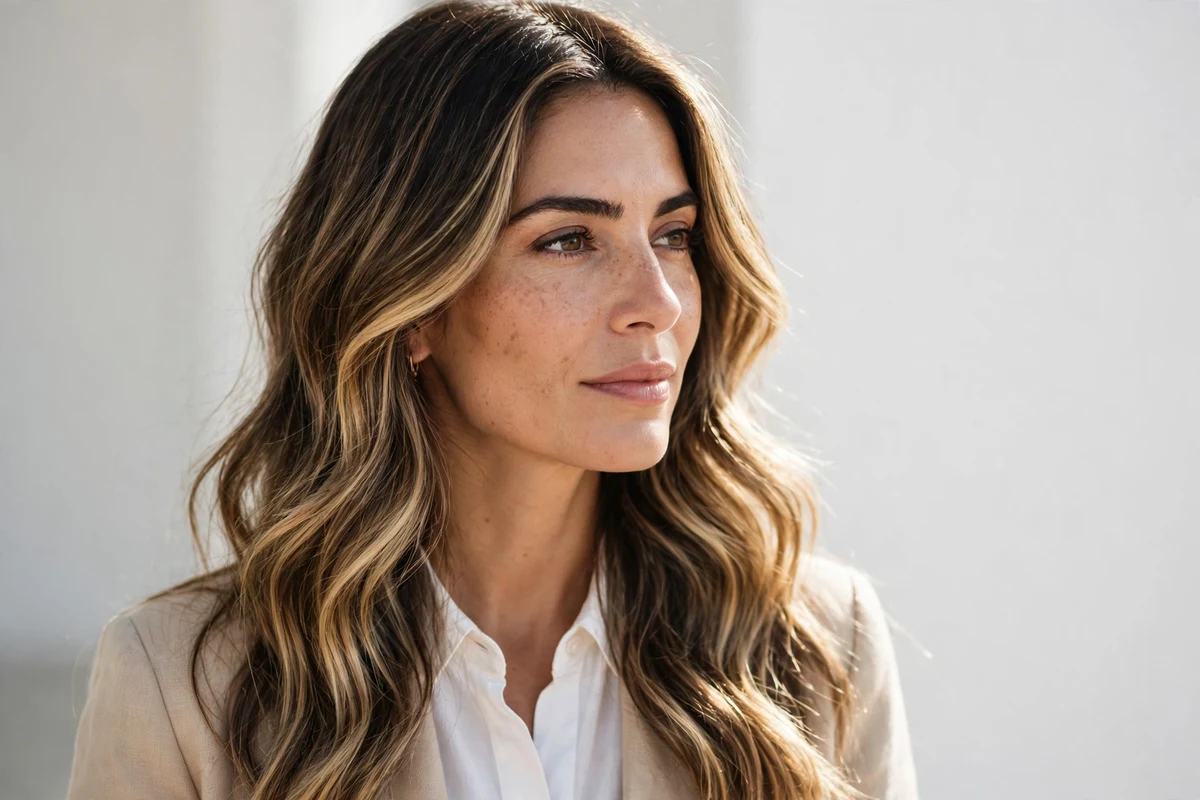
Dark blonde sits right between light brown and medium blonde, around a level 7 or 8. It gives you the brightness of blonde with more depth, so it reads natural in almost any light.
This roundup covers 30 dark blonde hair color ideas across every undertone: cool ash, warm honey, neutral beige, copper, and red. I’ve spent years matching blonde shades to different skin tones, and dark blonde is the one I recommend most often when someone wants change without high upkeep.
Quick answer: Dark blonde is a level 7-8 shade that works for warm, cool, and neutral undertones. Pick ash or taupe tones for cool skin, honey or caramel for warm skin, and beige or bronde if you are neutral. Most dark blonde colors need a touch-up every 8-12 weeks.
Quick Takeaways
- Dark blonde is a level 7-8 color with golden, ash, copper, or neutral undertones.
- Cool skin suits ash, taupe, and mushroom shades; warm skin suits honey, caramel, and copper.
- Balayage, ombre, and root melts keep dark blonde low maintenance with soft grow-out.
- Babylights and face-framing highlights add brightness without lightening all of your hair.
- Purple or blue toning shampoo once a week keeps cool dark blondes from turning brassy.
What Is Dark Blonde Hair Color?
Dark blonde is the deepest shade in the blonde family before hair reads as brown. Indoors it can look like light brown, but sunlight brings out the golden or ashy blonde tones that separate it from brunette shades.
Colorists mix it with different undertones to fit your skin. Ash dark blonde has cool, grayish tones. Honey and golden dark blonde lean warm. Beige, taupe, and bronde sit in the neutral middle and suit most people.
It is also one of the easiest blondes to maintain. Because it sits close to many natural hair colors, roots blend in as they grow, and you can stretch salon visits to 8-12 weeks with the right technique.
1. Dark Ash Blonde With Platinum Babylights
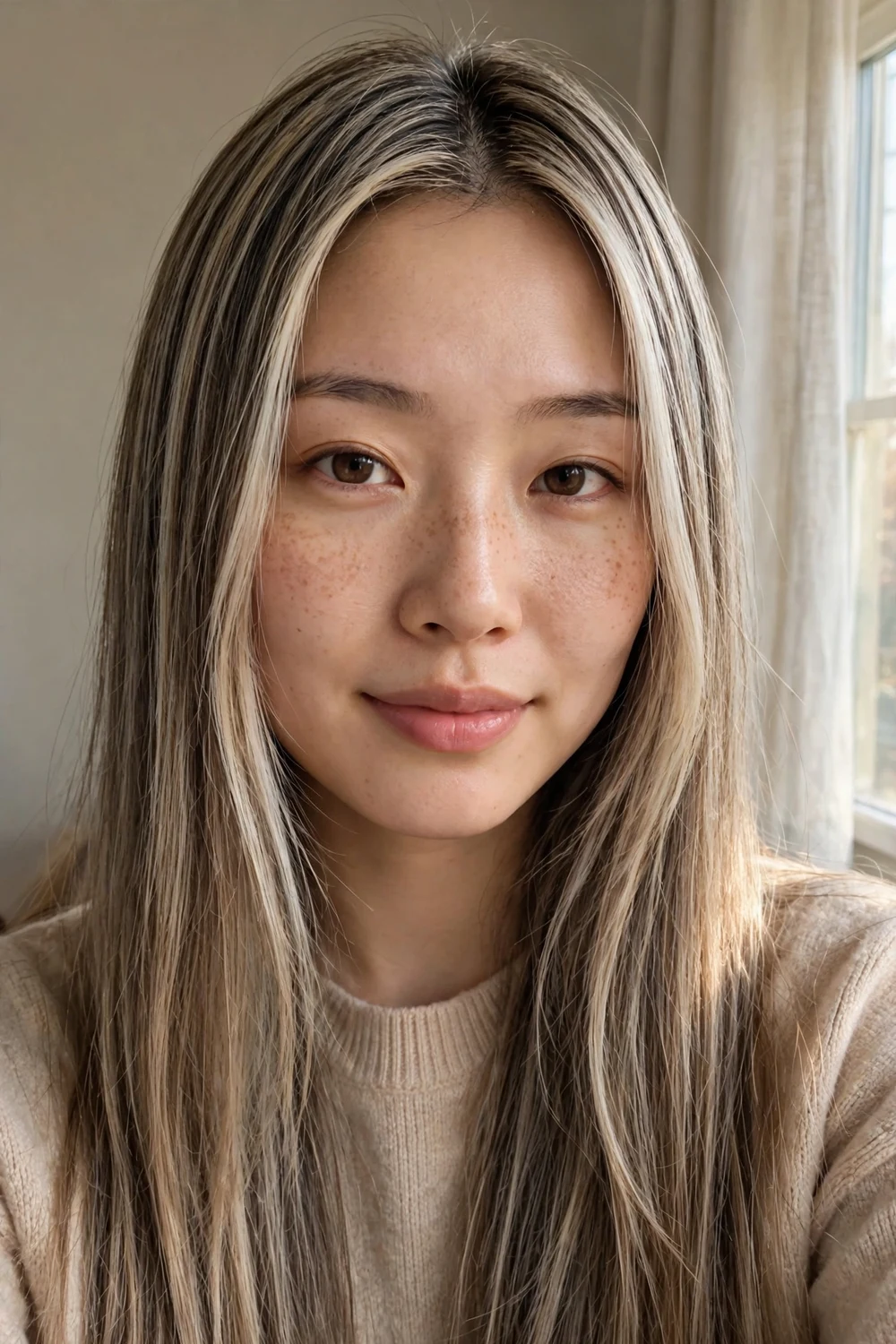
Cool ash tones give this dark blonde a silvery cast that flatters pink and blue undertones in the skin. Fine platinum babylights are woven through the mid-lengths to lift the shade without taking it light all over. The contrast between the smoky base and the bright strands creates dimension that shows up best in straight or loosely waved hair. Ask your colorist for babylights rather than chunky highlights, since the thin weaves grow out softly with no harsh line.
Try this: Wash with a purple shampoo once a week to keep the ash from warming up. Upkeep: Medium. Touch up the babylights every 10-12 weeks.
2. Deep Ash Blonde and Silver Ombre
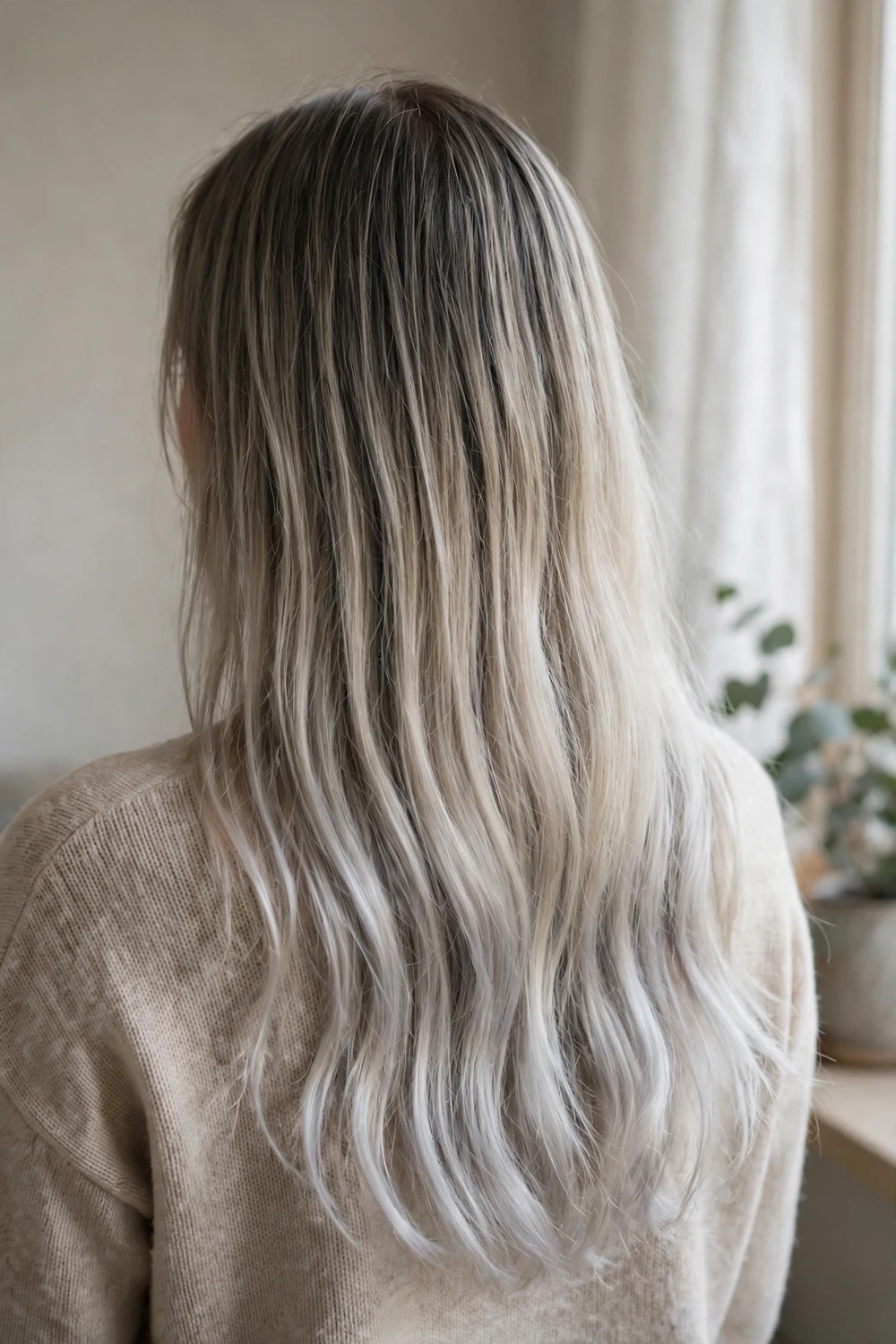
An ombre takes the grow-out problem out of the equation completely. Here a deep ash blonde at the roots melts into a violet-toned silver at the ends, which keeps the overall look cool from top to bottom. The gradual fade means you never get a visible regrowth line, so this is one of the lowest-maintenance ways to wear dark blonde. It suits long hair best, since the gradient needs length to blend smoothly.
Try this: Book a toner refresh at week 6 to stop the silver ends from yellowing. Upkeep: Low. Full redo only every 4-6 months.
3. Pearly Dark Ash Blonde
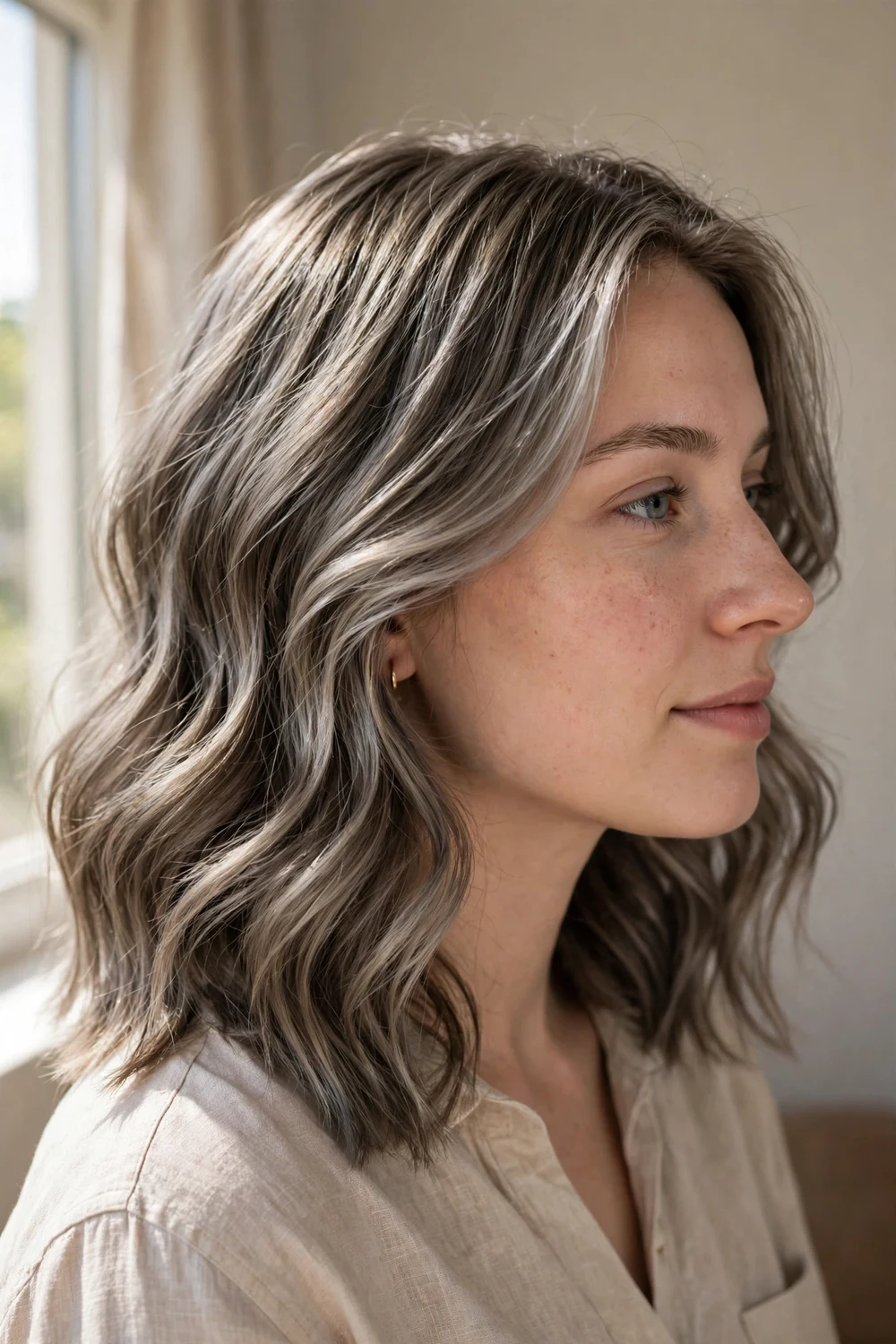
What sets this apart from standard ash blonde is the pearly finish. A pearl toner laid over a dark ash base adds a soft silver sheen that catches light as you move. Wavy and curly textures show off the shadowy depth underneath the shine. It reads cooler than most dark blondes, so it pairs well with fair skin and blue or green eyes. The pearl tone fades faster than the base color, so plan on a gloss between full appointments.
Try this: Ask for a demi-permanent pearl gloss every 6-8 weeks to revive the sheen. Upkeep: Medium.
4. Neutral Deep Ash Blonde With Golden Highlights

Can’t decide between warm and cool? This shade refuses to choose. A deep ash blonde base keeps things smoky at the roots and mid-shaft, while golden highlights are woven through to warm up the overall tone. The mix lands neutral, which means it works for warm, cool, and neutral skin alike. It is a smart pick if your skin tone shifts with the seasons and you tan in summer. Because the base stays dark, regrowth blends in and you can push appointments to 12 weeks without a visible line.
Try this: Keep the golden pieces mostly underneath and around the face for a sunlit effect. Upkeep: Medium. Highlights need lifting every 10-12 weeks.
5. Dark Platinum Blonde
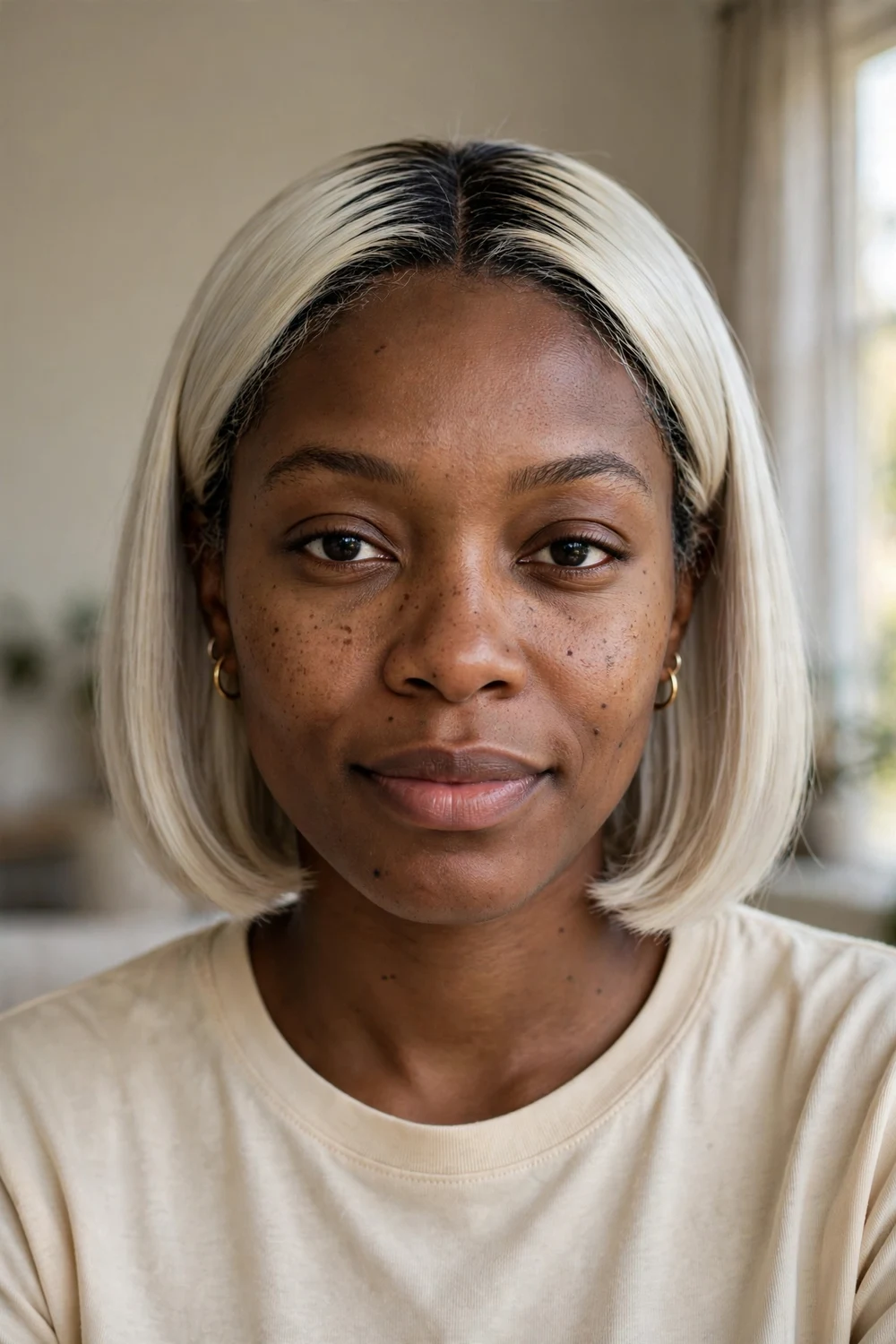
Dark platinum is blonde pushed as light as it goes while staying in the dark blonde family. It has an icy, almost metallic cast that stands out against deeper skin tones and looks striking on short cuts like bobs. Because it sits close to platinum, it needs more lift than other shades here, so expect a longer salon visit of 3 hours or more. Cool skin tones carry it best.
Try this: Use a bond-building treatment at home weekly, since the lift is harder on hair. Upkeep: High. Roots show in 4-6 weeks.
6. Dark Honey Blonde Balayage
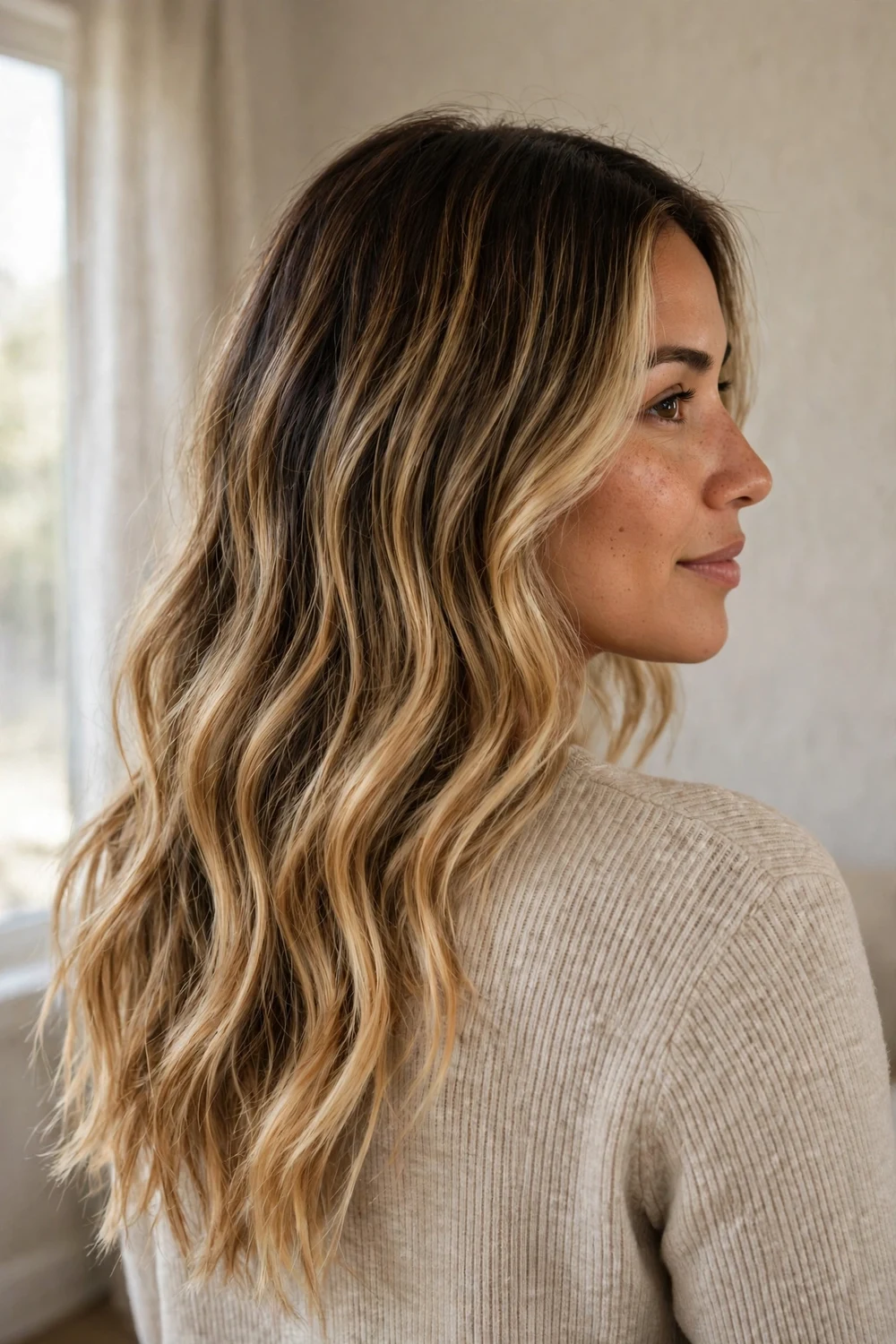
Honey tones go rich and caramel-like when they drop into the dark blonde range. Painted on with a balayage technique over a golden brown base, the result glows without looking stripey. The hand-painted placement means no foils and a softer grow-out than traditional highlights. Warm and olive skin tones get the most from this shade, and loose waves show off the color variation. A gloss treatment at week eight keeps the honey tones from fading flat between visits.
Try this: Ask your colorist to keep the pieces around your face slightly brighter for a lifted look. Upkeep: Low. Balayage grows out for 3-4 months.
7. Deep Golden Honey Blonde With Soft Highlights
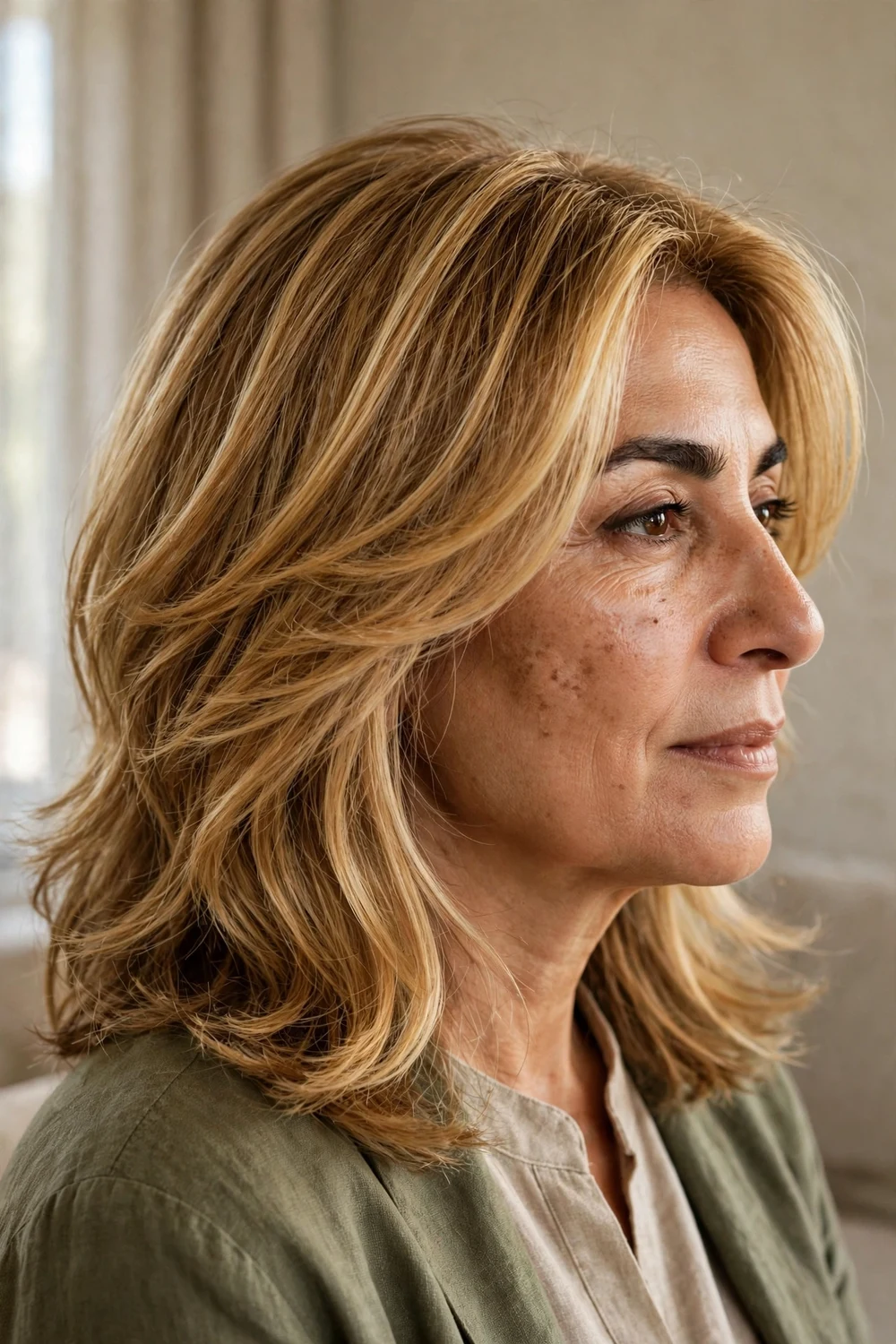
This is honey blonde worn deeper and richer than the balayage version above. Finely woven highlights skim the edges of face-framing layers, which brightens your features while the lengths keep their depth. The golden undertone flatters warm skin and brings out green and hazel eyes. Unlike an all-over color, the highlighted placement keeps regrowth soft, so you are not tied to a strict schedule. Ask for the highlights to be woven finely rather than sliced, since thin weaves look more natural as they grow.
Try this: Style with a round brush to make the golden pieces catch the light. Upkeep: Medium. Refresh highlights every 10-12 weeks.
8. Dark Butterscotch Blonde With Chocolate Root Melt
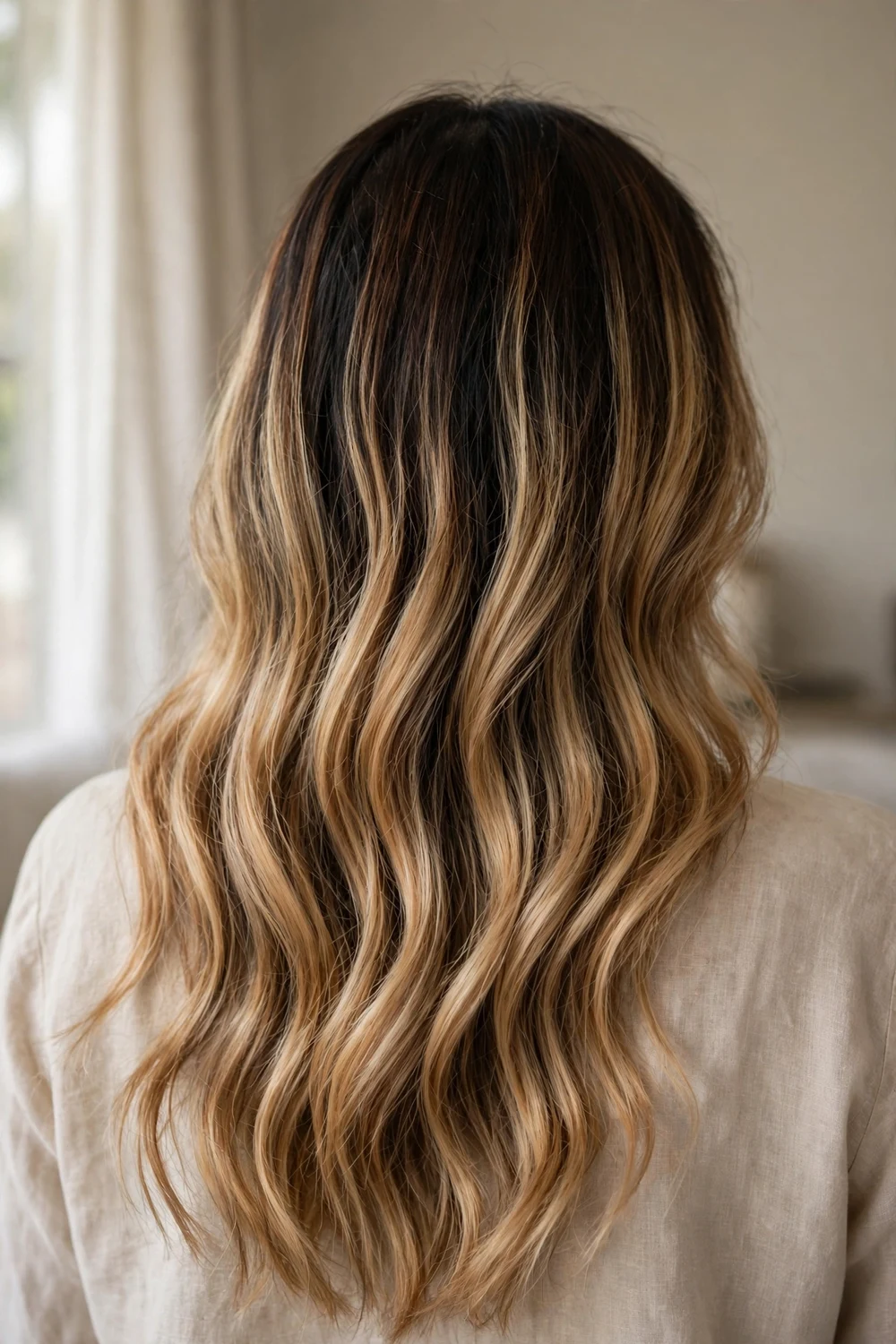
Butterscotch is honey’s deeper, toastier cousin. Here it is paired with a chocolate brown root melt, where the darker root color is blended down into the blonde instead of stopping in a line. The contrast gives the color depth and makes it ideal for naturally dark hair, since the roots already match. Warm undertones carry this shade best, and it looks rich on medium to long lengths. The chocolate root also gives fine hair the illusion of fullness at the crown, where depth matters most.
Try this: Have the melt brought down 2-3 inches so the blend looks lived-in, not striped. Upkeep: Low. The melted root hides regrowth for months.
9. Dark Golden Blonde
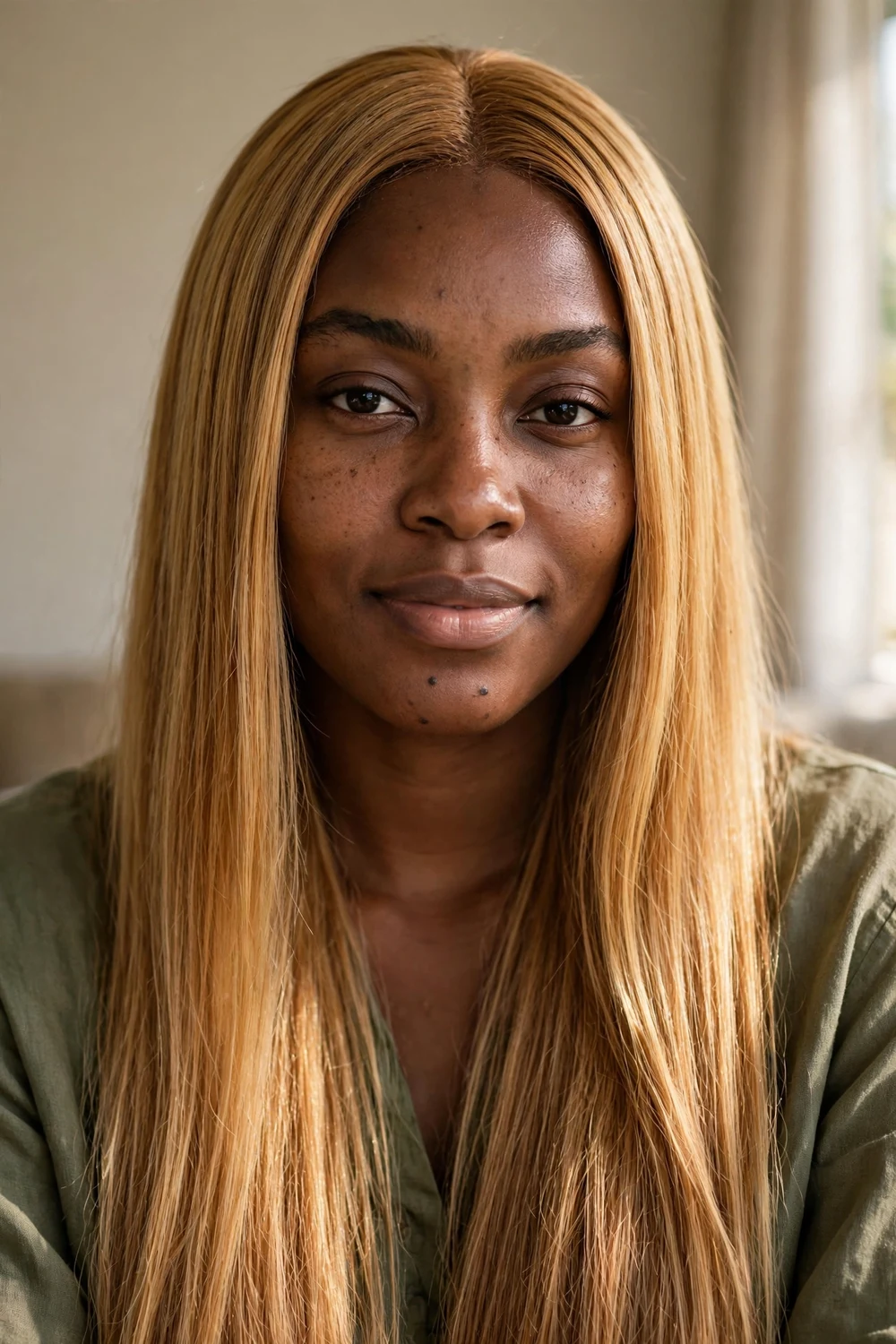
Sometimes the simplest option wins. An all-over dark golden blonde has no ombre, no balayage, just one rich warm shade from roots to ends. The golden reflect gives hair a sunlit quality even indoors and suits warm and neutral skin tones. Because it is a single process color, the salon visit is shorter and cheaper than multi-tonal techniques, usually under 2 hours. It also photographs well in any light, since there are no contrasting tones to fight with flash or sunlight.
Try this: Add a clear gloss at home monthly to keep the golden reflect from dulling. Upkeep: Medium. Root touch-ups every 6-8 weeks.
10. Golden Blonde Ombre
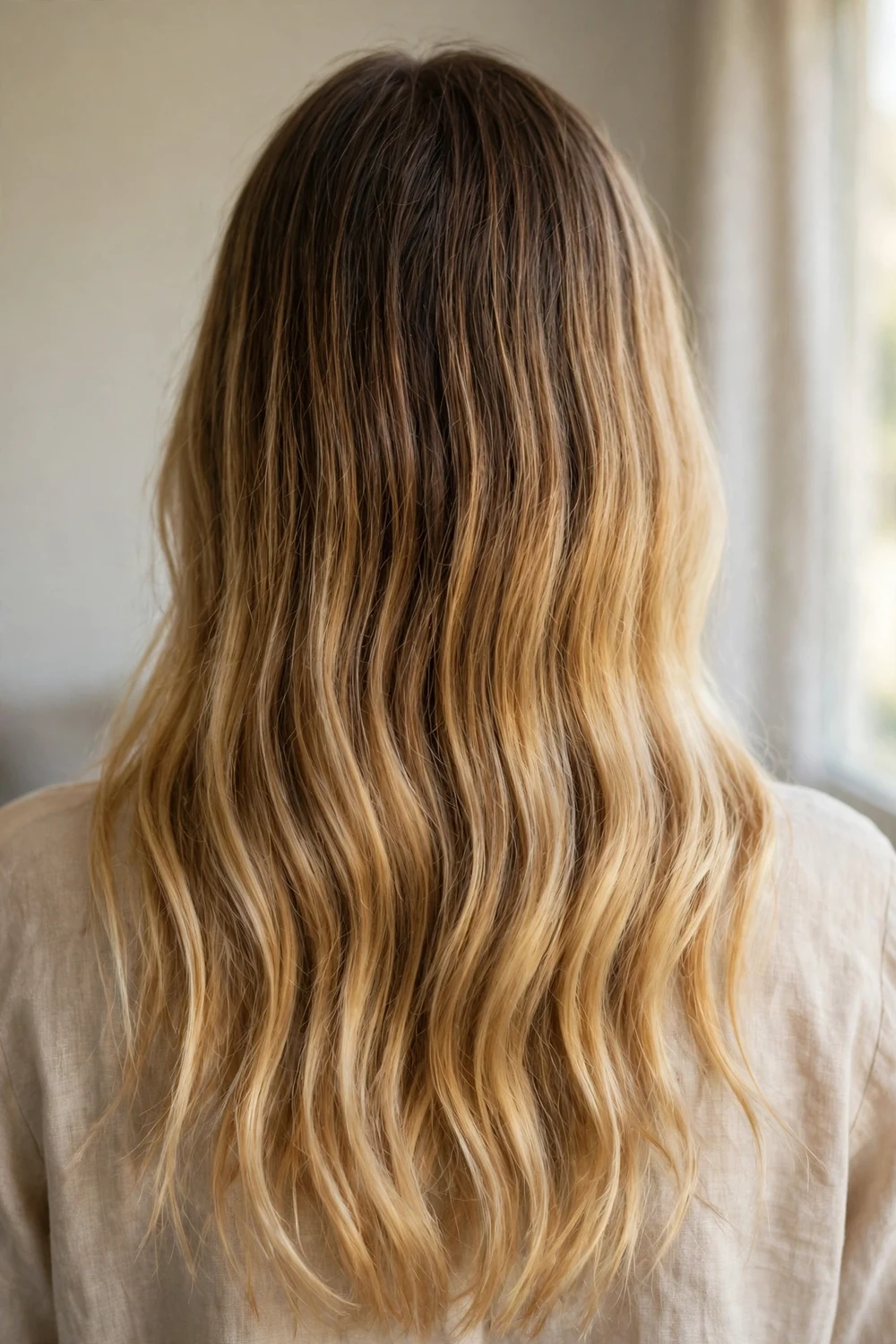
For brunettes who want to test blonde without committing, this ombre keeps your natural dark base and lightens only from the mid-shaft down. The golden blonde ends add movement and the illusion of layers even on one-length hair. Since the roots stay untouched, you skip root appointments entirely and only refresh the lighter ends when the tone fades. This makes it the cheapest blonde to maintain long term, with most of the budget going to occasional toning rather than full color.
Try this: Ask for the lightest point to hit below the chin so the brightness frames your face. Upkeep: Low. Tone the ends every 8-10 weeks.
11. Deep Caramel Blonde
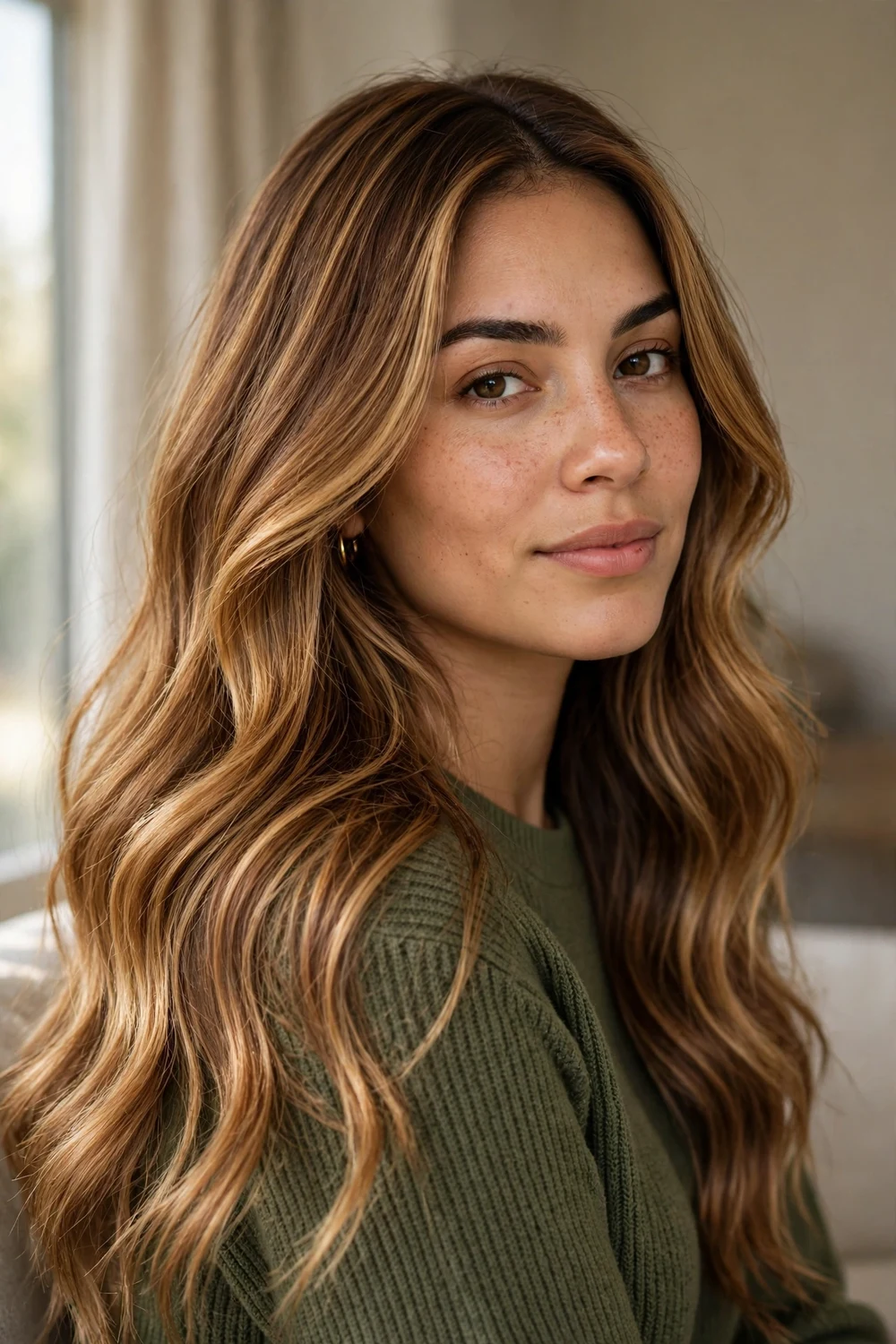
Caramel sits exactly on the line between golden brown and blonde, which makes it one of the most wearable dark blondes. Worn all over, it has a dimensional quality on its own: bends in the hair read brown while the curves catch blonde light. It suits warm and olive skin tones and looks good on every hair length. This is also a forgiving first color for brunettes going lighter, since the brown base keeps it familiar.
Try this: Wear it in loose waves to show off the brown-to-blonde shift. Upkeep: Medium. Single-process roots every 6-8 weeks.
12. Dimensional Dark Bronde
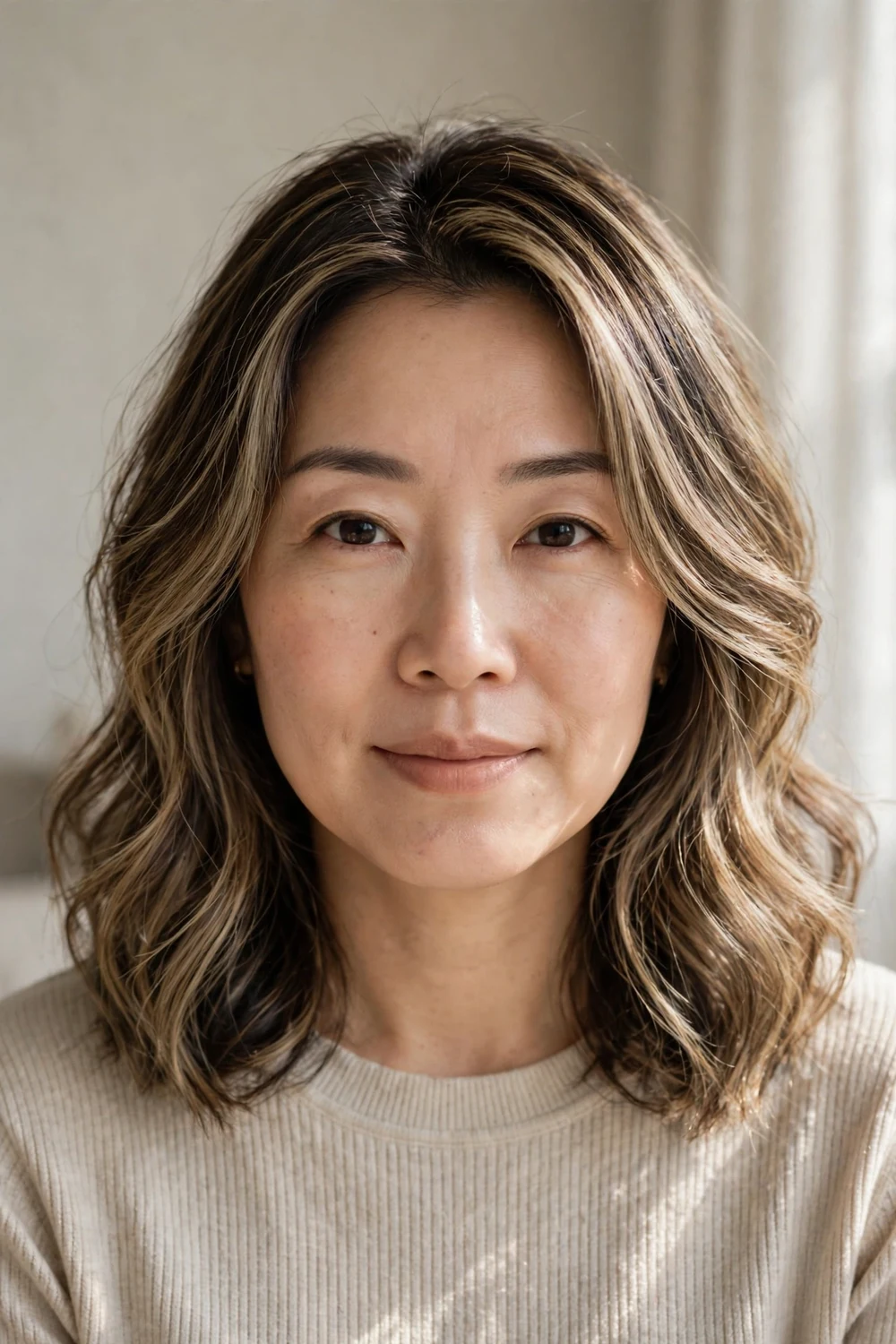
Bronde is the true middle ground between brunette and blonde, and the dark version leans slightly deeper. Multiple tones are woven through so the color seems to shift as light hits it. It is the best low-commitment entry into blonde for dark-haired women, since it never strays far from your natural base. The multi-tonal placement also makes fine hair look thicker. Most colorists can achieve it in a single two-to-three-hour session, and the result needs no root appointments for months.
Try this: Bring photos showing both brown and blonde bronde, since the term covers a wide range. Upkeep: Low. The blend disguises regrowth for 3-4 months.
13. Bronde With Subtle Caramel Highlights

Starting from a bronde base, fine caramel highlights are placed to catch the light around the face and through the ends. The highlights stay close to the base color, so the effect is soft rather than contrasty. This is a good choice if you want dimension without an obvious highlighted look, and it suits professional settings where subtle color reads best. Because the highlights sit close to the base, even noticeable regrowth blends in instead of forming a line.
Try this: Keep the highlights within two levels of your base for the softest result. Upkeep: Low-Medium. Refresh every 12 weeks.
14. Dark Chocolate Blonde
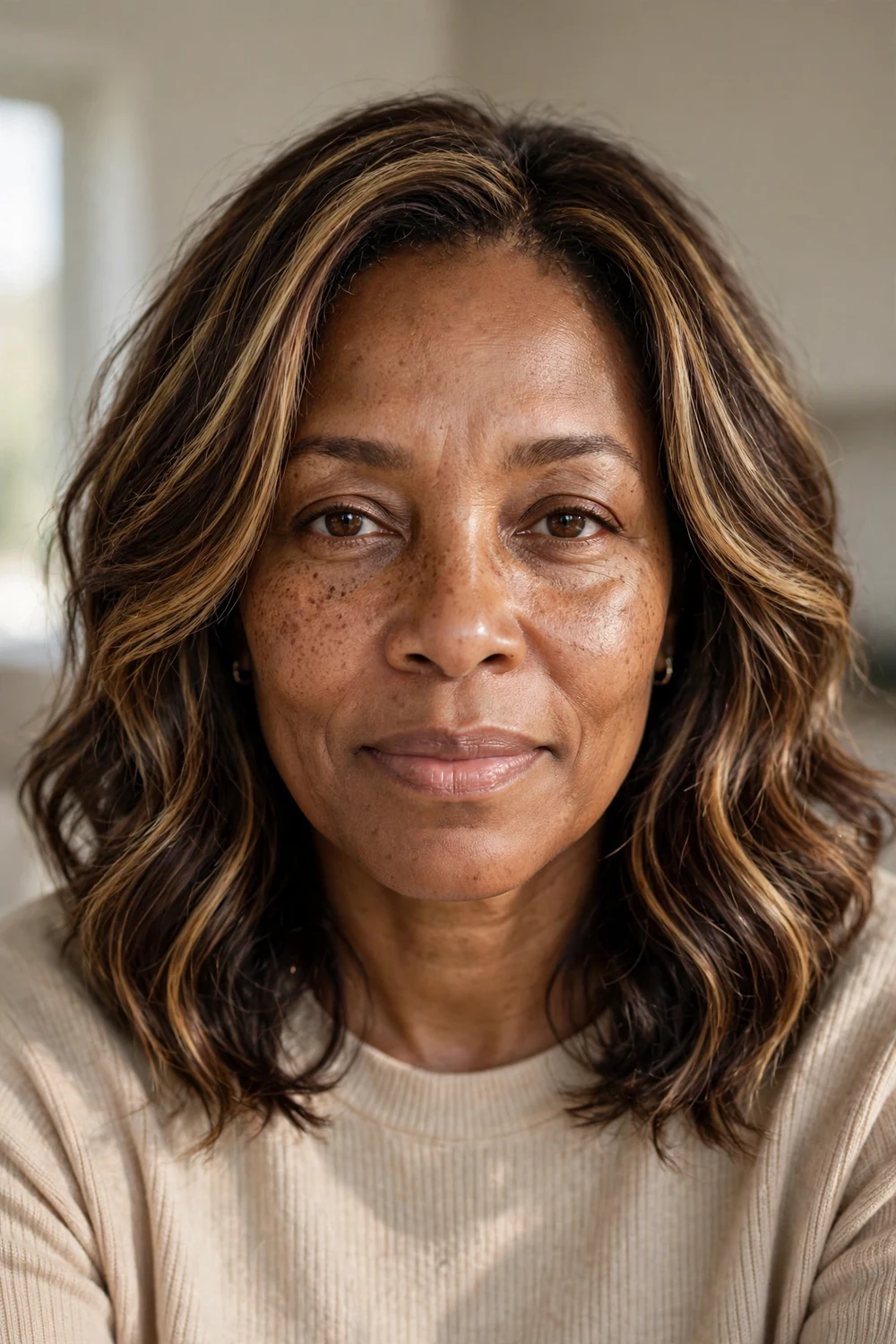
This shade merges brunette depth with blonde warmth into one luxurious color. It reads chocolatey in low light and reveals blonde tones in the sun, which gives it more interest than a flat brown. Medium to deep skin tones with warm undertones wear it especially well. Soft layers help the color move and show its range. A demi-permanent formula works well here, since it deposits rich tone without the damage of permanent lift and fades gracefully.
Try this: Pair it with deep jewel-toned clothing to make the warmth stand out. Upkeep: Medium. Gloss every 8 weeks to keep it rich.
15. Dark Taupe Blonde

Taupe is the neutral diplomat of dark blondes. Its muted gray-beige tone suits warm, cool, and neutral skin equally, which makes it the safest pick if you are unsure of your undertone. The color looks lighter in bright light and deeper indoors, so it never feels flat. It is also one of the most modern-looking options here, with an understated quality that works for minimalists. If your hair pulls warm no matter what you do, taupe is worth discussing, since its beige-gray base actively cancels brassiness.
Try this: Ask for a demi-permanent formula so the muted tone fades gracefully. Upkeep: Low-Medium. Refresh every 10-12 weeks.
16. Beige Blonde With Dark Roots

Deliberate dark roots turned from a grow-out accident into a technique. A beige dark blonde is applied through the lengths while the natural dark base is left or deepened at the roots, then blended so there is no line. The contrast adds edge and makes the blonde look brighter by comparison. It is practical too: your regrowth simply becomes part of the style. Ask your colorist to melt the root color down at least two inches so the transition looks intentional rather than grown out.
Try this: Have the roots smudged at least an inch down for a seamless blend. Upkeep: Low. Root area needs no touch-ups for months.
17. Beigey-Blonde Babylights
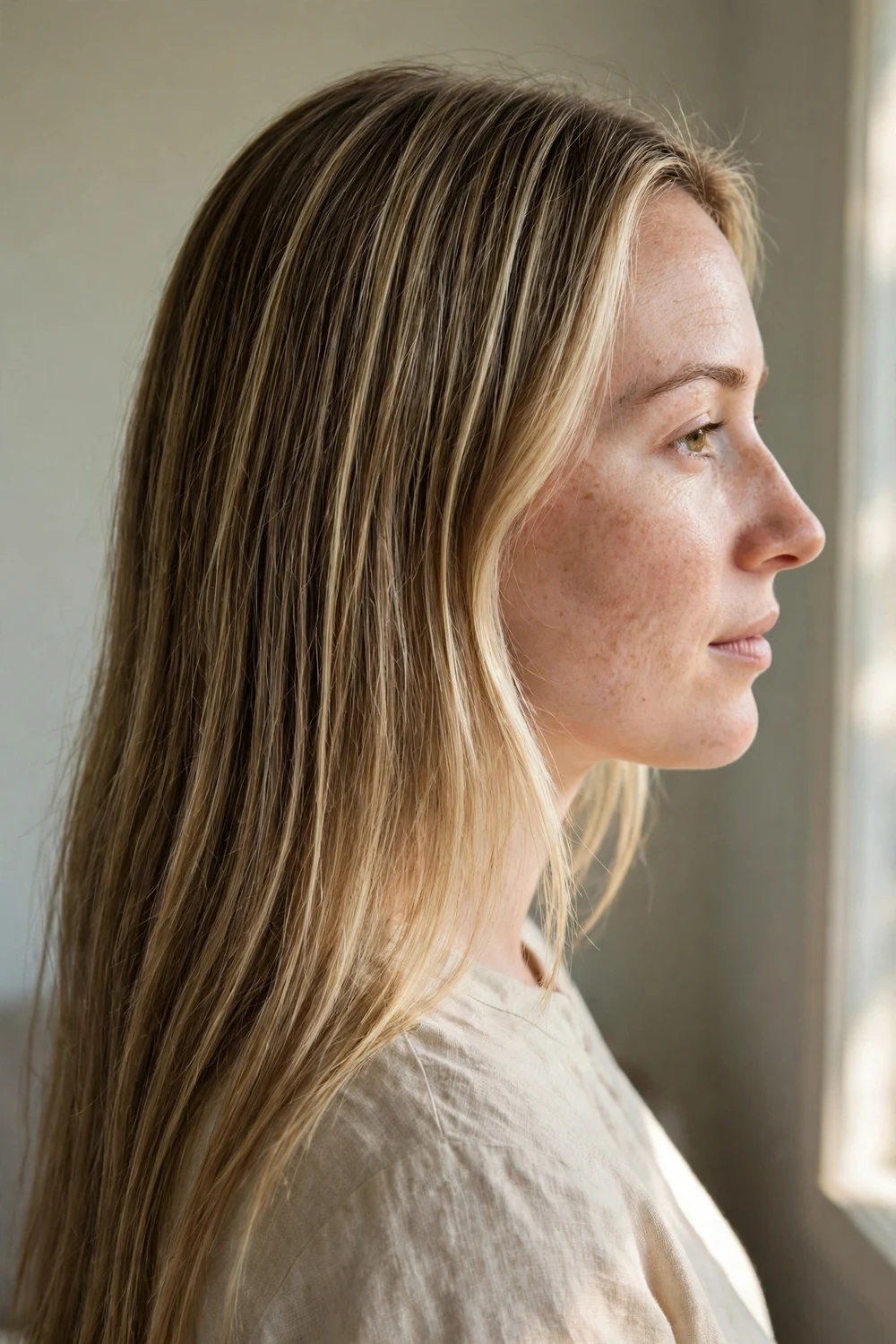
Babylights are the finest highlights a colorist can weave, and in a beigey blonde tone they read almost like natural sun-lightening. Scattered through dark blonde hair, they add brightness and movement without any visible pattern. The cool beige undertone keeps the result sophisticated rather than beachy. Fine hair benefits most, since the tiny highlights create an illusion of density. The appointment takes longer than standard highlights because of the fine weaving, so expect to be in the chair for about three hours.
Try this: Concentrate the babylights around the part and hairline where light hits naturally. Upkeep: Medium. Redo every 10-12 weeks.
18. Smoky Mushroom Blonde
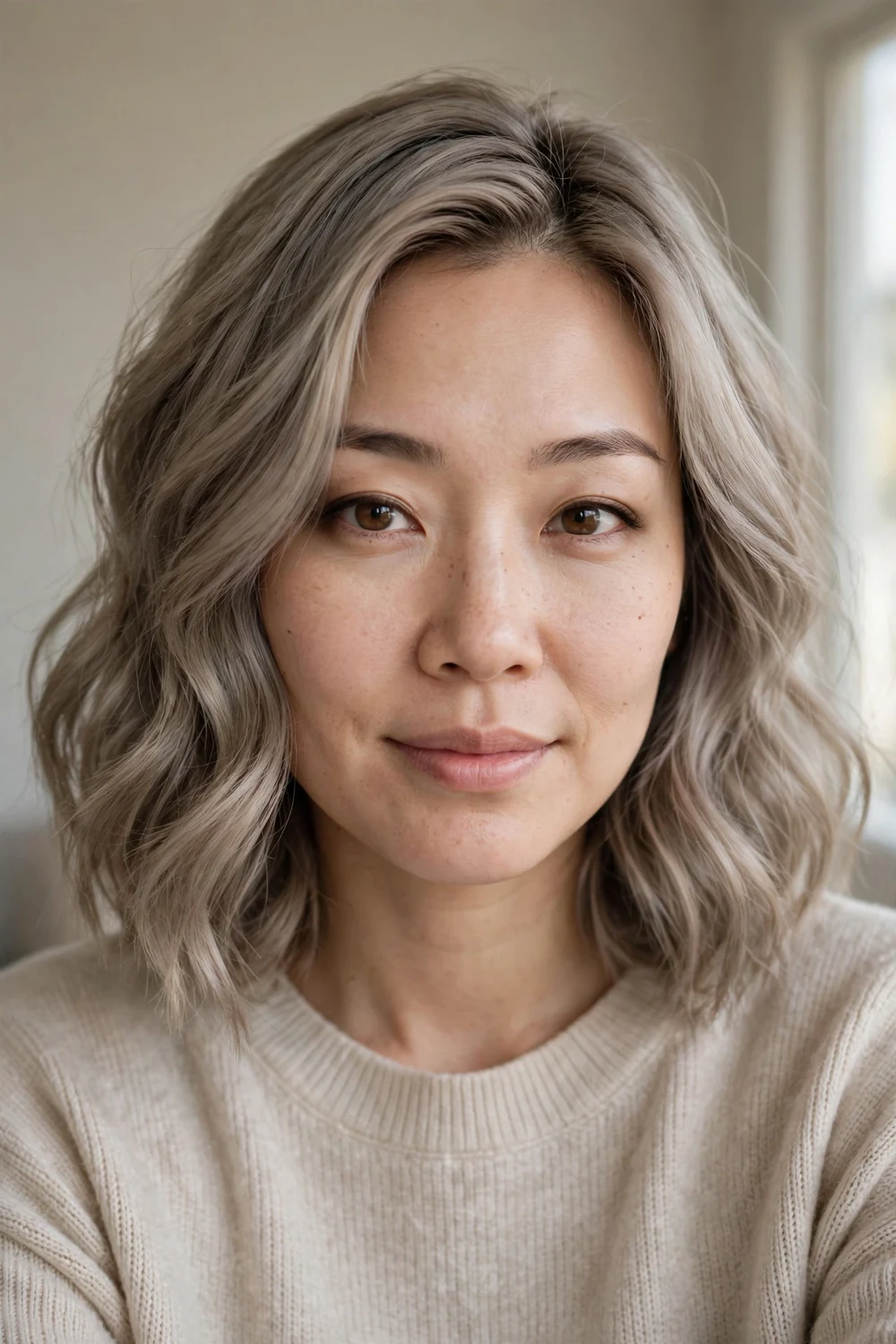
Mushroom blonde mixes taupe, gray, and beige into an earthy shade that feels current and a little edgy. The smoky version deepens it into dark blonde territory with a matte, dimensional finish. Cool-toned women carry it best, and it looks sharp on blunt cuts like lobs where the color sits in one clean shape. Minimalist makeup lets the unusual tone take focus. Because the shade is so muted, it pairs well with bold lip colors if you want contrast without clashing undertones.
Try this: Skip heat styling for a day after coloring so the matte tone settles evenly. Upkeep: Medium. The gray tones fade first, so gloss at week 8.
19. Mushroom Bronde Balayage
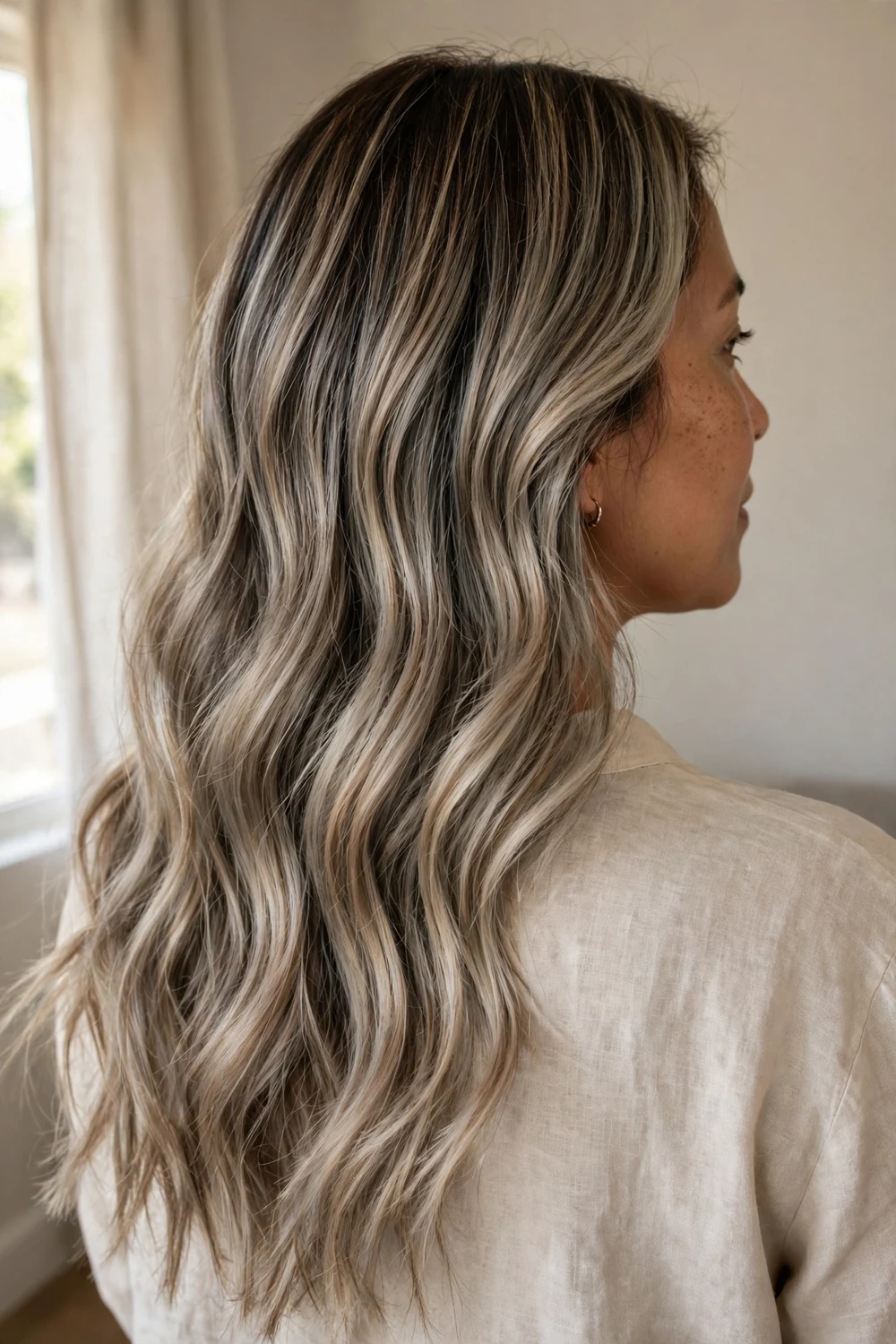
This combines two trends: the mushroom tone and the balayage technique. Soft brunette depth at the roots is hand-painted into muted grayish-beige blonde through the lengths. The result is dimensional without warmth, which suits women who find golden blondes too yellow on their skin. The balayage grow-out keeps salon visits far apart. This is a good pick if golden blondes always turn yellow on you, since the mushroom base has no warm pigment to expose. Most wearers go four to six months between appointments.
Try this: Use a sulfate-free shampoo to protect the delicate ashy tones. Upkeep: Low. Balayage lasts 4-6 months.
20. Deep Strawberry Blonde With Champagne Highlights
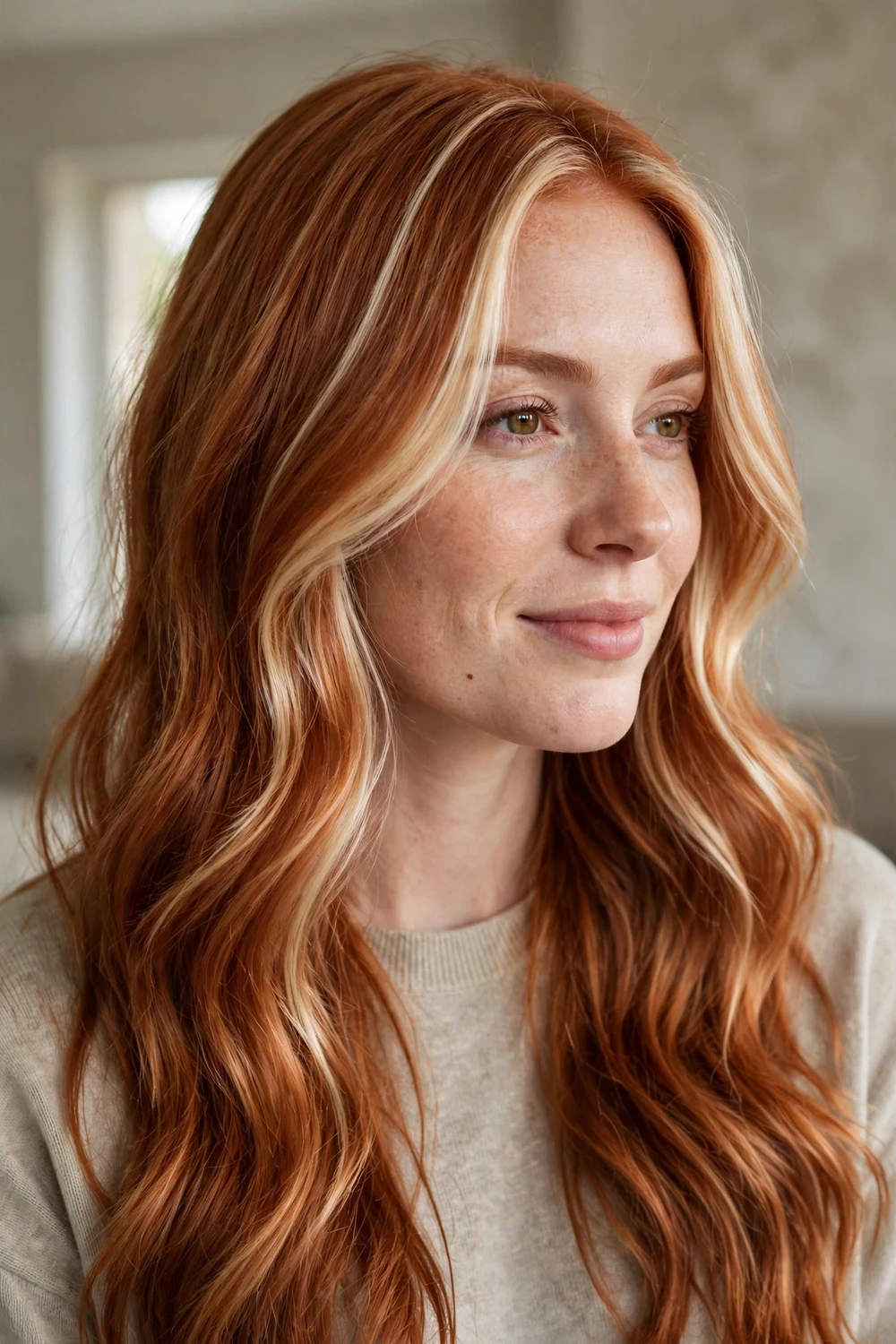
Strawberry blonde lives between red and blonde, and the deep version leans coppery and rich. Champagne highlights around the face lift it with brightness so the red doesn’t overwhelm fair skin. This combination flatters warm and neutral undertones and brings out blue and green eyes. The red tones fade faster than blonde, so color-safe shampoo is non-negotiable. Fair skin with warm undertones gets the most from this combination, and the champagne pieces keep the red from overwhelming paler complexions.
Try this: Wash in cool water to slow the fading of the strawberry tones. Upkeep: Medium-High. Refresh the red every 6-8 weeks.
21. Dark Strawberry Blonde With Smudged Roots
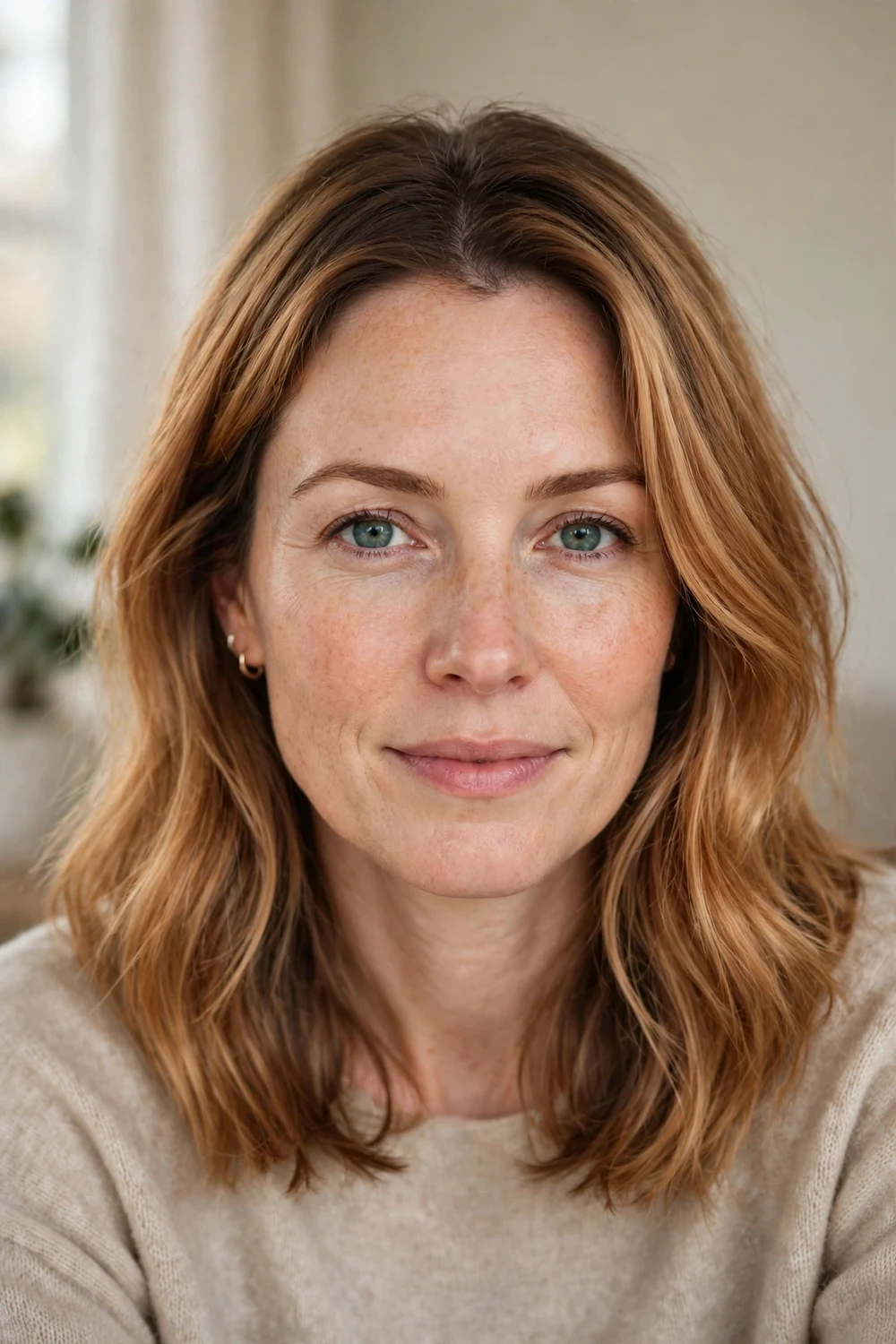
A smudged root takes strawberry blonde and makes it wearable for darker natural bases. The colorist taps a slightly deeper shade at the roots and diffuses it down, so the red-blonde melts in with no line. This cuts maintenance sharply compared to an all-over strawberry, since regrowth blends into the smudge. It suits women with naturally brown hair who want red tones without the constant root battle. The smudged root also lets you stretch appointments to twelve weeks, since new growth melts into the deeper root color.
Try this: Ask for the smudge to match your natural root color for the most seamless grow-out. Upkeep: Low-Medium. Smudge refresh every 12 weeks.
22. Dark Dirty Blonde With Auburn Red Undertones
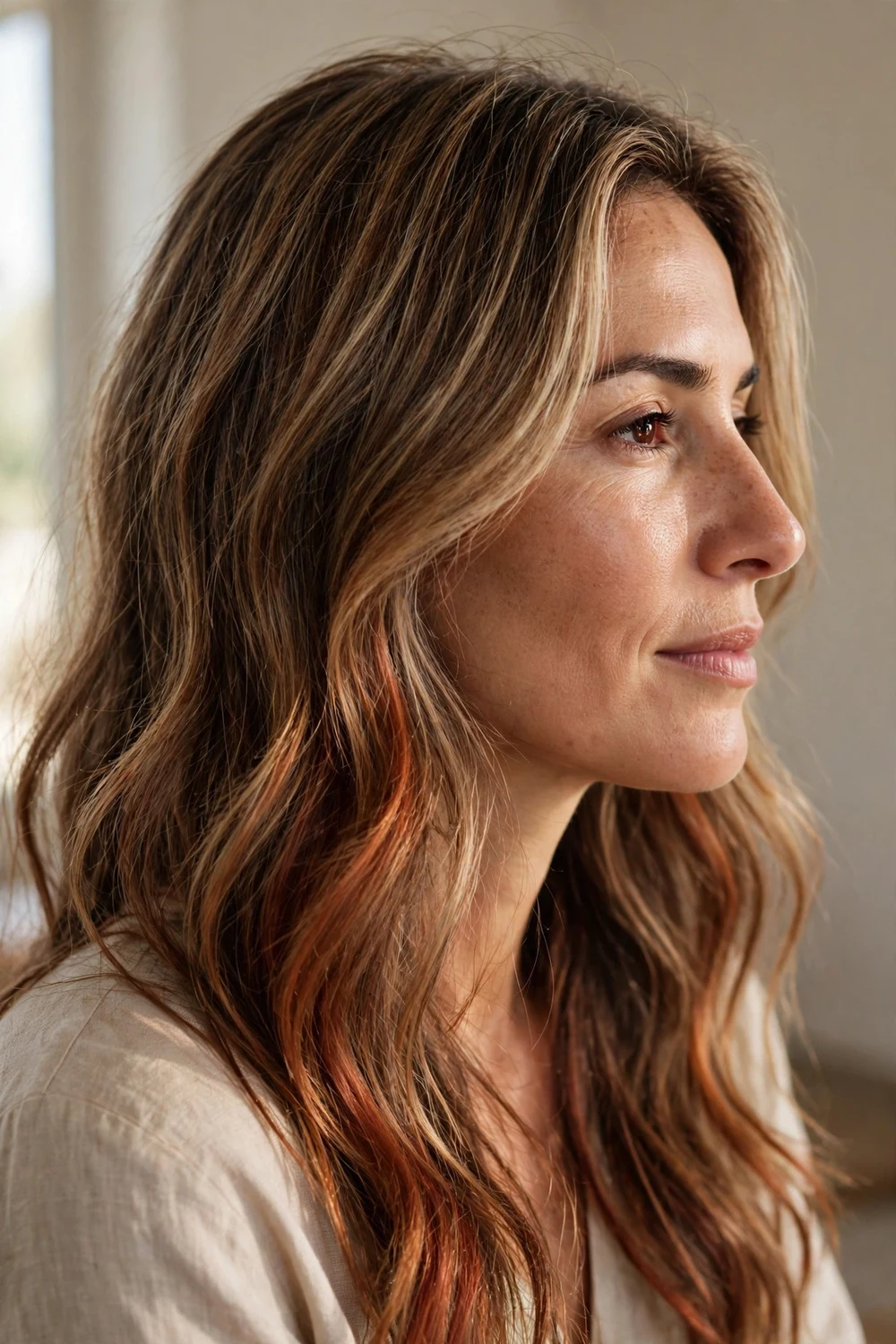
Dirty blonde gets its lived-in character from mixed tones, and auburn undertones warm it up for skin with golden or peachy hues. The blend of cool dirty blonde and warm red lands neutral overall, so it adapts to most complexions. Worn all over or as a base for balayage, it has a natural quality that doesn’t look “done.” It is a strong option if you want warmth without going full copper.
Try this: Let it air-dry sometimes; the mixed tones look best with natural texture. Upkeep: Low-Medium. Single process every 8-10 weeks.
23. Dark Copper Blonde
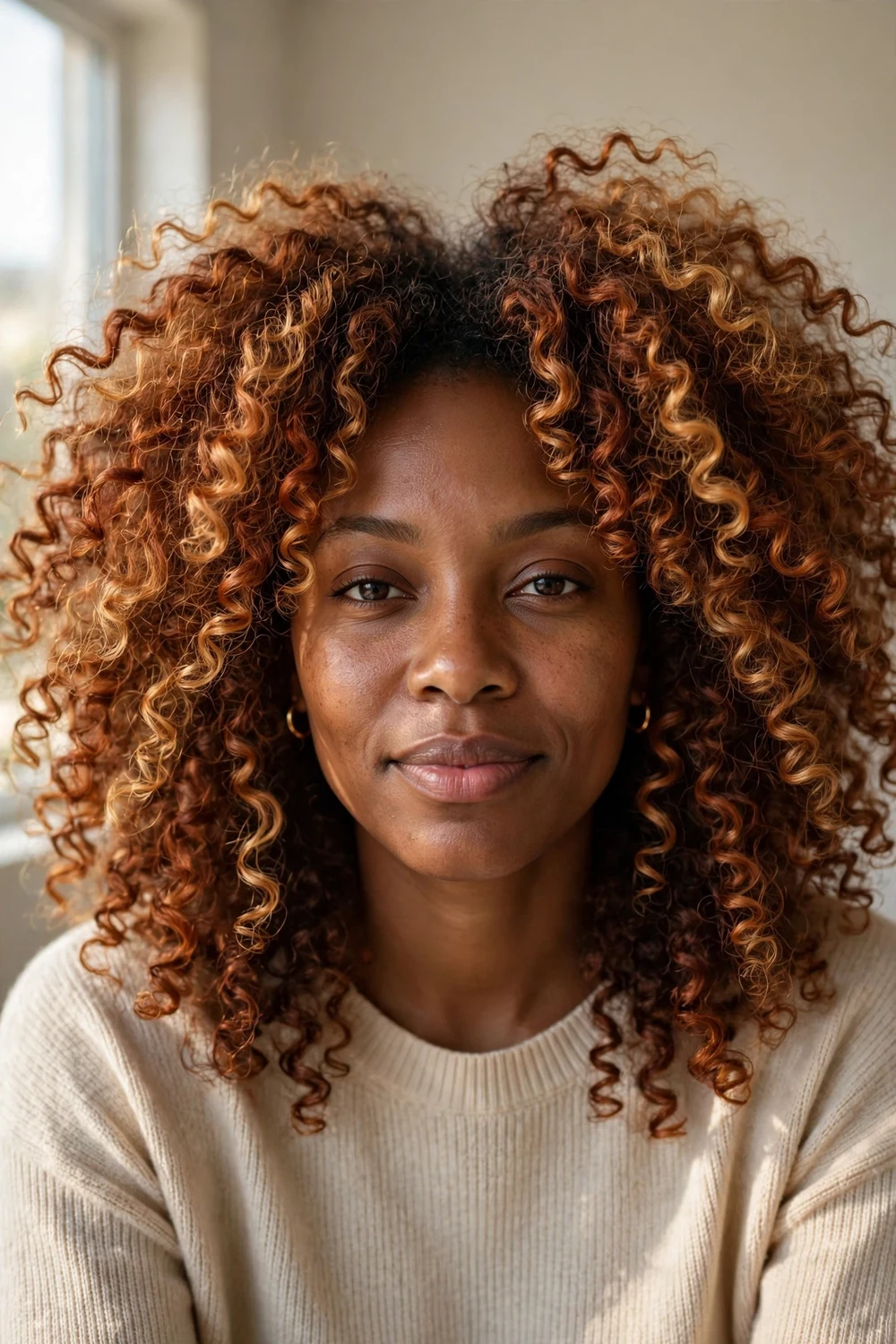
For red lovers who want to stay in the blonde family, dark copper blonde is the compromise. It is richer and more vivid than strawberry blonde, with true copper reflect through the lengths. The warmth lights up the face and pairs well with gold jewelry. Curly and coily textures show off the color’s depth, since each curl catches light differently. Expect the copper to need more frequent refreshing than ash or beige tones.
Try this: Add a copper color-depositing conditioner to your routine weekly. Upkeep: High. Copper fades in 4-6 weeks.
24. Neutral Copper Ash Dark Blonde
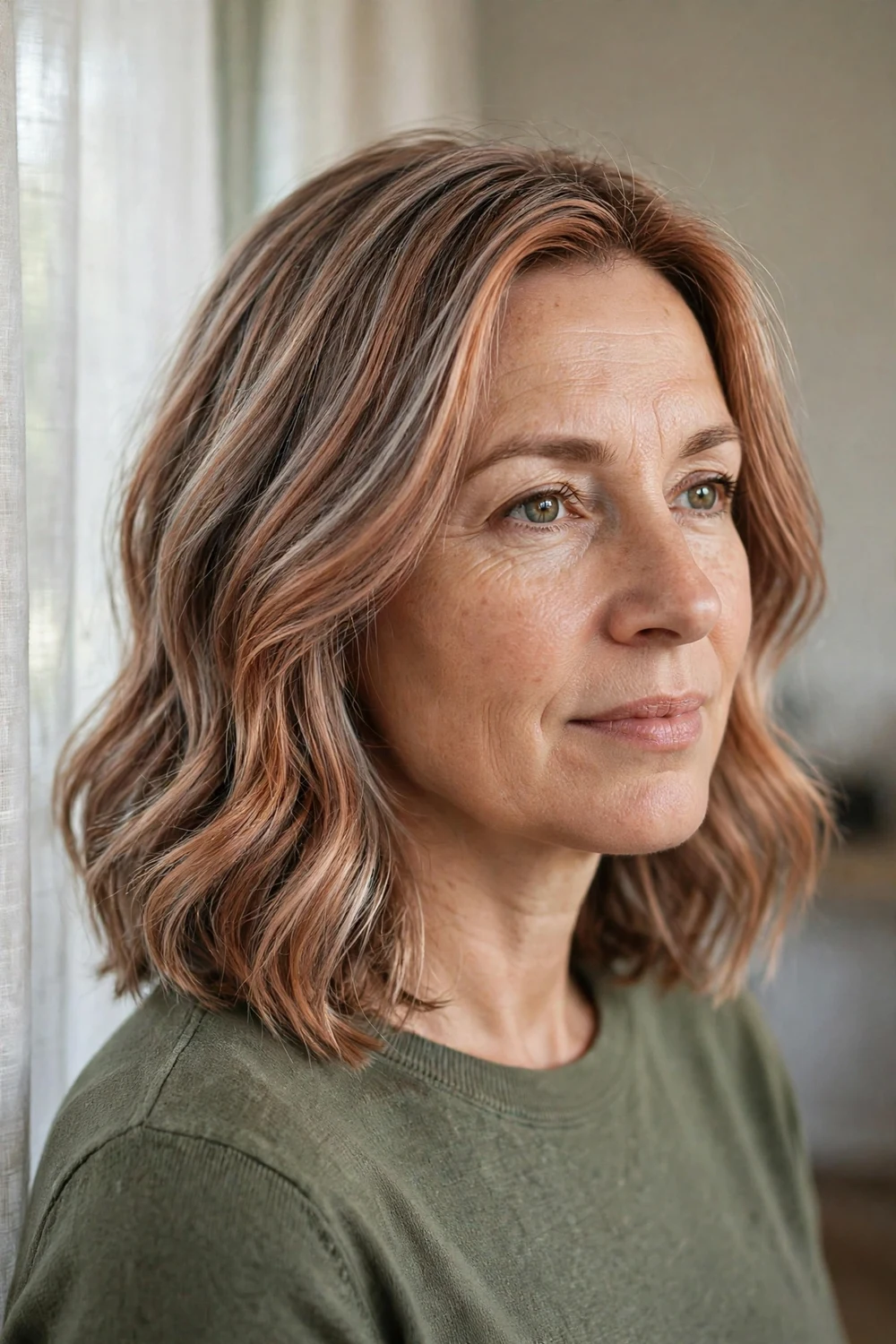
This shade does something unusual: it mixes warm copper with cool ash in one formula. The ash mutes the copper’s brightness while the copper keeps the ash from going flat, landing in a neutral middle that suits every undertone. If you love red tones but find pure copper too loud, this is the toned-down answer. It reads sophisticated rather than fiery. Green and hazel eyes stand out against this shade, since the muted copper makes eye color look more intense by comparison.
Try this: Show your colorist photos in both indoor and outdoor light, since this shade shifts between them. Upkeep: Medium. Tone refresh every 8 weeks.
25. Dark Rose Gold Blonde
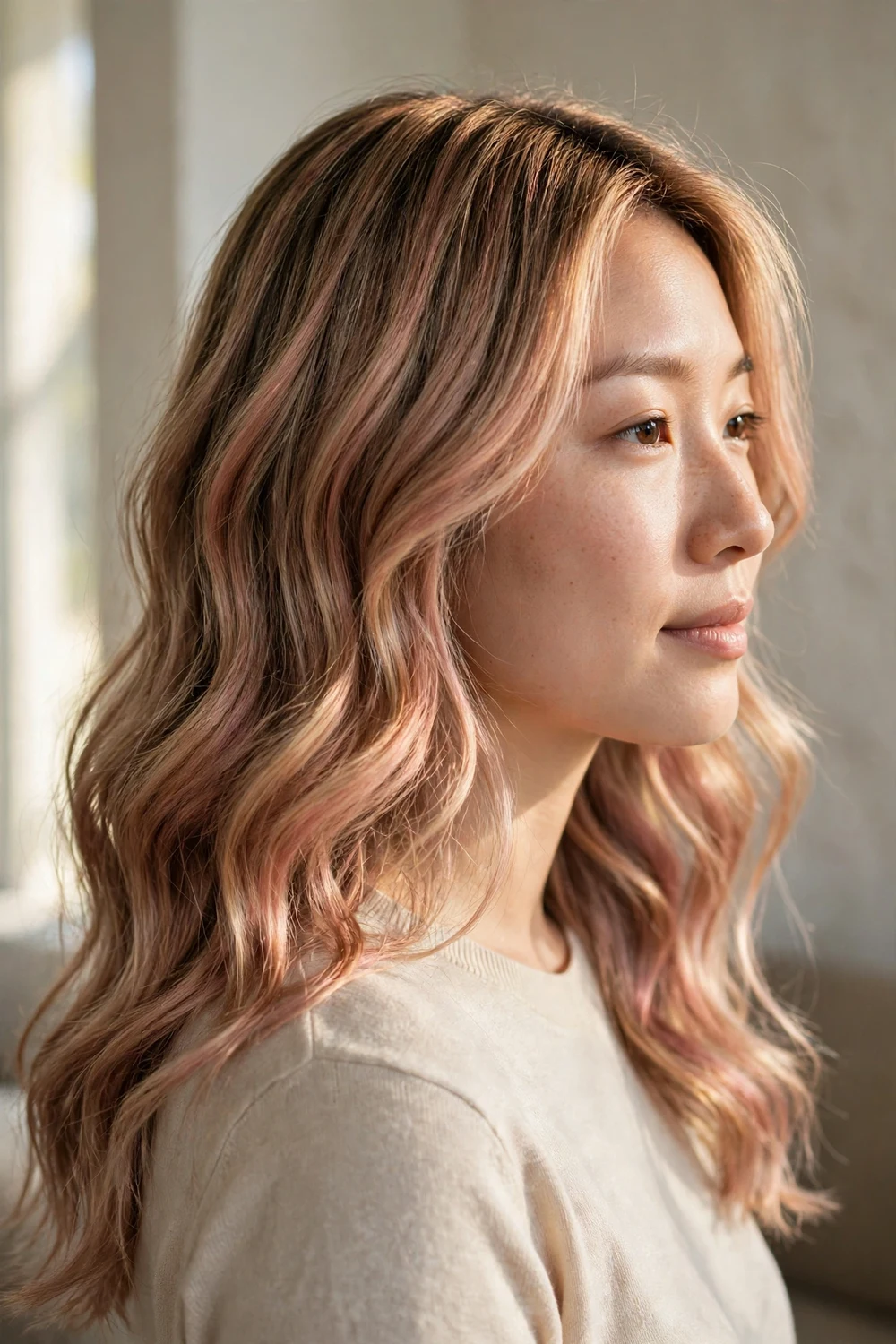
Rose gold over a dark blonde base gives you pink and gold shimmer without the upkeep of pastel color. The deeper base keeps it wearable for work and everyday life while the rosy reflect adds personality. Light to medium skin with warm undertones wears it best. The pink tones are the first to wash out, so plan on gloss refreshes to keep the rose alive. A rose-gold color-depositing mask used once a week at home stretches the time between salon glosses noticeably.
Try this: Soft waves show off the pink-gold dimension better than straight styles. Upkeep: Medium-High. Rose gloss every 6-8 weeks.
26. Natural Dirty Blonde
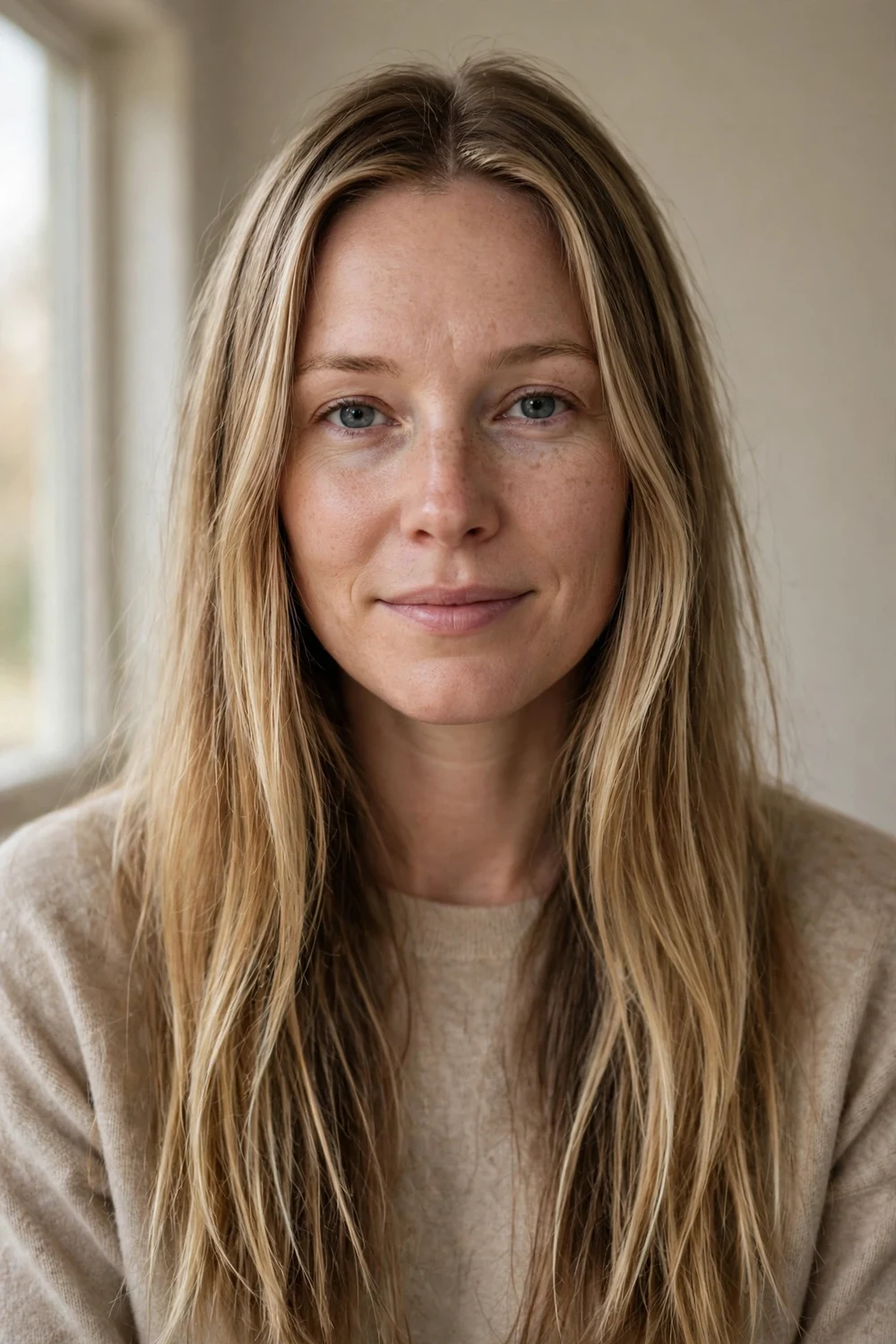
The most effortless shade on this list is also the closest to what nature does. Natural dirty blonde mixes dark and light blonde tones with no pattern, mimicking how hair lightens unevenly in the sun. It suits every skin tone and every age, and it is the easiest blonde to grow out because there is nothing to grow out. If you want color that nobody can clock as color, start here.
Try this: Ask for at least two blonde tones mixed, never a single flat shade. Upkeep: Low. The most forgiving blonde to maintain.
27. Warm Sandy Blonde
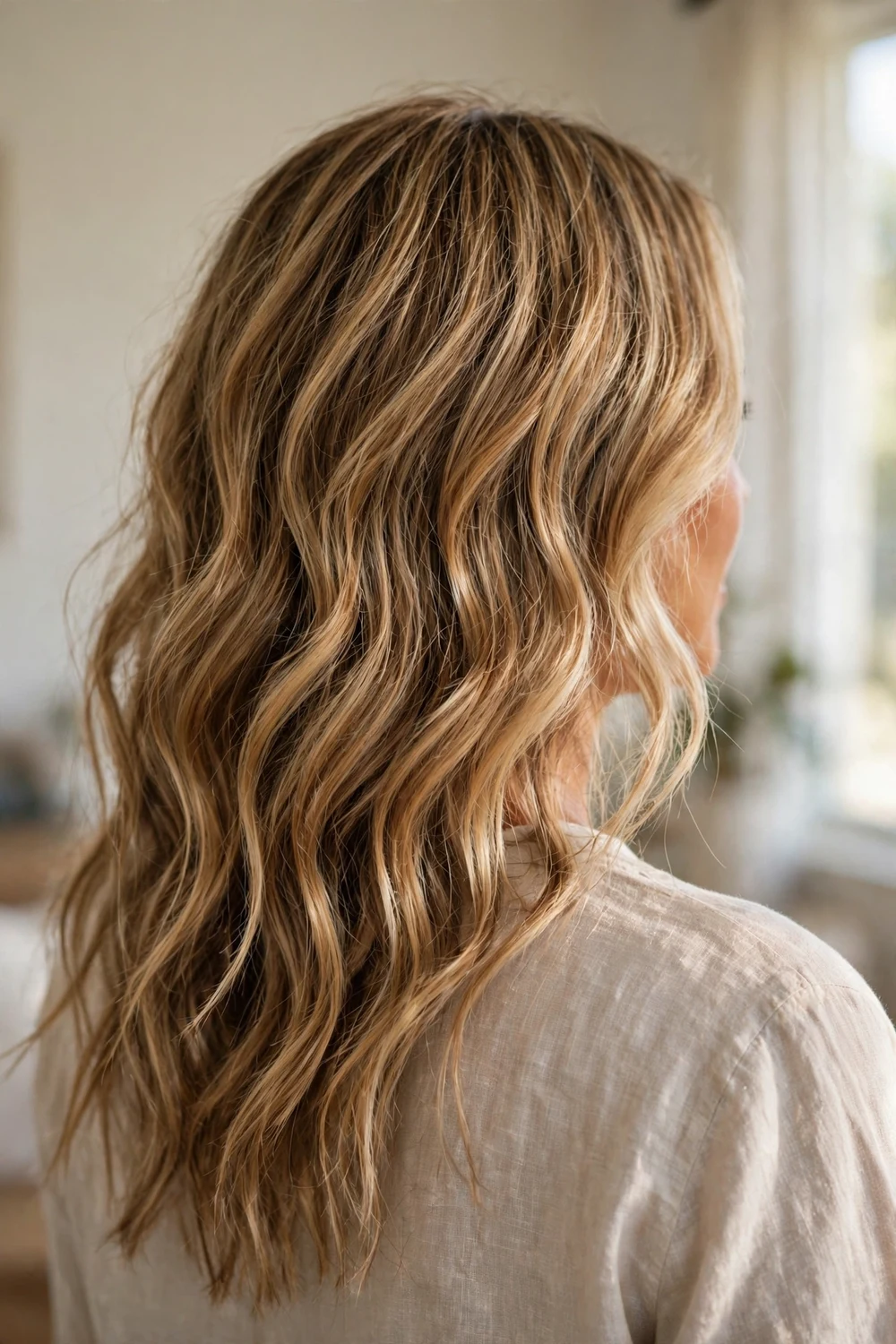
Sandy blonde blends golden and light brown tones like sun-warmed sand, and the warm version leans into the gold. It has a relaxed, beachy character that suits warm skin with a natural glow. Loose waves are its best styling partner, since the texture breaks up the color into highlights and shadows. It is a summer favorite that carries well into fall. Medium skin tones with warm undertones wear it best, and a golden gloss every couple of months keeps the sandy reflect bright.
Try this: A sea-salt spray adds the beachy texture this shade was made for. Upkeep: Low-Medium. Refresh every 10-12 weeks.
28. Dimensional Dark Blonde Balayage
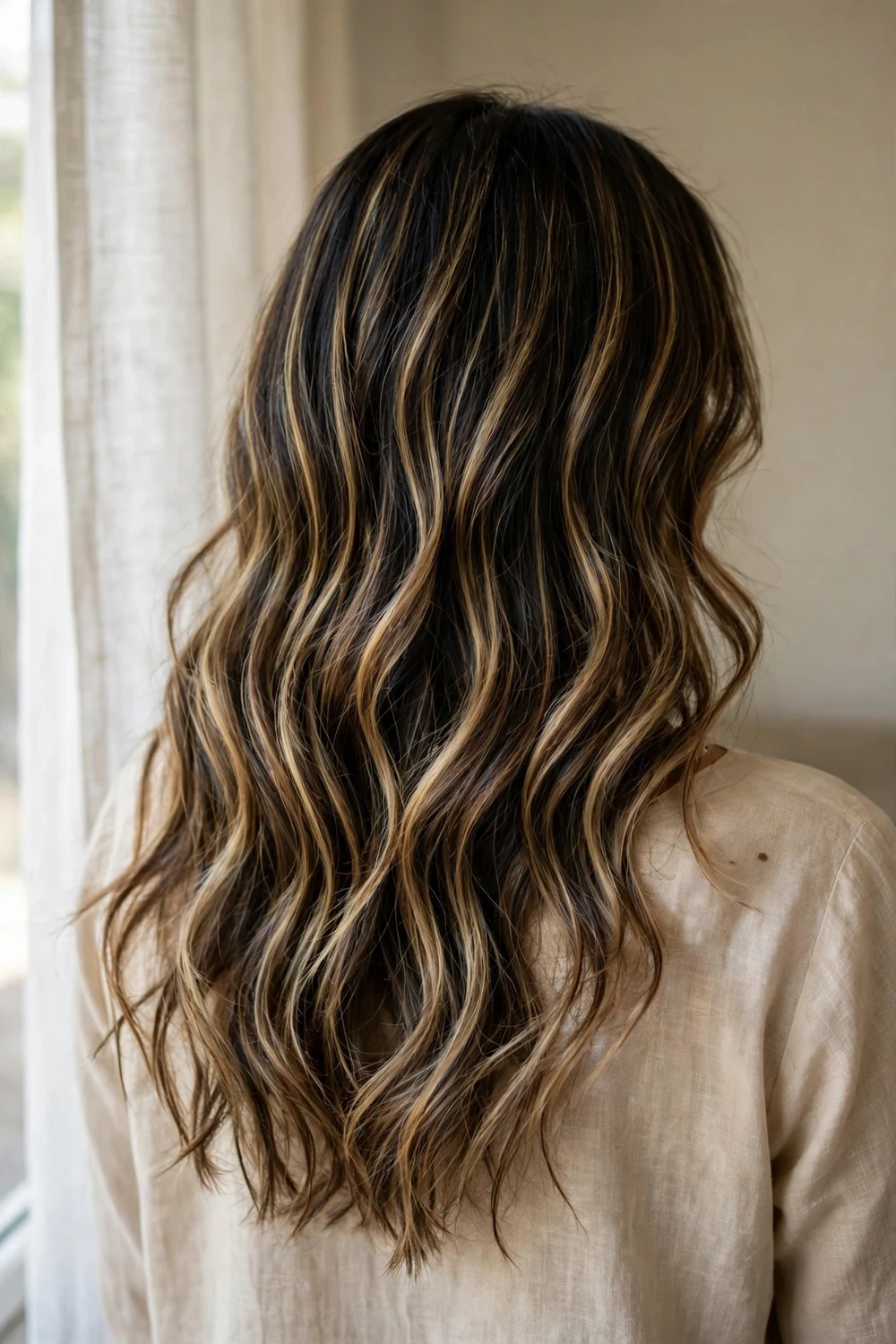
When you want maximum dimension, this technique layers several blonde tones through dark blonde lengths with a sweeping hand-painted application. Light and dark ribbons alternate so the hair looks thicker and more textured than a single color ever could. It works on any skin tone because the colorist can bias the ribbons warm or cool. Layers in the cut amplify the effect further. Expect a longer appointment of three to four hours, since painting multiple tones takes more time than a single all-over color.
Try this: Ask for the lightest ribbons to sit where your layers end for maximum pop. Upkeep: Low. The painted blend grows out for 4-6 months.
29. Dark Blonde With Face-Framing Highlights
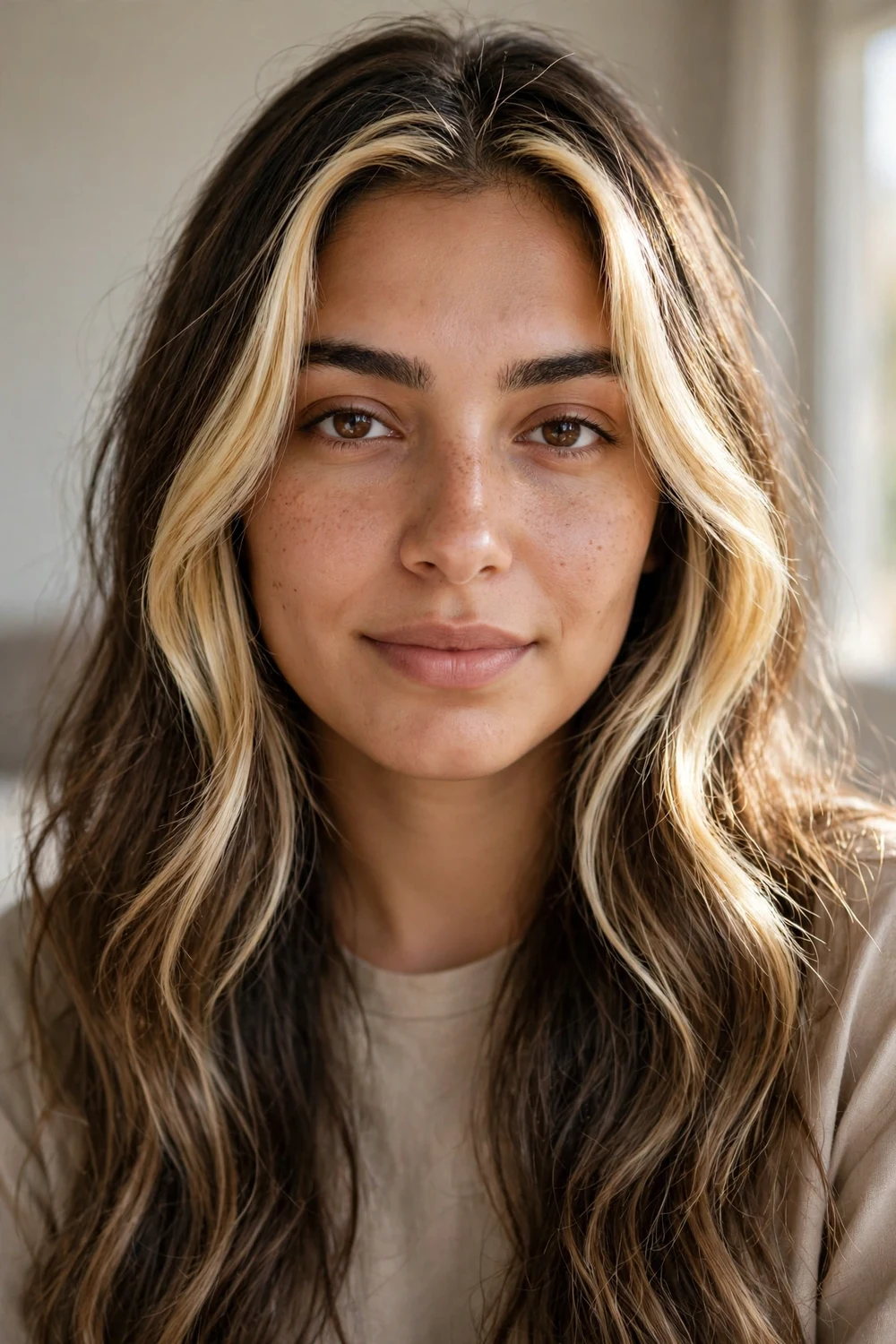
Sometimes called a money piece, this keeps the bulk of your hair dark blonde and lightens only the front sections around your face. The brightness draws attention to your features and mimics the effect of good lighting in photos. It is the fastest, cheapest way to brighten dark blonde: the appointment can take under an hour since only a few foils are involved. The rest of your hair stays untouched.
Try this: Keep the face frame two to three levels lighter than your base for contrast that still looks natural. Upkeep: Low-Medium. Refresh the front pieces every 8-10 weeks.
30. Iced Latte Blonde Ombre

Creamy and cool like its namesake drink, iced latte blonde blends beige and light brown into a soft ombre from dark roots to lighter ends. The cool creaminess flatters neutral and warm skin with golden or peachy undertones. It has a polished, expensive-looking finish that works for both casual and formal settings. A sleek blowout shows off the smooth gradient best. Neutral and warm skin tones carry it well, and the creamy beige ends need a toner refresh every eight to ten weeks to stay cool.
Try this: Finish with a shine serum to emphasize the creamy smoothness. Upkeep: Low. Ombre grow-out needs no root work.
Dark Blonde Shades Comparison at a Glance
| Shade | Best Skin Tone | Technique | Upkeep |
|---|---|---|---|
| Dark Ash Blonde With Platinum Babylights | Cool | Babylights | Medium |
| Deep Ash Blonde and Silver Ombre | Cool | Ombre | Low |
| Pearly Dark Ash Blonde | Cool to fair | All-over with pearl toner | Medium |
| Neutral Deep Ash Blonde With Golden Highlights | Any | Highlights | Medium |
| Dark Platinum Blonde | Cool | All-over lightening | High |
| Dark Honey Blonde Balayage | Warm, olive | Balayage | Low |
| Deep Golden Honey Blonde With Soft Highlights | Warm | Face-framing highlights | Medium |
| Dark Butterscotch Blonde With Chocolate Root Melt | Warm | Root melt | Low |
| Dark Golden Blonde | Warm, neutral | Single process | Medium |
| Golden Blonde Ombre | Any | Ombre | Low |
| Deep Caramel Blonde | Warm, olive | Single process | Medium |
| Dimensional Dark Bronde | Any | Multi-tonal foils | Low |
| Bronde With Subtle Caramel Highlights | Warm, neutral | Highlights | Low-Medium |
| Dark Chocolate Blonde | Warm, medium-deep | Single process | Medium |
| Dark Taupe Blonde | Any | Demi-permanent | Low-Medium |
| Beige Blonde With Dark Roots | Any | Shadow root | Low |
| Beigey-Blonde Babylights | Cool, neutral | Babylights | Medium |
| Smoky Mushroom Blonde | Cool | Single process | Medium |
| Mushroom Bronde Balayage | Cool, neutral | Balayage | Low |
| Deep Strawberry Blonde With Champagne Highlights | Warm, neutral | Highlights | Medium-High |
| Dark Strawberry Blonde With Smudged Roots | Warm | Root smudge | Low-Medium |
| Dark Dirty Blonde With Auburn Red Undertones | Warm, neutral | Single process | Low-Medium |
| Dark Copper Blonde | Warm | Single process | High |
| Neutral Copper Ash Dark Blonde | Any | Single process | Medium |
| Dark Rose Gold Blonde | Warm, light-medium | Single process with gloss | Medium-High |
| Natural Dirty Blonde | Any | Multi-tonal blend | Low |
| Warm Sandy Blonde | Warm | Balayage or blend | Low-Medium |
| Dimensional Dark Blonde Balayage | Any | Balayage | Low |
| Dark Blonde With Face-Framing Highlights | Any | Money piece foils | Low-Medium |
| Iced Latte Blonde Ombre | Neutral, warm | Ombre | Low |
How to Choose the Right Dark Blonde Shade for You
Start with your skin’s undertone. Look at the veins on your wrist: blue or purple means cool, green means warm, and a mix means neutral. Cool skin does best with ash, taupe, mushroom, and platinum dark blondes. Warm skin suits honey, caramel, golden, and copper. Neutral skin can wear almost anything, with beige and bronde as the safest bets.
Next, be honest about maintenance. If you hate salon visits, pick a balayage, ombre, root melt, or shadow root technique. These grow out without lines and stretch appointments to 4-6 months. If you don’t mind regular visits, all-over colors and coppers give you richer, more even results.
Bring reference photos to your appointment, and bring several, not one. Show your colorist how the shade looks in indoor light, sunlight, and on someone with a similar skin tone to yours. Photos remove the guesswork from words like “ashy” or “warm,” which mean different things to different people.
Mistakes to Avoid
Going too light in one session is the most common error. Dark blonde needs less lift than lighter blondes, so there is no reason to over-process. Lifting past your target level damages hair for no benefit and makes the toner fade unevenly.
Skipping the strand test causes the second most problems. Hair with old color, henna, or heavy product buildup can grab toner unpredictably. A quick test behind the ear tells your colorist how your hair will react before the full application.
Finally, don’t wash with hot water and harsh shampoo right after coloring. Heat opens the cuticle and lets fresh color escape, which is why reds and coppers fade so fast. Lukewarm water and a sulfate-free, color-safe shampoo keep any dark blonde looking fresh weeks longer.
If cool tones are your direction, browse our full collection of ash blonde hair color ideas to compare every ashy shade side by side.
For the warmest shades in this roundup, see more honey blonde hair color ideas with extra honey-toned inspiration.
Caramel lovers can find even more golden-brown options in our caramel blonde hair color ideas guide.
To make any dark blonde lower maintenance, learn how to wear blonde hair with dark roots so regrowth works in your favor.
And if you want dimension without full highlights, our blonde balayage with lowlights article shows how lowlights add depth to blonde hair.
Frequently Asked Questions
What is the difference between dark blonde and light brown hair?
Dark blonde and light brown sit next to each other on the color scale, around level 7, but their undertones differ. Dark blonde has golden, yellow-based undertones that show up in sunlight, while light brown has deeper, more neutral brown undertones. Indoors they can look almost identical, but sunlight reveals the blonde reflect in dark blonde hair.
Will dark blonde suit my skin tone?
Yes, there is a dark blonde for every skin tone because the shade comes in warm, cool, and neutral versions. Cool skin suits ash, taupe, and mushroom dark blondes, while warm skin suits honey, caramel, golden, and copper versions. If you have neutral undertones, beige and bronde shades are the most forgiving choice.
Can I go from light blonde to dark blonde without damage?
Going darker is one of the gentlest color changes because it usually needs no bleach. Your colorist will fill the hair first if it is very light, adding back the warm pigment that lightening removed, so the dark blonde doesn’t turn muddy or green. The whole process typically takes under two hours and leaves hair healthier than going lighter would.
How do I keep dark blonde hair from turning brassy?
Brassiness happens when warm undertones surface as toner fades. Use a purple shampoo once a week if your dark blonde is cool-toned, or a blue shampoo if it is very dark, and leave it on for 3-5 minutes. A gloss or toner refresh at the salon every 6-8 weeks keeps the original tone locked in between full color appointments.
How often will I need touch-ups with dark blonde color?
It depends on the technique. All-over dark blonde needs root touch-ups every 6-8 weeks, while balayage, ombre, root melts, and shadow roots can go 3-6 months because they grow out without a visible line. Copper and red-based dark blondes fade fastest and need a gloss refresh every 4-6 weeks to stay rich.
Final Thoughts
Dark blonde earns its popularity by being flexible. It flatters every skin tone, fits every budget, and asks less of your schedule than lighter blondes. Pick the undertone that matches your skin, choose a technique that fits your maintenance tolerance, and bring photos to your appointment. After years of recommending shades, I keep coming back to dark blonde as the color that makes the most people happy.

