


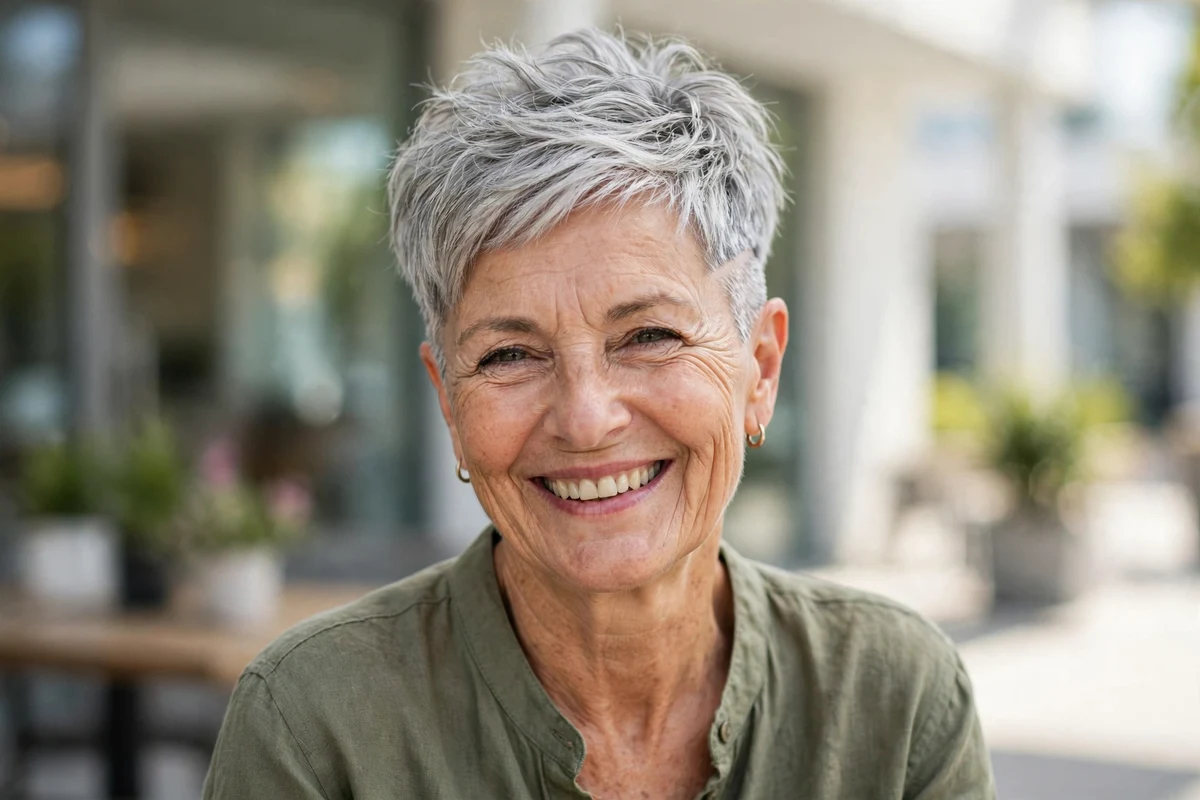
Undercut pixie haircuts for over 50 are the fastest way to make short hair feel deliberate instead of default. The clipped sides and nape remove bulk, the longer top adds shape, and the whole cut takes minutes to style. Here are 20 variations that stay age-appropriate while keeping their edge.
The ideas below are the ones worth knowing before you book the chair.
Quick Takeaways
- An undercut removes bulk from the sides and nape, which makes fine hair look fuller on top.
- Plan a trim every 4 to 6 weeks to keep the clipped areas clean; the top can go 6 to 8.
- Ask for a soft fade or longer taper if a harsh shaved line worries you.
- Gray and silver hair works well with undercuts because the short sides show off the color.
- Grow-out friendly versions exist, so you are not locked in after one cut.
1. Classic Nape Undercut Pixie
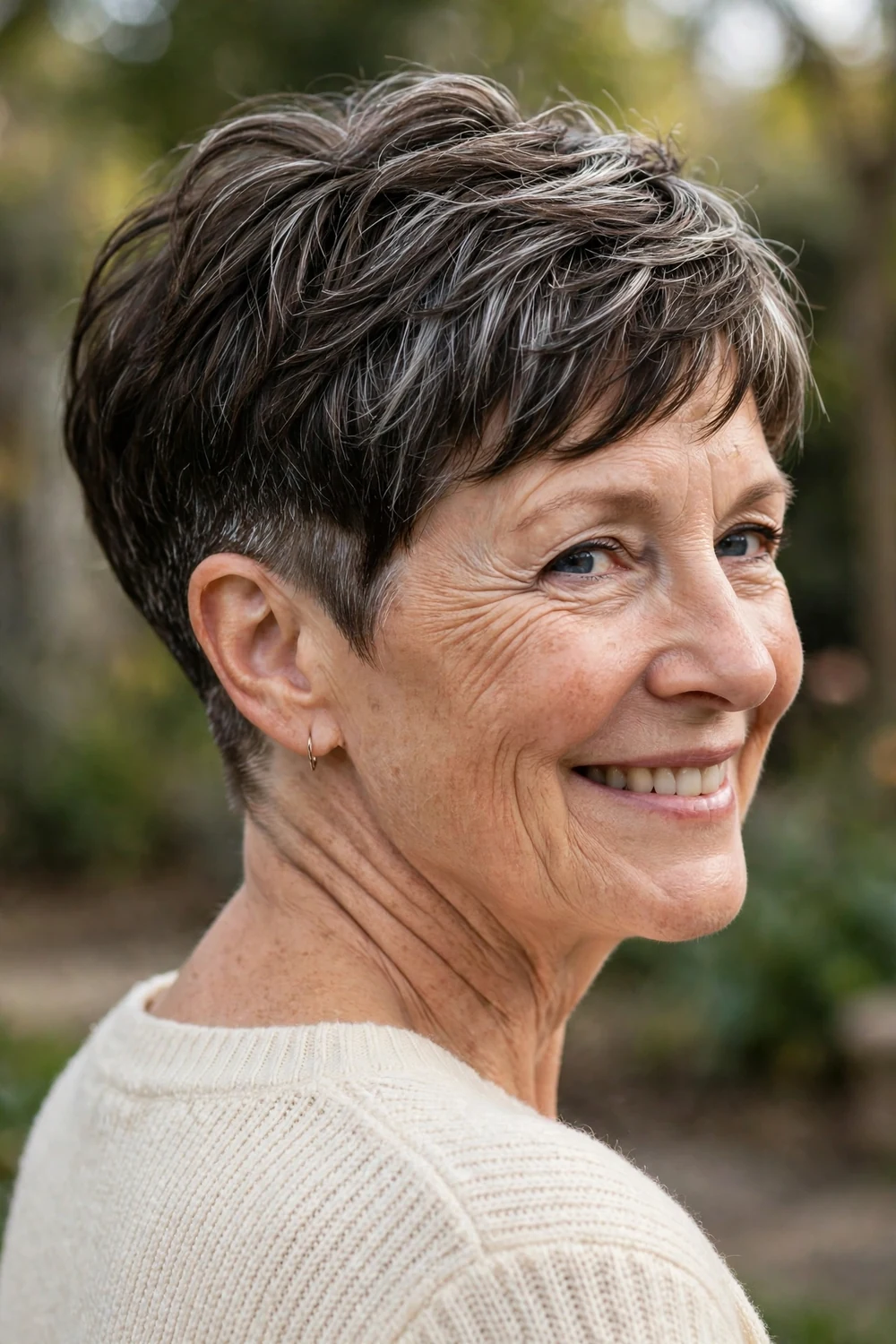
The classic version keeps the undercut hidden at the nape, below the ear line, while the top stays full and textured. From the front it reads as a regular pixie. From behind, the clipped nape adds shape and keeps the neck cool. It suits women trying an undercut for the first time because the reveal is subtle.
Ask your stylist for a number 3 or 4 clipper guard at the nape so the contrast stays soft. A common mistake is going too short on the first visit. You can always take more off later.
Try this: rub a pea-sized amount of matte paste through the top and push it forward. The forward direction hides the undercut from the front completely.
Difficulty: Easy · Cost: $40–$75 salon cut; $5–$8 matte paste
2. One-Side Undercut Pixie
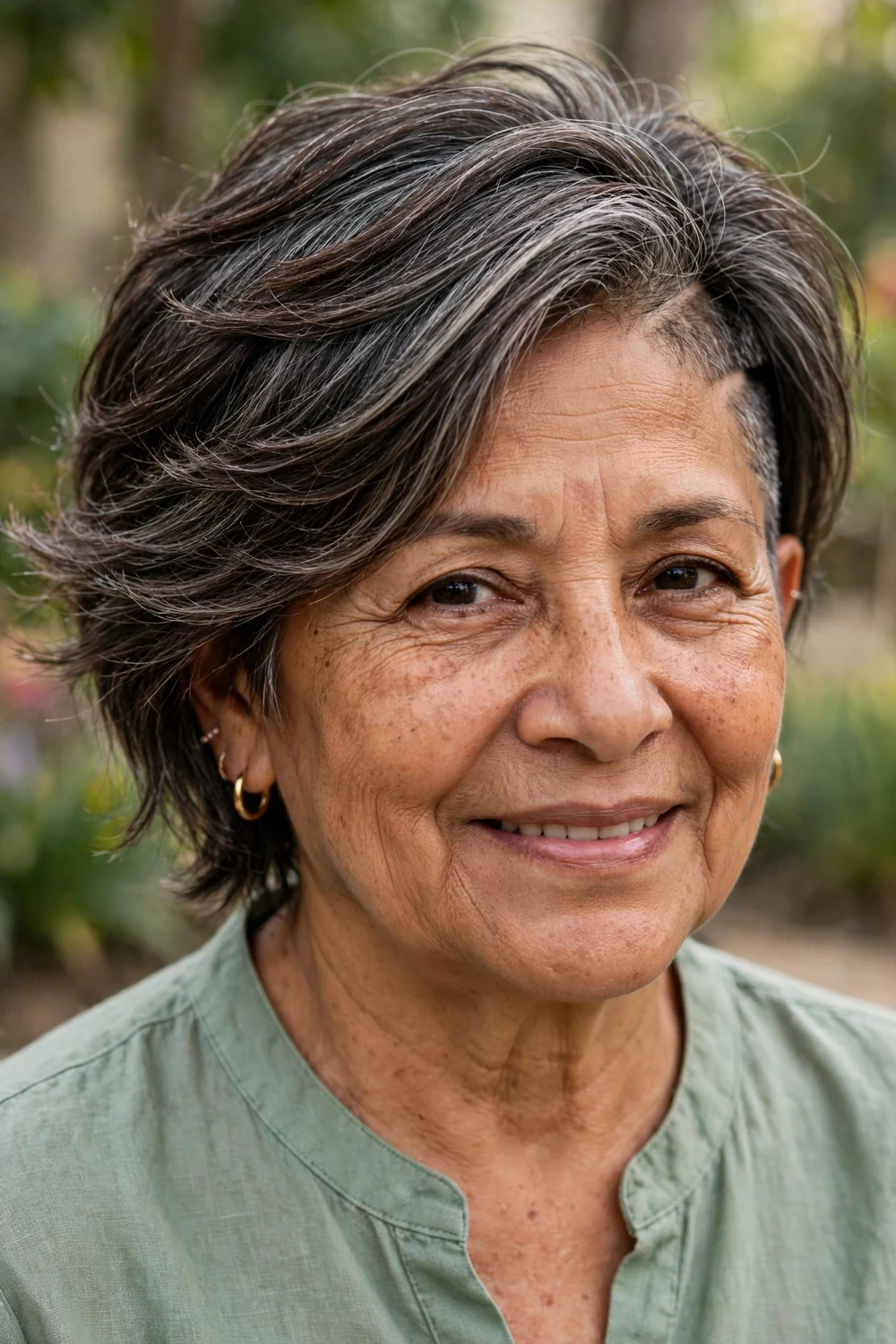
Only one side gets clipped, usually the side you part away from. The asymmetry reads modern without the commitment of a full undercut. When you part your hair normally, the clipped side peeks out as a detail rather than dominating the cut. It works well for women who wear one earring or want to show off a hearing aid.
Grow-out is simple. Let the clipped side grow while keeping the top trimmed, and it blends into a standard pixie within two months.
Try this: sweep the top toward the clipped side for evening events. The exposed clipper work draws the eye on purpose.
Difficulty: Easy · Cost: $40–$75 salon cut
If a full shave feels like too much, our short pixie haircuts for older women guide covers gentler pixie options without any clipped sections.
3. Tapered Undercut with Long Top
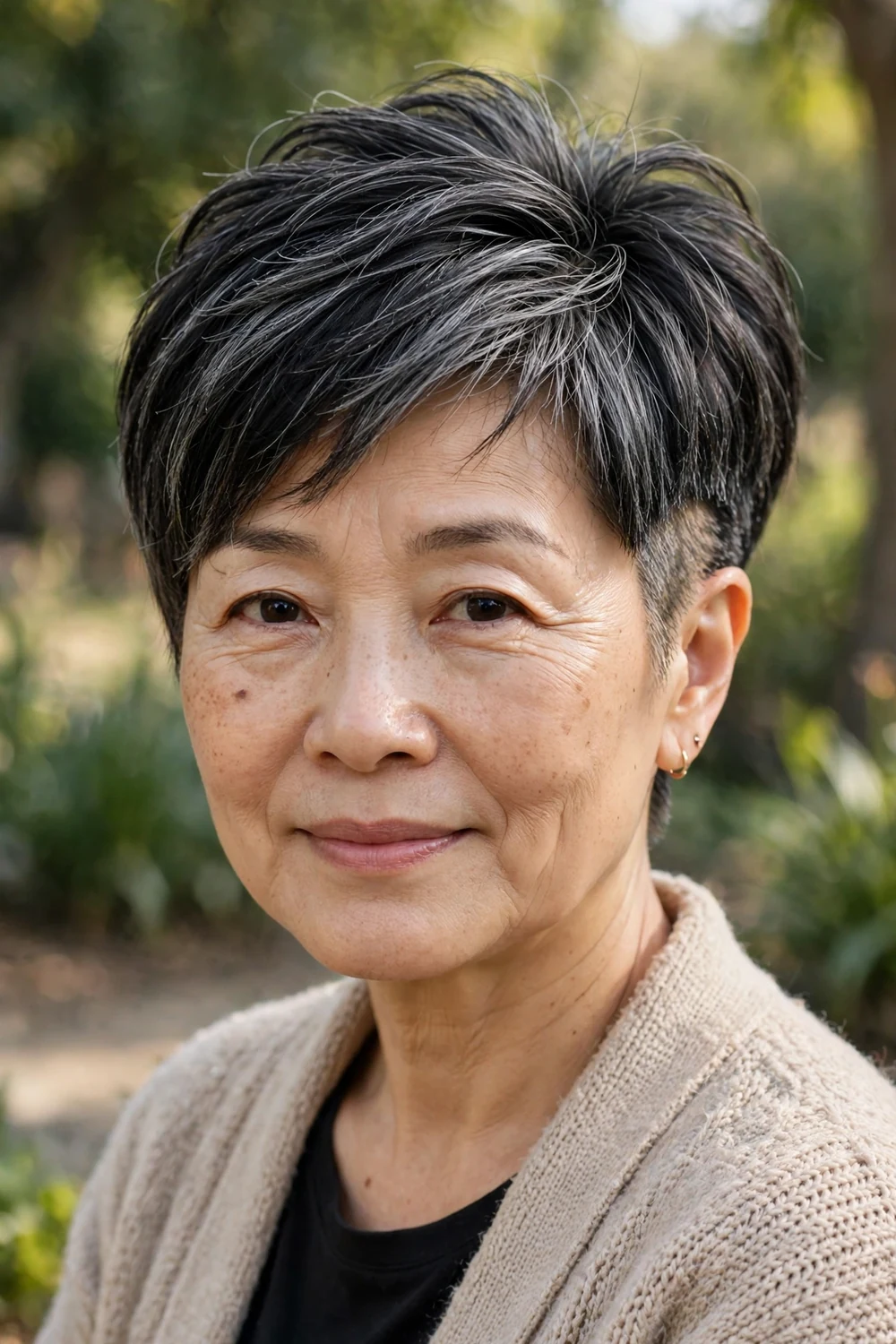
The sides taper down gradually instead of stopping at a hard line, and the top stays long enough to tuck behind the ears. This is the most conservative undercut on the list. Offices and family events never raise an eyebrow because the taper reads as a neat haircut, not a statement.
It fits straight and slightly wavy hair best. Very curly hair may need the taper left a little longer so the curls have somewhere to sit.
Try this: blow-dry the top with a round brush for lift. The volume contrast against the tapered sides is what makes this cut work.
Difficulty: Easy · Cost: $45–$80 salon cut; heat protectant $8–$12
4. Curly Undercut Pixie
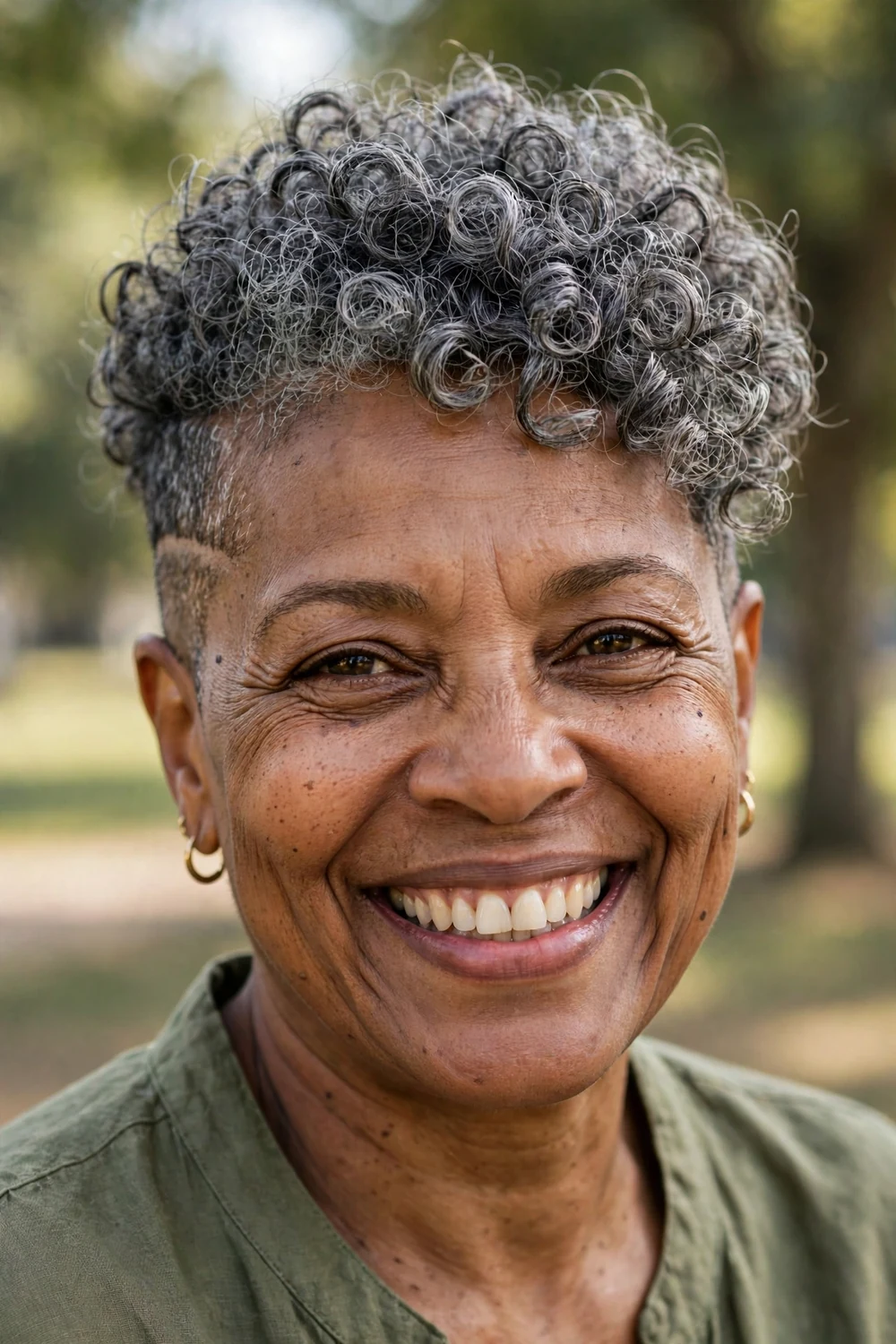
Natural curls keep their volume on top while the undercut removes the bulk at the sides and back. This solves the triangle-head problem where curls widen at the bottom. The cut should be done dry so the stylist sees exactly where each curl falls.
Use a lightweight leave-in conditioner and let the curls air dry or diffuse on low heat. Always apply heat protectant before diffusing.
Try this: define the top curls with a small amount of curl cream, but keep product off the clipped sections. Product on short sides looks greasy fast.
Difficulty: Easy · Cost: $45–$85 salon cut; $6–$12 curl cream
5. Side-Swept Undercut Pixie
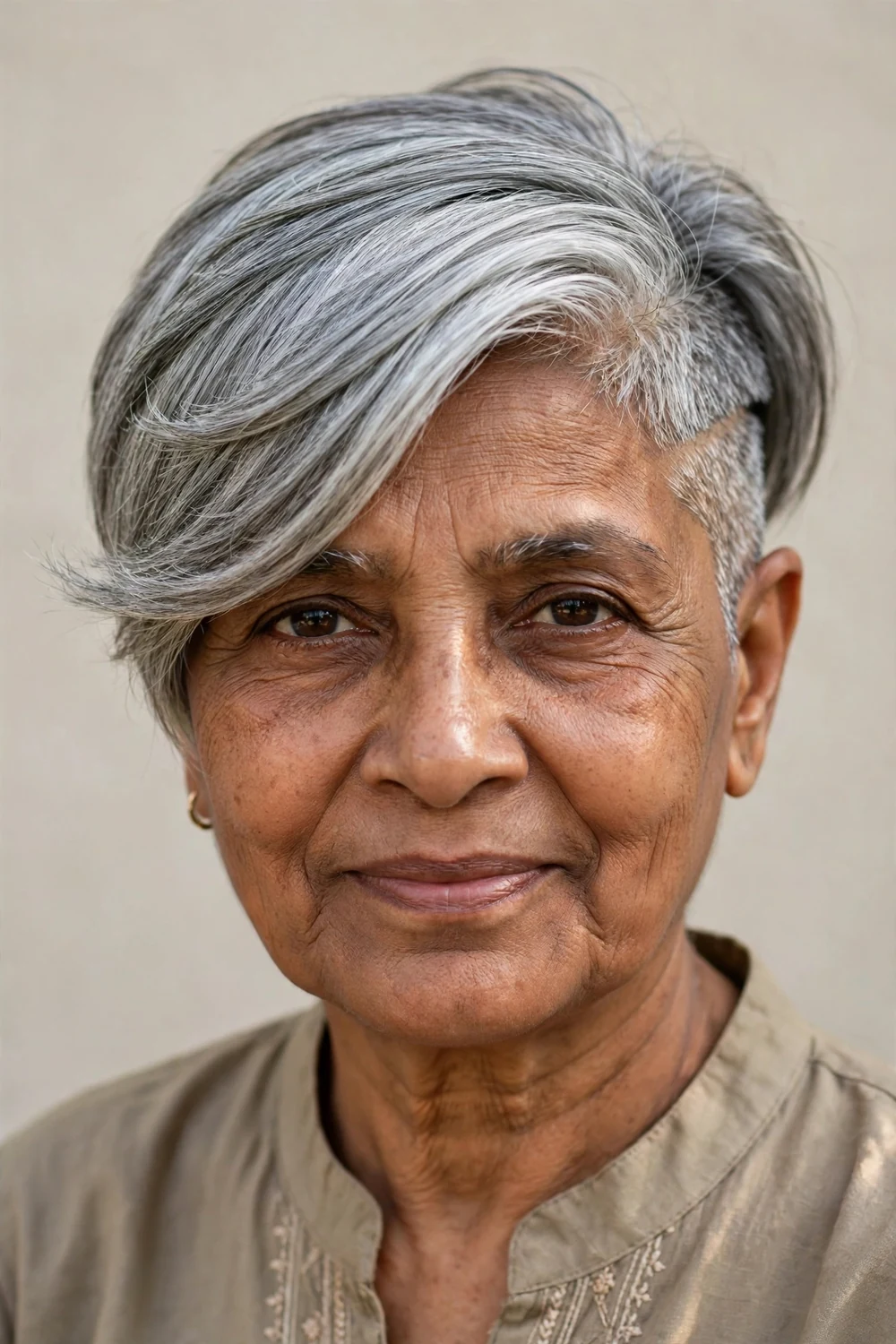
A deep side part pushes three to four inches of length across the forehead and crown, while the undercut sits on both sides or just the heavier one. The diagonal sweep softens facial lines and pulls attention to the eyes. Round and square faces benefit most from the angled direction.
The sweep needs enough length to cross the forehead, so keep the top at least three inches. Blow-dry the top in the direction of the sweep to train it.
Try this: pin the sweep behind one ear with a decorative clip for dressier occasions. Two minutes, and the cut reads formal.
Difficulty: Medium · Cost: $40–$75 salon cut
6. Spiky Undercut Pixie
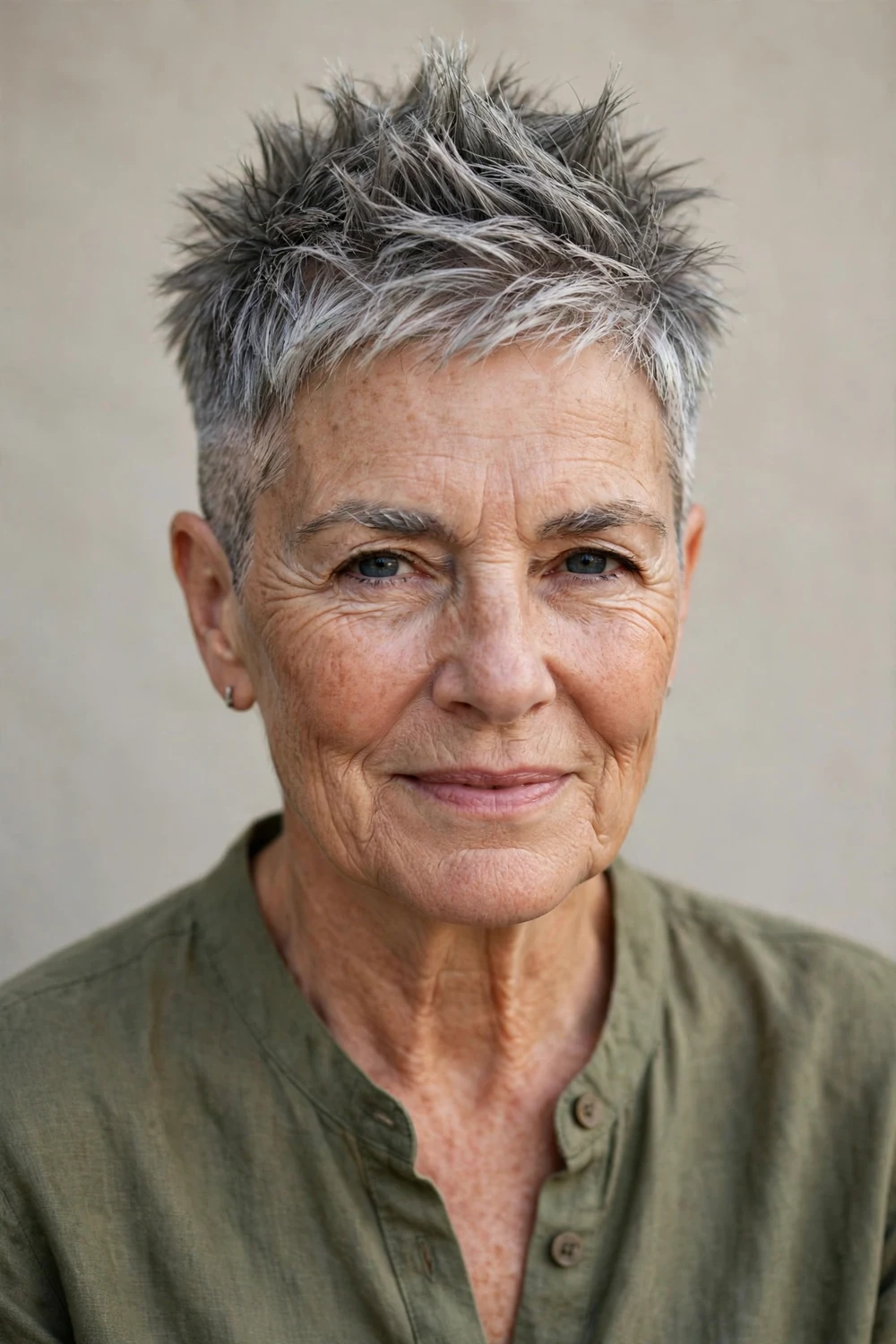
Short spikes on top with clipped sides give maximum texture in minimum time. It suits fine hair because the spikes stand up and create the illusion of density. Style it with your fingers and a dab of texture paste. No brush needed.
Keep the spikes under two inches long. Longer spikes on mature faces can look untidy rather than edgy.
Try this: apply paste to dry hair, not damp. Damp application flattens the spikes before they set.
Difficulty: Very easy · Cost: $40–$70 salon cut; $5–$9 texture paste
Spikes pair well with choppy layers. Our edgy choppy pixie haircuts for women over 50 guide shows more textured options in this family.
7. Angled Undercut Pixie
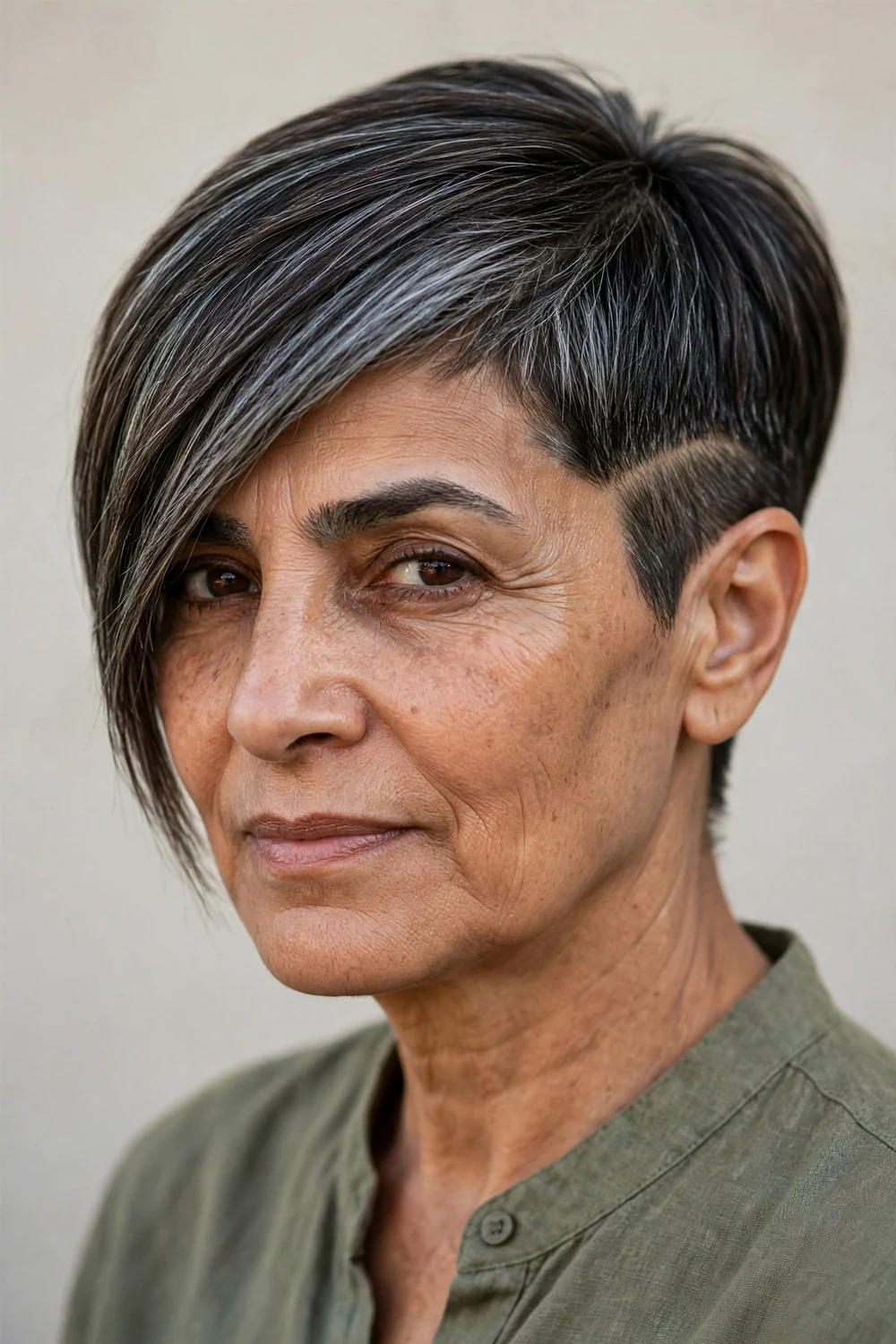
The front pieces angle longer toward the chin while the back and sides stay clipped. The A-line shape slims the face and gives structure to the cut. It suits women who want definition around the jaw without growing their hair out.
The angle works best when the front reaches at least the earlobe. Shorter fronts lose the slimming effect.
Try this: straighten the front pieces with a flat iron on low heat for a sharp finish. Always use heat protectant first.
Difficulty: Medium · Cost: $45–$80 salon cut; heat protectant $8–$12
8. Undercut Pixie with Long Fringe
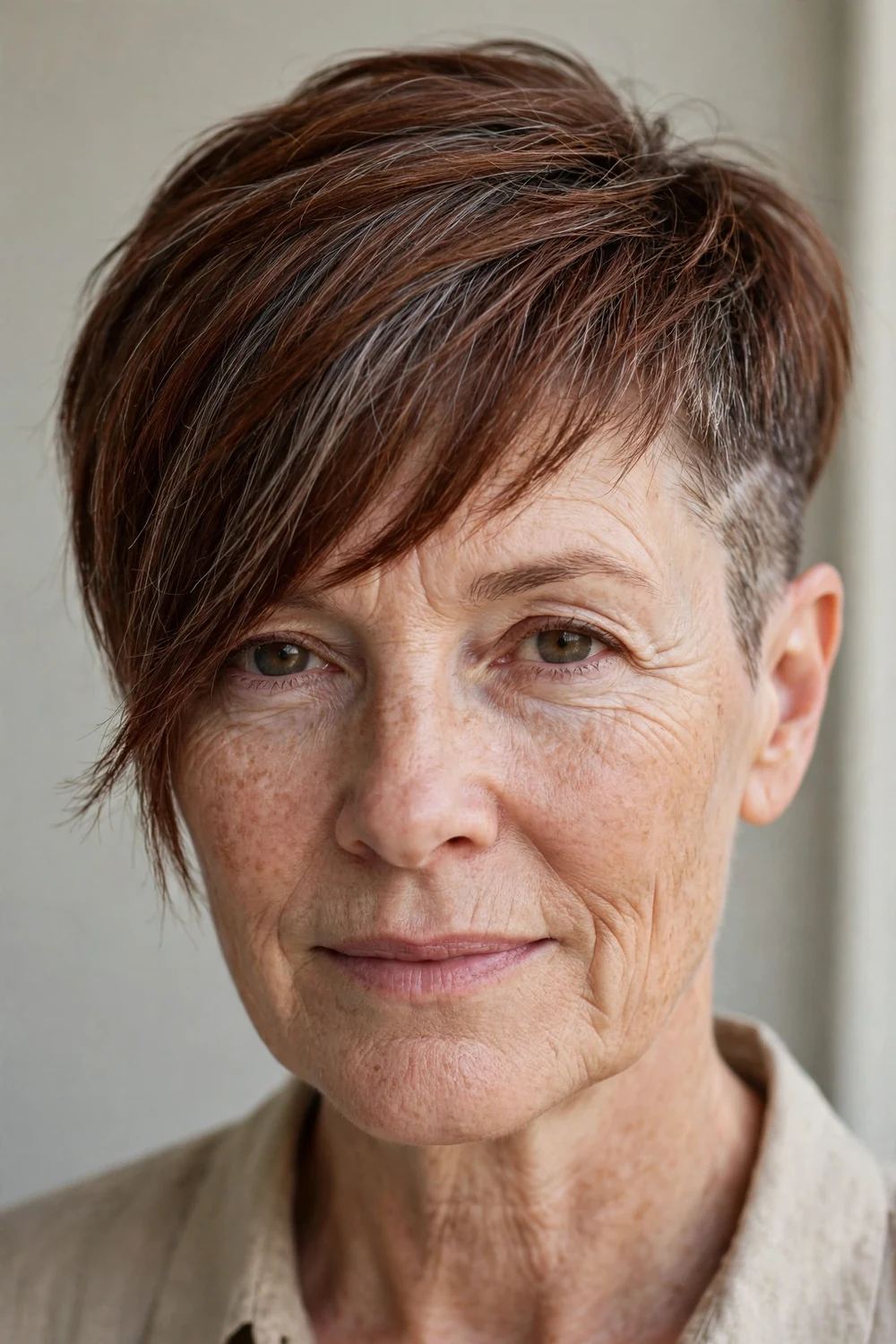
A long fringe softens the forehead while the clipped sides keep the cut light. It suits high foreheads and anyone who wants coverage without bangs that need constant trimming. The fringe sits at brow level or just below.
Trim the fringe every three weeks, or learn to point-cut it yourself between salon visits. A fringe that grows past the eyes reads unkempt.
Try this: blow-dry the fringe side to side with a paddle brush. The alternating direction builds natural body.
Difficulty: Easy · Cost: $40–$75 salon cut
9. Silver Undercut Pixie
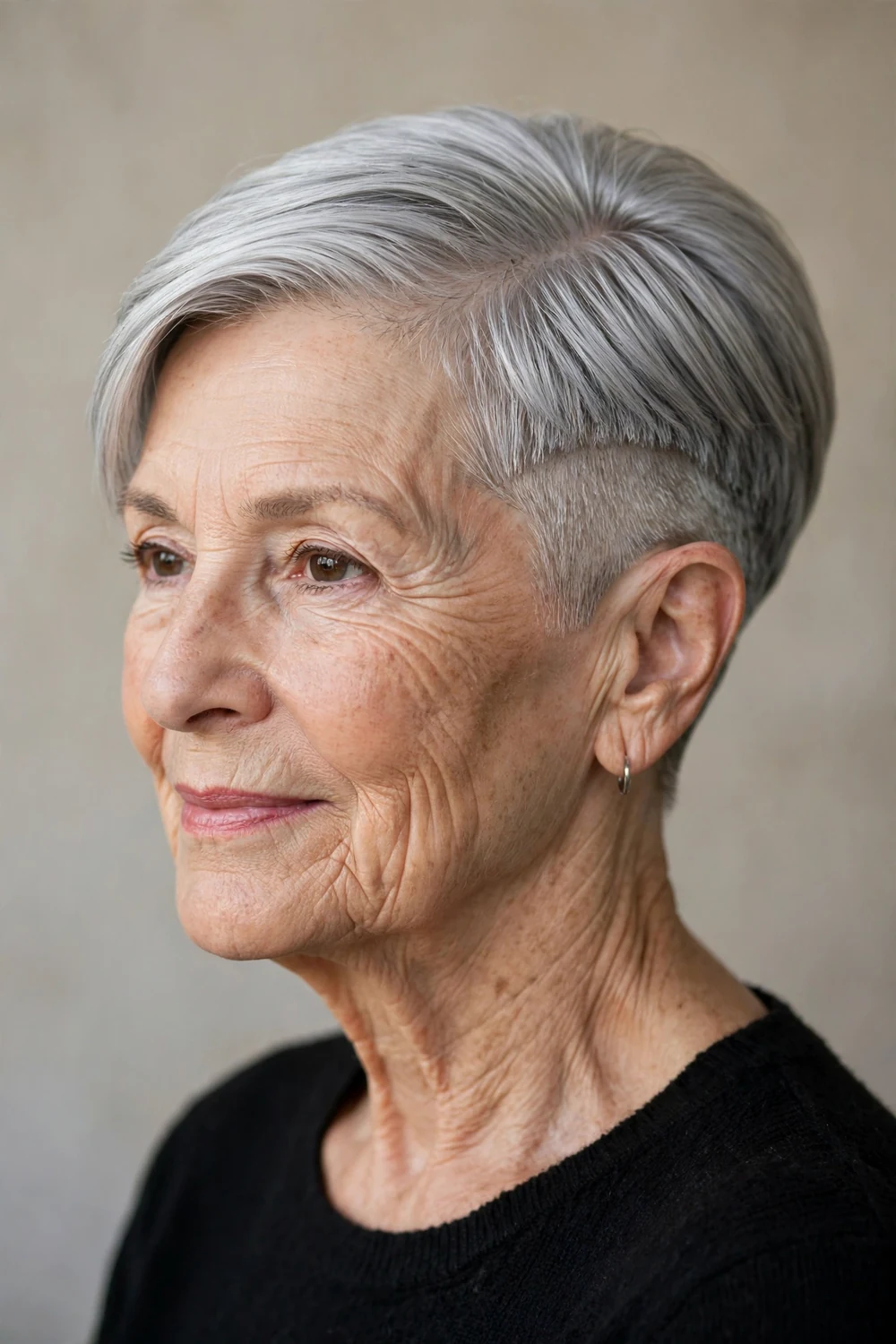
Natural silver hair and an undercut are a strong pair. The clipped sides catch the light and show off the metallic tones, while the longer top stays sleek. It suits women who have fully transitioned to gray and want the color to be the feature.
Use a purple shampoo once a week to keep silver tones bright. Daily use dries hair out, so once weekly is enough.
Try this: finish with a light shine serum on the top only. The contrast between glossy top and matte clipped sides looks intentional.
Difficulty: Easy · Cost: $40–$75 salon cut; $8–$12 purple shampoo
10. Salt-and-Pepper Undercut Pixie
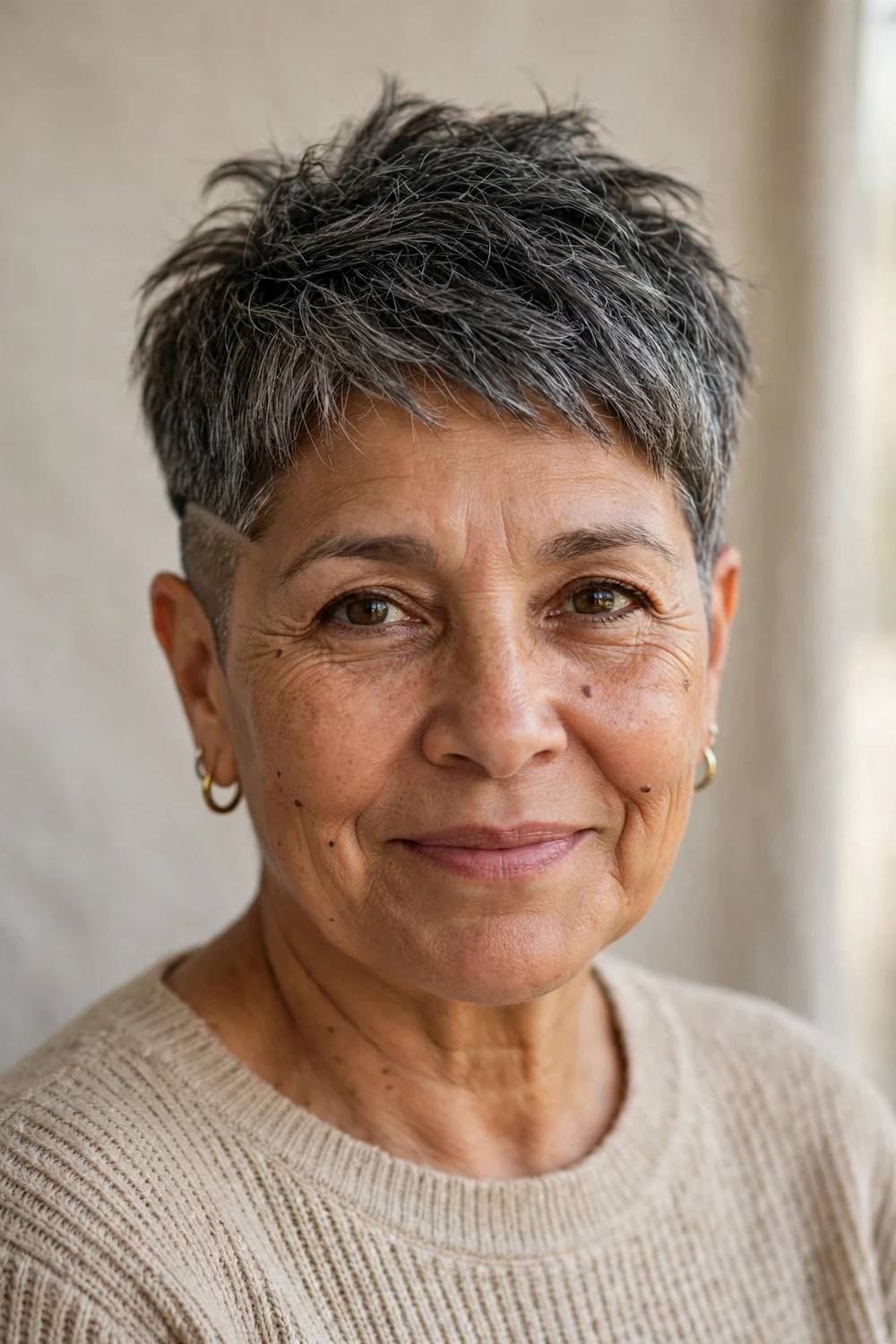
The mix of dark and gray strands gives the top natural dimension that no dye job copies well. The undercut keeps the silhouette tidy while the salt-and-pepper texture does the visual work. It suits women in the middle of going gray who want to show the transition off.
Skip harsh clarifying shampoos. They strip the natural oils that keep gray strands smooth and can make the mix look dull.
Try this: ask the stylist to point-cut the top. The technique blends the two tones so the grow-out line disappears.
Difficulty: Easy · Cost: $40–$75 salon cut
Growing out your natural gray pairs well with the right cut. Our short hairstyles for women over 50 collection includes more gray-friendly cuts.
11. Blonde Undercut Pixie
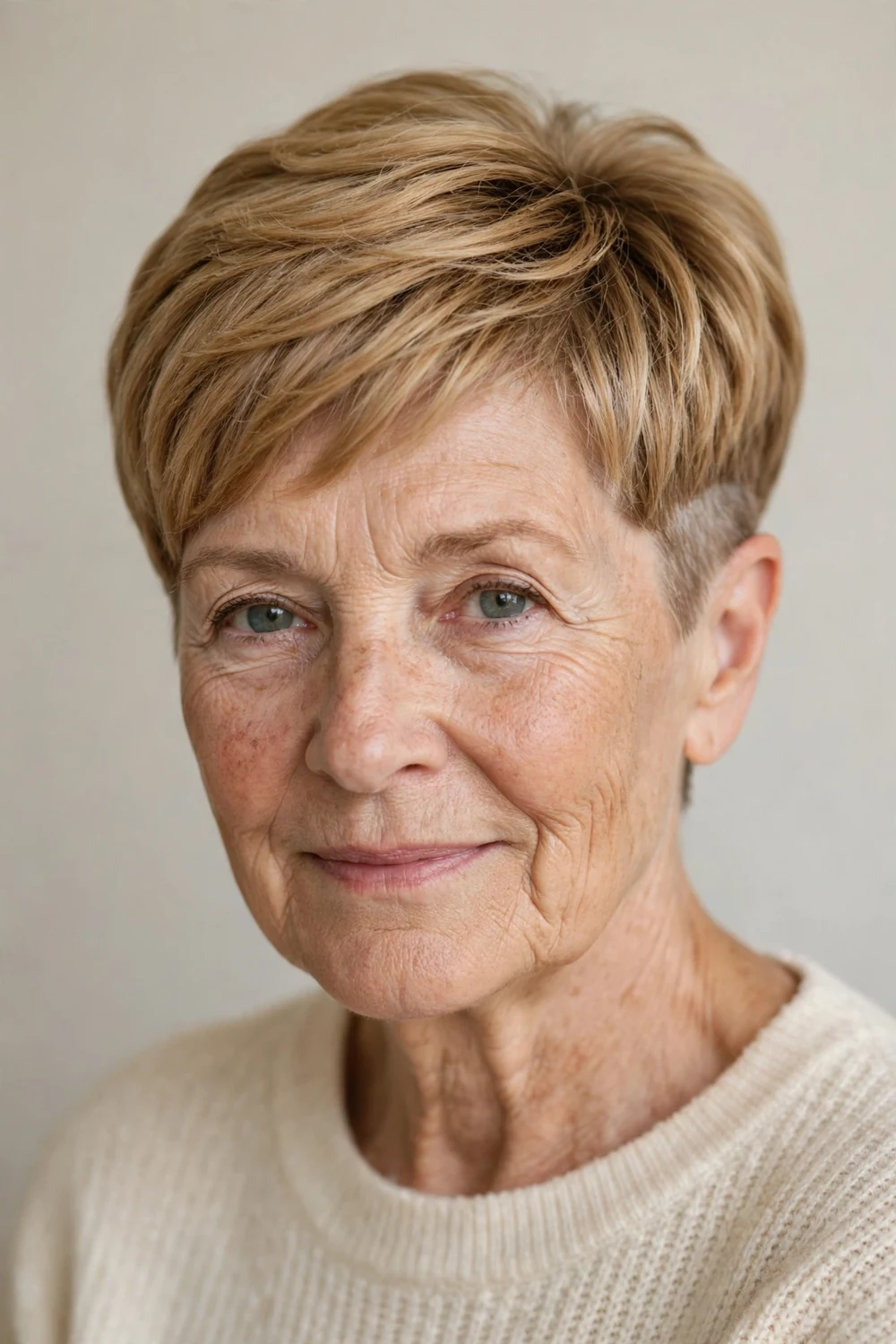
Warm honey or ash blonde on top with closely clipped sides keeps the color bright and the maintenance low. The short sides grow out slower visibly because there is less hair to notice. Root touch-ups every 5 to 6 weeks keep the blonde clean.
Blonde hair over 50 suits warm skin tones best in honey shades and cool skin tones in ash shades. Your stylist can confirm your undertone in one look.
Try this: tone with a demi-gloss between full color appointments. It refreshes the shade for about $25 instead of a full service.
Difficulty: Medium · Cost: $60–$110 cut plus color; $10–$15 purple shampoo
12. Pixie Bob with Undercut
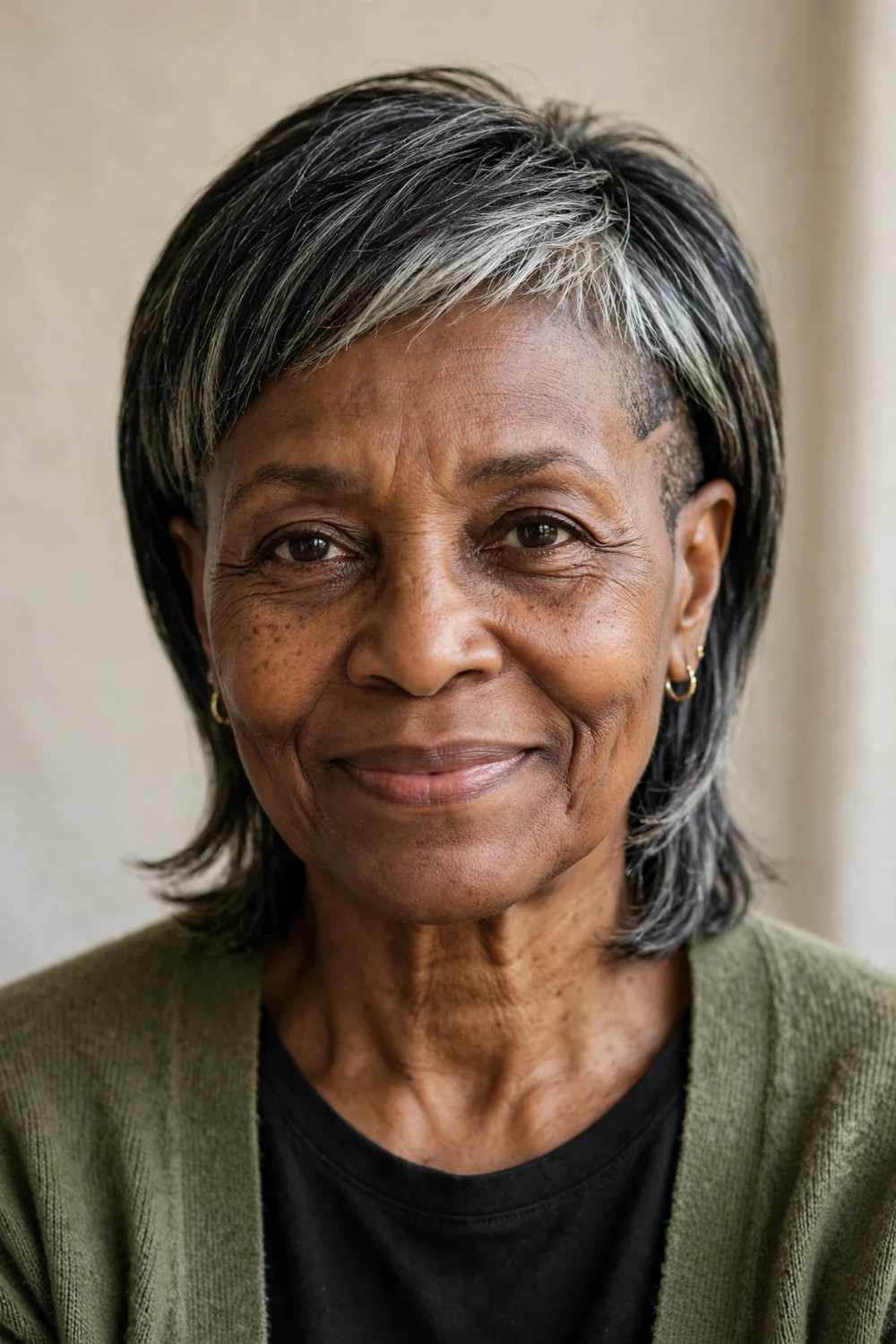
A longer back that grazes the nape with a hidden undercut underneath gives bob coverage with pixie lightness. The undercut removes the weight that makes bobs puff out at the bottom. It suits thick hair that fights regular bobs.
The hidden undercut needs a trim every 4 weeks or the nape starts to look bulky again. Mark it on the calendar like a dental checkup.
Try this: wear the back down for coverage or tuck it behind the ears to flash the undercut. One cut, two looks.
Difficulty: Easy · Cost: $45–$85 salon cut
13. Asymmetrical Undercut Pixie
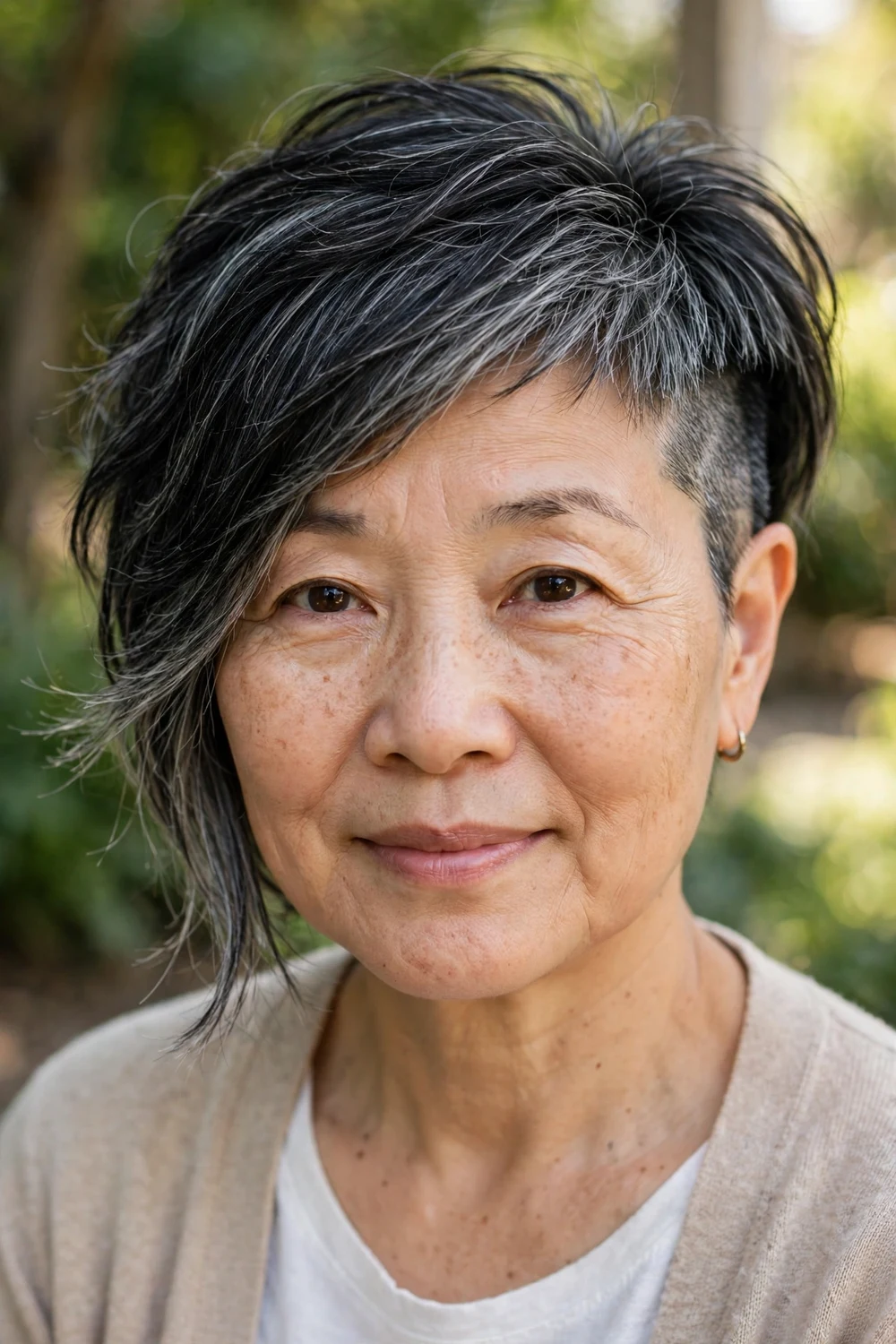
One side runs a full inch or more longer than the other, with the undercut balancing the weight. The diagonal line across the face draws the eye and adds movement. It suits women who find symmetrical pixies too plain.
Asymmetry needs precision to stay intentional. A lopsided grow-out just looks uneven, so keep trims on schedule.
Try this: part on the shorter side. The longer side falls naturally and the asymmetry reads deliberate.
Difficulty: Medium · Cost: $45–$85 salon cut
14. Shaggy Undercut Pixie
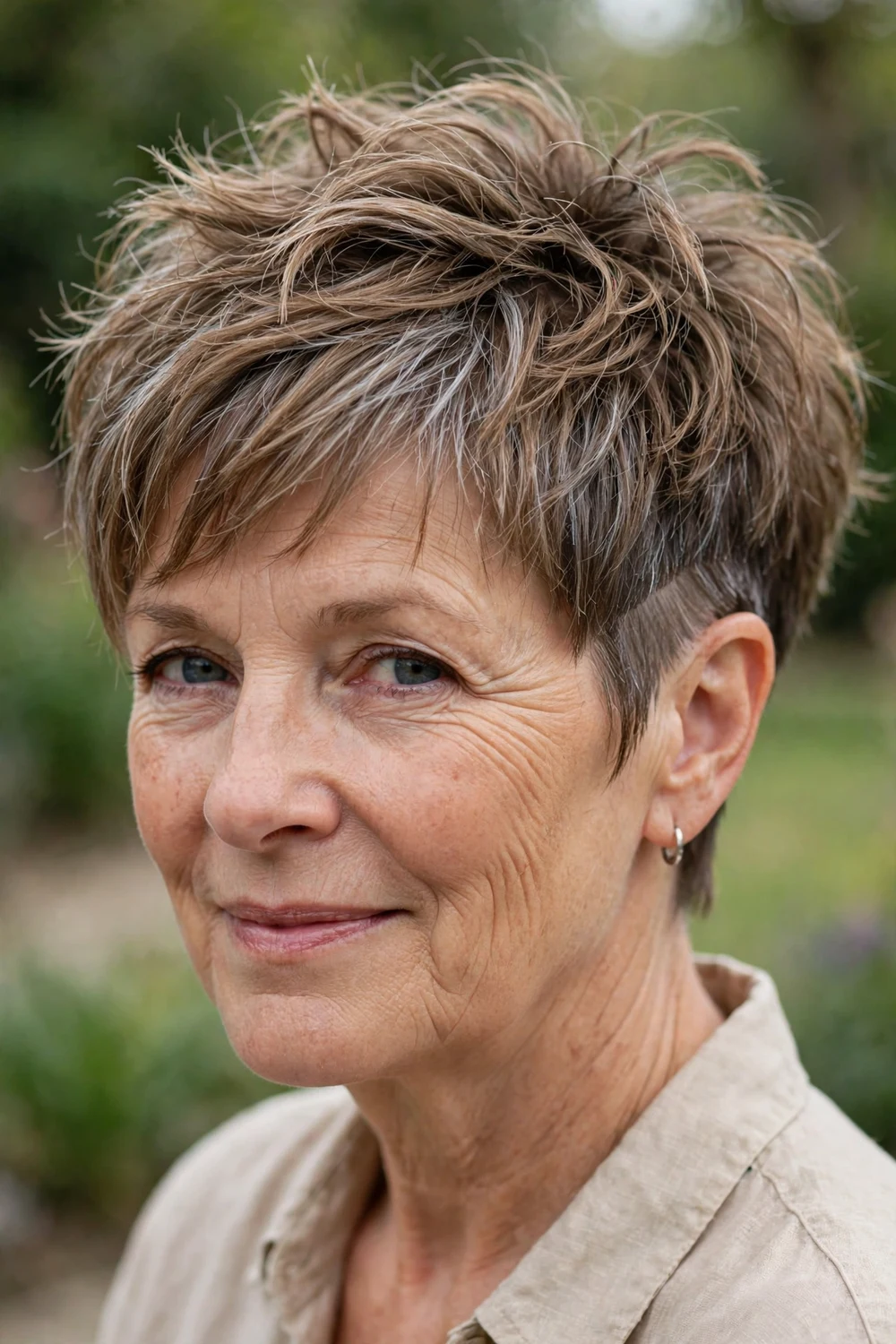
Choppy, razored layers on top with clipped sides create a lived-in texture that styles itself. It suits wavy hair and women who hate fussy styling. Wash, scrunch in some texture cream, and go.
Razored layers can thin out fine hair too much, so mention your density before the razor comes out. Scissor-cut layers are the safer version for thin hair.
Try this: twist small sections with your fingers while the cream dries. The twists set into natural-looking texture.
Difficulty: Very easy · Cost: $40–$75 salon cut; $6–$10 texture cream
15. Nape Design Undercut
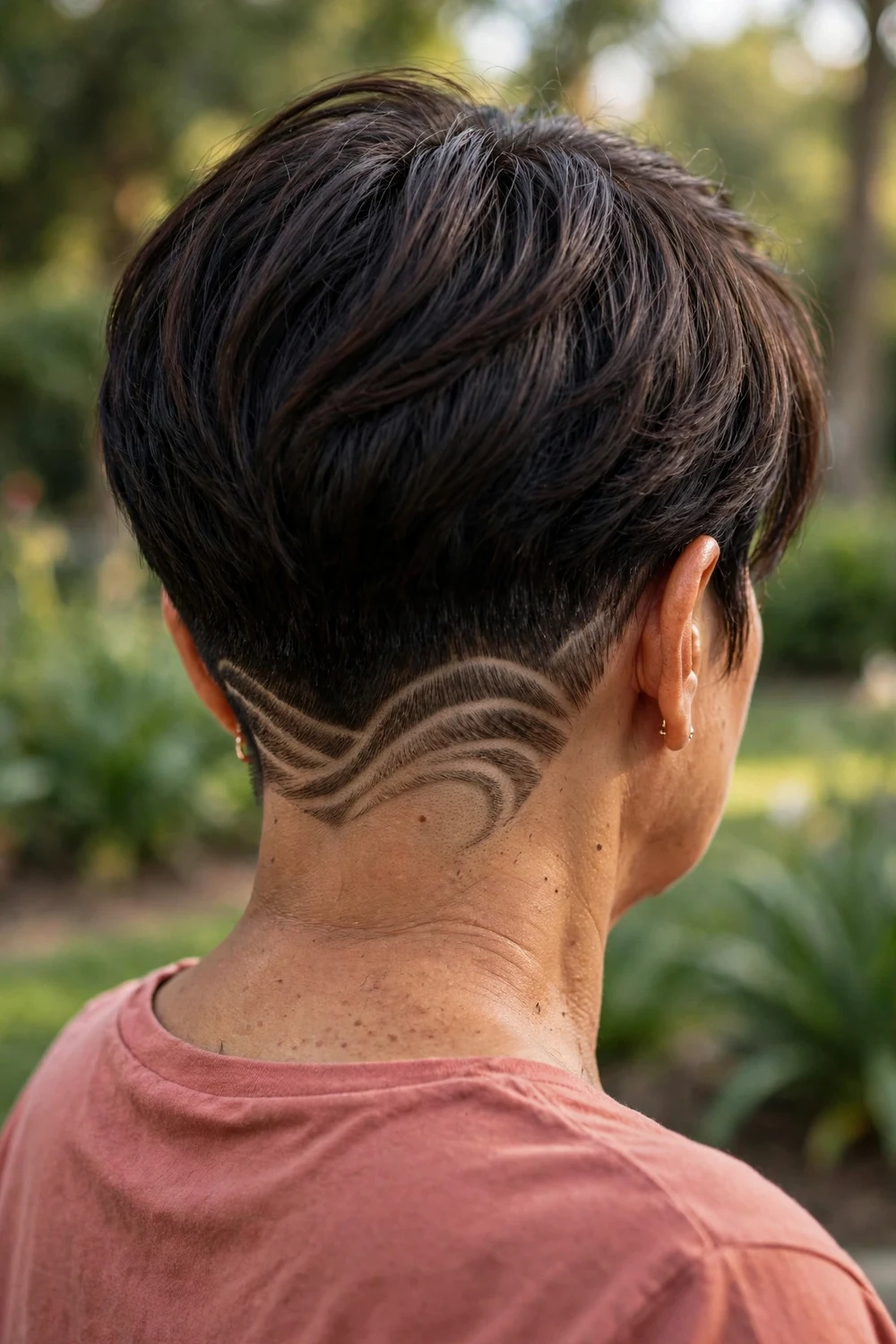
Curved lines, chevrons, or simple geometric patterns shaved into the nape turn the undercut into personal art. The design shows when hair is up or the top is short, and hides under longer layers the rest of the time. It suits women who want a private detail.
Designs grow out in 2 to 3 weeks, so this is a short-term detail. Book the refresh with your regular trim.
Try this: start with one simple curved line. You can add complexity next visit once you know you like the look.
Difficulty: Easy · Cost: $50–$90 cut plus design work
Already past 60 and considering the bolder route? Our undercut pixie haircuts for women over 60 article focuses on the same family of cuts for the 60-plus crowd.
16. Finger-Wave Undercut Pixie
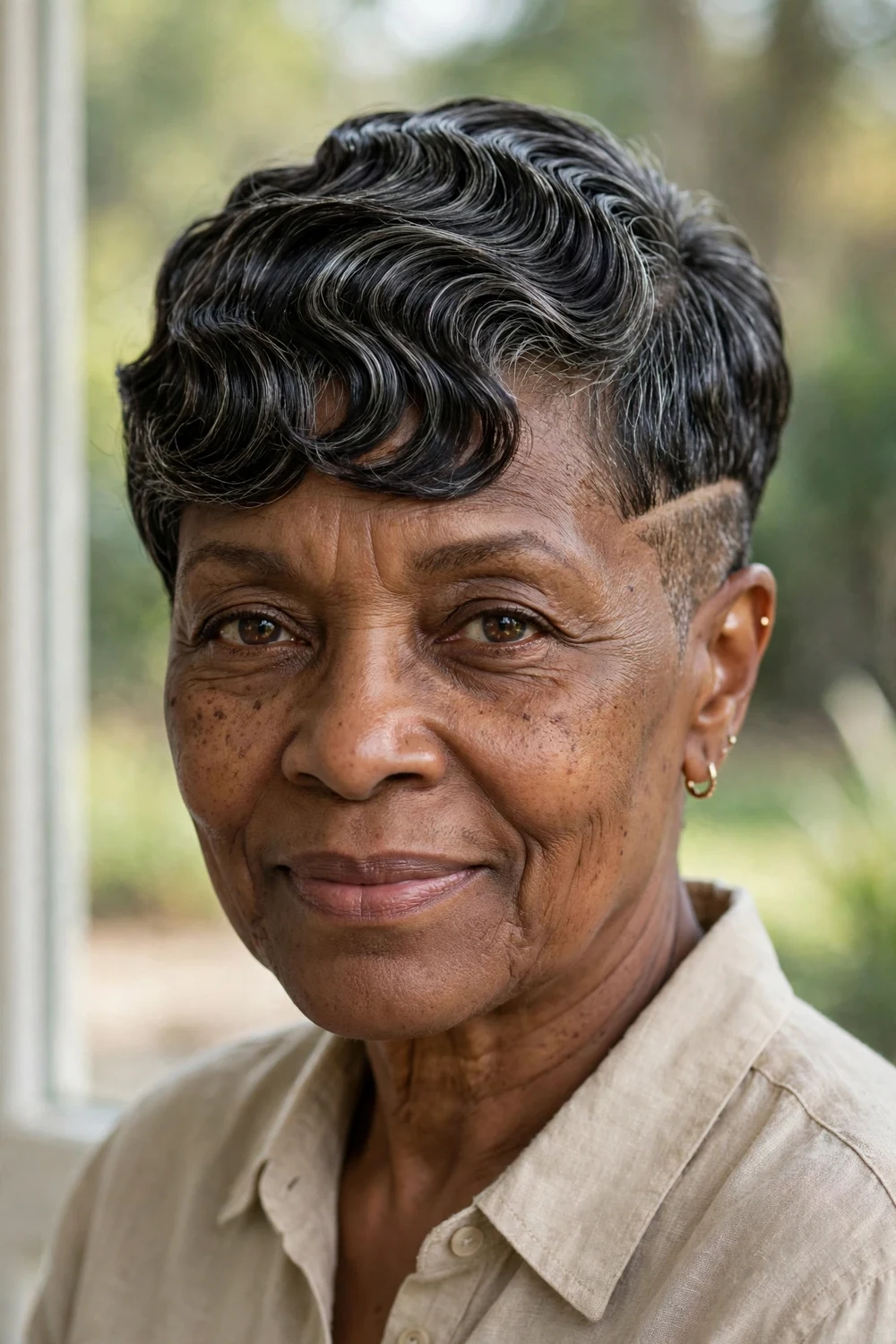
S-shaped waves sculpted with gel and a fine-tooth comb sit on top of closely clipped sides. The vintage styling works with natural texture instead of against it, which cuts heat exposure. It suits special occasions and women with naturally wavy or coily hair.
Sculpt the waves while the gel is damp, then let them set untouched. Touching wet gel breaks the wave pattern.
Try this: cover the set waves with a silk scarf for 20 minutes. The scarf presses the waves flat and glossy.
Difficulty: Medium · Cost: $45–$85 salon cut; $5–$8 strong-hold gel
17. Soft Blended Undercut
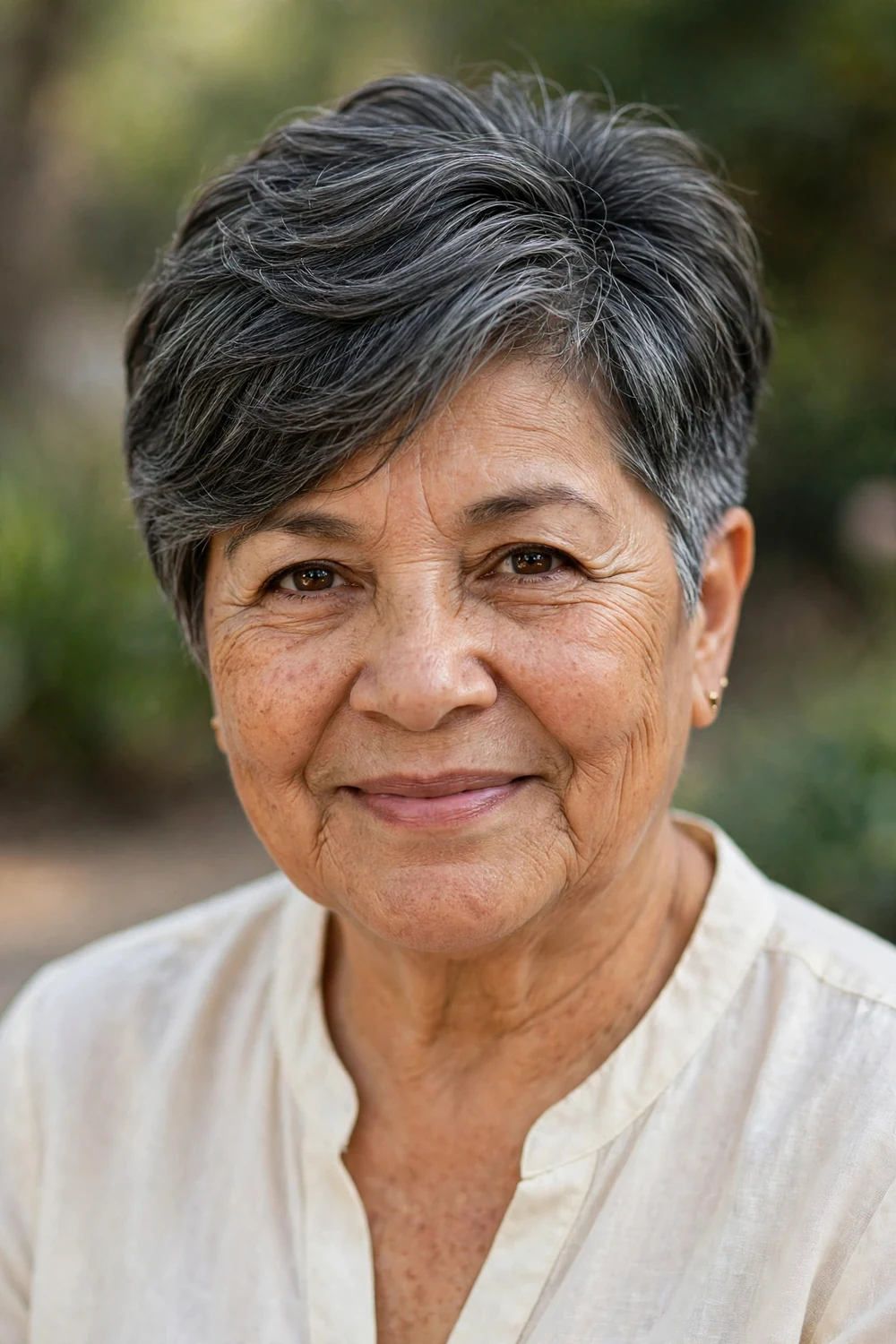
A longer fade that melts from the top into the clipped sides, with no visible line anywhere. This is the undercut for women who want the shape without the statement. The feathered top keeps it feminine and soft around the face.
Ask for a number 5 or 6 guard at the shortest point. Anything shorter creates a visible line that defeats the purpose.
Try this: style the top forward and slightly to one side. The soft direction keeps the whole cut gentle.
Difficulty: Easy · Cost: $40–$75 salon cut
18. Platinum Undercut Pixie
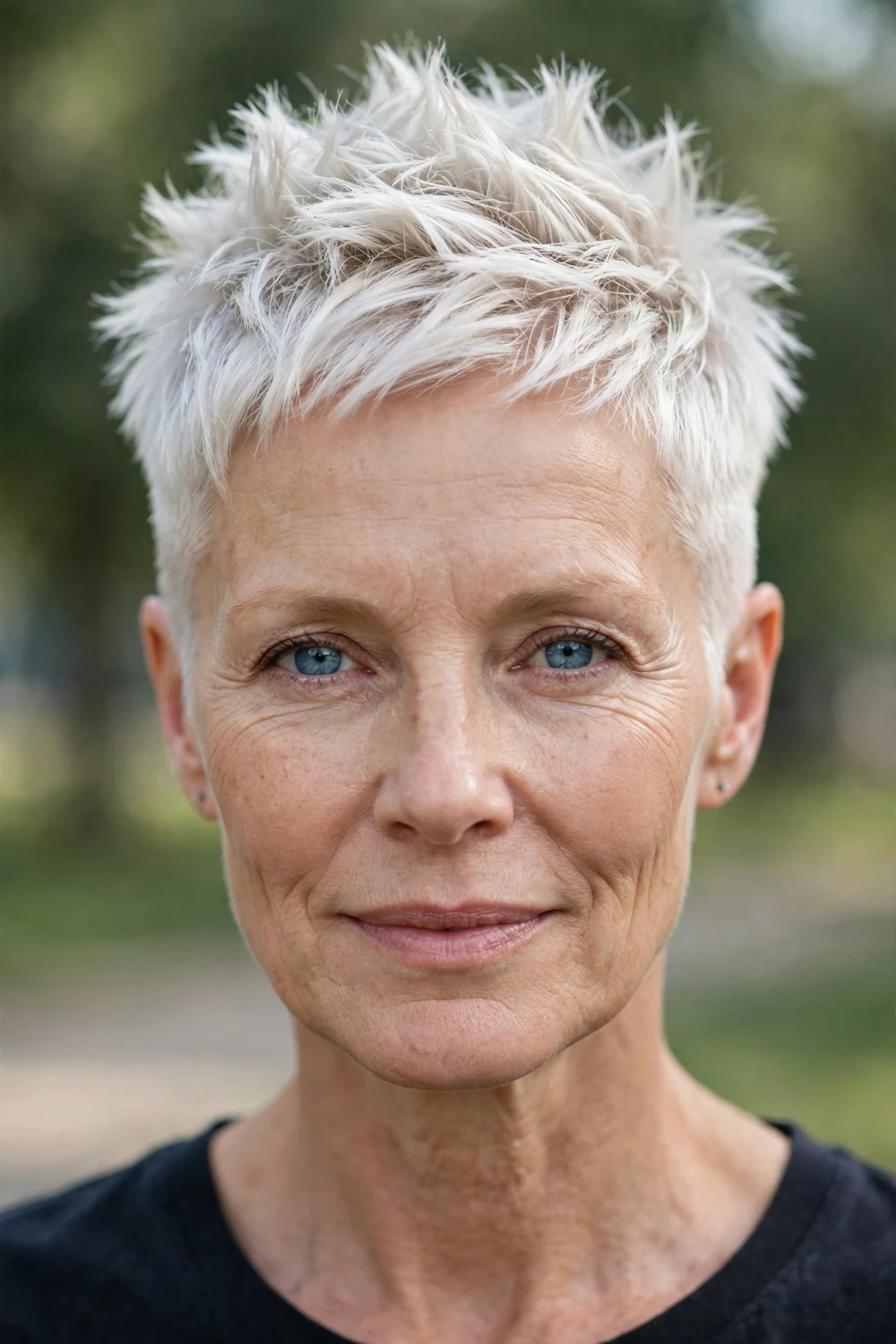
Icy platinum on top with dark or natural roots at the clipped sides makes the boldest statement on this list. The short length makes platinum practical because damaged ends get cut off every few weeks. It suits confident dressers and anyone done playing it safe.
Platinum needs a root touch-up every 3 to 4 weeks and a deep conditioner weekly. Bleach on mature hair demands honest maintenance.
Try this: keep the roots slightly shadowed. The darker root softens the grow-out line and stretches appointments to 5 weeks.
Difficulty: Hard · Cost: $90–$150 cut plus bleach; $12–$18 purple shampoo and mask
Platinum is high maintenance but high reward. Our spiky haircuts for older women guide has more bold short options if this one calls to you.
19. Undercut Pixie for Fine Hair
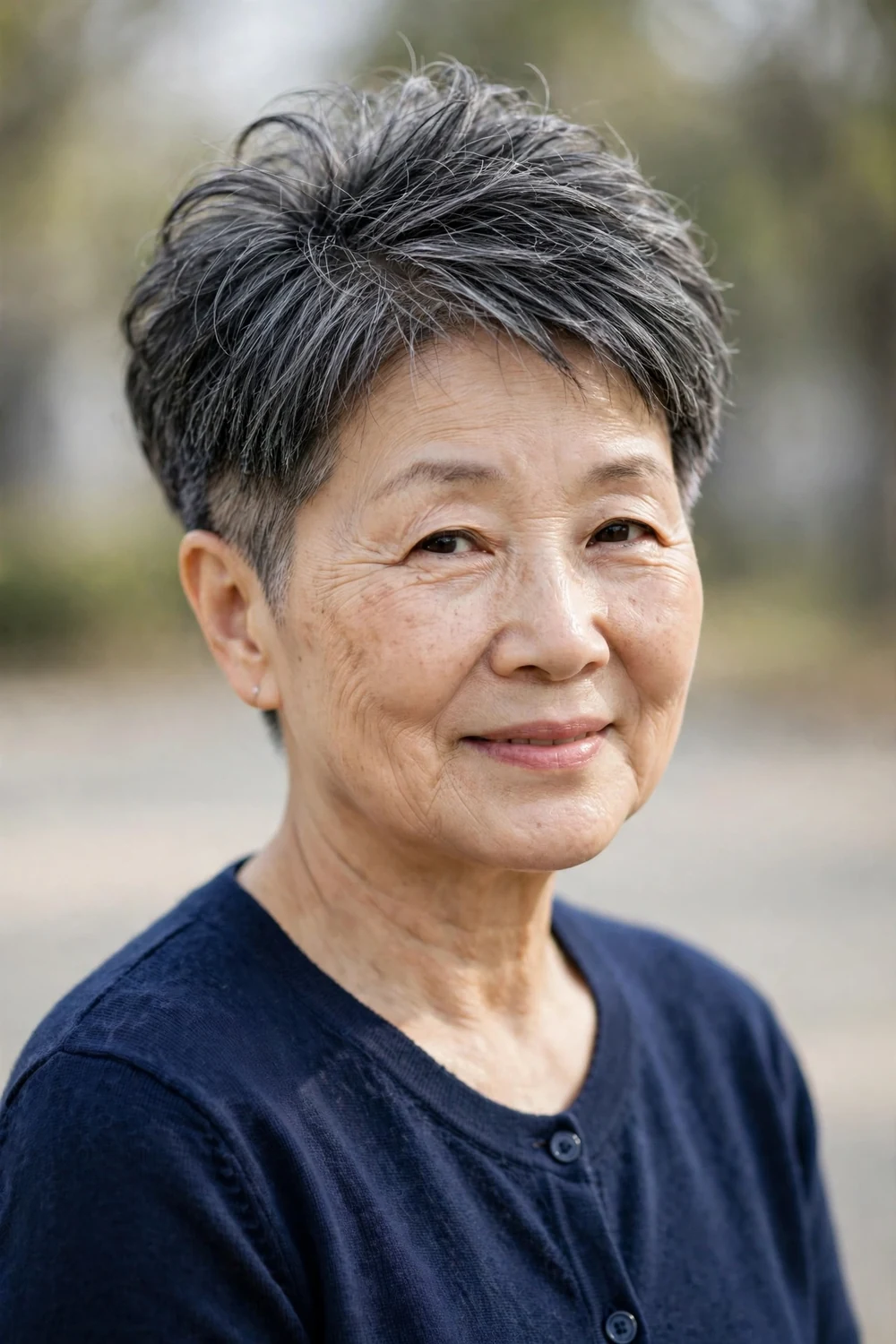
Removing the sides concentrates all the visual weight on top, which makes fine hair look thicker than it is. The trick is keeping the top at least two inches long so there is enough hair to lift. Root-lifting spray at the crown does the rest.
Skip heavy waxes and oils. They collapse fine hair and undo the volume the cut creates.
Try this: flip your head upside down and blast the roots with the dryer for 30 seconds. The upside-down lift lasts all day on fine hair.
Difficulty: Easy · Cost: $40–$75 salon cut; $7–$11 root-lifting spray
20. Grow-Out Friendly Undercut
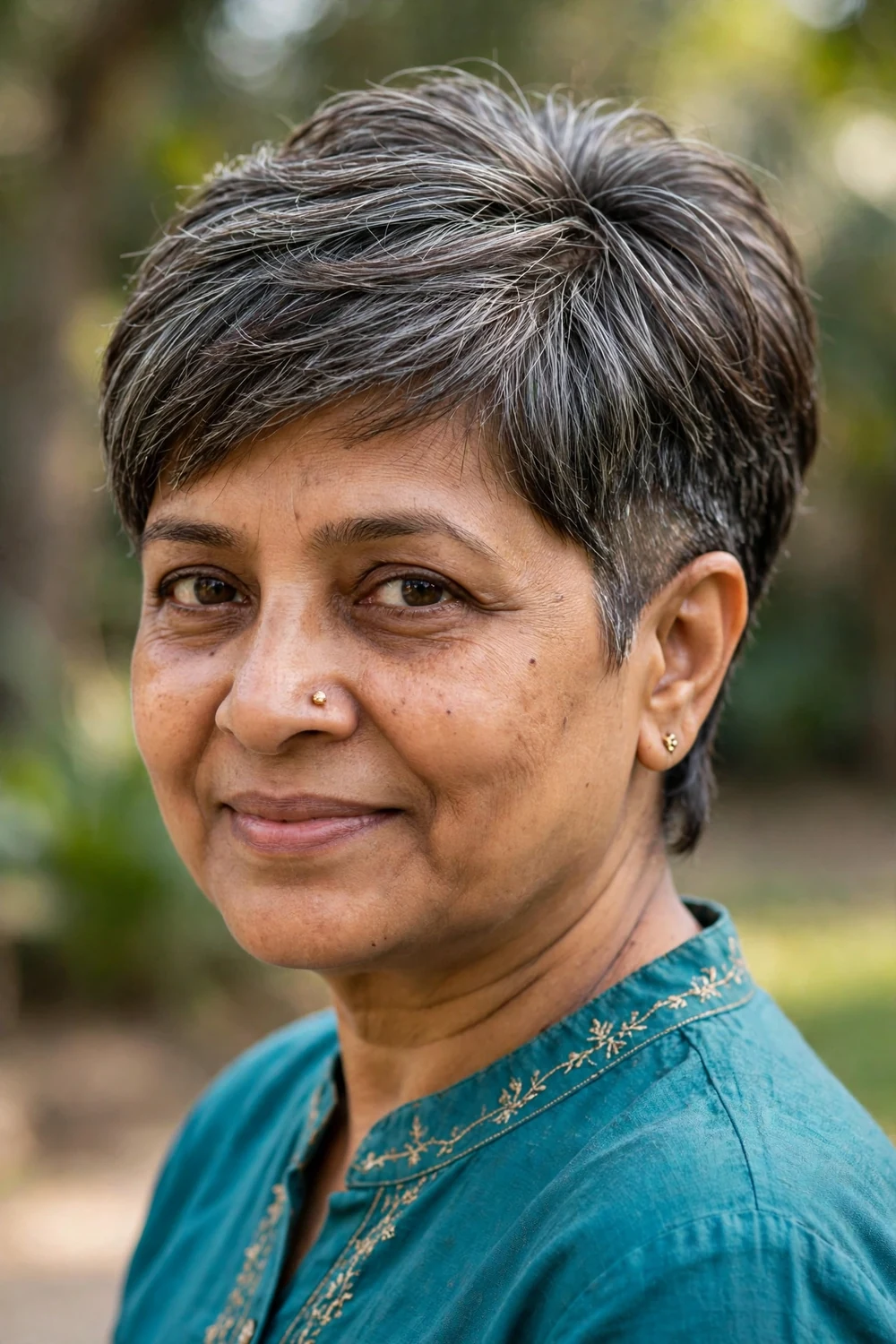
A longer taper at the nape and sides, cut with scissors instead of clippers, grows out without the awkward stage. This is the exit strategy built into the cut. After two months it becomes a standard pixie with no harsh lines to blend.
Tell the stylist up front that you want a grow-out plan. Scissor cutting takes longer but gives the smooth transition clippers can’t.
Try this: schedule one blending trim at week 5. A single mid-grow-out appointment erases the only awkward phase.
Difficulty: Easy · Cost: $45–$80 salon cut
How to Choose the Right Undercut Pixie
Start with your comfort level, not the photo. If this is your first undercut, pick the soft blended or tapered version. The clipped area stays hidden and the commitment is low. Save the platinum or nape design for your second cut, once you know how the grow-out feels.
Then match the cut to your hair. Fine hair needs length on top for volume, so skip the very short spikes. Curly hair needs a dry cut so the stylist sees the real shape. Thick hair can handle any version because the undercut removes the weight.
A few things to avoid: going shorter than a number 3 guard on your first visit, bleaching without a maintenance plan, and skipping the trim schedule. The undercut looks sharp for about 4 weeks, then the clipped areas grow fuzzy. A quick 15-minute cleanup between full cuts costs little and keeps the lines clean.
Quick Comparison
| Style | Best for | Upkeep | Typical cost |
|---|---|---|---|
| Classic Nape Undercut | First-timers | Trim every 5–6 weeks | $40–$75 |
| One-Side Undercut | Low commitment | Blends out in 2 months | $40–$75 |
| Tapered with Long Top | Conservative settings | Trim every 6 weeks | $45–$80 |
| Curly Undercut | Natural curls | Trim every 6–8 weeks | $45–$85 |
| Side-Swept Undercut | Round or square faces | Trim every 5 weeks | $40–$75 |
| Platinum Undercut | Bold statement | Roots every 3–4 weeks | $90–$150 |
| Fine Hair Undercut | Thin or fine hair | Trim every 5 weeks | $40–$75 |
| Grow-Out Friendly | Trying it out | One blending trim | $45–$80 |
Undercuts also anchor several of these asymmetrical pixie cuts over 50, pairing clipped sides with longer sweeping tops.
Frequently Asked Questions
Is an undercut pixie appropriate for a woman over 50?
Yes. The cut is about shape, not age. Softer versions like the tapered or blended undercut read as neat haircuts in any setting, while bolder versions suit women who want a confident look. The key is matching the intensity to your comfort level.
How often does an undercut pixie need trimming?
The clipped areas need a cleanup every 4 to 6 weeks to stay sharp. The longer top can go 6 to 8 weeks between cuts. Many salons offer a 15-minute undercut refresh between full appointments for a small fee.
Will an undercut work on thin or fine hair?
It often works better than a standard pixie. Removing the sides concentrates volume on top, which makes fine hair look fuller. Keep the top at least two inches long and use a root-lifting spray for the best effect.
How do I grow out an undercut pixie?
Choose a grow-out friendly version from the start, with scissor-cut tapers instead of harsh clipper lines. Let the sides grow while trimming the top, and book one blending appointment around week 5. Most undercuts grow into a standard pixie within two to three months.
Does an undercut pixie need daily styling?
Most versions need 5 minutes or less. A dab of paste or texture cream through the top is enough for spiky, shaggy, and classic versions. Side-swept and angled versions may need a quick blow-dry to set the direction.
Undercuts are especially slimming on round faces, explore more ideas in our long pixie haircuts for round faces guide.
Final Thoughts
An undercut pixie after 50 is a practical choice as much as a style one. Less hair to wash, less time to style, and a shape that flatters instead of flattening. Pick the version that matches your comfort level, keep the trim schedule, and the cut takes care of the rest.

