


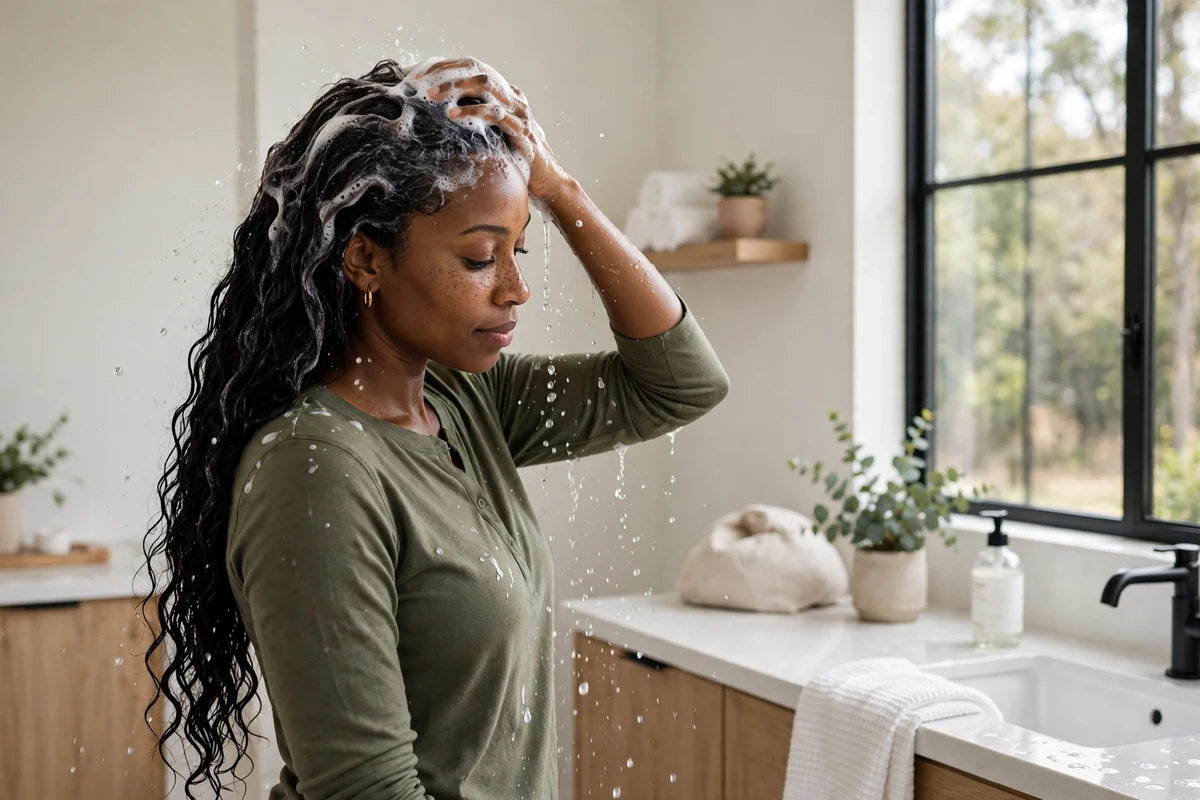
Sulfate free shampoo is a good idea for most hair types because it cleans without stripping away the natural oils your hair and scalp depend on. Traditional sulfates, like sodium lauryl sulfate (SLS) and sodium laureth sulfate (SLES), are strong detergents. They foam impressively, but they also remove sebum, fade hair color faster, and irritate sensitive scalps.
Sulfate-free formulas use gentler surfactants, such as cocamidopropyl betaine, sodium cocoyl isethionate, and decyl glucoside. These still remove dirt, sweat, and product residue, but they leave the hair’s moisture balance intact. Below are the real reasons to switch, plus the honest exceptions where sulfates still have a place.
Quick Takeaways
- Sulfate-free shampoo cleans with milder surfactants that preserve natural oils, so hair stays softer and less frizzy between washes.
- Color-treated hair keeps its shade longer because gentler cleansing does not strip dye molecules as aggressively as sulfates do.
- Sensitive, dry, or flaky scalps usually calm down after switching, since SLS is a documented skin irritant.
- Curly, coily, keratin-treated, and extension hair all last longer and look better with sulfate-free washing.
- Sulfate-free is not for every situation: very oily scalps and heavy product buildup still benefit from an occasional clarifying wash.
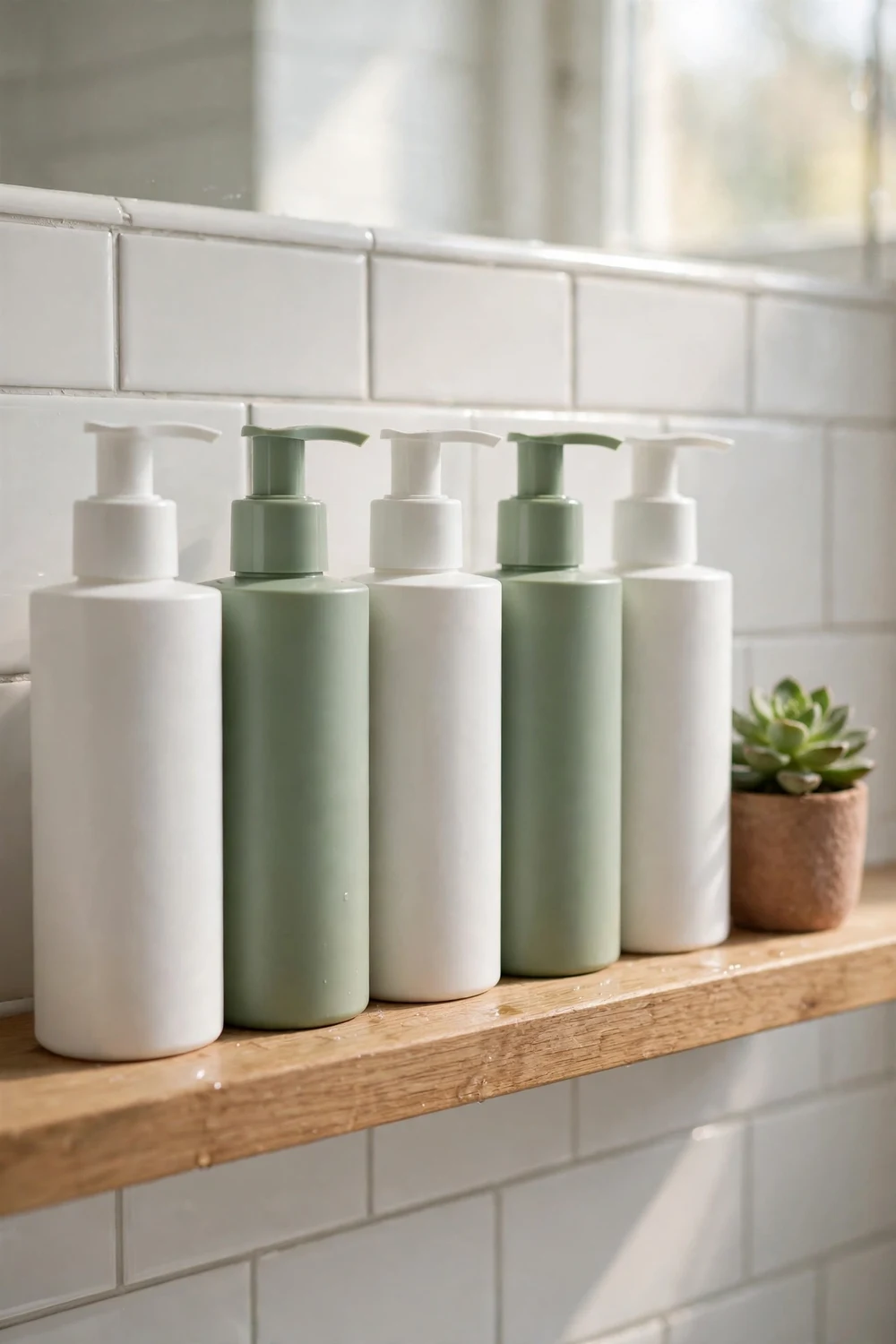
What Sulfates Actually Do in Shampoo
Sulfates are anionic surfactants, which means they carry a negative charge that grabs onto both oil and water. That is what makes them such effective cleaners: they surround oil and dirt particles and rinse them away. The trade-off is that they do not distinguish between unwanted grease and the protective oils your scalp produces on purpose.
Your scalp’s natural oil, sebum, travels down the hair shaft and keeps it flexible and shiny. Curly and coily hair gets less of this oil to begin with, because the oil moves slowly around each bend in the strand. Strong sulfates remove what little oil is there, which is why sulfate shampoos leave textured hair feeling dry and rough while straight, oily hair may feel perfectly fine.
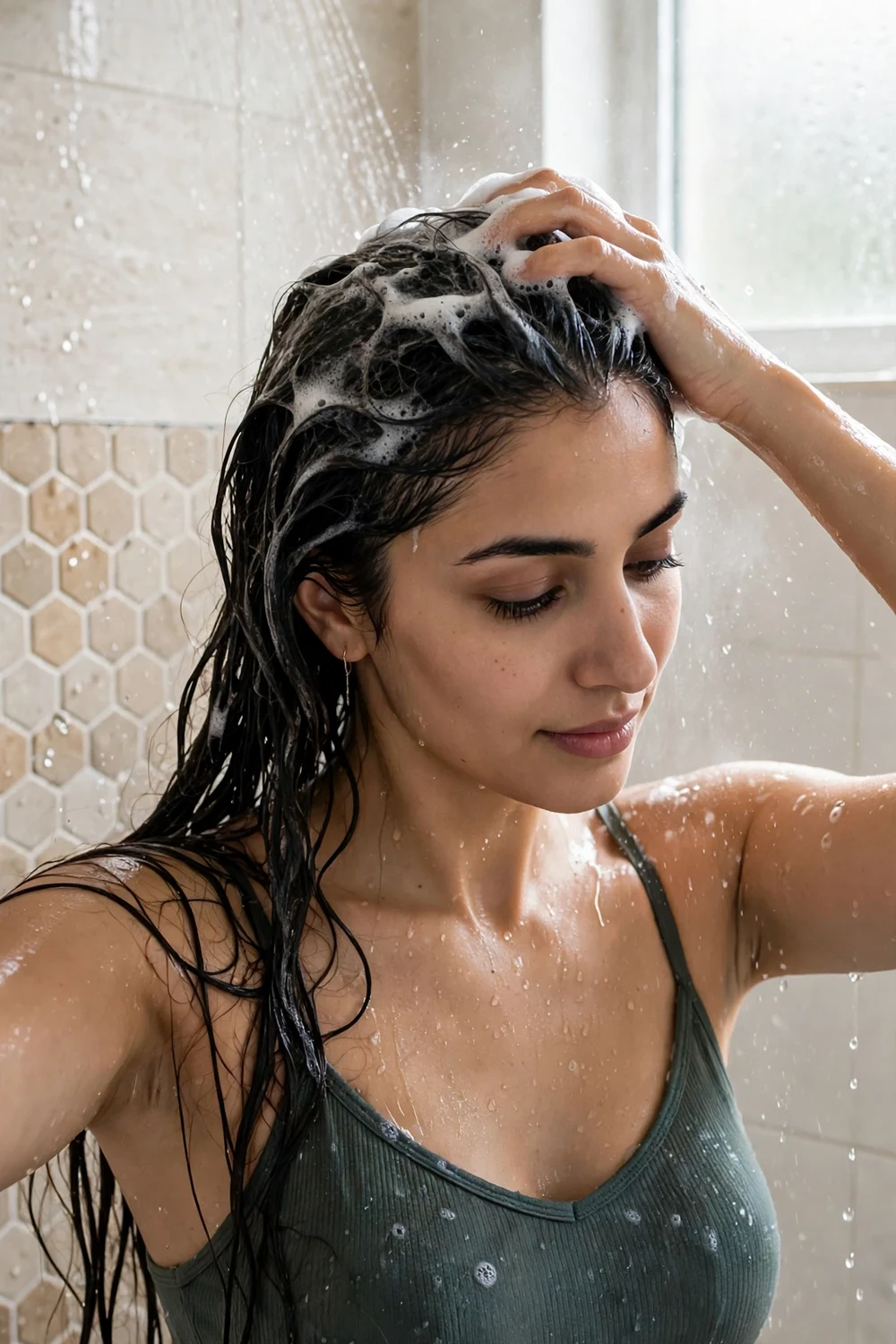
Reason 1: It Preserves Your Hair’s Natural Oils
This is the foundation of every other benefit on this list. Gentle surfactants clean the scalp and hair without taking the natural oils down to zero. Hair that keeps its oil balance feels softer, tangles less, and breaks less during combing.
You will notice the difference most clearly on wash day two and three. Hair washed with sulfates often swings between squeaky-dry right after washing and greasy the next day, because an over-stripped scalp can overproduce oil to compensate. Sulfate-free washing tends to produce a steadier, more comfortable scalp between washes.
One adjustment to expect: sulfate-free shampoos foam less. Less lather does not mean less cleaning; the surfactants are still working. Focus the shampoo on your scalp, where the oil actually is, and let the rinse carry it through the lengths.

Reason 2: It Keeps Color-Treated Hair Brighter for Longer
Hair dye sits inside the hair shaft, and every wash loosens some of it. Sulfates open the hair’s outer cuticle layer more aggressively and wash dye molecules out faster. This is especially true for reds and fashion colors like pink, blue, and purple, which fade the quickest of all shades.
Switching to sulfate-free shampoo is one of the simplest ways to stretch the time between salon color appointments. Many colorists report that clients who switch see noticeably less fading in the first two weeks after coloring, which is when the most dye loss happens. Pair it with lukewarm water and a color-safe conditioner for the full effect.
If you have invested in salon color recently, this reason alone usually justifies the switch. Our collection of winter highlights for blondes shows how much work goes into dimensional color; gentle washing protects that investment.

Reason 3: It Calms Sensitive, Dry, or Itchy Scalps
Sodium lauryl sulfate is a known skin irritant used as a reference irritant in dermatology patch testing. On scalps that are already sensitive, it can cause itching, tightness, flaking, and redness that people often mistake for dandruff.
If your scalp feels uncomfortable within a day of washing, your shampoo is a prime suspect. Switching to a sulfate-free formula removes one of the most common irritants from the equation. Give it two to three weeks before judging, since irritated skin needs time to settle.
This does not mean sulfate-free shampoo treats medical scalp conditions. Dandruff caused by seborrheic dermatitis or psoriasis needs targeted treatment, and some medicated shampoos contain sulfates for a reason. But for plain sensitivity and dryness, gentler cleansing is a sensible first step before assuming you need a medicated product.

Reason 4: It Reduces Frizz and Defines Curls
Frizz is often a moisture problem: when the hair’s outer layer is rough and dry, it swells in humidity and the surface looks fuzzy. Sulfates contribute to this by removing the oils that keep the cuticle lying flat. Sulfate-free cleansing keeps more of that protection in place, so hair stays smoother in humid air.
For curly and wavy hair, the benefit is even more visible. Curls need their natural oils to clump into defined spirals instead of separating into frizz. Gentle cleansing preserves those oils, which is why sulfate-free shampoo is a cornerstone of most curly hair routines. Curls washed this way typically show better definition, more bounce, and less halo frizz.
For curl inspiration that pairs well with a gentler routine, browse our curly hairstyles for medium length hair, all of which look their best when curls are properly hydrated.

Reason 5: It Protects Keratin Treatments and Extensions
Keratin smoothing treatments coat the hair in protein that gradually washes out over three to five months. Sulfates dissolve that coating faster, cutting the treatment’s lifespan noticeably. Most stylists specifically instruct clients to use sulfate-free shampoo after a keratin treatment; ignoring that advice is the fastest way to waste a $200-plus treatment.
Hair extensions have the same vulnerability. Tape-in and keratin-bond extensions rely on adhesives that sulfates weaken, leading to slippage and shedding. Extension hair itself also dries out faster than natural hair since it receives no scalp oils, so gentle cleansing matters doubly.
If you have either treatment, sulfate-free is not a suggestion but a requirement written into most aftercare instructions.

Reason 6: It Is Kinder to Hair You Wash Often
People who wash daily, whether from workouts, oily scalps, or hot climates, expose their hair to surfactants more than anyone. With sulfates, that daily exposure adds up to cumulative dryness and breakage over time. A gentler formula makes frequent washing sustainable.
This matters for fine hair in particular. Fine strands have less structural material to lose, so repeated harsh cleansing shows up as breakage and thinning ends sooner. If daily washing is non-negotiable for you, a mild sulfate-free shampoo plus a lightweight conditioner is the combination that causes the least damage. See our short hairstyles for thin hair for cuts that work with delicate, frequently washed hair.

Reason 7: It Helps Damaged Hair Recover
Bleached, heat-damaged, or chemically processed hair has a compromised outer layer that loses moisture easily. Harsh cleansing makes that worse by stripping what little protection remains. Sulfate-free shampoo will not repair damage on its own, but it stops adding to the problem while your conditioning treatments do their work.
Think of it as part of a recovery routine: gentle cleansing, a protein or moisture treatment weekly depending on what your hair needs, heat protectant before styling, and trims to remove split ends. Each piece is small; together they let damaged hair grow out healthier instead of breaking off at the same length.
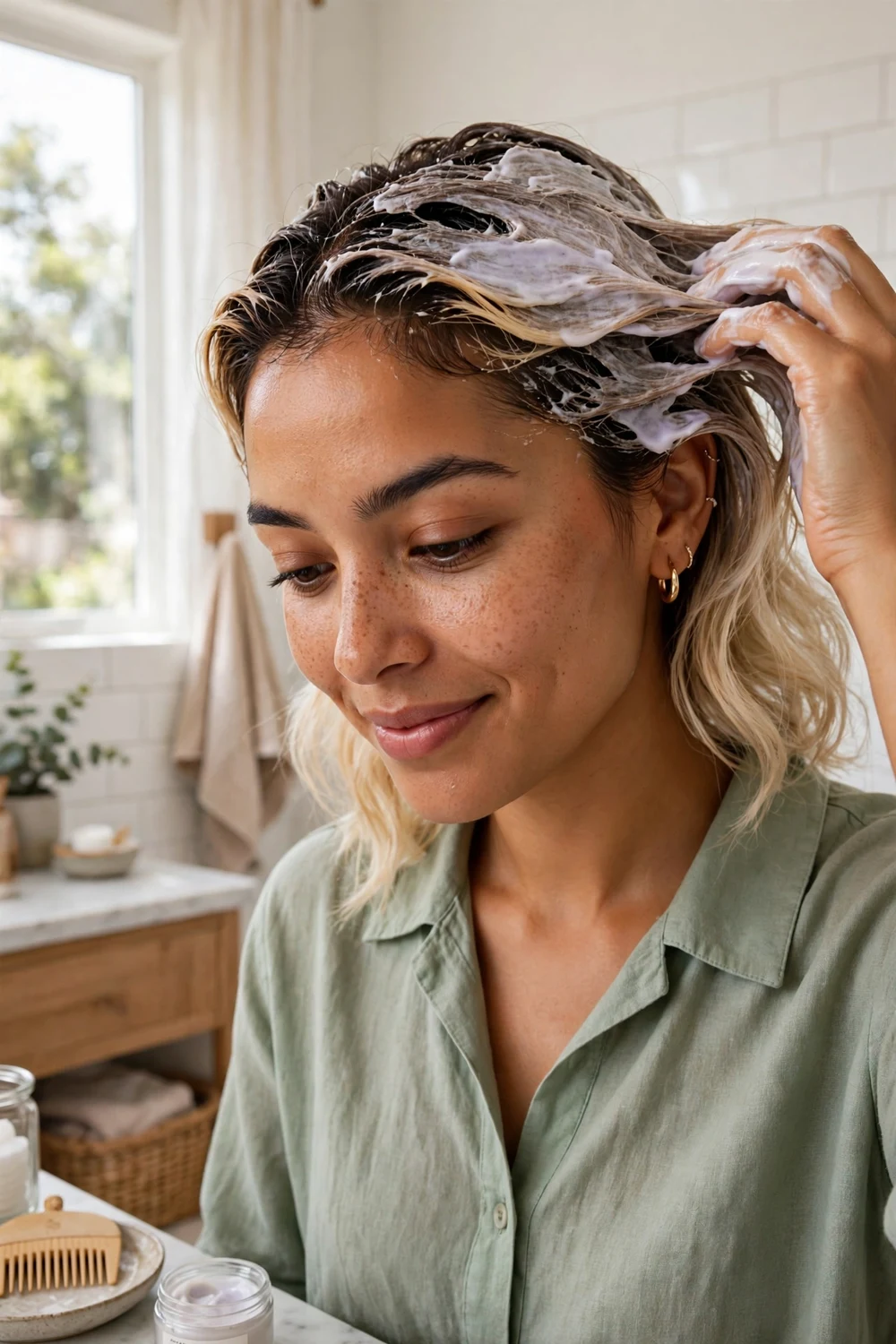
Reason 8: It Reduces Product Buildup Cycles
Here is a cycle many people do not notice: sulfates strip the hair, so you add heavier conditioners, oils, and silicones to fix the dryness. Those products build up, so you need the strong sulfates to wash them out. Round and round it goes.
Gentler cleansing breaks the loop. When your shampoo stops creating the dryness, you need less heavy product to compensate, which means less buildup, which means your gentle shampoo can actually keep up. Many people find their whole routine simplifies within a month of switching.
When Sulfate-Free Is Not the Better Choice
Honesty matters here: sulfate-free shampoo is not universally better. There are real situations where stronger cleansing wins.
Very oily scalps. Some scalps produce enough oil that gentle surfactants cannot keep up, leaving hair limp and the scalp congested. If your hair looks greasy within 24 hours even with proper sulfate-free washing, your scalp may genuinely need stronger cleansing.
Heavy product buildup. Silicones, waxes, dry shampoo, and hard-water minerals accumulate over time. A sulfate-free shampoo may not remove all of it. A clarifying wash once or twice a month resets the hair so your gentle routine can work properly.
Swimmer’s hair. Chlorine and salt bond to the hair and need real detergent power to remove. Swimmers usually need a proper clarifying or swimmer’s shampoo after pool sessions, then can return to sulfate-free for regular washes.
The practical answer for most people is a hybrid routine: sulfate-free for everyday washing, clarifying when needed. That gives you the gentleness most of the time and the deep clean when buildup demands it.
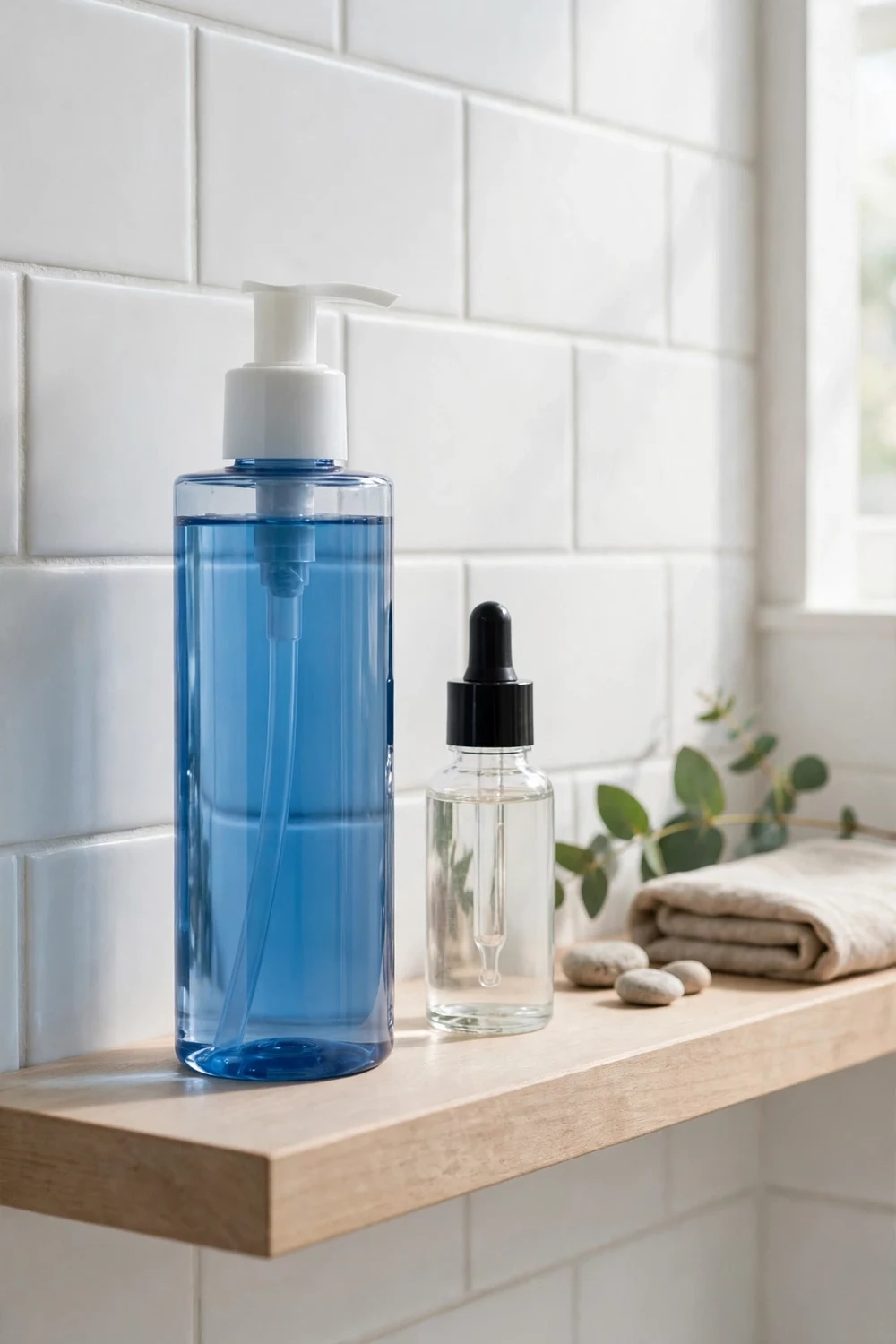
Sulfate vs. Sulfate-Free Shampoo
| Feature | Sulfate Shampoo | Sulfate-Free Shampoo |
|---|---|---|
| Cleansing strength | Strong; removes heavy oil and buildup easily | Mild to moderate; handles daily dirt and light oil |
| Lather | Rich, abundant foam | Light, low foam (still cleans effectively) |
| Natural oils | Strips significantly | Largely preserved |
| Color-treated hair | Fades color faster | Extends color life |
| Sensitive scalps | Can cause irritation, itching, flaking | Usually calmer and more comfortable |
| Curly and coily hair | Dries out curls, increases frizz | Supports moisture and curl definition |
| Best for | Very oily scalps, swimmers, occasional clarifying | Daily washing, dry/curly/color-treated hair, sensitive scalps |
How to Choose a Good Sulfate-Free Shampoo
Not all sulfate-free shampoos are equal. Check the label for gentle surfactants like cocamidopropyl betaine, sodium cocoyl isethionate, or decyl glucoside near the top of the list. Match the formula to your hair: fine hair does better with lightweight, volumizing formulas, while dry or curly hair needs the moisturizing ones with shea butter, glycerin, or natural oils.
Ignore the “sulfate-free” claim on the front if the back lists sodium C14-16 olefin sulfonate. That ingredient is technically not a sulfate, but it cleans almost as harshly. The front label is marketing; the ingredient list is the truth.

Frequently Asked Questions
Does sulfate-free shampoo clean as well as regular shampoo?
For everyday dirt, sweat, and light oil, yes. Gentle surfactants remove what needs removing without over-stripping. They struggle only with heavy buildup like layered silicones, waxes, or hard-water minerals, which is why an occasional clarifying wash is still useful.
How long does it take to adjust to sulfate-free shampoo?
Most people adjust within one to two weeks. The low lather feels strange at first, and hair may feel different as silicone buildup slowly washes away. If your hair feels waxy after three weeks, you likely need a clarifying wash to reset, not a different sulfate-free shampoo.
Can sulfate-free shampoo cause hair loss?
There is no evidence that sulfate-free shampoo causes hair loss. Some people notice more shedding in the shower after switching, but that is usually just looser hairs releasing in the lower-lather wash rather than new loss. If shedding is genuinely heavy or sudden, see a dermatologist rather than blaming the shampoo.
Is sulfate-free shampoo good for oily hair?
It can be, if the oiliness is mild to moderate: many oily scalps calm down once they stop being over-stripped. But very oily scalps sometimes need stronger cleansing. Try sulfate-free for three weeks; if your hair is greasy within a day despite proper washing, alternate with a clarifying shampoo instead.
Do I need sulfate-free conditioner too?
It helps, especially for color-treated or curly hair, since conditioners with sulfates are rare but silicones are common. The shampoo matters most because it contacts the scalp. A matching sulfate-free, silicone-free conditioner completes the gentle routine, but the shampoo switch alone delivers most of the benefit.
Final Thoughts
Sulfate-free shampoo is a good idea for most people because it does the job of shampoo, cleaning your hair, without the collateral damage of over-stripping. The exceptions are real but narrow: very oily scalps, swimmers, and heavy buildup still need stronger cleansing now and then. For everyone else, gentler washing means softer hair, longer-lasting color, calmer scalps, and better curls.
To keep exploring gentle hair care matched to your hair type, visit the PrimeHairPicks homepage and browse the hair care guides.
For more on this topic, see how fast does hair grow.

