


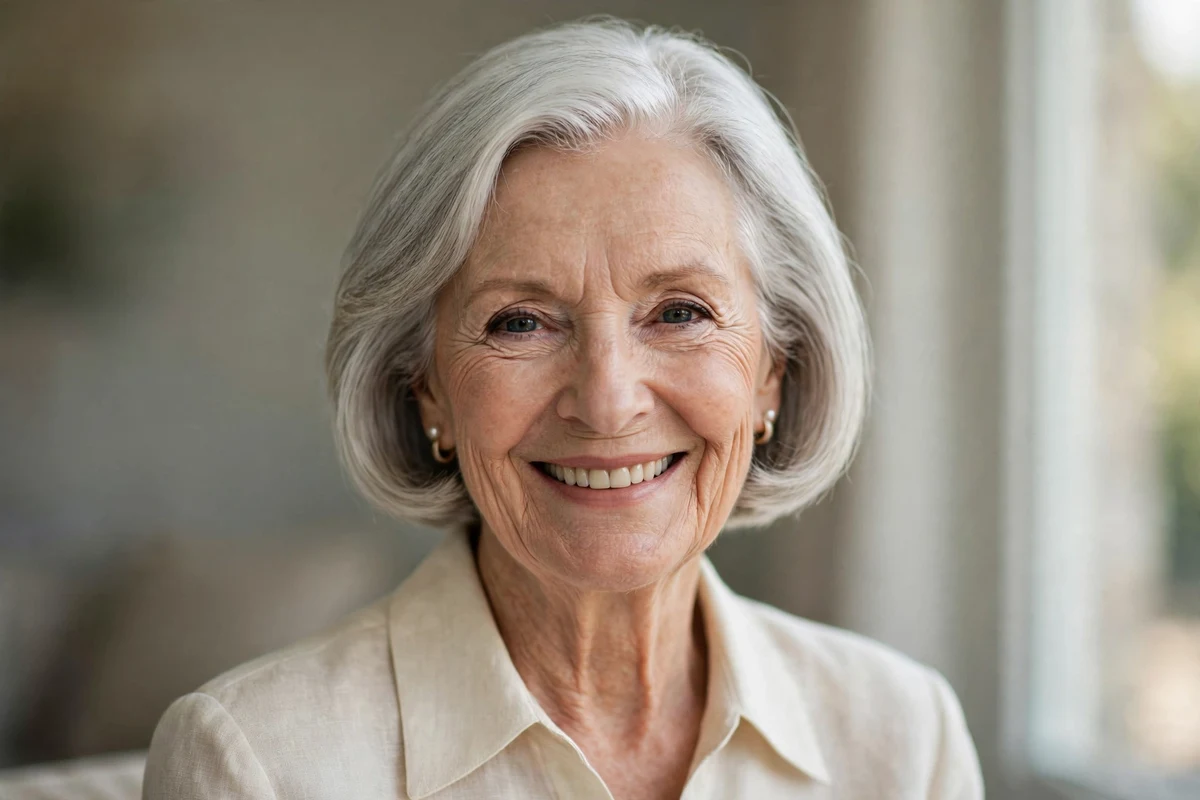
Trends come and go, but some hairstyles never date. These classic hairstyles for women over 70 are the ones that have looked right for decades: the timeless bob, the French twist, soft roller-set waves. They flatter mature faces, they are easy to maintain, and they work with gray, silver, and salt-and-pepper hair.
The secret of a classic style is simplicity. Clean lines, soft volume at the crown, and a cut that holds its shape between salon visits. Every style below has been worn well for generations, and each one comes with honest notes on upkeep and cost.
Quick Takeaways
- Classic styles favor clean lines and soft volume, which flatter mature faces.
- Most classic cuts need a trim every 6 to 8 weeks to keep their shape.
- Gray and silver hair needs moisture: a weekly mask keeps it from looking dry.
- Soft volume at the crown takes years off; flat, severe styles add them.
- Low-fuss classics like the bob and pixie are the easiest daily wear.
1. Classic Chin-Length Bob
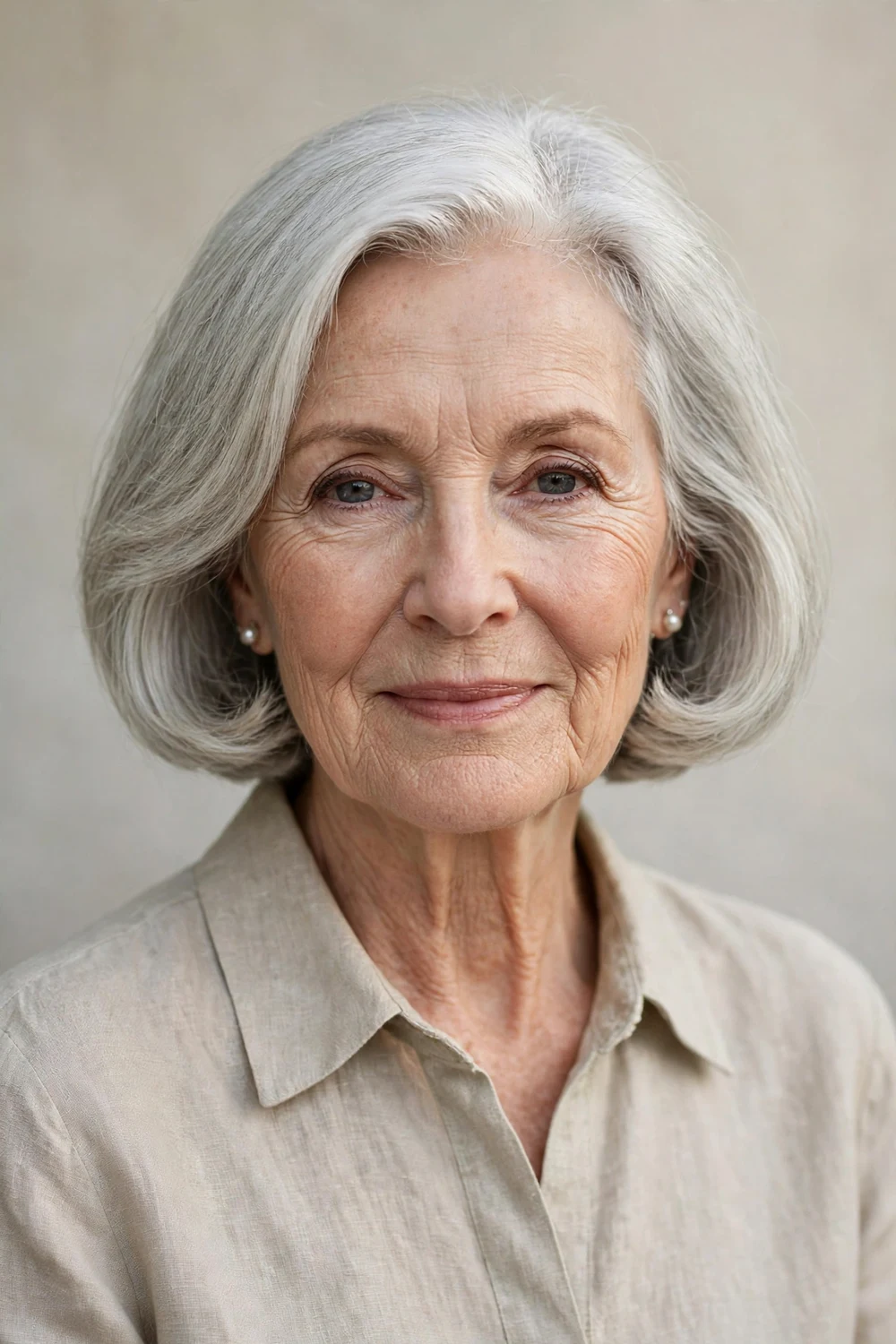
The chin-length bob is the defining classic haircut. Cut straight around the head at jaw level with softly rounded ends, it frames the face without harsh lines. It suits straight, wavy, and fine hair, and it looks as right today as it did fifty years ago.
Ask your stylist for a clean line with the ends tucked under slightly. Blow-dry with a round brush for ten minutes, or let it air-dry for a softer finish. Trim every 6 to 8 weeks to keep the line crisp.
Try this: a pea-sized drop of smoothing serum on the ends keeps silver hair from looking frizzy by midday.
Difficulty: Easy · Cost: $40–$70 per cut
2. Soft Roller-Set Waves
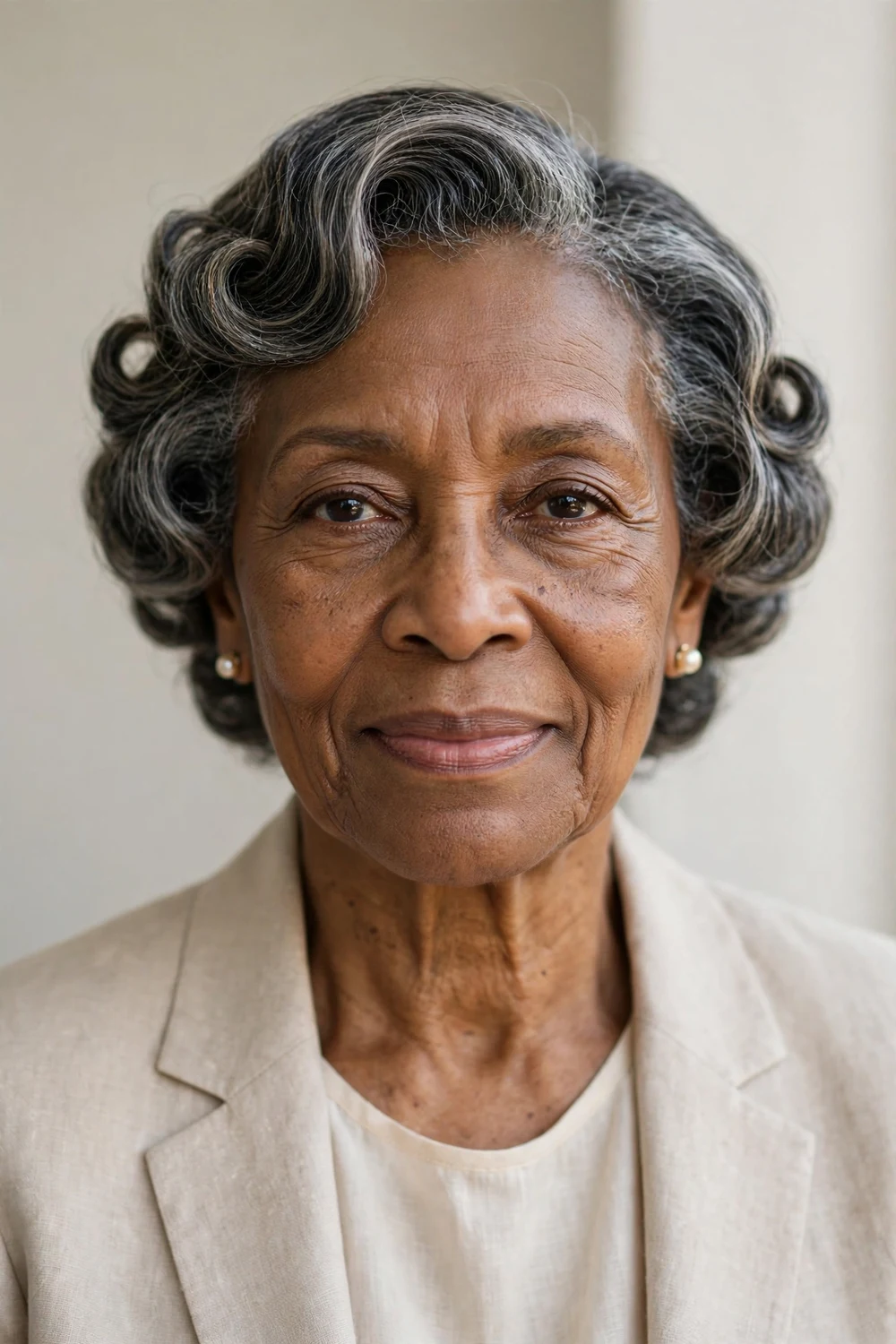
The roller set is the original classic styling method. Set damp hair on medium rollers, sit under a hooded dryer for 30 to 45 minutes or let it air-dry, then brush out for soft, lasting waves. The result has body that flat irons can’t copy.
This works on relaxed, natural, and permed hair alike. Set it the night before an event and sleep in a satin scarf. The waves hold for two to three days with light touch-ups.
Try this: use a light setting lotion on damp hair before rolling. It gives hold without the crunch of gel.
Difficulty: Easy · Cost: $8–$15 (rollers, setting lotion)
3. Classic French Twist
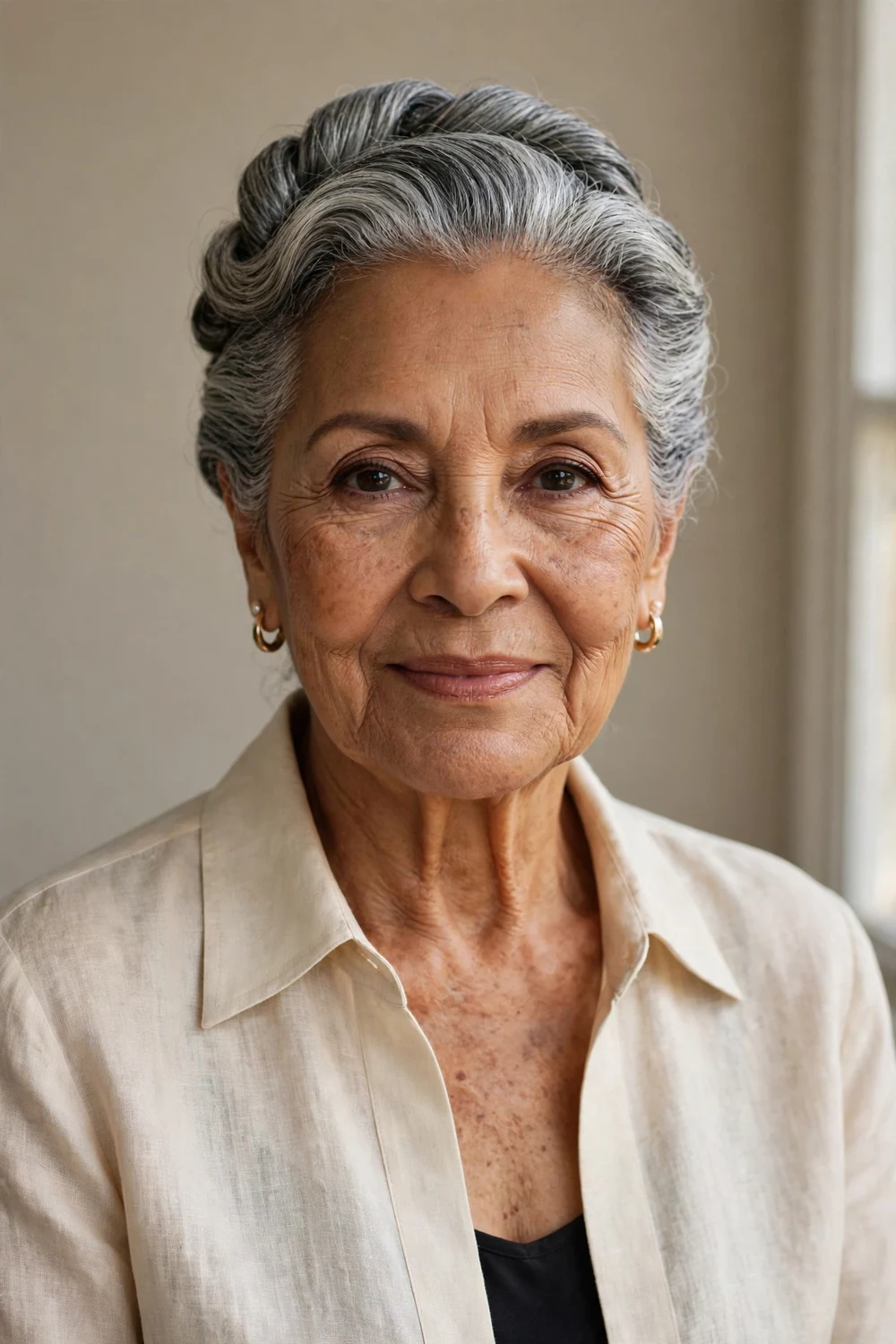
The French twist has dressed up evening events for a century. Gather hair to one side, twist it upward against the back of your head, and tuck the ends inside, securing with long bobby pins or a French twist comb. It needs shoulder-length hair or longer.
Don’t aim for perfection on the first try. A slightly soft twist looks more flattering than a severe one. Practice twice before the event day. Use a comb with widely spaced teeth for the initial smoothing.
Try this: insert pins vertically along the twist’s seam, not horizontally. Vertical pins grip the twist instead of sliding out.
Difficulty: Medium · Cost: $0–$10 (long bobby pins or twist comb)
4. Low Chignon Bun
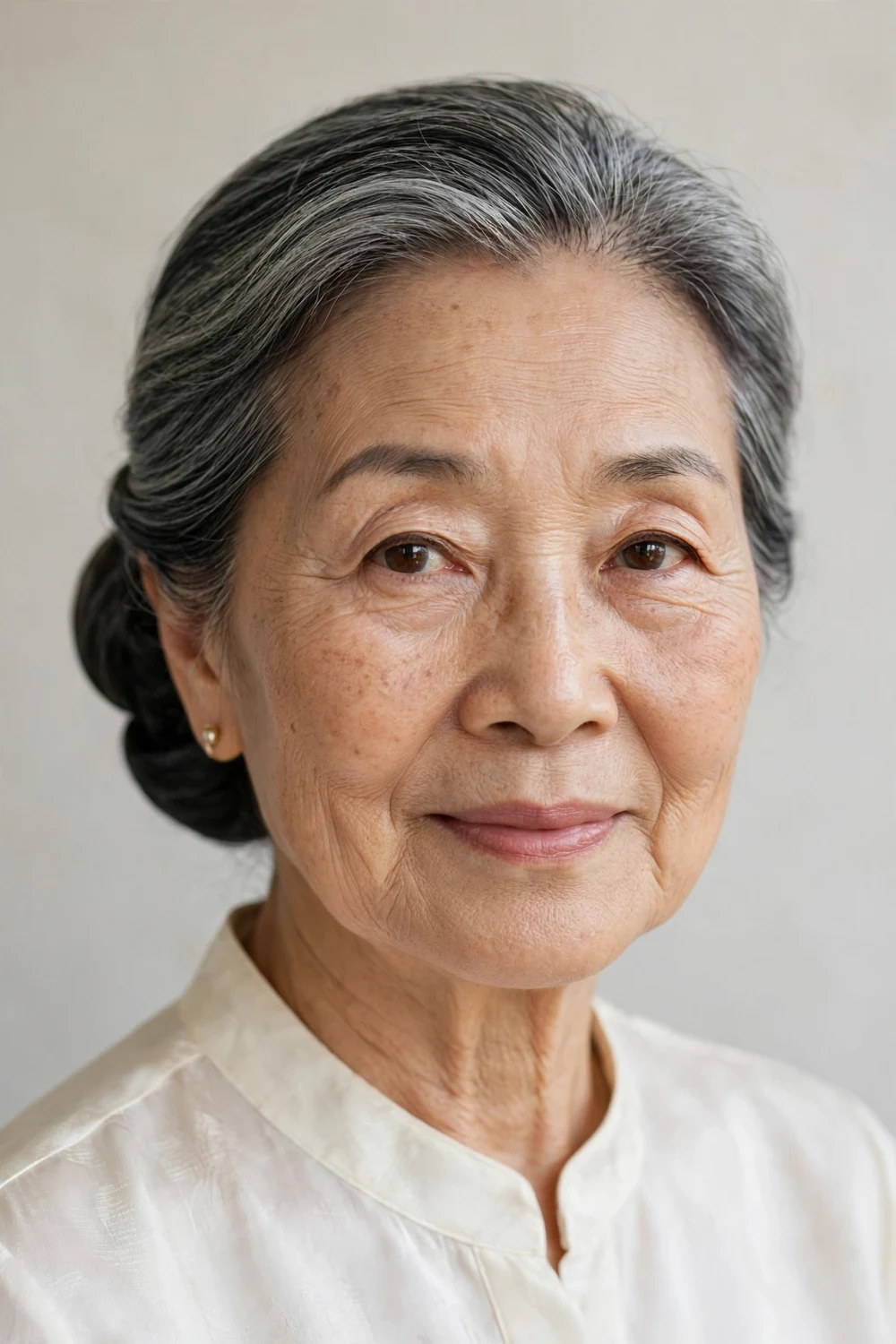
The chignon is the quietest classic of all: a simple knot at the nape of the neck. Gather hair low, twist it once, coil it around its base, and pin. It takes five minutes and suits every face shape because it sits low and soft.
Works on chin-length hair and longer. On fine hair, tease the gathered section lightly first so the bun has some fullness. A chignon sits better slightly off-center than dead center.
Try this: wrap a thin strand of hair around the bun’s base to hide the elastic, pinning the end underneath.
Difficulty: Easy · Cost: $0–$4 (elastic, bobby pins)
5. Tapered Classic Pixie
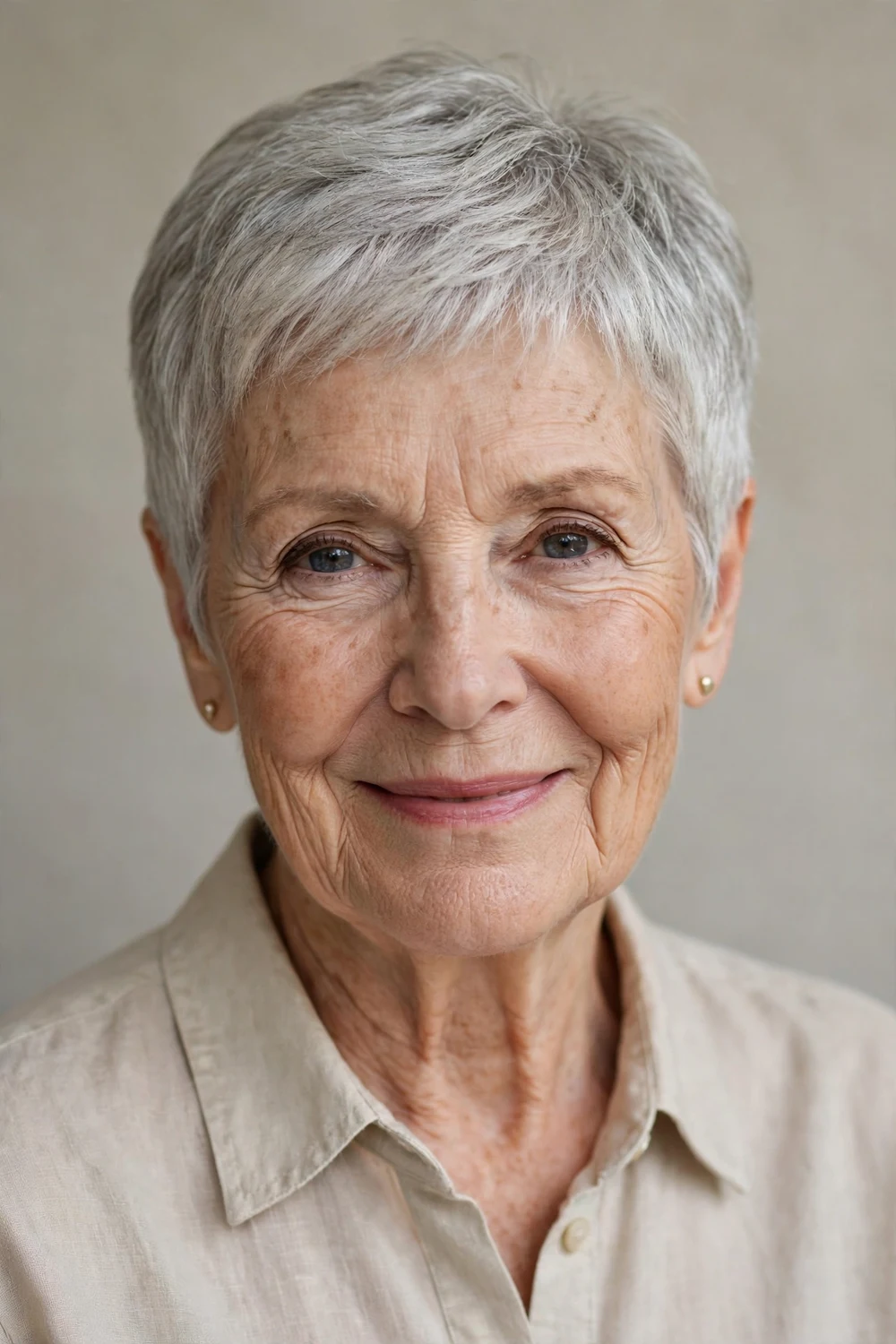
The tapered pixie is short at the nape and sides with soft length on top. It is the lowest-maintenance classic there is: wash, add a dab of styling cream, and go. It opens up the face and shows off earrings and glasses.
Ask for softness, not spikes. A classic pixie has texture on top that lies naturally, not a spiky finish. Trim every 4 to 6 weeks, since short cuts lose shape fast.
Try this: a pea-sized amount of lightweight cream, worked through damp hair, gives hold without stiffness.
Difficulty: Very easy · Cost: $35–$60 per cut
Short classics suit many women past 70. Our short hairstyles for women over 70 collection covers more cropped options in this age group.
6. Layered Bob With Side-Swept Bangs
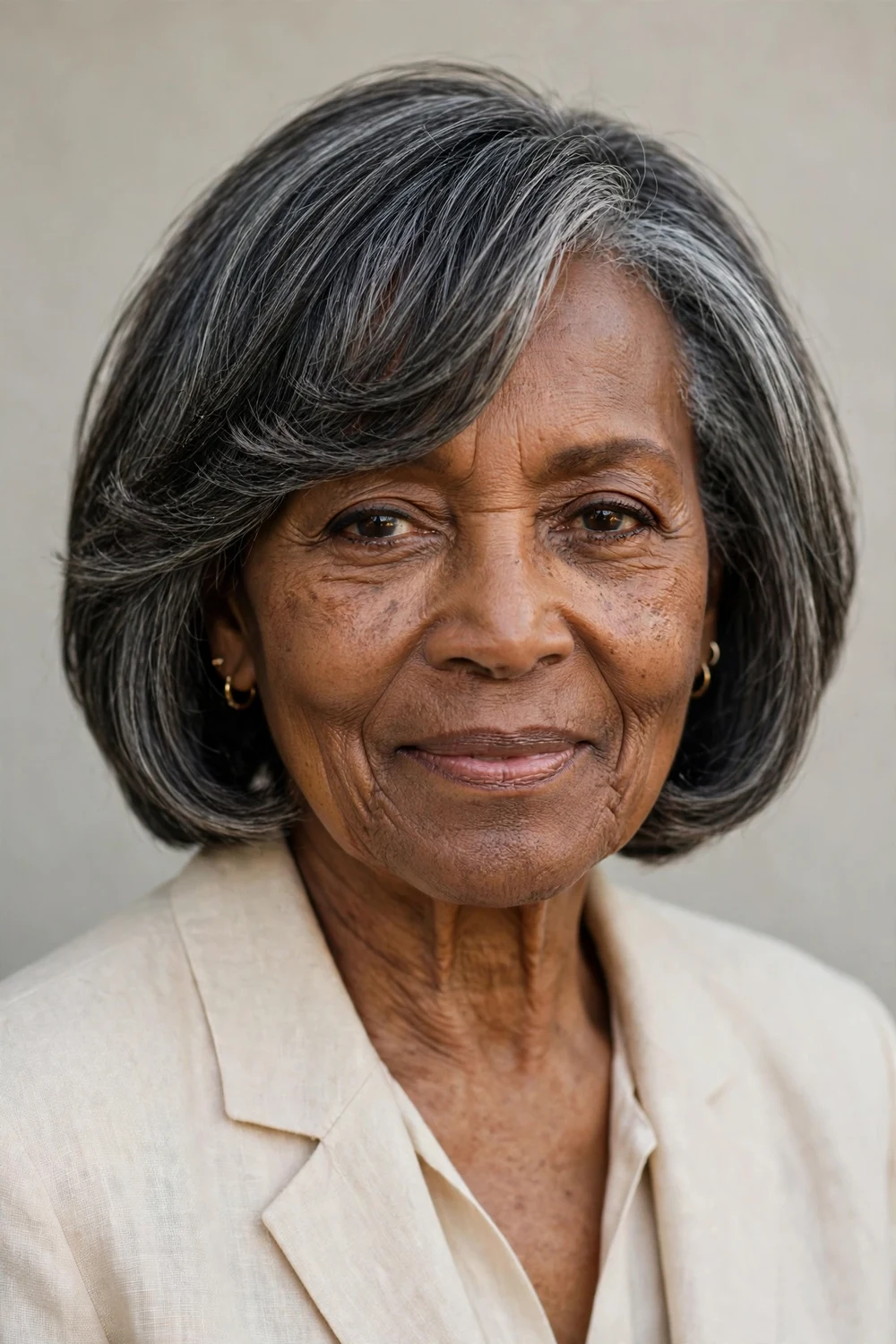
Layers through a chin-length bob plus bangs swept to one side: this is the classic that softens forehead lines and adds movement to fine hair. The side sweep keeps bangs out of the eyes, which matters more than most stylists admit.
Bangs need a trim every 3 to 4 weeks to stay out of the eyes. Many salons do bang trims free between cuts. Blow-dry bangs first, before the rest of the hair, while they are still damp.
Try this: sweep bangs to the opposite side of your natural part once a month. It resets flat roots.
Difficulty: Easy · Cost: $40–$70 per cut
7. Pin-Curl Set
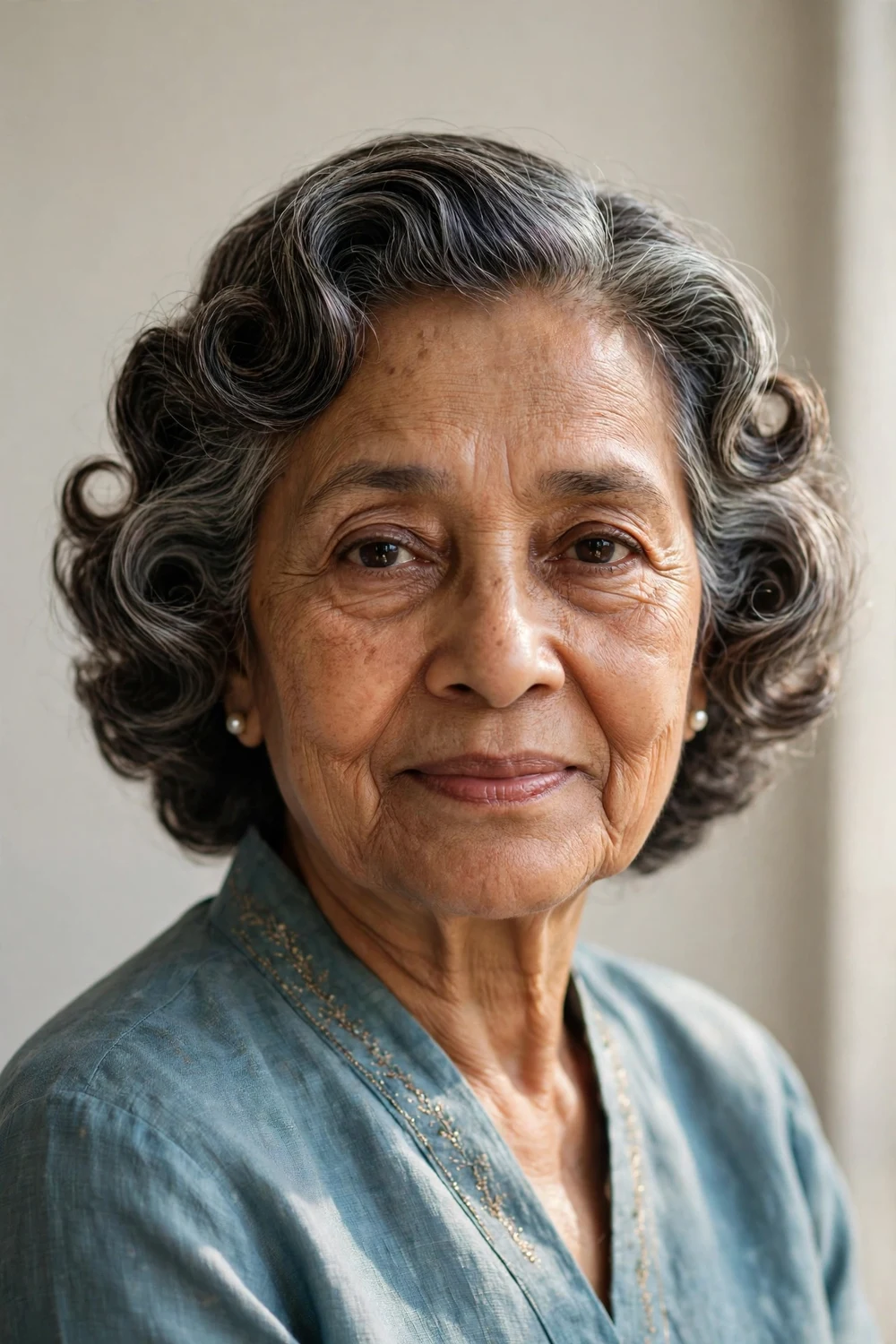
Pin curls are the gentlest way to get classic waves: no heat, no chemicals. Twist damp one-inch sections into flat coils against the scalp and pin each one. Let dry fully, then brush out for soft, uniform waves.
It takes practice to make the coils lie flat, so try it twice before an important day. Works on all textures and is the kindest option for fragile, thinning hair. Sleep in a silk scarf to protect the set overnight.
Try this: mist each section lightly with water mixed with a drop of leave-in conditioner before coiling. It smooths frizz.
Difficulty: Medium · Cost: $0–$3 (bobby pins)
8. Deep Side Part and Tuck
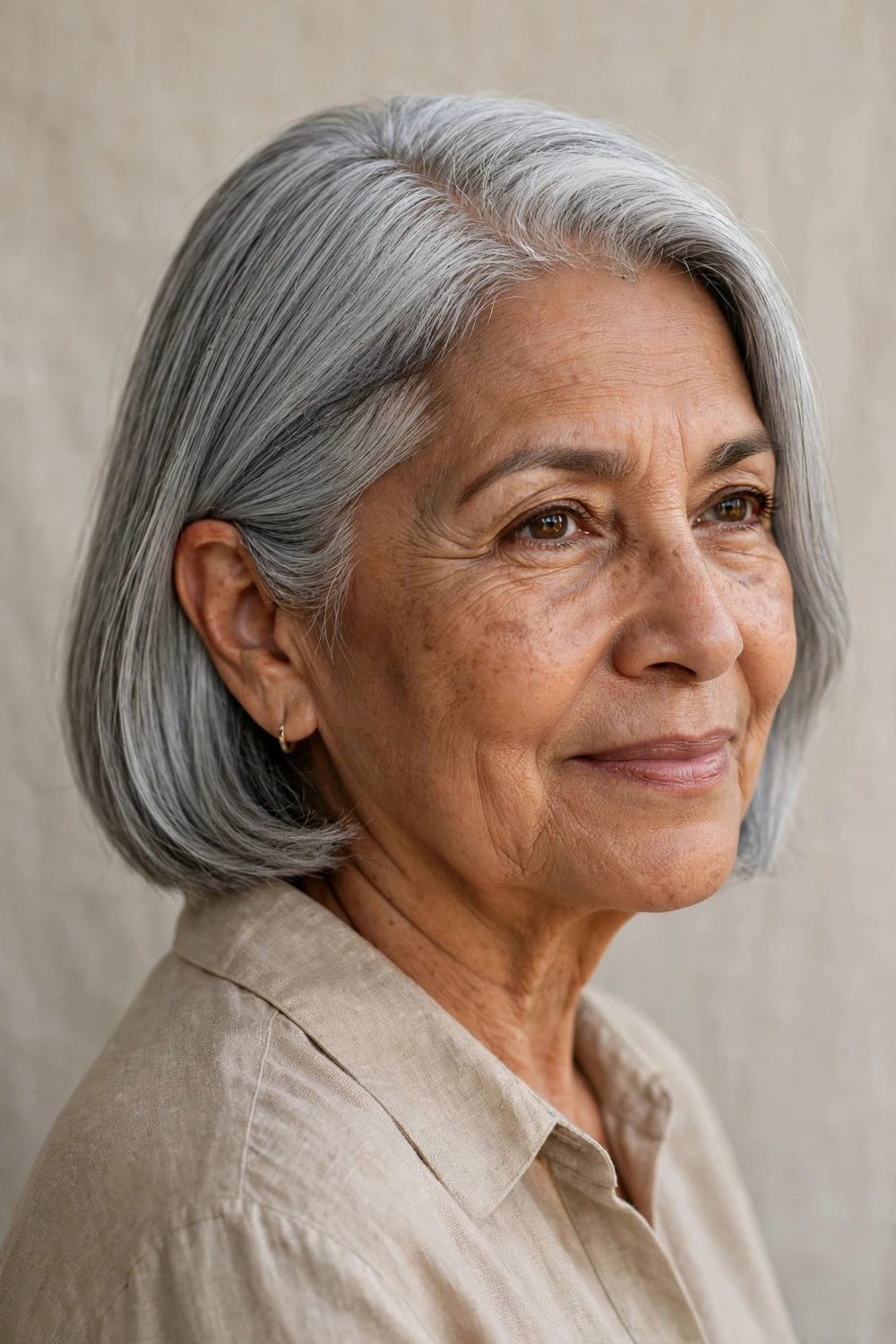
Comb a deep part about two inches off center and tuck the smaller side behind your ear with one flat pin. Three minutes, one pin, and the whole face looks different. It is the simplest classic on this list and suits every hair texture.
A deep part adds volume at the crown because the hair has farther to fall. Use a pin that matches your hair color so it disappears. This works on bobs, lobs, and pixies alike.
Try this: set the part while hair is damp. A part set on wet hair holds its line all day.
Difficulty: Very easy · Cost: $0–$3 (bobby pins)
9. Soft Bouffant Crown
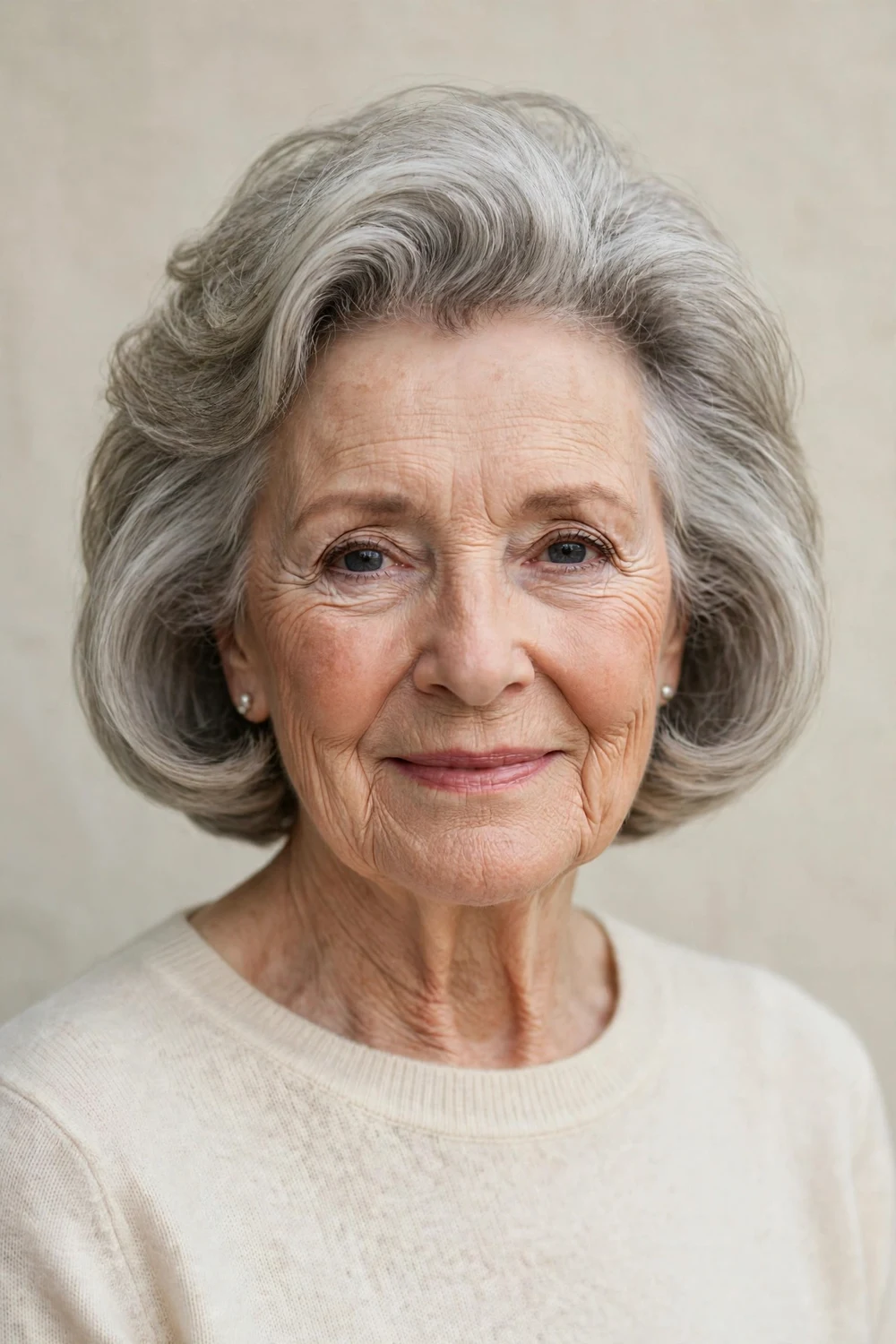
The bouffant doesn’t have to mean the 1960s extreme. A soft version means gentle volume at the crown over an otherwise simple bob. Backcomb the crown section lightly, smooth the top layer over it, and pin the sides back.
Two to three strokes of backcombing per section is plenty. More than that makes detangling miserable. If you use a blow dryer for the smoothing step, apply heat protectant first.
Try this: a light mist of flexible-hold hairspray under the top layer, before smoothing, doubles the lift.
Difficulty: Easy · Cost: $0–$8 (teasing comb, hairspray)
10. Sleek Silver Bob
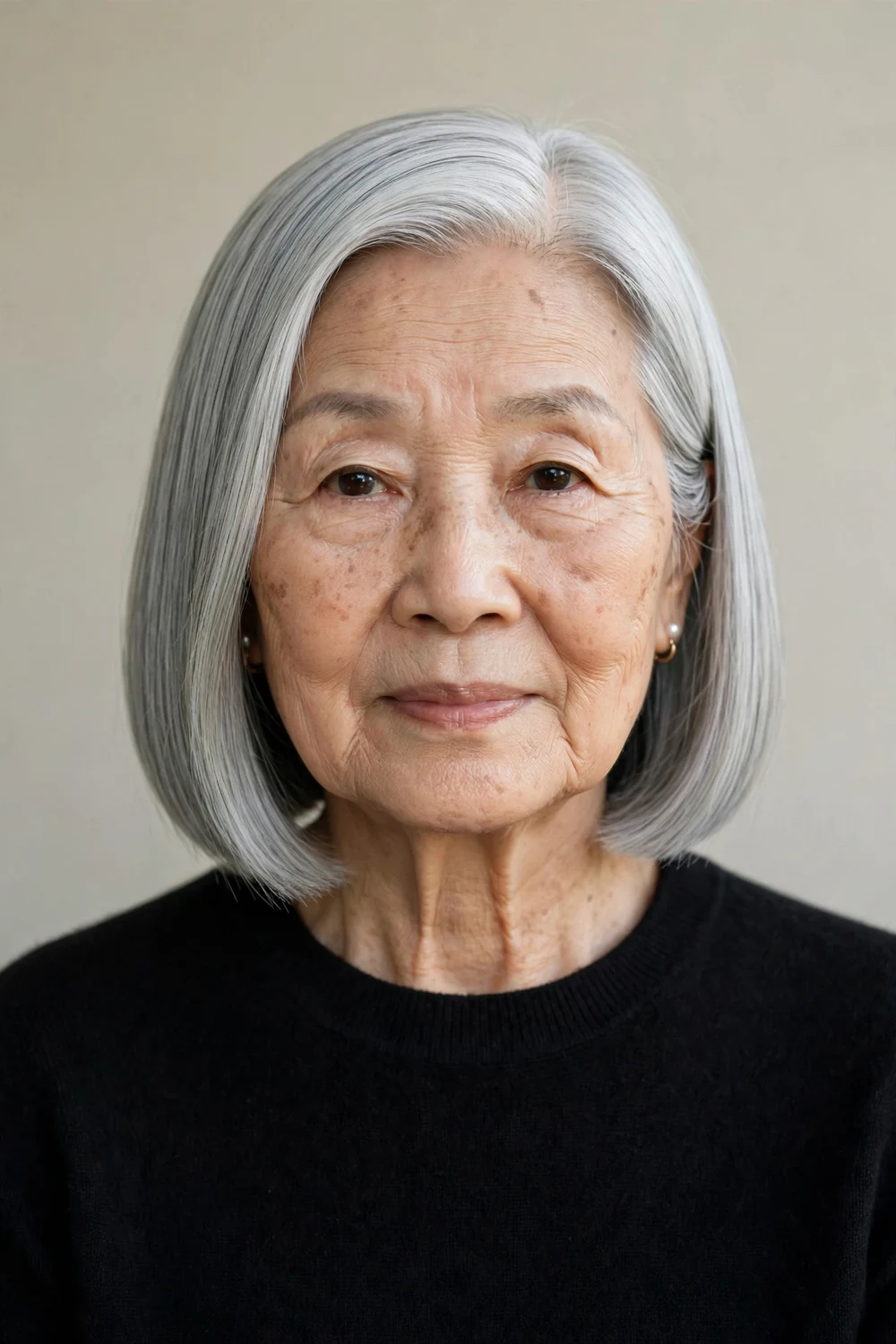
A straight, polished bob in natural silver is one of the most striking classics. Blow-dry smooth with a paddle brush, then run a flat iron over the lengths once for a glassy finish. Always use heat protectant before the iron touches your hair.
Silver hair shows damage fast, so keep the iron at or below 350°F. A weekly purple-tinted mask keeps silver bright instead of yellow. Trim every 6 weeks to keep the ends blunt and clean.
Try this: finish with one drop of shine serum, rubbed between palms first. It adds gloss without weight.
Difficulty: Easy · Cost: $40–$70 per cut, plus heat protectant
A polished bob reads refined at any age. For a rich, elegant take on the same shape, see our old money bob styling guide.
11. Gentle Perm Waves
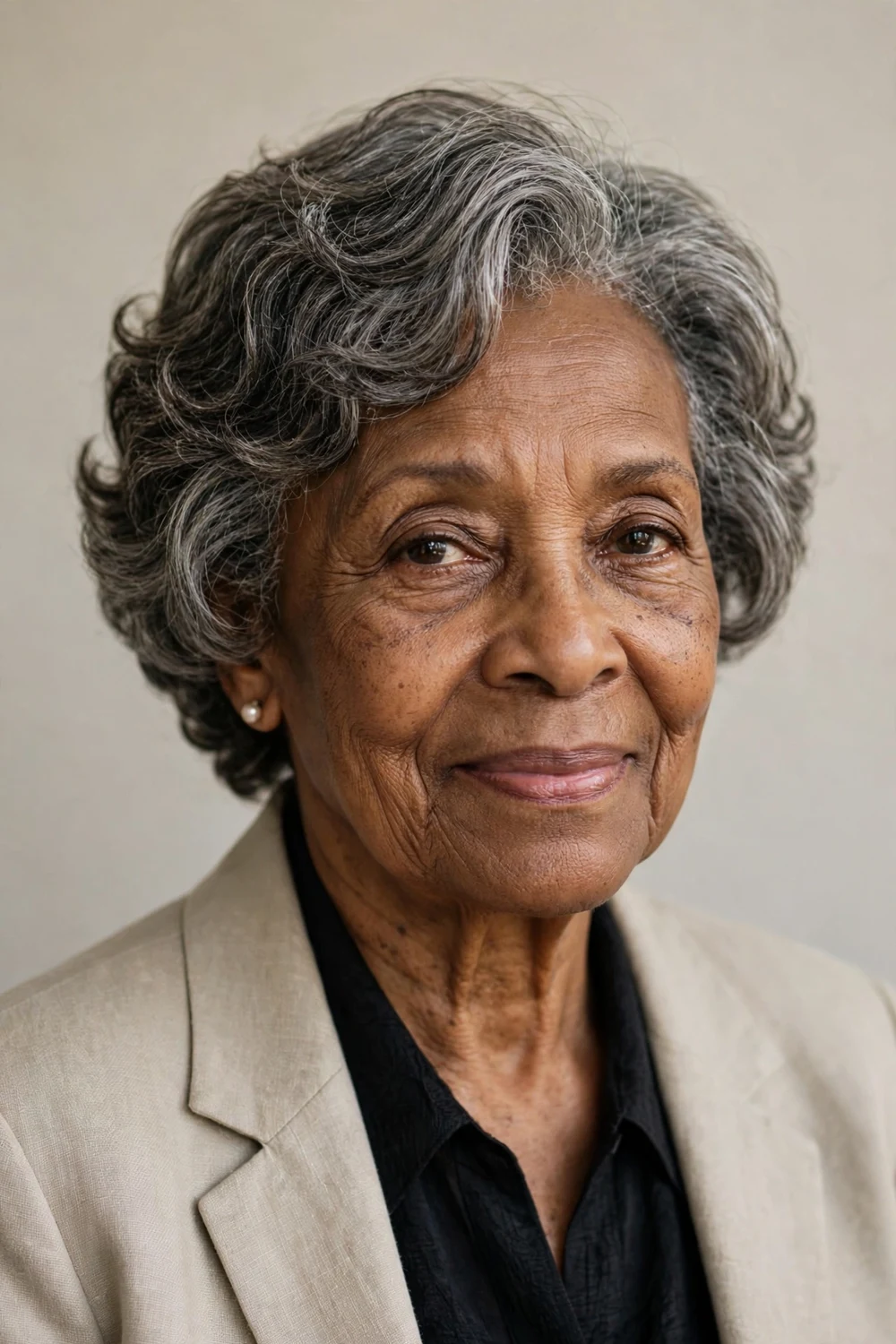
A soft body perm gives fine, straight hair lasting wave and fullness for months. Ask for large rods and a gentle formula, not tight curls. The result is the kind of soft wave that used to require a weekly salon set.
Perms need a stylist experienced with mature hair, which is more fragile. Do a strand test first. Afterward, use sulfate-free shampoo and deep condition weekly. A perm lasts 3 to 5 months.
Try this: sleep on a satin pillowcase. Cotton roughs up permed waves overnight; satin keeps them smooth.
Difficulty: Easy (after salon visit) · Cost: $60–$120 per perm
12. Classic Long Bob
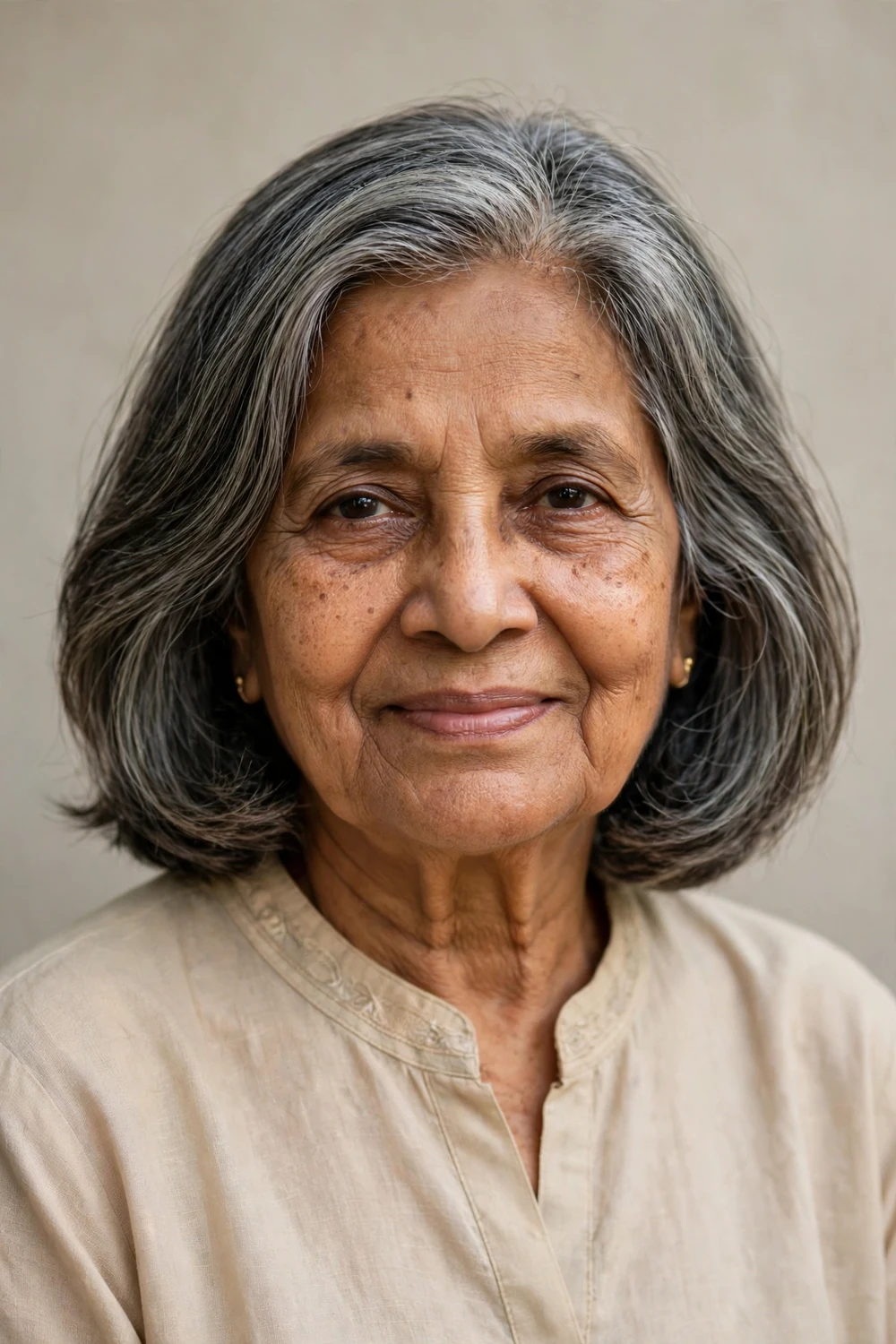
The long bob, or lob, grazes the shoulders with soft layers through the ends. It is the classic for women who don’t want short hair but want a manageable shape. It pulls back into a low ponytail on busy days and wears down the rest of the time.
Layers should start at the chin or below. Layers cut too high make the ends look thin, which is the opposite of what mature hair needs. A center or slightly off-center part suits most faces.
Try this: tuck one side behind your ear with a decorative clip for an instant polished variation.
Difficulty: Easy · Cost: $40–$70 per cut
13. Twisted Nape Bun
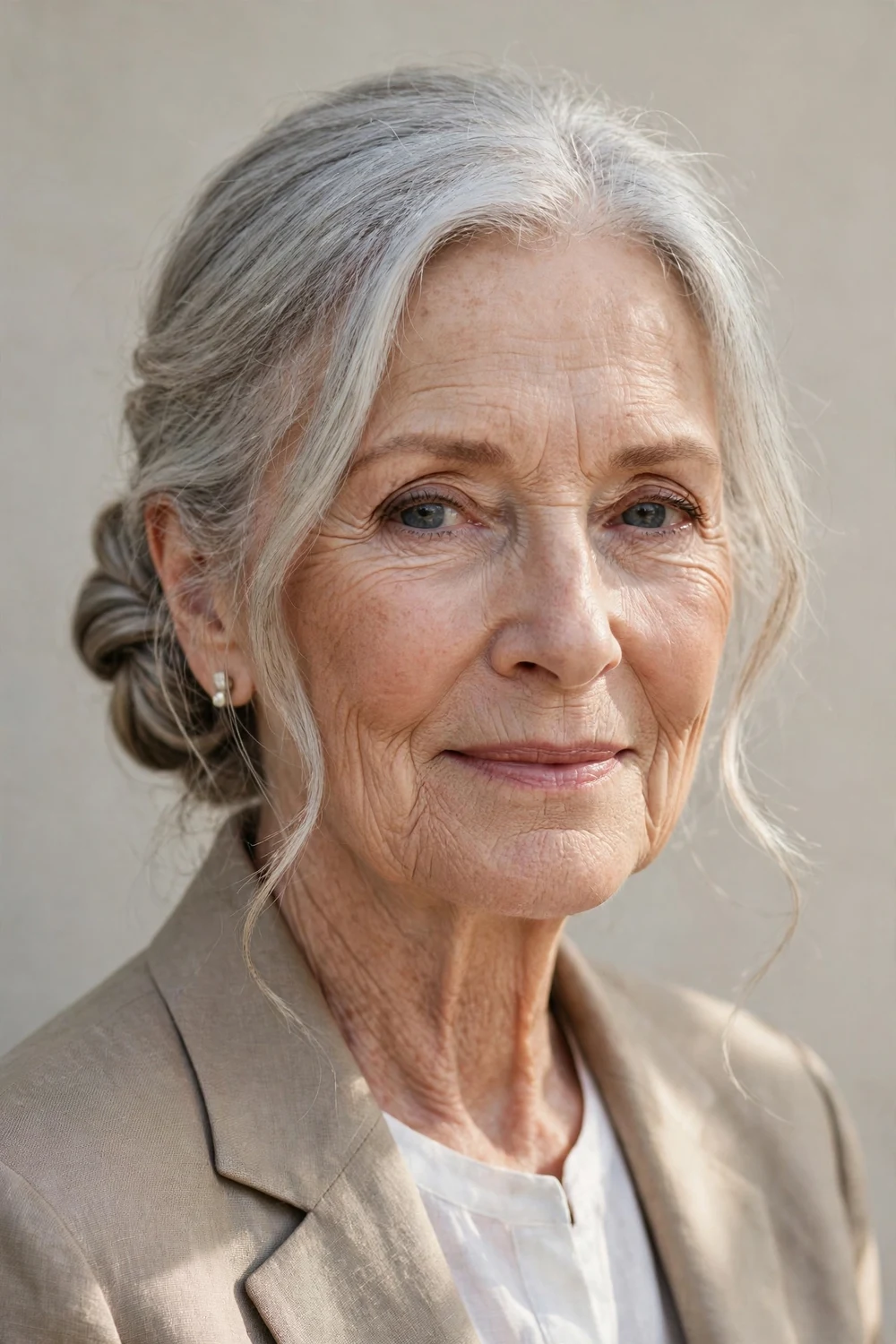
Twist the full length of your hair into a rope, coil it at the nape, and pin. Leave two thin pieces loose at the front to soften the face. It is softer than a strict chignon and takes the same five minutes.
On slippery silver hair, a light mist of texture spray before twisting gives the pins something to grip. Cross two pins in an X over the coil’s base for a hold that lasts all day.
Try this: twist in the opposite direction of your natural growth pattern. The tension holds longer with no extra pins.
Difficulty: Easy · Cost: $0–$5 (pins, texture spray)
14. Short Crop With Soft Fringe
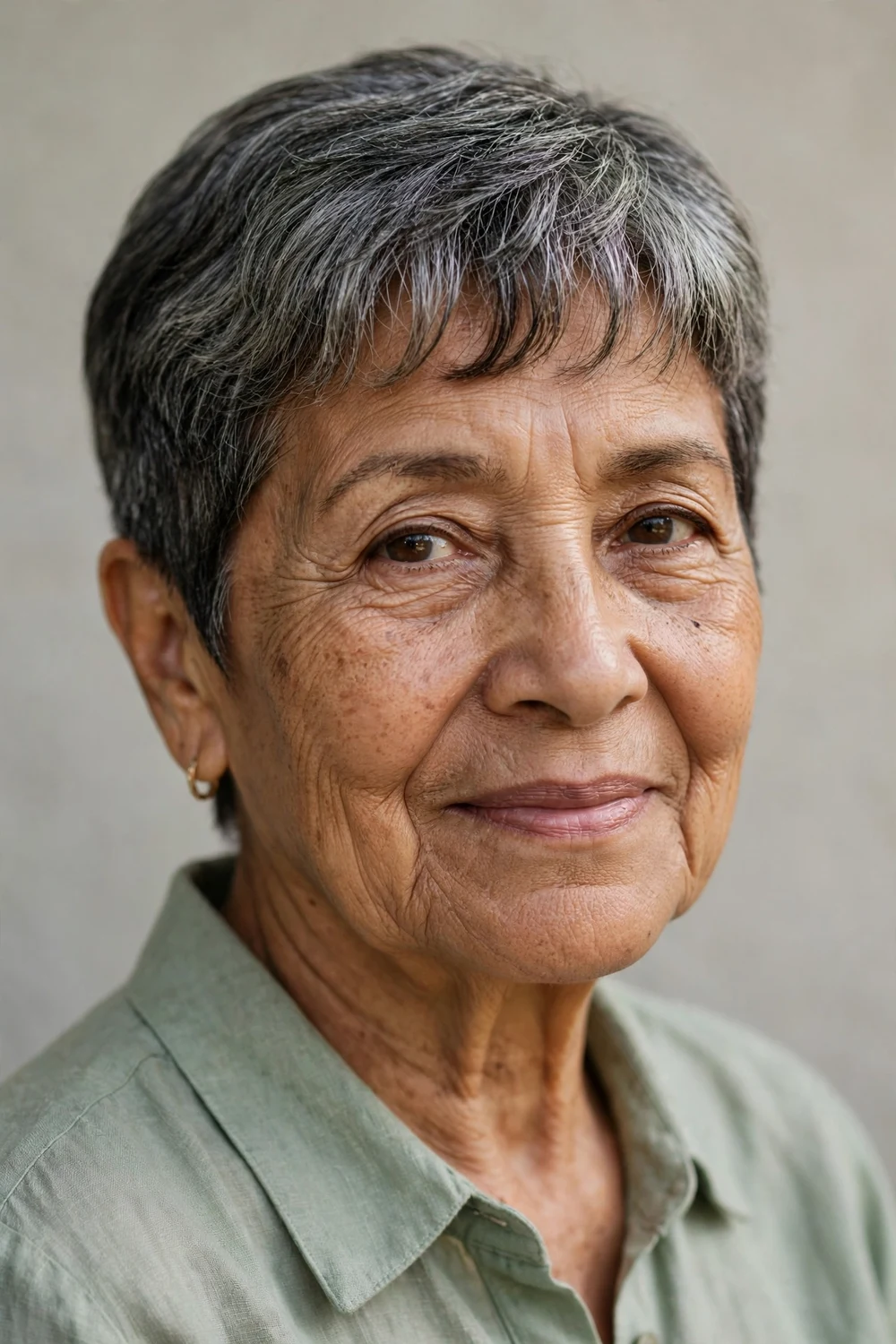
A short crop with a soft, feathered fringe across the forehead is a classic that never reads severe. The fringe softens lines on the forehead while the short back and sides keep mornings simple.
Keep the fringe piecey, not blunt. Blunt fringe on mature faces can look harsh; feathered ends blend better. Trim the fringe every 3 to 4 weeks, and the cut every 5 to 6 weeks.
Try this: point-cut the fringe yourself between salon visits: snip upward into the ends with the scissors vertical. It keeps them soft.
Difficulty: Very easy · Cost: $35–$60 per cut
15. Classic Updo With Hair Combs
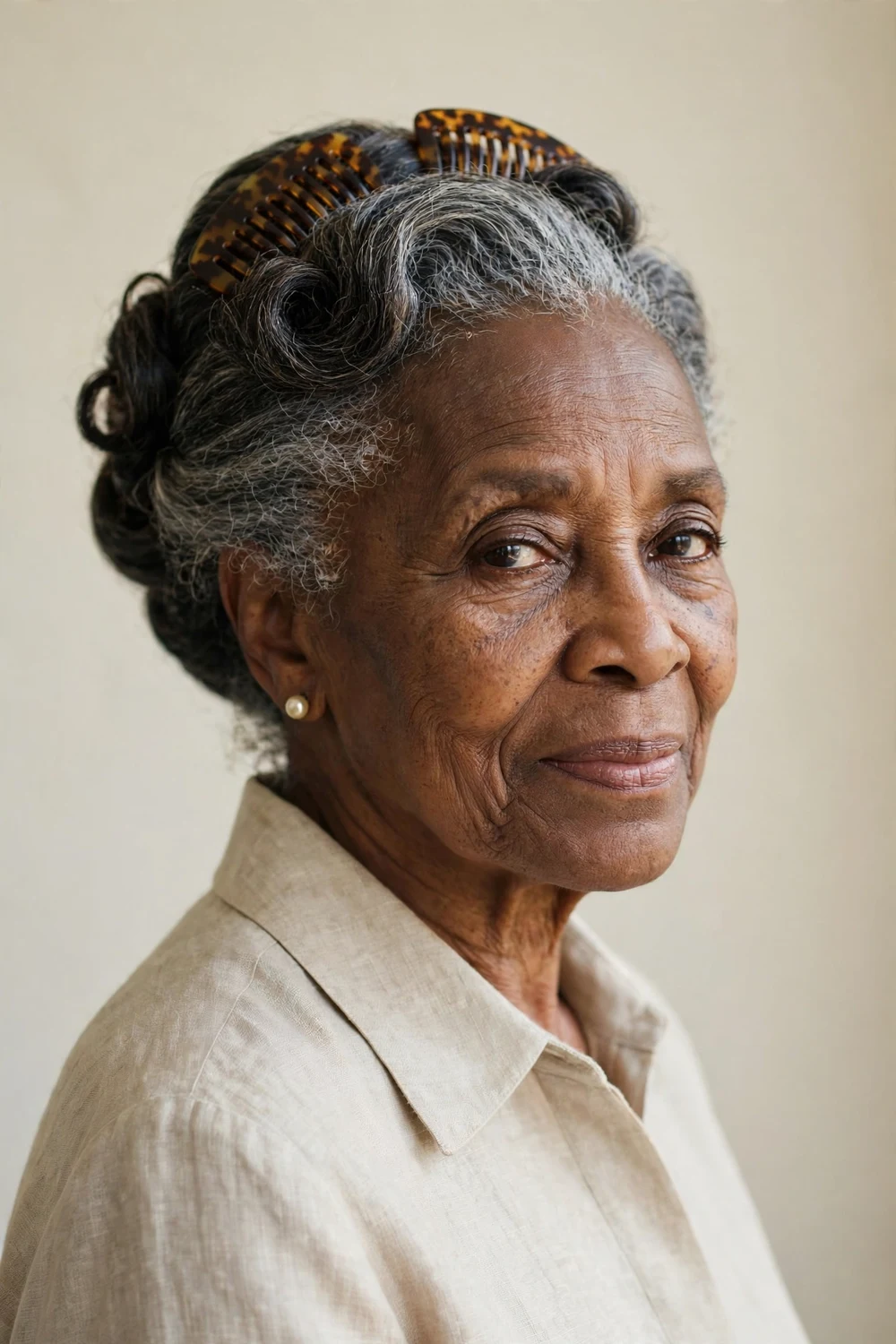
Sweep hair up and secure it with two decorative side combs, tortoise or gold. The combs do the holding and the decorating at once. It is the classic party style: five minutes, no pins to lose, and it stays put through dinner and dancing.
Insert the first comb with the teeth pointing up into the gathered hair, then slide the second comb in from the opposite side with teeth pointing down. The opposing angles lock together. Works on chin-length hair and longer.
Try this: backcomb the crown lightly before sweeping up. The combs grip textured hair far better than silky hair.
Difficulty: Easy · Cost: $0–$8 (decorative combs)
16. Feathered Mid-Length Layers
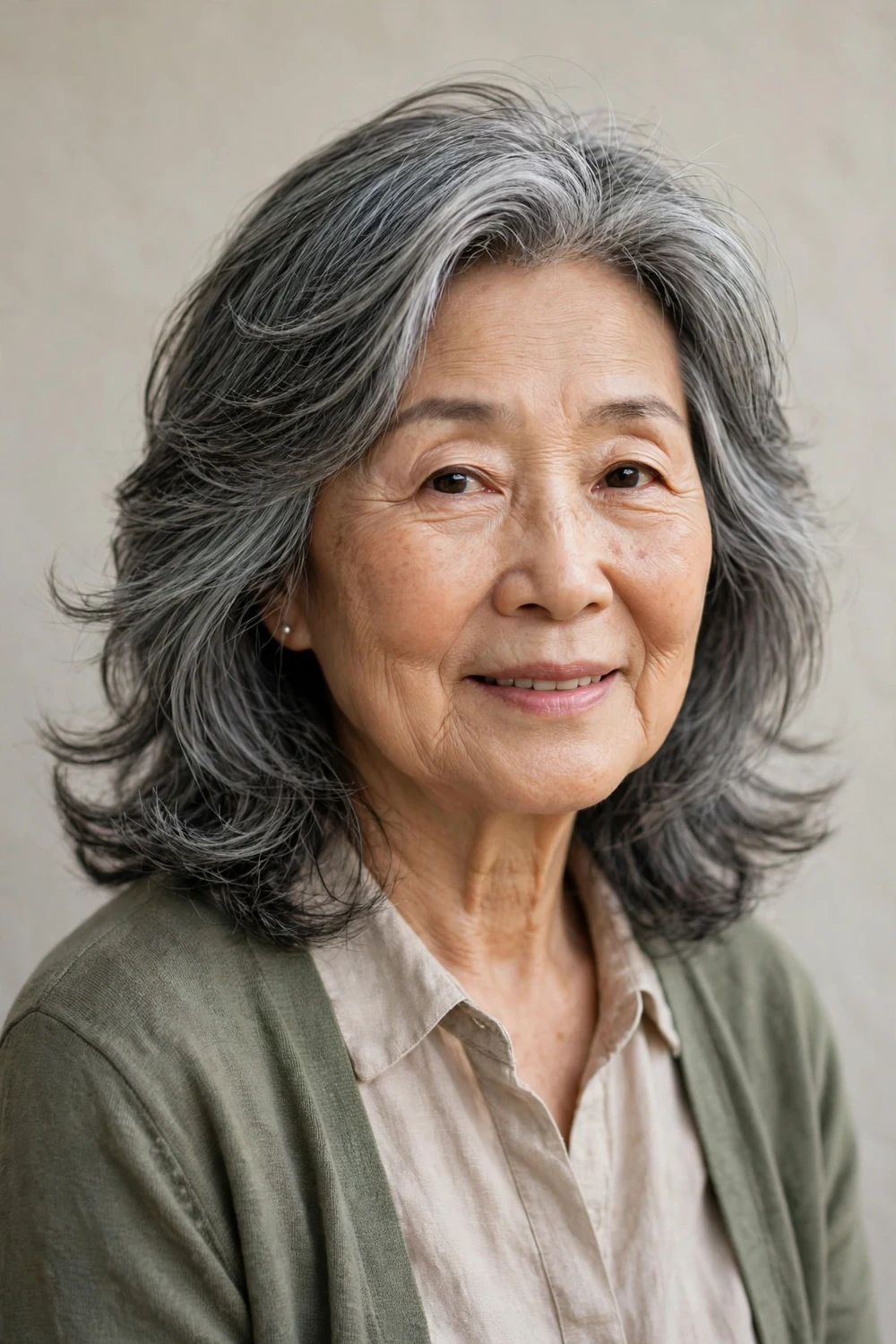
Feathered layers, cut with a razor or thinning shears so the ends taper softly, give mid-length hair movement without bulk. Blow-dry with a round brush, turning the ends under. The finish is soft and full, never stiff.
This cut suits medium to thick hair best. On very fine hair, too much feathering removes the little density there is, so ask for light layering only. Trim every 7 to 8 weeks.
Try this: flip the ends outward one day for a different look with the same cut. A round brush makes it easy.
Difficulty: Easy · Cost: $45–$75 per cut
17. Low Side Bun
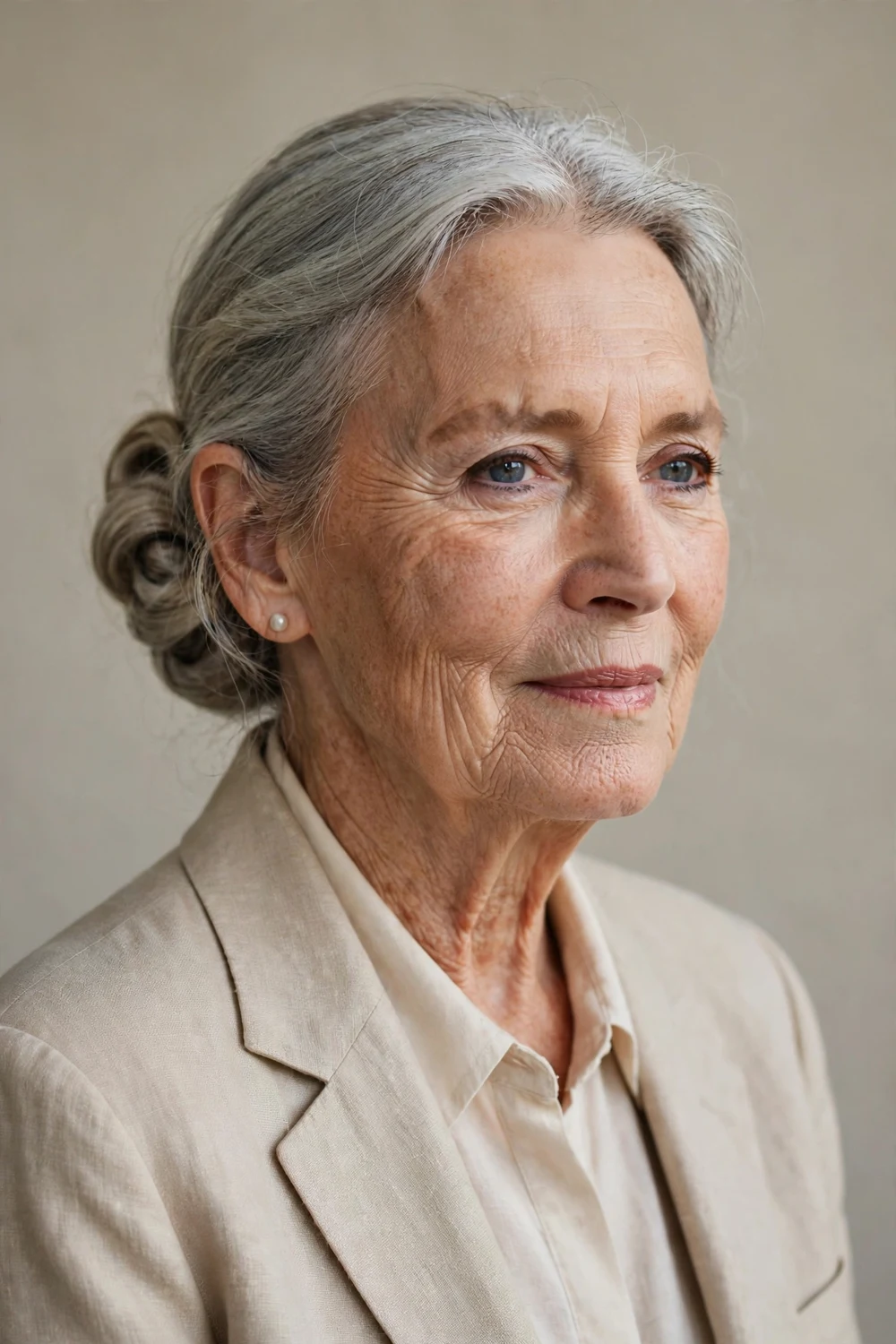
Gather hair to one side at the nape and coil it into a bun just behind the ear. The asymmetry is quietly flattering: it draws the eye along the jawline and suits round and square faces especially well.
Secure with four to six pins in an X pattern. A side bun sits better slightly back than directly behind the ear. Pull out one thin strand at the front for softness.
Try this: start with a low side ponytail, then twist the ponytail into the bun. The elastic gives the pins a base to grip.
Difficulty: Easy · Cost: $0–$4 (elastic, pins)
18. Classic Short Shag
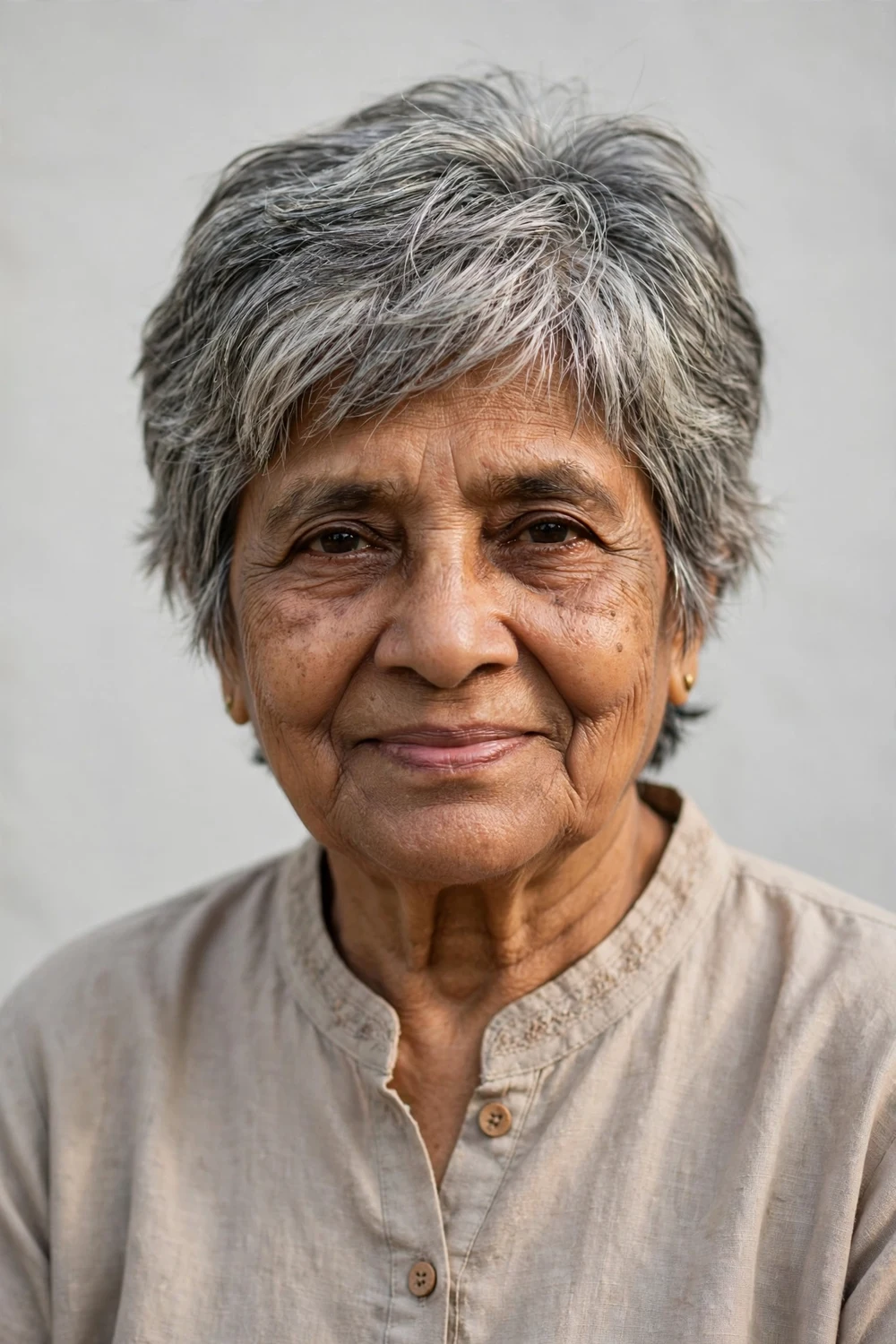
The short shag, with choppy layers through the crown and textured ends, has been a classic since the 1970s. It adds volume to fine hair and needs almost no styling: scrunch in a little mousse and go.
Keep the layers soft, not jagged. A classic shag has texture you can see, not spikes. This is one of the best cuts for thinning hair because the layers create the look of fullness. Trim every 6 to 8 weeks.
Try this: apply mousse to damp hair and scrunch upward, then let it air-dry. Diffusing on low heat adds extra lift.
Difficulty: Very easy · Cost: $40–$65 per cut
19. Soft Beehive Volume
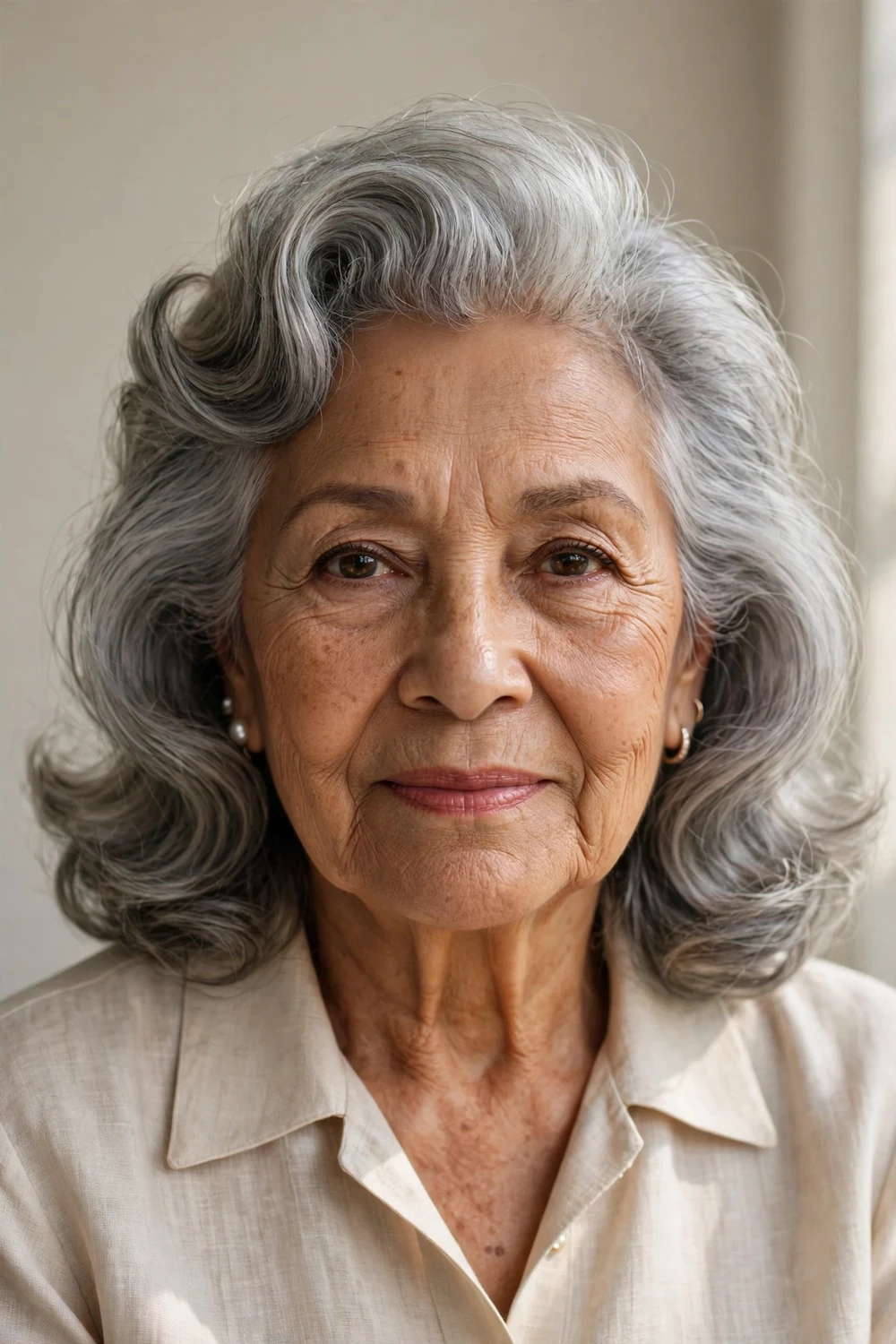
A softened beehive means real lift at the crown with the rest of the hair worn smooth or in loose waves. Backcomb the crown section, smooth the top layer over it, and let the lengths fall naturally. It is dramatic in the best way for evening events.
Keep it soft: two to three backcomb strokes per section, then smooth gently. The modern version is half the height of the 1960s original. Pin the sides loosely so the shape holds without stiffness.
Try this: a light-hold hairspray misted from 10 inches away sets the shape without a crunchy shell.
Difficulty: Medium · Cost: $0–$8 (teasing comb, hairspray)
Volume at the crown flatters most mature faces. If your hair is fine, our bob hairstyles for fine hair guide covers cuts that build fullness into thin hair.
20. Salt-and-Pepper Shoulder Layers
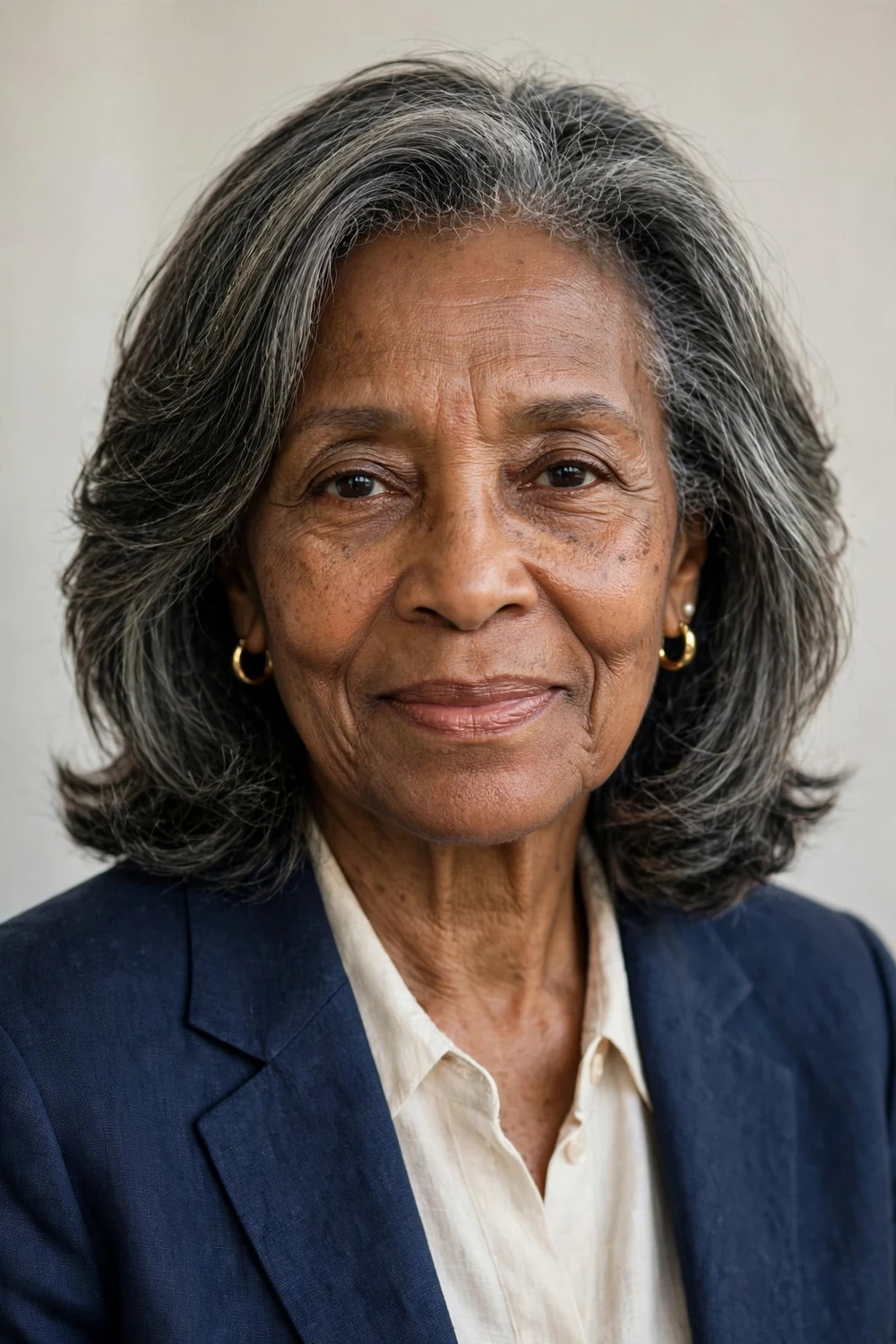
Shoulder-length layers in natural salt-and-pepper are a classic that keeps getting better. The mixed tones add dimension no dye can copy, and layers keep the length from dragging the face down. Wear it smooth or with a slight bend at the ends.
Moisture is everything for graying hair, which runs dry. Use a hydrating shampoo and a weekly deep mask. A gloss treatment at the salon every couple of months keeps the silver tones bright.
Try this: a purple shampoo once a week, not daily, keeps salt-and-pepper bright without dulling the dark strands.
Difficulty: Easy · Cost: $45–$75 per cut
Growing out your natural gray takes patience. For inspiration on the journey, see these salt and pepper hairstyles that celebrate natural gray.
How to Choose a Classic Style After 70
Start with your hair’s reality, not the photo. Fine, thinning hair does best with short classics like the pixie, the crop, or the short shag, because short lengths create the look of density. Thick hair can carry the bob, the lob, and the layered cuts.
Then think about your hands and your mornings. If arthritis makes pinning hard, favor wash-and-go classics: the pixie, the short shag, the air-dried bob. Save the French twist and pin curls for days when you have time and help.
A few things to avoid: severe scraped-back styles with no softness around the face, which harden features. Very long hair with no layers, which pulls the face down. And box dye jobs done too dark, which contrast harshly with mature skin. Softness is the whole point of a classic.
If wash-and-go ease matters most, our wash and wear haircuts for women over 60 list covers the simplest daily options.
Quick Comparison
| Style | Best for | Upkeep | What you need |
|---|---|---|---|
| Classic Chin-Length Bob | Most hair types | Trim every 6-8 weeks | Round brush, serum |
| French Twist | Shoulder-length hair | Style as needed | Long bobby pins |
| Low Chignon | Chin-length and longer | Style as needed | Elastic, pins |
| Tapered Pixie | Fine or thinning hair | Trim every 4-6 weeks | Lightweight cream |
| Soft Roller Waves | All textures | Set lasts 2-3 days | Rollers, setting lotion |
| Sleek Silver Bob | Straight hair | Trim every 6 weeks | Flat iron, heat protectant |
| Pin-Curl Set | Fragile hair | Set lasts 1-2 days | Bobby pins, silk scarf |
| Low Side Bun | Round, square faces | Style as needed | Elastic, pins |
Frequently Asked Questions
What is the best classic hairstyle for women over 70 with thin hair?
The tapered pixie and the classic short shag. Both keep length short so hair looks denser, and their layers create volume where thin hair needs it. Avoid long one-length cuts, which make thin hair look thinner.
How often should a woman over 70 get a haircut?
Every 4 to 6 weeks for short cuts like pixies and crops, which lose shape quickly. Every 6 to 8 weeks for bobs and layered cuts. Bangs need a trim every 3 to 4 weeks, which many salons do free between appointments.
Can women over 70 wear long hair?
Yes, with layers. Shoulder-length hair with layers starting at the chin keeps length from dragging the face down. Very long one-length hair tends to look severe on mature faces, so shape matters more than length.
How do I keep gray hair from looking dull?
Moisture and tone. Gray hair runs dry, so use a hydrating shampoo and a weekly deep mask. A purple shampoo once a week keeps silver bright instead of yellow. A salon gloss treatment every couple of months adds shine.
What is the easiest classic updo for stiff or arthritic hands?
The low chignon and the updo with hair combs. Both need minimal pinning: gather, twist or sweep, and secure. Combs are easier to grip than bobby pins. Avoid the French twist on bad days, since it needs precise pin placement.
Final Thoughts
A classic hairstyle is a decision you make once and enjoy for years. Pick the cut that fits your hair’s texture and your mornings, keep the trims on schedule, and let the style do the work. Timeless looks earned the name because they keep working.
Wear glasses? These hairstyles for women over 60 with glasses are designed to work with your frames.

