


Gray hair does not have to mean flat, one-note silver. Lowlights are the middle path that keeps your natural gray front and center while weaving darker strands back in for depth, movement, and shine. I have spent years watching gray hair trends shift, and lowlights keep winning because they work with whatever gray you already have.
This list rounds up 29 gray hair with lowlights ideas for women over 50, organized from warm to cool to creative. Every option here names a specific tone, a placement, and an upkeep rhythm, so you can match the color to your skin undertone and your real life. The goal is dimension, not disguise.
Quick Takeaways
- Lowlights add darker strands to gray hair for depth, while highlights lighten. Most women over 50 do best with lowlights within 2 to 3 shades of their natural pattern.
- Warm lowlights (caramel, honey, copper) flatter warm and golden undertones. Cool lowlights (ash brown, charcoal, pewter) flatter cool and pink undertones.
- Placement matters as much as tone: face-framing pieces brighten the complexion, while underlayer lowlights make the silver surface look thicker.
- Lowlights are lower maintenance than full color. Most placements need touch-ups every 8 to 16 weeks, and techniques like root shadow stretch that even longer.
- Purple shampoo once or twice a week keeps silver bright, and a clear gloss every 6 to 8 weeks keeps lowlights rich without a full recolor.
1. Soft Gray Lowlights for Everyday Dimension

This is the most universal entry point on the list, and it works whether you are ten percent gray or fully silver. Your colorist weaves fine, tone-on-tone gray lowlights through your hair, staying within one or two shades of your natural pattern. The weaving is fine enough that it never reads as dyed hair. It simply makes your gray look deeper and more deliberate, the way good lighting makes everything look better. Placement concentrates through the mid-lengths and around the face, where flatness shows first.
Because the added tone sits so close to your own gray, the grow-out is practically invisible, and you can stretch appointments to twelve to sixteen weeks without anyone noticing. It suits every skin undertone, since the tone stays neutral and quiet rather than leaning warm or cool. Ask for a fine weave rather than chunky pieces so the dimension stays soft. There is no easier way to make silver look intentional.
Try this: ask for a fine weave rather than chunky pieces so the dimension stays subtle and natural.
Difficulty: Low · Cost: $$ (salon)
2. Ash Brown Lowlights for Cool-Toned Depth

If your gray has gone steely or picked up brassy warmth from the sun, ash brown lowlights solve both problems at once. The cool, smoky brown neutralizes yellow undertones while giving silver hair a modern, slate-like finish that looks expensive. Your colorist places the lowlights as soft ribbons through the interior layers, so the silver on top stays bright while the brown adds shadow underneath. The contrast is quiet, but the effect is real, especially in daylight.
This pairing flatters cool and neutral undertones best, since the ash tone echoes pink and blue undertones in the skin. Pair it with purple shampoo once a week to keep brass from creeping back between visits. Touch-ups land around every ten to twelve weeks, and the smoky finish hides regrowth well. Show your colorist a photo of the exact ash tone you want, since ash brown varies a lot between salons.
Try this: show your colorist a photo of the exact ash tone you want, since ash brown varies a lot between salons.
Difficulty: Medium · Cost: $$ (salon)
3. Chocolate and Mocha Lowlights
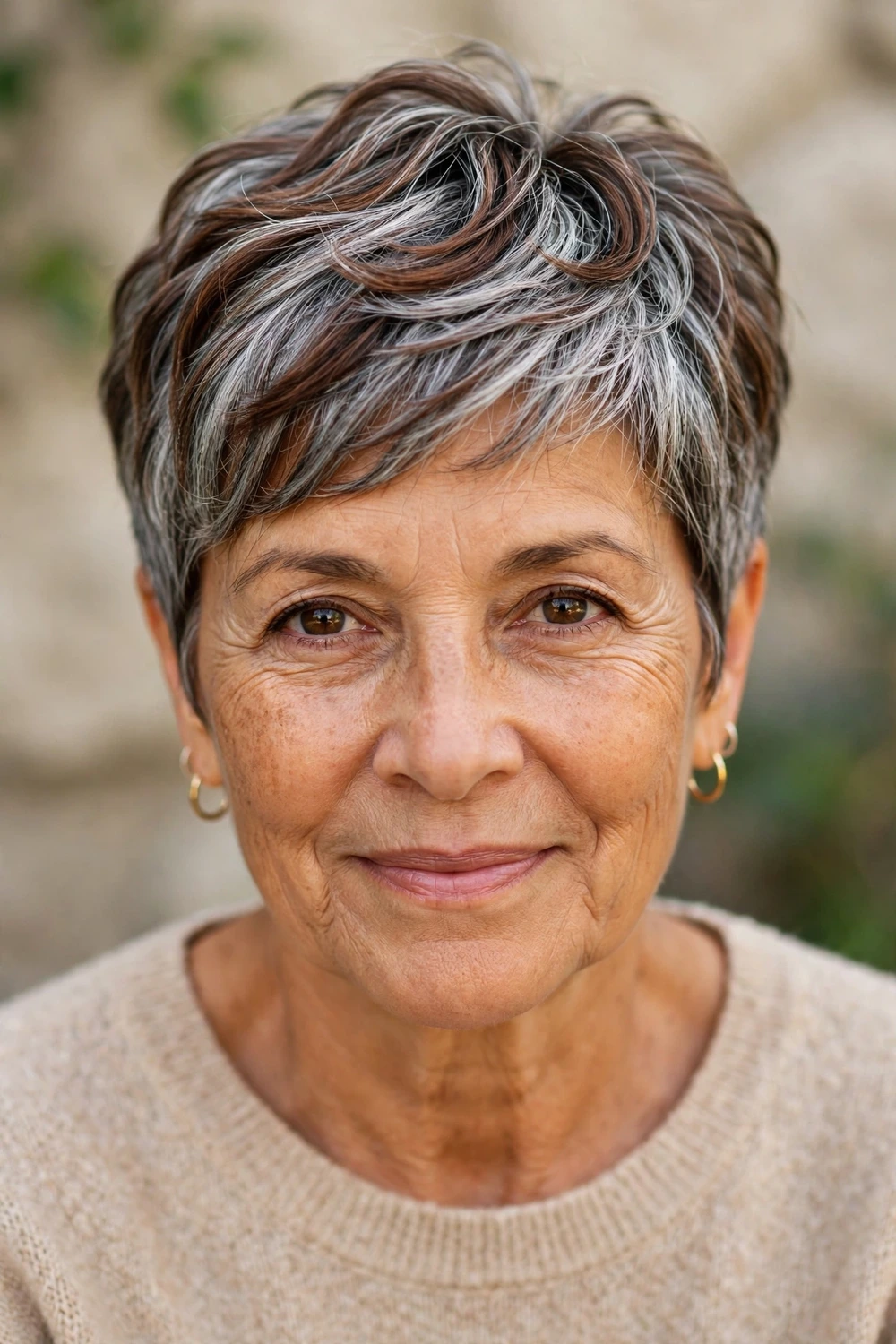
Former brunettes often miss the depth their old color gave their face, and chocolate and mocha lowlights bring that richness back without covering the gray. The warm browns are swirled through a gray bob or pixie, usually on the mid-lengths and ends, so the silver on top keeps its brightness while the brown adds weight and contrast underneath. The two tones interlock like marble, which is what gives the hair its movement.
This combination flatters warm and golden skin tones, since the warm brown echoes your complexion. Ask your colorist to keep the pieces soft and blended rather than striped, so the transition between brown and silver looks seamless. Expect touch-ups every eight to twelve weeks, and use a color-safe shampoo so the brown does not fade brassy. Ask for the chocolate slightly deeper than you think, since warm brown fades faster than cool tones.
Try this: ask for the chocolate tones slightly deeper than you think, since warm brown fades faster than cool tones.
Difficulty: Medium · Cost: $$ (salon)
4. Deep Espresso Lowlights

Espresso lowlights go nearly black, but the placement keeps them from looking harsh. Your colorist works the deep brown underneath the hair and at the nape, so the dark depth only flashes through as your hair moves. From the front you still read as silver. From the side or back, the contrast gives your hair a youthful, graphic edge that feels modern rather than severe. It is depth with a bit of drama.
This placement is forgiving on grow-out, since the darkest color sits in the interior where regrowth is least visible. It suits medium to deep skin tones and anyone whose natural hair was dark brown or black. Touch-ups every ten to fourteen weeks are enough, and the deep tone holds well between visits. Wear your hair half-up once to check how the espresso peeks through, then adjust the placement at your next visit.
Try this: wear your hair half-up once to check how the espresso peeks through, then adjust the placement at your next visit.
Difficulty: Medium · Cost: $$ (salon)
5. Caramel, Honey and Toffee Lowlights

Warm golden-brown ribbons through the mid-lengths and layers bring back the glow of your former brunette or dark blonde days. Caramel adds richness, honey adds light, and toffee sits between the two, so your colorist can mix all three for a blend that looks lit from within. The warmth sits against the silver in a way that reads sunny rather than dyed, and the ribbons catch light every time you turn your head.
This is the friendliest family for warm, golden, and olive skin tones. Keep the ribbons in the mid-lengths rather than at the roots for the softest grow-out. Touch-ups run every eight to twelve weeks, and a gloss between visits keeps the golden tones from going dull. Ask for ribbons of two different warm tones instead of one, so the blend has real movement instead of reading as a single flat color.
Try this: ask for ribbons of two different warm tones instead of one, so the blend has real movement.
For more golden lowlight variations, these blonde hair with lowlights ideas show how the technique works across lighter bases.
Difficulty: Medium · Cost: $$ (salon)
6. Golden-Brown Underlayer Lowlights
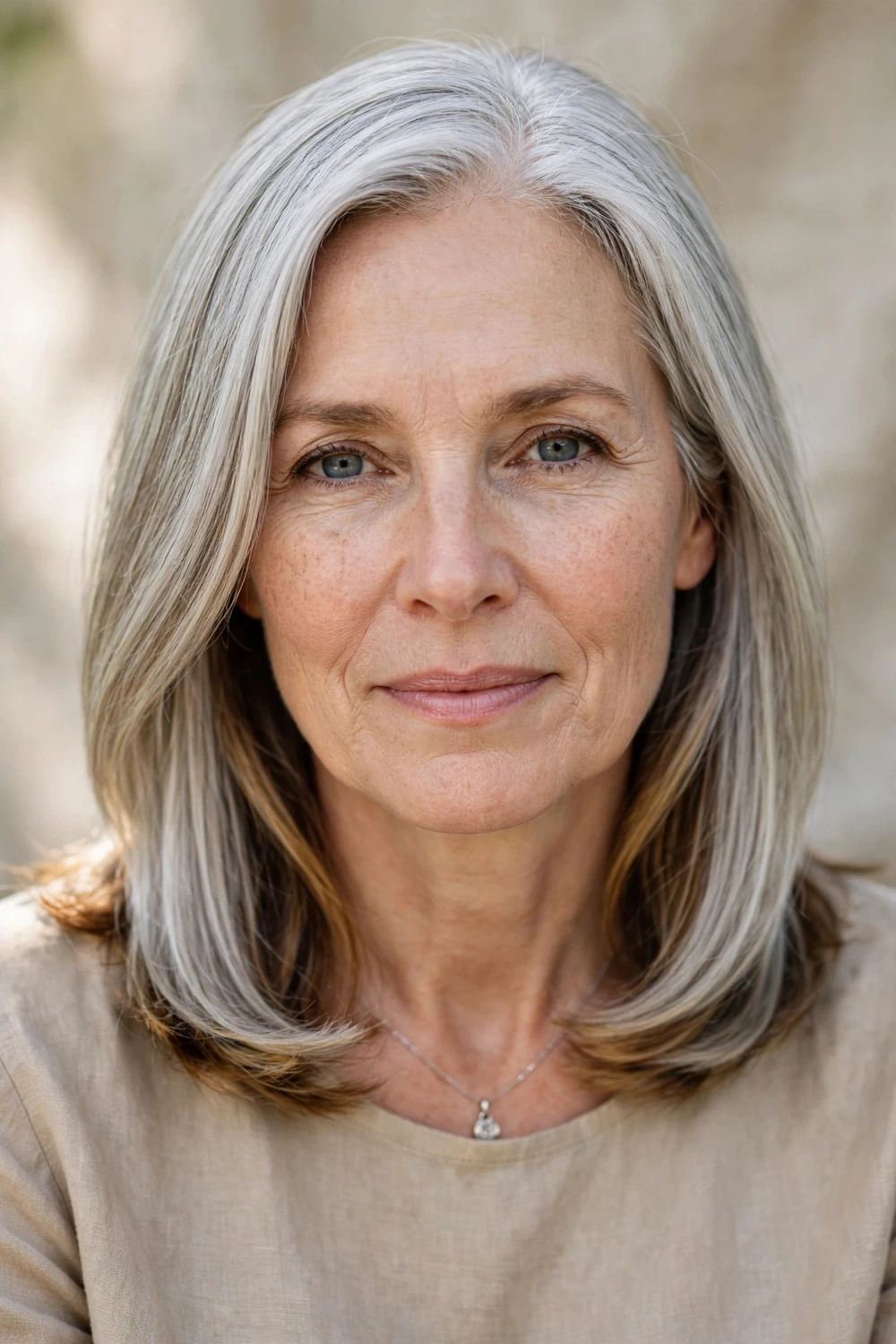
Here the darker warmth lives entirely in the interior of your hair. Your colorist paints golden-brown lowlights onto the underlayer only, leaving the top surface fully silver. The contrast makes the silver on top look brighter and the whole head of hair look thicker, since the darker base creates the illusion of density. It is the hair equivalent of contouring, and it works on every length from pixie to long layers.
This suits women whose silver has gone flat or see-through at the ends, since the underlayer fills in visual depth where it is needed most. Regrowth barely shows because the color sits underneath, so appointments can stretch to fourteen to sixteen weeks. It shows best on hair worn down or in half-up styles. Flip the top layer up in the salon mirror to check the underlayer tone before you approve the final look.
Try this: flip the top layer up in the salon mirror to check the underlayer tone before you approve the final look.
Difficulty: Medium · Cost: $$ (salon)
7. Beige Lowlights for Subtle Contrast
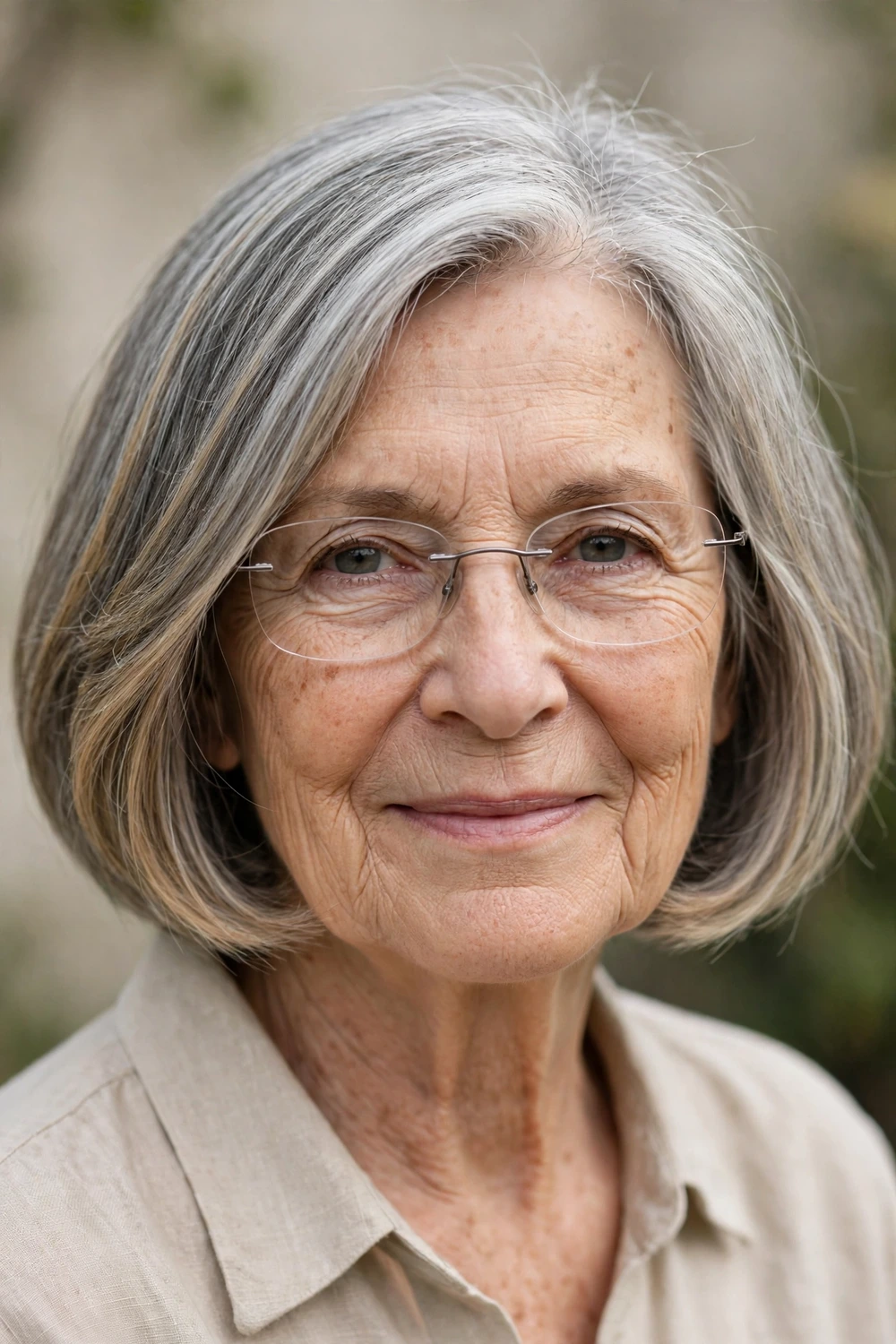
Beige is the quiet neutral of the lowlight world. It is neither warm nor cool, which makes it the safest pick if you are unsure about your undertone. Your colorist weaves neutral beige through your natural gray for a polished, put-together finish that reads as healthy hair rather than colored hair. The contrast is subtle, but the polish is real, and strangers will assume your gray just grows in that nicely.
The grow-out is the smoothest on this list, since beige sits close to most gray patterns and fades softly instead of leaving a line. This is the choice for women who want salon visits nobody can detect. Plan on touch-ups every twelve to sixteen weeks, and add a monthly clarifying wash so the beige does not pick up mineral tones from hard water. Ask for beige one shade deeper than your gray for the most natural-looking contrast.
Try this: ask for beige one shade deeper than your gray for the most natural-looking contrast.
Difficulty: Low · Cost: $$ (salon)
8. Wheat Blonde Balayage Lowlights
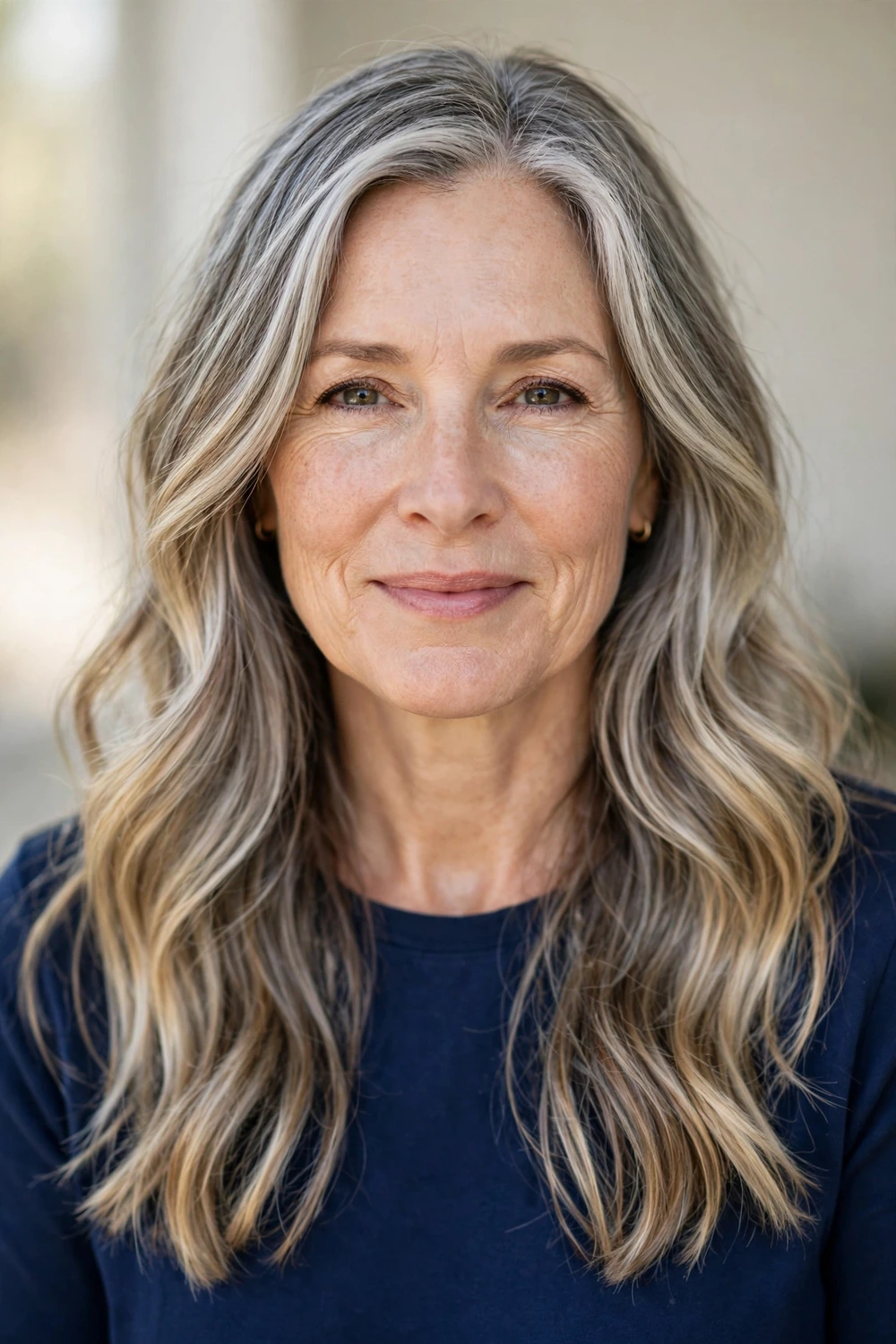
Balayage means hand-painted, and on gray hair that technique creates lowlights that look like sunlight caught in your hair. Your colorist paints wheat-blonde lowlights in soft, sweeping strokes through the mid-lengths, with no harsh lines at the root. The result mimics the way hair lightens naturally in summer, which makes it an ideal bridge for women transitioning from blonde dye to gray without a harsh demarcation line. The sweeping strokes keep the color soft at the roots, which is why the grow-out stays invisible for months.
The painted technique grows out with no visible line, so this is one of the lowest-maintenance options here. It suits fair to medium skin tones and women with thirty to seventy percent gray, where the blonde can weave between the silver and the remaining natural color. Visits run every twelve to sixteen weeks. Ask for the balayage painted slightly off the root so the grow-out stays soft for months. Ask your colorist to keep the wheat tone slightly golden rather than ashy, since warmth flatters most gray transitions.
If you are coming from blonde, these blonde balayage with lowlights ideas show how the same hand-painted technique works on lighter bases.
Try this: ask for the balayage painted slightly off the root so the grow-out stays soft for months.
Difficulty: Medium · Cost: $$ (salon)
9. Ash Blonde Lowlights

Ash blonde lowlights are the quiet fix for thin or fine gray hair that looks wispy. The cool-toned blonde is woven in fine sections through the silver, and the alternating light and slightly deeper tones create the illusion of fullness. There is no dramatic color contrast, so it reads as naturally thick hair rather than a color service. It is one of the few color tricks that genuinely makes fine hair look denser.
This flatters fair to light skin with cool or neutral undertones. Because the tone sits close to silver, regrowth blends in and appointments can go twelve to sixteen weeks. A lightweight volumizing mousse at the roots adds to the fullness effect without weighing fine hair down. Ask for the finest weave your colorist offers, since thin sections look most natural on fine hair. Blow-dry with your head flipped upside down for extra lift at the roots, which makes the fuller look last all day.
Try this: ask for the finest weave your colorist offers, since thin sections look most natural on fine hair.
Difficulty: Low · Cost: $$ (salon)
10. Champagne Blonde Wisps

These are the lightest lowlights on the list, and they live mostly around the face. Your colorist places delicate champagne-blonde pieces at the hairline, temples, and front layers to create a halo effect that brightens the whole complexion. The warm, bubbly tone glows in daylight and draws attention to the eyes, which makes it especially flattering in photos. Keep the pieces fine and close to the hairline so the halo effect looks like light, not like obvious color.
Champagne flatters fair skin and light eyes especially well, since it echoes those tones. Keep the pieces at the front for the lowest upkeep, since hairline pieces grow out faster than interior color. Touch-ups every eight to ten weeks keep the halo fresh, and the small area keeps each visit affordable. Concentrate the champagne in the front two inches of hair so the effect stays where it flatters most. A shine spray on the front pieces makes the champagne tone catch even more light without looking greasy.
Try this: keep the champagne pieces to the front two inches of hair so the effect stays concentrated where it flatters most.
Difficulty: Low · Cost: $$ (salon)
11. Icy Blonde Pieces with Lowlight Depth
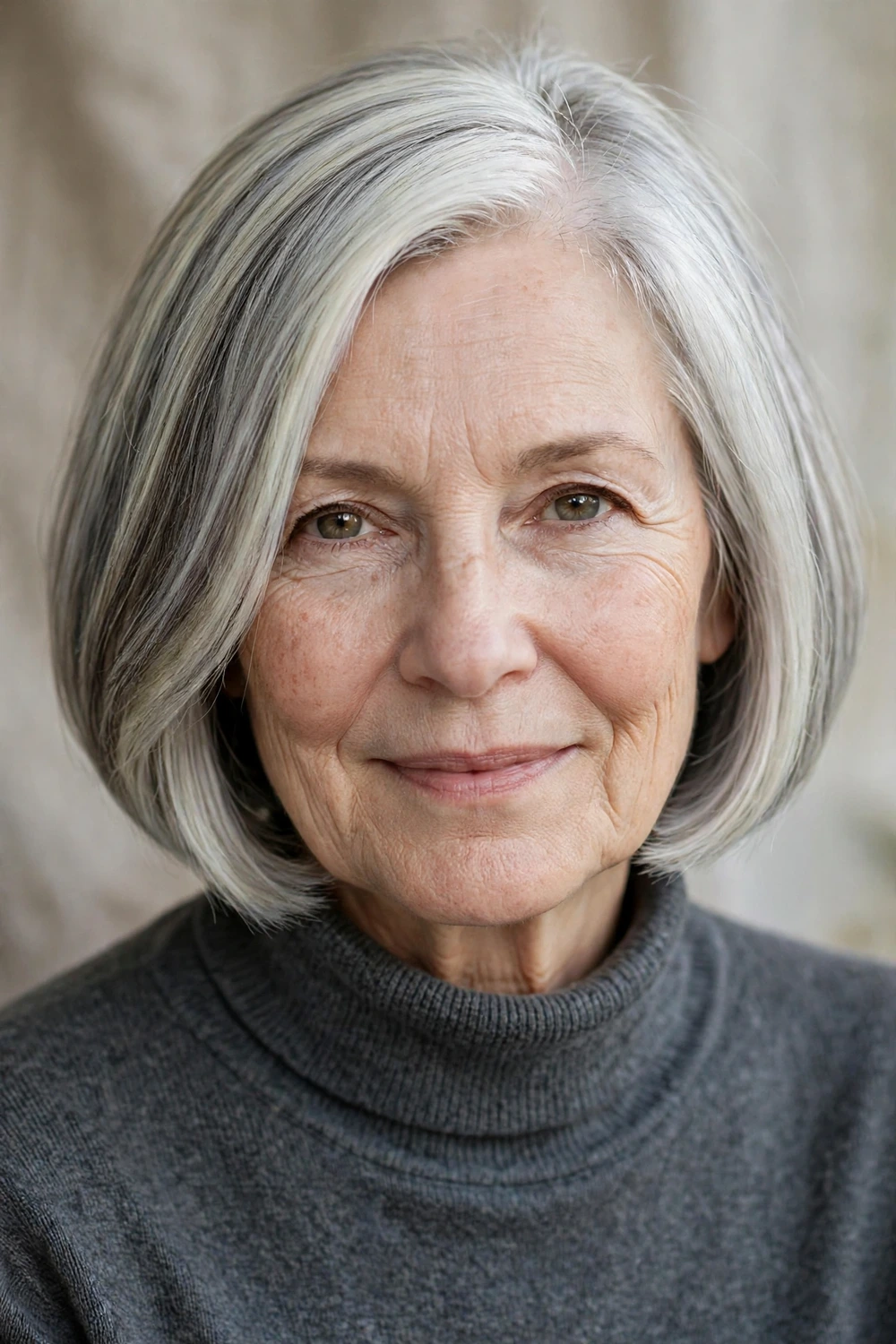
This look pairs frosted, icy-blonde pieces with a base of subtle lowlights for a cool, luminous finish. The icy pieces sit on the surface where light hits, while the slightly deeper lowlights underneath give the hair dimension and keep the blonde from looking flat. Together they create a multidimensional silver that glows in daylight and photographs with a clean, crisp brightness. The balance between the icy surface and the deeper base is what keeps the whole look from washing out.
Cool and neutral undertones carry this best, since the frosted tone echoes blue and pink undertones in the skin. Purple shampoo once a week is non-negotiable here to keep the ice from warming up between visits. Plan on salon visits every eight to twelve weeks to refresh both the icy pieces and the lowlight base. Ask your colorist to tone the icy pieces twice at the appointment for a longer-lasting frost.
Try this: ask your colorist to tone the icy pieces twice at the appointment for a longer-lasting frost.
Difficulty: High · Cost: $$ (salon)
12. Copper, Mahogany and Red Peekaboo Lowlights
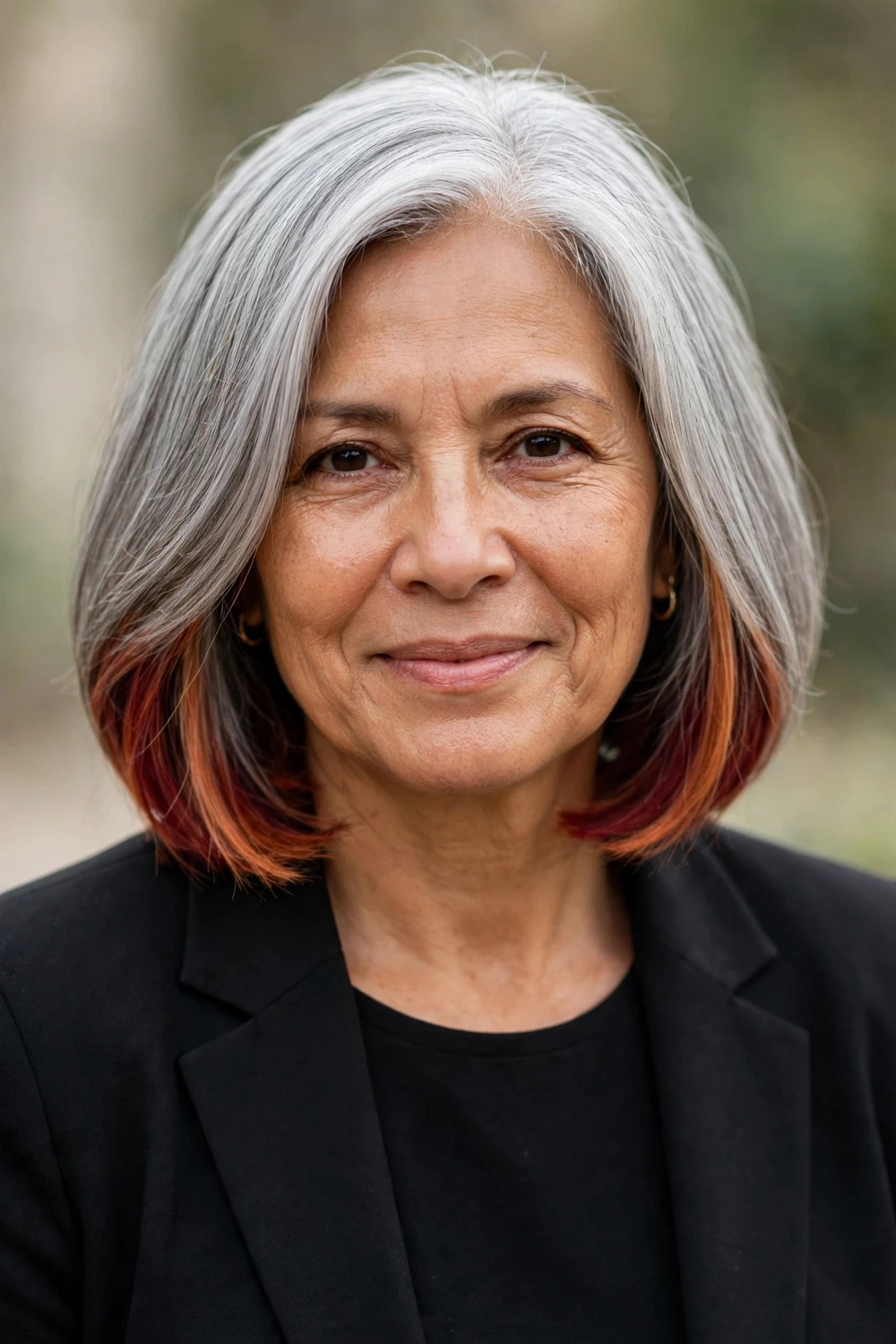
This is the boldest idea on the list. Copper, mahogany, and deep red lowlights hide beneath the gray top layer, so the warmth only flashes through when your hair moves, catches wind, or gets tucked behind your ears. From the front you read as silver. In motion, the red peeks out and adds an energy that feels youthful without trying too hard. It is the most fun you can have with gray hair.
The hidden placement keeps it office-appropriate and low drama, since the color stays undercover most of the day. It flatters warm skin tones and green or hazel eyes in particular. Red tones fade fastest, so expect touch-ups every six to ten weeks and use a color-safe, sulfate-free shampoo to hold the tone. Start with copper rather than true red if you are new to warm tones, since it fades more gracefully.
Try this: start with copper rather than true red if you are new to warm tones, since it fades more gracefully.
Difficulty: Medium · Cost: $$ (salon)
13. Cinnamon Spice Lowlights
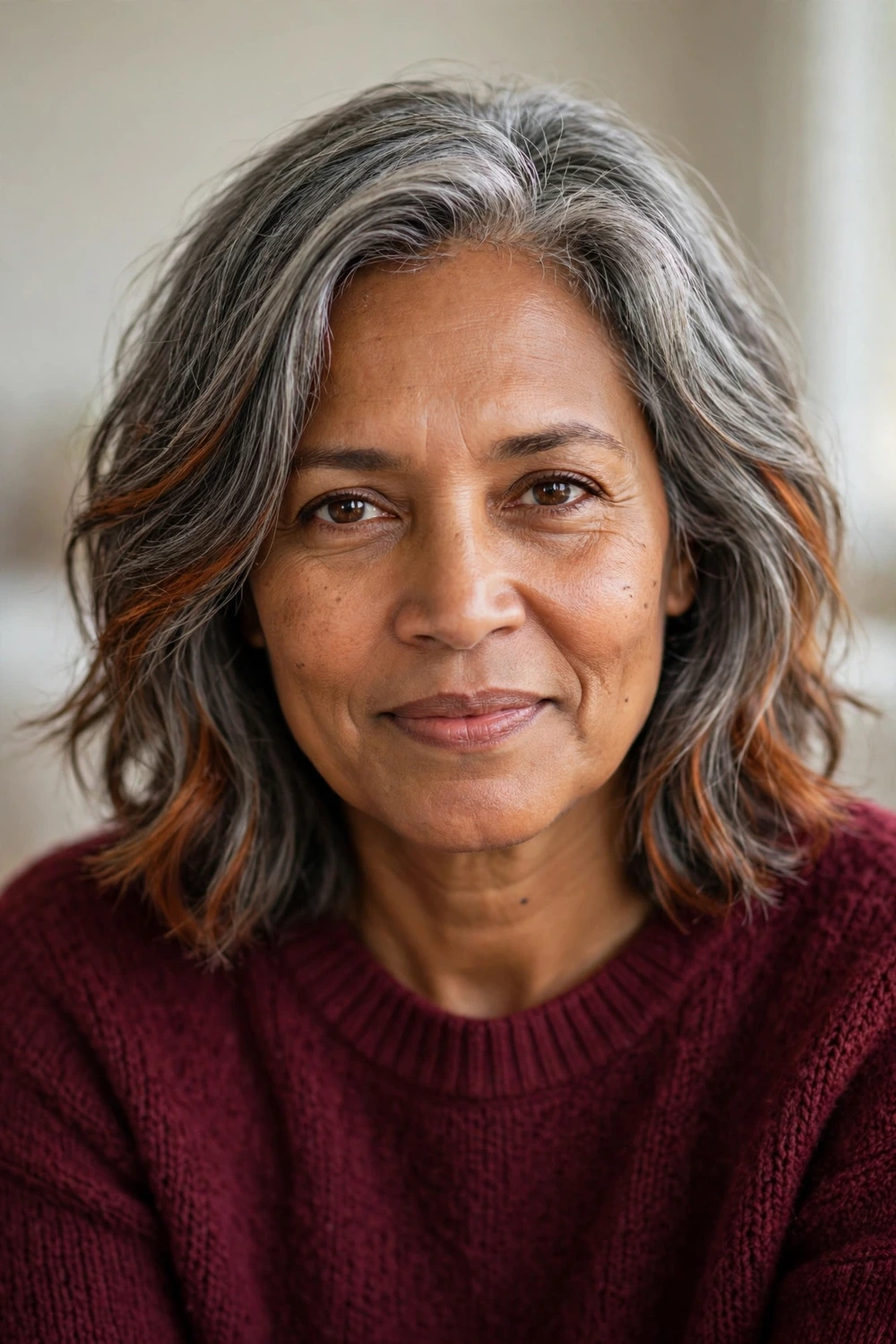
Cinnamon is red’s quieter sibling. These muted, spicy-auburn lowlights tuck under gray layers for warmth that reads sophisticated rather than fiery. The tone sits between copper and brown, which makes it wearable for women who like the idea of red but want something they can wear every day without a second thought. It adds spice without shouting. The auburn warmth peeks through most when you move, which keeps the effect lively instead of flat.
It flatters warm and neutral skin tones and looks especially good on layered cuts, where the cinnamon shows between the silver layers. The muted tone fades more gracefully than true red, so touch-ups stretch to every ten to twelve weeks. A tinted gloss in a warm tone between visits keeps the spice alive. Ask for the cinnamon concentrated in the interior layers so it reads as warmth rather than color.
Try this: ask for the cinnamon concentrated in the interior layers so it reads as warmth rather than color.
Difficulty: Medium · Cost: $$ (salon)
14. Charcoal and Shadowglow Lowlights
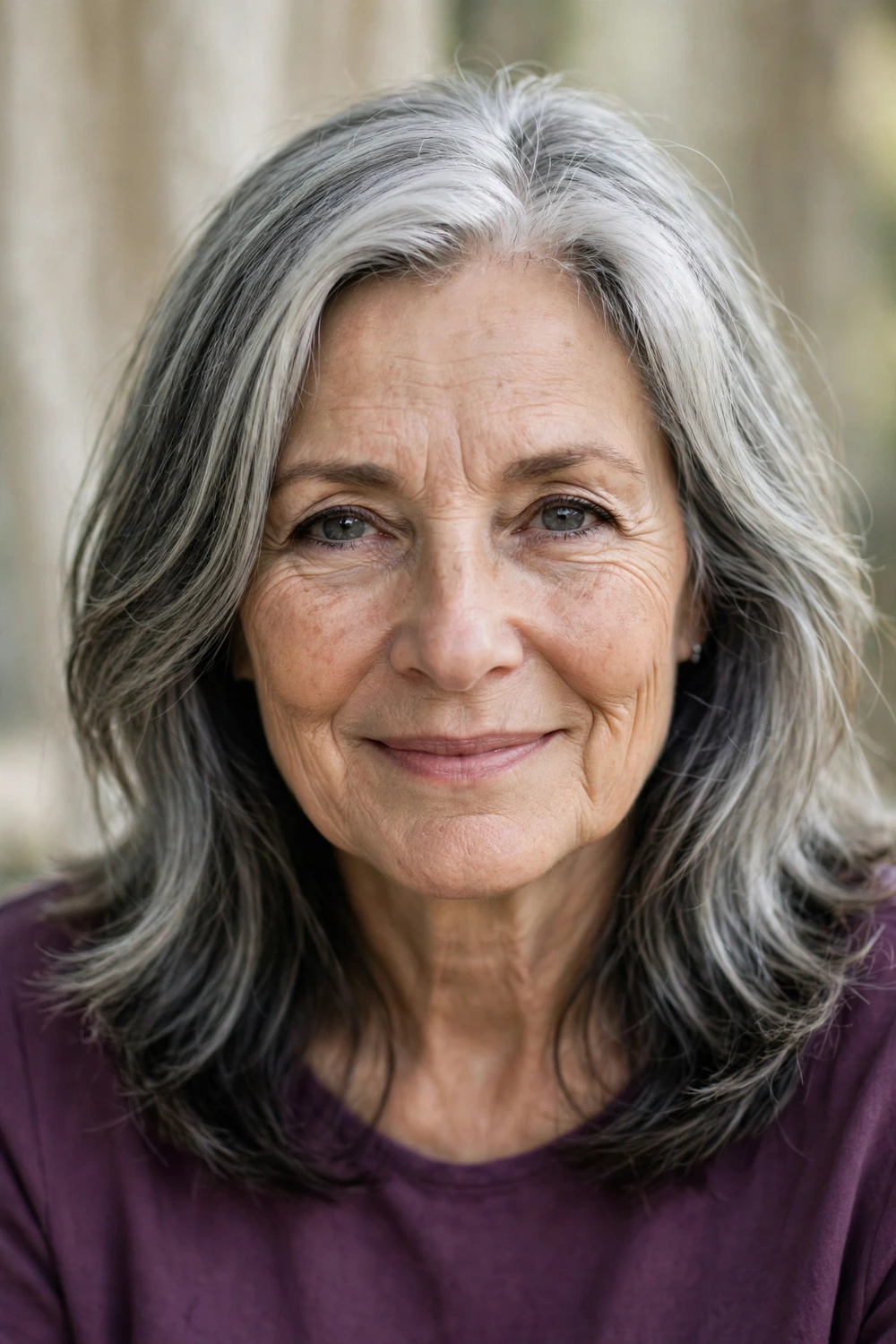
Charcoal lowlights concentrate at the roots and underneath the hair, creating a soft halo of depth that makes the silver on top look brighter by contrast. The smoky, almost-black gray adds architecture to the hair, and on fine hair it creates the illusion of density at the scalp where thinness shows most. It is the edgiest of the cool tones without crossing into drama. The darker roots also make the silver lengths look brighter, since contrast works in both directions at once.
This suits cool skin tones and women whose natural hair was dark, since the charcoal echoes that old depth. The root placement means regrowth blends into the shadow rather than showing a line. Touch-ups every ten to fourteen weeks keep the halo defined, and purple shampoo keeps the silver top bright. Ask for the charcoal blurred at the roots rather than painted solid, so the transition stays soft. A root touch-up powder in a matching charcoal shade can stretch the time between appointments even further.
Try this: ask for the charcoal blurred at the roots rather than painted solid, so the transition stays soft.
Difficulty: Medium · Cost: $$ (salon)
15. Black Lowlights for High-Contrast Edge
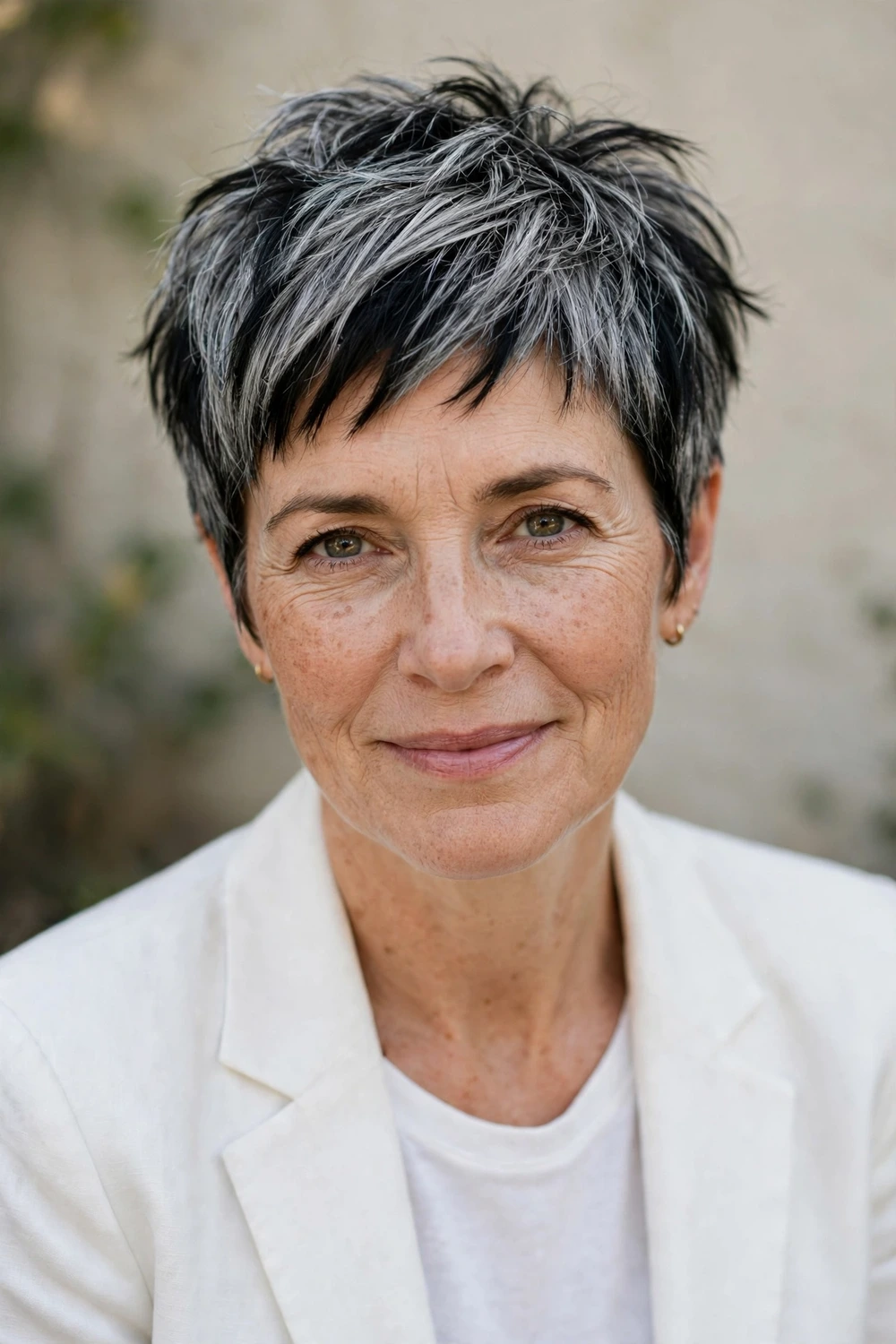
Black lowlights through a gray pixie or bob make a graphic, fashion-forward statement. The high contrast between the dark pieces and the silver reads modern and confident, and it works especially well on short, textured cuts where the dark and light pieces can interlock. This is the pick for women who want their hair to look intentional and bold, with zero apologies. The contrast is strongest on sleek, straightened hair, where the dark and light pieces sit side by side.
Ask for the black woven in defined but not chunky sections, so the contrast stays sharp without looking striped. Deep skin tones and strong features carry this best. The contrast means regrowth shows sooner, so plan on touch-ups every six to eight weeks to keep the edge crisp. Try one session of black lowlights on just the crown first, then extend them if you love the contrast. A shine serum on the black pieces keeps them looking rich instead of dull between appointments.
Try this: try one session of black lowlights on just the crown first, then extend them if you love the contrast.
Difficulty: High · Cost: $$ (salon)
16. Salt-and-Pepper Lowlights

Natural salt-and-pepper grows in wherever it wants, which is charming but not always flattering. This technique recreates the mix with control. Your colorist weaves darker strands back into your silver in a deliberate pattern, placing the pepper where it flatters most, usually around the face and through the crown, and letting the salt dominate at the ends. You get the classic mix on your terms. The deliberate pattern is the whole point, since random gray can pool in spots that age the face.
It suits women who loved their natural salt-and-pepper phase and want it back with better placement. The controlled pattern means the darker pieces go exactly where they add structure instead of landing randomly. Touch-ups every ten to fourteen weeks keep the pattern fresh, and the mix grows out with no harsh lines. Bring a photo from your own salt-and-pepper phase so your colorist can match your natural pattern. A demi-permanent formula keeps the darker strands soft and natural-looking as they grow out.
Try this: bring a photo from your own salt-and-pepper phase so your colorist can match your natural pattern.
Difficulty: Medium · Cost: $$ (salon)
17. Pewter and Steel Lowlights
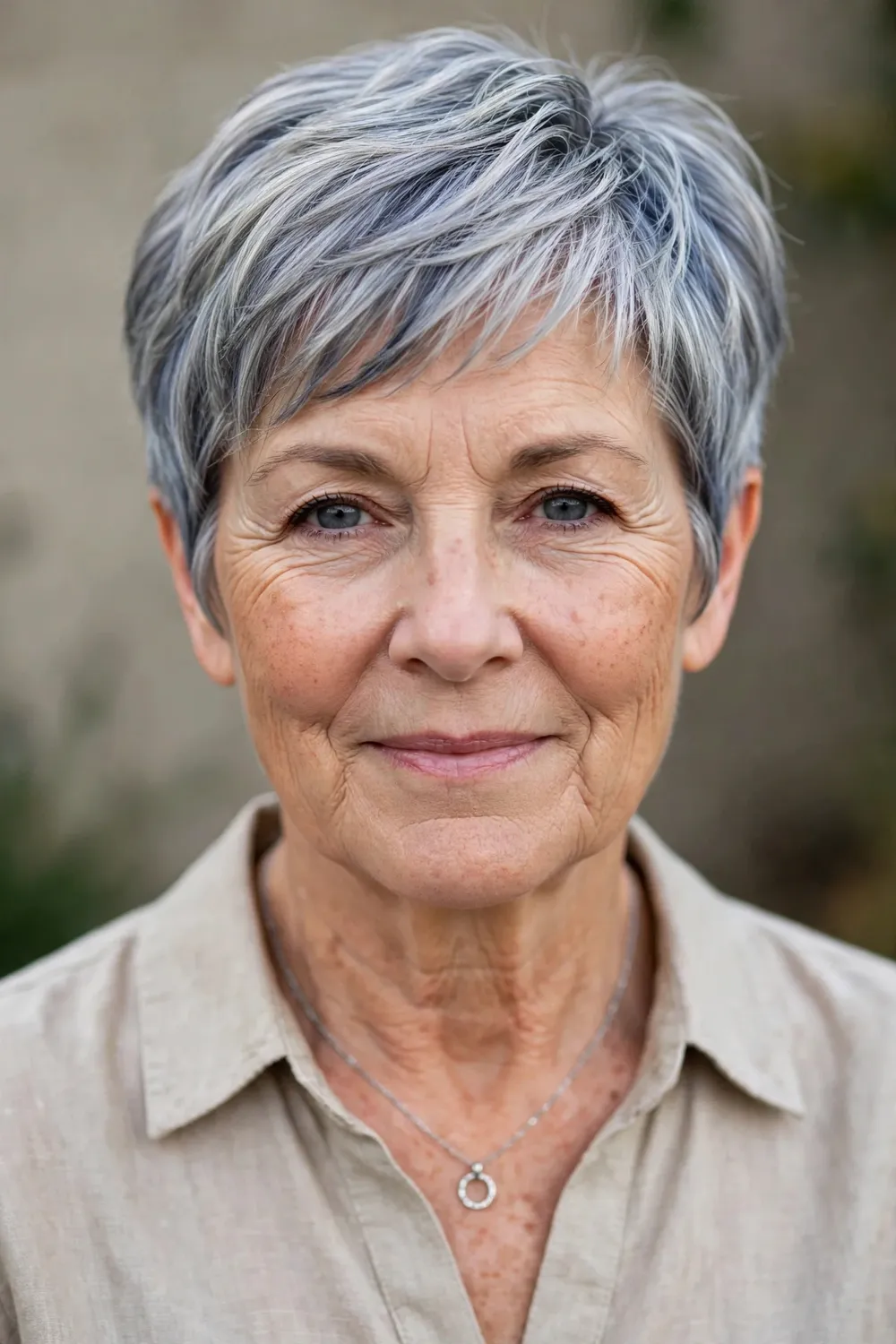
Pewter and steel are blue-gray depths carved through a silver pixie or pixie-bob. The cool metallic tones give short cuts instant architecture, and they make bright silver pop by contrast. On a pixie-bob, the steel pieces trace the layers and show off the cut’s shape, which is why this pairing works so well on precision short styles. The result looks sculpted rather than simply colored. The metallic pieces reflect light differently than flat color, which is what gives the cut its sculpted look.
Cool skin tones carry these metallic tones best, since the blue-gray echoes the skin’s undertones. The short length means less hair to color, which keeps the service quicker and cheaper than long-hair equivalents. Touch-ups every eight to ten weeks keep the metallic tone from fading flat. Ask for the steel pieces along the part line and crown, where they catch the most light. A cool-toned gloss between appointments keeps the steel from warming up and losing its edge.
Short cuts carry cool tones well, and these short hairstyles for grey hair over 50 round up more flattering shapes to pair with dimensional color.
Try this: ask for the steel pieces along the part line and crown, where they catch the most light.
Difficulty: Medium · Cost: $$ (salon)
18. Silver Fox Blending
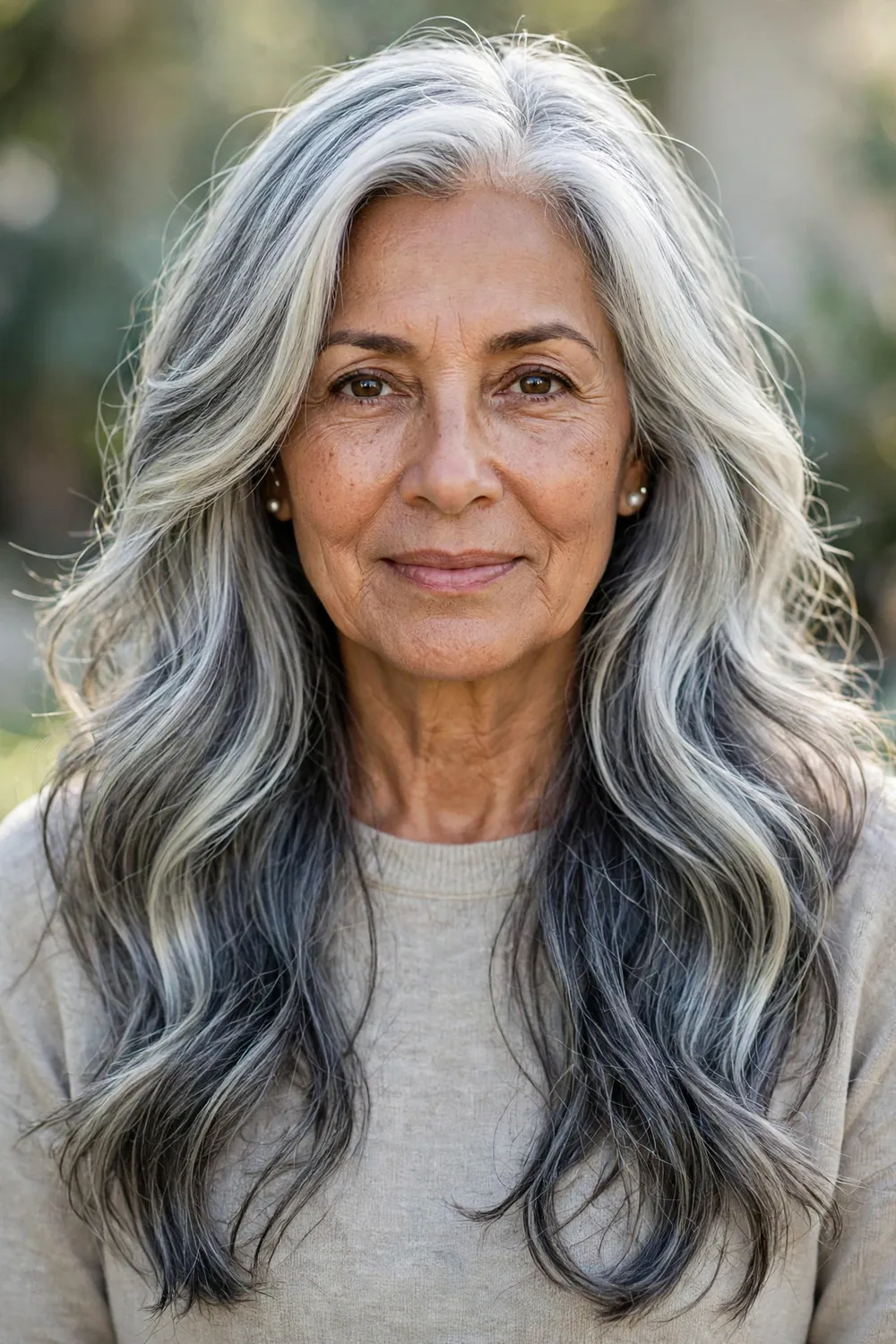
Silver fox blending uses multiple shades of platinum, silver, and slate lowlights, custom-mixed for your hair, to create the fullest, most dimensional gray possible. Unlike a single tone, the blend mimics the way natural gray varies strand by strand. It is for women fully committed to the silver journey who want their gray to look like the most expensive version of itself. Each shade is placed to echo your natural growth pattern, so the blend looks like the best version of your own gray.
The custom mix means your colorist can adjust the balance toward warm or cool based on your skin. This is a longer appointment, since multiple tones are applied in sections, but the payoff is gray that looks lit from within. Touch-ups every ten to twelve weeks refresh the blend, and a clear gloss between visits keeps the shine. Ask your colorist to write down your custom blend formula so future visits match exactly.
Try this: ask your colorist to write down your custom blend formula so future visits match exactly.
Difficulty: High · Cost: $$$ (salon)
19. Herringbone Blended Lowlights
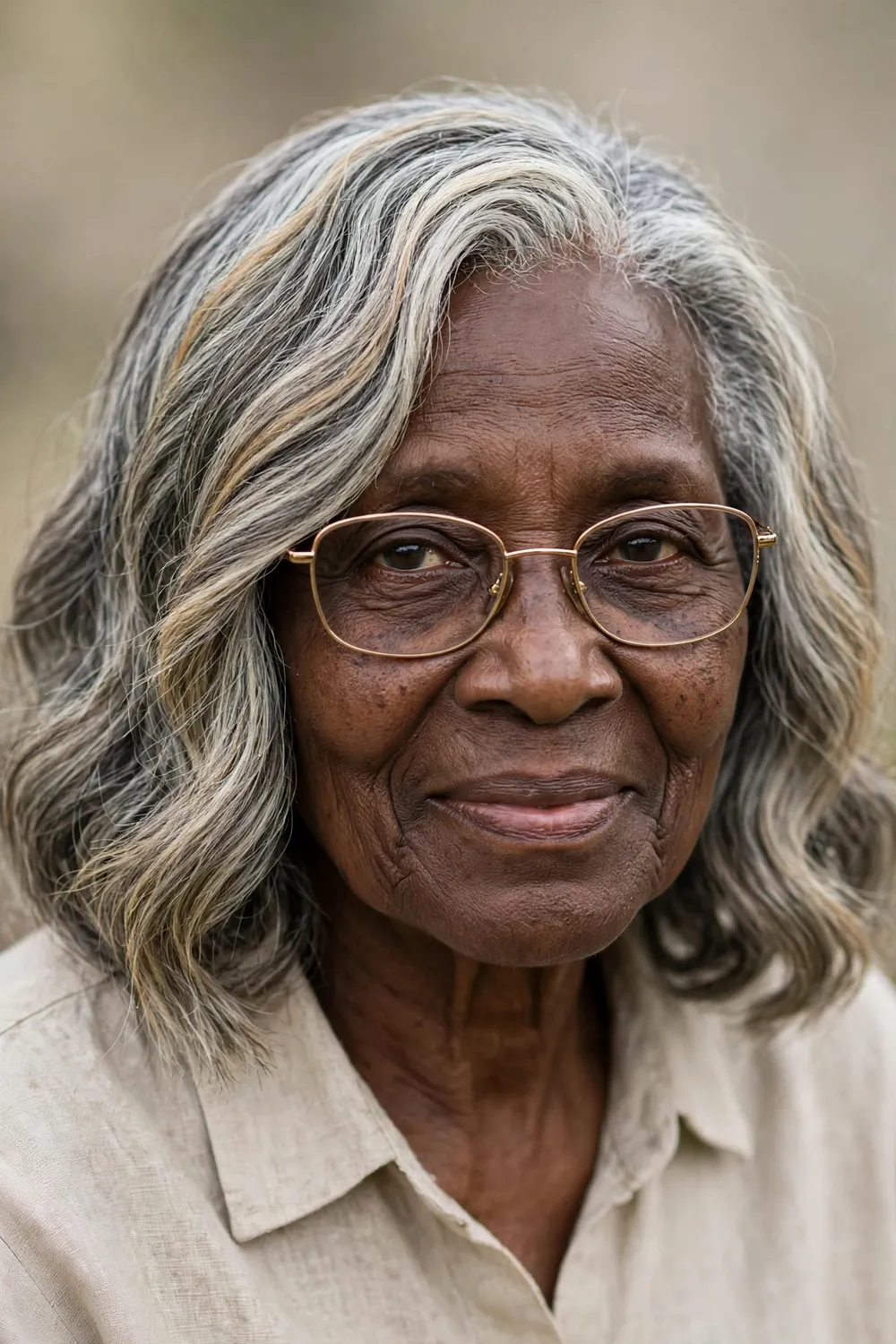
Herringbone is a placement technique, not a tone. Silver, ash, and a whisper of gold are applied in alternating diagonal foils that follow your natural gray pattern. Because the foils sit at angles rather than straight lines, the irregular gray grows out with no visible demarcation line, ever. It is the smartest technical answer to the grow-out problem, and it looks completely natural. The angled foils also distribute the tones evenly, so no single shade dominates or creates a stripe.
This suits women in the middle of growing out old dye, since the diagonal pattern disguises the line between colored and natural hair. It also suits anyone who hates the regrowth line more than anything else about salon color. The technique is skilled work, so choose a colorist experienced with gray blending, and expect visits every twelve to sixteen weeks. Ask specifically for diagonal foil placement, since the angle is what makes the grow-out invisible.
Try this: ask specifically for diagonal foil placement, since the angle is what makes the grow-out invisible.
Difficulty: High · Cost: $$$ (salon)
20. Face-Framing Espresso and Walnut Pieces
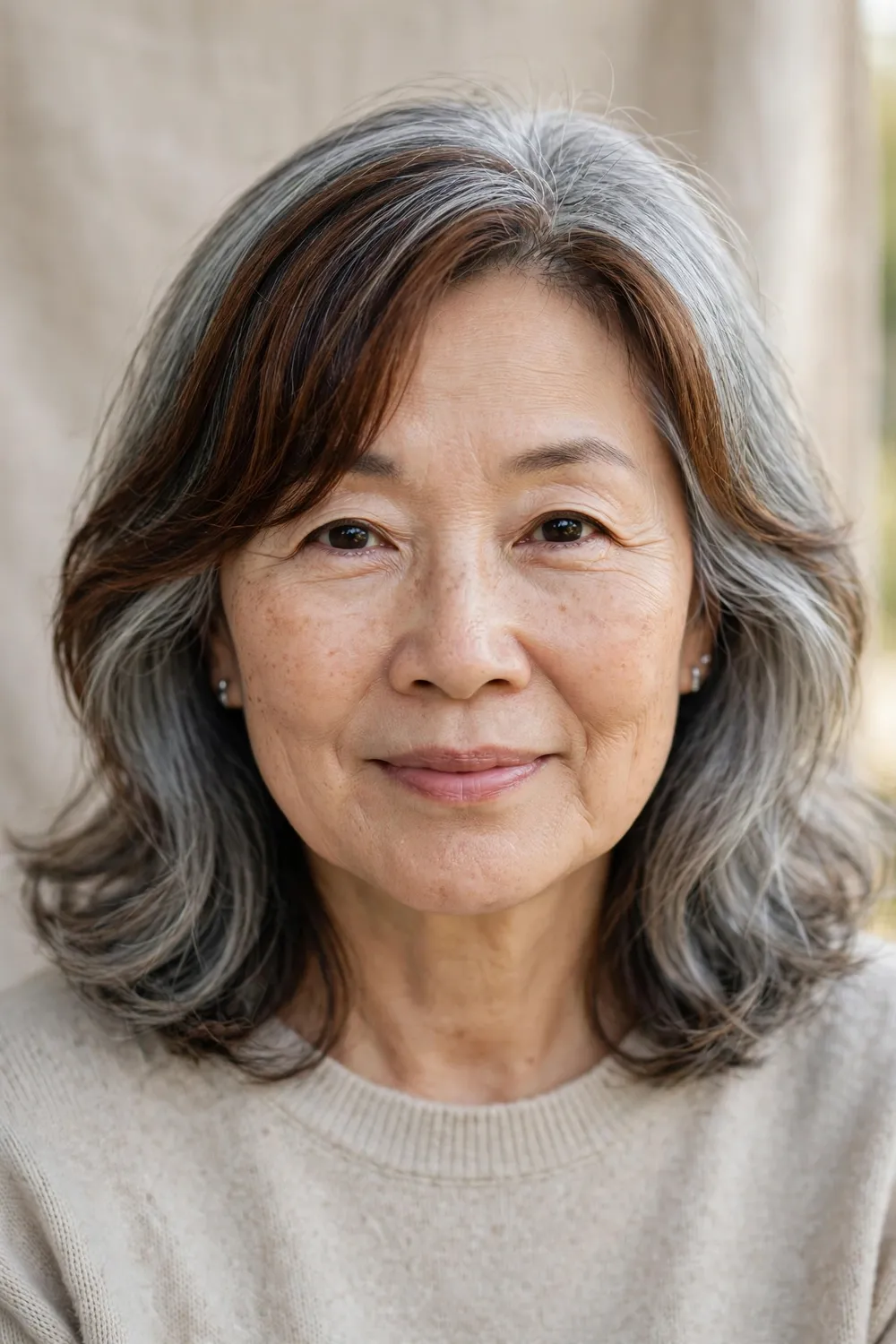
Concentrating rich brown lowlights at the front hairline does more for your face than any other placement. Espresso and walnut pieces at the temples and along the part draw attention to the eyes, warm the complexion, and add structure around the face. The rest of the hair can stay simple silver, since the front does all the talking. It is the highest-impact, lowest-effort placement on this list. Keep the rest of the color simple so the face-framing pieces stay the focal point of the whole look.
This is the lowest-upkeep way to try brown lowlights, since only a small section is colored and the hairline area is easy to refresh. It suits every skin tone, because you can adjust the brown warmer or cooler to match your complexion. Touch-ups every eight to ten weeks keep the frame defined. Ask for the face-framing pieces slightly deeper than the rest so they read as a deliberate frame. A quick root touch-up pen in a matching brown can freshen the frame between salon visits.
Try this: ask for the face-framing pieces slightly deeper than the rest so they read as a deliberate frame.
Difficulty: Low · Cost: $$ (salon)
21. Chestnut Root Smudge

A root smudge blurs color over the first inch or two of hair, and in chestnut it adds richness right at the crown where hair often looks thinnest. The warm brown softens the line between your natural roots and your silver lengths, so everything melts together instead of showing a hard stop. It reads as natural depth rather than obvious color, which is exactly the point. The chestnut also adds warmth to the complexion, which many women notice most in the first week.
This suits women with significant regrowth between visits, since the smudge disguises the line that would otherwise show. Warm and neutral skin tones carry chestnut best. The smudge grows out softly by design, so appointments can stretch to twelve to sixteen weeks, and the crown keeps its richness the whole time. Ask for the smudge blended with a brush, not painted solid, so the edge melts into your gray. Dry shampoo at the crown between washes keeps the smudged roots looking fresh and full.
Try this: ask for the smudge blended with a brush, not painted solid, so the edge melts into your gray.
Difficulty: Medium · Cost: $$ (salon)
22. Root Shadow with Scattered Lowlights
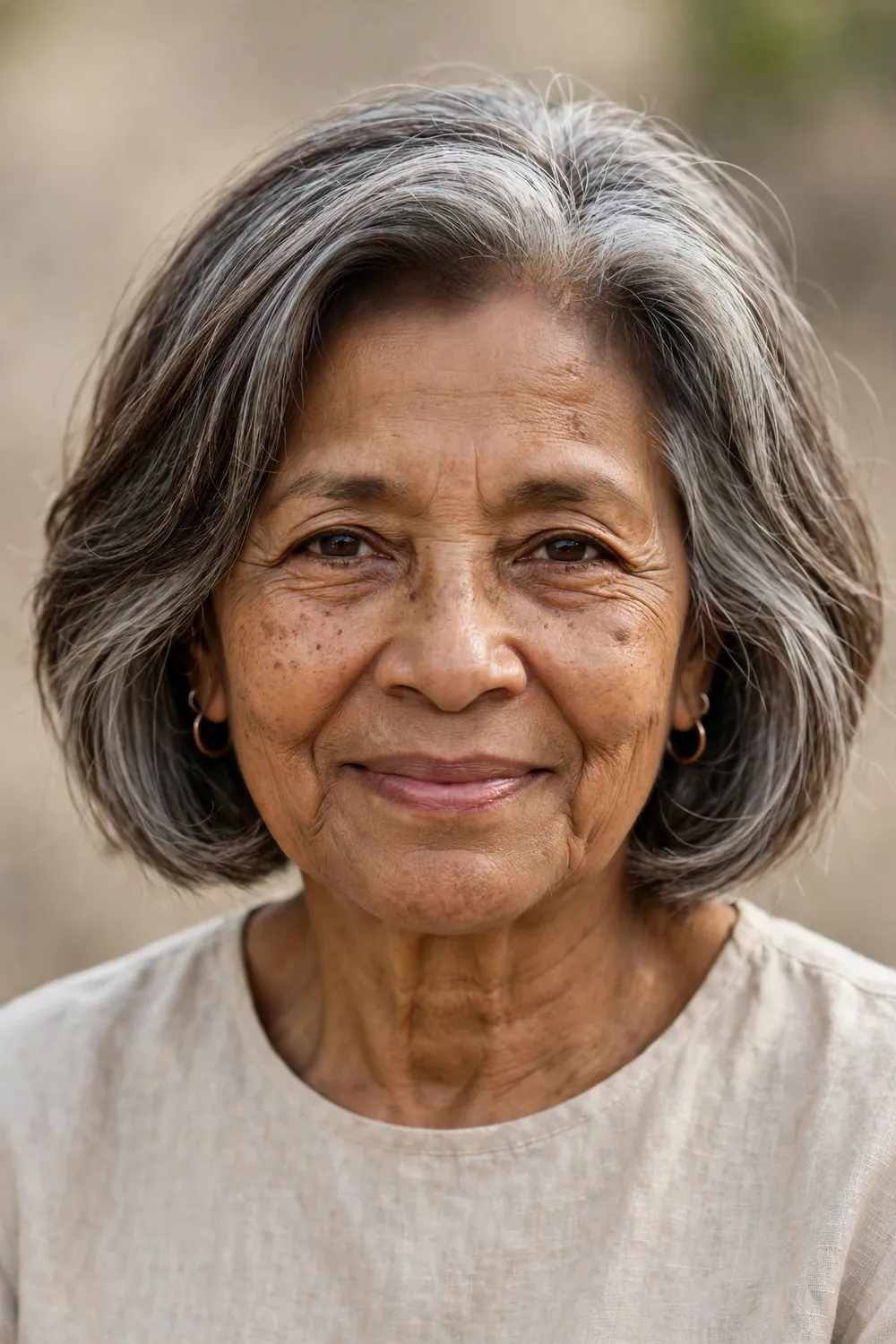
A root shadow blurs a slightly deeper, smoky tone over the first inches of hair, and scattered lowlights continue the depth down the lengths. The shadow erases the regrowth line completely, which doubles the time between salon visits compared to traditional color. The scattered pieces keep the lengths from looking flat while the shadow does the heavy lifting at the roots. The blurred shadow also softens any harsh line from previous color, which makes old dye grow out gracefully.
This is the top pick for women who want the longest possible stretch between appointments. It suits all gray percentages, since the shadow can be matched to whatever is growing in. Plan on visits every fourteen to eighteen weeks, which is the longest interval on this list. Ask for the shadow tone matched to your natural root color for the most seamless grow-out. Bring photos of your natural root color so your colorist can match the shadow tone precisely.
Try this: ask for the shadow tone matched to your natural root color for the most seamless grow-out.
Difficulty: Medium · Cost: $$ (salon)
23. White Hair with Smoky Root-Melt Lowlights
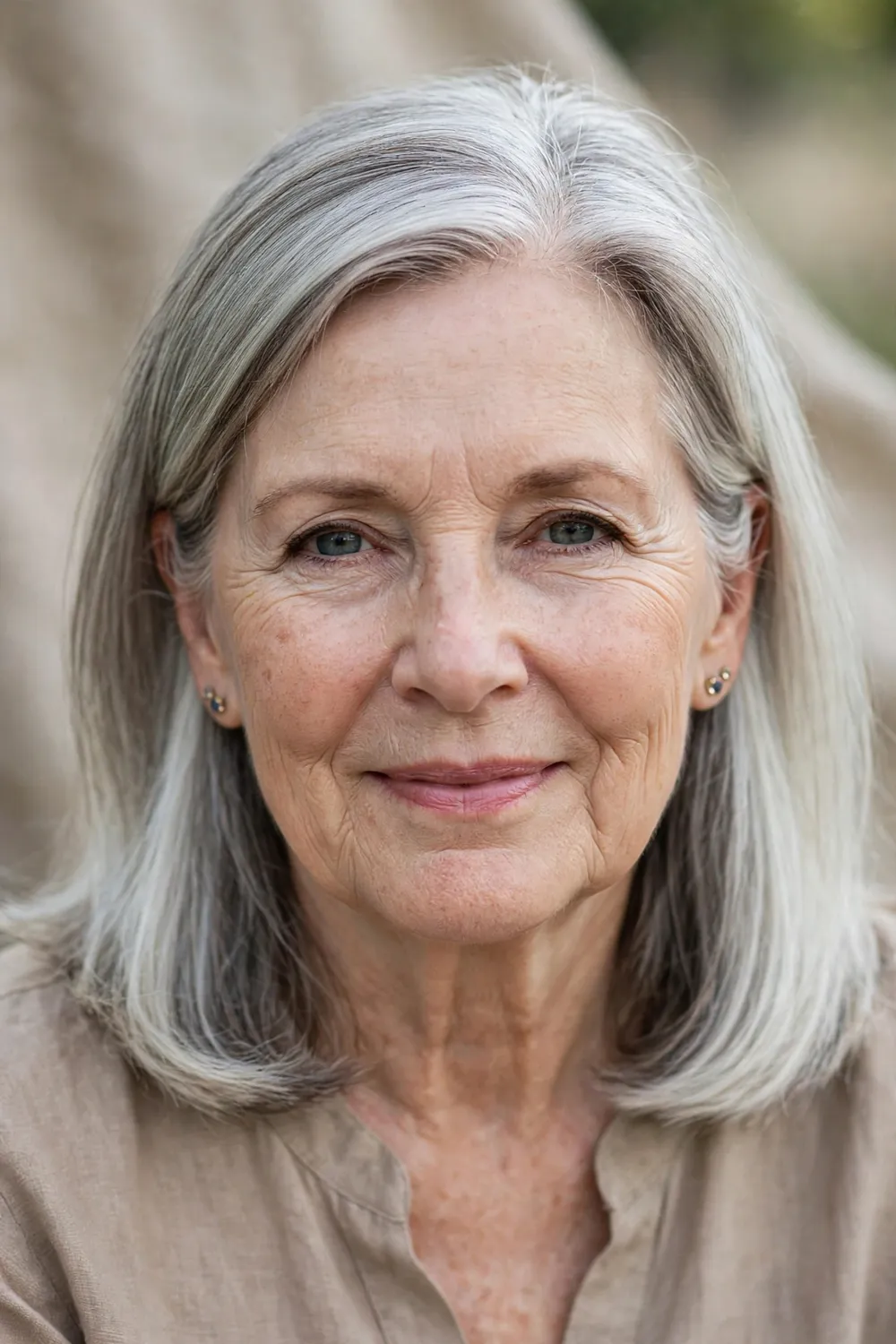
Fully white hair can look washed out without some structure at the roots. A smoky root melt uses lowlights melted into the first few inches to give white hair tone variation and shape, without creating harsh regrowth lines. The melt is gradient by design, so the smoky tone fades into the white lengths instead of stopping abruptly. The white stays the star of the show. The gradient also gives the haircut more shape, since the eye reads the darker roots as structure.
This suits women with ninety to one hundred percent white hair who want definition without giving up their white. The gradient grows out gracefully, so visits run every twelve to sixteen weeks. Purple shampoo keeps the white lengths bright against the smoky roots. Ask for the melt kept to the first two inches so the white lengths stay dominant. A silver-enhancing mask once a week keeps the white lengths luminous against the smoky roots.
Try this: ask for the melt kept to the first two inches so the white lengths stay dominant.
Difficulty: Medium · Cost: $$ (salon)
24. Lowlighted Gray Curls
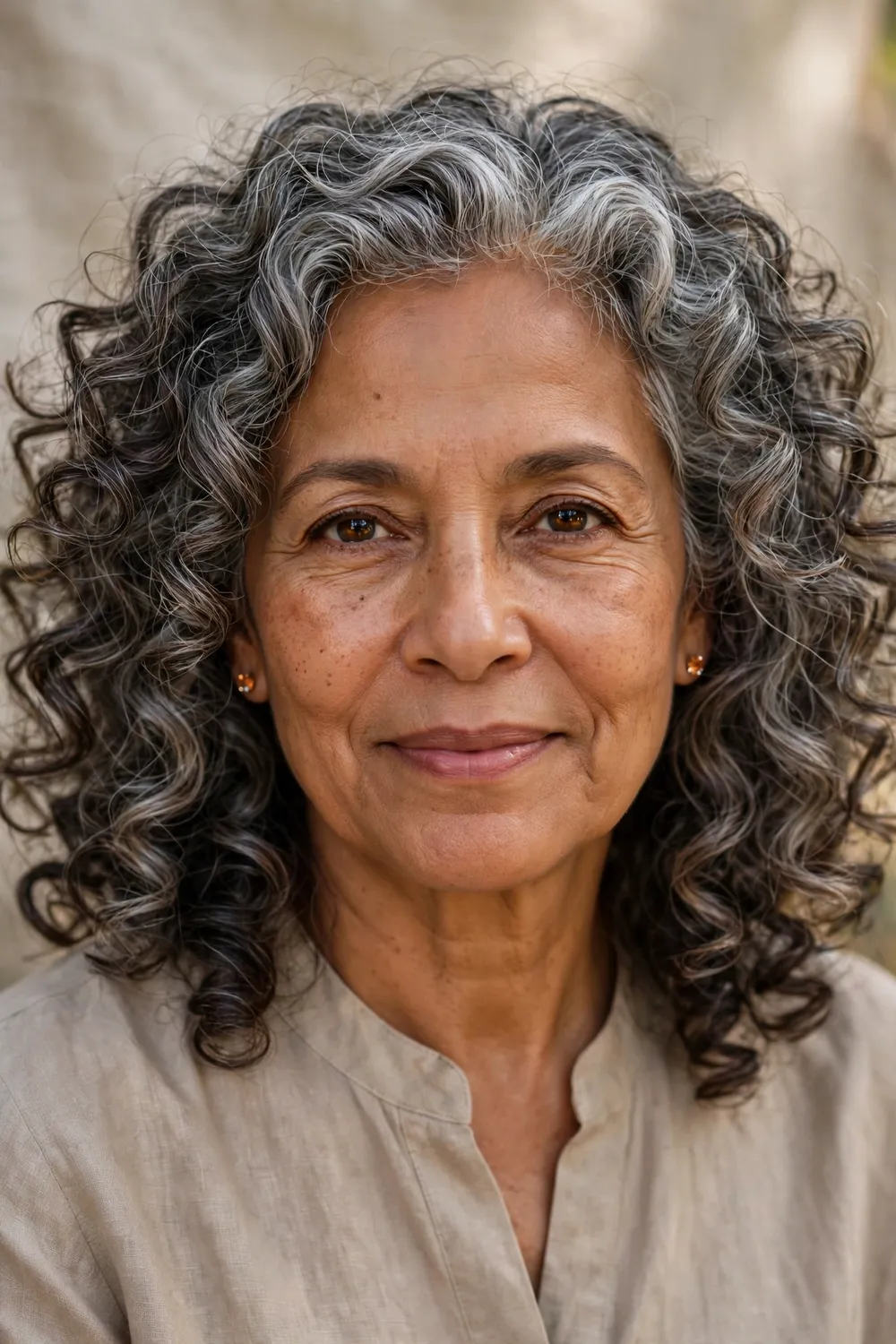
Curls and lowlights are a natural match. Well-placed lowlights give every curl its own spiral of light and shadow, which boosts definition on short curls and reduces visual bulk on thick, long curls. Your colorist paints the lowlights to follow the curl pattern, so each coil shows alternating silver and deeper tones as it turns. The result is curls with built-in dimension. The painted lowlights also make each curl look thicker, since shadow gives the illusion of density.
This suits all curl types, from loose waves to tight coils. Ask for a curl-by-curl painting technique rather than traditional foils, since foils can disrupt the curl pattern. The dimensional color means you can often stretch wash days longer, since the color variation hides day-two texture. Touch-ups every ten to fourteen weeks keep the spirals defined. Ask for the color applied on dry, styled curls so the placement follows your real curl pattern.
Curls and gray are a great pairing, and these curly gray hairstyles for women over 50 gather more textured styles that show off dimensional color.
Try this: ask for the color applied on dry, styled curls so the placement follows your real curl pattern.
Difficulty: High · Cost: $$ (salon)
25. Lavender-Tinted Lowlights
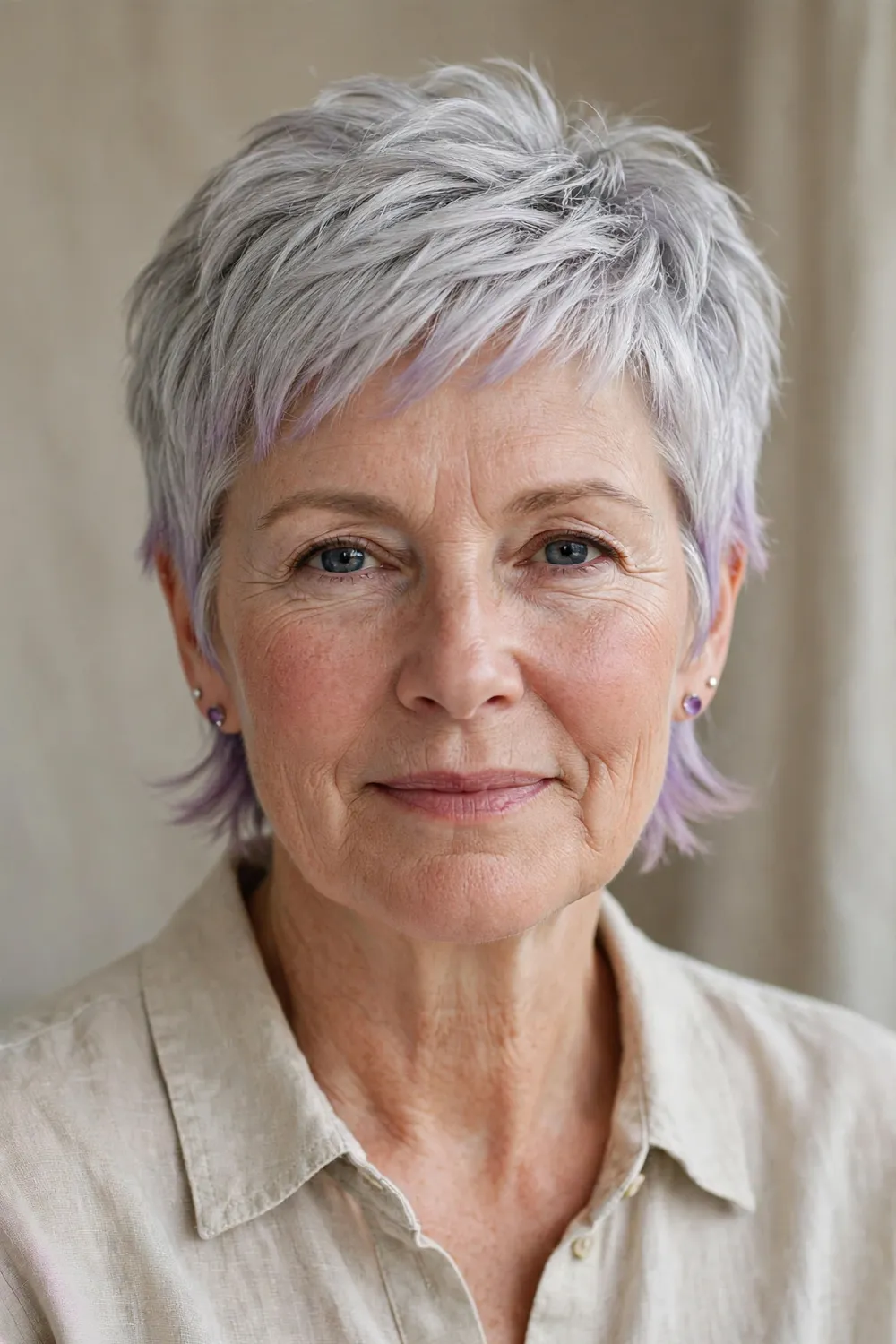
Lavender lowlights on gray tips add an ethereal whisper of color that stays sophisticated. The cool purple tone sits close to silver on the color wheel, so it reads as an accent rather than a statement. Your colorist concentrates the lavender toward the ends, often on shorter cuts or the tips of longer hair, where it catches light as you move and shifts with every turn of your head. The lavender reads differently in sunlight and indoor light, which keeps the color interesting all day.
This suits cool skin tones and anyone who wants a modern twist without committing to fashion color. Lavender fades faster than natural tones, so plan on refreshes every six to eight weeks, or ask for a lavender-tinted conditioner to maintain the tone at home between visits. Start with the lavender on the tips only, where it is easy to trim away if you change your mind. Wash with cool water to slow the fading, since heat opens the cuticle and releases fashion tones faster.
Try this: start with the lavender on the tips only, where it is easy to trim away if you change your mind.
Difficulty: Medium · Cost: $$ (salon)
26. Steel Blue Accents
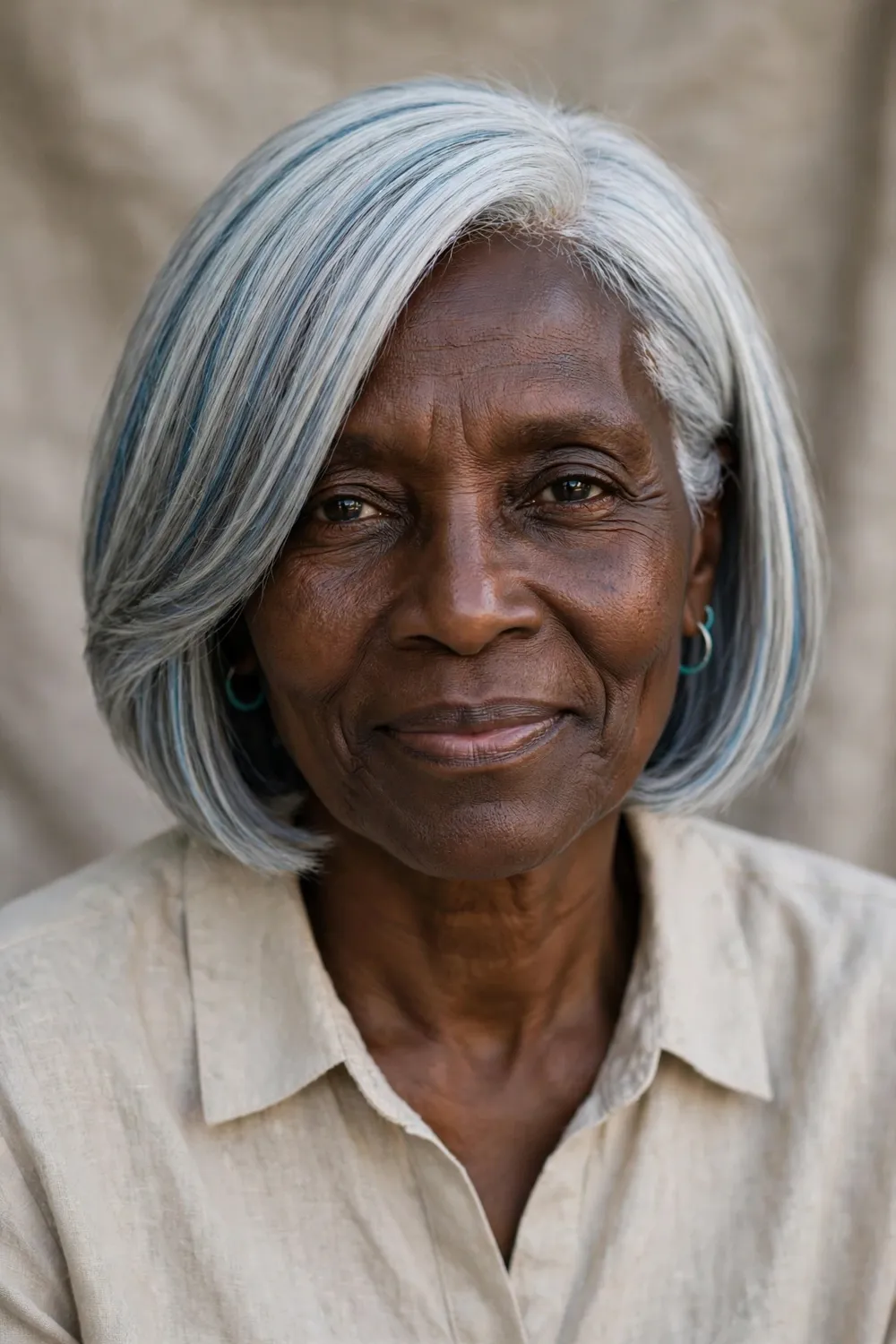
A few strategic steel-blue pieces blended through silver give gray hair a contemporary edge that never looks costume-like. The key is restraint: three to five pieces, placed where they catch light, read as a cool accent rather than a color statement. The blue-gray tone sits naturally next to silver, so the blend stays harmonious and wearable every day. The accent pieces also make the surrounding silver look brighter by comparison.
This suits cool skin tones and women who want an artistic touch without a full fashion color. Because only a few pieces are colored, the service is quick and the upkeep is light. Refresh the accents every eight to ten weeks, and a blue-toned conditioner can hold the tone between visits. Ask for the blue pieces placed around the face first, where the accent has the most impact. Keep the blue pieces away from the very ends if your hair is fragile, since porous ends grab fashion tones unevenly.
Try this: ask for the blue pieces placed around the face first, where the accent has the most impact.
Difficulty: Medium · Cost: $$ (salon)
27. Plum Shadow Streaks
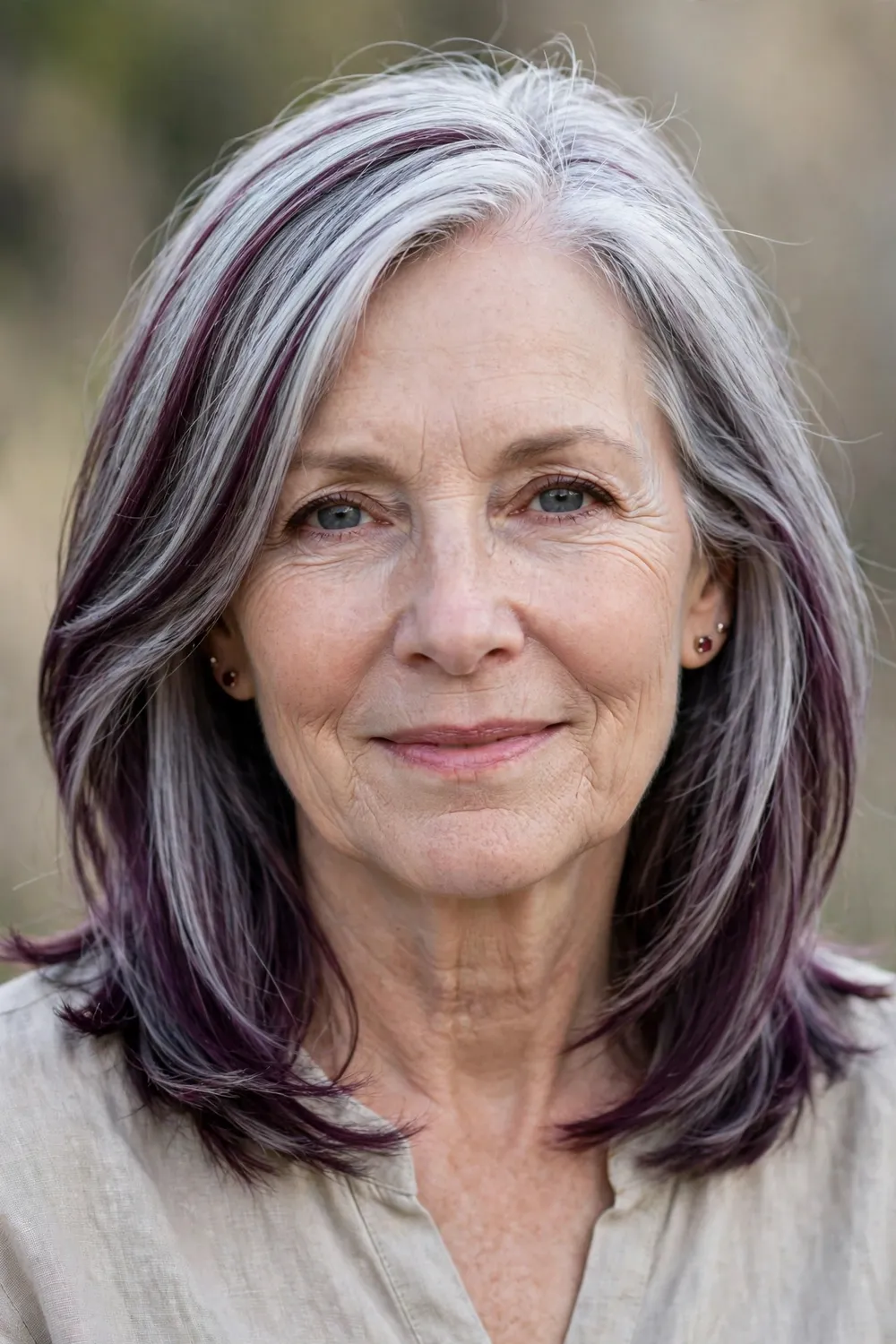
Deep plum lowlights create shadow streaks that are subtle in daylight and striking up close. The purple-brown tone adds mystery and depth to silver hair, and it is quiet enough for every day while still feeling distinctive. Your colorist places the plum in soft streaks through the interior layers, so the color reveals itself in movement rather than announcing itself. The interior placement means the plum stays professional for work and shows its depth after hours.
Cool skin tones carry plum best, since the purple echoes pink and blue undertones. The deep tone holds well between visits, so touch-ups run every ten to twelve weeks. A color-safe shampoo keeps the plum from fading toward brown. Ask for the plum one shade deeper than you think you want, since deep tones photograph softer than they look in the salon. Avoid clarifying shampoos on this color, since they strip deep tones faster than gentle formulas.
Try this: ask for the plum one shade deeper than you think you want, since deep tones photograph softer than they look in the salon.
Difficulty: Medium · Cost: $$ (salon)
28. Silver Undercut with Dimensional Lowlights

An undercut sounds bold, but on silver hair it reads surprisingly tidy and cool. The closely cropped sides and nape contrast with longer silver on top, and subtle gray lowlights woven through the top layer add dimension that keeps the cut from looking flat. The lowlights trace the longer pieces so the shape of the cut shows clearly, and the whole style takes minutes to maintain. The cropped sides also keep styling time near zero, which is the undercut’s real everyday advantage.
This suits women who want a low-fuss cut with personality. The undercut needs reshaping every four to six weeks, but the lowlights on top can go twelve to sixteen weeks since the tone stays close to silver. It is the most distinctive silhouette on this list, and the color work stays quiet. Ask for the undercut faded rather than blunt so the grow-out stays neat between trims. A matte styling paste on the longer top pieces defines the texture without adding shine that fights the silver.
Try this: ask for the undercut faded rather than blunt so the grow-out stays neat between trims.
Difficulty: High · Cost: $$ (salon)
29. Gloss-Boosted Lowlights

A clear or tinted gloss layered over lowlights seals the cuticle, deepens the dark pieces, and gives gray hair its glassy, liquid shine back. Gray hair often loses shine because the cuticle roughens with age, and gloss smooths it down so light reflects evenly. The tinted version can also refresh fading lowlights without a full recolor, which makes it the smartest maintenance move on this list. Gloss also smooths frizz along the hairline, which is where gray hair tends to look roughest.
This is an add-on service rather than a standalone color, and it suits every lowlight tone here. A gloss takes about twenty minutes at the shampoo bowl and costs far less than a full color service. Repeat every six to eight weeks to keep the shine and tone fresh between lowlight appointments. Book a gloss halfway between your lowlight appointments to extend the life of the color. Most salons offer gloss as a quick add-on, so ask about it when you book your next lowlight appointment.
Try this: book a gloss halfway between your lowlight appointments to extend the life of the color.
Difficulty: Low · Cost: $ (salon)
At a Glance: 29 Gray Hair with Lowlights Compared
| Lowlight idea | Best for | Tone effect | Upkeep |
|---|---|---|---|
| Soft Gray Lowlights for Everyday Dimension | Any gray percentage, first-timers | Neutral depth, never looks dyed | Touch up every 12 to 16 weeks |
| Ash Brown Lowlights for Cool-Toned Depth | Cool or neutral undertones | Smoky finish, kills brassiness | Purple shampoo weekly, visits every 10 to 12 weeks |
| Chocolate and Mocha Lowlights | Former brunettes, warm skin | Restores warm brown depth | Touch up every 8 to 12 weeks |
| Deep Espresso Lowlights | Medium to deep skin tones | Near-black depth that peeks through | Touch up every 10 to 14 weeks |
| Caramel, Honey and Toffee Lowlights | Warm, golden, olive skin | Sunny golden warmth | Gloss between visits, every 8 to 12 weeks |
| Golden-Brown Underlayer Lowlights | Flat or thin-looking silver | Darker base makes silver look thicker | Touch up every 14 to 16 weeks |
| Beige Lowlights for Subtle Contrast | Unsure of your undertone | Quiet neutral polish | Monthly clarifying wash, visits every 12 to 16 weeks |
| Wheat Blonde Balayage Lowlights | Transitioning from blonde dye | Sunlit, hand-painted blend | Touch up every 12 to 16 weeks |
| Ash Blonde Lowlights | Thin or fine gray hair | Cool tone that looks fuller | Volumizing mousse, visits every 12 to 16 weeks |
| Champagne Blonde Wisps | Fair skin, light eyes | Face-brightening halo | Touch up every 8 to 10 weeks |
| Icy Blonde Pieces with Lowlight Depth | Cool undertones, bold cool looks | Frosted, luminous silver | Purple shampoo weekly, visits every 8 to 12 weeks |
| Copper, Mahogany and Red Peekaboo Lowlights | Warm skin, green or hazel eyes | Hidden warmth that flashes in motion | Sulfate-free shampoo, every 6 to 10 weeks |
| Cinnamon Spice Lowlights | Warm or neutral skin | Muted spicy-auburn warmth | Warm-tone gloss between, every 10 to 12 weeks |
| Charcoal and Shadowglow Lowlights | Cool skin, naturally dark hair | Smoky halo of depth at roots | Touch up every 10 to 14 weeks |
| Black Lowlights for High-Contrast Edge | Short textured cuts, bold style | Graphic dark-and-silver contrast | Touch up every 6 to 8 weeks |
| Salt-and-Pepper Lowlights | Women who miss natural salt-and-pepper | Controlled dark-and-silver mix | Touch up every 10 to 14 weeks |
| Pewter and Steel Lowlights | Cool skin, pixie or pixie-bob cuts | Blue-gray metallic architecture | Touch up every 8 to 10 weeks |
| Silver Fox Blending | Fully silver, custom color lovers | Multi-tone dimensional gray | Clear gloss between, every 10 to 12 weeks |
| Herringbone Blended Lowlights | Growing out old dye | Diagonal blend, no regrowth line | Touch up every 12 to 16 weeks |
| Face-Framing Espresso and Walnut Pieces | Every skin tone, low-budget refresh | Warm frame that spotlights the eyes | Touch up every 8 to 10 weeks |
| Chestnut Root Smudge | Heavy regrowth between visits | Rich, blurred crown depth | Touch up every 12 to 16 weeks |
| Root Shadow with Scattered Lowlights | Longest stretch between visits | Smoky roots, soft scattered depth | Touch up every 14 to 18 weeks |
| White Hair with Smoky Root-Melt Lowlights | 90 to 100 percent white hair | Gradient structure on white | Purple shampoo, visits every 12 to 16 weeks |
| Lowlighted Gray Curls | All curl types | Spiral light and shadow per curl | Curl-by-curl refresh, every 10 to 14 weeks |
| Lavender-Tinted Lowlights | Cool skin, subtle creative color | Ethereal purple whisper on tips | Tinted conditioner, refresh every 6 to 8 weeks |
| Steel Blue Accents | Cool skin, artistic touch | Cool blue-gray accent pieces | Blue conditioner, refresh every 8 to 10 weeks |
| Plum Shadow Streaks | Cool skin, distinctive but quiet | Deep purple-brown shadow streaks | Color-safe shampoo, every 10 to 12 weeks |
| Silver Undercut with Dimensional Lowlights | Bold short silhouettes | Gray dimension over a tidy undercut | Reshape cut every 4 to 6 weeks, color every 12 to 16 |
| Gloss-Boosted Lowlights | Every lowlight tone | Glassy shine, deeper dark pieces | Repeat gloss every 6 to 8 weeks |
How to Choose Your Lowlight Shade
Start with your gray percentage and your goal. If you are mostly your natural color with gray at the temples, a fine lowlight blend softens the gray without a big change. If you are mid grow-out from old dye, herringbone placement or a root shadow disguises the line best. If you are mostly or fully silver but it looks flat, warm caramel or espresso lowlights add the contrast that makes silver glow.
Next, match the tone family to your skin undertone. Look at the veins on your wrist in daylight: blue or purple veins point to cool undertones, which pair with ash brown, charcoal, pewter, and steel blue. Green veins point to warm undertones, which pair with caramel, honey, copper, and cinnamon. If you cannot tell, neutral beige is the safe middle ground.
Finally, be honest about maintenance. Keep lowlights within 2 to 3 shades of your natural gray pattern for the softest grow-out, and pick a technique that matches the appointment schedule you will actually keep. Root shadow and herringbone stretch to 4 months, while high-contrast black or red needs a chair every 6 to 8 weeks.
Gray Hair Care with Lowlights
Washing. Wash less and condition more. Gray hair runs drier than pigmented hair, so switch to a moisturizing shampoo and wash every 2 to 3 days instead of daily. Use purple shampoo once or twice a week, not every wash, to keep silver bright without drying it out. A monthly clarifying wash removes mineral buildup that turns gray yellow.
Color upkeep. Ask for a clear or tinted gloss every 6 to 8 weeks instead of a full recolor. Gloss seals the cuticle, deepens the lowlight pieces, and restores shine for a fraction of the cost. Most lowlight placements need full touch-ups only every 8 to 16 weeks, depending on the contrast level you chose.
Daily habits. Always use a heat protectant before hot tools, since any lightened strands are more fragile. Sleep on a satin pillowcase to cut friction that roughs up the cuticle overnight. A lightweight oil on the ends keeps silver smooth between washes without weighing the lowlights down.
Frequently Asked Questions
What is the difference between highlights and lowlights on gray hair?
Highlights lighten selected strands, while lowlights add darker strands for depth and shadow. On gray hair, lowlights weave darker pigment back into the silver, which creates dimension and makes the gray look thicker and more deliberate. Highlights on gray usually mean brightening pieces to icy or platinum tones. Many women over 50 get the best result from lowlights alone or a mix of both.
Do lowlights damage gray hair?
Lowlights are gentler than highlights because they usually deposit color without bleach, so they lift less of the hair’s structure. Gray hair is naturally drier and more fragile, though, so any chemical service needs care. Ask your colorist about bond-building treatments during the appointment, and follow up with deep conditioning at home. With the right products, lowlights do not cause meaningful damage.
What lowlight colors are best for gray hair over 50?
The most flattering lowlights stay within 2 to 3 shades of your natural gray pattern. Cool undertones suit ash brown, charcoal, pewter, and steel tones. Warm undertones suit caramel, honey, toffee, copper, and cinnamon. Neutral beige and soft gray work for nearly everyone and give the most natural grow-out. Bring photos of tones you like and let your colorist adjust for your skin.
How often do lowlights need to be touched up on gray hair?
Most lowlight placements need touch-ups every 8 to 16 weeks. High-contrast options like black or red need refreshing every 6 to 8 weeks, while soft grow-out techniques like root shadow and herringbone can stretch to 14 to 18 weeks. A clear or tinted gloss every 6 to 8 weeks keeps the color rich between full appointments without a complete recolor.
Will lowlights make my gray hair look darker?
No, lowlights add dimension rather than overall darkness. The darker pieces sit between your silver strands, and the contrast actually makes the silver look brighter and the hair look thicker. Your hair only reads darker if the lowlights are placed too heavily or chosen too dark for your pattern, which is why the 2 to 3 shade rule matters. A good colorist keeps the silver dominant.
Final Thoughts
Gray hair with lowlights is about working with what you have and making it look intentional. Pick a tone that flatters your undertone, a placement that fits your upkeep style, and a colorist who listens. Your silver does the heavy lifting, and the lowlights just give it depth.

