



A micro bob ends above the jawline, sometimes as high as the cheekbone, which makes it the shortest bob you can wear before the cut becomes a pixie. The length spotlights cheekbones and eyes, keeps styling under 10 minutes, and asks for trims every 4 to 6 weeks. This guide covers 18 micro bob haircuts, from blunt and choppy versions to Parisian, bowl, and textured takes, with who each one suits and what it costs.
The micro bob is just one option at this length. Browse our chin length hairstyles roundup for 30 cuts, from blunt bobs and shags to bixies and curly shapes.
Quick takeaways
- A micro bob is defined by length: above the jawline, shorter than every other bob type.
- Straight hair shows the cut’s precision best; curly and wavy versions need texture-aware cutting.
- Styling is fast but trims are frequent, every 4 to 6 weeks, to keep the edges crisp.
- Bangs pair naturally with the micro length, from micro bangs to wispy fringes.
- Salon prices run $45 to $90, with color versions costing more.
1. Classic Micro Bob

The classic micro bob is cut to sit just above the jawline with a clean, even edge and minimal layering. It frames the face the way a picture frame holds a photo: nothing distracts from the cheekbones and eyes. Straight hair shows the precision best, and a flat iron pass on styling days keeps the line sharp. Because the shape is so simple, the cut lives or dies on the stylist’s scissor work, so choose someone known for short precision cuts.
Try this: ask for the length to clear the jaw by half an inch; any longer and it reads as a regular short bob.
Effort: Low · Salon cut: $45–$70
2. Blunt Micro Bob
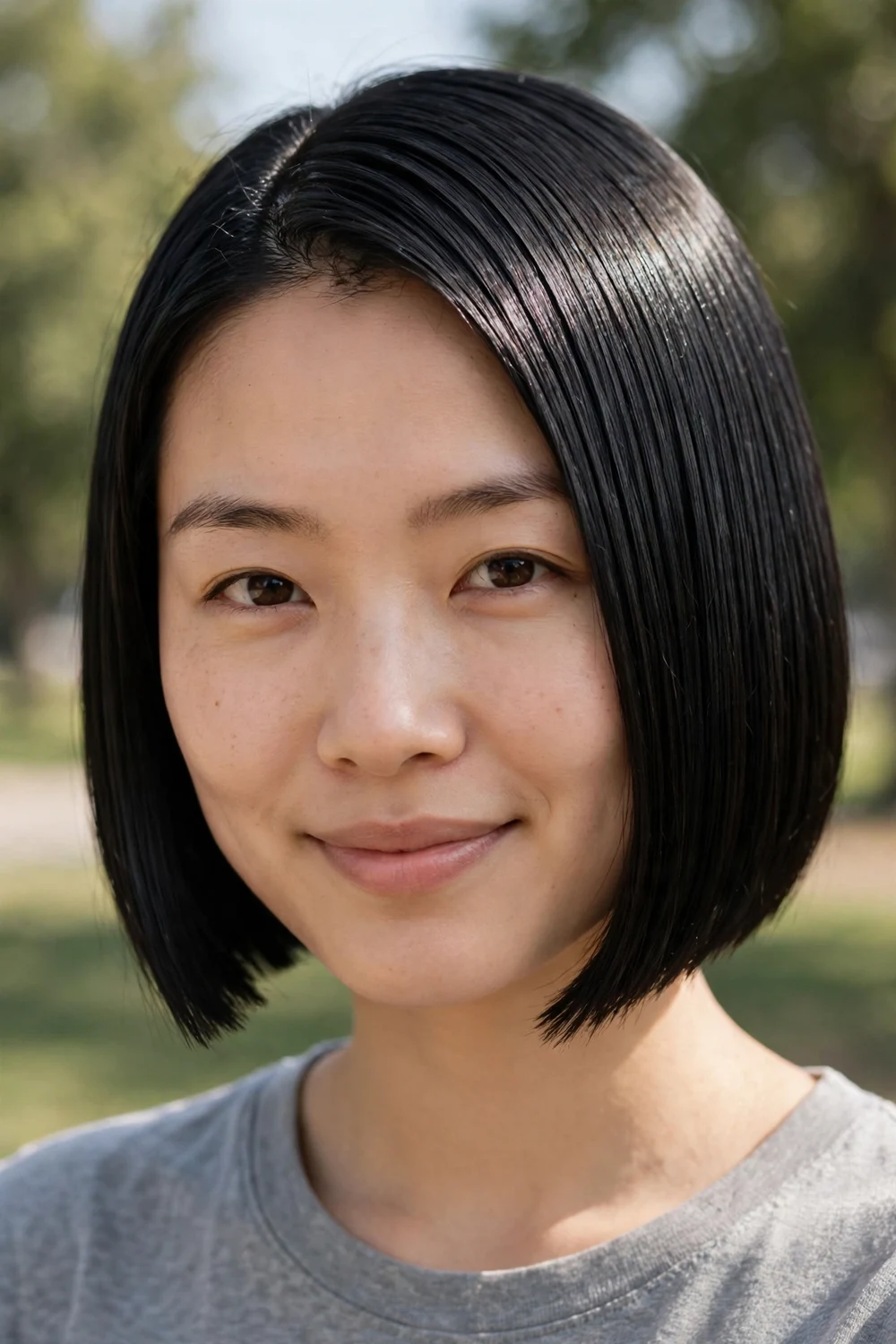
Every strand ends at exactly the same point in the blunt micro bob, which gives this shortest of bobs a graphic, high-fashion edge. The one-length finish makes fine hair look denser at this length, but it also exposes every uneven snip, so the cut demands a specialist. Wear it middle-parted for maximum severity or with a deep side part to soften one cheek. Shine serum on the ends keeps the severity looking intentional rather than stark.
Try this: request the very ends point-cut by a quarter inch if the blunt line feels too harsh against a square jaw.
Styling: Medium · Price range: $50–$80
3. Choppy Micro Bob

Rough, uneven cuts all around the head give the choppy micro bob its undone character. The stylist works a razor through the ends and sometimes the bangs, which builds volume that fine hair loves and makes thick hair feel lighter. This is the lowest-maintenance of the micro bob haircuts: scrunch in texturizing spray, let it air-dry, and the mess is the point. Grow-out stays wearable for weeks because there is no crisp line to lose.
Try this: keep the chop in the bottom half; choppy layers at the crown can turn this into a pixie fast.
Maintenance: Low · Cost: $45–$75
4. Layered Micro Bob

Short, soft layers through the crown and sides give this micro bob movement that the blunt versions lack. The layering suits thick hair that would sit heavy in a one-length cut at this length, and it adds shape for round faces that need height on top. Blow-dry with a small round brush, lifting at the roots, to set the layers; without that step the cut can fall flat by midday. A pea-sized amount of volumizing mousse on damp roots helps the lift last.
Try this: ask for the shortest layer to stay at temple length so the cut keeps its bob coverage.
Daily effort: Medium · Salon price: $50–$80
5. Pixie-Layered Micro Bob

Pixie-short layers through the crown meet bob length at the perimeter in this hybrid. The combination builds serious volume on top, which flatters flat roots and fine hair, while the bob edge around the ears keeps it from reading as a true pixie. Style with a matte clay on dry hair, piece by piece, to separate the layers. It is the boldest of the micro bob haircuts on this list, so be sure you want the crown short before the first snip.
Try this: keep the nape soft rather than tapered; a hard taper pushes this fully into pixie territory.
Commitment: High · Cost: $50–$80
6. Micro Bowl Cut
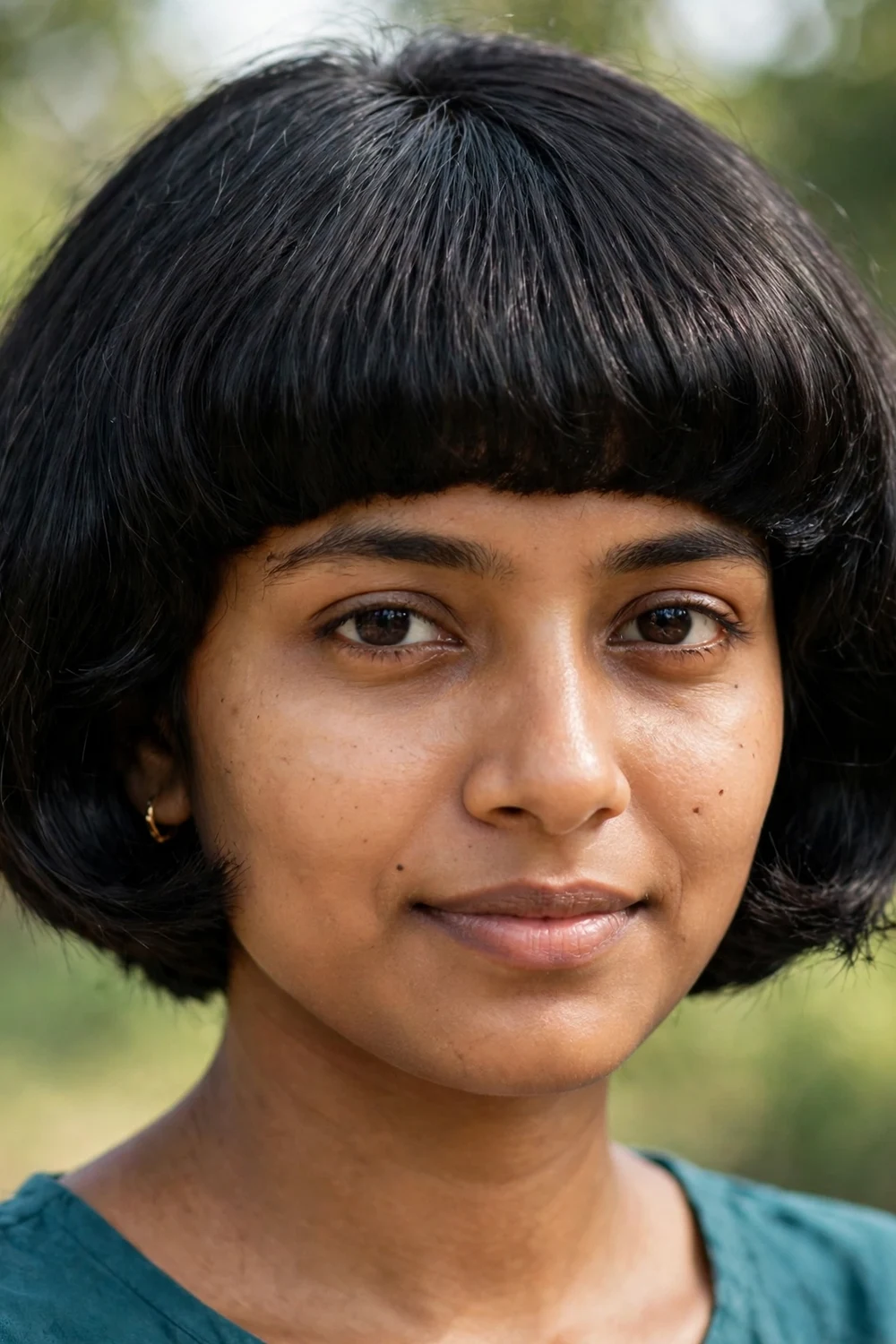
The micro bowl cut wraps the head in one rounded, even shape with the edge curving under all the way around. Thick, straight hair carries it best, since the cut needs density to hold its curve; fine hair can look sparse at the perimeter. Modern versions soften the retro reference with textured ends or micro bangs, which keeps it fashion-forward rather than costume. It is a confident choice that suits strong personal style and minimal styling patience.
Try this: ask for the edge to curve under naturally rather than being forced round; forced curves look dated.
Upkeep: Medium · Salon cut: $45–$75
7. Micro Bob with Micro Bangs
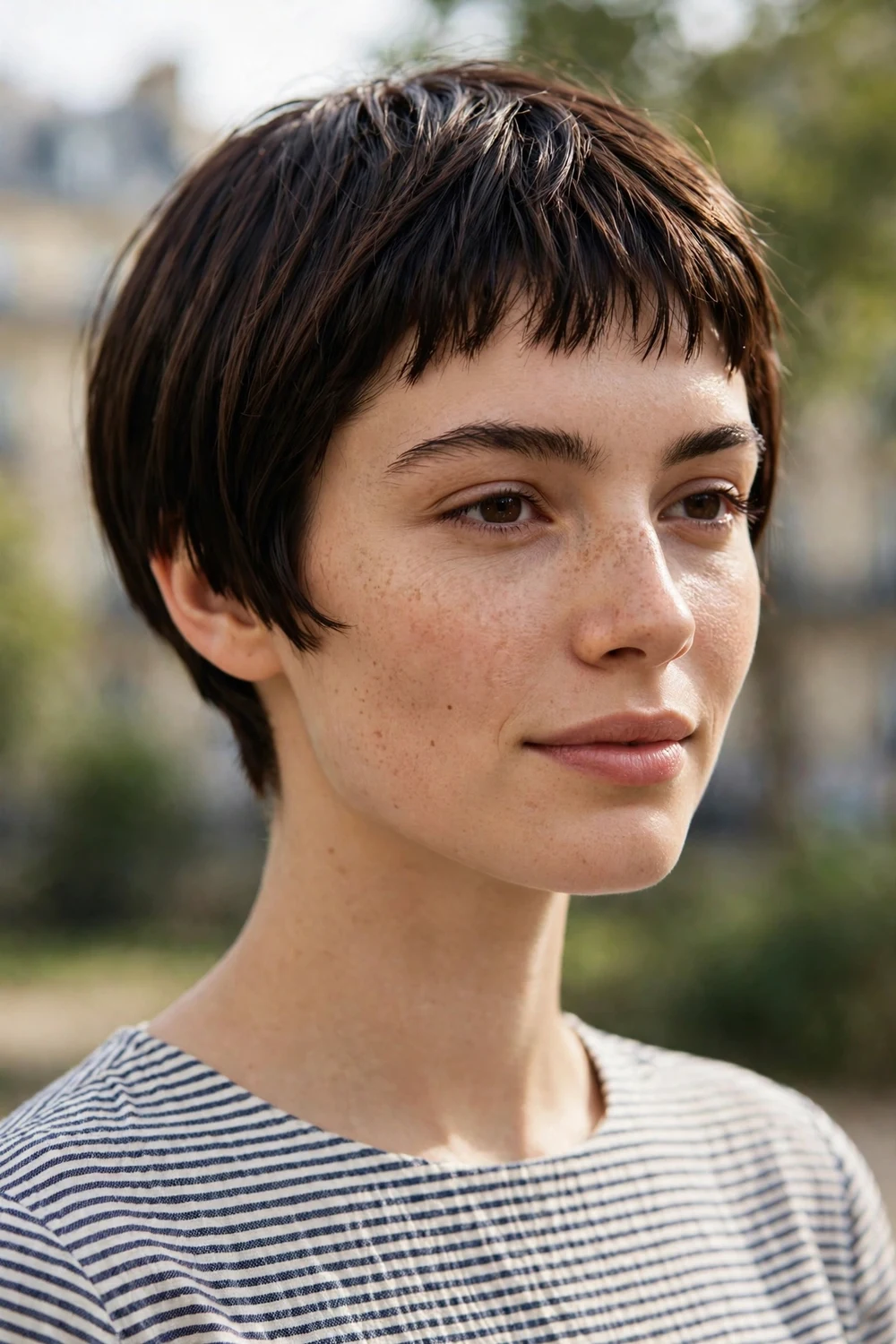
Ultra-short bangs, cut well above the eyebrows, pair with the micro bob for a striking, editorial combination. The short fringe opens up the whole face and pulls focus to the eyes, which is the entire point of the pairing. It suits oval and heart-shaped faces best; round faces should keep the bangs slightly longer to avoid widening the forehead. The bangs need trimming every 3 weeks, more often than the bob itself.
Try this: keep the bangs textured, not blunt; a hard line across the forehead at this length can look severe.
Maintenance: High · Cost: $50–$80
8. Micro Bob with Wispy Fringe

A soft, see-through fringe lightens the micro bob’s strong perimeter. The wispiness lets forehead show through in pieces, which flatters wider foreheads and mature faces that find blunt bangs too heavy. This is the most forgiving bang pairing on the list: it grows out gracefully and needs trimming only every 4 to 5 weeks. Blow-dry the fringe downward with a small round brush for a feathered finish.
For more fringe pairing ideas at short lengths, see curtain bangs for short hair.
Try this: ask for the fringe to be point-cut; blunt-cut wispy bangs turn stringy within a week.
Effort: Low · Price range: $50–$80
9. Micro Bob with Side Bangs

Long bangs swept across the forehead from a side part soften the micro bob’s geometry. The diagonal line slims round faces and adds asymmetry that keeps the short cut from feeling boxy. The bangs should hit at cheekbone length to blend into the bob’s edge; shorter side bangs sit awkwardly against the micro length. This version works on straight and wavy hair alike, and the sweep takes seconds with a blow-dryer.
Try this: dry the bangs in the opposite direction of the sweep first, then flip them over for lasting bend.
Styling: Low · Salon cut: $50–$80
10. Micro Bob with Layered Bangs

Lightly layered bangs give this micro bob a carefree, piecey forehead frame. The layering lets the bangs move separately from the bob’s clean edge, which adds softness without the commitment of a full fringe. It suits natural, low-maintenance styling: the bangs air-dry into place and need only occasional trims. Fine hair should keep the bang section thin, or the layering eats into the bob’s perimeter density.
Try this: twist the bang pieces with a dab of texturizing cream while damp to set the separation.
Maintenance: Low · Cost: $45–$75
11. Parisian Micro Bob with Baby Bangs

The Parisian take crops the micro bob to cheekbone-grazing length and finishes it with short baby bangs for a sleek, gamine result. Smoothing cream and a glossing serum build the polished surface this version depends on; without them it reads as an ordinary short bob. It suits straight, fine to medium hair and oval faces. This is a high-style, high-maintenance choice: the bangs need trimming every 3 weeks and the sleek finish needs daily heat.
Try this: flat-iron the bangs with one slow pass; repeated passes cause the breakage that ruins the sleek line. Use a heat protectant first.
Upkeep: High · Price range: $55–$85
12. Pageboy Micro Bob

The pageboy curves the micro bob’s ends under in one smooth, rounded line with a full fringe to match. The curved silhouette suits straight, medium-density hair that can hold the bend; very fine hair struggles to keep the curve past noon. A round brush and blow-dryer set the shape each morning in about 10 minutes. Modern versions keep the curve soft rather than helmet-round, which keeps the vintage reference fresh.
Try this: roll the ends under with a medium round brush, not a flat iron; the iron kills the curve.
Daily effort: Medium · Salon cut: $50–$80
13. French Blowout Micro Bob
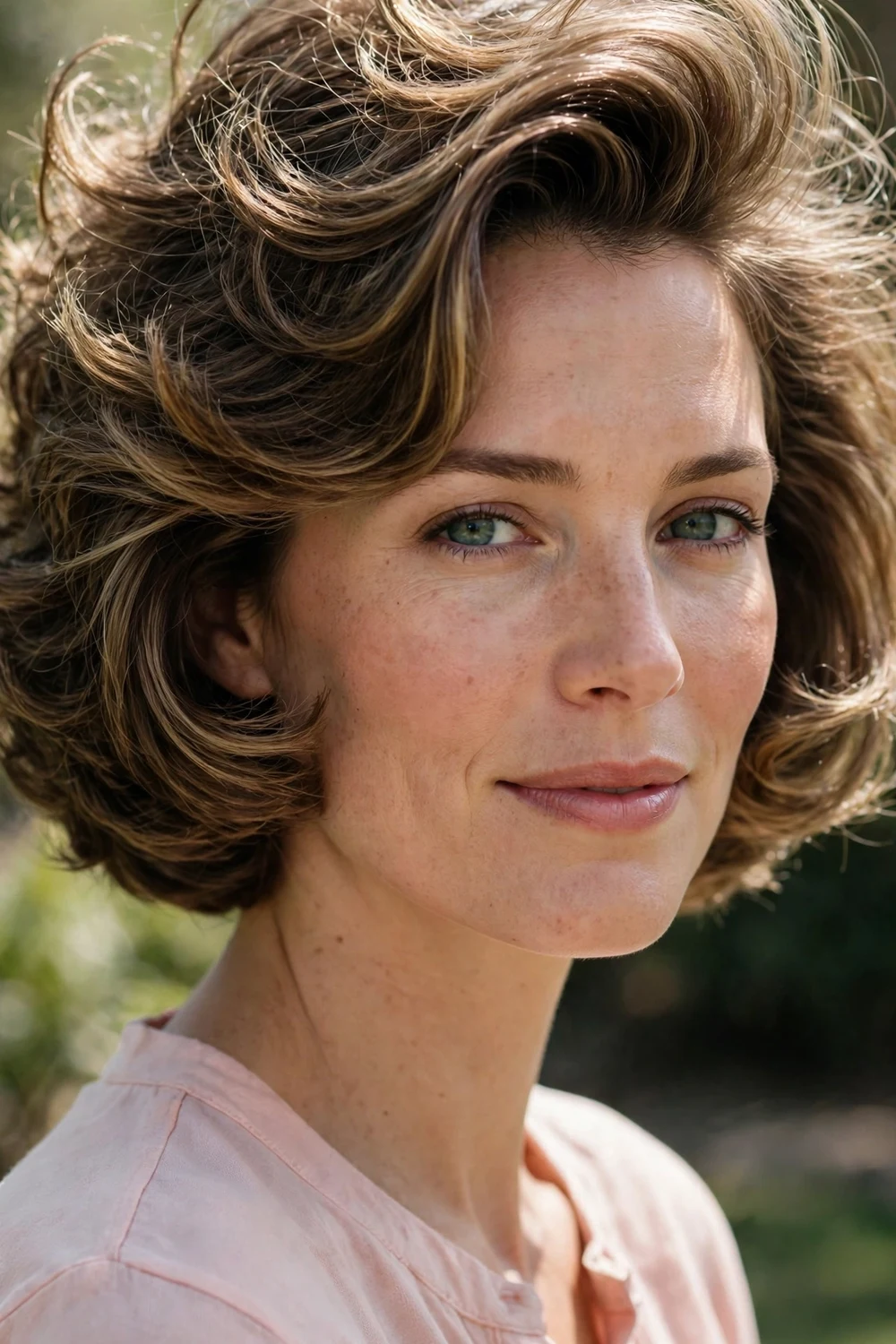
Voluminous, bouncy blow-dried styling turns the micro bob into a 90s-inspired statement. Layers cut for dimension through the crown give the blowout something to lift, and a large round brush builds the airy volume. This version needs the most daily effort of the micro bob haircuts here, about 15 minutes with a dryer, but the payoff is a full, swinging shape. It suits medium to thick hair that can hold volume; fine hair may need root powder to keep the lift.
Try this: flip your head forward for the first minute of drying; the upside-down roots set volume that lasts.
Styling: High · Cost: $55–$85
14. Faux Micro Bob

Not a cut at all: the faux micro bob pins longer hair up underneath to fake the micro length for a day. Curl the hair first, since curls read shorter, then tuck and pin the lengths under at the nape and smooth the top layer over. It is the commitment-free way to test-drive micro bob haircuts before booking the chop, and it photographs convincingly. The pins need checking through the day, so it suits events better than everyday wear.
Try this: use a 1-inch curling iron and plenty of texturizing spray; straight tucked hair slips out of pins.
Effort: Medium · Cost: $0 (DIY)
15. Micro Bob with Peekaboo Color

Hidden color panels underneath the top layer give this micro bob a surprise element that shows when the hair moves. The under-color can be a bold shade or a soft pastel; either way, the short length means the reveal is constant, not occasional. This is the priciest of the micro bob haircuts because the color needs bleaching and regular toning. The cut itself stays classic so the color remains the focus.
Try this: keep the top layer one solid natural shade; competing colors on top and underneath look busy at this length.
Color upkeep: High · Cost: $130–$220 (cut + color)
16. Freestyle Side-Part Micro Bob
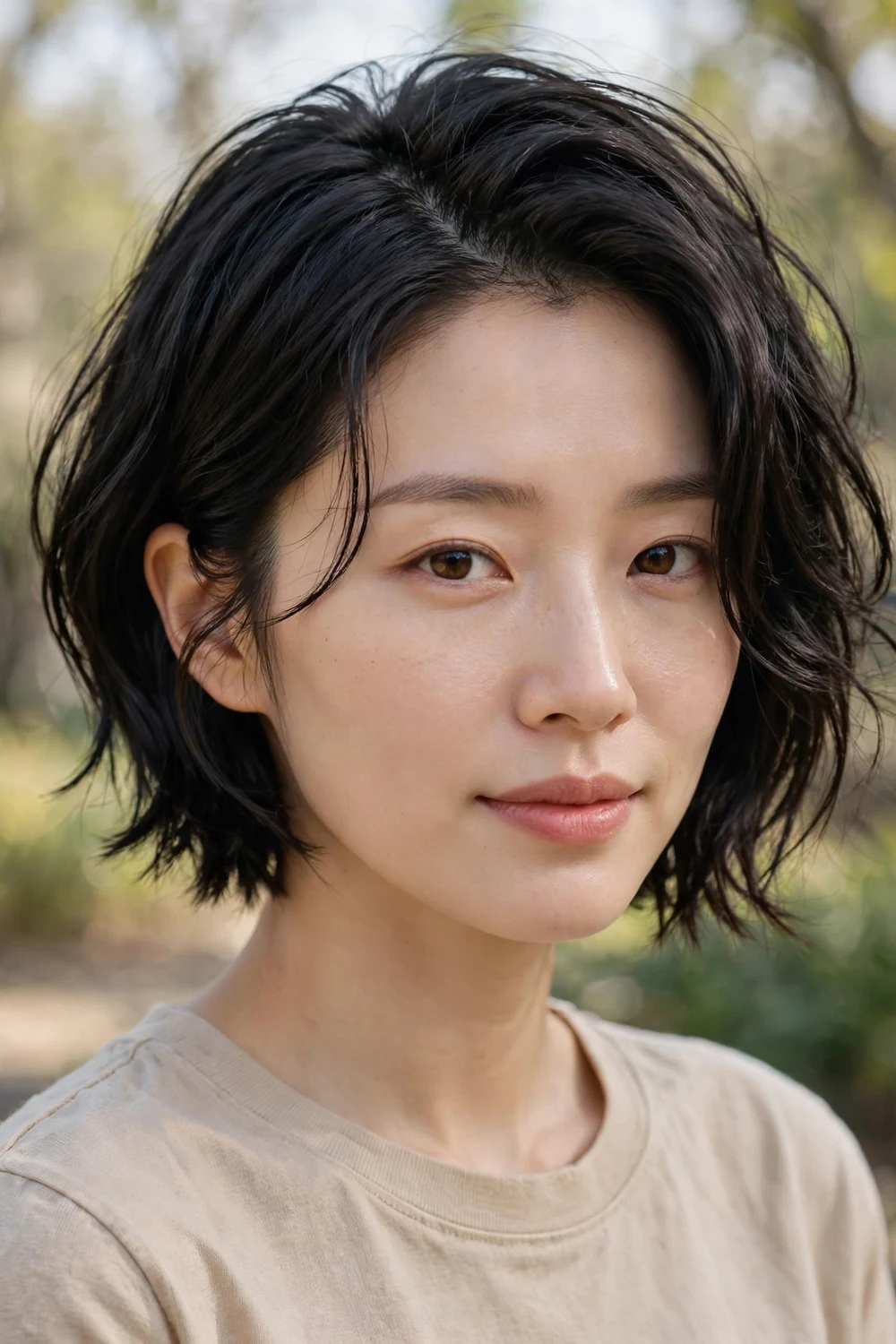
A deep side part with a rough, tousled finish gives this micro bob its off-duty character. The stylist parts the hair far to one side and keeps the length slightly uneven, which reads sleek and classy rather than messy. It suits straight hair best and needs almost no product: a light smoothing cream on the longer side is the whole routine. The asymmetry flatters square jawlines by breaking up the face’s width.
Try this: set the part while the hair is damp; dry hair fights a new part all day.
Maintenance: Low · Salon price: $45–$75
17. Curly Micro Bob

Cut dry and curl by curl, the curly micro bob packs natural texture into the shortest bob length. Shrinkage matters more here than in any longer curly cut: an inch of wet length can spring up two inches dry, so the stylist must cut with the final shape in mind. The result is a rounded, voluminous cap of curls that frames the face well. Diffuse on low heat or air-dry, and skip the brush entirely to keep definition.
Try this: ask for a dry cut from a curl-trained stylist; a wet cut at this length risks going far too short.
Effort: Low · Cost: $55–$90
18. Wavy Micro Bob

Soft, tousled waves keep the micro bob relaxed instead of severe. The waves are usually styled in with a small iron or a salt spray on natural wave, since the short length shows every bend clearly. This is the most wearable of the micro bob haircuts for wavy hair types, and it grows out better than the blunt versions because the texture hides the regrowth line. Second-day hair often looks better than freshly washed.
If your hair is fine, check bob hairstyles for fine hair for texture tips that add body at short lengths.
Try this: bend small sections in alternating directions with a 1-inch iron, then shake out; uniform waves look dated.
Styling: Low · Salon cut: $45–$75
Micro bob haircuts compared
| Variation | Defining feature | Best hair texture | Trim cycle |
|---|---|---|---|
| Classic | Even edge above jawline | Straight | 5–6 weeks |
| Blunt | One-length sharp edge | Straight, fine | 4–5 weeks |
| Choppy | Razor-cut rough ends | Fine to thick | 6–8 weeks |
| Layered | Short crown layers | Thick | 5–6 weeks |
| Bowl cut | Rounded all-around shape | Thick, straight | 5–6 weeks |
| Parisian + baby bangs | Cheekbone length, short fringe | Straight, fine-medium | 3–4 weeks (bangs) |
| Curly | Dry-cut natural curls | Curly | 6–8 weeks |
| Wavy | Tousled soft waves | Wavy | 6 weeks |
| Faux | Pinned-up fake length | All (long hair) | N/A |
| Peekaboo color | Hidden color panels | All textures | 4–6 weeks (tone) |
How to choose your micro bob
Start with your texture, because the micro length magnifies whatever your hair does naturally. Straight hair carries the blunt, classic, and Parisian versions with minimal effort; wavy hair belongs in the wavy, choppy, or freestyle versions; curly hair needs the curly version cut dry by a curl specialist. Then weigh your trim tolerance: baby bangs and blunt edges need the chair every 3 to 5 weeks, while choppy and wavy versions forgive two months of growth.
Avoid the two common mistakes. First, do not choose a version that needs daily heat if you will not use heat; the French blowout and Parisian micro bob look unfinished without it. Second, do not cut a micro bob wet on wavy or curly hair and hope for the best; shrinkage at this length is unforgiving, so insist on a dry cut. Whenever hot tools are involved, apply a heat protectant first, since the short ends are always visible and damage shows immediately. If you are unsure about the chop, try the faux micro bob for a weekend first.
For the bigger bob picture, browse bob hairstyles to see how the micro compares with longer types. And if you love short hair generally, cute easy hairstyles for short hair has styling ideas that work at this length.
Frequently asked questions
What is a micro bob haircut?
A micro bob is a bob cut above the jawline, sometimes as high as the cheekbone. It is the shortest bob length before the cut becomes a pixie, and it spotlights the cheekbones and eyes.
Who suits a micro bob?
Oval, heart-shaped, and narrow faces suit it best, since the short length exposes the jawline fully. Round faces can wear textured or side-parted versions that break up width, but blunt micro bobs tend to widen round faces.
How often does a micro bob need trimming?
Every 4 to 6 weeks for most versions. Blunt edges and baby bangs need attention every 3 to 4 weeks, while choppy and wavy versions can stretch to 8 weeks.
Can you get a micro bob with curly hair?
Yes. The curly micro bob is cut dry, curl by curl, to account for shrinkage. Ask for a curl-trained stylist, because a wet cut at this length often springs up far shorter than planned.
How do you style a micro bob at home?
Most versions need under 10 minutes: smooth with a flat iron for blunt looks, or scrunch in texturizing spray and air-dry for choppy and wavy looks. Use a heat protectant before any hot tool.
Final thoughts
The micro bob is small in length and big in effect. Pick the version that matches your texture and your trim tolerance, protect the ends from heat, and book the next appointment before you leave the salon. Short hair rewards consistency more than effort.

