


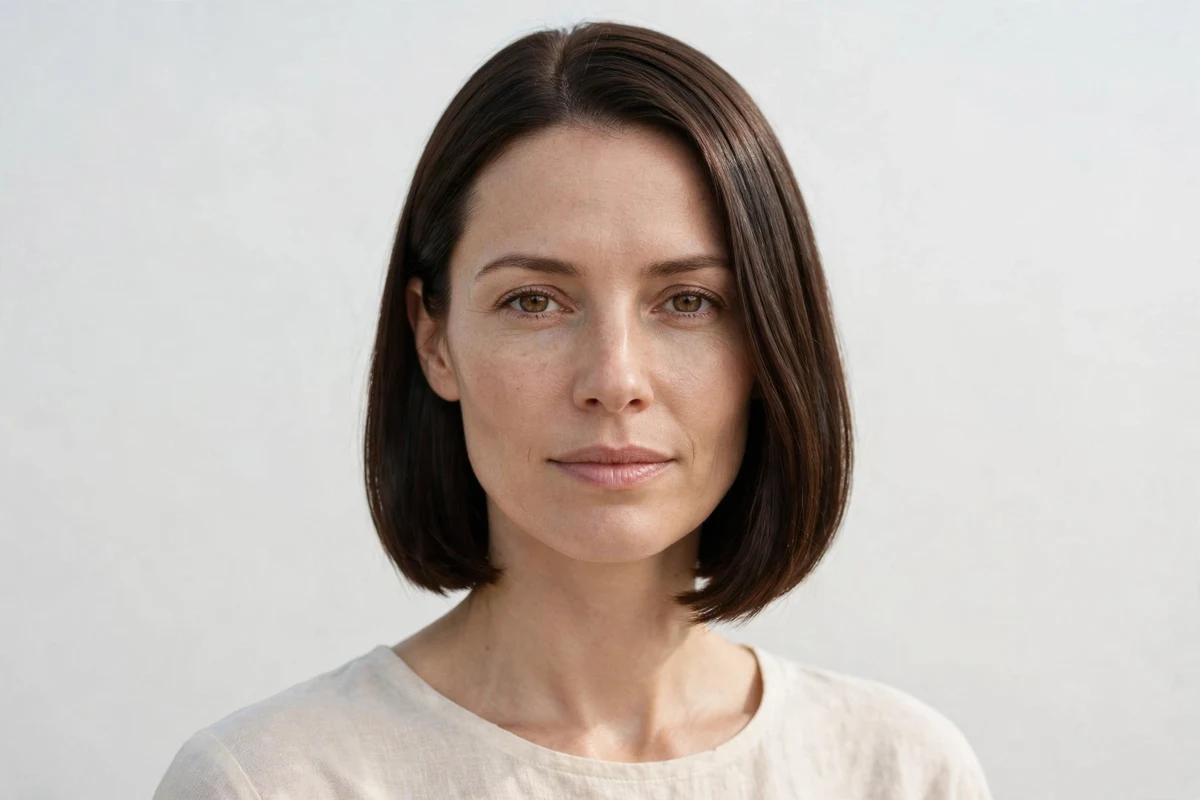
Straight hair shows every line of a haircut. That is both the risk and the reward of going short: a precise cut looks razor-sharp with almost no styling, while a lazy one falls flat by lunch. Going short was my first big hair change in a decade, and it taught me that the right technique matters more than the right product. This list covers 20 short haircut ideas for straight hair, from blunt bobs to undercut pixies, with honest notes on upkeep and cost for each one.
Quick takeaways
- Straight hair rewards precision: blunt, A-line, and micro bobs look sharpest on it.
- Texture techniques such as point cutting, razoring, and undercuts keep short cuts from looking flat.
- Layered ideas like shags, crops, and the bixby add the most visible volume.
- Most of these cuts need a trim every 4 to 6 weeks to hold their line.
- Talk through your hair’s density with your stylist before choosing an undercut or deep layers.
1. Classic Bob
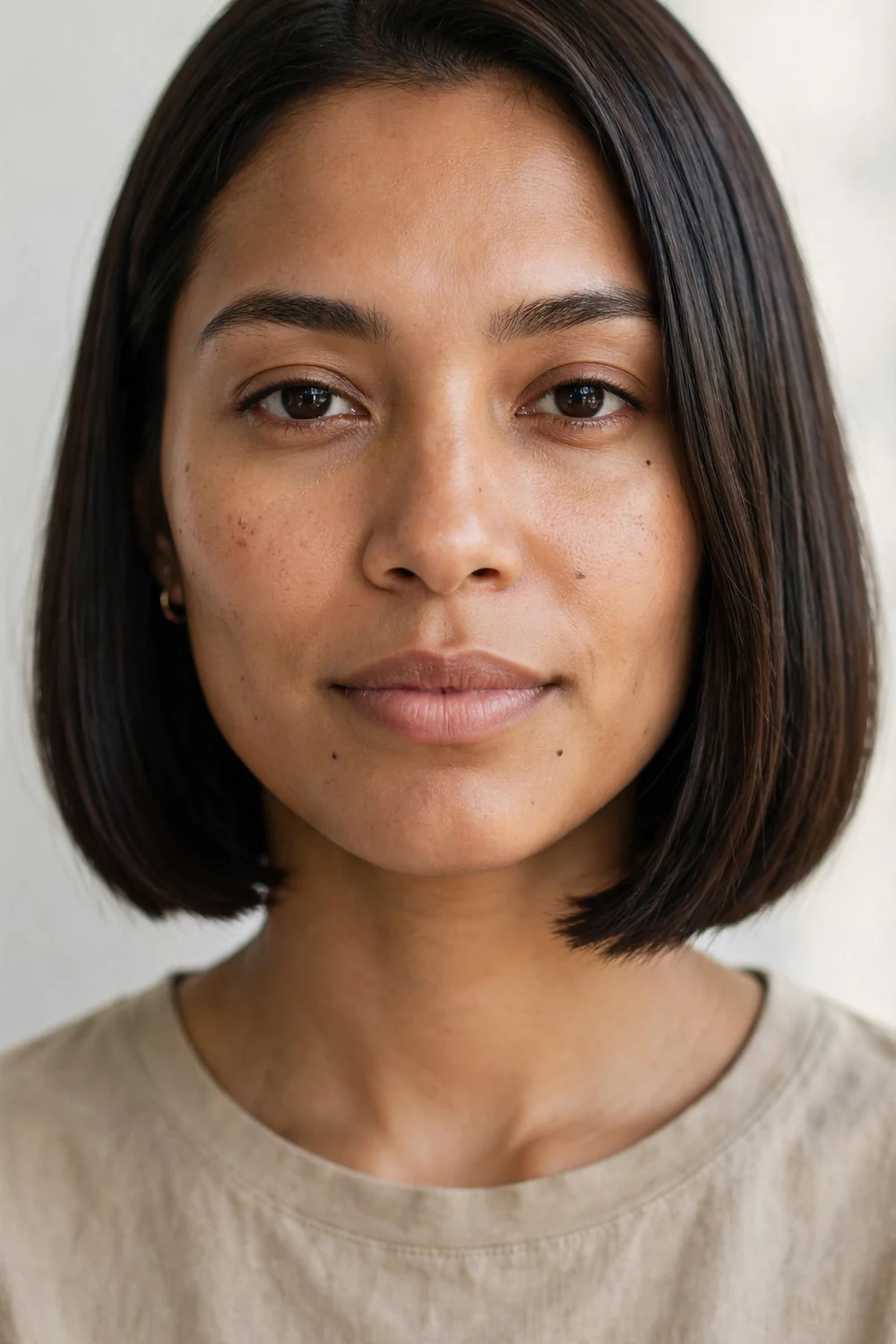
The one-length bob shows off straight hair at its cleanest. It sits between the chin and the neck, with a sharp bottom line so the perimeter looks dense and even. Without layers to hide behind, the silhouette stays crisp for weeks. It works well for medium to thick straight hair and most face shapes. Blow-dry with a paddle brush, then press the ends with a flat iron. Heat note: apply a heat protectant spray first. Try this: ask for a one-length bob with a clean perimeter and bring photos of your exact length. Difficulty: Easy | Cost: $35–$60
2. Pixie Cut
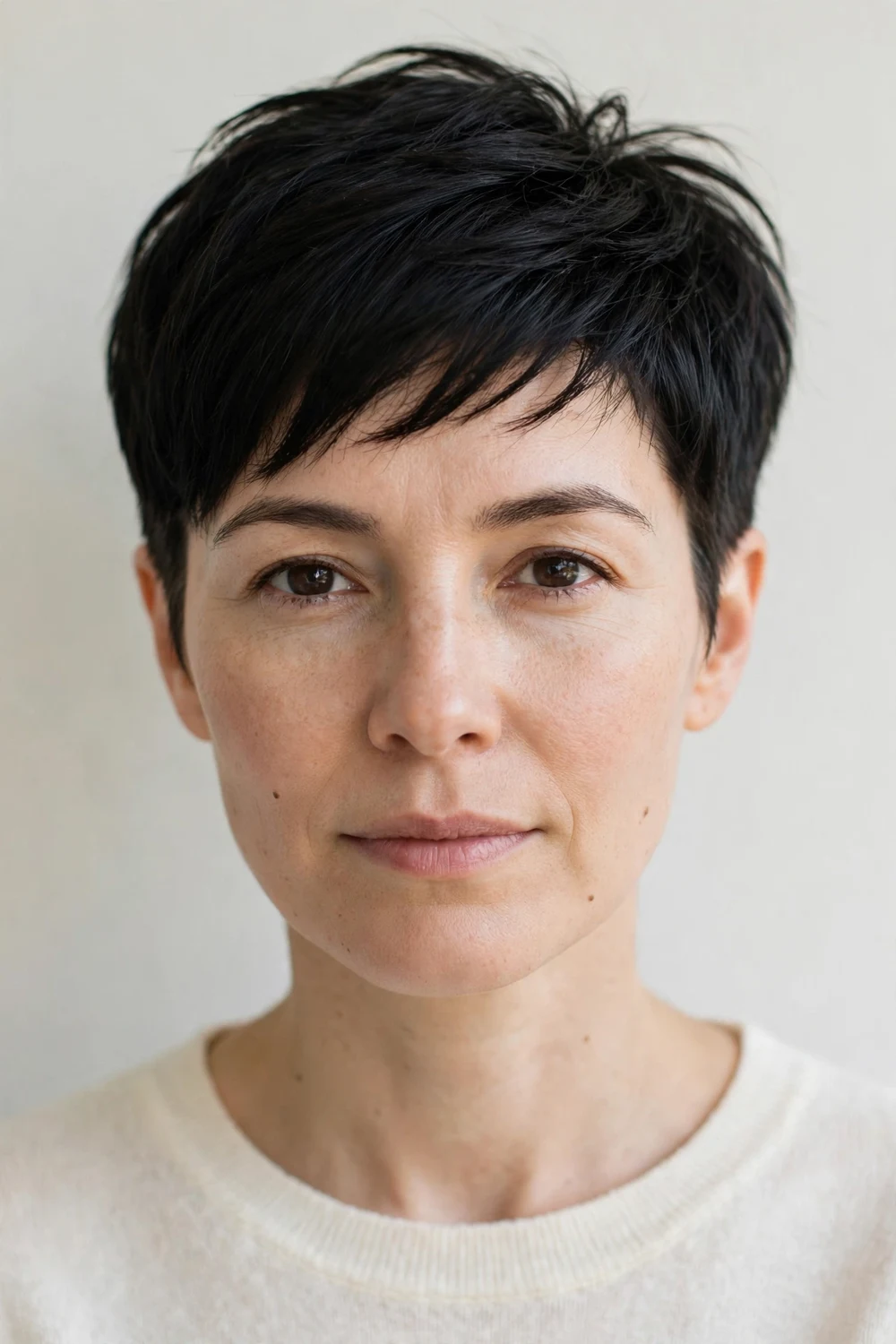
The pixie is the shortest route on this list. Straight hair makes it shine because each section lies exactly where it is cut, so the crown, sides, and fringe all read as intentional. Ask for a longer top with tapered sides for styling options, or go close-cropped for a wash-and-go cut. A pea-sized dab of matte paste through dry hair gives separation without weight. Try this: keep one side slightly longer for an asymmetric edge that flatters round faces. Difficulty: Easy–medium | Cost: $30–$55
For more pixie variations to compare side by side, browse our short pixie cuts roundup, which covers lengths from cropped to long pixies.
3. Sleek Lob
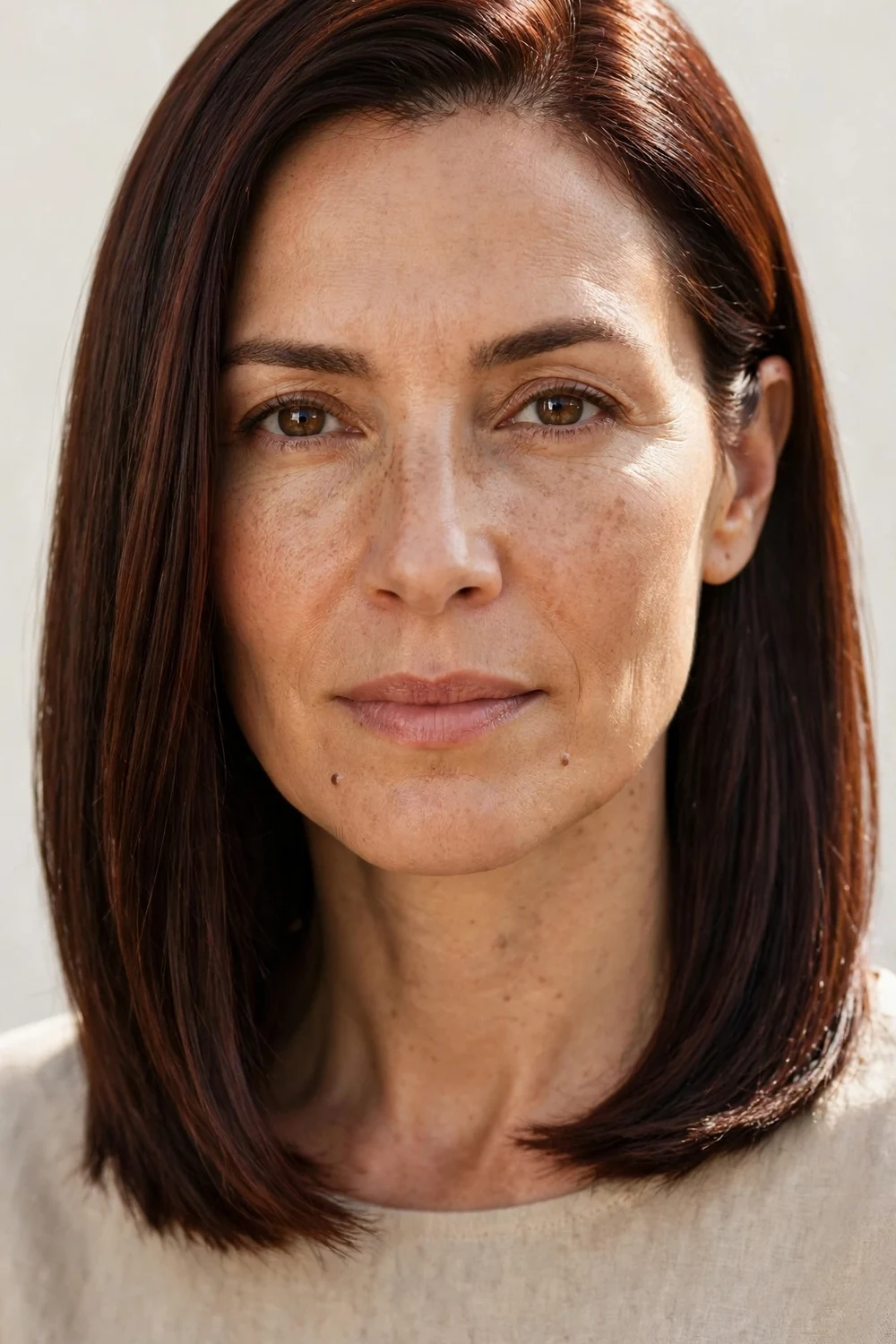
The lob, or long bob, is the longer end of short and a good middle ground if you are nervous about losing length. It falls around the collarbone with straight ends, which makes straight hair look thicker from the front. Wear it center-parted for symmetry or side-parted for softness. It air-dries well on straight hair, though a round brush gives the ends that tucked-under finish. Try this: ask for the ends cut blunt and the interior lightly thinned so thick hair does not puff outward. Difficulty: Easy | Cost: $40–$65
If you like this length, our layered bob hairstyles guide walks through lob versions with added movement.
4. Razored Lob
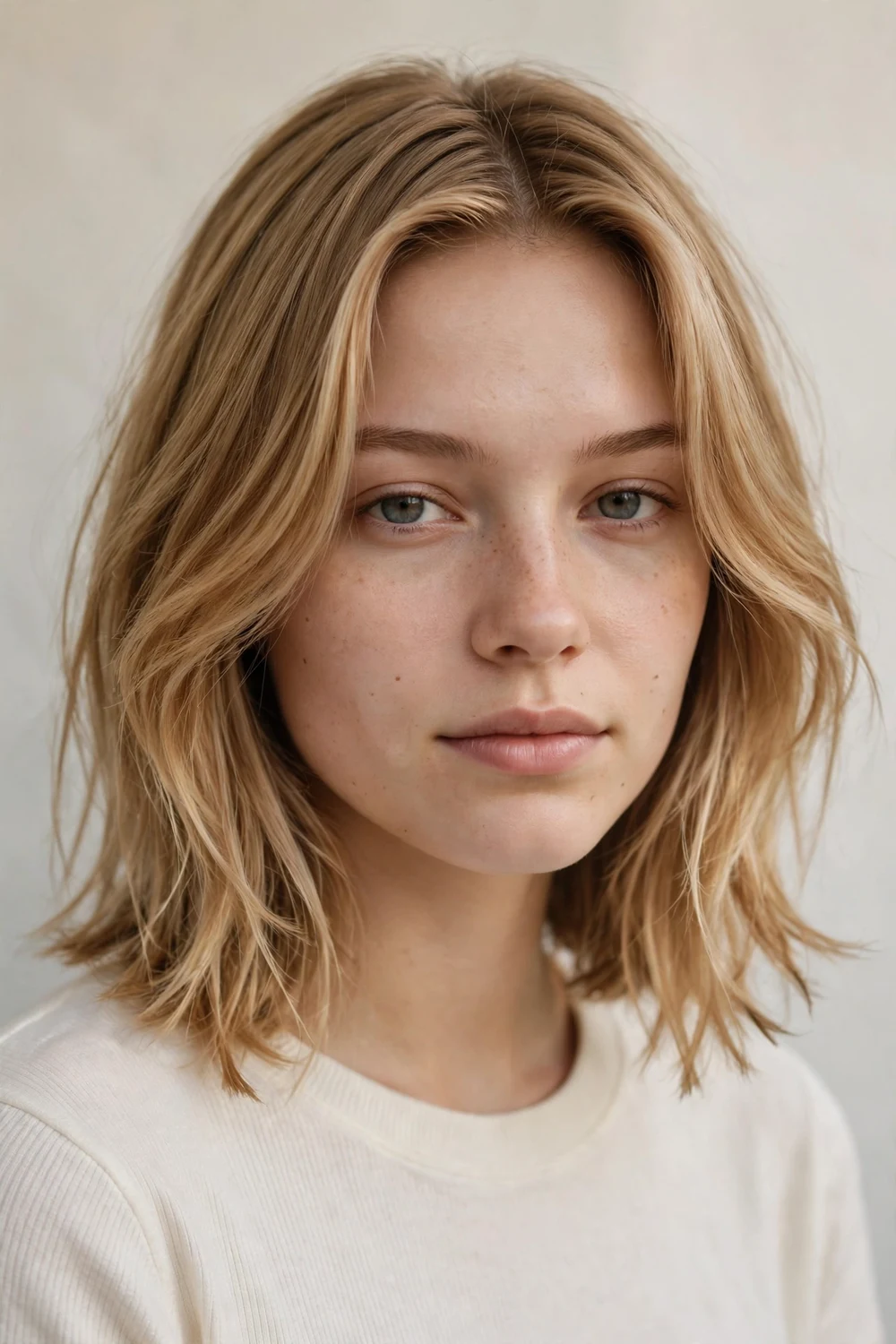
The razored lob is the textured cousin of the sleek version. Instead of scissors, the ends are cut with a razor, which creates soft, feathered edges that keep straight hair from looking heavy. The result is piecey and relaxed rather than polished. It suits medium and thick hair best, since the razor removes bulk that fine hair needs to keep. Scrunch in a lightweight texturizing spray on damp hair and let it air-dry. Try this: ask your stylist to razor only the last two inches so the top stays smooth and the texture lives at the ends. Difficulty: Medium | Cost: $45–$70
5. Blunt Cut
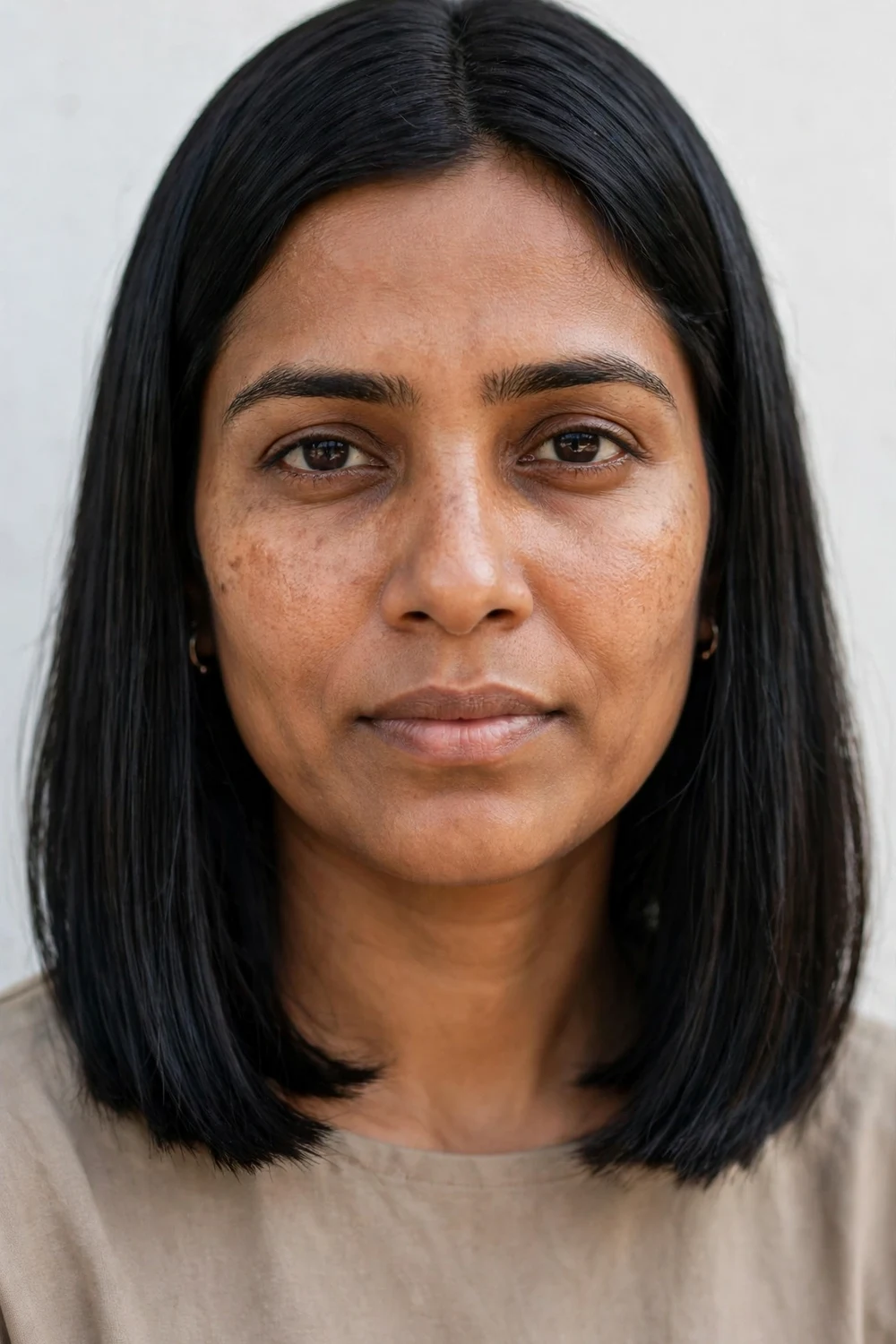
The blunt cut is one straight line all the way around, and straight hair is the only texture that shows it off fully. It usually lands just below the jaw, where the weight of the hair keeps the ends swinging as one piece. Fine hair looks noticeably fuller with a blunt perimeter because no strands are thinned away at the bottom. Tuck one side behind the ear for an instant asymmetric look. Heat note: use a heat protectant before straightening, since the blunt edge highlights any frizz. Try this: request a “heavy perimeter with zero layers” so the cut stays dense at the bottom. Difficulty: Easy | Cost: $35–$60
6. Middle-Part Straight Cut
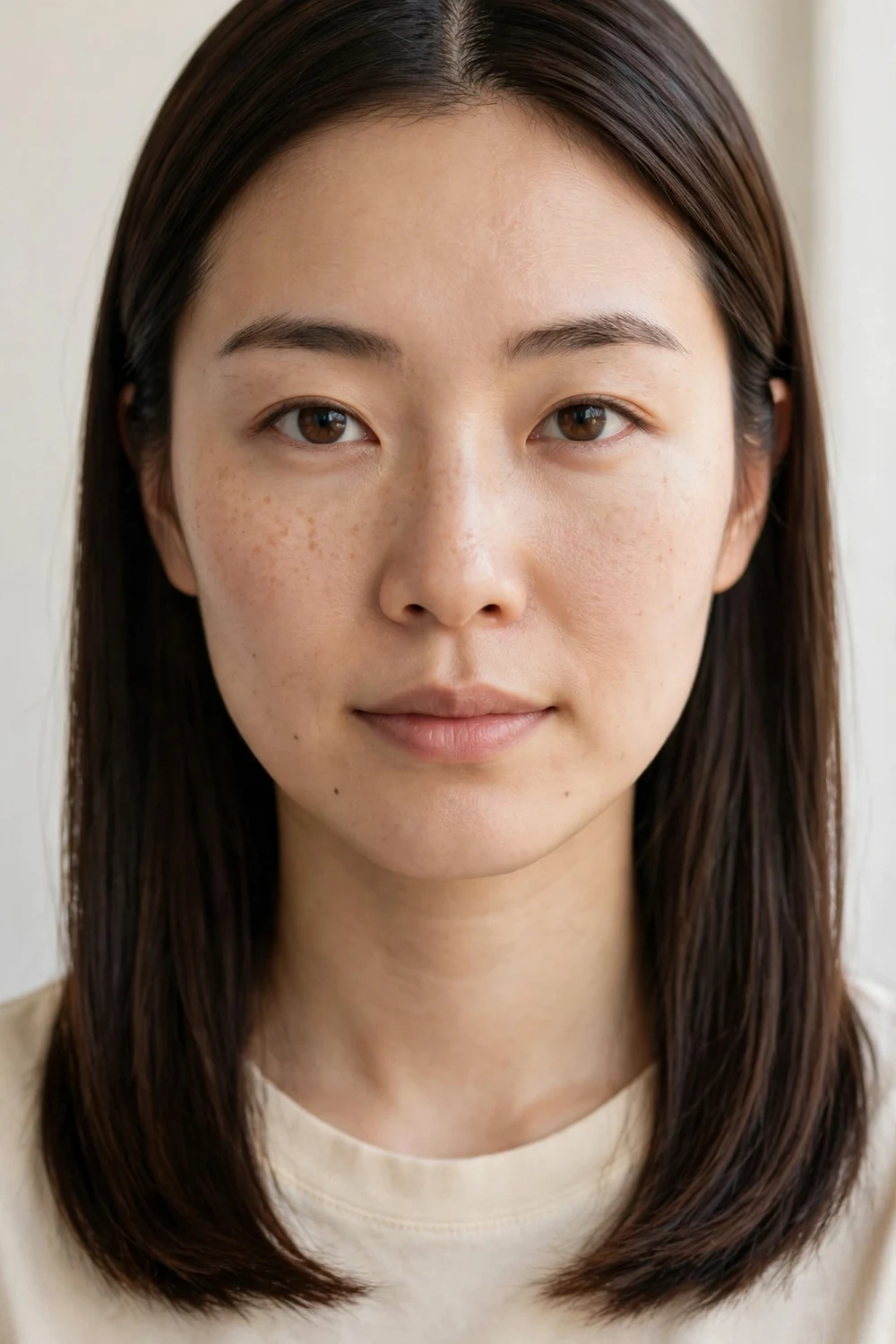
This cut is more about the part than the perimeter. Hair is cut to sit anywhere from chin to shoulder length, then worn with a dead-center part so both sides mirror each other. Straight hair holds a middle part better than any other texture, which is why this style looks so polished with minimal effort. It suits oval and heart-shaped faces particularly well. Try this: train the part while hair is damp by combing it into place and blow-drying the roots in that direction. Difficulty: Easy | Cost: $35–$60
7. Layered Shag
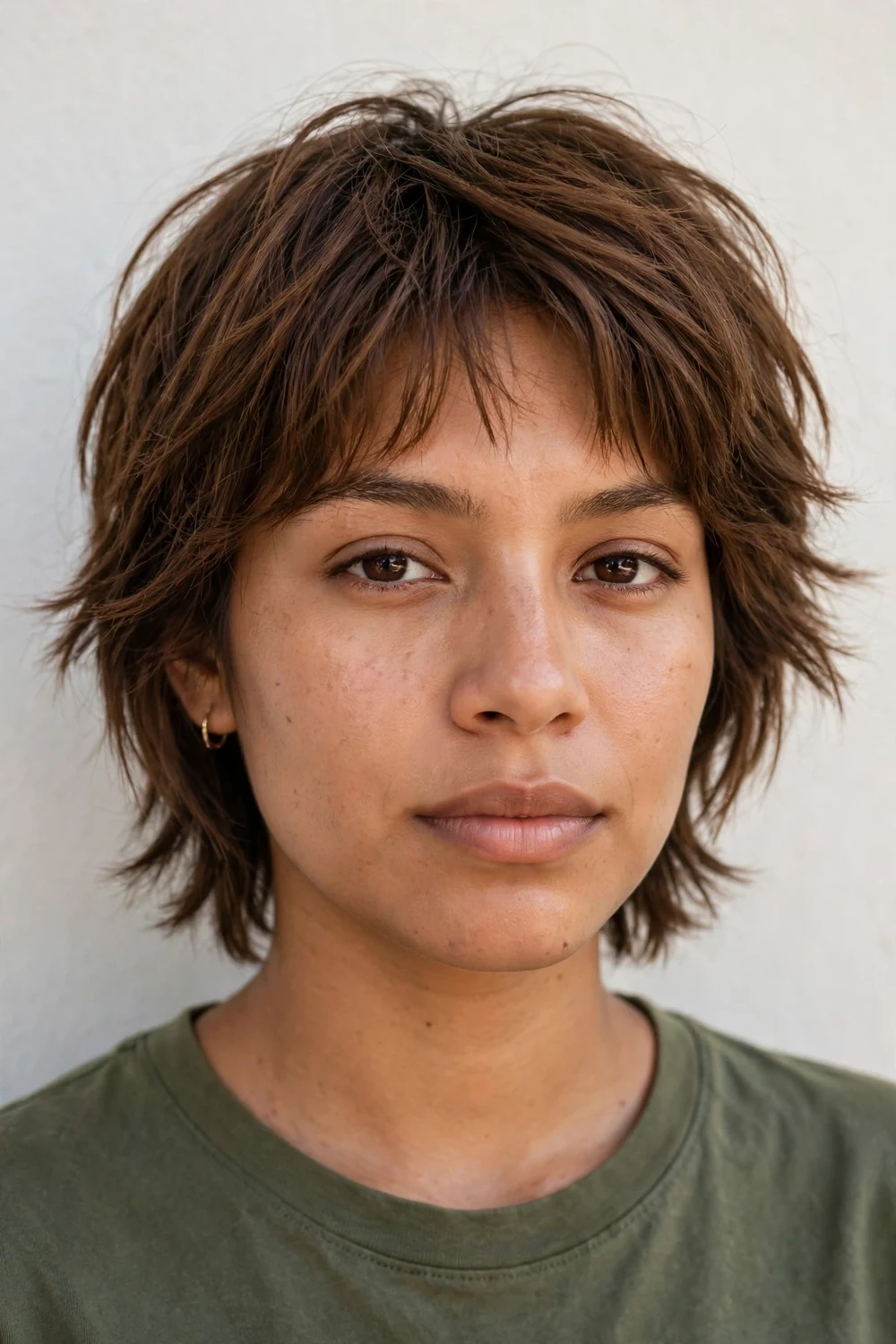
The shag is the answer when straight hair looks too flat. Short, choppy layers through the crown and around the face break up the smoothness and create movement that fine straight hair rarely gets on its own. The ends are thinned with point cutting so each layer sits slightly apart. It needs more styling than a bob: a volumizing mousse at the roots plus a rough blow-dry gives the lived-in shape. Try this: ask for “short crown layers with disconnected ends” and skip heavy serums that glue layers together. Difficulty: Medium | Cost: $45–$75
8. Chin-Length Bob
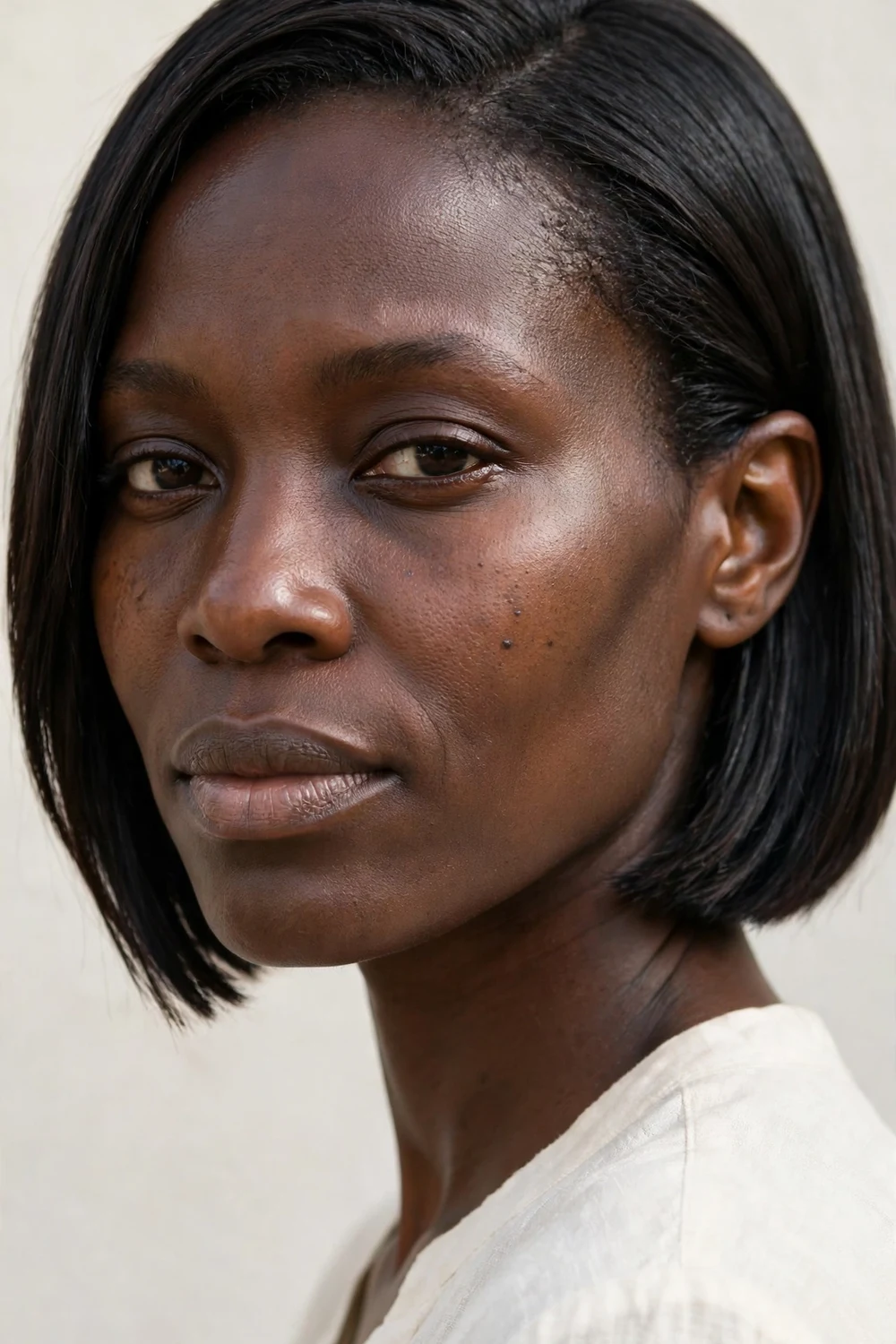
Shorter than the classic bob, the chin-length version stops right at the jawline and makes a graphic statement. Straight hair holds the sharp line perfectly, which draws attention to the cheekbones and jaw. It works best on fine to medium hair; very thick hair may need the ends thinned so the cut does not widen at the chin. Tuck it behind both ears for a clean daytime look or wear it loose with a deep side part at night. Try this: have your stylist check the line from the front and back, since any unevenness shows at this length. Difficulty: Easy | Cost: $35–$60
9. A-Line Bob
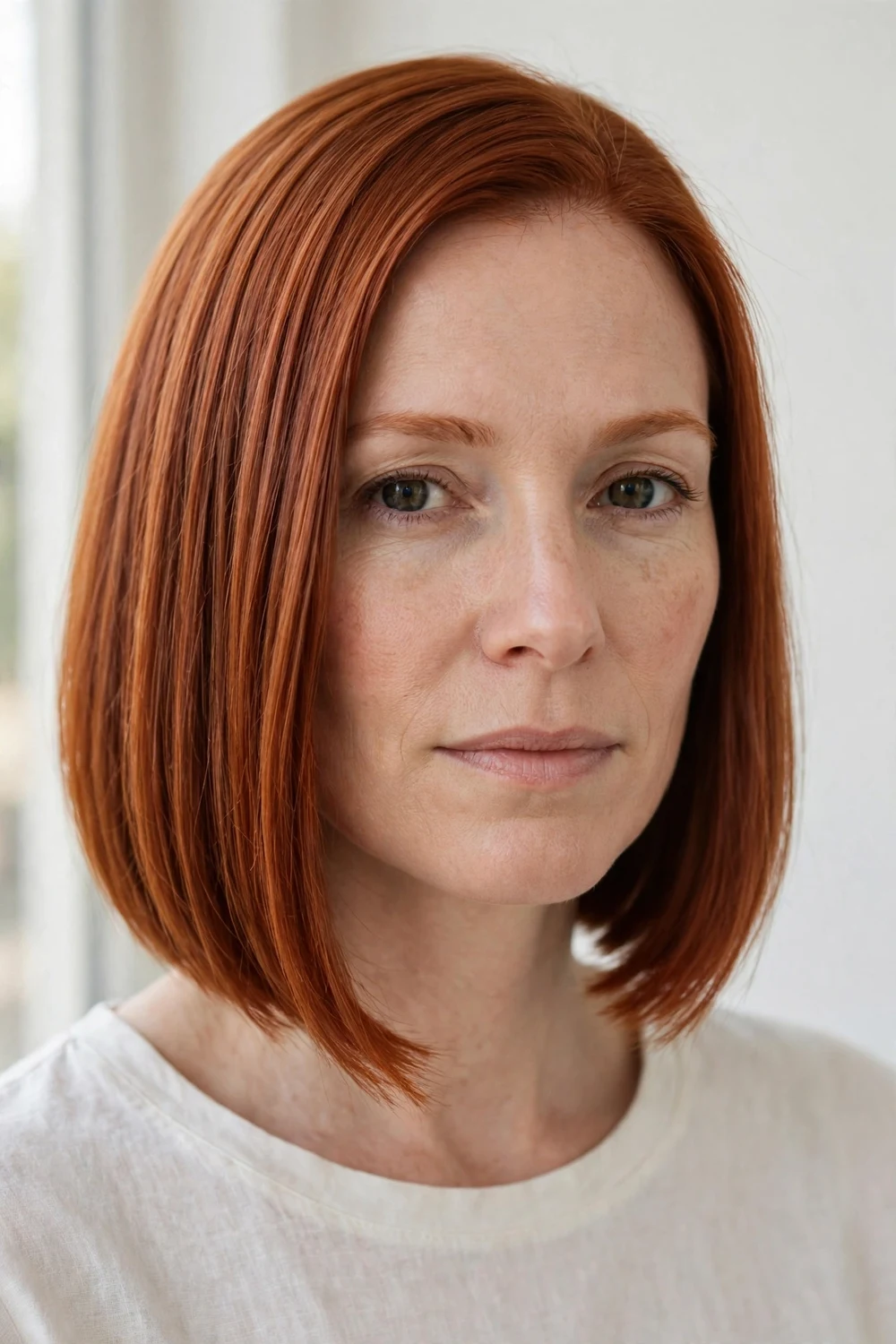
The A-line bob is cut shorter at the back and angles longer toward the front, which is why it is also called the inverted bob. On straight hair the angle reads as one smooth diagonal, giving the cut a sleek, forward-moving shape. It suits fine to medium hair and helps longer face shapes look balanced because the front pieces frame the jaw. Stacking at the nape adds lift at the back for flat hair. Try this: ask how steep you want the angle; a subtle slope looks office-friendly while a sharp drop looks edgier. Difficulty: Medium | Cost: $40–$70
10. Asymmetrical Cut
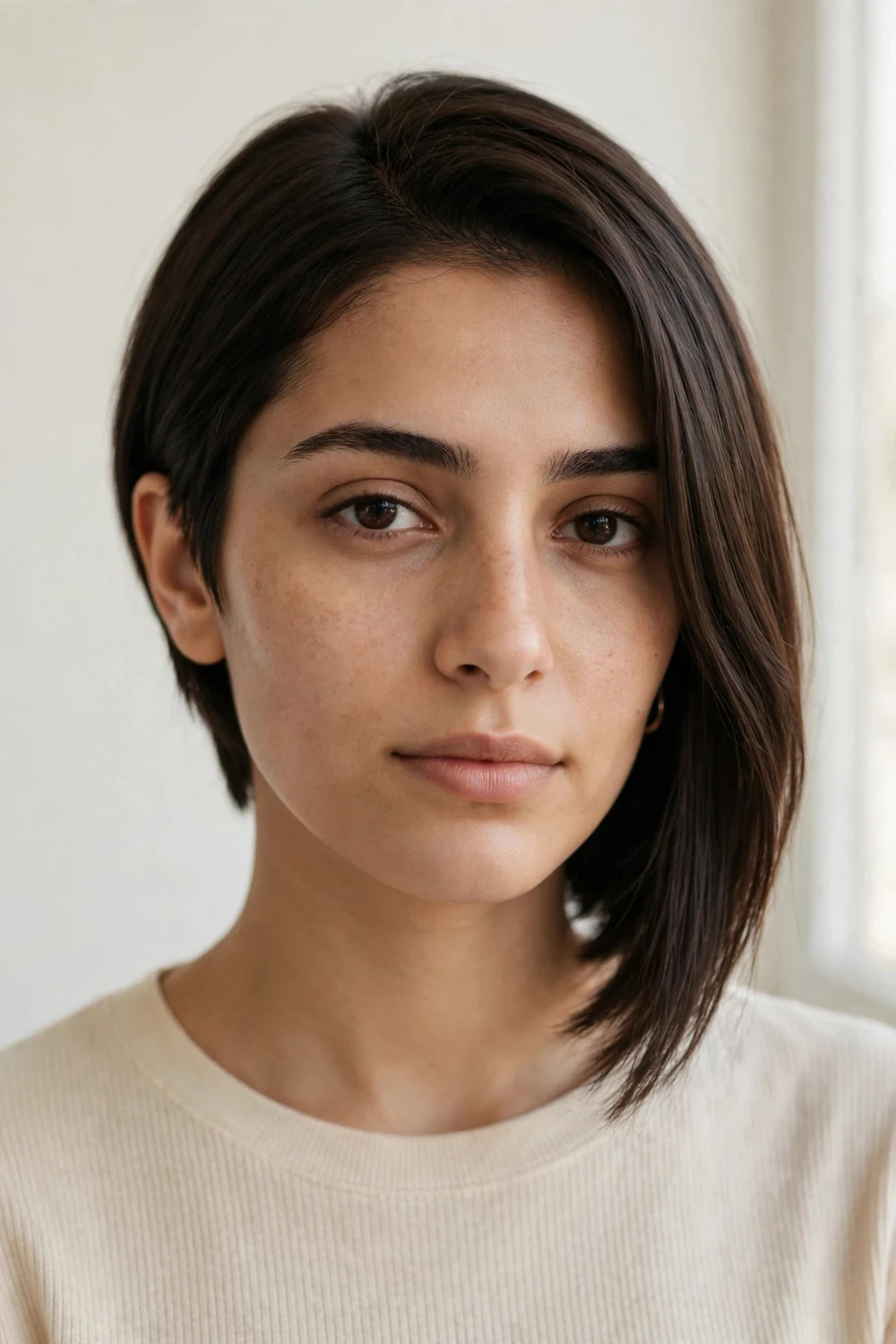
One side longer than the other: that single choice turns a simple pixie or lob into a statement. Straight hair is ideal for asymmetry because the length difference stays crisp and readable instead of blurring into texture. It flatters round and square faces by breaking up symmetry. The catch is maintenance, since the long side outgrows the line faster than the short side. Try this: start with a two-inch difference between sides; you can always go bolder at the next appointment. Difficulty: Medium | Cost: $40–$65
11. Textured Crop
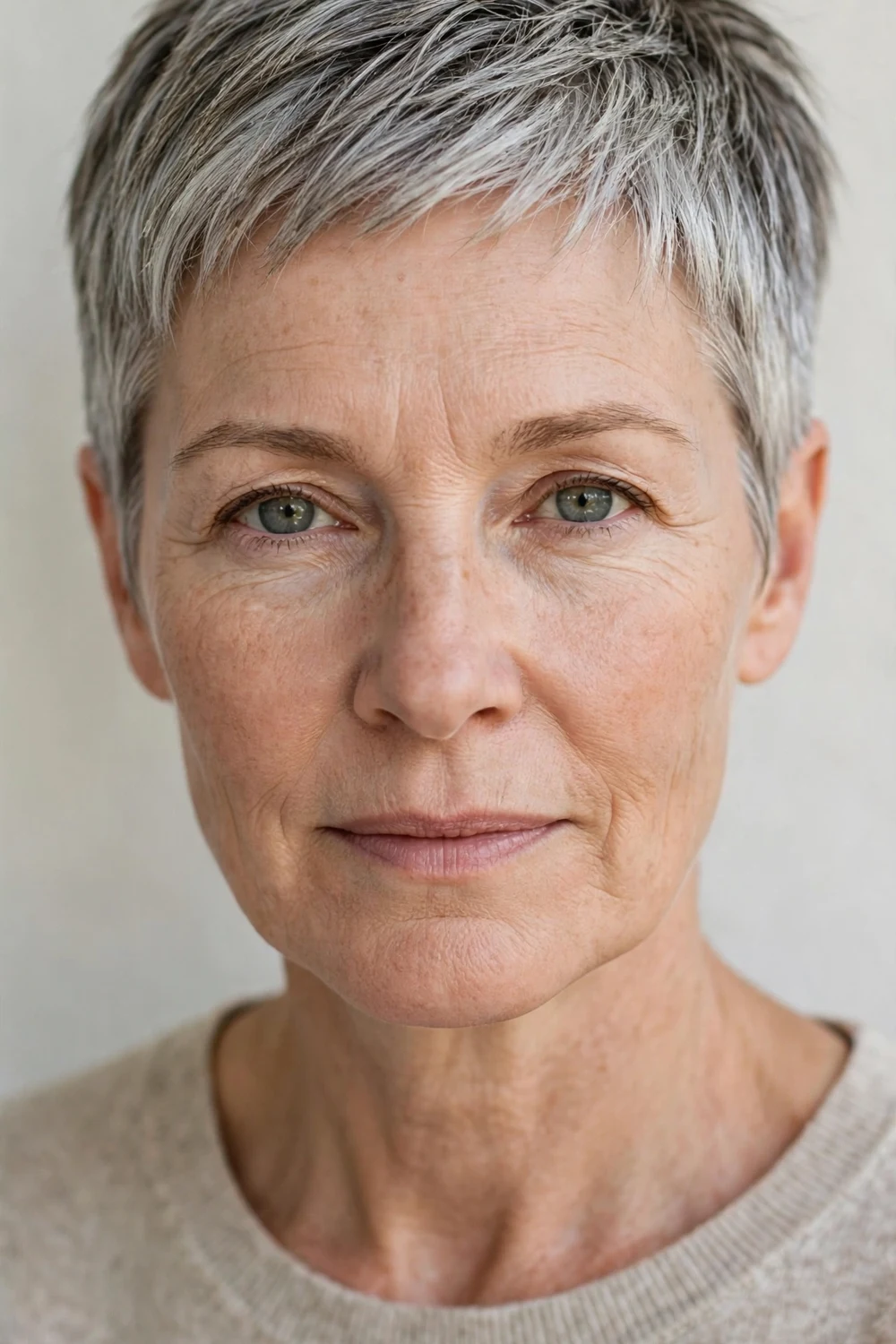
The textured crop is short all over with point-cut or razor-cut ends that keep straight hair from lying too flat. It usually leaves a couple of inches on top with shorter, tapered sides. This is one of the lowest-effort cuts here: towel-dry, rub in a little clay or paste, and push the top forward or to the side. It suits thick straight hair especially well because the texture removes bulk without layers. Try this: ask for “short with heavy point cutting on top” rather than thinning shears, which can leave straight ends looking wispy. Difficulty: Easy | Cost: $35–$60
12. Bold Undercut
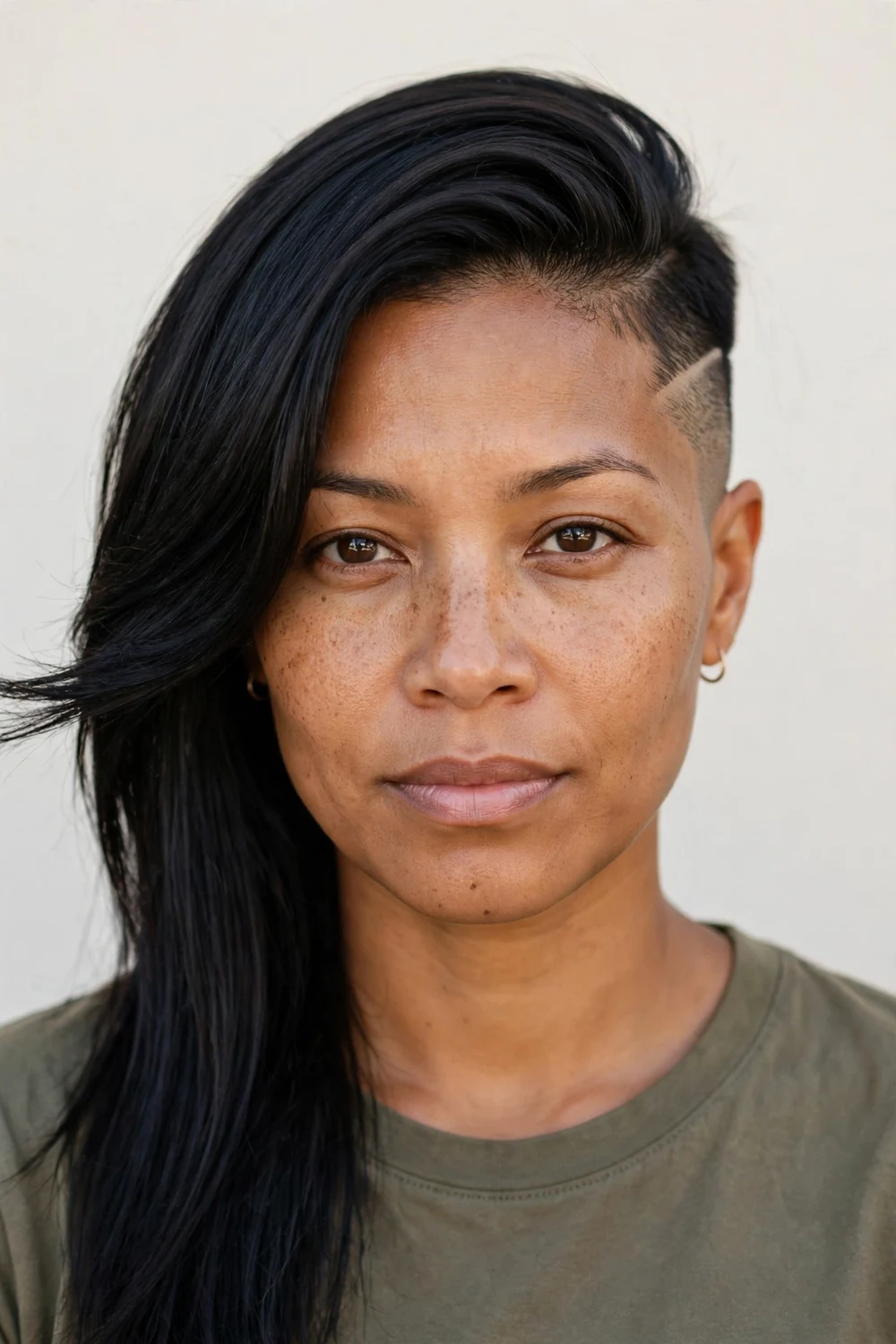
The undercut clips the sides and nape close while leaving the top long enough to style over them. On straight hair the contrast is striking: smooth length on top, clean tight fades below. It removes serious weight, so thick straight hair becomes far easier to manage. The shaved sections need a touch-up every 3 to 4 weeks or the line goes soft. Try this: start with just the nape undercut so you can hide it under the top layer if you change your mind. Difficulty: Medium–hard | Cost: $45–$80
Undercuts pair with many lengths and textures; see our undercut hairstyles for women guide for styling ideas beyond short cuts.
13. Side-Swept Bangs
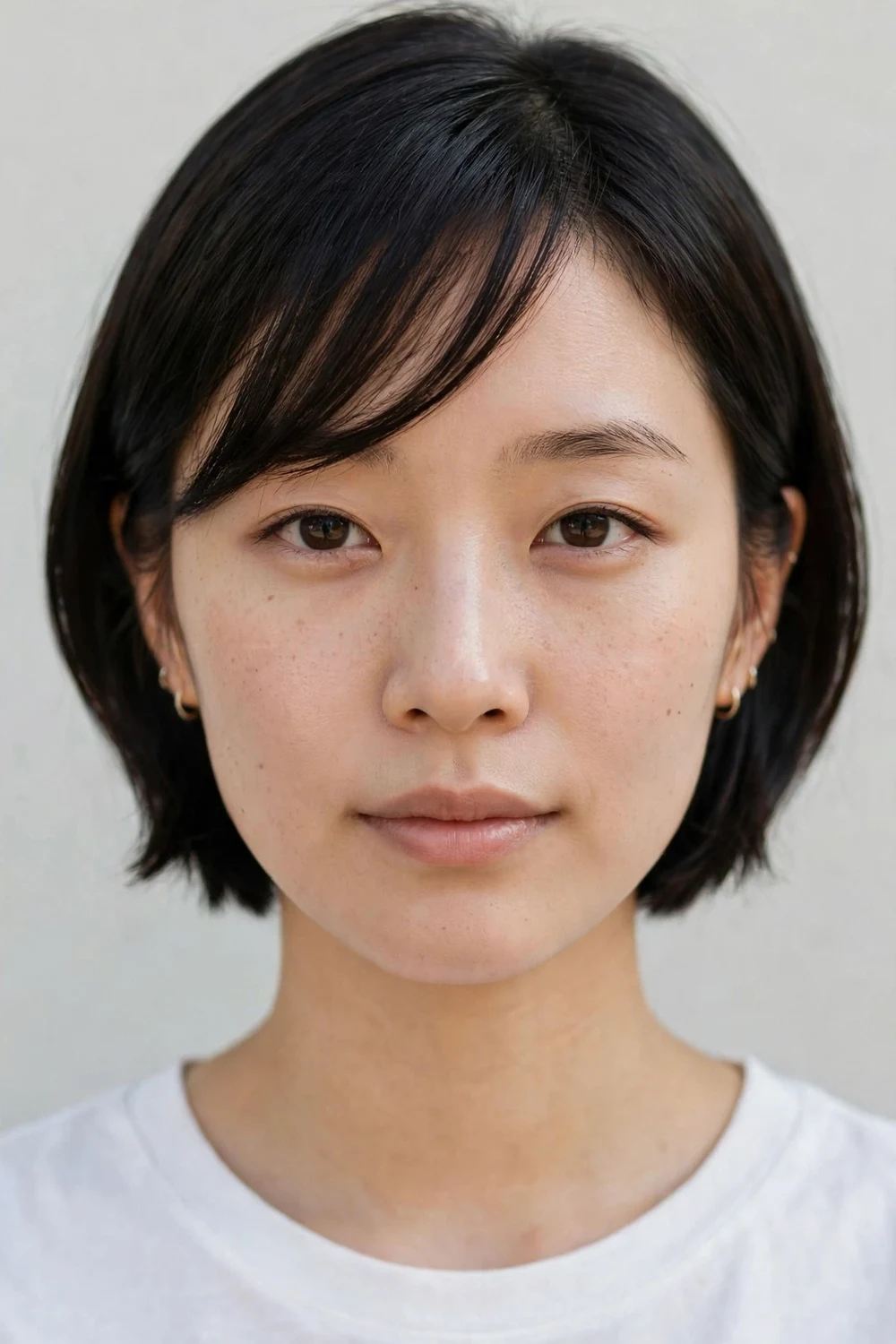
Side-swept bangs change a short cut without changing its length. The fringe is cut on a diagonal and worn sweeping across the forehead, which softens the hard lines of a bob or pixie. Straight hair takes to this style easily because the sweep stays in place instead of flipping. They need trimming every 3 to 4 weeks to keep them out of the eyes. Try this: blow-dry the fringe in the sweep direction with a small round brush so it sets with a natural curve. Difficulty: Easy | Cost: $25–$45 as an add-on trim
14. Curtain Bangs with Layers
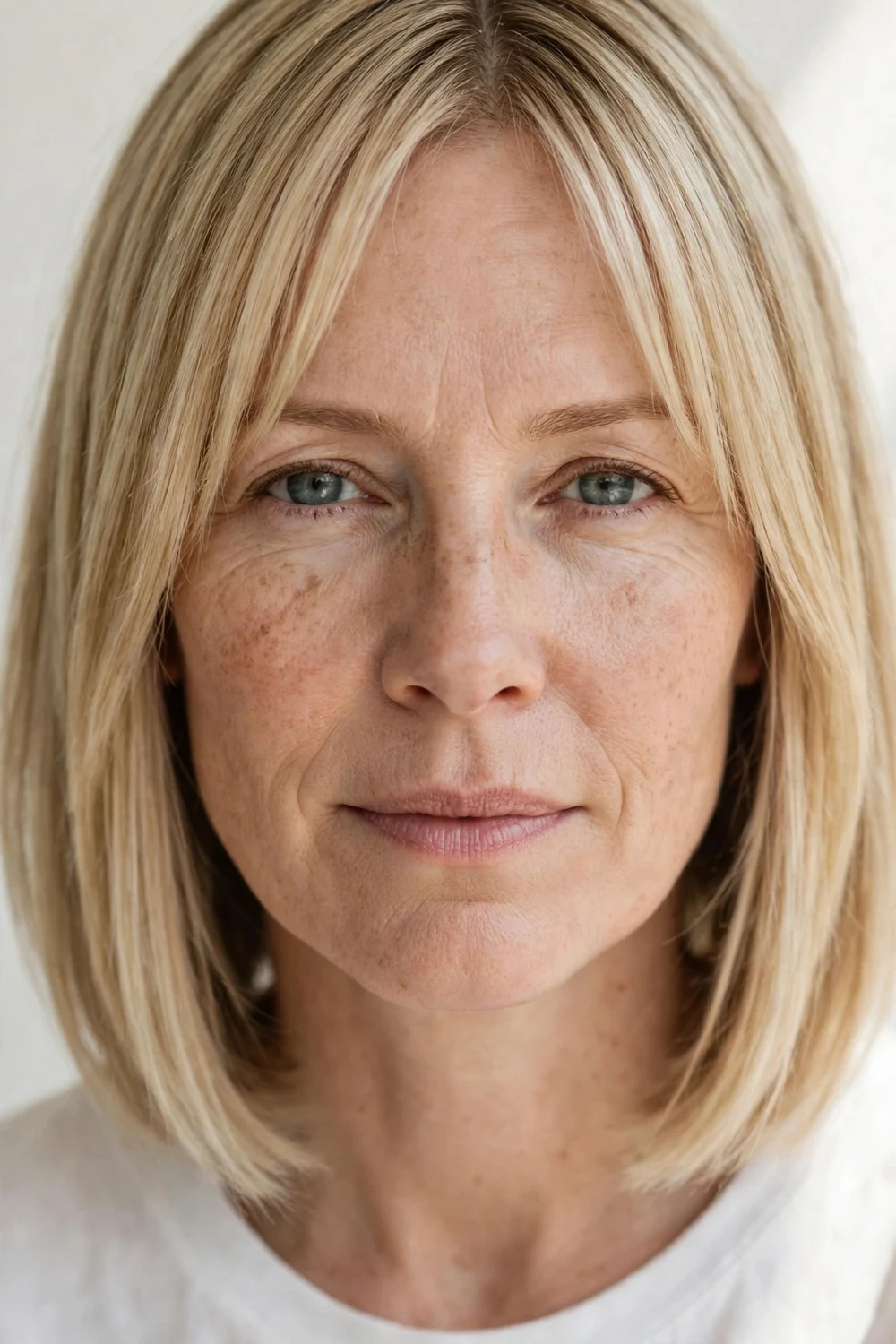
Curtain bangs are parted in the middle and angle down on each side, framing the face like drawn-back curtains. Paired with face-framing layers on a bob or shag, they give straight hair softness without curl. Because they are longer than a classic fringe, they grow out gracefully and pin back easily. Style them by wrapping each side around a round brush and blow-drying away from the face. Try this: ask for the bangs to start at cheekbone length so they blend into the layers instead of hanging as a separate fringe. Difficulty: Medium | Cost: $40–$65
15. French Bob
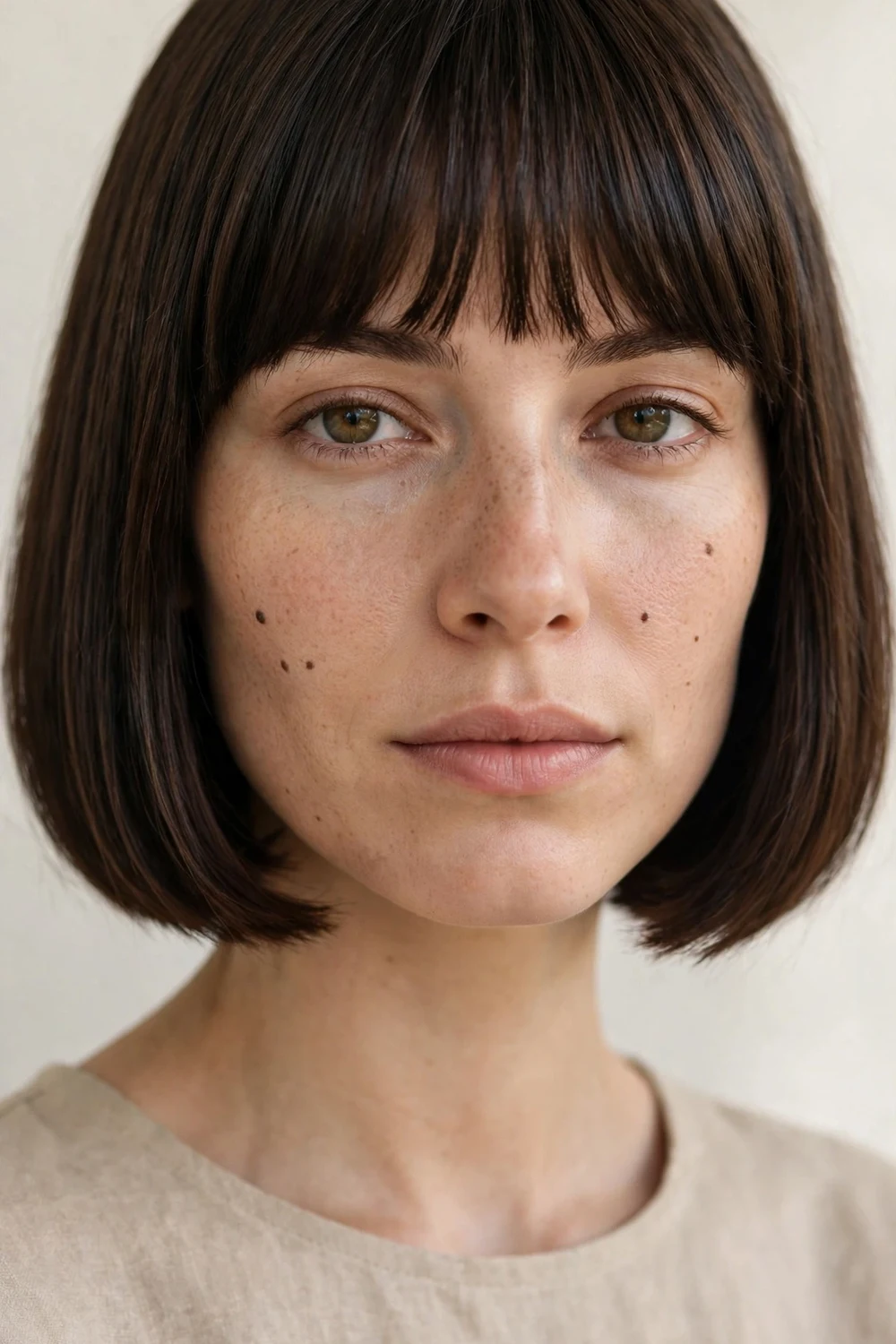
The French bob is a jaw-length cut with a full fringe and slightly rounded shape, inspired by the classic Parisian crop. Straight hair is the right texture for it because the blunt fringe and curved silhouette both rely on clean lines. Keep the length at or just below the jawline; longer and it loses the French character. A tiny bit of root lift at the crown stops the shape from looking helmet-like. Try this: pair it with a short, brow-skimming fringe first, since you can always trim it shorter later. Difficulty: Easy–medium | Cost: $40–$65
16. Long Pixie
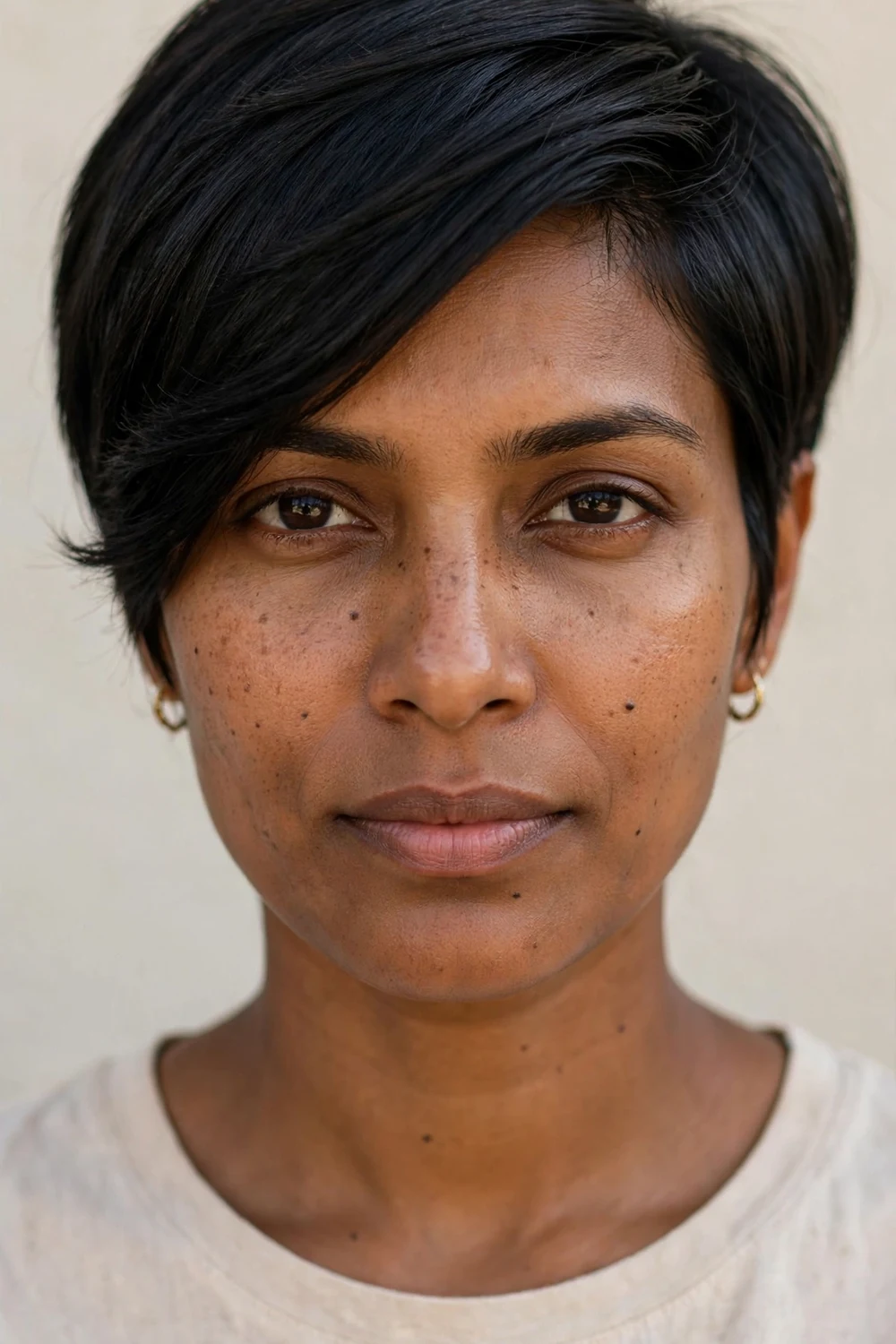
The long pixie keeps the tapered back and sides of a classic pixie but leaves the top and fringe several inches longer. Straight hair makes it versatile: slick it back for a polished evening look or push it forward for casual texture. It is also the easiest pixie to grow out, since the length disguises the awkward stages. Ask for the layers cut with scissors rather than clippers on top to keep the ends soft. Try this: use a pea-sized amount of smoothing cream on the longer sections to control flyaways without flattening the shape. Difficulty: Easy | Cost: $30–$55
17. Undercut Pixie
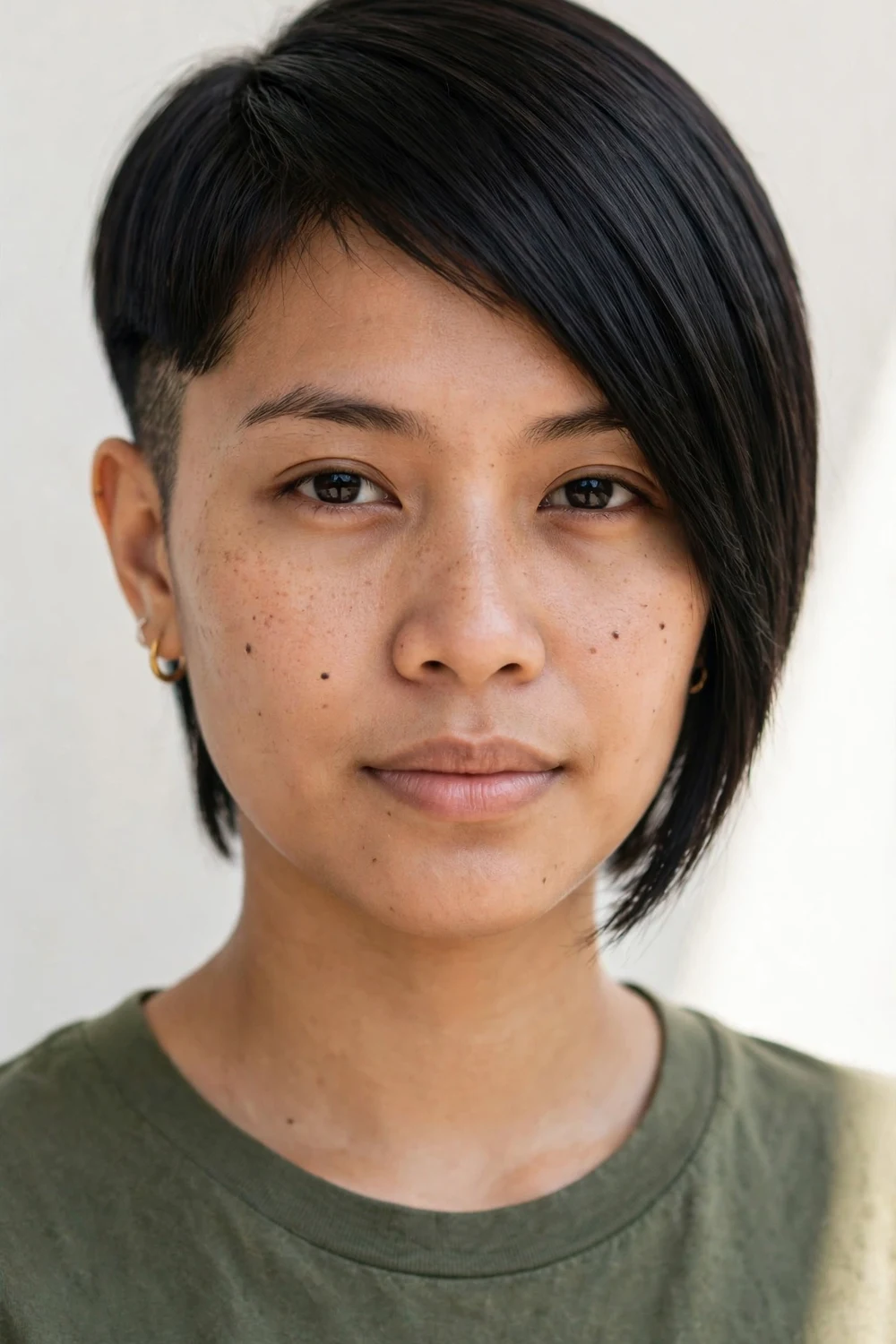
The undercut pixie combines a shaved or closely clipped nape and sides with a long, straight top that covers them. It is a strong choice for thick straight hair because the undercut removes hidden bulk, making the top lighter and easier to style. Wear the top down to keep the shave a secret, or sweep it to one side to show it off. The clipped sections need reshaping every 3 to 4 weeks. Try this: bring reference photos that show exactly where the undercut starts, since placement changes the whole look. Difficulty: Medium | Cost: $45–$75
18. Micro Bob
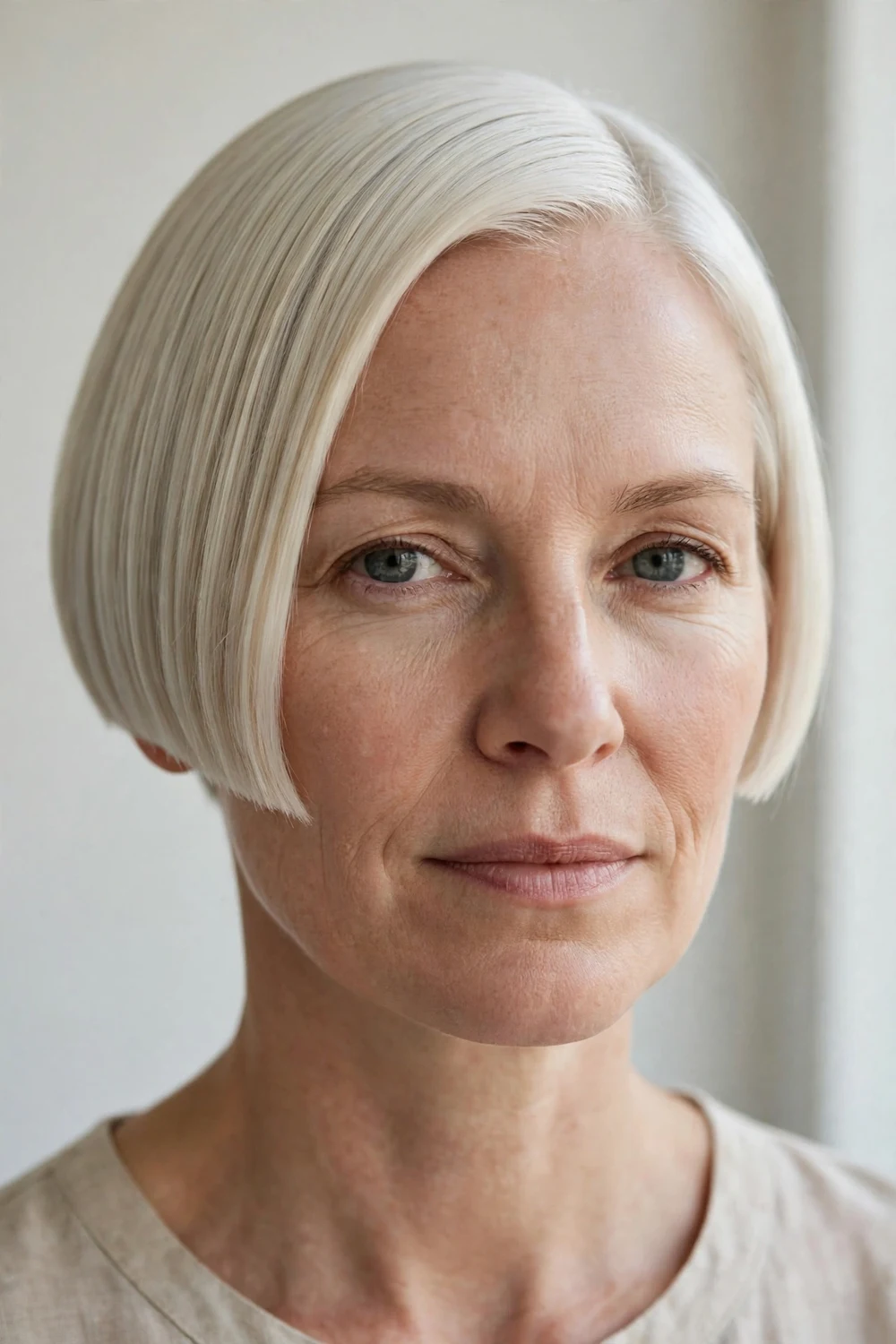
The micro bob sits above the jaw, often grazing the ears, with the same sharp perimeter as its longer siblings. Straight hair is almost a requirement, since the ultra-short line needs strands that lie flat and even. It puts full focus on the eyes, cheekbones, and jaw. Styling takes minutes: a quick pass with a flat iron and a drop of shine serum. Heat note: apply a heat protectant first and keep the temperature moderate. Try this: ask for a dry cut if your hair shrinks when it dries, so the length is exact. Difficulty: Medium | Cost: $35–$60
19. Bixby Cut
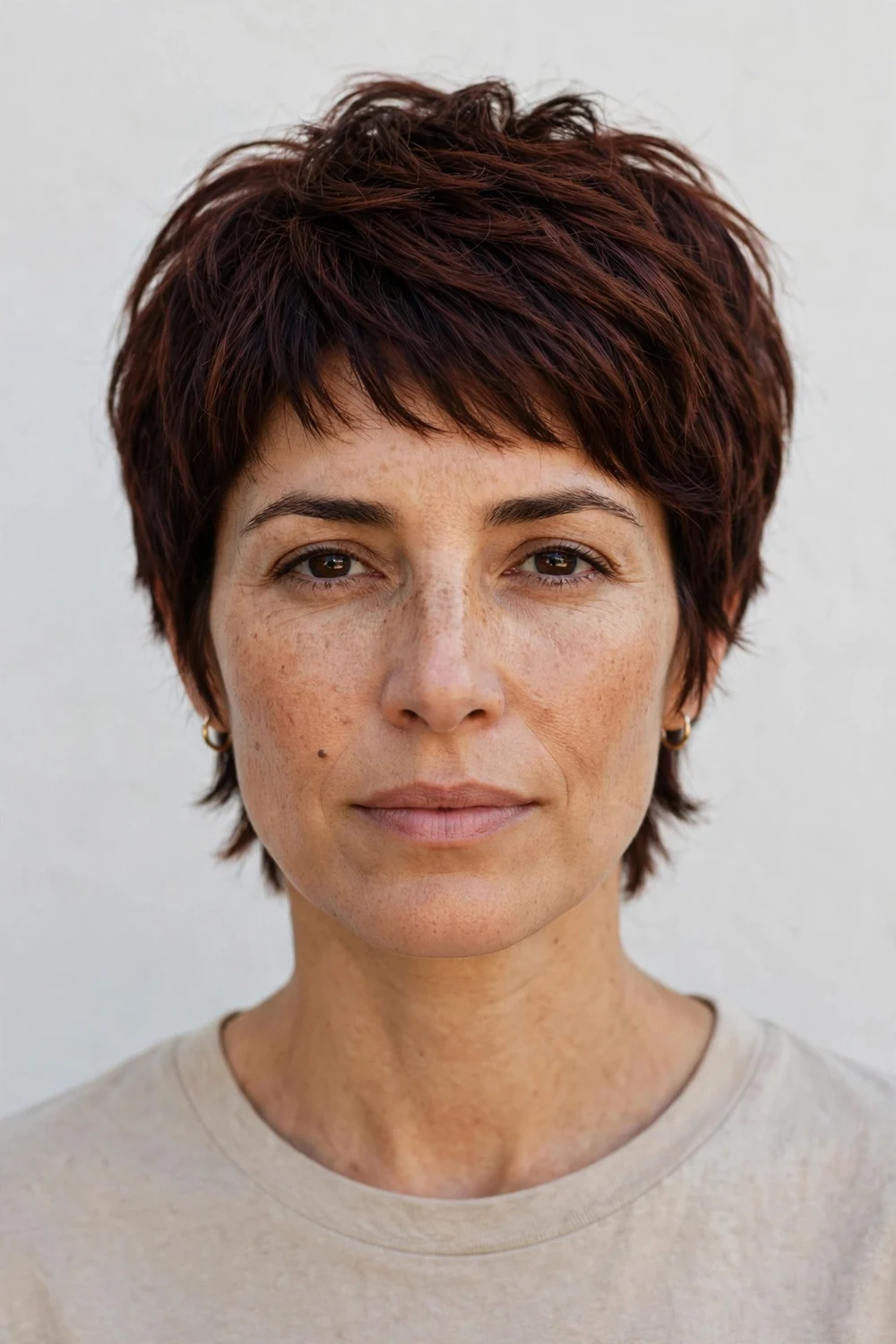
The bixby is a hybrid between a pixie and a bob, with short layered sides and a fuller, choppy crown. On straight hair the stacked layers create visible lift at the back, which is exactly what flat hair needs. It suits medium to thick hair and works well for oval, round, and heart-shaped faces. Style it with a round brush at the crown for volume, then piece out the ends with a little wax. Try this: ask for “short back, disconnected choppy layers on top” and skip the thinning shears, which can make straight ends look stringy. Difficulty: Medium | Cost: $40–$70
20. Slicked-Back Pixie
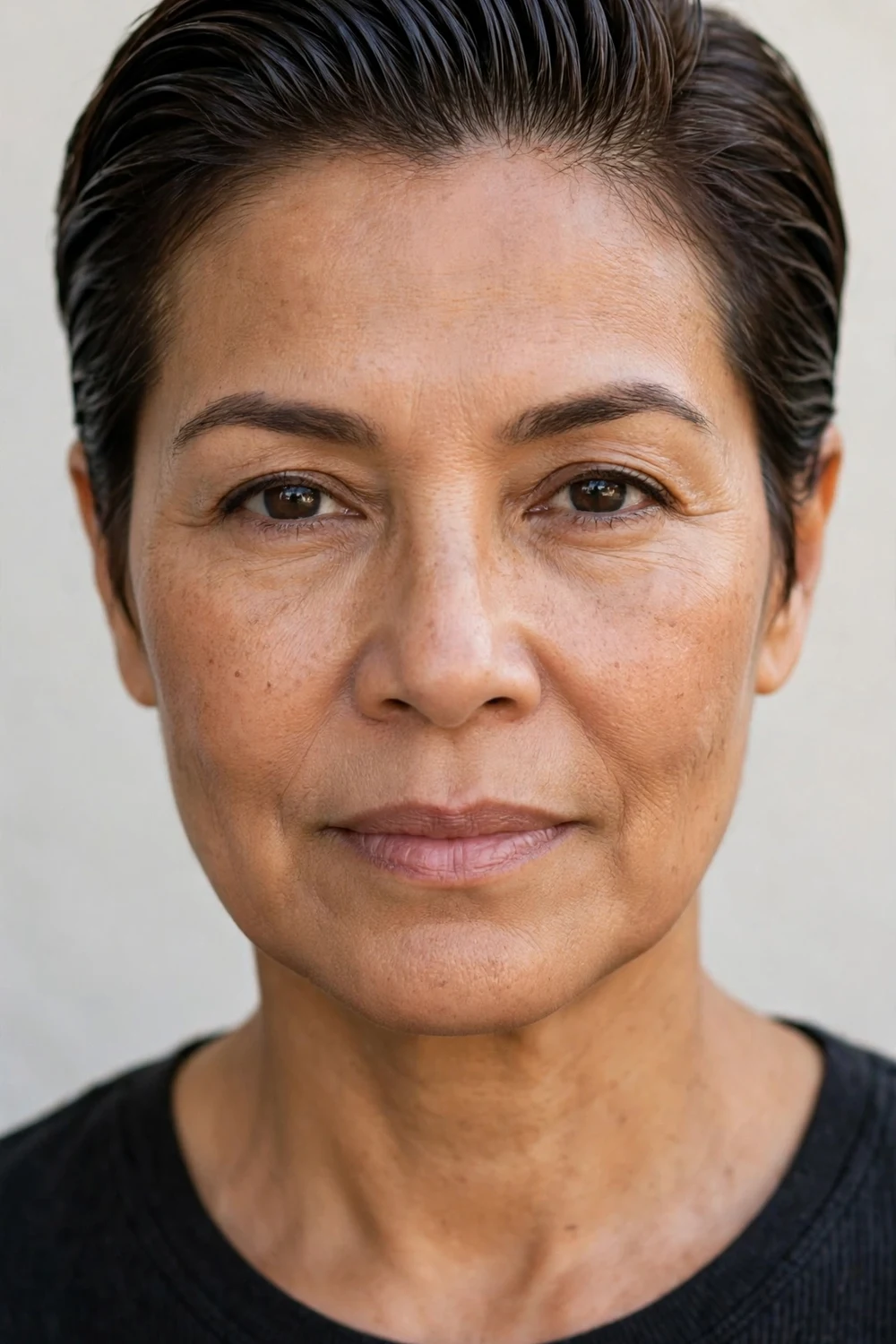
The slicked-back pixie is a styling-forward idea: a standard pixie worn combed straight back with gel or pomade for a wet-look finish. Straight hair takes to it naturally since it lies flat with little coaxing. It is a great evening or event look, and it doubles as a grow-out strategy because the length is pulled away from the face. Use a strong-hold gel on damp hair, comb it back, and let it set. Try this: leave the front slightly lifted at the roots so the look stays modern instead of severe. Difficulty: Easy | Cost: $30–$55 for the cut, plus product
How to choose the right short cut (and what to avoid)
Start with your hair’s density. Fine straight hair looks fuller with blunt lines and minimal layering, since every thinned strand is one you cannot spare. Thick straight hair benefits from the opposite: layers, razoring, or an undercut to remove weight so the shape does not widen into a triangle. Be honest about styling time too; a shag or undercut needs more daily attention than a classic bob.
Avoid cuts that fight your natural texture. Deep, invisible layers tend to collapse on pin-straight hair and read as uneven. Very short bangs on a strong cowlick will flip no matter how you dry them. And skip heavy styling products: straight hair shows oil and buildup fast, so light mousse or spray beats thick creams.
New to short hair styling in general? Our how to style short hair guide covers blow-drying, product amounts, and day-two refreshes step by step.
Quick comparison
| Cut | Best for | Upkeep | Trim schedule | Typical cost |
|---|---|---|---|---|
| Classic Bob | Medium to thick straight hair | Low to medium | 5 to 6 weeks | $35 to $60 |
| Pixie Cut | All densities, oval and heart faces | Medium | 4 to 5 weeks | $30 to $55 |
| Layered Shag | Thick straight hair | Medium | 6 to 8 weeks | $45 to $75 |
| A-Line Bob | Fine to medium straight hair | Medium | 5 to 6 weeks | $40 to $70 |
| Textured Crop | Thick or coarse straight hair | Low | 4 to 6 weeks | $35 to $60 |
| Bold Undercut | Thick, dense straight hair | High | 3 to 4 weeks | $45 to $80 |
FAQs
Which short haircut is best for fine straight hair?
Blunt cuts work best for fine straight hair because the even, heavy perimeter makes the ends look thicker. The blunt cut, classic bob, and micro bob on this list all use that principle. Skip heavy layering and razoring, which remove the weight fine hair needs.
Will a short haircut give my straight hair more volume?
It can, depending on the cut. Layered ideas like the shag, textured crop, and bixby build volume into the shape itself, while undercuts remove weight so the remaining hair lifts more easily. One-length cuts look sleek rather than voluminous, so choose accordingly.
How often should I trim a short haircut to keep its shape?
Most short cuts need a trim every 4 to 6 weeks. Pixies and undercuts grow out of shape fastest at 3 to 5 weeks, while shags and lobs can stretch to 6 to 8 weeks because their texture hides regrowth.
Do I need to style short straight hair every day?
Not necessarily. Blunt cuts, classic bobs, and textured crops look good with just a brush-through on straight hair. Layered cuts like the shag and bixby need a few minutes of blow-drying to keep their shape, so factor that into your choice.
What should I tell my stylist for a short cut on straight hair?
Bring reference photos of the exact length and texture you want, and mention your hair’s density and how much daily styling you will actually do. Ask for the cutting technique by name, such as point cutting, razoring, or an undercut, so there is no confusion.
Final thoughts
Straight hair and short cuts are a strong match when the technique is right. Pick the idea that fits your density and your mornings, book the trim schedule it needs, and enjoy a cut that mostly styles itself.

