


Winter is the season when deep shades earn their keep. Short days and soft indoor light make rich, dark color look expensive, and going darker is one of the kindest things you can do for tired hair. Instead of lifting and lightening, which strips the hair shaft, a deep shade deposits pigment and leaves the cuticle smoother.
This list rounds up 14 dark winter hair colors, from glossy espresso and jet black to black cherry, deep plum, and dark chocolate. Every shade here stays firmly in the dark family, and each one comes with notes on who it suits, what it costs at the salon, and how to keep it rich through the cold months.
Quick Takeaways
- Going one to two levels darker than your summer shade reads rich in low winter light.
- Cool undertones suit espresso, jet black, and smoky ash brunette; warm undertones suit chocolate truffle, mahogany, and caramel lowlights.
- Dark shades need a gloss every six to eight weeks to stay reflective instead of flat.
- Color-safe shampoo, cool-water rinses, and a weekly hydrating mask slow fading in dry winter air.
- Root regrowth shows less on dimensional dark shades, so ask for softness at the root if you stretch appointments.
1. Glossy Espresso

Espresso is a near-black brown with a coffee depth that catches light instead of swallowing it. The key to the shade is the finish: ask your colorist for a clear or espresso-tinted gloss over the color, because that top layer is what creates the liquid shine the shade is known for. Without gloss, espresso can read flat by week three, so plan a refresh appointment halfway between full color sessions.
This is one of the most forgiving dark winter hair colors for cool and neutral undertones, and it flatters fair skin by adding contrast without harshness. Maintenance is moderate. The color itself holds well, but the shine needs upkeep, so a sulfate-free shampoo and a lightweight shine oil on the ends keep it looking salon-fresh. Root regrowth blends softly since the shade sits close to many natural dark bases, which means you can push touch-ups to six or eight weeks.
Try this: ask for a demi-permanent espresso gloss instead of permanent color if you want to test the depth first.
Difficulty: Low · Cost: $$ (salon)
2. Expensive Brunette

Expensive brunette is a rich dark brown with very soft, barely-there dimension through the mid-lengths. Your colorist paints babylights just one shade lighter than the base, so the hair reads as healthy and thick rather than highlighted. The effect is quiet luxury: people notice the shine and the movement, not the color technique. It is the shade to pick when you want depth without an obvious dye job, and it works on straight, wavy, and curly textures alike.
It suits almost every skin tone, which is why colorists recommend it so often for winter. Warm undertones get richness from the brown base, while cool undertones get balance from the soft dimension. Upkeep is easy because the grow-out is seamless. You can stretch appointments to ten or twelve weeks, and a gloss in between keeps the tone from going dull under indoor lighting. A weekly mask keeps the babylights reflective rather than dry.
For the full spread of seasonal shades beyond the dark family, these winter hair color ideas round out the picture with lighter options.
Try this: bring a photo of hair in indoor light, since this shade is designed to look rich under lamps, not just in sun.
Difficulty: Low · Cost: $$ (salon)
3. Jet Black

Jet black is the darkest option on this list: an inky, blue-black shade with a mirror-like finish when it is healthy. The drama comes from the contrast, so this shade sharpens features and makes eye makeup and bold lip colors stand out. It photographs strikingly in winter, when pale skin and dark coats turn the contrast up even further. Ask for a blue-black formula if your skin has cool undertones, since the cool reflect keeps it from looking harsh.
Maintenance is about shine, not color. Black holds its pigment well, but dullness shows fast on such a dark surface. A color-depositing conditioner once a week and a silicone-free shine spray keep the reflective finish. This shade suits deep and medium skin tones especially well, and it works on all hair textures. Straight styles show the shine best, while curls show the depth, so pick your styling to match the effect you want most.
Try this: sleep on a silk pillowcase to cut friction, which is what dulls black hair fastest between washes.
Difficulty: Low · Cost: $$ (salon)
4. Soft Black

Soft black uses a brown base instead of a blue one, which makes it read as bold but natural rather than severe. In sunlight it shows warm depth, and indoors it looks like the darkest possible brown. This is the black to choose if jet black feels too stark against your skin, or if you want dark hair that still looks like it could be yours. The brown underpinning also makes the grow-out gentler.
It flatters fair to medium skin tones and works well on fine hair, where the dark color creates an illusion of thickness. Upkeep mirrors jet black: the pigment stays put, but shine needs help. A clear gloss every couple of months keeps the brown base from looking muddy, and cool-water rinses lock in the reflective finish. Wash with a color-safe formula to protect the tone, and add a shine spray on days when the hair looks tired.
Try this: ask your colorist for a level 2 neutral brown with a black gloss, not a level 1 blue-black, to land this exact shade.
Difficulty: Low · Cost: $$ (salon)
5. Dark Chocolate Truffle
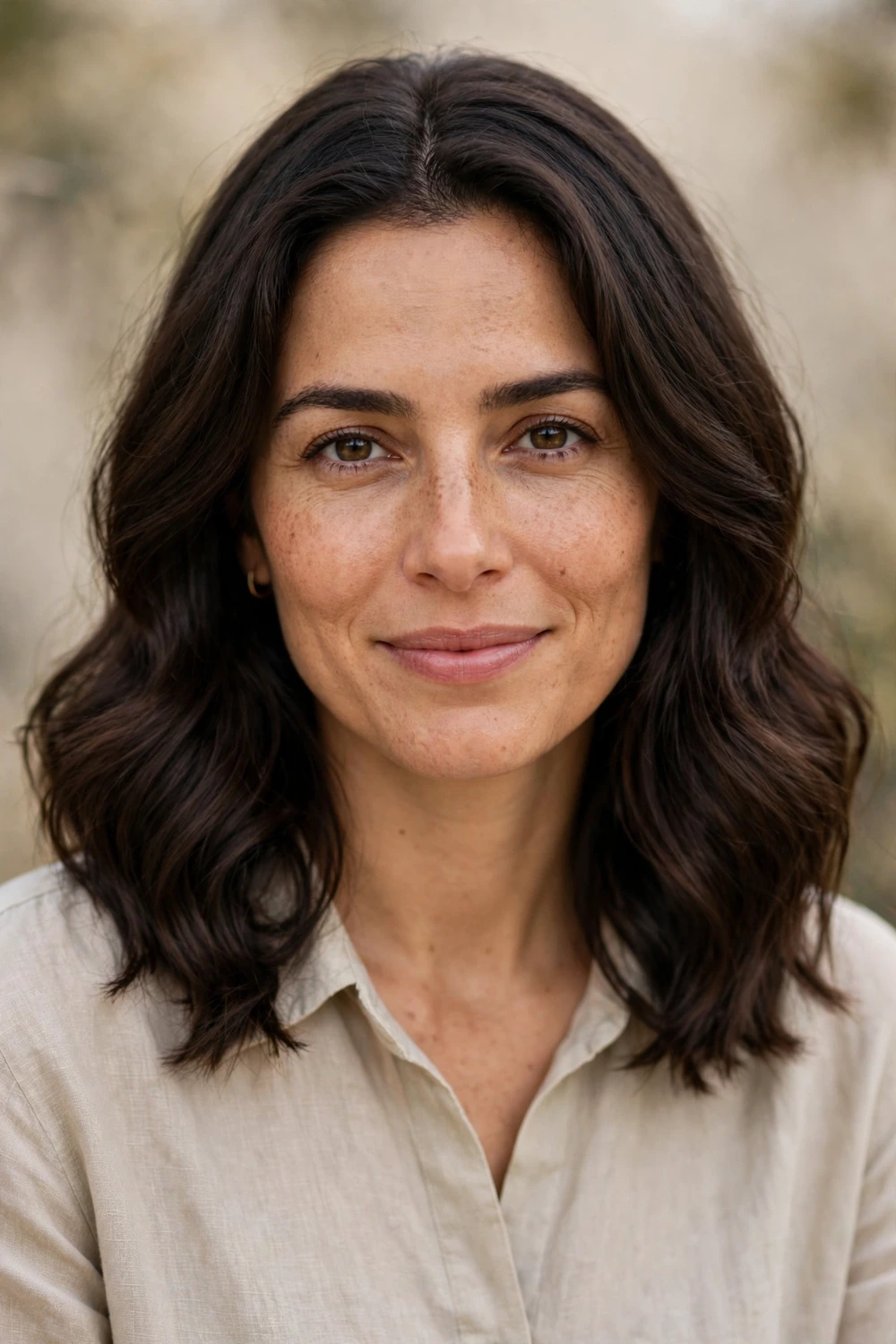
Dark chocolate truffle is a deep, warm brown with a velvety finish that looks rich against winter knits and coats. The warmth in the formula keeps it from going flat, and the even application from roots to ends gives it a polished, expensive look. Ask for an all-over gloss in the same tone to seal the color, because chocolate shades lose their luster faster than cooler browns when indoor heating dries the hair out.
Warm and olive skin tones get the most from this shade, since the warm brown echoes golden undertones in the skin. It is also one of the easiest dark shades to maintain. The color fades gracefully rather than showing harsh lines, and most people can go eight to ten weeks between appointments. A weekly hydrating mask matters more than frequent salon visits for keeping the velvety finish, especially once indoor heating kicks in.
Try this: use a chocolate-toned color-depositing mask once a month to refresh warmth without a full dye appointment.
Difficulty: Low · Cost: $$ (salon)
6. Black Cherry

Black cherry is near-black hair with a deep red-violet glow that reveals itself in the light. Indoors it reads as a rich, dark shade; step into daylight and the cherry tones flash through the lengths. The effect is dramatic without being loud, which makes it a favorite for party season. Ask your colorist for a near-black base with a black cherry gloss pulled through the mid-lengths and ends, not the roots, so the regrowth stays simple.
Cool and neutral undertones carry this shade best, and it is striking on fair skin where the contrast turns up the glow. The red-violet pigment fades faster than brown, so this is a medium-maintenance shade. Wash in cool water, use a color-safe shampoo, and expect a gloss refresh every four to six weeks to keep the cherry flash visible. A red-violet depositing conditioner between appointments stretches the color noticeably, and keeping wash days to three a week helps even more.
Try this: ask for the cherry gloss on the lengths only, so your roots grow out dark and the upkeep stays cheap.
Difficulty: Medium · Cost: $$ (salon)
7. Cherry Cola

Cherry cola pairs a deep mahogany-brown base with a cherry sheen that runs through the hair like fizz through soda. It is redder and more visible than black cherry, with the red showing even in indoor light. The shade has been trending hard because it photographs well and feels festive without tipping into fashion color. Ask for a brunette base two levels above black, then a cherry-red gloss to create the cola effect.
It suits medium to deep skin tones and anyone whose skin has warm or neutral undertones. Reds are the fastest-fading family, so this shade needs the most protection on the list. Cool rinses, minimal washing, and a red color-depositing conditioner stretch the color between appointments. Reds also trend in autumn, and these fall hair colors cover the warmer side of the red family if you want to compare.
Try this: wash with lukewarm water instead of hot, since heat opens the cuticle and lets red pigment escape faster.
Difficulty: Medium · Cost: $$ (salon)
8. Deep Burgundy
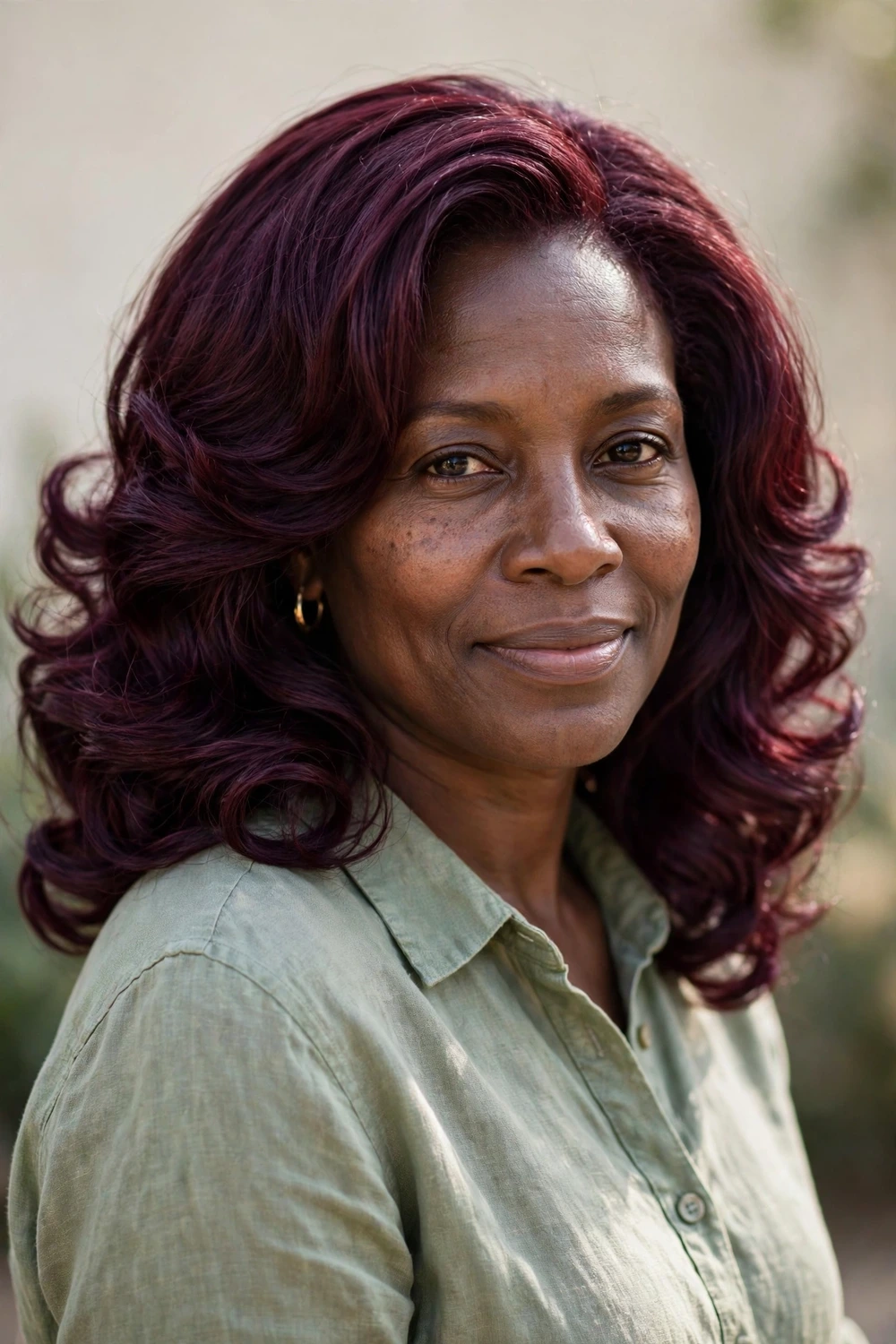
Deep burgundy is a wine-purple red that looks velvety in warm light and mysterious in shadow. Unlike cherry shades, which lean bright, burgundy leans dark and moody, sitting closer to plum on one side and brown on the other. It flatters fair skin with blue or green eyes especially well, but it also looks rich against deeper skin tones where the purple tones add dimension. This is the shade to pick when you want red with restraint.
Reds and burgundies are known for fading, so patience with upkeep pays off. An anti-sulfate shampoo and cold-water rinses slow the fade, and a burgundy gloss every five to seven weeks keeps the jewel tone alive. The color also pairs well with winter wardrobes: black, camel, and cream clothing all sit nicely against it. Medium maintenance, high payoff, and the shade deepens attractively as it settles in the first two weeks.
Try this: cut wash days to two or three a week and use dry shampoo at the roots to protect the color.
Difficulty: Medium · Cost: $$ (salon)
9. Deep Plum

Deep plum runs violet where burgundy runs wine-red, and that purple dominance is what sets it apart. On dark hair it reads as an inky shade with a violet shimmer, visible mostly when light moves through it. The result is unusual without being costume-like: coworkers see rich dark hair, and evening light shows the plum. Ask your colorist for a violet-based formula over a level 2 or 3 base so the purple stays deep instead of turning bright.
Cool undertones get the best match here, and the shade is particularly striking on fair to medium skin. Violet pigment fades faster than brown but slower than true red, landing this at medium maintenance. A purple color-depositing conditioner keeps the violet alive between appointments, and cool-water rinses do the quiet work of holding the tone. Expect a refresh every six weeks if you want the plum to stay visible through the season.
Try this: test the shade with a violet-tinted gloss first; it washes out in a few weeks if the purple feels like too much.
Difficulty: Medium · Cost: $$ (salon)
10. Mahogany Brown
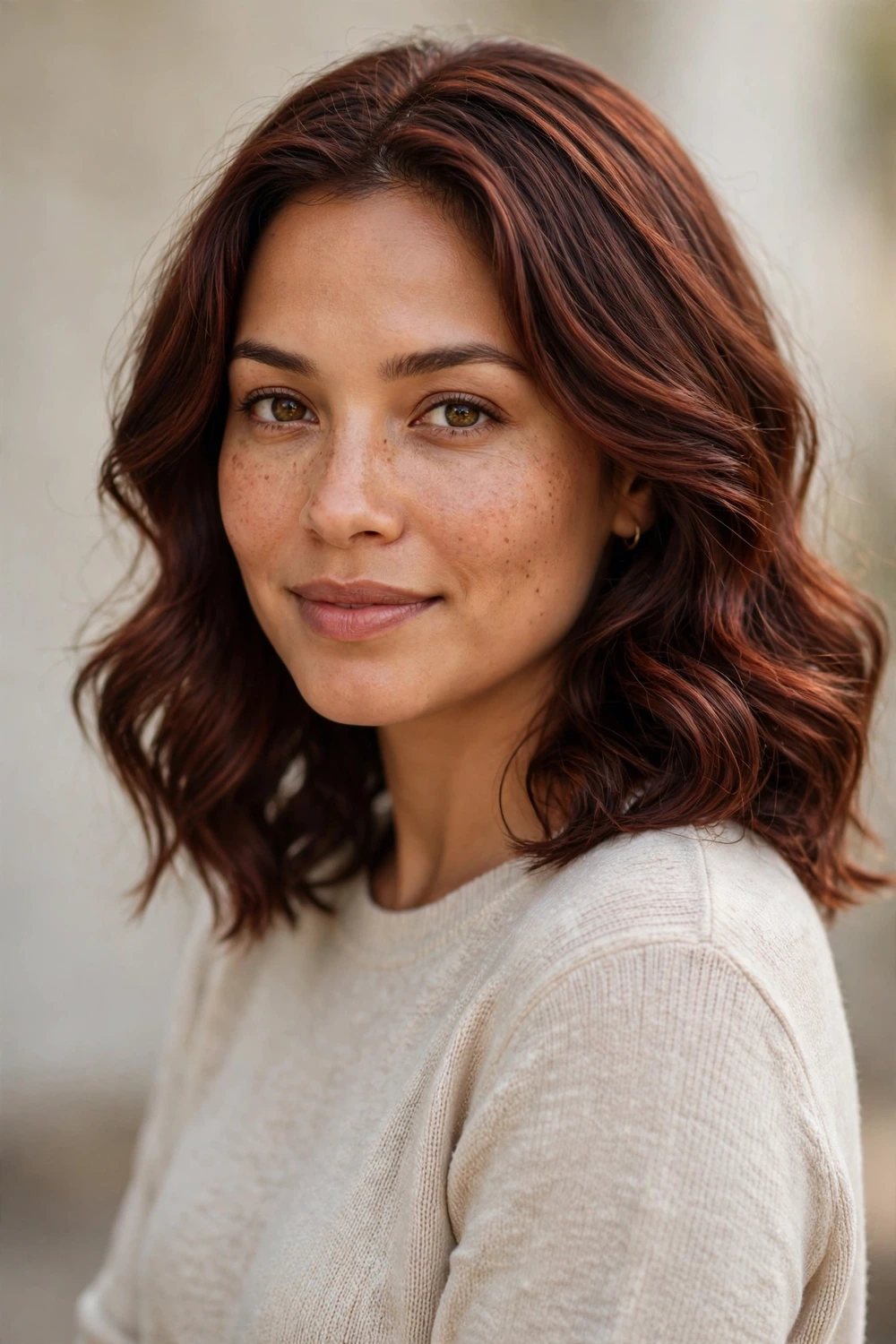
Mahogany sits between auburn and chocolate: a deep brown with a red-brown warmth that looks seasonal on medium-length hair. It is darker and less coppery than auburn, which keeps it inside the dark-shade family while still giving warmth lovers something to work with. The red-brown tone glows under indoor lighting, so it looks its best at exactly the time of year when you spend the most time inside. Ask for an even application with a glossy finish.
Warm and neutral undertones suit mahogany best, and it is a strong pick for olive skin where the warmth adds life. Maintenance is moderate. The brown base holds well, while the red warmth needs a gloss refresh every six to eight weeks. A color-safe routine and weekly masking keep the finish reflective, and the shade grows out gracefully since the base stays close to natural dark browns. It also layers well over faded summer color.
Try this: pair the shade with a mahogany-tinted gloss at home between appointments to keep the red-brown tone even.
Difficulty: Low · Cost: $$ (salon)
11. Cool Dark Mocha

Cool dark mocha is a medium-dark brown with a coffee tone and no red whatsoever. The ash in the formula stops brown from going brassy under indoor lighting, which is the complaint that drives most winter color corrections. If your brown always turns orange by February, this is the shade that fixes it. Ask for a cool mocha base with an ash-toned gloss, and be specific about wanting zero warmth, since some formulas sneak red back in.
Cool and neutral skin tones are the natural match, and the shade is kind to blue and gray eyes. Upkeep is low to medium. The cool tone needs an ash gloss every six to eight weeks to fight the warmth that creeps in from washing and sun, even weak winter sun. A blue or purple shampoo used sparingly keeps brass away without over-toning the hair gray, and a weekly mask keeps the lengths supple.
Try this: use purple shampoo once every two weeks, not weekly, so the mocha stays brown instead of turning ashy-gray.
Difficulty: Low · Cost: $$ (salon)
12. Smoky Ash Brunette

Smoky ash brunette melts a dark root into cool, smoky brown ends for dimension without warmth. It is the winter answer to caramel balayage: same movement and depth, but in a cooler palette that suits gray winter light. The technique works as a full balayage or as a subtle smoky gloss over an all-over dark base. Either way, ask for a cool toner, because ash undertones go brassy fast if the toner is skipped.
This is a strong choice for cool undertones and for anyone growing out old warmth who wants to go darker without going flat. The dark root means regrowth is invisible for months, which makes it one of the lowest-maintenance dimensional options here. Brass is the enemy, so a purple shampoo rotation and a salon gloss every eight weeks keep the smoke cool. If you ever swing lighter instead, these fall blonde hair colors map the brighter end of the spectrum.
Try this: ask for the lightest pieces to stay at the ends, keeping the top dark so regrowth never shows a line.
Difficulty: Medium · Cost: $$ (salon)
13. Cocoa-Dimensional Black

Cocoa-dimensional black starts with a black base and weaves in micro-lights of warm cocoa brown. The result is black hair with movement: the cocoa ribbons catch light and keep the shade from looking like a flat sheet of color. It is not balayage and it is not highlights in the traditional sense; the pieces are fine, close to the base color, and placed to create depth rather than contrast. Ask for micro-lights two shades lighter than the base, max.
Neutral and warm undertones suit this best, since the cocoa warmth needs skin with some warmth to echo it. Maintenance sits at medium. The black base is bulletproof, but the cocoa pieces fade toward brass if neglected, so a gloss every six weeks keeps them chocolatey. This is a good compromise shade if you love black but find it too stark on its own, and the dimension photographs well in low light.
Try this: keep the cocoa pieces fine and sparse; chunky pieces turn this into a different, louder look.
Difficulty: Medium · Cost: $$ (salon)
14. Dark Brown with Caramel Lowlights
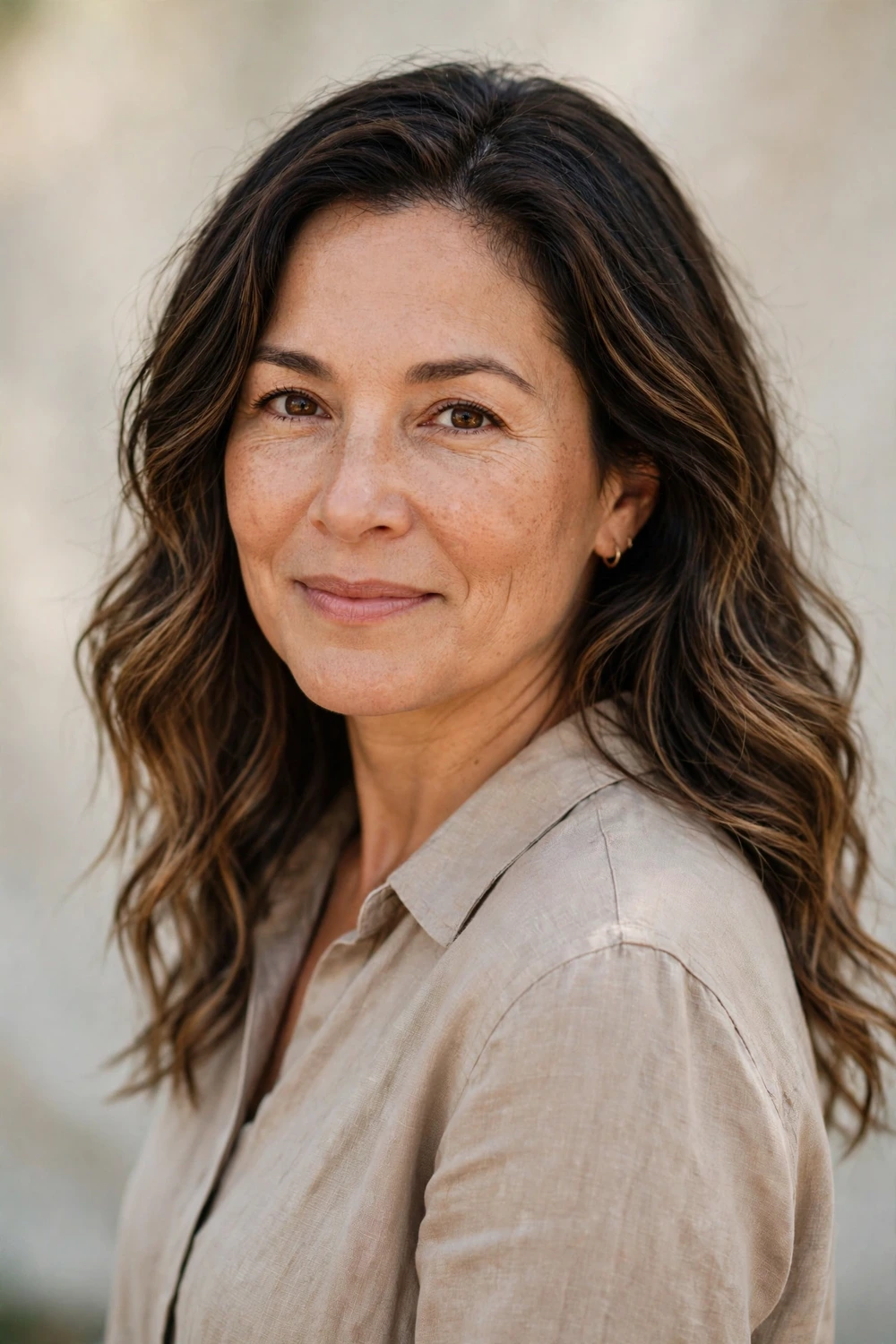
This technique flips the usual script: instead of lightening pieces, your colorist paints soft caramel lowlights through the lengths of a dark brown base. The caramel sits lower in the hair, keeping brightness near the face and through the ends while the roots stay dark. It adds warmth and movement without committing the whole head to a lighter shade, and the regrowth is nearly invisible. Ask for soft caramel pieces through the lengths with the root left dark.
Warm undertones get the most from the caramel warmth, and the shade is flattering on medium to long hair where the lowlights have room to show. Upkeep is low. The dark root does the heavy lifting, and the caramel pieces only need a toner refresh every couple of months. For more painted-dimension inspiration on dark bases, this blonde balayage on brown hair roundup shows how the technique adapts across tones.
Try this: ask for lowlights rather than highlights if your goal is depth; highlights lighten, lowlights add shadow and richness.
Difficulty: Low · Cost: $$ (salon)
At a Glance: 14 Dark Winter Shades Compared
| Shade | Best for | Winter perk | Upkeep |
|---|---|---|---|
| Glossy Espresso | Cool and neutral undertones | Liquid shine in low winter light | Gloss refresh between appointments |
| Expensive Brunette | Almost every skin tone | Seamless grow-out, fewer salon trips | Gloss every 10 to 12 weeks |
| Jet Black | Deep and medium skin tones | Maximum contrast against pale winter skin | Shine spray and silk pillowcase |
| Soft Black | Fair to medium skin tones | Bold black without harshness | Clear gloss every couple of months |
| Dark Chocolate Truffle | Warm and olive skin tones | Velvety warmth against winter knits | Weekly hydrating mask |
| Black Cherry | Cool and neutral undertones | Red-violet flash in daylight, festive feel | Gloss every 4 to 6 weeks |
| Cherry Cola | Medium to deep skin tones | Trending red with winter-party energy | Cool rinses, red-depositing conditioner |
| Deep Burgundy | Fair skin, blue or green eyes | Moody wine tone pairs with dark coats | Gloss every 5 to 7 weeks |
| Deep Plum | Cool undertones, fair to medium skin | Violet shimmer in evening light | Purple-depositing conditioner |
| Mahogany Brown | Warm and neutral undertones | Glows under indoor lighting | Gloss every 6 to 8 weeks |
| Cool Dark Mocha | Cool and neutral undertones | Never turns brassy in winter | Ash gloss every 6 to 8 weeks |
| Smoky Ash Brunette | Cool undertones, growing out warmth | Invisible regrowth for months | Purple shampoo rotation |
| Cocoa-Dimensional Black | Neutral and warm undertones | Black with movement, never flat | Gloss every 6 weeks |
| Dark Brown with Caramel Lowlights | Warm undertones, medium to long hair | Warmth without lightening the whole head | Toner refresh every couple of months |
How to Choose Your Dark Winter Shade
Start with your undertone, because it decides whether a dark shade looks rich or muddy. Check the veins on the inside of your wrist: blue or purple veins point to cool undertones, green veins point to warm, and a mix means neutral. Cool undertones shine in espresso, jet black, black cherry, and smoky ash brunette. Warm undertones suit chocolate truffle, mahogany, and caramel lowlights. Neutral undertones can wear almost anything here, with expensive brunette as the safest all-rounder.
Next, be honest about how much upkeep you will actually do. Reds and violets (black cherry, cherry cola, burgundy, plum) fade fastest and need gloss refreshes every four to seven weeks. Browns and blacks hold their pigment longer and mostly need shine care. If you hate salon appointments in winter, pick a shade with a dark root or soft dimension, like smoky ash brunette or caramel lowlights, where regrowth disappears for months.
Finally, consider your starting color. Going darker is gentler than going lighter, but a big jump still needs a professional hand to avoid muddy or uneven results. If you are more than three levels lighter than your target shade, book a colorist rather than a box. Bring photos taken in indoor light, since winter shades are designed to look rich under lamps, and ask what the grow-out will look like at eight weeks before you commit.
Dark Color Winter Care
Shine. Dark hair shows dullness faster than light hair because there is more surface to reflect, or not reflect, light. A clear or tinted gloss every six to eight weeks is the single best investment for dark winter color. Between appointments, a lightweight shine oil on the ends and cool-water rinses keep the cuticle smooth. Avoid heavy silicones that build up, since buildup turns dark hair cloudy instead of glossy.
Dryness. Indoor heating pulls moisture out of hair all winter, and dry hair fades faster because a rough cuticle cannot hold pigment. Switch to a sulfate-free, color-safe shampoo, add a weekly hydrating mask, and wash in lukewarm water. Washing two or three times a week instead of daily protects both the color and the moisture balance. A humidifier in the bedroom helps more than most people expect.
Root regrowth. Dark all-over color shows regrowth as a visible line, especially on previously lightened hair. The fix is to ask your colorist for softness at the root: a shadow root, a demi-permanent formula that fades instead of leaving a line, or dimension through the top. Dimensional shades like expensive brunette and smoky ash brunette hide regrowth for ten to twelve weeks. Solid black and espresso need root touch-ups every four to six weeks if your natural color is much lighter.
Frequently Asked Questions
What are the best dark hair colors for winter?
The strongest dark winter hair colors are glossy espresso, jet black, soft black, dark chocolate truffle, black cherry, cherry cola, deep burgundy, deep plum, mahogany, cool dark mocha, and dimensional options like smoky ash brunette and cocoa-dimensional black. Cool undertones suit the espresso, black, and ash shades best, while warm undertones suit chocolate, mahogany, and caramel lowlights. If you want one low-commitment pick, expensive brunette flatters nearly everyone and grows out seamlessly.
Will going darker damage my hair?
Going darker is one of the gentlest color changes because it deposits pigment instead of lifting it. Unlike bleaching, which strips the hair shaft, dark dye fills the cuticle and often leaves hair looking smoother and shinier. Damage risk rises only with very dark permanent color over already fragile or over-processed hair. A demi-permanent formula is the safest first step, and a strand test tells your colorist how your hair will take the shade.
Which dark winter shade suits my skin tone?
Check the veins on your inner wrist: blue or purple means cool undertones, green means warm, and a mix means neutral. Cool undertones look best in espresso, jet black, black cherry, deep plum, and smoky ash brunette. Warm undertones suit dark chocolate truffle, mahogany brown, cherry cola, and caramel lowlights. Neutral undertones can wear most shades on this list, with expensive brunette and soft black as reliable choices.
How do I keep dark hair color from fading in winter?
Wash with a sulfate-free, color-safe shampoo in lukewarm or cool water, and cut back to two or three wash days a week. Add a weekly hydrating mask, since dry hair loses pigment faster. Book a gloss every six to eight weeks to refresh shine and tone, and use a color-depositing conditioner matched to your shade family between appointments. Reds and violets fade fastest, so cherry, burgundy, and plum shades need the most diligent routine.
Should I color my hair dark at home or see a colorist?
A box dye works for a simple one-level change on healthy, previously uncolored hair. See a colorist if you are jumping more than three levels darker, correcting old color, or want dimension like balayage, lowlights, or a cherry gloss. Dark shades show uneven application more than light ones, so patchy box results are harder to hide. A professional also matches the formula to your undertone, which is what separates rich-looking dark hair from flat-looking dark hair.
Final Thoughts
Dark winter hair colors reward you twice: they look richer in winter light and they ask less of your hair than going lighter. Pick the shade that matches your undertone and the maintenance level you will honestly keep, book the gloss appointments before the color fades, and let the deep tones do the work all season long.

