


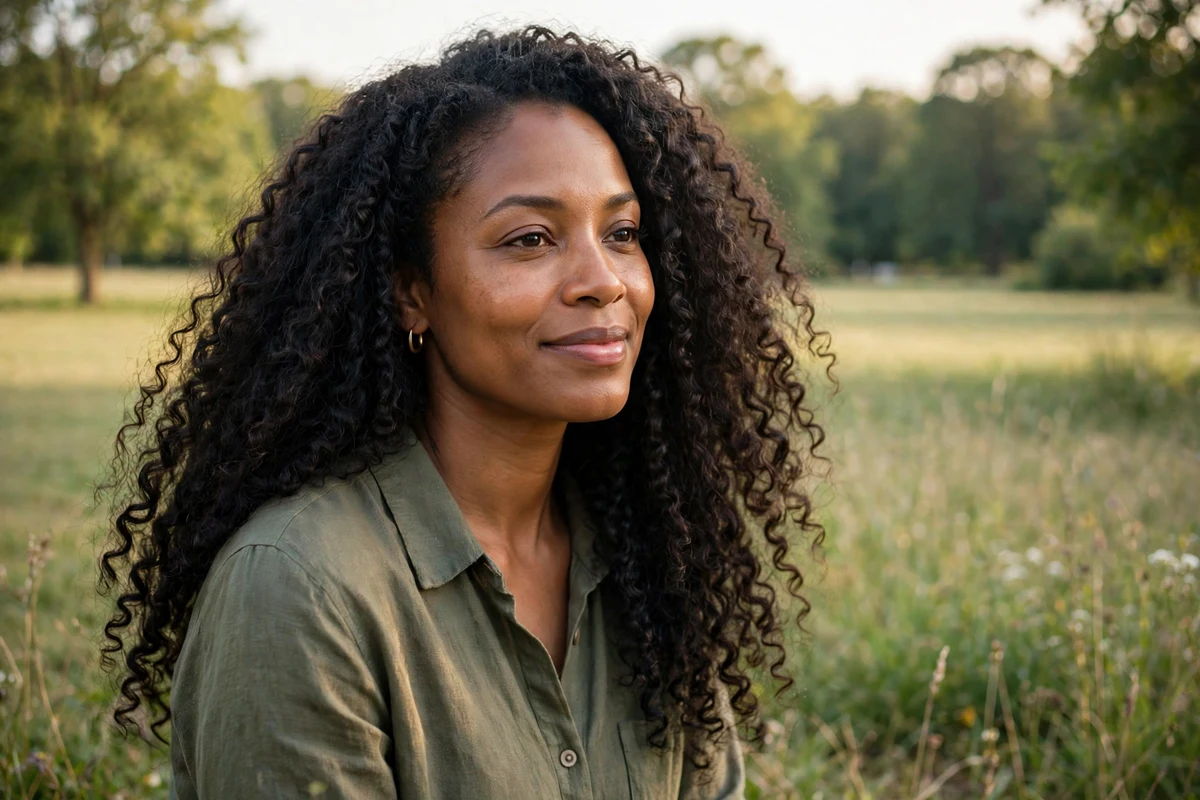
Do braids help your hair grow? The honest answer is no, braids cannot make your hair grow faster. Your growth rate is decided inside the follicle, by genetics, age, health, and nutrition, and no hairstyle can change that pace. What braids can do is help you keep the length you grow. By tucking your ends away and cutting down daily manipulation, braids reduce the breakage that silently eats your progress, so more of each month’s growth survives to the ends.
Quick takeaways
- Braids don’t speed up growth; hair grows about half an inch per month regardless of styling.
- Braids help with length retention: less combing, less friction, and protected ends mean less breakage.
- The style only protects if the install is comfortable; tight, heavy braids cause breakage and traction alopecia.
- Keep braids in for 6 to 8 weeks, 10 at most, and keep moisturizing the scalp while they’re in.
- Choose medium-size knotless braids, loose cornrows, or twists; skip micro braids worn for months and extra-long heavy styles.
How hair growth actually works
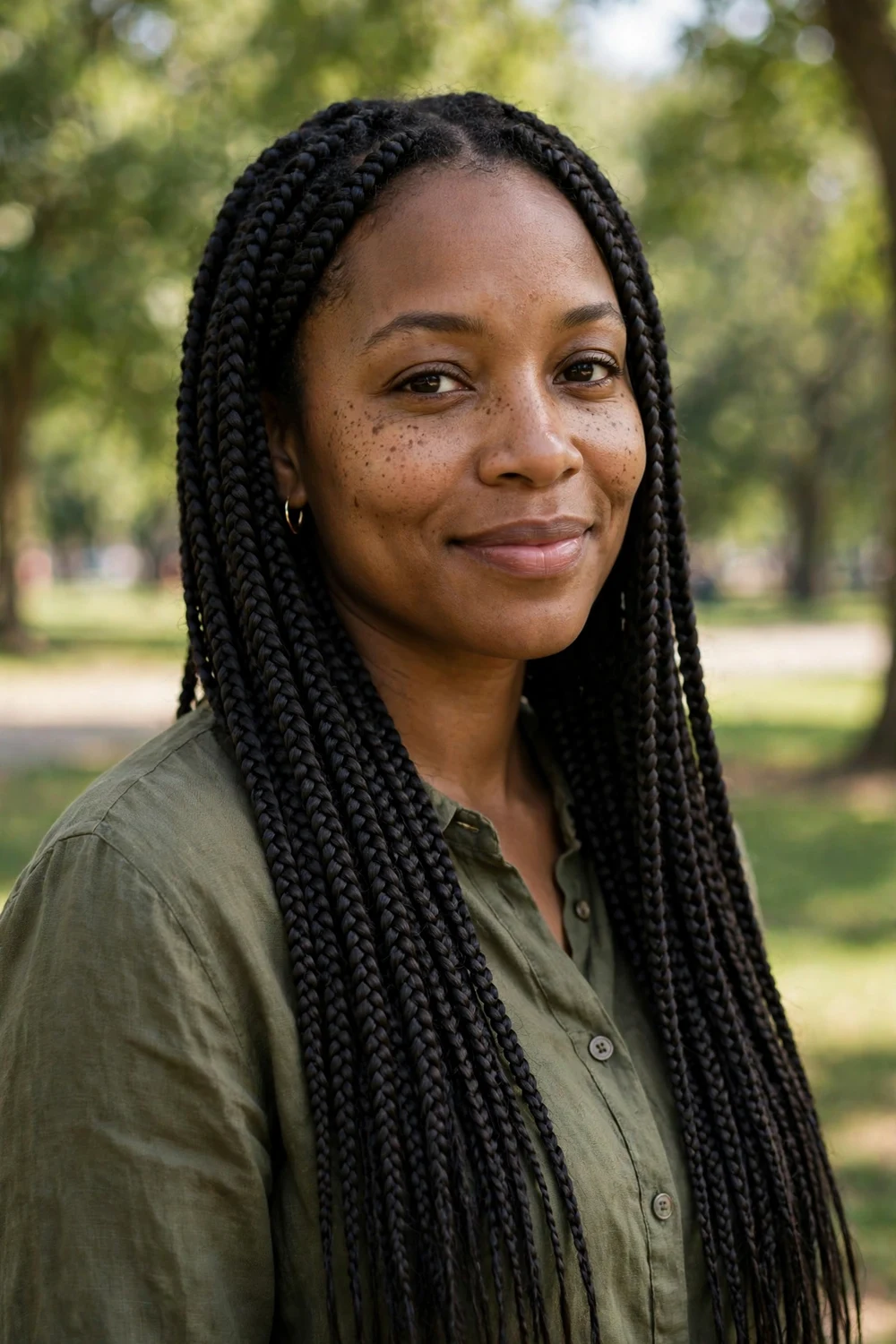
Hair grows from the follicle beneath your scalp. New cells form in the hair bulb, harden, and push upward to build each strand, cycling through active growth, transition, and resting phases. On average, that process produces about half an inch of new hair per month. Diet, stress, illness, and age can slow it down, but nothing you do on the outside of your head speeds the follicle up.
This is why the “braids make hair grow faster” idea is a myth. Braids sit on the outside; growth happens on the inside. The confusion comes from what people see at takedown: after weeks of not handling their hair, the accumulated growth is suddenly visible all at once, which feels like a growth spurt. Between installs, short natural hair styles keep your hair healthy with minimal handling.
What braids actually do: protect your length
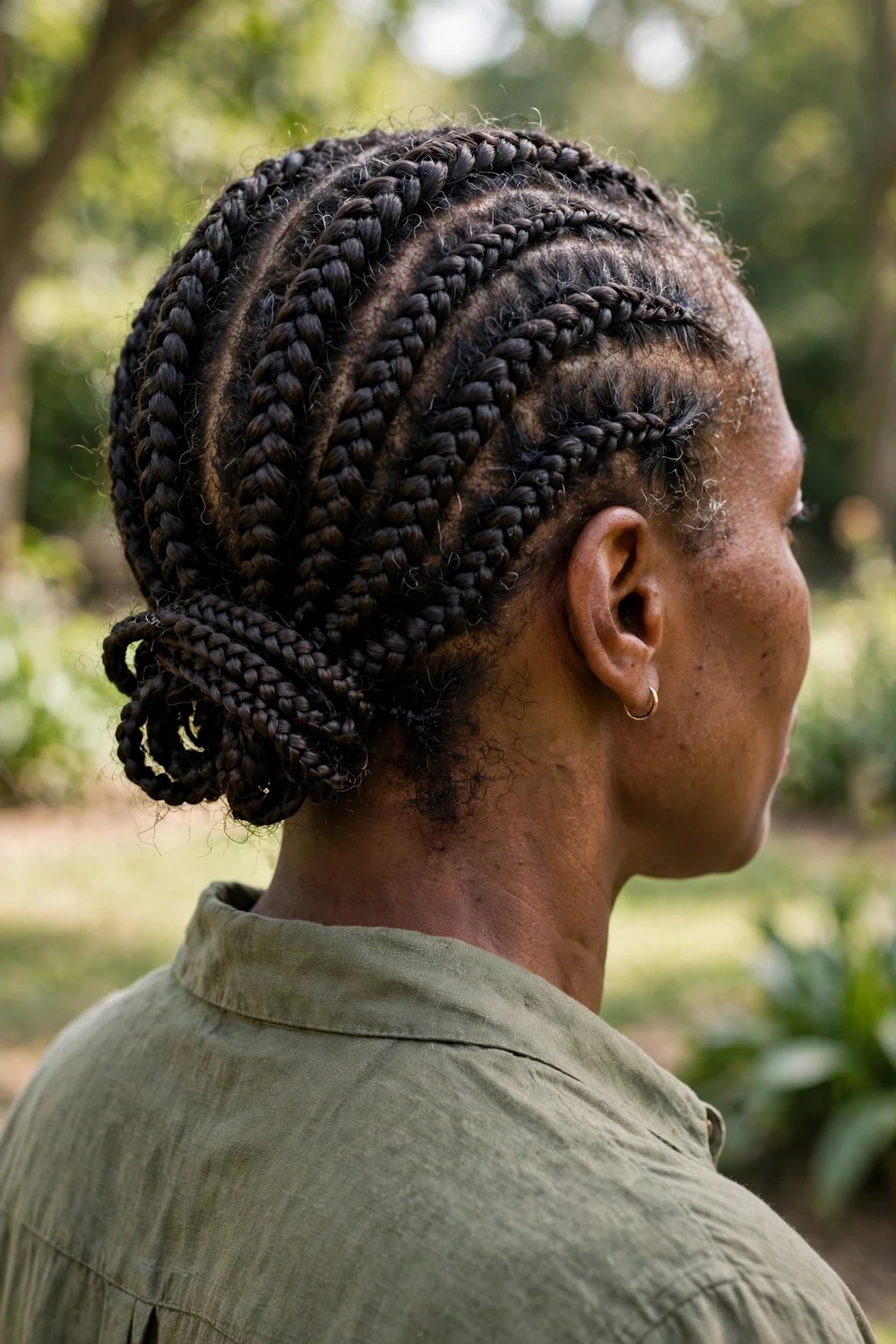
Your ends are the oldest, thinnest, most fragile part of your hair. Every day they take friction from clothes and pillows, tangling, and heat, and every broken end is growth you lose. Braids tuck those ends away inside the style, shielding them from the daily wear that causes breakage.
Braids also cut manipulation to nearly zero. When your hair is out, you comb it, brush it, restyle it, and touch it dozens of times a day, and each pass risks snapping a strand. In braids, that handling stops for weeks. Sleeping in braids adds another layer of protection, since contained hair doesn’t rub against the pillowcase the way loose hair does. For everyday low-manipulation ideas, see natural hairstyles for black women.
Moisture stays in longer
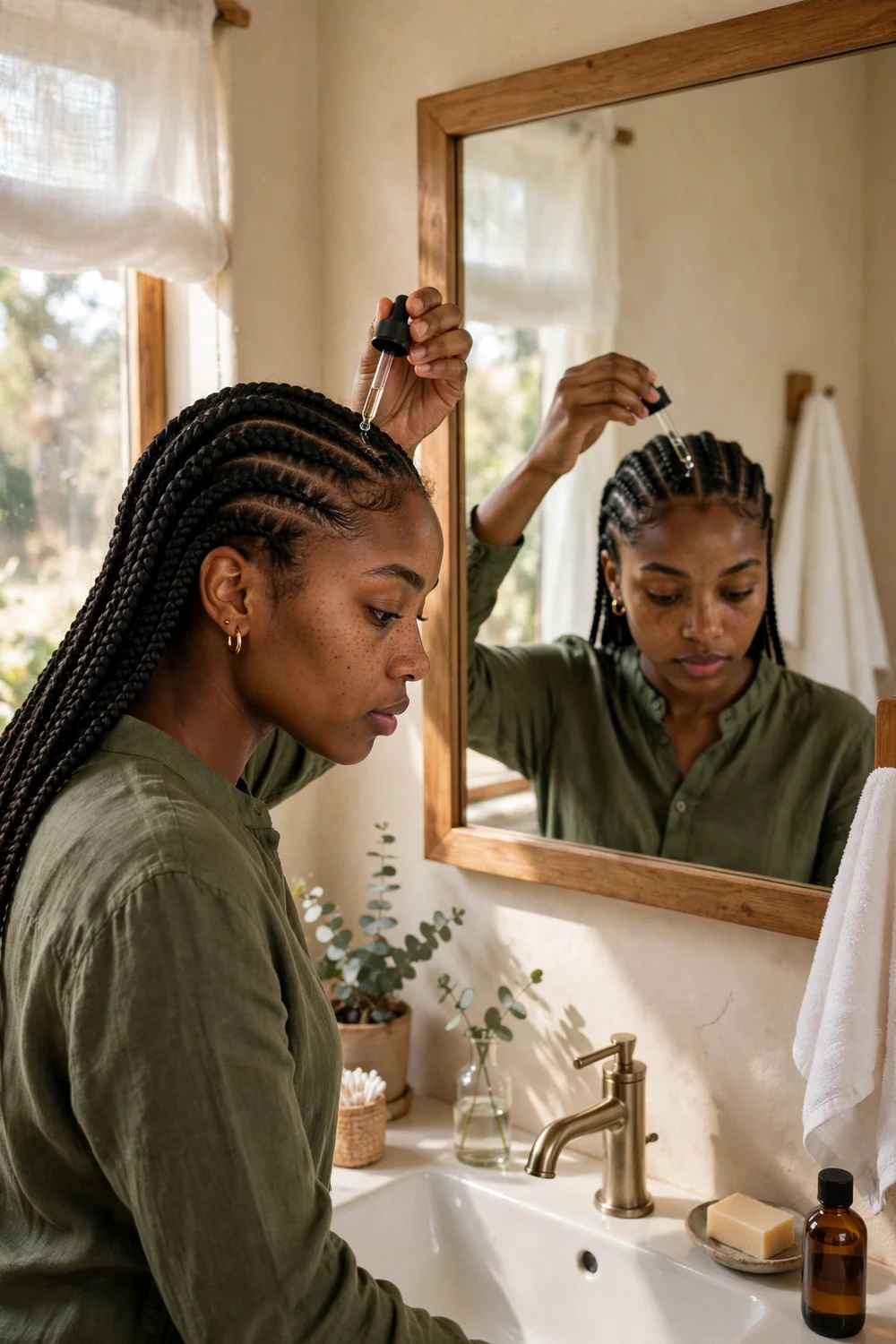
Braided hair holds onto moisture better than loose hair because the strands are bundled and less exposed to dry air. That matters for growth because dry hair is brittle hair, and brittle hair breaks. The style gives you a head start, but it doesn’t do the moisturizing for you: mist the scalp with a water-based spray and follow with a light oil two to three times a week so the hair underneath stays supple.
Don’t confuse the style’s help with a free pass. Braids that go unmoisturized for weeks get dry and fragile at the roots, and that dryness turns into breakage at takedown. The protective label only holds if you maintain the hair while it’s protected.
The other side: how braids can damage hair
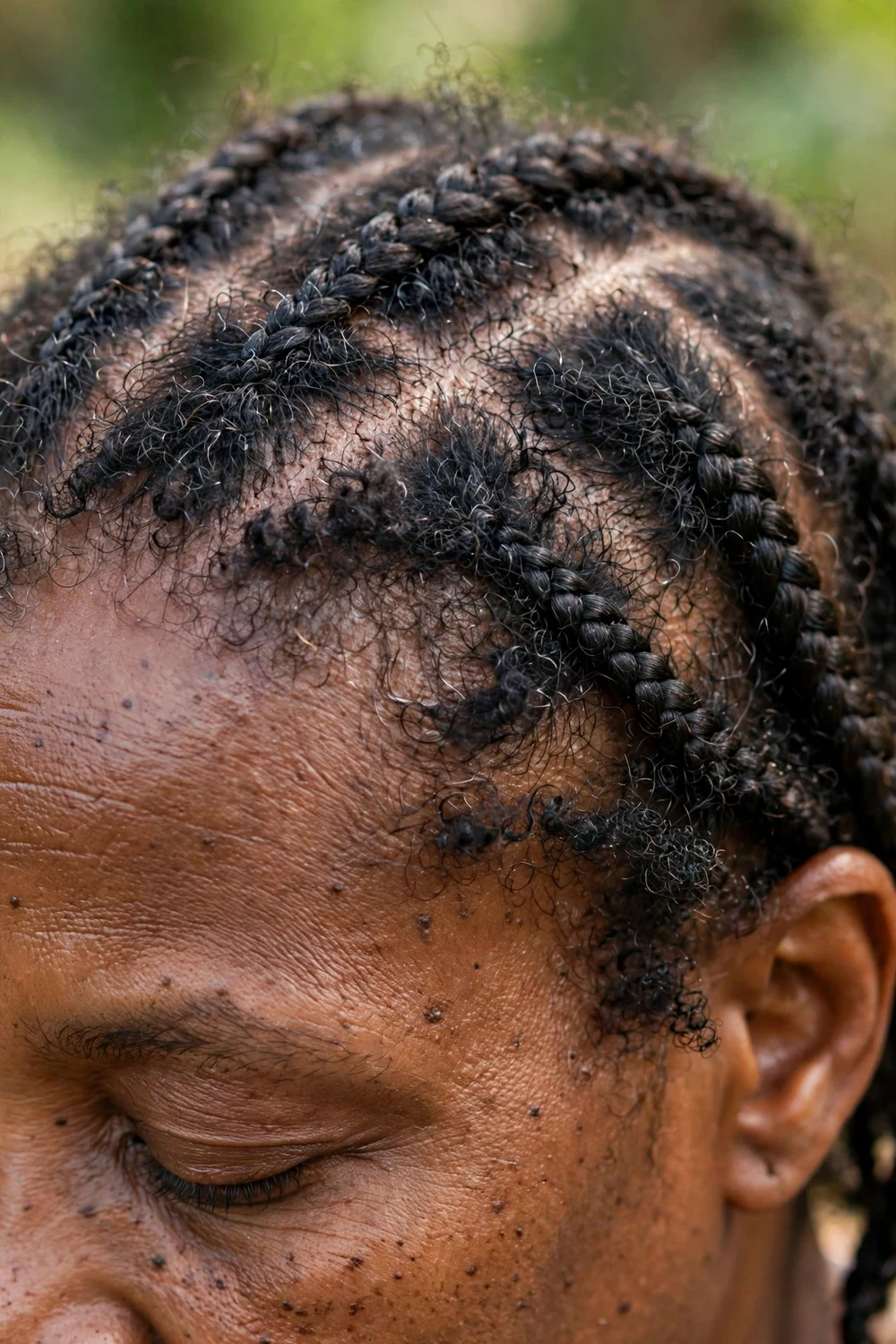
Braids are not automatically protective. Installed too tight, they pull constantly on the follicles, and over time that tension causes a form of hair loss called traction alopecia, starting with thinning edges and a widening hairline. Pain, headaches, bumps along the hairline, or braids that hurt when you move your head are all signs the tension is too high. A good install feels comfortable from day one.
Weight is the second risk. Very long braids with lots of added hair pull on the roots all day, and that constant load weakens them. Leaving braids in too long is the third: past 8 to 10 weeks, new growth tangles into the braided hair, and the takedown itself rips out the length you were trying to save.
Choosing safer styles for length retention

| Style | Why it works for retention | Safe wear time |
|---|---|---|
| Medium knotless box braids | Feed-in start means no knot pulling at the root | 6 to 8 weeks |
| Loose cornrows | Flat to the scalp, easy scalp access for washing | 2 to 4 weeks |
| Two-strand twists (natural hair) | No added weight, gentle on fine hair | 4 to 6 weeks |
| Fulani braids | Decorative front with loose back sections | 4 to 6 weeks |
| Lightweight goddess locs | Crochet install avoids root tension | 6 to 8 weeks |
Styles to be cautious with: micro braids left in for months, super-long synthetic braids that add serious weight, and any cornrow or Ghana weaving braided painfully tight to the scalp. For coily-specific care between protective styles, see short 4c natural hairstyles.
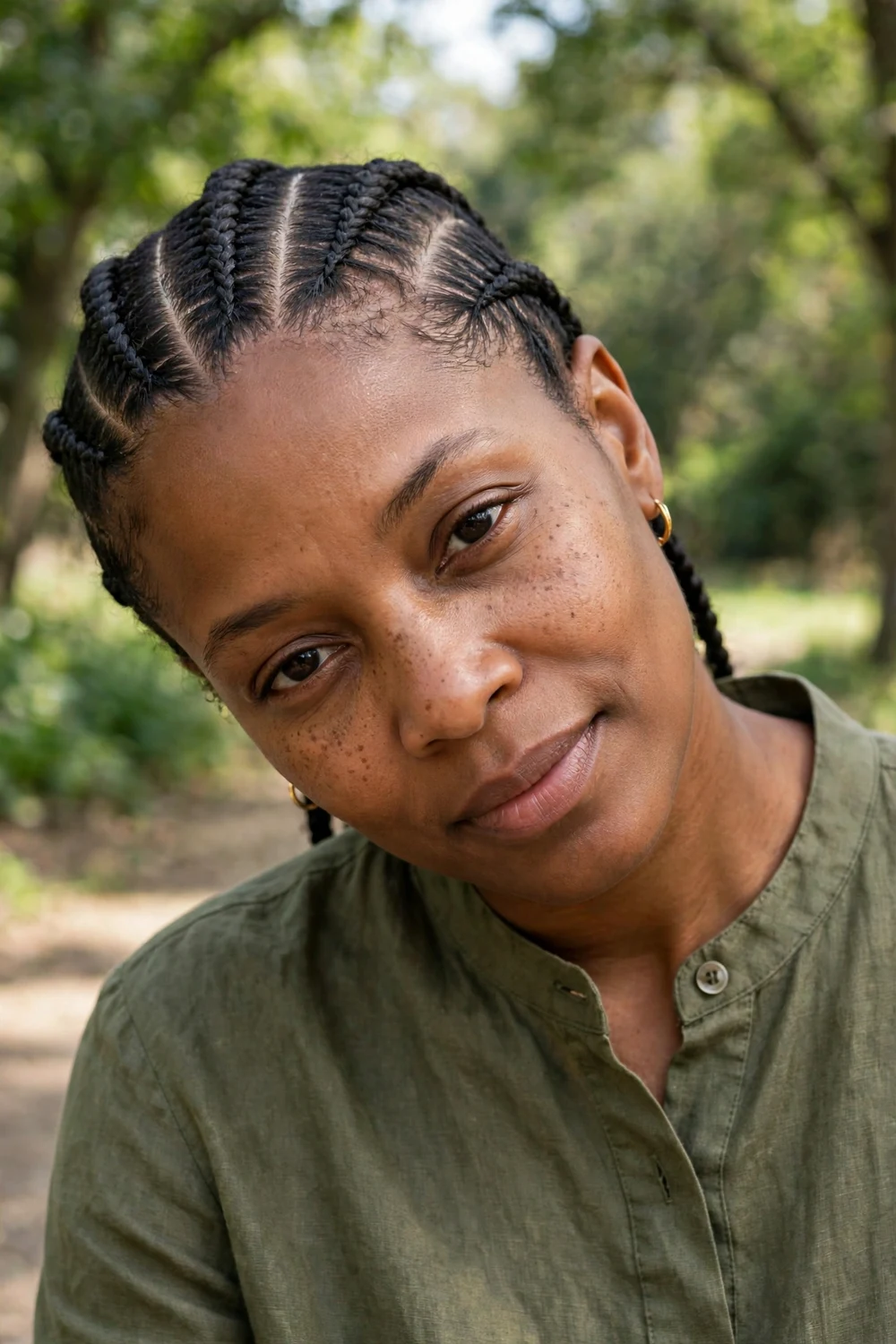
Cornrows are a good retention choice when they’re done with comfortable tension, because the scalp stays accessible for washing and moisturizing throughout the wear.

Fulani braids combine cornrows at the front with loose braids at the back, giving you a protective style with plenty of styling range.

Two-strand twists on natural hair are one of the gentlest options, since there’s no added hair weighing the roots down.

Lightweight goddess locs, usually installed with the crochet method, keep tension off the roots while giving a full, textured look.
Care rules while the braids are in
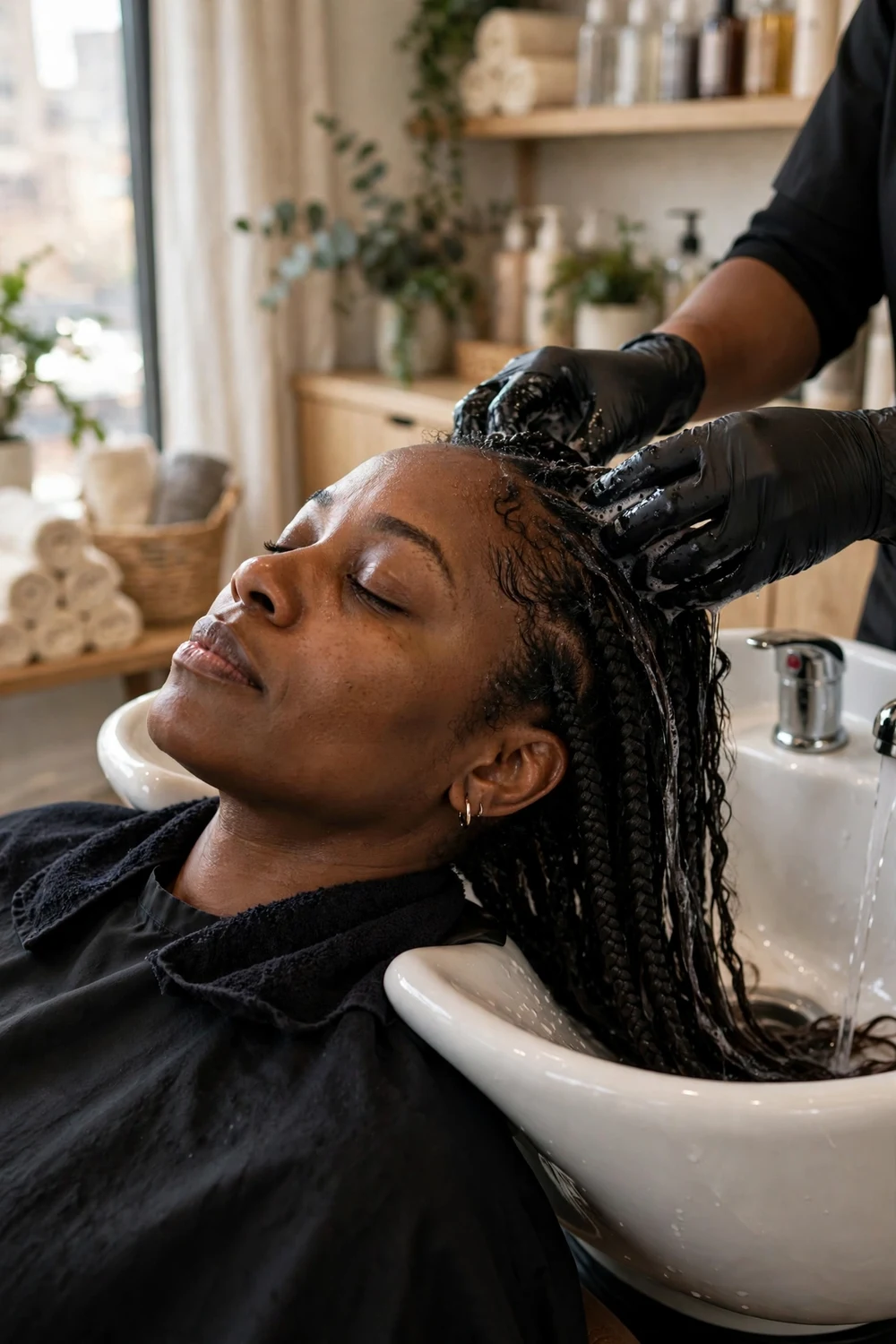
Retention only works if the hair underneath stays healthy. Wash the scalp every one to two weeks with diluted shampoo, dry the braids fully so mildew can’t develop, and moisturize two to three times a week. Sleep in a satin or silk bonnet to cut overnight friction, and resist the urge to constantly restyle into tight updos that strain the hairline.
Watch your edges the whole time. They are the first place tension damage shows, and catching it early means loosening or removing a few braids instead of losing the hairline. Any style that causes persistent pain, itching that washing doesn’t fix, or visible thinning should come out regardless of how long it’s been in.
Taking them down the right way
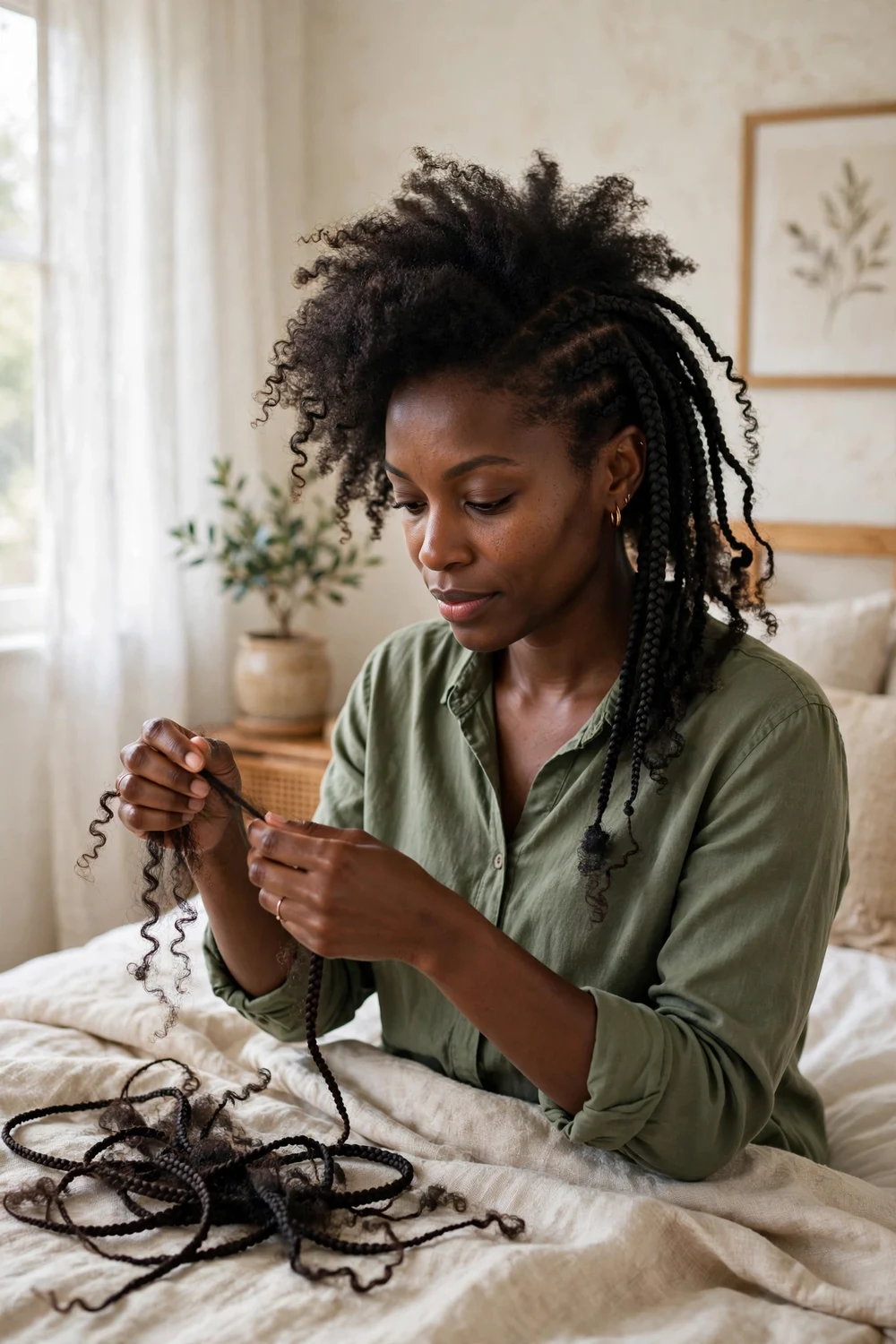
The takedown decides how much of your retained length you actually keep. Work dry, section by section, and finger-detangle each freed section before touching a comb. All the hairs you shed daily, roughly 50 to 100, have been trapped in the braids for weeks, so expect an alarming-looking ball of shed hair. That’s normal shedding released at once, not breakage.
Once everything is out, clarify to remove buildup, then deep-condition before any heat or styling. Give your scalp a few days to breathe before the next install; back-to-back installs with no rest period are a common cause of gradual thinning. If you’re in the growing-out phase, awkward length 4c hairstyles has styling ideas for that in-between stage.
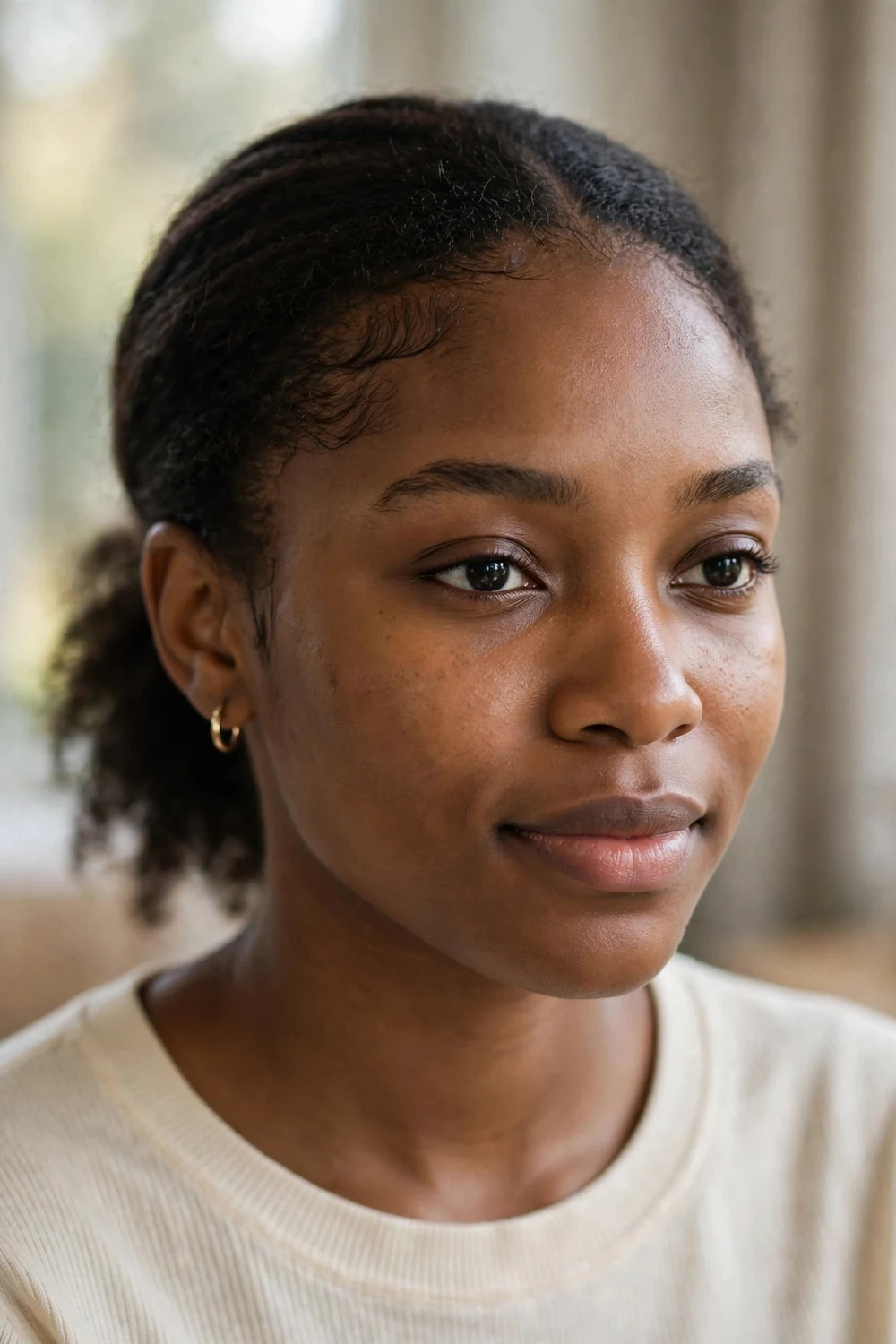
Done right, this is the payoff: intact edges and retained length, ready for the next style or a rest period.
Frequently asked questions
Do braids make your hair grow faster?
No. Hair growth happens inside the follicle and runs at about half an inch per month regardless of how you style your hair. Braids help you retain more of that growth by reducing breakage, which is why hair often looks longer after a protective style.
How long should I keep braids in for hair growth?
Six to eight weeks is ideal, with 10 weeks as the absolute maximum. Past that point, new growth tangles with the braided hair and the takedown causes the breakage you were trying to avoid.
Which braids are best for hair growth?
Medium-size knotless box braids, loose cornrows, Fulani braids, and two-strand twists on natural hair are the safest bets. Avoid micro braids worn for months, very long heavy synthetic styles, and anything installed tight enough to cause pain.
Why does my hair look thinner after removing braids?
You shed 50 to 100 hairs a day, and all of that shedding was trapped inside the braids for weeks. It releases at once during takedown, which looks dramatic but is normal. Fullness typically returns within a couple of weeks.
Can tight braids cause hair loss?
Yes. Constant tension on the follicles causes traction alopecia, which starts as thinning edges and a receding hairline. Pain, bumps, or headaches after an install are warning signs. It is usually reversible if you stop the tight styling early, but long-term tension can make it permanent.
Final thoughts
So, do braids help your hair grow? They don’t change your growth rate, but they are one of the best tools for keeping the growth you get. Choose a comfortable, sensibly sized style, moisturize and wash while it’s in, take it out on time, and detangle with care at takedown. Do that consistently and your braids will do exactly what a protective style is supposed to do: hand you back more length than you started with.

