


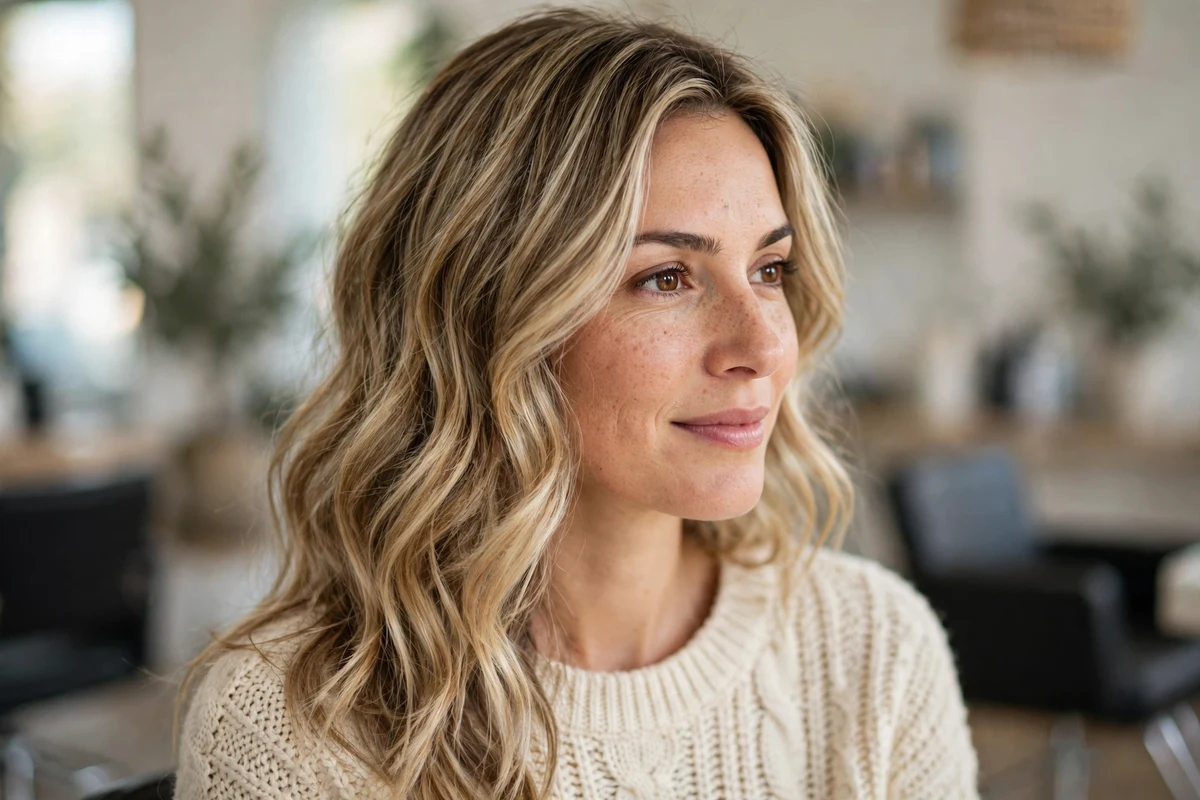
Highlights on dirty blonde hair work best when they sit one to three shades away from your natural base. Honey, champagne, beige, and ash are the shades colorists reach for most, because they add depth and movement without hiding the dirty blonde underneath. The goal is color that looks like your hair on its best day, not a completely new color.
Dirty blonde hair looks its best with soft, blended highlights that add dimension without harsh lines. This list covers 18 specific shade and placement combos for dirty blonde hair, each with a styling tip, a difficulty rating, and honest maintenance notes so you know what you are signing up for before you book.
Quick Takeaways
- Dirty blonde takes highlights well because it is already a blend of blonde and light brown, so color lifts evenly and grows out softly.
- Warm undertones pair with honey, caramel, and butter shades. Cool undertones suit ash, pearl, and mushroom tones.
- Expect $80 to $280 for a salon highlight service, with refresh appointments every 8 to 16 weeks depending on the technique.
- Use a sulfate-free, color-safe shampoo and cool water rinses to keep blonde tones from going brassy.
- Apply heat protectant before any hot tool. Lightened hair dries out faster than your natural base.
1. Soft Honey Highlights
If you want to see how these ideas fit into the bigger picture this year, browse our full roundup of blonde highlight trends for 2026.
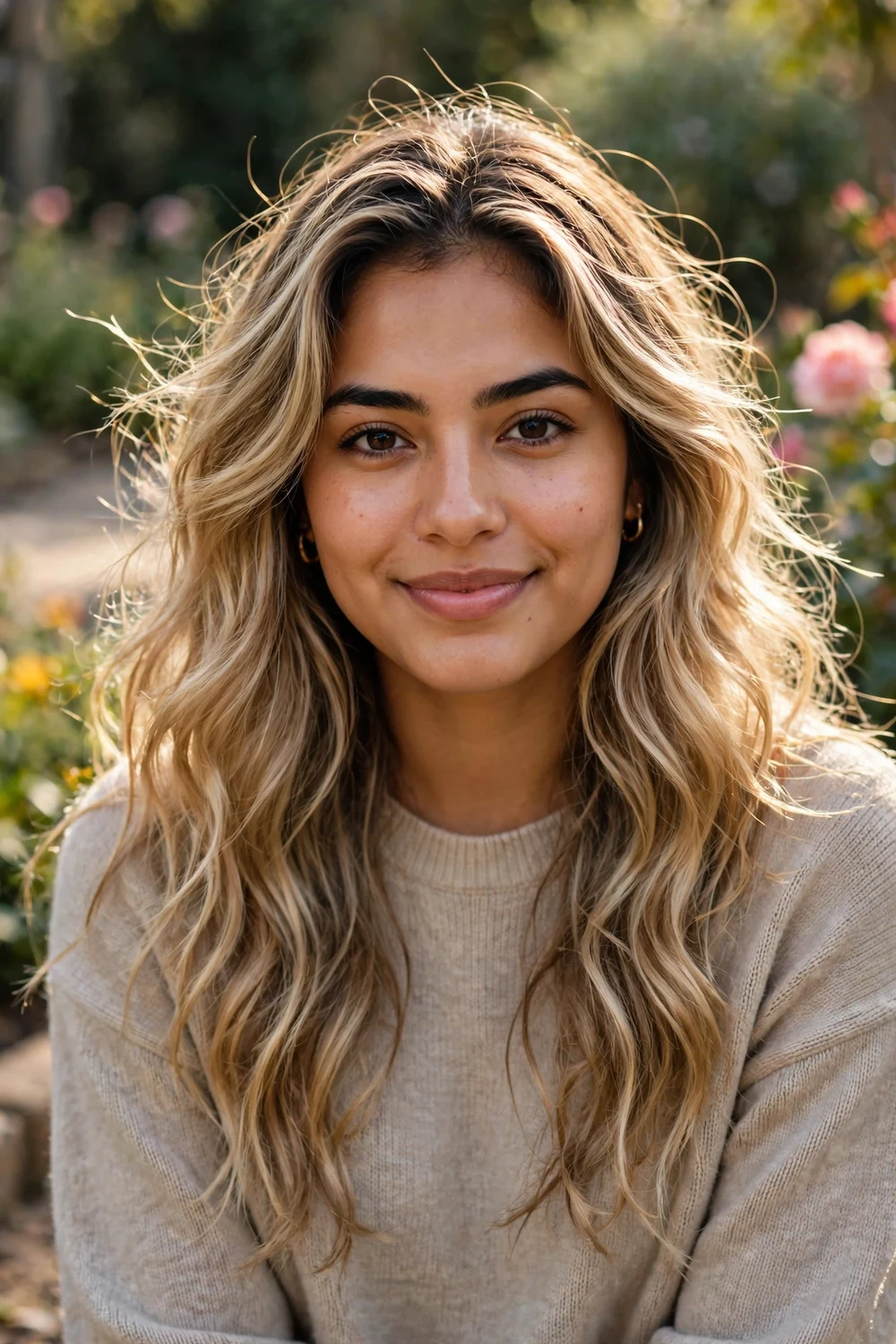
Soft honey highlights blend smoothly into a dirty blonde base, creating a sun-kissed finish that reads natural in daylight and indoor light. They work best on long layers and loose waves, where the lighter pieces catch the light as the hair moves.
Honey sits close to dirty blonde, so regrowth blends in without a harsh line. Most people refresh every 10 to 12 weeks. Ask for fine weaves through the mid-lengths rather than chunky sections, which keeps the finish soft.
Try this: ask for the honey pieces to be slightly brighter around your part line, where natural sun lightening would show up first.
Difficulty: Easy · Cost: $120–$220 (partial or full foils)
2. Ash Blonde Highlights
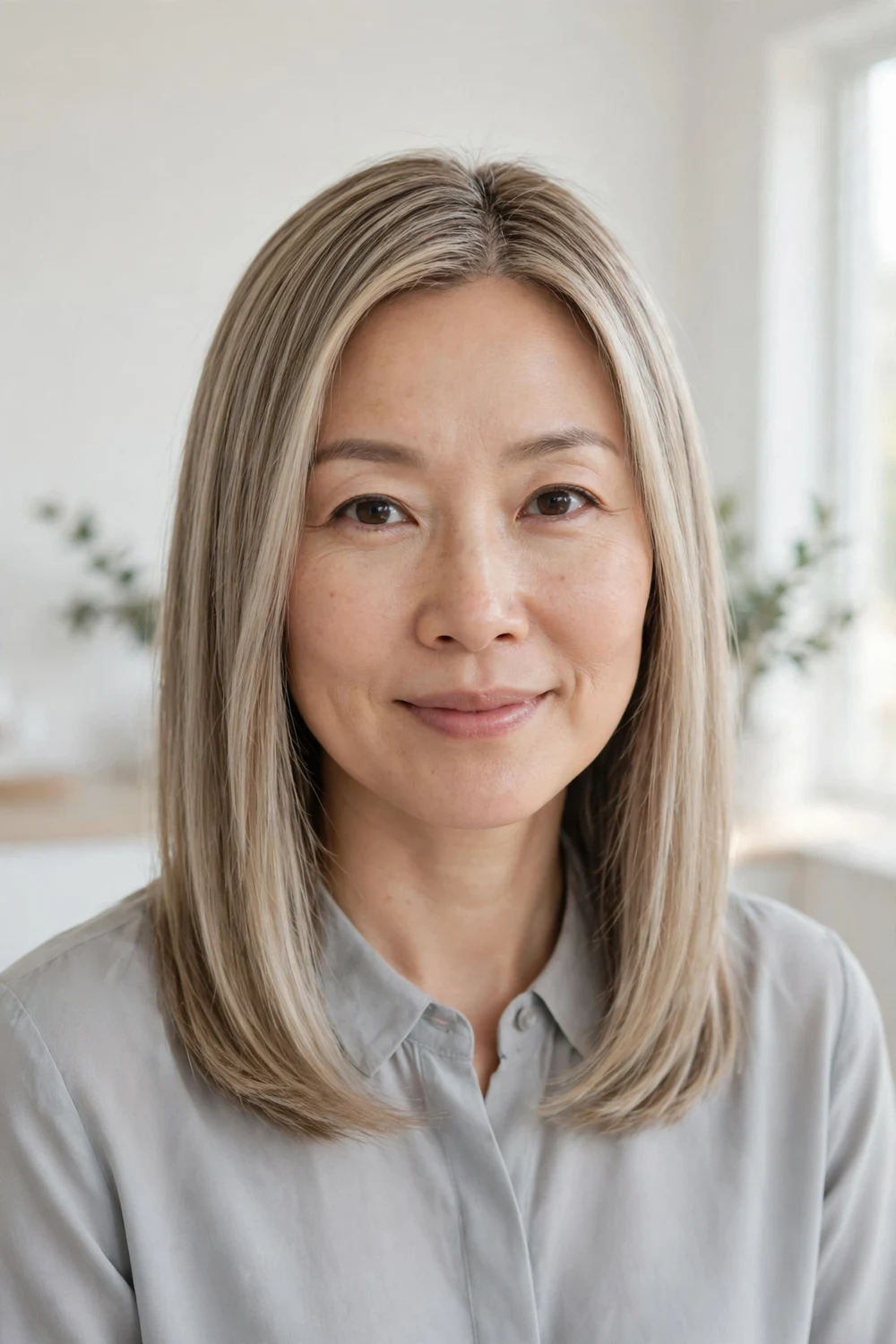
Ash blonde highlights cool a dirty blonde base down and remove the brassy tones many people dislike. The smoky, gray-leaning shade keeps the overall color soft, and it suits straight hair well because smooth strands show the cool contrast cleanly.
Ash tones can fade faster than warm ones, so plan a tone refresh every 8 to 10 weeks. Purple shampoo once a week keeps the cool tone from turning yellow between visits. Ask for a toner at the same appointment as the highlights.
Try this: wear a silver-gray top to your consultation so you can see how the ash tone reads against cool clothing.
Difficulty: Moderate · Cost: $130–$250 (foils plus toner)
3. Beige Balayage Highlights
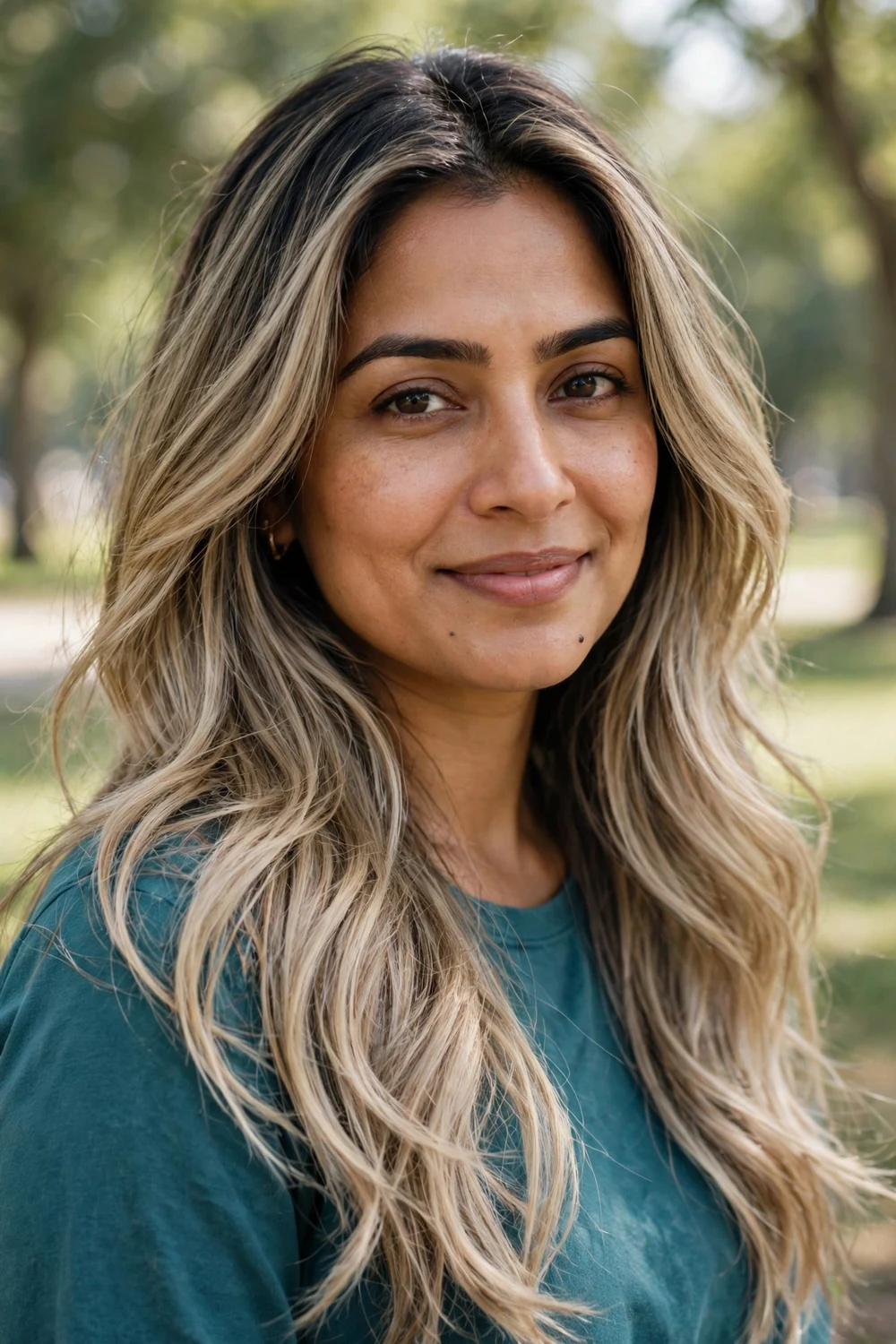
Beige balayage is hand-painted onto the hair, so there are no harsh foil lines. The color melts from darker roots to lighter neutral-beige ends, which gives dirty blonde hair depth without looking colored. The neutral tone works with warm, cool, and neutral skin tones.
Balayage grows out more gracefully than foils, so appointments stretch to 12 to 16 weeks. Ask the colorist to feather the paint upward in thin strokes rather than painting thick blocks. That feathering keeps the blend soft as new growth comes in.
Try this: loose waves show hand-painted color better than straight styles, since the curves expose different tones.
Difficulty: Easy · Cost: $150–$280 (salon balayage)
4. Face-Framing Blonde Highlights
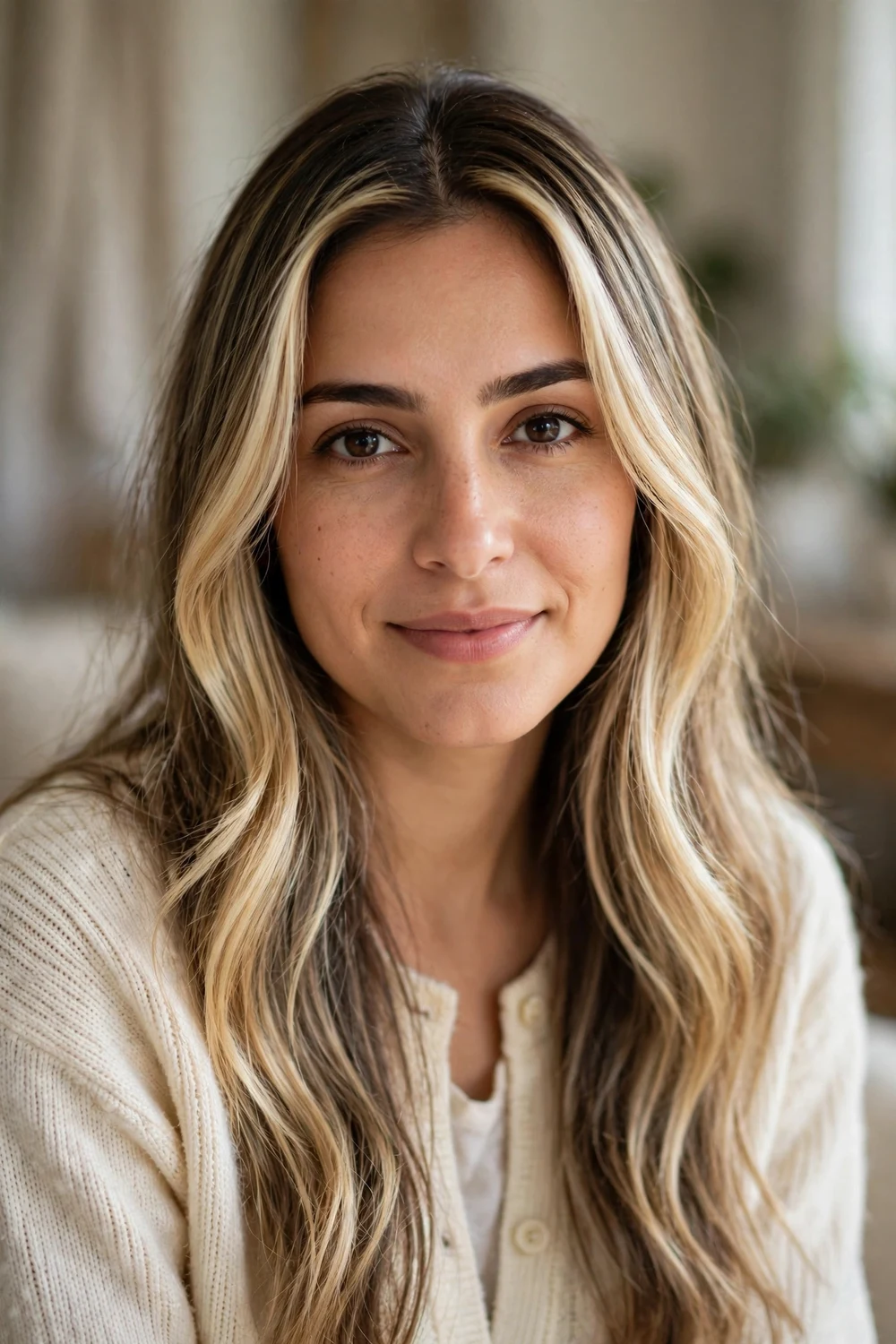
Face-framing highlights lighten only the sections of hair around your face, usually two to three shades lighter than your base. Even a few bright pieces make your complexion look fresher, and the rest of your dirty blonde stays untouched. The appointment often takes under two hours.
The front strands show regrowth sooner than the rest of your head, so plan a refresh every 8 to 10 weeks. At home, style the front pieces with a slight bend to show off the brightness. If you use a flat iron for that bend, apply heat protectant first.
Try this: keep the face-framing pieces fine rather than thick. Thin ribbons look natural; wide strips can look harsh against a dirty blonde base.
Difficulty: Easy · Cost: $80–$150 (partial service)
5. Champagne Blonde Highlights
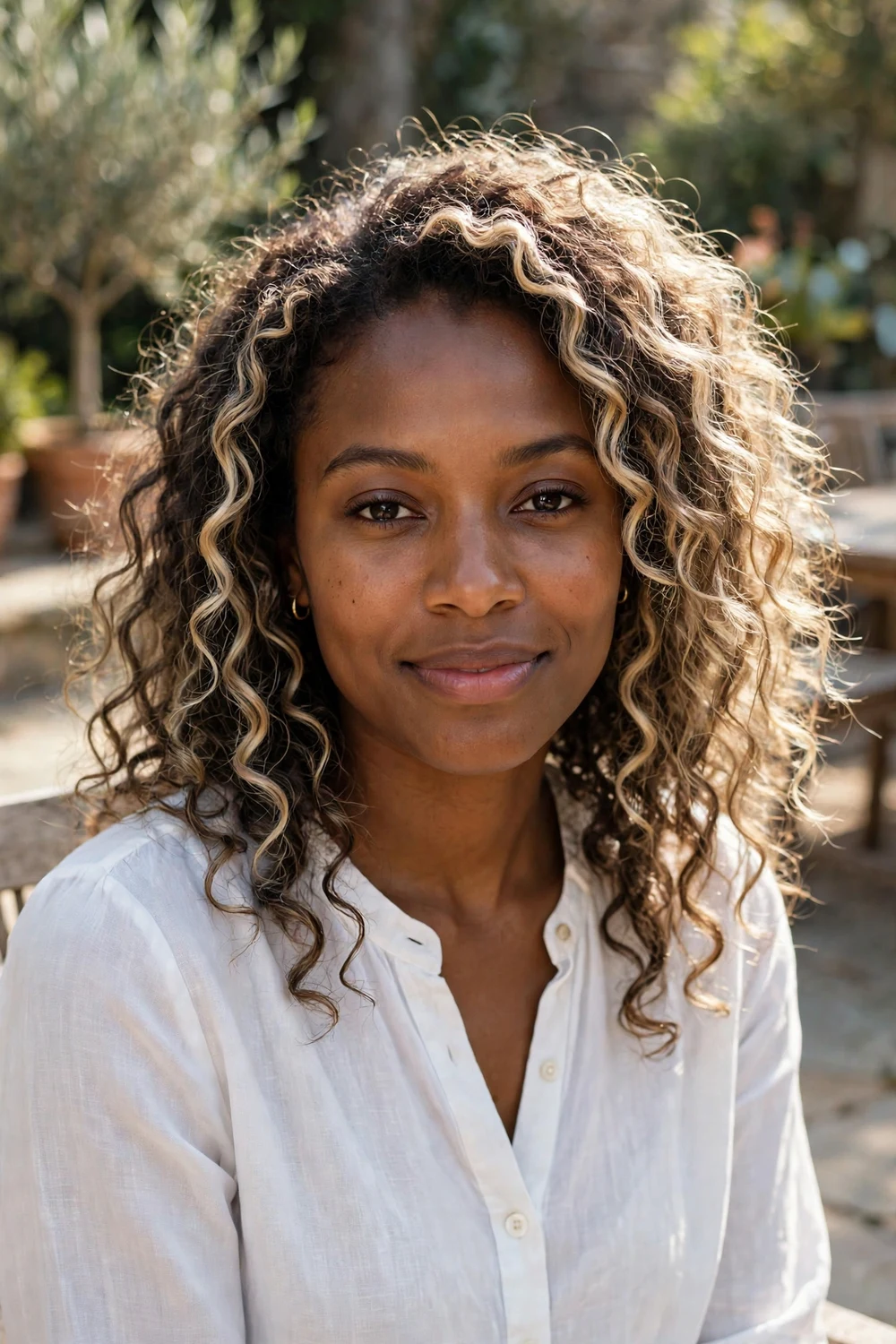
Champagne blonde mixes soft warm and cool tones, which gives dirty blonde hair a bright finish with plenty of shine. The color reflects light well, so it suits curls and waves where each bend catches a different angle. It reads polished but still feels natural.
Because champagne is a lighter lift, it needs more care than the subtle shades. Color-safe shampoo, cool-water rinses, and a glossing treatment every 10 weeks keep it from going dull. Trims every 8 weeks help too, since lighter ends show damage first.
Try this: ask your colorist to keep the brightest champagne pieces through the mid-lengths, not at the roots, for softer grow-out.
Difficulty: Moderate · Cost: $140–$260 (foils plus gloss)
6. Sandy Blonde Highlights
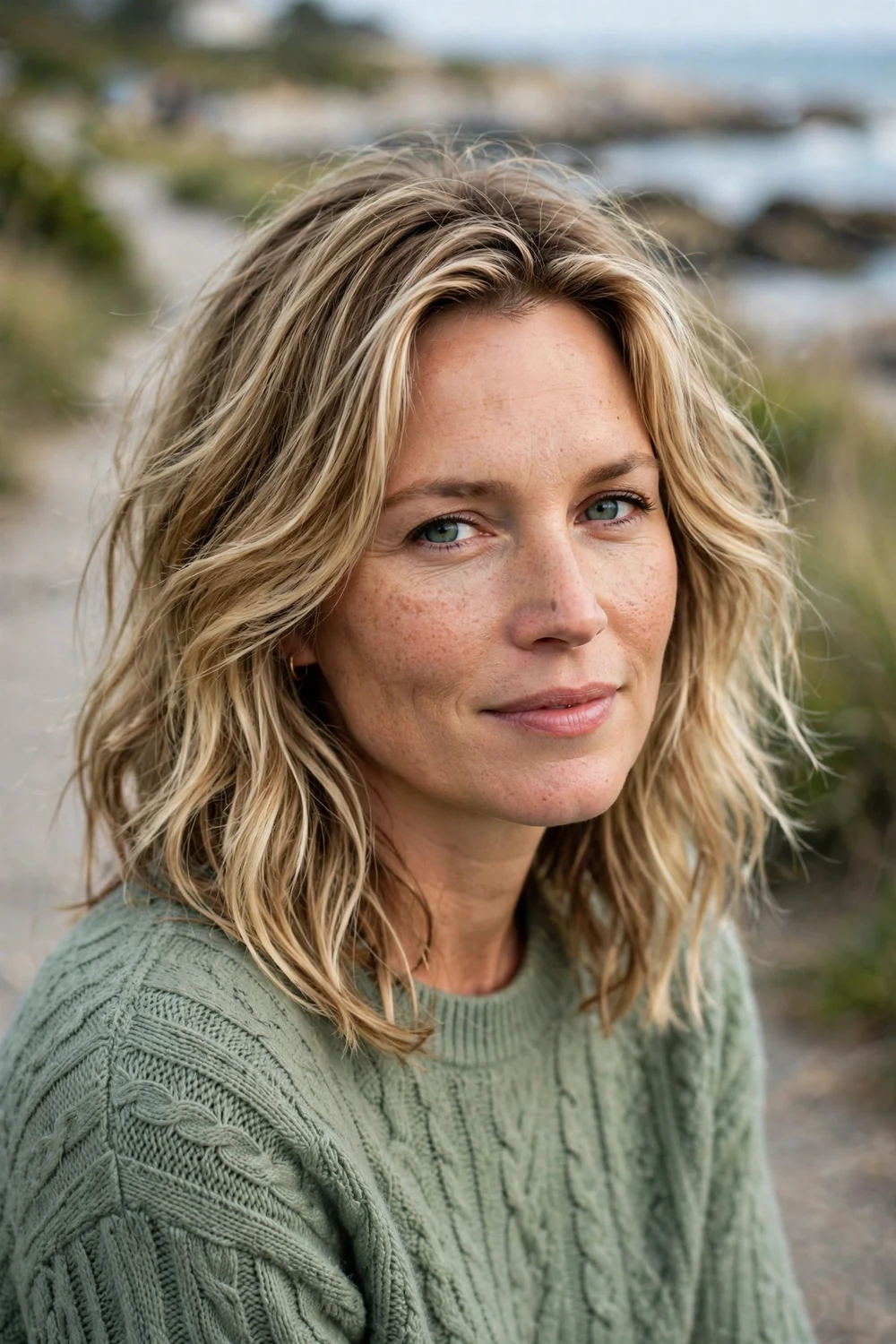
Sandy blonde sits between warm and cool, which makes it one of the easiest highlight shades to wear. On a dirty blonde base, it adds texture and movement without strong contrast. Layered cuts show it best, because the shades separate naturally as the layers fall.
Maintenance is low to medium. The balanced tone fades evenly, so most people go 10 to 14 weeks between appointments. A deep conditioning mask once a week keeps the highlighted pieces from looking dry at the ends.
Try this: air-dry your hair once after coloring to see the true tone before deciding whether you need a gloss adjustment.
Difficulty: Easy · Cost: $120–$230 (foils or balayage)
7. Creamy Blonde Highlights
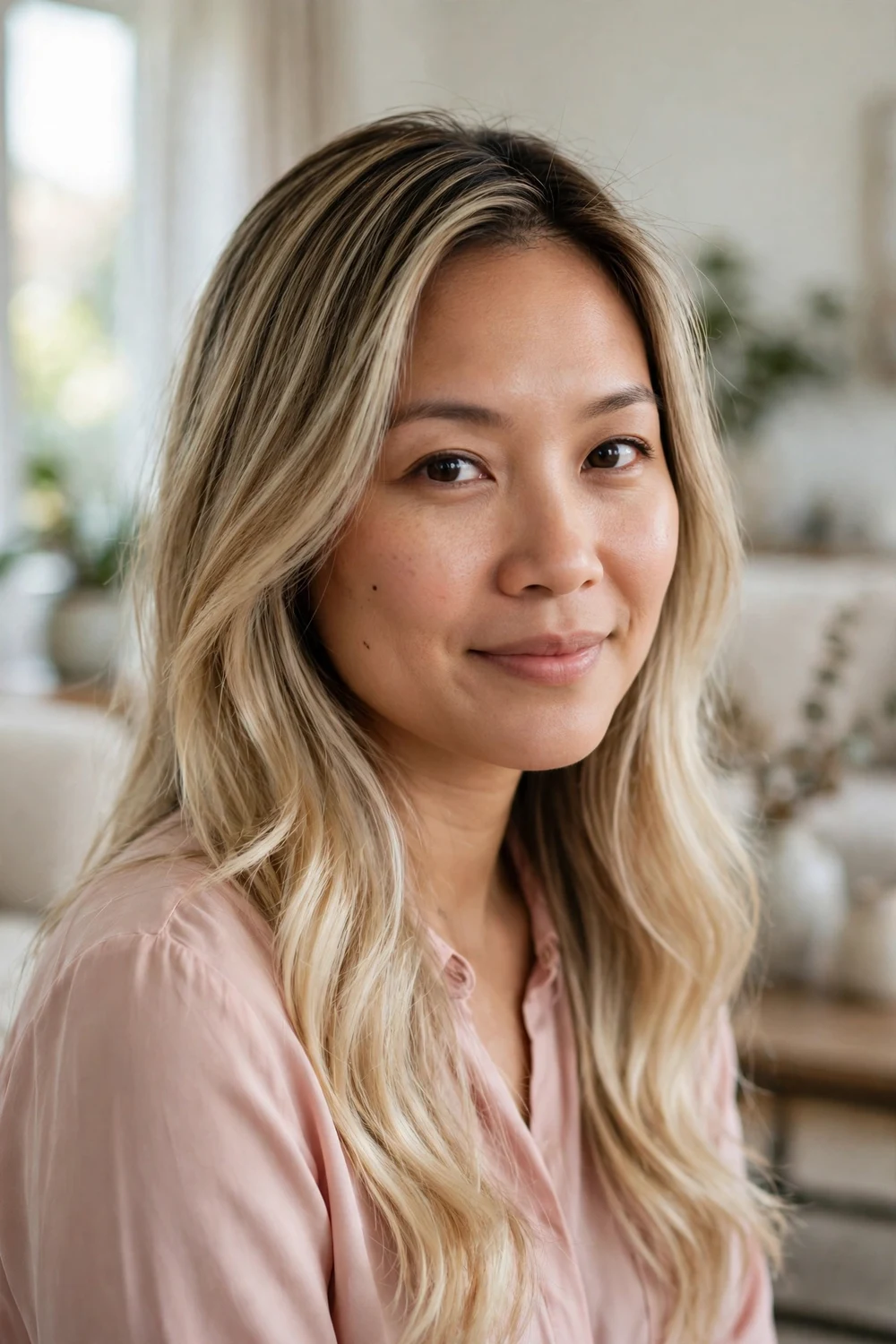
Creamy blonde highlights add soft brightness through the mid-lengths and ends without pushing dirty blonde hair too light overall. The shade has a smooth, milky quality that makes hair look silky, especially on straight blowouts.
Ask your colorist to concentrate the creamy pieces from the ears down, which keeps roots dark and grow-out gentle. Refresh every 10 to 12 weeks. A color-safe conditioner keeps the milky tone from turning flat or yellow between visits.
Try this: blowouts show creamy highlights at their best. Apply heat protectant before blow-drying to keep the lightened ends smooth.
Difficulty: Easy · Cost: $130–$240 (partial foils)
8. Golden Ribbon Highlights
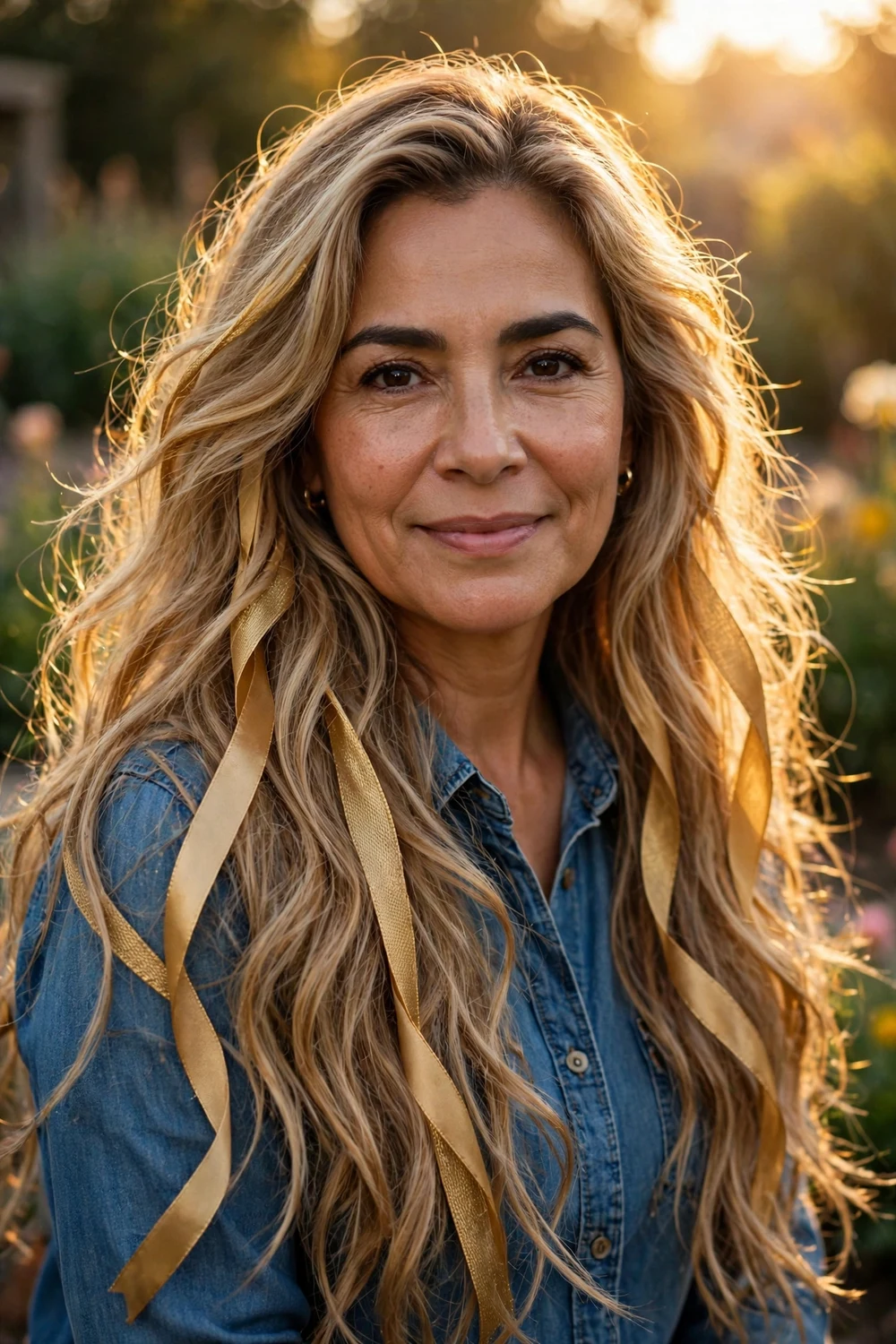
Golden ribbon highlights are wider, flowing pieces of color that run through dirty blonde hair like long threads. They add warmth and make thick or layered hair look more dimensional, since the ribbons separate as the hair moves. Sunlight catches the golden tone for a soft glow outdoors.
Ribbons are usually placed through balayage or thick-weave foils, and both grow out softly. Plan touch-ups every 12 to 14 weeks. Keep the ribbons away from the hairline if you pull your hair back often, since wide pieces near the face can look heavy.
Try this: loose beach waves break the ribbons apart and show the most dimension. Use heat protectant before the curling wand.
Difficulty: Easy · Cost: $140–$260 (balayage or wide foils)
9. Butter Blonde Highlights
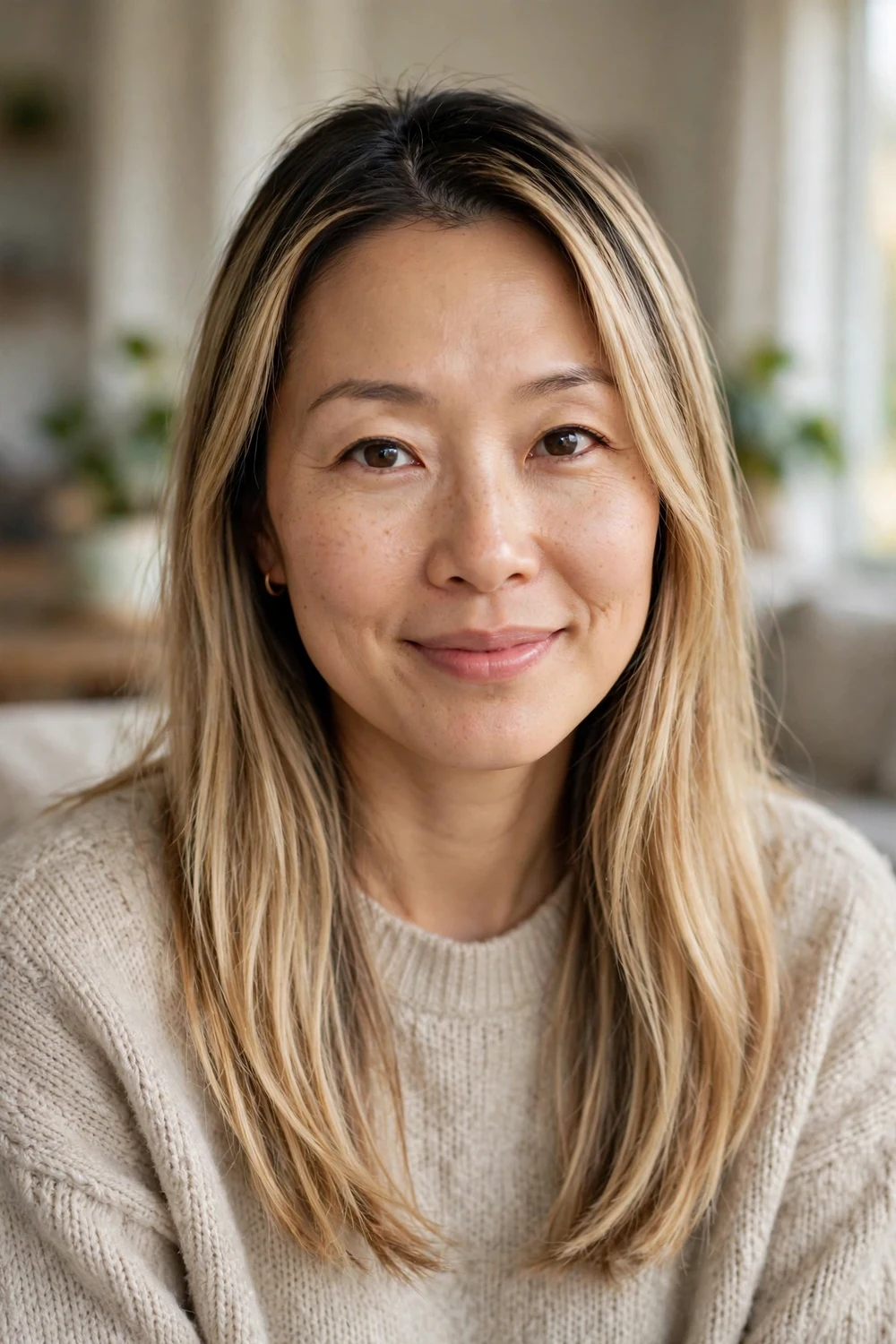
Butter blonde is a rich, warm yellow blonde that gives dirty blonde hair a creamy glow. It brightens the overall color while leaving the roots natural, so the finish looks soft rather than striped. This shade flatters warm skin tones especially well.
Warm shades like butter fade a little faster than neutral ones, so expect a tone refresh every 8 to 10 weeks. Cool-water rinses and a color-safe shampoo slow the fading. If your hair pulls very golden, ask your colorist to lean the formula slightly neutral at the first appointment.
Try this: pair butter highlights with a center part to let the warm pieces frame both sides of your face evenly.
Difficulty: Easy · Cost: $130–$250 (foils or balayage)
10. Caramel Blonde Highlights
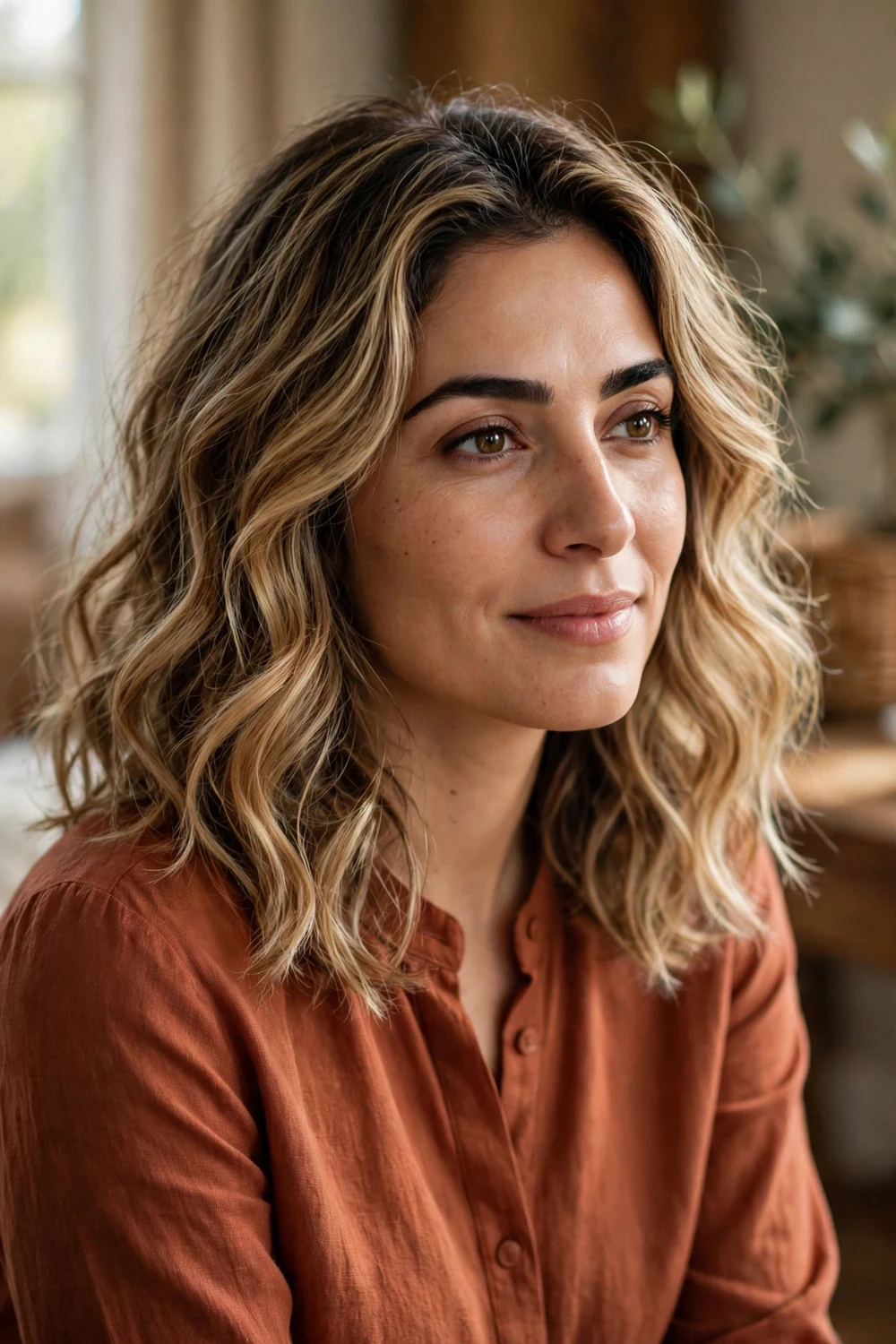
Caramel blonde highlights blend warm, golden-brown tones into dirty blonde hair for a rich but natural look. The deeper shade creates gentle contrast while staying soft and blended. Medium and long hairstyles show it best, and loose curls expose every shade.
This is a medium-maintenance choice. The caramel tone can warm up further with sun exposure, so a gloss appointment every 10 weeks keeps it in the right range. A weekly deep conditioning mask keeps the highlighted ends from drying out.
Try this: ask for the caramel pieces to be concentrated through the lower layers so the top stays closer to your natural shade.
Difficulty: Easy · Cost: $130–$250 (salon color)
For more hand-painted golden options, our dark caramel balayage guide breaks down warmer caramel placements in detail.
11. Soft Babylights
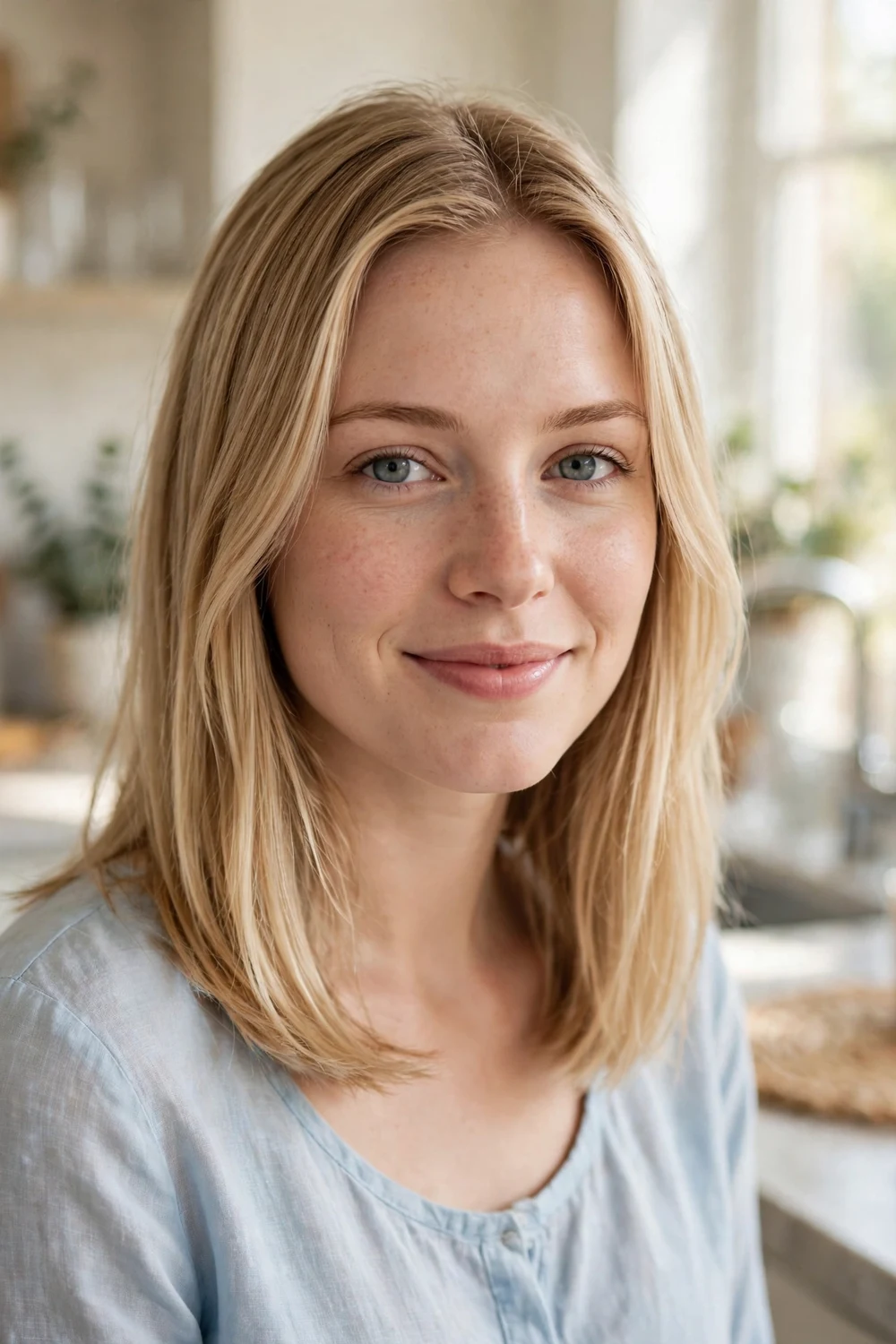
Babylights are very fine highlights placed throughout the hair to copy the soft lightening seen in naturally sun-lightened hair. On a dirty blonde base, they create brightness that looks completely uncolored. They suit people who want the most subtle change possible.
The trade-off is appointment time, since the fine sections take longer to apply. But they grow out with the least maintenance of any foil technique, often lasting 12 to 16 weeks. Ask for them woven finely around the hairline for the most natural effect.
Try this: skip heavy styling products for the first week after babylights so you can judge the true blend.
Difficulty: Moderate · Cost: $150–$280 (longer appointment)
12. Mushroom Blonde Highlights
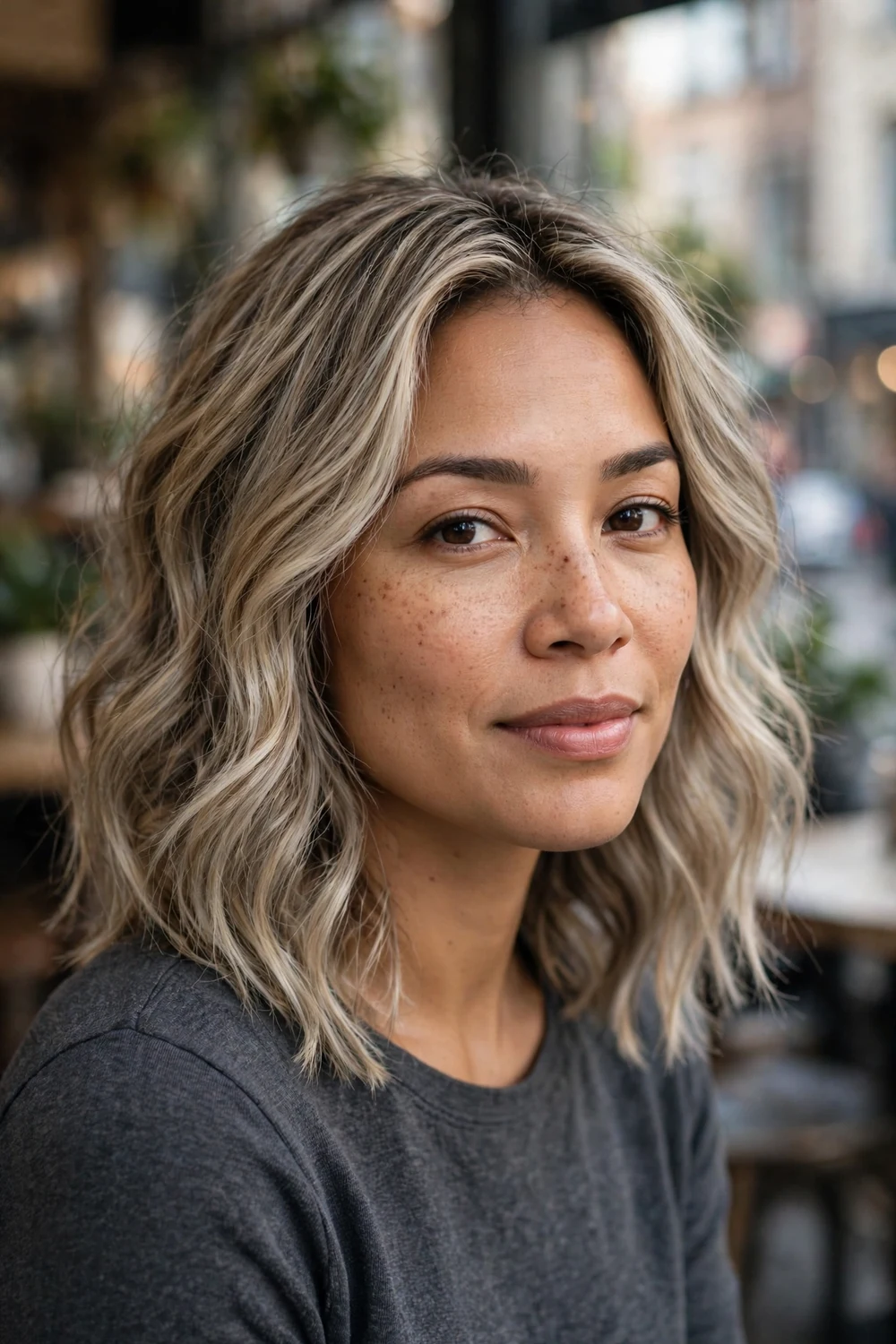
Mushroom blonde mixes cool beige and light ash tones into a muted, modern blonde. On dirty blonde hair, it adds depth while keeping the finish smooth and balanced. The shade suits people who prefer cooler colors over golden blonde, and it looks clean on straight styles and textured waves alike.
Cool muted tones need tone maintenance to stay right. Plan a gloss or toner refresh every 8 to 10 weeks, and use purple shampoo sparingly, since too much can dull the beige side of the color.
Try this: mushroom blonde pairs well with a blunt cut, since the sharp shape frames the muted color nicely.
Difficulty: Moderate · Cost: $140–$260 (foils plus toner)
If cool tones are your direction, our brown hair with silver highlights roundup shows how ashy shades play out on a darker base.
13. Pearl Blonde Highlights
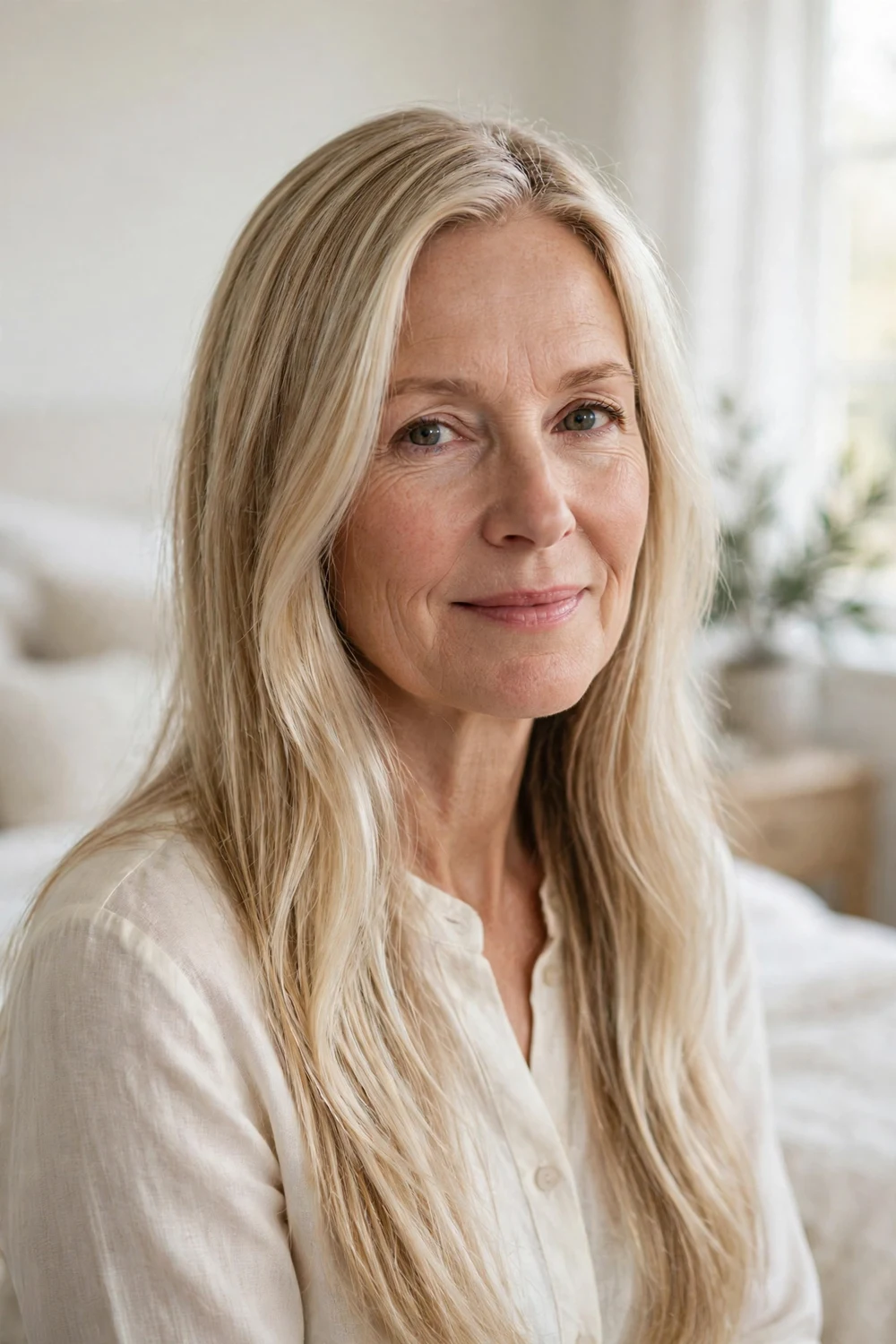
Pearl blonde highlights add a soft shimmer that brightens dirty blonde hair without strong contrast. The cool, pearly shade blends gently through the lengths and gives the hair an elegant finish. Silky straight hair shows the shimmer best, since smooth surfaces reflect more light.
Pearl is a lighter lift, so it shares the maintenance needs of other cool blondes. A toner refresh every 8 to 10 weeks keeps the shimmer from going flat. Handle lightened ends gently when brushing, since fine hair shows breakage more easily at the tips.
Try this: a shine spray on the ends after styling boosts the pearly reflection without weighing hair down.
Difficulty: Moderate · Cost: $140–$260 (foils plus toner)
14. Toffee Blonde Highlights
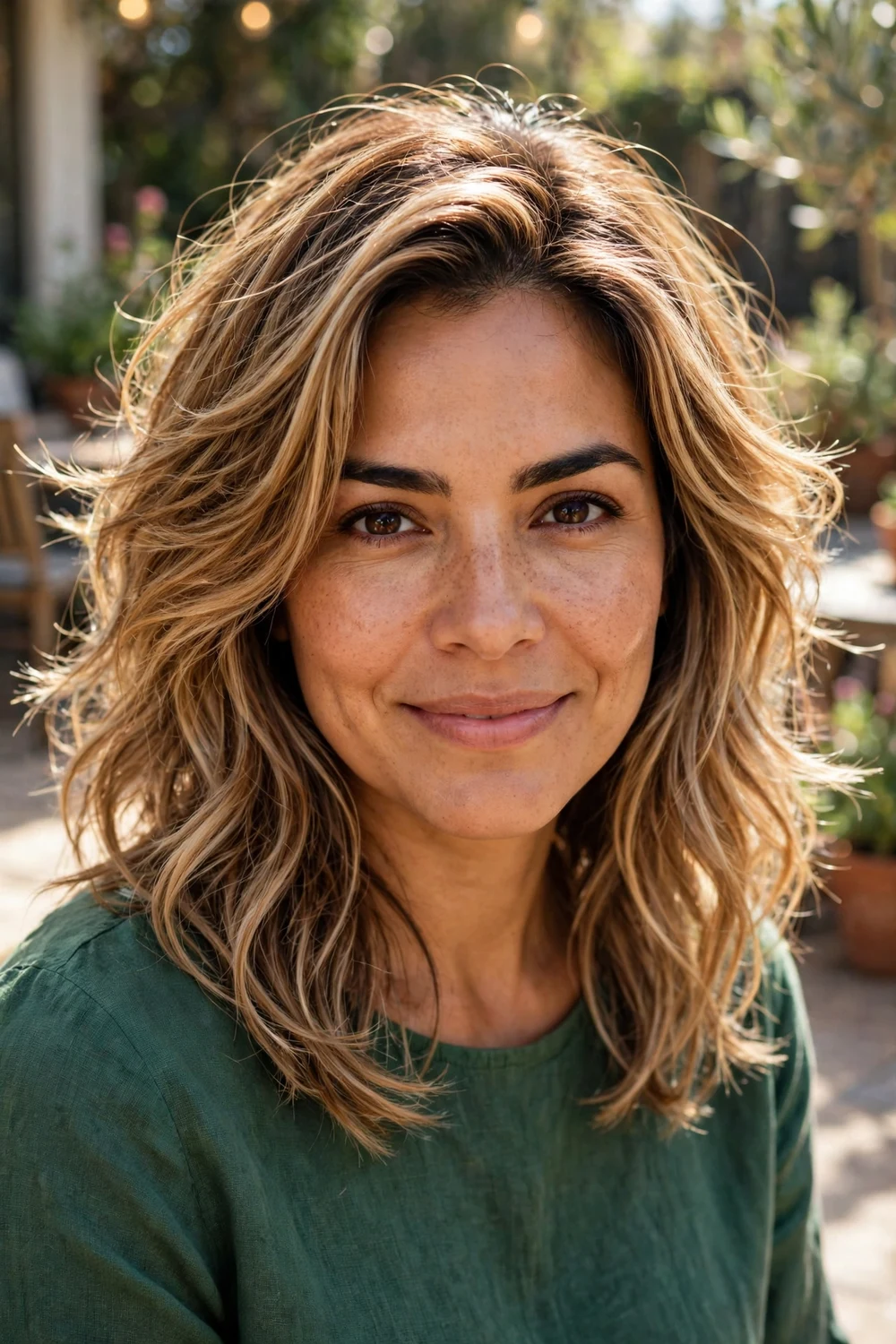
Toffee blonde highlights bring rich warmth to dirty blonde hair through a blend of golden and light brown tones. The result is natural depth that works in every season. Layered cuts wear toffee well, because the different lengths let the warm pieces peek through.
Toffee is one of the lower-maintenance warm shades. The warmth sits close to the base color, so most people stretch touch-ups to 12 to 14 weeks. Ask for the color to be placed slightly deeper than you think you want at first, since warm tones settle lighter after the first few washes.
Try this: toffee looks rich against warm-toned clothing like rust, camel, and olive.
Difficulty: Easy · Cost: $120–$230 (foils or balayage)
15. Bronde Highlights
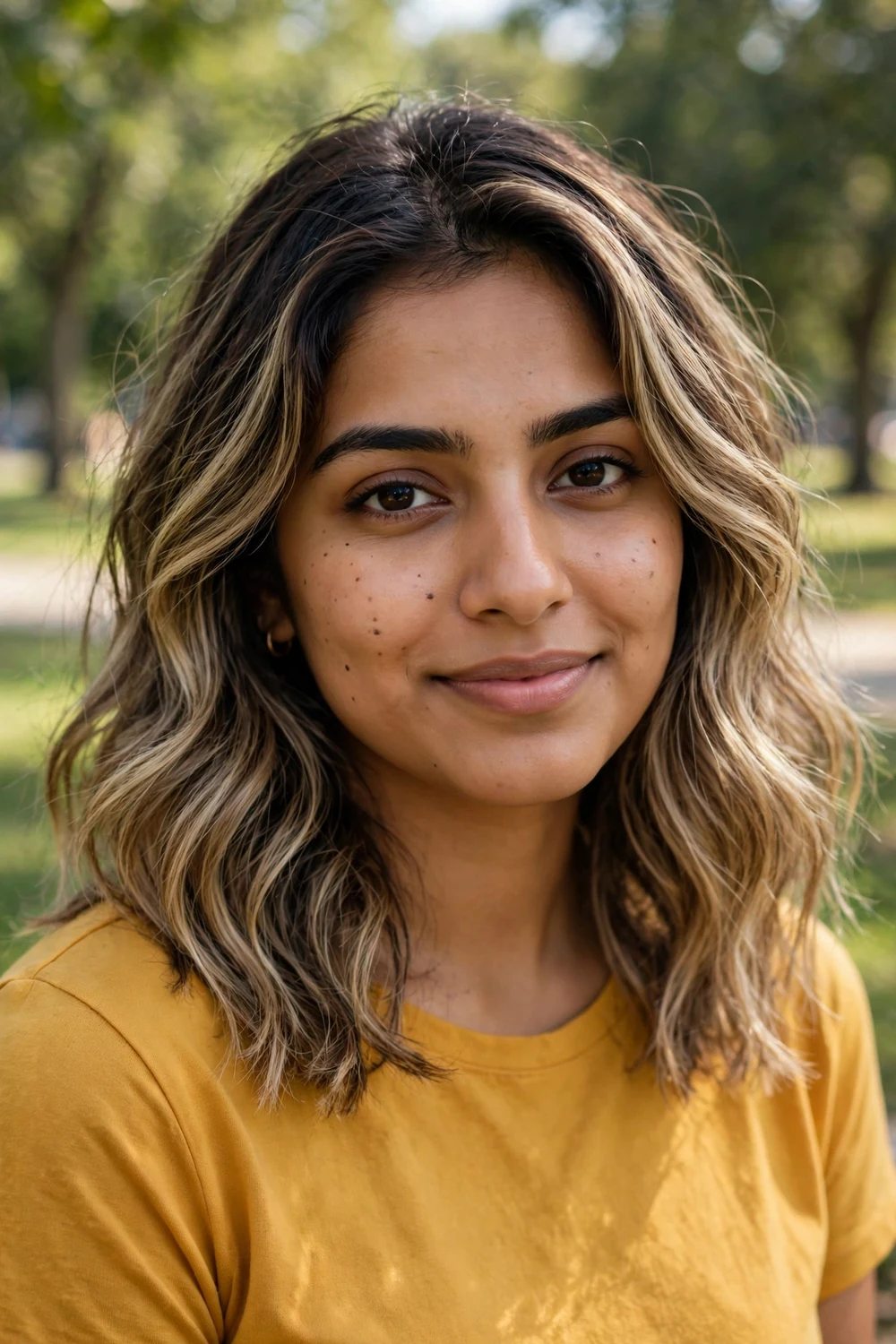
Bronde is the middle ground between brown and blonde, and it suits dirty blonde hair since the base already lives in that range. Both light blonde and soft brown pieces create dimension that looks like well-cared-for natural hair, without a dramatic change.
The mixed tones grow out with very little maintenance, since neither creates a harsh line. Most people go 12 to 16 weeks between visits. Ask your colorist to keep some of your natural base visible between the colored pieces.
Try this: bronde needs no styling tricks to look good, which makes it the best pick if you usually air-dry your hair.
Difficulty: Easy · Cost: $130–$250 (foils or balayage)
Curious how brown and blonde mix on a darker starting point? Our black hair with brown highlights roundup shows the same blend pushed deeper.
16. Sun-Kissed Balayage
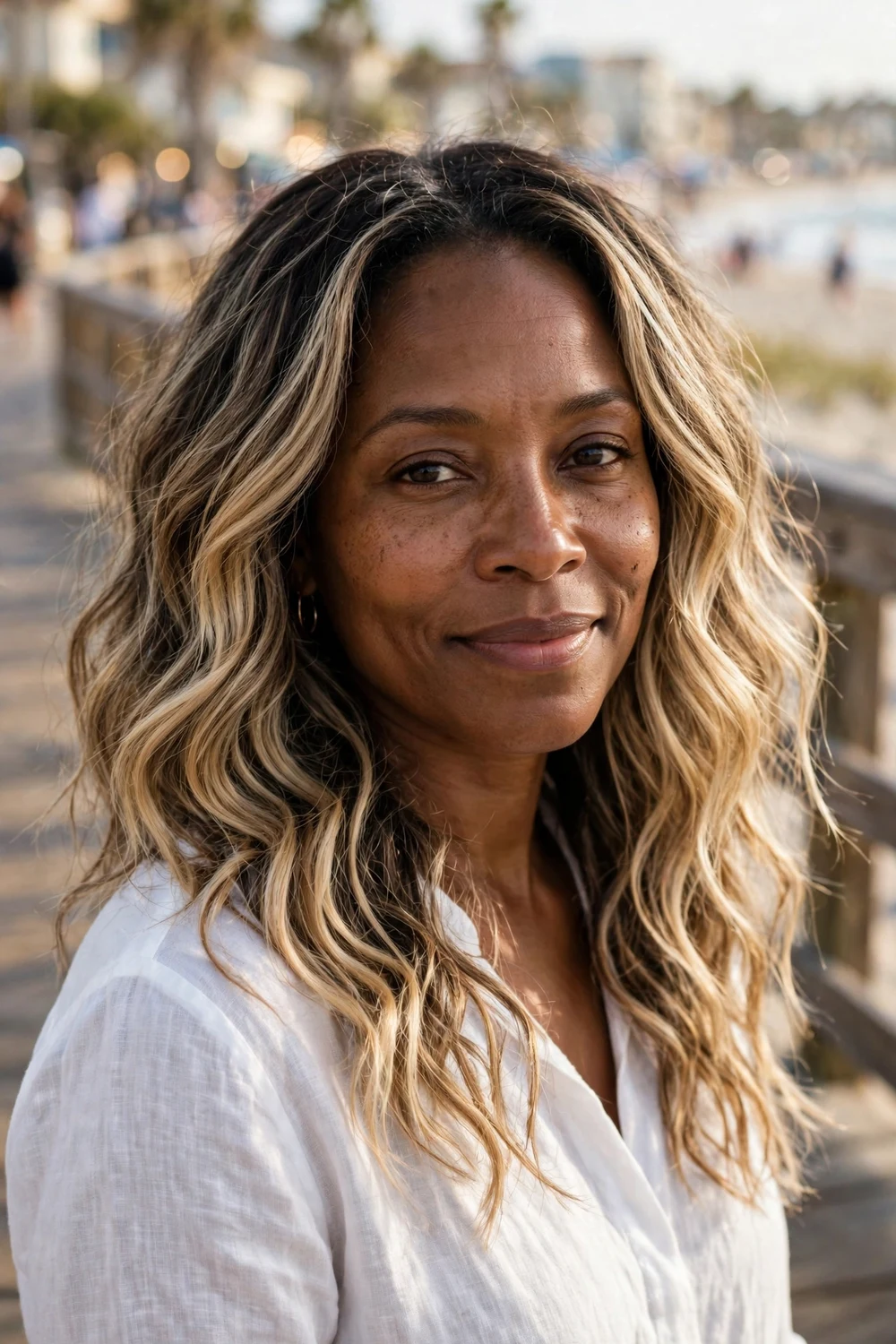
Sun-kissed balayage copies the way hair lightens after time in the sun, with lighter blonde pieces focused on the mid-lengths and ends. The hand-painted blend has no visible root line, which makes it one of the most popular salon choices for dirty blonde hair. Long waves and textured layers show it off best.
This style grows out so naturally that many people go 14 to 16 weeks between appointments. Ask the colorist to keep the lightest pieces a few inches away from the scalp. That gap keeps the grow-out soft instead of stripey.
Try this: a salt spray on damp hair, scrunched and air-dried, leans into the sun-kissed look with no heat at all.
Difficulty: Easy · Cost: $150–$280 (salon balayage)
17. Root Melt Blonde Highlights
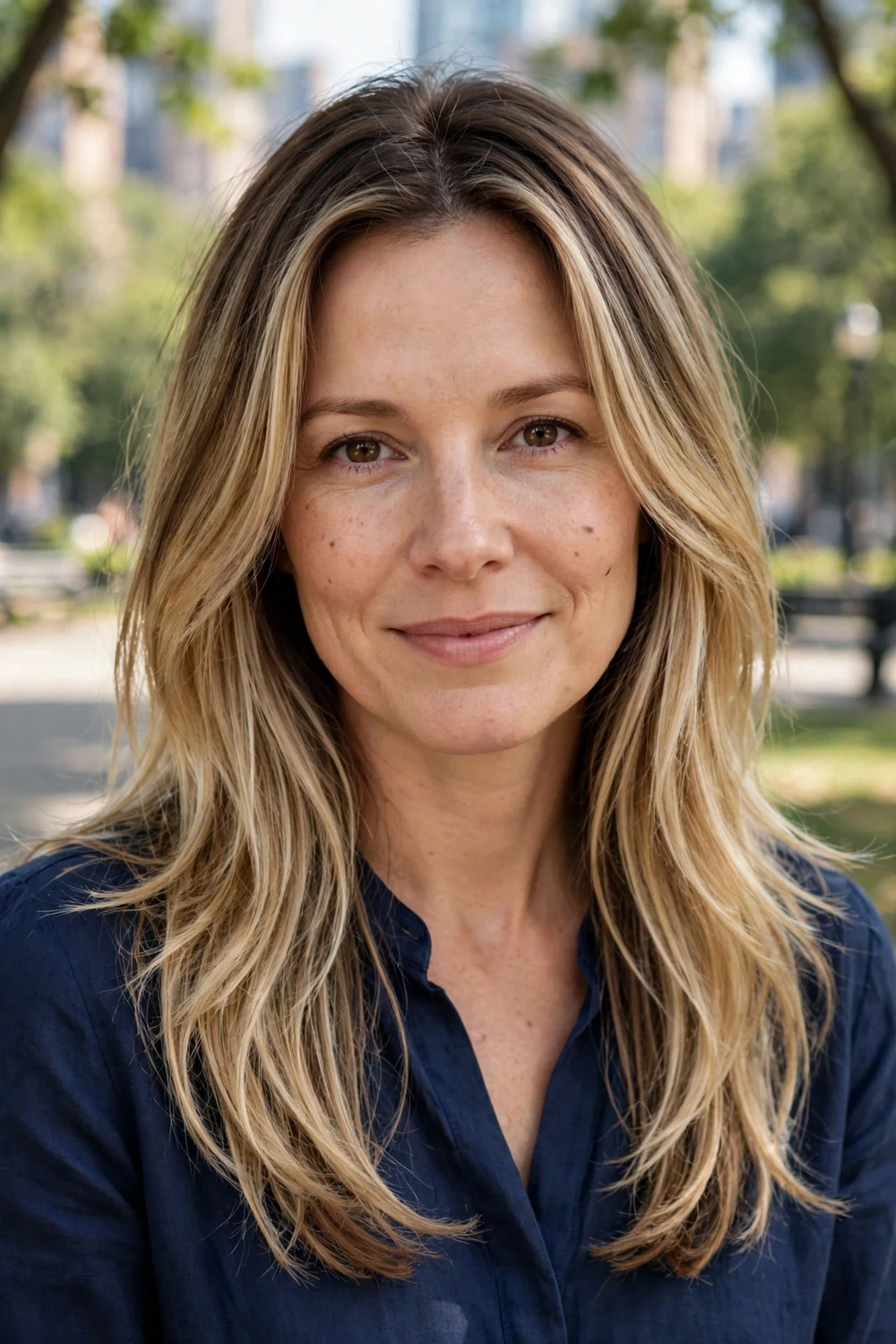
A root melt keeps the roots darker while blending into lighter blonde tones through the rest of the hair. The smooth transition creates a seamless finish that feels modern and soft. On dirty blonde hair, the melt usually starts only a shade or two deeper than the base, so the contrast stays gentle.
This technique is built for low maintenance. There are no harsh regrowth lines, so appointments stretch to 12 to 16 weeks, and many people only refresh the melt twice a year. Ask for the root color to be applied with a soft, diffused line rather than a hard edge.
Try this: root melts look their best slightly grown out, so schedule your first follow-up later than you think you need.
Difficulty: Easy · Cost: $140–$260 (melt plus highlights)
18. Lived-In Blonde Highlights
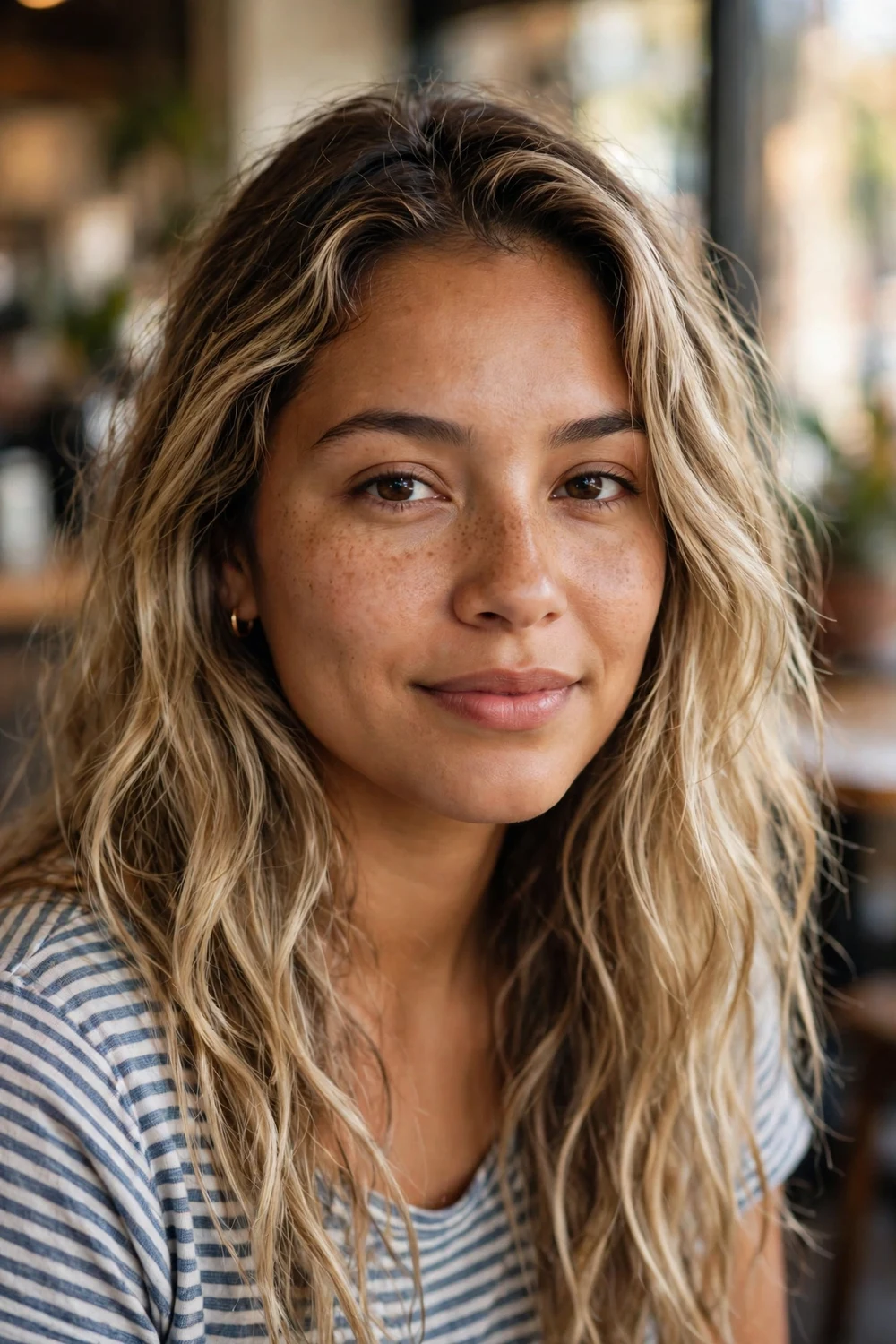
Lived-in blonde highlights are painted to look soft, natural, and slightly grown out from the very first day. The blend creates dimension while keeping your dirty blonde base looking rich and healthy. This is the go-to choice for people with busy schedules who want color that looks good for months.
The soft grow-out means the highlights stay presentable for 14 to 18 weeks, longer than almost any other technique here. Maintenance is mostly at-home care: color-safe shampoo, weekly conditioning, and heat protectant whenever you style with heat.
Try this: lived-in color needs no perfect styling, so embrace your natural texture and let the blend do the work.
Difficulty: Easy · Cost: $150–$280 (lived-in color service)
Highlights vs. Balayage vs. Other Techniques: Quick Comparison
| Technique | Best for | Touch-up cycle | Cost range |
|---|---|---|---|
| Traditional foil highlights | Bright, even color from roots to ends | 8–12 weeks | $120–$260 |
| Balayage | Soft, hand-painted blend with natural grow-out | 12–16 weeks | $150–$280 |
| Babylights | The most natural, subtle brightness | 12–16 weeks | $150–$280 |
| Face-framing / money piece | Maximum brightness with minimum commitment | 8–10 weeks | $80–$150 |
| Root melt / lived-in color | Longest time between appointments | 14–18 weeks | $140–$280 |
How to Choose the Right Highlights for Dirty Blonde Hair
The best highlights depend on three things: your skin undertone, your natural depth, and how much upkeep you want. Warm skin tones take honey, butter, caramel, and golden shades well, since those tones add a healthy glow. Cool skin tones suit ash, pearl, mushroom, and beige, which keep the finish fresh and balanced. Neutral skin tones can wear champagne, sandy, and bronde, since those blend warm and cool together.
Next, think about maintenance honestly. If you visit the salon twice a year at most, stick with balayage, root melts, or lived-in color, since all three grow out without harsh lines. If you like a brighter, crisper look and do not mind regular visits, traditional foils give the most even lift. Either way, color-safe products, cool-water rinses, and heat protectant before hot tools keep the color fresh between appointments.
For more ideas across every hair topic we cover, browse the PrimeHairPicks homepage to find guides for your hair type, length, and color.
Frequently Asked Questions
Are highlights good for dirty blonde hair?
Yes. Highlights add brightness, depth, and dimension while keeping your natural dirty blonde base. They can make your hair look fuller and show more movement, without requiring a full color change.
Which highlight color looks most natural on dirty blonde hair?
Honey blonde, beige blonde, sandy blonde, and champagne blonde are among the most natural-looking options. They sit close to the dirty blonde base and create a soft, sun-kissed effect rather than obvious stripes.
Are balayage highlights better than traditional highlights?
Balayage creates a softer blend with fewer visible root lines, which makes it easier to maintain and cheaper over time. Traditional foil highlights give a brighter, more even lift from roots to ends. The better choice depends on whether you want low maintenance or maximum brightness.
How often should I touch up dirty blonde highlights?
Most people refresh traditional highlights every 8 to 12 weeks. Balayage, root melts, and lived-in color can often go 14 to 16 weeks or longer, since they blend naturally as the hair grows.
Can dirty blonde hair be highlighted without bleach?
In some cases, yes. If your hair is already naturally light, a stylist may brighten it with a gentler color service instead of full lightener. Darker sections often still need lightening to reach soft blonde highlights. Your stylist can recommend the safest option for your hair’s current color and condition.
Final Thoughts
Dirty blonde hair gives you a head start, since the base already holds both light and dark tones. Pick a shade that sits near your natural color, match the technique to your maintenance habits, and bring reference photos to your appointment. Save your favorite ideas from this list and let your colorist tailor the placement to your hair.
Want to flip the approach and darken instead of lighten? These blonde hair with lowlights ideas add depth and shadow that make blonde hair look thicker.

