


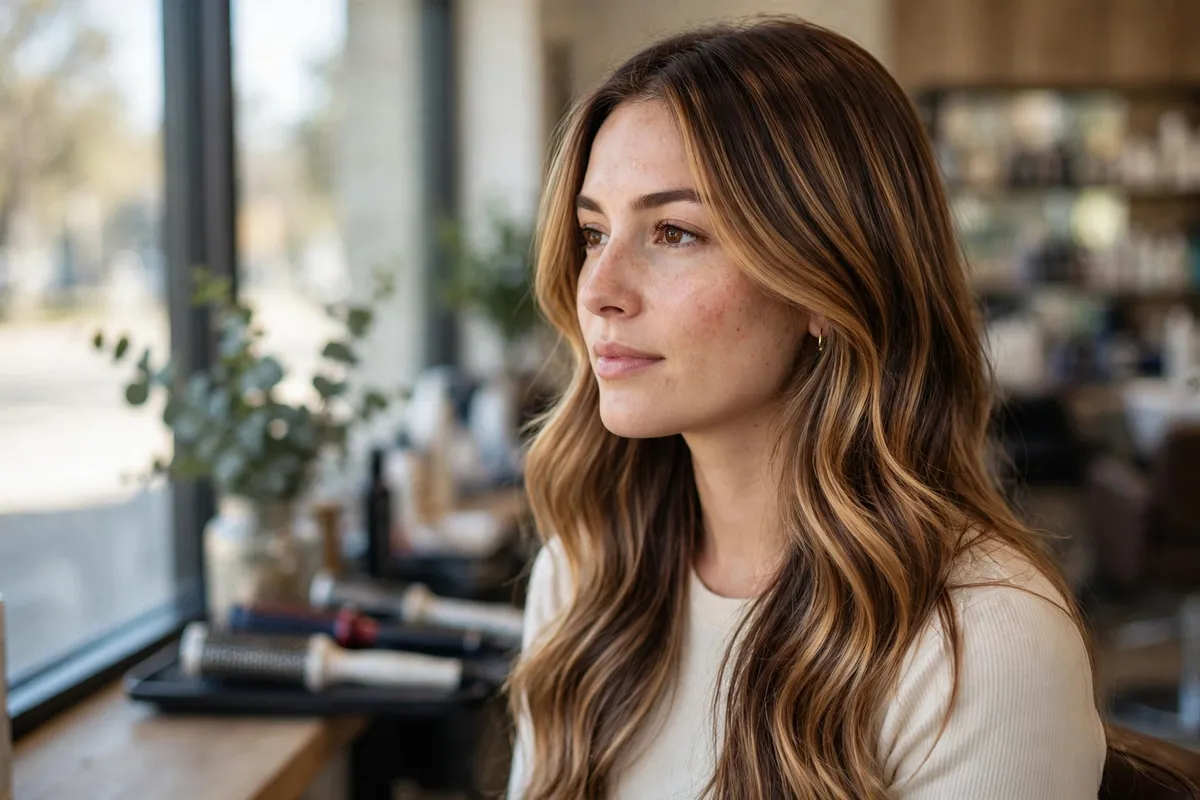
Picking a hair color is part taste, part math. The right shade flatters your skin tone, fits your budget, and matches the upkeep you will actually do. This list pulls together the 24 most-worn shades of 2026, grouped by family: blondes, brunettes, reds, black, pastels, and bold fashion colors.
Every idea below includes what the shade looks like, who it suits, and what it costs in time and money. There is no filler here, just the colors women keep asking for at salons and the upkeep each one honestly needs.
Quick Takeaways
- Blondes need the most upkeep (gloss or toner every 6 to 8 weeks); brunettes and black are the lowest-maintenance options.
- Most all-over salon color costs $120 to $300; balayage and blonding services run $150 to $350.
- Match undertones: warm skin suits honey, caramel, and copper; cool skin suits ash, platinum, and espresso.
- Fashion colors (pink, blue, purple) fade fastest and need color-safe shampoo and cold rinses.
- Bring two or three photos to your consultation and ask for a strand test before any major change.
1. Classic Platinum Blonde
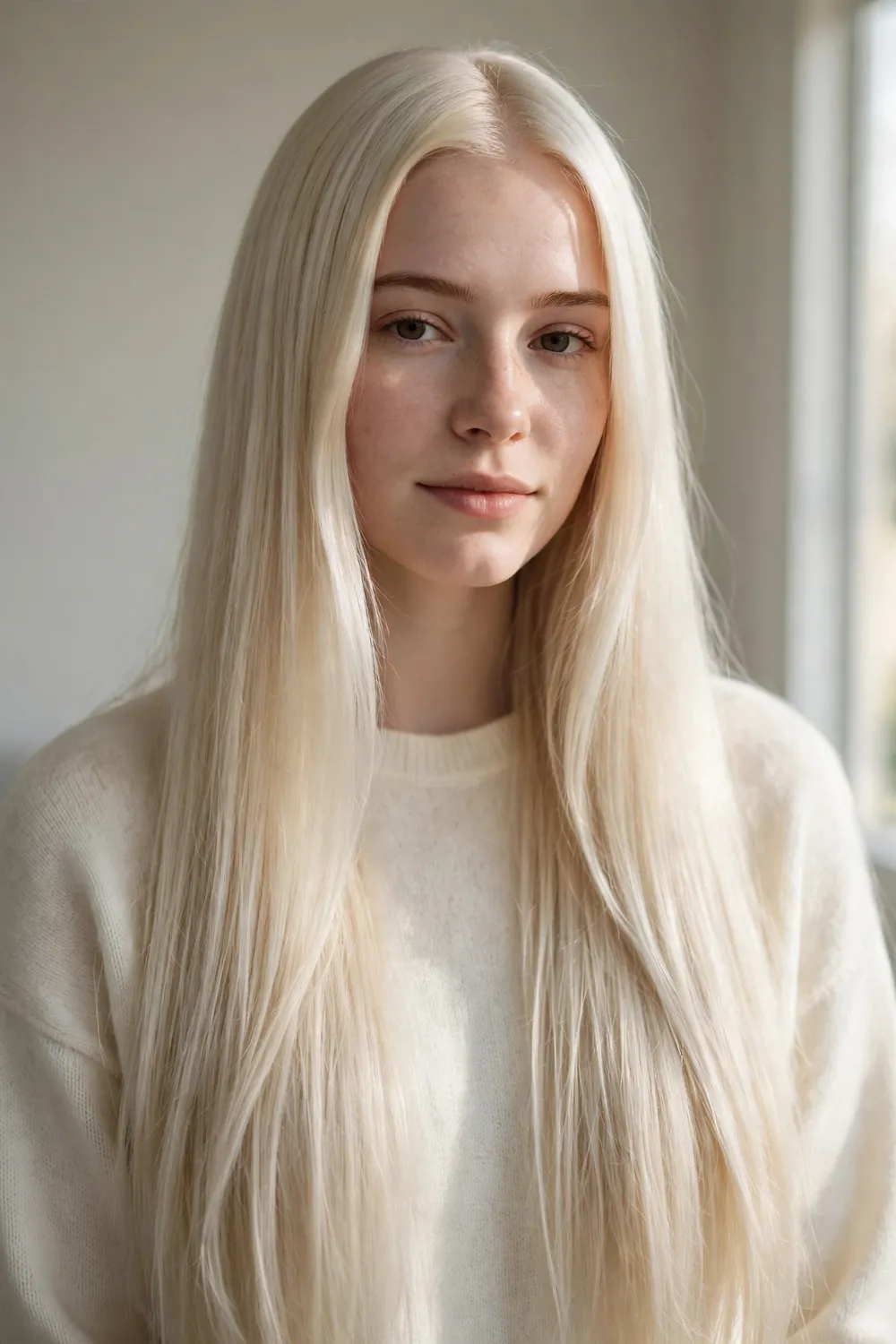
Platinum is the palest blonde, lifted to a near-white level 10 with cool or neutral tone. It suits fair and light skin best and pairs well with sharp cuts like bobs and pixies. The trade-off is upkeep: roots show within three to four weeks, and the hair needs bond-building care because of the heavy lift.
Expect a full appointment every four to six weeks and a purple shampoo routine at home to stop brassiness. Ask your colorist to leave a soft root shadow if you want to stretch appointments a little longer.
Try this: go slightly off-white instead of icy white for a softer grow-out.
Difficulty: High upkeep · Cost: $200–$350 (salon)
2. Heritage Blonde
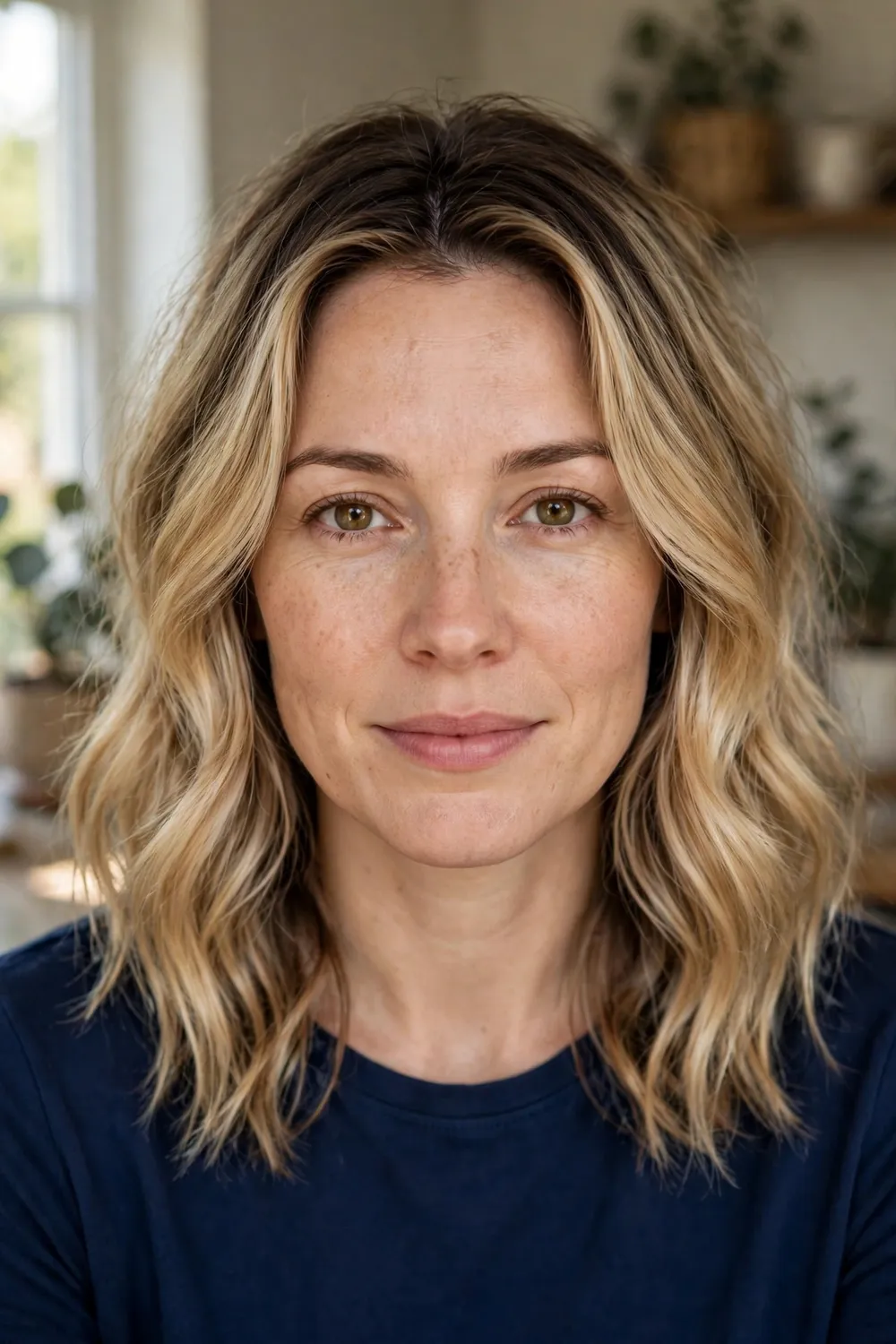
Heritage blonde is a lived-in, old-money blonde with depth at the root and brightness through the ends. It looks like hair that has been blonde for years, never freshly bleached. It flatters neutral and warm skin tones and grows out without a hard line.
This is one of the easiest blondes to live with. A gloss every eight to ten weeks keeps the tone rich, and most women can go three to four months between full appointments.
If you are weighing placement options, our partial vs full highlights guide breaks down which coverage fits this look.
Try this: ask for babylights plus a root melt for the softest version.
Difficulty: Medium upkeep · Cost: $150–$280 (salon)
3. Honey Blonde with Root Dimension
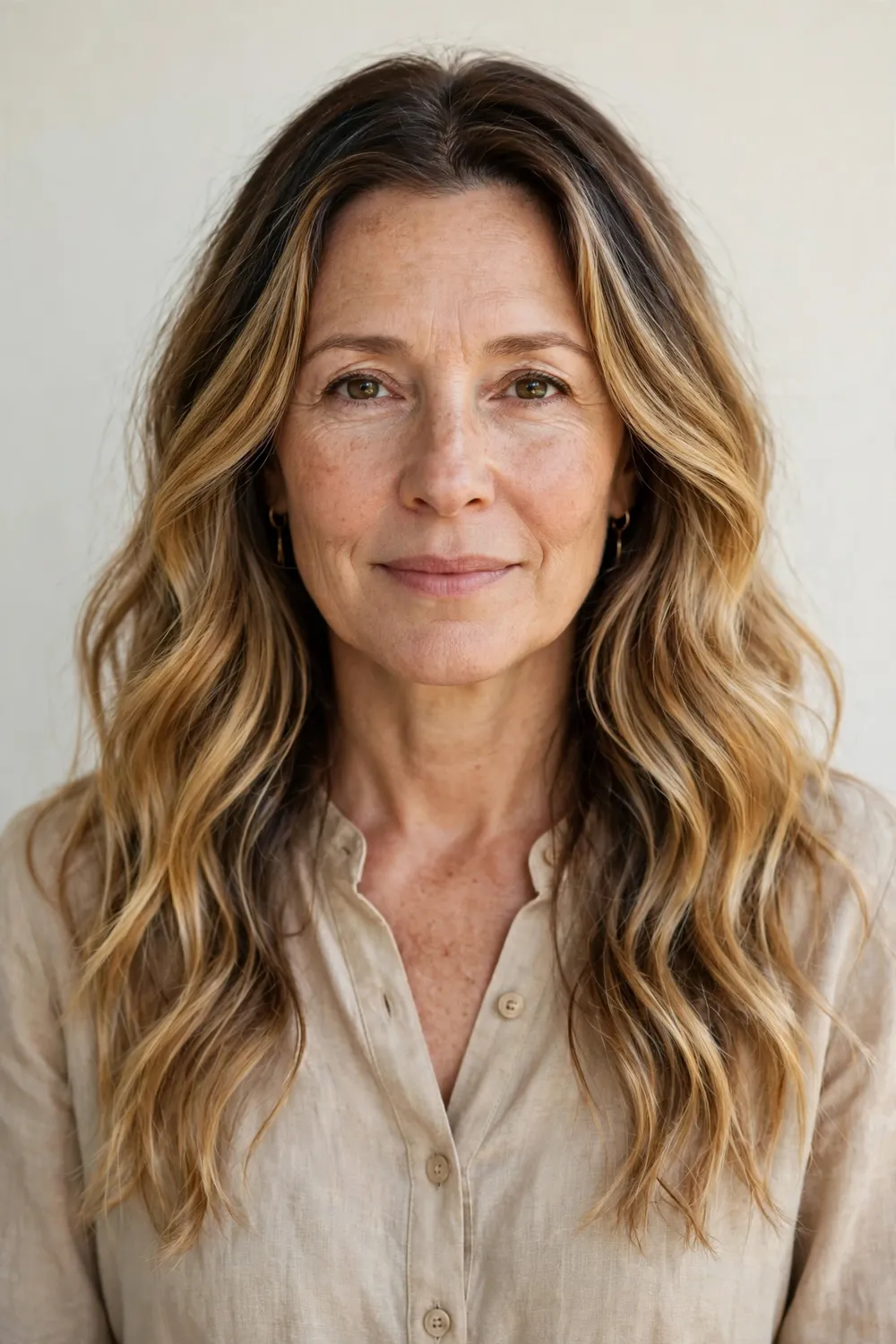
Honey blonde keeps the roots close to your natural color and melts golden honey tones through the mid-lengths and ends. The result looks sun-warmed rather than salon-made, which is why it suits such a wide range of skin tones, including medium and olive.
Because the root stays dark, regrowth blends in and you can stretch appointments to 10 to 14 weeks. A weekly gloss or tinted conditioner keeps the honey from turning flat.
Try this: keep the front pieces one level lighter to brighten the face.
Difficulty: Medium upkeep · Cost: $150–$280 (salon)
4. Ash Blonde
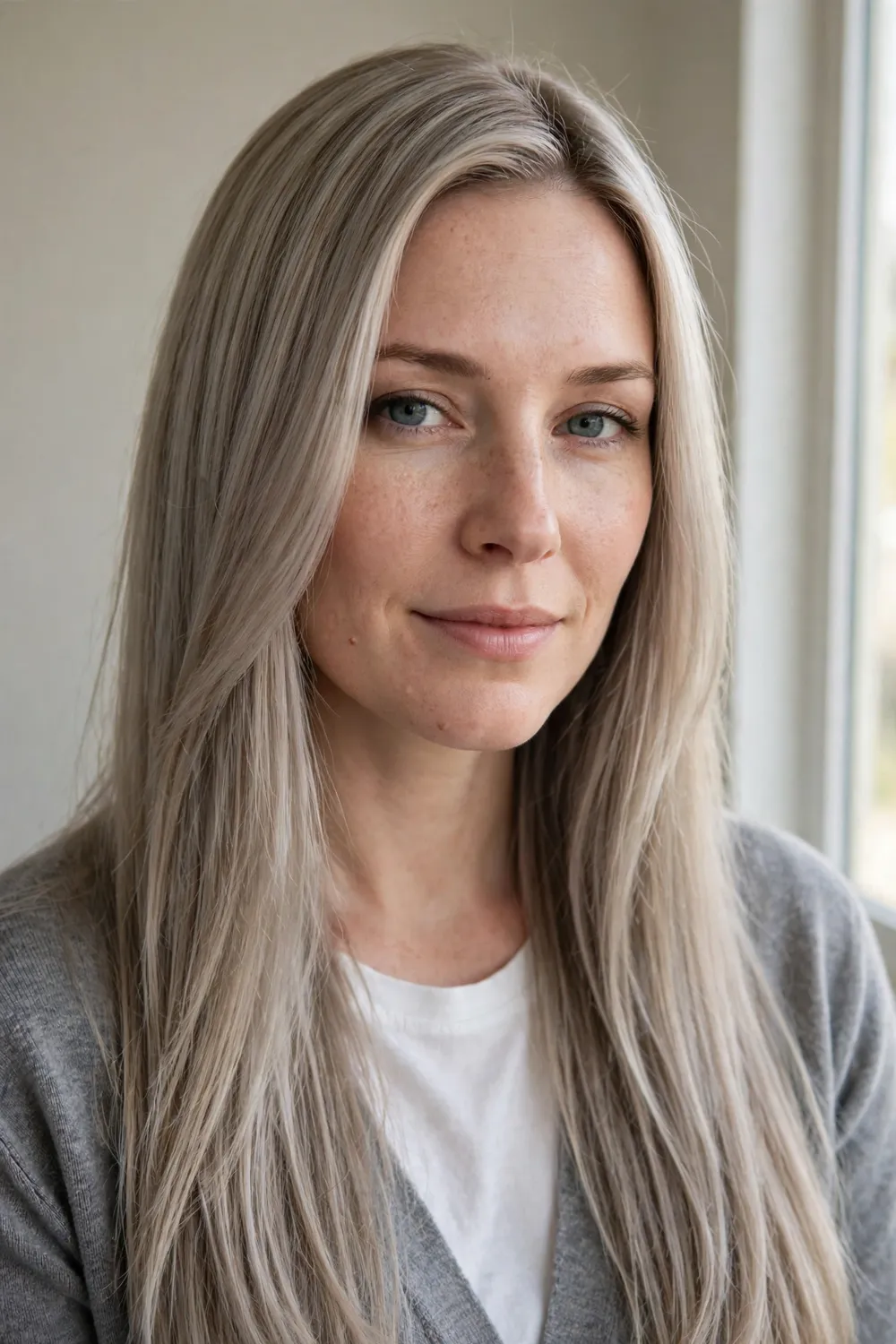
Ash blonde is a cool, smoky blonde with gray-beige undertones and almost no warmth. It suits cool and neutral skin tones and looks striking on blue and green eyes. It is also the blonde most likely to go brassy, since warmth creeps back as the toner fades.
Plan on a toner refresh every six to eight weeks and a purple mask once a week. Hard water can push ash tones warm, so a shower filter helps if your water runs mineral-heavy.
Try this: pair ash blonde with a blunt cut so the cool tone reads clean and sharp.
Difficulty: High upkeep · Cost: $180–$320 (salon)
5. Buttery Brunette
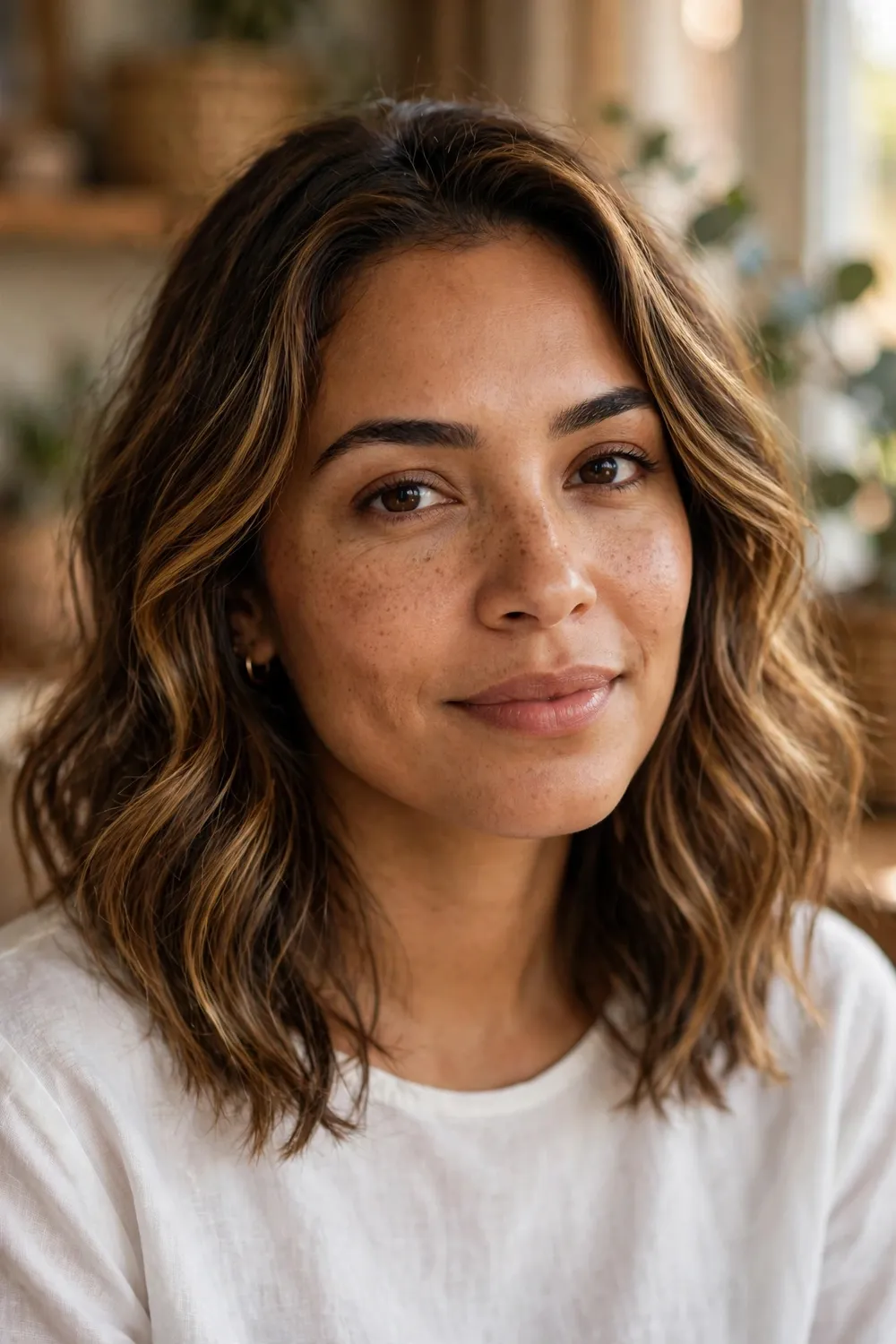
Buttery brunette is a warm, golden-brown shade that sits between chocolate and honey. It adds light and movement to dark hair without going blonde. It flatters warm and neutral skin tones and looks rich in both straight and wavy styling.
It is one of the easiest shades to maintain because it stays close to most natural brunette bases. A gloss every eight to twelve weeks is usually enough to keep it glossy.
For more brunette depth, see our winter hair colors for brunettes roundup, which covers richer seasonal versions of this shade.
Try this: add the warmth through balayage pieces instead of all-over color for softer grow-out.
Difficulty: Low upkeep · Cost: $120–$220 (salon)
6. Chocolate Brunette
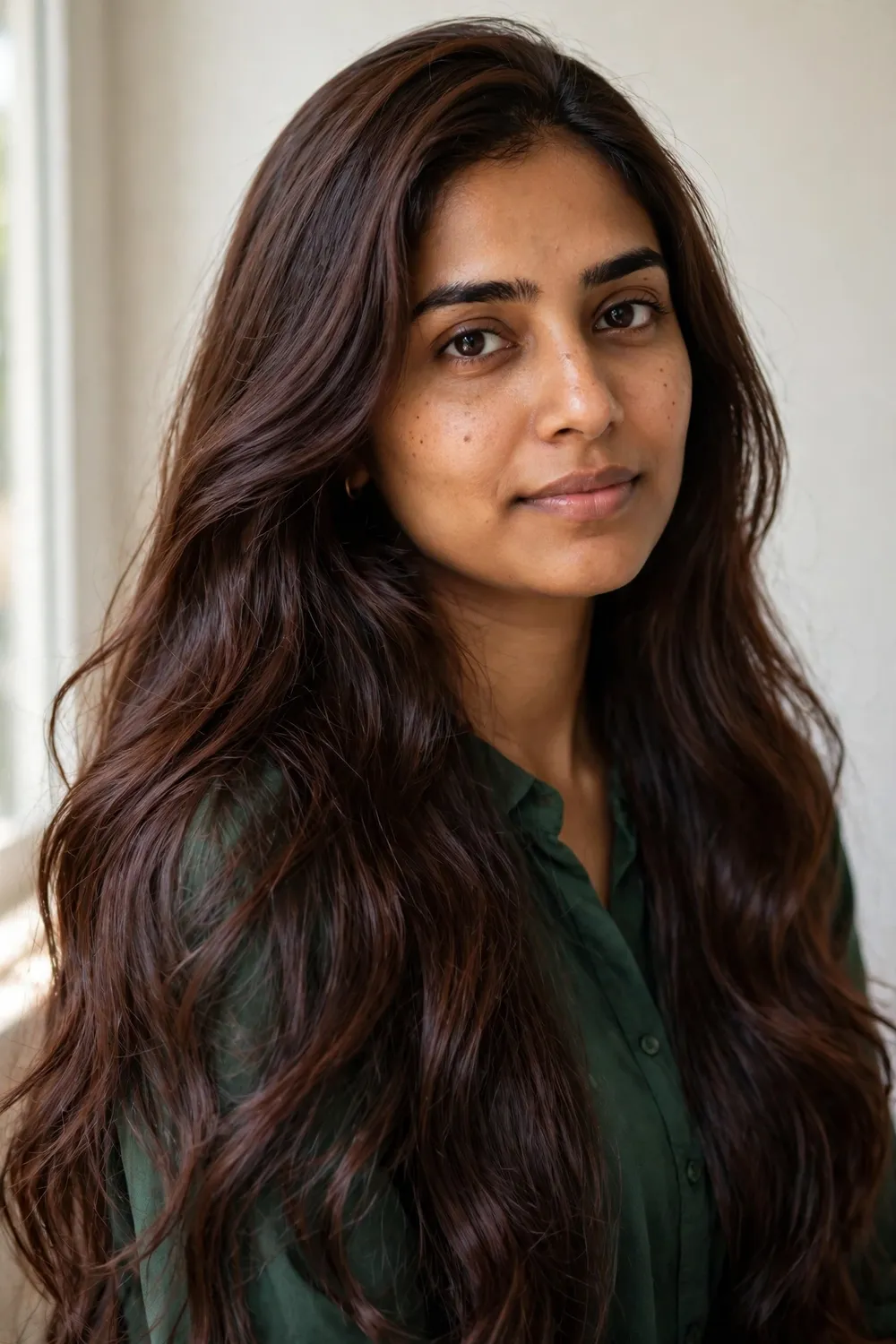
Chocolate brunette is a rich, even brown with warm cocoa depth from root to tip. It suits nearly every skin tone, makes hair look thicker, and needs almost no maintenance when it matches your natural base. It is the safest choice for a first all-over color.
Box dye versions hold up well, but salon color gives a more even result on previously colored hair. A color-depositing conditioner once a month keeps the richness from fading dull.
Our winter hair color ideas guide includes deeper chocolate variations that work well in colder months.
Try this: go one level lighter than your natural shade to keep it from looking flat.
Difficulty: Low upkeep · Cost: $80–$180 (salon), $10–$20 (box dye)
7. Espresso Brown
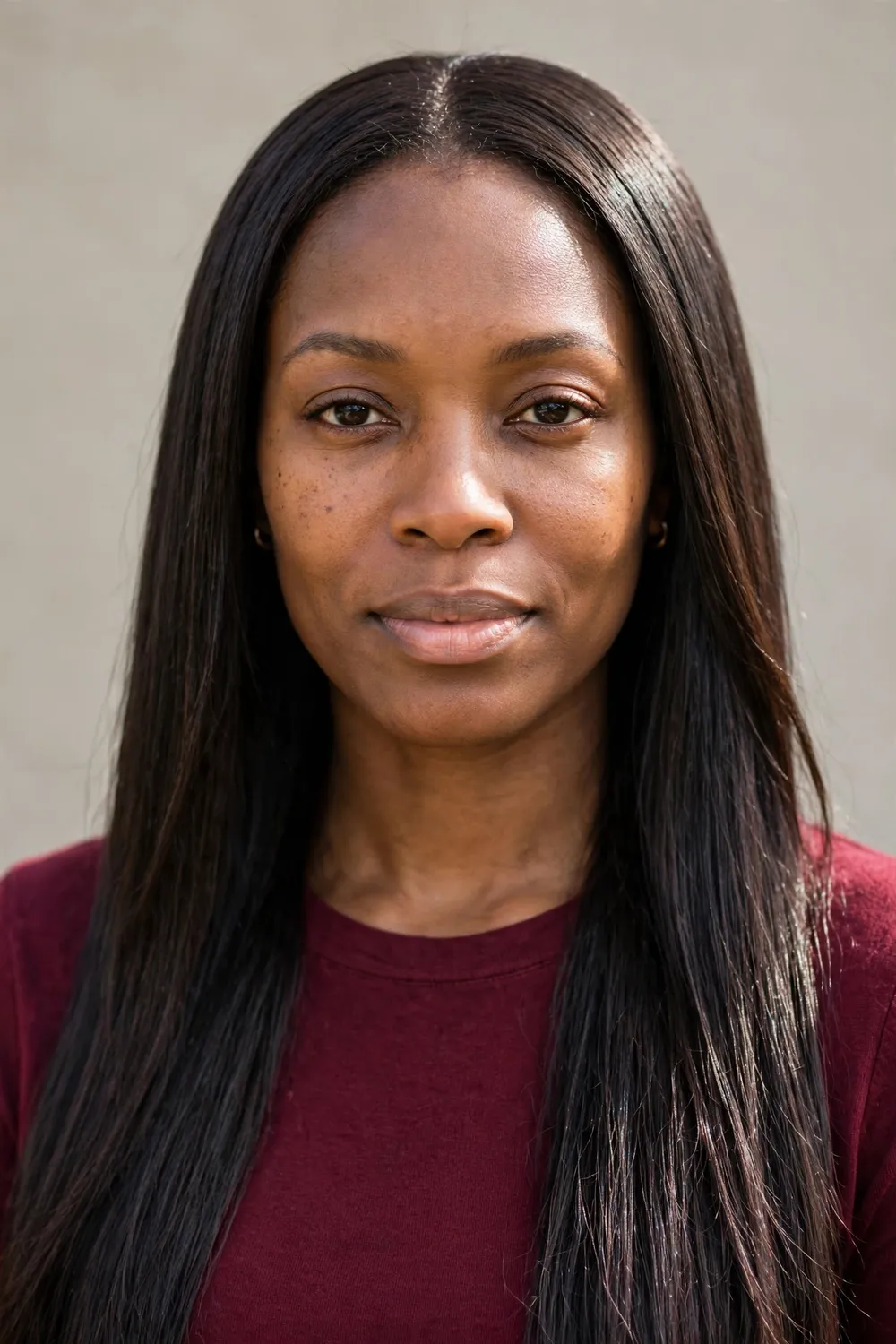
Espresso is a deep, cool-leaning brown, almost black but softer around the face. It suits cool and neutral skin tones and gives fine hair a denser look because of the depth. It is a favorite for women who want dark hair without the harshness of true black.
Upkeep is minimal: roots blend invisibly on most dark bases, and gloss appointments every two to three months keep the shine. Use sulfate-free shampoo to stop the cool tone from warming up.
Try this: add a clear gloss instead of color when you just want shine.
Difficulty: Low upkeep · Cost: $100–$200 (salon)
8. Chestnut Brown
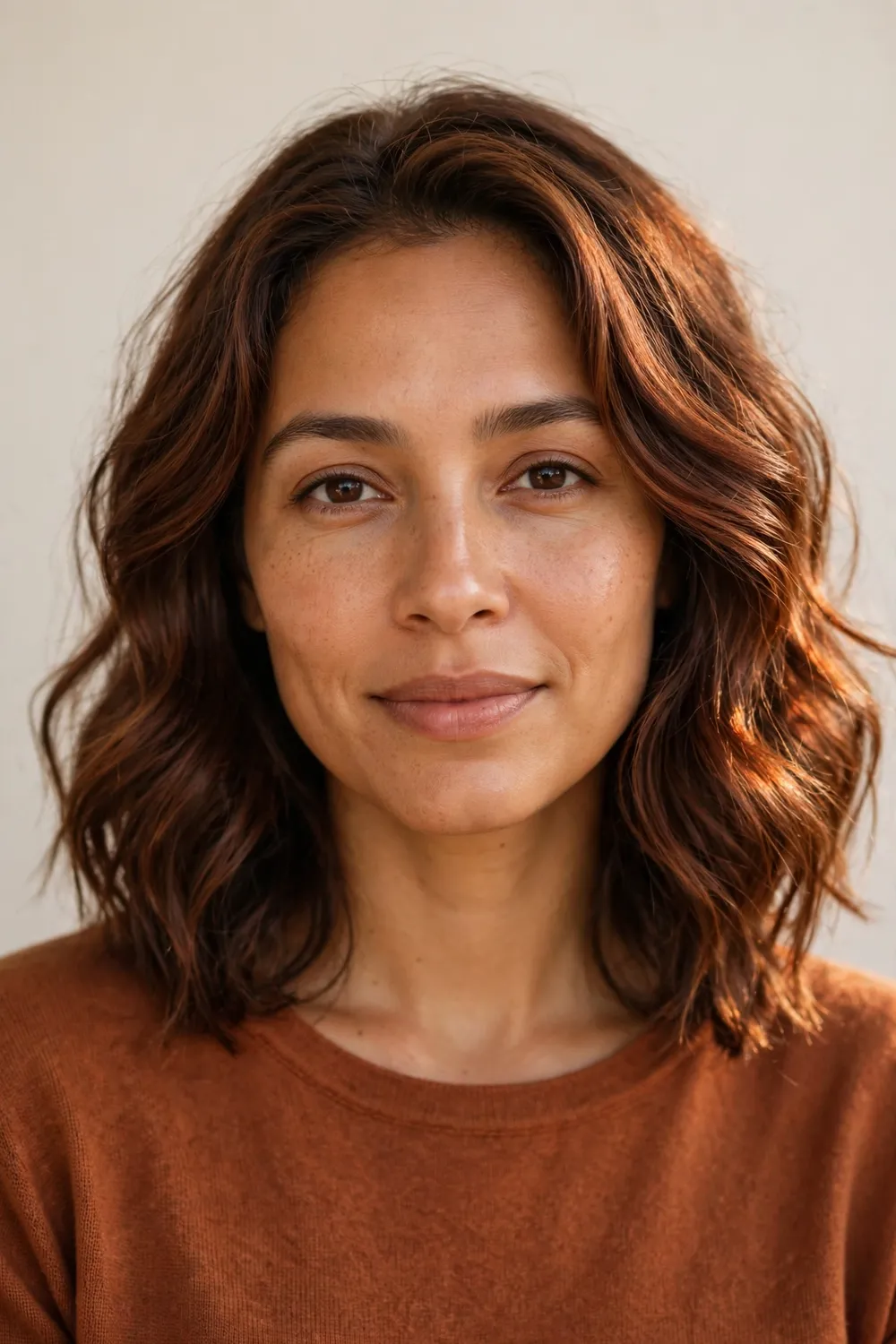
Chestnut is a warm, reddish-brown that catches red and gold in the light. It suits warm and neutral skin tones and green or hazel eyes. It sits between brunette and red, so it is a good middle ground if you want warmth without committing to copper.
Red undertones fade faster than brown ones, so expect a gloss refresh every eight weeks. Color-safe shampoo and lukewarm water slow the fade.
Try this: keep the red subtle at the roots and stronger at the ends for dimension.
Difficulty: Medium upkeep · Cost: $120–$220 (salon)
9. Jet Black
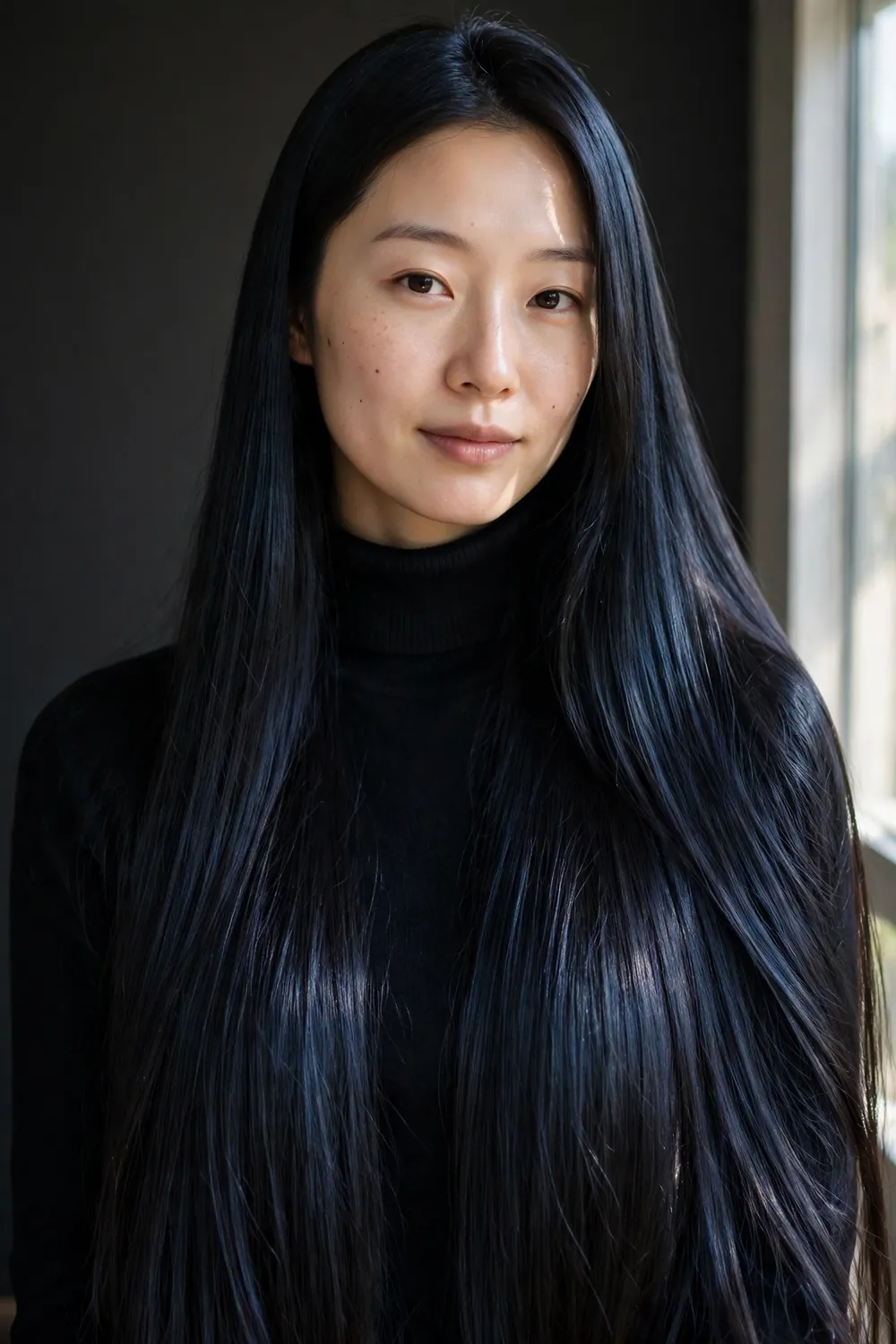
Jet black is the darkest shade on the chart, with a blue-black depth that makes hair look glassy. It suits deep and medium skin tones and gives dramatic contrast against fair skin. It is also the hardest color to remove later, so treat it as a commitment.
Maintenance is easy: it covers grays fully and roots barely show on dark hair. A weekly shine serum keeps it from looking flat, and hard water can dull it, so clarify monthly.
Try this: choose blue-black over soft black for the glossiest finish.
Difficulty: Low upkeep · Cost: $80–$180 (salon), $10–$20 (box dye)
10. Copper Red
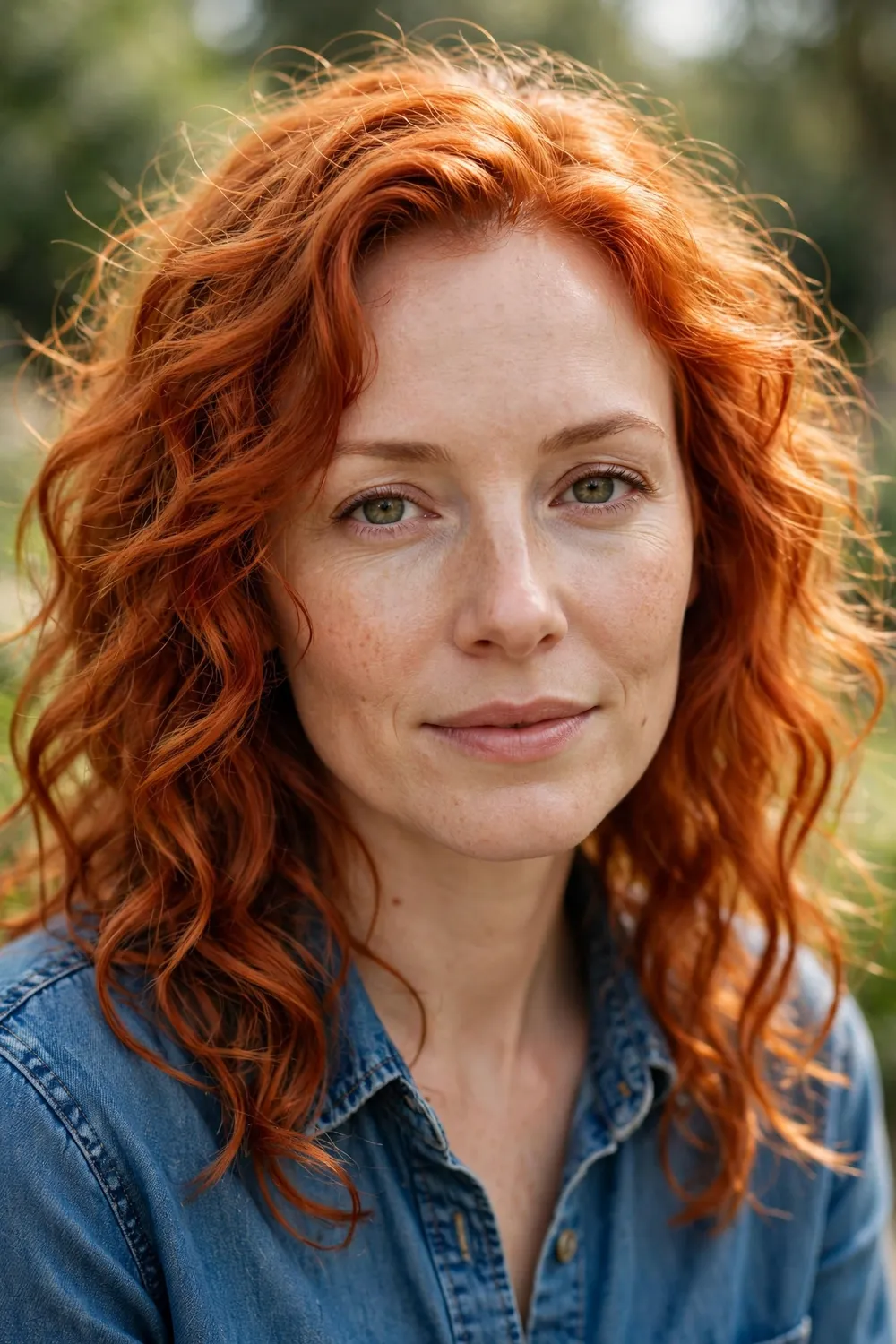
Copper is a bright, orange-red that has stayed popular for years because it suits fair and light skin so well. It ranges from soft penny tones to vivid ginger, and the shade can be tuned warmer or cooler at the salon. It fades fast, so budget for regular glosses.
Plan on a toner refresh every four to six weeks and washing in cool water. Copper on pre-lightened hair needs extra care because the color grabs unevenly on damaged sections.
Try this: start with a copper gloss before full color to test how the tone suits you.
Difficulty: High upkeep · Cost: $130–$250 (salon)
11. Warm Cinnamon Red
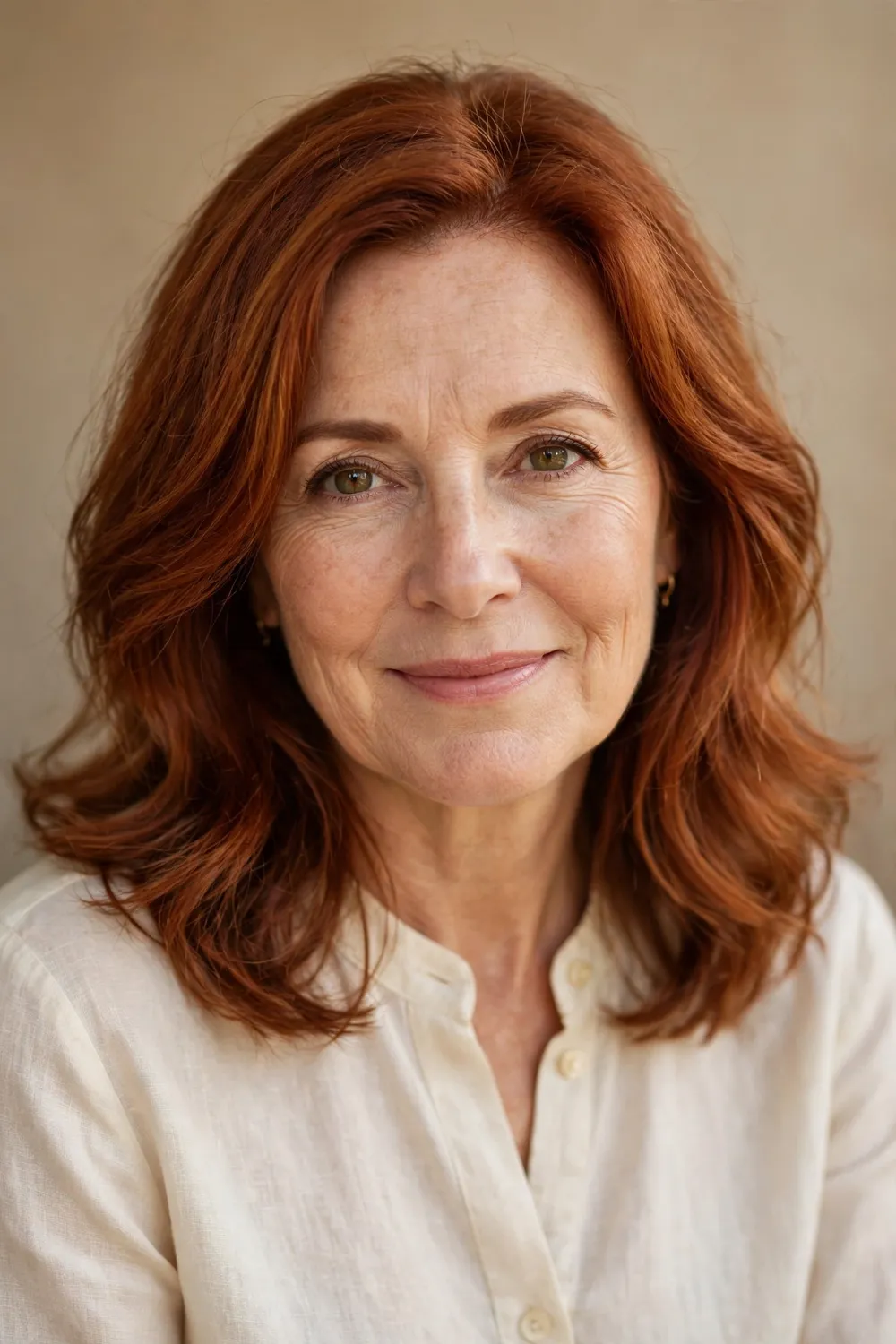
Cinnamon red is a spiced, medium red with brown depth, warmer than copper but softer than cherry. It suits medium and warm skin tones and looks natural on women with warm undertones. It is less intense than bright reds, which makes it easier to wear every day.
The brown base helps it last longer than brighter reds. A gloss every eight weeks and color-depositing conditioner keep the spice from fading.
Try this: ask for cinnamon ribbons through a brown base instead of all-over color for a first step.
Difficulty: Medium upkeep · Cost: $120–$230 (salon)
12. Cherry Red
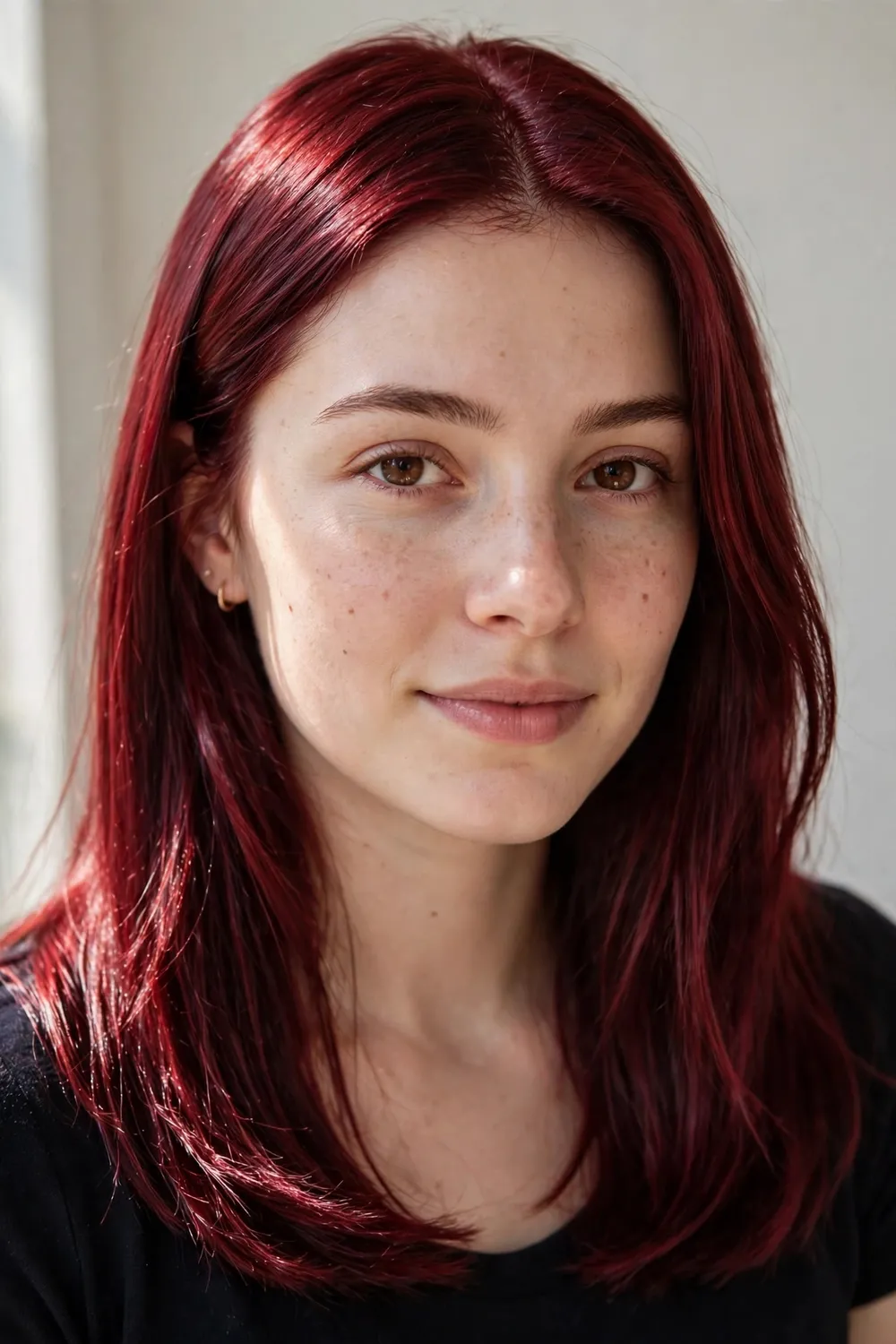
Cherry red is a deep, cool red with berry depth. It suits cool and neutral skin tones and stands out on both short and long hair. It is bold without being neon, which is why it works for women who want a statement shade that still looks polished.
Cool reds fade toward pink as they wash out, so cool water and color-safe products matter. Expect to refresh every four to six weeks if you want it to stay deep.
Try this: go deeper rather than brighter if your workplace leans conservative.
Difficulty: High upkeep · Cost: $130–$250 (salon)
13. Caramel Balayage
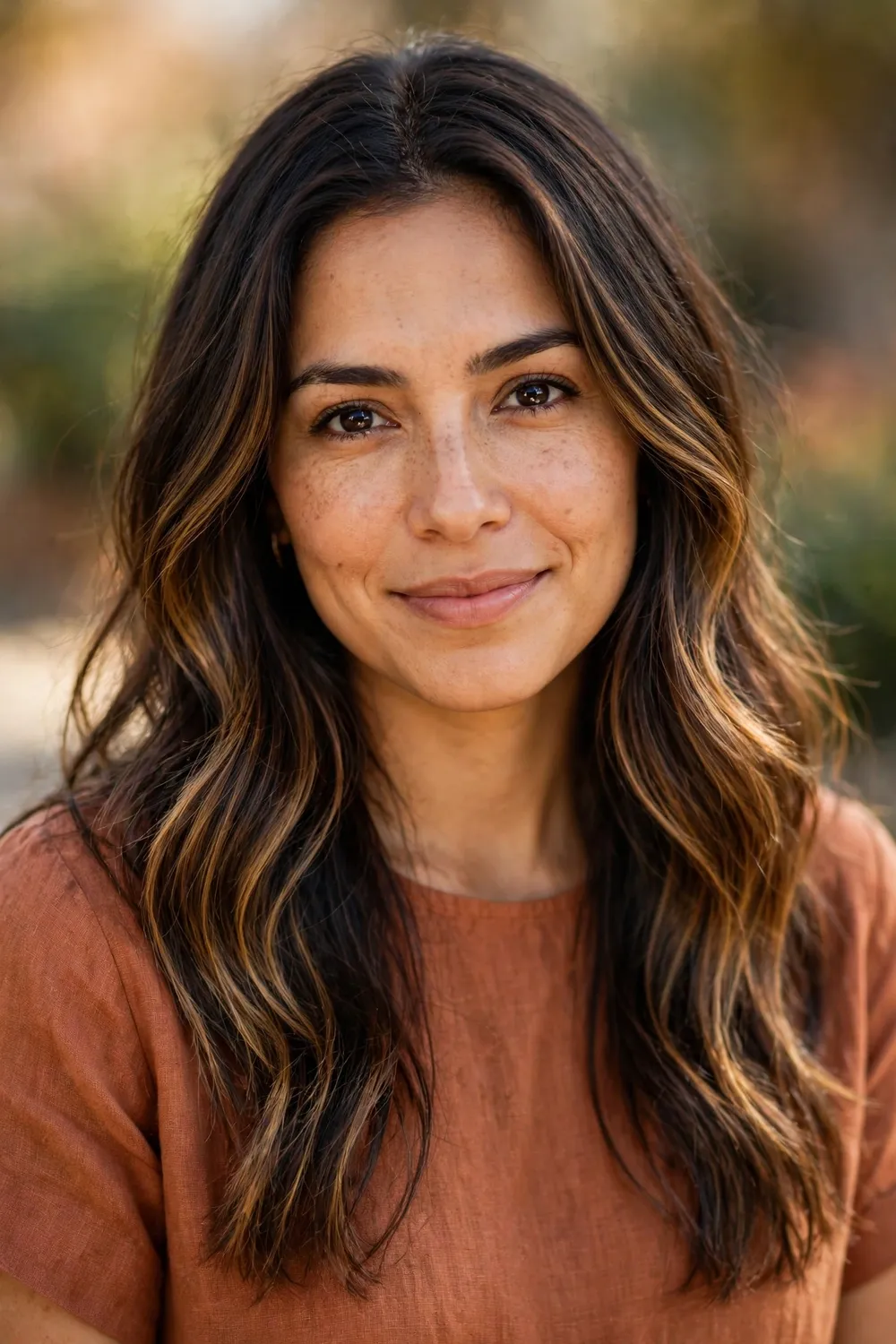
Caramel balayage hand-paints warm caramel tones through a dark base, keeping roots natural for soft grow-out. It suits warm and neutral skin tones and adds movement to long hair. It is one of the most requested salon services because it looks expensive and lasts for months.
A full appointment takes two to three hours, and most women go three to six months between sessions. A gloss at the eight-week mark keeps the tone from turning dull.
For the full technique breakdown, our caramel balayage hair color 2026 covers 35 variations with costs.
Try this: keep caramel two to three levels lighter than your base for the most natural result.
Difficulty: Low upkeep · Cost: $150–$300 (salon)
14. Tortoiseshell Brown
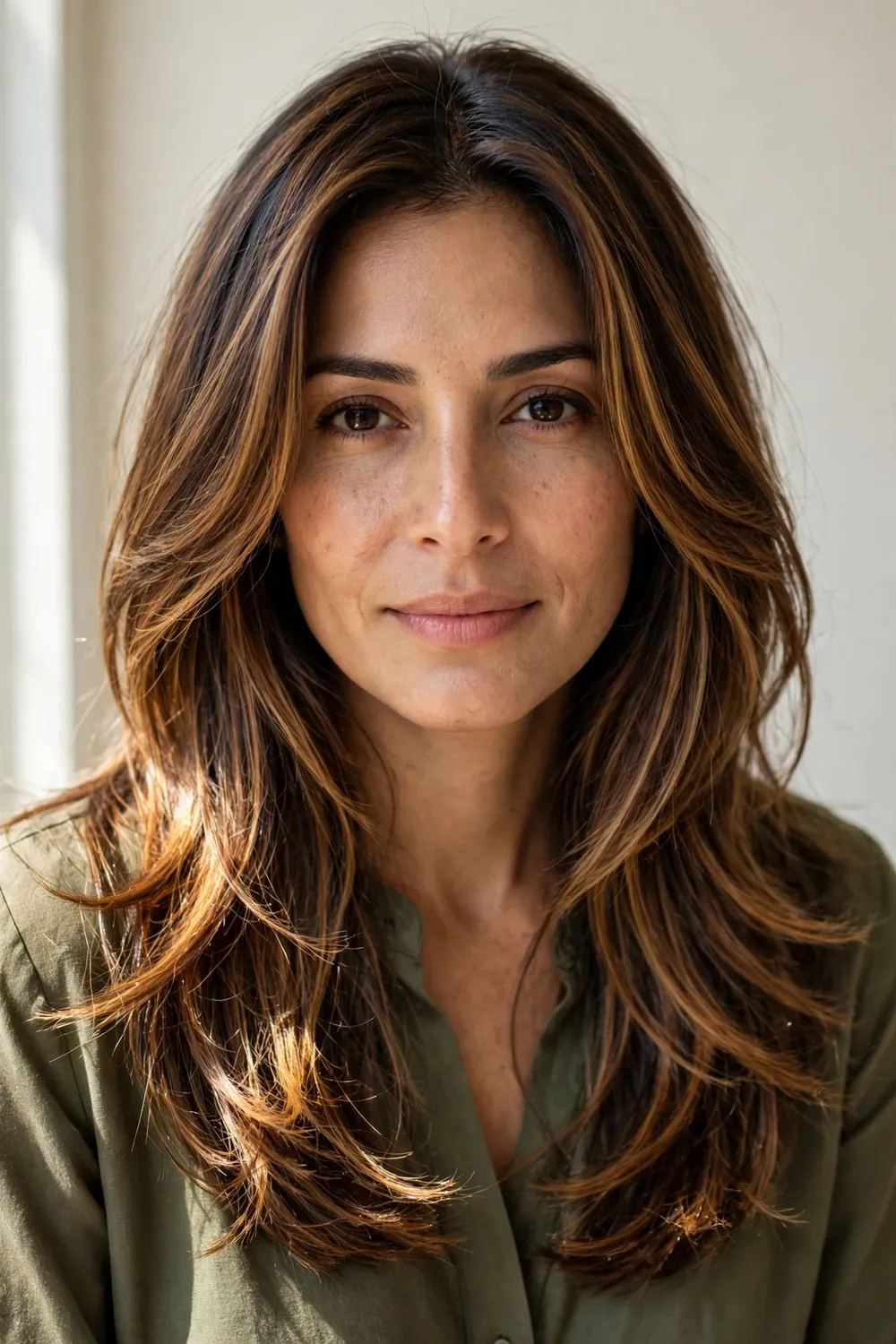
Tortoiseshell brown blends caramel, honey, and deep brown in a high-gloss balayage that mimics how light hits dark hair. It suits medium and olive skin tones especially well and grows out softly. It is a smart pick for naturally dark hair because the placement follows your existing depth.
Upkeep matches standard balayage: a gloss every eight to twelve weeks and full refresh twice a year. Shine serums and gloss treatments keep the multi-tonal effect visible.
Try this: ask for the brightest pieces around the face and softer blending underneath.
Difficulty: Low upkeep · Cost: $160–$300 (salon)
15. Sunkissed Balayage
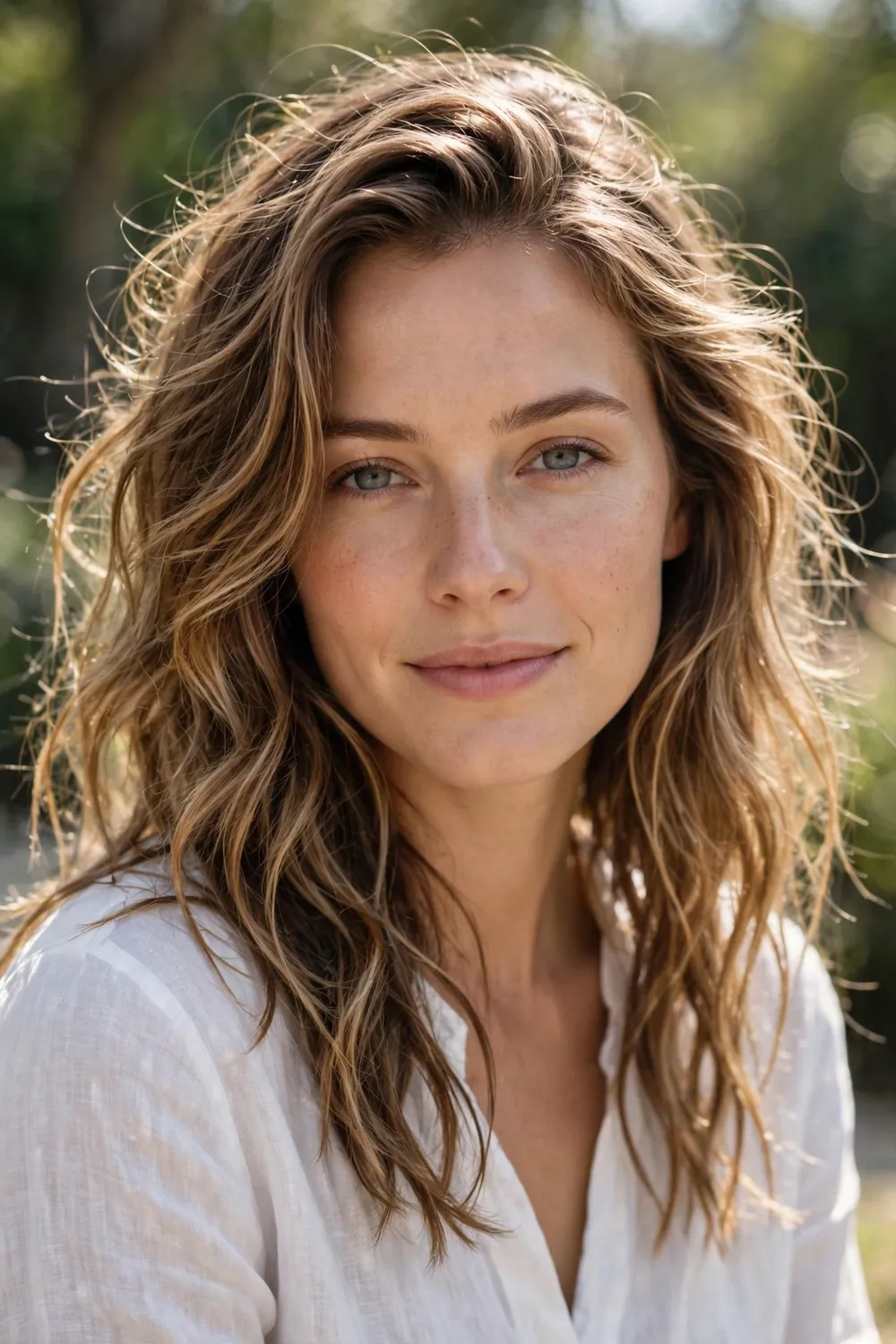
Sunkissed balayage uses fine, scattered highlights to mimic the way summer lightens hair naturally. It suits light brown and dark blonde bases and keeps the overall color close to natural. It is subtle enough for conservative workplaces but still adds visible dimension.
Because the lift is light, damage is minimal and grow-out is invisible. Most women refresh once or twice a year with a gloss in between.
To understand how this differs from foils, our balayage vs highlights comparison explains both techniques side by side.
Try this: keep the pieces fine and diffused; chunky sections defeat the natural effect.
Difficulty: Low upkeep · Cost: $140–$260 (salon)
16. Pastel Pink
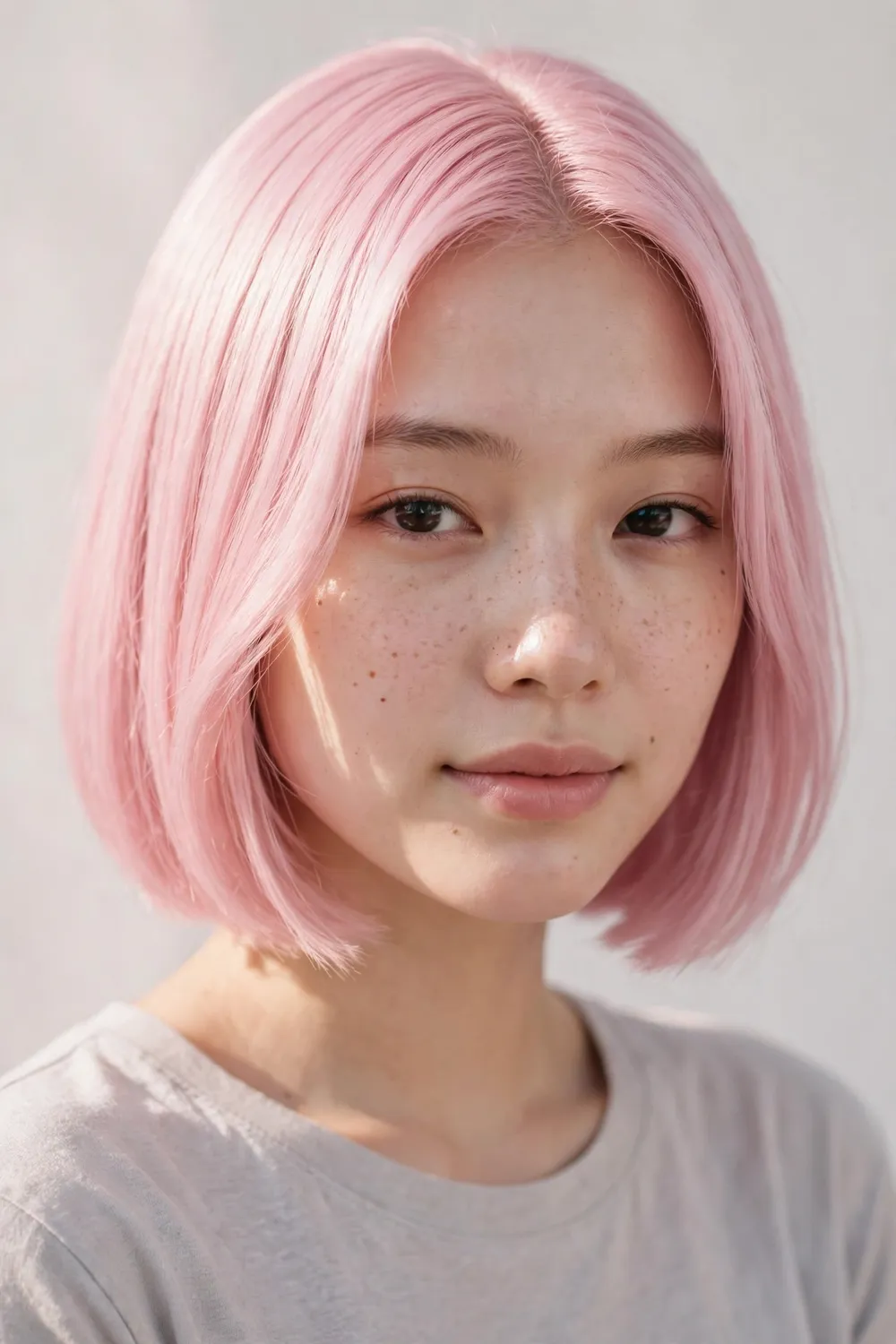
Pastel pink needs a platinum base, then lays a soft pink wash over it. It suits fair and light skin and looks best on short cuts and bobs where the color stays even. It is the most wearable fashion color because the softness keeps it from feeling harsh.
The downside is fading: pastels wash out in two to four weeks. Color-depositing conditioners and cold water stretch it, and most wearers refresh monthly.
Try this: test with a semi-permanent dye before committing to the bleach underneath.
Difficulty: High upkeep · Cost: $150–$300 (salon), $15–$30 (semi-permanent dye)
17. Pastel Rainbow
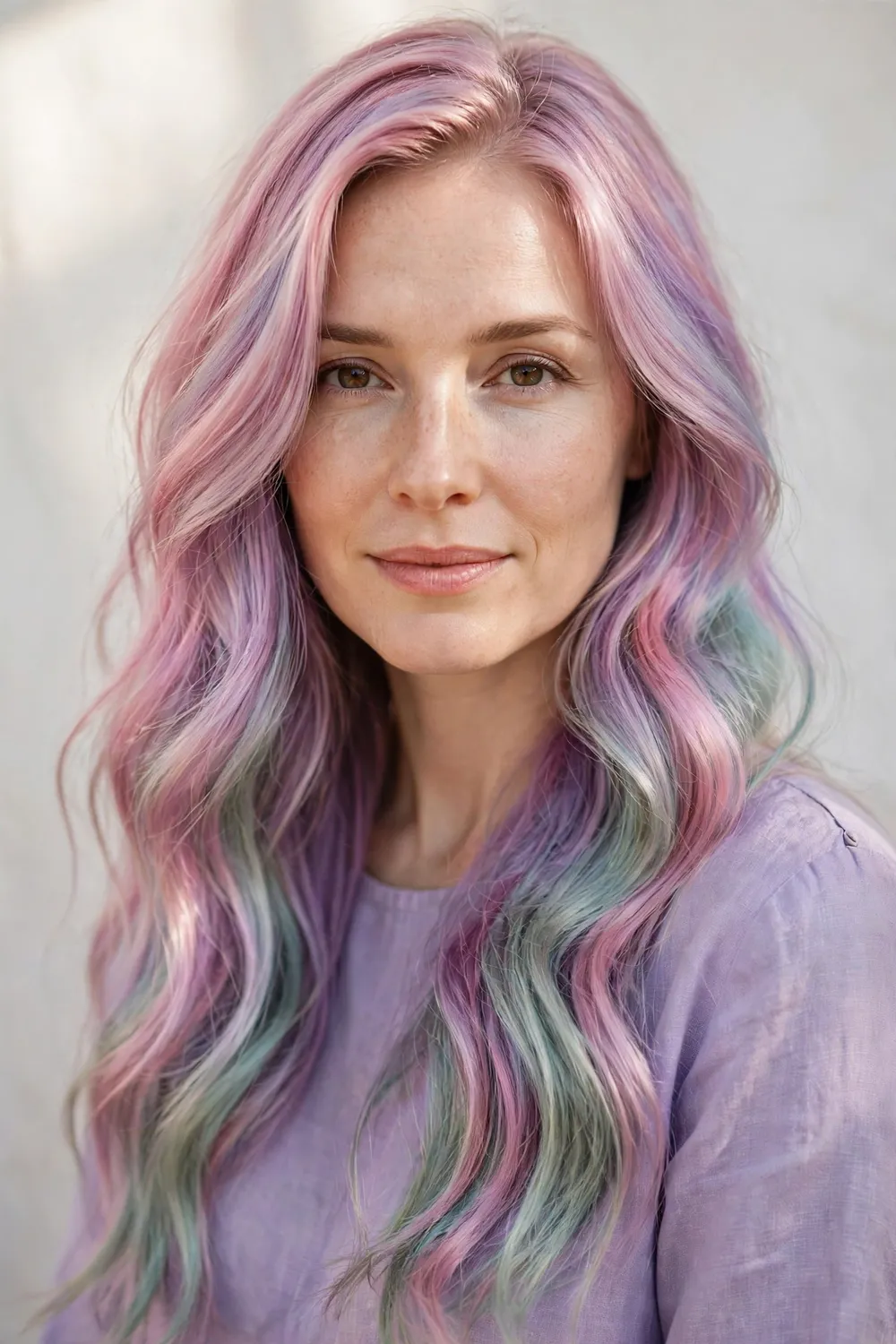
Pastel rainbow blends two or more pastel shades, often pink, lavender, and mint, through pre-lightened hair. It suits anyone willing to commit to the upkeep and looks most even on long hair where the blend has room to melt. Each section can be a different shade or they can fade into each other.
This is the highest-maintenance option on this list. Different shades fade at different rates, so toning becomes a regular project. Most wearers touch up every three to four weeks.
Try this: keep the brightest shade at the ends so fading looks intentional.
Difficulty: High upkeep · Cost: $200–$400 (salon)
18. Deep Purple
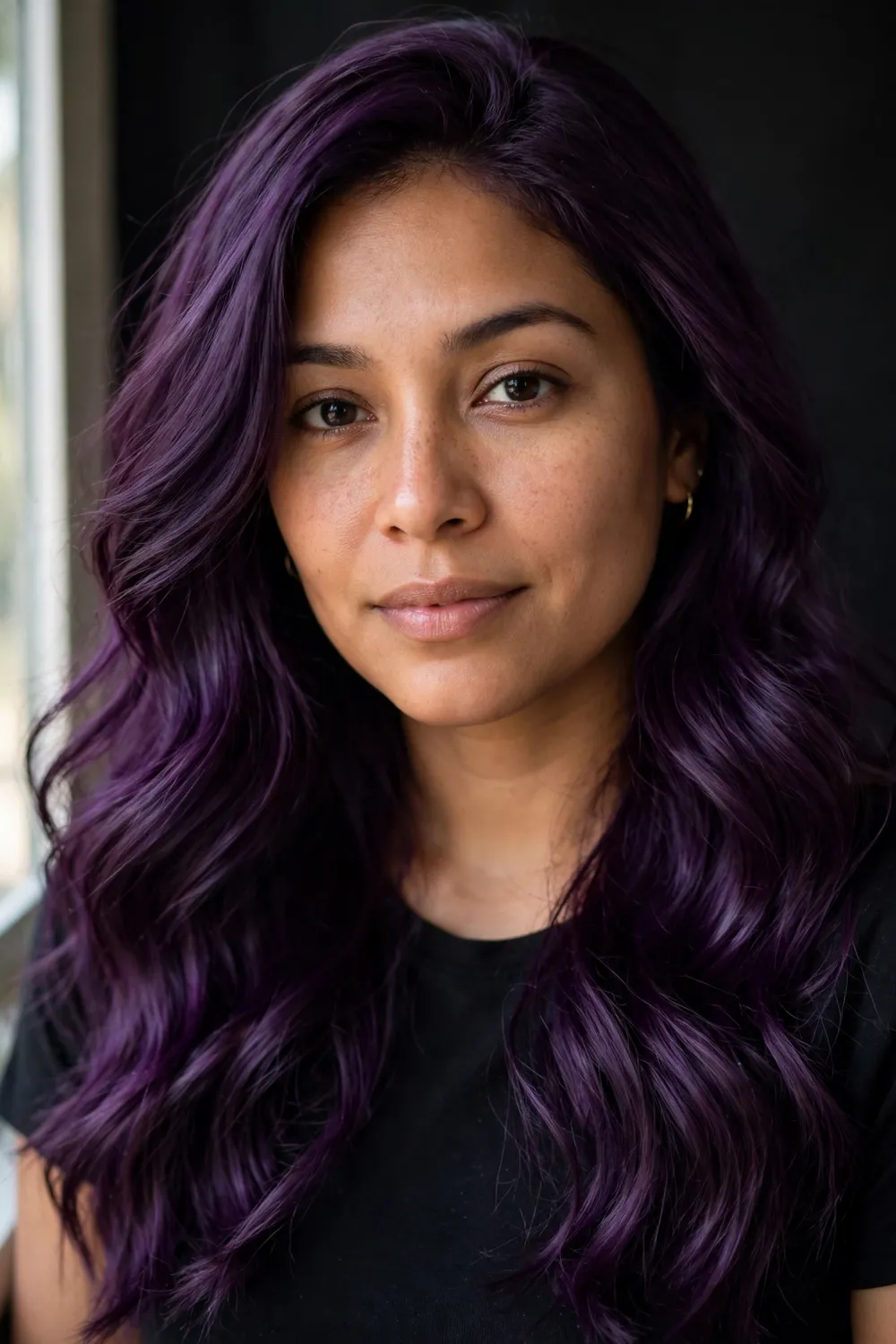
Deep purple ranges from plum to violet and shows up well on medium and dark bases with less bleaching than pastels. It suits cool and neutral skin tones and fades gracefully into softer lavender instead of an odd in-between shade. It is the most forgiving fashion color.
On dark hair, purple can be applied with minimal lift, which keeps damage down. A color-depositing mask every one to two weeks holds the depth.
Try this: go plum over violet if you want the color to read rich rather than bright.
Difficulty: Medium upkeep · Cost: $120–$250 (salon)
19. Midnight Blue
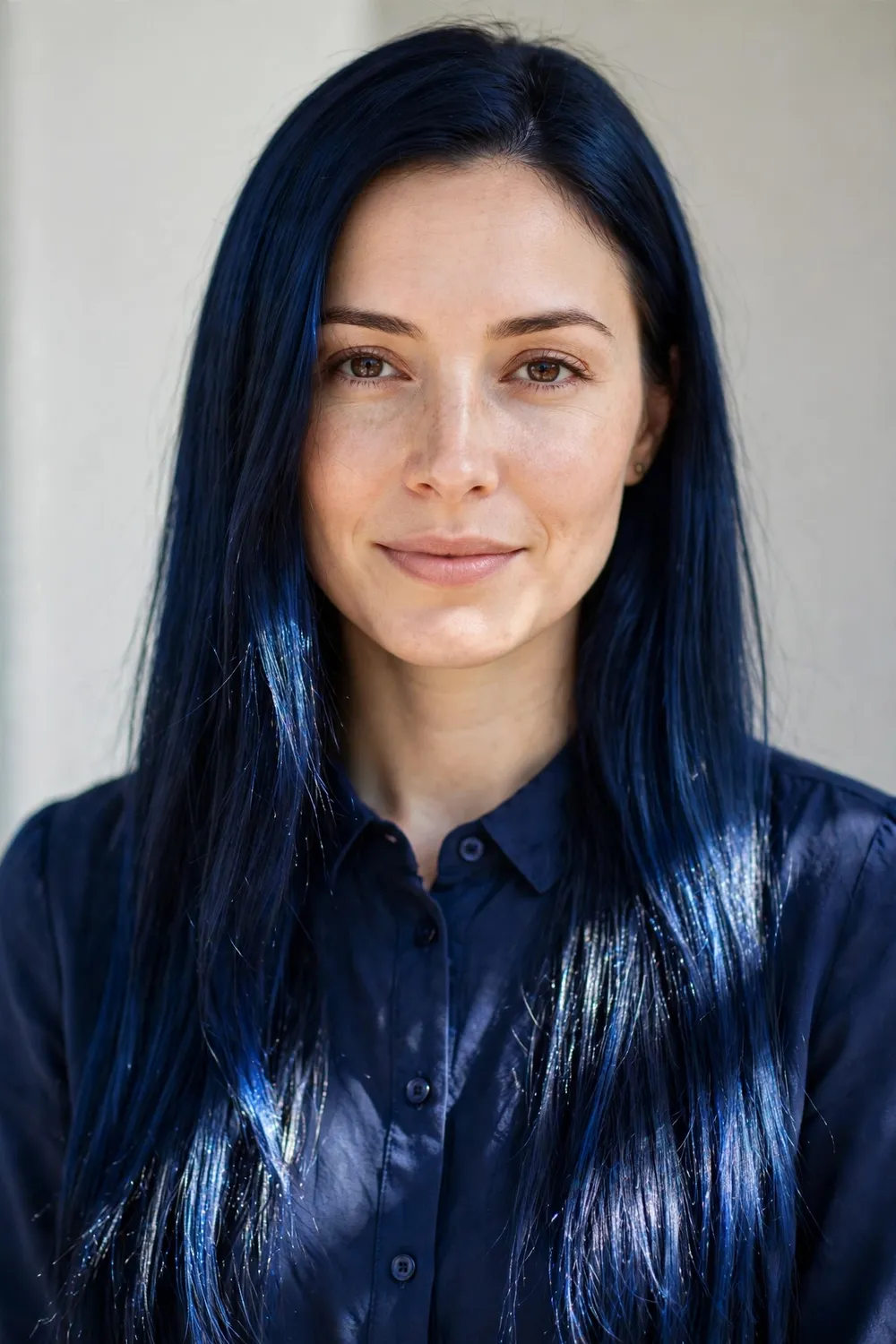
Midnight blue is a dark navy that reads almost black indoors and flashes blue in daylight. It suits cool skin tones and medium to deep complexions. It needs a lightened base to show true blue, but dark denim versions work on deep brown hair with less lift.
Blue pigments wash out toward green as they fade, so plan refreshes every four to six weeks. Sulfate-free shampoo and cool rinses slow the shift.
Try this: ask for a navy gloss over your current color before full blue to test the tone.
Difficulty: High upkeep · Cost: $140–$280 (salon)
20. Emerald Green
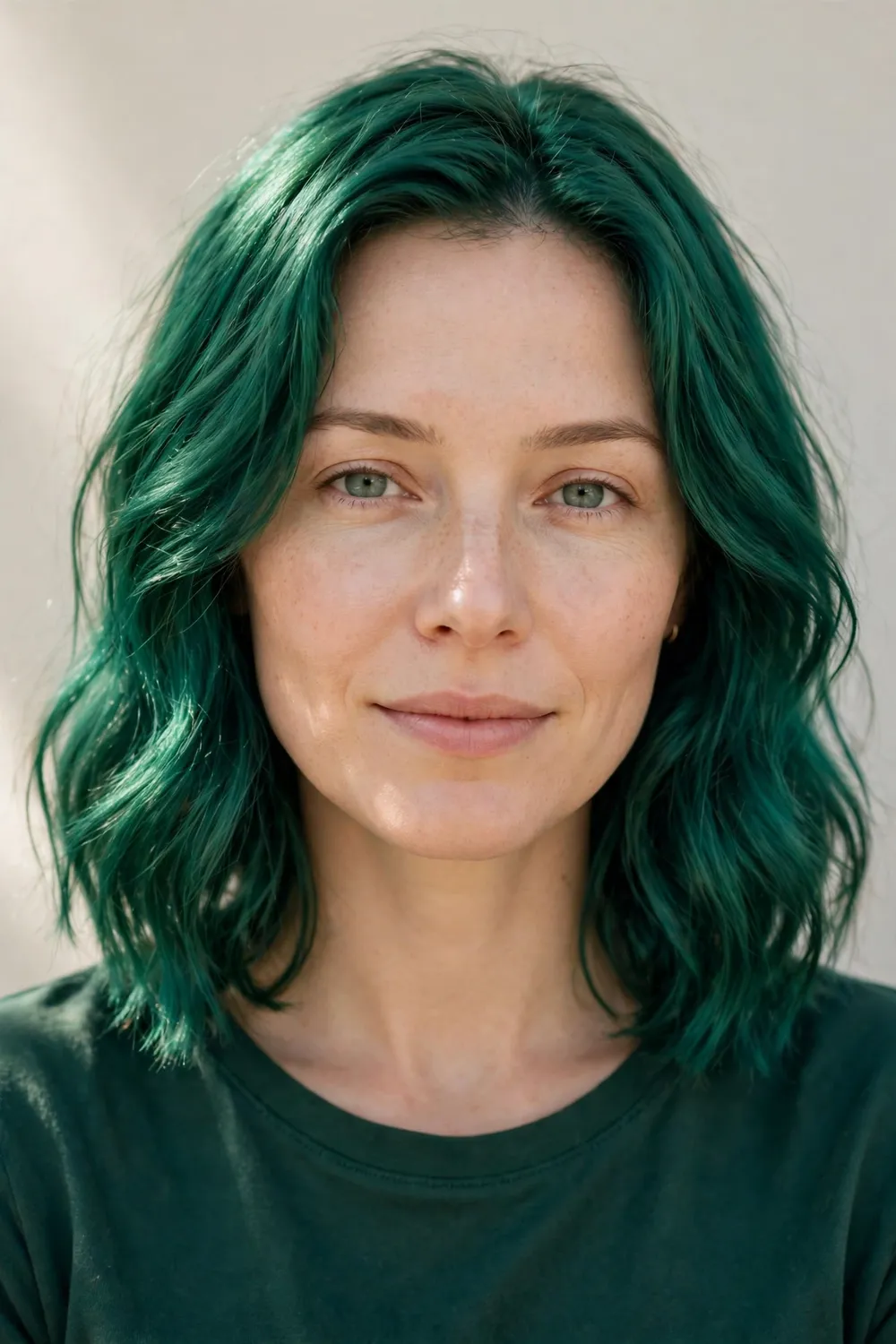
Emerald green is a rich jewel tone that suits fair and light skin and green or hazel eyes. It needs a pale base for the true emerald to show, which means full bleaching first. It is bold, but the depth of the shade keeps it from looking neon.
Green fades faster than most fashion colors and can leave a mint tint behind. Monthly refreshes and color-depositing conditioners keep it deep.
Try this: keep roots dark and melt the green through the ends to cut bleach damage.
Difficulty: High upkeep · Cost: $160–$320 (salon)
21. Fiery Orange
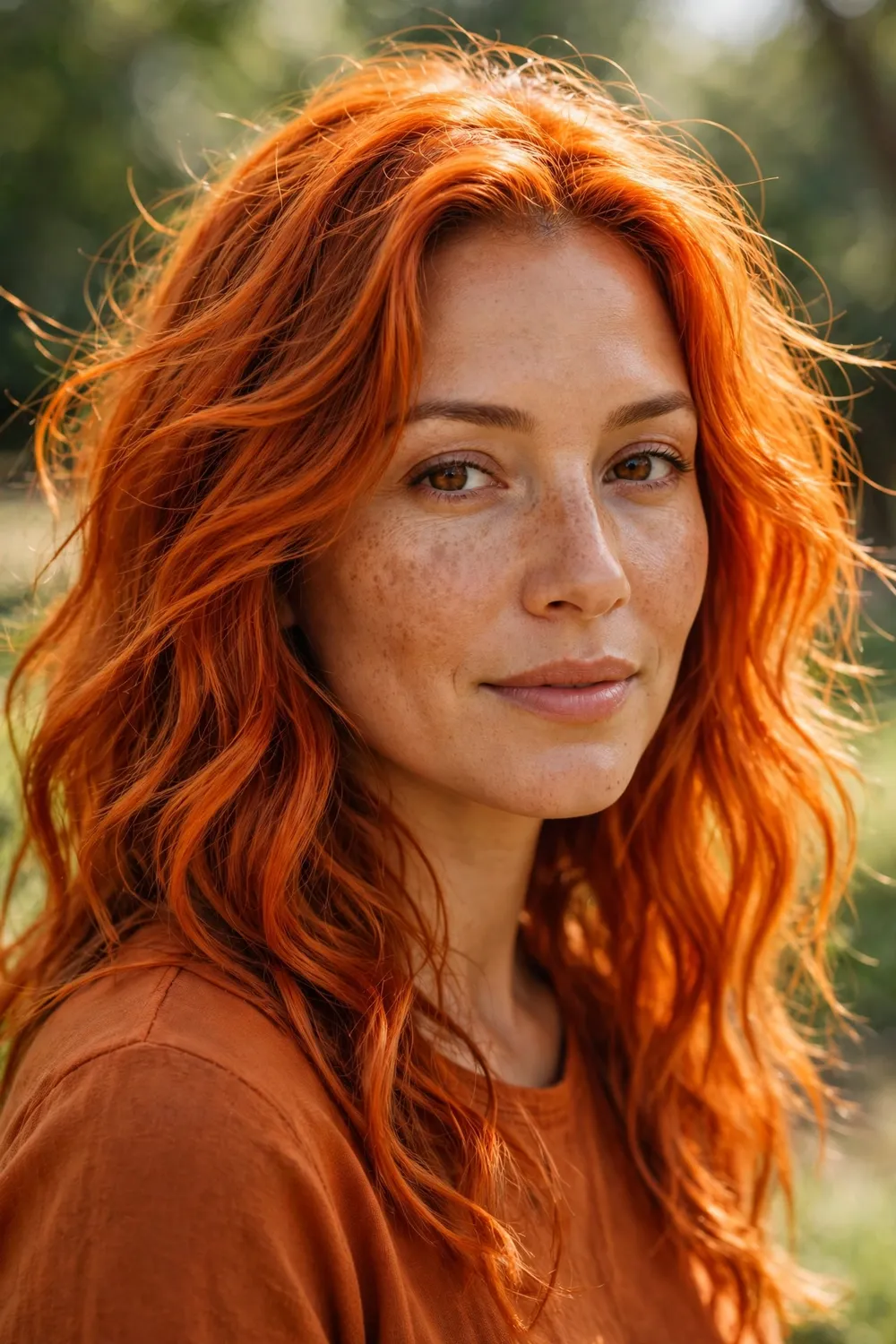
Fiery orange is a bright, warm statement shade that suits warm skin tones best. It works on medium bases with moderate lift and shows up vividly even without going fully platinum. It reads confident and playful, and it photographs well.
Orange holds better than pink or blue because the pigment is strong, but it still needs refreshes every four to six weeks. Copper-toned conditioners between appointments keep it bright.
Try this: blend the orange into copper at the roots for a softer grow-out.
Difficulty: High upkeep · Cost: $140–$280 (salon)
22. Grey Blending
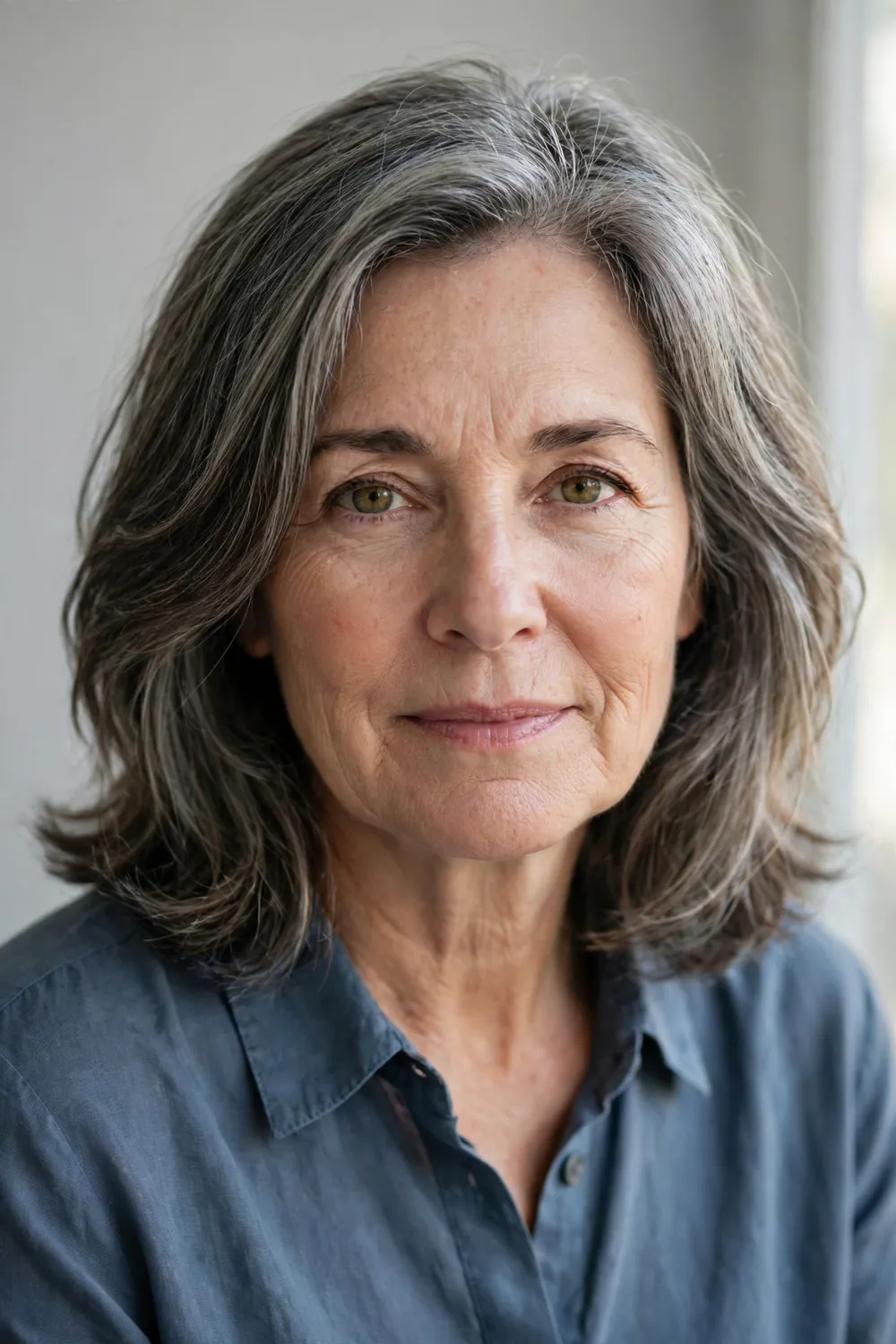
Grey blending uses highlights, lowlights, or gloss to fold natural gray into the existing color instead of covering it. It suits women with at least 30 percent gray who are tired of root touch-ups every three weeks. The result looks dimensional and grows out without a line.
A gloss every six to eight weeks keeps the blend fresh. For heavy gray, highlights plus toning give the most natural effect. This is the lowest-stress color strategy on this list.
Try this: start blending before gray coverage gets patchy; early blending looks the most natural.
Difficulty: Low upkeep · Cost: $120–$250 (salon)
23. Mushroom Brown
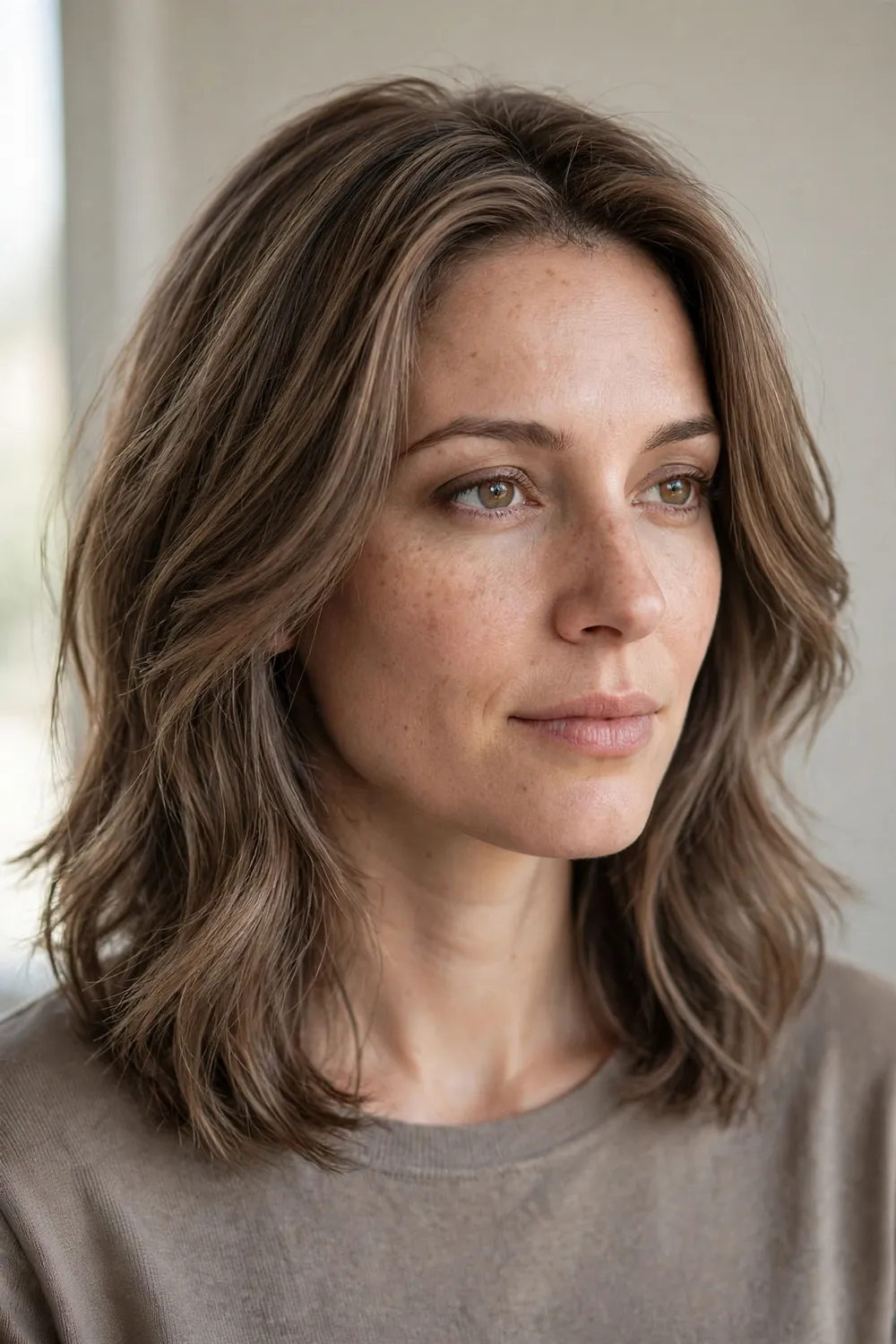
Mushroom brown is a cool, ashy brown with beige-gray dimension that sits between brown and blonde. It suits cool and neutral skin tones and works well on medium brown bases. It is subtle but modern, and it photographs with a soft, smoky finish.
The ashy tone needs a toner refresh every six to eight weeks to stop warmth creeping back. Purple shampoo once a week helps on lighter sections.
Try this: keep the depth at the roots so the mushroom tone reads smoky rather than flat.
Difficulty: Medium upkeep · Cost: $140–$260 (salon)
24. Rose Gold
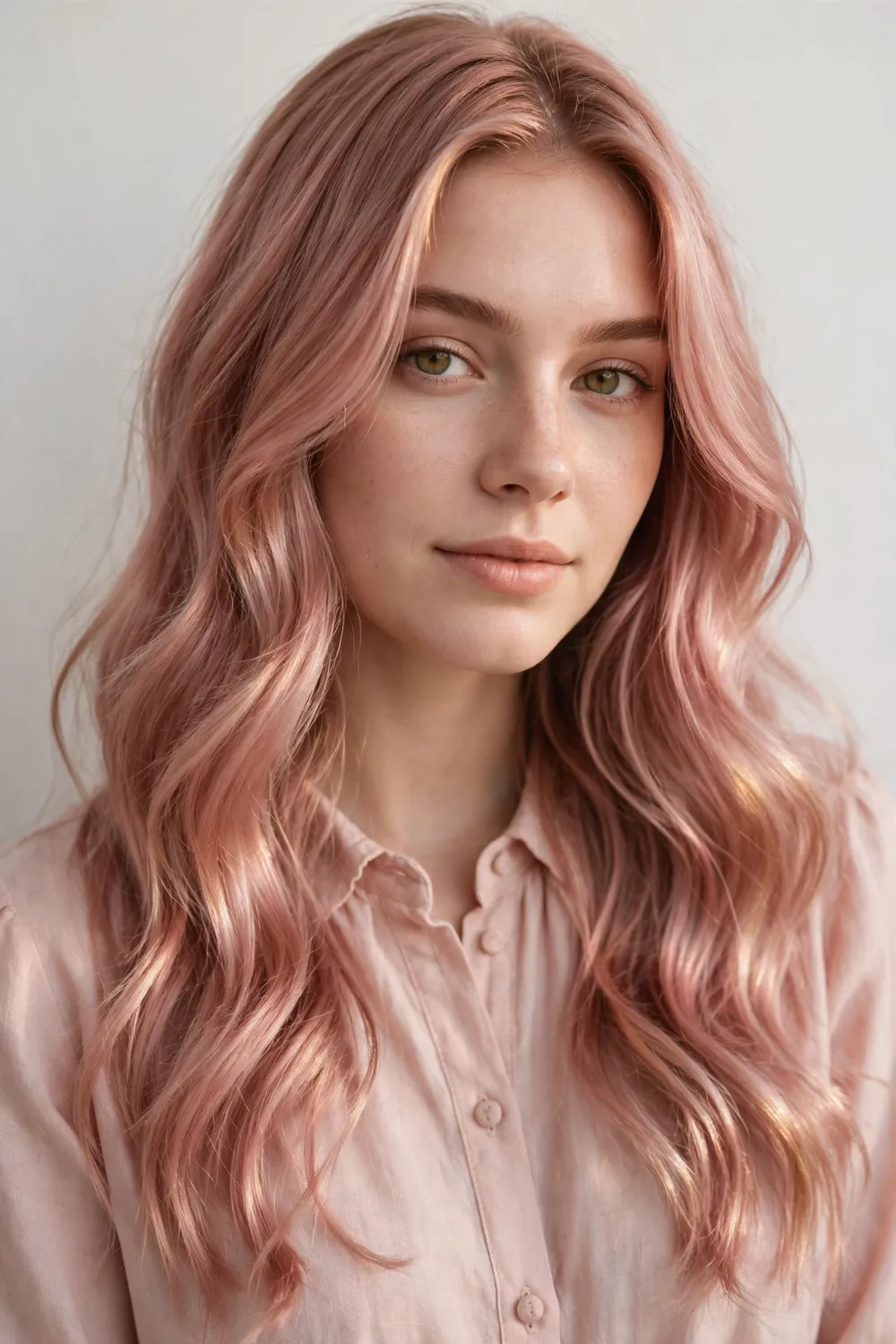
Rose gold blends pink and gold into a metallic blonde that suits fair, light, and medium skin tones. It works as an all-over shade, a balayage, or just highlights, which makes it flexible for different budgets. The warmth of the pink flatters warm undertones while the gold keeps it from looking flat.
Pink tones fade faster than the gold underneath, so expect the shade to warm up between appointments. A pink color-depositing conditioner every one to two weeks holds the blush tone.
Try this: ask for a sheer rose gold gloss first; it is the lowest-commitment way to test the shade.
Difficulty: Medium upkeep · Cost: $150–$300 (salon)
How to Choose the Right Hair Color
Start with your skin undertone. Check the veins on your wrist: blue or purple points to cool undertones, green points to warm, and a mix means neutral. Cool undertones pair with ash, platinum, espresso, and cherry; warm undertones pair with honey, caramel, copper, and golden browns.
Next, be honest about upkeep. If you will not visit the salon more than twice a year, pick shades close to your natural color: chocolate, espresso, honey balayage, or grey blending. If you love the salon, blondes and reds open up.
Finally, consider your starting point. Dark hair reaching platinum needs multiple sessions and real damage risk, while dark hair going copper or caramel needs far less lift. Always do a strand test before a major change, and use heat protectant before hot tools once your hair is colored.
Hair Color Comparison Table
| Shade family | Upkeep | Salon cost range | Best for |
|---|---|---|---|
| Blondes (platinum, heritage, honey, ash) | Medium to high; toner every 6 to 10 weeks | $150 to $350 | Light skin, regular salon visits |
| Brunettes (buttery, chocolate, espresso, chestnut) | Low; gloss every 8 to 12 weeks | $80 to $220 | First-time color, low maintenance |
| Reds (copper, cinnamon, cherry) | Medium to high; gloss every 4 to 8 weeks | $120 to $250 | Warm skin, statement looks |
| Black and espresso | Low; roots barely show | $80 to $180 | Deep skin tones, gray coverage |
| Pastels and fashion colors | High; refresh every 2 to 6 weeks | $120 to $400 | Short cuts, experimental style |
| Grey blending | Low; gloss every 6 to 8 weeks | $120 to $250 | Women with 30 percent or more gray |
Frequently Asked Questions
What is the most low-maintenance hair color?
Shades close to your natural color: chocolate brunette, espresso, jet black on dark hair, and honey balayage. Grey blending is the lowest-effort option for women with significant gray because there is no root line to maintain. Root shadows and balayage placement also stretch any color further.
Which hair color suits warm skin tones?
Warm undertones pair with honey blonde, caramel, buttery brunette, chestnut, copper, and cinnamon red. Gold and warm red pigments flatter the warmth in the skin instead of fighting it. Avoid icy platinum and blue-black, which can make warm skin look sallow.
Which hair color suits cool skin tones?
Cool undertones pair with ash blonde, platinum, mushroom brown, espresso, jet black, cherry red, and jewel fashion colors like purple and blue. These shades echo the coolness in the skin. Warm golds and oranges can clash, so lean cool when choosing.
How do I choose between blonde, brunette, and red?
Start with contrast: blonde brightens, brunette adds depth, red adds warmth. Then weigh upkeep honestly, since blonde needs the most maintenance and brunette the least. A strand test and a consultation photo set will show you how each family looks against your skin before you commit.
Do fashion colors damage hair?
The dye itself is usually gentle; the bleaching underneath causes the damage. Pastels need a near-white base, which is the harshest lift. Darker fashion shades like deep purple or midnight blue need less lift and less damage. Semi-permanent dyes wash out without commitment, and bond-building treatments during bleaching protect the hair.
Final Thoughts
Twenty-four shades, one takeaway: the best hair color is the one you will maintain. Blondes reward regular salon visits, brunettes reward almost none, reds sit in the middle, and fashion colors reward the bold. Match the shade to your undertone, your budget, and your real schedule.
Save three or four favorites from this list and bring them to your consultation. A good colorist will tune any of these shades to your skin, your base, and how much upkeep you want. For more ideas in one family, browse our winter hair color ideas next.

