


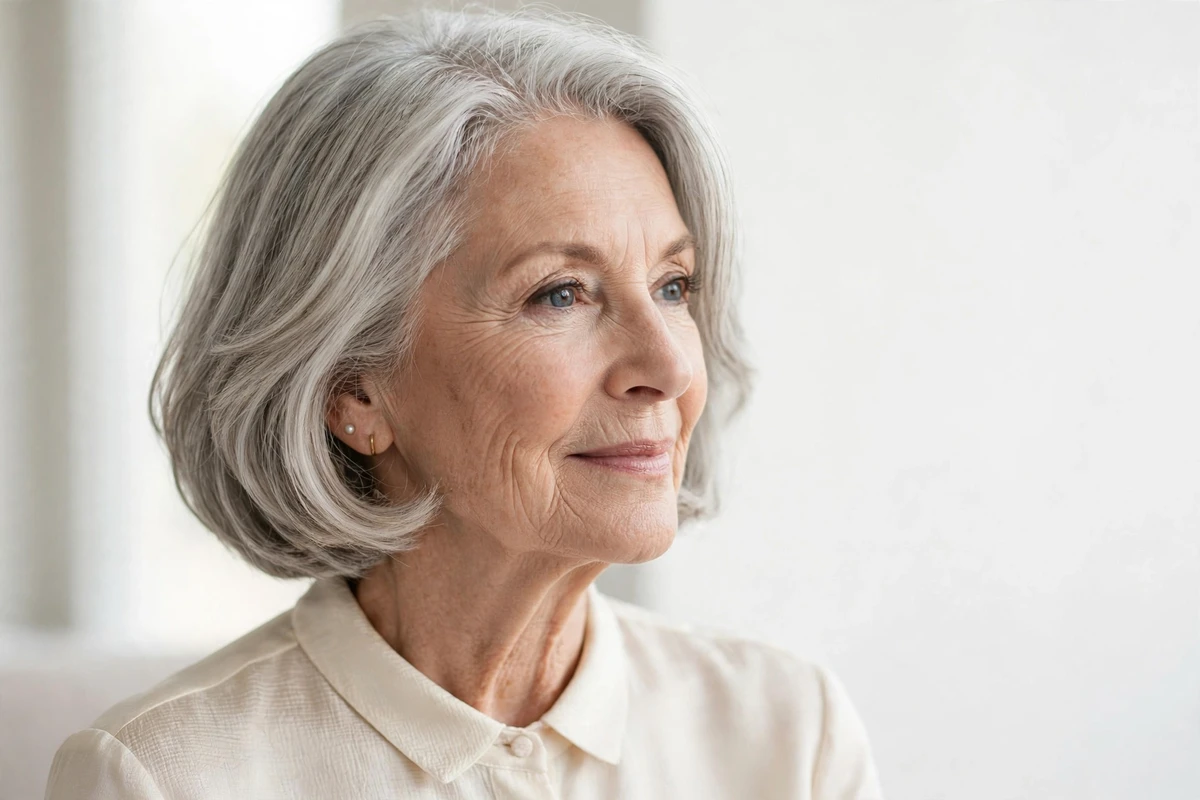
Thin hair does not have to mean flat hair. The right bob uses length, layers, and shape to build volume exactly where fine hair needs it, and it keeps maintenance realistic for busy schedules.
I have spent years working with fine hair on mature clients, and the cut itself does most of the volume work before any product touches it. This list covers 30 bob styles picked for older women with thin or thinning hair, from classic cuts to modern textured shapes.
Quick answer: The best bob hairstyles for older women with thin hair are the layered bob, stacked bob, A-line bob, and graduated bob. These cuts stack layers where thinning shows first, keep ends dense, and create lift that makes fine hair look noticeably fuller.
Quick Takeaways
- Stacked and graduated cuts build volume at the crown and nape, where thinning shows first.
- Blunt ends keep density at the perimeter; layers add movement without removing too much weight.
- Side parts, bangs, and texture shift attention away from sparse areas and toward the style.
- Most of these bobs need only 10 to 15 minutes of morning styling with a round brush or diffuser.
- Trims every 6 to 8 weeks keep thin hair from looking stringy at the ends.
Why Bobs Work So Well for Thin Hair
A bob removes the long, heavy lengths that drag fine hair down. With less weight pulling on the roots, hair sits higher and reads as fuller almost immediately.
Shorter cuts also make thinning less visible. When hair is one length or gently layered around the face, the eye follows the shape instead of hunting for sparse patches.
For women over 50 and 60, bobs frame the face and draw attention to the cheekbones and eyes. The right length can also soften a longer neck and make styling quicker every morning.
1. Classic Chin-Length Bob
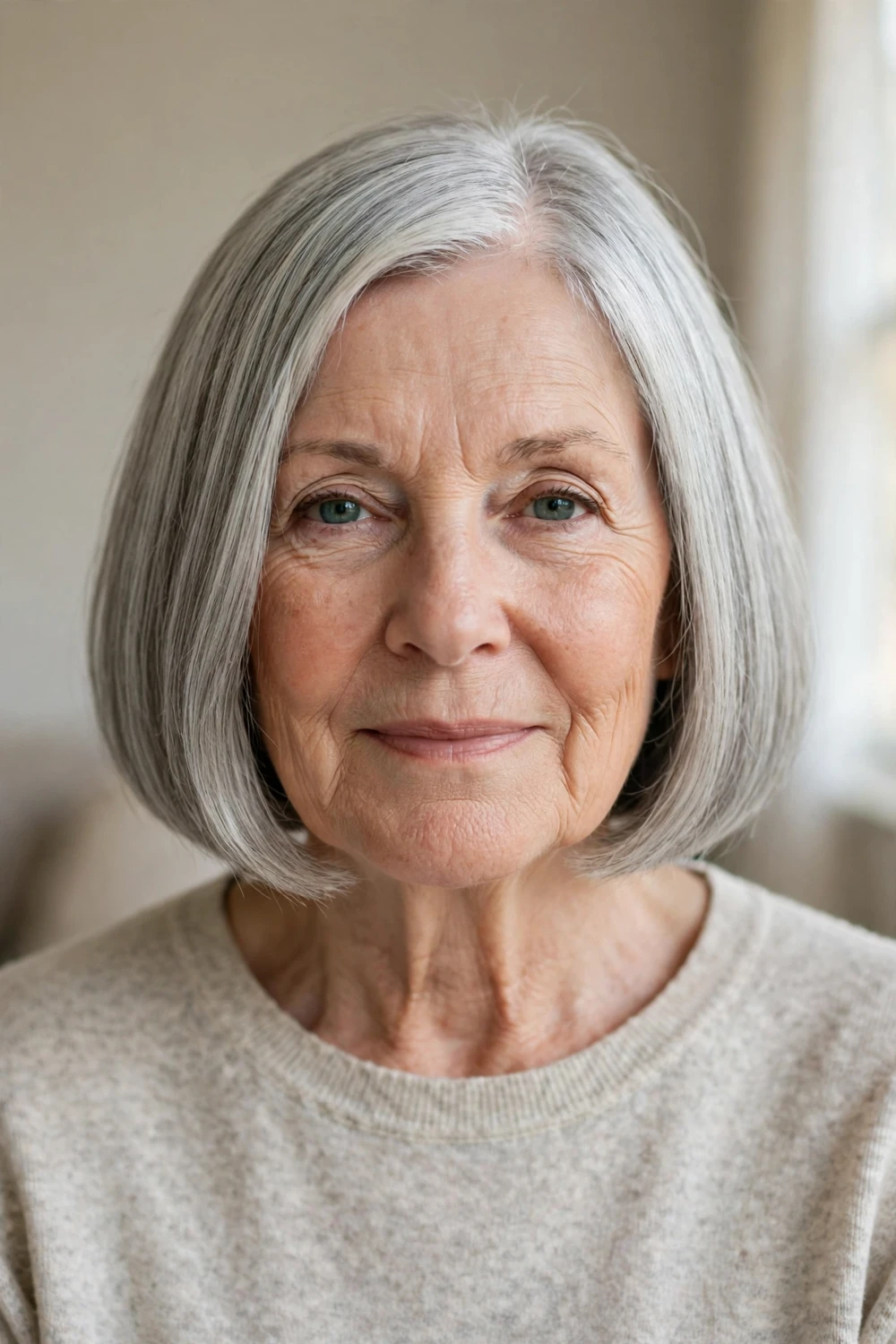
Start with the cut that never quits on thin hair. The classic chin-length bob ends right at the jawline with a clean, even line, which keeps maximum weight at the ends. That solid perimeter is what makes fine strands read as dense. A center or slightly off-center part keeps the shape tidy, and a quick pass with a round brush turns the ends under for a polished finish. Ask your stylist to keep the interior mostly one length so the cut does not lose its structure within a few weeks.
Try this: Blow-dry with a medium round brush, rolling the ends under for 5 seconds per section to lock in the curve. A pea-sized amount of volumizing mousse at the roots before drying adds lift that holds through the day.
2. Layered Bob with Volume
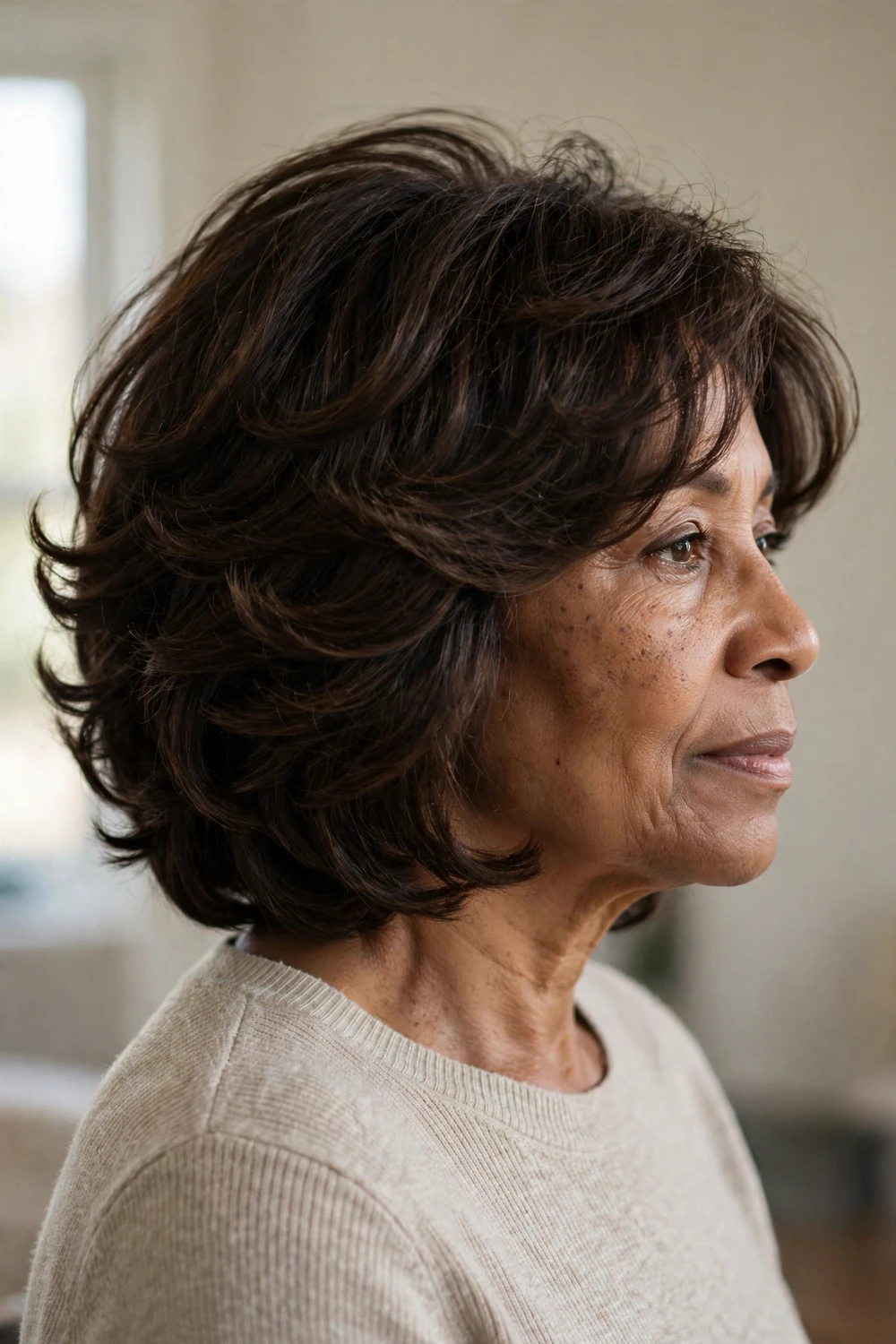
Layers do the heavy lifting when density is low. This bob places shorter layers through the crown and mid-lengths while keeping the ends full enough to avoid a wispy finish. The varied lengths create movement that catches light, and light bouncing off hair always reads as thickness. It suits straight, wavy, and slightly textured hair, and it grows out gracefully between appointments. Keep the shortest layer no higher than the crown so the shape stays balanced with the jaw-length ends.
Try this: Apply volumizing spray to damp roots, then blow-dry upside down for 2 minutes before finishing with a round brush. Flip the part to the opposite side for instant root lift.
If you want more layering ideas for your age group, these layered bob hairstyles for women over 60 focus on movement and face-framing shapes.
3. A-Line Bob
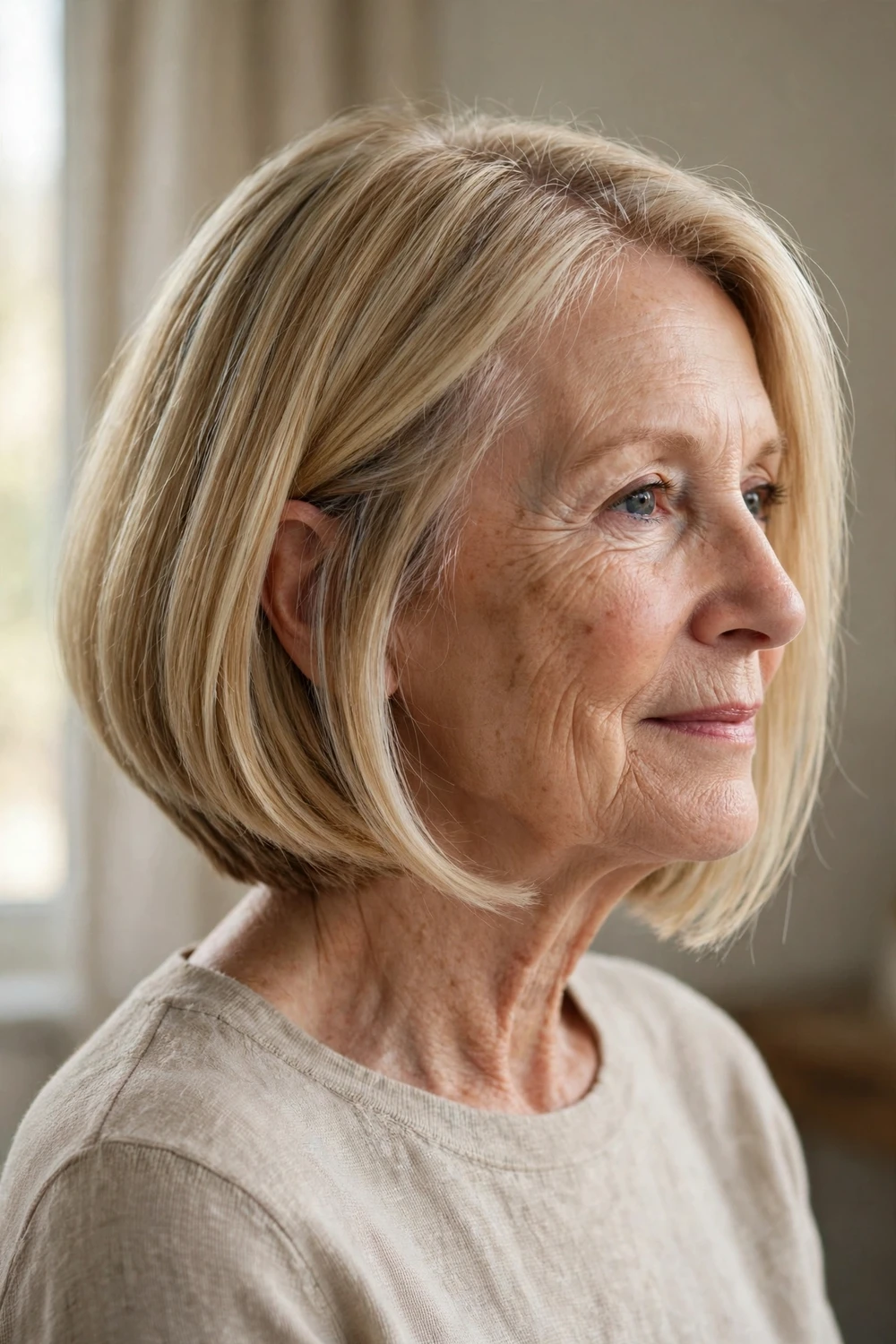
Think of the A-line as built-in architecture. It runs longer at the front and shorter at the back, creating a forward swing that flatters the jawline and pulls attention toward the face. The angled shape gives thin hair a clear, deliberate line instead of a soft, fading edge. It works with straight or lightly waved hair and looks sharp with minimal styling. The back can sit at the nape or slightly higher for extra lift.
Try this: Flat-iron the front sections with a slight inward bend to sharpen the A-line silhouette. A light shine serum on the ends keeps the angled edge looking crisp.
4. Angled Bob
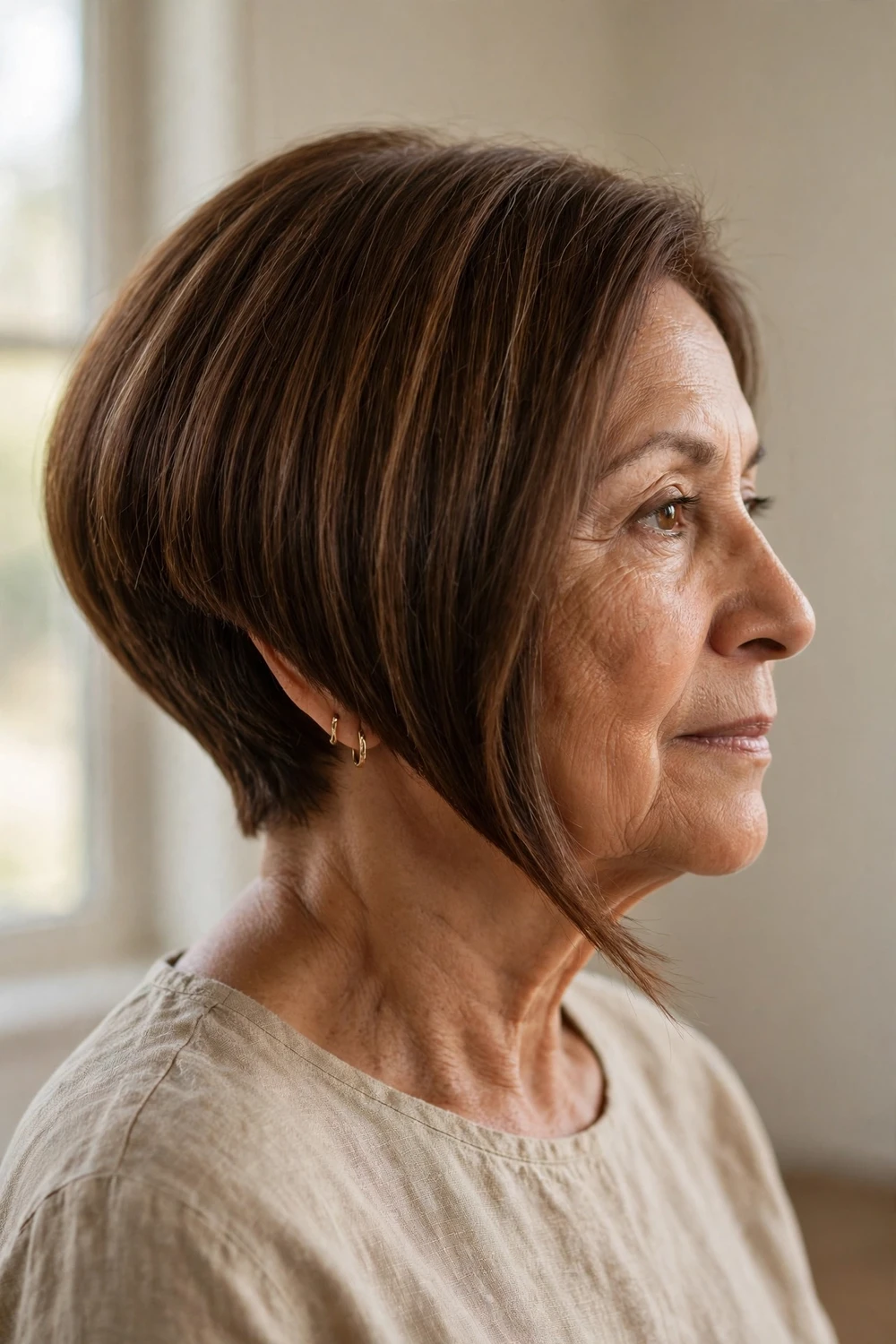
A sharp diagonal gives thin hair somewhere to go. The angled bob drops from a shorter back to longer front pieces, and that long front line frames the face while the stacked back builds height. It reads modern without trying hard, and it photographs well from every side. Ask for a clean, visible angle rather than a subtle one so the shape holds its identity as it grows. Fine hair shows precision cuts clearly, so this style rewards a skilled stylist.
Try this: Part on the deeper side and sweep the longer front section forward over one shoulder for an evening look. A root-lifting spray at the back keeps the stacked area from collapsing.
5. Graduated Bob
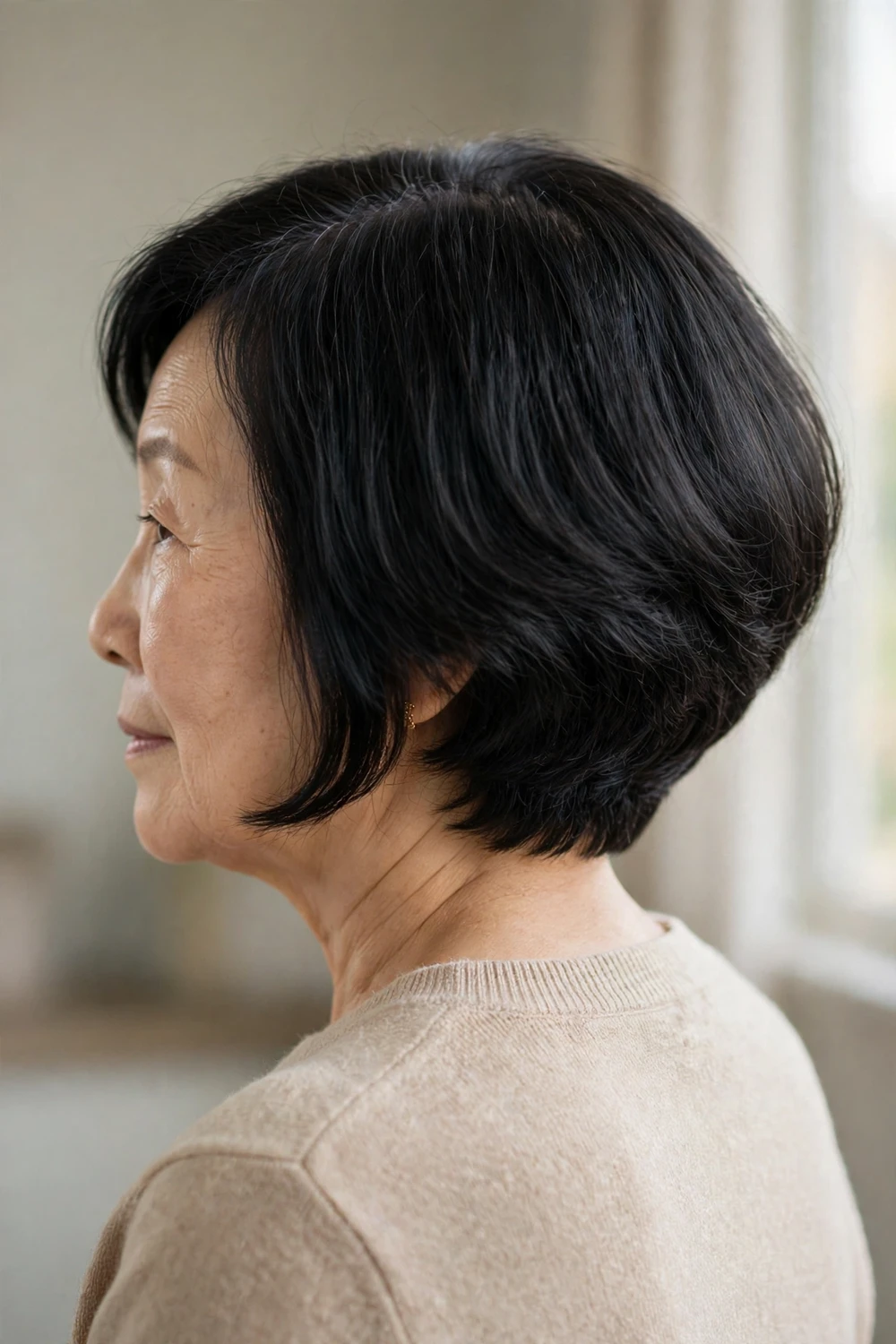
Graduation is what keeps this cut from going flat at the crown. Each section is cut slightly longer than the one beneath it, so the hair stacks upward and outward from the nape. That stacking creates permanent lift exactly where thin hair usually lies closest to the scalp. The front stays long enough to frame the face, which keeps the cut feminine and wearable. It looks polished air-dried, but a round brush makes the graduation pop.
Try this: Blow-dry the nape section upward with a small round brush to exaggerate the stacked lift. Book trims every 6 weeks because graduation loses its shape fastest at the back.
6. Softly Stacked Bob
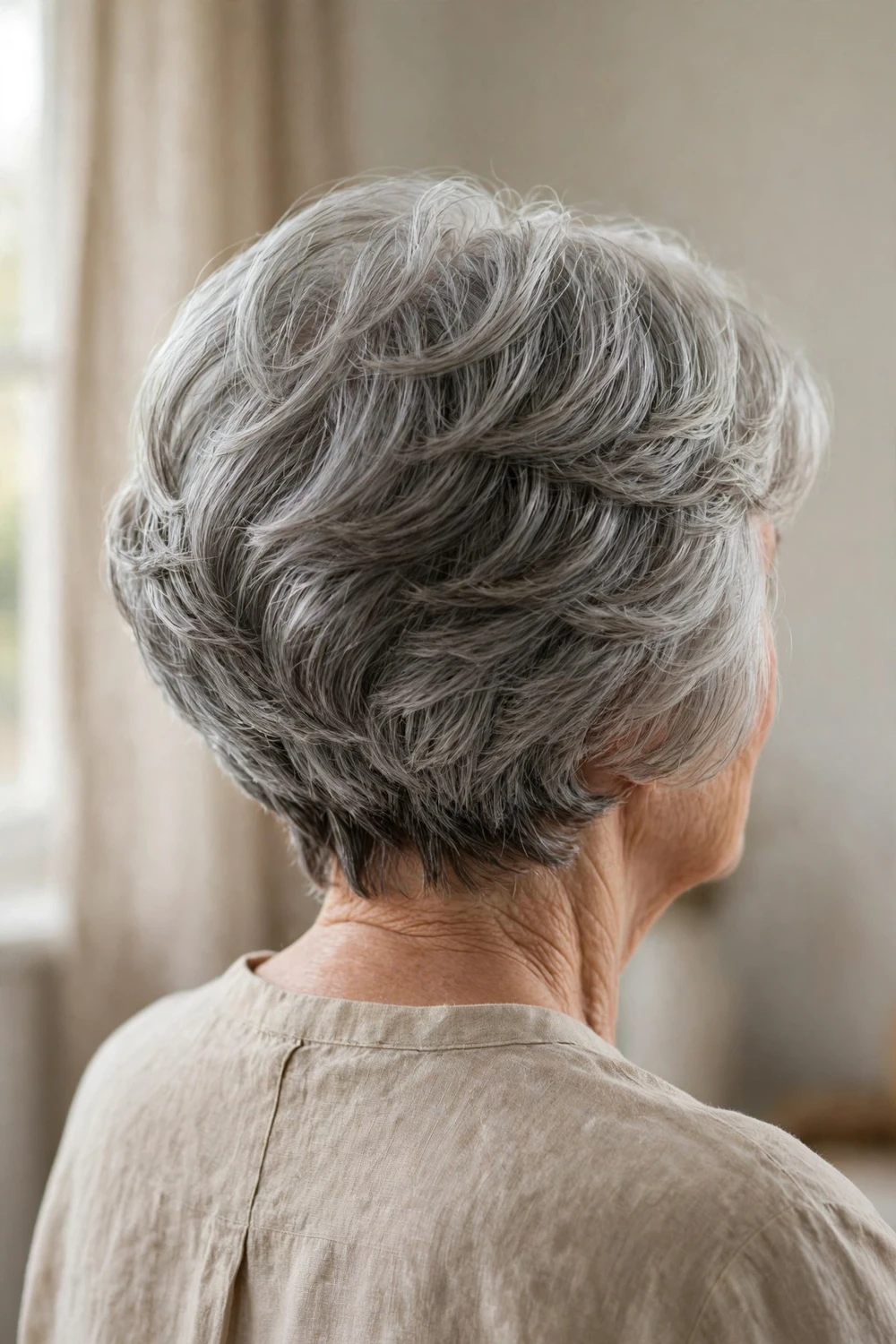
Stacking packs short layers right where thinning shows first. The softly stacked bob keeps the layers gentle rather than dramatic, so the back rounds naturally over the crown instead of puffing out. This is one of the most requested cuts for women over 60 with fine hair because it looks full from every angle with very little styling. The neck stays covered, which many women prefer, and the shape holds for weeks.
Try this: Scrunch a golf-ball-sized amount of mousse into the back layers while damp, then diffuse or air-dry. The layers will separate slightly and show off the stacking.
For a stronger stacked shape with age-specific styling notes, see this stacked bob haircut for women over 60.
7. Razor-Cut Bob
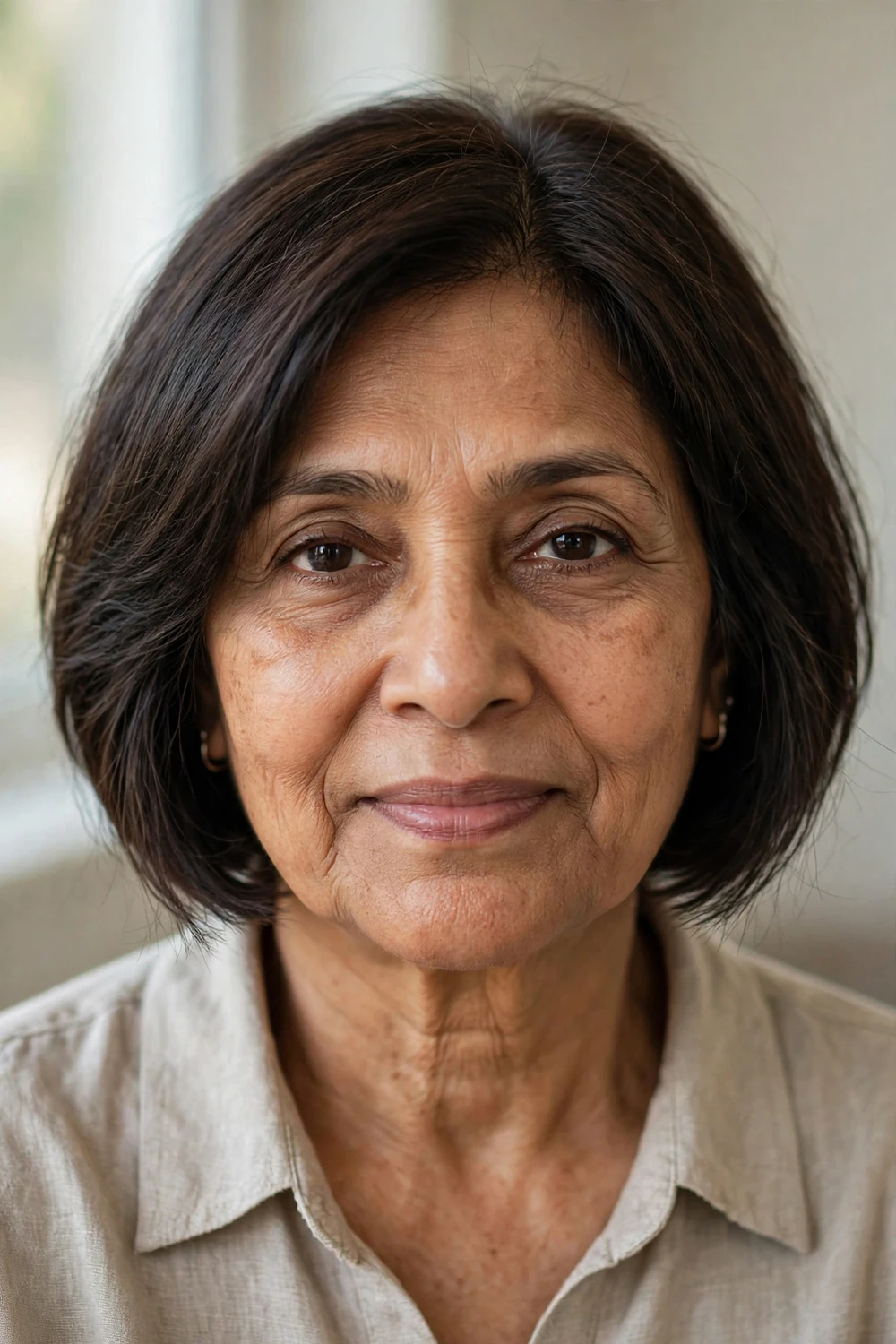
A razor, not scissors, gives this bob its soft, airy finish. The slicing action tapers every section so the ends fall in wispy, separated strands instead of a hard line. That separation creates the impression of more hair because light and shadow play between the pieces. It suits straight to slightly wavy hair best, and it feels lighter on the head than a scissor cut. Ask your stylist to keep the razor sharp and the hair damp during the cut to protect fine strands.
Try this: Work a tiny amount of texturizing cream through the ends only, never the roots. Too much product at the crown will flatten the airy effect.
8. Shaggy Bob
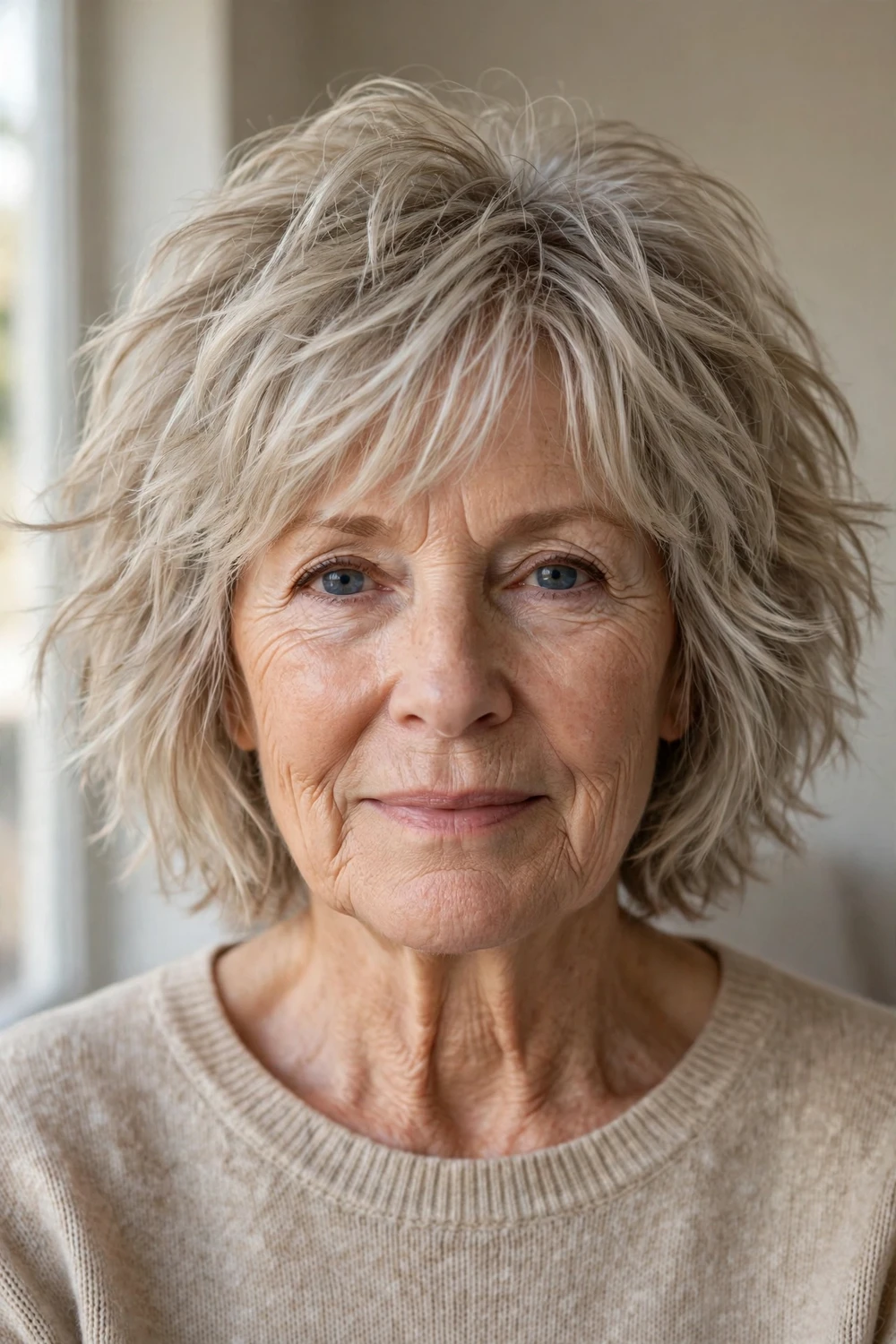
If your hair falls limp by noon, the shaggy bob works with that. Abundant choppy layers of different lengths create a deliberately tousled shape that looks intentional even when you do almost nothing to it. The top layers stay shorter to hold lift, while the ends stay piece-y and full of movement. It grows out better than most bobs because the shaggy texture hides uneven growth. This cut loves natural texture, so let your hair air-dry when you can.
Try this: Mist damp hair with sea salt spray and scrunch upward, then let it air-dry. The layers will fall into their natural, piece-y pattern.
9. Curly Shaggy Bob
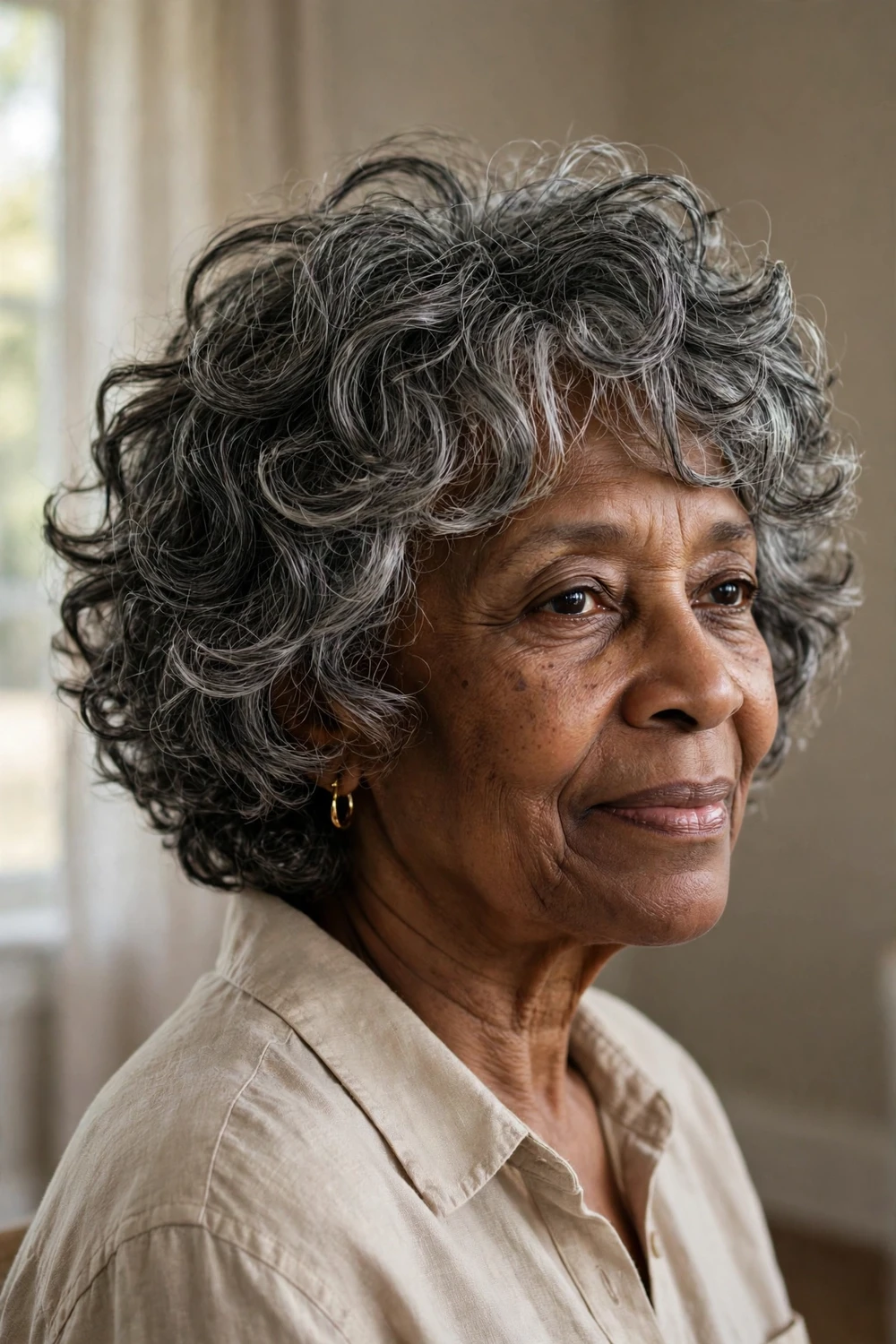
Curls plus shag layers equal one of the fullest-looking cuts on this list. The curls create space between strands, and the shaggy layers keep them from stacking into a triangle. Each curl springs independently, which makes even fine hair look abundant. Ask for dry curl-by-curl cutting so the shape accounts for how much each curl shrinks. A diffuser on low heat sets the curls without pulling out the volume.
Try this: Apply curl cream to soaking-wet hair in sections, then scrunch with a microfiber towel before diffusing. Sleeping on a silk pillowcase keeps the curls defined for day two.
10. Textured Choppy Bob
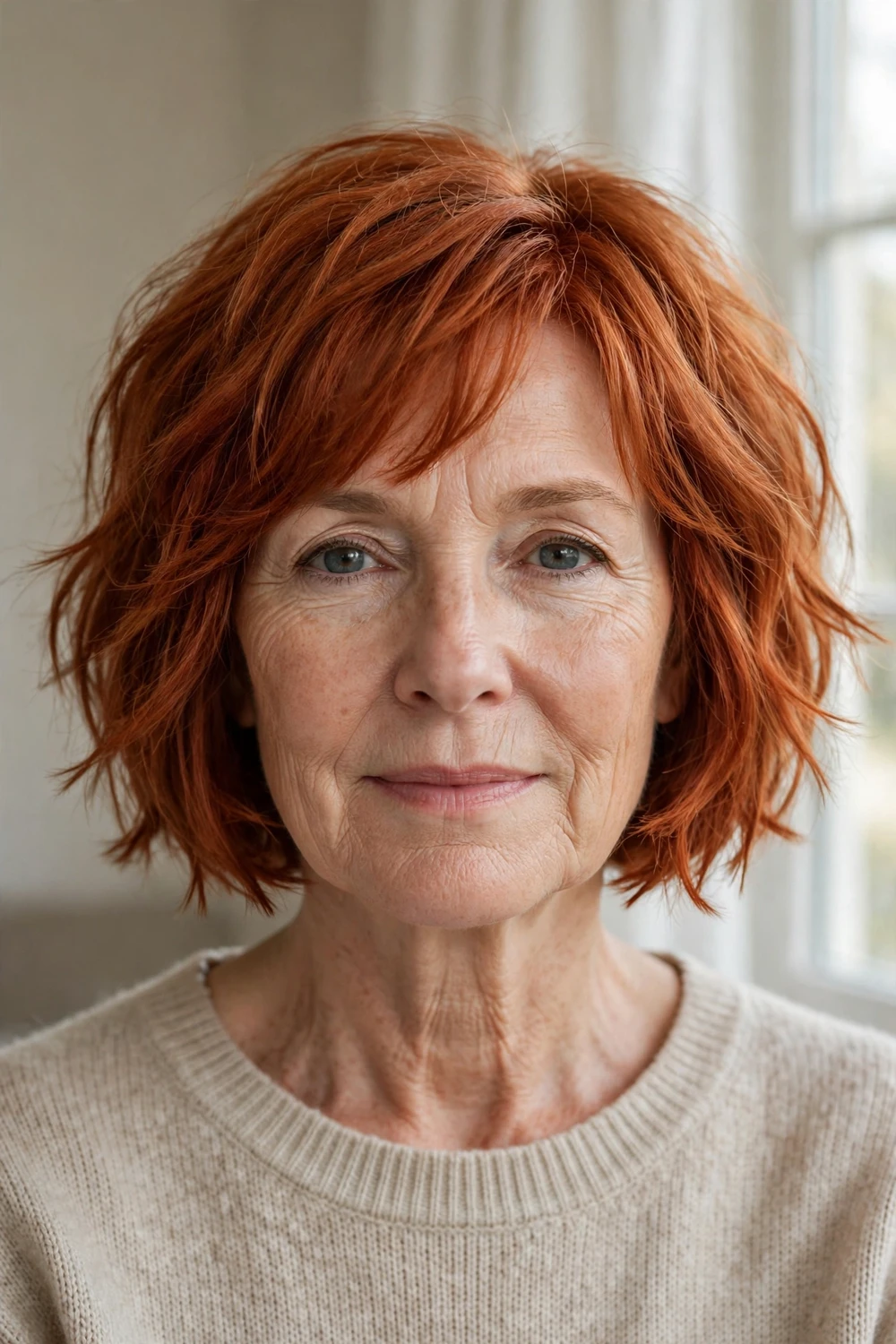
Choppy ends break up the solid curtain that makes thin hair look thinner. This bob uses point cutting to create irregular, piece-y ends that separate and move on their own. The result reads as thicker because the eye sees many edges instead of one thin sheet. It is low-maintenance and works with straight or wavy hair. Keep the choppiness in the bottom half; too much texture at the crown can expose the scalp on very fine hair.
Try this: Rub a pea-sized amount of styling wax between your palms and pinch the ends to define the pieces. Style with fingers, not a brush, to keep the separation.
More choppy, texture-forward options are covered in these choppy bob haircuts for fine hair.
11. French Bob
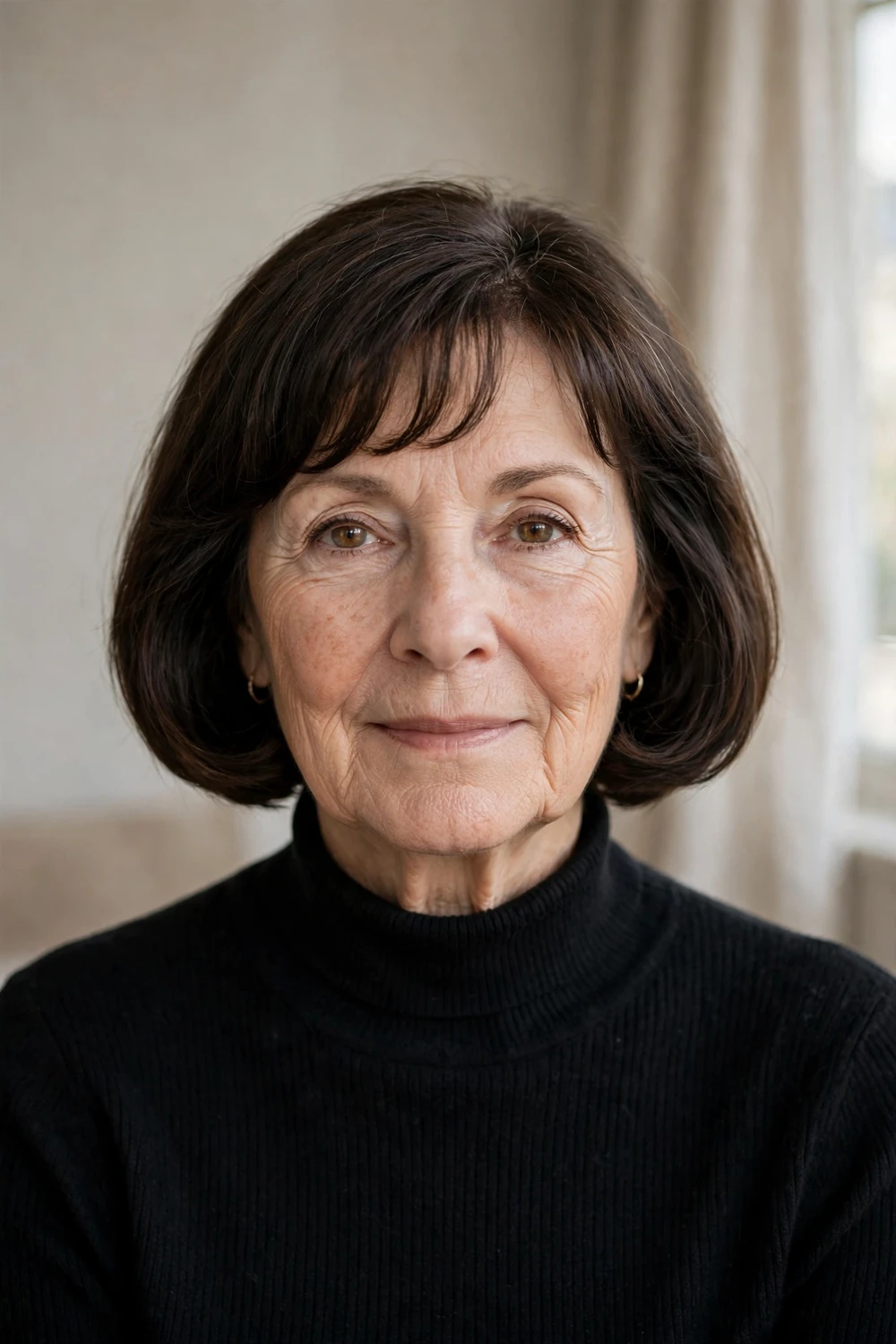
Short, blunt, and Parisian: the French bob skips heavy layering and leans on the weight line. It sits above the jawline with soft corners and a hint of fringe, which keeps every strand contributing to the silhouette. Shorter length means thin hair looks concentrated rather than spread thin. It needs almost no styling and looks chic air-dried. If your face is longer, the fringe shortens it visually; if rounder, keep the fringe wispy and light.
Try this: Let it air-dry with a little smoothing cream, then tuck one side behind the ear for an asymmetric finish. The ear tuck also shows off earrings, which pulls attention upward.
12. Pixie Bob
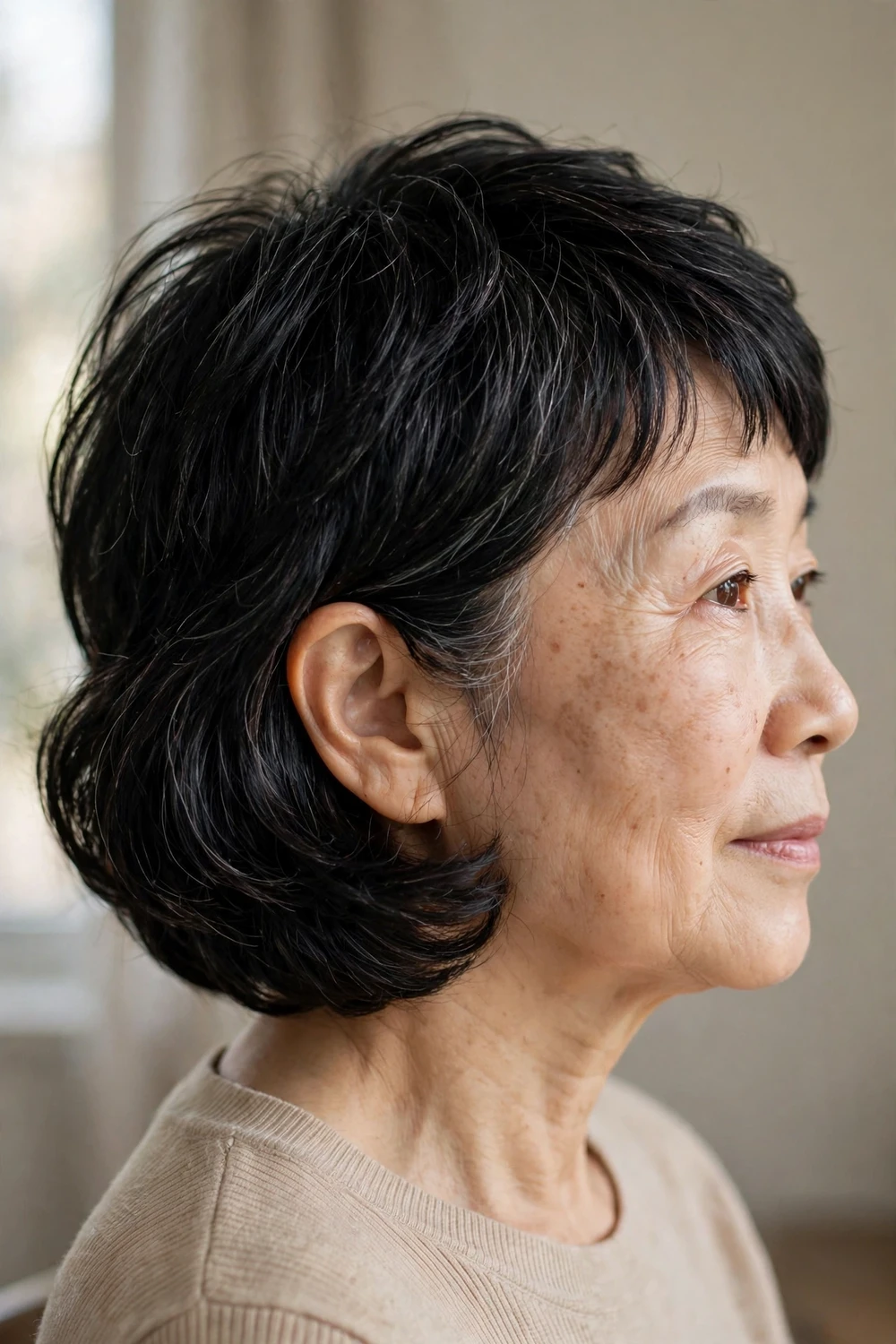
The pixie bob sits halfway between a bob and a pixie, and that middle ground is generous to thin hair. The shorter pixie-like top creates lift and texture, while the longer bob edges around the ears and neck keep it feminine. It is one of the easiest cuts to style on busy mornings because the texture is cut in, not styled in. Ask your stylist to keep the nape neat and the crown piece-y so the shape reads deliberate.
Try this: Rough-dry with your fingers for 3 minutes, then press a dab of matte paste into the crown pieces. The whole routine takes less than 5 minutes.
13. Blunt Bob
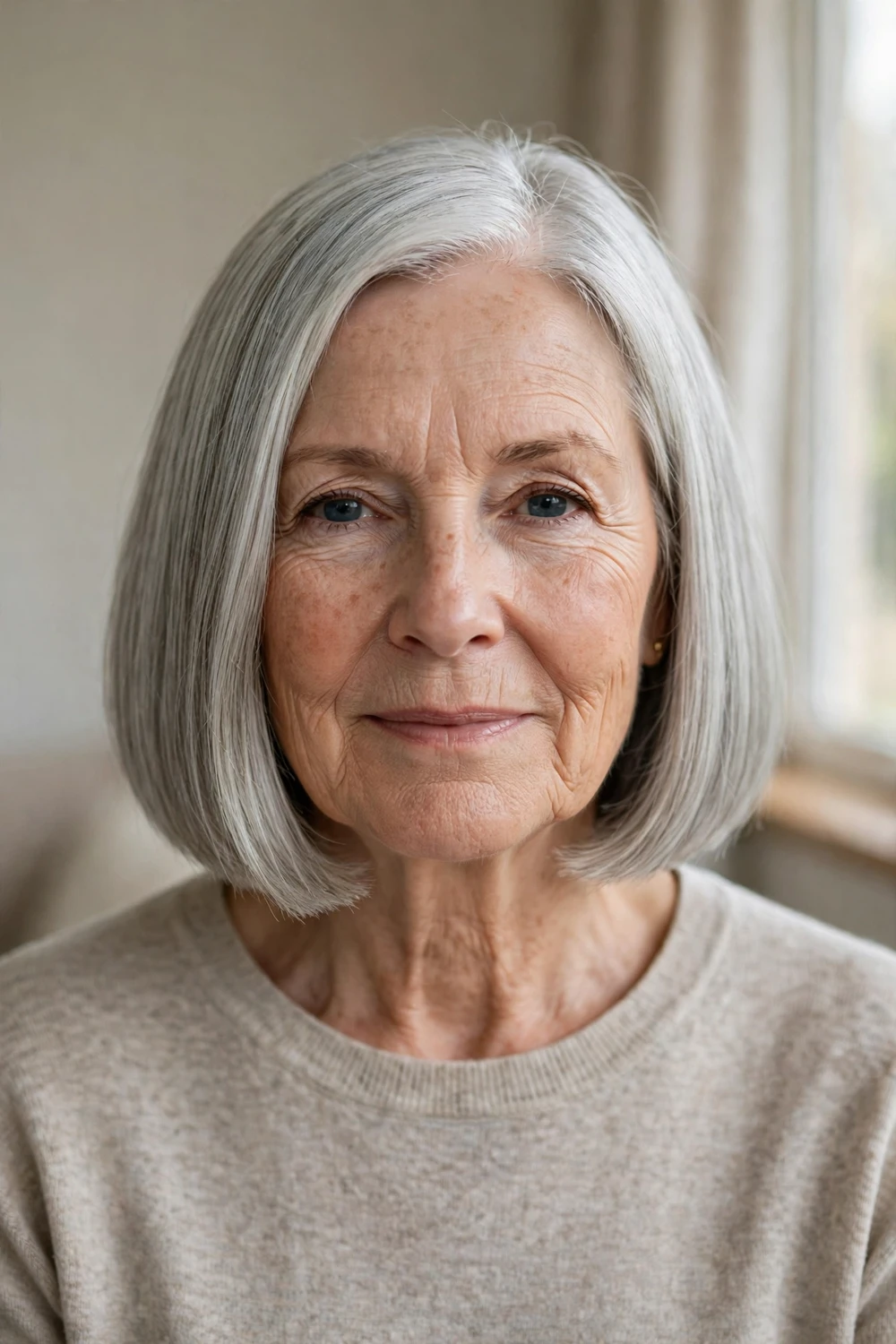
One level cut, no layers, maximum density at the ends. The blunt bob works on a simple principle: when every hair ends at the same point, the perimeter looks thick. It suits straight or slightly wavy hair that can be smoothed, and it pairs well with a center part or a deep side part. The trade-off is maintenance, since a blunt line shows uneven growth quickly. Plan trims every 6 to 8 weeks to keep the edge sharp.
Try this: Flat-iron in small sections for a glassy finish, or leave it natural with a little anti-frizz serum. Both finishes look intentional on a blunt cut.
14. Blunt Bob with Bangs
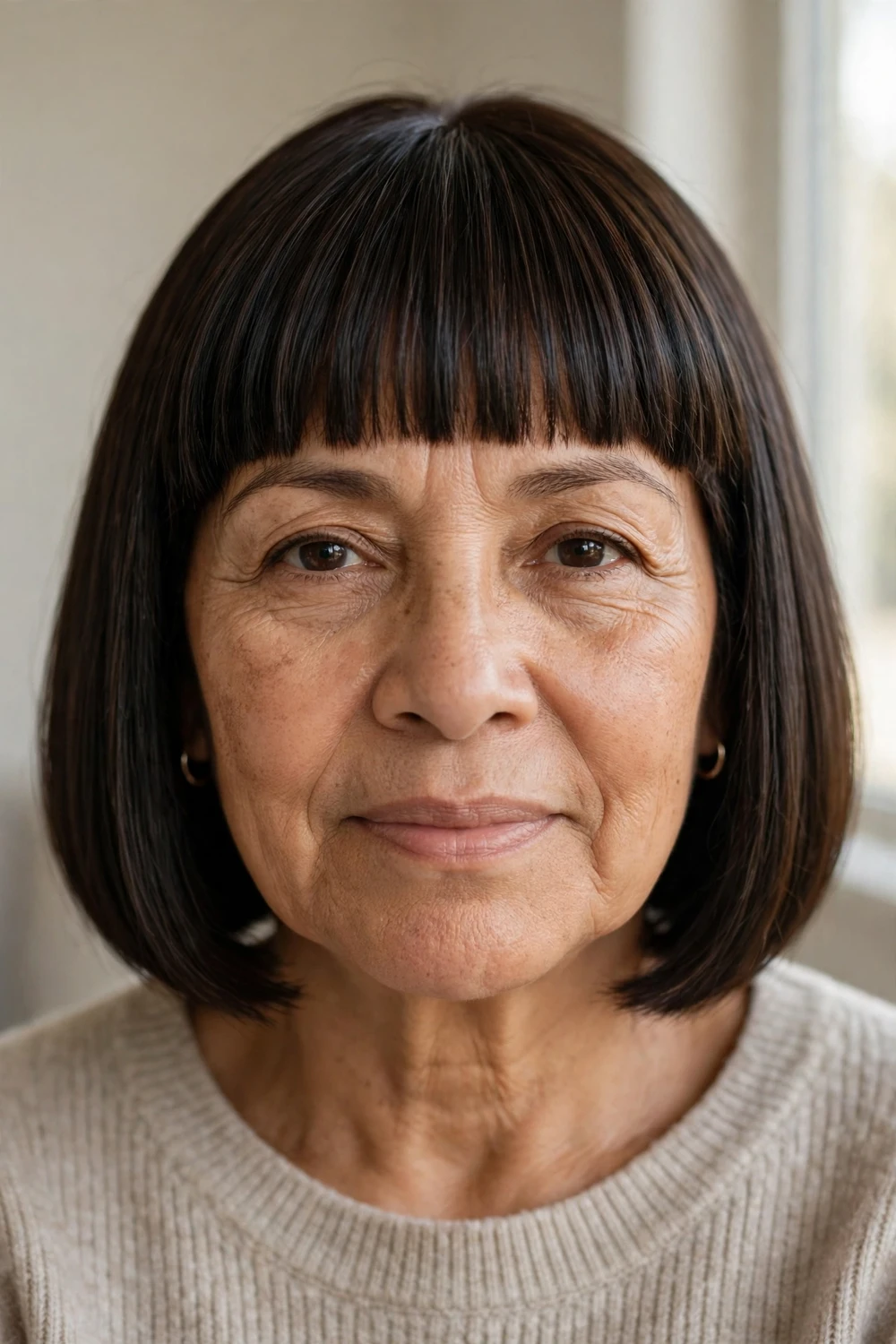
Bangs pull the eye forward and add a whole extra section of hair up front. This pairing keeps the dense blunt perimeter and adds straight-across bangs that cover the forehead and frame the eyes. It is a strong choice if your hairline is thinning, since the bangs hide it completely. Keep the bangs at brow level or just above so they do not weigh down the look. Blow-dry them forward and flat right after washing so they do not split.
Try this: Dry bangs first, before the rest of the hair, using a small round brush pulled straight down. A dry shampoo puff at the roots on day two keeps them from separating.
15. Bob with Curtain Bangs
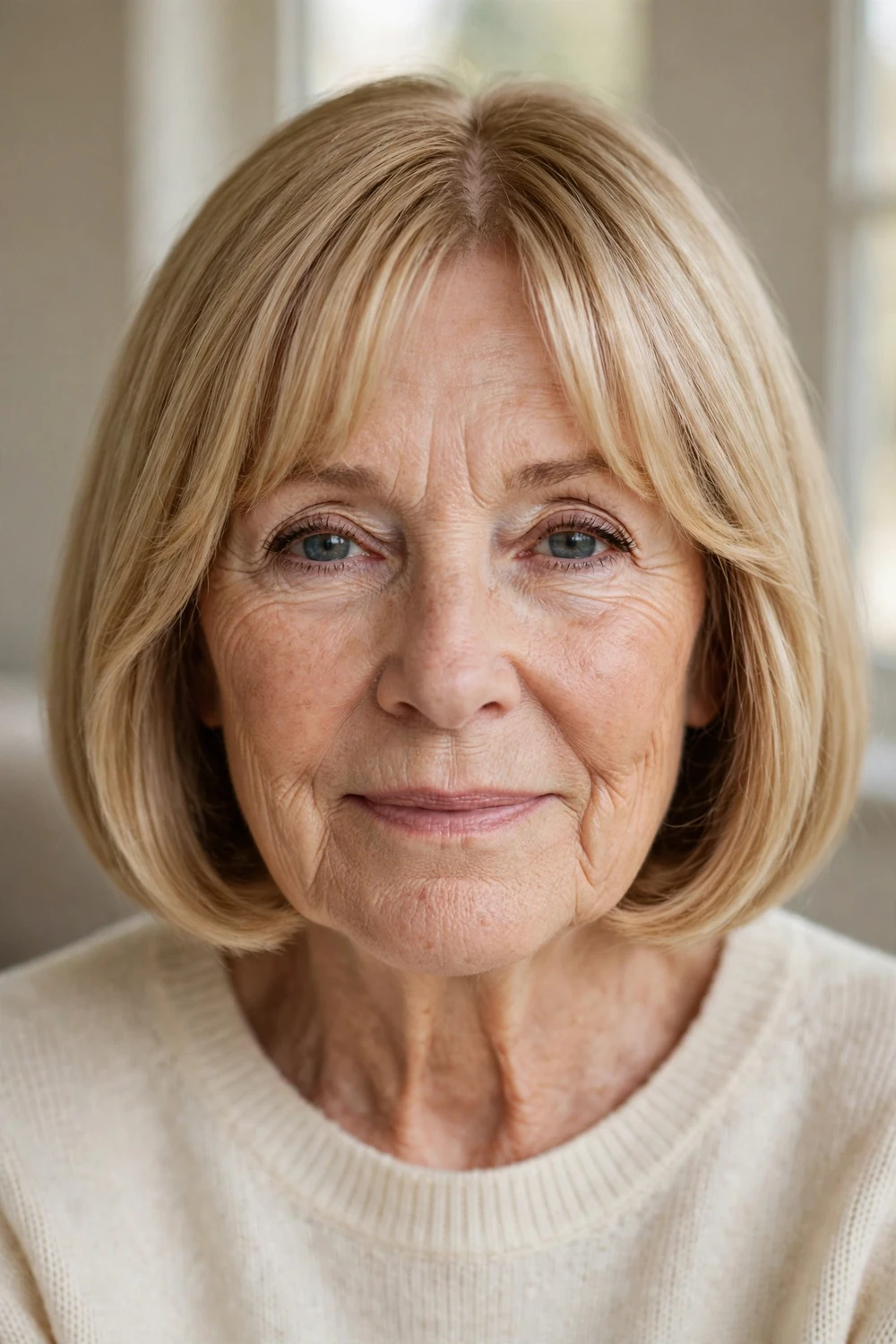
Curtain bangs part down the middle and soften the face frame. Unlike blunt bangs, they grow out gracefully and blend into the rest of the bob, so there is no awkward in-between stage. The face-framing pieces draw attention to the cheekbones while the bob body keeps its density. They suit most face shapes and work with straight or wavy hair. Ask for the bangs to start at cheekbone level so they curve naturally around the face.
Try this: Blow-dry the bangs with a round brush, rolling them away from the face on each side. A light mist of flexible-hold hairspray keeps the part from collapsing by afternoon.
16. Curly Bob
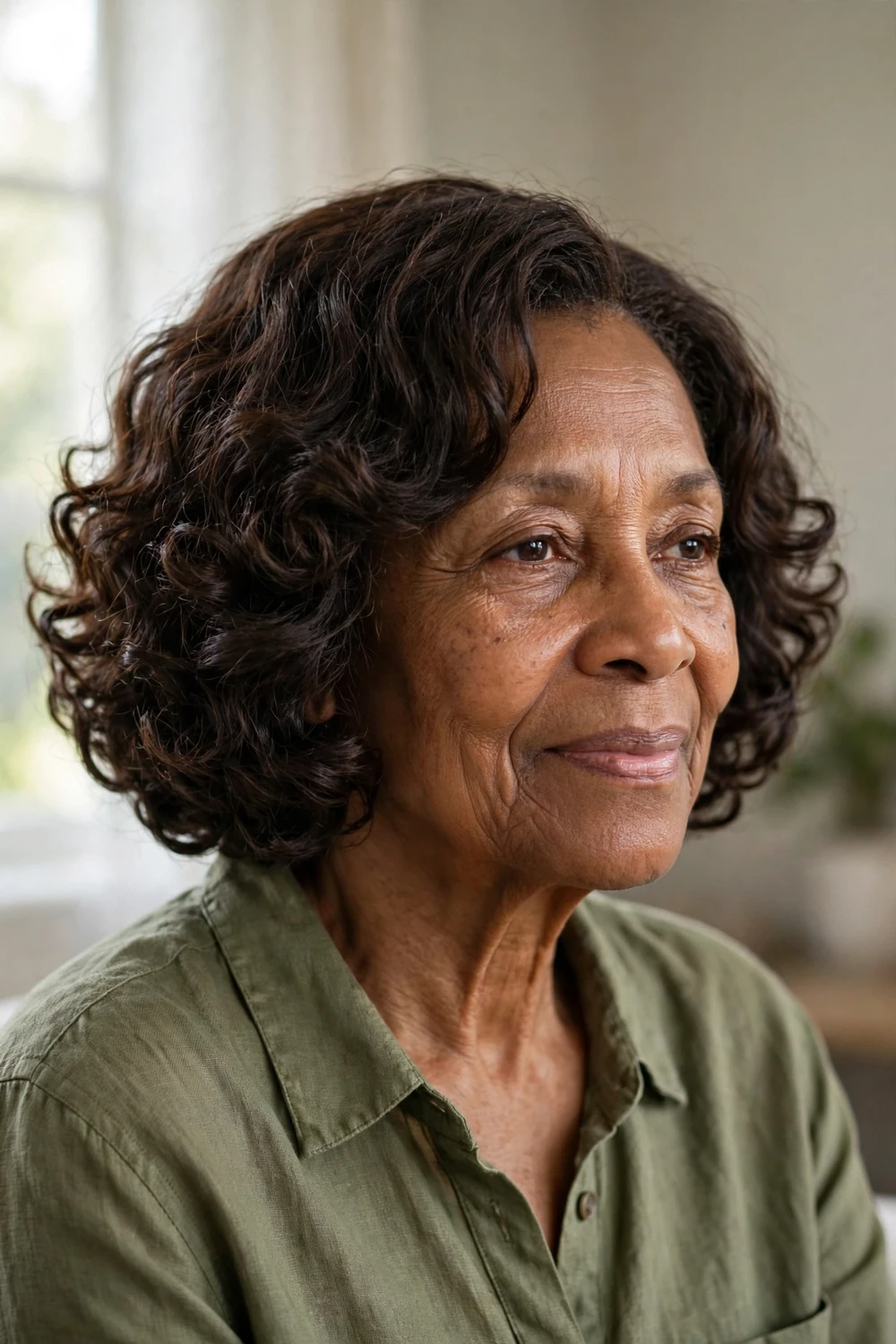
Natural curl does half the volumizing work for you. A curly bob cut to sit between the jaw and the shoulders lets each curl spring into shape, and the rounded silhouette reads as full even on fine hair. The key is cutting the curls dry so the length lands exactly where you want it. Layers are cut long and soft to avoid a triangle shape. Moisture is non-negotiable: well-hydrated curls clump into defined spirals instead of frizzing into thin wisps.
Try this: Diffuse on low heat with your head flipped forward for maximum root lift. Pineapple the curls in a loose scrunchie overnight to protect the shape.
For a full roundup of curl-specific cuts for mature hair, browse these curly bob hairstyles for older women.
17. Wavy Bob with Soft Curls
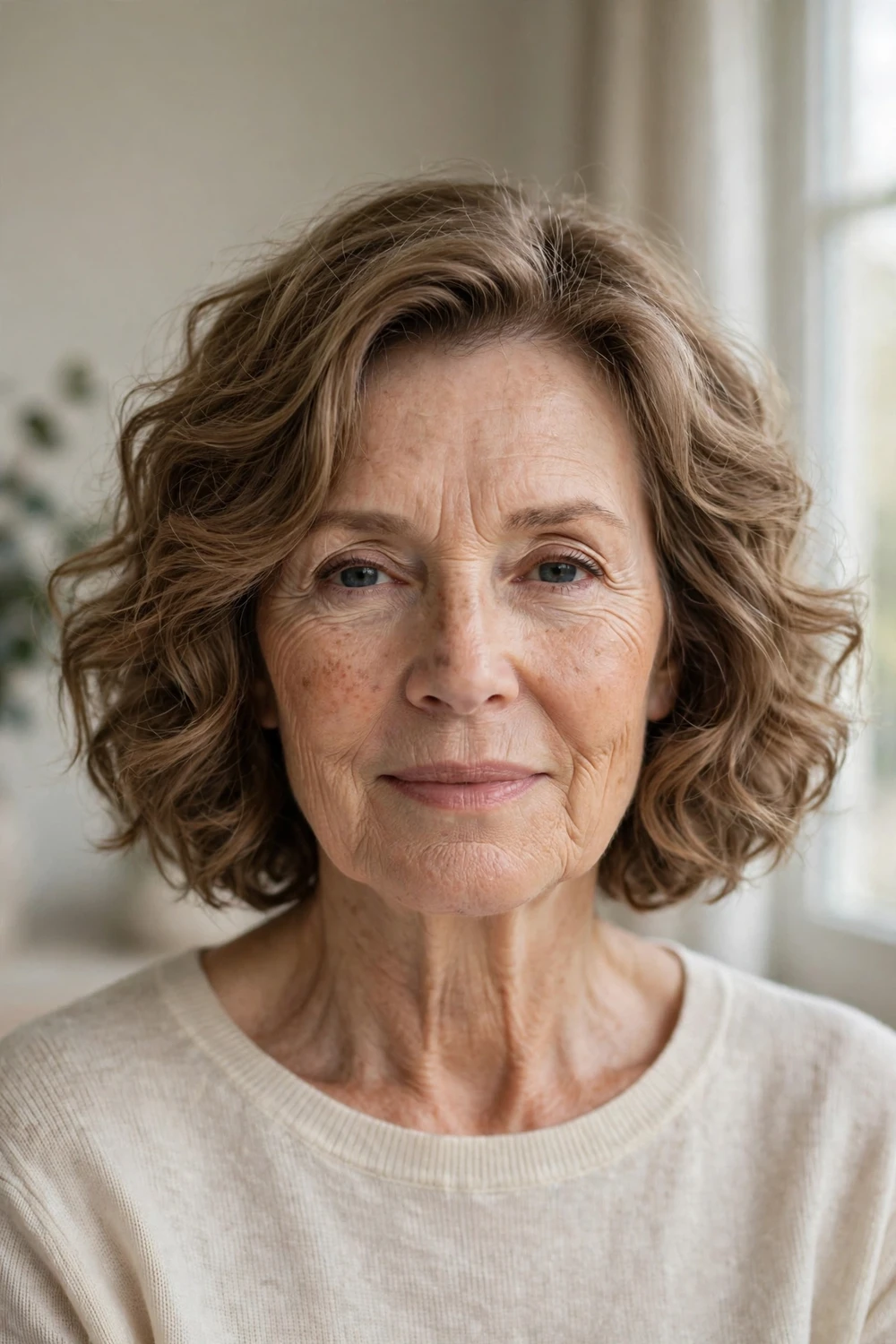
You do not need natural curl to fake it. This bob adds soft, loose waves through the mid-lengths, and those bends push strands apart so the hair looks twice as thick. A 1-inch curling iron gives the most natural result: wrap, hold for 8 seconds, and release without brushing through. The waves should look soft, not ringleted. This style dresses up easily for events and still looks relaxed for everyday wear.
Try this: Curl away from the face on both sides, then shake the waves out with your fingers once cool. A light texturizing spray holds the bends without stiffness.
18. Side-Swept Bob with Bangs
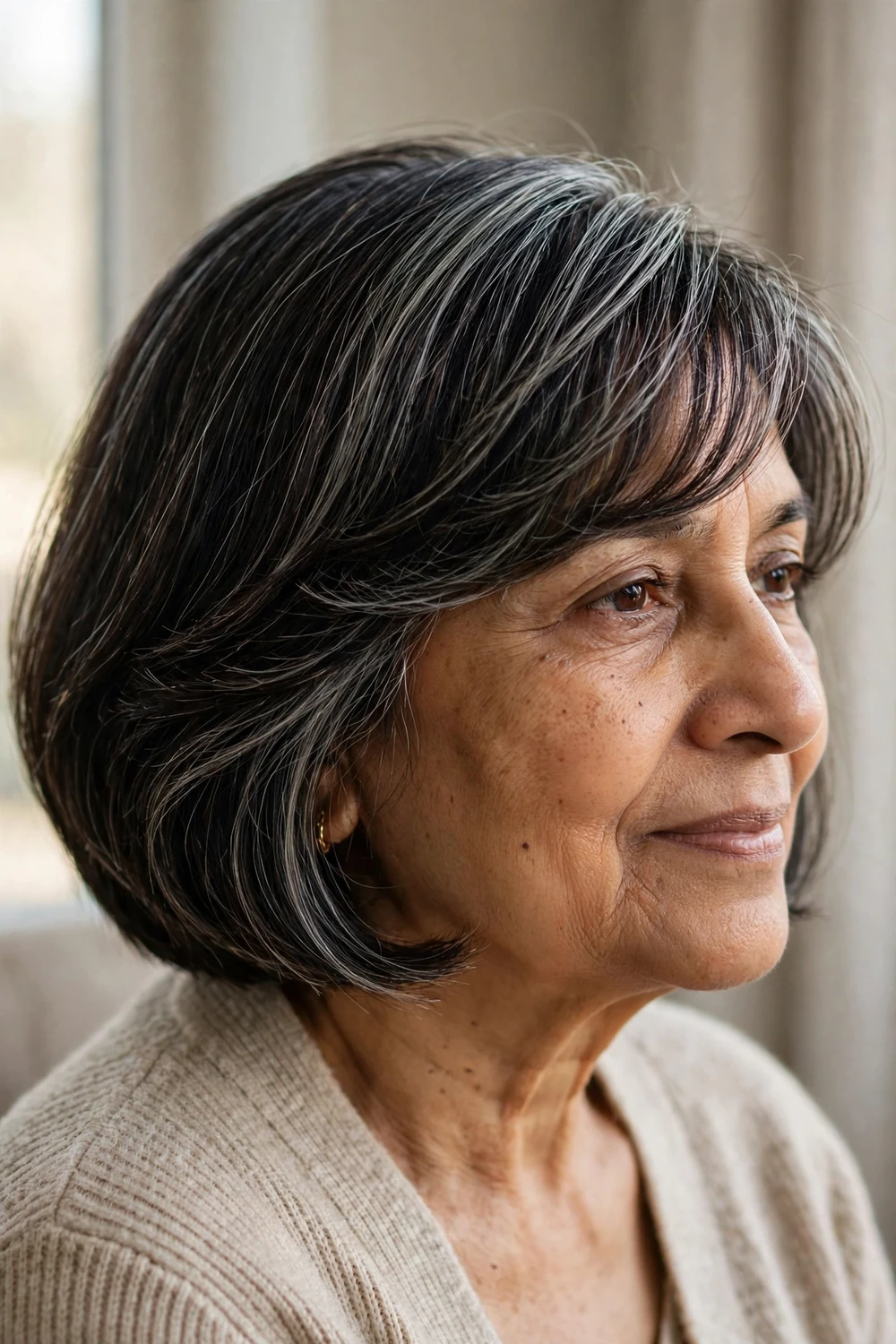
A deep side part is a cheat code for flat roots. Sweeping the hair across the forehead redirects volume to the heavier side and covers thinning at the temples in one move. The long swept bangs blend into a jaw-length bob that frames the face diagonally. This style looks elegant for evening and polished for work. Set the part while the hair is damp so it trains in the right direction, and pin the shorter side behind the ear for a clean finish.
Try this: Blow-dry the roots in the direction of the sweep using a vent brush for lift. A bobby pin hidden behind the ear keeps the short side neat all day.
19. Silver Bob
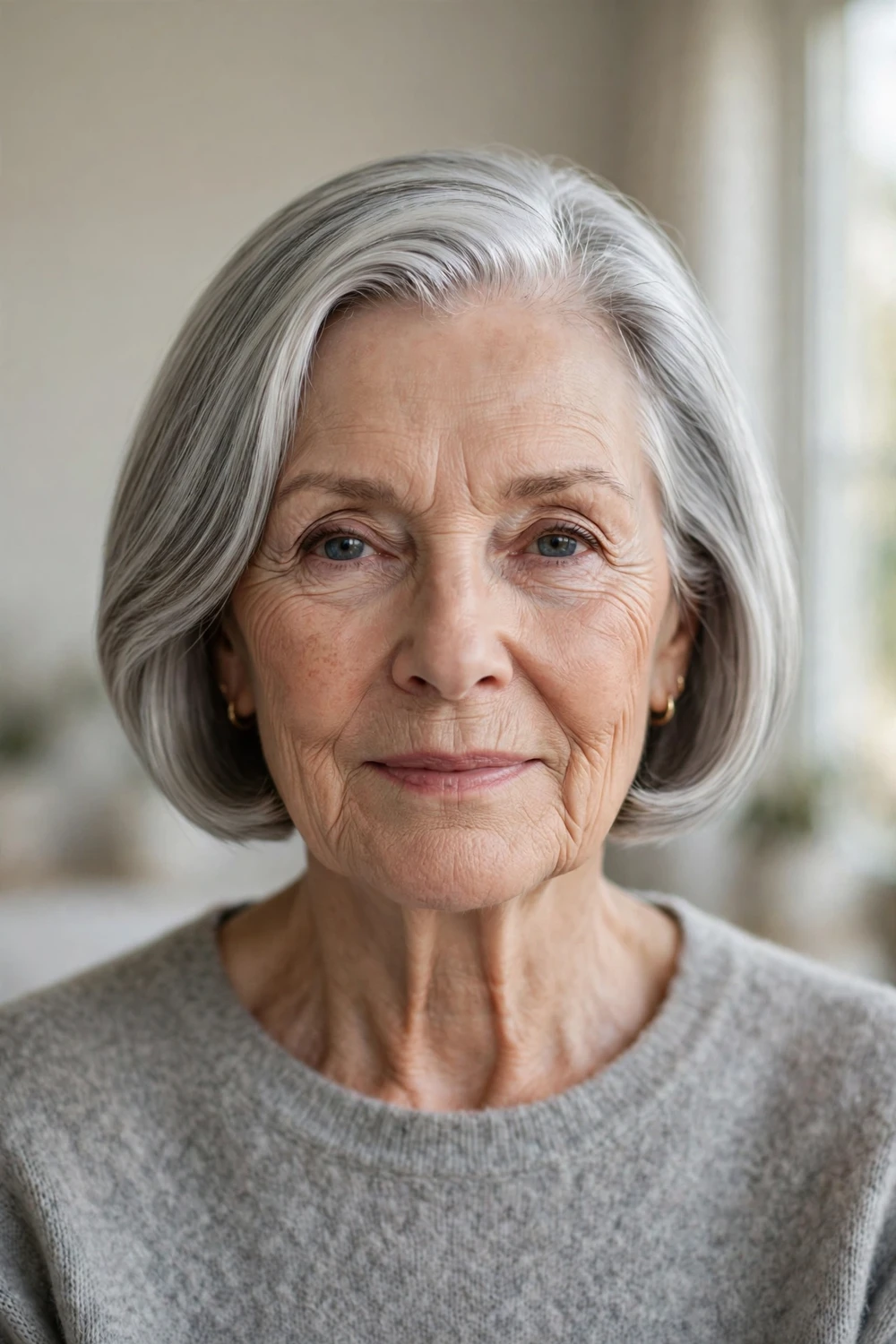
Gray hair that is well cut shines like a color service. The silver bob embraces natural gray or white with a sleek, polished shape that makes the most of silver’s natural reflectiveness. Shine reads as health, and healthy-looking hair reads as fuller. Use a purple shampoo once a week to keep the tone bright and stop yellowing. A precise bob cut, whether blunt or softly layered, gives the silver a deliberate, elegant frame.
Try this: Finish with a gloss serum to boost reflectiveness. Keep heat styling moderate, since gray hair can be more fragile and prone to dryness.
20. Blonde Bob with Highlights
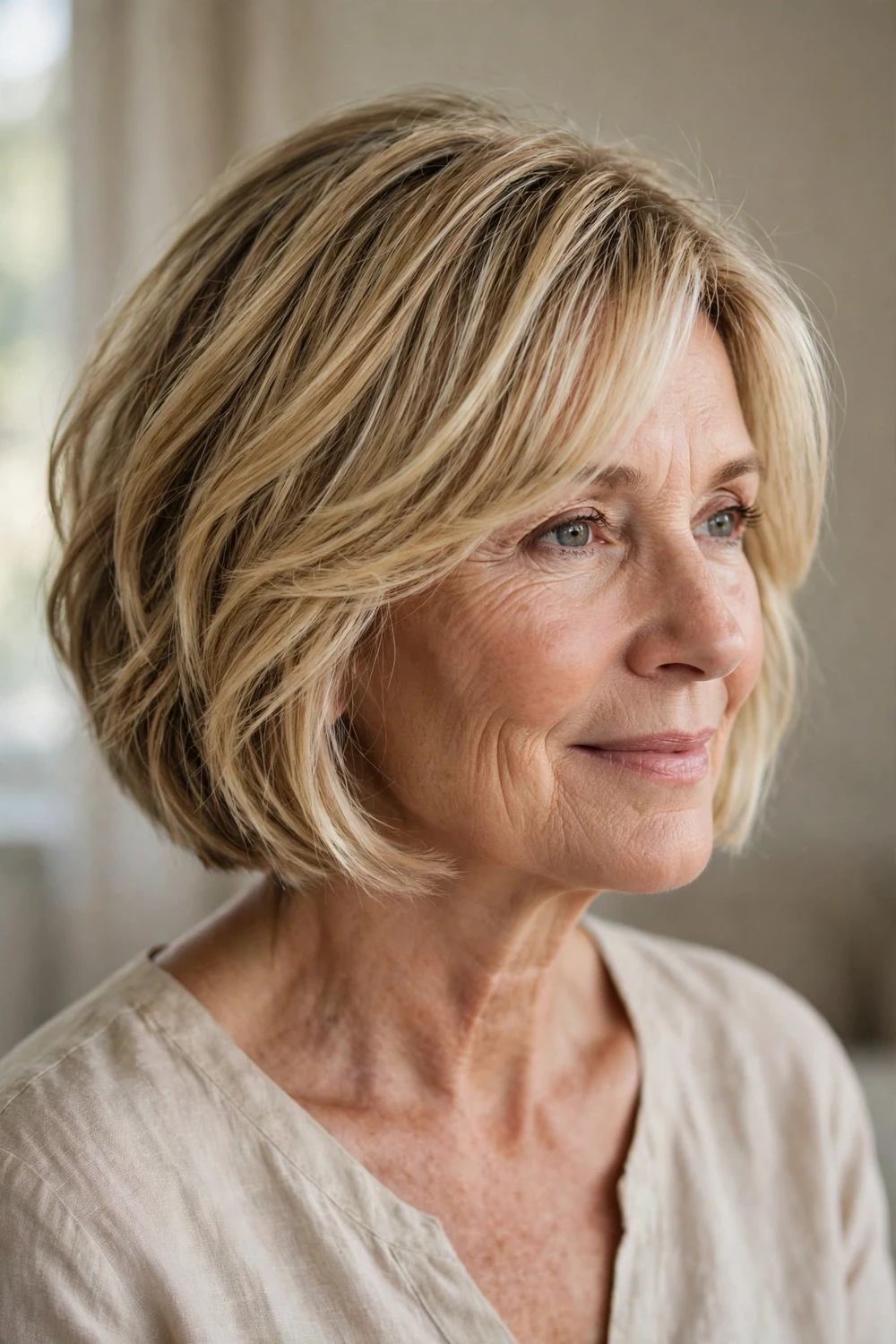
Color placement creates depth that reads as thickness. Fine blonde highlights woven through a bob break up the solid color so the hair looks multi-dimensional instead of flat. Face-framing highlights brighten the complexion, while slightly darker roots add the illusion of density at the scalp. This works on any bob shape but looks especially good with side-swept layers. Space highlight appointments 8 to 10 weeks apart to protect fine hair from over-processing.
Try this: Ask your colorist for babylights rather than chunky streaks; finer highlights blend better on thin hair. A color-safe shampoo keeps the tone from going brassy.
21. Bob with Tapered Ends
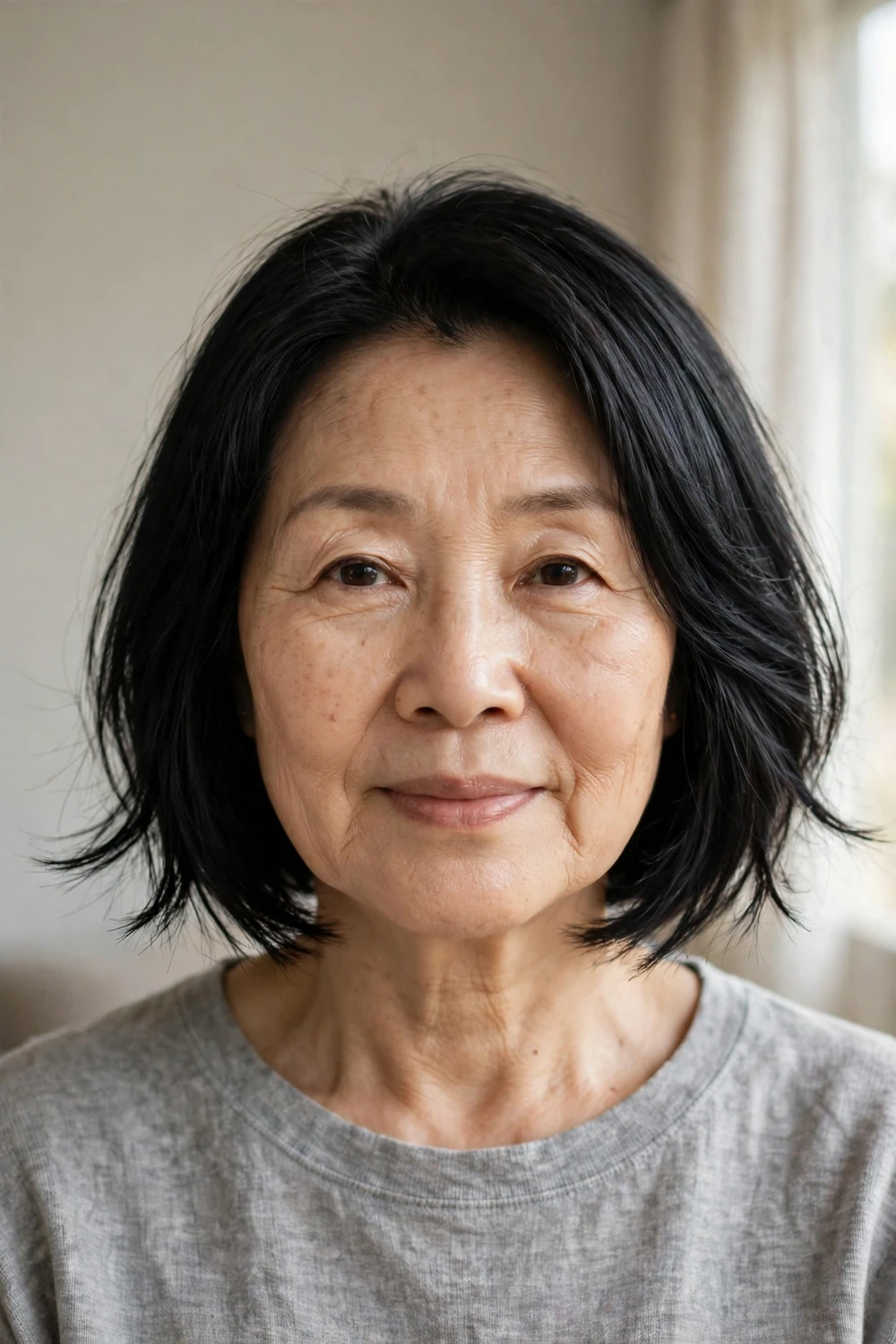
Tapered ends lighten the weight so the rest of the bob sits higher. Instead of a heavy blunt line, the ends are subtly thinned and softened, which lets the cut move and catch light. This is a good pick if blunt ends feel too severe on you but you still want a clean shape. The taper also adds shine, and shiny hair looks thicker. It suits straight hair best and needs only a quick smoothing pass to look finished.
Try this: Run a flat iron over the ends with a slight inward flick. A drop of shine oil on the tapered tips keeps them from looking dry.
22. Box Bob
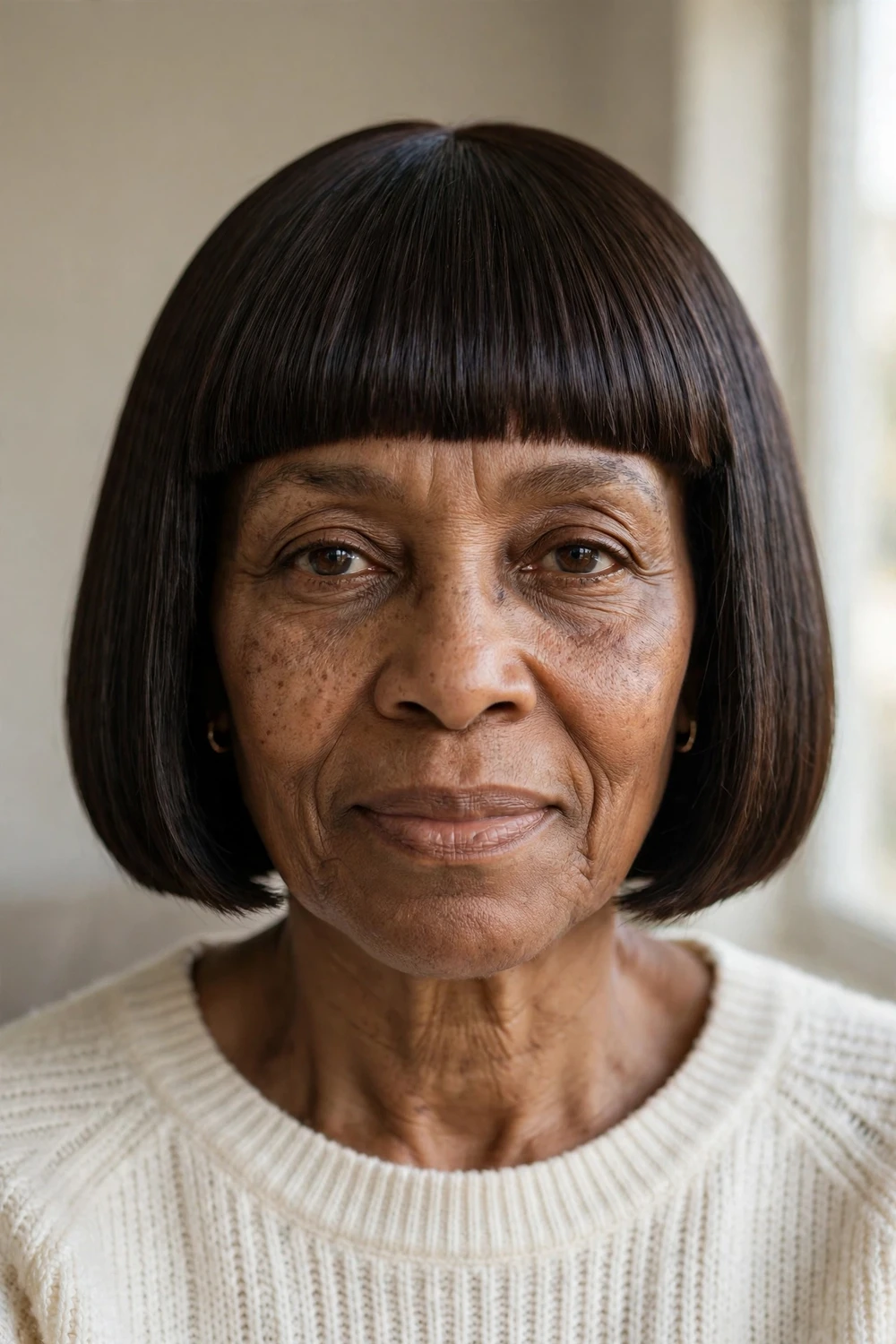
Geometric and sharp, the box bob looks dense because it is cut dense. The structured, squared-off shape holds its form without layers, so fine hair keeps all of its weight in the silhouette. It makes a confident statement and suits women who like a bold, fashion-forward cut. The strong lines draw attention to the cut itself rather than the texture of the hair. Keep the edges precise with regular trims every 5 to 6 weeks.
Try this: Smooth with a paddle brush while blow-drying for a sleek, architectural finish. A center part emphasizes the symmetry of the box shape.
23. Disconnected Bob
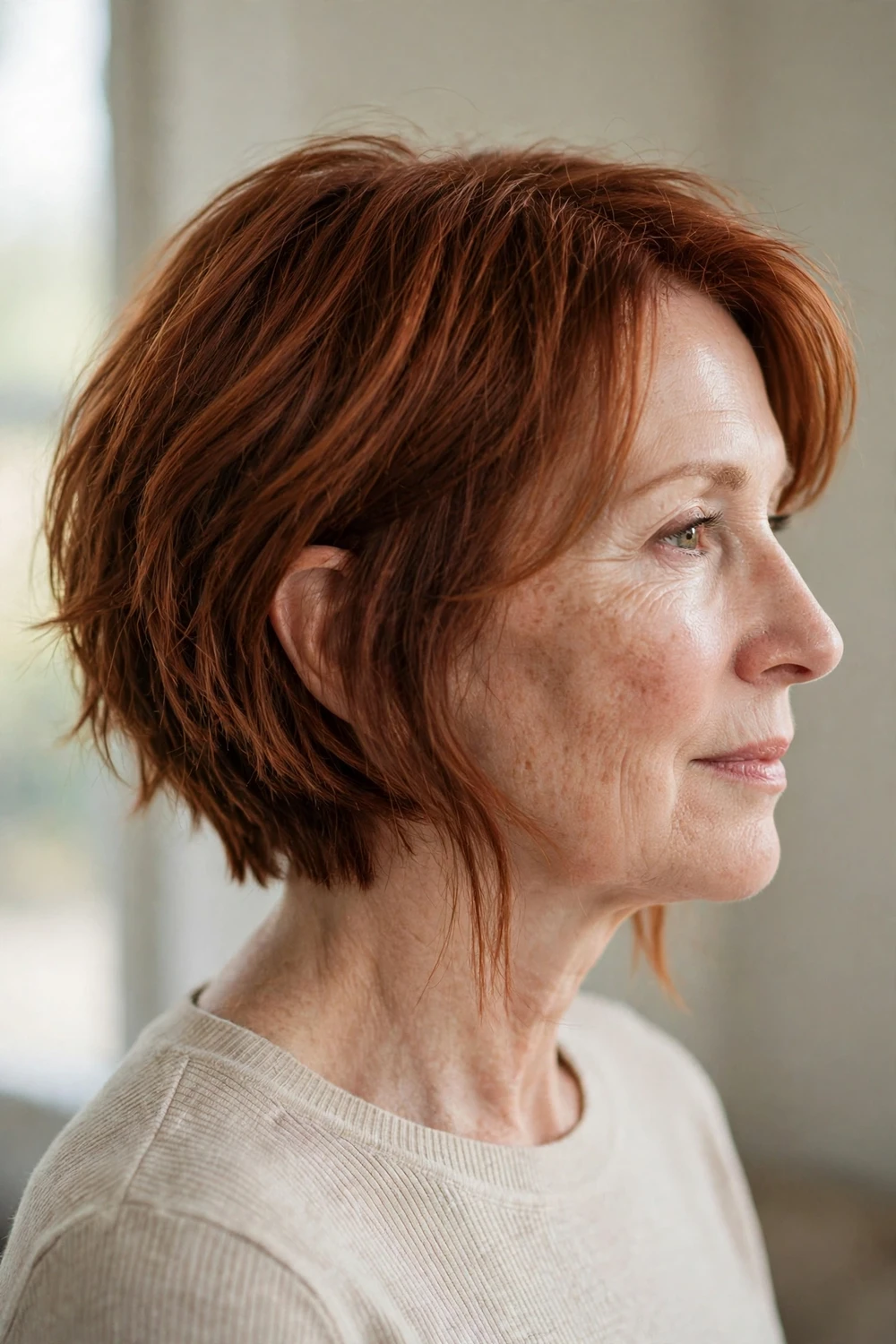
Disconnected sections create separation that mimics volume. This cut leaves distinct lengths unblended on purpose, so shorter and longer pieces fall against each other and create visible texture. The contrast makes thin hair look like there is more of it. It is edgy and modern, and it styles in minutes because the disconnect does the work. Ask your stylist to keep the disconnect subtle around the face and stronger at the back for balance.
Try this: Define the separated sections with a small amount of pomade on dry hair. The pieces will fall into their intended, contrasted pattern.
24. Rounded Bob
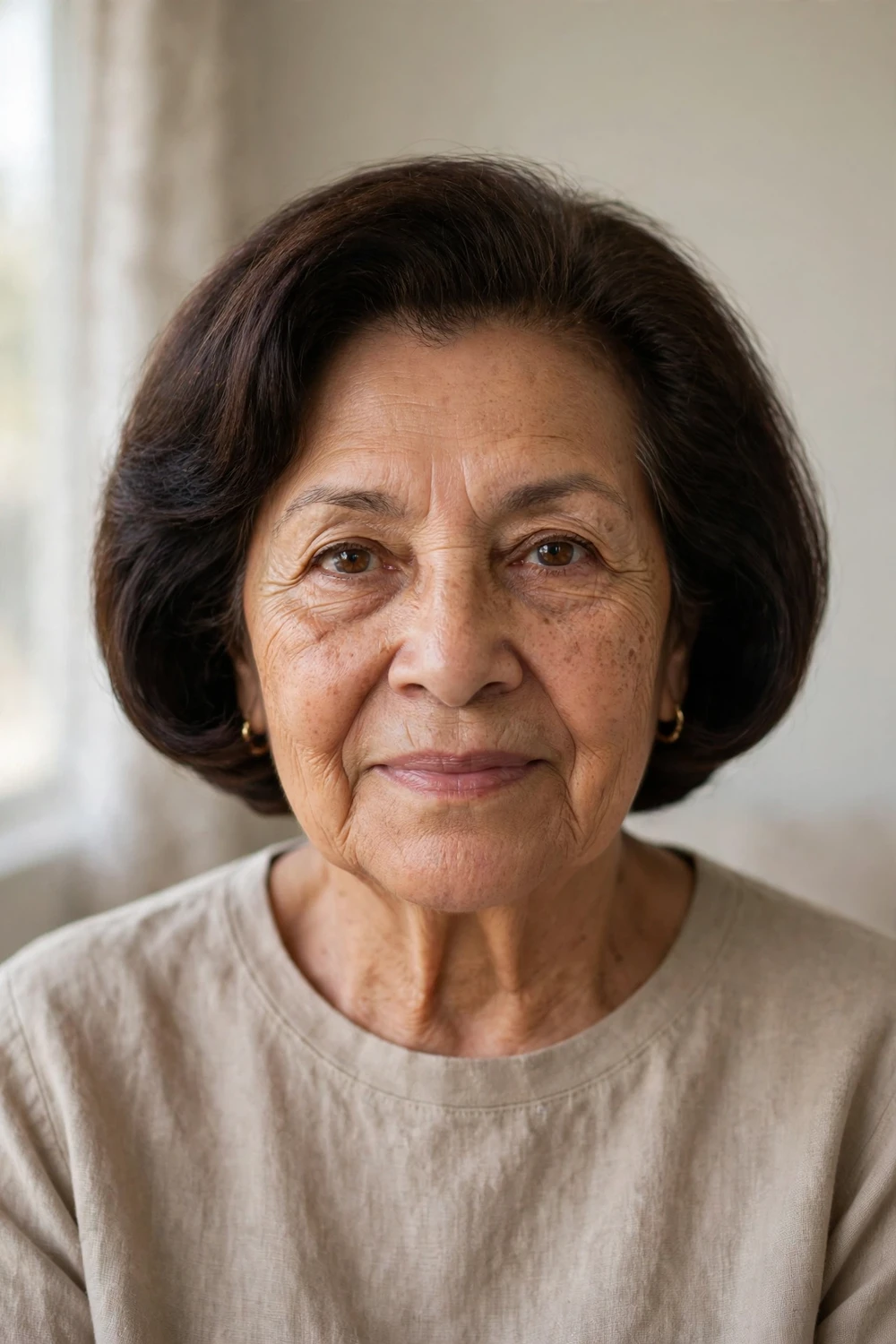
The rounded silhouette follows the head and never collapses outward. Soft, curved cutting keeps the shape hugging the skull, which creates the impression of fullness all the way around. There are no harsh angles, so the style feels gentle and classic. It flatters most face shapes and looks tidy even on days you skip styling. A round brush and 5 minutes of blow-drying bring out the curved line.
Try this: Blow-dry each section with a round brush, curving the brush under as you go to reinforce the rounded shape. A light-hold spray keeps the curve through the day.
25. Piece-y Bob
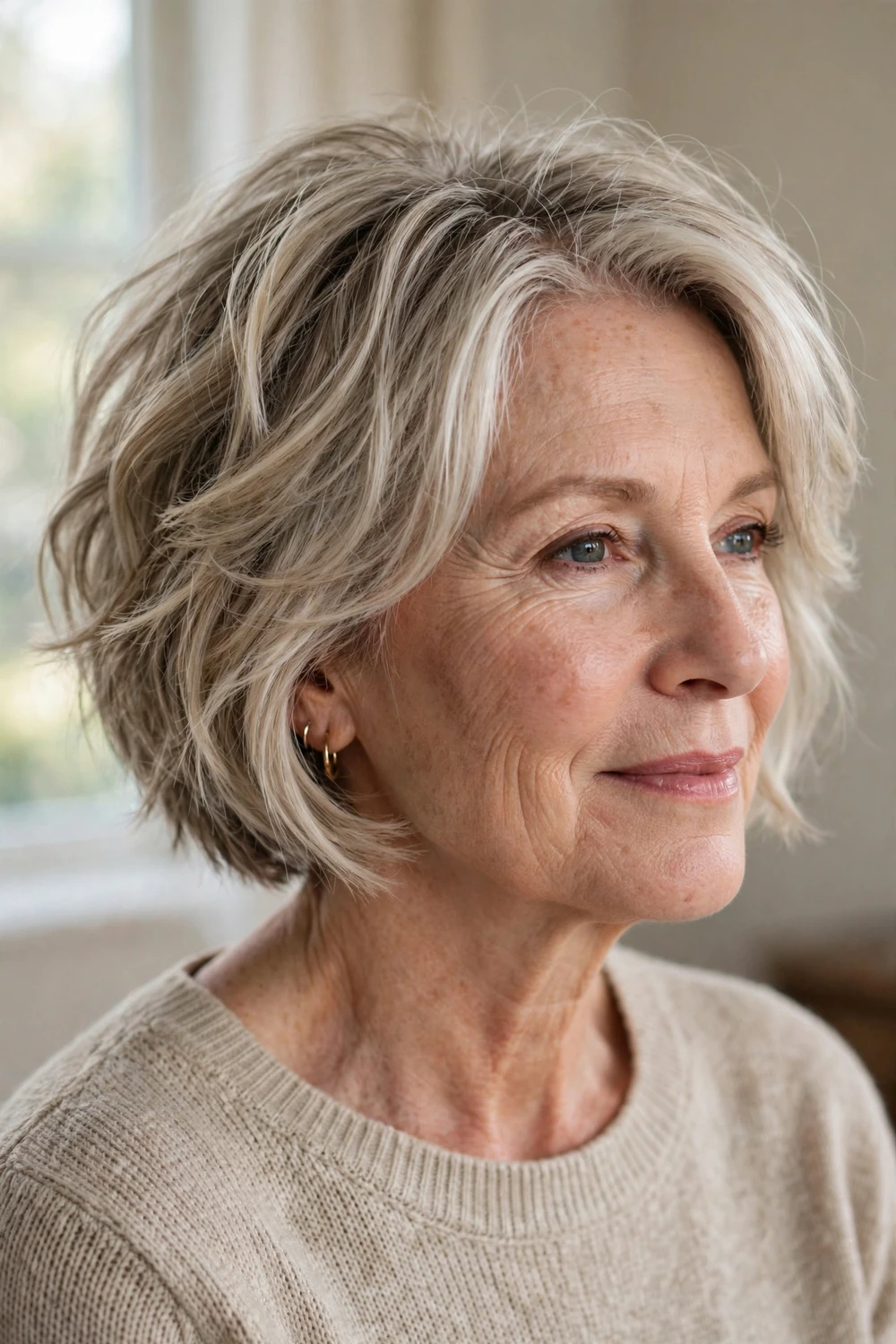
Piece-y texture breaks the hair into sections that catch light differently. Strategic point cutting creates natural separation points, and a little product defines them into distinct pieces. The separated strands create shadows and highlights that suggest depth and density. It looks modern and a bit undone, which suits women who dislike fussy styles. Fingers work better than brushes here; brushing blends the pieces back into one flat sheet.
Try this: Warm a pea-sized amount of wax between your fingers and twist small sections at the ends. Let the top stay soft and let the pieces live at the perimeter.
26. Sleek Straight Bob
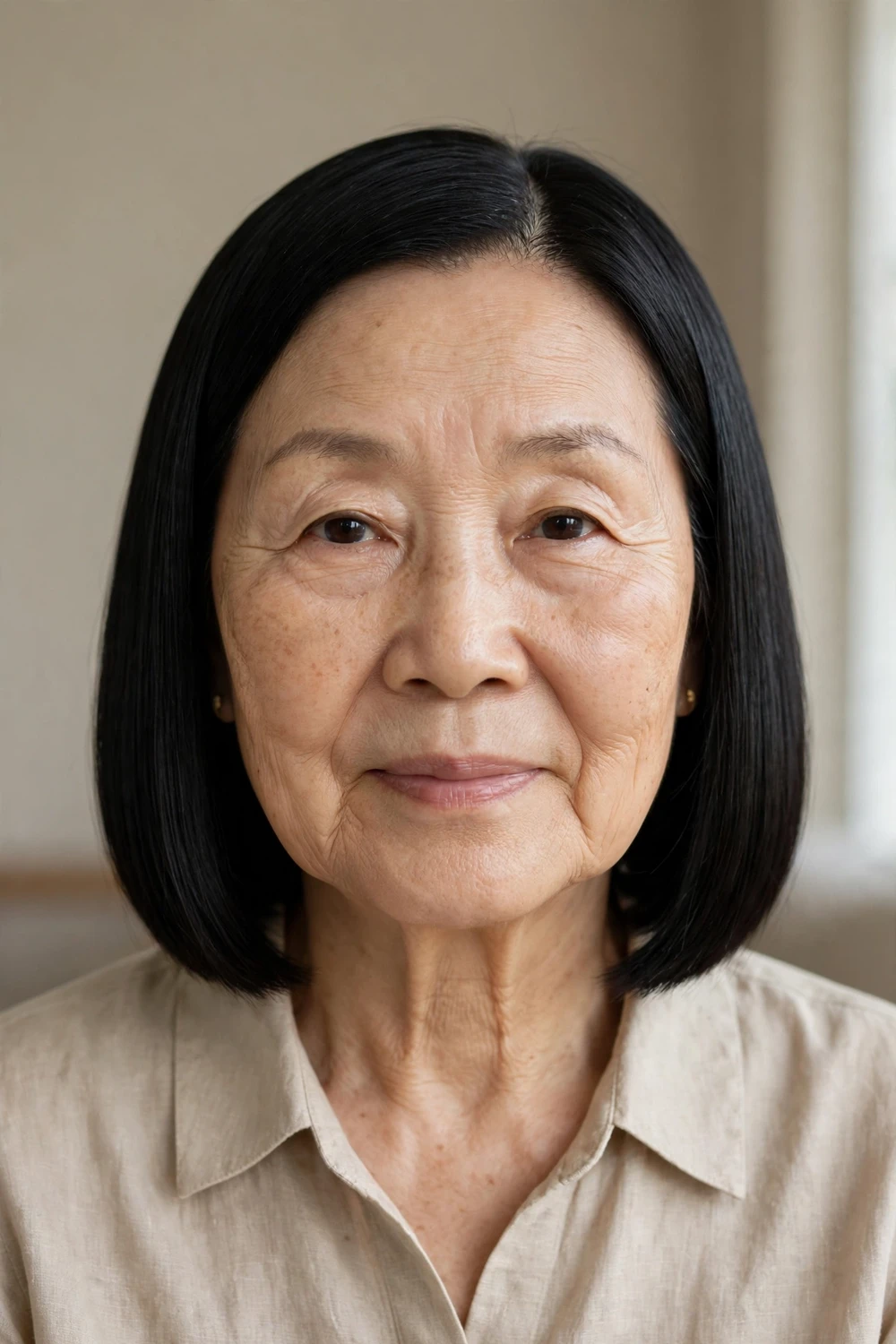
Sleek only works on thin hair when the cut is precise. This bob is blown smooth and flat-ironed to a glossy, uniform finish that looks expensive and deliberate. The uniform surface reflects light evenly, which reads as healthy, dense hair. It demands a sharp cut underneath, so keep trims on schedule. Use a heat protectant every time, since fine hair shows heat damage faster than thick hair.
Try this: Blow-dry straight with a paddle brush, then flat-iron in thin sections. Finish with an anti-humidity serum to keep the sleek finish through the day.
27. Tousled Bob
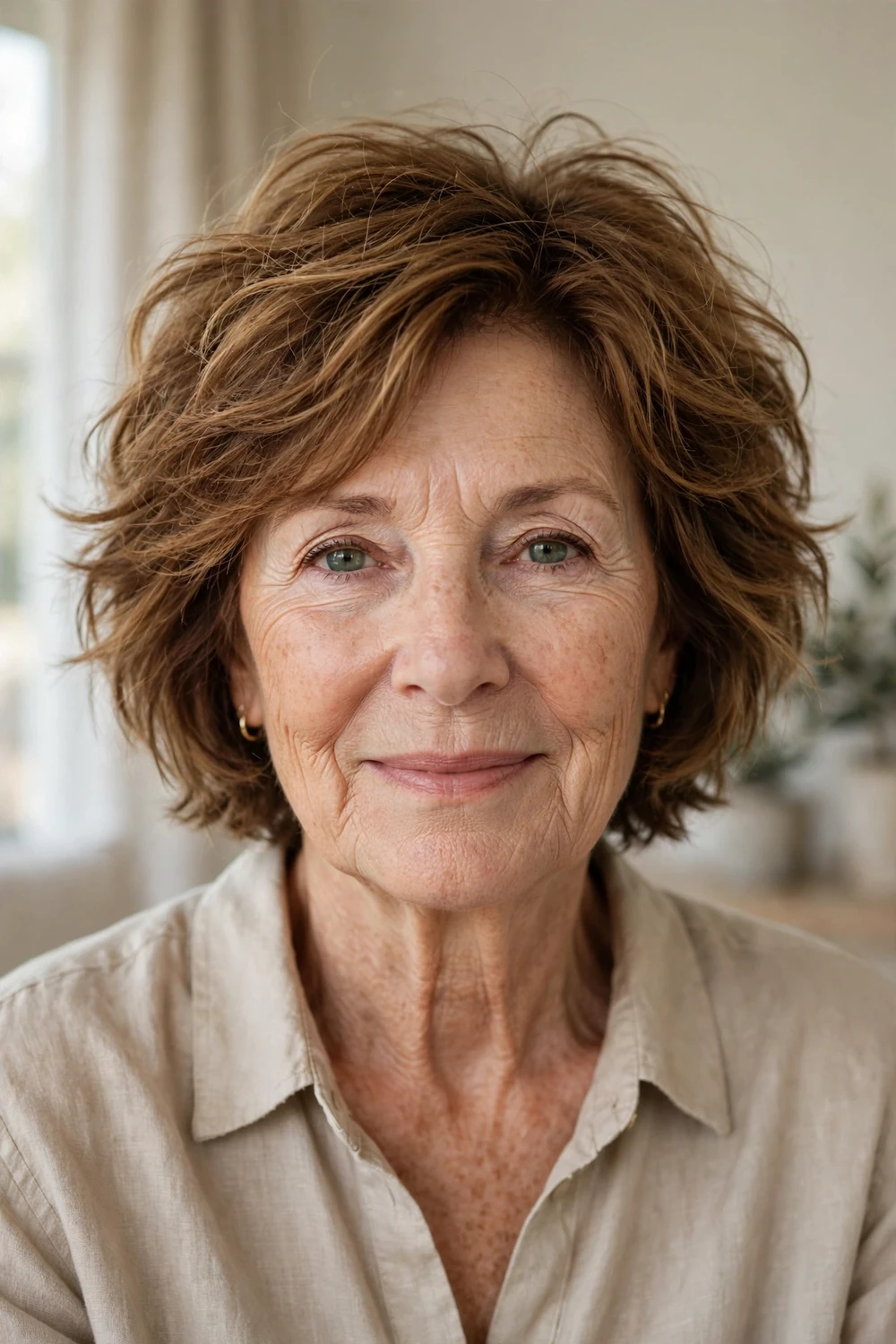
Tousling is the lowest-effort way to fake density. This bob celebrates intentional messiness: root lift, bends in different directions, and ends that do not match up. The randomness creates air between strands, and air reads as volume. It is forgiving on second-day hair and looks good even as it grows out. A texturizing spray and 2 minutes of scrunching is genuinely all it takes.
Try this: Spray texturizer on dry hair, scrunch upward in sections, and leave it alone. Touching it after styling flattens the tousled effect.
28. Wispy Bob
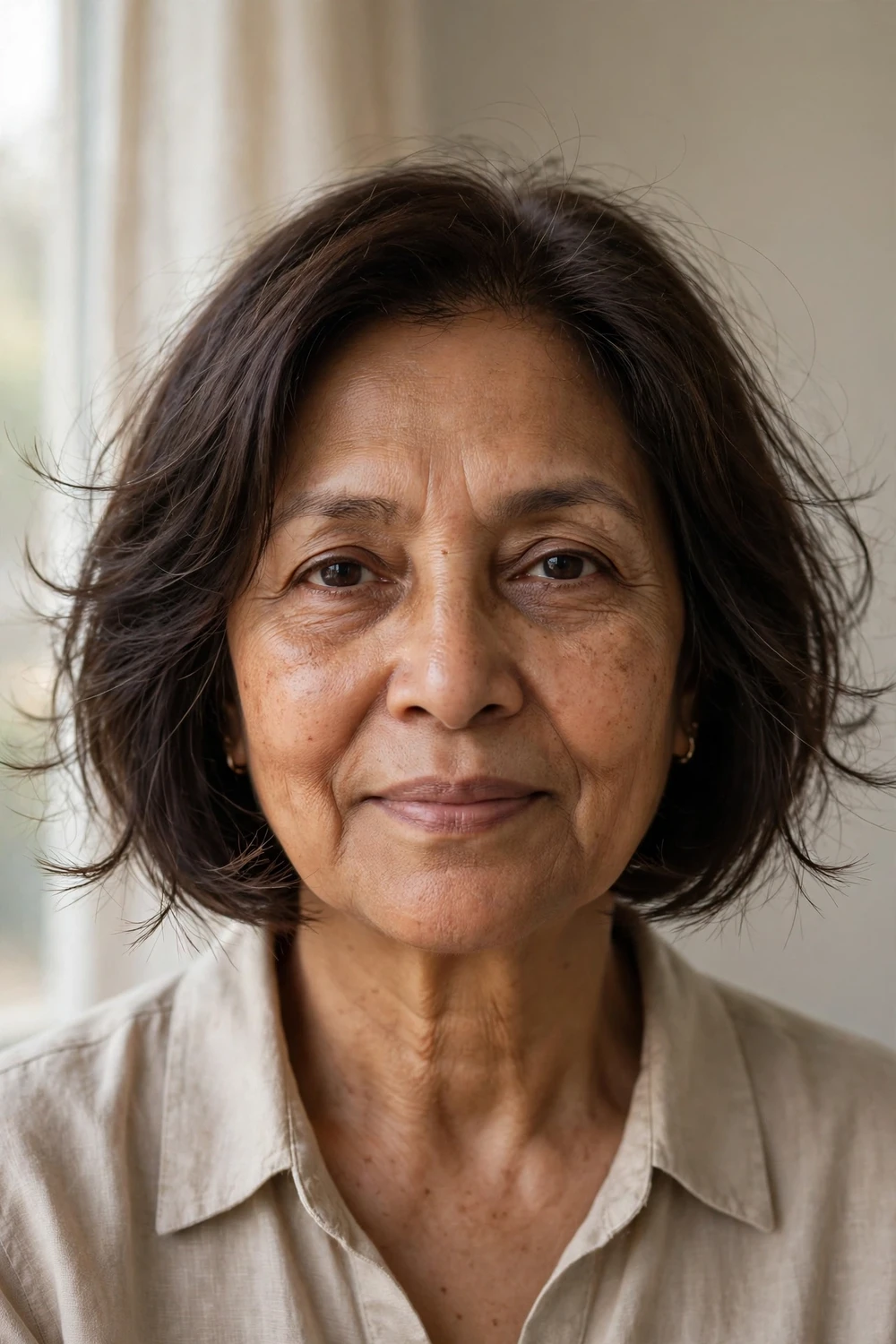
The wispy bob stops fighting fine texture and leans into it. Ultra-fine, feathered ends create a soft, airy quality that feels romantic and light. Instead of forcing density, this cut makes delicacy look deliberate. It is low-maintenance and air-dries well. Keep products light; heavy creams and oils will pull the wispy ends down and undo the effect. A little dry shampoo at the roots adds grip without weight.
Try this: Air-dry with a lightweight mousse scrunched in, then shake the roots with your fingertips. The feathered ends will fall into their natural soft pattern.
29. Asymmetrical Bob
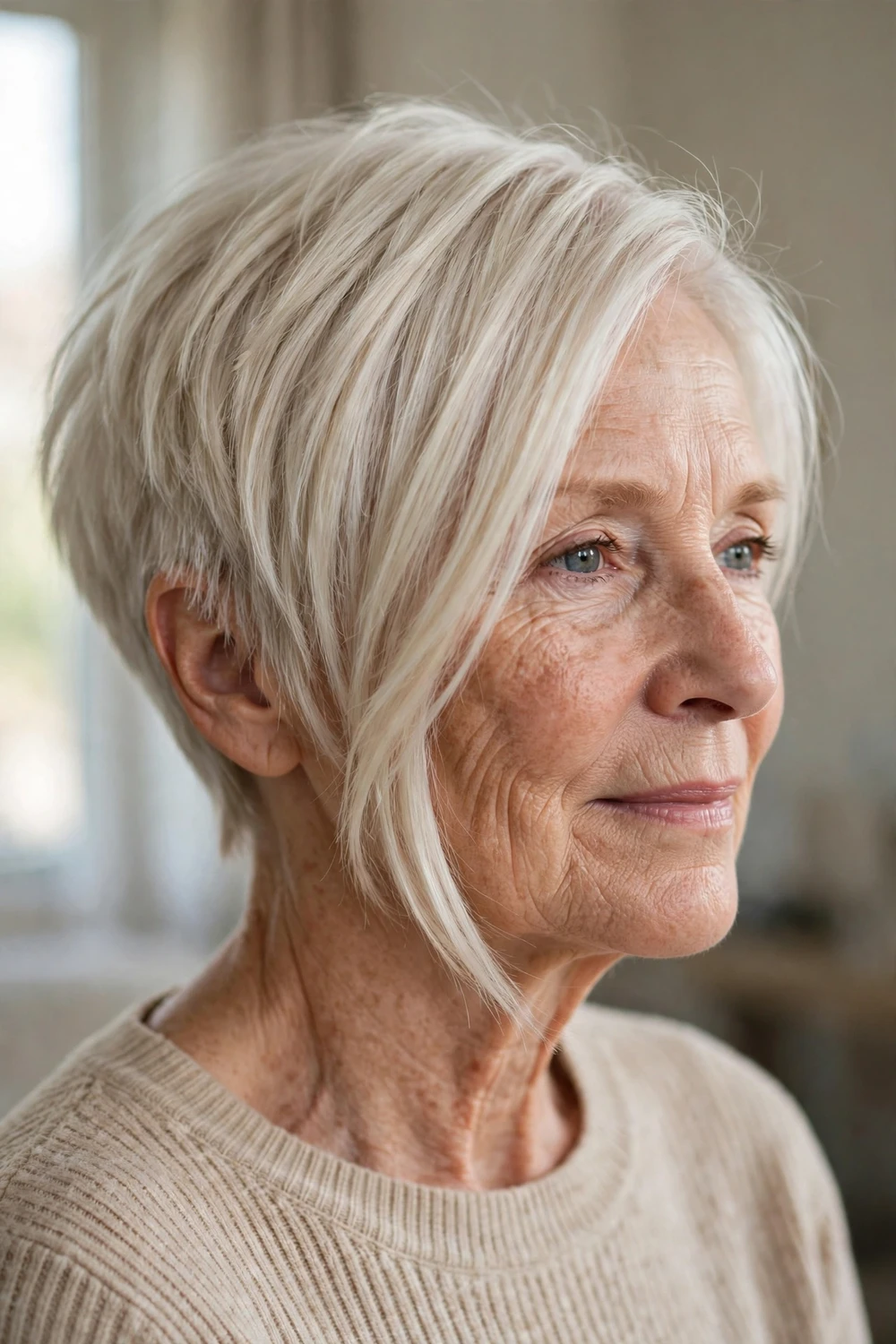
One side longer than the other keeps the eye moving. The asymmetrical bob puts length where you want attention and keeps the shorter side neat around the jaw and neck. That contrast distracts from thinness better than any symmetric cut because the eye follows the line instead of assessing density. The longer side can tuck behind the ear or sweep forward depending on the day. It needs confidence, but it pays off in compliments.
Try this: Smooth the longer side forward over the shoulder for a dramatic evening look. Keep the shorter side tucked behind the ear with a decorative pin for daytime.
30. Long Bob (Lob)
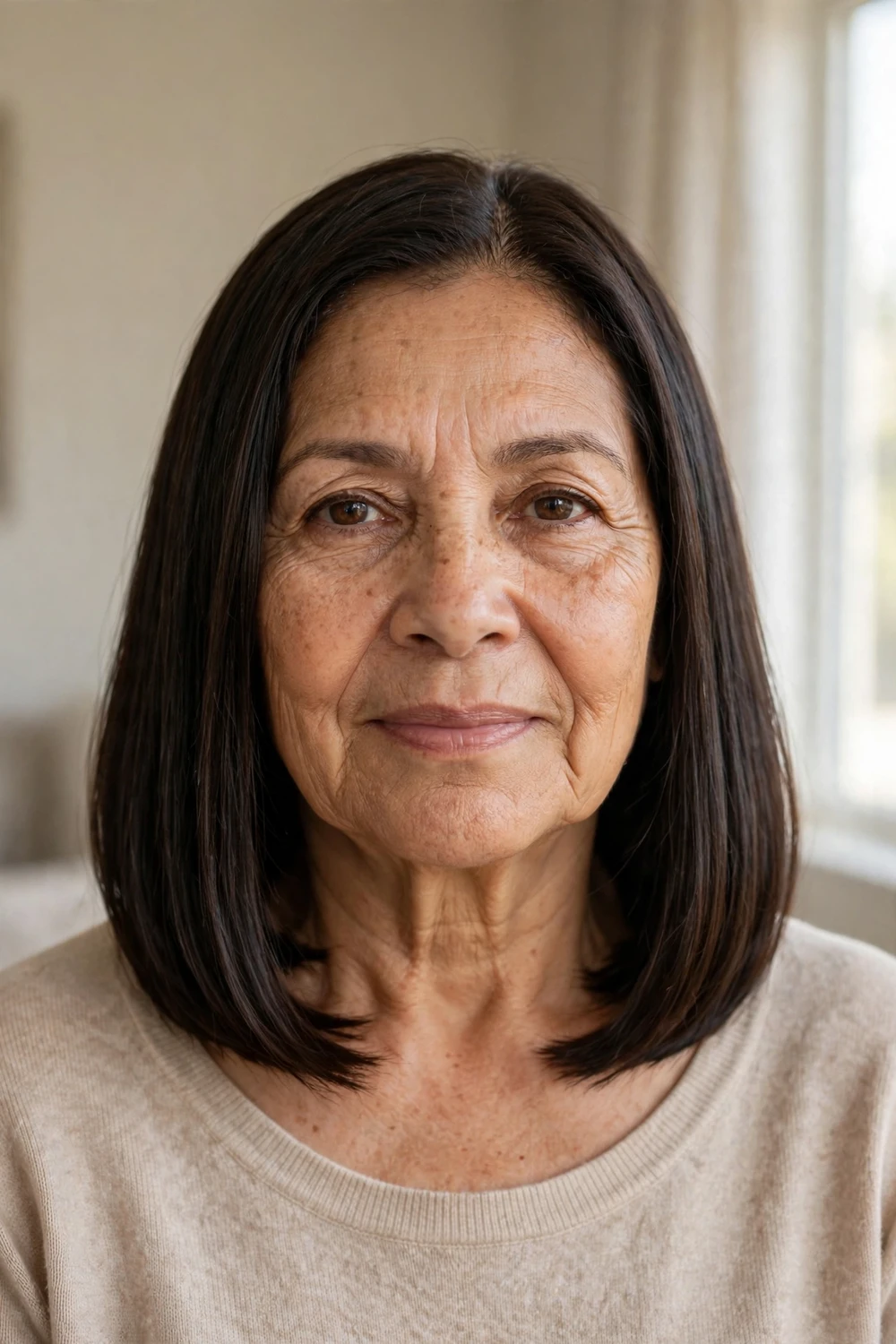
The lob is the longest cut that still counts as a bob. Reaching the collarbone, it gives you ponytail and half-up options while keeping the structured bob line that flatters thin hair. The extra length means more styling versatility: wear it sleek, wavy, or tucked. Keep the ends blunt or lightly textured so they do not thin out. It is the best choice if you are growing out a shorter bob or are not ready to go short.
Try this: Add loose waves with a flat iron by bending it back and forth down each section. A deep side part gives the lob instant volume at the crown.
For more collarbone-length ideas that flatter fine hair, browse these lob hairstyles for fine hair.
Bob Hairstyles for Older Women with Thin Hair: Comparison at a Glance
| Style | Best For | Difficulty | Daily Styling Time |
|---|---|---|---|
| Classic Chin-Length Bob | Everyday polish, all face shapes | Easy | 10 minutes |
| Layered Bob with Volume | Adding movement and lift | Easy | 10-15 minutes |
| A-Line Bob | Sharp, modern lines | Easy | 10 minutes |
| Angled Bob | Fashion-forward shape | Medium | 10-15 minutes |
| Graduated Bob | Crown lift and nape fullness | Medium | 10-15 minutes |
| Softly Stacked Bob | Maximum back volume | Easy | 10 minutes |
| Razor-Cut Bob | Soft, airy texture | Easy | 5-10 minutes |
| Shaggy Bob | Low-effort texture lovers | Easy | 5-10 minutes |
| Curly Shaggy Bob | Natural curls, big volume | Medium | 15 minutes |
| Textured Choppy Bob | Piece-y, modern finish | Easy | 5-10 minutes |
| French Bob | Chic, minimal styling | Easy | 5 minutes |
| Pixie Bob | Short, textured, easy mornings | Easy | 5 minutes |
| Blunt Bob | Dense, even ends | Medium | 10-15 minutes |
| Blunt Bob with Bangs | Hiding a thinning hairline | Medium | 10-15 minutes |
| Bob with Curtain Bangs | Soft face framing | Easy | 10 minutes |
| Curly Bob | Defined natural curls | Medium | 15 minutes |
| Wavy Bob with Soft Curls | Romantic volume for events | Medium | 15-20 minutes |
| Side-Swept Bob with Bangs | Temple coverage, evening looks | Easy | 10 minutes |
| Silver Bob | Embracing natural gray | Easy | 10 minutes |
| Blonde Bob with Highlights | Dimensional color, brightness | Easy | 10 minutes |
| Bob with Tapered Ends | Light, shiny finish | Easy | 10 minutes |
| Box Bob | Bold, geometric statement | Medium | 10-15 minutes |
| Disconnected Bob | Edgy, high-texture look | Medium | 10 minutes |
| Rounded Bob | Classic, gentle shape | Easy | 10 minutes |
| Piece-y Bob | Modern separated texture | Easy | 5-10 minutes |
| Sleek Straight Bob | Polished, professional finish | Medium | 15 minutes |
| Tousled Bob | Effortless everyday volume | Easy | 5 minutes |
| Wispy Bob | Soft, airy delicacy | Easy | 5 minutes |
| Asymmetrical Bob | Statement cut, high impact | Medium | 10-15 minutes |
| Long Bob (Lob) | Versatility, growing out | Easy | 10-15 minutes |
How to Choose the Right Bob for You
Start with your hairline and crown. If thinning is worst at the crown, pick a stacked or graduated cut that builds height there. If the hairline is the issue, bobs with bangs or a deep side part cover it while adding style.
Think about your morning routine honestly. A tousled or shaggy bob needs 5 minutes; a sleek straight bob needs 15 and a flat iron. The best cut is the one you will actually style.
Bring reference photos to your stylist and point to what you like about each one: the length, the texture, the part. Fine hair behaves differently from the thick hair in most photos, so ask what the cut will look like on your density. A good stylist will adjust layer placement and weight to suit thin hair.
Mistakes to Avoid
Do not ask for long layers on very thin hair. Long, sparse layers remove weight from the ends and leave them looking stringy. Keep layers shorter and concentrated where you need lift.
Do not skip trims. Thin hair shows split ends and uneven growth faster than thick hair, and ragged ends undo all the volume your cut created. Every 6 to 8 weeks is the sweet spot for most bobs.
Do not overload fine hair with heavy products. Thick creams, heavy oils, and too much serum flatten thin hair within hours. Use lightweight mousses, root sprays, and dry shampoo, and apply product sparingly at the roots.
Do not go too long between washes if your scalp gets oily. Oil flattens thin hair against the head and makes thinning more visible. A quick dry shampoo refresh on day two keeps roots lifted.
Frequently Asked Questions
What bob length is best for thin hair after 60?
Chin to jaw length is the safest range for thin hair after 60. It keeps enough weight at the ends to look dense while removing the length that drags fine hair flat. If you prefer more versatility, a collarbone-length lob works too, as long as the ends stay blunt or lightly textured.
Should older women with thin hair get layers or a blunt cut?
Both work, for different reasons. A blunt cut keeps the perimeter dense and is best when your ends are healthy. Layers add movement and lift and are best when hair falls flat. Many women get the best of both with a blunt perimeter and light layers only through the crown.
How often should I trim a bob with thinning hair?
Every 6 to 8 weeks for most bobs, and every 4 to 6 weeks for stacked or graduated cuts that lose their shape faster at the back. Regular trims remove thin, ragged ends and keep the cut’s volume-building structure intact.
Can bangs help thin hair look fuller?
Yes. Bangs add an extra section of hair at the front, cover a thinning hairline, and pull attention toward the eyes. Curtain bangs and side-swept bangs are the most forgiving on thin hair because they blend in as they grow. Blunt bangs work too but need more frequent trims.
What styling products add volume to a bob with fine hair?
Volumizing mousse at the roots, root-lifting spray, lightweight texturizing spray, and dry shampoo are the four basics. Apply mousse to damp roots before blow-drying, use dry shampoo on day two for grip, and keep heavy creams and oils away from the crown.
Final Thoughts
Thin hair asks for strategy, not surrender. Pick the bob that matches your thinning pattern and your mornings, keep the trims on schedule, and let the cut do the volume work. I have seen fine hair completely change character with nothing more than the right shape, and one of these 30 will do that for you.

