


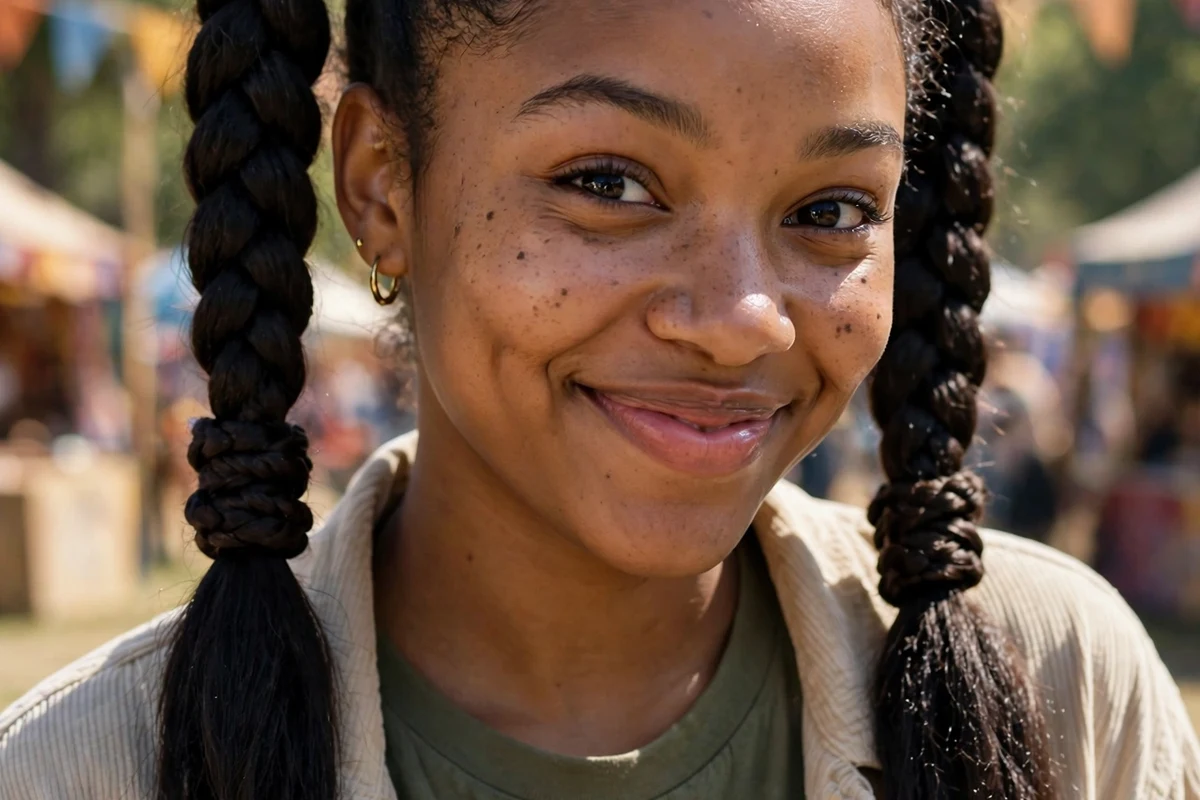
Braided hairstyles for Black women in 2026 blend classic technique with fresh 2026 energy: sculptural cornrows, soft twists, goddess braids, faux locs, and braided updos built for real life. This list gathers 35 ideas across every braid family except box braids and boho, which have their own dedicated guides.
Think of this as the 2026 roundup: cornrow patterns, twist styles, loc-inspired looks, statement updos, and the year’s color trends, each with realistic costs and care notes.
Quick Takeaways
- 2026’s braid trends favor low-tension, undone finishes: feed-in cornrows, soft twists, and textured updos over tight, slicked styles.
- Cornrows, twists, and faux locs each protect natural hair differently; twists are lightest, locs last longest, cornrows show the most scalp detail.
- Most braided styles cost $100 to $300 and last four to eight weeks, with faux locs and intricate cornrows at the high end.
- Tension at the hairline is the main risk across all braid families; comfort during the install is non-negotiable.
- Wash every two to three weeks and dry completely, since trapped moisture under any braided style can cause mildew.
1. Goddess Braids
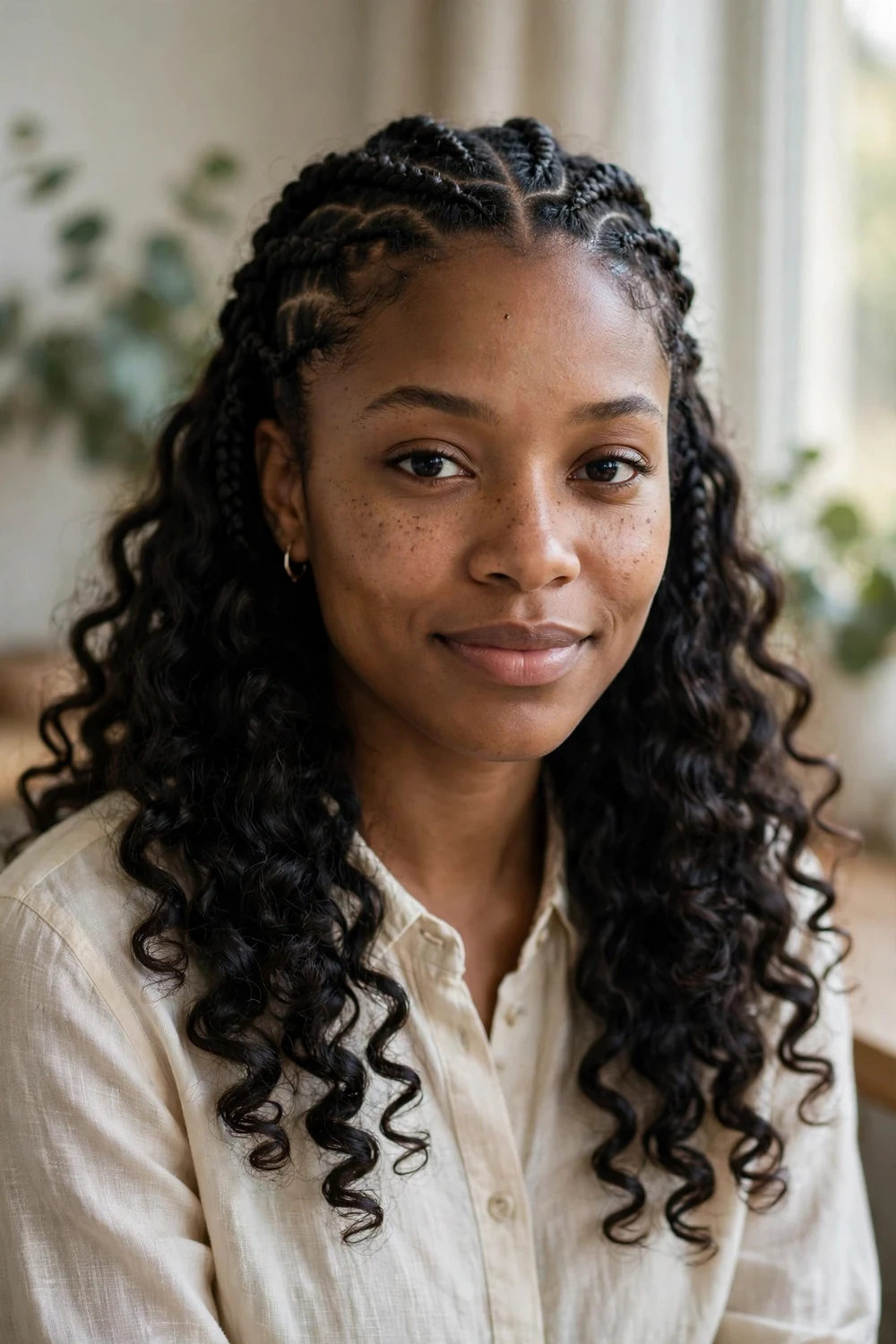
Goddess braids are thick, raised cornrow-style braids, larger and more sculptural than standard cornrows, often finished with curly ends. The bold scale makes them a statement on their own, and the raised profile shows off precise parting work. They suit medium to thick natural hair that can fill the large sections without strain.
Large sections demand more of each root, so keep goddess braids to six weeks max.
Try this: Ask for the ends to be left curly rather than sealed for the true goddess finish.
Difficulty: Medium · Cost: $150–$280
2. French Curl Braids
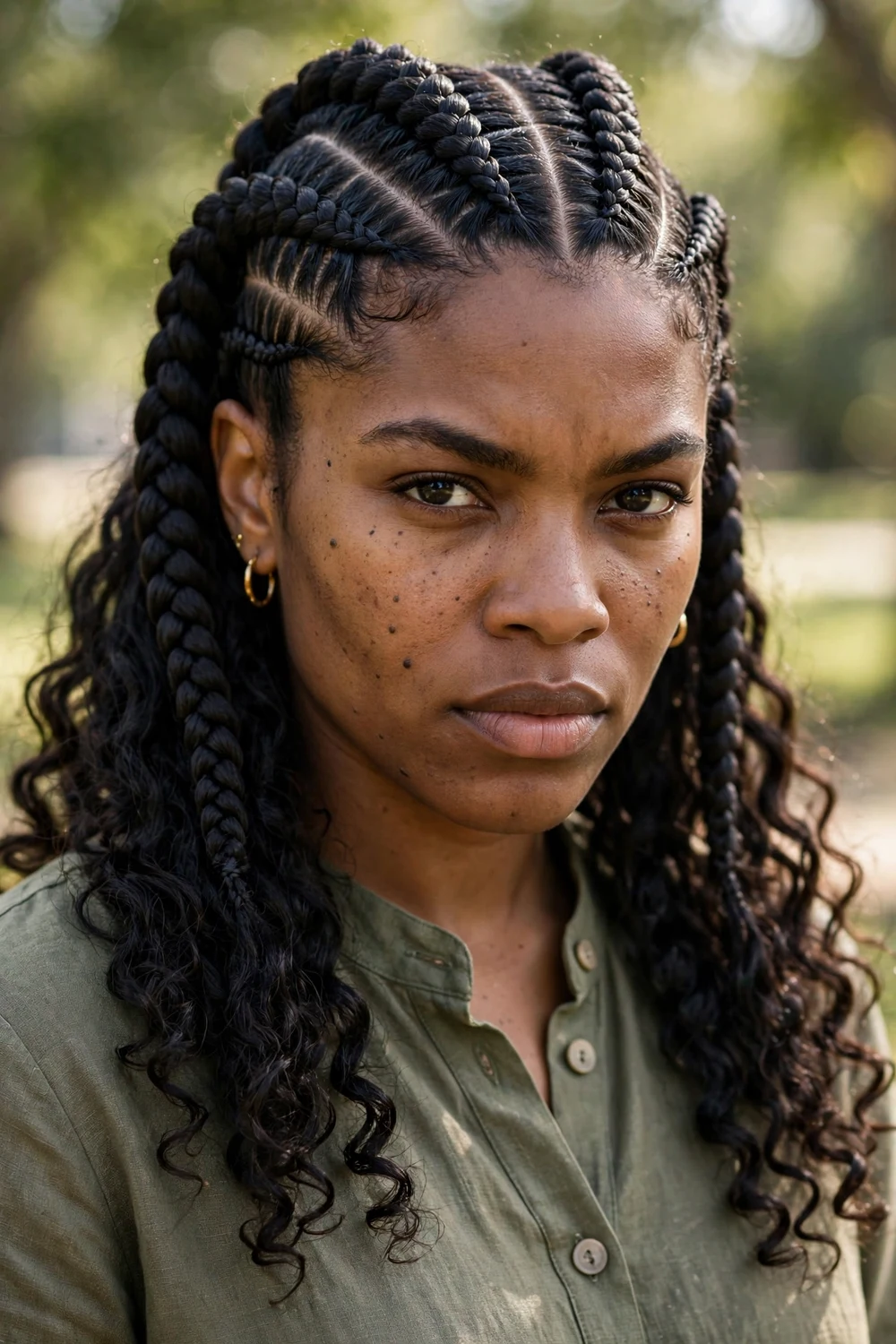
French curl braids start as neat braids at the root and release into bouncy, defined curls through the lengths. The braid-to-curl transition gives structure at the scalp with softness everywhere else, which flatters faces that find fully sleek braids severe. The curls need light refreshing through the wear to stay defined.
Use French curl-specific extension hair; regular braiding hair will not hold the curl pattern.
Try this: Refresh the curls with a water and leave-in mix twice a week.
Difficulty: Medium · Cost: $170–$300
3. Senegalese Twists
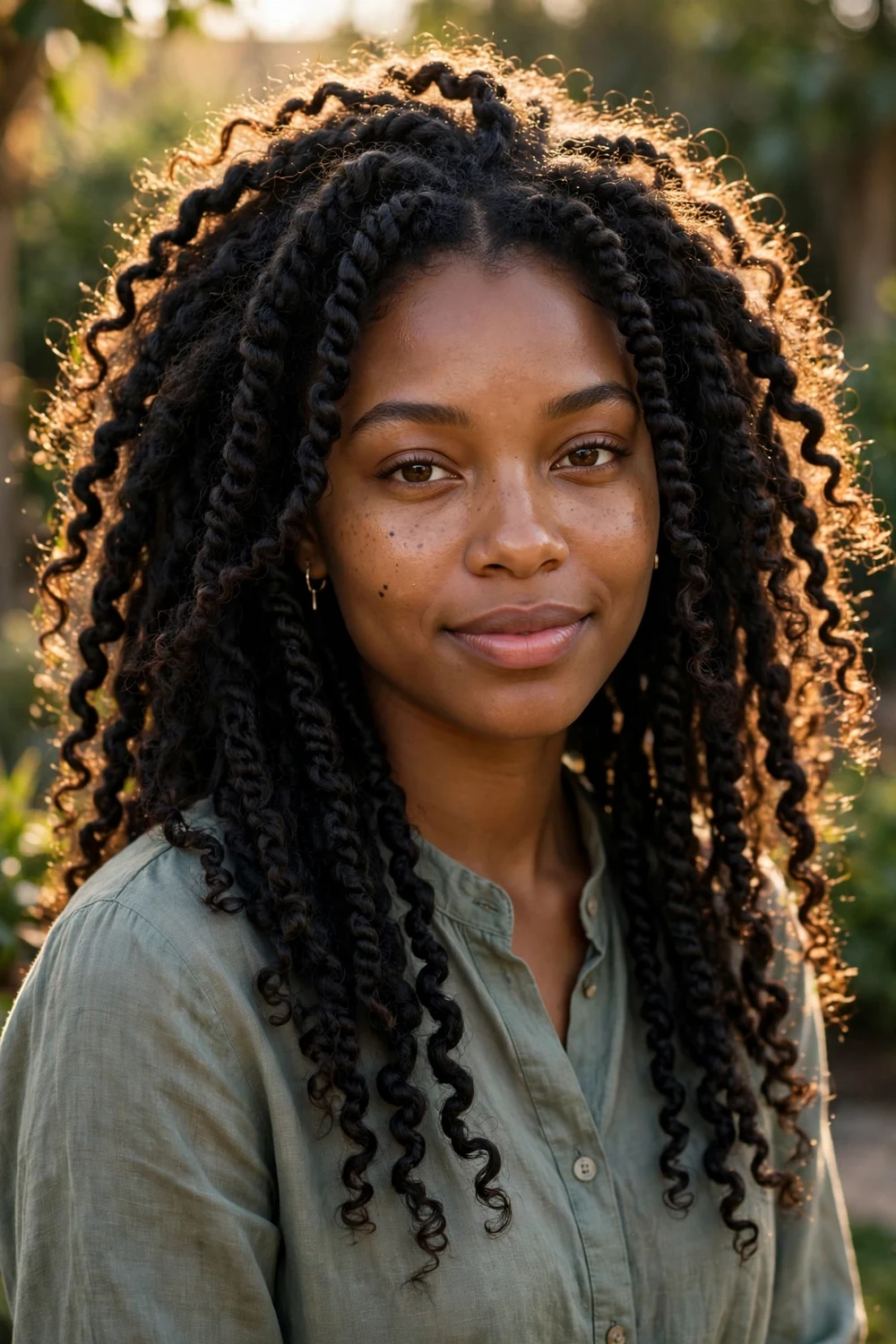
Senegalese twists are sleek two-strand rope twists done with smooth extension hair for a polished, rope-like finish. They are lighter than braids of the same size, which makes them comfortable for long wear, and the smooth texture gives a refined look that suits professional settings. Small twists last longest; jumbo twists install fastest.
Two-tone Senegalese twists add subtle dimension without full-head color.
Try this: Seal the ends with hot water and a light mousse for a smooth, lasting finish.
Difficulty: Medium · Cost: $150–$280
4. Passion Twists
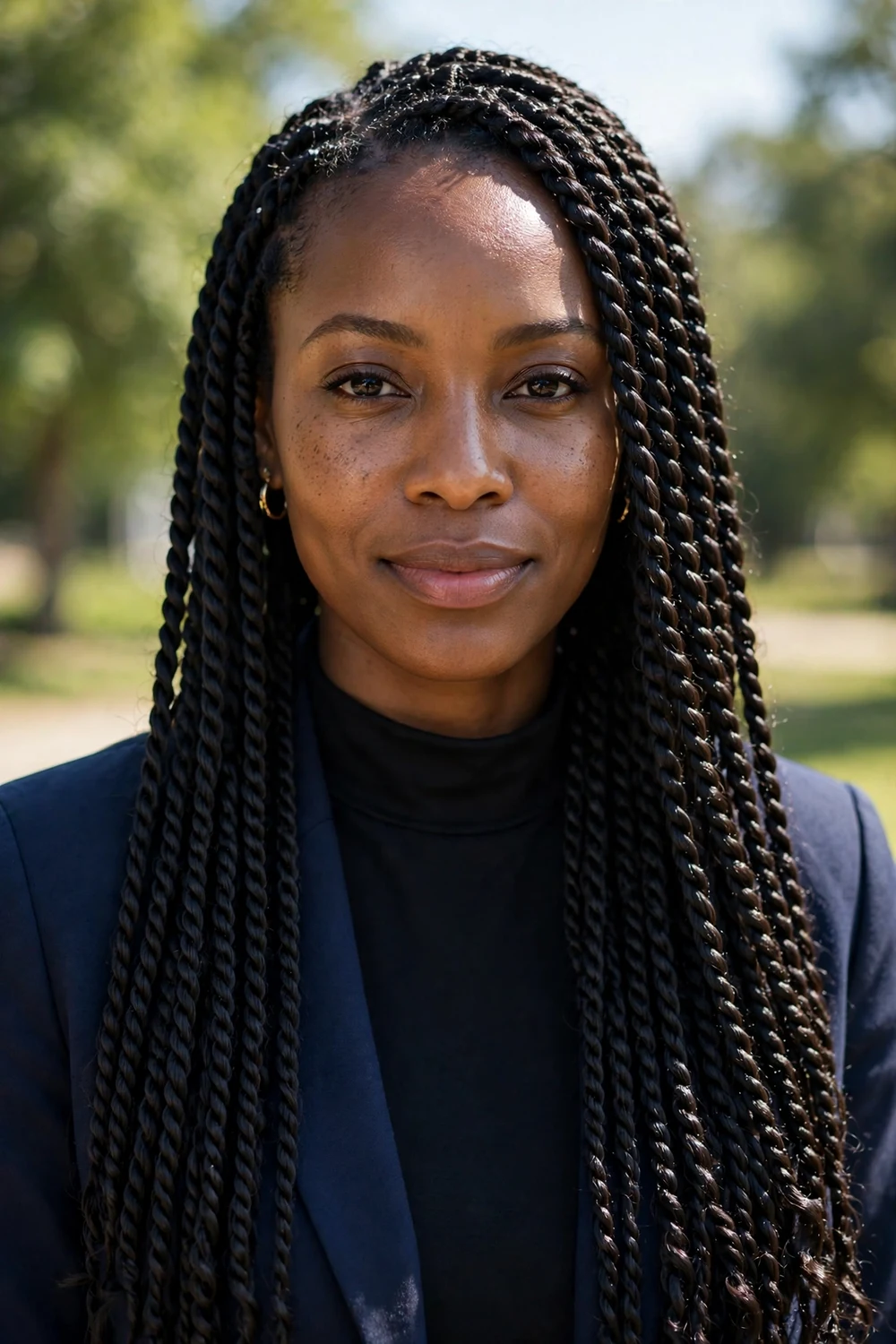
Passion twists use textured, springy extension hair for a softer, more natural-feeling twist than the sleek Senegalese style. The texture gives instant volume and a romantic finish that needs little styling to look complete. They are among the lightest-feeling protective styles on this list, which makes them comfortable for sensitive scalps.
Passion twists frizz faster than sleek twists, so a satin bonnet at night is a must.
Try this: Fluff the roots gently with your fingers instead of combing to keep the texture.
Difficulty: Medium · Cost: $140–$260
5. Kinky Twists
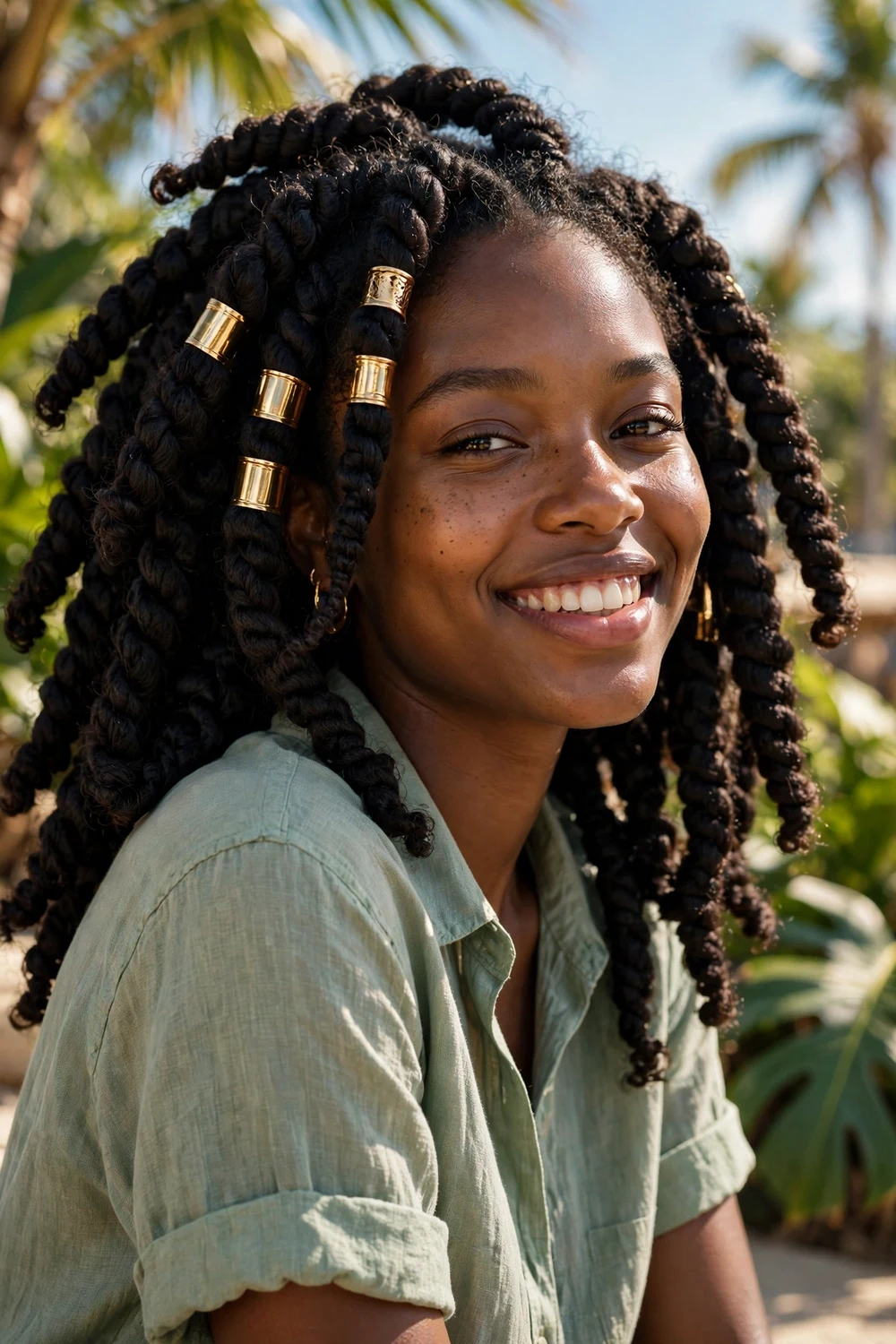
Kinky twists use coily, natural-textured extension hair twisted into full, voluminous two-strand twists. They blend well with natural 4-type hair and give the most natural-looking protective finish of any twist style. The texture hides new growth well, so kinky twists age gracefully over six to eight weeks.
The coily texture tangles if neglected, so moisturize the lengths lightly each week.
Try this: Use a light oil on the twist lengths weekly to keep the texture soft.
Difficulty: Medium · Cost: $140–$260
6. Island Twists
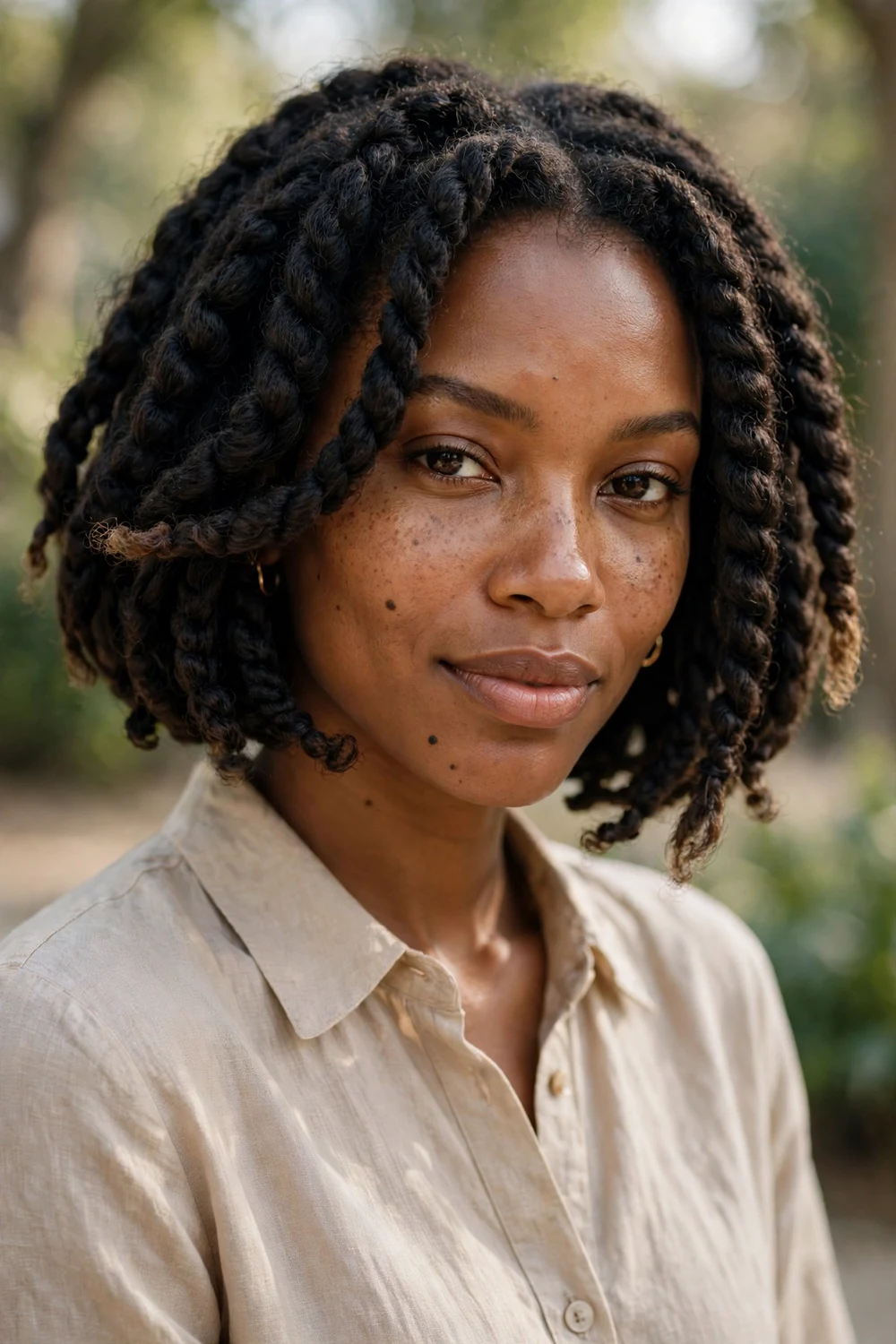
Island twists are jumbo rope twists with a relaxed, tropical feel: large sections twisted loosely for a chunky, carefree finish. The jumbo size makes the install quick, and the loose tension keeps the style comfortable. They suit vacations and summer especially well, since the chunky twists dry fast after swimming.
Rinse after swimming and let the twists dry fully before restyling.
Try this: Add a few gold cuffs to the front twists for a vacation-ready detail.
Difficulty: Low · Cost: $120–$220
Comparing braid families before you book? The different types of braids guide breaks down how twists, cornrows, and locs differ in tension, time, and upkeep.
7. Chunky Twist Bob
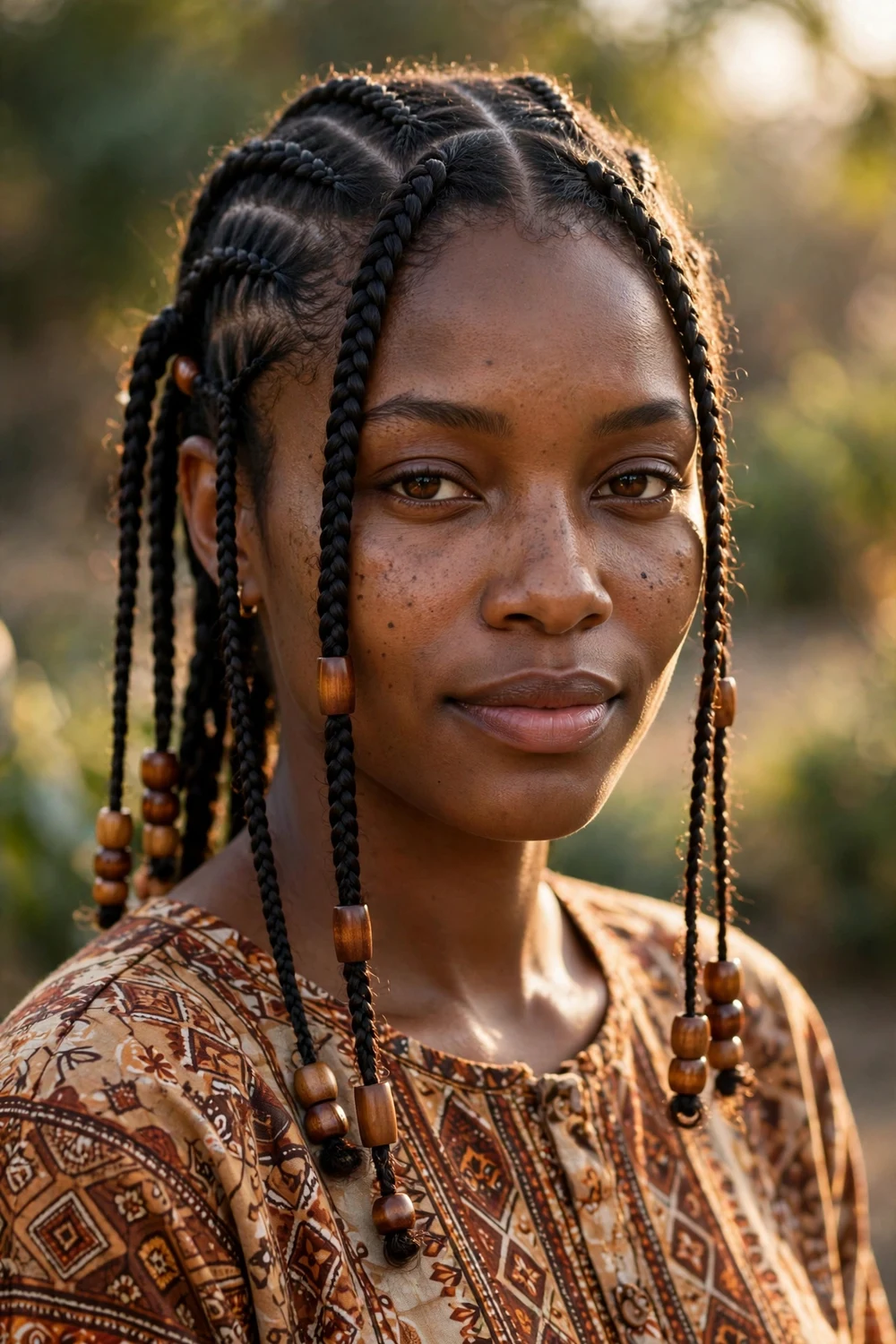
The chunky twist bob cuts two-strand twists to chin length for a modern, textured bob with real swing. It is the lightest-feeling bob on this list, since twists weigh less than braids, and the short length means almost no tension on the scalp. The textured ends give the bob a softness that blunt cuts lack.
Short twists unravel faster at the neckline, so seal the ends carefully.
Try this: Ask for the twists to be cut after install so the bob line is exact.
Difficulty: Low · Cost: $120–$200
8. Fulani Braids
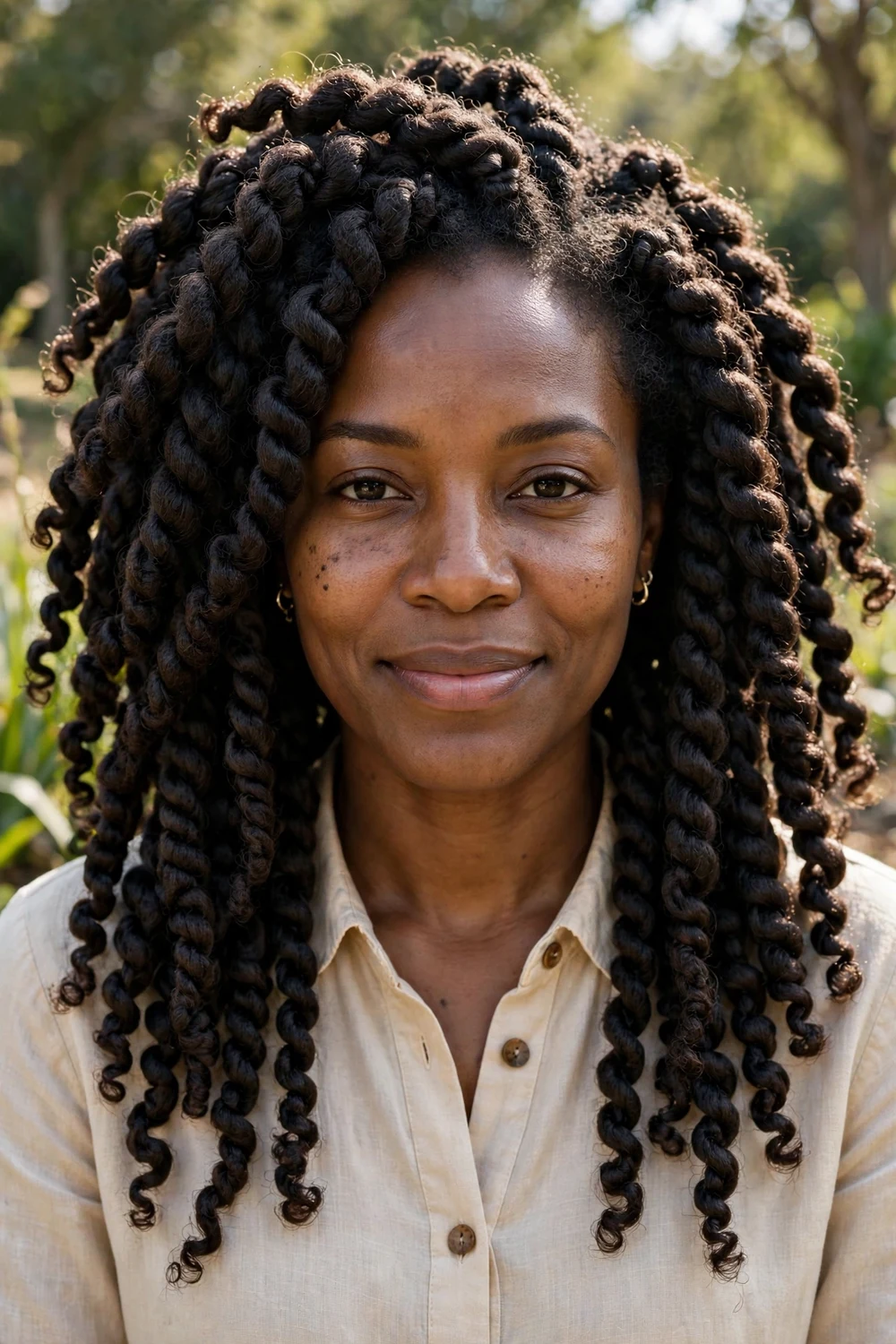
Fulani braids follow the West African pattern: center-parted cornrows with individual braids at the sides, traditionally finished with beads. The symmetrical layout is elegant and artistic, and the cornrow base keeps the style neat for weeks. A single braid down the center part is the signature detail to request.
Fulani layouts need a braider experienced in the pattern; the symmetry is the whole point.
Try this: Add wooden or gold beads to the side braids for the traditional finish.
Difficulty: High · Cost: $180–$300
9. Fulani Braids with Curls and Beads
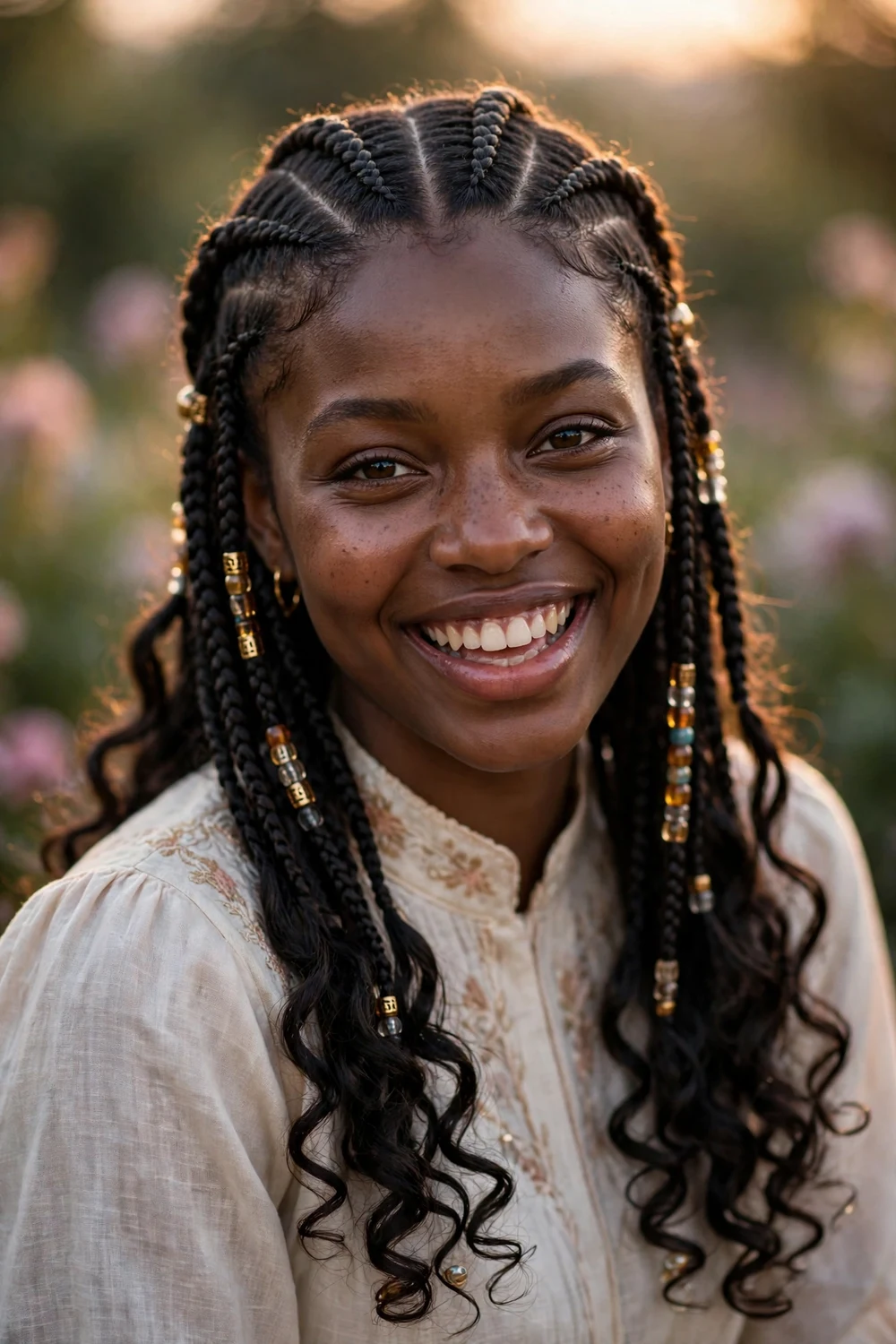
Fulani braids with curls and beads soften the traditional pattern with loose curls at the ends and beaded accents through the lengths. The curls add romance while the beads keep the cultural signature, making this the most decorative Fulani variation. It suits weddings, celebrations, and anyone who wants the pattern with extra personality.
The curls need light refreshing through the wear to stay defined.
Try this: Concentrate the beads on the side braids where they catch the most light.
Difficulty: High · Cost: $200–$330
10. Lemonade Braids
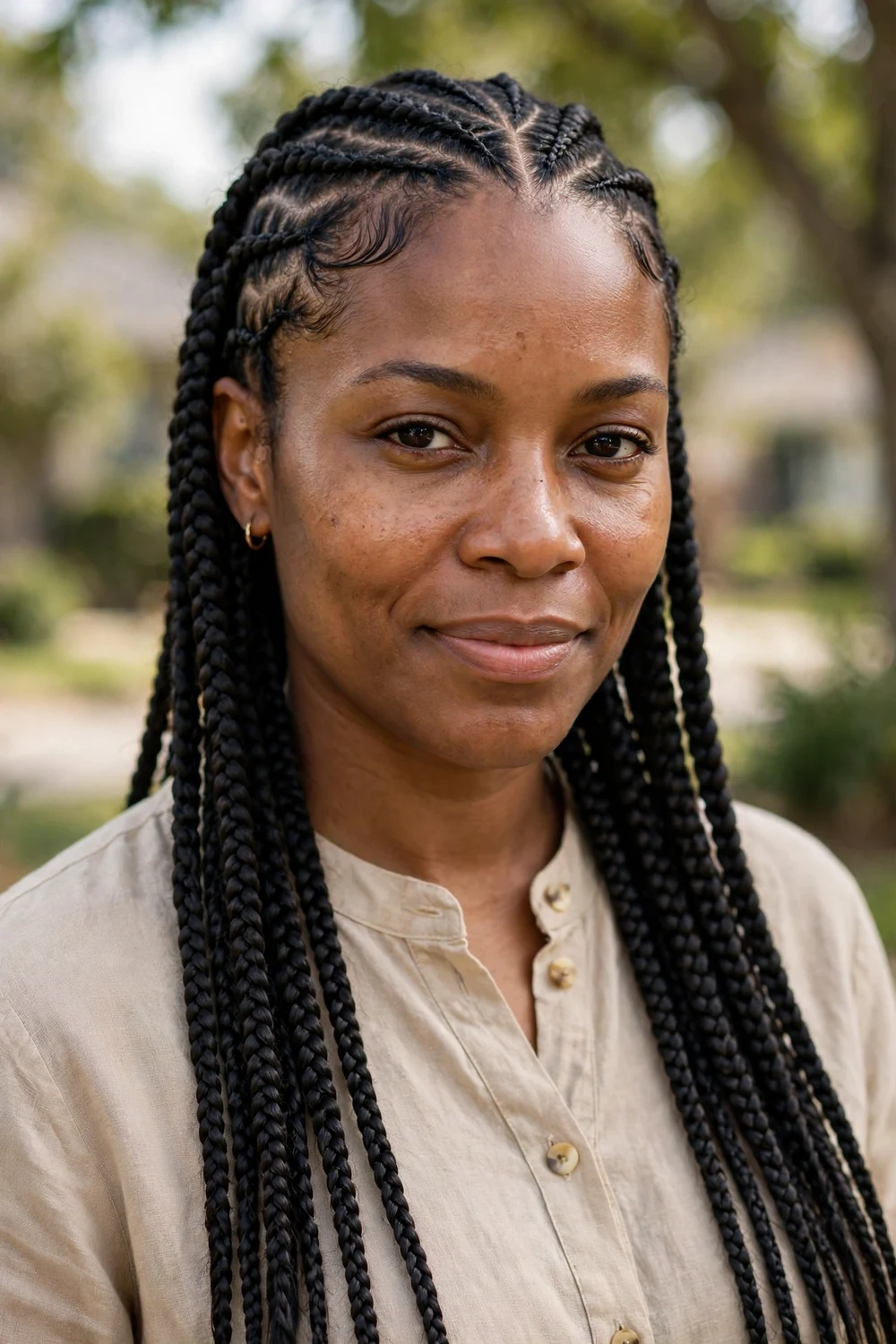
Lemonade braids are cornrows braided to one side in neat, uniform rows, named for the iconic side-swept style. The all-to-one-side direction gives dramatic asymmetry that flatters round faces, and the cornrow base keeps everything sleek for weeks. Small lemonade braids last longest; jumbo versions install fastest.
The side direction shows new growth sooner, so plan touch-ups or a six-week wear.
Try this: Add a few cuffs along the front rows to highlight the side-swept direction.
Difficulty: Medium · Cost: $140–$260
11. Feed-In Braids
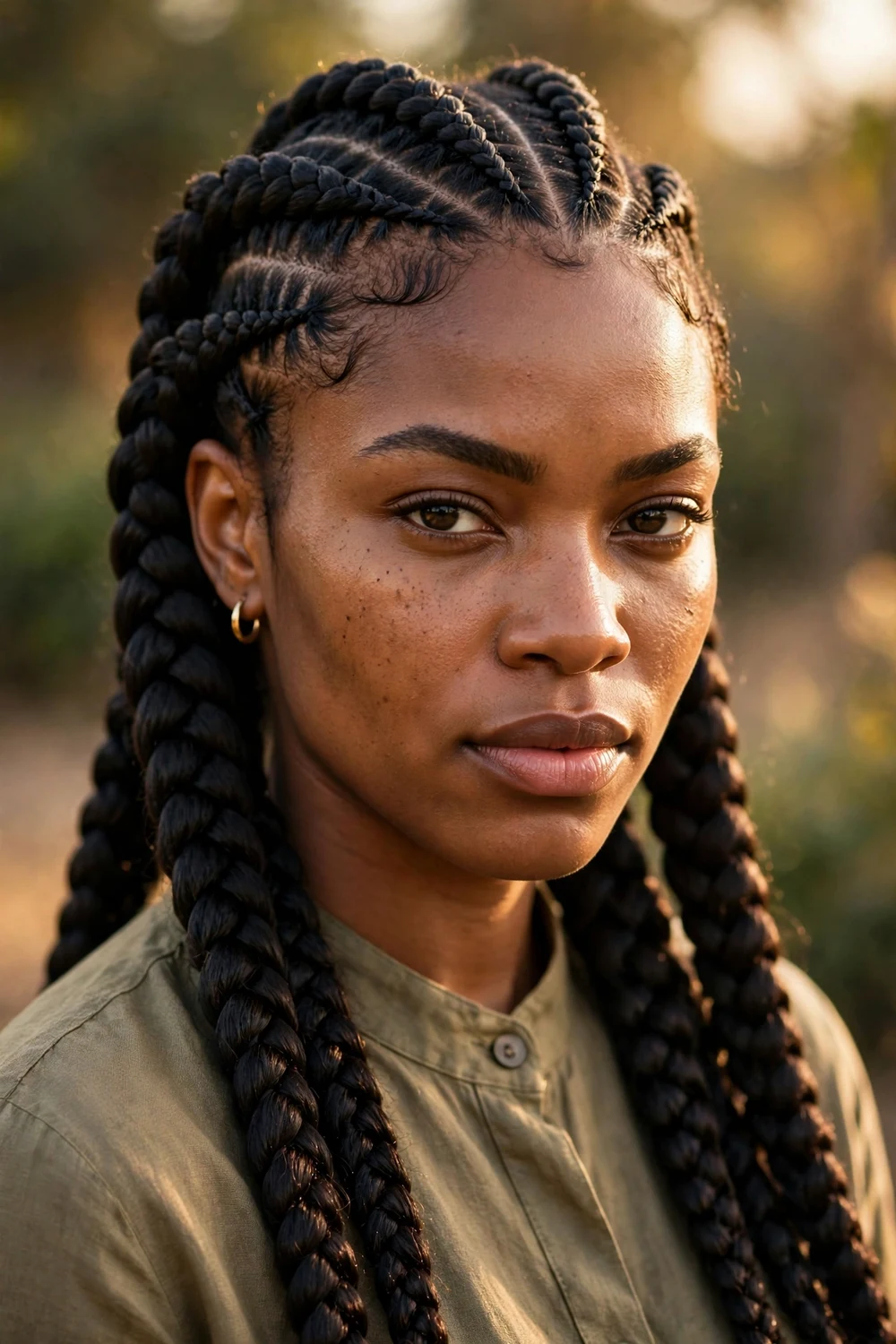
Feed-in braids build cornrows by gradually adding extension hair, so the braid starts thin at the hairline and thickens down the length. The technique keeps tension minimal and creates a natural-looking taper that knot-started cornrows cannot. Long feed-ins with a clean curved parting are the 2026 staple: strong, confident, and comfortable for everyday wear.
The feed-in start is the gentlest cornrow technique for fragile edges.
Try this: Ask for a curved or swooped parting line to add movement to the style.
Difficulty: Medium · Cost: $140–$260
12. Ghana Braids
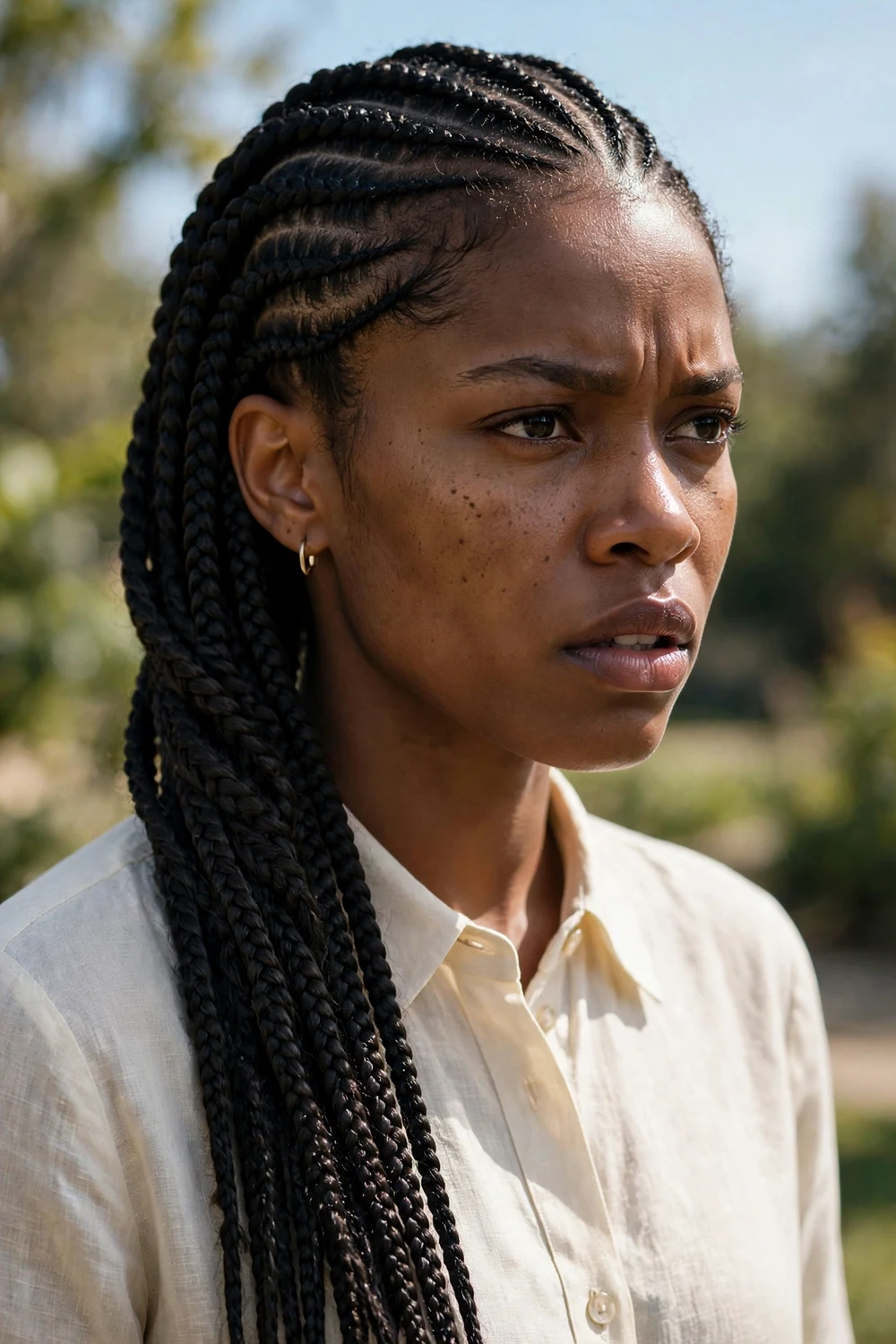
Ghana braids, also called banana cornrows, are thick cornrows that start small at the hairline and widen down the length. The tapered shape gives a bold, sculptural finish that reads more dramatic than uniform cornrows. They install relatively fast for a cornrow style and hold their shape well for weeks.
Thick Ghana braids pull more at each root, so keep them to six weeks.
Try this: Wear Ghana braids in a high ponytail to show off the tapered shape.
Difficulty: Medium · Cost: $130–$250
13. Stitch Cornrows
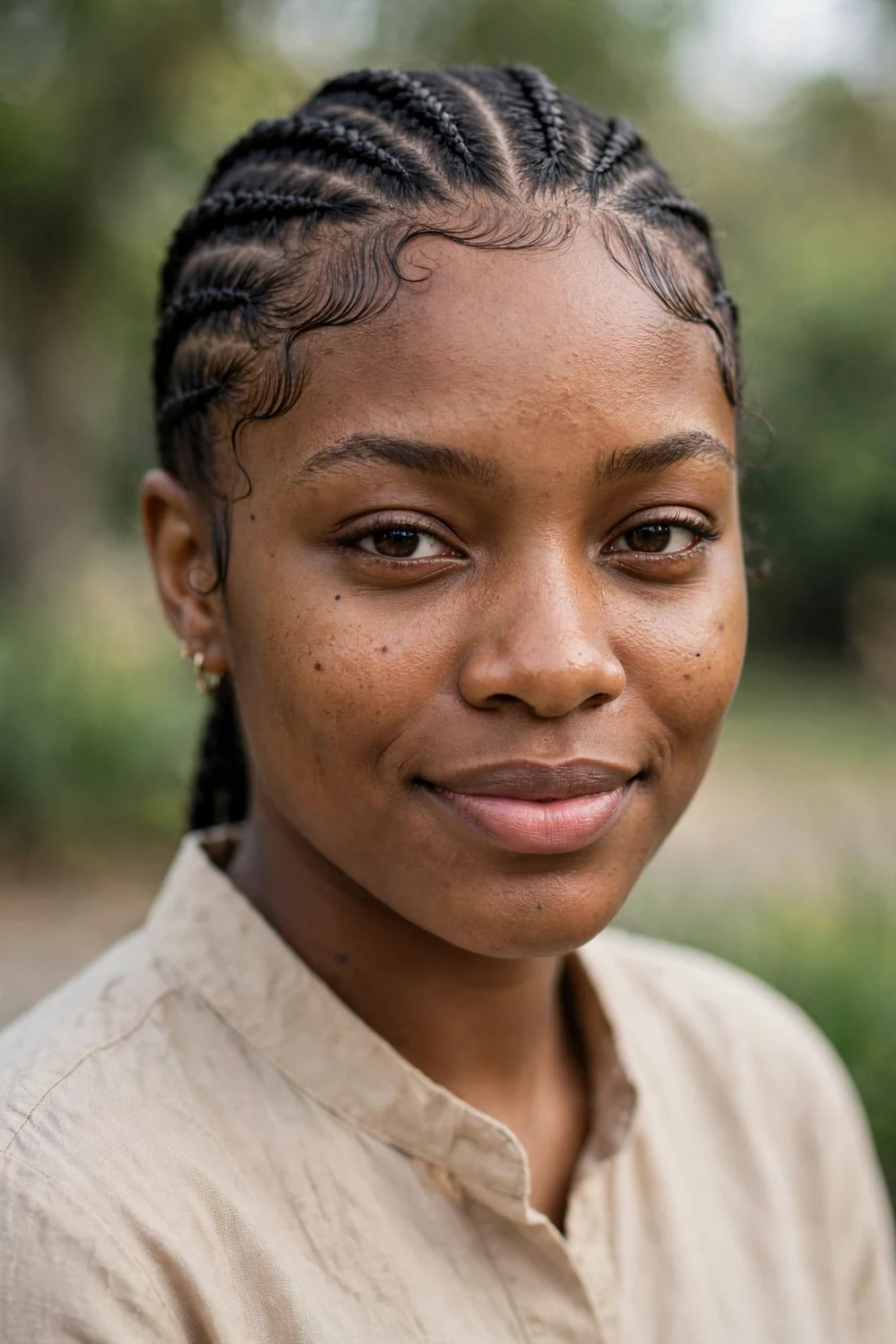
Stitch cornrows use a stitching technique between the rows for razor-sharp, precise partings and a sleek, almost sewn finish. The clean geometric lines are among the most requested salon details in 2026, and curved or zigzag stitch patterns add an artistic edge. They look neat and modern and last well with nightly wrapping.
Stitch work needs a specialist braider; the precision is the entire style.
Try this: Ask for curved stitch patterns rather than straight rows for the current 2026 look.
Difficulty: High · Cost: $160–$300
14. Cornrows with Styled Baby Hair
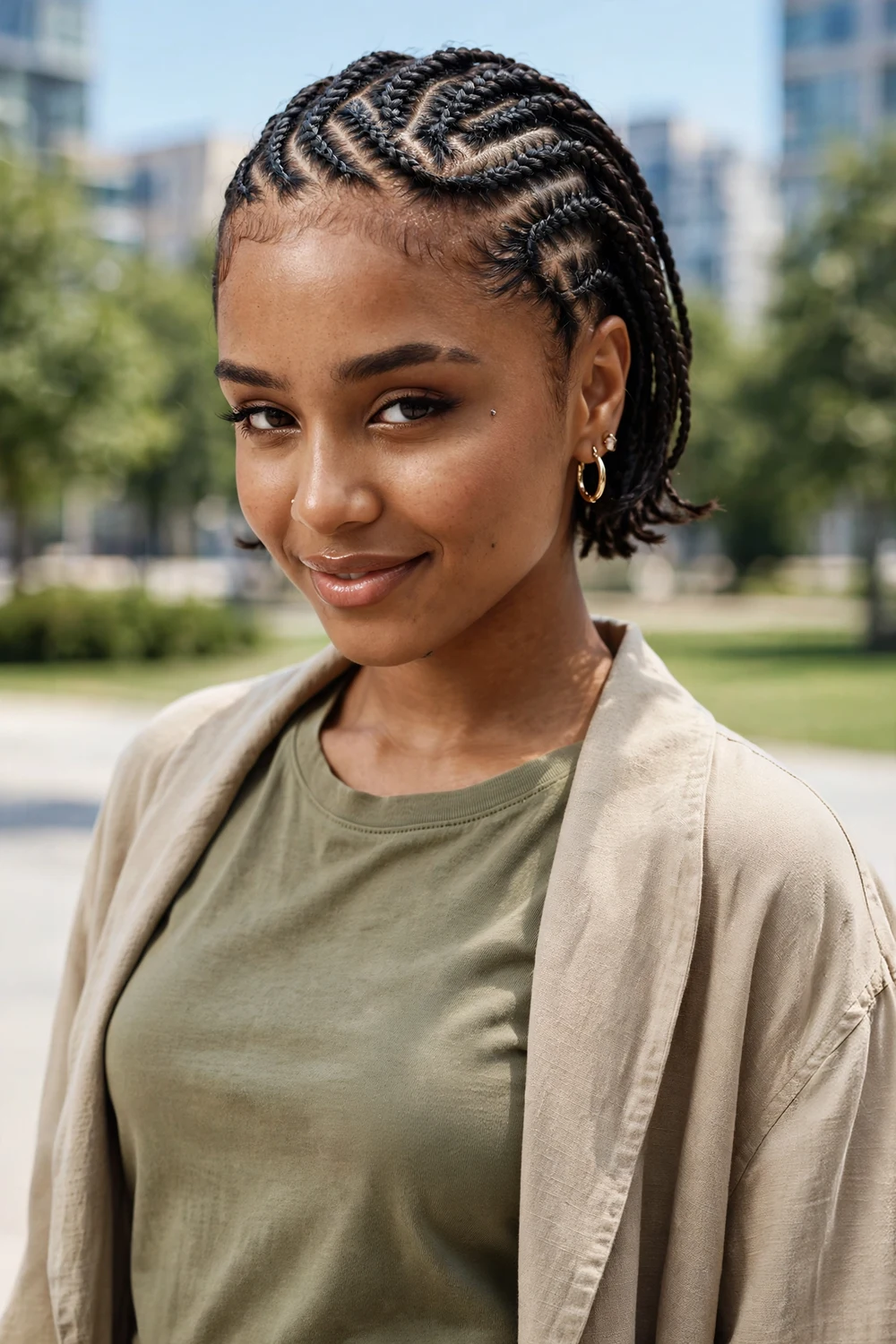
Cornrows with styled baby hair pair smooth, precise cornrows with delicate swooped edges along the hairline. The baby hair detailing adds softness and artistry to the structured braids, giving a polished finish that works for offices and events. Keep the edge styling gentle; the hairline already carries the cornrows’ tension.
Use a light edge gel and refresh the swoops in the morning, not overnight.
Try this: Match the baby hair curves to the cornrow direction for a cohesive finish.
Difficulty: Medium · Cost: $130–$250
15. Short Tyla Braids
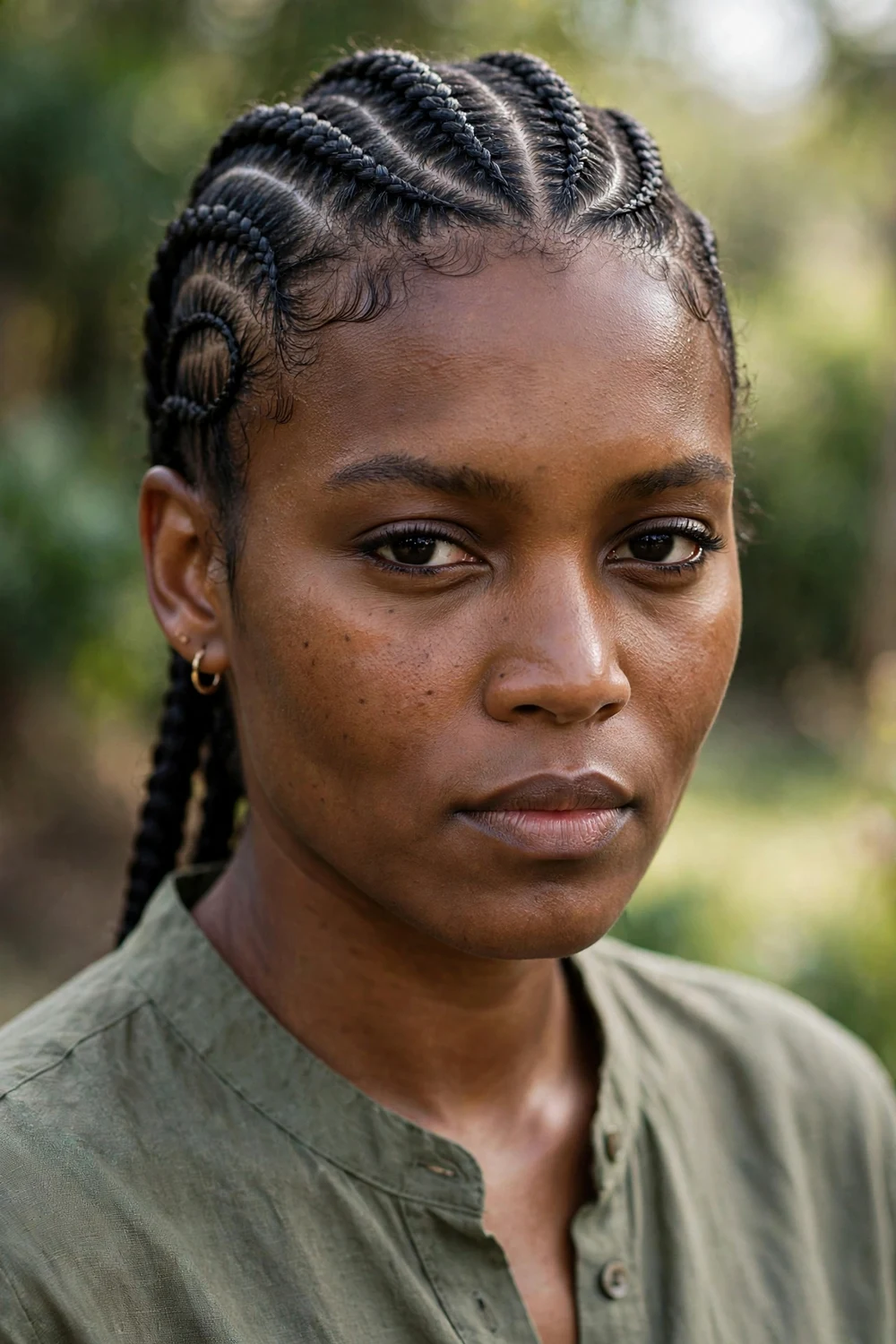
Short Tyla braids are the cropped, sleek feed-in style popularized by the singer: short braids with a polished finish that sit light on the head. The short length keeps the style cool and low-maintenance while the feed-in technique protects the edges. It is one of the easiest 2026 braid trends to wear daily.
Short braids show new growth fastest, so this is a four-to-six-week style.
Try this: Keep the parts crisp with a light oil on the scalp every few days.
Difficulty: Low · Cost: $100–$200
16. Fishbone Braids
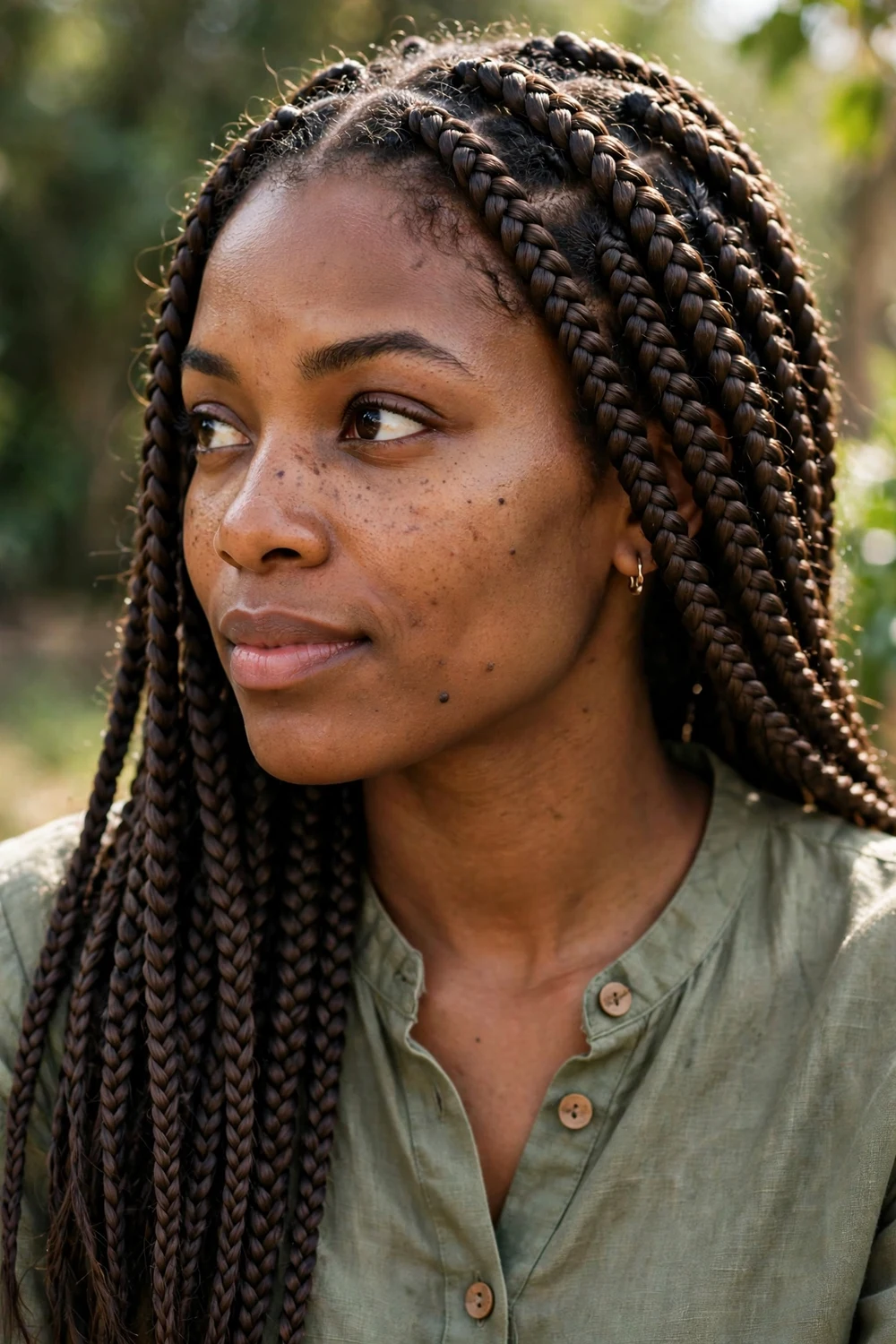
Fishbone braids weave a herringbone pattern that looks intricate from every angle. The detailed texture stands out in a sea of three-strand styles, and the pattern holds well once set. It takes longer to install than standard braids, so book extra time and confirm your braider does the pattern cleanly.
The herringbone pattern shows best in medium sizes; small fishbones take prohibitively long.
Try this: Wear fishbones down the first week so the pattern stays visible.
Difficulty: High · Cost: $170–$300
For the full backstory on braid techniques, the classic braided hairstyles for black women covers the timeless styles this 2026 roundup builds on.
17. Swirl and Spiral Braid Designs
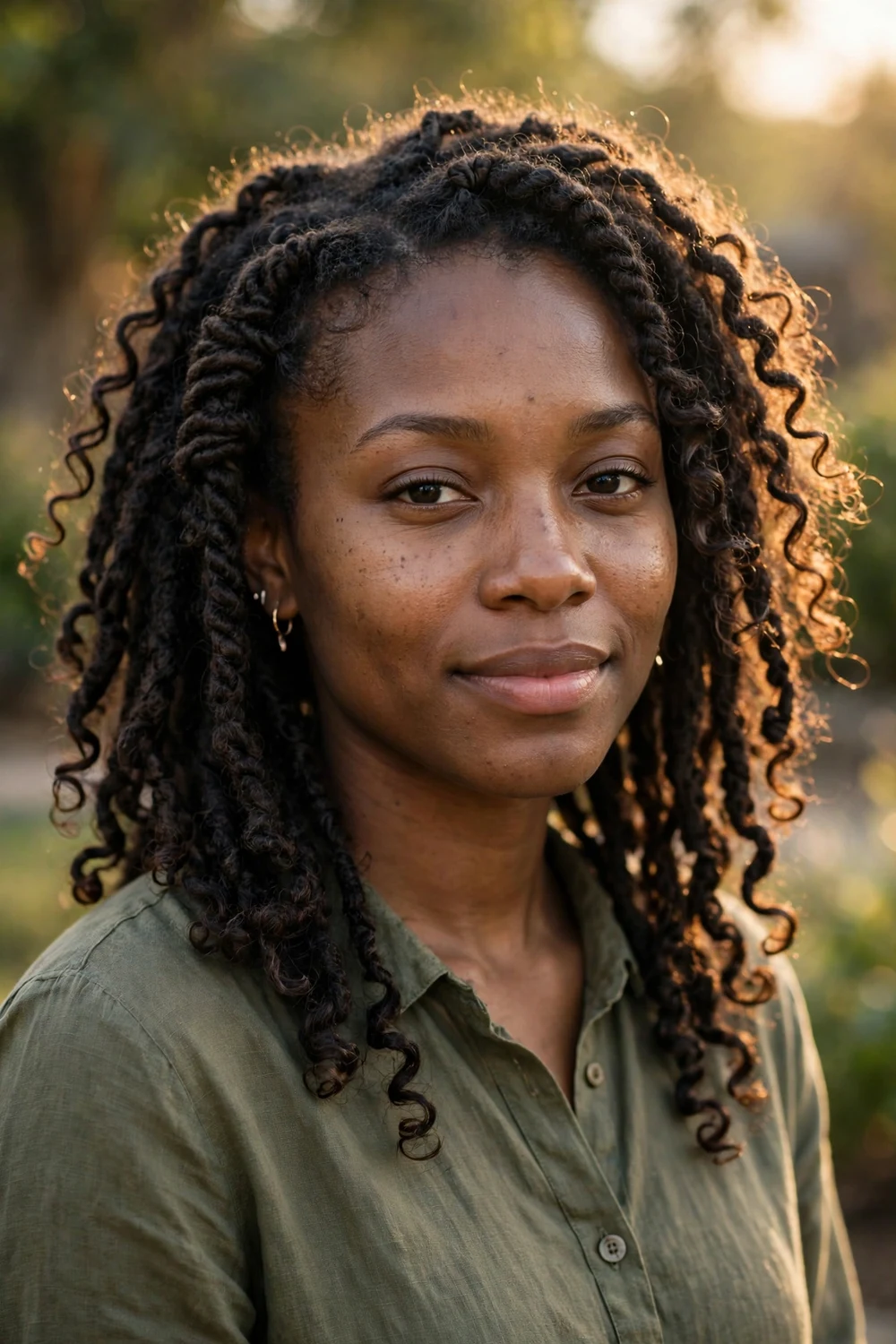
Swirl and spiral braid designs shape cornrows into spirals, curves, and sculptural patterns across the scalp. The result is wearable art: part precision, part creativity, fully personal. These designs suit anyone who wants their braids to be the statement, and they photograph well from above.
Intricate designs need a designer braider; bring reference photos of the exact pattern.
Try this: Keep the surrounding braids simple so the swirl design stays the focal point.
Difficulty: High · Cost: $180–$320
18. Tanavoho Braids
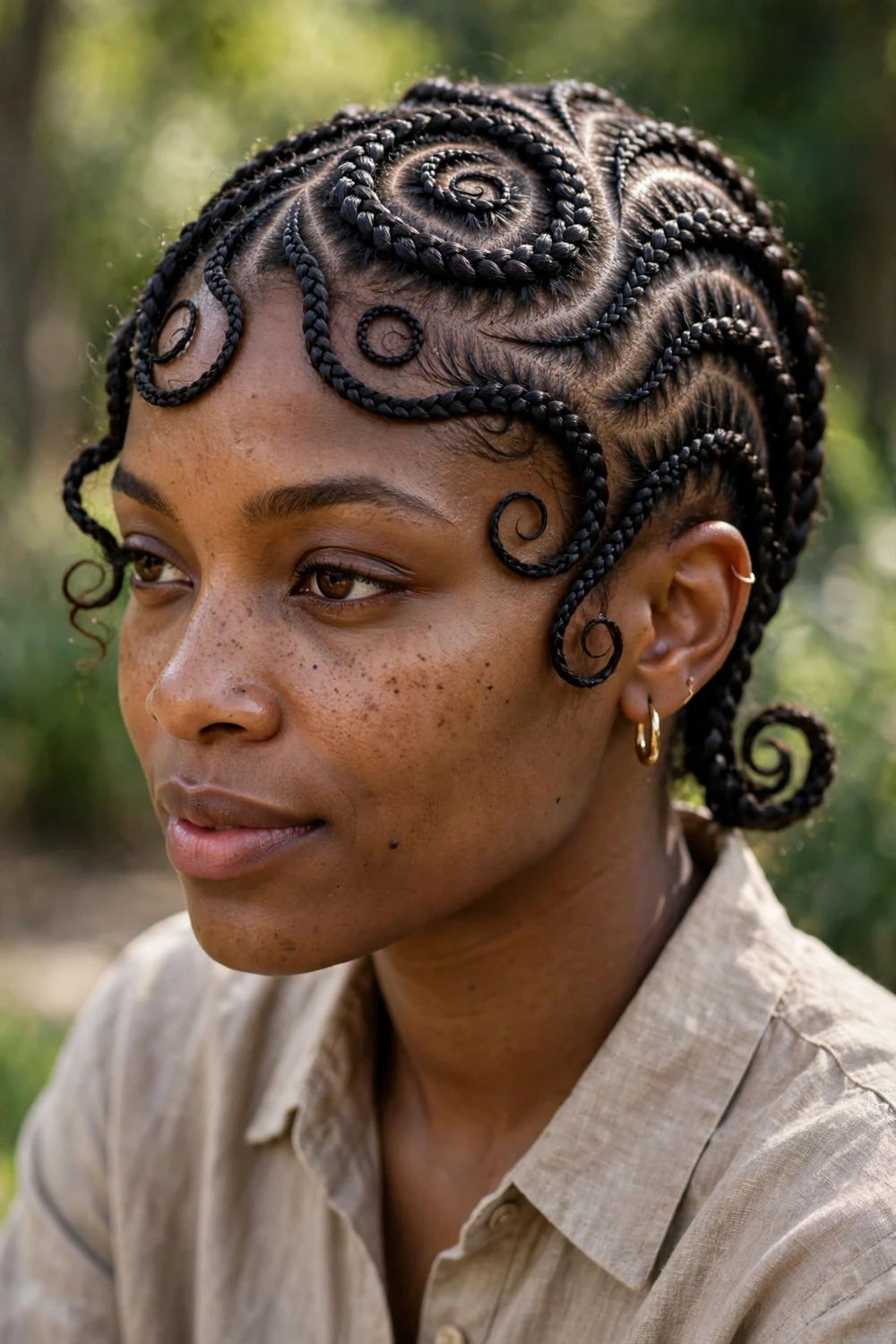
Tanavoho braids are the 2026 breakout: a Malagasy style of crown braids with soft puffs framing the head, predicted to go mainstream this year. The crown shape gives a regal silhouette while the puffs keep it soft and modern. It is the most distinctive silhouette in this roundup and a genuine conversation starter.
Ask specifically for the crown-and-puff structure; the name is still new to many braiders.
Try this: Bring two reference photos, since interpretations of Tanavoho still vary.
Difficulty: High · Cost: $180–$320
19. Crochet Braids
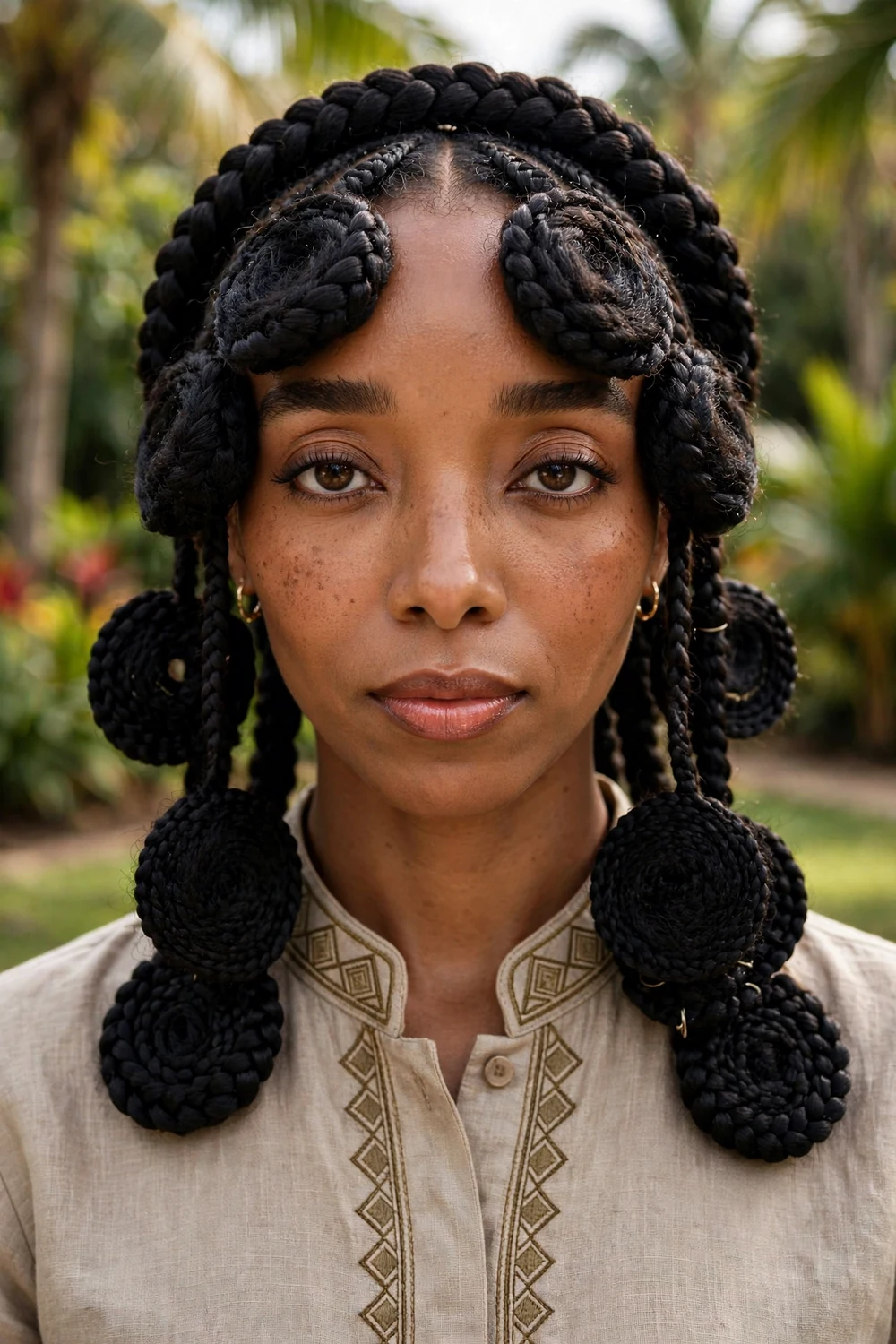
Crochet braids loop pre-twisted or pre-curled hair through cornrowed natural hair with a crochet hook for a fast, affordable install. The method works with endless textures, from kinky twists to deep curls, and the result looks like individually installed hair from a normal distance. It is the best value protective style when budget matters.
Keep the base cornrows in a simple straight-back pattern for the most natural parting.
Try this: Choose a curl pattern close to your natural texture for the most seamless blend.
Difficulty: Low · Cost: $90–$180
20. Curly Faux Locs
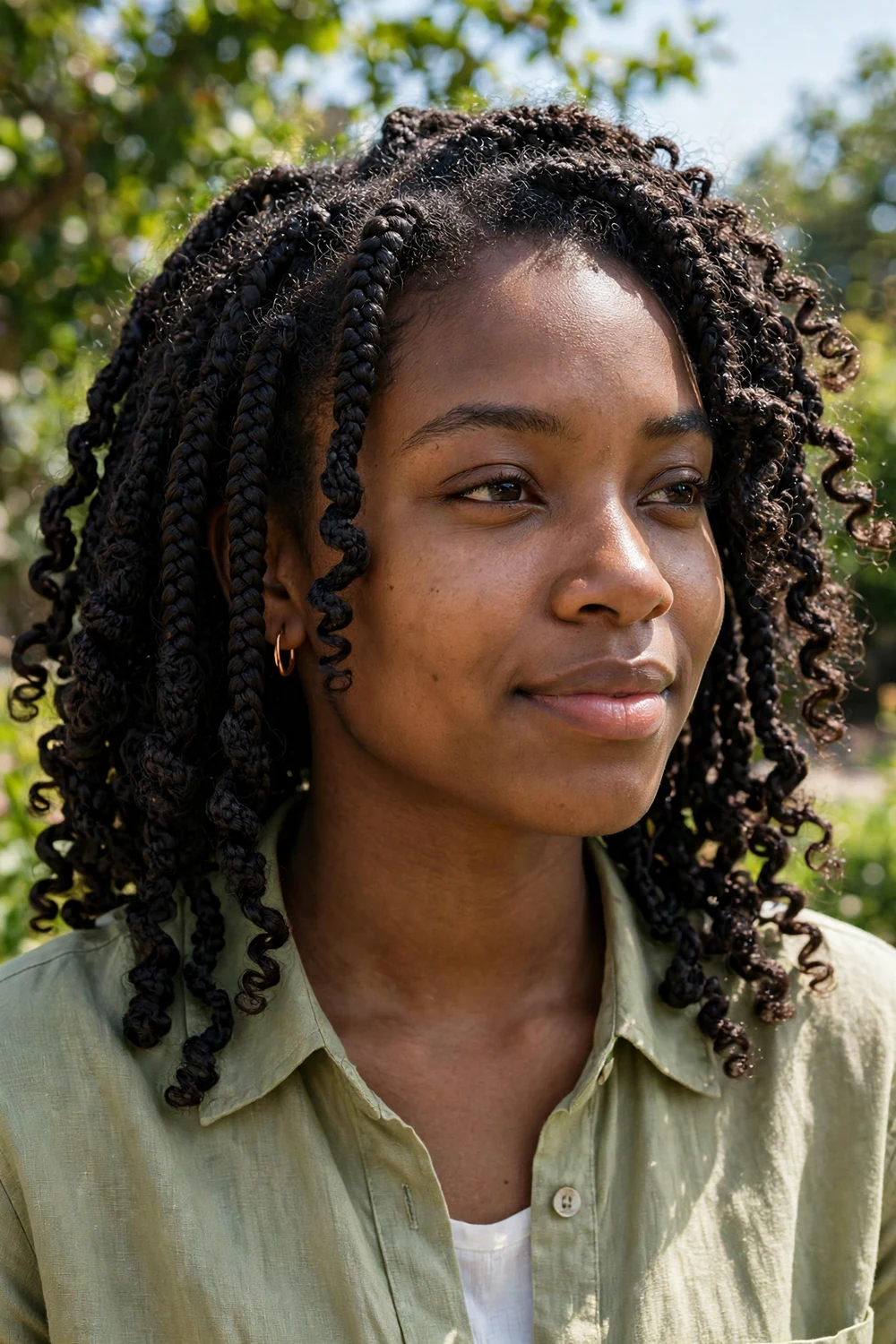
Curly faux locs wrap hair into loc-like formations finished with loose curls at the ends. They give the loc aesthetic with zero long-term commitment and full takedown in one session. The curly ends keep them soft and current, distinguishing them from traditional neat faux locs. They are heavier than twists, so medium sizes suit most wearers.
Take faux locs down by week eight; wrapped hair mats at the root if left longer.
Try this: Moisturize the scalp through the parts, since the wraps limit airflow.
Difficulty: Medium · Cost: $160–$300
21. Mermaid Braids
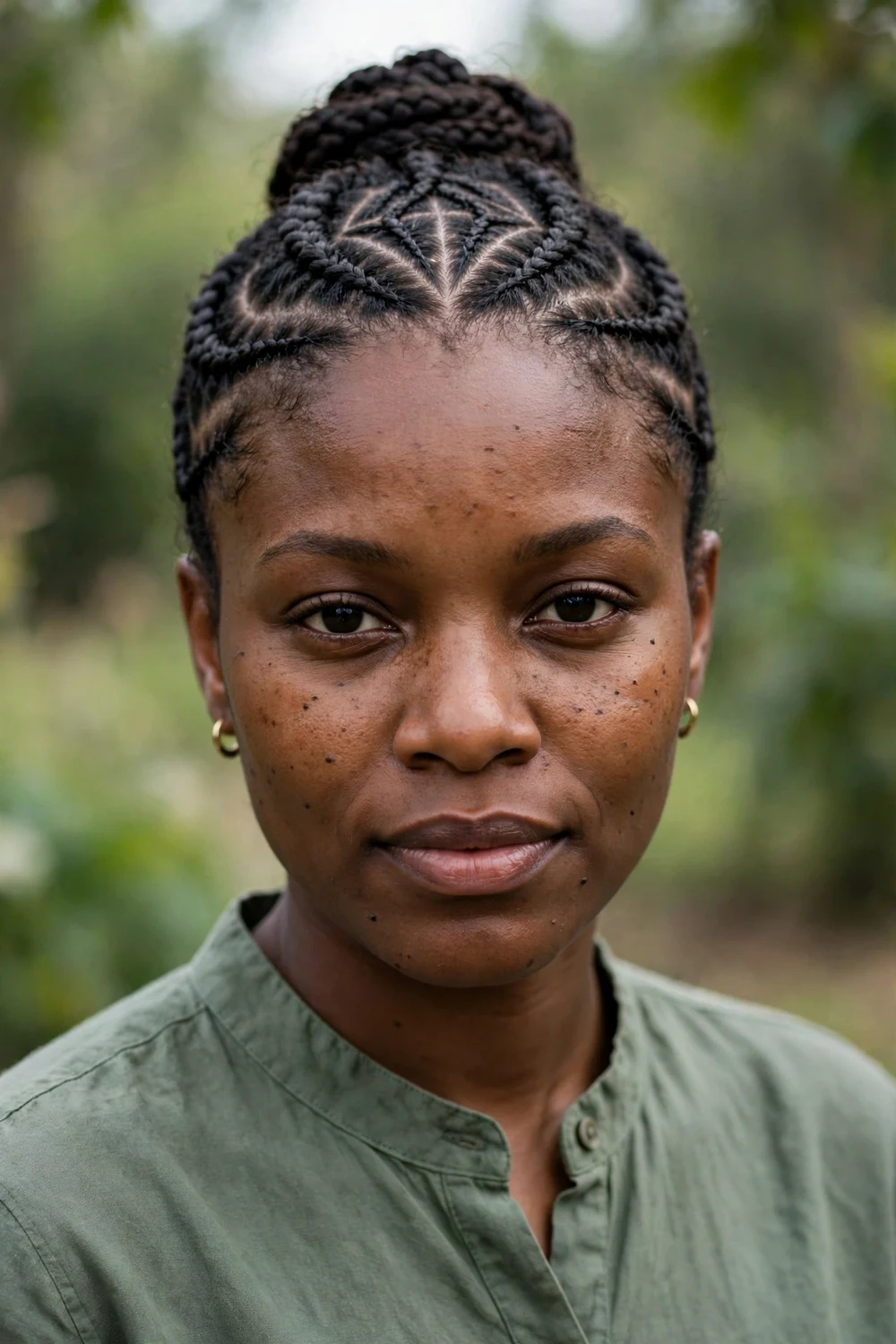
Mermaid braids are long, wavy braids with a flowing, undone texture that moves like water. The loose wave through the lengths gives a romantic, vacation-ready finish that suits summer especially well. They are lighter than they look, since the wave pattern uses less packed extension hair than sleek braids.
The wavy texture frizzes in humidity, so a light anti-frizz serum helps on damp days.
Try this: Refresh the waves with a braid-out technique overnight for second-day definition.
Difficulty: Medium · Cost: $160–$280
22. Braided Crown
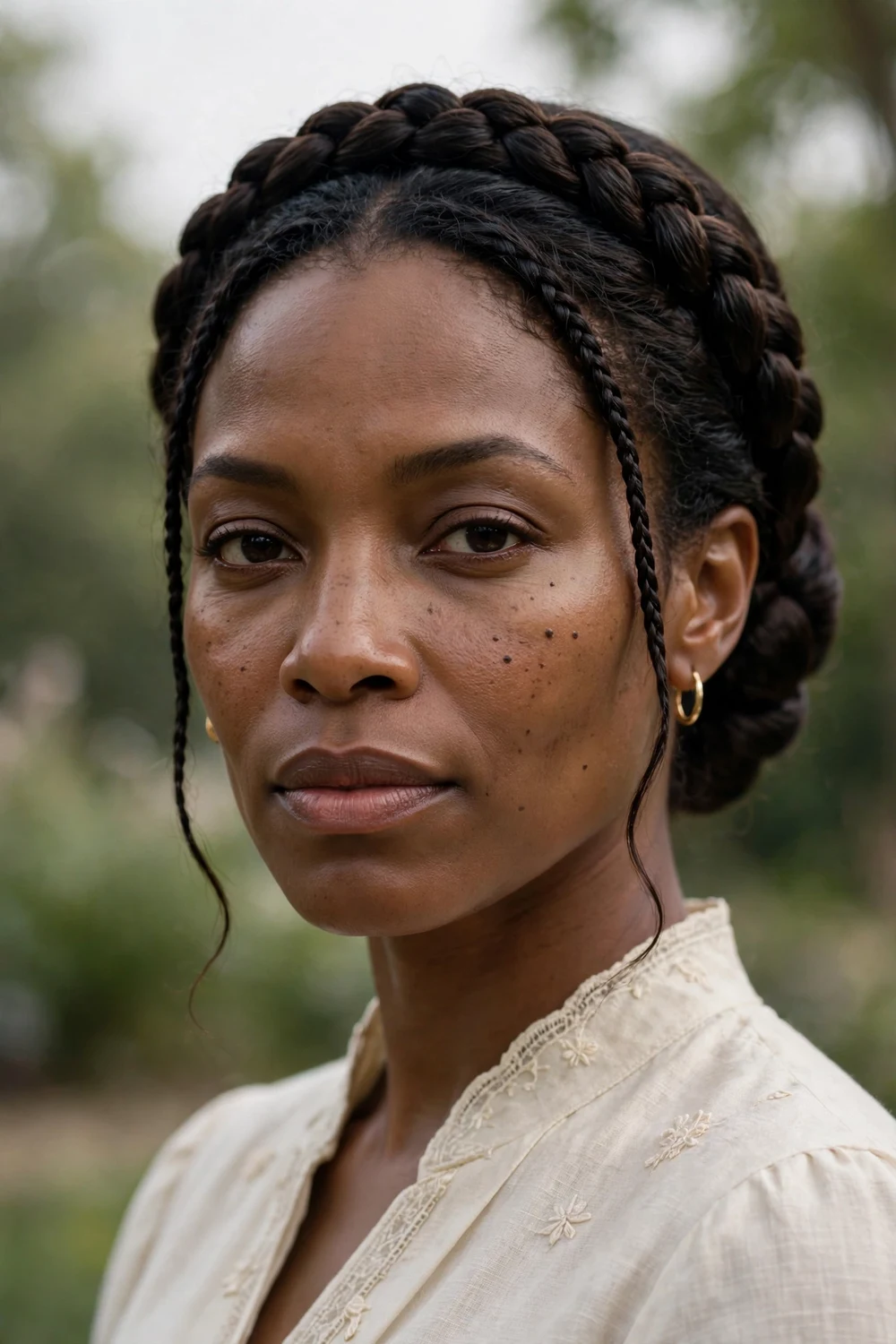
The braided crown wraps braids in a halo around the head for a regal, polished updo. It keeps every strand off the neck and face, which suits hot days and formal events, and the circular shape flatters most face shapes. It works on medium to long braided hair; short hair needs added extension braids to complete the circle.
Pin the halo with large U-pins at intervals so the circle holds all day.
Try this: Leave two thin braids out at the front as face-framing tendrils.
Difficulty: Low · Cost: Free (style at home)
23. Cornrow Bun
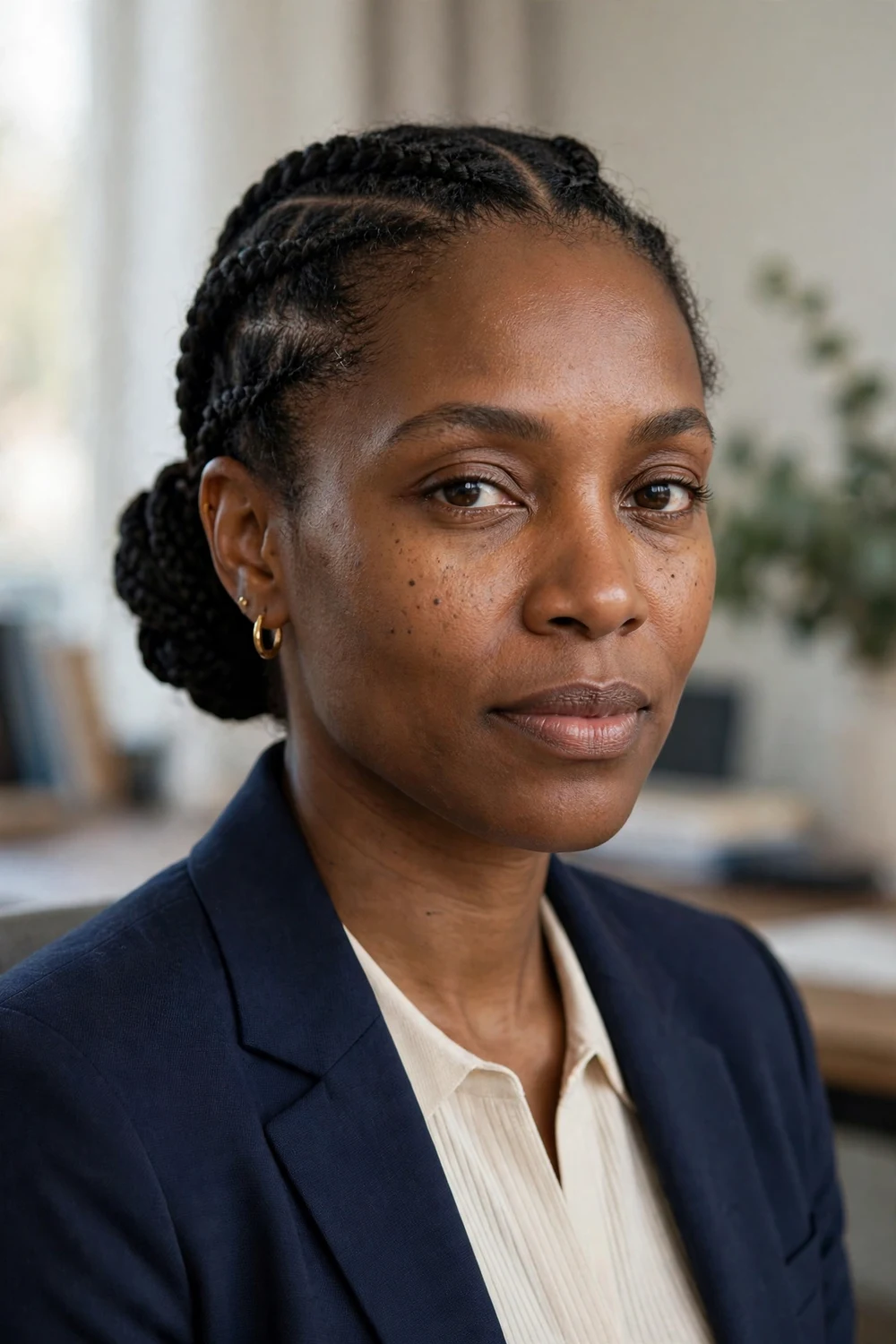
The cornrow bun braids the hair into cornrows that gather into a bun at the crown or nape. It is the neatest updo on this list: everything secured, nothing loose, and the scalp pattern shows well around the bun. It suits work weeks, travel, and hot weather, holding its shape without constant touch-ups.
Gather the bun loosely at first; cornrow buns tighten as they settle.
Try this: Place the bun at the nape for the gentlest tension on the hairline.
Difficulty: Low · Cost: Free (style at home)
24. Low Braided Bun
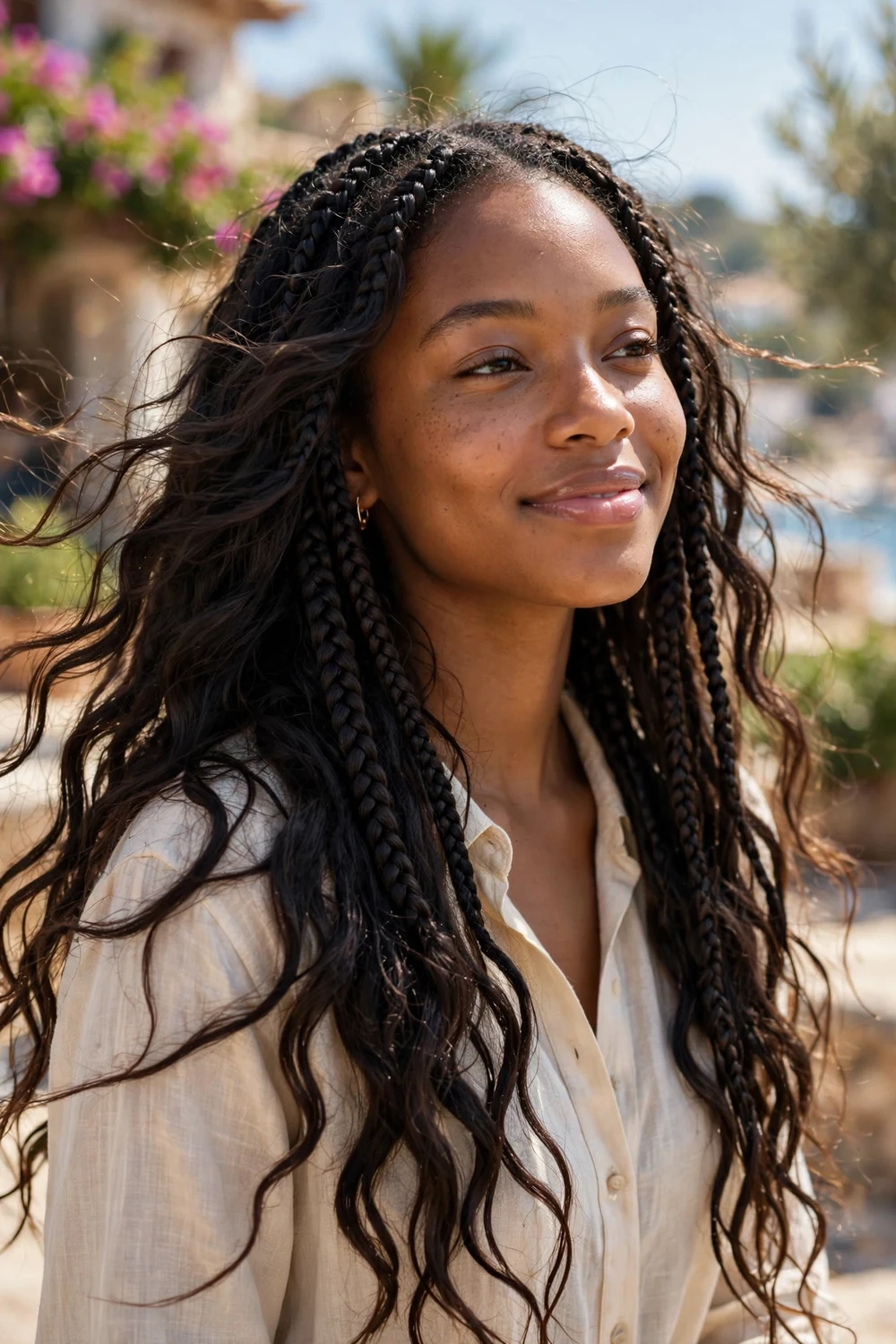
The low braided bun coils braids into a bun at the nape with a clean scalp pattern. It gives a calm, composed finish that suits professional settings and mature wearers, staying neat throughout the day with minimal fuss. The low placement is the kindest bun position for the hairline.
This is the lowest-tension updo on the list, ideal for fragile edges.
Try this: Smooth the scalp pattern with a light oil for a polished finish.
Difficulty: Low · Cost: Free (style at home)
25. Sculpted Braided Top Bun
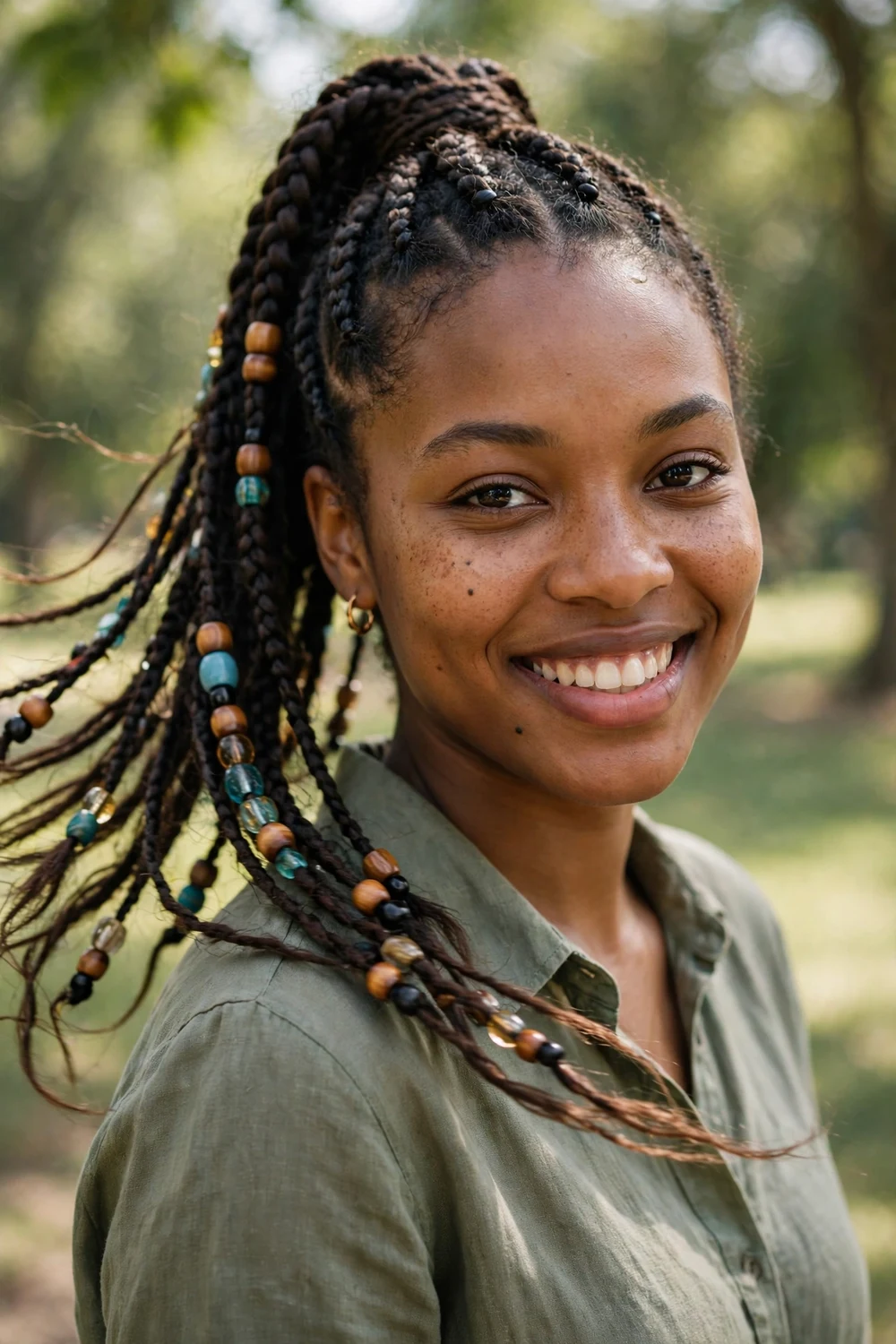
The sculpted braided top bun pairs a high coiled bun with a defined scalp design, braided patterns radiating from the hairline into the bun. Rich colors like red make the sculpture pop, but the shape carries the style in any shade. It is bold but controlled: expressive without being overwhelming, and practical for busy days.
The scalp design shows new growth sooner, so this is a four-to-six-week style.
Try this: Ask for the scalp pattern to follow your natural hairline for the cleanest result.
Difficulty: High · Cost: $160–$280
26. Braided Spike Bun
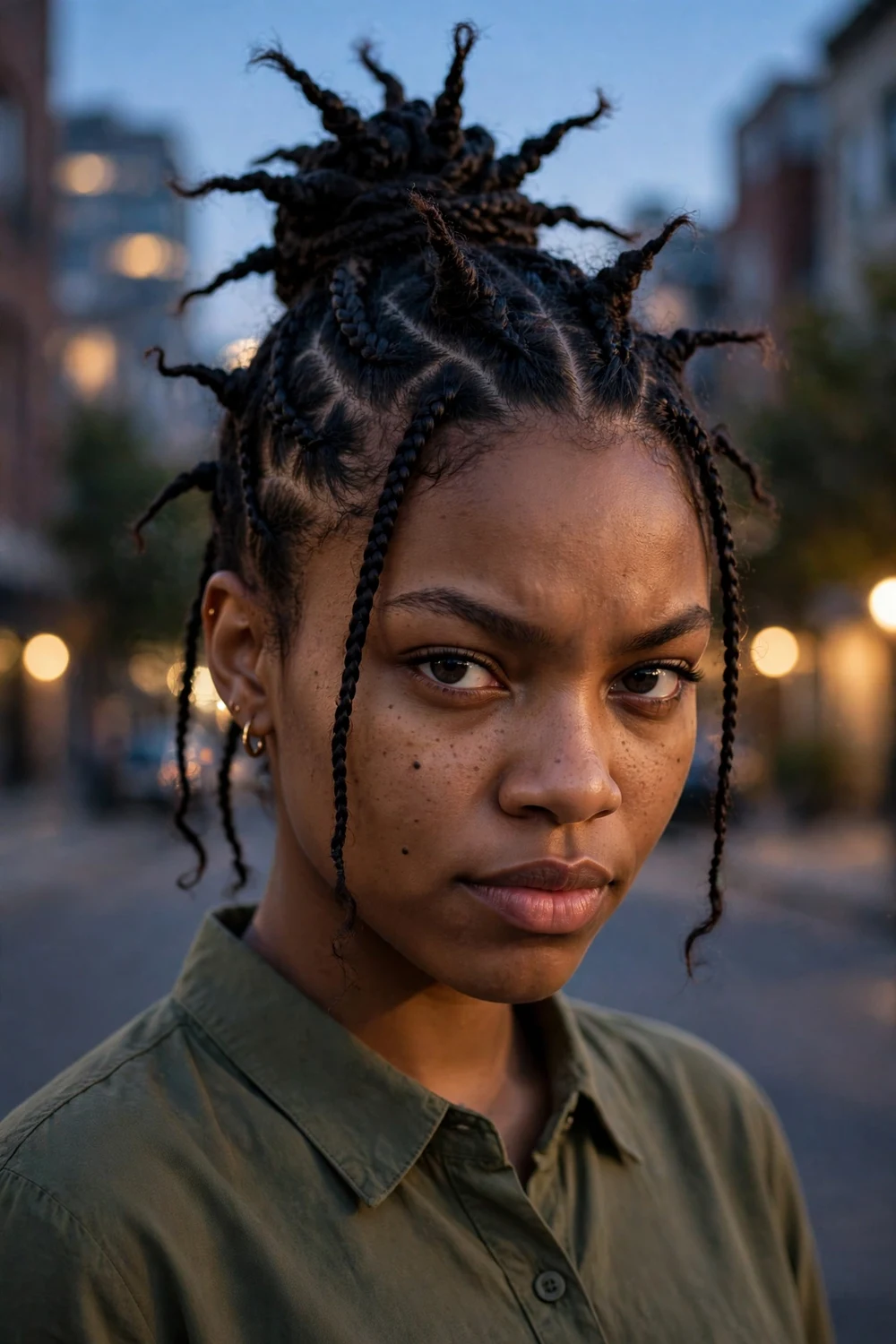
The braided spike bun twists braids upward into a spiked, textured bun with real attitude. It is the edgiest updo on this list: youthful, bold, and unmissable. The spikes need firm styling product to hold their shape, and the style suits evenings out and anyone who wants their updo to make the statement.
Use a strong-hold gel on the spikes and refresh them in the morning.
Try this: Keep the spikes to the crown so the style stays wearable, not costumey.
Difficulty: Medium · Cost: Free (style at home)
Wondering whether protective styles support growth? The do braids help your hair grow guide explains what braiding can and cannot do for length retention.
27. High Braided Ponytail
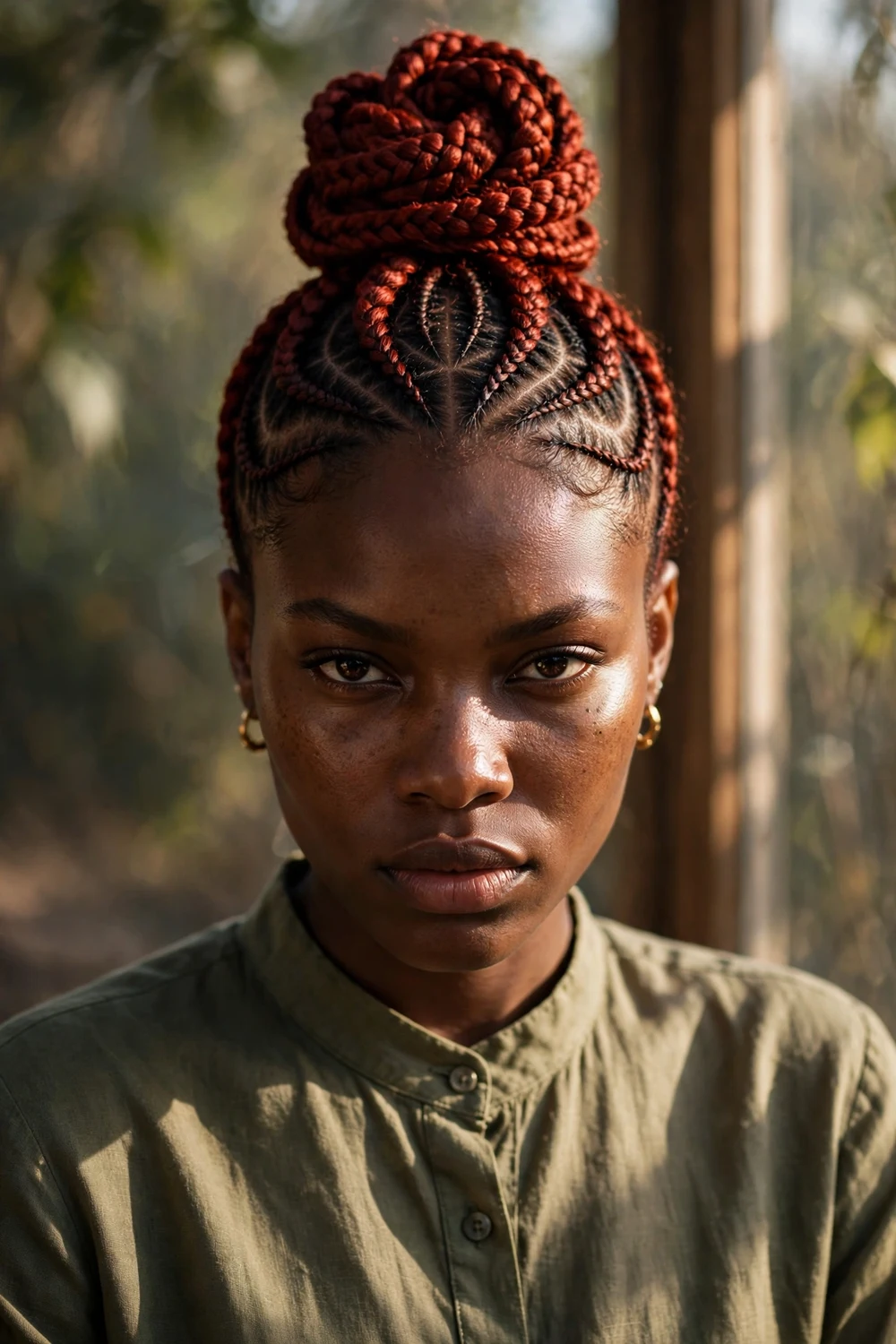
The high braided ponytail gathers braids at the crown for instant lift and sculpted volume. It keeps hair off the face and neck, which suits long days and workouts, and the height gives a youthful, energetic silhouette. Wrap a braid around the base to hide the band and keep the gather comfortable rather than tight.
A too-tight high pony strains the hairline, so comfort matters more than height.
Try this: Use a thick fabric scrunchie to distribute the gather’s pressure.
Difficulty: Low · Cost: Free (style at home)
28. Beaded Braided Ponytail
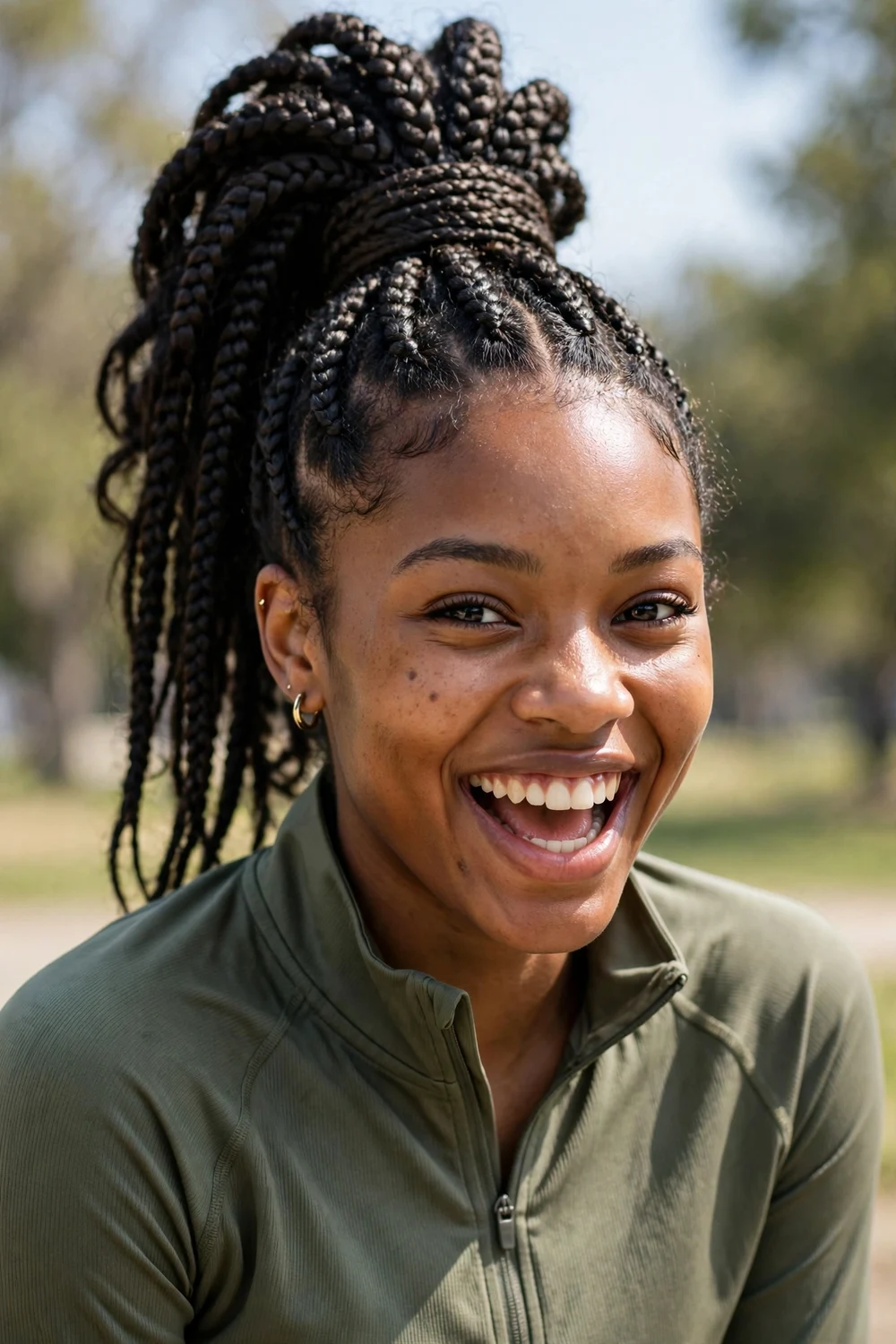
The beaded braided ponytail dresses the high ponytail with beads threaded through the lengths. The beads add movement and personality, turning a practical style into a decorative one. Concentrate heavier beads on thicker braids and secure the ends well so nothing slides off during the day.
Match bead size to braid thickness for a secure fit.
Try this: Thread beads onto every third braid for a patterned, not cluttered, effect.
Difficulty: Low · Cost: $10–$30 (beads)
29. Half-Braided Styles
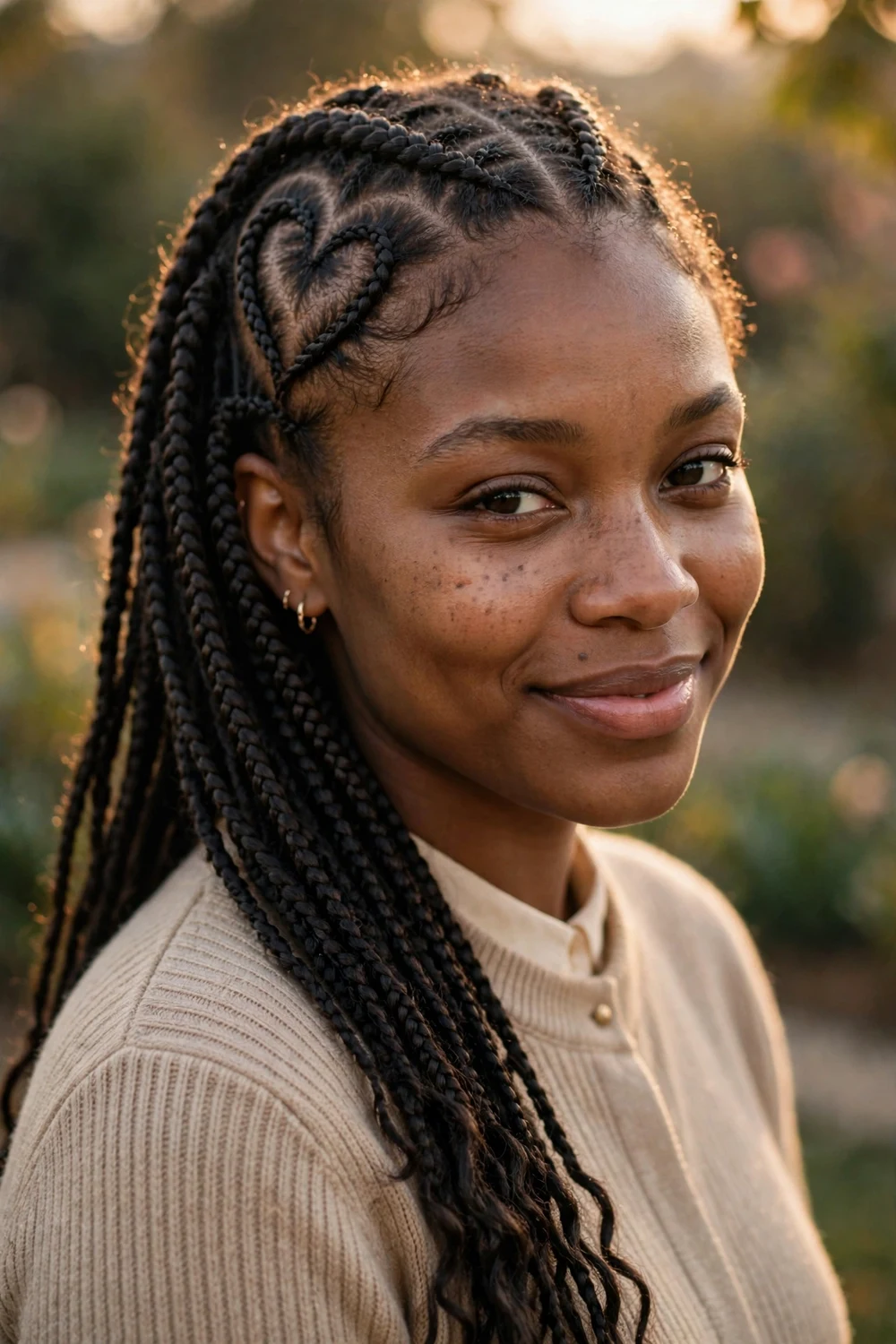
Half-braided styles braid one section of the head, usually the top or one side, while the rest stays loose. The contrast between structured braids and free hair gives a creative, asymmetric finish that stands out from full-head styles. It suits thick natural hair that can carry the loose section with volume.
Blend the braided and loose sections with a smooth transition row to avoid a harsh divide.
Try this: Braid the top half and leave the bottom loose for the most wearable version.
Difficulty: Medium · Cost: $100–$220
30. Half-Up Braided Styles
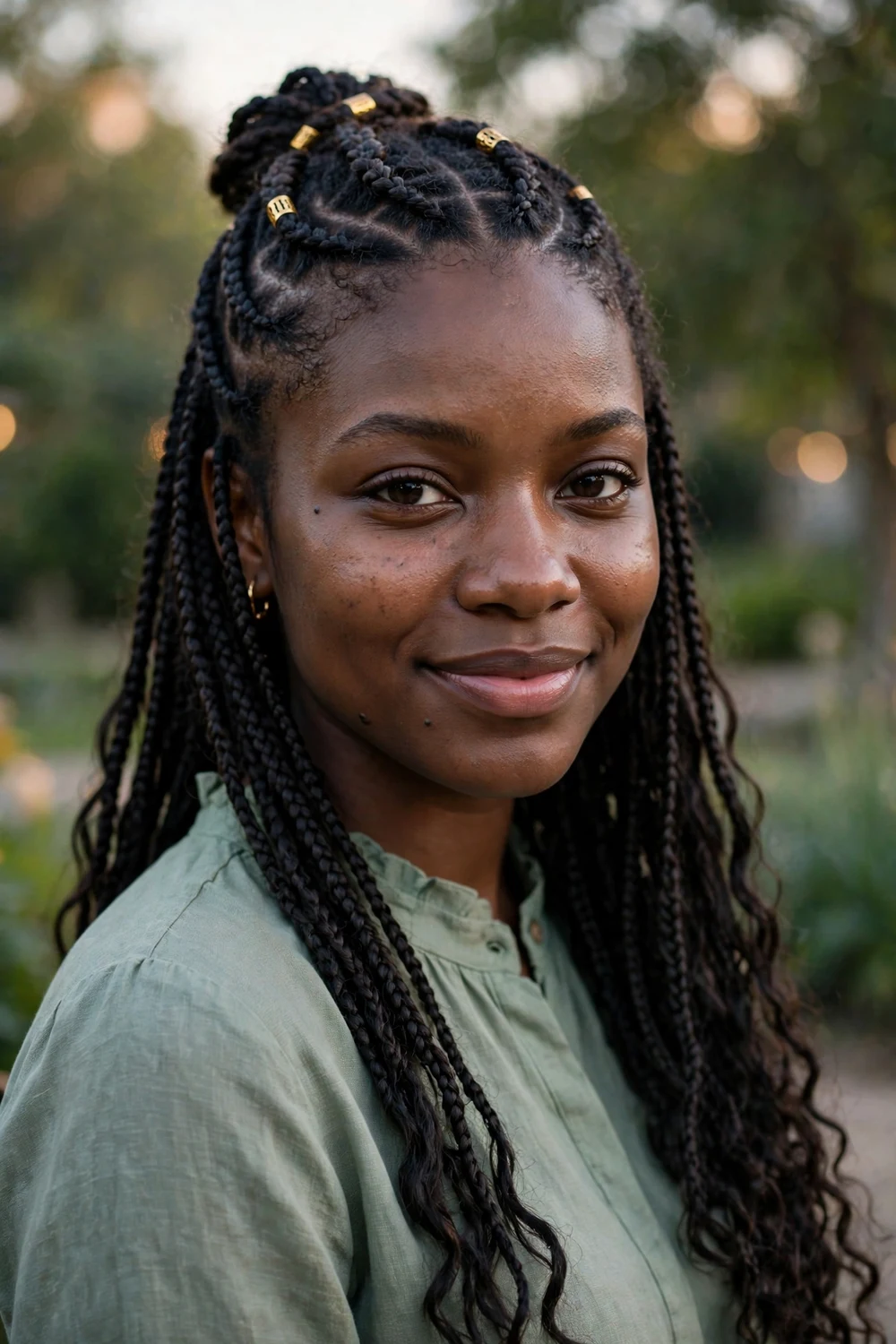
Half-up braided styles gather the crown braids into a bun or ponytail while the lengths flow free. The half-up shape creates lift at the crown while the loose braids soften the overall look, transitioning easily from day to night. It flatters many face shapes and keeps styling quick in the morning.
Keep the crown gather loose to protect the edges.
Try this: Dress the gathered section with cuffs for evening versions.
Difficulty: Low · Cost: Free (style at home)
31. Heart-Detail Braids
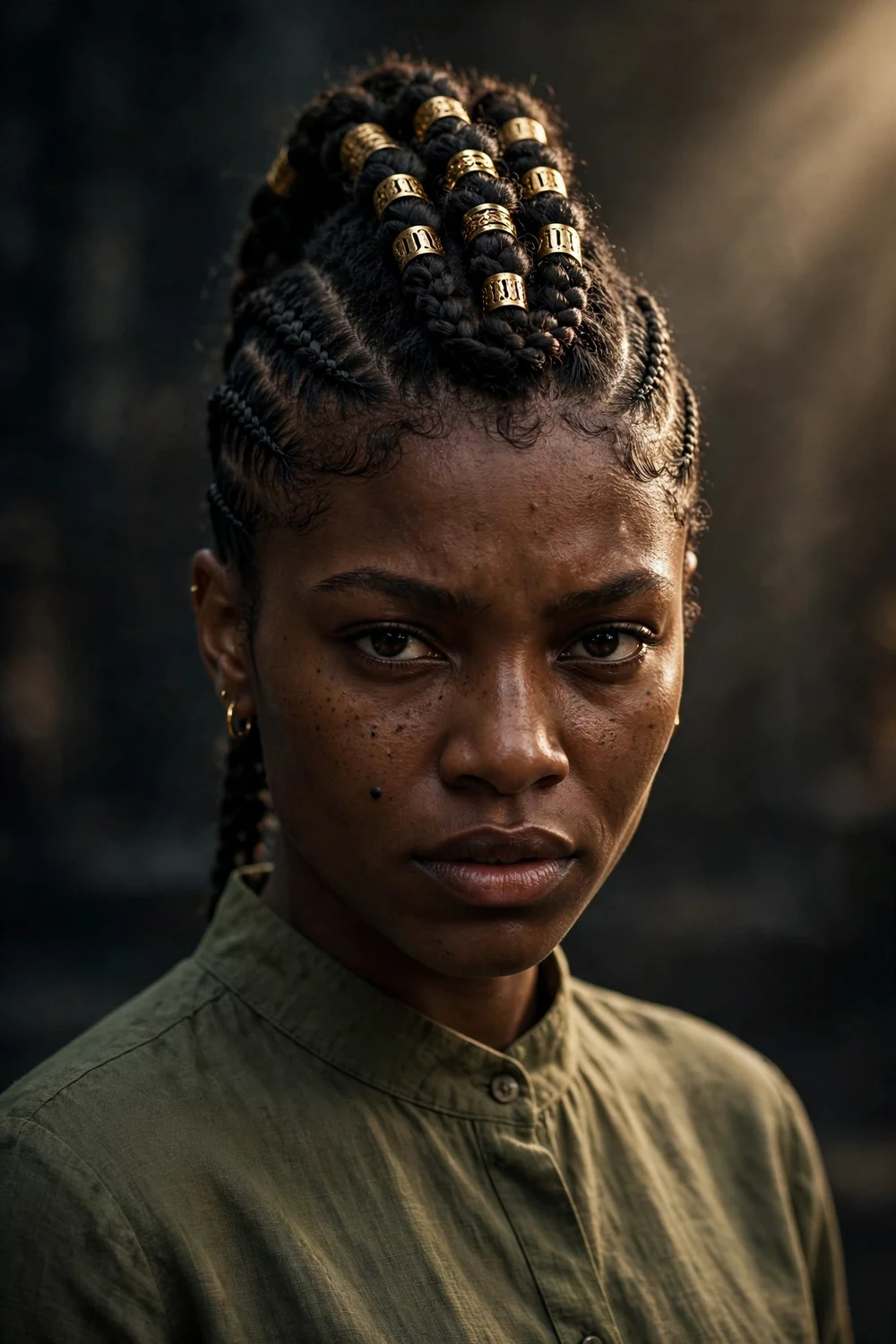
Heart-detail braids work a heart shape into the scalp design, either as the parting pattern or as a small braided heart at the temple or crown. The romantic detail turns standard braids into something personal and photo-ready. It shows best in updos and side-parted styles where the scalp pattern stays visible.
Bring a reference photo; heart designs vary widely between braiders.
Try this: Pair the heart detail with a deep side part for maximum visibility.
Difficulty: High · Cost: $170–$300
32. Braided Faux Hawk
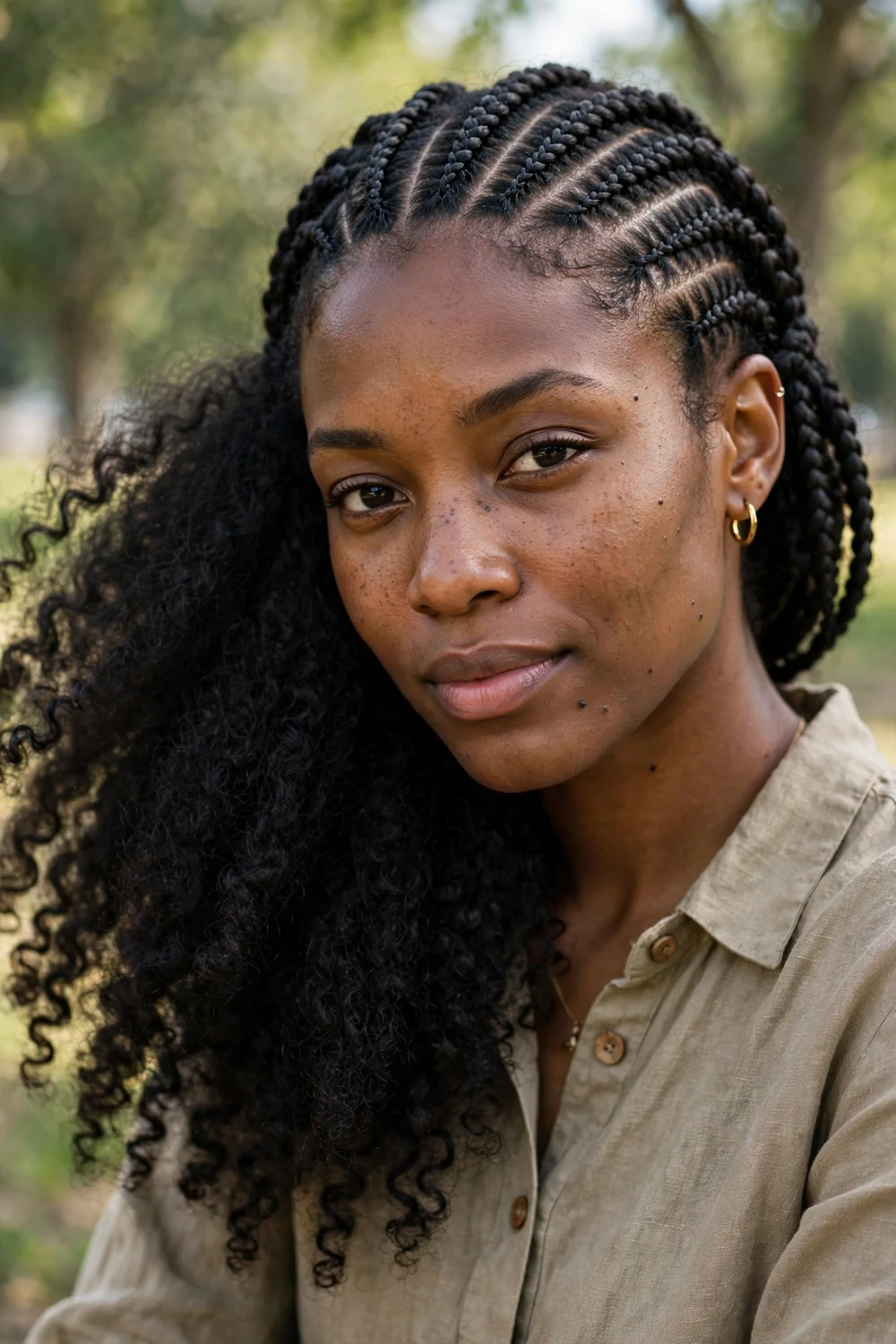
The braided faux hawk runs bold braids down the center of the head with the sides braided flat or faded close, creating a mohawk silhouette without cutting any hair. It is the boldest silhouette in this roundup: edgy, confident, and unmissable. The center braids can be styled upright or laid flat depending on the occasion.
The flat sides show new growth fast, so this is a three-to-five-week style.
Try this: Add cuffs to the center braids to emphasize the hawk line.
Difficulty: High · Cost: $160–$280
33. Pigtail Braids
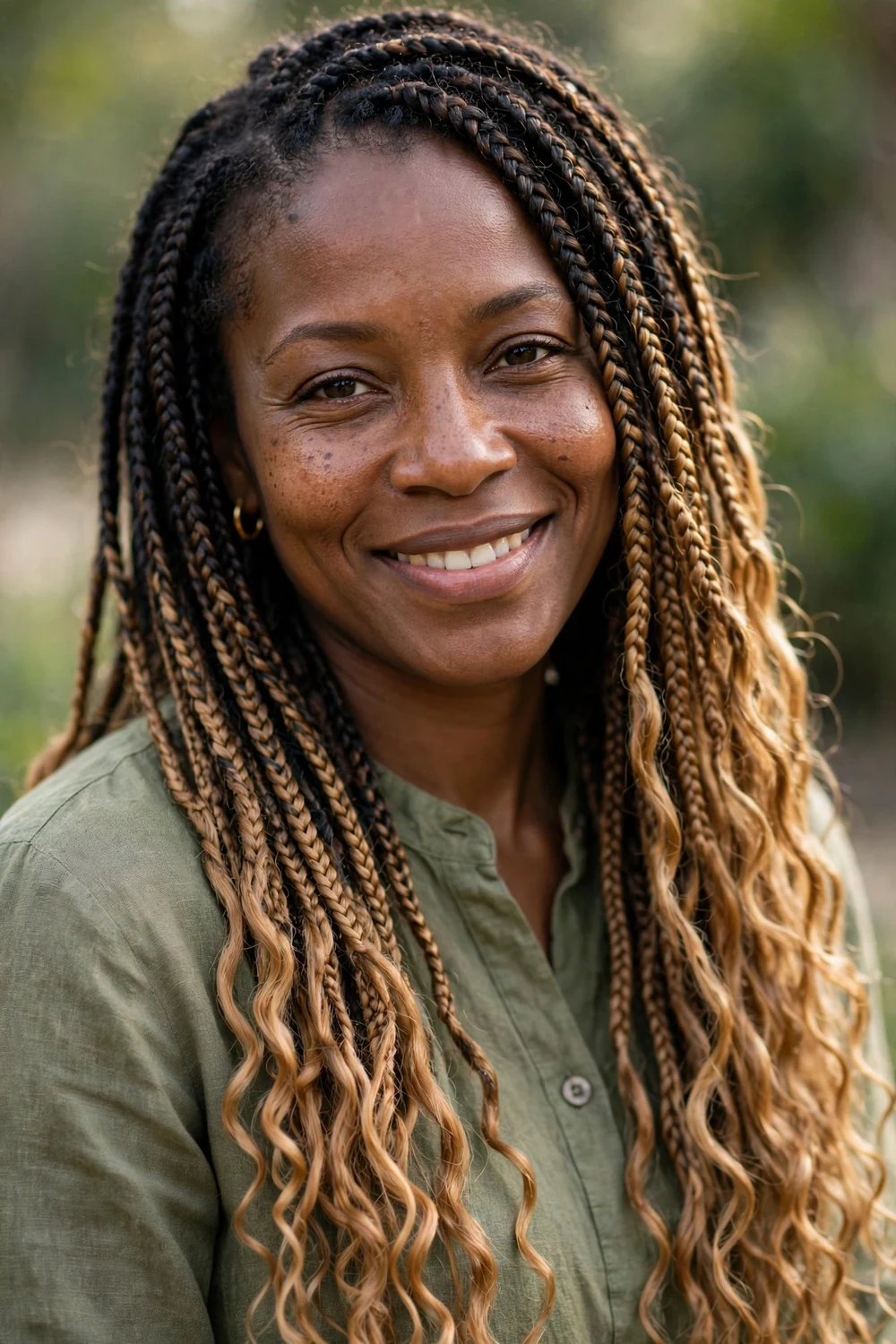
Pigtail braids split the hair into two braided ponytails for a youthful, playful finish. The symmetrical style suits casual days and festivals, and it keeps braids off the neck in warm weather. Keep each pigtail’s base comfortable; two tight anchors double the tension on the scalp.
Loosen the bases slightly after install for all-day comfort.
Try this: Wrap a braid around each pigtail base for a polished finish.
Difficulty: Low · Cost: Free (style at home)
34. Bold Color Braids
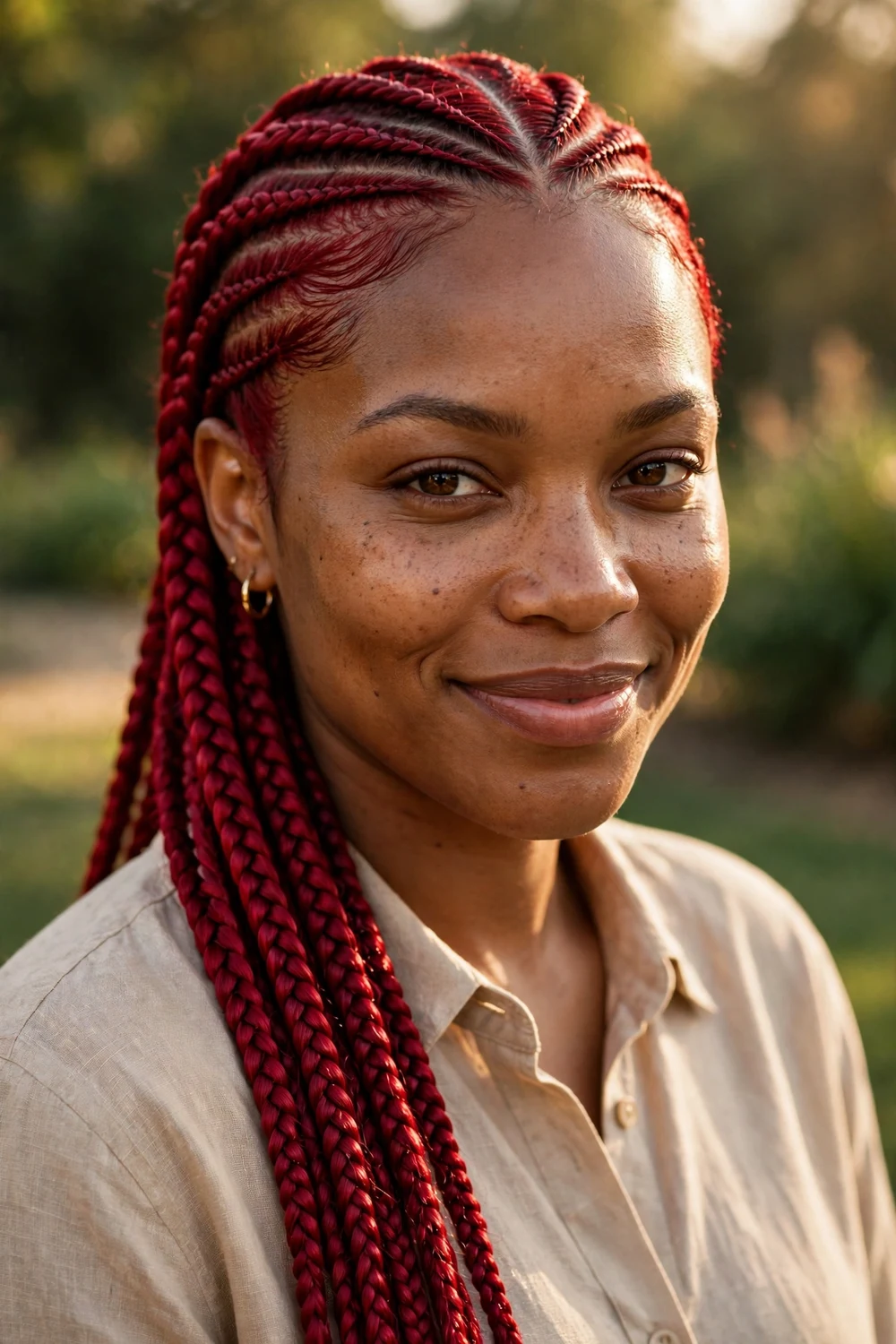
Bold color braids, deep red, blue, magenta, turn any braid style into a statement. The color lives entirely in the extension hair, so you can wear vivid shades for weeks with zero commitment to your natural hair. Deep reds and magentas flatter deep skin well; blues and purples read most dramatic.
Vivid colors can stain pillowcases in the first week, so sleep in a dark scarf until the color settles.
Try this: Keep outfits and makeup neutral and let the hair carry the look.
Difficulty: Medium · Cost: $160–$300
35. Two-Tone and Ombre Braids
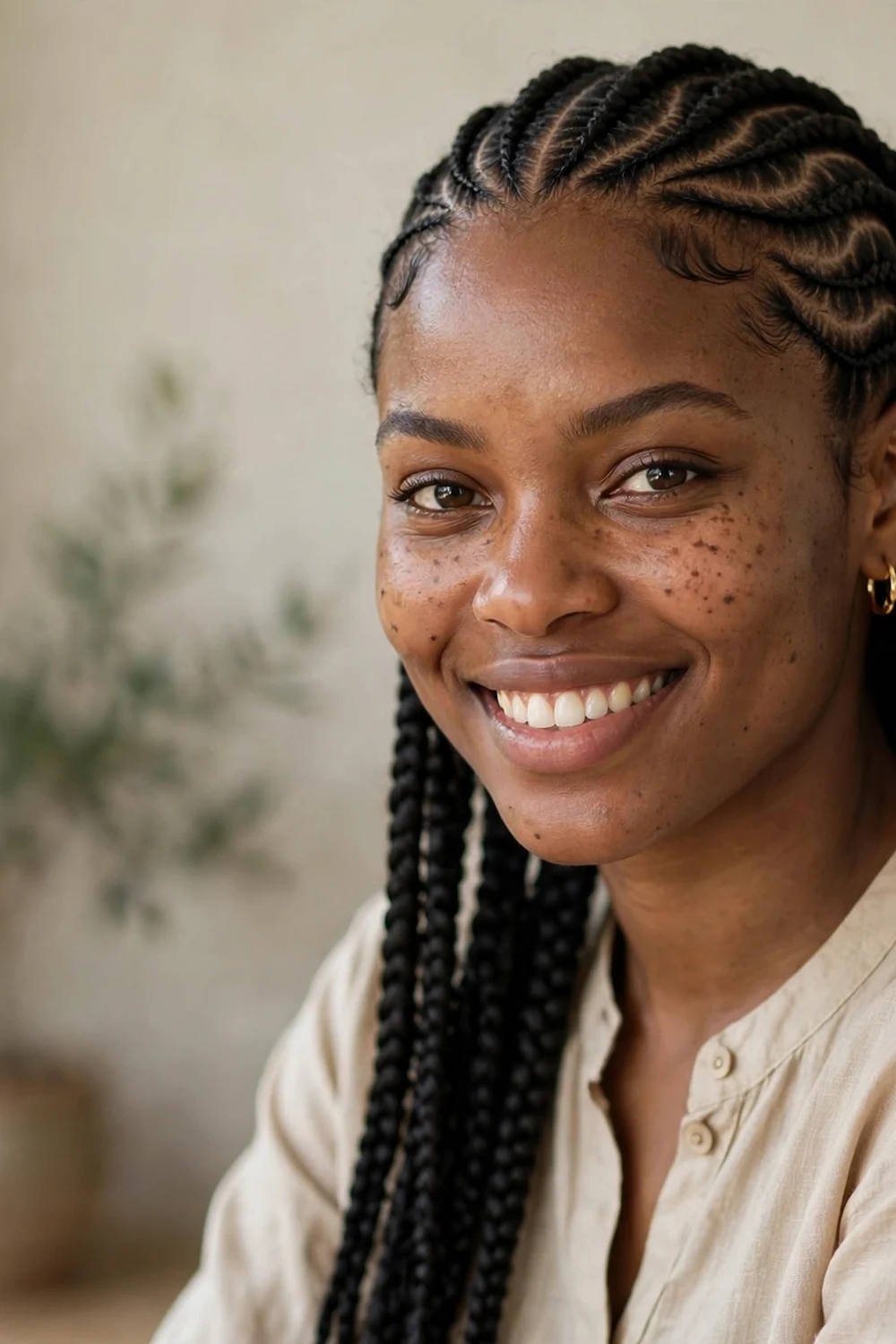
Two-tone and ombre braids graduate dark roots into honey, blonde, or copper through the lengths. The gradient keeps roots looking intentional for weeks and gives long braids natural movement and dimension. Honey tones are the 2026 favorite: warm, flattering, and low-maintenance as they grow out.
The color transition must be built into the braiding hair during install for a clean gradient.
Try this: Start the transition past the shoulders for the most expensive-looking grow-out.
Difficulty: High · Cost: $170–$300
If a fresh set ever feels painfully tight, the how to loosen tight braids guide shows safe ways to ease the tension without ruining the style.
Braid Families Compared
| Family | Install Time | Wear Time | Typical Cost | Best For |
|---|---|---|---|---|
| Cornrows | 2–5 hours | 2–6 weeks | $100–$260 | Scalp detail, sleek finishes |
| Twists | 3–6 hours | 4–8 weeks | $120–$280 | Lightweight comfort, natural texture |
| Faux Locs | 4–7 hours | 6–8 weeks | $160–$300 | Loc aesthetic, no commitment |
| Braided Updos | Minutes (on existing braids) | 1 day–1 week | Free | Events, refreshing aging sets |
How to Choose (and What to Avoid)
Choose by your priorities: cornrows for scalp detail and sleek finishes, twists for the lightest feel and most natural texture, faux locs for the loc look without commitment, and braided updos for events or refreshing an aging set. Choose feed-in techniques and comfortable tension if your edges are fragile, and choose shorter lengths in warm months when weight and heat matter most.
Avoid installs that hurt; tenderness or bumps along the hairline mean the braids are too tight, and edge tension is the leading cause of braid-related thinning. Avoid keeping wrapped styles like faux locs past eight weeks, since matted new growth damages more than the style protected. Avoid washing without fully drying, and avoid heavy styles on fine hair that cannot carry the weight.
FAQs
What are the most popular braided hairstyles in 2026?
In 2026, feed-in cornrows, stitch braids, passion and Senegalese twists, goddess braids, faux locs, and Fulani patterns lead the trends. The overall direction favors low-tension, undone finishes over tight, slicked-back styles.
How long do braided hairstyles last?
Most braided styles last four to eight weeks with proper care. Twists and faux locs reach the longer end; cornrows with intricate scalp designs show new growth sooner and usually last two to six weeks.
Are braided hairstyles protective for natural hair?
Yes, when installed without excessive tension and removed on time. Braids reduce daily manipulation and help retain length. Damage comes from tight installs, keeping styles too long, or rough takedowns, not from braiding itself.
How much do braided hairstyles cost?
Most braided styles cost $100 to $300, depending on technique, size, and length. Crochet installs are the most affordable; intricate cornrow designs and faux locs sit at the higher end.
How do I choose between twists and braids?
Choose twists for the lightest feel, the most natural texture, and sensitive scalps. Choose braids and cornrows for sharper definition, longer wear, and more intricate scalp designs. Both protect equally well when installed gently.
Final Thoughts
Braided hairstyles in 2026 prove that classic techniques still feel fresh: feed-in cornrows, soft twists, sculptural updos, and thoughtful color keep the craft moving without abandoning its roots. Match the technique to your hair, your schedule, and your edges, take the style down on time, and braids will keep doing what they have always done: protecting your hair while looking like everything.

