



A bob is a haircut that ends somewhere between the ear and the shoulder, cut in one main perimeter shape. That simple definition covers about twenty named types of bob haircuts, and each one changes the way the same length looks on your face. A blunt bob reads sharp and modern, a textured bob reads relaxed, and a French bob reads undone in a way no other cut copies.
This guide walks through each type with its defining traits, who it flatters, and what it costs at the salon. By the end, you will know exactly which name to say when you sit in the stylist’s chair.
Quick takeaways
- The 20 types of bob haircuts differ mainly in length, edge finish, layering, and parting.
- Face shape decides more than hair type: angled and asymmetrical cuts slim round faces, while blunt ends add structure to fine hair.
- Most bob cuts cost $45 to $85 and need a trim every 6 to 8 weeks to keep their shape.
- Two cuts on this list, the French and Italian bob, are defined as much by how they are styled as by how they are cut.
- If you want depth on one specific cut, several types below link out to full guides.
1. Classic Bob
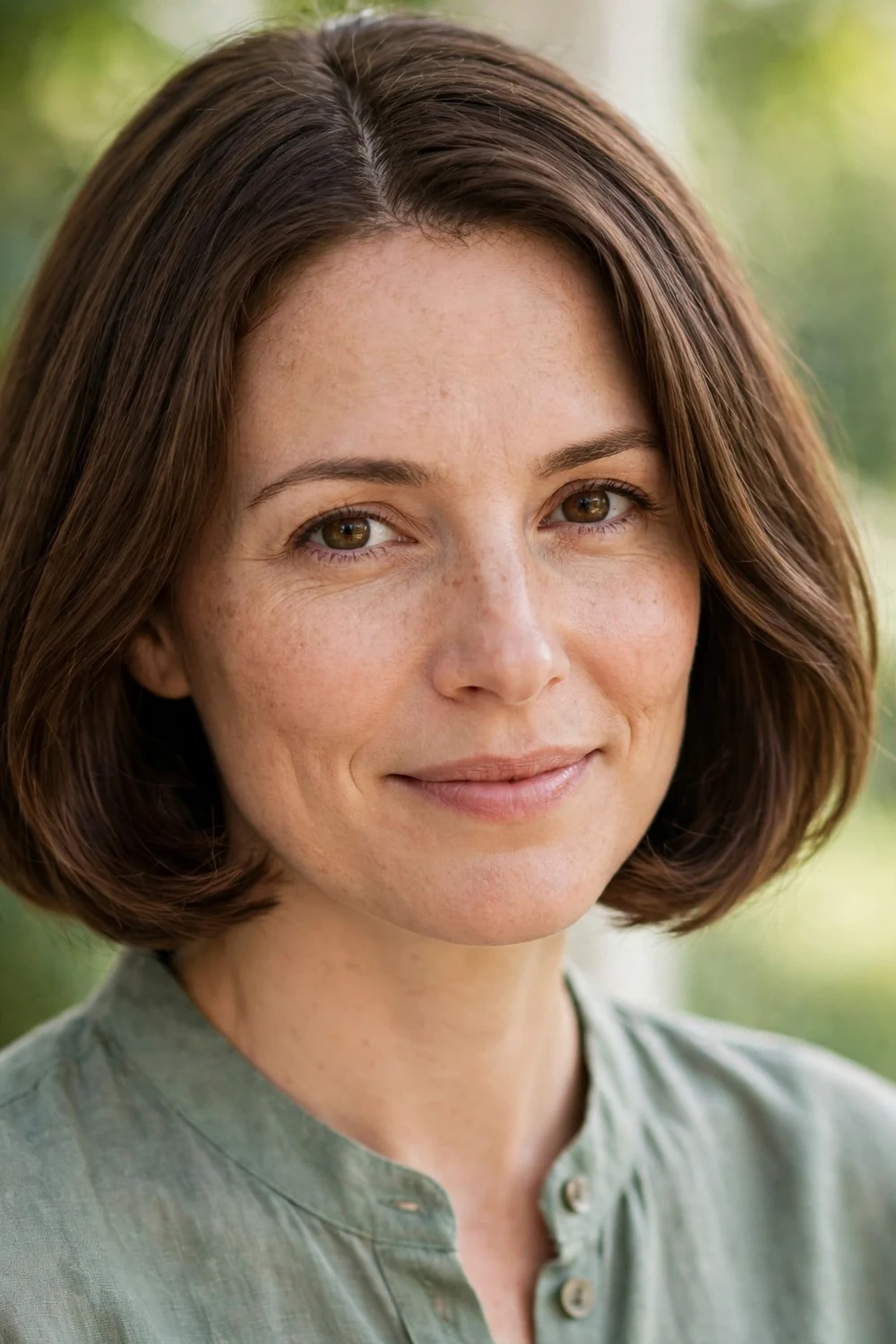
The classic bob ends at the chin with a softly rounded shape and tucked-in ends. Cut with minimal layering, the weight sits in one clean line that looks neat from every angle. It suits straight and slightly wavy hair best; heavy curls push the round shape outward. Trims every 6 weeks keep the tuck from flipping.
Try this: ask for the ends to be cut to skim the chin bone, not the jaw, so the curve lands where your face narrows.
Effort: Low · Salon cut: $45–$70
2. Blunt Bob
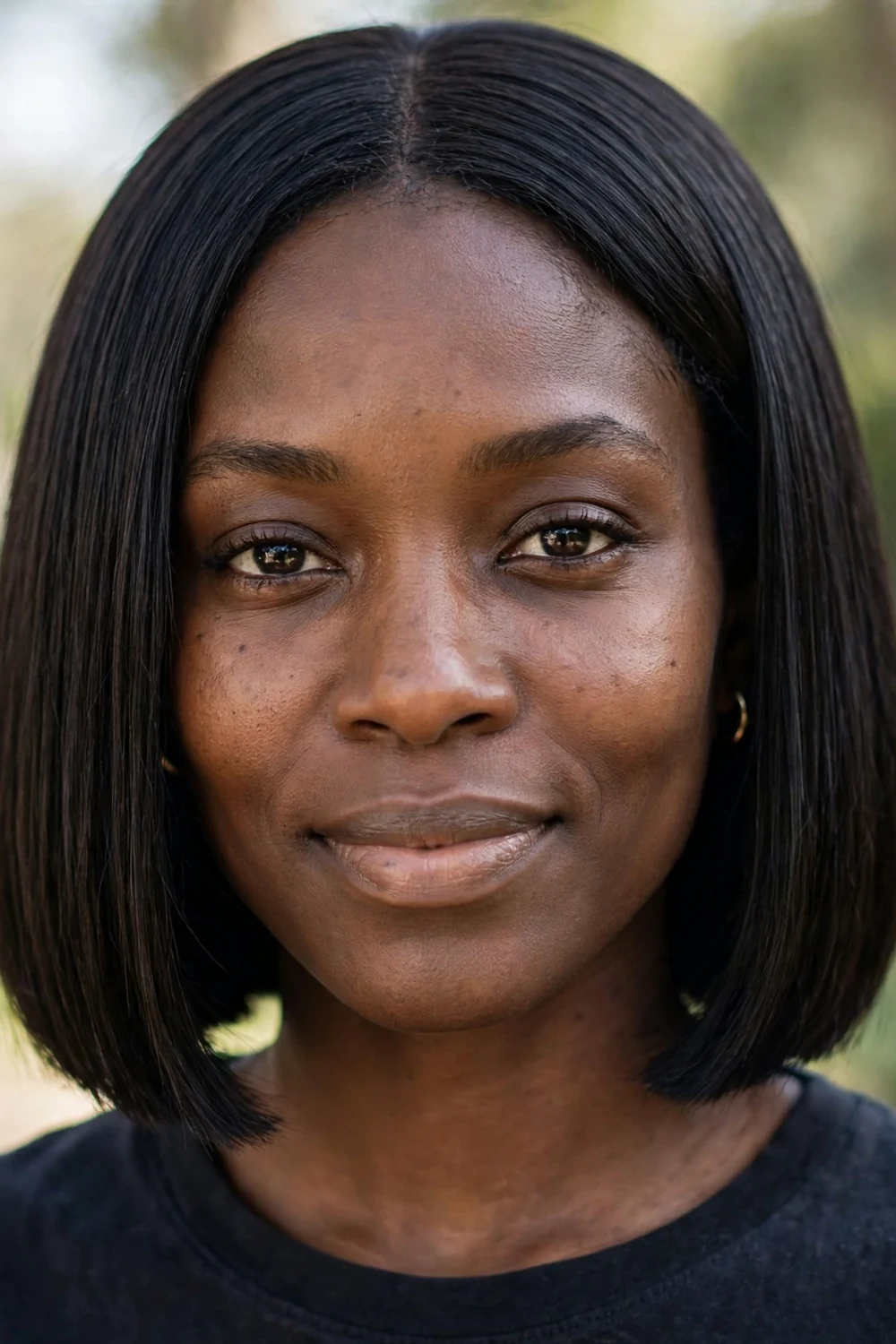
Every strand ends at the same point in a blunt bob, giving it a heavy, graphic edge. No layers makes fine hair look thicker, but the cut shows every uneven inch and needs precision scissor work. Wear it middle-parted for the strictest version or deep side-parted to soften one cheek. A flat iron pass locks the line on styling days.
Try this: request point-cutting on just the last quarter inch if the edge feels too severe against a square jaw.
Styling: Medium · Price range: $50–$80
3. Textured Bob
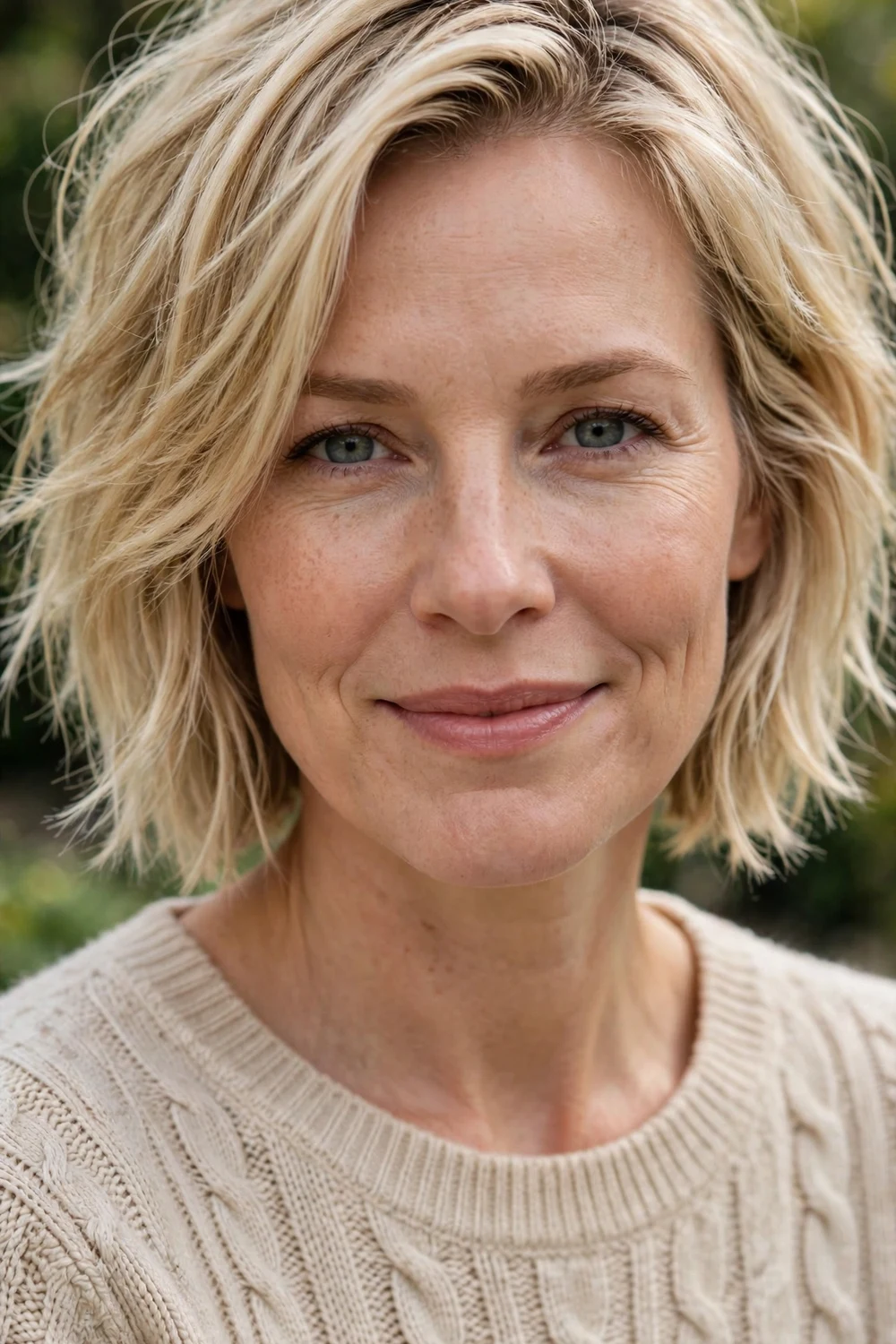
Choppy, broken-up ends separate the textured bob from its blunt cousin. A razor or point-cutting through the last two inches creates movement, making the cut forgiving as it grows out. Wavy and thick hair takes to it easily; texturizing paste scrunched into dry ends is usually the whole routine. On fine hair, keep layers shallow so ends do not turn wispy.
If your hair is on the thinner side, read our guide to bob hairstyles for fine hair before you ask for texture, since the wrong layer depth can backfire.
Try this: let it air-dry with a salt spray instead of blow-drying; the cut is designed to look better slightly undone.
Maintenance: Low · Cost: $45–$75
4. Layered Bob
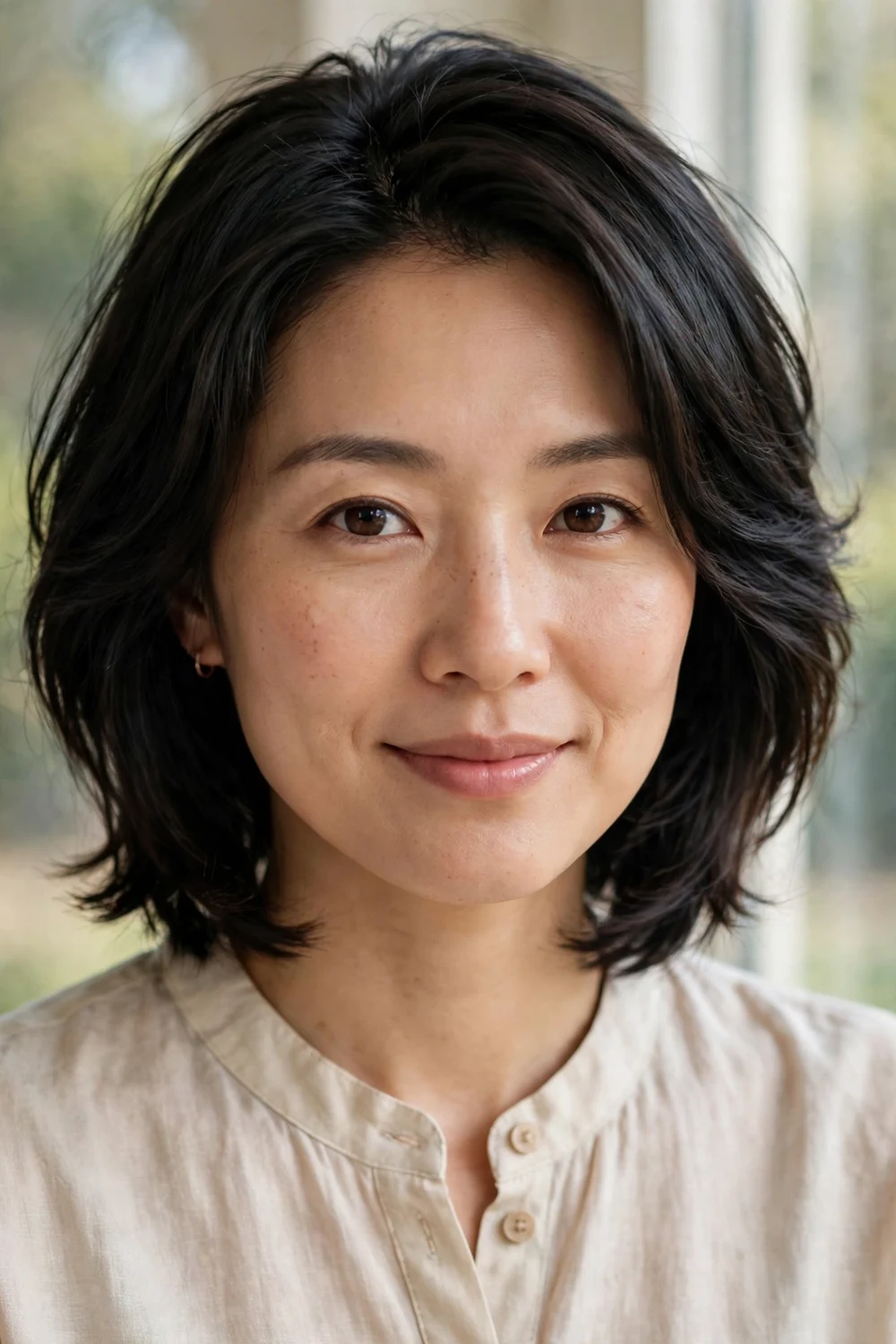
Interior stacked layers give this bob its lift at the crown and back. It works on almost every texture because the stylist controls where volume lands: higher layers for flat roots, longer ones to remove weight from thick hair. Round faces benefit when layers start below the cheekbone. Expect a 20-minute round-brush blow-dry most mornings.
Try this: ask where your shortest layer will fall before the first snip; that one number decides the whole shape.
Daily effort: Medium · Salon price: $50–$80
5. Angled Bob
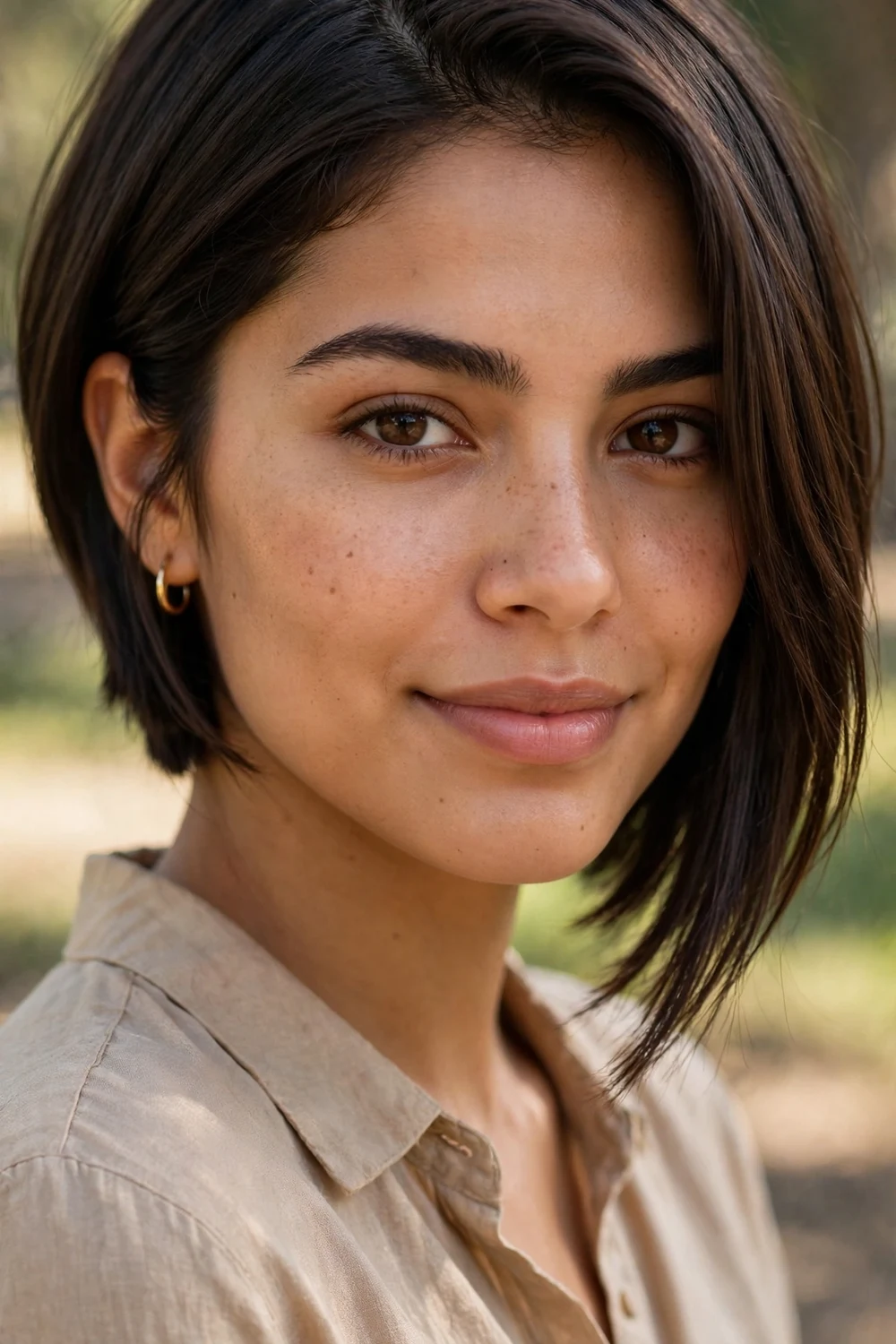
Shorter at the nape and sloping to longer front pieces, the angled bob draws a diagonal line that lengthens the neck and narrows a round face. The slope can be subtle (an inch) or dramatic (collarbone front, above-ear back). Straight hair shows the angle best, and the back needs a trim every 5 to 6 weeks or the slope softens into an ordinary bob.
Try this: bring a photo showing the exact slope you want; “angled” means different degrees to different stylists.
Upkeep: Medium-high · Cost: $55–$85
6. Inverted Bob
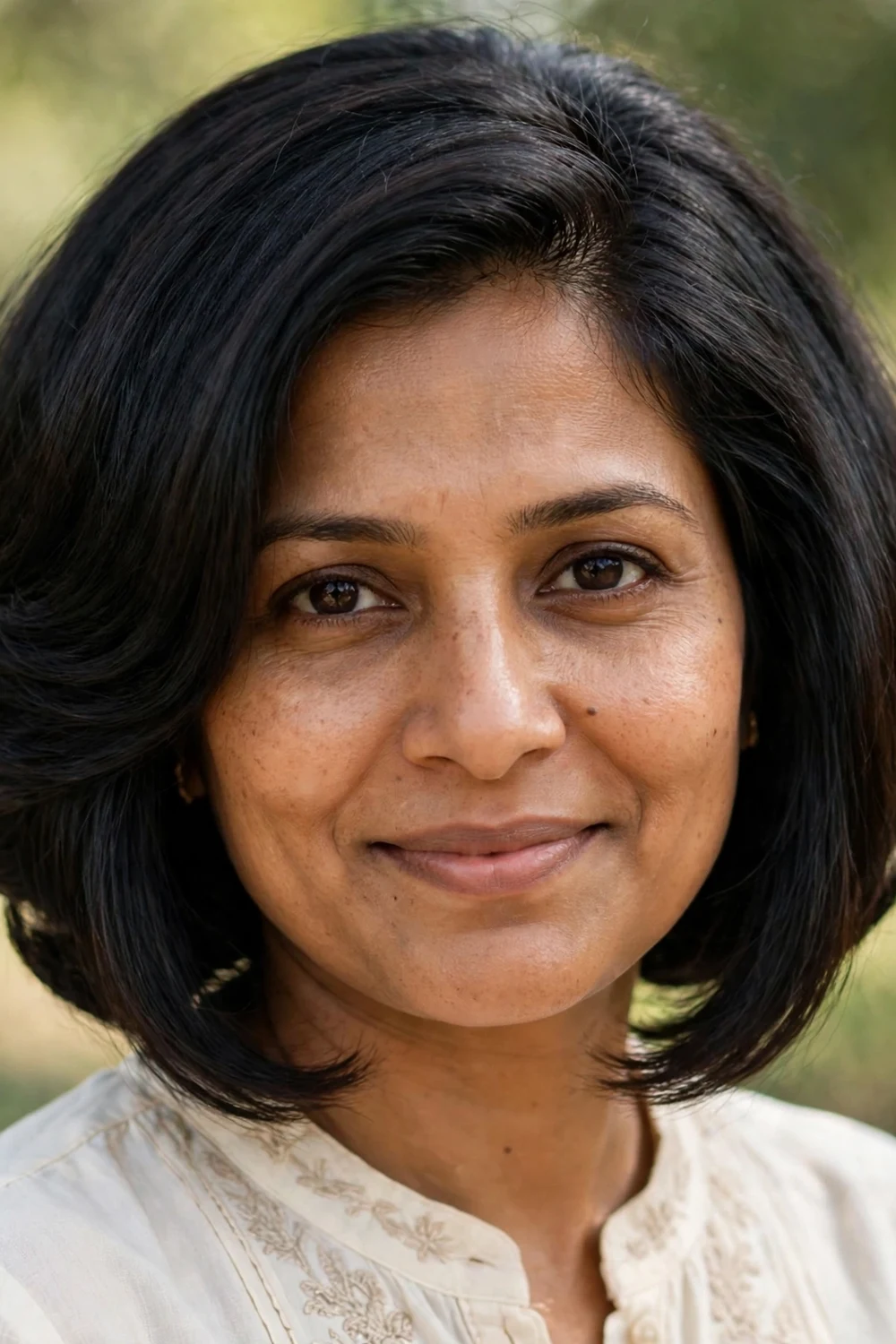
An inverted bob shares the angled bob’s shorter-back shape but adds stacked nape layers that build real volume. They curve the cut under at the back, giving fine or flat hair a rounded silhouette no one-length cut can. The trade-off is maintenance: the stack loses its curve fast. This cut genuinely needs skilled stacking technique, not just a steady hand.
See the full breakdown in inverted bob hairstyles for styling variations on this cut.
Try this: blow-dry the nape downward with a paddle brush to set the stacked curve before it cools.
Skill needed: High · Salon cut: $60–$95
7. Curly Bob
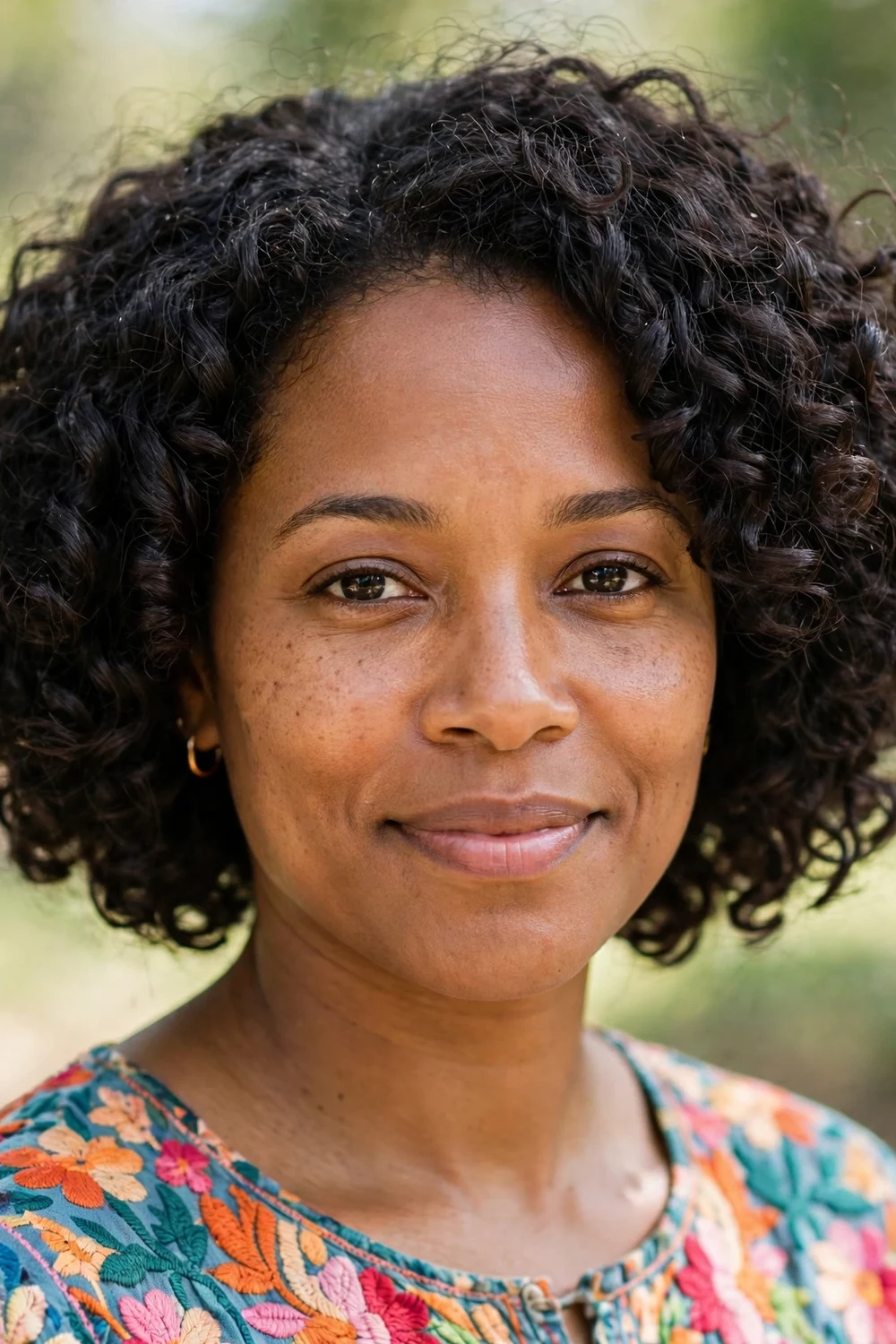
Cut dry, curl by curl, so the length accounts for shrinkage: that is the rule behind a good curly bob. It celebrates natural texture, and the rounded shape flatters oval and heart-shaped faces. Layers matter more here than in any straight bob; they stop the bottom going wide while the top stays flat. Diffuse on low heat or air-dry; a brush ruins the definition fast.
For styling ideas on textured hair, browse bob hairstyles for black women for looks built around natural curl patterns.
Try this: ask for a dry cut from a curl-trained stylist; wet cutting guesses the shrinkage and usually cuts too short.
Effort: Low · Cost: $55–$90
8. Wavy Bob

Loose, soft waves through chin-to-shoulder length define this type, over a long layered bob that gives waves room to move. Unlike the curly bob, the wavy bob is usually styled in: a 1-inch iron, alternating directions, brushed out. That makes it a styling-first type for straight or wavy hair that holds a bend. Second-day hair relaxes into exactly the casual shape the cut wants.
Try this: curl away from the face on the front sections only; curling everything the same way looks dated.
Styling time: 15 minutes · Salon cut: $45–$75
9. Short Bob
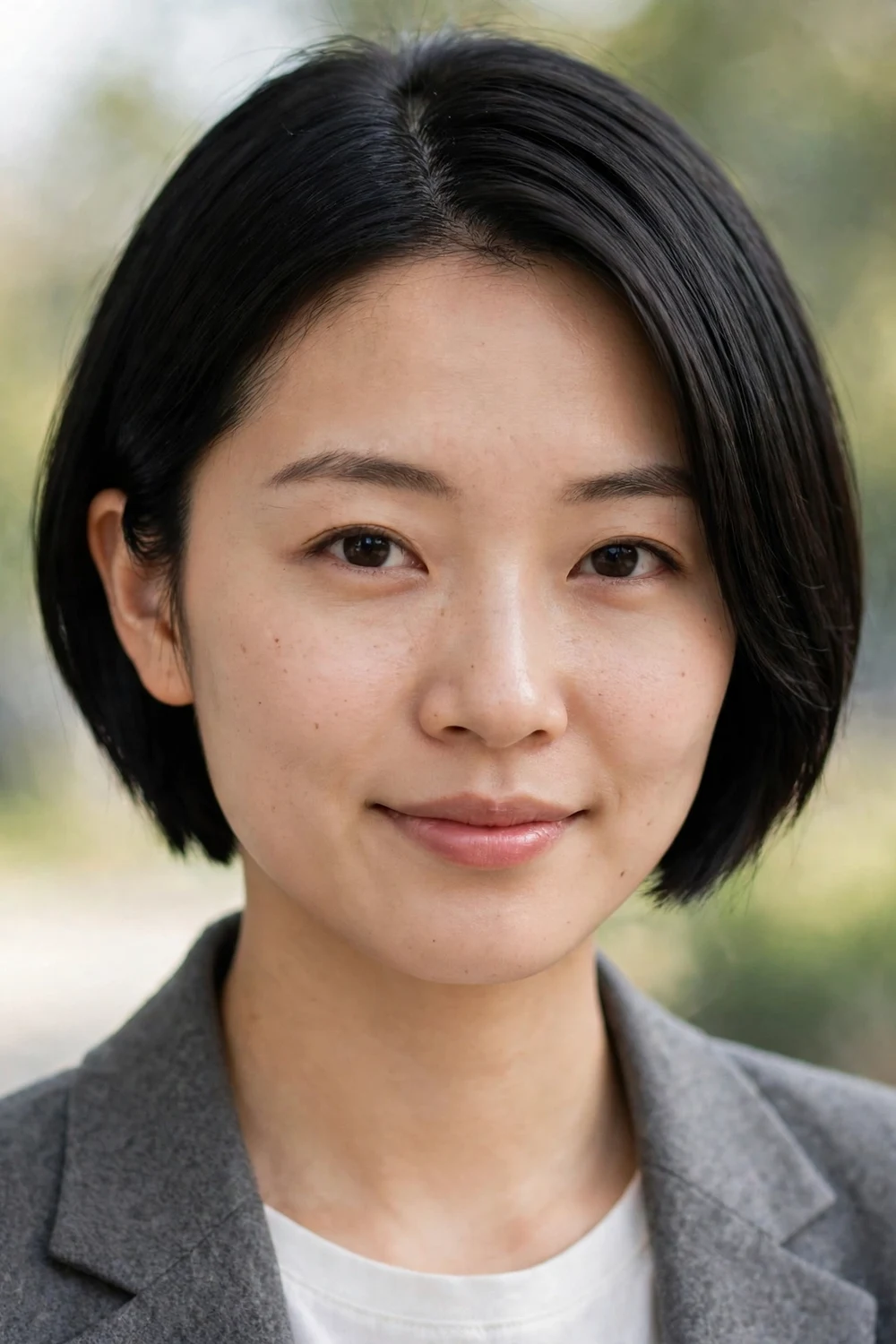
Ending between the earlobe and the top of the jaw, the short bob is the boldest length here. It fully exposes the neck and jawline, suiting oval, heart, and narrow faces while rounding out round faces. Fine hair gains density illusion as ends stack near the root. The catch is commitment: no hiding a bad cut at this length, and grow-out needs managed trims.
Try this: tuck one side behind the ear at your consultation to preview how the length frames your cheek.
Commitment: High · Salon price: $45–$70
10. Chin-Length Bob

The chin-length bob sits exactly where the name says, and that half-inch over the short bob changes the face-framing completely. It traces the jawline, sharpening soft jawlines and structuring rounder faces that cannot carry an ear-length cut. A slight nape undercut keeps the hair hugging inward. Stylists suggest this length first when someone wants a bob but fears going too short.
Try this: part it in the middle for symmetry, or push the part an inch off-center for instant volume at the crown.
Effort: Low · Cost: $45–$70
11. Long Bob (Lob)
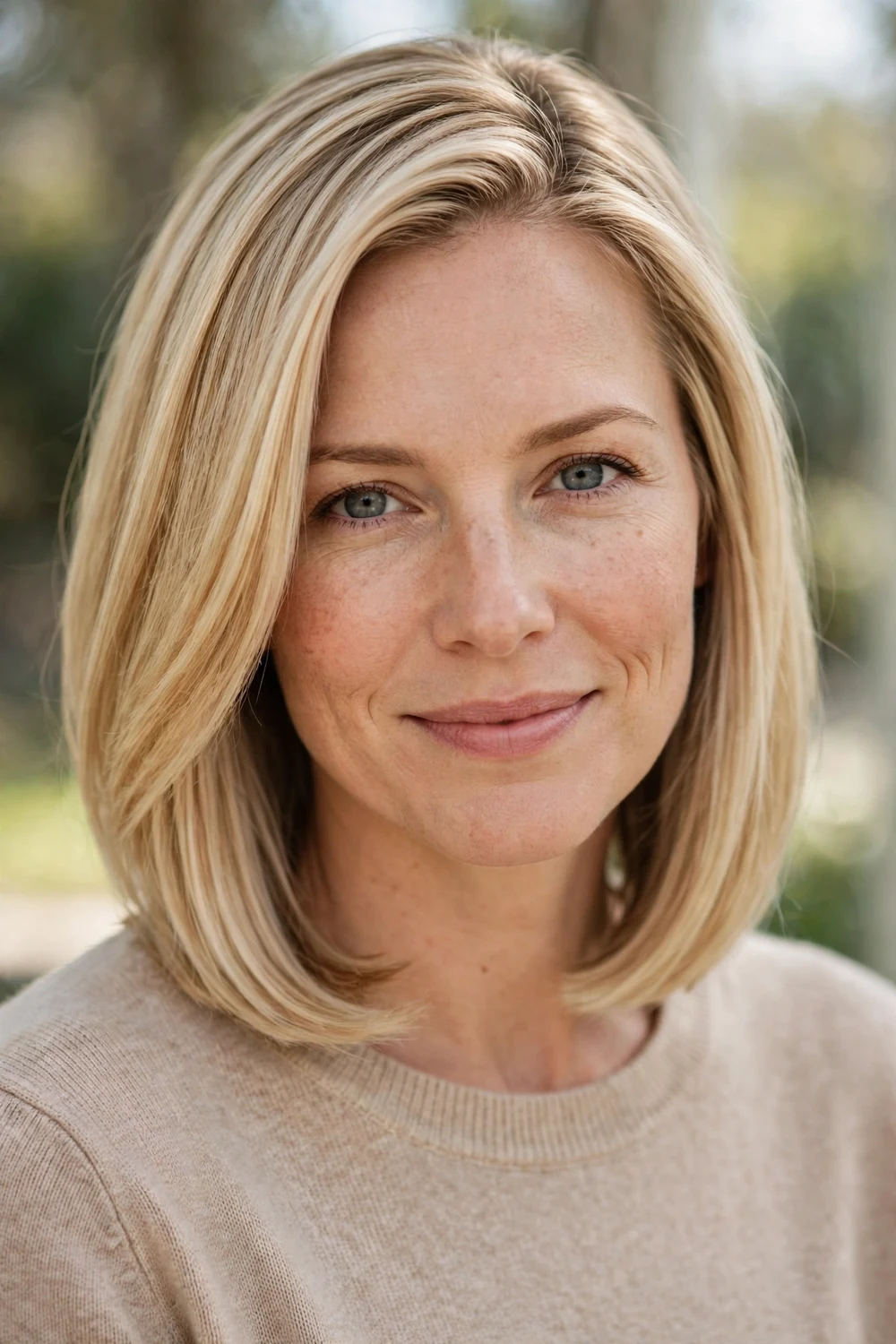
Brushing the collarbone, the lob is the longest type that still counts as a bob and the easiest entry into short hair. It keeps enough length for ponytails and loose updos, removing the main fear of cutting. Nearly every face shape and texture can wear one, and it forgives skipped trims better than any shorter type. Straight for polish, scrunched for weekends; both look intentional.
Try this: keep the back half an inch shorter than the front so the cut does not read as simply “medium hair.”
Versatility: Highest · Salon cut: $45–$75
12. Bob with Bangs
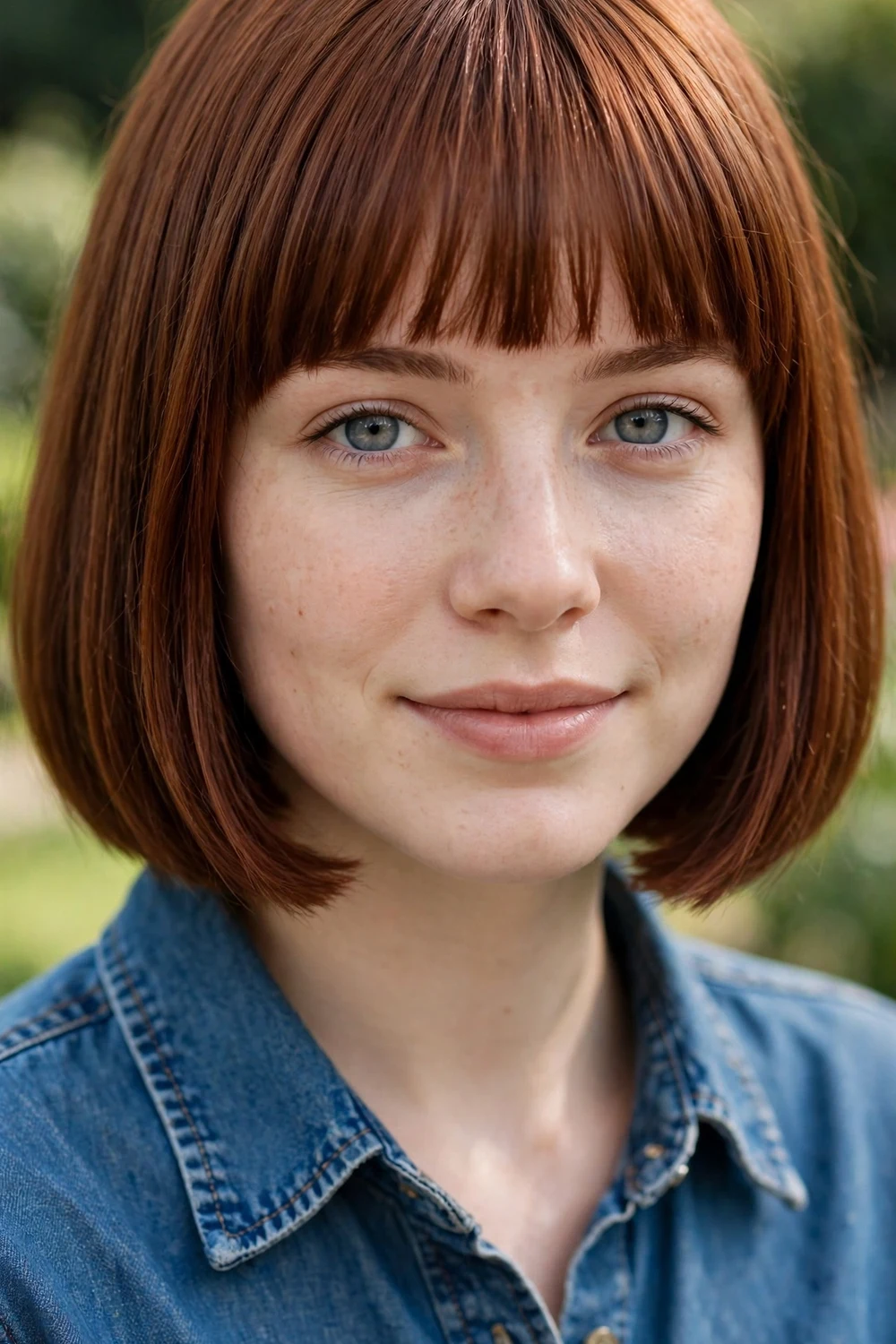
Adding bangs turns any bob here into a new type, which earns it its own entry. Full straight bangs shorten a long forehead and pull attention to the eyes; curtain or side-swept bangs soften wide foreheads without full-fringe commitment. Match bang texture to the bob: piecey with textured, sleek with blunt. Bangs need their own trim every 3 to 4 weeks.
Try this: blow-dry bangs first, right out of the shower, before they set into a cowlick pattern.
Upkeep: Medium · Cost: $50–$80 (cut + fringe)
13. Side-Swept Bob

A deep side part, 2 to 3 inches off-center, defines the side-swept bob. The sweep creates asymmetry that flatters square jawlines and adds crown volume to fine hair without layering. It works on nearly every bob length, making it more styling choice than separate cut. Mist with hairspray to hold the part; hair drifts back to its natural part by midday.
Try this: flip your part to the opposite side while the hair is damp for volume that lasts past noon.
Effort: Minimal · Salon cut: $45–$70
14. French Bob

Chin-length, slightly flippy ends, usually bangs, worn with visible texture: the French bob is a styling attitude as much as a cut. It sits at the jaw with a blunt-ish edge, but the piecey finish separates it from the classic bob. Fine to medium wavy hair gets there fastest; pin-straight hair needs texturizing product. The charm is imperfection, so over-styling ruins it.
Try this: sleep with the ends loosely tucked behind your ears for the lived-in flip by morning.
Styling: Low · Price range: $50–$80
15. Italian Bob
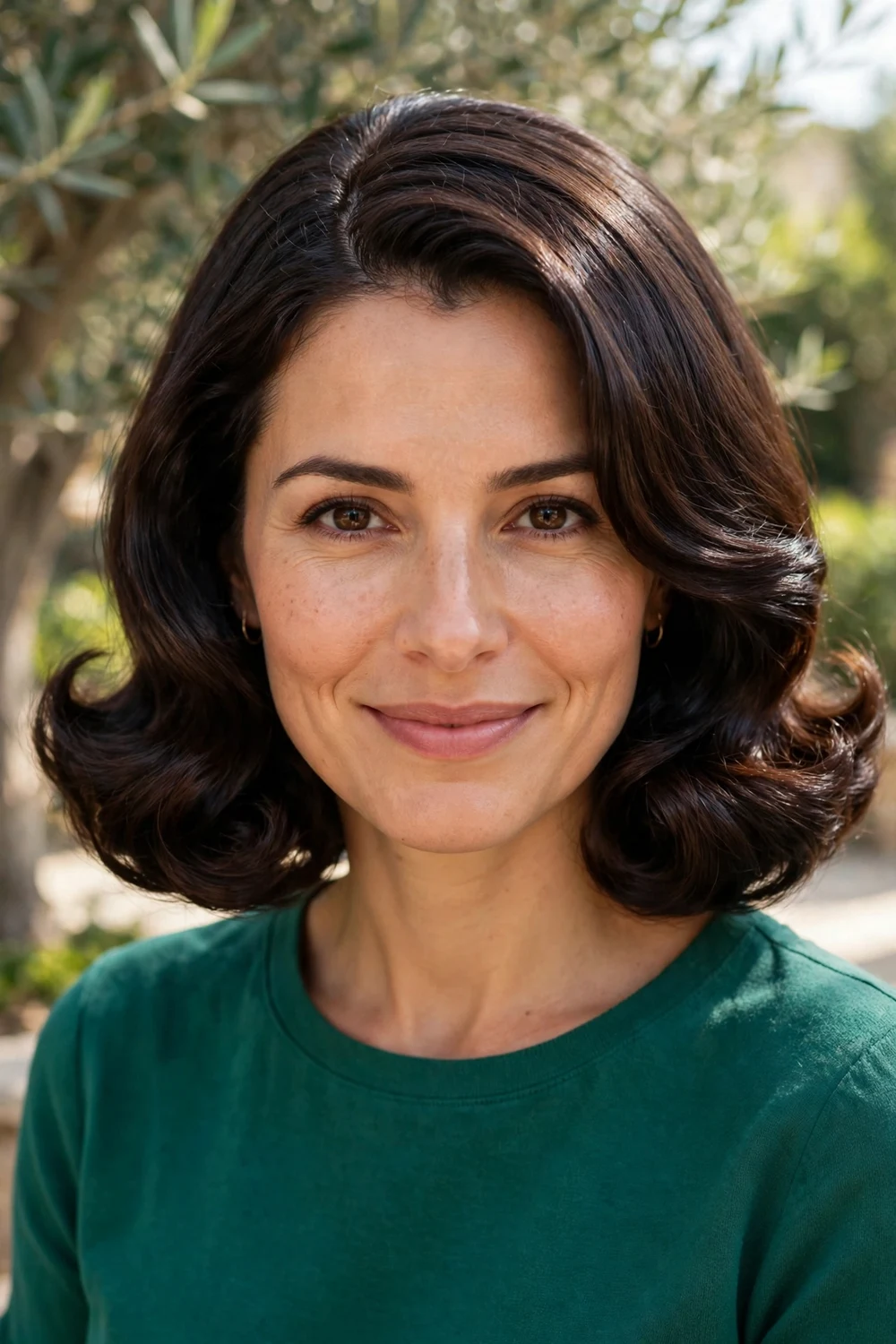
The Italian bob runs a touch longer than the French version, grazing chin or neck, with full bouncy ends instead of piecey texture. Think rounded blowout volume rather than air-dried ease. It flatters thicker hair the French bob’s wispy ends cannot support, and pairs well with curtain bangs or a deep side part. A round brush and dryer are non-negotiable here.
Try this: dry with your head flipped forward first to build the root volume the style depends on.
Daily effort: Medium · Cost: $55–$85
16. Micro Bob
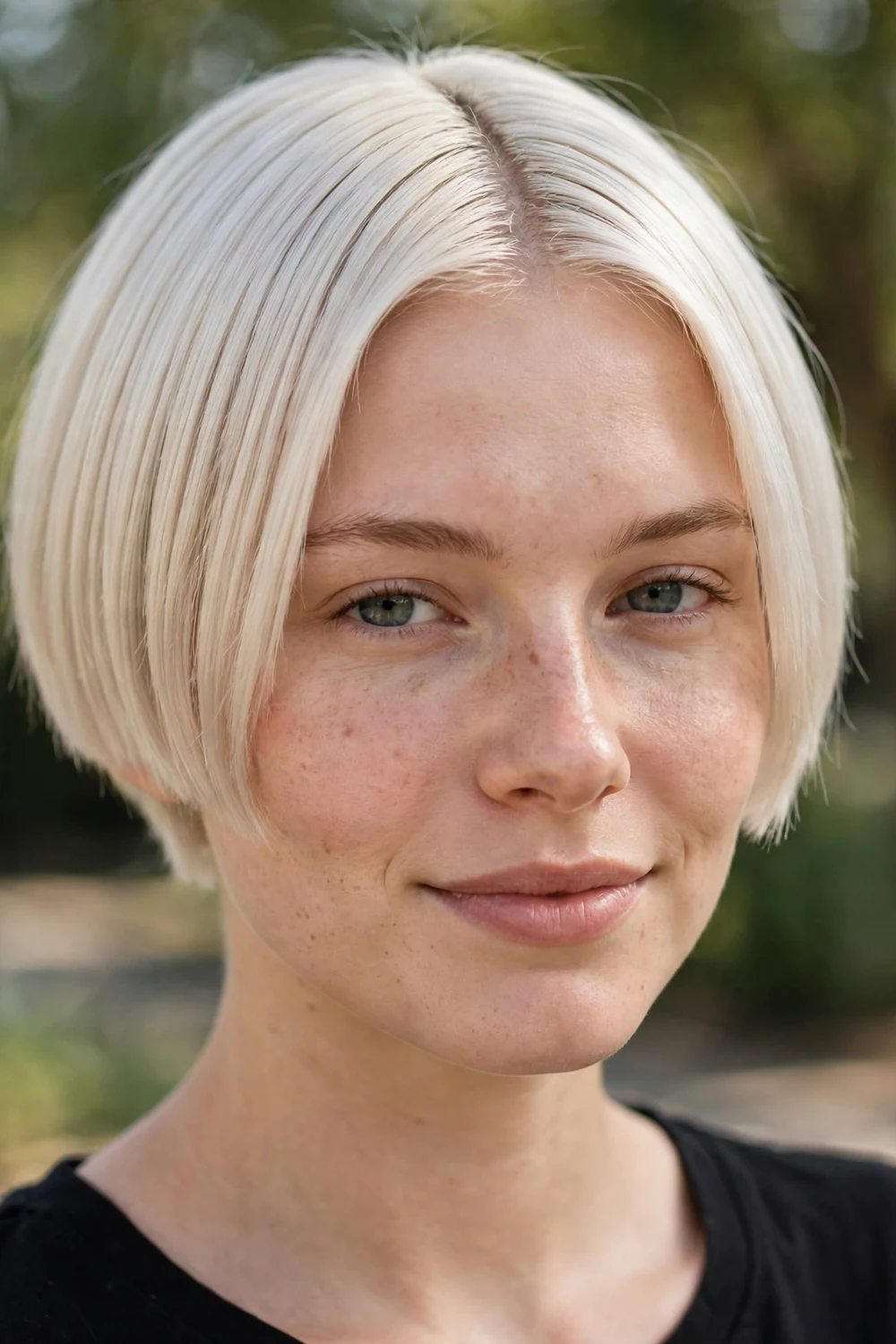
The micro bob stops above the jawline, sometimes at the cheekbone: the shortest wearable bob before pixie territory. It spotlights cheekbones and eyes, and suits straight hair best since the short length shows every wave pattern. Styling takes under 10 minutes, but trims come every 4 to 5 weeks. It reads intentional only when edges stay crisp.
Try this: book the next trim before leaving the salon; the grow-out window on this length is short.
Commitment: High · Salon price: $45–$70
17. Bixie
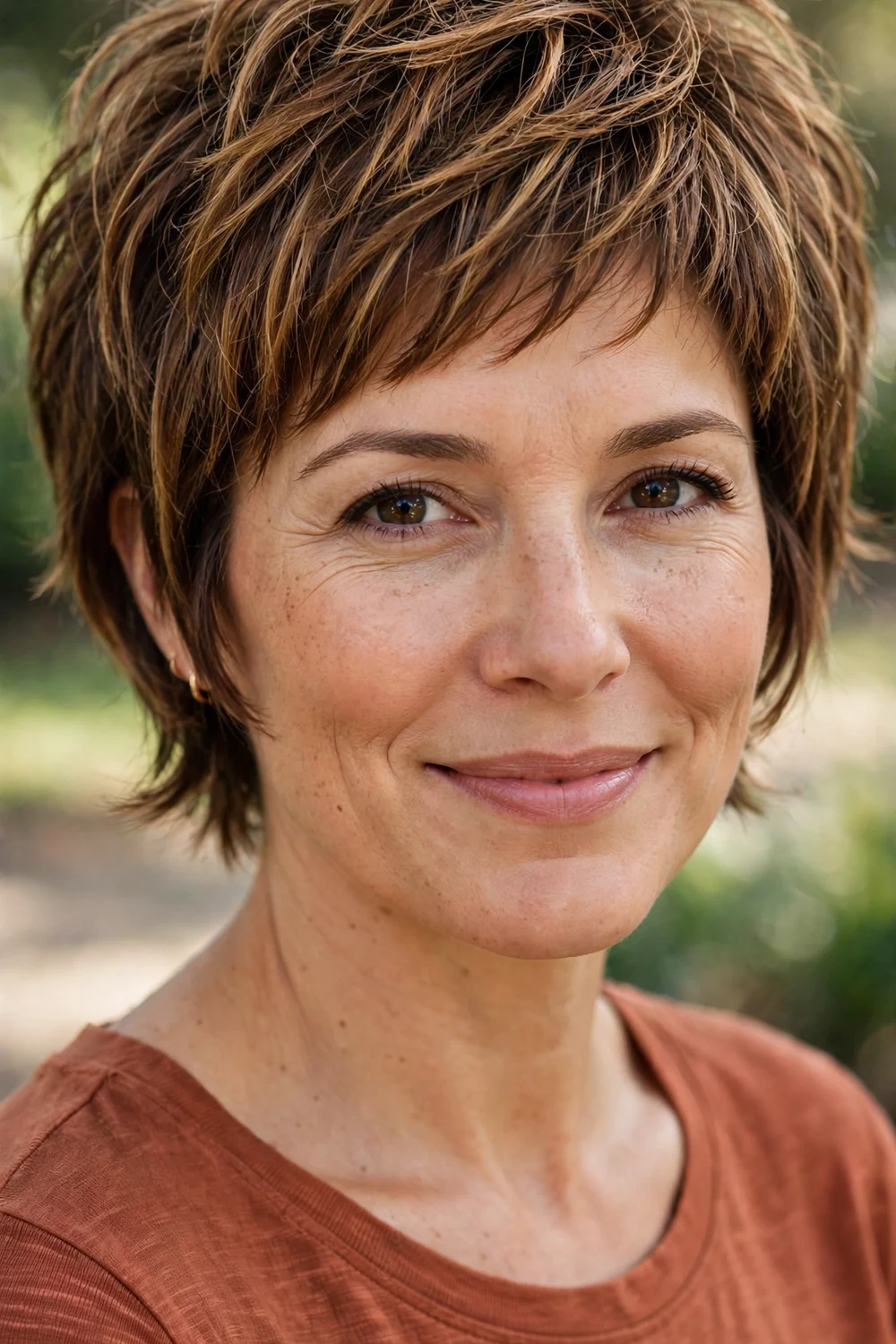
Half bob, half pixie: the bixie keeps bob length at the perimeter with pixie-short crown layers. The result has a bob’s coverage with a pixie’s lightness, suiting thick hair that feels heavy one-length. Style with texture products over heat; matte clay through dry hair builds the separated pieces. Grow-out beats a pixie because the bob perimeter holds its shape.
Try this: ask for the crown layers to stay long enough to tuck; too-short layers at the crown turn it into a true pixie.
Effort: Medium · Cost: $50–$80
18. Cowgirl Bob
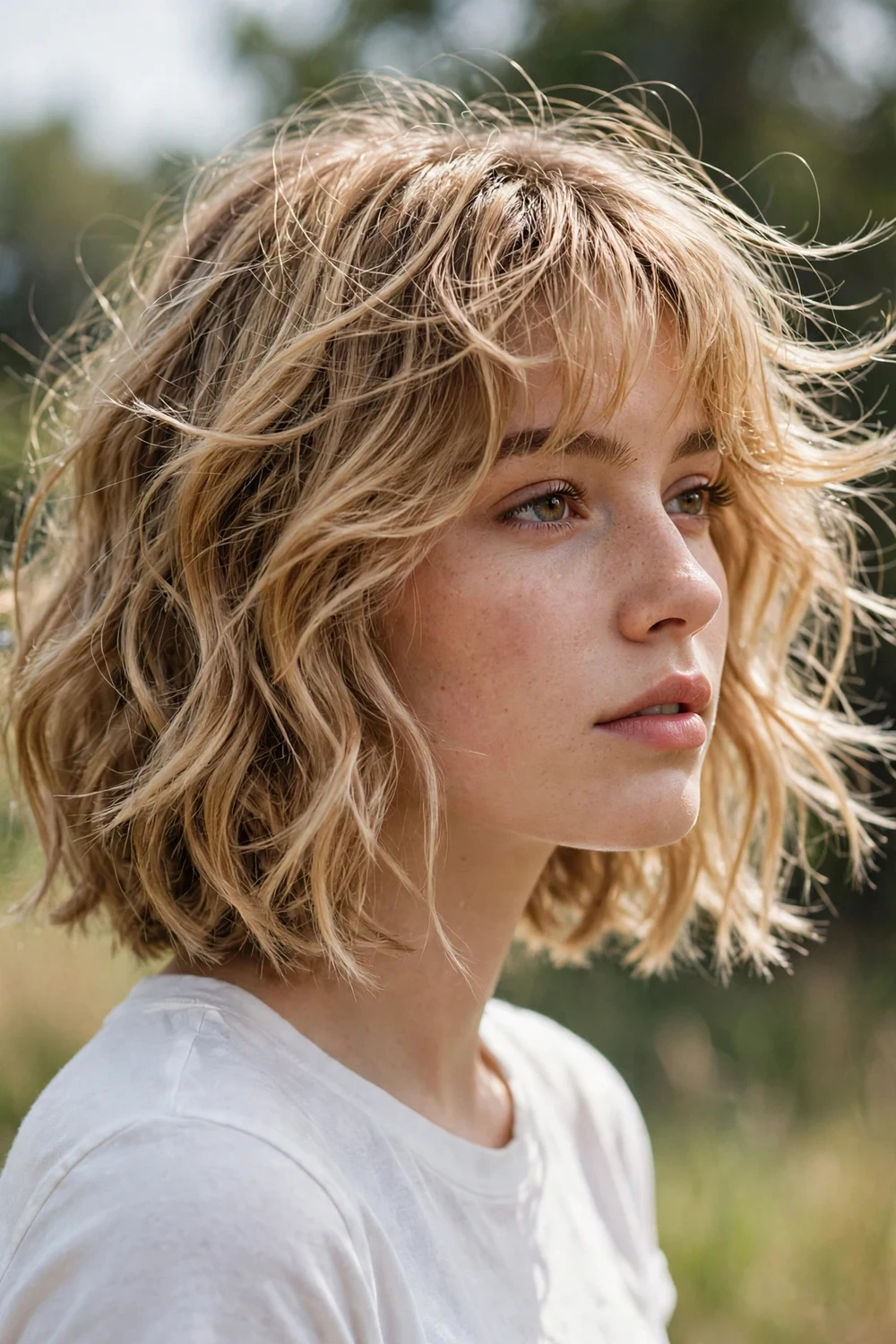
A shaggier, piecier take on the French bob, the cowgirl falls around the chin with wispy bangs and broken end layers. Layers flip outward instead of tucking under, giving a windswept finish for wavy and thick hair. It needs the least precision of any bob here; the cut improves as ends get choppier. One rule: keep bangs wispy, since heavy bangs turn the look blunt.
For more heavily textured short cuts, see choppy bob hairstyles for related styling ideas.
Try this: twist small sections with texturizing spray while air-drying to set the piecy separation.
Maintenance: Low · Salon cut: $45–$75
19. Princess Bob

Sleek, glossy, precisely finished: the princess bob is the polished opposite of the cowgirl cut. Hair is blow-dried smooth with ends curved under in one fluid line, finished with shine serum. It suits straight, healthy hair that holds a glassy finish; frizz-prone textures fight it by midday. An occasion bob more than everyday, since the finish takes 20 minutes with a round brush.
Try this: finish with a cool shot from the dryer; the cold air seals the cuticle and holds the shine longer.
Styling: High · Price range: $50–$80
20. K-Pop Bob

Clean lines, silky-straight finish, often a slightly longer front: the K-pop bob is shaped by Korean pop styling. The cut is usually blunt or one-length, but the signature is the finish: flat-ironed sleek, middle-parted, tucked or flipped ends. It demands healthy straight hair and regular trims; splits show immediately on glass. Use heat protectant before every pass; this cut asks for heat more than any other here.
Try this: iron in small sections with one slow pass each; repeated passes cause the breakage that ruins the sleek look.
Upkeep: High · Salon cut: $50–$80
Types of bob haircuts compared
| Bob type | Defining feature | Best hair texture | Trim cycle |
|---|---|---|---|
| Classic | Chin-length, tucked-under ends | Straight to wavy | 6 weeks |
| Blunt | One-length sharp edge | Straight, fine | 6–8 weeks |
| Textured | Choppy, broken ends | Wavy, thick | 8 weeks |
| Layered | Interior lift layers | All textures | 6–8 weeks |
| Angled | Sloped, shorter in back | Straight | 5–6 weeks |
| Inverted | Stacked nape volume | Fine to medium | 5–6 weeks |
| French | Chin length, piecey finish | Fine to medium, wavy | 6–8 weeks |
| Italian | Fuller ends, blowout finish | Medium to thick | 6–8 weeks |
| Micro | Above the jawline | Straight | 4–5 weeks |
| Lob | Collarbone length | All textures | 8–10 weeks |
How to choose the right bob type
Start with your face shape, not the photo you saved. Round faces gain the most from angled, asymmetrical, or side-swept types that break up width; long faces do better with bangs or chin-length curves that add horizontal balance. Then match the cut to your texture honestly: a blunt bob on very curly hair means daily straightening, and a French bob on pin-straight hair means daily texturizing. Pick the type whose natural finish is closest to what your hair already does.
Think about your styling tolerance too. If you will not touch a round brush, rule out the Italian, princess, and inverted types and lean toward textured, wavy, or cowgirl cuts that improve with air-drying. And whenever hot tools are part of the routine, apply a heat protectant before blow-drying or ironing; bob lengths show heat damage fast because the ends are always on display. Finally, budget for trims: the shorter and more precise the type, the sooner it needs the chair again.
Want the full picture of what the bob family offers? Start with our bob hairstyles hub and work outward from there.
Frequently asked questions
How many types of bob haircuts are there?
There is no official count, but stylists commonly name around 20 distinct types, including the classic, blunt, textured, layered, angled, inverted, French, Italian, and micro bob. Many more exist as combinations, such as a textured French bob, which is why the list keeps growing.
What is the difference between a French bob and an Italian bob?
The French bob is chin-length with piecey, air-dried texture and often bangs, while the Italian bob is slightly longer with fuller, bouncy ends and a blowout finish. French suits fine to medium hair; Italian suits medium to thick hair that can hold volume.
Which bob type is best for thin hair?
The blunt bob and the inverted bob add the most visual thickness to fine hair. Blunt ends make the perimeter look denser, and stacked layers at the nape build volume that fine hair cannot get from a one-length cut.
Which bob type needs the least maintenance?
The lob and the textured bob are the most forgiving. Their shapes survive 8 or more weeks of growth, and both look good air-dried, so you can skip daily heat styling.
Can I get a bob if I have curly hair?
Yes. The curly bob is cut dry to account for shrinkage, and layered shapes keep the silhouette balanced. Ask for a stylist experienced with curls, since a wet cut on curly hair often ends up shorter than planned once it dries.
Final thoughts
Every bob type on this list starts from the same short perimeter and ends somewhere different in attitude. Match the type to your face shape, your texture, and the styling time you will actually spend, and the name on the salon menu stops being confusing. When in doubt, the lob is the safest first step; you can always go shorter next time.
