


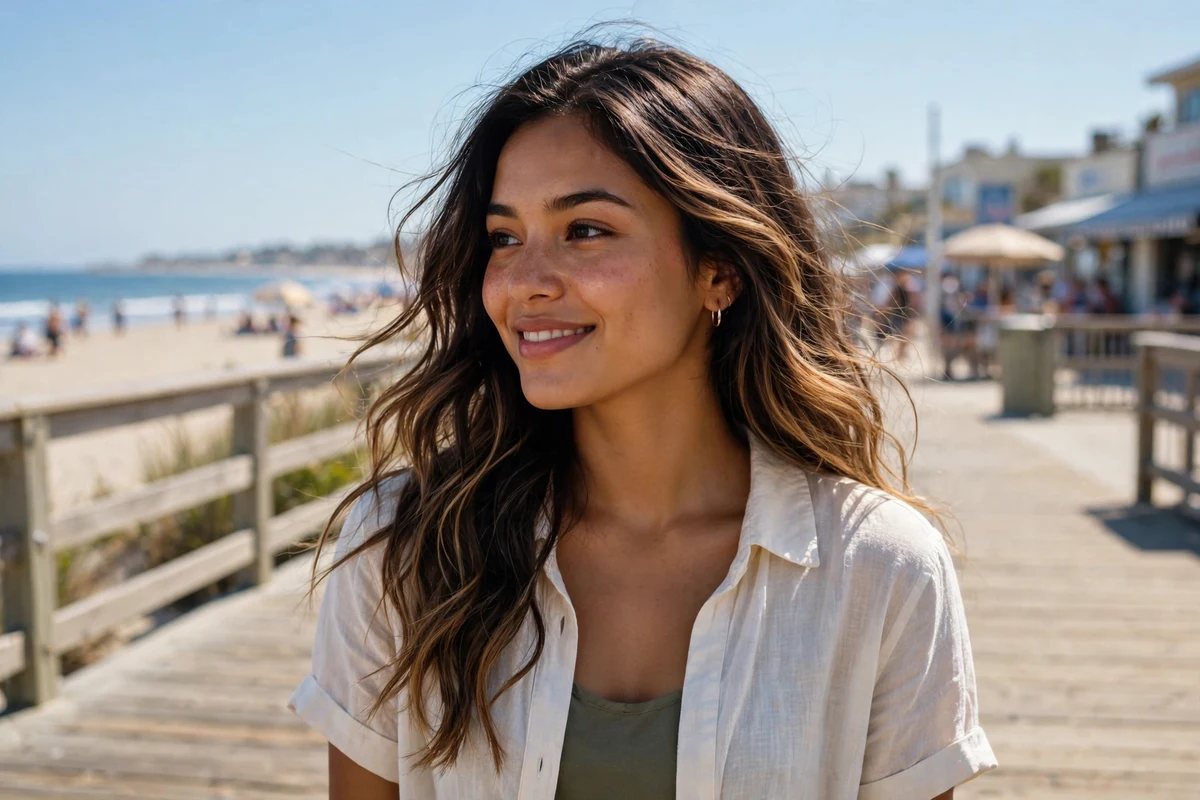
Balayage and traditional highlights both lighten your hair, but they do it in completely different ways. Balayage is hand-painted onto the surface of the hair starting a couple of inches from the roots, which creates a soft, blended, sun-kissed finish. Traditional highlights use foils to lighten precise strands from root to tip, which gives brighter, more defined lightness with a clearer root line. The short version: choose balayage for a natural, low-maintenance look, and choose highlights for brighter, more consistent lightness.
Quick takeaways
- Balayage is painted on freehand from mid-shaft down; traditional highlights are foiled from the roots up.
- Balayage blends seamlessly and grows out softly; highlights give more contrast and a more visible root line.
- Balayage touch-ups run every 3 to 6 months; highlights usually need refreshing every 8 to 12 weeks.
- Highlights lift brighter because foils generate more heat; balayage often needs a stronger lightener to compensate.
- Can’t decide? Foilyage combines both: the sweeping balayage placement with foil for extra lift.
What is balayage?
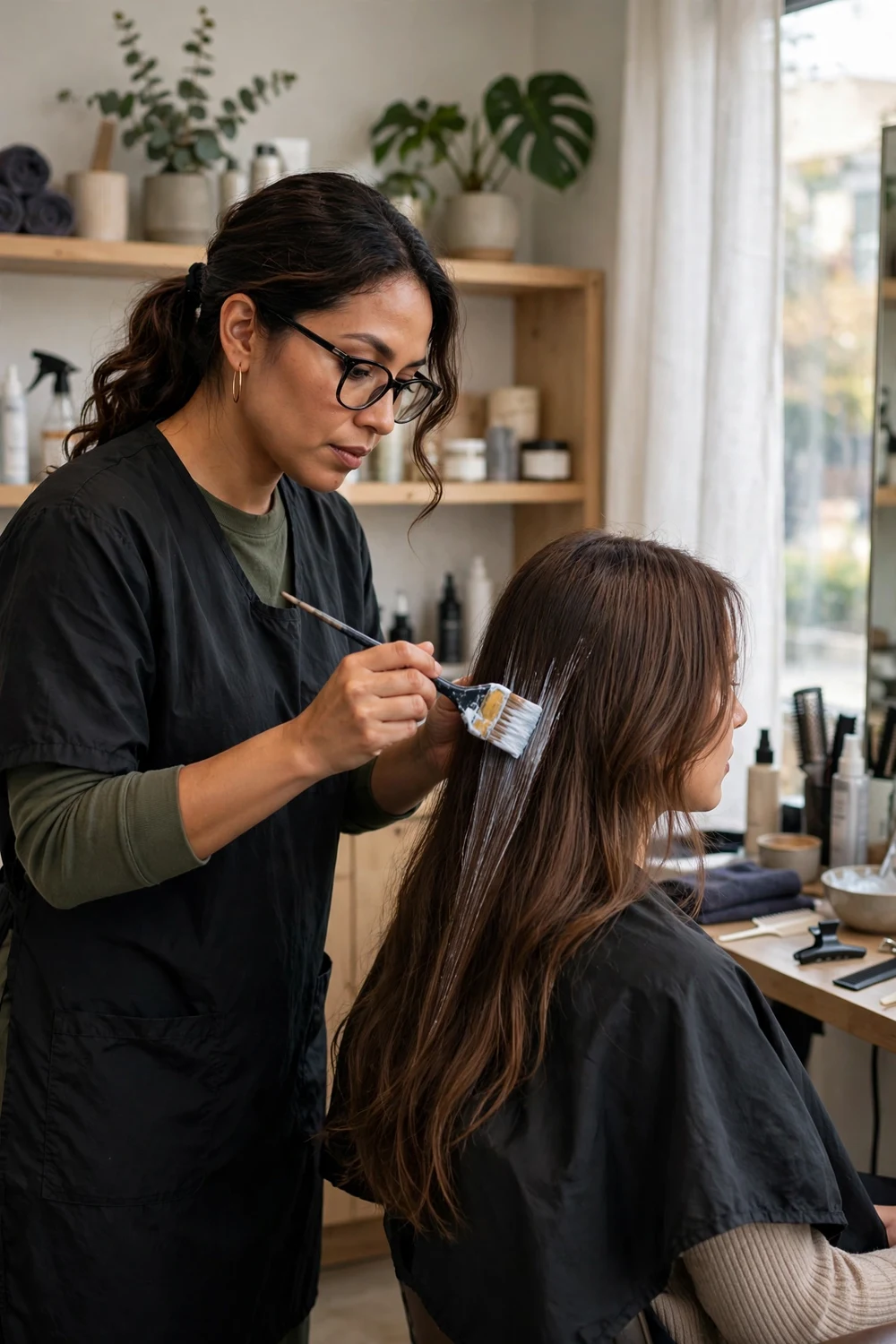
Balayage is a French word meaning to sweep, and the technique matches the name. The colorist paints lightener onto the surface of selected strands with a brush, freehand, usually starting a couple of inches below the roots and getting denser toward the ends. No foils are required, though some colorists use plastic wrap or cotton between sections to keep the paint from transferring.
Because the color starts away from the roots and fades in gradually, there is no harsh line where the color begins. For seasonal takes on this technique, see winter blonde balayage for examples of how the painted finish looks in cooler tones.
What are traditional highlights?
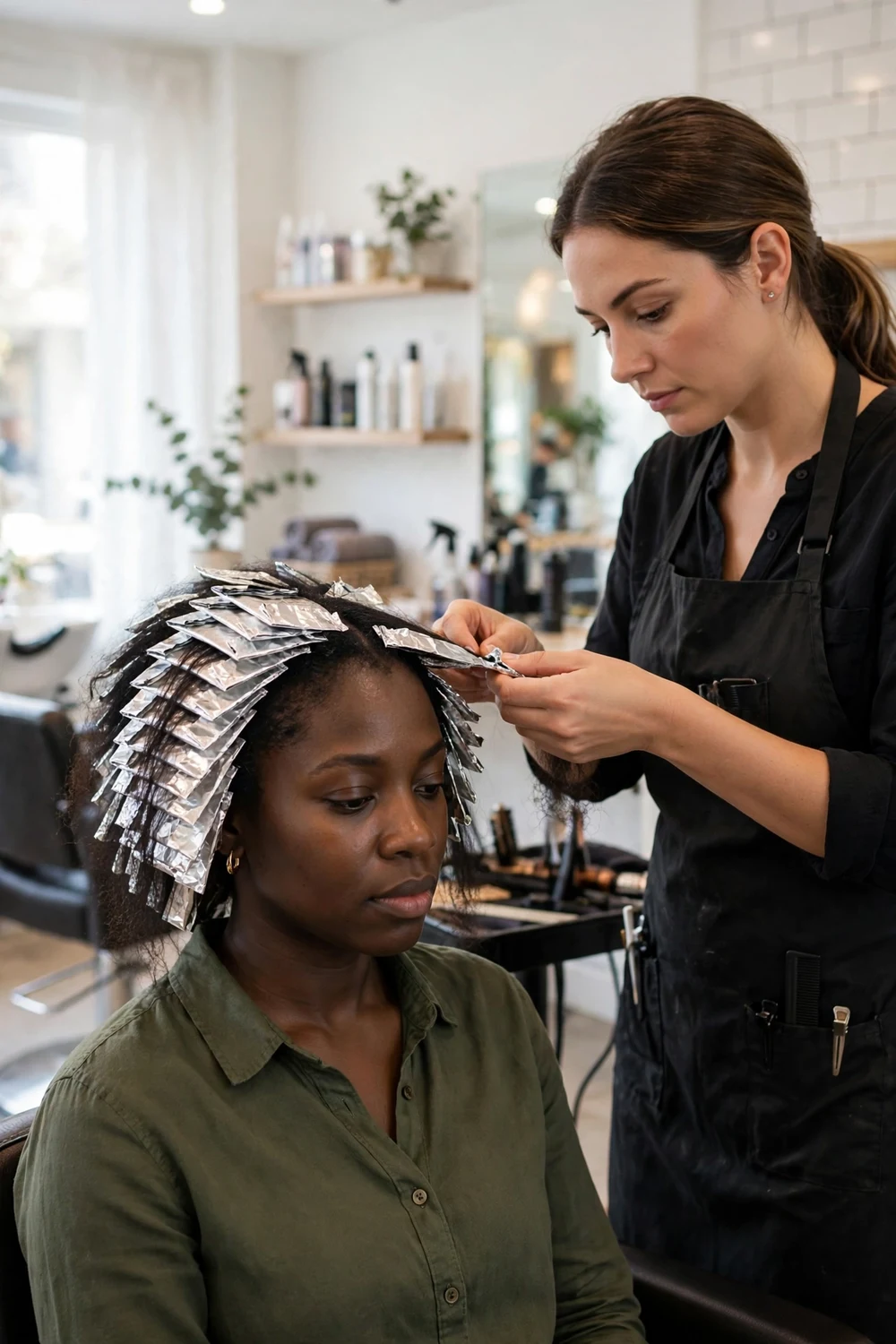
Traditional highlights are the classic foil method. The stylist weaves out fine sections of hair, paints them with lightener, and wraps each section in aluminum foil. The foil traps heat from the scalp, which helps the lightener lift the hair brighter and more evenly. Highlights are usually placed from the roots to the ends in a structured pattern.
The result is defined, consistent lightness with clear contrast between the lightened strands and your base color. For examples on brown hair, browse winter highlights for brown hair to see how foil brightness reads on darker bases.
Balayage vs highlights: the side-by-side comparison
| Factor | Balayage | Traditional highlights |
|---|---|---|
| Technique | Hand-painted, freehand, no foils required | Woven sections wrapped in aluminum foils |
| Placement | Mid-shaft to ends, a few inches from roots | Root to tip, structured pattern |
| Result | Soft, blended, sun-kissed | Bright, defined, higher contrast |
| Root line | Diffused; grows out without a hard line | Visible line of demarcation as it grows |
| Lightening power | Gentler lift; may need stronger lightener | Stronger lift from foil heat |
| Appointment time | Up to 3 hours | 2 to 4 hours |
| Maintenance | Every 3 to 6 months | Every 8 to 12 weeks |
| Long-term cost | Lower; fewer visits per year | Higher; more frequent visits |
| Best for | Natural look, low upkeep, soft dimension | Maximum brightness, bold change, even coverage |
The look: blended vs defined
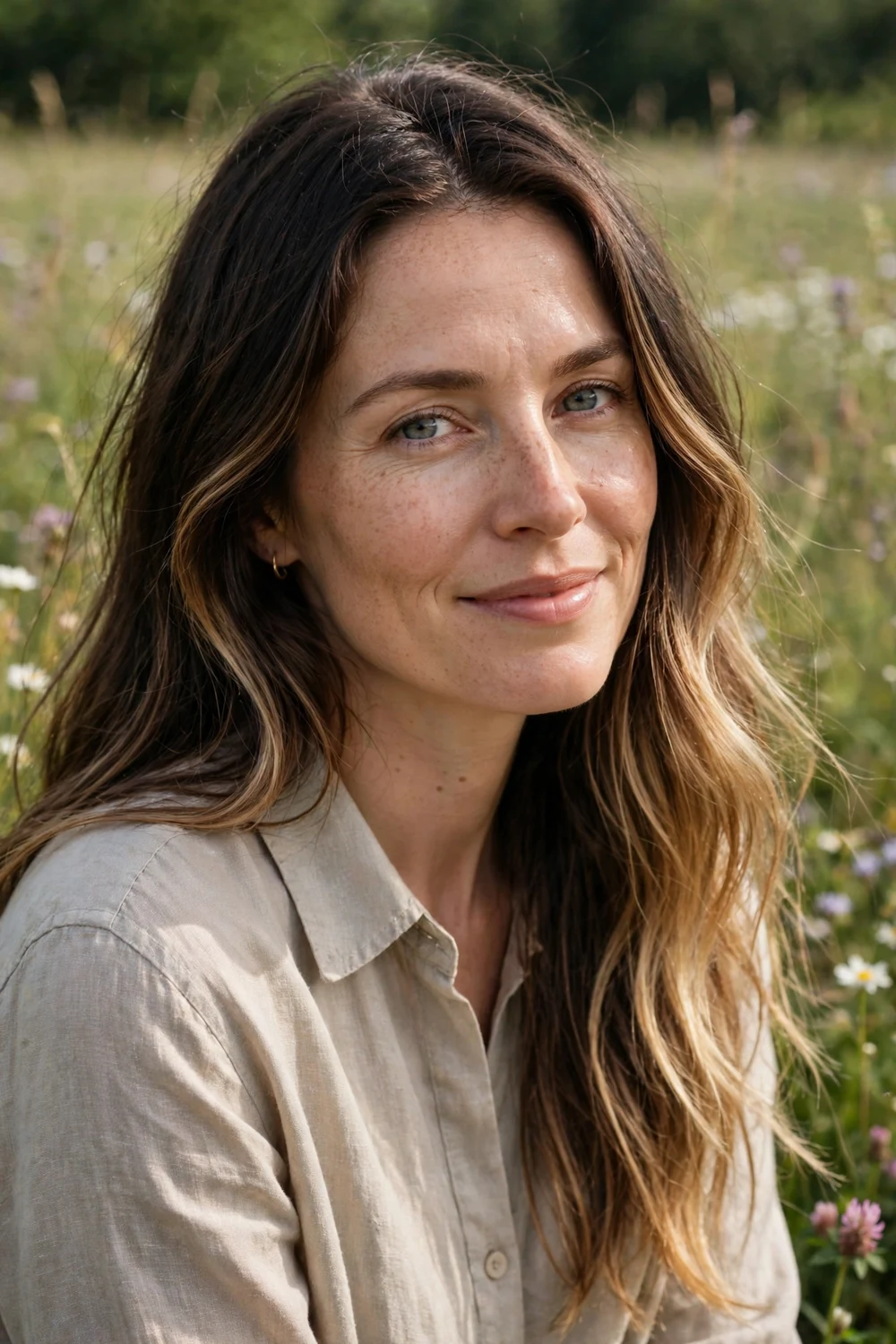
Balayage mimics how hair lightens in the sun: brighter at the ends, softer near the roots, with no obvious starting point. It reads as dimension rather than color, which is why it suits people who want their hair to look naturally lighter rather than obviously colored.
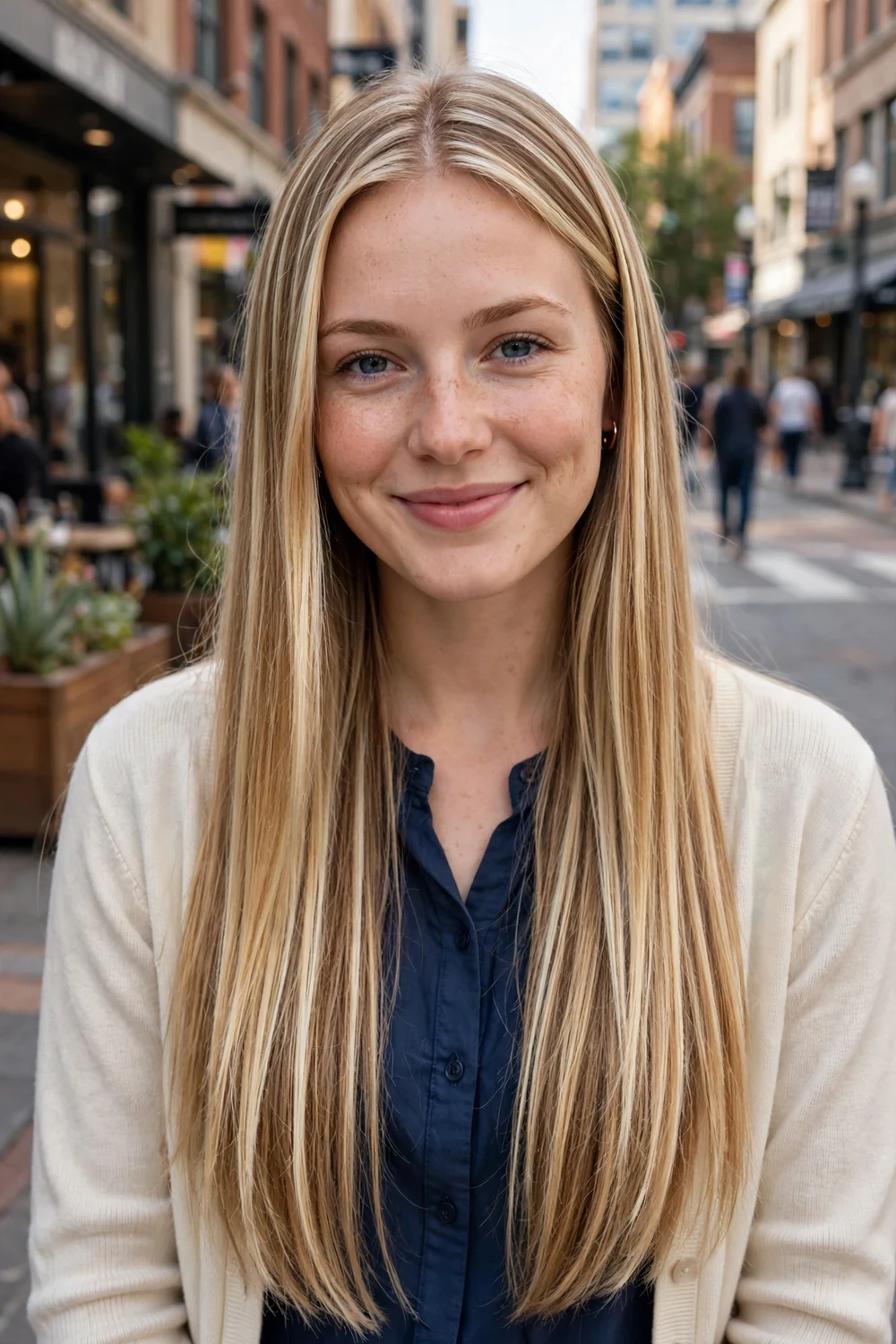
Foil highlights create distinct ribbons of light against the base color. The contrast is the point: this is the method that takes a brunette convincingly blonde or adds unmistakable brightness around the face. If your goal is visible, consistent lightness, foils get you there faster.
Maintenance and grow-out

This is balayage’s biggest advantage. Because the color starts below the roots, new growth blends into the existing color instead of forming a line. Most people go three to six months between balayage appointments, often with just a toner or gloss refresh in between to keep the tone clean.
Highlights grow out with a visible root line, since the lightened strands start right at the scalp. That contrast means most people return every eight to twelve weeks. The closer the color sits to the root, the more maintenance it demands; that rule holds across every coloring technique.
Cost over time
A single balayage appointment can cost as much as or more than highlights, because the freehand painting is skilled, time-consuming work. But the math flips over a year: two balayage visits versus four or five highlight touch-ups usually makes balayage the cheaper option long-term. Ask your salon for the per-visit price and multiply by your realistic visit frequency before comparing.
For a low-maintenance brunette example of where this pricing pays off, look at dark caramel balayage, a shade that stays rich between infrequent appointments.
Which suits your hair type?
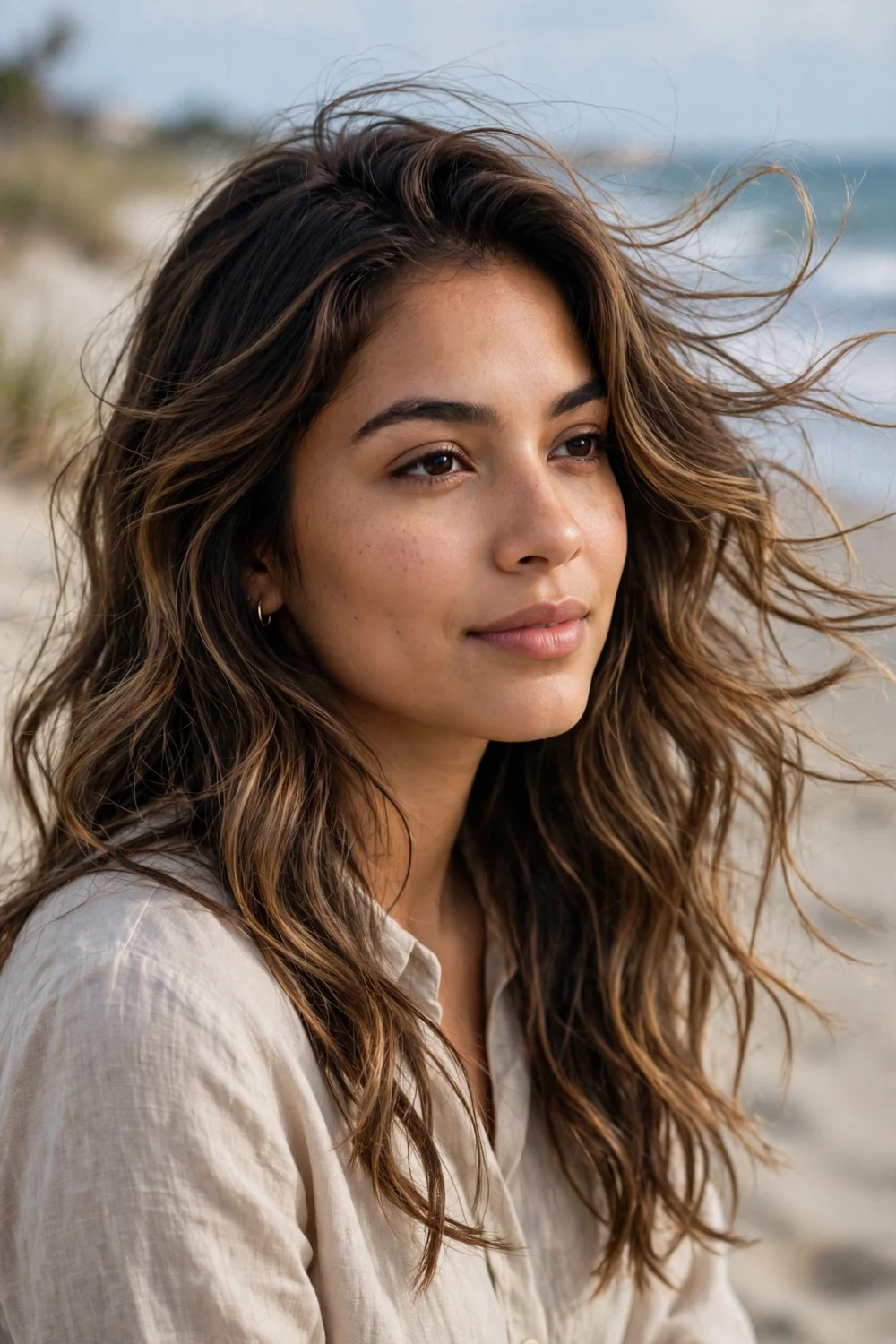
Balayage shines on layered and wavy hair, where movement catches the painted pieces and shows off the blend. The technique also adapts well to curls, since the colorist can place the paint exactly where each curl will catch the light.

Foil highlights suit sleek, straight styles where precision shows, and they are the better pick when you need serious lift, like going from dark brown to blonde. Foils also give more predictable results on previously colored hair, where the colorist needs controlled, even processing.
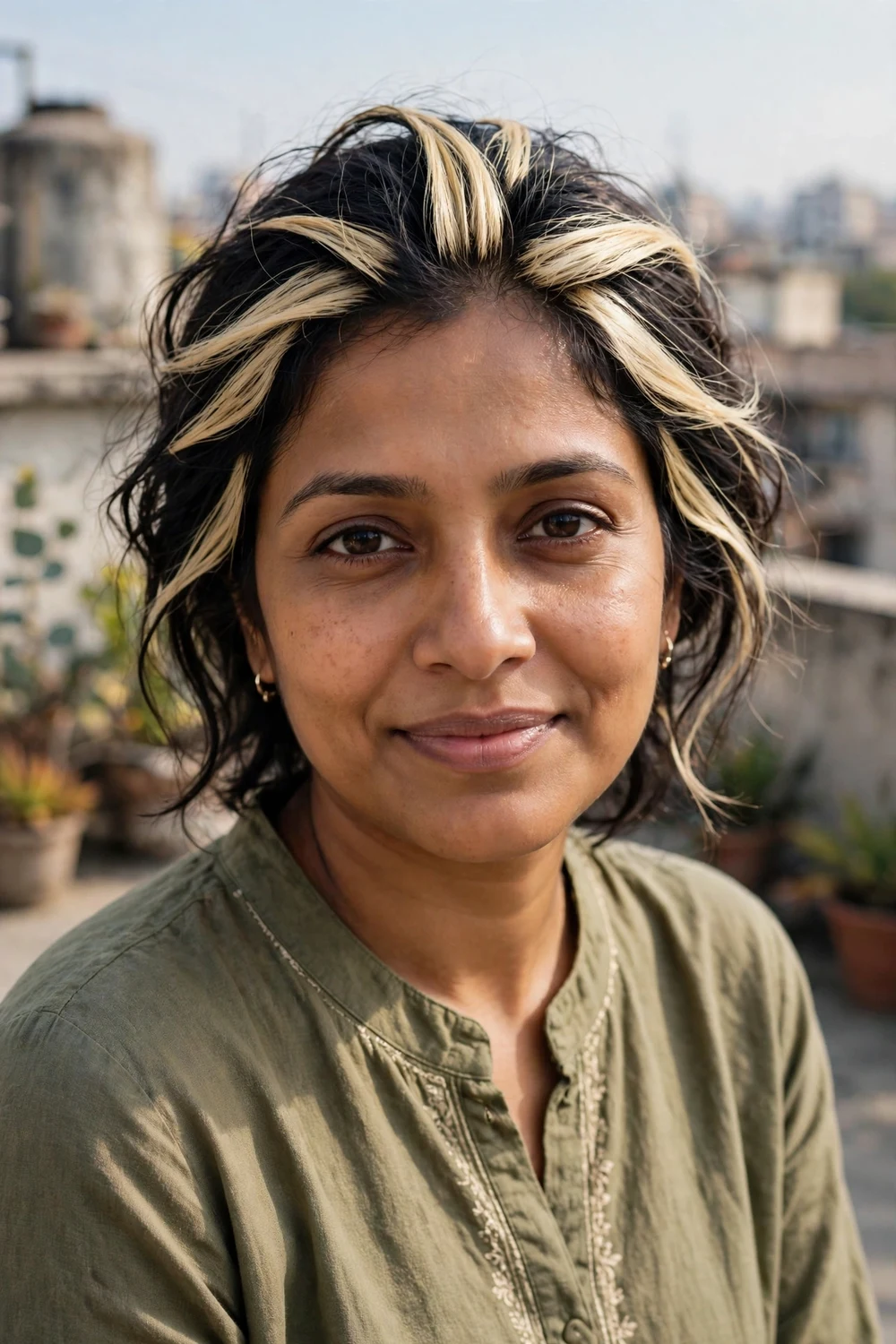
On dark bases, the difference is stark: balayage gives a soft caramel melt, while foils give defined contrast. Neither is wrong; they are simply different aesthetics.
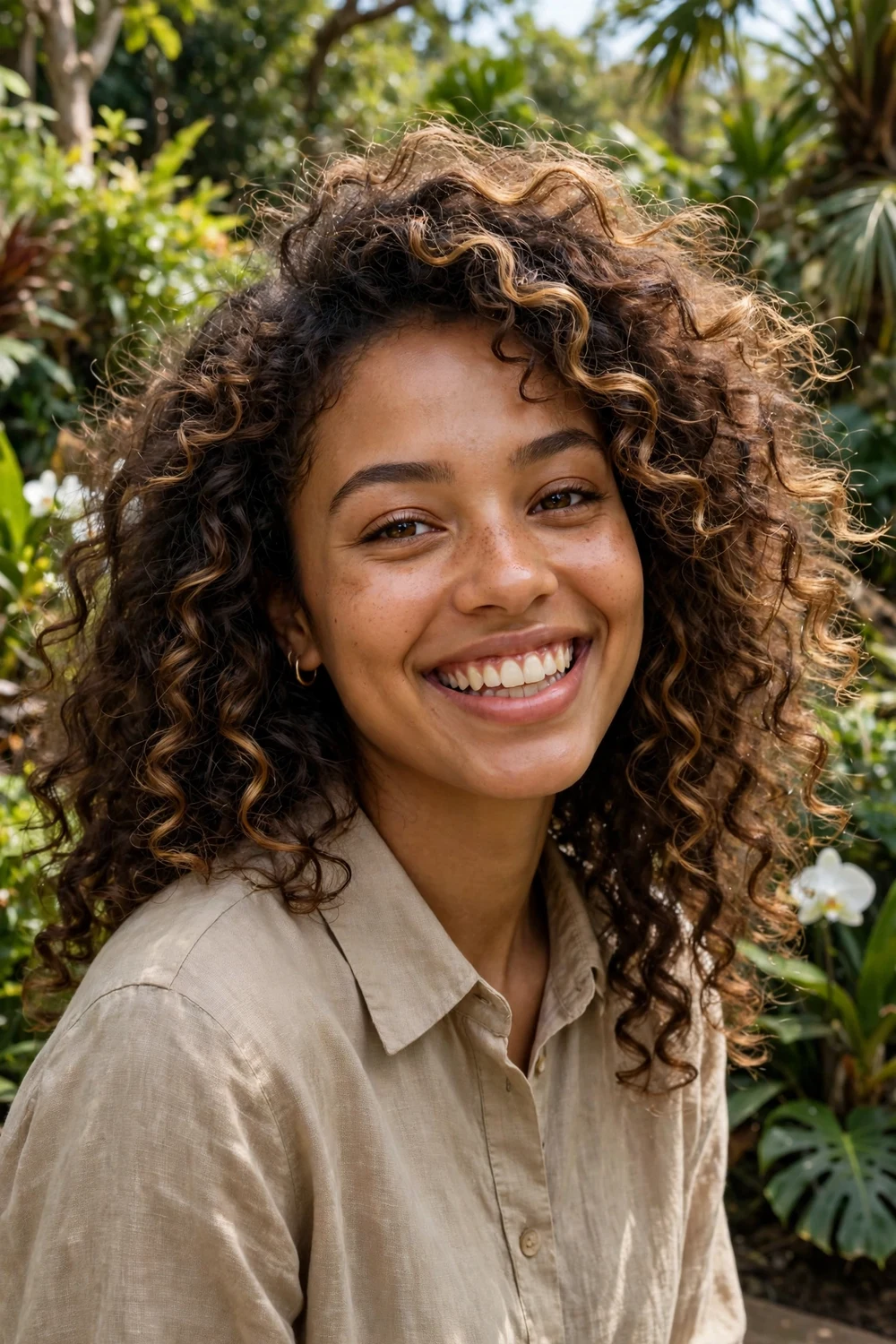
On curly hair, balayage follows the curl pattern for a natural light-catching effect. Foil highlights on curls give bolder ribbons of color that read clearly even in tight patterns.
Gray hair: which works better?
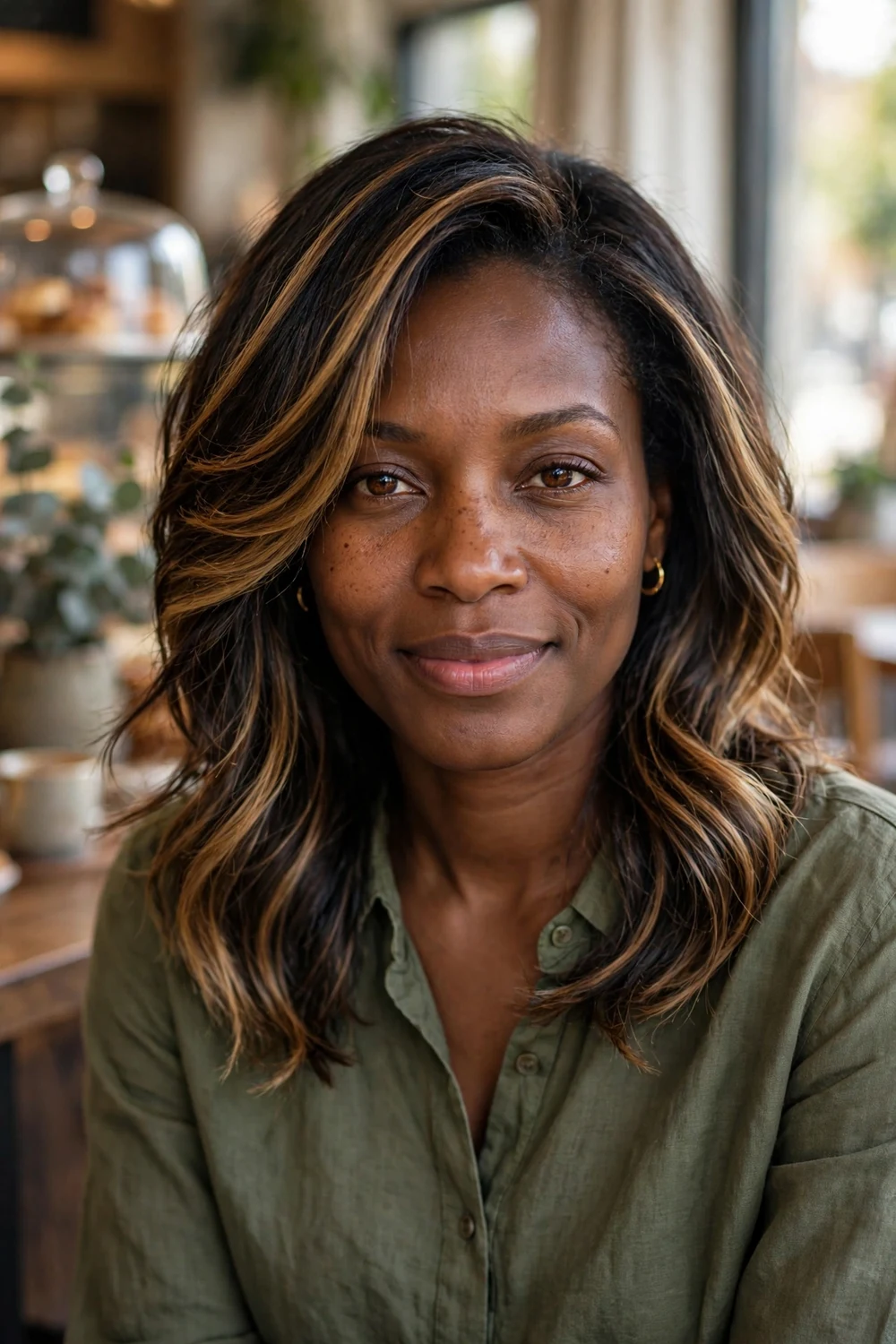
Both techniques can handle gray, but they solve different problems. Balayage softly blends scattered gray with less maintenance, which suits people who want the silver to read as dimension. Highlights give brighter, more uniform coverage and are often combined with a root color when the goal is actually covering the gray rather than blending it.
If bright blonde coverage is the goal, winter highlights for blondes shows foil work at its most effective.
The hybrid option: foilyage
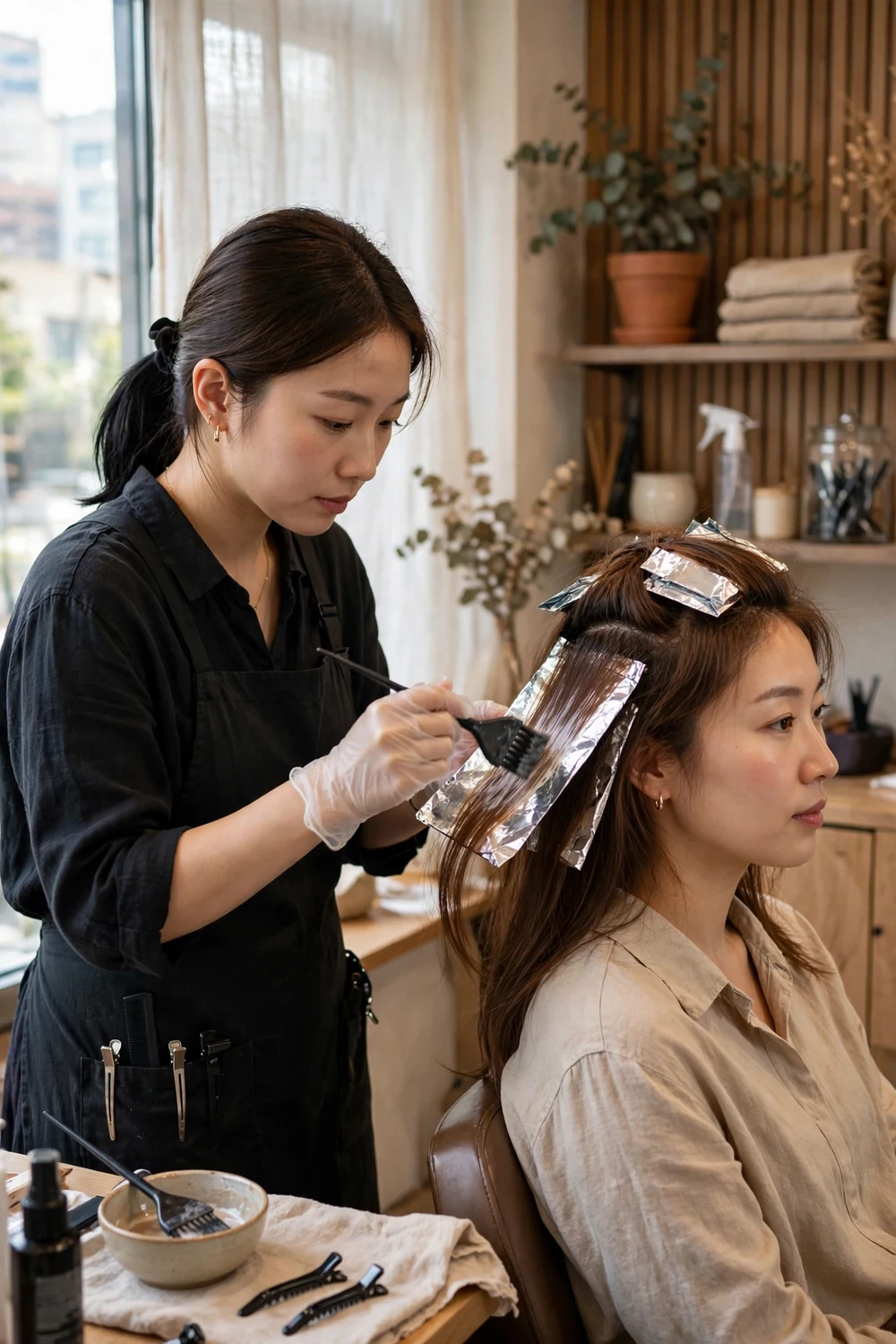
Foilyage is exactly what it sounds like: the sweeping balayage placement done with foils instead of open-air painting. The foils add heat, so you get more lift than open-air balayage, while the placement keeps the soft, root-diffused finish. Colorists reach for it on previously colored hair and on curls, where they want precise control over where the color falls.
If your consultation stalls between the two options, ask whether a hybrid makes sense for your hair. Many high-end color results are not one pure technique; they are a combination tailored to the hair in the chair. Brunettes weighing the options can also compare tones in winter balayage for brunettes.
The verdict: which should you choose?
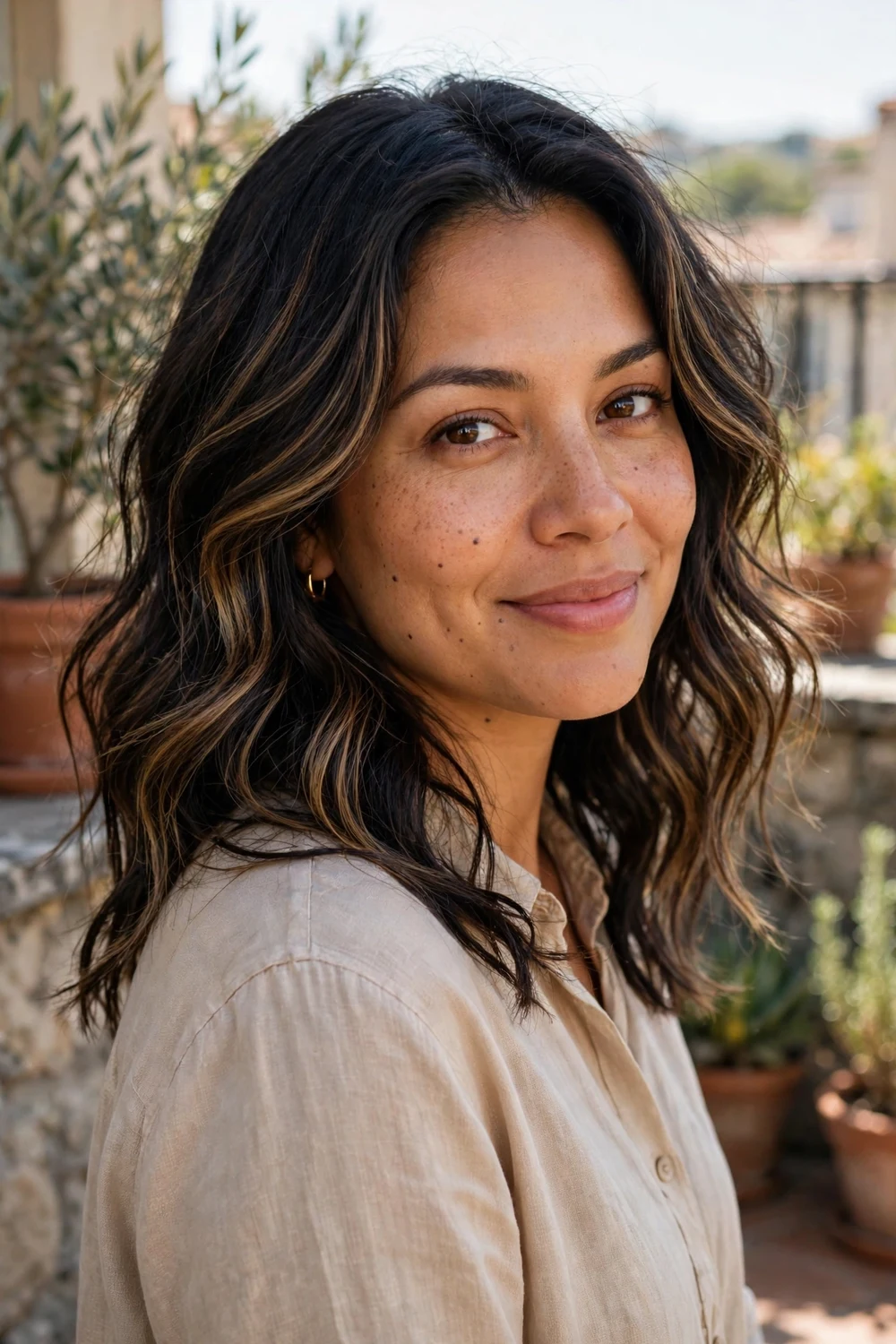
Choose balayage if you want a natural, sun-kissed look, you prefer fewer salon visits, you like soft grow-out, or your hair is layered, wavy, or curly and you want the color to move with it.
Choose traditional highlights if you want maximum brightness, you are making a big jump lighter, you want even, predictable coverage, or you are covering gray and want uniform results.
Bring photos of the exact finish you want, not just the technique name. Stylists interpret these terms differently, and a photo removes the guesswork.
Frequently asked questions
Which lasts longer, balayage or highlights?
Balayage lasts longer visually because the diffused root line grows out without a harsh demarcation. Most people refresh balayage every 3 to 6 months, while foil highlights typically need attention every 8 to 12 weeks.
Is balayage cheaper than highlights?
Per visit, balayage can cost about the same or more, since the freehand work is skilled and slow. Over a year it usually costs less, because you need roughly half as many appointments as you would with highlights.
Can you get balayage on short hair?
Yes. Balayage works on all hair lengths; the colorist just adapts the placement. On short hair the painted pieces sit closer together, which can actually make the dimension more visible.
Does balayage damage hair less than highlights?
Balayage is often slightly less intensive because it uses less heat and lightens more selectively. But the health of your hair depends more on the technique, the products used, and your aftercare than on the method’s name alone.
Can I switch from highlights to balayage?
Yes. A common approach is for the stylist to add depth at the root and blend the transition line, softening the foil grow-out into a balayage finish. It usually takes one dedicated color correction appointment.
Final thoughts
Balayage vs highlights comes down to the finish you want to live with. Balayage gives you softness and freedom: fewer appointments, graceful grow-out, and color that looks like sunlight did the work. Highlights give you brightness and precision: stronger lift, defined contrast, and an even result from every angle. Decide based on your maintenance tolerance first and your dream shade second, and let your colorist tailor the technique to your hair’s actual condition.

