



Braids itch for a few clear reasons: tension from a tight install, the chemical coating on synthetic braiding hair, a dry scalp, or buildup of sweat and products under the style. The quickest relief usually comes from loosening the tension and calming the scalp with a gentle rinse or a soothing spray.
Mild itching for the first day or two is common and often fades on its own. Itching that gets worse, comes with bumps, burning, or flaking, or keeps you scratching for weeks, points to a specific cause worth fixing. This guide walks through each one so you can match your symptoms to the right solution.
Quick Takeaways
- Synthetic braiding hair is coated with an alkaline chemical that irritates many scalps. An apple cider vinegar soak before install removes most of it.
- Tight braids itch because pulled follicles get inflamed. Loosen the tension first, then treat the scalp.
- Product buildup, sweat, and dead skin under braids cause itching after the first couple of weeks. A gentle scalp wash fixes it.
- Use light, water-based products on braids. Heavy oils and greases trap sweat and make itching worse.
- See a dermatologist if itching comes with bumps, pus, crusting, or hair loss.
1. Tension From a Tight Install

When braids pull too hard, the follicles get inflamed and the scalp responds with itching, soreness, or a prickly feeling. This is the most common cause of itching in the first few days after an install. The itch usually sits right at the hairline, temples, and nape, where braiders grip hardest.
The fix is to reduce the tension. Try a warm damp towel compress, gentle scalp massage, and a braid spray for a day or two. If the itching stays intense, the braids are simply too tight and loosening or removing the worst rows is the answer. Scratching a tense scalp only makes the inflammation worse.
2. Chemical Coating on Synthetic Hair
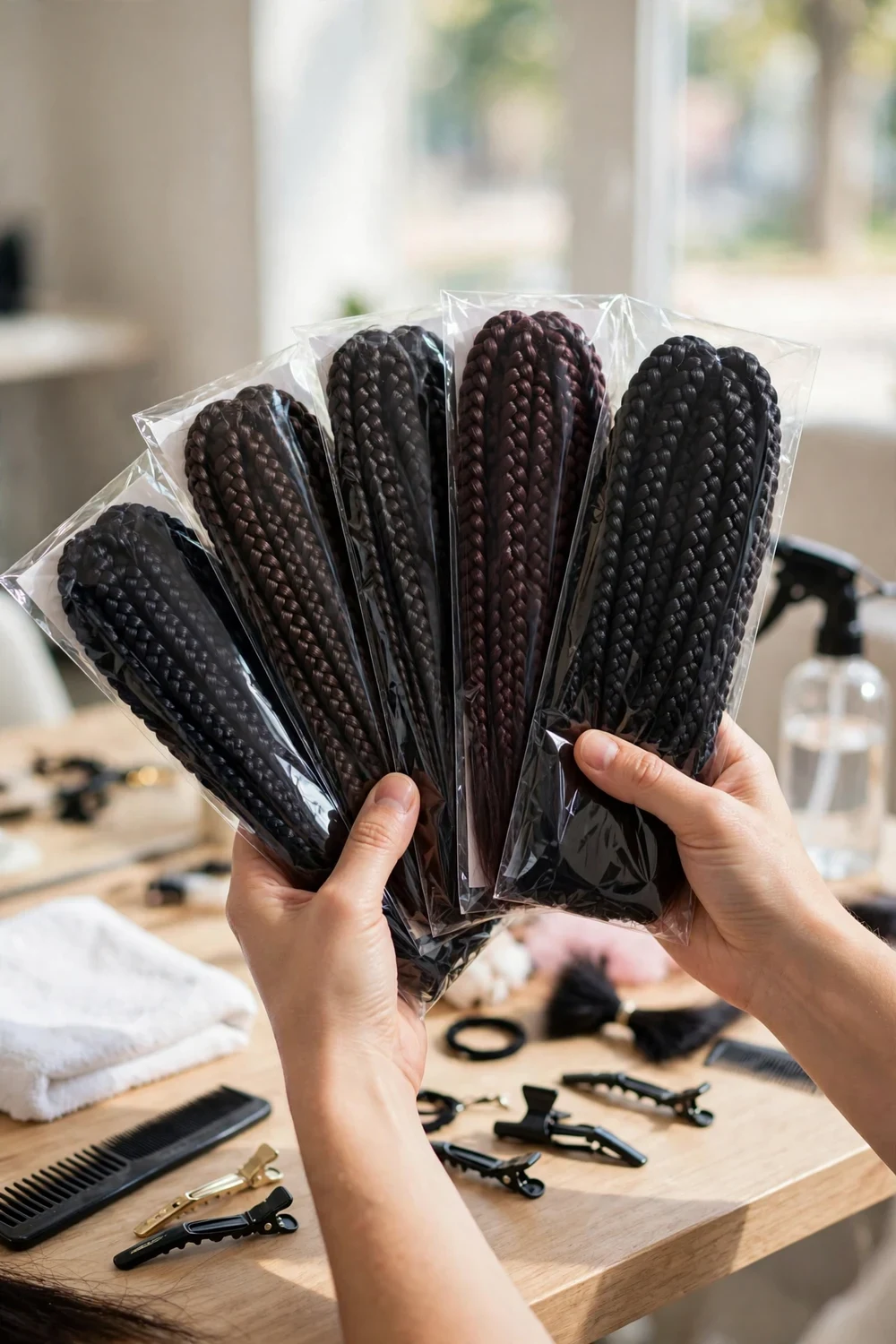
Most synthetic braiding hair is coated with an alkaline chemical during manufacturing. It keeps the fiber from molding in the package and makes it heat-resistant. On the scalp, that same coating triggers itching, redness, and in sensitive people, an allergic reaction with bumps.
The proven fix happens before the install: soak the braiding hair in warm water mixed with apple cider vinegar for 15 to 30 minutes.
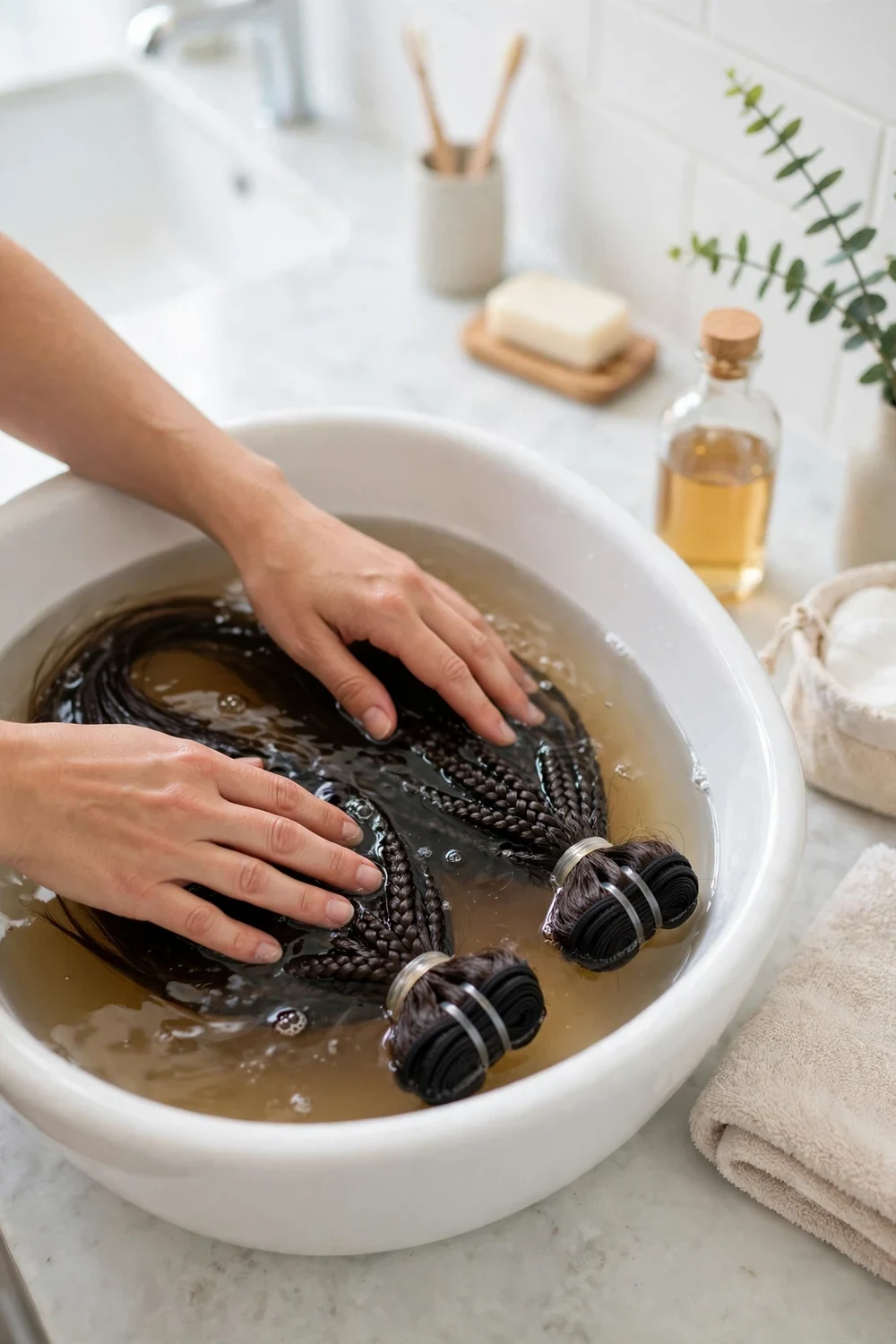
You will often see a white film lift off into the water.
Try this: do the ACV soak the night before your appointment so the hair dries completely.
3. Dry Scalp
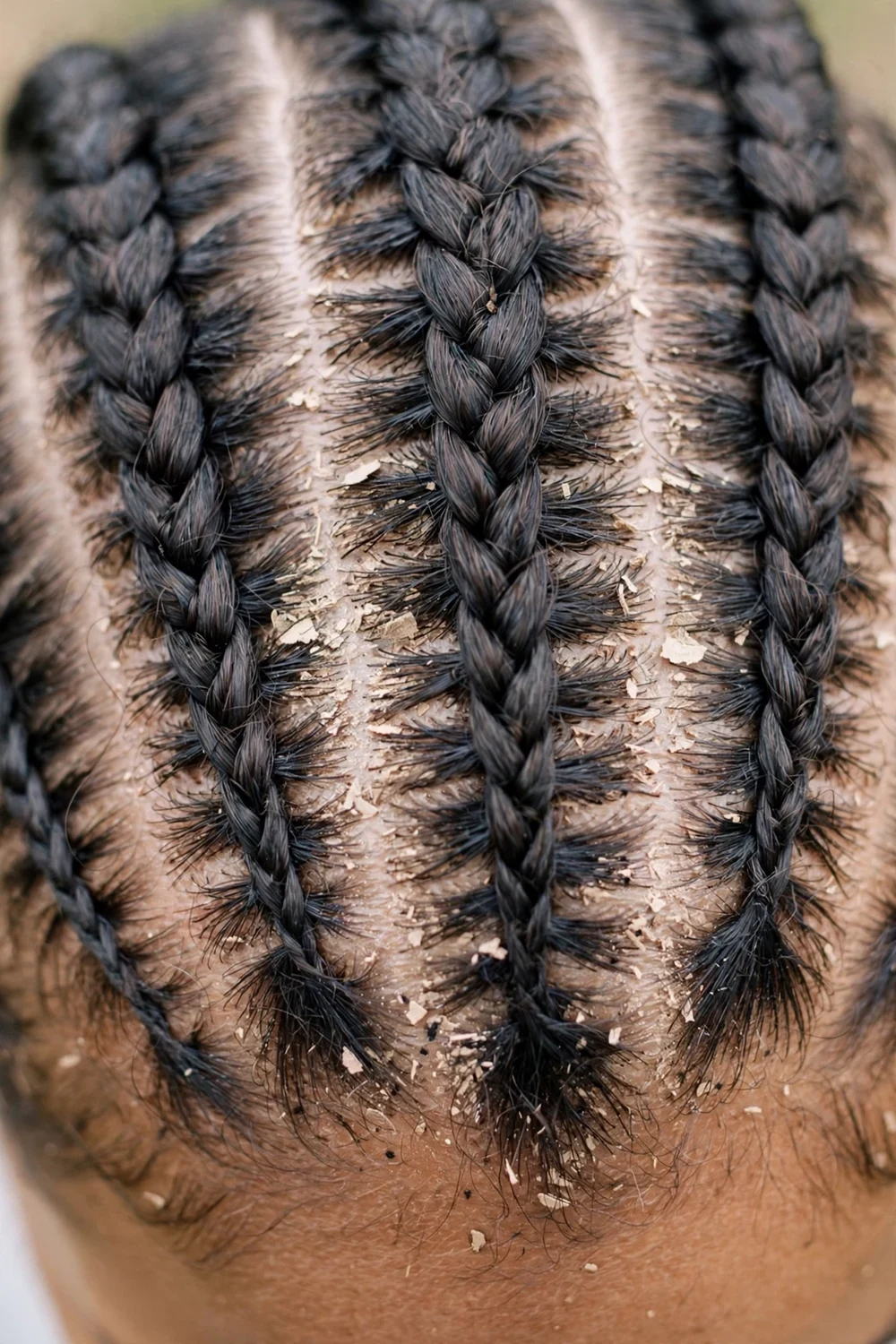
A dry scalp itches with or without braids, and braids make it harder to moisturize the skin underneath. If your itch comes with small white flakes and a tight, papery feeling, dryness is likely the cause. Cold weather, harsh shampoos before install, and skipping scalp care all contribute.
Use a lightweight, water-based scalp moisturizer or a braid spray with aloe vera. Apply along the parts every couple of days. A drop of tea tree or peppermint oil diluted in a carrier oil can soothe at the same time, but keep it light. Drenching a dry scalp in heavy oil seals out the water it actually needs.
4. Product Buildup, Sweat, and Dead Skin
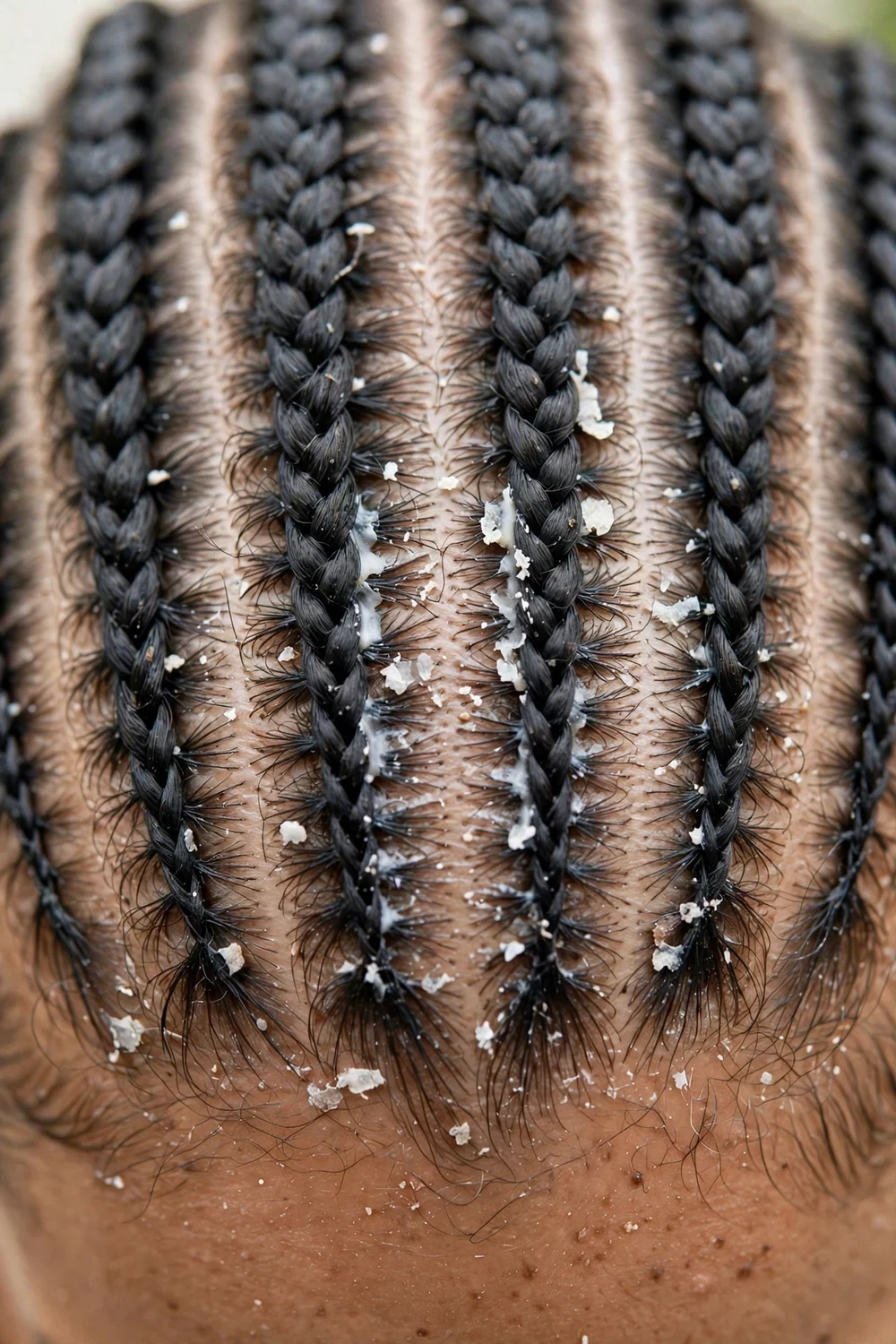
This is the top cause of itching that starts two or three weeks into a style. Gels, edge control, oils, sweat, dust, and shed skin cells collect under the braids. The residue clogs follicles, throws off the scalp’s balance, and creates the warm, damp environment where bacteria and yeast thrive. The result is itching plus a coated, gunky feeling at the roots.
Go lighter on products during the install next time, and wash your scalp while wearing braids. A diluted shampoo in an applicator bottle, worked gently into the parts and rinsed well, clears the buildup without wrecking the style. Signs you waited too long include visible white residue and a sour smell at the roots.
Try this: plan a scalp wash every one to two weeks for the life of the style.
5. Infrequent Washing
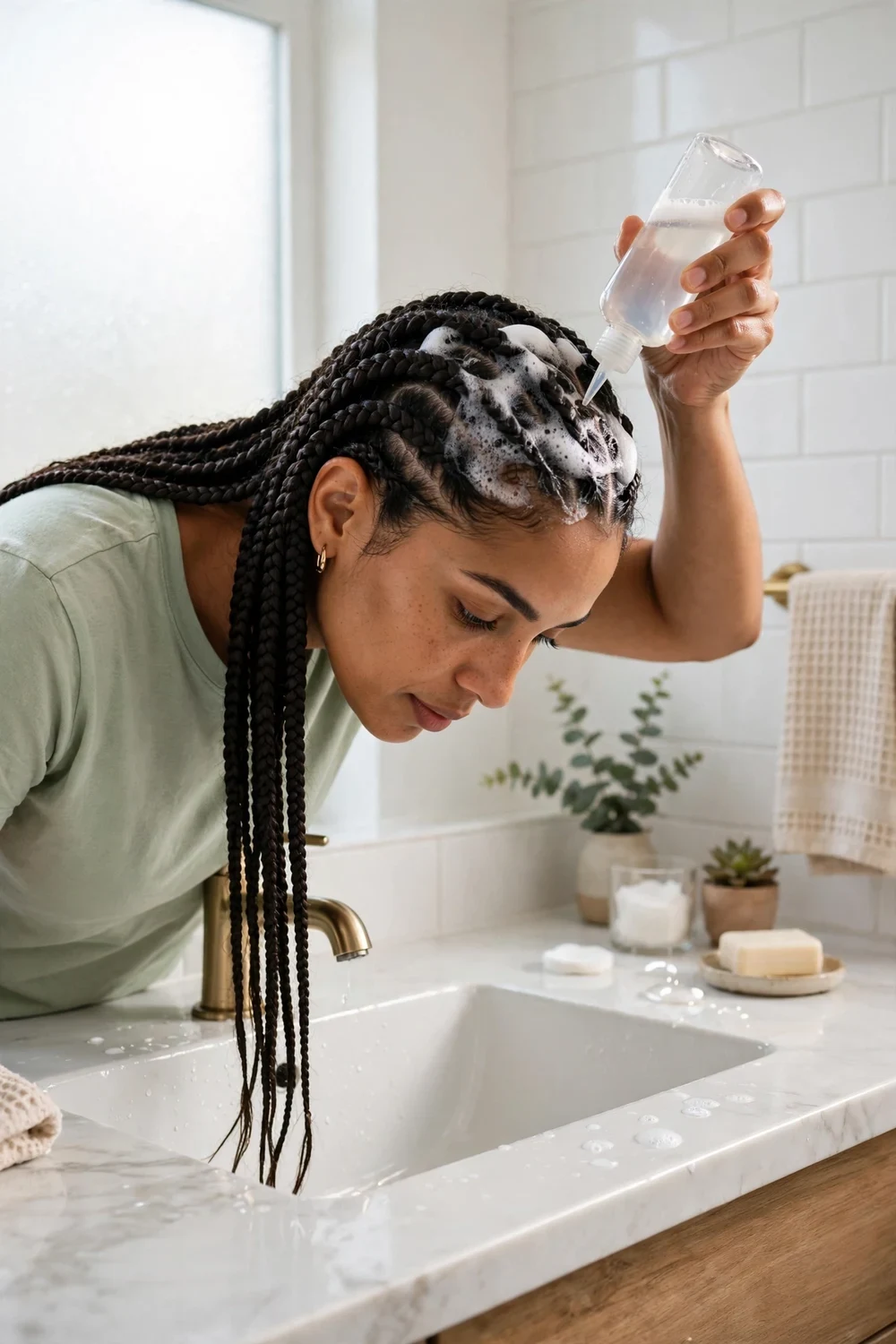
Braids are low-maintenance, but they are not no-maintenance. Skipping washes for a month or more lets sweat and oil sit against the scalp, which irritates the skin and feeds itch-causing microbes. Active people and anyone in a hot climate notice this fastest.
Wash every 1 to 2 weeks depending on your lifestyle. Dilute your shampoo with water in a squeeze bottle, apply it directly to the scalp along the parts, and massage with your fingertips, not your nails. Rinse thoroughly and dry the braids completely. A hooded dryer on low or a full air-dry in a breezy room both work. Trapped dampness causes its own itching and odor.
6. Allergic Reaction to Hair or Products
Some scalps react to specific ingredients: fragrances in braid sprays, certain gels, latex in rubber bands, or the synthetic fiber itself. An allergy usually looks different from plain dryness. Expect redness, small bumps or hives, burning, and itching that starts soon after the product touches the skin.
Stop using the newest product first and see if the itching eases within a day. Rinse the scalp with plain lukewarm water to remove residue. If bumps spread, blister, or ooze, remove the style and see a dermatologist. A patch test on the inside of your arm before trying a new braid product can save you a miserable week.
Try this: introduce one new braid product at a time so you always know the culprit.
Choosing gentler braid styles can reduce how much product and tension your scalp deals with. Our short braided hairstyles for black women guide includes low-manipulation options that are easier on sensitive scalps.
7. Environmental Irritants
Dust, pollen, and pollution settle on an exposed scalp between braids, and sunburn on the parts dries the skin out fast. If your itching spikes after outdoor days or workouts, the environment is playing a role. Sweat mixing with dust is a classic itch trigger.
Rinse or wipe the scalp after heavy outdoor exposure, and wear a scarf or hat in strong sun to protect your parts. A light braid spray after outdoor days clears surface irritants before they build up.
How to Stop Braids From Itching: Fast Relief Steps
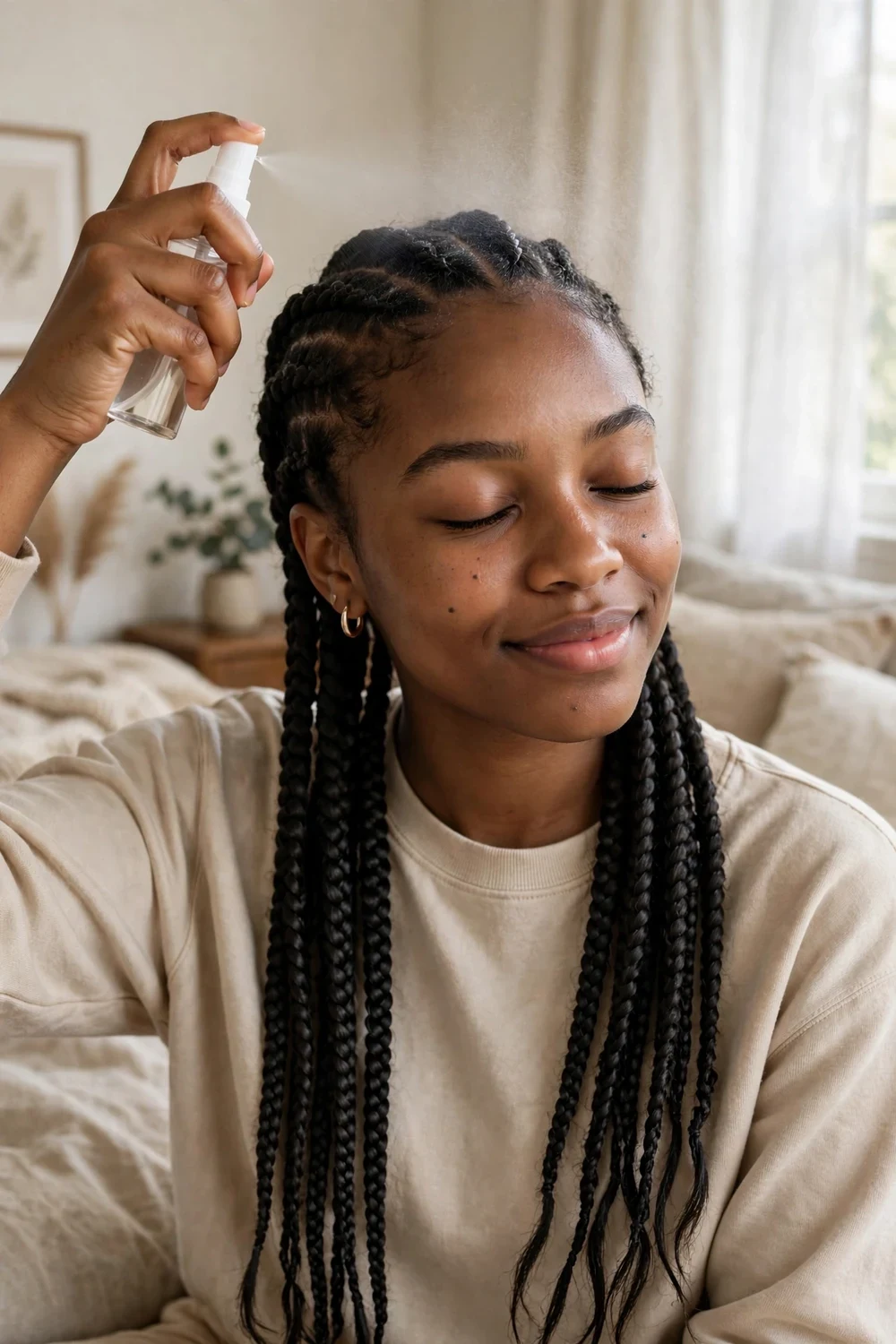
Start with the simplest fix and move down only if you need to. First, loosen any tight spots with a warm towel compress and gentle massage. Second, mist the scalp with a braid spray or diluted ACV to calm irritation. Third, check for buildup: if the roots look coated or feel gummy, do a diluted shampoo wash and dry fully.
For spot itching, dip a cotton pad in witch hazel or diluted ACV and press it on the itchy area for a minute.
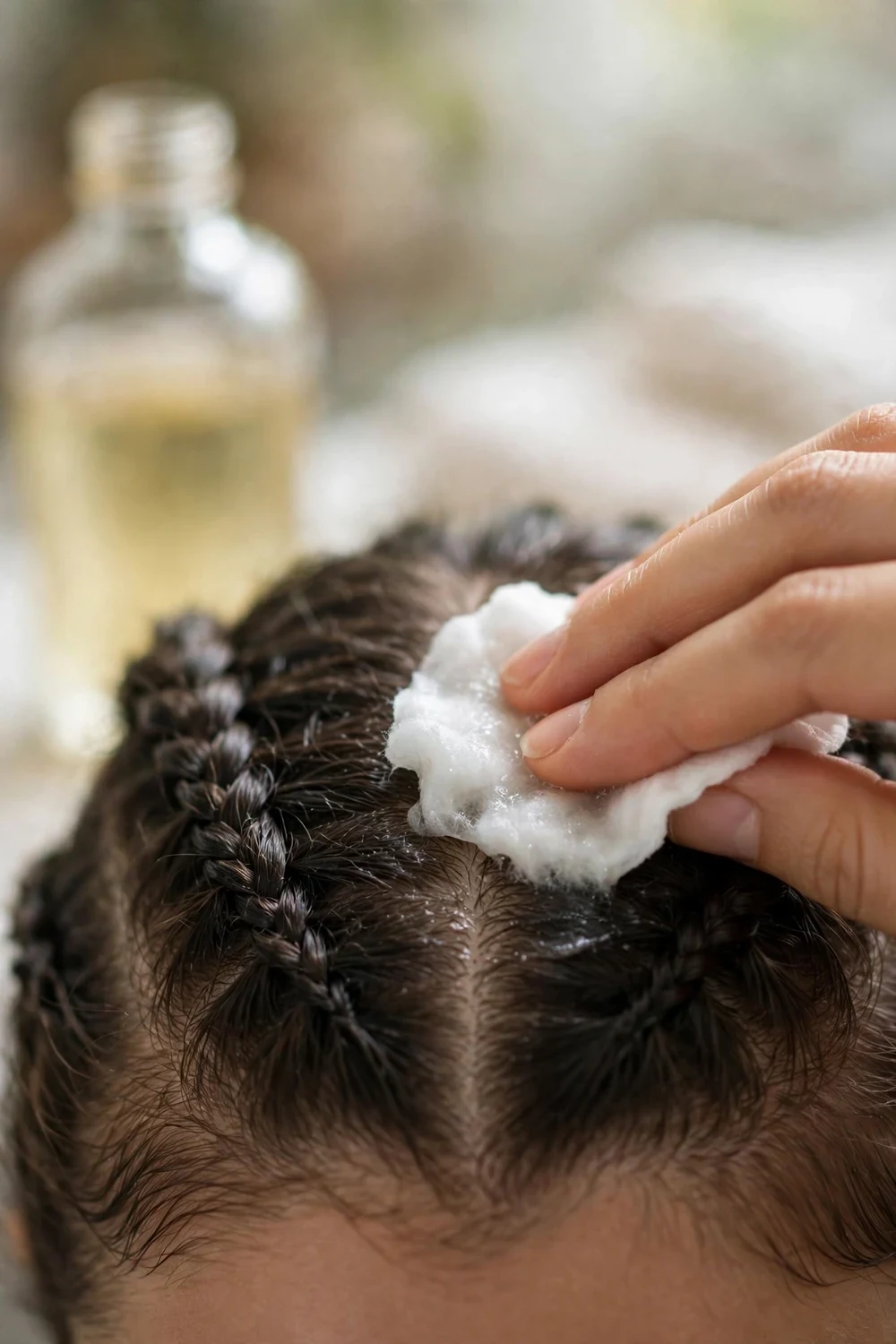
Aloe vera gel works the same way and feels cooling on inflamed skin. Resist scratching with anything sharp. Short, clean nails or the pads of your fingers are the only tools that should touch an itchy scalp.
Soothing Ingredients That Actually Help
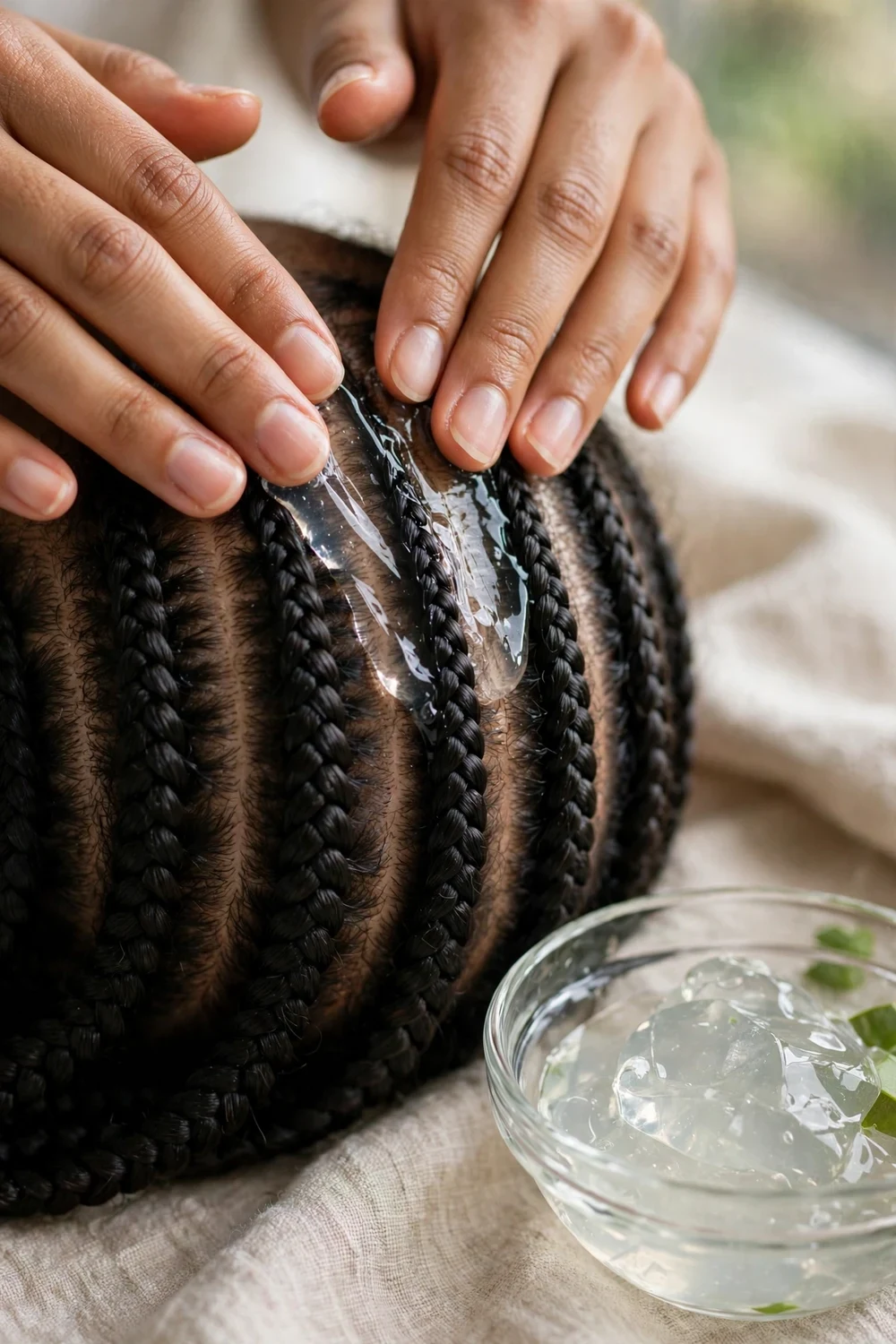
A few ingredients have earned their reputation for itchy braided scalps. Aloe vera cools and calms inflammation.
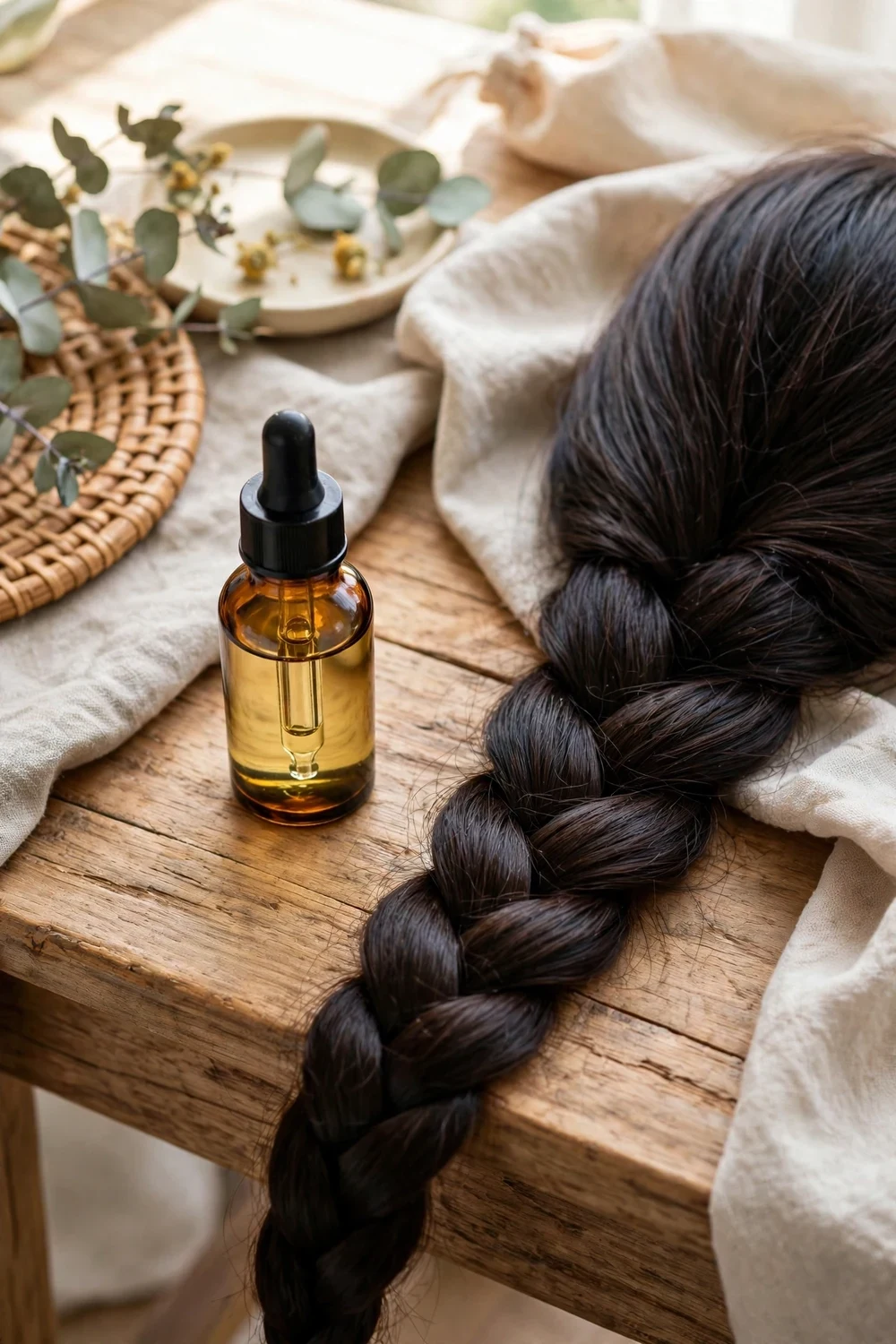
Tea tree oil has antimicrobial properties that help when buildup is feeding the itch, but always dilute it in a carrier oil first since pure tea tree can burn. Peppermint oil gives a cooling tingle that distracts from itching. Witch hazel acts as a gentle astringent that clears oil without a full wash.
What to skip: heavy petroleum greases, thick butters, and undiluted essential oils. They trap heat and sweat against the scalp and often make the itching worse within a day.
When Itching Means Something More Serious
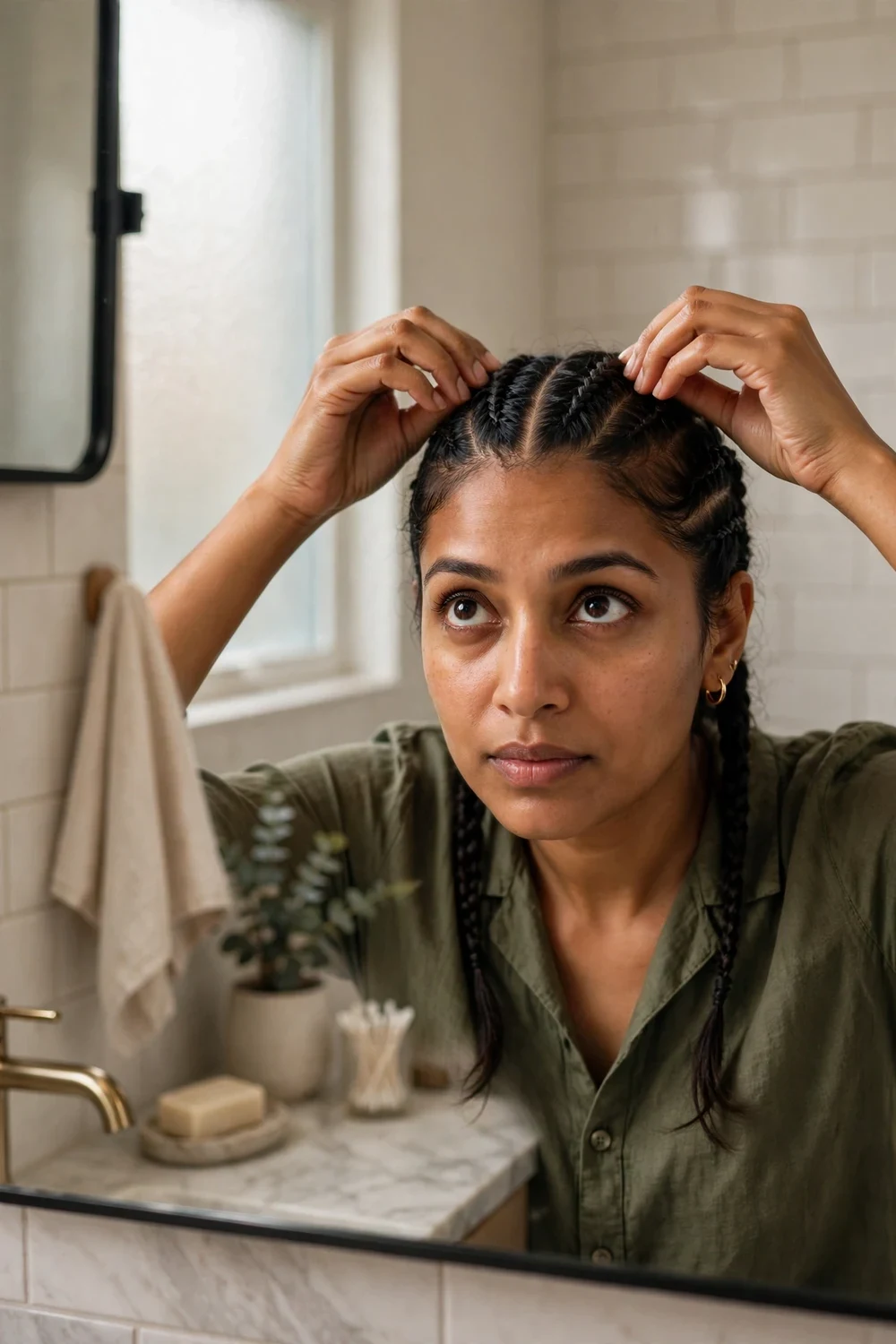
Most braid itching is a care issue, not a medical one. See a dermatologist if you notice spreading bumps, pus-filled pimples, crusting or scabbing, intense burning, or hair falling out in patches. These can signal folliculitis, a fungal infection, or contact dermatitis that needs prescription treatment.
Also take the style out promptly if itching comes with severe pain or swelling. Protecting your follicles always comes before protecting the hairstyle.
How to Prevent Itchy Braids Next Time
Prevention starts before the appointment. ACV-soak synthetic hair, wash and deep-condition your own hair, and arrive with a clean, calm scalp. During the install, ask for medium tension and go light on gels and edge control.
While wearing the style, wash the scalp every 1 to 2 weeks, moisturize the parts with water-based products, and protect your hair at night with a satin scarf or bonnet.

Give your scalp a rest week between installs when you can. Back-to-back tight styles with no break are one of the most common setups for chronic itching.
If your scalp stays sensitive no matter what, shorter installs mean less weight and less product sitting on the skin. Our bob braids hairstyles roundup is full of lighter options worth trying.
Cause and Fix at a Glance
| Cause | Typical Signs | What Fixes It |
|---|---|---|
| Tight install | Itch plus soreness in the first days | Warm compress, massage, loosen rows |
| Synthetic hair coating | Itch and bumps soon after install | ACV soak before install, ACV spray after |
| Dry scalp | Flakes, tight papery feeling | Water-based moisturizer, aloe vera |
| Buildup and sweat | Itch after 2 to 3 weeks, gummy roots | Diluted shampoo wash, lighter products |
| Allergic reaction | Redness, hives, burning | Stop the product, rinse, see a dermatologist if it spreads |
| Environmental irritants | Itch spikes after outdoor days | Rinse after exposure, cover parts in sun |
FAQs
Why do my braids itch right after getting them done?
Early itching usually comes from tension, the chemical coating on new synthetic hair, or irritation from all the parting and handling. Mild itch that fades in a day or two is normal. Intense itching with bumps points to a reaction worth treating.
Does apple cider vinegar really stop braids from itching?
It helps with one specific cause: the alkaline coating on synthetic hair. Soaking the hair in ACV and warm water before install strips most of that coating off. After install, a diluted ACV spray can calm mild irritation, but it will not fix itching caused by buildup or infection.
Can I wash my hair while wearing braids?
Yes, and you should. Use diluted shampoo in a squeeze bottle, focus on the scalp along the parts, rinse well, and dry the braids completely. Washing every 1 to 2 weeks prevents the buildup that causes most mid-style itching.
Should I oil my scalp if my braids itch?
Only if the scalp is truly dry. A light oil with tea tree or peppermint can soothe dryness, but if buildup or sweat is the problem, more oil makes itching worse. When in doubt, wash first and moisturize after.
When should I worry about itchy braids?
See a dermatologist for spreading bumps, pus, crusting, burning, or patchy hair loss. Take the style out right away if itching comes with severe pain or swelling, since those signal follicle damage.
Final Thoughts
Itchy braids are annoying, but they are rarely a mystery. Match your symptoms to the cause, fix the tension or the buildup first, and keep products light while the style is in. Most itching clears up within days once you address what is actually causing it.
For more on keeping natural hair healthy under protective styles, our short 4C natural hairstyles guide covers care routines that work between installs too.
