

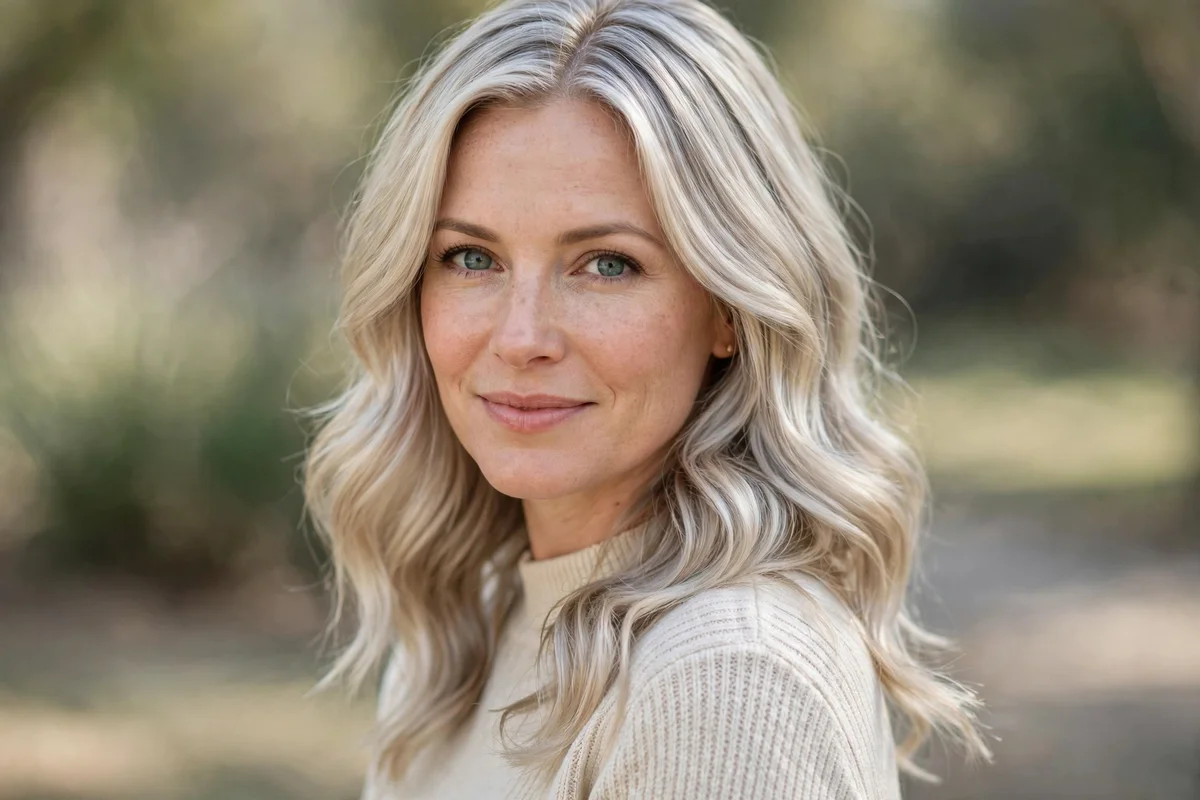
Winter light changes how blonde reads. Cool gray skies wash out warm tones, dry indoor air dulls shine, and darker wardrobes make pale hair pop harder than it does in July. Choosing a winter blonde means picking a shade that looks rich under low light and holds up when humidity drops.
These 27 winter blonde hair color ideas cover the full cold-weather spectrum: frosty platinums, smoky ash, creamy beiges, champagne neutrals, and cozy honeys. Each shade includes notes on who it suits, what winter does to it, and how much maintenance it asks of you. Pick the tone that matches your undertone and your tolerance for salon visits.
Quick Takeaways
- Cool blondes (platinum, ash, silver) look crisp against dark winter clothes but need purple shampoo to fight brassiness.
- Warm blondes (honey, caramel, golden) add glow when your skin loses its summer tan and grow out more forgivingly.
- Rooted and shadow-root techniques stretch salon visits to eight or ten weeks, ideal for the coldest months.
- Weekly deep conditioning is non-negotiable for lightened hair in dry heated air.
- Match the maintenance note under each shade to the salon schedule you will actually keep through winter.
1. Icy Platinum Blonde

Platinum at full brightness is winter’s most dramatic blonde. The white-hot tone mirrors frost and snow, and against charcoal coats and navy sweaters it creates the season’s highest contrast. Your colorist lifts the hair to a pale yellow, then tones it to a clean icy white. Fair and cool undertones carry it best, but the right toner can make it work on medium skin too. The lift alone usually takes two sessions if you are starting from dark hair, so plan the transformation across appointments rather than forcing it in one day.
This is the highest-maintenance shade here. Expect toning appointments every four to six weeks and purple shampoo once or twice a week to stop yellow from creeping back. Winter dryness hits bleached hair hard, so a weekly deep-conditioning mask matters more than ever. If you commit to the upkeep, nothing else reads this striking in January light. Sleep on a silk pillowcase to reduce friction on fragile bleached ends, and keep hot tools below 350 degrees since platinum scorches easily.
Try this: book a toner refresh before the holidays, since fresh platinum photographs best against dark evening clothes.
Difficulty: High · Cost: $$$ (salon)
2. Shadow-Root Icy Blonde
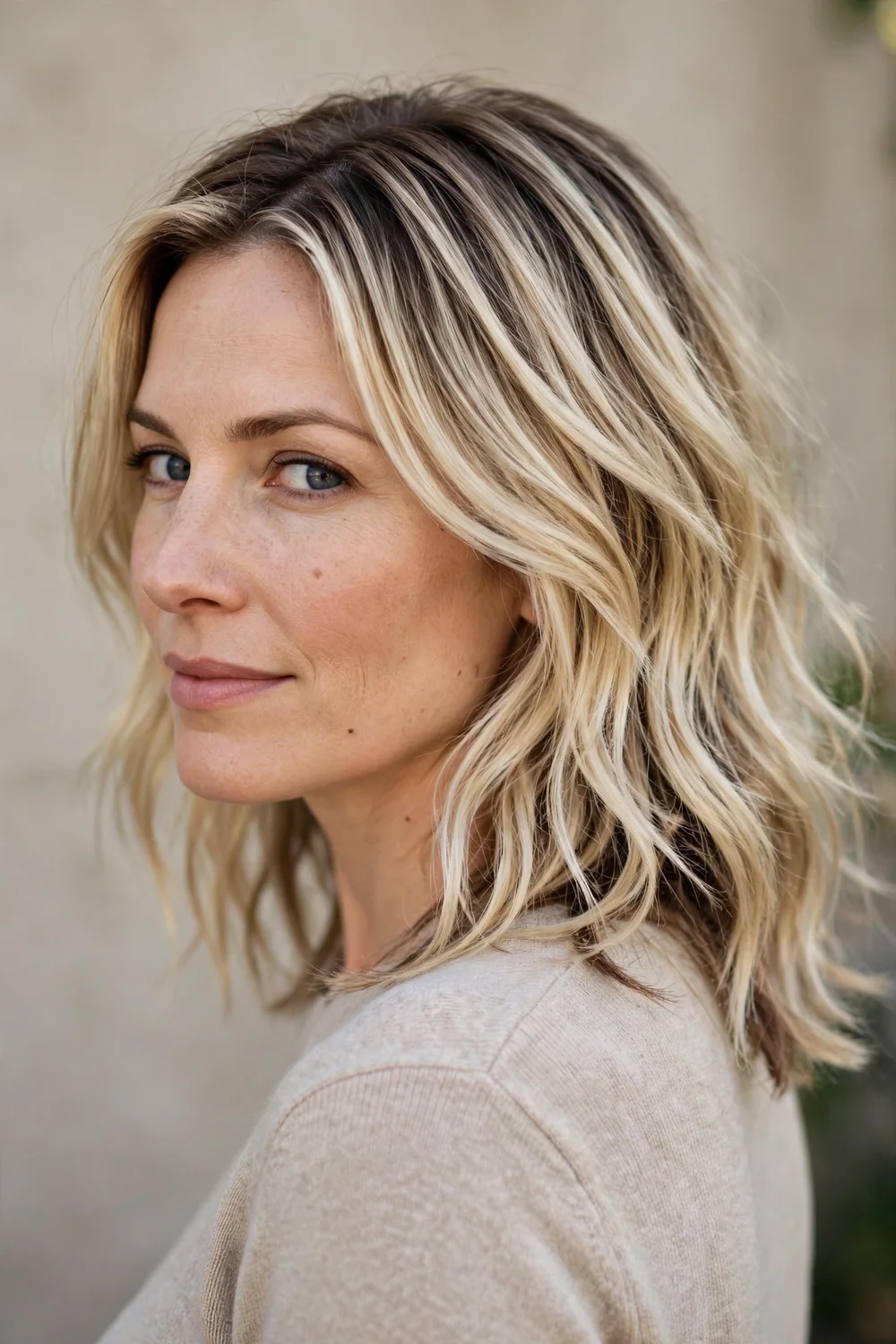
This is platinum’s practical sibling. The lengths stay bright and icy, but your colorist smudges a deeper tone into the roots so the grow-out looks deliberate instead of neglected. You get the same frosty brightness around the face with half the touch-up anxiety. It suits anyone who loves cool blonde but dreads the four-week root line. Ask for the smudge in a demi-permanent formula so it fades softly instead of growing out with a visible line.
The shadow root also adds depth, which keeps the icy lengths from looking flat in dim winter light. Maintenance drops to a toner gloss every six to eight weeks, and the root smudge itself can be refreshed or simply grown out. Purple shampoo keeps the mids and ends crisp, but you use it less often than with all-over platinum. Because the root area stays darker, you can also stretch washes further, and second-day hair actually looks better as natural oils add texture.
Try this: ask for a smudge no more than two shades deeper than your natural root so the blend stays soft.
Difficulty: Medium · Cost: $$$ (salon)
3. Ash Blonde

Ash blonde trades platinum’s brightness for a muted, smoky coolness that suits winter’s gray palette. The tone sits between gray and beige with no golden warmth, which makes it a natural pick for cool undertones and blue or gray eyes. It reads sophisticated rather than showy, and it photographs softly in low natural light. Your colorist may use a root melt in a slightly deeper ash so the grow-out stays seamless through the darkest weeks of winter.
For more on placing blonde ribbons over a darker base, these blonde balayage on brown hair show how the technique builds the same kind of dimension.
Ash tones are prone to fading warm, so a blue-based toning shampoo helps hold the cool cast. Because ash is a single-process or partial-lightening shade, it usually costs less to maintain than platinum. It grows out gracefully, especially when applied as balayage, so you can stretch appointments to eight weeks without a harsh line. Schedule a gloss halfway between full appointments, since ash is the first tone to slip and a quick gloss brings the smokiness right back.
Try this: rinse with cool water to slow tone fade, since hot water strips cool toners fastest.
Difficulty: Medium · Cost: $$ (salon)
4. Smoky Quartz Blonde

Smoky quartz blonde layers ash over deeper shadow, creating a moody, dimensional cool blonde that feels made for overcast days. The roots stay darker and melt into smoky mid-lengths, so the overall effect is softer than platinum but cooler than beige. It flatters medium and olive skin that finds pure ash too stark. The technique usually combines a darker root melt with cool-toned balayage, so the smokiness lives in the mid-lengths where light catches it.
The built-in depth is this shade’s winter superpower: regrowth blends into the shadow instead of announcing itself. You will need a toner every six to eight weeks to keep the smoke from turning brassy, but the grow-out stays wearable in between. A clear gloss between appointments revives the sheen that dry air steals. Avoid clarifying shampoos unless your hair feels coated, since they strip the smoky toner faster than anything else in your routine.
Try this: ask your colorist to keep the darkest shadow around the nape so the face stays bright.
Difficulty: Medium · Cost: $$$ (salon)
5. Nordic Blonde
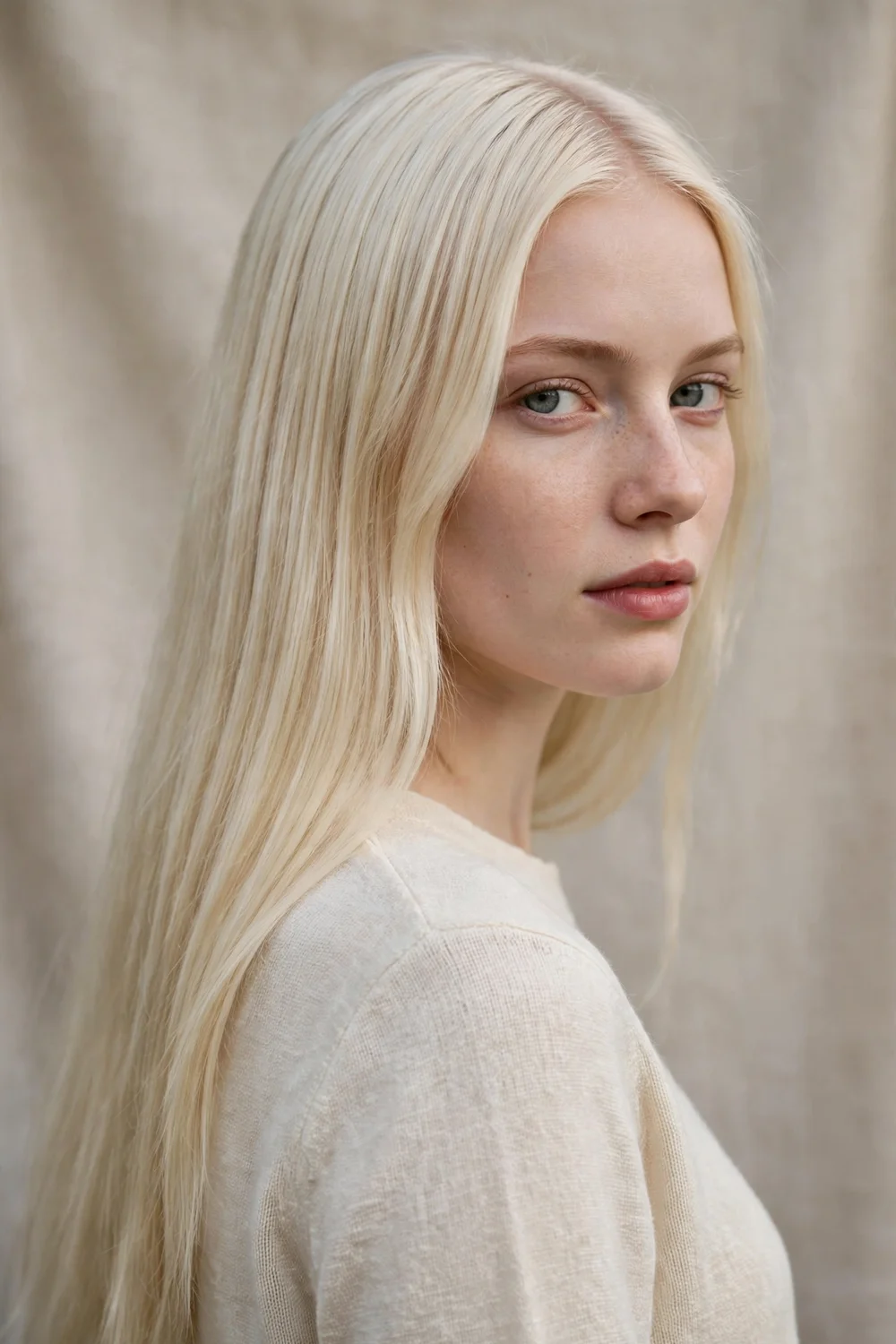
Nordic blonde is the palest natural-looking blonde on this list, a clean Scandinavian shade with barely any warmth. It reads almost white in sunlight and takes on a soft silver cast indoors. Fair skin with pink or neutral undertones wears it most easily, and it is the shade that makes pale winter complexions look luminous rather than washed out. It photographs almost white outdoors and takes on a softer silver cast under indoor lighting, which keeps it interesting all day.
Like platinum, it demands regular toning, but many wearers apply it as balayage over a natural base, which softens the maintenance curve. A soft root shadow makes it one of the most forgiving pale blondes for grow-out. Keep purple shampoo in rotation and add a bonding treatment, since reaching this level of lift is still demanding on the hair. A weekly bond-building mask helps the hair survive the lift this shade requires, especially if your hair is fine or has been colored before.
Try this: wear it with a root shadow in winter and go brighter at the roots in spring for a seasonal shift with no drama.
Difficulty: High · Cost: $$$ (salon)
6. Frosty Pearl Blonde
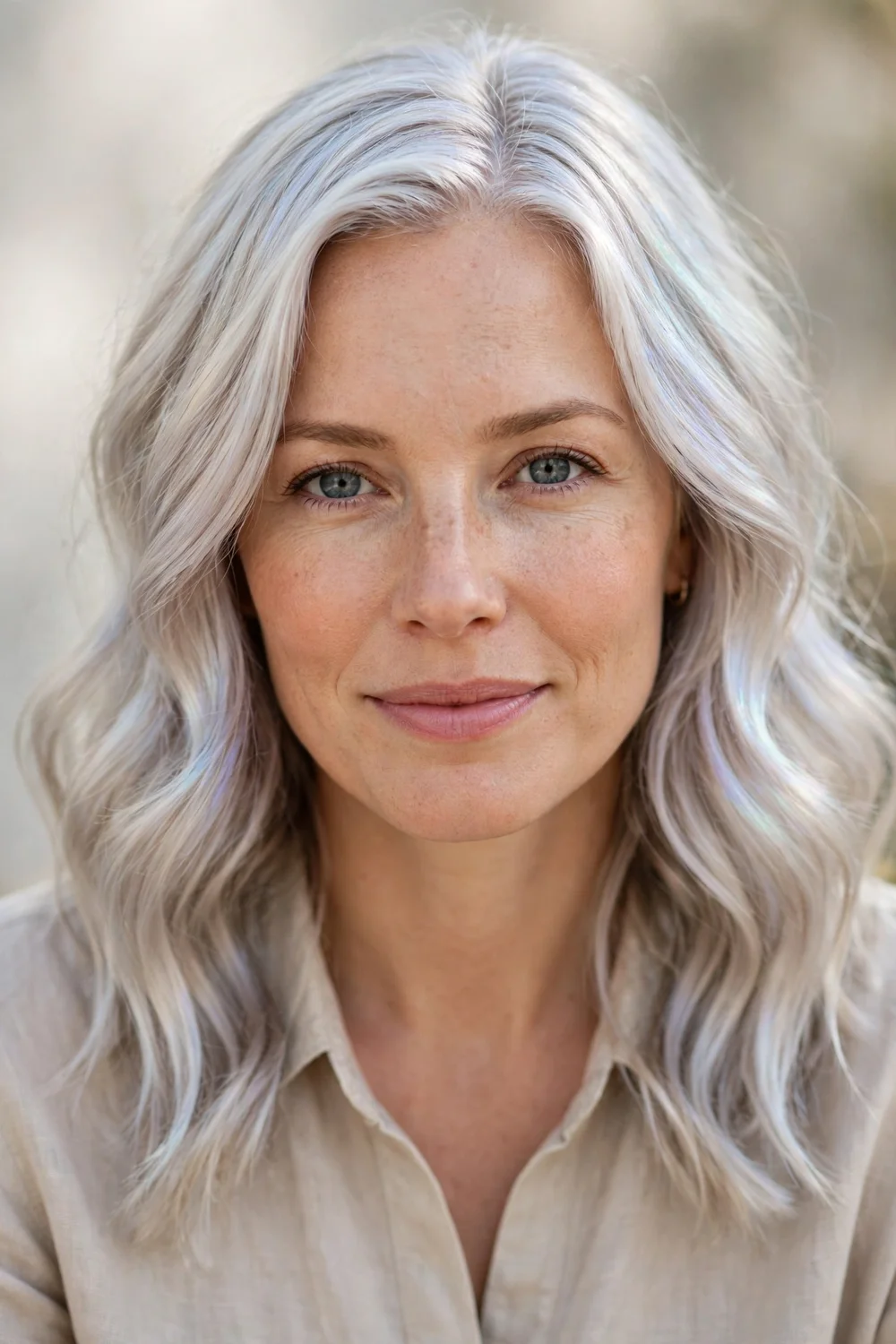
Pearl blonde adds an iridescent, almost opalescent finish to pale blonde, with hints of silver and the faintest warmth underneath. It catches light the way frost does on a window, shifting between cool and soft depending on the room. This is the shade for anyone who finds flat platinum too stark but still wants a statement cool blonde. The toner often layers violet, silver, and the faintest rose to create that shifting, opalescent finish.
The multidimensional toner is what makes it, so plan gloss appointments every six weeks to keep the pearlescence alive. At home, alternate purple shampoo with a moisturizing shampoo so you tone without over-drying. It suits fair to light-medium skin and looks especially good on fine hair, where the shimmer creates an illusion of fullness. Because the effect depends on light reflection, a smoothing serum on the ends makes the pearlescence noticeably more vivid.
Try this: finish blowouts with a cool shot to boost the reflective, pearly surface.
Difficulty: High · Cost: $$$ (salon)
7. Silver-Gray Blonde

Silver-gray blonde sits where blonde meets gray, a cool metallic shade that feels completely at home in winter. It is also the smartest blonde for anyone blending natural gray, since the tone disguises regrowth instead of fighting it. The metallic finish reflects light well, which compensates for winter’s dim days. Many colorists apply it as a global gloss over pre-lightened hair, which keeps the metallic finish even from roots to ends.
Keep it bright with a silver-depositing shampoo once a week; without it, the tone can slide yellow. The maintenance is moderate because the shade hides grow-out so well. It suits cool undertones and anyone transitioning to gray who wants the process to look intentional. Deep conditioning keeps the metallic surface smooth and reflective. It pairs well with a shorter cut, since the metallic tone looks sharpest on hair with clean, healthy ends.
Try this: use a silver gloss between salon visits to revive the metallic shine that heating dulls.
Difficulty: Medium · Cost: $$$ (salon)
8. Silver-White Blonde Bob

Take the frostiest blonde on this list and cut it into a bob, and you get winter’s boldest pairing. The short length means less bleached hair to maintain, and the crisp white tone pops against everything from camel coats to black turtlenecks. It is a confident, fashion-forward choice that needs almost no styling to make an impression. The combination reads especially modern with a center part and tucked-behind-the-ear styling, which shows off the icy tone.
The shorter cut makes the high-maintenance color easier to live with, since trims remove damaged ends regularly and regrowth is minimal. You will still need toning every five to six weeks and weekly purple shampoo. It suits strong features and fair skin best, and it is one of the few short styles that looks sharper in cold weather than in summer. Because trims happen often with a bob, ask your stylist to dust the ends each visit so the white stays crisp rather than frayed.
Try this: keep the ends blunt so the white tone reads crisp instead of wispy.
Difficulty: High · Cost: $$$ (salon)
9. Silver Panel Balayage on Dark Base

Instead of lightening everything, this look paints bold silver panels onto a dark base for maximum contrast. The effect is graphic and modern, like light breaking through dark winter branches. It works on naturally dark hair, so you keep your healthy base and only lighten the panels, which limits damage. Panels are usually placed with a mix of babylights and bolder slices, so the silver reads dimensional rather than striped.
The contrast does the talking, so styling can stay simple: smooth blowouts show off the panels best. Because only sections are lightened, grow-out is softer than all-over blonde, though the panels themselves need toning every six to eight weeks. It suits anyone who wants drama without committing their whole head to bleach. Style it straight or with a loose wave, since tight curls can break up the panels and dilute the graphic effect.
Try this: ask for the brightest panels around the face so the contrast frames your features.
Difficulty: Medium · Cost: $$$ (salon)
10. Cool Beige Blonde
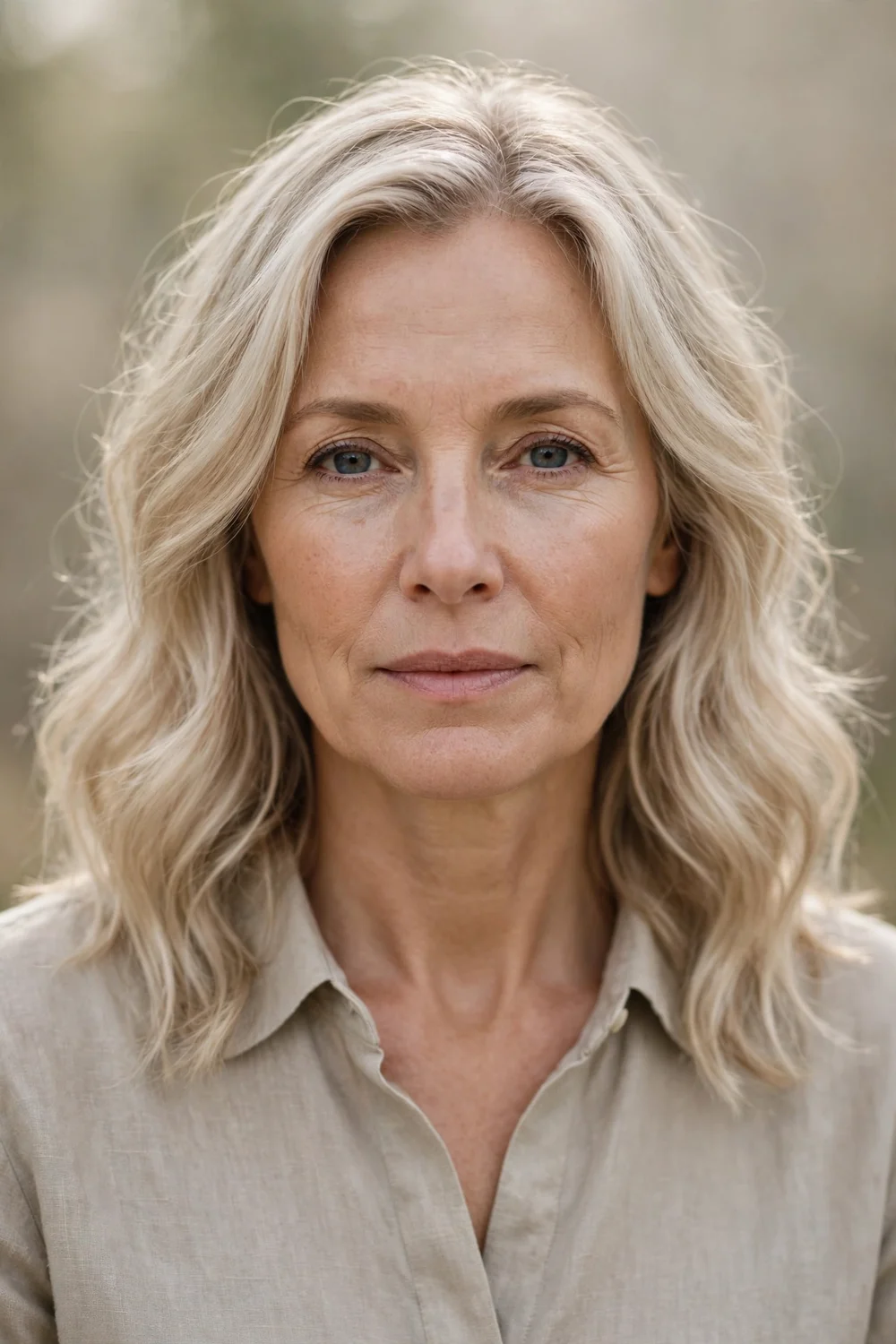
Cool beige is the diplomat of winter blondes: not icy, not golden, just a balanced sandy-neutral that flatters almost everyone. It has enough coolness to feel seasonal and enough warmth to keep skin from looking sallow. If you cannot decide between warm and cool, this is the safe middle ground that still looks intentional. Colorists often build it with a mix of fine highlights and a beige gloss, which keeps the result from ever looking flat or one-dimensional.
It is one of the lowest-maintenance light blondes because the neutral tone hides both regrowth and fading. A gloss every eight weeks keeps it from going flat, and it rarely needs purple shampoo since there is no extreme coolness to protect. Neutral and warm undertones both wear it well, making it a reliable consultation-room compromise. It also makes a good transition shade if you are growing out summer highlights and want winter to do the blending for you.
Try this: ask for soft lowlights one shade deeper to give the beige dimension in flat winter light.
Difficulty: Low · Cost: $$ (salon)
11. Creamy Low-Contrast Blonde
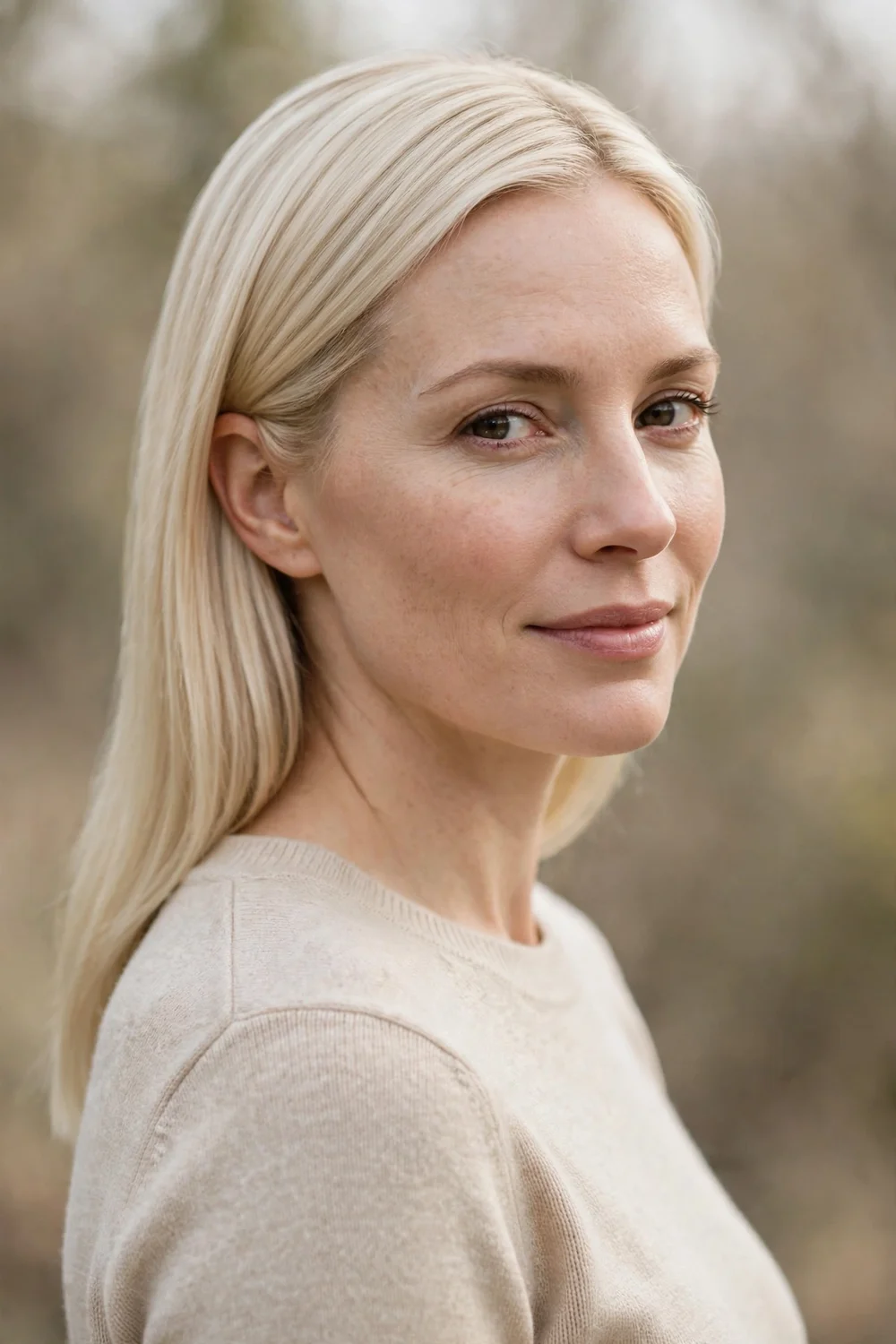
Creamy blonde softens everything: fine, diffused lightness through the mid-lengths, a root that is not dramatically darker, and a vanilla-leaning tone that sits between cool and warm. The low contrast means no harsh lines anywhere, which is flattering when winter paleness makes strong contrasts look severe. It reads expensive because it looks healthy. The technique relies on fine, diffused babylights rather than bold pieces, so nothing in the hair competes for attention.
This is the easiest pale blonde to maintain. The root is close to the natural base, so grow-out is nearly invisible, and the tone rarely needs aggressive toning. A monthly gloss keeps the creaminess luminous. It suits fine hair especially well, since the soft, even color makes strands look thicker than high-contrast highlights do. Because the color is so even, split ends and dryness show more, so regular trims matter as much as the color itself.
Try this: skip the purple shampoo and use a shine-enhancing conditioner instead, since this shade needs glow more than toning.
Difficulty: Low · Cost: $$ (salon)
12. Champagne Toast Blonde
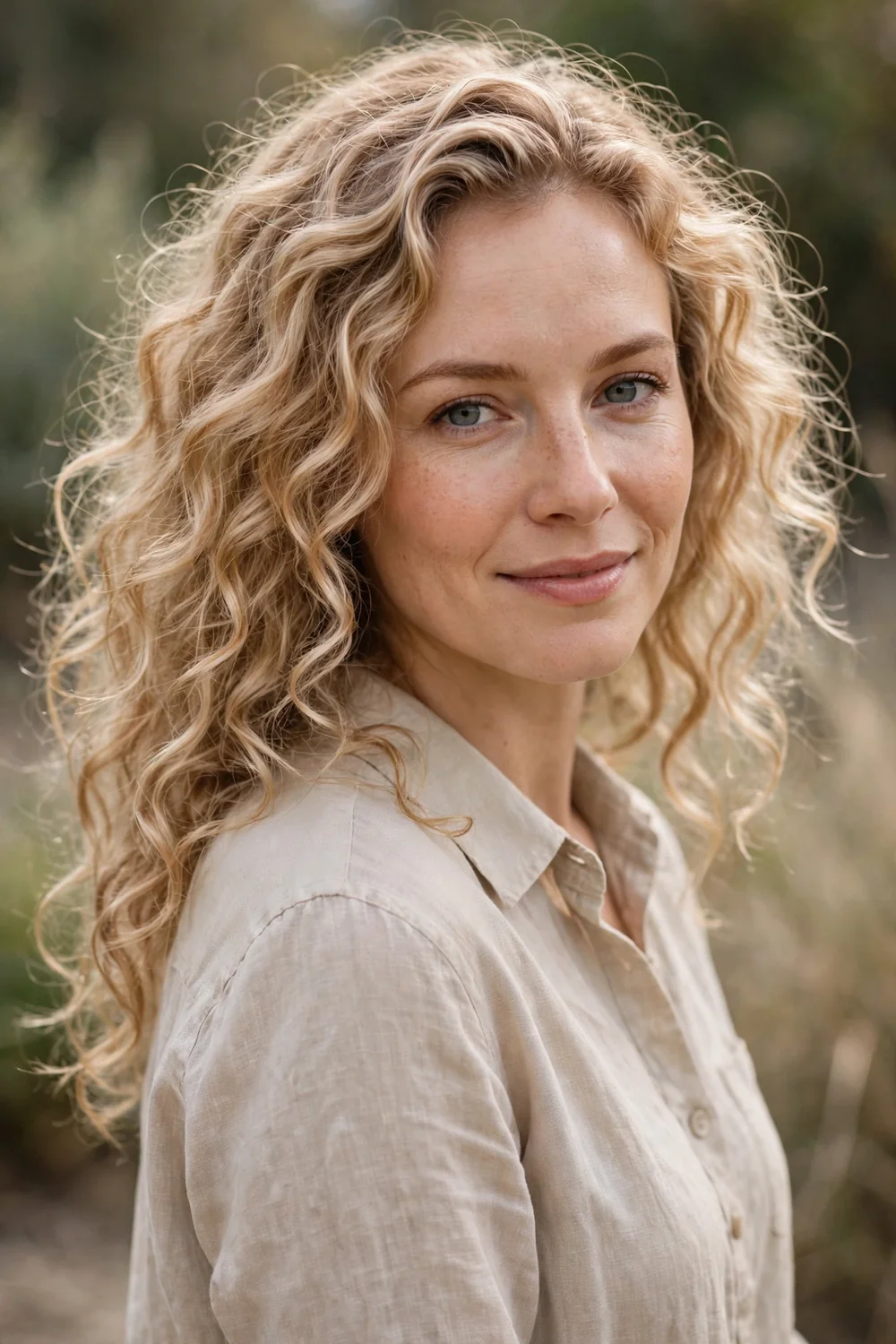
Champagne blonde blends pale gold with the faintest pink-beige shimmer, like the drink it is named for. It is festive without being flashy, which makes it a natural fit for the holiday stretch of winter. The subtle warmth brightens the face when everything outside is gray, and it suits light to medium skin with warm or neutral undertones. The pink-beige shimmer usually comes from a demi-permanent gloss, which means it fades gracefully instead of leaving a harsh line.
If warm blondes carry you through the cold months, these fall blonde hair colors show how honey and champagne tones shift between seasons.
The shimmer comes from a gloss toner, so plan a refresh every six weeks to keep it from fading to plain beige. At home, a color-safe shampoo and a weekly mask protect both the tone and the shine. It is a medium-maintenance shade that pays off most in evening light, where the champagne reflects warmly. It looks its best with a smooth blowout, since sleek hair reflects the champagne shimmer far better than textured waves.
Try this: time your gloss appointment for early December so the shimmer peaks through the holidays.
Difficulty: Medium · Cost: $$$ (salon)
13. Expensive Buttery Blonde

“Expensive blonde” is not one color but a technique: ribbons of golden, champagne, and neutral tones layered with lowlights, then unified with a gloss so it reads as one rich shade. The result looks lit from within rather than simply light. In winter, that inner glow counteracts the flatness that cold light gives to single-process color. The gloss that unifies everything is usually a demi-permanent formula one level deeper than the lightest ribbon, which keeps the blend cohesive.
Because it is built from multiple tones, grow-out is camouflaged and appointments stretch to ten weeks. The gloss step is what keeps it cohesive, so a salon gloss between full appointments maintains the effect. It suits medium to thick hair best, where the dimension has room to show, and it flatters warm and neutral undertones. Bring reference photos with similar lighting to your appointment, since this multi-tonal look is hard to describe and easy to miscommunicate.
Try this: ask your colorist to place the lightest ribbons around your face, where winter light hits first.
Difficulty: Medium · Cost: $$$ (salon)
14. Honey Butter Blonde
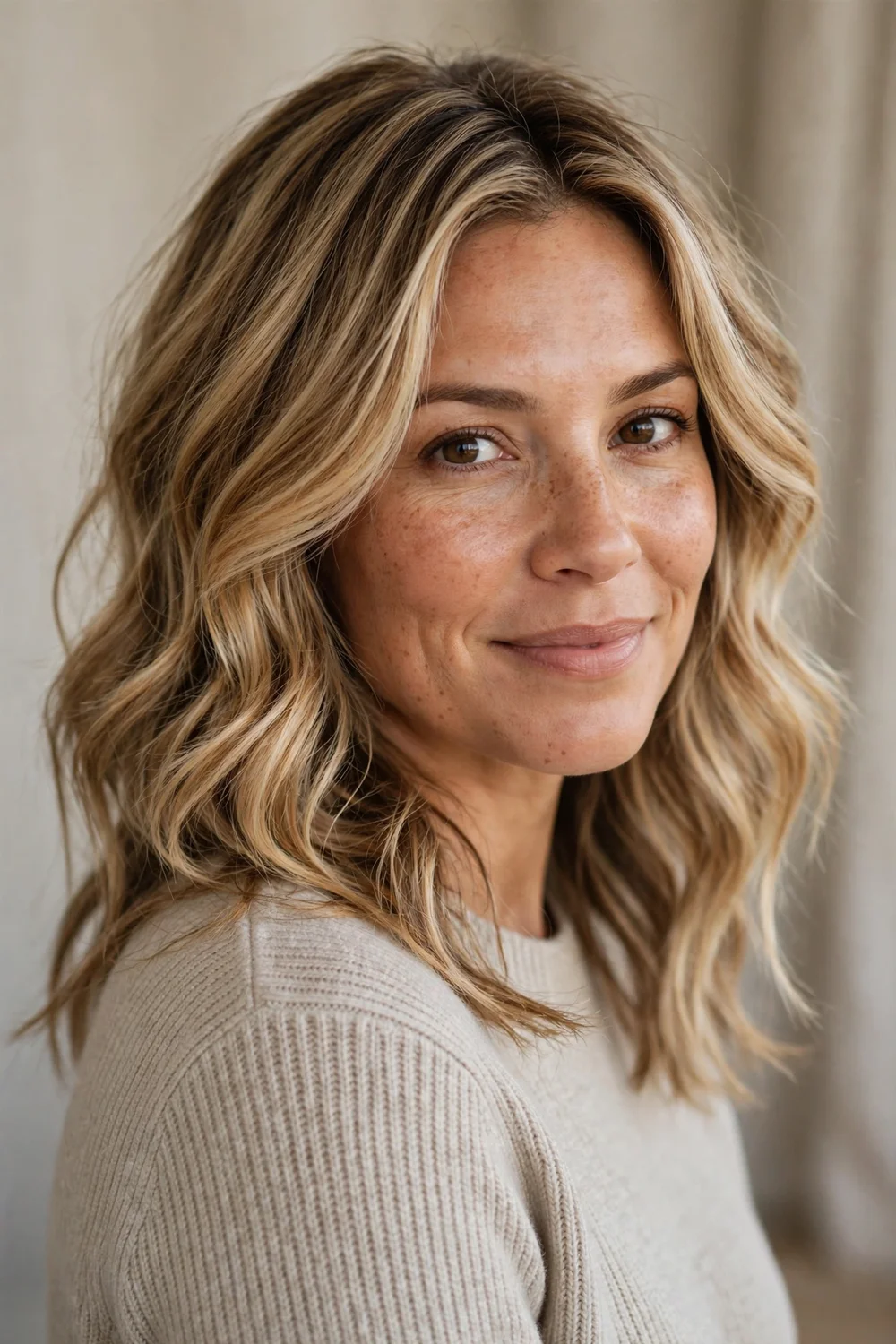
Honey butter blonde melts golden honey into soft buttery lengths, usually over a slightly deeper root. It is the coziest blonde on this list, and it does something clever in winter: the warmth brings life back to skin that has lost its summer color. Warm undertones and green or hazel eyes pair with it especially well. The honey is typically concentrated through the mid-lengths and ends, while the root stays closer to your natural depth for easy grow-out.
Applied as balayage, it is one of the most forgiving blondes for grow-out, since the gradient hides regrowth for months. The main upkeep is keeping the honey from going brassy, which a blue or purple toning conditioner handles every other week. Deep conditioning keeps the lightened lengths from drying out in heated indoor air. A weekly hair mask with a warm tone, rather than a purple one, keeps the honey rich without dulling its golden character.
Try this: use a toning conditioner instead of a toning shampoo to fight brass without stripping moisture.
Difficulty: Low · Cost: $$$ (salon)
15. Caramel Cream Balayage
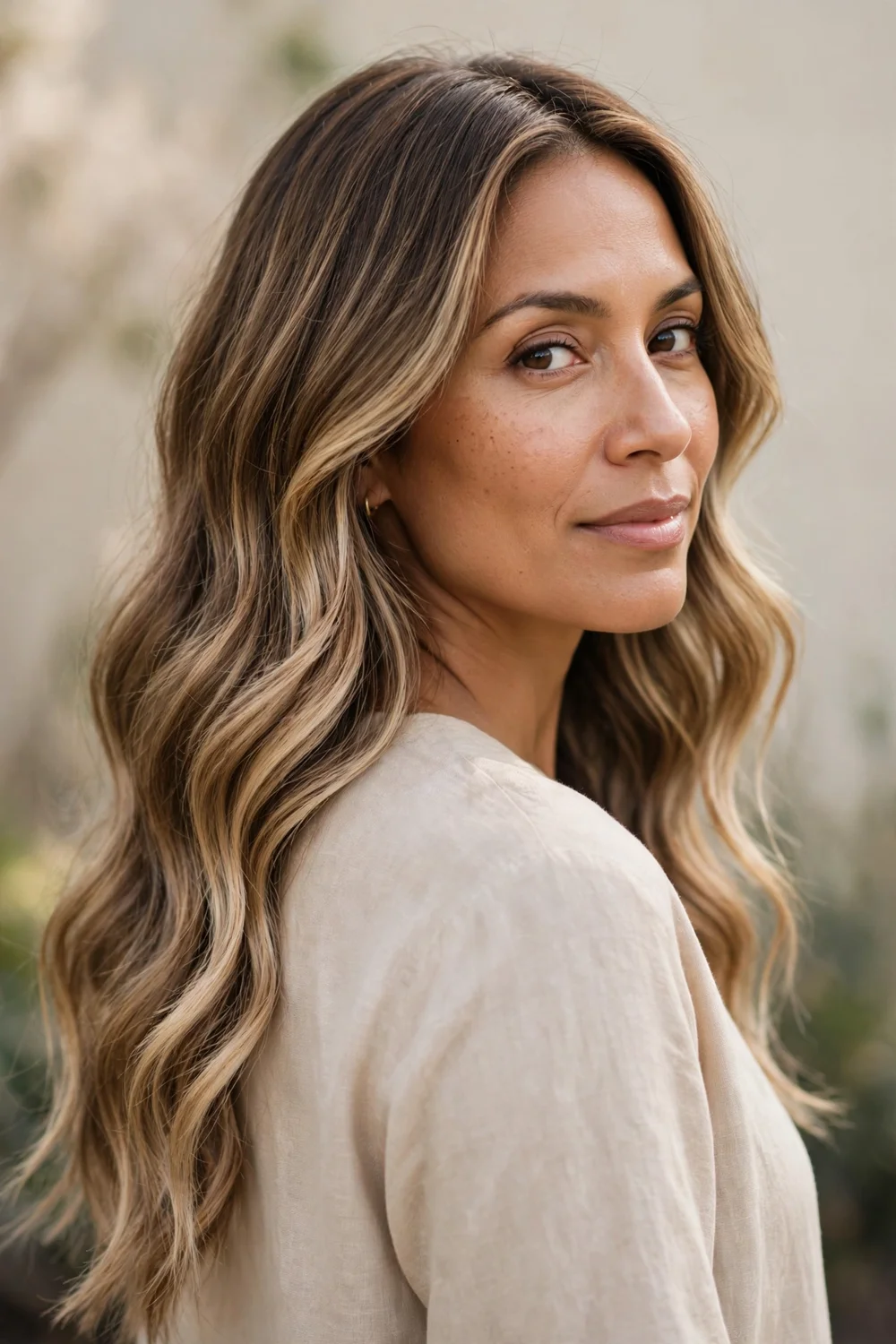
Caramel ribbons painted through a cream-blonde base create a warm, dimensional balayage that feels like late-afternoon sun. The caramel adds richness while the cream keeps it firmly blonde, so you get depth without darkness. It is a flattering middle path for brunettes going lighter gradually, and it suits warm and neutral undertones. Your colorist will likely hand-paint the caramel with a clay lightener, which processes in open air and creates that soft, diffused edge.
Balayage grows out without a line, so this shade can go ten to twelve weeks between appointments, making it a winter-friendly low-maintenance pick. The caramel can fade brassy, so a gloss every couple of months keeps the ribbons defined. A bond-building treatment protects the lightened pieces from winter dryness. Because caramel sits in the mid-range of blonde, it also photographs well in warm indoor lighting, where paler blondes can look washed out.
Try this: ask for the caramel concentrated through the mid-lengths so the ends stay bright.
Difficulty: Low · Cost: $$$ (salon)
16. Chocolate-Rooted Caramel Melt
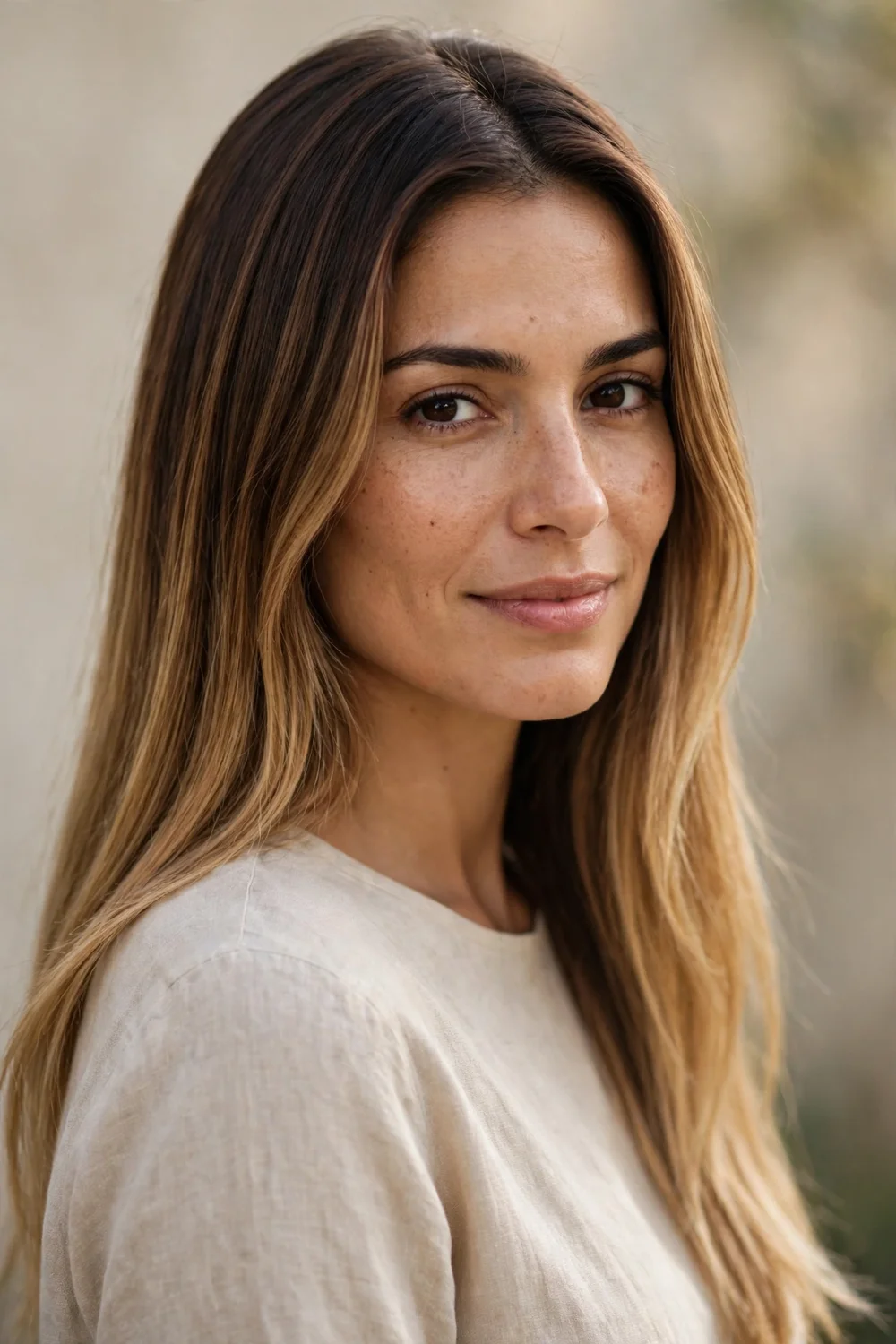
This is a gradient, not ribbons: deep chocolate roots melting seamlessly into golden blonde ends. The dark root grounds the look and makes the blonde ends appear brighter by contrast. It is the lowest-lift way for brunettes to wear blonde, since your natural base does half the work and the grow-out is the style. The melt is usually done with a demi-permanent color at the roots, so it fades gently and never leaves a demarcation line.
Maintenance is minimal because regrowth simply extends the melt. You will want a toner on the blonde ends every eight to ten weeks to keep them golden rather than brassy. The dark roots need no touch-up at all. It suits medium to dark natural bases and anyone who wants blonde brightness without the blonde upkeep schedule. It also works well if you are growing out old highlights, since the dark root simply absorbs the regrowth into the design.
Try this: keep the transition zone long and gradual so the melt never shows a line, even months in.
Difficulty: Low · Cost: $$$ (salon)
17. Sandy Golden Blonde
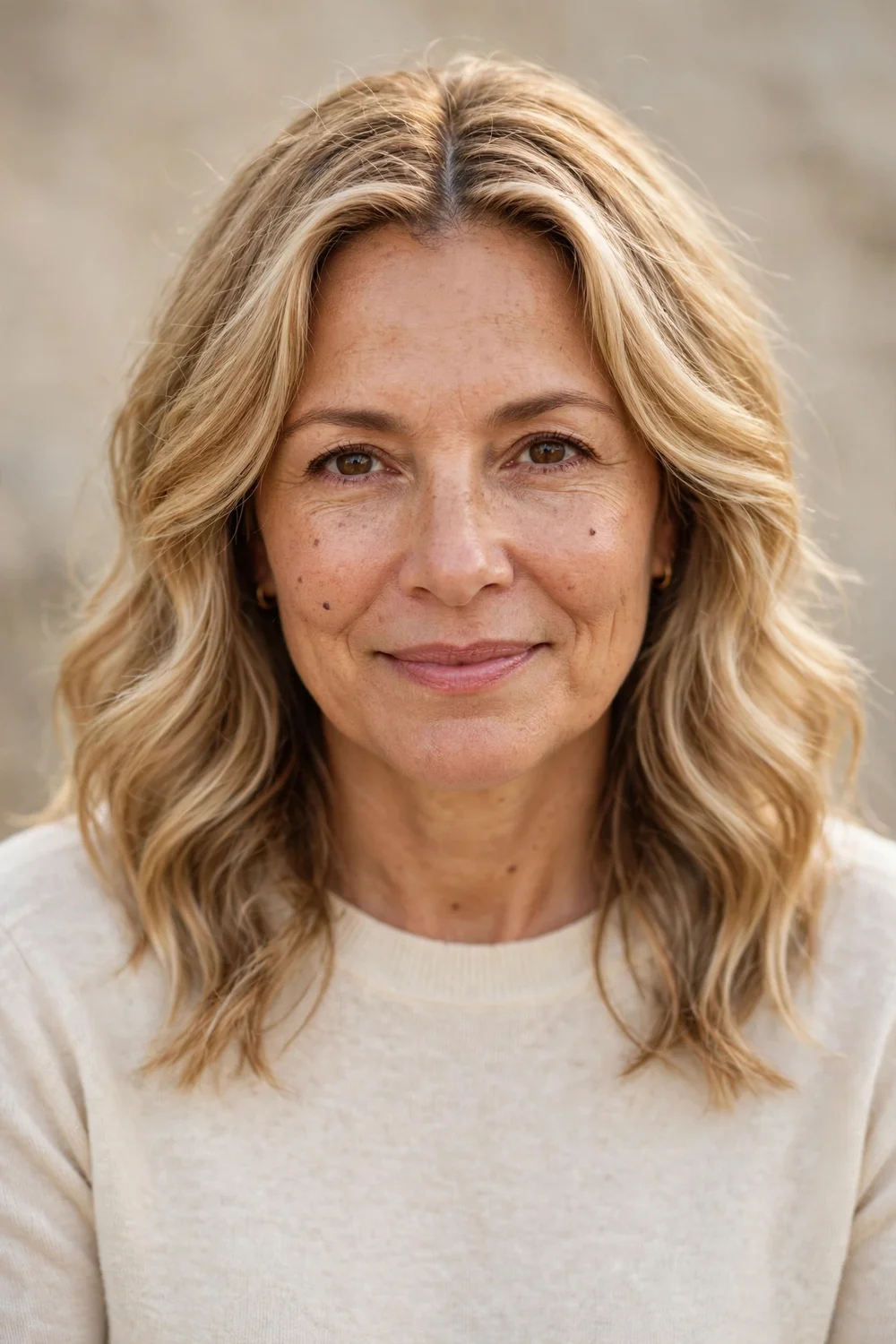
Sandy blonde mixes warm gold with a muted, beachy neutrality that keeps it from going brassy. It is a relaxed, sun-warmed shade that brings a hint of summer into the cold months without looking out of season. Medium skin tones wear it well, and it is forgiving on hair that has been lightened before, since the tone is not demanding. The sandy tone comes from a neutral-gold gloss that mutes brightness just enough to keep the shade sophisticated.
The muted quality is what makes it easy: it fades gracefully and rarely needs toning beyond a gloss every eight weeks. It sits in the medium-blonde range, so lifting is moderate and damage stays manageable. A moisturizing routine is still wise in winter, but this shade asks less of your calendar than the icy options. It is also a forgiving choice between seasons, since it bridges summer brightness and winter depth without a dramatic appointment.
Try this: add sandy highlights over your natural base instead of full color for the easiest version of this shade.
Difficulty: Low · Cost: $$ (salon)
18. Toasted Almond Blonde
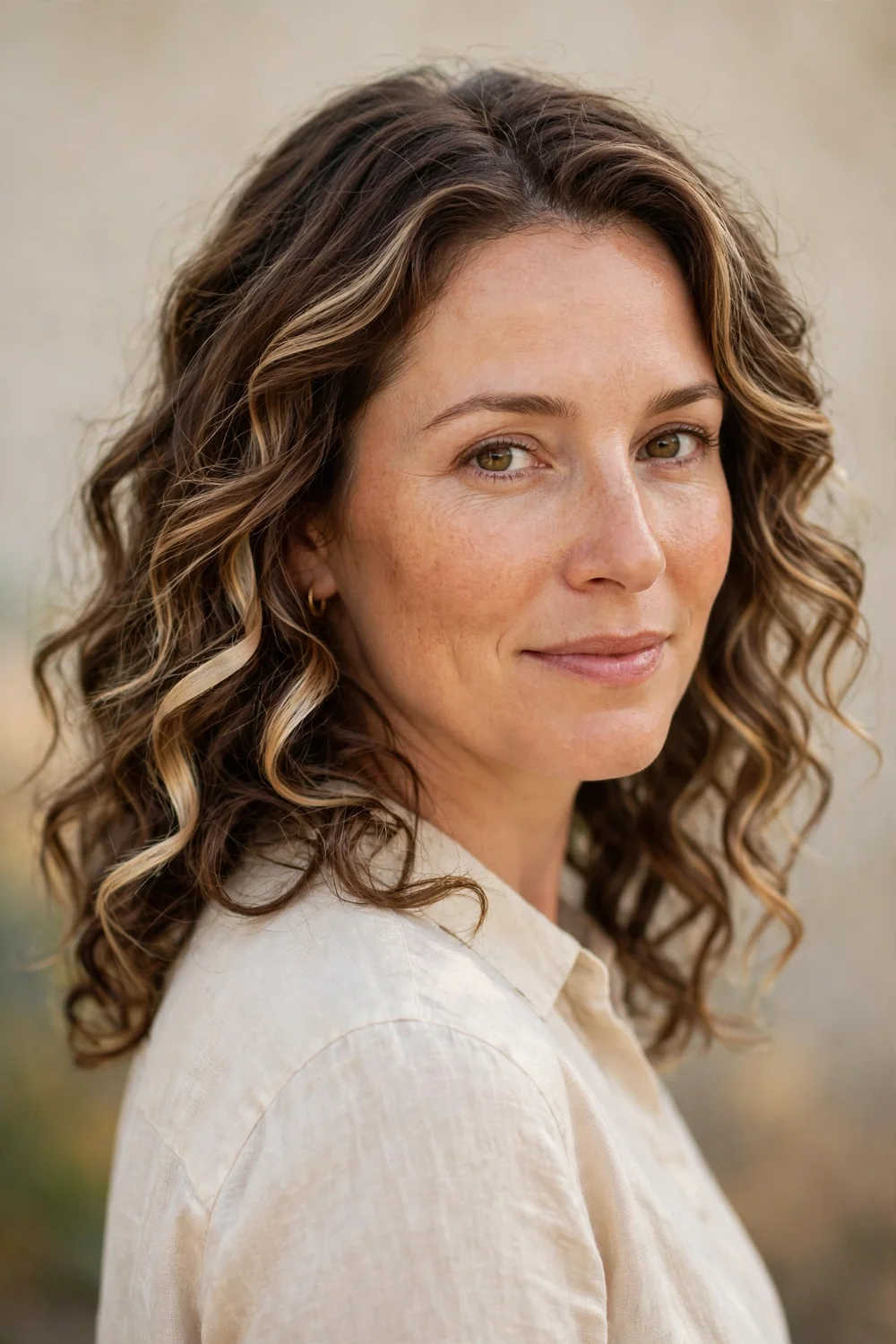
Toasted almond weaves soft honey and almond-toned ribbons through your natural base, adding warmth and dimension with minimal lifting. It is the subtlest blonde shift here, ideal if you want change without commitment. The toasted tones catch winter light gently, giving brown hair a lit-from-within quality. Because the ribbons are fine and sparse, the appointment is shorter and the grow-out is nearly undetectable. Ask for the ribbons in a shade no more than three levels lighter than your base so the result stays soft and natural.
Because so little hair is lightened, this is one of the healthiest blondes to wear and the cheapest to maintain. A gloss every couple of months keeps the ribbons fresh, and grow-out is nearly invisible. It suits anyone with a medium to dark base who wants to test blonde waters before going further. It works as a standalone look or as a first step toward a fuller blonde, which makes it a low-risk consultation for the cautious.
Try this: start with ribbons only around the face, then add more through the lengths at your next visit if you love it.
Difficulty: Low · Cost: $$ (salon)
19. Bronzed Blond
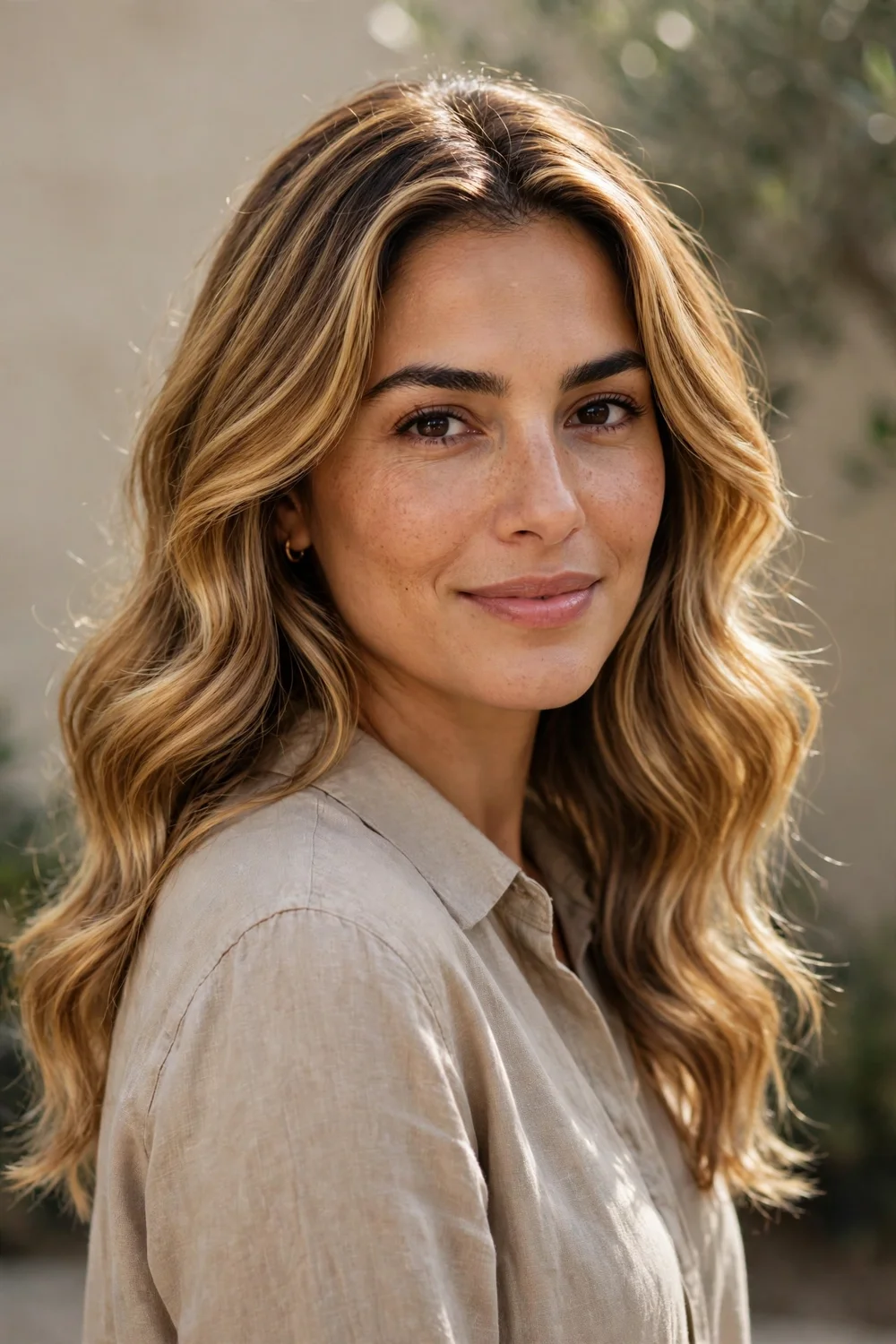
Bronzed blond takes golden blonde deeper, adding bronze warmth that glows against winter paleness. Think sun-kissed but richer, with darker roots blending into luminous golden lengths. It suits olive and warm medium skin well, and it is one of the few blondes that looks better as it grows out, since the bronze deepens naturally. The bronze depth usually comes from a warm demi-permanent gloss over lightened hair, which adds richness without extra damage.
The warmth is the point, so skip purple shampoo and let the golden tones live. A color-safe shampoo and occasional gloss keep the bronze reflective. It is medium maintenance at most, and the darker root means you can stretch appointments to ten weeks. Dry winter air still calls for regular conditioning on the lightened lengths. Gold jewelry and warm-toned makeup pair naturally with this shade, since the bronze picks up those undertones.
Try this: ask your colorist to keep the bronze concentrated at the mid-lengths so the ends stay light and bright.
Difficulty: Medium · Cost: $$$ (salon)
20. Winter Wheat Blonde
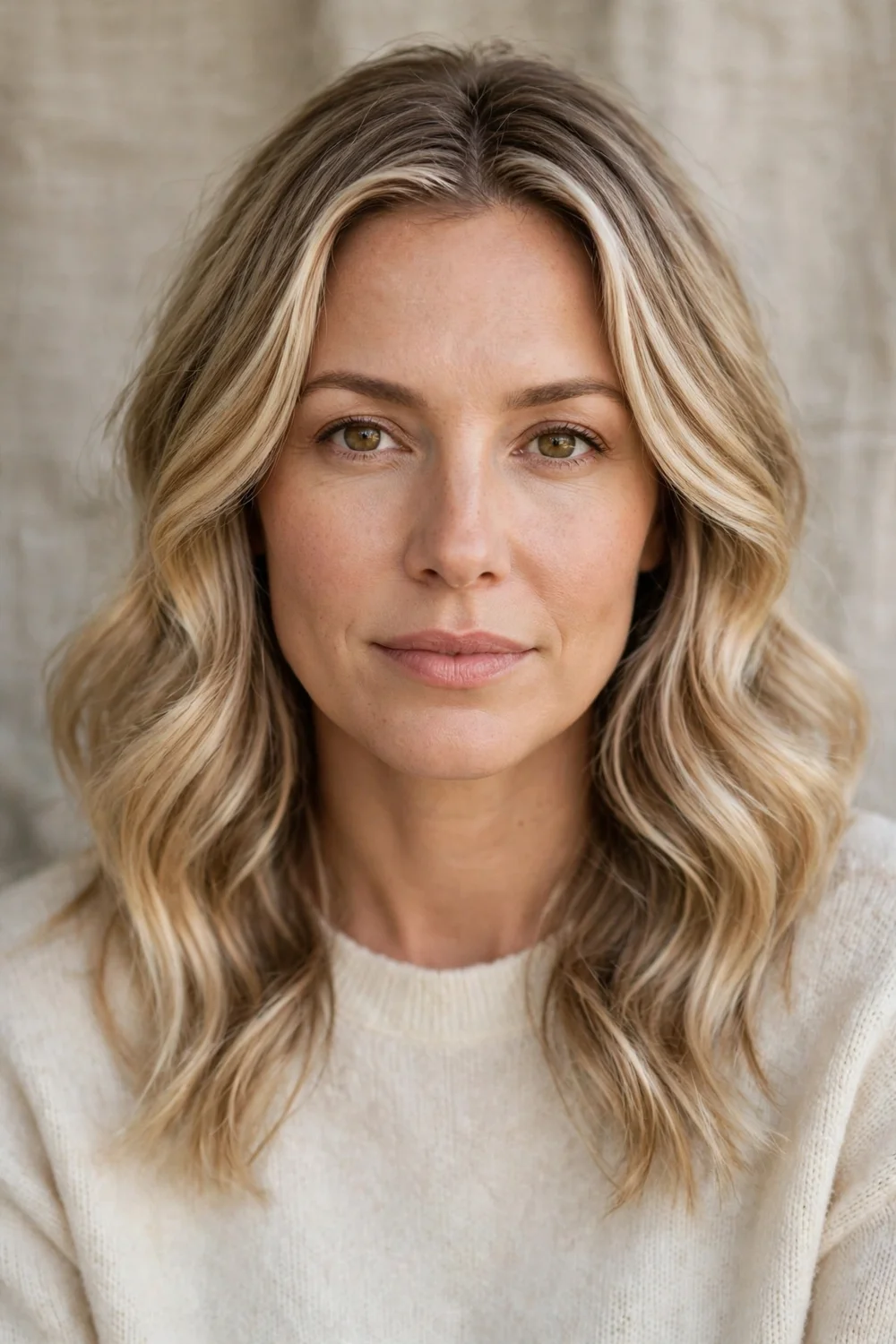
Winter wheat blonde blends warm wheat tones with cooler winter hues in one seamless balayage, giving you warmth and coolness at once. It is the chameleon of the list: golden in warm indoor light, cooler and more muted outdoors. That duality makes it flattering across undertones, since it never commits fully to either side. Your colorist balances the formula by eye, often using a neutral base with both warm and cool reflect, so bring photos that show the blend you want.
The mixed tones hide fading well, so maintenance stays moderate with a gloss every eight weeks. It is typically applied as balayage, which means soft grow-out and no harsh lines. A sulfate-free shampoo protects the blend, and a weekly mask keeps the lightened pieces supple through the driest weeks of the season. It is a good pick if your wardrobe mixes warm and cool tones, since the shade never clashes with either side.
Try this: mention your undertone in the consultation so your colorist weights the blend warm or cool accordingly.
Difficulty: Medium · Cost: $$$ (salon)
21. Strawberry Blonde
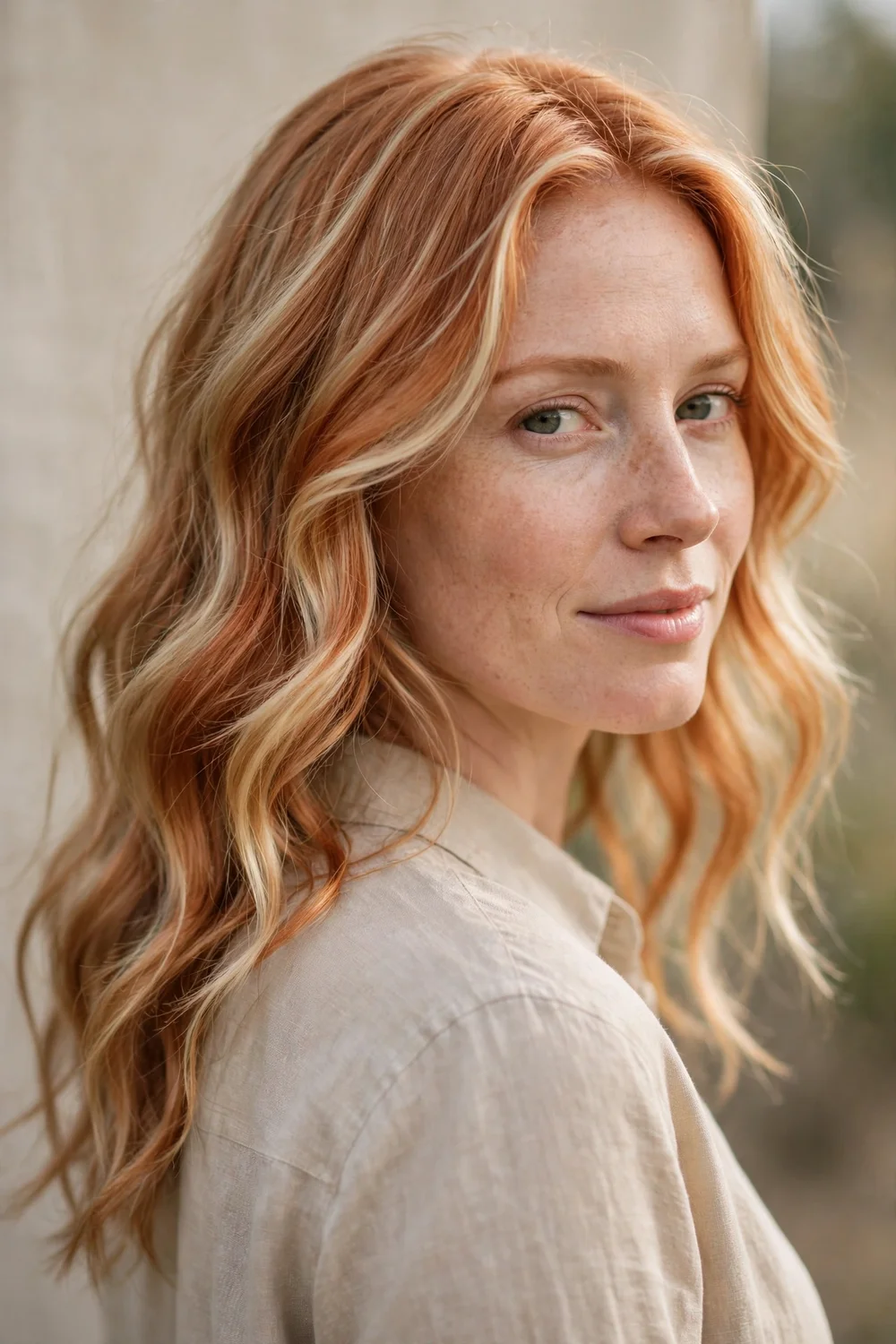
Strawberry blonde sits between blonde and red, a warm coppery-gold that glows in winter’s low light. Interwoven lighter pieces keep it bright and dimensional rather than flat. Fair skin with warm or neutral undertones wears it best, and it is a distinctive choice in a season dominated by ash and platinum. The copper-gold balance is delicate, so ask your colorist to formulate slightly deeper than your goal, since red molecules fade fastest in the first two weeks.
For the broader seasonal palette beyond blonde, these fall hair colors include warm reds and coppers that share strawberry’s cozy energy.
Red tones fade faster than any other color, so this shade asks for color-safe shampoo, cool water rinses, and a color-depositing conditioner to hold the copper between appointments. Expect a refresh every six weeks. The payoff is a shade that looks lit from within even on the grayest February afternoon. Silk or satin pillowcases reduce friction overnight, which helps the fragile red tones last between washes. A shower filter also helps, since minerals in hard water can dull copper tones faster than shampoo alone.
Try this: wash in cool water and cut back to two washes a week to slow the fade.
Difficulty: Medium · Cost: $$$ (salon)
22. Blush Rose Blonde
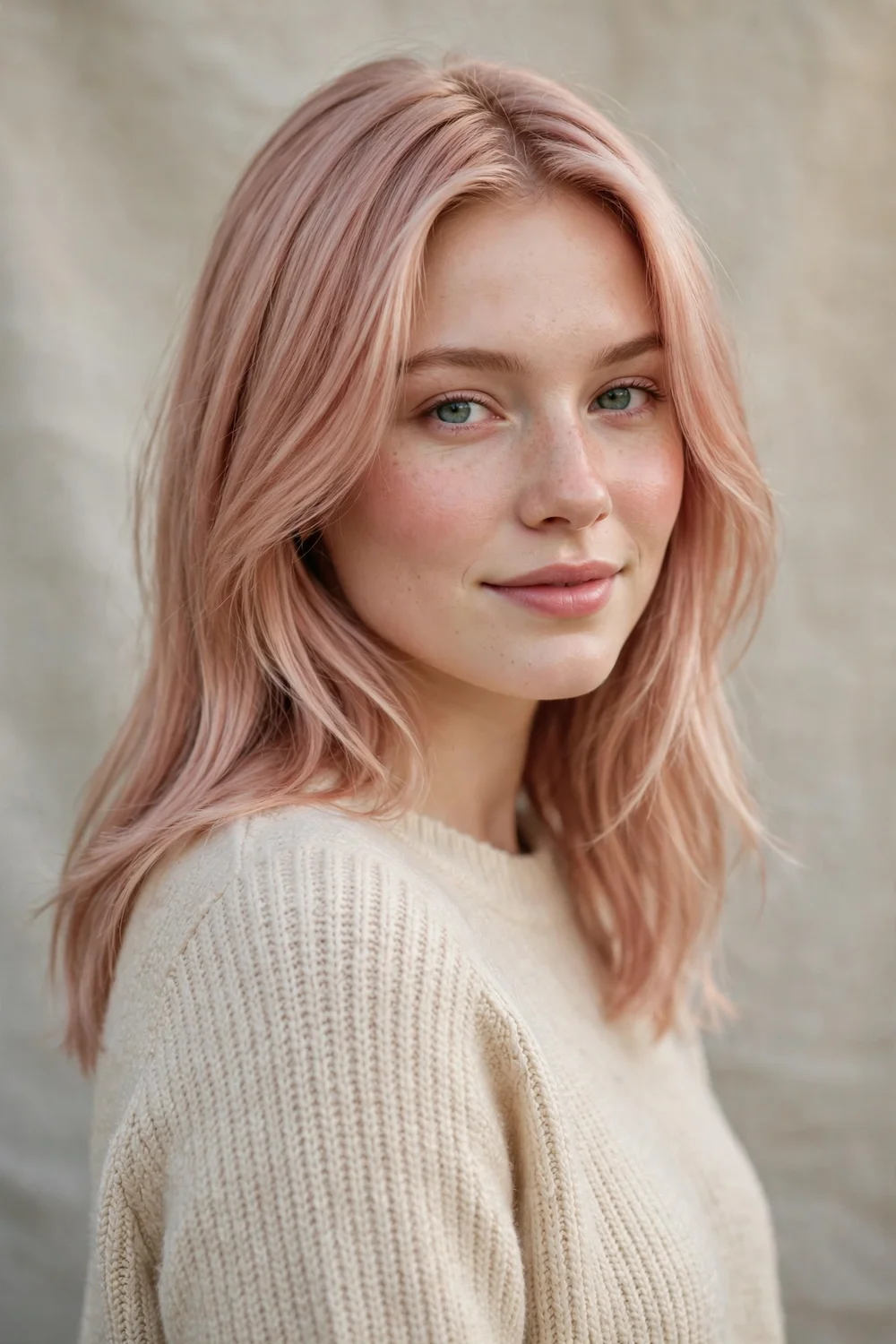
Blush rose blonde kisses a blonde base with soft pink, from barely-there blush to a clearer rose. It is playful but wearable, and the pink reflects flatteringly onto the skin, which helps when winter washes out your complexion. Fair and light skin tones carry it best, and it is a fun way to stand out without going full fantasy color. Most colorists apply the pink as a sheer gloss over a pale blonde base, which lets you control the intensity from whisper to statement.
Pastel tones fade fast, so this is a commitment: a color-depositing conditioner every few washes keeps the pink alive between salon visits. Heat styling accelerates fading, so use a protectant and keep temperatures moderate. Plan on a refresh every four to six weeks if you want the rose to stay visible. If the pink fades unevenly, a quick all-over gloss at the salon resets it in under thirty minutes. Between visits, dilute the color-depositing conditioner with water in your palm for a sheerer, more even application.
Try this: mix a pink color-depositing conditioner with your regular conditioner to control how strong the rose reads.
Difficulty: High · Cost: $$$ (salon)
23. Mocha-Vanilla Bronde
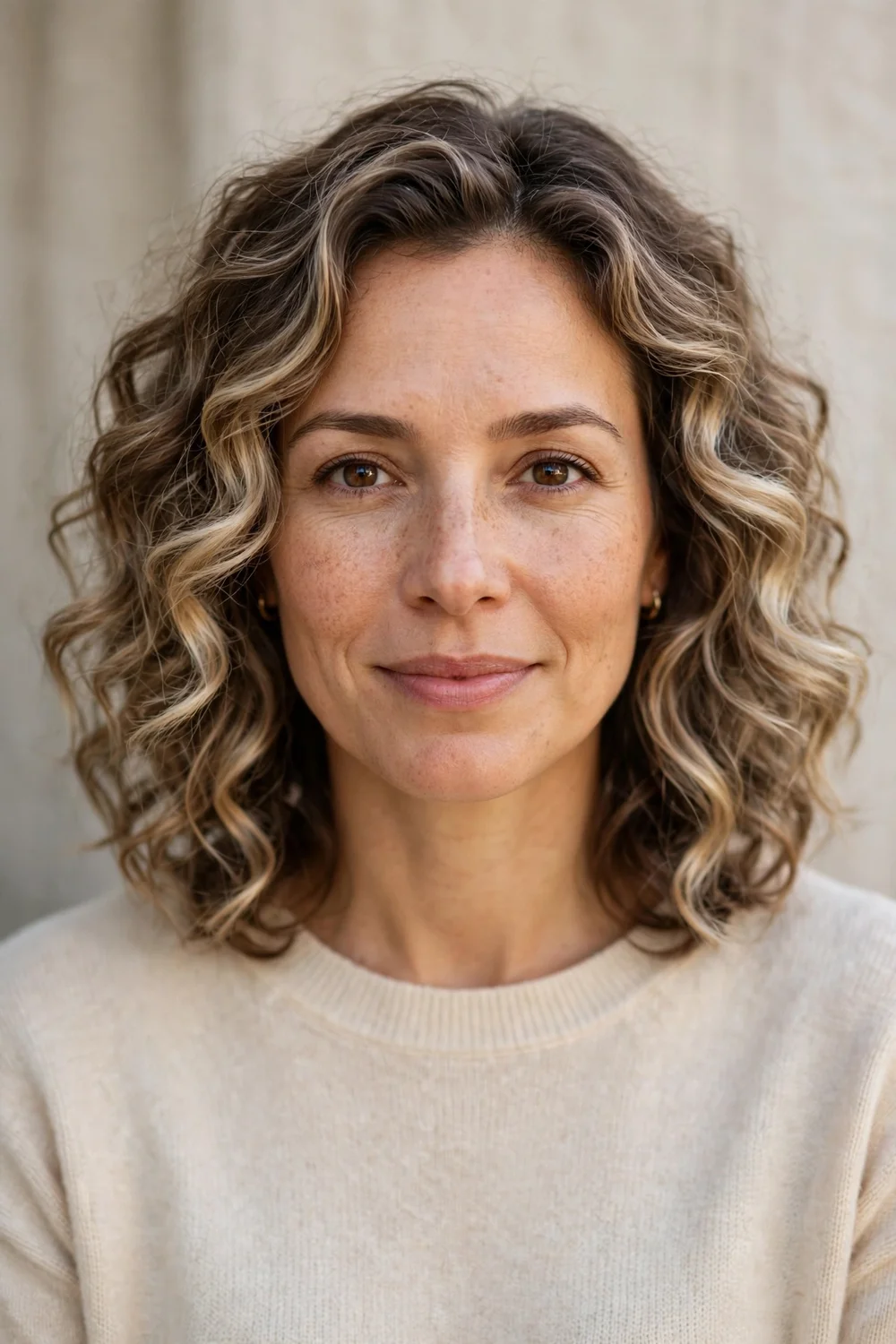
Bronde lives between brown and blonde, and the mocha-vanilla version pairs rich mocha depth with pale vanilla ribbons for striking contrast. It is the darkest “blonde” here, which makes it the easiest transition for brunettes and the most forgiving in grow-out. The mix of warm and cool tones keeps it interesting in flat winter light. The vanilla ribbons are usually placed with balayage around the face and through the ends, leaving the mocha depth untouched underneath.
The contrast does the work, so upkeep is light: a gloss every eight to ten weeks keeps the vanilla bright and the mocha rich. Because the base stays close to natural, appointments are quick and damage stays low. It suits medium to dark bases and anyone who wants dimension without going fully blonde. Because the base stays dark, this shade also handles winter hat hair well, since the depth disguises any flattening at the roots.
Try this: keep the vanilla ribbons finer around the face and chunkier through the lengths for a modern balance.
Difficulty: Low · Cost: $$$ (salon)
24. Rooted Winter Blonde
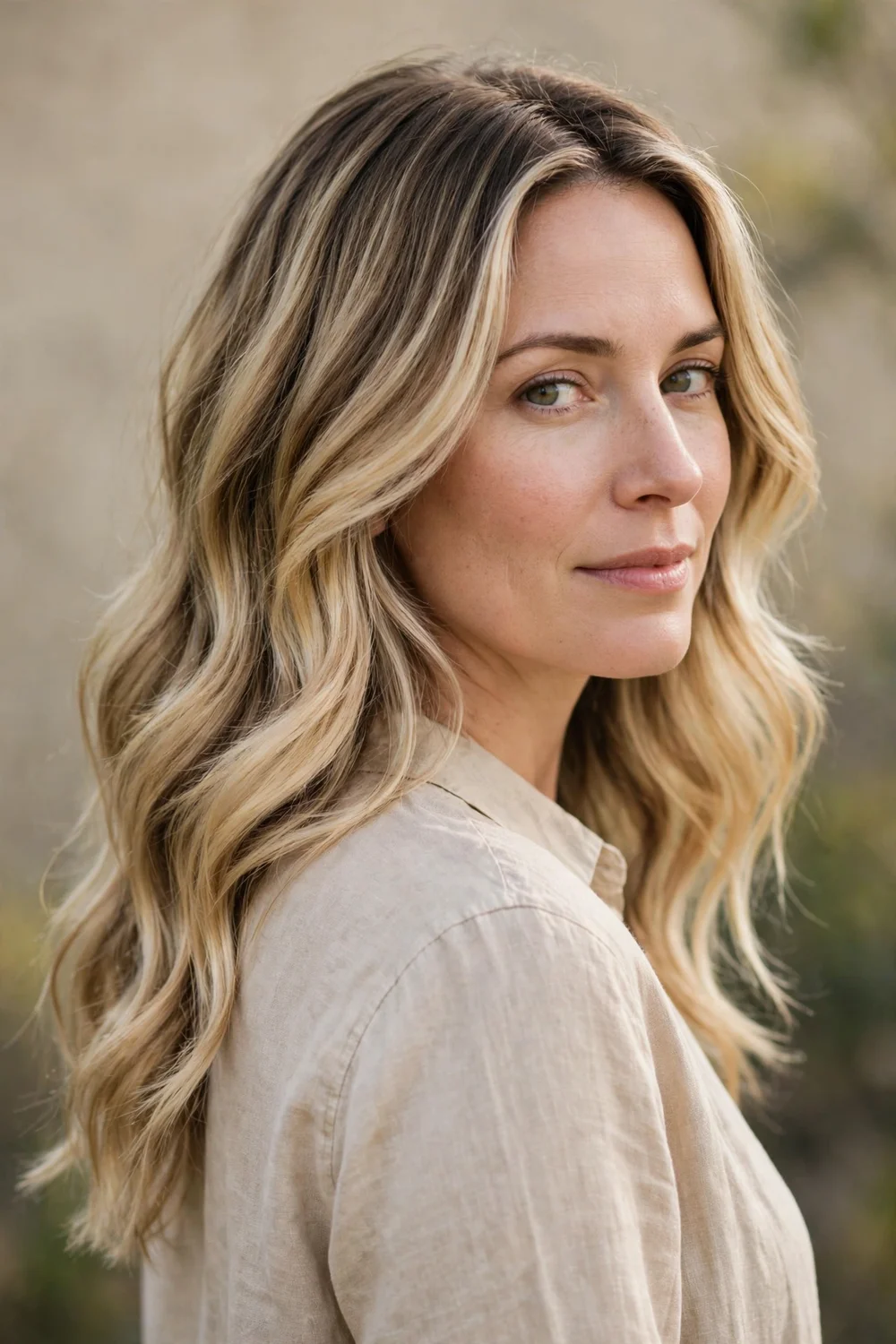
Rooted blonde deepens the roots and lets them blur into brighter ends, whether through ombre, sombre, or a shadow root. It is less a shade than a strategy: your natural base becomes part of the color, so regrowth never looks like neglect. In winter, when salon trips feel like a chore, that built-in forgiveness is worth a lot. The technique adapts to any tone, from icy to honey, because the root melt is about placement rather than a specific color.
This is the lowest-maintenance way to be blonde. Full appointments can stretch to twelve weeks, with just a toner gloss in between. It works with any blonde tone, from icy to honey, layered over the root. Ask your colorist to melt the root rather than draw a line, since the softness is what makes it grow out invisibly. It is also the best option if your schedule is unpredictable, since a missed appointment never looks like an emergency.
Try this: bring a photo of your natural root color to the consultation so the smudge matches seamlessly.
Difficulty: Low · Cost: $$$ (salon)
25. Blended Face-Framing Highlights
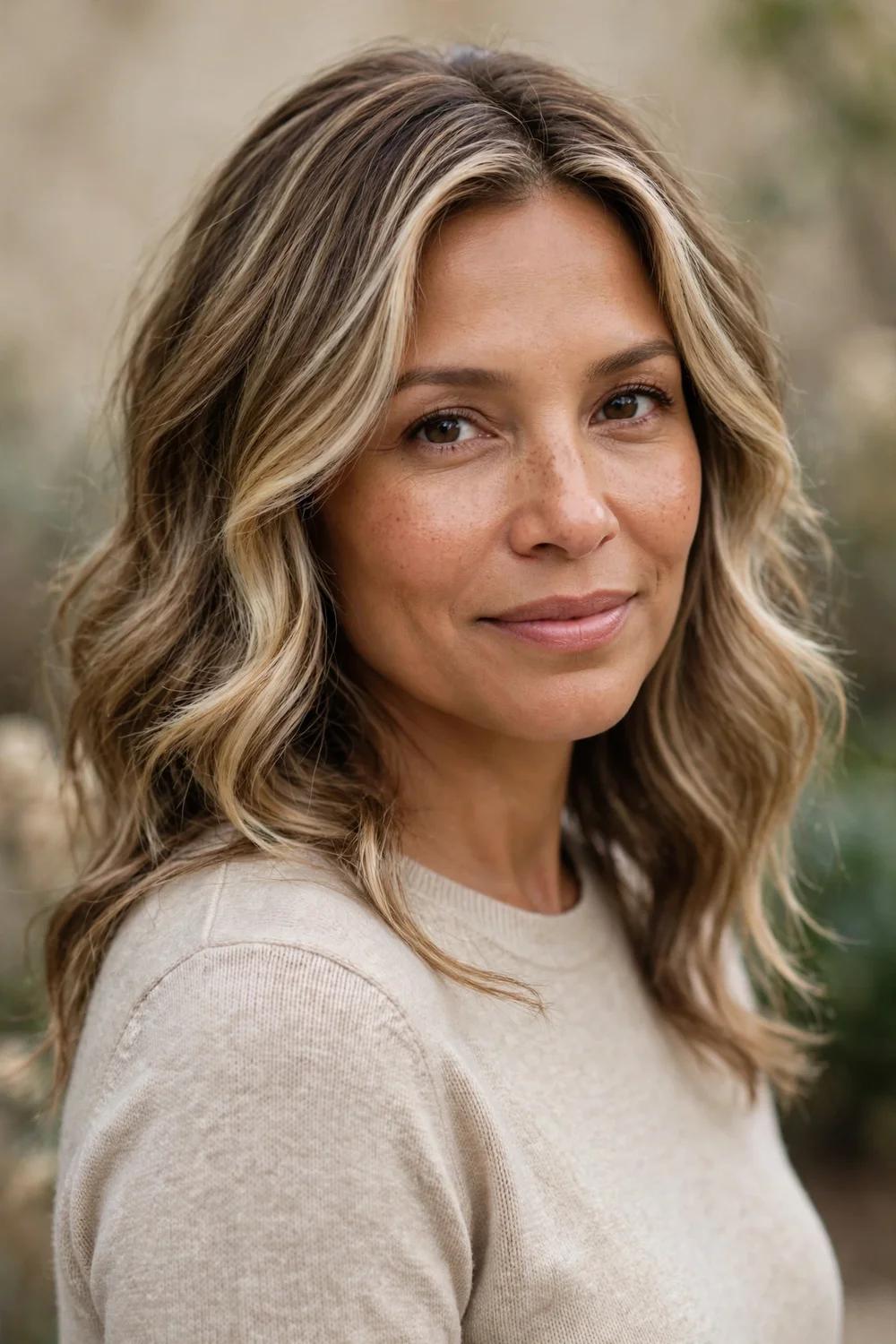
Face-framing highlights, the softer evolution of the money piece, place brightness strategically around the face and blend it into the lengths. In winter, when hats and scarves frame the face anyway, this placement puts the color exactly where it gets seen. It works over any base, from brunette to dark blonde, and any blonde tone. The highlights are usually woven finely and placed slightly back from the hairline, so they look sun-touched rather than striped.
Because only the front sections are lightened, this is quick, affordable, and low-damage. A partial highlight every eight to ten weeks keeps it fresh, and the rest of the hair can go longer between appointments. It suits everyone, but it is especially smart for first-time blondes who want impact without a full-head commitment. You can pair this placement with any base color, which makes it an easy add-on to your existing shade rather than a full transformation.
Try this: ask for the highlights to start slightly below the root so they grow out without a stripe.
Difficulty: Low · Cost: $$ (salon)
26. Chunky Platinum Face-Framing Highlights
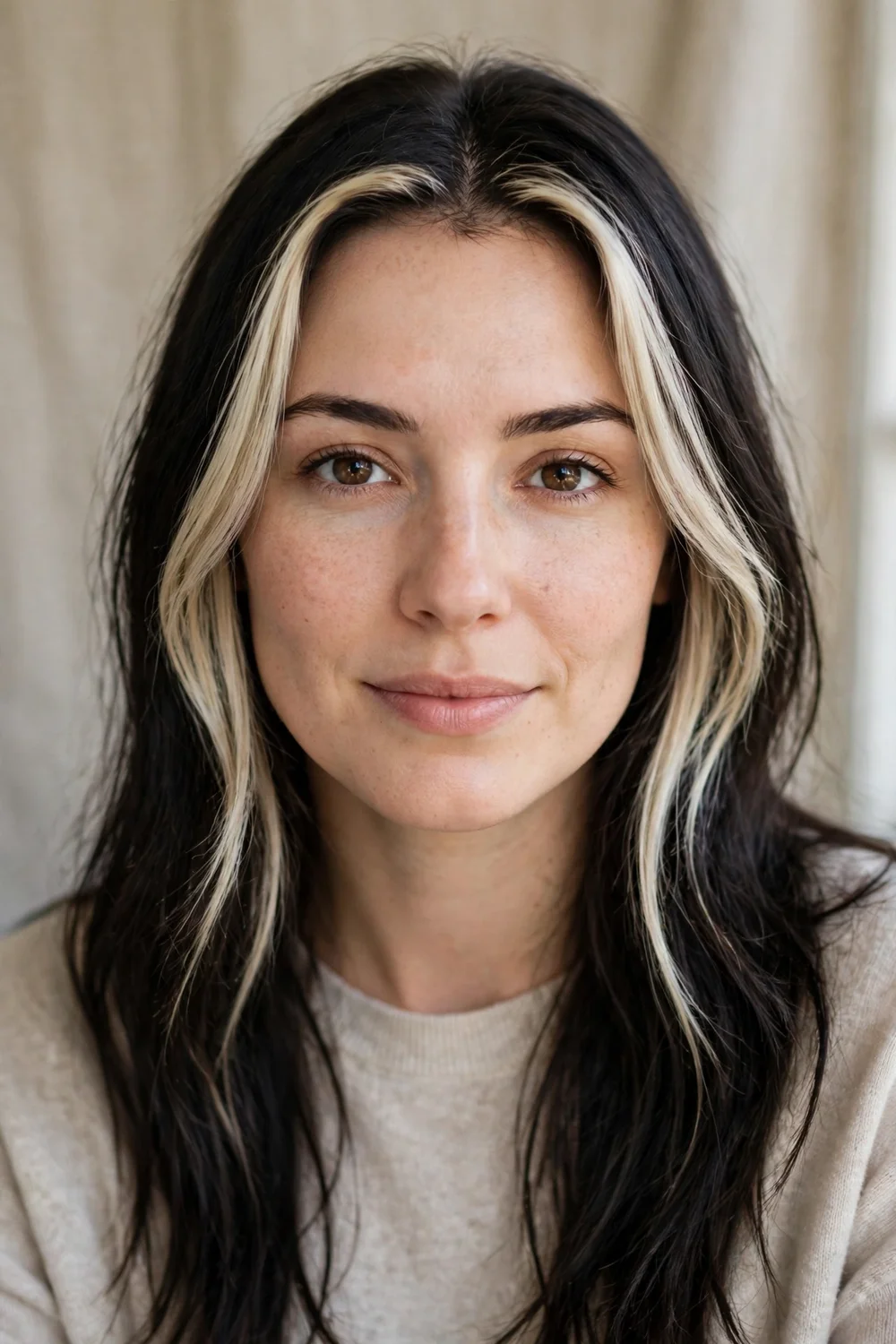
Where the blended version whispers, this one makes a statement: thick platinum ribbons framing the face against a darker base. The high contrast is bold and graphic, and winter’s dark wardrobe makes it pop even harder. It is the edgiest placement on this list and the fastest way to change your look with minimal bleach. The panels are typically sliced rather than woven, which keeps the platinum bold and graphic instead of blended.
The platinum panels need toning every six weeks to stay icy rather than yellow, but the rest of the hair is untouched. Keep the lightened pieces conditioned, since bleach plus winter air is a drying combination. It suits confident wearers and darker natural bases best, where the contrast reads strongest. Keep the rest of your styling simple, since the high-contrast panels are already the focal point of the whole look.
Try this: style the front pieces smooth and sleek so the platinum panels read as deliberate stripes.
Difficulty: Medium · Cost: $$ (salon)
27. Striped Honey Highlights

Broad strokes of honey blonde woven through a brunette base create bold, dimensional stripes with a retro-meets-modern feel. Unlike fine babylights, these wider ribbons are meant to be seen, and they add visible texture and movement to straight or wavy hair. Warm undertones and medium to dark bases carry this look best. The stripes are usually painted with a freehand technique, which keeps the edges soft even though the ribbons themselves are bold.
To see how these tones fit the season’s full color story, these winter hair color ideas cover every shade family trending this winter.
The width of the stripes means fewer foils and a faster appointment, and grow-out is softer than it looks because honey blends with brown naturally. A gloss every eight weeks keeps the honey from dulling. It is a medium-maintenance look with high visual payoff, especially on long hair where the stripes have room to show. Long layers show off the pattern best, since the stripes need length to create that ribboned, dimensional effect.
Try this: ask for varied stripe widths so the pattern looks hand-painted rather than uniform.
Difficulty: Medium · Cost: $$$ (salon)
At a Glance: 27 Winter Blonde Shades Compared
| Shade | Best for | Winter perk | Upkeep |
|---|---|---|---|
| Icy Platinum Blonde | Fair, cool undertones | Maximum contrast against dark clothes | Toner every 4 to 6 weeks, purple shampoo |
| Shadow-Root Icy Blonde | Cool-blonde lovers who hate root lines | Icy brightness with forgiving grow-out | Gloss every 6 to 8 weeks |
| Ash Blonde | Cool undertones, blue or gray eyes | Muted coolness suits gray winter light | Toning shampoo, appointments every 8 weeks |
| Smoky Quartz Blonde | Medium and olive skin | Built-in depth hides regrowth | Toner every 6 to 8 weeks |
| Nordic Blonde | Fair skin, pink or neutral undertones | Luminous against pale winter skin | Toner every 4 to 6 weeks, purple shampoo |
| Frosty Pearl Blonde | Fair to light-medium skin, fine hair | Iridescent shimmer adds fullness | Gloss every 6 weeks |
| Silver-Gray Blonde | Blending natural gray, cool undertones | Metallic shine in dim light | Silver shampoo weekly |
| Silver-White Blonde Bob | Strong features, fair skin | Short length eases bleach maintenance | Toner every 5 to 6 weeks |
| Silver Panel Balayage on Dark Base | Dark natural hair, bold tastes | Drama with limited bleaching | Panel toning every 6 to 8 weeks |
| Cool Beige Blonde | Neutral and warm undertones | Balanced tone flatters without extremes | Gloss every 8 weeks |
| Creamy Low-Contrast Blonde | Fine hair, pale winter skin | Softness avoids harsh winter contrast | Monthly gloss, minimal toning |
| Champagne Toast Blonde | Light to medium skin, warm or neutral undertones | Festive shimmer for the holidays | Gloss refresh every 6 weeks |
| Expensive Buttery Blonde | Medium to thick hair, warm undertones | Inner glow fights flat winter light | Appointments every 10 weeks, gloss between |
| Honey Butter Blonde | Warm undertones, green or hazel eyes | Warmth revives post-summer skin | Toning conditioner, balayage lasts months |
| Caramel Cream Balayage | Brunettes going lighter gradually | Grows out with no line for months | Gloss every 2 months |
| Chocolate-Rooted Caramel Melt | Medium to dark natural bases | Regrowth is part of the style | Toner on ends every 8 to 10 weeks |
| Sandy Golden Blonde | Medium skin tones | Muted warmth fades gracefully | Gloss every 8 weeks |
| Toasted Almond Blonde | Medium to dark bases testing blonde | Minimal lifting, healthiest blonde | Gloss every couple of months |
| Bronzed Blond | Olive and warm medium skin | Glows against winter paleness | Appointments every 10 weeks |
| Winter Wheat Blonde | All undertones | Warm-cool mix flatters in any light | Gloss every 8 weeks |
| Strawberry Blonde | Fair skin, warm or neutral undertones | Distinctive glow in low light | Color-safe routine, refresh every 6 weeks |
| Blush Rose Blonde | Fair, light skin | Pink reflects flatteringly on skin | Color-depositing conditioner, refresh every 4 to 6 weeks |
| Mocha-Vanilla Bronde | Medium to dark bases | Darkest blonde, easiest transition | Gloss every 8 to 10 weeks |
| Rooted Winter Blonde | Anyone wanting low maintenance | Built for skipping winter salon trips | Full appointments every 12 weeks |
| Blended Face-Framing Highlights | First-time blondes, any base | Color where scarves and hats frame it | Partial highlight every 8 to 10 weeks |
| Chunky Platinum Face-Framing Highlights | Darker bases, bold wearers | High contrast pops with dark clothes | Panel toning every 6 weeks |
| Striped Honey Highlights | Warm undertones, medium to dark bases | Bold dimension with soft grow-out | Gloss every 8 weeks |
How to Choose Your Winter Blonde
Start with your undertone. Cool undertones pair naturally with platinum, ash, silver, and pearl, while warm undertones glow with honey, caramel, champagne, and bronze. Neutral undertones have the most freedom and can wear beige, creamy, or wheat blondes that sit in the middle. If you are unsure, look at your veins in daylight or ask your colorist, since the wrong temperature is the most common reason a blonde disappoints.
Next, match the shade to your maintenance tolerance. All-over platinum and pearl need toning every four to six weeks, while rooted, balayage, and melted techniques stretch to ten or twelve. Be honest about how often you will actually visit the salon in winter, since most of these shades grow out gracefully only when the technique was designed for it.
Finally, factor in your hair’s condition. Reaching pale cool blondes requires significant lift, which stresses fine or previously colored hair. If your hair is fragile, choose a darker or warmer option like toasted almond, bronde, or a chocolate-rooted melt, and ask about bond-building treatments. A shade your hair can actually hold always looks better than a shade it cannot.
Blonde Winter Care
Toning. Cool blondes turn brassy because underlying warm pigment resurfaces as toner fades. Purple shampoo once or twice a week neutralizes yellow on platinum, ash, and silver shades, while blue-based formulas suit darker cool blondes. Do not overdo it: too much purple shampoo can leave a lavender cast and dry out the hair. Alternate with a moisturizing shampoo to keep the balance.
Dryness. Heated indoor air pulls moisture from lightened hair faster than from virgin hair, leaving blonde dull and fragile. A weekly deep-conditioning mask is the single most effective defense, and washing in lukewarm rather than hot water helps the cuticle stay smooth. Leave-in conditioners and light oils add daily protection, especially on the ends where bleach damage concentrates.
Brassiness between appointments. Even warm blondes can go brassy when toner fades unevenly, showing as orange at the roots or dull yellow at the ends. A gloss at the salon every six to eight weeks resets the tone without a full color service. At home, color-depositing conditioners in the right tone, cool water rinses, and limiting heat styling all slow the slide toward brass.
More Ideas to Explore
Frequently Asked Questions
What blonde hair color is best for winter?
The best winter blonde depends on your undertone. Cool undertones shine with icy platinum, ash, Nordic, and silver-grays that echo winter’s palette. Warm undertones glow with honey, caramel, champagne, and bronzed blondes that add light when skin pales. If you want one low-risk pick that suits most people, a cool beige or creamy low-contrast blonde flatters nearly everyone and needs little maintenance.
Is platinum blonde high maintenance in winter?
Yes, platinum is the highest-maintenance blonde in any season, and winter adds dryness to the workload. Expect toning appointments every four to six weeks plus purple shampoo once or twice a week to stop brassiness. Weekly deep conditioning matters because bleached hair loses moisture fast in heated indoor air. If that schedule sounds like too much, a shadow-root platinum or an ash blonde gives a similar cool brightness with far less upkeep.
How do I keep blonde hair from turning brassy in winter?
Brassiness happens as toner fades and underlying warm pigment shows through. Use a purple shampoo once or twice a week for pale cool blondes, and a blue-based toning product for darker cool shades. Rinse with cool water, since hot water strips toner faster, and book a gloss every six to eight weeks to reset the tone. Limiting heat styling and washing less often also slow the fade that leads to brass.
What is the lowest maintenance blonde for winter?
Rooted blonde techniques win for low maintenance: shadow roots, ombre, sombre, and balayage all let regrowth blend in instead of showing a line. Shades like toasted almond, mocha-vanilla bronde, and chocolate-rooted melts need full appointments only every ten to twelve weeks. Keeping your base close to your natural color is the real secret, since the less lifting involved, the longer the color wears well.
Should I go warmer or cooler with blonde in winter?
Both work, but they solve different problems. Cooler blondes like platinum and ash look striking against dark winter clothing and gray skies, but they demand more toning. Warmer blondes like honey and caramel add glow to skin that has lost its summer tan and grow out more forgivingly. Your undertone should decide: cool skin suits cool blonde, warm skin suits warm blonde, and beige or creamy neutrals work when you cannot choose.
Final Thoughts
Winter rewards blondes that are chosen with intention. Match the temperature to your undertone, pick a technique your schedule can sustain, and give lightened hair the moisture it needs through the dry months. Do that, and any of these winter blonde hair color ideas will carry you from the first frost to spring looking polished, not parched.

