

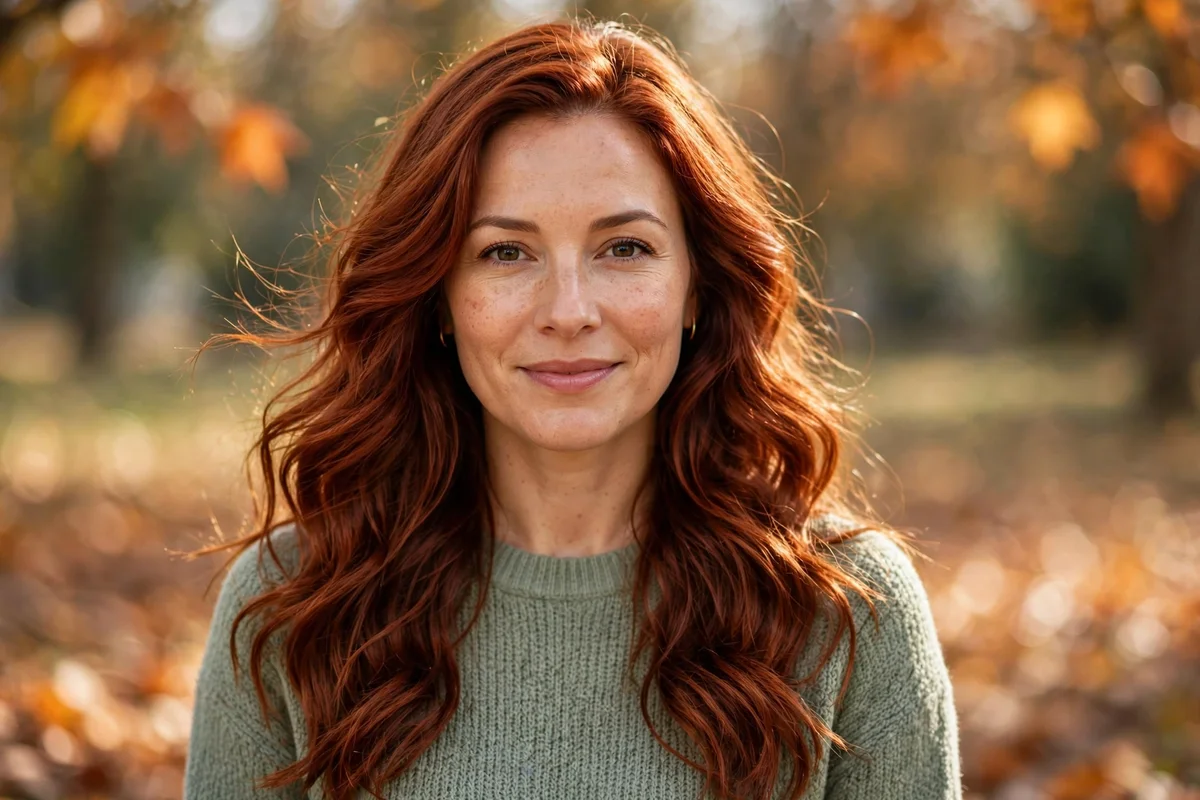
Fall is when hair color gets its act together. Summer’s sun-faded highlights start looking washed out, and the light outside turns golden, which is why warm tones suddenly flatter everyone. I’ve watched this cycle for years: women who swore they’d never go warm end up asking for copper by mid-October.
This list rounds up 30 autumn hair colors that cover the full warm palette, from cowboy copper to glossy espresso. Every shade here is chosen for how it looks in fall light, how it grows out, and what it costs to maintain. Find your starting color, then tell your colorist which one feels most like you.
Quick Takeaways
- Copper and red shades fade fastest, so plan a gloss or refresh every four to six weeks.
- Warm browns like chestnut, cinnamon, and chocolate work on nearly every skin tone and grow out softly.
- Balayage and shadow roots keep light autumn blondes low maintenance through the season.
- Cooler options like mushroom brown and espresso suit cool undertones without any golden cast.
- A weekly color-safe mask keeps fall shades rich instead of dull as the air gets dry.
1. Classic Copper Red

All-over copper is the shade people picture when they hear “autumn hair colors.” It’s an orange-red around level 7 to 8, warm enough to glow in low fall light but not so bright it looks costumey. Your colorist usually applies one formula from roots to ends, then seals it with a gloss for shine. The payoff is a color that practically lights up your skin on overcast days.
It flatters fair skin with freckles and anyone with warm undertones most. Copper molecules wash out faster than brown ones, so use a sulfate-free color shampoo and expect a refresh gloss in four to six weeks to keep it fiery.
Try this: ask for a copper gloss over your natural base first if you’re nervous about full commitment.
Difficulty: Medium · Cost: $$$ (salon color)
2. Cowboy Copper

Cowboy copper is the shade that took over salons when everyone wanted red but not too red. It’s copper layered over a brunette base, around level 6, so you get warmth and dimension instead of flat orange. The brown undertone makes it more wearable than classic copper and means the grow-out looks softer. This is the “gateway red” colorists recommend to first-time redheads.
It works on light to medium skin with warm or neutral undertones. Because the base is darker, it fades more gracefully than bright copper, though a color-depositing conditioner in copper still helps between appointments.
Try this: add a copper-toned conditioner to your routine once a week to top up the warmth.
Difficulty: Medium · Cost: $$$ (salon color)
3. Cinnamon Copper

Cinnamon sits between chocolate and auburn: a warm medium brown with a clear red tint. Around level 5 to 6, it reads as a rich brunette indoors and shows its spice in sunlight. It’s the right move if you want autumn warmth without committing to a true red, and it flatters deeper skin tones as much as fair ones.
Ask your colorist for a warm cinnamon brown with a glossy finish. It holds up better than brighter reds, needing only a toner refresh every six to eight weeks, and it pairs well with balayage if you want dimension later.
Try this: mention you want the red tint visible but not dominant so the formula stays in the brown family.
Difficulty: Low · Cost: $$ (salon color)
4. Auburn

Auburn is the deeper, browner cousin of copper, sitting around level 5 to 6 with red-brown tones. It’s been the reliable fall shade for decades because it suits so many people and ages well between appointments. The richness reads as natural, even when it’s straight from a tube, which makes it a safe pick if you’re coloring for the first time.
It suits medium-length and long hair especially, where the depth shows in the movement. Warm undertones carry it best, but a neutral-leaning auburn works on cool skin too. Maintenance is moderate: a gloss every six weeks keeps the red from going flat.
Try this: try auburn before copper if you want to test the red family with a softer entry point.
Difficulty: Low · Cost: $$ (salon color)
5. Copper Balayage
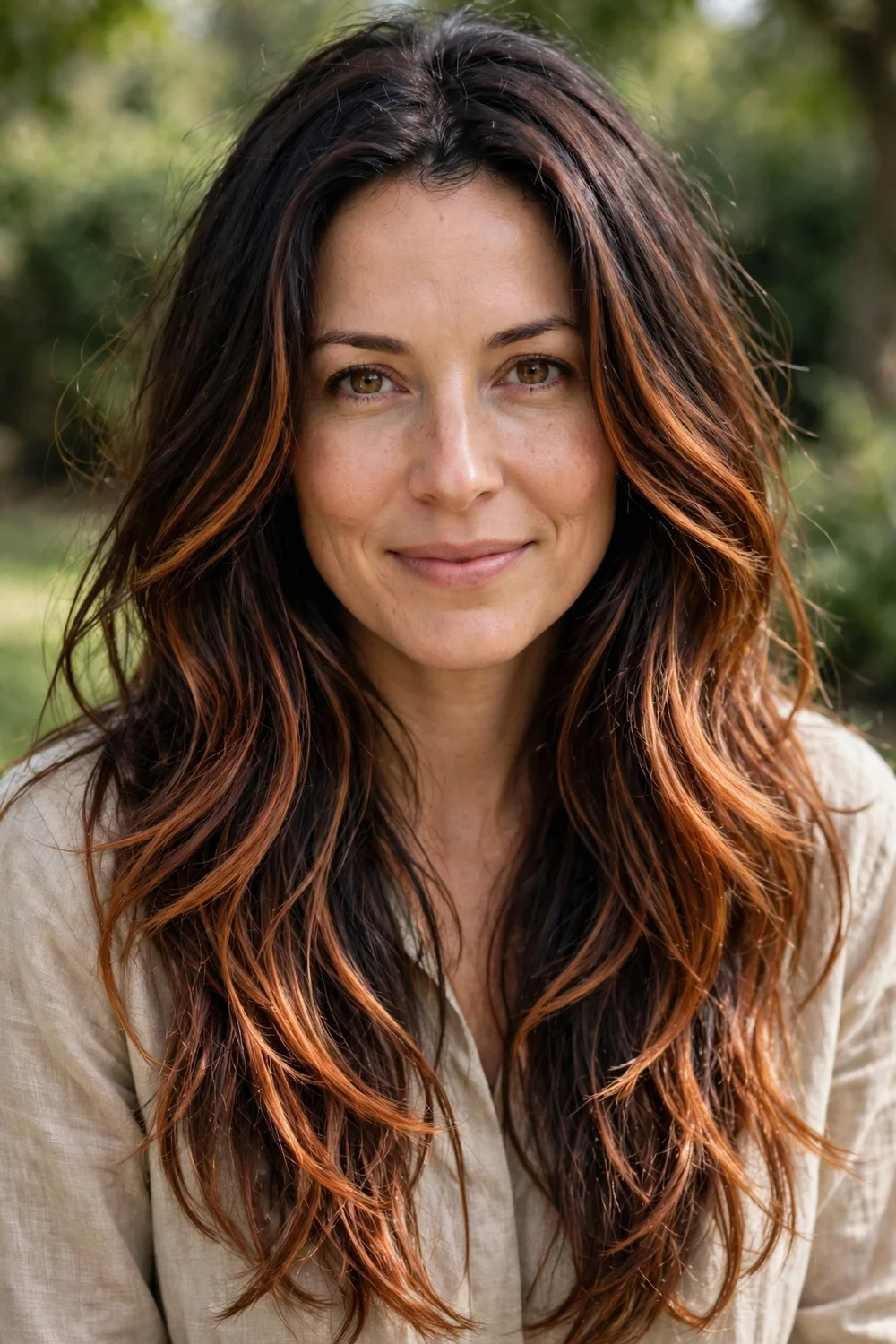
Copper balayage hand-paints warm copper through a darker base, giving you the trend without the all-over commitment. The colorist keeps your roots natural and sweeps copper through the mid-lengths and ends, so regrowth is nearly invisible. It’s the lowest-maintenance way to wear copper, and the dimension photographs incredibly well in fall light.
It works on brunette bases from level 4 to 6. The painted placement means you can stretch appointments to ten or twelve weeks, with just a toner refresh in between to keep the copper bright.
Try this: ask for the copper concentrated through the ends and face-framing pieces for maximum impact.
Difficulty: Medium · Cost: $$$ (salon balayage)
6. Copper Ombré
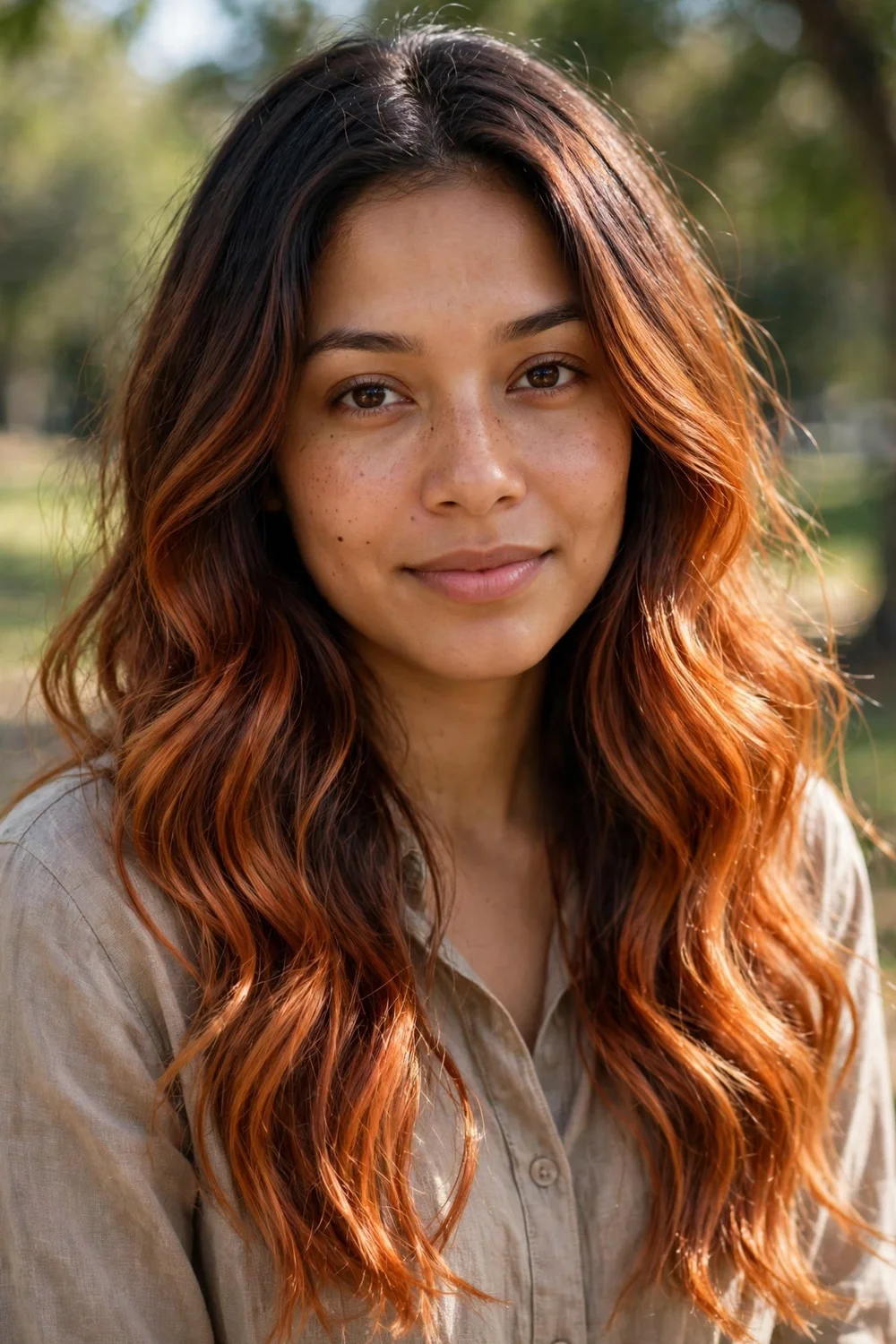
The copper ombré melts from a rich brown root into glowing copper ends, with a gradient instead of the scattered placement of balayage. It’s bolder than balayage through the ends, which makes it a good pick if you want the color to read clearly in photos. The dark root keeps it wearable and means you’re not tied to the salon every month.
It suits medium to long hair where the fade has room to develop. Wavy texture shows off the gradient best. A copper gloss on the ends every month keeps the brightest part of the fade from washing out.
Try this: keep the transition zone soft and wide so the fade looks blended, not striped.
Difficulty: Medium · Cost: $$$ (salon color)
7. Candlelit Copper

Candlelit copper builds a soft glow into the hair with fine copper highlights rather than one flat shade. The effect is like warm light hitting your hair from inside, and it looks especially good on curls, where every twist catches a different tone. It’s subtler than all-over copper but richer than plain brown.
It suits curly and wavy textures best, though straight hair wears it well too. Because it’s built from highlights over a warm base, the grow-out is forgiving. Ask for the highlights to be woven finely so the blend stays seamless.
Try this: style with a diffuser and a shine spray to make the copper tones catch the light.
Difficulty: Medium · Cost: $$$ (salon highlights)
8. Ginger

Ginger is the bright, golden-red shade that sits between copper and strawberry blonde, around level 7 to 8. It’s lighter and more golden than copper, with a sunlit quality that works even as the days get shorter. Natural redheads know this tone well; for everyone else, it takes careful formulation to keep it from going too orange or too pink.
It flatters fair skin most, especially with warm undertones. Ginger needs the same care as copper: sulfate-free products, cool rinses, and a gloss every four to six weeks, since golden-red molecules fade quickly.
Try this: bring photos of the exact ginger you want, since the word means different things to different colorists.
Difficulty: Medium · Cost: $$$ (salon color)
9. Pumpkin Spice Ombré

The pumpkin spice ombré fades from dark roots into a spiced, burnt-orange tone through the ends. It’s the most seasonal shade on this list and the most fun: clearly fall, clearly temporary-feeling, even though it’s a real color service. The dark root makes the bright ends wearable and keeps the maintenance reasonable.
It suits medium to long hair where the fade has space to blend. Orange tones fade faster than browns, so plan a toner refresh every four to six weeks, and use a color-safe shampoo to slow the washout.
Try this: wear it through October and November, then let it fade into a soft copper for winter.
Difficulty: Medium · Cost: $$$ (salon color)
10. Rich Chocolate Brown
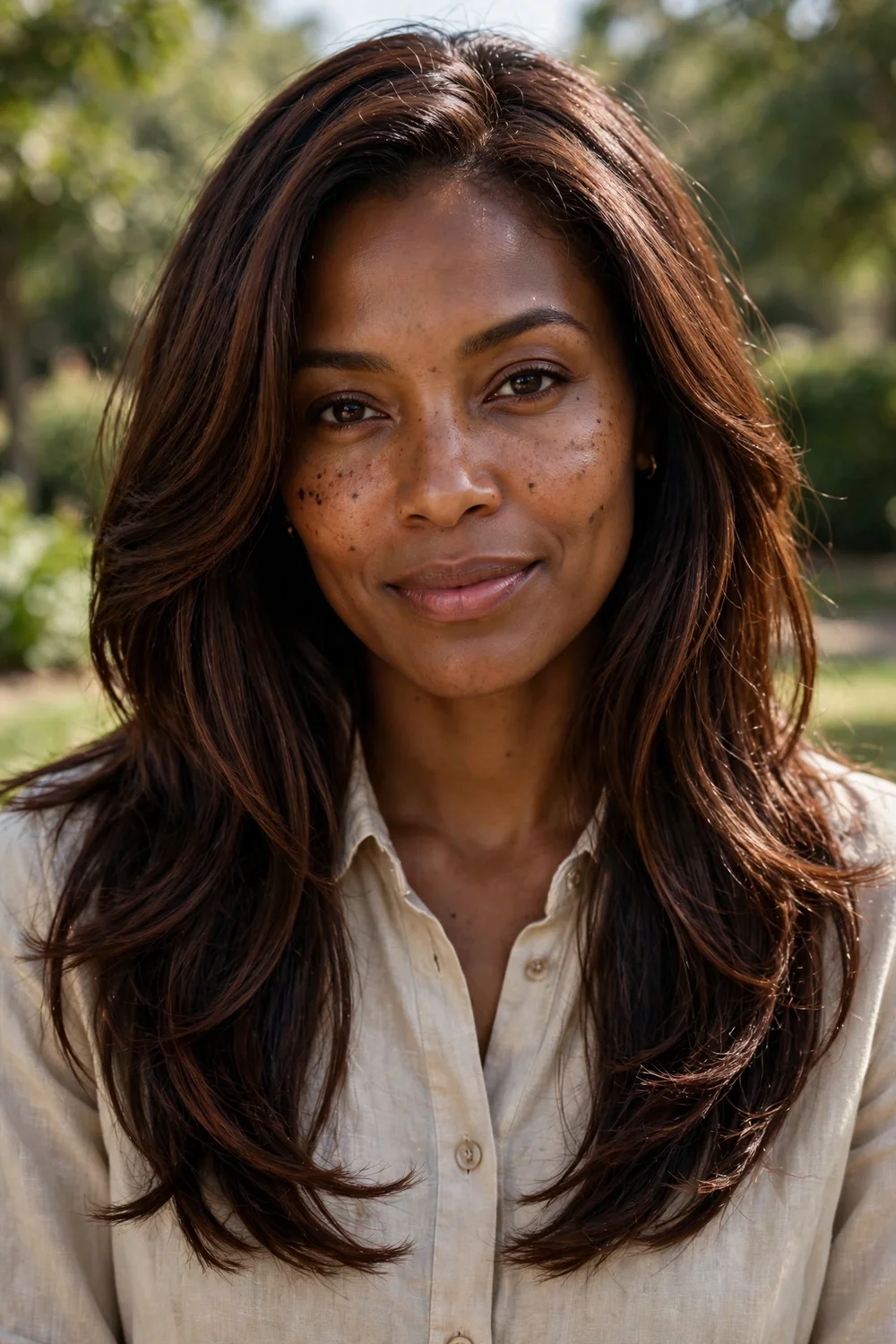
Rich chocolate brown is the fall staple that never leaves the trend lists. Around level 4 to 5 with warm undertones, it’s deep enough to feel seasonal but natural enough for every setting. The key is the gloss: chocolate only looks expensive when it shines, so a clear or warm gloss at the salon makes all the difference.
It flatters nearly every skin tone, which is why colorists reach for it so often. Maintenance is easy as fall colors go: the depth hides regrowth, and a gloss every eight weeks keeps it from looking flat. It also makes a great base for caramel highlights later.
Try this: add a warm gloss at your appointment rather than going darker; shine is what sells chocolate.
Difficulty: Low · Cost: $$ (salon color)
11. Rusty Chocolate

Rusty chocolate takes a chocolate base and threads it with rust-toned reflects: think warm, reddish-brown shimmer through the lengths. It’s subtler than auburn but more interesting than plain brown, and it catches light in a way that flat brunettes don’t. If you love chocolate but want something with a little more personality this fall, this is it.
It works on olive and warm skin tones particularly well. The rust tones are created with a demi-permanent gloss, so they fade gradually over six to eight weeks with no harsh line, which keeps upkeep simple.
Try this: ask for a rust-toned gloss over your existing chocolate base instead of a full color change.
Difficulty: Low · Cost: $$ (salon gloss)
12. Warm Chestnut Brown

Chestnut is the medium brown with warm, reddish-golden undertones that people describe as cozy. Around level 5, it sits between chocolate and auburn and flatters almost everyone. It’s the shade that makes fall outfits look better, which sounds like a stretch until you see how the warm brown picks up the tones in sweaters and scarves.
It suits all skin tones and most hair types. Chestnut grows out gracefully since it stays close to many natural brunette shades, and a gloss every couple of months is usually enough to keep it rich.
Try this: if your natural hair is dark blonde or light brown, chestnut often needs no bleach at all.
Difficulty: Low · Cost: $$ (salon color)
13. Golden Chestnut
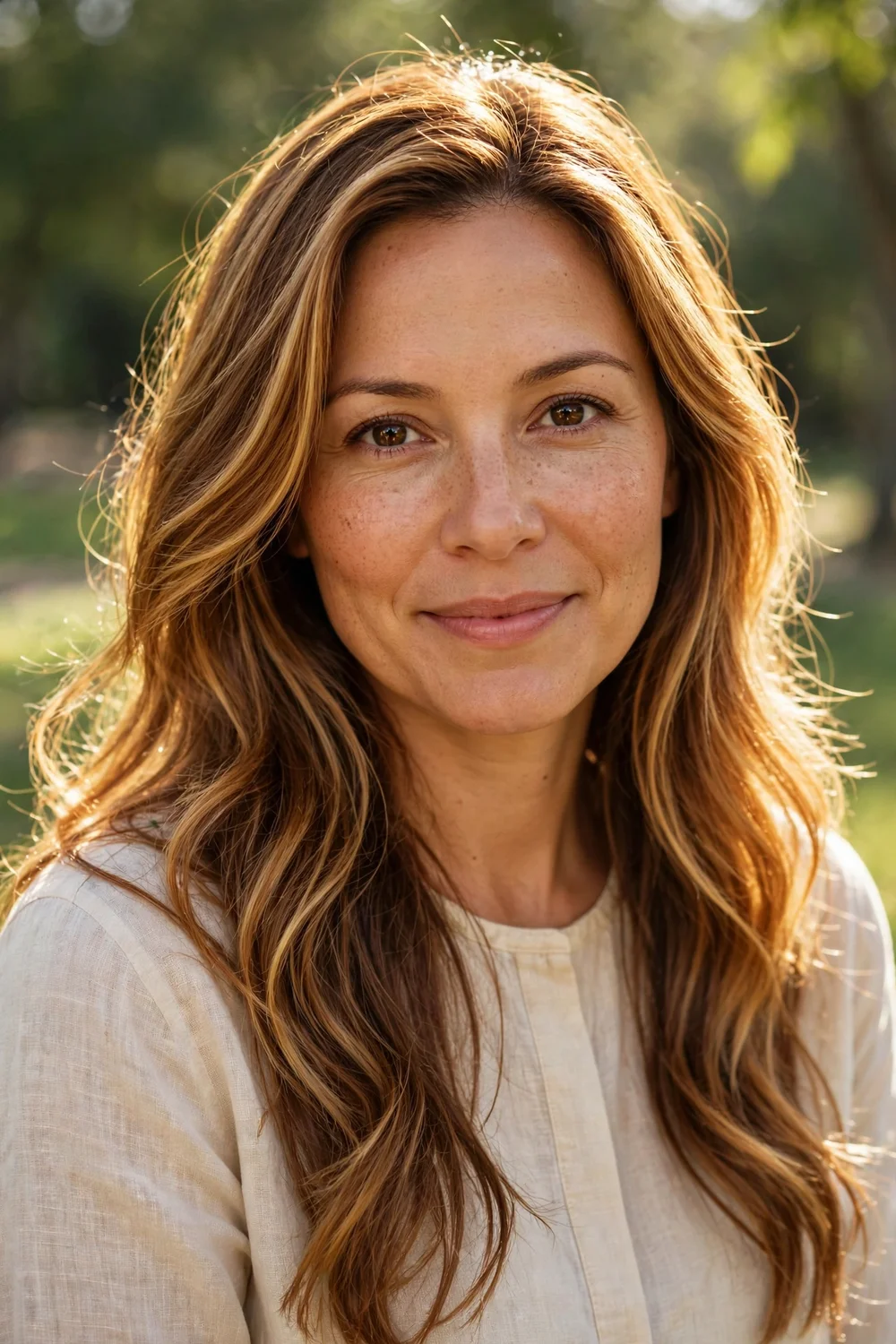
Golden chestnut brightens the classic chestnut with golden highlights woven through. It’s the warmer, lighter sibling of warm chestnut, around level 5 to 6, and it gives brunettes the glow of a highlight service without going blonde. The golden pieces catch fall sunlight in a way that makes the whole head of hair look lit.
It flatters golden, medium, and warm skin tones best. The highlighted pieces mean slightly more upkeep than solid chestnut, but the base stays close to natural, so regrowth is soft. A toner refresh every eight weeks keeps the gold from turning brassy.
Try this: ask for the golden pieces concentrated around your face to brighten your complexion.
Difficulty: Medium · Cost: $$$ (salon highlights)
14. Glossy Espresso
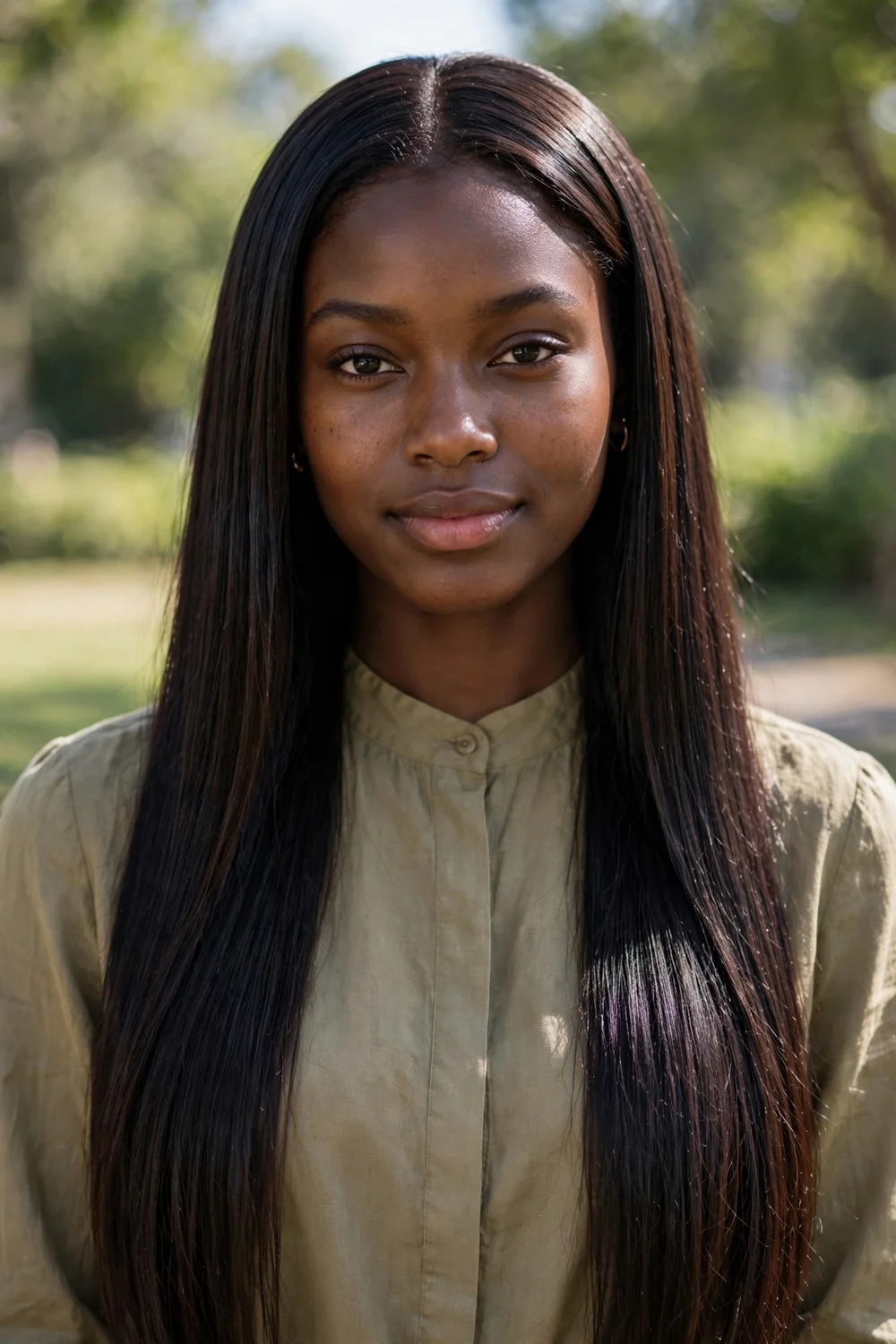
Glossy espresso is the deep, near-black brown with warm undertones that gives hair a sleek, polished finish. Around level 2 to 3, it’s dramatic without the harshness of true black, and the warmth keeps it from looking flat. The shine is non-negotiable here: espresso only works when it reflects light.
It suits deep skin tones and anyone who wants maximum contrast with fall’s muted palette. Maintenance is low since dark color hides regrowth, but a clear gloss every couple of months keeps the shine that makes the shade. Use a shine serum on the lengths between appointments.
Try this: pair espresso with a warm-toned gloss rather than a cool one to keep the depth rich.
Difficulty: Low · Cost: $$ (salon color)
15. Soft Mocha

Soft mocha is the muted, coffee-toned brunette that sits between cool and warm. Around level 5, it has enough warmth to feel seasonal but stays understated, which makes it a good pick if the coppers and reds feel like too much. It’s the quiet luxury shade of the autumn palette.
It works on neutral and cool undertones especially well. Mocha is one of the easiest shades to maintain: it fades gradually, grows out without a line, and needs only occasional glossing. It’s also a forgiving shade if you’re going darker for the first time.
Try this: choose mocha if you want to go darker for fall but keep the change subtle.
Difficulty: Low · Cost: $$ (salon color)
16. Rich Walnut

Rich walnut is a medium-deep brown with warm, nutty depth, around level 4 to 5. It’s darker than chestnut and less red than auburn, landing in a sophisticated middle ground. The warmth reads as natural and healthy, and the depth gives fine hair the appearance of thickness.
It flatters warm and neutral skin tones and looks great at shorter lengths, where the richness shows in the shape. Walnut is low maintenance: it stays close to many natural bases, so regrowth blends in, and a gloss every two months keeps it from dulling.
Try this: walnut pairs well with curtain bangs, since the warm brown frames the face softly.
Difficulty: Low · Cost: $$ (salon color)
17. Mushroom Brown

Mushroom brown is the cool, ashy option in an otherwise warm palette: a light-to-medium brown with a soft gray-beige tone. It’s the fall shade for anyone whose hair turns brassy the moment warmth touches it, and for cool skin tones that clash with copper. The ashy finish looks modern and keeps the color from reading orange in any light.
It suits fair skin with cool or pink undertones best. Ask your colorist for an ash toner with no warmth added. Maintenance involves a toning shampoo or gloss every few weeks to keep the brass from creeping back, since ash tones fade toward warmth.
Try this: use a blue-toned shampoo once a week to keep mushroom brown from warming up.
Difficulty: Medium · Cost: $$$ (salon color)
18. Caramel Balayage
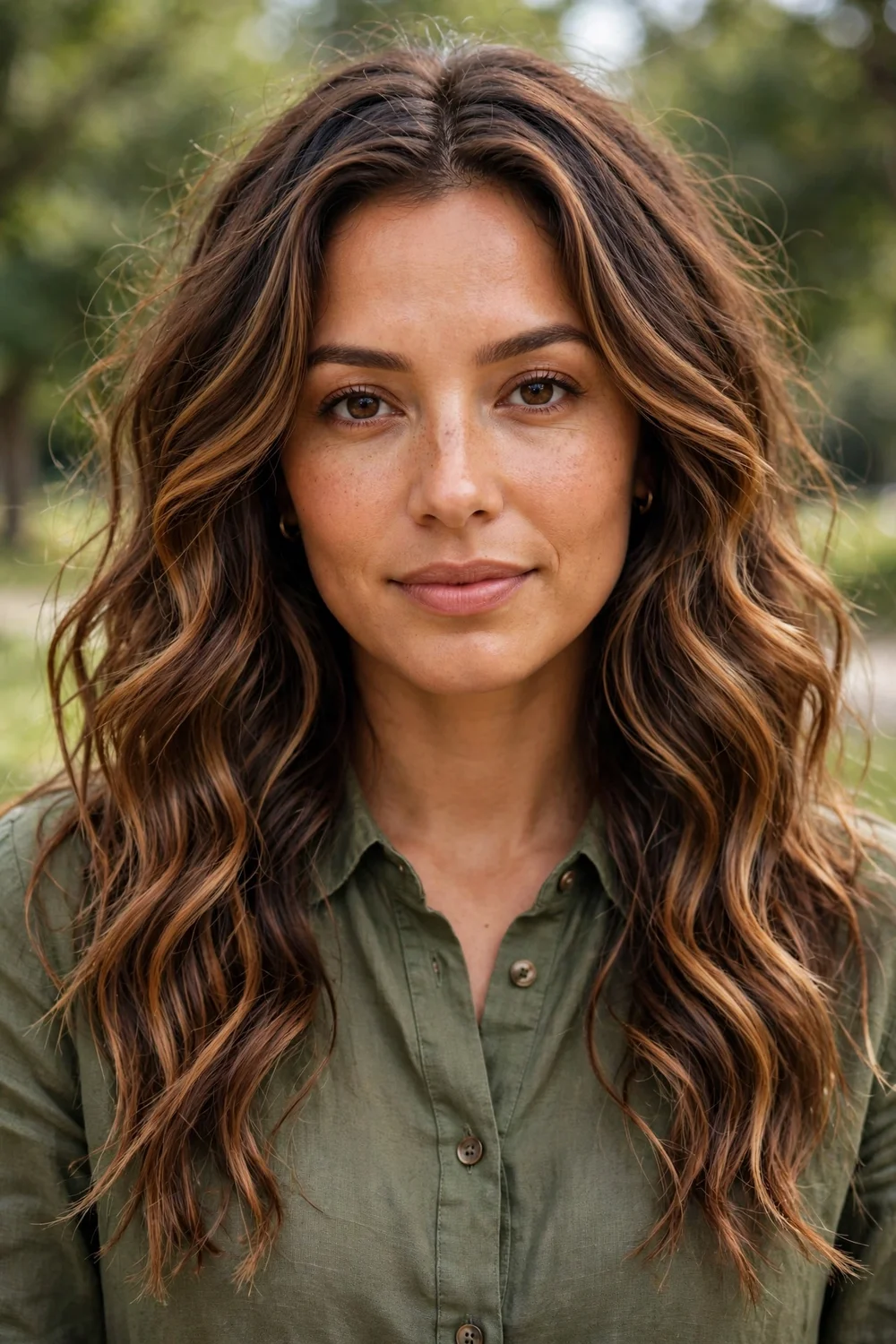
Caramel balayage paints warm caramel pieces through a chocolate brown base for a multi-dimensional, low-effort finish. It’s the most requested fall color service for a reason: it keeps your natural depth, adds seasonal warmth, and grows out without a visible line. The contrast between the chocolate base and the caramel ribbons is what makes it look expensive.
It works on brunette bases from level 3 to 5 and flatters warm skin tones. Appointments stretch to three or four months apart, with a toner refresh in between. For more ideas on pairing blonde tones with brown bases, these blonde balayage on brown hair looks show how the technique adapts to different depths.
Try this: ask for the caramel pieces to start at mid-length so your roots stay completely natural.
Difficulty: Medium · Cost: $$$ (salon balayage)
19. Golden Amber
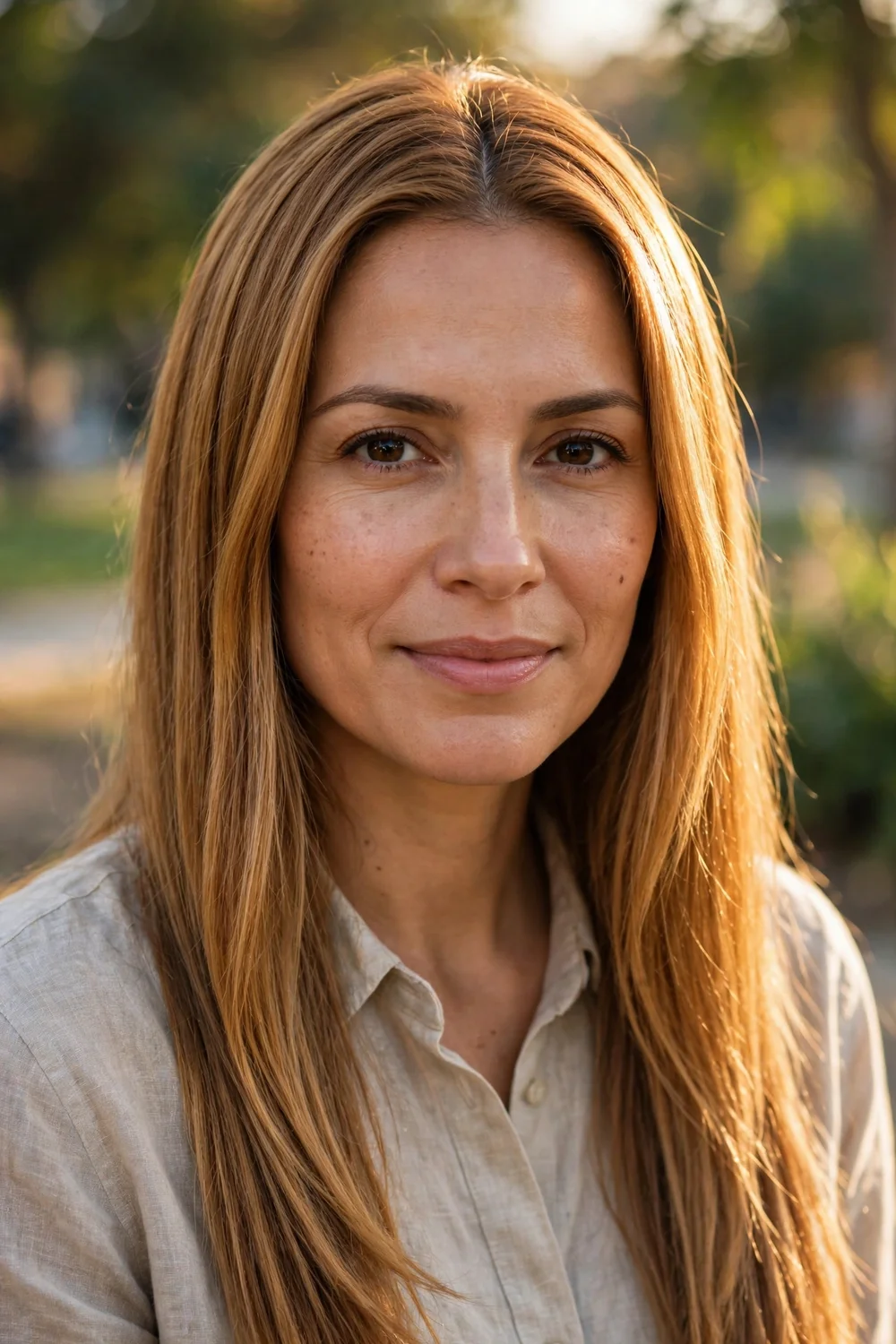
Golden amber is the warm golden-brown that glows like late-afternoon light. Around level 6, it blends brown depth with honeyed gold, landing brighter than chestnut but deeper than honey blonde. It’s a strong pick for olive skin, where the golden tones bring out warmth in the complexion instead of fighting it.
It suits medium skin with warm or golden undertones. Amber holds well but the golden reflects fade over six to eight weeks, so a gold-toned gloss keeps it luminous. It also works as a transitional shade if you’re growing out summer highlights into something deeper.
Try this: amber works well as an all-over gloss on previously highlighted hair that needs warmth back.
Difficulty: Low · Cost: $$ (salon color)
20. Cherry Cola
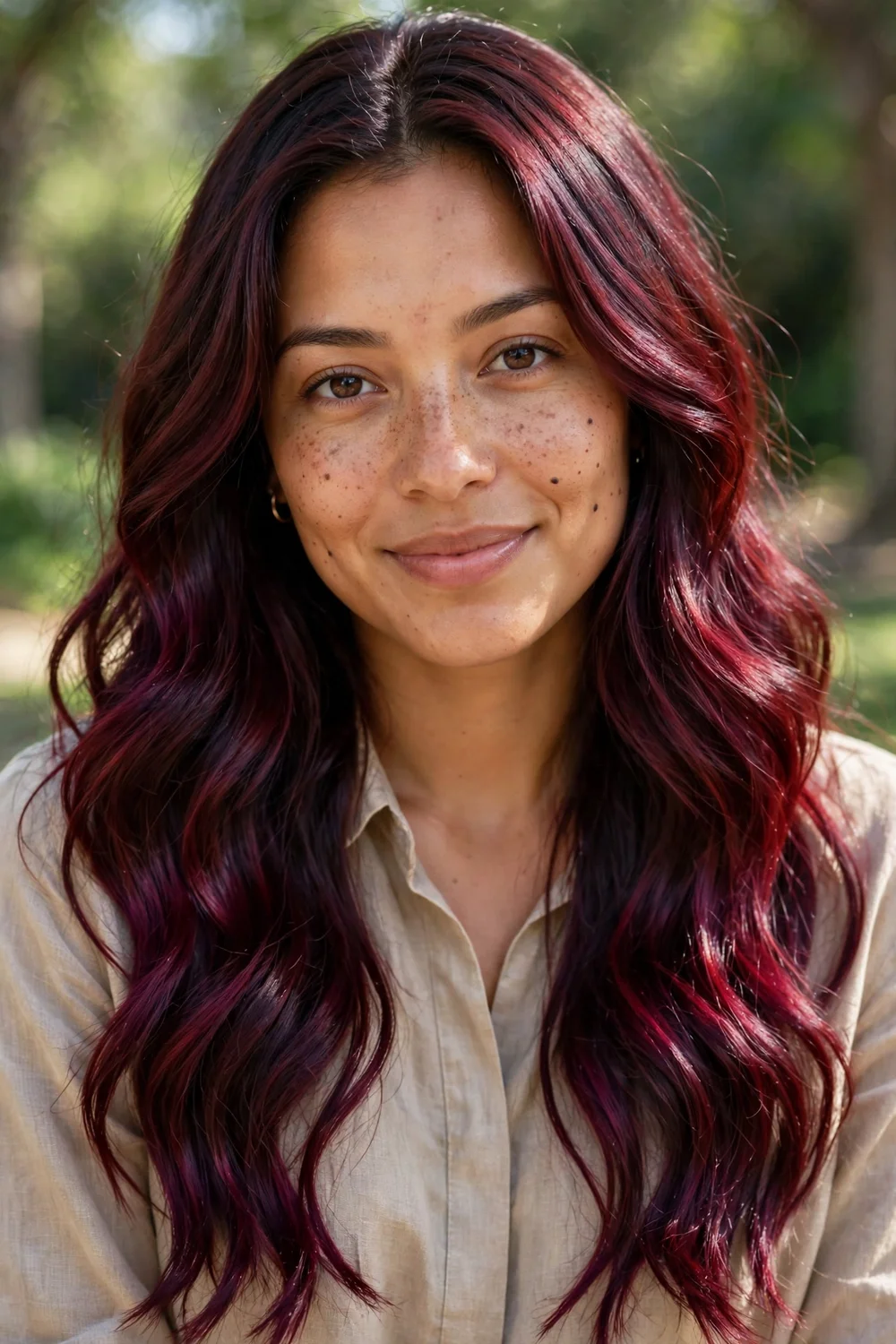
Cherry cola layers a red-violet cherry gloss over a dark brown base, creating a deep red that’s more wearable than bright red. The cherry tones show most in the lengths and in sunlight, while the dark base keeps it grounded. It’s the red that dark brunettes can actually achieve without heavy bleaching, which is why colorists recommend it so often.
It works on dark brown bases from level 3 to 4 and flatters medium to deep skin tones. The red-violet gloss fades over four to six weeks, so plan a refresh gloss and use color-safe products to hold the cherry tone.
Try this: ask for the cherry gloss concentrated through the lengths so your roots stay natural and dark.
Difficulty: Medium · Cost: $$$ (salon color)
21. Mulled Wine

Mulled wine is the rich, moody red with brown undertones that feels like the shade equivalent of the drink. Deeper and more subdued than cherry cola, it reads as a dark red-brown indoors and reveals its wine tones in the light. It’s sophisticated rather than fiery, which makes it a good pick if you want red without the attention of copper.
It suits fair to medium skin tones. The depth means regrowth is less obvious than with brighter reds, but the wine tones still need a gloss every six weeks to stay rich. A sulfate-free routine is a must to keep the depth from washing out.
Try this: mulled wine looks best with a glossy finish, so add a clear gloss to the service.
Difficulty: Medium · Cost: $$$ (salon color)
22. Midnight Plum

Midnight plum puts a violet-leaning plum undertone over a midnight espresso base. As late autumn slides toward winter, this is the shade that bridges the seasons: dark enough for the shorter days, with just enough color to keep it from reading flat black. The plum shows in sunlight and stays subtle indoors.
It suits deep skin tones and anyone who wants a dark shade with dimension. The plum undertone fades over six to eight weeks toward plain espresso, so a violet-toned gloss keeps it alive. Cool water rinses help the tone last longer.
Try this: check the color in daylight before you leave the salon, since plum reads differently indoors.
Difficulty: Medium · Cost: $$$ (salon color)
23. Mahogany
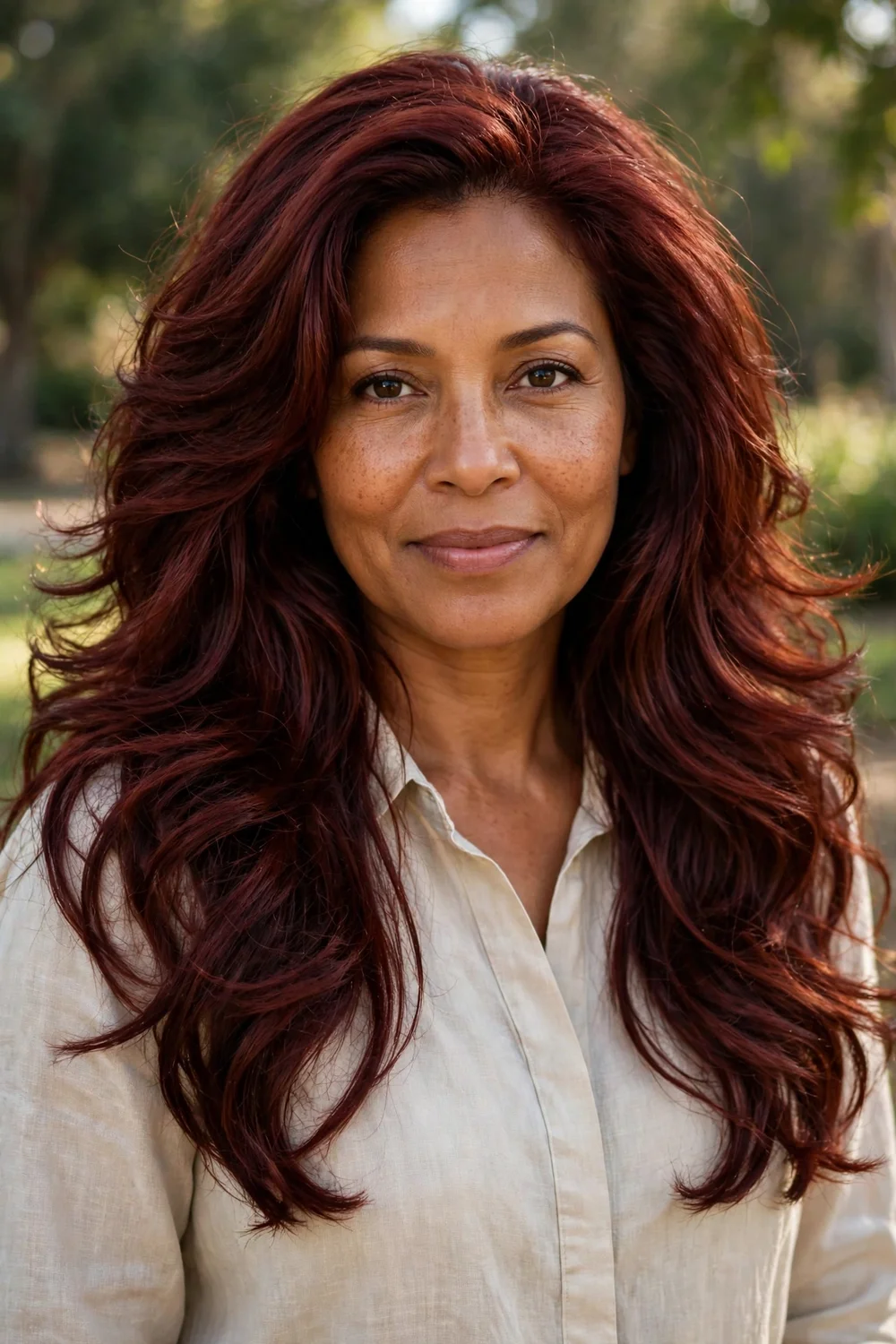
Mahogany is the deep red-brown wood tone that sits between auburn and burgundy. Around level 4 to 5, it’s rich and saturated, with a warmth that flatters brown and deep skin tones especially well. It’s a classic for a reason: mahogany looks polished in every setting and holds its depth longer than brighter reds.
It works on medium to deep skin with warm undertones. The saturation means it fades more slowly than copper, needing a refresh every six to eight weeks. It’s also one of the few reds that looks good on very dark natural bases with minimal lifting.
Try this: mahogany and a blowout are a classic pairing; the smooth finish shows off the depth.
Difficulty: Low · Cost: $$ (salon color)
24. Autumn Leaves Color Melt
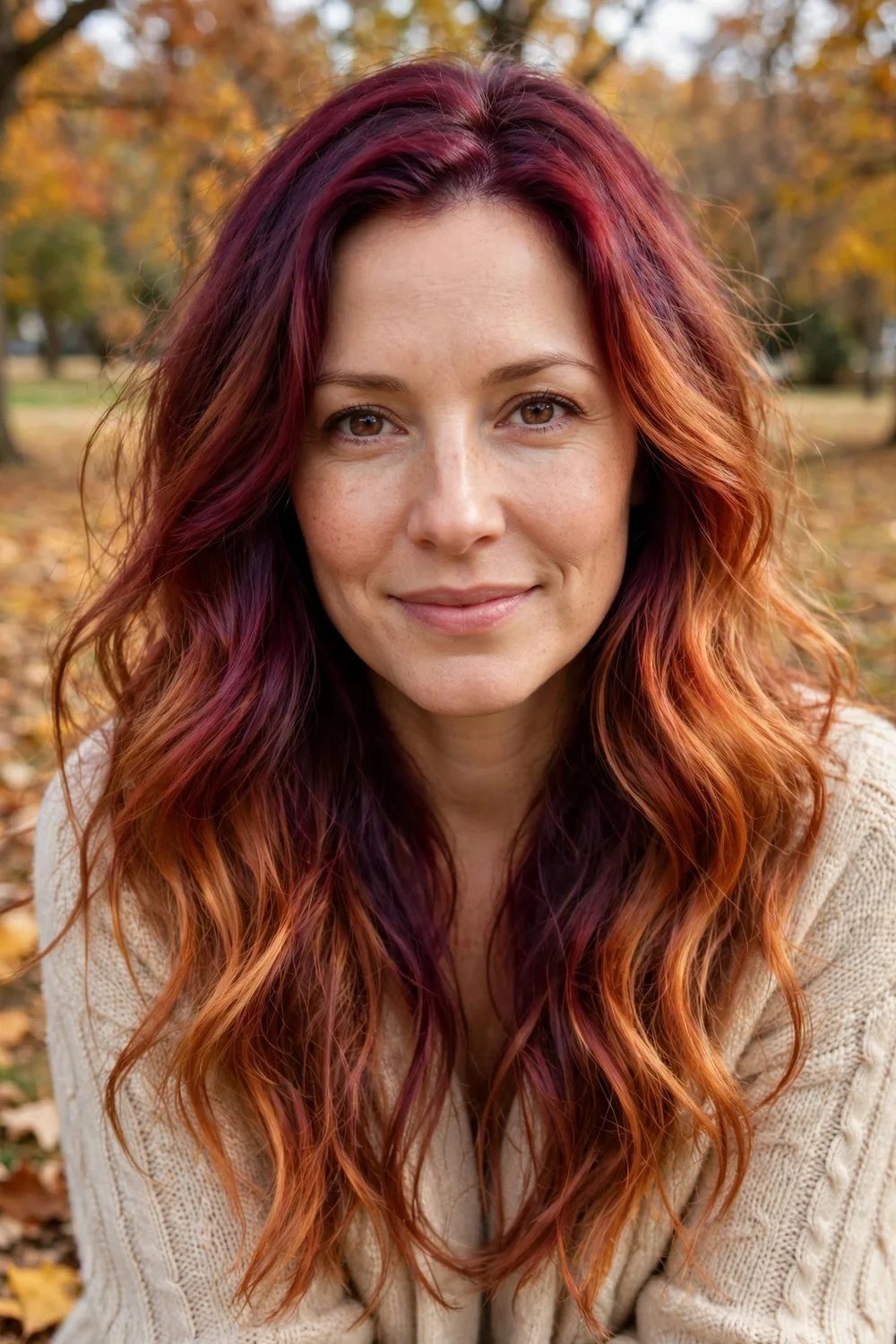
The autumn leaves melt blends a red-violet base into copper ends for a seamless gradient of fall tones. Unlike an ombré with one fade, the melt weaves several autumnal hues together: violet-red at the root, copper through the middle, brighter ends. It’s the most artistic shade on this list and the closest to actual fall foliage.
It suits medium to long hair where the blend has room to show. This is a colorist’s showcase piece, so find someone experienced with multi-tone melts. The multiple tones fade at different rates, so a gloss every five to six weeks keeps the blend balanced.
Try this: bring a photo of fall leaves, not just hair photos, so your colorist sees the blend you want.
Difficulty: High · Cost: $$$ (salon color)
25. Honey Blonde

Honey blonde warms up a classic blonde with golden tones, around level 8 to 9. It’s the fall answer for blondes who don’t want to go dark: the warmth keeps the color seasonal while the lightness stays. A shadow root or slightly darker root makes it low maintenance and helps it grow out without a harsh line.
It flatters warm and neutral skin tones best. Honey blonde needs a gold-toned toner every six to eight weeks to keep it from fading to a dull beige. If you’re weighing your blonde options for the season, these fall blonde hair colors round up more warm blonde ideas that suit autumn light.
Try this: ask for a shadow root two shades deeper than the honey to stretch your appointments.
Difficulty: Medium · Cost: $$$ (salon color)
26. Old Money Blonde
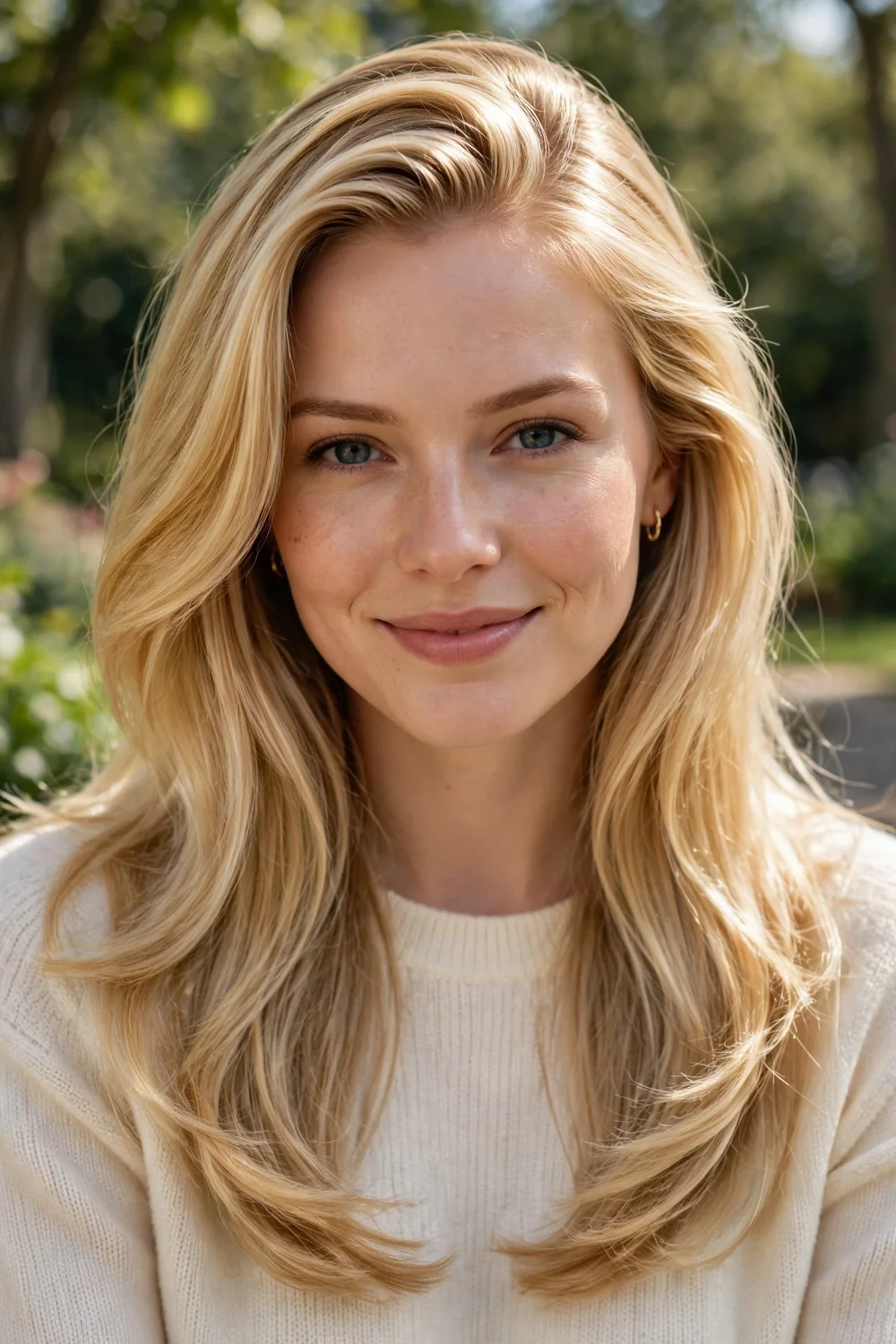
Old money blonde is the shimmering, golden blonde with chunky highlights that channels quiet luxury. Around level 8 to 9, it’s brighter than honey but warmer than platinum, with dimension that keeps it from looking flat. The chunky highlight placement gives it that expensive, deliberate finish.
It suits fair to medium skin with warm undertones. The highlight placement means regrowth is visible sooner than with balayage, so plan touch-ups every eight to ten weeks. A purple shampoo used sparingly keeps the gold from tipping into brass without stripping the warmth.
Try this: keep the highlights golden rather than icy to hold the autumn feel.
Difficulty: High · Cost: $$$ (salon highlights)
27. Butterscotch Blonde

Butterscotch blonde blends warm brown sugar tones with buttery blonde for a dimensional, dimensional-warm finish. It’s deeper than honey blonde, around level 7 to 8, with the brown and blonde woven closely enough that it reads as one rich shade. The name sounds sweet, but the effect is grown-up and polished.
It flatters medium and warm skin tones. The close blend grows out softly, so you can go ten to twelve weeks between appointments. A gloss refresh in between keeps the buttery tones from dulling.
Try this: butterscotch is a good landing spot if honey blonde feels too light for fall.
Difficulty: Medium · Cost: $$$ (salon color)
28. Lived-In Bronde
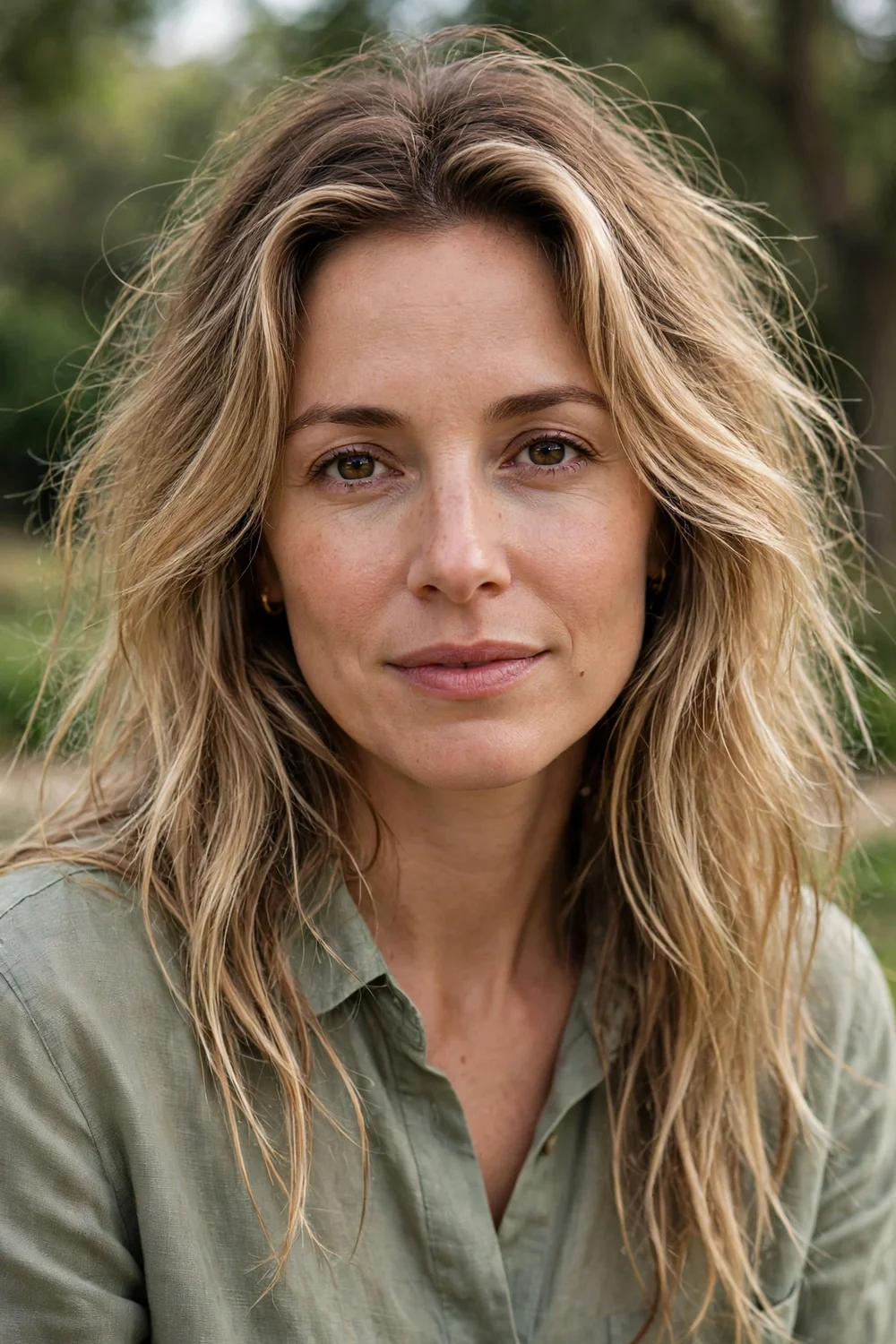
Bronde is the neither-blonde-nor-brunette blend that stays popular because it suits almost everyone. The lived-in version keeps the roots natural and melts the blonde through the lengths, so it looks sun-touched rather than salon-made. For fall, the blonde pieces go slightly warmer and deeper than summer bronde.
It works on light brown to dark blonde bases and flatters neutral skin tones especially. It’s one of the lowest-maintenance lightened looks: the root melt means three to four months between full appointments, with just a toner in between.
Try this: ask for the fall version with warmer, deeper blonde pieces than your summer bronde.
Difficulty: Medium · Cost: $$$ (salon balayage)
29. Beige Blonde Balayage
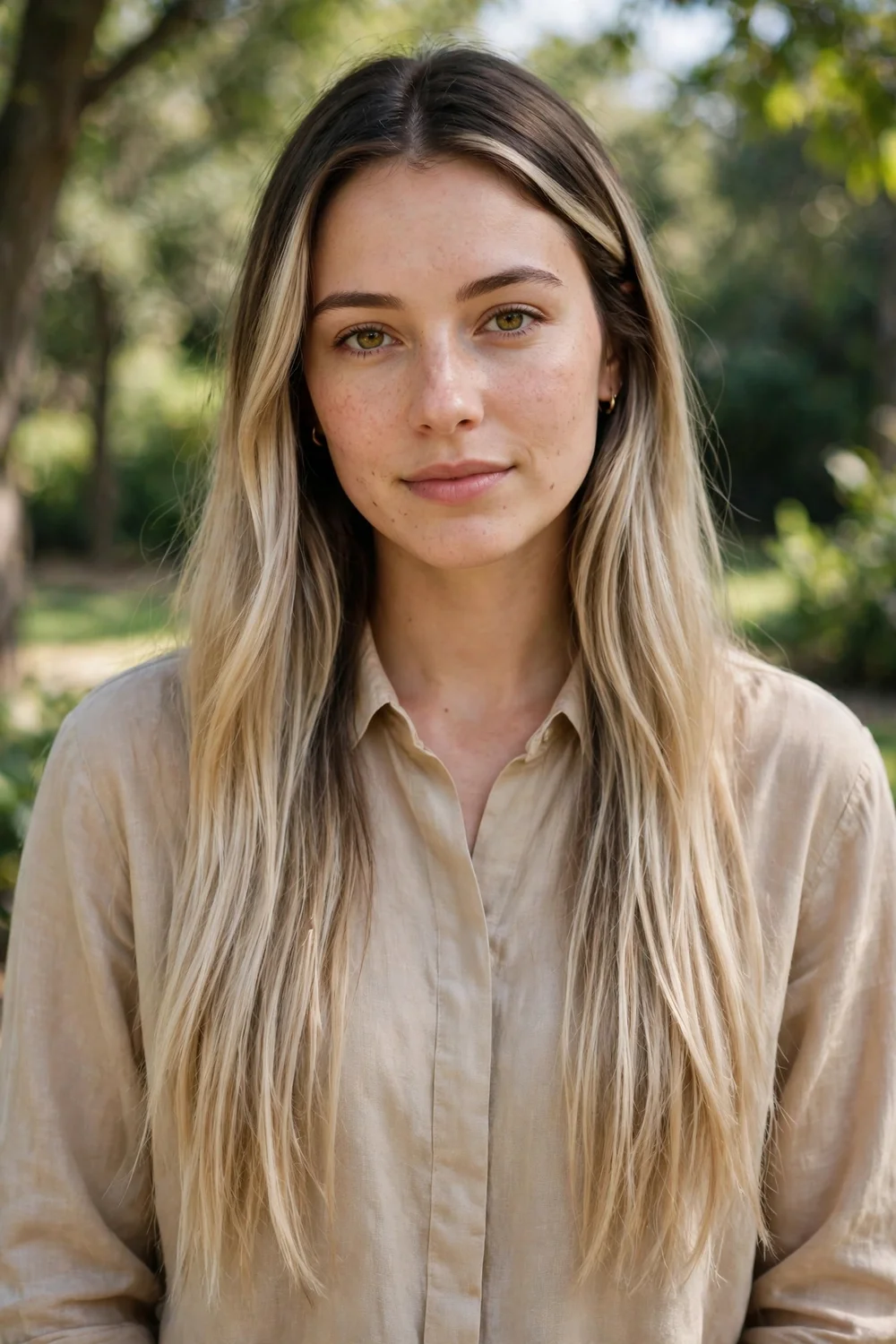
Beige blonde balayage pairs dark roots with a soft, creamy beige blonde through the lengths. It’s more muted than honey and less golden than butterscotch, which makes it the right blonde for neutral undertones that get overwhelmed by gold. The balayage placement keeps the grow-out soft and the maintenance light.
It suits light skin with neutral undertones. The beige tone needs a toner refresh every eight weeks to keep it from warming up too much. It’s also a good bridge shade if you’re slowly going darker from summer blonde.
Try this: keep the roots your natural color for the softest grow-out possible.
Difficulty: Medium · Cost: $$$ (salon balayage)
30. Soft Strawberry Blonde

Soft strawberry blonde is a light golden base with subtle reddish undertones, around level 8 to 9. It’s the gentlest red on this list: warm enough to count as autumnal, light enough to wear like a blonde. The pinkish-gold tint gives the hair a multi-dimensional quality that flat blonde doesn’t have.
It flatters fair skin with warm or neutral undertones. Strawberry blonde fades like other reds, so a copper-gold gloss every six weeks keeps the tint alive. It’s also a forgiving shade for blondes trying warmth for the first time.
Try this: start with a strawberry gloss over your current blonde before committing to full color.
Difficulty: Medium · Cost: $$$ (salon color)
At a Glance: 30 Autumn Hair Colors Compared
| Color | Best for | Fall perk | Upkeep |
|---|---|---|---|
| Classic Copper Red | Fair skin, warm undertones | The defining autumn shade | Gloss every 4 to 6 weeks |
| Cowboy Copper | Light to medium warm skin | Wearable red with soft grow-out | Copper conditioner weekly |
| Cinnamon Copper | Warm and deep skin tones | Warmth without full red | Toner every 6 to 8 weeks |
| Auburn | Most skin tones | Rich, natural-looking red | Gloss every 6 weeks |
| Copper Balayage | Brunette bases, levels 4 to 6 | Copper with invisible regrowth | Toner refresh between visits |
| Copper Ombré | Medium to long hair | Bold gradient, dark root | Gloss ends monthly |
| Candlelit Copper | Curly and wavy textures | Glowy, light-catching warmth | Shine spray, soft grow-out |
| Ginger | Fair skin, warm undertones | Bright golden-red glow | Gloss every 4 to 6 weeks |
| Pumpkin Spice Ombré | Medium to long hair | The most seasonal shade | Toner every 4 to 6 weeks |
| Rich Chocolate Brown | Nearly every skin tone | Deep, glossy fall staple | Gloss every 8 weeks |
| Rusty Chocolate | Olive and warm skin | Chocolate with rust shimmer | Demi gloss fades gradually |
| Warm Chestnut Brown | All skin tones | Cozy, flattering medium brown | Gloss every couple of months |
| Golden Chestnut | Golden and medium skin | Brunette glow without blonde | Toner every 8 weeks |
| Glossy Espresso | Deep skin tones | Sleek, dramatic depth | Shine serum, clear gloss |
| Soft Mocha | Neutral and cool undertones | Understated coffee-toned brown | Fades gradually, low upkeep |
| Rich Walnut | Warm and neutral skin | Sophisticated nutty depth | Gloss every 2 months |
| Mushroom Brown | Fair skin, cool undertones | The cool-toned fall option | Blue shampoo weekly |
| Caramel Balayage | Brunette bases, warm skin | Dimension with no root line | Toner between visits |
| Golden Amber | Olive and medium skin | Warm golden-brown glow | Gold gloss every 6 to 8 weeks |
| Cherry Cola | Dark brown bases | Deep red without bleaching | Cherry gloss every 4 to 6 weeks |
| Mulled Wine | Fair to medium skin | Moody, sophisticated red | Gloss every 6 weeks |
| Midnight Plum | Deep skin tones | Dark shade with violet depth | Violet gloss, cool rinses |
| Mahogany | Medium to deep warm skin | Saturated, polished red-brown | Refresh every 6 to 8 weeks |
| Autumn Leaves Color Melt | Medium to long hair | Multi-tone fall foliage blend | Gloss every 5 to 6 weeks |
| Honey Blonde | Warm and neutral skin | Warm blonde that stays light | Gold toner every 6 to 8 weeks |
| Old Money Blonde | Fair to medium warm skin | Shimmering golden dimension | Touch-ups every 8 to 10 weeks |
| Butterscotch Blonde | Medium and warm skin | Deep, dimensional warm blonde | Gloss refresh between visits |
| Lived-In Bronde | Light brown to dark blonde bases | Brown-blonde blend, soft roots | Toner between visits |
| Beige Blonde Balayage | Light skin, neutral undertones | Muted creamy blonde | Toner every 8 weeks |
| Soft Strawberry Blonde | Fair skin, warm undertones | Gentle red-gold warmth | Copper-gold gloss every 6 weeks |
How to Choose Your Autumn Color
Start with your undertone, since it decides which half of the palette suits you. Warm undertones carry copper, auburn, cinnamon, and honey blonde well; cool undertones do better with espresso, mushroom brown, and the violet-leaning reds like cherry cola. Neutral undertones can wear almost anything here, which is why chocolate and chestnut are such safe picks.
Next, be honest about maintenance. Copper, ginger, and cherry cola need a gloss every four to six weeks. Balayage, bronde, and the warm browns stretch to two or three months between appointments. Pick the schedule you’ll actually keep, since a faded bright color looks worse than a fresh easy one. If you want the full seasonal picture first, these fall hair colors gather the season’s shades in one place to help you compare.
Finally, think about your starting color. Dark brunettes can reach cherry cola, mahogany, and espresso without bleach. Medium browns open up the whole copper and chestnut family. Blondes get the easiest path to honey, butterscotch, and strawberry blonde. Bring reference photos to your consultation and ask your colorist what your hair can reach in one appointment.
Caring for Autumn Color
Fading. Warm red and copper tones fade faster than browns because their color molecules are smaller and wash out more easily. A sulfate-free color-safe shampoo, cool water rinses, and a color-depositing conditioner in your shade slow the fade noticeably. Plan gloss refreshes on the schedule your shade needs rather than waiting until it looks dull.
Dryness. Fall air gets dry fast, and colored hair loses moisture quicker than virgin hair. A weekly deep-conditioning mask keeps the cuticle smooth, which also keeps the color looking rich instead of matte. Washing less often helps too, since every wash takes a little color with it.
Grow-out. If you hate visible roots, lean toward balayage, ombré, shadow roots, or shades close to your natural color. These techniques are designed to grow out softly. Solid all-over shades, especially coppers and reds, show regrowth sooner and commit you to more frequent appointments. When the season turns colder, these winter hair color ideas pick up where fall shades leave off, with deeper tones that suit the shorter days.
Frequently Asked Questions
What hair color is trending for autumn 2026?
The shades showing up most for autumn 2026 are rich coppers (classic copper, cowboy copper, candlelit copper), warm browns (chestnut, cinnamon, chocolate), deep reds (cherry cola, mulled wine, auburn), and warm blondes (honey, butterscotch, bronde). The common thread is warmth and dimension rather than flat, one-tone color. Balayage and lived-in placement stay popular because they grow out softly through the season.
Which autumn hair color needs the least maintenance?
The lowest-maintenance autumn shades are the warm browns (chestnut, chocolate, walnut, mocha) and balayage techniques (caramel balayage, lived-in bronde, beige blonde balayage). These stay close to natural bases or keep roots untouched, so regrowth blends in and appointments stretch to two or three months. Copper, ginger, and cherry cola sit at the other end and need a gloss every four to six weeks.
Do I need to bleach my hair to go copper?
It depends on your starting color. Light to medium brown hair can usually reach copper, auburn, and cinnamon with high-lift color and no bleach. Dark brown or black hair needs some lightening first to get the copper to show, which is why shades like cowboy copper and cherry cola are popular: they work with darker bases and need less lifting. Your colorist can tell you what your hair will reach in one session.
What autumn hair color suits my skin tone?
Warm undertones suit copper, auburn, cinnamon, honey blonde, and golden chestnut. Cool undertones suit espresso, mushroom brown, and the violet-leaning reds like cherry cola and midnight plum. Neutral undertones can wear most of the palette, with chocolate and chestnut as the safest choices. When in doubt, hold fabric or paper in the shade’s tone near your face in daylight and see which one makes your skin look healthier.
How long does autumn hair color last?
Brown shades like chocolate, chestnut, and walnut typically look good for eight to twelve weeks with gloss refreshes in between. Copper, ginger, and red-violet shades fade faster and usually need a gloss every four to six weeks to stay rich. Balayage and ombré techniques extend the life of any shade because the roots stay natural. Sulfate-free shampoo, cool rinses, and a weekly mask all stretch the color further.
Final Thoughts
Autumn is the one season when warm hair color flatters almost everyone, so it’s the right time to try the shade you’ve been circling. Pick one that fits your undertone and the maintenance schedule you’ll actually keep, then let your colorist fine-tune the formula. The best fall color is the one that still looks good six weeks later.

