

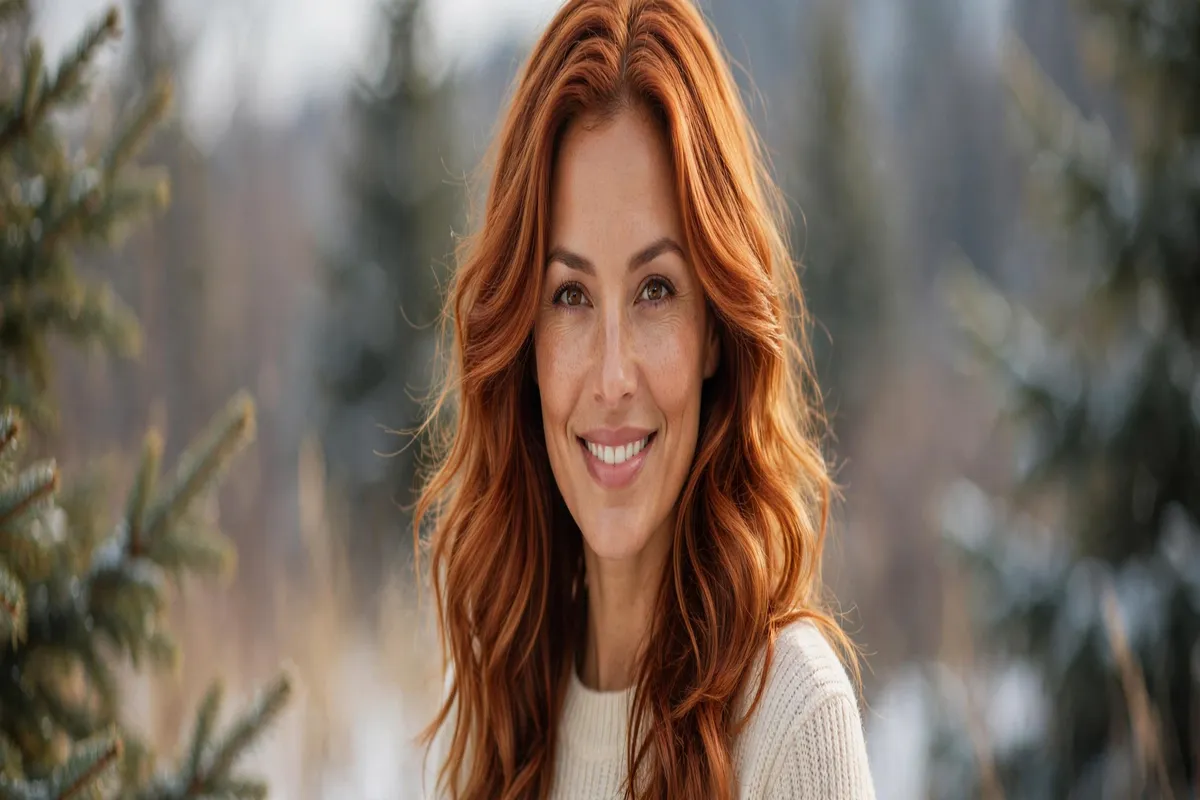
Ginger hair and winter were made for each other. When the sky turns gray and your coat collection comes out, nothing warms up a look faster than copper, auburn, and spice-toned hair. The low winter light actually flatters warm tones, since softer daylight lets red-orange pigment read richer instead of washed out.
This list rounds up 27 winter ginger hair ideas, from natural ginger and honey-dipped golden tones to deep mahogany, blood orange, and smoked ember. Every shade here brings warmth to cold months, along with notes on who it suits and what the upkeep looks like. Find the one that matches your skin tone and your salon schedule.
Quick Takeaways
- Ginger pigment fades faster than any other color, so copper-refreshing masks and color-safe shampoo are non-negotiable in winter.
- Fair, cool skin glows with apricot, strawberry, and honey-dipped ginger; warm and deep skin tones suit mahogany, cayenne, and blood orange best.
- Techniques like balayage, ombré, and root smudge stretch salon visits through the holidays with a soft grow-out.
- Heat tools strip red pigment fast, so always use a heat protectant and lower the temperature on your flat iron.
- Cooler rinses and fewer wash days hold winter ginger color noticeably longer between appointments.
1. Classic Copper Ginger

Classic copper ginger is the shade most people picture when they hear the word ginger: a balanced blend of orange and red that reads bright but still natural, like a polished new penny. It sits right at the center of the ginger spectrum, which makes it the safest first step if you are new to red tones. In winter light it picks up a glow that flat studio lighting can never quite capture, and it pairs effortlessly with the season’s camel coats, cream knits, and dark denim.
It suits fair to medium skin with warm or neutral undertones especially well, since the copper echoes the warmth already in the complexion and brings life to winter-pale faces. Ask your colorist for an even, single-process copper if your base is light brown or darker blonde; darker bases will need lifting first to reach true copper brightness. A copper-depositing mask every other week keeps the tone bright between visits, and cool-water rinses slow the fading that red pigment is known for.
Try this: book a gloss refresh at week four to keep the copper from dulling under winter hats and scarves.
Difficulty: Medium · Cost: $$ (salon)
2. Firelight Metallic Ginger
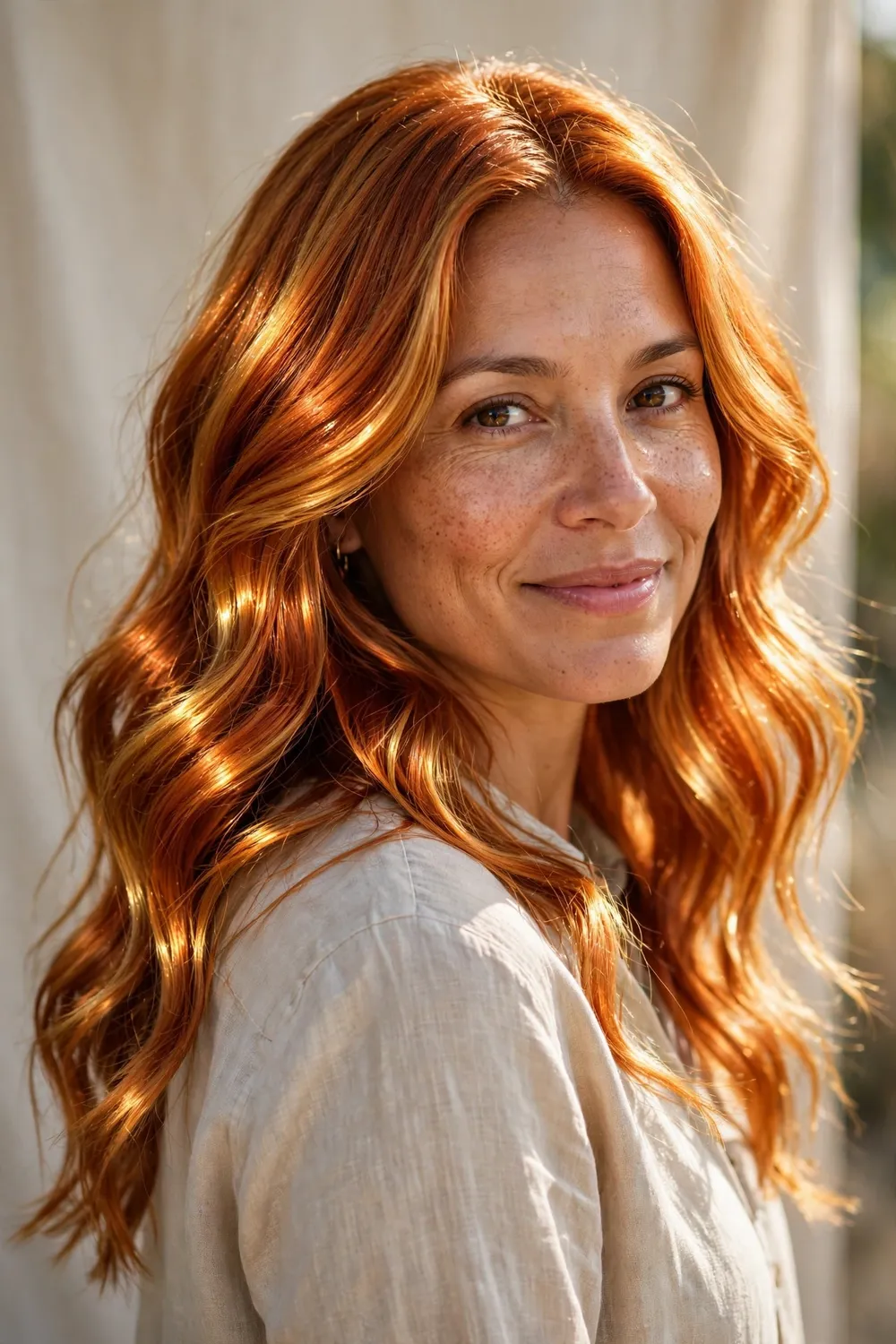
Firelight metallic ginger takes classic copper and turns up the shine: bright copper layered with gold and a reflective, almost molten finish that seems to move as you do. It catches every scrap of winter daylight, so it looks lit from within even on the grayest afternoon. The metallic effect comes from a high-shine gloss worked over the color rather than anything glittery, which keeps it wearable for the office as well as for evenings out.
It flatters medium to warm skin tones best, where the golden reflections read as luminous rather than brassy against the complexion. Fine to medium hair shows the metallic finish most clearly, since smoother strands reflect more light than coarse or highly textured ones. Plan on a glossing treatment every three to four weeks, because the mirror-like quality fades before the color itself does, and a lightweight shine oil on the ends keeps the reflective effect alive between appointments.
Try this: finish styled hair with a lightweight shine oil to amplify the reflective, metallic effect.
Difficulty: Medium · Cost: $$ (salon)
3. Deep Mahogany Ginger

Deep mahogany ginger mixes copper warmth into a rich red-brown base, giving you the depth of a brunette with the fire of a ginger. It is one of the most forgiving ginger shades because the darker base hides fading and root regrowth far better than bright coppers do. Indoors it reads as a deep, moody auburn; step into sunlight and the ginger dimension wakes up with copper flashes through the lengths.
It is a standout pick for medium to deep skin tones, where the richness complements rather than competes with the complexion, adding warmth without washing anyone out. If you are growing out darker hair, this is the easiest ginger to transition into, since your natural base does half the work and no harsh bleaching is required. A color-safe sulfate-free shampoo is enough maintenance for most people, plus a copper gloss every couple of months to keep the ginger notes from settling into plain brown.
Try this: ask for lowlights a shade darker through the mid-lengths to build the dimensional, mahogany depth.
Difficulty: Low · Cost: $$ (salon)
4. Ultra-Dark Winter Ginger
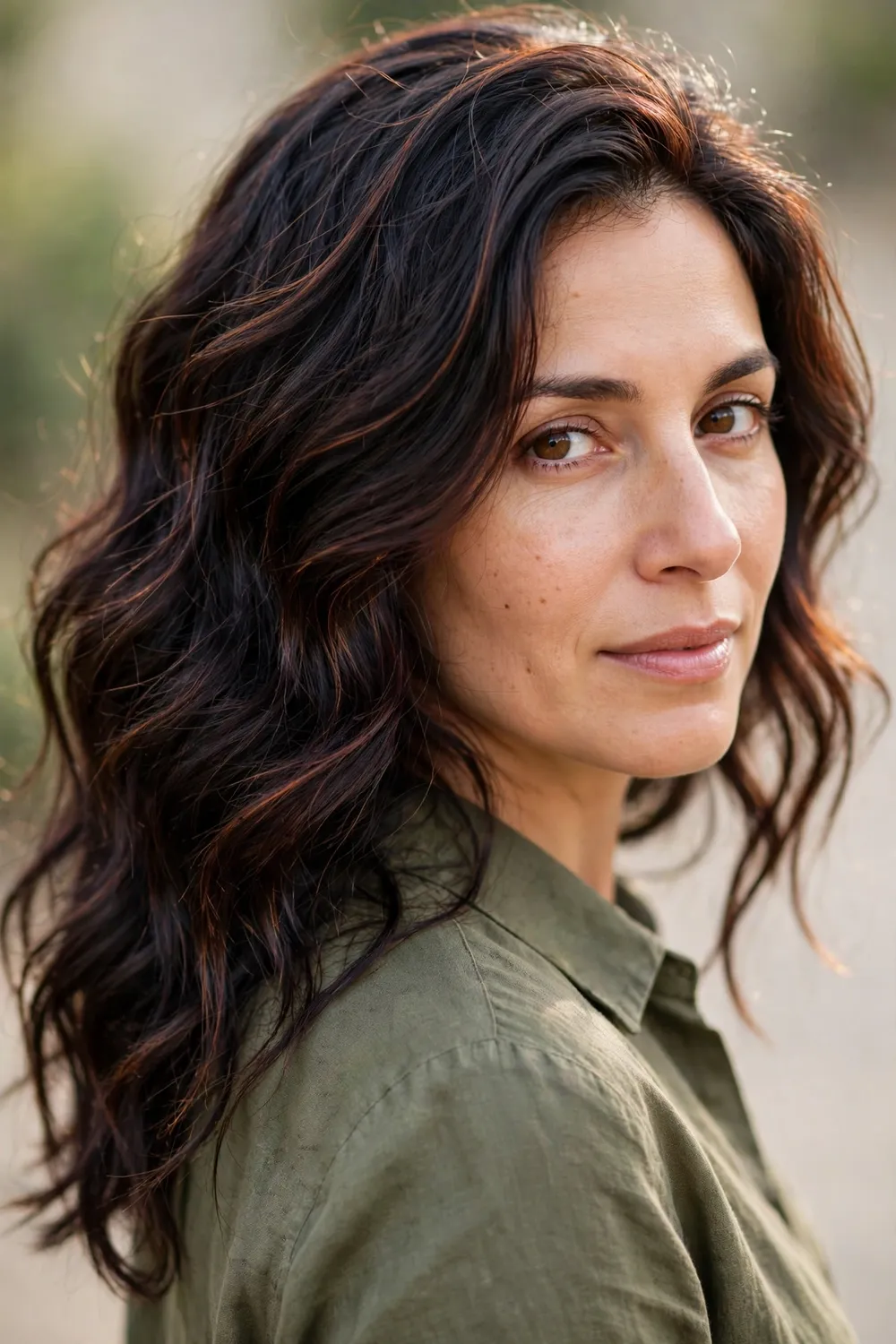
Ultra-dark winter ginger is the moodiest entry on this list: a near-espresso base with just enough copper pigment to flash warm in direct light. From a distance it reads almost black, then a turn of the head reveals the hidden ginger glow running through it. It is the answer for anyone who loves winter’s dark palette but still wants a hint of fire, and it looks especially striking against black turtlenecks and wool coats.
It suits dark hair best, since your natural depth becomes the canvas and the copper is painted over it with a demi-permanent formula. Cool and olive undertones wear it well because the near-black base keeps things grounded and sophisticated. Maintenance is blissfully low: the dark base means regrowth blends in invisibly, and a red-tinted conditioner once a week keeps the copper flash alive through the season without extra salon trips.
Try this: stand near a window at your consultation so your colorist can check how the copper reads in real daylight.
Difficulty: Low · Cost: $$ (salon)
5. Strawberry Ginger
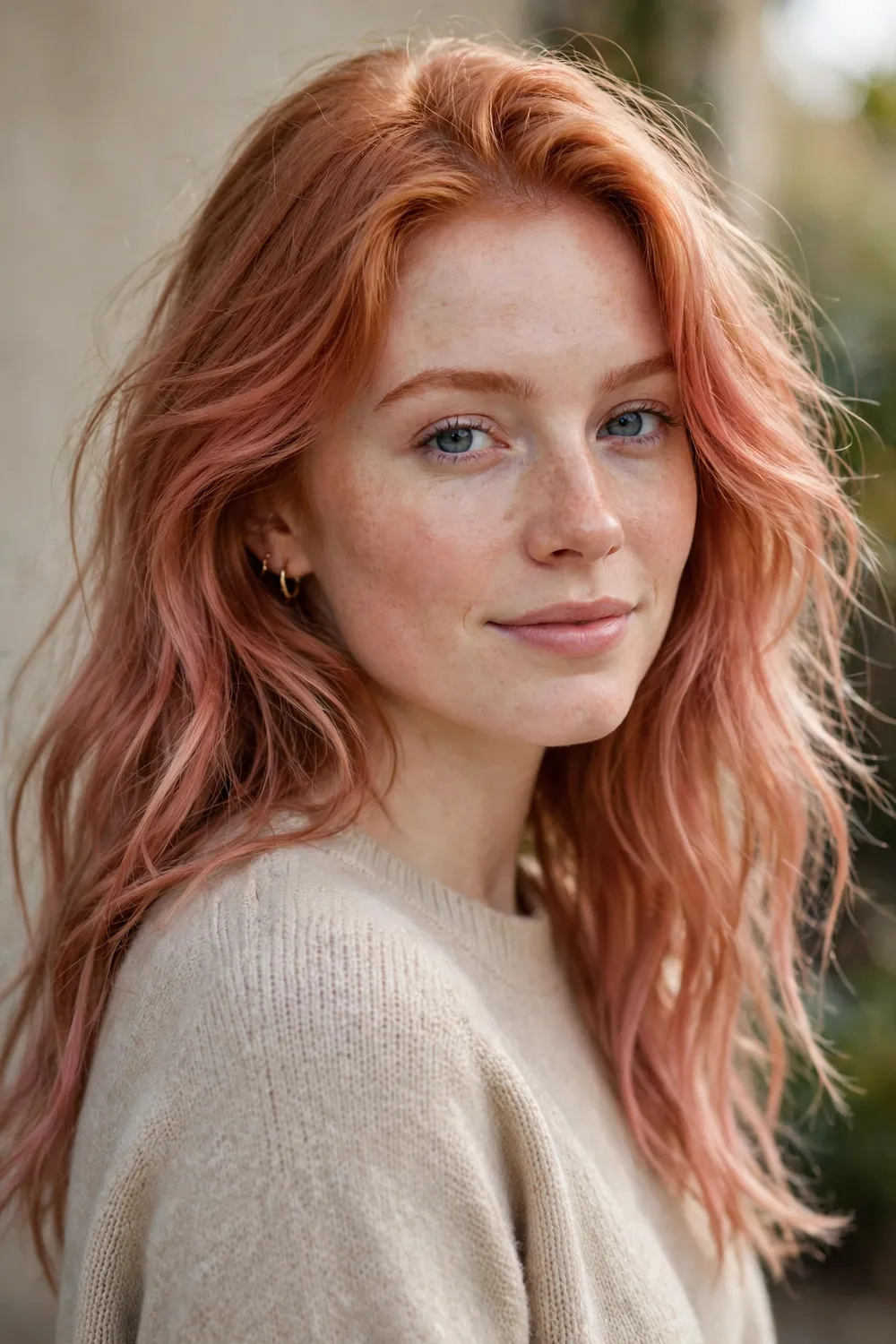
Strawberry ginger blends light copper with soft rosy undertones for the most delicate shade in the ginger family. It reads as a warm, pinky-red that flatters without shouting, which makes it ideal if you want ginger warmth in a quieter register. Winter’s cool color palette of grays, navys, and creams makes strawberry tones look even more intentional, like a deliberate contrast to the season. It is also one of the few light gingers that looks just as good in a low winter ponytail as it does worn loose and wavy.
Fair skin with cool or neutral undertones wears it best, since the rosy pigment harmonizes with the pink already in the complexion instead of fighting it. It lifts cleanly on naturally blonde to light-brown hair without heavy bleaching, which keeps damage minimal. Because it is a lighter shade, it needs gentle washing and a pink-copper toning conditioner to stay rosy rather than tipping brassy, plus a heat protectant every time you reach for hot tools.
Try this: mix a drop of copper toning conditioner into your regular conditioner to top up the rosy tone weekly.
Difficulty: Medium · Cost: $$ (salon)
6. Soft Apricot Ginger

Soft apricot ginger is the palest true ginger: peach tones warmed with a whisper of copper, like the inside of a ripe apricot. It gives light, airy warmth without the intensity of classic copper, and it flatters winter-pale skin by adding color back to the face when everything else has gone gray. The lightness makes it one of the more modern, fashion-forward gingers, and it photographs with a soft glow that deeper shades can’t match.
It suits fair skin and light eyes, where the peachy tone creates a soft, cohesive look from complexion to hair. Your hair needs to be lifted to a light blonde base first, which means more upfront work but a result that feels delicate rather than dyed. Purple-toning shampoo used sparingly keeps it from tipping too yellow, and a weekly hydrating mask protects the pre-lightened lengths from winter dryness that would otherwise dull the delicate tone.
Try this: ask your colorist for a sheer apricot gloss over pre-lightened hair rather than full pigment for a softer effect.
Difficulty: High · Cost: $$$ (salon)
7. Honey-Dipped Golden Ginger
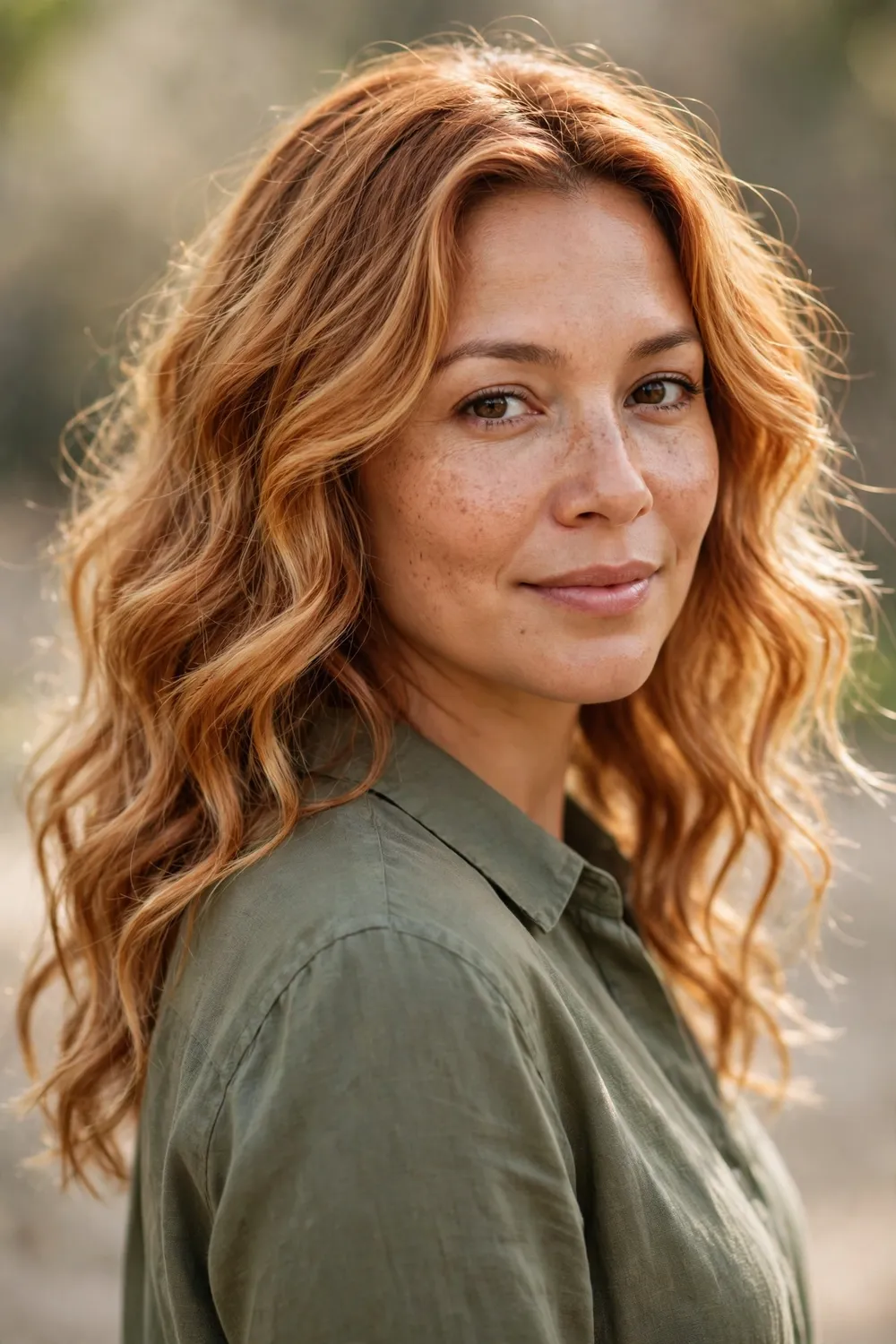
Honey-dipped golden ginger layers golden warmth over a soft copper base, like sunlight caught in honey. It is the most natural-looking of the bright gingers, which makes it a smart pick if you want warmth that coworkers won’t question. The golden tones reflect warmly under holiday lights and candles, giving you that lit-from-within effect at every December gathering without any extra effort. The shade also transitions gracefully into spring, so you won’t feel the need to recolor the moment winter ends.
Light to medium skin with warm undertones wears it effortlessly, and it is one of the few bright gingers that also flatters olive skin, where the gold harmonizes instead of clashing. Starting from a light-brown base keeps the process simple with a single color application; darker hair needs partial lifting to let the honey tones show. A weekly gold-copper mask keeps the honey tone from washing out to plain blonde, and a silk pillowcase reduces the friction that roughs up color-treated cuticles overnight.
Try this: curl the ends loosely before an evening out so the golden dimension catches the light as you move.
Difficulty: Medium · Cost: $$ (salon)
8. Light Butterscotch Ginger

Light butterscotch ginger is the quiet minimalist of the ginger family: creamy beige-gold with just a breath of copper running through it. It reads as a warm neutral rather than a red, which makes it perfect if you want ginger warmth without committing to obviously red hair. Fine hair shows this shade off particularly well, since the light tone adds the illusion of fullness and the creamy warmth keeps it from looking flat.
It suits fair to light skin with neutral undertones, where neither pink nor gold dominates the complexion and the balanced warmth sits comfortably. Lifting to a pale base is required, so it is best on hair that is already light or previously colored rather than virgin dark hair. Gentle handling matters more than product here: less washing, cooler water, and careful detangling keep the tone intact. If your hair runs fine and needs extra care with color, these caring for thin hair tips help delicate strands stay healthy through lightening and beyond.
Try this: wash every third day instead of daily to slow fading on this delicate light shade.
Difficulty: High · Cost: $$$ (salon)
9. Burnt Cinnamon Ginger

Burnt cinnamon ginger mixes deeper copper with caramel warmth for an earthy, spiced shade that feels like the season in hair form. It has more brown in it than classic copper, which grounds the color and makes it look expensive rather than loud. Textured waves and curls show off its layered depth better than straight styles do, since every bend catches a slightly different tone, from caramel highlights to deep copper shadow.
Medium skin with warm or golden undertones wears it best, since the caramel notes echo the warmth already in the complexion. It works well over a medium-brown base with minimal lifting, making it one of the lower-damage routes into ginger and a kinder option for hair that has been colored before. A cinnamon-toned gloss every six weeks keeps the spice from fading to plain brown, and curl-friendly styling creams enhance the texture that shows this shade at its best.
Try this: scrunch in a curl cream and let waves air-dry to show off the color’s natural dimension.
Difficulty: Low · Cost: $$ (salon)
10. Rich Rust Ginger
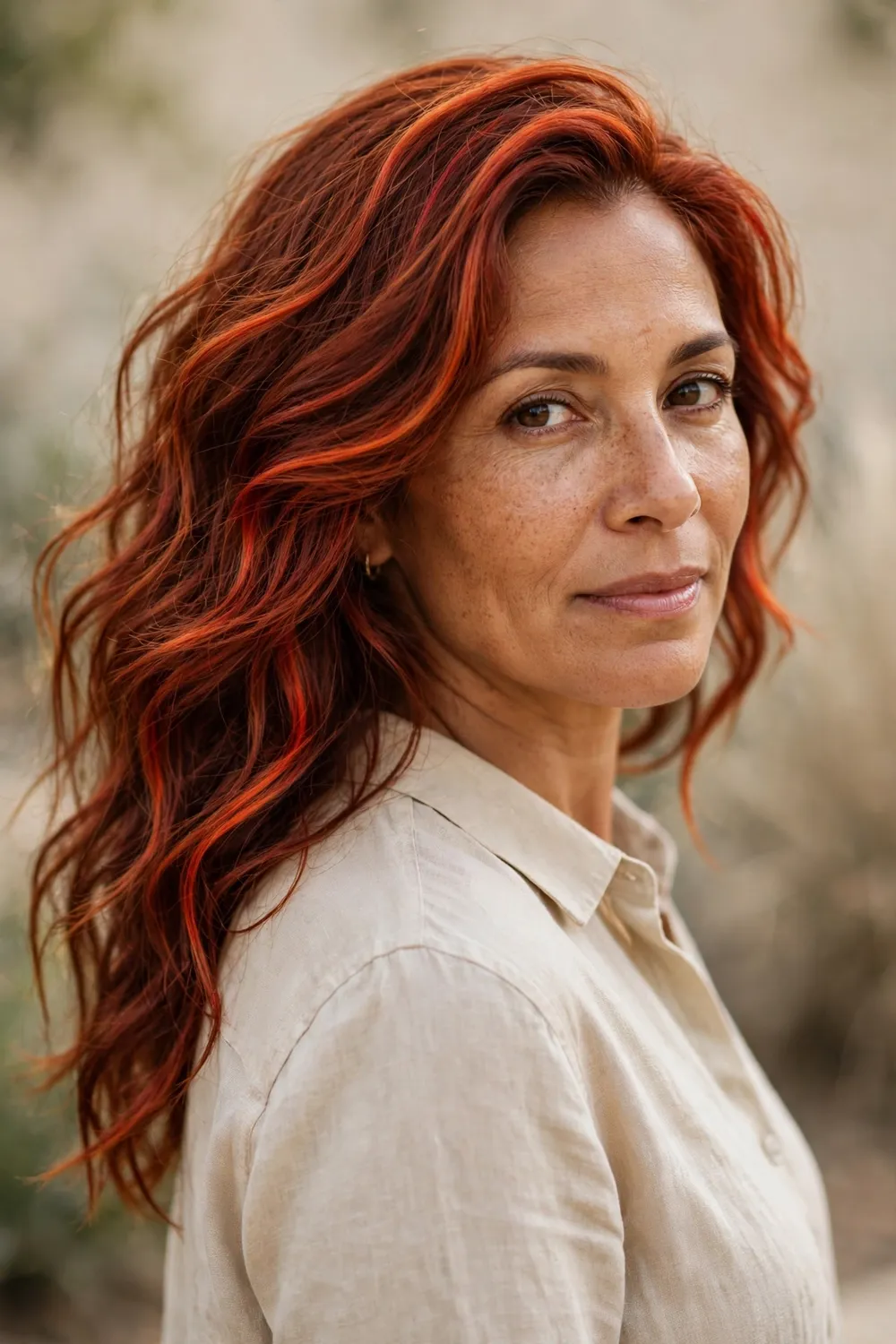
Rich rust ginger takes its cue from oxidized copper: deep terracotta with red-orange fire running through it. It is bolder than burnt cinnamon but less neon than tangerine, landing in a confident middle ground that turns heads in winter’s muted palette. The depth means it holds up well under artificial indoor lighting too, where brighter gingers can sometimes look flat or one-dimensional. On longer lengths the terracotta depth reads almost jewel-like, especially in late-afternoon winter sun.
Tan to medium skin with warm undertones is its natural home, where the terracotta reads as rich and dimensional rather than simply orange. It needs a solid lift from dark bases to show its true depth, so expect a two-step process on naturally dark hair with lightener followed by the rust tone. A red-depositing conditioner once a week keeps the rust from fading to flat copper, and pairing it with camel, cream, and olive knits lets the terracotta tone take center stage in your winter wardrobe.
Try this: wear it with camel, cream, and olive knits that let the terracotta tone take center stage.
Difficulty: Medium · Cost: $$ (salon)
11. Spicy Cayenne Ginger

Spicy cayenne ginger turns the heat all the way up: deeper red-orange undertones infused through a copper base for a shade with real attitude. It sits closer to true red than most gingers, but the copper keeps it firmly in the ginger family rather than drifting into generic red territory. Against winter’s grays and blacks, it practically glows on its own, like a warm coal in a cold room. It pairs strikingly with all-black winter outfits, where the color becomes the entire focal point.
Medium to deep skin tones carry it best, since the intensity balances nicely against richer complexions instead of overwhelming them. Your colorist will likely use a permanent copper-red formula for maximum saturation, which means the most maintenance on this list. Cool-water washing and a red pigment mask are mandatory if you want it to stay spicy past week three, and a heat protectant is non-negotiable since hot tools strip red pigment faster than any other color family.
Try this: rinse with cool water and finish with a cold shot to seal the cuticle and lock in the red-orange pigment.
Difficulty: High · Cost: $$ (salon)
12. Blood Orange Ginger

Blood orange ginger fuses vivid orange with deep red for a juicy, high-gloss shade that looks almost wet with shine. A clear gloss topcoat is what gives it that signature glassy finish, so the health of the cuticle matters as much as the color formula itself. It is the most statement-making ginger here, and winter parties are its natural habitat, where candlelight and string lights make the color look electric.
It flatters medium to warm skin tones and looks incredible on long hair, where the color has room to show its full gradient from root to tip. The gloss finish fades faster than the pigment underneath, so plan on a clear or copper gloss every three weeks to keep the shine alive. Healthy, well-conditioned hair is a prerequisite: damaged ends can’t hold this level of shine, so commit to a weekly deep-conditioning mask if you choose this shade.
Try this: ask for a clear gloss on top of the color service to lock in that signature wet-look shine.
Difficulty: High · Cost: $$ (salon)
13. Bright Tangerine Ginger

Bright tangerine ginger is citrus-bright orange with red warmth underneath: the boldest, most cheerful ginger you can wear. It brings instant brightness to the darkest winter weeks, like carrying a little pocket of summer with you through January. Despite its boldness, warm undertones keep it approachable rather than costume-like, and it has a playful energy that heavier winter shades can’t touch. If your winter style leans minimal, this shade alone carries the whole look with zero extra effort.
Fair to medium skin with warm undertones wears it best; very cool skin can find it fights the complexion instead of flattering it. Reaching this level of brightness usually requires pre-lightening, especially from medium bases and darker, so budget for a longer first appointment. Fading is part of the deal, so embrace a copper-toning conditioner and accept that the shade will soften into a pretty peach over a few weeks, which is a lovely second act rather than a failure.
Try this: top up with a copper semi-permanent dye at home between salon visits to keep the citrus brightness alive.
Difficulty: High · Cost: $$$ (salon)
14. Maple Ginger

Maple ginger is the rustic one: reddish-brown with light copper running through it, like maple syrup held up to winter light. It has an earthy, natural quality that reads as “born with it” even when it comes from a tube. The balanced tones look harmonious in both warm indoor light and cold outdoor daylight, so you never get that jarring shift some reds show between settings. It is a strong choice for anyone whose coloring sits between warm and neutral and who dislikes high-maintenance color.
It flatters warm and neutral skin tones across the lightness spectrum, from fair to deep, since the brown base adapts while the copper adds the same warmth everywhere. Because it leans brown, it transitions easily from a natural brunette base with only a copper gloss needed on top, no bleach required. Maintenance is refreshingly simple: a sulfate-free shampoo and a copper gloss every couple of months keep it rich, and the brown base hides regrowth gracefully.
Try this: pair it with a center part and minimal styling to let the natural-looking color do the talking.
Difficulty: Low · Cost: $$ (salon)
15. Chestnut-Infused Ginger

Chestnut-infused ginger softens copper with cool chestnut undertones, creating a balanced shade that never tips too orange or too red. It is the diplomat of the ginger family, and it solves a common problem: wanting ginger warmth without the color overwhelming your features. The mix of warm and cool gives it unusual versatility across outfits and makeup, working with both silver jewelry and gold. That balance also makes it a forgiving grow-out shade, since neither the warm nor the cool tones dominate as it fades.
Neutral undertones wear it best, since the shade itself sits in the middle, but it is genuinely forgiving across skin tones and one of the safest blind picks on this list. It works over light-brown to dark-blonde bases with a single color process, keeping the appointment short and affordable. A color-safe shampoo is usually all it needs day to day, making it one of the easiest gingers to live with through a busy winter.
Try this: show your colorist photos in both daylight and indoor light so they can balance the warm and cool tones correctly.
Difficulty: Low · Cost: $$ (salon)
16. Copper Brown Ginger

Copper brown ginger keeps your brunette base and weaves warm copper through it, giving you ginger dimension without a full color commitment. The brown underneath grounds the copper, so regrowth is nearly invisible and the whole thing reads as expensive, natural warmth. It is the top pick for brunettes who want in on the ginger trend quietly, without the upkeep that brighter coppers demand. Because your natural color does most of the work, the result always looks believable, never overdone.
It flatters nearly every skin tone because the brown base does the heavy lifting and the copper acts as an accent rather than the main event. No bleaching is needed on most brown bases, which keeps hair healthier and the appointment shorter and cheaper. A copper-toning conditioner every few washes keeps the warmth from fading to dull brown, and the soft grow-out means you can easily stretch appointments to ten weeks or more.
Try this: ask for the copper painted as balayage-style ribbons so it grows out with zero harsh lines.
Difficulty: Low · Cost: $$ (salon)
17. Gingerbread Spice Ginger

Gingerbread spice ginger is December in hair form: a deep warm-brown base spiced with cinnamon and auburn, like the cookie it is named after. It is deeper and cozier than burnt cinnamon, with more brown grounding it for winter. Holiday photos love this shade because it glows against festive lights without looking artificial, and it pairs perfectly with the season’s burgundy, forest green, and gold. The spiced depth also flatters candlelit skin, making it a natural fit for long December evenings indoors.
Medium to deep skin tones with warm undertones wear it well, and it transitions easily from dark-brown hair since depth is the whole point rather than something to lift away. The darker base means fading shows less, so it is one of the more forgiving seasonal shades for anyone who can’t get to the salon monthly. A spiced-copper gloss at the six-week mark refreshes the cinnamon notes, and timing your appointment for early December keeps the color at its richest for holiday gatherings.
Try this: time your appointment for early December so the color is at its richest for holiday gatherings.
Difficulty: Low · Cost: $$ (salon)
18. Smoked Ember Ginger
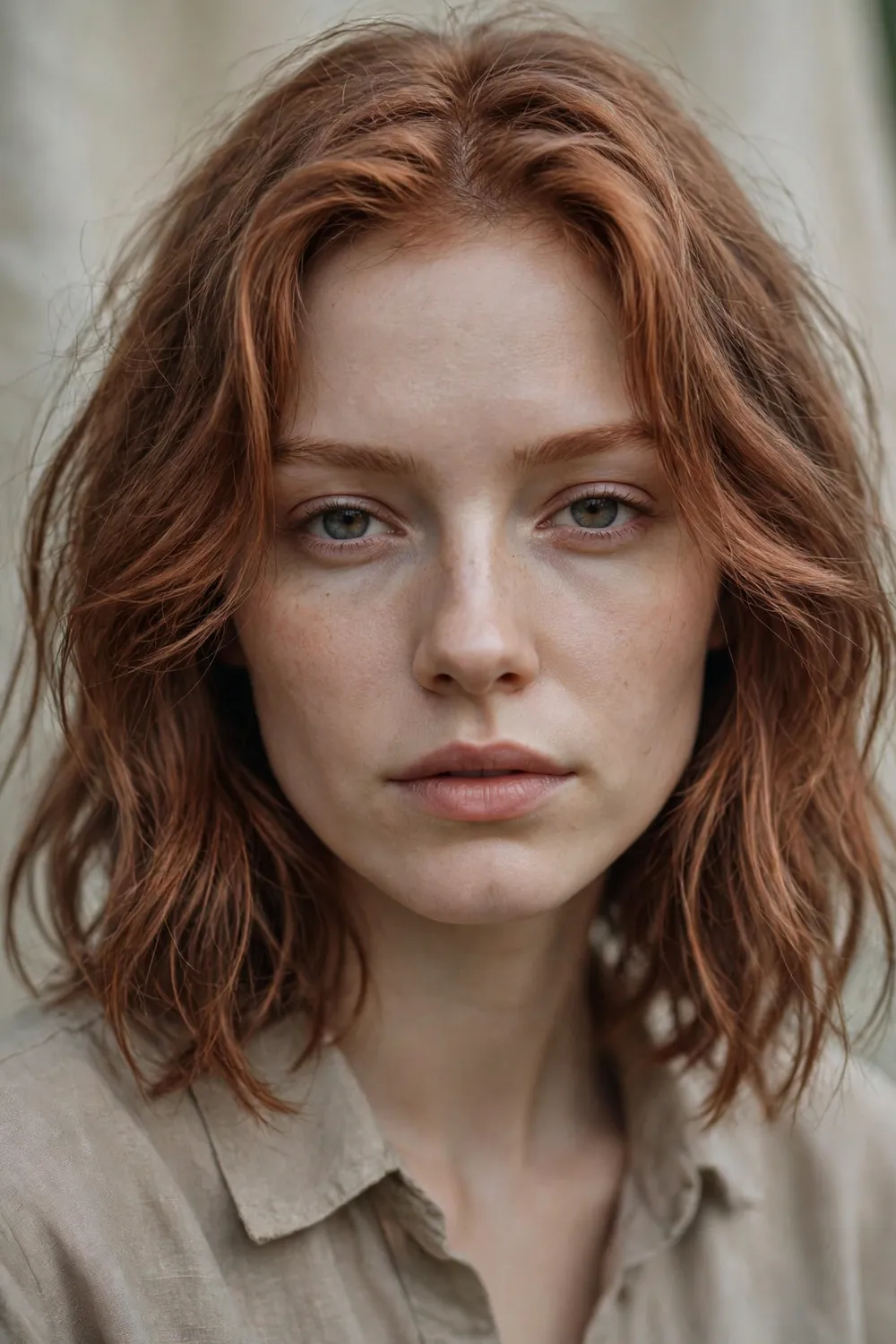
Smoked ember ginger mutes copper with smoky, shadowy undertones for a subdued, almost mysterious take on ginger. Think embers under ash: the warmth is there, but it smolders instead of flaring. It is the ginger for people who find bright coppers too loud but still want the warmth, and it has an editorial edge that reads modern rather than safe. It photographs with unusual depth, since the smoky layer adds shadow that flat coppers lack.
Cool and neutral skin tones wear it well, since the smoky veil harmonizes with cooler complexions better than pure copper does. It applies as a copper base with an ash or smoke toner layered over, so the formula is more custom than most and worth discussing carefully at your consultation. A color-depositing copper conditioner keeps the ember alive under the smoke, and cool-water rinses protect the delicate toner from washing out too fast.
Try this: ask your colorist to formulate the smoke toner sheer so the copper still glows through in sunlight.
Difficulty: Medium · Cost: $$ (salon)
19. Deep Auburn Ginger

Deep auburn ginger sits at the red end of the ginger family: rich auburn with copper brightness woven through for dimension. It has the sophistication of auburn with the life of ginger, and it is one of the most universally flattering dark warm shades. Layered cuts show off its multi-tonal depth especially well, since the layers catch light at different angles and reveal the copper ribbons hidden in the auburn base.
It flatters medium to deep skin tones especially well, where the richness echoes the complexion instead of washing it out. Dark bases need little lifting, making it accessible for natural brunettes without a damaging bleach process. Because it is deep, regrowth is forgiving, and a red-copper mask every couple of weeks keeps the dimension from going flat or muddy as the weeks pass. A weekly deep-conditioning mask also keeps the layered tones distinct instead of blurring together.
Try this: request two to three levels of auburn-copper lowlights rather than one flat color for real depth.
Difficulty: Low · Cost: $$ (salon)
20. Peach-Rose Ginger

Peach-rose ginger blends soft peach with muted rose for a pastel-tinged ginger that feels modern and a little dreamy. The ginger base keeps it grounded and wearable, while the pastel influence gives it an edge that plain copper doesn’t have. It is the fashion shade of the ginger family, and winter wardrobes of black, gray, and cream make the soft color pop by contrast. It is a favorite for holiday photos, where the pastel warmth stands out against dark evening wear.
Fair skin with cool or neutral undertones is its best match, since the rosy tones echo the pink in the complexion. Pre-lightening is required, and the pastel tones wash out faster than any other entry here, so this is a commitment rather than a casual experiment. A rose-gold toning mask twice a week is the price of keeping it pretty, and washing no more than twice weekly with cool water extends the delicate color as long as possible.
Try this: keep washes to twice a week max and use dry shampoo between to protect the pastel tones.
Difficulty: High · Cost: $$$ (salon)
21. Natural Ginger Gloss

Natural ginger gloss isn’t a new color at all: it is a clear or copper-tinted gloss layered over your existing hair to boost shine and warm the tone. If you already have natural red, auburn, or copper hair, this is the lowest-commitment way to make it look its best for winter. The gloss smooths the cuticle, which alone makes hair look healthier and more expensive, and the added warmth reads as richness rather than dye.
It suits anyone whose base is already in the ginger neighborhood, from strawberry blonde to auburn, including natural redheads who want more polish. There is no lifting and no permanent color, so damage risk is close to zero and the appointment takes under an hour. The gloss fades gracefully over four to six weeks, making it the easiest entry on this list to maintain, and it is the ideal add-on to a seasonal trim.
Try this: get the gloss done the same day as a trim so you leave the salon with completely refreshed hair.
Difficulty: Low · Cost: $ (salon)
22. Multi-Tonal Dimensional Ginger
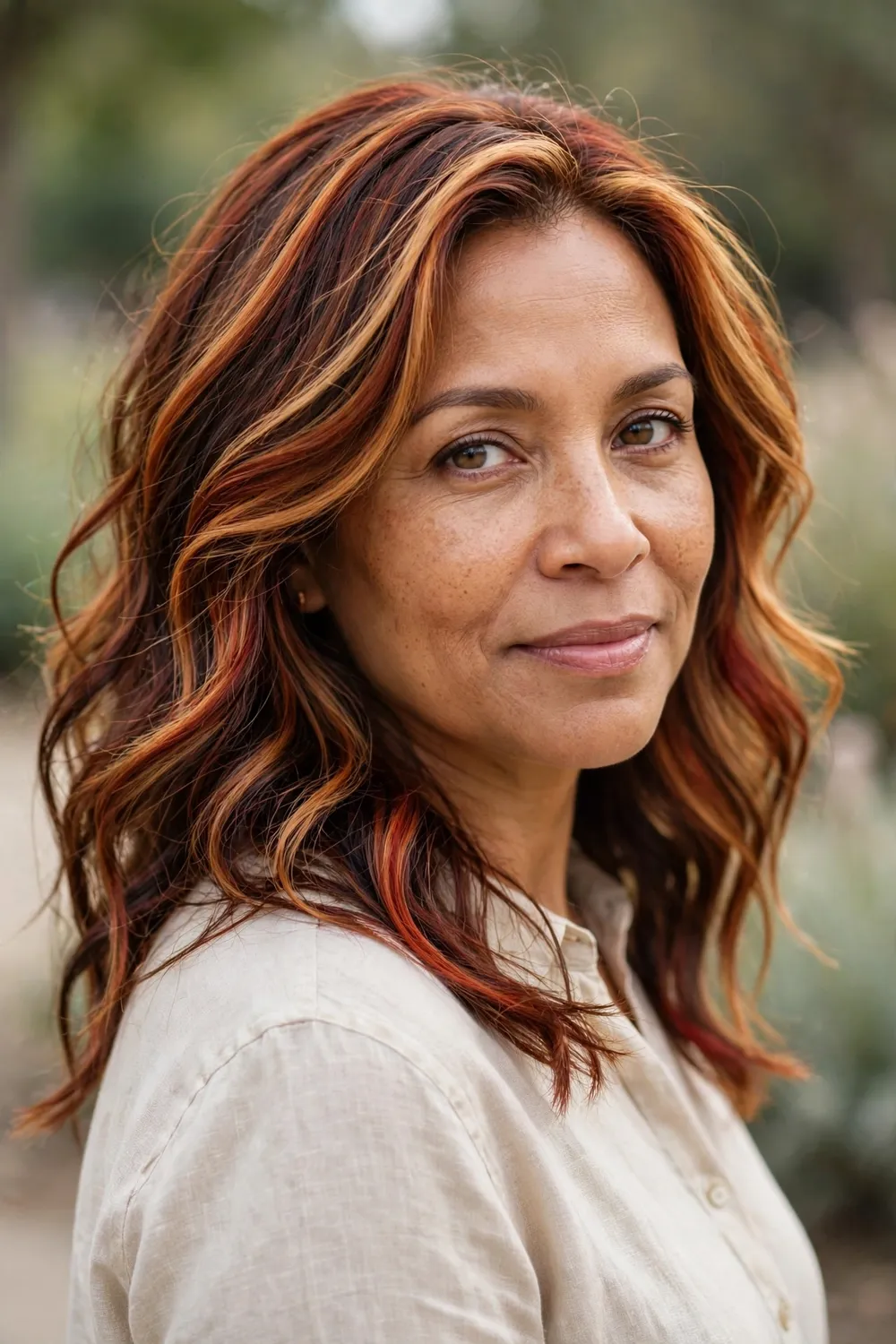
Multi-tonal dimensional ginger weaves several copper shades, from deep auburn lowlights to bright copper ribbons, into one cohesive color. The result has a three-dimensional quality that flat, single-process color can’t touch: it shifts as you move and looks different in every light. This is the shade that makes strangers ask who does your hair, and it photographs with a richness that single tones rarely achieve. Expect compliments from people who can’t quite name what changed, only that your hair looks richer.
It flatters medium to thick hair best, since density gives the colorist room to place multiple tones without the sections disappearing. All skin tones can wear it because the mix of depths adapts to the complexion, with the colorist weighting the formula toward your undertone. It is a longer appointment, often two to three hours, and it needs a copper-refreshing conditioner to keep the lighter ribbons from fading first while the lowlights hold strong.
Try this: bring three reference photos showing the exact mix of light and dark you want, since “dimensional” means different things to everyone.
Difficulty: Medium · Cost: $$$ (salon)
23. Ginger Balayage
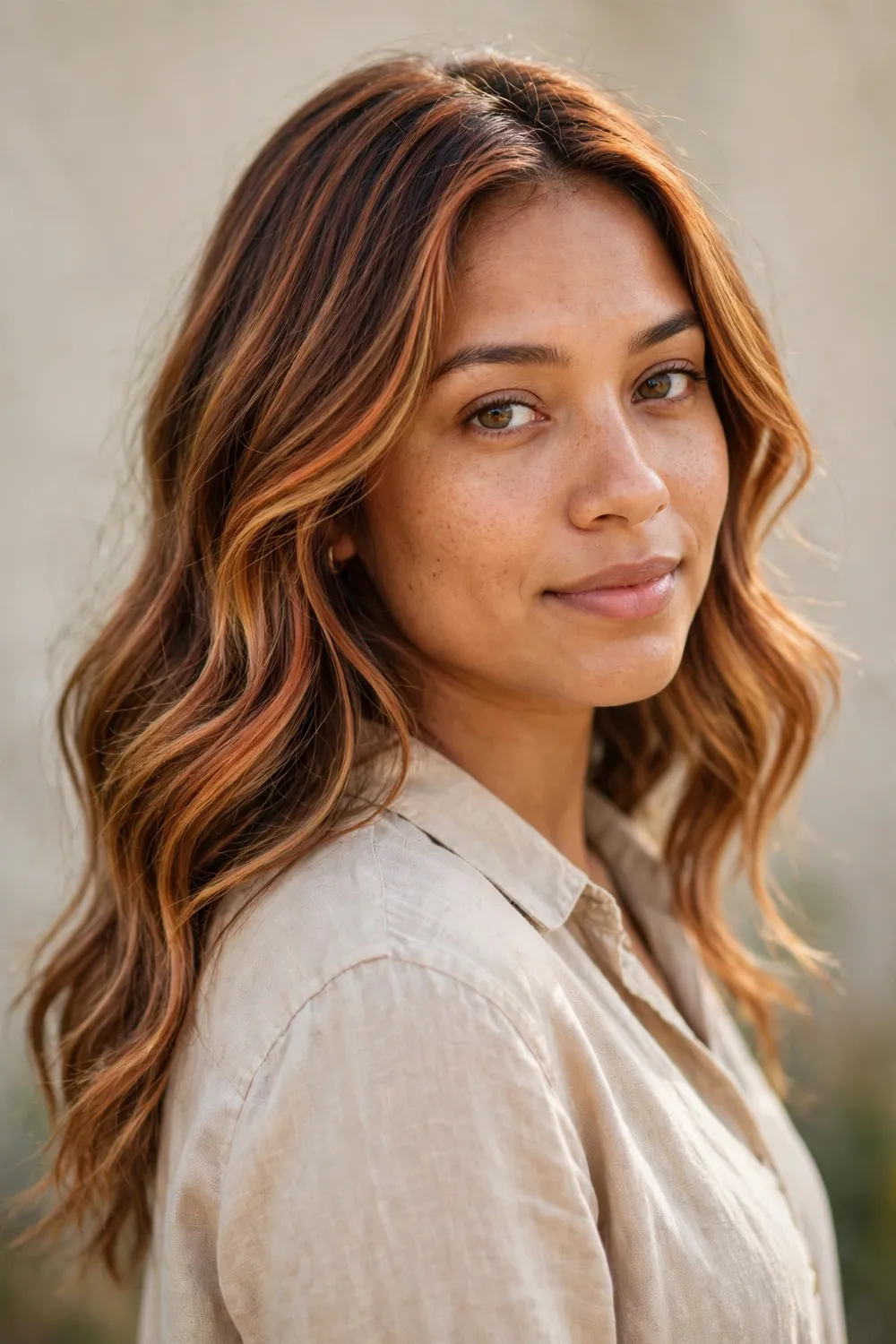
Ginger balayage hand-paints copper and golden tones through the lengths, leaving your natural root untouched for the softest possible grow-out. It is the lowest-maintenance way to wear ginger because there is no harsh regrowth line to chase every few weeks. In winter, the painted dimension keeps hair looking alive even when you are living in a beanie, with the brightest pieces peeking out around your face. The technique also grows out so softly that you can easily skip the salon through the entire holiday season.
It suits every base from dark blonde to deep brown, since the painter adapts the copper level to your starting point. If your hair is dark, expect some lightening in the painted sections; if it is light, the copper can go straight on with no bleach. Touch-ups stretch to ten or twelve weeks, which easily carries you through the season, and a copper toning conditioner keeps the painted pieces warm between visits.
Try this: ask for the brightest pieces around your face so the warmth shows even when the rest is tucked under a hat.
Difficulty: Medium · Cost: $$$ (salon)
24. Ginger Ombré Melt

Ginger ombré melt fades from a deep, natural-looking root through medium ginger into bright copper ends in one seamless gradient. The melt technique blurs every transition, so it looks grown-in from day one in the best possible way. Long hair shows the full spectrum best, turning the color itself into a feature, and loose waves make the gradient shift visibly as the light hits different sections. The gradient also looks striking in motion, making it a strong pick for holiday videos and reels.
It suits medium to long hair and anyone who hates visible regrowth, since the dark root is part of the design rather than a problem to fix. Darker bases transition most naturally into the gradient; lighter bases need the root deepened first for the full effect. A copper mask focused on the ends keeps the brightest part of the gradient from fading to pale, while the root needs nothing at all.
Try this: style it in loose waves for events so the gradient shifts visibly as the light hits different sections.
Difficulty: Medium · Cost: $$$ (salon)
25. Face-Framing Ginger Highlights
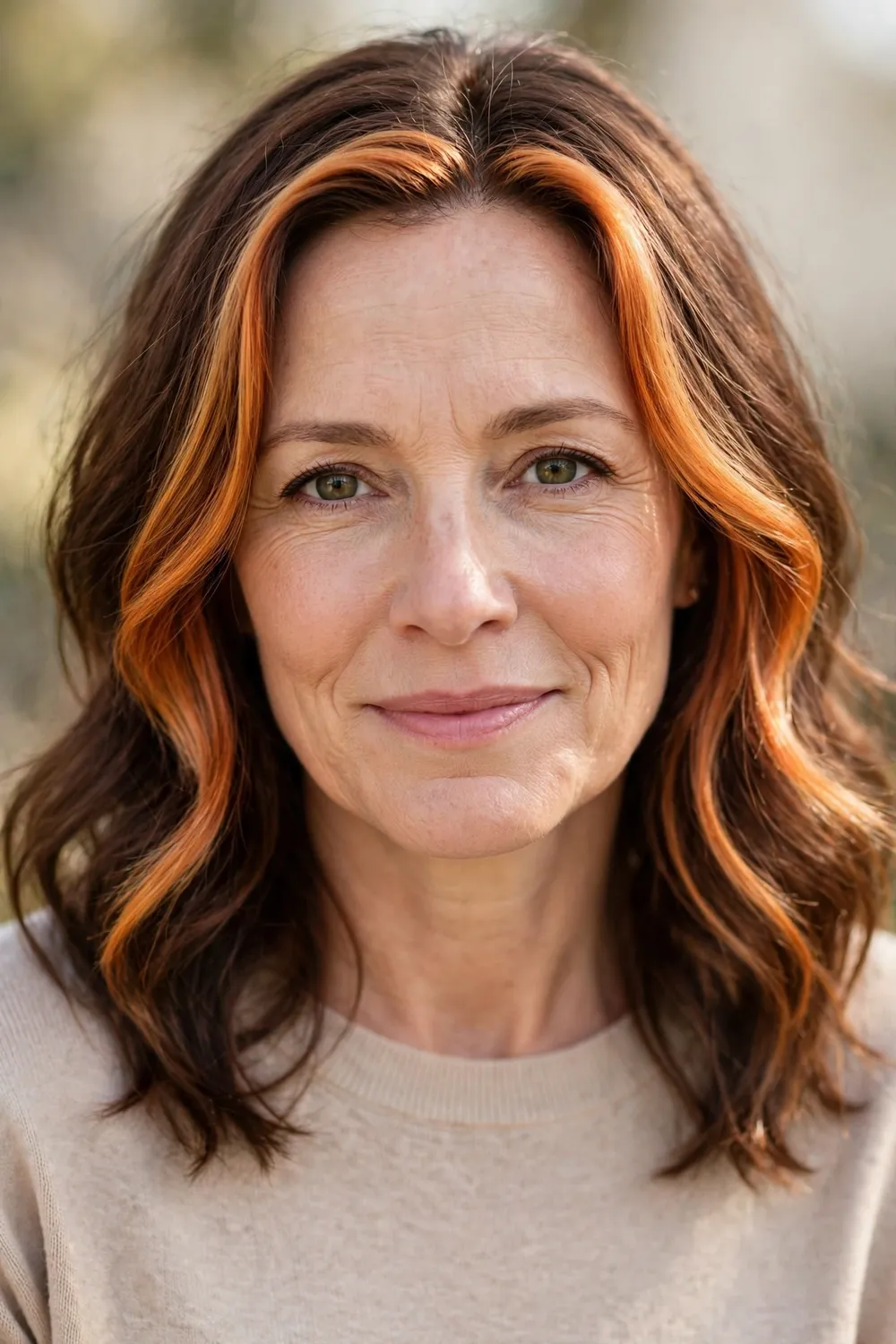
Face-framing ginger highlights place the brightest copper exactly where it matters: around your face, with the rest of your hair left mostly alone. A bold money piece up front gives you the ginger effect in photos and mirrors for a fraction of the cost of full color. It is the smartest way to test-drive ginger before committing, and the grow-out is soft since only the front sections carry the bright color.
It suits every skin tone because your colorist customizes the copper depth to your complexion, and it works over any base from blonde to brunette. The appointment is short, often under two hours, which makes it the most budget-friendly salon option here. A copper toning conditioner keeps the face-framing pieces from fading to brassy, and keeping the money piece slightly deeper than you think you want helps since front pieces fade fastest from daily face washing.
Try this: keep the money piece slightly deeper than you think you want, since front pieces fade fastest from face washing.
Difficulty: Low · Cost: $$ (salon)
26. Root Smudge Ginger

Root smudge ginger blurs your natural root into the ginger lengths with a soft, shadowed transition instead of a hard line. The technique erases the telltale stripe of regrowth, which means you can stretch appointments to eight or ten weeks without looking overdue. For busy winter schedules packed with holidays, travel, and end-of-year deadlines, that low-maintenance grow-out is genuinely freeing. It is also the kindest technique for previously lightened hair, since the smudge adds depth without more bleach.
It suits anyone growing out ginger or transitioning between shades, since the smudge hides every awkward in-between stage gracefully. Your natural root color barely matters because the smudge formula is mixed to blend with it rather than cover it. Since touch-ups are infrequent, it helps to know your own growth rate when booking ahead; this guide to how fast does hair grow helps you time appointments realistically through the season.
Try this: ask for a demi-permanent smudge formula so it fades softly instead of leaving a line when it grows out.
Difficulty: Low · Cost: $$ (salon)
27. Faded Winter Ginger

Faded winter ginger embraces what most color guides fight: a copper that has softened into a warm, peachy-golden wash. Worn intentionally, it looks romantic and effortless, like vintage photographs of natural redheads. Winter is the ideal season for it, since fewer wash days and hat weather slow the fading to a graceful crawl instead of a patchy mess. The result has a soft, lived-in charm that salon-fresh color sometimes lacks.
It suits anyone whose copper has a few weeks on it, or anyone who wants the ginger look with the least possible maintenance and salon spending. Getting here on purpose means asking for a sheer copper that is designed to fade softly rather than patchily, which your colorist can formulate with a demi-permanent gloss. Washing less often is the whole technique; if you are unsure where to start, this breakdown of how often to wash hair keeps both your color and your scalp balanced through winter.
Try this: swap one weekly wash for dry shampoo to slow the fade and keep the soft peachy tone longer.
Difficulty: Low · Cost: $$ (salon)
At a Glance: 27 Winter Ginger Shades Compared
| Shade | Best for | Winter perk | Upkeep |
|---|---|---|---|
| Classic Copper Ginger | Fair to medium, warm or neutral skin | Glows in soft winter daylight | Copper mask every other week |
| Firelight Metallic Ginger | Medium to warm skin, fine to medium hair | Reflective shine on gray days | Gloss every 3 to 4 weeks |
| Deep Mahogany Ginger | Medium to deep skin | Hides fading and regrowth | Sulfate-free shampoo |
| Ultra-Dark Winter Ginger | Dark hair, cool or olive skin | Moody match for dark winter palette | Red-tinted conditioner |
| Strawberry Ginger | Fair skin, cool or neutral undertones | Delicate warmth against cool outfits | Pink-copper toning conditioner |
| Soft Apricot Ginger | Fair skin, light eyes | Adds color to winter-pale faces | Gentle toning, minimal heat |
| Honey-Dipped Golden Ginger | Light to medium warm skin, olive skin | Glows under holiday lighting | Gold-copper mask weekly |
| Light Butterscotch Ginger | Fair to light neutral skin, fine hair | Quiet warmth, office-friendly | Few washes, cool water |
| Burnt Cinnamon Ginger | Medium warm or golden skin | Cozy spiced depth for the season | Cinnamon gloss every 6 weeks |
| Rich Rust Ginger | Tan to medium warm skin | Holds up under indoor lighting | Red-depositing conditioner weekly |
| Spicy Cayenne Ginger | Medium to deep skin | Maximum warmth against gray skies | Cool rinses, pigment mask |
| Blood Orange Ginger | Medium to warm skin, long hair | Statement shine for holiday parties | Gloss top-up every 3 weeks |
| Bright Tangerine Ginger | Fair to medium warm skin | Cheerful brightness in dark weeks | Copper toner between visits |
| Maple Ginger | Warm or neutral skin, all depths | Natural look in all lighting | Copper gloss every 2 months |
| Chestnut-Infused Ginger | Neutral undertones, all skin tones | Balanced, never too loud | Color-safe shampoo |
| Copper Brown Ginger | All skin tones, brunettes | No-bleach route into ginger | Copper conditioner occasionally |
| Gingerbread Spice Ginger | Medium to deep warm skin | Peak coziness for the holidays | Spiced gloss at 6 weeks |
| Smoked Ember Ginger | Cool or neutral skin | Subdued warmth, smoky edge | Copper conditioner under the smoke |
| Deep Auburn Ginger | Medium to deep skin | Forgiving regrowth, rich depth | Red-copper mask biweekly |
| Peach-Rose Ginger | Fair cool or neutral skin | Modern pastel edge | Rose-gold mask twice weekly |
| Natural Ginger Gloss | Existing red, auburn, or copper hair | Shine boost with zero damage | Re-gloss every 4 to 6 weeks |
| Multi-Tonal Dimensional Ginger | Medium to thick hair | Shifts strikingly in varied light | Copper-refreshing conditioner |
| Ginger Balayage | All bases, dark blonde to deep brown | Soft grow-out through the season | Touch-up every 10 to 12 weeks |
| Ginger Ombré Melt | Medium to long hair | Dark root hides winter regrowth | Copper mask on the ends |
| Face-Framing Ginger Highlights | All skin tones, any base | Warmth where hats don’t cover | Copper toning conditioner |
| Root Smudge Ginger | Anyone growing out ginger | Stretches appointments to 8 to 10 weeks | Smudge refresh as needed |
| Faded Winter Ginger | Low-maintenance color lovers | Graceful fade, fewer wash days | Dry shampoo between washes |
How to Choose Your Ginger Shade
Start with your undertone, not your favorite photo. Hold a white towel against your bare face in daylight: if your skin looks pink or rosy next to it, you are cool-toned and will glow in strawberry, apricot, and peach-rose ginger. If it looks golden or olive, you are warm-toned and copper, cinnamon, rust, and mahogany are your friends. Neutral undertones can wear almost anything here, with chestnut-infused ginger as the safest middle ground.
Next, be honest about your starting point and your budget. Dark hair going bright means bleach, which means cost, damage risk, and maintenance; staying close to your natural depth with shades like copper brown, maple, or gingerbread keeps all three manageable. If you wash daily or heat-style every morning, lean toward deeper shades or low-maintenance techniques like balayage and root smudge, which forgive skipped upkeep.
Finally, think about the winter you actually live. If you are outdoors a lot, deeper shades hold their richness better in harsh weather. If your social calendar runs on holiday parties, a high-shine shade like blood orange or firelight metallic photographs wonderfully. Bring reference photos to your colorist and ask what your hair can realistically achieve in one session.
Ginger Winter Care
Fading. Red pigment molecules are larger than other color molecules, which means they slip out of the hair shaft faster, and winter makes it worse. Hot showers, daily washing, and heat styling all accelerate the loss. Wash two to three times a week with lukewarm water and a sulfate-free, color-safe shampoo, and keep a copper or red-depositing conditioner in your rotation to top up pigment between appointments.
Warmth retention. Ginger shades turn brassy or dull when the copper oxidizes, especially under dry indoor heating. A weekly copper gloss or toning mask puts warmth back where fading stripped it, and it takes ten minutes in the shower. If your shade has golden notes, choose a gold-copper formula; if it leans red, pick a red-copper one. Matching the mask to your shade family matters more than the brand.
Dryness. Winter air pulls moisture from color-treated hair fast, and dry hair can’t hold pigment well, so hydration is color care. A weekly deep-conditioning mask, a leave-in conditioner on damp hair, and a silk or satin pillowcase all reduce the friction and dryness that dull ginger tones. Static and flyaways also calm down once hair is properly moisturized; if frizz is your main battle, these low maintenance haircuts for frizzy hair pair well with any shade on this list.
Frequently Asked Questions
What ginger shade is best for winter?
Deeper gingers like mahogany, gingerbread spice, deep auburn, and smoked ember suit winter best because their richness holds up in low light and hides fading. If you prefer brightness, classic copper and firelight metallic glow warmly against gray skies. The best pick depends on your skin undertone: cool undertones suit strawberry and apricot, while warm undertones suit cinnamon, rust, and cayenne.
Does ginger hair fade faster in winter?
Yes, ginger fades faster than any other hair color because red pigment molecules are larger and wash out of the hair shaft more easily. Winter adds hot showers, indoor heating, and frequent heat styling, all of which speed fading. Washing two to three times a week with lukewarm water, using sulfate-free color-safe shampoo, and adding a copper-depositing conditioner slows the loss noticeably.
What skin tone suits ginger hair?
Every skin tone can wear ginger; the trick is picking the right depth. Fair cool skin glows with strawberry, apricot, and peach-rose ginger. Fair to medium warm skin suits classic copper, honey-dipped, and burnt cinnamon. Olive skin pairs well with honey-dipped and maple. Medium to deep skin tones look rich in mahogany, cayenne, blood orange, and deep auburn. Neutral undertones can wear the full range.
Can I go ginger without bleaching dark hair?
Yes, if you choose a shade close to your natural depth. Copper brown ginger, maple, gingerbread spice, deep mahogany, and ultra-dark winter ginger all work over dark bases with little or no lifting. Bright shades like tangerine, apricot, and blood orange need pre-lightening to show their true color. A gloss or demi-permanent formula is the gentlest way to test ginger on dark hair.
How often should I touch up ginger color in winter?
Bright gingers need a refresh every four to six weeks, either a full touch-up or a copper gloss to revive the tone. Deeper shades like mahogany and gingerbread can stretch to eight weeks. Low-maintenance techniques such as balayage, ombré melt, and root smudge push appointments to ten or twelve weeks. At-home copper masks between visits extend every one of these timelines.
Final Thoughts
Winter is ginger’s best season: the low light flatters warm tones, the holiday calendar rewards a little drama, and deeper shades forgive the dryness and fading that cold months bring. Whether you go all in with blood orange or ease in with a copper brown gloss, these 27 winter ginger hair ideas prove there is a shade of warmth for every skin tone and every salon budget. Pick the one that fits your life, protect it from heat and hot water, and let the cold months do the rest.

