


Ombre is a gradient technique: a darker root melts down into a lighter or deeper fall shade at the ends, with the blend placed somewhere between the cheekbones and the ends. For fall, the end shades do the seasonal work. Copper, caramel, auburn, burgundy, and golden brown ends warm up a base without a full head of new color, and the dark root stays in place, so regrowth blends into the design instead of showing as a line.
This list collects 24 ombre fall hair color ideas and runs them from the warm copper and caramel gradients, through the red and burgundy family, into the cool ash options and the soft sombre versions. Every idea names the root shade, the end shade, where the blend sits, and how the grow-out behaves. If you want the wider season palette before you commit to a gradient, the general fall hair colors guide shows every family side by side.
Quick Takeaways
- Every idea here is a true root-to-end gradient: dark roots, a blended middle, and a fall shade concentrated at the ends.
- Sombre is the soft version of ombre. The root and end shades sit closer together, so the blend is gentler and the grow-out is slower to show.
- Copper, caramel, and auburn ends warm up brown bases with the least lightening. Ash blonde ends on dark hair ask for the most.
- The ends carry the lightest and oldest hair. Weekly conditioning matters more for ombre than for all-over color.
- A gloss on the ends at 6 to 8 weeks refreshes the gradient without redoing the whole service.
How to Pick Your Ombre Gradient
Start with the distance between your root shade and the end shade you want. A gap of two to three levels, such as chocolate roots into caramel ends, blends easily and grows out softly. A gap of four levels or more, such as espresso roots into ash blonde ends, reads bolder and needs more lightening in the first appointment. Then pick your blend height. A low blend, starting below the chin, keeps most of the head dark and suits conservative settings. A higher blend, starting near the cheekbones, puts more of the fall shade on show.
Keep the technique clear at the consultation. Ombre concentrates the lighter shade through the whole bottom section of the hair, while painted techniques scatter light pieces higher up. The fall balayage hair colors guide covers that scattered placement if you are choosing between the two. Readers starting from a very dark base can also compare the deeper end of the range in the dark fall hair colors roundup before booking.
| Gradient family | Typical root shade | Typical end shade | Upkeep |
|---|---|---|---|
| Copper gradients | Espresso, mahogany, auburn | Copper, golden copper, apricot | Medium |
| Caramel and honey gradients | Dark chocolate, chestnut, mocha | Caramel, honey, toffee, amber | Low to medium |
| Red and burgundy gradients | Black, dark brown | Burgundy, cherry cola, mulled wine | Medium to high |
| Cool ash gradients | Dark brown, espresso | Ash brown, mushroom blonde, ash blonde | Medium to high |
| Soft sombre gradients | Brunette, light brown | Golden brown, champagne, smoky taupe | Low |
1. Espresso Roots to Copper Ends

This gradient keeps an espresso root, close to a natural dark brown, and melts it into bright copper through the bottom half of the hair. The blend sits around chin level, so the copper reads clearly while the top of the head stays deep. Warm and neutral skin carries the copper ends well, and deep skin gets a strong glow from the contrast.
Dark bases need lightening through the ends before the copper will show at full strength, so the first appointment is the long one. After that, upkeep is a copper gloss on the ends at six to eight weeks. The root area needs no color work at all, which is where the time saving sits.
Try this: ask for the blend to start a little lower on the back sections and a little higher near the face, so the copper frames the face without shortening the dark root at the crown.
Difficulty: Medium · Cost: $$ (salon)
2. Dark Chocolate to Caramel Ombre
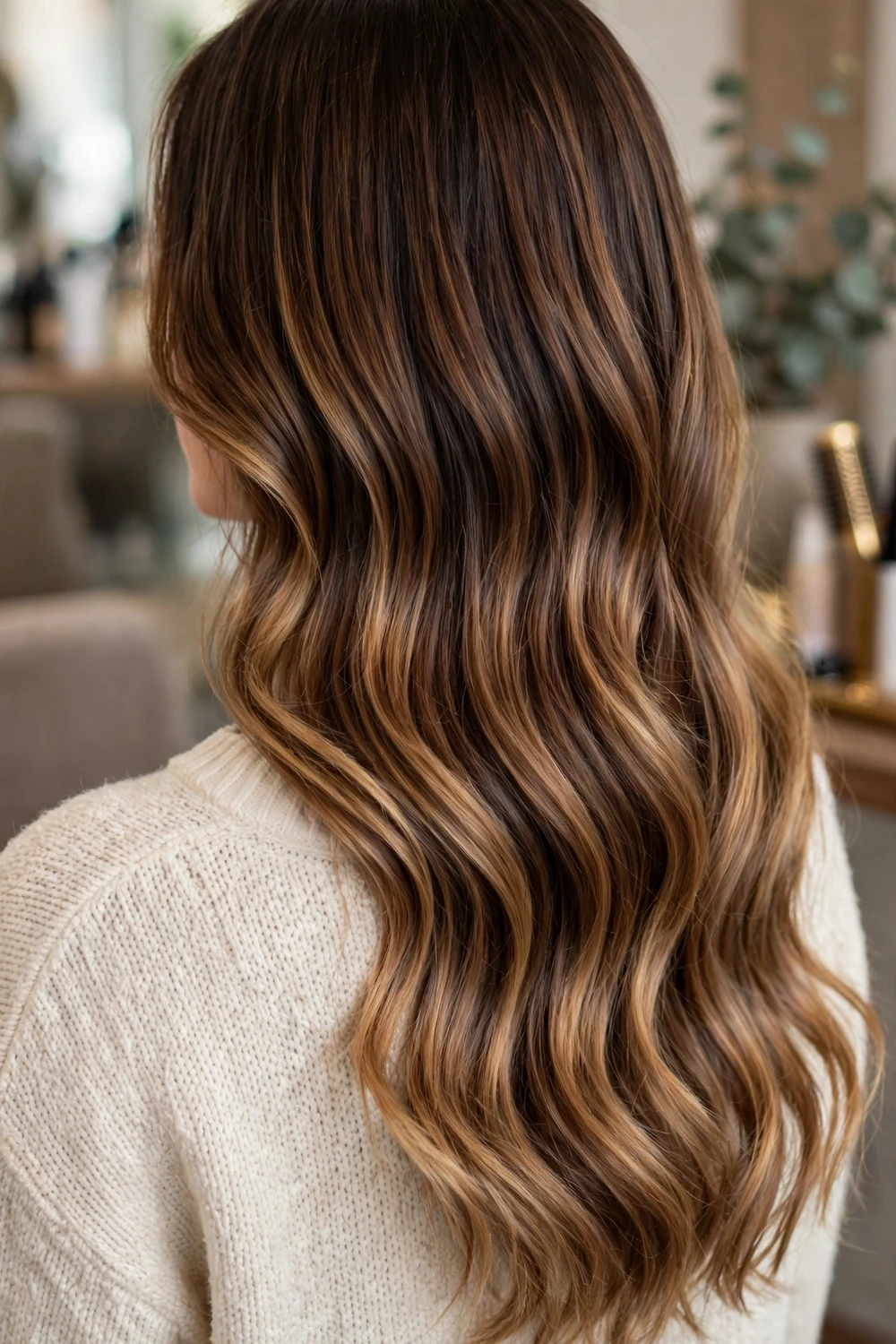
Dark chocolate roots melt into warm caramel ends in this gradient, with a level gap small enough to blend without a visible band. The caramel sits in the bottom third of the hair and warms the whole look in fall light. It suits a wide range of skin tones, and it is a common first ombre for brunettes who want a clear change with a calm grow-out.
Most medium and dark brown bases reach caramel ends with a single lightening pass through the lower sections. The gradient can go ten to twelve weeks between salon visits, with a toner on the ends if the caramel starts to fade pale.
Try this: keep the caramel two levels lighter than your root at most. A smaller gap blends better and reads richer than a high contrast jump on this pairing.
Difficulty: Medium · Cost: $$ (salon)
3. Brunette to Golden Brown Sombre
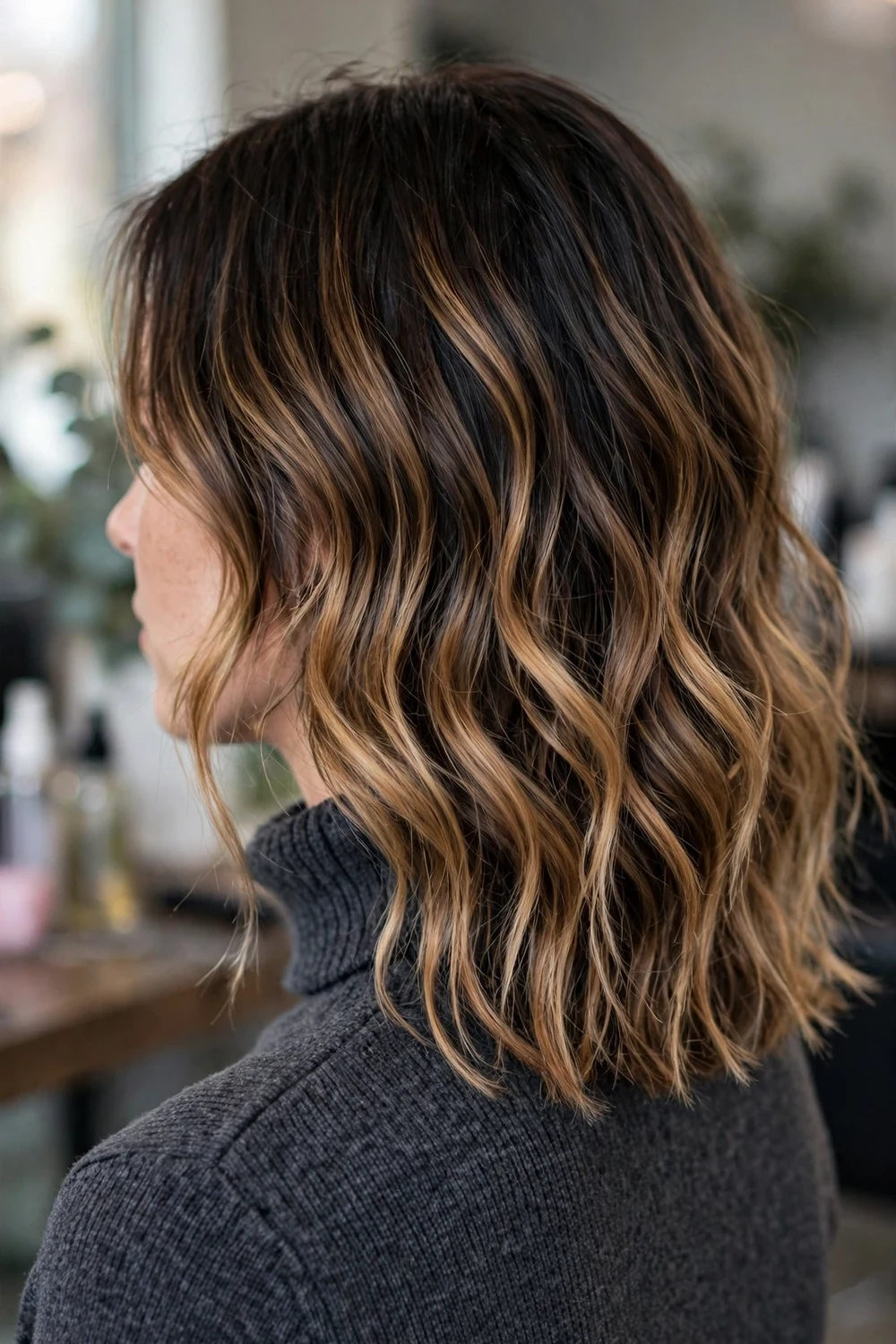
Sombre is the soft form of ombre, and this version moves from a deep brunette root to golden brown ends only a level or two lighter. There is no hard point where the color changes. The shift shows in movement and in daylight, which makes it a steady pick for workplaces with a conservative dress code.
Because the gap is small, many brunette bases reach the end shade with color alone or a very gentle lift, and the service is shorter than a full ombre. Grow-out is the slowest on this list. Most wearers refresh the ends at ten to twelve weeks, and some stretch further.
Try this: ask your colorist to feather the lightener upward in fine sections rather than a solid block, since feathering is what keeps a sombre blend soft.
Difficulty: Low to Medium · Cost: $$ (salon)
4. Black to Auburn Ombre

Near-black roots melt into auburn ends in this gradient, with the red-brown building gradually from the mid-lengths down. Auburn is a brown-based red, so the ends warm up the black base without turning into a bright fashion shade. The pairing suits medium and deep skin, and the dark root keeps the overall read grounded.
Auburn ends on a black base usually need a modest lift through the lower half before the red-brown will show. The red content fades faster than the brown content, so the ends drift browner over the weeks. A red-brown gloss at six weeks holds the auburn note.
Try this: bring a photo of the auburn depth you want in outdoor light. Auburn reads much redder in sun than under salon lighting, and the photo settles the target.
Difficulty: Medium · Cost: $$ (salon)
5. Mahogany to Copper Ombre

This gradient starts from a mahogany root, a red-brown that already carries warmth, and melts it into muted copper ends. Because the root and the ends sit in the same warm family, the blend is smooth and the contrast stays moderate. It suits warm and olive skin, and it works well on hair that already has some red in it.
The lift needed here is smaller than on a dark brown base, since the ends only need to reach a mid copper. Upkeep centers on shine and tone: a copper gloss at six to eight weeks, plus color-safe washing so the mahogany root keeps its depth.
Try this: if your hair already leans red, ask for this gradient with a gloss-only root refresh between full appointments to keep the cost and the time down.
Difficulty: Low to Medium · Cost: $$ (salon)
6. Dark Brown to Burgundy Ombre

Dark brown roots melt into deep burgundy ends in this gradient. Burgundy is a red with a violet base, and it is one of the few warm-season end shades that suits cool skin. The blend sits low, around the jaw and below, so the burgundy gathers in the lengths where it catches light as the hair moves.
The ends need lightening before burgundy pigment will read as red rather than dark brown, and the violet-red tone fades faster than caramel or copper. Plan a burgundy gloss at five to six weeks and a color-depositing conditioner in a wine shade between visits.
Try this: ask for the burgundy kept deep rather than bright at the first appointment. Deep burgundy fades toward a soft wine tone, while bright burgundy can fade pink.
Difficulty: Medium to High · Cost: $$$ (salon)
7. Chestnut to Honey Ombre

Chestnut roots, a warm mid brown, melt into honey ends in this gradient. Honey is a golden, light brown-blonde tone, and the step from chestnut is wide enough to brighten the face and the lengths while the root stays warm. Fair to medium warm skin gets the most from the golden ends.
Honey ends need a steady lift on a chestnut base, and the gold tone can turn brassy between visits. A gloss with a neutral-gold toner at six to eight weeks corrects that. The root grows out softly, since the blend is diffused rather than lined.
Try this: ask for the honey concentrated in the front sections and the very ends, with the back kept one shade deeper for a fuller look.
Difficulty: Medium · Cost: $$ (salon)
8. Mocha to Toffee Ombre

Mocha roots melt into toffee ends in this shorter-length gradient. Toffee is a light, warm beige-brown, paler than caramel and softer than honey. On shoulder-length hair the blend starts higher, around ear level, so both shades get room to show. Neutral and warm skin suit the pairing, and the lighter ends add the look of thickness to fine hair.
Shorter hair shows regrowth at the ends faster in one sense: the gradient gets trimmed away sooner. Plan to rebuild the toffee ends every second or third cut. Between cuts, a clear gloss keeps the toffee from going dull.
Try this: time the ombre appointment right after a trim, so the fresh ends hold the toffee shade at its best for the longest stretch.
Difficulty: Low to Medium · Cost: $$ (salon)
9. Auburn to Golden Copper Ombre

This gradient reverses the usual starting point: the root is a deep auburn, already colored or naturally red-brown, and the ends melt into golden copper. The shift runs from deep red-brown to a brighter gold-copper, so the whole head stays inside the red family while the ends carry the light. Fair and medium warm skin suit it well.
Readers who want the full copper shade range before choosing an end tone can browse the fall copper hair colors list for the exact copper depth to show a colorist. On an auburn base the lift is modest, and the main upkeep is fade control, since both halves of this gradient sit in the fast-fading red family.
Try this: use a copper color-depositing conditioner once a week from the first wash. With two red-family shades on one head, home tone care does most of the maintenance work.
Difficulty: Medium · Cost: $$ (salon)
10. Chocolate to Cinnamon Ombre

Chocolate roots melt into cinnamon ends in this gradient. Cinnamon is a spiced red-brown, warmer and redder than the root, with a lighter value so the gradient still reads from dark to light. The blend sits through the mid-lengths, and layered cuts show the cinnamon well because each layer ends at a different point in the gradient.
Cinnamon ends ask for a moderate lift on chocolate hair, then a red-brown toner. The spice tone softens toward a warm brown as it fades, which keeps the grow-out forgiving. A cinnamon gloss at six weeks restores the red note.
Try this: ask for the cinnamon kept brown-based rather than red-based if your workplace is conservative. The shade still reads warm, with less red on show indoors.
Difficulty: Medium · Cost: $$ (salon)
11. Black-Brown to Cherry Cola Ombre
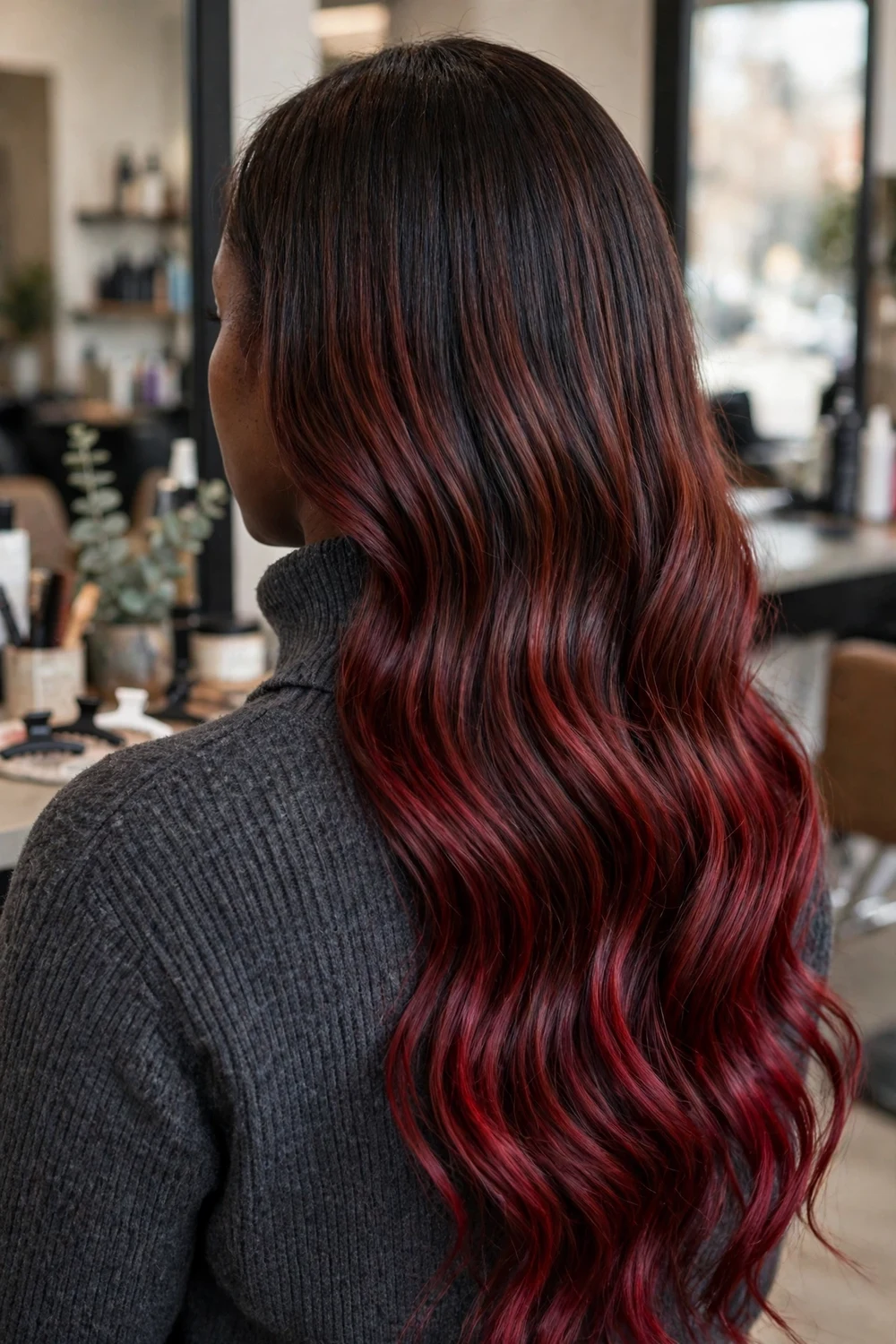
Black-brown roots melt into cherry cola ends in this gradient. Cherry cola is a deep cherry red with a brown base, brighter than burgundy and redder than mahogany. The blend starts low so the cherry gathers in the bottom third, where it shows most on long, glossy hair. Deep skin and cool to neutral skin carry the cherry ends well.
This is one of the higher-lift red gradients on the list, since cherry needs a lifted base to read as cherry on black-brown hair. The red tone also fades quickly. Cool water, fewer washes, and a red gloss at five weeks are the routine that holds it.
Try this: book the first gloss refresh at the same time as the color appointment. Cherry tones lose the most brightness in the first month, and a planned refresh protects the result.
Difficulty: Medium to High · Cost: $$$ (salon)
12. Medium Brown to Amber Ombre
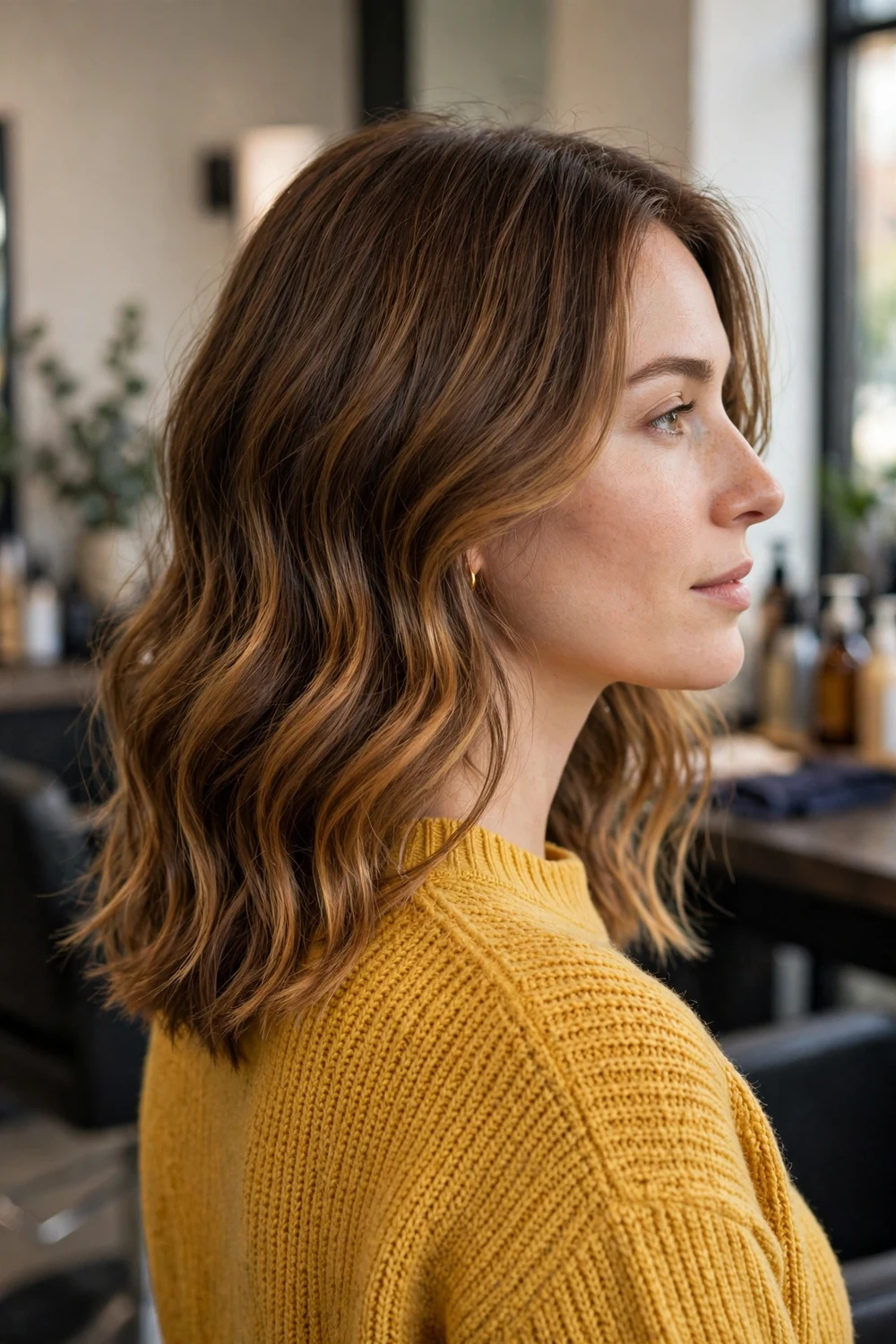
Medium brown roots melt into amber ends in this gradient. Amber is a warm golden brown with a translucent, resin-like depth, sitting between caramel and honey in lightness. The moderate gap keeps the blend smooth on medium-length hair, and warm skin tones suit the golden ends.
Amber is a forgiving end shade: it can be built with a gentle lift and a gold-brown toner, and it fades toward a soft light brown rather than a brassy yellow when the toner is balanced. Refresh the ends at eight weeks, or later if the fade still looks even.
Try this: ask for a slightly deeper amber on the underneath layers. The depth underneath makes the top layers look brighter without extra lightening.
Difficulty: Medium · Cost: $$ (salon)
13. Dark Roots to Ash Brown Ombre

This is the cool entry in the brown family: dark roots melt into ash brown ends, a smoky, grey-leaning brown with the warmth toned out. The gradient suits cool and neutral skin, and it pairs well with fall wardrobes built on grey, black, and deep green. Straight styling shows the ash tone most clearly.
Ash ends need the warmth lifted out and then toned down, which takes care on dark hair. The ash toner fades toward a warmer brown over four to six weeks, so plan a toning gloss on that cycle and use a purple or blue shampoo sparingly to hold the cool tone.
Try this: ask your colorist to keep a trace of the natural warmth in the blend zone. A fully ash blend zone can read grey against dark roots, while a neutral blend zone keeps the gradient smooth.
Difficulty: Medium to High · Cost: $$$ (salon)
14. Brown to Mushroom Blonde Sombre

Mushroom blonde is a cool beige blonde with grey and brown in it, and this sombre melts medium brown roots into mushroom ends with a soft, low-contrast blend. The result reads cool and muted rather than golden. Cool and neutral skin suit it, and it is a steady fall option for readers who find copper and caramel too warm.
The ends need a real lift to reach a beige blonde, followed by a cool toner, so the first appointment is longer than the soft result suggests. Upkeep is a toning gloss at six weeks to keep the mushroom tone from warming up.
Try this: show your colorist photos of mushroom blonde in daylight. The shade sits between ash brown and blonde, and photos prevent it landing too grey or too gold.
Difficulty: Medium to High · Cost: $$$ (salon)
15. Espresso to Ash Blonde Ombre

This gradient has the widest gap on the list: espresso roots melt down into pale ash blonde ends. The contrast is the point. The dark root keeps the style grounded while the ends go fully cool and light. Cool skin carries the ash ends best, and long hair gives the wide gradient enough length to blend without a hard band.
Reaching pale ash blonde from an espresso base takes the strongest lightening in this article, and some heads need two sessions to keep the ends in good condition. Toning upkeep is steady, at four to six weeks, and the ends need regular conditioning masks.
Try this: agree the blend height before lightening starts. On a wide-gap gradient, a blend that starts too high leaves a visible line, and lowering it later means redoing the mid-lengths.
Difficulty: High · Cost: $$$ (salon)
16. Soft Bronde Sombre

Bronde sits between brown and blonde, and this sombre runs light brown roots into champagne blonde ends with a gentle, diffused blend. Champagne is a beige-gold blonde, softer than honey and warmer than mushroom. The low contrast makes this the easiest blonde-leaning gradient to grow out on the list.
Light brown bases reach champagne ends in one session, and the toner choice decides whether the ends lean gold or beige. Grow-out stays soft for ten weeks or more, since the root shade and the natural regrowth sit close together.
Try this: ask for a beige-gold toner rather than a pure gold one. Beige keeps the ends in fall territory, while pure gold can read summery by contrast.
Difficulty: Low to Medium · Cost: $$ (salon)
17. Light Brown to Honey Blonde Ombre
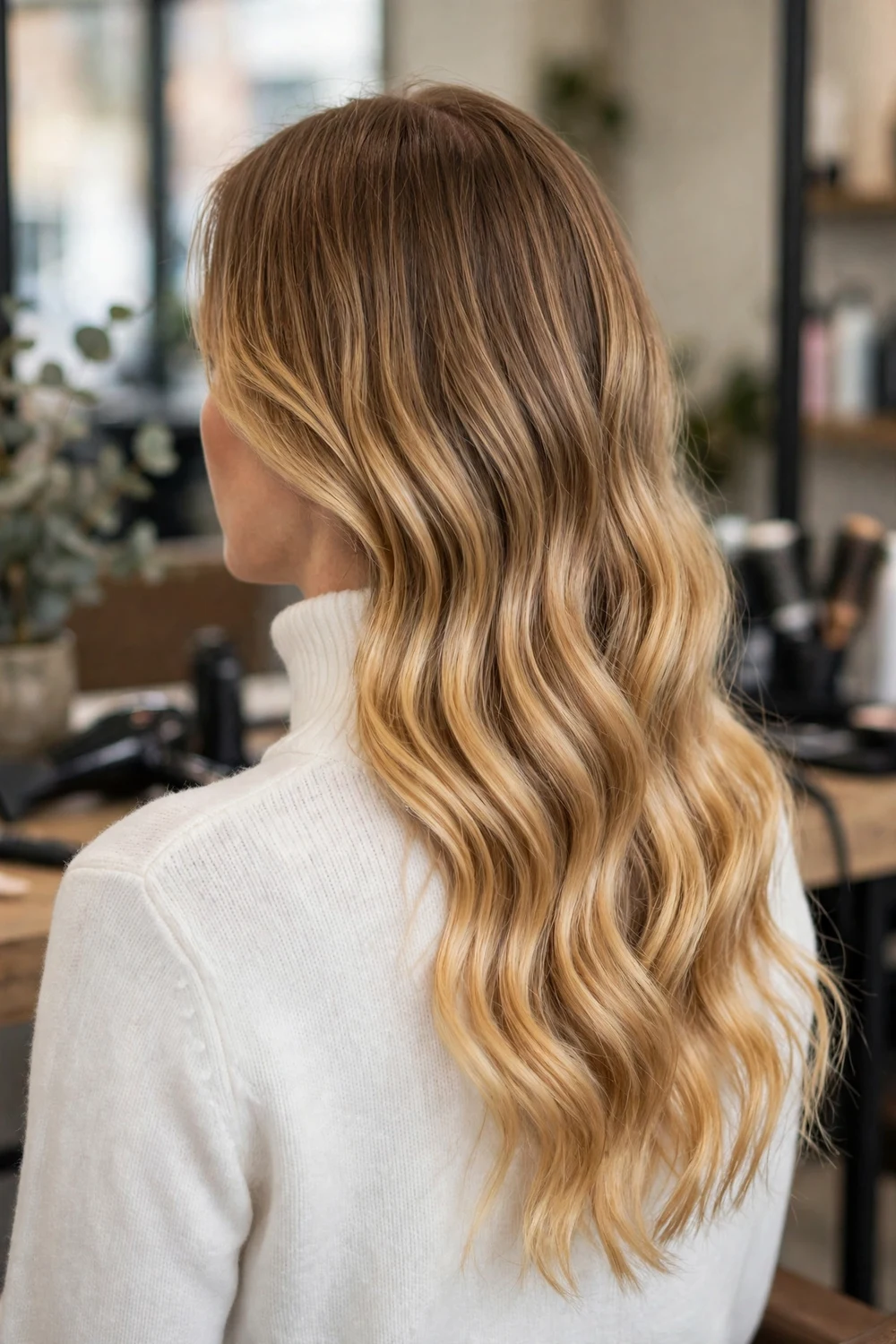
Light brown roots melt into honey blonde ends in this gradient. Compared with the chestnut to honey pairing earlier in the list, the lighter root here makes the whole head read brighter, and the honey ends sit closer to a true blonde. Fair and medium warm skin suit the golden ends, and the gradient brightens the face on shorter fall days.
The lift is moderate on a light brown base, and the upkeep is a gold gloss at six to eight weeks. Because the root is light, regrowth shows sooner than on the dark-root gradients, so the root area may need a soft smudge at the refresh visit.
Try this: keep a few light brown pieces woven through the top layer. They break up the brightness and stop the gradient reading as a solid blonde with dark roots.
Difficulty: Medium · Cost: $$ (salon)
18. Red-Brown to Strawberry Blonde Ombre

Red-brown roots melt into strawberry blonde ends in this gradient. Strawberry blonde is a light blonde with a copper-pink wash, and against a red-brown root the ends read warm and light without going fully blonde. Fair skin with warm or neutral undertones suits this pairing best.
The ends need lifting and then a copper-pink toner, and the pink wash is the first part to fade. A rose-gold gloss at four to six weeks holds the strawberry tone. As it fades, the ends settle into a warm light copper, which most wearers still like.
Try this: ask for a strand test on the ends first. Porous ends grab the pink toner faster than the mid-lengths, and the test sets the timing for an even result.
Difficulty: Medium to High · Cost: $$$ (salon)
19. Copper Brown to Apricot Ombre

Copper brown roots melt into apricot ends in this gradient. Apricot is a soft peach-copper, paler than a standard copper and warmer than a blonde. The step from copper brown is gentle, so the whole gradient stays in a soft, wearable range. Fair to medium warm skin suits the peachy ends.
Apricot tones fade quickly toward a light copper-blonde, so the refresh cycle is shorter than for the deeper coppers: a peach-copper gloss at four to six weeks. The gentle lift means the ends stay in good condition even with regular glossing.
Try this: book this gradient on medium-length hair rather than very long hair. Apricot shows best where the ends are fresh and trimmed, and very long ends tend to fade unevenly.
Difficulty: Medium · Cost: $$ (salon)
20. Dark Roots to Mulled Wine Ombre

Dark roots melt into mulled wine ends in this gradient, the single berry-toned entry on the list. Mulled wine is a muted berry-brown: deeper and browner than burgundy, with the purple kept quiet. In indoor light the ends read as a rich dark red-brown, and the berry note shows in daylight. Cool and deep skin suit the shade.
The brown base in the formula makes this berry gradient calmer to maintain than a bright red. The ends still need a lift on dark hair, and a wine-toned gloss at six weeks keeps the berry note from fading to plain brown.
Try this: ask for the berry kept at the ends only, with the blend zone in a neutral red-brown. That placement keeps the gradient wearable and stops the purple tone spreading up the head.
Difficulty: Medium · Cost: $$ (salon)
21. Brunette to Chestnut Ombre on Curls
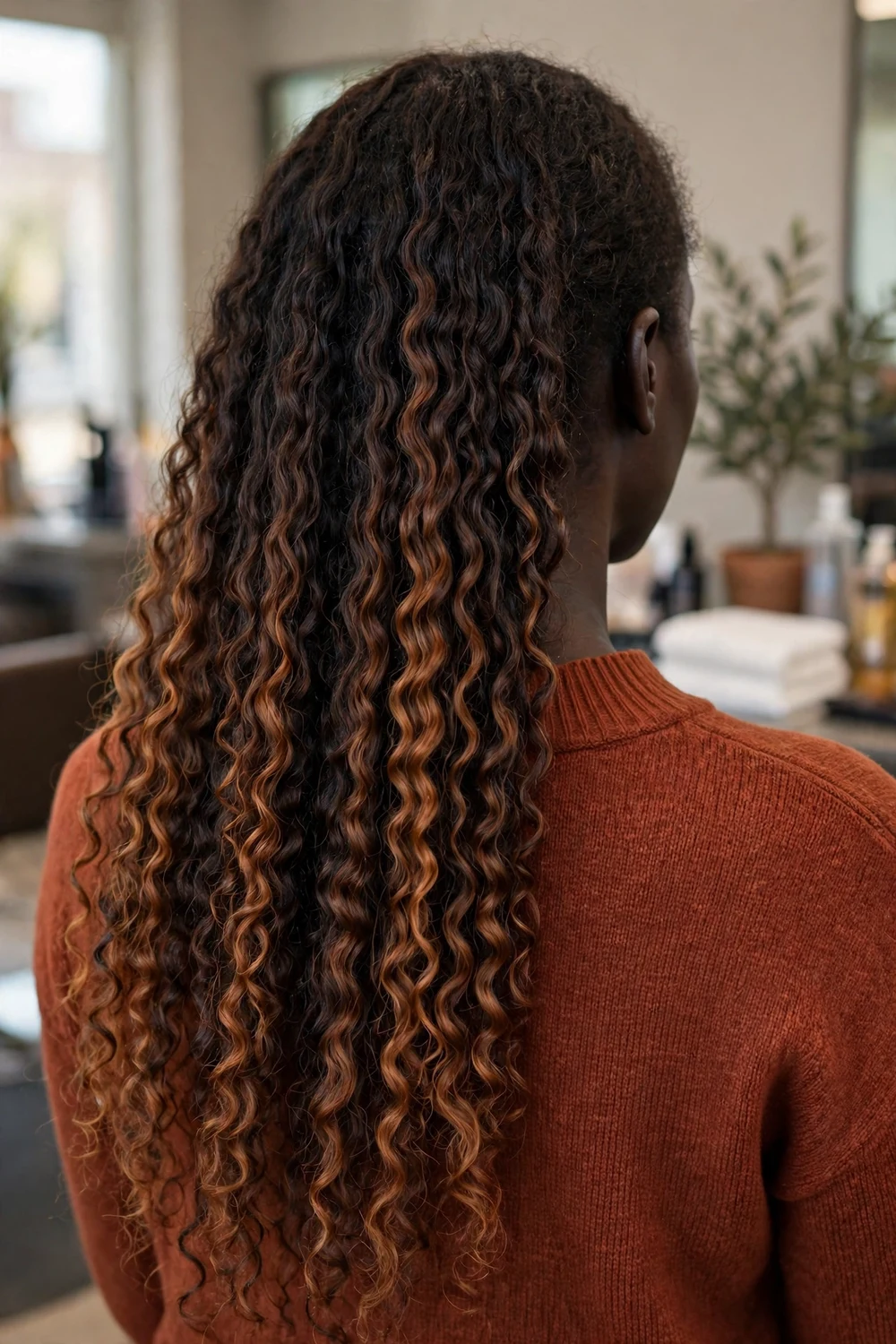
Most ombre photos show straight or wavy hair, and this gradient is built for curls: brunette roots melt into chestnut ends, with the lighter shade placed curl by curl so the gradient follows the curl pattern. Chestnut is a warm, mid-level brown with a red-gold reflect, light enough to show on curls without a stark contrast.
Curly hair runs drier than straight hair, and lightened ends add to that dryness. Weekly deep conditioning and gentle diffusing are part of the upkeep here. The curl pattern also hides the blend zone, so grow-out stays soft for a long stretch.
Try this: book with a colorist who colors curly hair in its dry, natural state, so the chestnut lands on the curls as you actually wear them.
Difficulty: Medium · Cost: $$ (salon)
22. Brown to Copper Ombre Bob

Short hair can carry a gradient when the blend is planned for the length. This bob runs brown roots into copper ends, with the blend starting high, around cheek level, so the copper gets a full showing on a chin to shoulder length cut. The copper ends add movement to the bob shape and warm up medium skin.
The trade-off on short hair is trim frequency: each cut removes part of the copper, so the ends need rebuilding every two to three cuts. The service itself is smaller than on long hair, since there is less hair to lighten and tone.
Try this: pair the gradient with a slightly longer front on the bob. The longer front sections hold more copper and frame the face with the warm shade.
Difficulty: Medium · Cost: $$ (salon)
23. Smoky Brunette Sombre

This sombre runs black-brown roots into smoky taupe-brown ends, a cool, muted step of only one to two levels. The gradient is subtle by design: the ends look like the root shade lifted by fall light rather than a separate color. Cool and neutral skin suit the smoky tone, and the low contrast suits fine hair, where a bold gradient can look thin at the ends.
Upkeep is the lightest among the cool options on this list. The small level gap means a gentle lift, and the taupe toner refresh lands at eight weeks or later. Grow-out is close to invisible, since the regrowth and the root shade match.
Try this: ask for the ends kept matte and muted rather than glossy and bright. The smoky effect depends on the muted finish, and too much shine makes it read as plain brown.
Difficulty: Low to Medium · Cost: $$ (salon)
24. Espresso to Maple Ombre

Maple is a reddish golden brown, warmer than chestnut and browner than copper, and this gradient melts espresso roots into maple ends. The blend runs long and gradual, starting just below the crown on long hair, so the maple builds slowly and the whole head reads warm. Medium and deep warm skin get the most from the red-gold ends.
Maple ends need a moderate lift plus a red-gold toner on an espresso base. The red content fades first, leaving a golden brown that still suits the gradient, so this is one of the more forgiving red-family options between visits. Refresh at six to eight weeks.
Try this: style this gradient in loose waves rather than pin straight. Waves separate the layers and show the slow espresso to maple shift at its clearest.
Difficulty: Medium · Cost: $$ (salon)
Frequently Asked Questions
What is the difference between ombre and balayage?
Ombre is a gradient: the hair runs from a darker root to a lighter or deeper shade at the ends, and the whole bottom section carries the end shade. Balayage paints light pieces through the hair in a scattered pattern, so brightness sits in ribbons rather than in a solid bottom section. Ombre gives a clearer dark-to-light shift, while balayage gives scattered dimension with dark hair still showing at the ends.
What is sombre hair?
Sombre is a soft ombre. The root shade and the end shade sit closer together, usually one to three levels apart, so the gradient is gentle and the blend has no visible starting point. Sombre suits readers who want a fall change with the slowest grow-out, and it works on shorter level gaps that a full ombre would make look flat.
Does ombre damage hair?
The lightening is concentrated on the mid-lengths and ends, and the roots and scalp area are left alone, so ombre exposes less of the head to lightener than all-over color. The ends are still lightened hair, and they are the oldest hair on the head, so they need conditioning and gentle handling. Wide-gap gradients, such as dark roots into ash blonde ends, ask the most of the ends and may need two sessions.
How long does an ombre grow out before it needs a refresh?
The gradient itself can go three to six months, because new growth at the root blends into the dark root shade by design. The end shade fades sooner than the shape does: copper, red, and berry ends usually want a gloss at five to eight weeks, and ash ends want a toning gloss at four to six weeks. Caramel, honey, and sombre gradients hold their tone the longest between visits.
Which ombre fall color suits dark hair without much lightening?
The gentlest routes on dark hair are the small-gap gradients: brunette to golden brown sombre, mahogany to copper, chocolate to cinnamon, and espresso to maple. These end shades sit two to three levels above a dark base, so they need a modest lift or, on mahogany and red-leaning bases, sometimes color and gloss alone. Ash blonde and cherry ends sit at the other end of the scale and need a full lift.
Final Thoughts
Ombre earns its place in fall because the technique and the season suit each other: roots stay deep and low-maintenance while the ends carry the warm shades of the season, from copper and maple to caramel and burgundy. Pick the gradient by the level gap first, since that decides the lightening, the contrast, and the upkeep in one move. Then pick the end shade by undertone, warm copper and honey for warm skin, ash and berry tones for cool skin. For the wider set of seasonal shades beyond gradients, the autumn hair colors roundup shows the full palette in one place.

