
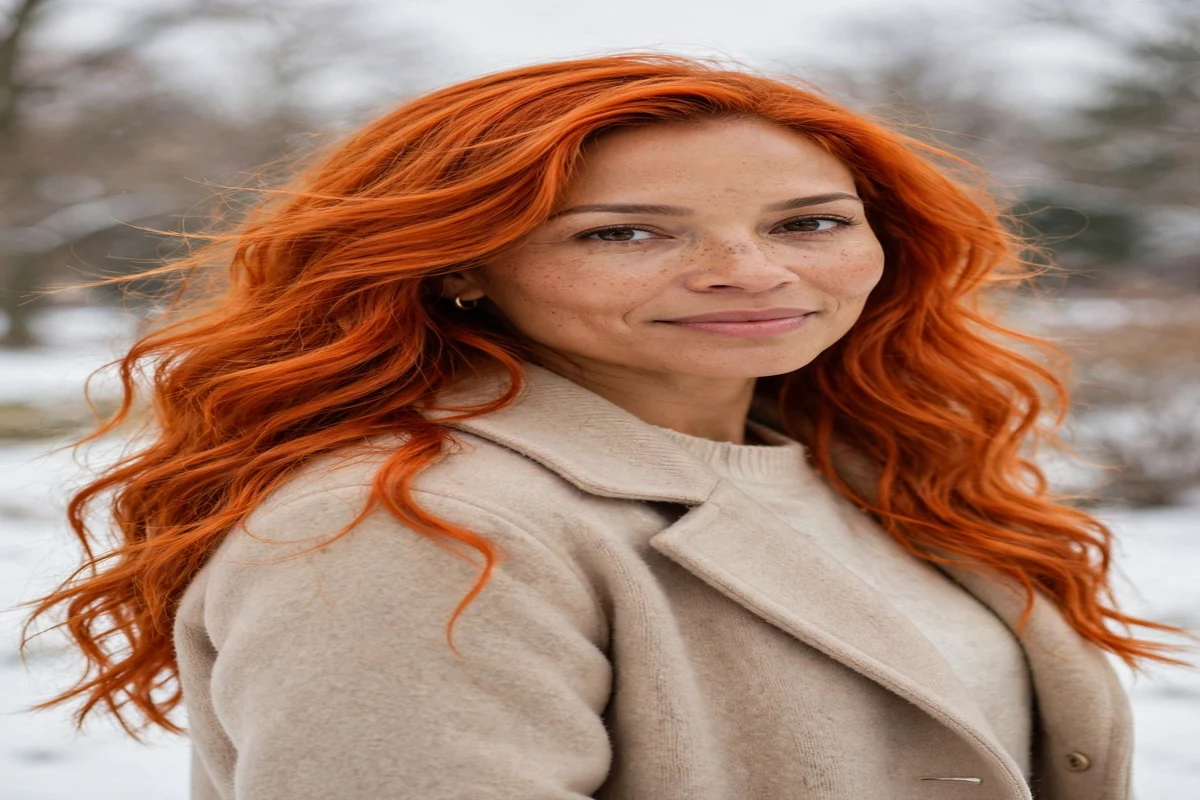
Gray skies are the best backdrop orange hair can get. When the light goes flat and everyone’s coats turn black, a warm orange shade does all the talking. Winter is also the season when you see your hairdresser with a plan, not a impulse, so it is the right time to think through a bold color change properly.
This guide rounds up 23 winter orange hair ideas, from deep burnt orange to high-impact neon. Every shade here works with cold-weather reality: hats, dry air, and the fact that orange fades faster than almost any color. You will get a clear sense of who each shade suits, what it costs, and how to keep it looking fresh.
Quick Takeaways
- Orange is one of the fastest-fading hair colors, so plan for color-depositing care from day one.
- Deeper shades like burnt orange and copper hold longer in winter than pastels and neon.
- Washing with cooler water and washing less often slows fading more than any product.
- Warm and golden undertones wear orange most easily, but fair and deep skin can both wear it with the right depth.
- Money pieces, peekaboo panels, and glosses let you test orange without dyeing your whole head.
1. Burnt Orange Hair
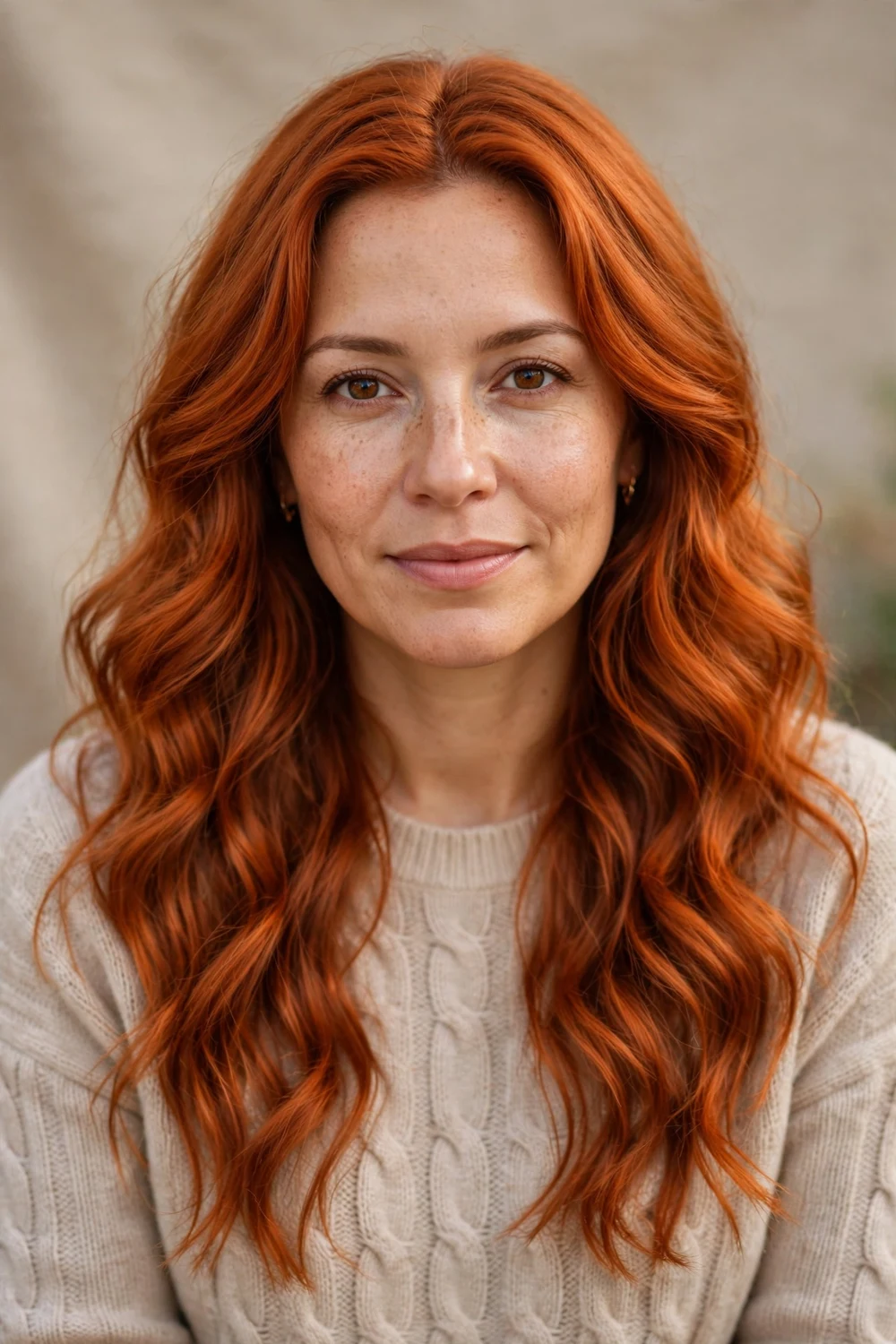
Burnt orange sits between copper and brown, deep enough to look expensive and warm enough to read clearly as orange. It is the most wearable bold shade on this list because the depth keeps it from looking neon under harsh light. Against a gray winter sky, it glows like embers instead of shouting. The color also hides grow-out better than brighter oranges, since the base is close to a natural warm brown.
This shade flatters warm and golden undertones best, and it is a strong pick for medium to deep skin tones where it shows up as a rich copper glow. Fair skin can wear it too if the formula leans slightly deeper. Maintenance is moderate: a color-depositing conditioner every week or two keeps the warmth from sliding toward dull brown. A weekly deep-conditioning mask helps too, since hydrated hair holds warm pigment better through winter’s dry indoor heat.
Try this: ask your colorist to keep the roots slightly deeper than the lengths so the grow-out looks intentional.
Difficulty: Medium · Cost: $$ (salon)
2. Tangerine Orange
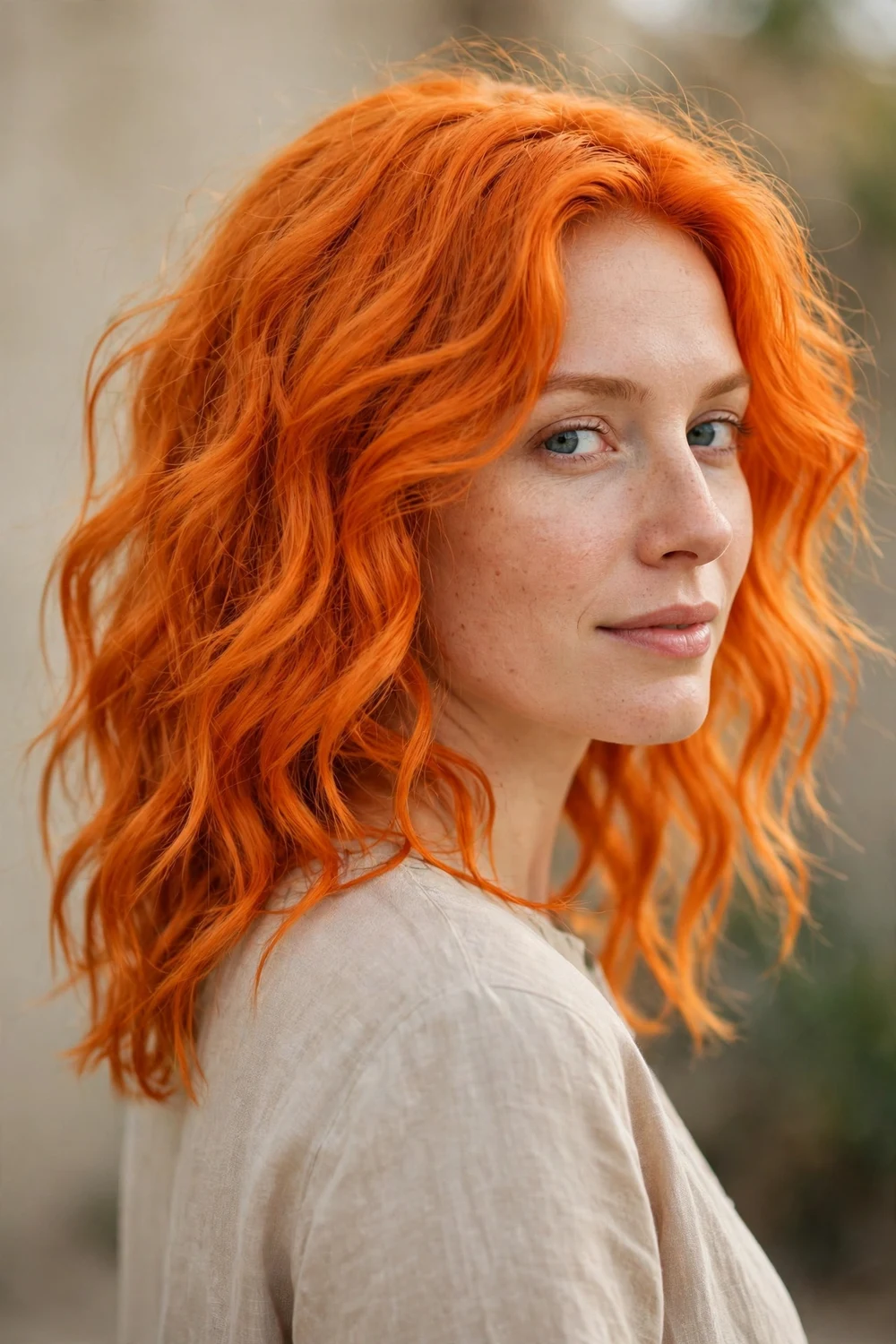
Tangerine is true orange at full saturation, bright enough to be seen from across the street. It needs a light base to show up properly, so most people will need pre-lightening before the color goes on. The payoff is a shade that looks electric even on the dullest January afternoon. Curly and wavy hair carries it especially well because the texture breaks up the intensity and keeps the color from looking flat.
It suits confident color lovers more than a specific skin tone, though it pops hardest against fair and light skin. Straight hair shows every stage of fading, so budget for regular toning. This is one of the highest-maintenance shades here, and it fades toward pale peach within a few weeks if you skip upkeep. If your natural hair is dark, expect a longer first appointment with careful lightening, plus a root shadow option that buys you extra weeks between visits.
Try this: wash with the coolest water you can stand, since hot water strips tangerine faster than any other habit.
Difficulty: High · Cost: $$$ (salon)
3. Neon Orange

Neon orange is the loudest version of this color family, almost glowing under indoor light. It is a fashion shade, not a natural one, and it demands a near-white base plus a careful application so the tone stays even. A dark root helps a lot, both for grow-out and for contrast that makes the neon look deliberate. In winter this shade is pure contrast dressing against dark coats and pale skies.
Deep skin tones carry neon orange strikingly well, and it reads as art rather than accident on anyone willing to commit. The commitment is real: neon fades faster than any shade on this list, often within two weeks of vivid intensity. A color-depositing mask between appointments is not optional here, it is the maintenance plan. Keep heat styling to a minimum and sleep on a satin pillowcase, since friction and hot tools strip neon pigment faster than anything else.
Try this: mix a drop of your color-depositing mask into regular conditioner for a light refresh every third wash.
Difficulty: High · Cost: $$$ (salon)
4. Peach Orange

Peach orange softens the color family into something coral and delicate. It sits on pre-lightened hair as a sheer wash of pink-gold warmth, and it looks especially refined on shorter cuts like bobs where the color reads as intentional. In winter light it has a candlelit quality that brighter oranges cannot match. That said, the softness makes grow-out forgiving, since there is no harsh line when your natural color starts showing. The trade-off is staying power: pastel tones like this are the first to wash out.
Fair and light skin tones wear peach best, since the softness echoes lighter complexions. Cool undertones can also wear it, because the pink in the mix keeps it from clashing. Expect a gloss or toner refresh every four to six weeks, and accept that the shade will drift toward pale apricot between visits. Sulfate-free shampoo and lukewarm water are non-negotiable for pastels, and a tinted gloss at home can bridge the gap between salon appointments.
Try this: book your gloss refresh before the color fully fades, since topping up a faded pastel is harder than maintaining it.
Difficulty: Medium · Cost: $$ (salon)
5. Pastel Orange

Pastel orange is a washed-out, milky version of true orange, lighter than peach and less pink. It needs the lightest possible base, and the colorist simply stains pale hair with diluted orange pigment. The result is dreamy and unusual, more watercolor than statement. Winter is actually a kind month to pastel shades, since you are washing less often and wearing hats that protect the color from sun fade. The delicacy is the whole appeal, so embrace the softness rather than fighting it.
This is a shade for pre-lightened hair only; darker bases cannot reach it without serious lift. It suits fair skin and anyone who wants orange without volume. Fading is the whole story here: pastel orange can soften to a whisper within a handful of washes, so a tinted conditioner is part of the routine from the start. Wash as infrequently as your scalp allows, and rinse with cool water to give the fragile pigment its best chance.
Try this: dilute a semi-permanent orange with white conditioner for a DIY top-up that matches the softness.
Difficulty: Medium · Cost: $$ (salon)
6. Copper Orange
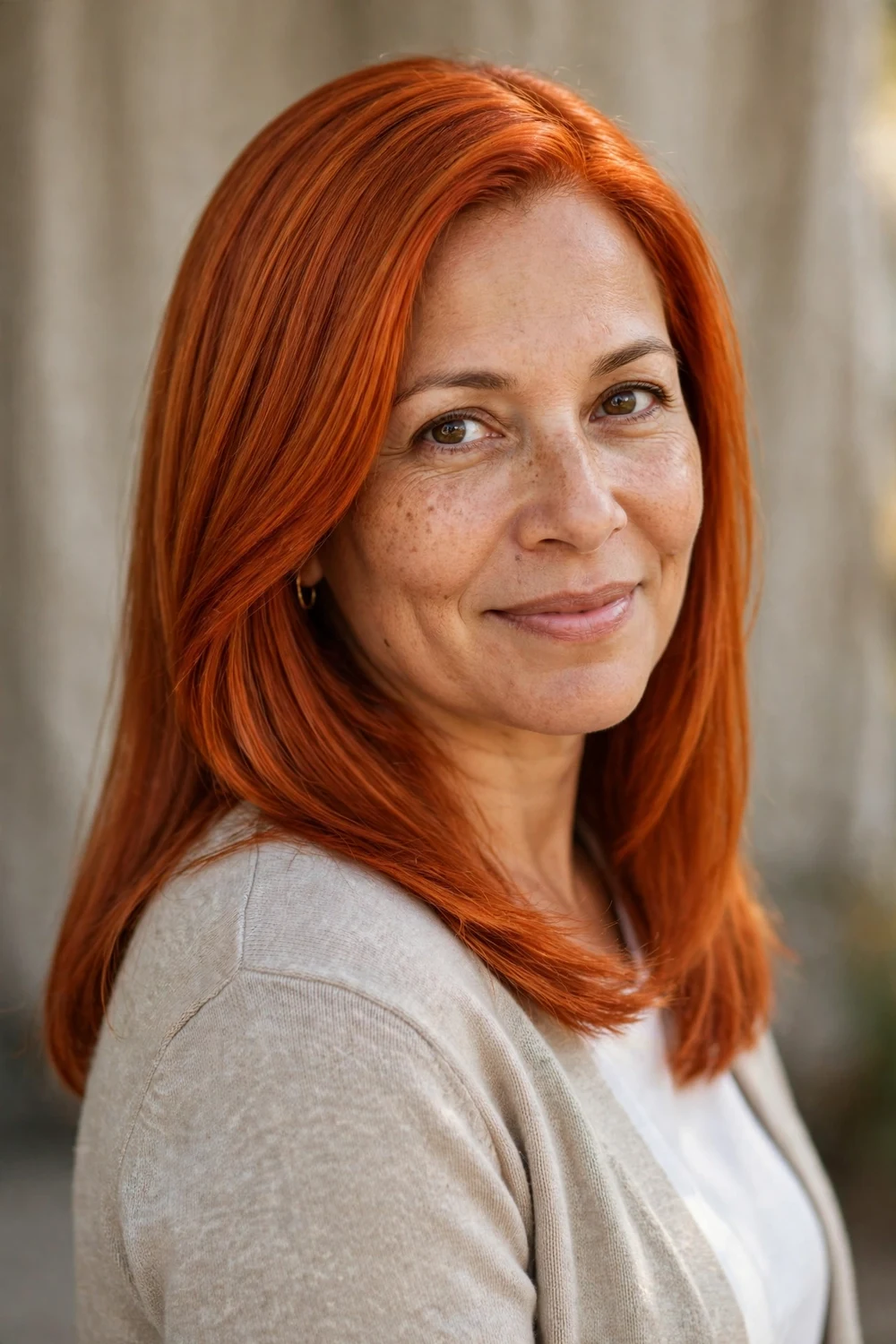
Copper orange is the polished member of the family: rich, glossy, and dimensional rather than loud. It reflects light with a glow that photographs well, and the shine makes it look healthy even when winter air is doing its worst. A clear gloss over the color is what gives it that reflective finish, and it is worth asking for as a separate step. This is the shade to pick when you want orange that still reads as grown-up.
It flatters a wide range of skin tones because it sits between red and orange, and it works on brunette bases without extreme lightening. Warm undertones get the most natural result. Copper holds better than brighter oranges but still needs refreshing: a gloss every six to eight weeks keeps it from dulling to flat brown. Between appointments, a copper-toned conditioner keeps the richness alive, and a weekly mask protects the shine winter air tries to steal.
Try this: ask for a clear gloss on top of the copper at every color appointment to lock in the shine.
Difficulty: Medium · Cost: $$ (salon)
7. Copper-Orange Melt

A copper-orange melt blends a deeper root into brighter orange ends with no harsh line anywhere. The colorist overlaps shades through the mid-lengths so the tone shifts gradually, which gives the hair movement and depth that a single flat color cannot. In winter this is practical as well as pretty: the darker root means regrowth blends for weeks, and you can stretch appointments through the holiday season without a visible line.
It works on brunette bases especially well, since the depth at the root can stay close to natural. Warm and olive undertones wear the gradient naturally. The melt fades gradually rather than all at once, so maintenance feels gentle, but a color-depositing conditioner keeps the bright ends from going pale before the roots need attention. Most people can stretch a melt to ten or twelve weeks, making it one of the most forgiving vivid options for a busy winter schedule.
Try this: apply color-depositing conditioner only to the mid-lengths and ends, where the brightness lives.
Difficulty: High · Cost: $$$ (salon)
8. Pumpkin Orange

Pumpkin orange lands between tangerine and burnt orange: saturated and clearly orange, but with enough depth to hold its pigment. It is the shade that carries late-autumn warmth straight into winter without looking seasonal in a costume sense. Wavy hair diffuses the color nicely and stops it from looking flat under indoor lighting. Straight hair shows the full intensity, which can photograph brighter than it looks in the mirror. A skilled colorist will calibrate the saturation to your skin so the shade glows instead of overpowering.
Fair to medium skin with warm undertones gets the most flattering result, and the shade has enough richness for deeper complexions too. It needs regular toning to stay warm, since pumpkin fades toward gold and then pale yellow depending on wash frequency. A weekly color-depositing wash keeps the tone honest. Deep-condition weekly as well, because hydrated strands hold warm pigment noticeably longer through dry winter months, and always finish with cool water to seal the cuticle.
Try this: switch to a sulfate-free shampoo made for color-treated hair to slow the slide toward gold.
Difficulty: Medium · Cost: $$ (salon)
If you love this seasonal warmth, these fall hair colors show how pumpkin and its cousins carry through the colder months.
9. Apricot Orange

Apricot is orange at its most golden and gentle, like the inside of the fruit rather than the peel. It gives hair a sunlit warmth that feels natural even though no one is born with it. The shade reflects light softly, which is a real asset in winter when daylight is weak. It works on blonde or light brown bases, especially with fine highlights woven through for dimension. The softness makes it one of the easiest oranges to grow out without an awkward stage.
Fair and light skin tones wear apricot most easily, and it is one of the few oranges that flatters cool undertones because the gold is soft rather than brassy. Maintenance is light for an orange: a gloss every five or six weeks keeps it from dulling. It fades gracefully toward warm blonde, which means the in-between stage still looks good. Use a color-safe shampoo and keep heat tools on medium, since even gentle oranges lose their gold to repeated high heat.
Try this: wear it with soft waves rather than pin-straight styling, since movement shows off the golden dimension.
Difficulty: Medium · Cost: $$ (salon)
10. Strawberry Copper

Strawberry copper is a lighter, airier take on copper, mixing warm gold with the faintest red. It looks fresh and slightly luminous, especially in daylight, and it reads softer than full copper while keeping the same reflective quality. Long hair shows it best because the length gives the light more surface to play with. It is an easygoing shade that never looks harsh, even when the rest of your winter wardrobe is all edges.
Fair to medium skin tones suit it best, and it needs a lighter base to show the airy quality. Using color-safe products from the start helps it keep its brightness, since this shade can go dull quietly rather than fading dramatically. A toner refresh every month or so keeps the gold from slipping away. A lightweight leave-in conditioner adds shine without weight, and cool rinses help the delicate tone survive winter washing routines.
Try this: finish with a lightweight shine spray instead of heavy oils, which can drag this light shade down.
Difficulty: Medium · Cost: $$ (salon)
11. Ginger Orange

Ginger orange is the “could this be her real color?” shade: warm, slightly golden, and sitting between red and orange. It has a rich, glossy finish that catches winter light without needing neon intensity. Keeping the roots slightly deeper than the lengths makes it look even more natural, and it pairs effortlessly with minimal makeup and neutral winter clothes. For anyone nervous about orange, this is the safest entry point.
It works on light brown or naturally warm hair without dramatic lightening. Warm undertones get the most seamless result, and the shade flatters freckles and gold jewelry. To keep it rich, a gloss or toner every few weeks maintains the depth, since ginger can fade toward plain brown if ignored. It is also one of the kindest oranges to hair health, since the modest lift keeps strands stronger through winter’s dry air and static.
Try this: ask for a slightly deeper root melt so the color looks like it grew out of your head that way.
Difficulty: Medium · Cost: $$ (salon)
12. Orange Balayage

Orange balayage keeps your roots dark and hand-paints orange through the lengths, so the color appears where light would naturally hit. The regrowth blends instead of drawing a line, which makes this one of the lowest-maintenance ways to wear orange through winter. The effect is dimensional and sun-warmed rather than a full color commitment, and it works on copper, tangerine, or ginger tones depending on how bold you want the ribbons.
Brunettes get the best version of this, since the dark base gives the orange something to glow against. If your starting color is ashy or cool, the stylist will need to lift first or the orange can turn muddy. Touch-up timing depends on how sharp you like the contrast, but most people go months between full appointments. A color-depositing conditioner used occasionally keeps the ribbons bright, and the dark base means you can skip washes without the color looking tired.
Try this: style with loose waves for the first week to see the full dimension the painting creates.
Difficulty: High · Cost: $$$ (salon)
For a closer look at painted color on dark bases, this blonde balayage on brown hair guide shows the same technique in a softer shade.
13. Orange Ombré
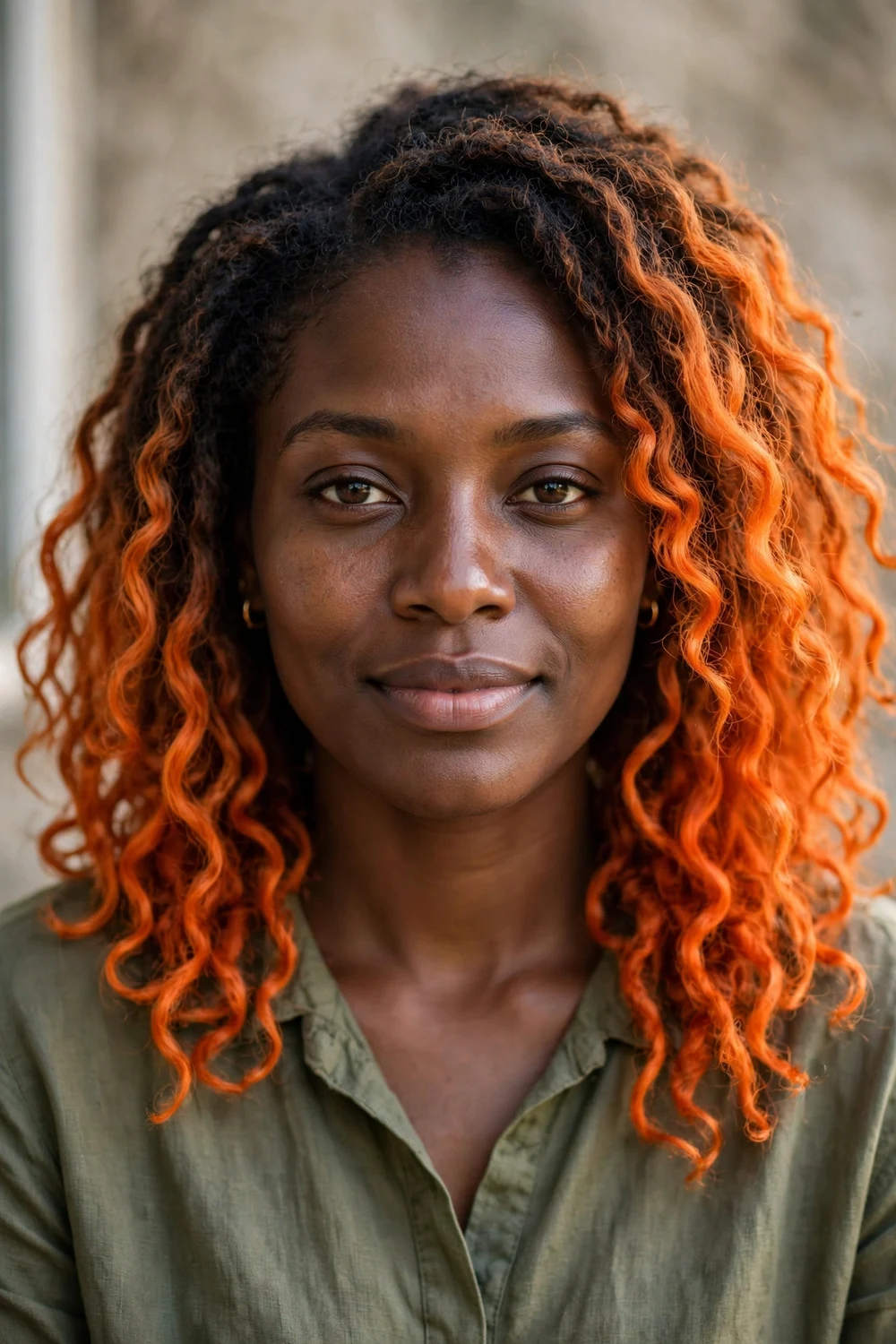
Orange ombré is a deliberate gradient: darker at the top, brighter through the ends. It is more graphic than balayage, which makes it a stronger style statement, and it looks fantastic in ponytails and updos where the bright ends show all at once. The technique also works in reverse, with a platinum base melting into light orange tips for a frostier winter take on the same idea. Either direction gives you the drama of vivid orange with a built-in grow-out plan.
Long hair carries the gradient best because there is enough length for the transition to look smooth. The darker root stretches time between appointments, which is a genuine winter advantage. The bright ends fade first, so keep a color-depositing conditioner aimed at the lower half of your hair. Plan on refreshing the ends every six to eight weeks, and ask for a slightly deeper root each time so the grow-out stays seamless through the season.
Try this: wear it in a high ponytail the day after coloring to show off the full gradient.
Difficulty: High · Cost: $$$ (salon)
14. Sunset Orange

Sunset orange layers red, orange, and yellow into one gradient, mimicking the actual sky at dusk. It needs length to work, since each band of color needs room to blend into the next without looking striped. The result is warm and glowing from every angle, and it photographs exceptionally well, which matters for a Pinterest-driven shade. In winter it feels like carrying a little stored sunshine around with you. Each band needs its own formula, so this is a true colorist’s project, not a single-process dye job.
Medium to light brown hair takes the blend most smoothly. The gradient sits on longer hair best, and shorter cuts make the transitions more abrupt. Color fades from the lightest ends first, so the yellow will soften toward cream while the red holds longer; a gloss refresh evens things out when the bands start separating. Book the refresh before the bands fully separate, since re-blending faded sections takes longer than maintaining them.
Try this: ask your colorist to place the yellow only at the very ends so the fade stays pretty as it softens.
Difficulty: High · Cost: $$$ (salon)
15. Orange Money Pieces

Orange money pieces put the color exactly where it frames your face and nowhere else. It is the lowest-risk way to wear a loud shade, because the rest of your hair stays dark or natural while the front sections deliver all the impact. The contrast actually makes the orange read brighter than it would as an all-over color. For winter, it is also practical: the color sits where hats and scarves do not rub it away.
This works on any base color and nearly any skin tone, since you can tune the orange from soft ginger to bright tangerine. Upkeep is light compared to a full head, though the pieces need toning every few weeks to keep them from fading to apricot. Chunky pieces read bolder; fine ones read softer. Because the pieces frame your face, they also take the most sun and styling damage, so a little extra conditioner on the front sections pays off.
Try this: start with pieces as wide as two fingers if you are unsure, since they are easy to widen later.
Difficulty: Low · Cost: $$ (salon)
16. Orange Highlights

Scattered orange highlights weave ribbons of warm color through a darker base, adding dimension without a full dye job. The contrast mimics sunlit strands, and the darker base keeps the whole look grounded and wearable for work. Placement changes the effect: pieces near the face brighten your complexion, while ribbons through the lengths add movement when your hair is down or in waves. It is orange for people who do not want to explain their hair at every meeting.
Brown hair is the ideal canvas, since the dark base makes the orange glow by contrast. Maintenance is lighter than all-over color because most of your hair stays natural, but the orange ribbons still need refreshing to stay bright. Wavy styling shows off the dimension best. Space the ribbons unevenly rather than in a strict pattern, since irregular placement looks more natural as the color grows out, and it hides fading far better than uniform stripes.
Try this: ask for a mix of fine and chunky ribbons so the color has depth instead of stripes.
Difficulty: Medium · Cost: $$$ (salon)
17. Orange-Tinted Blonde
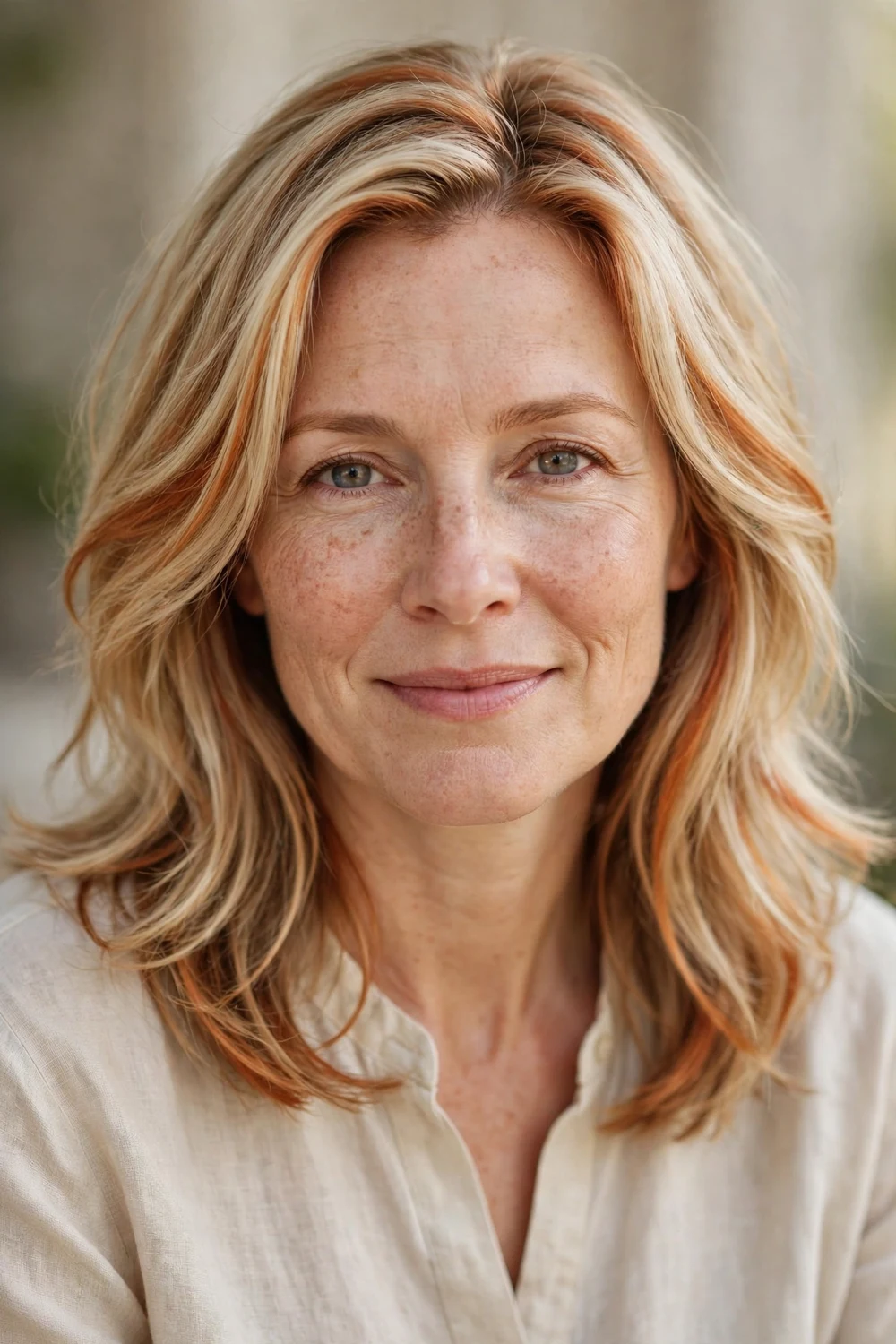
Orange-tinted blonde keeps the base blonde and washes warm orange through it like a glaze. It is the subtlest full-head option here, reading as “warm blonde” in some lights and clearly orange in others. For blondes who want a change without leaving the blonde family, this is the move. It also fades more gracefully than saturated oranges, drifting back toward plain blonde instead of going patchy. It is a smart first step for blondes who are orange-curious but not ready for a dramatic reveal.
It suits fair to light skin and anyone whose hair is already blonde or heavily highlighted. Because the color sits on the surface, it needs gentle handling: cool water, color-safe shampoo, and minimal heat. A tinted gloss every month or so keeps the warmth from washing out completely. Dry shampoo between washes helps too, since every skipped wash is another few days of warm tone saved, which adds up fast over a cold season.
Try this: refresh the tint at home with an orange color-depositing conditioner instead of booking a full gloss.
Difficulty: Medium · Cost: $$ (salon)
Blondes exploring warm seasonal shifts will also like these fall blonde hair colors for more golden options.
18. Peekaboo Orange

Peekaboo orange hides the color in an underlayer beneath your natural top hair. Worn down, it is a secret; in a half-up style or ponytail, the orange flashes out. That duality is the whole appeal, and it makes this the most office-friendly vivid option on the list. Winter updos, which you are wearing anyway under hats, become the reveal mechanism. The contrast between a natural top layer and a vivid underlayer is what makes the reveal so satisfying.
Any base color works, since the underlayer is independent of the top. The hidden placement also protects the color from sun and friction, so it fades a little slower than exposed vivid shades. Maintenance is moderate: the underlayer needs refreshing every couple of months, and it is easy for a colorist to access without redoing your whole head. Ask for the underlayer to start a few inches below the part so it stays truly hidden until you choose to show it.
Try this: wear a half-up twist to your holiday party and let the underlayer do the talking.
Difficulty: Medium · Cost: $$ (salon)
19. Orange Split Dye

Split dye divides the hair into two blocks of color, and orange paired with black is the classic version. The hard line down the middle is the statement, so precision matters more here than with blended techniques. Variations keep it fresh: orange with silver for a cooler contrast, or orange at the back with blonde framing the face. Straight styling shows the split most sharply, while waves soften the divide.
This is a look for committed color lovers rather than a specific skin tone, since the contrast is the point. Grow-out is the challenge: the line blurs as roots come in, so plan root touch-ups every four to six weeks. The two colors also fade at different rates, which means maintaining both sides on schedule. A root smudge in a matching tone can buy you an extra week or two between appointments when the line starts softening.
Try this: part your hair exactly down the middle while it air-dries so the split line stays crisp.
Difficulty: High · Cost: $$$ (salon)
20. Orange Roots

Orange roots flip the usual vivid-color formula by putting the brightness at the scalp instead of the ends. The color glows through partings and shows dramatically when hair is pulled back, which makes it a fun surprise rather than a constant statement. It also sidesteps the most annoying part of vivid color: visible root grow-out, because the root IS the color. As it grows, the orange simply travels down. It is the rare fashion color that actually looks better a month in than on day one.
This suits anyone with a lighter base through the lengths, since the contrast is what makes it work. Darker natural roots need lightening first. Maintenance is refreshingly simple for a fashion shade: touch up the root area every six to eight weeks and let the lengths be. Between touch-ups, a tinted dry shampoo in a warm tone disguises the grow-out line and easily stretches your appointments even further into the season.
Try this: wear a sleek low ponytail to show the maximum amount of orange at the parting.
Difficulty: Low · Cost: $$ (salon)
21. Coral Orange Blend

Coral orange pairs pink with orange for a warm fashion tone that stays firmly in the orange family. It works as face-framing panels over a darker base, as a pink-to-orange ombré, or as a rose-gold blend melted into orange lengths. The pink softens orange’s edge without tipping it into a different color story. In winter’s flat light, the blend has a lit-from-within warmth that single-tone fashion shades sometimes lack. It is a romantic take on orange that still photographs as unmistakably warm.
Fair and light skin tones wear coral most easily, and cool undertones can handle it because of the pink in the mix. Like all fashion tones, it fades: the pink usually washes out first, leaving a softer orange behind. A color-depositing conditioner in a coral or copper tone keeps the balance between visits. Alternate the coral conditioner with a plain hydrating mask so the hair stays healthy while the pink-to-orange ratio stays balanced.
Try this: ask your colorist to lean the mix more orange than pink if you want it to last longer.
Difficulty: High · Cost: $$$ (salon)
22. Red-Orange Blend
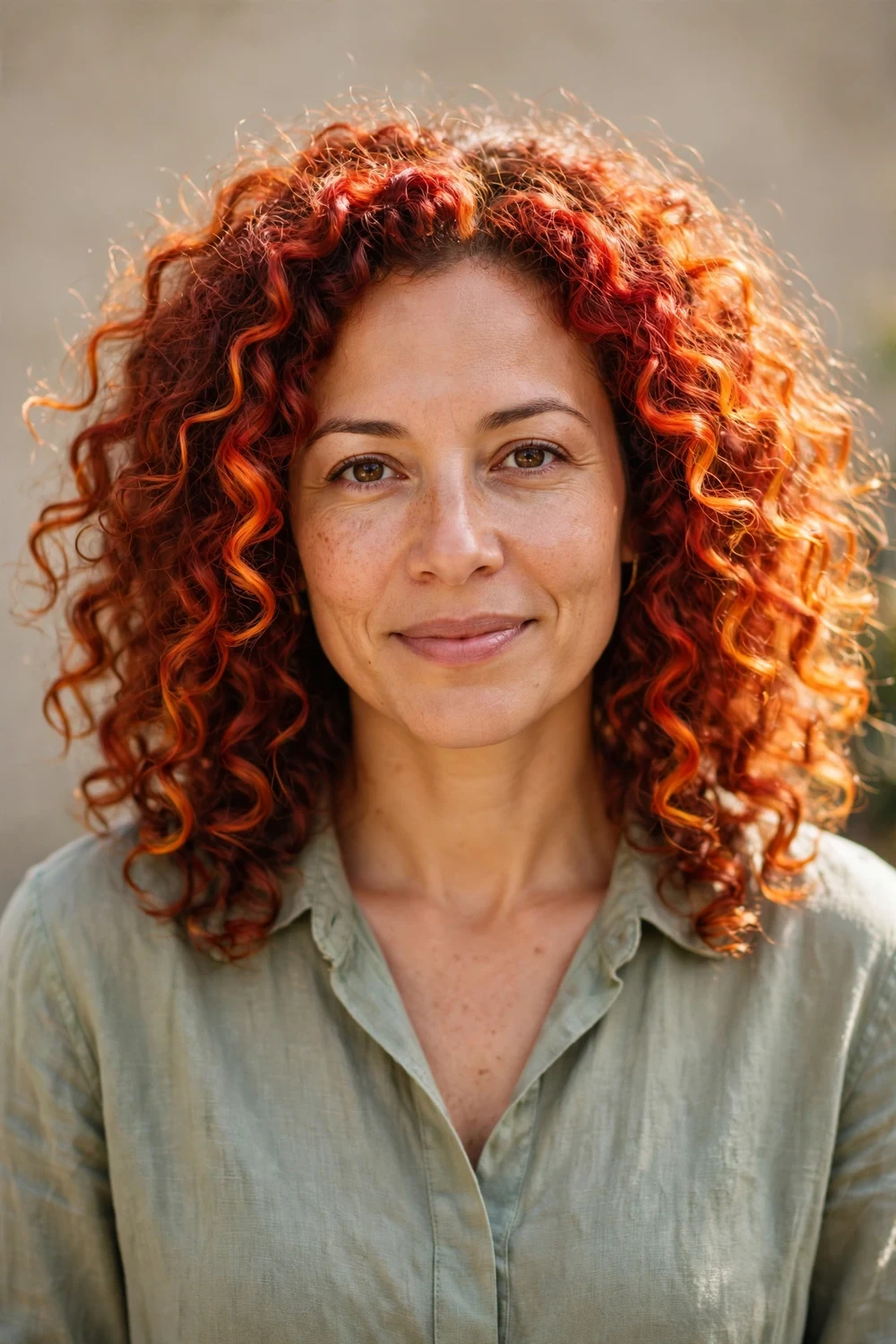
Red-orange blends the two warmest colors into one fiery mix, deeper than tangerine and bolder than copper. On curly hair it is especially striking, since each curl catches a slightly different tone. The blend gives orange more gravity, which suits winter’s mood better than a straight neon. It reads as firelight rather than highlighter, and that makes it wearable in settings where pure orange might feel like too much. The depth also means it flatters a wider wardrobe, from camel coats to all black.
Warm undertones and medium to deep skin tones get the richest result from this mix. The red in the blend holds longer than the orange, so the color deepens as it fades rather than washing out. A red-orange color-depositing conditioner keeps both tones balanced between appointments. Deep-condition without fail every week, since the curls and waves this blend loves best are also the textures that winter dryness and indoor heating punish the most.
Try this: style with defined curls or waves to show the interplay between the red and orange tones.
Difficulty: Medium · Cost: $$$ (salon)
23. Sheer Orange Gloss
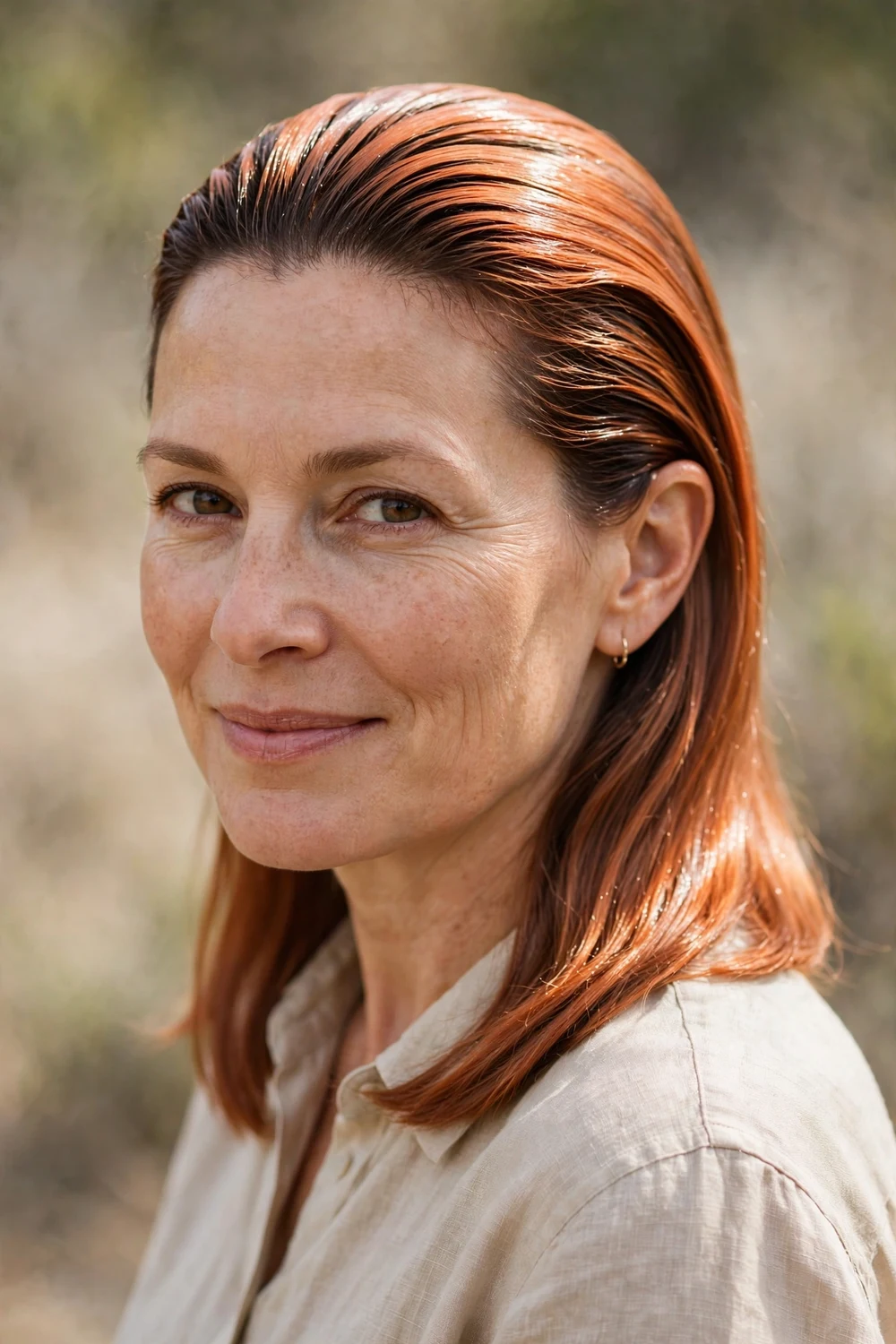
A sheer orange gloss is the gentlest entry on this list: a translucent peach-copper glaze that adds warmth and shine without changing your base color. It is a salon service that takes under half an hour, and it washes out gradually over four to six weeks. For anyone curious about orange but not ready for bleach or commitment, this is the honest answer. It also works as a refresh for any fading orange on this list.
Blonde and light brown hair show the warmth most clearly; darker hair gets mostly the shine. Because it is sheer, there is no harsh grow-out and no damage from lightening. The only maintenance is rebooking the gloss when the warmth fades, which makes it the easiest orange to live with through winter. It also layers well over grown-out color, making it the ideal low-cost bridge service between bigger color appointments.
Try this: book the gloss two weeks before any big event so the warmth is at its freshest.
Difficulty: Low · Cost: $$ (salon)
At a Glance: 23 Winter Orange Shades Compared
| Shade | Best for | Winter perk | Upkeep |
|---|---|---|---|
| Burnt Orange Hair | Warm undertones, medium to deep skin | Glows against gray skies, hides grow-out | Color-depositing conditioner weekly |
| Tangerine Orange | Fair to light skin, bold color lovers | Electric contrast with dark winter coats | Regular toning, cool-water washes |
| Neon Orange | Deep skin tones, committed fashion-color fans | Maximum statement in flat winter light | Color-depositing mask, fades in weeks |
| Peach Orange | Fair and light skin, cool undertones | Candlelit softness on short cuts | Gloss refresh every 4 to 6 weeks |
| Pastel Orange | Pre-lightened hair, fair skin | Less washing in winter slows fading | Tinted conditioner from day one |
| Copper Orange | Most skin tones, brunette bases | Glossy shine in weak daylight | Gloss every 6 to 8 weeks |
| Copper-Orange Melt | Brunettes, warm and olive undertones | Dark root stretches holiday appointments | Conditioner on mid-lengths and ends |
| Pumpkin Orange | Fair to medium skin, warm undertones | Holds pigment better than pastels | Weekly color-depositing wash |
| Apricot Orange | Fair and light skin, cool undertones | Golden warmth in weak daylight | Gloss every 5 to 6 weeks |
| Strawberry Copper | Fair to medium skin, lighter bases | Soft luminosity without harshness | Toner refresh monthly |
| Ginger Orange | Warm undertones, light brown hair | Natural look, pairs with neutral knits | Gloss or toner every few weeks |
| Orange Balayage | Brunettes wanting low commitment | Grow-out blends, months between visits | Refresh every few months |
| Orange Ombré | Long hair, updo lovers | Dark root hides winter regrowth | Conditioner aimed at the ends |
| Sunset Orange | Medium to light brown hair, long lengths | Stored-sunshine warmth in January | Gloss refresh as bands separate |
| Orange Money Pieces | Any base color, first-time orange | Color where hats do not rub it away | Tone pieces every few weeks |
| Orange Highlights | Brown hair, subtle-change seekers | Dimension without a full dye job | Refresh ribbons to stay bright |
| Orange-Tinted Blonde | Fair skin, existing blondes | Fades back to blonde gracefully | Tinted gloss monthly |
| Peekaboo Orange | Any base, office-friendly vivid | Hidden color fades slower | Refresh underlayer every 2 months |
| Orange Split Dye | Committed color lovers | High contrast suits winter minimalism | Root touch-ups every 4 to 6 weeks |
| Orange Roots | Lighter bases, ponytail wearers | No visible grow-out line ever | Touch up roots every 6 to 8 weeks |
| Coral Orange Blend | Fair and light skin, cool undertones | Lit-from-within warmth in flat light | Coral or copper depositing conditioner |
| Red-Orange Blend | Warm undertones, medium to deep skin | Firelight tone suits winter mood | Red-orange conditioner between visits |
| Sheer Orange Gloss | Blonde and light brown hair, cautious triers | Zero damage, no harsh grow-out | Rebook gloss as warmth fades |
How to Choose Your Orange Shade
Start with your undertone and your starting color. Warm, golden undertones can wear almost any orange on this list, while cool undertones do best with peach, apricot, or coral, where pink softens the warmth. Your base matters just as much: burnt orange, copper, and ginger work on brunette hair without extreme lightening, while tangerine, neon, and pastel need a pale canvas. For the full seasonal palette, these winter hair color ideas show how orange sits alongside this season’s other cold-weather shades.
Next, be honest about maintenance. These winter orange hair ideas span a wide upkeep range: a sheer gloss needs nothing between appointments, while neon and tangerine demand weekly color-depositing care. If you wash daily or heat-style every morning, pick a deeper shade or a root-shadowed technique like balayage or a melt. The brightest shades punish neglect fast, and winter dryness makes fading worse.
Finally, think about how much orange you actually want to see. A full head of tangerine is a lifestyle; money pieces or a peekaboo panel give you the color in controlled doses. There is no wrong answer, but the happiest orange wearers are the ones whose shade matches their real routine, not their fantasy one.
Orange Winter Care
Fading. Orange is one of the fastest-fading hair colors because warm fashion pigments are large molecules that slip out of the hair shaft easily. Winter makes it worse: dry air roughens the cuticle and frequent hot showers strip color fast. Washing less often and using cooler water slows the fade more than any product on the shelf.
Color-depositing care. A color-depositing conditioner or mask in an orange, copper, or coral tone is the single most useful product for this color family. Use it once a week, or every third wash for the brightest shades, to top up pigment between salon visits. Keep it off the scalp if your roots are natural, and wear gloves, since these formulas stain hands and shower grout.
Dryness. Bleached and vivid-colored hair is already thirsty, and winter heating dries it further. A weekly deep-conditioning mask keeps the hair supple so the color looks glossy instead of dull. Sleep on a satin pillowcase to cut friction, and always use a heat protectant before hot tools, since heat fades orange faster than almost anything else.
Frequently Asked Questions
Does orange hair fade faster in winter?
Yes. Orange pigments are large color molecules that wash out of the hair shaft more easily than natural tones, and winter adds dry air plus hot showers, both of which speed fading. The brightest shades like neon and tangerine can lose their punch within a couple of weeks, while deeper shades like burnt orange and copper hold noticeably longer. Cooler water, fewer washes, and a weekly color-depositing conditioner are the three habits that slow it down most.
Which orange shade suits my skin tone?
Warm and golden undertones can wear nearly any orange, from ginger to neon. Fair skin with cool undertones does best with peach, apricot, or coral, where pink in the mix keeps the warmth from clashing. Medium and deep skin tones look striking with burnt orange, copper, tangerine, and red-orange blends, which have enough depth to stand up to richer complexions. When in doubt, bring photos to your colorist and ask which depth matches your undertone.
Do I need to bleach my hair to go orange?
It depends on the shade. Burnt orange, copper, and ginger can be built on brunette hair with controlled lift or even a warm gloss, so full bleaching is not always needed. Tangerine, neon, pastel, and peach need a pale blonde base to show up true, which means pre-lightening first. Dark or previously colored hair may need more than one session to reach the lightest bases safely, so ask your colorist what is realistic in a single appointment.
How do I keep orange hair bright between salon visits?
A color-depositing conditioner or mask in a matching orange, copper, or coral tone is the most effective at-home step. Use it weekly for deeper shades and every third wash for neon or tangerine. Wash with cool water, space out your washes, and use a sulfate-free shampoo made for color-treated hair. Heat styling dulls brightness, so turn the temperature down and always use a heat protectant.
What is the least commitment way to try orange hair?
A sheer orange gloss is the gentlest option: it adds warm shine without lightening and washes out over four to six weeks. Orange money pieces or a peekaboo underlayer are the next step up, giving you real color in a limited area with easy grow-out. Both let you test how orange feels against your skin and wardrobe before committing to a full head of color.
Final Thoughts
Orange is winter’s bravest color choice, and it rewards the decision. Pick a shade that matches your undertone and your real maintenance habits, protect it from hot water and heat, and keep a color-depositing conditioner in the shower. Of all the winter orange hair ideas here, the right one is the one you will still love when it starts to fade, because with orange, the fade is part of the plan.

