

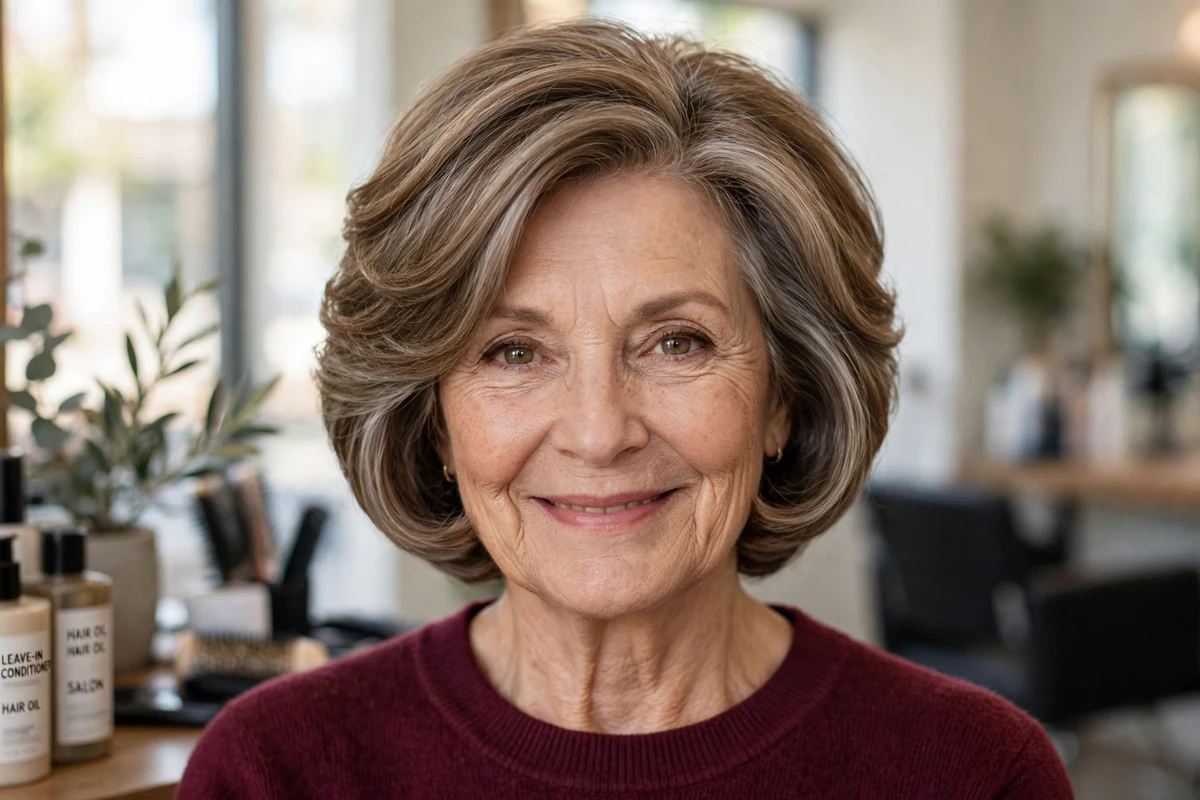
If your hair has started to lie flat at the back, the stacked bob answers that exact problem. Short layers build up at the nape and crown, so the shape carries its own volume instead of relying on backcombing or heavy spray. The front stays longer and softer, which keeps the cut kind to the face and easy to wear at any length from the ears to the collarbone.
I have gathered the versions that work best for women in their fifties, sixties, and seventies, across fine, thick, curly, and grey hair. Each idea below notes where the layers sit, how to style the cut at home, and how much upkeep to expect, so you can take a short list of real options to your stylist.
Key Takeaways
- A stacked bob builds volume at the back with short graduated layers, while the front pieces stay longer to frame the face.
- Fine hair gains the most from stacking, as long as the layers stay soft and the ends stay blunt enough to look full.
- Silver and salt and pepper hair suit the cut well, because the clear shape spreads natural grey tones evenly.
- Most versions hold their shape for six to eight weeks and style in under ten minutes a day.
- Take your everyday glasses to the appointment if you wear them, so the sides can be cut to clear the frames.
How to Pick Your Stacked Bob
Start with your hair type, then choose the finish. Fine hair needs soft stacking and fuller ends. Thick hair needs weight removed from inside the cut so the back does not puff out. Curly hair needs the stack shaped dry, with shrinkage counted in. Bangs, parts, and color then adjust the same base cut to your face and your routine.
Use the table below to match the main versions to hair type and upkeep before you read the full list.
| Version | Best for | Daily styling | Trim cycle |
|---|---|---|---|
| Classic graduated and rounded | Straight hair, most face shapes | Round brush blow dry, about 8 minutes | 6 to 8 weeks |
| Layered and textured | Fine to medium hair that needs lift | Mousse at roots, quick dry | 6 to 8 weeks |
| Wavy and curly | Natural wave and curl patterns | Curl cream, air dry or diffuse | 8 to 10 weeks |
| Angled and inverted | Medium to thick hair, sharper finish | Paddle brush, smooth finish | 6 to 8 weeks |
| Pixie bob | Fine hair, shortest routine | Finger styling with cream | 4 to 6 weeks |
| Air dry | Low heat routines, natural texture | No heat, product only | 8 to 10 weeks |
1. Classic Graduated Stacked Bob
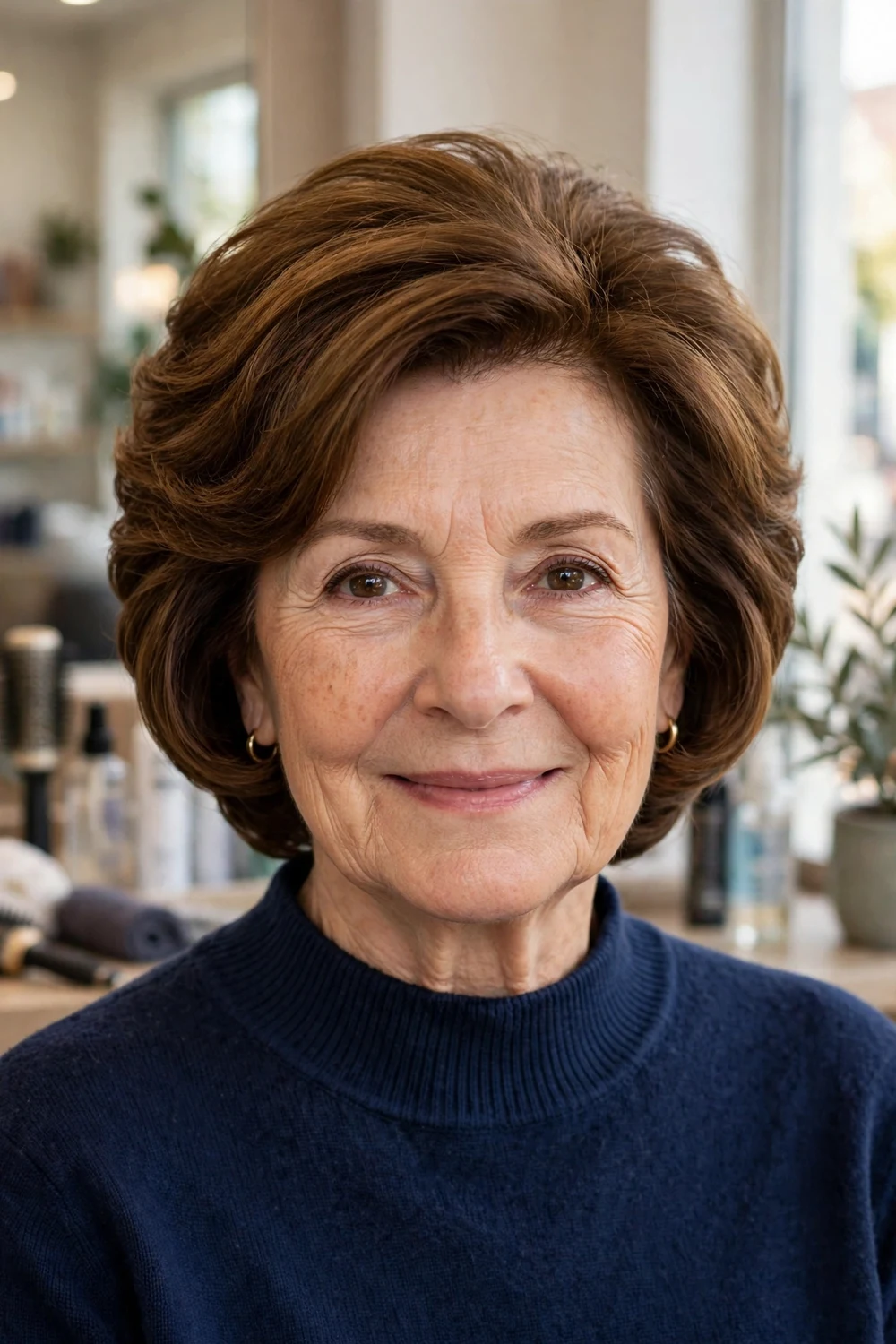
The classic version is the reference point for every other cut in this list. Short layers stack closely at the back of the head, building a rounded shelf of volume from the nape up to the crown. The front pieces stay longer and finish near the jaw, so the outline angles gently forward.
The shape holds well between salon visits because the graduation does the work. A quick blow dry with a round brush at the back lifts the stack, and the front falls into place on its own. It suits straight and lightly wavy hair, and it reads neat at every age in this guide, from the mid fifties to the seventies.
Try this: Ask for the longest front piece to end at the jaw corner. Front pieces that run past the chin pull the shape down and lose the lifted back.
Difficulty: Low · Cost: $$
2. Soft Wavy Stacked Bob
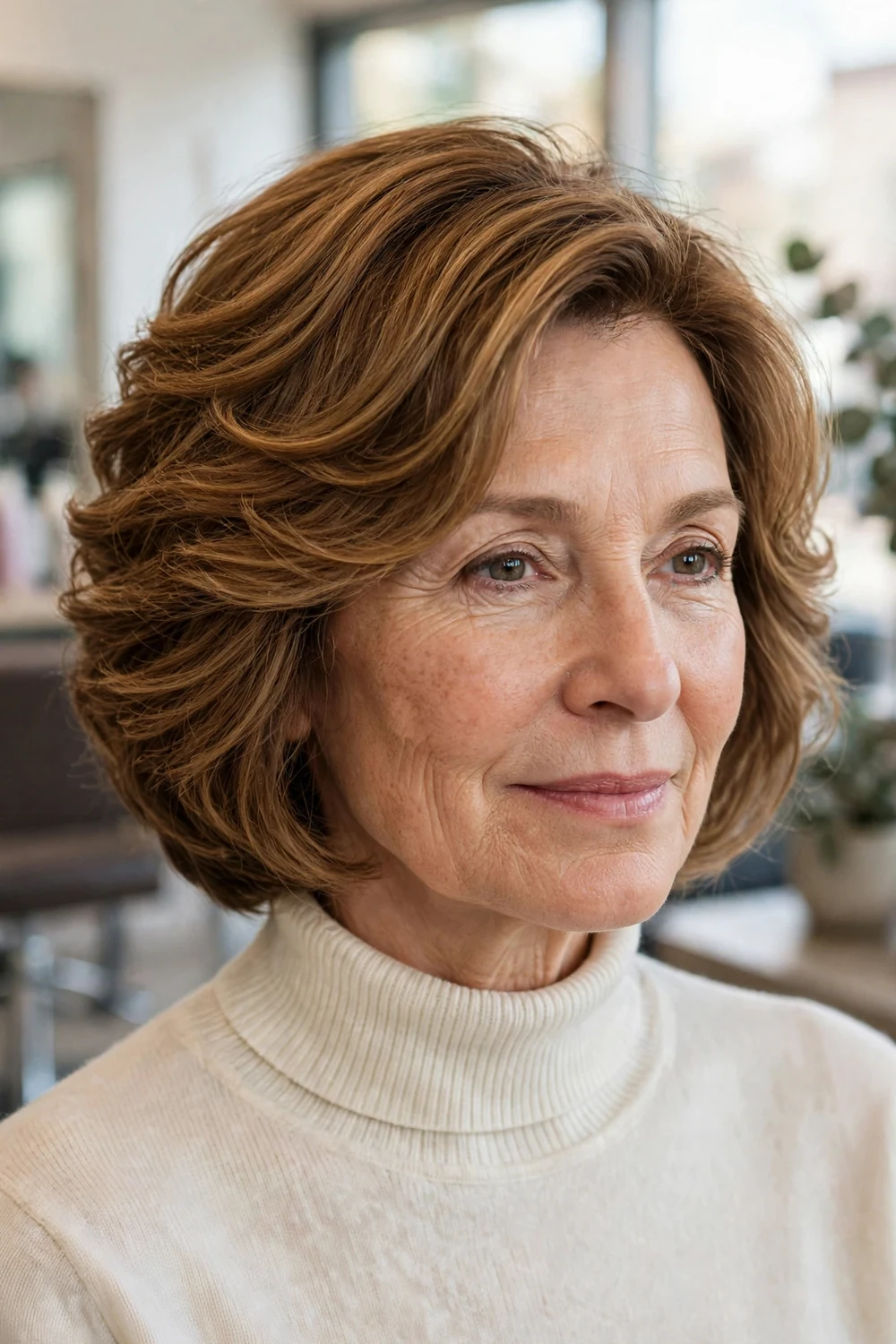
Soft waves take the hard edge off the stacked shape. The back keeps its close graduation for lift, while loose bends through the sides and front add movement and keep the finish relaxed. The waves can be natural, or set with a large barrel iron on dry hair in a few wide sections.
This version suits women whose hair has a natural bend that fights sleek styling. Work with the bend instead of flattening it, and the cut needs very little daily heat. A light curl cream scrunched through damp hair, then air drying, gives a similar result on wavy hair.
Try this: Scrunch, then leave the hair alone while it dries. Touching waves while they set pulls them apart and creates frizz at the surface.
Difficulty: Low · Cost: $$
3. Layered Stacked Bob for Fine Hair
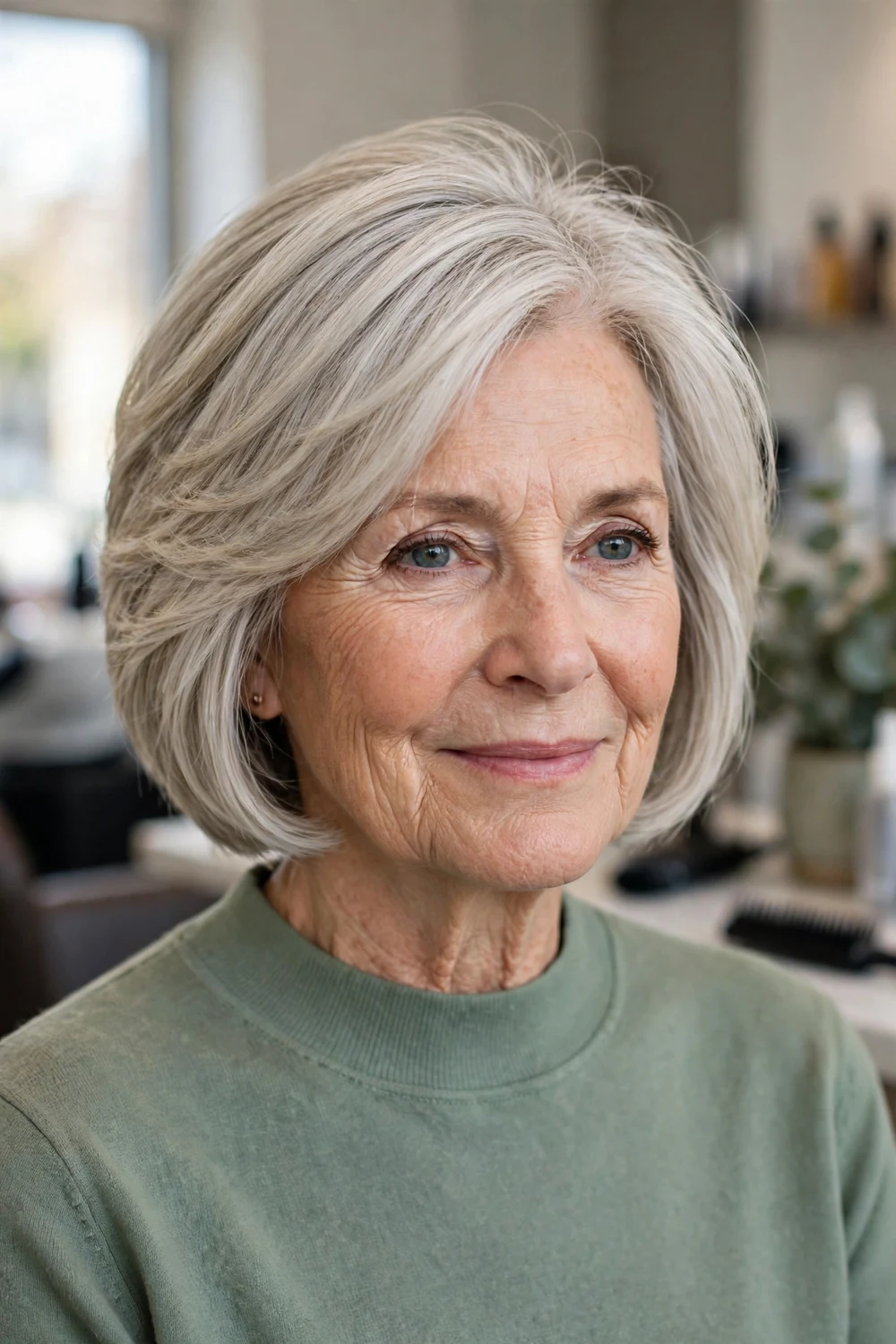
Fine hair is where the stacked cut earns its keep. Short layers at the back build on top of each other, so the hair looks thicker at the crown and through the back than it would in a one length bob. Extra light layers through the top add movement while the ends stay blunt enough to look full.
Keep the layering long and soft. Heavy chopping or strong razor work on fine hair makes the ends look thin and stringy, which is the opposite of the goal. For more fine hair options, see our guide to stacked bob hairstyles for fine hair, which covers lengths and finishes for finer strands in detail.
Try this: Use mousse at the roots only, on damp hair. Product through the lengths weighs fine hair down and flattens the stack by midday.
Difficulty: Low · Cost: $$
4. Textured Stacked Bob with Piecey Ends
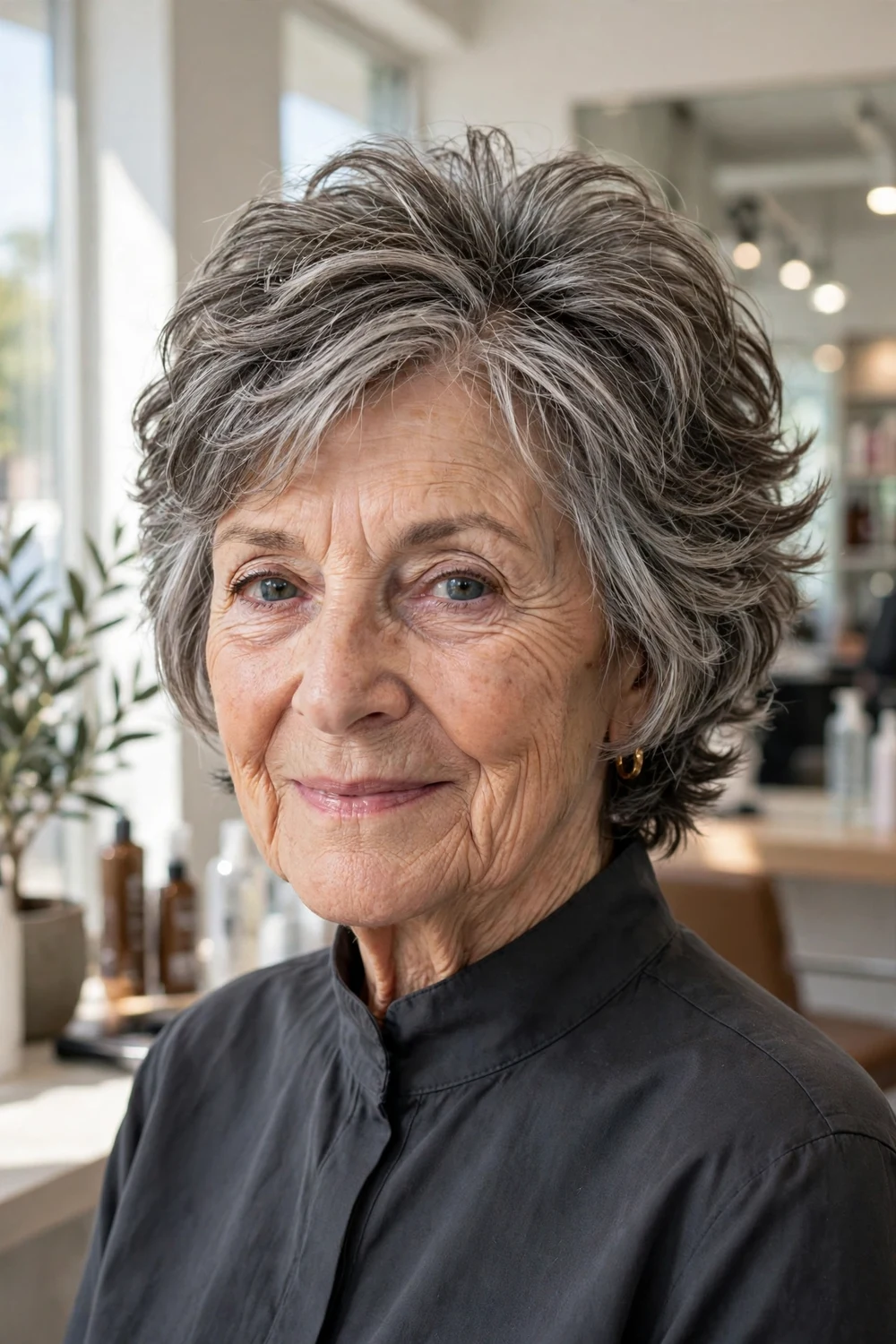
Texture softens a stacked bob without changing its shape. The back stays graduated and close, and the ends through the top and sides are point cut so they separate into small pieces. The finish looks lived in rather than set, and it grows out softly.
A pea sized amount of matte paste warmed between the fingers and pinched through the ends defines the pieces. This version suits medium density hair best. Very fine hair can look sparse with too much separation, so ask for light texture only if your hair is fine.
Try this: Apply paste to dry hair only. On damp hair it spreads unevenly and can leave the top looking greasy by the afternoon.
Difficulty: Low · Cost: $$
5. Rounded Stacked Bob
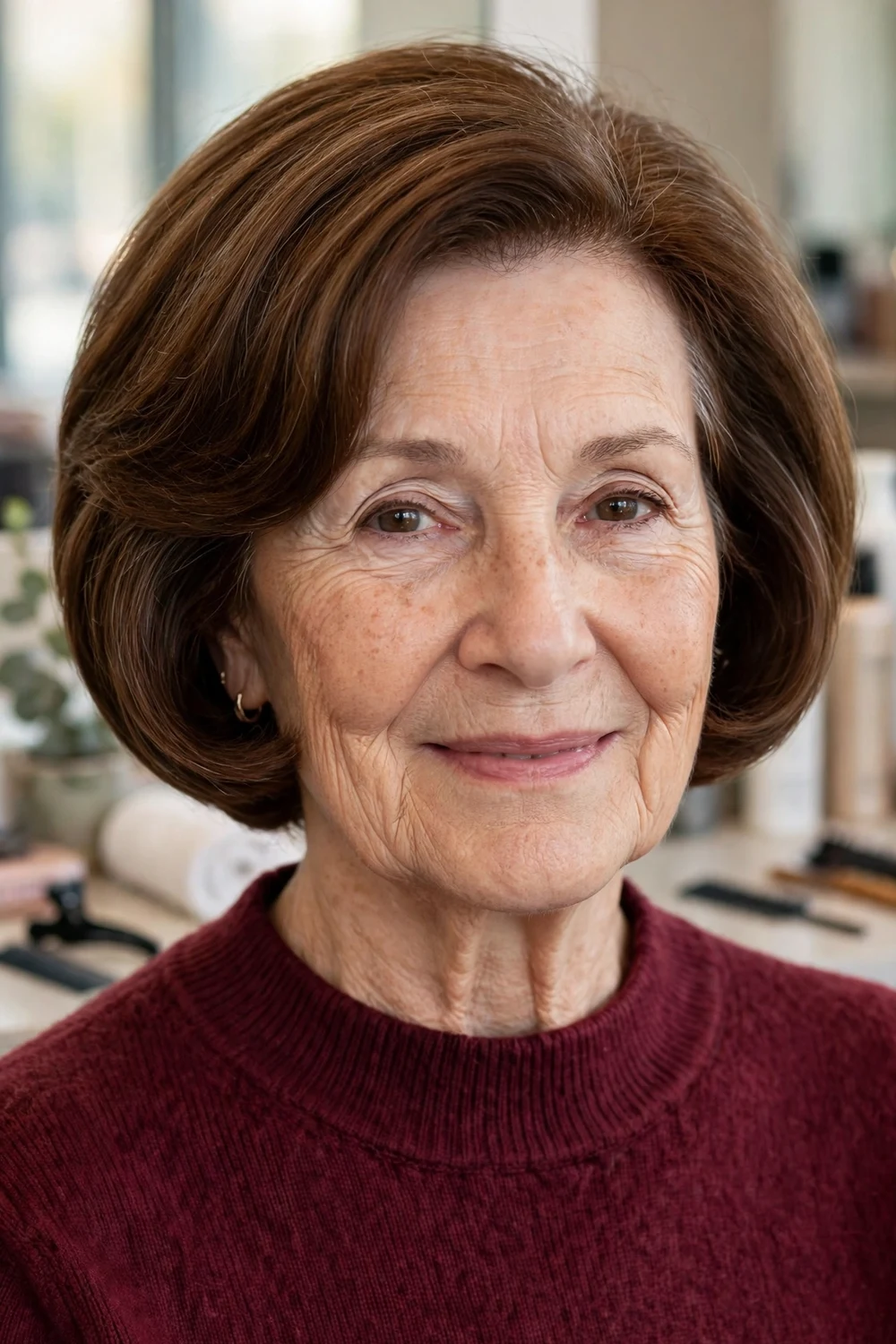
The rounded version curves the back into a smooth arc instead of a sharp angle. Graduation builds fullness from the nape, and the perimeter follows the curve of the head, so the back view is a soft dome of hair. The front pieces curve in toward the jaw and continue the round outline.
This is a kind shape for women who find angled bobs too severe. It suits oval and longer faces, and it flatters features because there are no hard corners in the silhouette. A paddle brush blow dry, following the curve of the head, keeps the arc smooth.
Try this: Dry the back in downward strokes that follow the curve. Lifting the back straight up with a round brush breaks the rounded line.
Difficulty: Low · Cost: $$
6. Angled Stacked Bob
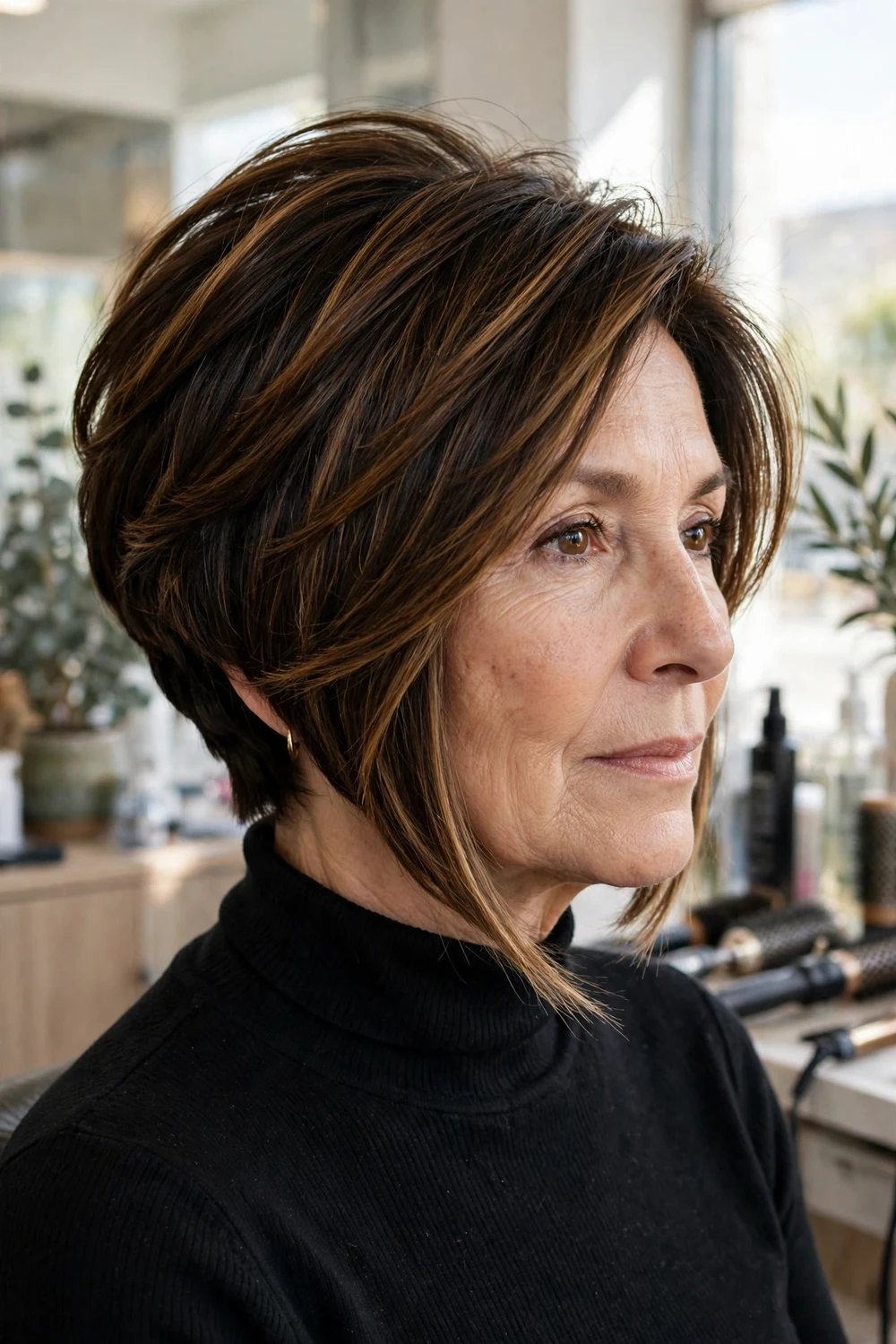
The angled version pushes the front pieces clearly longer than the back. The line runs diagonally from a short, full nape down to front pieces at the chin or just below it. The back stays tightly stacked, so the volume sits high while the front gives length around the face.
The diagonal line draws the eye downward, which suits round and fuller faces. It also gives the feel of a longer style at the front while the back stays short and easy to wash and dry. Keep the angle moderate if your hair is fine, since a steep drop can leave the front pieces looking thin.
Try this: Bring a side profile photo to the appointment. The angle reads from the side, and a photo settles the steepness faster than words.
Difficulty: Medium · Cost: $$
7. Inverted Stacked Bob
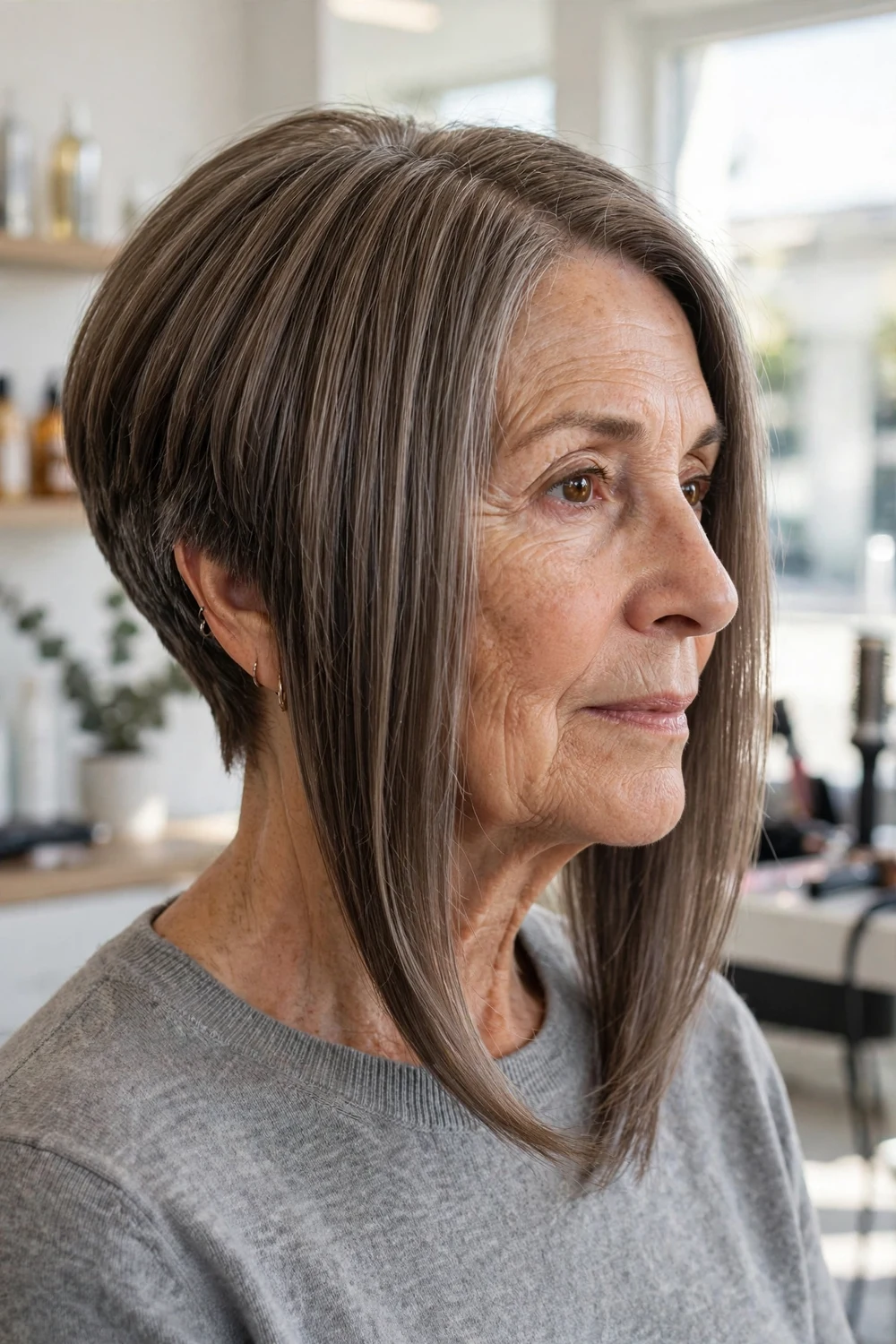
The inverted bob is the boldest shape in this family. The back is cut short and tight with strong graduation, and the front pieces drop well below the chin, sometimes to the collarbone. The contrast between the two lengths is the whole point of the cut.
It works best on medium to thick hair, where the long front pieces carry enough weight to hang cleanly. On fine hair the front can separate and look wispy, so a shorter drop is safer. The short back keeps the neck clear and cool, and the shape needs a trim every six to eight weeks to keep the line sharp.
Try this: If you wear scarves or high collars often, ask for the front pieces to end above the collarbone so they sit clean over fabric.
Difficulty: Medium · Cost: $$
8. Stacked Bob with Curtain Bangs

Curtain bangs part in the middle and sweep to both sides, framing the forehead in two soft panels. Paired with a stacked back, the front stays open and light while the volume sits behind the ears and at the crown. The bangs blend into the front pieces, so there is no hard line across the forehead.
This pairing suits women who want forehead coverage without a full fringe. The bangs grow out gracefully into face framing layers, which stretches the time between bang trims. Blow dry the bangs forward first, then sweep them apart with your fingers once they are dry.
Try this: Dry curtain bangs with the nozzle pointing down and the brush moving forward. Drying them backward first makes them split too wide at the part.
Difficulty: Low · Cost: $$
9. Stacked Bob with Side-Swept Bangs
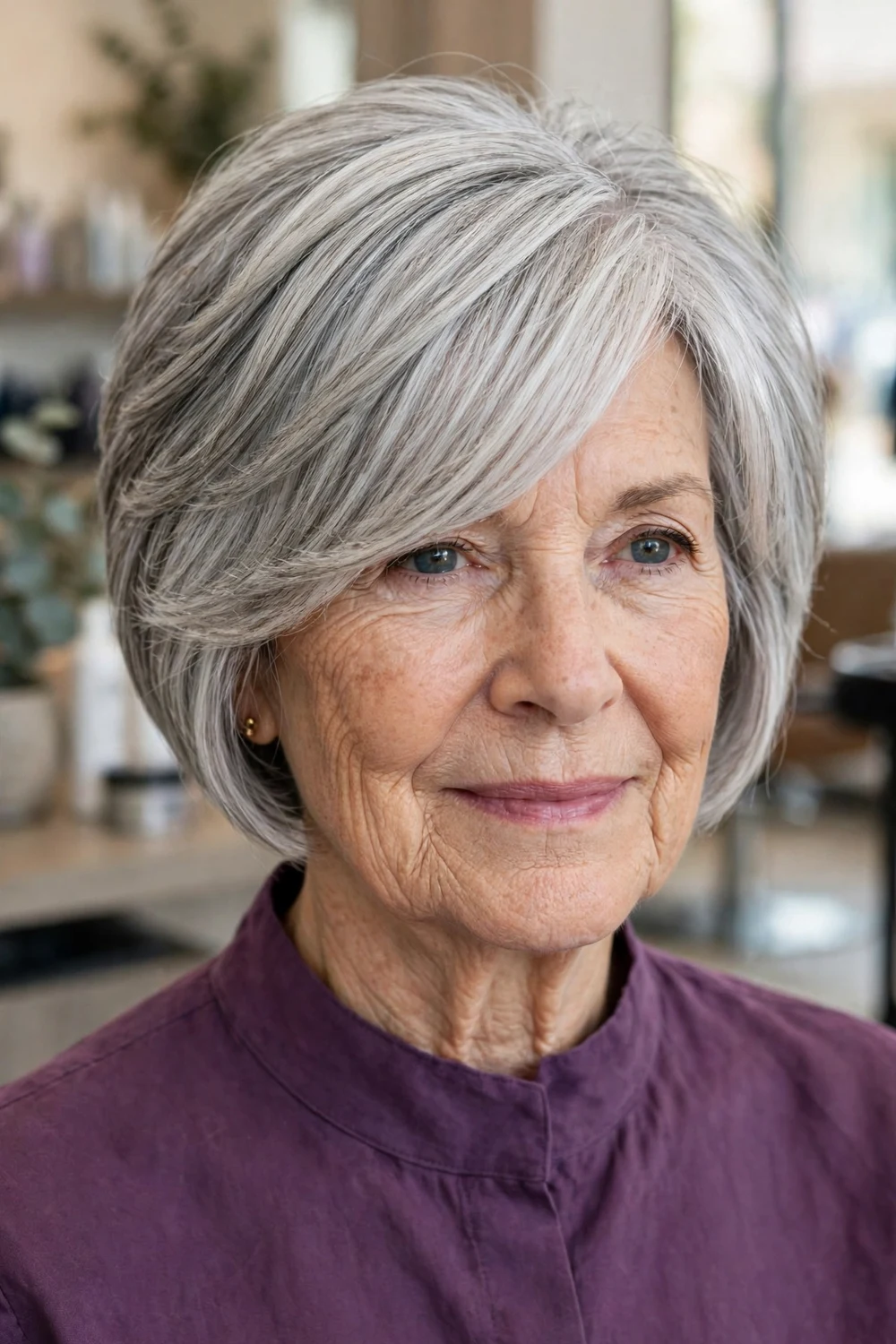
A long side swept bang crosses the forehead on a diagonal and melts into the longer front piece. The line softens the forehead, draws attention toward the eyes, and balances the fullness of the stacked back. It is a forgiving bang for a first fringe, since it can be pinned back or tucked behind the ear.
The sweep suits most face shapes and works with a side part that many women already wear. For more fringe options in this age group, our guide to hairstyles with bangs for older women shows lengths from wispy to full. Keep the bang long, ending near the cheekbone, so it stays in place without clips.
Try this: Set the sweep with a cool shot from the dryer for ten seconds. The cool air locks the direction and stops the bang drifting back by midday.
Difficulty: Low · Cost: $
10. Stacked Bob with Wispy Bangs
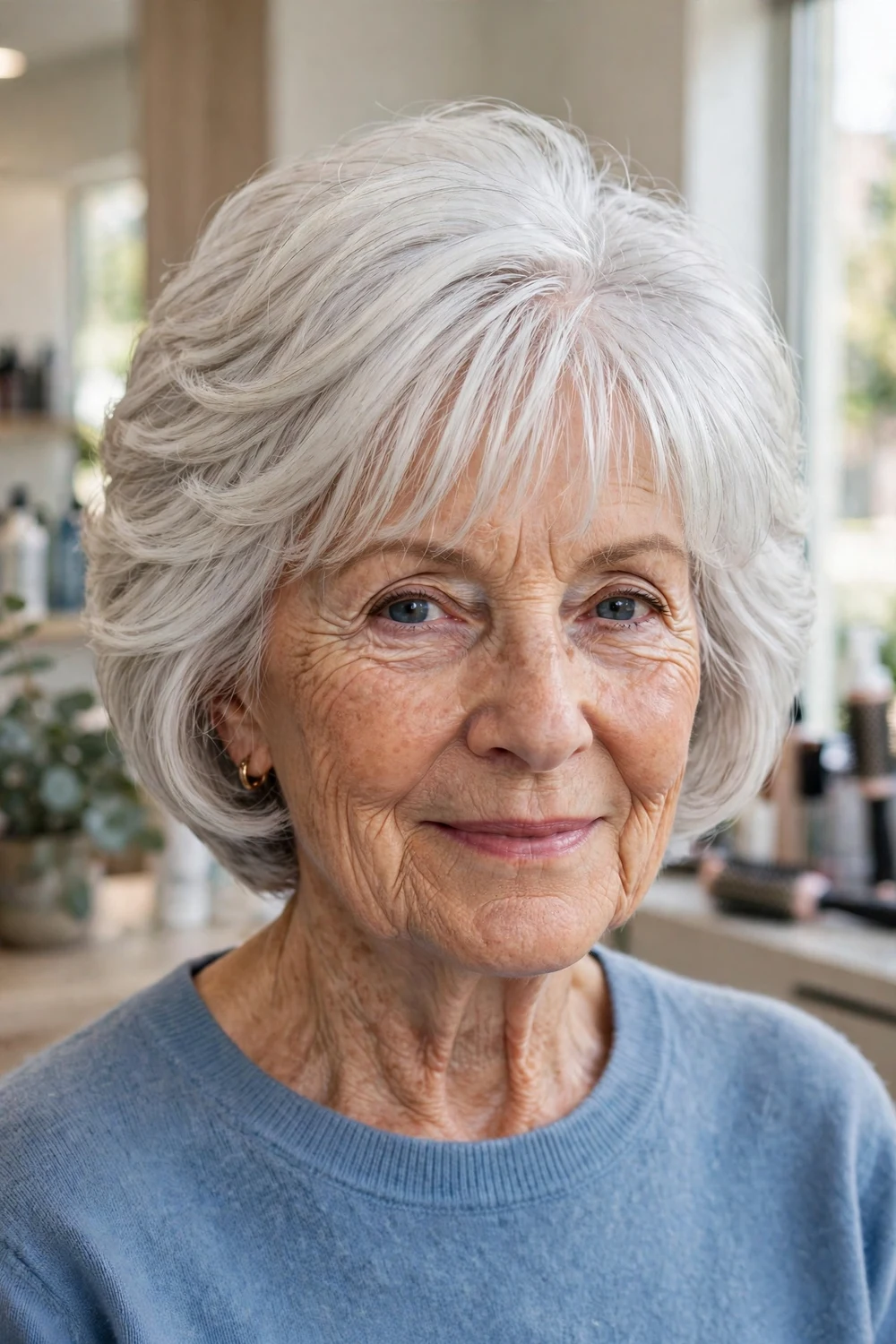
Wispy bangs are cut light and separated, so the forehead shows through in places. With a stacked bob they keep the front airy while the back carries the structure. This is the lowest commitment fringe in the list, and it suits fine hair that cannot support a thick bang.
Ask for the wisps to be cut dry, a little at a time. Fine and wavy hair springs up as it dries, and a wet cut can easily end up shorter than planned. Style with fingertips only, lifting the roots and letting the pieces fall. A brush can puff wispy bangs out and spoil the light finish.
Try this: Trim wispy bangs little and often. A small tidy every three to four weeks keeps them out of the eyes without changing the shape.
Difficulty: Low · Cost: $
11. Stacked Bob with Full Bangs

A full bang sits straight across the forehead and gives the stacked bob a neat, deliberate frame. The contrast works well: a clean horizontal line at the front, and a full rounded stack behind it. The bang also covers forehead lines fully, which many women in this age group ask for.
Full bangs need density at the front hairline. If your hair is fine or the hairline is sparse, a softer broken bang gives a similar look without thin spots. Expect a quick bang trim every three to four weeks, which many salons do in ten minutes between full appointments.
Try this: Wash only the bang on second day hair. A quick rinse at the sink refreshes the fringe in two minutes and saves a full wash.
Difficulty: Medium · Cost: $$
12. Stacked Bob with a Deep Side Part
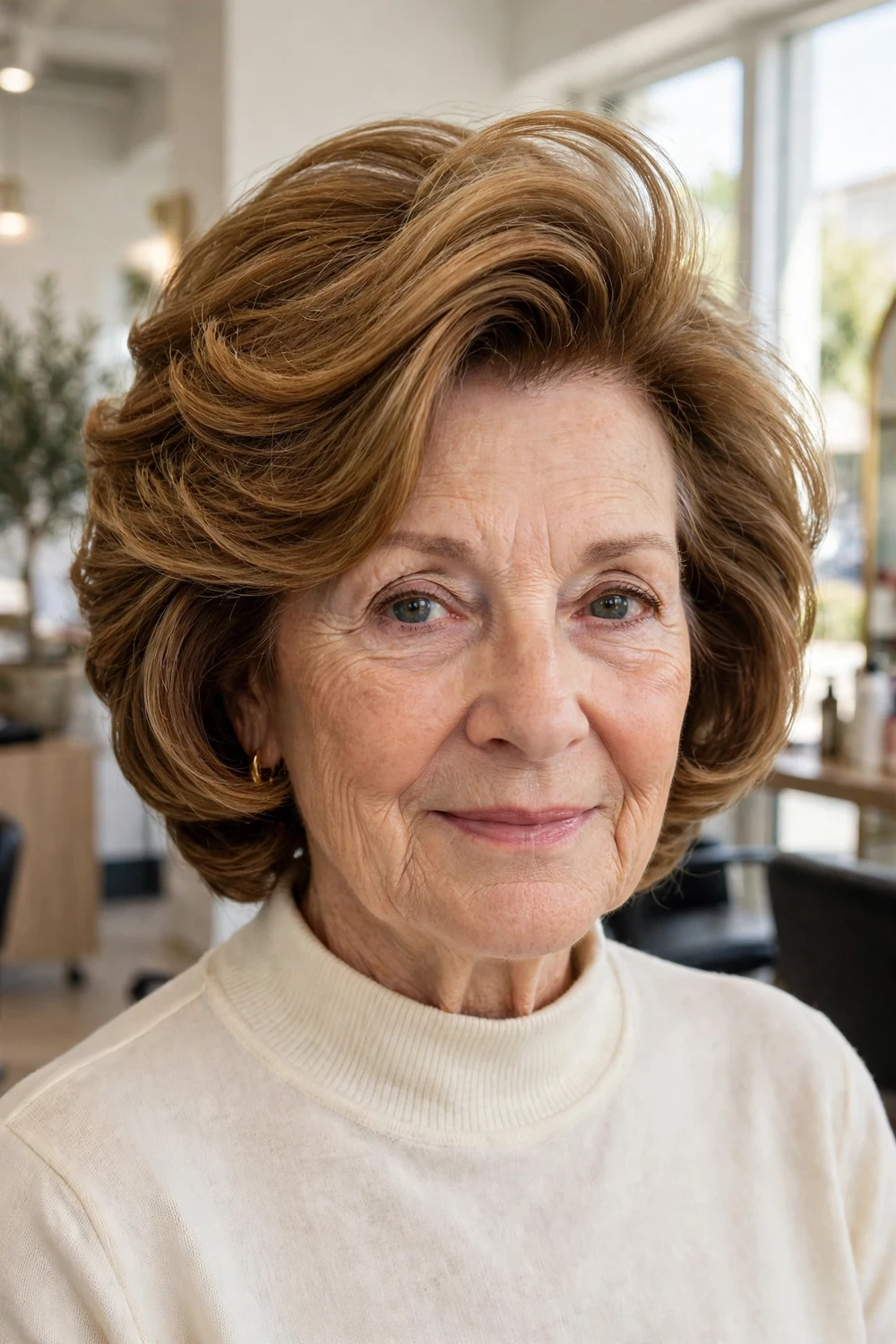
Moving the part far to one side changes the whole balance of a stacked bob. The heavy side sweeps over and creates height at the crown on its own, while the short side tucks flat behind the ear. No extra layers are needed, so this is the cheapest refresh in the list if you already wear a stacked cut.
The deep part suits women whose hair has flattened at a long worn center part. Flip the part to the opposite side for the most lift, since the roots have been trained flat in the old direction. A light root powder or dry shampoo at the part line holds the sweep through the day.
Try this: Set the new part while the hair is damp, then dry it in place. A part moved on dry hair drifts back within the hour.
Difficulty: Low · Cost: $
13. Silver Stacked Bob
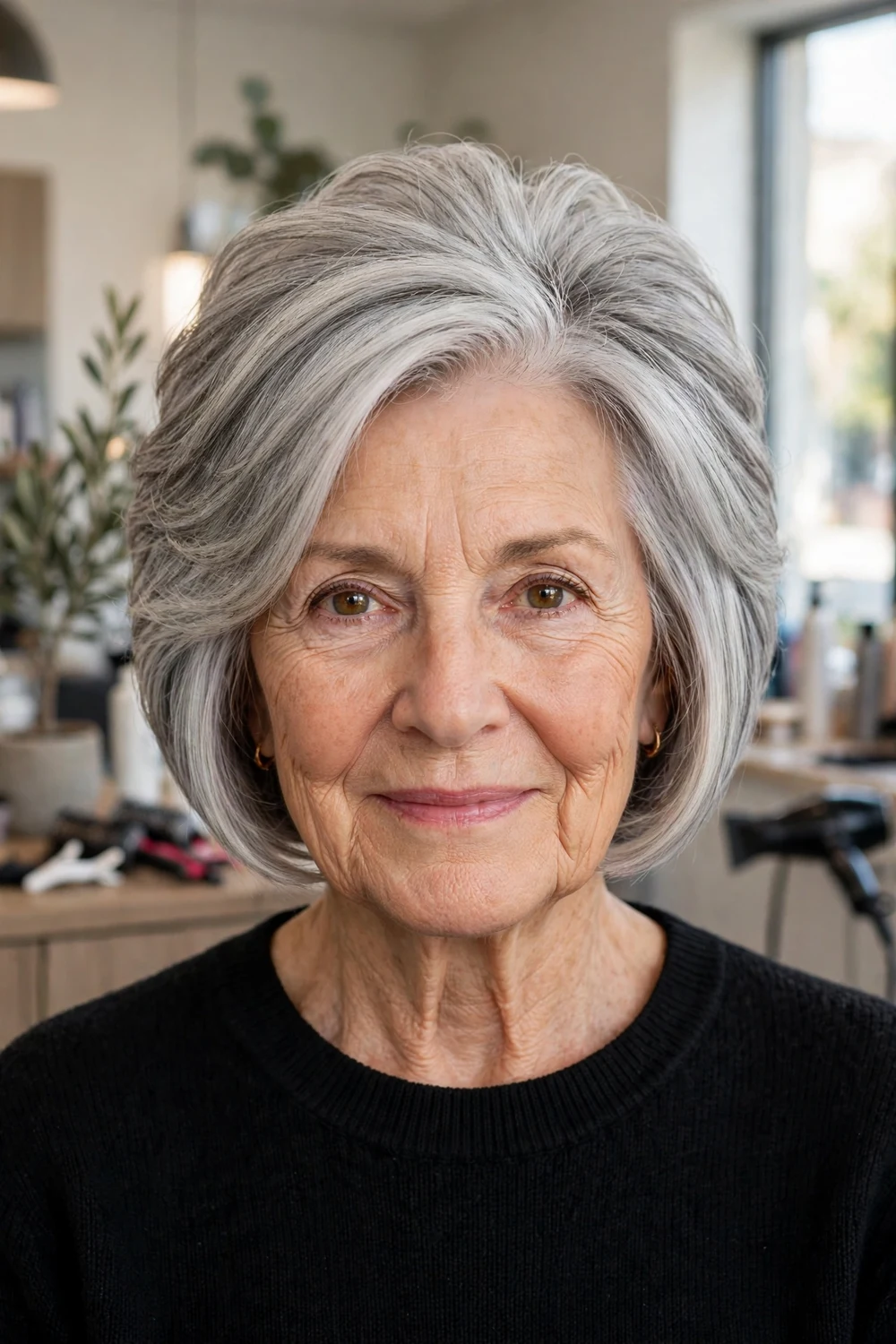
A full silver stacked bob pairs a precise cut with natural color, and the two flatter each other. The clean graduation gives silver hair a clear shape, and the silver tones catch light differently on each layer, which adds depth without any color service. The front pieces sit at the chin and frame the face in a bright outline.
Silver hair often grows in with more texture than pigmented hair, so smoothing care matters. A weekly toning shampoo keeps yellow tones away, and a moisture mask keeps the layers lying flat. Salon costs drop with this version, since trims are the only regular appointment.
Try this: Use a purple toning shampoo once a week only. Daily use can leave a lilac cast on the lightest silver pieces.
Difficulty: Low · Cost: $
14. Salt-and-Pepper Stacked Bob
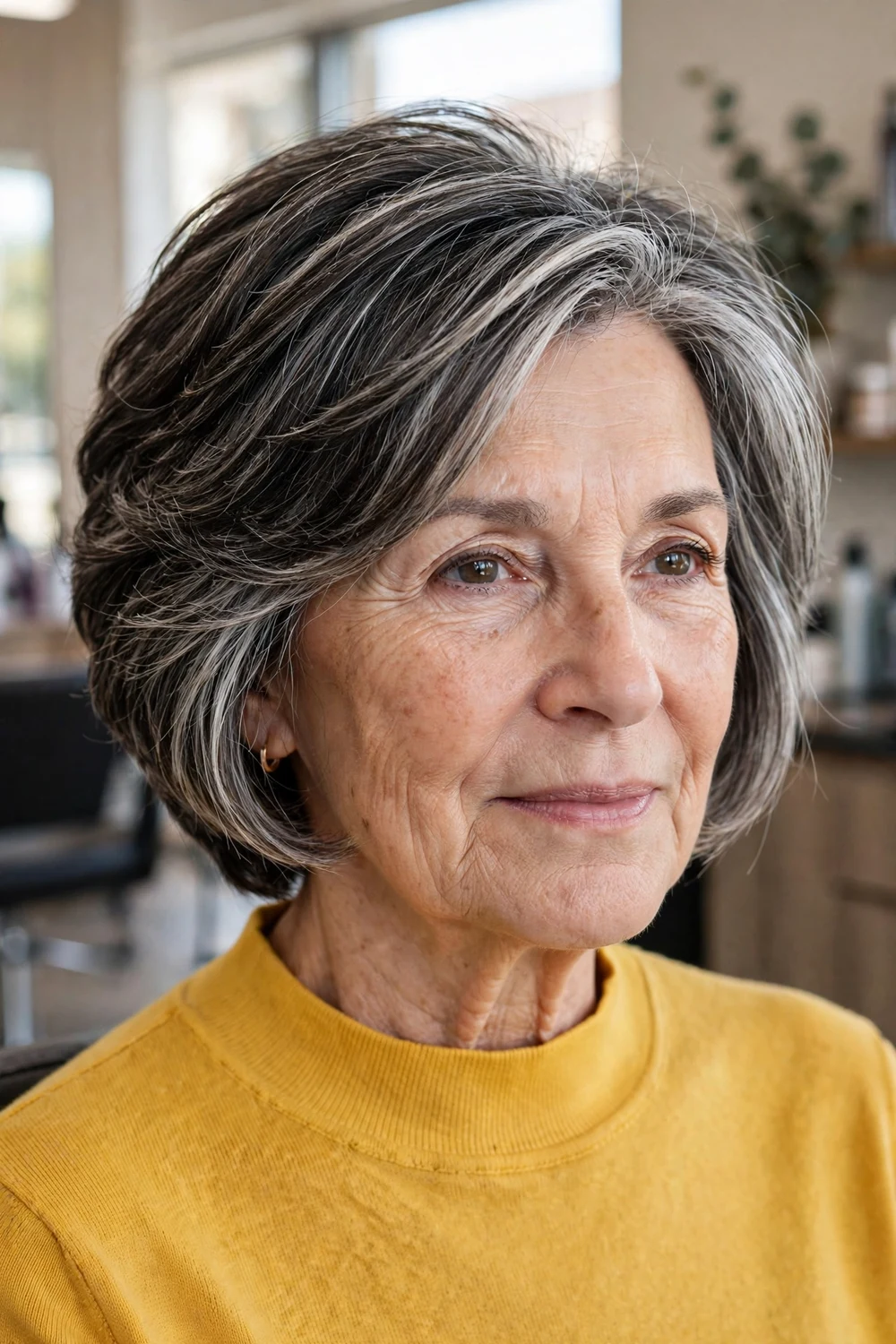
Salt and pepper hair mixes dark strands with white ones, and layering spreads that mix evenly through the cut. The stacked back keeps the darker underlayers close, while the lighter top layers sit on the surface where they catch the light. The result reads as deliberate color rather than a grow out in progress.
This version suits women partway through going grey who want the transition to look planned. Ask your stylist to keep the layers blended, since strong separation can make the color mix look patchy. If you are over sixty and comparing shapes, our roundup of the stacked bob haircut for women over 60 narrows the list to that age group.
Try this: Part the hair in a slightly new spot every few days. Moving the part spreads the white strands evenly and stops one grey panel dominating.
Difficulty: Low · Cost: $
15. Stacked Bob with Face-Framing Layers
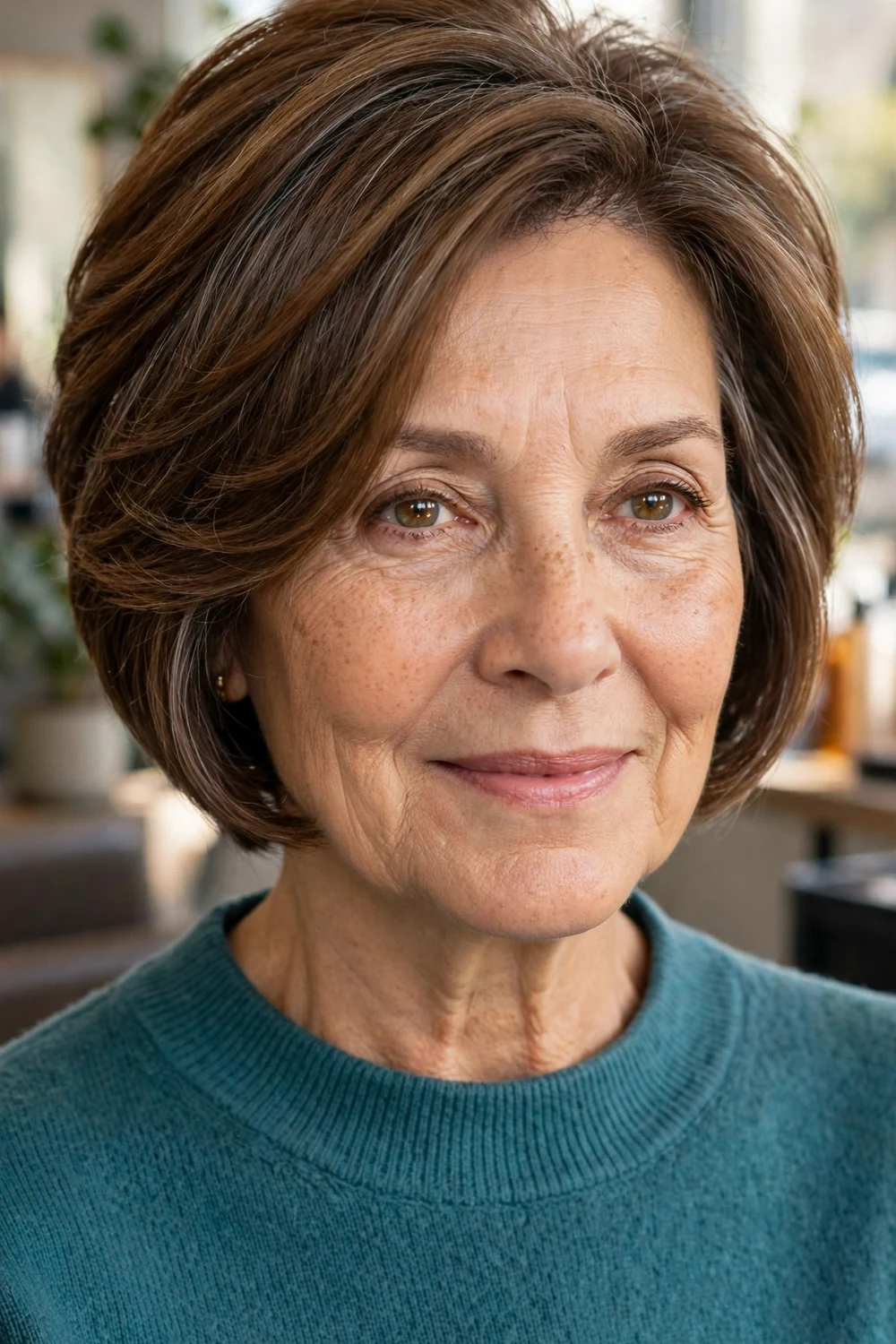
Face framing layers are cut only around the front, starting near the cheekbones and stepping down toward the jaw. The stacked back stays full and structured, while the front moves in soft steps that sit against the face. The layers direct attention inward and soften the jaw line.
This is a strong choice for women who like the stacked back but find a solid front piece too heavy beside the face. The layers also give fine front hair movement that a blunt edge cannot. Keep the shortest layer at or below the cheekbone, since shorter steps can puff out at the sides.
Try this: Show your stylist where you want the first layer to land by pointing to the bone, not by naming a length. Cheekbone placement varies by face.
Difficulty: Low · Cost: $$
16. Stacked Bob with Soft Highlights

Soft highlights are woven in fine ribbons through the top layers and around the face. On a stacked bob the color follows the layers, so each step of the stack catches light at a different point. The effect is depth and brightness without a full color change.
Fine weaves grow out gently and blend with emerging grey, which keeps salon visits spaced out. Place the lightest pieces at the front and crown, and keep the nape darker, since that contrast makes the stacked back look fuller. Color appointments usually run every ten to twelve weeks with trims in between.
Try this: Ask for highlights one to two shades lighter than your base, not more. A bigger jump shows regrowth lines sooner on short layers.
Difficulty: Medium · Cost: $$$
17. Stacked Bob with Balayage
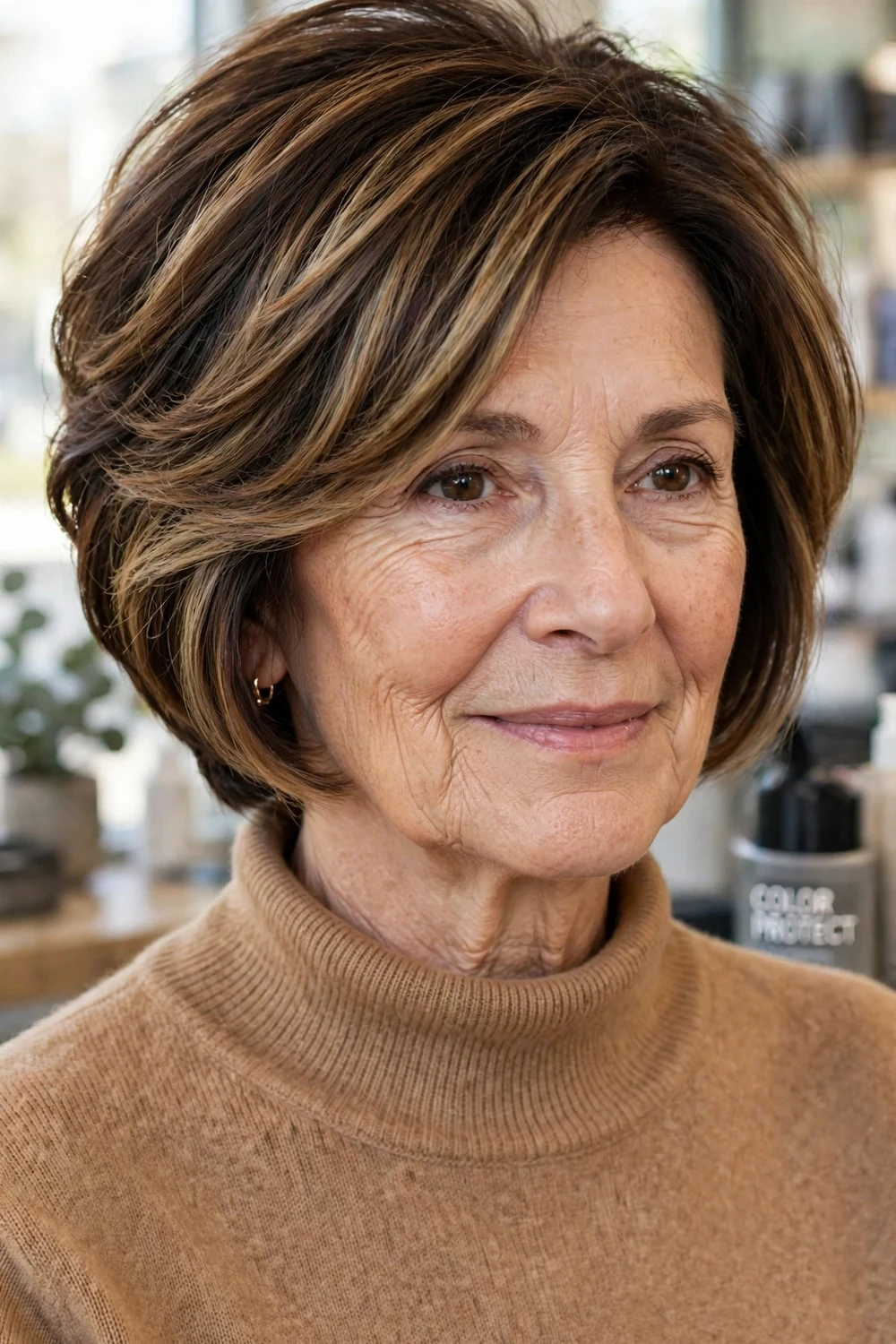
Balayage paints lightener through the mid lengths and ends, leaving the roots darker and the front pieces brightest. On a stacked bob the painted ends sit on the outer layer of the stack, so the back shows a gradient from dark at the nape to light at the surface. The grow out is soft, with no hard line at the roots.
This is a practical color pairing for women who want longer gaps between color appointments. The darker root area also hides early grey regrowth better than an all over color. Balayage on short layers needs a stylist who works on short hair often, since the painted area is small and placement matters more.
Try this: Book balayage and the cut in the same visit when you can. Painting first and cutting second can remove the lightest ends you just paid for.
Difficulty: Medium · Cost: $$$
18. Warm Copper Stacked Bob
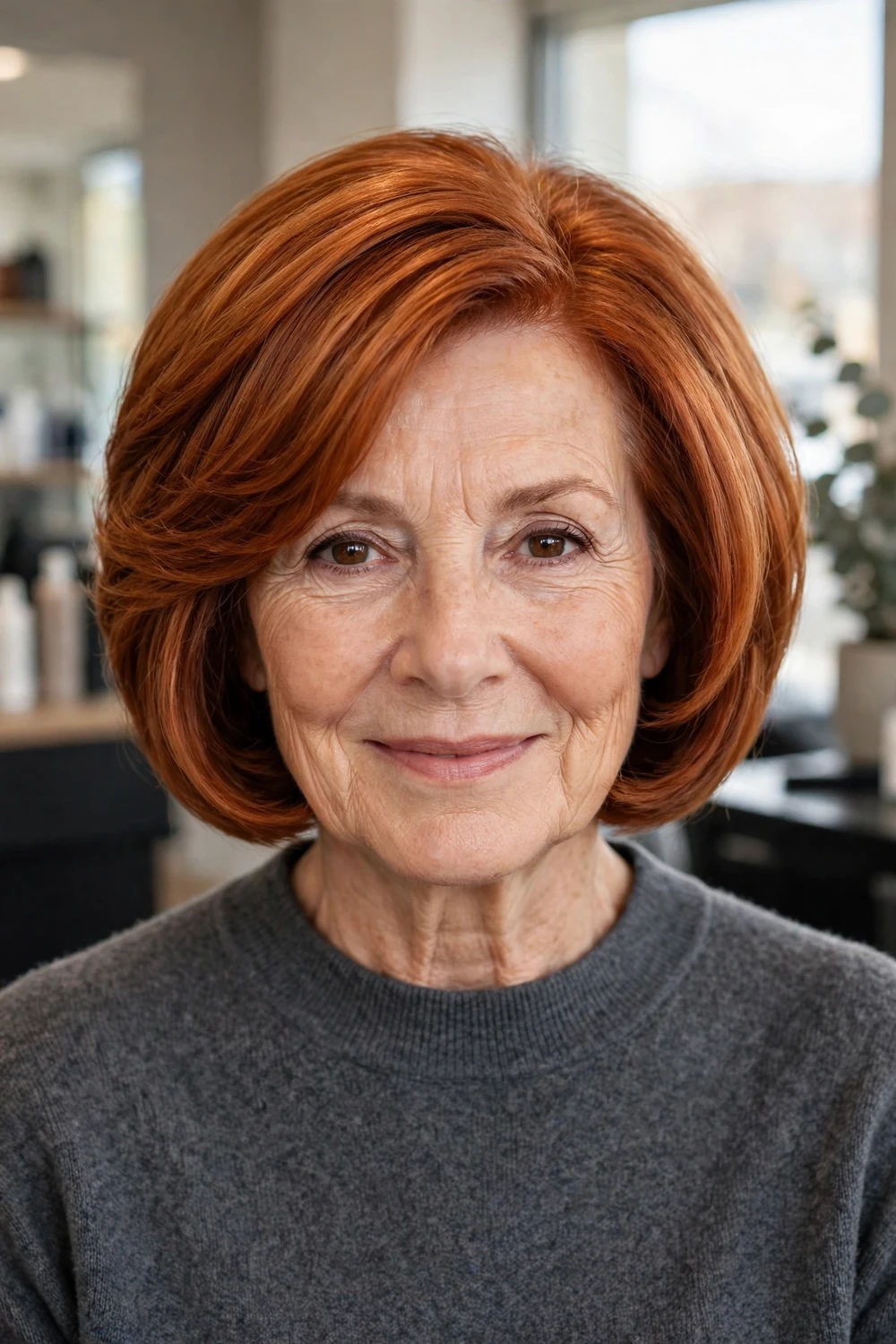
Warm copper brings heat and brightness to the stacked shape. The color sits well on the smooth, rounded versions of the cut, where the surface is wide enough to show the tone evenly. Copper shades also warm up pale and neutral skin tones, which is why they are requested so often in this age group.
Red tones fade faster than browns and blondes, so home care decides how long the color stays rich. Wash in cool water, use a shampoo made for colored hair, and plan a gloss refresh between full color visits. Keep the cut smooth rather than choppy, since broken texture can make copper look uneven.
Try this: Use a color depositing conditioner once a week in a copper shade. It tops up the tone at home and stretches the time between salon color.
Difficulty: Medium · Cost: $$$
19. Curly Stacked Bob
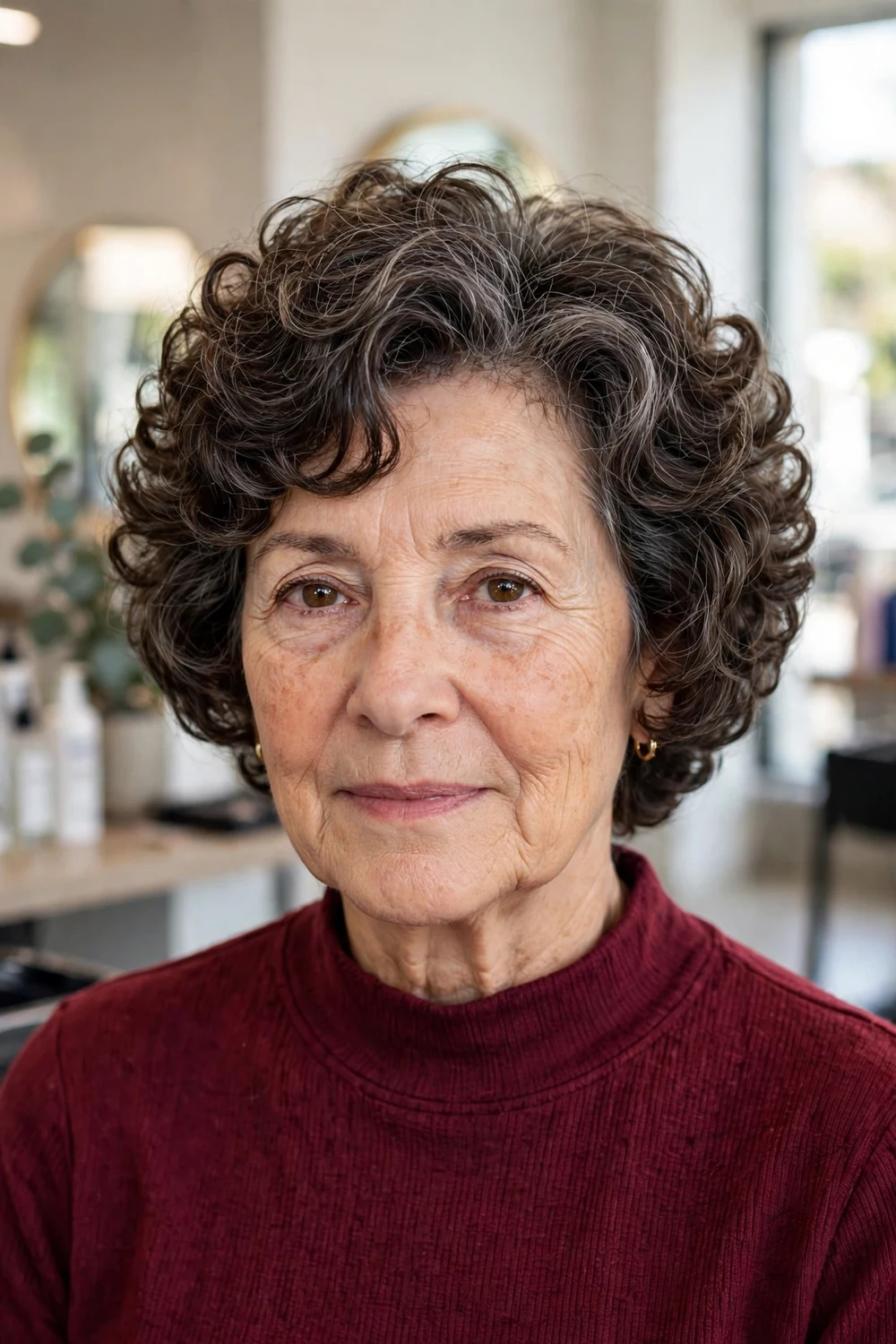
Curls stack naturally when the back is cut shorter, since each layer of curls sits on the one below it. The back is shaped close while the top and front keep enough length for the curl pattern to form full rings. Done well, the shape is round, lifted, and free of the triangular outline curly bobs can fall into.
This cut must be shaped with curl shrinkage in mind. Hair that sits at the jaw when wet can rise two inches or more as it dries, so ask for the cut to be checked dry, curl by curl. Diffuse on low heat or air dry, and refresh second day curls with a water mist and a small amount of gel.
Try this: Never judge the length while the hair is wet. Ask your stylist to show you the dry length at the front before any more comes off.
Difficulty: Medium · Cost: $$
20. Feathered Stacked Bob

Feathering flicks the ends outward in soft, swept layers while the stack underneath holds the shape. The back keeps its graduation, and the surface layers are cut to turn away from the face. The finish is light and airy, and it moves when you turn your head.
Feathered ends suit fine to medium hair that lies flat in a blunt cut, since the flicked layers create the sense of width at the sides. Style by blow drying the surface layers back and away from the face with a medium round brush. The flick relaxes over a few days, so this version likes a quick restyle at the front mid week.
Try this: Feather the surface only. Feathering through the whole cut on fine hair thins the ends and loses the full stacked back.
Difficulty: Medium · Cost: $$
21. Choppy Stacked Bob
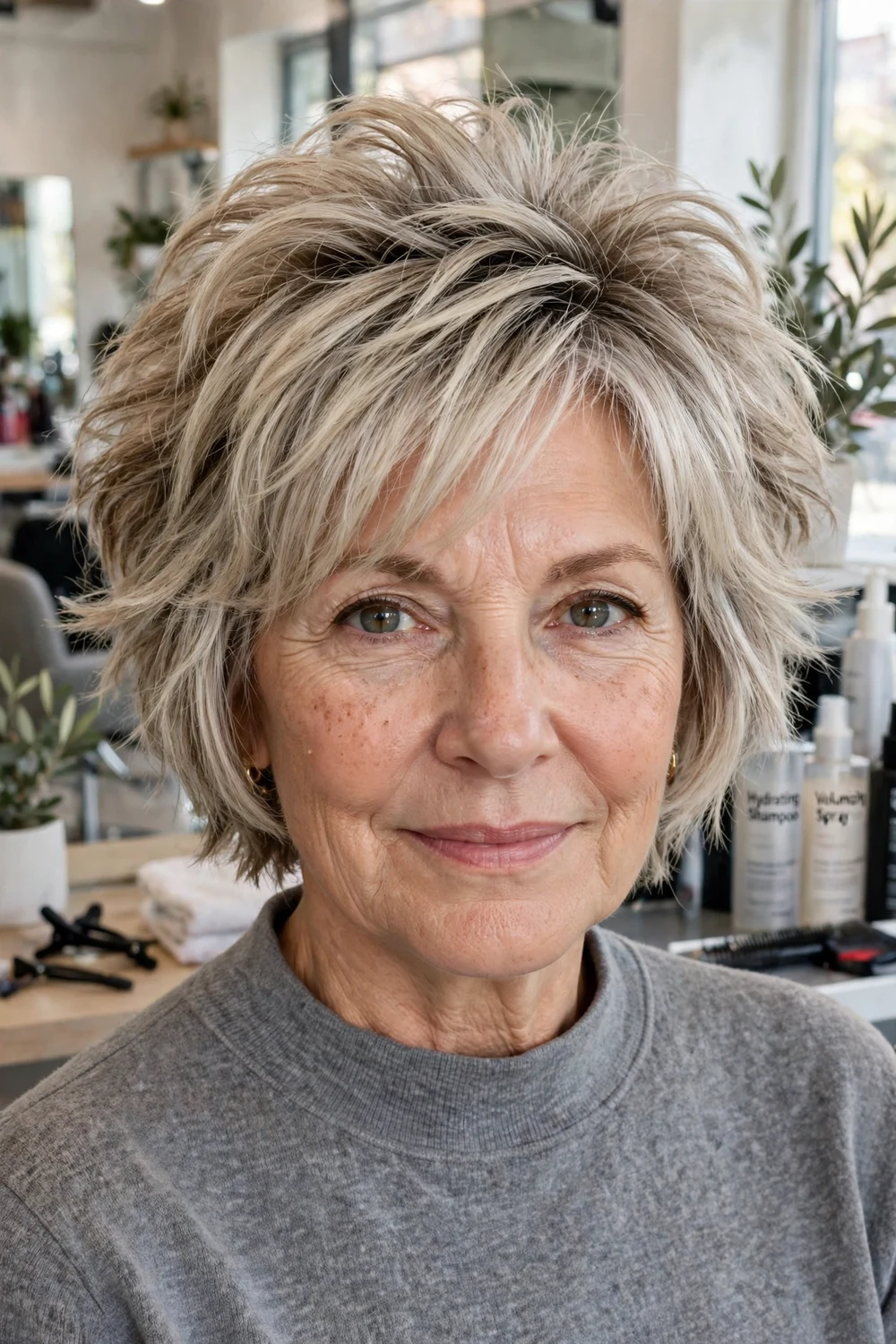
Choppy ends are cut at varied lengths so the outline looks broken and piecey rather than smooth. The stack at the back stays strong, which keeps the cut from looking messy. The contrast between a solid back and broken ends gives this version a current, relaxed feel.
Choppy cutting suits medium and thick hair best, since there is enough hair to remove pieces from without thinning the outline. On fine hair, keep the chopping light and only at the very ends. A small amount of wax worked through the tips separates the pieces and shows the texture you paid for.
Try this: Photograph the back before you leave the salon. Choppy work can hide an uneven stack, and the back view is where problems show.
Difficulty: Medium · Cost: $$
22. Pixie Bob with a Stacked Back
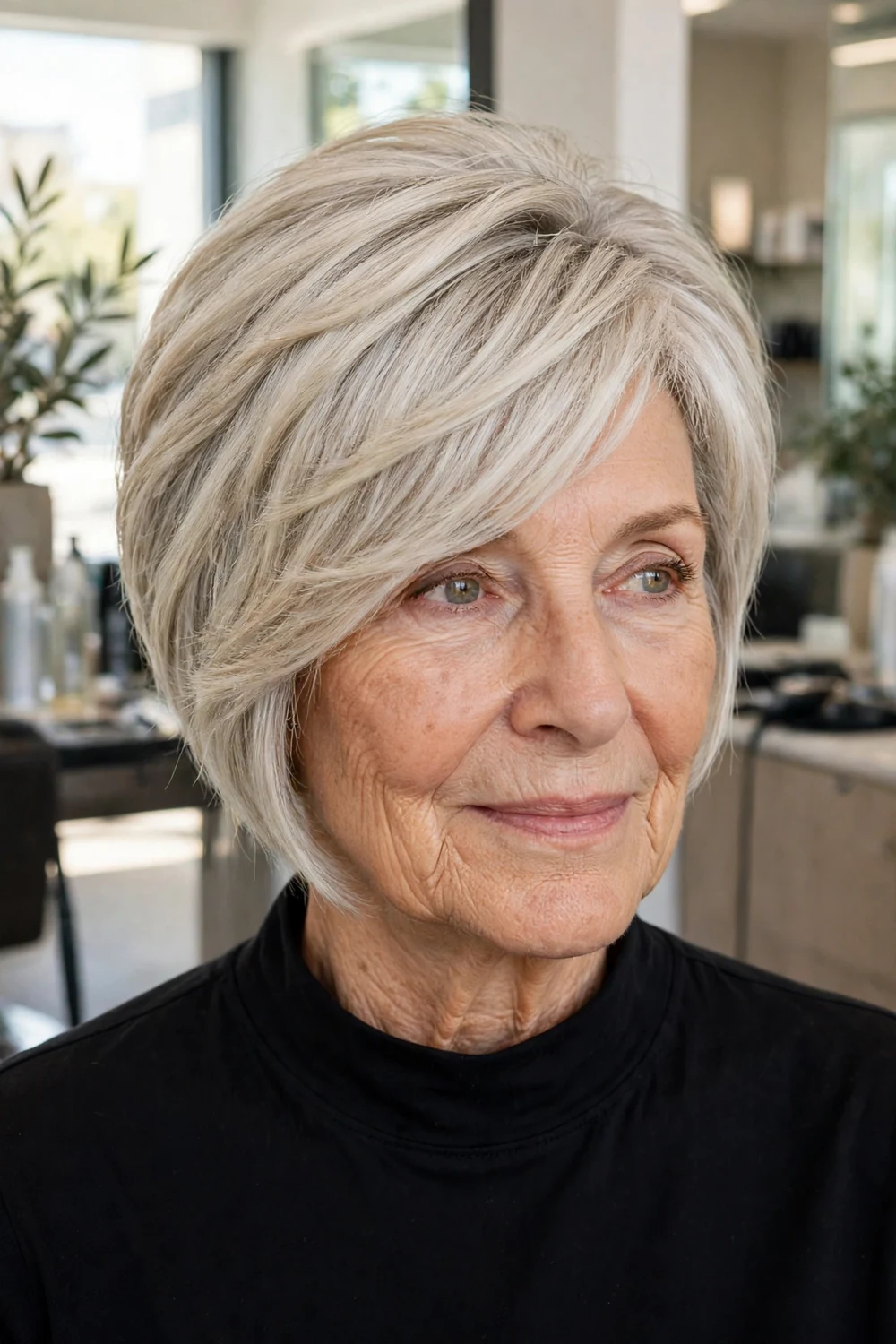
The pixie bob sits between a pixie and a bob. The nape is cropped short and stacked close to the head, the top keeps length to sweep forward or to the side, and the front pieces reach the cheekbones. It is the shortest option in this list and the fastest to style in the morning.
This cut suits fine hair and smaller faces, and it shows earrings and glasses clearly. The trade off is upkeep: short backs grow out fast, and the nape needs a tidy every four to six weeks to stay clean. Styling is a fingertip of cream raked through the top, nothing more on most days.
Try this: Ask how the nape will be finished, tapered or squared. That small detail decides how the cut looks from behind as it grows.
Difficulty: Low · Cost: $$
23. Stacked Bob for Thick Hair with Interior Layers

Thick hair can overwhelm a stacked bob when the weight sits in one solid mass. Interior layers fix that by removing weight from inside the cut while the outer shape stays smooth and full. The back stacks cleanly instead of puffing out, and the ends sit closer to the head.
Ask for weight removal through the middle sections, not at the ends, since thinning the ends of thick hair creates frizz and flyaway pieces. This version holds its shape longer between trims than most in the list, often ten weeks, because the outline grows out evenly. A smoothing cream on damp hair keeps the surface calm.
Try this: Tell your stylist if you tie your hair back for exercise or gardening. Interior layering changes what stays in a small ponytail at the nape.
Difficulty: Medium · Cost: $$
24. Stacked Bob Styled Around Glasses
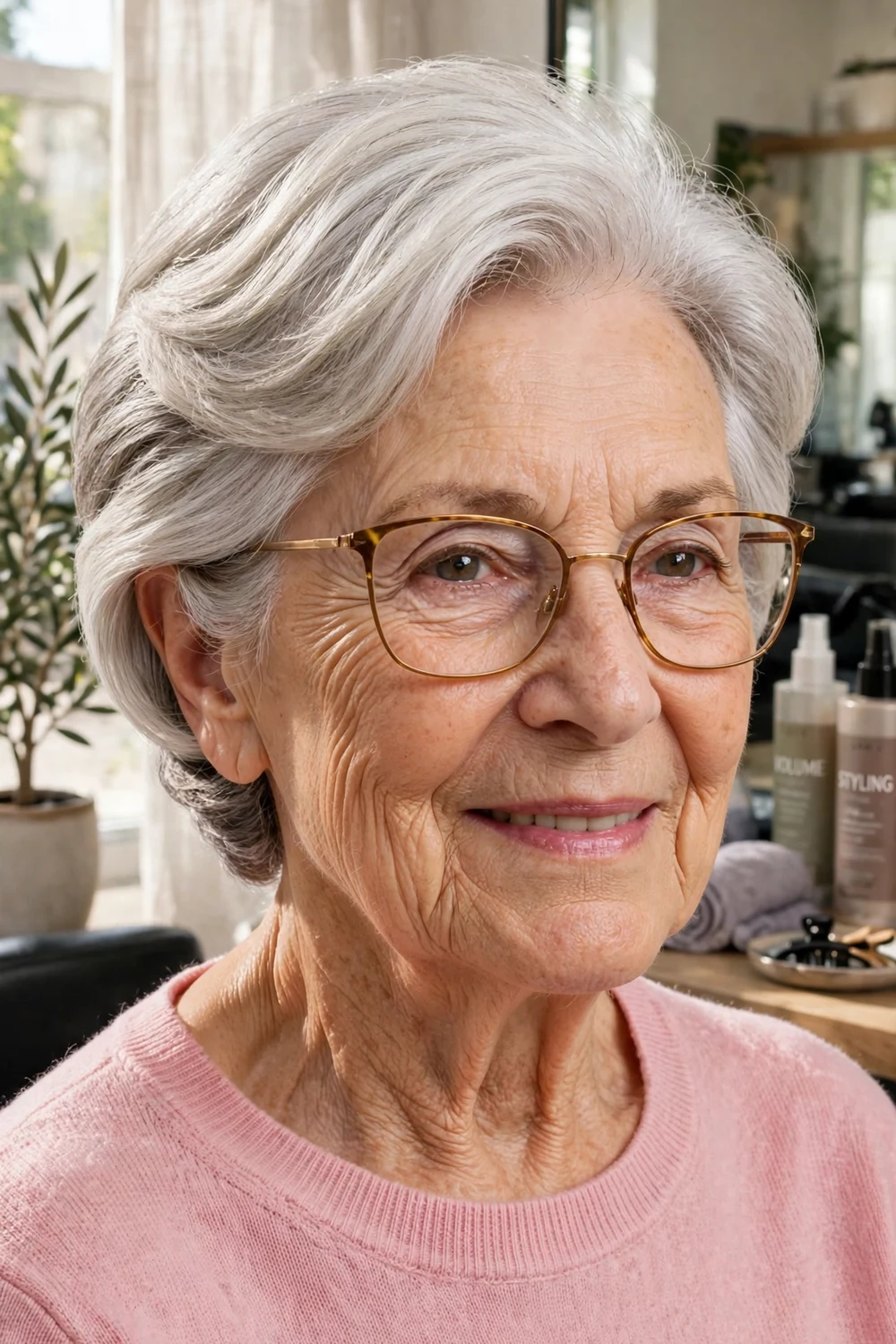
Glasses change where a bob should sit. The sides need to clear the arms of the frames without puffing over them, the front pieces should not tangle with the frame corners, and the volume belongs at the back where the frames do not reach. Cut with the glasses on, this version keeps all of those points in balance.
Take the glasses you wear most days to the appointment and keep them on for the final check. A side piece that looks right without frames can sit wrong once the arms are in place. Shorter sides or a gentle tuck behind the ear both work, and your stylist can test each side before cutting.
Try this: Bring your reading glasses too if you swap pairs. Different frame widths sit at different points on the side of the head.
Difficulty: Low · Cost: $$
25. Air-Dry Stacked Bob

An air dry stacked bob is cut to fall into shape as it dries, with no dryer or iron in the daily routine. The stack is kept soft rather than sharp, the layers follow your natural fall and wave pattern, and the ends are cut so they settle instead of kicking out. It suits women who have stepped away from daily heat styling.
The cut depends on an honest read of your natural texture, so arrive at the appointment with your hair washed, dried on its own, and free of styling product. Your stylist can then see where your hair bends and parts on its own, and cut the stack to match that pattern instead of fighting it. If you want only the shortest cuts in this family, start with short stacked bob hairstyles for women over 50 and work up in length.
Try this: Wash the night before and sleep on it once before judging the cut. Air dried hair settles into its real shape on the second day.
Difficulty: Low · Cost: $
More Ideas to Explore
Frequently Asked Questions
What is a stacked bob?
A stacked bob is a bob cut with short, graduated layers built up at the back of the head. The layers sit on top of each other, which creates volume and a rounded shape at the back, while the front pieces stay longer and frame the face. The cut is shorter at the nape and longer toward the front.
Does a stacked bob work on fine or thinning hair?
Yes. The graduation at the back is one of the most useful shapes for fine hair, because the short stacked layers support each other and make the crown and back look fuller. Keep the layers long and soft, keep the ends blunt rather than heavily razored, and use styling product at the roots only so the lengths stay light.
How often does a stacked bob need a trim?
Most stacked bobs hold their shape for six to eight weeks. The graduation at the back grows out first, so once the nape starts to look soft and the back loses its lift, the shape is due for a tidy. Very short versions, such as the pixie bob, need a trim every four to six weeks, while longer and softer stacks can stretch to eight or ten weeks.
Can a stacked bob work with natural grey hair?
Yes. Silver and salt and pepper hair suit the stacked shape well, because the clear graduation gives grey hair a definite outline and the layers spread the mix of tones evenly. Grey hair can feel coarser than pigmented hair, so a moisture mask and a weekly toning shampoo for silver shades help the layers lie smoothly.
Does a stacked bob work with glasses?
Yes, if the sides are cut with the frames in mind. The side pieces should clear the arms of your glasses without puffing over them, and the main volume should sit at the back of the head. Wear your everyday glasses to the appointment and keep them on for the final check, so your stylist can adjust the sides around the frames.
Is a stacked bob hard to style at home?
No. Most versions need a blow dry of five to ten minutes with a round or paddle brush, or no heat at all if the cut is shaped for air drying. The stack holds the volume for you, so daily styling is mostly about smoothing the surface and setting the front pieces. Light mousse at the roots and a small amount of cream on the ends cover most versions in this list.
Final Thoughts
A stacked bob earns its place in so many salon chairs because the shape does the daily work for you. The back carries volume on its own, the front stays soft around the face, and the cut adapts to fine, thick, curly, and grey hair with small changes to the layering. Pick two or three versions from this list that match your hair type, save the photos, and talk through the trim cycle with your stylist before the first cut. A shape that fits your routine is the one you will still be happy with at week six.

