

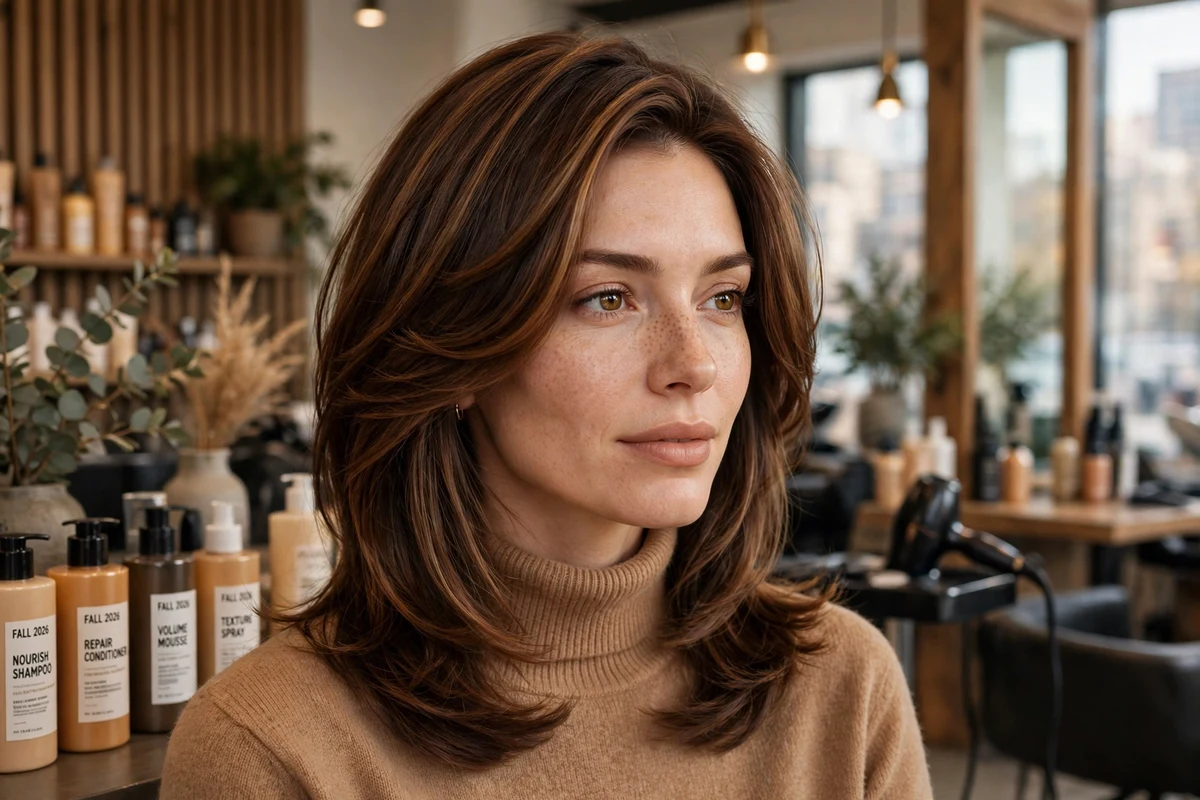
Fall hair in 2026 has a clear direction: richer and glossier color, cuts with structure and softness at the same time, and styling that brings back the side part, retro clips, and natural texture. This roundup collects what is actually new for the season across all three, colors, cuts, and styling, rather than repeating a general fall list.
The 25 ideas below start with the 2026 color stories, truffle brunette, mahogany red, lived-in honey blonde, and deep plum. They then move through the cuts stylists are booking, the bixie, the airy bob, the clavi-cut, and shattered shag layers, and finish with the styling shifts, side parts, Birkin fringe, structured curls, and glossy updos. For the broader seasonal picture, the fall hairstyle trends guide tracks the season as a whole.
Key Takeaways
- Color in fall 2026 is rich, warm, and glossy: truffle and reflective espresso brunettes, golden honey blondes, mahogany reds, and deep plum.
- Mahogany red replaces copper as the lead red story of the season.
- Cuts balance shape and movement: the bixie, airy bobs with invisible layers, the clavi-cut, and shattered shag layers lead the bookings.
- Styling shifts are free to try: the side part returns, Birkin fringe and cowboy bangs update the fringe, and barrettes finish half-up styles.
- Natural texture is worn structured in 2026, with curl-shaped cuts and protective braids holding their place.
How to Choose Your Fall 2026 Update
Decide how big a change you want. A gloss, a part change, or a fringe trim updates your look in one short visit or less. A new cut family, a bob, bixie, or shag, changes your daily styling routine, so weigh it against the time you actually spend on your hair. A red or plum color change carries the highest upkeep on this list and deserves a maintenance plan before you book.
Then match the trend to your hair type. Fine hair gains most from crown layering, airy bobs, and lowlight depth. Thick hair needs graduation and shattered layers to remove weight. Curly and textured hair is best served by the dry-cut and protective options. The color-only view of the season sits in the fall hair colors guide if you want shades without the cuts.
1. Truffle Brunette
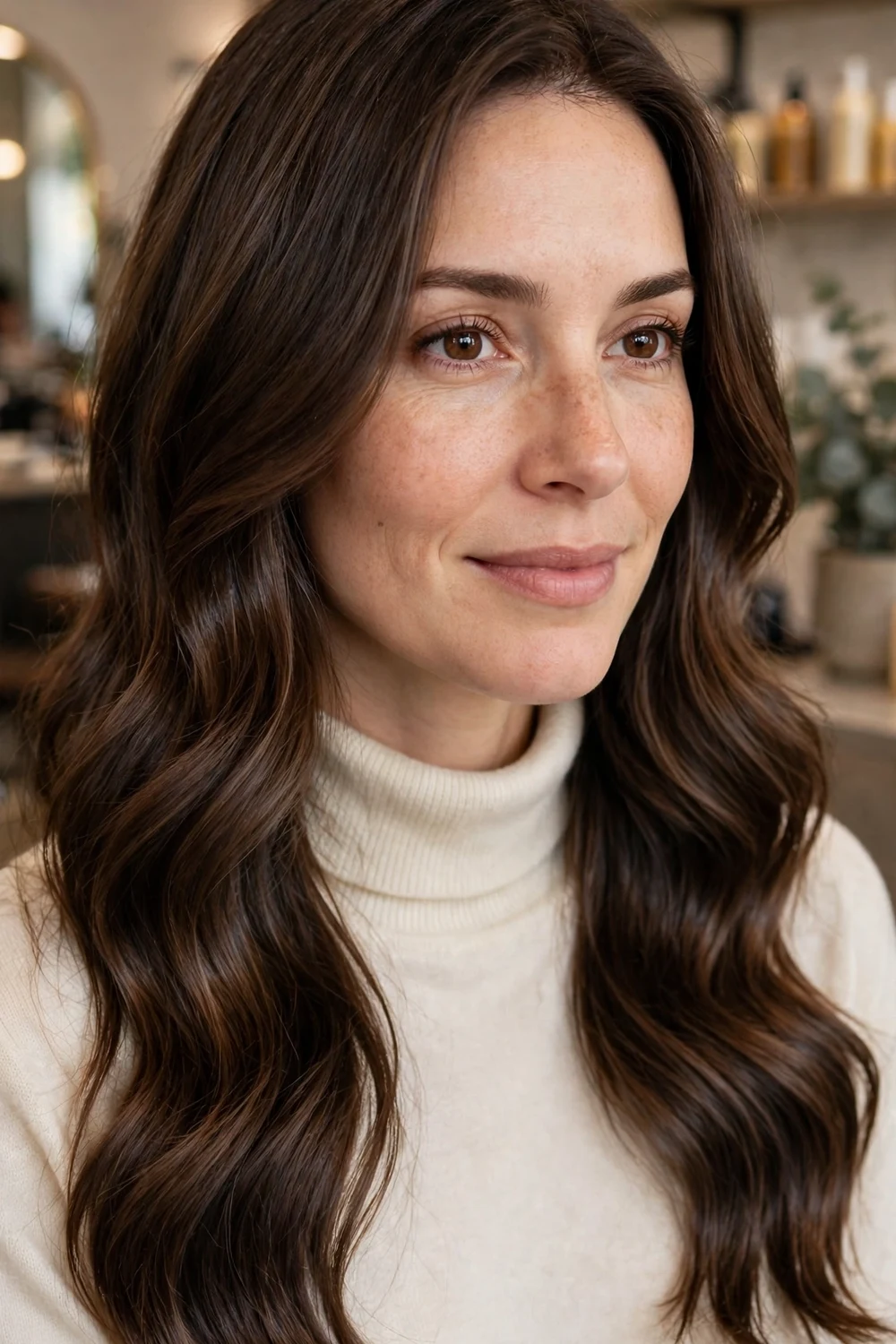
Truffle brunette is the softer evolution of deep brunette color for 2026: chocolate, walnut, and neutral brown tones running through one base, so the hair reads layered rather than flat. It suits readers who want richness without going as dark as espresso.
Because the tones sit within one or two shades of each other, grow-out stays soft and the service can be built with gloss and lowlights on most brunette bases. Refresh the truffle tones with a gloss at eight weeks.
Try this: ask for the walnut tone placed through the mid-lengths. Walnut in the middle is what gives truffle its layered, cut-open look.
Difficulty: Medium | Cost: $$ | Time: 2 to 3 hours
2. Reflective Espresso Brunette
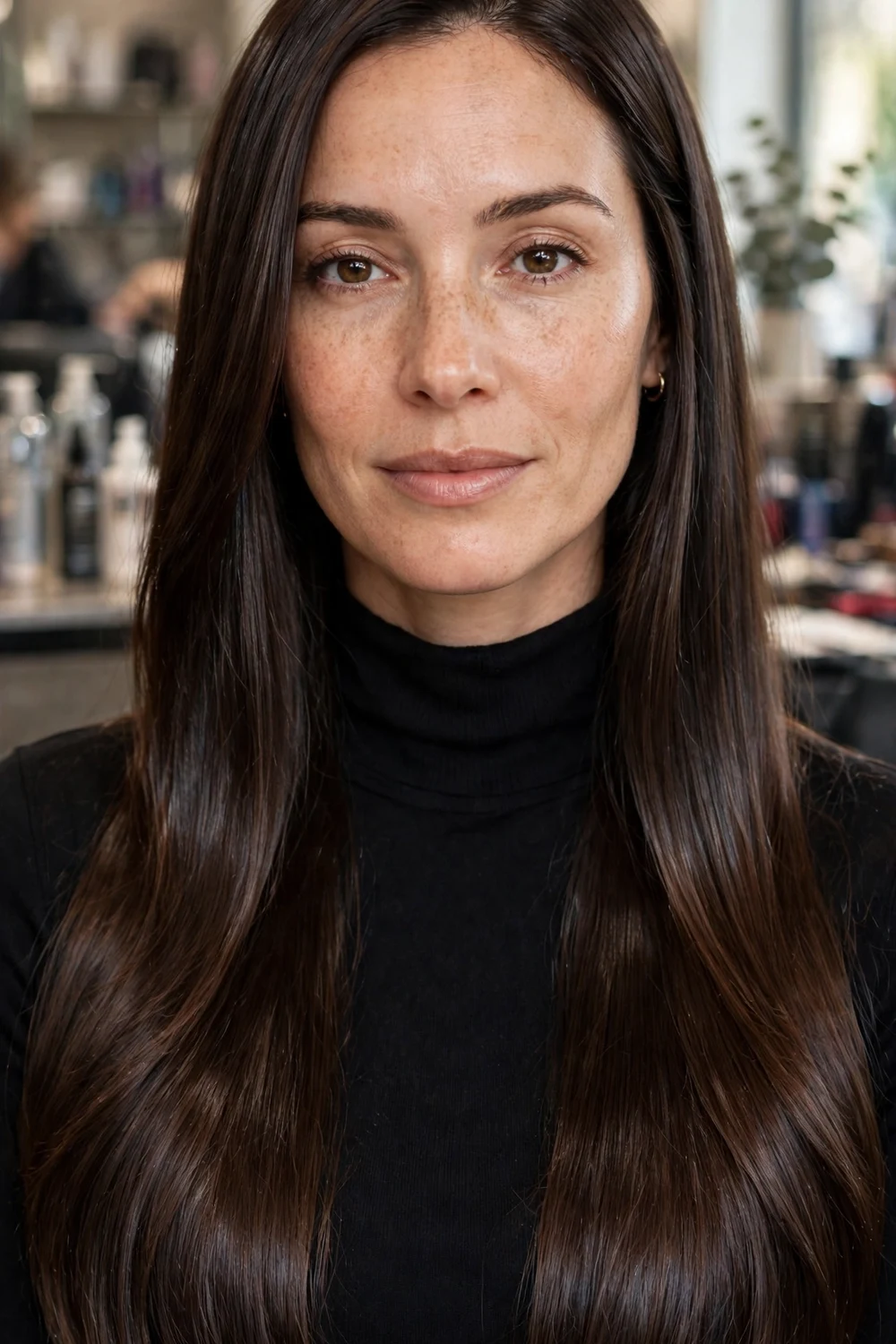
Reflective espresso brunette moves brunette away from a single dense block of dark color. The 2026 version pairs a deep espresso base with subtle tonal movement and a glassy finish, so the hair reflects light along its length.
On an already dark base this can be a gloss and tone service rather than a full color change. The shine is the point of the shade, so a gloss at six weeks and regular conditioning matter more than root work.
Try this: wear it sleek for the first week after the appointment. Straight styling shows the reflective finish at its strongest.
Difficulty: Easy | Cost: $ | Time: 1 to 2 hours
3. Lived-In Golden Honey Blonde

Golden honey blonde with lived-in roots is the headline blonde shift for fall 2026. Icy platinum gives ground to warmer honey shades, with lowlights added through the lengths so the blonde reads deeper and cozier for the season.
A few lowlights can move a summer blonde into this look in one appointment, without a full brunette change. The grown-in root stretches appointments to three months, with a honey gloss at eight weeks.
Try this: if your blonde feels too bright for fall, ask for lowlights two shades deeper than your lightest pieces rather than an all-over darker toner.
Difficulty: Medium | Cost: $$ | Time: 2 to 3 hours
4. Mahogany Red

Mahogany red leads the red shift for fall 2026, taking over the spot copper held in earlier seasons. The tone is violet-based and deeper than copper, and it pairs with burgundy wine and cherry red in the same palette family.
Red tones fade fastest of all, and mahogany is no exception. Plan a gloss at four to five weeks, wash in cool water, and expect the faded version to settle into a warm red-brown.
Try this: choose mahogany over copper if your skin is cool. The violet base in mahogany sits better with pink undertones than orange-based copper does.
Difficulty: Hard | Cost: $$$ | Time: 3 to 4 hours
5. Dark Cherry Cola Red
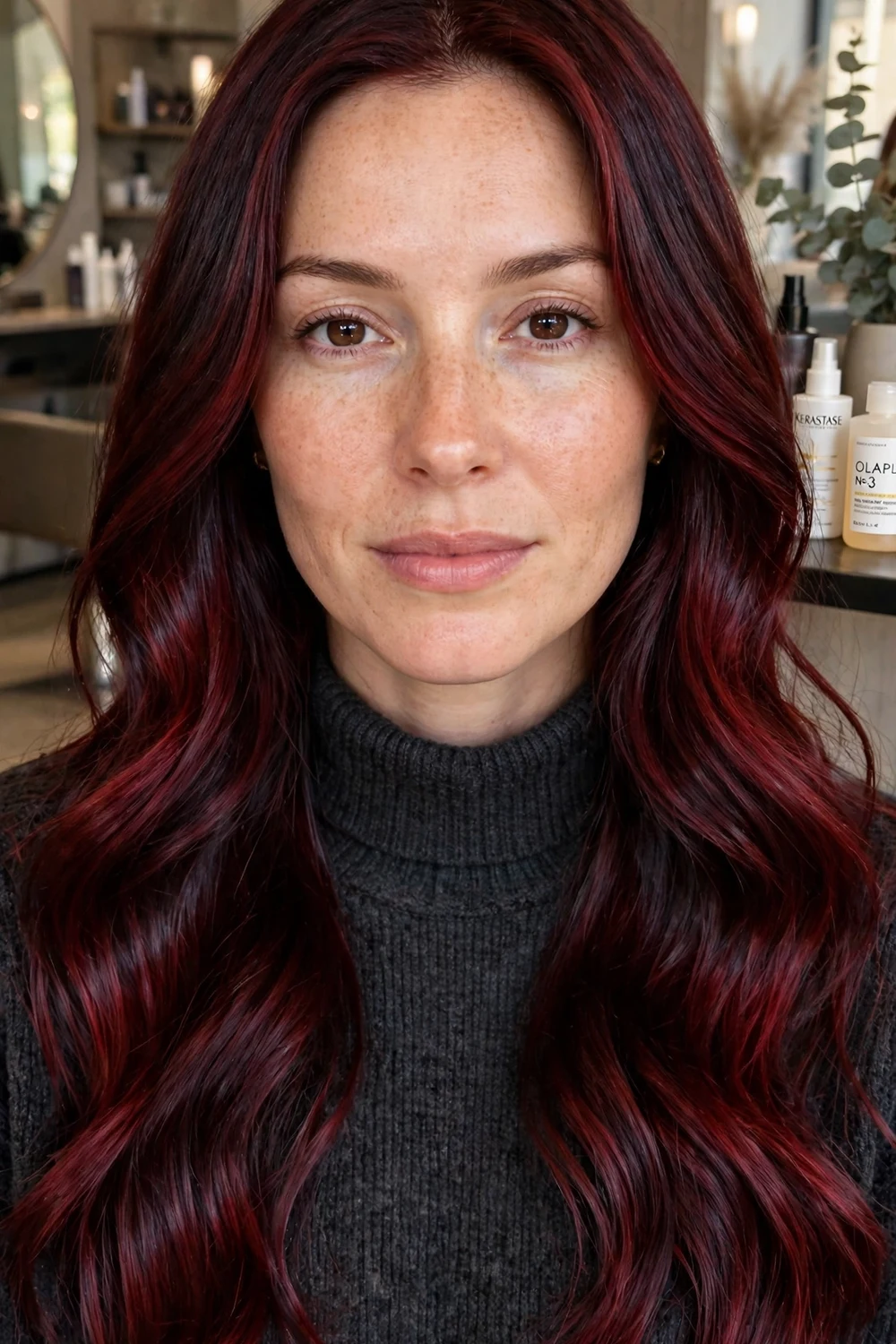
Dark cherry cola red gives readers a redder option than copper without going bright or neon. A dark base carries deep cherry through the lengths, and the finish is glossy, so the red shows as depth rather than as a flat block.
Dark bases reach this shade with a red gloss or demi color and no lift in many cases. The cherry tone refreshes at five weeks, and it fades toward a warm dark red-brown.
Try this: ask for the cherry kept in the mid-lengths and ends. Cherry at the root can read harsh against the skin as it grows.
Difficulty: Medium | Cost: $$ | Time: 2 to 3 hours
6. Wheat Blonde
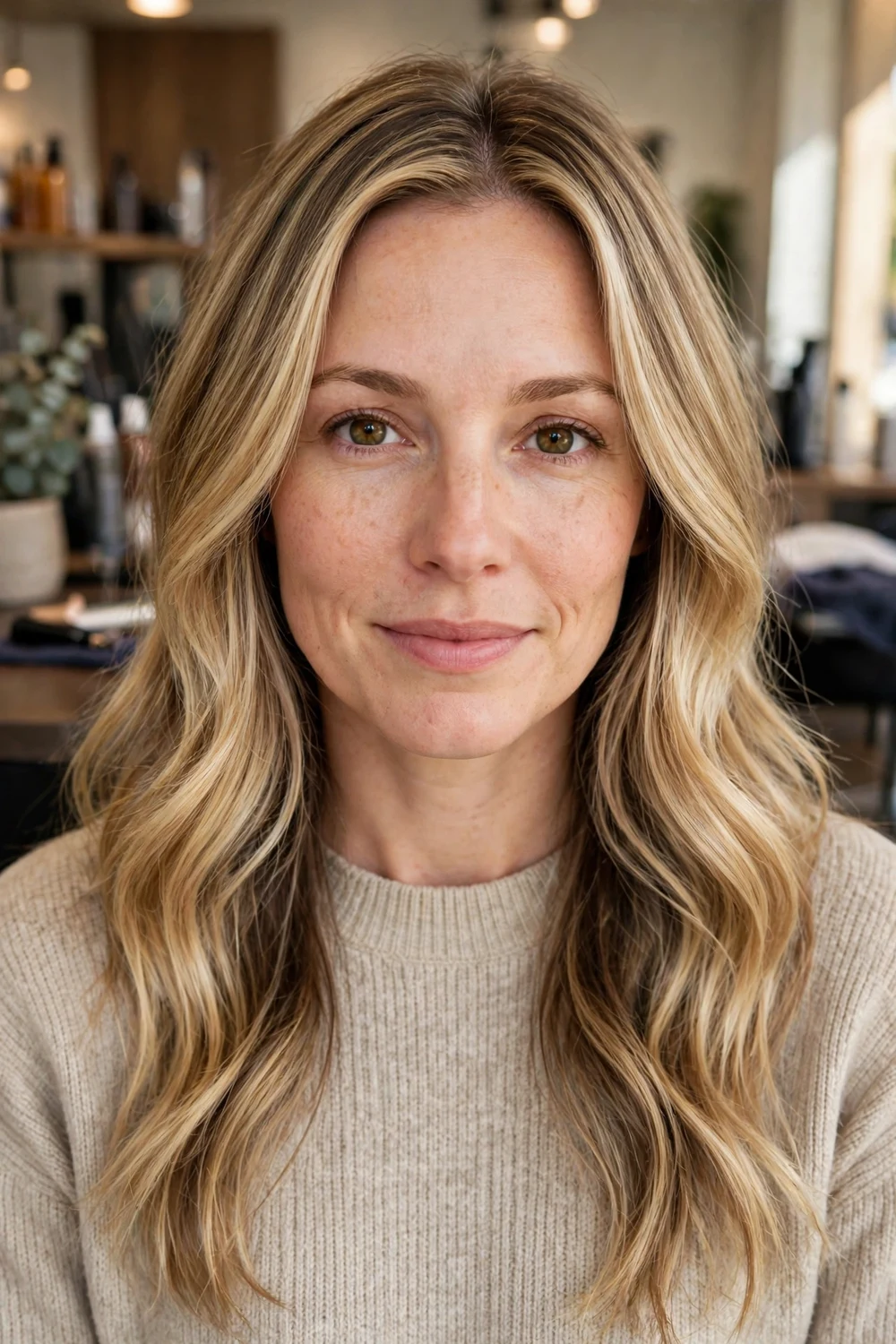
Wheat blonde is the soft, sun-kissed blonde of fall 2026, worn lived-in rather than high impact. It works as highlights or as an all-over color on dark blonde bases, and it suits readers who are not ready to go brunette for the season.
As highlights over a natural base, wheat blonde grows out softly for three months. The tone stays warm and low contrast, so fading reads as softening rather than as a color change.
Try this: keep wheat pieces fine and numerous rather than chunky. Fine placement is what separates wheat blonde from a standard highlight set.
Difficulty: Medium | Cost: $$ | Time: 2 to 3 hours
7. Skin-Matched Nude Blonde

Nude blonde is tailored to the wearer: honey blonde shades and dark caramels matched to skin tone, hair color, and texture. The aim is muted, natural dimension that adds brightness without overwhelming the face.
Because the shade is matched to your own tones, it grows out quietly and needs only a gloss at eight weeks. The consultation matters more than the formula here, since the same name lands differently on every skin tone.
Try this: hold gold and beige jewelry against your skin at the consultation. The metal that flatters you points to the right nude blonde balance.
Difficulty: Medium | Cost: $$ | Time: 2 to 3 hours
8. Golden Walnut
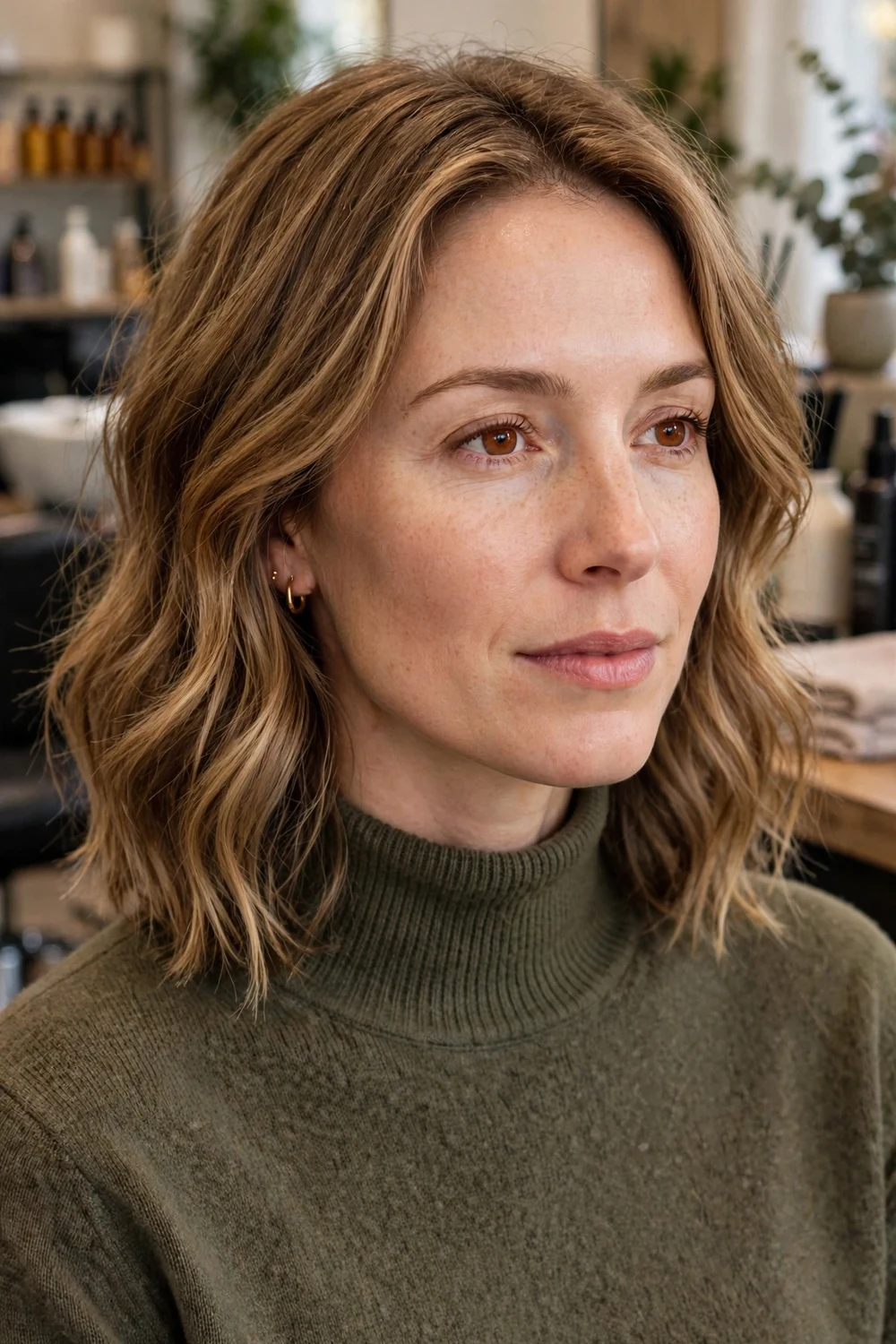
Golden walnut is a light brown to dark blonde shade with a lived-in finish, sitting between the brunette and blonde lists for 2026. It warms a dark blonde base or lightens a light brunette without a high-upkeep blonde service.
The shade can be reached with a gloss and partial highlights on most mid-tone bases. Upkeep is low, with a walnut gloss at eight to ten weeks as the tone softens.
Try this: choose golden walnut if you change your mind often. It sits close enough to both brunette and blonde to move either way next season.
Difficulty: Easy | Cost: $ | Time: 1 to 2 hours
9. Deep Plum
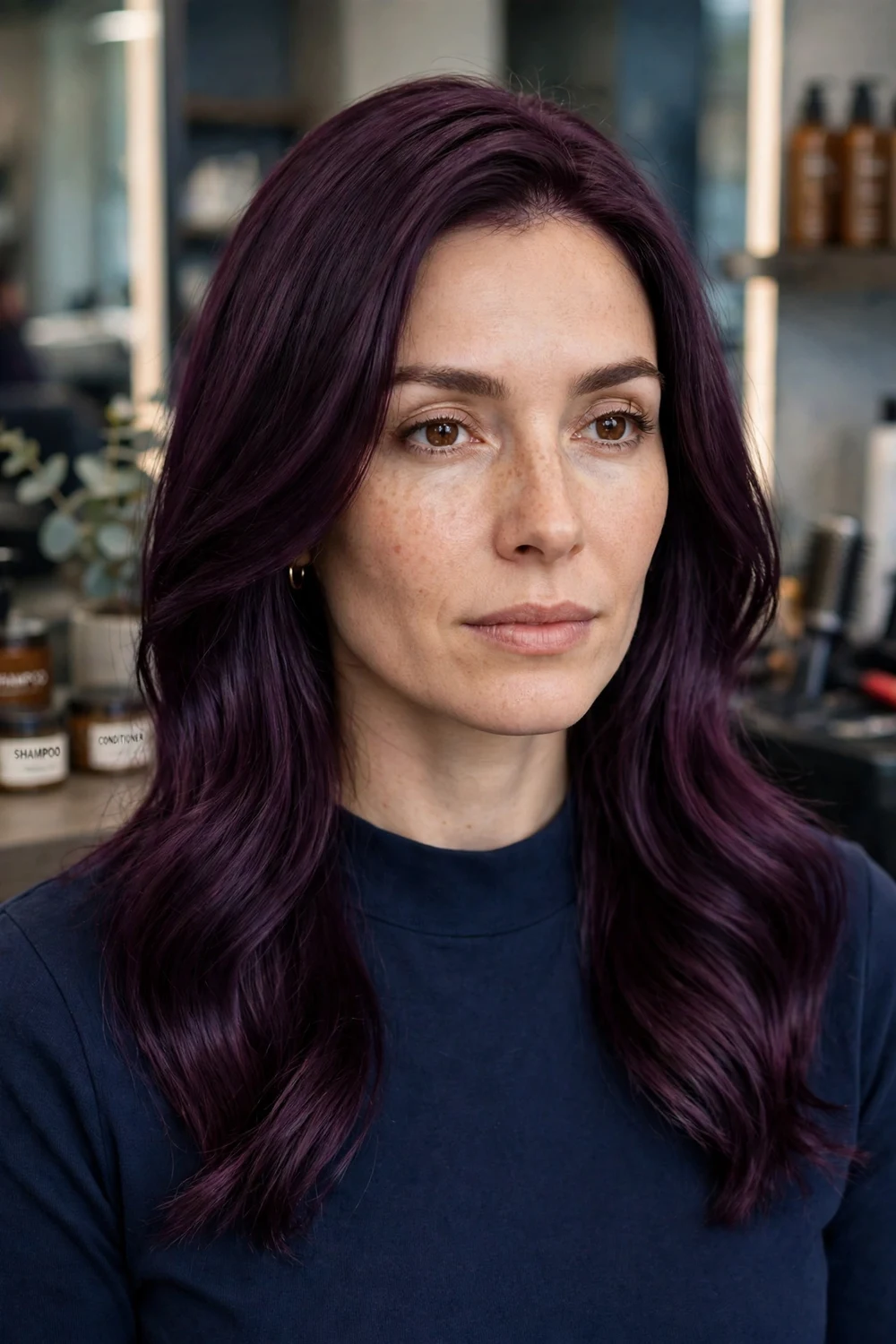
Deep plum and moody purple shades are the bold color call for autumn and winter 2026. The plum reads rich and dark in indoor light and shows its purple cast in daylight, which keeps it wearable for readers who want a visible change.
Plum over a dark base needs little or no lift and can be done as a gloss or demi color. Purple tones fade toward a muted mauve-brown, so a plum gloss at five weeks keeps the cast clear.
Try this: start with a plum gloss over your current brunette before committing to permanent color. The gloss version washes out over several weeks.
Difficulty: Medium | Cost: $$ | Time: 2 hours
10. Chunky Tuscan Lowlights
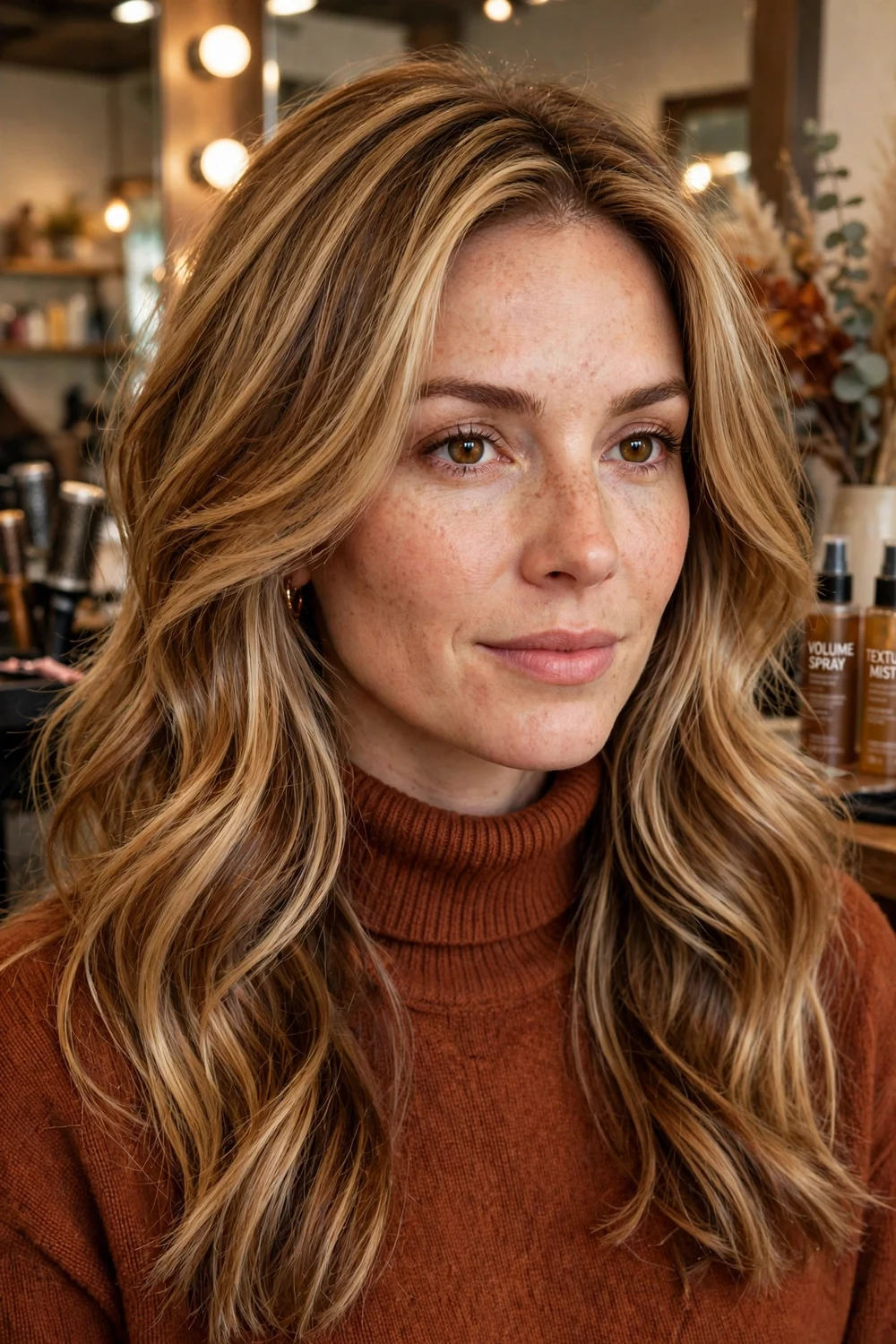
Chunky Tuscan lowlights bring back the higher-contrast lowlights of the late 2000s in a warmer form. Blonde hair gets chunkier caramel-depth pieces woven through, deepening the whole look for fall without a darker all-over color.
On fine hair, keep the darker pieces away from the very ends so the cut does not look flattened. Lowlights add color rather than lifting, so the service is gentle, and the depth refreshes at eight weeks.
Try this: ask for lowlights in two depths, one near your natural color and one a shade deeper. Two depths keep chunky placement from looking striped.
Difficulty: Medium | Cost: $$ | Time: 2 to 3 hours
11. The Bixie

The bixie blends bob and pixie: more structure than a pixie, softer edges than a bob, with elongated front pieces and softer sides. Fringe can be a micro-bang or a heavier sweep, which lets the same cut read classic or bold.
Short cuts need trims at four to six weeks to hold their shape. The bixie grows out into a short bob, which makes it a lower-risk first short cut than a full pixie.
Try this: bring photos of the front pieces at the length you want. Front length is the detail that decides whether a bixie reads bob-first or pixie-first.
Difficulty: Easy | Cost: $ | Time: 1 hour
12. Airy Bob with Invisible Layers

The airy bob is the 2026 reinvention of the bob: romantic and relaxed instead of blunt, with invisible layers inside the cut and a textured, slightly grown-out finish at the ends. The shape looks light while keeping enough weight to feel full.
Invisible layers need a stylist who cuts for movement, so ask how they layer a bob at the consultation. Trims at six to eight weeks keep the ends textured rather than thin.
Try this: choose the airy bob if a blunt bob felt too severe on you. The internal layers soften the outline without changing the length.
Difficulty: Easy | Cost: $ | Time: 1 hour
13. Clavi-Cut

The clavi-cut falls at the clavicle, between a bob and long hair, and focuses on movement through the ends. It suits readers who want a clear change from long hair while keeping ponytail length.
Clavicle length works on most densities and pairs well with the color trends on this list, since the ends still show dimension. Trims at eight weeks keep the line at the clavicle rather than drifting into long hair.
Try this: ask for the front pieces cut a fraction longer than the back. That slope is what gives the clavi-cut its swing.
Difficulty: Easy | Cost: $ | Time: 1 hour
14. Graduated Razor Bob
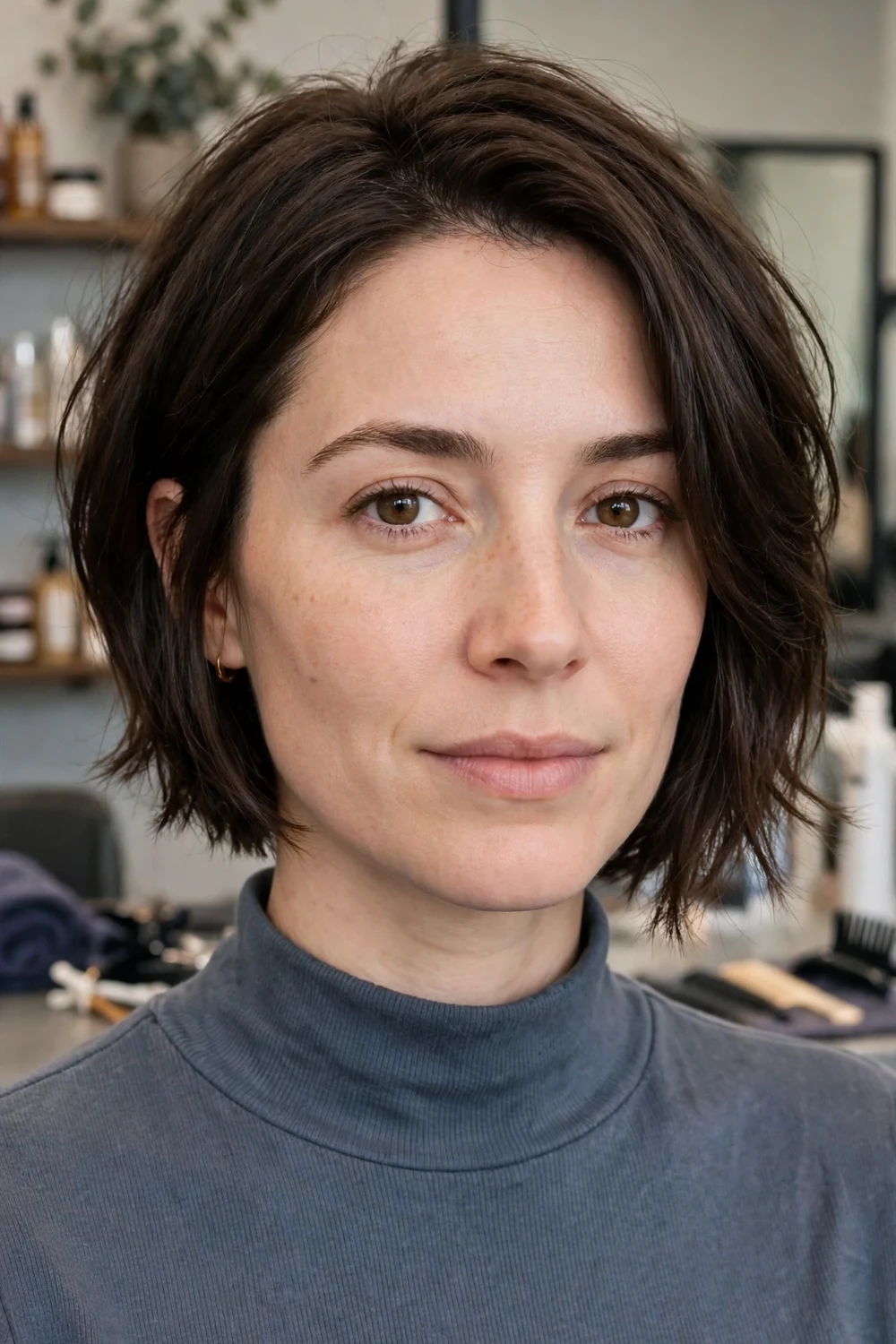
The graduated bob sits between the jawline and the shoulder, with a razor used to remove weight at the nape and deconstruct the ends. The front stays slightly longer, keeping length and weight around the face while the back reads light and mobile.
Razor cutting adds movement and softness, and it suits straight to wavy hair best. Very curly hair usually does better with scissor graduation, so raise texture at the consultation.
Try this: if your bob normally grows into a triangle shape, graduation at the nape is the fix. Weight comes off the back while the front keeps its line.
Difficulty: Easy | Cost: $ | Time: 1 hour
15. Modern Shag with Shattered Layers

The modern shag uses soft interior layers to shatter the heaviness at the bottom of the hair, with layering through the crown for volume. On fine and medium hair the layers add body, while thick hair needs more thinning to avoid a triangle outline.
The shag is forgiving as it grows, since the shape is textured by design. A reshape at eight to ten weeks keeps the crown layers sitting where they should.
Try this: pair the shag with curtain bangs if you wear your hair up often. The bangs keep the shape visible when the lengths are tied back.
Difficulty: Easy | Cost: $ | Time: 1 hour
16. Supermodel Layers with Face Framing

Supermodel layers refresh long hair for 2026: long layers starting below the chin, with face-framing pieces that open the cheekbones and add bounce through the front. The length stays, and the movement does the updating.
Layers reveal different tones as the hair moves, so this cut pairs well with balayage, bronde, and ribbon highlights. A blowout shows the layering best, and a trim at eight weeks keeps the face frame at the right length.
Try this: ask for the shortest face-framing piece to start at the cheekbone. Shorter starts can read as grown-out bangs instead of layers.
Difficulty: Easy | Cost: $ | Time: 1 hour
17. One-Length Blunt Cut
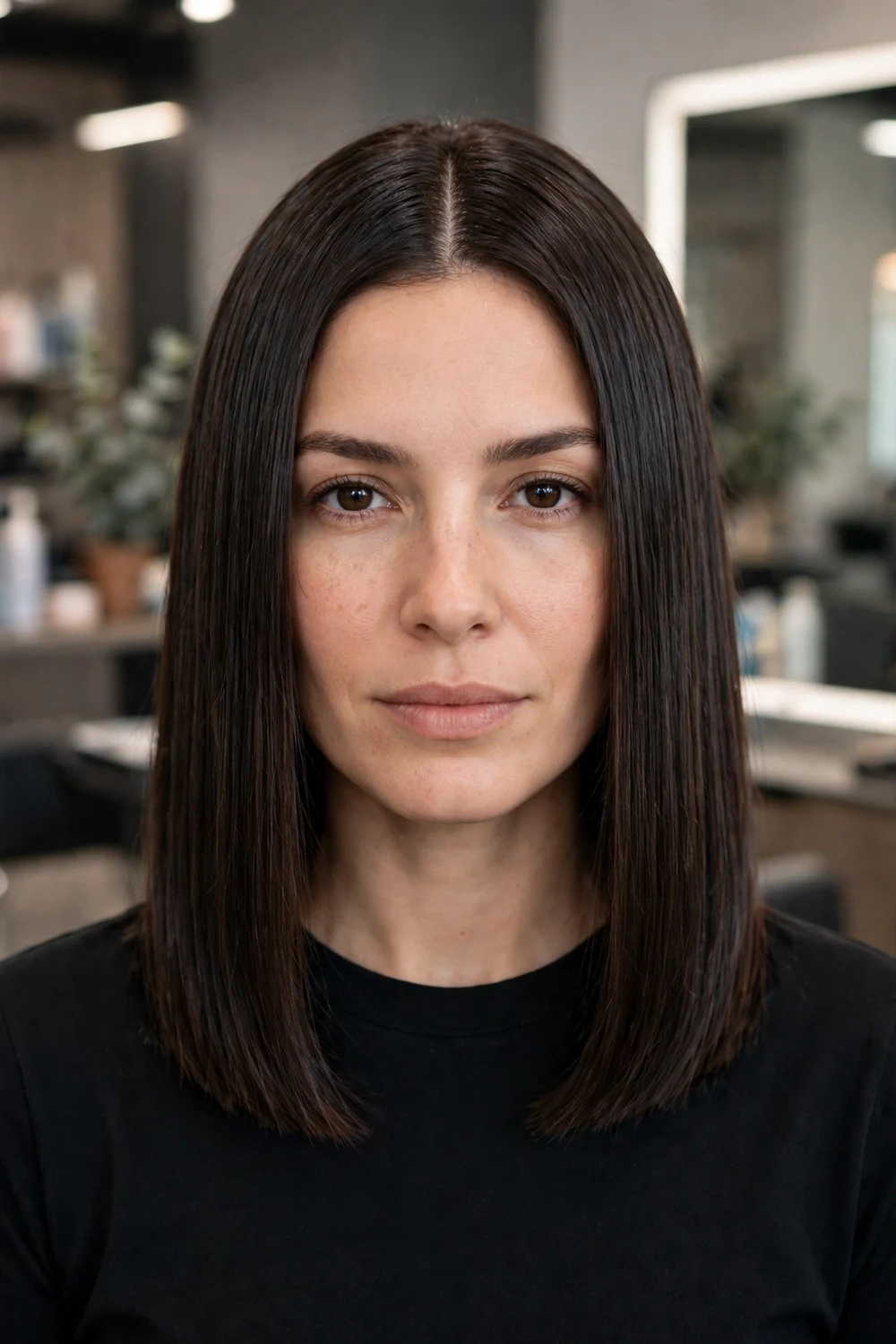
The one-length cut is the plot twist of fall 2026: after seasons of layers, the heaviness and weight of a blunt, single-length cut are drawing clients back. The result reads strong and deliberate, especially worn straight with a center or side part.
One-length cuts show split ends clearly, so trims at six weeks keep the line clean. The cut suits straight and smooth-wavy hair best, since curl patterns usually need layering for shape.
Try this: choose one length if your layers have thinned your ends over time. Growing into a blunt line is the fastest way to make ends look fuller.
Difficulty: Easy | Cost: $ | Time: 1 hour
18. Grown-Out Bob with Tousled Texture
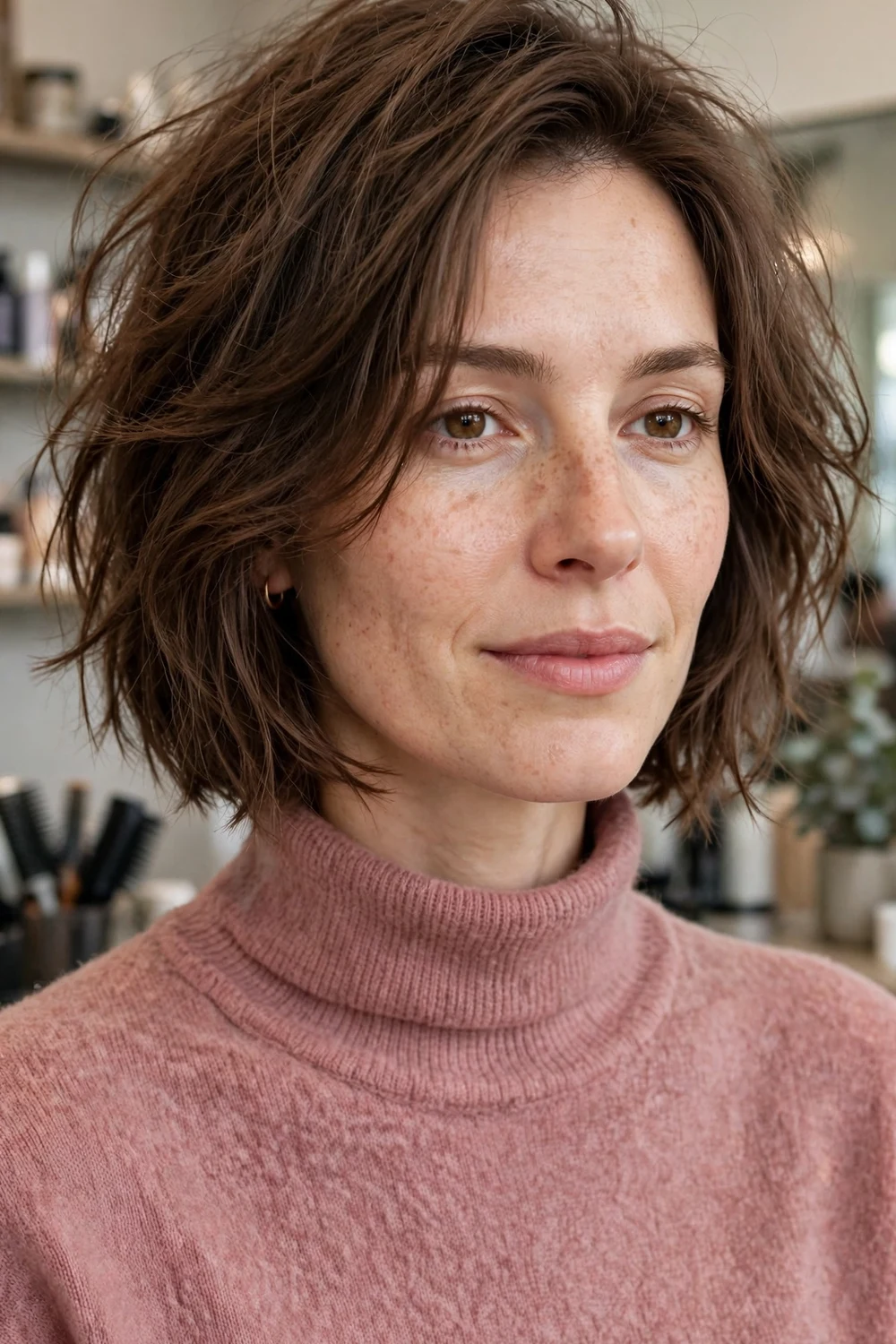
The grown-out bob takes its cue from 1960s shapes: grown-out pixies and bobs worn with a tousled, finger-dried texture. The look encourages movement around the face and works with natural texture instead of against it.
This is the lowest upkeep cut on the list, since it is designed to look grown out from the start. A tidy-up trim at ten weeks keeps it intentional rather than overdue.
Try this: finger-dry with a small amount of styling cream and leave the ends alone. Over-brushing removes the tousled texture that defines this cut.
Difficulty: Easy | Cost: $ | Time: 45 minutes
19. The Returning Side Part

The side part returns as a headline styling shift for fall 2026. Moving the part changes volume, face shape emphasis, and the whole feel of an existing cut, and stylists are seeing most styles side-parted this season.
A side part costs nothing and needs no appointment, which makes it the fastest trend on this list to test. Use the arch of your eyebrow as the guide for where to place the part.
Try this: flip your part to the opposite side for extra root volume. Hair trained one way lifts when it is pushed against its usual direction.
Difficulty: Easy | Cost: $ | Time: 10 minutes
20. Birkin Fringe

Birkin fringe is the soft, retro bang of fall 2026: wispy, slightly separated, and worn with longer hair. Fringe in general is a big request this season, and the Birkin version is the gentlest entry, since it blends into face-framing layers as it grows.
Bangs need a quick trim at three to four weeks, and most salons offer short fringe trims between full appointments. The wispy weight suits fine to medium hair best.
Try this: ask for the fringe cut dry and at its natural fall. Wet-cut bangs spring up shorter than expected, which matters with a wispy fringe.
Difficulty: Easy | Cost: $ | Time: 30 minutes
21. Textured Cowboy Bangs

Cowboy bangs are textured, piecey, layered bangs that frame the face, named for their relaxed, worn-in feel. They sit between curtain bangs and a full fringe, and they pair naturally with shags, layers, and wavy cuts.
Piecey bangs hold up well between trims because the texture hides uneven growth. A fringe trim at four weeks keeps the pieces at cheekbone length, where they frame best.
Try this: style cowboy bangs with your fingers and a small amount of texture cream. A round brush makes them too smooth and loses the piecey finish.
Difficulty: Easy | Cost: $ | Time: 30 minutes
22. Structured Natural Curls

Natural texture leads again in fall 2026, worn with more intention: structured curls, defined waves, and full-bodied shapes that hold up against weather and layered collars. The trend is about shaping natural texture rather than straightening it away.
A curl-shaped cut, cut dry and by the curl, sets the structure. Refresh with water and curl cream between wash days, and book a reshape at eight to ten weeks as the shape grows.
Try this: ask for your cut to be done on dry, styled curls. Cutting curls wet and stretched gives a different shape once they spring back.
Difficulty: Easy | Cost: $ | Time: 1 hour
23. Feed-In Braids with Curly Ends

Protective styles keep their place in fall 2026, and feed-in braids with curly ends are the standout version. The braids protect the hair through the cold months, while the loose curly ends keep the look soft rather than severe.
A braid appointment takes several hours, then the style wears for weeks with scalp care and a silk or satin cover at night. Keep the style in for the timeframe your braider advises, and cleanse the scalp gently between wears.
Try this: choose curly ends in a tone close to your own hair if you want the braids to read natural, or a warmer tone to bring fall color into a protective style.
Difficulty: Hard | Cost: $$$ | Time: 4 to 6 hours
24. Glossy 90s Updo

The 90s updo returns in a stripped-back form: ponytails, French twists, and buns with a minimalist shape, a strong center or side part, and a glossy finish. The style is simple by design, which is what makes it read current.
This is a styling trend rather than a salon service, so the cost is your own time and a shine product. It works best on hair at least shoulder length, and day-two hair holds the shape better than freshly washed hair.
Try this: smooth a small amount of shine serum over the surface after the updo is pinned. Adding it before styling can make pins slip.
Difficulty: Easy | Cost: $ | Time: 20 minutes
25. Barrette Half-Up with Retro Clips

Barrettes and retro combs slide back into fall 2026 styling: sleek metals, tortoiseshell, and pearly clips that pull one side behind the ear or fasten a half-up style. Accessories finish bobs, curls, and updos alike, and they suit knitwear and coat season well.
No salon visit is needed, and one good clip carries across many outfits. Choose a barrette with a firm clasp for thick hair, since decorative clips alone can slide out during the day.
Try this: place the barrette just above the ear on the side opposite your part. That balance is the placement stylists are using this season.
Difficulty: Easy | Cost: $ | Time: 10 minutes
Fall 2026 Trends at a Glance
| Trend group | Ideas on this list | Suits | Upkeep |
|---|---|---|---|
| 2026 colors | Truffle brunette, mahogany red, honey blonde, deep plum | All bases, matched by tone | Gloss at 4 to 8 weeks by family |
| 2026 cuts | Bixie, airy bob, clavi-cut, graduated bob, modern shag | Fine to thick, by cut | Trim at 4 to 10 weeks |
| 2026 fringe | Birkin fringe, cowboy bangs | Fine to medium | Fringe trim at 3 to 4 weeks |
| 2026 styling | Side part, 90s updo, barrette half-up, structured curls | All types | At home, no salon visit |
| Protective | Feed-in braids with curly ends | Textured hair | Weeks of wear per install |
Readers focused on light hair can go deeper with the fall blonde hair colors list, where the honey and wheat direction of 2026 appears shade by shade. For painted placement in the new warm tones, the fall balayage hair colors list shows the same palette in balayage form.
Frequently Asked Questions
What is new in fall hair for 2026 compared with last fall?
The 2026 shifts are specific: mahogany red takes over from copper as the lead red, blondes move to golden honey with lived-in roots, brunettes go softer and more reflective with truffle and espresso tones, and cuts move toward airy bobs, the bixie, and shattered shag layers. Styling brings back the side part, retro barrettes, and glossy 90s updos.
Which fall 2026 trends need no salon visit?
Three trends on this list are styling changes you can make at home: the returning side part, the glossy 90s updo, and the barrette half-up with retro clips. Enhanced natural texture also starts at home, with a curl-shaped salon cut as an optional foundation if you want the shape set by a stylist.
Are these 2026 trends suited to fine hair?
Several are. Soft interior layering and crown layering in the modern shag add volume to fine hair, the airy bob keeps weight while adding movement, and lived-in honey blonde with lowlights adds depth that makes fine hair look fuller. Chunky lowlights on fine hair should stay away from the very ends so the cut keeps its body.
How long do fall 2026 red shades last?
Mahogany red and dark cherry cola red fade faster than brunette or blonde shades, as all red tones do. Expect the strongest tone for four to five weeks, then a softer red-brown as it fades. A matched gloss refreshes the tone in a short appointment, and cool water washing slows the fade.
Can I combine a 2026 color with a 2026 cut in one appointment?
Yes, and many readers do. Common pairings from this list are truffle brunette with supermodel layers, lived-in honey blonde with the clavi-cut, and mahogany red with the airy bob. Book the cut first in the consultation conversation, since the cut decides where color placement will show, then plan color placement around the new shape.
Final Thoughts
Fall 2026 rewards readers who pick one clear update and wear it well: a glossier brunette or a warmer blonde, a cut with real shape, or a styling change as simple as moving your part. Start with the group that fits your calendar, color for the biggest change, cuts for a new routine, styling for a same-day refresh, and let the other groups wait for your next appointment. The season has room for all three, one visit at a time.

